


20 Movies that Allegedly Harmed Animals



Some films have drawn criticism for the way animals were treated during production. In many cases, the controversy comes from on-screen scenes that appear to show real harm, off-set incidents reported by crew, or training and handling practices that advocacy groups challenged at the time or afterward. These situations often led to investigations, public outcry, or industry changes meant to improve monitoring.
What follows is a look at notable titles where allegations were raised. Each entry summarizes what was reported, how watchdogs or authorities responded, and what the production or studio said in return. The goal is to present the key claims and the outcomes that were documented, so readers can understand why these movies are still discussed when animal safety on sets comes up.
‘Cannibal Holocaust’ (1980)
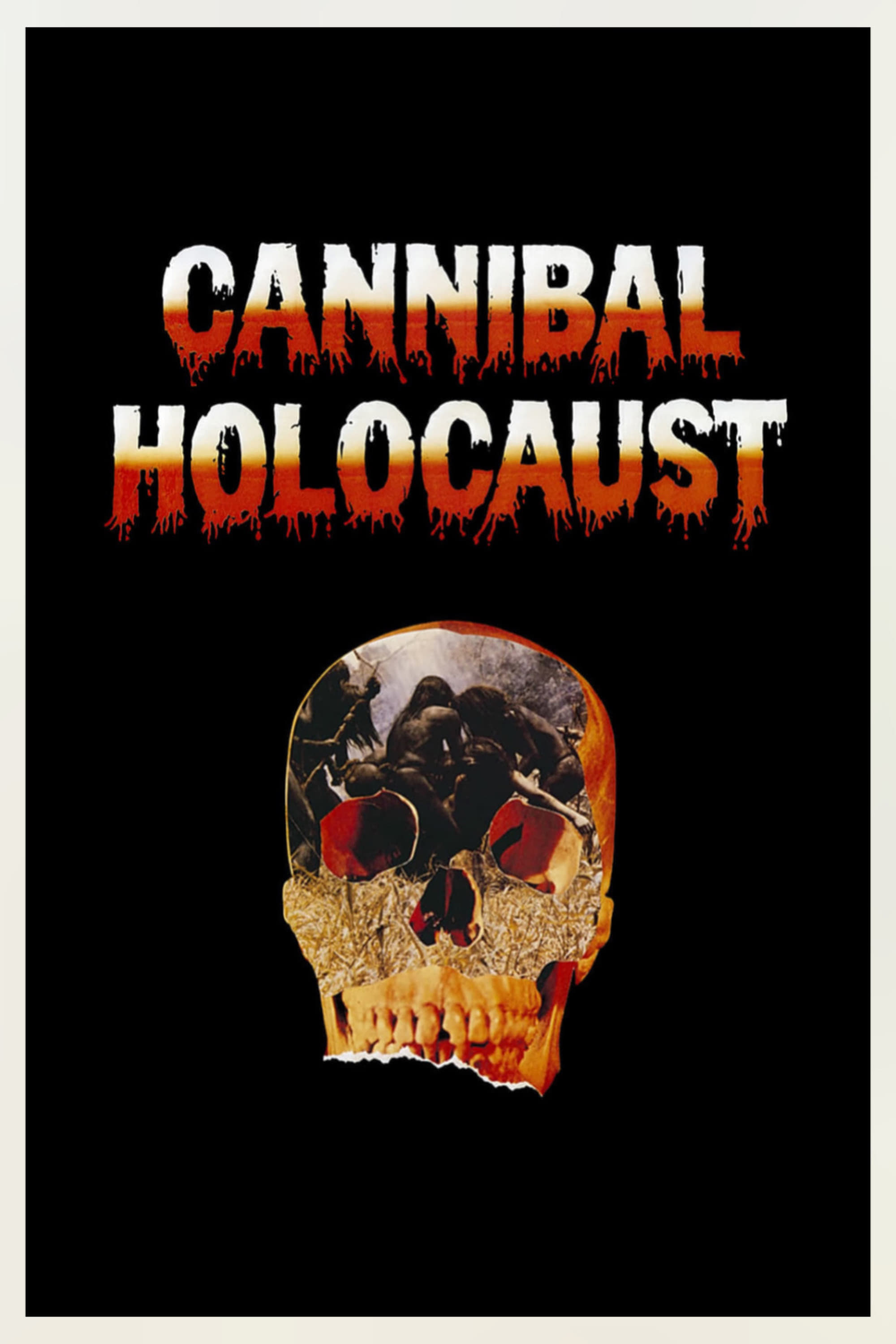
Reports and behind-the-scenes accounts state that multiple animals were killed on camera for scenes that appear in the finished film. The production’s approach prompted legal scrutiny in its home country and became a central example cited by animal welfare groups when discussing exploitation cinema and the limits of special effects at the time.
The director and producers defended the choices as part of the film’s commitment to realism, while critics pointed to the lack of independent oversight during the shoot. Later home releases sometimes included statements or discussions about the controversy, which kept the debate active among historians and ethicists.
‘Apocalypse Now’ (1979)
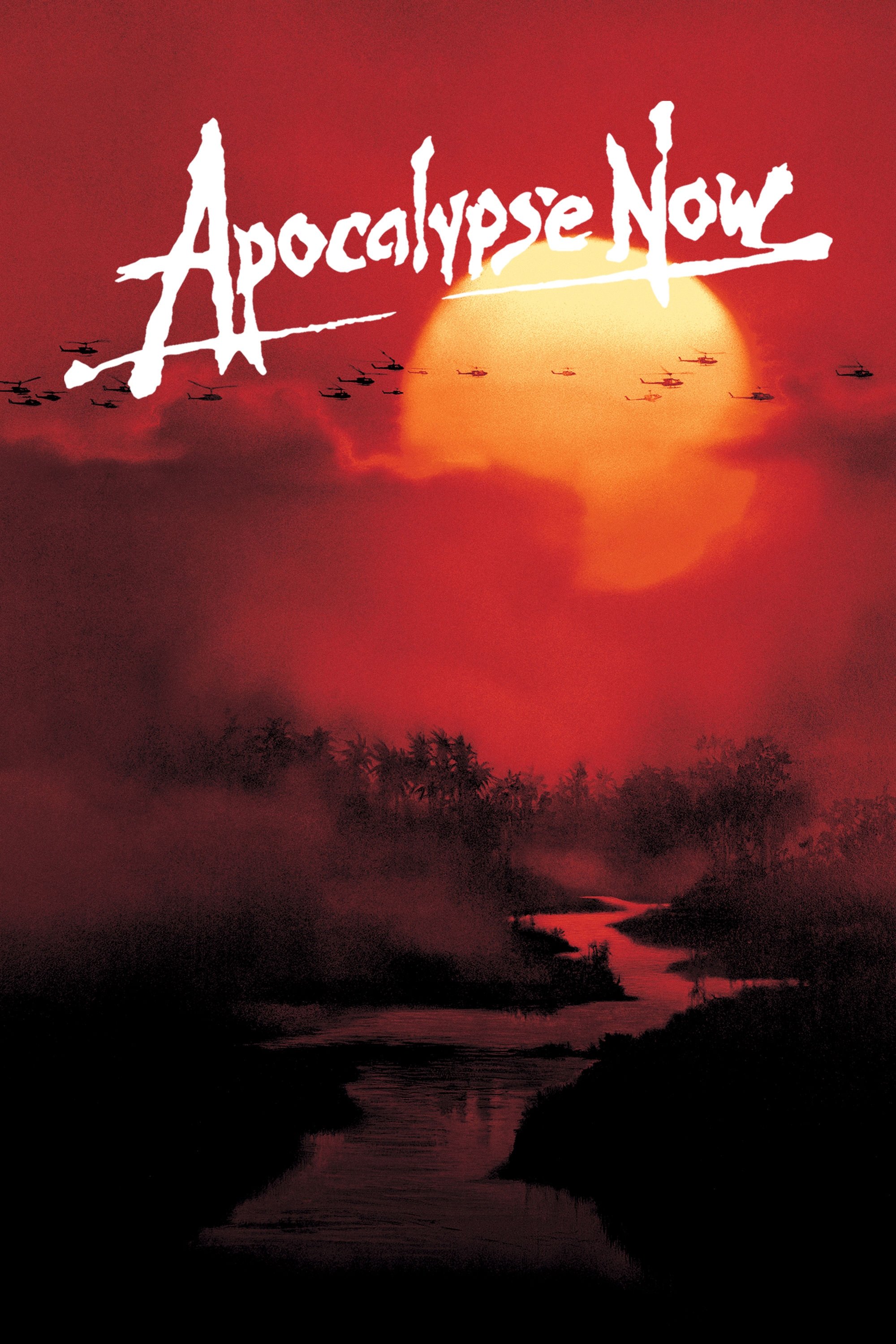
Viewers and journalists have long noted the on-screen slaughter of a water buffalo during a ritual sequence. Accounts from the set have described the scene as filmed in cooperation with local participants who were already planning the ritual, which complicated assessments of responsibility under production guidelines.
Industry groups later referenced this title in training materials about how cultural practices intersect with filming. The scene also led to questions about when documentary elements are incorporated into narrative productions and what rules should apply when cameras capture a real killing.
‘Heaven’s Gate’ (1980)
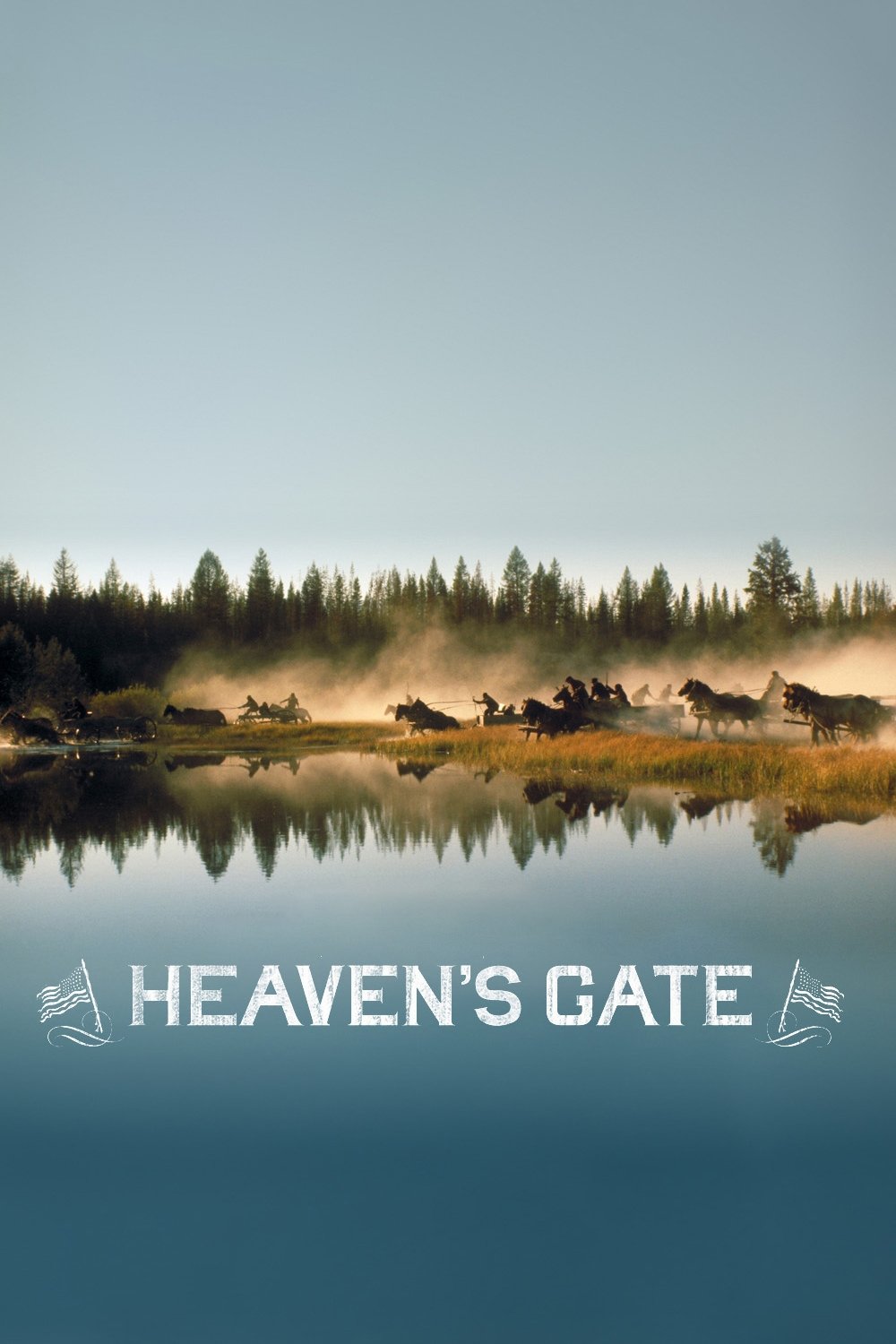
Reports from crew and contemporary media alleged the use of tripwires and other practices that resulted in horse injuries during large set pieces. The production’s scale and schedule were frequently cited as factors that made close monitoring difficult, which amplified calls for stronger third-party presence on westerns and action scenes with animals.
The studio issued statements disputing the extent of the claims, but the fallout contributed to tougher scrutiny of equine stunts in subsequent productions. Training protocols and break intervals for animal performers on similar films were updated in response to lessons learned.
‘The Adventures of Milo and Otis’ (1986)
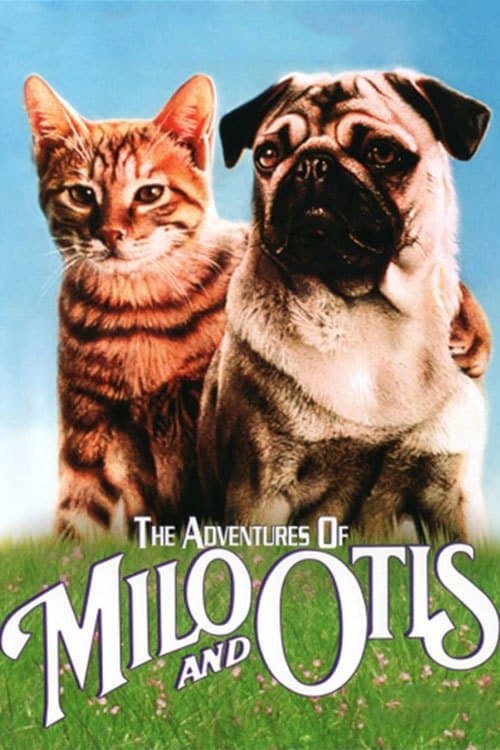
Allegations emerged that multiple cats and dogs were used and that some may have been harmed while performing risky gags such as river and cliff sequences. Because much of the film was shot outside the jurisdiction of familiar Hollywood monitors, advocates argued that verification of conditions was difficult.
Distributors maintained that no wrongdoing occurred, yet the lack of detailed third-party logs from the original set kept the controversy alive. The title is frequently cited in discussions about import releases and how oversight standards from one country should factor into distribution decisions elsewhere.
‘Stagecoach’ (1939)

Film historians and welfare organizations have pointed to reports of running-W rigs and tripwires used to topple horses during high-speed chases. These methods were common in the era but later fell out of favor as injury rates became better documented.
Retrospectives about stunt evolution often highlight this production when explaining why certain rigging techniques were phased out. The conversation helped establish guidelines that prioritized safer training, controlled pacing, and more rehearsals for animal stunts.
‘Jesse James’ (1939)

Contemporary coverage and later histories described a scene in which a horse was forced off a cliff into water, with allegations that the animal died as a result. The outcry over that sequence became a catalyst for stronger industry attention to animal safety on sets.
In the aftermath, studios increasingly accepted outside monitors for sequences involving horses and livestock. The incident is routinely referenced in policy timelines that track milestones for safer filming practices.
‘The Charge of the Light Brigade’ (1936)

Accounts from the production note the use of tripwires during cavalry charges, which reportedly led to injuries and deaths among horses. The controversy prompted advocacy groups to push for bans on specific stunt techniques that were judged to carry unacceptable risk.
Subsequent productions adopted new rules limiting what could be done at full gallop and how many takes were permissible with animals under load. These changes laid groundwork for the checklists and pre-stunt approvals commonly used today.
‘Ben-Hur: A Tale of the Christ’ (1925)

Silent-era reporting and later scholarship alleged that horses were injured or killed during the large-scale chariot sequences, which were staged with limited safety infrastructure by modern standards. Documentation from that period is uneven, which has fueled ongoing debate about the exact toll.
Preservationists and historians cite this title to illustrate how risk was handled before modern coordinators and veterinary teams became standard. The chariot sequence is often used in training classes to compare past and present approaches to track design, harnessing, and emergency response.
‘The Wild Bunch’ (1969)
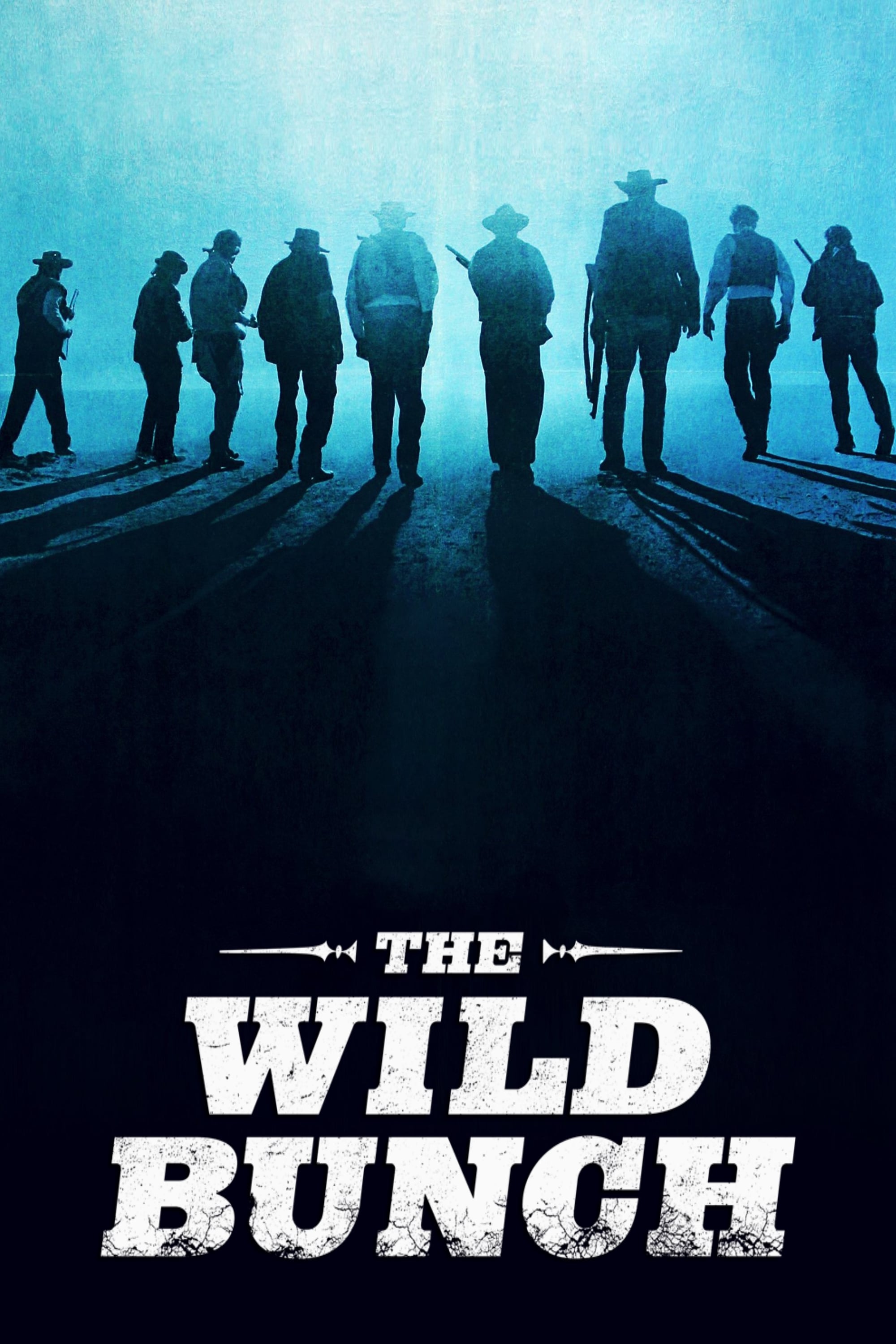
Welfare advocates criticized sequences in which horses fall violently during gunfights and explosions, alleging the use of hazardous rigs and insufficient protections. Production defenders pointed to experienced wranglers on set, though competing accounts describe multiple animals stumbling beyond controlled falls.
The film’s reception played into broader industry discussions about how realism in action scenes should be balanced against risk to animals. Later westerns cited this example when justifying investments in mechanical rigs and optical methods that reduce physical impact.
‘Wake in Fright’ (1971)

The film includes an extended kangaroo hunting sequence that shows real animals being shot, which sparked controversy with audiences and animal welfare groups. Production sources have said that footage was captured alongside licensed culls, but its inclusion in a narrative feature became a flashpoint.
Home media editions and festival notes have addressed the scene with context about wildlife management and ethics. The title is now a frequent reference in debates over incorporating documentary material depicting animal deaths into fiction films.
‘Oldboy’ (2003)
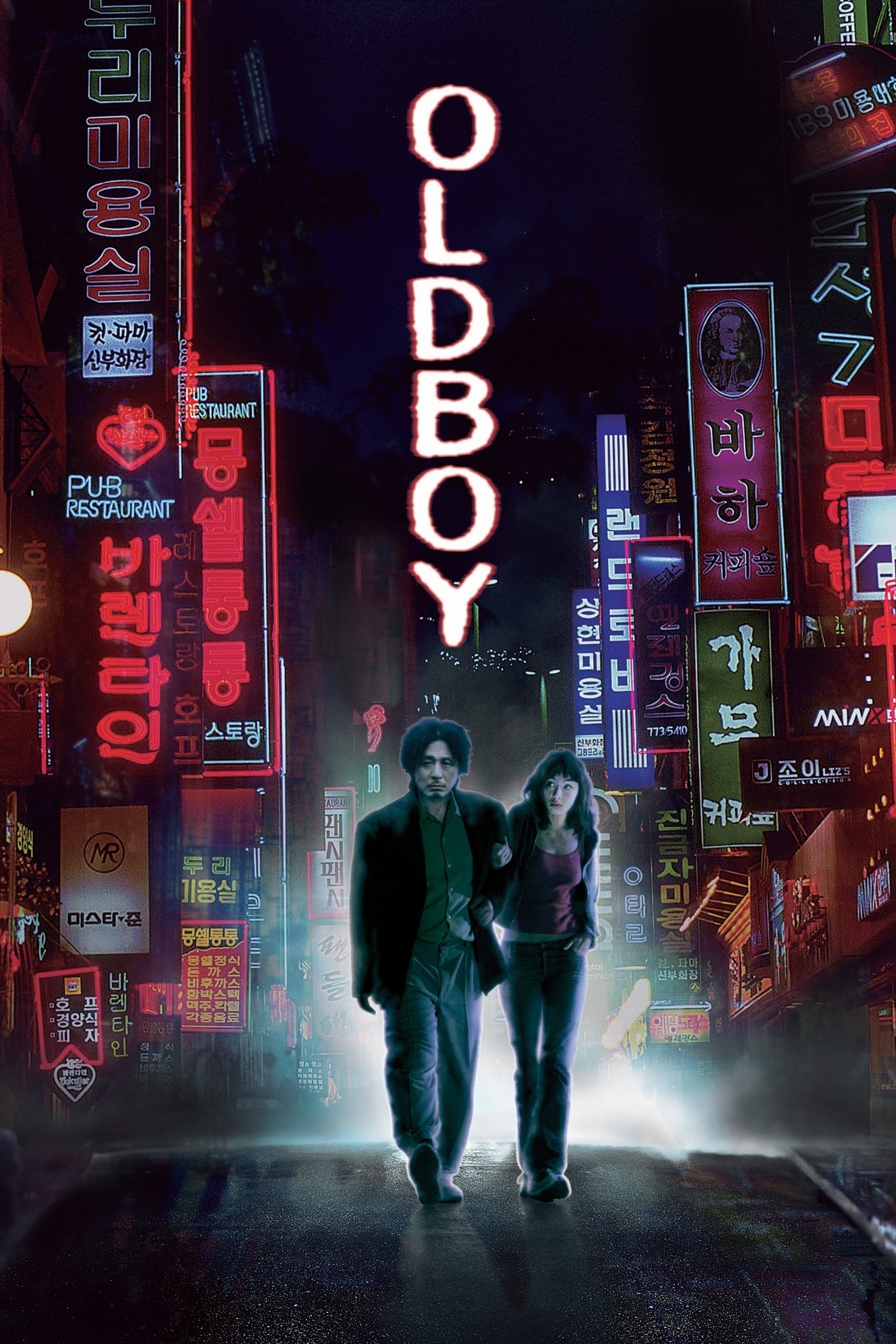
Multiple production interviews and coverage confirm that several octopuses were killed and eaten on camera for a pivotal scene. The director and actor have both discussed the circumstances, including the presence of staff to prepare the animals before the takes.
Animal advocacy organizations cited the sequence as an example of practices that could be simulated. The conversation led some distributors to add notes for viewers and encouraged later productions to consider alternatives when scenes call for eating live creatures.
‘Andrei Rublev’ (1966)
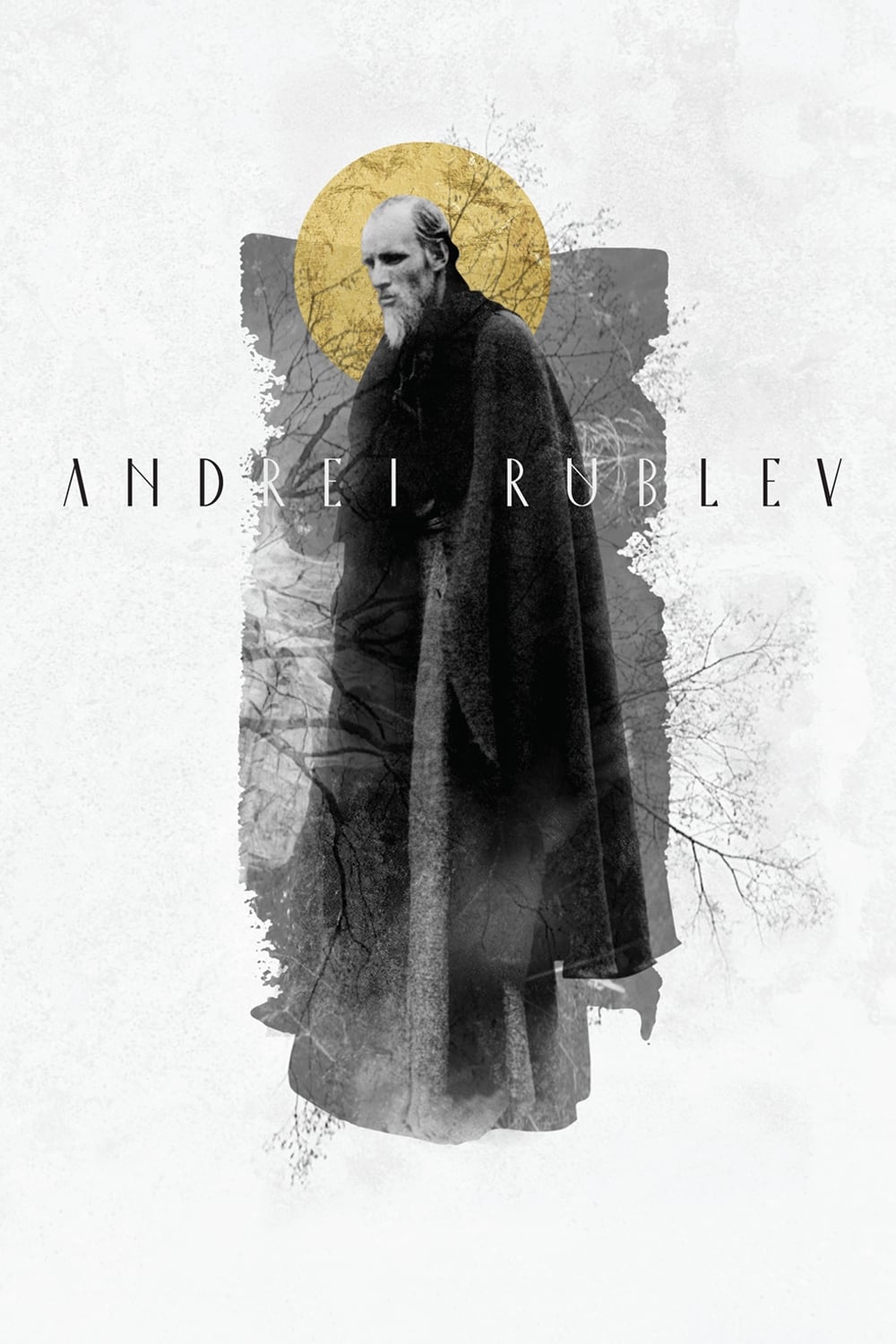
Film records and scholarly accounts describe a battle scene in which a horse was fatally injured on camera after being pushed from a set structure and speared with a prop. Sources have noted that the production obtained the animal from an abattoir, which was presented as context but did not ease criticism.
The sequence is regularly discussed in film studies curricula as an ethical boundary case. It helped shape later standards that prohibit euthanizing or injuring animals to capture a shot and that require veterinary supervision for high-risk setups.
‘Cockfighter’ (1974)
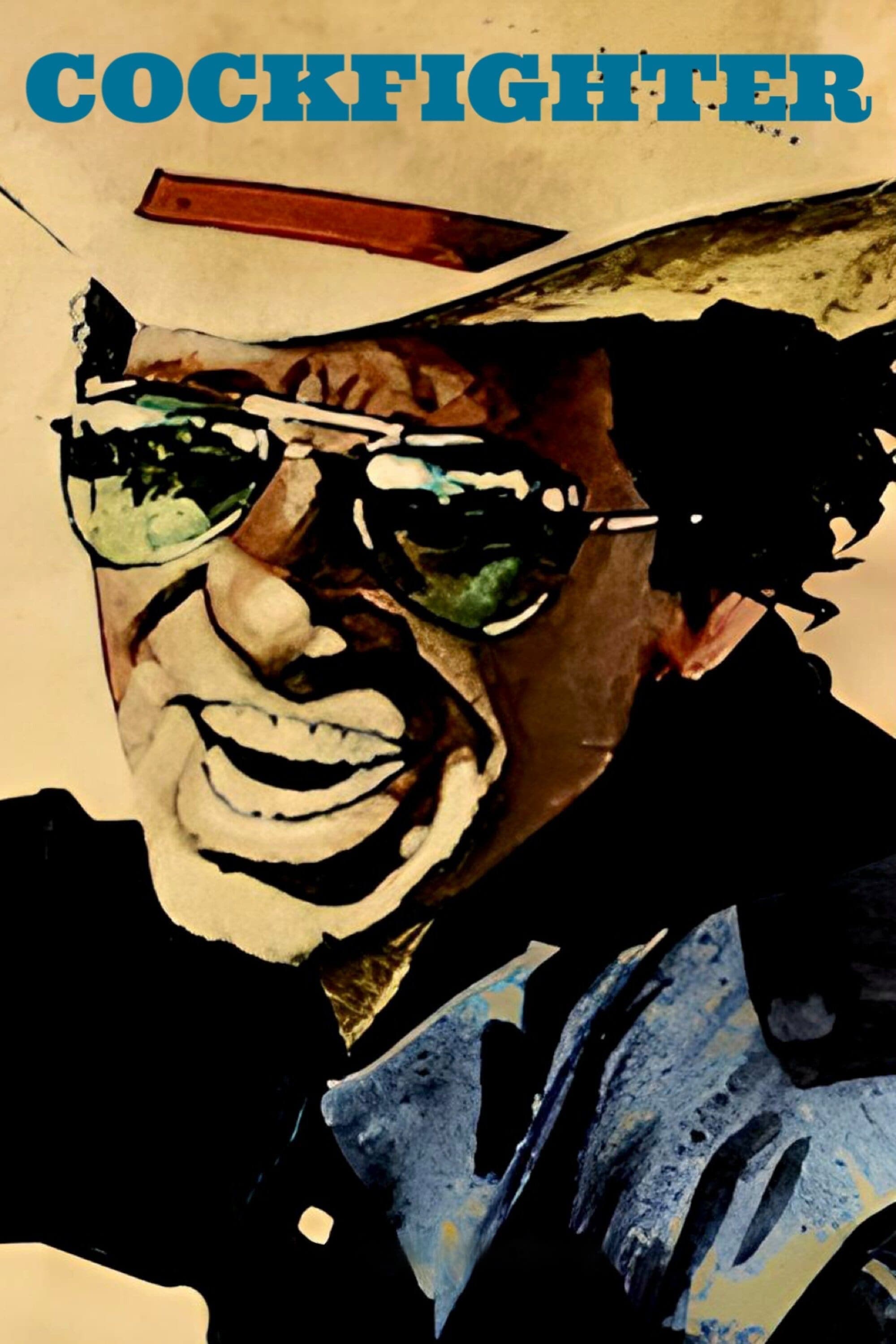
As the title suggests, the film depicts rooster fights, and reports indicate that real birds were used in staged matches for authenticity. Animal groups argued that any depiction involving actual fighting causes harm and normalizes cruelty.
The production’s approach is often contrasted with later works that used visual effects or choreographed alternatives. Discussions around this film influenced guidance on how to portray blood sport without involving live animals in combat.
‘Pink Flamingos’ (1972)
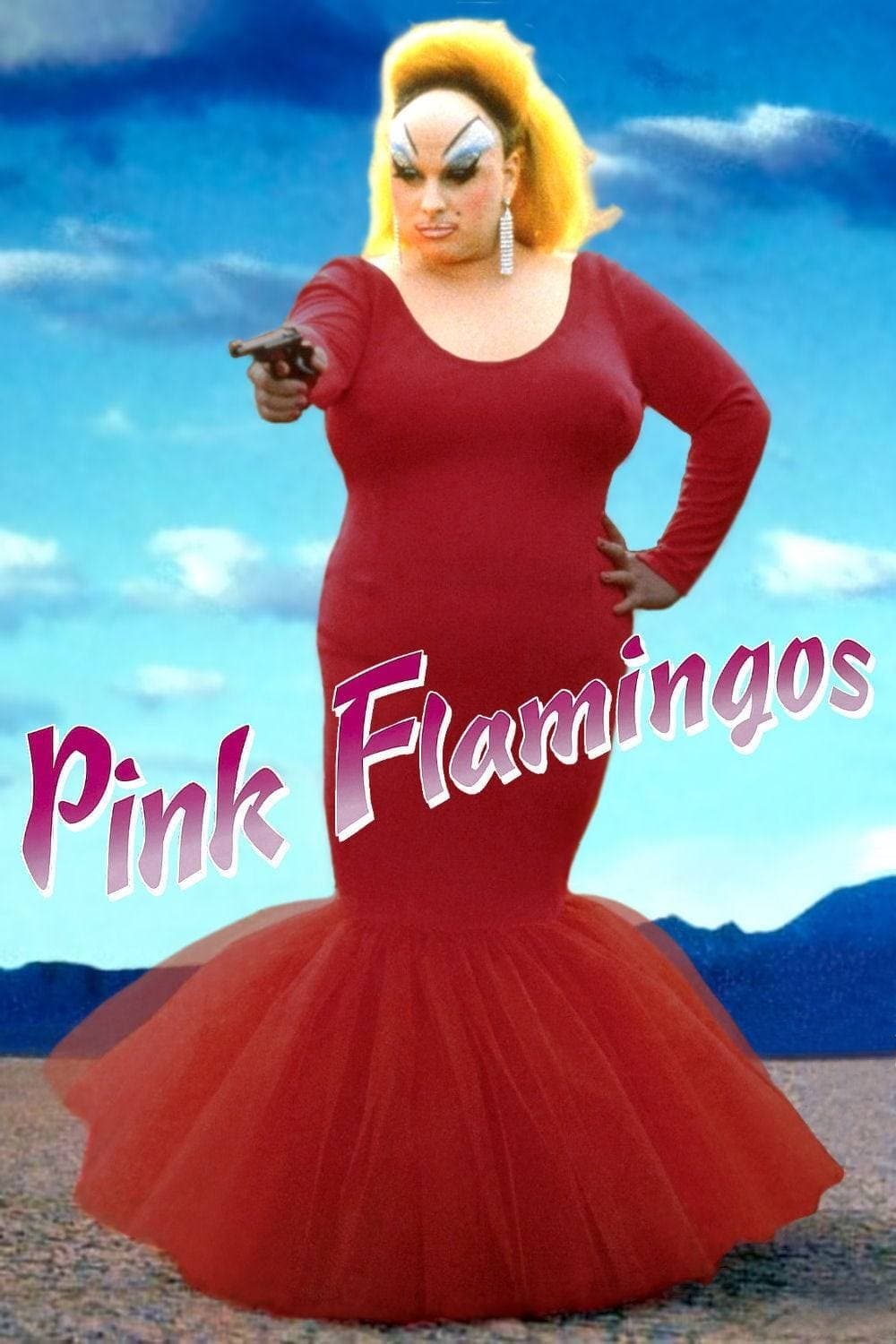
One sequence features sexual activity involving a live chicken, and commentators and advocates have long argued that the animal was harmed. The filmmaker’s own commentary has acknowledged the upsetting nature of the scene, which kept the issue in public conversation.
Retailers and broadcasters have sometimes applied content warnings or restrictions related to the scene. The title appears in policy reviews that address how specialty markets handle films with potential animal cruelty on screen.
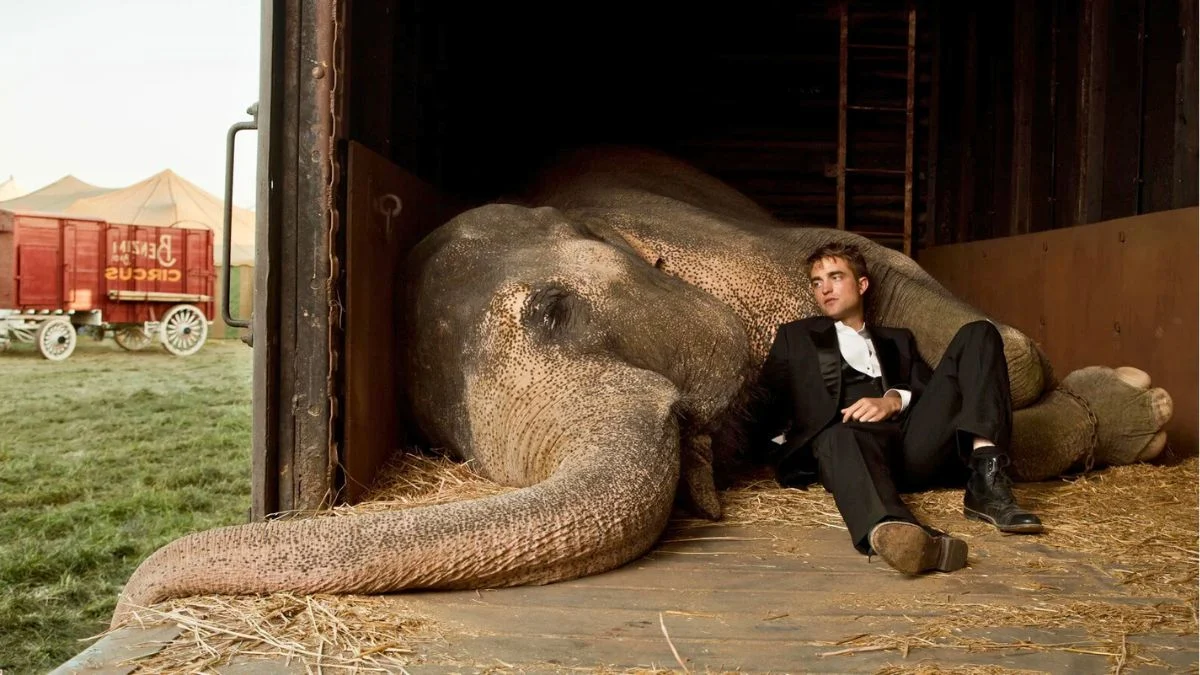
‘Water for Elephants’ (2011)
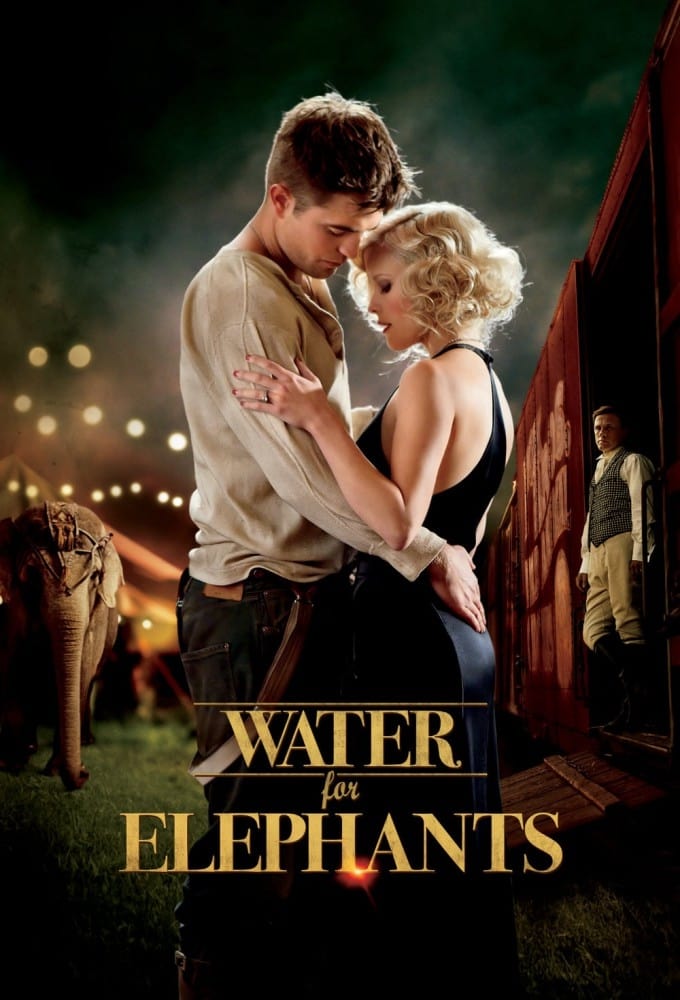
Animal welfare organizations publicized training-related allegations concerning the elephant featured in the film, citing videos and affidavits from outside the set that predated and overlapped with the production period. The studio stated that monitors were present during filming and that the elephant was handled according to guidelines.
The controversy prompted renewed attention to how productions vet suppliers and trainers. Studios subsequently emphasized documentation of training histories and introduced stricter vendor requirements for large exotic animals.
‘Roar’ (1981)
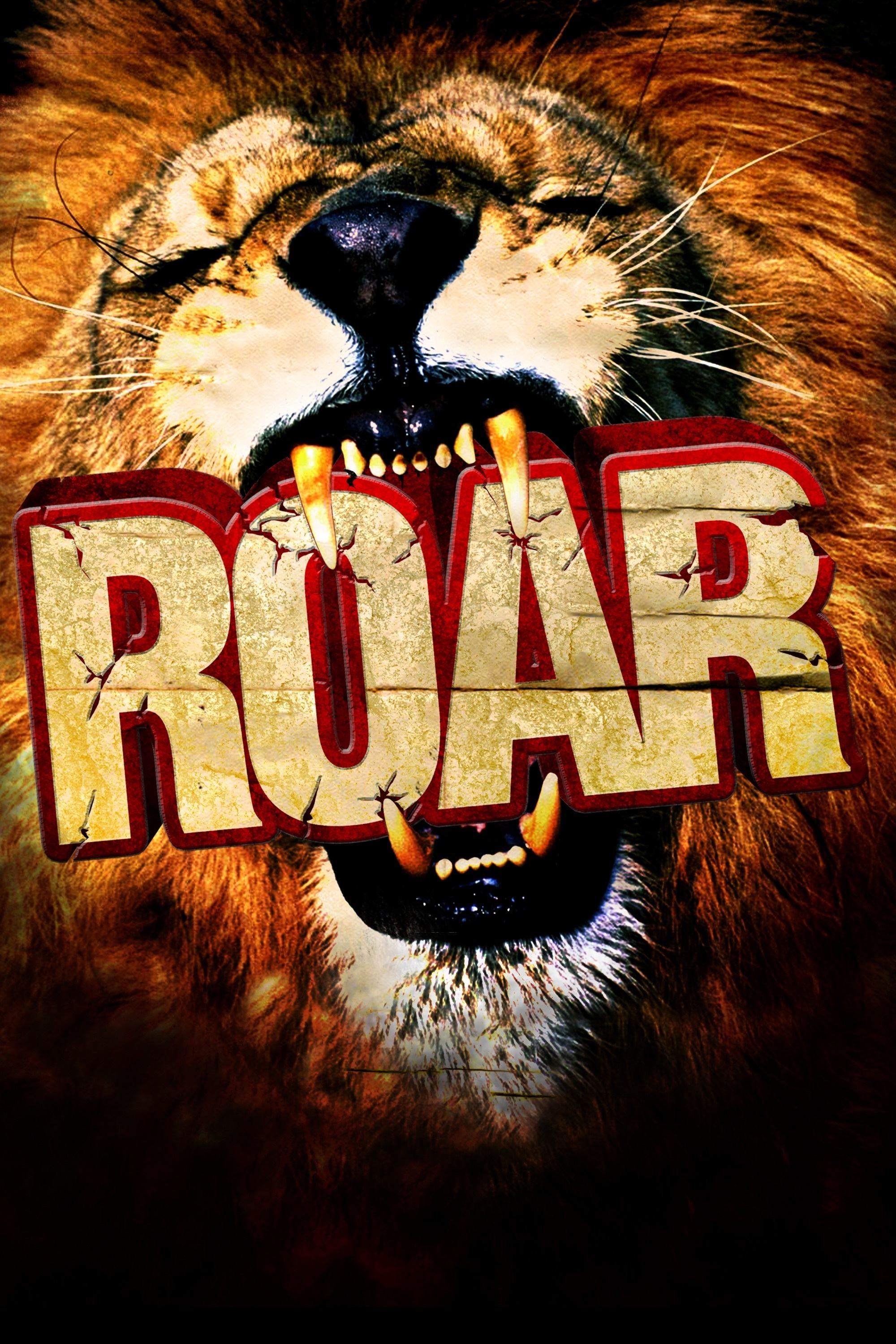
Production histories outline a chaotic shoot involving dozens of big cats living on and around the set, with numerous human injuries recorded. Critics of the production raised concerns about the welfare of the animals due to the unconventional housing and frequent on-camera agitation.
The film is often cited as a case study in why modern productions separate housing, training, and performance spaces and limit exposure times. It also influenced policies around the number of apex predators permitted on a set at once and the qualifications required of handlers.
‘Snow Buddies’ (2008)
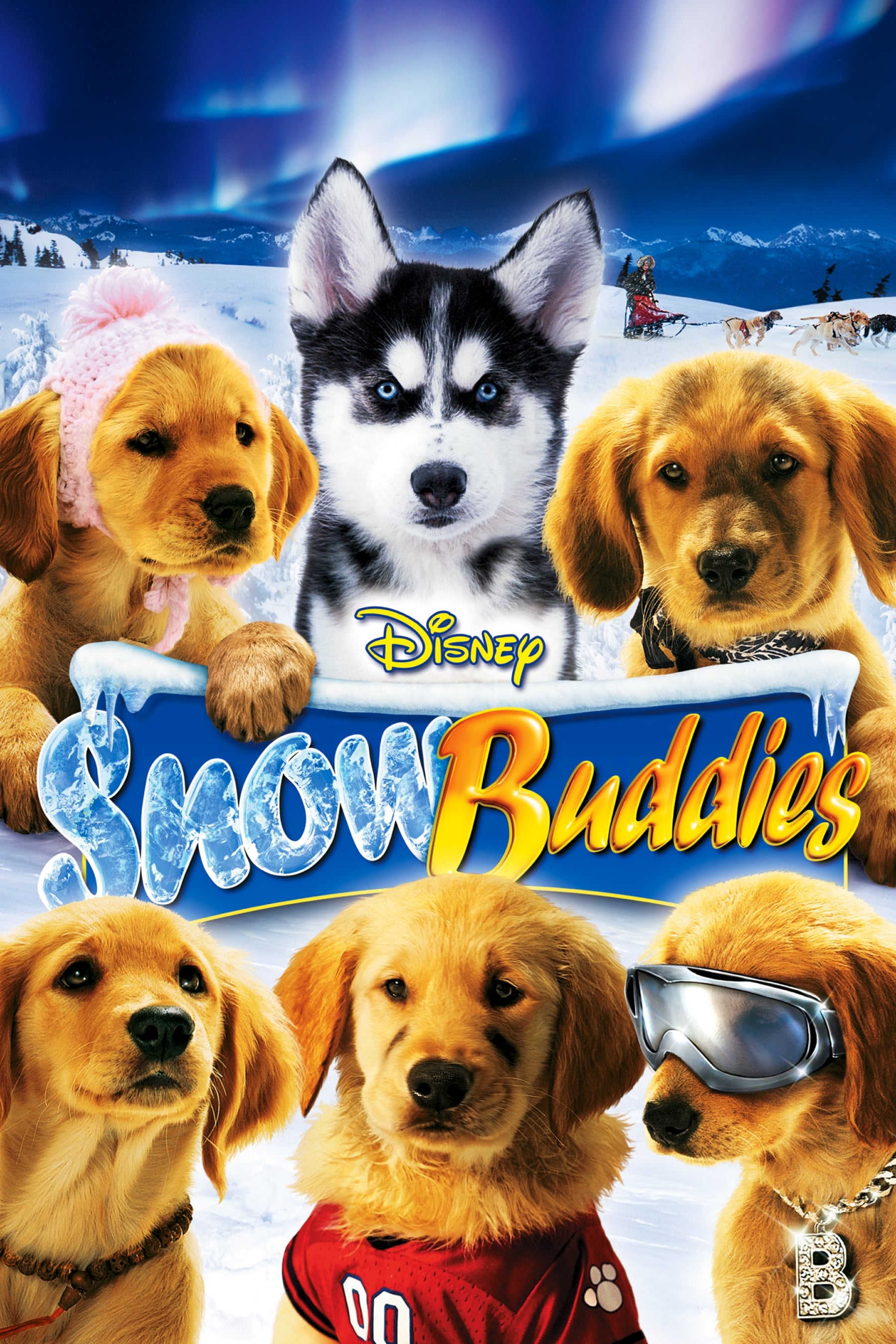
Media reports described an outbreak of illness among puppies associated with the production, with questions raised about age, transport, and vaccination status. The studio and animal monitors said affected animals received veterinary care and were removed from work.
The incident spurred tighter age and health verification protocols for animal performers. Subsequent family films with puppies adopted more stringent intake screening and quarantine procedures.
‘The Hobbit: An Unexpected Journey’ (2012)
Wranglers connected to the production reported animal deaths and injuries at an off-set farm where animals were housed between filming days. The production stated that on-set monitoring met standards and that issues occurred away from active cameras, which complicated enforcement.
The controversy led to calls for oversight that extends to housing and transport, not just on-camera work. Industry guidelines since have emphasized full-lifecycle care plans covering rest facilities, fencing, and terrain hazards.
‘The Rules of the Game’ (1939)
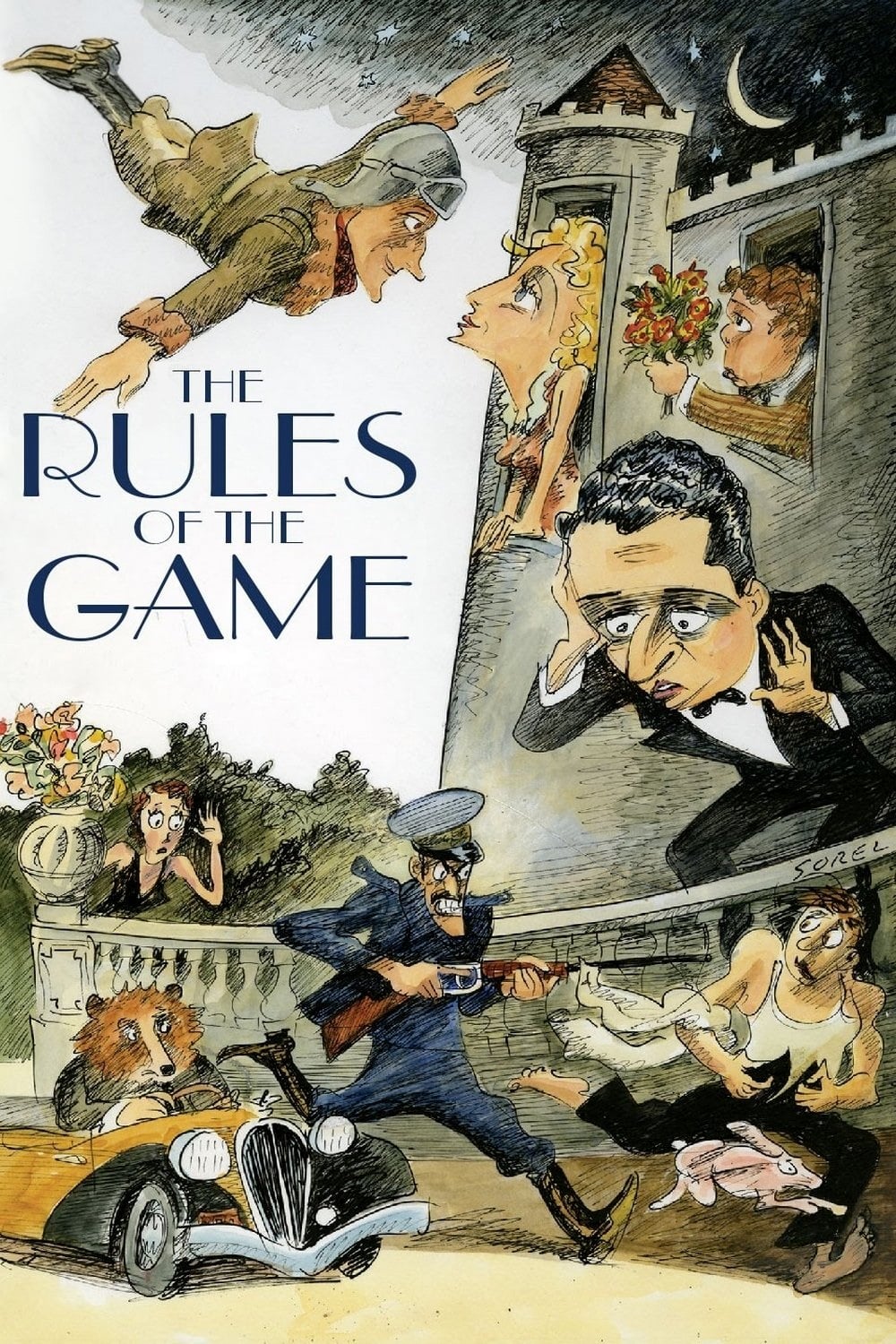
The film includes scenes of a hunt in which real rabbits and birds are killed on camera, an approach that has been documented in historical analyses. While presented to critique upper-class leisure, the method drew later criticism for using live kills in a fictional narrative.
Restorations and academic notes often discuss the ethical implications of these scenes. The title is referenced in modern guidelines that advise simulated methods when depicting hunting in narrative film.
‘The Godfather’ (1972)
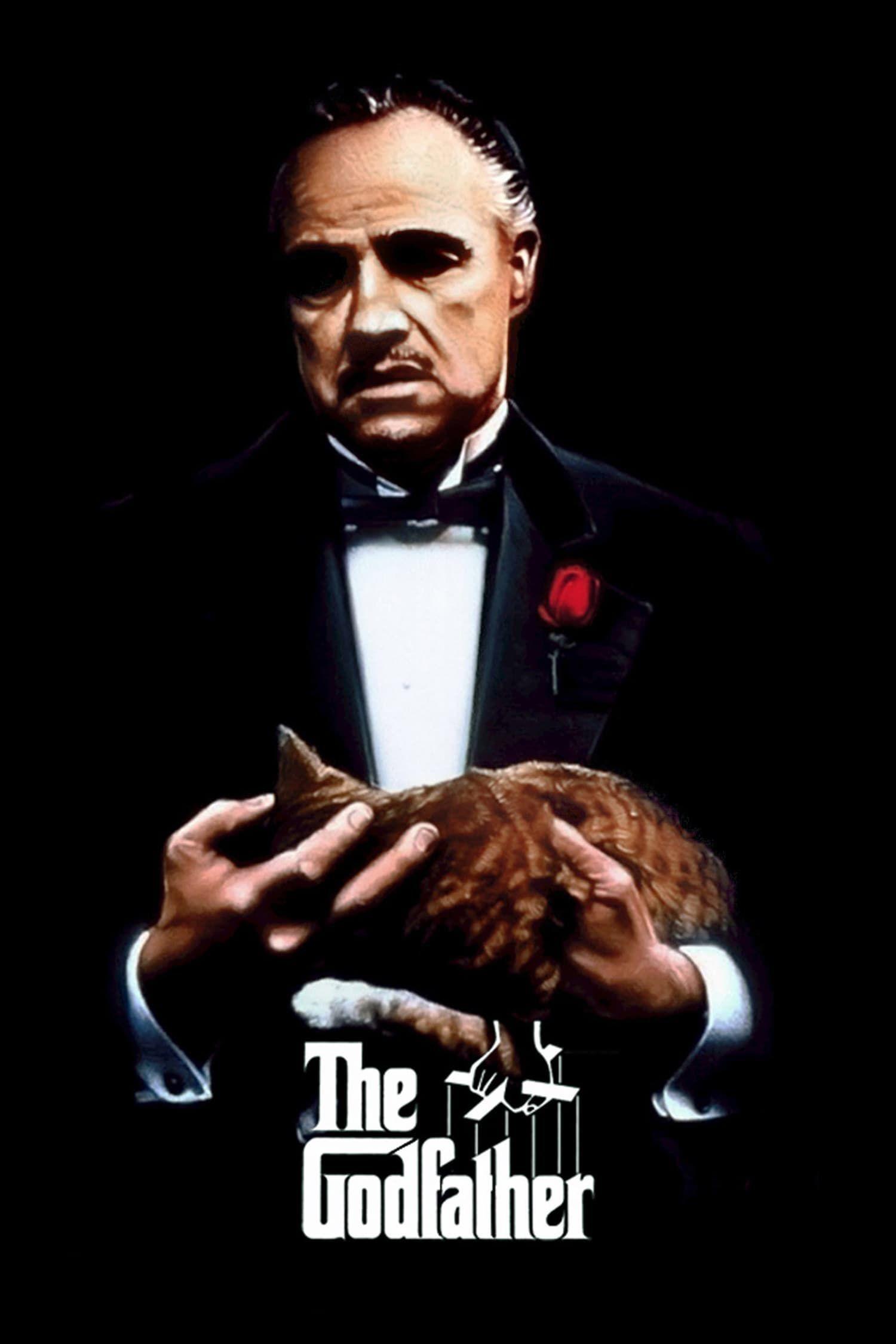
A real horse’s head appears in a well-known scene, obtained from a rendering plant according to production lore, which sparked objections from some viewers and advocates. While the animal was not killed for the movie, the use of an actual severed head raised questions about sourcing and depiction.
Debates around this choice are used in training to differentiate between causing harm and displaying remains. Productions now typically rely on highly realistic props for similar scenes and document their procurement to avoid misunderstandings.
Share the titles you think are missing and tell us which cases you believe changed on-set animal safety the most in the comments.