


Movies That Are Way Better Than Their Box Office Numbers Suggest

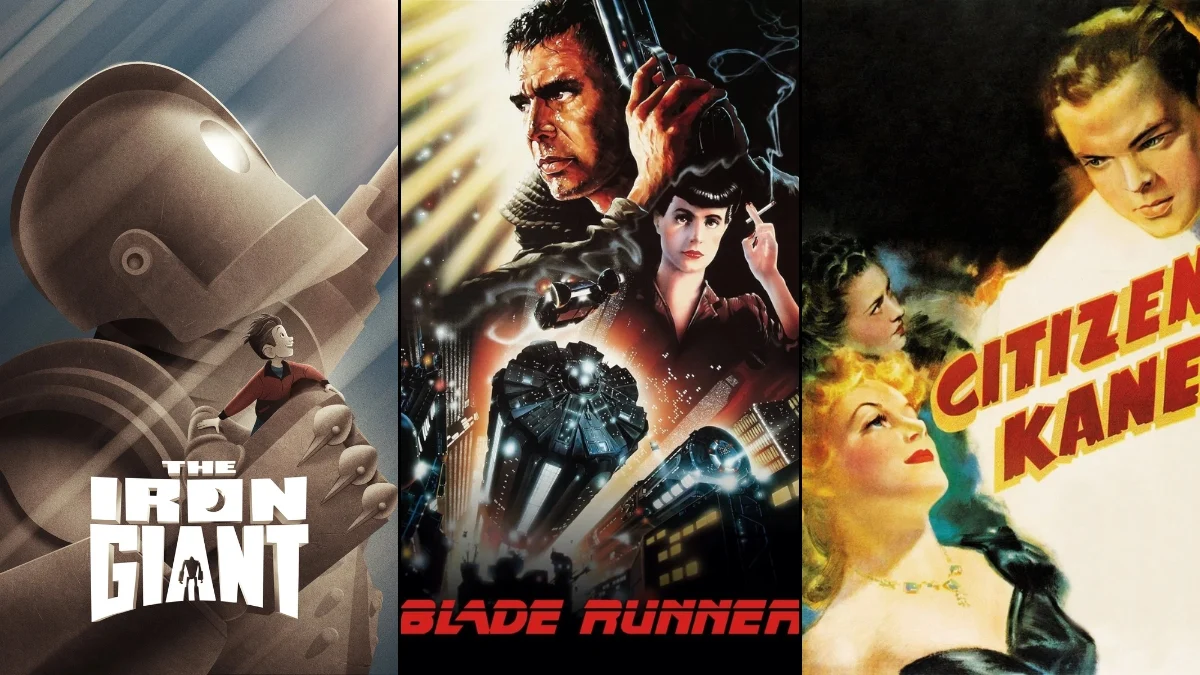


A movie’s financial success at the box office is often considered the primary metric of its quality, yet history proves that many cinematic masterpieces fail to attract a wide audience upon their initial release. Factors such as poor marketing, stiff competition, or being ahead of their time can lead to lackluster ticket sales for films that later achieve legendary status. Over the decades, several movies that were labeled financial failures have gone on to receive critical acclaim and develop dedicated cult followings. These films demonstrate that artistic value and cultural impact are not always reflected in a studio’s profit margins.
‘Citizen Kane’ (1941)
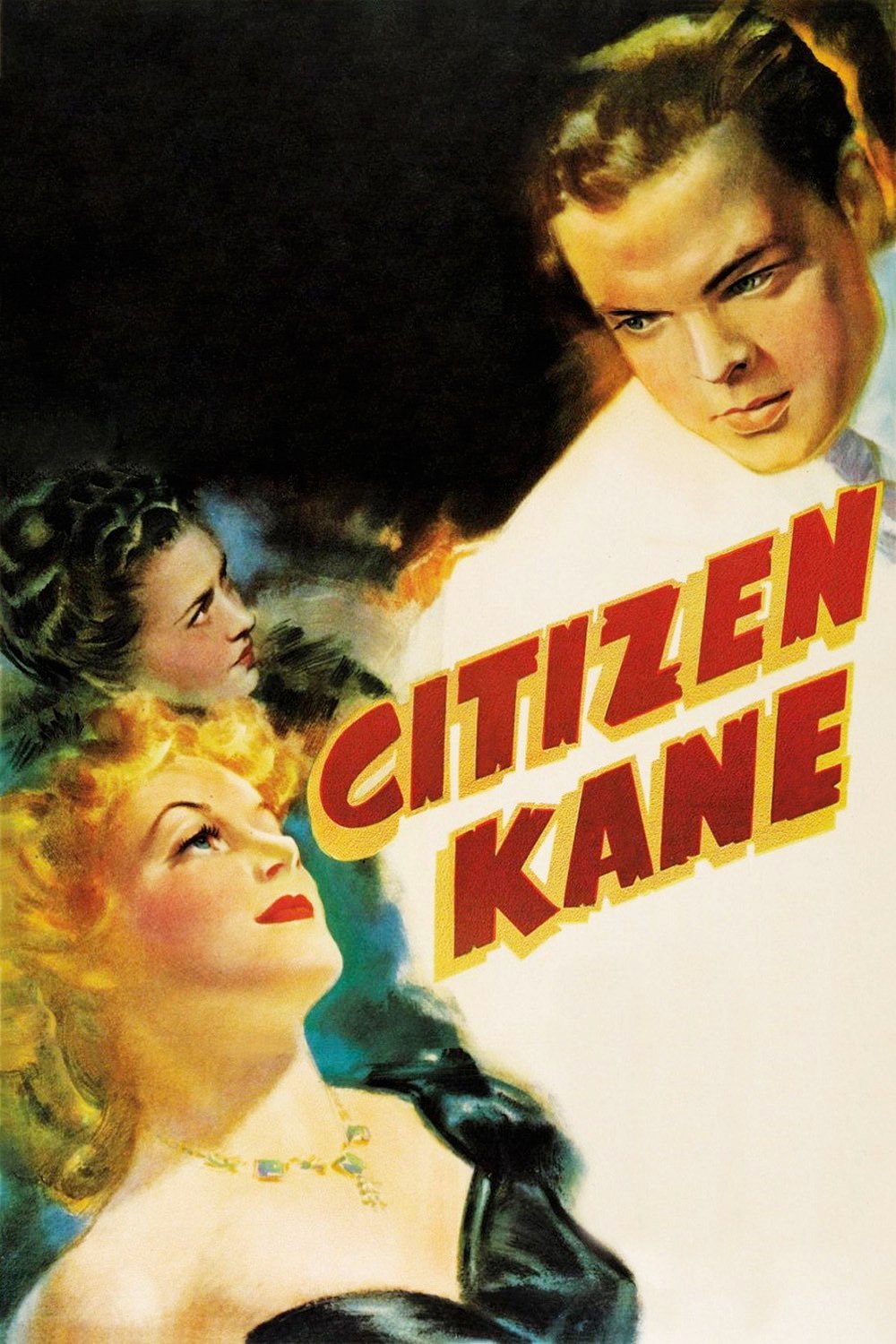
Orson Welles directed, produced, and starred in this drama about the life and legacy of a newspaper tycoon. Despite being frequently cited by critics as the greatest film ever made, it was a financial disappointment during its initial run. A major smear campaign by William Randolph Hearst, whom the film was based on, suppressed its theatrical success. The movie pioneered cinematography and narrative techniques that remain influential in modern filmmaking today.
‘It’s a Wonderful Life’ (1946)
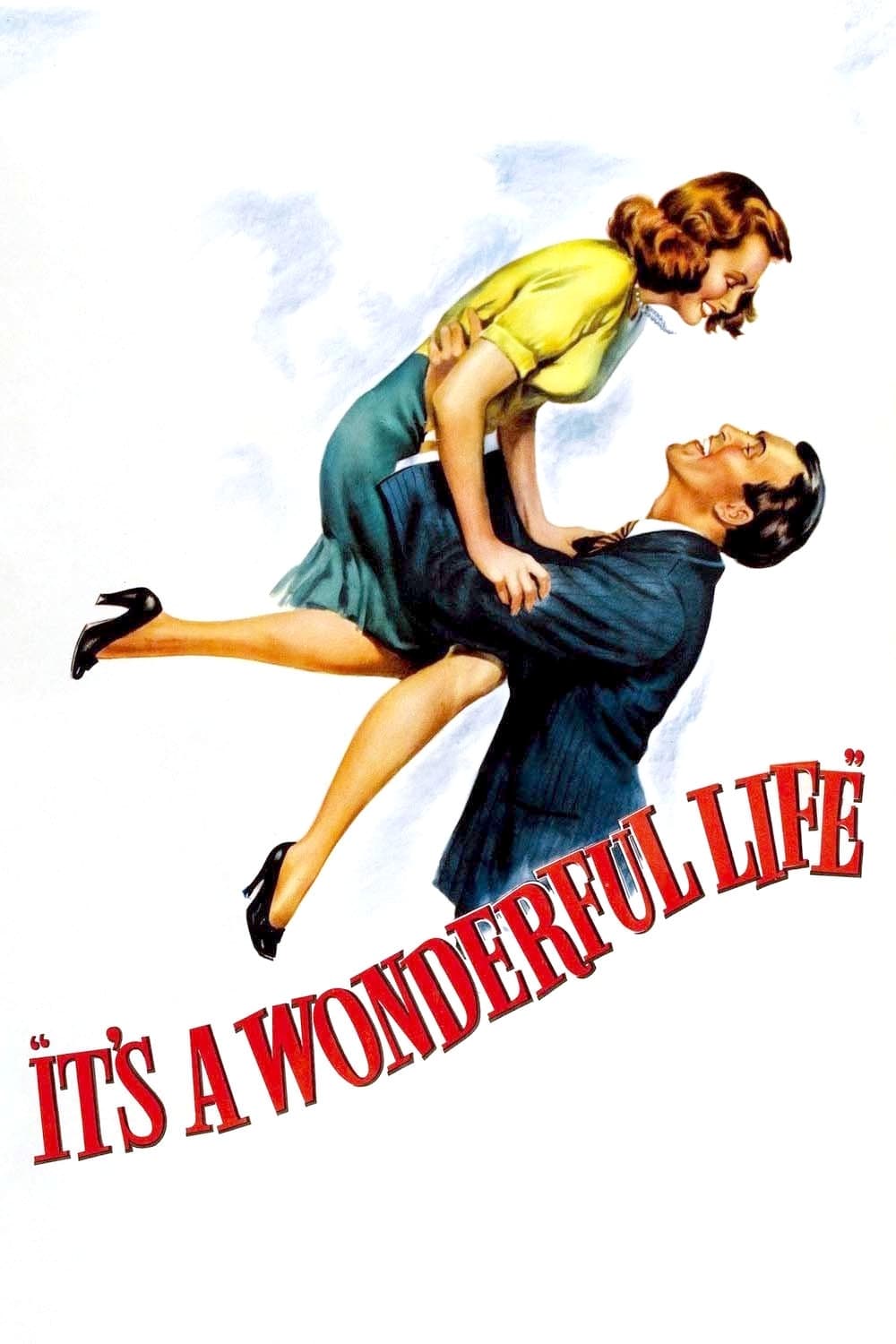
Directed by Frank Capra, this holiday classic tells the story of George Bailey, a man who learns the value of his life through divine intervention. Upon its release, the film was a box office disappointment and failed to recover its high production costs. It only achieved legendary status decades later when its copyright lapsed, leading to frequent television broadcasts. Today, it is considered one of the most beloved films in American cinema history.
‘Paths of Glory’ (1957)

Stanley Kubrick directed this anti-war film starring Kirk Douglas as a French colonel defending soldiers against charges of cowardice during World War I. The movie was banned in several European countries for years and failed to make a significant impact at the box office. Its uncompromising depiction of military corruption and the futility of war received high praise from critics later on. It remains one of the most powerful and technically proficient war dramas ever produced.
‘Willy Wonka & the Chocolate Factory’ (1971)
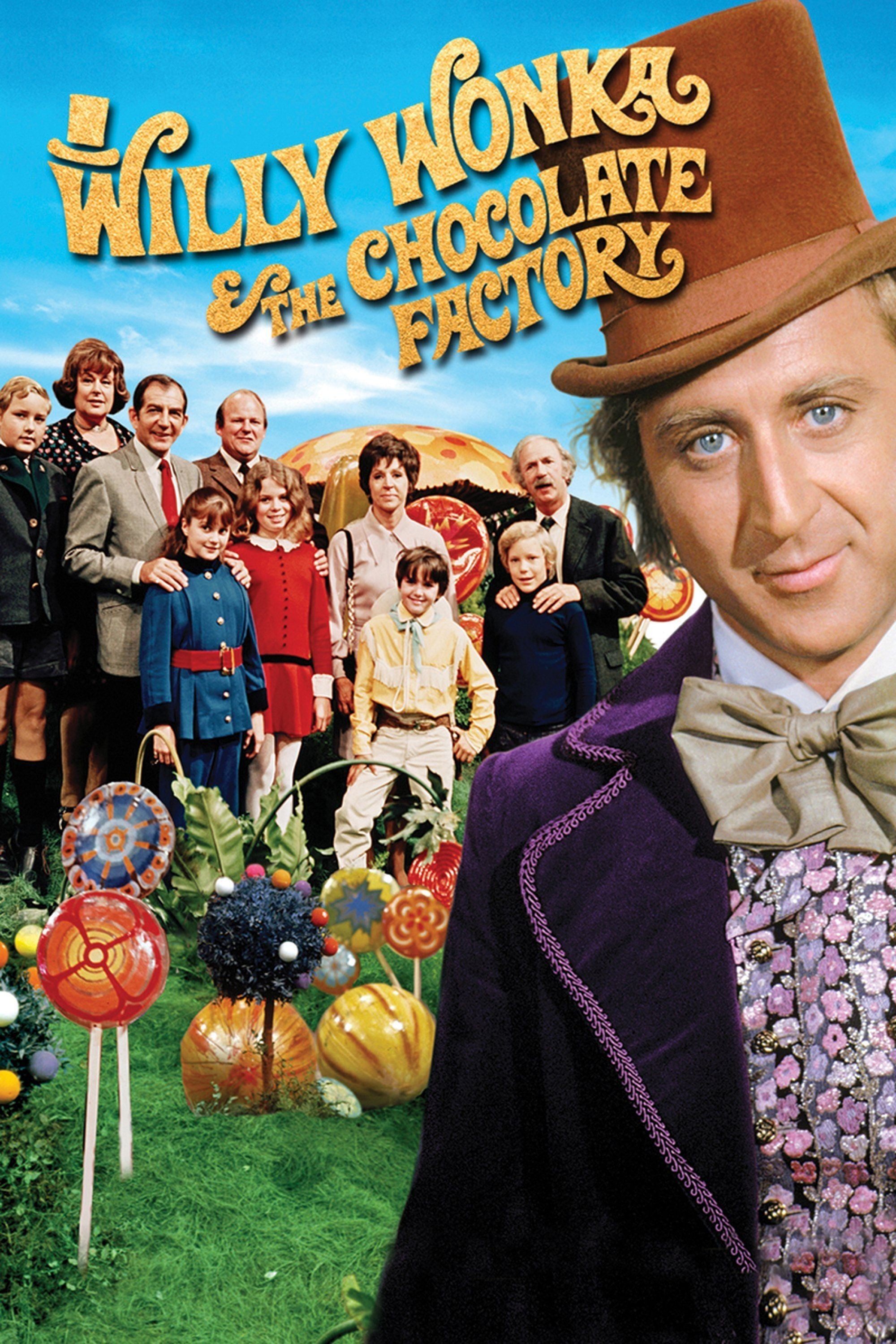
This musical adaptation of Roald Dahl’s novel follows a young boy who wins a tour of a mysterious candy factory. While it is now a staple of children’s entertainment, the film was only a modest success that failed to crack the top ten films of its year. Audiences at the time were reportedly put off by the film’s darker, more psychedelic undertones. Its popularity surged years later through television airings and home video releases.
‘Sorcerer’ (1977)
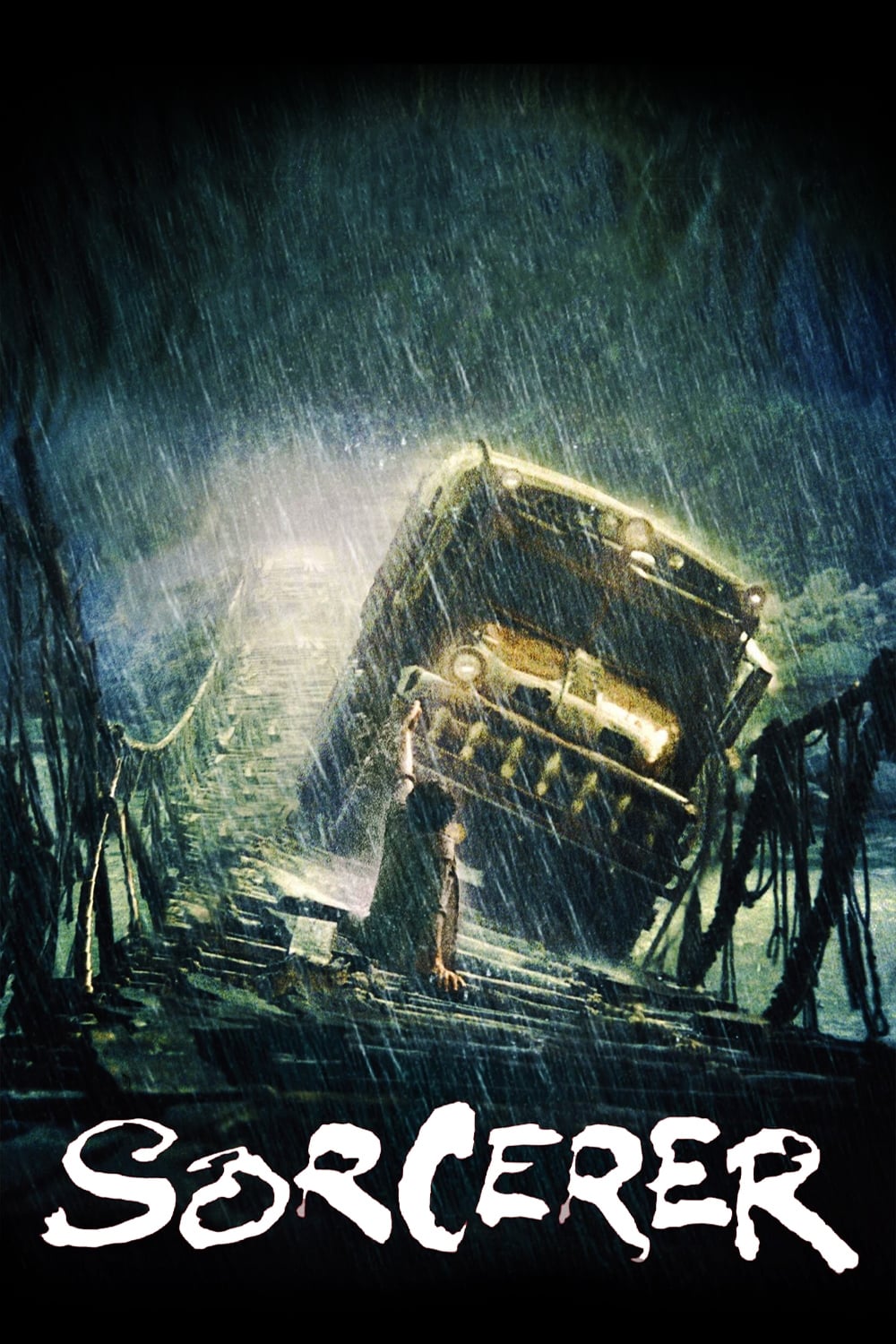
Director William Friedkin followed his massive success with ‘The Exorcist’ by making this tense thriller about four men transporting unstable nitroglycerin. The film’s release coincided with the debut of ‘Star Wars’, which dominated the box office and led to ‘Sorcerer’ becoming a financial disaster. Critics have since reappraised the film as a masterpiece of suspense and practical filmmaking. It is now recognized for its atmospheric score and gritty realism.
‘The Thing’ (1982)
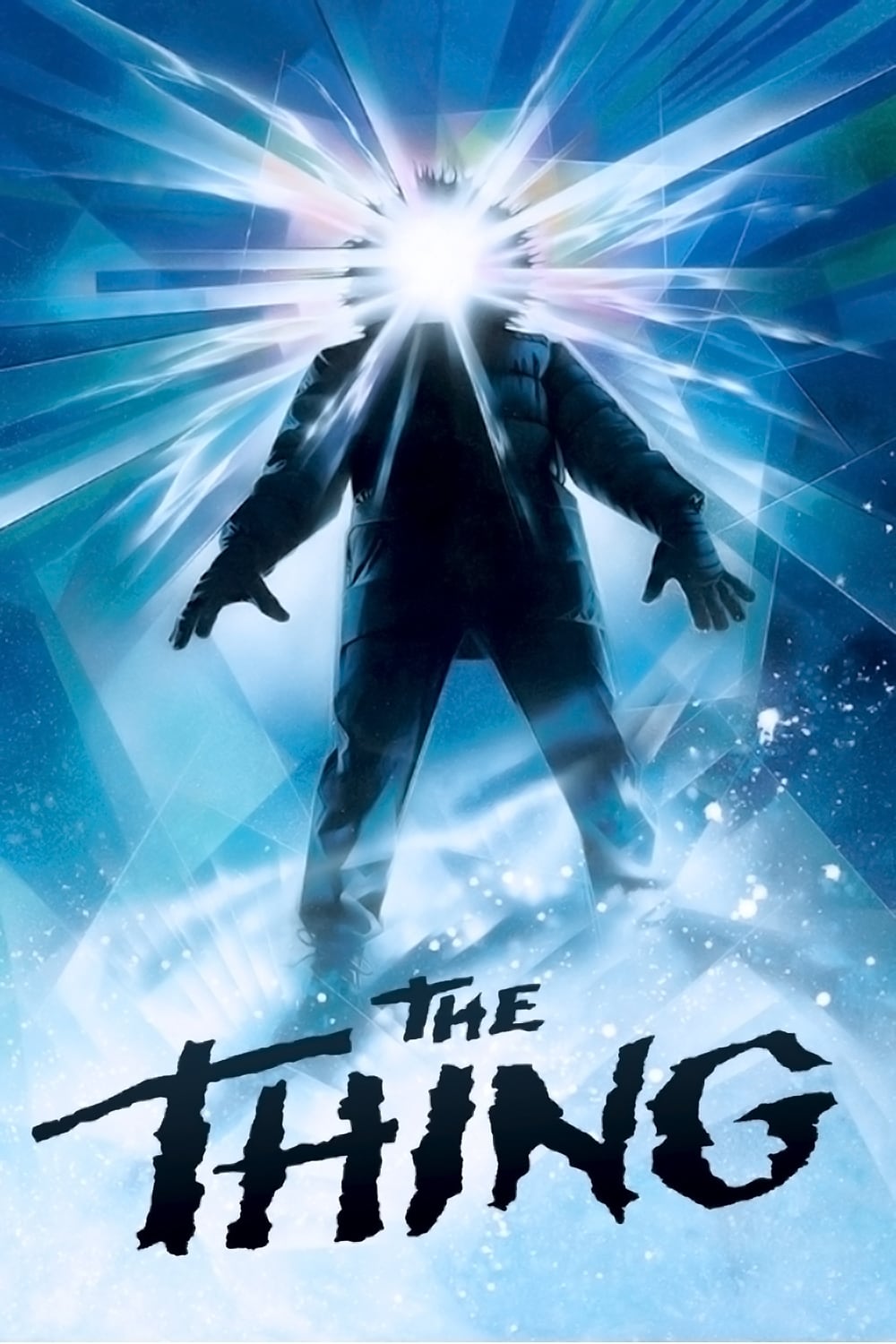
John Carpenter’s sci-fi horror film depicts a research team in Antarctica hunted by a shape-shifting alien. The film opened to poor reviews and weak box office numbers, largely overshadowed by the family-friendly ‘E.T. the Extra-Terrestrial’. Horror fans later embraced the film for its groundbreaking practical effects and claustrophobic atmosphere. It is now widely regarded as one of the greatest horror movies ever made.
‘Blade Runner’ (1982)
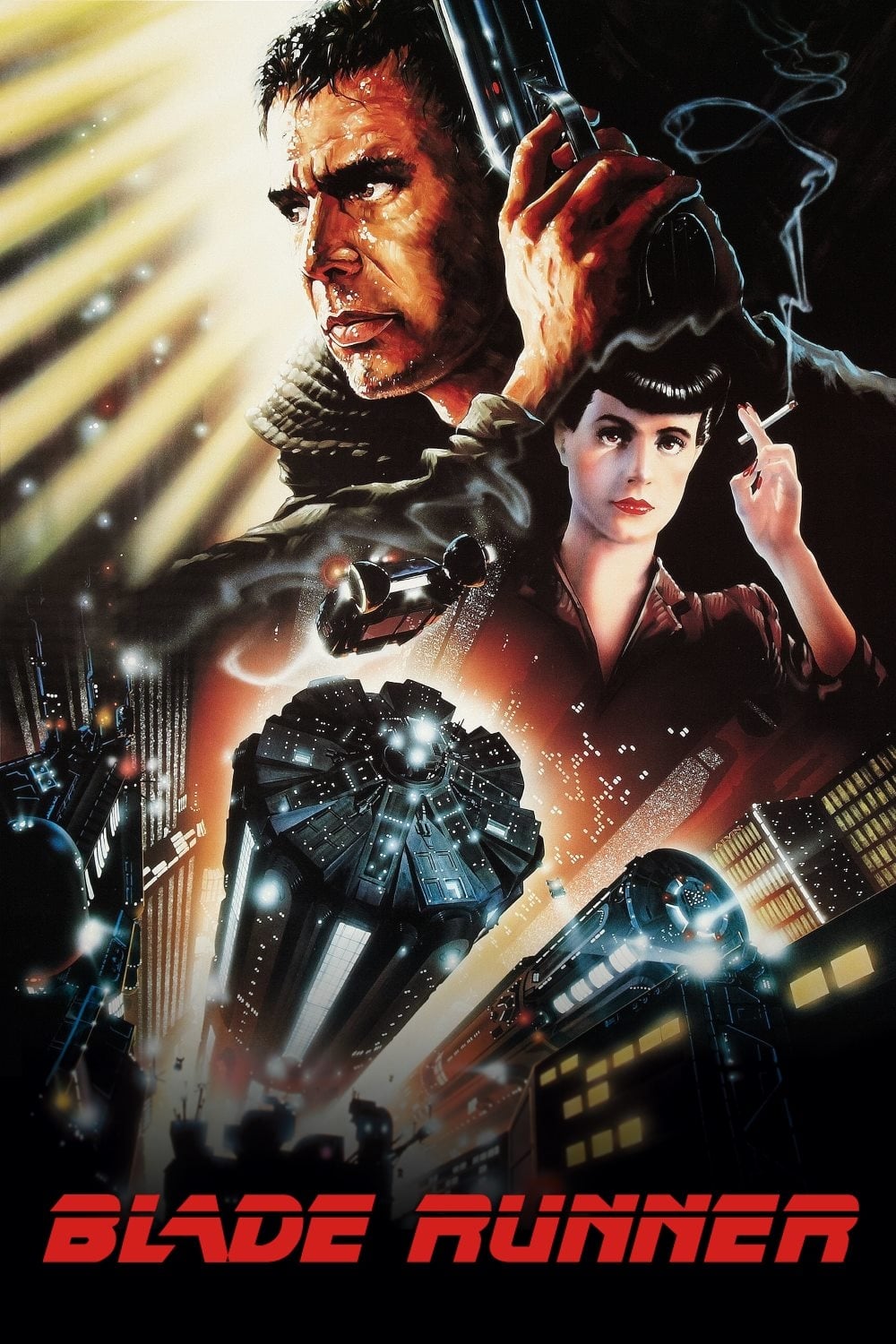
Directed by Ridley Scott, this neo-noir follows a detective tasked with hunting down rogue bioengineered beings in a dystopian future. The film struggled at the box office due to its slow pacing and competition from other summer blockbusters. Multiple recuts and a growing appreciation for its visual design eventually solidified its status as a science fiction cornerstone. Its philosophical questions regarding humanity and technology continue to resonate with audiences.
‘The King of Comedy’ (1982)
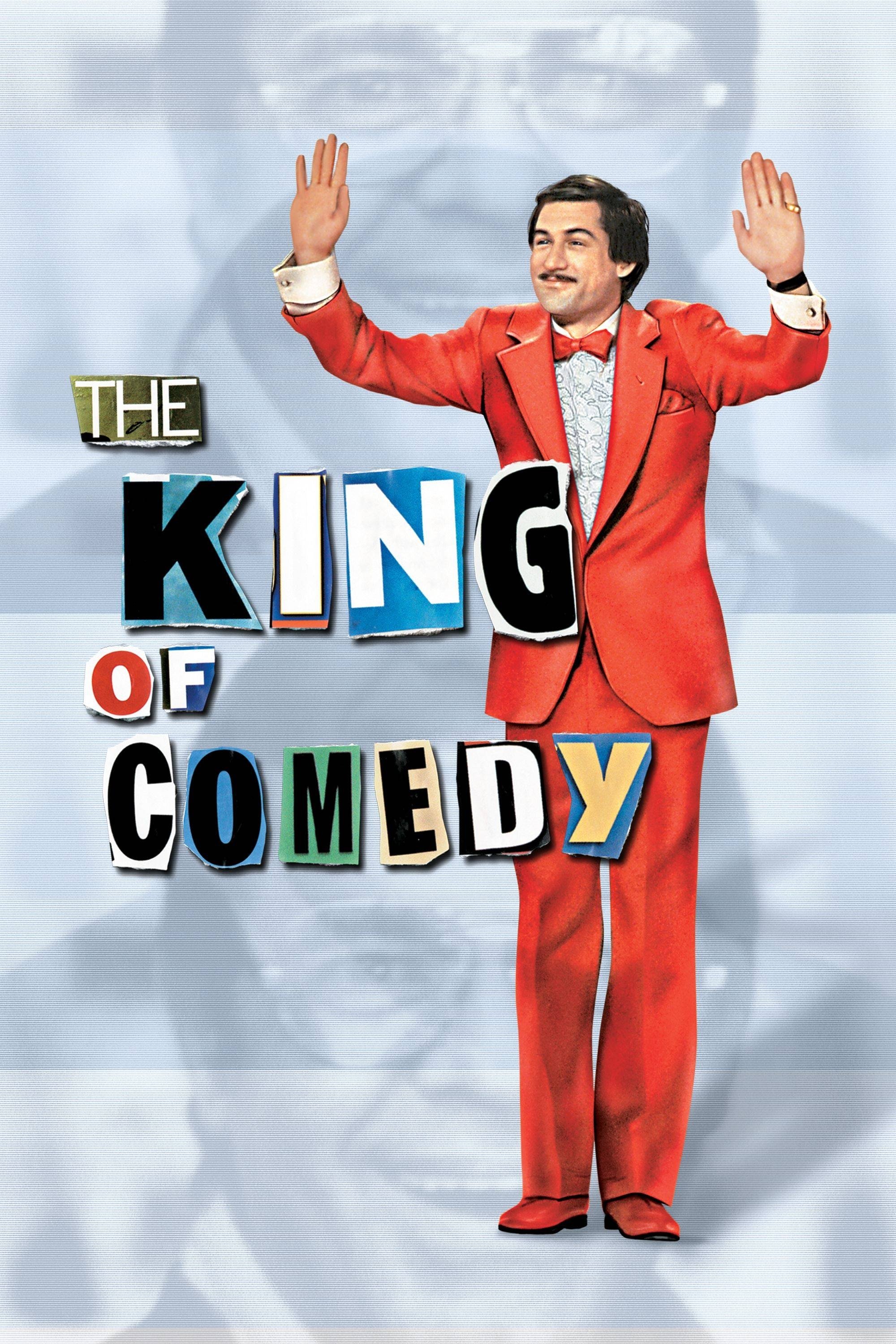
Robert De Niro stars as Rupert Pupkin, a delusional aspiring comedian who kidnaps a talk-show host in pursuit of fame. Directed by Martin Scorsese, the film was a commercial failure that earned only a fraction of its budget. Critics initially found the dark satire uncomfortable, but it has since been lauded for its prescient look at celebrity obsession. The film served as a major inspiration for several modern psychological character studies.
‘The Right Stuff’ (1983)
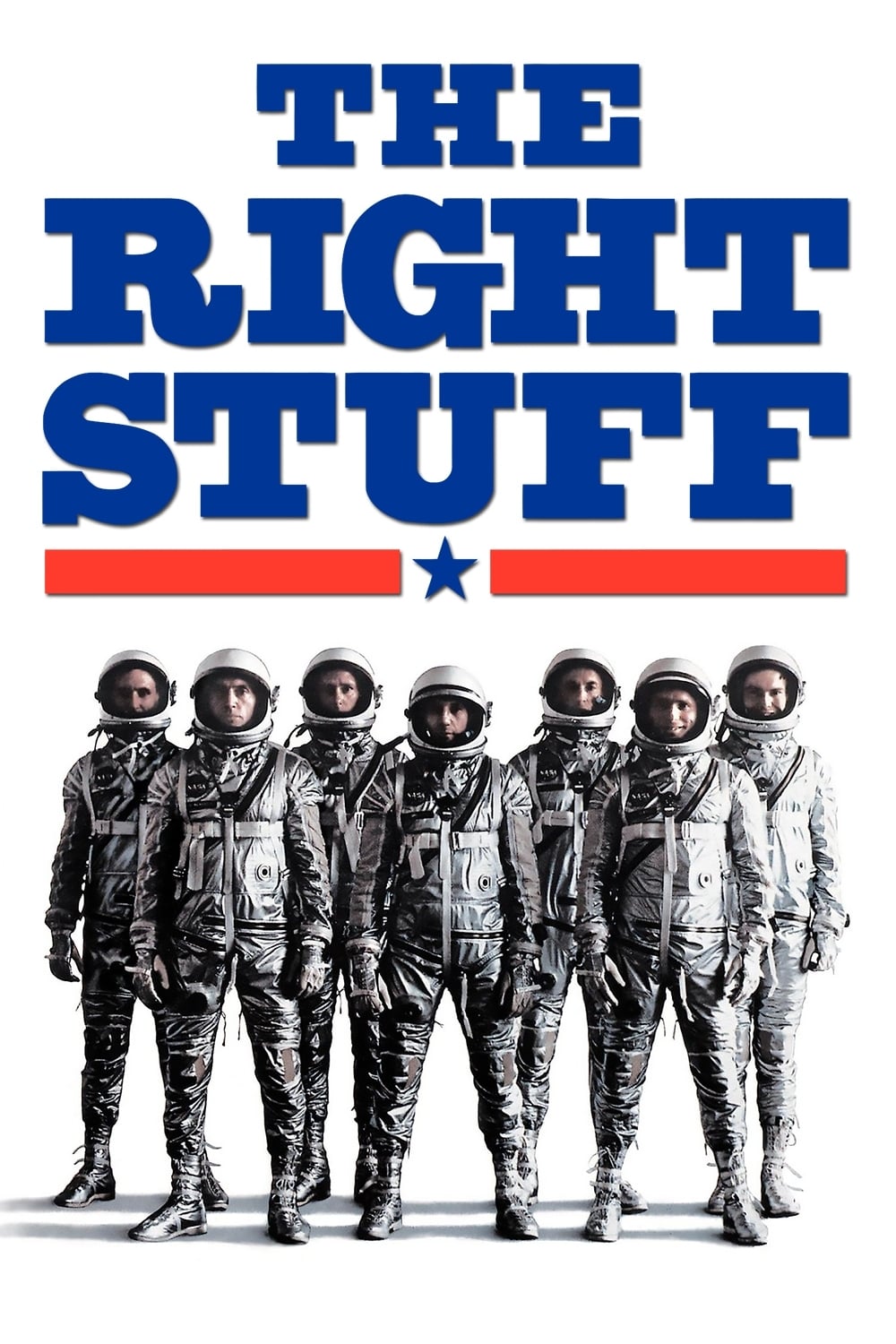
This epic drama recounts the early years of the United States space program and the pilots selected for the Mercury 7 mission. Despite receiving eight Academy Award nominations and critical raves, the film failed to draw a large audience to theaters. Marketing struggles and its long runtime were often cited as reasons for its lackluster performance. It is now celebrated as one of the definitive films about American aviation and the space race.
‘Heathers’ (1988)
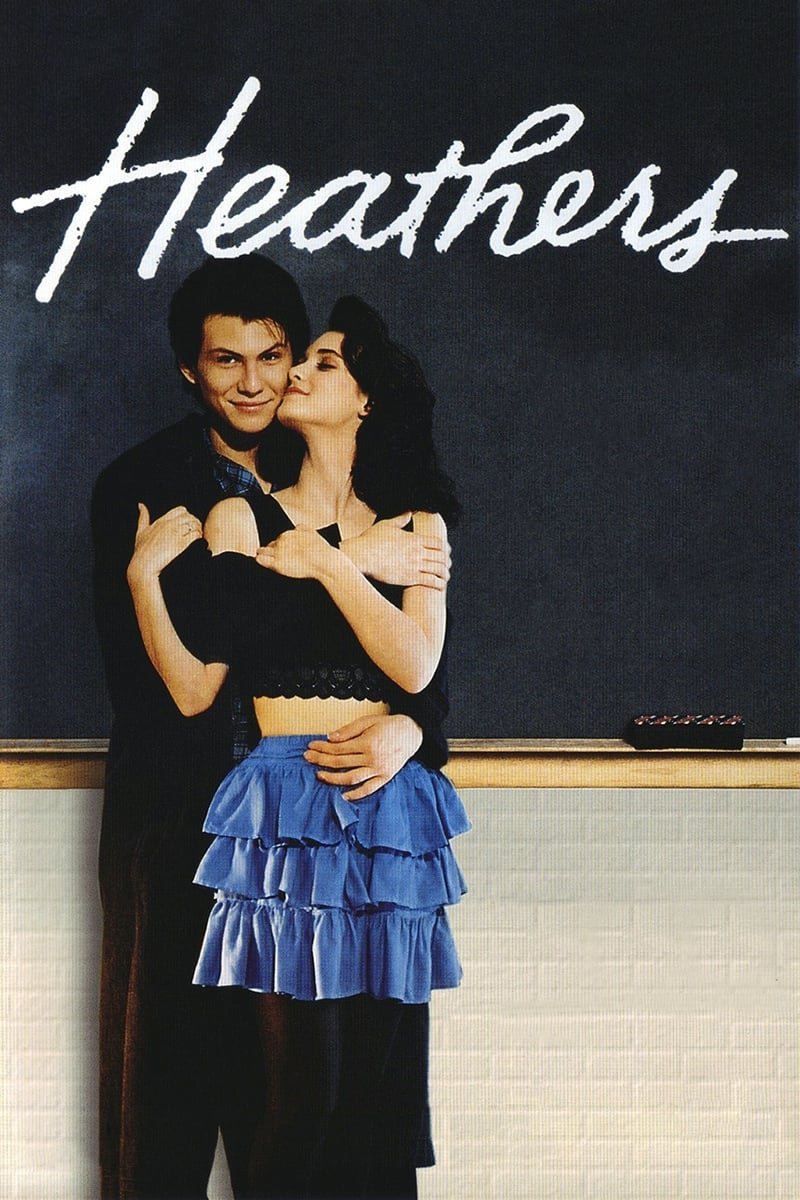
Winona Ryder and Christian Slater star in this dark comedy about a girl who teams up with a sociopath to take down the popular clique at her high school. The film was a box office bomb, grossing less than its modest production budget. Its cynical tone and sharp satire of teen life were eventually discovered by a cult audience on home video. It has since inspired a stage musical and remains a highly influential cult classic.
‘Deep Cover’ (1992)
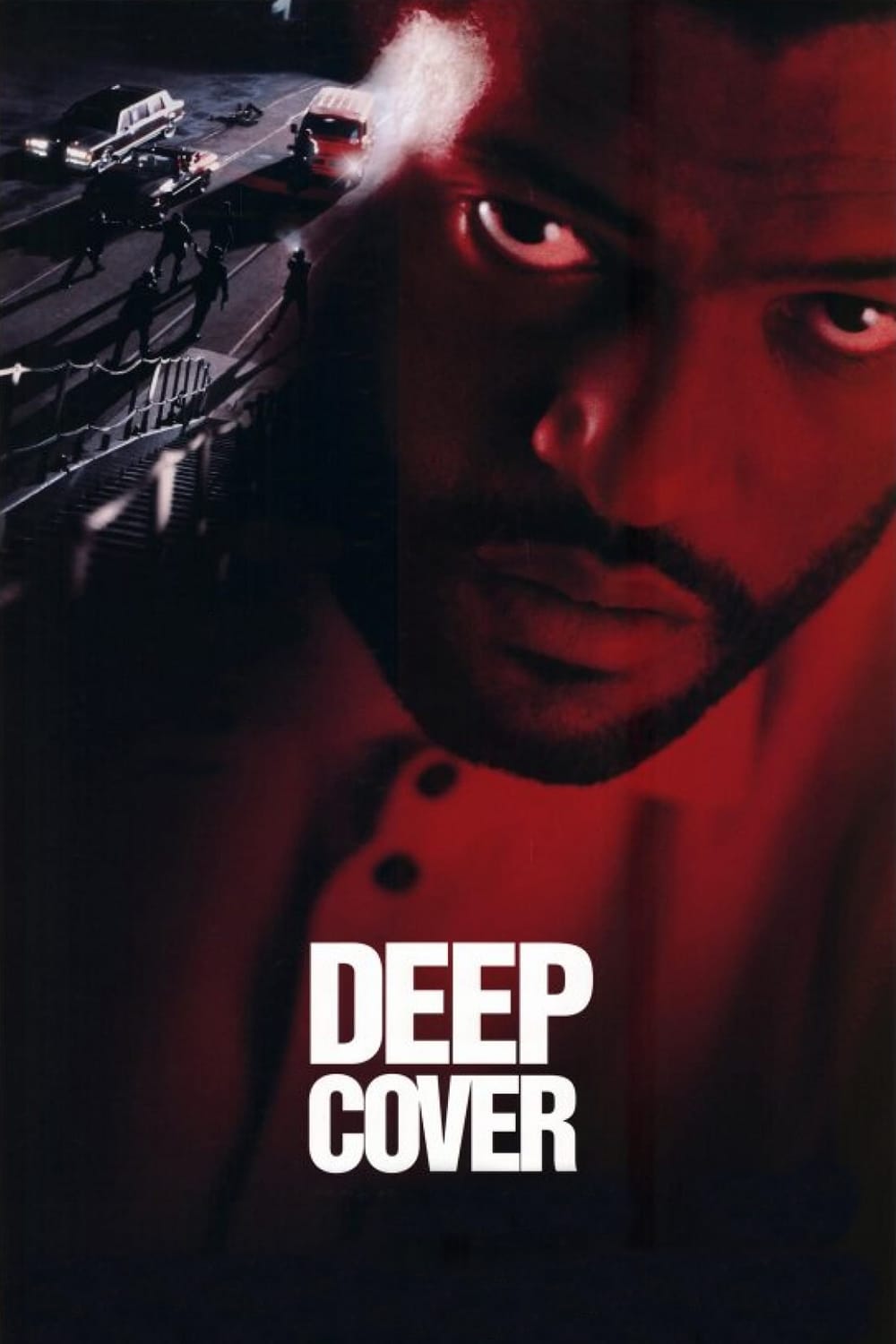
Laurence Fishburne plays an undercover police officer who becomes deeply embedded in a massive drug syndicate. Directed by Bill Duke, the film was a modest success but failed to reach the mainstream popularity of other 1990s crime dramas. Critics praised the film for its stylistic noir elements and its complex exploration of moral compromise. It has recently been recognized as a standout entry in the crime genre by film preservationists.
‘The Shawshank Redemption’ (1994)
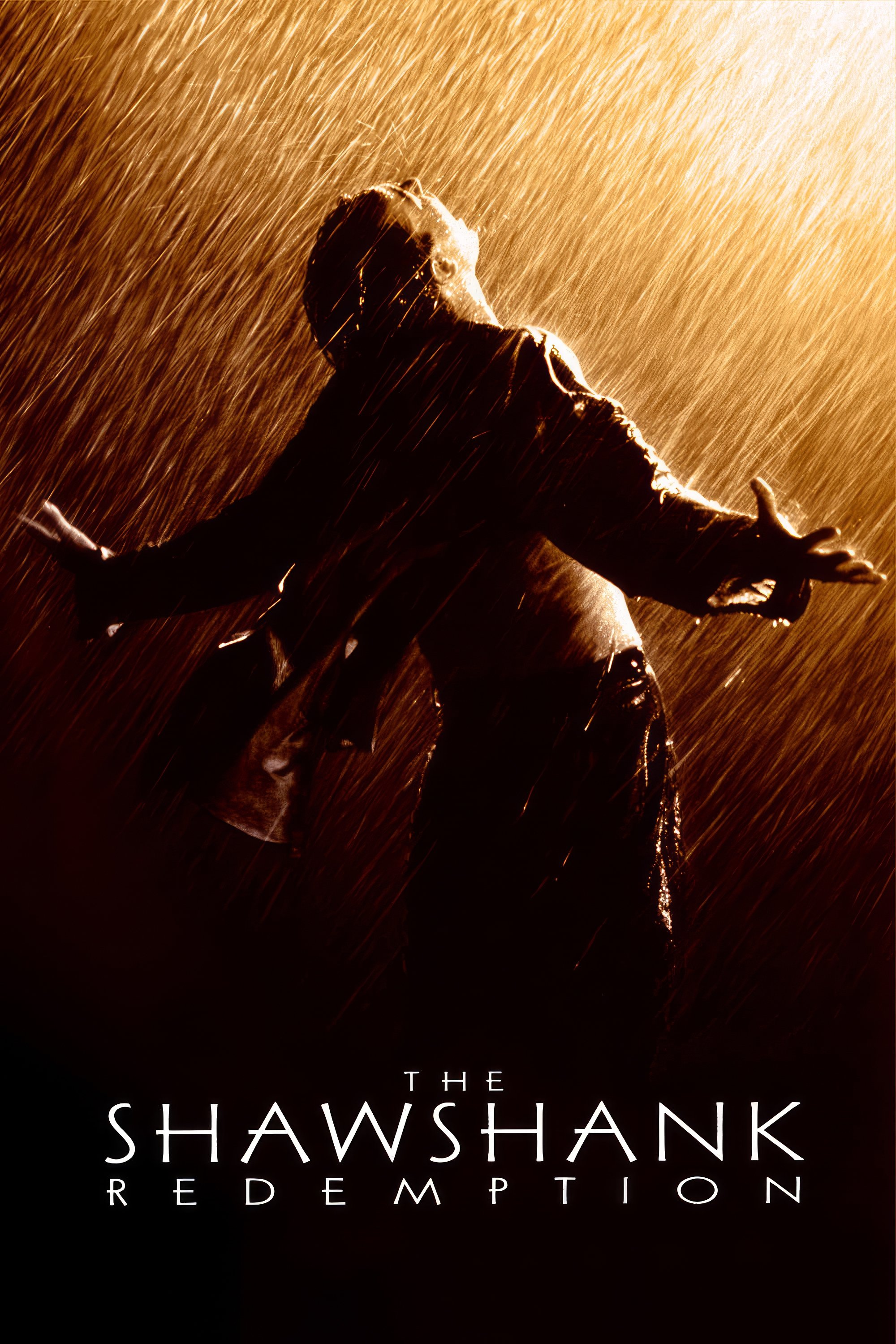
Based on a Stephen King novella, this prison drama chronicles the enduring friendship between two inmates over several decades. Despite receiving seven Oscar nominations, the film was considered a box office disappointment upon its initial theatrical run. It found a second life through cable television and home video rentals, eventually becoming the top-rated film on several movie databases. The film is now a global phenomenon known for its themes of hope and perseverance.
‘The Hudsucker Proxy’ (1994)
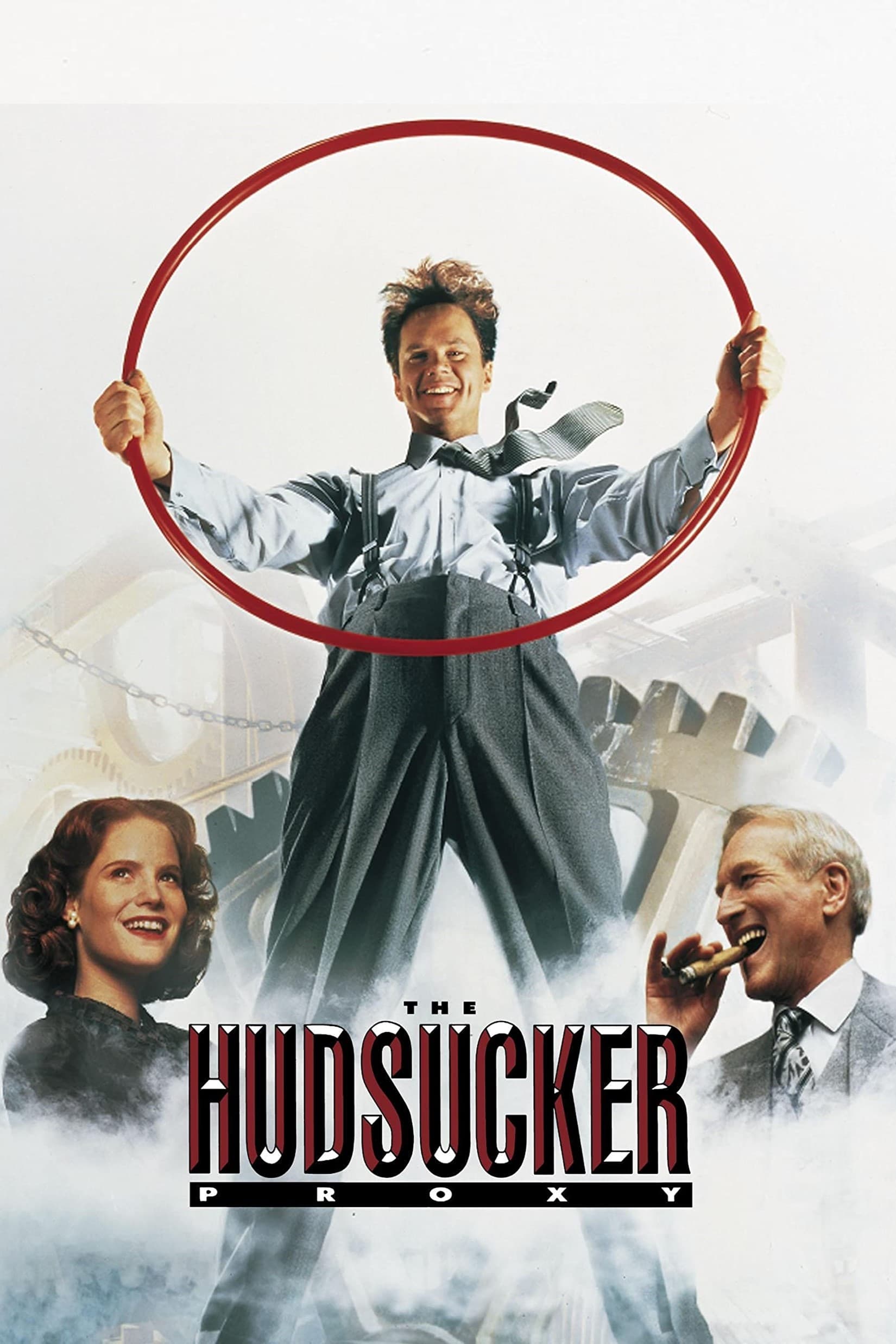
The Coen Brothers directed this stylized comedy about a mailroom clerk who is promoted to the head of a major corporation as part of a stock scam. The film featured an expensive production design but failed to recoup its budget at the box office. Critics appreciated its visual wit and homage to classic screwball comedies, though audiences remained indifferent. Over time, it has developed a following for its unique aesthetic and whimsical storytelling.
‘Empire Records’ (1995)

This coming-of-age story follows a group of record store employees trying to stop their independent shop from being sold to a large chain. The film was a critical and commercial failure during its limited theatrical release. However, it struck a chord with the youth of the 1990s and became a definitive cult favorite through video sales and its popular soundtrack. The film is now celebrated annually by fans on the fictional holiday “Rex Manning Day.”
‘Bottle Rocket’ (1996)
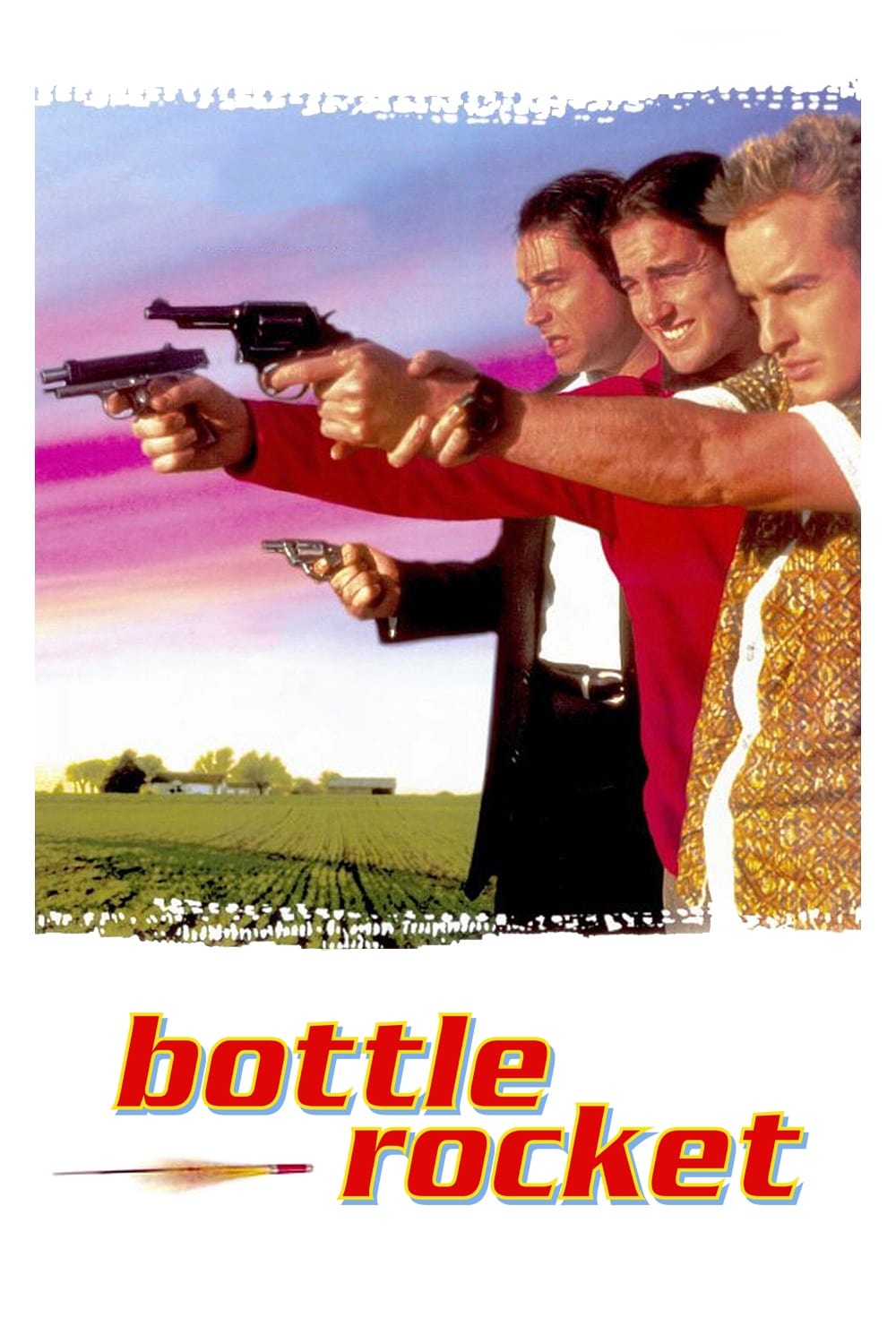
Wes Anderson’s directorial debut follows three friends who plan a series of poorly executed robberies. The film was a commercial flop, earning very little during its brief time in theaters. Despite the low earnings, it caught the attention of critics and established the unique visual and narrative style that Anderson would become known for. It is now viewed as an essential entry in the filmography of one of modern cinema’s most distinct voices.
‘Event Horizon’ (1997)
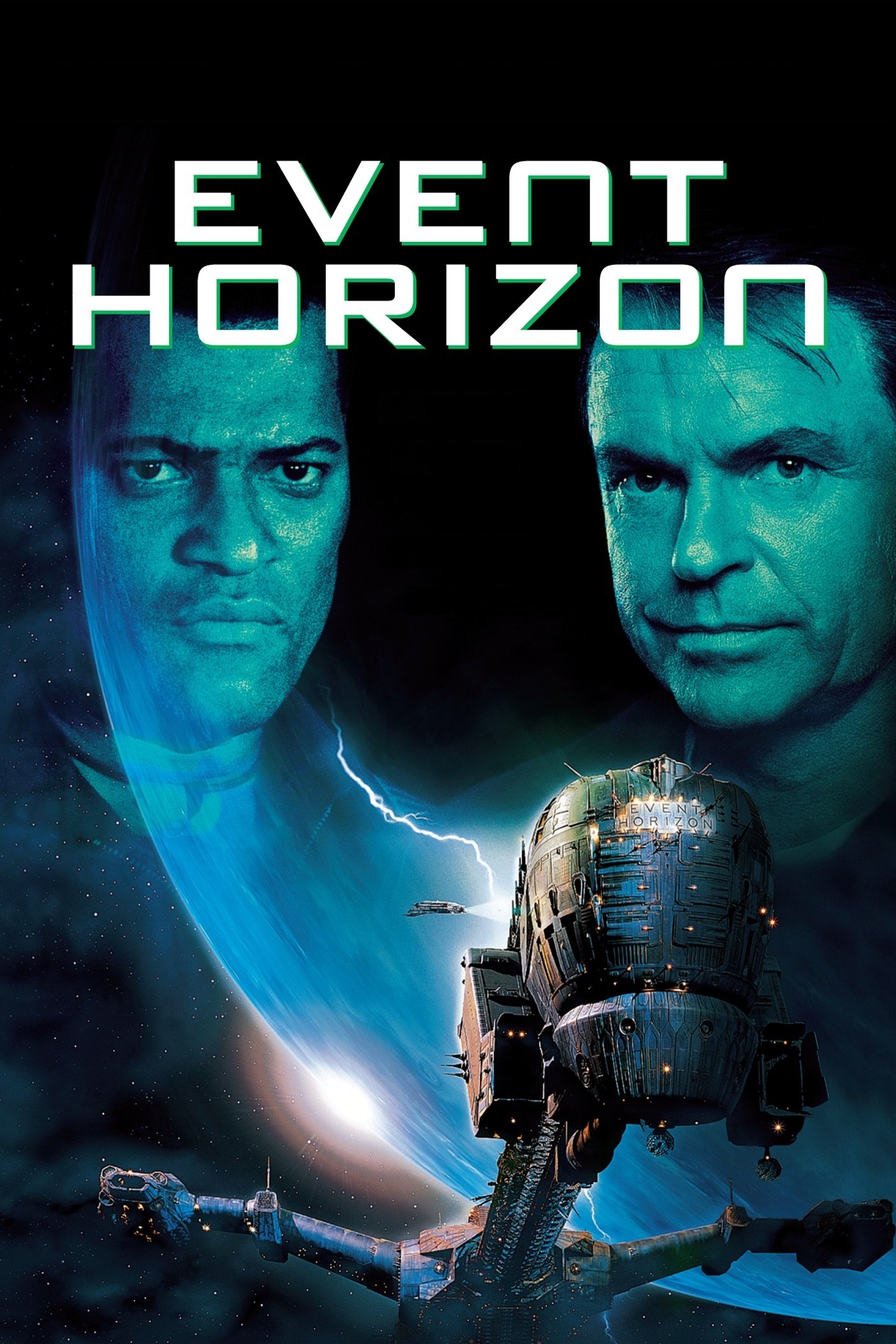
This science fiction horror film follows a rescue crew investigating a spaceship that reappeared after vanishing into a black hole. The production was rushed and the film underperformed significantly at the box office while receiving mixed reviews. In the years since, horror enthusiasts have praised its gruesome imagery and blend of cosmic horror with futuristic technology. It is now a widely cited cult classic within the sci-fi horror subgenre.
‘The Big Lebowski’ (1998)
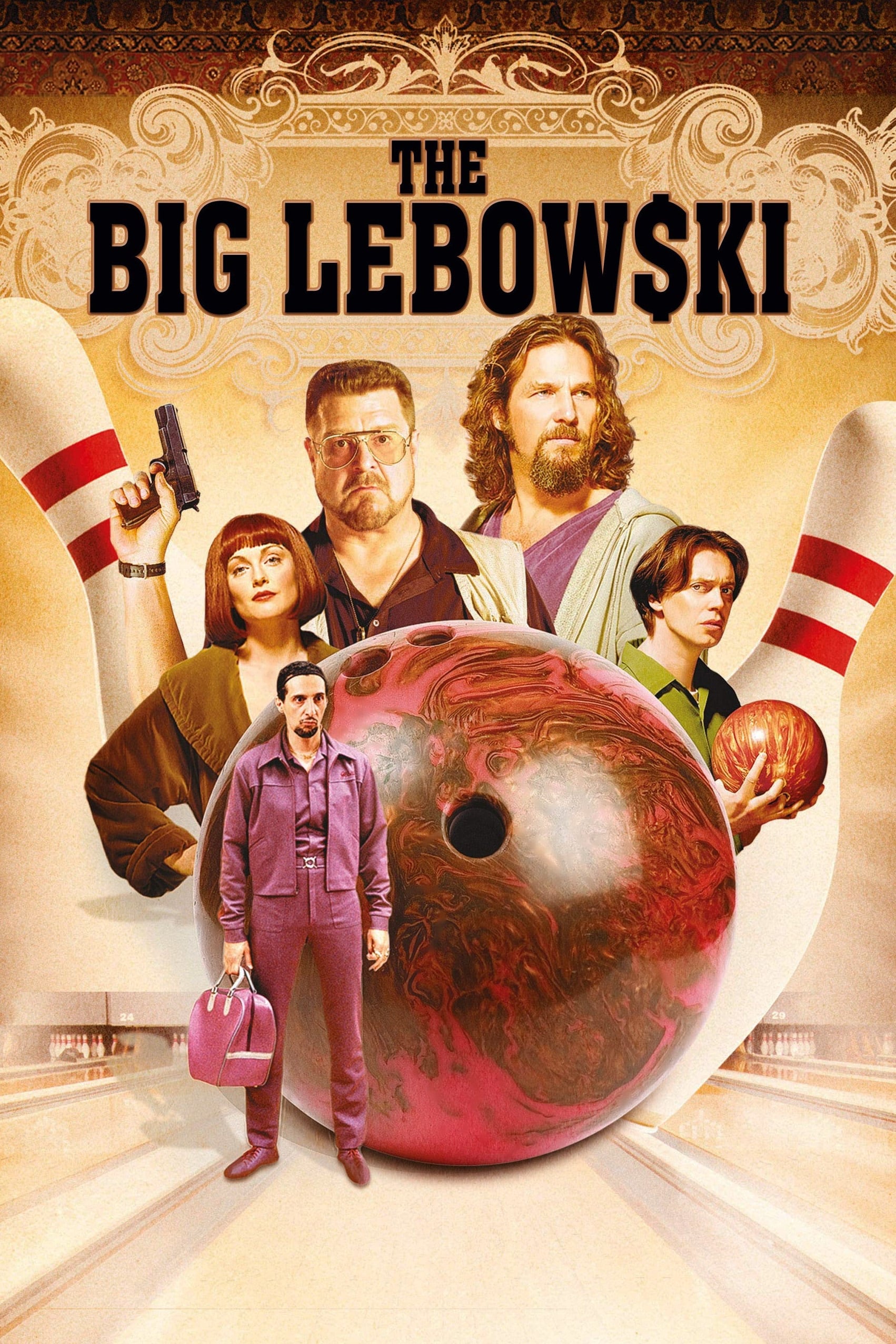
The Coen Brothers followed their success with ‘Fargo’ by making this idiosyncratic crime comedy about an unemployed slacker mistaken for a millionaire. The film received lukewarm reviews and middling box office numbers during its first few months in theaters. Its popularity exploded on the home video market, leading to an annual festival and even a philosophy known as Dudeism. It is now considered one of the most quotable and beloved comedies ever made.
‘Dark City’ (1998)
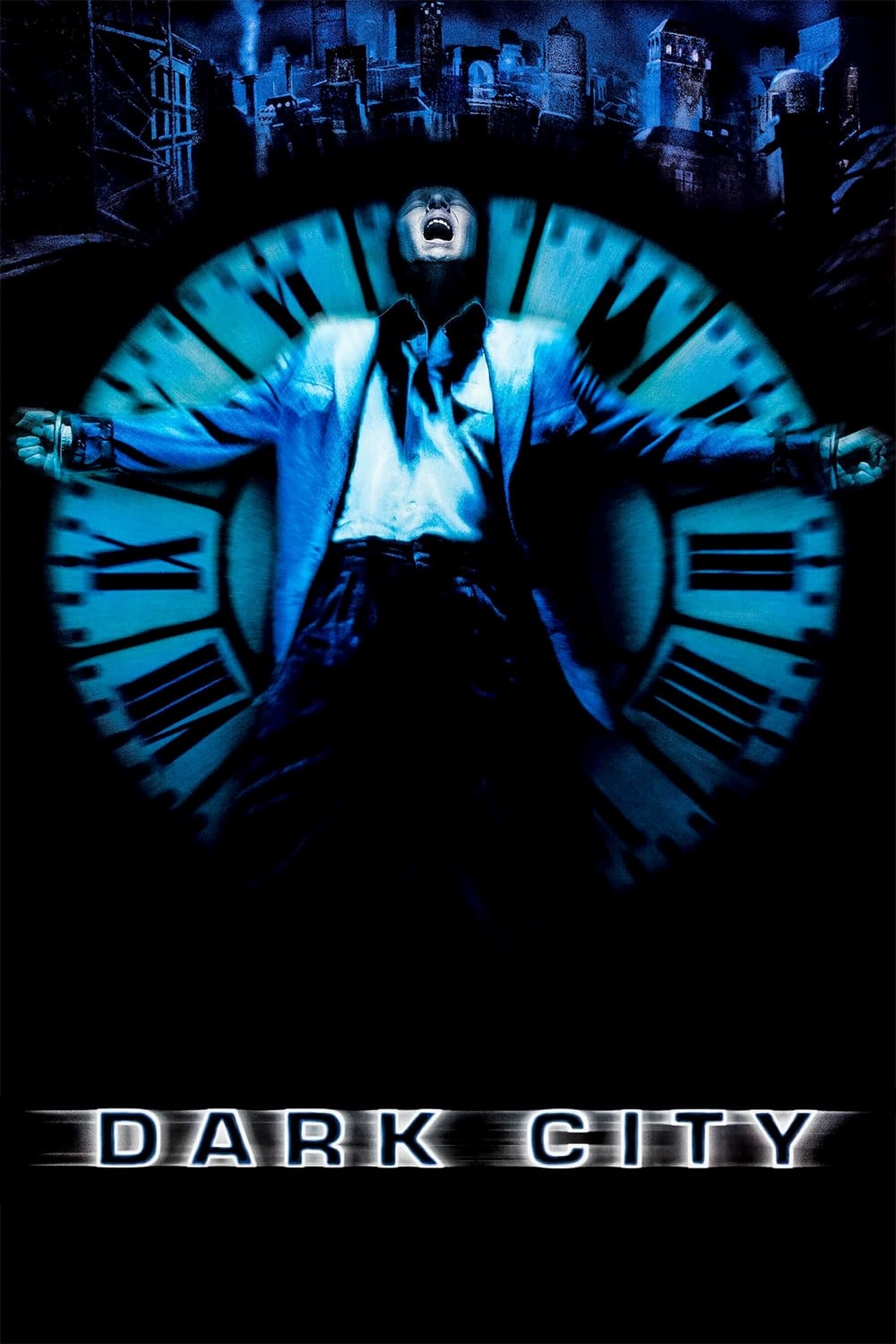
Directed by Alex Proyas, this neo-noir sci-fi film features a man struggling with amnesia in a city where the sun never shines. Released shortly before ‘The Matrix’, the film was largely ignored by mainstream audiences and failed to turn a profit. Critics praised its innovative visual style and its philosophical exploration of identity and memory. It has since earned a reputation as a visual masterpiece that was ahead of its time.
‘The Iron Giant’ (1999)
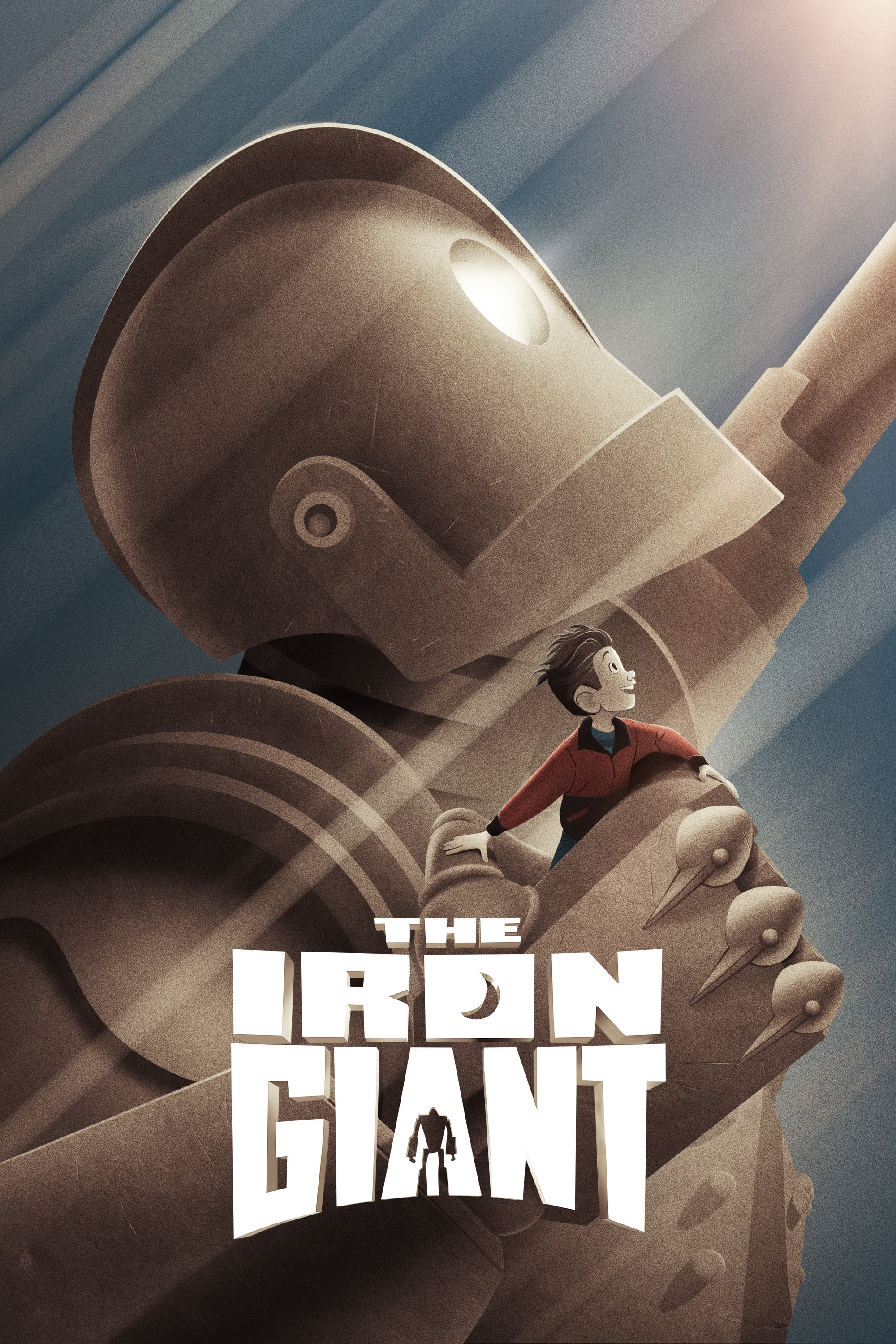
Brad Bird directed this animated story about a young boy who befriends a giant robot from outer space during the Cold War. Despite near-universal critical acclaim, the film suffered from poor marketing and failed to find an audience in theaters. Its emotional depth and themes of pacifism eventually reached a wider audience through television and home media. It is now frequently ranked among the greatest animated films of all time.
‘Fight Club’ (1999)

David Fincher’s adaptation of the Chuck Palahniuk novel explores themes of consumerism and masculinity through an underground fight club. The film was controversial upon release and did not perform as well as the studio expected at the domestic box office. Home video sales eventually turned the film into a cultural phenomenon with a massive following. It remains a polarizing yet highly influential piece of late-90s cinema.
‘Office Space’ (1999)

Written and directed by Mike Judge, this satire targets the mundane life of corporate cubicle workers. The film had a very quiet theatrical run and was not a commercial success for the studio. Word of mouth and DVD sales eventually transformed it into the definitive comedy about workplace frustration. Many of its scenes and characters have become permanent fixtures in internet meme culture and office humor.
‘The Insider’ (1999)
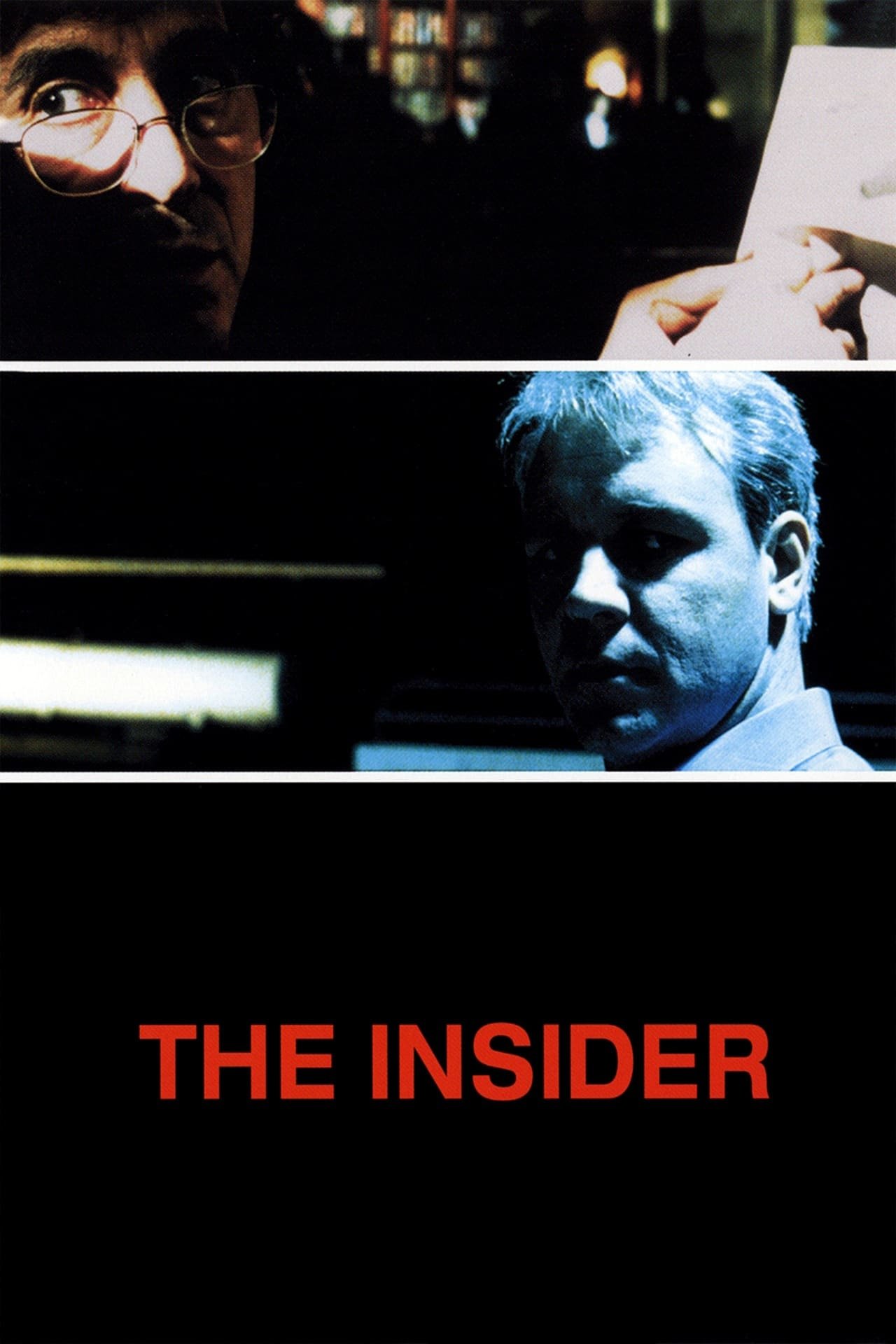
Michael Mann directed this tense drama based on the true story of a tobacco industry whistleblower. Despite receiving seven Academy Award nominations and stellar reviews, the film was a major box office disappointment. Audiences showed little interest in the long, dialogue-heavy procedural at the time of its release. It is now regarded as a peak example of 1990s adult-oriented drama and masterful filmmaking.
‘Almost Famous’ (2000)

Cameron Crowe’s semi-autobiographical film follows a teenage journalist touring with a rock band in the 1970s. While it won an Academy Award for Best Original Screenplay and received glowing reviews, it failed to break even at the box office. The film has since become a beloved classic for its nostalgic portrayal of the music industry and its heartfelt characters. It is frequently cited as one of the best films about the spirit of rock and roll.
‘Donnie Darko’ (2001)
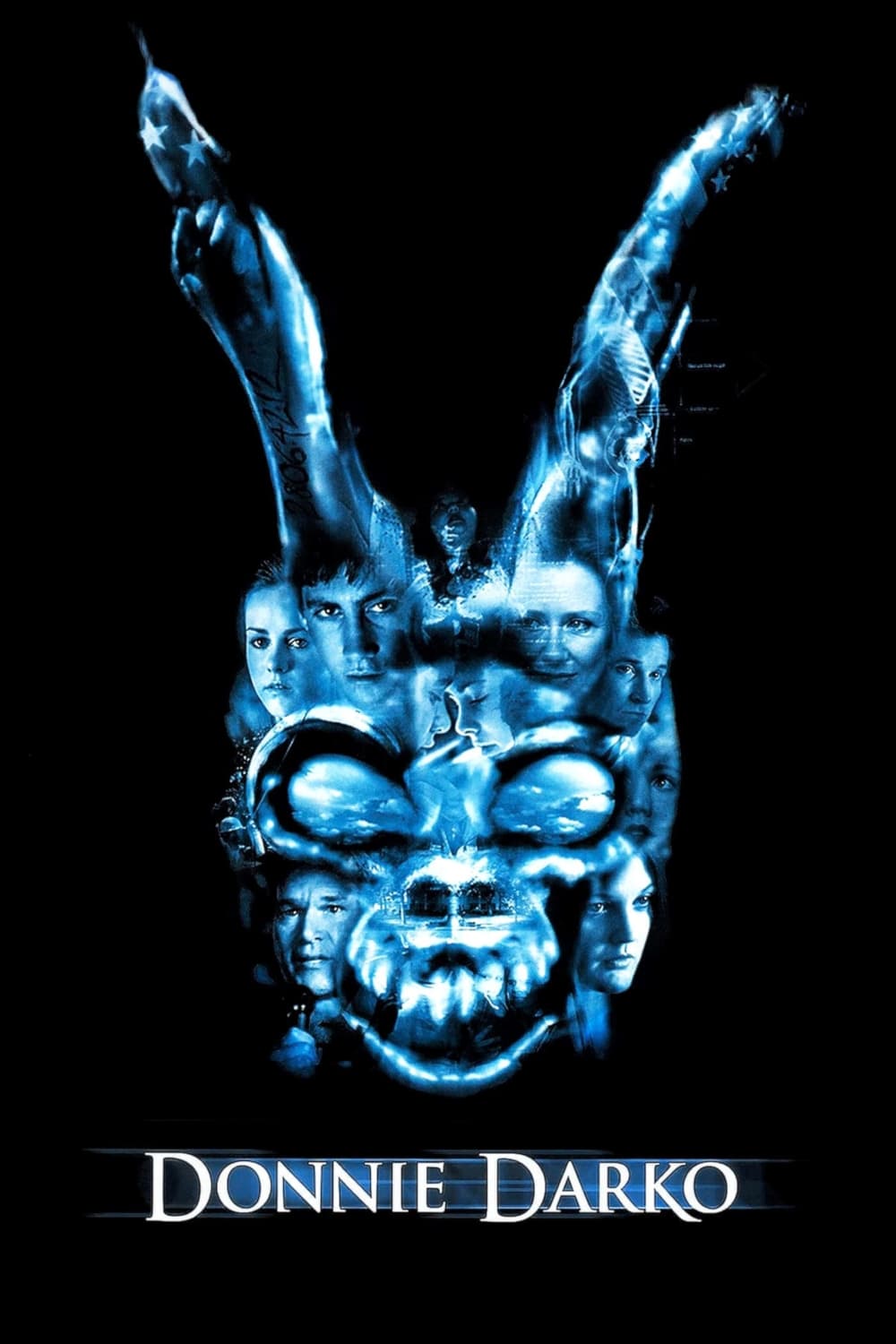
This mind-bending thriller stars Jake Gyllenhaal as a troubled teenager who experiences visions of a giant rabbit predicting the end of the world. The film’s release was hampered by the events of September 11, as its plot involved a plane crash. It earned almost nothing at the box office initially but became one of the biggest cult hits of the 2000s on DVD. Its complex narrative and 1980s aesthetic helped it develop a massive, dedicated fanbase.
‘Mulholland Drive’ (2001)
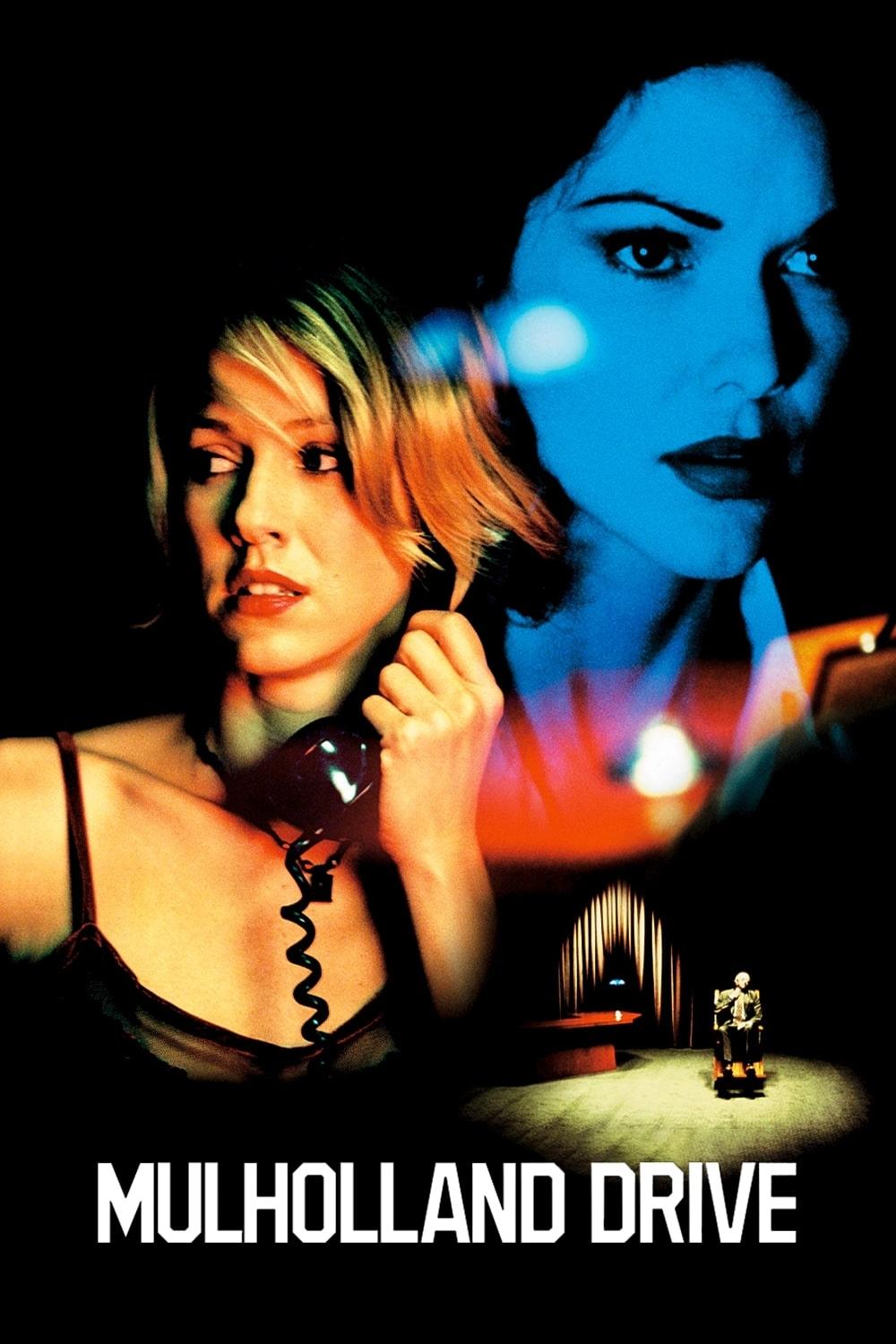
David Lynch directed this surrealist neo-noir mystery about an aspiring actress who arrives in Los Angeles and befriends an amnesiac woman. Originally intended as a television pilot, the film was a commercial failure despite its high critical standing. It was later named the best film of the 21st century in a major poll of global critics. The film’s dreamlike logic and haunting atmosphere have inspired endless analysis and debate.
‘The Fall’ (2006)

Directed by Tarsem Singh, this visually stunning film tells the story of a hospitalized stuntman who tells an epic tale to a young girl. The movie was largely self-funded and received a very limited theatrical release, resulting in low box office returns. It was praised by critics for its incredible cinematography and use of real locations across the globe. Over time, it has gained a following as a unique and imaginative work of cinematic art.
‘Children of Men’ (2006)
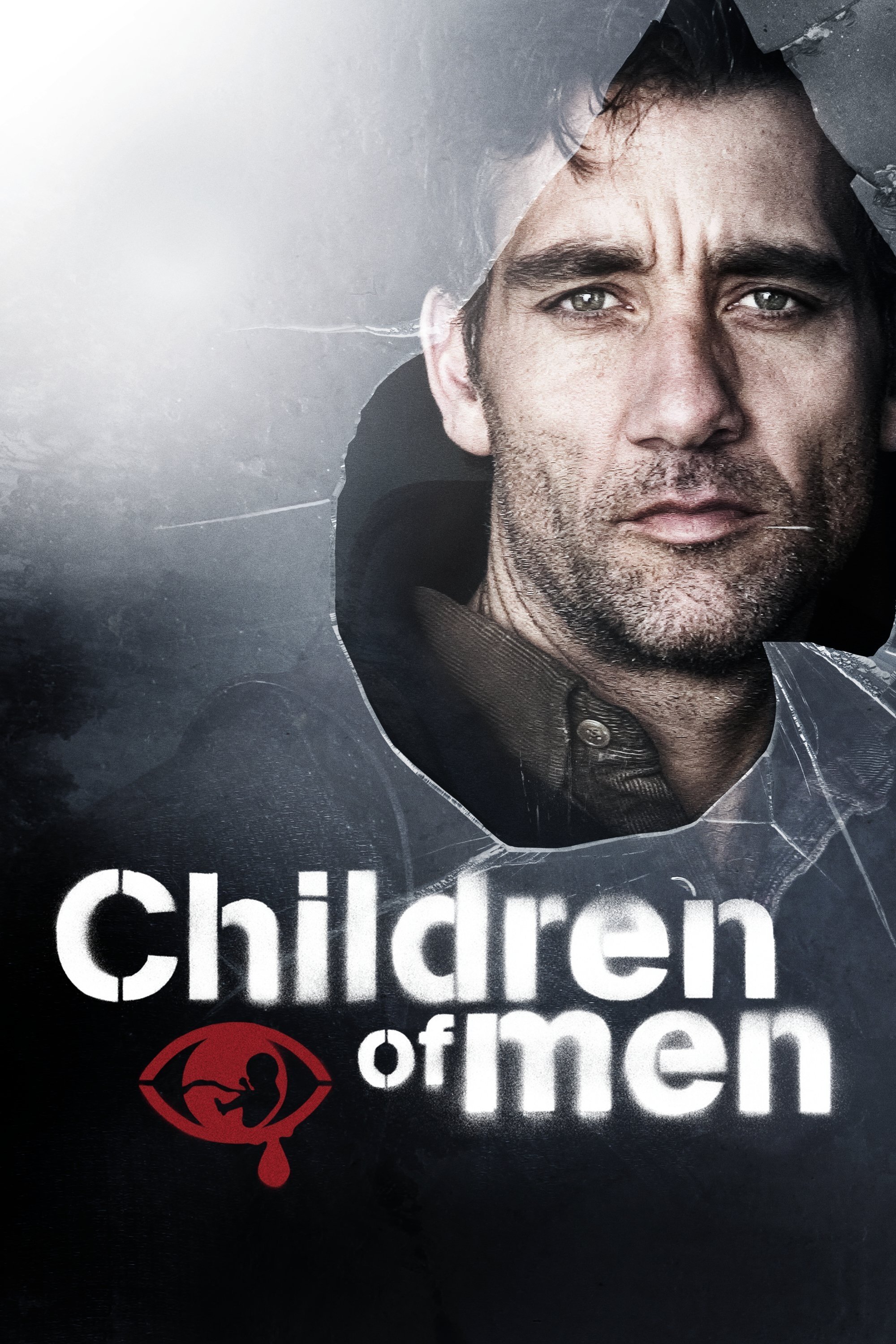
Alfonso Cuarón’s dystopian thriller depicts a world where humans have become infertile and society is on the brink of collapse. Despite its innovative use of long takes and heavy critical acclaim, the film was a commercial failure. Its bleak subject matter and late-December release date contributed to its poor performance at the time. It is now widely considered one of the best science fiction films of the modern era.
‘The Fountain’ (2006)
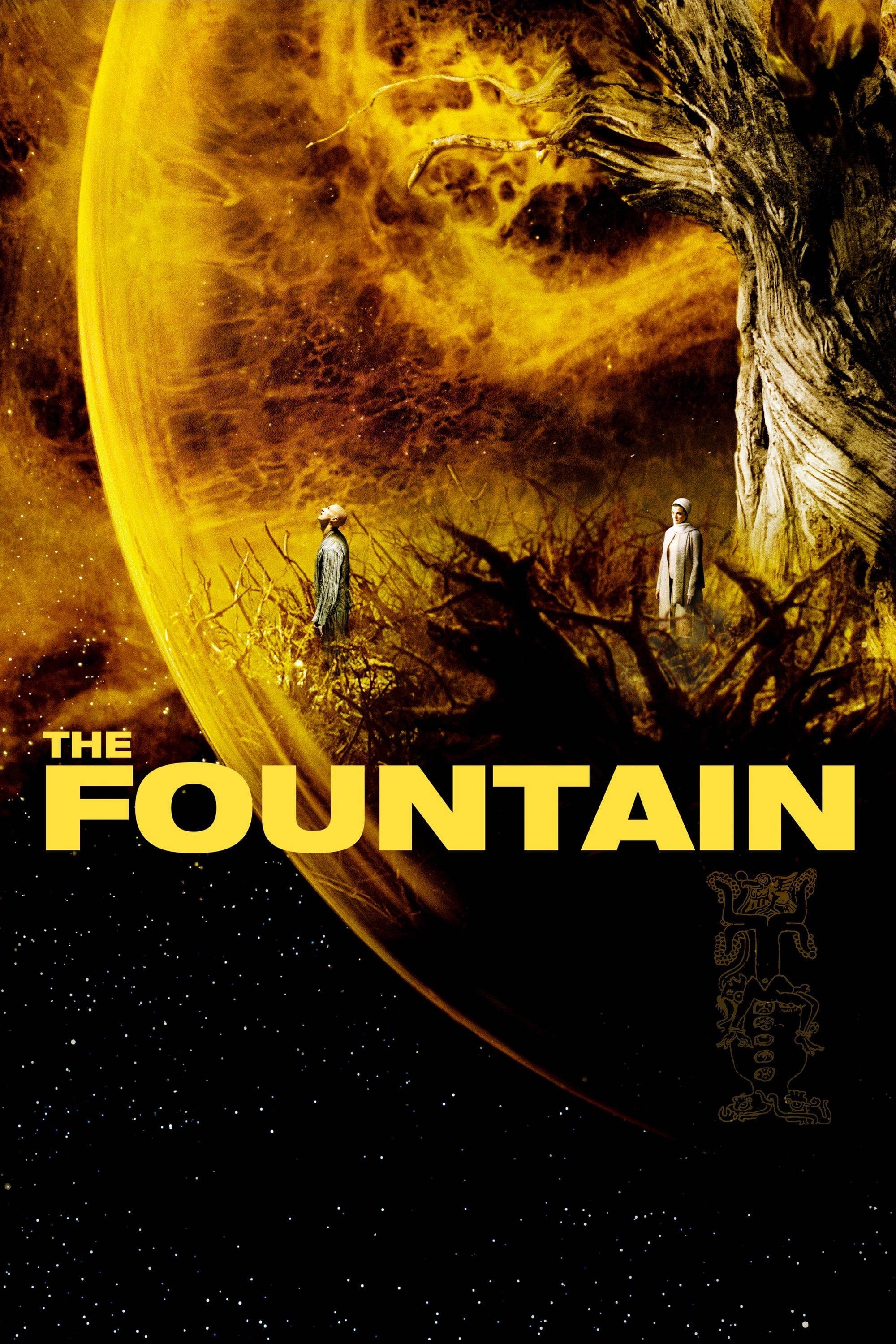
Darren Aronofsky directed this ambitious film that weaves together three stories spanning a thousand years about love and mortality. The film received a mixed response from critics and was a notable box office bomb. Its non-linear structure and metaphysical themes were difficult for mainstream audiences to grasp initially. In the years following its release, it has been embraced by a cult audience for its emotional power and visual beauty.
‘Zodiac’ (2007)
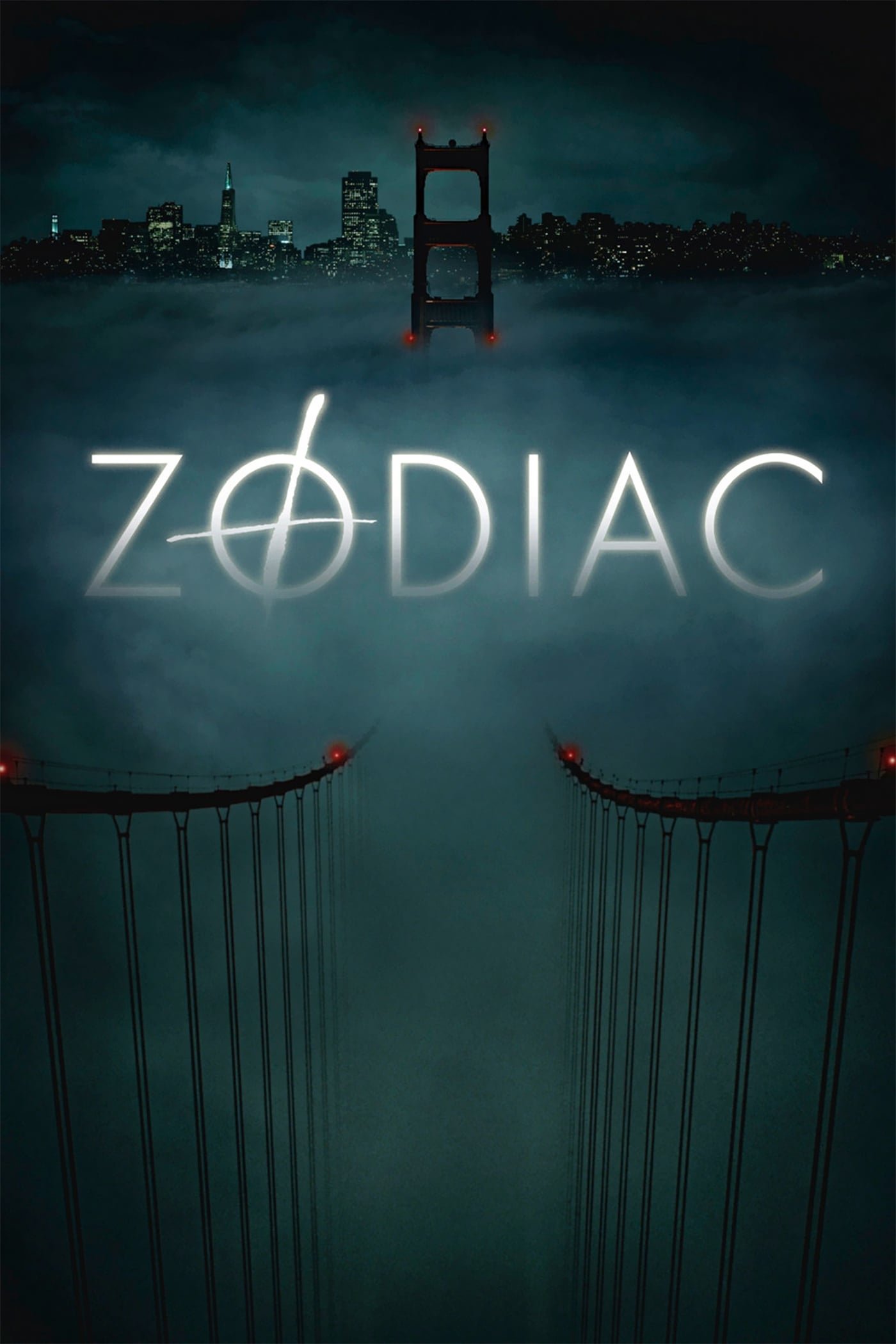
This David Fincher film meticulously details the real-life hunt for the Zodiac Killer who terrorized Northern California in the late 1960s and 70s. The film was a moderate success internationally but underperformed in the United States relative to its budget. Critics hailed its historical accuracy and tense, procedural storytelling. It is now frequently listed among the greatest crime films ever made.
‘Sunshine’ (2007)
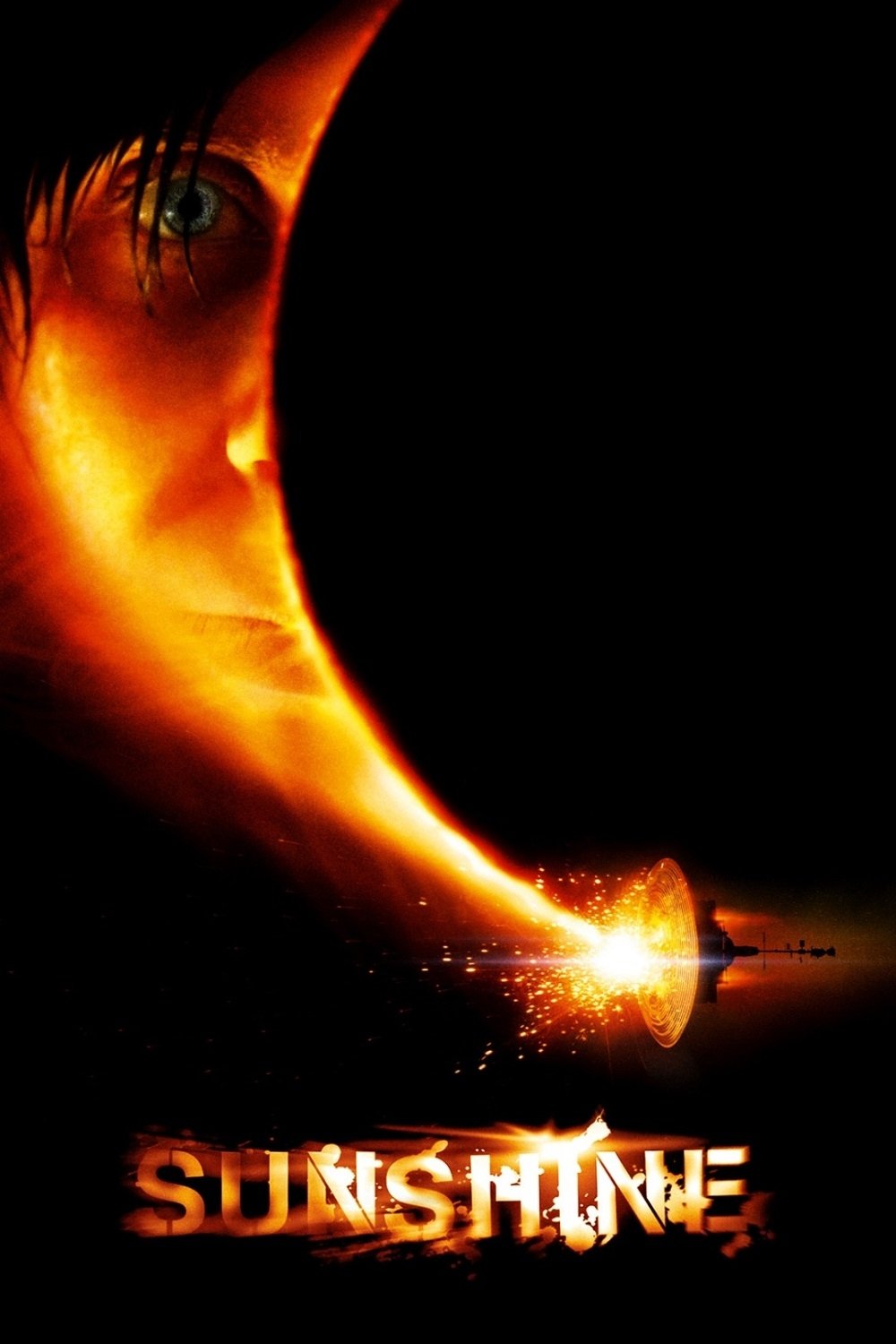
Directed by Danny Boyle, this sci-fi thriller follows a crew on a mission to reignite the dying sun with a massive nuclear bomb. The film struggled to find a wide audience and was not a commercial success during its theatrical run. It was praised for its visual effects, strong cast, and its attempt to blend hard science fiction with psychological horror. Science fiction fans have since elevated the film to cult status.
‘The Assassination of Jesse James by the Coward Robert Ford’ (2007)
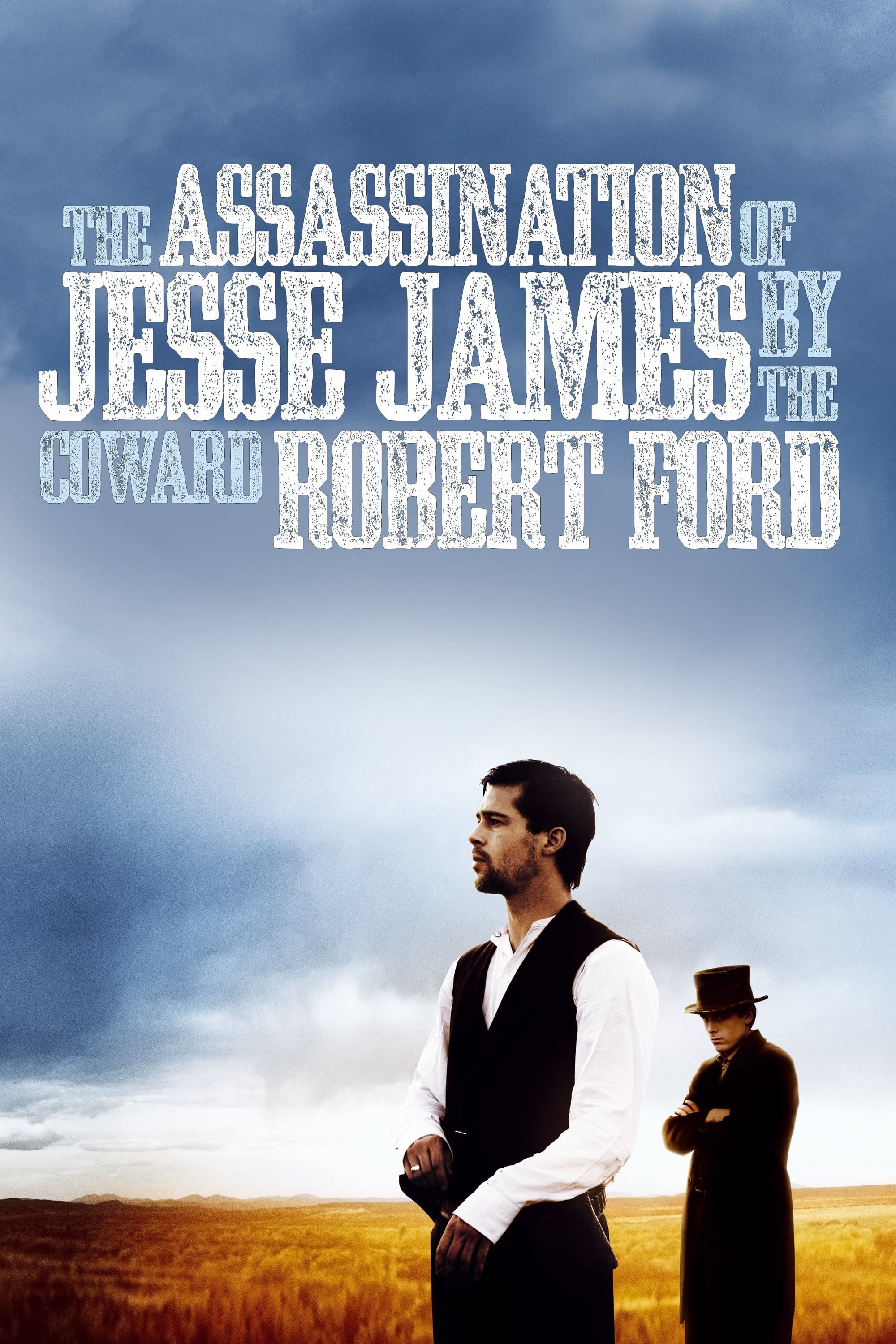
Brad Pitt and Casey Affleck star in this meditative Western that explores the relationship between the legendary outlaw and his eventual killer. The film’s long runtime and deliberate pacing made it a difficult sell for the studio, leading to poor box office numbers. Critics, however, lauded the film for its poetic screenplay and breathtaking cinematography by Roger Deakins. It has since been recognized as one of the finest Westerns of the 21st century.
‘Grindhouse’ (2007)

Directors Quentin Tarantino and Robert Rodriguez collaborated on this double-feature tribute to 1970s exploitation cinema. Despite the high profiles of the directors, the three-hour runtime and niche concept led to a disappointing box office performance. The project was eventually split into two separate films for international markets and home video. It remains a celebrated experiment in genre filmmaking and stylistic homage.
‘Speed Racer’ (2008)
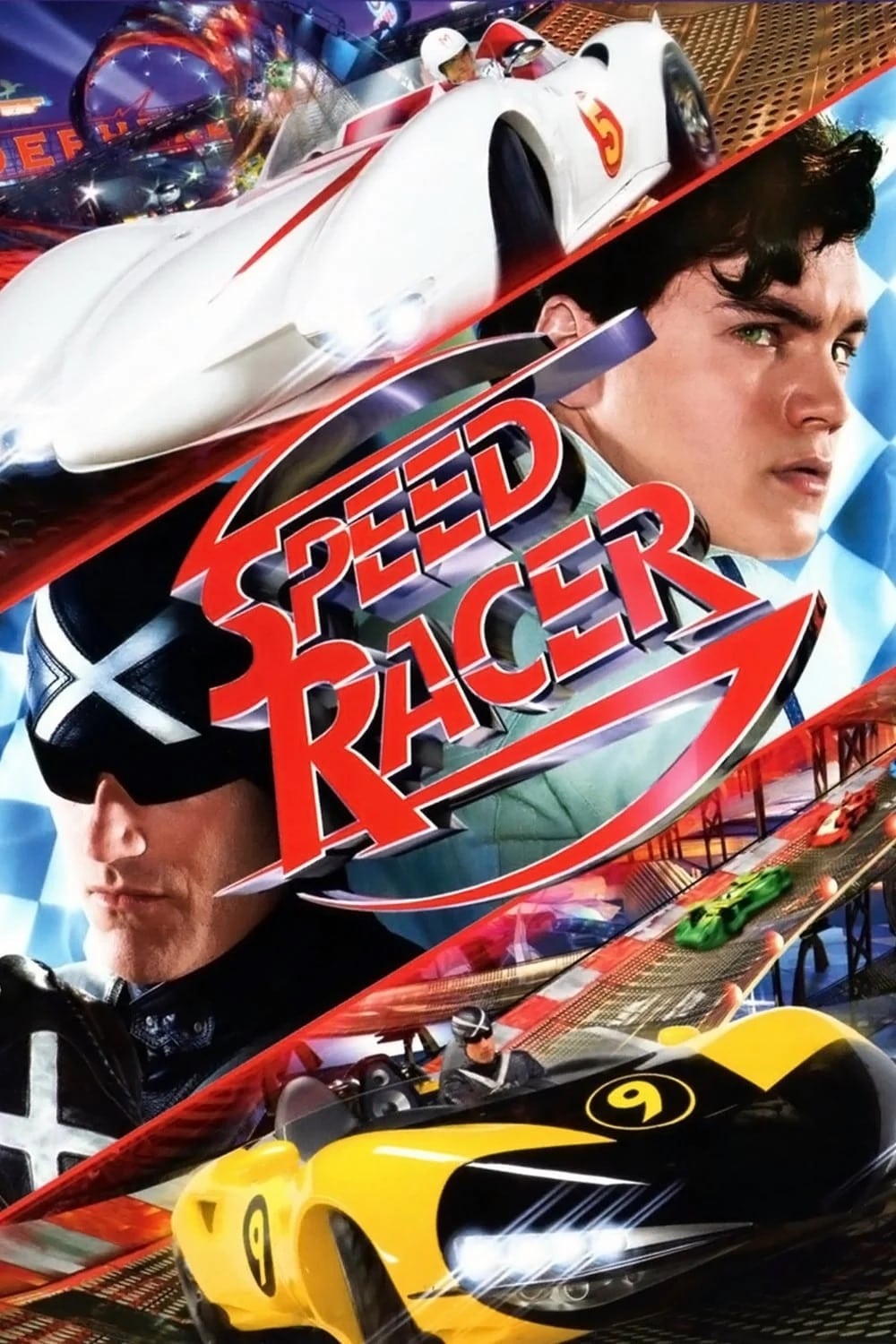
The Wachowskis directed this live-action adaptation of the classic anime series, featuring a highly stylized, neon-drenched aesthetic. The film was a major financial failure and received mostly negative reviews from critics at the time of its release. However, its reputation has shifted significantly as fans and critics have come to appreciate its bold visual experimentation. It is now often cited as a misunderstood masterpiece of digital filmmaking.
‘Scott Pilgrim vs. the World’ (2010)
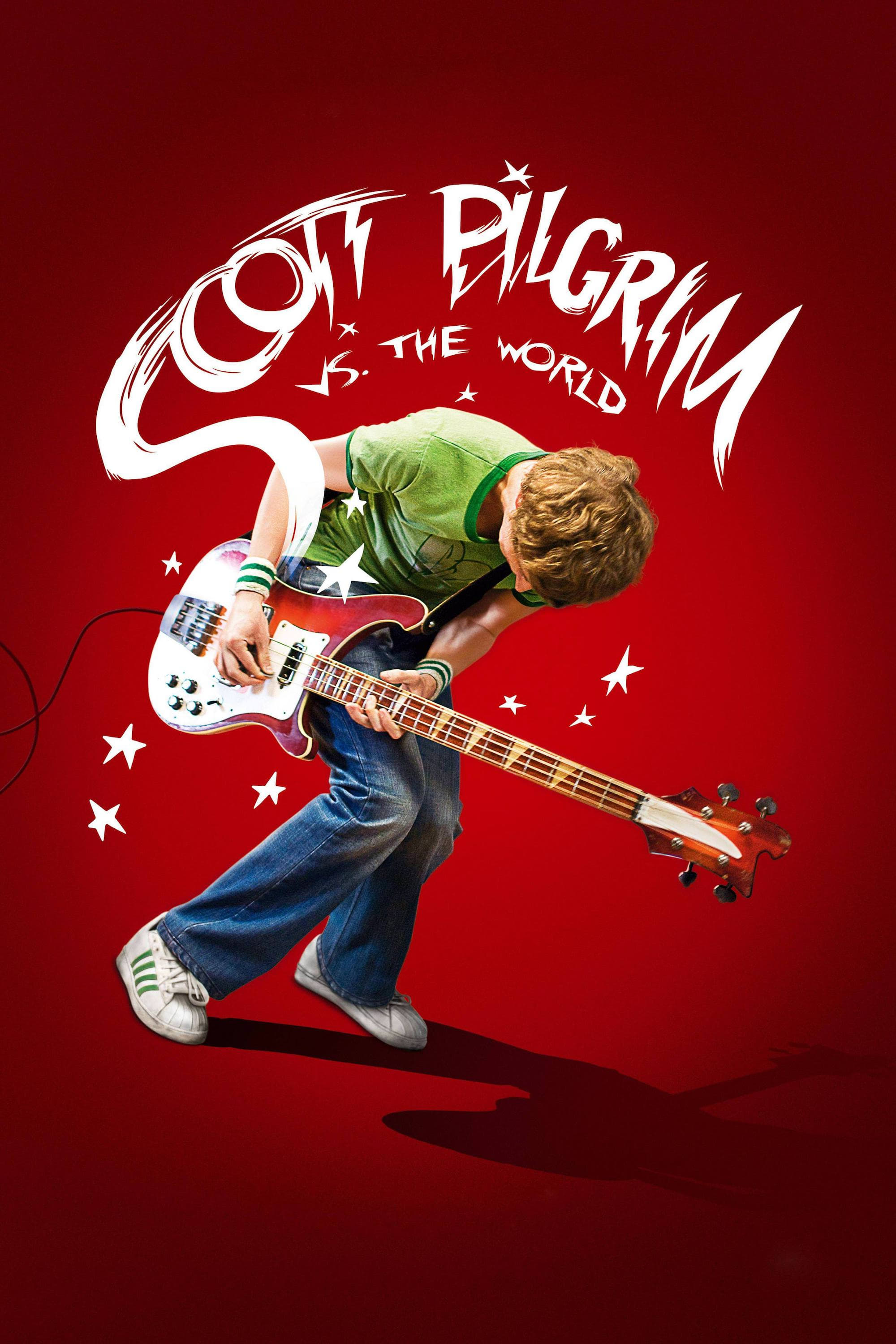
Directed by Edgar Wright, this film follows a young man who must defeat his new girlfriend’s seven evil exes in combat. Despite a heavy marketing campaign and positive reviews, the film flopped at the box office. Its fast-paced editing and video game-inspired visuals eventually found a massive audience on home video and through midnight screenings. The movie is now considered a definitive cult classic of the 2010s.
‘Hugo’ (2011)

Martin Scorsese directed this family adventure about an orphan living in a Paris train station who becomes involved in the history of early cinema. The film received eleven Academy Award nominations and won five, yet it was a significant financial loss for the studio. Its high production budget and competition from other holiday releases hindered its commercial success. It remains a critically beloved love letter to the magic of filmmaking.
‘Dredd’ (2012)
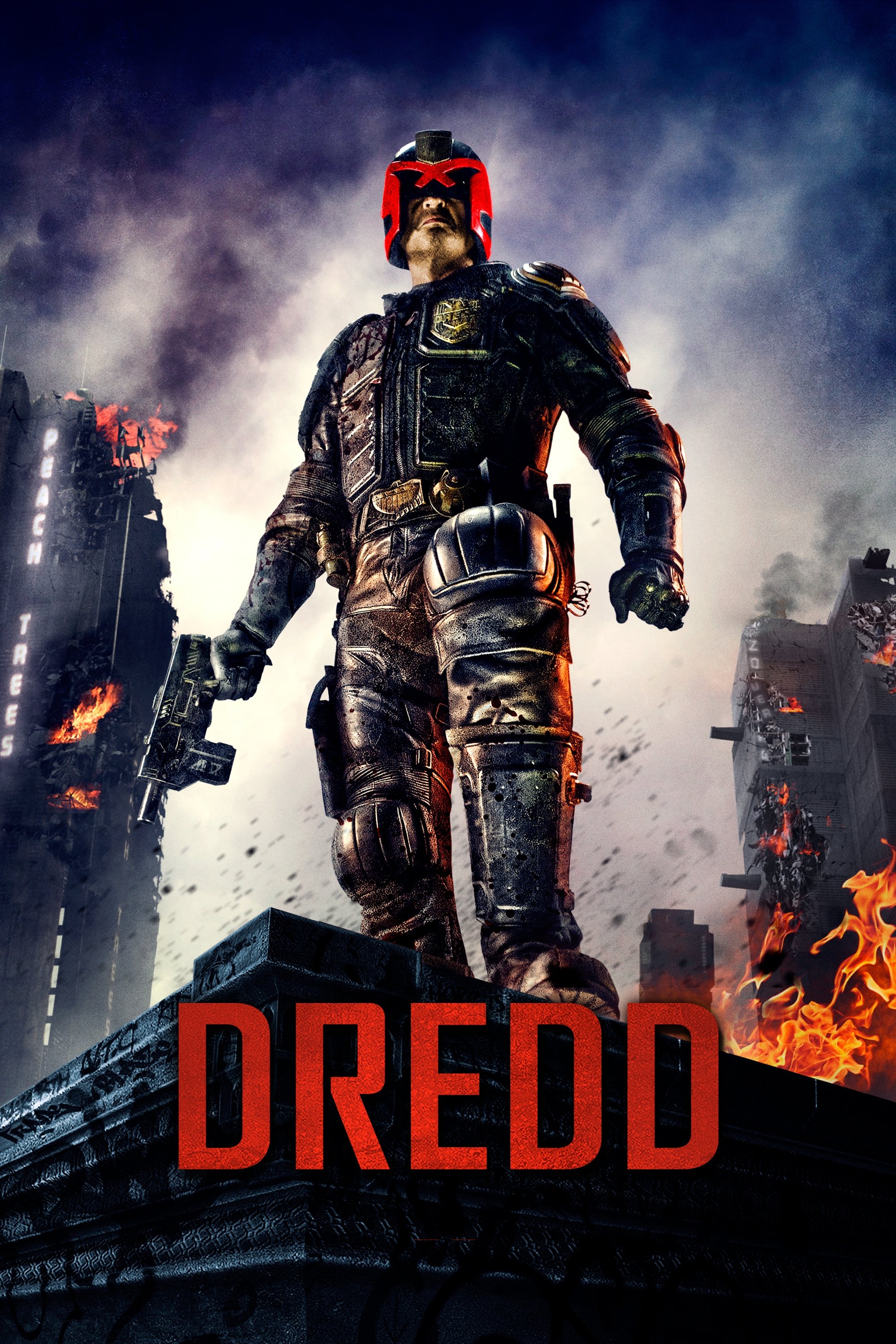
This adaptation of the ‘Judge Dredd’ comics features a gritty, contained story about a lawman trapped in a massive high-rise building. The film was a box office failure, largely attributed to poor marketing and a crowded release window. Fans praised the film for its faithful tone, R-rated action, and strong lead performance by Karl Urban. A dedicated fan campaign for a sequel has continued for years following its success on home video.
‘The Master’ (2012)
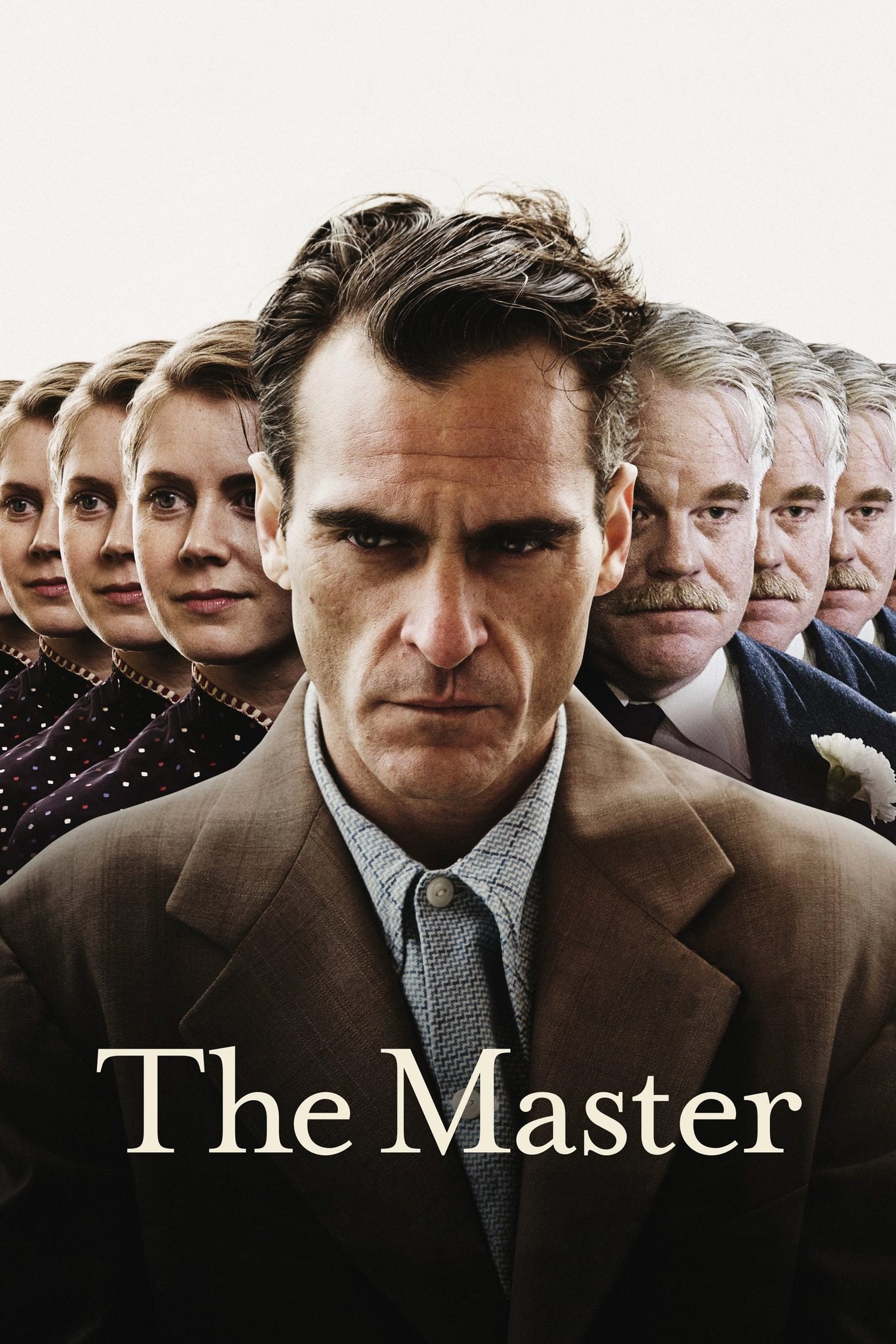
Paul Thomas Anderson directed this drama about a drifting veteran who becomes involved with a charismatic leader of a philosophical movement. While the performances of Joaquin Phoenix and Philip Seymour Hoffman were highly praised, the film struggled to find a mainstream audience. Its enigmatic narrative and challenging themes resulted in low box office returns. It is now regarded by many critics as one of the most significant films of its decade.
‘Cloud Atlas’ (2012)
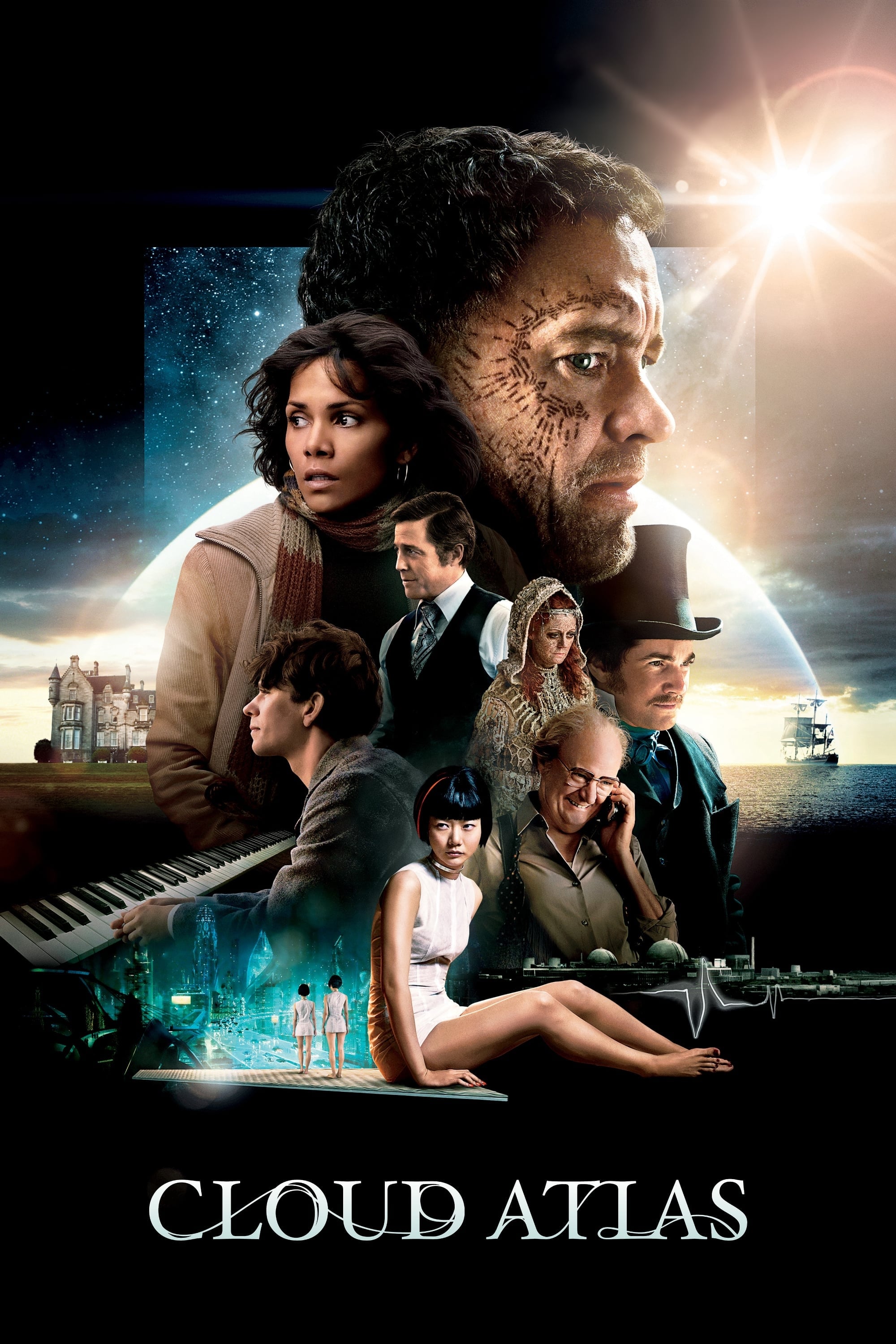
Based on the novel by David Mitchell, this epic film features six nested stories spanning different time periods and genres. The movie was one of the most expensive independent films ever produced and failed to recoup its costs at the box office. Audiences were divided by its complex structure and the use of actors playing multiple roles across different eras. It has since gained a reputation as a daring and ambitious work of speculative fiction.
‘Under the Skin’ (2013)

Scarlett Johansson stars as an extraterrestrial being who drives around Scotland picking up lonely men. Directed by Jonathan Glazer, the film was a commercial failure, earning back only a small portion of its budget. Critics, however, were enthralled by its haunting visuals and unique approach to the science fiction genre. It has since appeared on numerous lists of the best films of the 21st century.
‘Inherent Vice’ (2014)
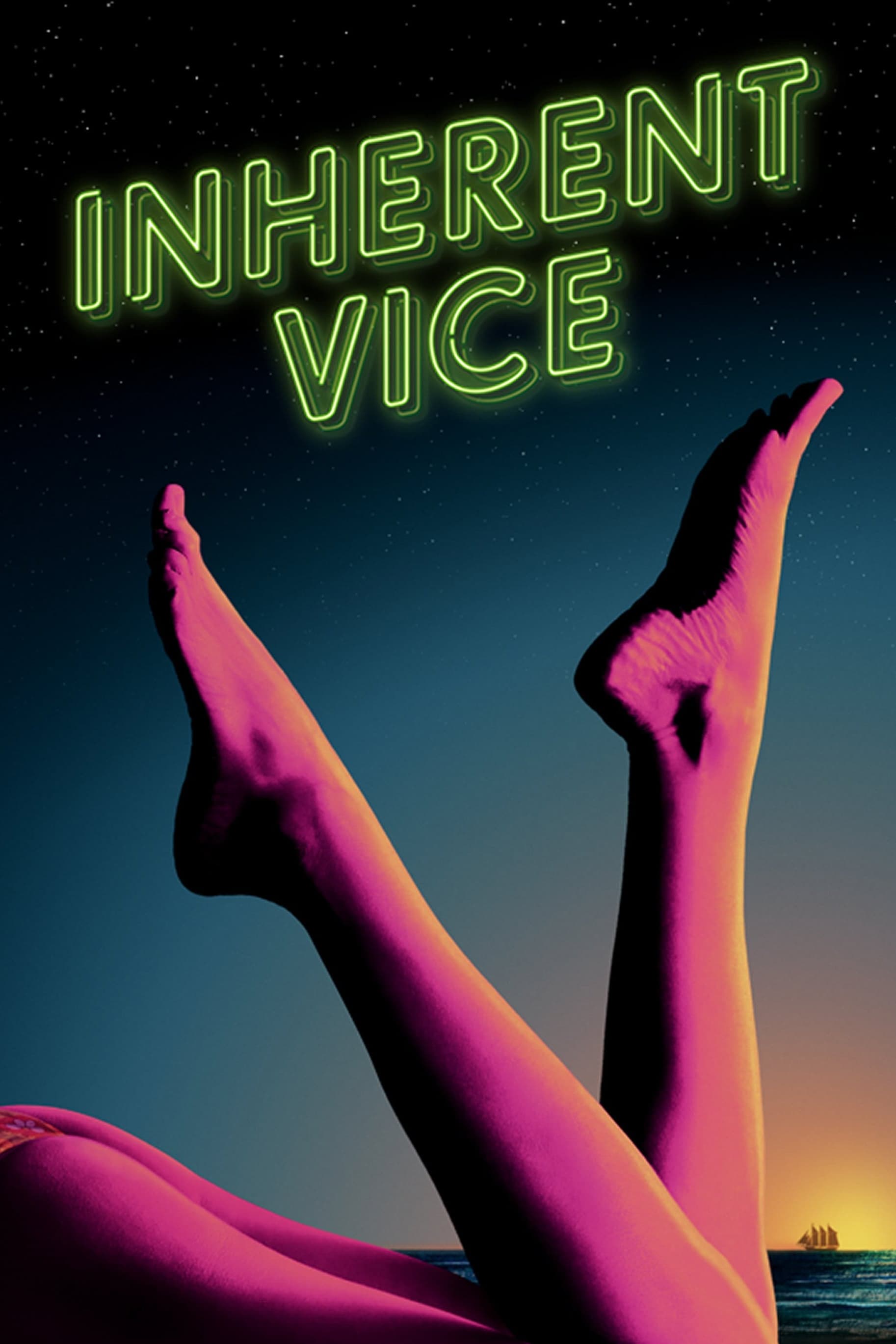
This Paul Thomas Anderson adaptation of Thomas Pynchon’s novel follows a drug-fueled private investigator in 1970s California. The film’s convoluted plot and eccentric humor made it a difficult experience for general audiences, leading to poor box office numbers. It received two Academy Award nominations and high praise from critics who enjoyed its dense atmosphere. The film has developed a following among fans of neo-noir and counterculture cinema.
‘Steve Jobs’ (2015)

Danny Boyle directed this unconventional biopic written by Aaron Sorkin, which focuses on three iconic product launches. Despite strong reviews and award season buzz, the film was a disappointment at the box office. The studio struggled with the release strategy, and audiences seemed uninterested in another film about the Apple co-founder. It is now praised for its sharp dialogue and the powerhouse performances of its lead cast.
‘The Nice Guys’ (2016)
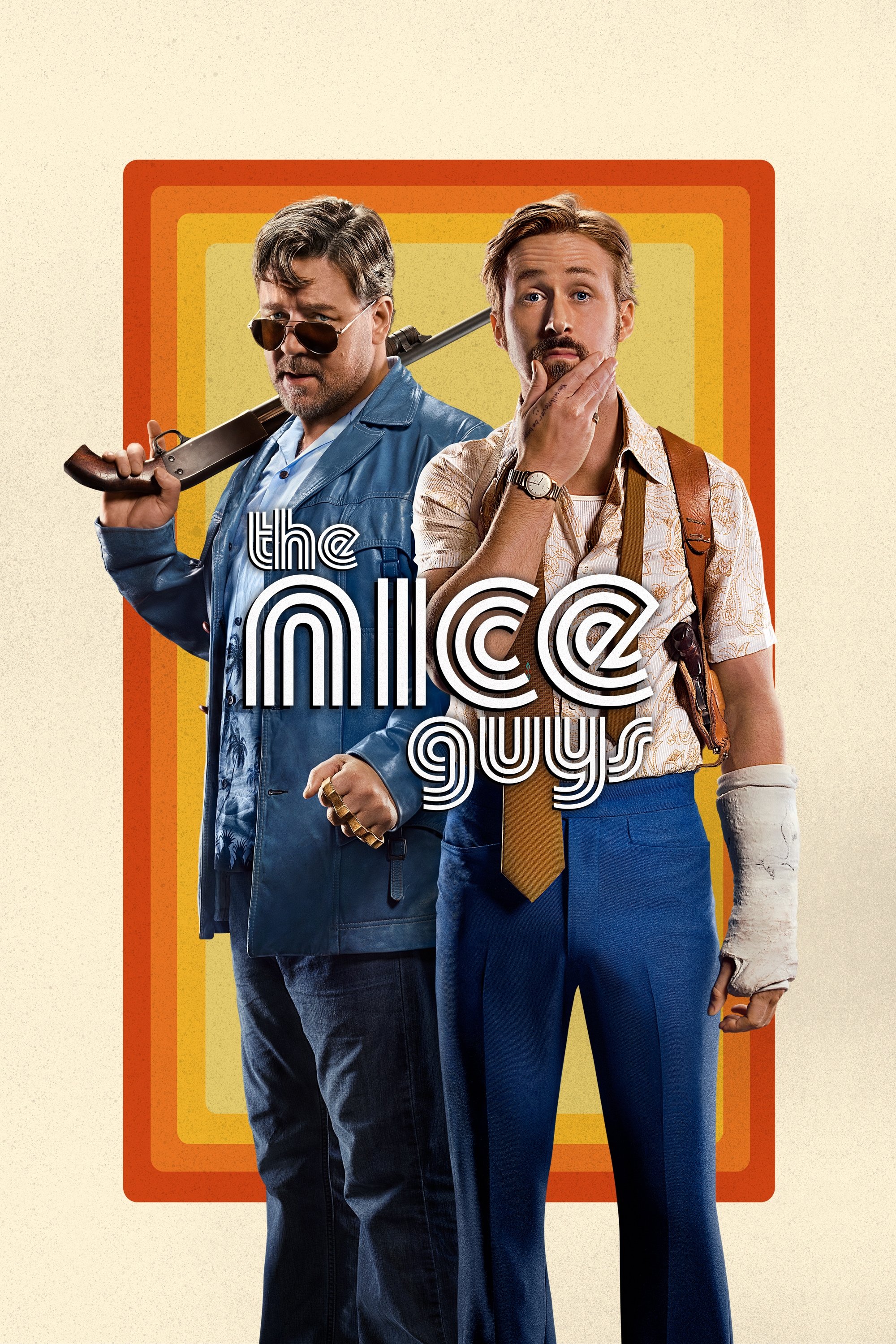
Ryan Gosling and Russell Crowe star as a mismatched pair of private eyes investigating a missing girl in 1970s Los Angeles. Directed by Shane Black, the film received glowing reviews for its chemistry and wit but failed to compete with summer blockbusters. Its modest box office performance prevented the start of a potential franchise. It has since become a frequently recommended “hidden gem” among fans of action-comedies.
‘Silence’ (2016)
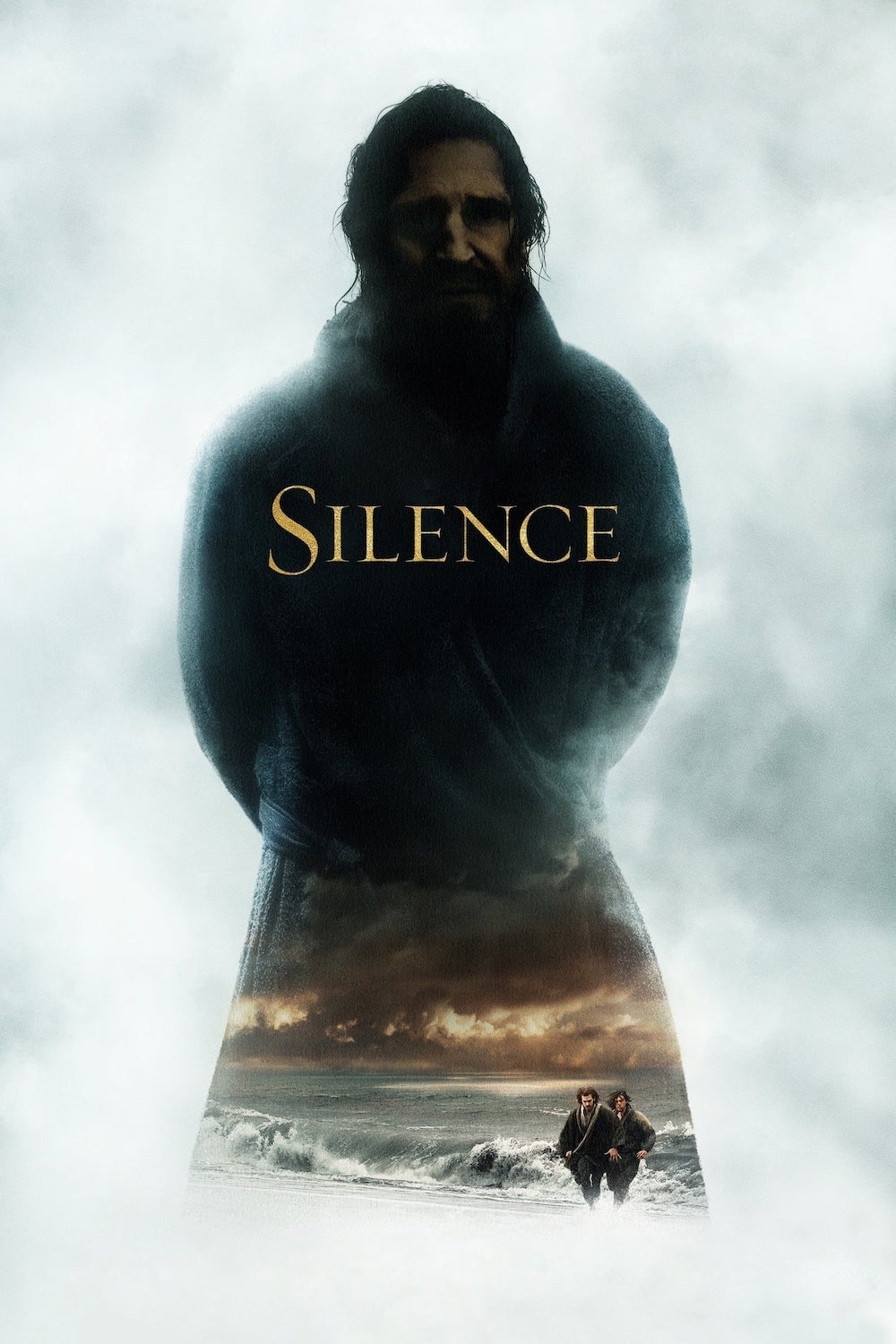
Martin Scorsese’s passion project tells the story of two Jesuit priests who travel to 17th-century Japan to find their mentor. The film was a major commercial failure, grossing less than half of its production budget. Its long runtime and heavy theological themes were cited as reasons for the lack of audience interest. Critics consider it one of Scorsese’s most profound and visually arresting works of his late career.
‘Popstar: Never Stop Never Stopping’ (2016)
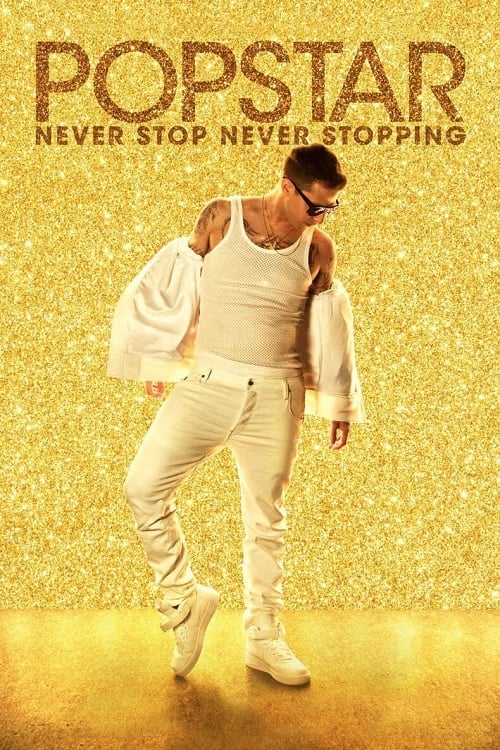
This mockumentary stars Andy Samberg as a former boy band member whose solo career begins to implode. The film was a massive box office bomb, failing to gain traction during its theatrical run. However, its sharp satire of the music industry and catchy original songs made it a hit on streaming platforms. It is now widely regarded as one of the best comedies of the 2010s.
‘A Cure for Wellness’ (2016)

Directed by Gore Verbinski, this psychological horror film follows an executive who travels to a mysterious spa in the Swiss Alps. The film was a significant financial failure and received mixed reviews for its long runtime and bizarre plot. Over time, it has been reappraised for its stunning production design and its commitment to original, high-budget horror. It remains a visually unique entry in the modern gothic genre.
‘Blade Runner 2049’ (2017)

Denis Villeneuve directed this sequel to the 1982 classic, following a new blade runner who uncovers a secret that could change society. Despite universal critical acclaim and multiple Academy Awards, the film underperformed relative to its massive budget. Its nearly three-hour length and intellectual tone were seen as barriers for general audiences. It is now celebrated as a rare example of a blockbuster sequel that expands meaningfully on its predecessor.
‘Annihilation’ (2018)
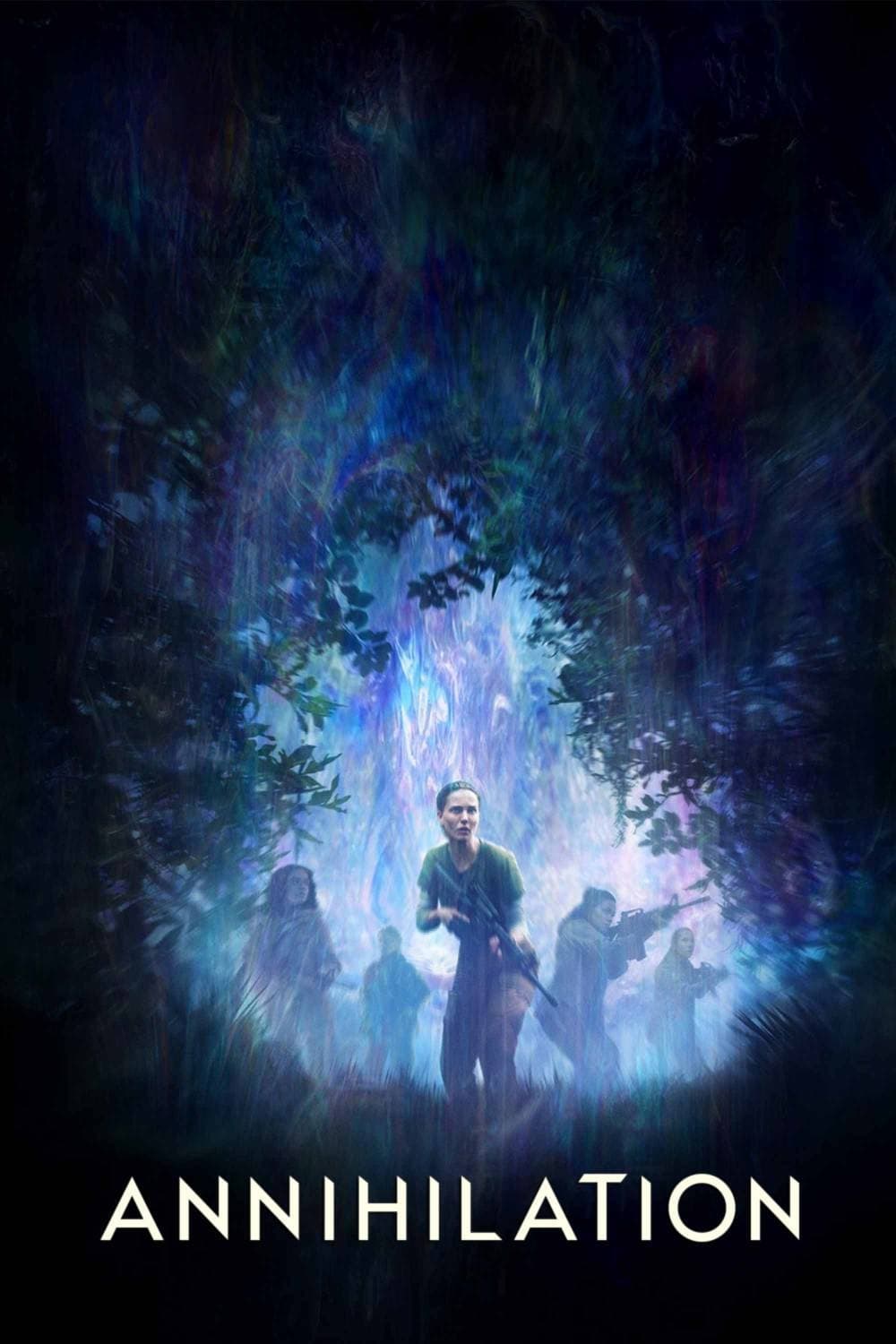
Alex Garland directed this sci-fi horror film about a group of scientists who enter a mysterious quarantined zone known as the Shimmer. The film was released directly to streaming in international markets after the studio feared it was “too intellectual” for a wide theatrical release. It grossed very little in its limited domestic run but received high praise for its visuals and challenging themes. The movie has since become a favorite among fans of high-concept science fiction.
‘Under the Silver Lake’ (2018)

This neo-noir mystery stars Andrew Garfield as a man searching for a woman who disappeared from his apartment complex. After a polarizing festival run, the film’s release was delayed several times and it ultimately earned very little at the box office. Its dense layering of pop culture references and conspiracy theories has led to a dedicated online cult following. It is now seen as a unique, albeit challenging, exploration of modern Los Angeles.
‘The Northman’ (2022)
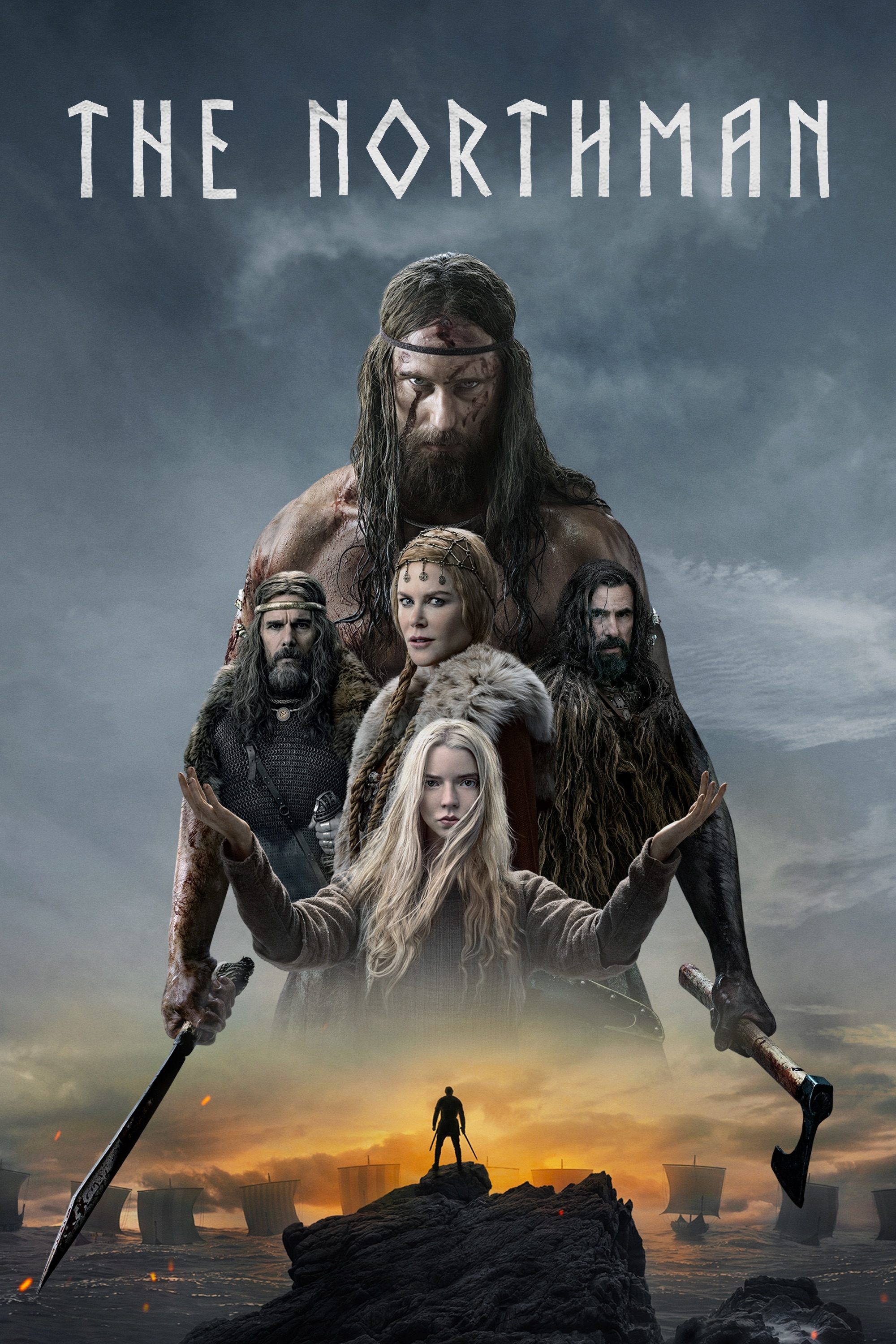
Robert Eggers directed this brutal Viking epic inspired by the legend that formed the basis for ‘Hamlet’. Despite a high production budget and positive reviews, the film struggled to break even during its theatrical run. Its uncompromising violence and historical authenticity were praised by critics but limited its appeal to a broad audience. It found significant success on home video and streaming shortly after its release.
‘Babylon’ (2022)

Directed by Damien Chazelle, this epic drama chronicles the rise and fall of several characters during Hollywood’s transition from silent to sound films. The movie was a high-profile box office bomb and polarized critics with its frantic energy and excessive content. In the months following its release, it has gained a vocal group of defenders who praise its ambition and technical craftsmanship. It remains one of the most debated and discussed films of its year.
Share your favorite movie that deserved more love at the box office in the comments.