


Movies That Audiences Hated At First But Are Now Praised



History is filled with films that failed to connect with viewers upon their initial release but eventually found a devoted following. These movies often challenged conventions or suffered from misleading marketing campaigns that left ticket buyers confused. Time has a way of vindicating daring artistic choices that were once dismissed as failures or mistakes. The following films have transformed from box office disappointments or critical duds into beloved cinematic treasures.
‘The Thing’ (1982)
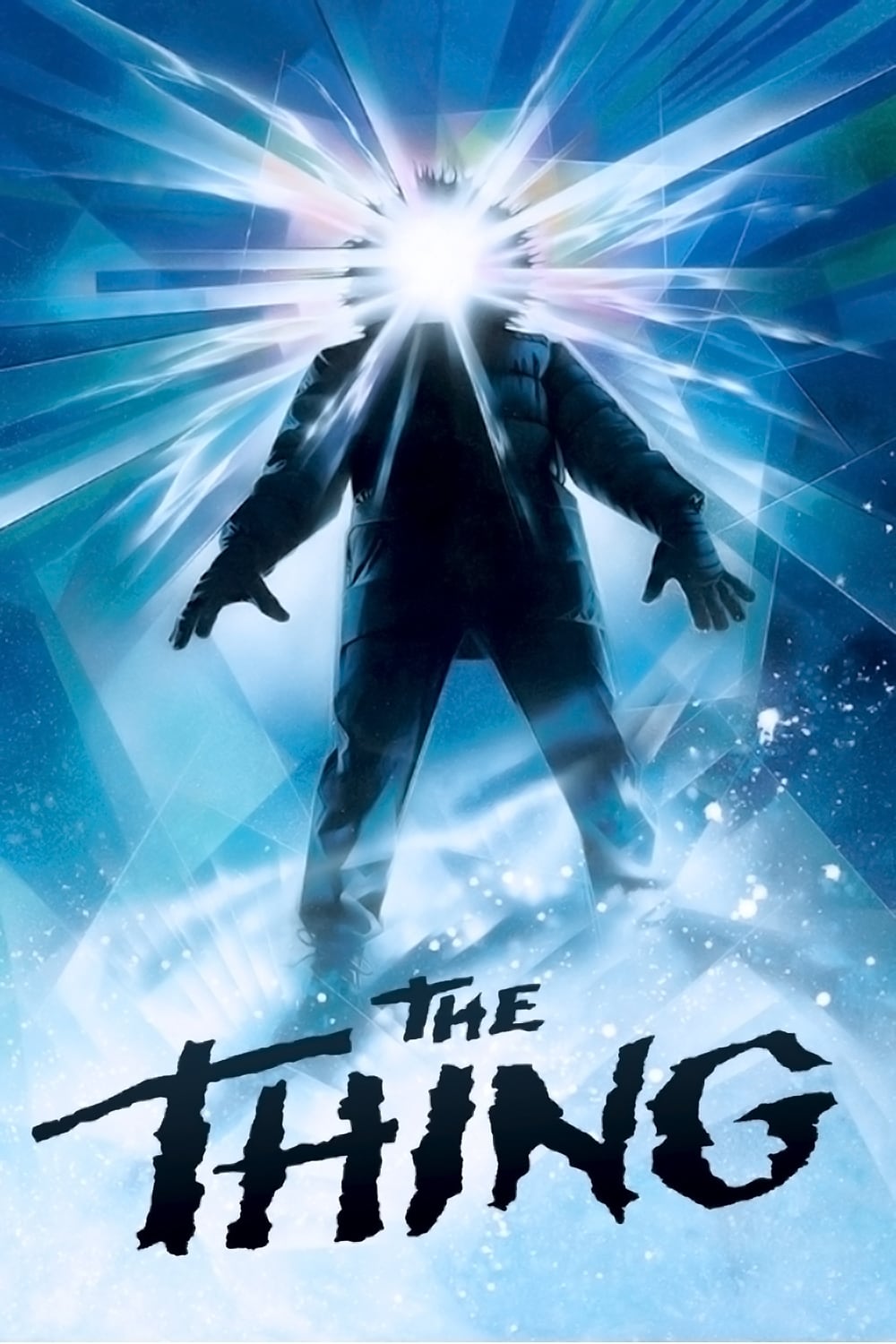
John Carpenter crafted a sci-fi horror film that terrified audiences with its practical effects and bleak tone. Critics initially dismissed the movie as a gross creature feature that lacked substance compared to other alien movies of the time. The story follows a research team in Antarctica as they are hunted by a shapeshifting entity. It is now considered a masterclass in paranoia and arguably the best remake ever made.
‘Blade Runner’ (1982)
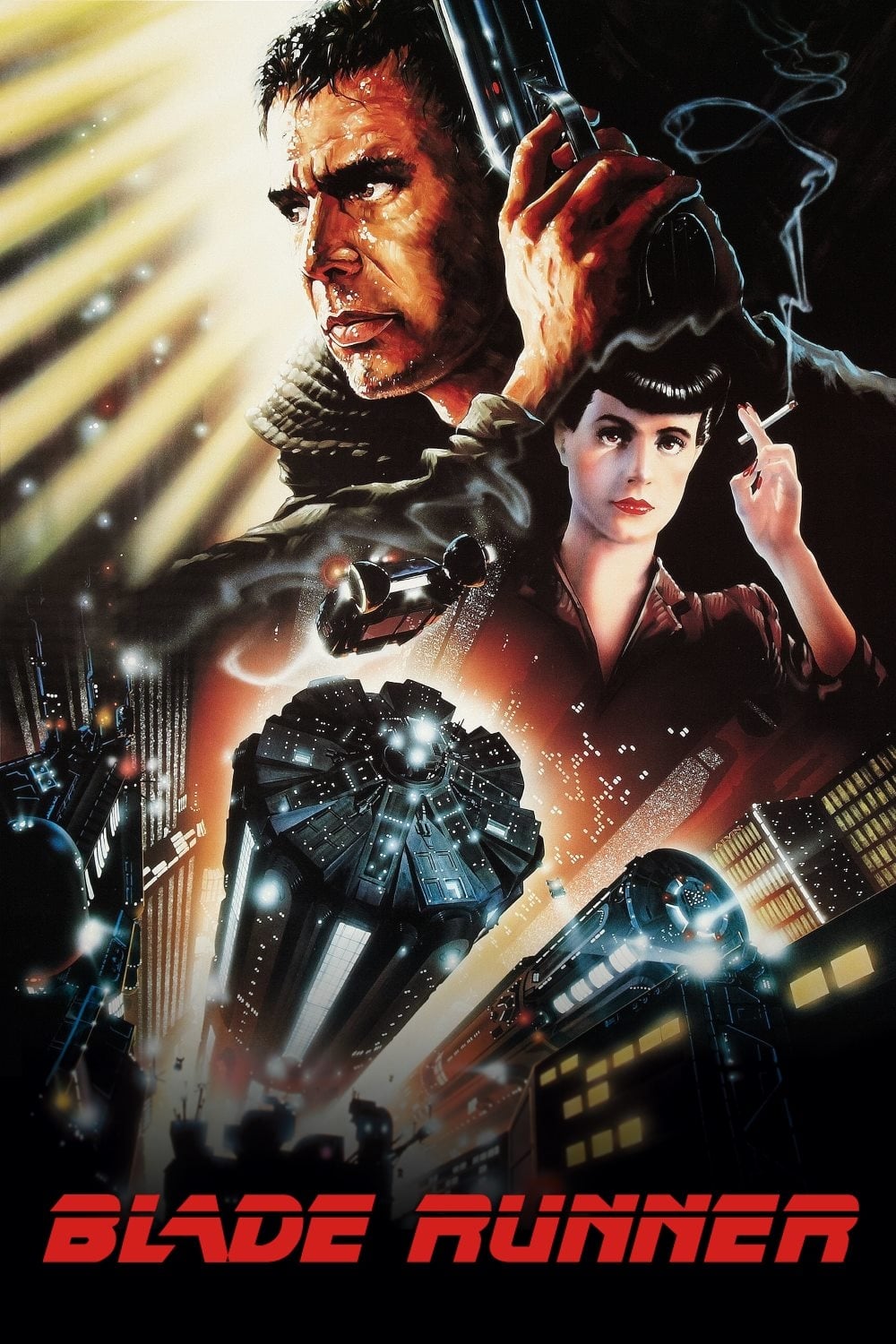
Ridley Scott presented a dystopian future that many viewers found too slow and confusing during its theatrical run. The studio interfered with the final cut by adding a voiceover that Harrison Ford famously disliked recording. Subsequent releases like the Final Cut allowed the true vision of the film to shine through without unnecessary exposition. Today it stands as a cornerstone of the cyberpunk genre and a visual masterpiece.
‘The Shining’ (1980)
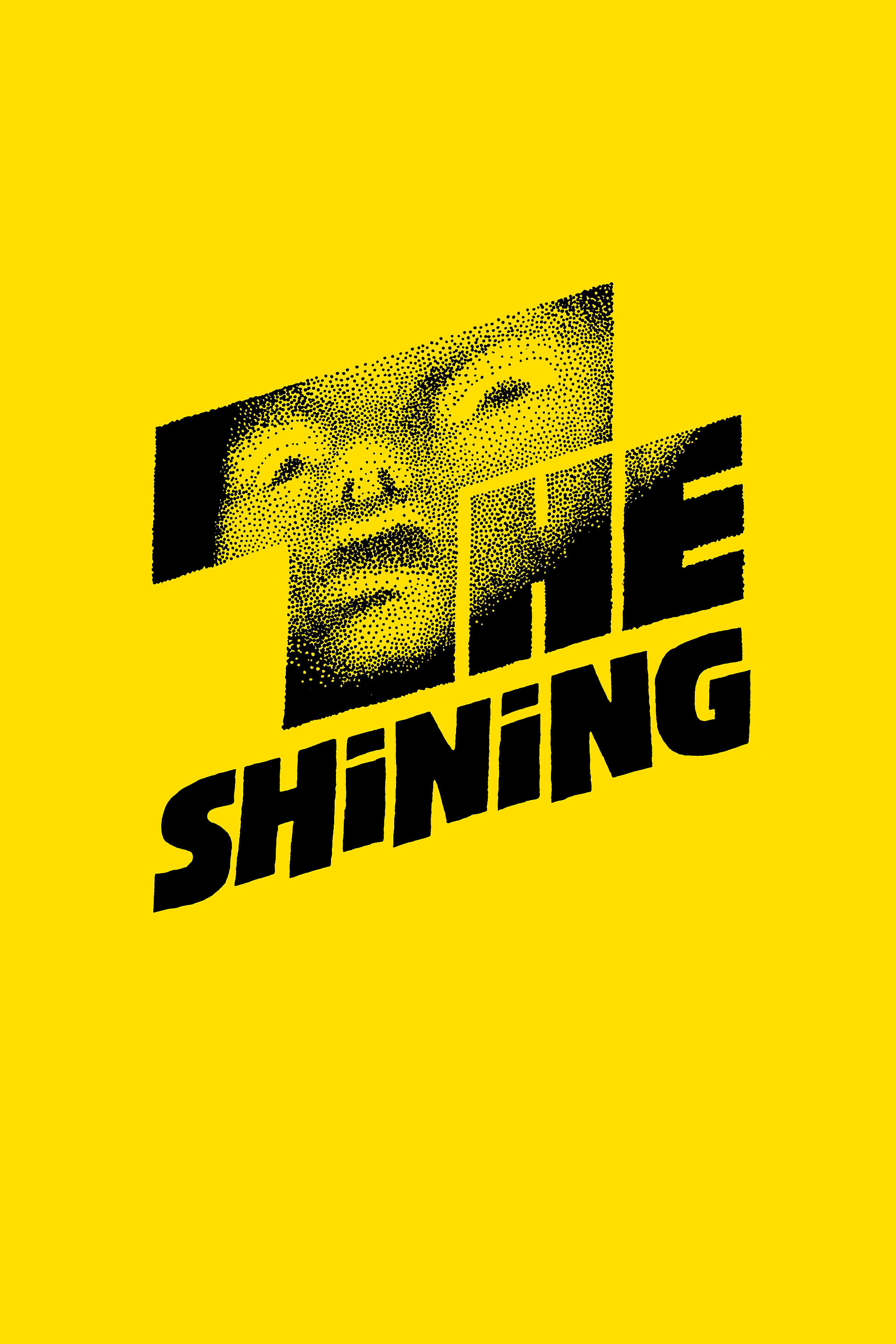
Stanley Kubrick adapted Stephen King’s novel into a psychological horror film that received a cold reception from critics and the author himself. Audiences were expecting a traditional ghost story rather than a slow descent into madness. The meticulous direction and ambiguous ending frustrated viewers who wanted clear answers. Decades later it is widely regarded as one of the greatest horror movies ever made.
‘Fight Club’ (1999)

David Fincher directed this satire of consumer culture that was marketed incorrectly as a standard action movie. The violence and nihilistic themes alienated mainstream audiences and led to disappointing box office returns. Viewers eventually unpacked the complex layers of the narrative on home video. The film has since become a cultural touchstone with a massive cult following.
‘Psycho’ (1960)
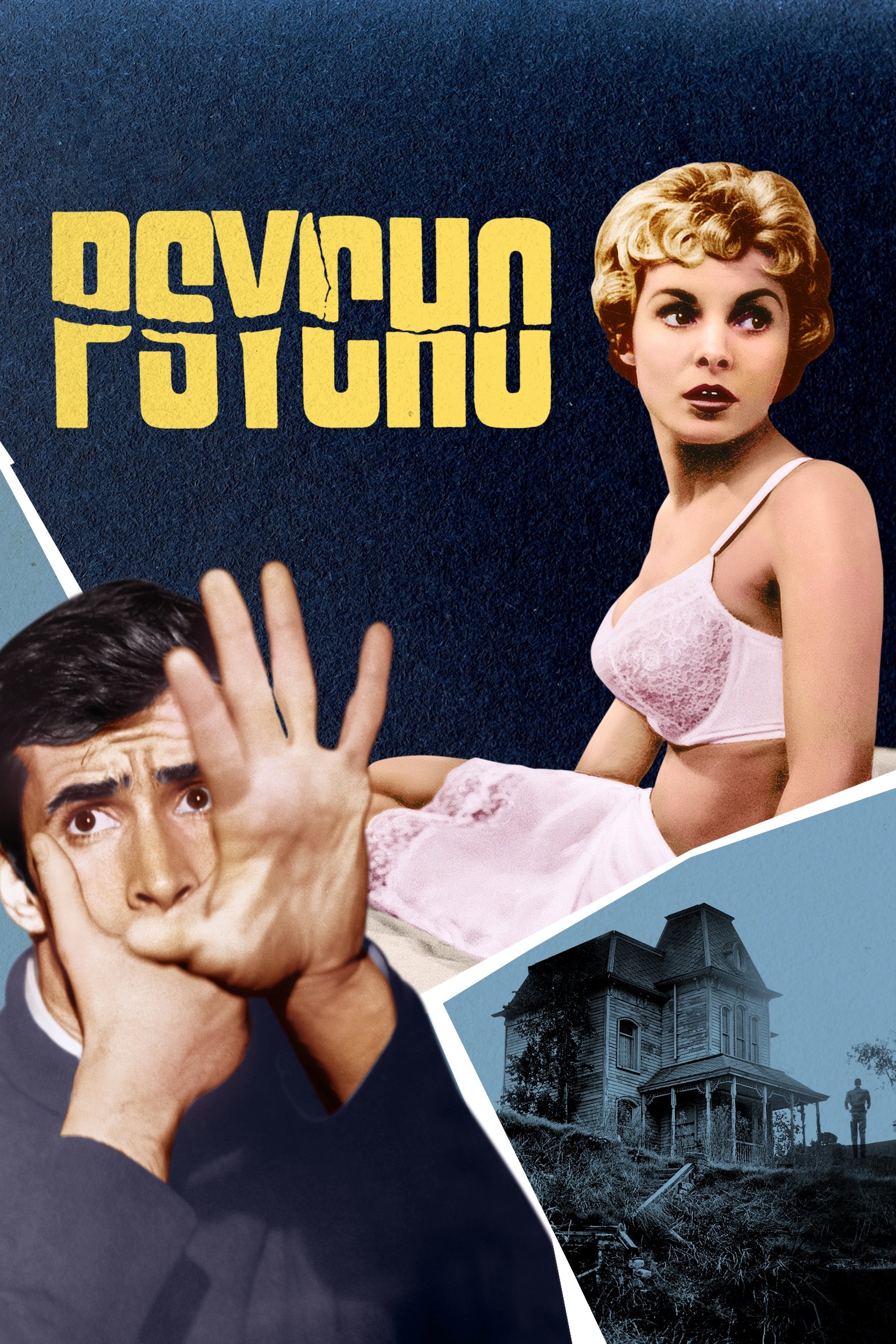
Alfred Hitchcock took a massive risk with this slasher film that killed off its main star within the first act. Critics were initially divided by the shocking content and the subversive structure of the plot. Audiences were screaming in theaters but many reviewers found the film tawdry and manipulative. It redefined the horror genre and shattered production code boundaries.
‘2001: A Space Odyssey’ (1968)
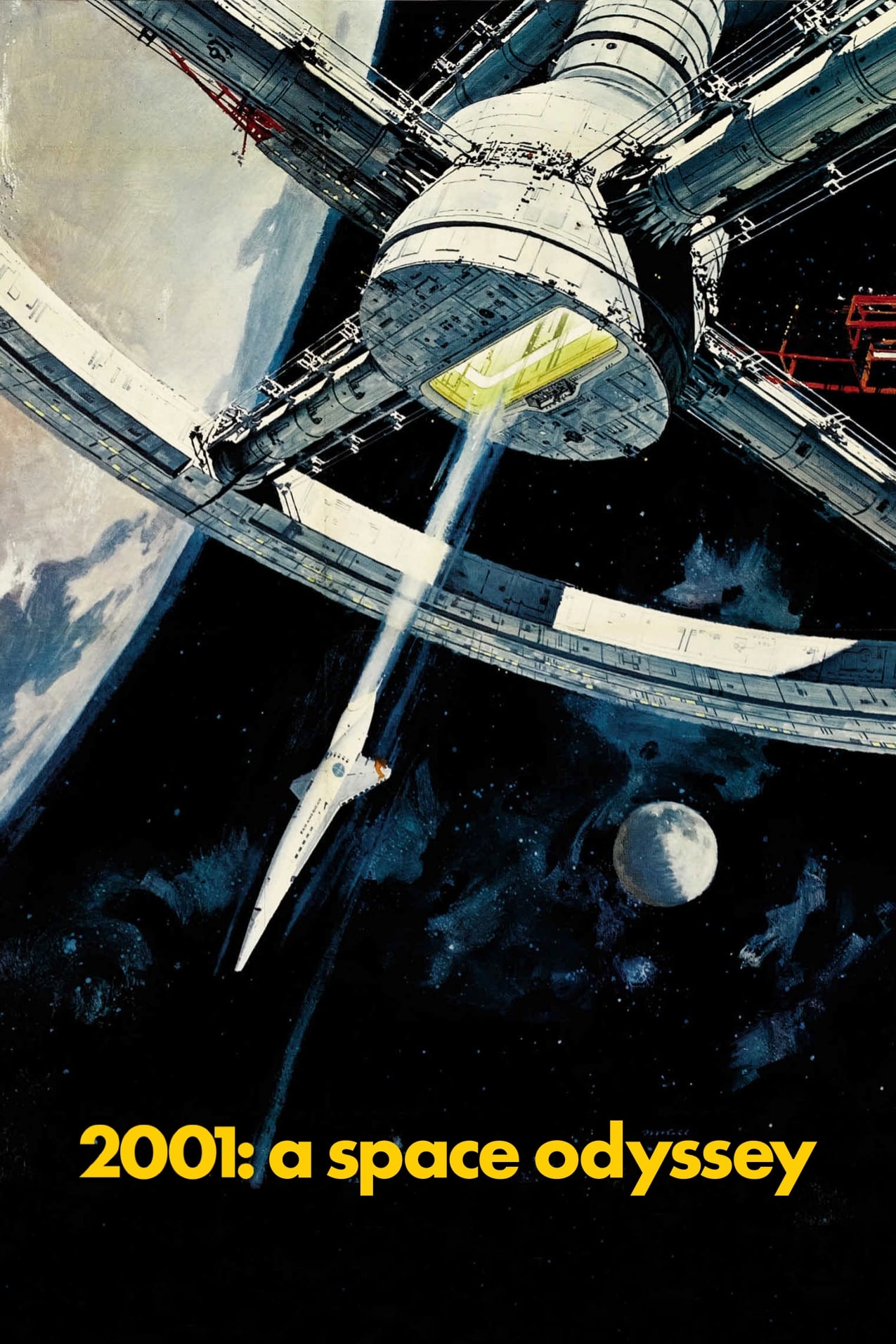
Stanley Kubrick created a sci-fi epic that saw many people walking out of the theater during the premiere. The slow pacing and lack of dialogue for long stretches bored viewers who were used to action-packed space adventures. The ambiguity of the monolith and the star child left audiences scratching their heads. It is now celebrated for its scientific accuracy and profound philosophical themes.
‘It’s a Wonderful Life’ (1946)
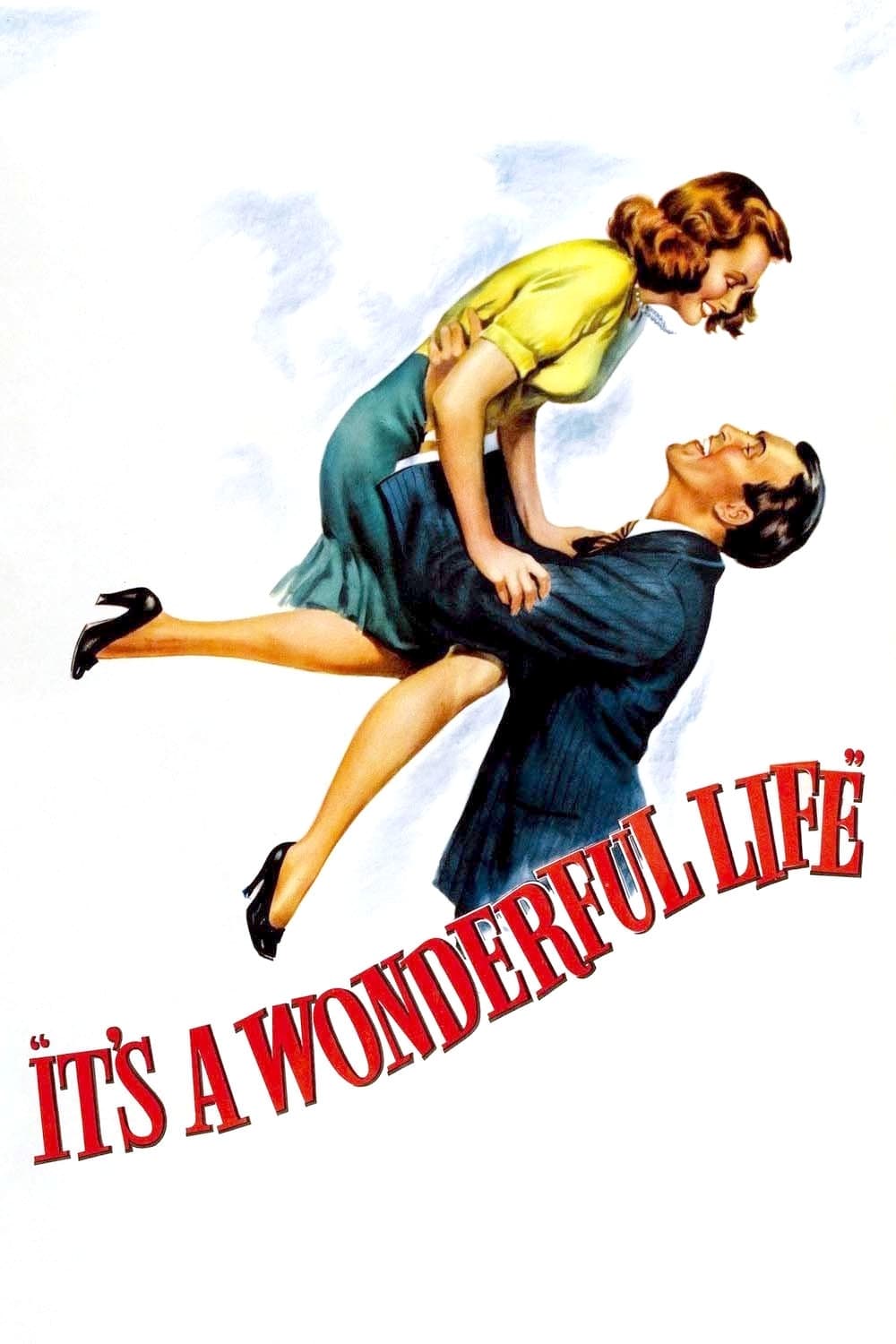
Frank Capra directed this holiday classic that was actually a financial failure upon its initial release. The dark themes of suicide and financial ruin were not what post-war audiences were looking for at the time. A copyright lapse allowed television stations to broadcast it repeatedly during the Christmas season. This exposure helped it become an essential part of holiday traditions worldwide.
‘Citizen Kane’ (1941)
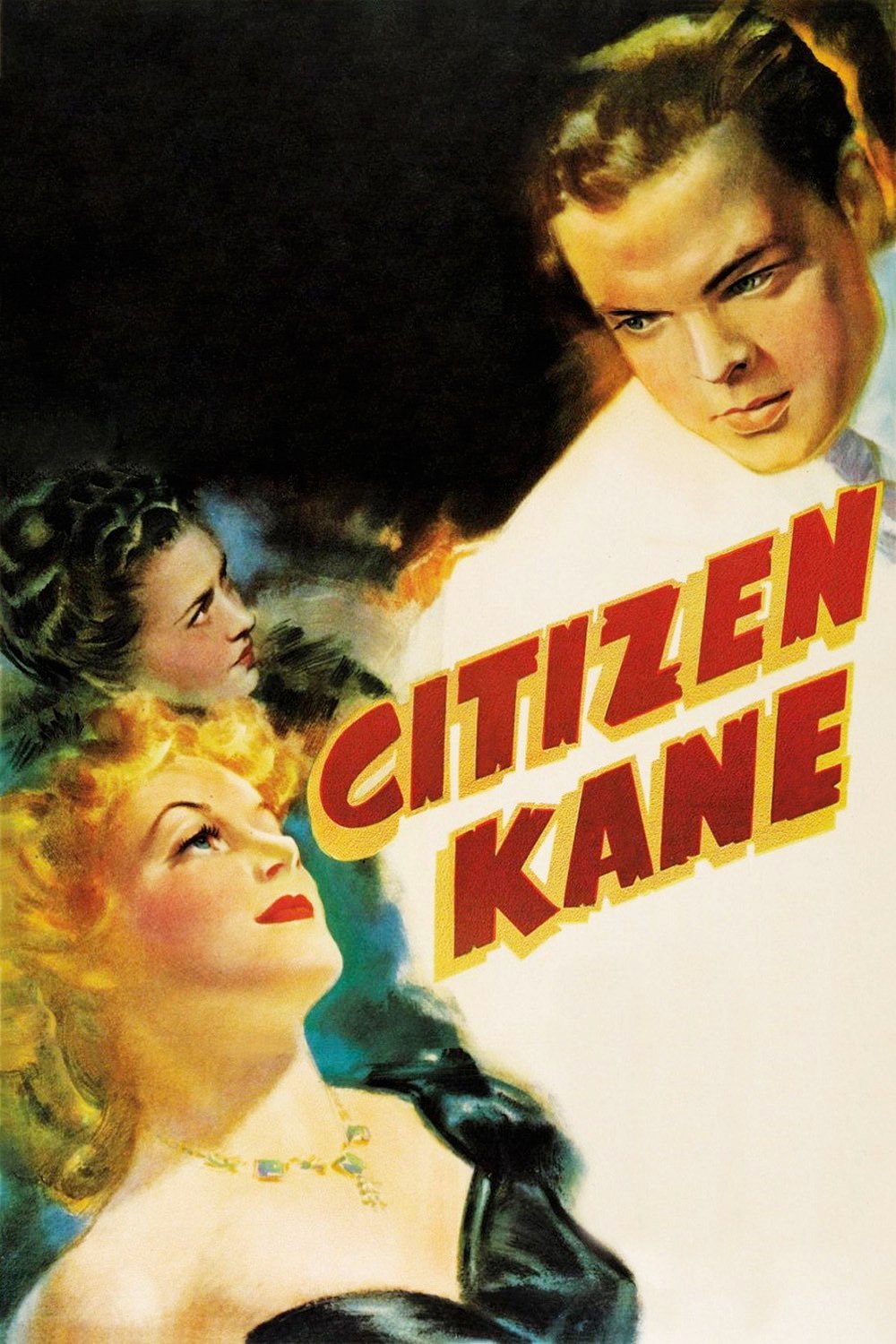
Orson Welles wrote and directed a film that faced a massive smear campaign from newspaper tycoon William Randolph Hearst. The negative press and limited distribution hurt its box office performance significantly. Audiences stayed away due to the controversy surrounding its release. Film scholars now routinely cite it as the greatest movie ever made due to its technical innovations.
‘Vertigo’ (1958)
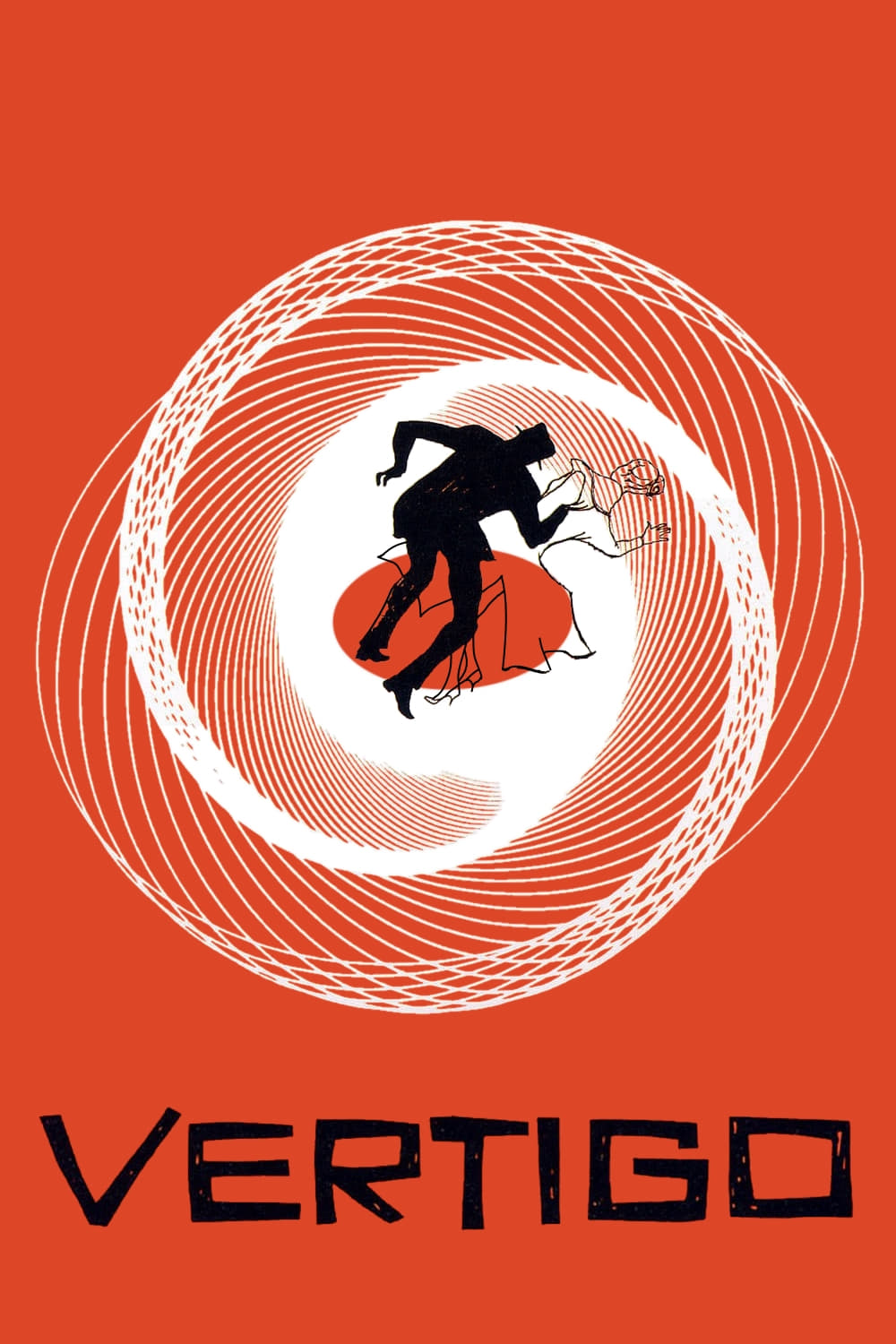
Alfred Hitchcock explored obsession and identity in a film that received mixed reviews for its meandering plot. Audiences found the storyline about a detective with a fear of heights to be too depressing and slow. The complex psychological themes were not fully appreciated until critical re-evaluation occurred years later. It recently displaced another film to top the Sight and Sound poll of greatest films.
‘The Night of the Hunter’ (1955)

Charles Laughton directed his only film which was a unique blend of German Expressionism and southern gothic horror. The film failed commercially and critically which discouraged Laughton from ever directing again. Robert Mitchum delivers a chilling performance as a religious fanatic hunting two children. It is now recognized as a visually stunning and haunting masterpiece.
‘Bringing Up Baby’ (1938)
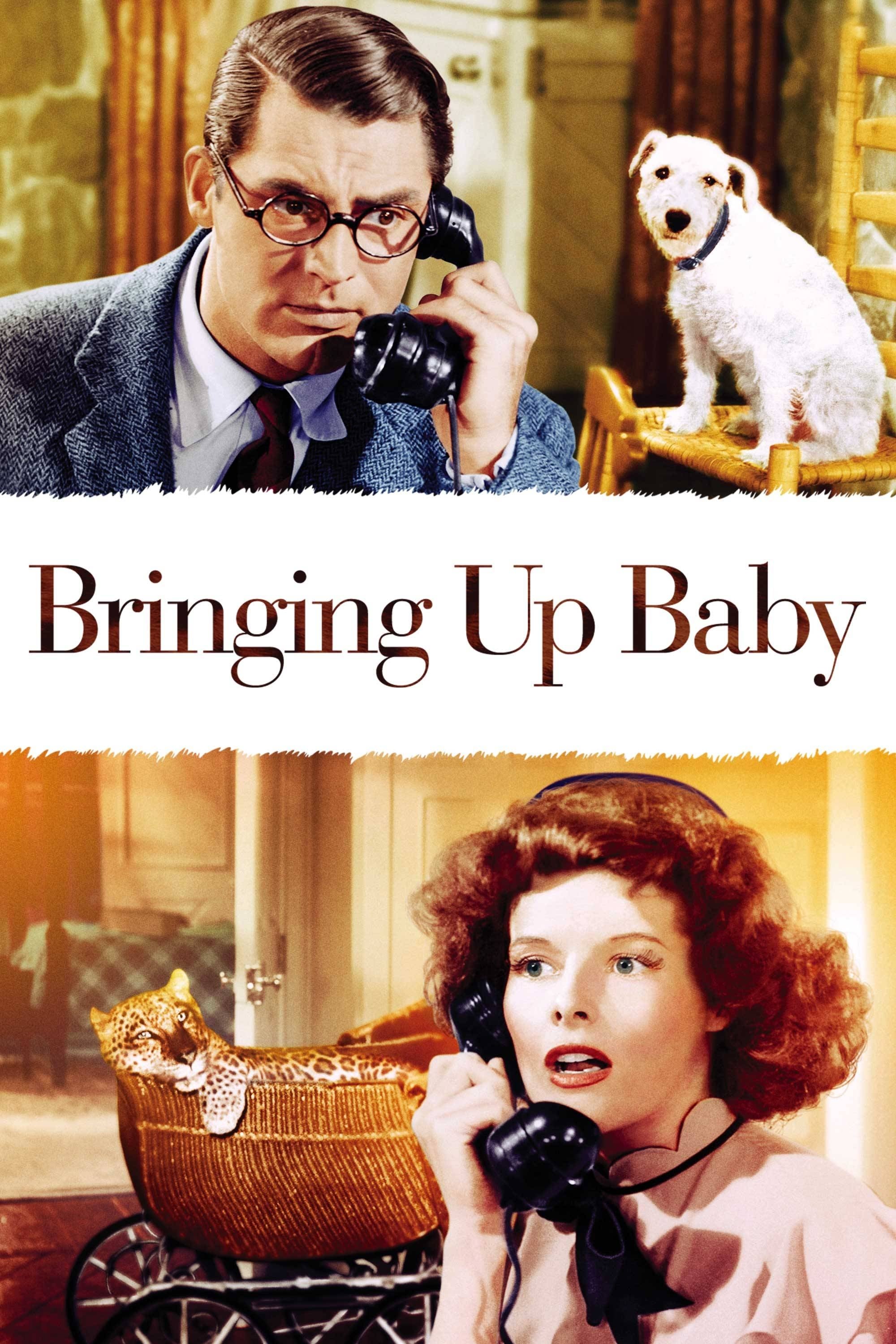
Howard Hawks directed this screwball comedy that was a disaster at the box office and led to Katharine Hepburn being labeled box office poison. The rapid-fire dialogue and chaotic energy were overwhelming for audiences of the era. The chemistry between Cary Grant and Hepburn is now viewed as comedic perfection. It remains the gold standard for the screwball comedy genre.
‘Peeping Tom’ (1960)
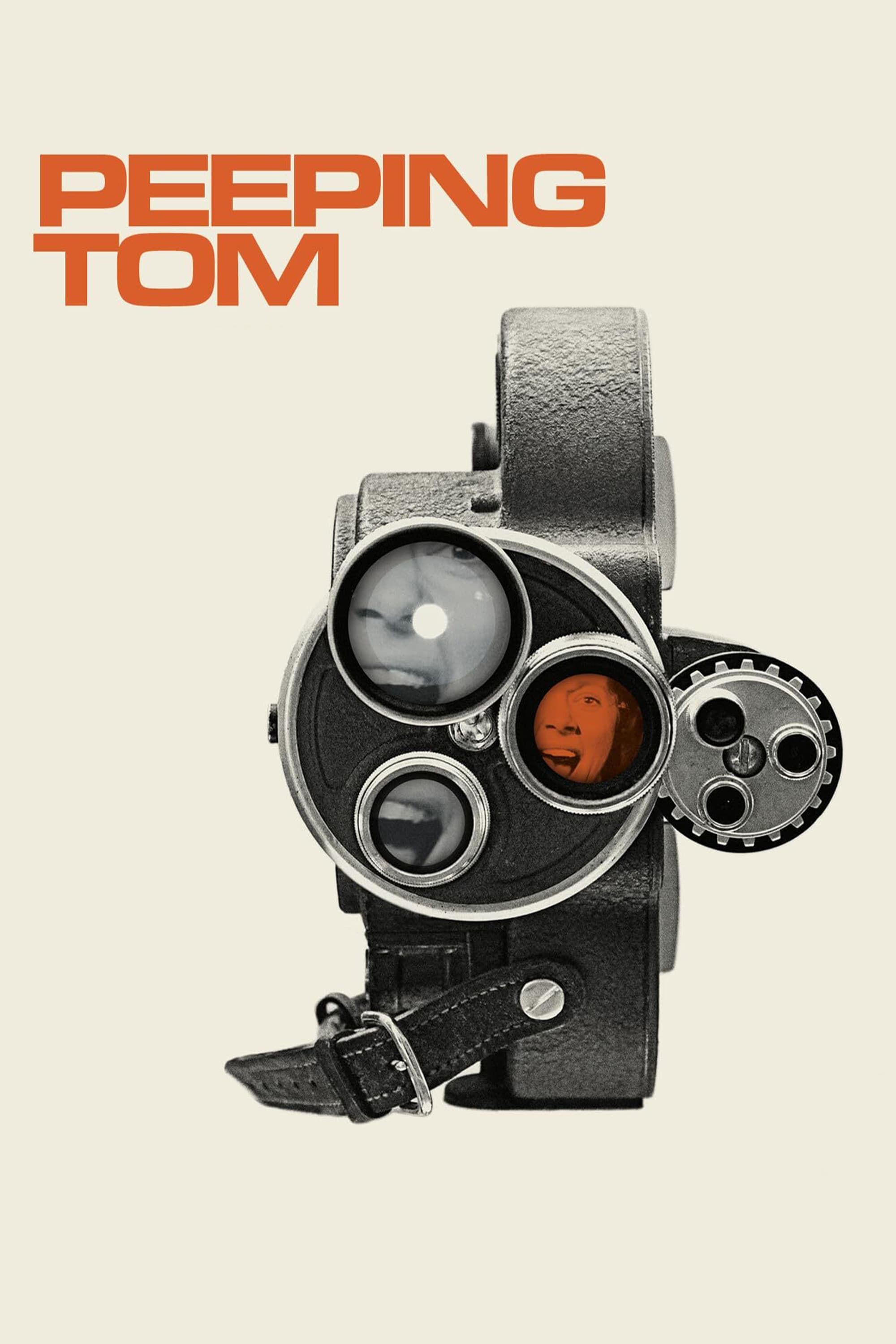
Michael Powell effectively ended his career with this psychological thriller that was reviled by critics for its voyeuristic content. The film explores the mind of a serial killer who films his victims as they die. The British press called it sick and nasty upon release. It is now seen as a precursor to the slasher genre and a brilliant examination of cinema itself.
‘Willy Wonka & the Chocolate Factory’ (1971)
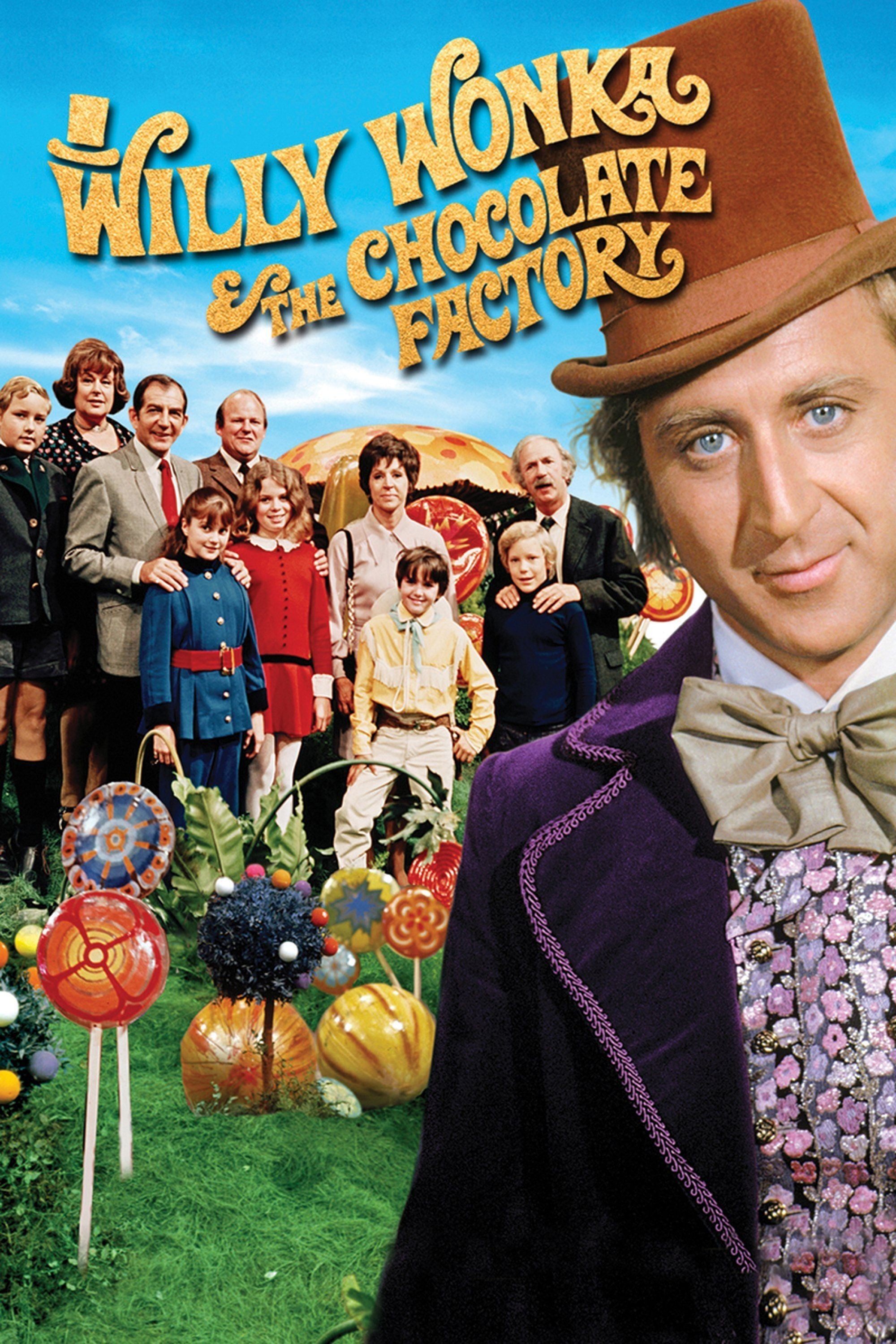
Mel Stuart directed this musical adaptation that Roald Dahl famously disowned for deviating from his book. The movie performed poorly at the box office and confused families with its darker undertones. Repeated television broadcasts introduced new generations to Gene Wilder’s iconic performance. It is now a beloved family classic despite the scary tunnel scene.
‘The Wizard of Oz’ (1939)
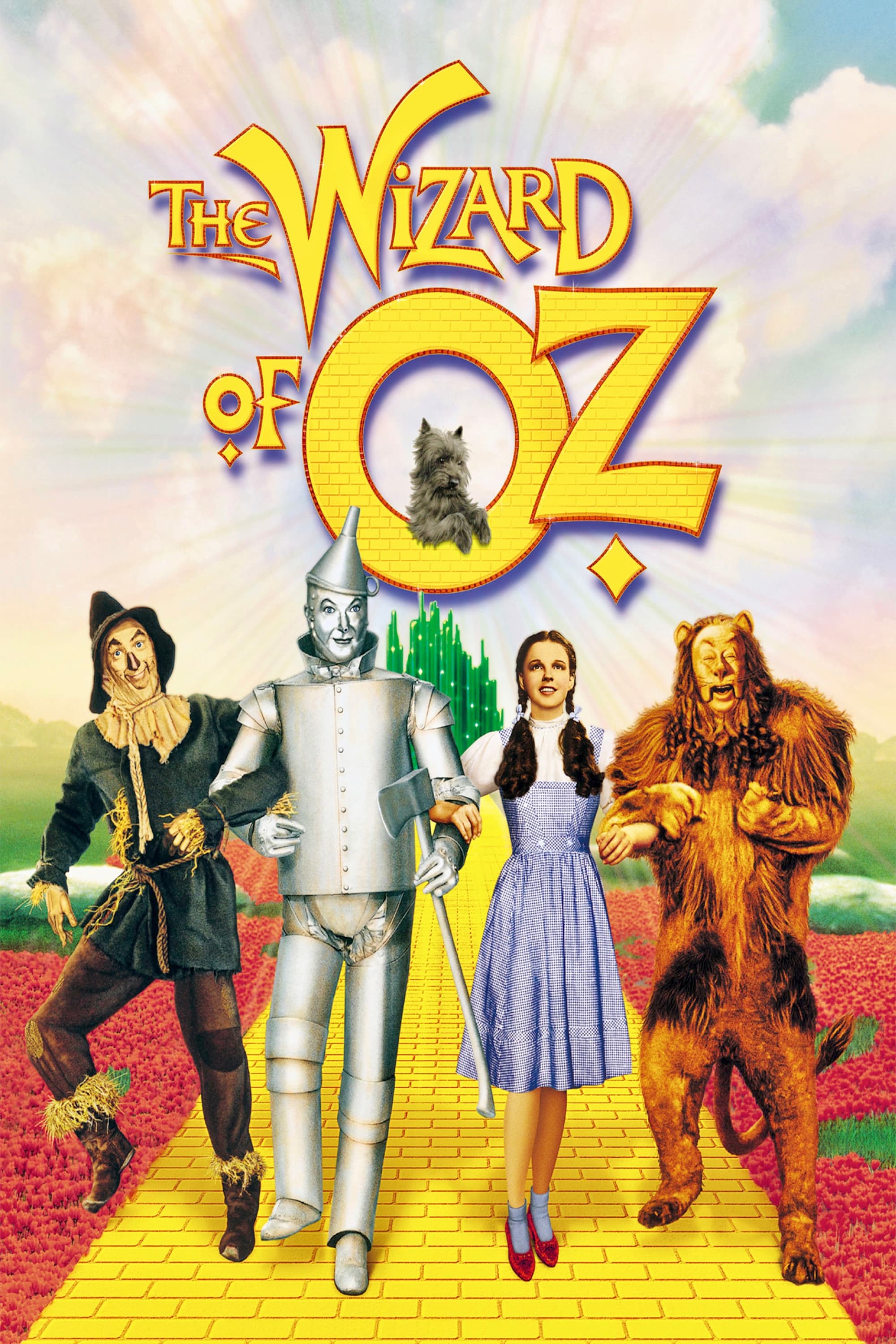
MGM spent a fortune producing this Technicolor fantasy that failed to make a profit during its initial theatrical run. The production was plagued by on-set accidents and delays that ballooned the budget. It only achieved legendary status after it began airing annually on television. The film is now the most watched movie in history according to the Library of Congress.
‘Fantasia’ (1940)
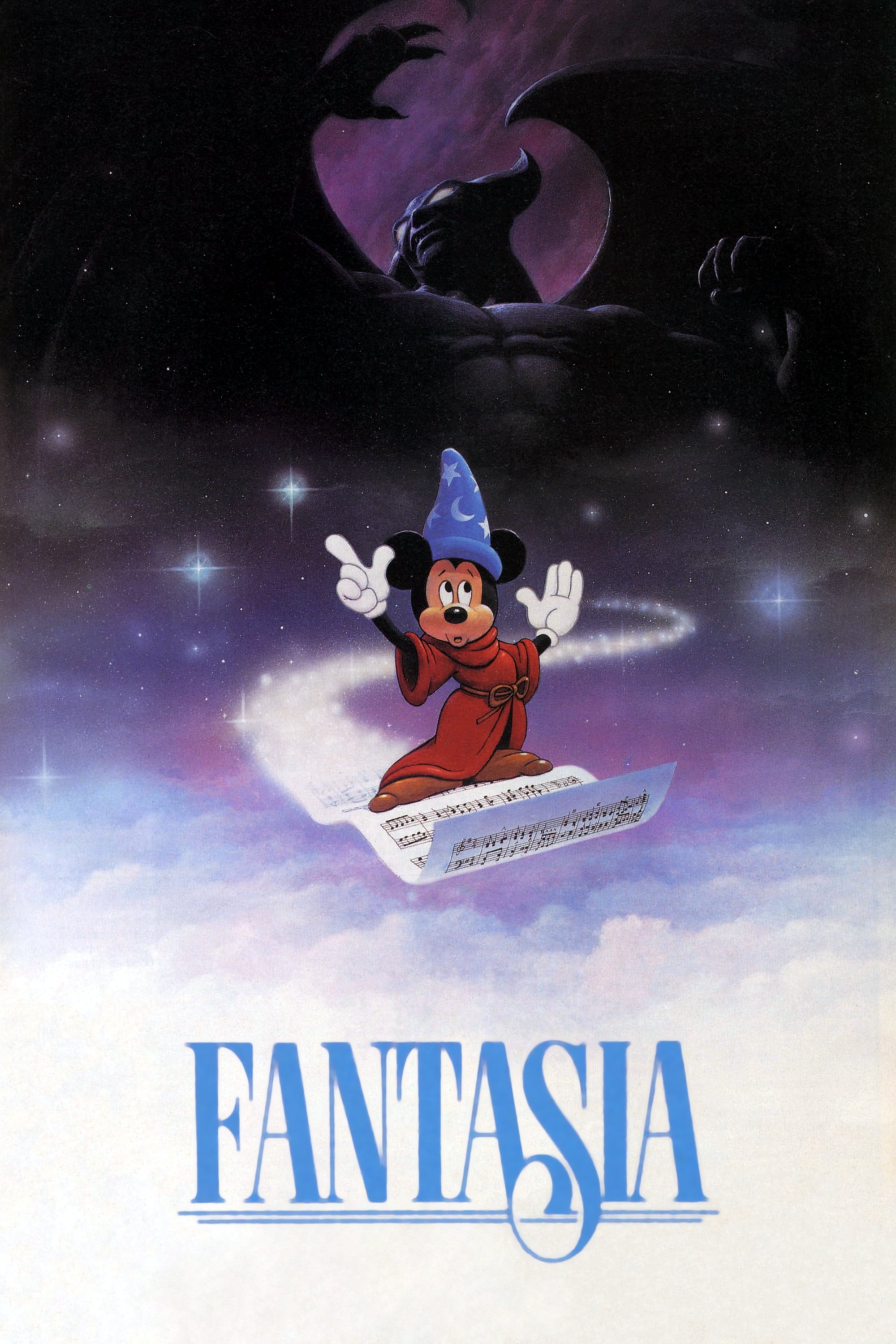
Walt Disney took a massive financial risk with this concert film that combined classical music with animated segments. Audiences found the highbrow concept boring and the film failed to recoup its production costs. The lack of a cohesive narrative made it difficult to market to children. It is now revered as a bold artistic experiment and a triumph of animation.
‘Starship Troopers’ (1997)
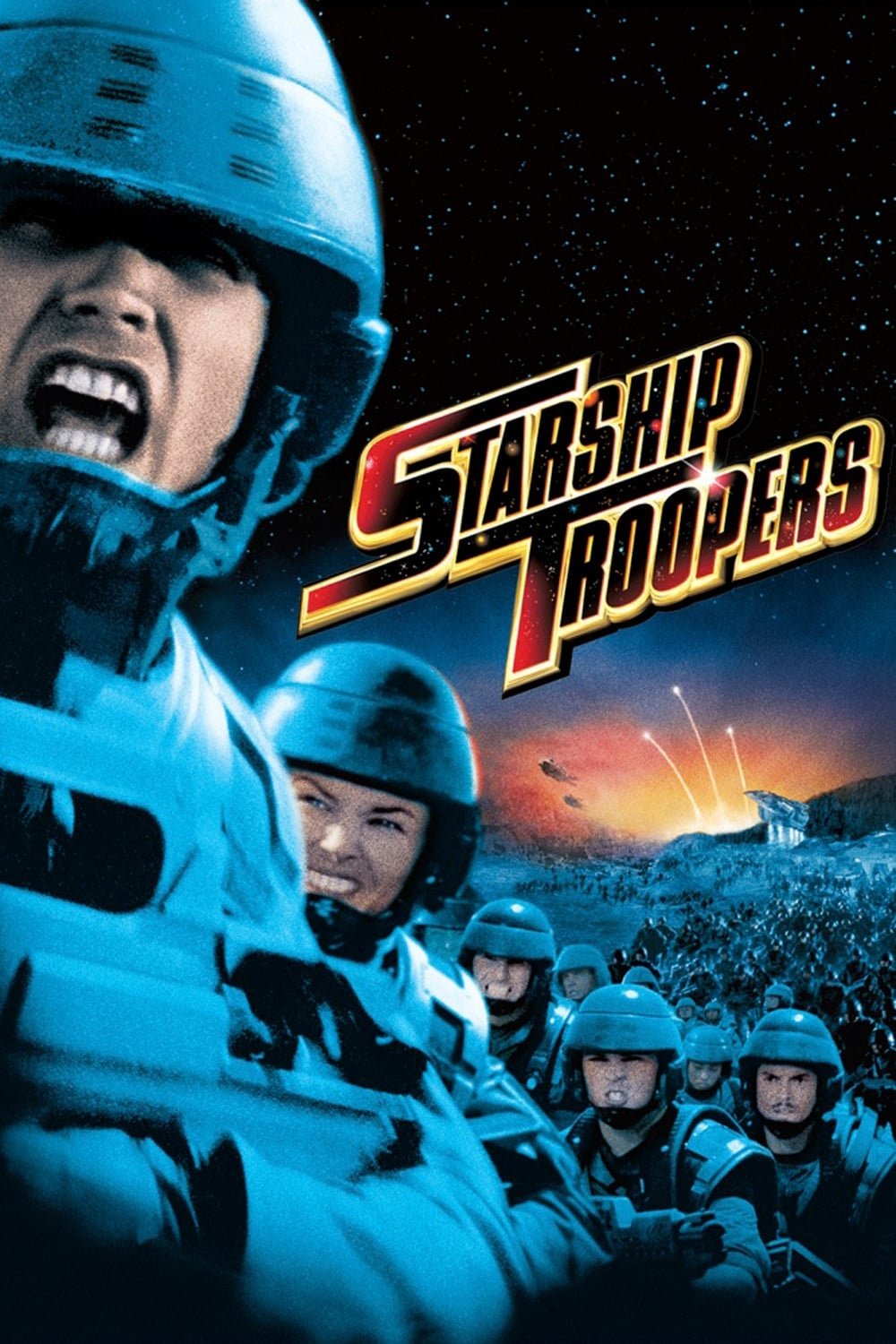
Paul Verhoeven directed a sci-fi action movie that critics slammed for being a brainless shoot-em-up. Audiences missed the fact that the film was a biting satire of fascism and military propaganda. The wooden acting was an intentional choice to mimic propaganda films of the past. It has since been reclaimed as a brilliant political satire.
‘Showgirls’ (1995)
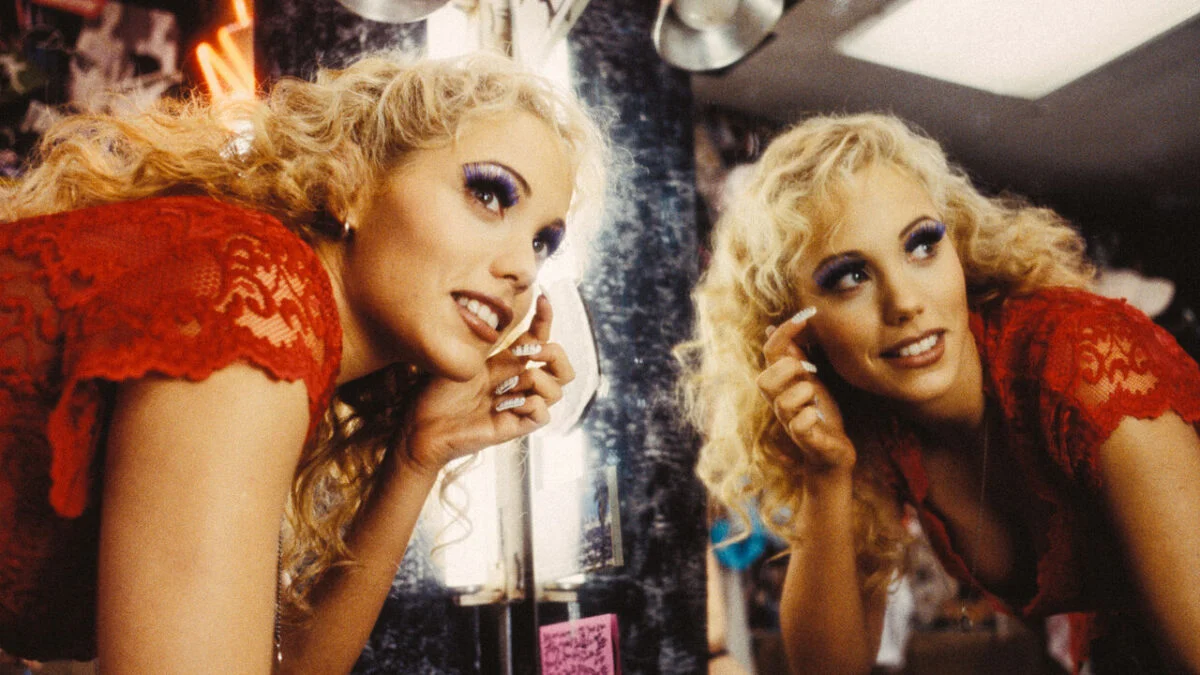
Paul Verhoeven also directed this drama that was universally panned as one of the worst movies ever made. The excessive nudity and over-the-top acting made it a laughing stock in Hollywood. It found a second life on home video where viewers began to appreciate it as a camp classic. Some critics now argue it is a misunderstood satire of the American dream.
‘Twin Peaks: Fire Walk with Me’ (1992)
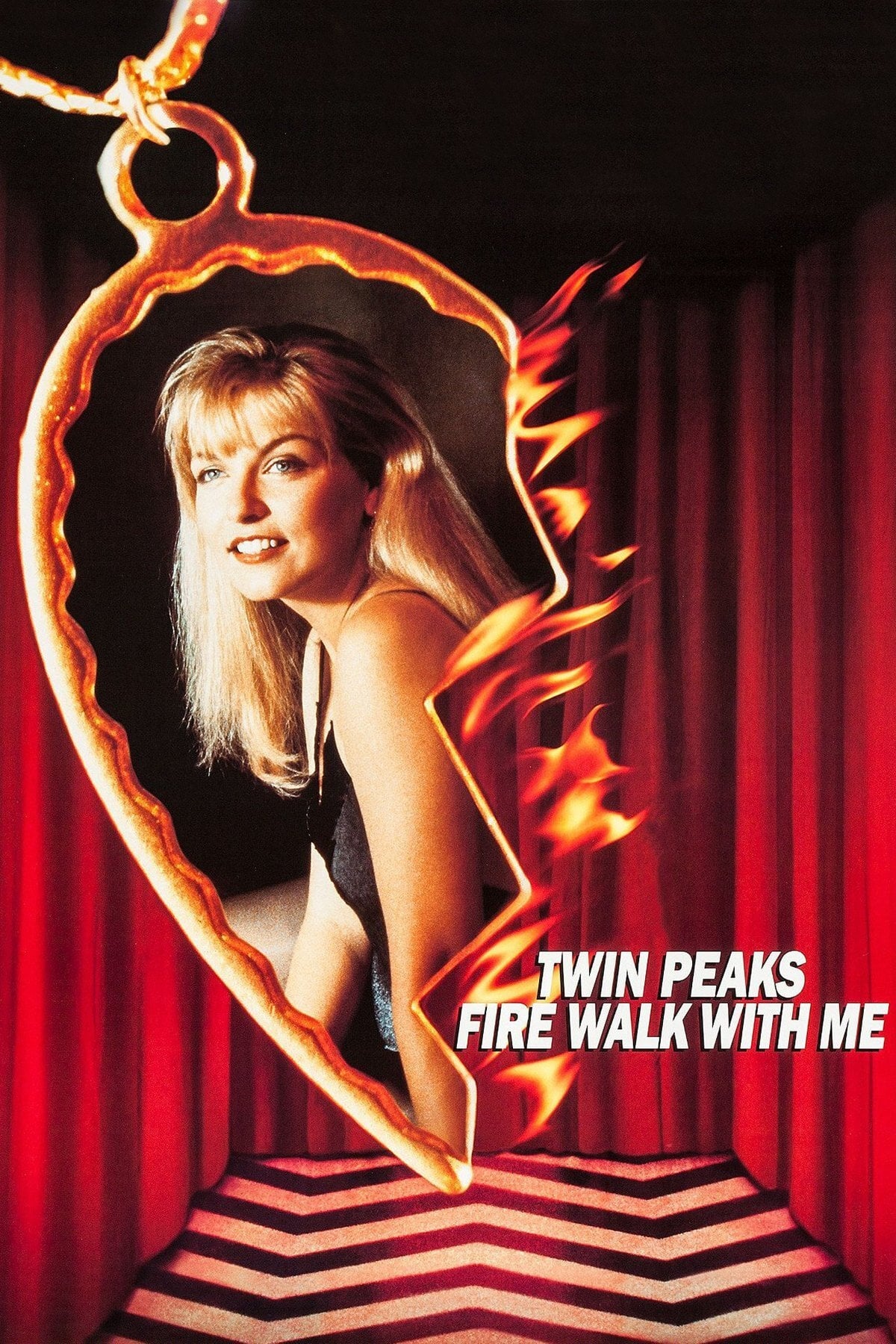
David Lynch directed this prequel to his hit television series that was booed at the Cannes Film Festival. Fans were upset that the film focused on the darkness of trauma rather than the quirky humor of the show. The narrative seemed disjointed to those who wanted clear answers to the series finale. It is now considered one of Lynch’s most emotional and important works.
‘The Big Lebowski’ (1998)
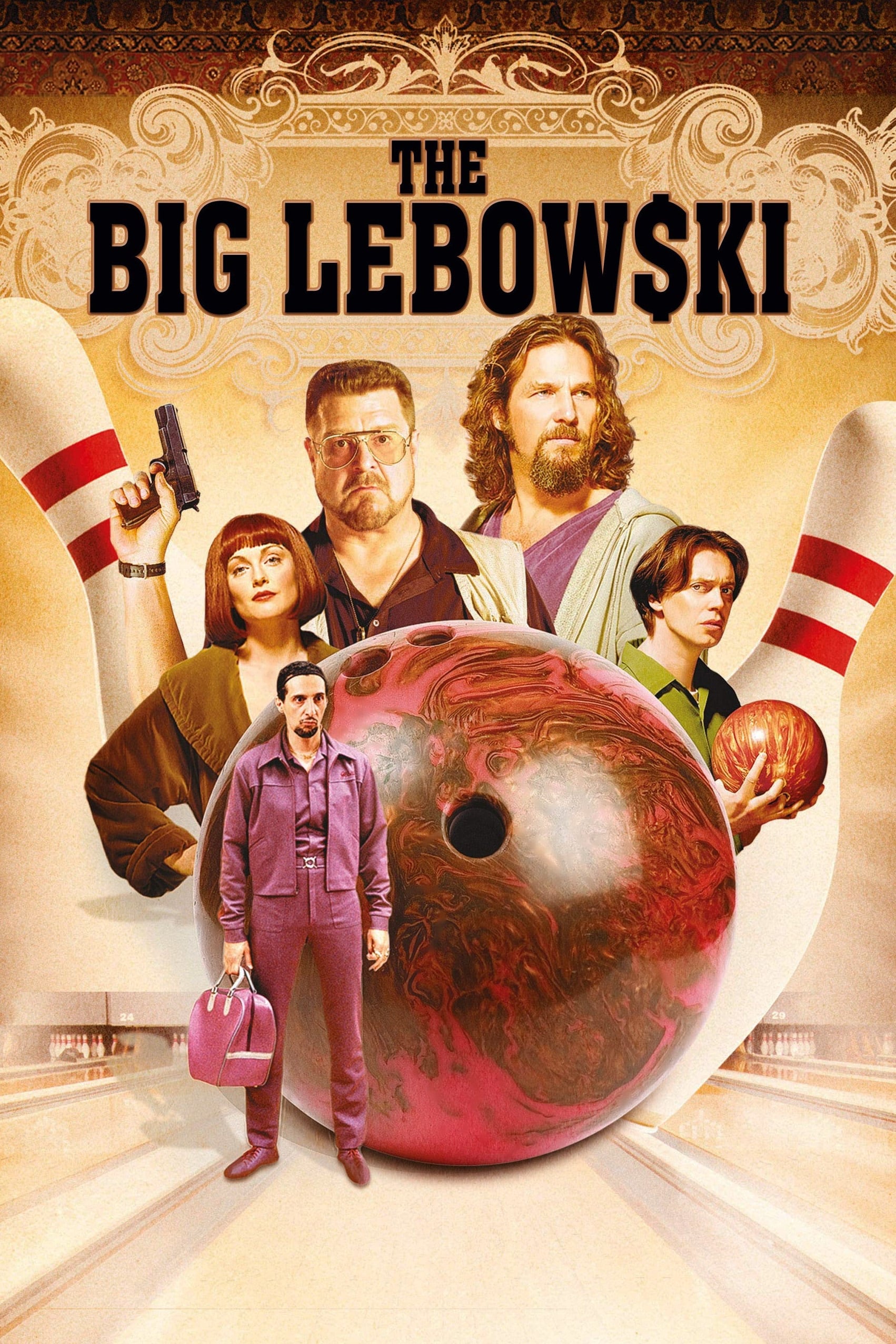
The Coen Brothers followed up their Oscar success with this stoner noir that left audiences baffled. The plot is intentionally convoluted and ultimately resolves very little. Viewers did not know what to make of the Dude and his bowling obsession. It has since spawned a religion and an annual festival celebrating the film.
‘Office Space’ (1999)
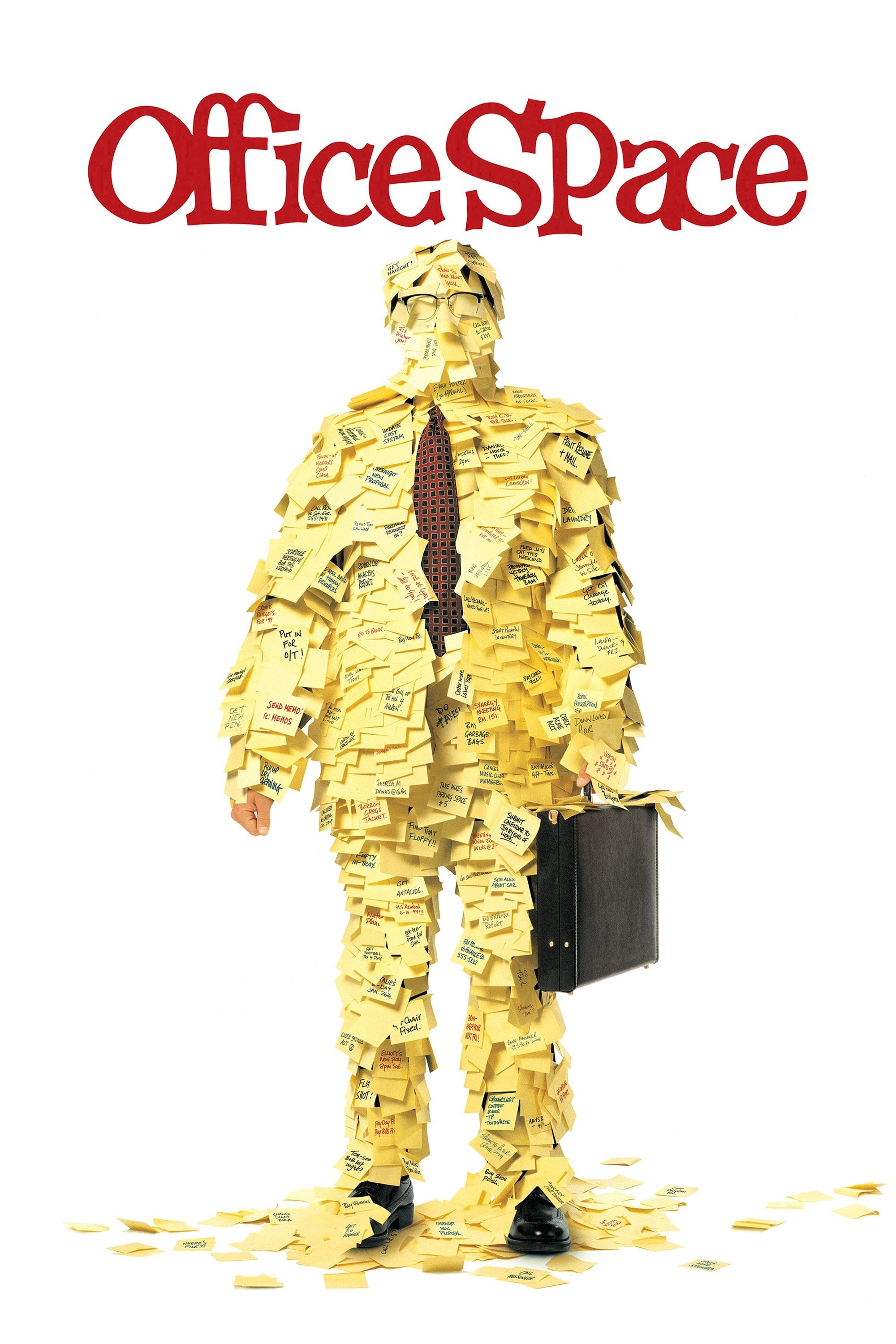
Mike Judge wrote and directed this workplace comedy that vanished quickly from theaters. The marketing campaign failed to convey the dry humor and relatable frustrations of corporate life. Word of mouth spread through DVD rentals and television airings. It is now the definitive movie about the soul-crushing nature of office work.
‘Empire Records’ (1995)
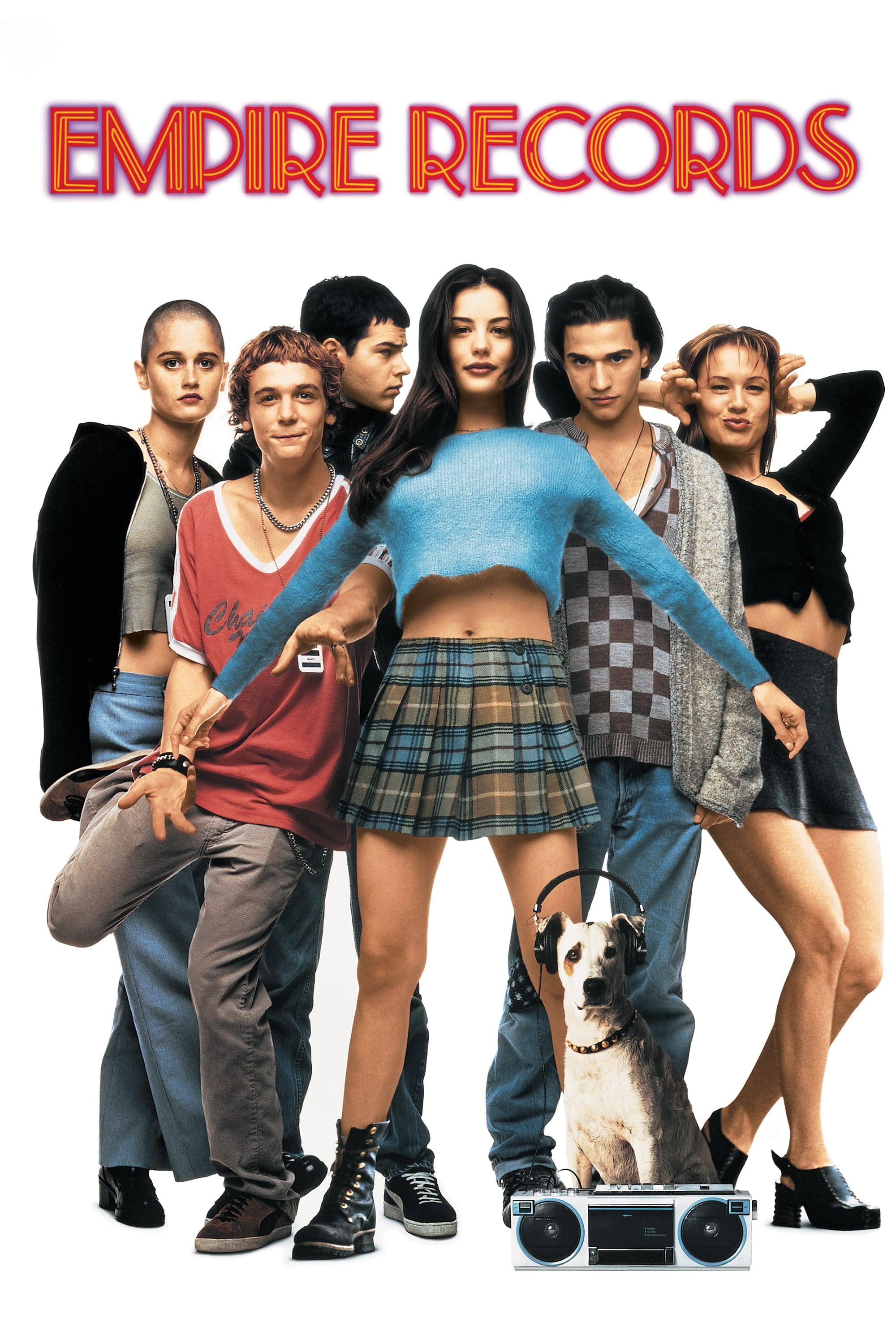
Allan Moyle directed this coming-of-age film that critics dismissed as a generic teen movie. The film bombed at the box office and was pulled from theaters quickly. Teenagers eventually discovered the soundtrack and the relatable characters on home video. It has become a cult favorite with fans celebrating an annual day in its honor.
‘Wet Hot American Summer’ (2001)
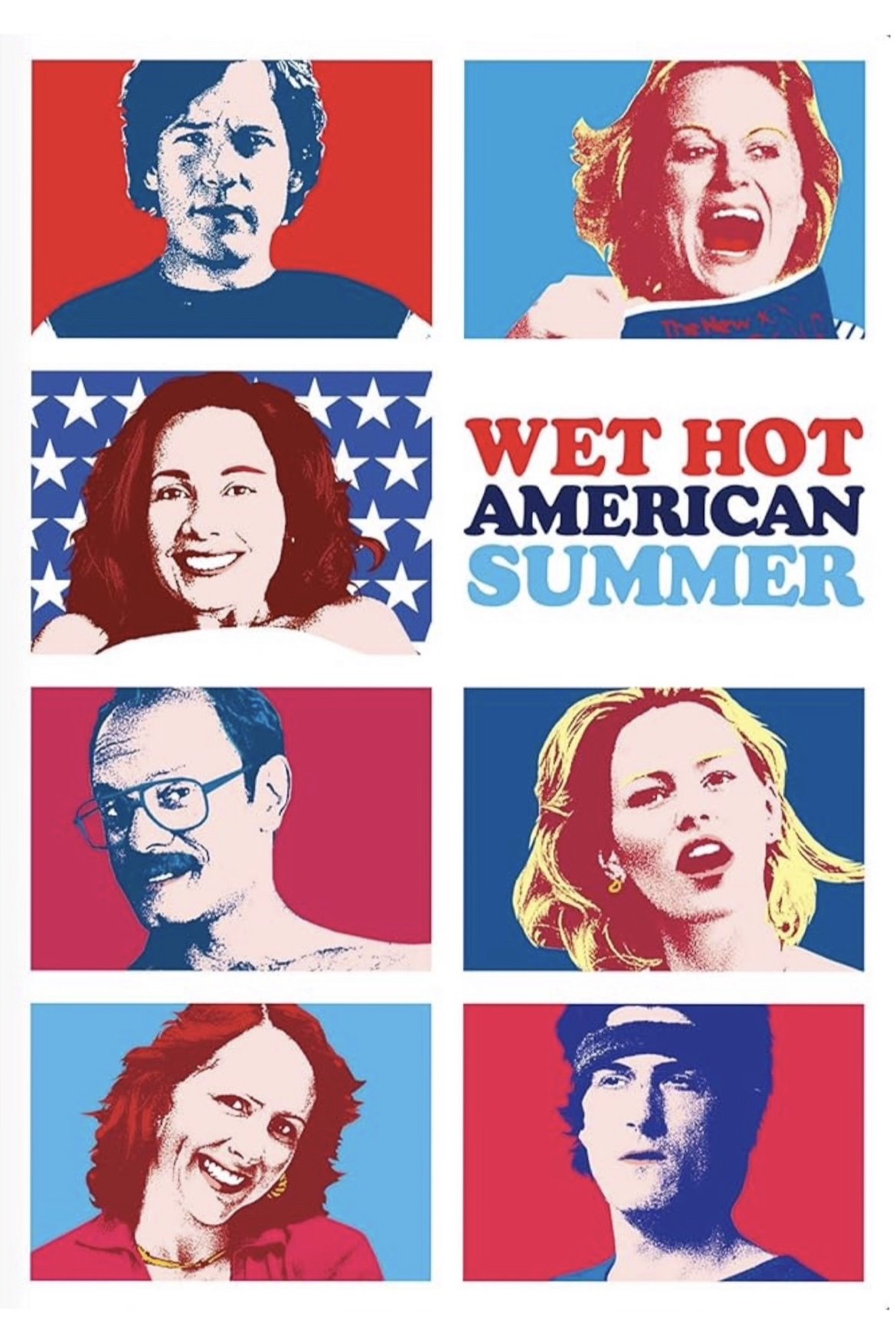
David Wain directed this absurdist comedy that received scathing reviews from mainstream critics. The film parodies summer camp movies with a cast of actors who were clearly too old for their roles. Most viewers did not understand the specific tone of humor the creators were aiming for. It eventually launched a franchise and the careers of several A-list stars.
‘The Cable Guy’ (1996)
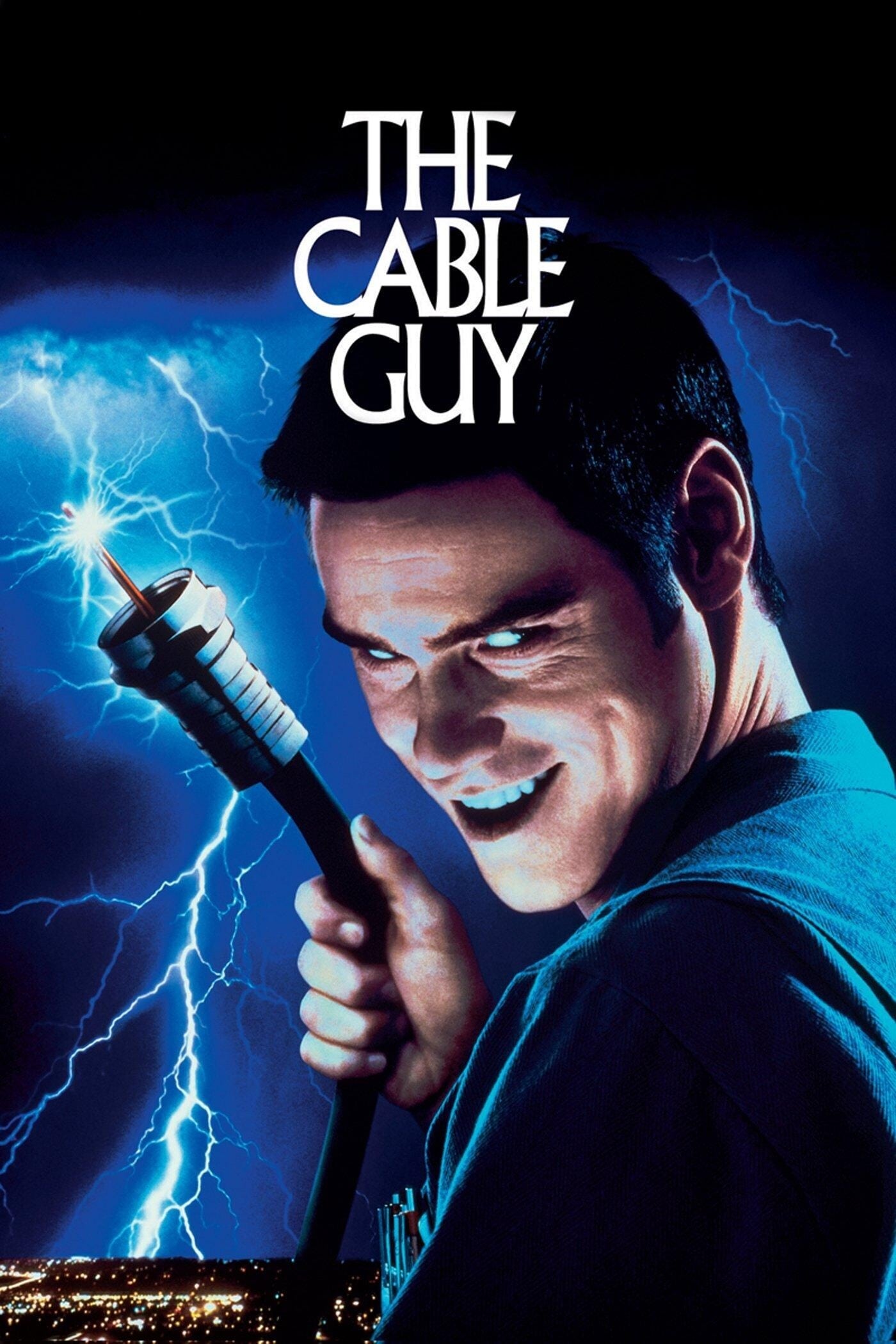
Ben Stiller directed this dark comedy that alienated Jim Carrey fans who were expecting another goofy blockbuster. The film features a menacing performance from Carrey that was too intense for family audiences. Critics called it mean-spirited and unfunny at the time. It is now appreciated as a daring cult comedy that was ahead of its time.
‘Jennifer’s Body’ (2009)
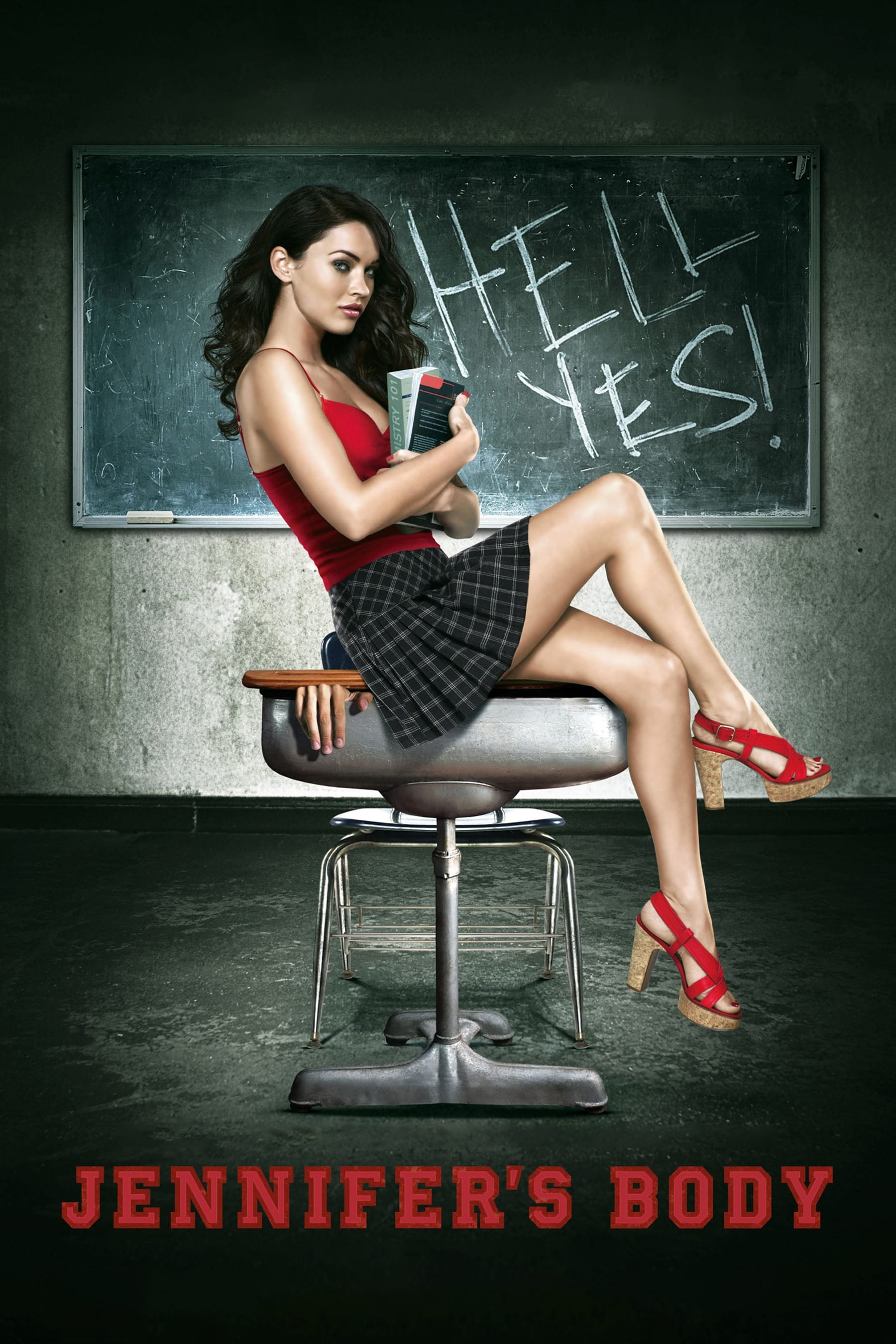
Karyn Kusama directed this horror comedy that was marketed incorrectly to teenage boys. The film is actually a feminist revenge tale with sharp dialogue written by Diablo Cody. Audiences and critics initially rejected it as style over substance. It has recently undergone a major critical re-evaluation as a smart horror classic.
‘Hocus Pocus’ (1993)
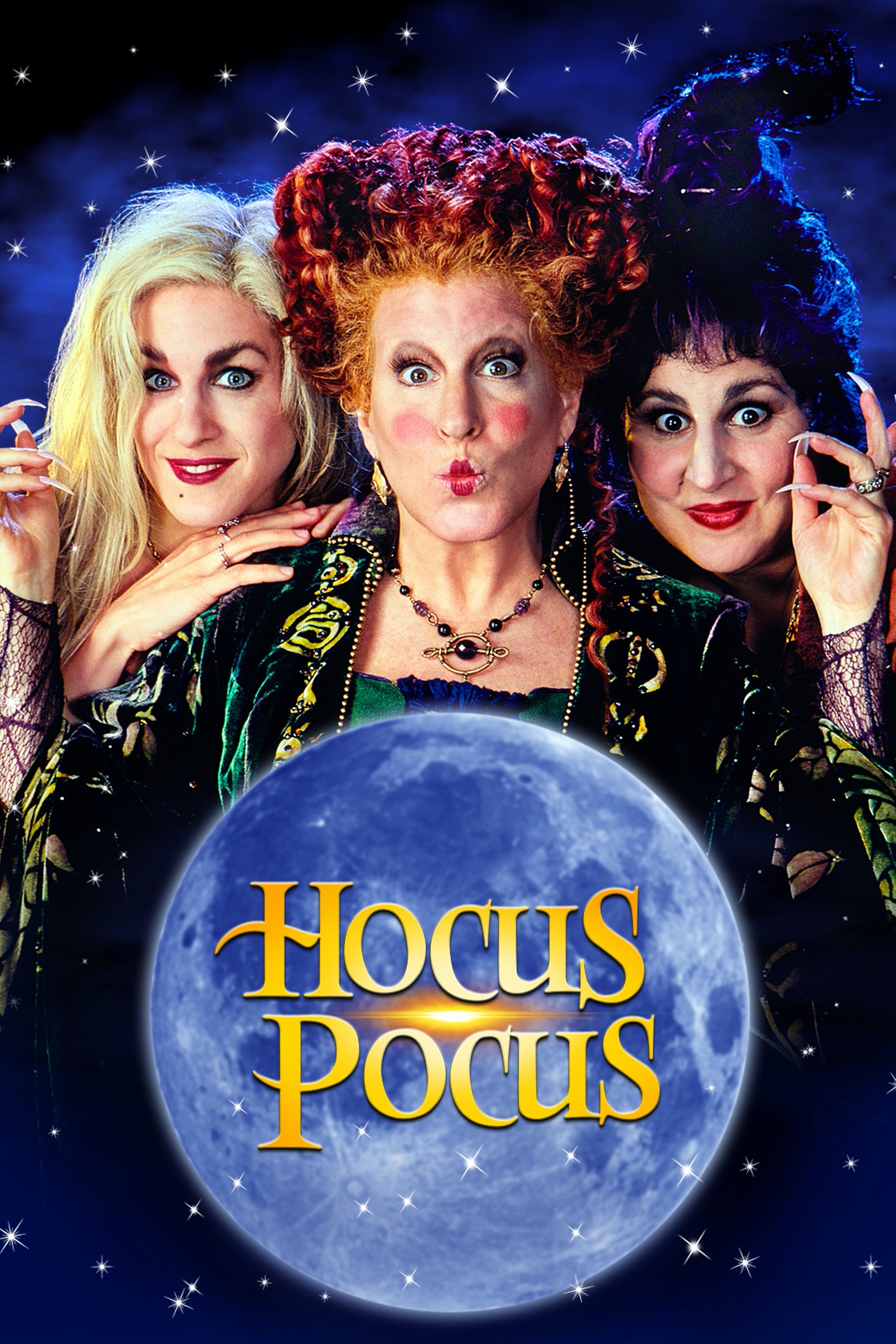
Kenny Ortega directed this Halloween comedy that was released in the middle of summer and flopped. Critics called it mediocre and it performed poorly against other blockbusters. Disney Channel reruns turned it into an essential part of the Halloween season for millennials. It is now so popular that a sequel was produced decades later.
‘Event Horizon’ (1997)
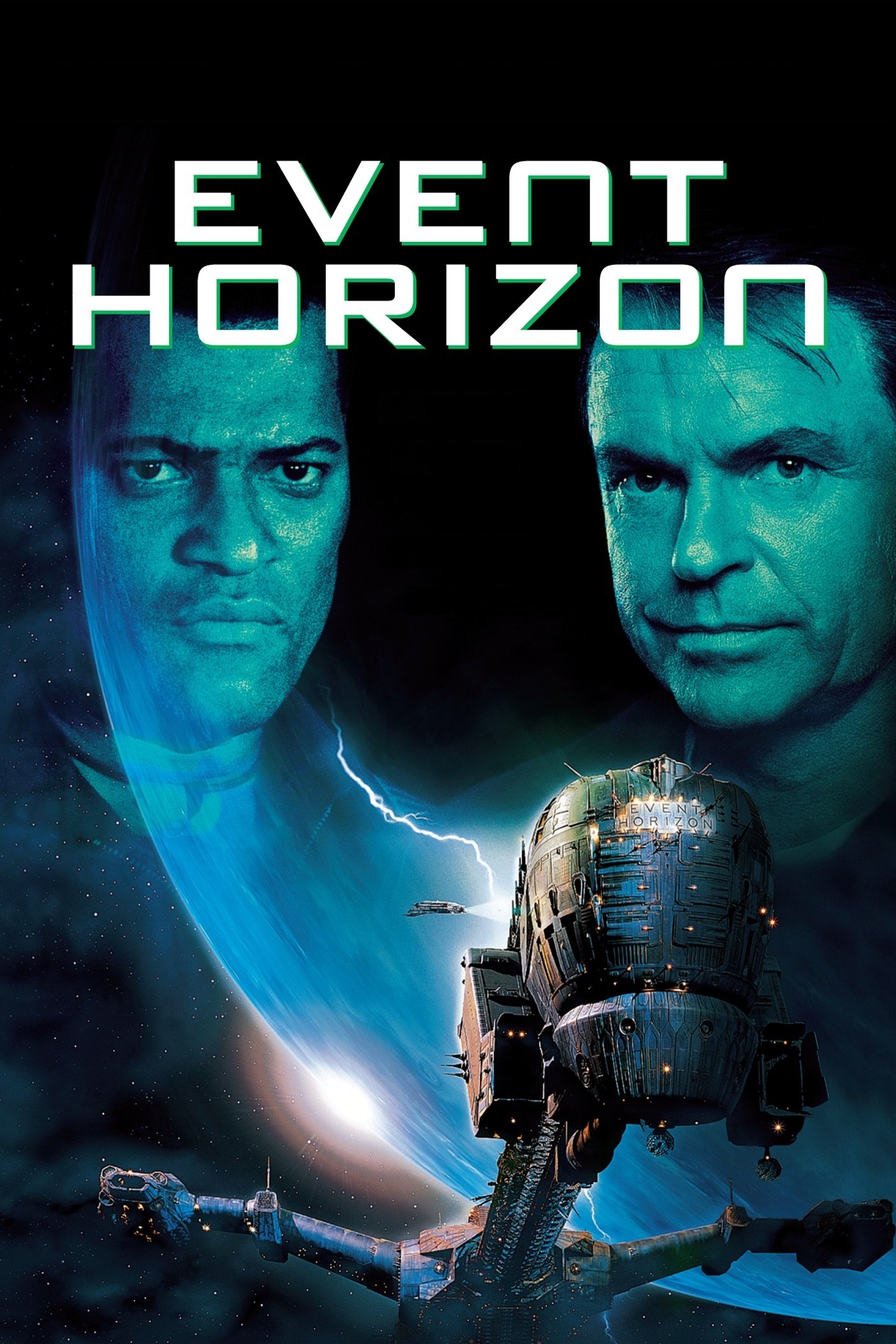
Paul W.S. Anderson directed this sci-fi horror film that was rushed into theaters and failed critically. Audiences were disturbed by the graphic gore and the bleak ending. The film gained a reputation as a terrifying hidden gem on home video. Fans continue to demand the release of the lost director’s cut.
‘Donnie Darko’ (2001)
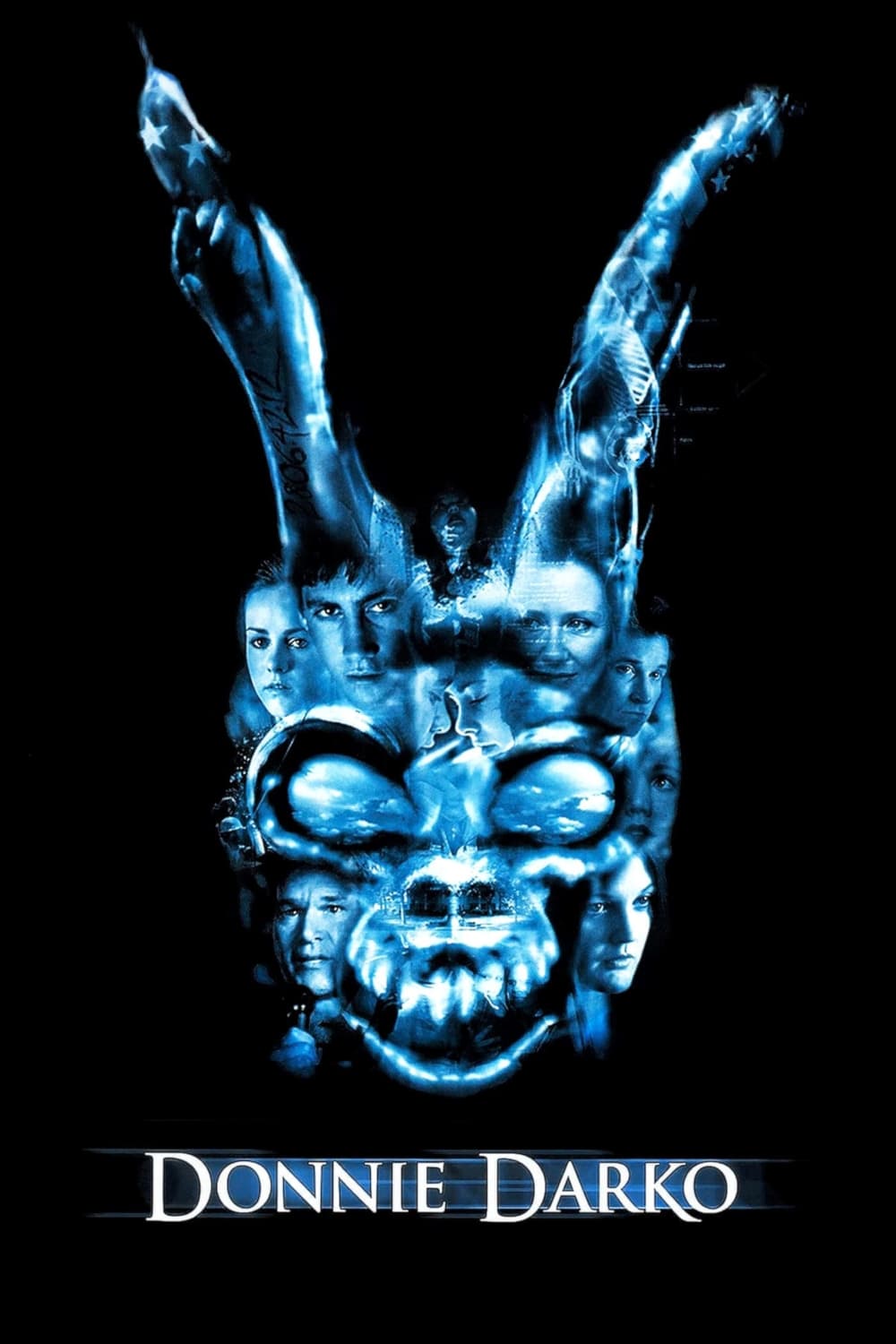
Richard Kelly directed this mind-bending sci-fi drama that struggled because of its release shortly after a national tragedy. The confusing plot involves time travel and a giant rabbit named Frank. It failed to make an impact in theaters but exploded in popularity on DVD. It is now a defining film for the alternative culture of the early millennium.
‘Scott Pilgrim vs. the World’ (2010)
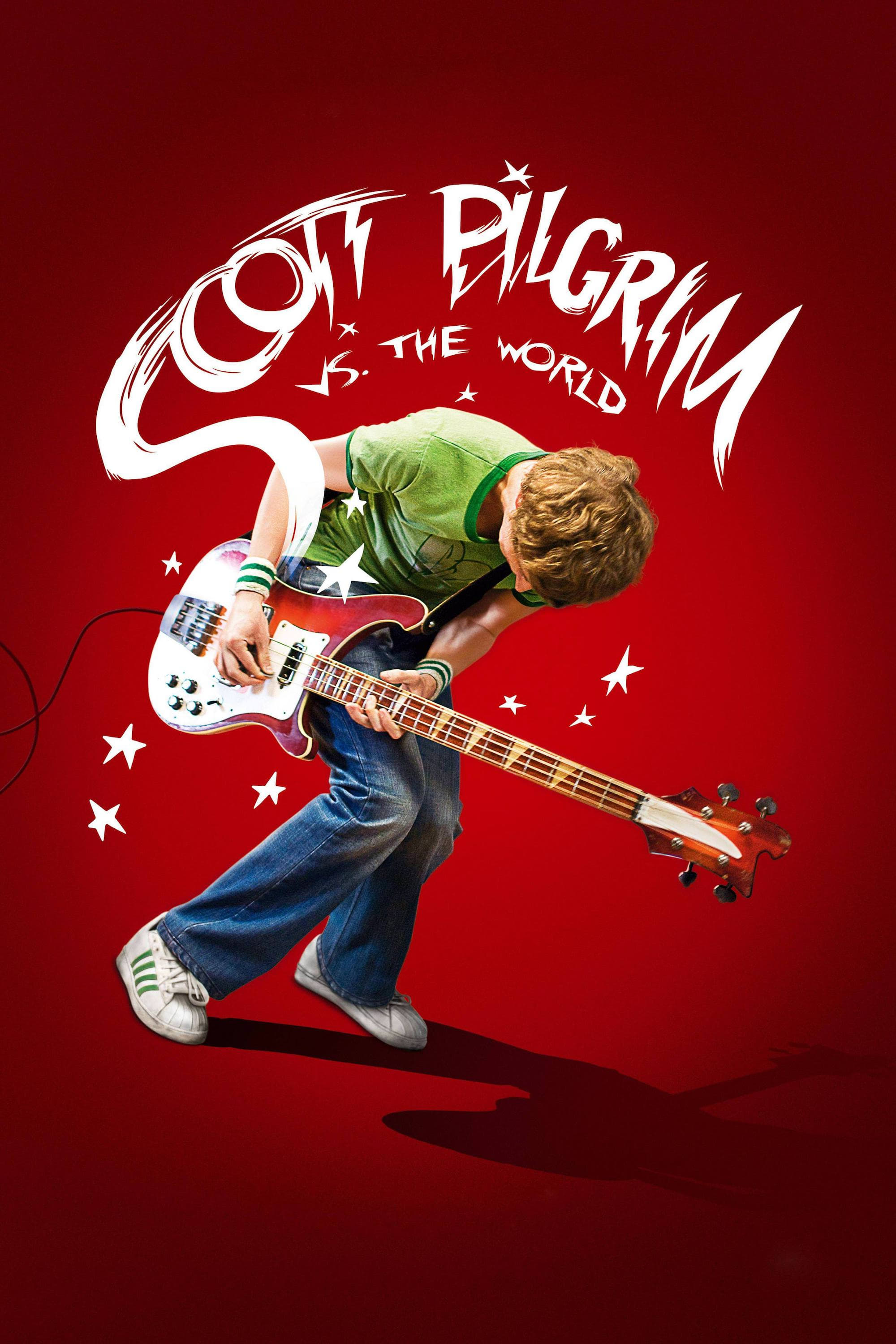
Edgar Wright directed this adaptation of a graphic novel that disappointed at the box office. The frenetic editing and video game aesthetics were overwhelming for general audiences. It was praised by geeks but failed to connect with the wider public initially. The visual style has since influenced a generation of filmmakers and editors.
‘The Iron Giant’ (1999)
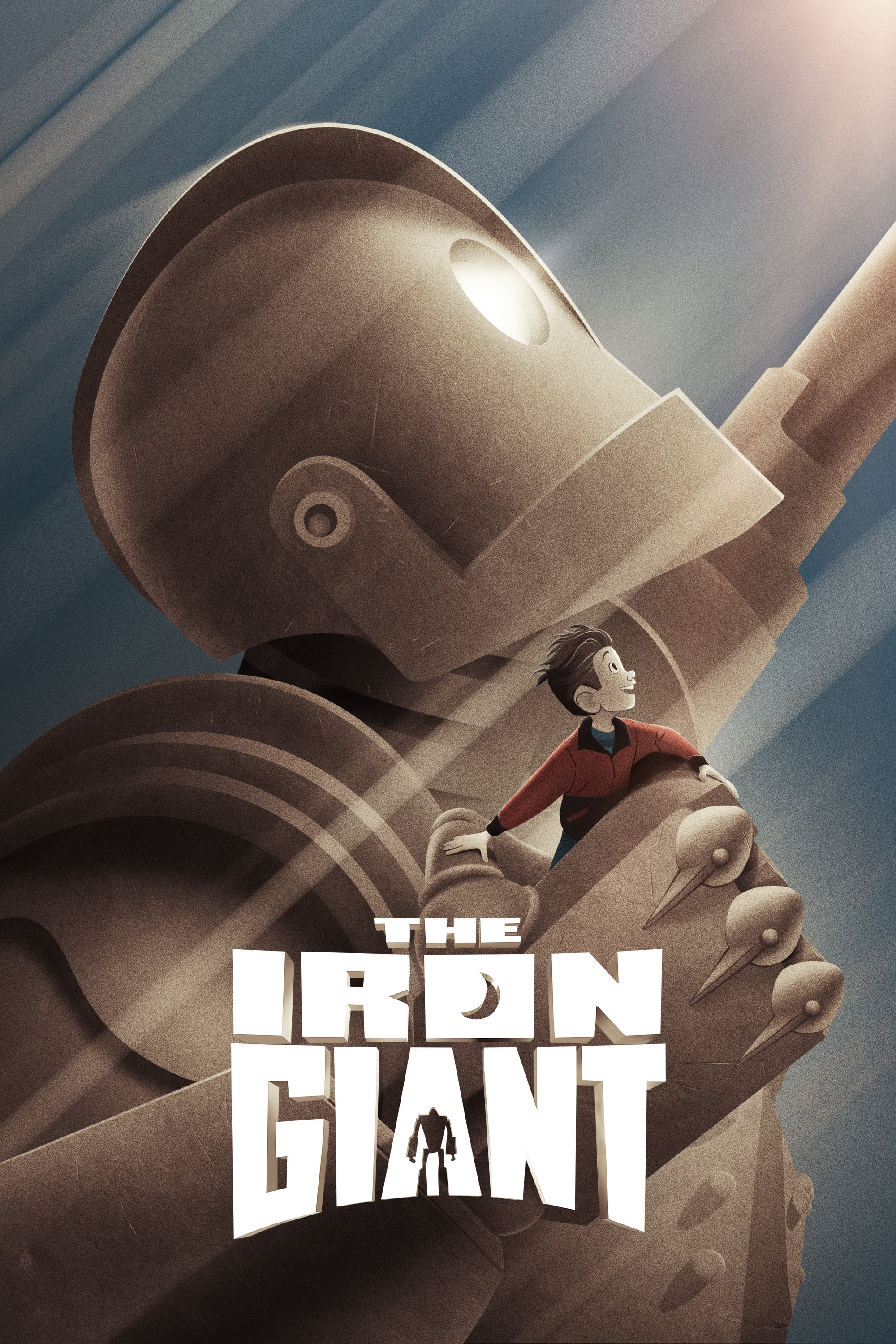
Brad Bird directed this animated feature that Warner Bros failed to market effectively. The studio did not have faith in the project and released it with very little promotion. It received rave reviews but nobody went to see it in theaters. It is now considered one of the greatest animated films of all time.
‘Treasure Planet’ (2002)

Disney attempted to combine traditional animation with computer-generated 3D backgrounds in this expensive sci-fi retelling of a classic novel. The film was a massive box office bomb that lost the studio millions. Audiences found the blend of genres confusing at the time. It has since developed a loyal fanbase who appreciate its unique visual style.
‘Atlantis: The Lost Empire’ (2001)

Disney released this action-adventure film that departed from their traditional musical formula. The darker tone and comic book art style did not appeal to the usual family demographic. It underperformed significantly and killed plans for a television spinoff. Retrospective reviews praise its world-building and distinct character designs.
‘Clue’ (1985)
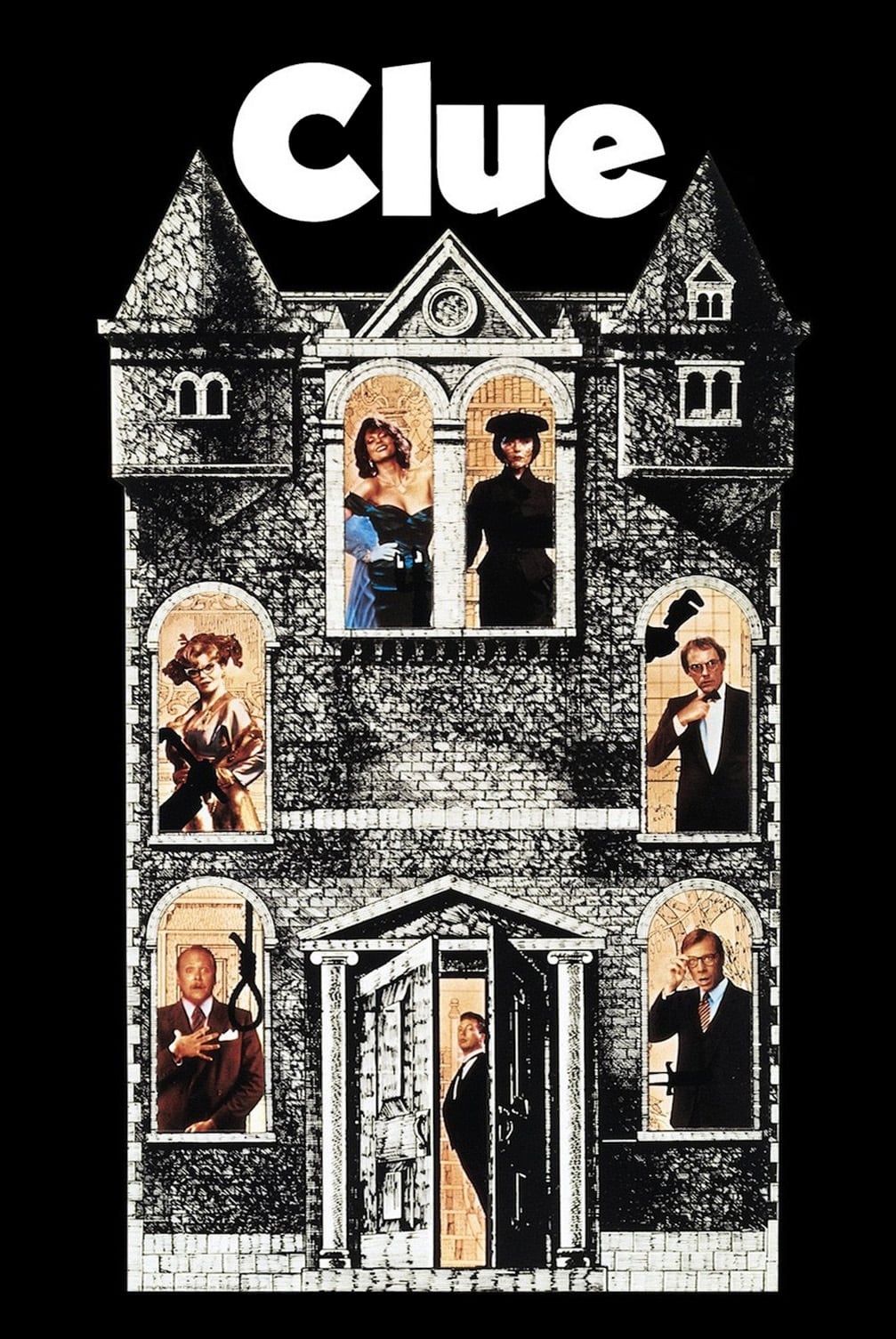
Jonathan Lynn directed this murder mystery comedy based on a board game that failed to attract audiences. The theatrical release featured a gimmick where different theaters showed different endings. This confused moviegoers and led to a poor box office performance. The film is now loved for its rapid-fire dialogue and ensemble cast.
‘Scarface’ (1983)

Brian De Palma directed this crime epic that was criticized for its excessive violence and drug use. Critics called it hollow and offensive to immigrant communities. The film became a massive hit on home video and influenced hip-hop culture deeply. It is now seen as the quintessential gangster movie of the decade.
‘Halloween III: Season of the Witch’ (1982)
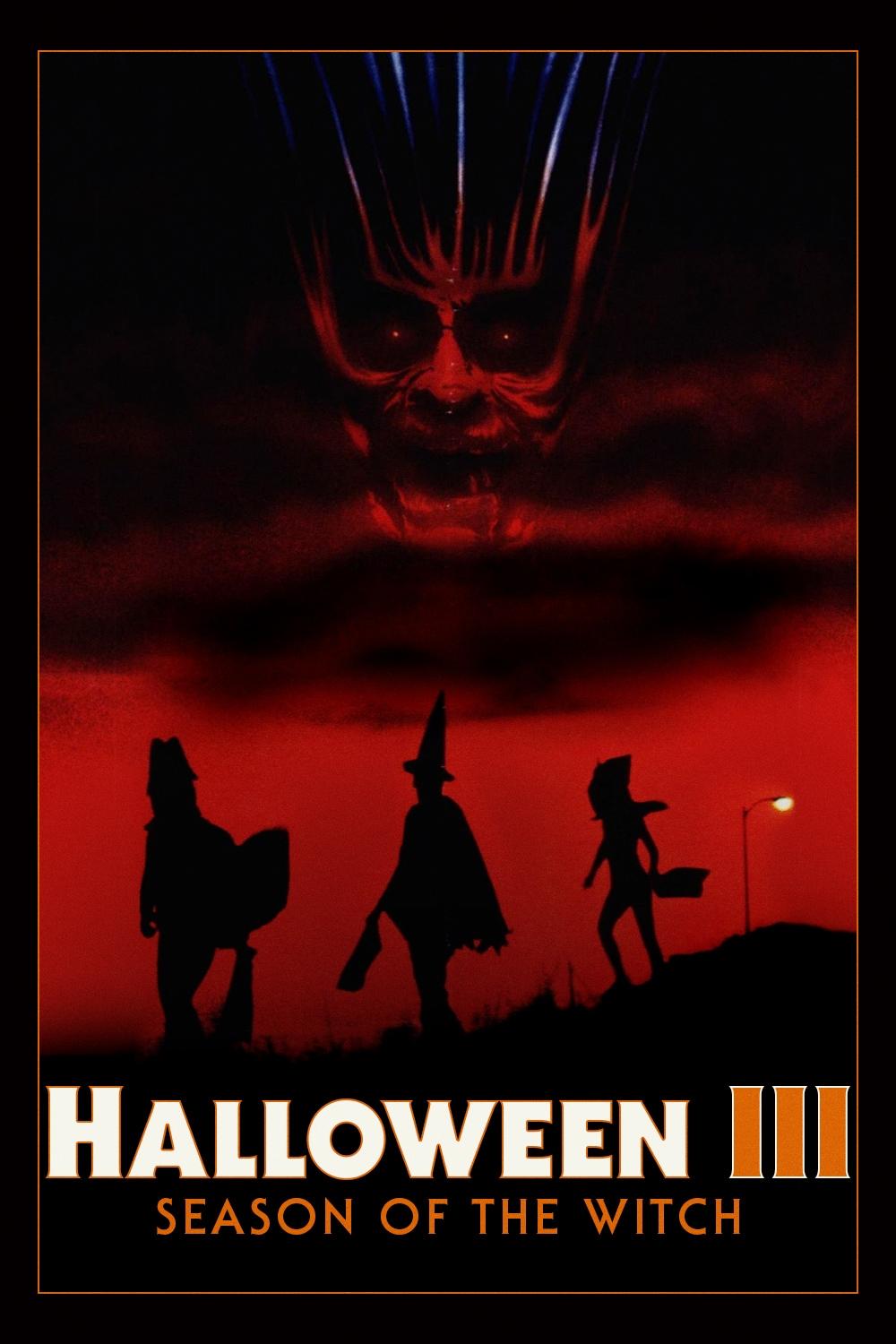
Tommy Lee Wallace directed this sequel that infuriated fans because it did not feature the villain Michael Myers. The filmmakers wanted to turn the franchise into an anthology series about the holiday. Audiences felt cheated and the movie was a financial disappointment. Horror fans now appreciate it as a standalone film with a unique plot.
‘On Her Majesty’s Secret Service’ (1969)
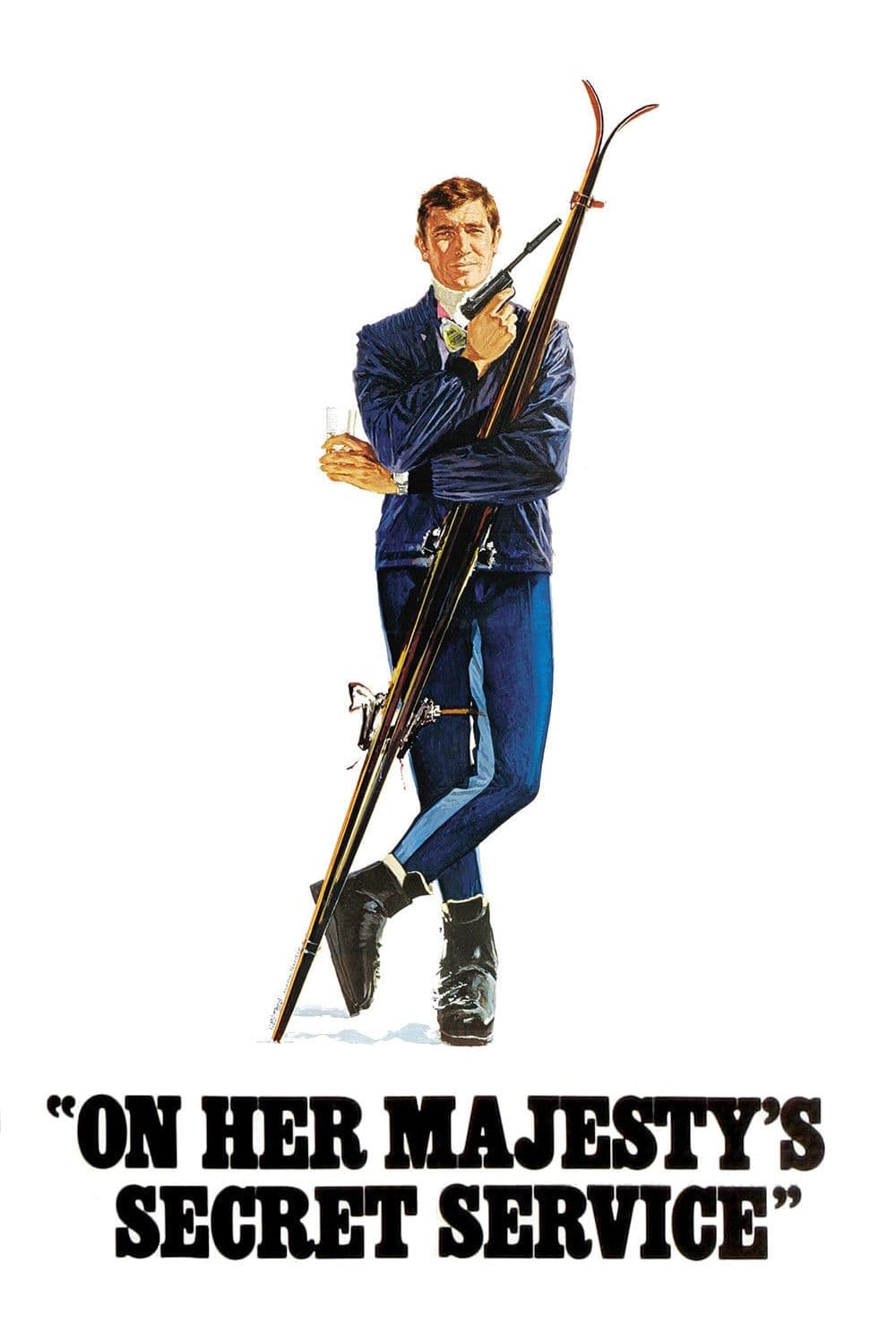
Peter Hunt directed this James Bond film that starred George Lazenby instead of Sean Connery. Critics and fans were harsh on the new actor and the tragic ending of the film. Lazenby only played the character once before quitting. Many Bond aficionados now rank it as the best film in the entire franchise.
‘Speed Racer’ (2008)
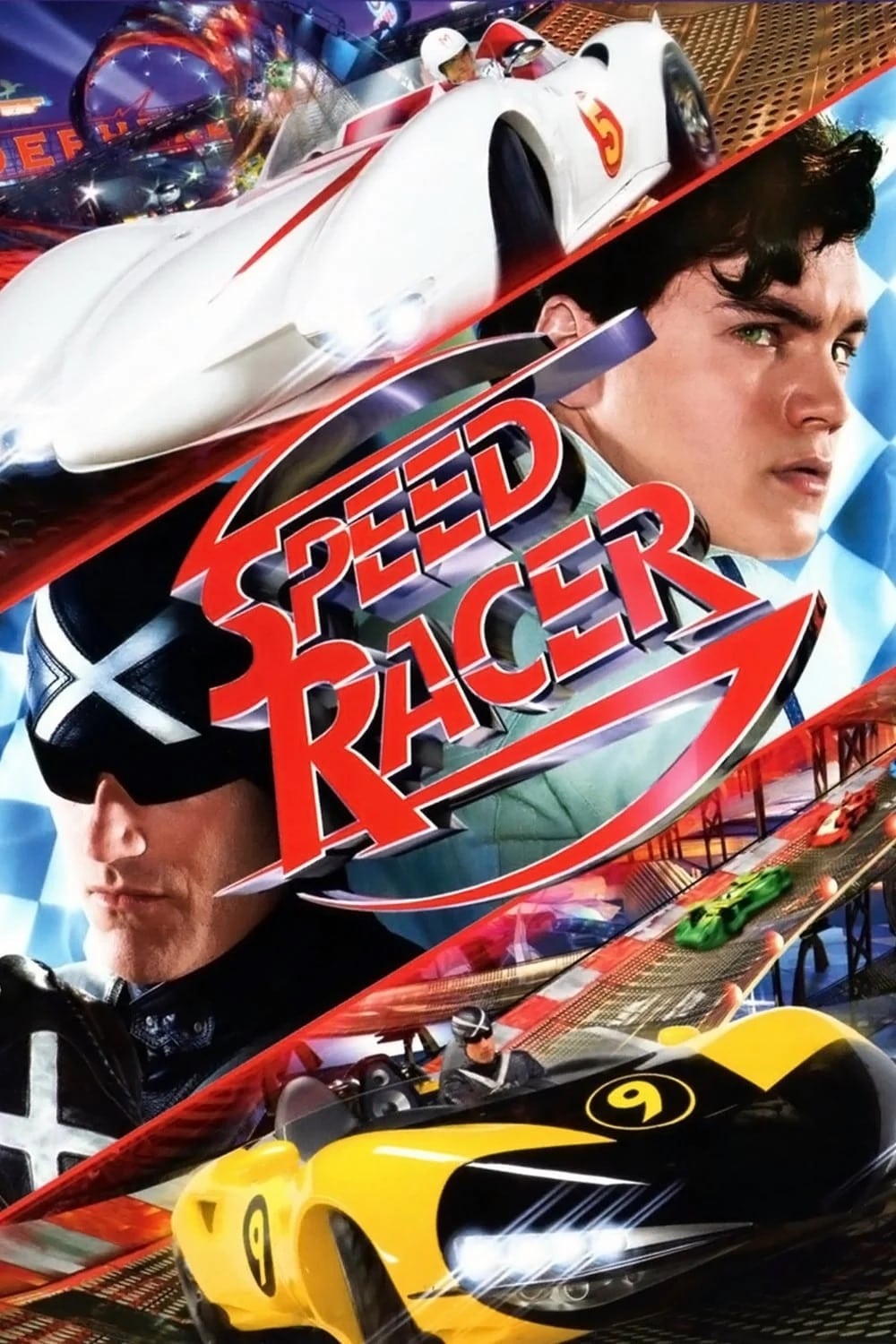
The Wachowskis directed this live-action adaptation that assaulted the senses with vibrant colors and impossible physics. Critics complained that it looked like a video game and lacked emotional depth. General audiences found the visual style too jarring to enjoy. It is now defended as an avant-garde pop art masterpiece.
‘Josie and the Pussycats’ (2001)
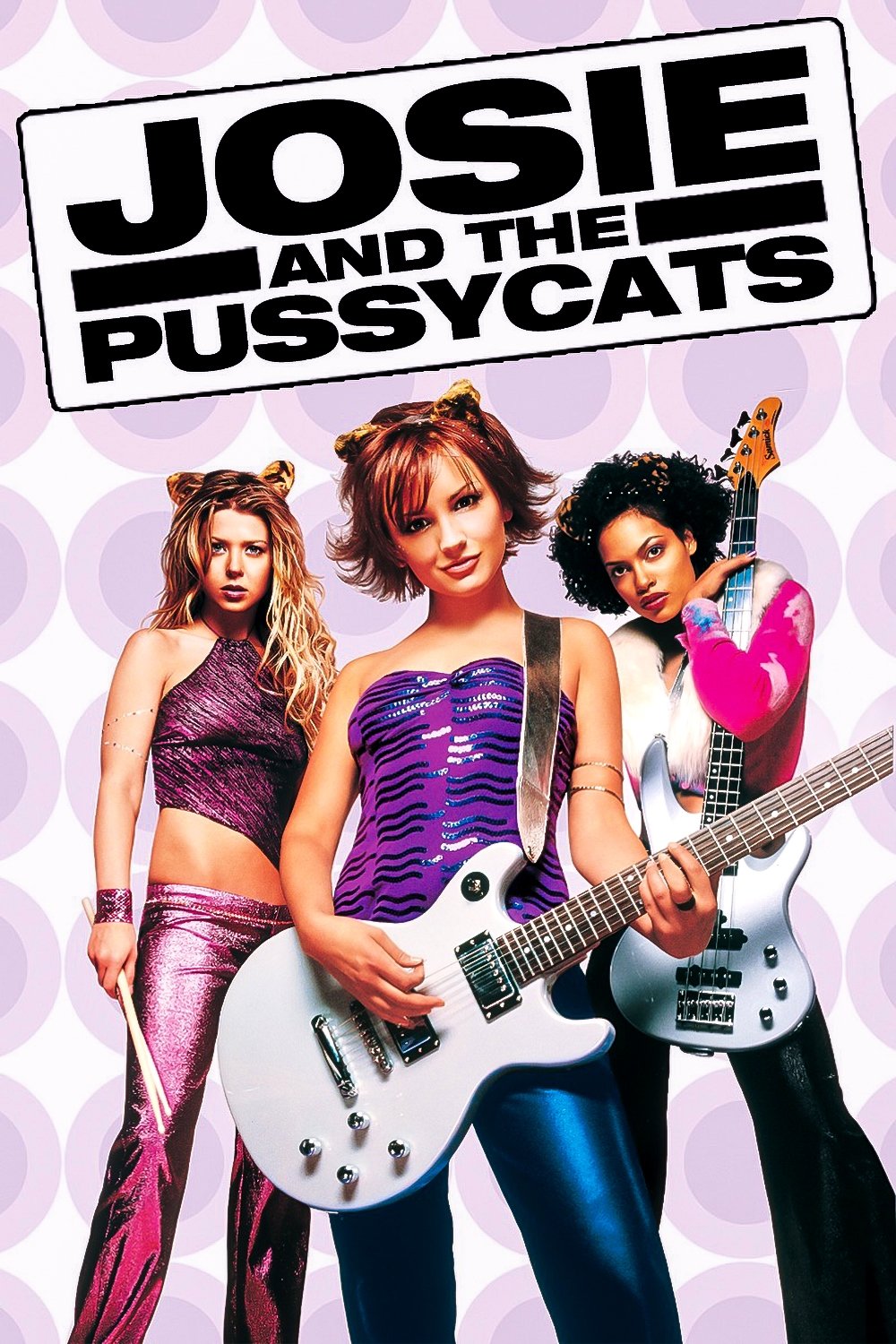
Harry Elfont and Deborah Kaplan directed this musical comedy that was dismissed as a cynical product. Viewers missed the meta-commentary on consumerism and the music industry. The film bombed hard but the soundtrack became a hit. It is now recognized as a smart satire that was ahead of the curve.
‘Sorcerer’ (1977)
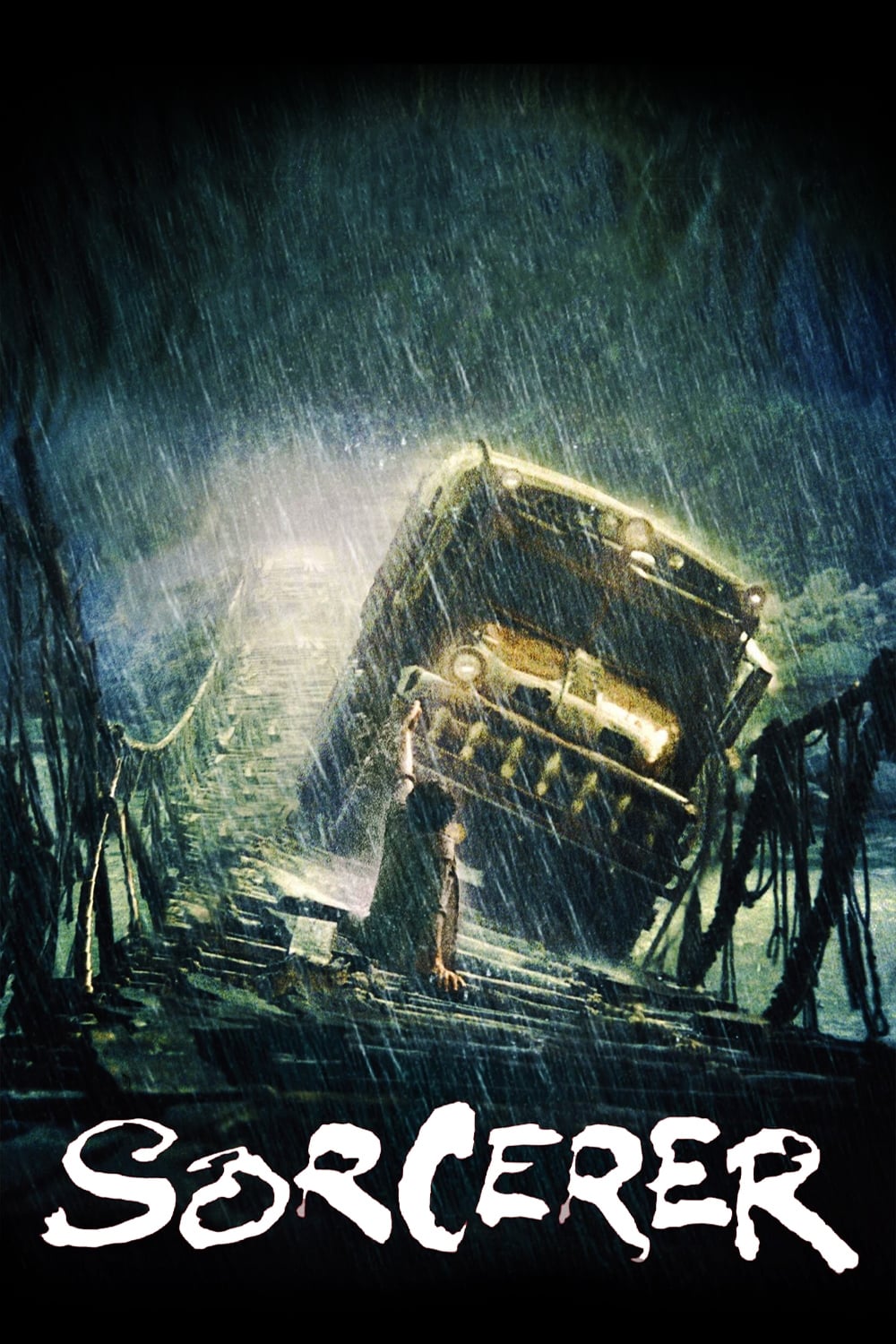
William Friedkin directed this tense thriller that had the misfortune of opening right after a major space opera changed cinema forever. Audiences ignored this gritty film about driving nitroglycerin through the jungle. Critics initially found it bleak and unnecessary compared to the original French film. It is now cited by filmmakers as a masterclass in tension and atmosphere.
‘Heaven’s Gate’ (1980)
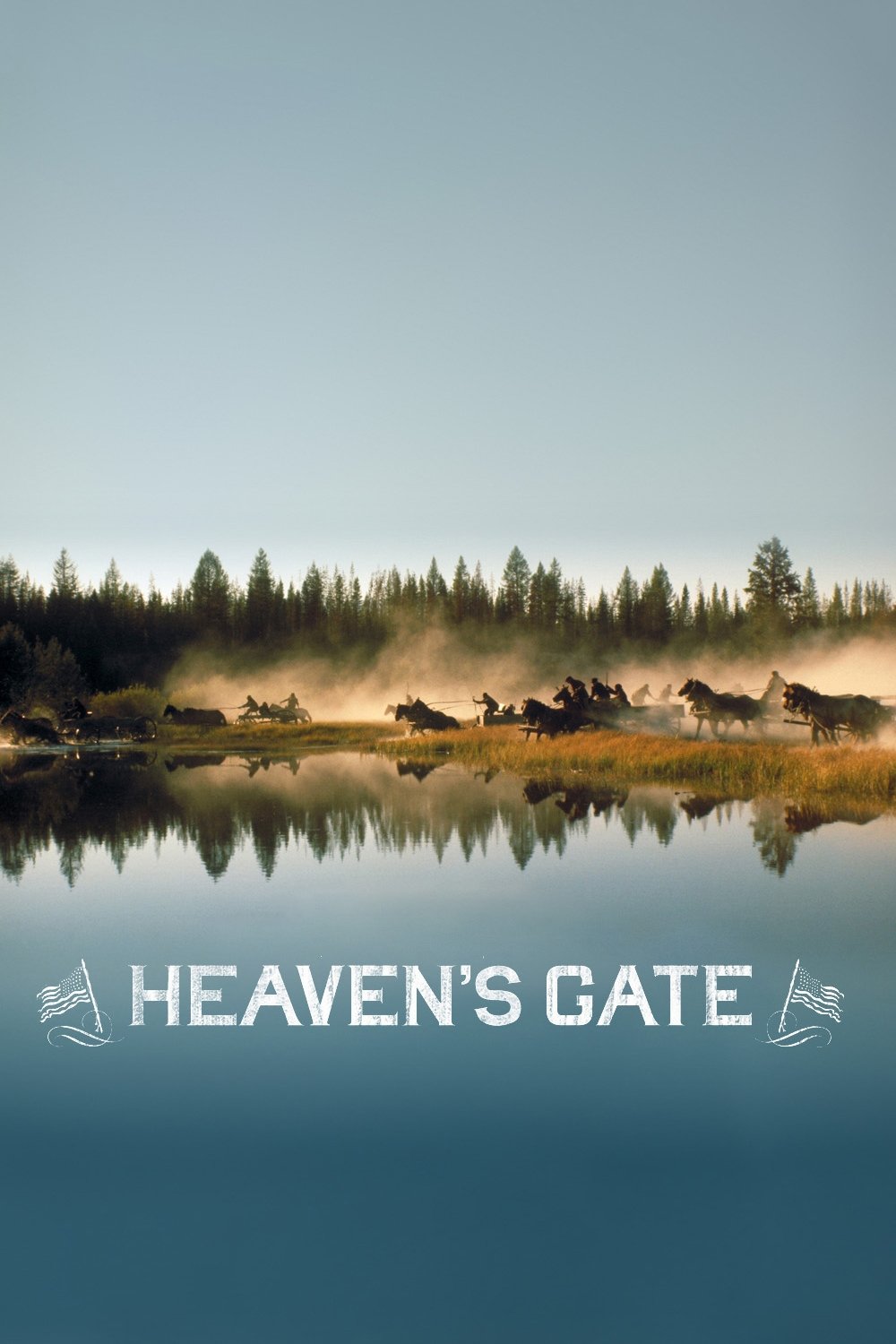
Michael Cimino directed this western that is famous for bankrupting a studio and ending the era of director-driven cinema. The initial cut was incredibly long and critics savaged it for being self-indulgent. The reputation of the film was toxic for decades. A restored version has led to a critical re-evaluation of its beautiful cinematography.
‘Hook’ (1991)
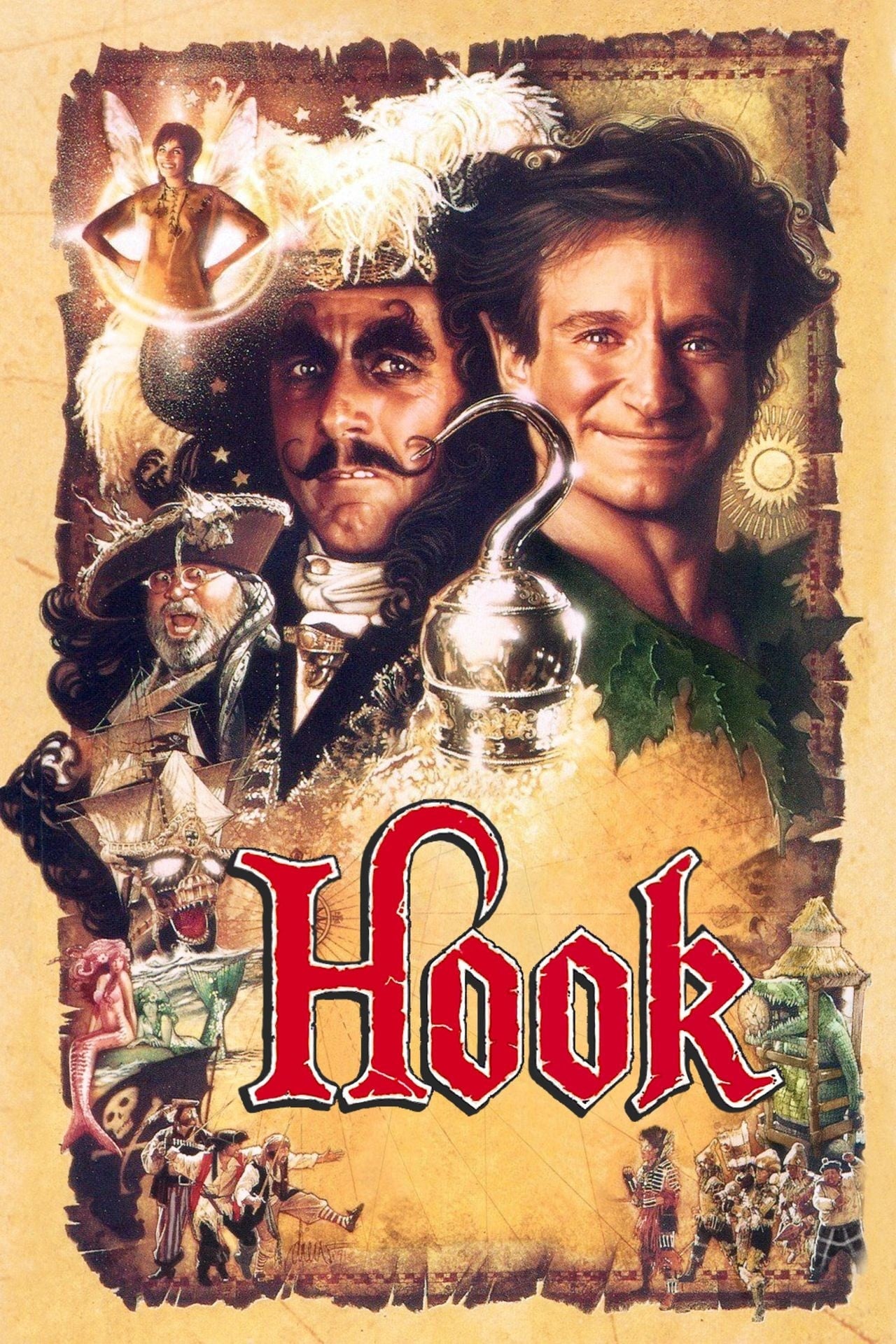
Steven Spielberg directed this sequel to the Peter Pan story that critics called bloated and sentimental. Audiences were initially lukewarm on the idea of an adult Peter Pan. The elaborate sets and John Williams score were overlooked due to the critical backlash. The generation that grew up with the film now defends it passionately.
Tell us which of these movies you think deserves the biggest apology in the comments.