


Movies That Bombed After Cutting Promised Minority Storylines



Film studios often make headlines by announcing diverse casts and inclusive storylines to attract a broad audience. However, many of these projects face significant backlash when the final edit removes or diminishes the very representation that was marketed. These alterations frequently lead to commercial failure as viewers feel misled by the promised authenticity. This list explores several notable examples where the removal of minority perspectives and characters coincided with a disappointing box office performance.
‘The Last Airbender’ (2010)
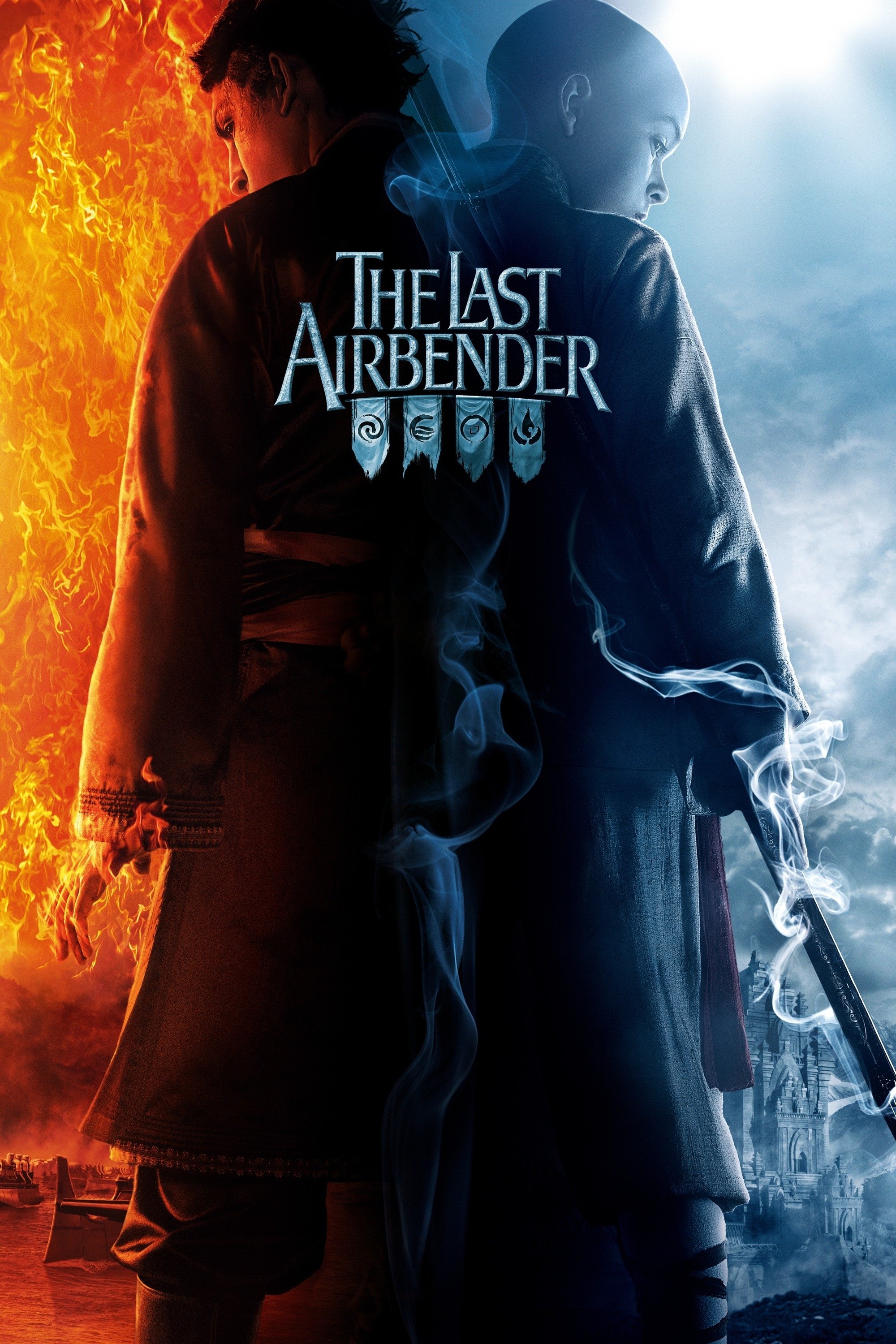
The production of this live action adaptation faced intense scrutiny for casting white actors in roles originally depicted as Asian and Inuit. This decision removed the cultural authenticity and nuances that fans expected from the beloved source material. Promised explorations of different nations and their diverse spiritual practices were simplified or entirely ignored in the final cut. Audiences rejected the film for its lack of representation and poor narrative flow. It remains a primary example of how stripping away minority identities can alienate a core fan base and lead to financial disaster.
‘Ghost in the Shell’ (2017)
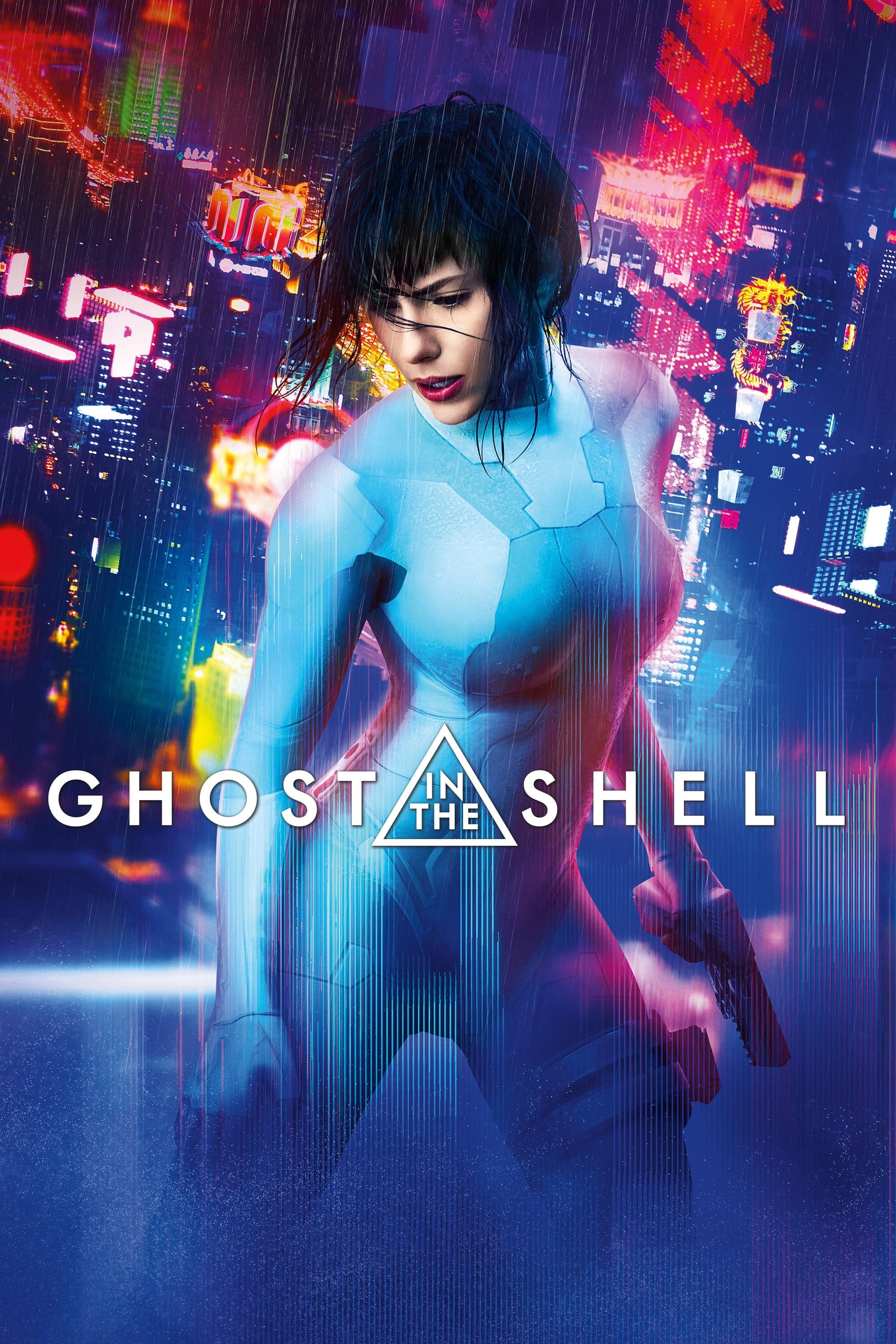
The live action version of this iconic manga faced major criticism for casting a white actress as the protagonist. This choice effectively erased the Japanese identity of the main character which was central to the original story. While the film promised to honor its roots the final product felt disconnected from its cultural heritage. Viewers largely ignored the movie in theaters and it resulted in a substantial financial loss for the studio. The project became a cautionary tale about the importance of authentic representation in global media.
‘Pan’ (2015)

This reimagining of the Peter Pan story sparked controversy when a white actress was cast as Tiger Lily. The character was originally written as an indigenous princess and fans were promised a fresh take on the lore. By removing the indigenous heritage of the character the film lost a vital layer of its world building. The movie struggled significantly at the box office and failed to recoup its massive budget. Critics and audiences cited the casting choices as a major reason for the lack of interest in the film.
‘Exodus: Gods and Kings’ (2014)

The historical epic received heavy criticism for casting white actors as Egyptian royalty and leaders. Ridley Scott defended the choices by citing financial considerations but the move alienated a vast audience. Promised historical accuracy was overshadowed by the visible lack of non-white actors in prominent roles. The film underperformed significantly at the box office and sparked a global debate on whitewashing in Hollywood. It remains a controversial entry in the director’s filmography because of these decisions.
‘Gods of Egypt’ (2016)
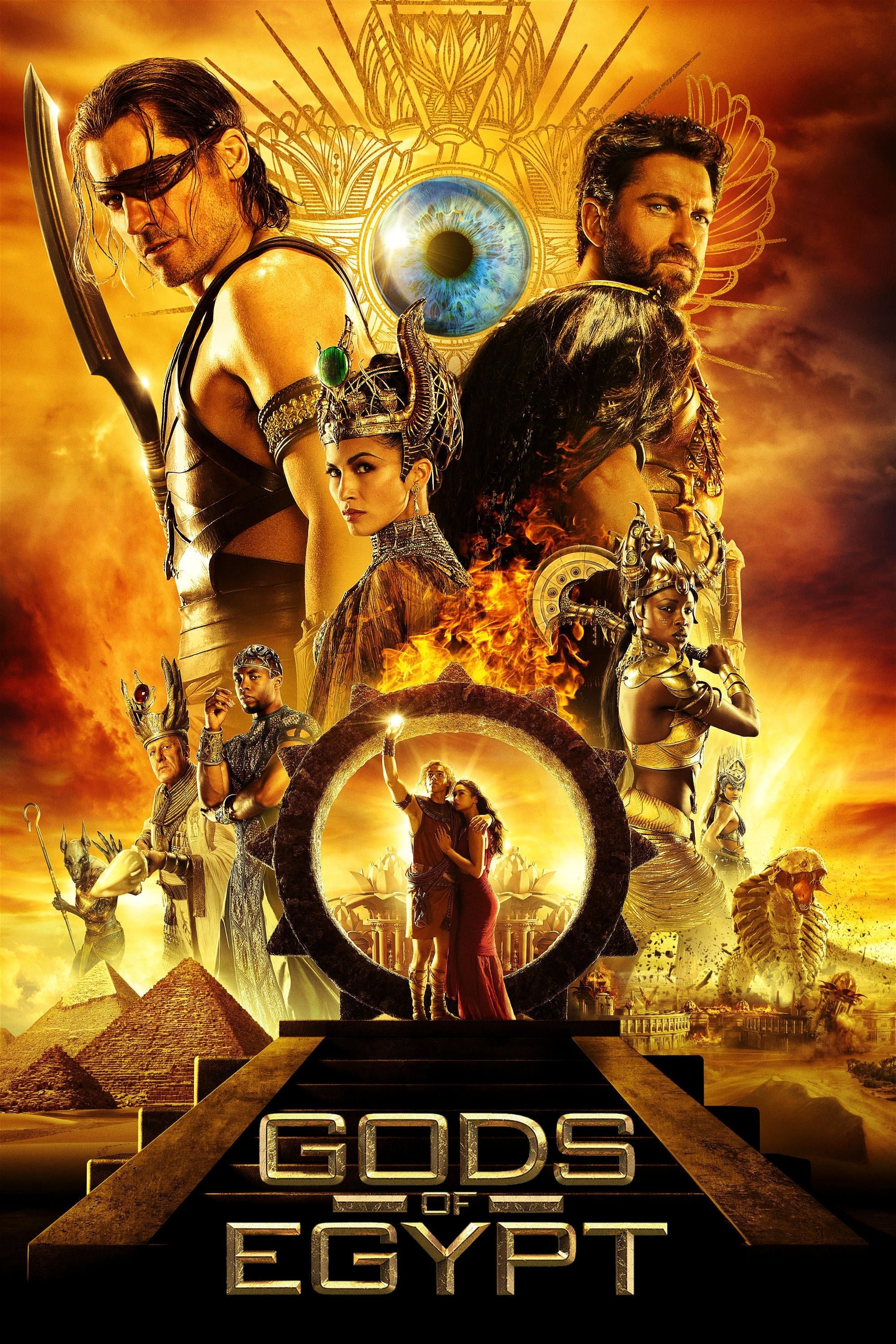
This fantasy film faced immediate backlash for its lack of Egyptian or North African actors in the lead roles. The production team issued an apology before the movie was even released but the damage to its reputation was already done. Fans were promised a grand spectacle of Egyptian mythology that felt authentic to its setting. Instead the final product featured a predominantly white cast which led to widespread boycotts and a massive financial loss. The film is now frequently cited as a textbook example of how poor casting can ruin a big budget production.
‘Justice League’ (2017)
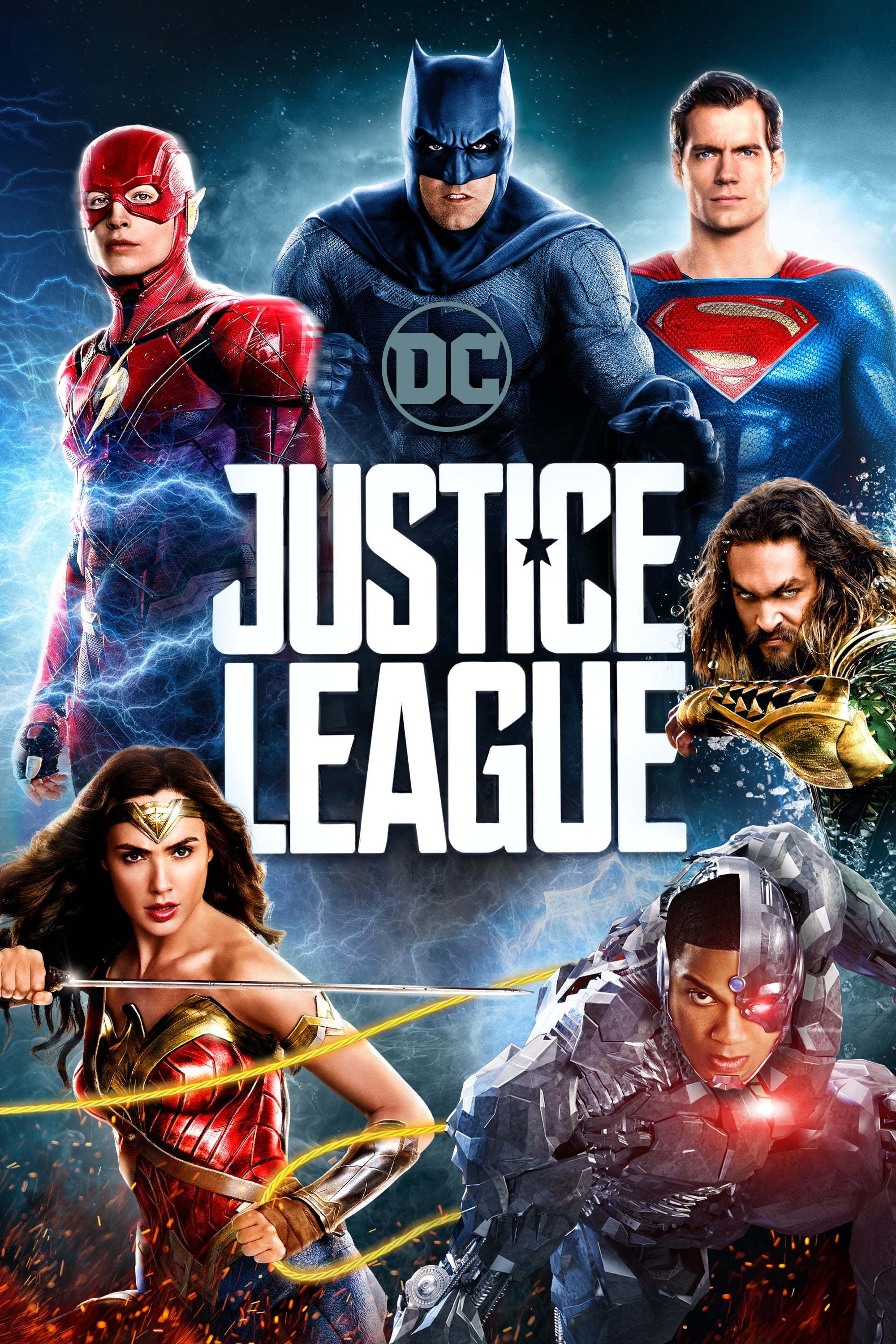
The theatrical version of this superhero epic removed significant development for the character Cyborg. Ray Fisher portrayed the hero as the emotional core of the story before the final edit minimized his backstory. Several scenes exploring his family life and his struggle with his new body were omitted entirely. Fans who expected a groundbreaking role for the first black member of the team were left disappointed. The film failed to meet box office expectations and sparked a massive campaign for the restoration of the original vision.
‘The New Mutants’ (2020)
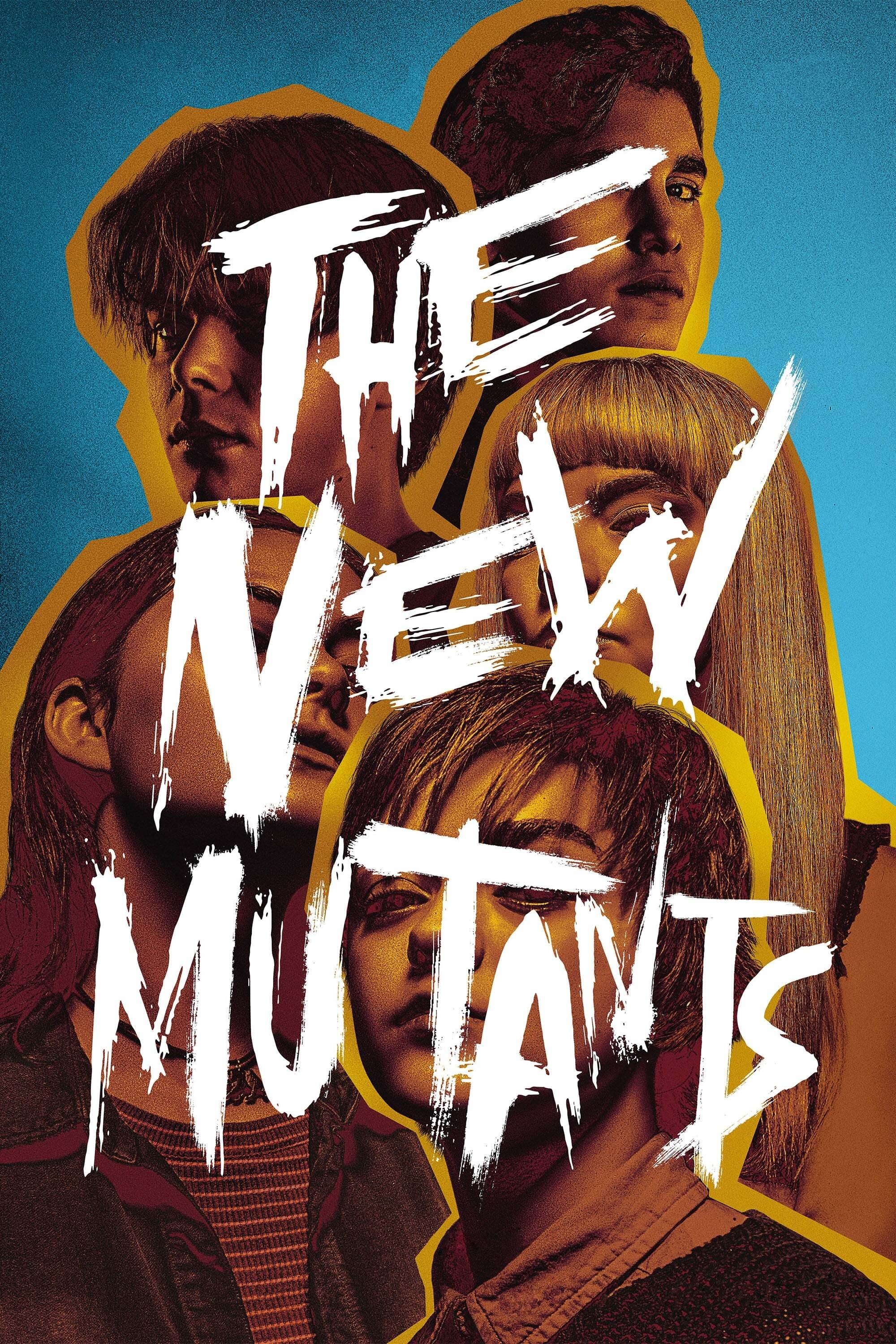
This horror themed superhero film faced backlash for its handling of the character Cecilia Reyes. In the original comics she is an Afro-Latina woman but the movie version significantly altered her background. Many fans noted that her heritage was suppressed and her role was reduced to a generic antagonist. The film suffered through multiple delays and a very poor box office performance upon its release. It failed to resonate with audiences who were looking for the diverse representation promised by the source material.
‘Stonewall’ (2015)
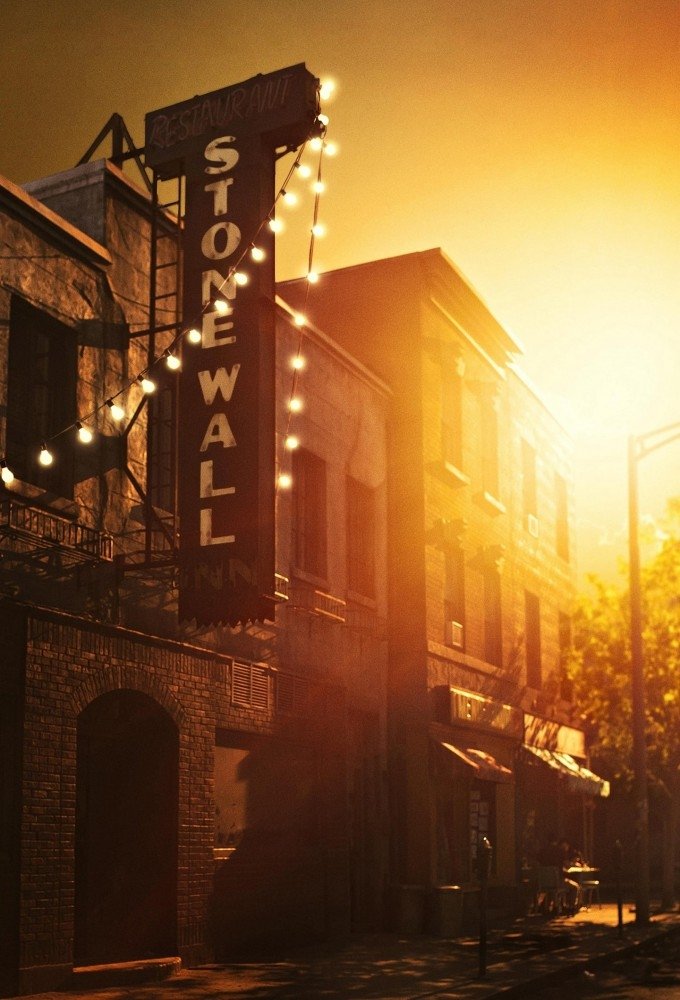
This drama about the famous 1969 riots was widely panned for sidelining real historical figures. Many activists noted that the film placed a fictional white character at the center of a movement led by trans women of color. The promised tribute to the diverse pioneers of the gay rights movement was missing from the final cut. The film earned a dismal amount at the box office and was heavily criticized by the LGBTQ+ community. Its failure highlighted the dangers of revising history to suit a specific demographic.
‘Aloha’ (2015)

The film ‘Aloha’ caused a major stir when Emma Stone was cast as a character with quarter Hawaiian and quarter Chinese heritage. This decision was seen as an erasure of the local culture and identity that the movie claimed to celebrate. The promised exploration of Hawaiian traditions and community was overshadowed by the controversial casting choice. Audiences did not connect with the story and the film became a significant commercial failure. The director later apologized for the casting but the box office damage was irreversible.
‘Nina’ (2016)

The biographical film about Nina Simone faced intense criticism for the casting of Zoe Saldana. The use of dark makeup and a prosthetic nose to make the actress resemble the singer was widely condemned as offensive. This choice took away from the promised authentic look at the life of a black icon who fought for civil rights. The film received a very limited release and failed to find an audience. It stands as a reminder that representation must be handled with care and respect for the subject.
‘Dragonball Evolution’ (2009)
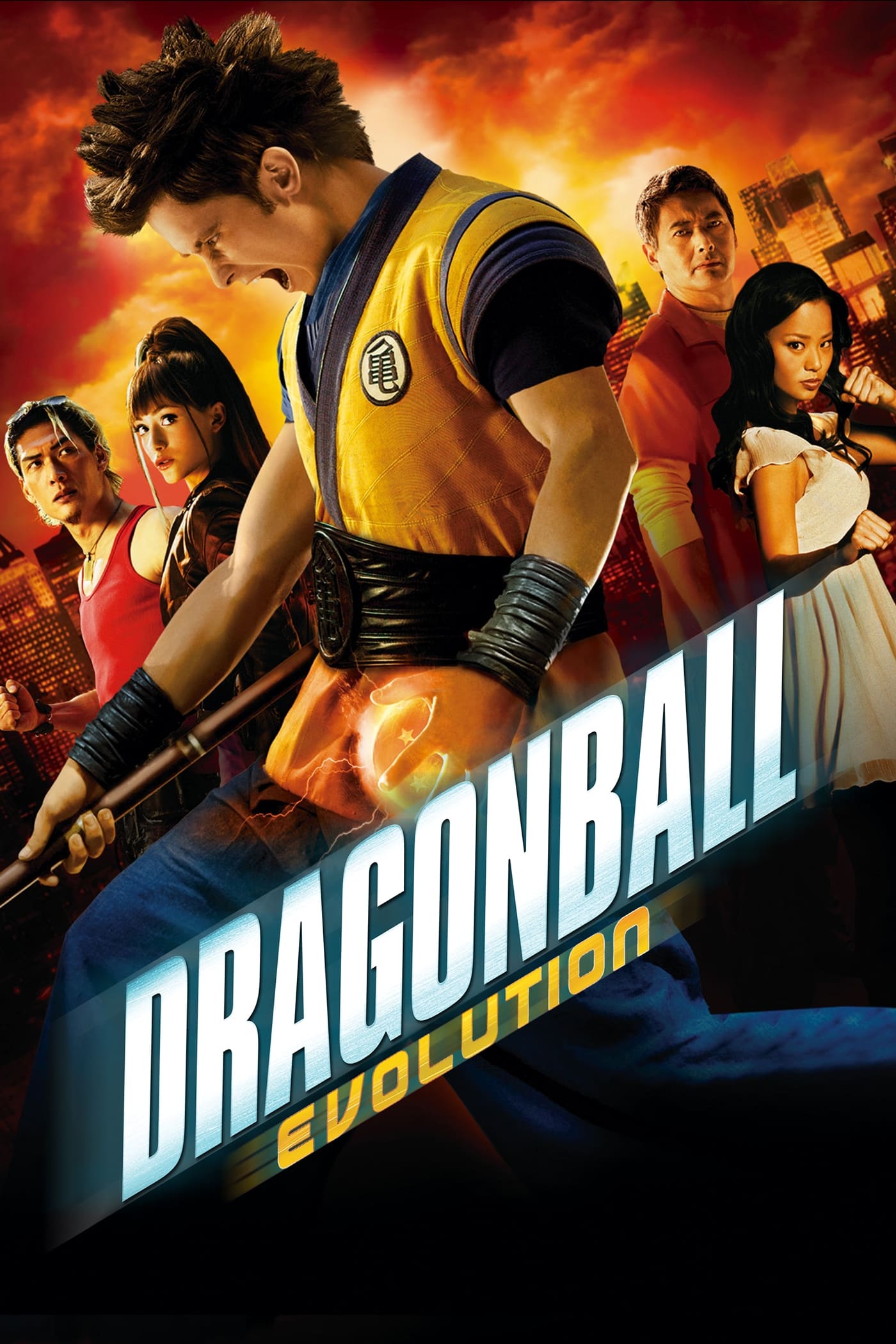
This adaptation of the legendary Japanese manga and anime series was widely criticized for its westernized casting. The lead character Goku was played by a white actor despite the character’s roots in East Asian mythology. This decision stripped the story of its cultural context and alienated the massive global fan base. The film was a total failure both critically and commercially and plans for a sequel were immediately scrapped. It is often ranked among the worst adaptations in cinematic history.
‘Prince of Persia: The Sands of Time’ (2010)
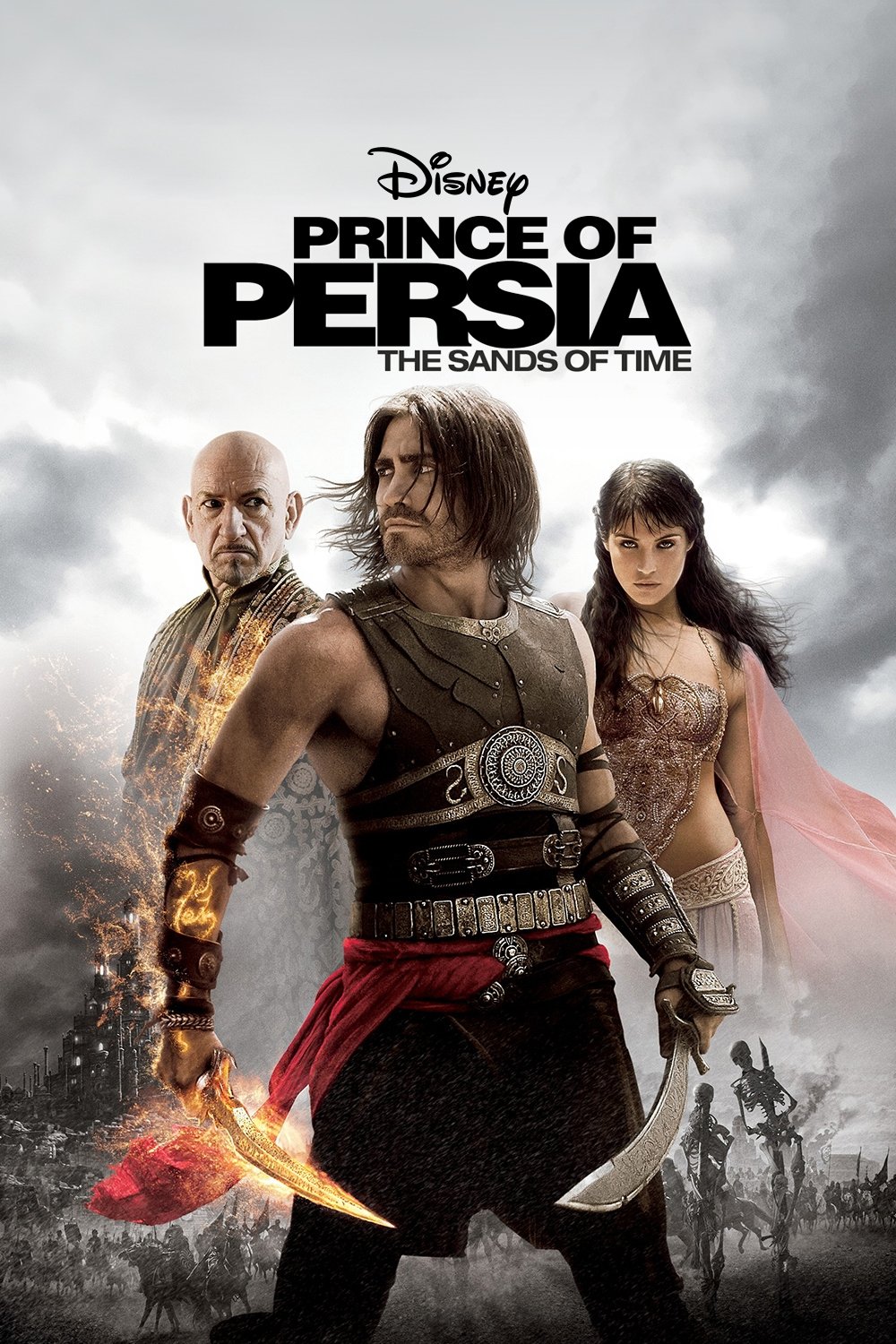
Disney hoped to launch a new franchise with this video game adaptation but faced backlash for its lead casting. Jake Gyllenhaal was cast as the Persian prince which led to accusations of cultural erasure. The film promised a grand adventure in a Middle Eastern setting but lacked authentic representation in its primary roles. While it made money internationally it failed to meet expectations in the domestic market. The controversy surrounding the casting remained a talking point long after the film’s release.
’47 Ronin’ (2013)
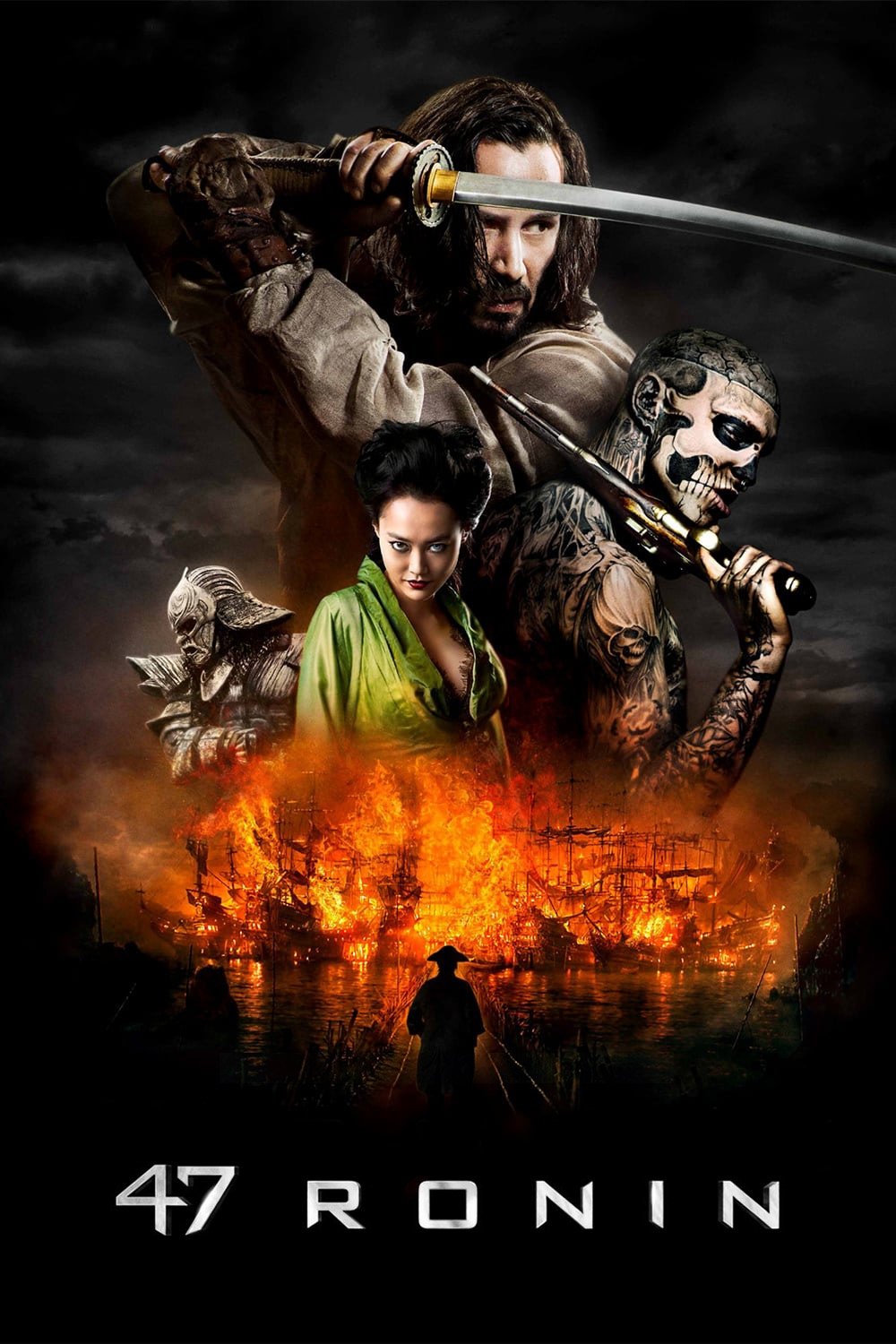
This historical fantasy film was marketed as a grand Japanese epic but focused heavily on a fictional white character played by Keanu Reeves. This decision marginalized the titular Japanese warriors and reduced their agency in their own story. Fans of the original legend were disappointed by the Westernized approach to the narrative. The film was one of the biggest box office bombs of its year and lost the studio millions of dollars. It demonstrated that audiences are often more interested in authenticity than in forced star power.
‘The Lone Ranger’ (2013)

The casting of Johnny Depp as Tonto was a major point of contention for this big budget Western. While the production claimed to consult with indigenous groups many felt the depiction was still a caricature. The promised revitalization of the classic duo failed to capture the imagination of the public. The film underperformed significantly and resulted in a massive financial loss for Disney. The decision to cast a non-indigenous actor in such a prominent role was a recurring criticism in reviews.
‘The Great Wall’ (2016)
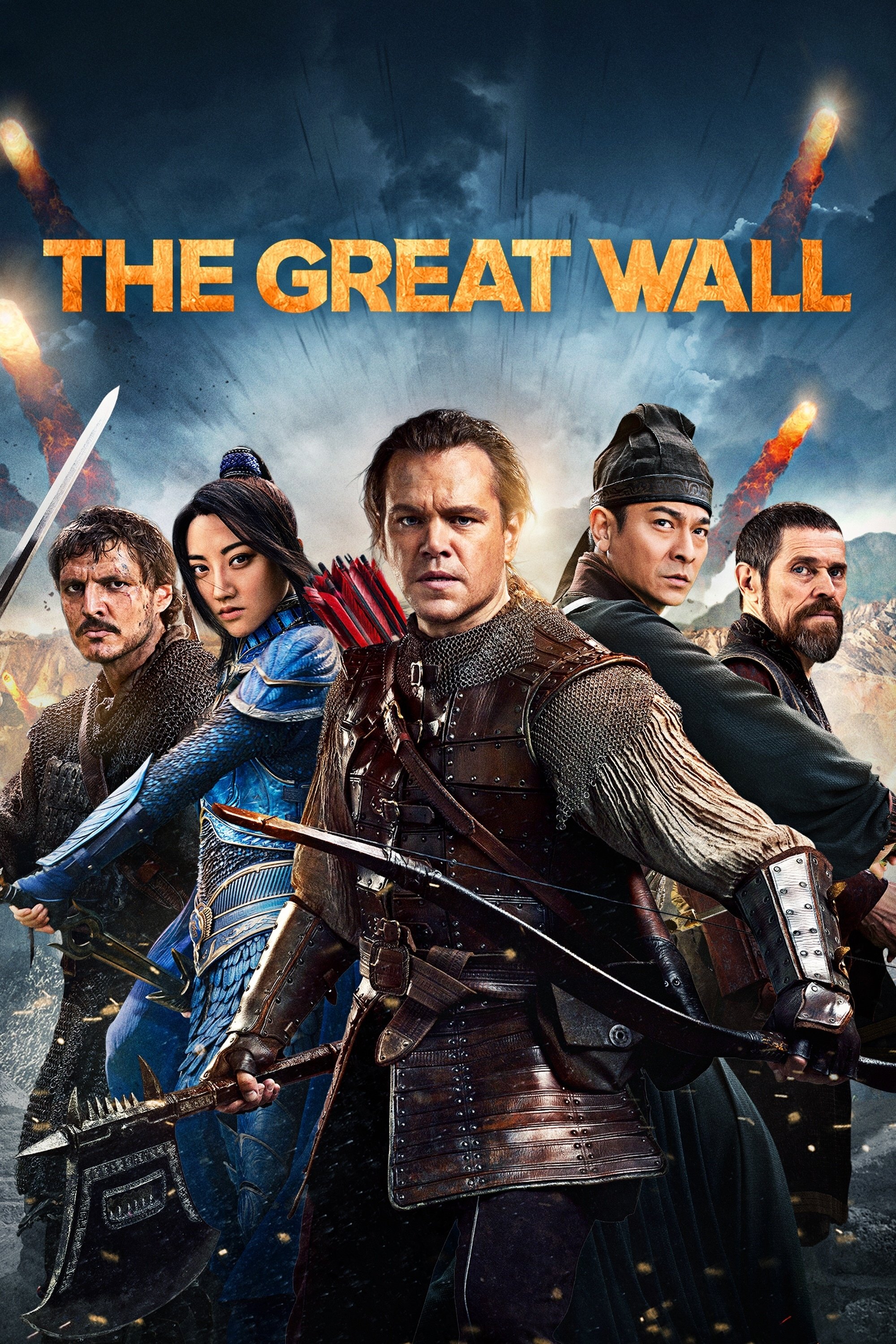
This action epic was a massive co-production between the United States and China that featured Matt Damon in the lead role. Critics argued that the film relied on the white savior trope and sidelined the Chinese soldiers who were central to the defense of the wall. The promised blend of Eastern and Western filmmaking styles felt unbalanced to many viewers. The film underperformed at the domestic box office and failed to ignite interest in similar cross-cultural projects. It remains a notable example of a missed opportunity for meaningful representation.
‘Hellboy’ (2019)

The reboot of the ‘Hellboy’ franchise faced controversy when Ed Skrein was cast as Ben Daimio a character of Japanese descent. Skrein eventually stepped down from the role following the public outcry and was replaced by Daniel Dae Kim. However the film was already plagued by negative press and production issues that hampered its release. The final cut was criticized for its lack of depth and it failed to find an audience. The box office results were disappointing and essentially killed the plans for a new film series.
‘Fantastic Four’ (2015)
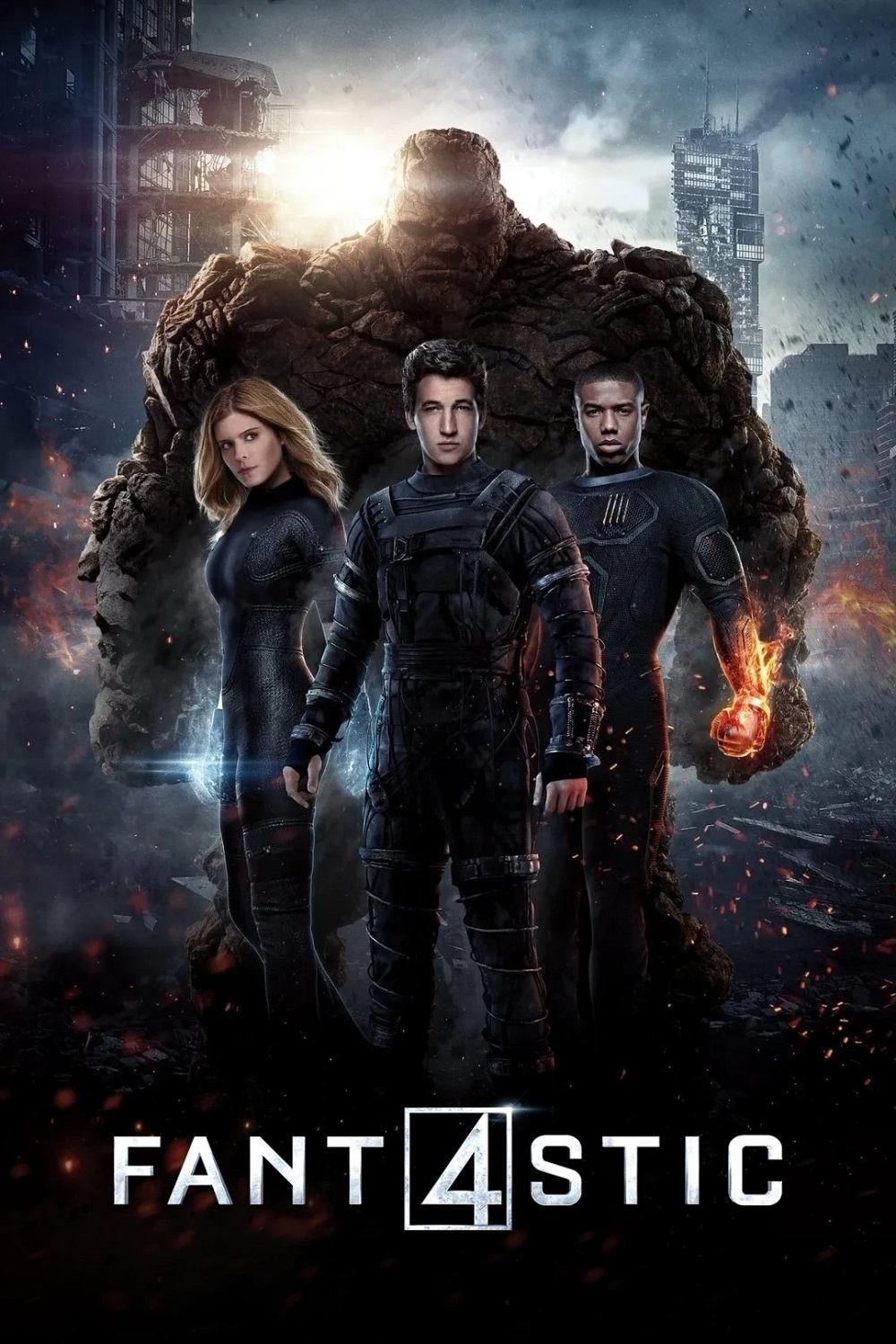
This superhero reboot faced a wave of online toxicity when Michael B. Jordan was cast as Johnny Storm. While the casting was a step forward for diversity the final film reportedly cut significant scenes involving his family and background. The production was famously troubled and the director distanced himself from the final version. Audiences rejected the movie and it became one of the most famous box office bombs in the genre. The lack of a cohesive vision and the reduction of character arcs contributed to its failure.
‘Mulan’ (2020)

The live action remake of ‘Mulan’ removed several beloved elements from the original animated film including the character Li Shang. This decision was met with disappointment from fans who appreciated the original’s exploration of gender and leadership. The film also faced criticism for being filmed in a region associated with human rights abuses against minority groups. While it was released on a streaming platform its theatrical performance in key markets was very poor. The controversies surrounding the production and the changes to the story alienated many potential viewers.
‘Chaos Walking’ (2021)

This science fiction film featured a diverse cast including Cynthia Erivo but saw many of its most interesting subplots reduced in the final edit. Based on a popular book series the movie suffered through years of reshoots and delays. The promised depth of the various factions on the alien world was missing from the theatrical release. Audiences found the story confusing and the film was a major financial loss for the studio. The reduction of supporting character roles left the world feeling empty and underdeveloped.
‘The Dark Tower’ (2017)
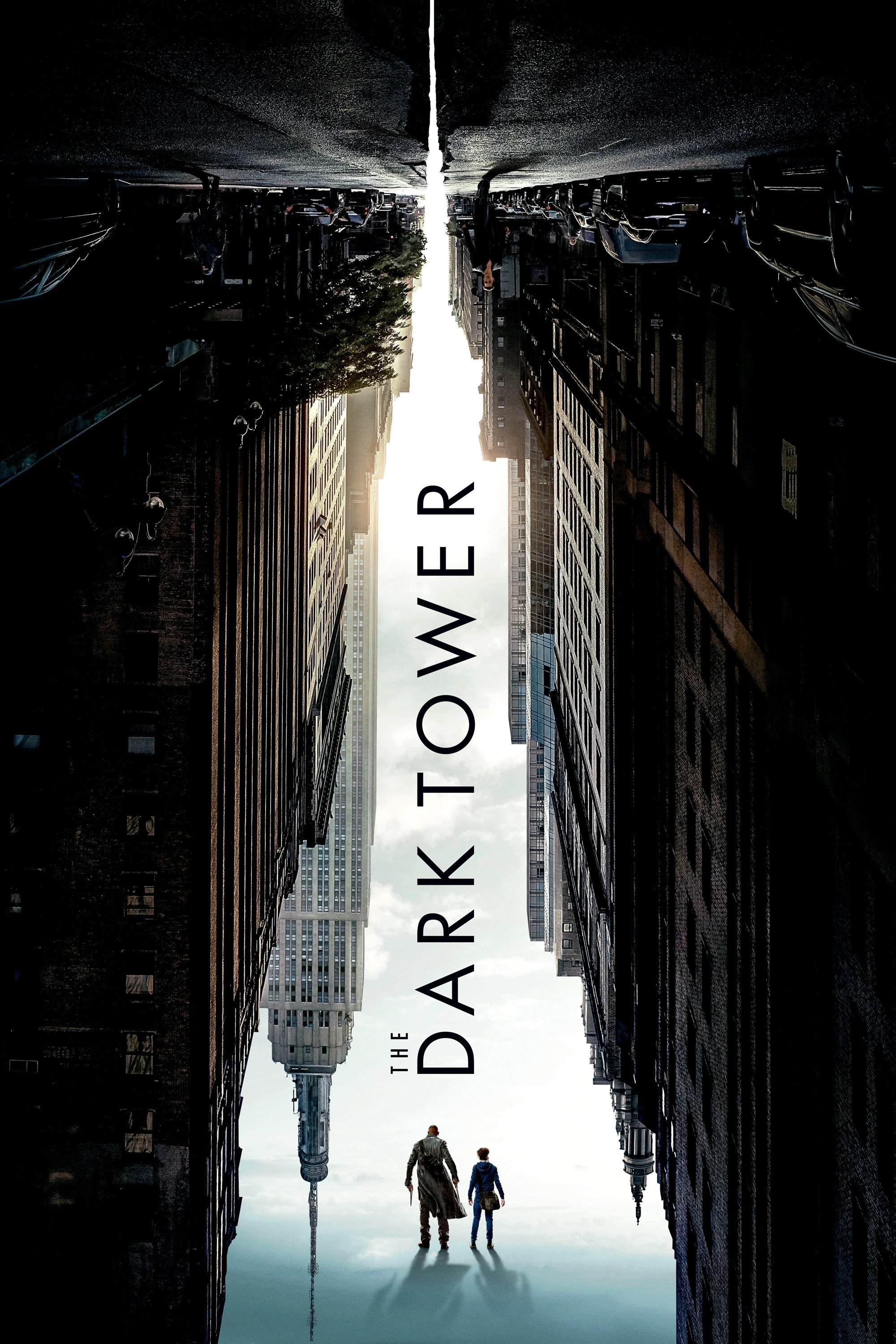
The adaptation of Stephen King’s epic series cast Idris Elba as the lead character Roland Deschain. While the casting was praised the film itself was criticized for condensing a massive story into a very short runtime. Many subplots involving the diverse world of Mid-World were cut to focus on a more generic action narrative. Fans of the books were disappointed by the lack of world building and the simplified themes. The film failed at the box office and plans for a television spin off were eventually reworked.
‘Amsterdam’ (2022)
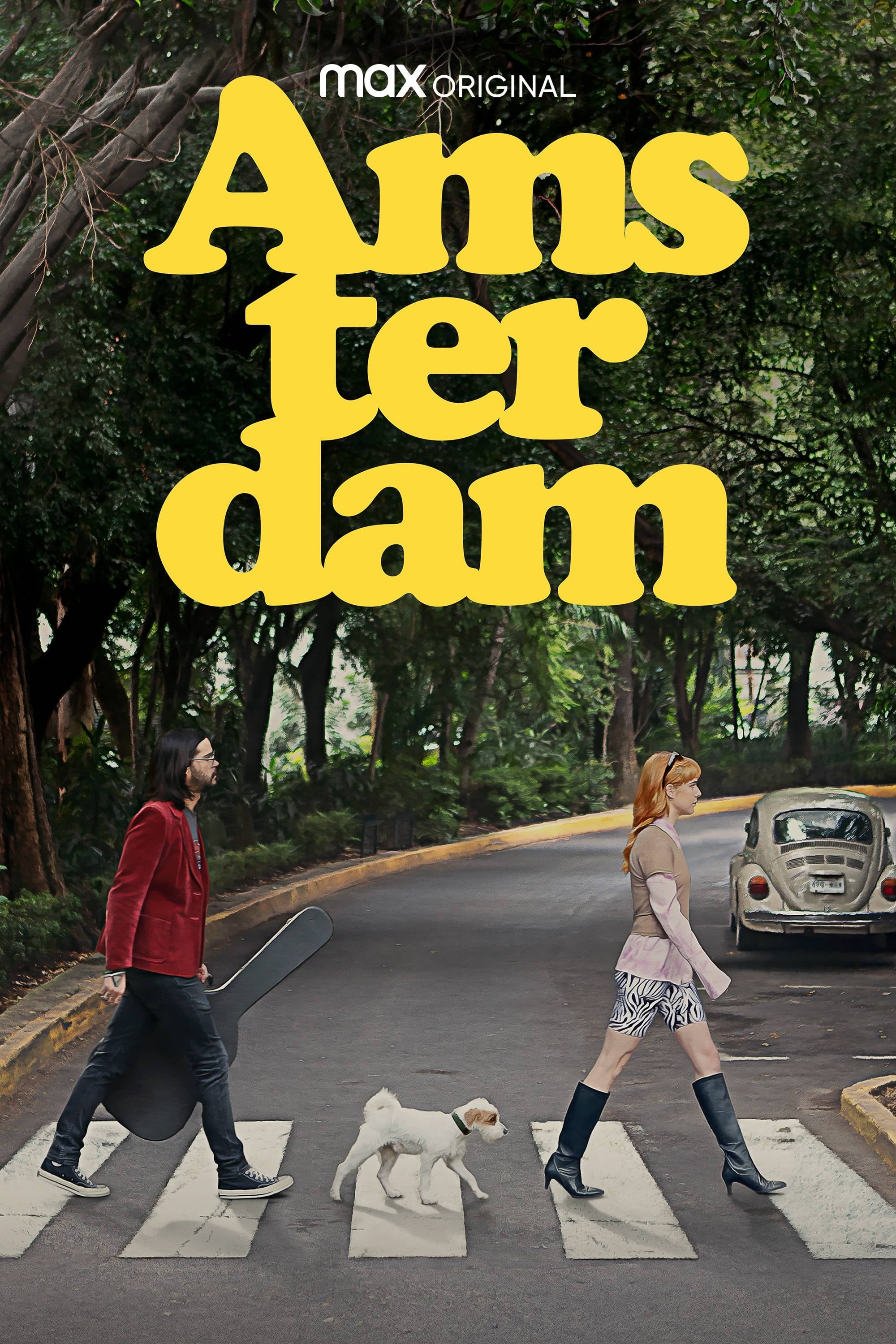
This star studded period piece was based on a real historical conspiracy involving various American figures. The film was criticized for focusing heavily on its white leads while marginalizing the minority characters who were central to the actual history. Promised insights into the veteran experience and racial dynamics of the era felt underdeveloped in the final cut. The film was a massive commercial failure and lost the studio tens of millions of dollars. Its confusing narrative and lack of focus on its historical weight were major points of criticism.
‘The 355’ (2022)
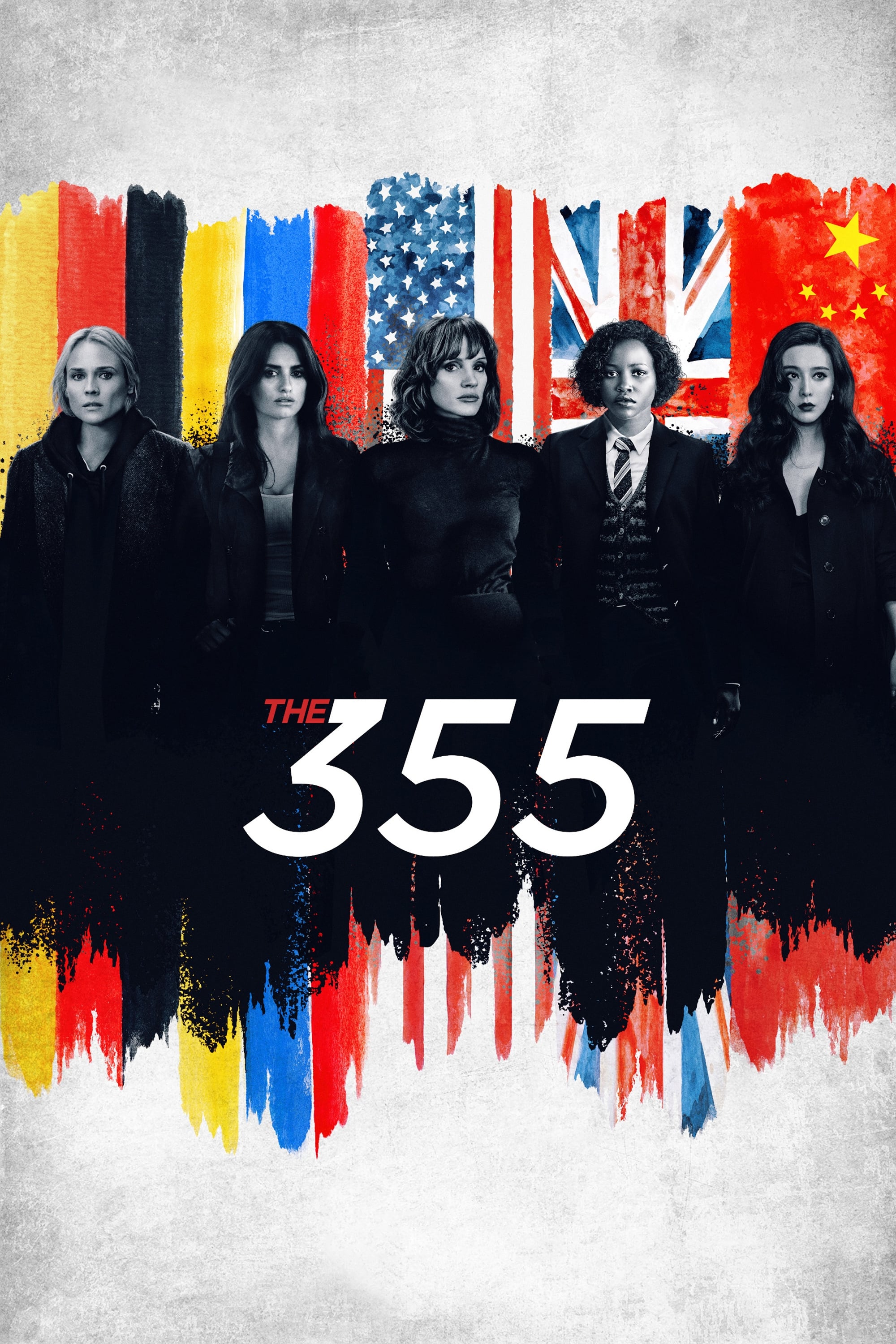
This spy thriller featured a global cast of women from different cultural backgrounds and was marketed as a new kind of action ensemble. However the film was criticized for its generic script and for not fully utilizing the unique perspectives of its characters. The promised deep dive into the lives of these international agents felt like a standard action movie instead. It failed to attract audiences in a crowded market and became one of the first major bombs of its year. The lack of cultural specificity made the diverse cast feel like a marketing gimmick.
‘Cats’ (2019)
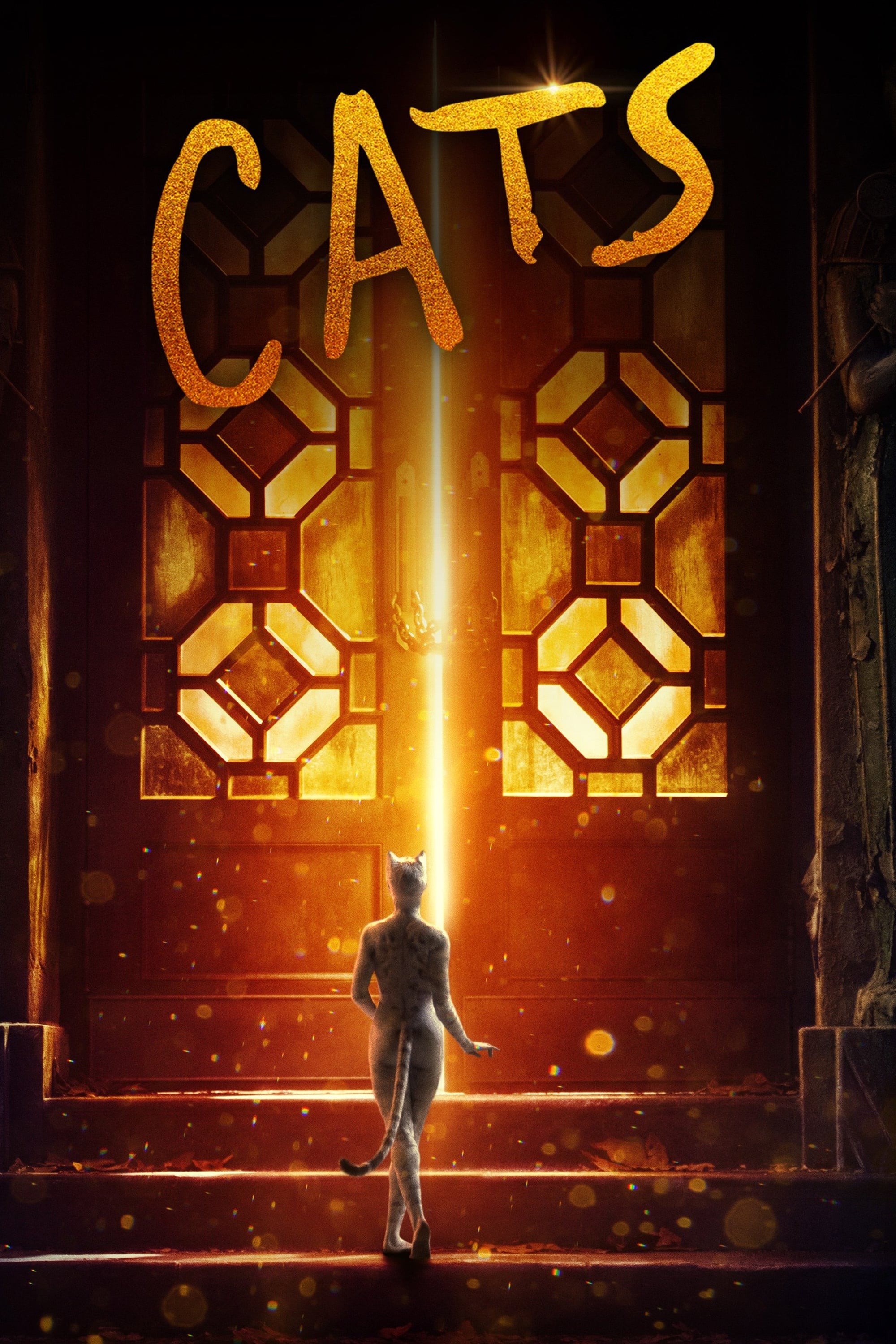
The film adaptation of the hit musical featured a diverse cast but became a target for ridicule because of its visual effects. Several performers including Jason Derulo and Francesca Hayward had their roles and screen time significantly impacted by the chaotic production. The promised spectacle turned into a nightmare for the studio as the film bombed spectacularly at the box office. It lost an estimated one hundred million dollars and became a cultural punchline. The failure of the film was attributed to its bizarre execution and the lack of a coherent narrative.
‘The Kitchen’ (2019)
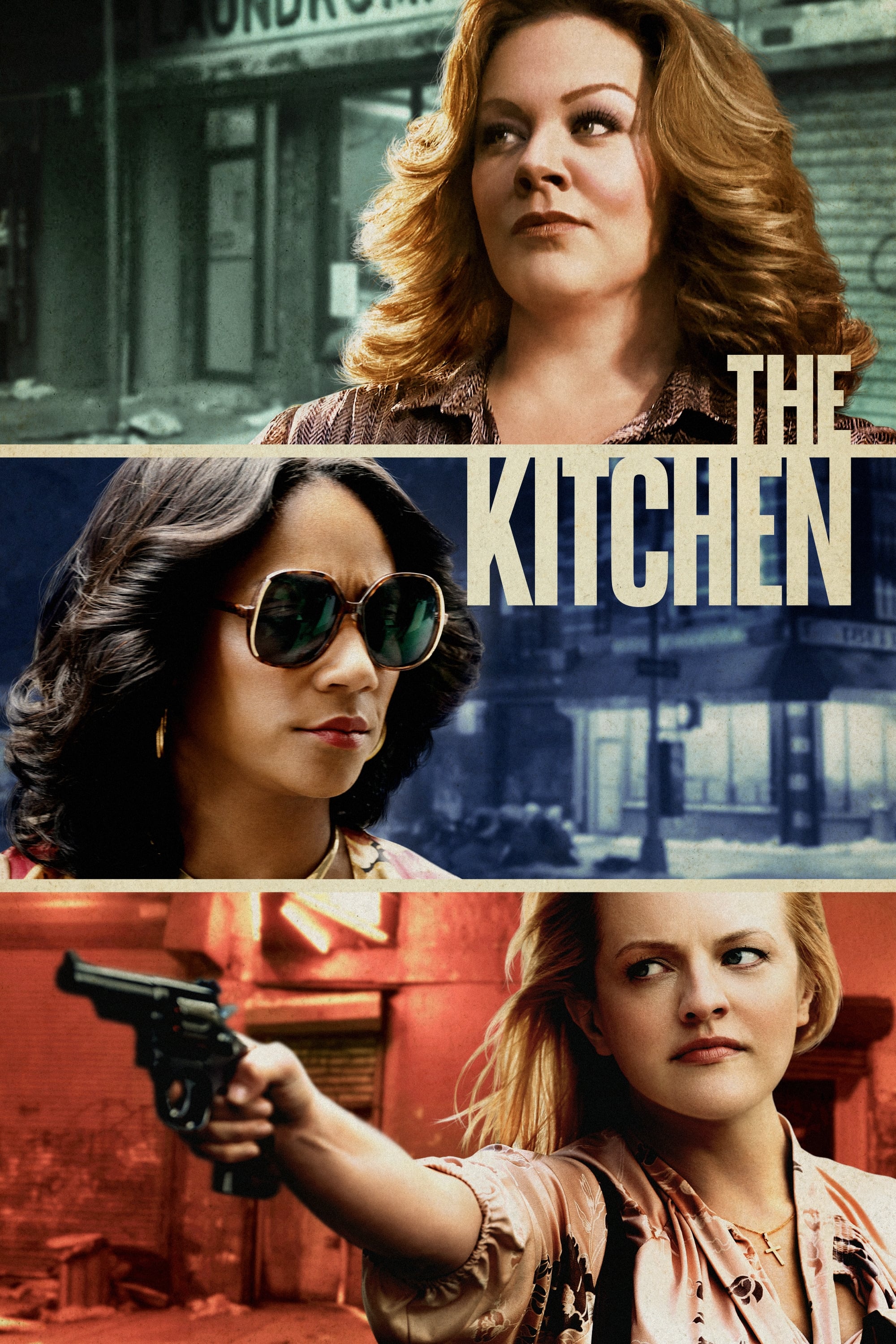
Set in 1970s Hell’s Kitchen this crime drama focused on three mob wives who take over their husbands’ business. While the film featured a diverse cast it was criticized for its uneven tone and for cutting out the grit of the original comic book. The promised exploration of the community’s racial and social tensions was largely ignored in favor of a standard thriller. The film failed to find an audience and was a disappointment for the studio. Its lack of depth prevented it from becoming a standout in the genre.
‘In the Heights’ (2021)
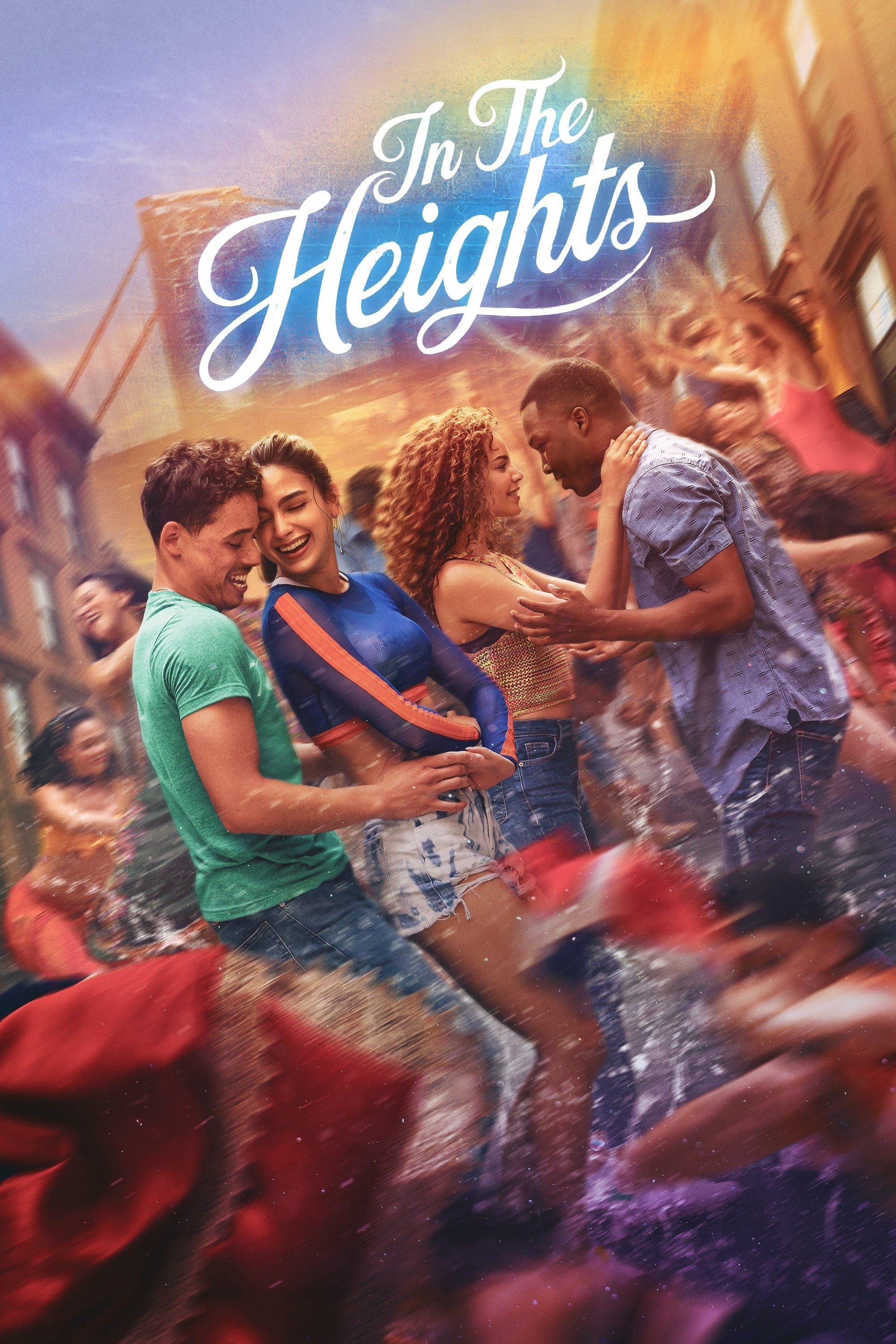
This musical adaptation was initially praised for its celebration of the Dominican community in Washington Heights. However it faced a significant backlash regarding the lack of Afro-Latino representation in lead roles. The controversy grew as the director and producers addressed the concerns which some felt overshadowed the film’s release. Despite strong reviews from critics the movie underperformed significantly at the box office. It remains a prominent example of how colorism and representation issues can impact the success of a project.
‘The Promise’ (2016)

This historical drama set during the Armenian Genocide featured a massive budget and a high profile cast. While the film was intended to bring attention to a tragic and often ignored historical event it focused on a fictional love triangle. This decision was seen by some as a way to make the story more palatable to Western audiences at the expense of historical depth. The film was a major box office bomb and failed to recoup its production costs. It highlighted the difficulty of balancing historical education with commercial entertainment.
‘Cloud Atlas’ (2012)
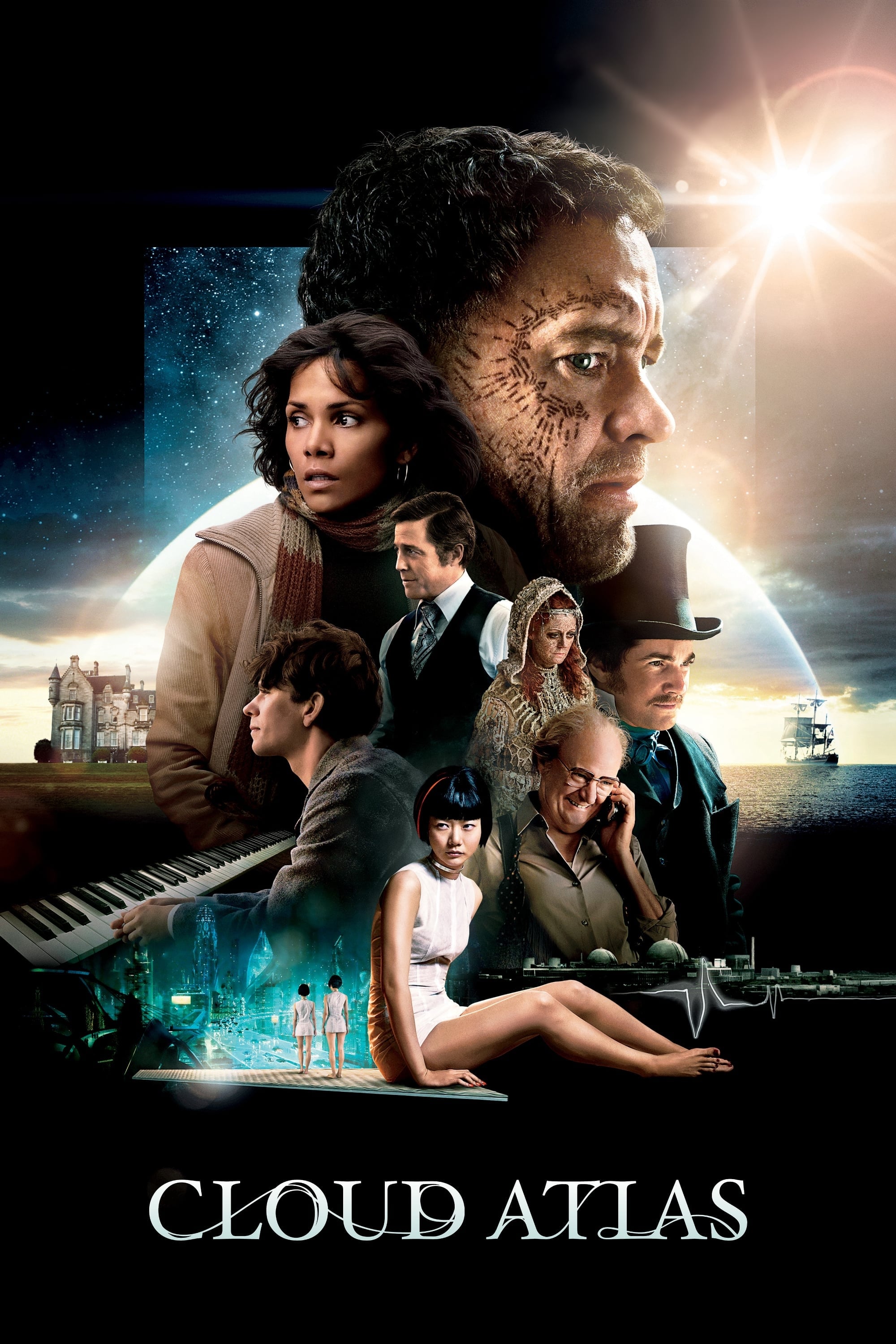
This ambitious film told six interlocking stories across different time periods and featured actors playing multiple roles. The use of makeup to have white actors play Asian characters in the future segment was met with significant backlash. This decision was defended as part of the film’s themes of reincarnation but many saw it as a form of yellowface. The film was a financial failure in the United States and divided critics and audiences alike. Its controversial approach to race and identity was a major factor in its reception.
‘Memoirs of a Geisha’ (2005)

The film adaptation of the popular novel was criticized for casting Chinese actresses in the roles of Japanese geishas. This pan Asian casting approach was seen as insensitive to the distinct cultural identities of the two nations. The promised authentic look into the secretive world of geisha culture felt compromised to many viewers. While it had some international success the film was a disappointment in Japan and failed to meet financial targets. The casting controversy remained the defining feature of its public discourse.
‘The House of the Spirits’ (1993)
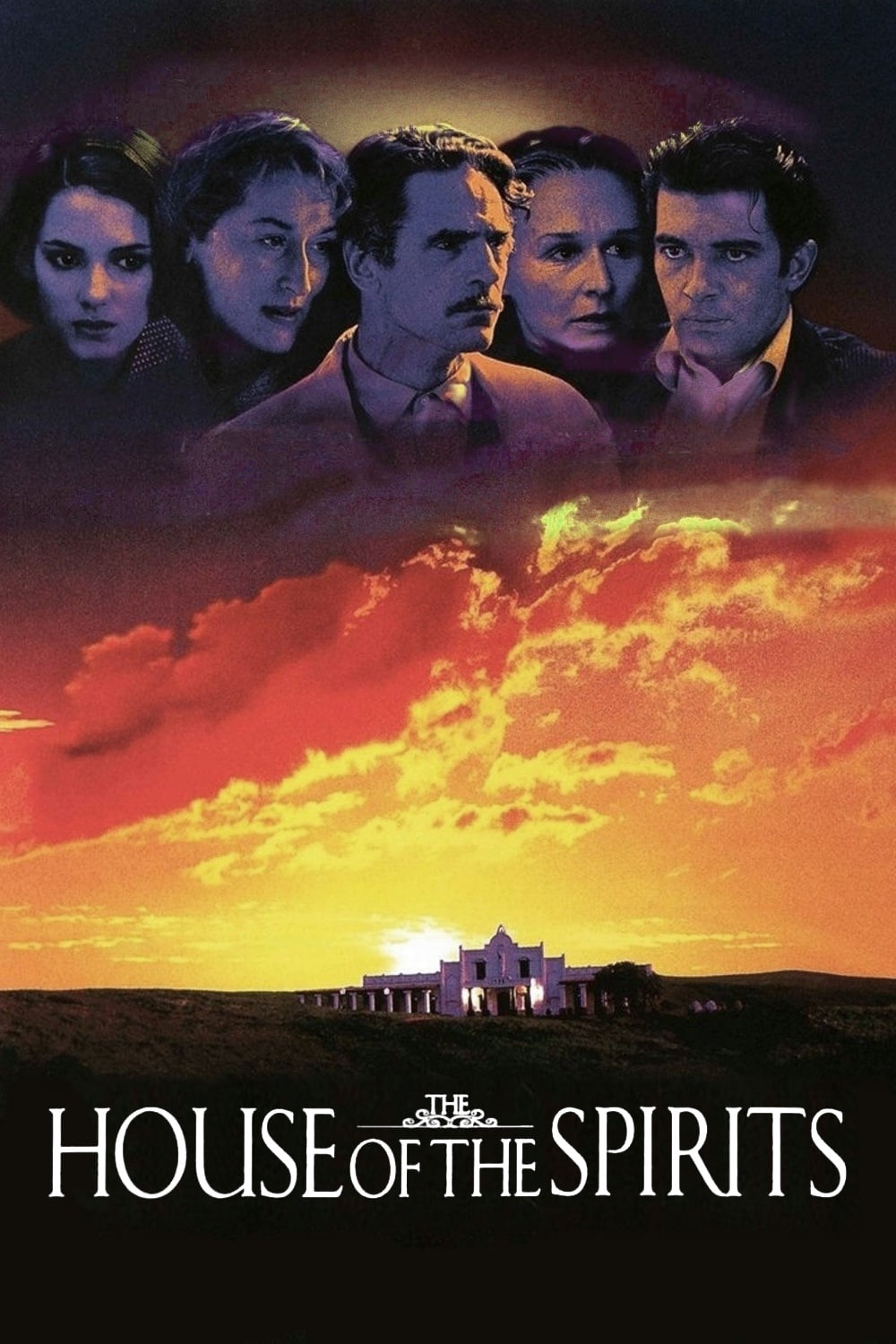
Based on the celebrated novel by Isabel Allende this film featured a predominantly white cast playing Chilean characters. Meryl Streep and Jeremy Irons were cast in roles that many felt should have gone to Latinx actors. This decision erased the cultural and political context that was essential to the original story. The film was a critical and commercial failure and is often cited as a major example of whitewashing in the nineties. It failed to capture the magical realism and heart of the source material.
‘A Little Chaos’ (2014)

This period drama about the gardens of Versailles was criticized for its lack of historical diversity. While the film featured a fictional female lead it completely ignored the presence of black individuals in the French court of the time. The promised look at the social dynamics of the era felt incomplete and modernized in a way that didn’t ring true. The film had a very limited release and failed to make a mark at the box office. Its narrow focus on a traditional narrative prevented it from reaching a wider audience.
‘The 13th Warrior’ (1999)
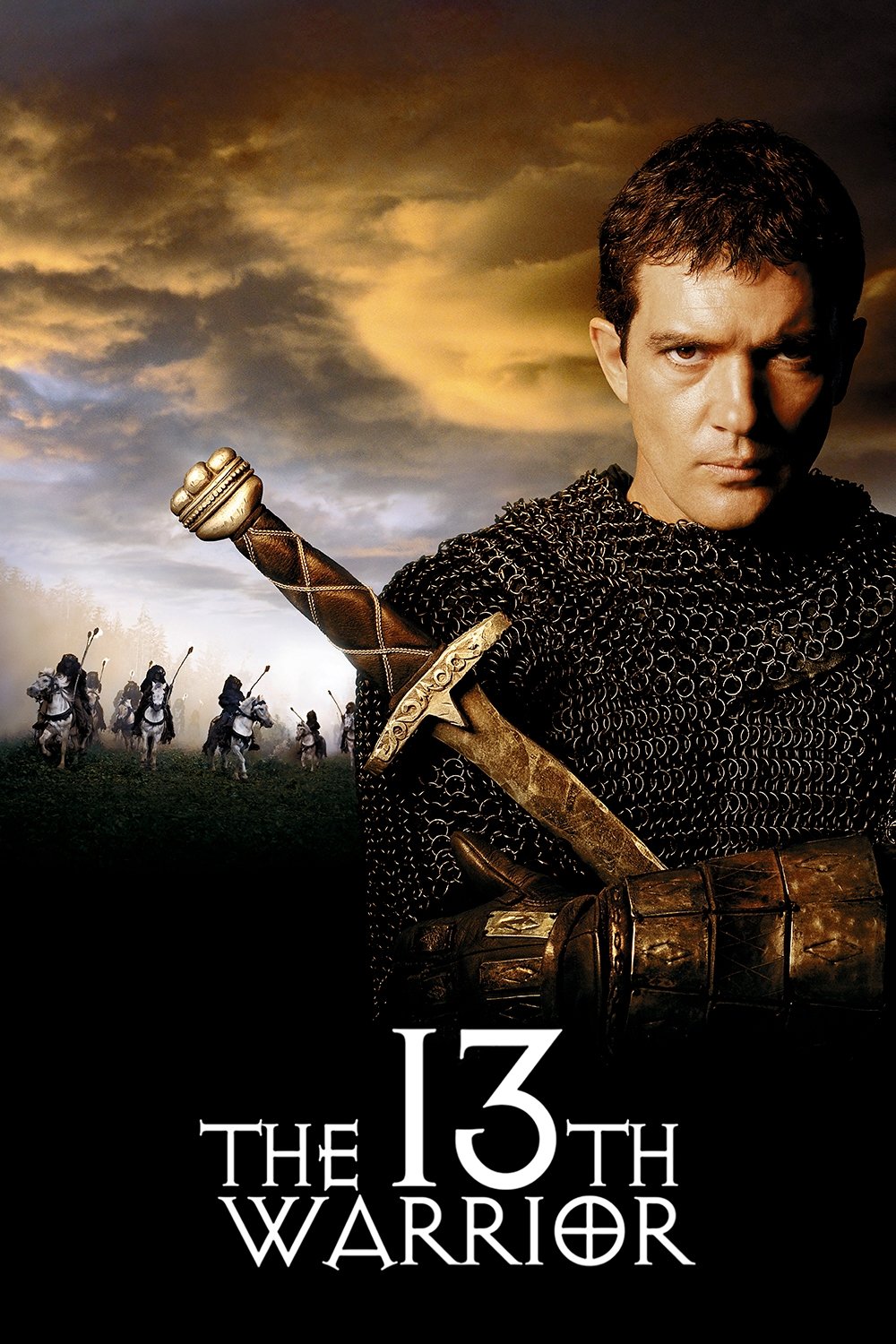
This action film featured Antonio Banderas as an Arab ambassador who joins a group of Vikings. The production was notoriously troubled and the final cut was heavily edited following poor test screenings. Much of the promised cultural exchange and development between the different groups was lost in the process. The film was one of the biggest box office disasters of its time and lost the studio a fortune. It remains a cult classic for some but its failure was a major blow to its creators.
‘Seventh Son’ (2014)
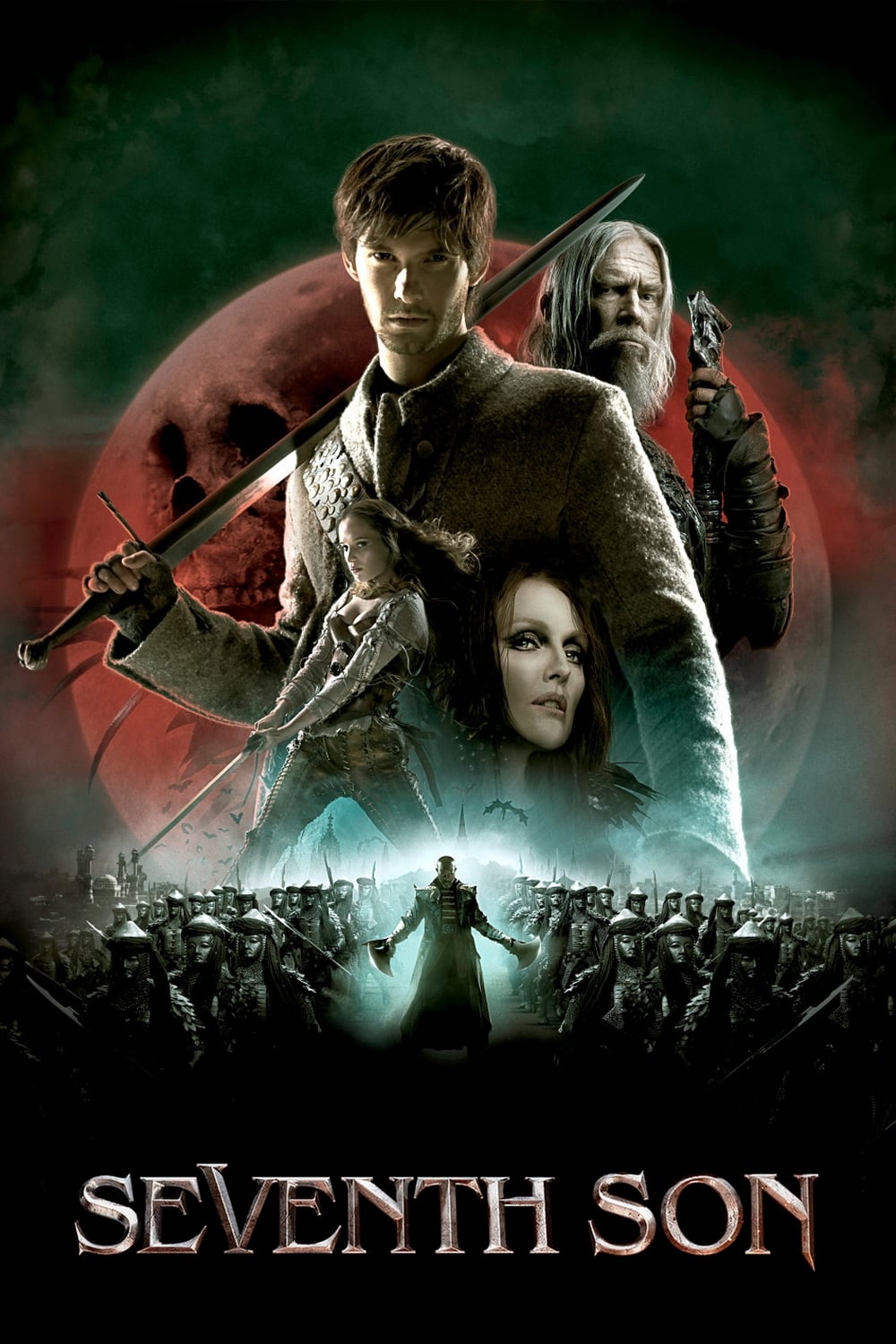
This fantasy film featured a diverse world in its promotional materials but focused on a very traditional hero’s journey. Several minority characters were relegated to the background or had their roles reduced during the editing process. The film was delayed multiple times and received poor reviews upon its eventual release. It failed to find an audience and was a significant financial loss for the studio. The lack of a unique voice or meaningful representation made it feel like a generic fantasy project.
‘The Legend of Tarzan’ (2016)
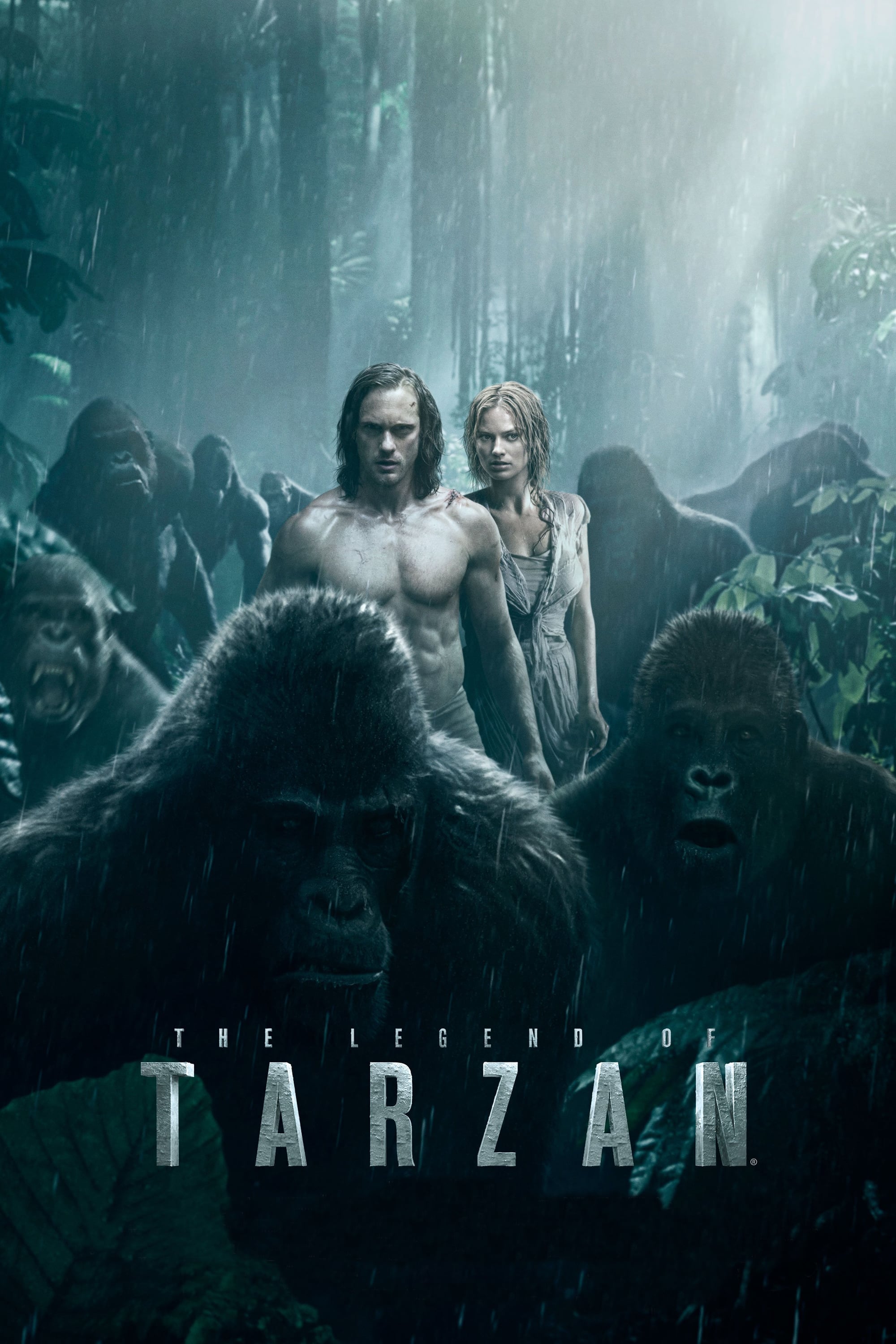
While this film attempted to address the colonial themes of the original story it was criticized for its white savior narrative. Samuel L. Jackson played a real historical figure but his role was seen by some as secondary to the fictional hero. The promised exploration of the Congo and its people was often overshadowed by the action sequences. The film underperformed at the box office and failed to launch a new franchise. Its attempt to modernize the character was not enough to overcome the inherent issues of the source material.
‘King Arthur: Legend of the Sword’ (2017)
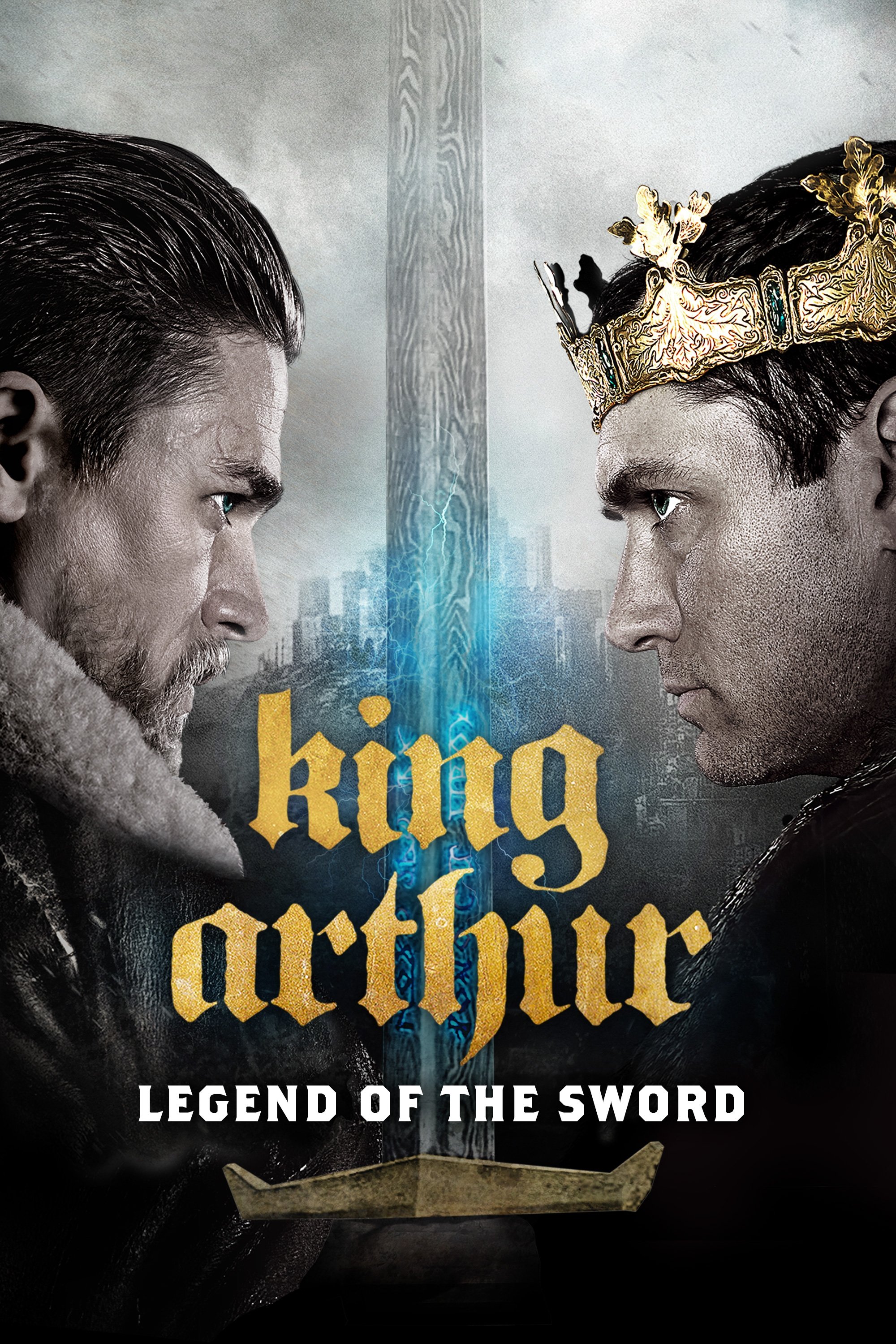
Guy Ritchie’s take on the Arthurian legend featured a diverse cast of knights in the lead’s inner circle. However many of these characters had very little screen time or development in the final theatrical version. The promised ensemble dynamic felt rushed and the focus remained squarely on the titular hero. The film was a massive box office bomb and resulted in a significant loss for the studio. Audiences were not interested in this stylized and fragmented version of the classic tale.
‘Hercules’ (2014)
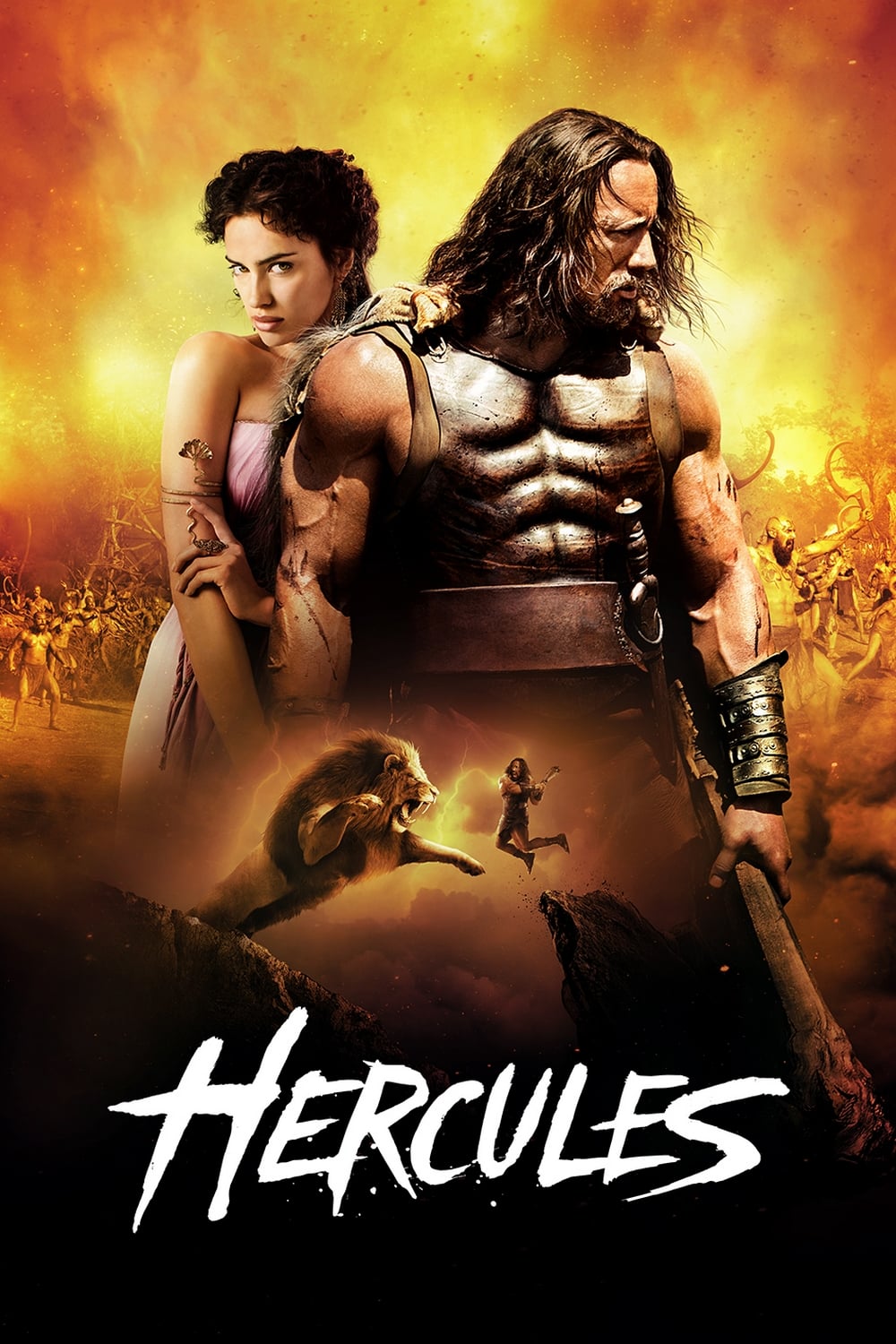
This version of the Greek myth featured Dwayne Johnson and was marketed as a grounded take on the legend. While the cast was diverse the film was criticized for its lack of cultural depth and for using a very standard action formula. The promised deconstruction of the myth felt superficial in the final cut of the movie. It underperformed at the domestic box office and failed to stand out among other similar films. The project was quickly forgotten by the general public following its release.
‘Ben-Hur’ (2016)
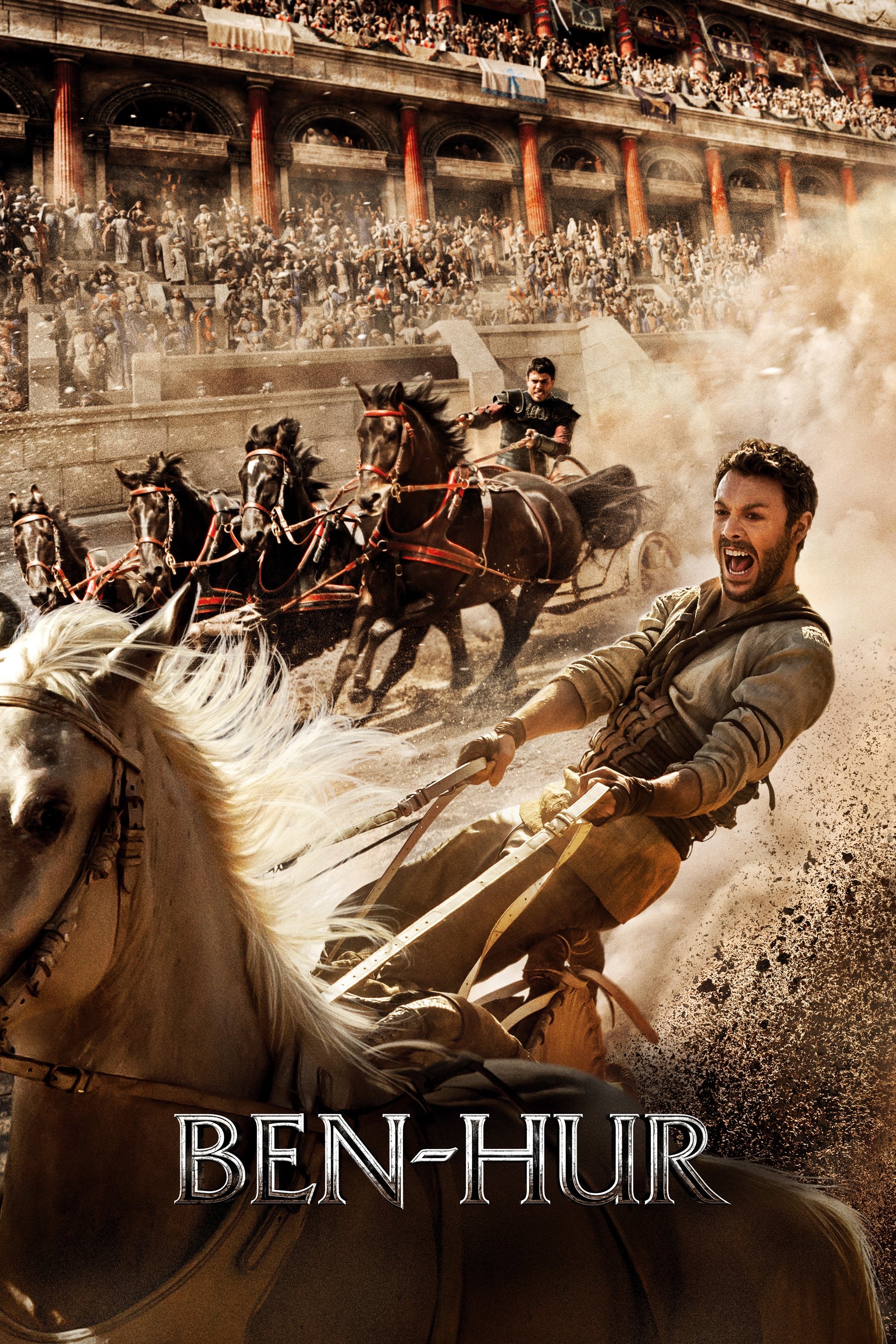
The remake of the classic epic featured a more diverse cast than the original 1959 film but failed to resonate with audiences. Much of the promised spiritual and cultural depth was lost in favor of modern action sequences. The film was criticized for being unnecessary and for lacking the gravitas of its predecessor. It was one of the biggest bombs of the year and resulted in a massive loss for the production companies. The attempt to update the story for a modern audience fell flat in every major market.
‘Mortdecai’ (2015)
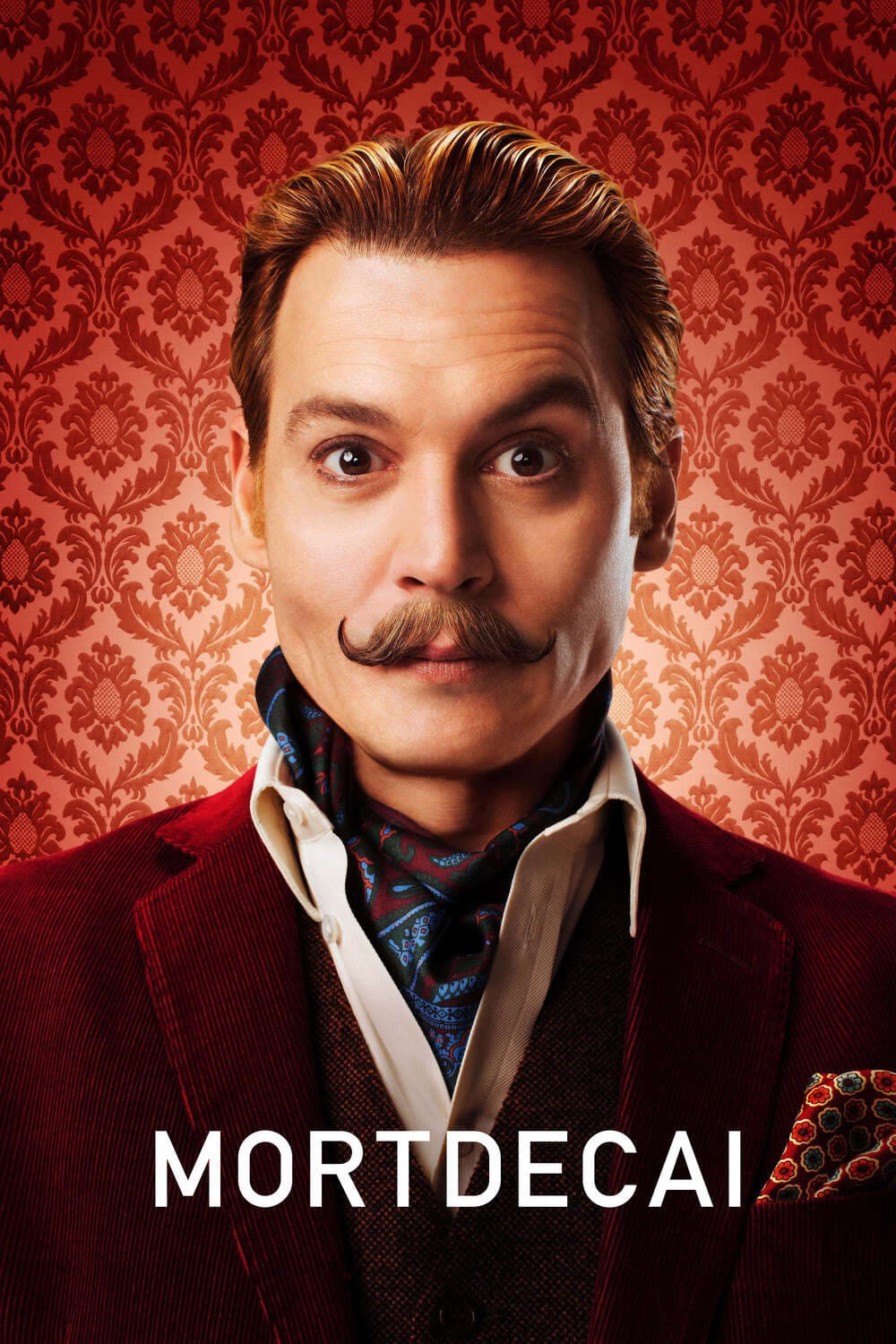
This action comedy featured Johnny Depp and was criticized for its lack of diversity and its reliance on tired tropes. The film was marketed as a global adventure but it felt very insular and disconnected from the cultures it visited. Promoters suggested a witty and fast paced caper but the final product was panned by critics. The film was a major box office failure and further damaged the reputation of its lead actor. Its lack of appeal was evident in its very low ticket sales.
‘The Hunt’ (2020)
This satirical thriller faced a firestorm of controversy before its release due to its political themes. The film was briefly pulled from the schedule and its marketing was heavily altered. While it featured a diverse group of characters many felt the final cut played it too safe to avoid further backlash. The movie underperformed significantly at the box office and failed to spark the conversation it intended. Its release was further hampered by the beginning of the global pandemic.
‘Jupiter Ascending’ (2015)
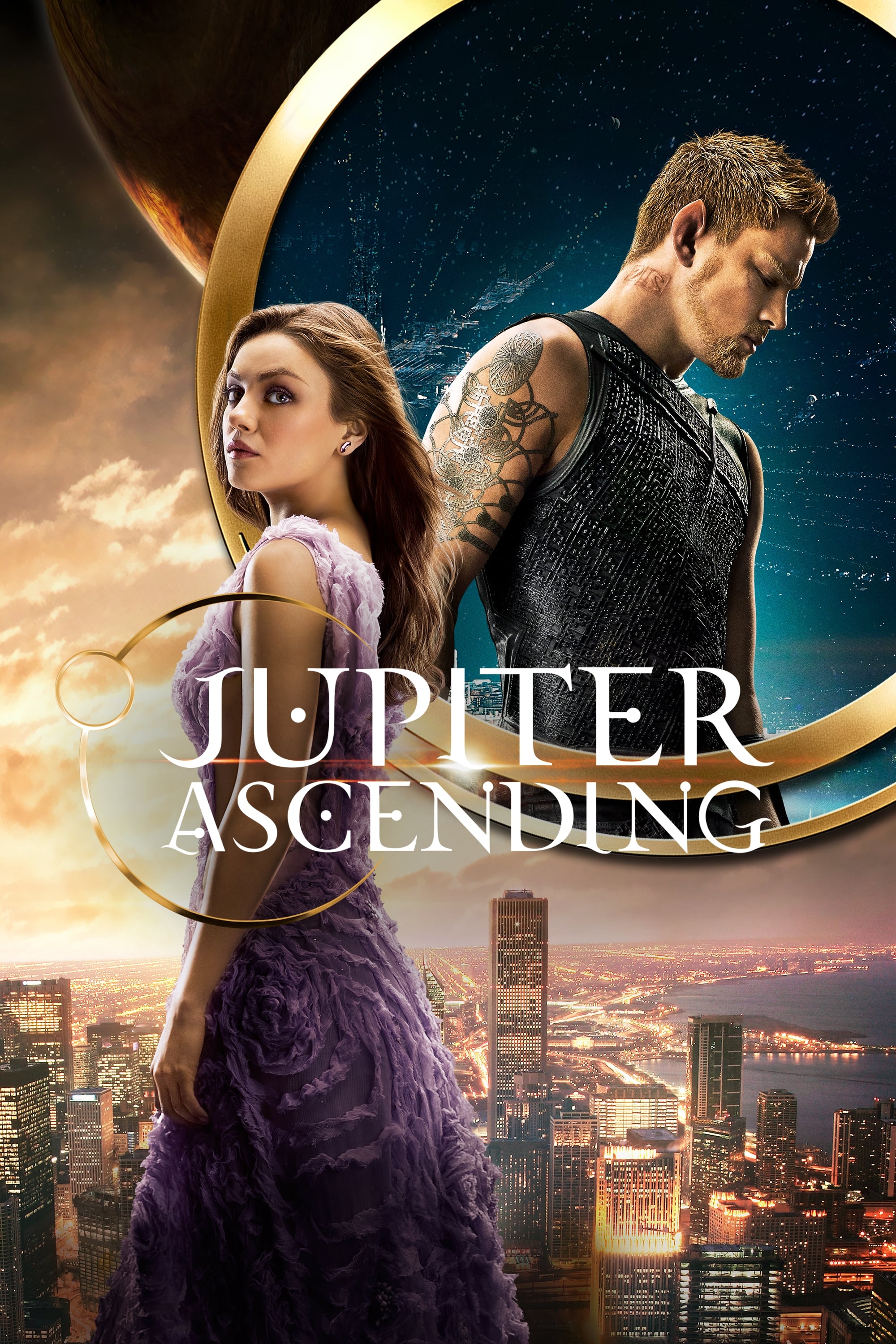
The Wachowskis created a vast and diverse universe for this science fiction epic. However the film was criticized for its convoluted plot and for cutting significant character development for its supporting cast. Many of the interesting alien cultures and minority characters were reduced to mere background dressing. The film was a major box office bomb and failed to recoup its massive budget. It remains a notable example of an ambitious project that failed to connect with a mainstream audience.
‘Robin Hood’ (2018)
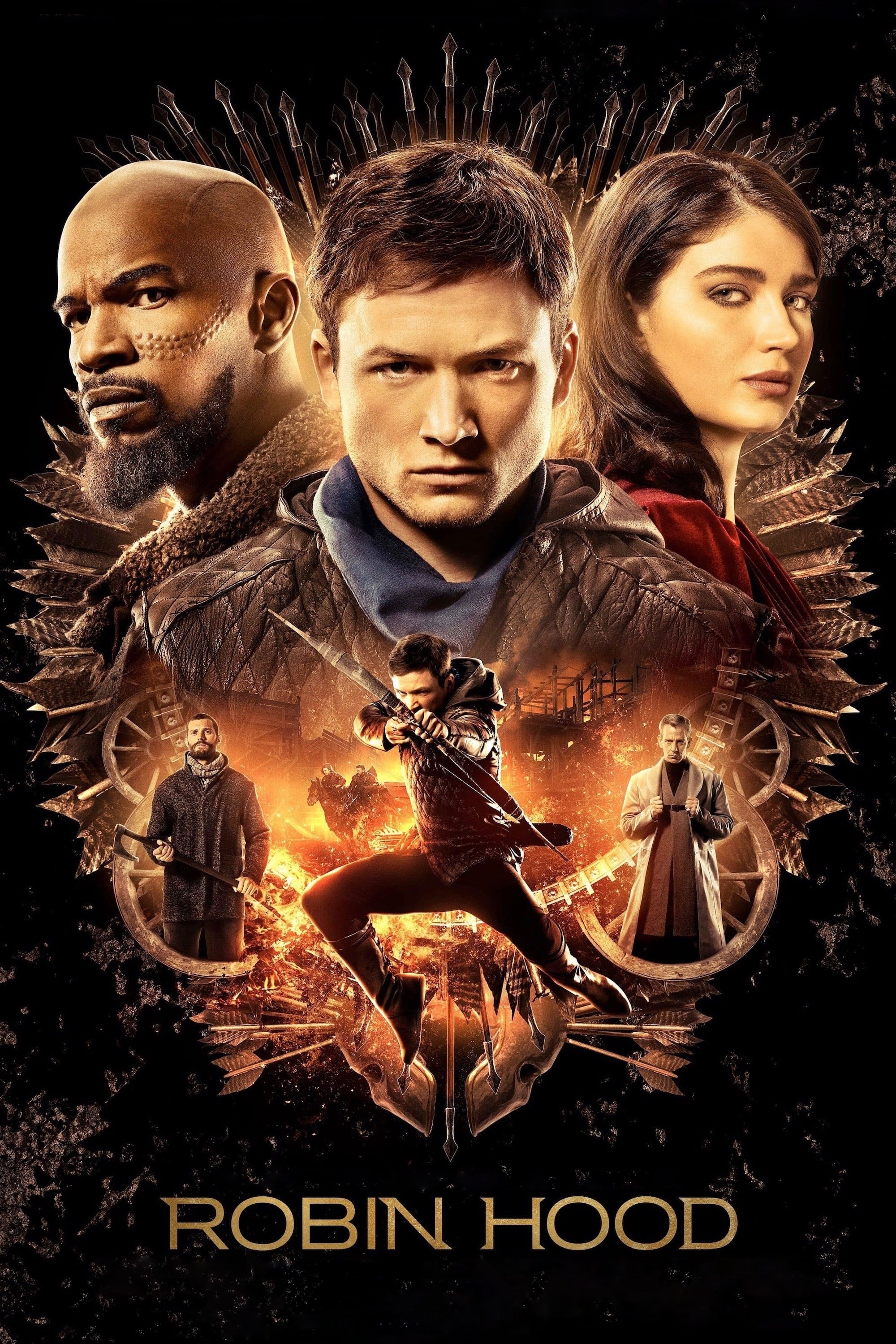
This gritty reboot of the classic legend featured Jamie Foxx as a Saracen warrior who trains the hero. While the role was a major part of the marketing the final film was criticized for its lack of depth and historical inaccuracies. The promised exploration of the Crusades from a non Western perspective was largely ignored. The film was a massive financial disaster and was panned by critics for its confused tone. It failed to launch the intended cinematic universe for the character.
‘Battleship’ (2012)
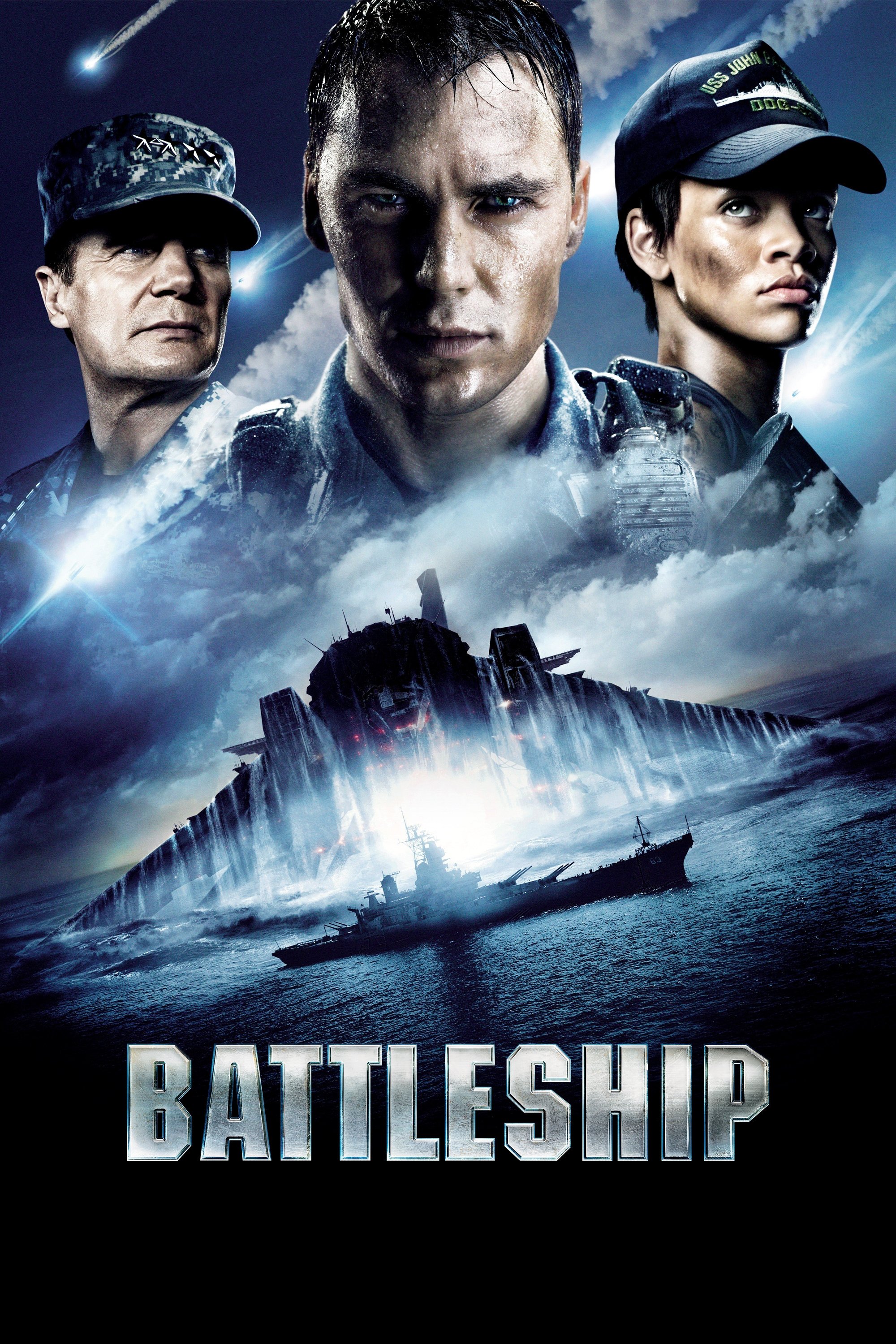
Based on the board game this action film featured Rihanna in her film debut. While her presence was a major selling point her character was given very little to do in the final edit. The promised spectacle of a diverse naval crew fighting aliens felt generic and uninspired. The film was a box office disappointment in the United States and lost the studio a significant amount of money. It is often cited as an example of a film that relied too heavily on its brand and its stars.
‘After Earth’ (2013)
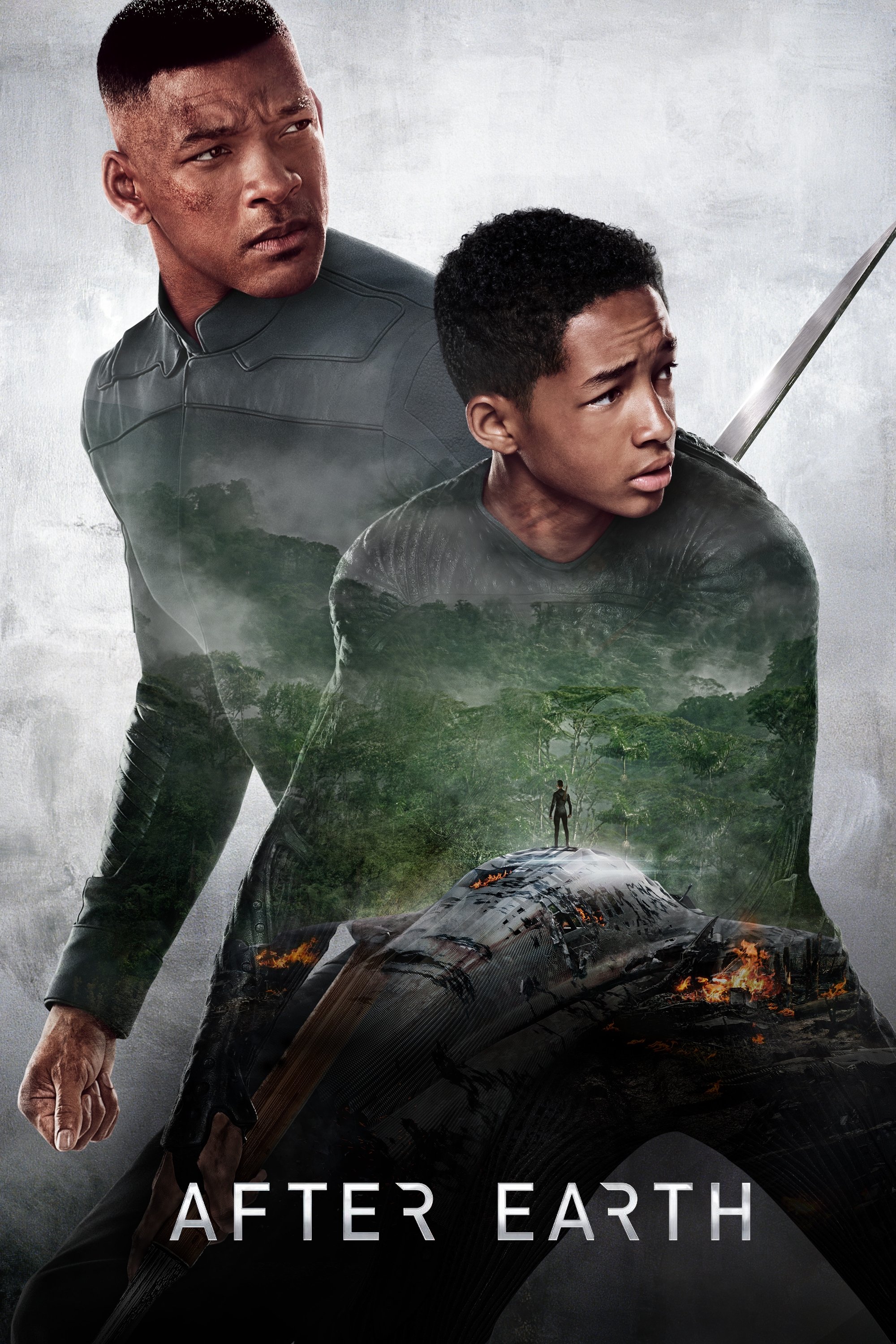
This science fiction film starred Will Smith and his son Jaden Smith and was intended to be a major blockbuster. However the movie was panned for its poor acting and its lack of an engaging story. While it featured black leads the film was criticized for its thin world building and for cutting out promised emotional depth. The movie underperformed at the box office and was a significant blow to the careers of its stars. It failed to capture the interest of the global audience.
‘A Wrinkle in Time’ (2018)
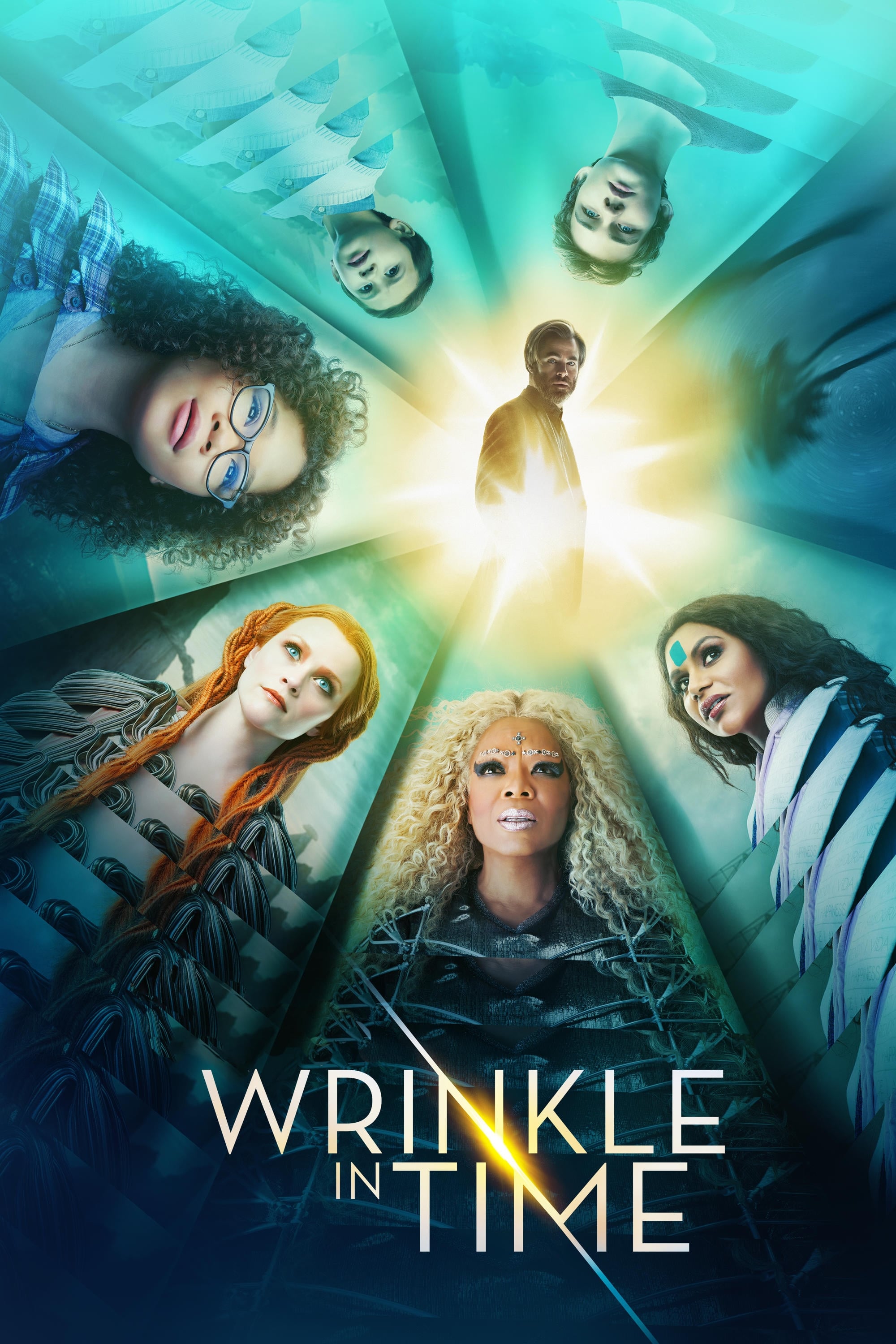
Ava DuVernay directed this adaptation of the classic novel with a very diverse and talented cast. While the film was praised for its visual style it was criticized for cutting many of the book’s spiritual and complex themes. The promised journey felt disjointed and lacked the emotional weight that fans of the source material expected. The film was a financial disappointment for Disney and failed to find a large audience. Its failure was a setback for big budget films led by minority directors.
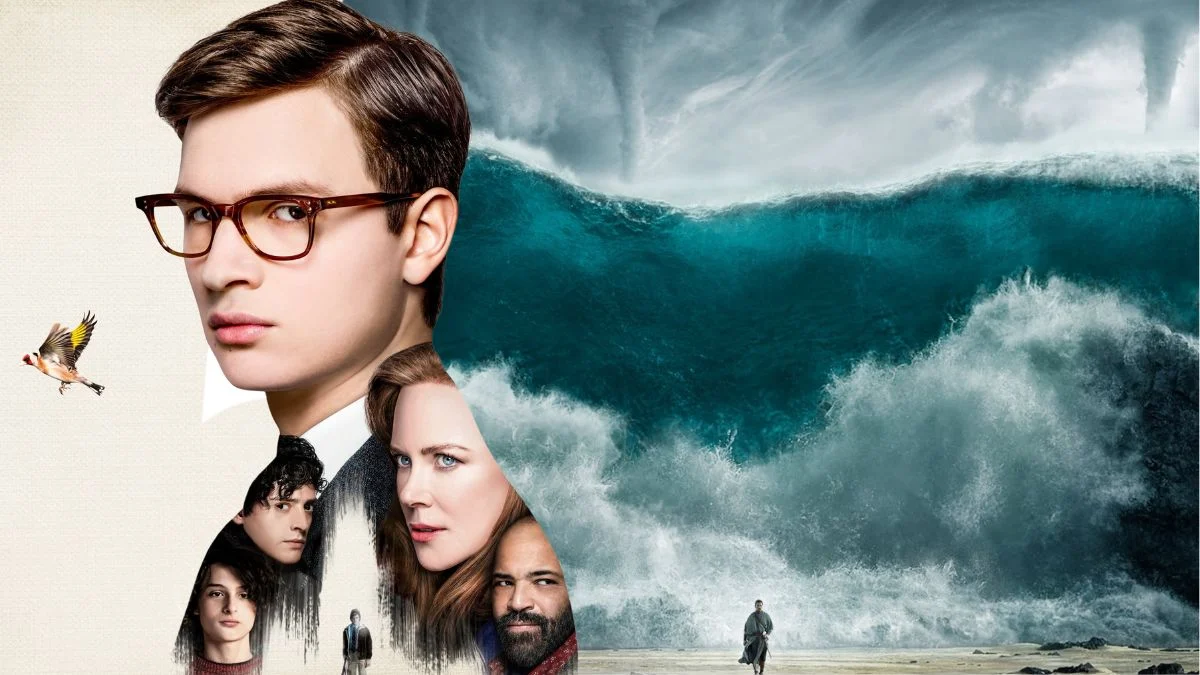
‘The Goldfinch’ (2019)

Based on a Pulitzer Prize winning novel this film featured a diverse supporting cast but received negative reviews. Much of the book’s depth and the stories of its minority characters were reduced to fit a standard runtime. The promised adaptation of a complex and emotional story felt hollow and rushed in the final version. The film was a major box office bomb and failed to recoup its production costs. It showed that even prestigious source material can fail if the adaptation lacks focus.
‘Deepwater Horizon’ (2016)
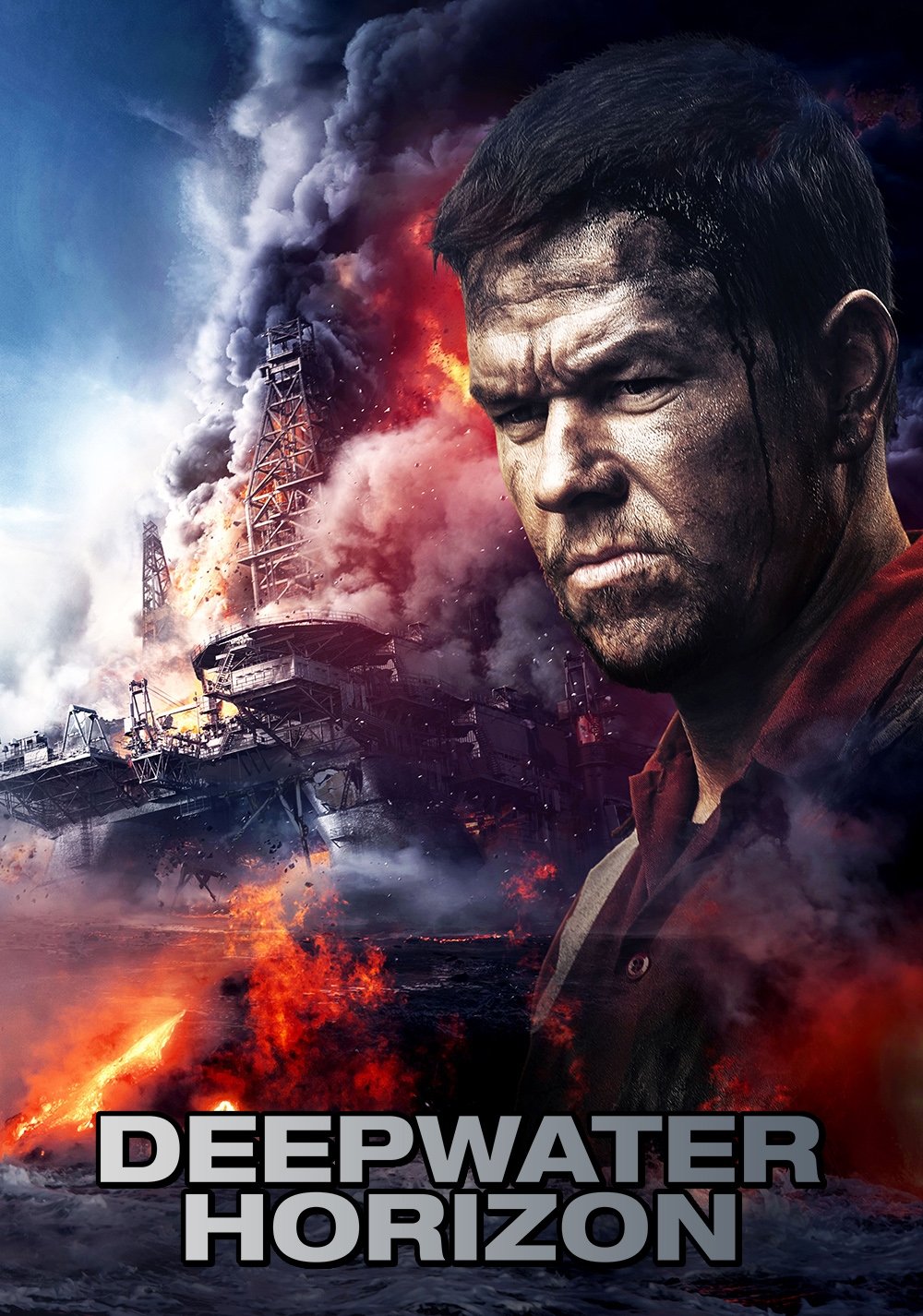
This disaster film was based on real events and featured a diverse crew of workers on the oil rig. However the final cut focused heavily on the white leads while marginalizing the experiences of the other workers. The promised tribute to all the victims and survivors felt incomplete to some viewers. The film underperformed at the box office despite receiving positive reviews from critics. It struggled to find an audience in a competitive market for action dramas.
‘Terminator: Dark Fate’ (2019)
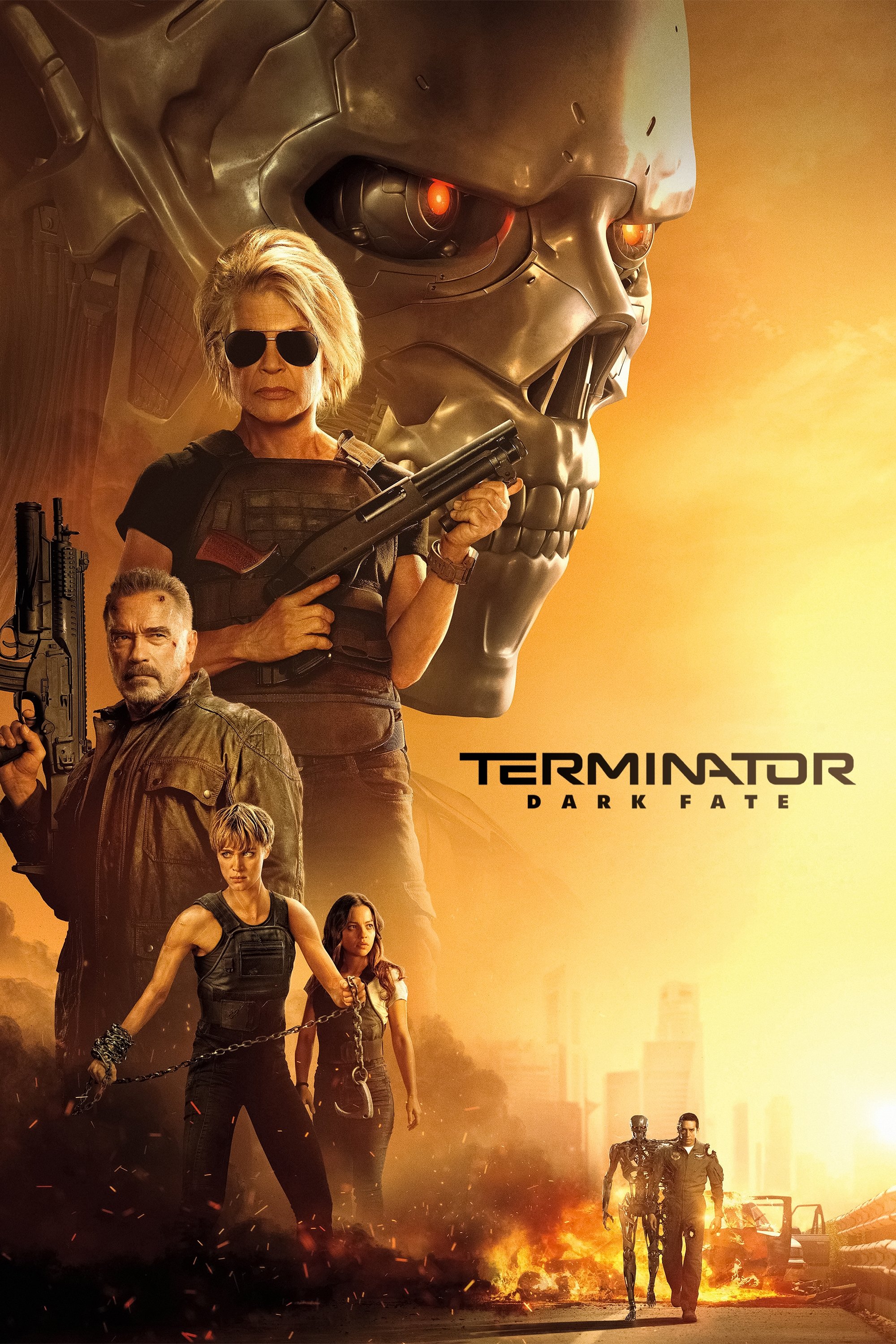
This sequel featured a diverse cast of new characters including Natalia Reyes and Gabriel Luna. While it was intended to revitalize the franchise it was criticized for its recycled plot and for cutting significant backstory for the new heroes. The promised fresh start for the series failed to attract the original fan base. The film was a major financial loss for the studio and effectively ended plans for further sequels. It demonstrated that even successful franchises can bomb if the execution is lacking.
‘Gemini Man’ (2019)

This action film featured Will Smith in dual roles using advanced de aging technology. While the film was a technical marvel it was criticized for its weak script and lack of character depth. The promised exploration of identity and heritage was overshadowed by the focus on special effects. The film was a significant box office failure and lost the studio a large sum of money. Audiences were not interested in the high frame rate or the generic narrative.
‘The Conqueror’ (1956)

This historical film is notorious for casting John Wayne as the Mongol leader Genghis Khan. This decision is one of the most famous examples of whitewashing in cinema history and was widely ridiculed even at the time. The promised epic of the Mongol Empire felt like a standard Western with inappropriate costumes. The film was a disaster in every sense and is often linked to the poor health of its cast and crew due to its filming location. It remains a primary example of the worst impulses of old Hollywood.
Share your thoughts on these controversial cuts and box office failures in the comments.