


Movies That Bombed After Ignoring Calls for Better Diversity



The landscape of modern cinema has been shaped by a growing demand for authentic representation and inclusive casting. When major studios overlook these expectations, they often face significant public criticism and financial underperformance. Many audiences now prioritize cultural accuracy and diverse perspectives when deciding which films to support at the theater. This article explores several prominent motion pictures that faced backlash for their casting choices or narrative exclusions. These examples illustrate the evolving relationship between global moviegoers and the entertainment industry.
‘Ghost in the Shell’ (2017)
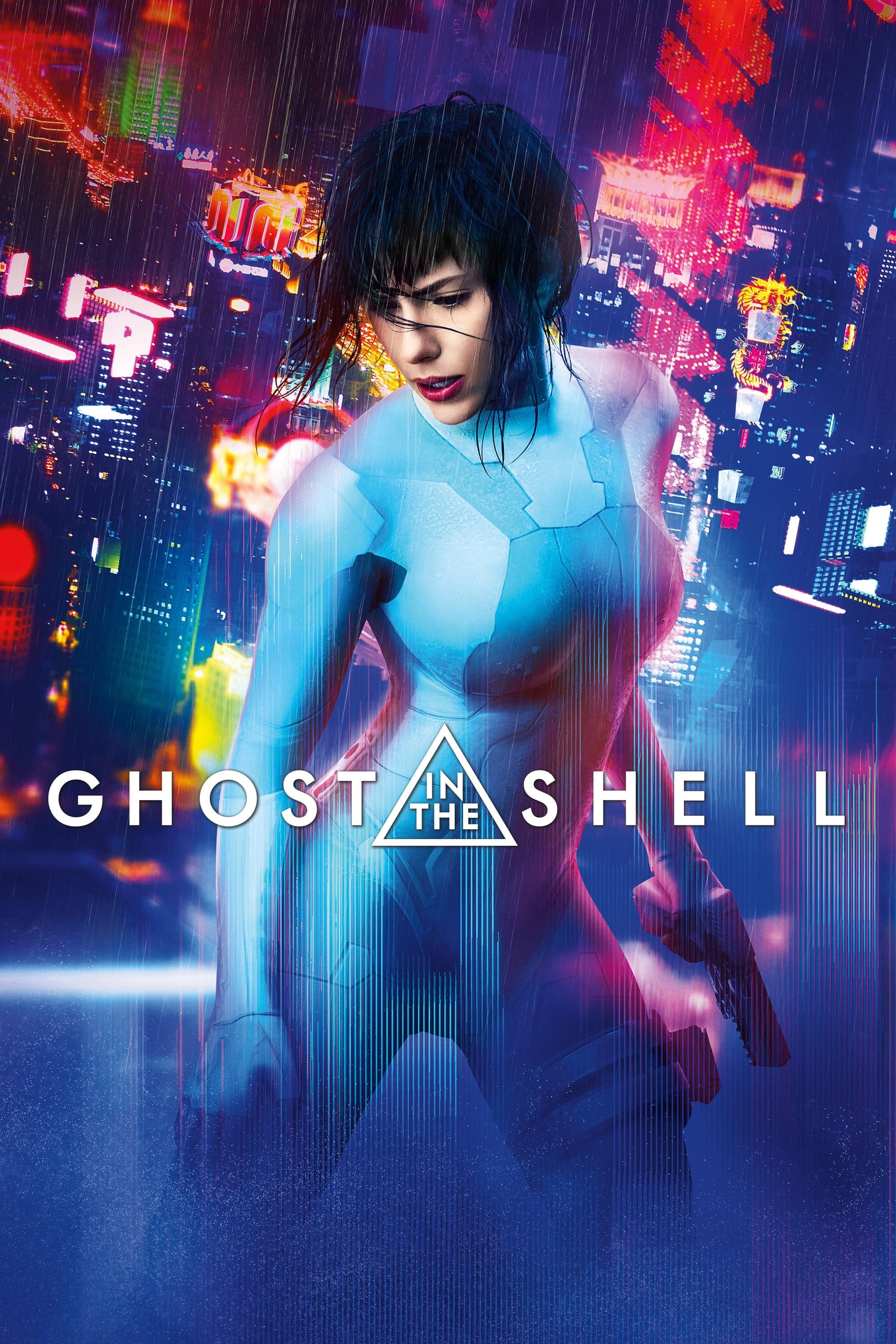
This live action adaptation of a beloved Japanese manga faced intense scrutiny for casting a white actress in the lead role of Motoko Kusanagi. Critics and fans argued that the production missed an opportunity to cast an actor of Japanese descent to honor the source material. The studio defended the decision by emphasizing the need for a global superstar to carry a high budget science fiction film. Despite high production values and visual flair, the movie failed to resonate with audiences and suffered a significant financial loss. This outcome underscored the risks associated with disregarding calls for authentic ethnic representation.
‘The Last Airbender’ (2010)
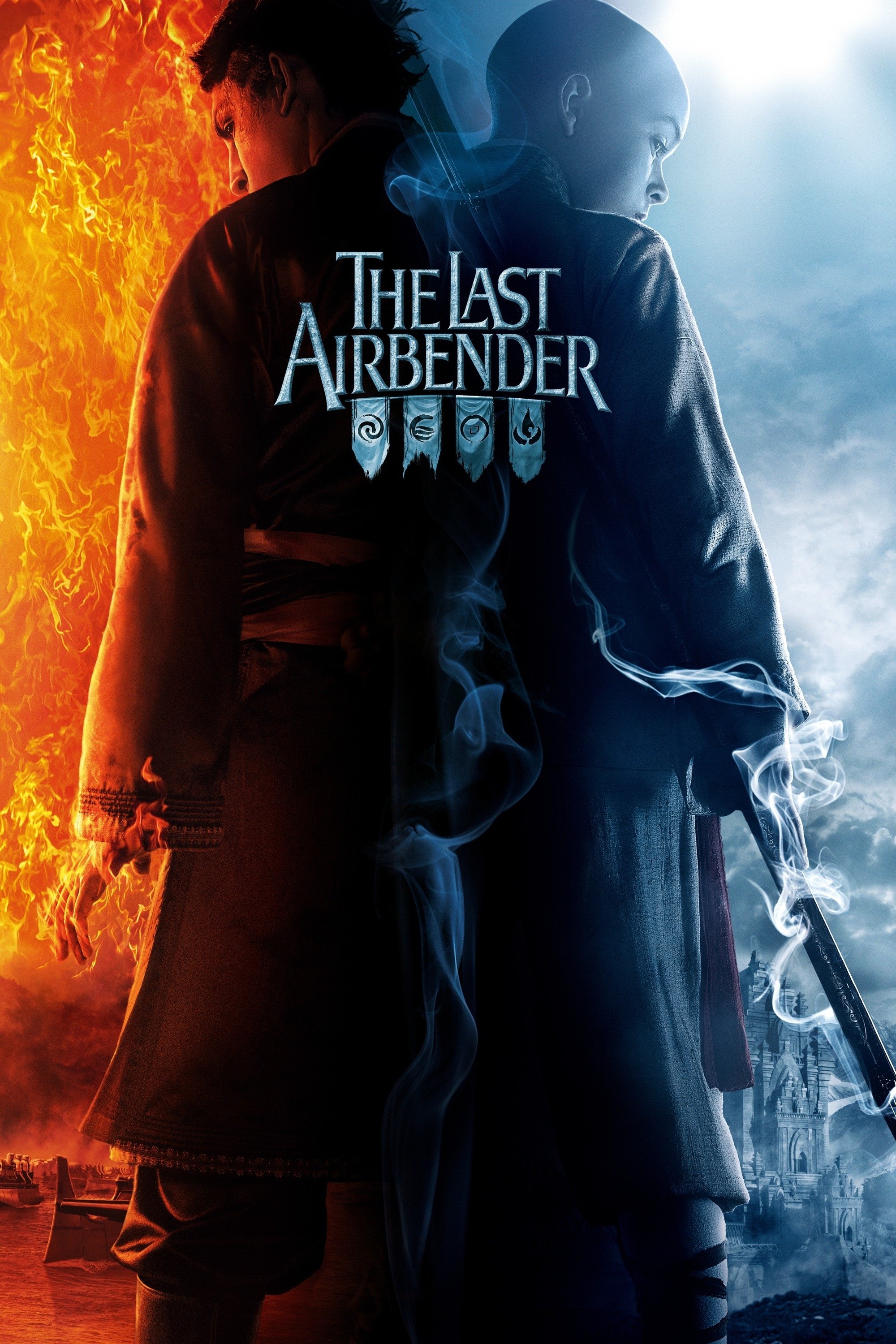
Director M. Night Shyamalan encountered massive criticism for the casting of white actors in roles originally depicted as Asian and Native American in the animated series. Fans organized boycotts and public demonstrations to protest what they described as the whitewashing of a culturally diverse world. The production maintained that the casting was colorblind and focused on the best available talent for each role. However the film received overwhelmingly negative reviews and failed to launch a planned franchise. This project remains a frequently cited example of how ignoring fan expectations regarding diversity can alienate a loyal audience.
‘Gods of Egypt’ (2016)
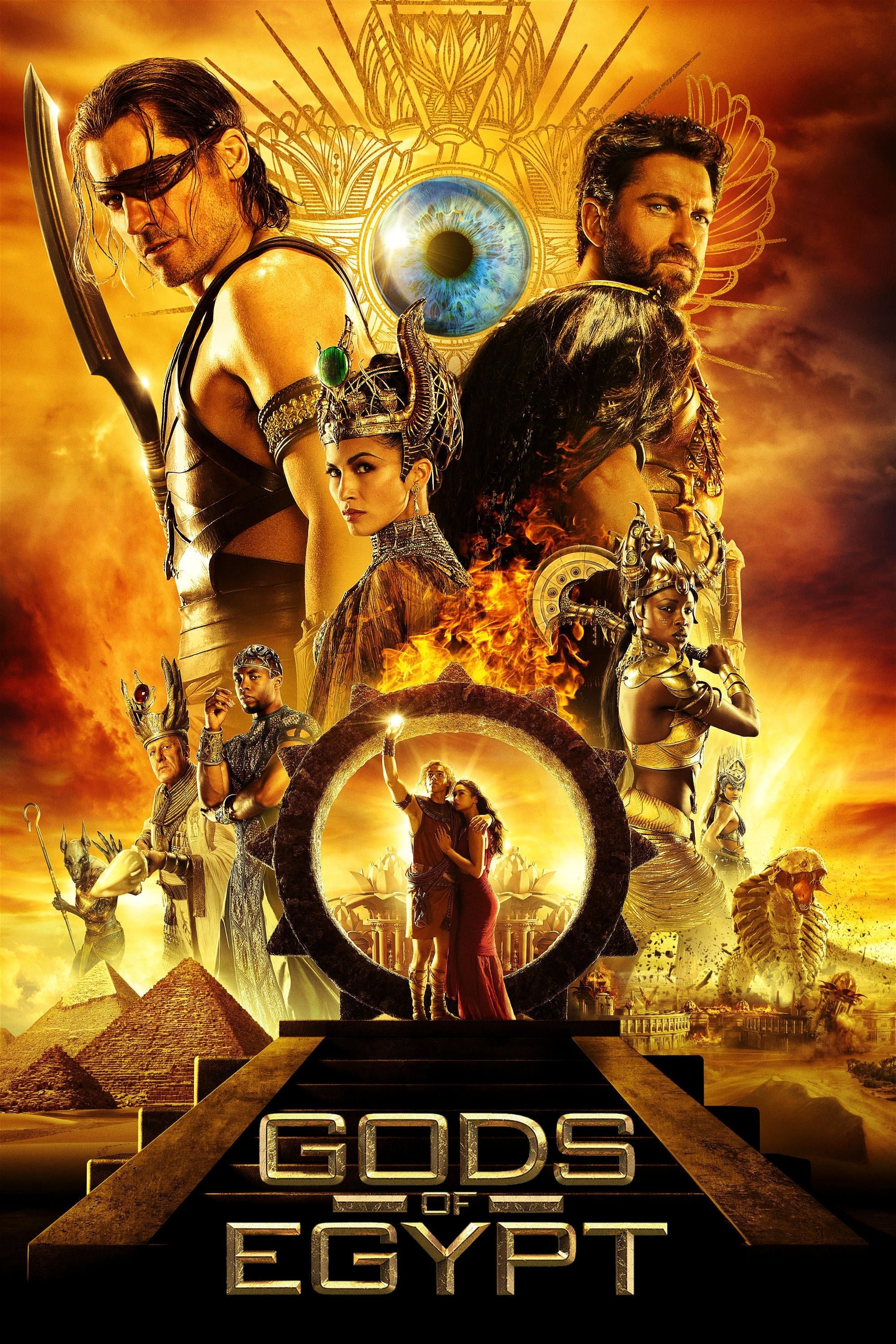
This epic fantasy film drew immediate fire for featuring a predominantly white cast in a story set in ancient North Africa. Both the director and the studio issued public apologies before the movie even premiered due to the intensity of the backlash. Critics pointed out that the lack of Egyptian or North African actors felt particularly egregious in a modern blockbuster. The film ultimately became one of the biggest commercial failures of its year and lost millions of dollars. The controversy served as a loud reminder that audiences expect historical or mythological settings to reflect their geographic origins.
‘Exodus: Gods and Kings’ (2014)

Ridley Scott faced substantial controversy for casting white actors in the roles of Egyptian royalty and Hebrew leaders. The director defended his choices by citing the financial necessity of casting big names to secure funding from major studios. Activists and moviegoers criticized this stance as a dismissal of the talented diverse actors available in the industry. The movie underperformed significantly compared to its massive budget and received lukewarm critical reception. Public debate around the film highlighted a growing intolerance for traditional casting tropes in historical dramas.
‘Aloha’ (2015)

This romantic comedy directed by Cameron Crowe was criticized for casting Emma Stone as a character of Chinese and Hawaiian heritage. The Media Action Network for Asian Americans accused the film of whitewashing the local population of Hawaii. Crowe later apologized for the casting choice and explained that the character was based on a real person who did not look like her ancestry. The film struggled to find an audience and became a notable box office failure. This incident influenced subsequent industry discussions about the importance of visual authenticity in multiracial characters.
‘Pan’ (2015)

The casting of Rooney Mara as Tiger Lily in this Peter Pan prequel sparked a petition signed by thousands of concerned fans. Critics argued that the role of a Native American character should not have been given to a white actress. The production attempted to justify the decision by reimagining the tribe as a multicultural group of people. Despite this explanation the film faced a cold reception at the box office and lost over one hundred million dollars. The failure of the project demonstrated the power of public sentiment regarding the representation of indigenous cultures.
‘Prince of Persia: The Sands of Time’ (2010)
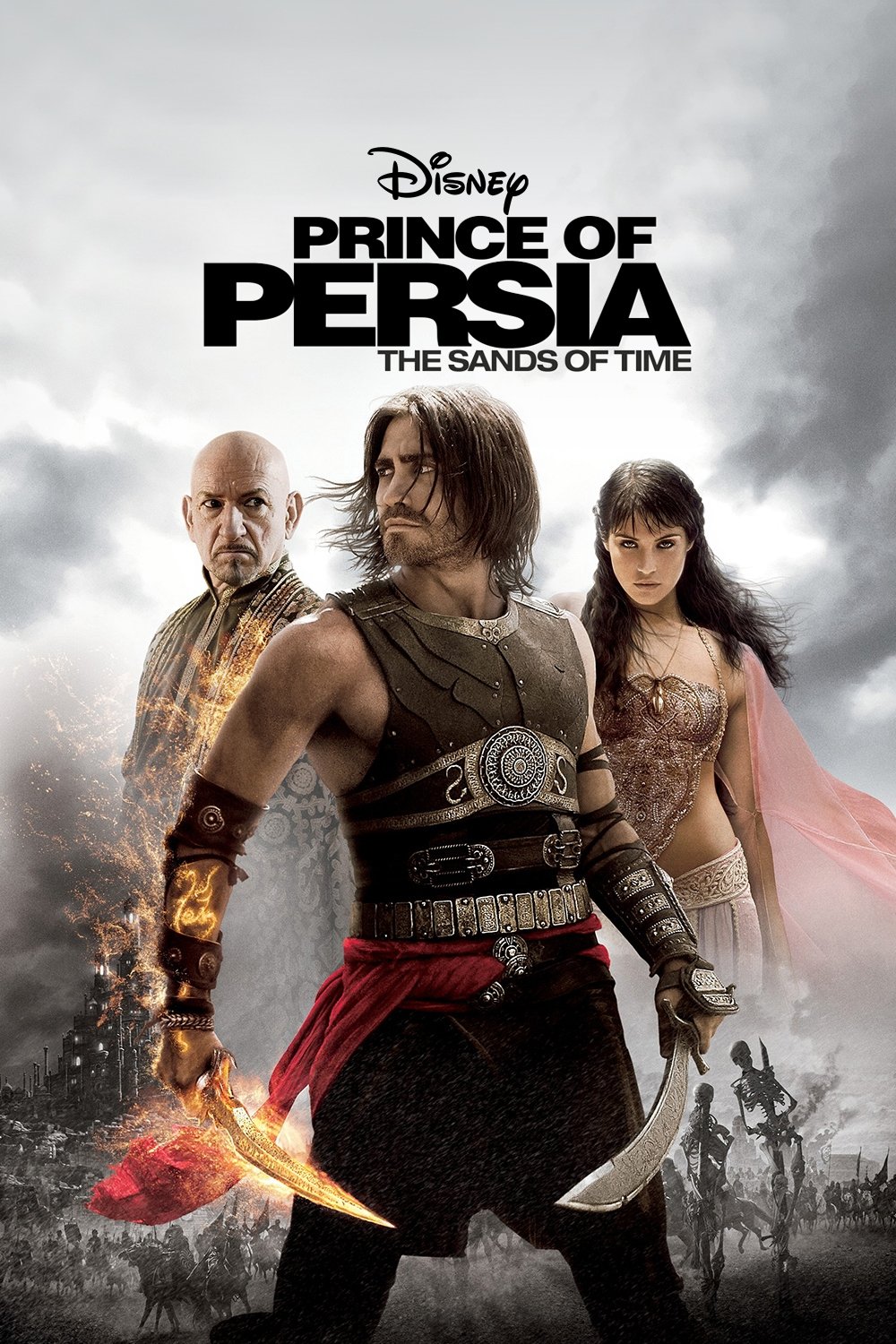
Disney faced accusations of whitewashing after casting Jake Gyllenhaal as the titular Persian prince. Fans of the original video game series expected an actor of Middle Eastern descent to inhabit the lead role. The film was intended to be a major summer blockbuster and the start of a new adventure series. While it achieved moderate success internationally the domestic performance was considered a disappointment. This casting controversy persists in discussions about how Hollywood handles characters from specific ethnic backgrounds.
‘The Lone Ranger’ (2013)

Johnny Depp was cast as Tonto in this high budget Western which led to significant debate about the portrayal of Native Americans. While Depp claimed some Native ancestry the choice was still seen by many as a missed opportunity for indigenous representation. The film was also criticized for its use of traditional stereotypes in the characterization of Tonto. The production faced numerous delays and ended up as a massive financial drain for the studio. Audiences largely stayed away and the film failed to revitalize the classic property for a new generation.
‘Dragonball Evolution’ (2009)
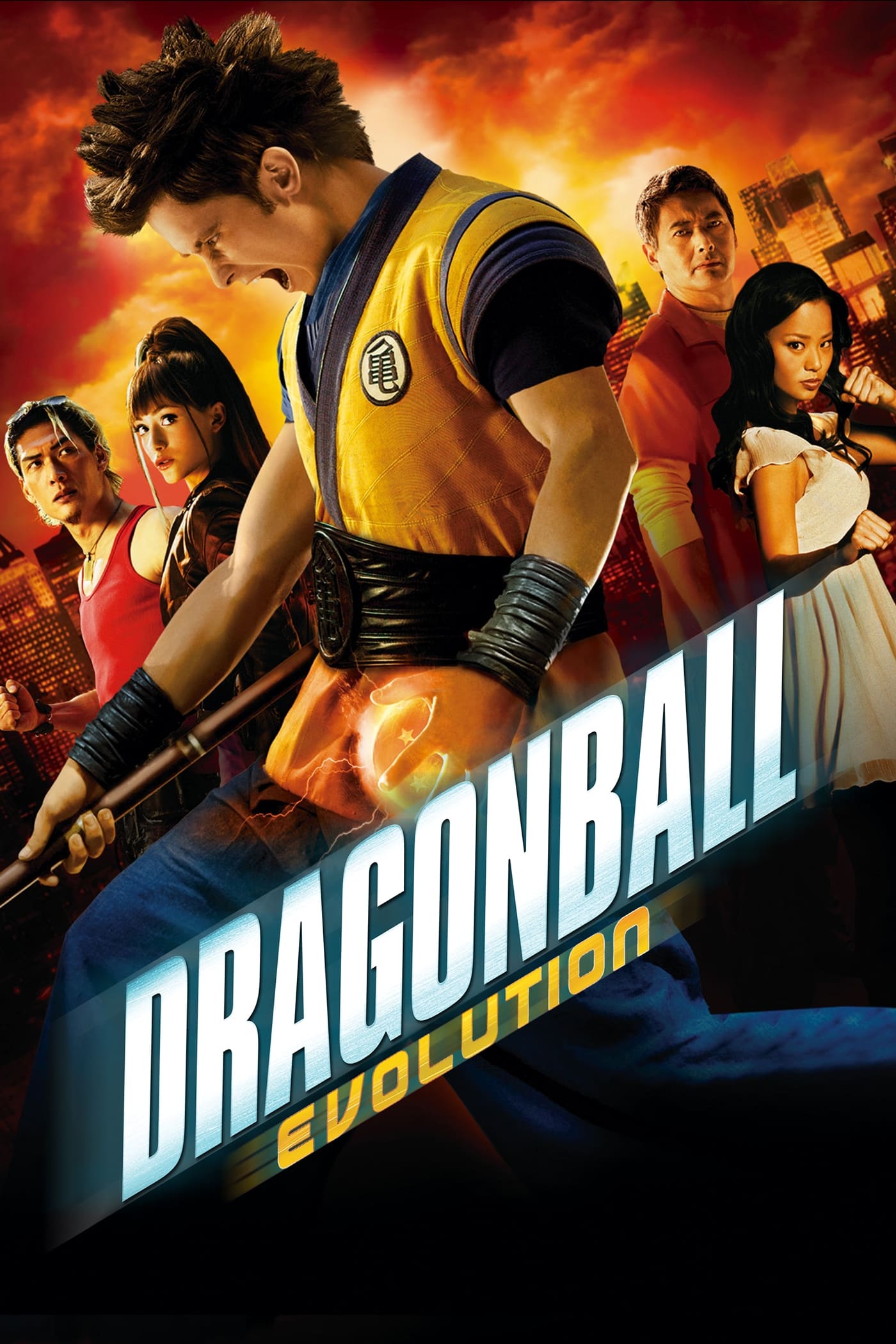
This adaptation of the iconic Japanese anime series was met with outrage for casting a white actor as the protagonist Goku. Fans felt that the movie disregarded the cultural roots of the source material which is deeply embedded in Asian storytelling traditions. The script also made numerous changes to the lore that further alienated the core fan base. The film was a critical and commercial disaster and the original creator eventually expressed dissatisfaction with the final product. It remains one of the most infamous examples of a failed transition from anime to live action cinema.
‘Stonewall’ (2015)
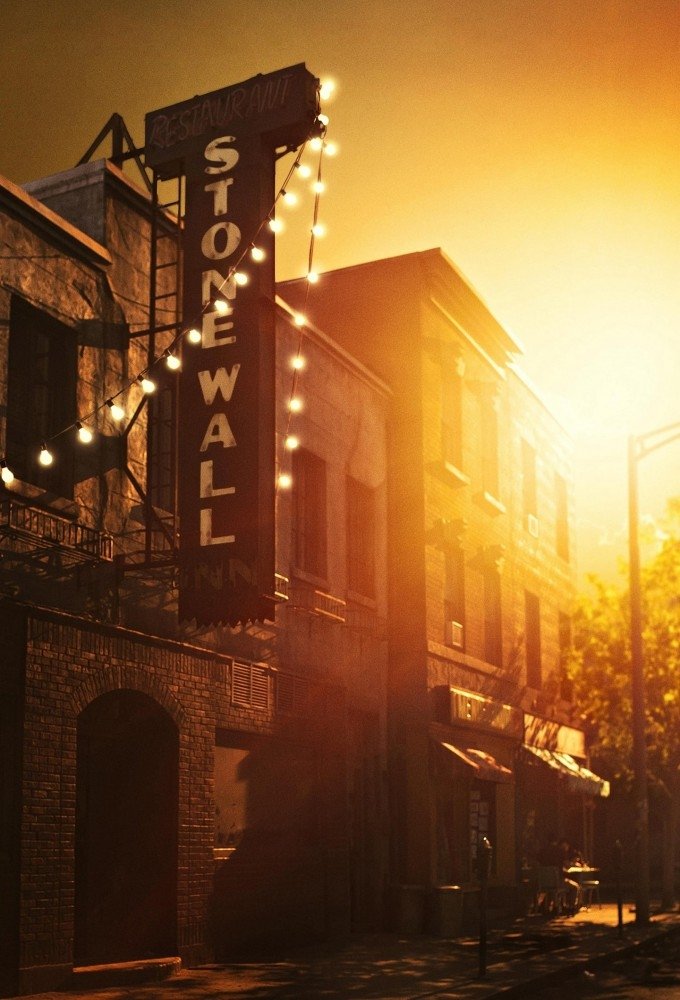
Director Roland Emmerich faced intense criticism for a trailer that appeared to centralize a fictional white male protagonist in the historic Stonewall riots. Activists pointed out that the real leaders of the movement were predominantly trans women of color and people of color. The film was accused of erasing the contributions of the very individuals who were at the heart of the uprising. Upon release the movie received dismal reviews and earned very little at the box office. This failure highlighted the necessity of historical accuracy when depicting civil rights movements.
‘Nina’ (2016)

The casting of Zoe Saldana as legendary singer and activist Nina Simone sparked a fierce debate about colorism and representation. Critics argued that an actress with a darker complexion should have been chosen to accurately reflect the lived experience of the artist. The use of makeup to darken the skin of the lead and a prosthetic nose was met with widespread condemnation from the public. The film had a very limited release and was panned by critics for its narrative and casting choices. It serves as a cautionary tale regarding the sensitivities of portraying iconic Black figures.
‘Memoirs of a Geisha’ (2005)

While visually stunning this film faced significant backlash for casting Chinese actresses in the roles of Japanese geishas. The production was criticized for treating different Asian cultures as interchangeable and ignoring the historical context between the nations. Audiences in both China and Japan expressed frustration with the lack of cultural specificity in the casting process. The movie underperformed expectations in Asian markets and received a mixed critical reception in the West. This controversy brought international attention to the nuances of pan Asian casting in Hollywood.
‘Birth of the Dragon’ (2016)
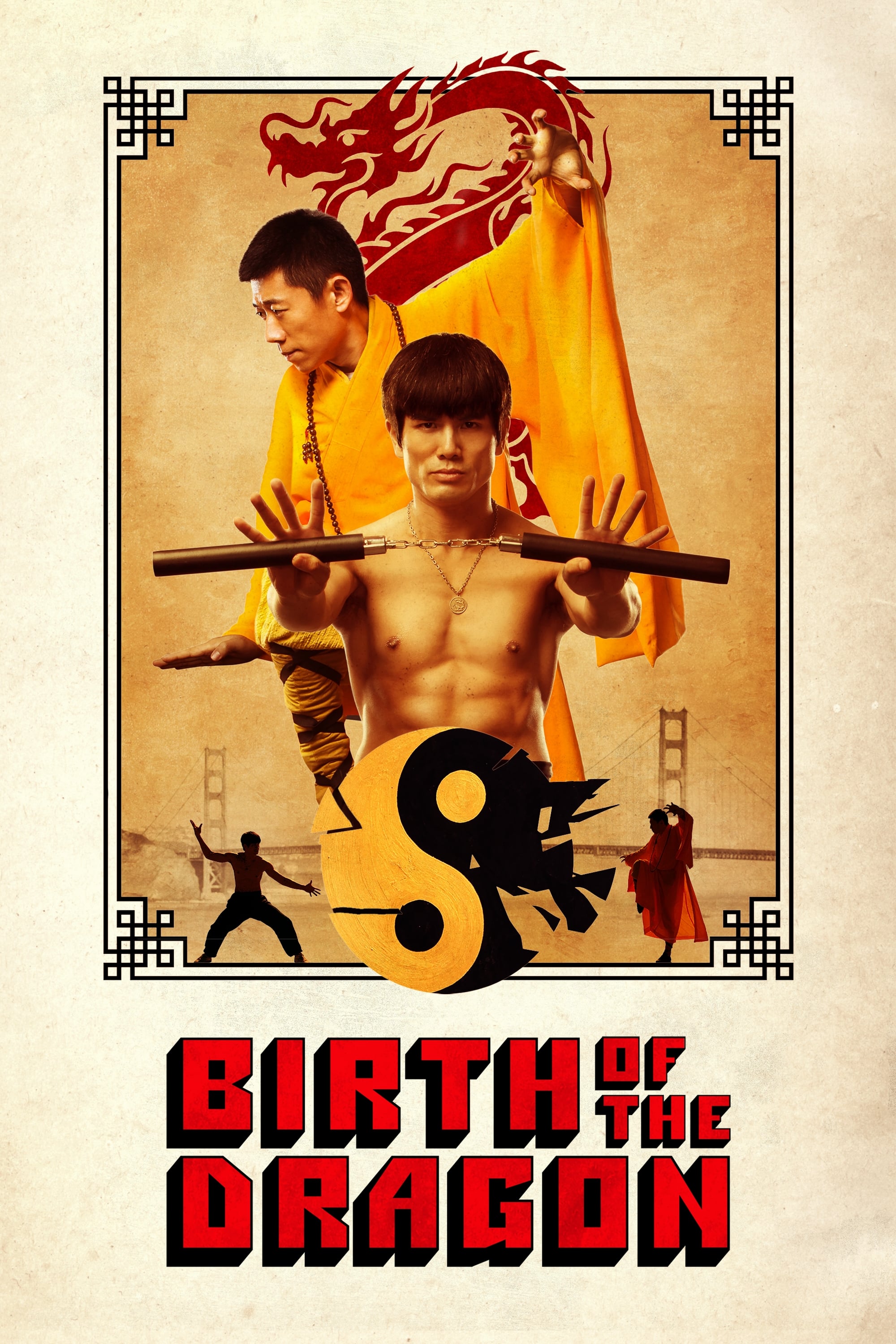
This film about the early life of Bruce Lee was criticized for focusing its narrative on a fictional white character instead of the martial arts legend himself. Fans felt that sidelining the most famous Asian martial artist in history was a disrespectful move that prioritized a white savior narrative. The negative word of mouth spread quickly through social media and online forums before the film reached wide release. It performed poorly at the box office and was largely ignored by audiences. This reaction demonstrated that viewers are no longer willing to accept the marginalization of iconic non white figures.
‘Hellboy’ (2019)
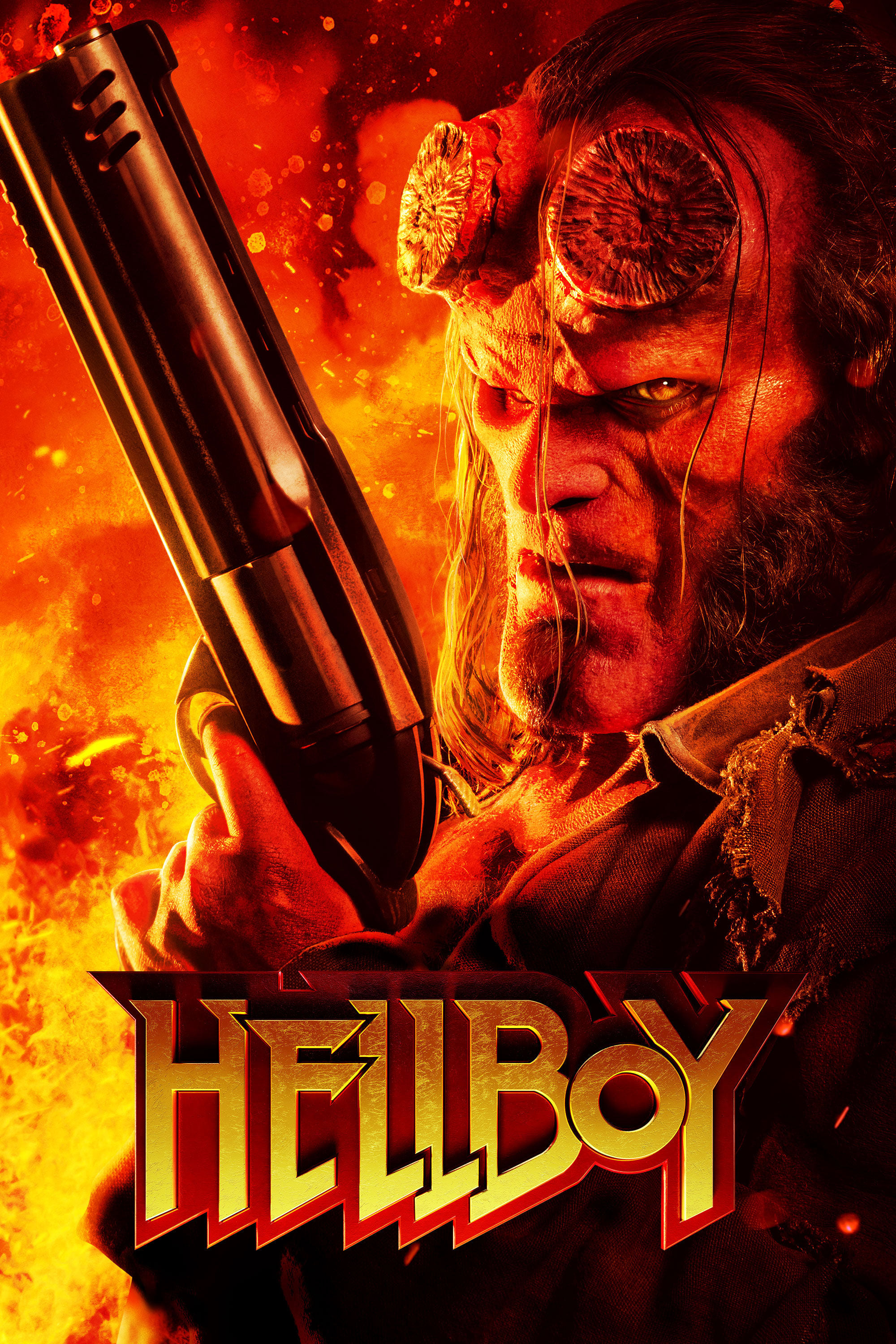
The reboot of the comic book franchise faced early controversy when a white actor was cast as Ben Daimio a character of Japanese heritage. Following public outcry the actor stepped down from the role to allow the production to cast an actor of Asian descent. While this specific issue was addressed the film still suffered from a general lack of confidence from the audience. The movie bombed at the box office and failed to live up to the legacy of the original films. It illustrates that addressing a diversity concern mid production does not always guarantee a successful outcome.
‘The Great Wall’ (2016)
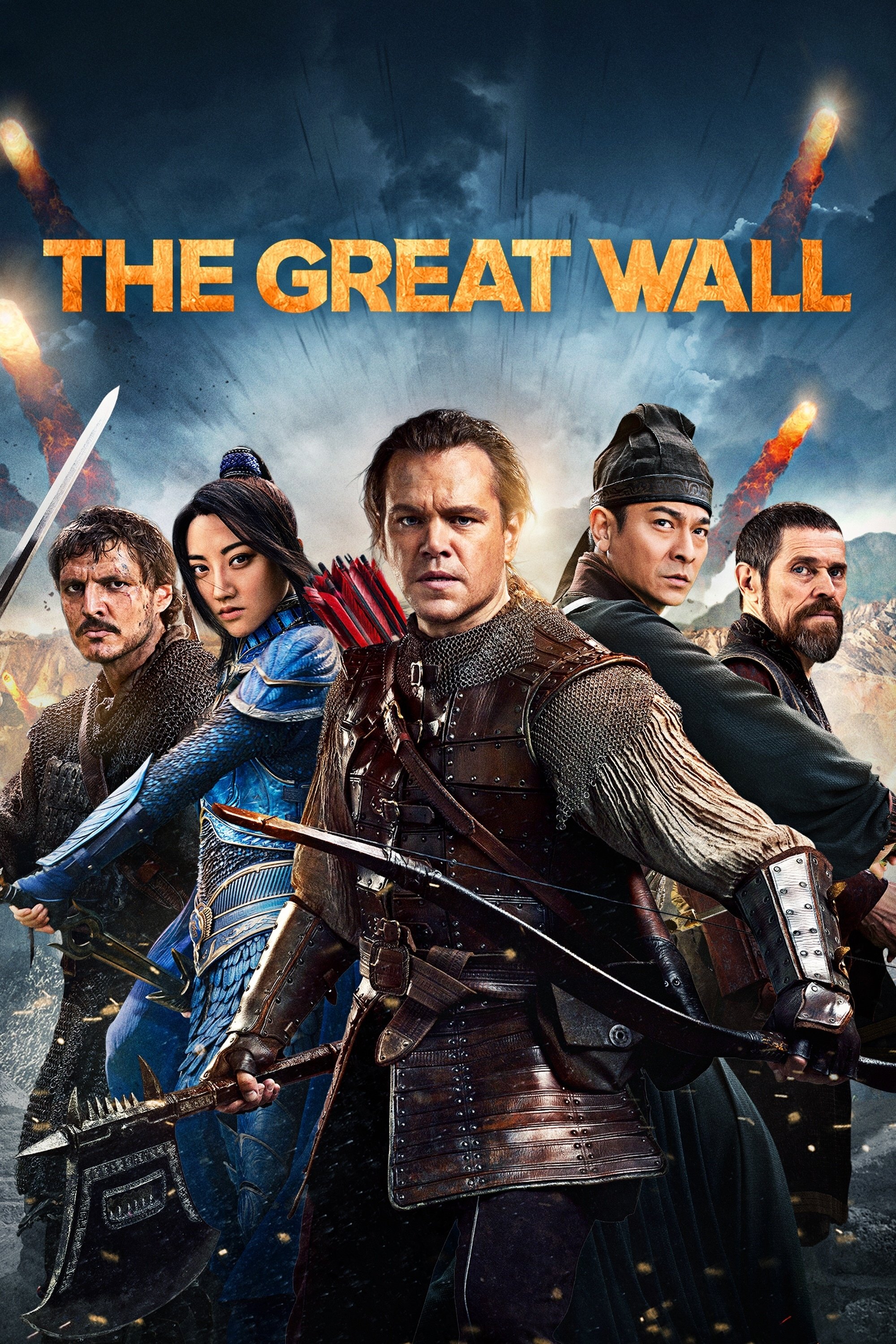
Despite being a co production with Chinese companies this film was criticized for using Matt Damon as a white savior figure in ancient China. Critics questioned why a Western character was necessary to lead the defense of one of the most famous landmarks in Asia. The film was an attempt to bridge the gap between Hollywood and the Chinese film market through a massive budget and global stars. While it performed well in China it failed to attract American audiences and resulted in a significant loss for the investors. This project highlighted the challenges of creating cross cultural blockbusters that rely on traditional tropes.
‘Music’ (2021)

Singer Sia faced immense backlash for casting a non verbal autistic character with an actor who is not on the autism spectrum. The disabled community criticized the film for its stereotypical portrayal and the use of physically restrained scenes. Sia defended her choices on social media but eventually apologized and added a warning to the film. The movie was a massive critical failure and earned very little during its limited release. The controversy overshadowed the musical elements and led to a wider discussion about authentic disability representation.
‘Cloud Atlas’ (2012)
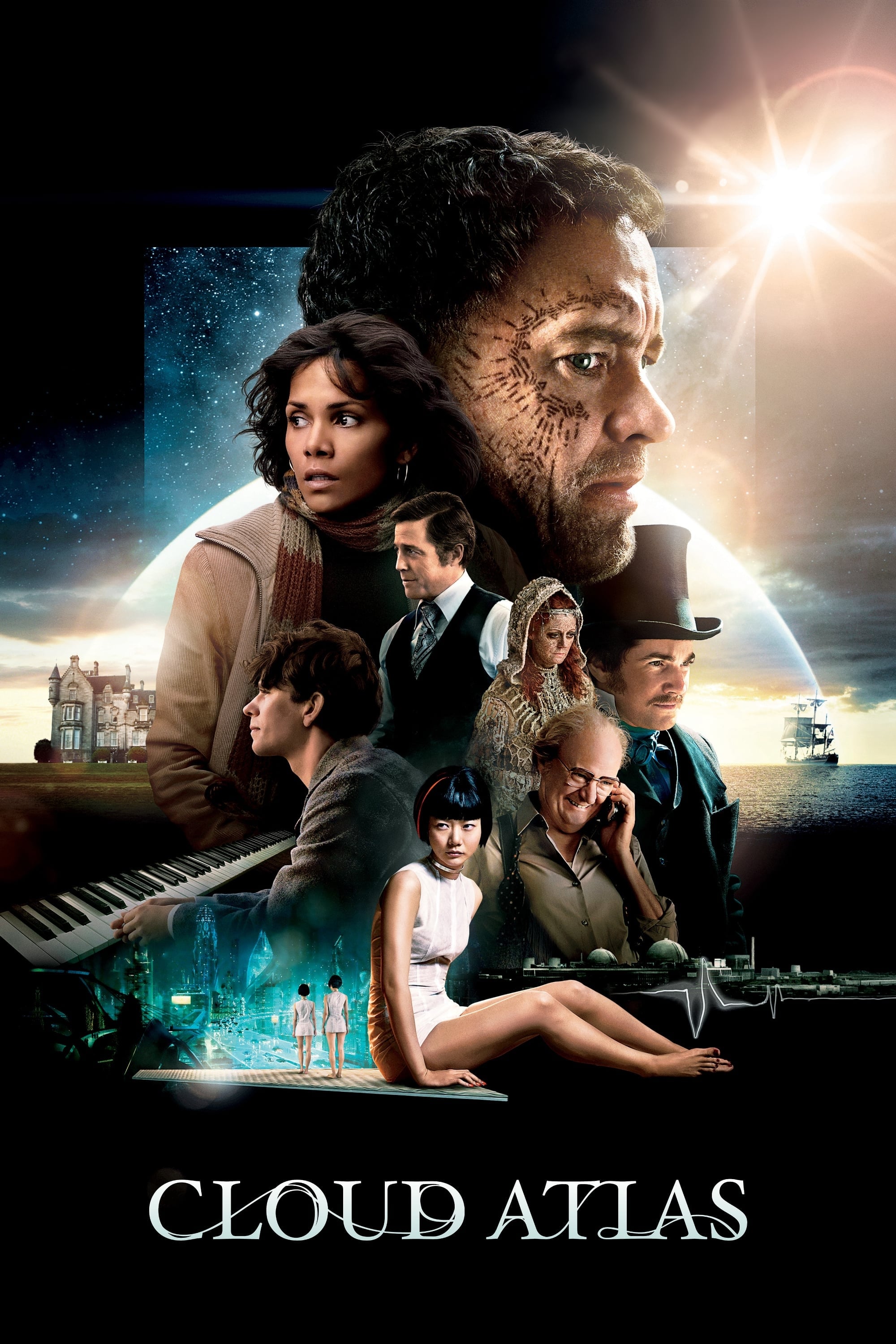
This ambitious film from the Wachowskis featured actors playing multiple roles across different time periods and races. The use of yellowface makeup to make non Asian actors appear Asian in certain segments was widely condemned by advocacy groups. Critics argued that the technique was offensive and undermined the film’s themes of interconnectedness. The high budget production failed to recoup its costs at the box office despite its star studded cast. It remains a polarizing film that is frequently cited for its controversial approach to race and identity.
‘Street Fighter: The Legend of Chun-Li’ (2009)
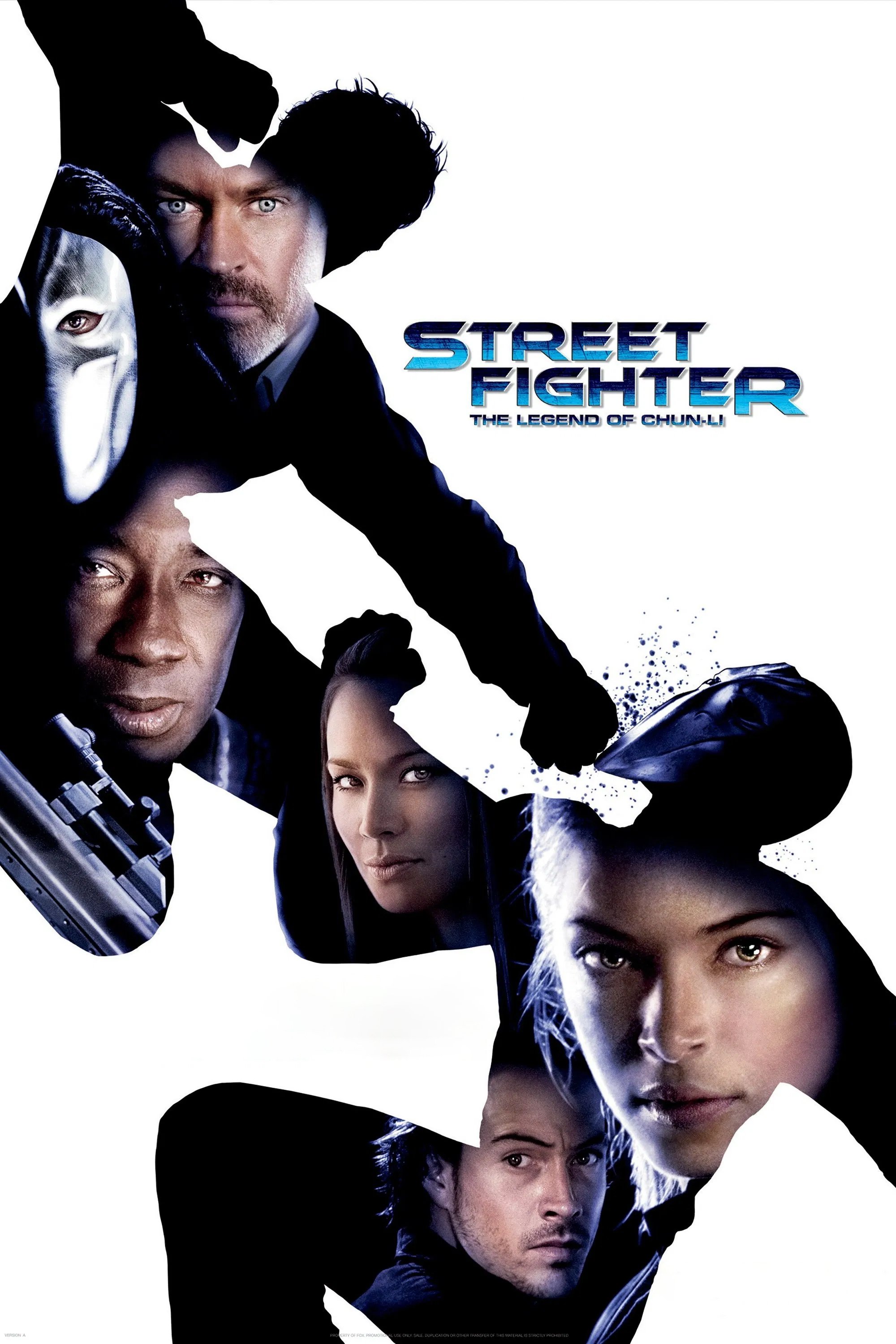
Fans of the popular video game franchise were disappointed by the casting of a white actress as the iconic Chinese fighter Chun Li. The movie was seen as another example of Hollywood avoiding the casting of Asian leads in action roles. The script and production values were also heavily criticized for being subpar and unfaithful to the source material. The film was a complete failure at the box office and stalled any plans for further adaptations. This project reinforced the idea that fans value both quality and cultural accuracy in their favorite franchises.
‘Annihilation’ (2018)
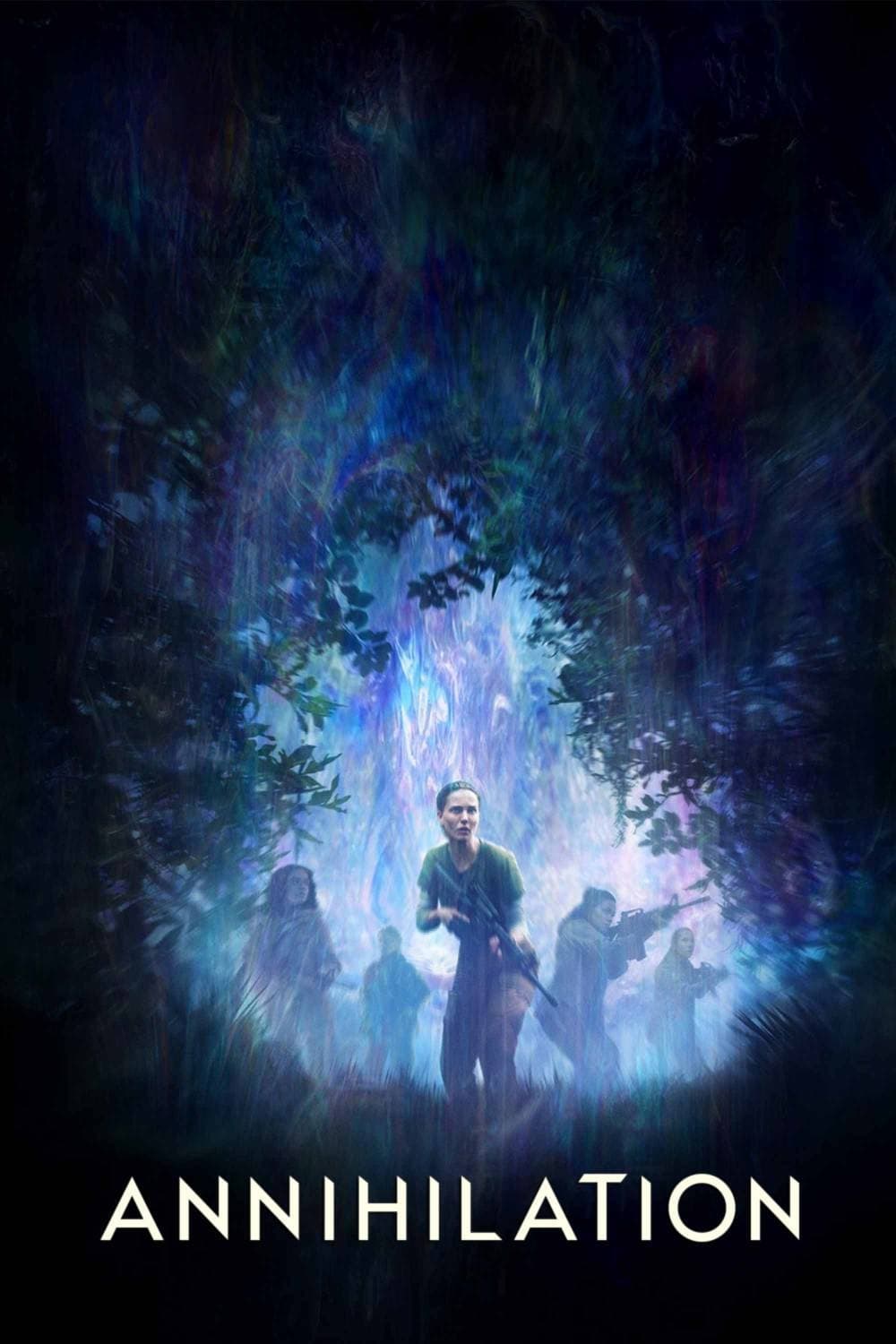
The film adaptation of the popular novel faced accusations of whitewashing when the lead roles were cast with white actresses. In the book series the characters are described as having Asian and Native American heritage respectively. Director Alex Garland stated that he cast the film based on the first book which did not explicitly detail the characters’ ethnicities. Despite receiving positive reviews from critics the movie struggled to find a wide audience in theaters. The studio eventually sold the international distribution rights to a streaming service following concerns about its commercial viability.
‘The New Mutants’ (2020)
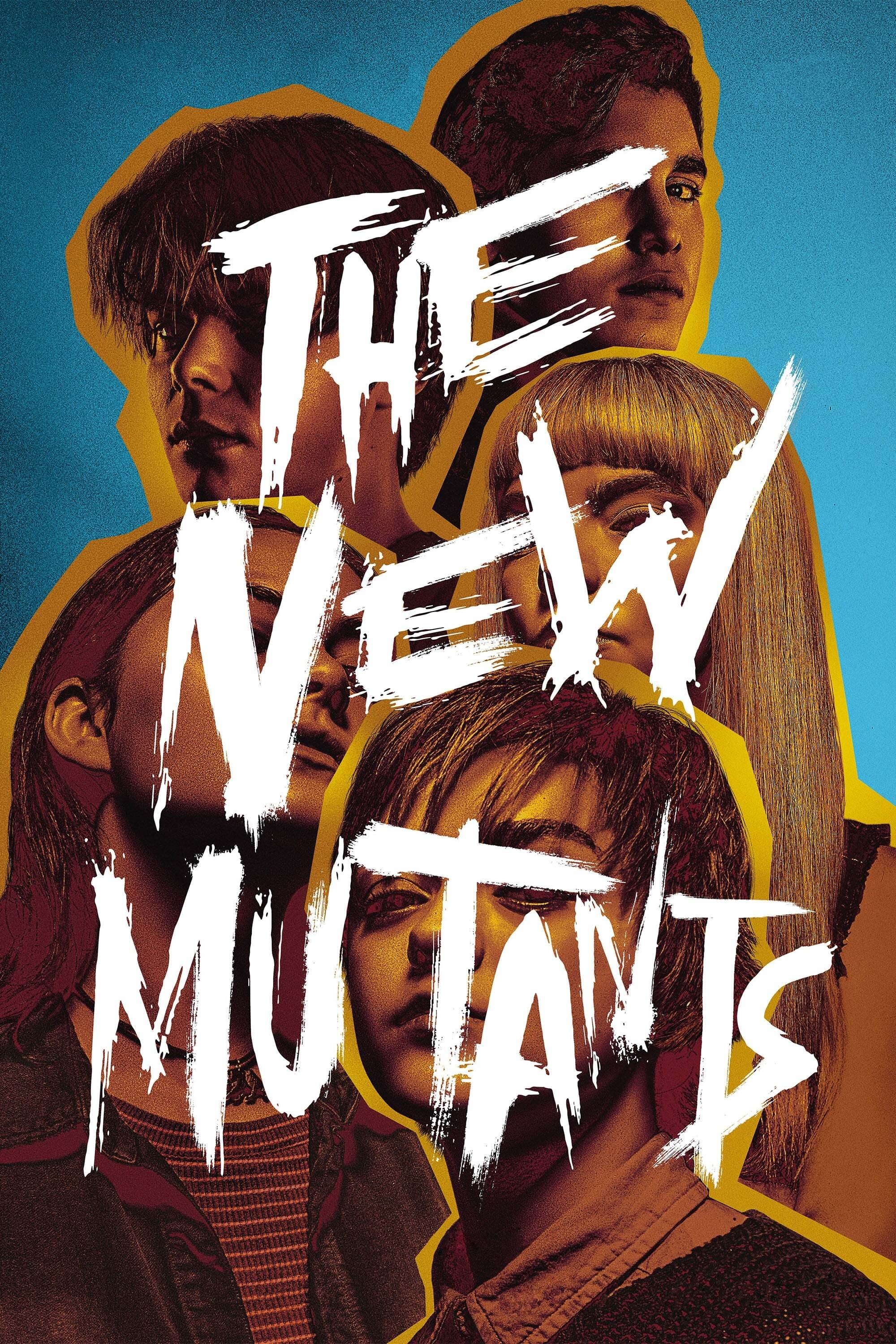
This horror themed X Men spin off faced criticism for the casting of a character who is Afro Brazilian in the comics with a lighter skinned actor. Fans and the character’s original creator pointed out that the casting contributed to the ongoing issue of colorism in Hollywood. The film also faced numerous delays and underwent several rounds of reshoots over several years. By the time it was released it received lukewarm reviews and performed poorly at the box office. The controversy regarding the erasure of the character’s darker skin and heritage remained a point of contention for many fans.
’47 Ronin’ (2013)
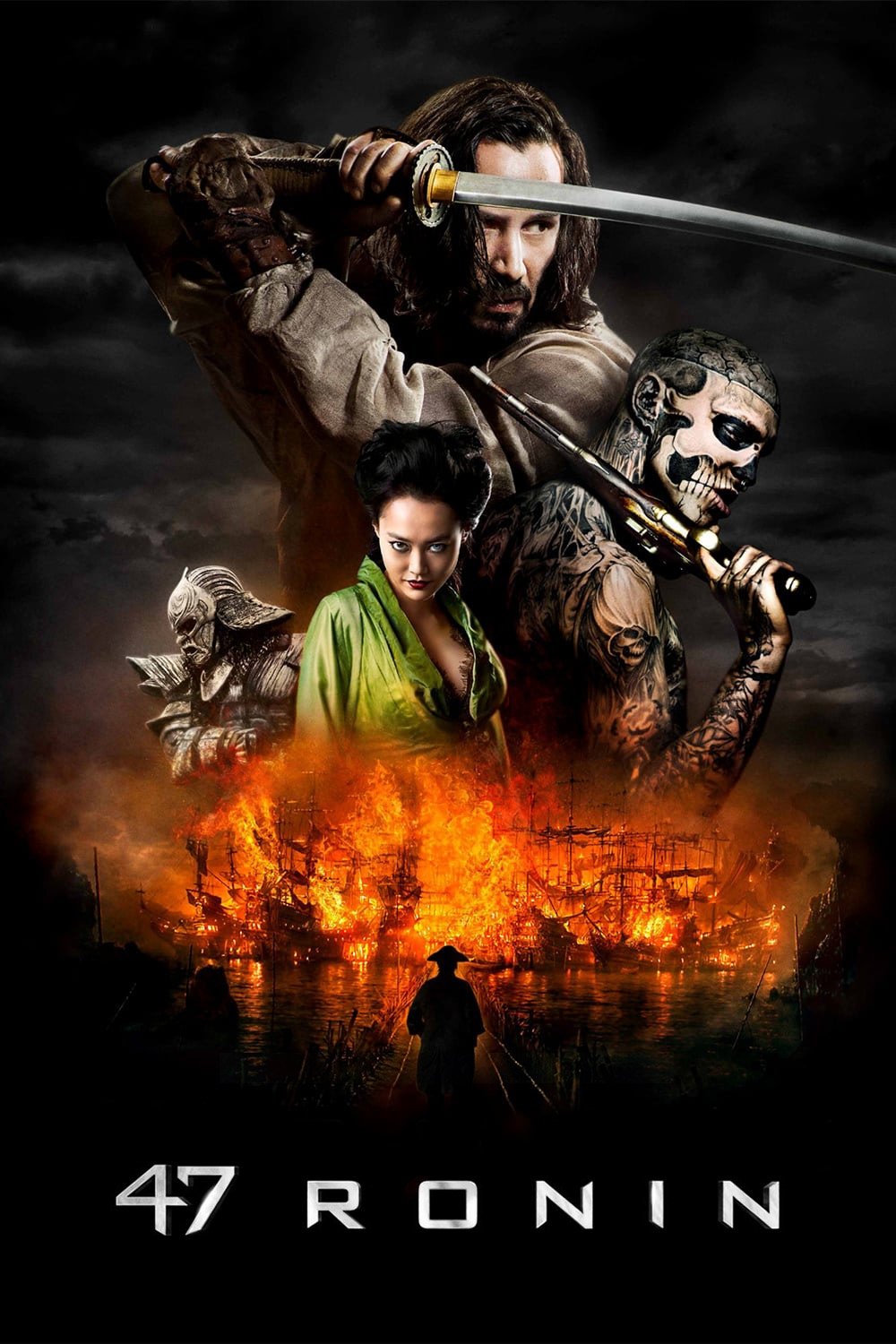
This fantasy epic was criticized for inserting a fictional half Japanese protagonist played by a white actor into a famous Japanese historical legend. Many felt that the inclusion of a white lead character was unnecessary and distracted from the core story of the ronin. The production budget ballooned to over two hundred million dollars making it one of the most expensive films of its year. It ended up as one of the largest box office bombs in history and resulted in huge losses for the studio. This failure suggested that westernizing classic international stories does not always lead to broader appeal.
‘Speed Racer’ (2008)
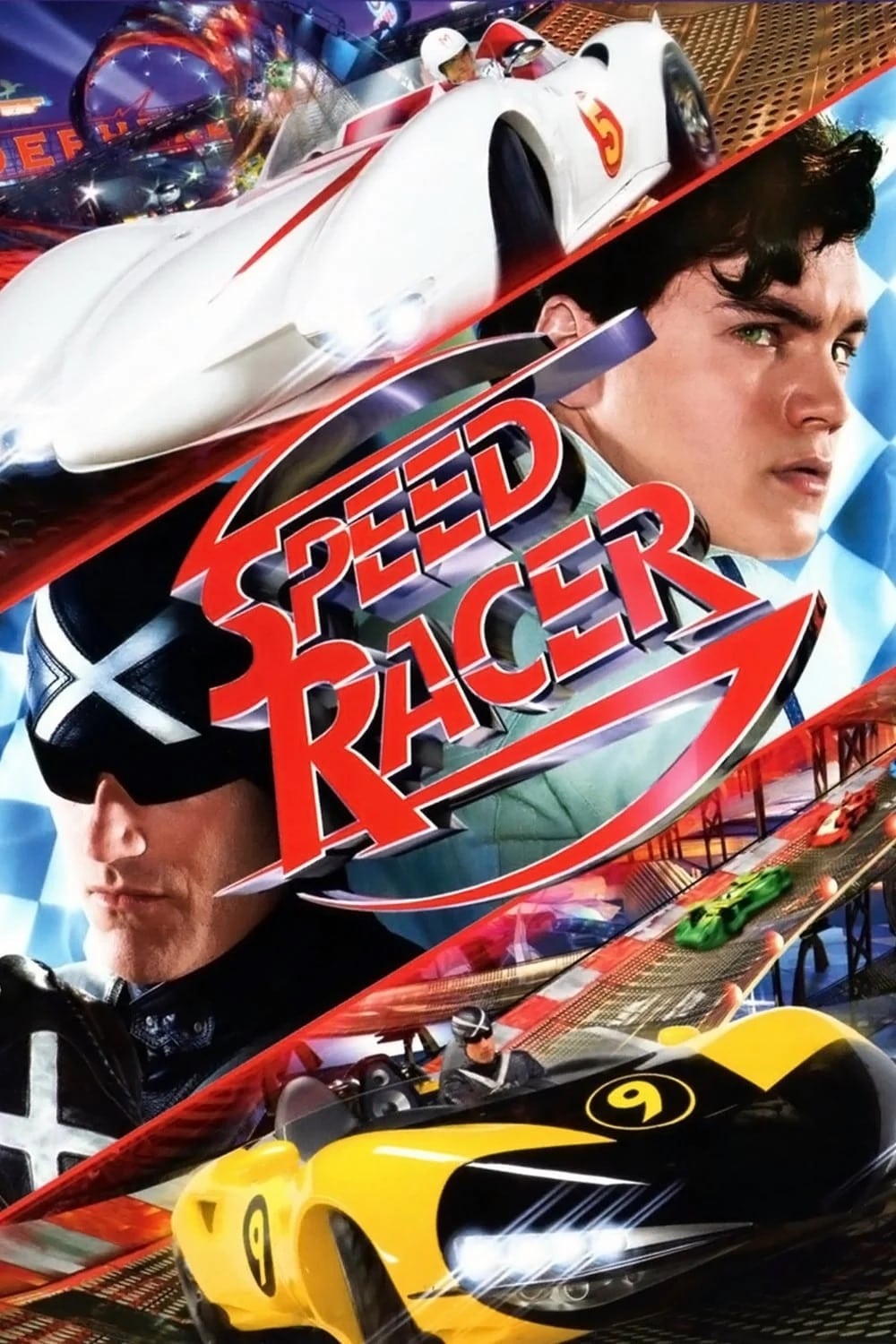
The live action adaptation of the classic Japanese anime was criticized for its predominantly white cast despite its origins. While the film was later praised for its innovative visual style it failed to capture the interest of the general public upon release. Fans of the original series felt that the cultural essence of the story was lost in the transition to a Hollywood blockbuster. The movie was a significant financial disappointment and failed to earn back its massive production budget. Its initial failure is often linked to its lack of cultural grounding and niche visual approach.
‘In the Heights’ (2021)
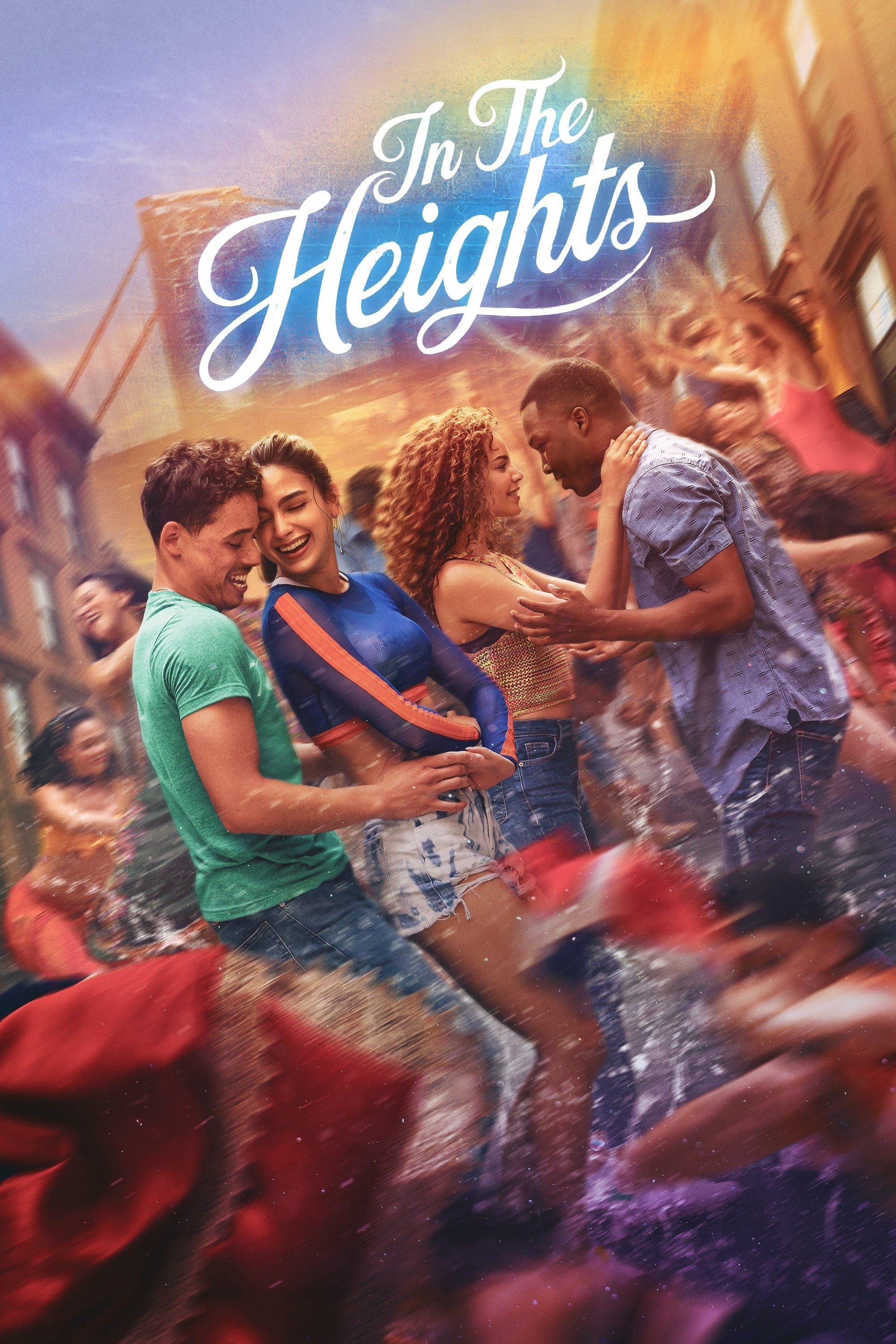
This musical adaptation faced significant criticism regarding the lack of dark skinned Afro Latino actors in leading roles despite being set in Washington Heights. The community and critics pointed out that the film failed to accurately represent the demographic reality of the neighborhood. Director Jon M. Chu and creator Lin Manuel Miranda issued apologies for the oversight in the casting process. The film was a major box office disappointment and failed to meet commercial expectations. This situation highlighted how colorism within diverse casts can lead to a loss of audience support.
‘West Side Story’ (2021)
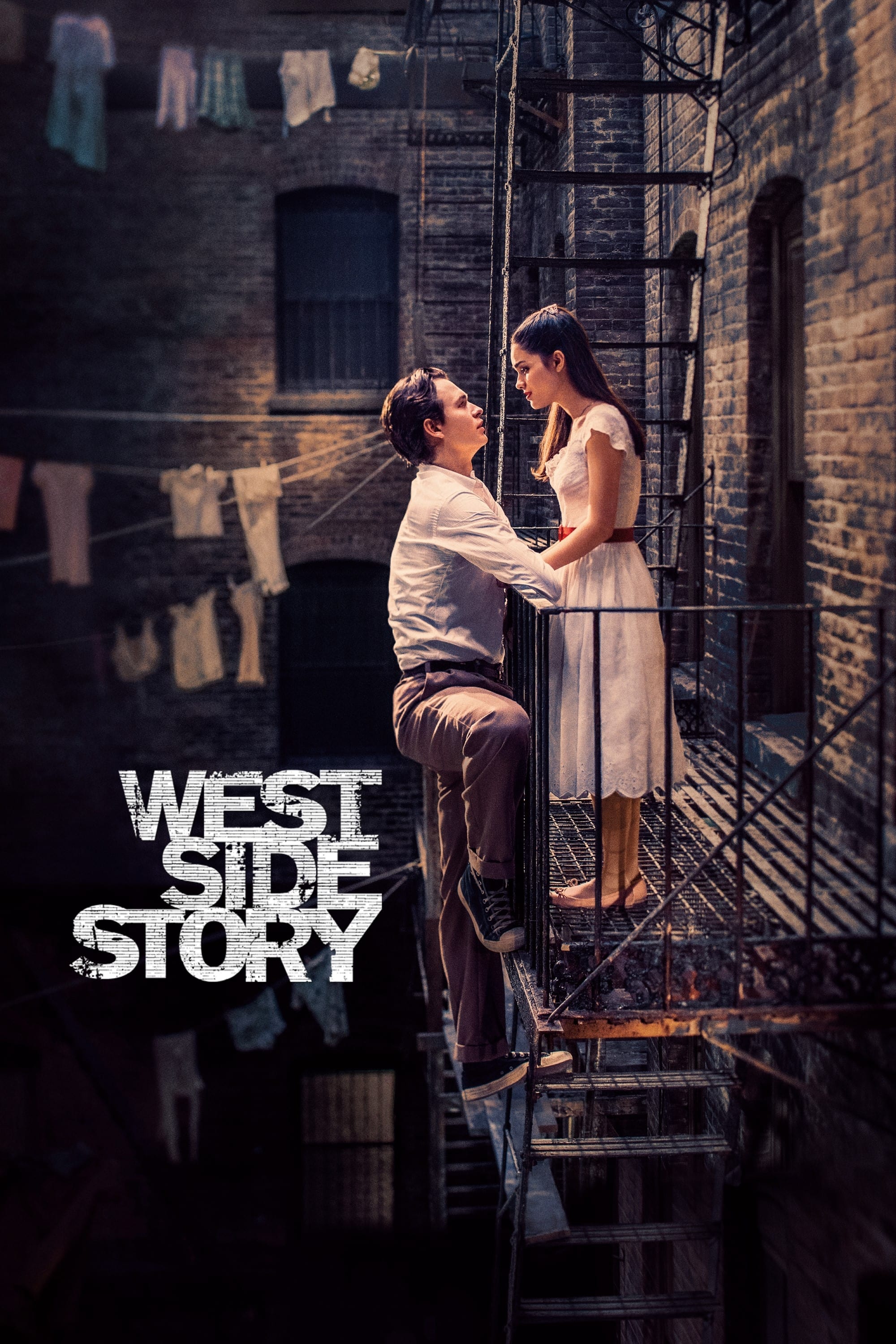
While this remake was praised for its technical achievements it faced some criticism for the lack of Afro Latino representation in a story about the Puerto Rican community. Some audience members felt that the film missed an opportunity to modernize the representation beyond the original Broadway version. Despite being directed by Steven Spielberg and receiving critical acclaim the movie struggled to attract a large audience. It became a financial bomb and failed to recoup its high production and marketing costs. The project demonstrated that even well intentioned remakes can struggle with evolving standards of representation.
‘Mulan’ (2020)
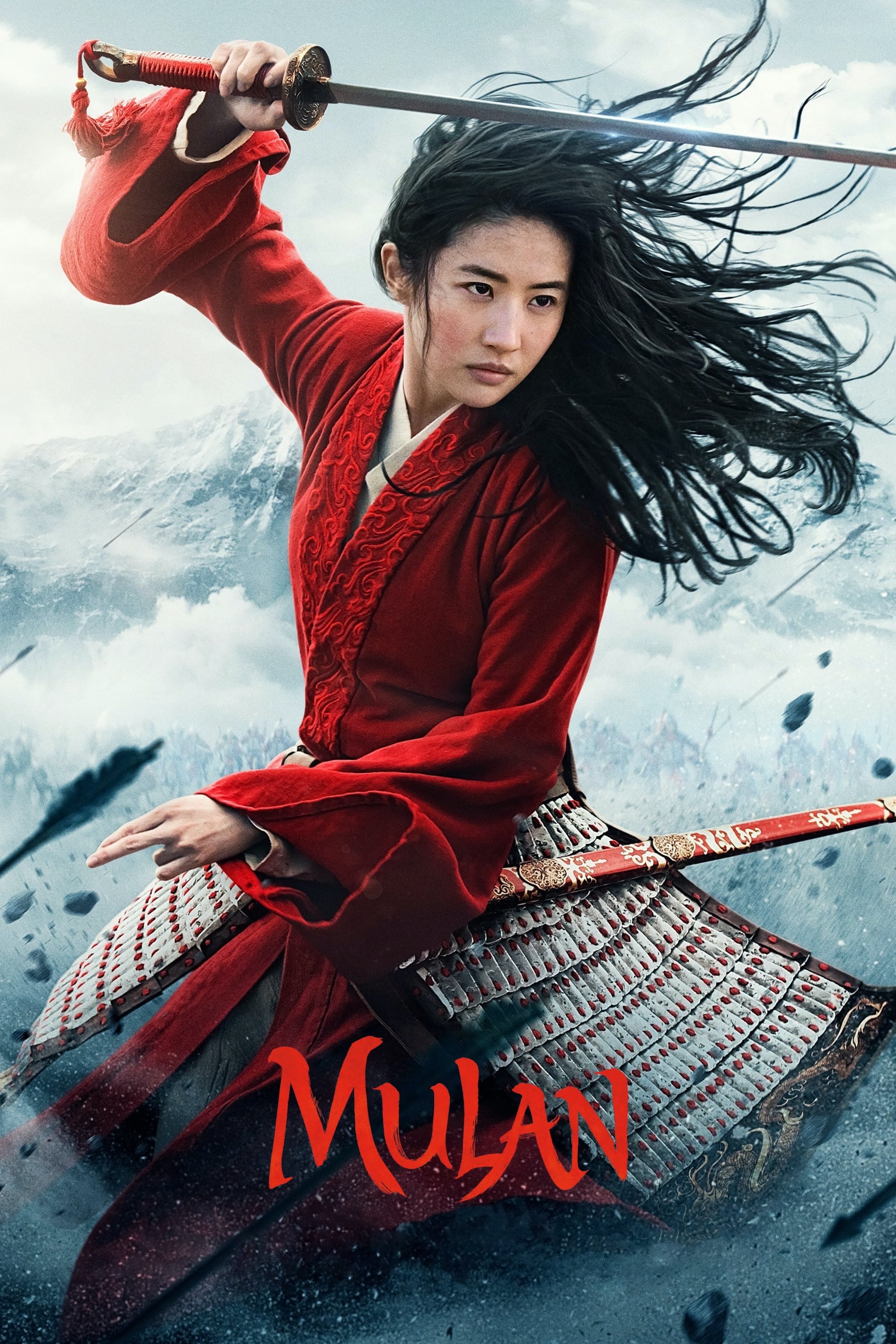
The live action remake of the Disney classic faced multiple controversies including the lack of a diverse creative team behind the camera. While the cast was entirely of Chinese descent the director and many key producers were white which led to questions about cultural authenticity. The film also faced boycotts due to political comments made by its lead actress and the filming locations used. Due to global events the film had a limited theatrical run and underperformed significantly in key markets like China. The project struggled to replicate the success and cultural impact of the original animated version.
‘The 355’ (2022)
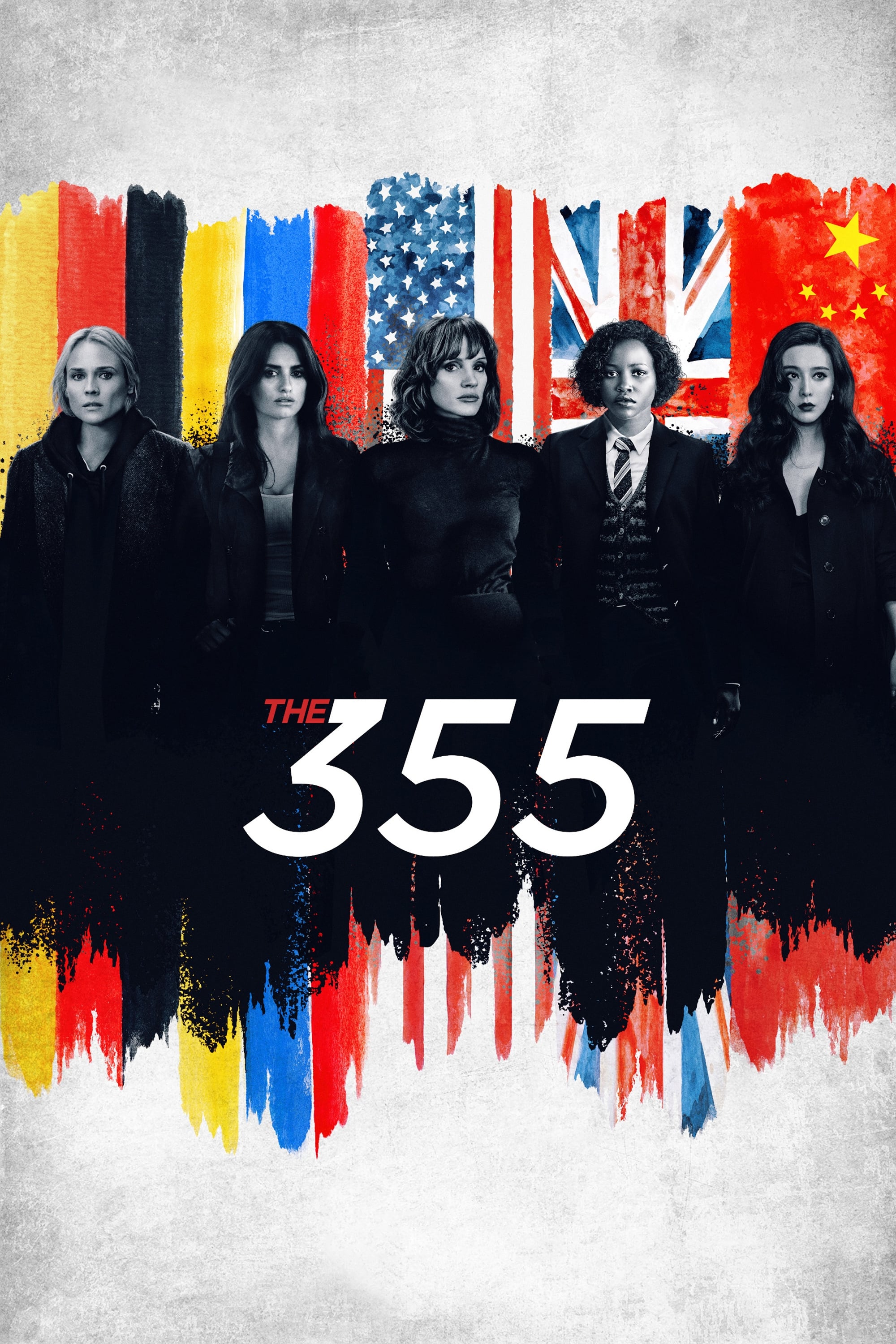
This spy thriller featured a diverse international cast of high profile actresses but was criticized for its conventional narrative. The film was marketed as a major step forward for women in the action genre with a focus on global collaboration. However the movie received mediocre reviews and failed to gain any traction at the box office. Audiences seemed uninterested in the familiar tropes of the genre despite the inclusive nature of the cast. The film serves as an example that diversity alone cannot save a project with an uninspired narrative.
‘Charlie’s Angels’ (2019)

This modern reboot emphasized female empowerment and featured a diverse lead cast of women from different backgrounds. Despite the focus on representation the film failed to attract a large audience and bombed during its opening weekend. The production faced criticism for lacking a clear identity and failing to provide a compelling reason for the franchise to return. Some observers suggested that the marketing failed to connect with the target demographic. The commercial failure ended hopes for a new series of films featuring this specific team.
‘Ghostbusters’ (2016)
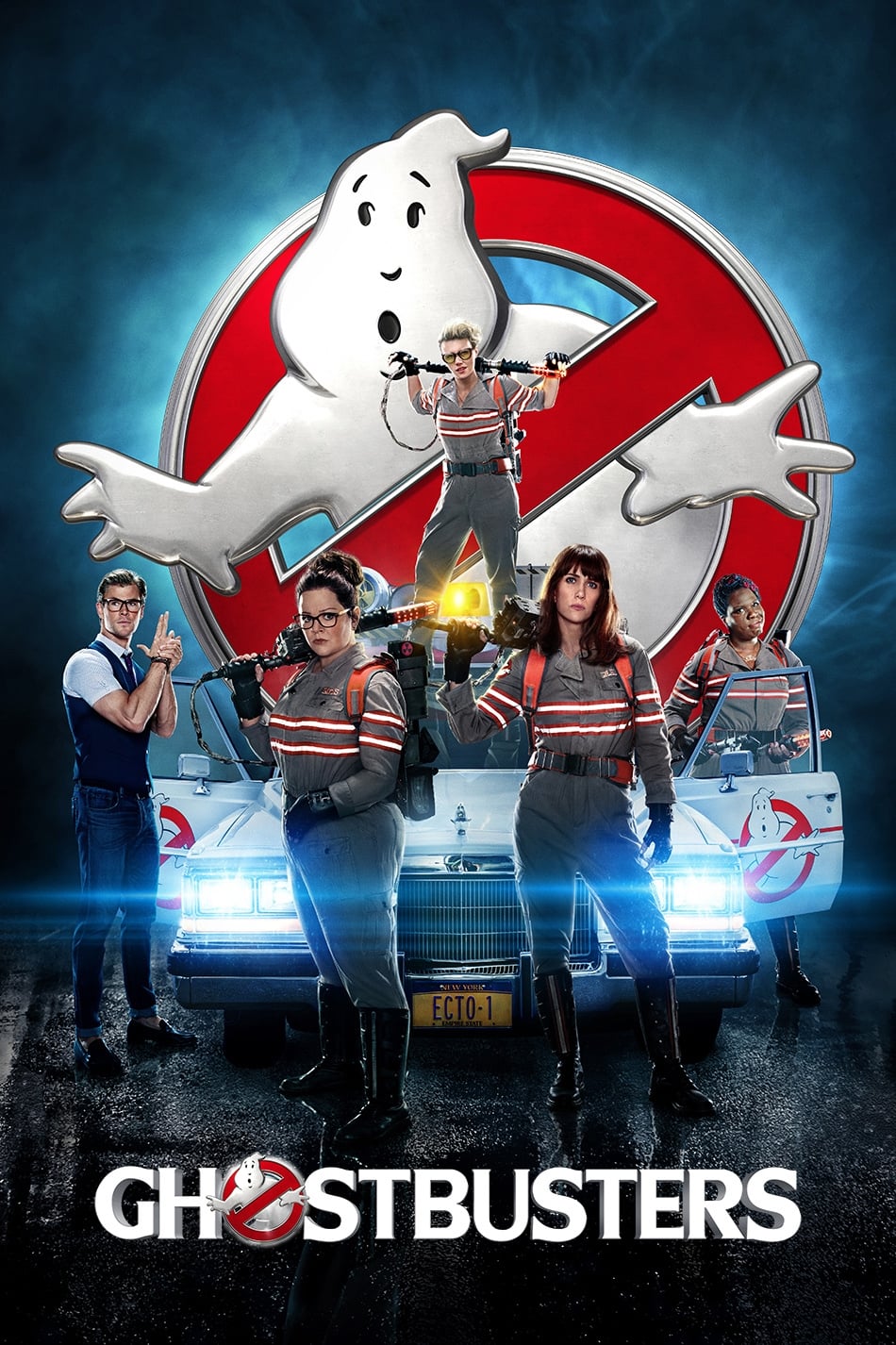
The decision to reboot the franchise with an all female lead cast led to a massive and often polarized online debate. While the film aimed for better gender diversity it became a focal point for cultural clashes that divided the audience. Some critics felt the movie did not do enough to distance itself from the original while others felt the backlash was purely motivated by bias. The film underperformed at the box office and the studio eventually decided to return to the original continuity. This project highlighted the difficulties of navigating diversity within established and protective fan bases.
‘Strange World’ (2022)
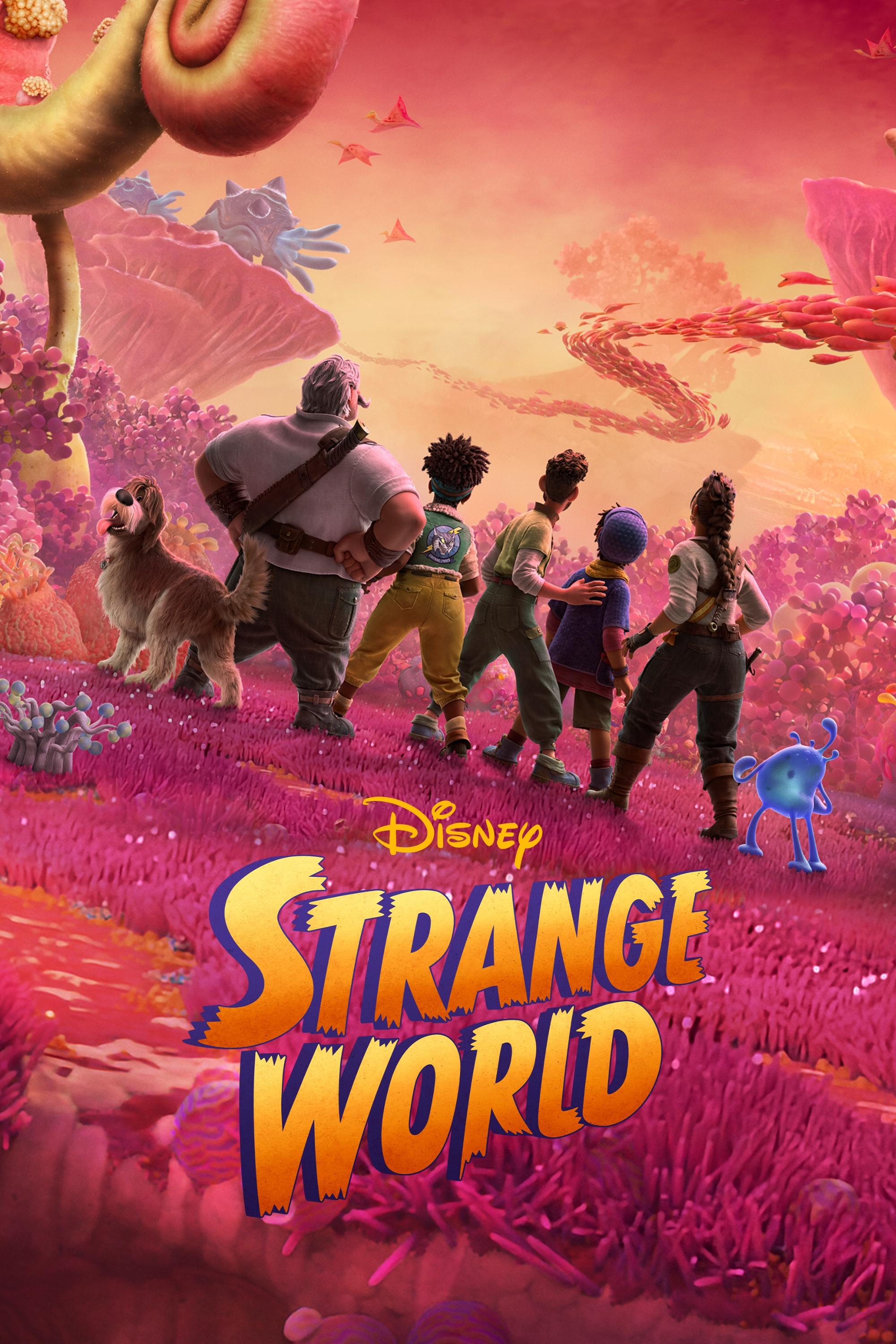
This animated adventure featured a diverse cast and an openly gay teen protagonist which was a milestone for the studio. Despite this inclusive approach the film received very little marketing support and was met with indifference from the public. It became one of the biggest box office bombs for the studio in decades and resulted in significant financial losses. Some observers attributed the failure to a weak story and poor promotion rather than the diverse themes. This outcome raised questions about how studios support and market their more inclusive projects.
‘Lightyear’ (2022)

This Toy Story spin off included a brief scene showing a same sex couple which led to the film being banned in several international markets. The inclusion of this moment was a point of pride for the creative team but also became a target for critics of diverse representation. The movie underperformed significantly at the box office and failed to reach the heights of previous releases in the franchise. While the film was technically impressive many audiences found the concept confusing and the story less engaging. The controversy around the inclusive scene remained a major talking point throughout its run.
‘Bros’ (2022)
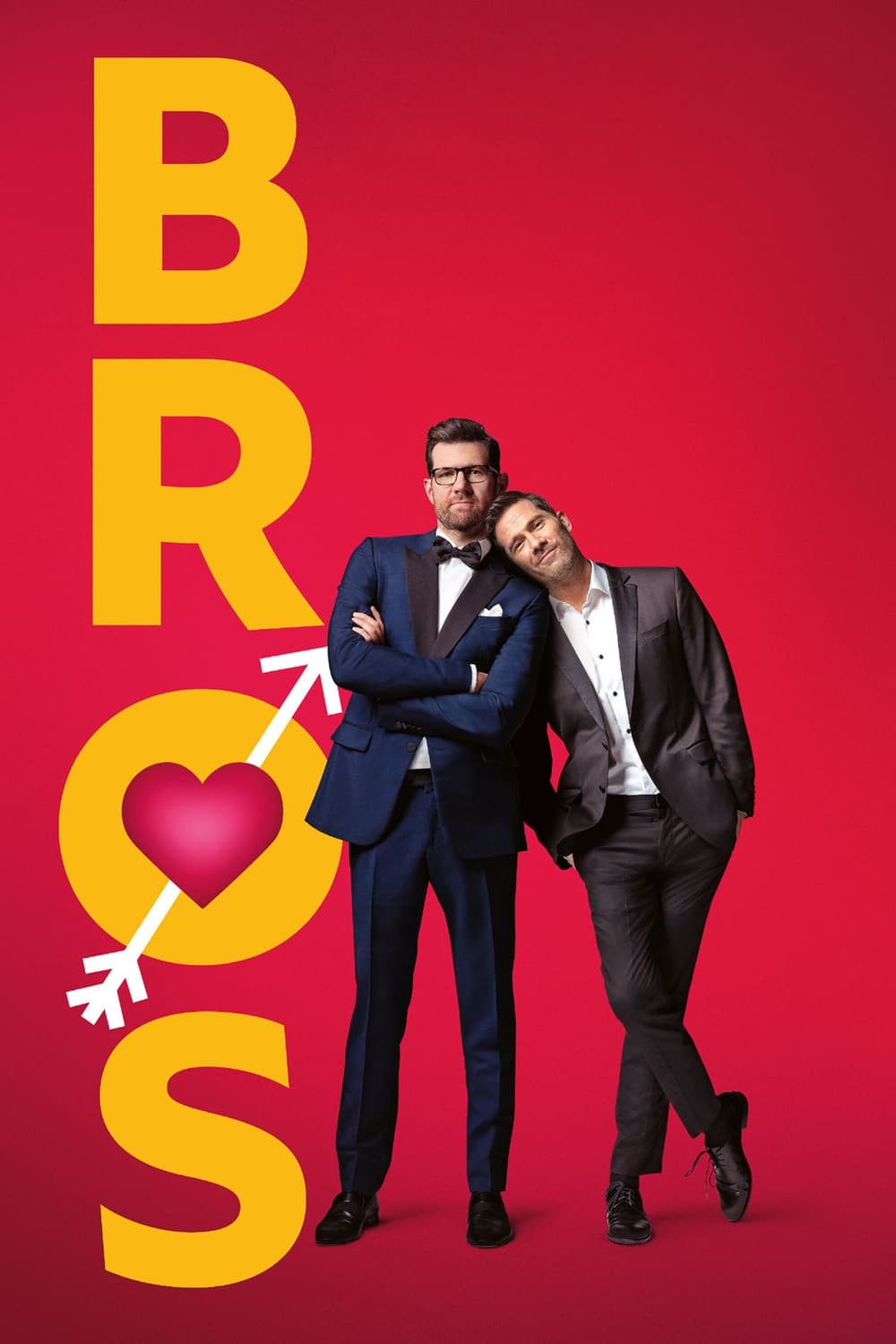
This film was marketed as the first gay romantic comedy from a major studio with an entirely LGBTQ principal cast. Despite heavy promotion and positive critical reviews the movie failed to attract a mainstream audience and bombed at the box office. Lead actors expressed frustration on social media and suggested that a lack of support from broader audiences was to blame. Critics pointed out that the niche marketing may have limited its appeal to a wider demographic. The failure of the film sparked a debate about the viability of diverse romantic comedies in theaters.
‘Amsterdam’ (2022)
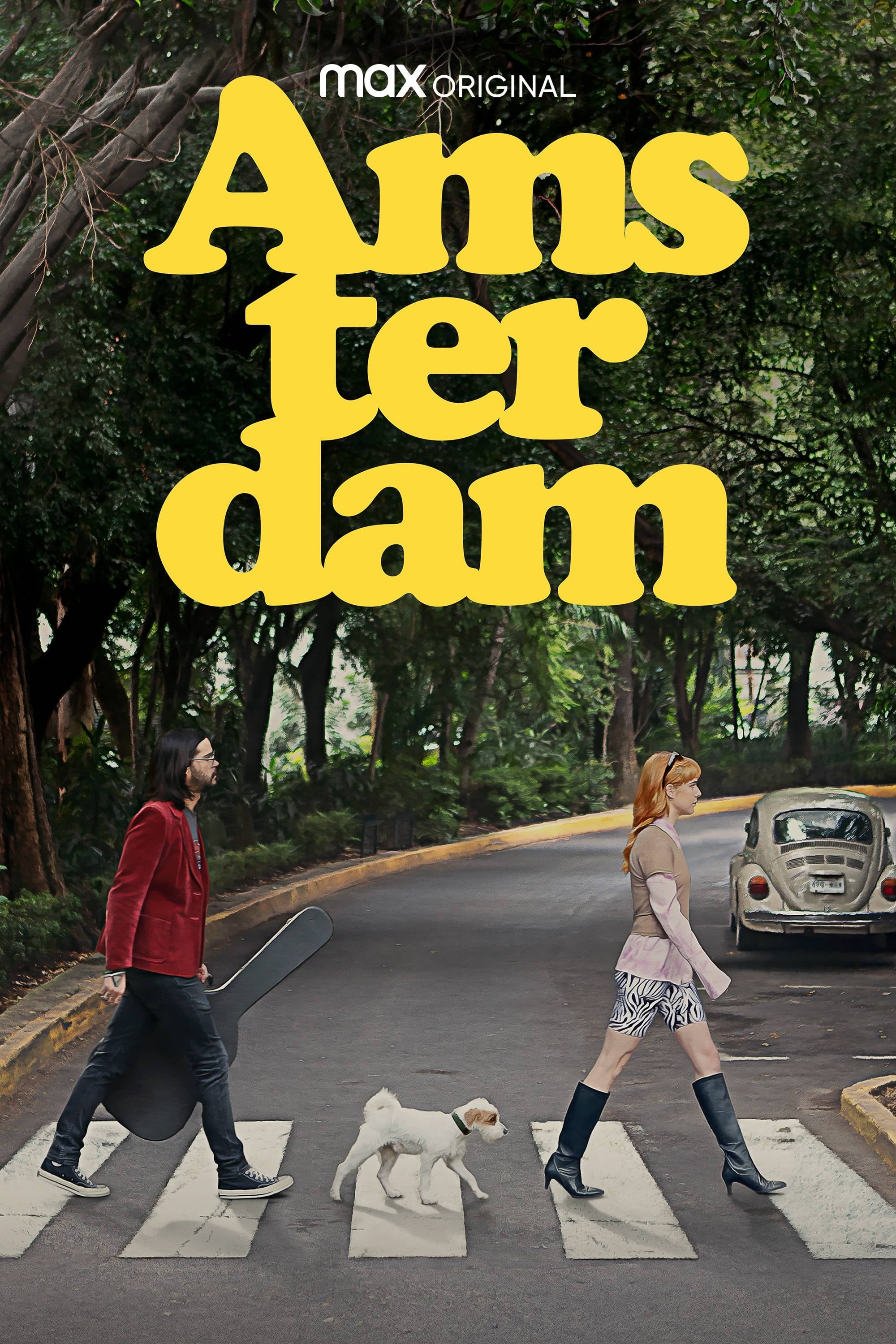
Despite having a massive and diverse ensemble cast this film was a major financial failure for the studio. The movie was criticized for its convoluted plot and uneven tone which failed to engage critics or general audiences. High production costs and extensive marketing could not save the film from losing nearly one hundred million dollars. The presence of multiple award winning actors was not enough to overcome the narrative flaws of the project. It remains a notable example of a high profile project with an inclusive cast that failed to find success.
‘Cats’ (2019)

The film adaptation of the hit musical featured a diverse cast of singers and actors but became a notorious commercial disaster. While representation was not the primary issue the film was criticized for its unsettling visual effects and lack of direction. The production faced intense mockery on social media which effectively killed any chance of a successful run. The movie lost an estimated one hundred million dollars and became a punchline in the entertainment industry. It shows that visual spectacle and a diverse cast cannot overcome fundamental issues in execution.
‘Robin Hood’ (2018)
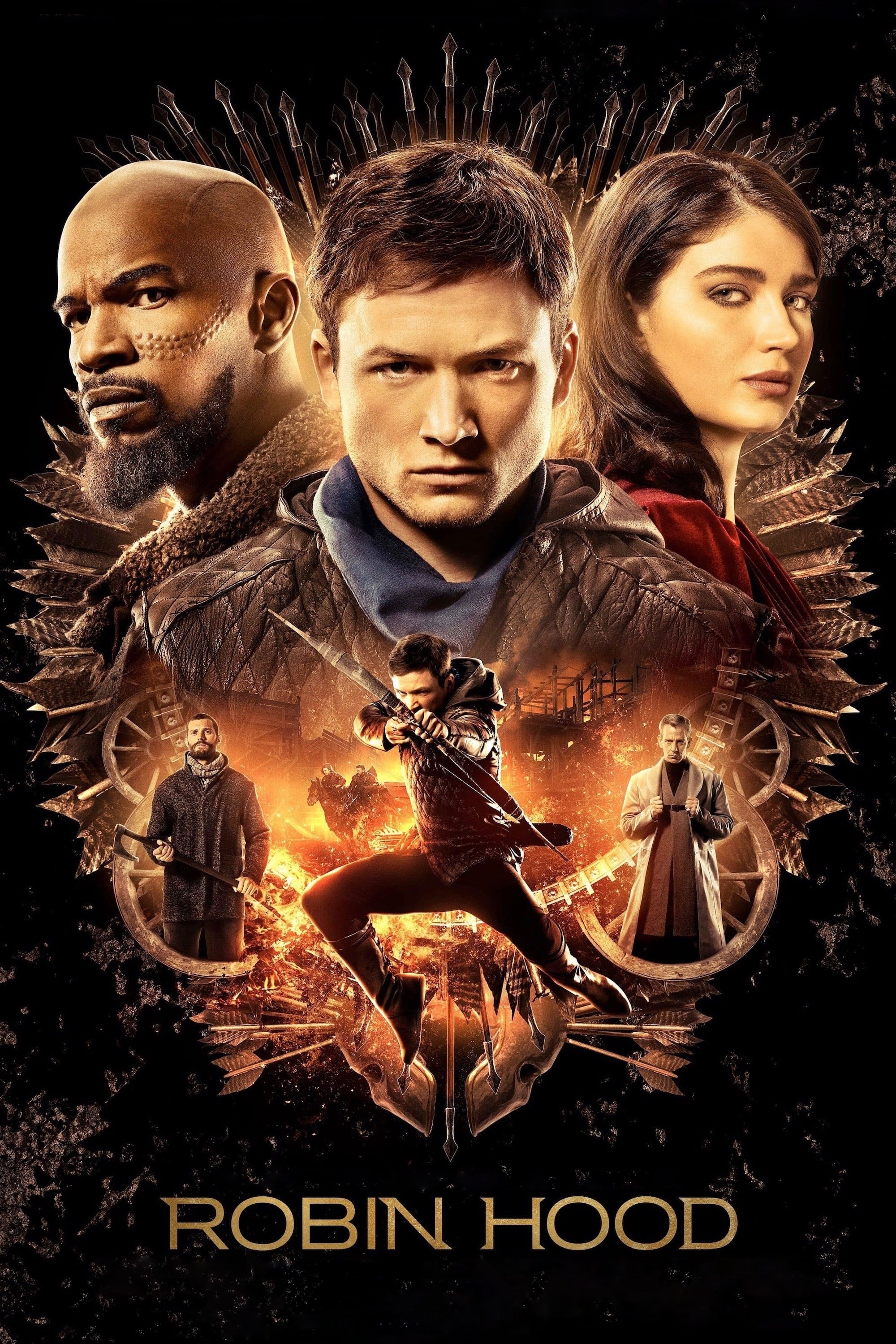
This gritty reboot featured a multicultural cast in an attempt to modernize the story for a contemporary audience. The film was criticized for its modern costumes and action sequences that felt out of place in a medieval setting. Critics and audiences found the movie to be an unnecessary addition to the many existing versions of the legend. It was a major box office bomb and failed to recoup its production and marketing costs. The failure demonstrated that simply adding diverse elements to an old story is not enough to guarantee success.
‘King Arthur: Legend of the Sword’ (2017)
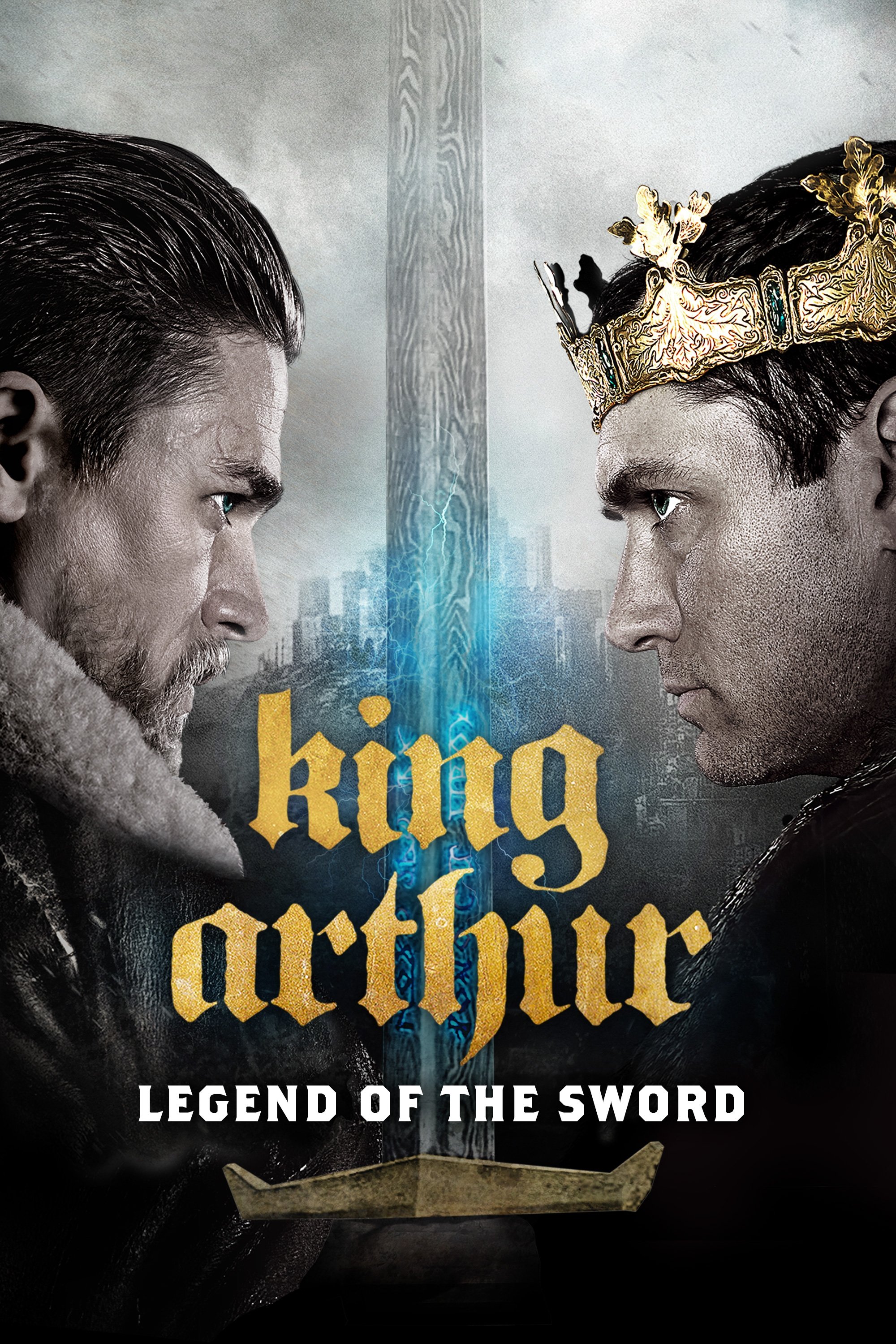
The director attempted to reinvent this legend with a diverse cast and a fast paced editing style. The film featured actors from various backgrounds to create a more multicultural version of ancient Britain. However the movie was panned by critics and largely ignored by audiences during its theatrical run. It resulted in a massive loss for the studio and ended plans for a multi film franchise. This outcome highlighted the difficulty of updating traditional myths with modern sensibilities and diverse casting.
‘John Carter’ (2012)
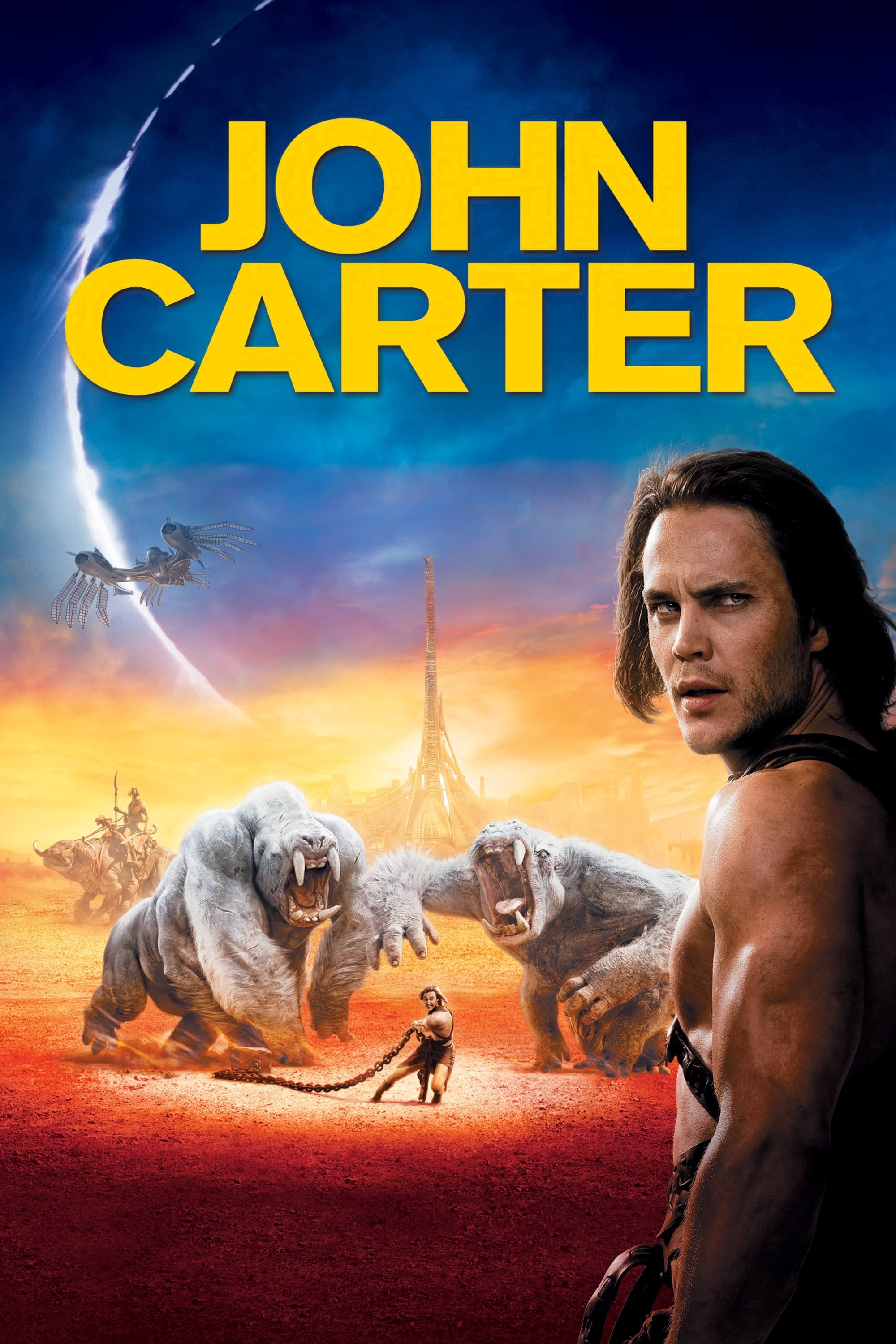
This science fiction epic was based on a classic novel but failed to attract a modern audience. While the film featured a variety of alien races and a diverse cast it was criticized for its lack of a clear identity. The marketing campaign was widely seen as a failure and the title change from the original book did not help. The movie became one of the most expensive bombs in Hollywood history and led to significant changes at the studio. It serves as a reminder of the high stakes involved in big budget genre filmmaking.
‘Mortdecai’ (2015)
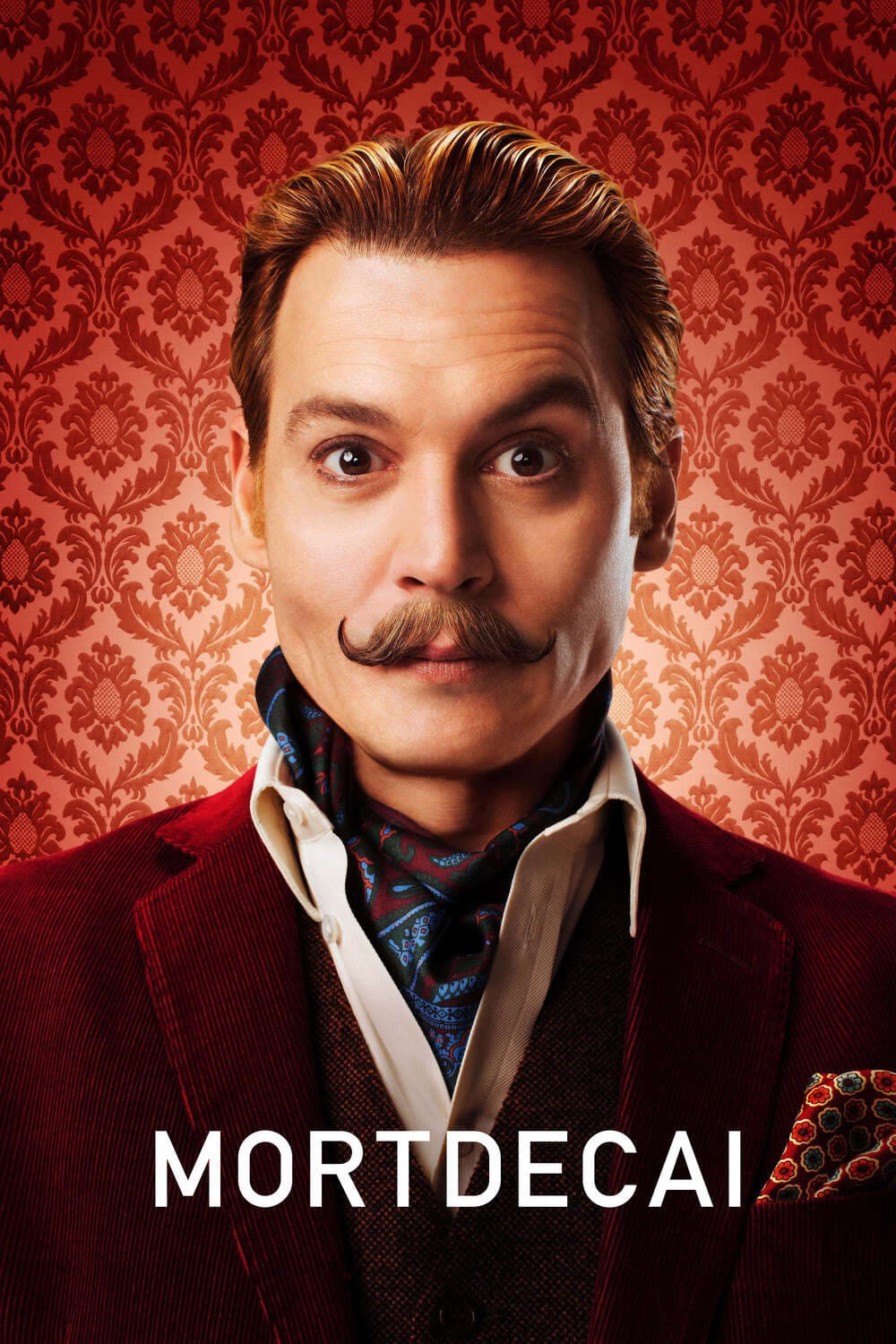
This eccentric comedy featured an ensemble cast but failed to find an audience or generate positive reviews. The film was criticized for its dated humor and a perceived lack of effort in its storytelling. Despite the presence of several big stars the movie bombed at the box office and was quickly forgotten. It represents a period where many star driven projects were failing to resonate with a more discerning public. The failure of the project showed that audiences were moving away from traditional star vehicles.
‘R.I.P.D.’ (2013)
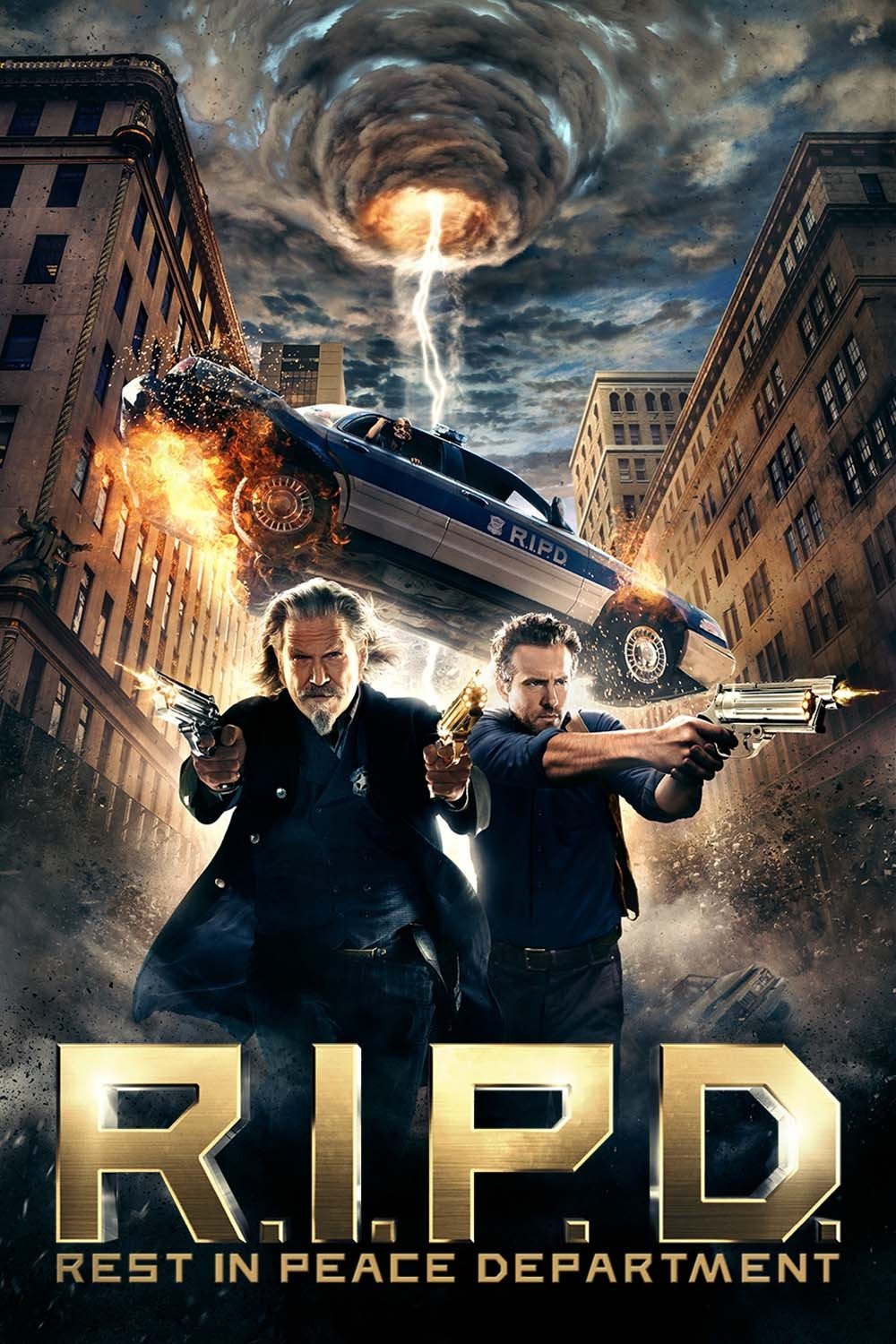
This supernatural action film featured a diverse cast but failed to land with critics or audiences. The movie was compared unfavorably to other successful franchises and lacked a unique identity. High production costs for visual effects were not matched by box office returns and the film was a significant loss. It is often cited as an example of a derivative project that failed to offer anything new. The commercial failure effectively ended any hope for a new action series based on the property.
‘Jupiter Ascending’ (2015)
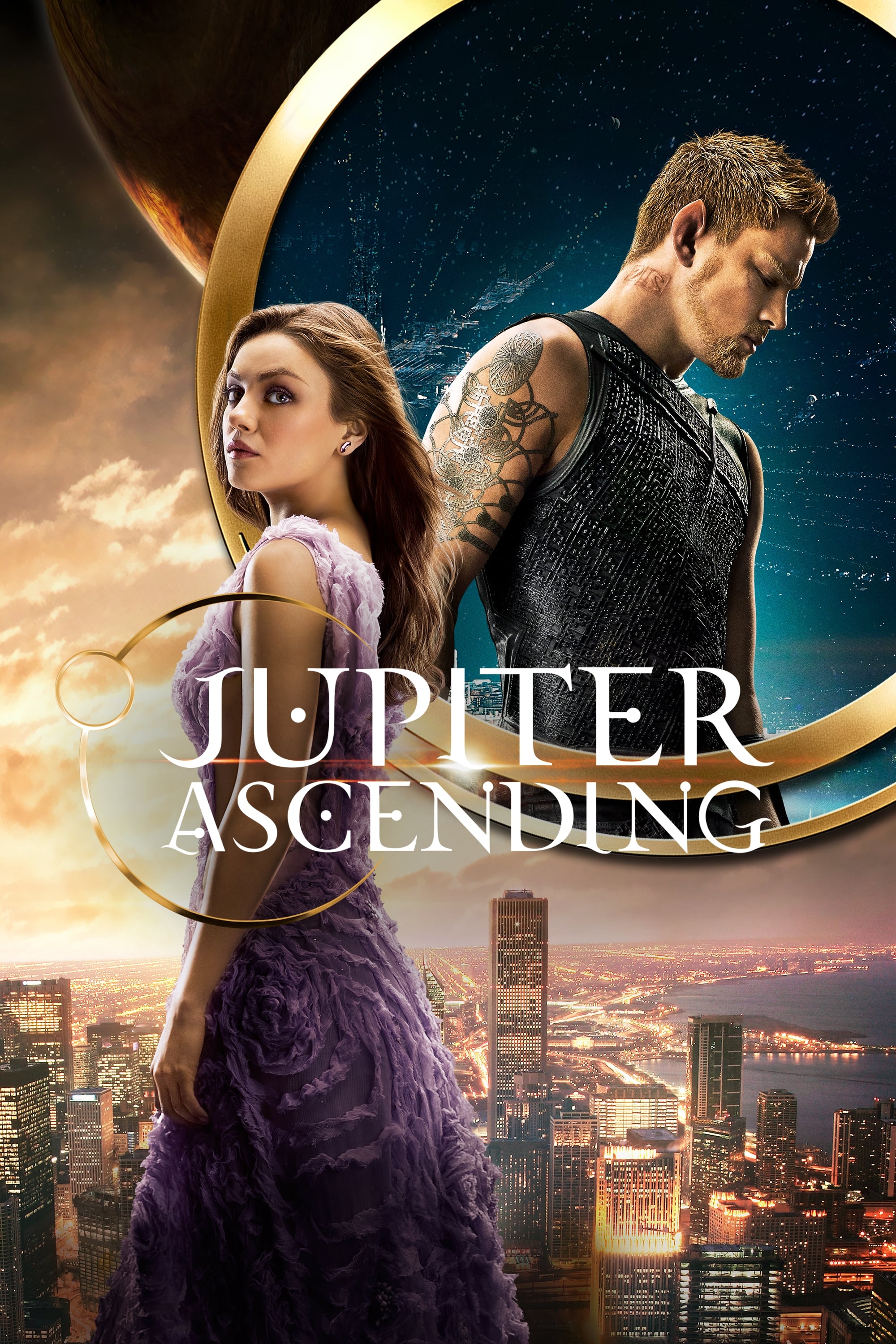
This original science fiction epic featured an ambitious world with a diverse array of characters and cultures. However the complex plot and unusual tone were met with confusion from both critics and general audiences. The film suffered from numerous delays and its release was pushed back to allow for more work on visual effects. It performed poorly at the box office and failed to start the new franchise the studio had hoped for. The project remains a notable example of a bold creative vision that failed to connect on a commercial level.
‘Dark Phoenix’ (2019)
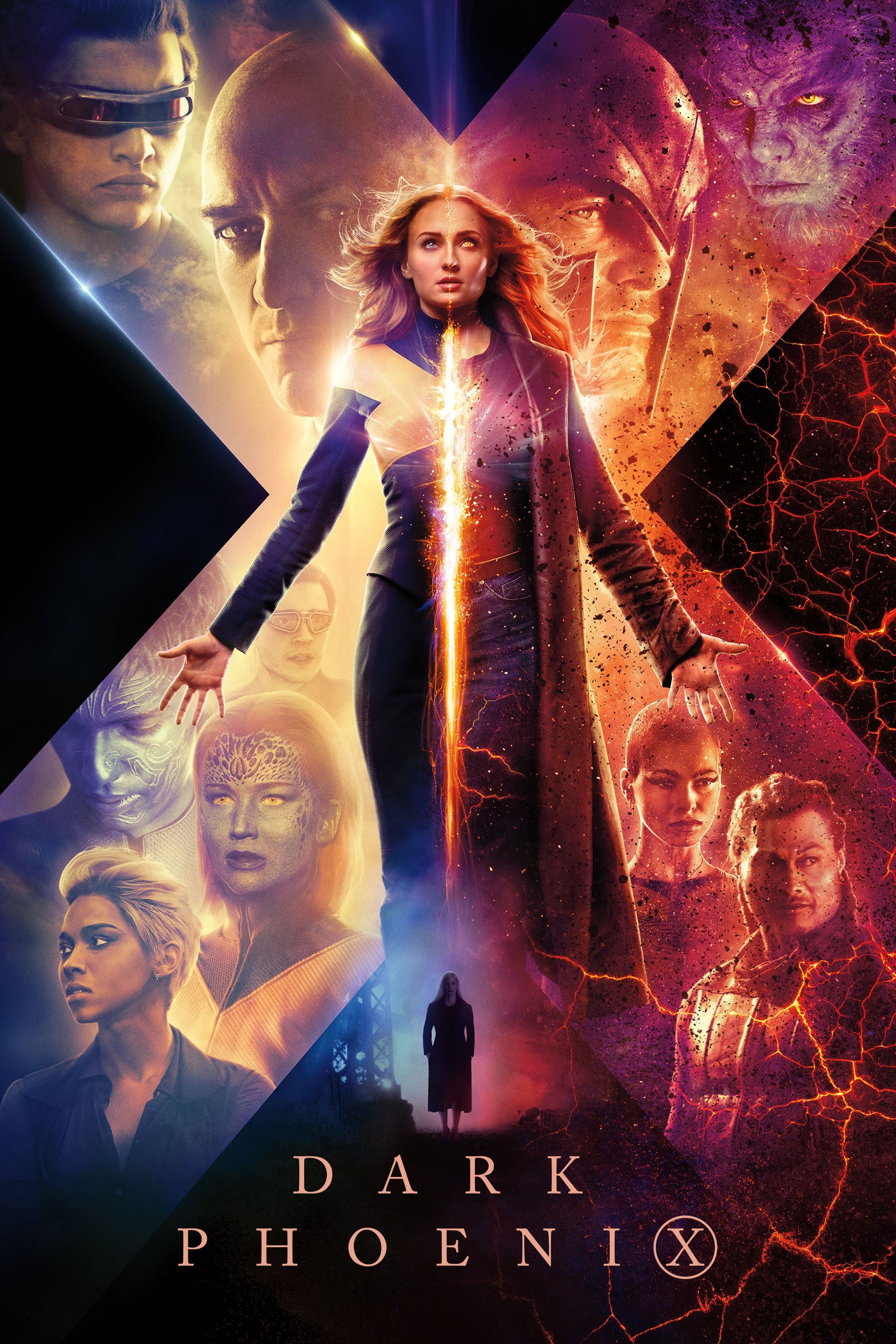
The final installment of the main X Men series was met with negative reviews and became the lowest grossing film in the franchise. While the series had moved toward more diverse representation this entry was seen as a disappointing conclusion. The production was troubled by extensive reshoots and multiple changes to the release date. Audiences had seemingly lost interest in this version of the characters after a decade of films. The failure of the movie marked the end of an era for the superhero genre at that studio.
Please share your thoughts on these films in the comments.