


Movies That Cast LGBTQ+ Stars as Corrupt Politicians




Many actors in the LGBTQ+ community have delivered memorable performances while playing figures of authority who struggle with moral integrity. These roles range from historical monarchs to modern bureaucrats and manipulative lobbyists who use their positions for personal gain. Exploring these characters provides a unique look at how out performers navigate the complexities of power and corruption on the silver screen. Each entry highlights a performance where an openly LGBTQ+ star embodies the darker side of leadership and governance.
‘The Matrix Resurrections’ (2021)
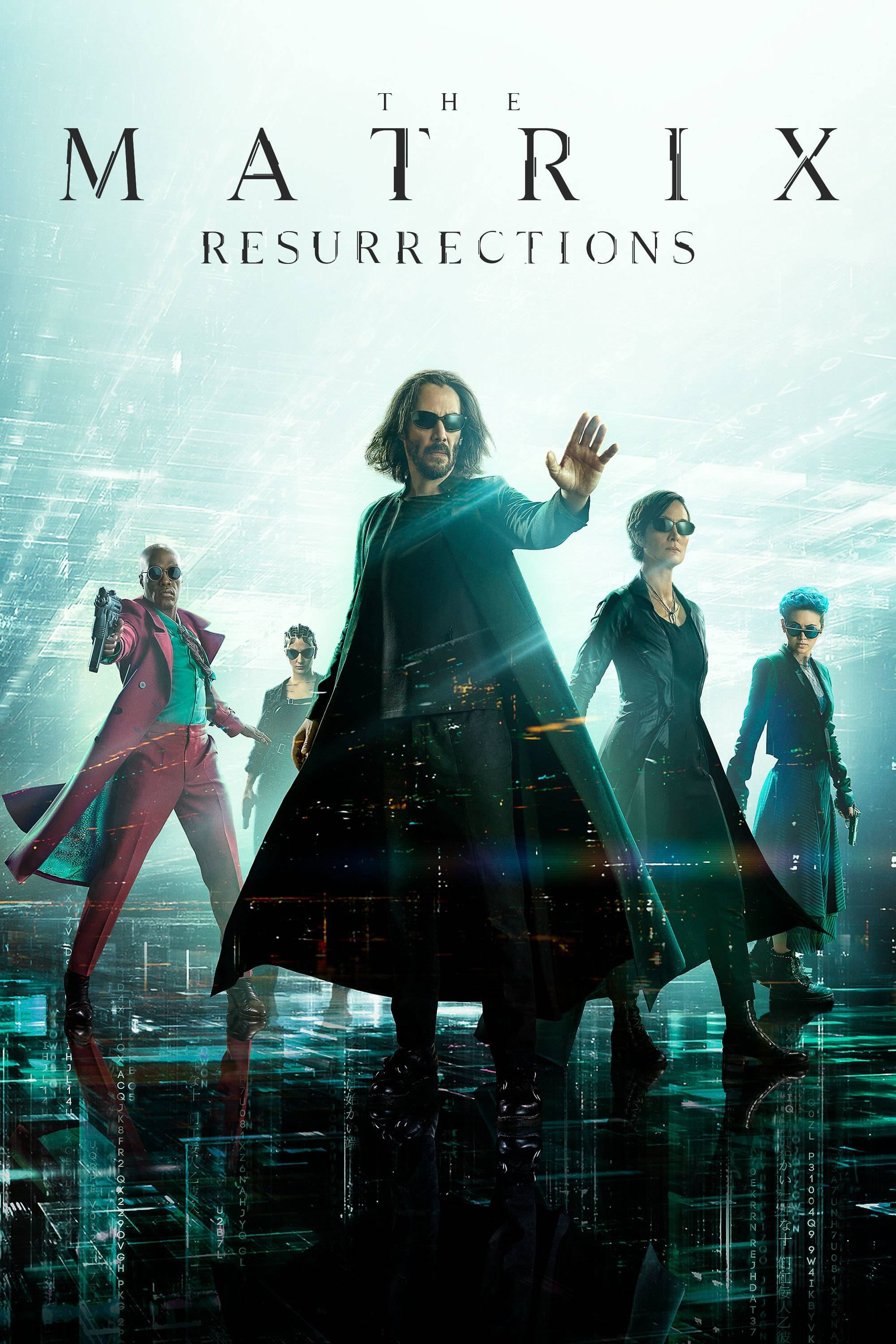
Jonathan Groff plays a modern iteration of a powerful system program that oversees a digital reality. His character operates within a high level corporate and political framework while attempting to suppress human freedom. He uses his immense authority to manipulate the protagonist and maintain the status quo of a deceptive simulation. The performance provides a chilling look at a leader who values systemic control above all else. This role reinvents a classic antagonist with a sleek and bureaucratic sensibility.
‘Glass’ (2019)

Sarah Paulson portrays a psychiatrist who works for a secretive organization with deep government connections. Her character is tasked with convincing superpowered individuals that their extraordinary abilities are merely psychological delusions. She operates with a cold and clinical authority while carrying out a hidden and corrupt agenda to protect society. The film reveals that she is part of a systemic effort to eliminate threats to the established social order. Her performance creates a relentless sense of dread through her calm and official demeanor.
‘The Personal History of David Copperfield’ (2019)

Ben Whishaw takes on the role of a manipulative and sycophantic clerk who seeks to climb the social and legal ladder. His character uses deception and blackmail to seize control of a wealthy estate and ruin those in his way. He represents the corrupting nature of ambition within a rigid class system that rewards cruelty. The performance highlights the character’s oily charm and his eventual downfall when his schemes are exposed. This portrayal adds a layer of psychological depth to a classic literary villain.
‘The Favourite’ (2018)

Mark Gatiss appears as a powerful political figure who is deeply involved in the court intrigue surrounding the Queen of Great Britain. His character navigates the treacherous waters of eighteenth century politics while seeking to maintain his influence and status. He represents the interests of the landed gentry and uses his position to manipulate national policy for personal benefit. The film showcases his role in the power struggles and petty rivalries of the royal household. This performance provides a grounded look at the cynical reality of historic political maneuvering.
‘Beauty and the Beast’ (2017)

Luke Evans plays a charismatic and narcissistic local hero who uses his influence to lead a small village. His character manipulates the townspeople through fear and vanity to achieve his own selfish desires. He represents a form of local political corruption where charisma is used to justify cruelty and violence. The story follows his attempt to force a young woman into marriage while orchestrating the downfall of her father. This role emphasizes the dangers of a leader who values his own legend over the truth.
‘Hidden Figures’ (2016)

Jim Parsons portrays a high level engineer who uses his institutional authority to obstruct the progress of his colleagues. His character represents the systemic biases and professional gatekeeping prevalent within a government funded space program. He consistently undermines the efforts of others to maintain his own status and the existing social hierarchy. The film highlights how bureaucratic power can be used to marginalize talent and delay innovation. This performance provides a sobering look at the quiet corruption of administrative prejudice.
‘Spectre’ (2015)
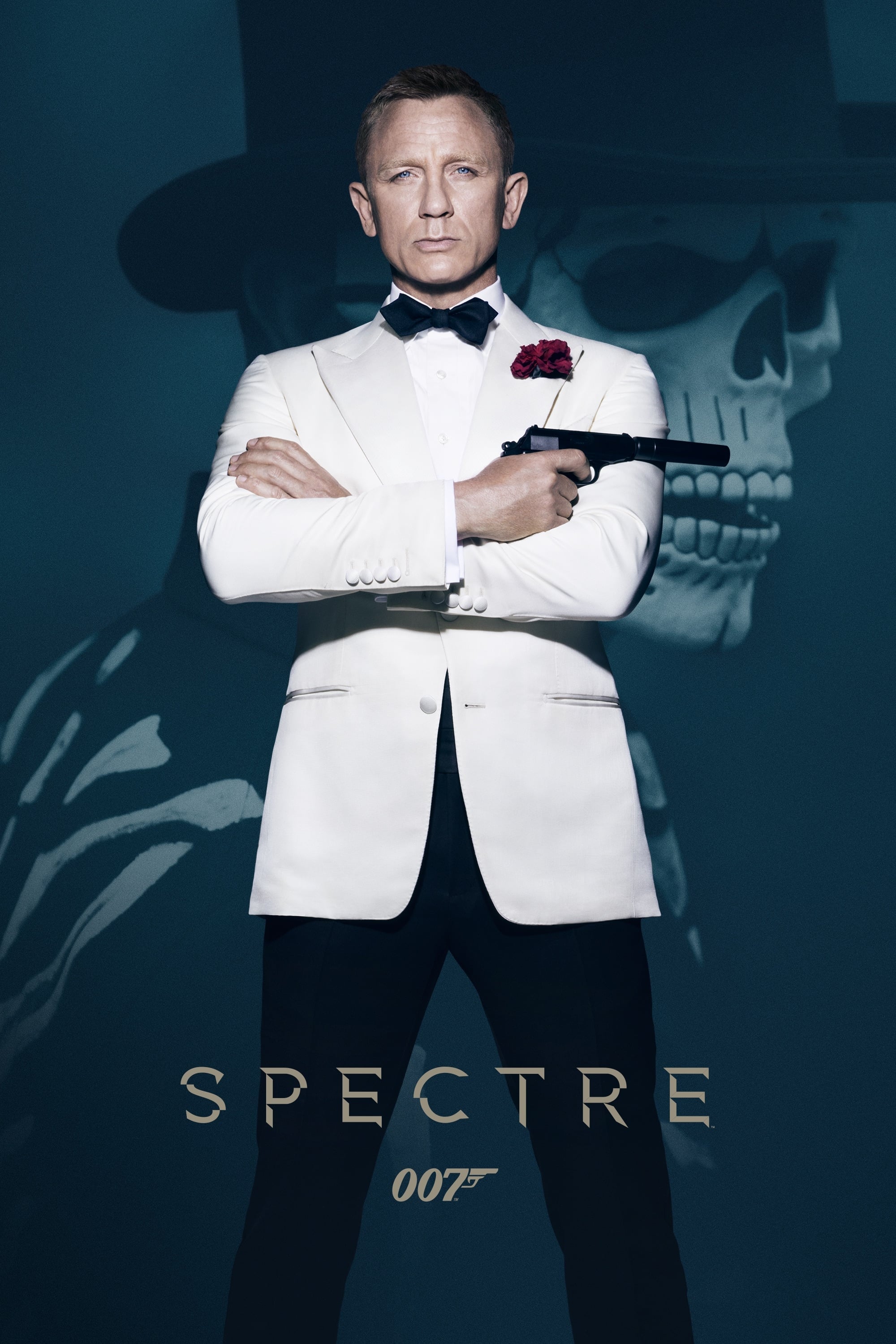
Andrew Scott plays a high ranking intelligence official who aims to consolidate global surveillance under his personal control. He secretly works with a criminal organization to dismantle existing security agencies and expand his reach through technology. His character represents the modern threat of data misuse and political betrayal within the global intelligence community. The film showcases his efforts to manipulate government leaders into supporting a corrupt and dangerous agenda. This role serves as a significant obstacle for the protagonist during a major international crisis.
‘Sicario’ (2015)

Victor Garber appears as a high level government official who oversees a questionable and violent task force. His character operates in a moral gray area while managing the escalation of a brutal drug war. He uses his authority to bypass legal protocols and maintain a sense of order through ethically compromised methods. The performance highlights the cold detachment of a leader who prioritizes strategic results over human rights. This role provides a cynical look at the lack of accountability within modern federal oversight.
‘Jurassic World’ (2015)

BD Wong reprises his role as a brilliant scientist who has transitioned into a powerful and corrupt corporate executive. His character prioritizes profit and experimental success over the safety and ethics of the public. He secretly collaborates with military interests to weaponize biological technology for global political advantage. The film explores the consequences of his greed and the catastrophic failure of his oversight. This performance demonstrates the intersection of corporate power and political corruption.
‘The Hobbit: The Desolation of Smaug’ (2013)

Stephen Fry portrays a greedy and narcissistic local leader who exploits his subjects for personal wealth. His character is obsessed with maintaining his power and status while the citizens of his town suffer in poverty. He uses his political influence to suppress dissent and manipulate the arrival of newcomers for his own gain. The performance brings a sense of pompous cruelty to a figure who is eventually undone by his own cowardice. This role serves as a critique of leaders who prioritize their own comfort over the common good.
‘Elysium’ (2013)

Jodie Foster plays a ruthless government secretary who oversees the operations of an exclusive luxury space habitat. She is willing to sacrifice countless lives on the surface of the Earth to maintain the elite status of her citizens. Her character attempts to stage a military coup to gain absolute control over the habitat and its advanced technology. This performance highlights the terrifying dangers of unchecked political power and extreme class segregation. The actress brings a cold and calculated intensity to this high ranking antagonist role.
‘Mirror Mirror’ (2012)

Nathan Lane appears as a bumbling and sycophantic advisor to an evil queen who has usurped the throne. His character carries out the corrupt orders of the monarch while attempting to survive the chaotic politics of the palace. He represents the weak willed officials who enable tyranny through their own fear and self interest. The story follows his humorous yet ethically compromised journey as he navigates the demands of a wicked leader. This performance provides a comedic take on the role of the loyal yet corrupt political subordinate.
‘Casino Jack’ (2010)

Kevin Spacey portrays a powerful lobbyist who builds a massive network of influence and wealth through systemic deception. He exploits indigenous tribes and government officials to fund his lavish lifestyle and various political schemes. The film explores the deep rot within the American legislative process during the early two thousands. His actions eventually lead to a major federal scandal that exposes widespread corruption in the nation’s capital. This portrayal provides a cynical look at how money can manipulate democratic institutions.
‘The Proposal’ (2009)

Denis O’Hare plays an antagonistic government official who uses his authority to harass and intimidate the main characters. His character is a rigid immigration officer who takes pleasure in enforcing the law with an uncompromising and cruel attitude. He represents the petty corruption of a bureaucrat who enjoys the power he holds over the lives of others. The film showcases his efforts to expose a fraudulent marriage through a relentless and personal investigation. This role emphasizes how official duty can be weaponized for personal satisfaction.
‘Milk’ (2008)

Denis O’Hare takes on the role of a real life state senator who campaigns on a platform of discrimination and exclusion. His character is the primary political antagonist who seeks to pass legislation that would fire LGBTQ+ teachers from public schools. He uses his political platform to spread fear and division throughout the community for his own electoral gain. The film explores the intense struggle between his corrupt agenda and the rising movement for civil rights. This performance provides a haunting look at the history of institutionalized prejudice in American politics.
‘Recount’ (2008)
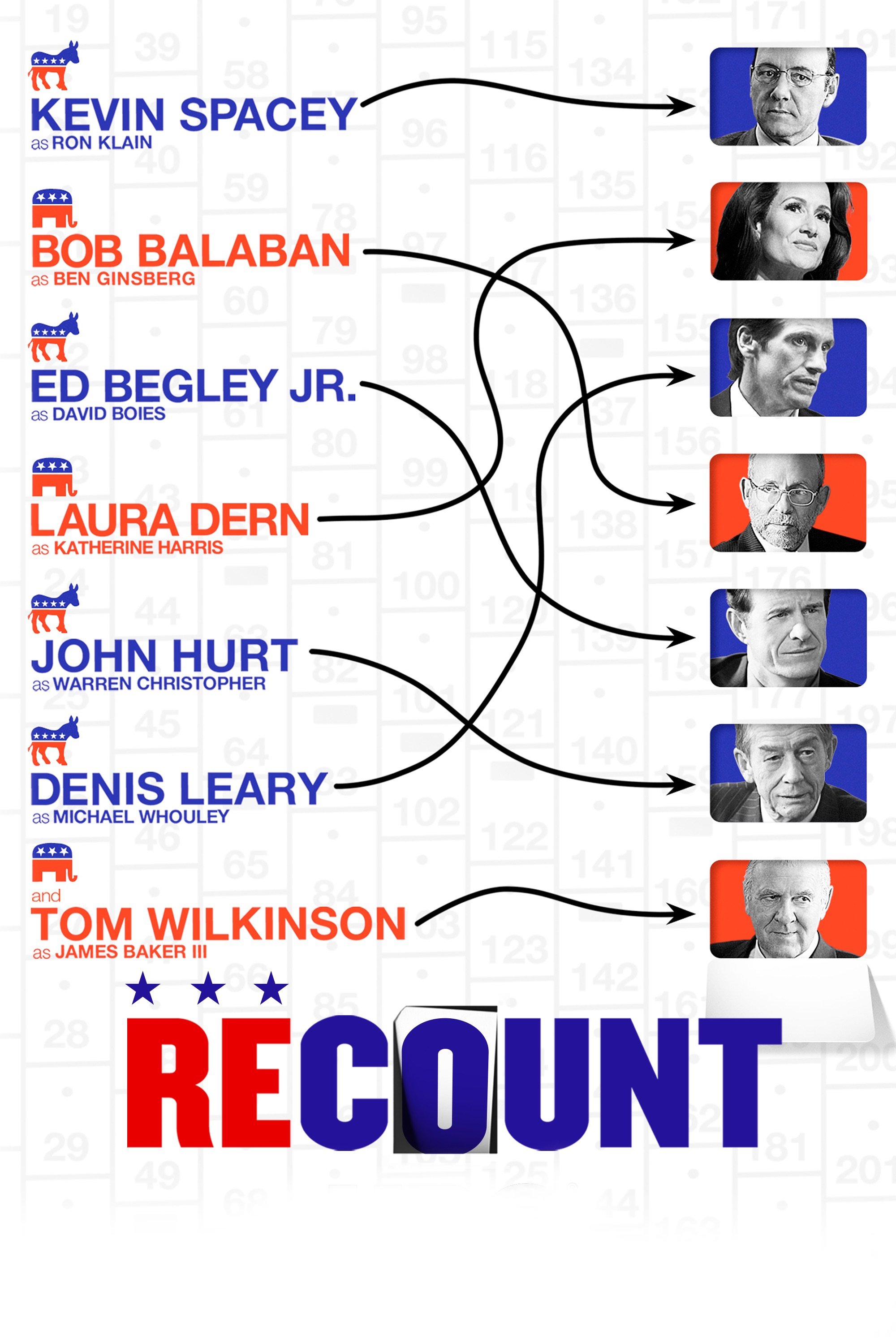
Kevin Spacey plays a high level political operative who manages the intense legal and administrative battles of a contested election. His character navigates the complex machinery of the electoral process while fighting for his candidate’s victory. The film focuses on the strategic maneuvering and political pressure applied during a period of national uncertainty. He represents the partisan nature of modern politics where winning often takes precedence over democratic ideals. This performance offers a detailed look at the inner workings of a high stakes political crisis.
‘All the King’s Men’ (2006)
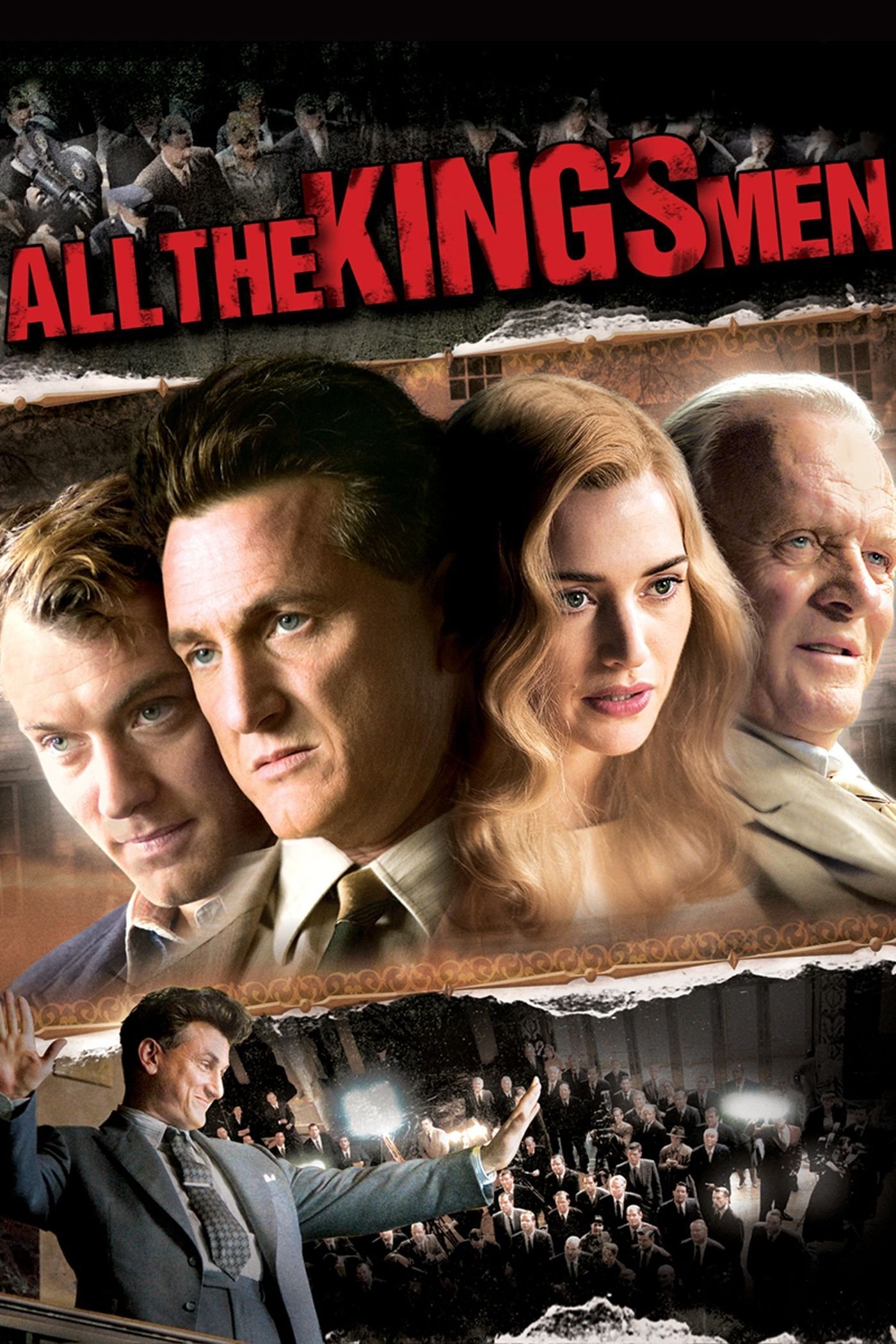
Kevin Spacey appears as an influential advisor and reporter who becomes entangled in the rise of a populist leader. His character witnesses the slow descent of a politician into corruption and the abuse of power. He operates within a world of political favors and dark secrets while attempting to maintain his own moral footing. The film explores the destructive nature of ambition and the loss of idealism in the face of political reality. This performance highlights the role of the observer who becomes complicit in the corruption they once criticized.
‘Superman Returns’ (2006)

Kevin Spacey portrays a megalomaniacal villain who seeks to redraw the map of the world through a massive real estate scheme. His character plans to destroy millions of lives to create a new continent where he holds absolute political and economic power. He uses advanced technology and stolen resources to bypass international laws and establish his own empire. The performance showcases a blend of theatrical charm and cold blooded ruthlessness. This role represents the ultimate corruption of a leader who views humanity as an obstacle to his own greatness.
‘V for Vendetta’ (2005)

Stephen Fry plays a popular television host who lives under the rule of a fascist and corrupt government. His character secretly rebels against the regime by collecting forbidden art and mocking the leadership in private. He represents the individuals within a corrupt system who must balance their public survival with their private integrity. The film explores the consequences of his defiance when he finally chooses to speak out against the state. This performance provides a poignant look at the cost of political resistance in a totalitiarian society.
‘The Village’ (2004)

Cherry Jones portrays a member of a secluded community’s council of elders who maintain order through fear and deception. Her character is part of a systemic effort to keep the citizens isolated by inventing a mythical threat in the woods. She represents the well intentioned but ultimately corrupt leadership that believes lies are necessary for the greater good. The film explores the ethical consequences of a government built on the suppression of truth. This performance highlights the quiet authority of a leader who values stability above transparency.
‘Shrek 2’ (2004)

Rupert Everett provides the voice for a vain and corrupt prince who seeks to secure his place in a royal dynasty through deception. His character is a spoiled member of the nobility who plots with his mother to seize power and rewrite a kingdom’s history. He represents the entitlement of the ruling class and the manipulation of public perception to achieve political goals. The film uses his character to satirize the tropes of fairy tale heroism and royal succession. This performance brings a high energy and arrogant quality to a classic animated antagonist.
‘The Manchurian Candidate’ (2004)

Cherry Jones plays a powerful United States Senator who is caught in the middle of a massive political conspiracy. Her character navigates a world of corporate influence and hidden agendas that threaten the integrity of the national government. She represents the officials who must decide between their own career survival and the safety of the country. The film explores the themes of brainwashing and systemic corruption within the highest levels of power. This performance provides a steady and authoritative presence in a story of intense political paranoia.
‘Death to Smoochy’ (2002)

Harvey Fierstein portrays a corrupt and greedy talent agent who operates within the cutthroat world of children’s television. His character is involved in kickbacks and unethical deals that prioritize financial gain over the quality of the programming. He represents the systemic rot within an industry that markets itself as wholesome while practicing ruthless business tactics. The film explores his efforts to sabotage competitors and maintain his lucrative position through illegal means. This performance adds a layer of cynical humor to a story about the loss of innocence in a corporate environment.
‘Titus’ (1999)
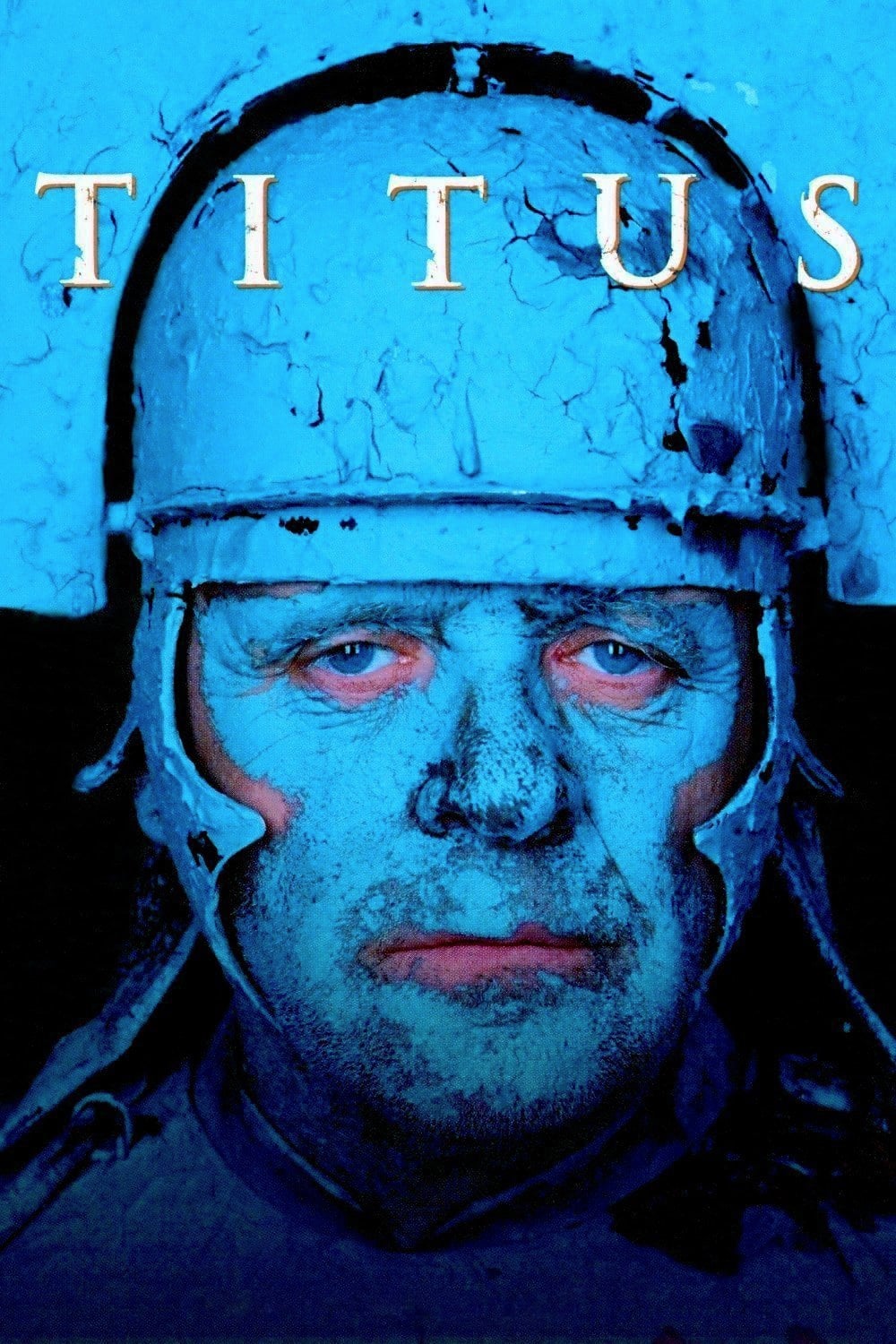
Alan Cumming plays a decadent and corrupt emperor who rises to power through marriage and political intrigue. His character uses his new authority to enact revenge and indulge in his own cruel whims without regard for the state. He represents the total corruption of an absolute monarch who treats the nation as his personal playground. The film showcases his descent into madness and the violent consequences of his chaotic leadership. This performance is marked by a flamboyant and unsettling energy that emphasizes the character’s moral decay.
‘Batman & Robin’ (1997)

John Glover appears as a mad scientist who works on government funded research projects while pursuing his own unethical goals. His character is willing to kill his colleagues and manipulate his experiments to achieve biological breakthroughs for personal profit. He represents the corruption of the scientific and political establishment when oversight is replaced by individual greed. The story follows the disastrous results of his actions when his experiments create a powerful and vengeful supervillain. This performance provides a theatrical look at the dangers of unethical institutional leadership.
‘L.A. Confidential’ (1997)

Kevin Spacey portrays a celebrity detective who navigates the deep corruption of the Los Angeles police department in the nineteen fifties. His character works as a consultant for a television show while accepting payoffs and participating in unethical stings. He represents the moral compromise of an official who has traded his integrity for fame and comfort within a broken system. The film explores his eventual attempt to seek redemption by exposing the rot at the heart of the force. This performance captures the weariness of a man who realizes he has become part of the problem.
‘Seven Years in Tibet’ (1997)

BD Wong plays a high ranking Tibetan official who eventually betrays his country to a foreign invading force. His character chooses political collaboration and personal survival over the loyalty he owes to his people and their leader. He represents the tragic corruption of a man who believes that the established order is doomed and seeks to benefit from its fall. The film explores the devastating impact of his decision on the nation and its cultural heritage. This performance provides a nuanced look at the motivations behind a historic act of political betrayal.
‘Richard III’ (1995)

Ian McKellen takes on the role of a corrupt and ruthless monarch in a modernized retelling of the classic Shakespearean play. His character uses murder and political manipulation to seize the throne and eliminate all potential rivals. He represents the ultimate corruption of the state when it is led by a man who views power as a means to satisfy his own hatred. The film showcases his strategic brilliance and his total lack of moral empathy as he dismantles the government. This performance is widely regarded as a definitive portrayal of a political tyrant.
‘The Madness of King George’ (1994)
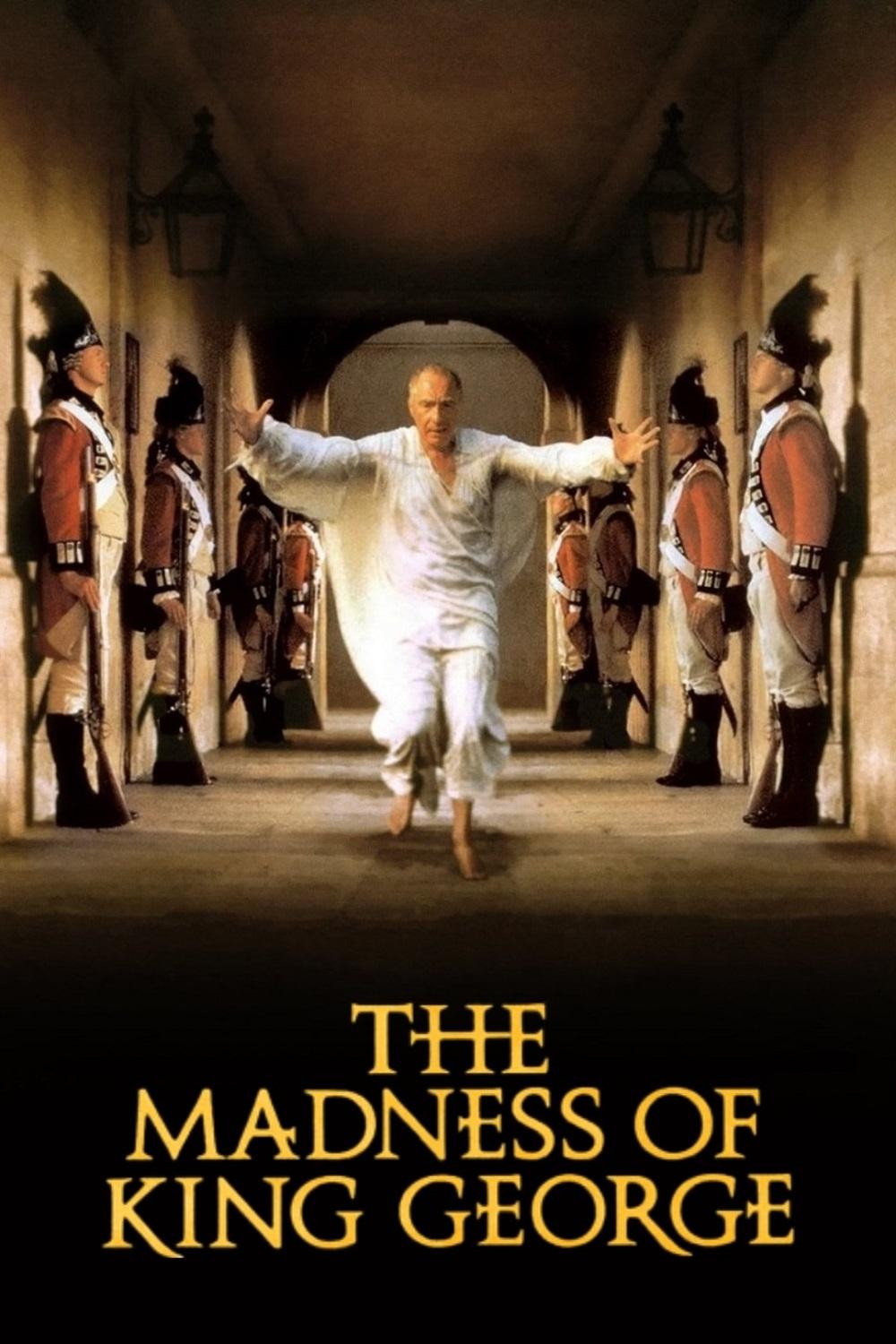
Rupert Everett plays the Prince of Wales who engages in a series of political schemes to seize power from his ailing father. His character manipulates the government and the royal court to have himself declared regent during a period of national crisis. He represents the opportunistic corruption of a leader in waiting who prioritizes his own ambition over the stability of the monarchy. The film explores the intense rivalries and the lack of loyalty within the highest levels of British royalty. This performance highlights the vanity and the strategic coldness of a man seeking a crown.
‘Gremlins 2: The New Batch’ (1990)

John Glover portrays a billionaire corporate mogul who owns a massive and high tech skyscraper that functions as a city within itself. His character is a parody of a greedy and self absorbed leader who views everything in life as a branding opportunity. He represents the corporate corruption that arises when a single individual holds too much economic and political influence over a population. The film follows the chaos that ensues when his lack of oversight leads to a biological disaster within his building. This performance provides a satirical look at the vanity of the modern American tycoon.
Please share your thoughts on these performances and any other LGBTQ+ stars in political roles in the comments.