


Movies That Cast Real Black Same-Sex Parents as Themselves

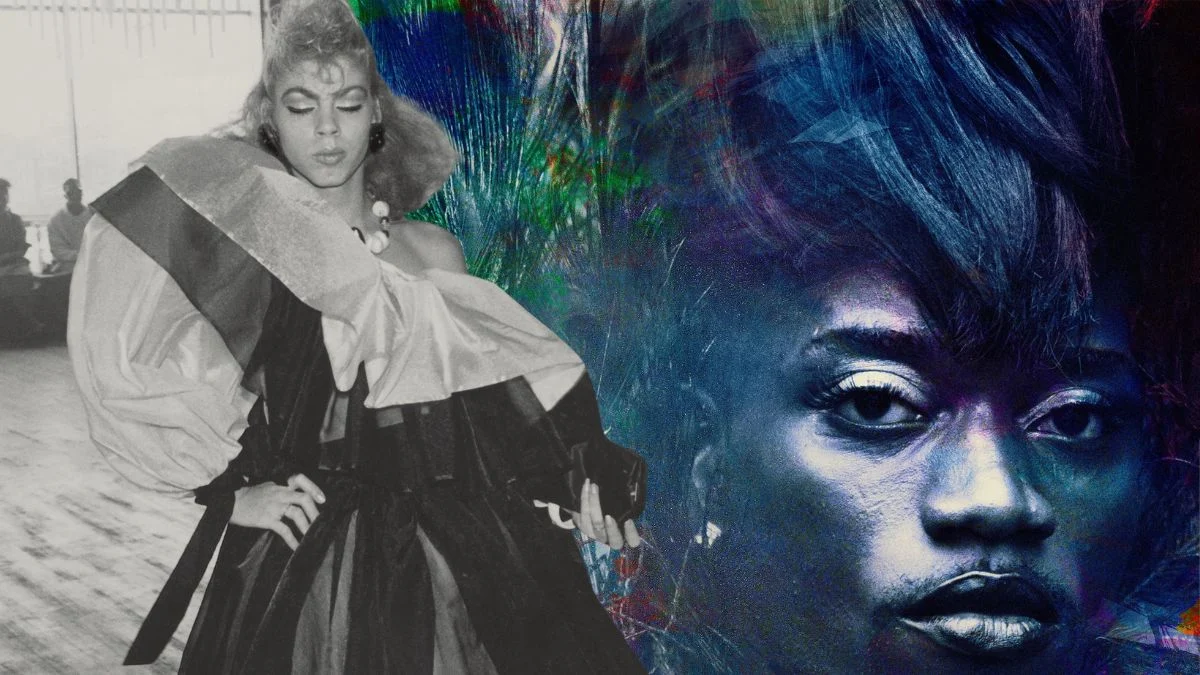


Representation in cinema has evolved significantly, moving beyond fictional narratives to showcase the authentic lives of marginalized communities. Documentaries and docudramas have become a vital medium for highlighting the experiences of Black LGBTQ+ parents who navigate the complexities of raising children in a society that often challenges their existence. These films provide an intimate look at the joys, struggles, and triumphs of these families, offering a platform for real people to tell their own stories without the filter of a script. By casting real Black same-sex parents as themselves, these movies challenge stereotypes and redefine the traditional concepts of family and parenthood. The following list explores films that center on these authentic voices and their journeys.
‘Paris Is Burning’ (1990)
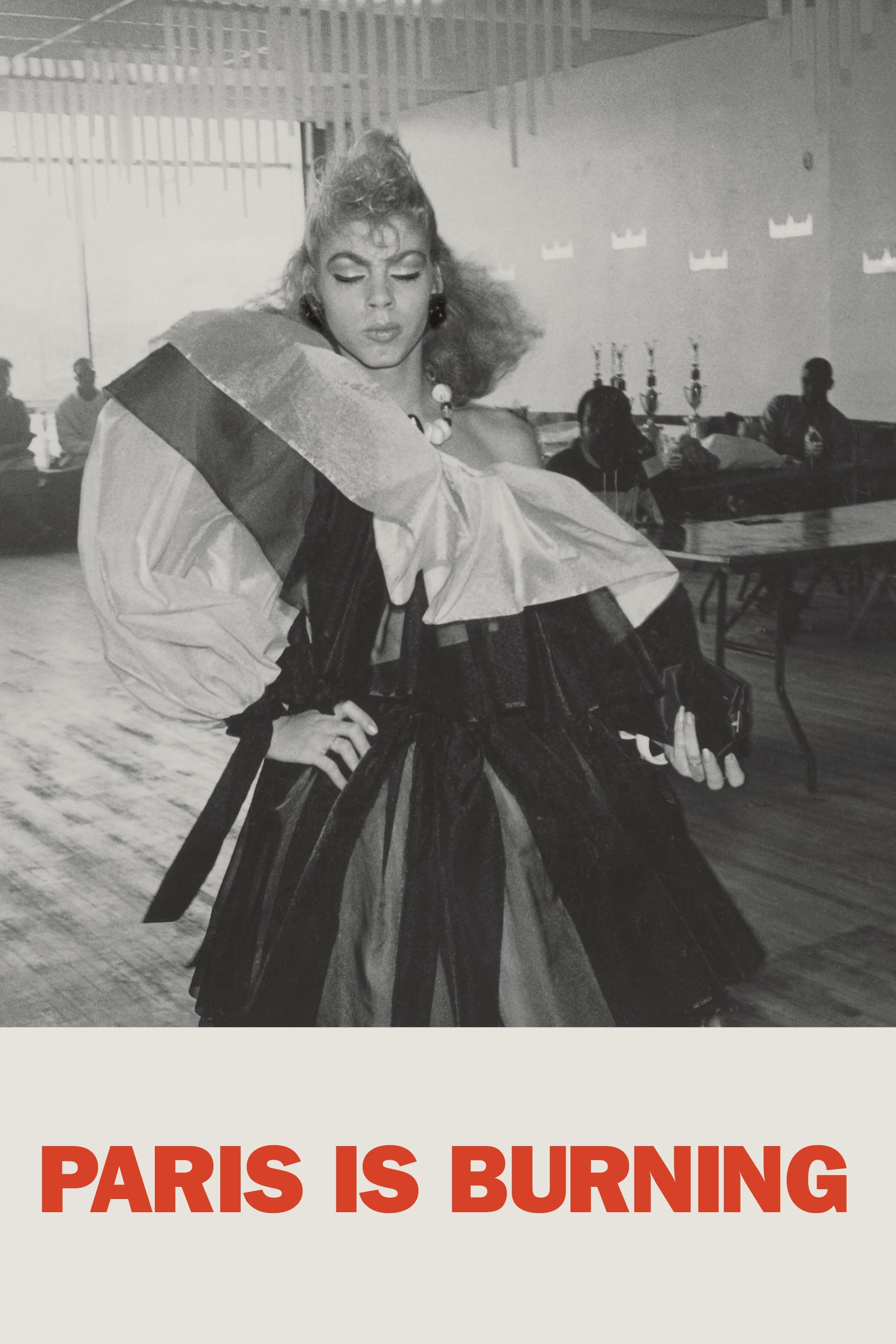
This seminal documentary offers an in-depth look at the ball culture of New York City in the late 1980s, where “Houses” serve as surrogate families for LGBTQ+ youth. The film features legendary “House Mothers” and “Fathers” like Pepper LaBeija and Willi Ninja, who provide guidance, shelter, and parental love to their chosen children. These real-life figures exemplify the concept of parenting within the community, offering support to those often rejected by their biological families. Their roles as parents are central to the survival and flourishing of the ballroom scene.
‘Kiki’ (2016)
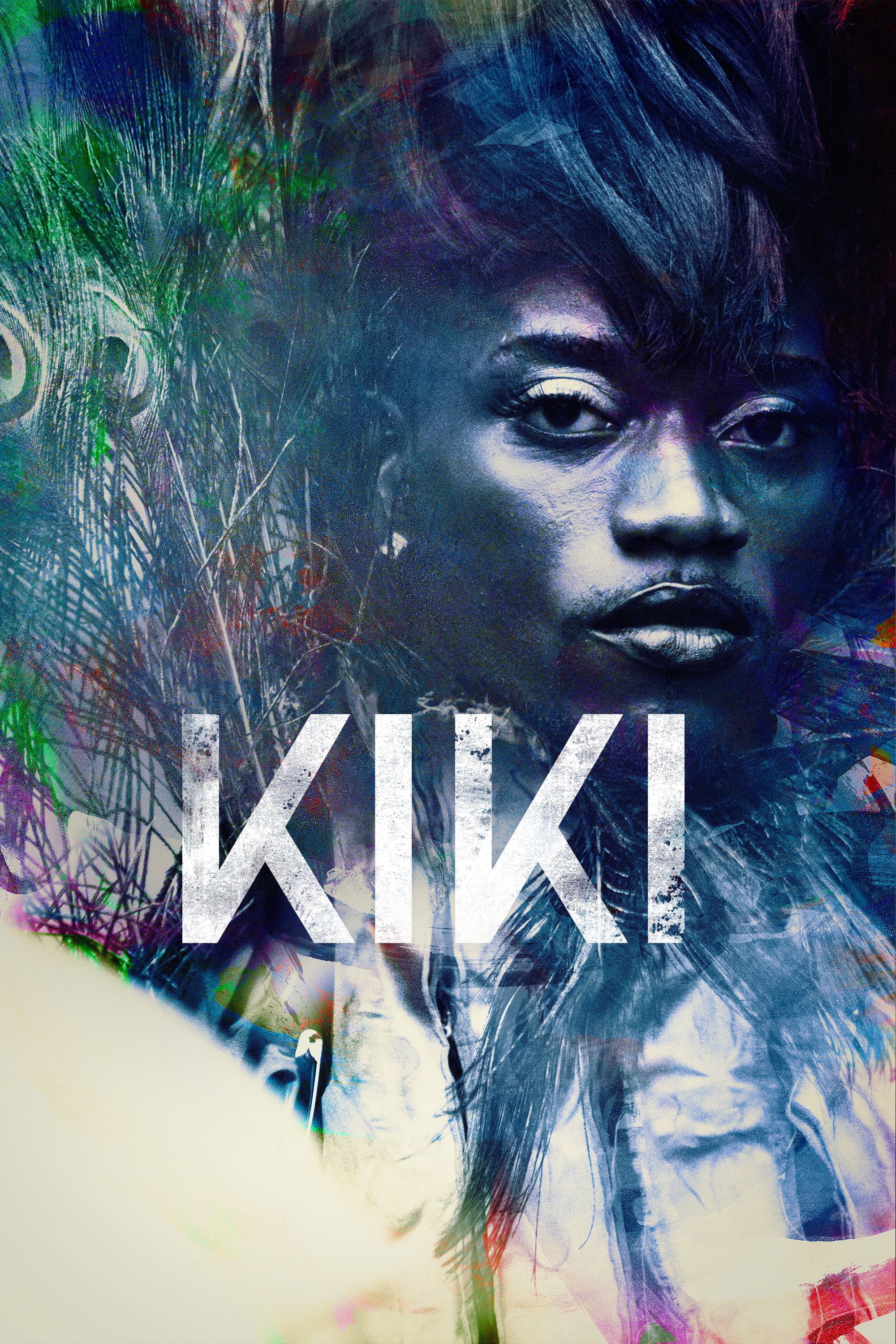
Serving as a spiritual successor to ‘Paris Is Burning’, this documentary focuses on the contemporary “Kiki” scene in New York City. It highlights a new generation of House leaders, such as Chi Chi Mizrahi, who act as mentors and parents to queer youth of color. The film explores how these real-life figures navigate activism, homelessness, and health issues while fostering a sense of belonging for their House children. It is a powerful testament to the enduring necessity and strength of chosen families in the Black LGBTQ+ community.
‘A Litany for Survival: The Life and Work of Audre Lorde’ (1995)
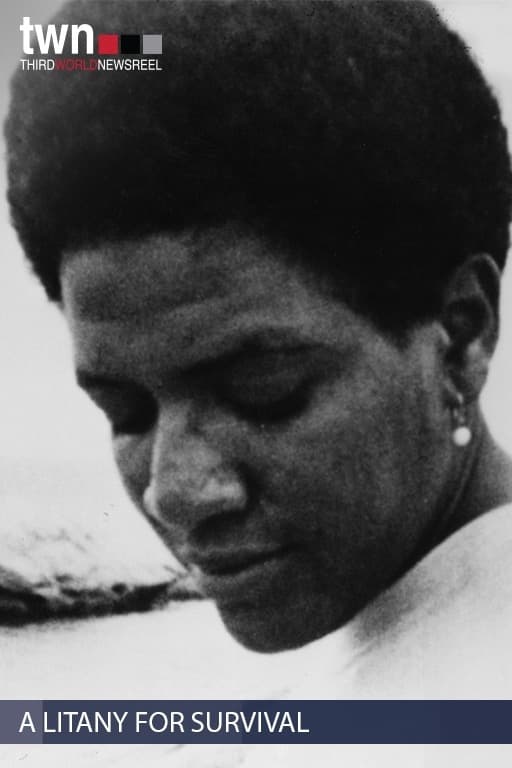
Audre Lorde, the self-described “black, lesbian, mother, warrior, poet,” is the subject of this moving documentary that chronicles her life and activism. The film features Lorde herself, along with interviews from her children, offering a personal perspective on her role as a mother. It delves into how she balanced her public life as a radical thinker with the private responsibilities of raising a family. Her presence on screen provides an authentic portrayal of Black lesbian motherhood during a pivotal era.
‘Choosing Children’ (1984)
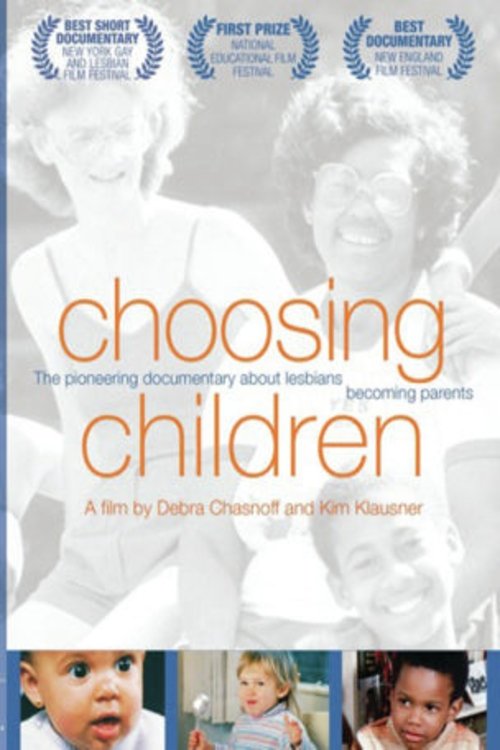
Breaking ground as one of the first documentaries to focus on lesbian mothers, this film challenges the assumption that coming out meant giving up the right to parent. It features six diverse families, including Black lesbian mothers who share their experiences of conception, adoption, and raising children in a heteronormative world. The women speak candidly about the legal and social hurdles they faced, providing a historical snapshot of the lesbian baby boom. Their stories affirm the possibility and reality of same-sex parenting decades ago.
‘The Aggressives’ (2005)
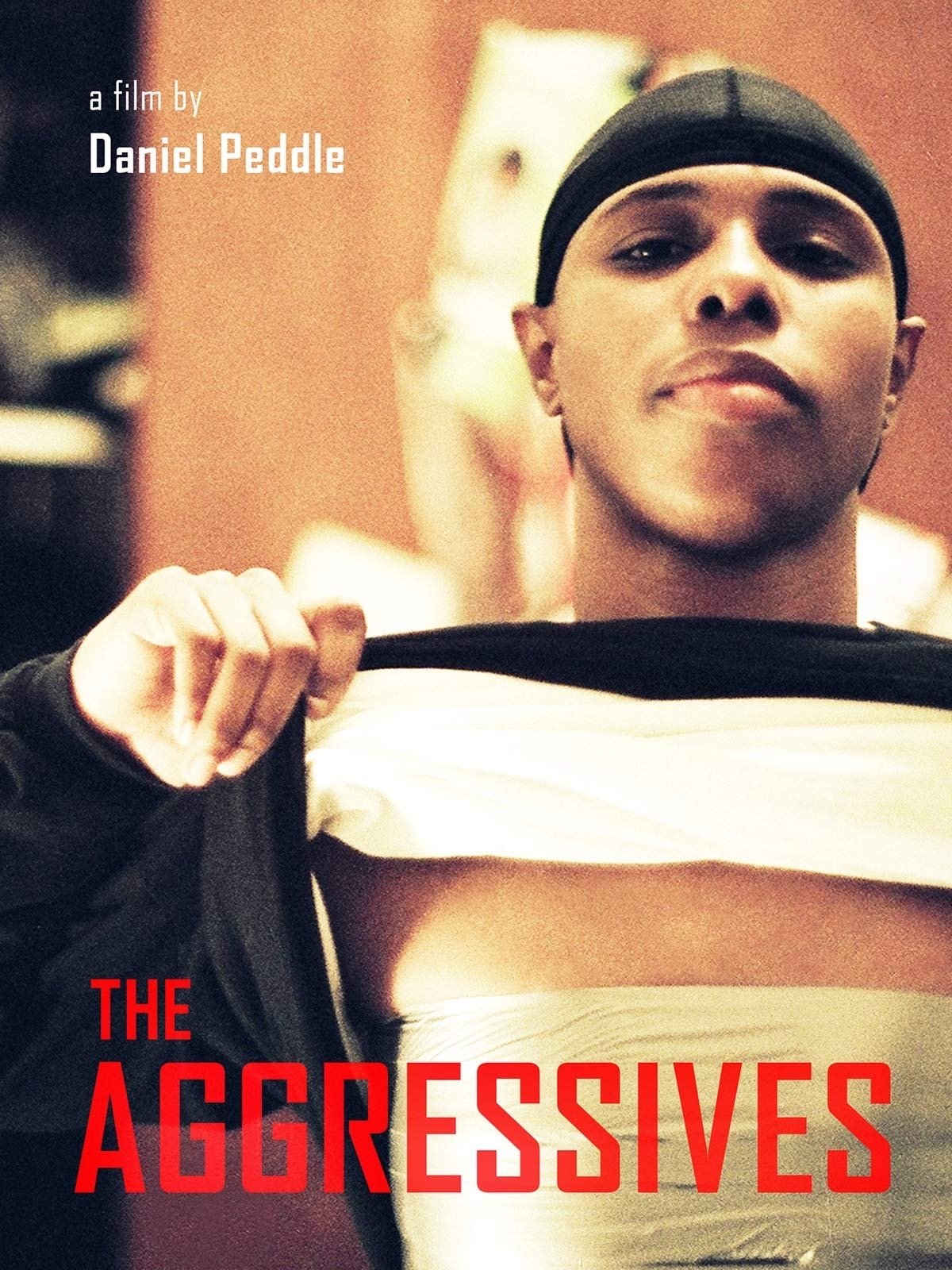
This observational documentary follows the lives of six masculine-presenting queer women of color in New York City over several years. Among the subjects are individuals who navigate complex family dynamics, including the challenges of being a parent or a parental figure while defying gender norms. The film captures their raw interactions and personal evolutions, shedding light on the intersection of race, gender identity, and family obligations. It offers a unique window into a specific subculture where traditional parenting roles are often reimagined.
‘Jewel’s Catch One’ (2016)
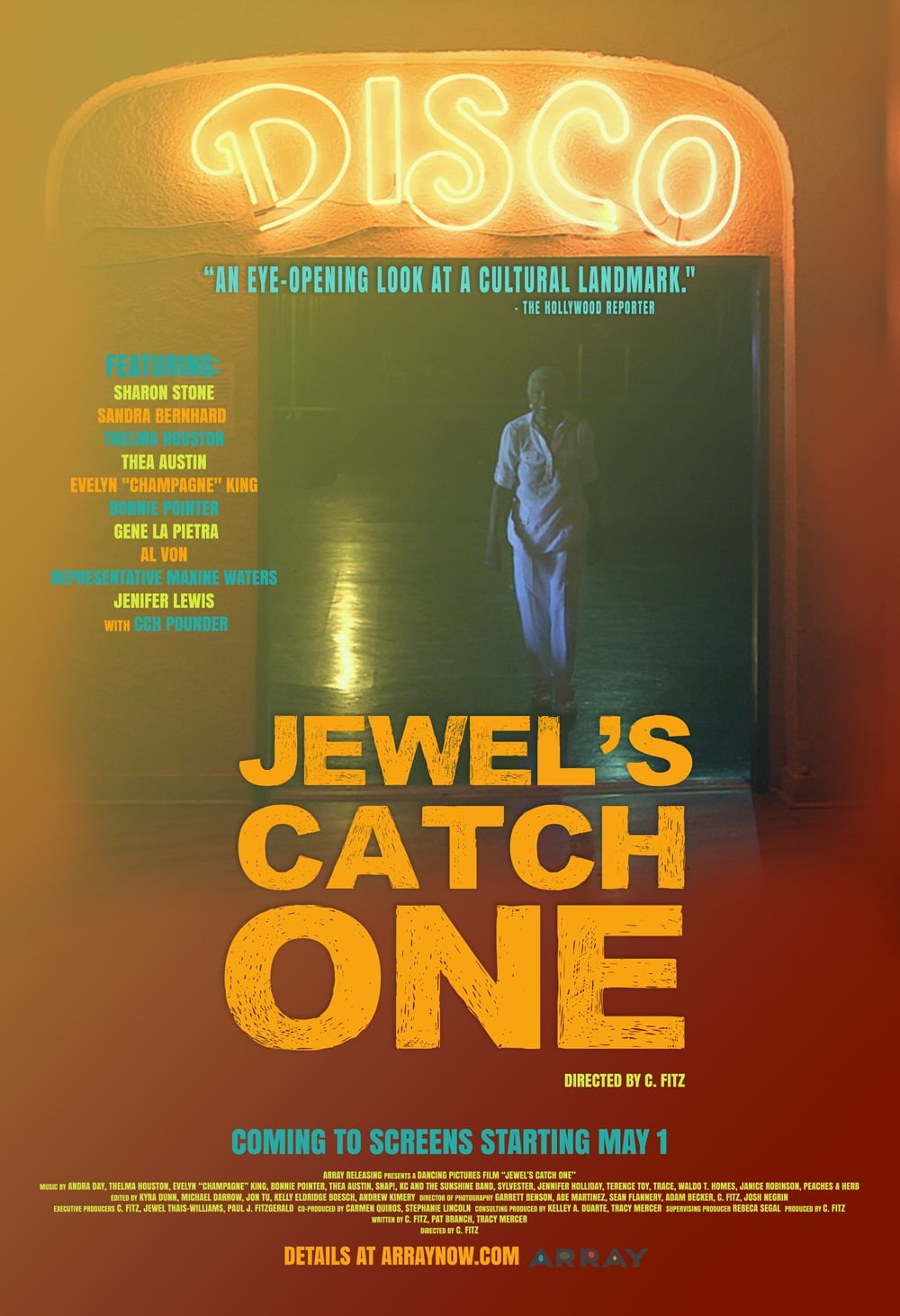
Jewel Thais-Williams, the owner of the legendary Los Angeles nightclub Catch One, is the focus of this inspiring documentary. Known as “Mother” to many in the community, Jewel provided a safe haven for Black LGBTQ+ people for over four decades. The film highlights her role not just as a business owner but as a matriarch who nurtured and protected her patrons as if they were her own children. Her story is a testament to the power of community parenting and activism.
‘Tongues Untied’ (1989)

Marlon Riggs’ experimental documentary blends poetry, personal testimony, and performance to articulate the experiences of Black gay men. While primarily focused on identity and desire, the film addresses the search for community and the formation of brotherhood that functions as a familial bond. Riggs and other men in the film present themselves authentically, breaking the silence surrounding their lives and relationships. It remains a foundational text for understanding the emotional landscape of Black queer men.
‘Black Is… Black Ain’t’ (1994)
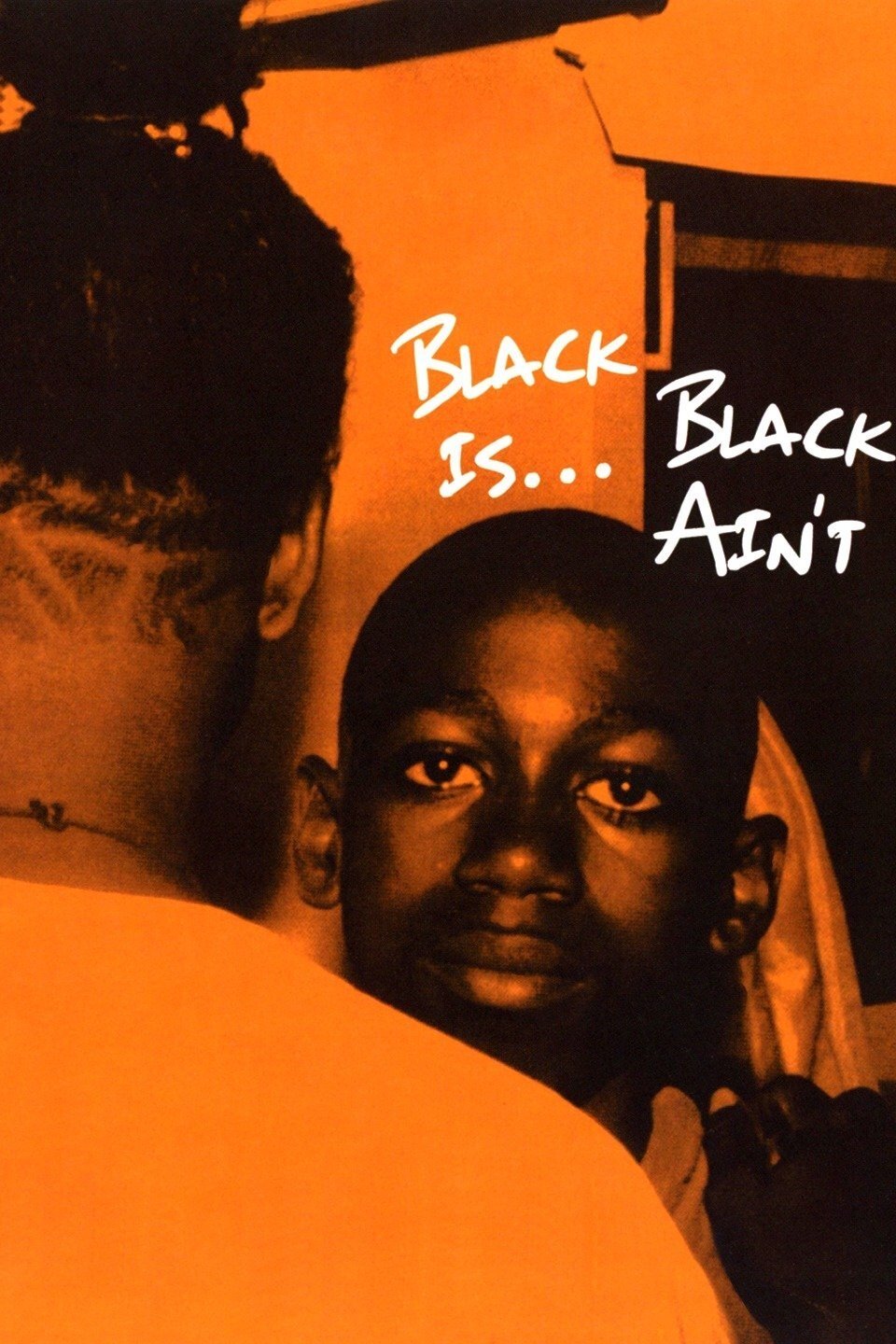
In his final film, Marlon Riggs explores the diversity and contradictions within the African American experience, including the place of Black gay men in the larger family structure. The documentary features interviews with various Black families and individuals who discuss sexuality, patriarchy, and acceptance. It provides a platform for real parents and children to confront the prejudices that often divide Black families. The film is a poignant plea for inclusion and love across all differences.
‘A Mother Apart’ (2024)
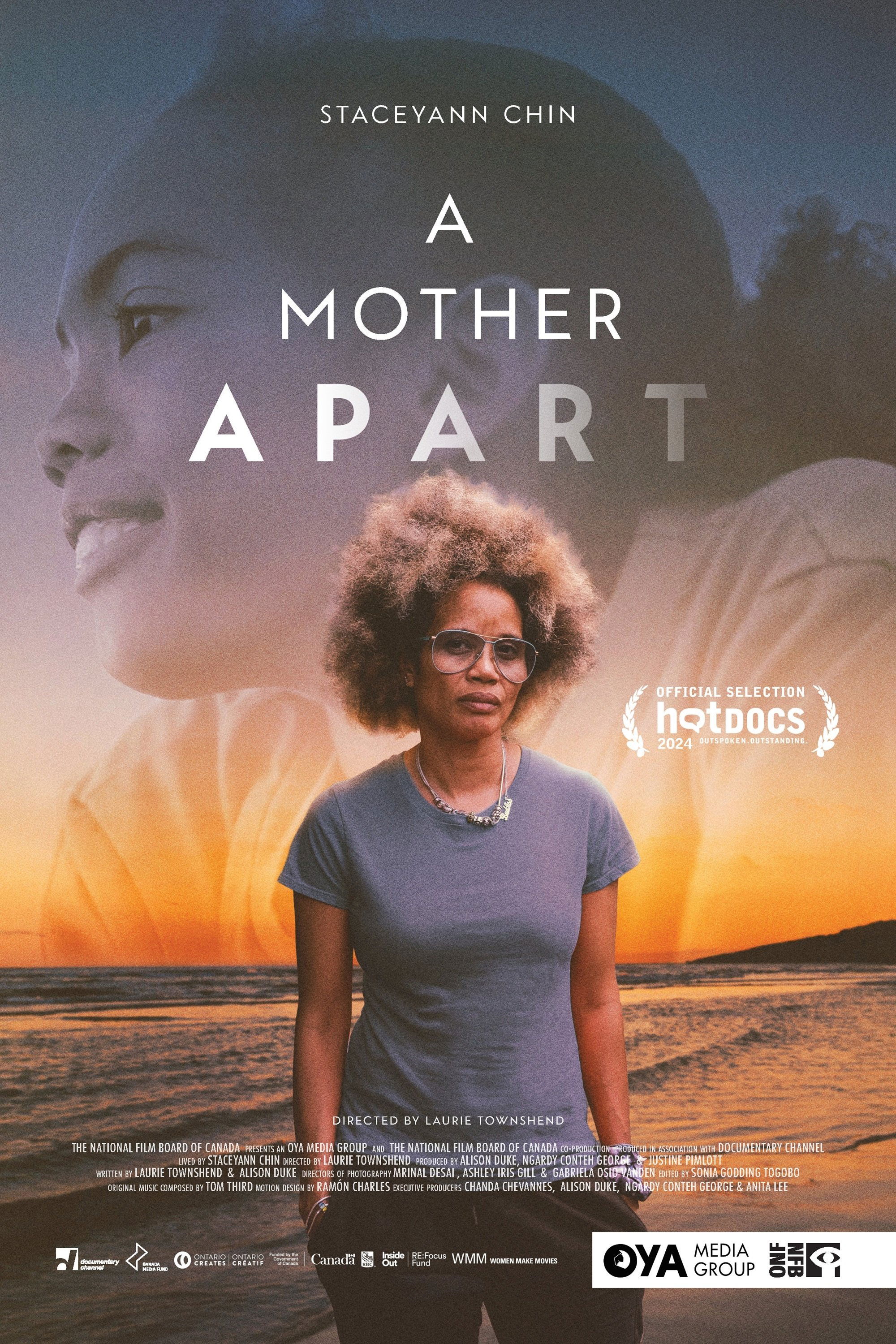
This recent documentary follows the journey of Jamaican-American poet and activist Staceyann Chin as she navigates single motherhood and her own complex family history. The film captures her efforts to raise her daughter with radical honesty and love while reconciling with the trauma of her past. Chin appears as herself, offering an unflinching look at the challenges of being a Black lesbian mother in today’s world. It is a deeply personal exploration of breaking generational cycles.
‘Check It’ (2016)
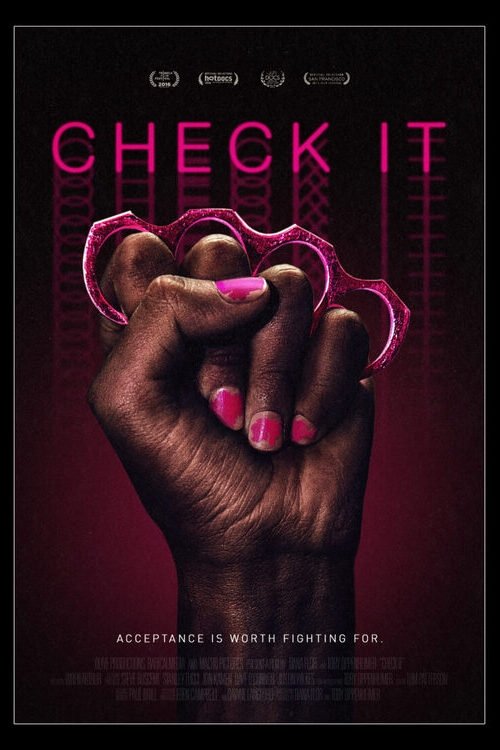
This documentary follows a Washington D.C. street gang comprised entirely of gay and transgender youth who banded together for protection. The film reveals the intense familial bonds formed between the members, who refer to each other as brothers and sisters and look up to older members as parental figures. It showcases how they navigate violence and poverty by creating their own family structure. The subjects tell their own stories, providing a gritty and authentic look at survival and kinship.
‘Call Me Kuchu’ (2012)

Focusing on the struggle for LGBTQ+ rights in Uganda, this film features David Kato, the country’s first openly gay man, and his fellow activists. The documentary captures the intimate lives of these individuals, including their relationships with their families and their roles as caretakers for one another in a hostile environment. It highlights the courage of real people who risk everything to build a future for their community. Their stories of resilience serve as a testament to the strength of the human spirit.
‘Brother Outsider: The Life of Bayard Rustin’ (2003)
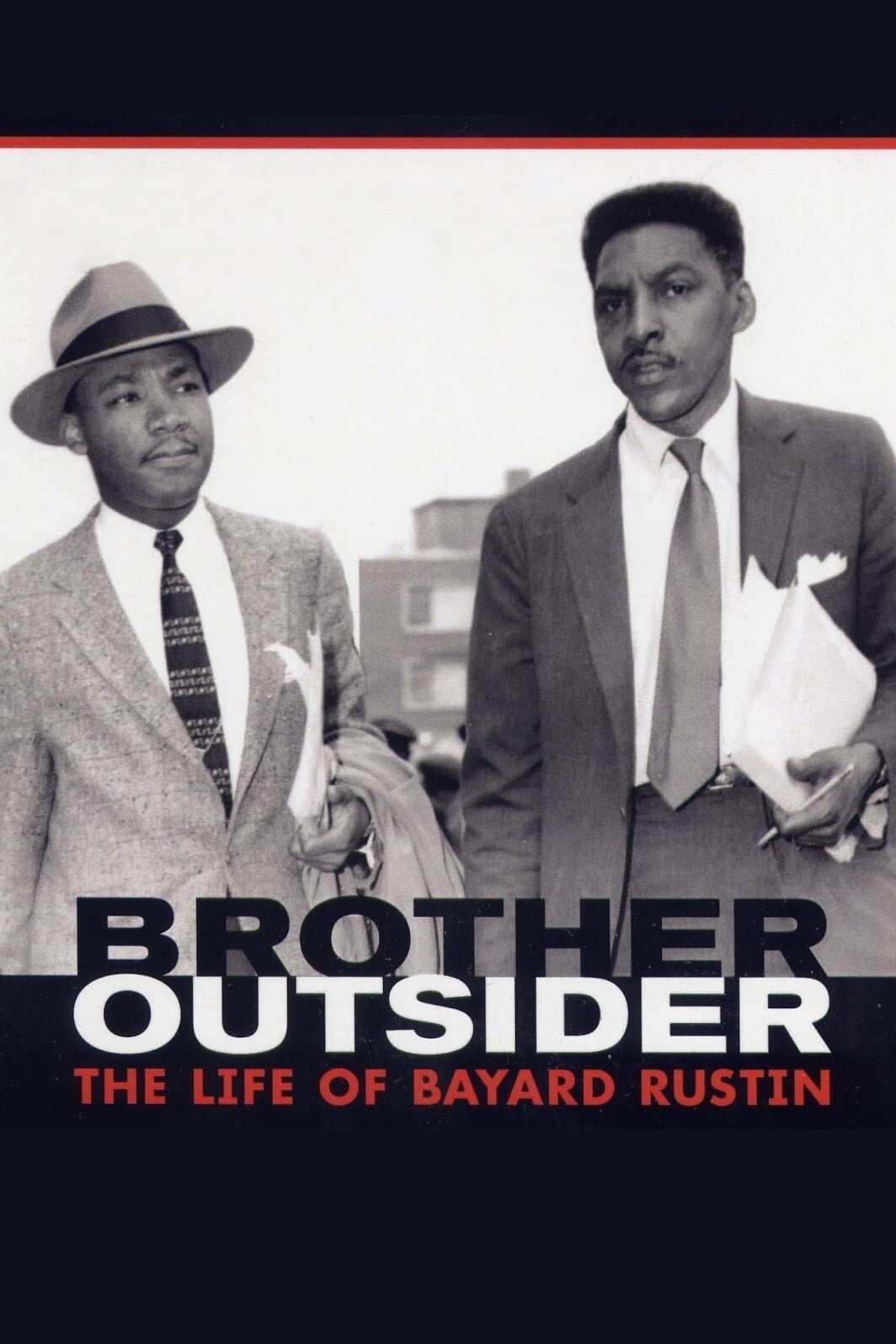
This biographical documentary examines the life of Bayard Rustin, the openly gay architect of the 1963 March on Washington. The film discusses his unconventional family life, including his adoption of his younger partner, Walter Naegle, as a legal strategy to ensure inheritance and protection rights. Rustin and Naegle appear through archival footage and interviews, showcasing a unique form of family formation necessitated by the laws of the time. It is a crucial piece of history regarding Black queer partnership and parenting.
‘The New Black’ (2013)
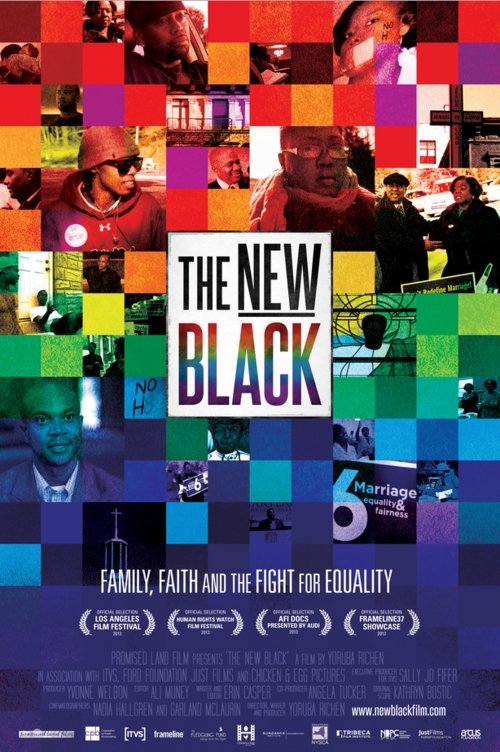
Exploring the role of the Black church in the fight for marriage equality, this documentary features activists and families on both sides of the issue. It includes real Black same-sex couples who are raising children and fighting for legal recognition of their families. The film captures their personal stakes in the political battle, presenting them as loving parents and community members. It provides a nuanced look at the intersection of faith, race, and family rights.
‘Holler If You Hear Me: Black and Gay in the Church’ (2015)
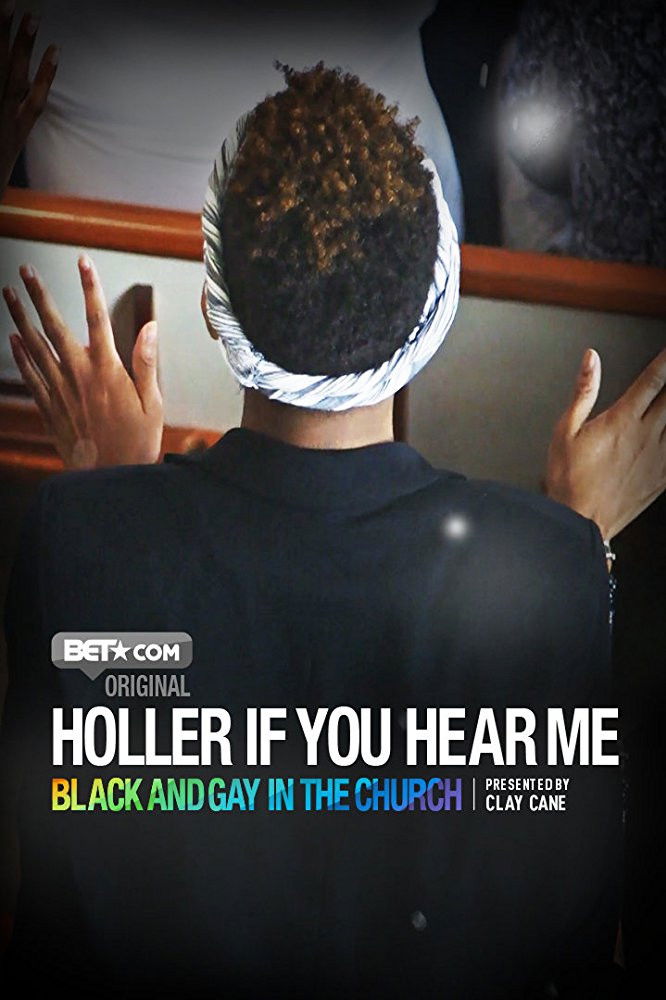
This documentary sheds light on the experiences of Black LGBTQ+ people within church communities, many of whom are parents. It features candid interviews with individuals who struggle to reconcile their faith with their sexual orientation and their desire for family acceptance. The subjects share their personal stories of rejection and resilience, offering a raw perspective on the cost of authenticity. It challenges the silence surrounding queer families in religious spaces.
‘Vintage: Families of Value’ (1995)
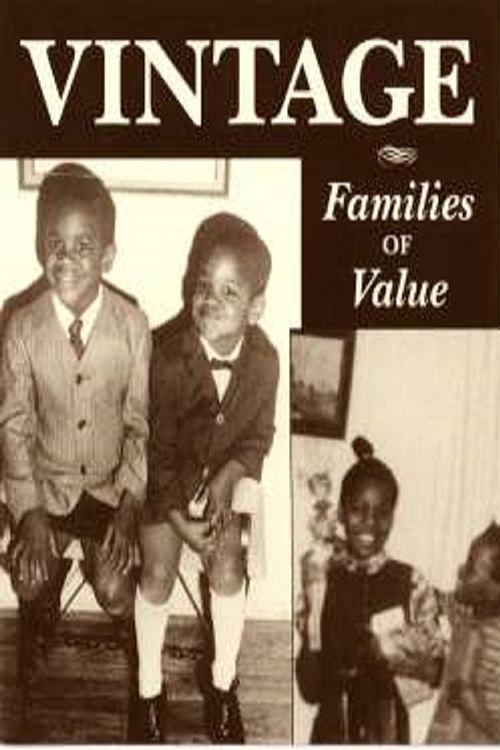
Filmmaker Thomas Allen Harris turns the camera on his own family to explore the dynamics of Black siblings, some of whom are queer. The documentary features Harris and his brother as they discuss their upbringing and their relationships with their parents. It is an intimate family portrait that creates a dialogue between generations about sexuality and identity. The film is a collaborative effort that allows real family members to speak their truths.
‘If She Grows Up Gay’ (1983)
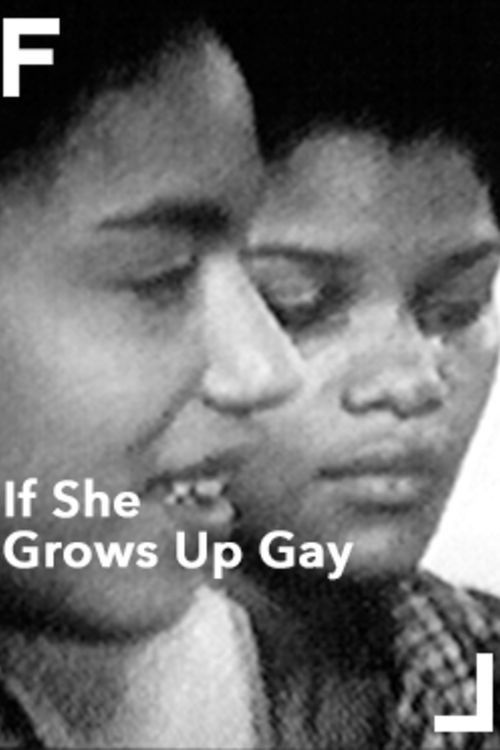
This short documentary offers a rare glimpse into the life of a Black working-class lesbian mother raising her daughter in the early 1980s. The film captures her daily routine and her thoughts on how her sexuality might influence her child. It serves as an early historical record of Black lesbian parenting, challenging the invisibility of women of color in the gay rights movement of that era. The subject’s honesty provides a timeless reflection on maternal love and societal judgment.
‘Shakedown’ (2018)
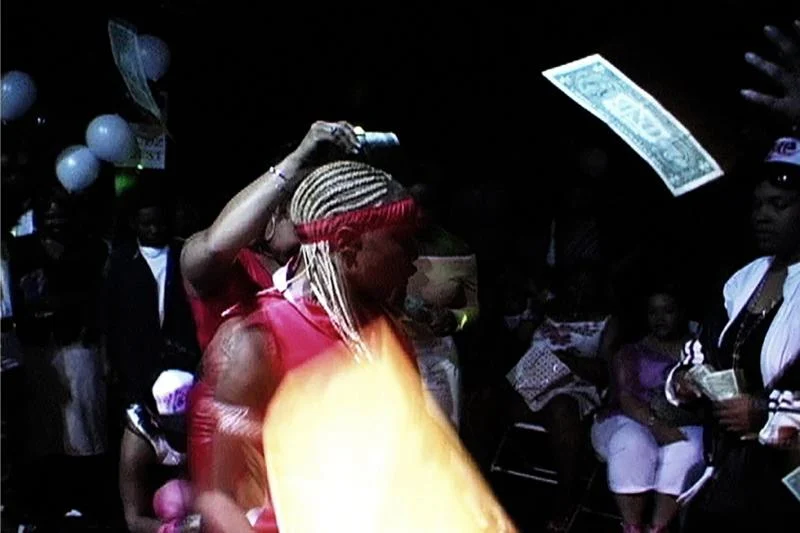
Director Leilah Weinraub documents the Los Angeles Black lesbian strip club scene, focusing on the women who created and sustained this underground community. The film features Ronnie, the club’s founder and emcee, who functions as a matriarchal figure for the dancers and patrons. Through archival footage and interviews, the women share their stories of economic survival and mutual support. It is a celebration of a unique cultural space and the chosen family that inhabited it.
‘Still Black: A Portrait of Black Transmen’ (2008)
This documentary features six Black transgender men who share their personal stories of transition, identity, and family. Some of the subjects discuss their experiences as parents and how their transition impacted their relationships with their children. The film provides a platform for these men to define masculinity and fatherhood on their own terms. It challenges monolithic narratives about trans experiences within the Black community.
‘U People’ (2009)
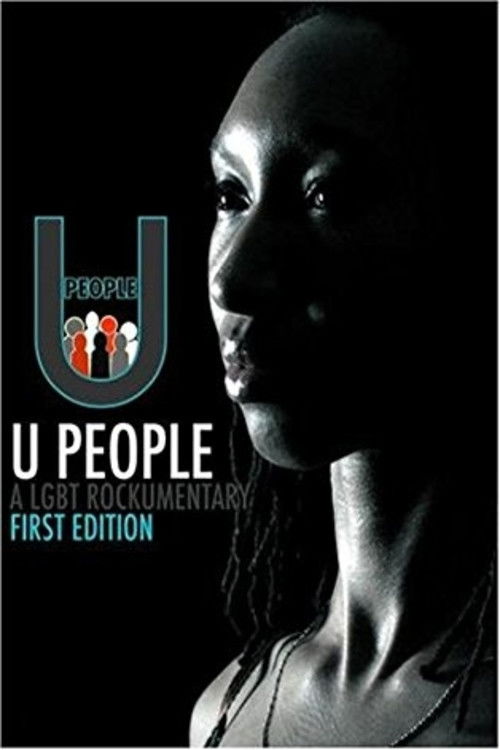
Music video director Hanifah Walidah gathers a group of women and trans people of color to create the first “rockumentary” about their lives. The film features candid conversations about gender, sexuality, and family, with several subjects discussing their roles as parents. It captures the spontaneity and camaraderie of the group, offering a genuine look at their collective wisdom. The film emphasizes the importance of visibility for Black queer parents and artists.
‘Bayard & Me’ (2017)
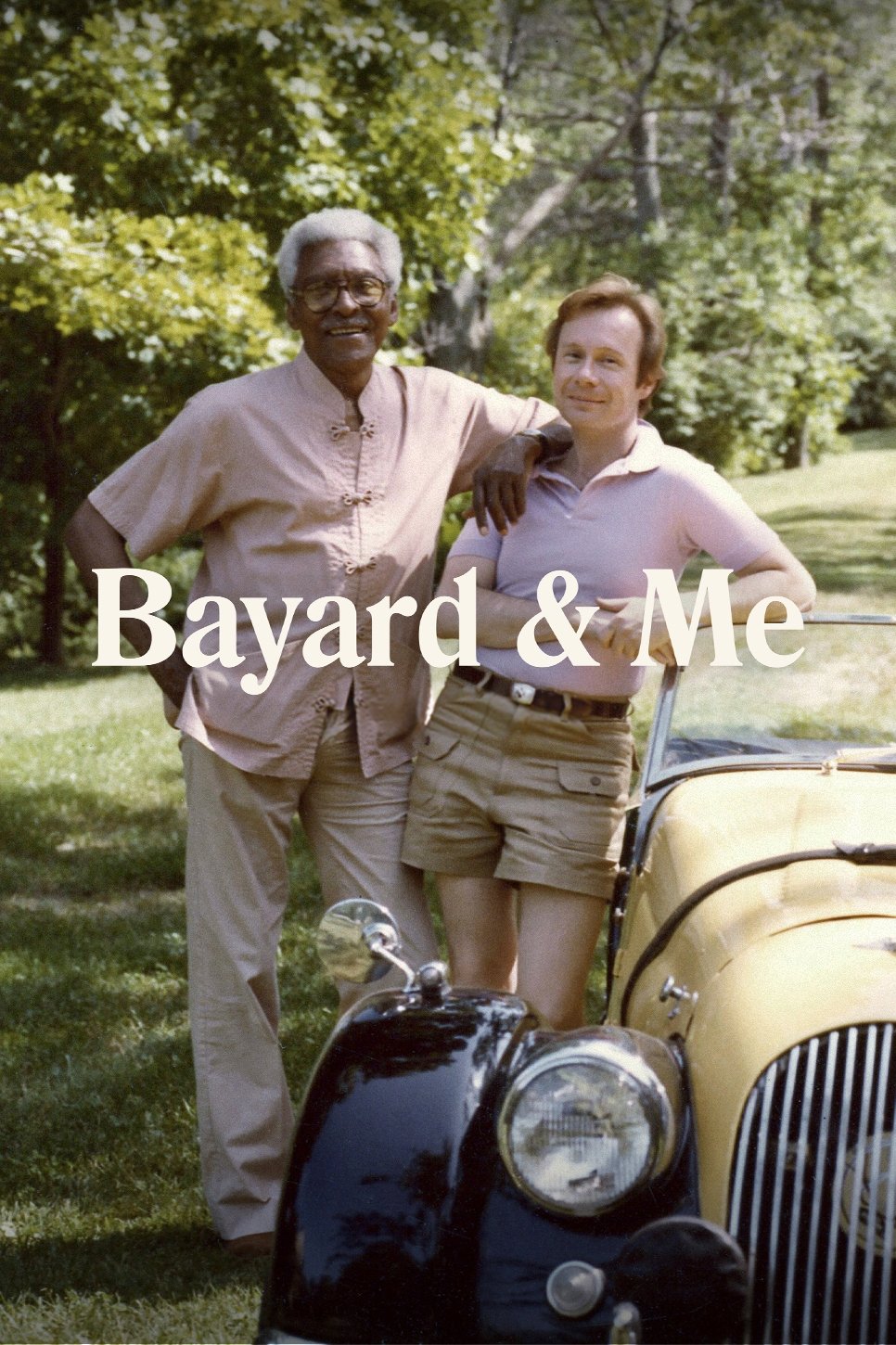
In this short documentary, Walter Naegle reflects on his relationship with civil rights leader Bayard Rustin. He discusses the legal maneuver of Rustin adopting him to secure their legal bond, effectively making them father and son in the eyes of the law. The film combines archival footage with Naegle’s present-day testimony to tell a touching love story. It highlights the creative lengths to which same-sex couples went to protect their families before marriage equality.
‘Strike a Pose’ (2016)
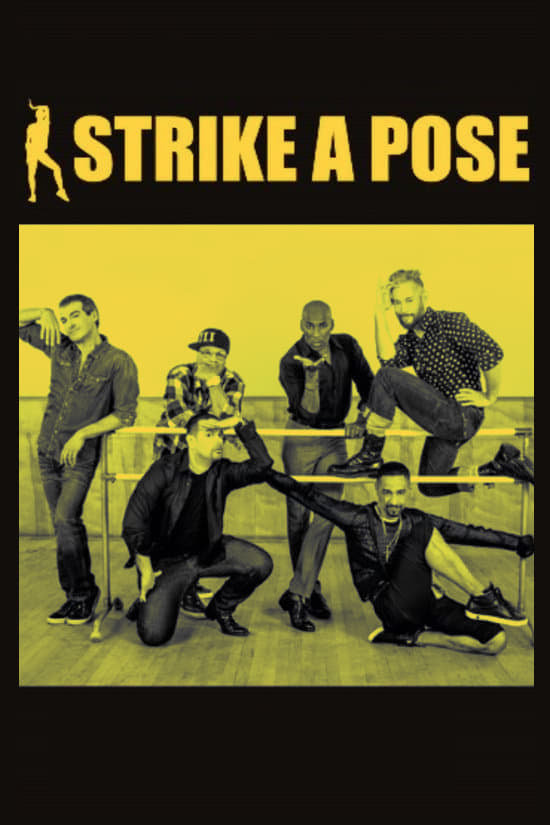
Years after the ‘Truth or Dare’ documentary, the male dancers from Madonna’s Blond Ambition tour reunite to tell their own stories. Several of the dancers, who are men of color, open up about their lives after the tour, including their experiences with HIV and family. The film reveals the reality behind the glamour, showing them as mature individuals who have navigated fame and hardship. It offers a poignant look at how they have built their own lives and families.
‘We Are Dad’ (2005)
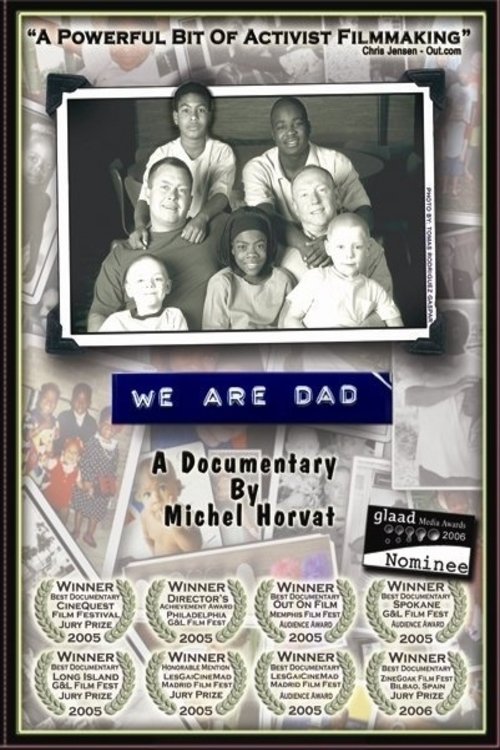
This documentary tells the story of a gay couple in Florida who became foster parents to several children with profound medical needs. While the focus is on the legal battle against the state’s ban on gay adoption, the film features the daily lives of the diverse family they built. It showcases the dedication of these fathers to their children, challenging the prejudices of the foster care system. The film is a testament to the power of love to overcome legal barriers.
‘Tchindas’ (2015)
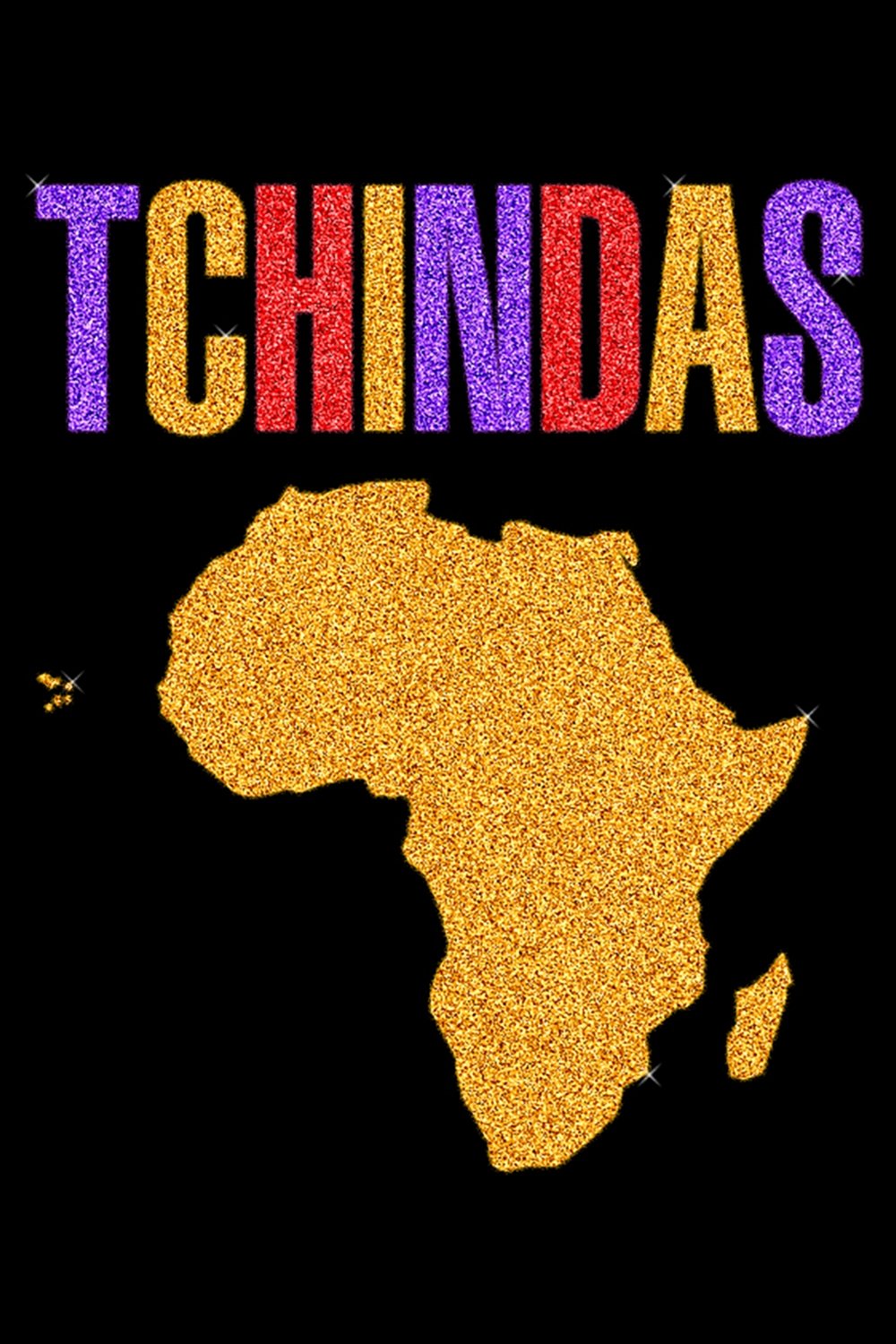
Set in Cape Verde, this documentary follows Tchinda Andrade, a trans woman who is a beloved figure in her community. She acts as a mother to the younger trans, gay, and gender-nonconforming people on the island, known locally as “Tchindas.” The film captures their preparations for Carnival and their integration into the fabric of island life. It portrays a society where acceptance and family extend beyond biological ties.
‘The Watermelon Woman’ (1996)
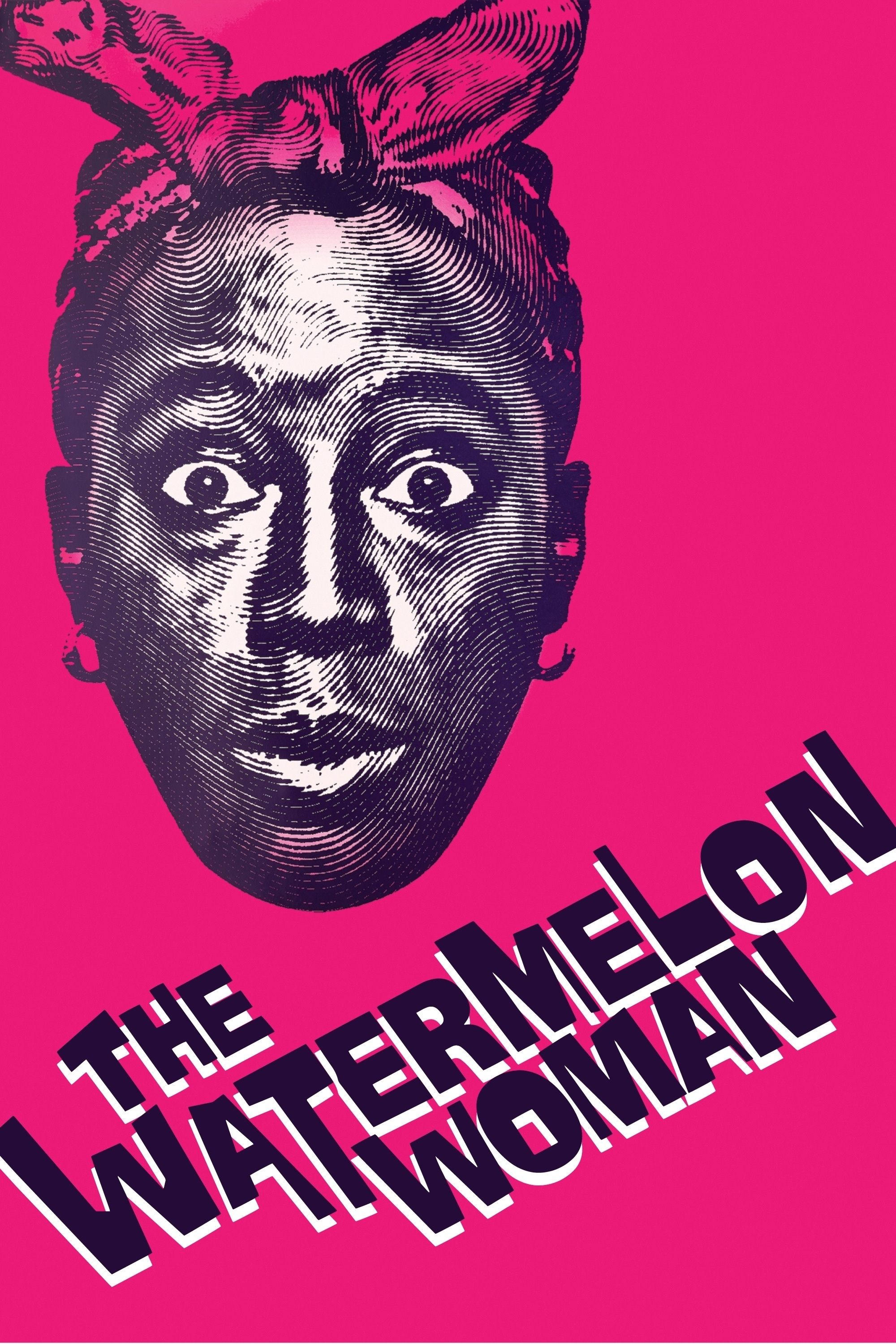
While technically a narrative film, this landmark feature by Cheryl Dunye is a work of autofiction where she plays a version of herself. Dunye, a real-life Black lesbian mother, explores themes of history and erasure that mirror her own life. The film often blurs the lines between reality and fiction, featuring cameos and unscripted moments that ground it in the real community. It remains a critical text for its meta-commentary on Black lesbian identity.
‘Portrait of Jason’ (1967)
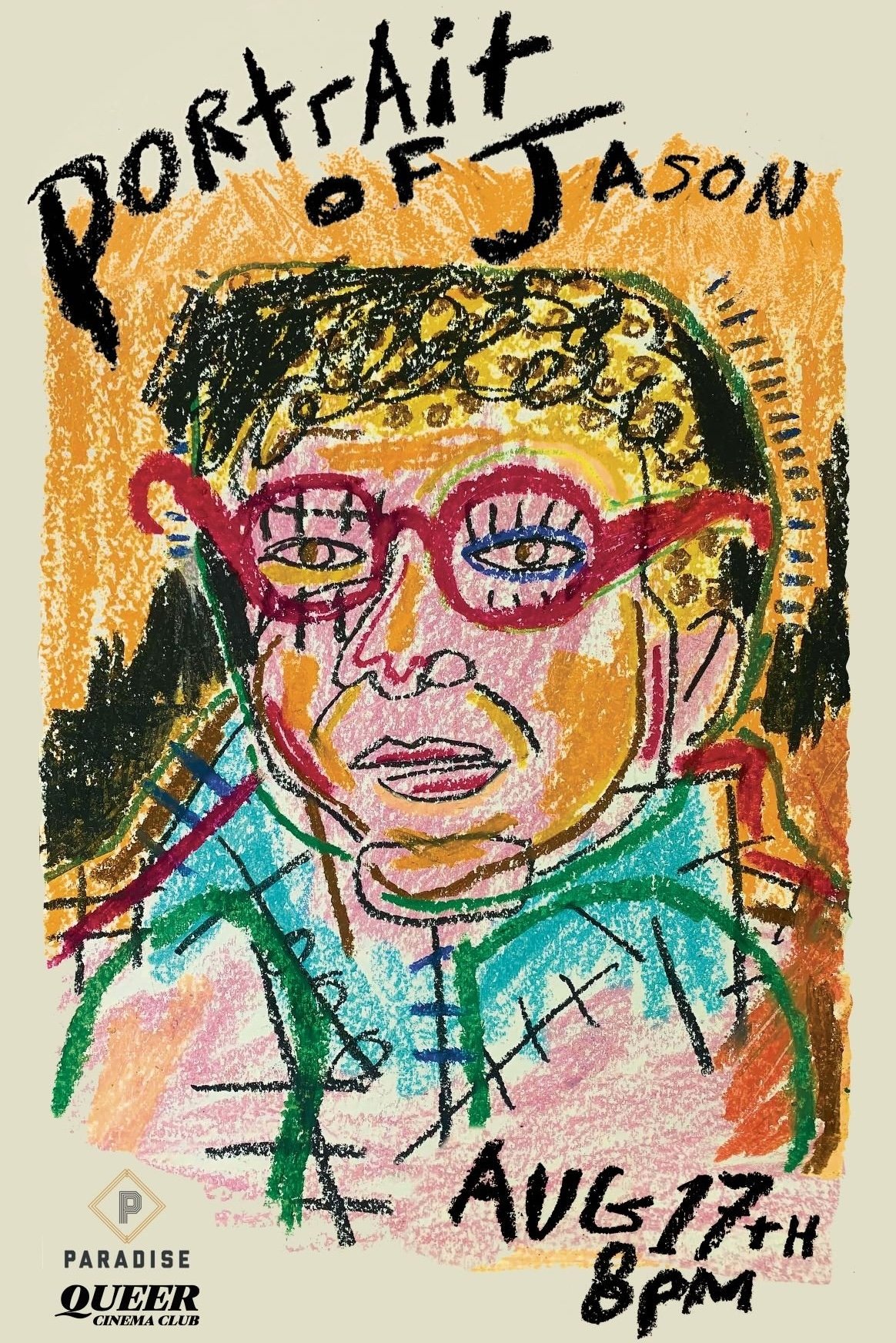
Filmed in a single night, this documentary features Jason Holliday, a Black gay cabaret performer, telling stories about his life. While not a conventional parenting film, Jason discusses his complex relationship with his own parents and his role as a mentor figure in his social circles. His raw and often painful monologue offers a window into the life of a Black queer man in the 1960s. It is a study of character and the performance of self.
‘Mala Mala’ (2014)
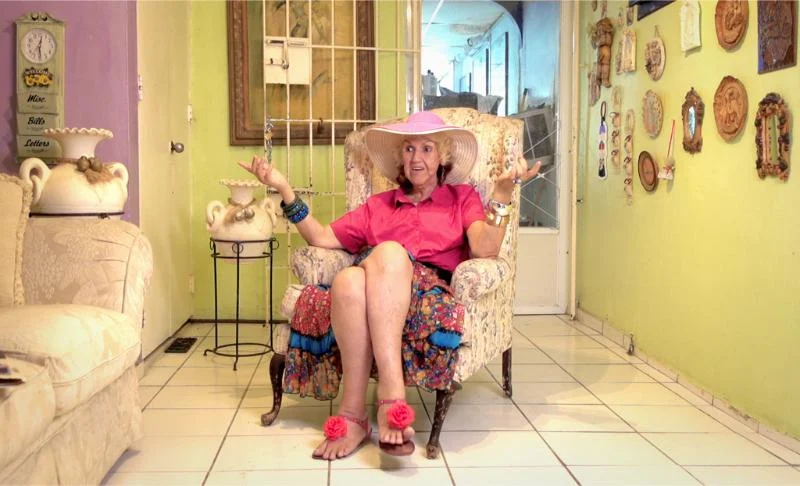
Exploring the transgender and drag communities in Puerto Rico, this documentary features a diverse cast of characters. Several of the “Queens” serve as house mothers, guiding younger generations through the challenges of transition and performance. The film captures their activism and their personal lives, showcasing the strong familial bonds within the community. It is a vibrant celebration of gender variance and Puerto Rican identity.
‘Alice Walker: Beauty in Truth’ (2013)
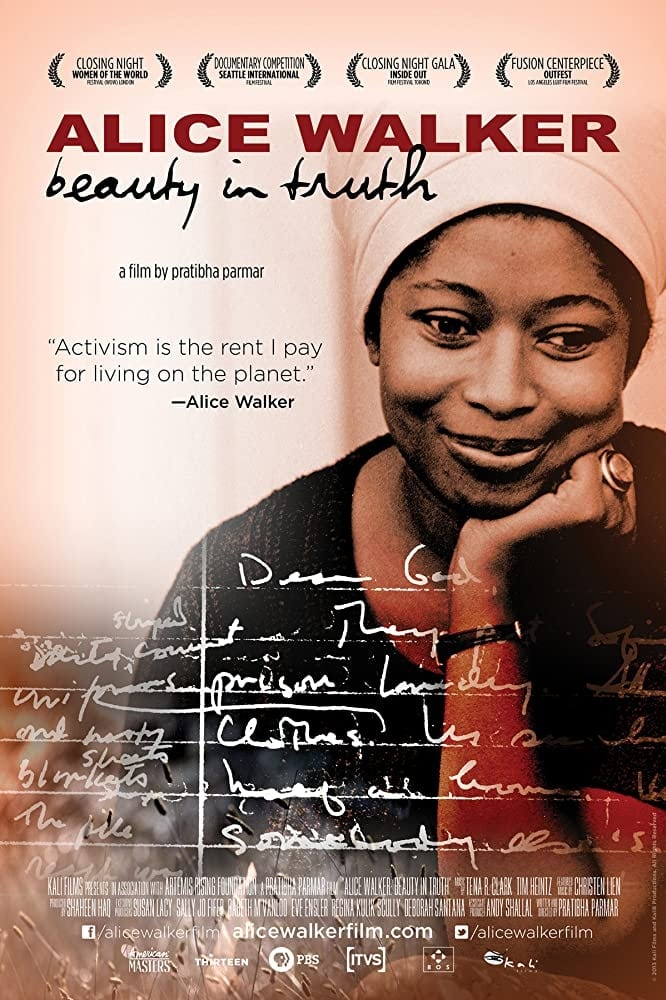
This biographical documentary examines the life of the Pulitzer Prize-winning author Alice Walker. Walker, who has identified as bisexual, discusses her relationships and her role as a mother to her daughter, Rebecca. The film features interviews with Walker herself, offering insight into how her personal life influenced her writing and activism. It portrays her as a complex figure who defied societal expectations in both her work and her family life.
‘Strange Fruit’ (2002)
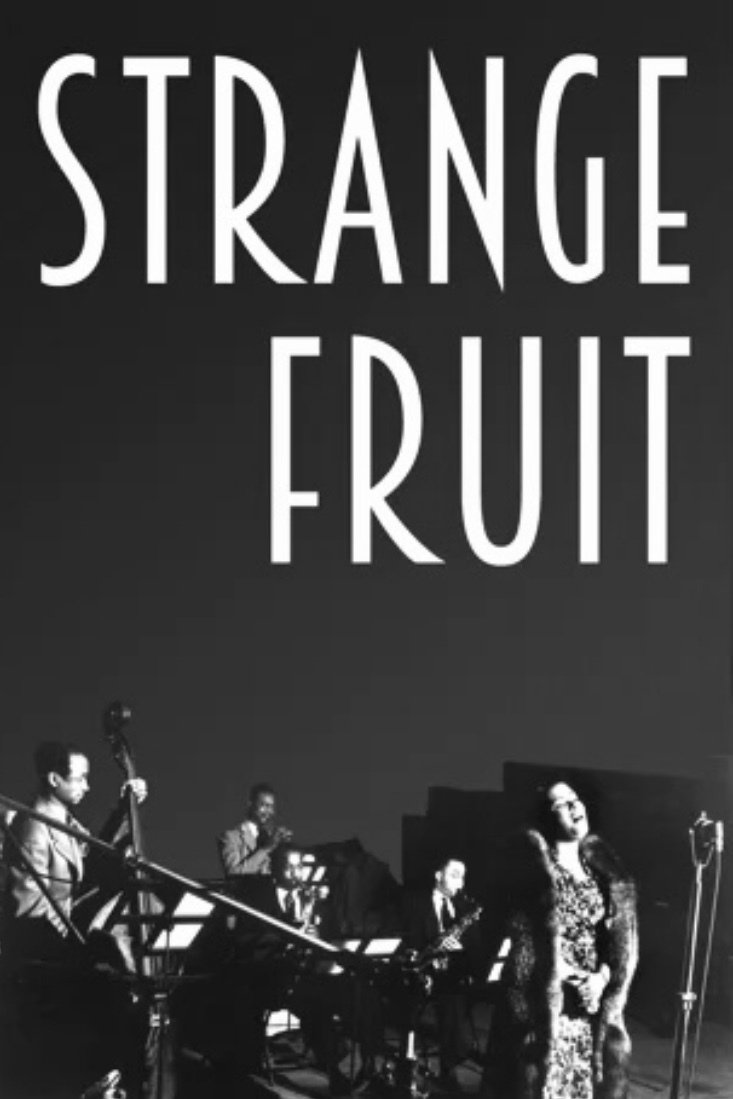
While primarily about the history of the song, this documentary explores the life of the man who wrote the poem, Abel Meeropol. It touches on the family dynamics of the era and the broader context of Black struggle. It connects the artistic legacy to the real lives of those affected by racism. The film includes interviews that shed light on the personal and political dimensions of the time.
‘The Death and Life of Marsha P. Johnson’ (2017)
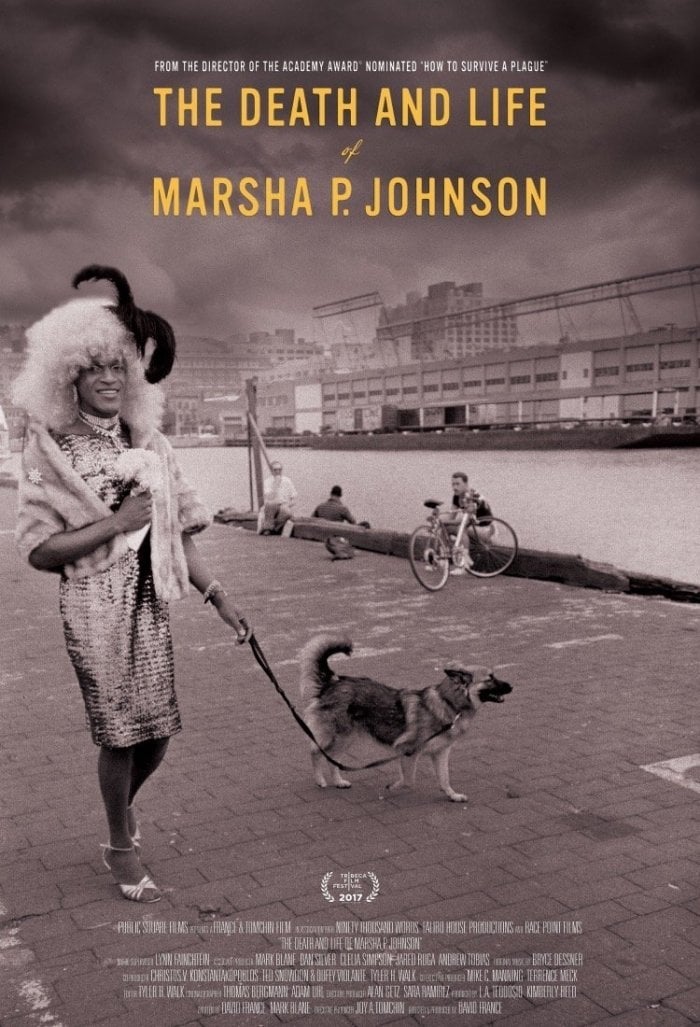
Investigating the mysterious death of Marsha P. Johnson, this documentary also celebrates her life and friendship with Sylvia Rivera. It features interviews with those who knew her as a mother figure in the STAR (Street Transvestite Action Revolutionaries) house. The film underscores the importance of her maternal role in providing shelter and food to homeless queer youth. It is a forensic and emotional look at a community leader.
‘Happy Birthday, Marsha!’ (2018)
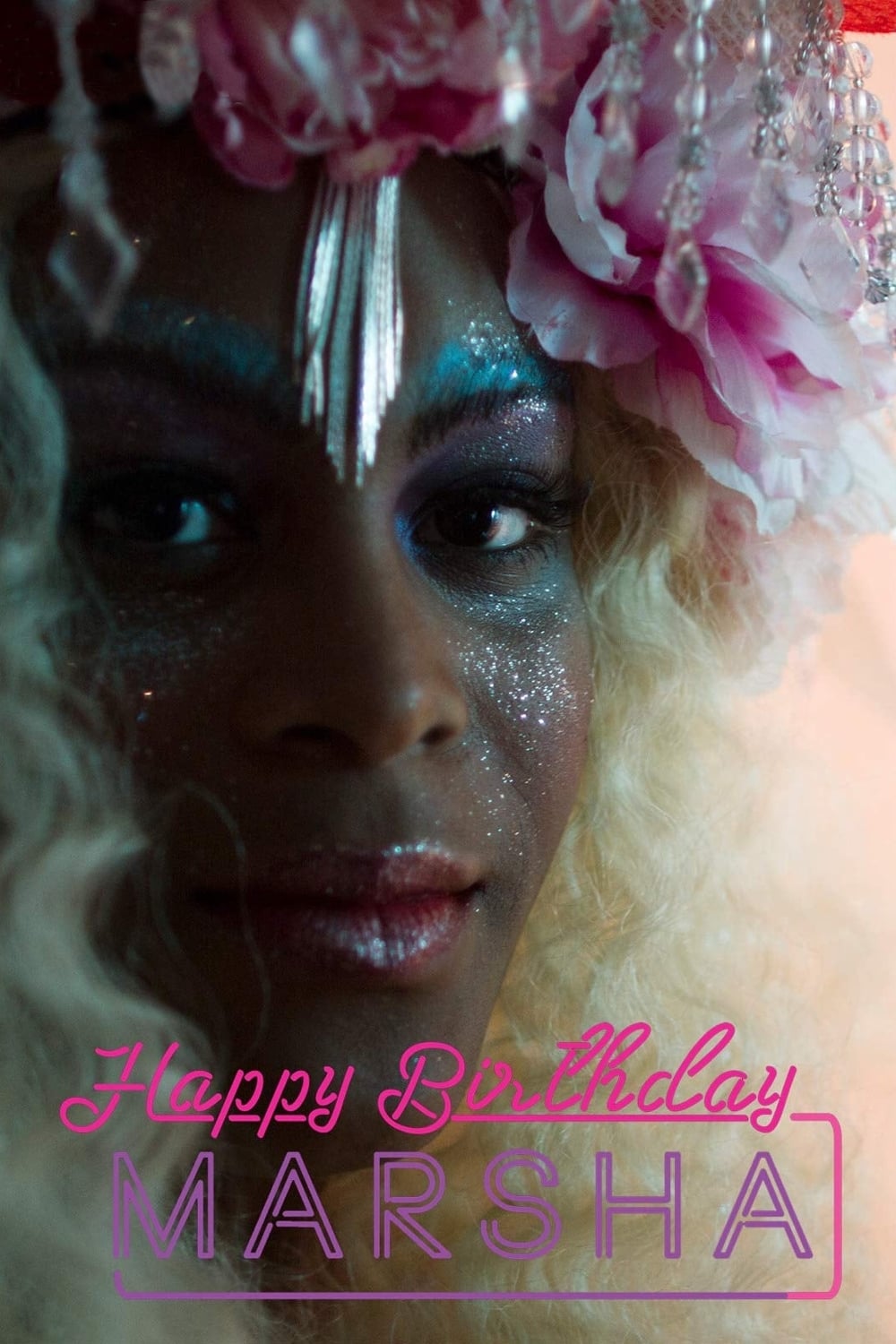
This short film imagines the hours leading up to the Stonewall riots through the eyes of Marsha P. Johnson and Sylvia Rivera. While fictionalized, it casts real trans actors to portray these historical figures. It captures the essence of their friendship and their roles as matriarchs of the movement. The film pays homage to the real women who started a revolution.
‘Free CeCe’ (2016)
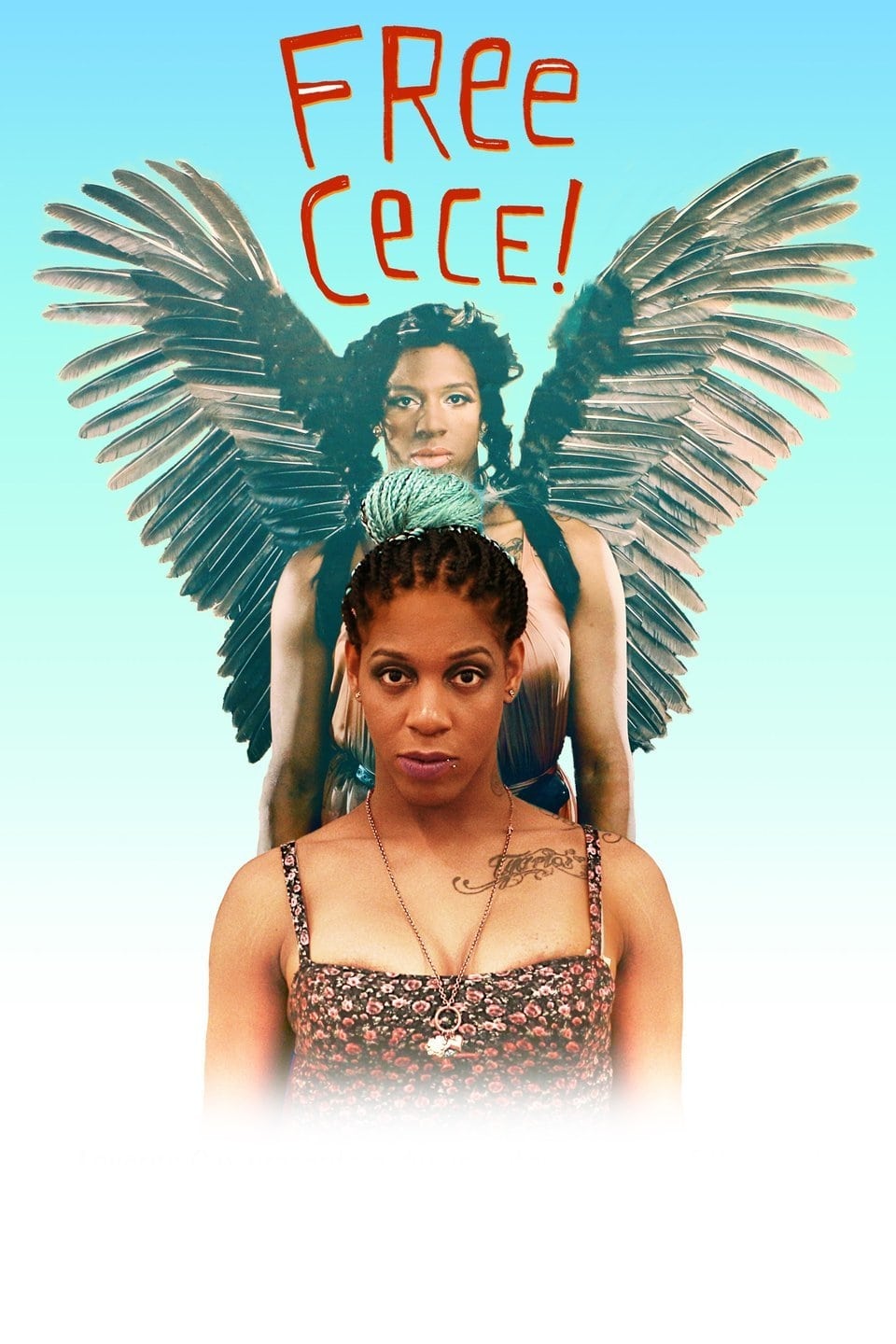
Produced by Laverne Cox, this documentary tells the story of CeCe McDonald, a Black trans woman who survived a transphobic attack and was subsequently incarcerated. The film follows her time in prison and her release, highlighting her role as a mentor and leader. CeCe appears as herself, sharing her experiences of survival and her hopes for the future. Her story is a powerful indictment of the justice system and a celebration of trans resilience.
‘Difficult Love’ (2010)
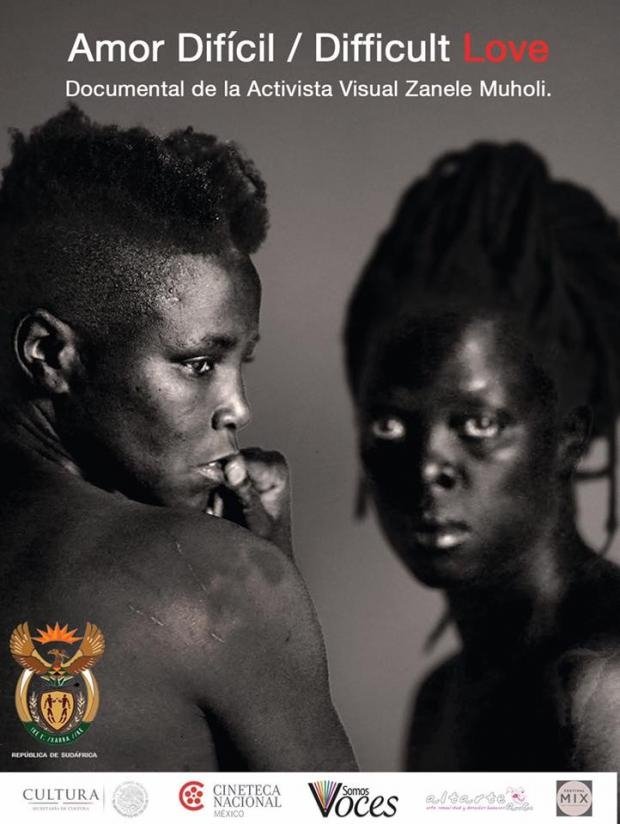
South African photographer Zanele Muholi is the subject of this documentary, which explores the lives of Black lesbians in South Africa. Muholi interviews women who are mothers, partners, and activists, capturing their daily realities. The film exposes the violence faced by the community while also highlighting the love and family bonds that sustain them. It is a courageous look at living authentically in a dangerous environment.
‘Simon and I’ (2001)
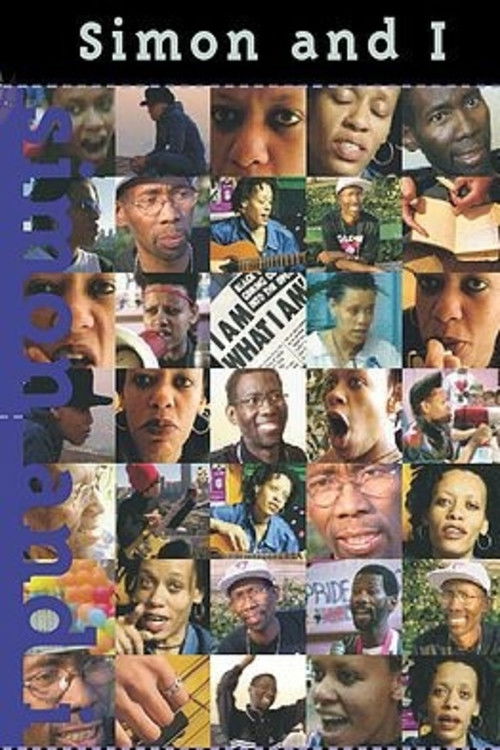
Filmmaker Beverly Palesa Ditsie documents her friendship with anti-apartheid and gay rights activist Simon Nkoli. The film chronicles their journey in organizing the first Pride march in Africa and their fight for constitutional protection. It explores their “chosen family” dynamic and the personal sacrifices made for the movement. The documentary is a tribute to a friendship that changed a nation.
‘Born This Way’ (2013)
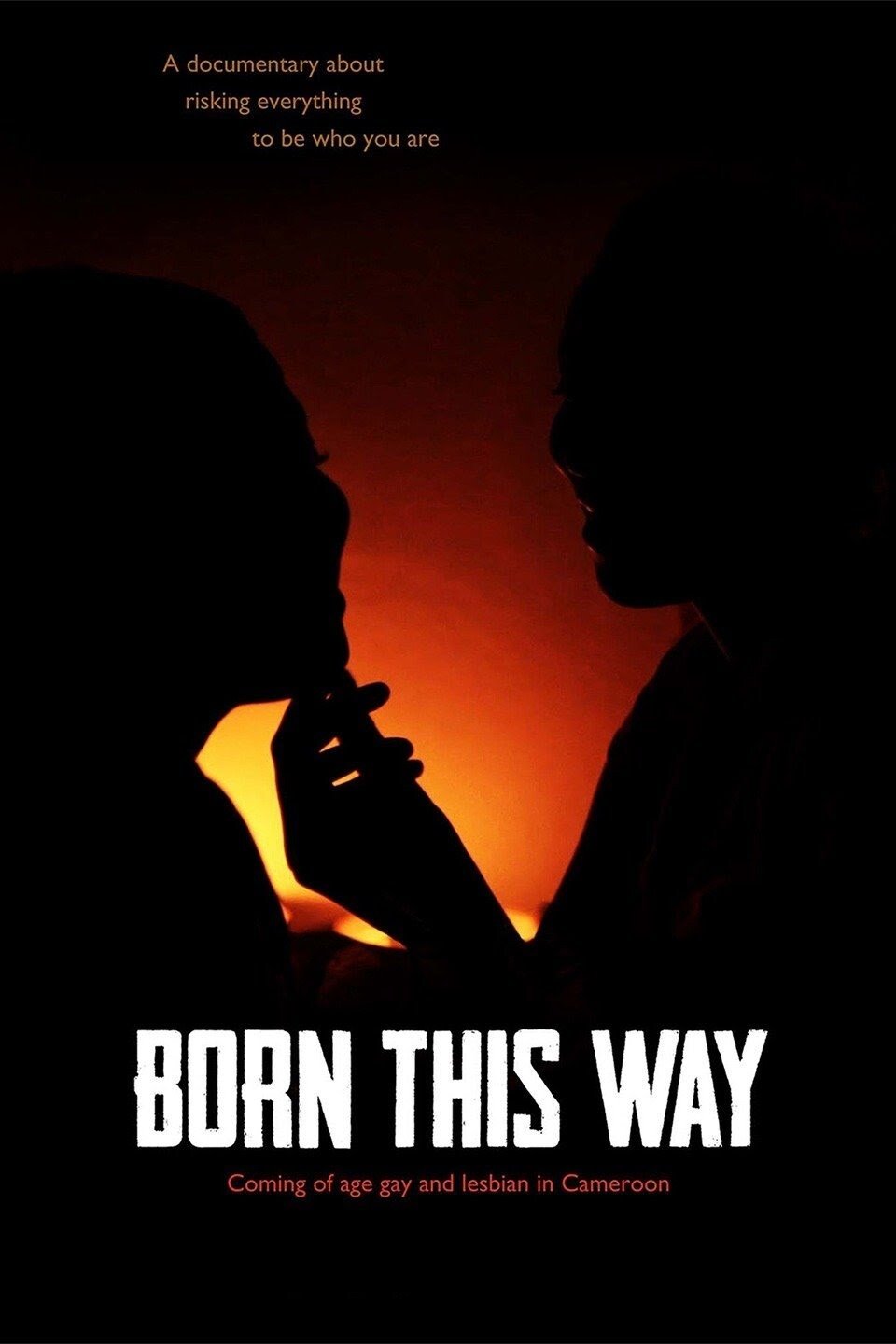
Focusing on the underground gay community in Cameroon, this documentary features interviews with individuals who risk imprisonment to live their lives. It highlights the support networks that function as secret families, providing safety and care. The subjects speak about their hopes for acceptance and the families they have built in the shadows. It is a sobering look at the cost of homophobia.
‘Forbidden: Undocumented and Queer in Rural America’ (2016)
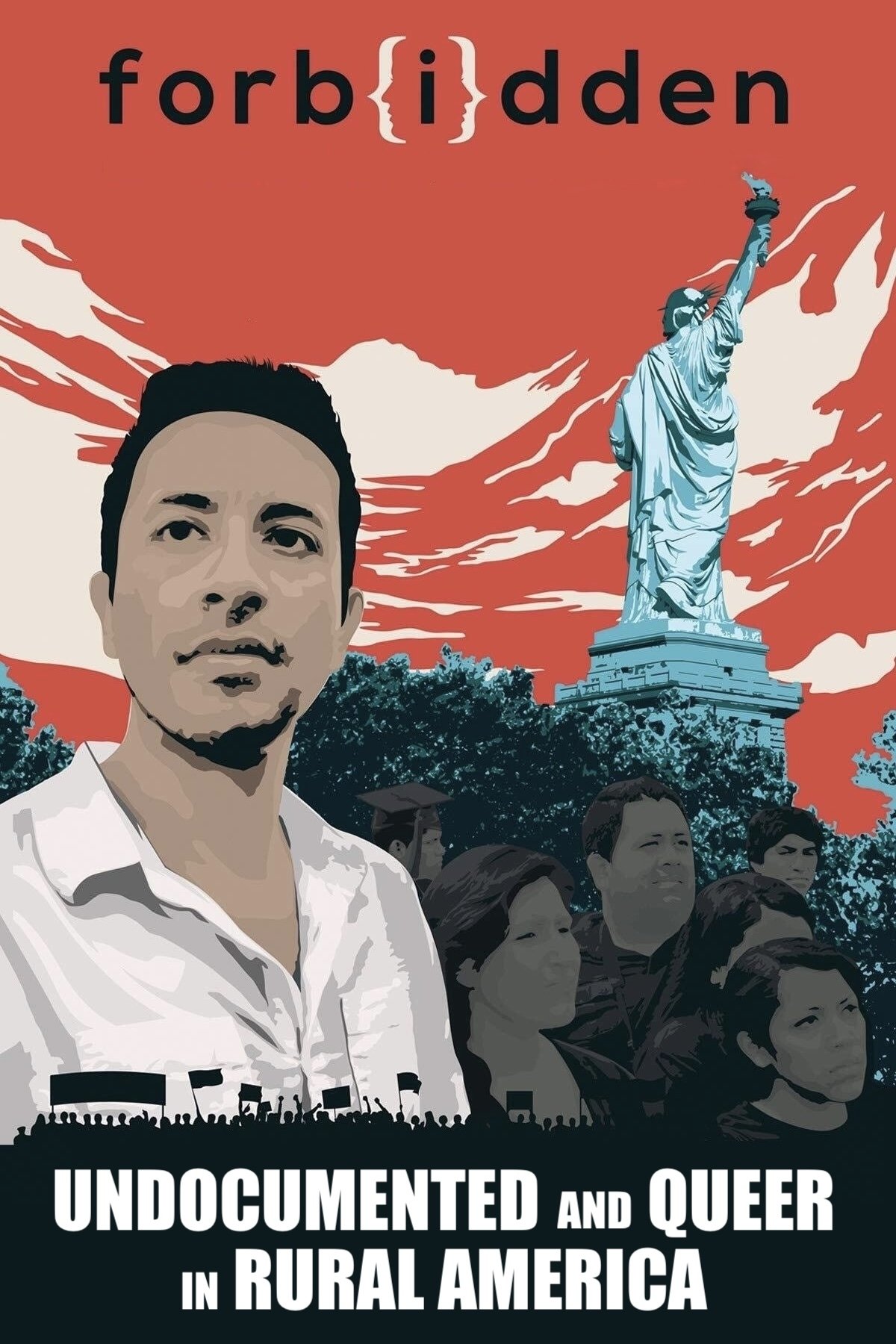
This documentary follows Moises Serrano, an undocumented gay man growing up in rural North Carolina. While focusing on his activism, the film explores his relationship with his family and his dreams of starting his own. It captures the intersection of immigrant rights and LGBTQ+ rights through a personal lens. Serrano appears as himself, offering a compelling narrative of resilience.
‘Game Face’ (2015)
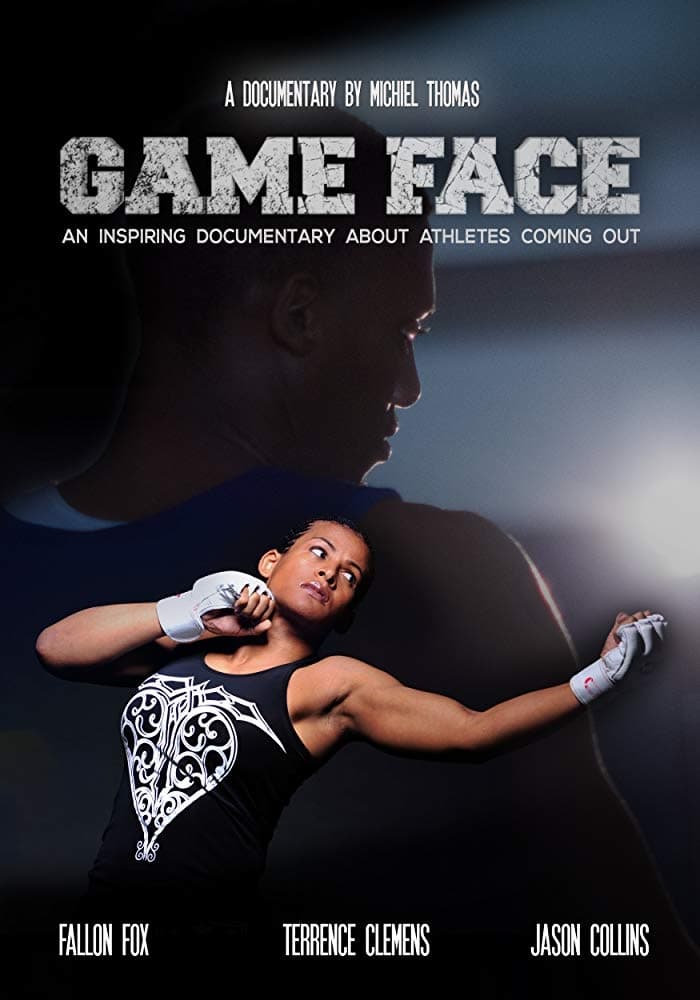
This documentary follows the journeys of two LGBTQ+ athletes, including Fallon Fox, the first openly transgender MMA fighter. Fox discusses her life as a parent and the challenges of balancing her career with her family responsibilities. The film captures the scrutiny she faces and her determination to compete authentically. It is a powerful story of courage in the world of sports.
‘Kate Bornstein is a Queer & Pleasant Danger’ (2014)
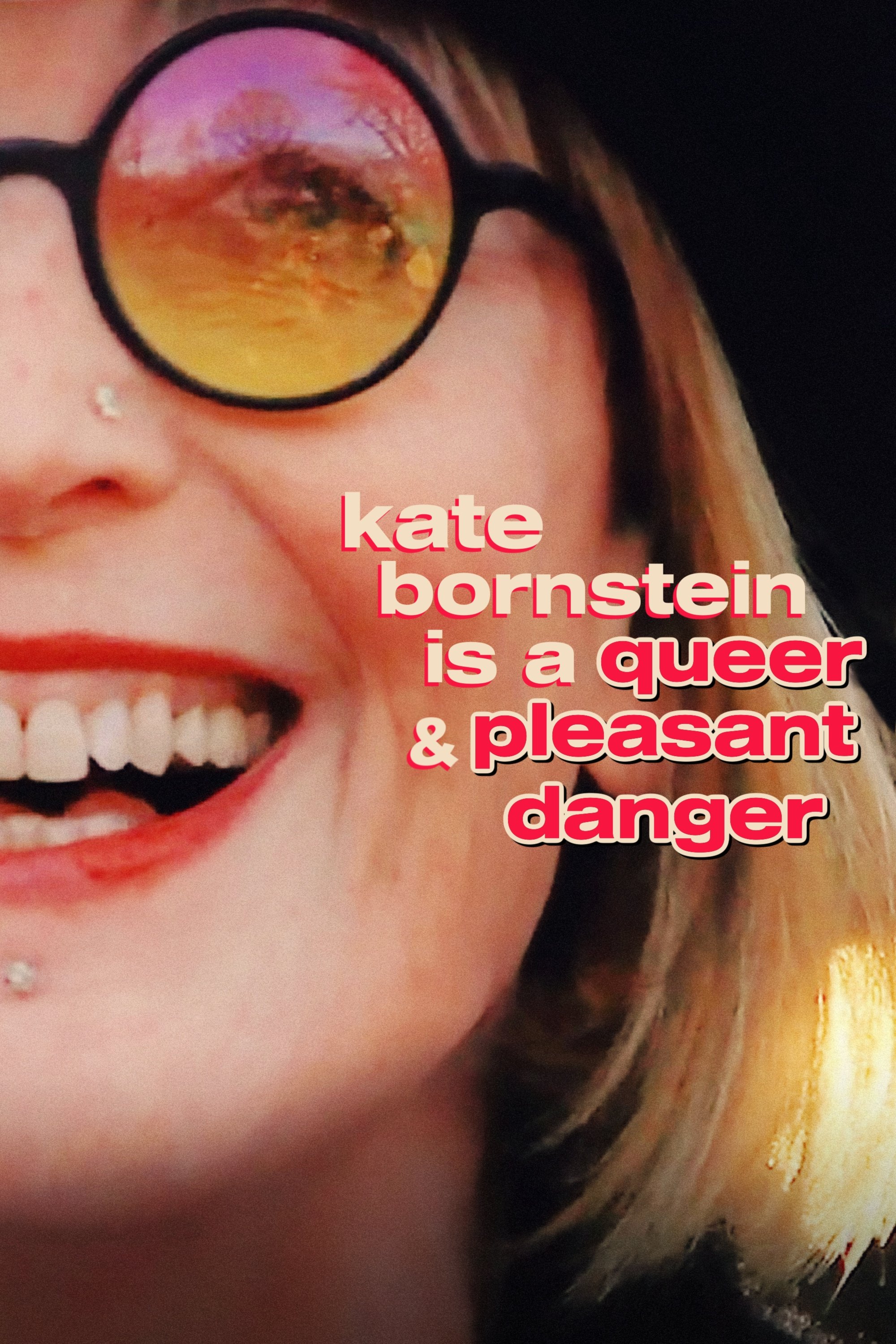
Performance artist and theorist Kate Bornstein is the subject of this engaging documentary. Bornstein discusses her transition, her writing, and her estrangement from her daughter due to Scientology. The film explores her role as a “grandparent” to a generation of queer youth who look to her for guidance. It is a portrait of a complex and influential figure.
Share your thoughts on these films and let us know which real-life stories resonated with you in the comments.