


Movies That Cast Straight Actors in Gay Roles and Divided Everyone

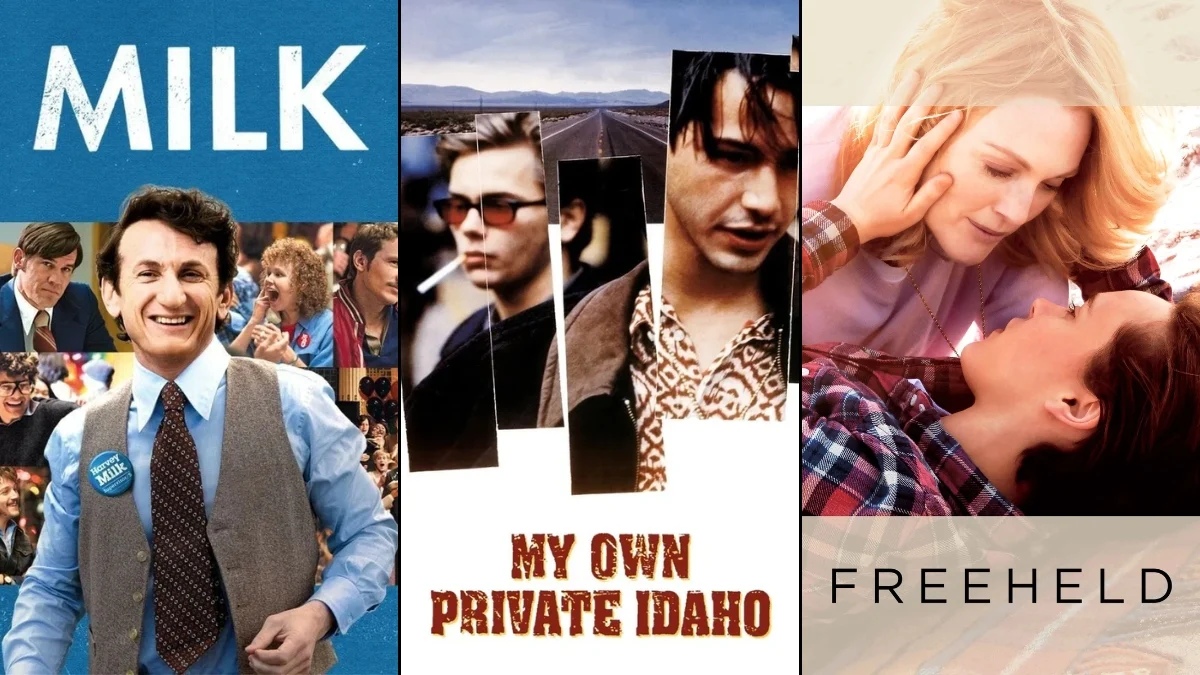


The practice of casting straight actors in LGBTQ+ roles has been a cornerstone of Hollywood for decades, often resulting in prestigious awards and critical acclaim. While these performances have historically helped bring queer narratives to a broader audience, they have also ignited intense debate regarding authenticity and opportunity within the industry. Advocates for representation argue that queer actors should be prioritized for roles that reflect their lived experiences, especially when those roles involve historical struggles or marginalized identities. Conversely, some filmmakers maintain that the essence of acting lies in the ability to portray lives different from one’s own. This list explores thirty notable films where the casting of straight leads in gay roles became a central point of public and critical discussion.
‘Cruising’ (1980)
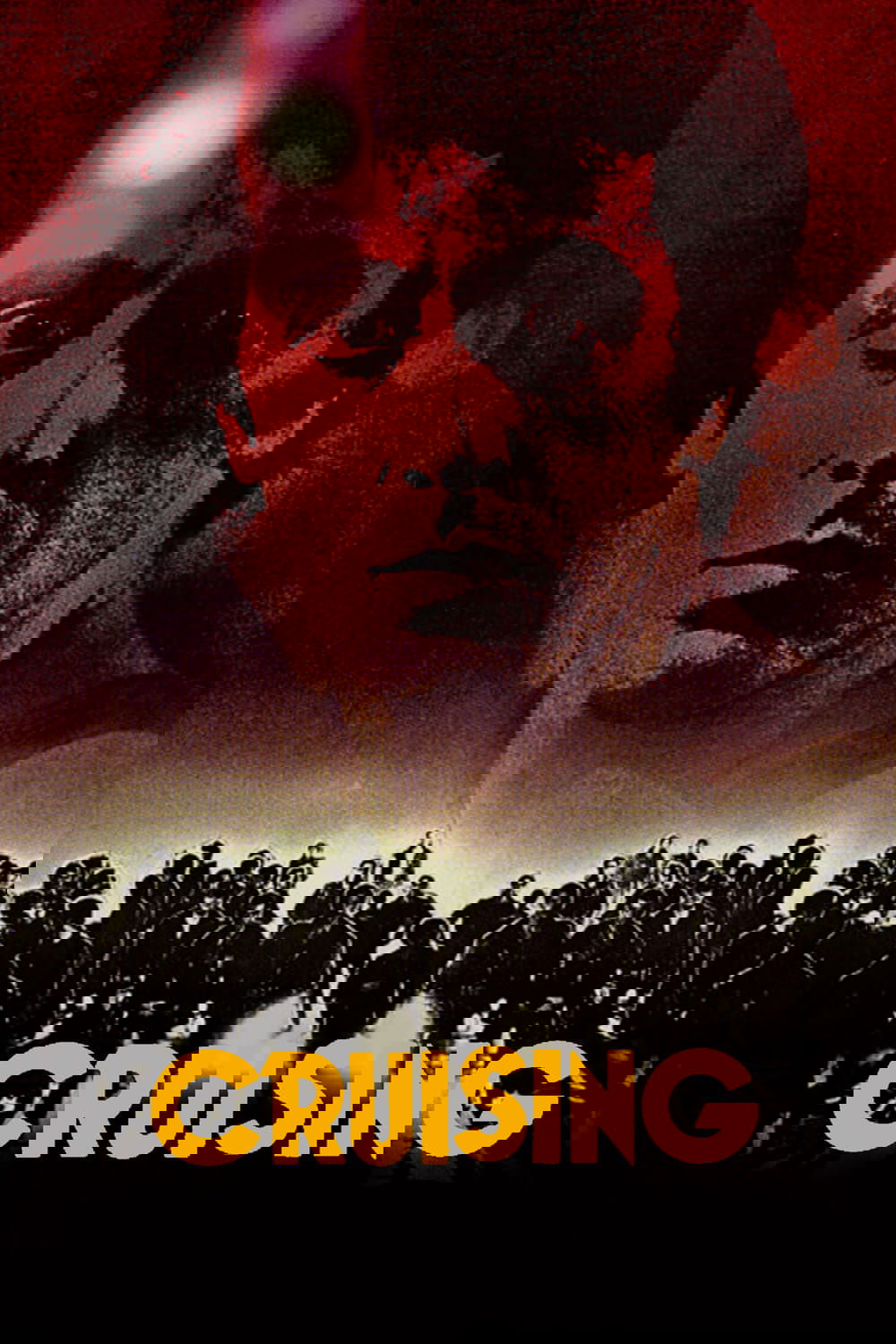
Al Pacino stars as Steve Burns, an undercover police officer who infiltrates the underground leather bars of New York City to catch a serial killer targeting gay men. At the time of its release, the film faced massive protests from the LGBTQ+ community who feared it depicted their lifestyle as inherently violent and deviant. Pacino’s portrayal of a man questioning his own identity while navigating this world was seen as a high-profile but controversial choice. The film remains a polarizing piece of cinema for its grim atmosphere and the questions it raised about how mainstream Hollywood viewed subcultures. It eventually gained a cult following, but the initial backlash against its casting and themes was significant.
‘My Own Private Idaho’ (1991)
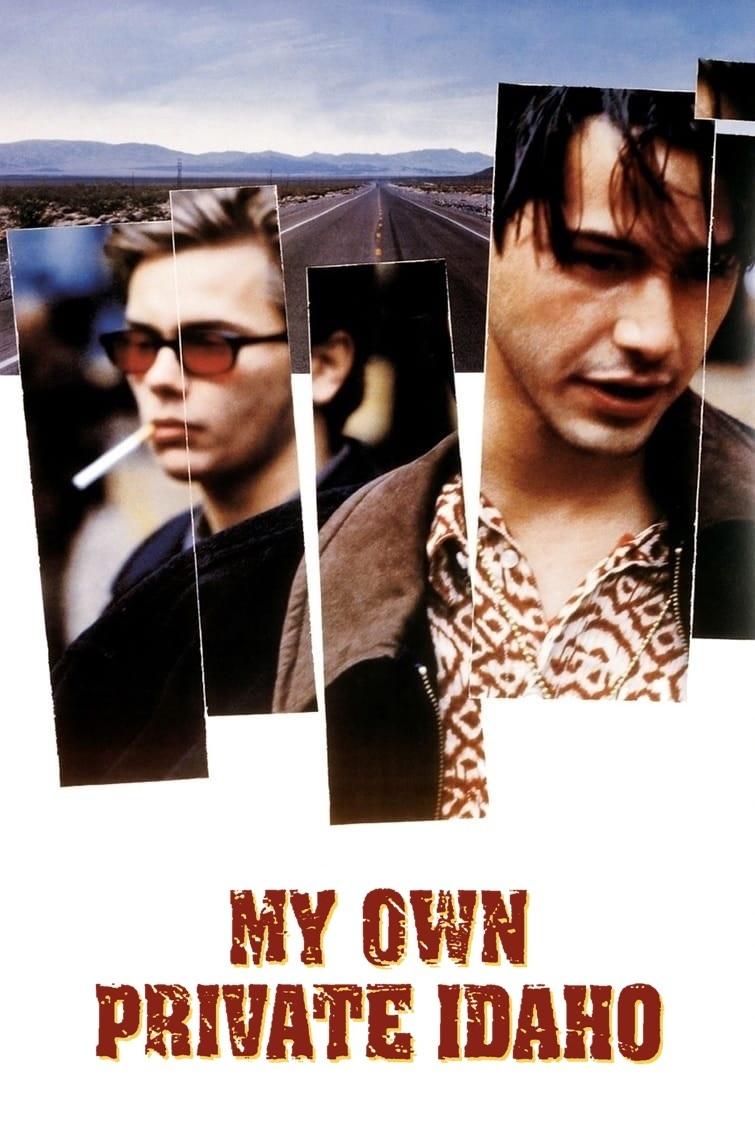
River Phoenix and Keanu Reeves portray two street-hustlers living in Portland, Oregon, who embark on a journey of self-discovery and unrequited love. The casting of two of Hollywood’s biggest rising heartthrobs in roles that involved male prostitution and romantic longing between men was considered a daring move. Phoenix’s performance, in particular, was praised for its vulnerability and depth, helping the film become a landmark in New Queer Cinema. Despite the acclaim, the decision to use heterosexual stars to represent marginalized queer youths sparked early conversations about the politics of representation. The film is now celebrated for its poetic direction and the chemistry between its leads.
‘Philadelphia’ (1993)
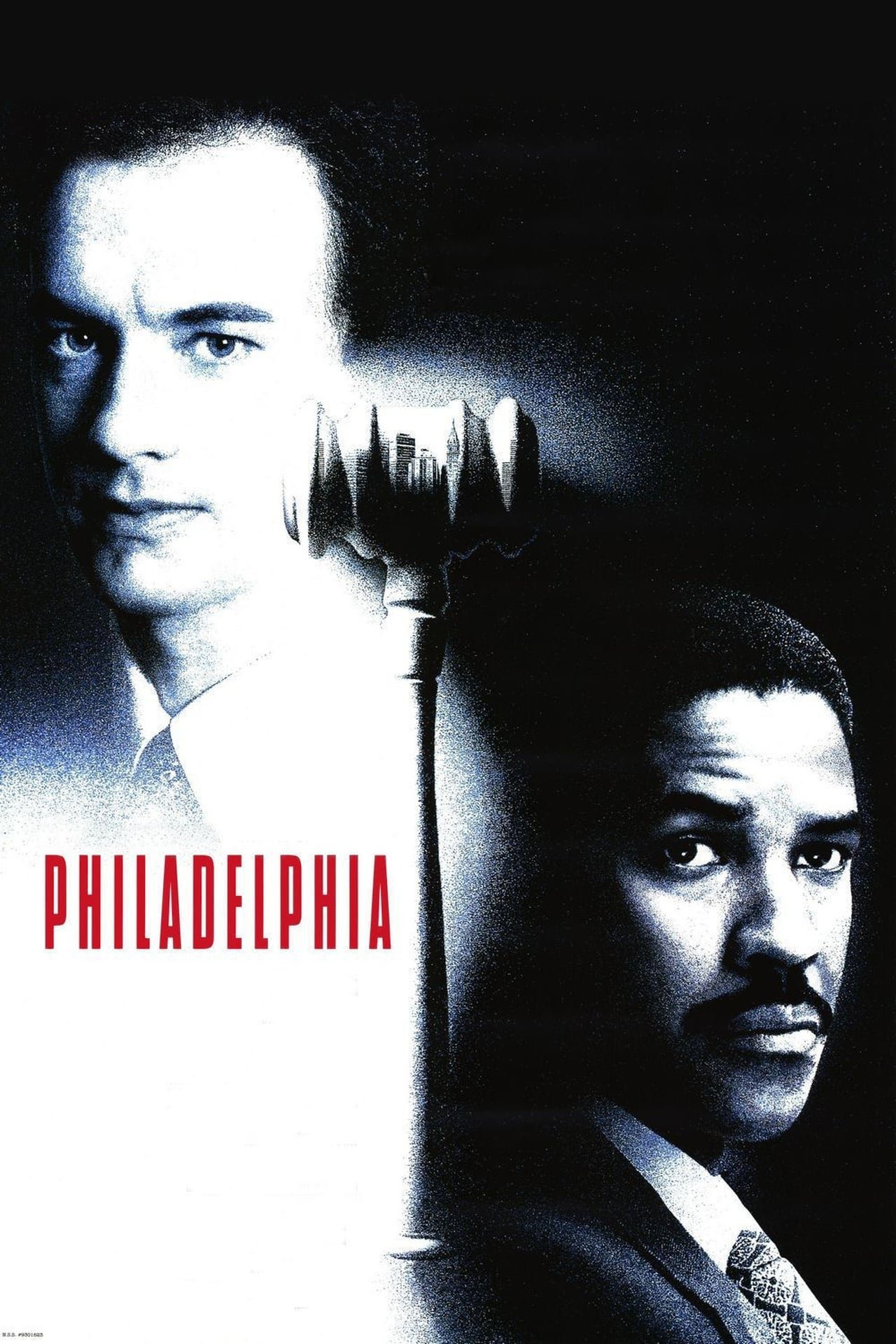
Tom Hanks plays Andrew Beckett, a senior associate at a prestigious law firm who is fired after his employers discover he has AIDS and is gay. This film was one of the first major Hollywood productions to address the HIV/AIDS crisis directly and sympathetically. Hanks won an Academy Award for his performance, which was credited with changing public perception of the disease during a time of immense stigma. However, critics have since pointed out that the role should have been an opportunity for a gay actor to bring authentic lived experience to the screen. The movie remains a touchstone for mainstream LGBTQ+ cinema while serving as a primary example of the ‘straight-actor-as-hero’ trope.
‘The Birdcage’ (1996)
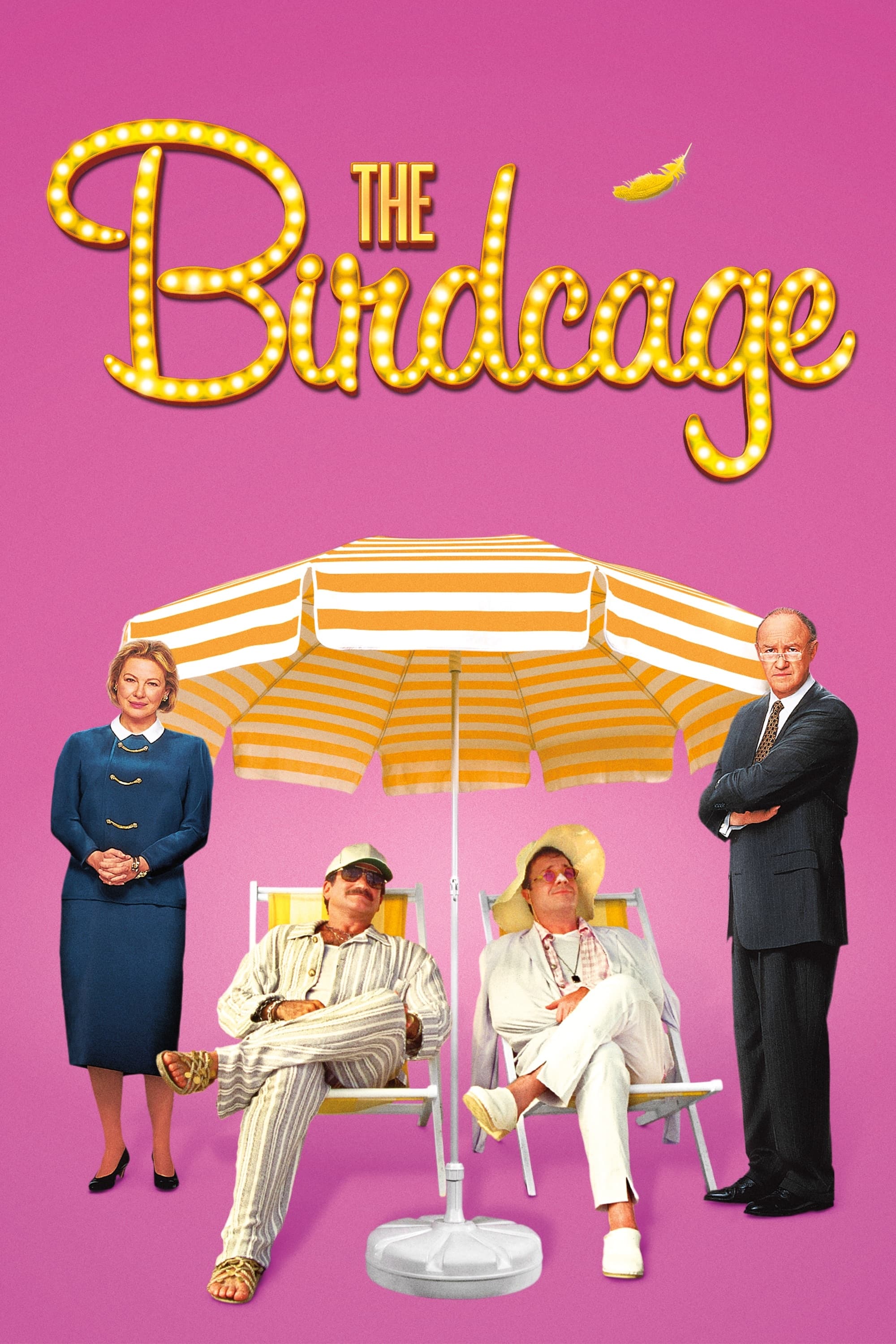
In this remake of ‘La Cage aux Folles’, Robin Williams stars as Armand Goldman, the owner of a drag club who must pretend to be straight to impress his son’s conservative future in-laws. Williams, a straight actor, played opposite Nathan Lane, who was not publicly out at the time of the film’s production but later became a prominent gay icon. The film was a massive commercial success and was lauded for its heart and humor, yet it relied heavily on broad archetypes. While Williams’ performance was warmly received, the reliance on a heterosexual lead to anchor a queer comedy was a common practice of the era. It remains a beloved classic of the genre despite modern critiques regarding casting authenticity.
‘The Talented Mr. Ripley’ (1999)
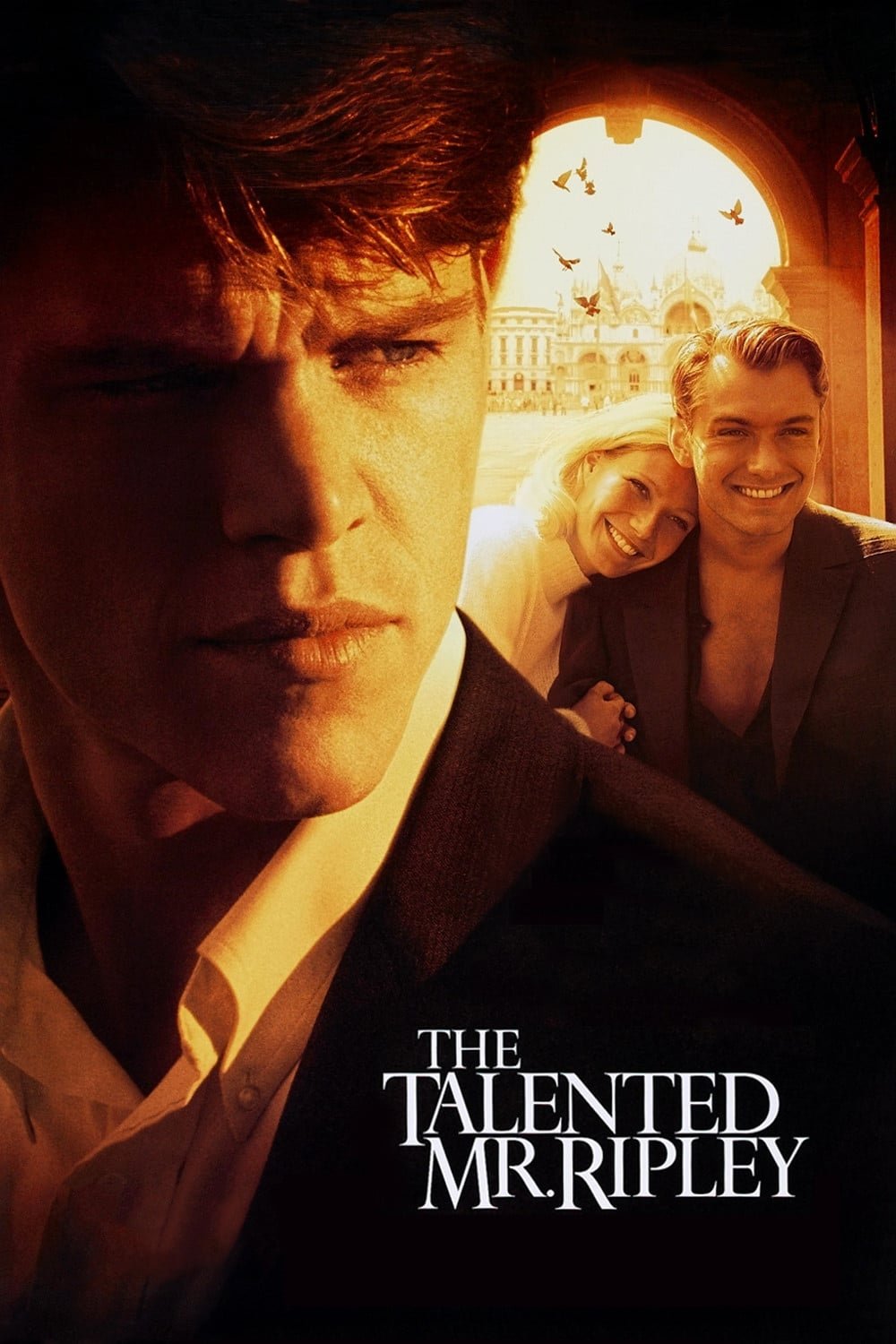
Matt Damon portrays Tom Ripley, a young man whose obsession with a wealthy socialite turns into a deadly game of identity theft and repressed desire. While the character’s sexuality is often described as fluid or ambiguous, the homoerotic undertones of Ripley’s fixation on Dickie Greenleaf are central to the narrative. Damon was at the peak of his leading-man status, and his casting was seen as a way to make the dark, complex character more palatable to general audiences. The film was a critical success, but the choice to cast a straight actor in a role defined by queer longing sparked academic and critical debate. It continues to be analyzed for its portrayal of hidden identity and the psychological toll of the closet.
‘Capote’ (2005)
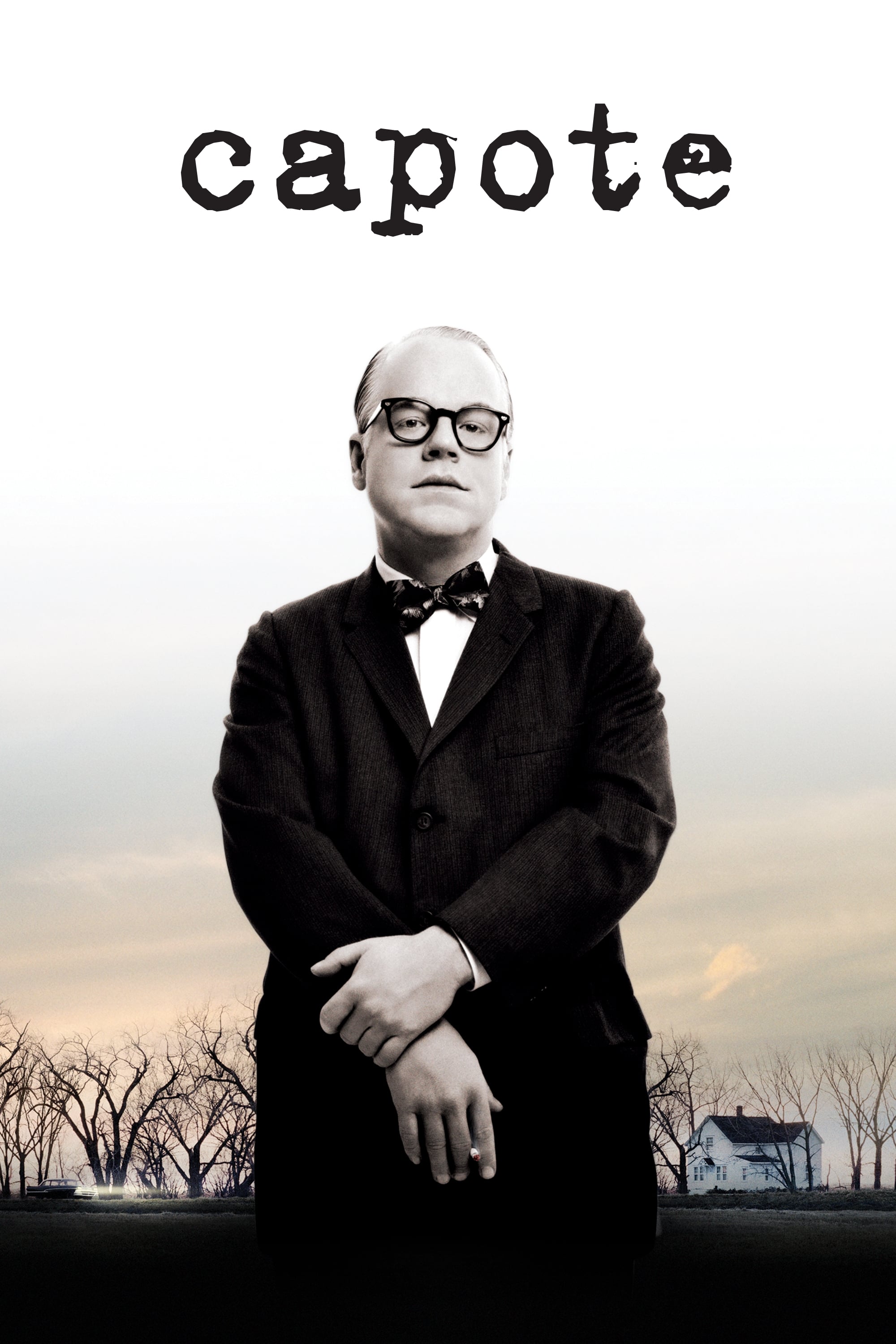
Philip Seymour Hoffman delivers a transformative performance as the legendary author Truman Capote during his research for the book ‘In Cold Blood’. Hoffman captured Capote’s unique mannerisms, voice, and his complex relationship with one of the convicted killers he interviewed. The film earned Hoffman an Academy Award for Best Actor, cementing the trend of straight actors winning high honors for portraying famous queer figures. While the performance was widely regarded as a masterpiece of mimicry and emotional depth, the casting choice emphasized the industry’s preference for established stars over LGBTQ+ actors. Capote’s sexuality is a fundamental part of his persona in the film, making the casting a focal point of discussion.
‘Brokeback Mountain’ (2005)
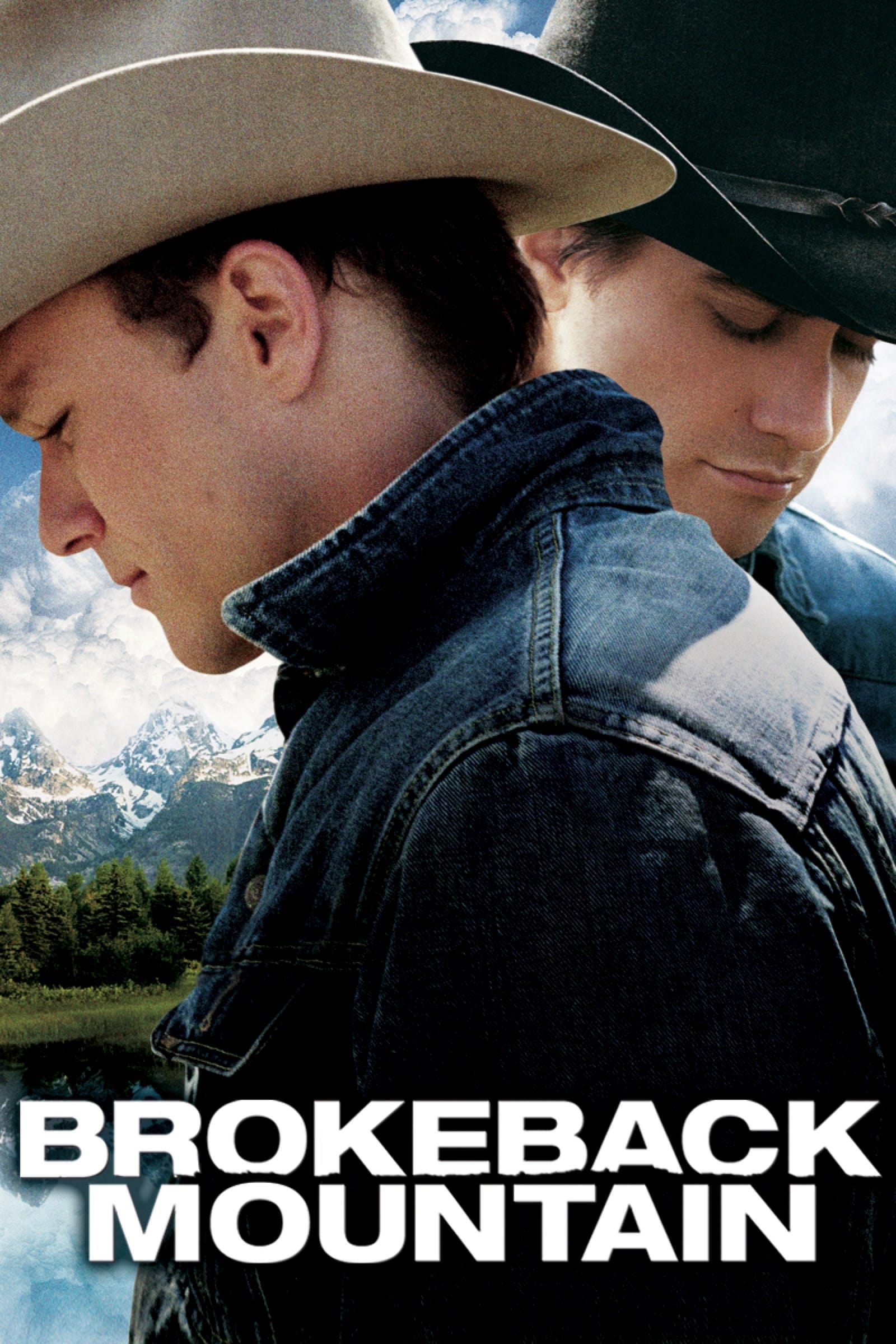
Heath Ledger and Jake Gyllenhaal star as two sheep herders who fall in love while working in the mountains of Wyoming in the 1960s. The film was a cultural phenomenon and is often credited with breaking down barriers for queer cinema in the mainstream market. Both Ledger and Gyllenhaal were established straight stars, and their willingness to play gay characters was viewed by many as a brave career move at the time. However, the ‘bravery’ narrative itself was criticized for implying that playing a gay character was a risk to be rewarded. The film remains one of the most famous examples of straight actors leading a high-profile queer romance.
‘Milk’ (2008)
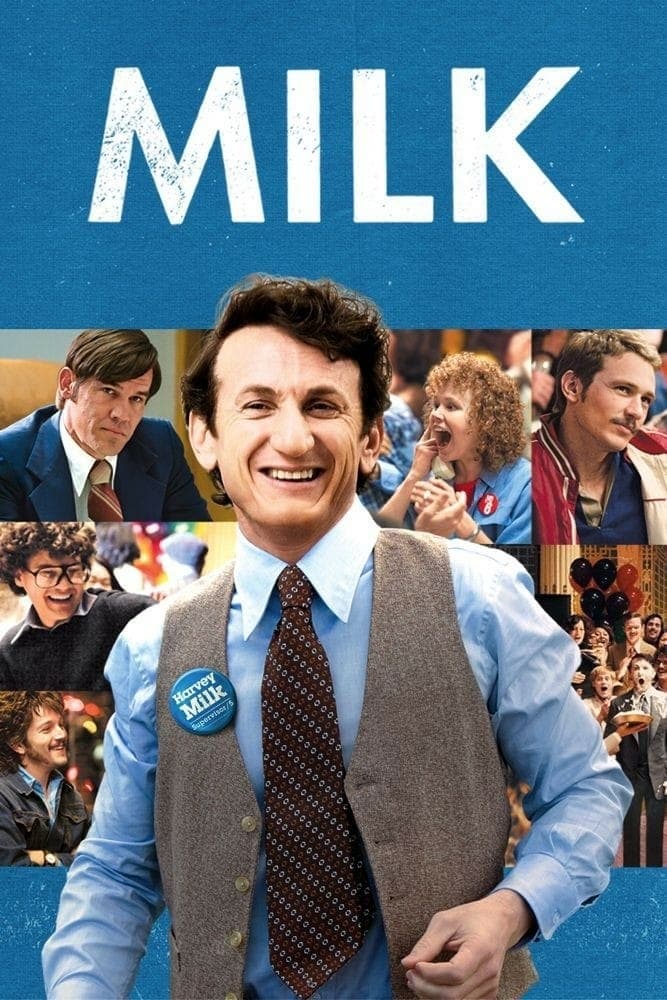
Sean Penn stars as Harvey Milk, the first openly gay man to be elected to public office in California. The biographical film follows Milk’s journey as an activist and politician in San Francisco’s Castro District before his tragic assassination. Penn won the Academy Award for Best Actor for his portrayal, which was praised for its charisma and historical accuracy. Despite the film’s success, the decision to cast a straight actor as one of the most iconic figures in LGBTQ+ history drew criticism from those advocating for authentic representation. The film is still hailed for its educational value and its tribute to the gay rights movement.
‘A Single Man’ (2009)
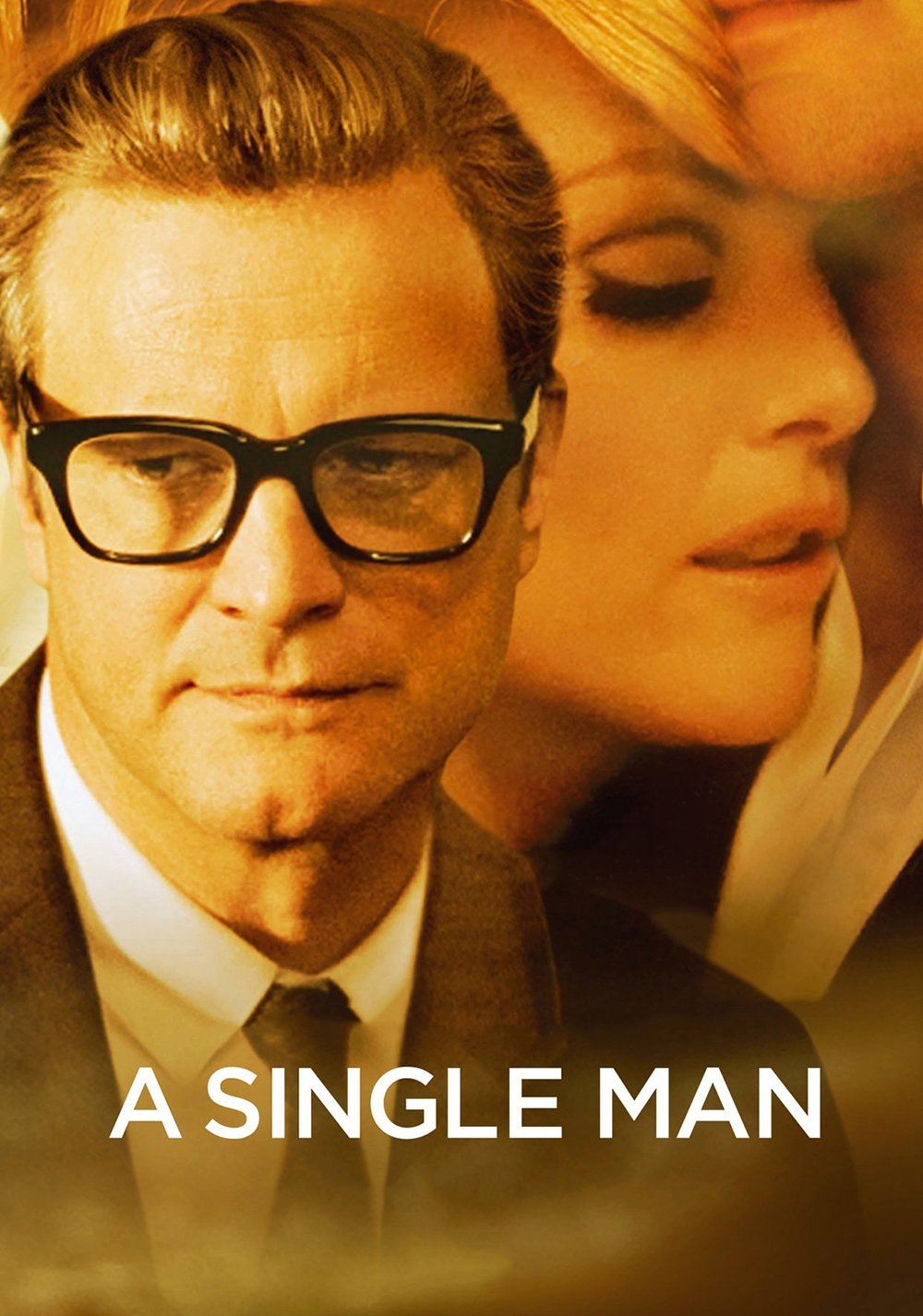
Colin Firth plays George Falconer, a British professor living in Los Angeles who is struggling to find meaning in his life after the sudden death of his long-term partner. Directed by fashion designer Tom Ford, the film is noted for its impeccable style and Firth’s restrained, heartbreaking performance. Firth received an Academy Award nomination and won a BAFTA for the role, which many saw as a career-best achievement. The casting of a straight actor to play a man whose grief is deeply rooted in his identity as a gay man was a point of contention. Nevertheless, the film is respected for its sensitive and mature exploration of loss.
‘I Love You Phillip Morris’ (2009)
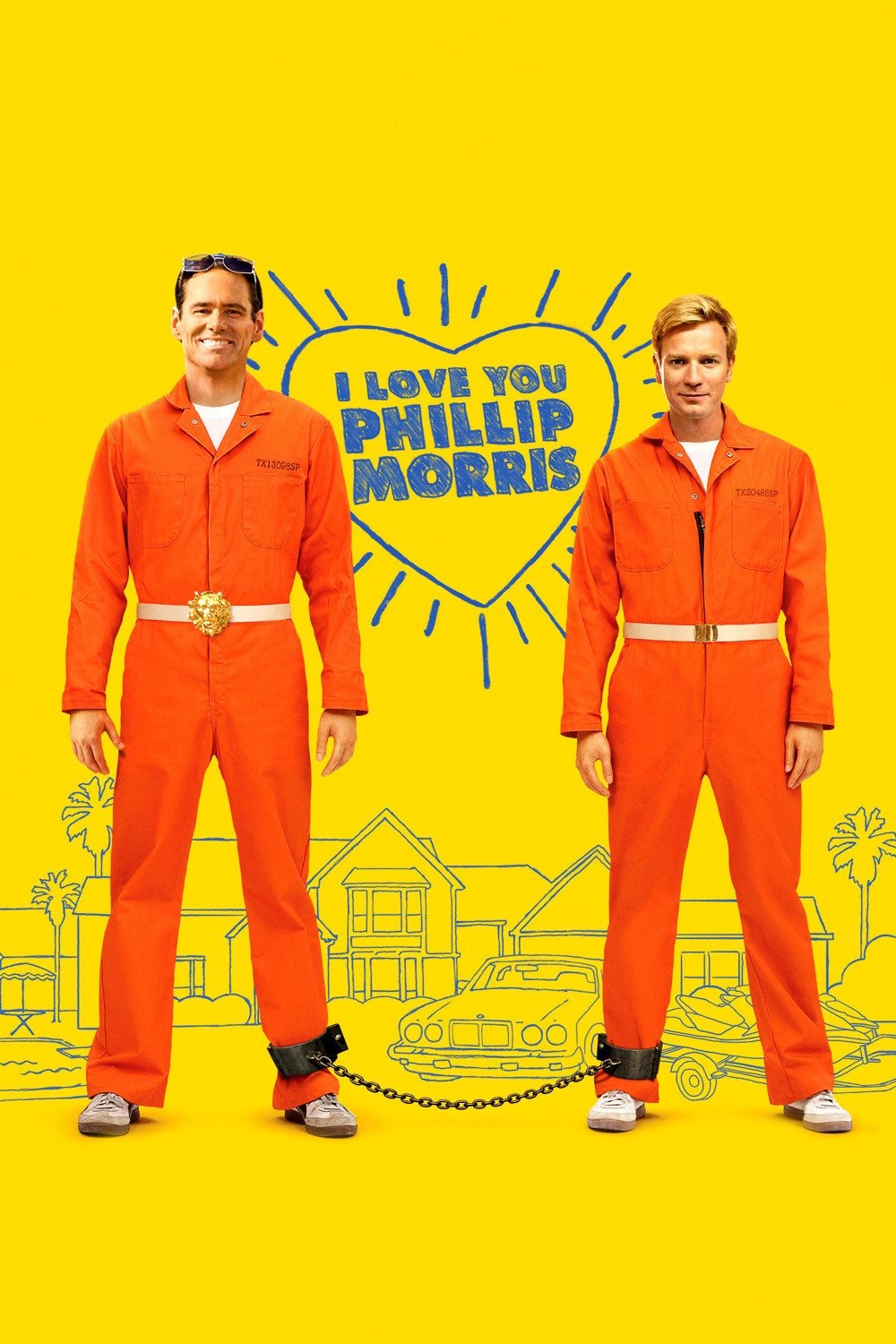
Jim Carrey and Ewan McGregor star in this dark comedy based on the true story of Steven Jay Russell, a con artist who falls in love with his fellow inmate. The film highlights the lengths to which Russell goes to be with Morris, including escaping from prison multiple times. Both Carrey and McGregor were high-profile straight actors taking on explicitly gay roles that involved significant physical affection. The film struggled with distribution in the United States, which some attributed to its graphic and unapologetic portrayal of gay romance. The casting was seen as a way to bring star power to a risky, unconventional narrative.
‘The Kids Are All Right’ (2010)
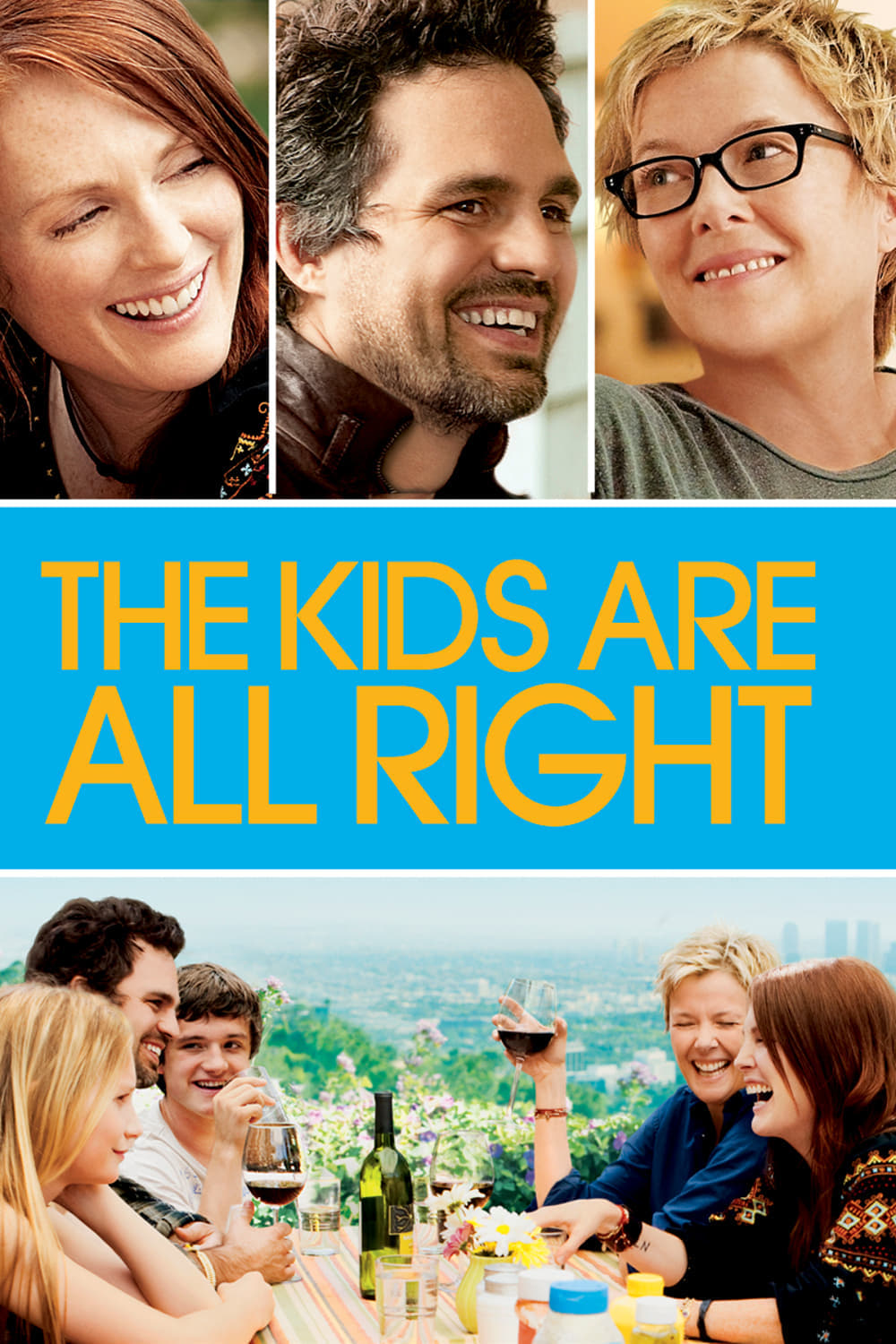
Annette Bening and Julianne Moore play a long-term lesbian couple whose lives are disrupted when their teenage children seek out their anonymous sperm donor. The film was praised for its realistic portrayal of a modern family and the everyday complexities of a committed relationship. Both Bening and Moore are straight, and their casting sparked a dialogue about whether lesbian roles should be reserved for lesbian actresses. While the film was a critical and commercial success, some viewers felt the performances lacked a certain lived-in authenticity unique to the queer community. It remains a significant entry in the canon of films about LGBTQ+ parenting.
‘Behind the Candelabra’ (2013)
Michael Douglas and Matt Damon portray the flamboyant pianist Liberace and his young lover Scott Thorson, respectively. The HBO film explores the secret and often tumultuous relationship between the two men behind the scenes of Liberace’s glittering career. Both actors received high praise for their performances, with Douglas winning an Emmy for his portrayal of the legendary entertainer. The casting of two major Hollywood stars who identify as straight was seen as a necessity to get the biopic produced. However, the film’s release coincided with growing demands for more inclusive casting in television and film.
‘The Imitation Game’ (2014)

Benedict Cumberbatch portrays Alan Turing, the brilliant mathematician who led the effort to crack the Enigma code during World War II but was later persecuted for his homosexuality. The film focuses heavily on Turing’s genius and his tragic downfall due to the laws of the time. Cumberbatch received an Academy Award nomination for the role, which was criticized by some for downplaying Turing’s sexuality in favor of his professional achievements. The casting of a straight actor to play a man whose life was destroyed by homophobia added another layer to the debate over representation. Many felt that a gay actor might have brought a deeper emotional resonance to Turing’s private suffering.
‘Carol’ (2015)
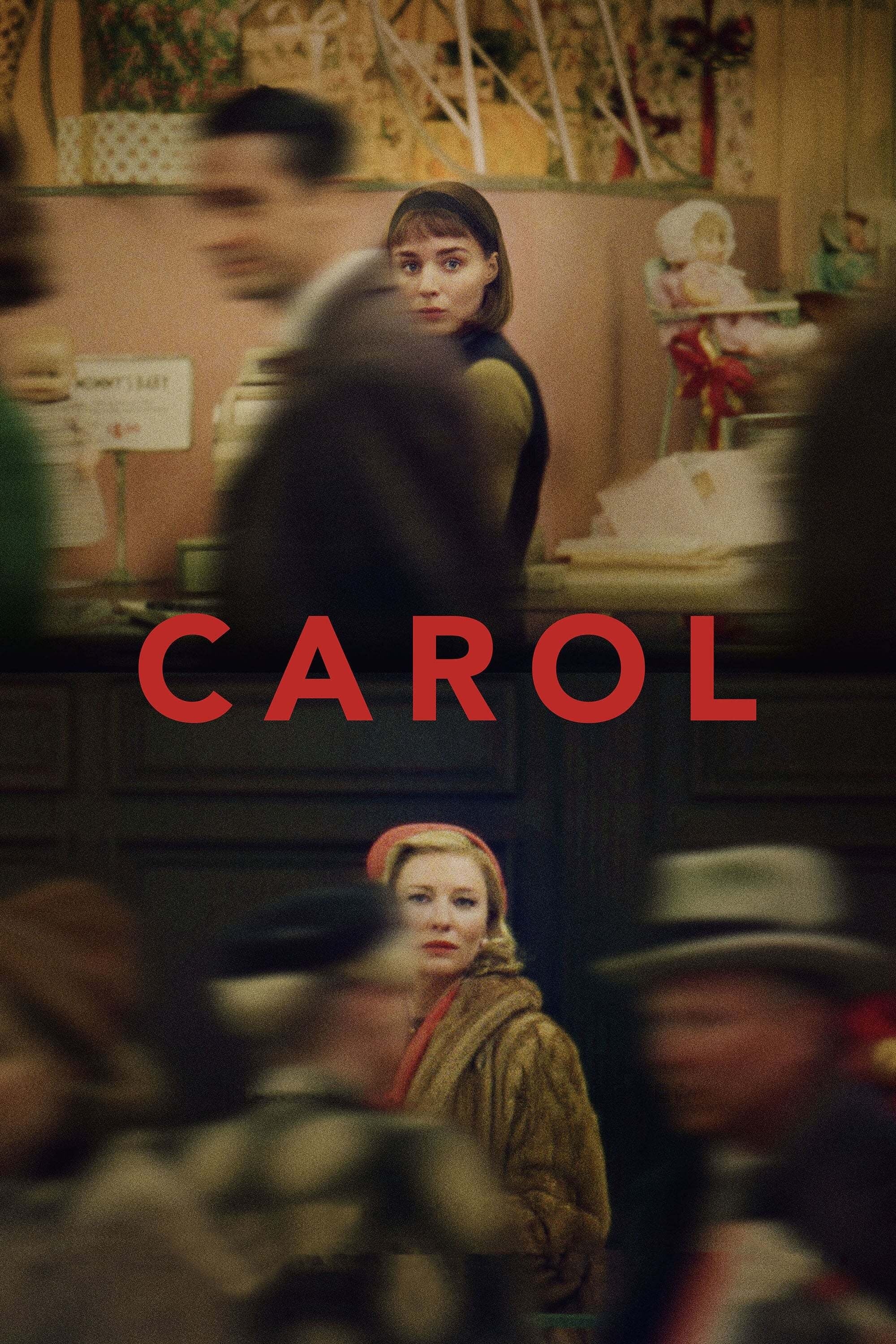
Cate Blanchett and Rooney Mara star as two women who develop a forbidden romantic relationship in 1950s New York. The film is celebrated for its lush cinematography, period detail, and the nuanced performances of its lead actresses. Both Blanchett and Mara are straight, and their casting in a high-profile lesbian romance was a major talking point during the awards season. While the film was almost universally acclaimed, it became a frequent example in the argument for more queer women to be cast in queer roles. The chemistry between the leads was highly praised, yet the absence of queer actresses in the main roles was noted by many critics.
‘Freeheld’ (2015)
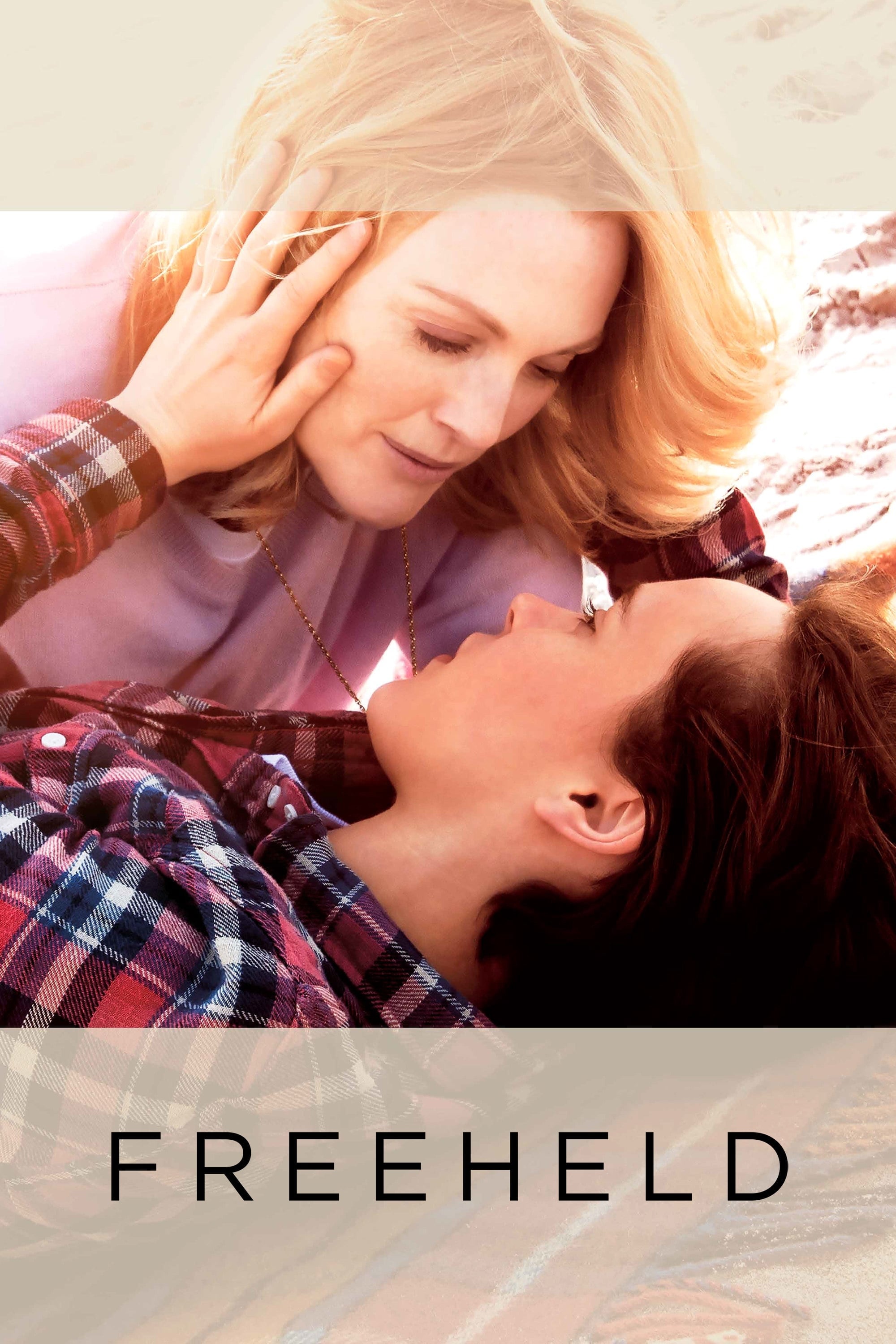
Julianne Moore and Elliot Page (who had not yet come out as trans at the time) star as Laurel Hester and Stacie Andree, a real-life couple who fought for domestic partner benefits. Moore portrays a police lieutenant diagnosed with terminal cancer who wants to ensure her partner can inherit her pension. The film was an important political statement, highlighting the legal struggles faced by gay couples before the legalization of same-sex marriage. Moore’s casting as a lesbian activist was viewed as a way to bring prestige to the project, though it raised familiar questions about casting choices. The film served as a poignant reminder of the real-world stakes of the LGBTQ+ rights movement.
‘Moonlight’ (2016)
Trevante Rhodes plays the adult version of Chiron, a young Black man growing up in Miami who struggles with his identity and sexuality across three stages of his life. The film won the Academy Award for Best Picture and was hailed as a masterpiece of contemporary cinema. Rhodes, who identifies as straight, was praised for his physical presence and his ability to convey deep emotional repression. The film’s success was a landmark for Black queer representation, even as it featured a straight lead in its final act. The nuance of the script and direction helped mitigate some of the typical criticisms regarding the casting of straight actors.
‘Call Me by Your Name’ (2017)
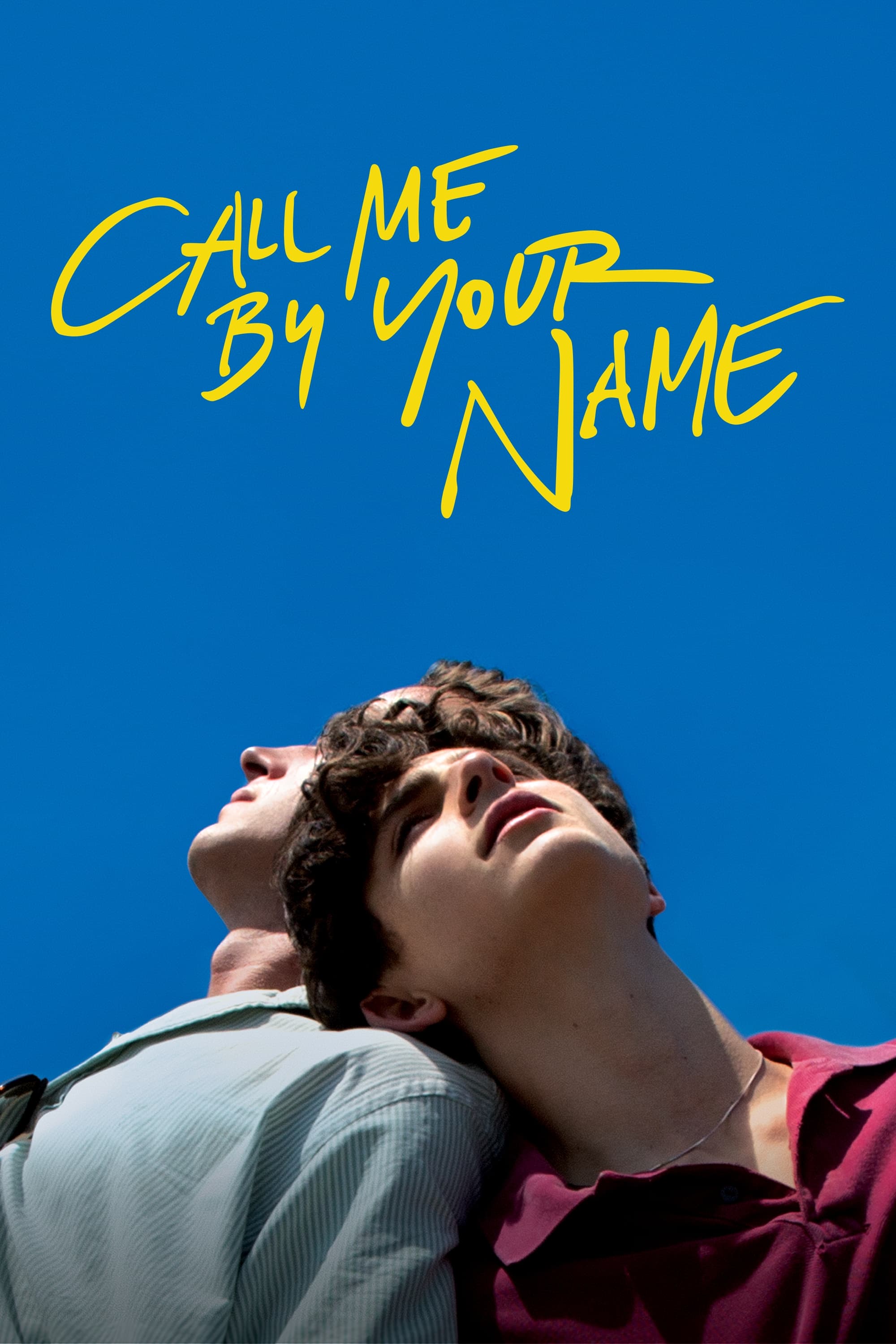
Timothée Chalamet and Armie Hammer star as Elio and Oliver, two young men who share a transformative summer romance in rural Italy during the 1980s. The film became a cultural sensation, earning Chalamet an Academy Award nomination and turning him into a global star. Both actors are straight, and the film’s director, Luca Guadagnino, defended the casting by stating he looks for the best actors for the roles regardless of sexuality. Critics of the casting argued that the lack of queer involvement in the lead roles felt like a missed opportunity for authentic representation. The film is still widely considered one of the most beautiful and influential queer romances of the 21st century.
‘Disobedience’ (2017)
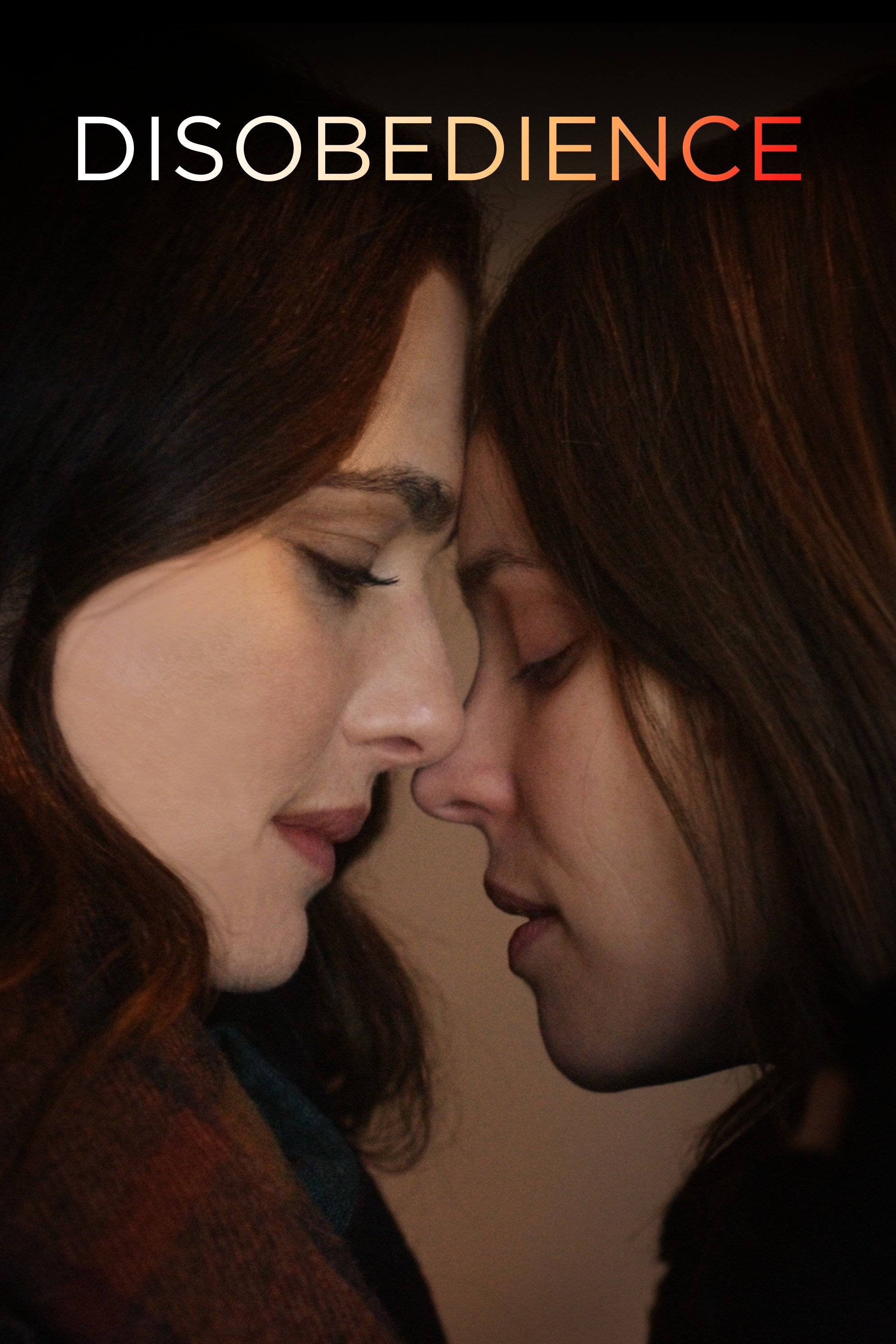
Rachel Weisz and Rachel McAdams portray two women who rekindle a forbidden romance within an Orthodox Jewish community in London. The film explores the tension between religious tradition and personal identity, with both actresses delivering powerful performances. Weisz and McAdams are both straight, and their casting was seen as instrumental in getting the independent film funded and distributed. The film was noted for its sensitive handling of faith and sexuality, as well as a particularly discussed intimate scene between the leads. Despite the positive reviews, the decision to use two major straight stars for a lesbian narrative remained a point of discussion.
‘Bohemian Rhapsody’ (2018)
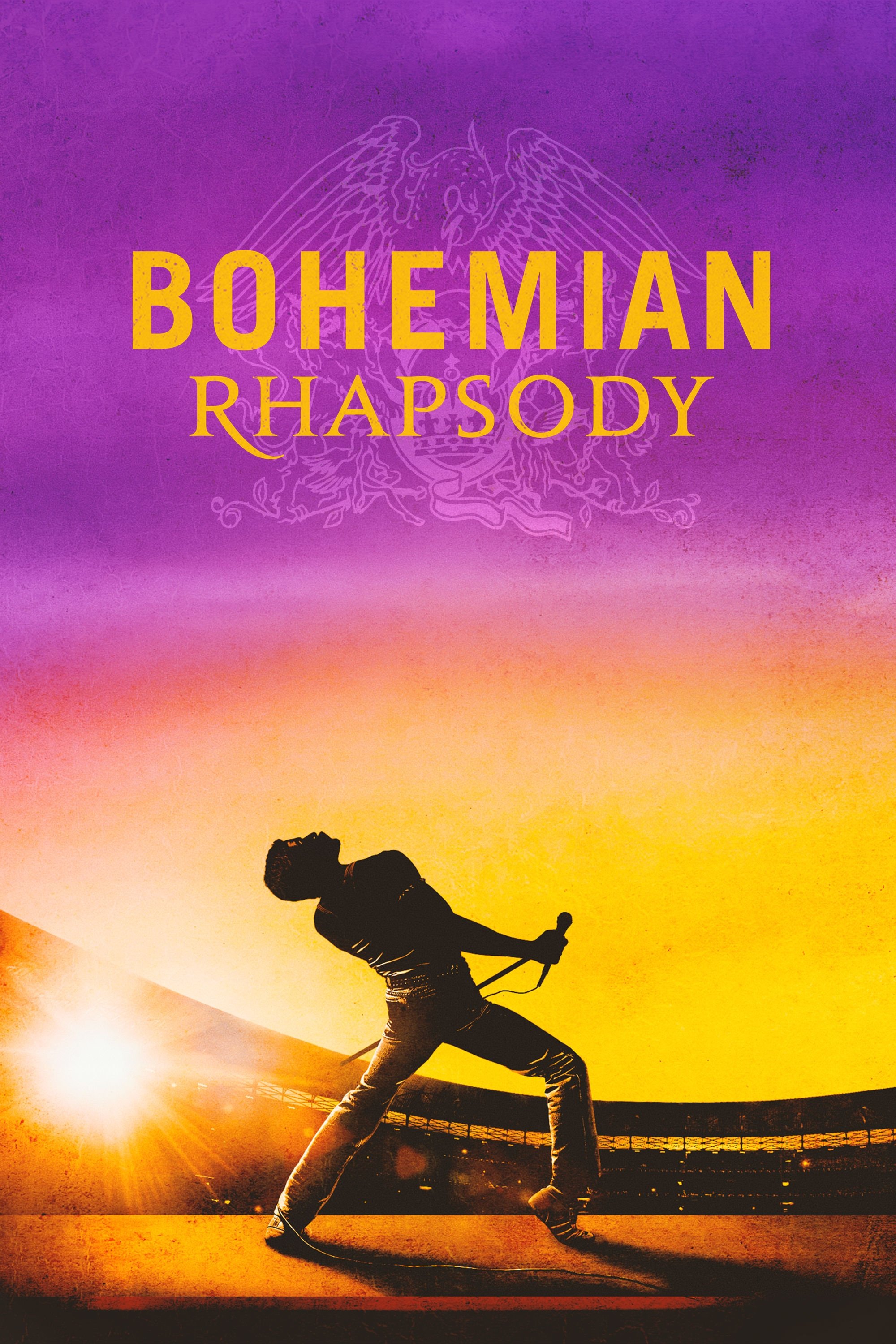
Rami Malek stars as Freddie Mercury, the iconic lead singer of Queen, in this biographical film that spans the band’s rise to fame. Malek won the Academy Award for Best Actor for his portrayal of the bisexual singer, who died of AIDS-related complications in 1991. The film was a massive box-office hit but faced criticism for how it handled Mercury’s sexuality and private life. Many fans and critics felt that a queer actor could have brought more authenticity to the role of such a significant LGBTQ+ icon. The performance was highly technical and energetic, yet the casting choice remained a central part of the film’s mixed reception.
‘The Favourite’ (2018)
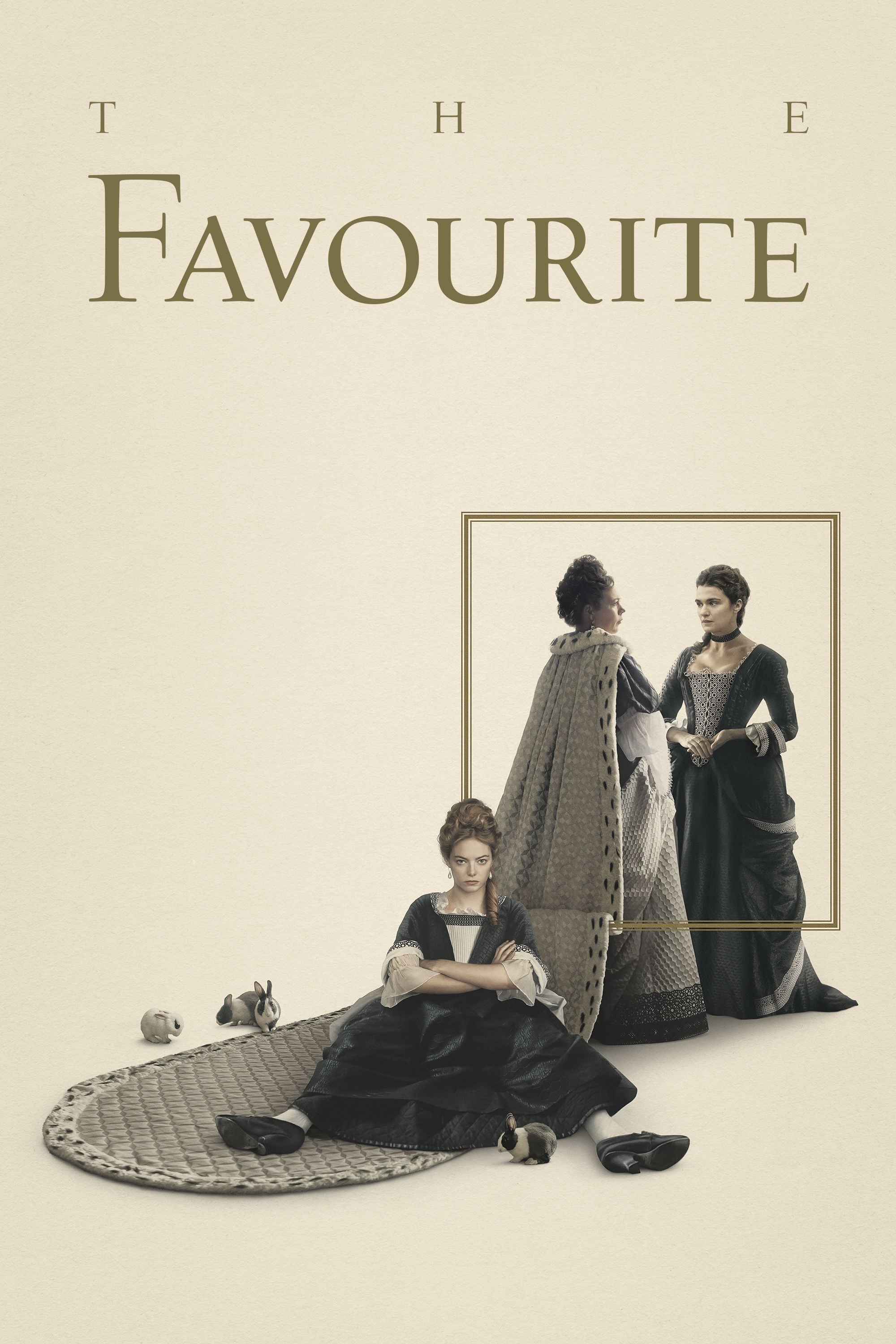
Olivia Colman, Rachel Weisz, and Emma Stone star in this period dark comedy about the power struggle between two cousins vying for the favor of Queen Anne. The film features a complex web of political maneuvering and romantic liaisons among the three women. All three lead actresses identify as straight, and their performances were universally acclaimed, with Colman winning an Academy Award. The film was praised for its subversion of the typical period drama and its unapologetic depiction of queer desire at the royal court. However, the high-profile casting of straight women in these roles was consistent with industry trends that prioritize established stars.
‘The Power of the Dog’ (2021)
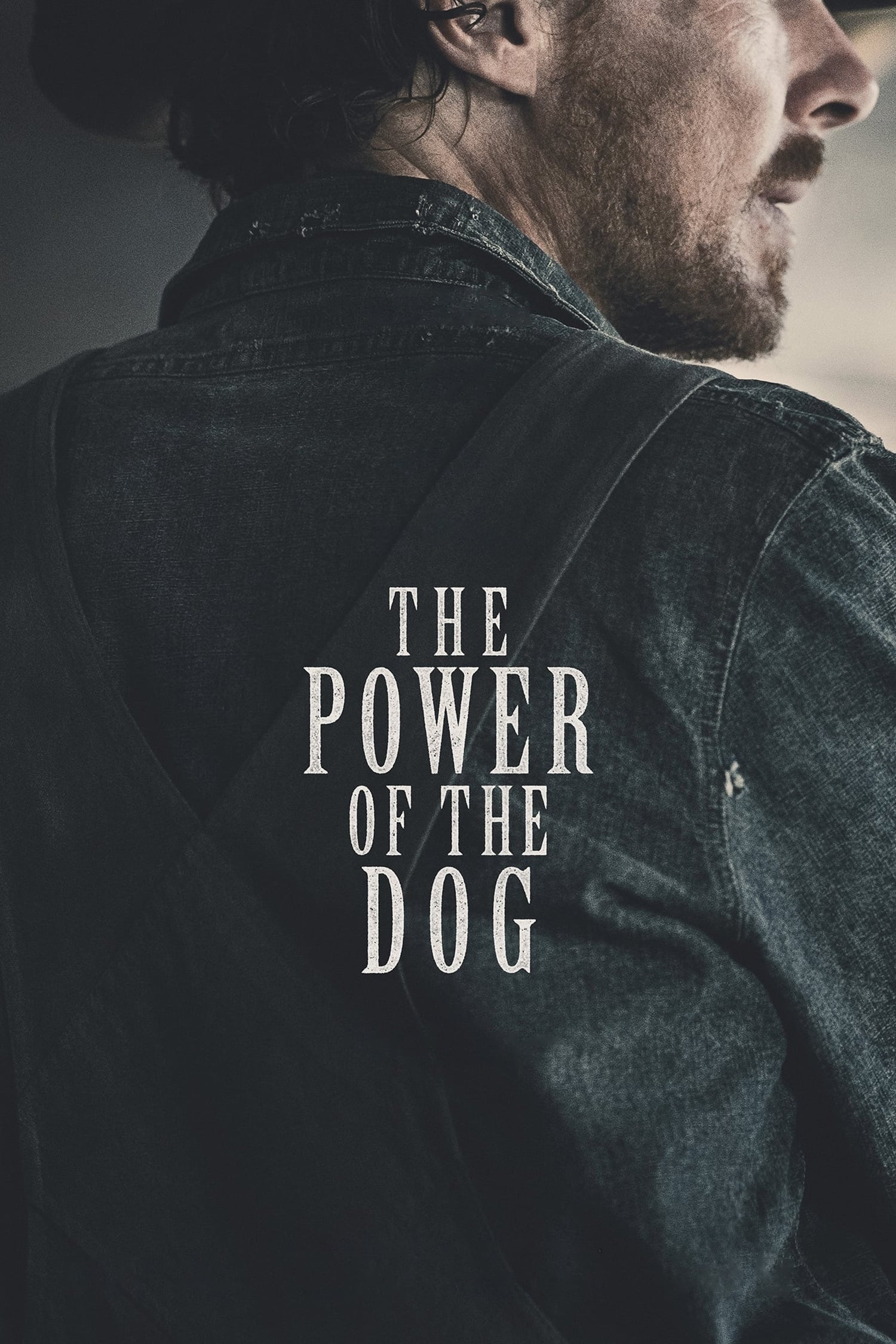
Benedict Cumberbatch portrays Phil Burbank, a repressed and volatile rancher in 1920s Montana whose hidden desires drive much of the film’s tension. The narrative explores themes of toxic masculinity and the psychological burden of being a closeted man in a harsh, unforgiving environment. Cumberbatch’s performance was widely lauded and earned him multiple award nominations. As a straight actor playing a deeply closeted gay man, his casting sparked renewed debates about who should tell these specific stories. The film is regarded as a masterclass in tension and subtext, using the landscape to mirror the characters’ internal struggles.
‘Rocketman’ (2019)

Taron Egerton stars as Elton John in this musical fantasy that depicts the singer’s breakthrough years and his struggle with addiction and fame. Egerton, a straight actor, was handpicked for the role and performed all of his own singing in the film. The movie was praised for its bold visual style and its refusal to shy away from John’s sexuality, including an intimate scene with his manager. Egerton defended his casting by stating that he felt a deep responsibility to honor Elton John’s legacy. While the film was a hit, it once again raised the question of whether gay icons should be portrayed by gay actors.
‘Portrait of a Lady on Fire’ (2019)
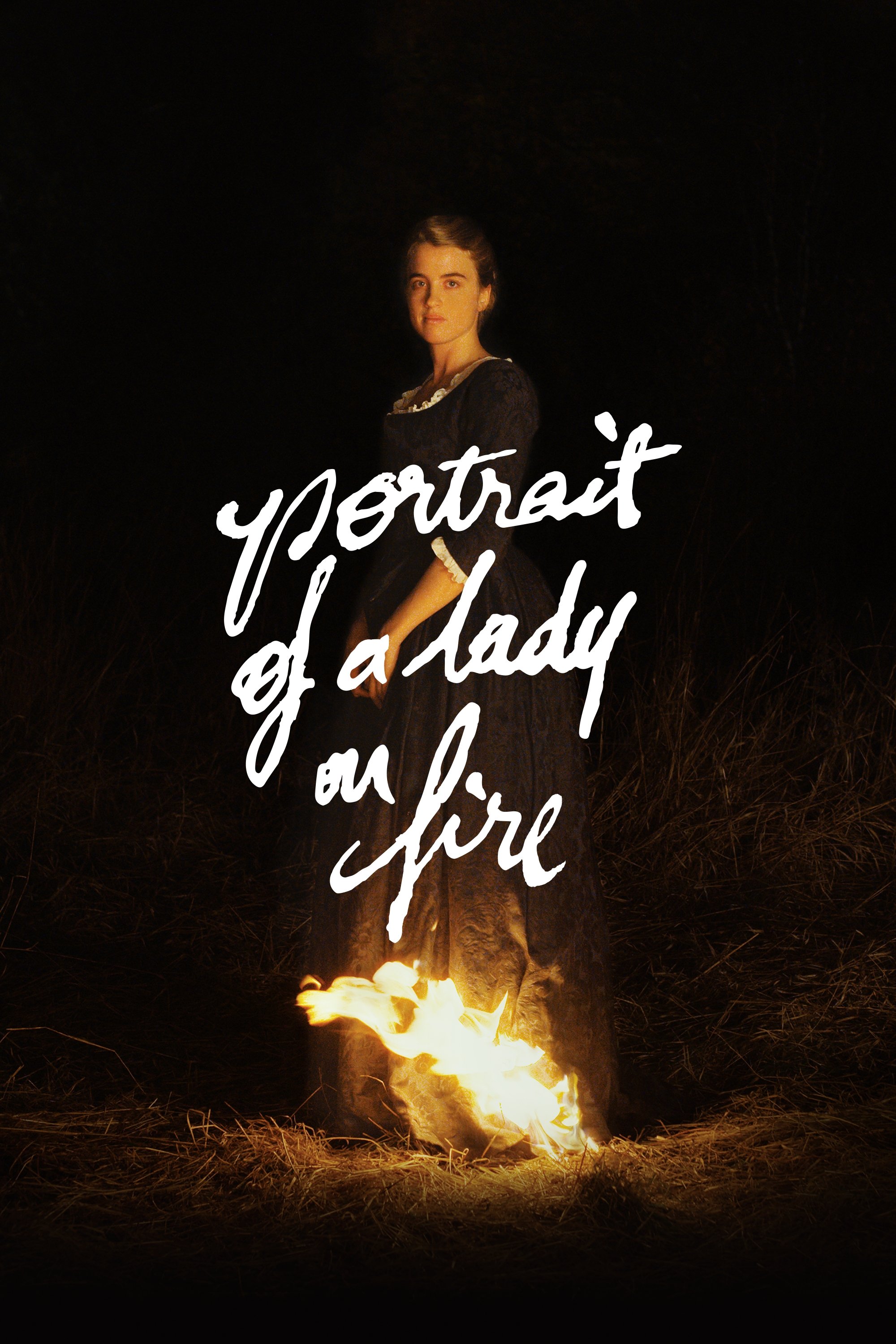
Noémie Merlant stars as a painter commissioned to do the wedding portrait of a young woman, played by Adèle Haenel, in 18th-century France. While Haenel is a queer actress, Merlant is straight, and the two share an intense, slow-burning romance on screen. The film was directed by Céline Sciamma and is widely regarded as one of the greatest lesbian films ever made. The collaboration between a queer director and a mix of queer and straight actresses resulted in a film that felt deeply authentic to many viewers. Merlant’s performance was praised for its restraint and the chemistry she shared with Haenel.
‘Ammonite’ (2020)

Kate Winslet and Saoirse Ronan star as Mary Anning and Charlotte Murchison, two women who develop an intense romantic bond in 19th-century England. Winslet portrays the real-life paleontologist Anning, whose sexuality is a matter of historical speculation rather than confirmed fact. Both Winslet and Ronan are straight, and their casting in a high-profile lesbian period drama was met with both anticipation and criticism. The film’s director, Francis Lee, defended his creative choices, while some descendants of Anning questioned the fictionalization of her life. The film is noted for its stark, windswept atmosphere and the somber performances of its leads.
‘Falling’ (2020)
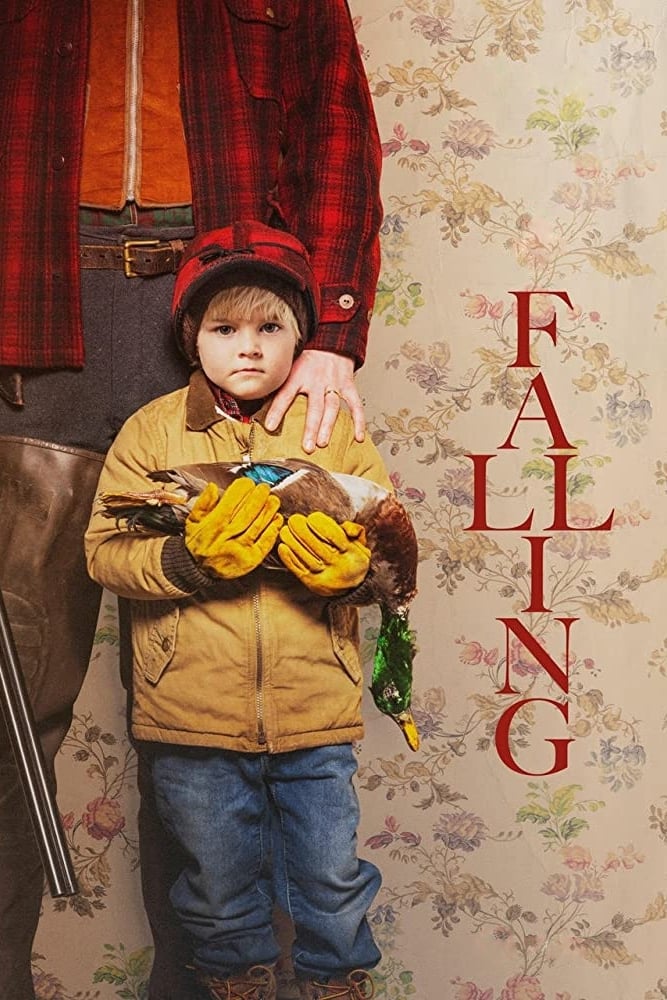
Viggo Mortensen directed and stars in this drama as a gay man who must care for his conservative, homophobic father as his health declines. Mortensen, who is straight, cast himself in the lead role alongside a cast that included other straight actors playing queer characters. He defended the decision by arguing that actors should not be defined by their personal lives and that the focus should be on the performance. The film explores the difficult dynamics of family reconciliation and the lasting impact of prejudice. While the film received some praise for its emotional honesty, the casting choices remained a point of debate in the industry.
‘The Prom’ (2020)
James Corden stars as Barry Glickman, a flamboyant and struggling Broadway actor who travels to a small town to help a lesbian student go to her prom. Corden’s performance was widely panned by critics and the LGBTQ+ community for its use of broad, stereotypical mannerisms. As a straight man playing a gay character, many felt his portrayal was insensitive and lacked the nuance required for the role. This particular casting choice became a major flashpoint in the discussion about straight actors in gay roles. The film’s overall message of inclusion was often overshadowed by the backlash against Corden’s performance.
‘Supernova’ (2020)

Colin Firth and Stanley Tucci star as a long-term couple traveling across England in an RV after one of them is diagnosed with early-onset dementia. Both actors are straight in real life and are known to be close friends, which they cited as a reason for their natural chemistry in the film. The movie was praised for its quiet, moving exploration of love and mortality within a queer relationship. Some critics pointed out that the casting of two established straight stars was a safe choice for a film dealing with sensitive subject matter. However, the performances were generally well-received for their subtlety and emotional depth.
‘The Whale’ (2022)
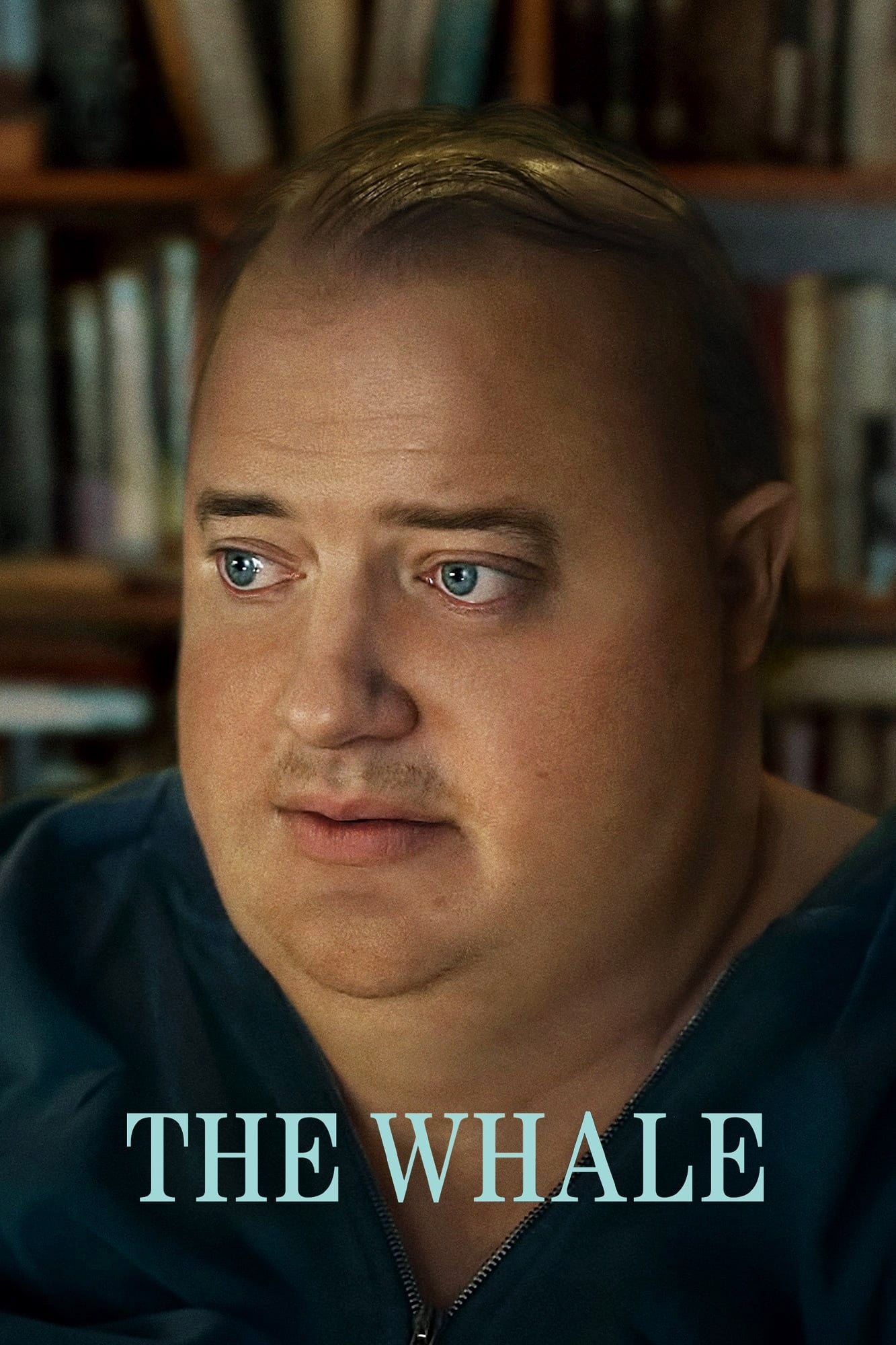
Brendan Fraser stars as Charlie, a reclusive English teacher living with severe obesity who attempts to reconnect with his estranged daughter. The character’s backstory involves the deep grief of losing his male partner, which triggered his health struggles. Fraser, a straight actor, won the Academy Award for Best Actor for his performance, which was seen as a major career comeback. The casting sparked controversy both for the use of a prosthetic suit and for the decision to cast a straight man in a role defined by queer tragedy. The film’s director, Darren Aronofsky, defended the choice by focusing on the emotional core of the character.
‘Tár’ (2022)
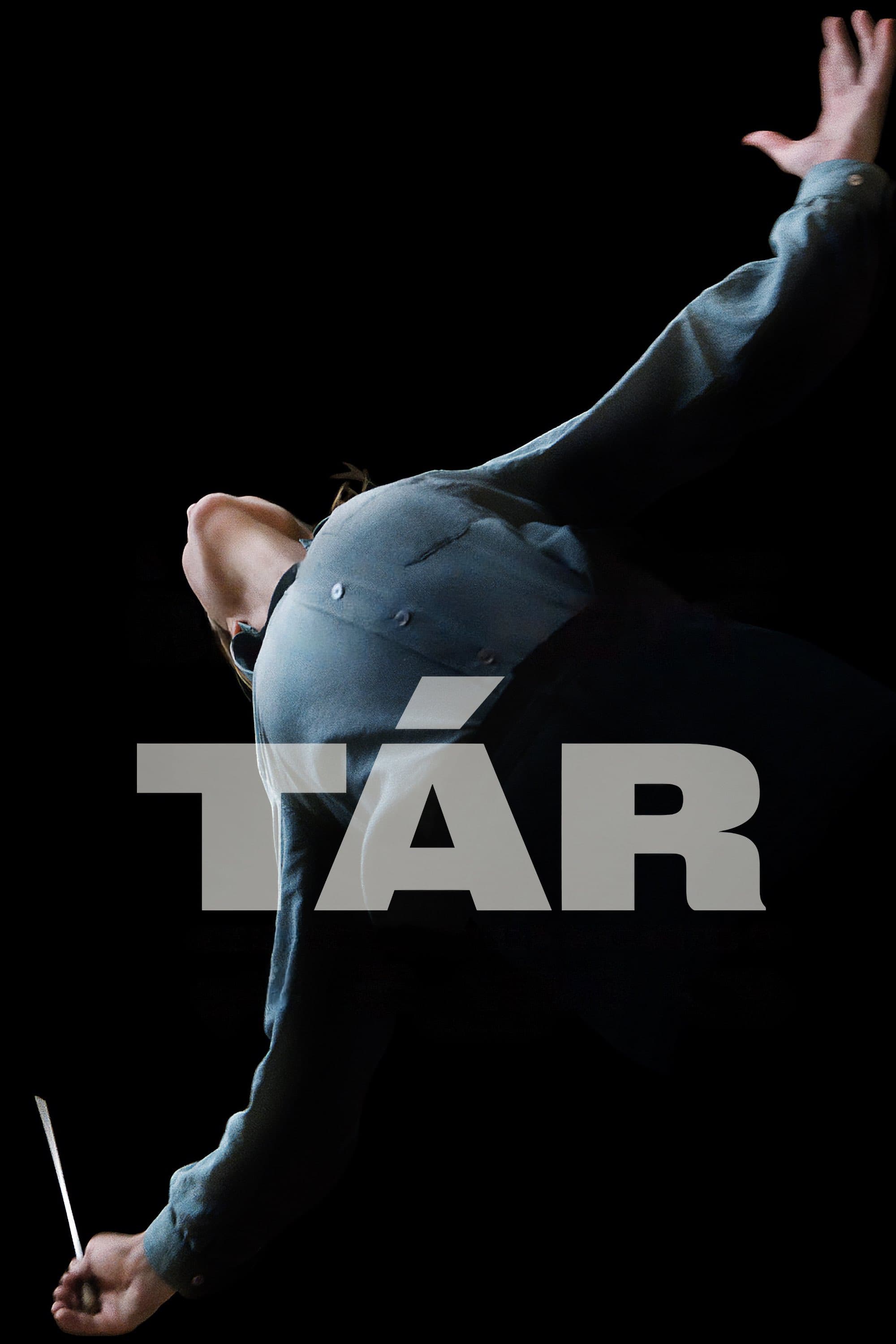
Cate Blanchett portrays Lydia Tár, a world-renowned conductor whose career and personal life unravel amid allegations of misconduct. Tár is depicted as a lesbian whose power dynamics and relationships are central to the film’s exploration of authority and cancel culture. Blanchett, who is straight, received immense critical acclaim and an Academy Award nomination for her commanding performance. The film was praised for not making Tár’s sexuality the primary “problem” of the story, but rather a standard part of her identity. Still, the casting of a straight actress to play a prominent queer woman in a position of power was noted by critics.
‘Maestro’ (2023)
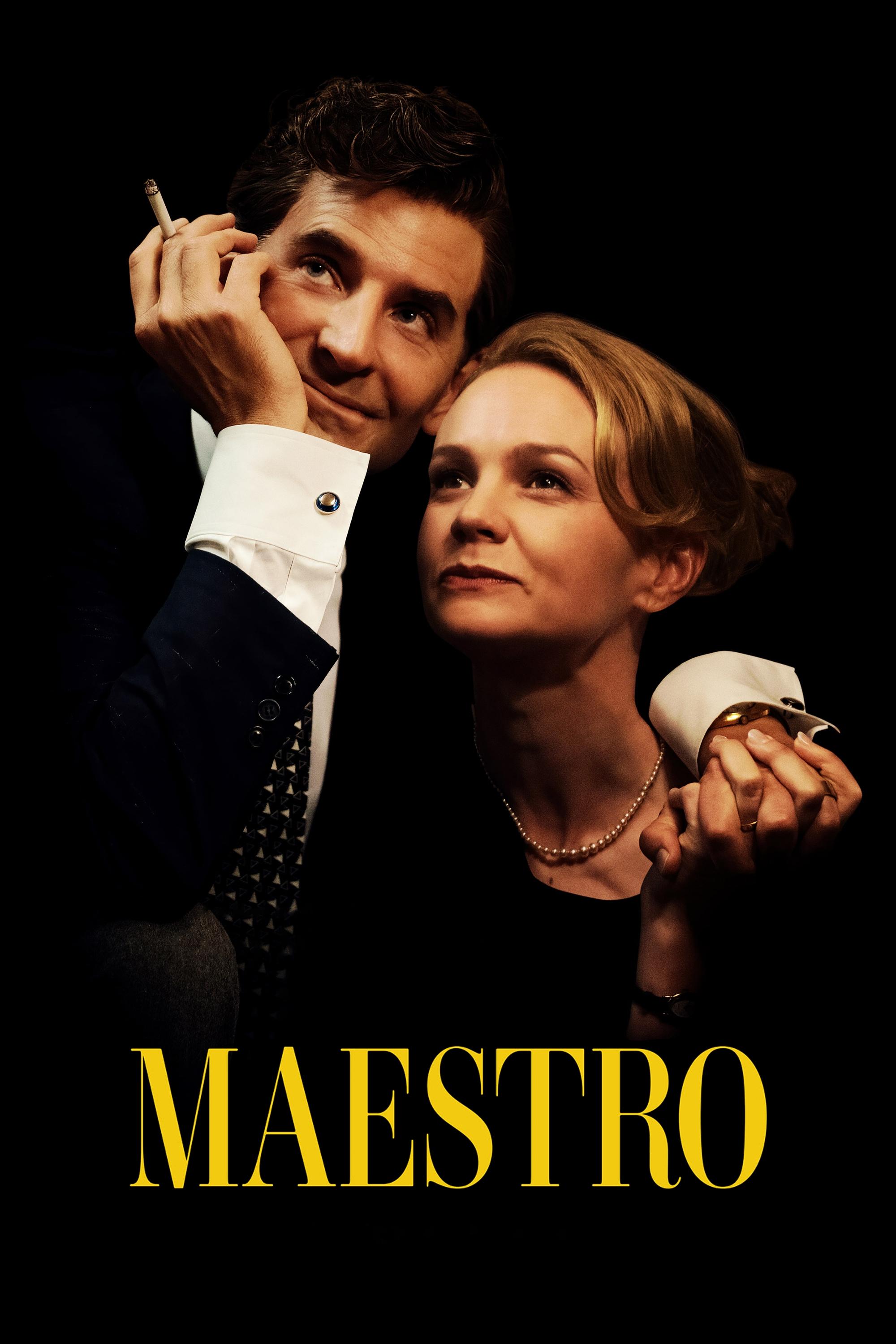
Bradley Cooper directs and stars as the legendary composer Leonard Bernstein, focusing on his complex marriage to Felicia Montealegre and his private life as a bisexual man. The film explores Bernstein’s various affairs with men and how they impacted his family and his career. Cooper, who is straight, underwent extensive makeup and preparation to transform into the composer. The casting was a point of discussion, particularly regarding the portrayal of Bernstein’s sexuality and the use of prosthetic features. The film is a sweeping biographical drama that aims to capture the multifaceted life of one of America’s greatest musical figures.
Please share your thoughts on these casting choices in the comments.