


Movies That Changed An Entire Genre Without Anyone Realizing

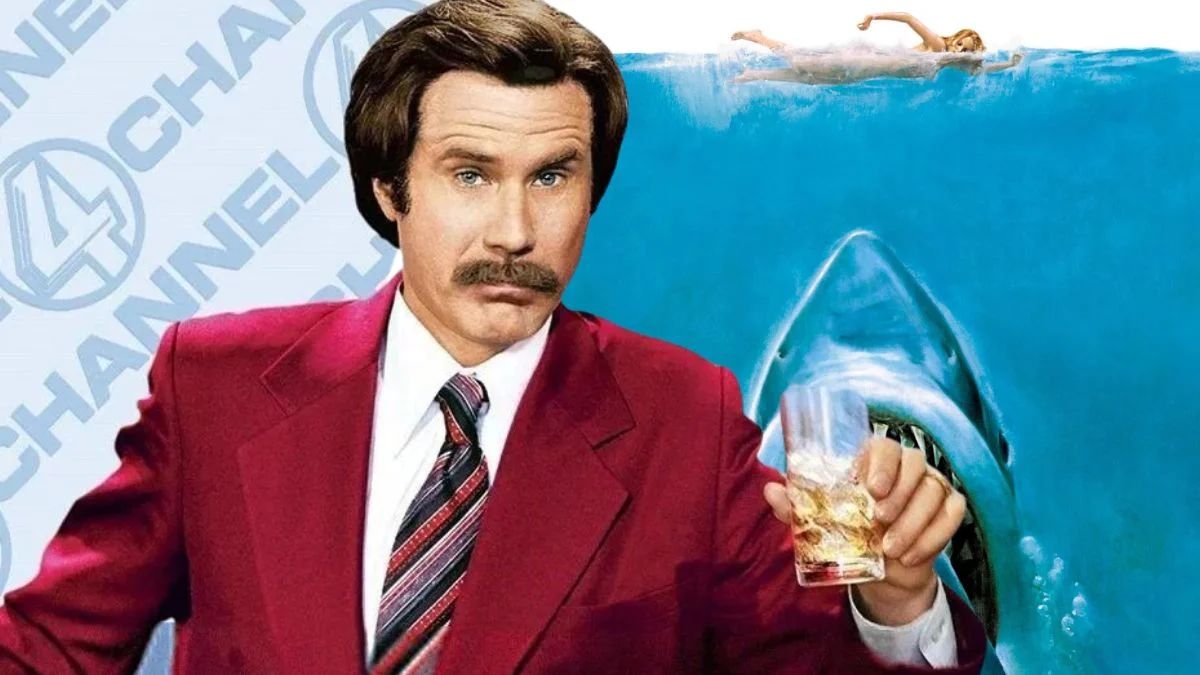


Cinema history is filled with films that quietly revolutionized the way stories are told and how audiences consume entertainment. These movies often introduced subtle shifts in tone or technique that eventually became the standard for their respective genres. While some changes were technical achievements in visual effects, others involved rewriting narrative structures or character archetypes. The impact of these films is frequently observed in the waves of imitators that followed their release.
‘Snow White and the Seven Dwarfs’ (1937)
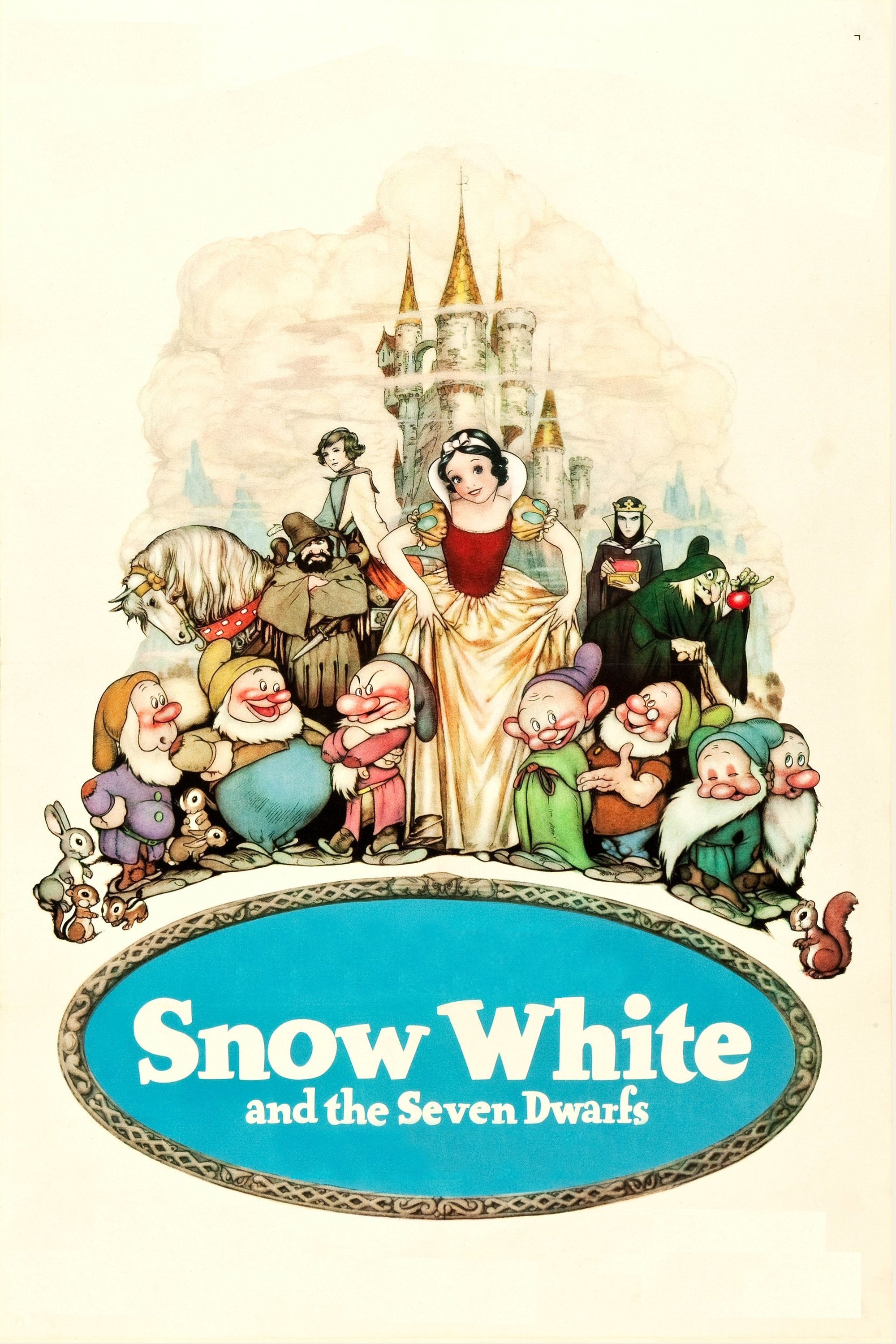
Walt Disney took a massive financial risk to produce the first full-length cel-animated feature film in motion picture history. Skeptics in Hollywood labeled the production a folly and predicted it would destroy the studio. The film proved that animation could sustain a narrative beyond short comedy sketches and evoke genuine emotion. Its immense commercial success established animation as a viable medium for feature storytelling.
‘Seven Samurai’ (1954)
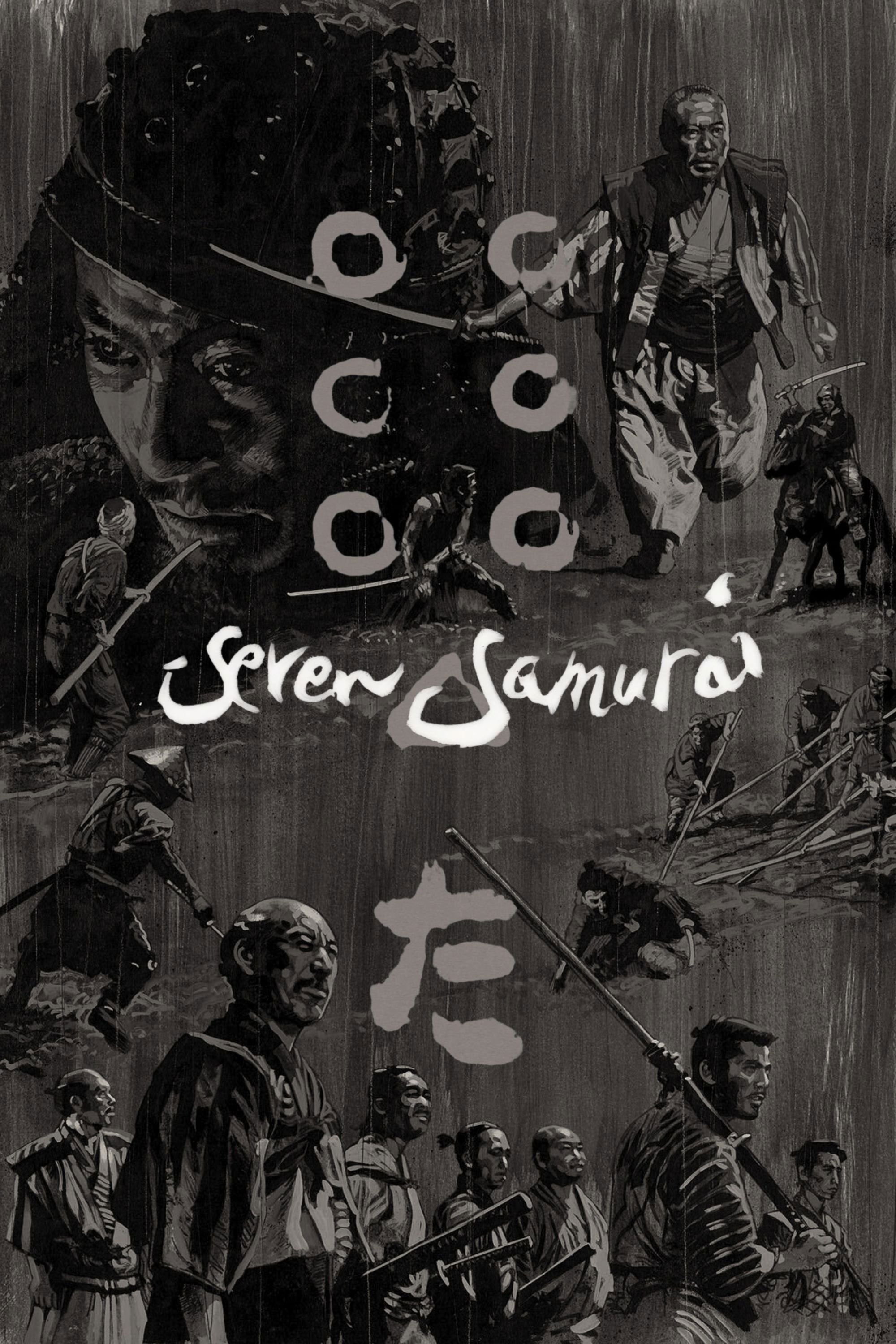
Akira Kurosawa created the definitive template for the team-assembly action movie with this historical epic. The narrative focuses on recruiting a group of specialized warriors to defend a village from bandits. This structure became a foundational trope for countless action films and westerns that followed in later decades. The film demonstrated how to balance character development with large-scale action sequences.
‘Psycho’ (1960)
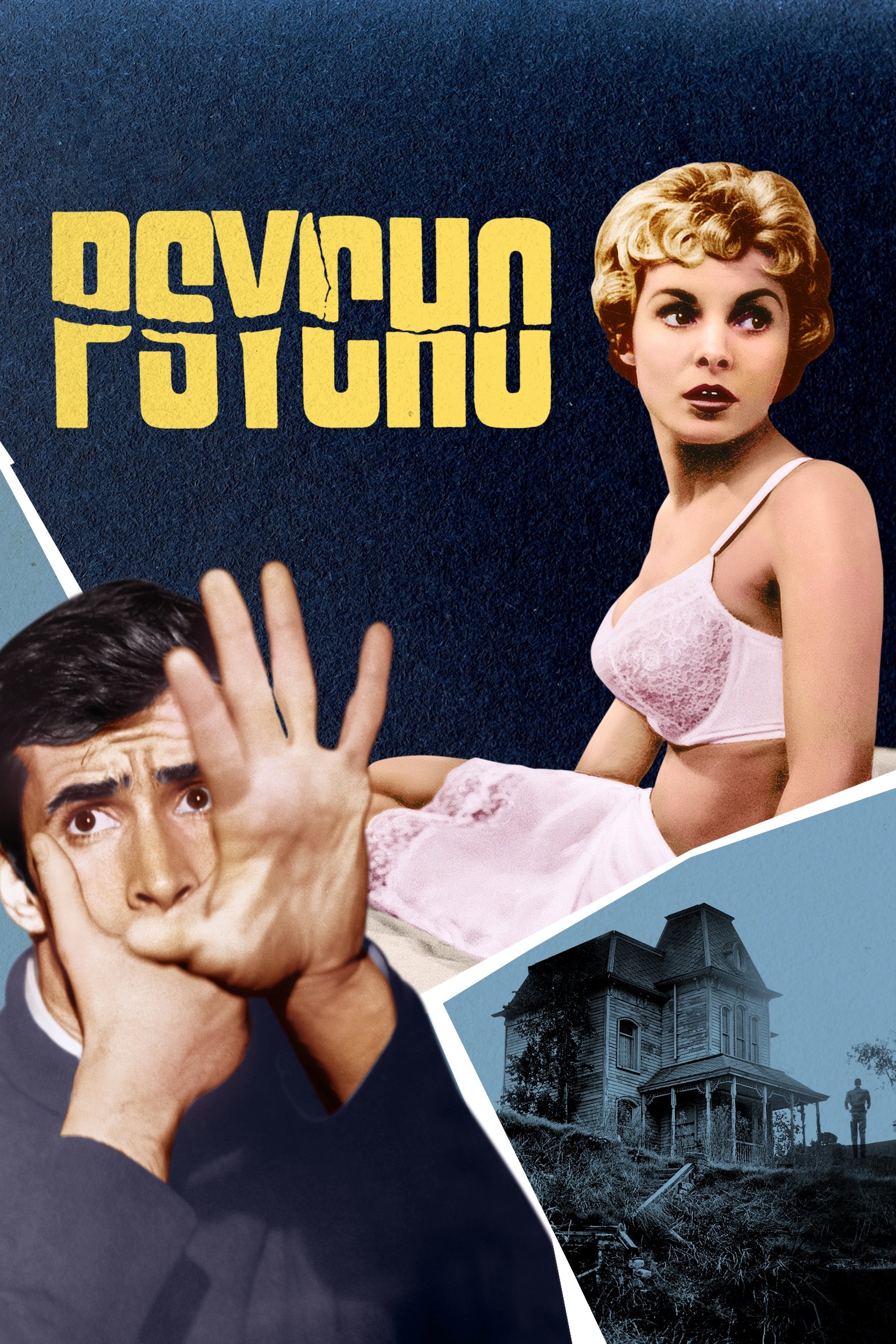
Alfred Hitchcock dismantled narrative safety by killing his protagonist within the first act of the film. The movie shifted the horror genre away from supernatural monsters toward human killers with psychological disturbances. It introduced the slasher concept and proved that low-budget thrillers could achieve massive box office returns. This film forced audiences to realize that no character was safe from sudden violence.
‘Goldfinger’ (1964)
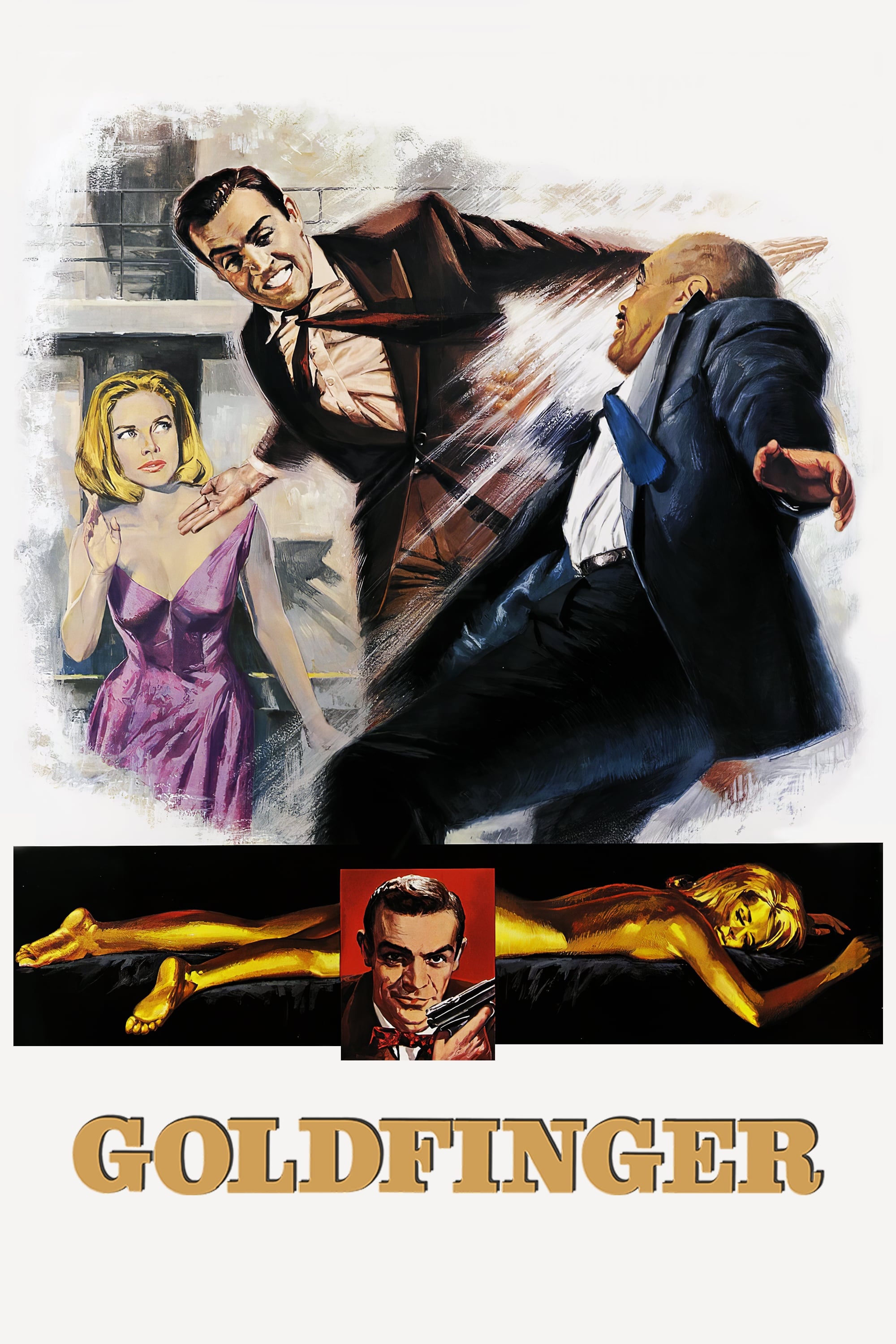
This entry in the James Bond franchise codified the spy genre formula that defines the series to this day. It introduced the heavy reliance on high-tech gadgets and an elaborate pre-credits action sequence. The film also established the archetype of the larger-than-life supervillain with a distinct henchman. Spy films subsequently moved away from grounded espionage toward spectacle and fantasy.
‘Night of the Living Dead’ (1968)

George A. Romero reinvented the zombie mythos by transforming the undead into flesh-eating ghouls. The film used horror as a vehicle for social commentary and featured a rare African American protagonist for the era. It established the rules for zombie behavior that modern media still largely adheres to today. The movie proved that independent horror could be both terrifying and culturally significant.
‘2001: A Space Odyssey’ (1968)
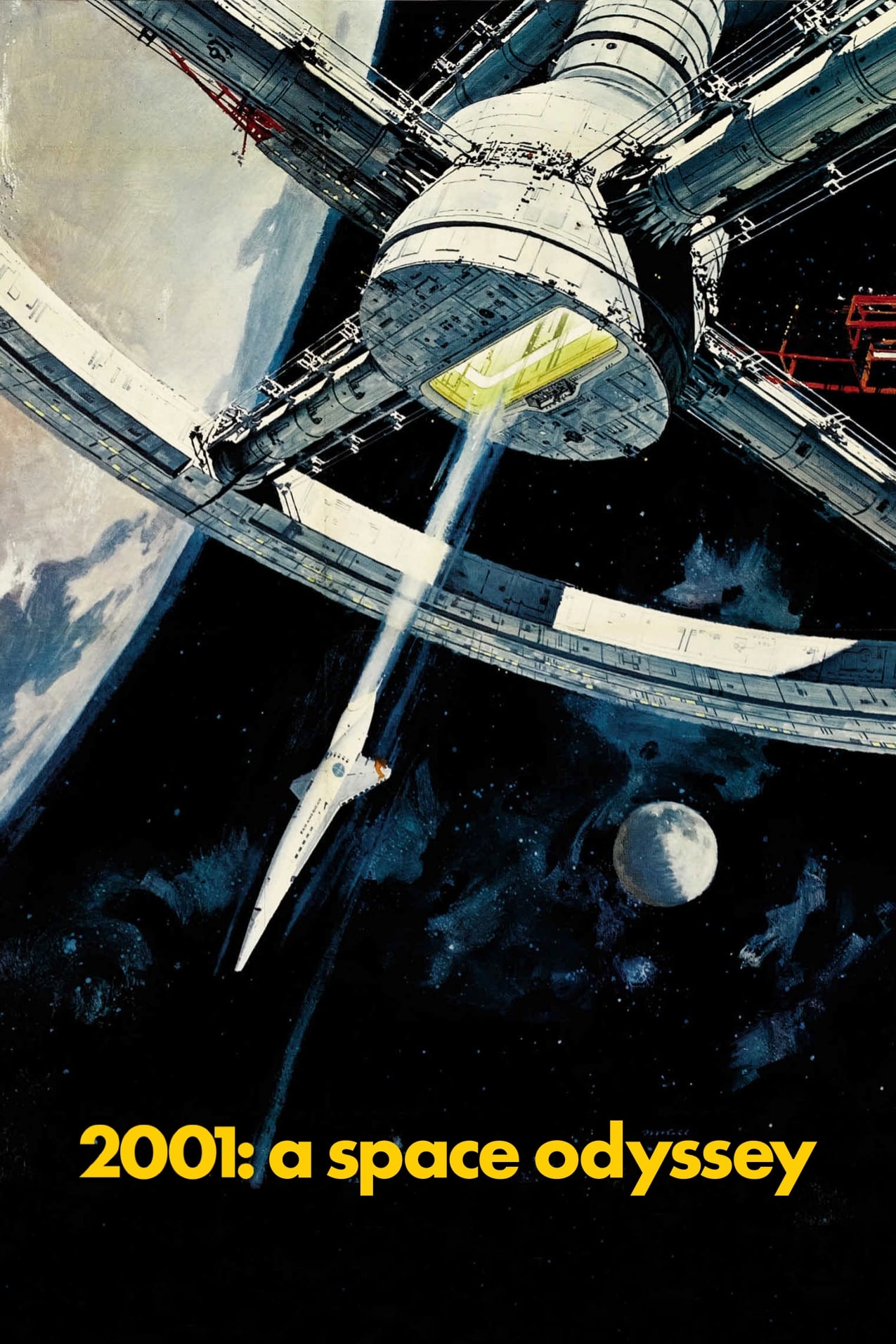
Stanley Kubrick moved science fiction away from B-movie camp toward serious philosophical inquiry. The film utilized groundbreaking practical effects that depicted space travel with unprecedented realism. It minimized dialogue in favor of visual storytelling and an evocative classical score. This production validated science fiction as a genre capable of high art and intellectual depth.
‘Easy Rider’ (1969)
This film signaled the arrival of New Hollywood and the decline of the traditional studio system. It utilized a loose narrative structure and a rock soundtrack that resonated with the counterculture movement. The success of this low-budget production proved that youth-oriented stories could be extremely profitable. Studios began handing creative control to younger directors who were willing to experiment with form.
‘Enter the Dragon’ (1973)
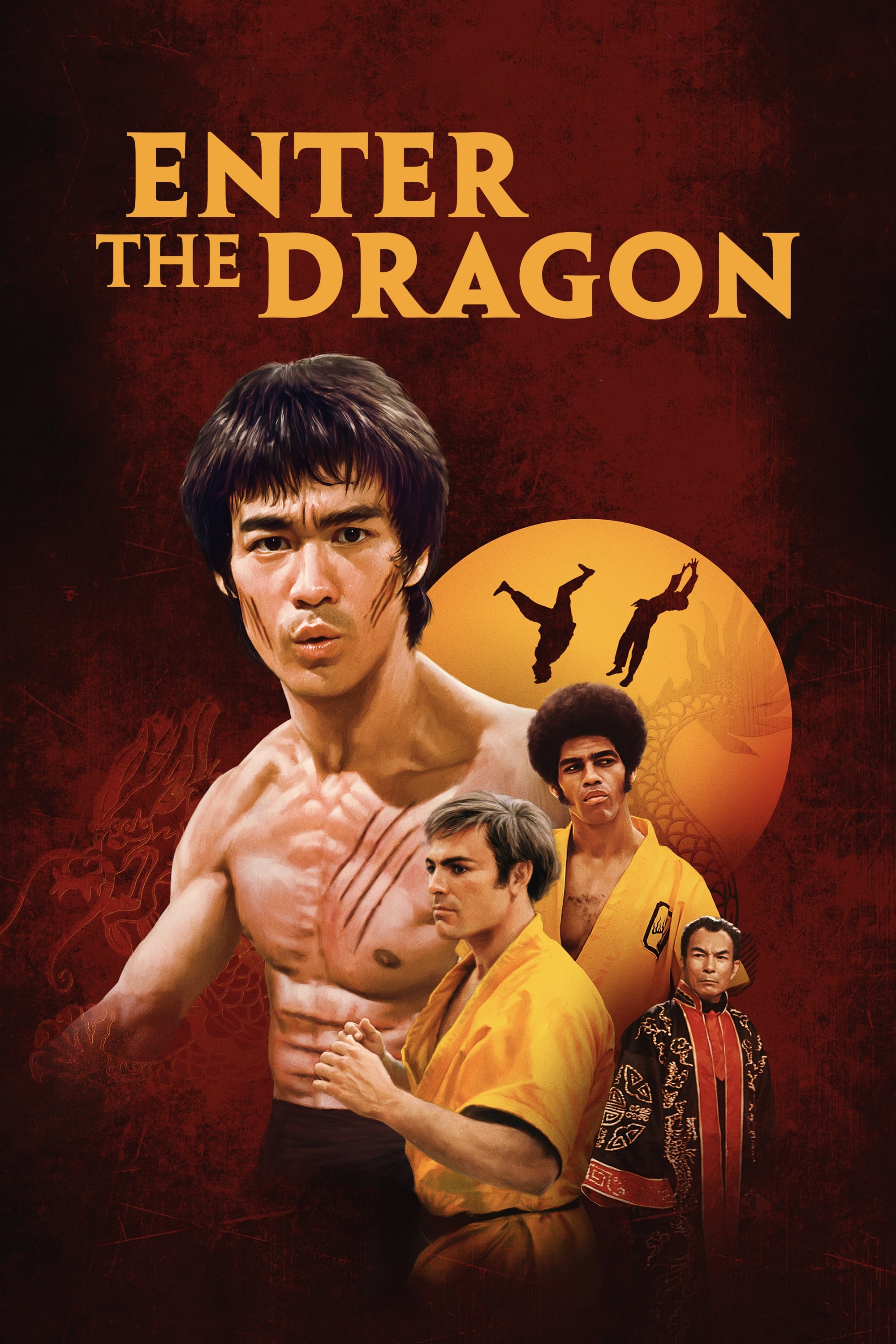
Bruce Lee catapulted martial arts cinema into the global mainstream with this cross-cultural production. The film combined the structure of a spy thriller with intense hand-to-hand combat sequences. It sparked a worldwide kung fu craze and influenced the choreography of action films for decades. Western audiences finally embraced Asian leads in heroic action roles because of this movie.
‘Jaws’ (1975)
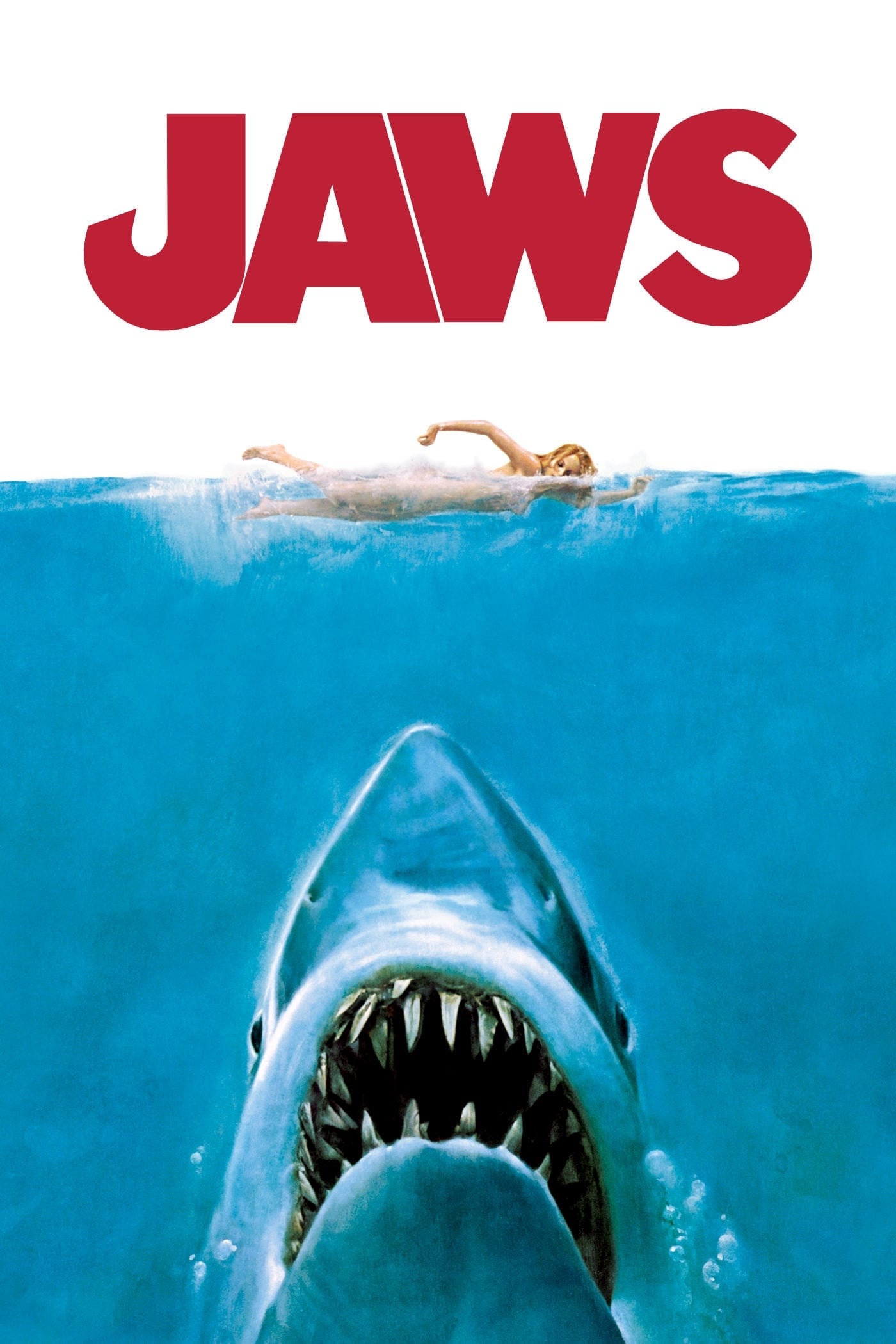
Steven Spielberg inadvertently created the modern summer blockbuster model with this shark thriller. The film was released in hundreds of theaters simultaneously and was supported by a massive television advertising campaign. It shifted the industry focus toward high-concept premises that could appeal to vast audiences during the summer months. Studios began prioritizing opening weekend box office numbers over long theatrical runs.
‘Star Wars’ (1977)
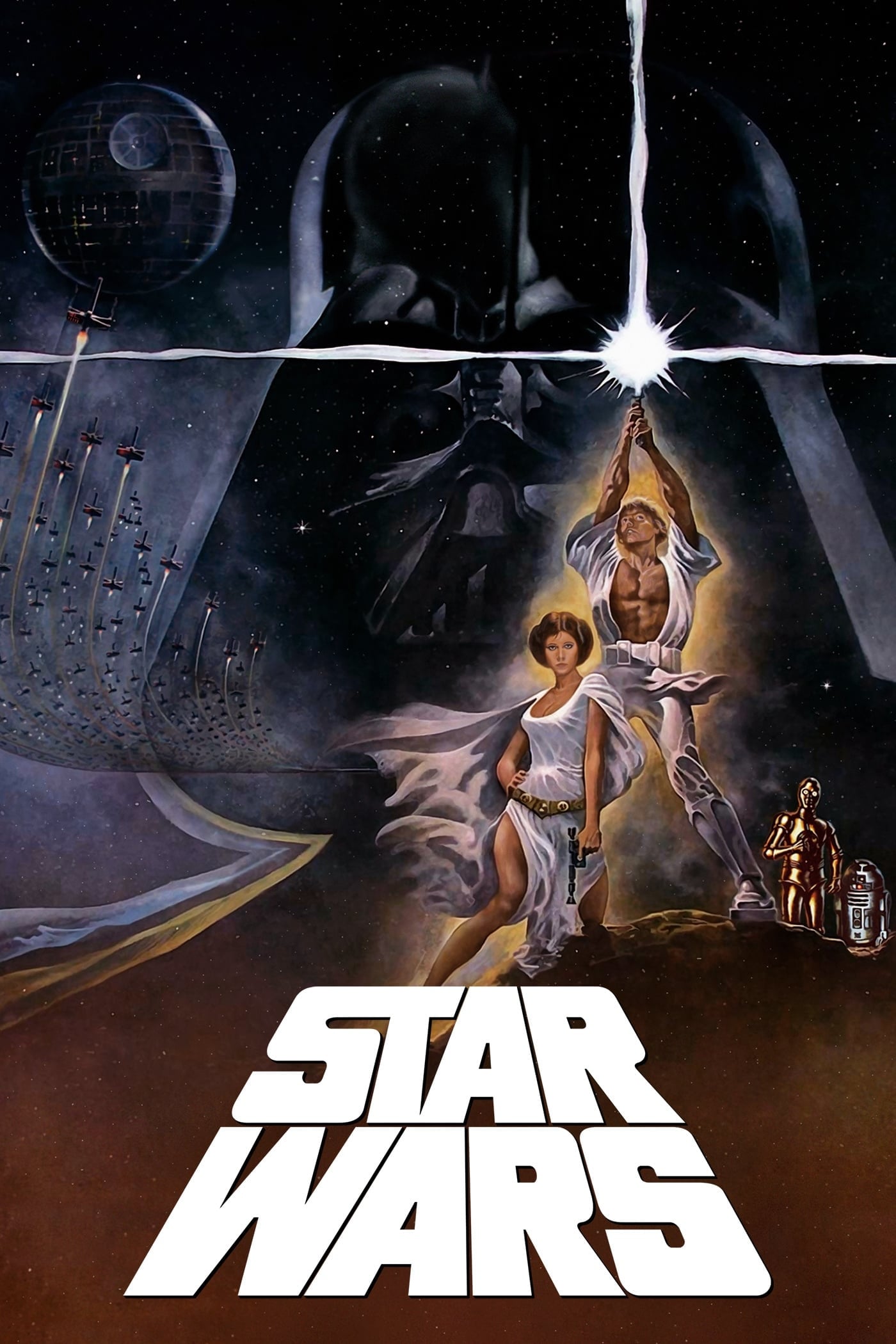
George Lucas revitalized the space opera by blending classic mythology with cutting-edge special effects. The film established the concept of a lived-in universe where technology looked used and dirty rather than pristine. It also revolutionized the industry approach to movie merchandising and licensing rights. The success of this franchise turned science fiction into the most dominant genre in Hollywood.
‘Superman’ (1978)
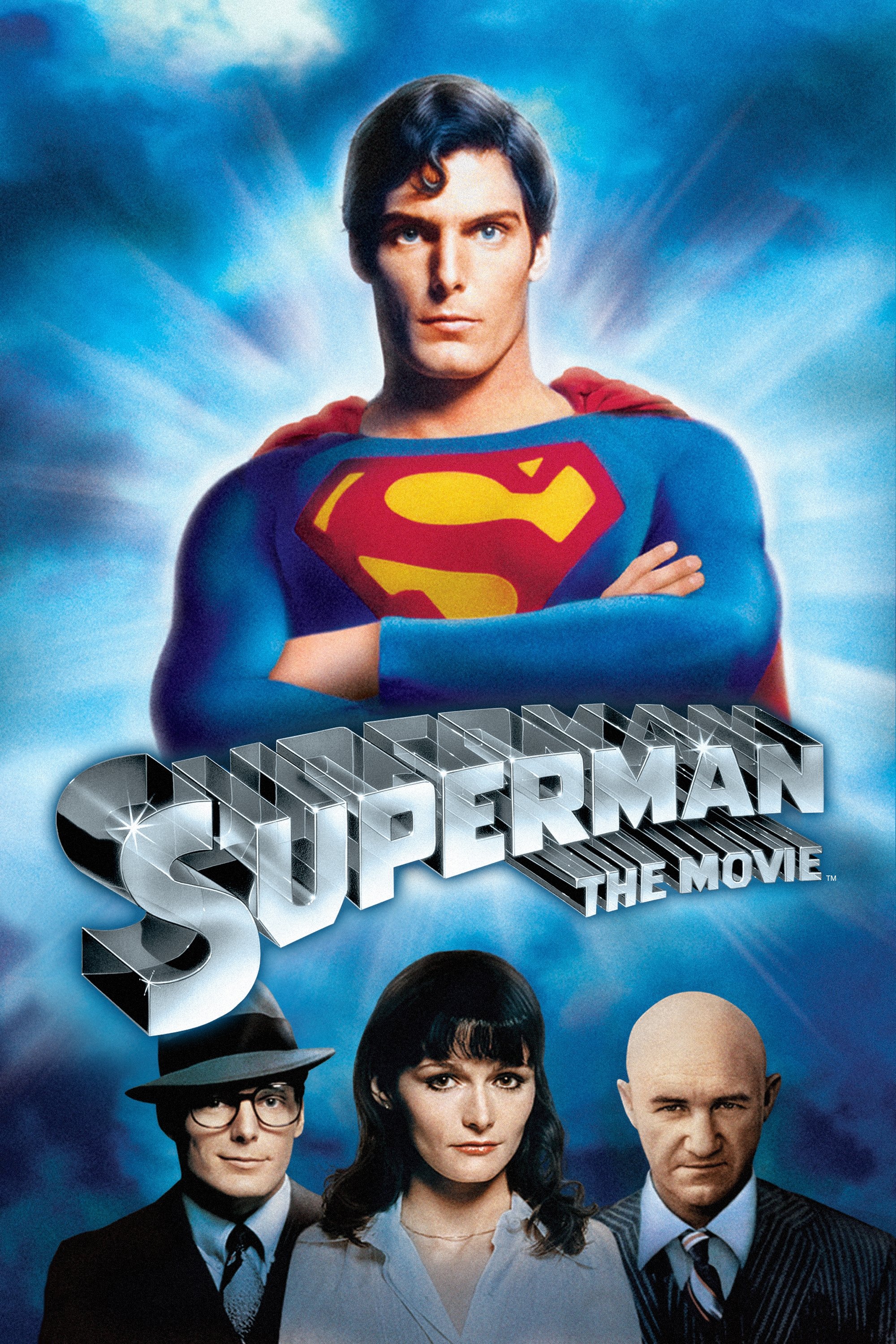
Richard Donner treated comic book source material with earnestness and high production values. The film established an origin story template that nearly all superhero movies would follow for decades. It proved that special effects could make a man fly convincingly enough for general audiences to suspend disbelief. This production legitimized the superhero genre as a subject for serious blockbuster filmmaking.
‘Halloween’ (1978)

John Carpenter stripped horror down to its basics with a silent killer stalking teenagers in suburbia. The film codified the rules of the slasher genre including the final girl trope and the unstoppable antagonist. It demonstrated that terror could be generated through atmosphere and music rather than expensive effects. Independent filmmakers rushed to replicate this low-cost and high-reward formula.
‘Alien’ (1979)
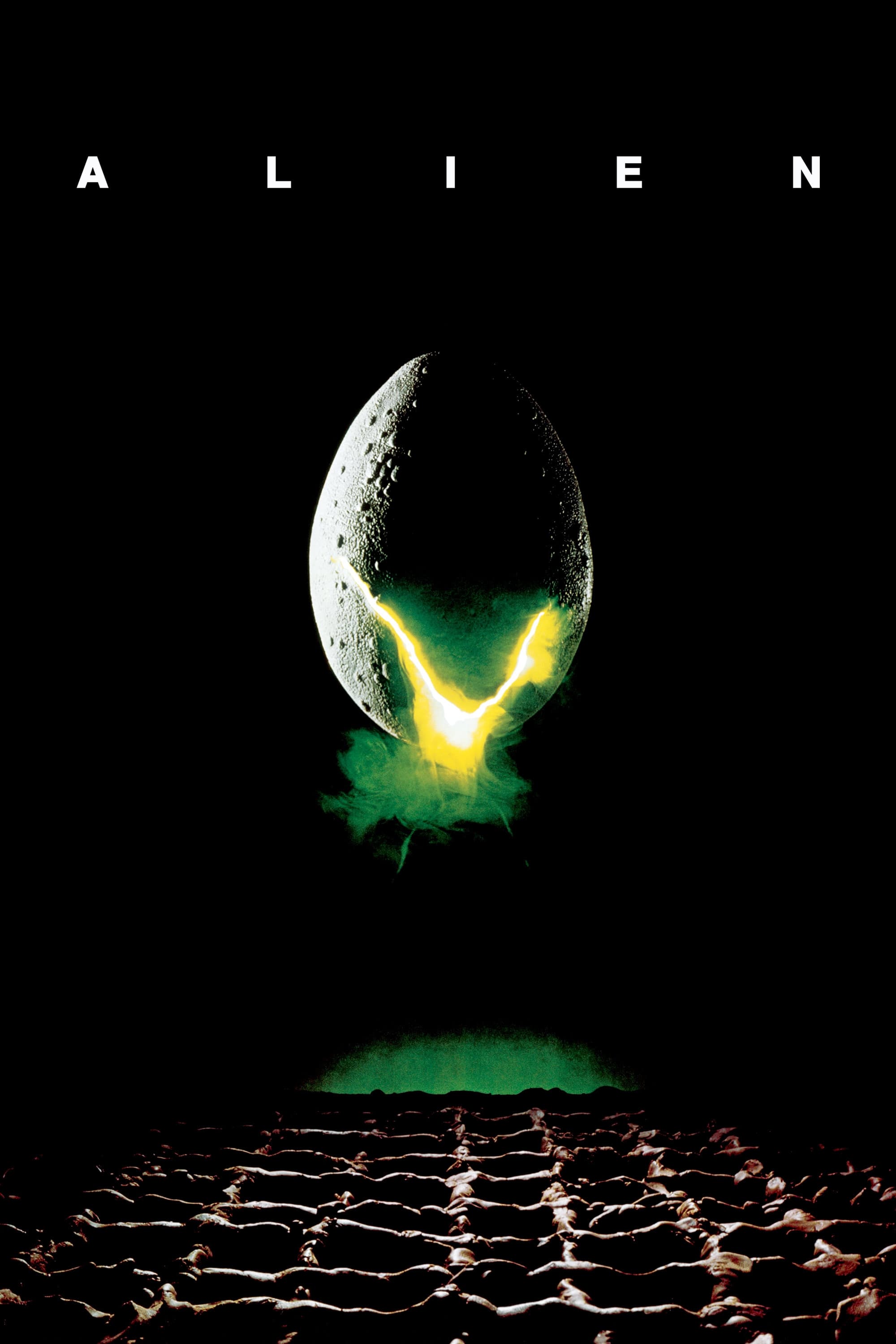
Ridley Scott merged science fiction with the haunted house horror subgenre to create a claustrophobic masterpiece. The film featured a blue-collar aesthetic where space travel was depicted as tedious work rather than glorious exploration. It introduced a female action hero who survived through intelligence rather than physical dominance. The creature design set a new standard for biological horror and practical effects.
‘Blade Runner’ (1982)
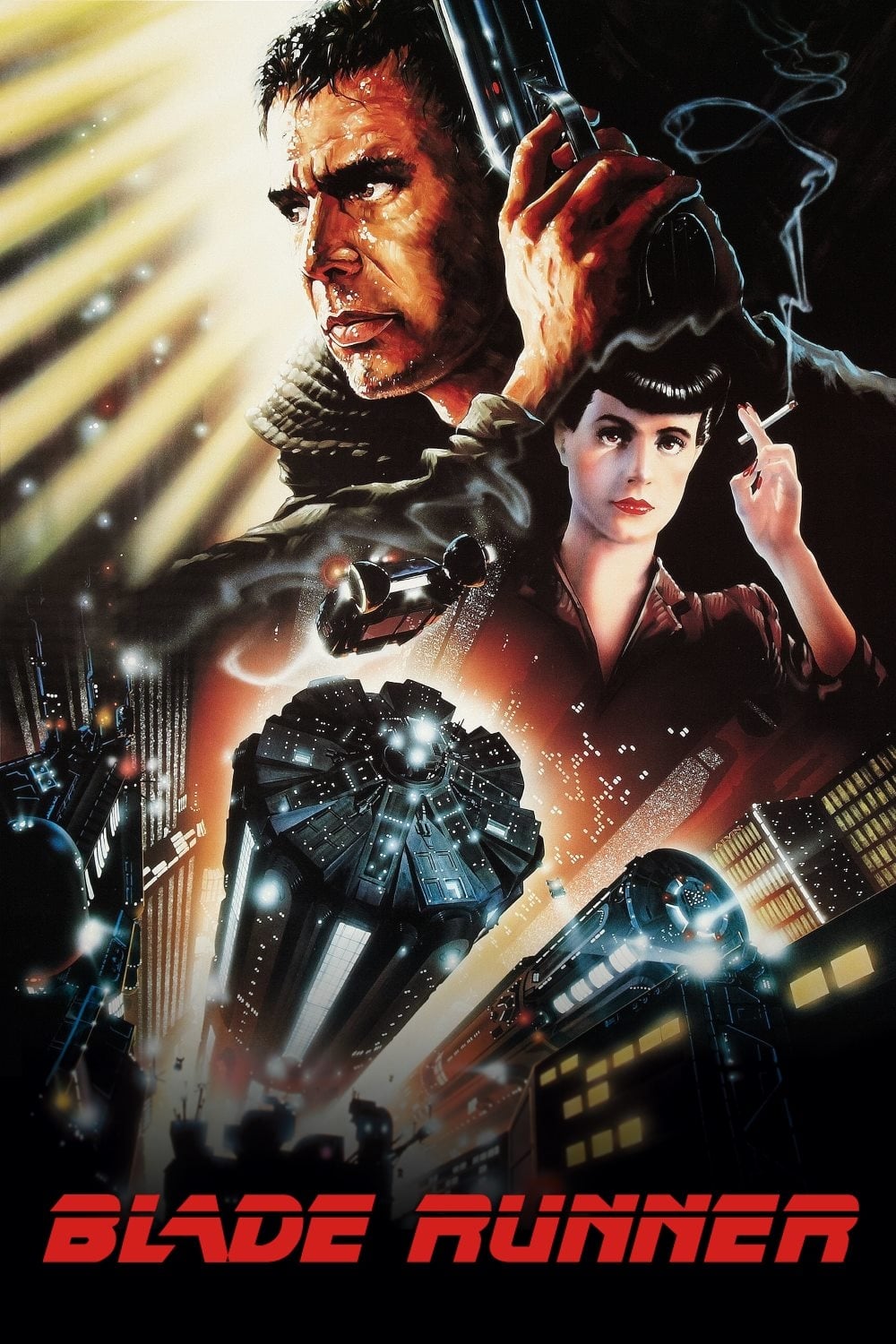
This film established the visual language of cyberpunk with its depiction of a rain-soaked and neon-lit dystopia. It blended film noir elements with science fiction themes regarding artificial intelligence and humanity. The production design influenced the look of countless sci-fi movies and video games that followed. Audiences and critics eventually recognized its complex narrative despite its initial box office failure.
‘This Is Spinal Tap’ (1984)
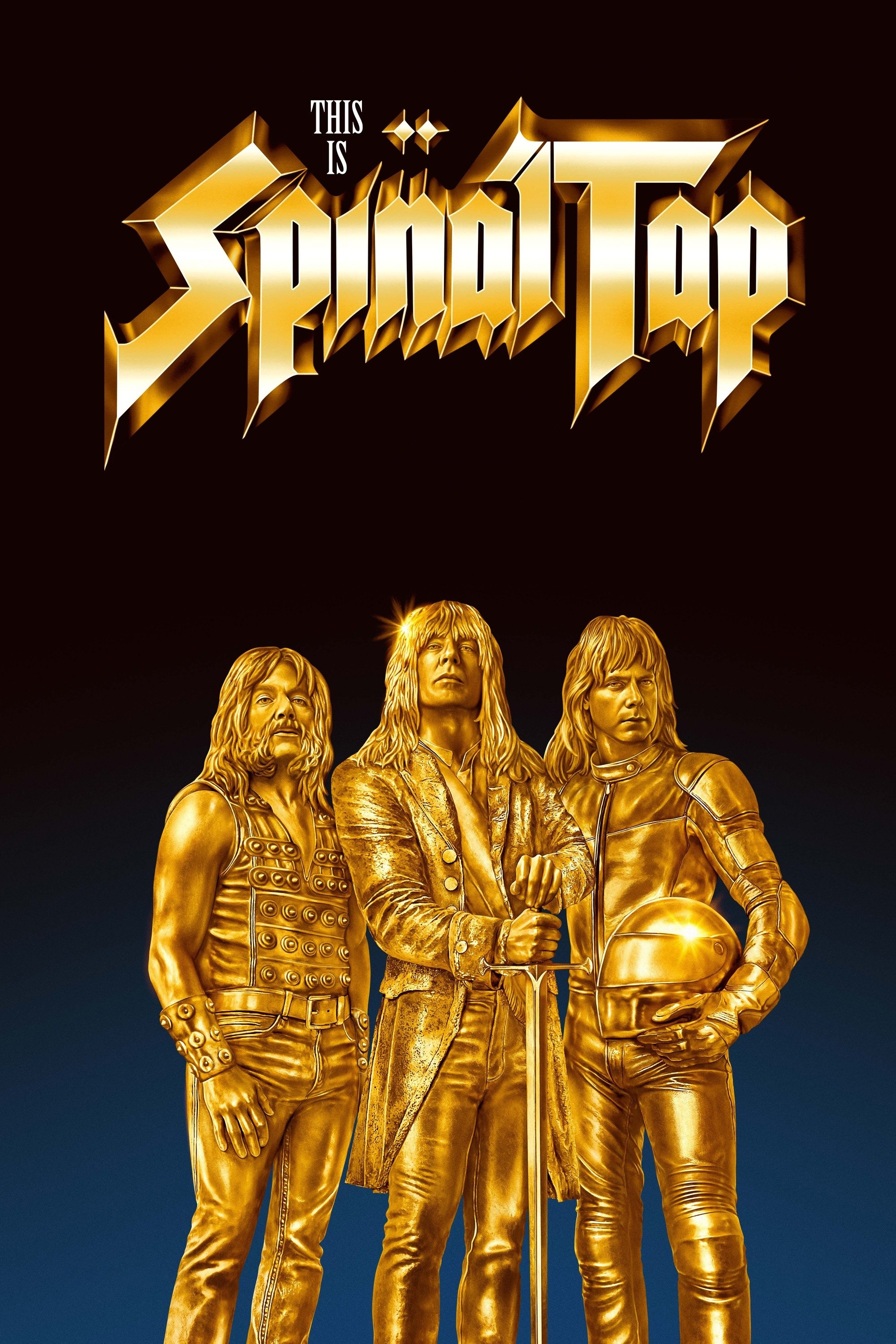
Rob Reiner popularized the mockumentary format by treating a fictional subject with absolute seriousness. The actors improvised much of their dialogue to create a naturalistic and often hilarious tone. It demonstrated that comedy could be derived from awkward silences and realistic interactions rather than punchlines. This style heavily influenced modern television comedies and future film productions.
‘Akira’ (1988)
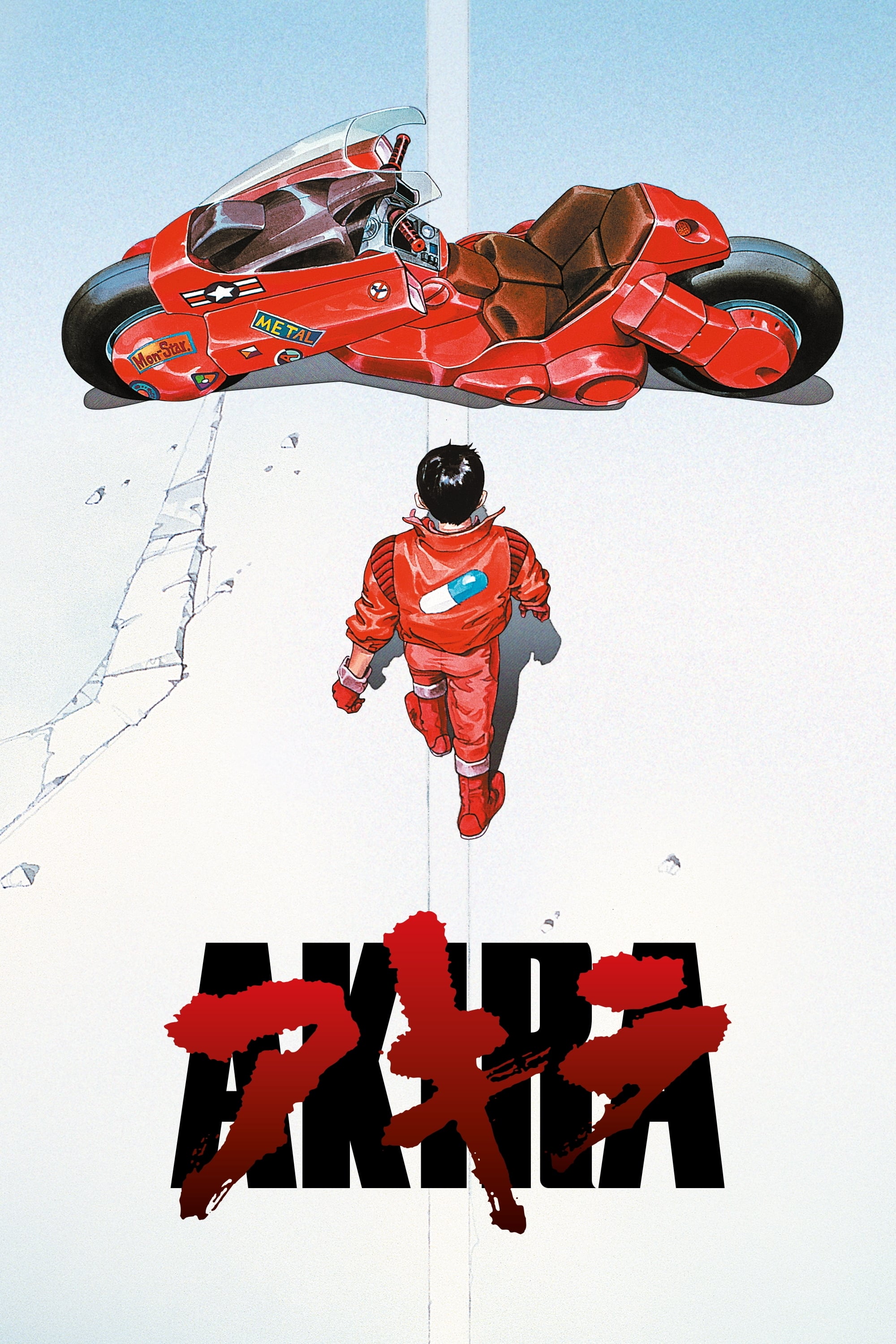
Katsuhiro Otomo shattered Western perceptions that animation was strictly for children with this violent cyberpunk epic. The film featured complex themes of government corruption and psychic power alongside detailed animation. It opened the door for Japanese anime to enter international markets and gain a cult following. The visual style continues to influence filmmakers and artists around the world.
‘Die Hard’ (1988)
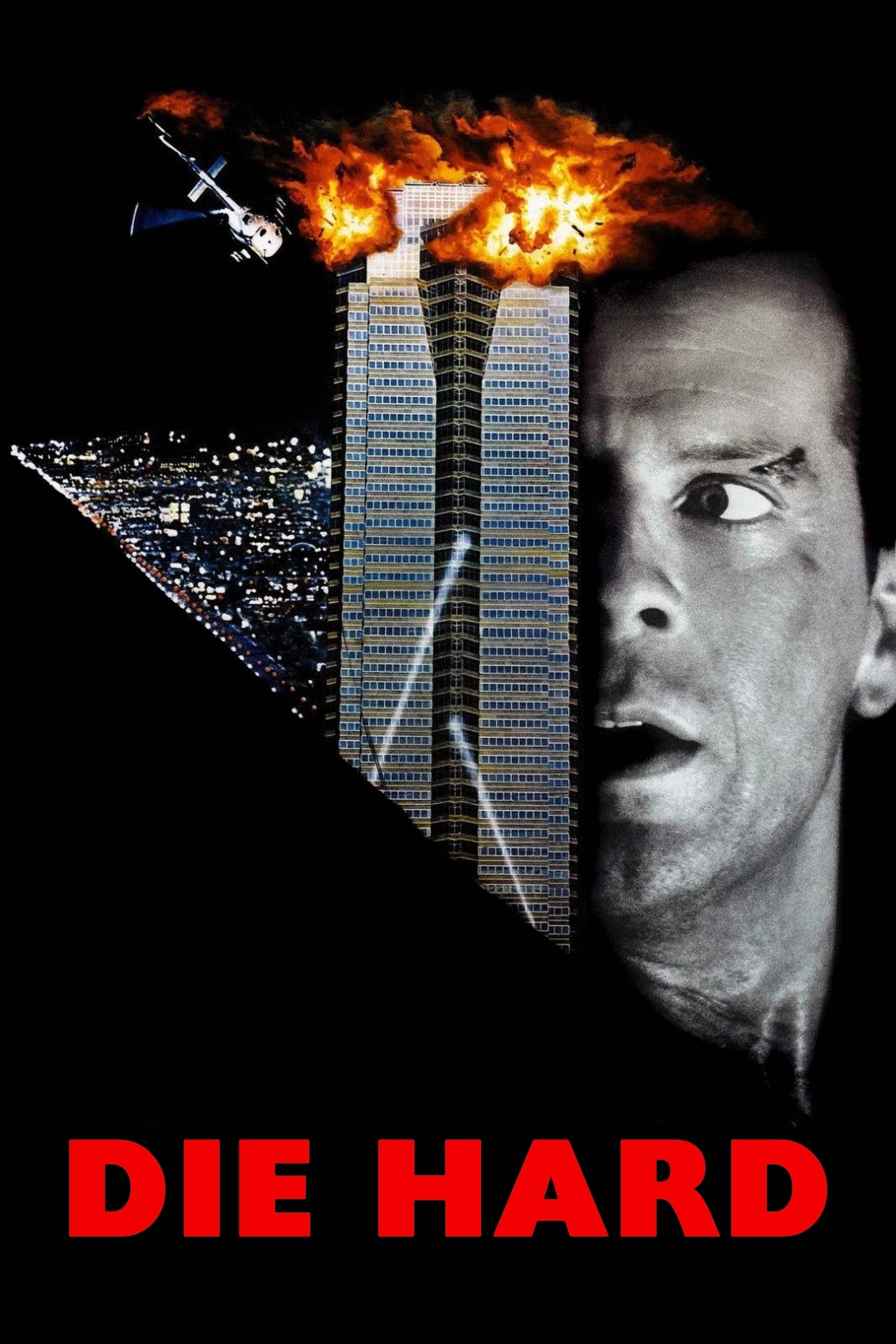
John McTiernan introduced a vulnerable everyman hero who gets hurt and complains throughout the ordeal. The film moved the action genre away from the invincible muscle-bound titans of the eighties. It perfected the contained setting formula where a hero is trapped in a single location with enemies. Screenwriters spent years pitching new projects as a variation of this movie in a different setting.
‘Who Framed Roger Rabbit’ (1988)
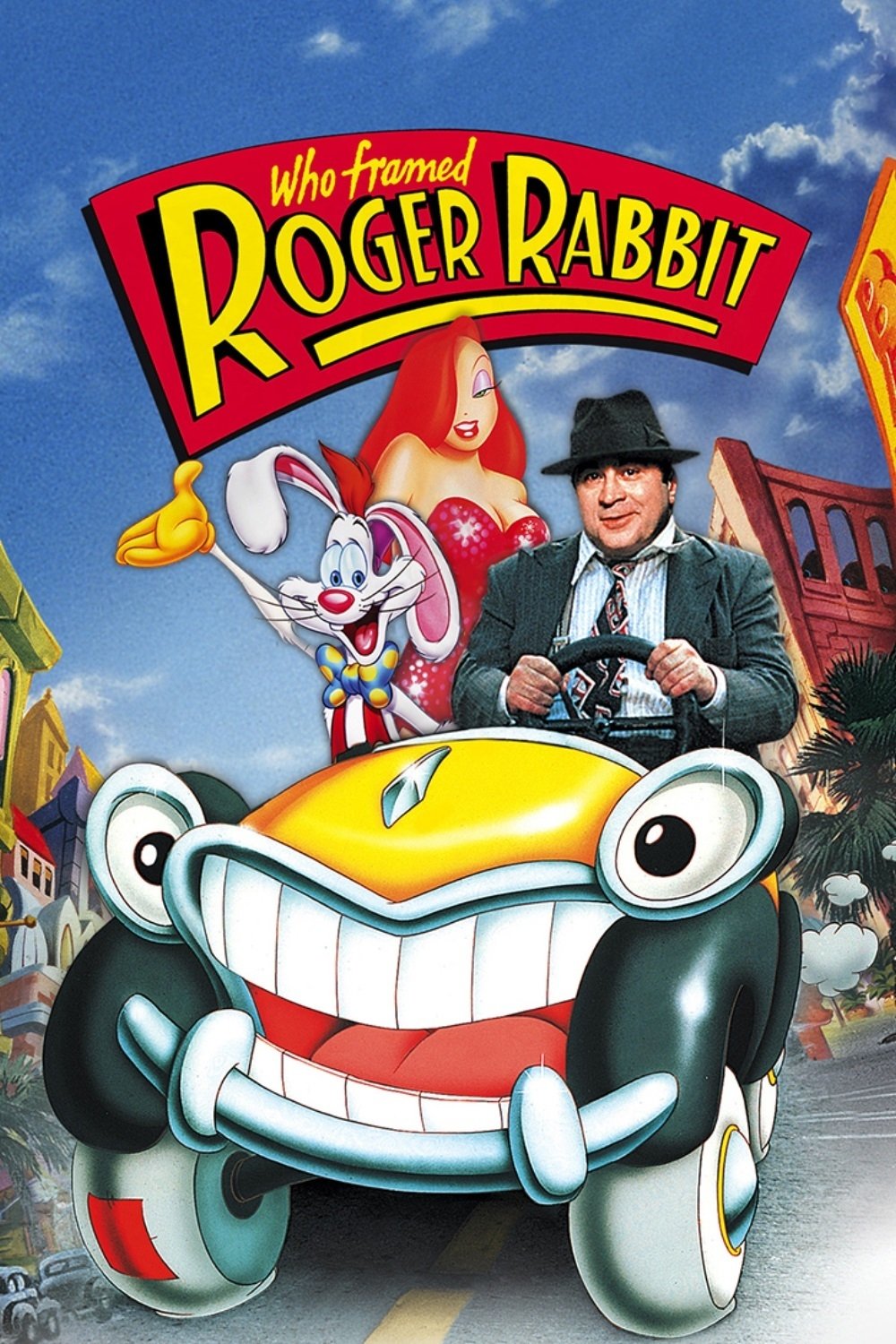
Robert Zemeckis achieved a seamless integration of hand-drawn animation and live-action footage. The film proved that classic cartoon characters could be revitalized for a modern audience with a noir detective story. It sparked a renaissance in animation and led to a renewed interest in the medium during the nineties. The technical achievements set a benchmark for interaction between animated and real elements.
‘Batman’ (1989)
Tim Burton imposed a gothic and dark aesthetic on the superhero genre that contrasted with earlier campy adaptations. The marketing campaign for the film was unprecedented and made the bat symbol ubiquitous in pop culture. It showed studios that a darker tone could appeal to adults while still selling toys to children. This movie redefined the visual potential of comic book adaptations.
‘The Silence of the Lambs’ (1991)
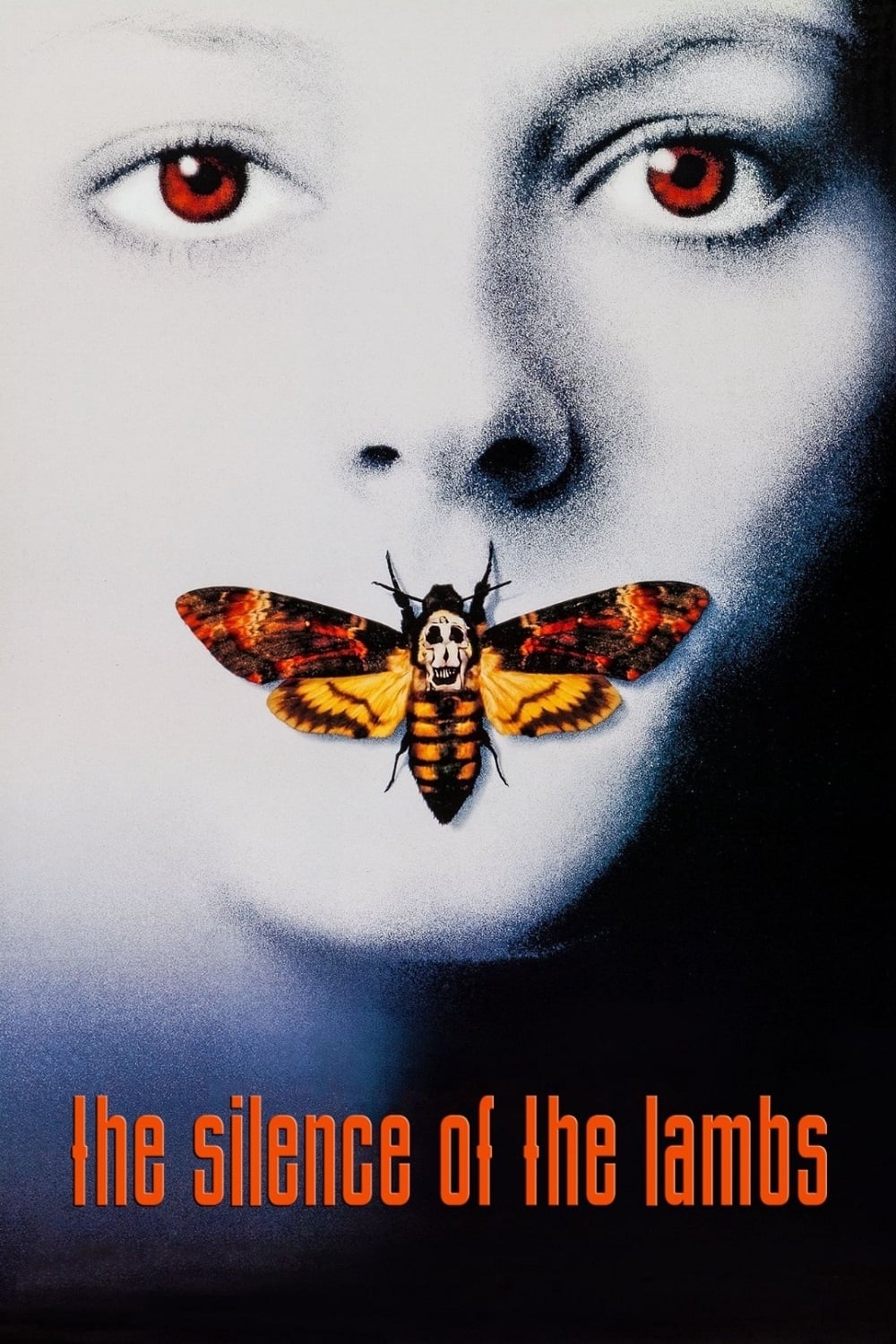
Jonathan Demme blurred the lines between psychological thriller and horror while winning major academy awards. The film featured a complex female protagonist and a villain who was intellectual rather than physically imposing. It legitimized the thriller genre in the eyes of critics and award bodies. Studios began producing more adult-oriented crime dramas with high-profile actors.
‘Terminator 2: Judgment Day’ (1991)
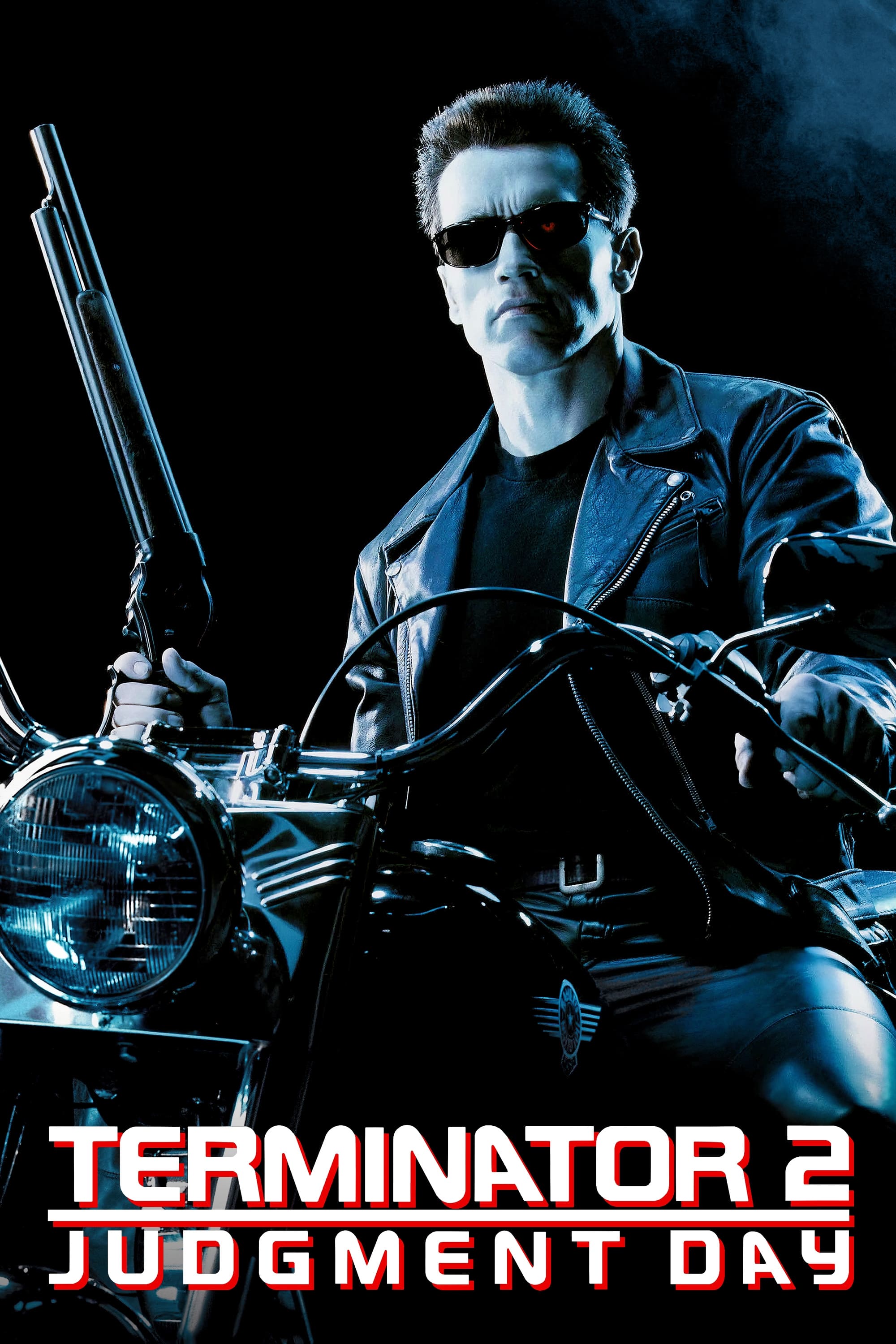
James Cameron revolutionized the use of computer-generated imagery with the liquid metal effects of the antagonist. The film seamlessly blended practical stunts with digital augmentations to create impossible action sequences. It established the modern standard for summer action spectacles with its massive scale and budget. This production marked the beginning of the transition from practical effects to digital dominance.
‘Reservoir Dogs’ (1992)
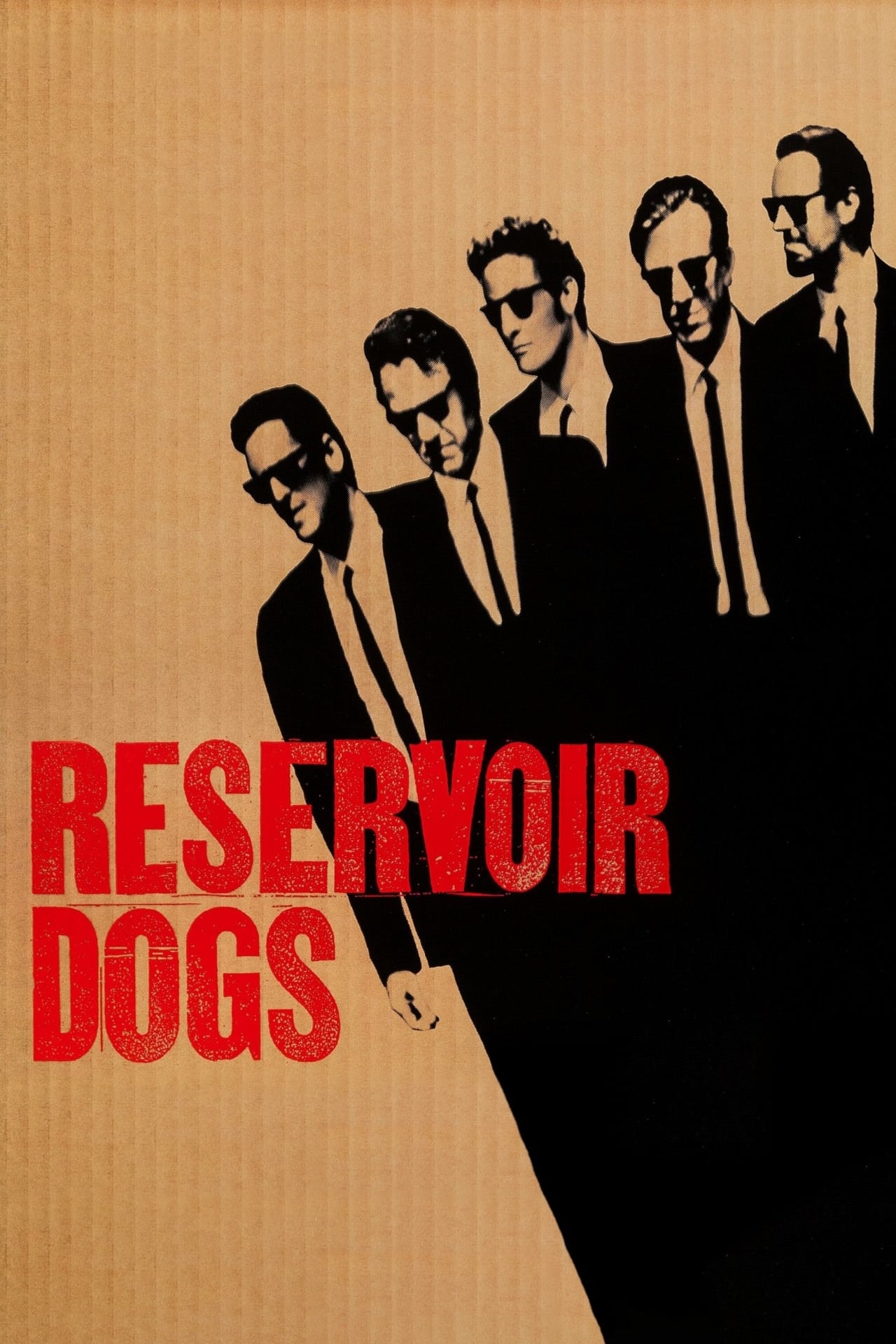
Quentin Tarantino injected pop culture references and non-linear storytelling into the crime genre. The film prioritized dialogue and character dynamics over the actual heist which is never shown on screen. It launched a wave of independent films that mimicked its cool detachment and stylized violence. The soundtrack usage also changed how directors approached music in film.
‘Toy Story’ (1995)
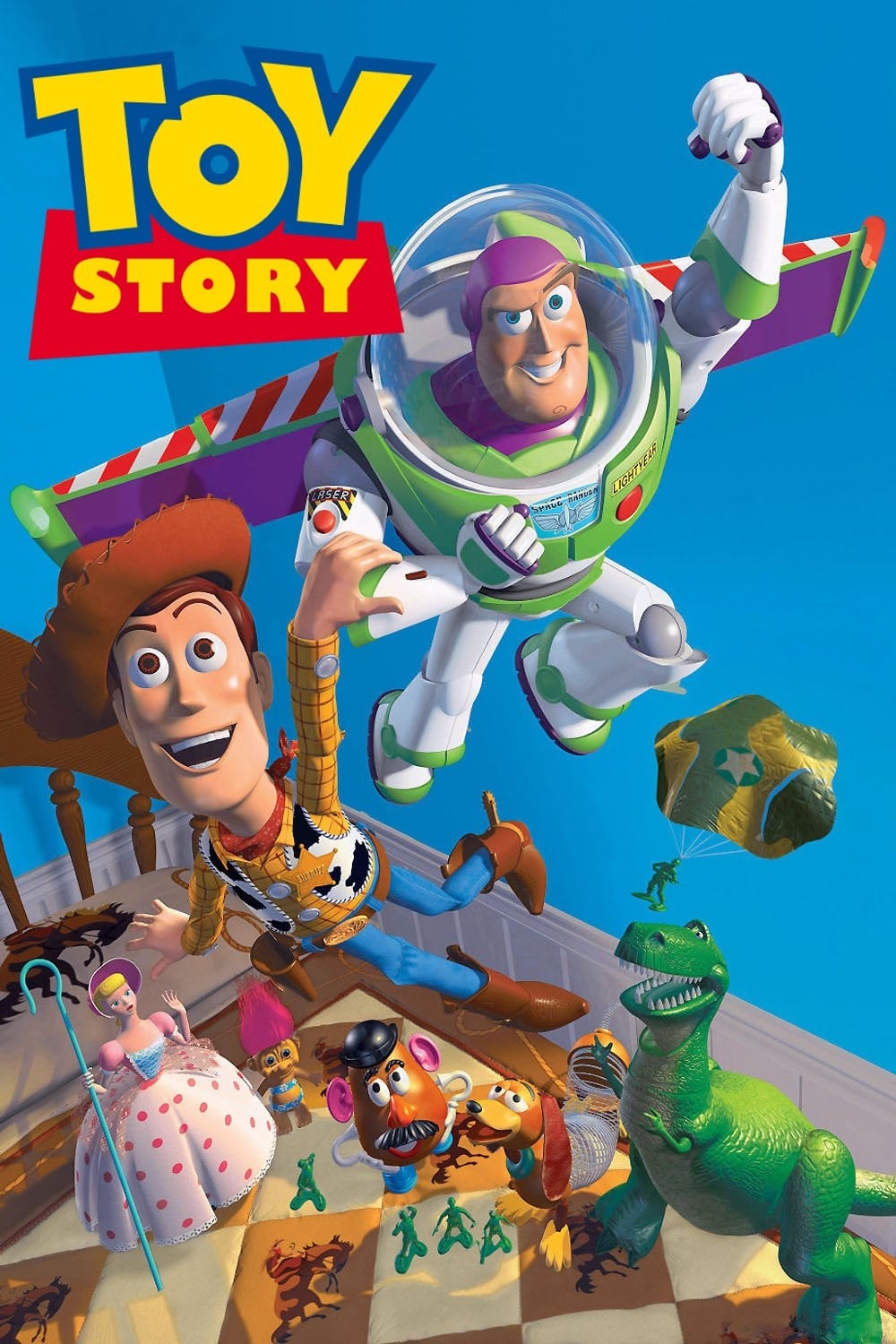
Pixar Animation Studios released the first feature-length computer-animated film and changed the medium forever. The movie demonstrated that 3D animation could convey weight and emotion just as effectively as traditional methods. It launched a new era where computer-generated family films became dominant box office forces. Traditional hand-drawn animation slowly began to decline in theatrical releases following this success.
‘Scream’ (1996)
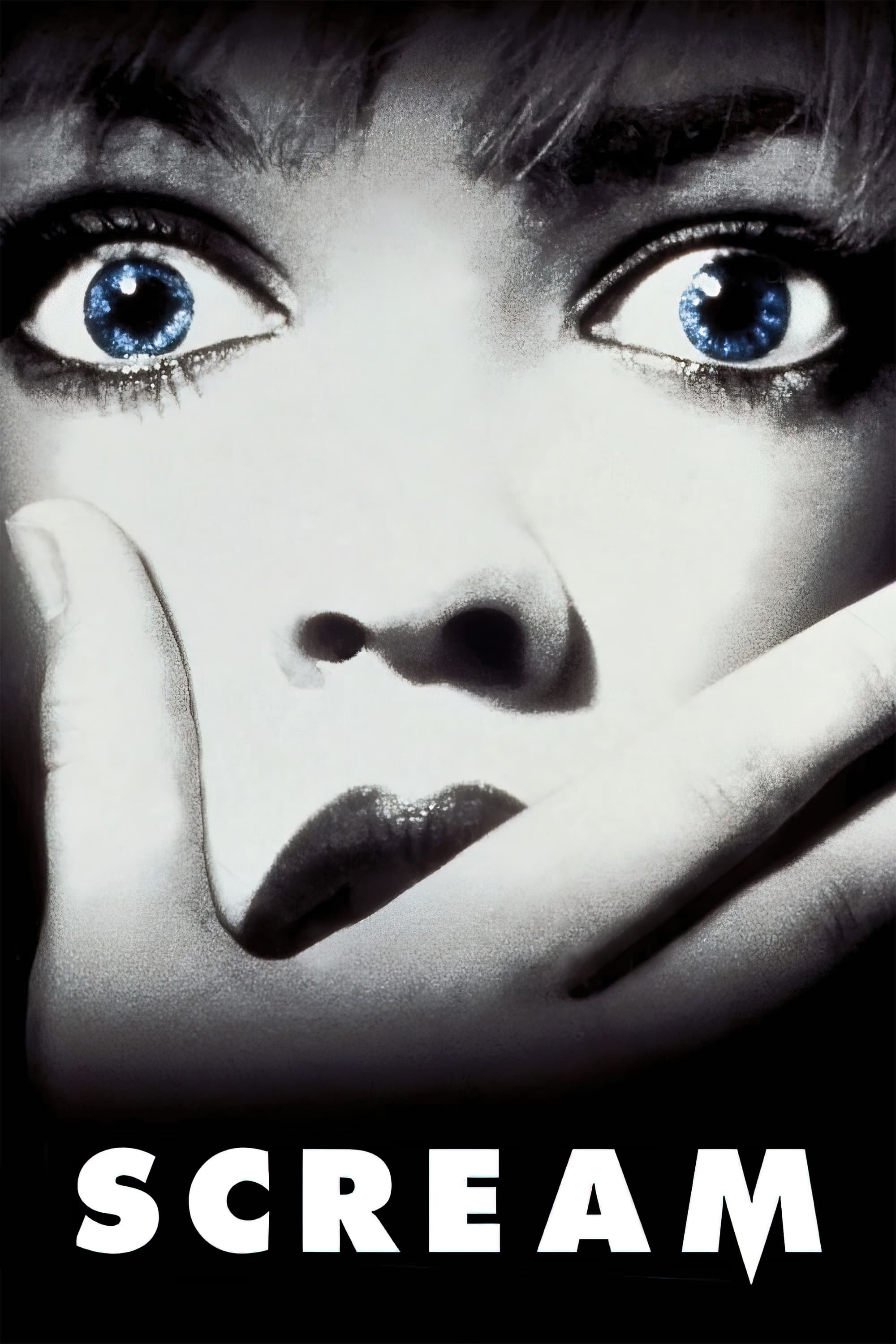
Wes Craven revitalized the stagnant horror genre by having characters acknowledge the rules of scary movies. The film combined genuine scares with meta-commentary and satire regarding slasher tropes. It launched a trend of self-aware teen horror films that dominated the late nineties. The script proved that audiences were ready for characters who were smart enough to run up the stairs.
‘The Matrix’ (1999)
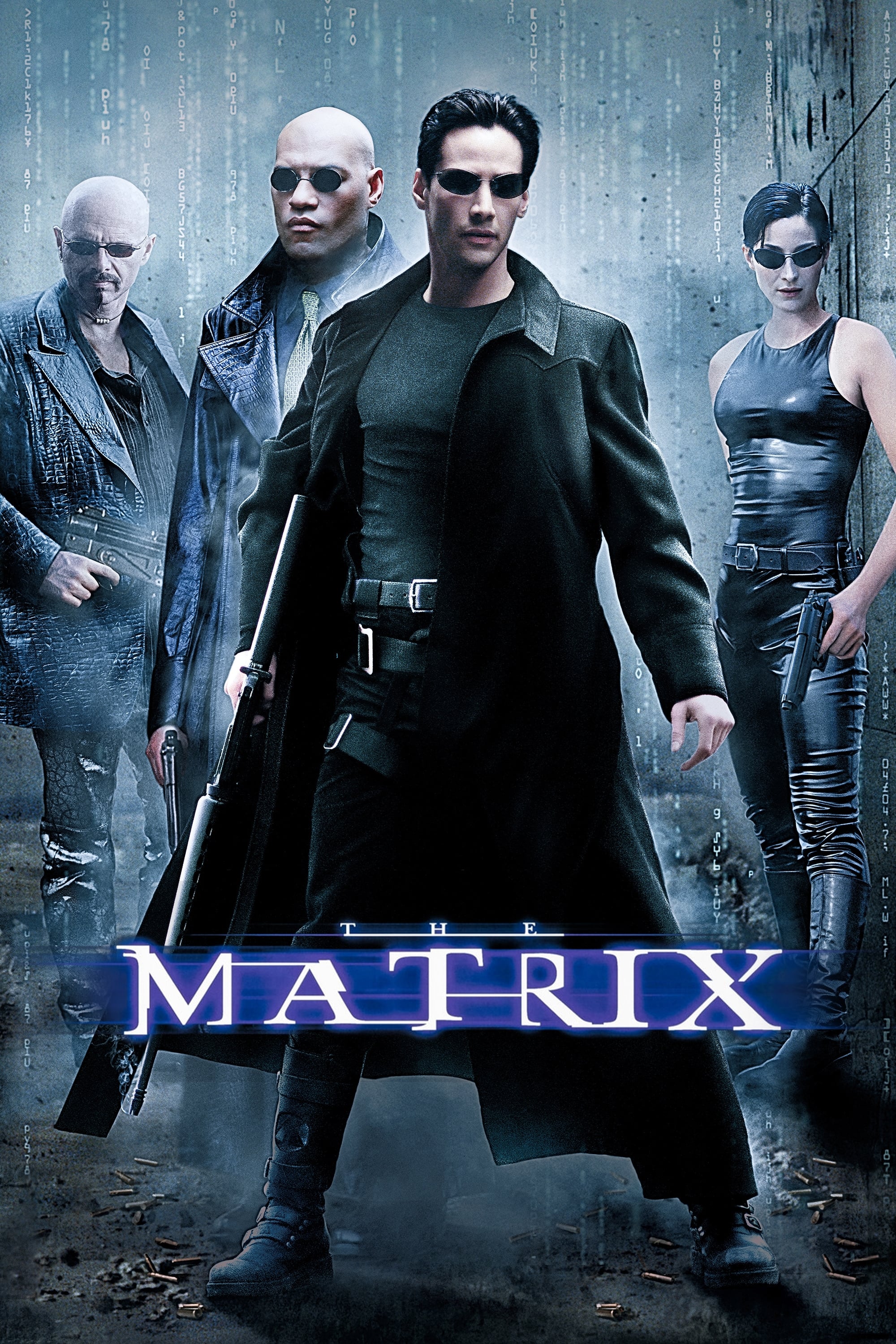
The Wachowskis blended Hong Kong action choreography with cyberpunk philosophy and groundbreaking visual effects. The film introduced the bullet time effect which was parodied and copied for years afterward. It popularized the use of wire-fu in Western action movies and raised the standard for fight scenes. The leather-clad aesthetic influenced fashion and design well into the new millennium.
‘The Blair Witch Project’ (1999)

This micro-budget film launched the found footage subgenre by marketing itself as a true documentary. It utilized the internet for viral marketing in a way that had never been done before. The raw and shaky camera work created a sense of realism that terrified audiences globally. It proved that a compelling concept and clever marketing could outperform big-budget studio productions.
‘X-Men’ (2000)
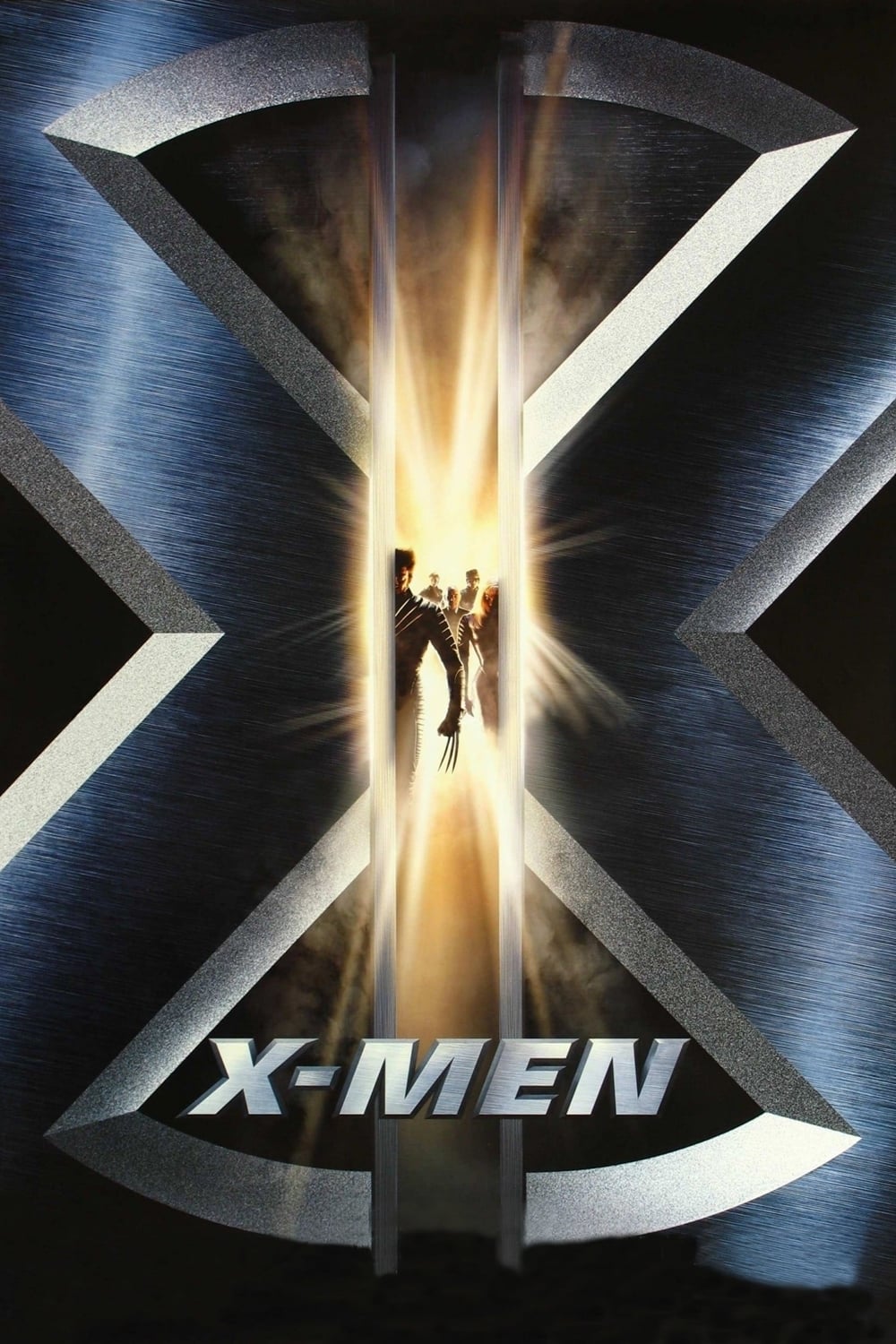
Bryan Singer proved that a large ensemble of superheroes could work together in a single film. The movie treated the source material with a grounded tone and focused on discrimination themes. It helped kickstart the modern superhero boom by showing the box office potential of team dynamics. The success of this film encouraged studios to mine their comic book properties for franchises.
‘Crouching Tiger, Hidden Dragon’ (2000)

Ang Lee bridged the gap between foreign language art films and mainstream action blockbusters. The movie featured poetic wire work and martial arts that captivated Western audiences despite subtitles. It proved that non-English films could achieve massive commercial success in the United States. The production elevated the wuxia genre to a level of international prestige.
‘Shrek’ (2001)
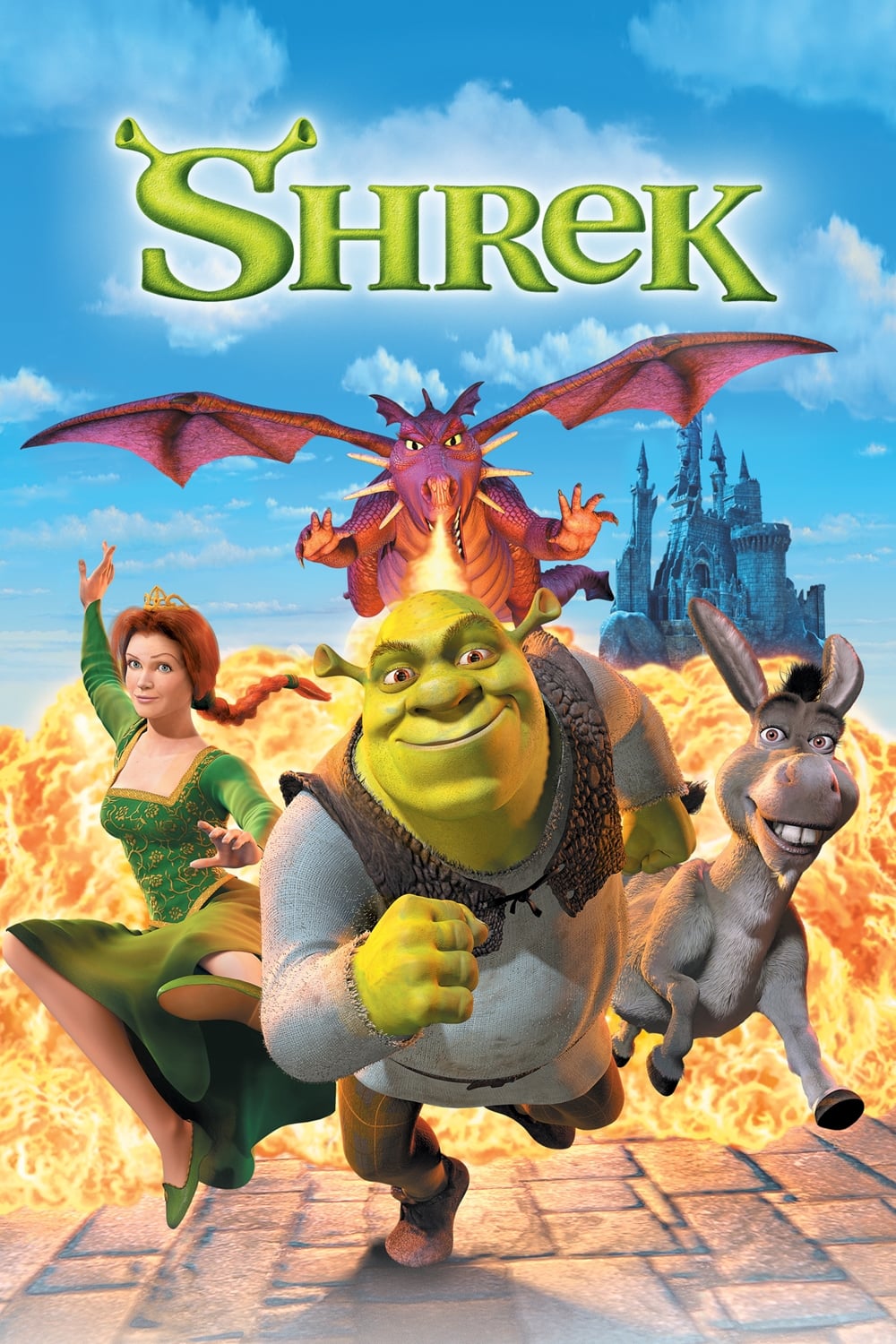
DreamWorks Animation satirized the Disney fairy tale formula with this irreverent comedy. The film used contemporary pop music and pop culture references to appeal to adults as much as children. It established a tone of cynicism and humor that became prevalent in animated features for years. The success of this approach forced competitors to update their storytelling styles.
‘The Lord of the Rings: The Fellowship of the Ring’ (2001)
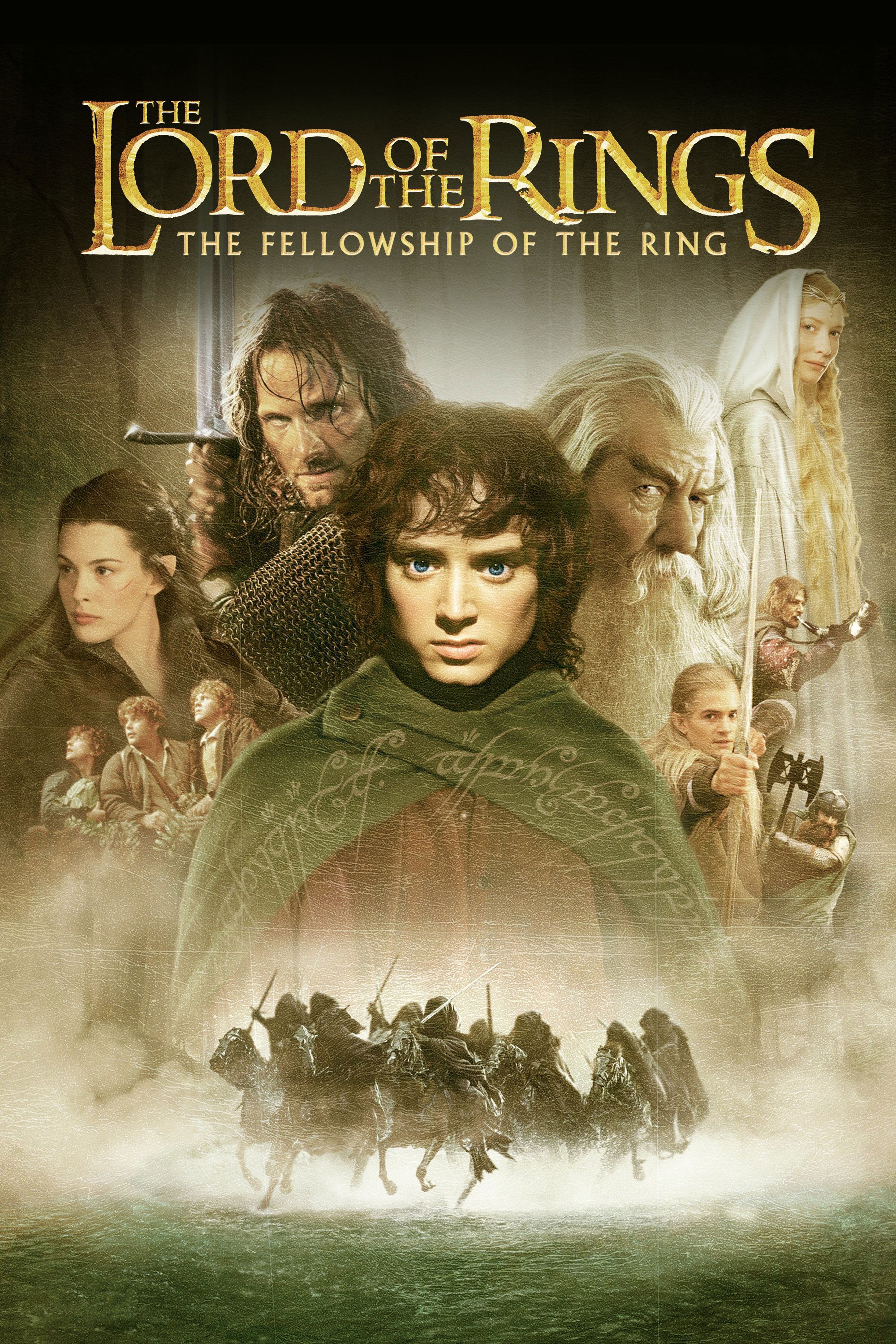
Peter Jackson committed to a massive production schedule that involved shooting three epic films simultaneously. The movie legitimized high fantasy as a blockbuster genre capable of winning critical acclaim. It advanced motion capture technology through the creation of digital characters that interacted with live actors. The scale of the world-building set a new bar for franchise filmmaking.
‘Spider-Man’ (2002)
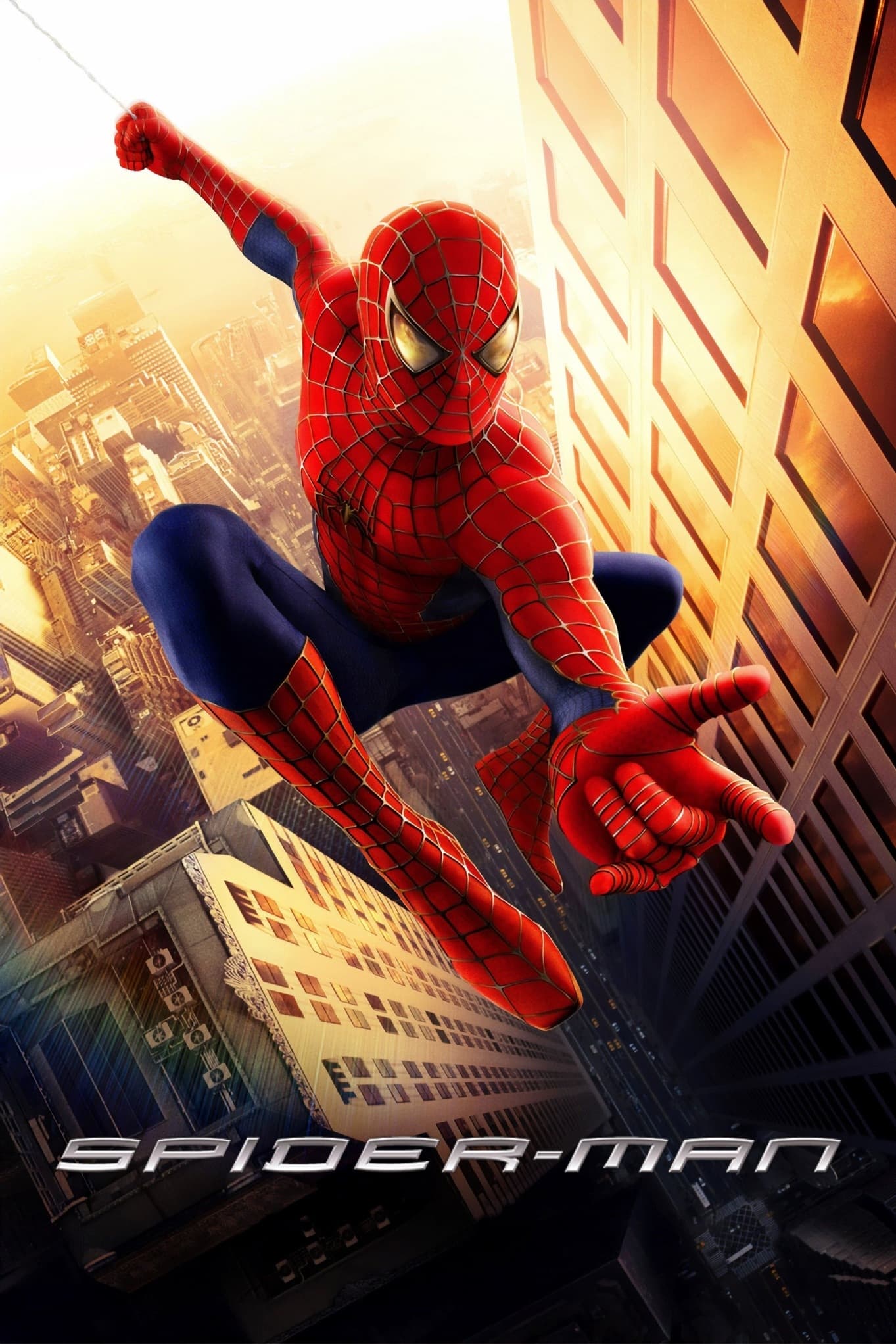
Sam Raimi delivered a bright and colorful superhero origin that fully embraced the comic book aesthetic. The film shattered opening weekend records and proved the genre was the new king of the box office. It utilized visual effects to create dynamic movement through a city that was previously impossible to film. The success solidified the summer release slot as the home for superhero tentpoles.
‘The Bourne Identity’ (2002)
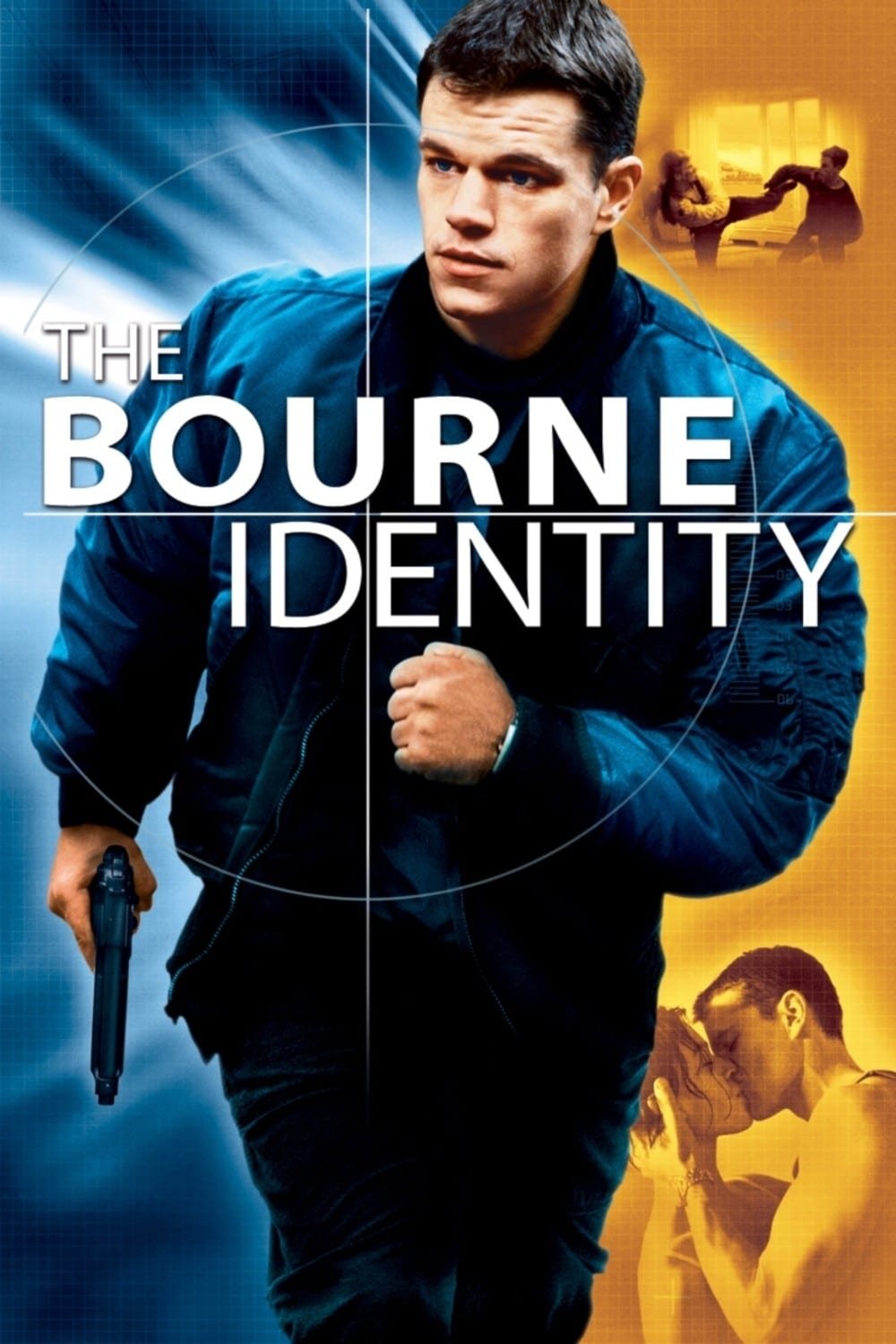
Doug Liman introduced a gritty and grounded style of action filmmaking that relied on shaky cam and quick cuts. The fight choreography focused on efficiency and brutality rather than stylized flourishes. This aesthetic influenced the James Bond franchise and countless other action movies to adopt a more serious tone. The film proved that an action hero could be defined by skills rather than gadgets.
’28 Days Later’ (2002)

Danny Boyle reinvigorated the zombie genre by introducing the concept of the infected running at full speed. The film was shot on digital video to create a harsh and immediate documentary look. It replaced the slow dread of traditional zombie movies with adrenaline-fueled panic. This shift in zombie capabilities became the new standard for undead media.
‘Saw’ (2004)

James Wan launched the torture porn subgenre with this low-budget thriller focused on intricate traps. The film emphasized physical suffering and moral dilemmas over traditional jump scares. It spawned a long-running franchise that became a Halloween tradition for horror fans. The success of this movie pushed horror toward more visceral and graphic content for several years.
‘Anchorman: The Legend of Ron Burgundy’ (2004)
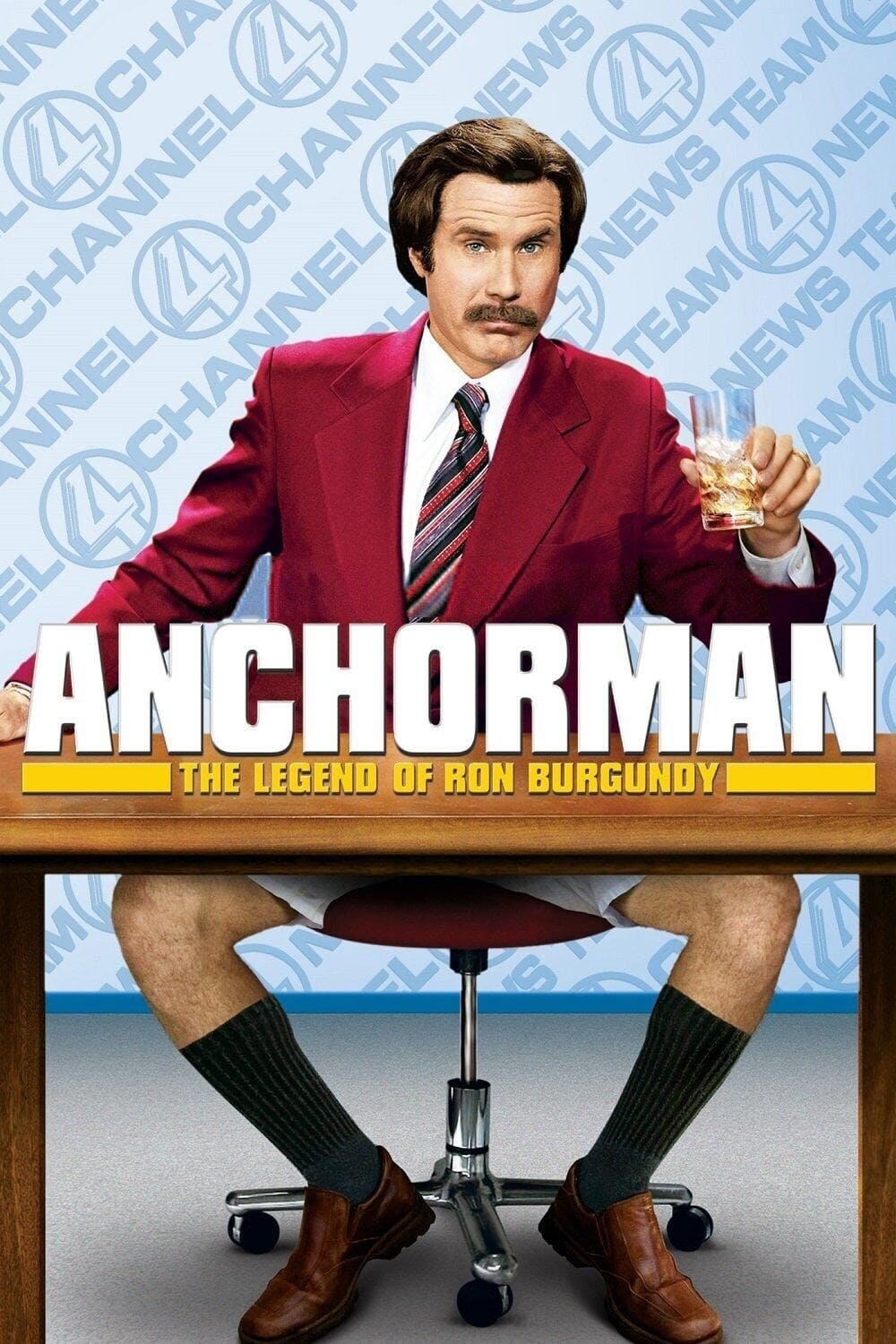
Adam McKay encouraged heavy improvisation on set which resulted in a loose and absurd comedic style. The film prioritized scene chemistry and bizarre non-sequiturs over a tightly plotted narrative. It influenced a decade of comedy films where actors were given freedom to riff endlessly. This approach became the dominant style for mainstream American comedies.
‘Batman Begins’ (2005)
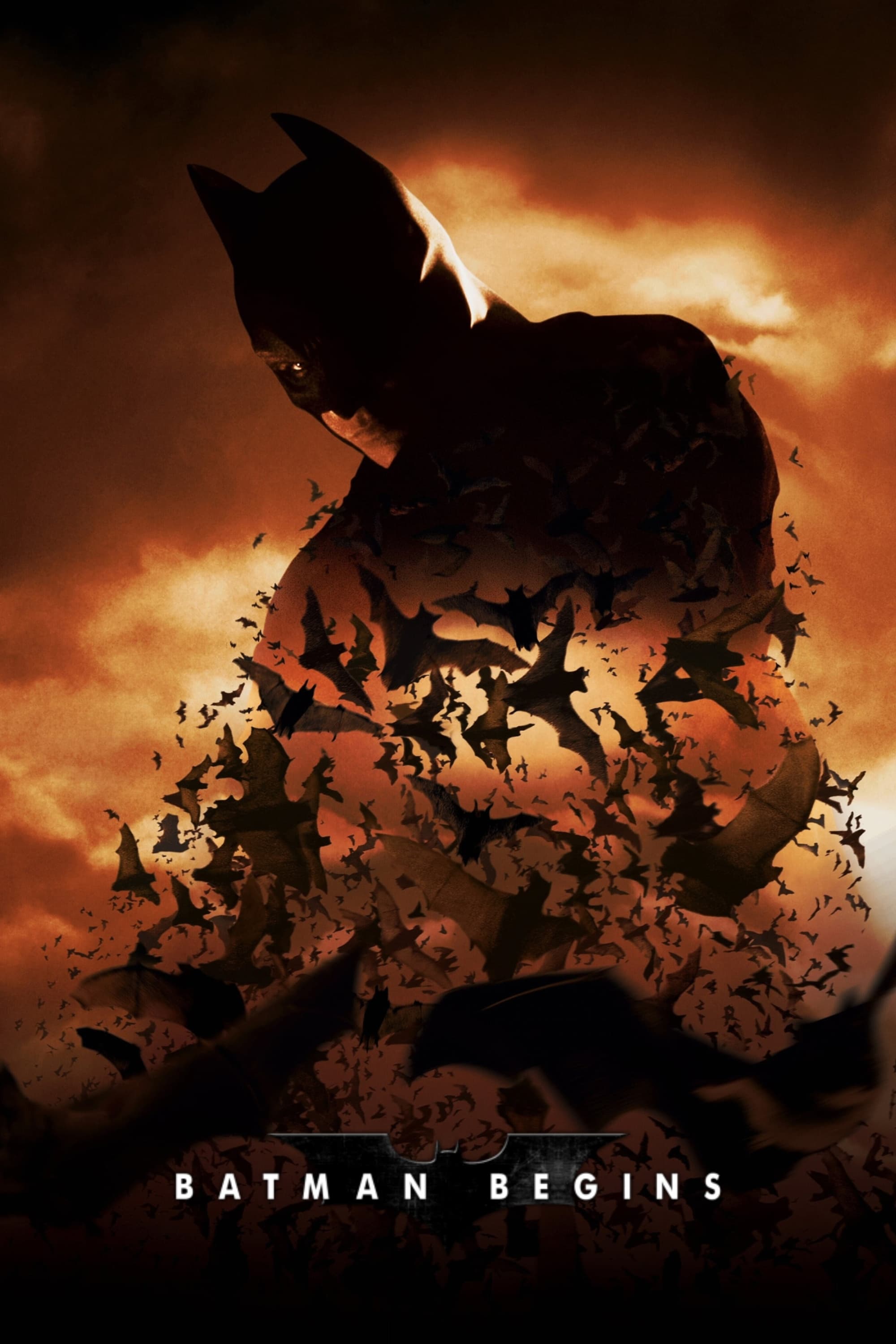
Christopher Nolan rebooted a dormant franchise by grounding the character in a heightened reality. The film explored the psychological origins of the hero and treated the material as a serious crime drama. It popularized the term reboot and showed studios how to restart a failed series. The gritty tone became a highly sought-after aesthetic for other franchise adaptations.
‘Iron Man’ (2008)
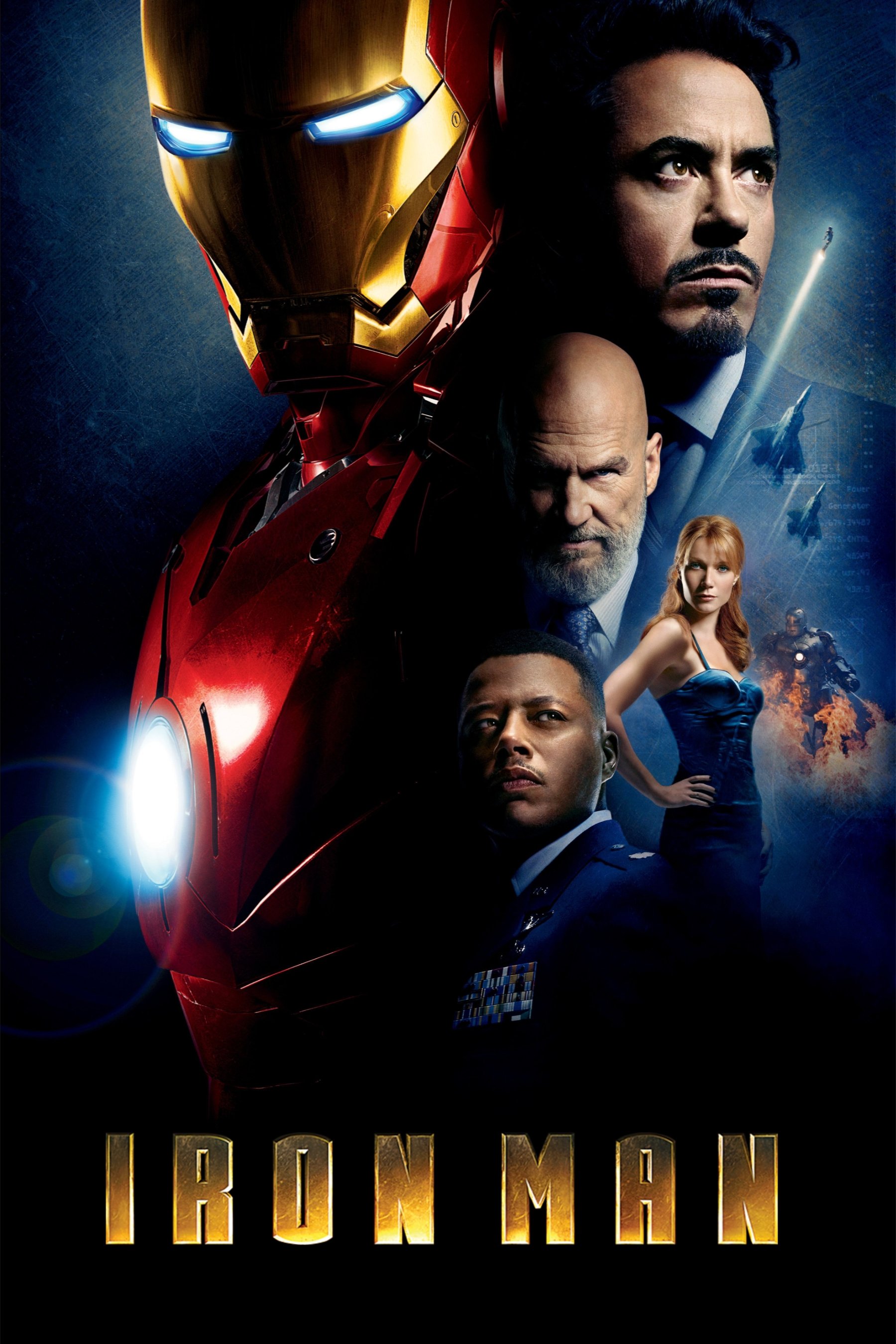
Jon Favreau launched the Marvel Cinematic Universe by casting a charismatic actor in a role that allowed for improvisation. The film introduced the concept of a shared universe through a post-credits scene that promised future team-ups. It shifted the industry focus from standalone trilogies to interconnected storytelling across multiple films. This model changed how Hollywood develops and markets its biggest properties.
‘Taken’ (2008)
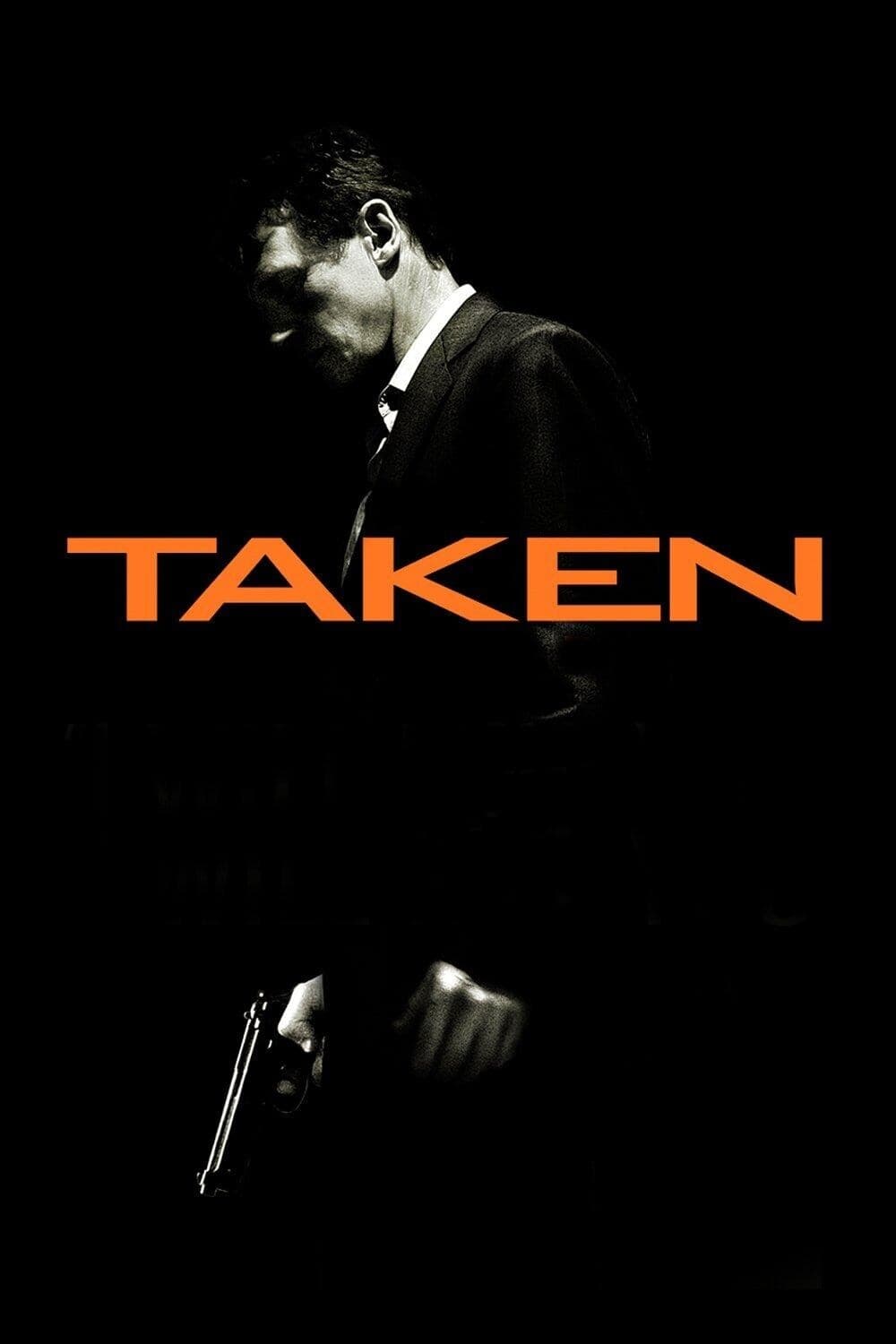
Pierre Morel reinvented Liam Neeson as an action star and created the dad action subgenre. The film featured an older protagonist using specific skills to dismantle a criminal organization. It proved that action movies did not require young stars to be successful at the box office. Numerous veteran actors found second careers in action films following this success.
‘Avatar’ (2009)

James Cameron drove the resurgence of 3D technology in cinemas with this visually immersive sci-fi epic. The film required the development of new performance capture techniques to render the alien characters. It pushed theater chains to upgrade their projection equipment to handle the new format. While the 3D trend eventually cooled, the film set a benchmark for immersive digital worlds.
‘Bridesmaids’ (2011)
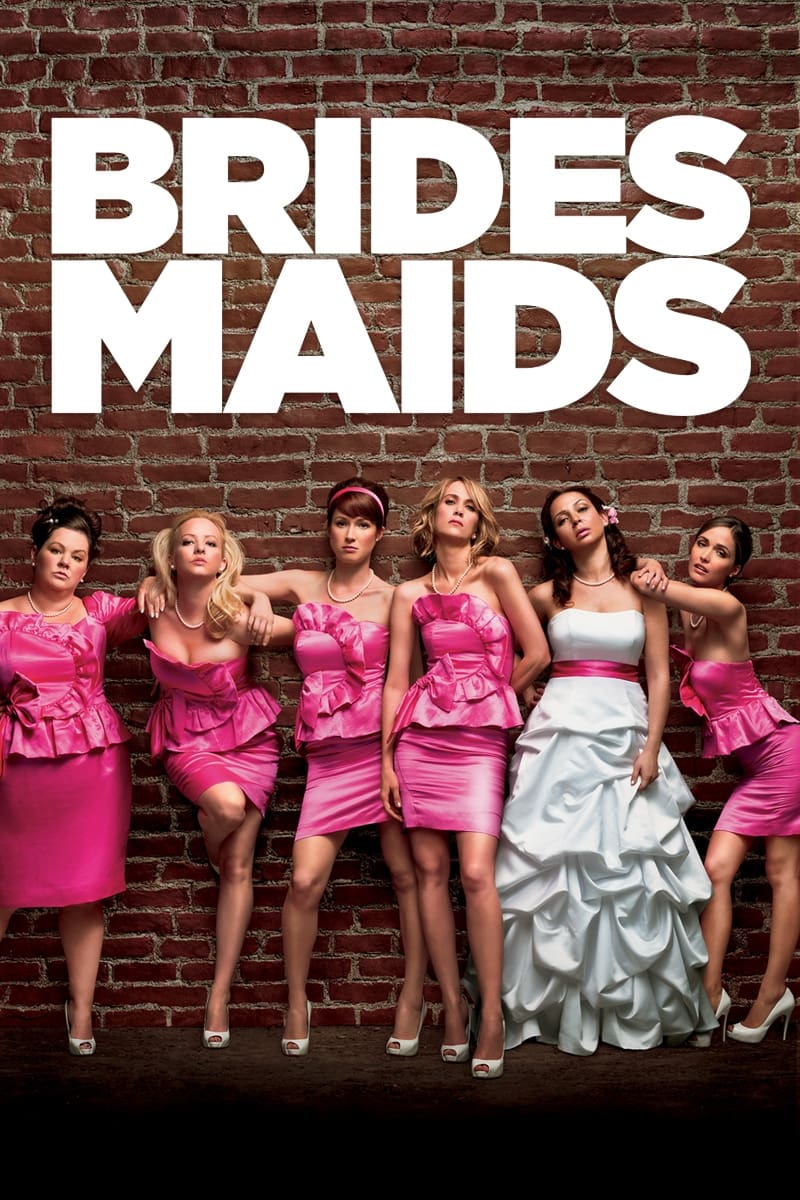
Paul Feig proved that an R-rated comedy led by a female ensemble could be a massive critical and commercial hit. The film blended gross-out humor with genuine emotional character arcs. It shattered the misconception that women could not lead raunchy comedies effectively. The success paved the way for more female-led projects in the comedic genre.
‘The Avengers’ (2012)
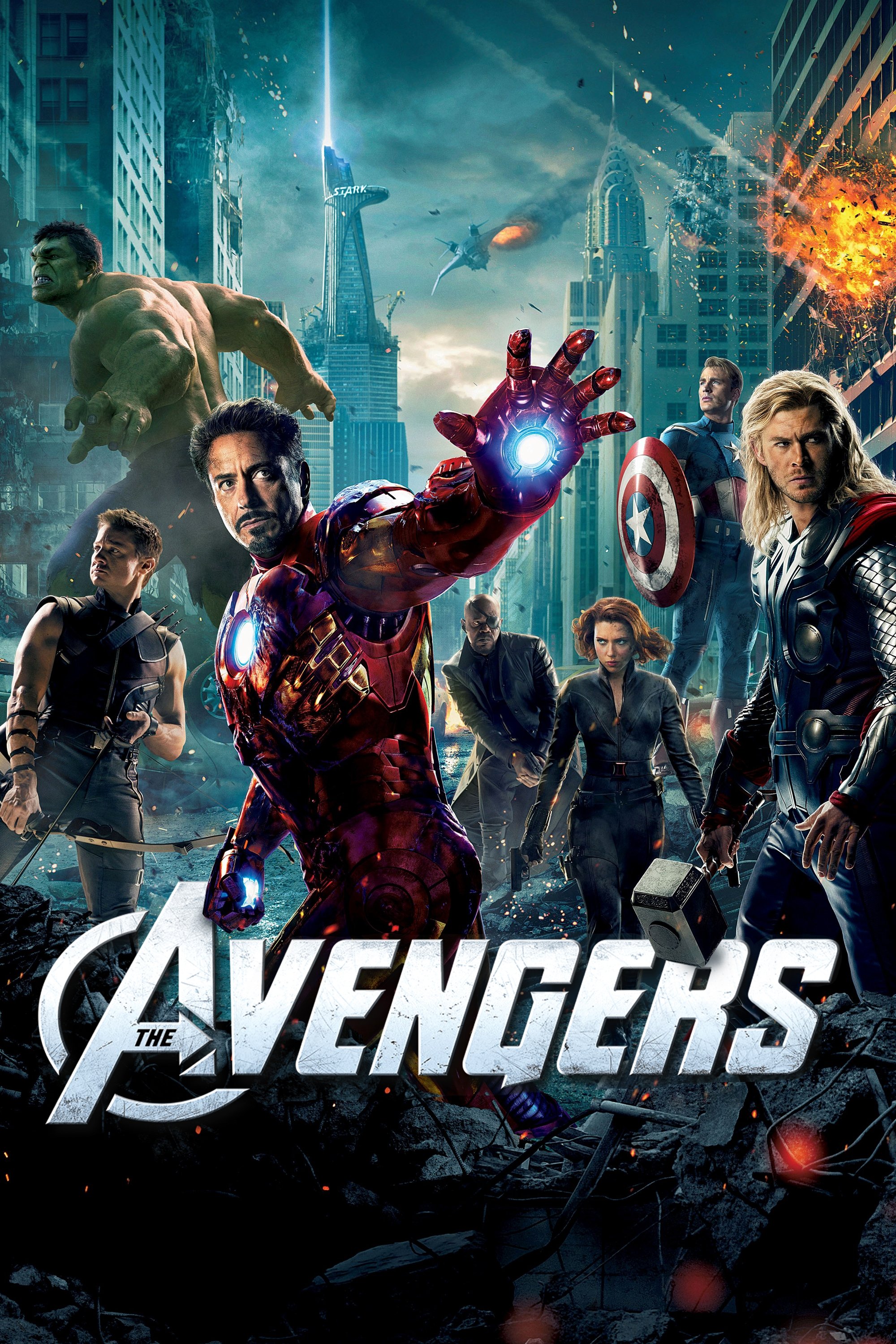
Joss Whedon successfully executed the first major cinematic crossover event involving characters from different film franchises. The movie balanced screen time for multiple leads and delivered a spectacle that required viewing on the big screen. It solidified the dominance of the shared universe model in Hollywood. Studios scrambled to create their own cinematic universes in the wake of its billion-dollar success.
‘Frozen’ (2013)
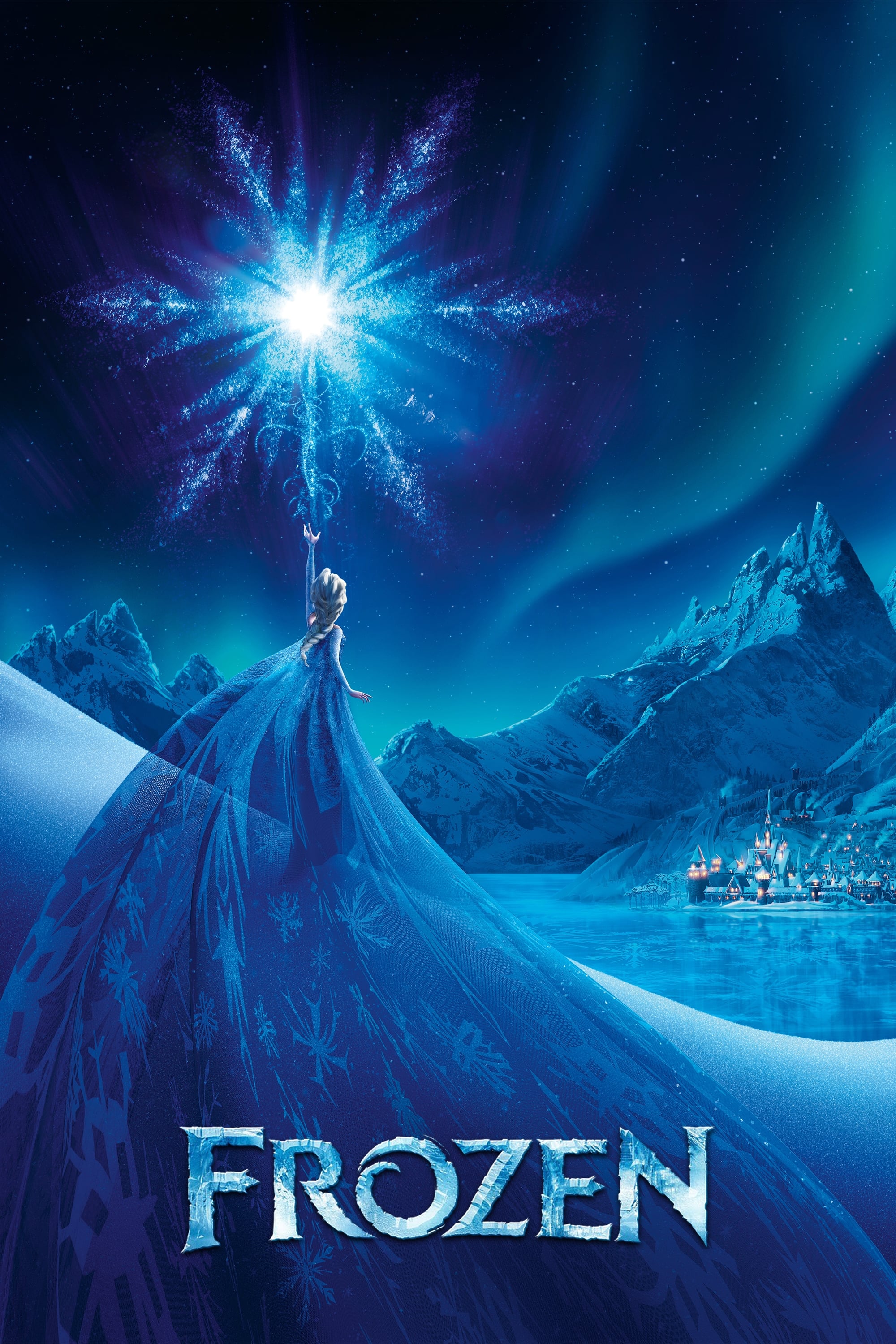
Disney Animation subverted its own classic tropes by focusing on sisterly love rather than romantic salvation. The film poked fun at the idea of marrying a man one just met. It resonated globally with audiences who were ready for a modern take on the princess formula. The massive success encouraged the studio to continue deconstructing its legacy in future projects.
‘John Wick’ (2014)
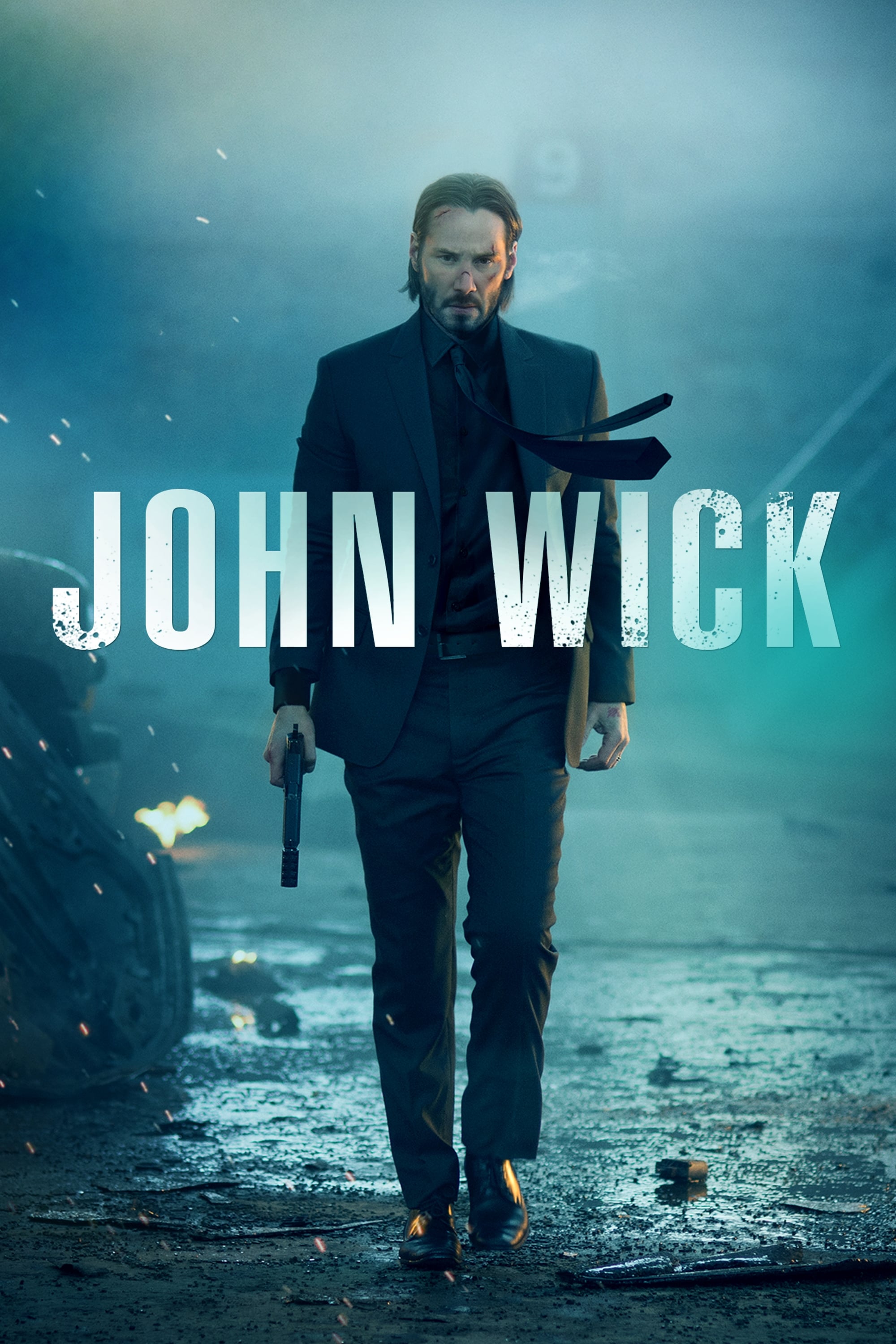
Chad Stahelski revitalized the action genre by focusing on clarity of motion and long takes. The film utilized a style known as gun-fu where firearms are used in close-quarters combat. It rejected shaky cam in favor of wide shots that allowed the audience to appreciate the stunt work. The aesthetic influenced a new wave of action films that prioritized choreography over editing.
‘Deadpool’ (2016)
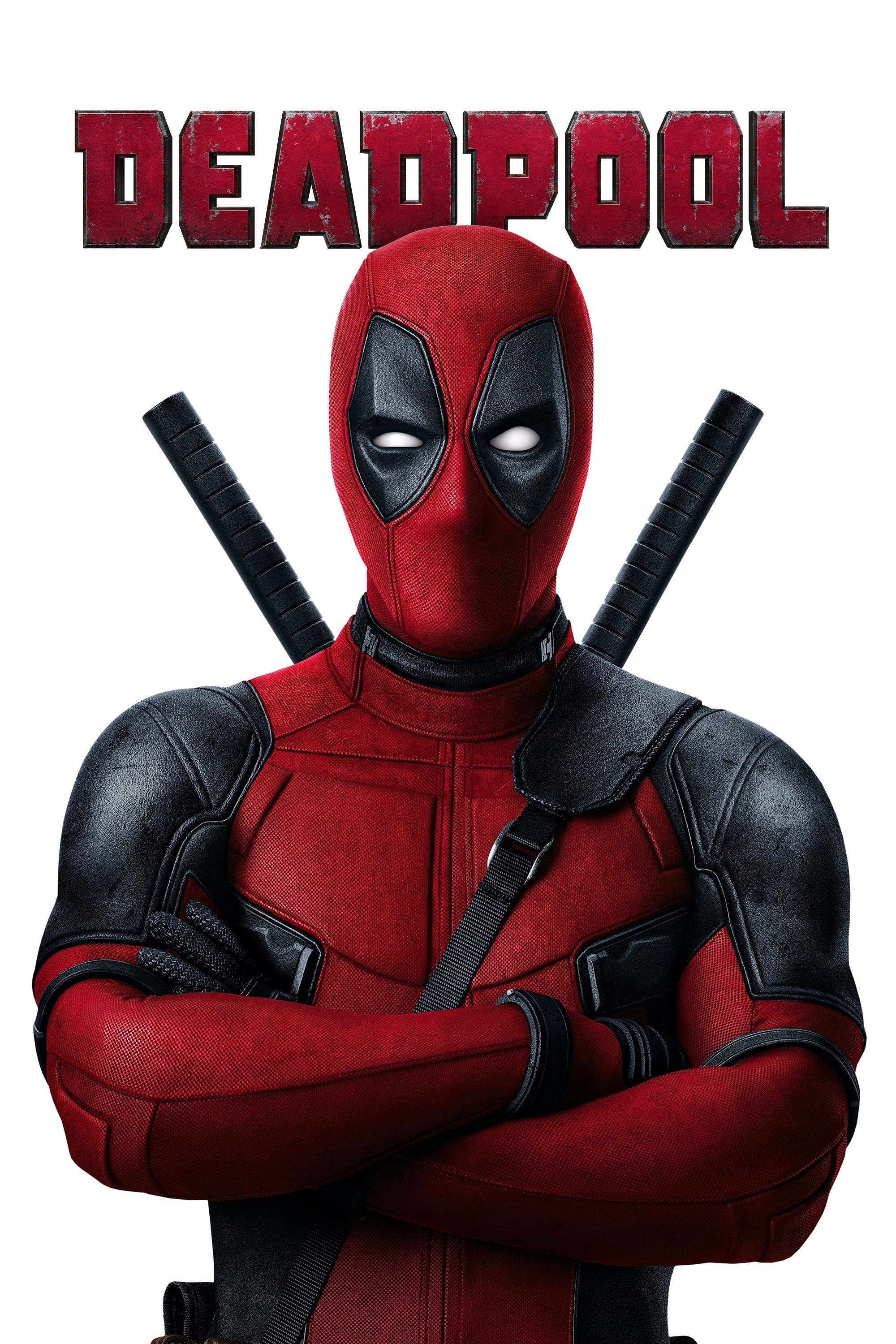
Tim Miller proved that an R-rated superhero movie could be a massive financial success. The film stayed true to the source material by breaking the fourth wall and using graphic violence. It opened the door for more mature comic book adaptations like ‘Logan’ and ‘Joker’. Studios realized that limiting superhero films to PG-13 ratings was leaving money on the table.
‘Get Out’ (2017)
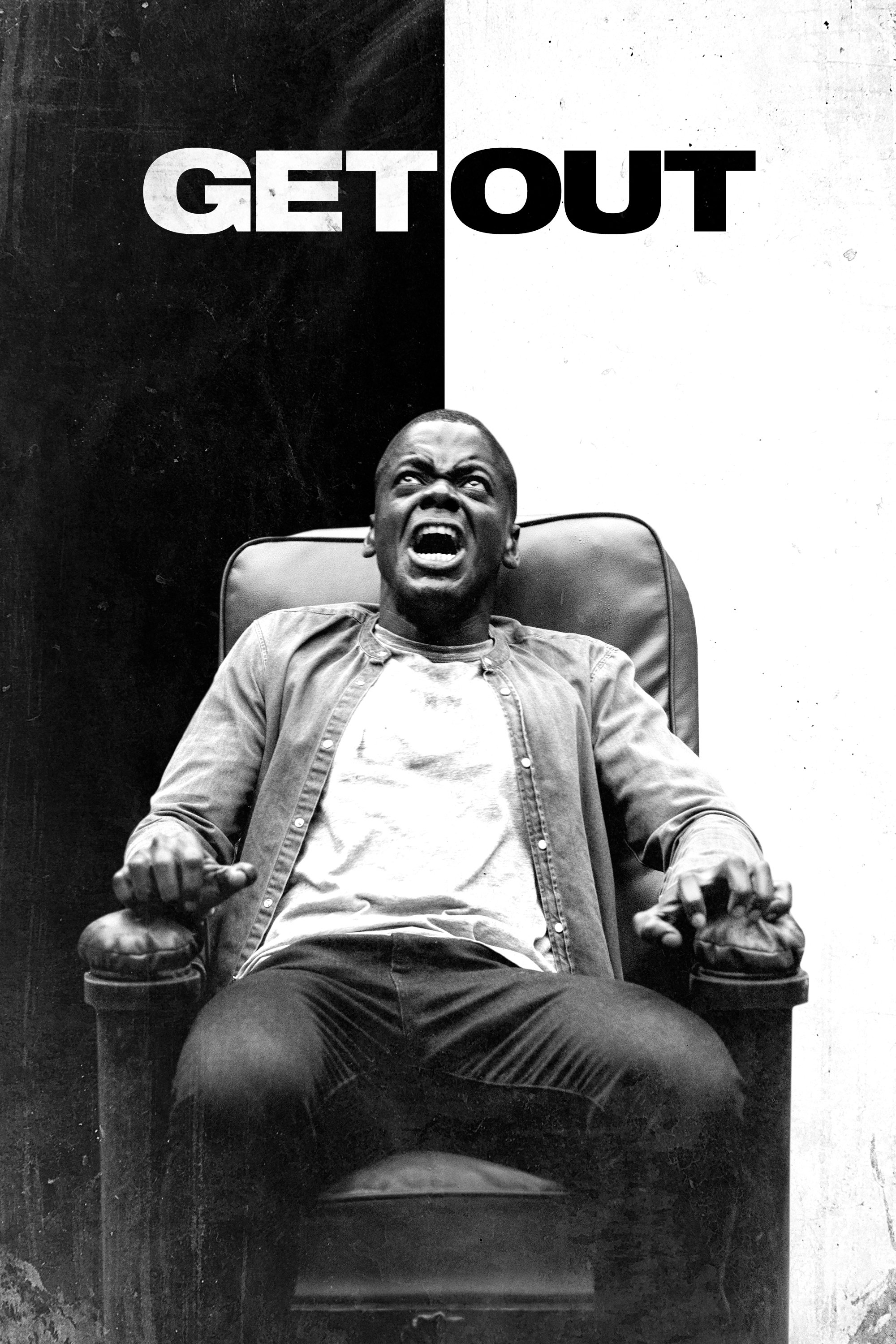
Jordan Peele elevated the horror genre by using it as a lens to explore modern racism. The film blended social satire with genuine tension to create a unique viewing experience. It proved that horror could be a vehicle for prestigious awards and critical analysis. The success of this movie sparked a trend of socially conscious horror films.
‘Spider-Man: Into the Spider-Verse’ (2018)
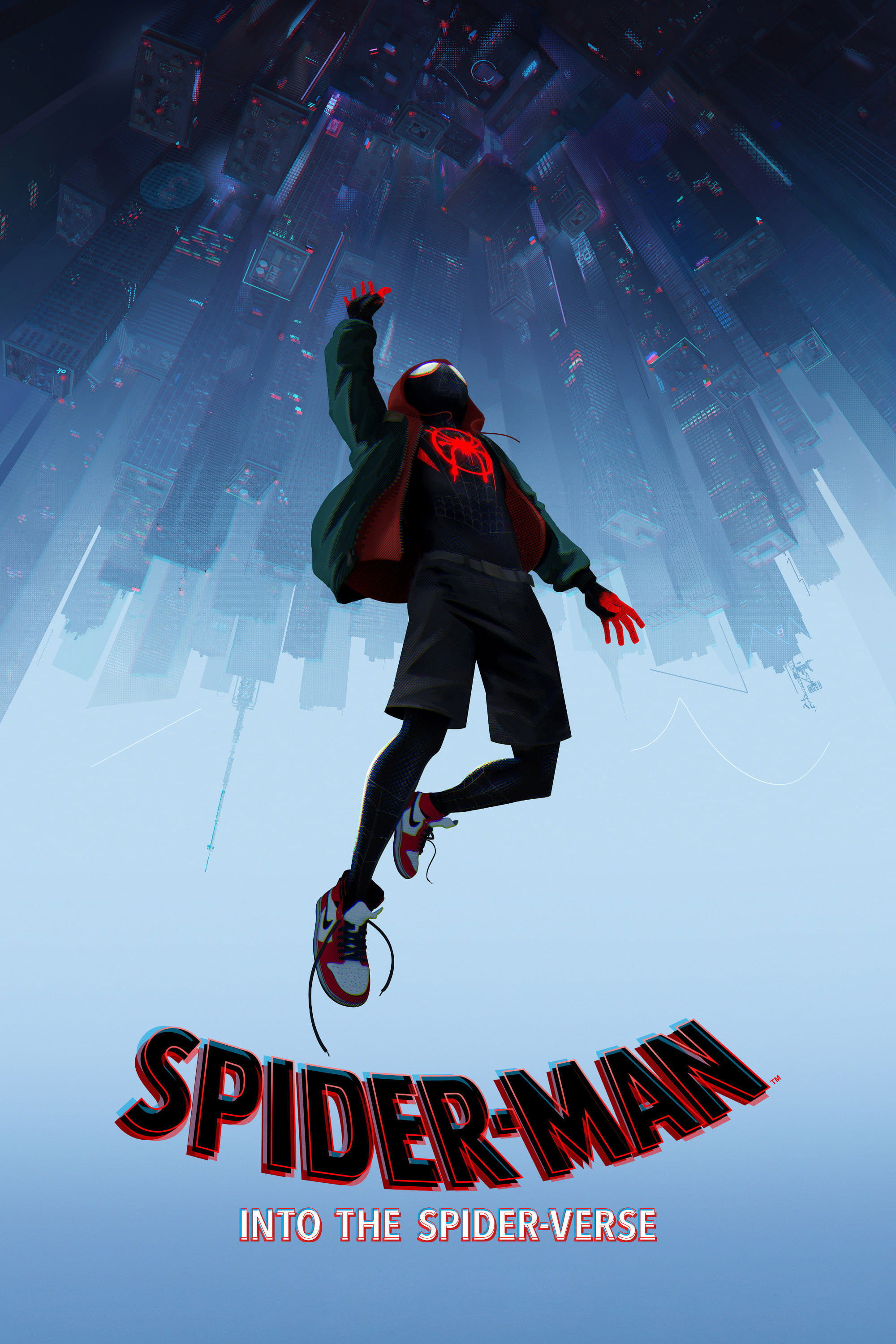
This film revolutionized animation by combining 3D computer graphics with 2D hand-drawn techniques. The visual style mimicked the look of a comic book coming to life with halftone dots and line work. It proved that audiences were hungry for stylized animation that broke away from the standard Pixar look. The movie inspired a visual shift in the animation industry toward more experimental styles.
Tell us which of these movies had the biggest impact on your movie-watching habits in the comments.