


Movies That Defined an Era of Filmmaking

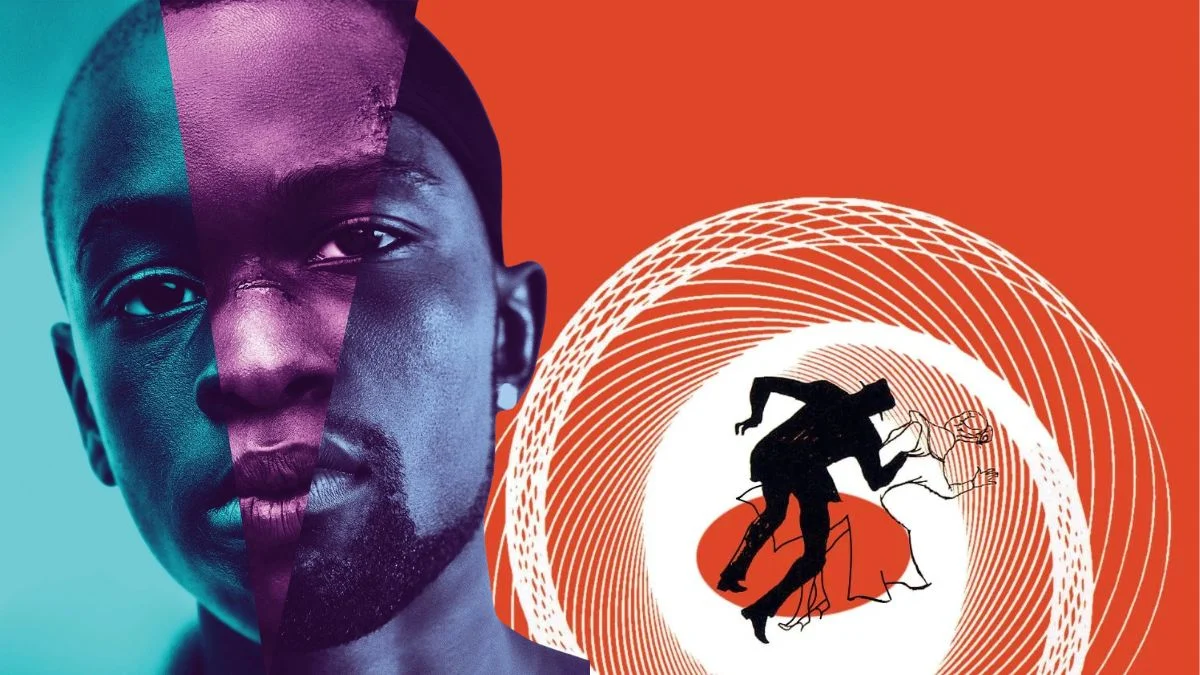


Cinema has evolved drastically since the invention of the motion picture camera. Certain films stand out not just for their quality but for how they shifted the trajectory of the medium. These productions introduced new technologies or narrative techniques that became industry standards. Understanding these pivotal works provides insight into the history of visual storytelling.
‘The Jazz Singer’ (1927)

This musical drama marked the end of the silent film era by introducing synchronized dialogue and singing. Warner Bros. utilized the Vitaphone sound-on-disc system to bring the voice of Al Jolson to audiences worldwide. The story follows a young man who defies the traditions of his religious father to pursue a career in show business. Its immense commercial success proved that talking pictures were the future of the industry. Studios rapidly converted their production facilities to accommodate sound recording following this release.
‘Metropolis’ (1927)
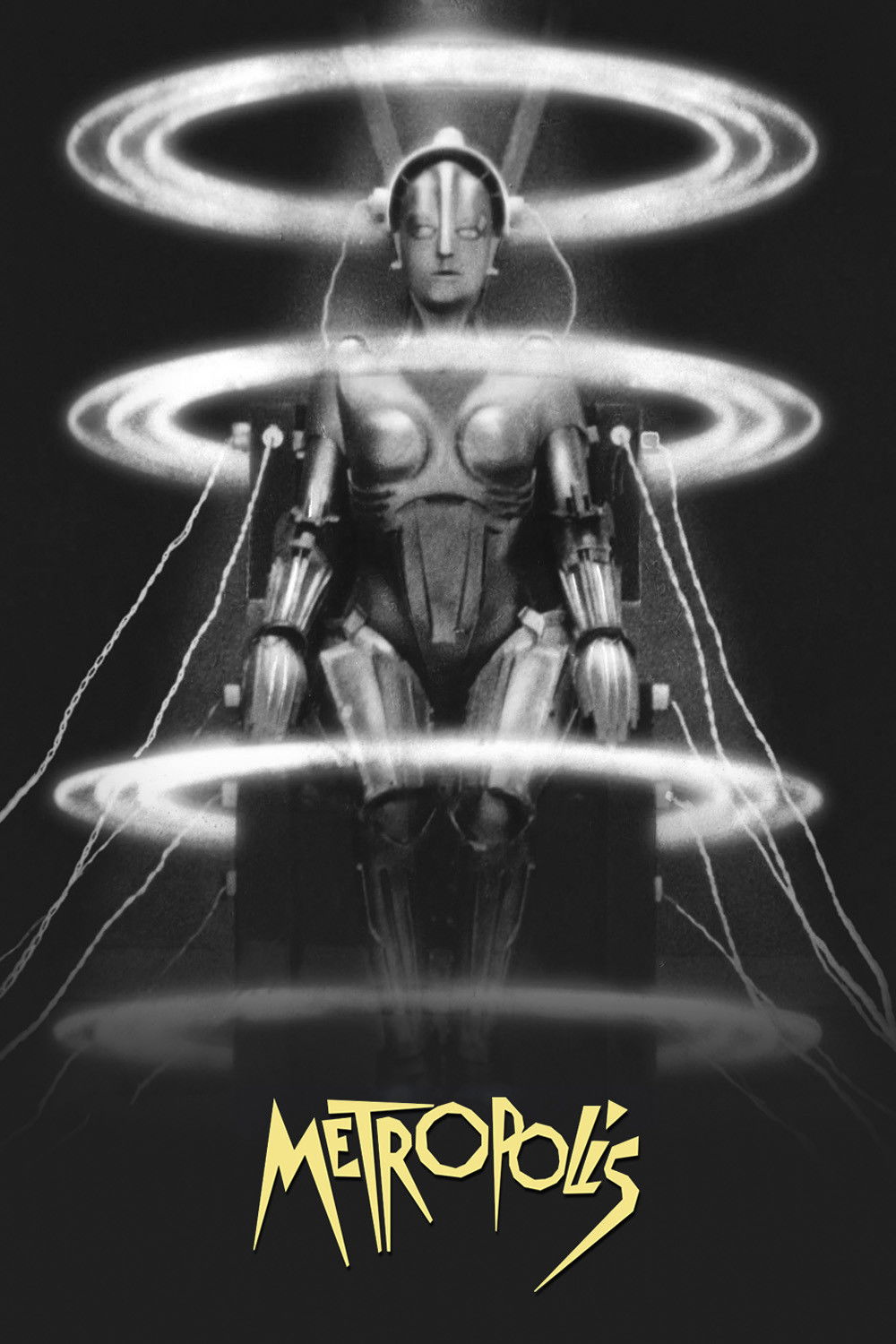
Fritz Lang directed this pioneering work of German Expressionism that established the template for the science fiction genre. The film visualizes a futuristic urban dystopia where a stark divide separates the wealthy thinkers from the underground laborers. Its elaborate special effects and monumental set designs were unprecedented for the time. The iconic robot Maria continues to influence character designs in modern sci-fi media. This masterpiece demonstrated the potential of film to create entirely new and immersive worlds.
‘Snow White and the Seven Dwarfs’ (1937)
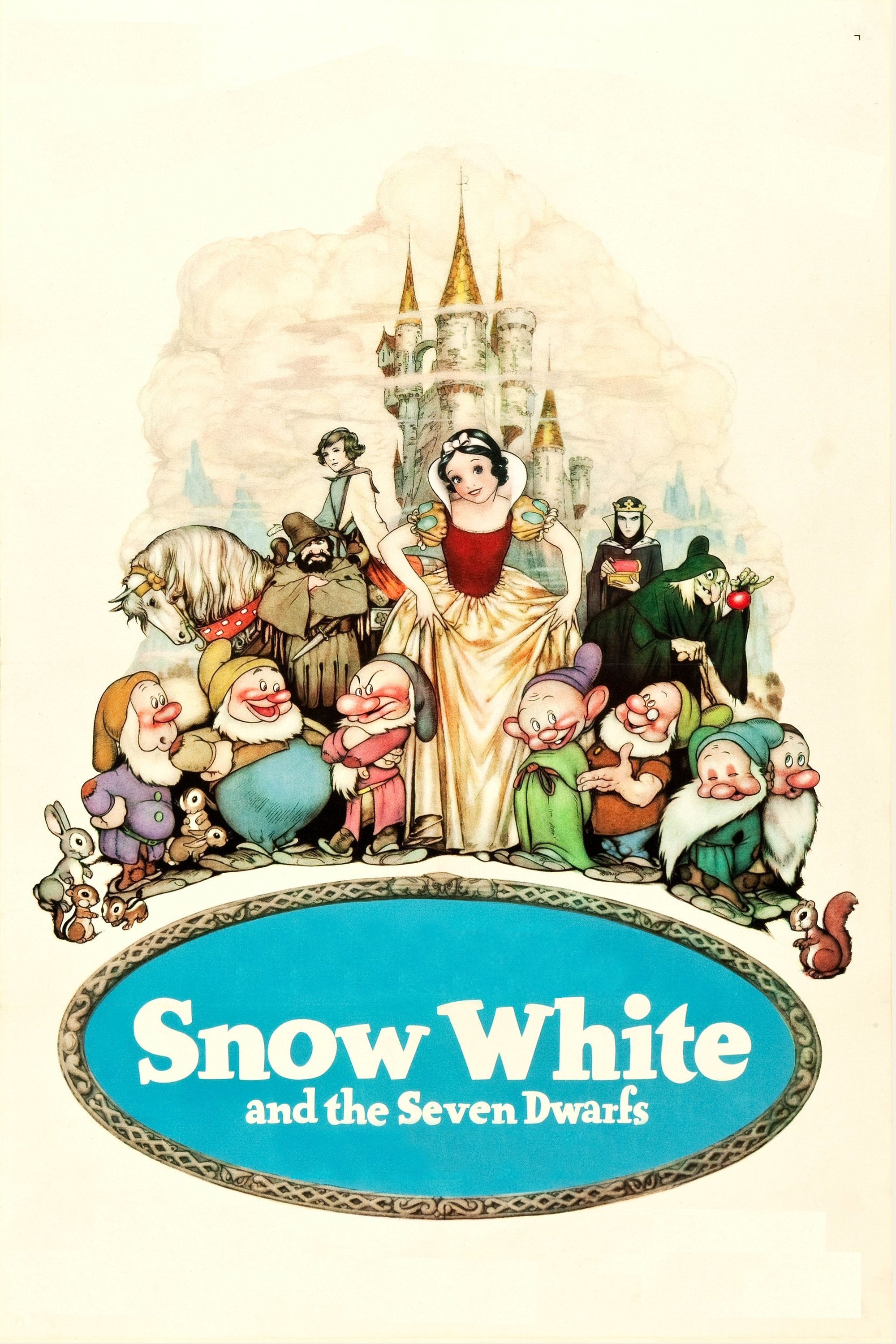
Walt Disney took a massive financial risk to produce the first full-length cel-animated feature film in motion picture history. Critics initially dubbed the project folly before its release proved that animation could sustain a feature-length narrative. The film utilized the multiplane camera to create a sense of depth and realism in its backgrounds. It established the formula for the animated musical that would dominate the genre for decades. The success of this movie laid the foundation for the Walt Disney Company.
‘The Wizard of Oz’ (1939)
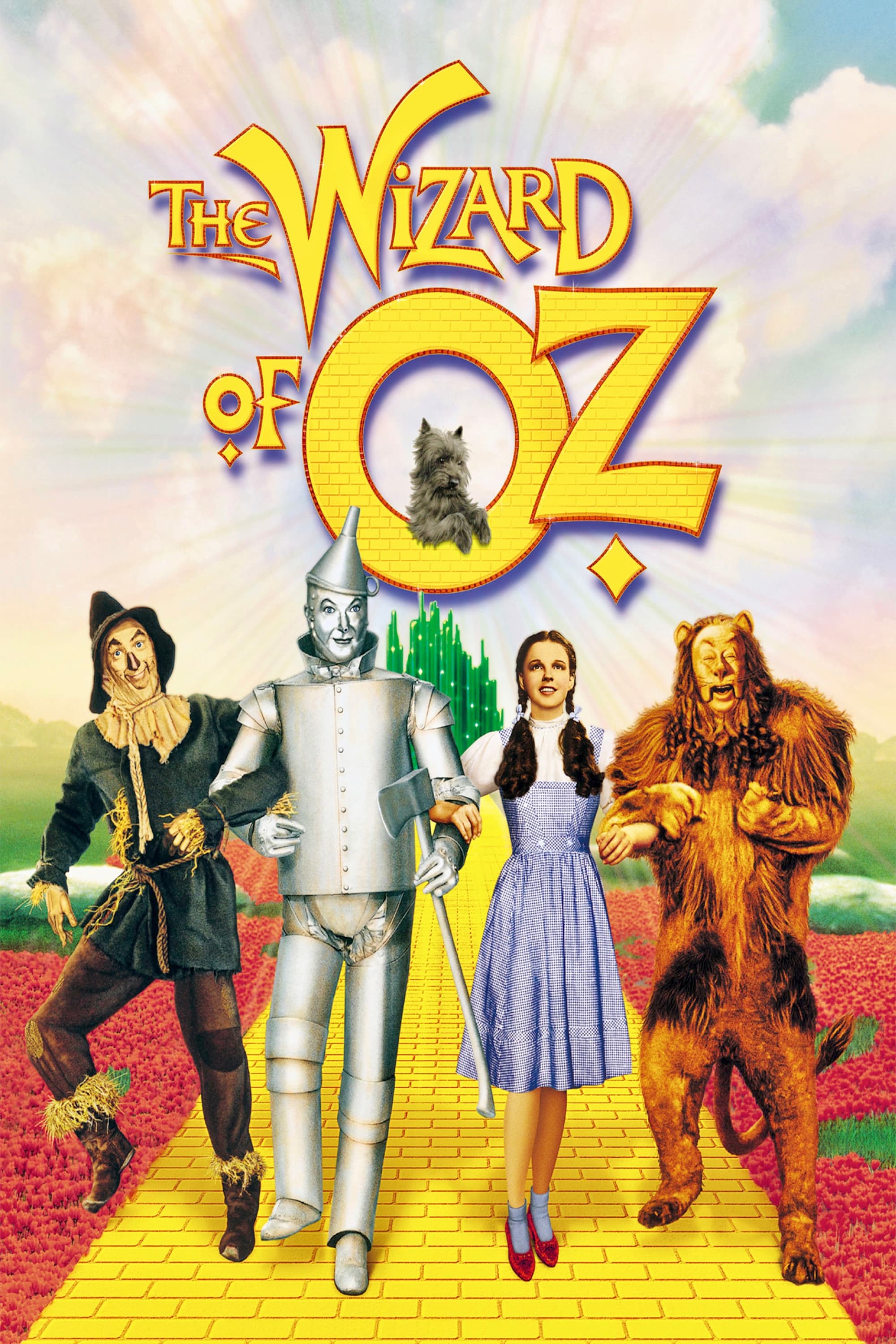
This fantasy musical is celebrated for its groundbreaking use of Technicolor to distinguish its magical setting from the mundane real world. Judy Garland stars as Dorothy Gale who is swept away from sepia-toned Kansas to the vibrant Land of Oz. The production faced numerous challenges including director changes and on-set accidents. It became a television staple that introduced generations to the concept of high-fantasy storytelling. The film remains one of the most referenced and culturally significant works in American cinema.
‘Gone with the Wind’ (1939)
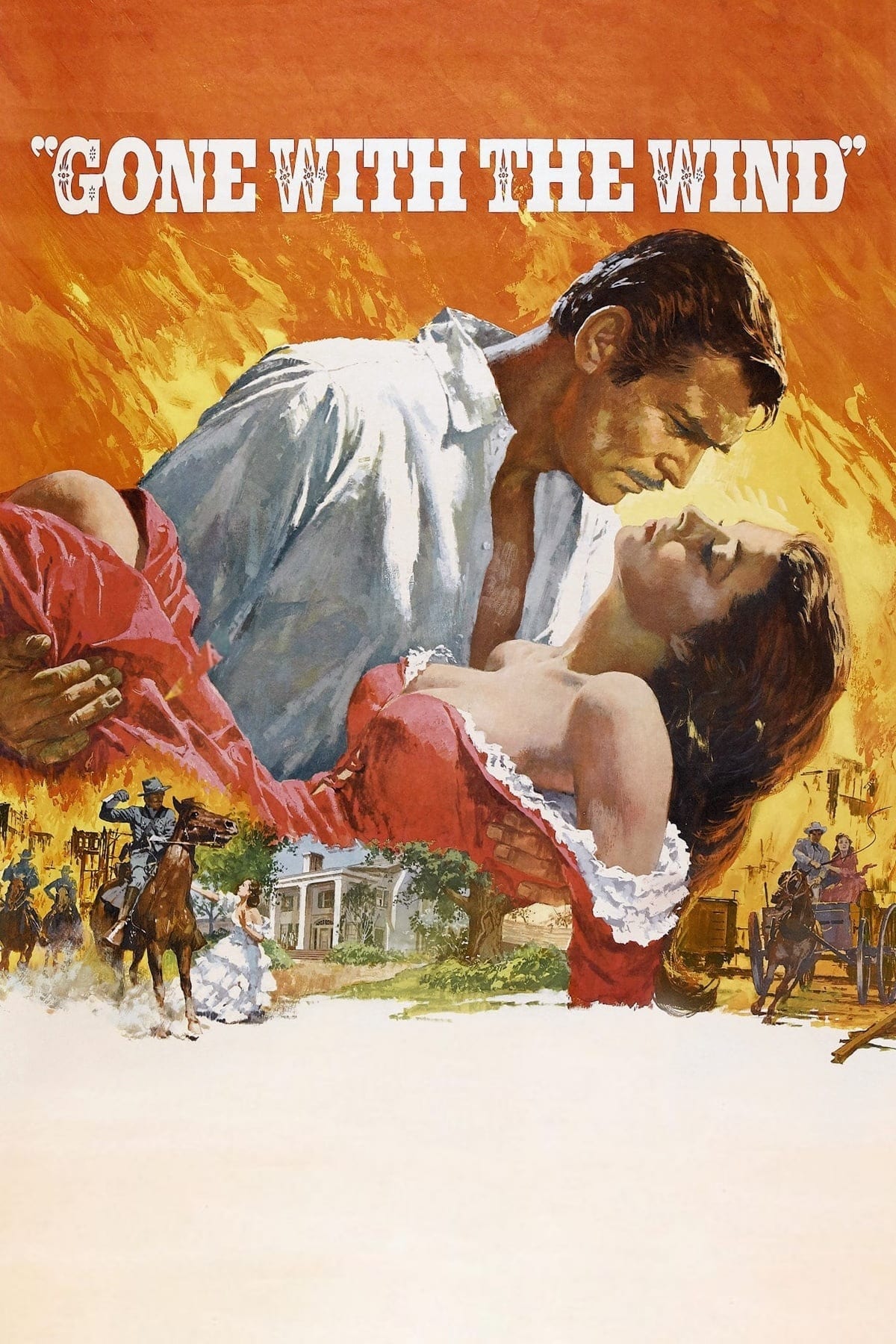
David O. Selznick produced this epic historical romance that set a new scale for Hollywood blockbusters. The film features elaborate costumes and massive sets including the burning of the Atlanta depot. It held the record for the highest-grossing film for over a quarter of a century. The production demonstrated the box office potential of adapting best-selling literature with high production values. It defined the Golden Age of Hollywood with its sweeping scope and dramatic intensity.
‘Citizen Kane’ (1941)
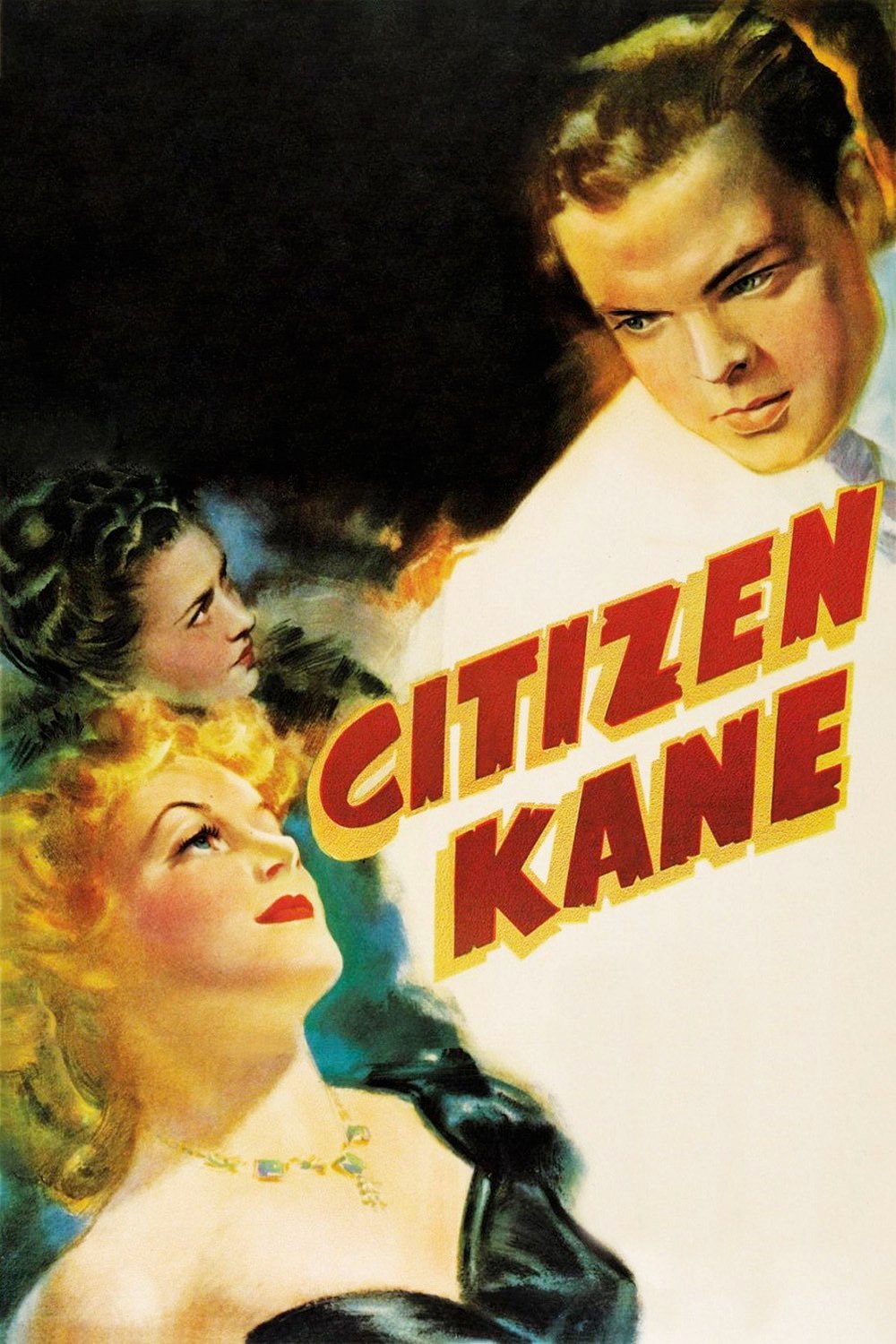
Orson Welles directed and starred in this drama that revolutionized cinematography and narrative structure. The film employs deep focus photography which allows objects in the foreground and background to remain sharp simultaneously. Its non-linear storytelling pieces together the life of a media tycoon through flashbacks from different perspectives. Welles utilized innovative lighting and camera angles to convey power dynamics visually. Many critics and scholars consider it the greatest film ever made for its technical inventiveness.
‘Casablanca’ (1942)
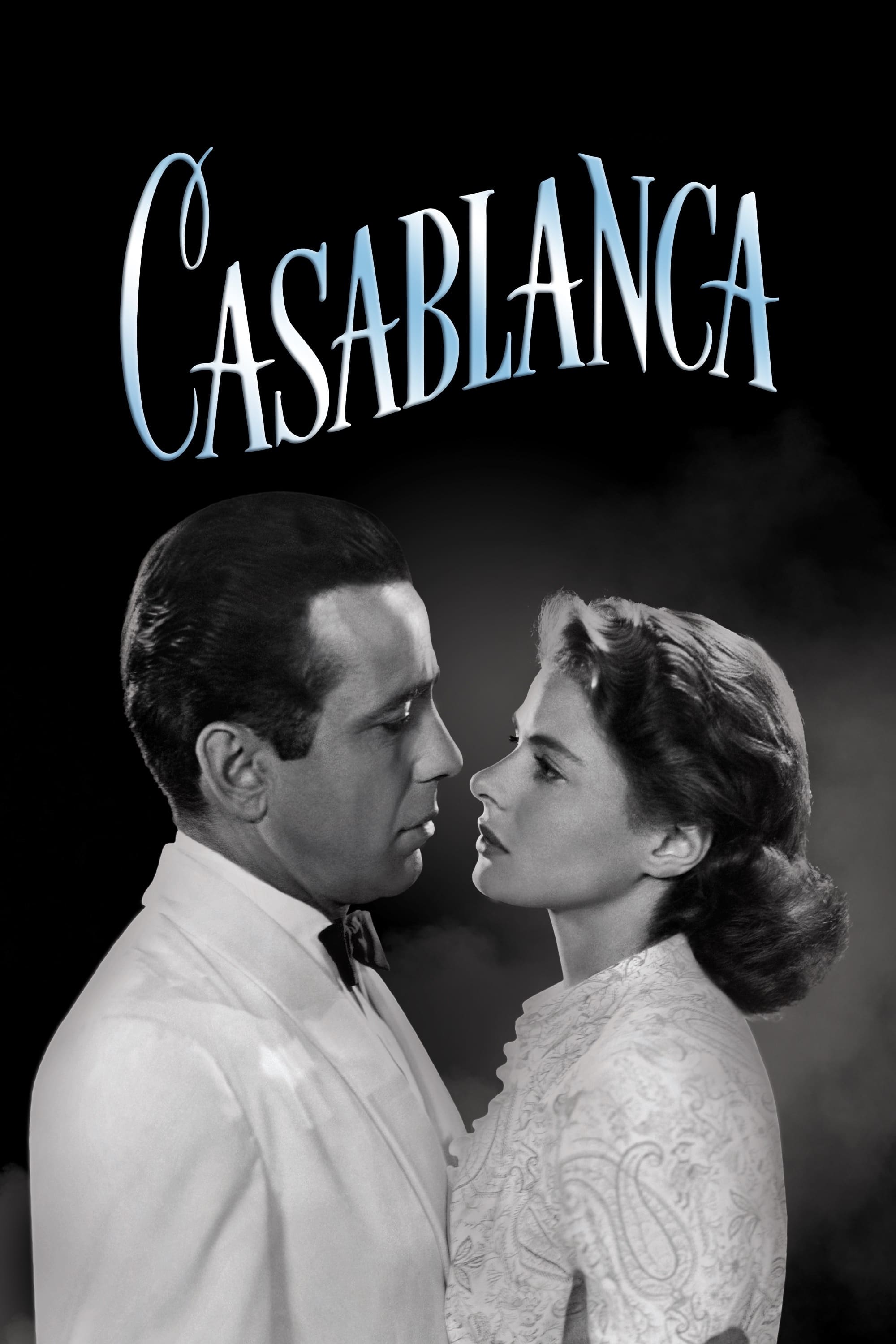
This romantic drama refined the studio system style of the 1940s with its polished script and charismatic performances. Humphrey Bogart and Ingrid Bergman star as former lovers reunited in a Moroccan city during World War II. The film captures the tension of the wartime era while delivering a timeless story of sacrifice. It exemplifies the efficiency of Warner Bros. in producing high-quality entertainment on soundstages. The dialogue has become some of the most quotable in movie history.
‘Bicycle Thieves’ (1948)

Vittorio De Sica directed this seminal work of Italian Neorealism that stripped away Hollywood glamour. The film features non-professional actors and was shot on location in the streets of post-war Rome. It tells the simple yet devastating story of a father searching for his stolen bicycle which he needs for his job. This approach focused on the struggles of the working class and everyday reality. It influenced filmmakers globally to embrace natural lighting and authentic storytelling.
‘Rashomon’ (1950)
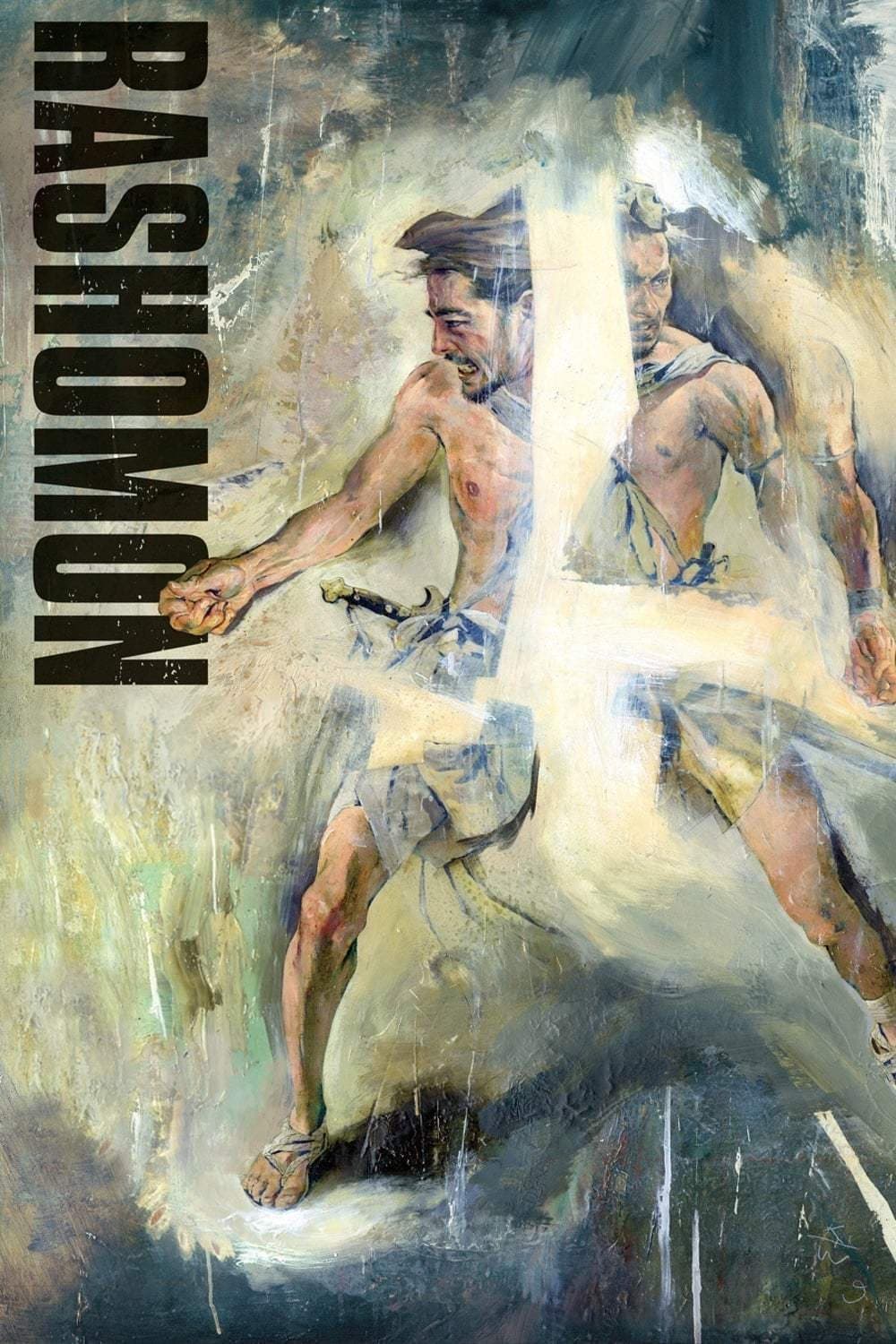
Akira Kurosawa introduced western audiences to Japanese cinema with this psychological thriller. The narrative presents the same crime from the contradictory perspectives of four different witnesses. This storytelling device challenged the concept of objective truth in film narratives. The movie is also noted for its dynamic camera movement and use of natural light in the forest setting. It won the Golden Lion at the Venice Film Festival and opened the door for international film distribution.
‘Singin’ in the Rain’ (1952)
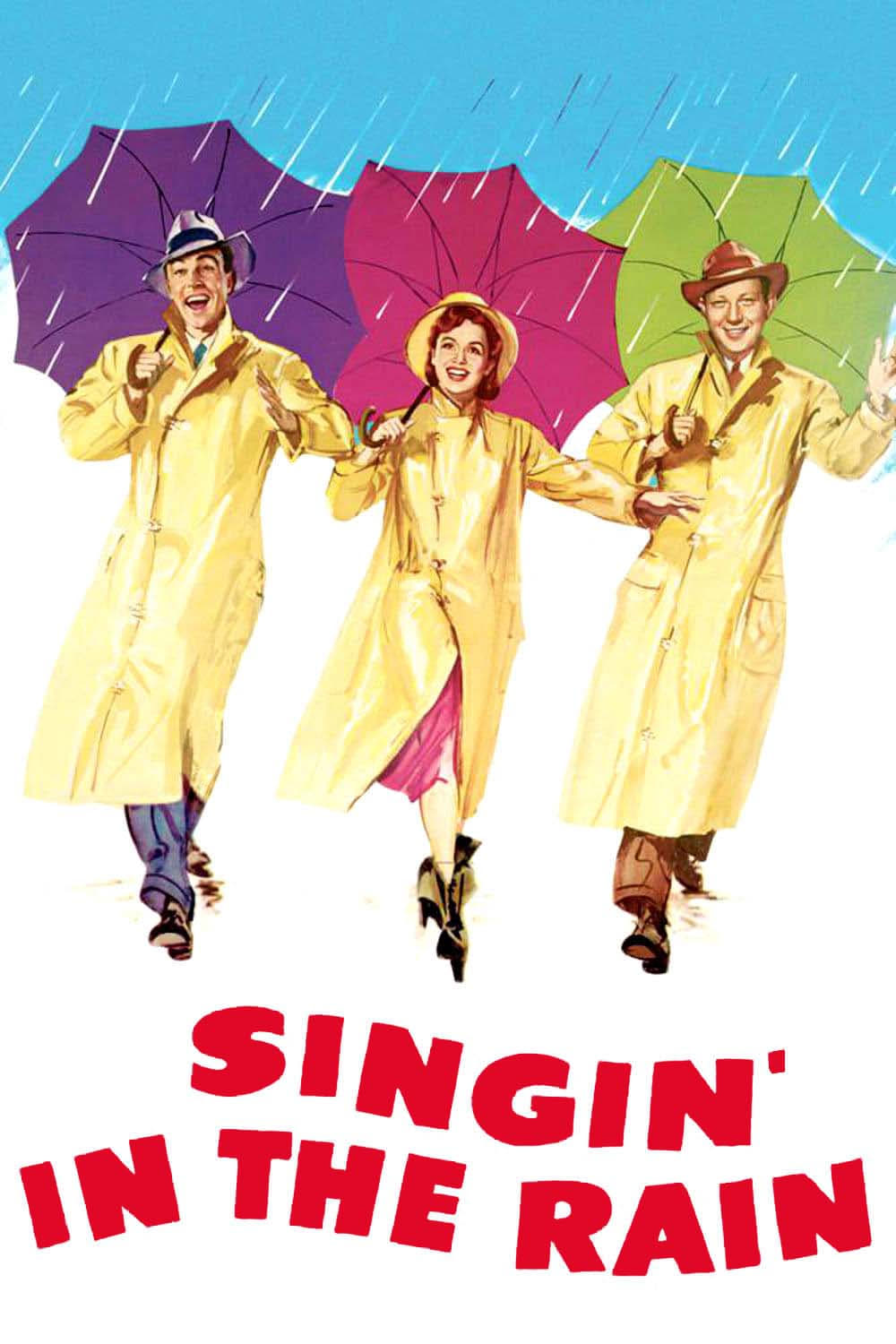
This musical comedy offers a satirical look at Hollywood during the transition from silent films to talkies. Gene Kelly co-directed and choreographed the film which showcases the pinnacle of the MGM musical unit. The production features athletic dance numbers and vibrant Technicolor cinematography. It serves as both a history lesson and a celebration of the entertainment industry. The film remains the definitive example of the studio era musical.
‘Seven Samurai’ (1954)
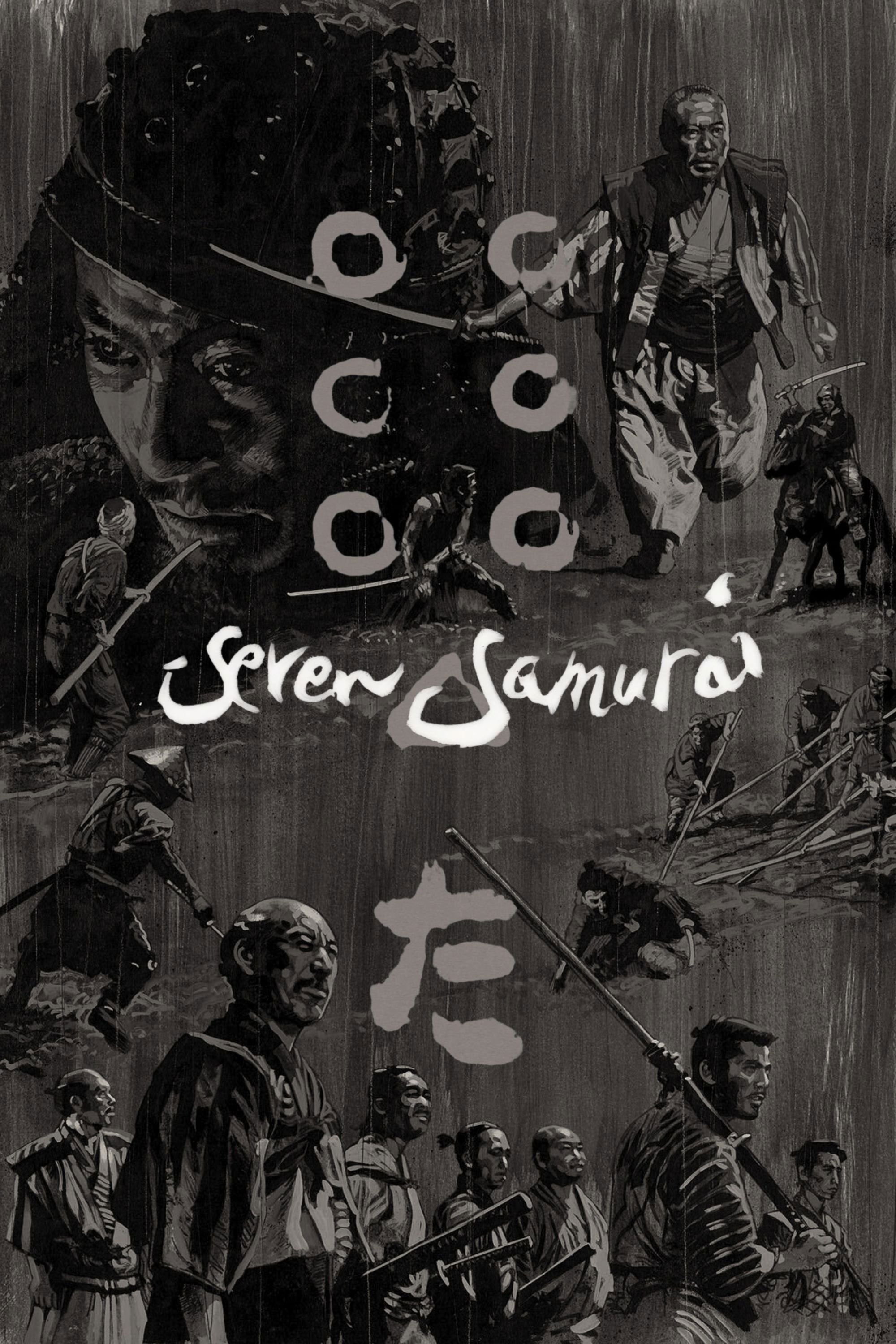
Akira Kurosawa revolutionized the action genre with this epic about a village that hires warriors for protection. The film introduced the plot device of assembling a team of specialists which became a standard trope in action movies. Kurosawa used telephoto lenses and multi-camera setups to capture the chaotic energy of the battle scenes. The editing techniques heightened the visceral impact of the combat sequences. Its structure has been remade and referenced countless times in films like ‘The Magnificent Seven’.
‘The Searchers’ (1956)
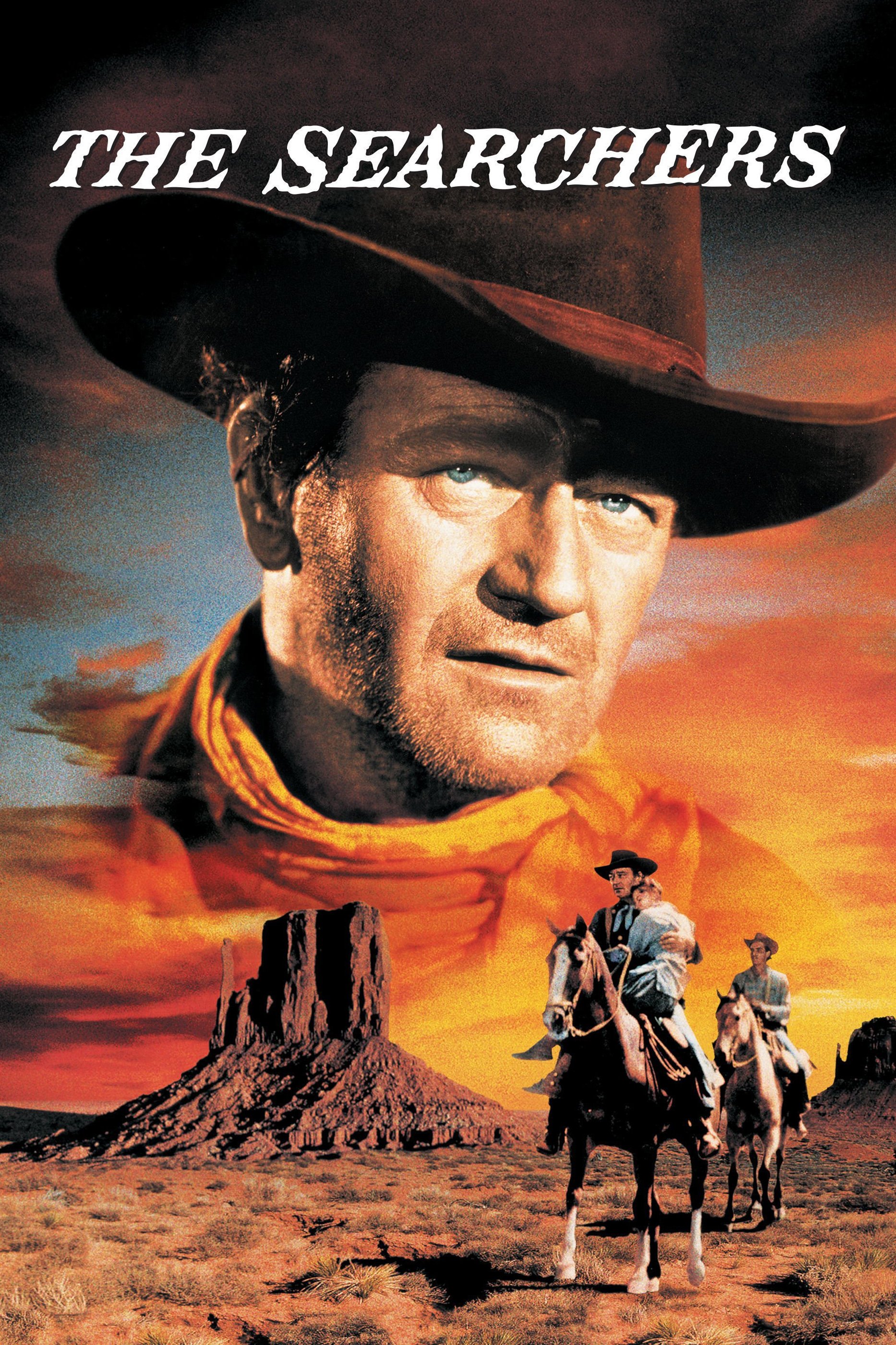
John Ford directed this visually stunning western that offered a darker and more complex view of the American frontier. John Wayne plays a Civil War veteran who spends years tracking down his abducted niece. The film utilizes the widescreen VistaVision format to capture the vastness of Monument Valley. It explores themes of racism and obsession that were unusual for westerns of that period. Filmmakers such as Martin Scorsese and Steven Spielberg cite it as a major influence on their visual styles.
‘Vertigo’ (1958)
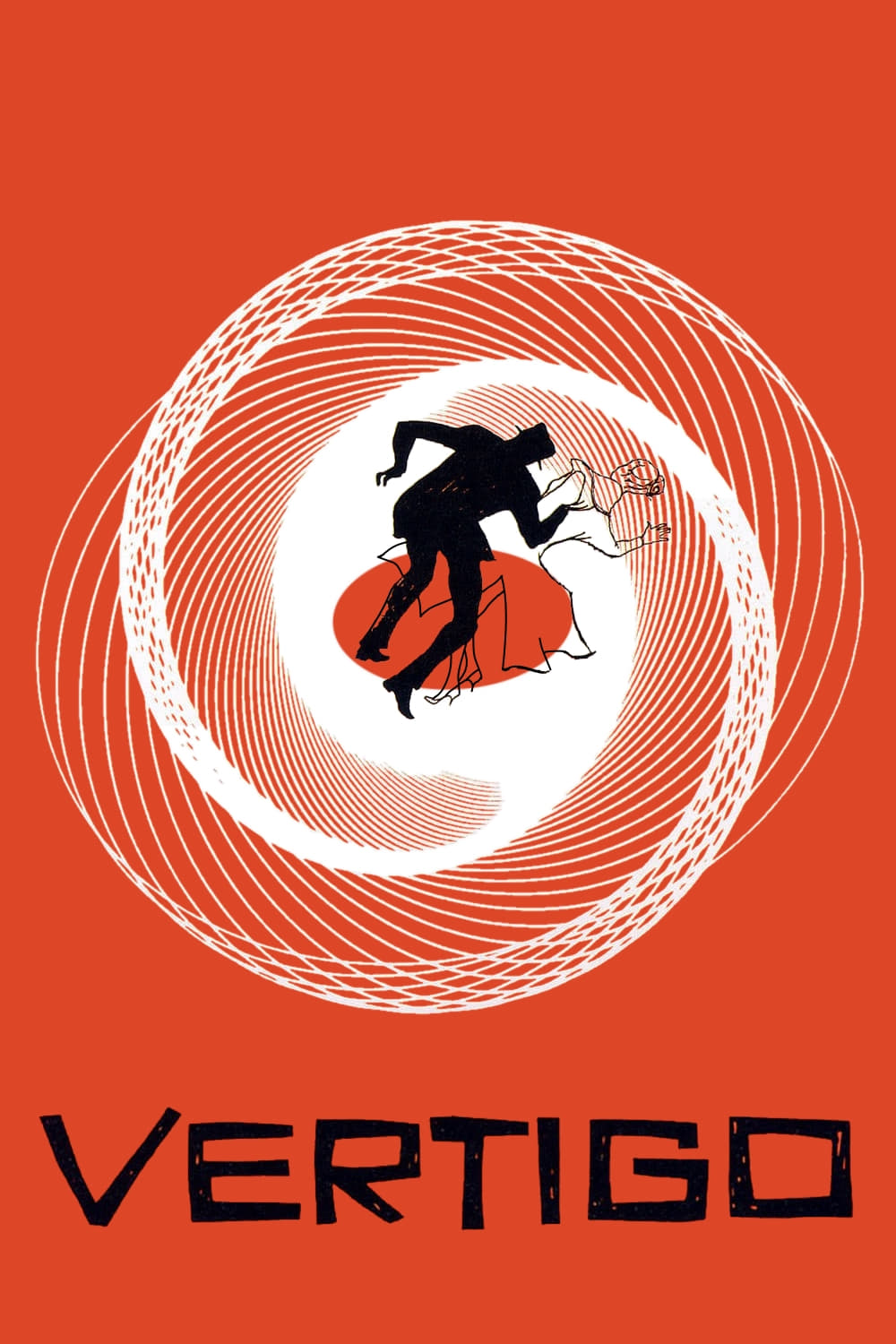
Alfred Hitchcock created a psychological thriller that utilized the dolly zoom to visually represent the protagonist’s fear of heights. James Stewart stars as a detective who becomes obsessed with a woman he is hired to follow. The film breaks conventional narrative rules by revealing the mystery halfway through the runtime. Its use of color theory and dream sequences pushed the boundaries of visual storytelling. It is widely regarded as Hitchcock’s most personal and technically accomplished masterpiece.
‘Psycho’ (1960)
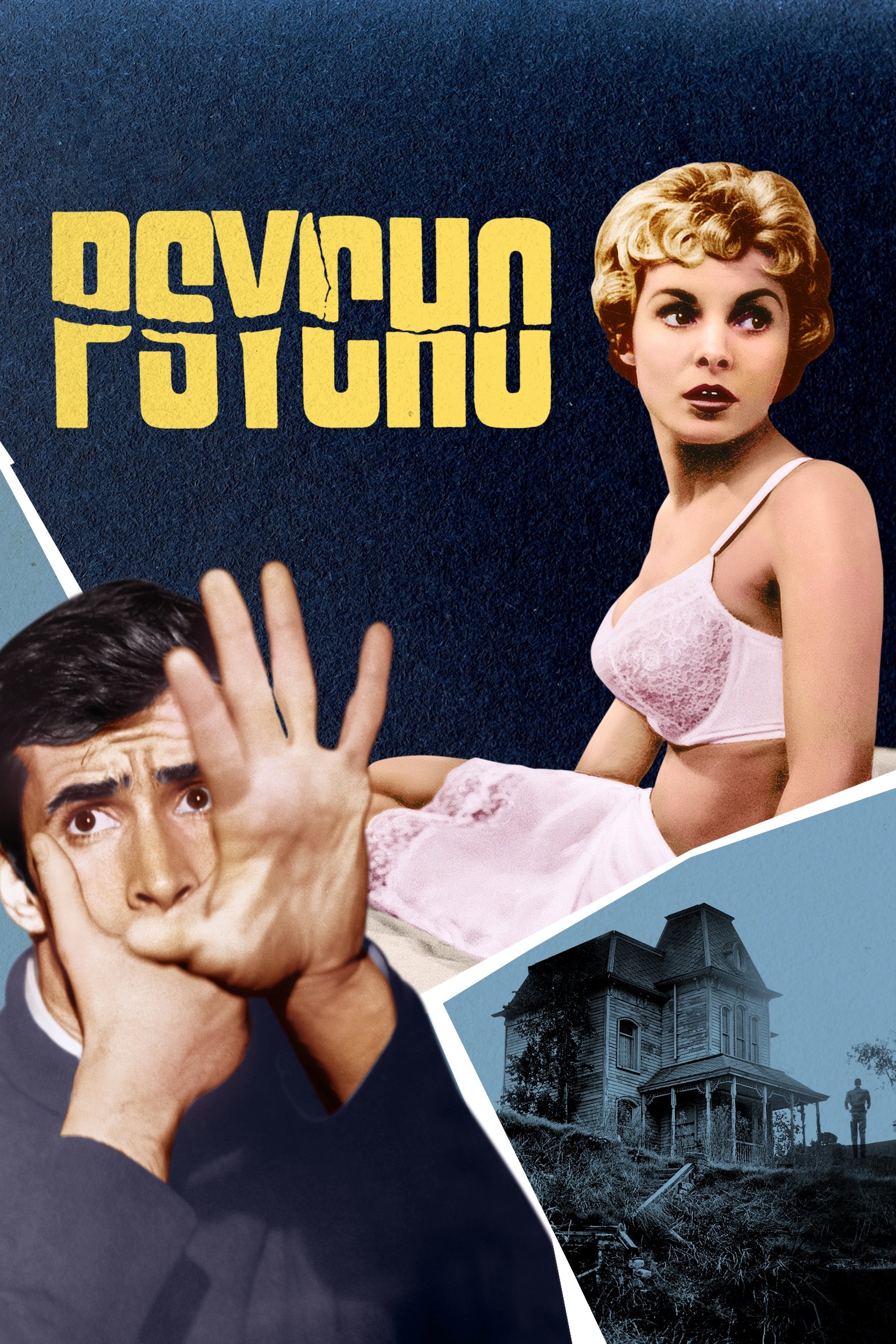
Alfred Hitchcock shattered production codes and audience expectations with this horror thriller. The film is infamous for killing off its main star Janet Leigh within the first act. The shower scene is a masterclass in editing and sound design that implies violence without showing graphic details. Hitchcock marketed the film by forbidding late entry to theaters to protect the plot twists. It birthed the modern slasher genre and changed how violence was depicted on screen.
‘Lawrence of Arabia’ (1962)
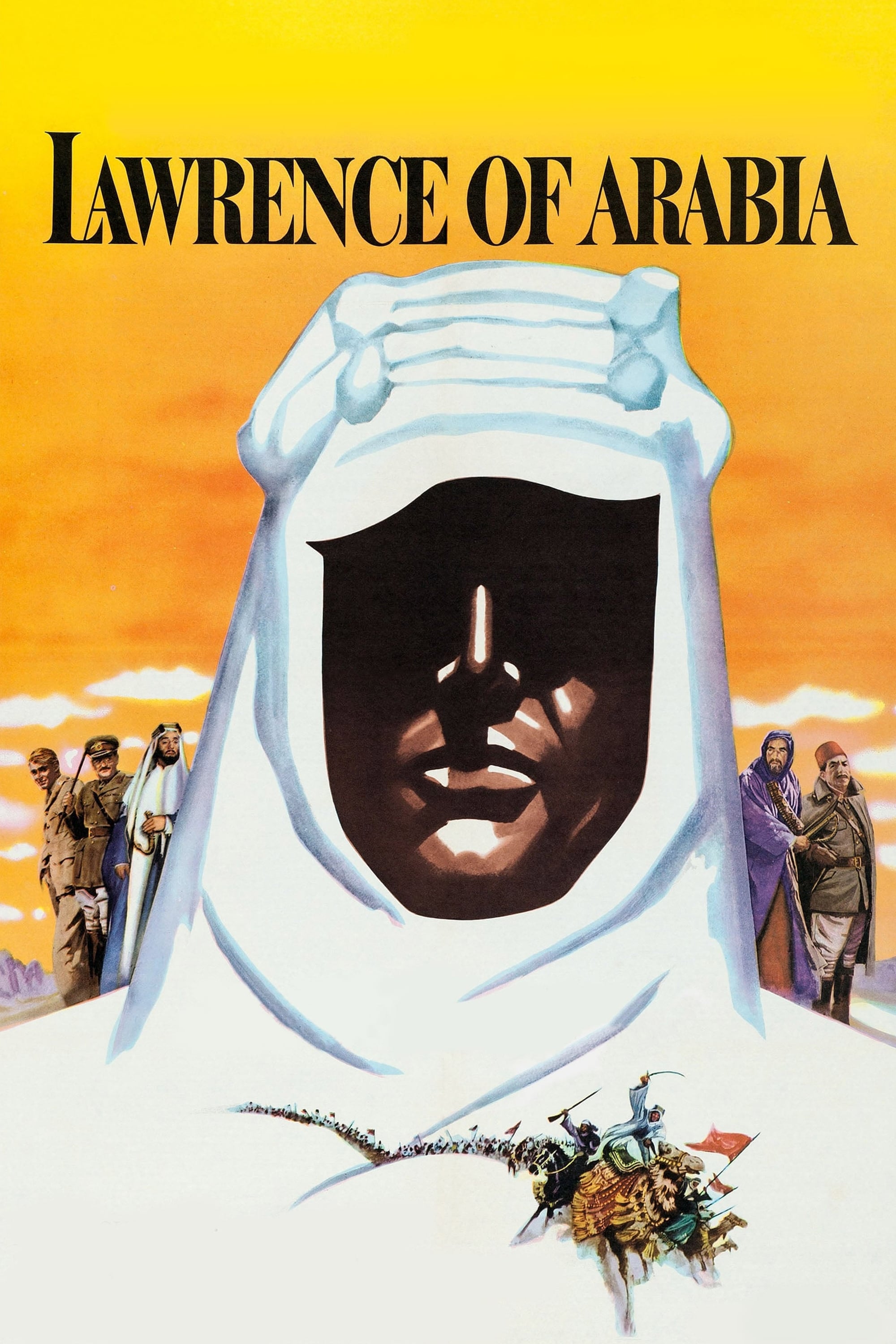
David Lean directed this historical epic that defines the concept of large-scale filmmaking. The production utilized 70mm film to capture the sweeping desert landscapes with incredible detail. Peter O’Toole delivers a star-making performance as the enigmatic British officer T.E. Lawrence. The film relies on visual storytelling and a powerful score rather than constant dialogue. It remains the benchmark for widescreen cinematography and epic storytelling.
‘2001: A Space Odyssey’ (1968)
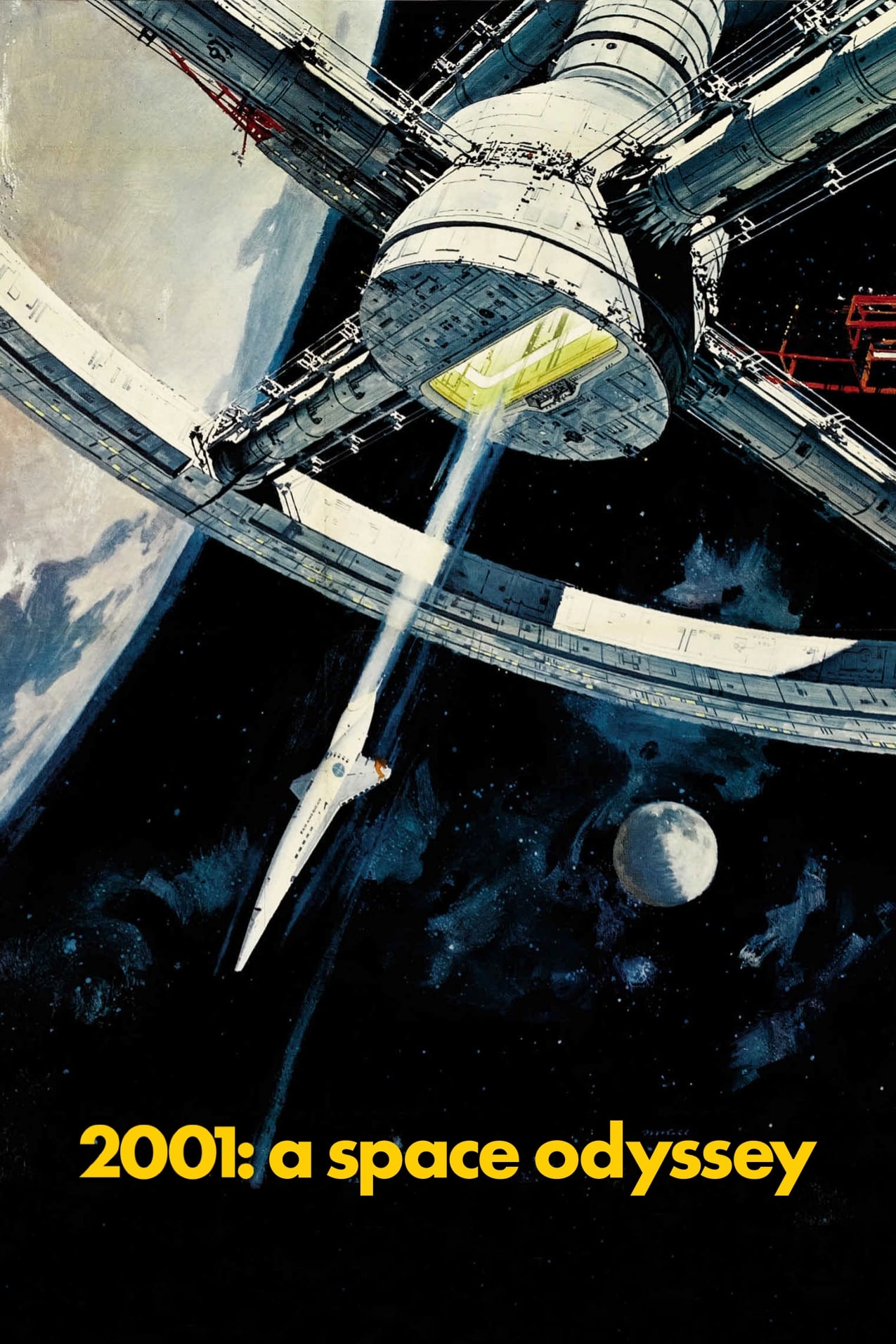
Stanley Kubrick redefined science fiction with a film that prioritized scientific accuracy and philosophical themes. The narrative spans from the dawn of man to a future space mission controlled by an artificial intelligence. The special effects were created using practical models and rotating sets that hold up against modern CGI. It contains very little dialogue and relies on classical music to drive the emotional tone. The film transformed sci-fi from B-movie pulp into a serious art form.
‘Easy Rider’ (1969)
Dennis Hopper directed this road drama that captured the counterculture movement of the late 1960s. The film was made independently on a low budget and became a massive financial success. It featured a rock soundtrack using licensed songs rather than a traditional orchestral score. The editing style reflected the psychedelic drug culture of the characters. Its success signaled the end of the old studio system and the rise of New Hollywood.
‘The Godfather’ (1972)
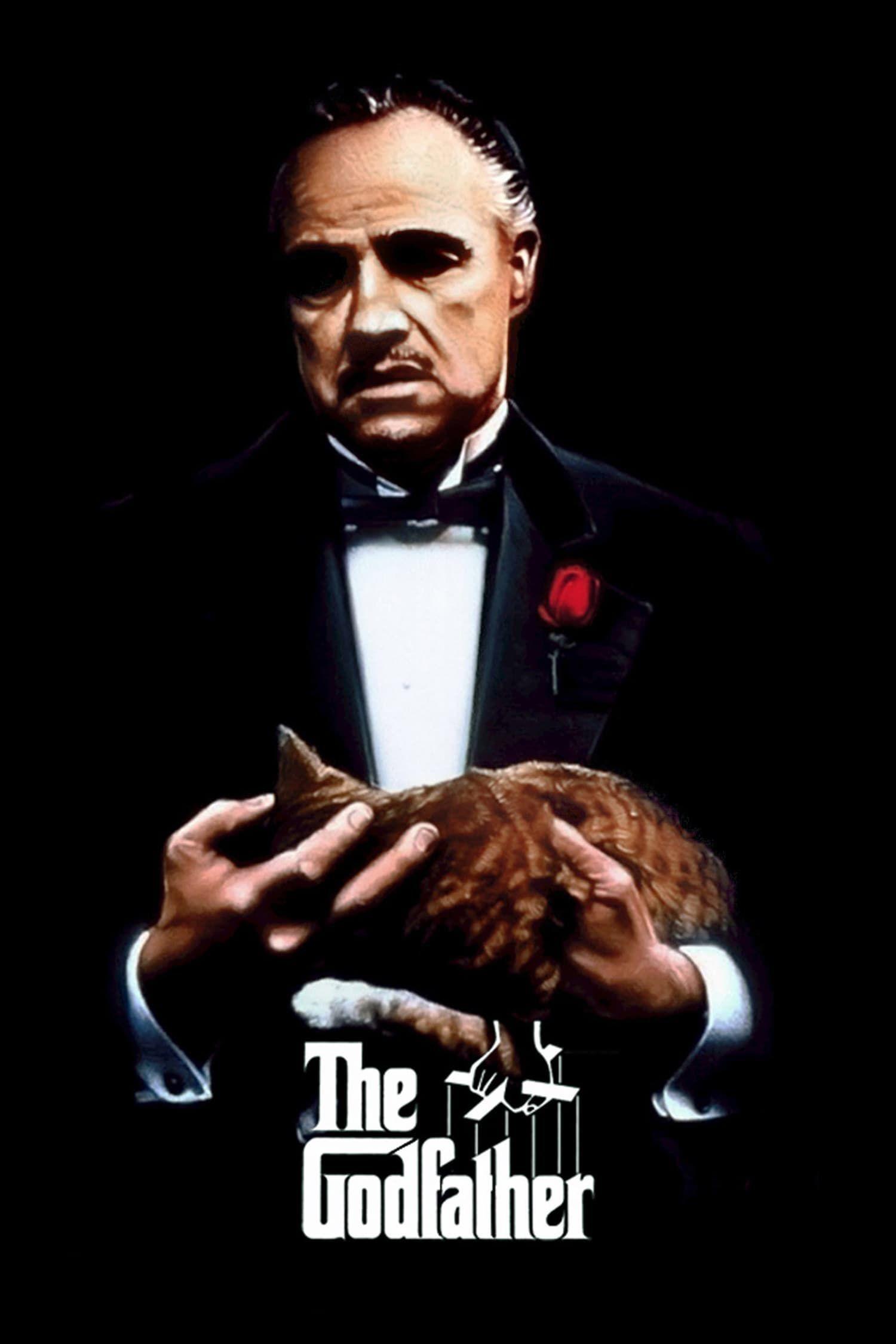
Francis Ford Coppola delivered a crime drama that elevated the gangster genre to the level of Shakespearean tragedy. The film explores the corrupting influence of power within an Italian-American crime family. Gordon Willis utilized low-key lighting to create a dark and moody atmosphere that defined the film’s look. Marlon Brando and Al Pacino gave performances that set a new standard for screen acting. It proved that an artistic and character-driven film could also be a blockbuster.
‘Jaws’ (1975)
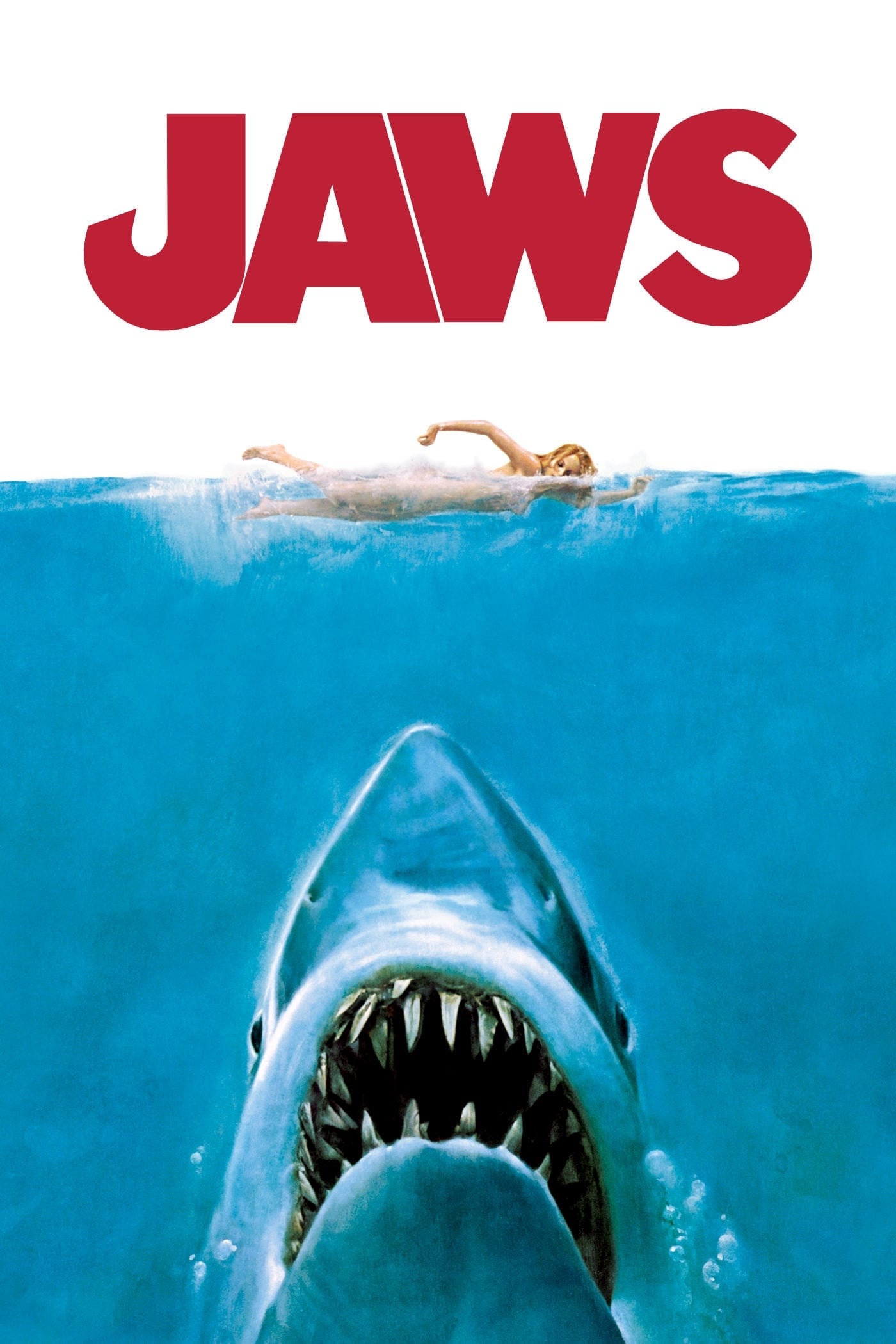
Steven Spielberg created the first summer blockbuster with this thriller about a giant man-eating shark. The production was plagued by technical issues with the mechanical shark which forced Spielberg to suggest its presence through music and camera angles. This “less is more” approach significantly increased the suspense and terror. Universal Pictures released the film in hundreds of theaters simultaneously accompanied by a massive TV marketing campaign. It changed the business model of Hollywood to focus on high-concept summer tentpoles.
‘Taxi Driver’ (1976)
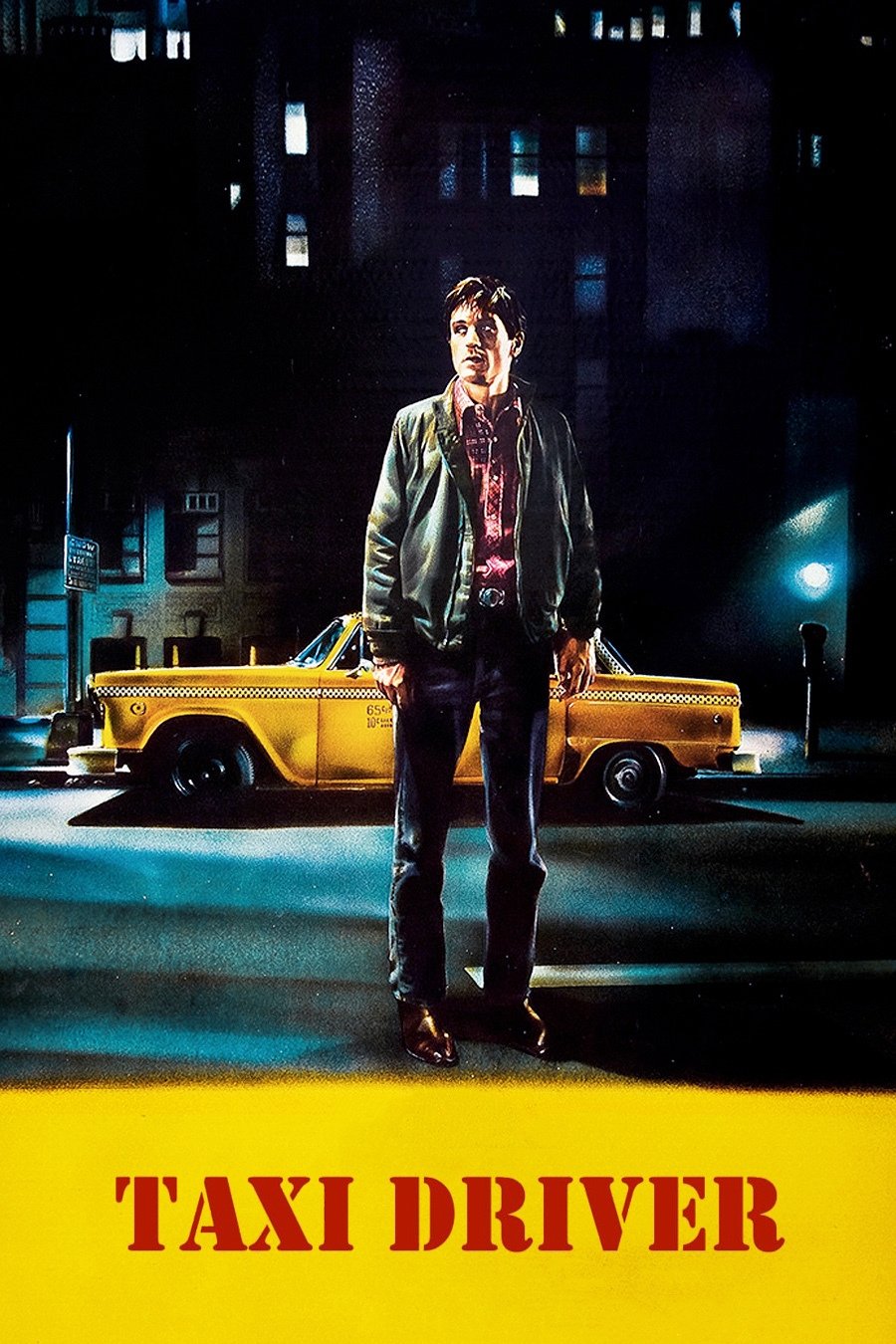
Martin Scorsese directed this psychological study of urban decay and isolation in post-Vietnam America. Robert De Niro stars as an unstable veteran driving a cab through the gritty streets of New York City. The film captures the paranoia and violence of the era with a dreamlike atmosphere. It culminates in a shocking burst of violence that questioned the nature of heroism. The movie is a defining text of the New Hollywood era’s willingness to tackle dark subject matter.
‘Star Wars’ (1977)
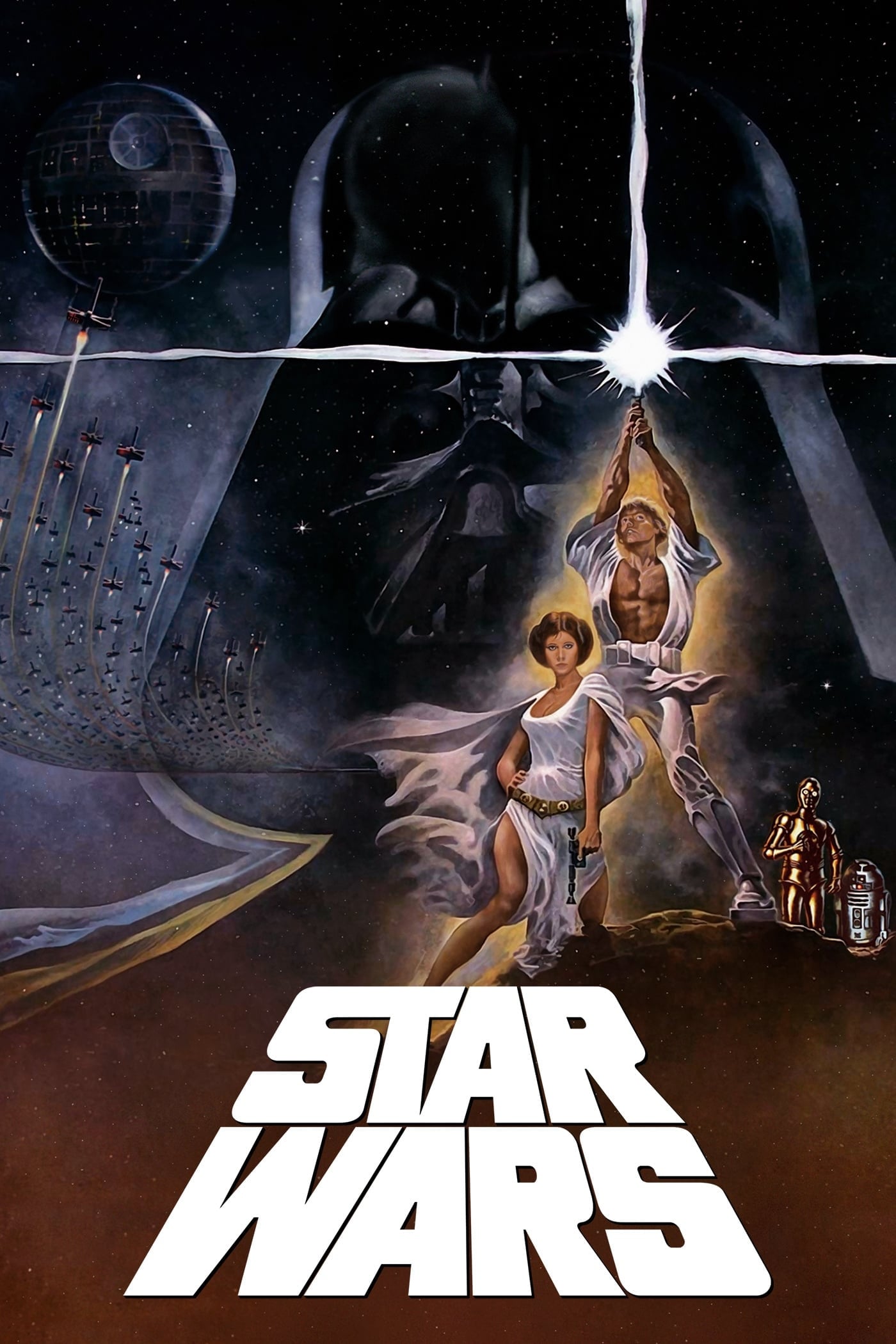
George Lucas created a space opera that revolutionized special effects and merchandising. Industrial Light & Magic was founded to create the groundbreaking optical effects and spaceship battles. The film blended classic mythological structures with flash Gordon-style adventure. It established the franchise model where toys and licensing became as lucrative as the box office. The movie created a cultural phenomenon that reshaped the entertainment industry.
‘Alien’ (1979)
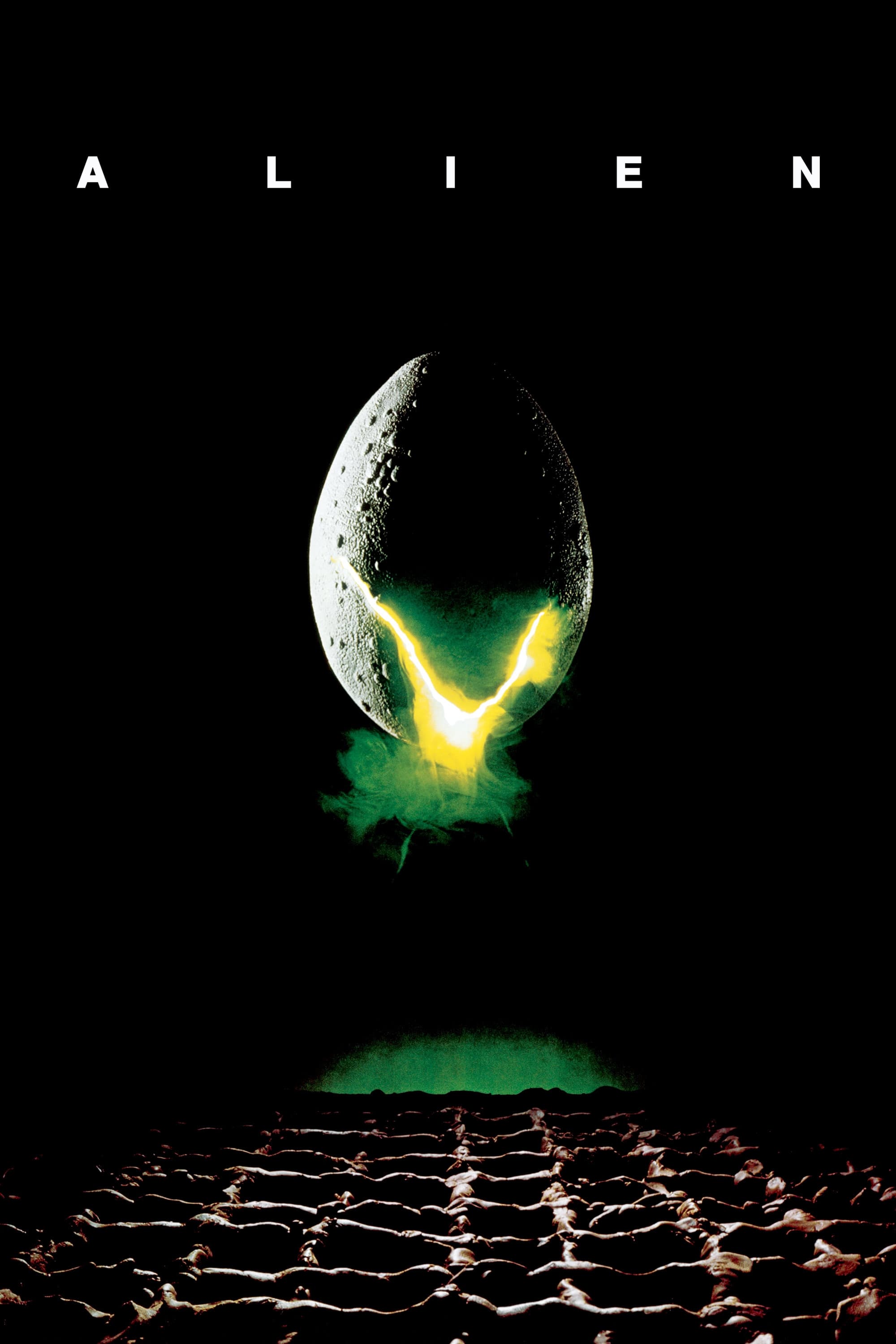
Ridley Scott blended science fiction with horror to create a claustrophobic masterpiece. The film introduced the concept of a lived-in future where space travel is industrial and gritty. H.R. Giger designed the terrifying creature which tapped into primal fears of parasitism. The narrative subverted expectations by having the female warrant officer Ripley survive as the final hero. It set the standard for creature features and atmospheric tension.
‘Blade Runner’ (1982)
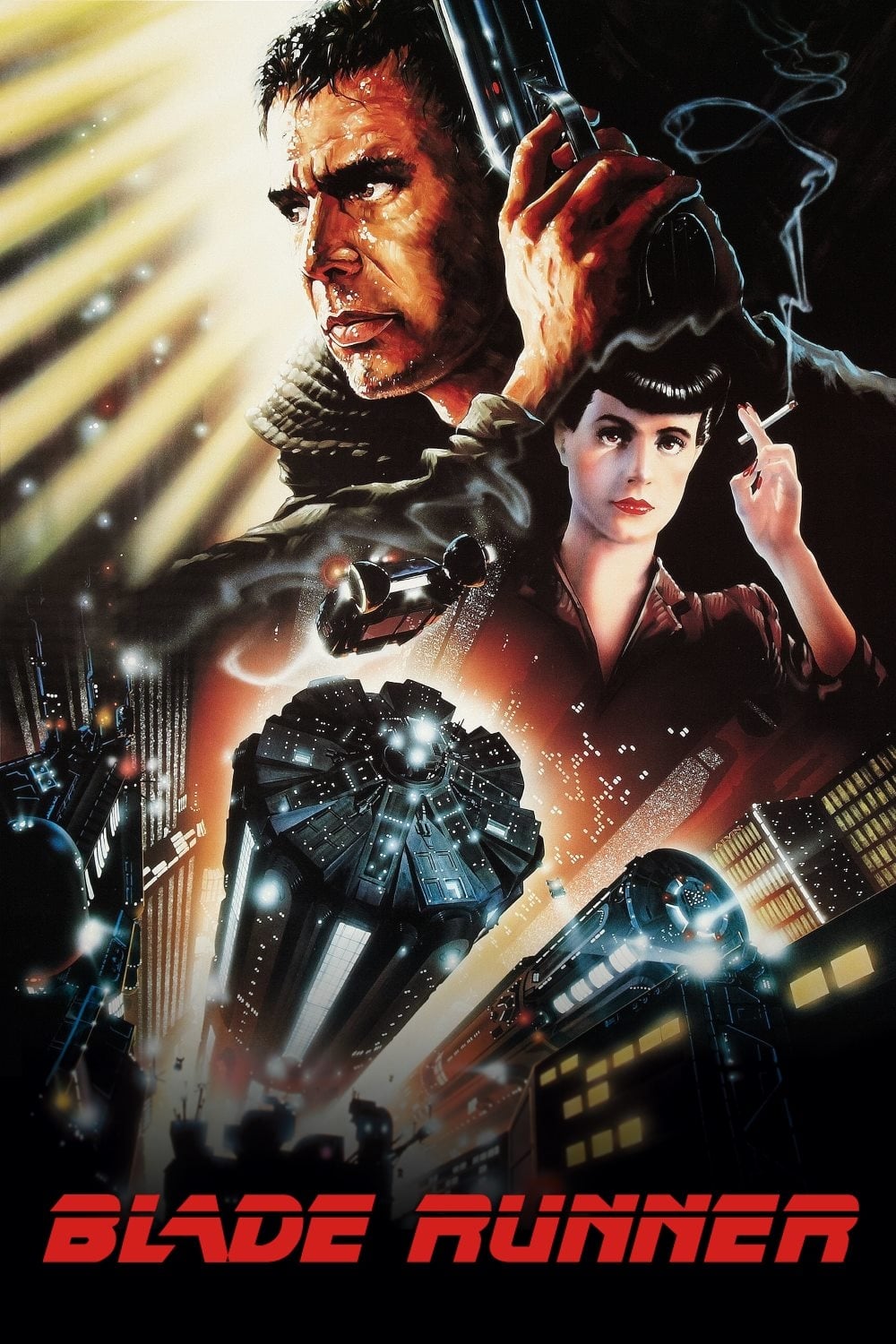
Ridley Scott directed this neo-noir sci-fi that established the visual language of cyberpunk. The film depicts a rain-soaked futuristic Los Angeles dominated by corporate advertisements and pollution. It explores profound questions about artificial intelligence and what it means to be human. The visual effects utilized miniatures and matte paintings to create a dense and textured world. Although not an immediate hit, it became a cult classic that influenced the design of countless future films.
‘E.T. the Extra-Terrestrial’ (1982)
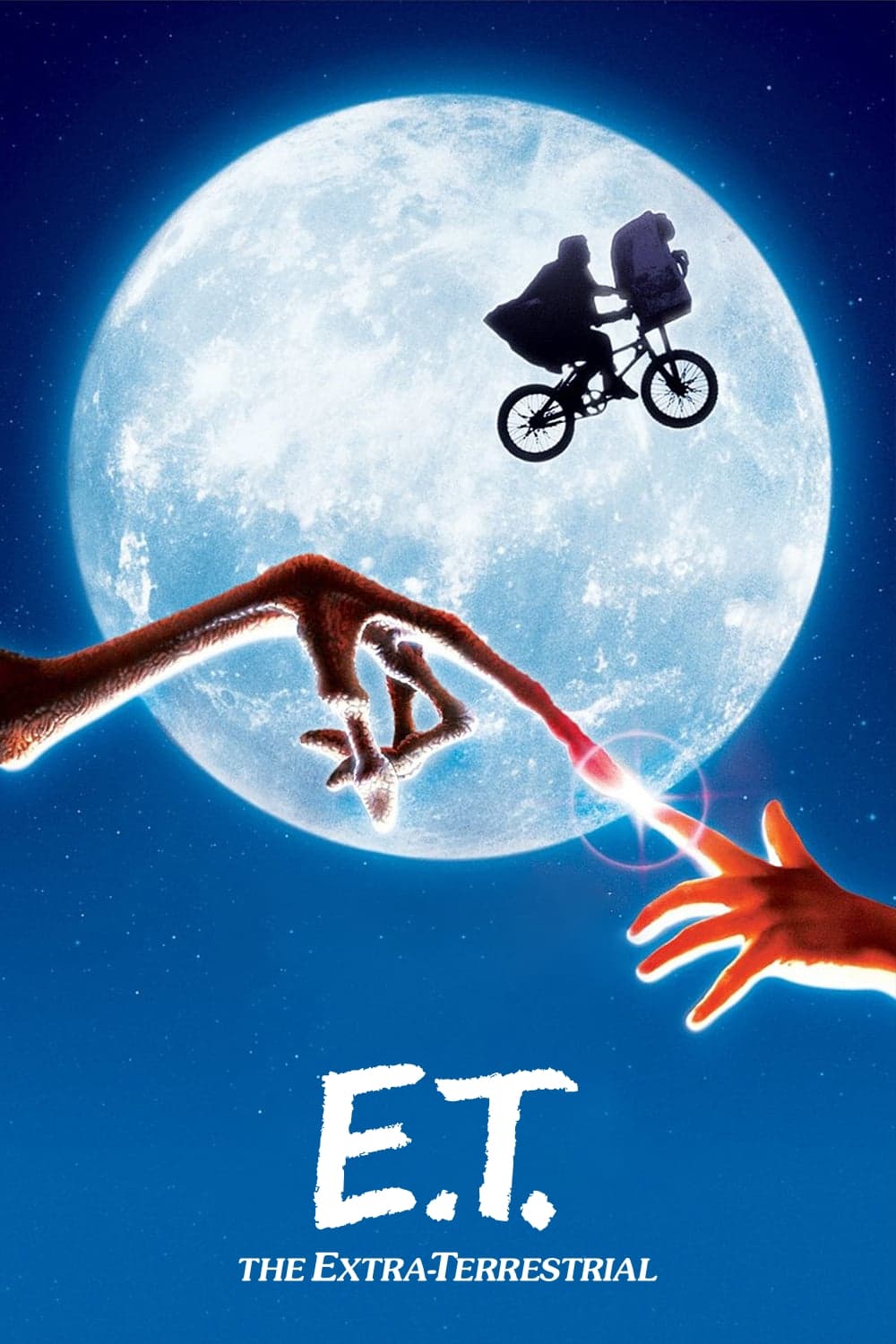
Steven Spielberg crafted a story of childhood innocence and friendship that became a global phenomenon. The film focuses on the emotional bond between a lonely boy and a stranded alien visitor. It captured the texture of suburban American life in the 1980s. The score by John Williams is considered one of the most effective in cinema history for evoking emotion. It solidified Spielberg’s reputation as the premier storyteller of his generation.
‘The Breakfast Club’ (1985)

John Hughes defined the teen movie genre with this drama about five distinct high school stereotypes in detention. The film takes place almost entirely in one location and relies heavily on dialogue. It treated the problems of adolescence with seriousness and empathy rather than mockery. The soundtrack played a crucial role in connecting with the youth audience. It remains the quintessential film for understanding 1980s teen culture.
‘Do the Right Thing’ (1989)
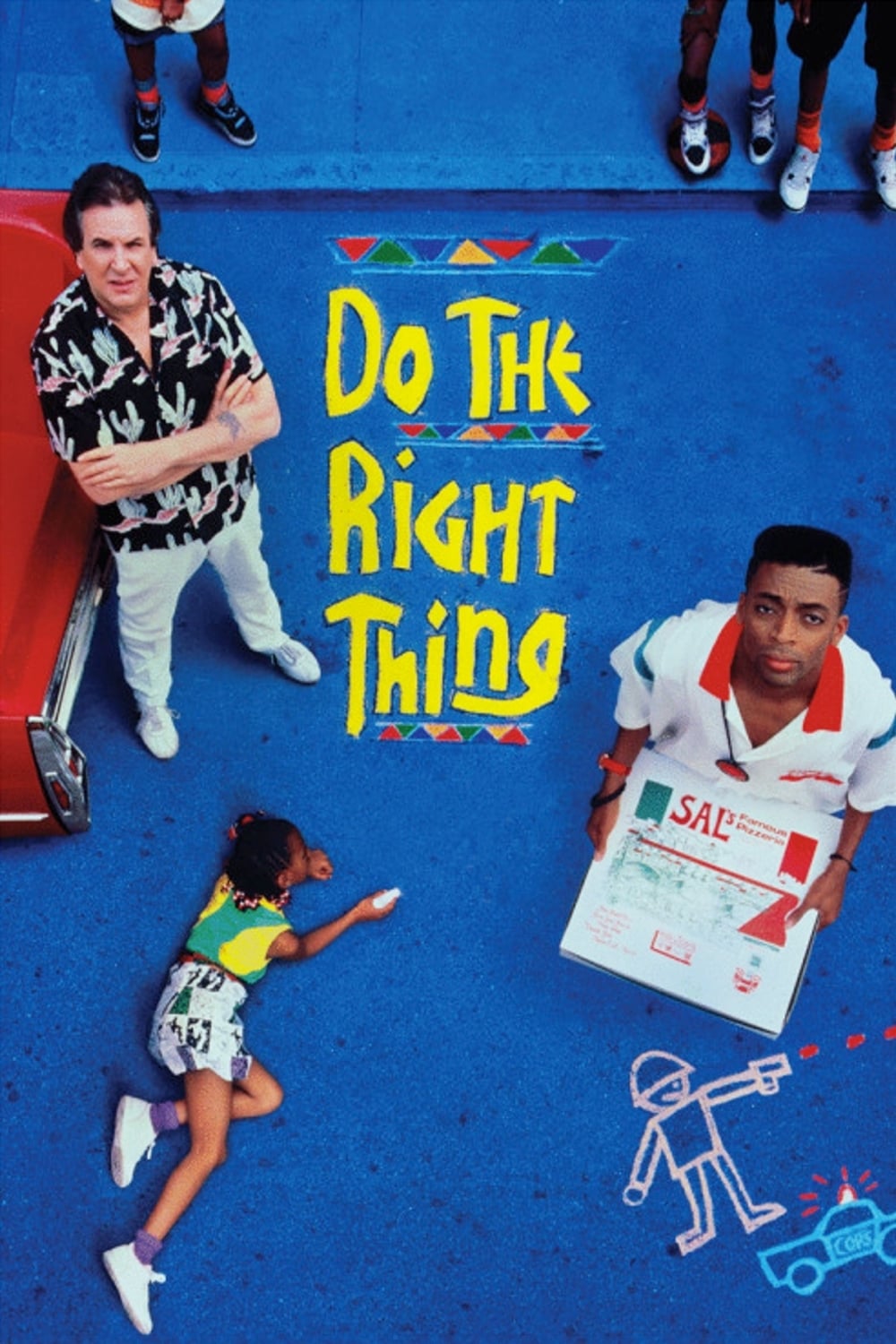
Spike Lee wrote and directed this vibrant drama that explored racial tensions in a Brooklyn neighborhood. The film utilizes a bright color palette and dynamic camera angles to convey the heat of a summer day. It addresses complex social issues including police brutality and gentrification without offering easy answers. The soundtrack features the anthem ‘Fight the Power’ which sets the confrontational tone. It marked a significant moment for independent African American cinema.
‘Terminator 2: Judgment Day’ (1991)
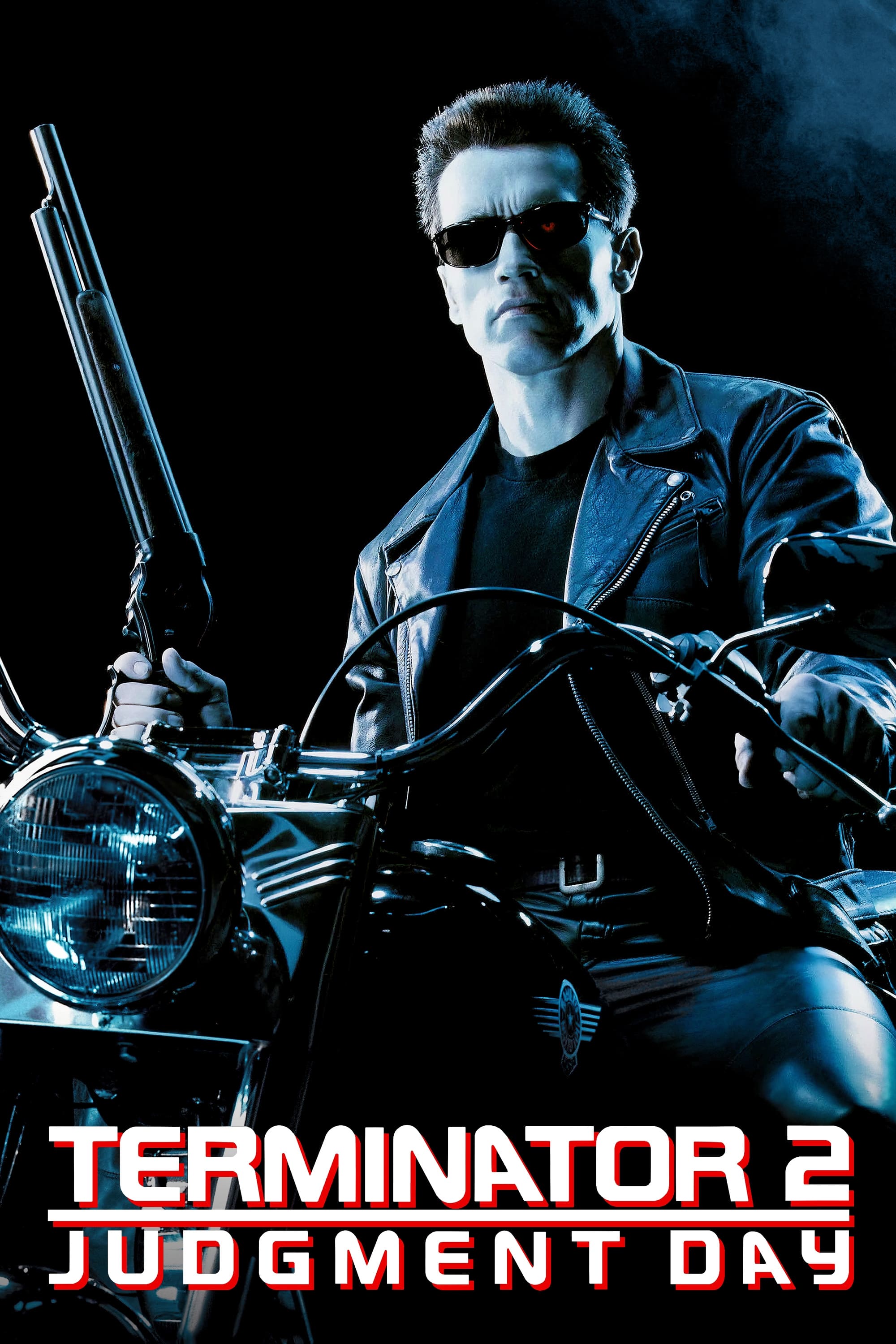
James Cameron revolutionized the use of computer-generated imagery with the creation of the liquid metal T-1000. The film seamlessly blended practical stunts with cutting-edge digital effects. It transformed the villain of the original movie into a heroic figure. The action sequences set a new bar for scale and complexity in Hollywood blockbusters. It proved that CGI was ready to play a major role in creating realistic characters.
‘Jurassic Park’ (1993)

Steven Spielberg once again shifted the industry by using CGI to create photorealistic living dinosaurs. The film combined these digital creatures with full-scale animatronics for close-up shots. This technological breakthrough marked the end of the stop-motion animation era. It delivered a sense of wonder and terror that captivated audiences worldwide. The movie established the dominance of digital effects in modern filmmaking.
‘Pulp Fiction’ (1994)
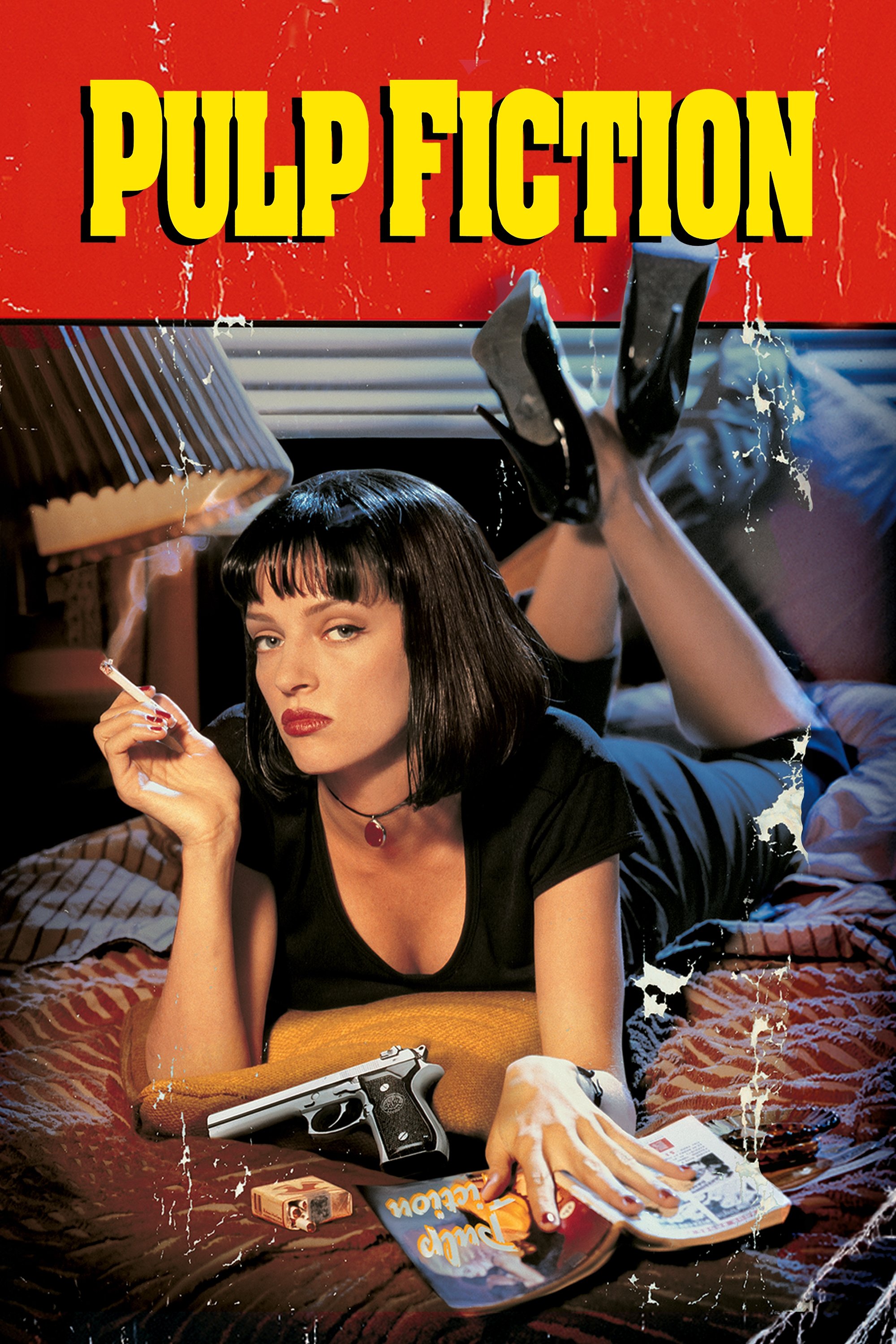
Quentin Tarantino disrupted independent cinema with this stylized crime film featuring a non-linear narrative. The script is famous for its eclectic dialogue that blends pop culture references with philosophical musings. It revitalized the career of John Travolta and made Samuel L. Jackson a star. The soundtrack surf rock and soul music became iconic. Its success proved that indie films could achieve massive mainstream commercial success.
‘Toy Story’ (1995)
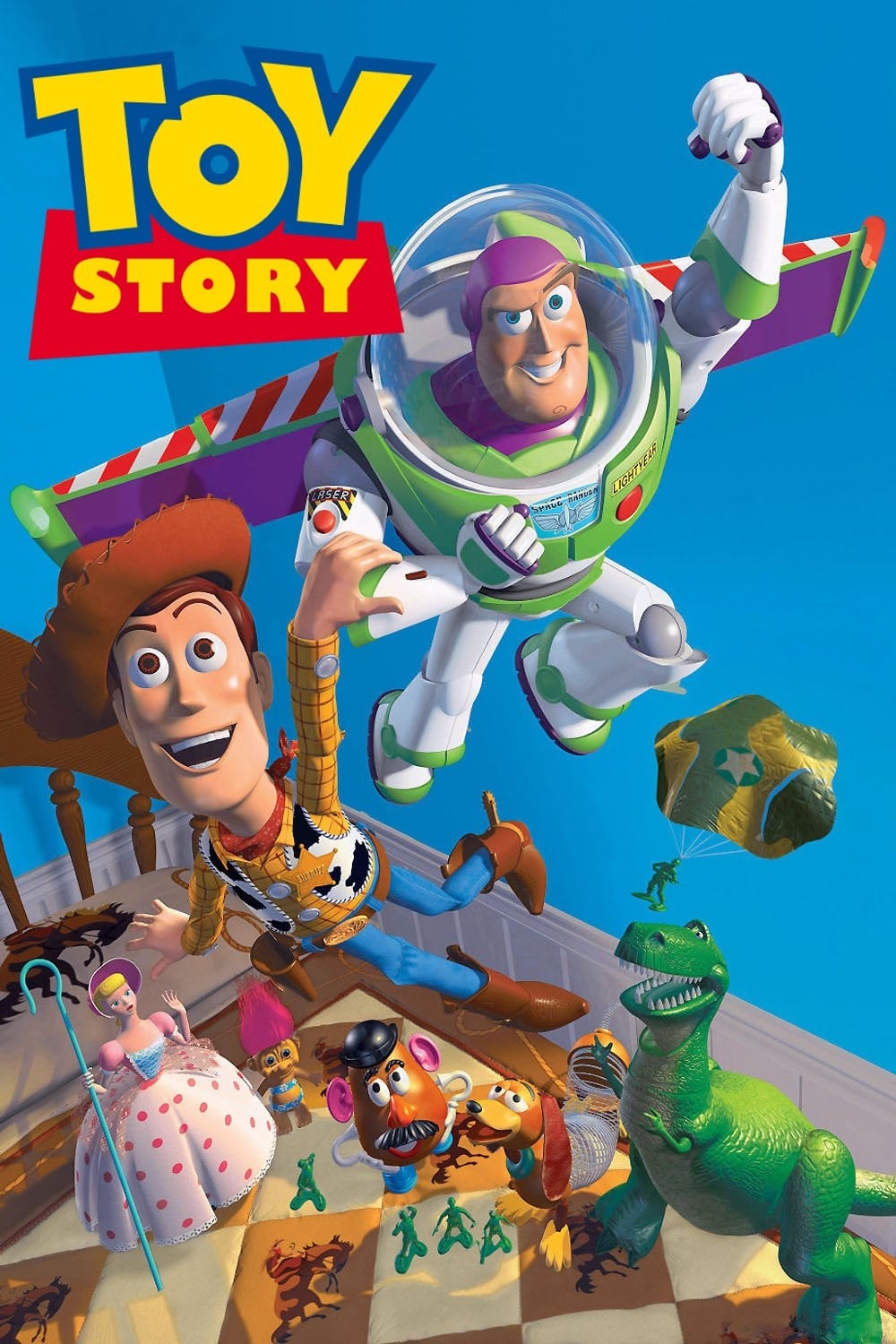
Pixar Animation Studios released the first feature-length computer-animated film. The movie demonstrated that computer graphics could tell a compelling story with heart and humor. It focused on the relationship between a cowboy doll and a space ranger action figure. The success of this film led to the decline of traditional hand-drawn animation in theatrical releases. It launched Pixar as a dominant force in the animation industry.
‘Titanic’ (1997)
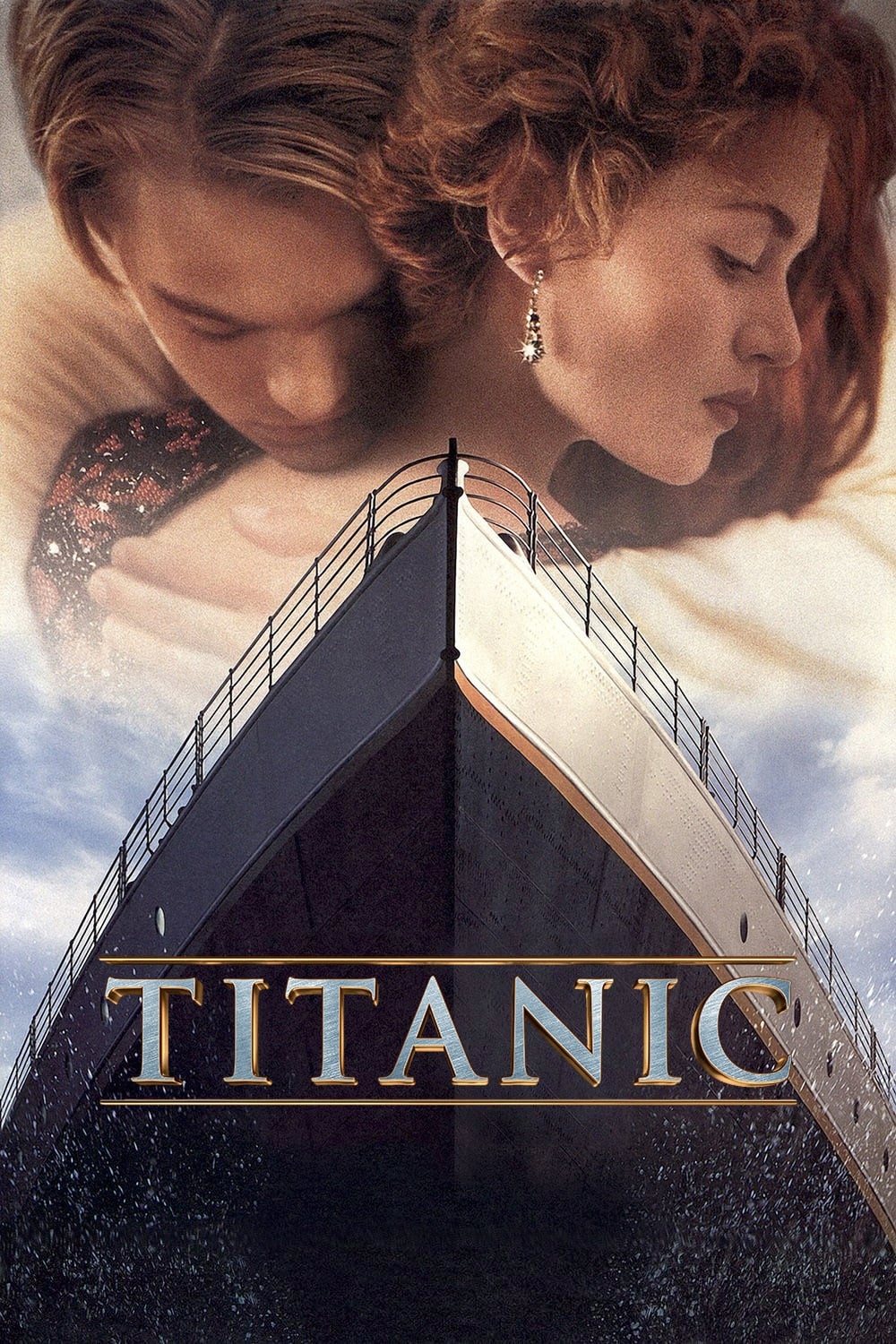
James Cameron wrote and directed this disaster romance that became the first film to gross over a billion dollars. The production involved building a near-scale replica of the ship in a massive water tank. It combined a classic Hollywood love story with state-of-the-art visual effects. The film captivated audiences for months and won a record-tying eleven Academy Awards. It represented the peak of the 20th-century studio blockbuster.
‘The Matrix’ (1999)
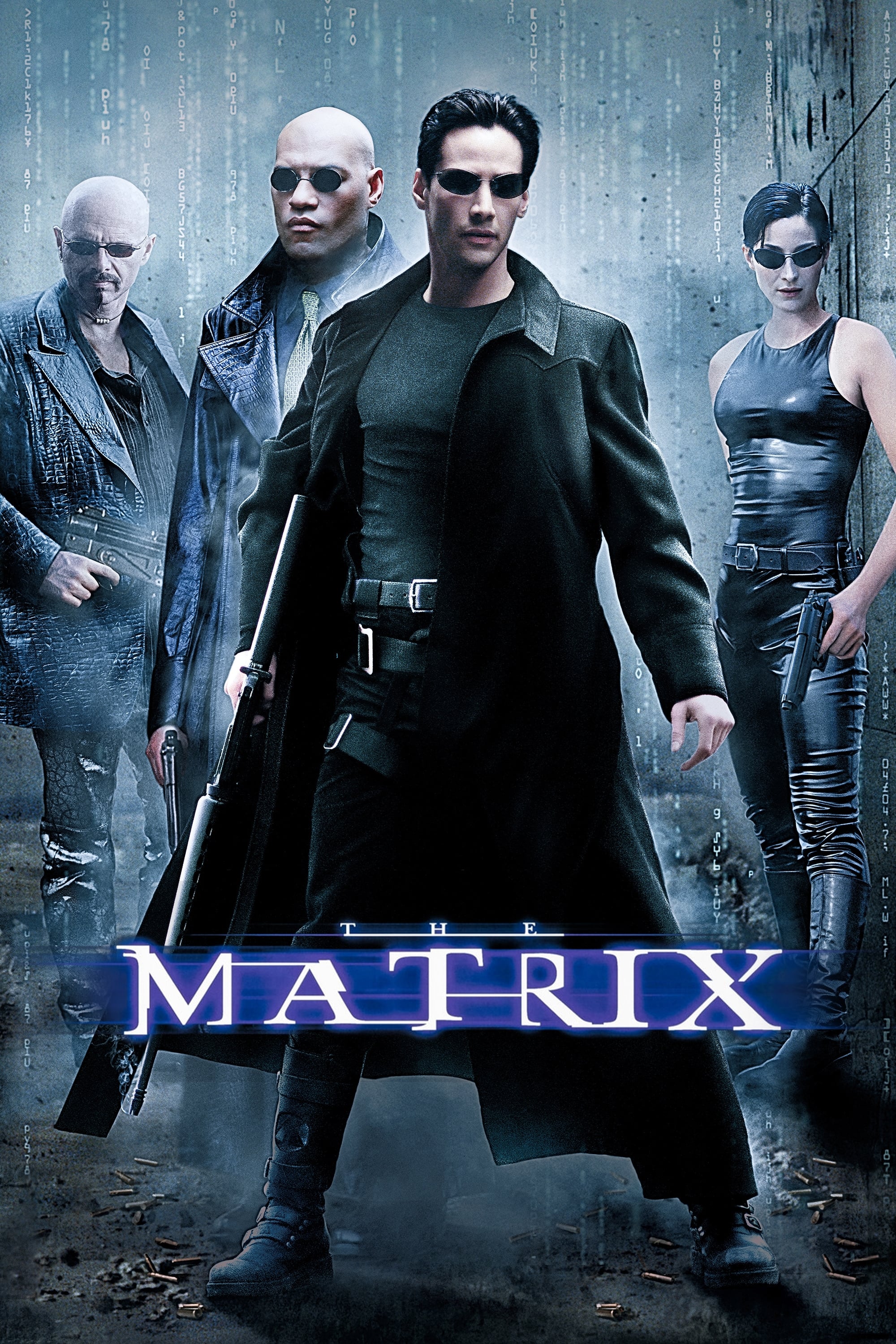
The Wachowskis introduced a new visual style to action cinema with the invention of “bullet time.” The film blended Hong Kong martial arts choreography with cyberpunk philosophy and visual effects. It questioned the nature of reality in a way that resonated with the dawn of the internet age. The green-tinted aesthetic and leather fashion influenced pop culture for years. It raised the bar for fight choreography and digital compositing.
‘The Lord of the Rings: The Fellowship of the Ring’ (2001)
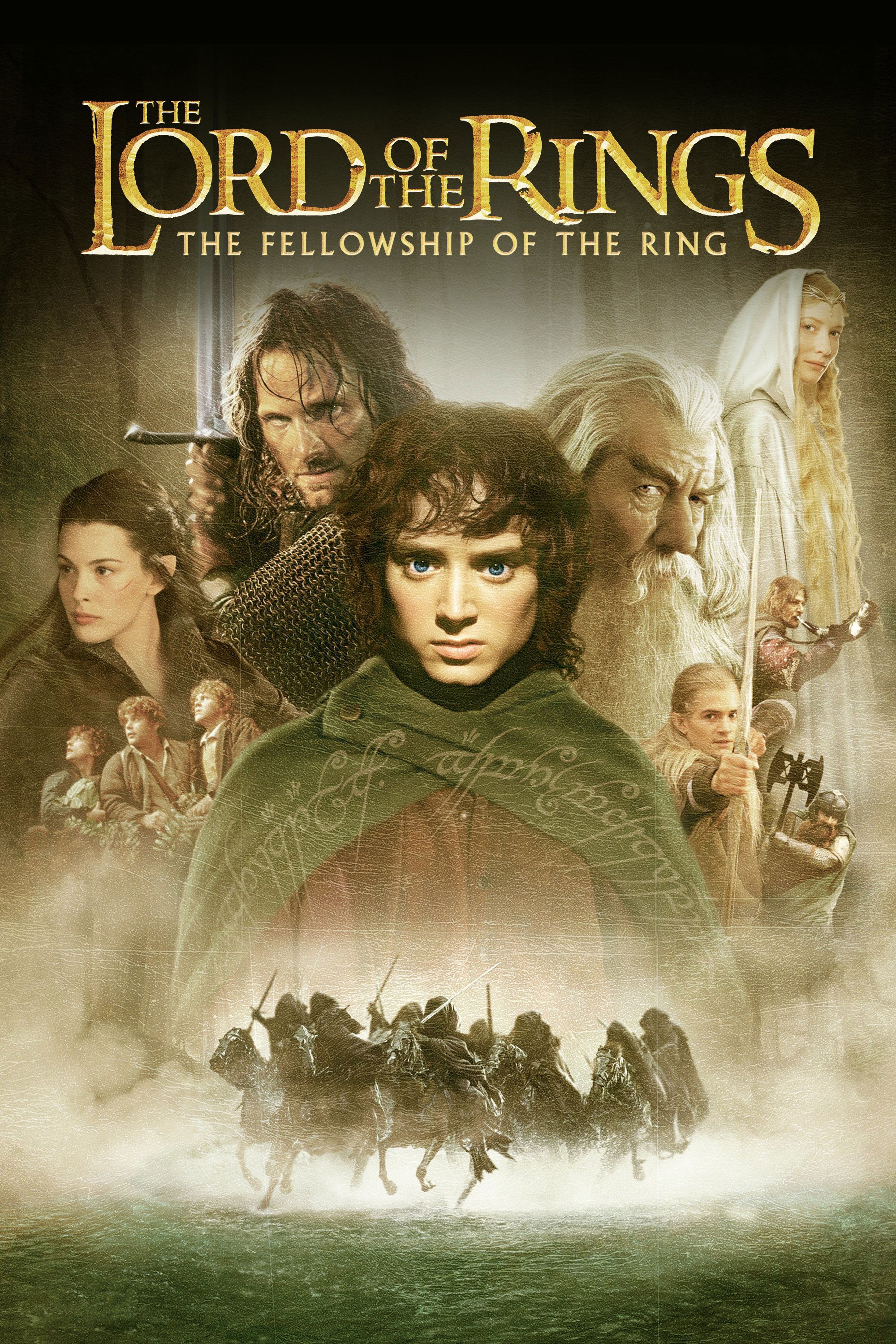
Peter Jackson took on the impossible task of adapting J.R.R. Tolkien’s epic fantasy novel. The production utilized massive miniatures and the motion-capture performance of Andy Serkis as Gollum. It legitimized the fantasy genre as a source for prestigious award-winning cinema. The film was part of a simultaneous three-movie production schedule that was unprecedented in scale. It paved the way for the dominance of long-form franchise storytelling.
‘Spirited Away’ (2001)
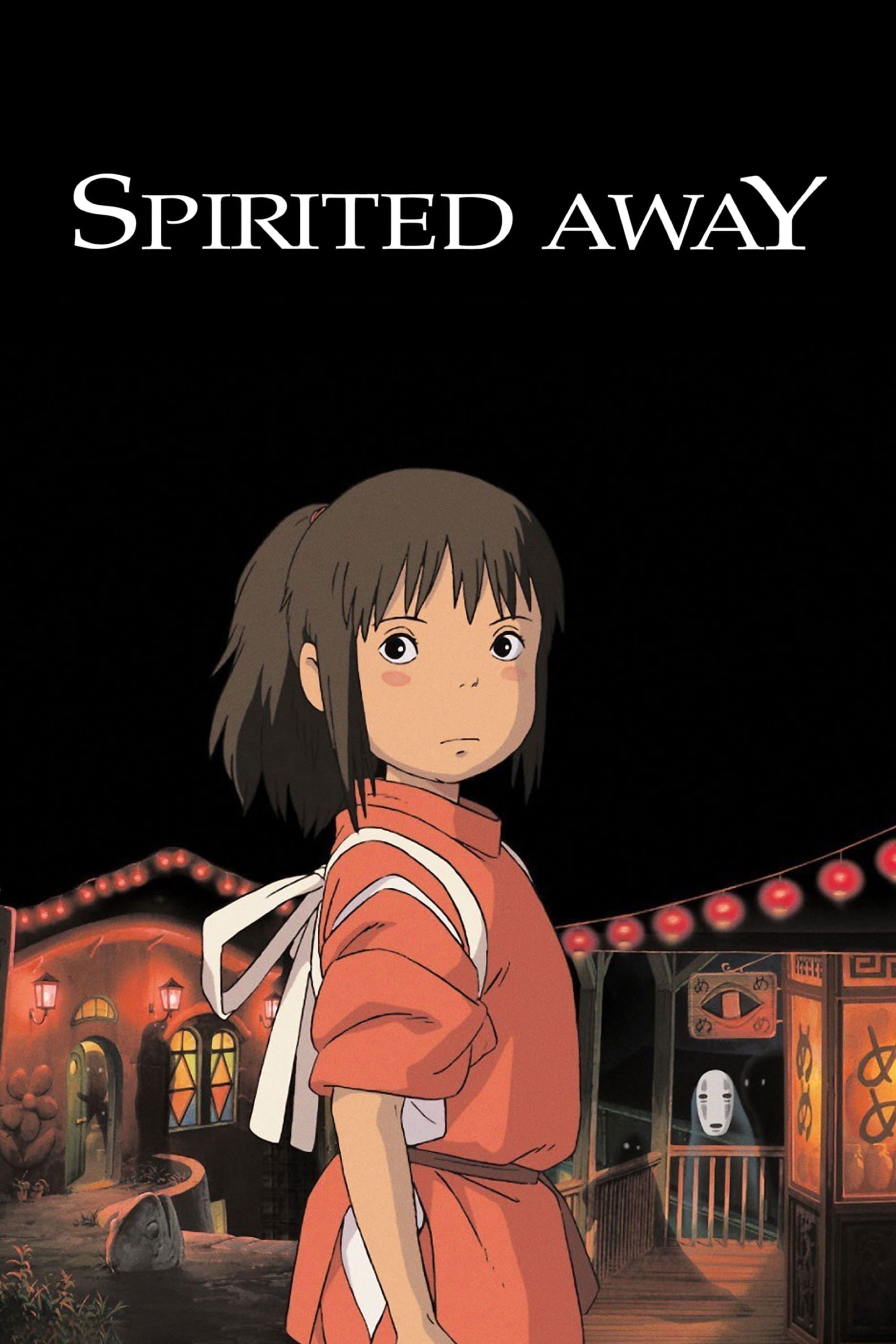
Hayao Miyazaki directed this hand-drawn animated masterpiece that became the highest-grossing film in Japanese history. The story follows a young girl trapped in a spirit world who must work to save her parents. It introduced mainstream Western audiences to the depth and beauty of Studio Ghibli. The film won the Academy Award for Best Animated Feature. It stands as a testament to the enduring power of traditional 2D animation.
‘The Dark Knight’ (2008)
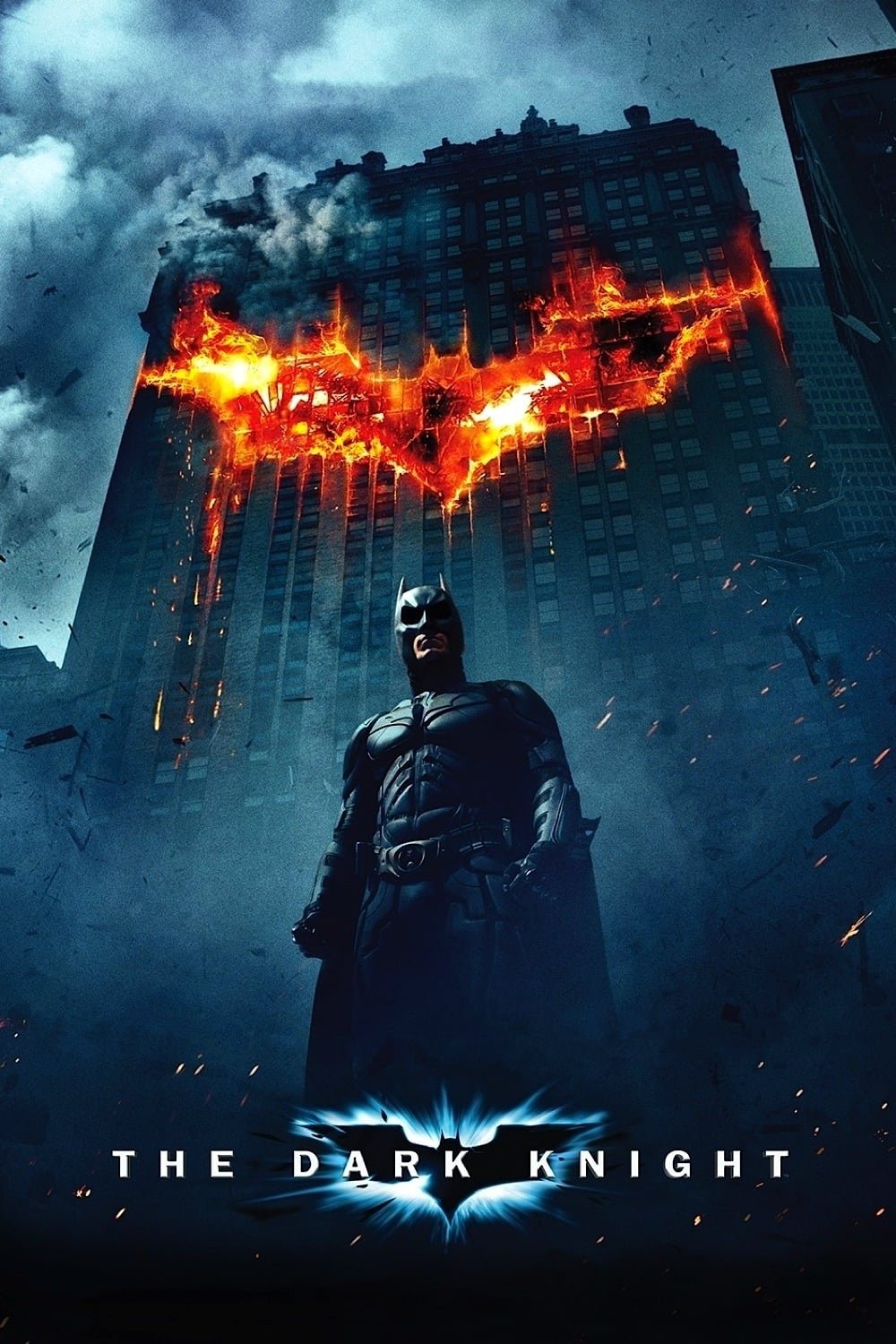
Christopher Nolan transcended the superhero genre by treating it as a serious crime saga. Heath Ledger delivered a legendary performance as the Joker which won him a posthumous Oscar. The film was shot partially with IMAX cameras which was a novelty for feature films at the time. It explored complex themes of chaos, morality, and surveillance. This movie set the standard for the gritty reboots that followed in the ensuing decade.
‘Avatar’ (2009)

James Cameron returned to push the boundaries of 3D technology and performance capture. The film created the fully immersive alien world of Pandora using new virtual production techniques. It sparked a brief worldwide resurgence of 3D cinema in theaters. The movie became the highest-grossing film of all time by offering a visual experience that could not be replicated at home. It demonstrated the total capability of modern digital filmmaking.
‘The Avengers’ (2012)
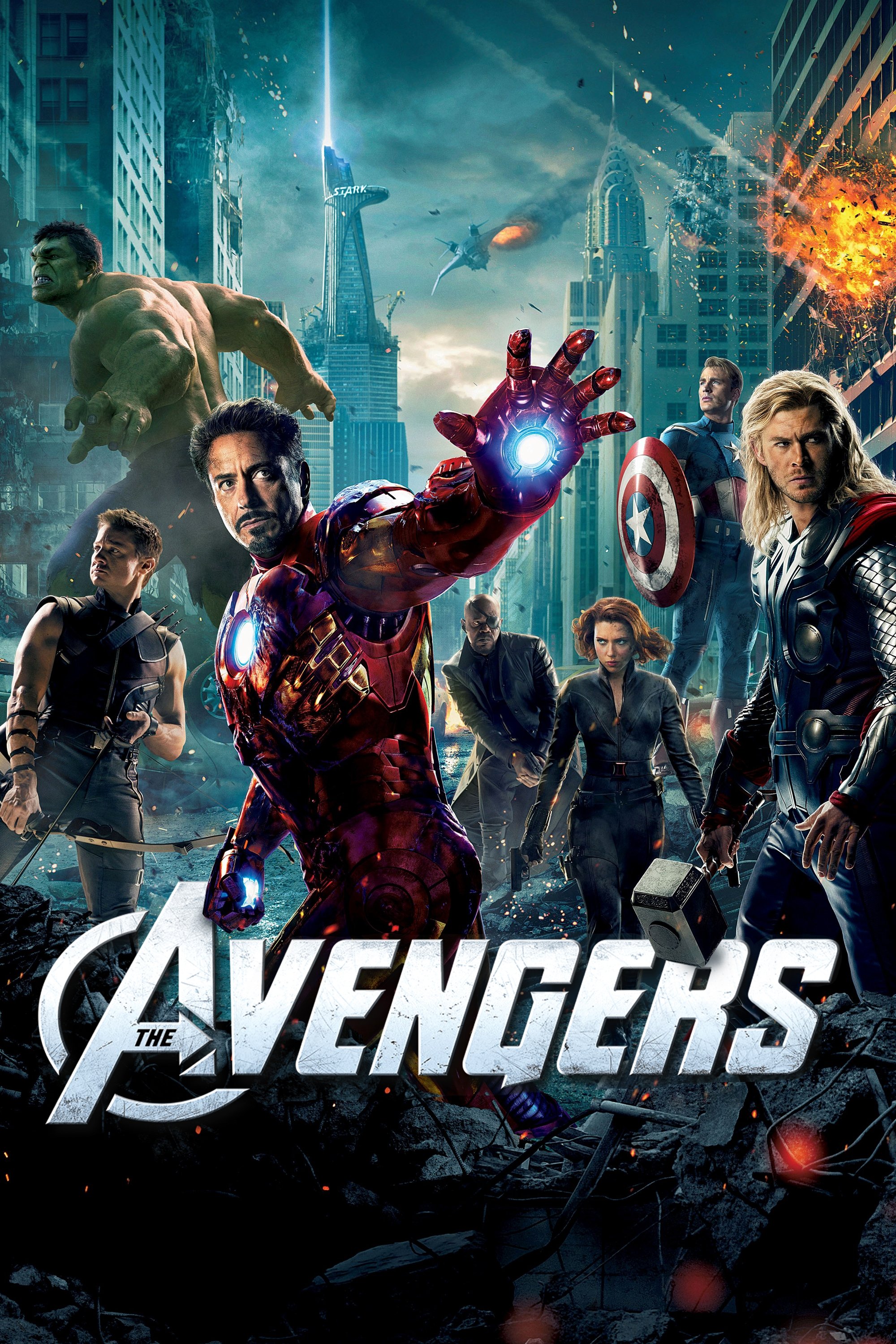
Marvel Studios successfully executed a cinematic universe strategy by bringing together characters from separate solo films. Joss Whedon directed this team-up movie that balanced multiple lead heroes and a massive alien invasion. It validated the serialized storytelling model that dominates modern blockbuster franchises. The film’s success led every major studio to attempt their own shared universes. It cemented the superhero genre as the primary box office force of the 2010s.
‘Moonlight’ (2016)
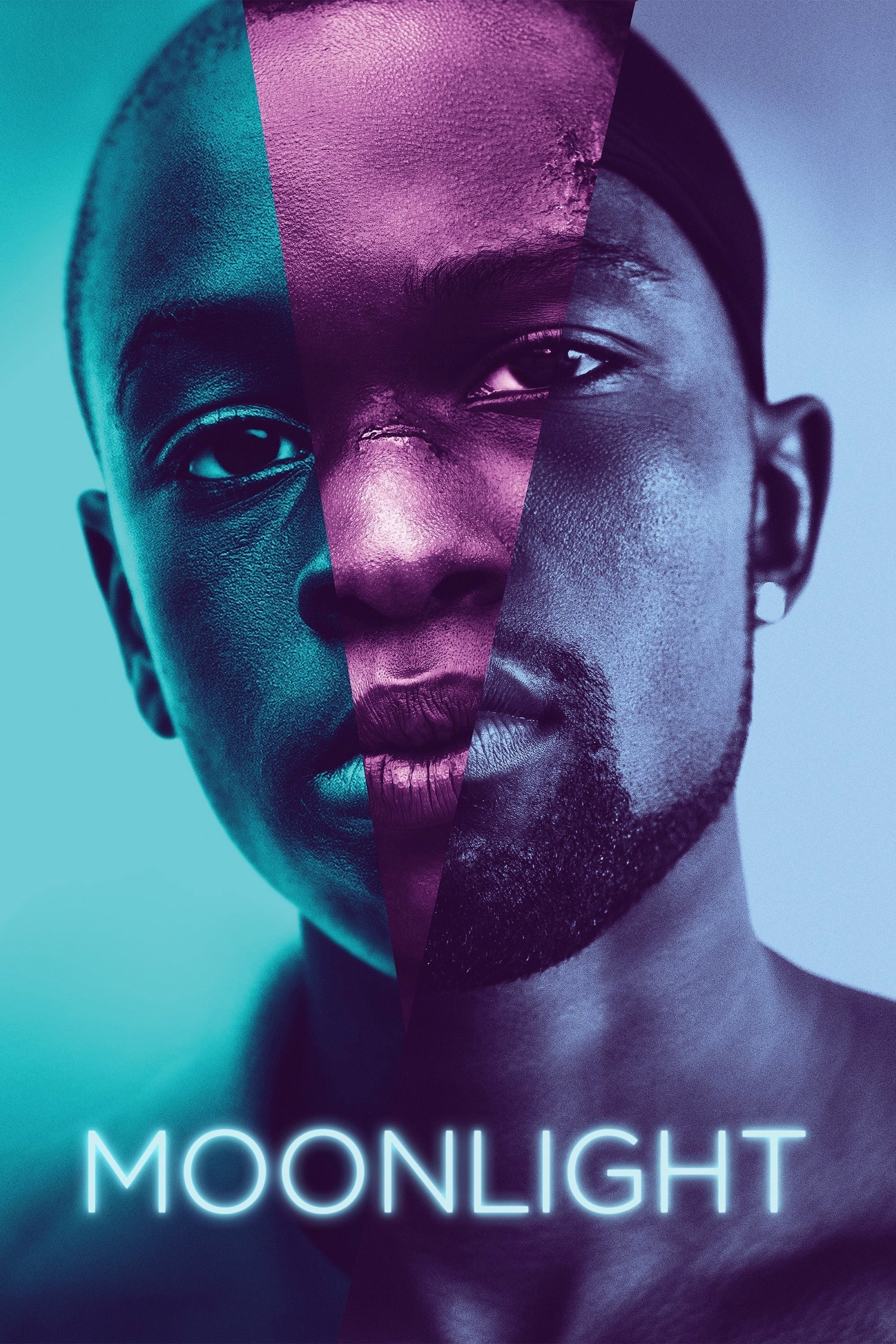
Barry Jenkins directed this intimate drama that explored black masculinity and sexuality. The film is structured in three acts featuring different actors playing the protagonist at various stages of life. It won Best Picture on a modest budget which highlighted a shift toward more diverse storytelling. The cinematography used rich colors and close-ups to create a deep emotional connection. It marked a significant moment for representation in Hollywood.
Share your thoughts on which of these cinematic milestones had the biggest impact in the comments.