


15 Movies That Depict Realistic Disasters That Could Strike Us All



Disasters do not always arrive with flashy warning signs. Many grow from everyday systems we rely on and from natural forces that never rest. These films focus on events that experts study and plan for each day, from storms and quakes to industrial failures and public health emergencies.
Each title below offers a look at how these crises unfold and what real people face when the worst happens. Use them to understand the hazards around us and to pick up practical lessons on readiness, response, and recovery that families and communities can put to work right now.
‘Contagion’ (2011)
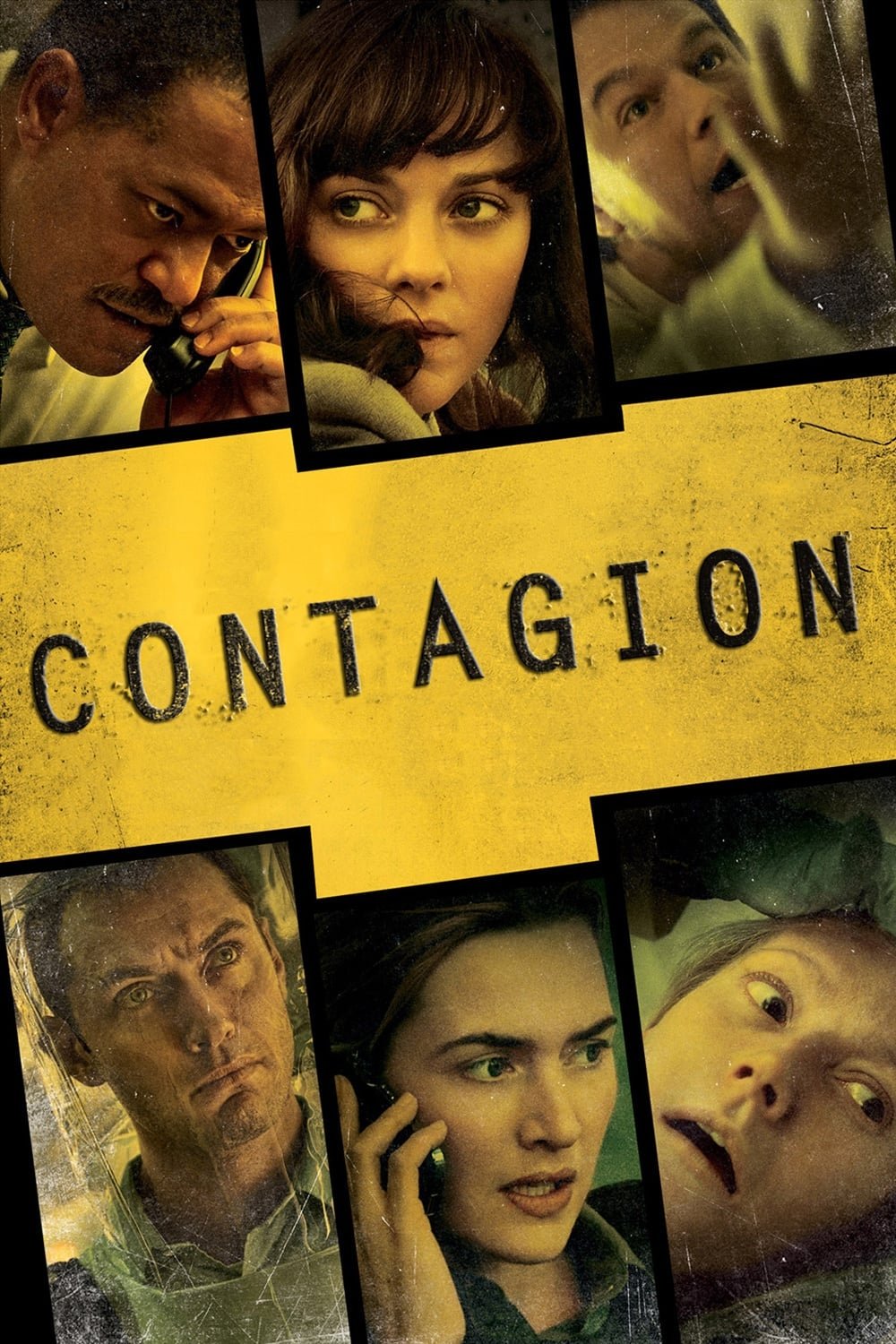
‘Contagion’ walks through how a novel virus spreads through contact, travel, and daily routines. It shows the chain of transmission, the role of incubation periods, and why early case finding matters when every day counts. Public health tools such as contact tracing, isolation, and community messaging appear as they do in real life when officials work to slow an outbreak.
The film also highlights vaccine development and distribution challenges that arise during a fast moving crisis. It underscores simple steps that reduce risk for households, including hand washing, masking during respiratory surges, staying home when sick, and checking local guidance from health departments that track community transmission.
‘Deepwater Horizon’ (2016)
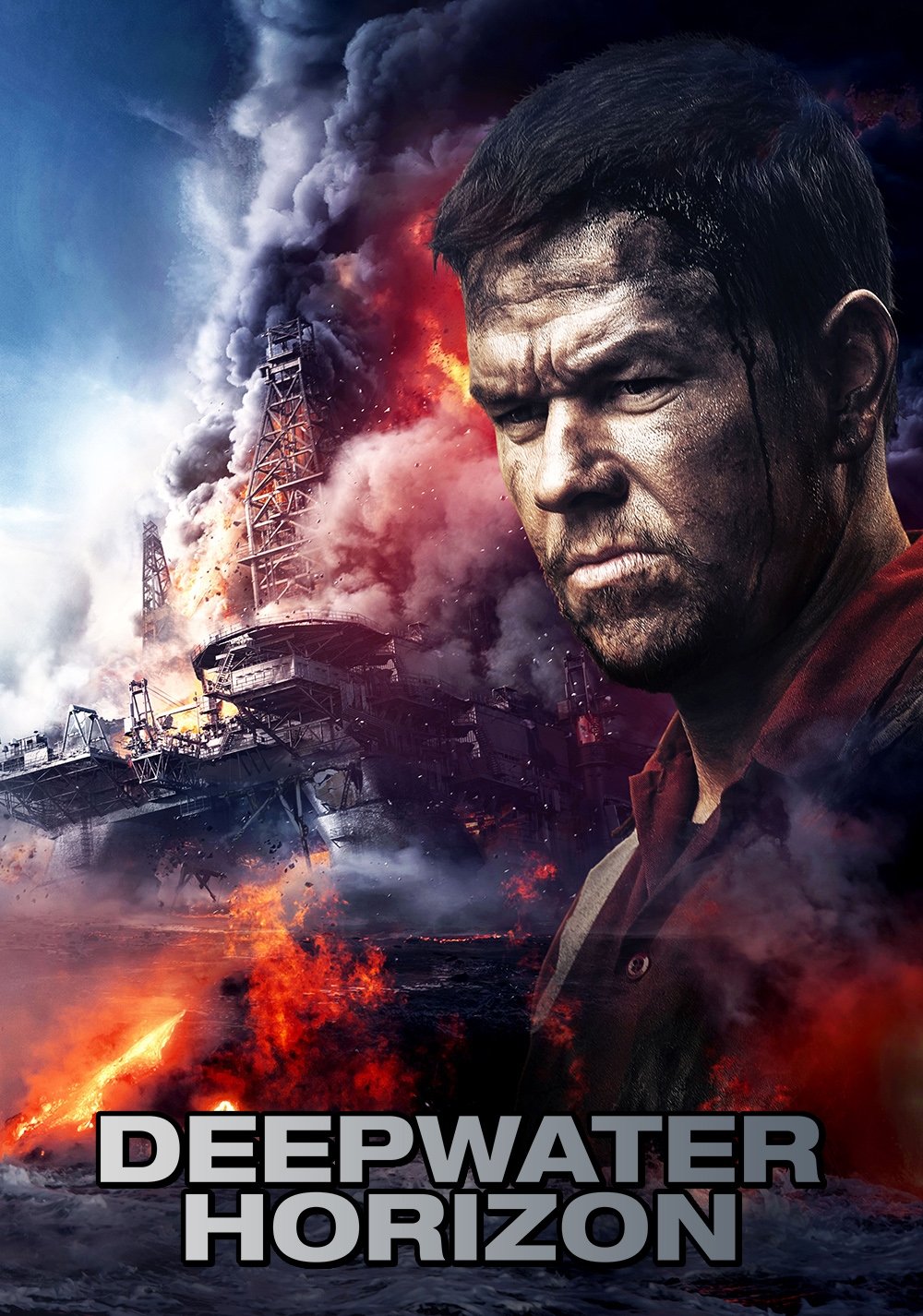
‘Deepwater Horizon’ explains how a loss of well control can lead to a blowout on an offshore platform. It shows how drilling mud, pressure tests, and blowout preventers are supposed to keep hydrocarbons contained and what happens when those safeguards fail. The chain of mechanical and human factors mirrors investigations that follow real industrial accidents.
Viewers also see the environmental and economic fallout that follows a major oil release. Coastal communities face fisheries closures, shoreline cleanup, and long term monitoring of wildlife and water quality. The lessons emphasize rigorous safety culture, emergency drills, and transparent reporting so workers can stop operations when warning signs appear.
‘The Impossible’ (2012)
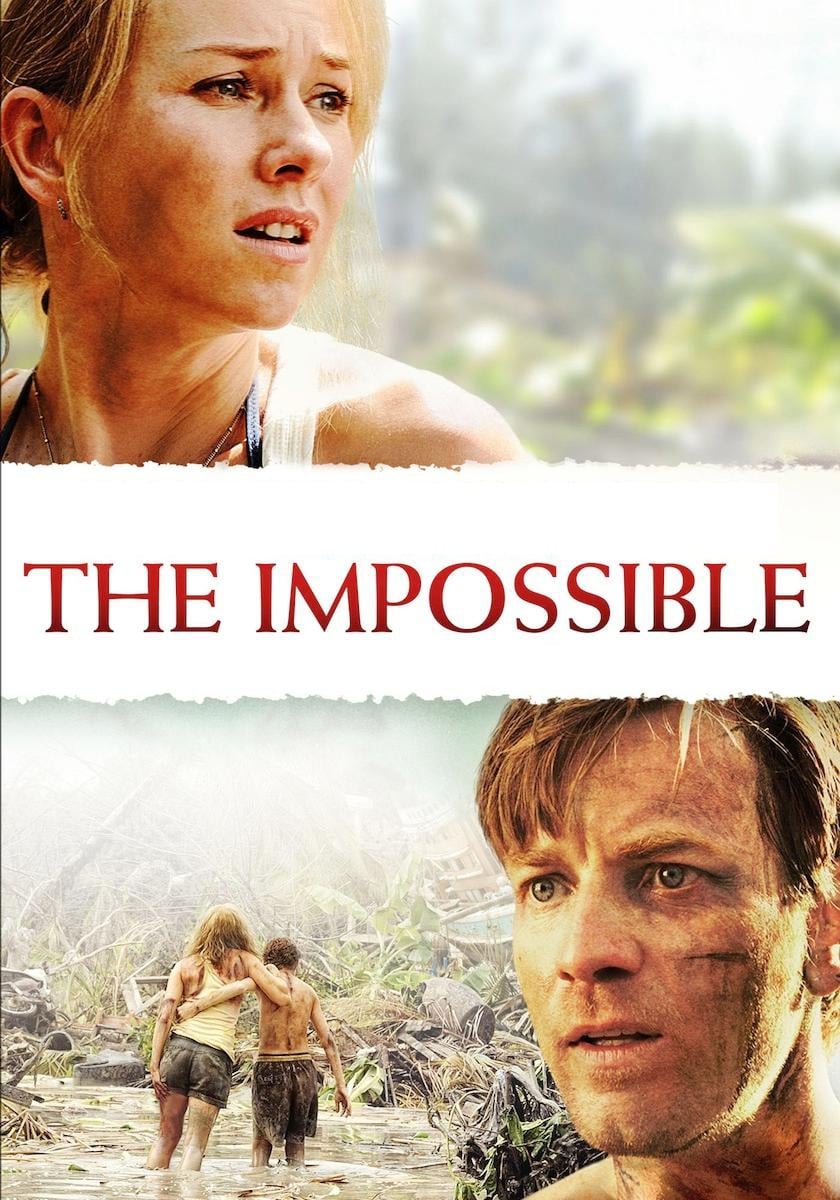
‘The Impossible’ follows one family during a massive tsunami driven by an undersea earthquake. It shows how walls of water carry debris with force that easily destroys buildings and vehicles. The physics match what coastal engineers describe when sudden surges arrive after a strong quake or a distant event sends waves across an ocean basin.
Preparedness in tsunami zones centers on knowing evacuation routes to high ground and moving quickly once the water recedes or strong shaking stops. Families can plan rally points on elevated areas, keep lightweight footwear near beds, and learn local siren patterns and signage that mark safe paths away from the shoreline.
‘Only the Brave’ (2017)
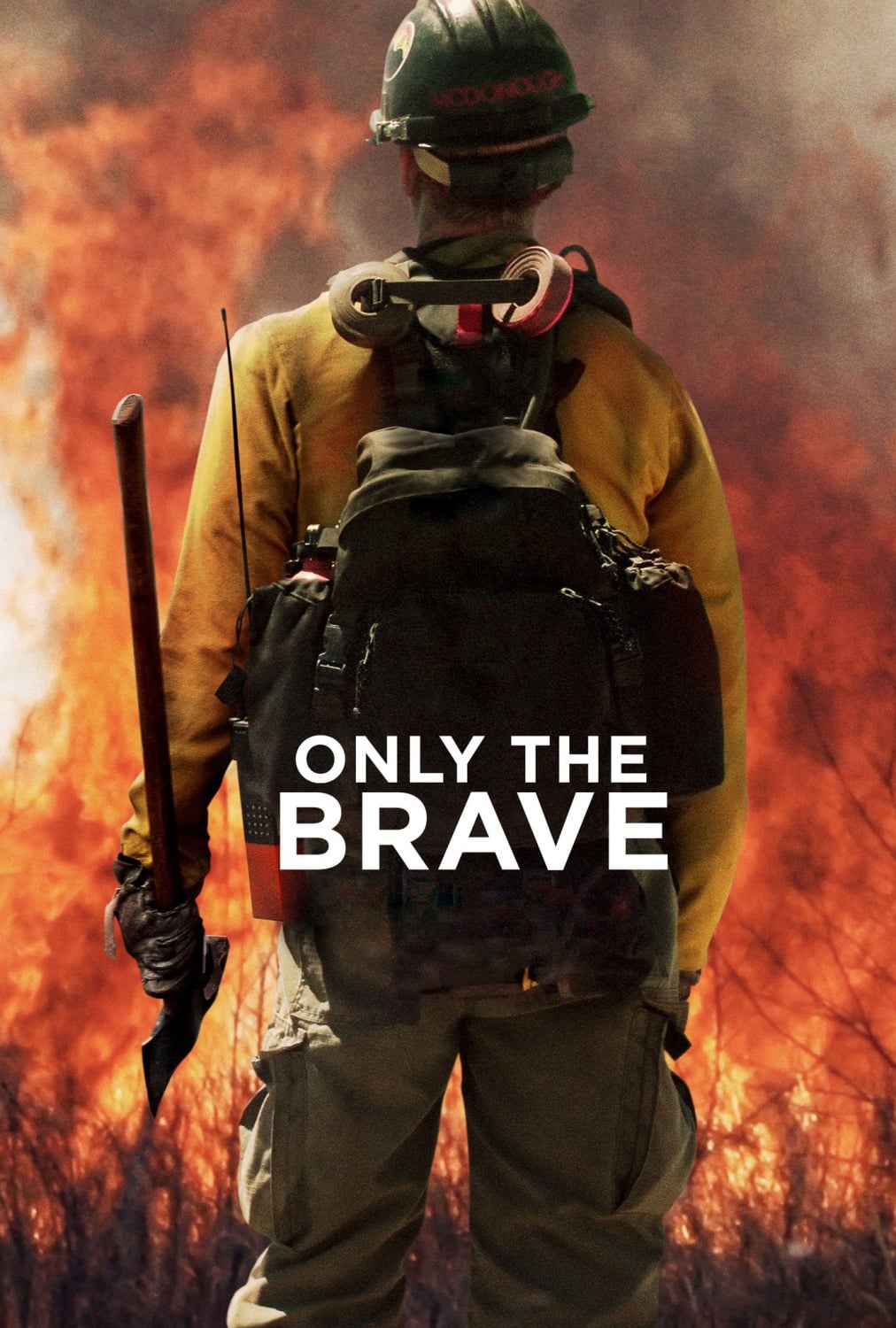
‘Only the Brave’ portrays a wildfire crew facing shifting winds, dry fuels, and steep terrain. It captures how embers travel ahead of a fire line and how sudden weather changes turn a manageable blaze into a deadly event. Fire managers track humidity, fuel moisture, and wind forecasts because those variables drive fire behavior hour by hour.
People living in fire prone areas can create defensible space by clearing vegetation near structures, screening attic vents, and storing firewood away from the home. Communities benefit from evacuation drills, text alert systems, and go bags with masks, medications, chargers, and copies of documents so departures can happen fast when orders arrive.
‘The Wave’ (2015)
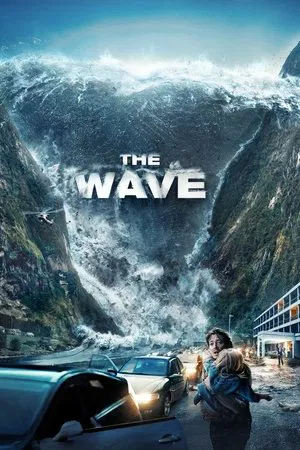
‘The Wave’ centers on a rockslide in a fjord that sends a concentrated wave through a narrow valley. Geologists monitor unstable slopes above populated waterways because a sudden collapse can trigger a local tsunami with little lead time. The scenario reflects active monitoring programs that use sensors, drones, and round the clock watch teams.
Residents in similar regions can learn siren signals, identify vertical evacuation points, and practice rapid movement to higher ground. Local authorities often post maps that show inundation zones and safe routes, and many communities run seasonal drills before peak precipitation or thaw cycles that raise the risk of slope failures.
‘Dante’s Peak’ (1997)
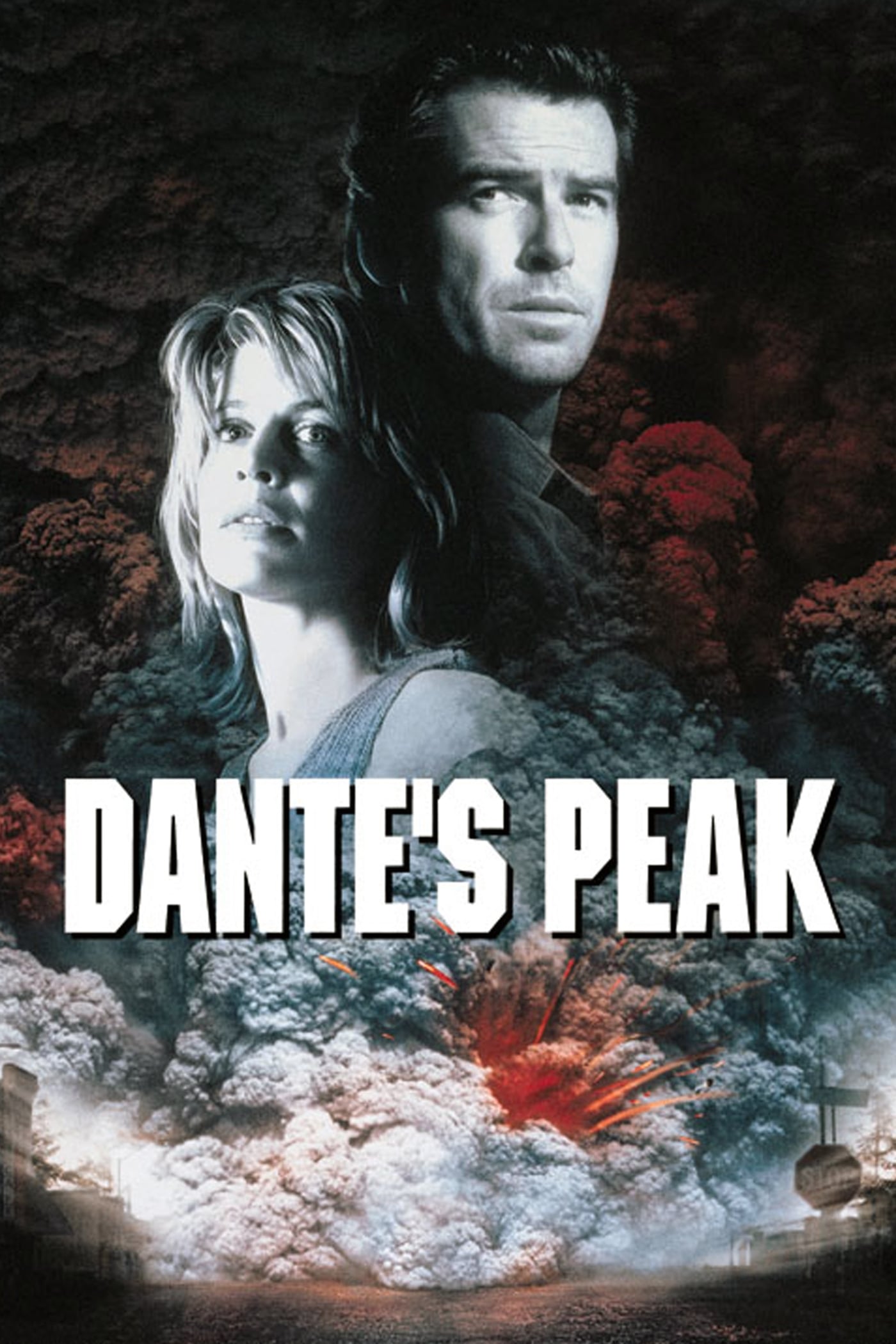
‘Dante’s Peak’ shows warning signs that volcanologists watch for, including swarms of small quakes, gas emissions, and temperature changes in springs. It also illustrates the hazards that accompany an eruption such as pyroclastic flows, ash fall, and lahars that move down river channels long after the main event.
Preparedness for volcano communities includes ash masks, eye protection, and a plan to shelter indoors when ash is falling. Vehicles and air filters clog quickly in heavy ash, so officials may advise limiting travel. Families who live near river valleys should know high ground routes because mudflows can travel far from the crater area.
‘Twister’ (1996)
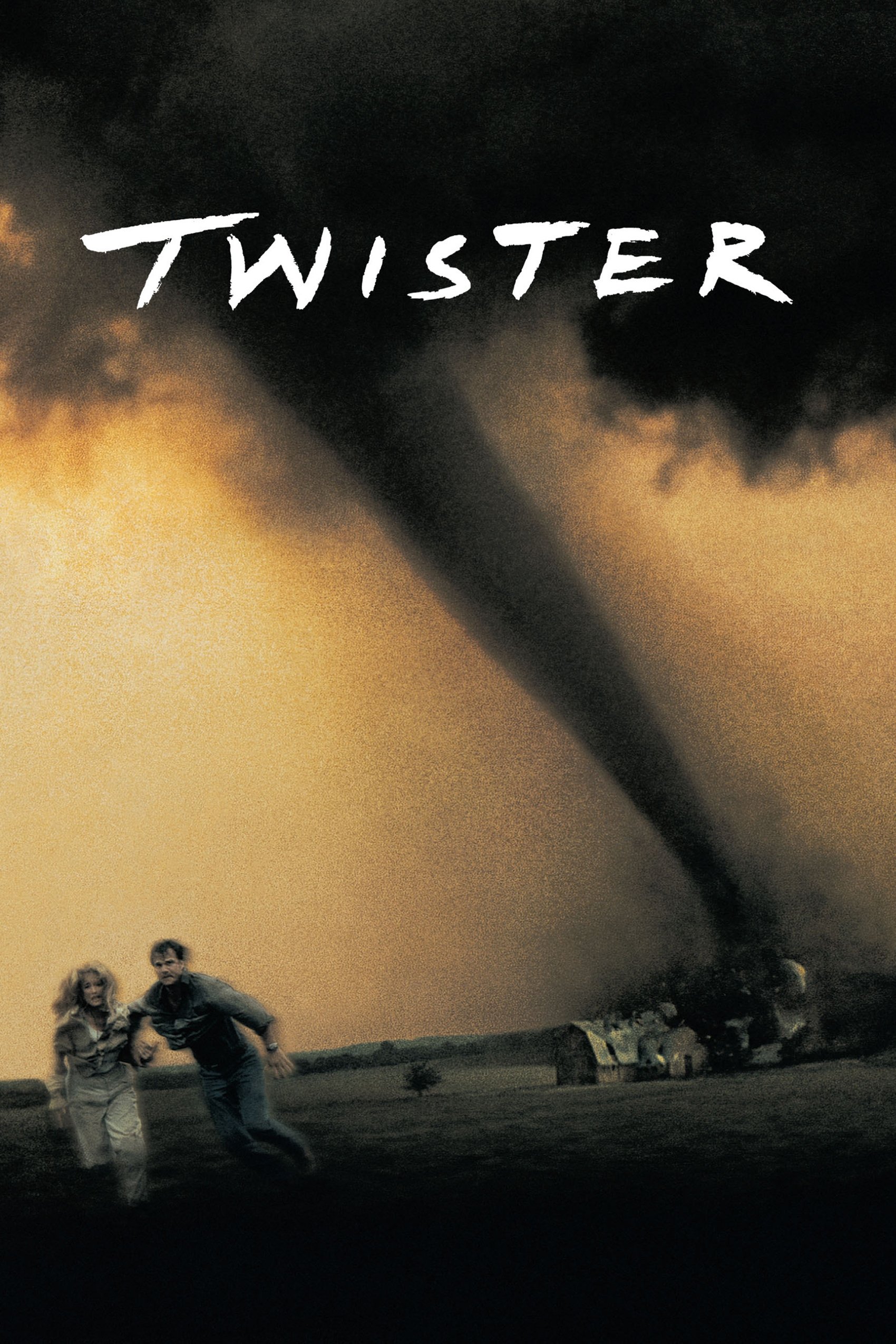
‘Twister’ focuses on supercell storms that can spawn tornadoes when wind shear and instability line up. Meteorologists issue watches when conditions are favorable and warnings when rotation is detected by radar or trained spotters. The difference between the two matters because warnings signal that people should take shelter at once.
Tornado safety starts with identifying the safest interior room on the lowest floor away from windows. Mobile home residents should preplan a sturdy shelter nearby. Weather radios with alert features and phone alerts provide timely warnings when storms form at night or when people are away from televisions and computers.
‘The Perfect Storm’ (2000)
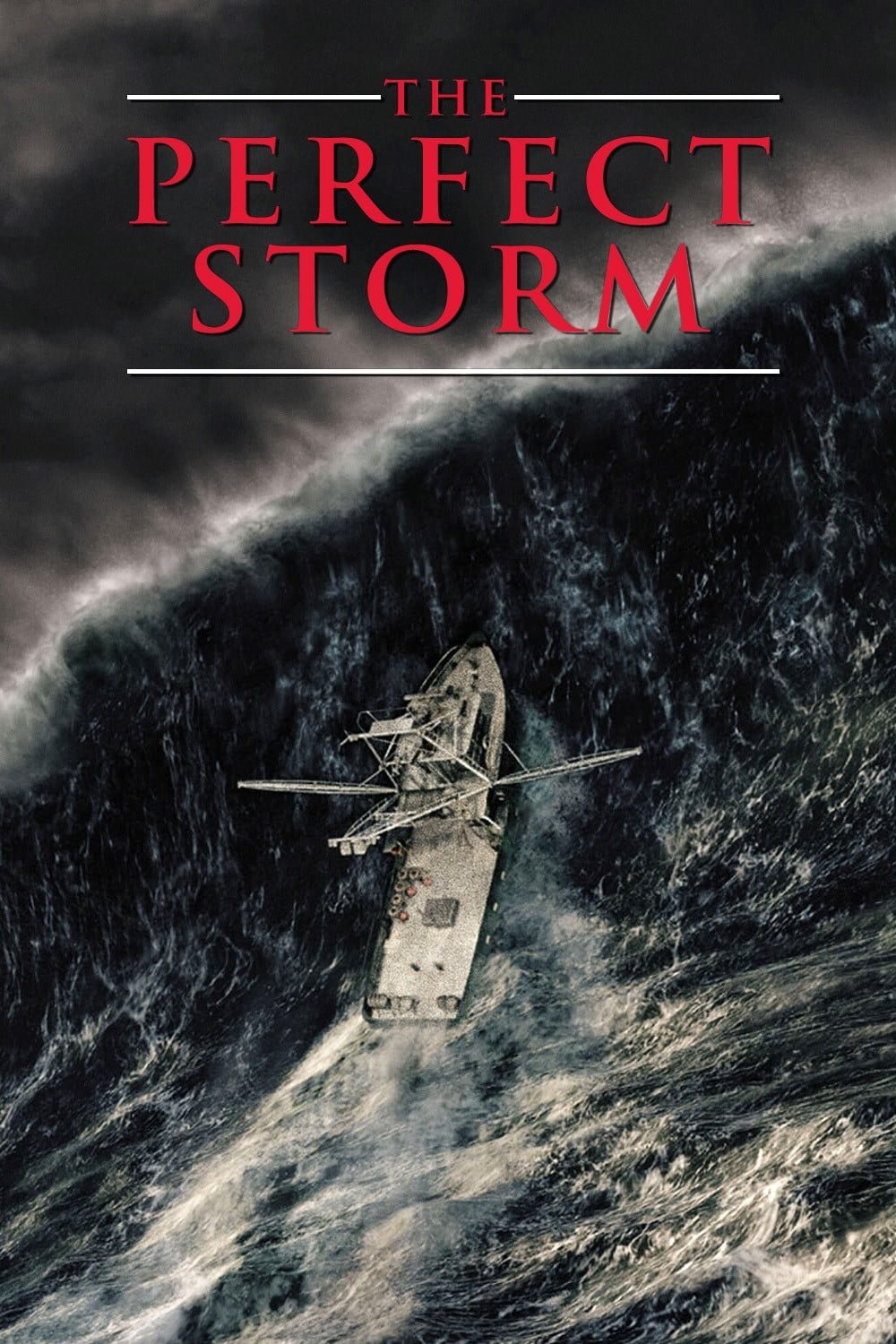
‘The Perfect Storm’ follows a fishing crew caught as multiple weather systems merge into a powerful extratropical cyclone. Mariners watch barometric pressure, wind forecasts, and wave models for signs that small craft advisories and gale warnings will escalate. Offshore hazards include steep seas, rogue waves, and equipment failures that compound under stress.
Modern safety gear improves survival chances when crews must abandon ship. Emergency beacons that transmit location, immersion suits, and well maintained life rafts give rescuers a chance to find survivors. Coastal crews also rely on float plans filed with contacts on shore so search areas can be narrowed quickly.
‘The China Syndrome’ (1979)
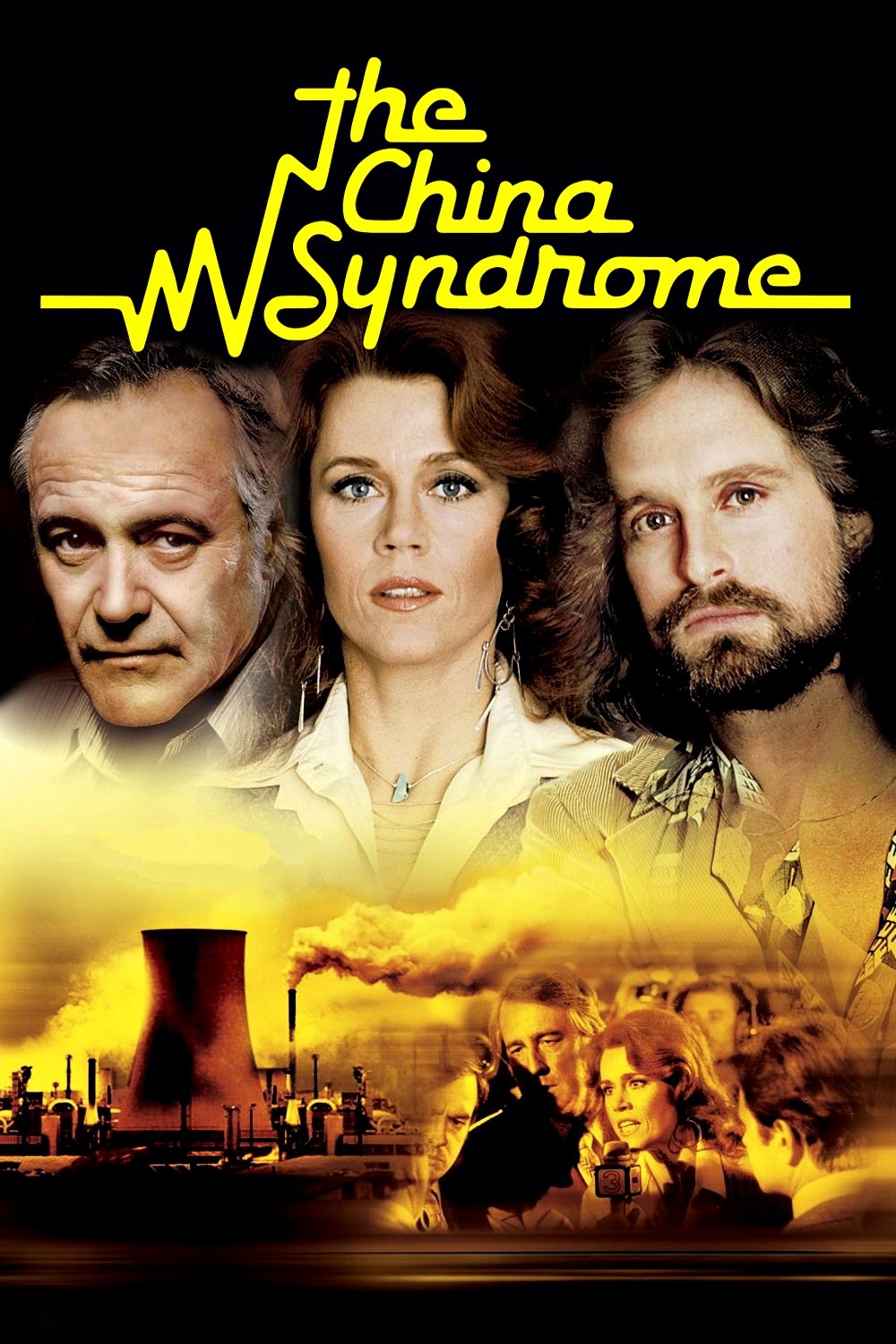
‘The China Syndrome’ explores what can happen when control systems at a nuclear power plant show signs of trouble. It outlines how reactors rely on cooling to manage decay heat and why operators follow strict protocols to prevent core damage. The concept of multiple layers of containment reflects real plant design that aims to keep radiation confined.
Emergency planning around nuclear sites includes defined zones where officials can advise shelter in place or evacuation. Households in these areas often receive guidance on potassium iodide, which can protect the thyroid if advised by authorities, along with instructions for sealing homes and avoiding contaminated food and water until monitoring deems it safe.
‘Aftershock’ (2010)

‘Aftershock’ depicts the devastation of a major earthquake on a dense urban area and the long recovery that follows. Structural engineers design buildings to flex and absorb energy, yet older construction and soft story buildings remain vulnerable. The film also shows how repeated aftershocks keep risks high for days and weeks.
Earthquake readiness focuses on securing heavy furniture, creating drop cover and hold on habits, and keeping water, food, flashlights, and sturdy shoes within reach. Communities can map neighborhood hubs where people share supplies and information when power and communications go down and emergency services are stretched.
‘Unstoppable’ (2010)
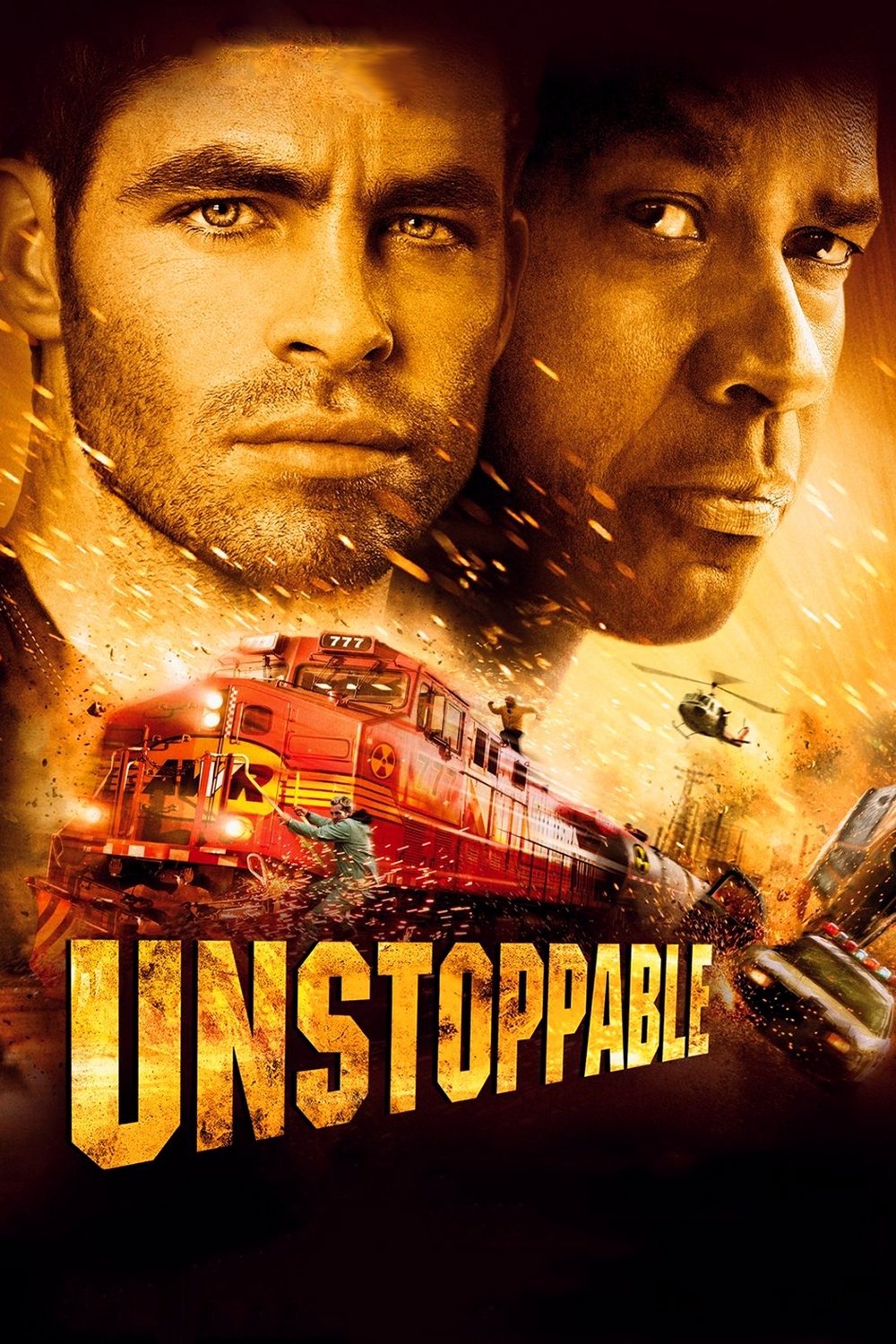
‘Unstoppable’ covers a runaway freight train carrying hazardous cargo. Rail safety depends on braking systems, dispatcher coordination, and strict procedures during yard operations. When a train is moving without a crew, speed, grade, and cargo type determine how dangerous the situation becomes for towns along the route.
Communities near rail lines can learn the basics of hazardous materials placards and know local evacuation routes. Emergency planners run joint exercises that involve firefighters, rail operators, and hospitals so that communications and command structures are clear before a real event forces decisions under pressure.
‘The 33’ (2015)
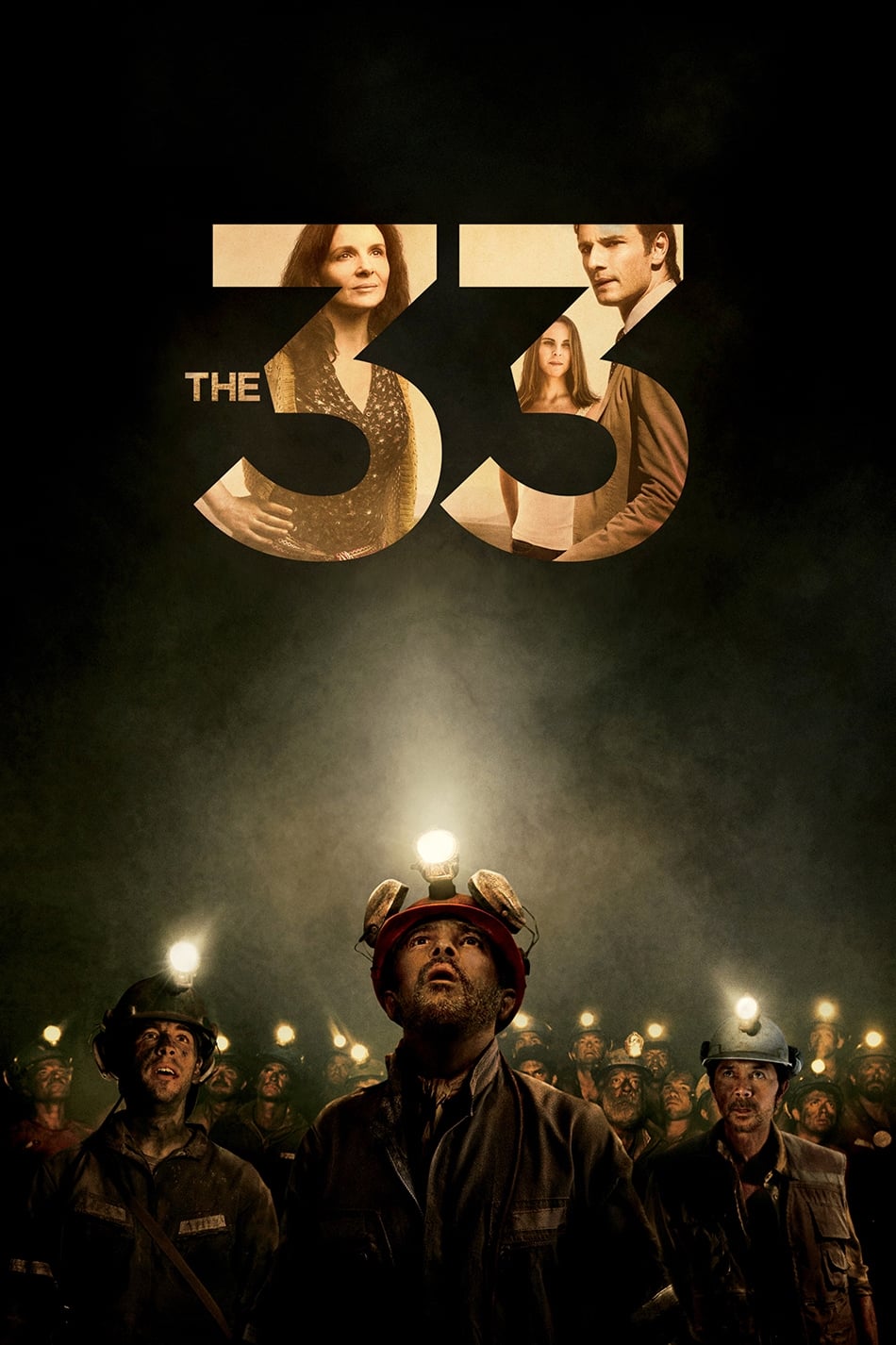
‘The 33’ tells the story of miners trapped after a collapse and the complex rescue that follows. Modern mines rely on ground monitoring, ventilation controls, and refuge chambers stocked with air, water, and communications so trapped workers can survive until drill teams make contact. The film mirrors the slow and precise drilling needed to avoid further collapses.
Mining regions focus on strict safety audits, worker reporting systems for near misses, and emergency plans that stage equipment and crews in advance. Families and communities receive regular updates during rescues because timelines are long and conditions shift as drilling and reinforcement proceed.
‘Right at Your Door’ (2006)
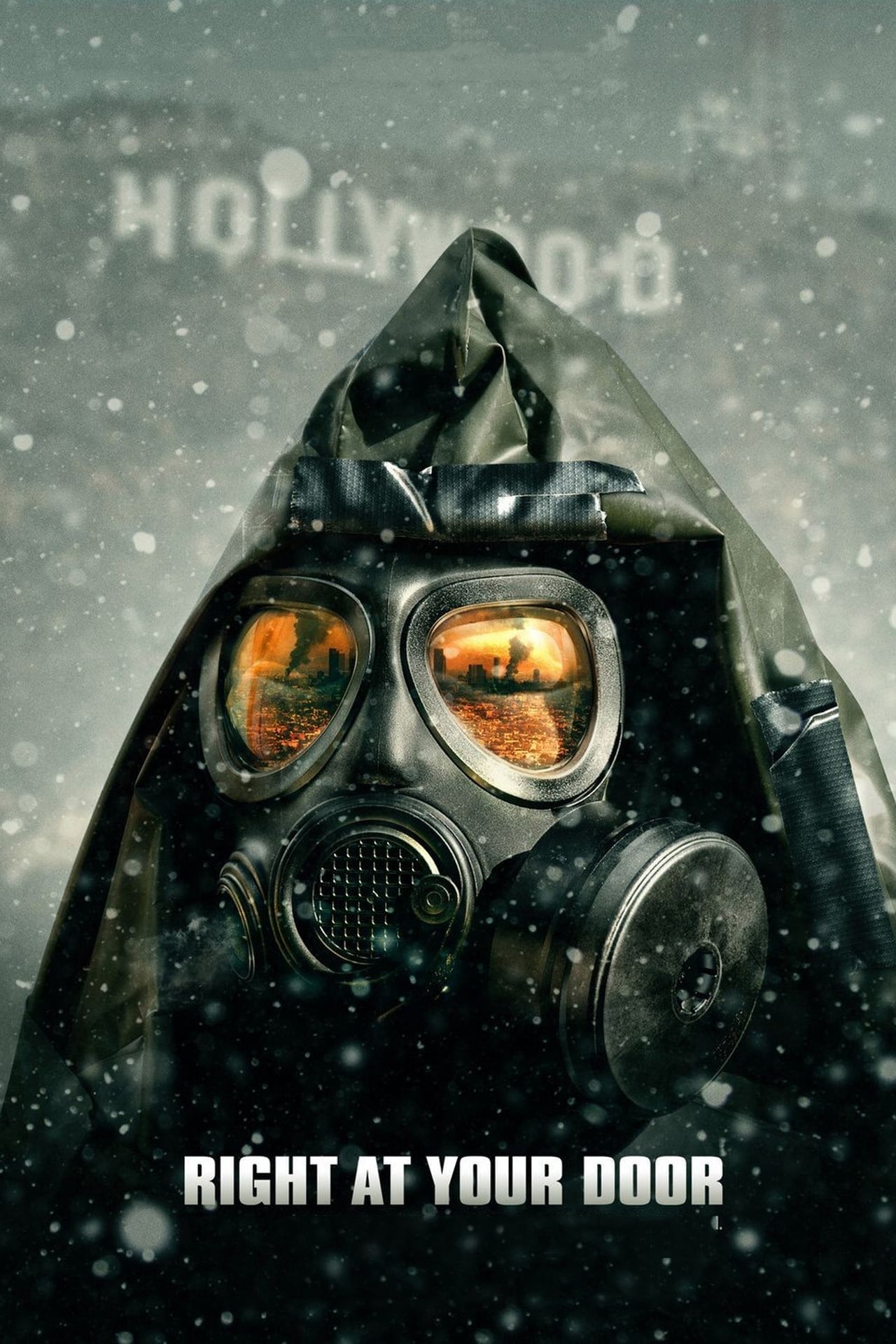
‘Right at Your Door’ imagines a dirty bomb attack that spreads radioactive material over a city without a large explosion. The central risk comes from inhaling or contacting contaminated dust. Officials often advise shelter in place to keep people inside sealed rooms until contamination paths are understood and measured.
Households can prepare by identifying an interior room with few windows, storing plastic sheeting and tape, and keeping a battery radio and extra water on hand. Decontamination steps are simple but important, including removing outer clothing and showering gently to avoid scrubbing particles into the skin once it is safe to do so.
‘Dark Waters’ (2019)
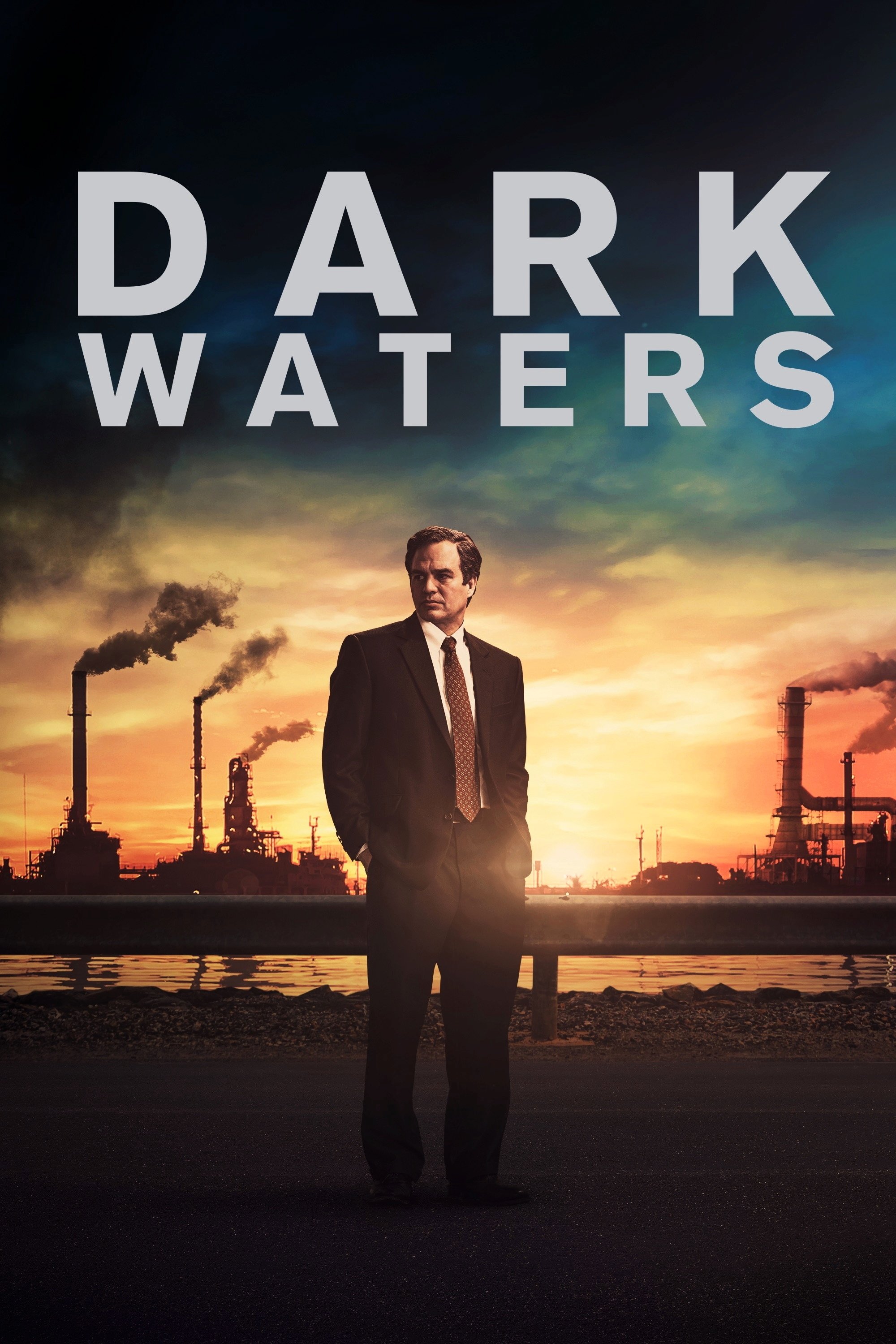
‘Dark Waters’ examines chemical contamination that moves quietly through soil and drinking water. It shows how persistent compounds can accumulate in people and wildlife and how long legal and scientific processes take to document harm. The case mirrors real communities that discovered industrial chemicals in municipal systems and private wells.
Residents can ask utilities for water quality reports and consider point of use filters that are certified for the contaminants of concern. Health departments and environmental agencies provide testing programs, bottle drop sites, and maps that track cleanup progress so households can decide when to use bottled water or filtered taps.
‘Sully’ (2016)

‘Sully’ focuses on an emergency water landing after a jet strikes birds during takeoff. Aviation safety relies on rigorous pilot training, crew resource management, and checklists that guide decisions in minutes. Airports manage wildlife risks with habitat control and radar that detects bird flocks near flight paths.
Passengers can improve their odds by reviewing the safety card, counting seat rows to exits, and practicing the brace position in their mind before takeoff. In a water landing, crew directions on life vests and rafts matter, and leaving bags behind keeps aisles clear so everyone can move quickly toward the doors.
Share your picks in the comments and tell us which realistic disaster films taught you something useful we should add to this list.