


Movies That Glorified Problematic Historical Figures

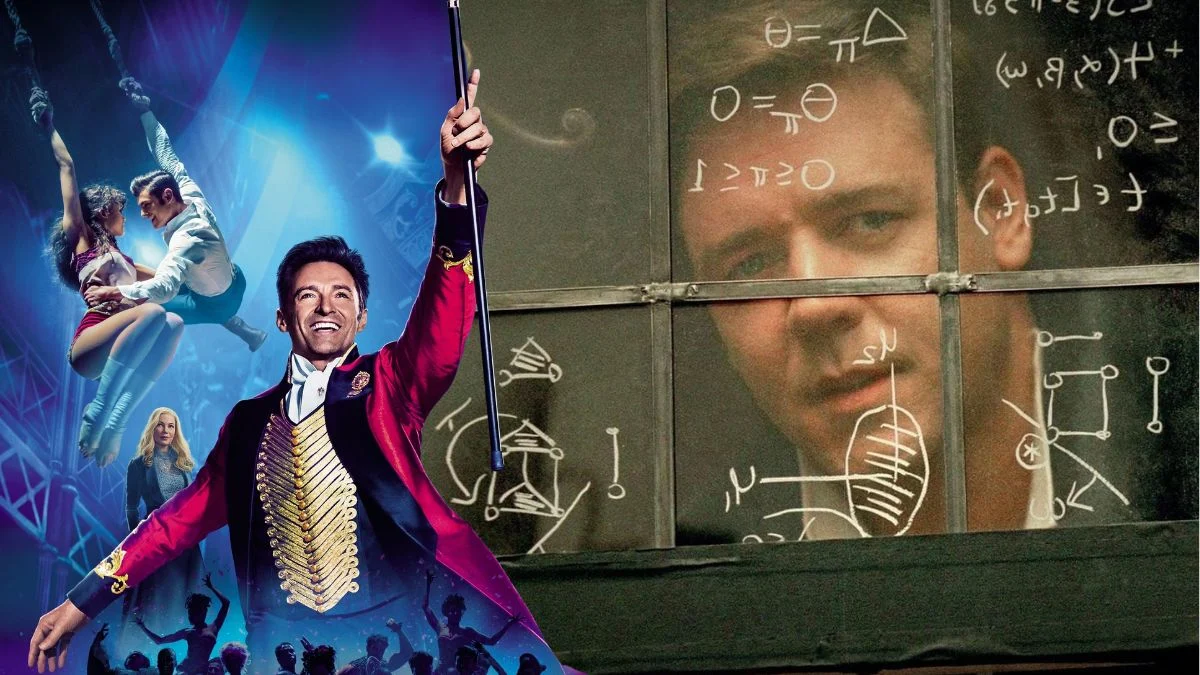


Biographical films often walk a fine line between historical accuracy and dramatic storytelling in order to entertain audiences. Filmmakers frequently choose to omit controversial details or alter timelines to make a subject more sympathetic to the general public. This practice can lead to the glorification of individuals who had complicated or even villainous pasts in real life. The following films have faced scrutiny for how they polished the reputations of their central figures while ignoring their darker deeds.
‘The Greatest Showman’ (2017)
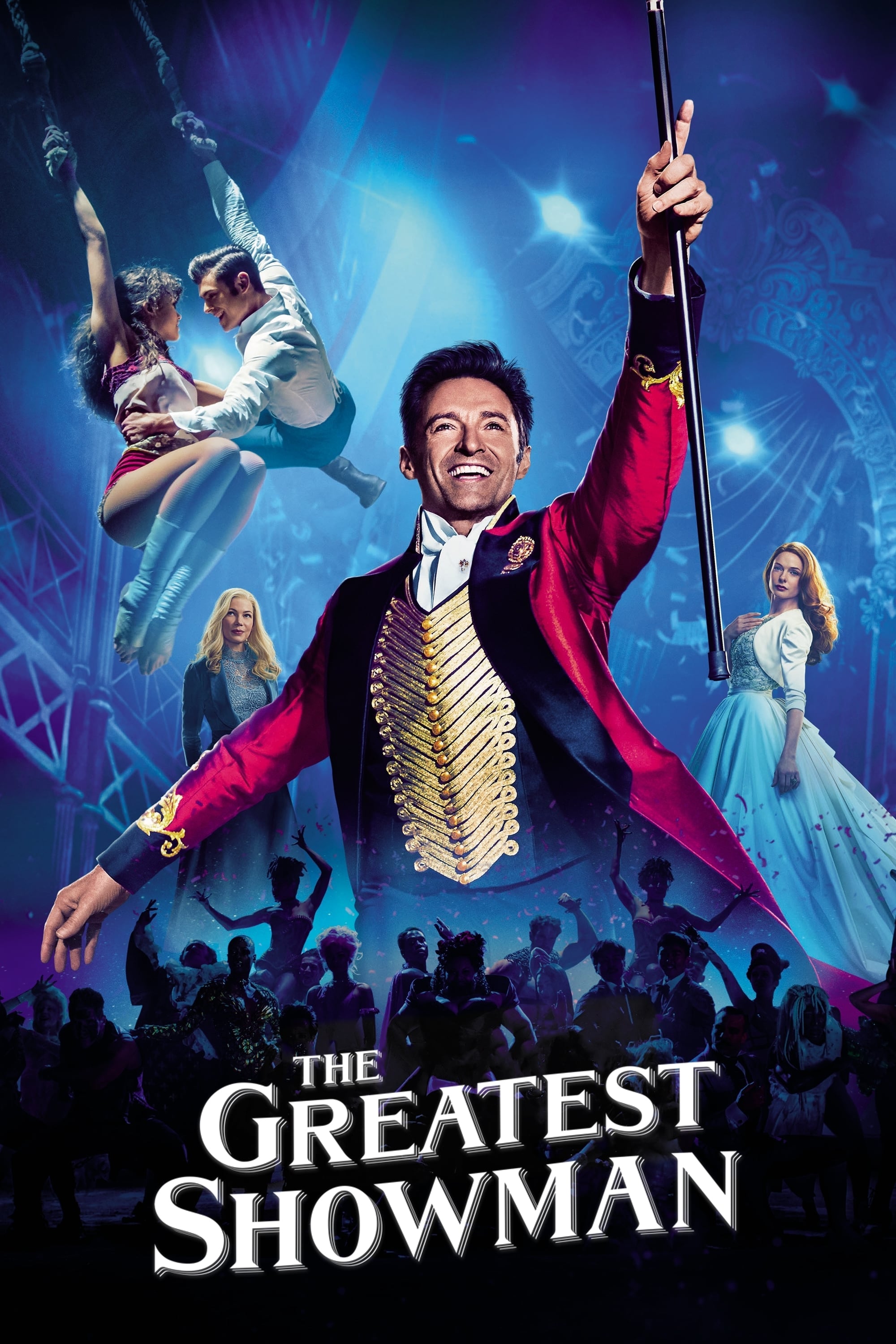
This musical portrays P.T. Barnum as a visionary dreamer who championed diversity and empowered societal outcasts through his circus. The real Barnum was a controversial figure who frequently exploited people with disabilities for profit and purchased an enslaved woman named Joice Heth. He paraded Heth around as a sideshow attraction and even held a public autopsy after her death to sell tickets. The film glosses over these exploitative practices to present a family-friendly story about acceptance and showmanship.
‘The Wolf of Wall Street’ (2013)
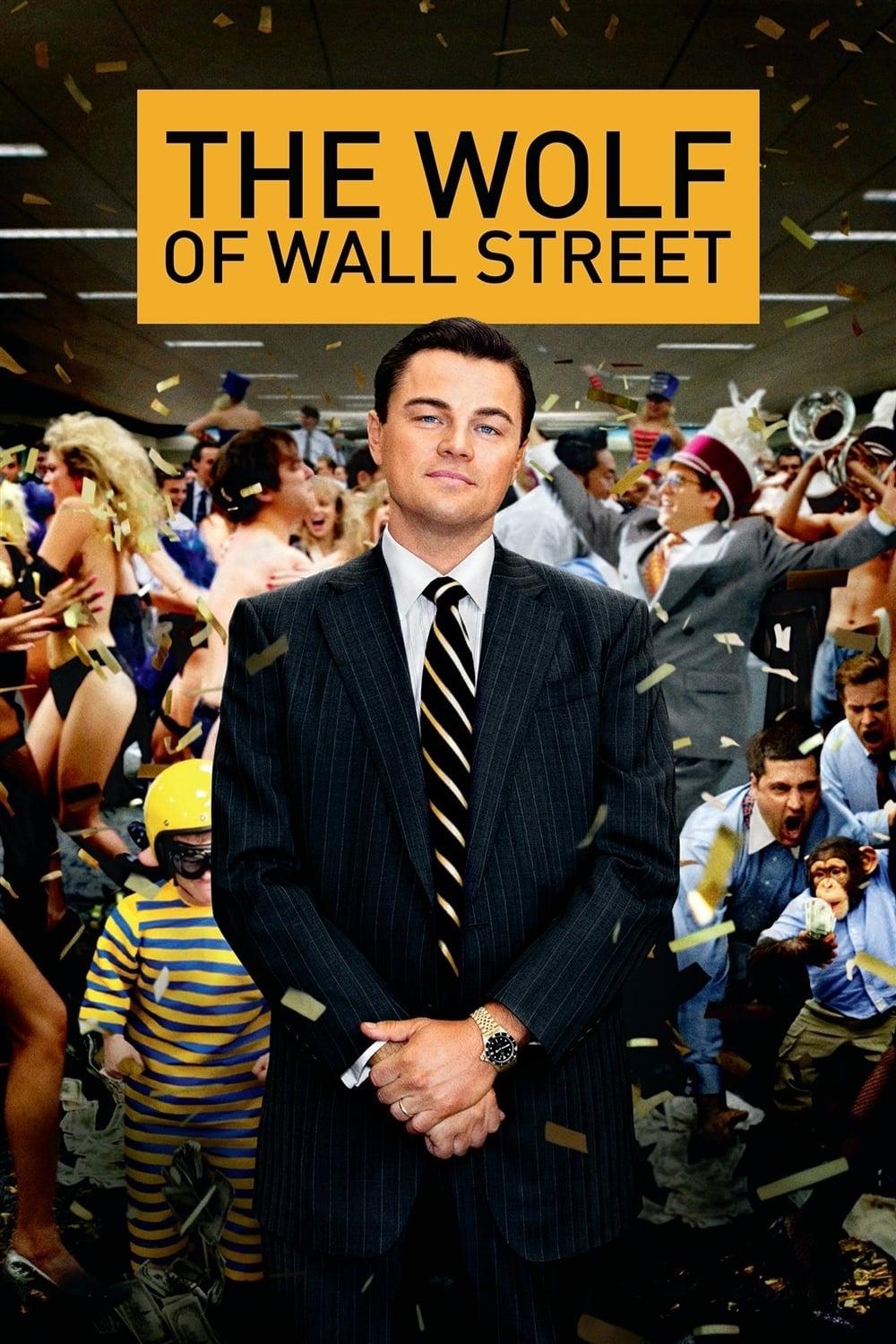
Martin Scorsese directs this high-energy biopic about Jordan Belfort and his rise to extreme wealth through fraudulent stock market schemes. While the movie depicts the debauchery and excess of Belfort’s lifestyle with great flair it has been criticized for making his crimes look fun. The real victims of his penny stock scams lost their life savings while Belfort served a relatively short prison sentence. Many viewers walked away idolizing the charismatic criminal rather than condemning the financial devastation he caused.
‘American Sniper’ (2014)

Clint Eastwood directs this war drama that focuses on Navy SEAL sniper Chris Kyle and his four tours in the Iraq War. The film presents Kyle as a conflicted hero struggling with PTSD who only wants to protect his fellow soldiers. Critics pointed out that the movie omitted claims Kyle made in his autobiography regarding looting and shooting looters during Hurricane Katrina. The script simplifies the complex politics of the Iraq War to create a black and white narrative about good versus evil.
‘Pocahontas’ (1995)
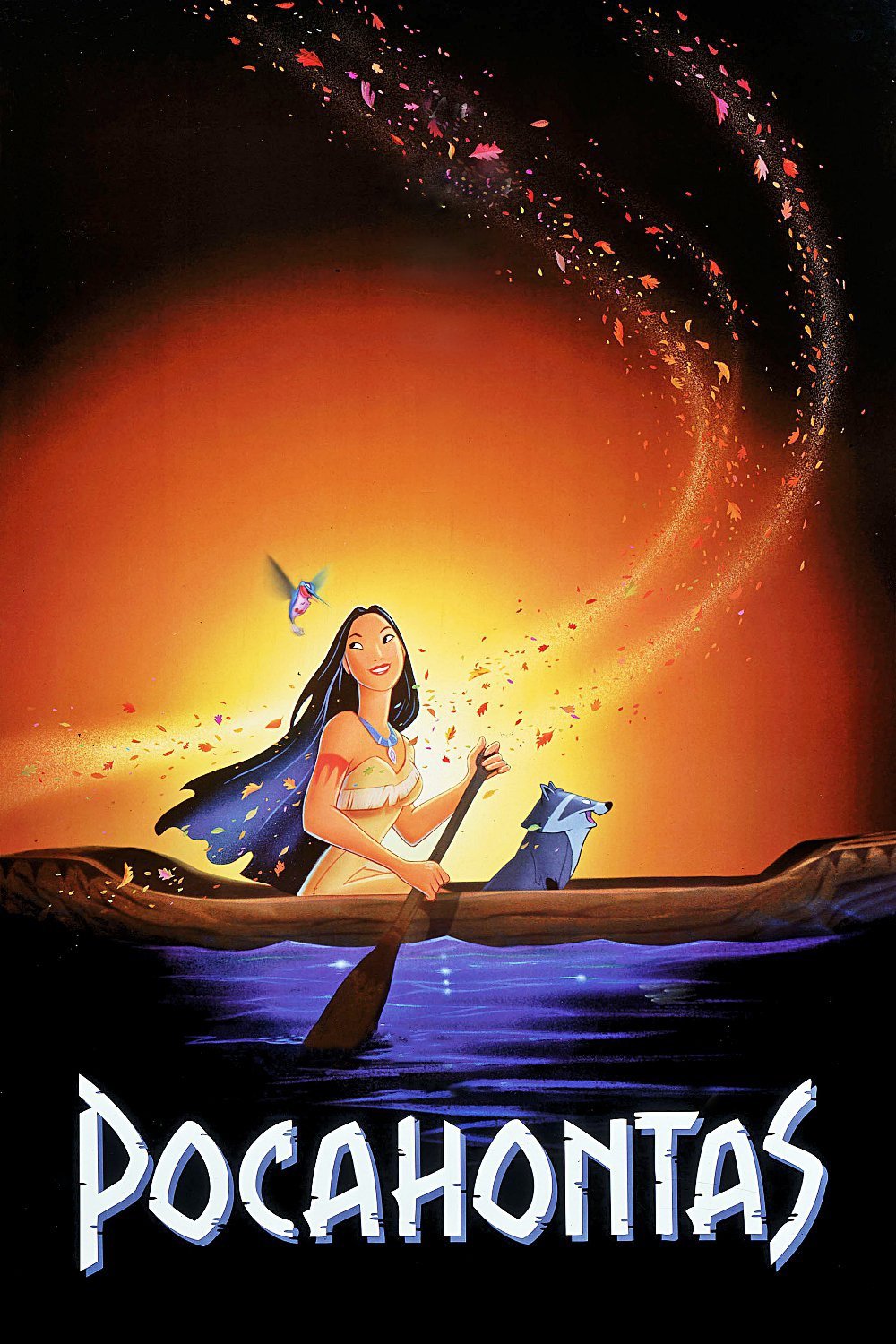
Disney adapted the history of the Jamestown settlement into a romantic musical that features a love story between Pocahontas and John Smith. Historical records show that Pocahontas was roughly ten or eleven years old when she met Smith and there was no romance between them. The film glosses over the brutal realities of colonization and the eventual tragic fate of the real indigenous figure. This sanitized version of events created a false cultural memory for generations of children regarding early American history.
‘A Beautiful Mind’ (2001)
Russell Crowe stars as the brilliant mathematician John Nash who struggles with schizophrenia while making groundbreaking discoveries. The film focuses heavily on his devotion to his wife and his triumph over mental illness but leaves out significant portions of his personal life. The real Nash abandoned his first son and was known to have made antisemitic remarks during the height of his illness. These darker aspects of his character were completely scrubbed from the screenplay to ensure the protagonist remained sympathetic.
‘Seven Years in Tibet’ (1997)
Brad Pitt plays Heinrich Harrer in this drama about an Austrian mountaineer who befriends the Dalai Lama during World War II. The film portrays Harrer as an apolitical figure who undergoes a spiritual awakening while trapped in the Himalayas. It was later revealed that the real Harrer was a sergeant in the SS and a member of the Nazi party long before the expedition. The movie largely avoids addressing the depth of his involvement with the Nazi regime to focus on his redemption arc.
‘The King and I’ (1956)
Yul Brynner stars as King Mongkut of Siam in this musical adaptation that depicts the monarch as a stubborn ruler who learns from a British governess. The film is banned in Thailand because the portrayal of the King is considered disrespectful and historically inaccurate. It exaggerates the influence of Anna Leonowens and depicts the King as unrefined compared to his Western counterpart. The narrative reinforces colonialist stereotypes by suggesting that Western values were necessary to modernize the Siamese court.
‘They Died with Their Boots On’ (1941)
Errol Flynn portrays George Armstrong Custer as a dashing and noble hero who fights valiantly for his country. The movie creates a fictionalized version of the Battle of Little Bighorn where Custer sacrifices himself to protect his men and expose corruption. This romanticized depiction ignores Custer’s brutal campaigns against Native Americans and his reckless leadership style. The film contributes to the myth of the noble cavalryman while erasing the suffering of indigenous tribes.
‘1492: Conquest of Paradise’ (1992)
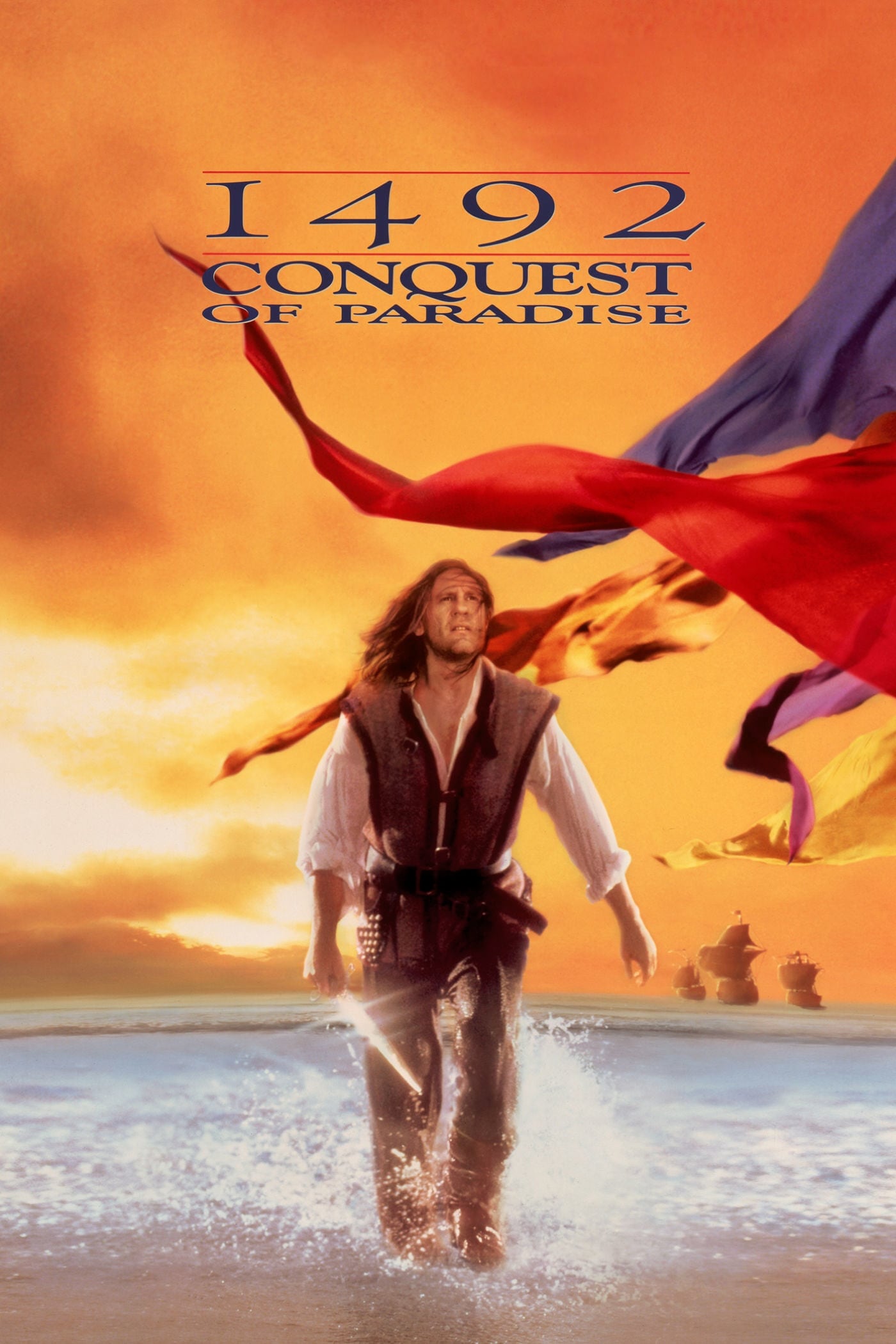
Ridley Scott directs this epic which frames Christopher Columbus as a visionary navigator who dreams of a new world. The film acknowledges some violence but largely portrays Columbus as a man of peace who loses control of his violent subordinates. Historical accounts confirm that Columbus personally ordered brutal crackdowns on indigenous populations and initiated the trans-Atlantic slave trade. The movie attempts to distance the central character from the genocide that followed his arrival in the Americas.
‘Evita’ (1996)
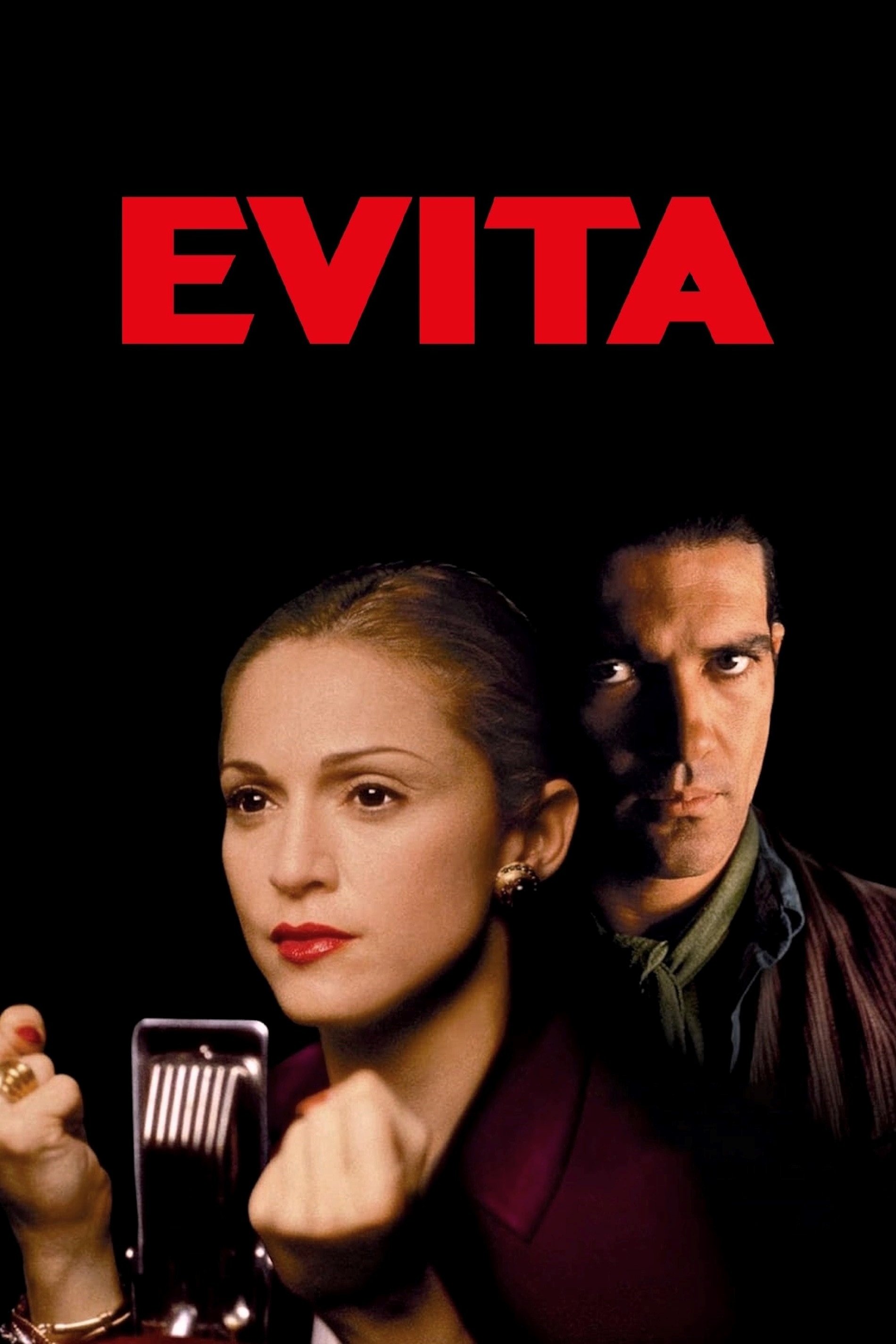
Madonna stars as Eva Perón in this musical that charts her rise from poverty to becoming the First Lady of Argentina. The film captures her glamour and popularity among the working class but minimizes the authoritarian nature of the Perón regime. Critics noted that the movie favors the spectacle of her celebrity over the reality of political oppression and censorship. The narrative romanticizes a figure who remains deeply divisive in Argentine history due to her connections with fascism.
‘The Motorcycle Diaries’ (2004)

This biopic follows a young Ernesto “Che” Guevara as he travels across South America and witnesses deep social injustice. The story ends before he becomes the revolutionary leader known for executing political dissidents and enforcing rigid military discipline. By focusing only on his formative years the film presents him solely as an idealistic humanitarian. This limited scope avoids engaging with the violent and controversial actions that defined his later life and legacy.
‘Bonnie and Clyde’ (1967)
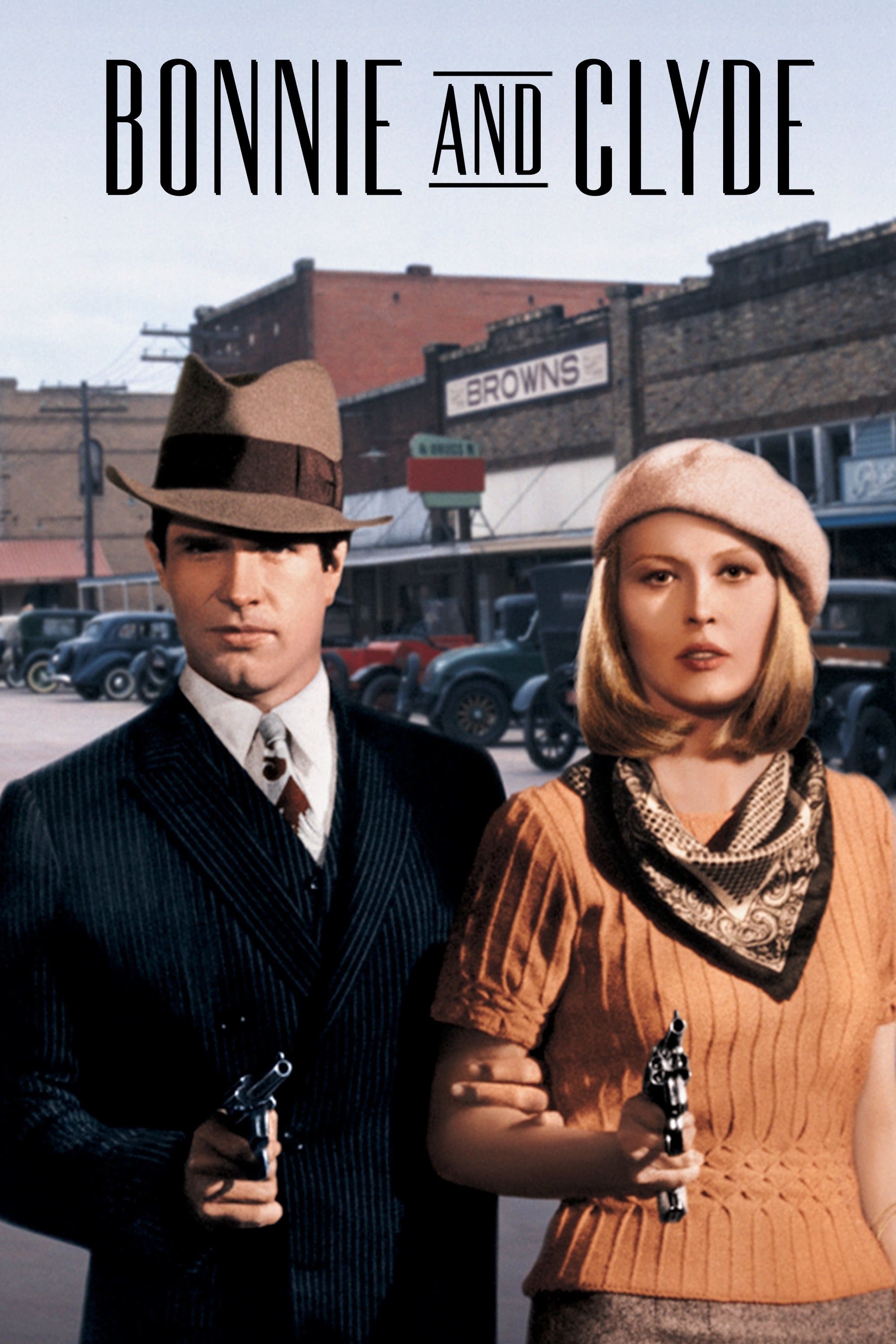
Warren Beatty and Faye Dunaway play the titular outlaws as stylish rebels fighting against the banking system during the Great Depression. The film reinvented the gangster genre by making the criminals sympathetic and transforming them into counterculture icons. In reality the Barrow gang was responsible for the ruthless murders of several police officers and civilians. The movie glosses over the brutality of their crimes to focus on their romance and tragic end.
‘Public Enemies’ (2009)
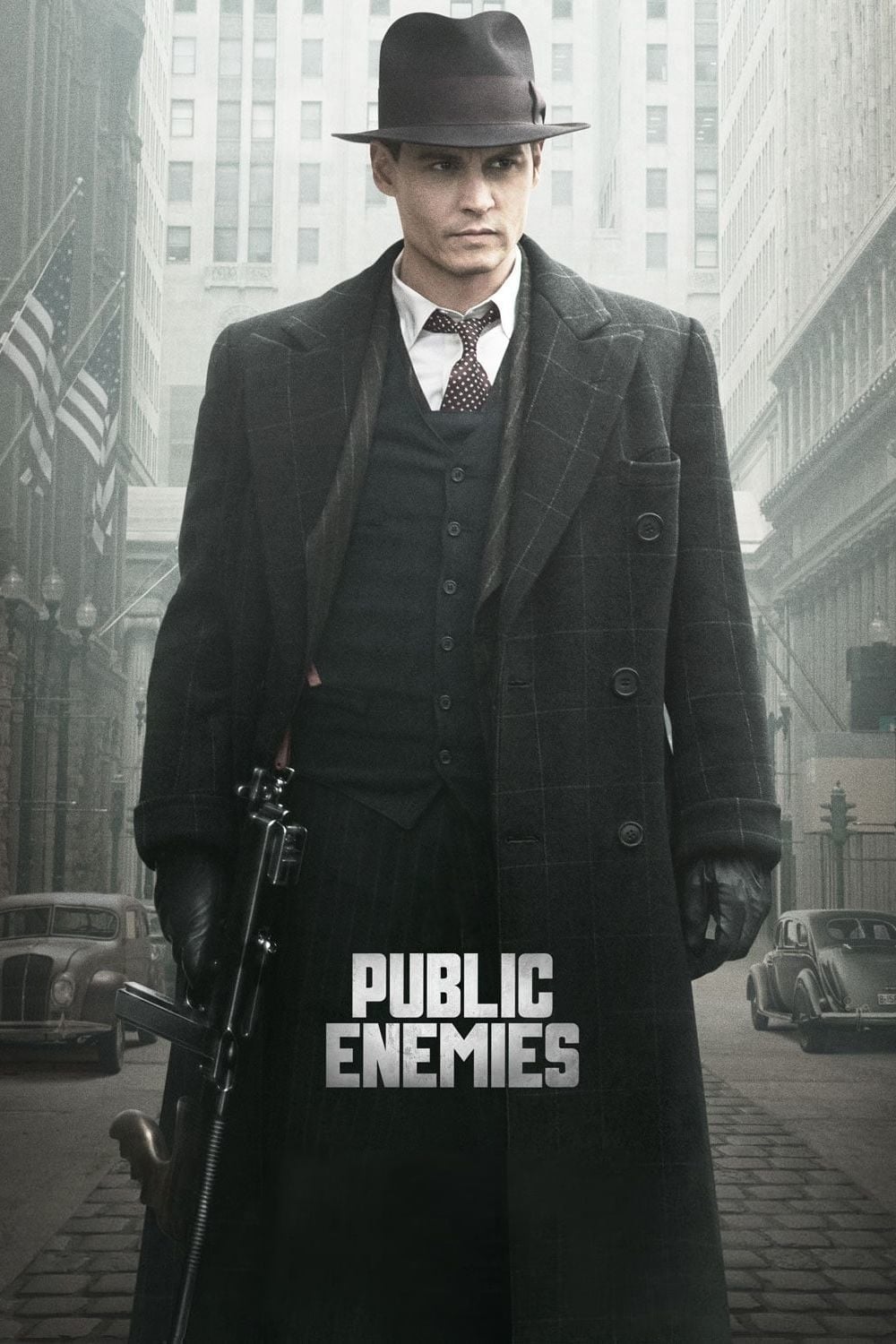
Johnny Depp portrays John Dillinger as a charming and gentlemanly bank robber who is adored by the public. The film emphasizes his code of ethics and his romance with Billie Frechette while villainizing the federal agents pursuing him. The real Dillinger was a dangerous career criminal whose gang was involved in violent shootouts that killed innocent bystanders. The script romanticizes his crime spree as a crusade against the banks rather than a series of violent thefts.
‘Monster’ (2003)
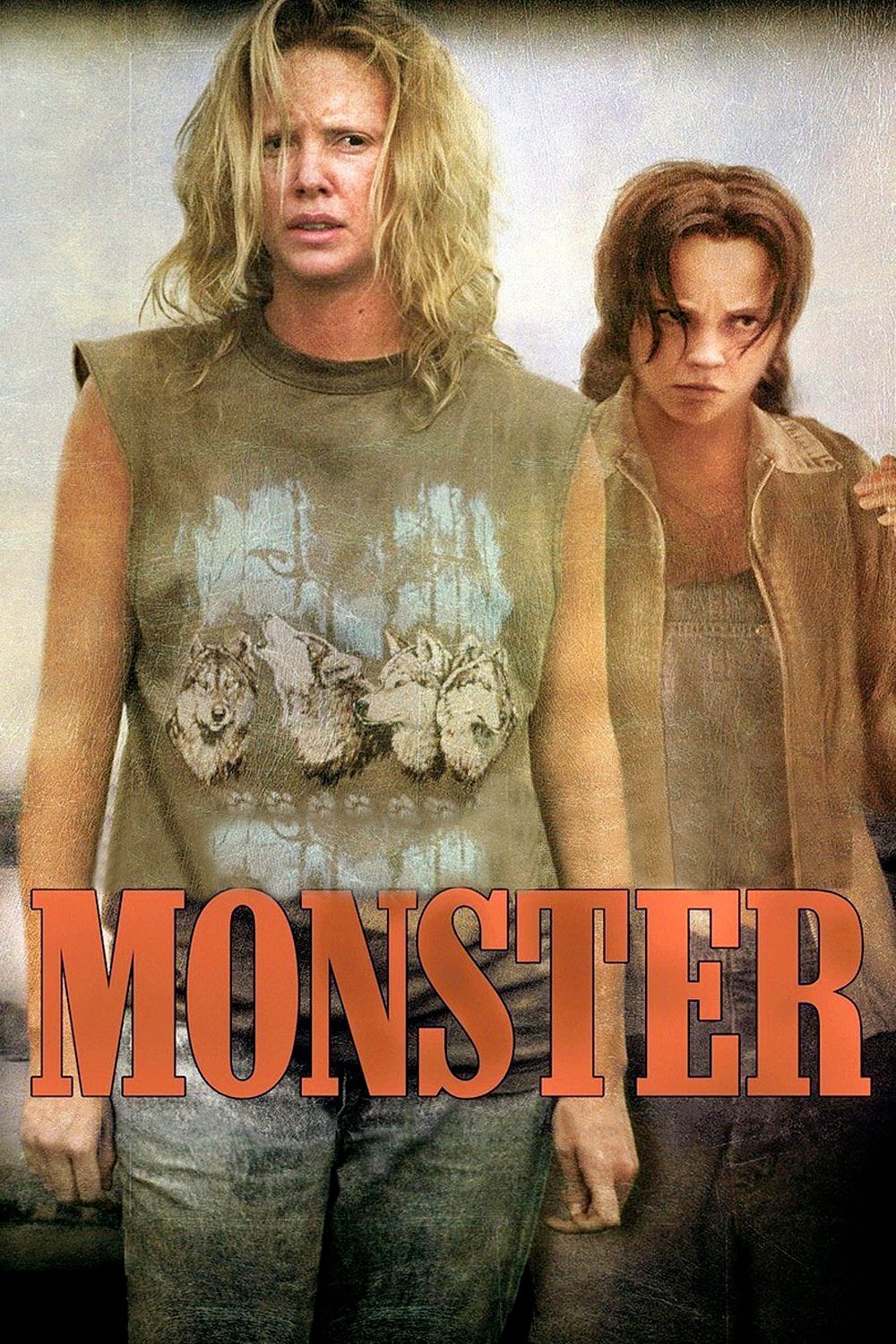
Charlize Theron delivers a transformative performance as serial killer Aileen Wuornos in a film that attempts to explain her violent actions. The narrative frames Wuornos primarily as a victim of abuse who killed her first victim in self-defense. While the film humanizes her struggle it has been criticized by families of the victims for generating sympathy for a mass murderer. The movie suggests her subsequent killings were a result of trauma rather than cold-blooded calculation.
‘Blow’ (2001)

Johnny Depp plays George Jung and depicts him as a cool and ambitious entrepreneur who helped establish the cocaine market in America. The film focuses on his relationship with his daughter and portrays him as a victim of betrayal by his associates. This perspective ignores the devastation the drug trade caused to countless communities and families during the heyday of the cartel. Jung is presented as a tragic anti-hero rather than a criminal who profited from addiction.
‘Catch Me If You Can’ (2002)

Leonardo DiCaprio charms audiences as Frank Abagnale Jr. in this caper about a brilliant young con artist. The film portrays his check fraud and impersonations as victimless crimes committed by a lonely boy looking for his father’s approval. Recent investigations suggest that the real Abagnale may have fabricated many of the exploits depicted in his memoir and the film. The movie glamourises the life of a conman while minimizing the financial impact on the individuals he defrauded.
‘Goodfellas’ (1990)
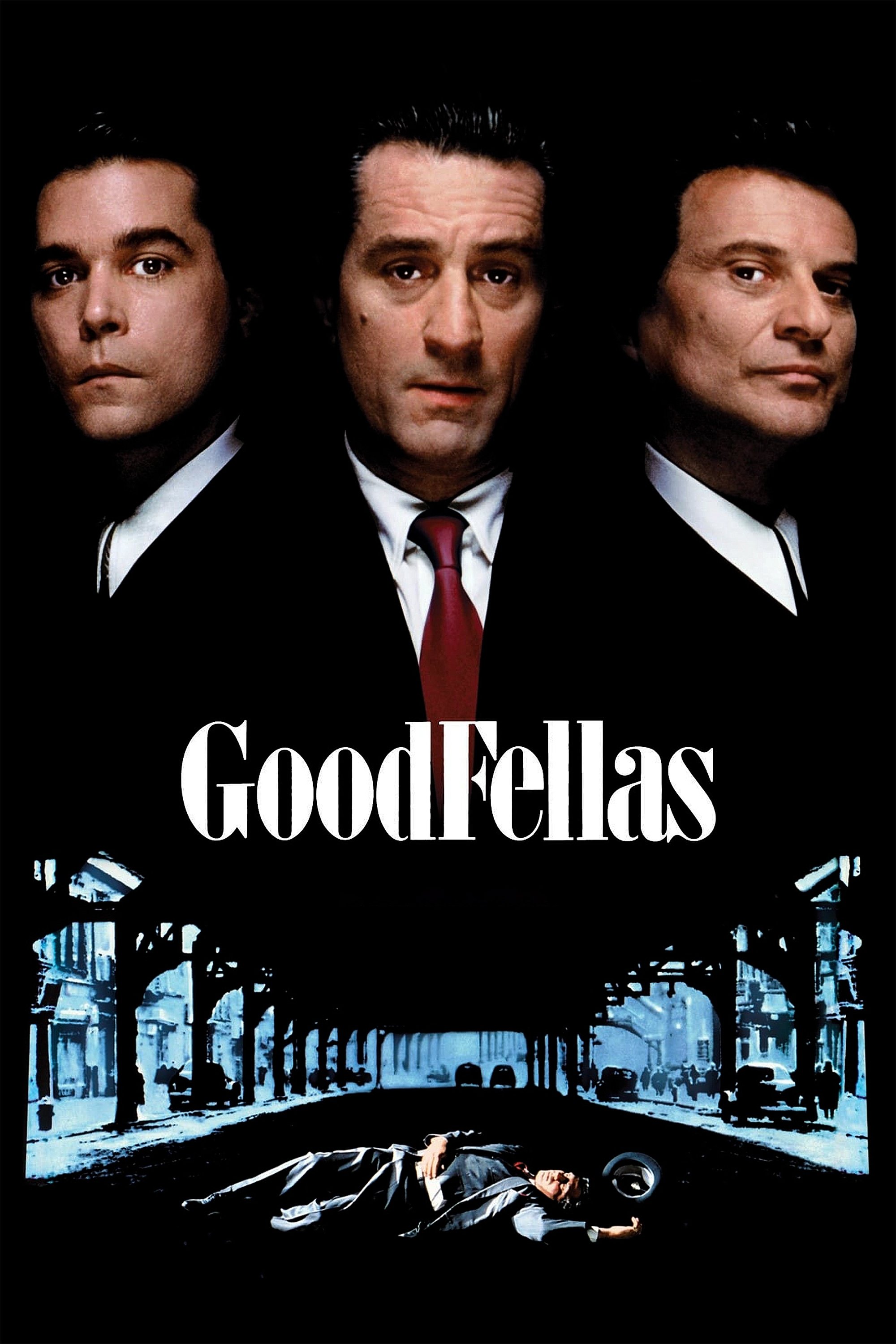
Henry Hill is the narrator and protagonist of this mob drama that explores his life within the Lucchese crime family. The film seduces the audience with the camaraderie and wealth of the gangster lifestyle before showing the eventual downfall. While the violence is graphic the film still centers on a man who participated in robberies and drug trafficking without remorse. Hill is portrayed as a rat who betrayed his friends to survive rather than a violent criminal facing justice.
‘Legend’ (2015)
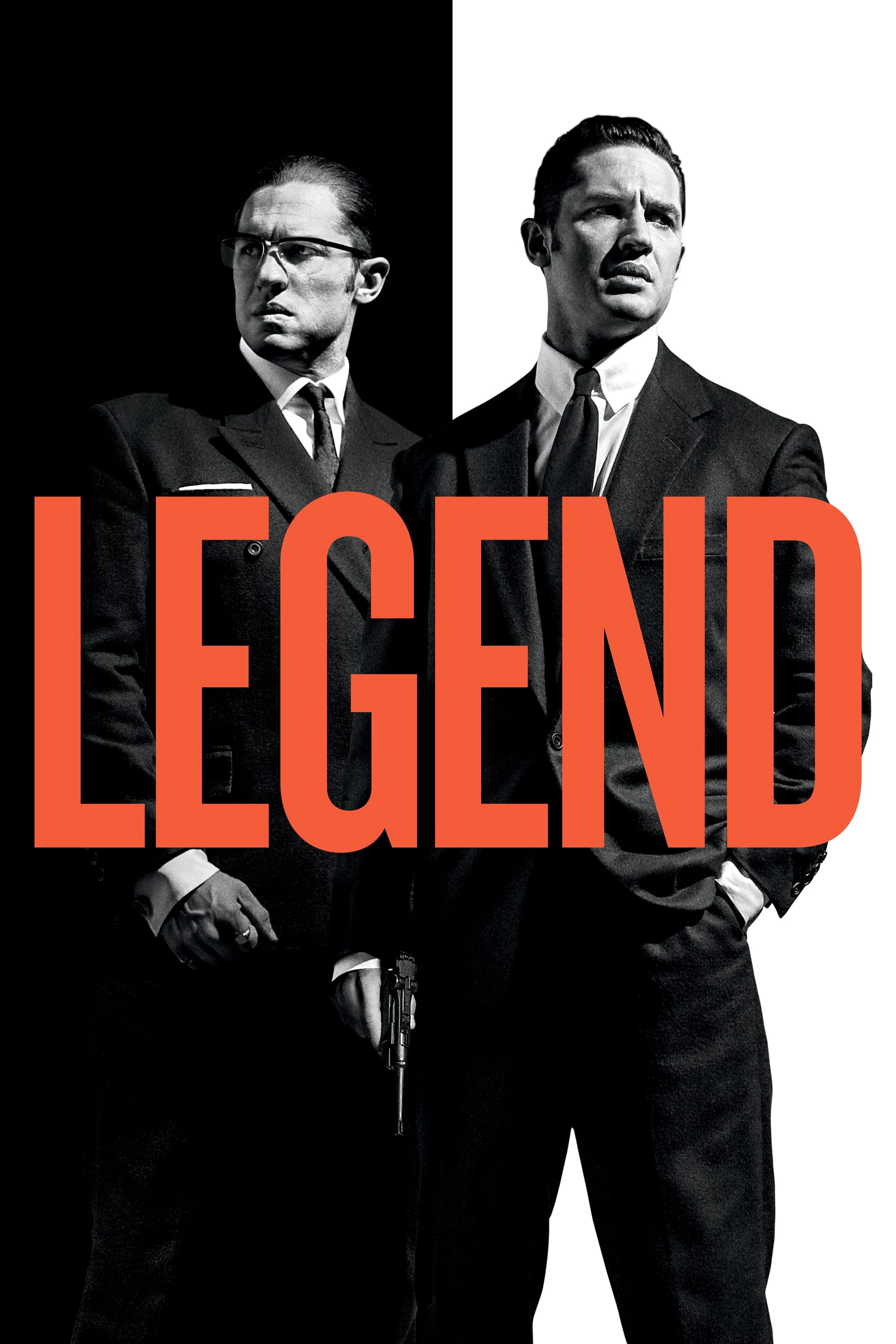
Tom Hardy plays both Reggie and Ronnie Kray in a stylish thriller about the twins who ruled London’s underworld in the 1960s. The film focuses heavily on the romantic relationship between Reggie and his wife Frances while treating the violence as a backdrop. The Krays were feared gangsters known for torture and murder but the movie often treats them like rock stars. The glamorization serves to soften the image of two men who terrorized the East End for years.
‘Black Mass’ (2015)
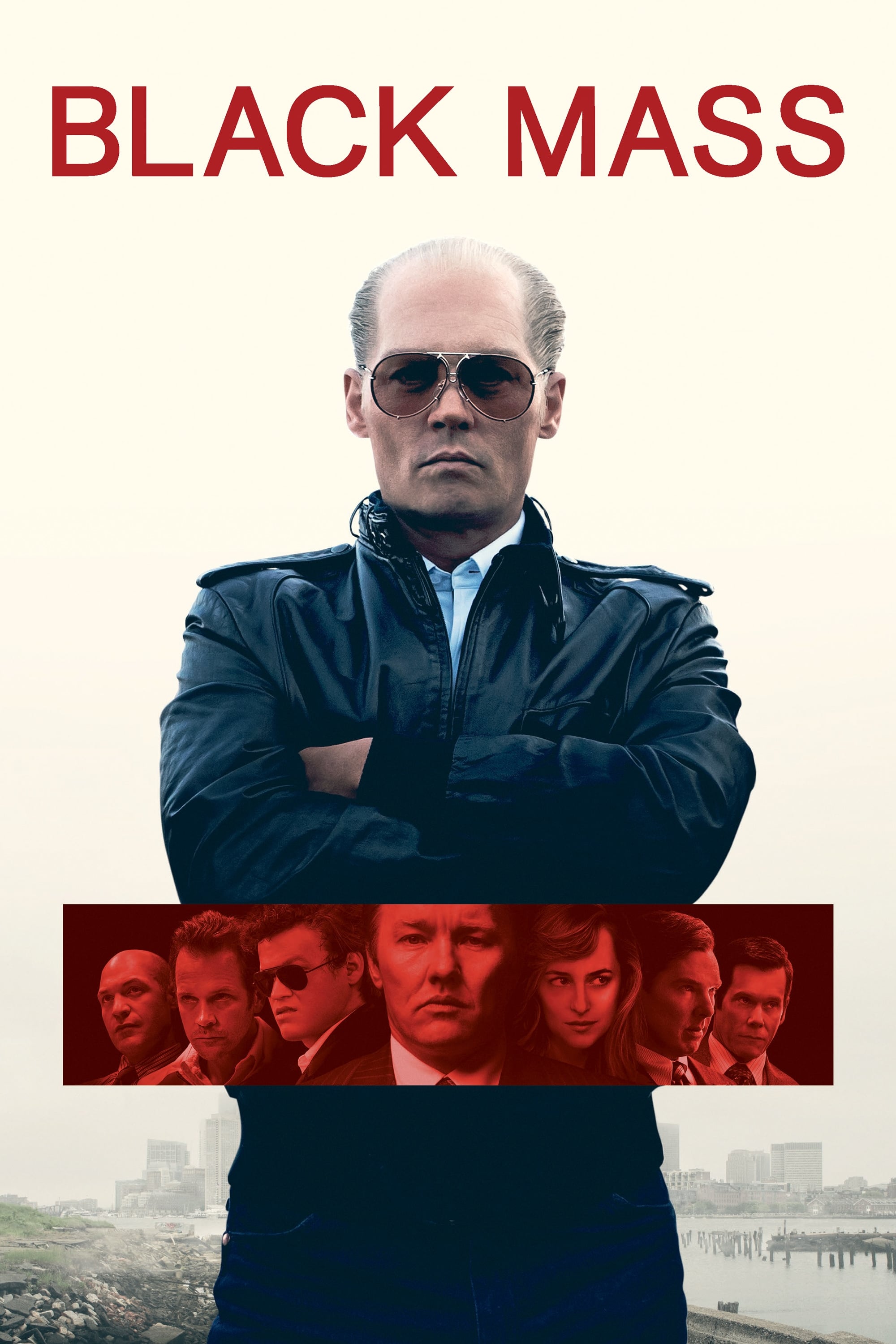
Johnny Depp portrays James “Whitey” Bulger as a terrifying yet oddly principled crime boss who protects his neighborhood. The film explores his corrupt alliance with the FBI which allowed him to operate with impunity for decades. Despite showing his capacity for violence the movie creates a mythical aura around Bulger that elevates him above common criminals. The real Bulger was a manipulator who destroyed lives while hiding behind his status as an informant.
‘Bronson’ (2008)
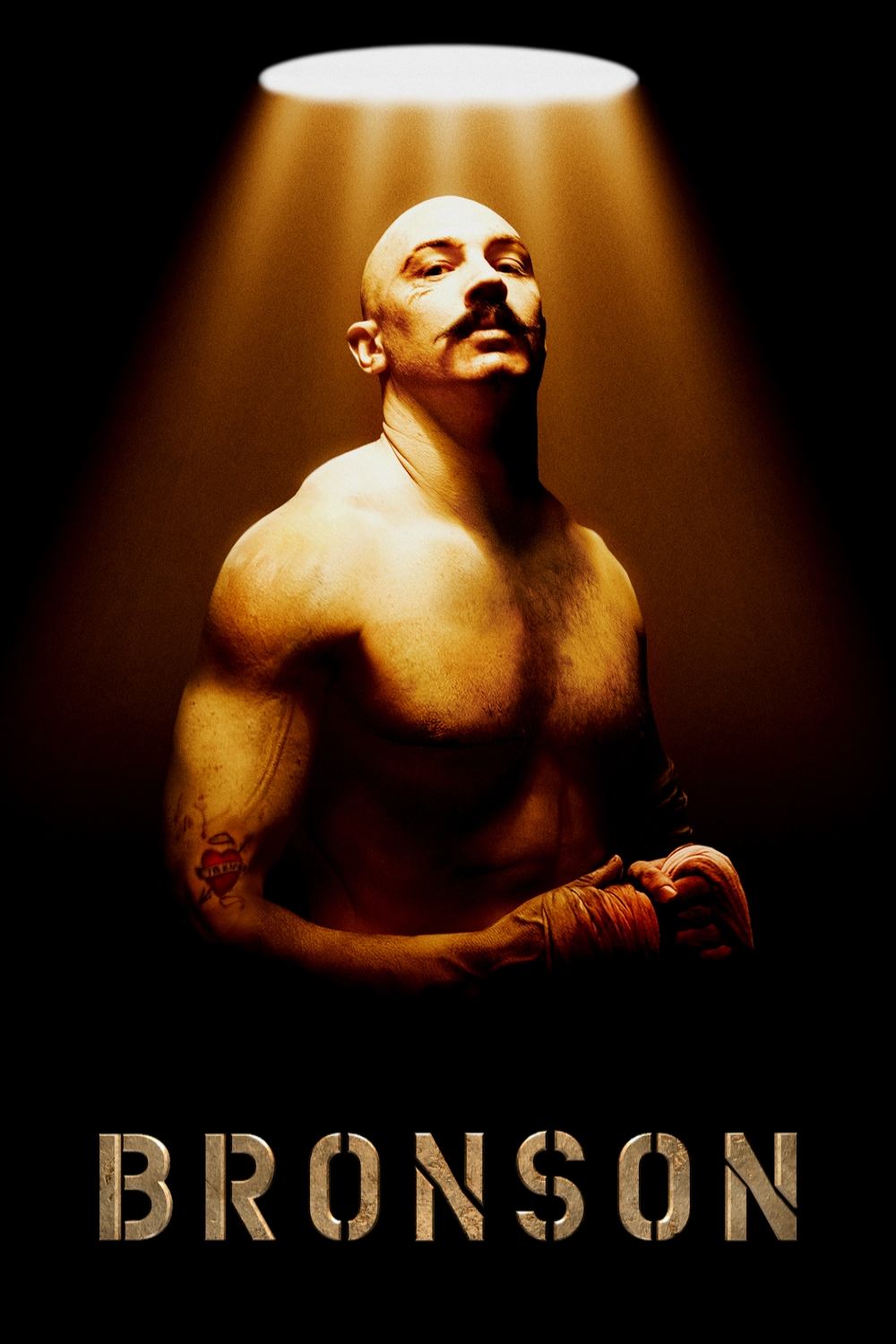
Tom Hardy stars as Charles Bronson who is often referred to as the most violent prisoner in Britain. The film presents his constant fighting with guards and hostage-taking as a form of performance art and personal expression. This stylistic approach turns a man with a history of severe violence into a quirky and misunderstood celebrity. The movie focuses on his persona and theatricality rather than the harm he caused to prison staff and inmates.
‘Chopper’ (2000)
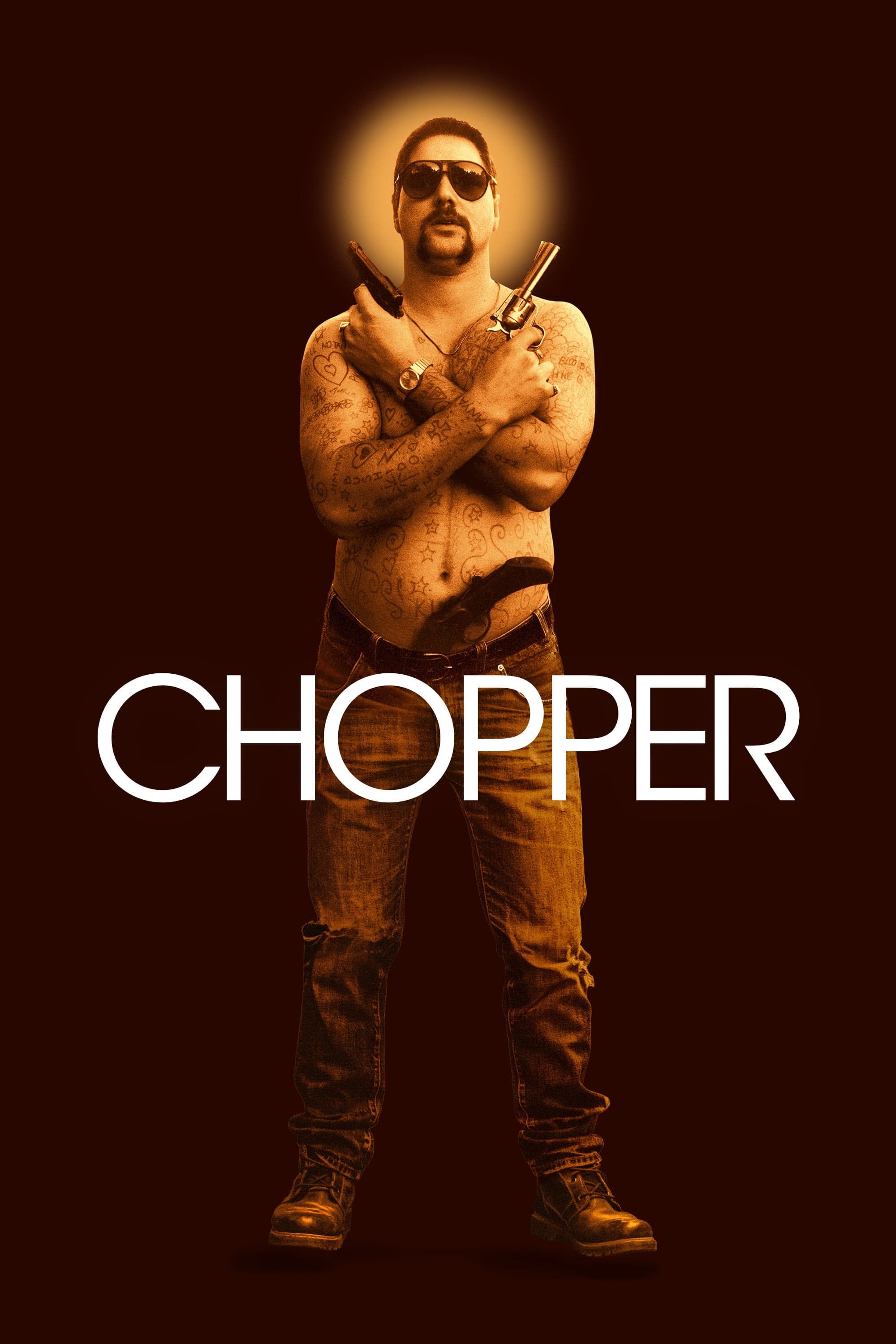
Eric Bana plays Mark “Chopper” Read in a film based on the semi-autobiographical books written by the Australian criminal. The movie presents Read as a charismatic and humorous figure who adheres to a personal moral code. The real Read was a violent man known for kidnapping and torture who exaggerated his own exploits to gain fame. The film embraces his unreliable narration and turns a dangerous criminal into a cult hero.
‘The Founder’ (2016)
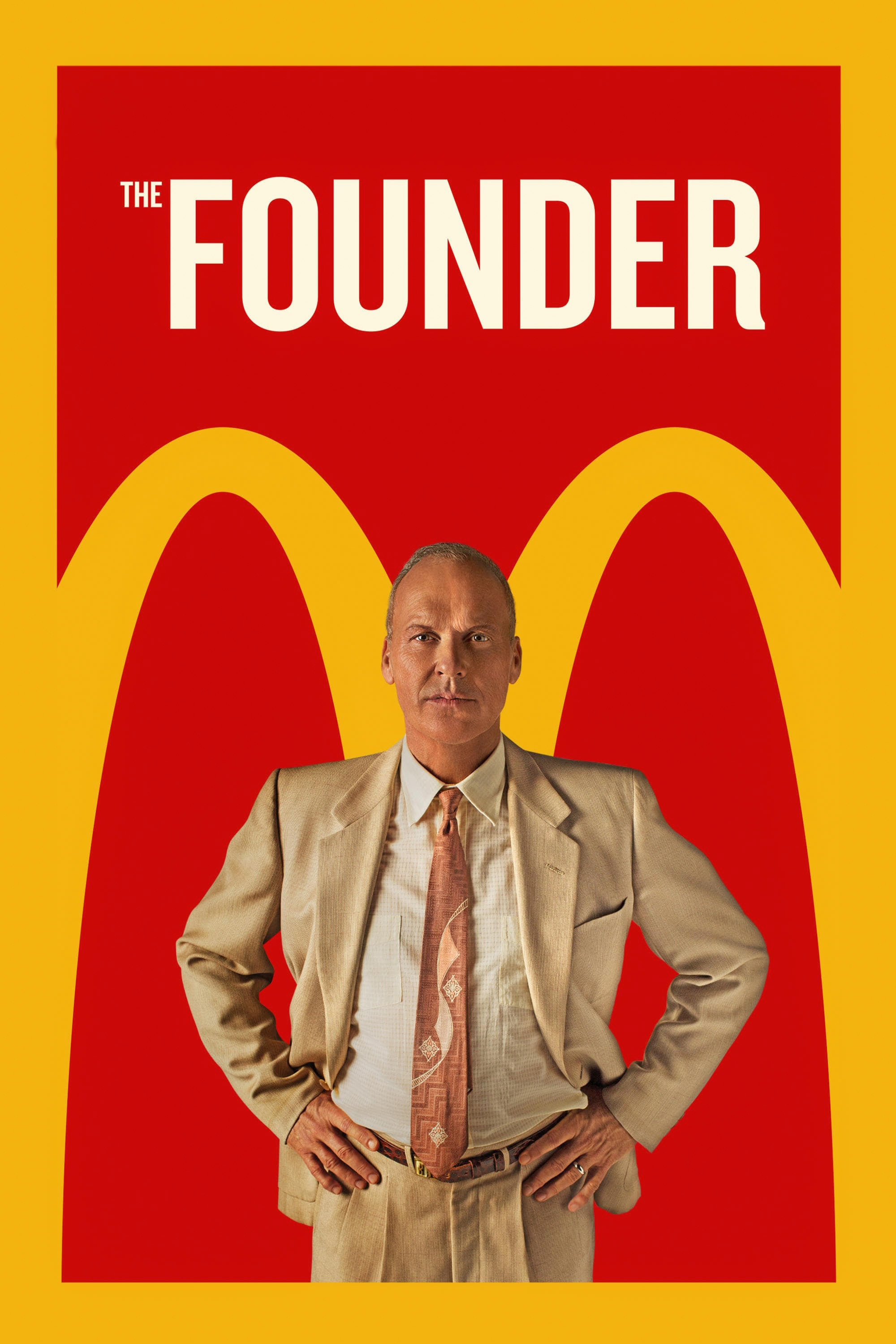
Michael Keaton plays Ray Kroc as a struggling salesman who eventually maneuvers to take control of the McDonald’s empire. The film acknowledges his ruthless business tactics but frames him as the ultimate example of American perseverance. Kroc reneged on handshake deals and cut the original McDonald brothers out of the business they created. The narrative ultimately celebrates his success and expansion despite the ethical compromises he made along the way.
‘Saving Mr. Banks’ (2013)

Tom Hanks plays Walt Disney in this drama about the production of the film adaptation of Mary Poppins. The movie presents Disney as a benevolent father figure who patiently deals with the difficult author P.L. Travers. Real accounts suggest that Disney was far less patient and that Travers despised the final film and felt manipulated by the studio. The film serves as a polished piece of corporate history that softens the edges of a powerful studio mogul.
‘Straight Outta Compton’ (2015)
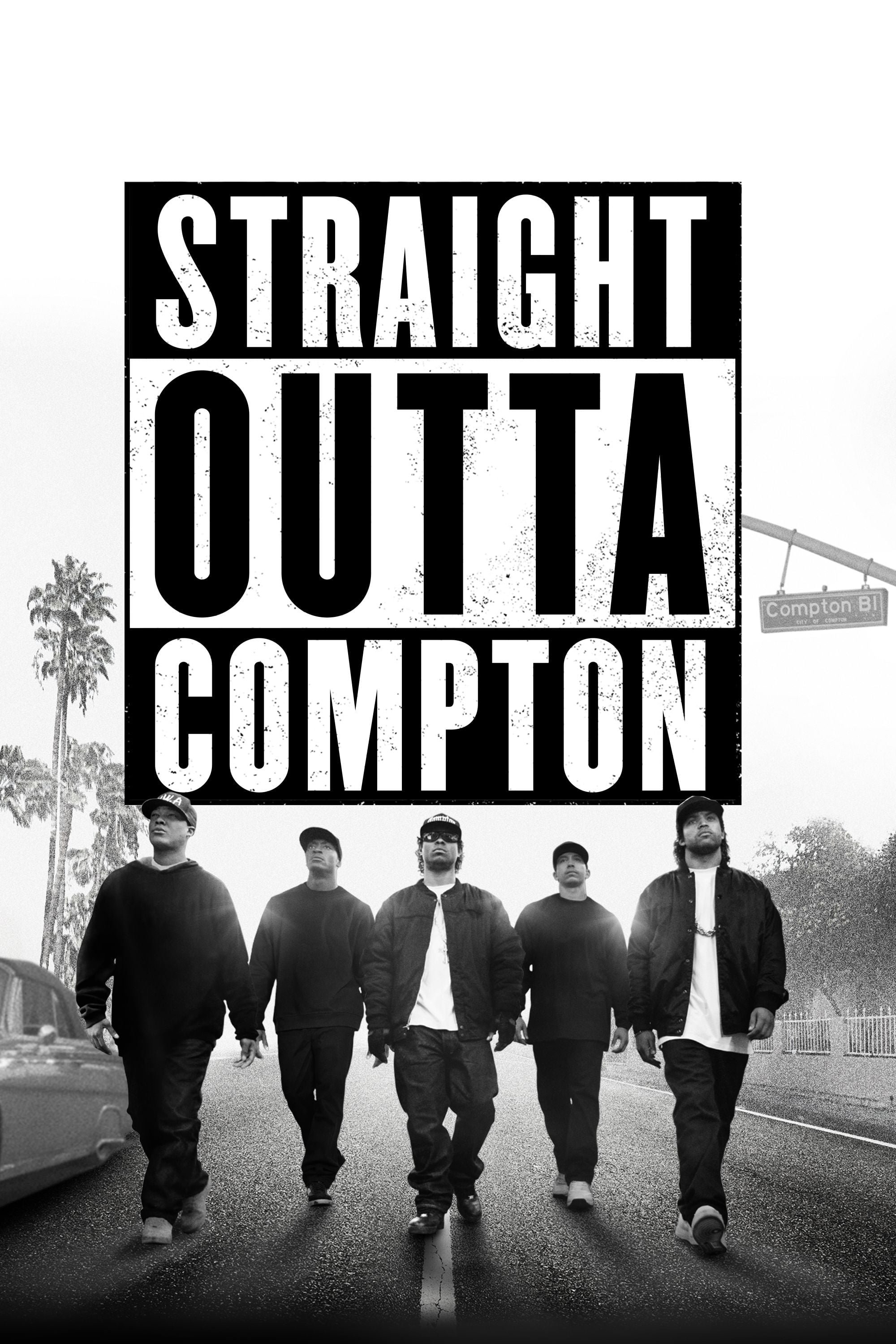
This biopic chronicles the rise of N.W.A and depicts the group members as rebels fighting against police brutality and censorship. The film omits several negative aspects of the members’ lives including Dr. Dre’s history of violence against women. Notable incidents involving female journalists and partners were excluded from the screenplay entirely. The surviving members of the group produced the film which allowed them to curate a flattering version of their history.
‘The Aviator’ (2004)

Howard Hughes is portrayed as a tragic genius whose mental illness derailed his brilliant career in aviation and film. The movie focuses on his obsessive-compulsive disorder and his battles with government bureaucracy and rival airlines. It largely ignores his well-documented racism and his abusive behavior toward the women in his life. The film cements his legacy as an eccentric visionary while burying the more repulsive aspects of his character.
‘Coco Chanel & Igor Stravinsky’ (2009)

The film focuses on the romantic affair between the fashion designer and the composer during the 1920s. While it highlights Chanel’s independence and artistic vision it glosses over her activities during World War II. Chanel was a verified Nazi intelligence operative and used Aryan laws to try and seize control of her company from Jewish partners. The movie romanticizes her life without addressing her collaboration with the German occupation of France.
‘Gods and Generals’ (2003)

This Civil War epic focuses on Stonewall Jackson and portrays the Confederate generals as pious men defending their homes. The film has been criticized for promoting the “Lost Cause” mythology by downplaying the central role of slavery in the conflict. It features happy enslaved people who seem loyal to their masters which contradicts historical reality. The movie glorifies men who fought to preserve the institution of slavery by framing their cause as one of state rights and religious duty.
‘Gone with the Wind’ (1939)
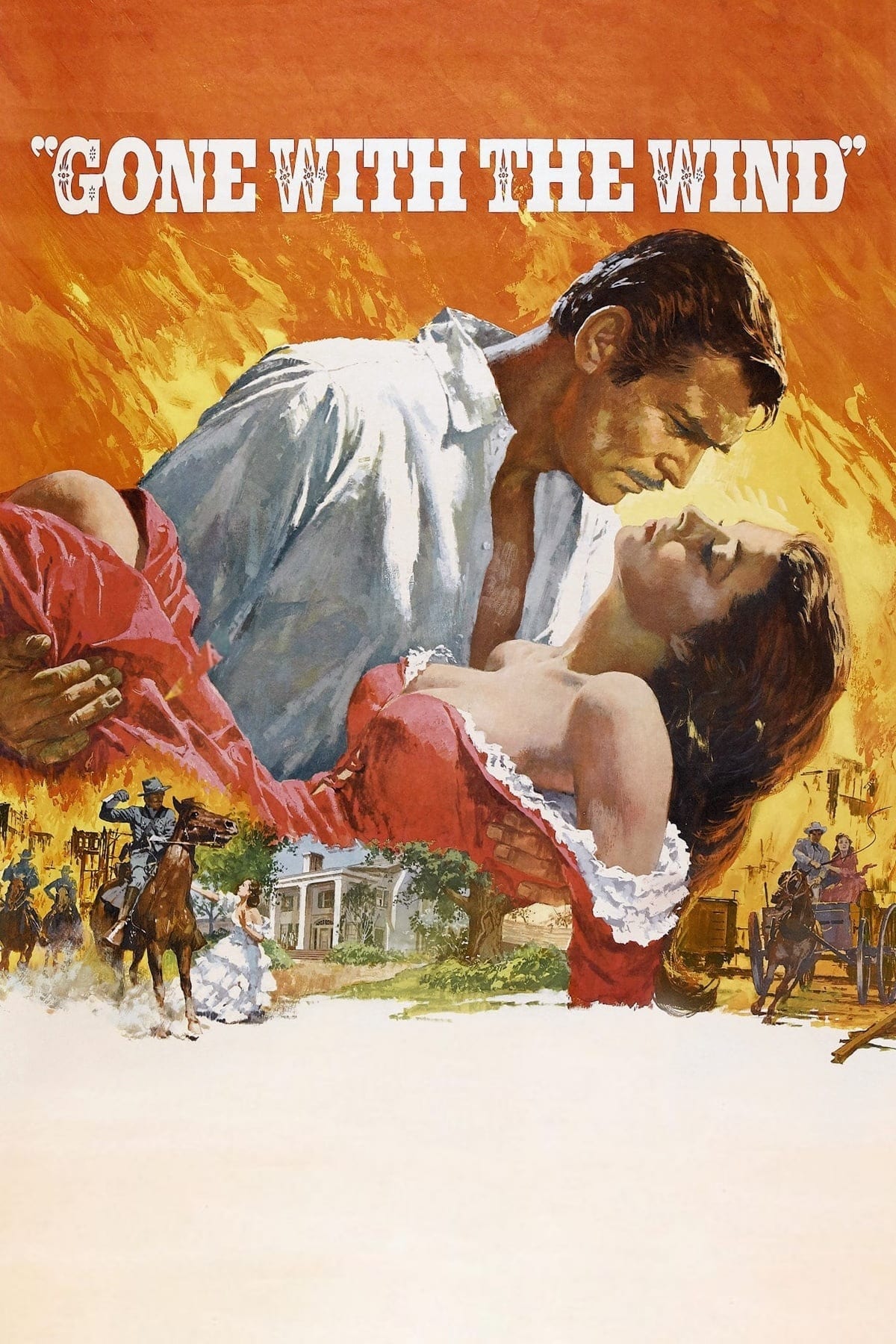
This classic cinema epic tells a sweeping romance set against the backdrop of the American Civil War and Reconstruction. The film romanticizes the Antebellum South and portrays the slave-owning O’Hara family as benevolent masters. It depicts enslaved characters as simple-minded or fiercely loyal to their owners while vilifying Northerners. The movie remains a technical masterpiece but is heavily criticized for perpetuating dangerous myths about the Confederacy and slavery.
‘The Birth of a Nation’ (1915)
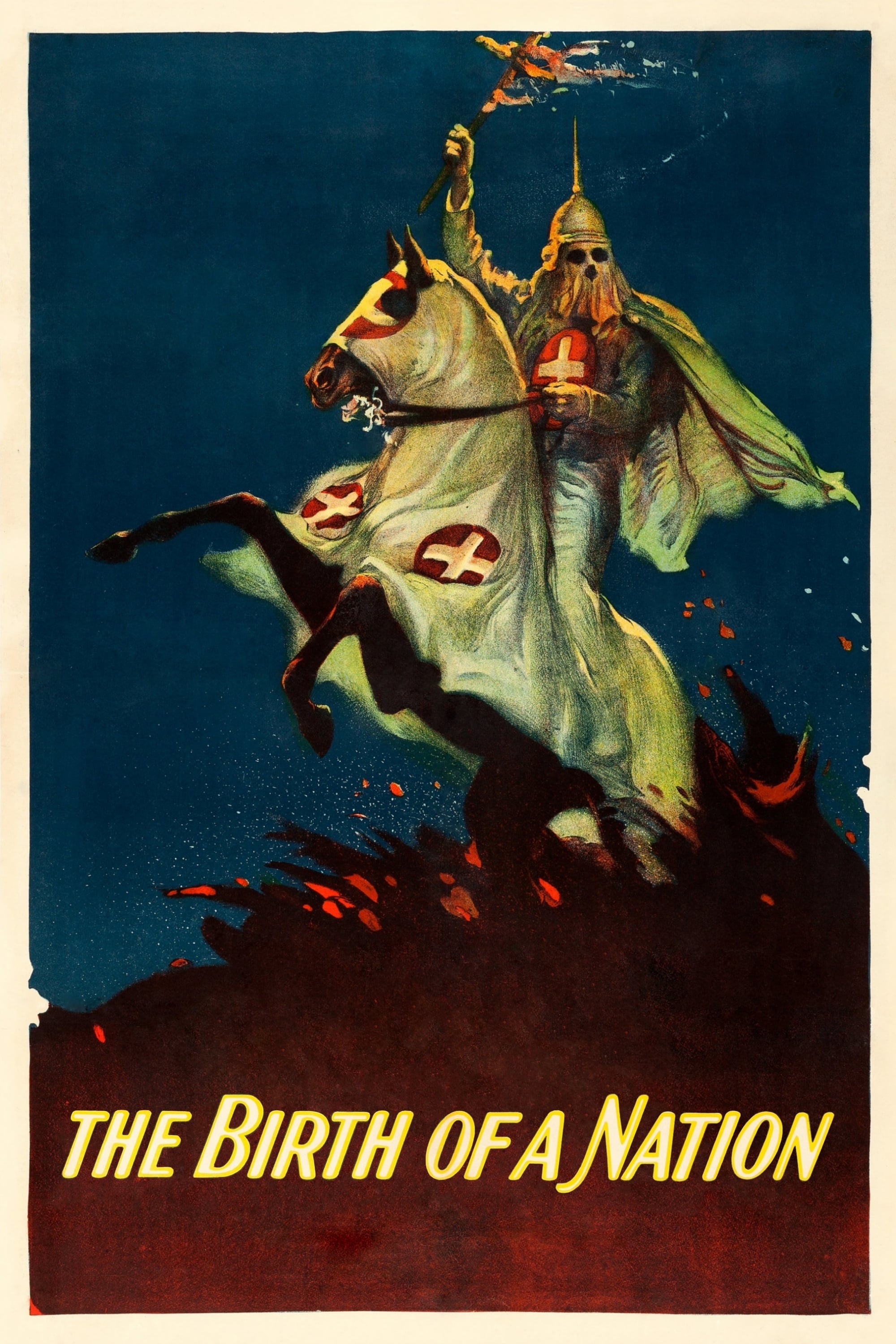
D.W. Griffith’s silent film is infamously known for portraying the Ku Klux Klan as heroic saviors of the South. The movie depicts Black men as unintelligent and sexually aggressive predators who threaten white society. It was responsible for reviving the KKK in the early 20th century and leading to real-world violence against Black Americans. While it is studied for its cinematic techniques it remains one of the most hateful and problematic distortions of history ever produced.
‘300’ (2006)
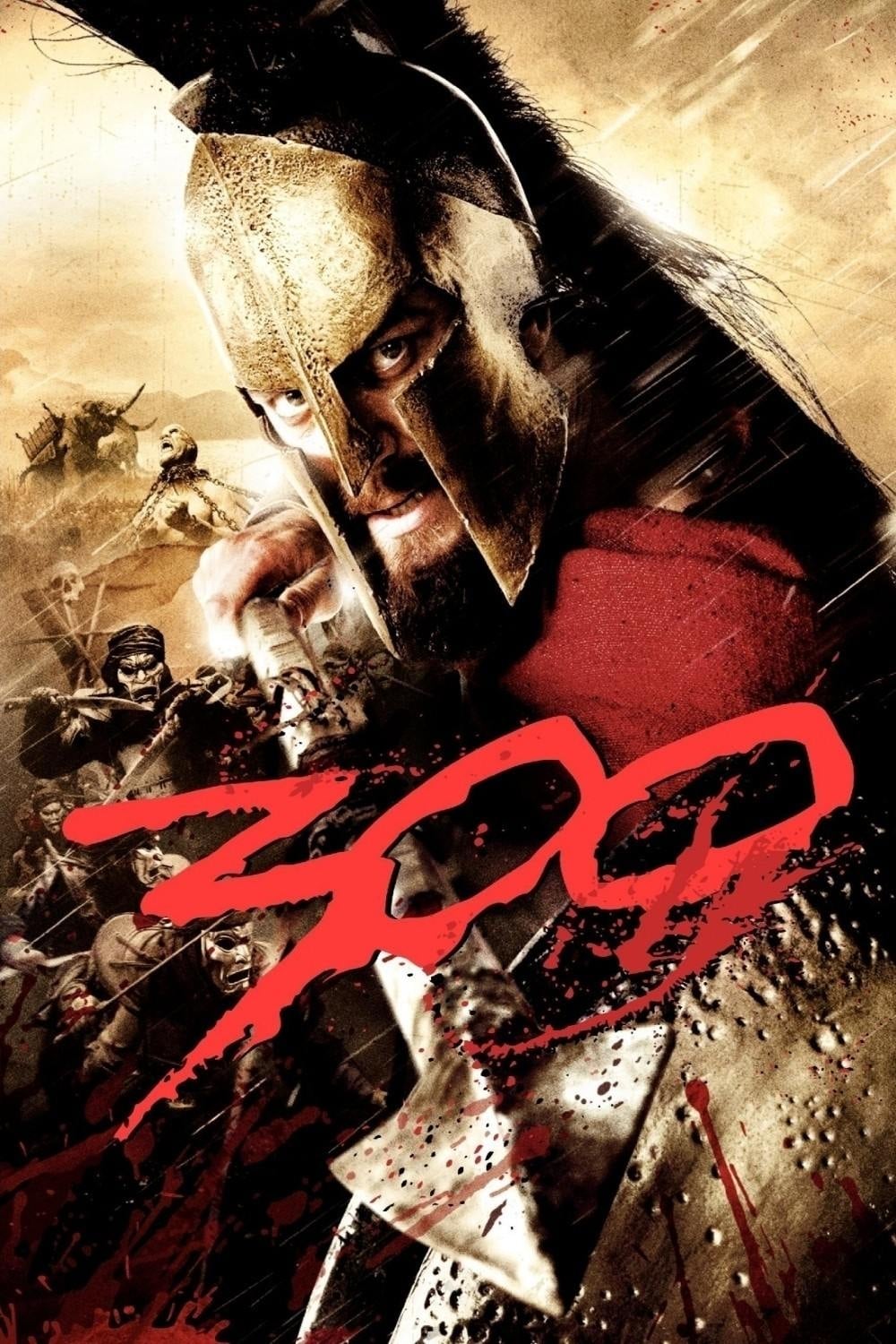
Zack Snyder adapts a graphic novel that retells the Battle of Thermopylae with stylized violence and action. The Spartans are depicted as freedom-loving heroes while the Persians are shown as monstrous and barbaric savages. History notes that Spartan society was built on the brutal enslavement of the Helots and practiced eugenics. The film ignores these authoritarian aspects of Sparta to present them as the defenders of Western democracy.
‘Alexander’ (2004)
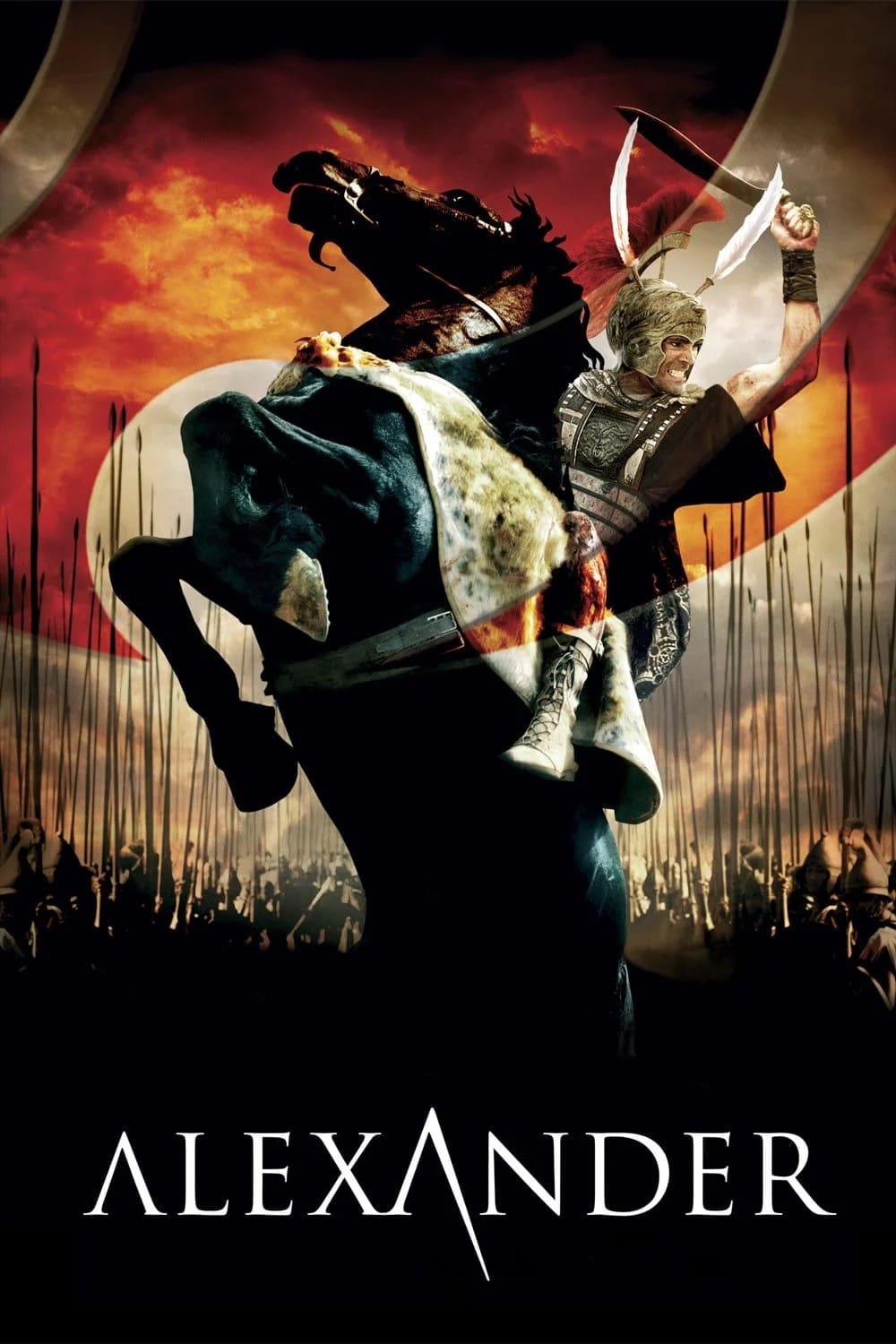
Colin Farrell plays the Macedonian conqueror in a film that explores his military campaigns and personal relationships. The movie romanticizes his ambition to unite the world under one empire while glossing over the massacres his army committed. Alexander destroyed entire cities and sold thousands of people into slavery during his conquests. The narrative frames him as a misunderstood philosopher-king rather than a ruthless warlord driven by ego.
‘The Iron Lady’ (2011)
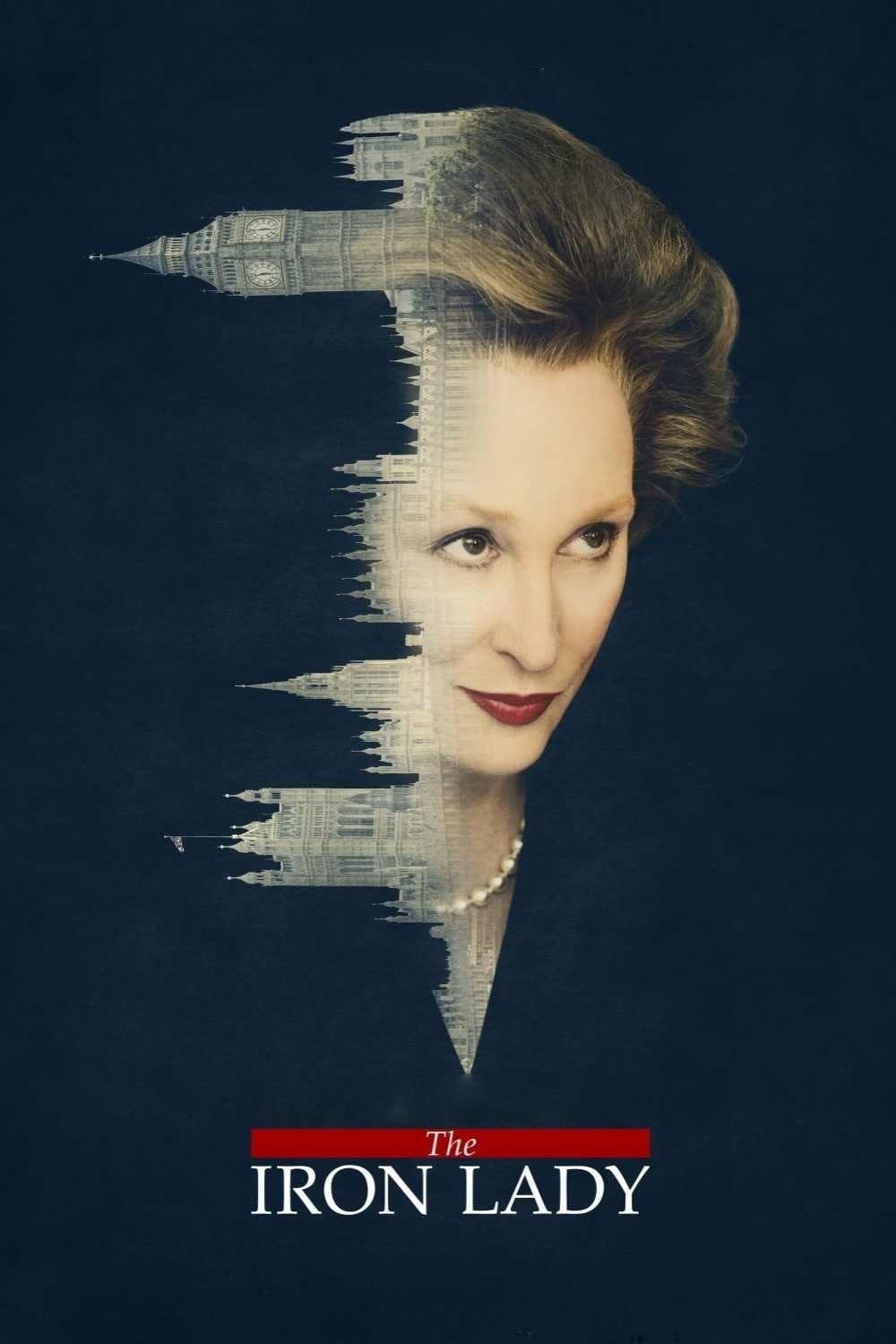
Meryl Streep won an Oscar for her portrayal of British Prime Minister Margaret Thatcher in this biographical drama. The film focuses on her struggle against sexism in politics and her later years battling dementia. It largely skims over the intense social unrest caused by her economic policies and her controversial handling of the miners’ strike. Critics felt the movie humanized a polarizing figure without adequately engaging with the hardships her decisions caused for the working class.
‘Darkest Hour’ (2017)
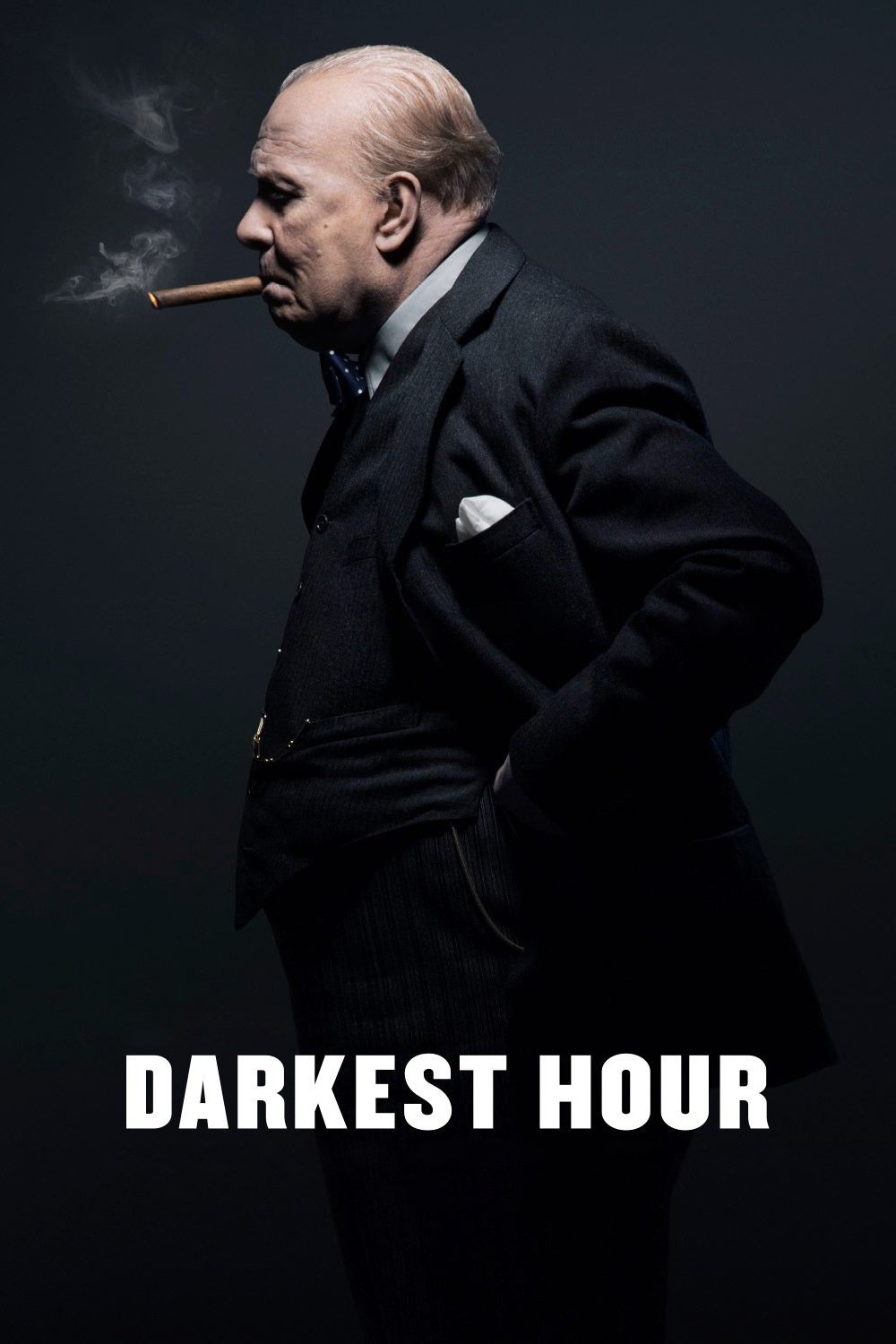
Gary Oldman delivers a powerhouse performance as Winston Churchill during the early days of World War II. The film focuses entirely on his inspiring speeches and his refusal to negotiate with Adolf Hitler. It omits his controversial views on race and his policies that contributed to the Bengal Famine of 1943. By limiting the scope to a few weeks in 1940 the film avoids addressing the complexities of his imperialist ideology.
‘Green Book’ (2018)
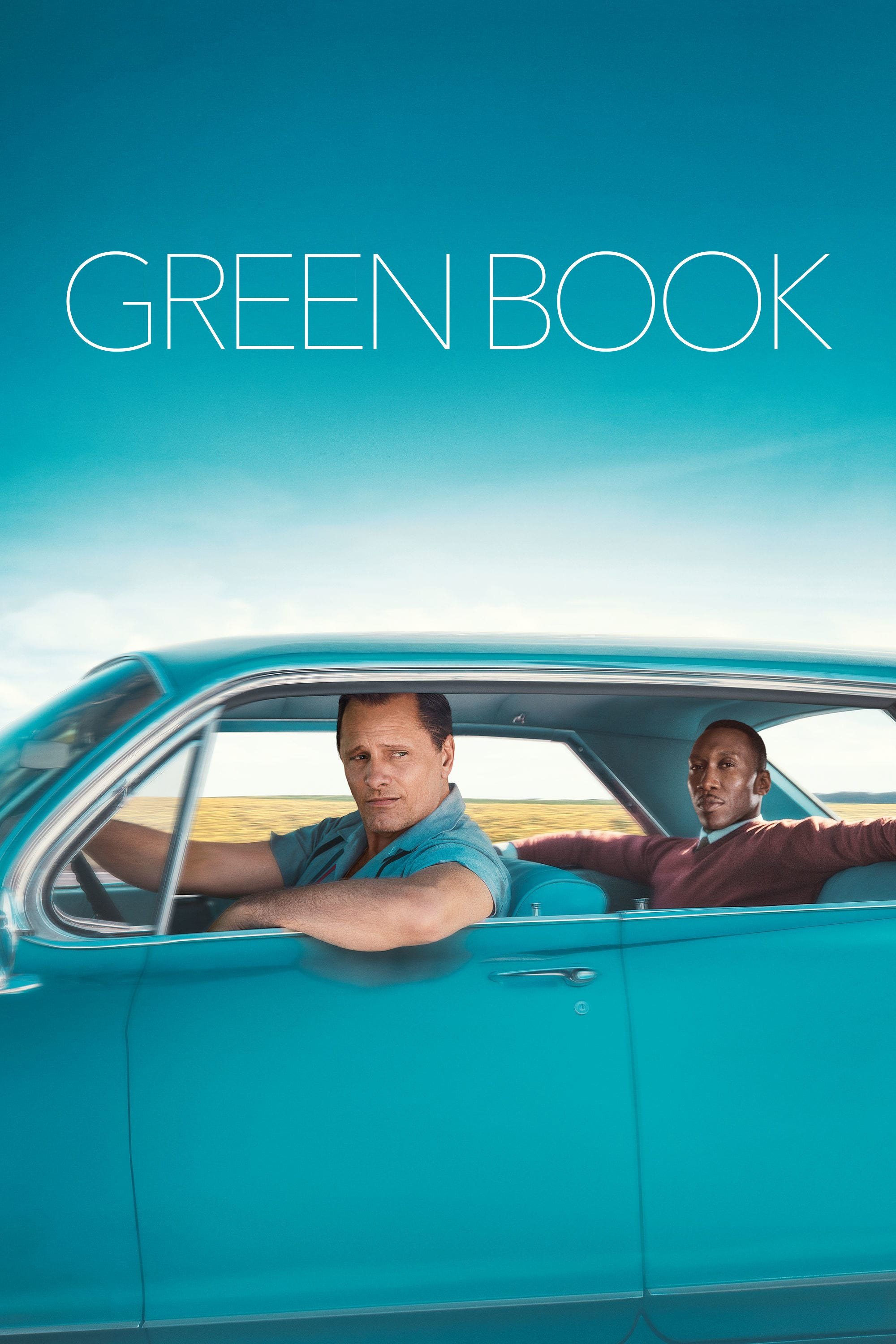
This Best Picture winner tells the story of the friendship between pianist Don Shirley and his driver Tony Lip. The family of Don Shirley criticized the film for misrepresenting his relationship with his family and his friendship with Lip. The movie was accused of relying on the “white savior” trope where the white character teaches the Black character about his own culture. It simplifies the harsh realities of segregation into a feel-good story about overcoming prejudice.
‘The Blind Side’ (2009)
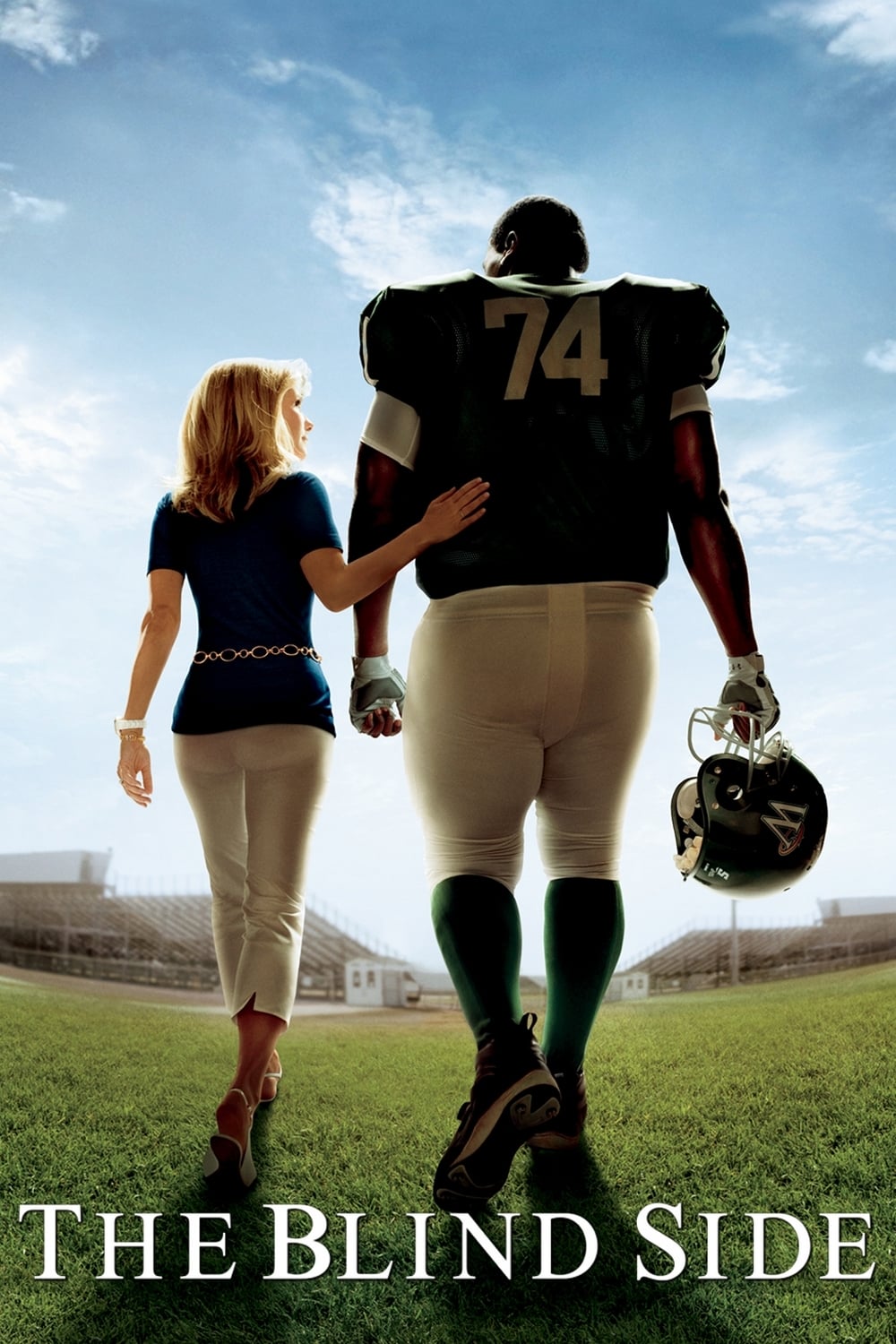
Sandra Bullock stars as Leigh Anne Tuohy in this drama about a wealthy white family taking in a homeless Black teenager named Michael Oher. The film portrays Oher as intellectually slow and completely dependent on the Tuohy family for his success in football. The real Michael Oher has stated the movie hurt his career by misrepresenting his intelligence and football knowledge. He later filed a lawsuit alleging the family misled him about his adoption status to profit from his story.
‘Captain Phillips’ (2013)
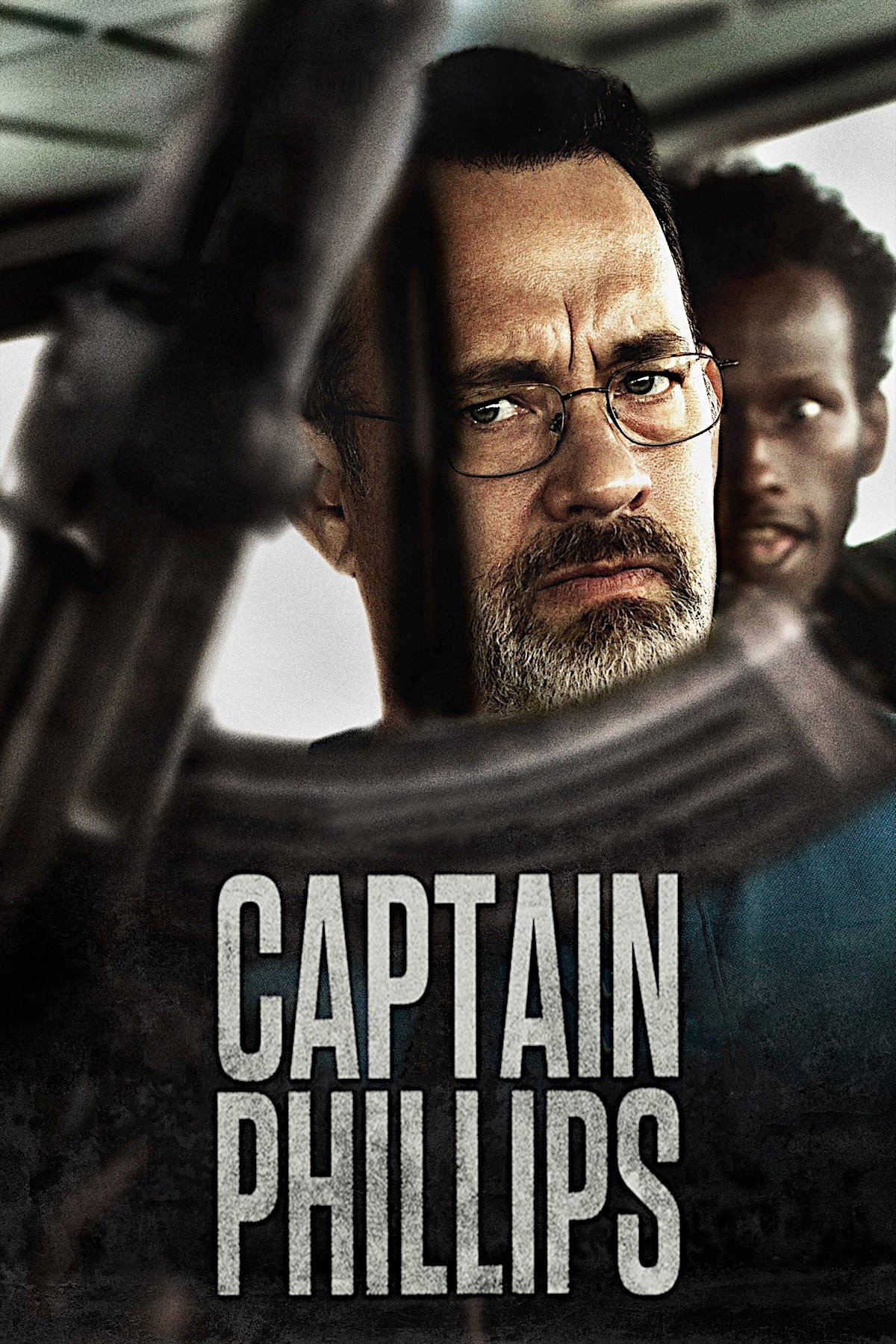
Tom Hanks plays the titular merchant mariner whose ship is hijacked by Somali pirates. The film depicts Phillips as a selfless hero who risks his life to save his crew and the ship. Crew members from the real Maersk Alabama sued the shipping line claiming Phillips ignored safety warnings to save money and put them in danger. The movie ignores the crew’s resentment toward Phillips to focus on his individual survival story.
‘Ned Kelly’ (2003)

Heath Ledger stars as the famous Australian bushranger who wears homemade armor during a shootout with police. The film leans into the folklore that Kelly was a victim of police persecution who fought for the rights of the poor. While police corruption was real the movie downplays the fact that the Kelly Gang murdered police officers. The narrative cements his status as a folk hero rather than a violent outlaw.
‘Butch Cassidy and the Sundance Kid’ (1969)

Paul Newman and Robert Redford play the famous outlaws in this charming western that blends comedy with action. The film focuses on their friendship and their desire to live free from the constraints of modern society. In reality they were hard-core criminals who robbed banks and trains and left a trail of violence across two continents. The movie makes them instantly lovable and tragic figures while ignoring the victims of their robberies.
‘Young Guns’ (1988)
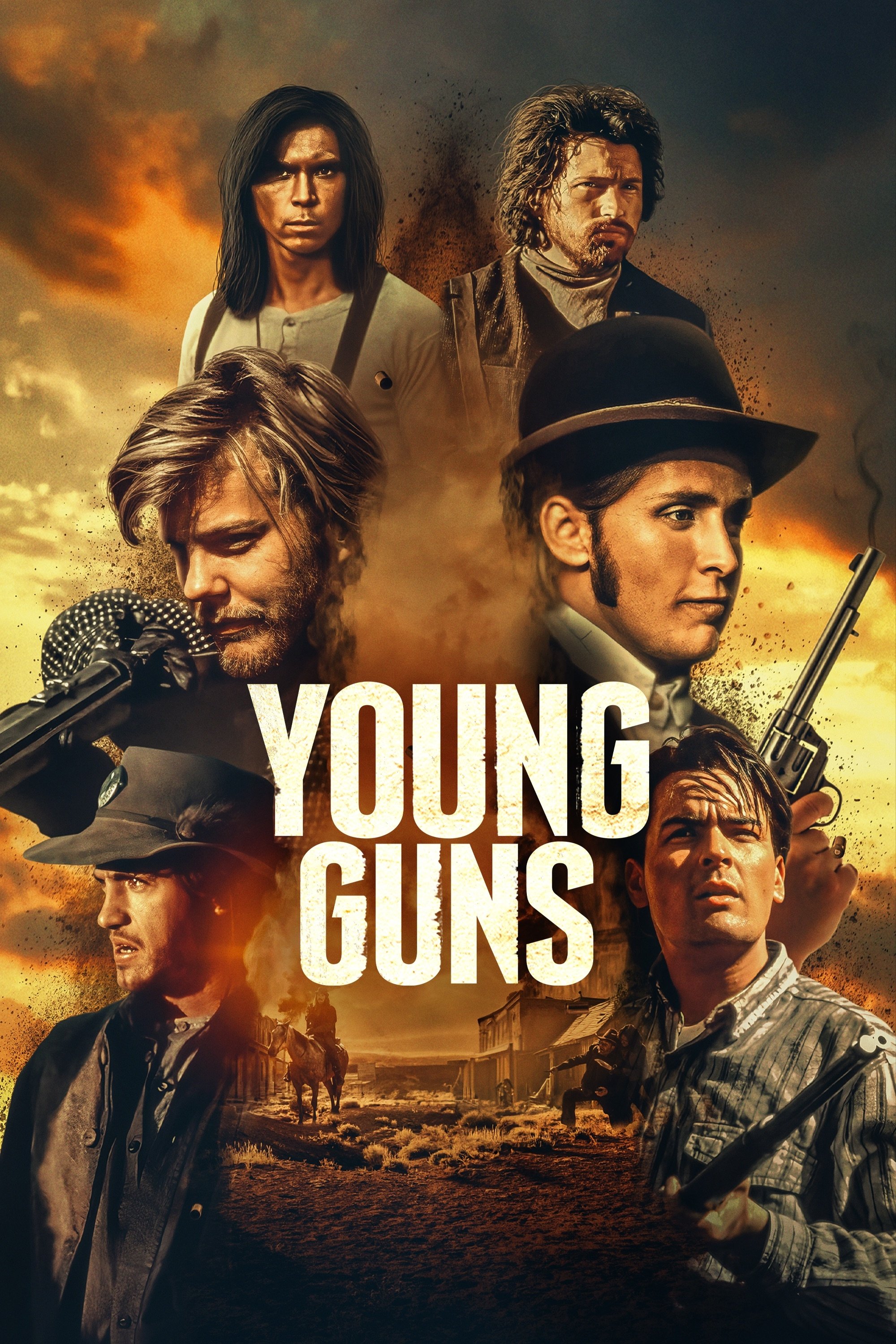
Emilio Estevez plays Billy the Kid as a charismatic and somewhat unhinged leader of a group of regulators. The film frames their violence as a necessary response to a corrupt businessman who murdered their mentor. Historical accounts suggest Billy the Kid was a drifter and a killer who was involved in a violent range war. The movie turns the regulators into rock star cowboys fighting for justice rather than participants in a lawless feud.
‘Lawrence of Arabia’ (1962)
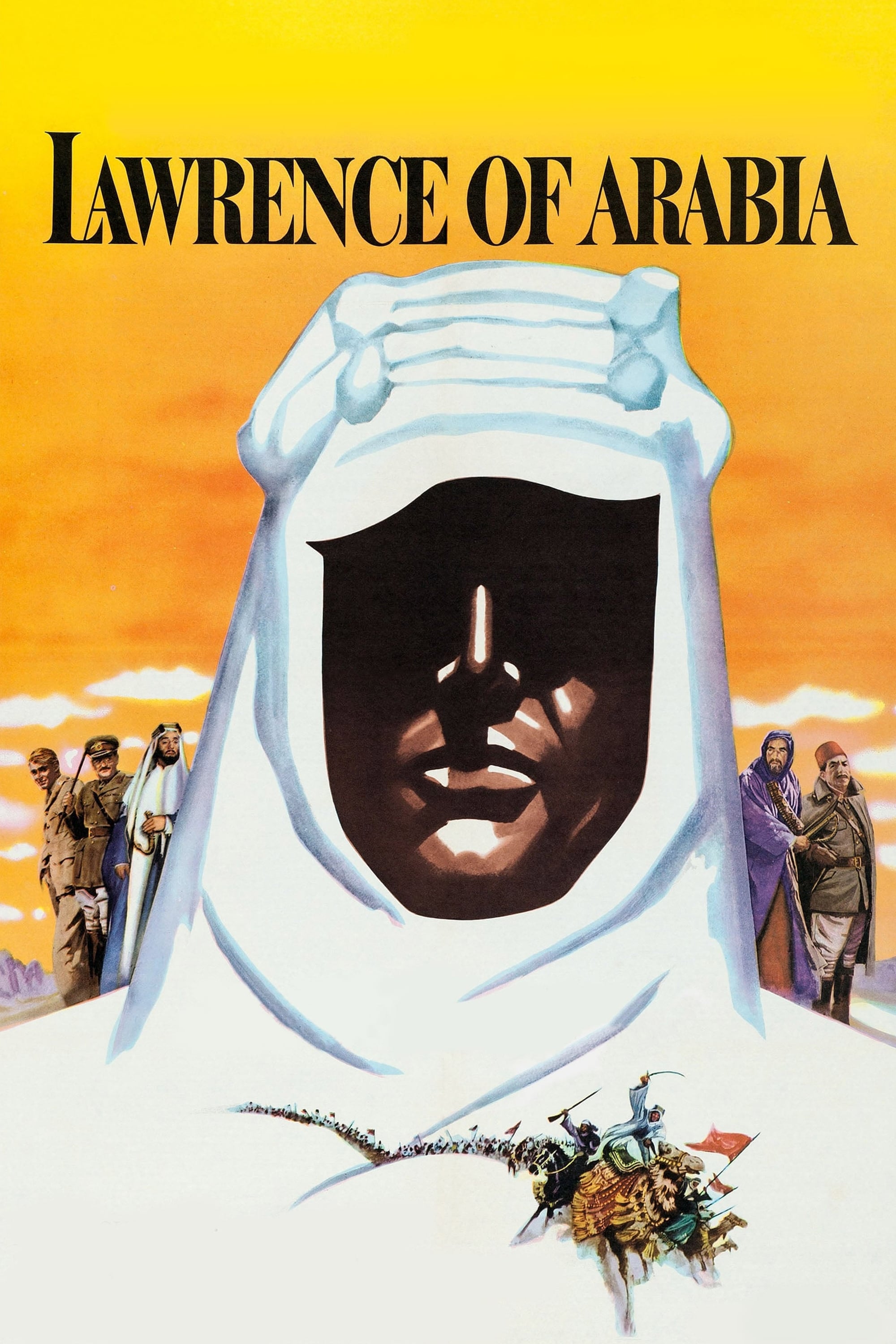
Peter O’Toole stars as T.E. Lawrence in this visually stunning epic about the Arab Revolt against the Ottoman Empire. The film portrays Lawrence as the primary architect of the Arab victory and a man torn between two worlds. Historians note that the film exaggerates Lawrence’s individual importance and simplifies the complex tribal politics of the region. It reinforces the narrative of a white savior leading indigenous people to freedom.
‘The Last Samurai’ (2003)
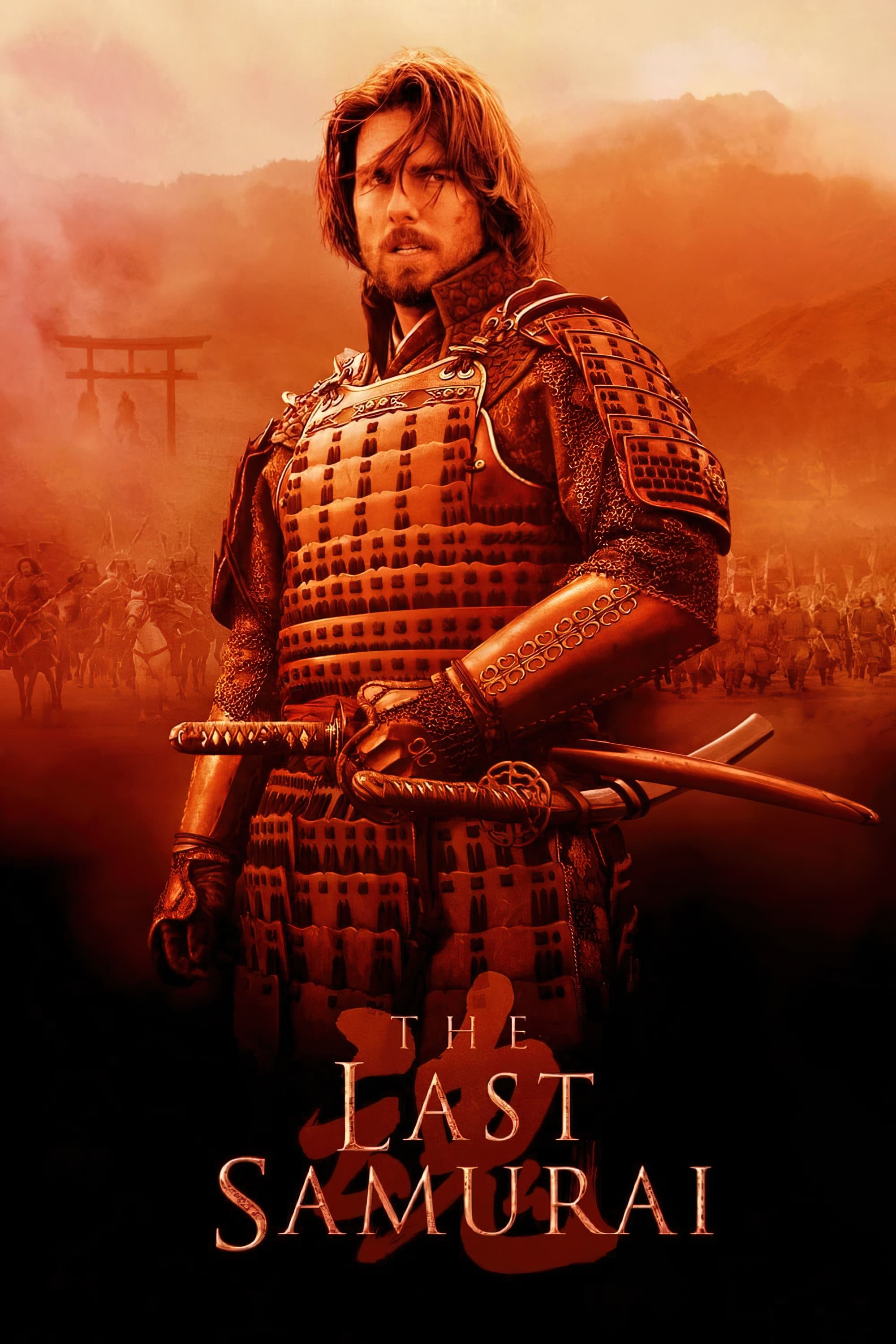
Tom Cruise plays an American soldier who embraces the way of the samurai during the Meiji Restoration in Japan. The film romanticizes the samurai rebellion as a noble fight to preserve tradition against corrupt modernization. In reality the samurai were fighting to maintain their feudal privileges and class status over the common people. The movie glosses over the oppressive nature of the feudal system to tell a story about honor and swordsmanship.
‘Midnight Express’ (1978)
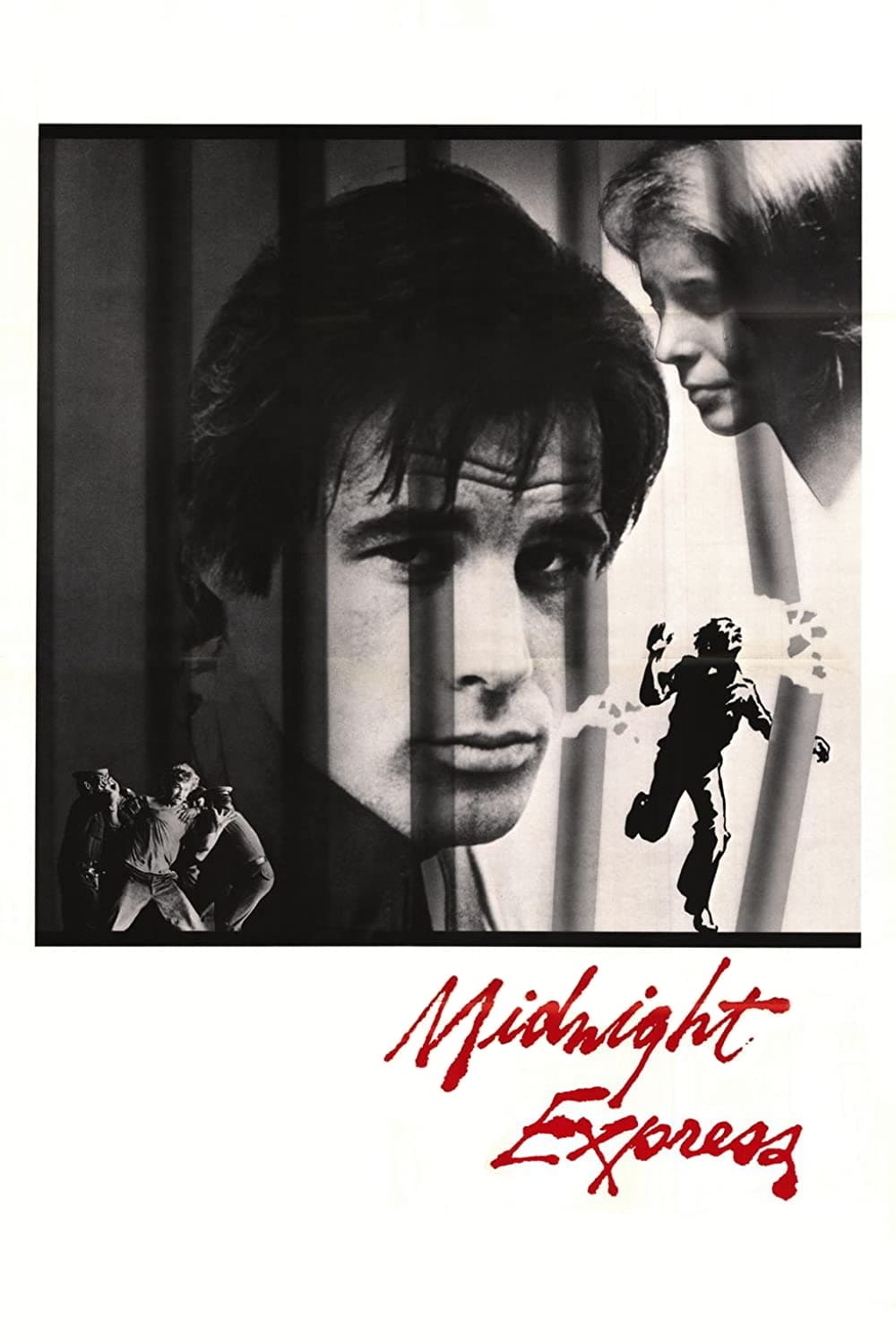
This thriller tells the story of Billy Hayes who is imprisoned in Turkey for trying to smuggle hashish. The film depicts the Turkish people and prison guards as universally sadistic and corrupt villains. The real Billy Hayes admitted that the movie exaggerated his suffering and unfairly demonized the Turkish nation. The screenplay changes the ending to include a murder that never happened to heighten the dramatic tension.
‘Pain & Gain’ (2013)

Michael Bay directs this dark comedy about the Sun Gym gang who kidnapped and tortured a wealthy businessman. The film plays the gruesome events for laughs and portrays the criminals as bumbling idiots chasing the American Dream. Survivors and families of the victims criticized the movie for making light of brutal torture and murder. The fast-paced editing and comedic tone minimize the horror of the actual crimes committed.
‘War Dogs’ (2016)

Jonah Hill and Miles Teller play two young arms dealers who land a massive contract to supply ammunition to Afghan forces. The film frames their illegal activities as a wild adventure fueled by weed and ambition. It glosses over the reality that they were selling defective and dangerous ammunition that put soldiers’ lives at risk. The movie focuses on the absurdity of the Pentagon procurement process rather than the morality of war profiteering.
‘I, Tonya’ (2017)

Margot Robbie plays figure skater Tonya Harding in a mockumentary-style film that reexamines the attack on Nancy Kerrigan. The movie casts doubt on how much Harding knew about the assault and portrays her as a victim of her abusive mother and husband. It attempts to rehabilitate her image by suggesting she was unfairly vilified by the media and the skating association. The film generates sympathy for Harding while keeping the focus away from the physical trauma inflicted on her rival.
‘The Social Network’ (2010)

Jesse Eisenberg plays Mark Zuckerberg as a socially awkward genius who creates Facebook to get back at a girl who dumped him. The film focuses on the lawsuits filed by the Winklevoss twins and Eduardo Saverin regarding the ownership of the company. It largely ignores the broader privacy concerns and ethical issues that would later plague the platform. The narrative frames the conflict as a dorm room drama rather than the birth of a tool with massive global consequences.
‘Jobs’ (2013)
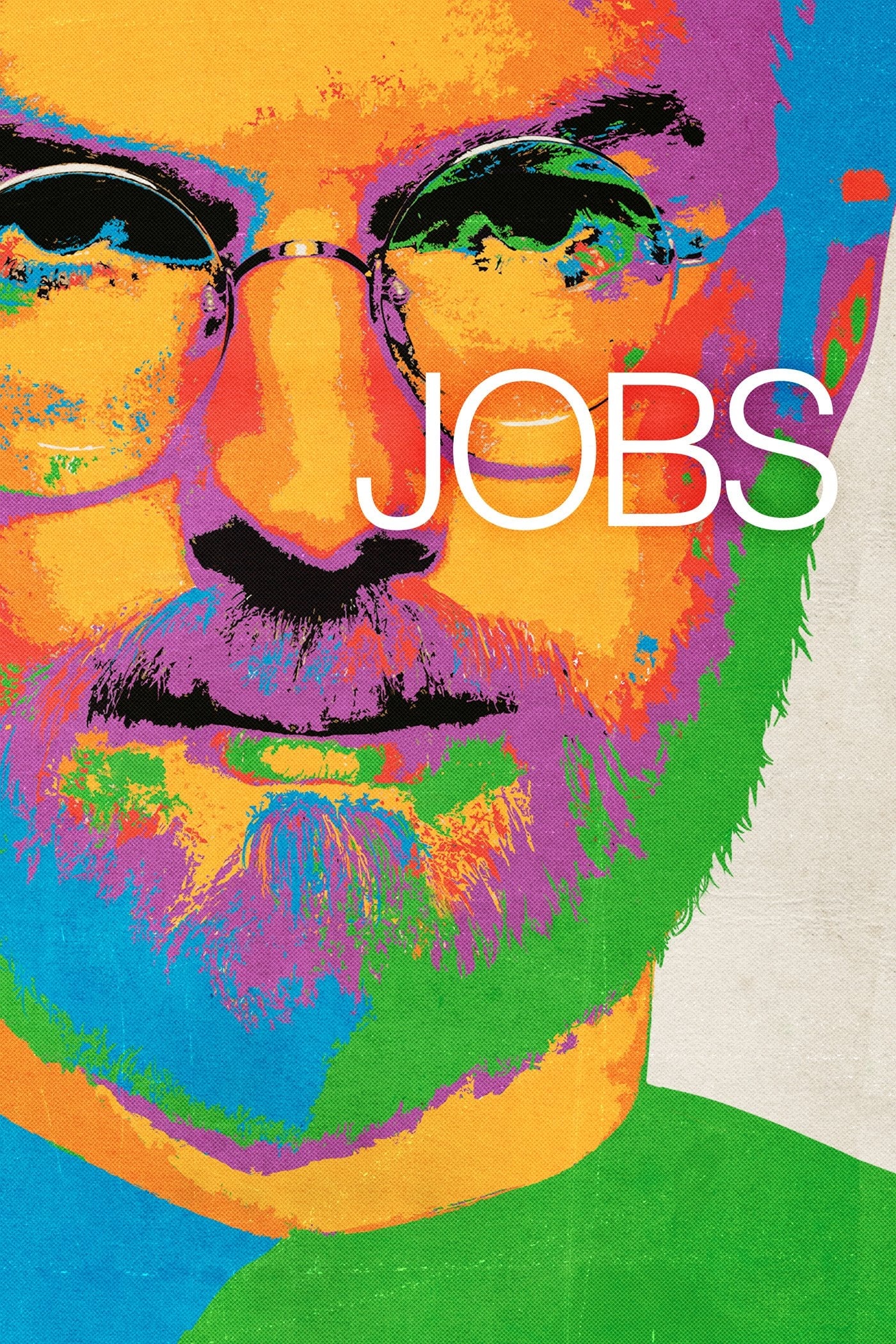
Ashton Kutcher plays Steve Jobs in a biopic that covers his life from college dropout to Apple CEO. The film highlights his visionary product launches and his ability to inspire loyalty in his team. It briefly touches on his denial of paternity regarding his daughter Lisa but resolves it quickly to maintain the hero arc. The movie avoids diving deep into his reputed cruelty toward employees and his questionable medical decisions.
‘Ip Man’ (2008)
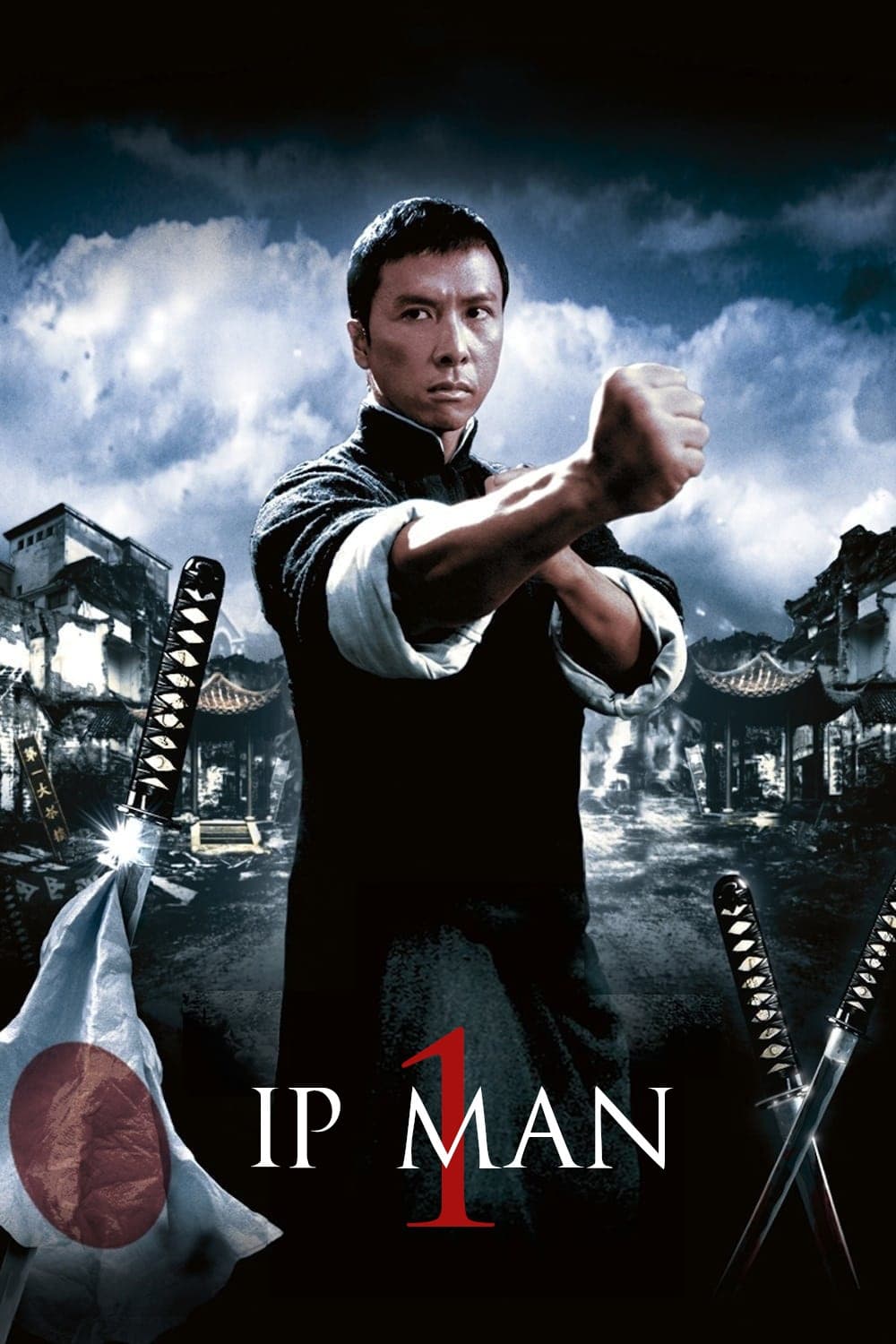
Donnie Yen stars as the legendary Wing Chun master in a film that is loosely based on his life during the Japanese occupation. The movie depicts him as a nationalist hero who defeats foreign oppressors in dramatic duels to restore Chinese pride. Historical records suggest Ip Man was a police officer who eventually fled to Hong Kong to escape the Communist party. The film invents dramatic confrontations that never occurred to create a patriotic action spectacle.
Tell us which historical movie portrayal surprised you the most in the comments.