


Movies That Got Review-Bombed for Changing Classic Character Races

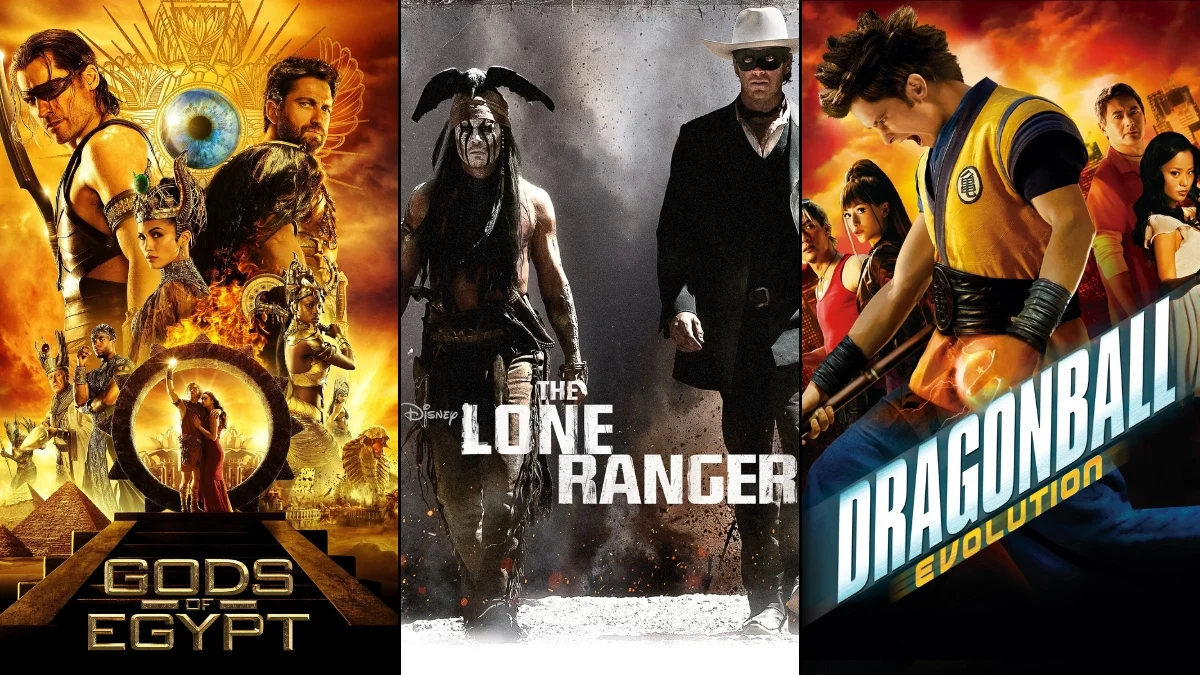


The landscape of modern film often features adaptations that introduce changes to the racial or ethnic background of established characters. These creative choices frequently lead to coordinated review bombing efforts where users leave low scores to express their disapproval. This tension reflects a broader cultural conversation regarding the importance of representation versus the desire for source material fidelity. While many of these films achieve commercial success, their digital ratings often remain a point of significant controversy for years after release.
‘Dragonball Evolution’ (2009)
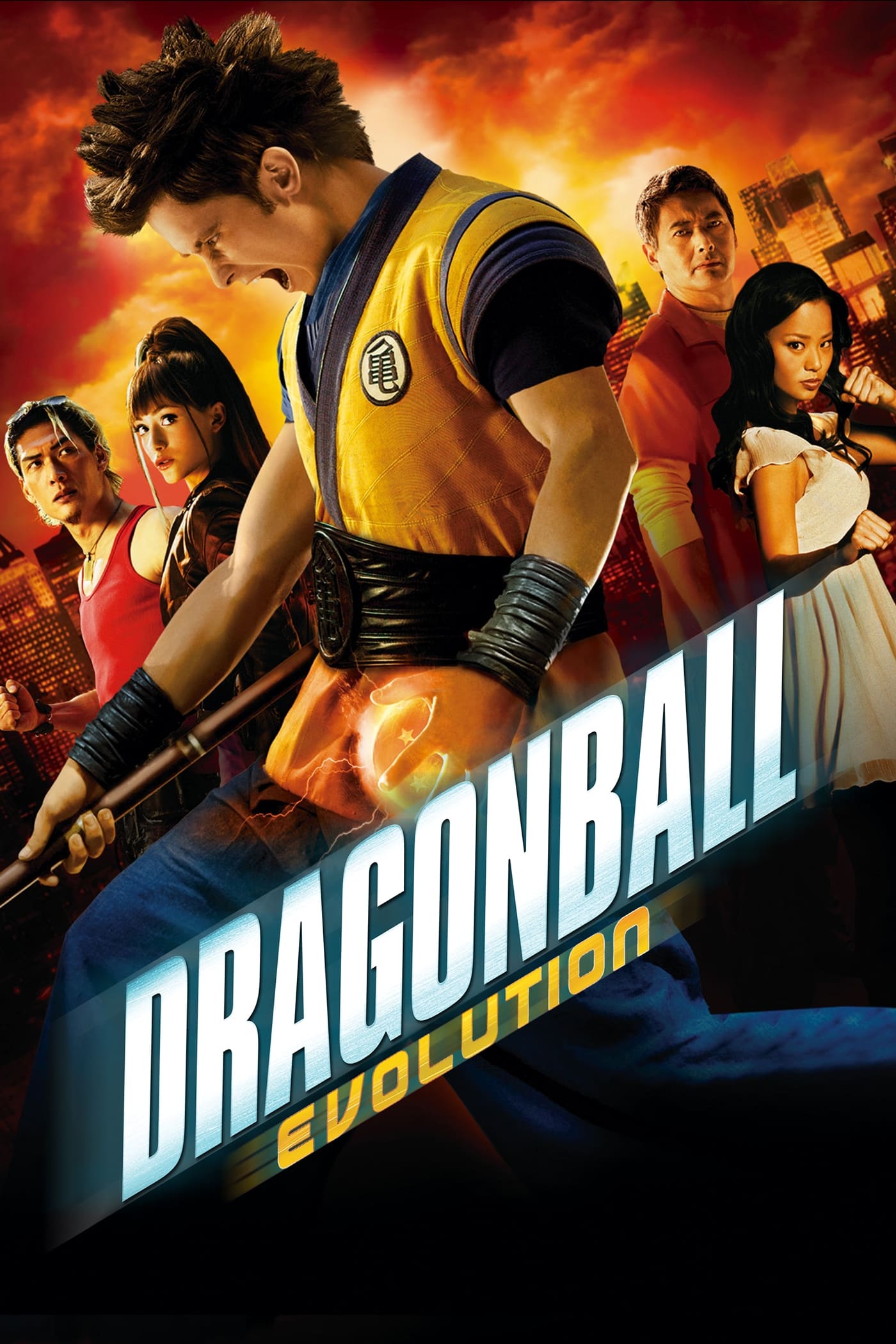
This live action adaptation of the beloved manga series faced widespread condemnation for casting a white actor as the hero Goku. Fans of the source material expressed significant frustration over the erasure of the character’s Japanese heritage and visual identity. The film received a massive surge of negative reviews that targeted its lack of cultural authenticity and narrative quality. It remains a prominent example of how casting choices can alienate a dedicated international fan base.
‘The Last Airbender’ (2010)
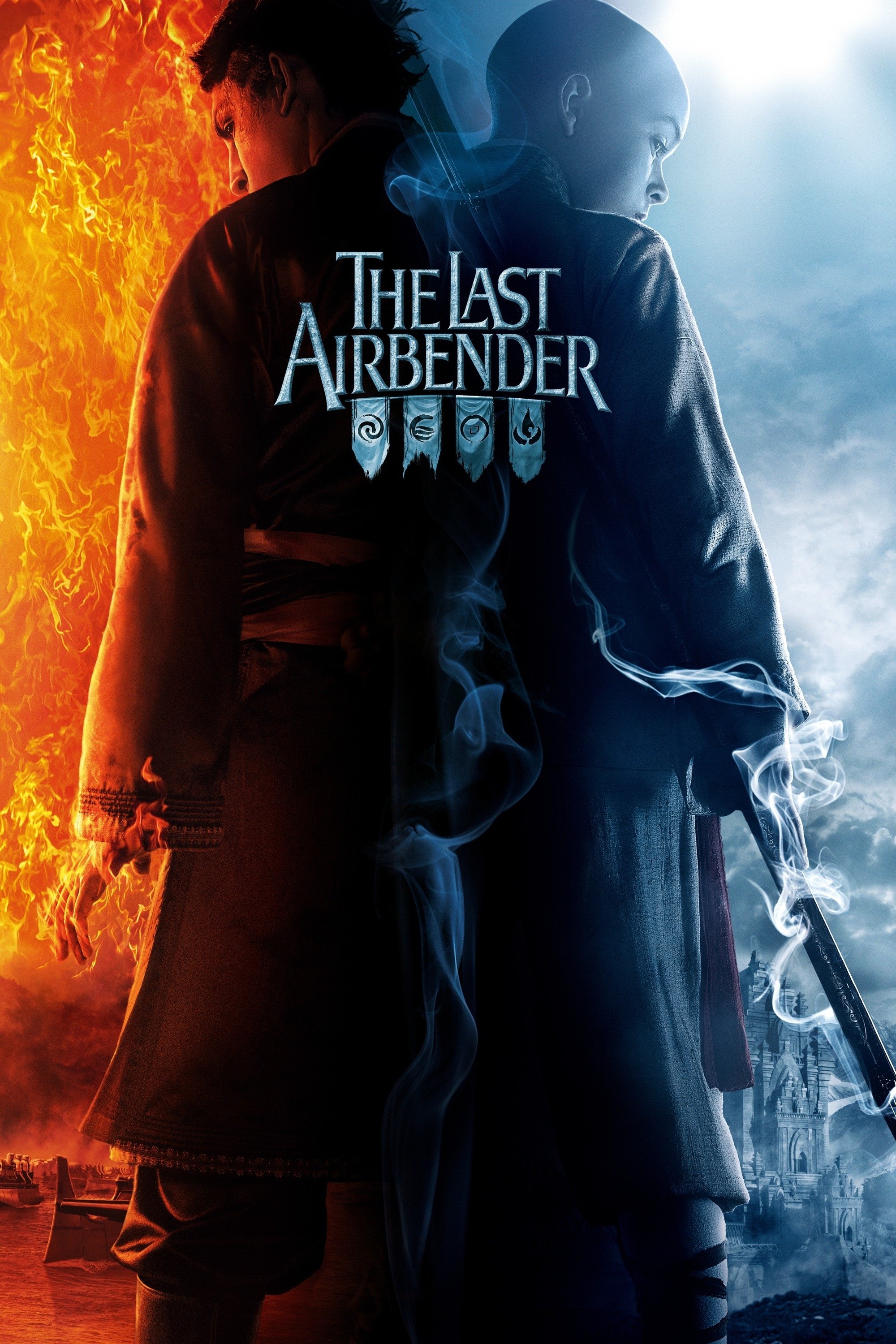
Director M. Night Shyamalan oversaw an adaptation that cast white actors in roles originally inspired by Inuit and Asian cultures. This decision sparked a major controversy and led to coordinated boycotts from groups advocating for diverse representation. Review platforms recorded a steep decline in audience scores as viewers criticized the disconnect between the animation and the film. The production serves as a cautionary tale regarding the importance of cultural sensitivity in high profile adaptations.
‘Fantastic Four’ (2015)
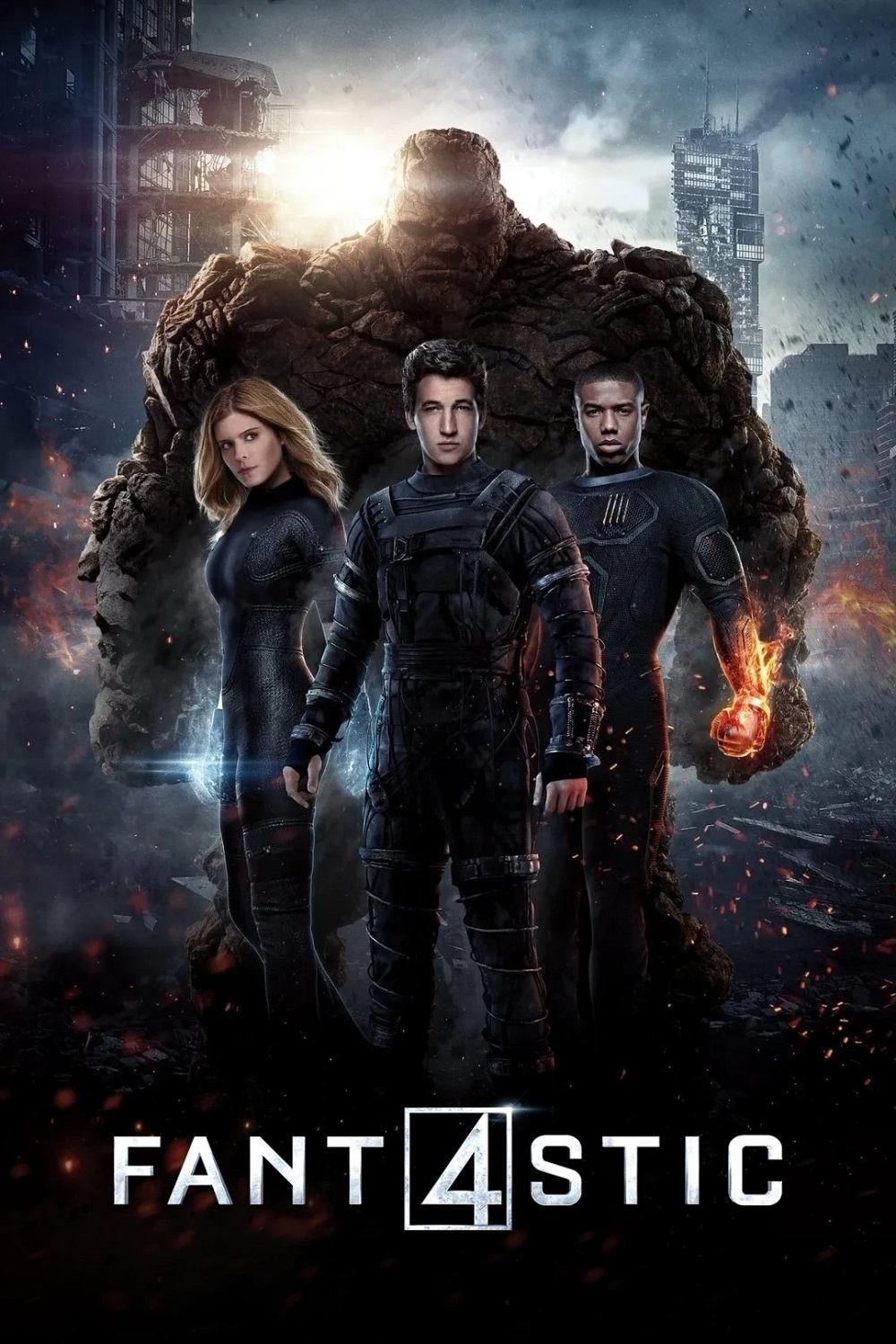
The choice to cast Michael B. Jordan as the Human Torch drew intense scrutiny from segments of the superhero community. Many individuals posted low scores on review sites before the film even premiered to voice their opposition to the character’s race change. This negative reception overshadowed the film’s production and contributed to its difficult performance at the box office. The movie highlighted the growing divide between traditionalist comic book fans and modern casting strategies.
‘Cinderella’ (2021)
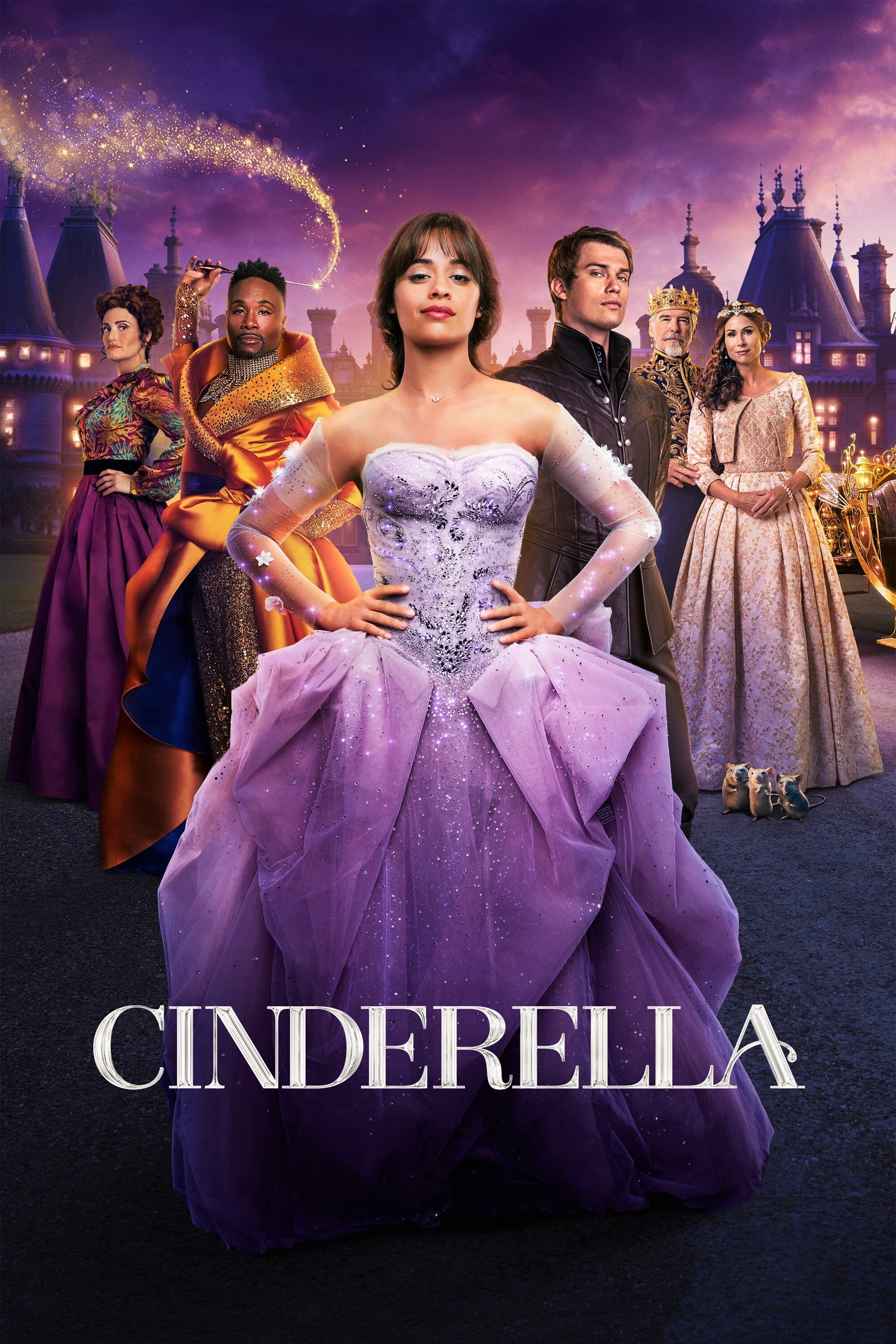
This contemporary musical update featured a genderless interpretation of the Fairy Godmother played by Billy Porter. The decision to move away from the traditional female depiction of the character resulted in a wave of negative reviews from certain viewers. Critics of the choice argued that the film deviated too significantly from the historical fairy tale and its previous adaptations. Despite the digital backlash, the movie remained a talking point for its inclusive approach to classic storytelling.
‘Peter Pan & Wendy’ (2023)
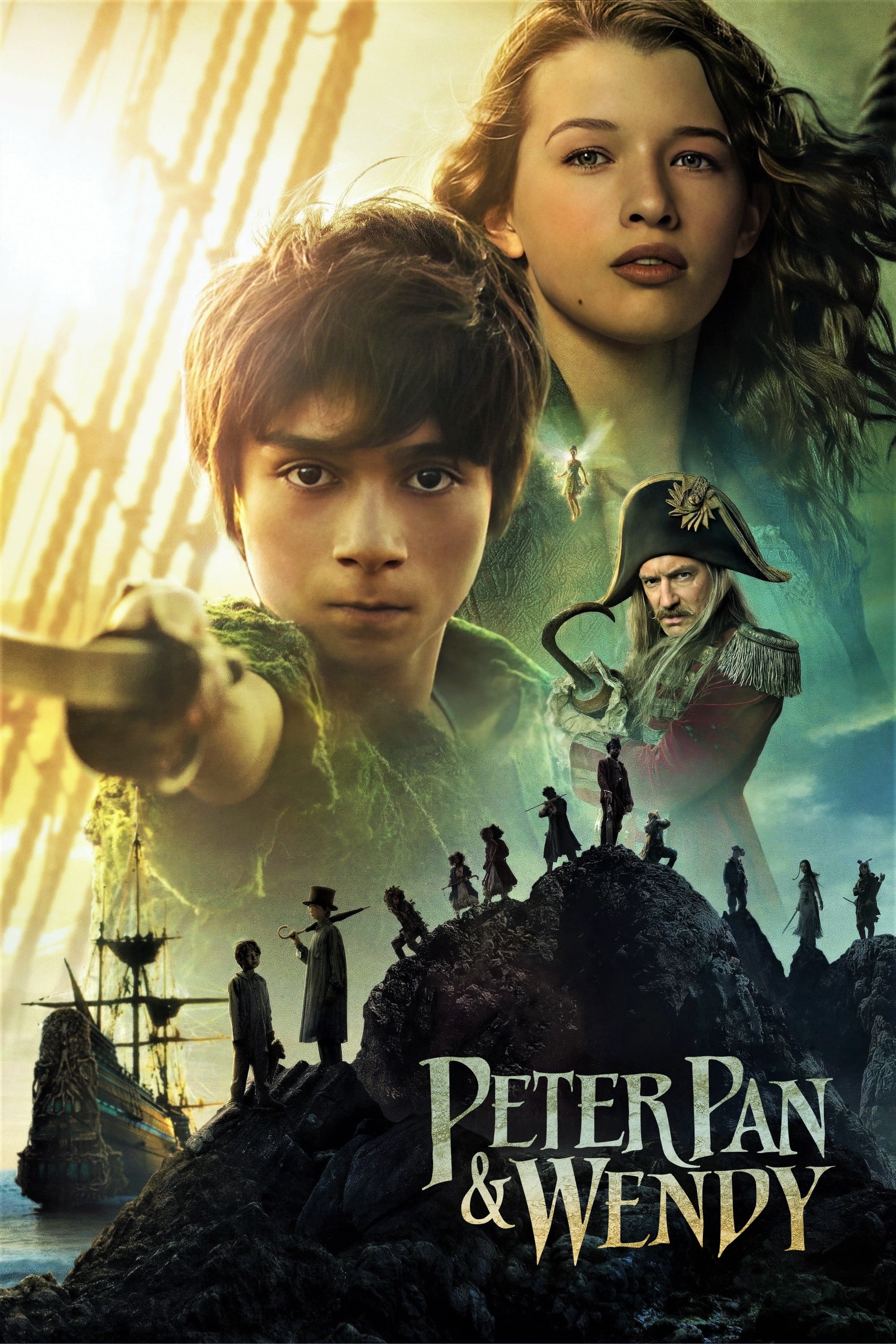
Disney’s recent reimagining of the Neverland adventure cast Yara Shahidi as the magical fairy Tinker Bell. The film experienced a sharp influx of low audience ratings from users who preferred the character’s original appearance from the 1953 animated movie. These reviews often focused on the visual departure rather than the actual performance or narrative quality of the film. The production continued the studio’s initiative to provide new perspectives on its catalog of animated legends.
‘Death Note’ (2017)
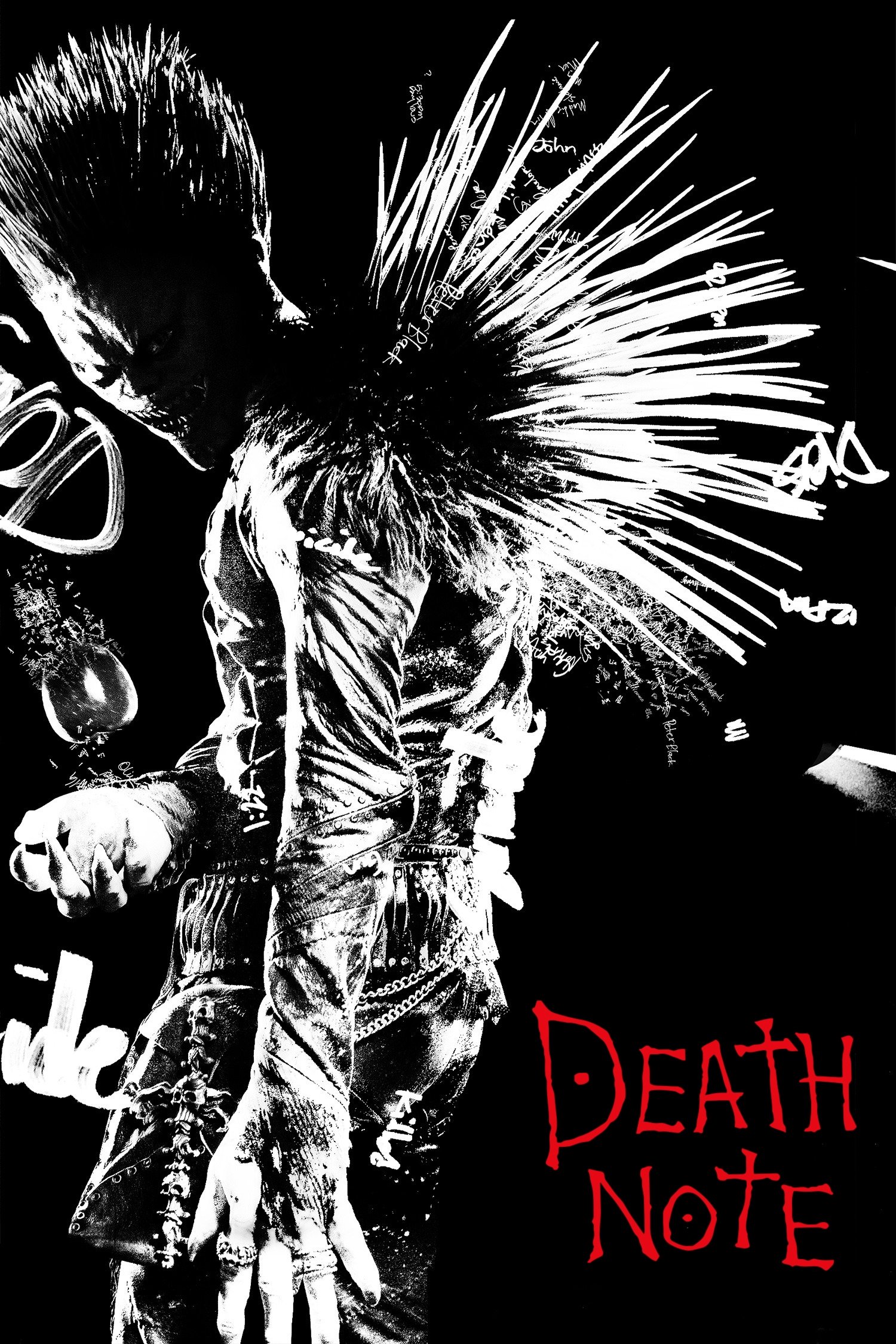
Netflix moved the setting of this popular Japanese thriller to the United States and cast white and Black actors in the lead roles. Fans of the original manga and anime felt the relocation and casting stripped the story of its essential cultural roots. Digital platforms were flooded with complaints about the perceived whitewashing and the changes to the protagonist’s core personality. The film became a central part of the discussion regarding the Americanization of international intellectual property.
‘Wild Wild West’ (1999)
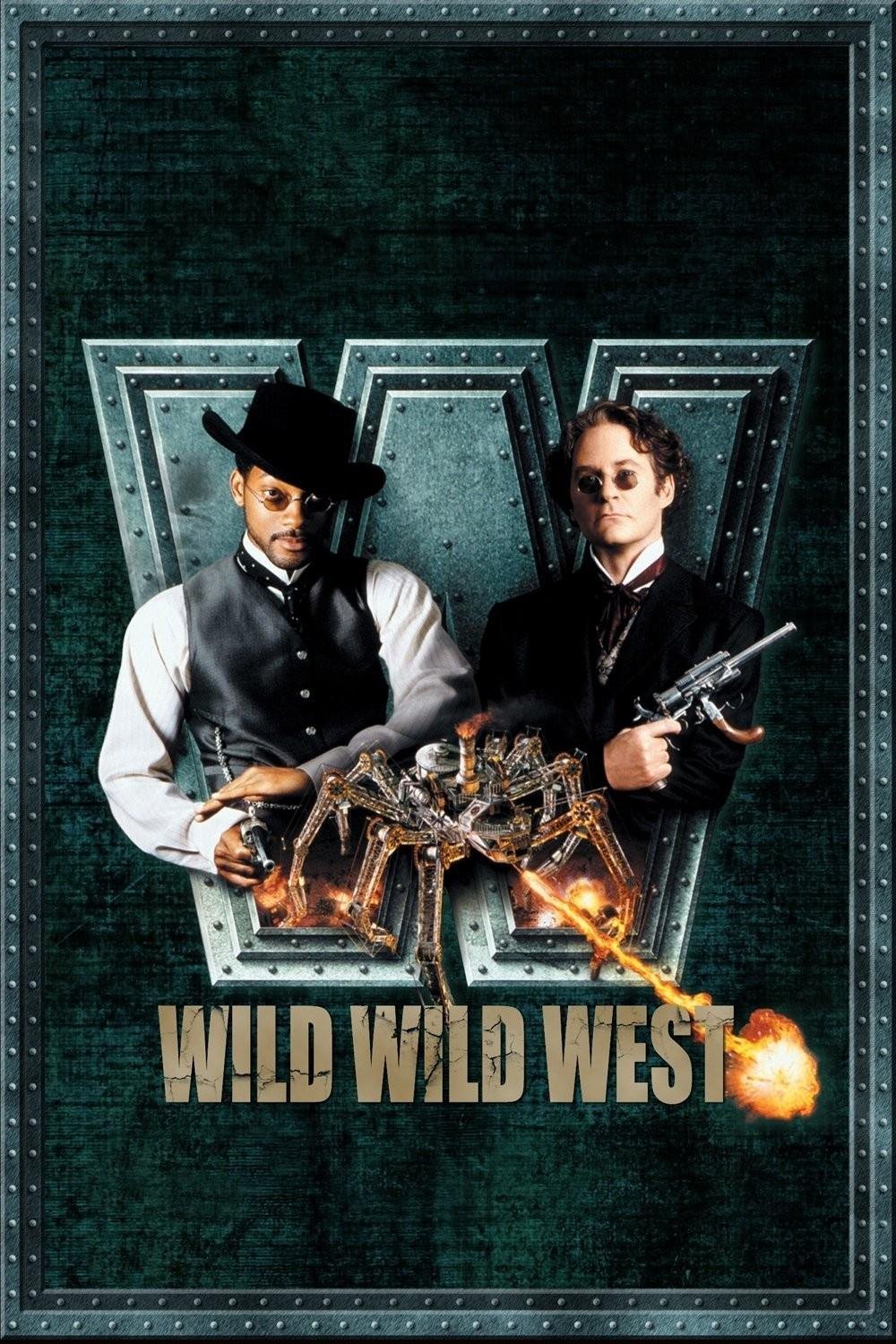
The decision to cast Will Smith as James West provided a new take on a character originally played by a white actor on television. While the film predates modern review platforms, it has faced consistent retrospective criticism for its casting and tonal shifts. Some fans of the 1960s series expressed disappointment that the film did not adhere more closely to the original character design. It is frequently remembered for its significant budget and the polarizing effect it had on viewers.
‘Pinocchio’ (2022)
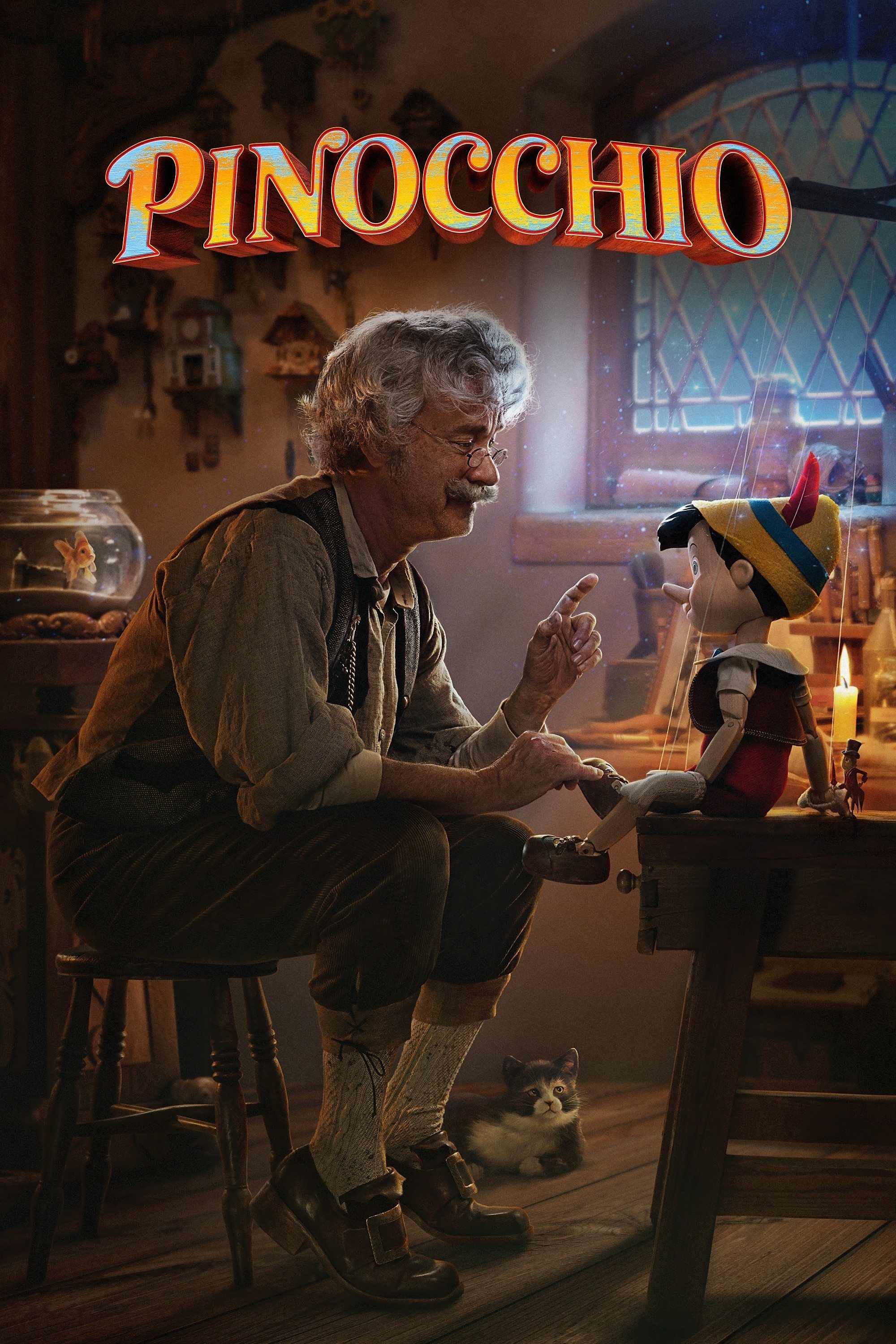
This live action version of the wooden puppet’s journey featured Cynthia Erivo in the role of the Blue Fairy. The casting of a Black actress for a character historically shown with light features led to a notable volume of negative online feedback. Many audience members utilized review aggregators to express their dissatisfaction with the updated visual representation. This reaction mirrored several other instances where Disney remakes were targeted for their diverse casting decisions.
‘Hellboy’ (2019)
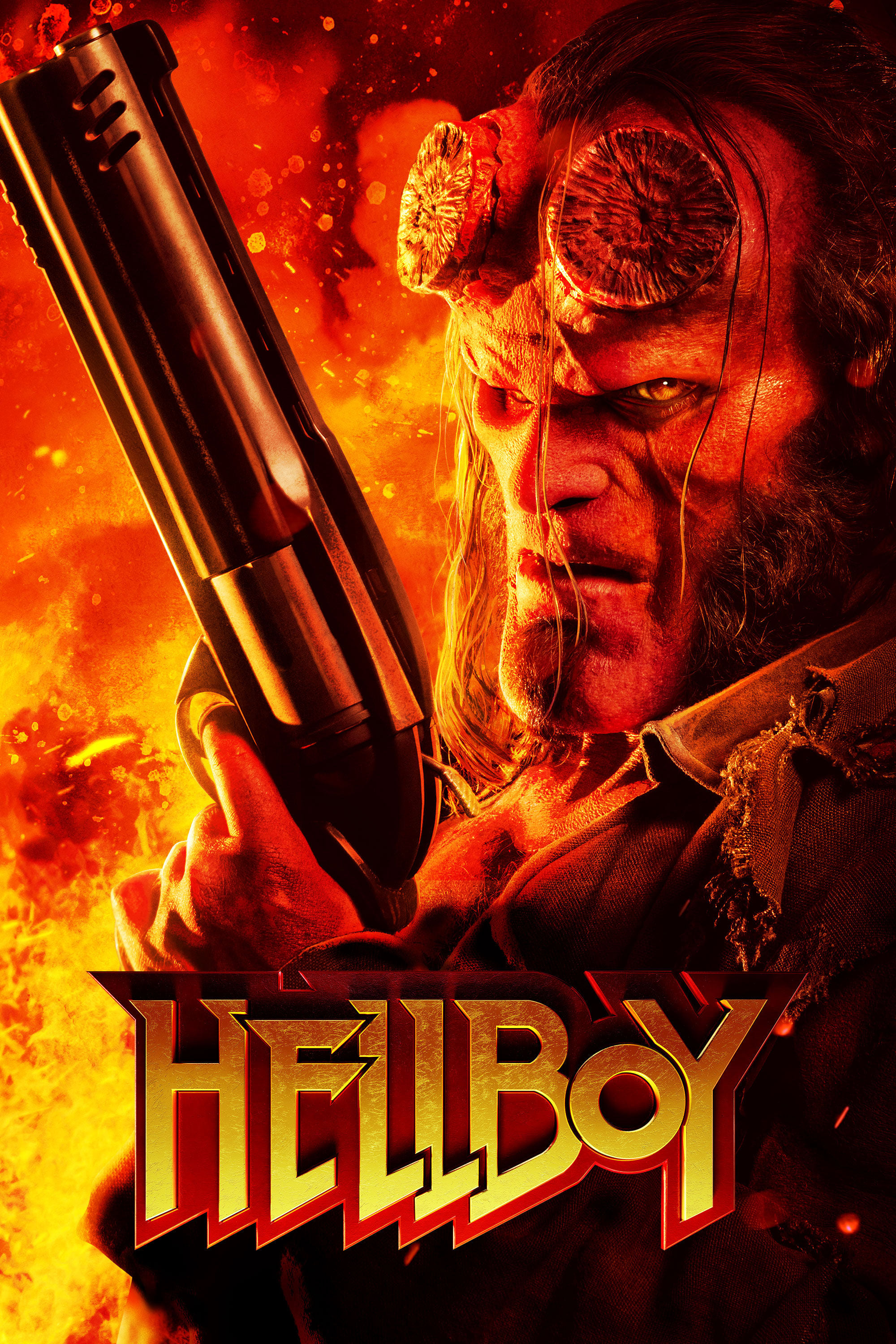
The production of this reboot initially faced backlash when a white actor was cast as a character of Japanese descent. Although the role was later filled by Daniel Dae Kim to address these concerns, the film still suffered from poor audience reception. Reviewers used digital forums to criticize the overall direction of the franchise and its departure from the earlier films. The casting controversy remained a significant part of the movie’s identity throughout its short theatrical run.
‘Annie’ (2014)
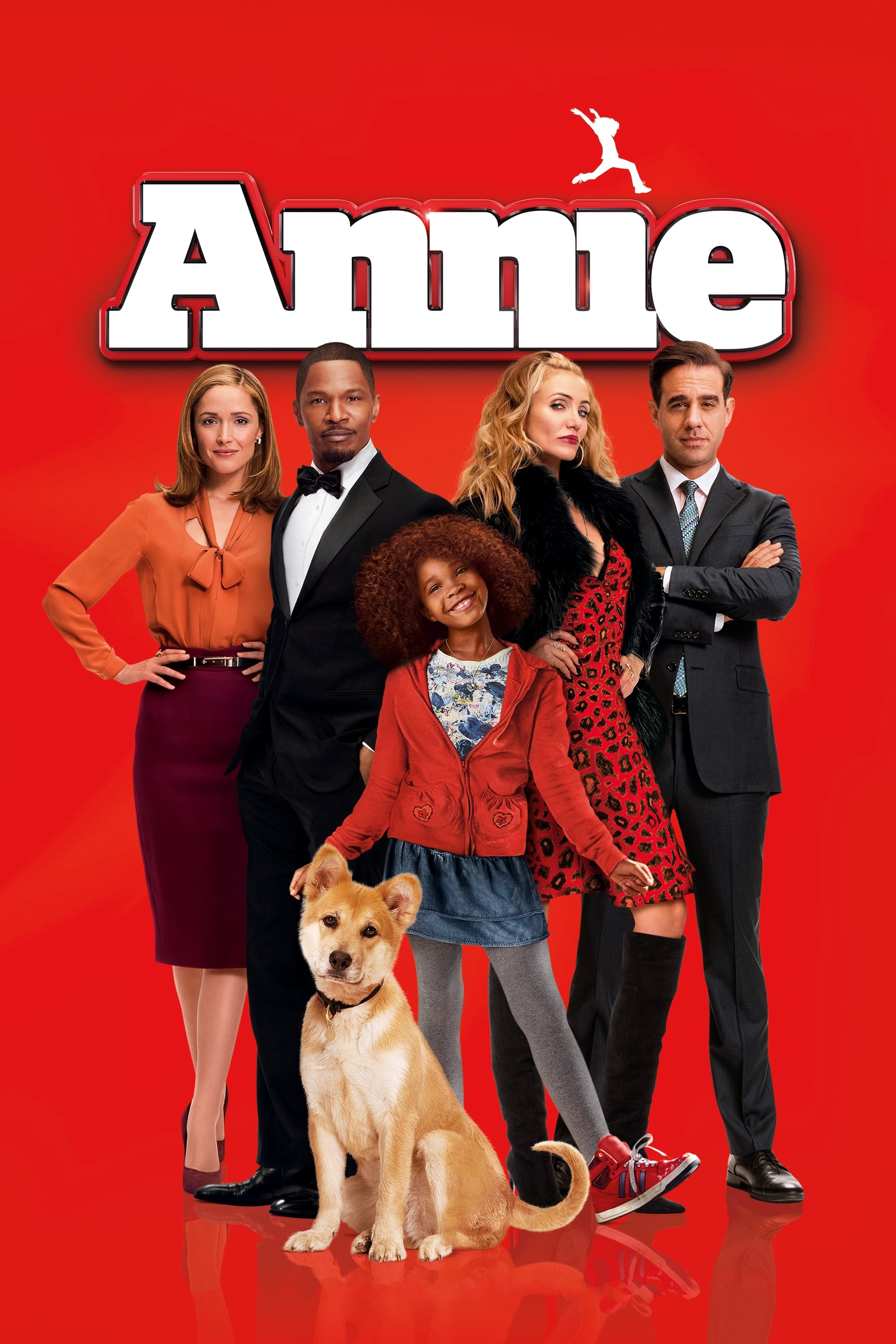
A modern setting for this classic musical introduced Quvenzhané Wallis as the optimistic orphan protagonist. While the film aimed to update the story for a new generation, it faced criticism for changing the character’s iconic red haired look. Online review scores were impacted by users who felt the casting moved too far away from the source material. The film still managed to attract a younger demographic despite the organized negative sentiment found on the internet.
‘Aloha’ (2015)

Emma Stone was cast as a character with mixed Chinese and Hawaiian ancestry in this romantic comedy. This casting choice led to accusations of whitewashing and a subsequent flood of negative commentary from advocacy groups and audiences. Many reviewers pointed to the lack of authenticity in a story deeply rooted in the culture of Hawaii. The director eventually issued a public apology for the casting decision after the film faced substantial criticism.
‘Gods of Egypt’ (2016)
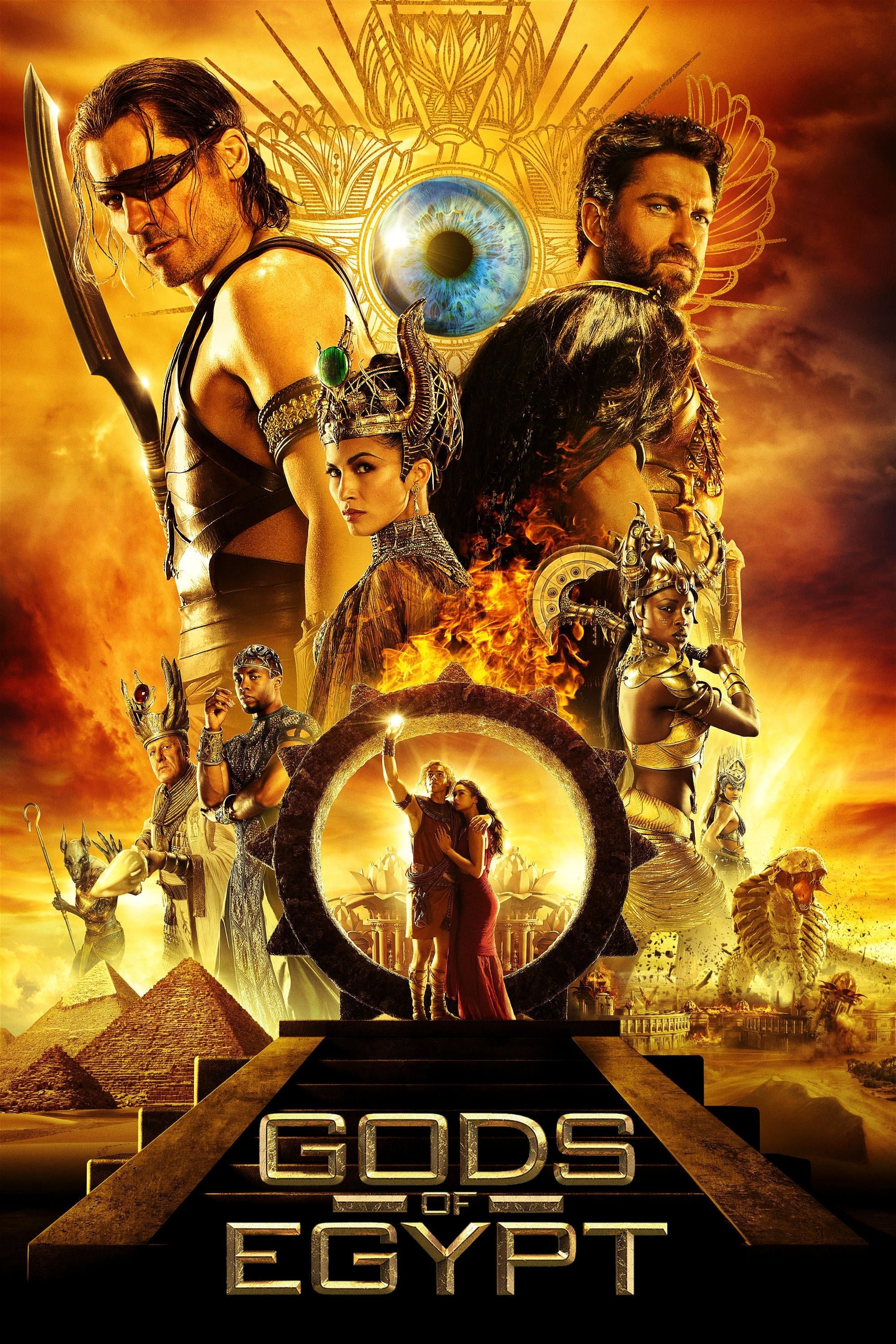
This fantasy epic drew significant fire for casting a primarily white ensemble to portray deities from Egyptian mythology. The decision resulted in a widespread campaign to highlight the lack of North African and Middle Eastern representation in the film. Review platforms were filled with low ratings and comments criticizing the production for its lack of historical or cultural accuracy. The film’s poor box office results were often linked to the negative press generated by this controversy.
‘Snake Eyes: G.I. Joe Origins’ (2021)
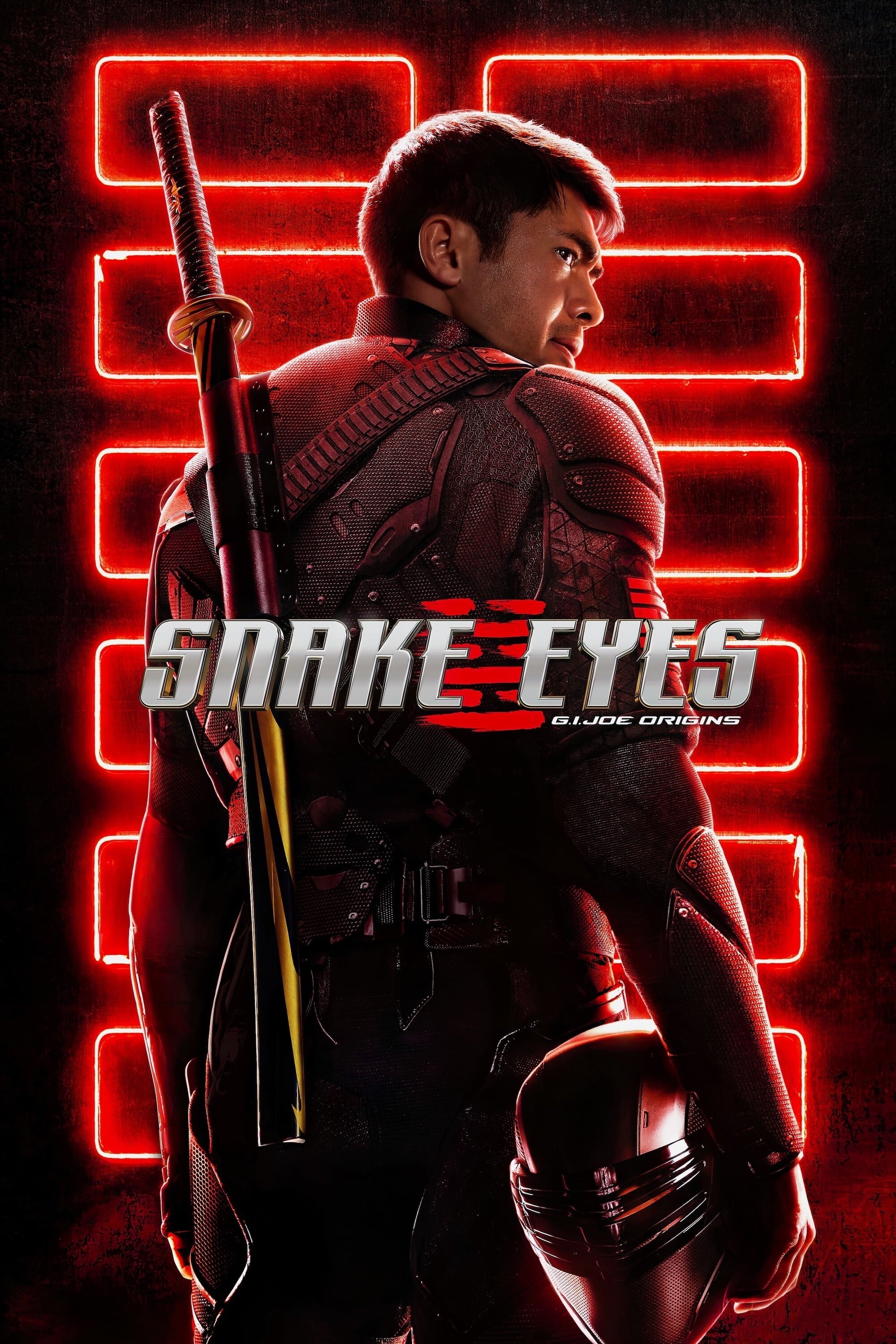
Henry Golding portrayed the elite commando in this film that explored the origins of the famous masked ninja. While the character was historically white in the comic books, the movie reimagined him with an Asian lead to reflect the character’s ties to Japanese culture. Some vocal segments of the fan base reacted negatively to the change and posted low scores on various review websites. The film highlighted the complexities of balancing modern representation with decades of established lore.
‘The Dark Tower’ (2017)
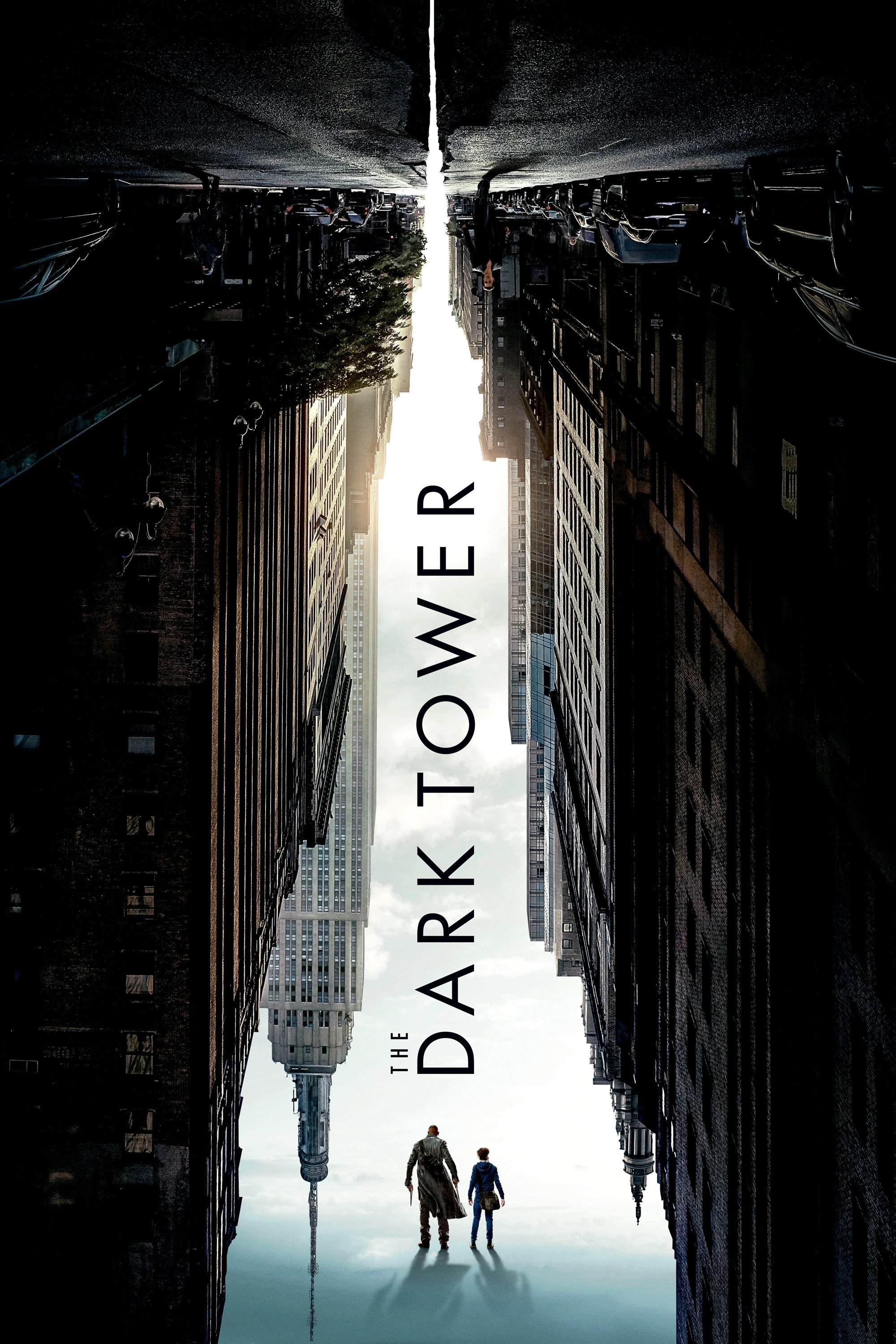
The casting of Idris Elba as the gunslinger Roland Deschain prompted extensive discussion among readers of the Stephen King novels. Some fans argued that the character’s racial identity was central to his interactions with other figures in the book series. The film received numerous negative reviews for its condensed storytelling and its visual departure from the source material. These factors combined to create a difficult release environment for the highly anticipated adaptation.
‘Pan’ (2015)

Rooney Mara was cast as Tiger Lily, a character who is traditionally depicted as a member of a Native American tribe. This choice led to a large scale online protest and accusations of erasure regarding Indigenous characters. The film faced a cold reception from both critics and general audiences who cited the casting as a major distraction. It ultimately failed to meet financial expectations and remains a notable example of casting backlash.
‘Exodus: Gods and Kings’ (2014)
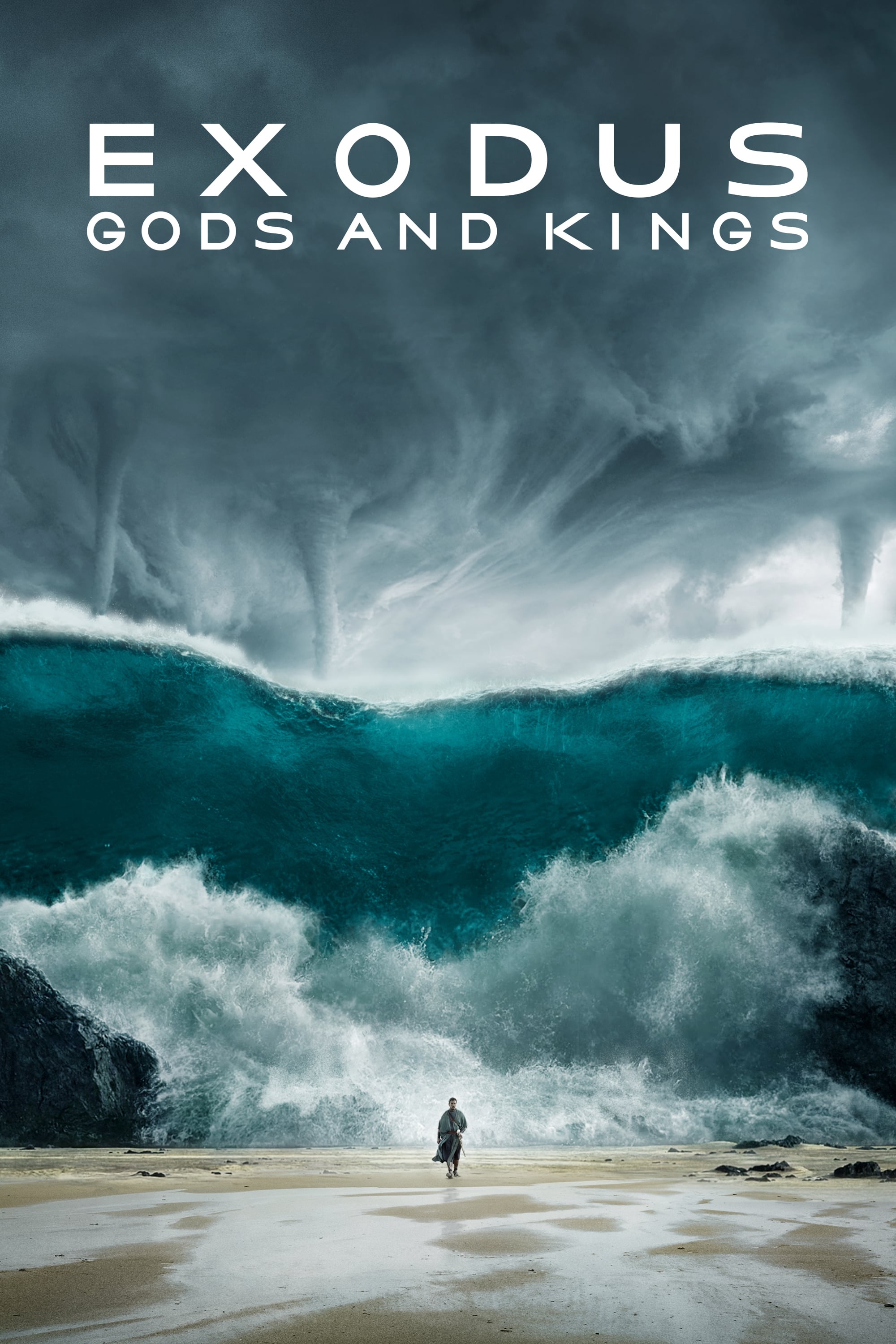
Ridley Scott chose to cast white actors in the roles of Moses and Ramses for this large scale biblical epic. The director defended the decision by citing the economic realities of securing funding for such a massive production. This explanation did not prevent a wave of negative reviews and public outcries concerning the lack of authentic casting. The film’s digital reputation was heavily influenced by the debate over its historical and cultural representation.
‘Ghost in the Shell’ (2017)
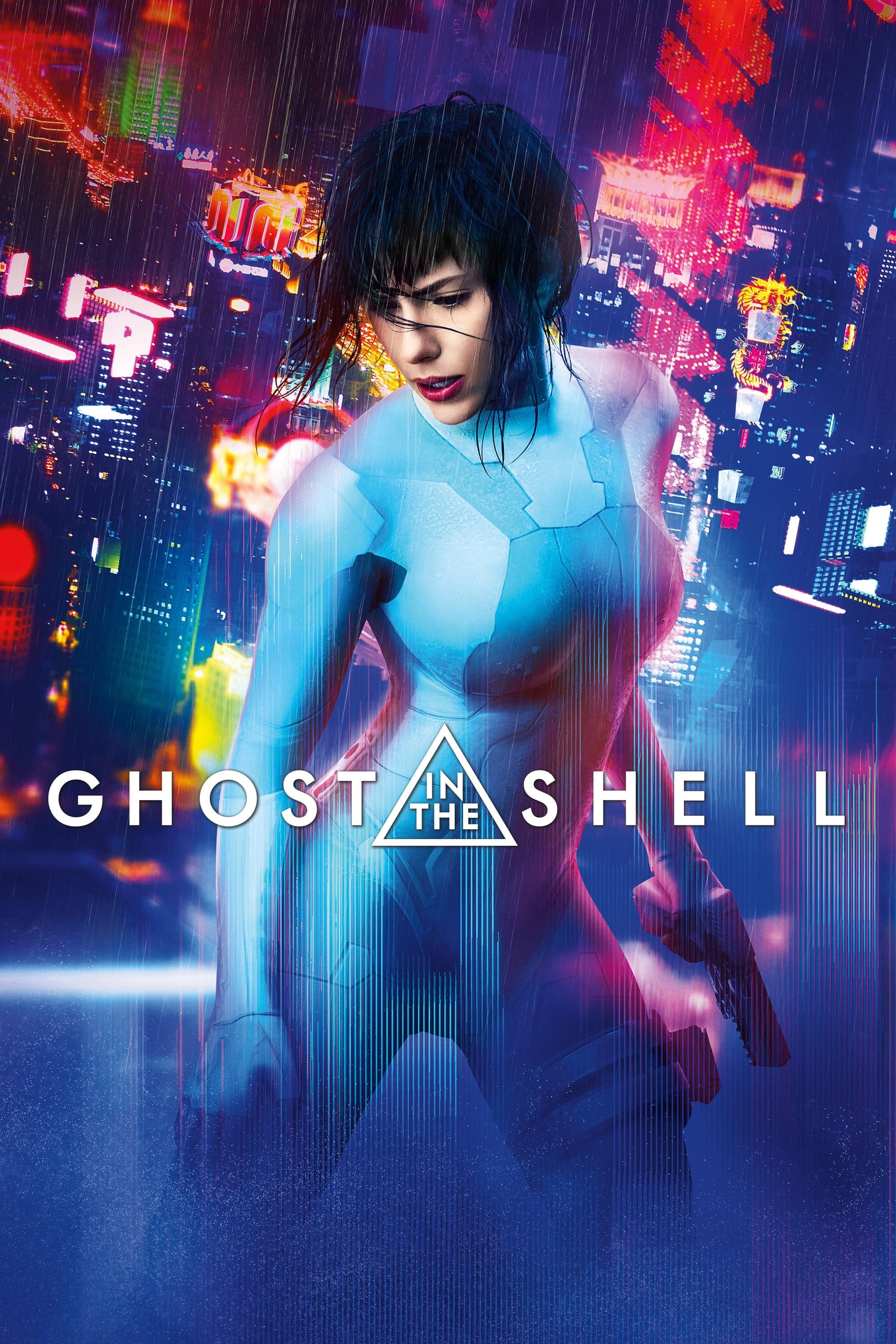
The live action adaptation of the iconic anime featured Scarlett Johansson as the lead cybernetic soldier. This casting decision was met with immediate and global accusations of whitewashing from fans of the original Japanese material. Review aggregators saw a significant number of low scores from audience members who felt the role should have gone to an Asian actress. The controversy became a dominant theme in the film’s media coverage and impacted its commercial performance.
‘The Lone Ranger’ (2013)

Johnny Depp took on the role of Tonto in this big screen update of the classic Western adventure. The choice to have a white actor play a Native American character led to widespread criticism regarding cultural appropriation and historical representation. Many viewers used online platforms to voice their disapproval of the casting and the film’s portrayal of Indigenous themes. The production struggled to overcome this negative sentiment and was a major box office disappointment.
‘The Green Knight’ (2021)
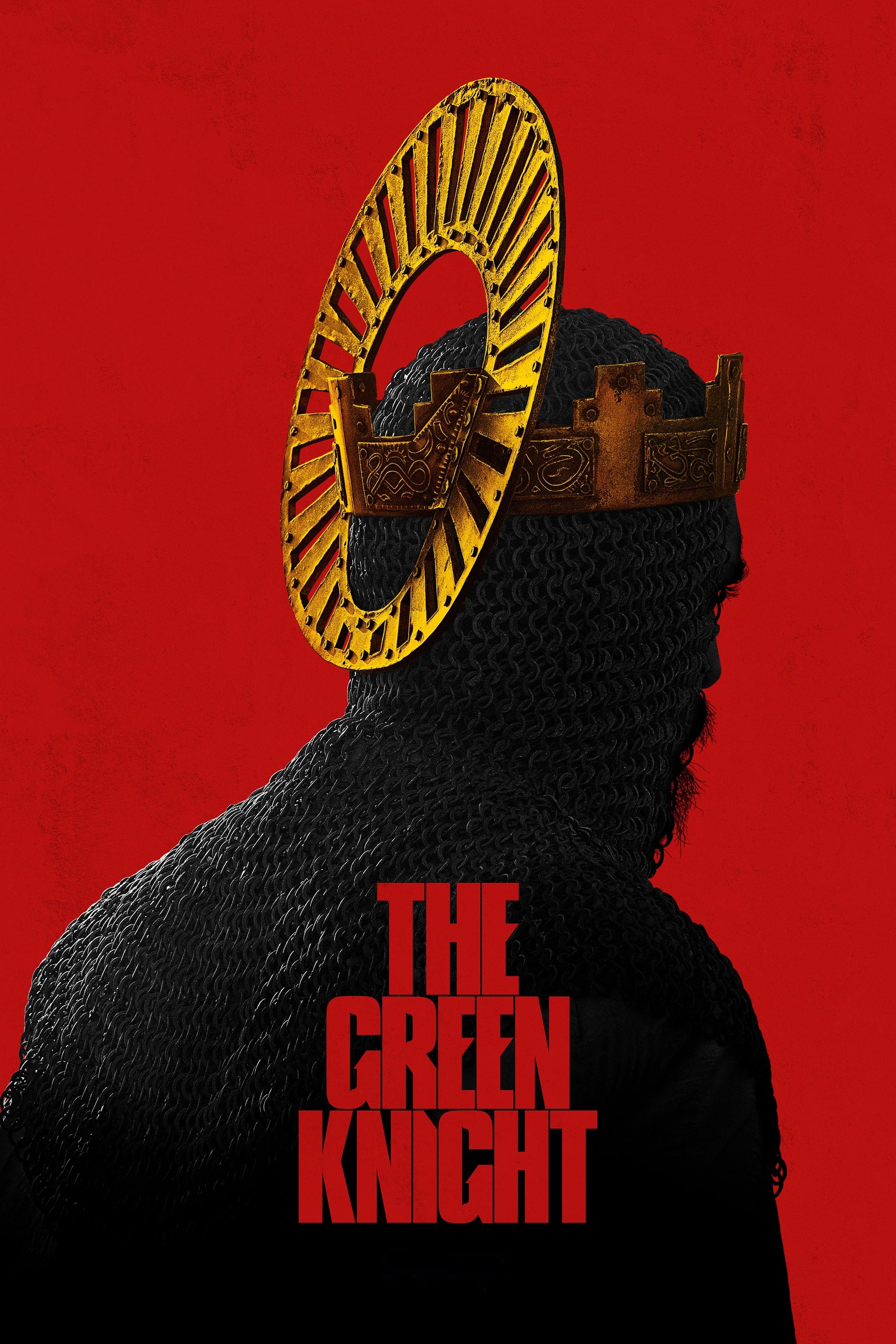
Dev Patel played the lead role of Sir Gawain in this artistic reimagining of the famous Arthurian poem. While the film was a critical success, it faced a small but vocal group of online reviewers who objected to a person of color playing a medieval knight. These complaints often cited historical European settings as a reason to maintain a white lead for the story. Despite these isolated negative reviews, the film was widely celebrated for its visionary direction and Patel’s performance.
‘Prince of Persia: The Sands of Time’ (2010)
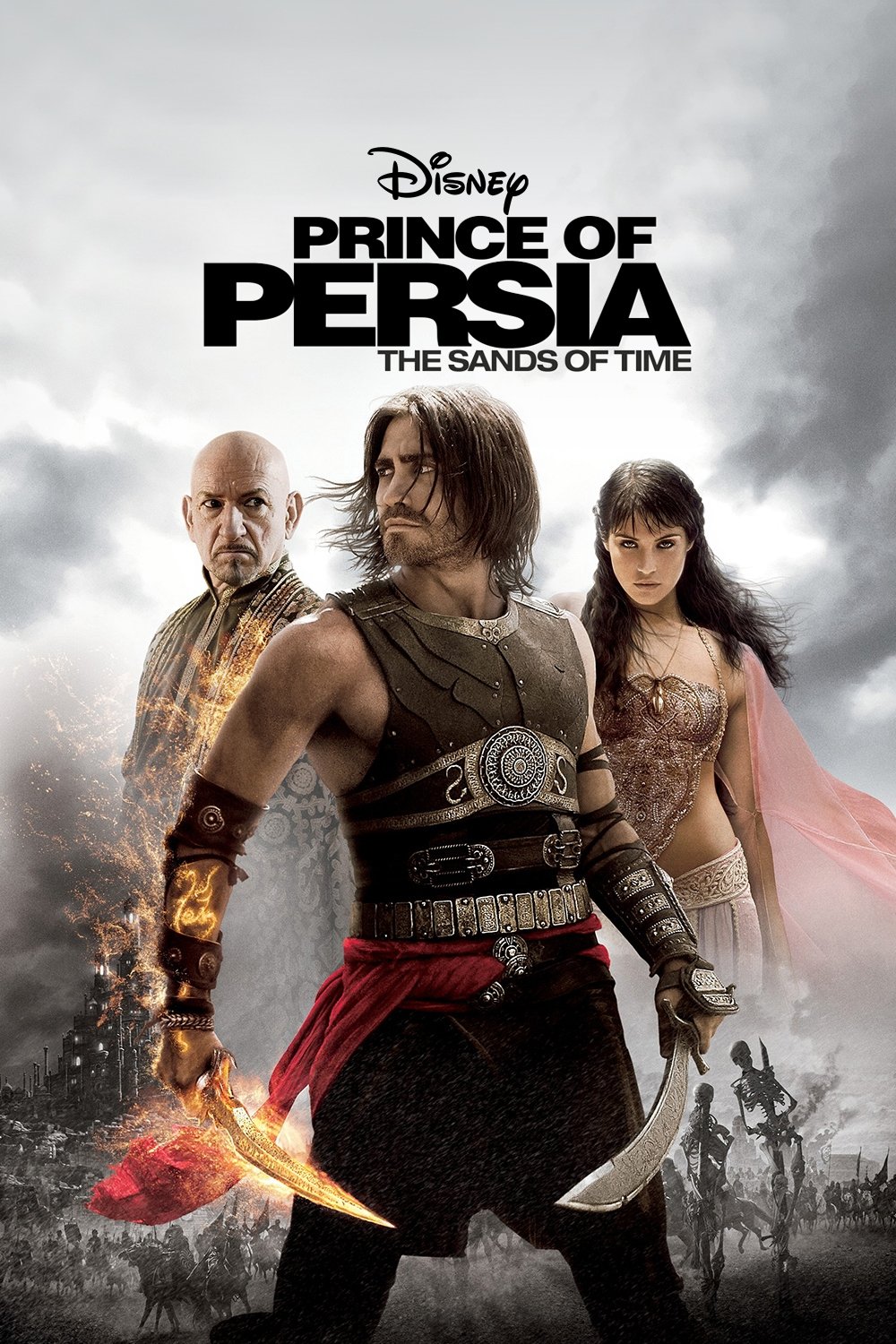
Jake Gyllenhaal was cast as the lead character in this adaptation of the popular video game franchise. The decision to cast a white actor as a Persian prince sparked significant public debate about the lack of Middle Eastern representation in Hollywood. Reviewers often mentioned the casting as a point of contention despite the film’s attempt at a high adventure tone. The project is still frequently mentioned in discussions about the industry’s history of casting choices.
‘Thor’ (2011)
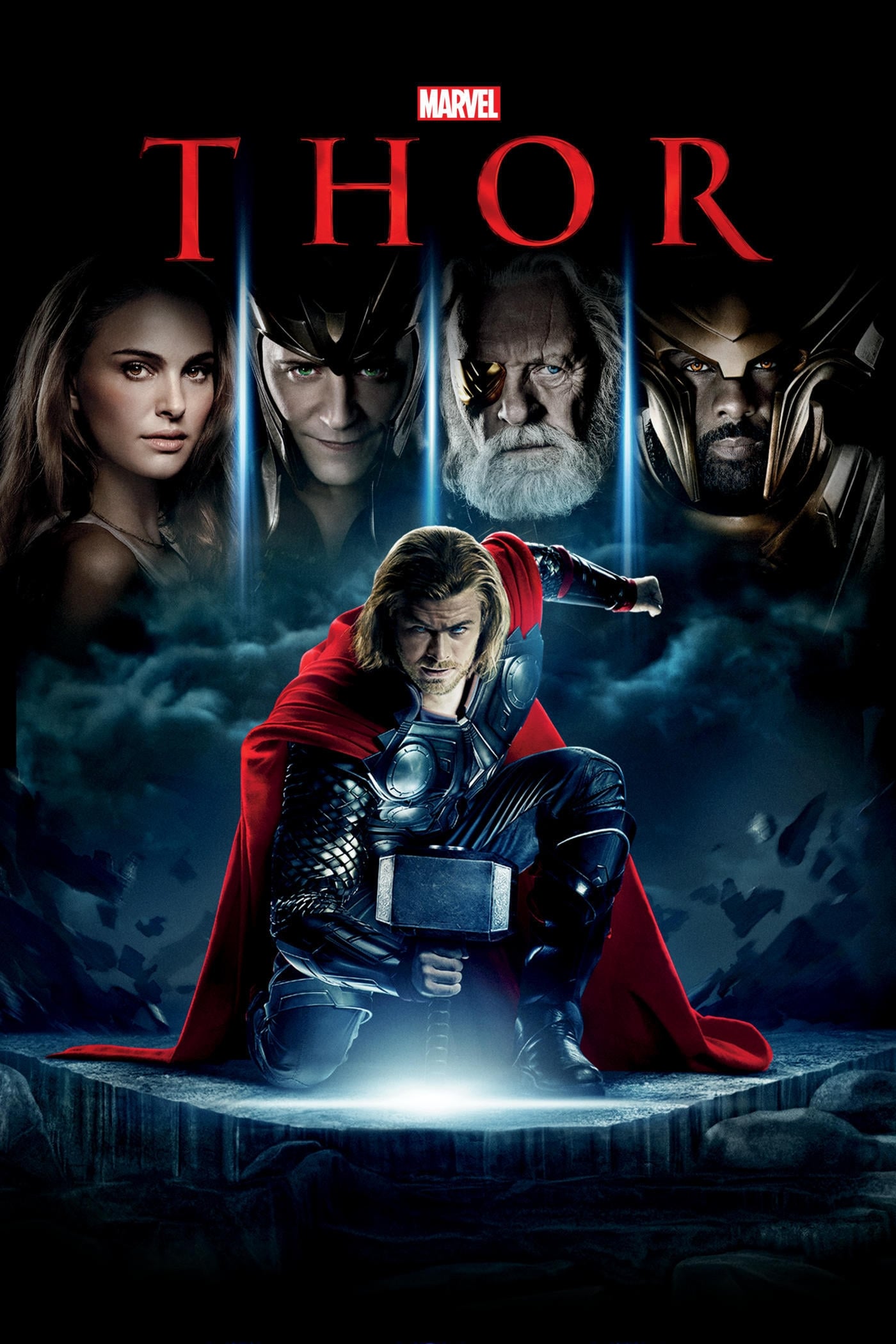
The inclusion of Idris Elba as the Norse deity Heimdall led to organized protests and negative comments from certain segments of the audience. Critics of the casting claimed that the choice violated the cultural origins of the mythology upon which the characters are based. Despite the initial friction, Elba’s portrayal was eventually embraced by the wider fan base and he appeared in several sequels. This situation demonstrated how early review bombing can be mitigated by a successful and lasting performance.
‘Man of Steel’ (2013)
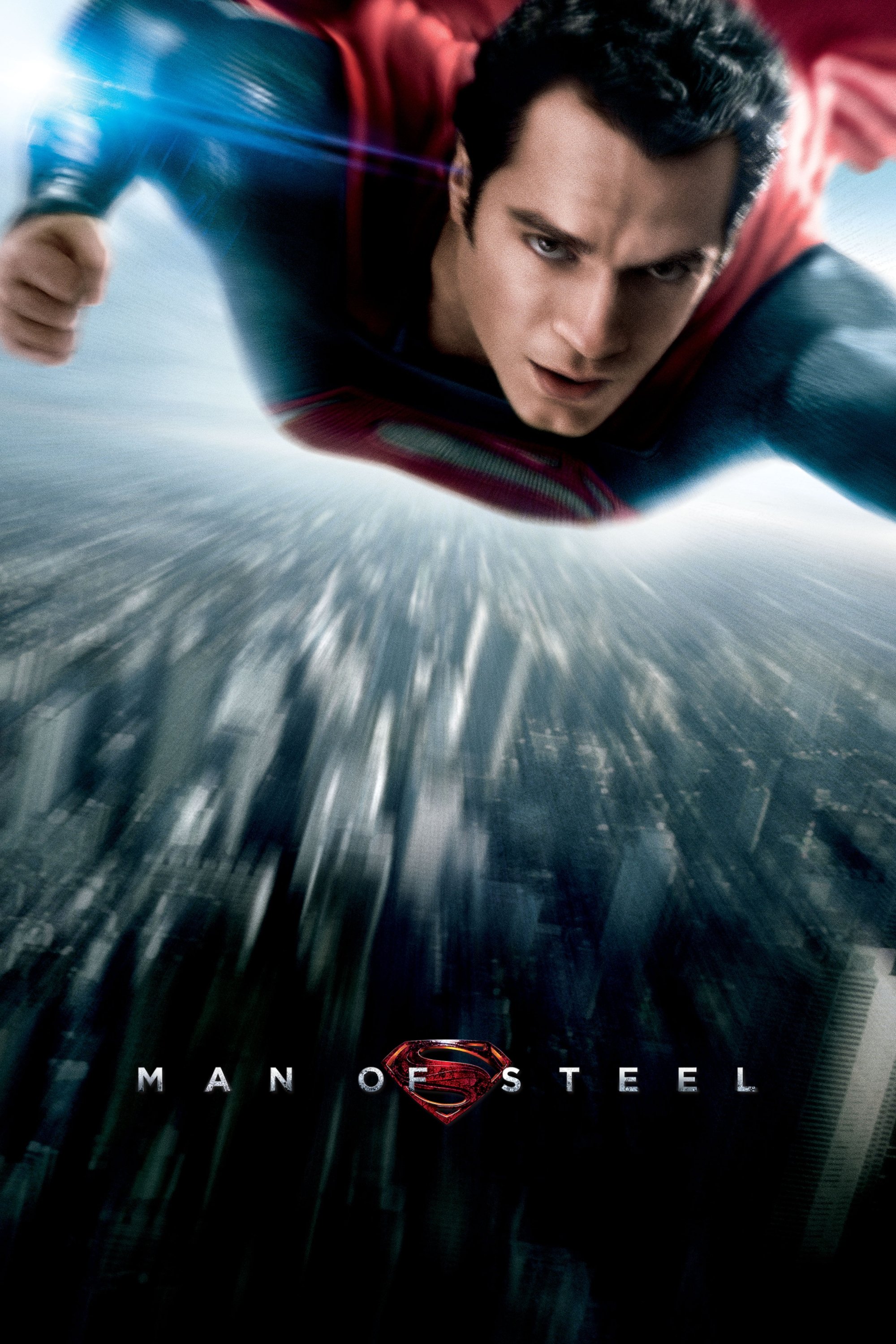
Director Zack Snyder cast Laurence Fishburne as Perry White, the editor of the Daily Planet in the Superman mythos. This racial change to a long established supporting character drew some negative feedback from fans who wanted comic book accuracy. The film’s overall reception was a mix of praise and criticism, with some users specifically focusing on the modernized casting choices. Fishburne’s inclusion helped set the stage for a more diverse supporting cast in future films within the franchise.
‘The Little Mermaid’ (2023)
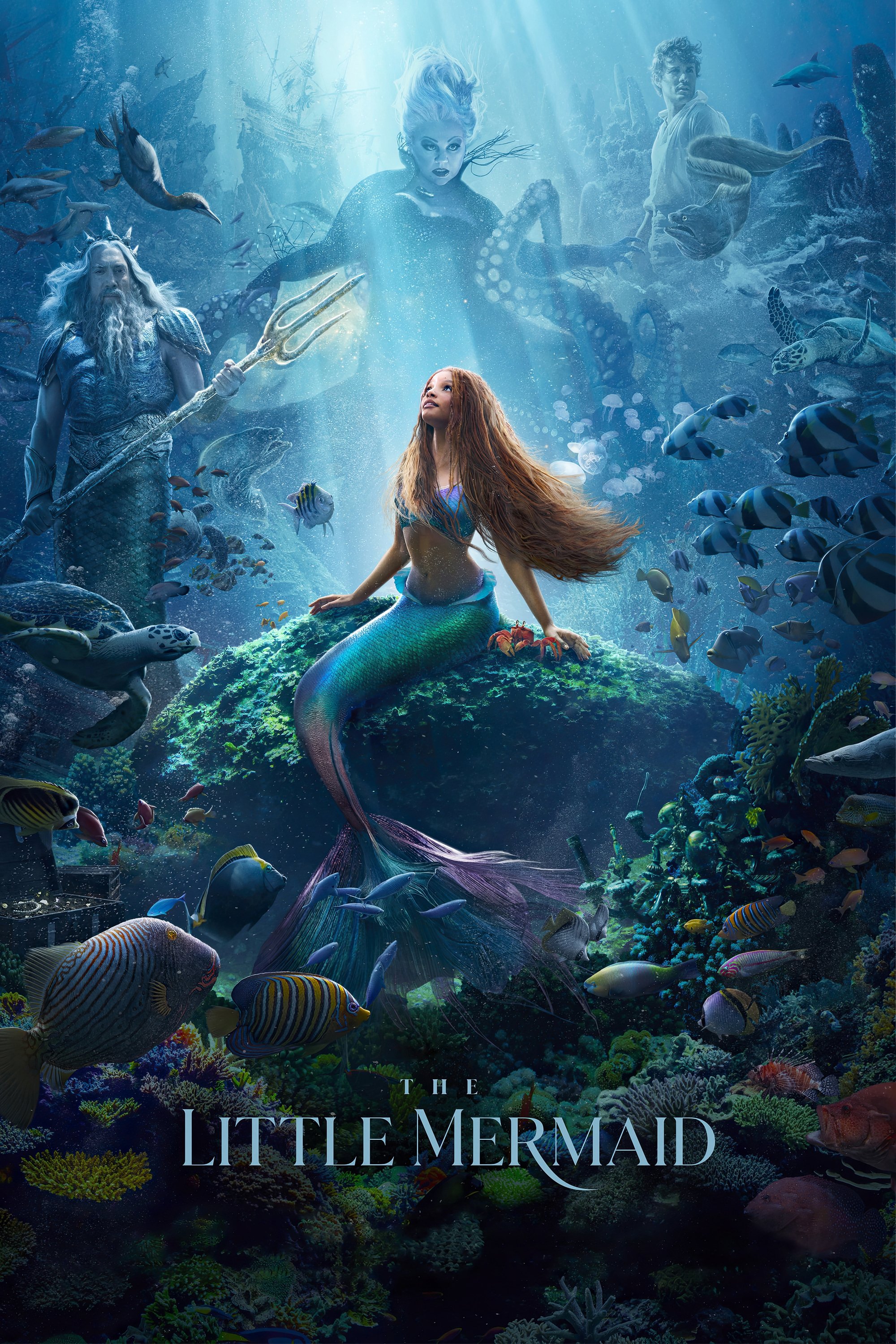
Halle Bailey starred as Ariel in this live action update of the beloved Disney musical. The film was the target of a massive review bombing campaign that resulted in thousands of low ratings across various digital platforms. Many commenters expressed a desire for the character to remain visually identical to the 1989 animated version. The movie nevertheless performed well at the box office and received significant praise for Bailey’s vocal performance and acting.
‘Doctor Strange’ (2016)
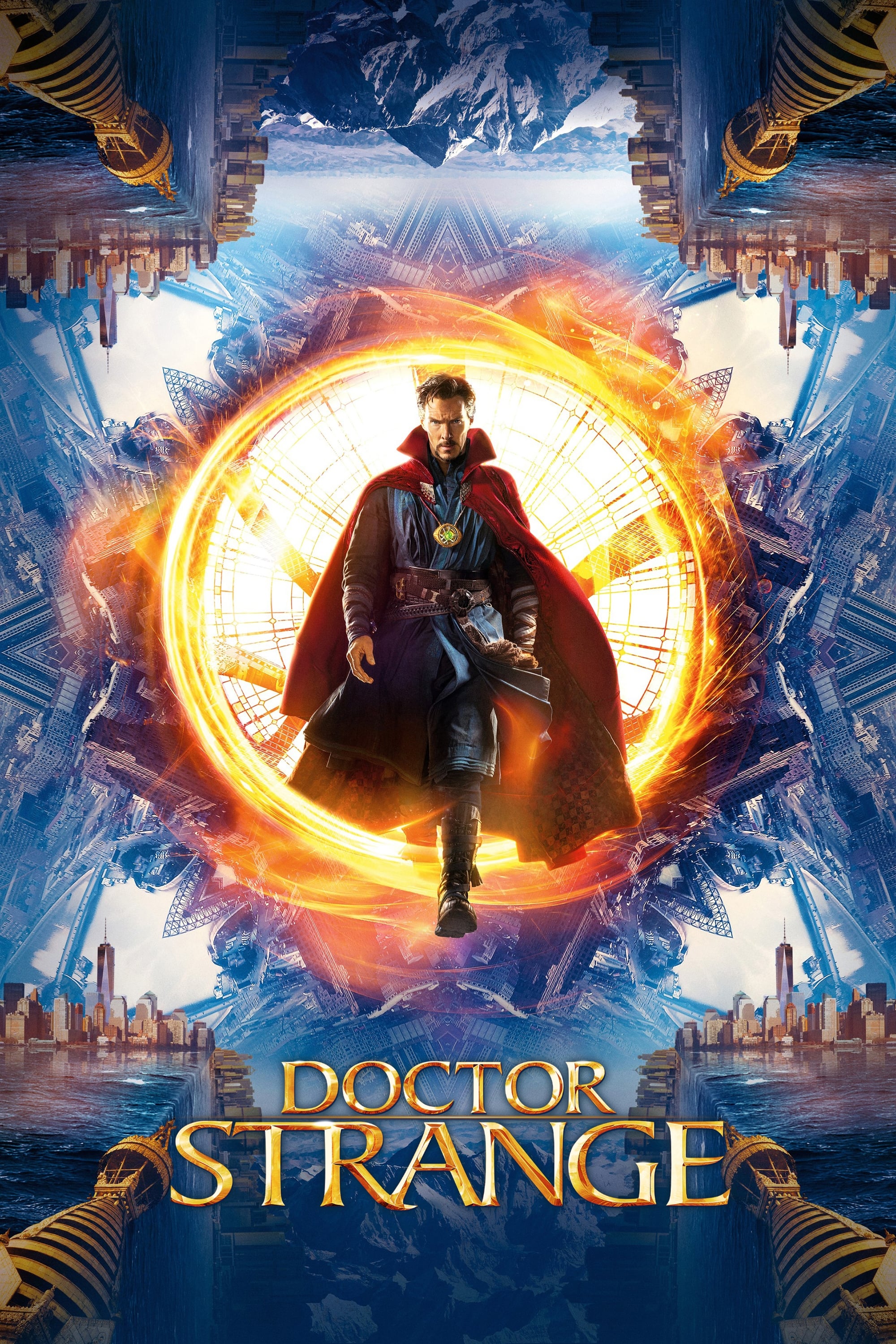
Tilda Swinton was cast as the Ancient One, a role that was originally written as a Tibetan man in the Marvel comics. The studio stated that the change was intended to avoid offensive stereotypes, but the decision was still criticized for erasing an Asian role. Review sections for the film were filled with heated discussions about whether the change was a progressive step or a form of whitewashing. The controversy remains one of the most significant talking points regarding the casting history of the Marvel Cinematic Universe.
‘The Batman’ (2022)
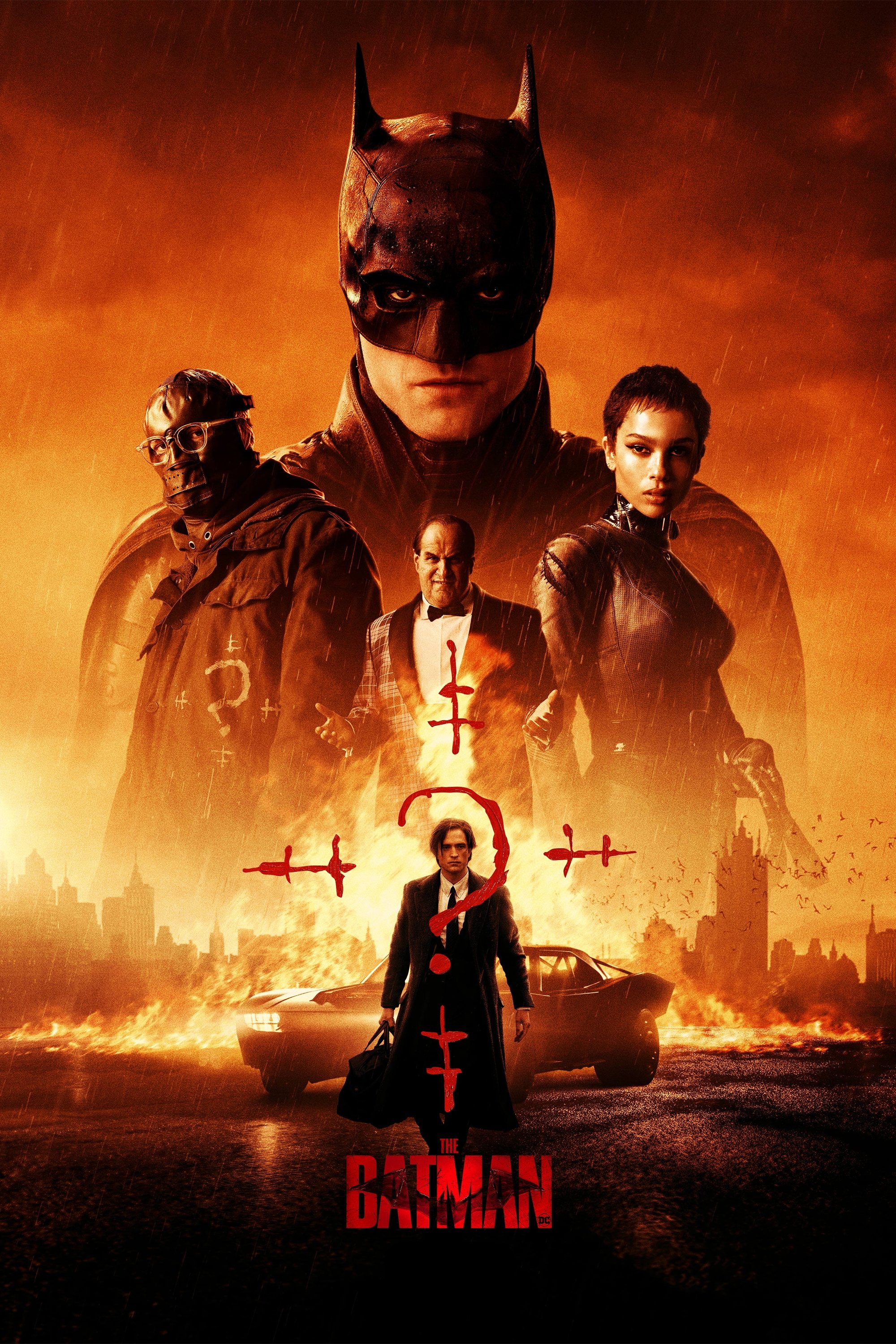
Jeffrey Wright took on the role of Commissioner James Gordon in this dark and grounded reboot of the Batman legend. While the movie was highly successful, it faced some initial review bombing from fans who objected to the race change of the classic character. These early negative reactions were largely drowned out as the film received critical acclaim for its atmosphere and performances. The portrayal by Wright is now widely considered a strong addition to the long history of the character on screen.
Share your thoughts on these casting changes and how they influence your viewing experience in the comments.