


10 Movies That Have Already Used AI in Their Production

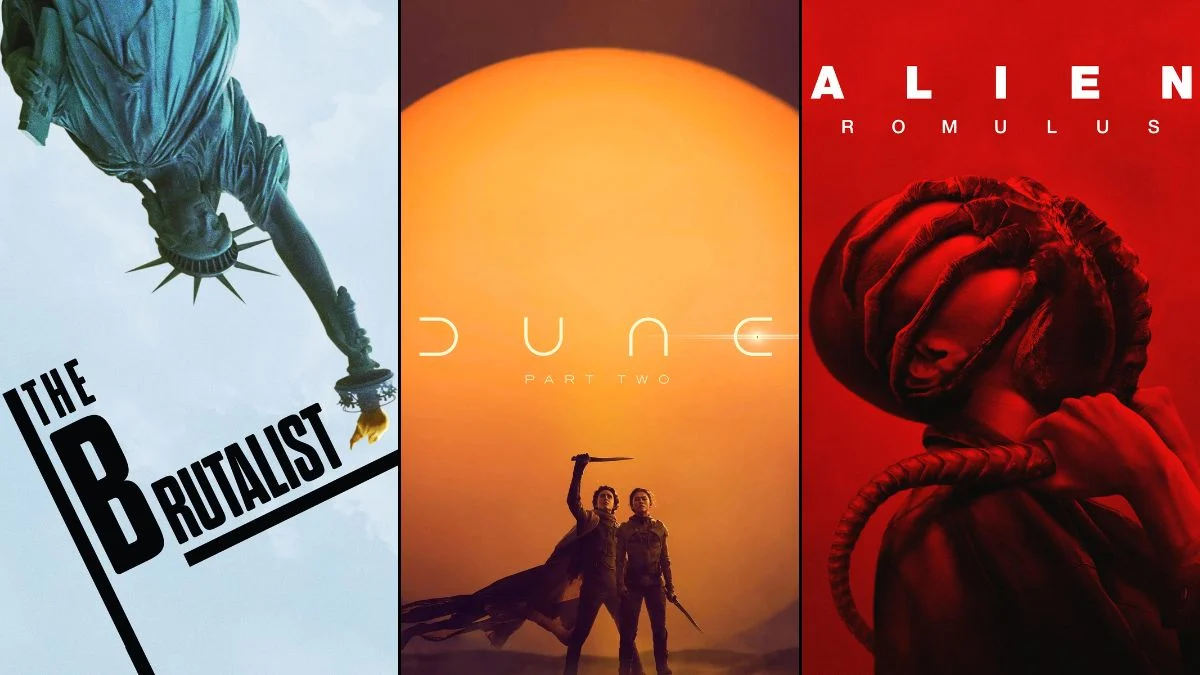


Artificial intelligence is changing how movies are made. From visual effects to editing, AI tools help filmmakers save time and create stunning visuals. These tools can de-age actors, generate backgrounds, or even assist with scripts. This list looks at 10 films that used AI in their production, showing how this technology is shaping modern cinema.
Each movie here used AI in unique ways, from small tweaks to major effects. These examples show how AI is becoming a key part of filmmaking, making it easier to bring big ideas to life. Let’s dive into the films that have embraced AI behind the scenes.
The Irishman (2019)
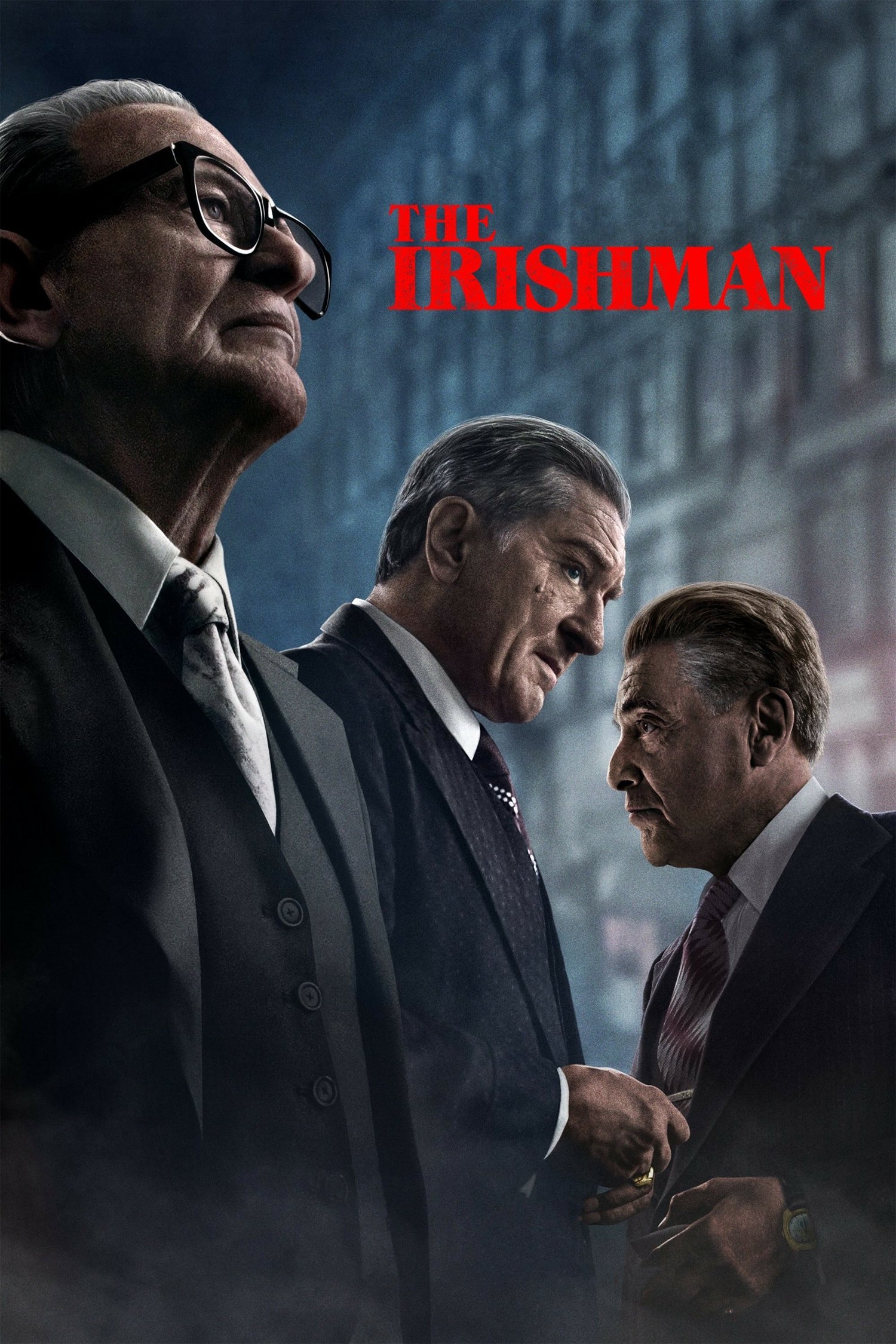
‘The Irishman’ used AI to de-age actors like Robert De Niro and Joe Pesci. The visual effects team at Industrial Light & Magic employed an AI program called FaceSwap to analyze old footage and make the actors look younger. This allowed the film to show characters across decades without using younger actors. The result was seamless, keeping the focus on the story.
AI made the process faster than traditional makeup or CGI. It scanned countless reference images to match lighting and angles, creating realistic younger versions of the actors. This tech helped Martin Scorsese tell a sprawling crime saga with authentic performances.
Dune: Part Two (2024)
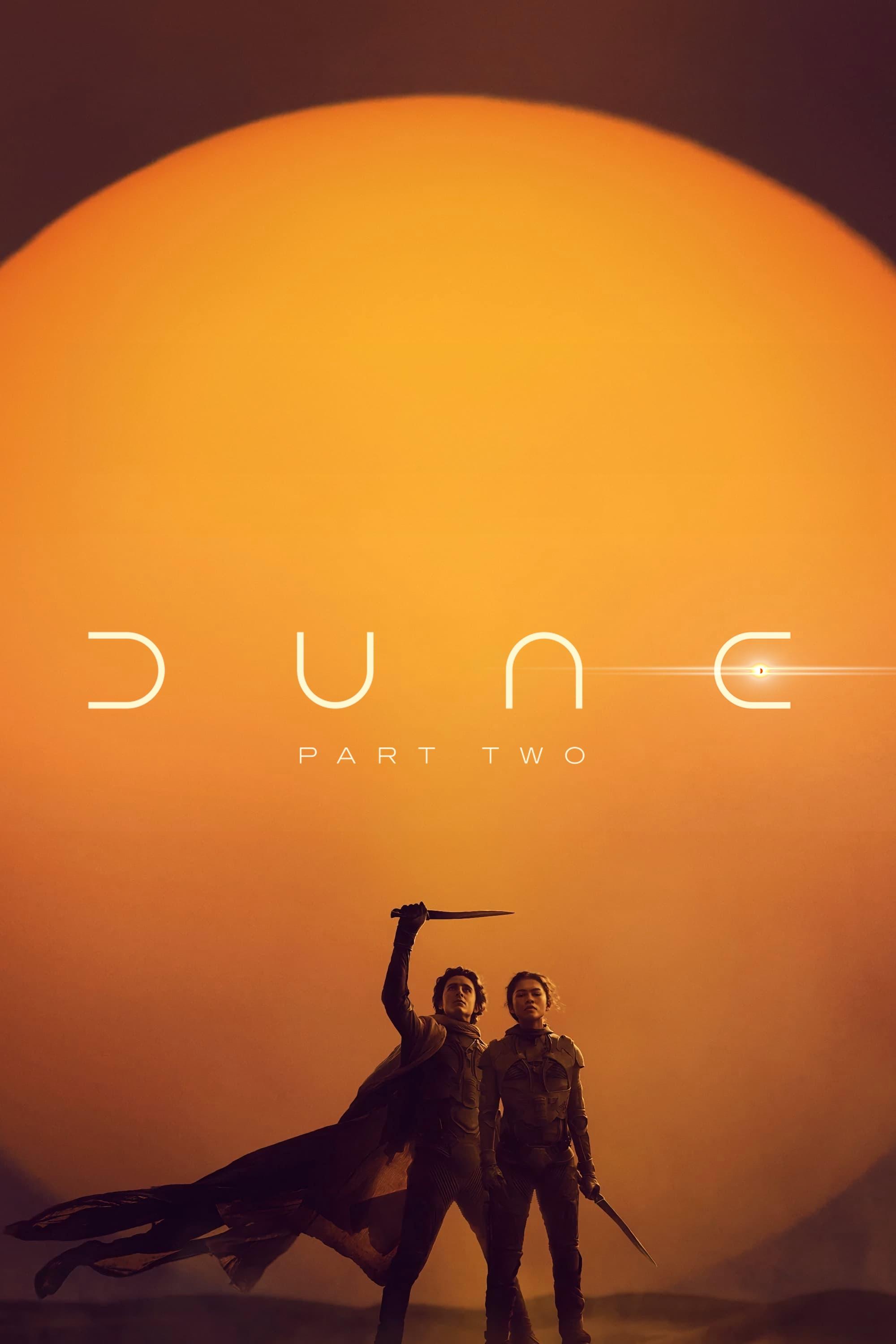
In ‘Dune: Part Two,’ AI was used to enhance the visual effects, specifically for the Fremen’s blue eyes. Effects studio DNEG created an AI algorithm trained on shots from the first film to automatically detect and tint actors’ eyes blue. This saved time compared to manually editing each frame, as was done in the original ‘Dune.’
The AI model ensured consistency in the eye color across scenes, blending seamlessly with the film’s desert aesthetic. This small but effective use of AI shows how it can streamline repetitive tasks in visual effects, letting artists focus on bigger creative challenges.
The Brutalist (2024)
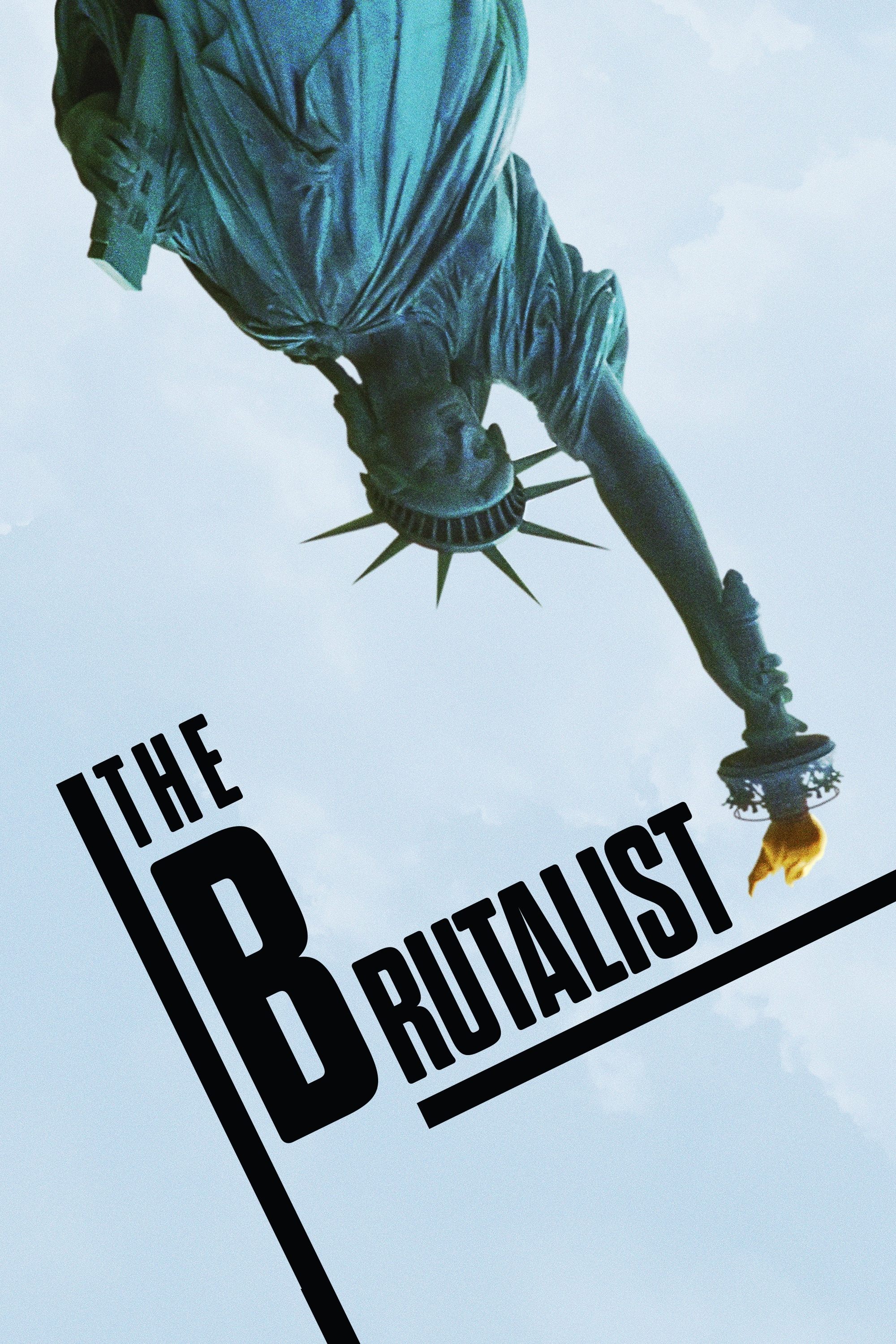
‘The Brutalist’ used AI to refine the actors’ vocal performances. The film’s sound team worked with Respeecher, an AI tool, to adjust Hungarian dialogue, tweaking vowels and letters for accuracy. This was done in post-production to ensure the accents sounded authentic without altering the actors’ natural performances.
Director Brady Corbet emphasized that the AI was used sparingly, only for specific dialogue edits. This approach shows how AI can polish small details, enhancing the film’s realism while keeping the human performances intact.
Emilia Pérez (2024)

The musical ‘Emilia Pérez’ used AI to enhance Karla Sofía Gascón’s singing voice. Respeecher’s AI technology adjusted her vocal performance in musical sequences to sound smoother, mimicking the style of late 1990s Cher. This helped the film achieve its unique tone without replacing the actor’s work.
The use of AI sparked some debate, but it showed how the technology can support artistic choices. By refining vocals, AI helped create a polished musical experience while keeping the emotional depth of the performance.
Shang-Chi and the Legend of the Ten Rings (2021)
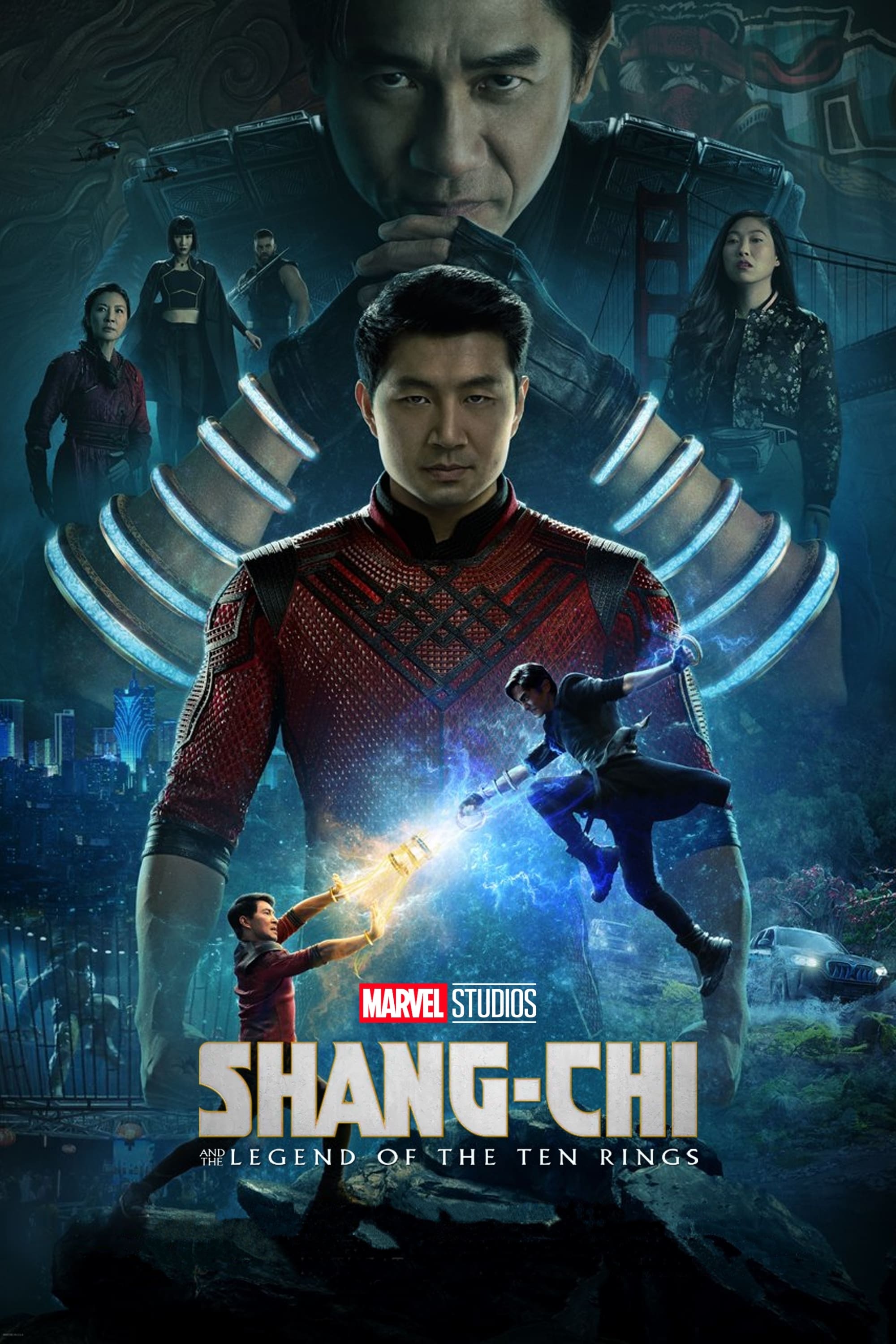
‘Shang-Chi and the Legend of the Ten Rings’ used AI for specific visual effects shots. Marvel’s effects team applied AI tools to enhance action sequences, particularly in complex fight scenes. The AI helped generate realistic environments and smooth out CGI elements, making the film’s fantastical world feel grounded.
This early use of AI in a Marvel film showed its potential to handle intricate visual tasks. It allowed the team to focus on choreography and storytelling while AI took care of technical details, creating a visually stunning experience.
The Creator (2023)
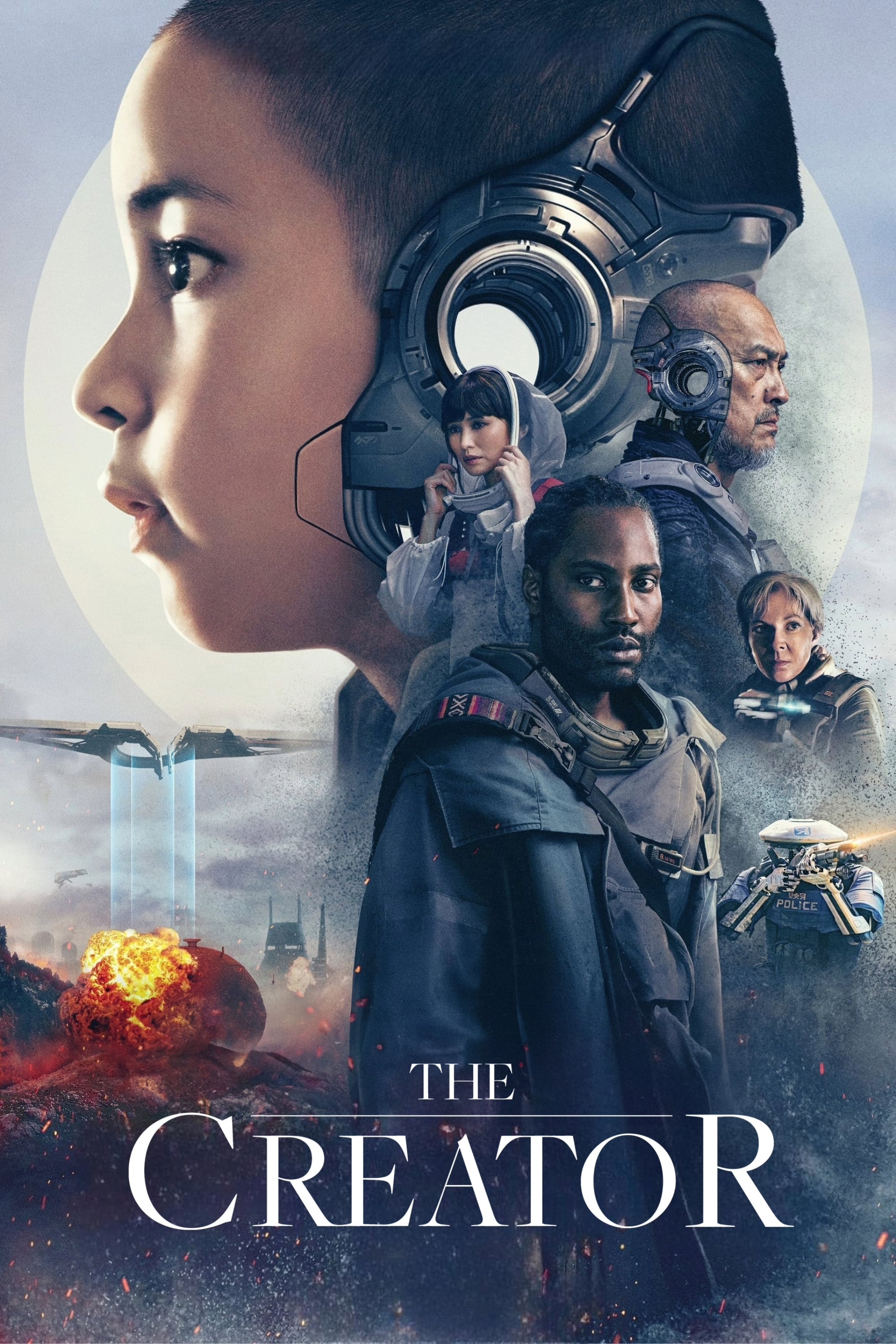
‘The Creator’ used AI to streamline its visual effects, particularly for futuristic cityscapes and robot designs. The production team employed AI algorithms to generate detailed backgrounds and enhance CGI elements, reducing manual work while maintaining a realistic sci-fi aesthetic.
This allowed director Gareth Edwards to focus on storytelling while AI handled complex visual tasks. The film’s seamless integration of AI-generated visuals shows how the technology can enhance large-scale productions without compromising quality.
Late Night With The Devil (2023)

‘Late Night With The Devil’ used generative AI for a few static interstitial images. These images, shown during breaks in the film’s talk-show format, added to its creepy 1970s vibe. The AI was used sparingly to create unsettling visuals that matched the horror aesthetic.
The decision caused some backlash when revealed, but it highlighted AI’s ability to craft niche visual elements. The film’s low budget benefited from AI, showing how smaller productions can use it to enhance atmosphere.
Alien: Romulus (2024)
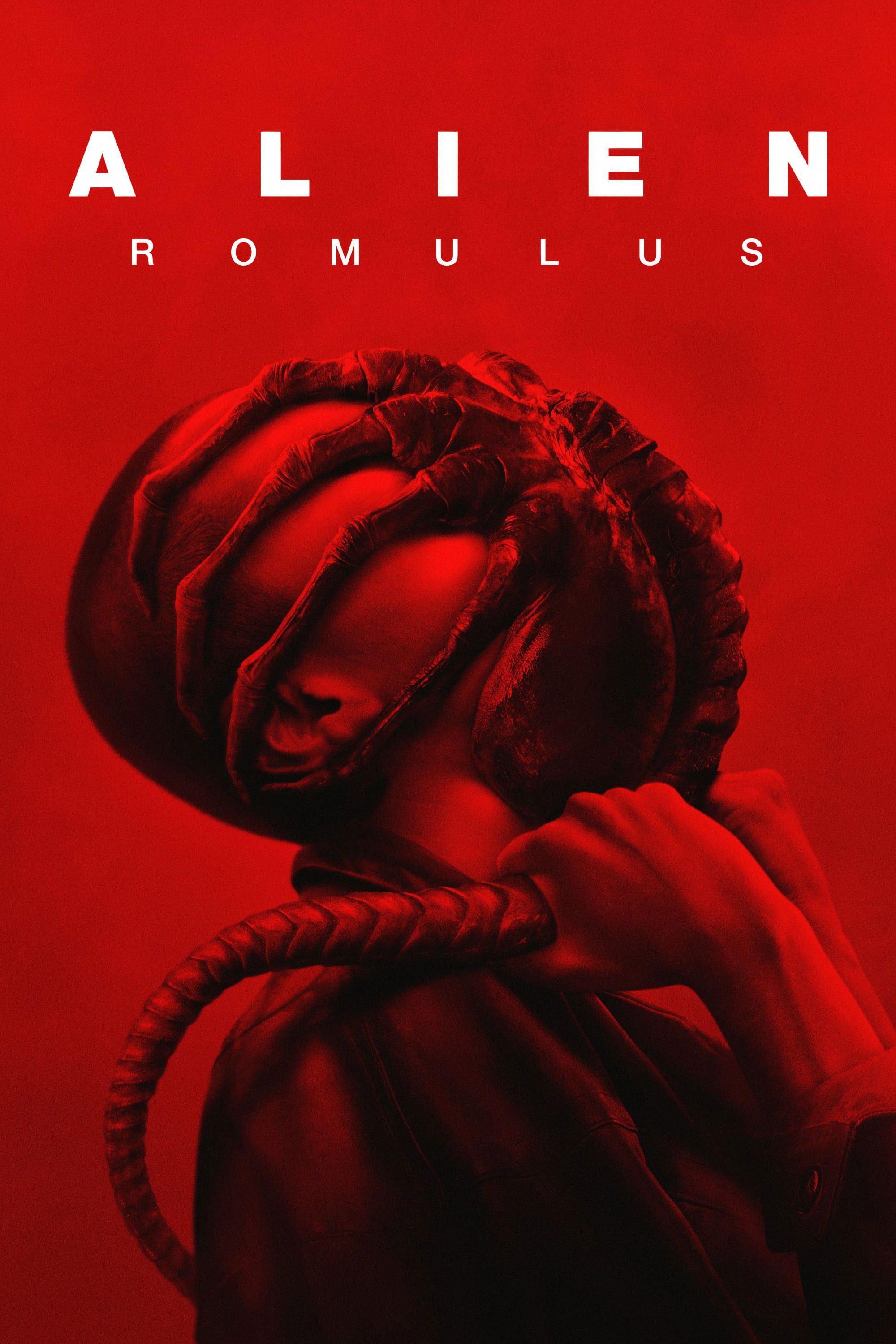
‘Alien: Romulus’ used AI to bring back a deceased actor’s likeness for a key role. The visual effects team employed AI to recreate the actor’s face and voice, blending them with new footage. This allowed the film to include a familiar character without recasting, staying true to the franchise’s history.
The AI process involved analyzing old performances to ensure accuracy. While controversial, it showed how AI can preserve legacy characters, raising ethical questions about using technology to revive actors.
The Frost (2023)
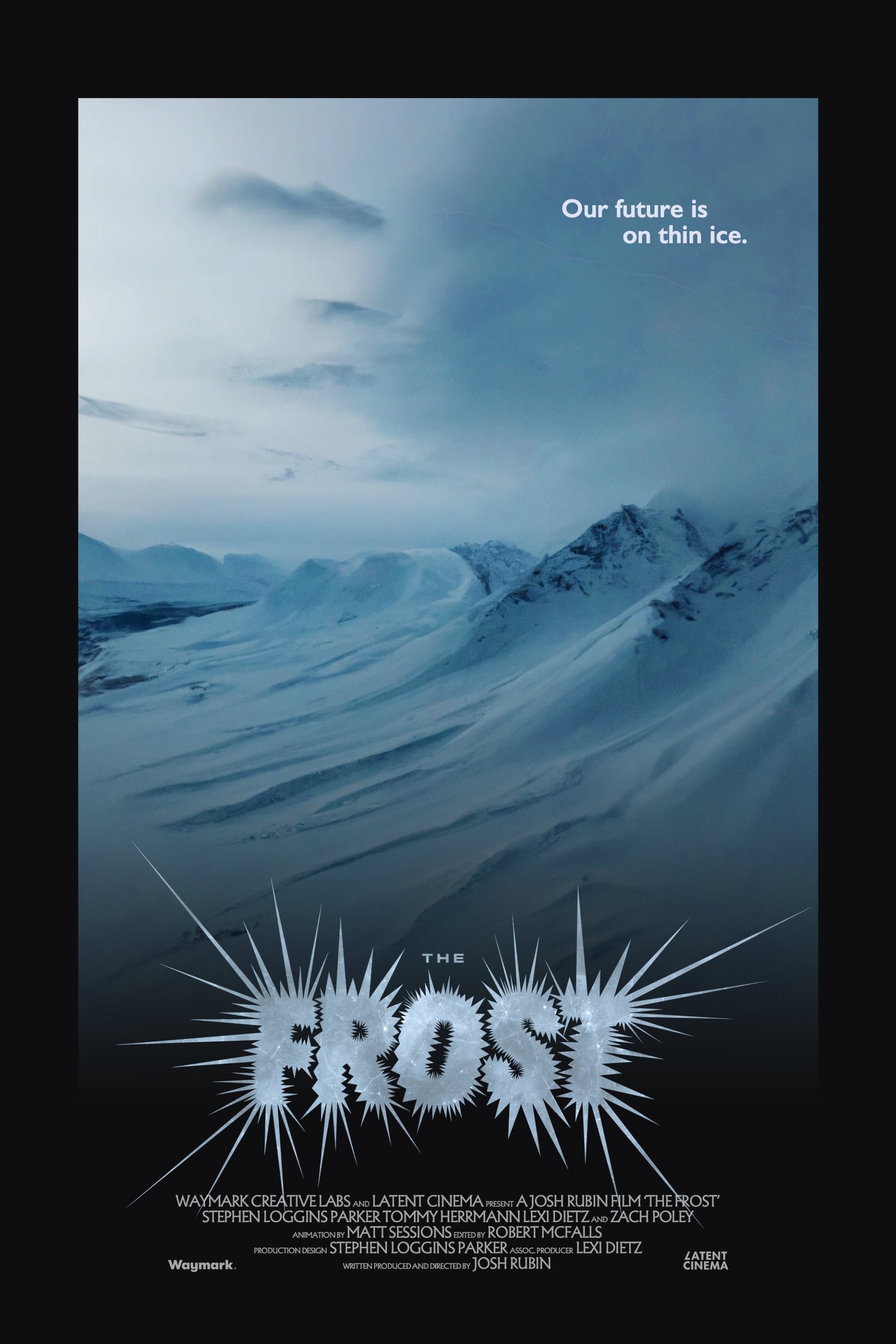
‘The Frost,’ a short sci-fi film, used AI extensively in its production. ChatGPT provided the script, camera movements, lighting, and wardrobe instructions, while DALL-E generated storyboards. The result was a visually striking film, though the script was criticized for being clunky.
Director Josh Rubin used AI to emulate the slow, glacial pace of Kurosawa’s ‘The Blizzard.’ This project showed AI’s potential to guide multiple aspects of filmmaking, even if the dialogue needed human refinement.
Mufasa: The Lion King (2024)
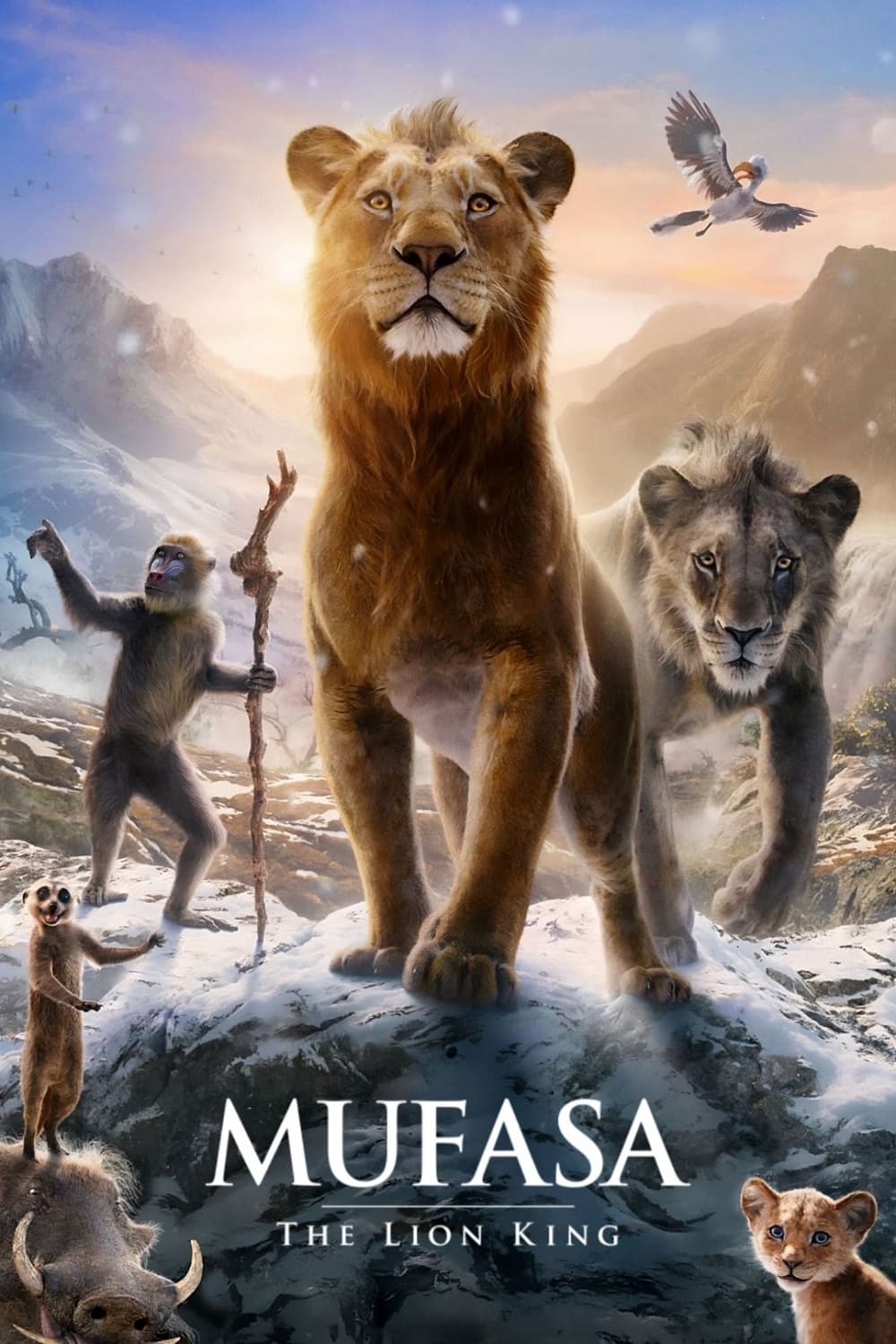
‘Mufasa: The Lion King’ used AI to enhance its photorealistic animation, particularly for animal movements and environments. The visual effects team at MPC employed AI algorithms to refine fur textures and simulate realistic lighting across the savanna, saving time on manual adjustments.
This allowed the film to maintain the stunning visual style of its predecessor while streamlining production. AI’s role helped create a vibrant, lifelike world that immersed audiences in the prequel’s story.
Which of these AI-powered films have you seen, and what do you think about AI’s role in shaping modern cinema? Share your thoughts in the comments!