


Movies That Have The Worst CGI Of All Time

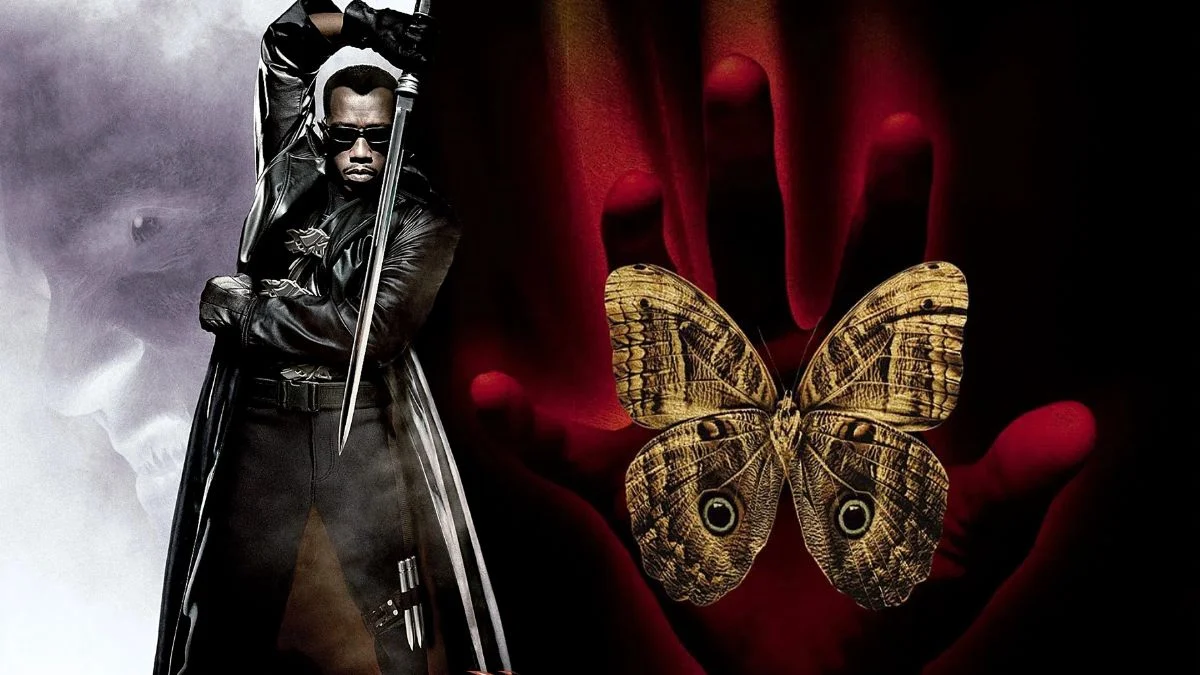


Visual effects have the power to transport audiences to new worlds or ruin the immersion completely. While computer-generated imagery has revolutionized filmmaking, some productions failed to deliver convincing results. Rush schedules and budget constraints often lead to unfinished or awkward digital assets. The following list highlights movies where the visual effects missed the mark significantly.
‘The Lawnmower Man’ (1992)
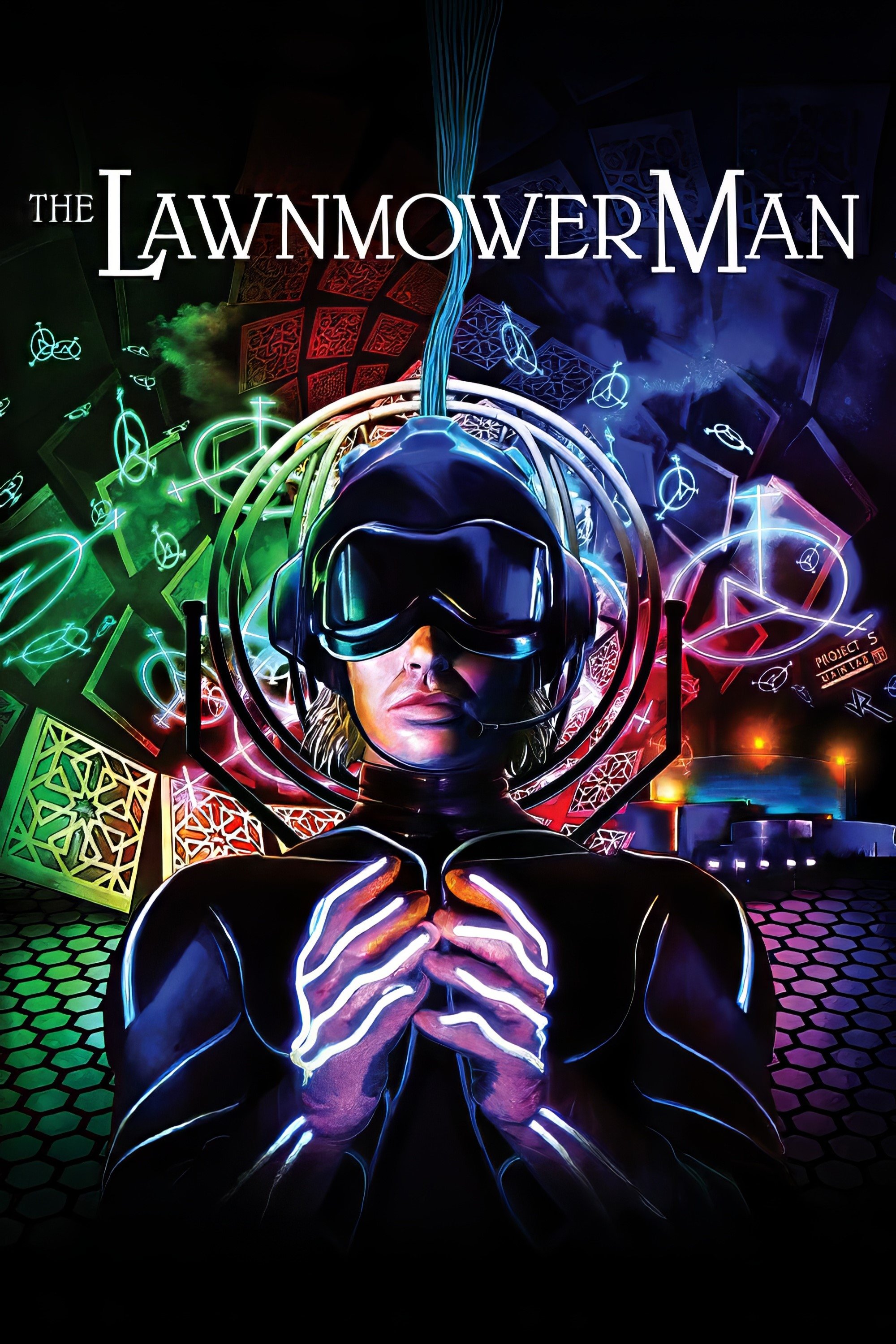
This sci-fi horror film attempted to showcase the cutting-edge world of virtual reality. The story follows a gardener who gains genius-level intelligence and telekinetic powers through digital experiments. Viewers criticize the computer-generated sequences for their primitive and blocky appearance. The final showdown features digital avatars that lack texture and fluid movement. It serves as a stark reminder of the limitations of early nineties technology.
‘Jumanji’ (1995)

A magical board game unleashes jungle hazards upon a quiet suburban town in this family adventure. While the animatronics work well, the computer-generated monkeys suffer from an unnatural glossy sheen. Their movements appear weightless and disconnected from the physical environment. The digital lion also struggles to blend convincingly with the live-action actors. These aging effects distract from an otherwise beloved classic.
‘Escape from L.A.’ (1996)
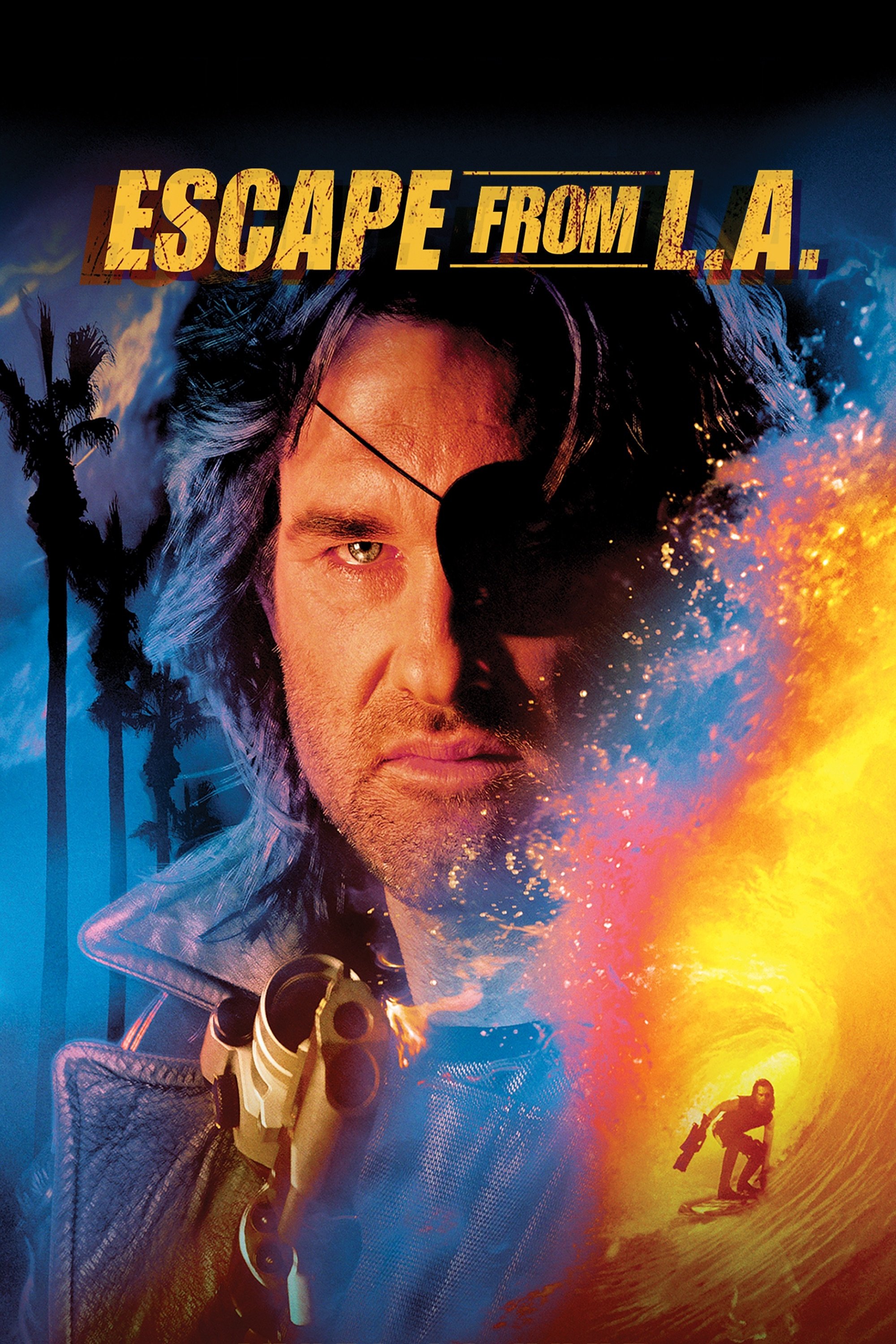
Snake Plissken returns for another mission in a futuristic and ruined Los Angeles. One specific scene involves the protagonist surfing a giant tsunami wave through the city streets. The water effects look cartoonish and lack realistic physics or lighting interaction. Snake appears to float above the wave rather than ride upon it. This sequence is often cited as a low point in the action genre.
‘Spawn’ (1997)
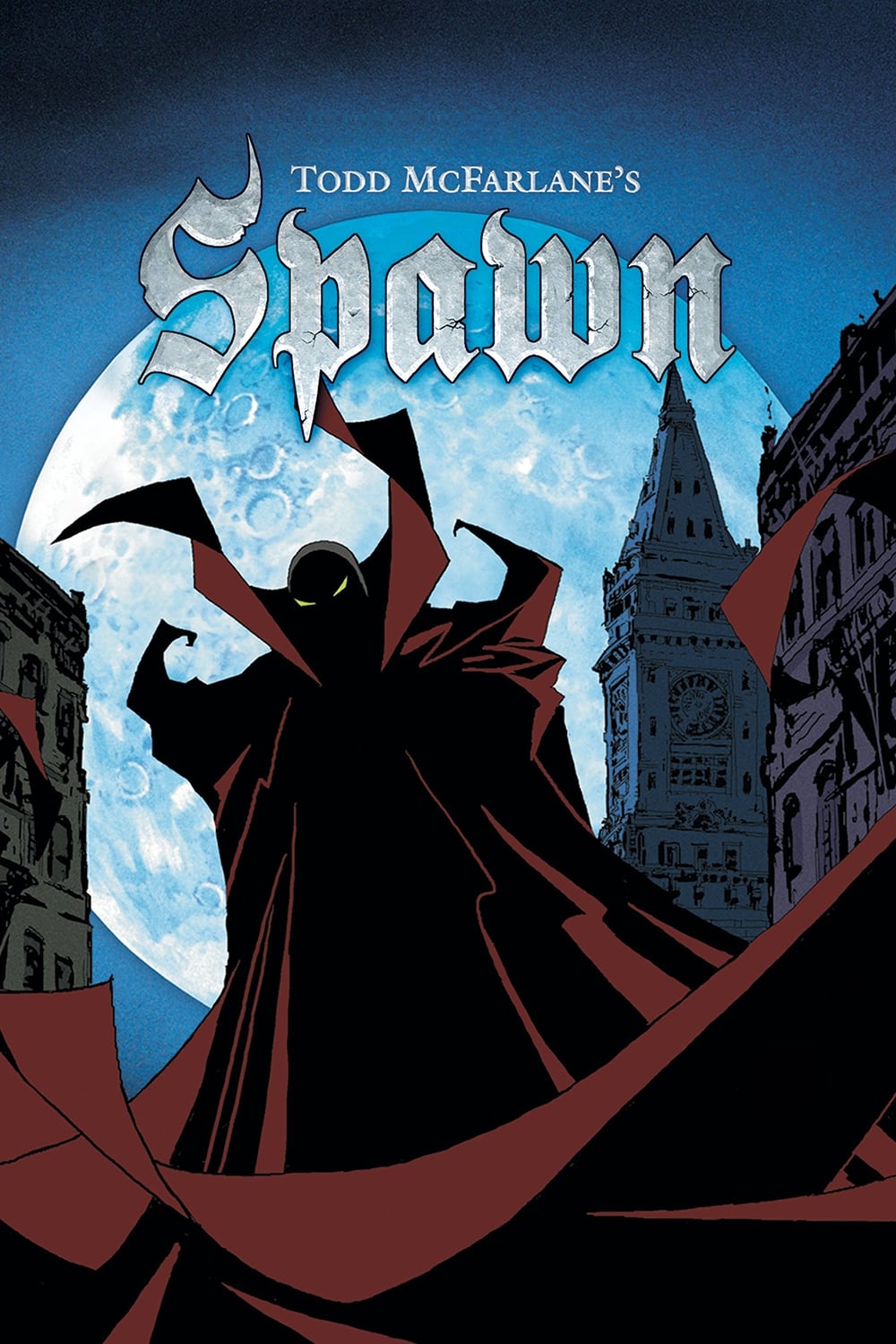
A murdered government assassin returns from hell to lead an evil army but chooses to fight for good instead. The suit and cape effects look passable for the time, but the villain Malebolgia is a different story. The giant demon ruler of hell resembles an unfinished video game asset with low-resolution textures. His mouth movements do not match the dialogue tracks properly. The final battle in hell features muddy visuals that confuse the eye.
‘Anaconda’ (1997)

A documentary film crew gets taken hostage by a hunter seeking a legendary giant snake in the Amazon. The film uses both animatronics and computer imagery to bring the creature to life. The digital snake moves with impossible speed and physics that defy gravity. It often glows with an artificial light that does not match the jungle setting. Audiences found the transition between the practical puppet and the digital model jarring.
‘Air Force One’ (1997)
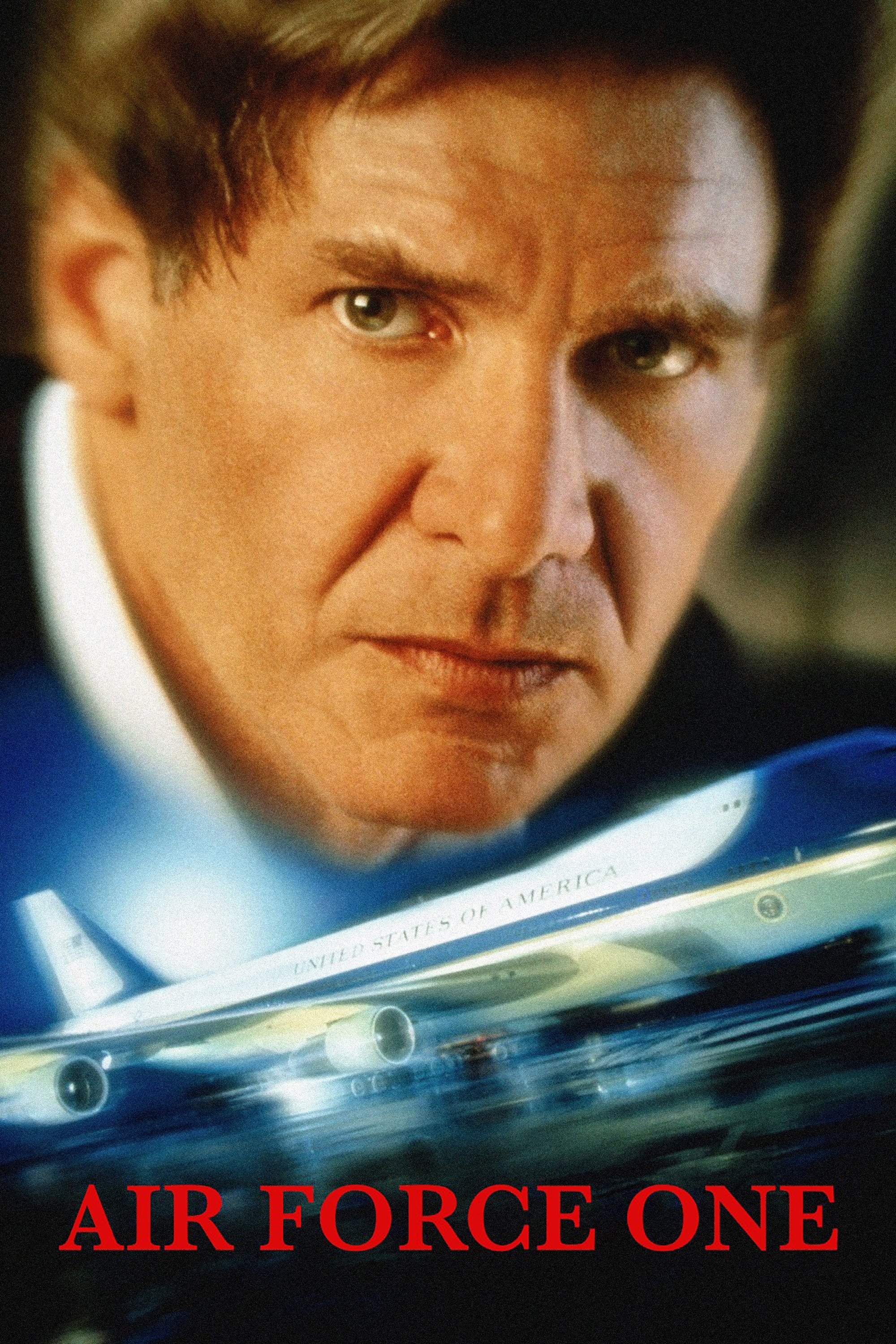
Harrison Ford plays the President of the United States fighting off terrorists on his private plane. The film maintains high tension until the very last scene involving a plane crash. The presidential aircraft hits the water in a sequence that lacks mass and realistic destruction. The water splash looks like a simple texture rather than a fluid simulation. This ending shot remains infamous for its poor execution in a high-budget thriller.
‘Mortal Kombat: Annihilation’ (1997)
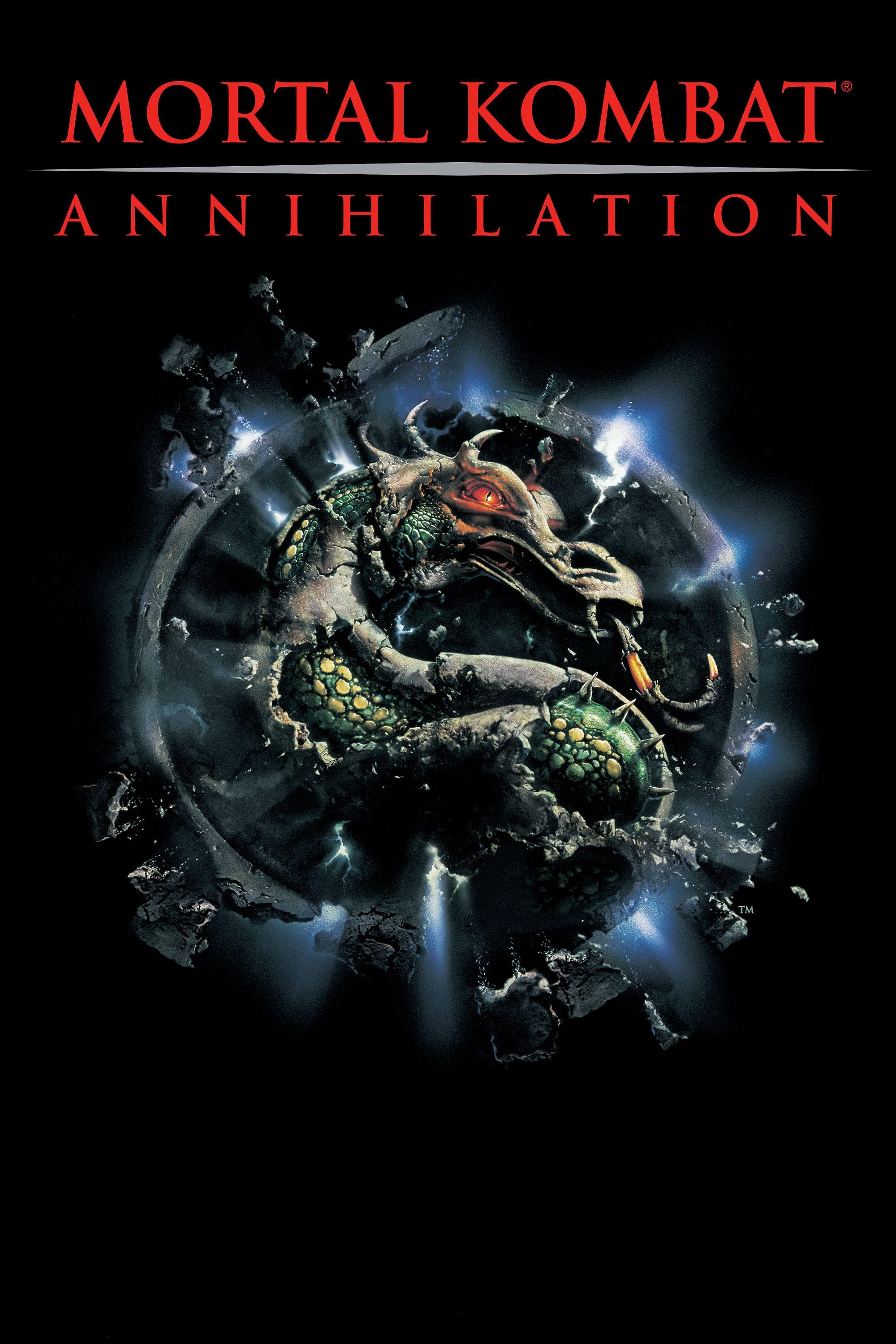
The sequel to the popular fighting game adaptation rushes to introduce more characters and battles. A fight scene between Liu Kang and a creature called the Hydra looks particularly unfinished. The grand finale features the villain transforming into a large digital monster that moves clumsily. Fans were disappointed by the significant drop in quality compared to the first film. The effects appear rushed and lack proper integration with the actors.
‘Lost in Space’ (1998)
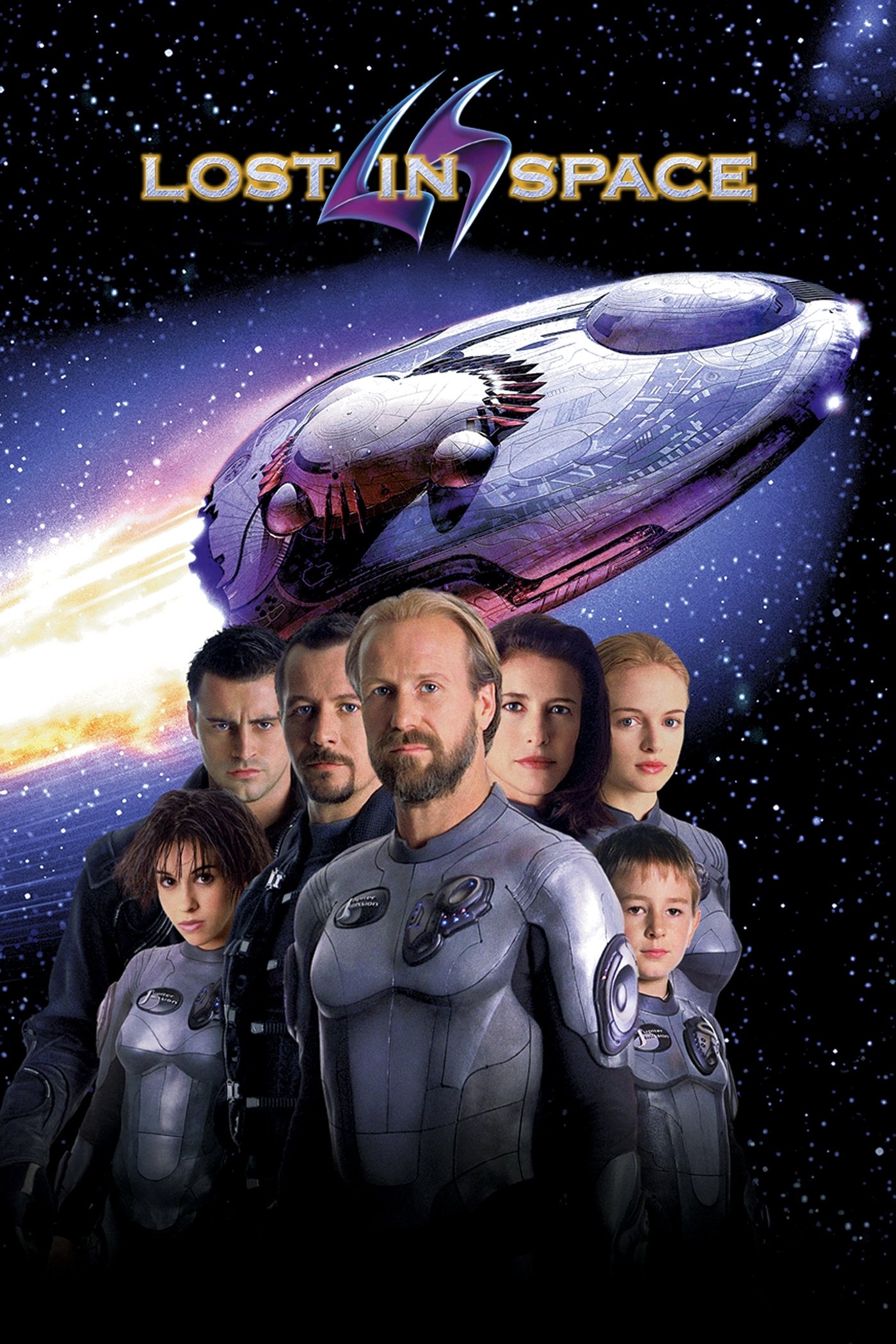
The Robinson family embarks on a space journey that goes terribly wrong. They encounter a computer-generated alien primate named Blawp that looks out of place. The creature has a rubbery texture that fails to mimic realistic skin or fur. Interactions between the actors and the digital monkey appear awkward and unconvincing. This character design ruined the tone of the scenes it inhabited.
‘Deep Blue Sea’ (1999)
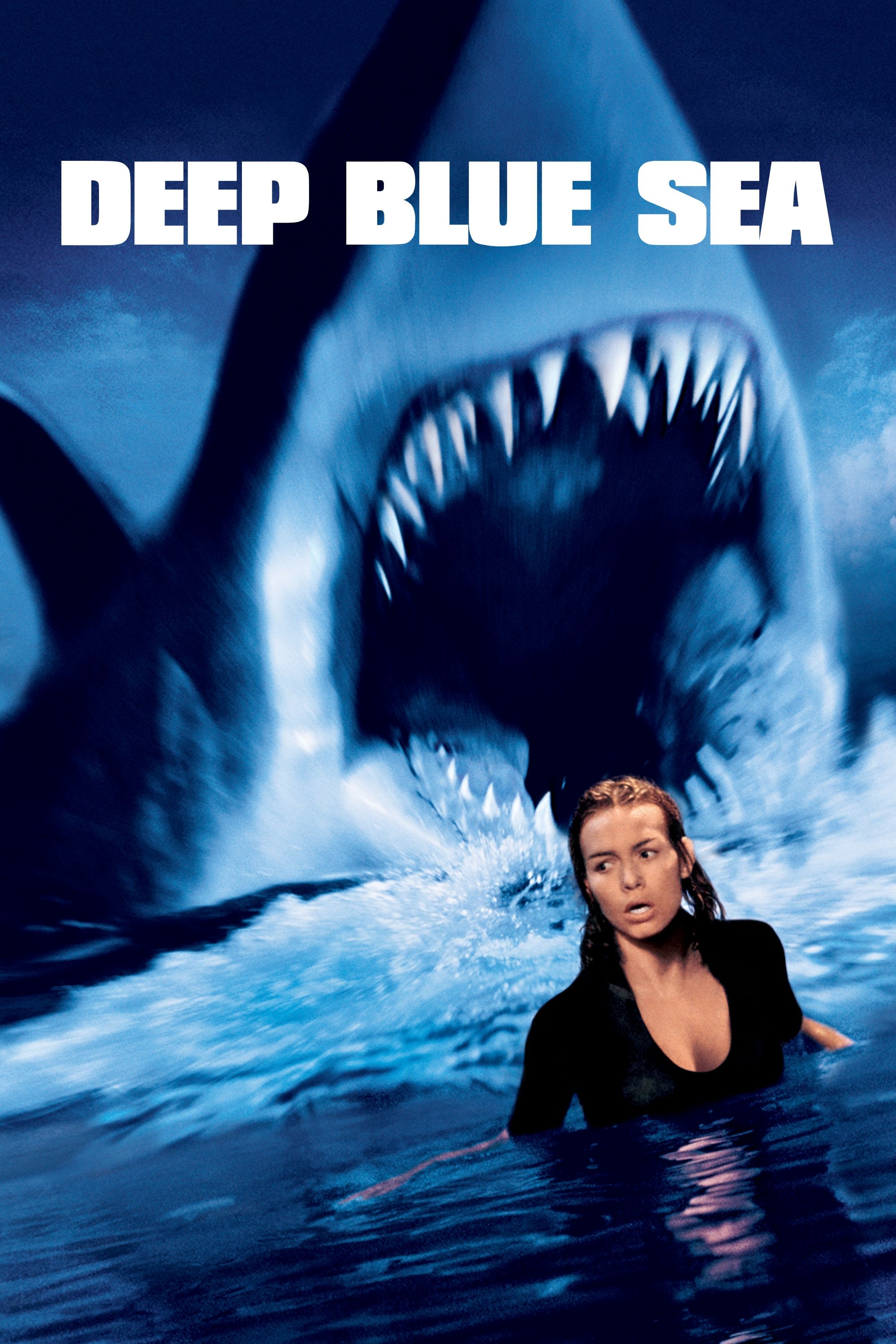
Genetically modified sharks with increased intelligence hunt a group of scientists in an underwater facility. One scene involves a shark leaping out of the water to grab a character mid-speech. The shark looks like a rigid digital object with no weight or flexibility. The splash effects surrounding the creature appear pixelated and flat. This moment became famous for its shock value rather than its visual fidelity.
‘The Mummy Returns’ (2001)
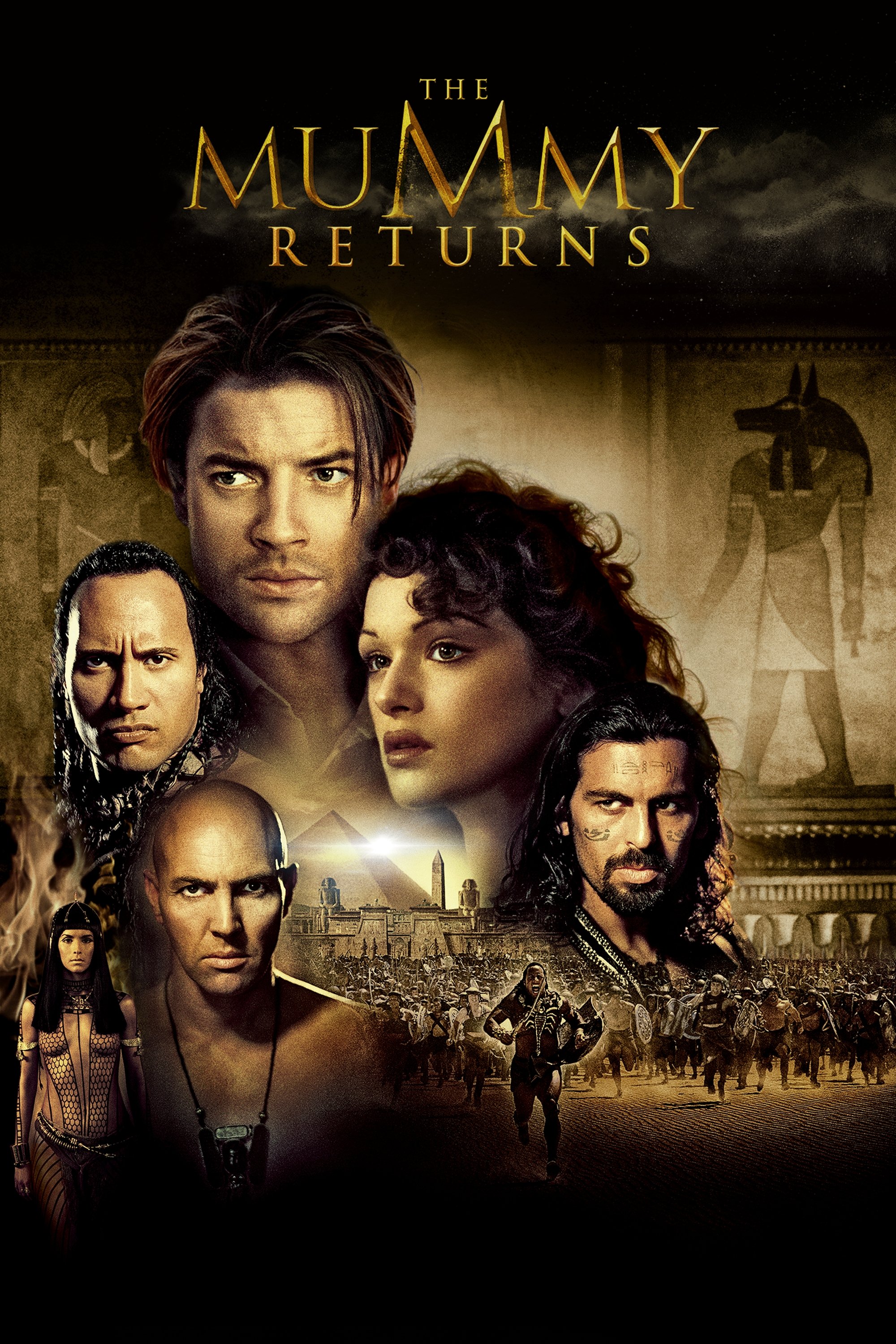
Rick and Evelyn O’Connell race to save their son and the world from an ancient evil. The climax features the Scorpion King, a monster with the upper body of Dwayne Johnson and the legs of a scorpion. The digital face of the actor looks waxy and lacks human expression. The lighting on the creature does not match the torch-lit environment of the pyramid. It remains one of the most ridiculed examples of CGI in blockbuster history.
‘Blade II’ (2002)
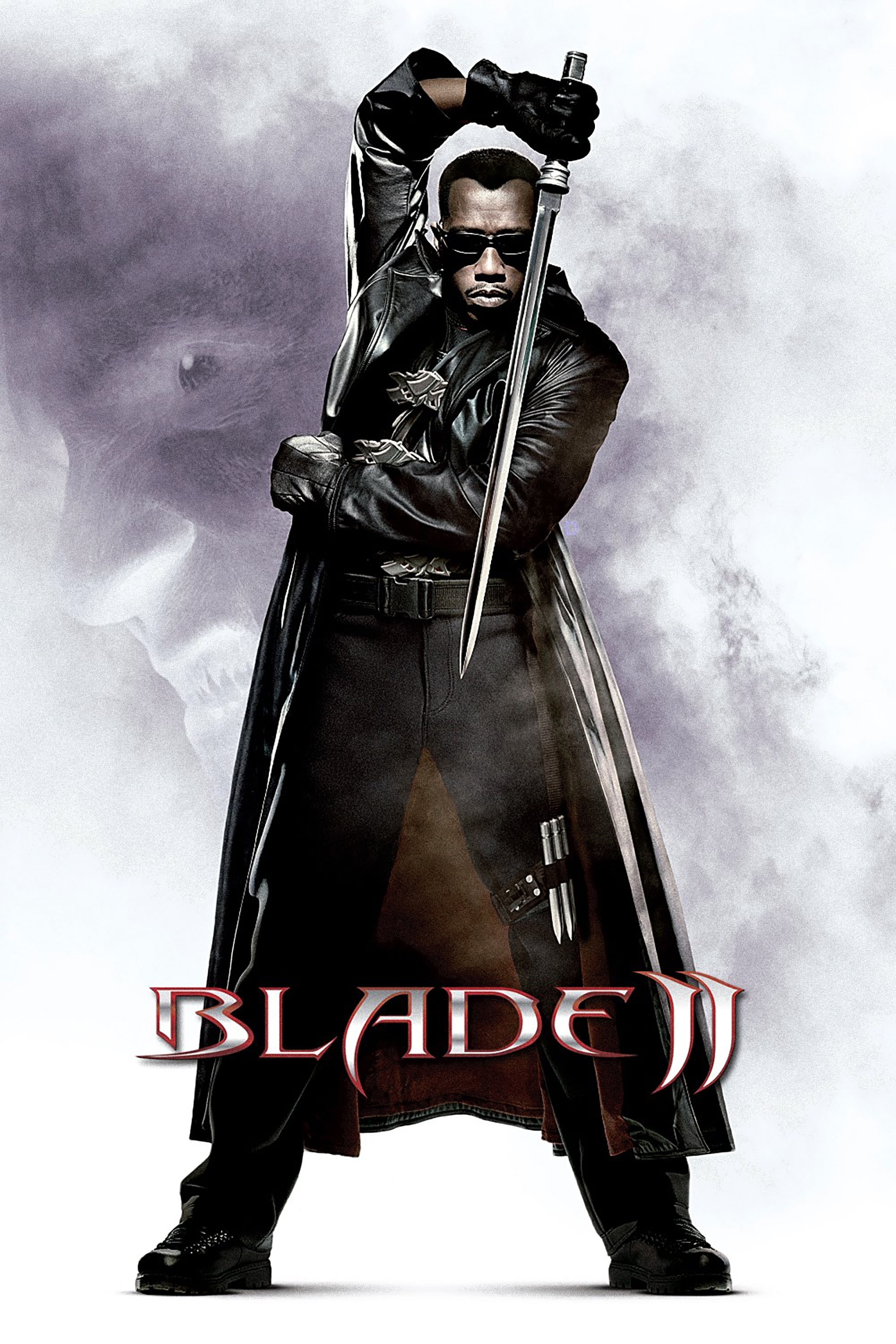
The vampire hunter Blade teams up with an elite vampire squad to fight a new breed of super-vampires. Director Guillermo del Toro uses digital doubles for impossible stunts during fight scenes. These digital characters move with rubbery physics that look unnatural to the human eye. The transition between the live actors and their computer-generated counterparts is obvious. The weightless jumping and landing mechanics break the suspension of disbelief.
‘Die Another Day’ (2002)
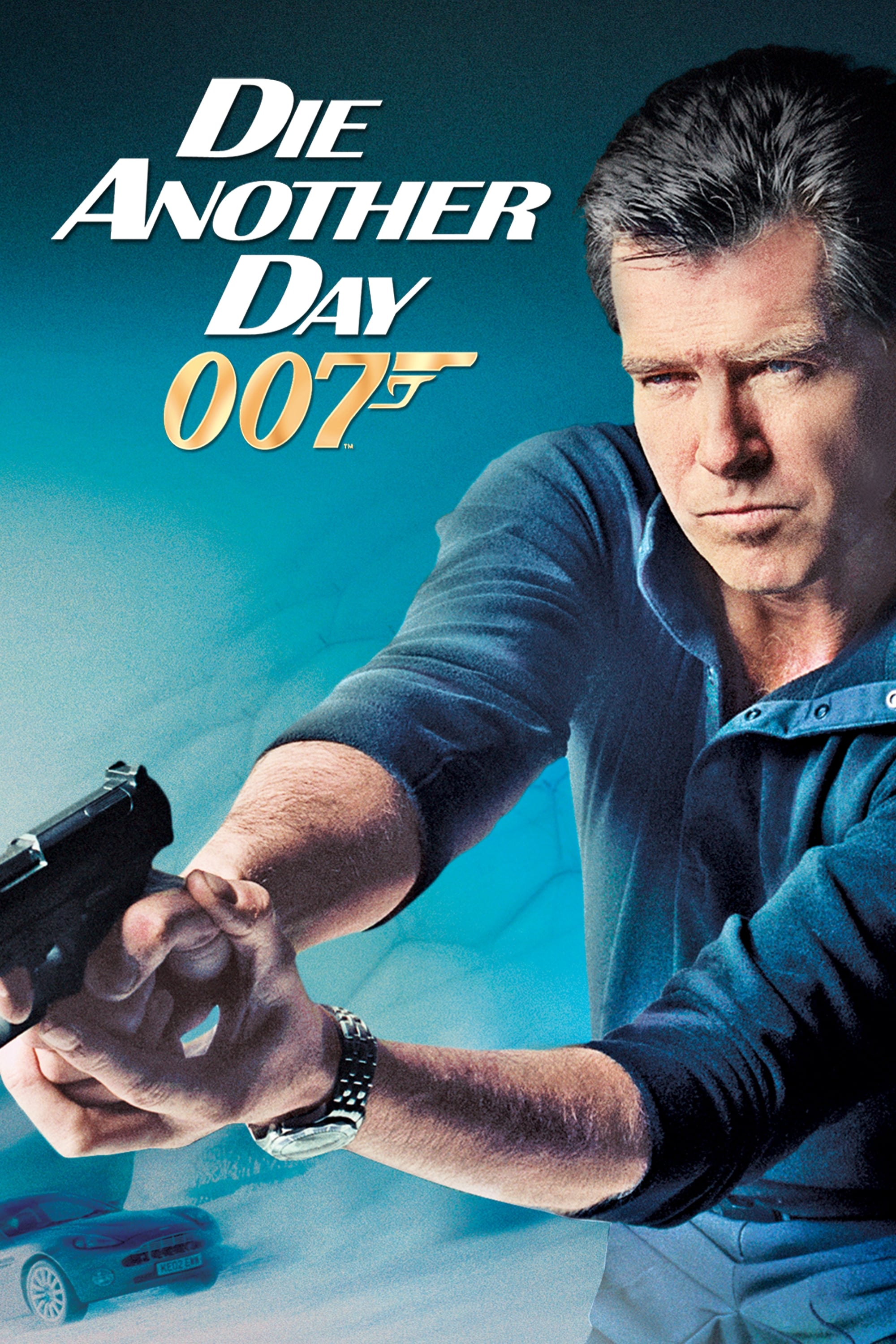
James Bond tries to stop a North Korean terrorist from using a satellite weapon. Bond uses a parasail and a car door to surf a massive tsunami wave created by a collapsing glacier. The green screen work is apparent as the lighting on Bond does not match the icy background. The wave itself looks like a murky wall of gray pixels. This scene is often considered the point where the franchise became too cartoonish.
‘Scooby-Doo’ (2002)
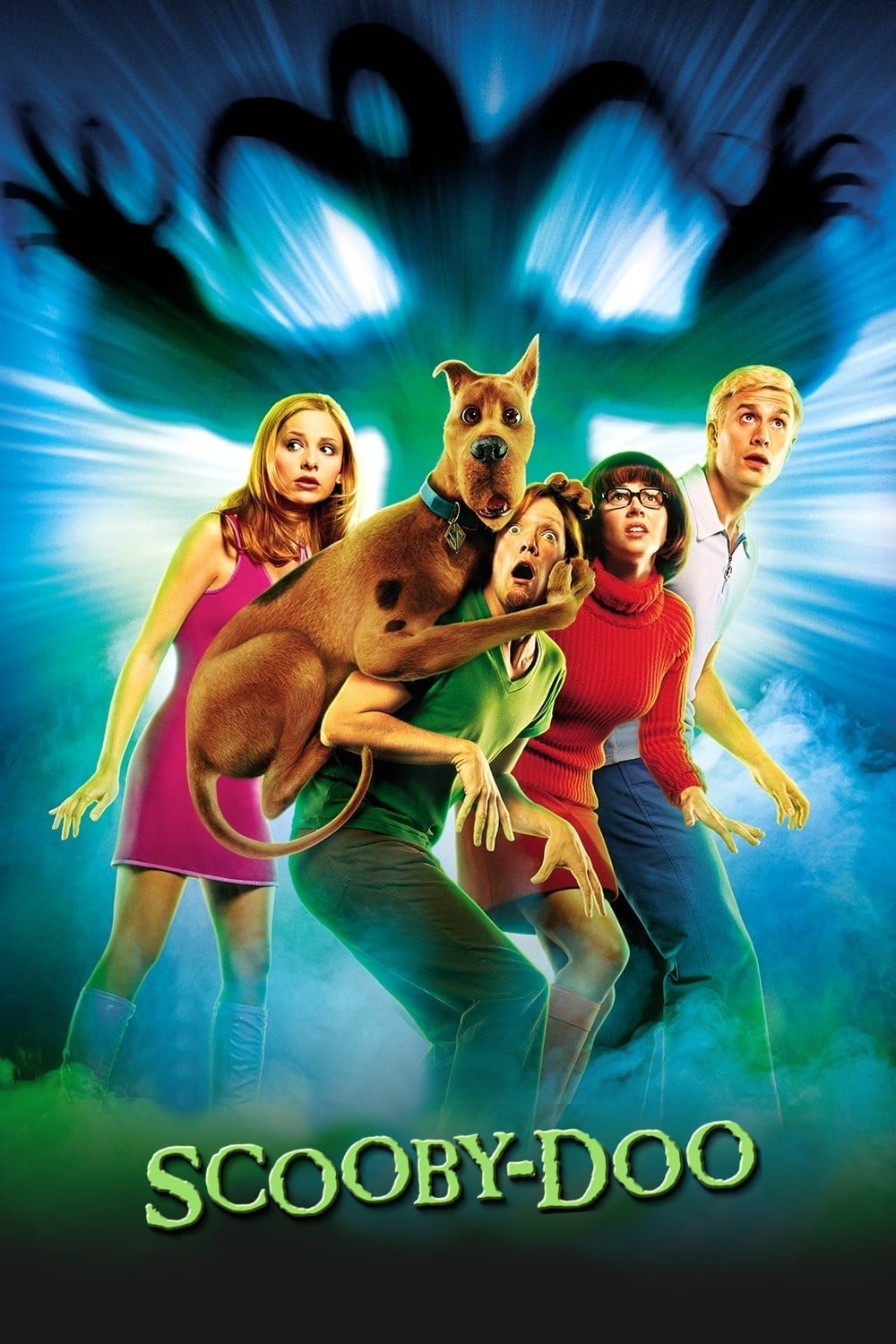
Mystery Inc. reunites to investigate strange occurrences at a horror-themed island resort. The computer-generated Scooby-Doo interacts with live actors throughout the entire film. The dog often looks like a cartoon pasted on top of the film footage. His fur lacks detail and his lighting rarely matches the environment. The monsters in the film also suffer from a similarly artificial aesthetic.
‘Hulk’ (2003)
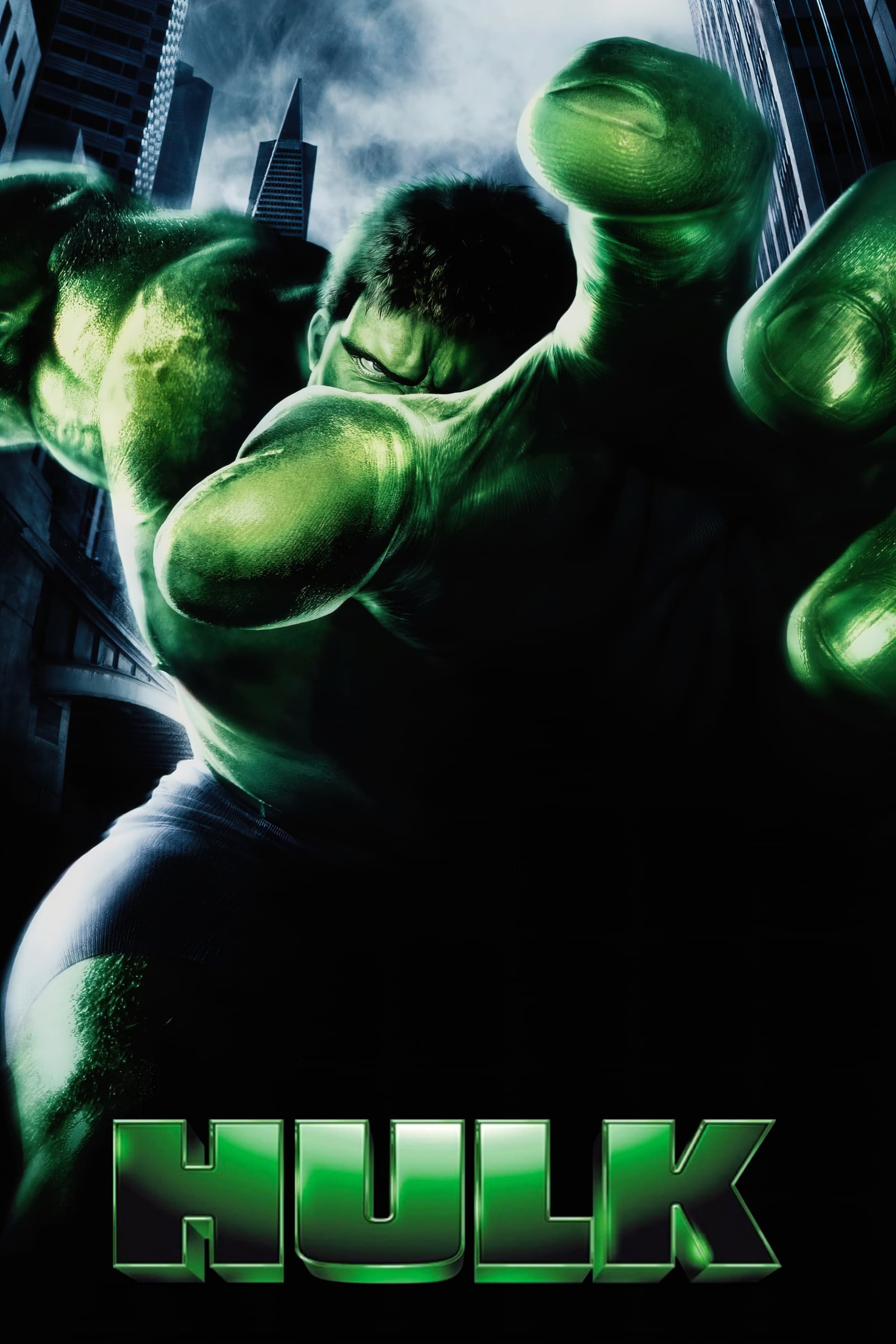
Ang Lee directs this origin story of the scientist who transforms into a giant green monster when angry. The Hulk changes size in various scenes and often looks like a giant green balloon. His skin texture absorbs light in a way that makes him appear made of rubber. The physics of his jumps cover miles of ground in an unrealistic manner. Audiences struggled to connect emotionally with the clearly digital character.
‘Spy Kids 3-D: Game Over’ (2003)
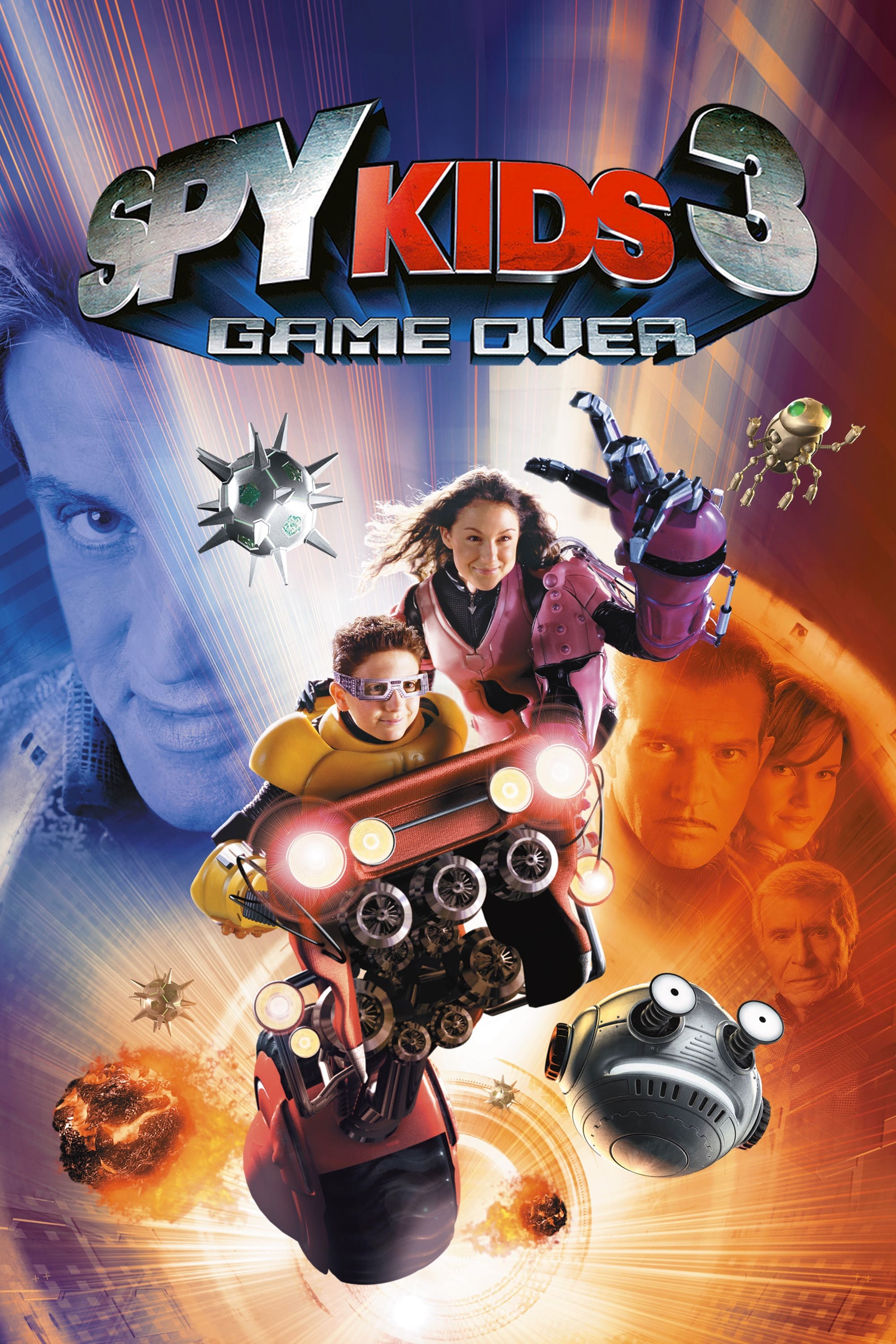
Juni Cortez enters a virtual reality video game to save his sister from a villain. The entire movie takes place inside a digital world that consists of simple geometric shapes and flat colors. The actors clearly float in front of green screens without interacting with their surroundings. The visual style attempts to mimic a video game but results in a headache-inducing experience. The effects look dated even for the year of its release.
‘Catwoman’ (2004)
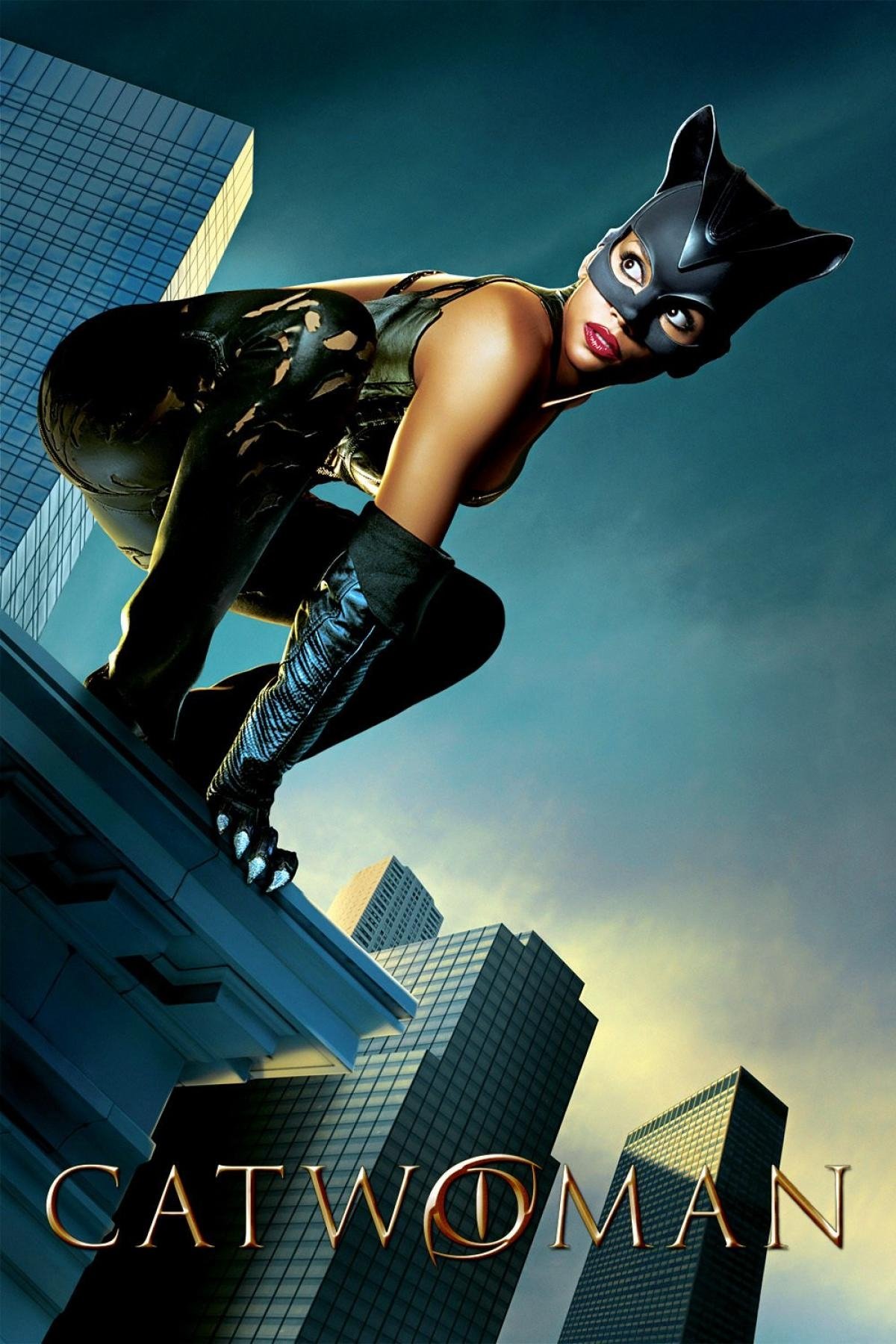
A shy graphic designer gains cat-like abilities after a brush with death. The film uses a digital double for the title character whenever she performs acrobatic leaps. These sequences show a character model that lacks human anatomy and moves like a ragdoll. The excessive use of blur fails to hide the lack of detail in the model. Critics panned the film for its reliance on these unconvincing action shots.
‘Van Helsing’ (2004)
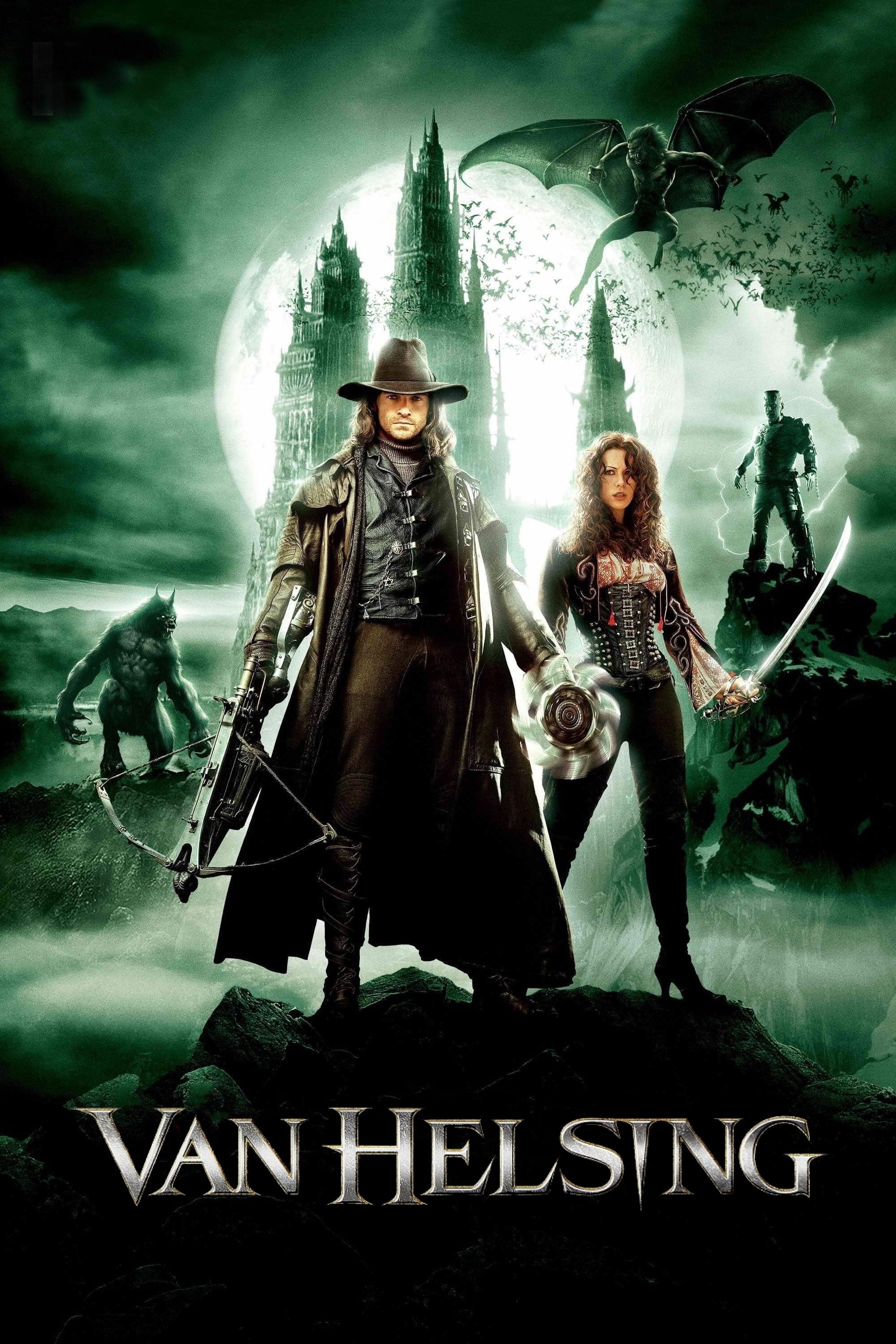
The famous monster hunter travels to Transylvania to battle Dracula and his brides. The film is overstuffed with digital creatures including werewolves and vampires. The transformation sequences feature skin that stretches and tears like digital taffy. The final werewolf forms look weightless and lack the menace of practical effects. The excessive CGI creates a video game aesthetic that distances the viewer from the horror elements.
‘A Sound of Thunder’ (2005)

Time travel tourists accidentally alter the past and cause evolution waves to hit the present day. The production ran out of money during post-production and left many effects unfinished. Scenes show dinosaurs walking on city streets without casting shadows. The actors clearly walk on treadmills in front of low-resolution backgrounds. It is widely regarded as a box office bomb due to its poor visual quality.
‘Son of the Mask’ (2005)
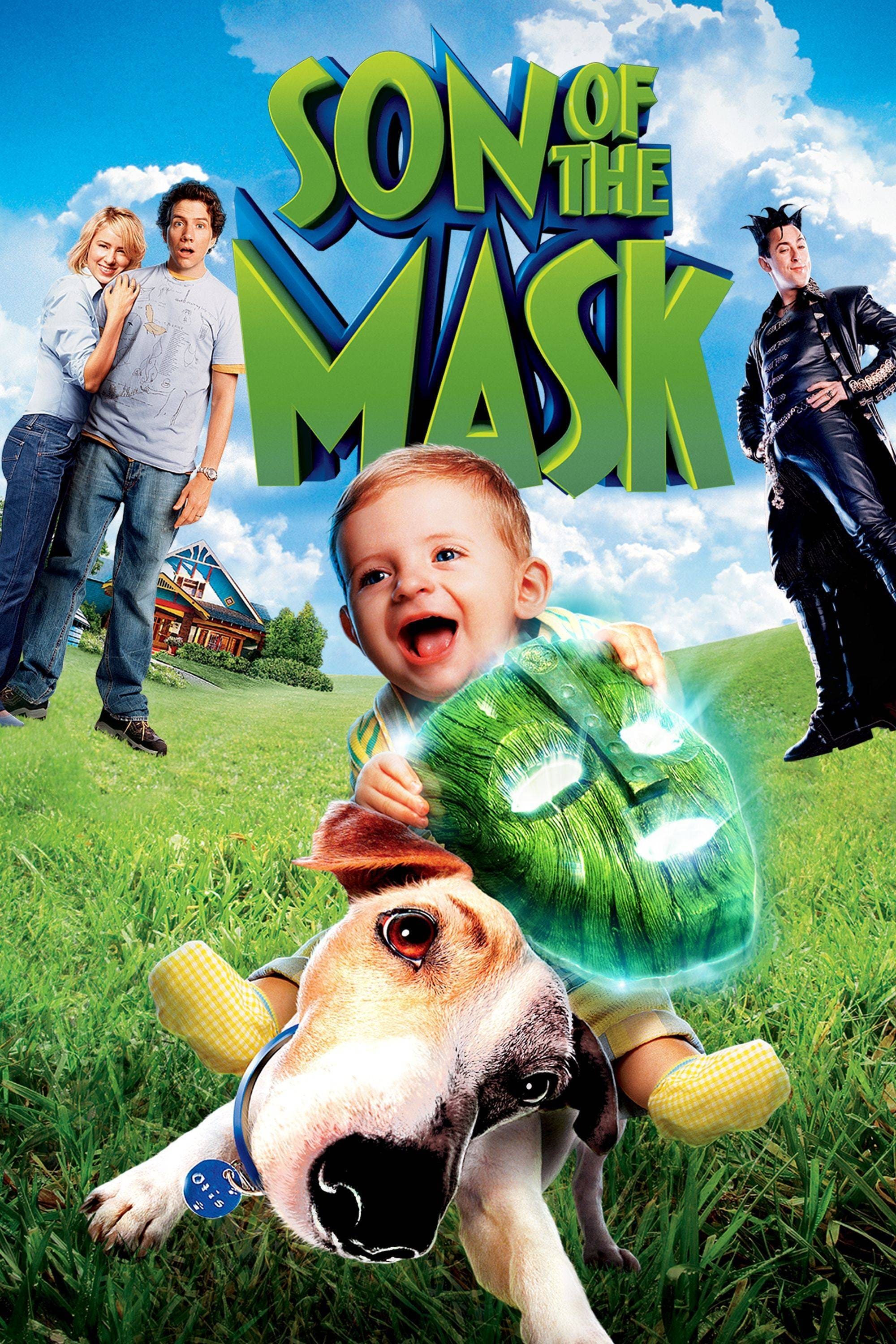
This standalone sequel features a baby who is born with the powers of the magical mask. The baby transforms into various cartoonish forms using disturbing computer imagery. The facial animations fall into the uncanny valley and look more frightening than funny. Interactions between the digital baby and the family dog are equally poor. The film relies entirely on these jarring effects for its comedy.
‘Ultraviolet’ (2006)
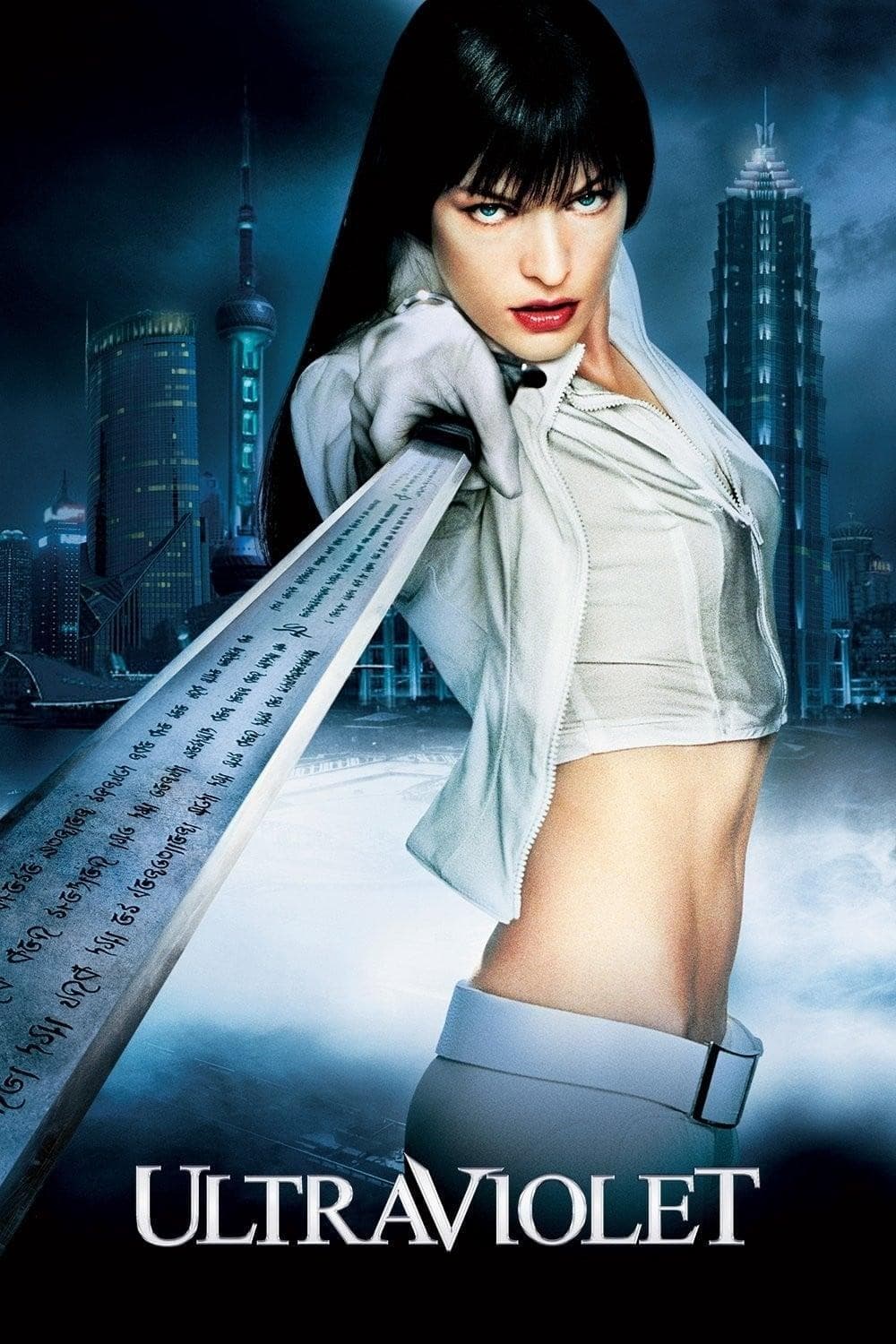
A genetically enhanced warrior protects a boy in a futuristic society. The director heavily processed the film to give it a soft and glowing look. This artistic choice makes the skin of the actors look like plastic. The motorcycle chase scene involves gravity-defying stunts that look like early pre-visualization animations. The backgrounds often lack detail and appear to be simple matte paintings.
‘I Am Legend’ (2007)
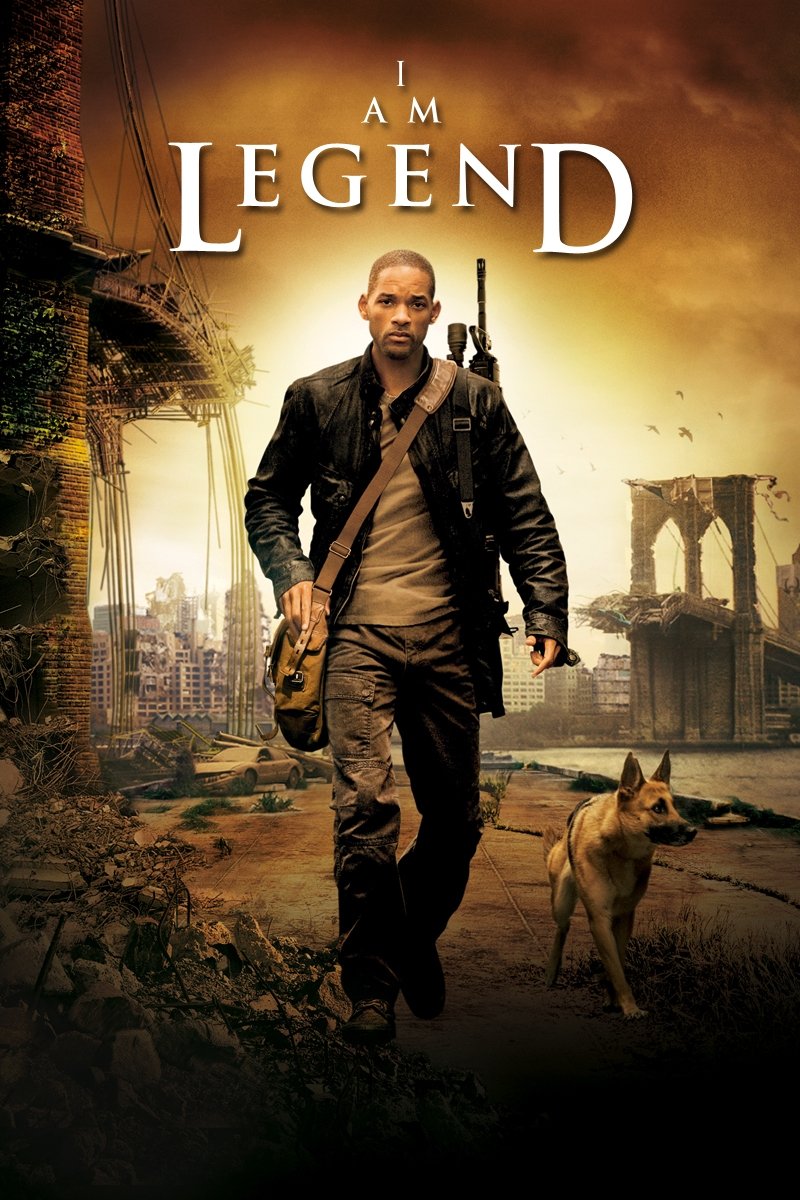
A solitary scientist survives in a New York City populated by infected mutants. The director chose to use computer-generated creatures instead of actors in makeup. The infected humans have stretching jaws and translucent skin that looks cartoonish. They move with a fluid speed that lacks the weight of a physical body. The artificial look of the monsters undermines the gritty realism of the empty city.
‘Indiana Jones and the Kingdom of the Crystal Skull’ (2008)
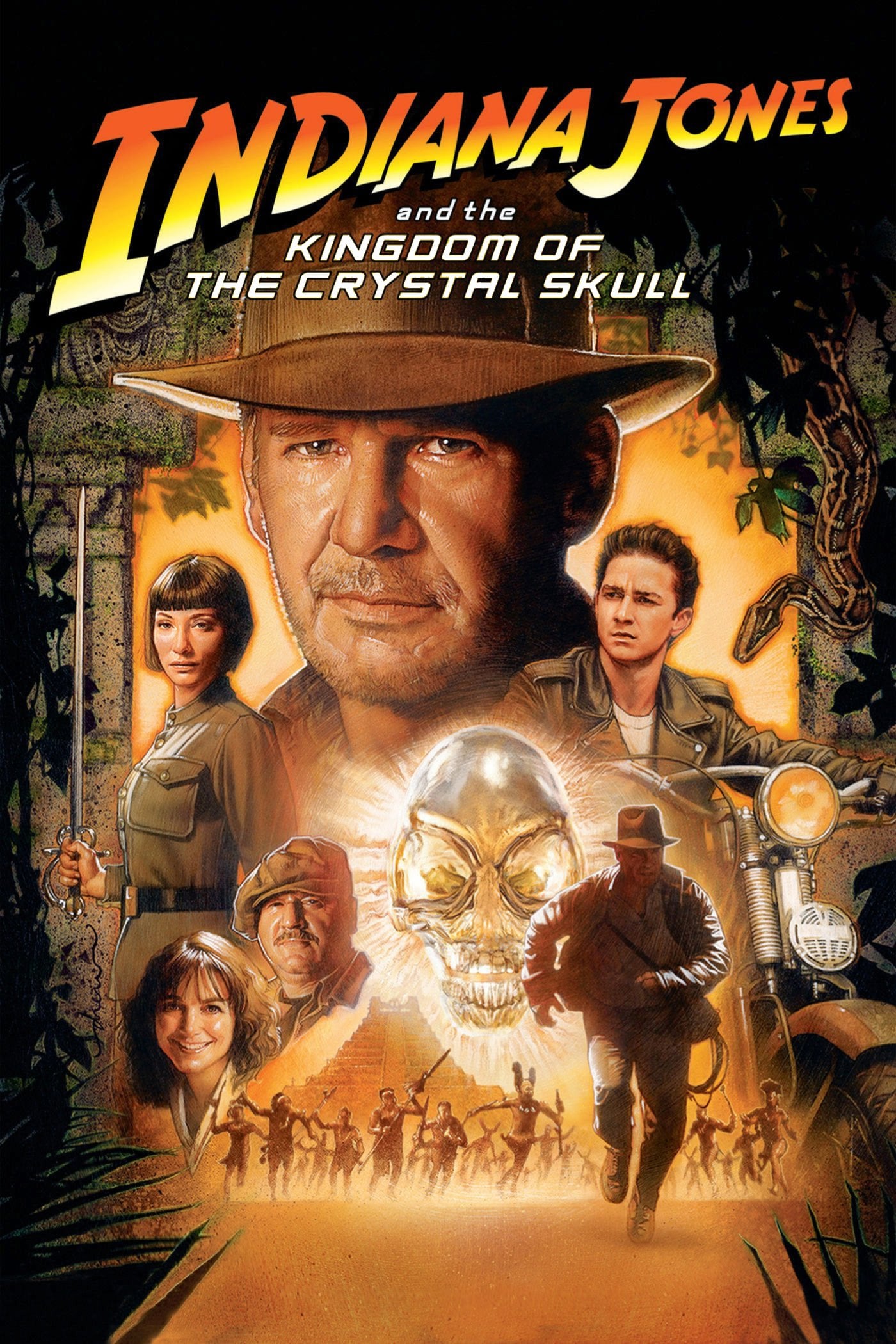
The famous archaeologist returns to solve a mystery involving alien skulls. The film overuses digital animals such as monkeys and gophers. One scene features Shia LaBeouf swinging through the jungle with a pack of digital monkeys. The lighting and physics of the sequence look completely artificial. Fans criticized the movie for abandoning the gritty practical stunts of the original trilogy.
‘X-Men Origins: Wolverine’ (2009)

Logan seeks revenge against his brother in this prequel to the X-Men series. The production replaced the practical claws of previous films with digital versions. The computer-generated blades look pasted onto the actor’s hands and often float incorrectly. One scene in a bathroom shows the claws looking totally flat and devoid of metallic texture. This specific effect is baffling given the high budget of the production.
‘Birdemic: Shock and Terror’ (2010)

A platoon of eagles and vultures attacks a small town in this independent romantic thriller. The birds are static GIF images that simply rotate and hover on the screen. They do not interact with the actors or the environment in any way. The muzzle flashes from the guns are crude clipart animations. It has gained a cult following specifically because the effects are so amateurish.
‘The Last Airbender’ (2010)

This adaptation of the beloved animated series attempts to bring elemental bending to live action. The fire and water effects look small and lack impact. Earth bending involves rocks that float slowly and gently toward opponents. The creature effects for the flying bison Appa are dark and muddy. The visual spectacle failed to capture the dynamic energy of the source material.
‘Green Lantern’ (2011)
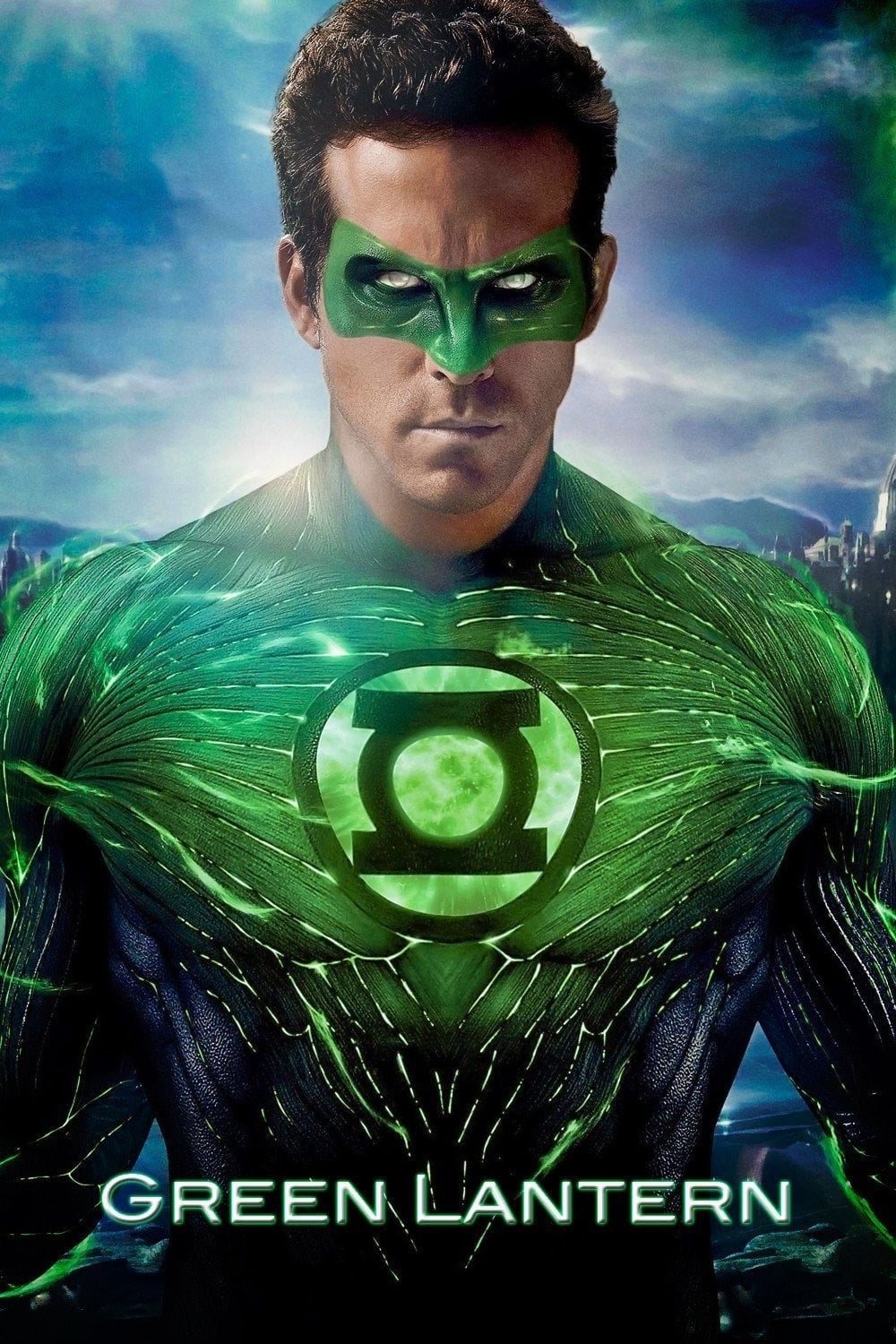
A test pilot is chosen by an alien ring to join an intergalactic peacekeeping force. The suit worn by the hero is entirely computer-generated rather than a physical costume. It looks like a glowing body paint that never wrinkles or moves naturally with the actor’s muscles. The mask also looks like a digital sticker placed over the actor’s face. This design choice was universally disliked for its lack of realism.
‘The Twilight Saga: Breaking Dawn – Part 2’ (2012)
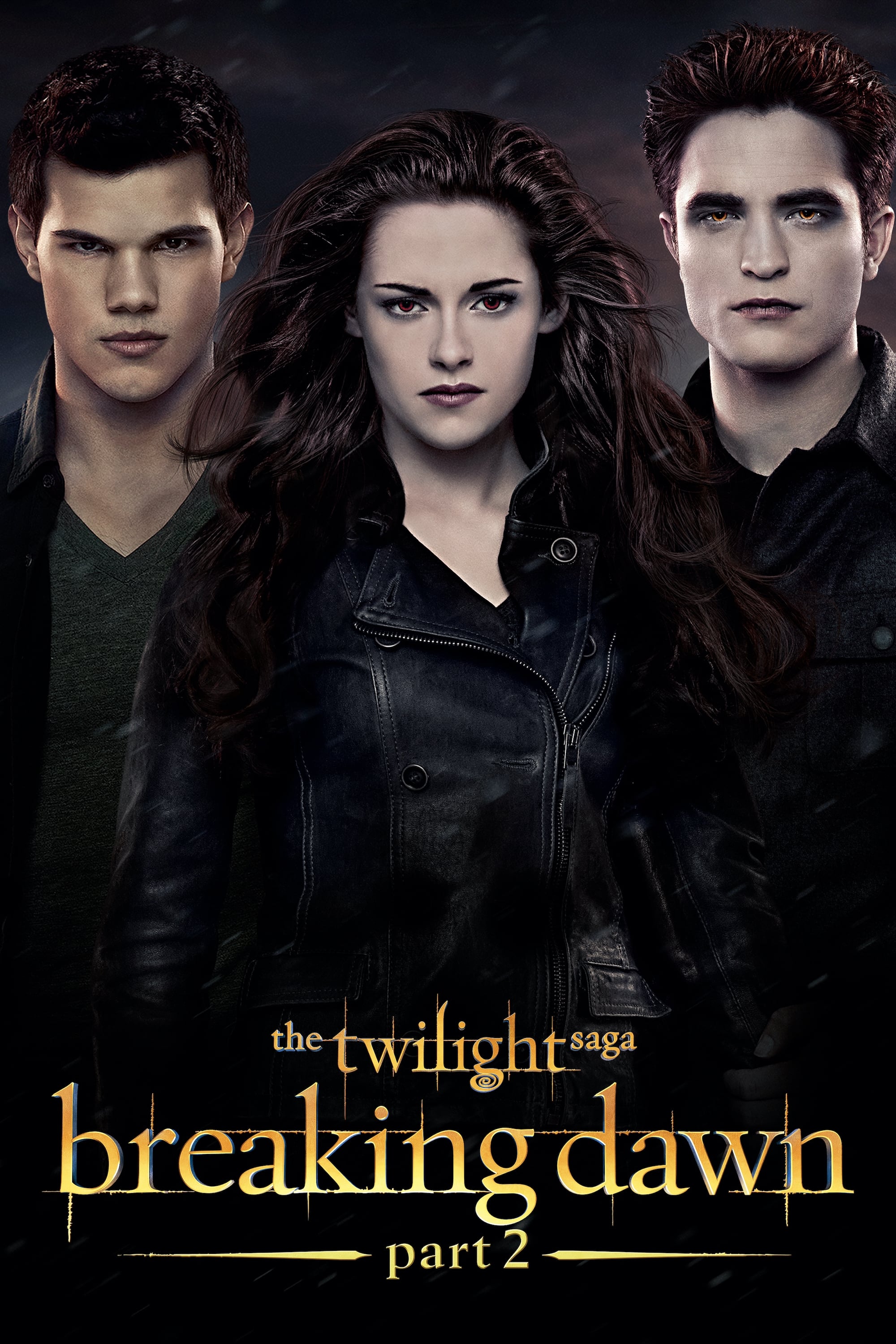
The Cullen family gathers allies to protect their child from the Volturi. The production used a digital baby for the character of Renesmee to allow for rapid aging. The facial features of the baby are an uncanny mix of an infant and a teenager. The doll-like eyes and expressionless face disturbed many viewers. It remains one of the strangest visual choices in a major romance franchise.
‘Foodfight!’ (2012)

Brand mascots come to life in a supermarket after the lights go out. The film suffered a troubled production history that included the alleged theft of the original hard drives. The resulting animation looks worse than video games from the late nineties. Characters move with stiff limbs and their lips do not sync with the audio. The backgrounds are cluttered and induce motion sickness.
‘Gods of Egypt’ (2016)
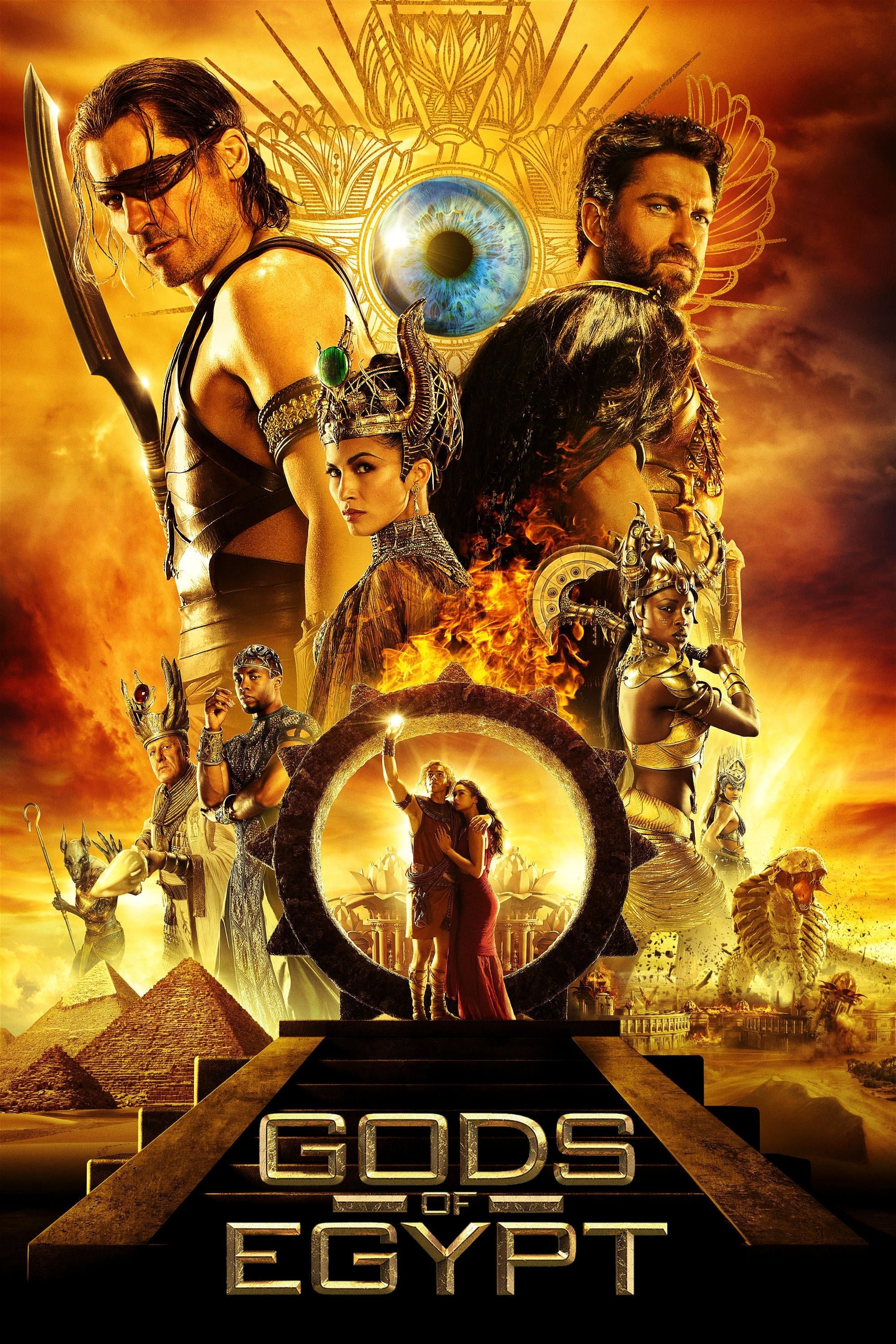
Mortal hero Bek teams up with the god Horus to save the world from Set. The film portrays the gods as giant beings who can transform into metallic armored creatures. These transformations look like shiny video game cutscenes with excessive gold textures. The chroma key work is obvious whenever human-sized characters stand next to the giant gods. The visual noise creates a confusing and messy experience.
‘Justice League’ (2017)
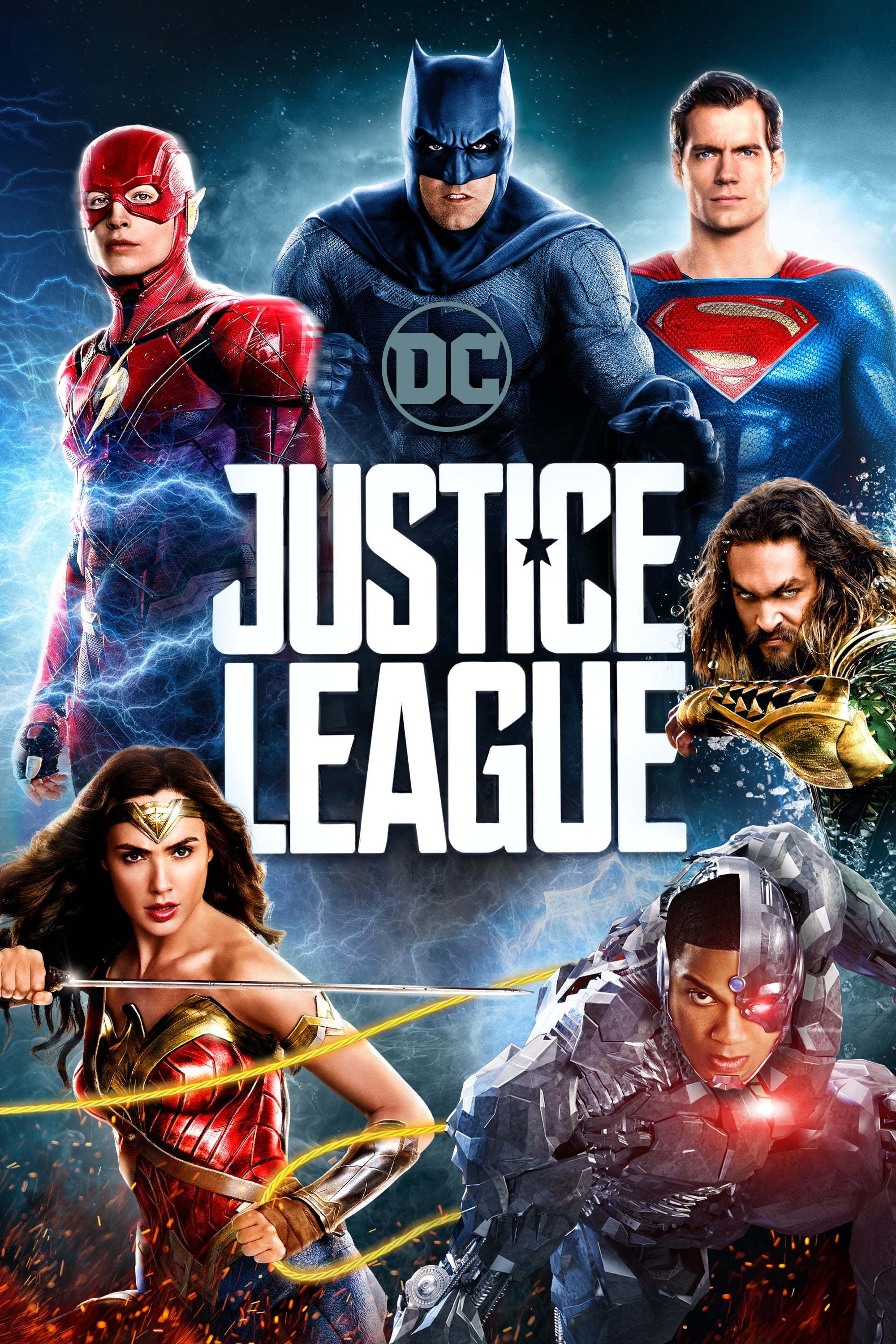
Batman and Wonder Woman recruit a team of metahumans to face a global threat. Actor Henry Cavill grew a mustache for another role and could not shave it during reshoots. The studio digitally removed his facial hair for his scenes as Superman. The result is a distorted upper lip that looks stiff and unnatural when he speaks. This facial flaw distracts viewers during serious dialogue scenes.
‘Black Panther’ (2018)
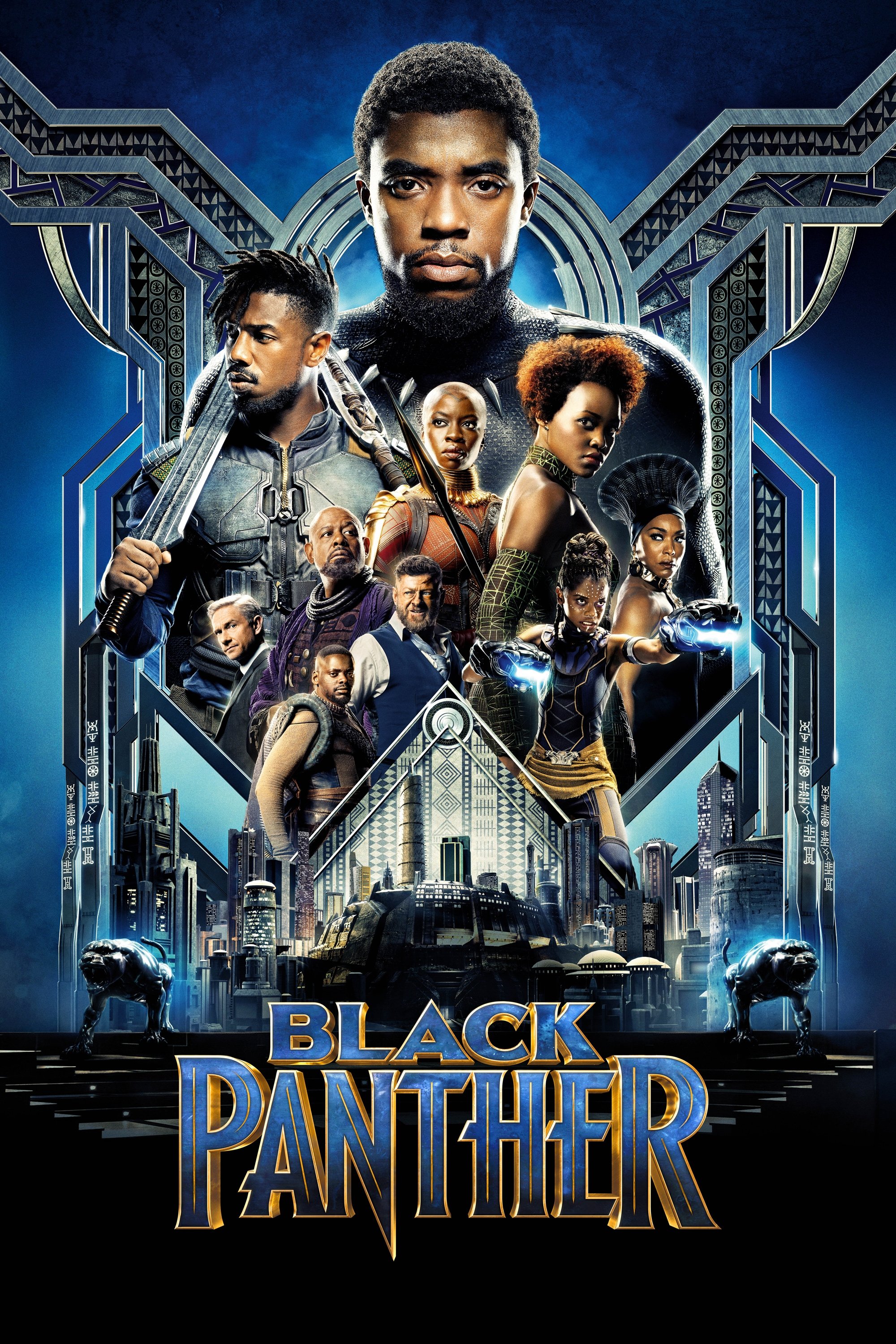
T’Challa returns home to Wakanda to take his rightful place as king. The final battle between Black Panther and Killmonger relies heavily on digital doubles. The characters look weightless as they fall through the vibrating vibranium mine. The lighting on the suits appears flat and disconnected from the dark environment. Viewers noted that the effects looked less polished than the rest of the Marvel Cinematic Universe.
‘Cats’ (2019)
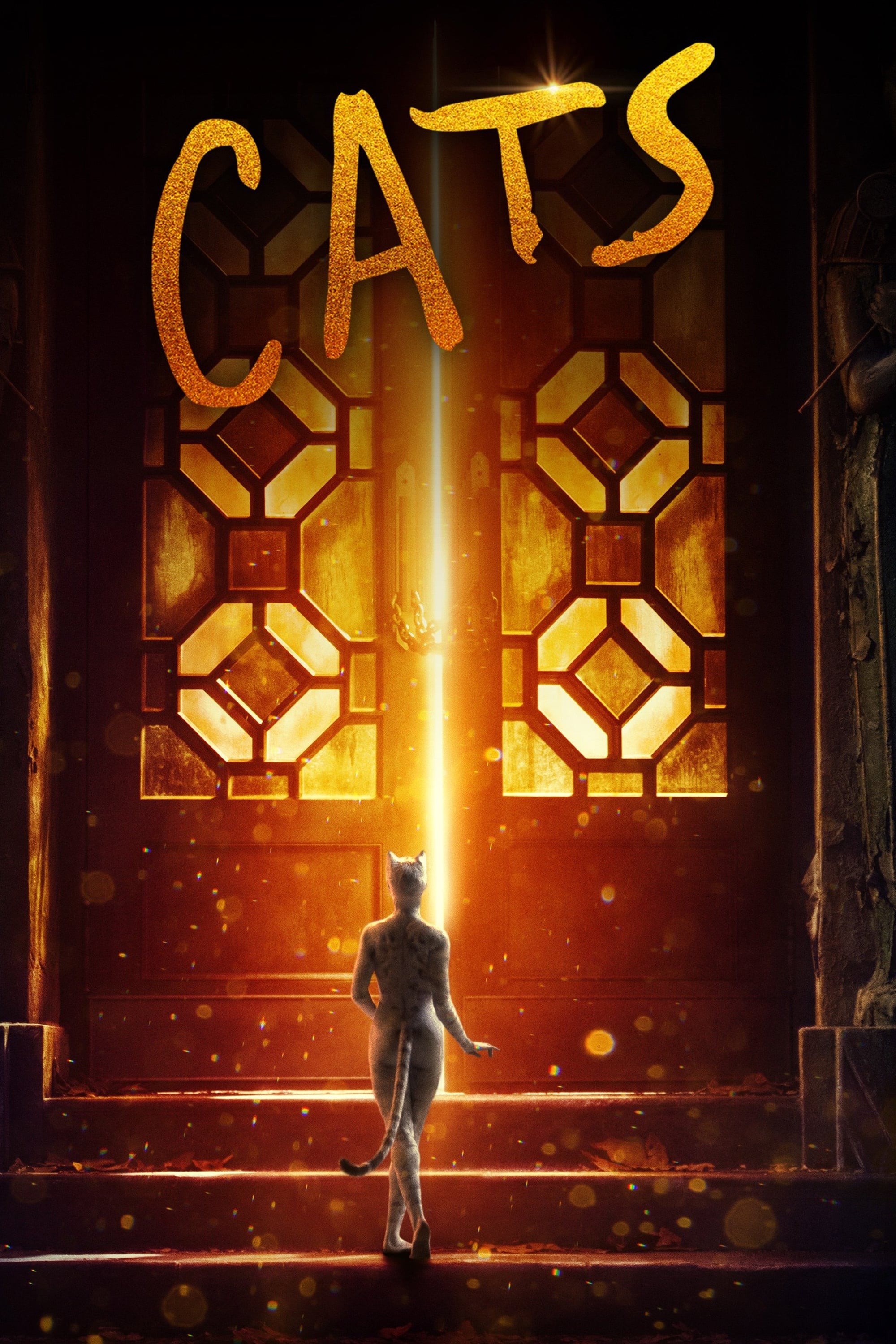
A tribe of cats competes to be chosen for a new life in this musical adaptation. The filmmakers used digital fur technology to cover the bodies of the actors. The result is a disturbing hybrid of human faces and feline bodies. Hands and feet sometimes disappear or float away from the characters. The scale of the environment shifts inconsistently throughout the film.
‘The Flash’ (2023)
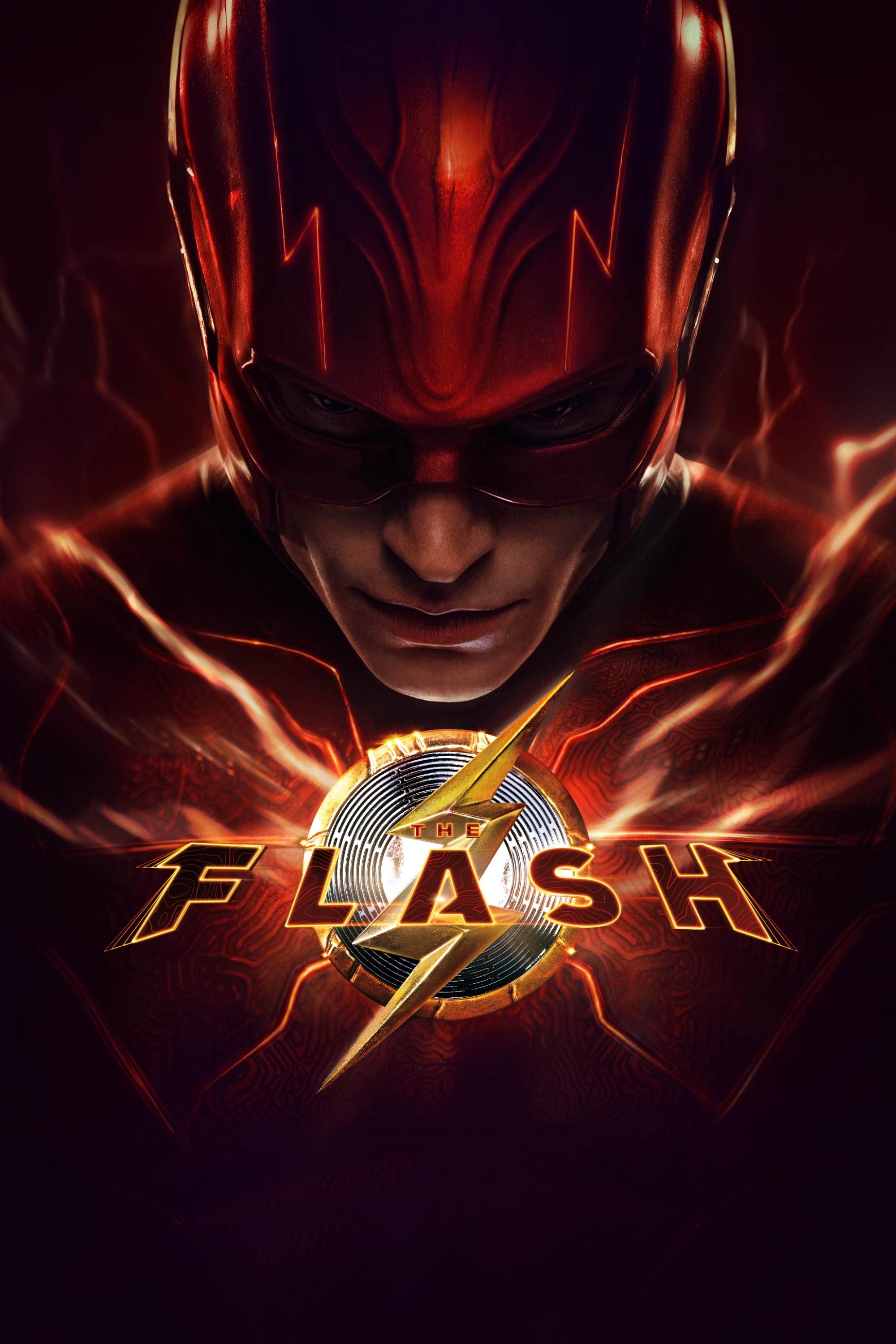
Barry Allen uses his super speed to change the past but gets trapped in an alternate reality. The “Chronobowl” sequences feature digital recreations of past superheroes and distorted babies. The director claimed the melted look was intentional to represent the speed force perspective. However, audiences found the wax-like figures to be ugly and disrespectful to deceased actors. The visual effects look unfinished for a massive summer blockbuster.
‘Ant-Man and the Wasp: Quantumania’ (2023)
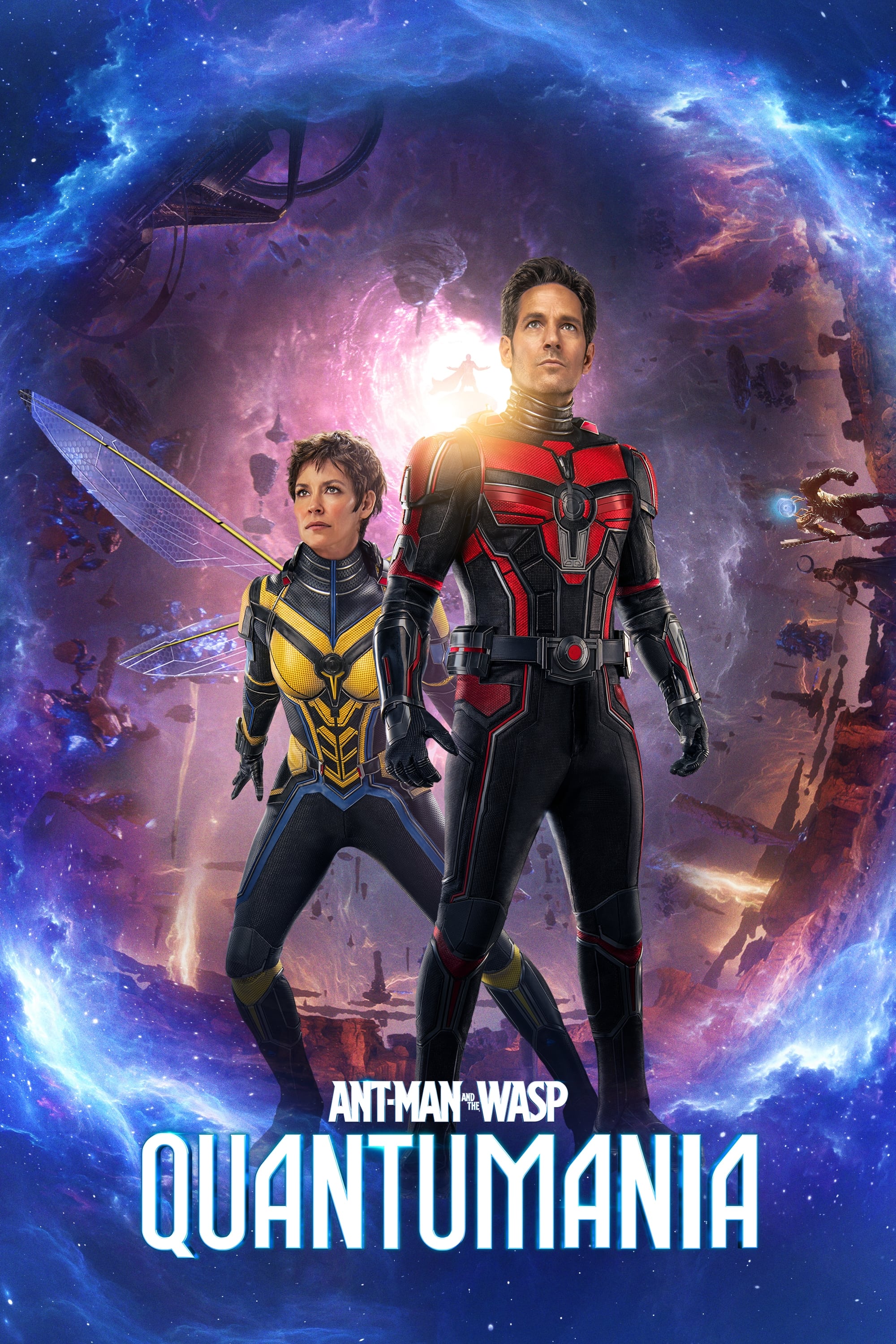
Scott Lang and his family are sucked into the Quantum Realm to face Kang the Conqueror. The villain M.O.D.O.K. is a giant floating head with tiny limbs. Stretching a human face to that size created a grotesque and ridiculous image. The environment of the Quantum Realm looks like a muddy digital painting with no depth. The volume of visual noise makes it difficult to focus on the action.
Share your pick for the movie with the most disappointing visual effects in the comments.