


15 Movies That Invented Special Effects We Use Today



Special effects have transformed how stories come to life on the big screen, turning imagination into reality. From early camera tricks to today’s digital wonders, certain films stand out for creating techniques that filmmakers still rely on.
These groundbreaking movies didn’t just entertain—they changed the way movies are made. Below, I dive into 15 films that introduced special effects we still see in cinemas today, exploring their innovations and lasting impact.
A Trip to the Moon (1902)
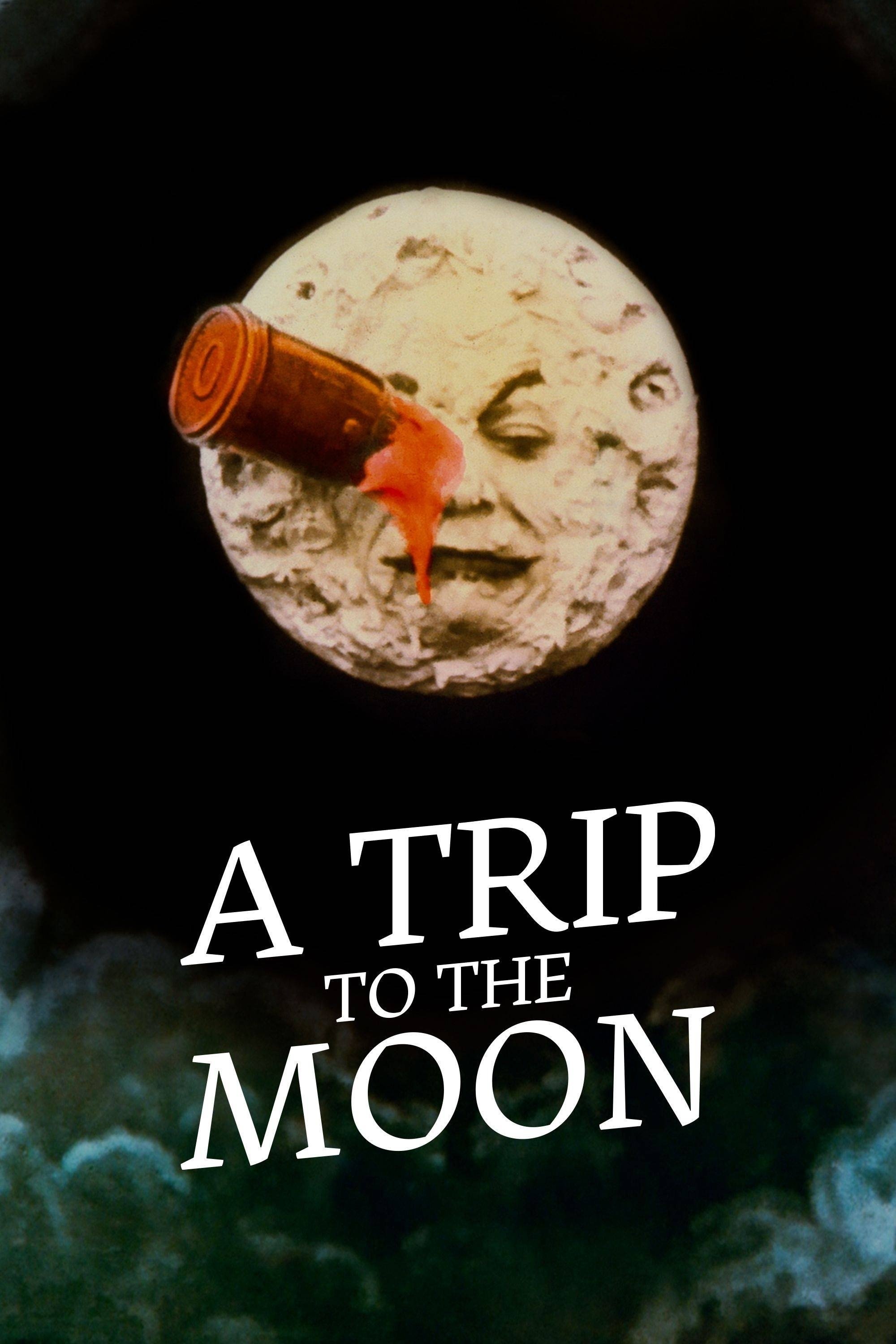
Georges Méliès, a magician turned filmmaker, used his knack for illusion to create ‘A Trip to the Moon.’ He pioneered techniques like the stop trick, where pausing the camera allowed objects or people to appear or vanish, laying the foundation for in-camera effects.
This short film also introduced double exposure and hand-painted frames to craft its whimsical lunar adventure. These methods became early building blocks for visual storytelling, inspiring countless directors to bend reality on screen.
King Kong (1933)

‘King Kong’ brought stop-motion animation to new heights under Willis O’Brien’s skilled hands. His work with an 18-inch puppet made the giant ape feel alive, blending detailed models with live-action footage.
The film’s use of miniatures and rear projection created epic scenes that felt massive yet believable. These techniques became staples for monster movies and beyond, proving physical models could carry emotional weight.
The Wizard of Oz (1939)
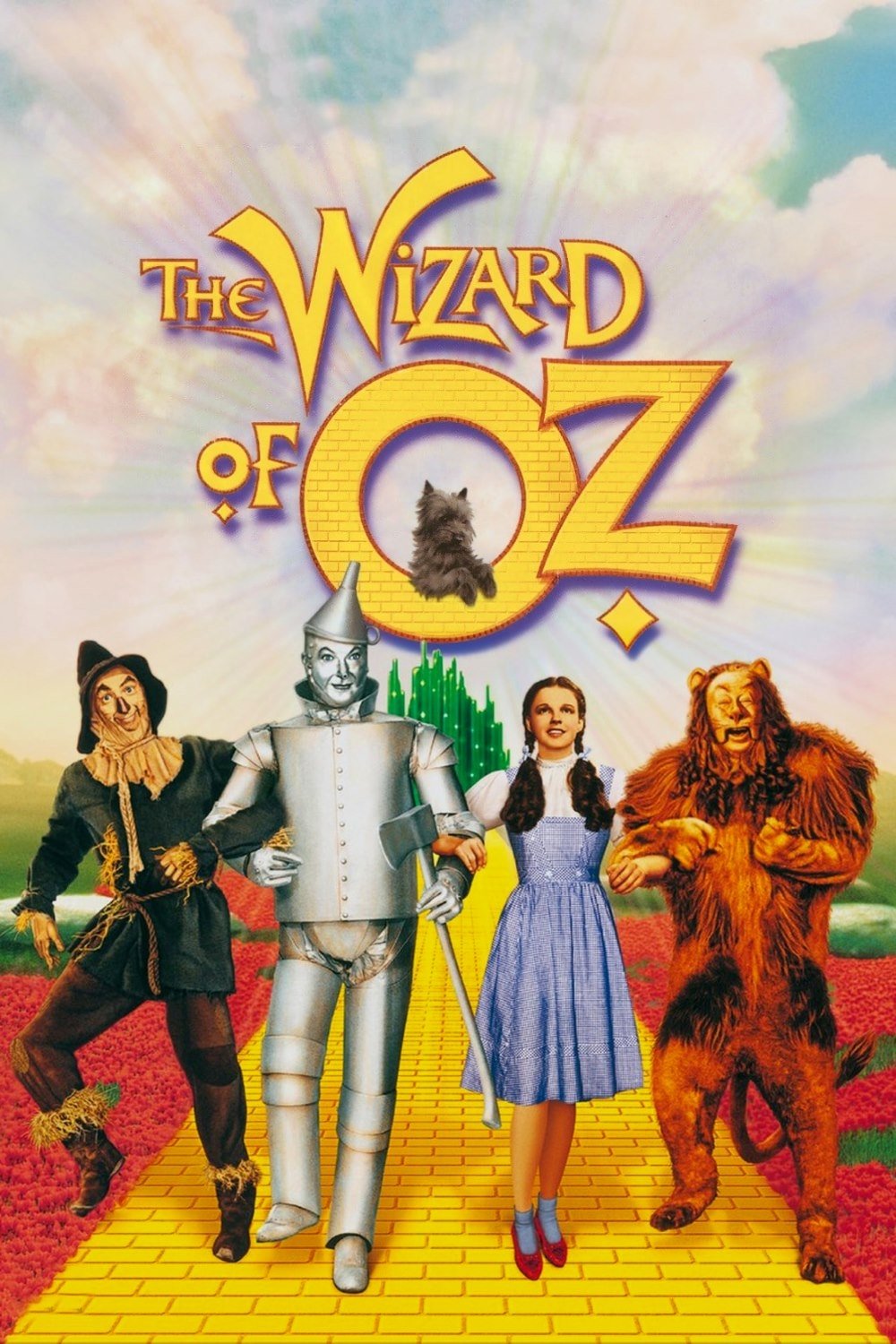
‘The Wizard of Oz’ dazzled audiences with its vibrant matte paintings, especially the Emerald City’s glowing backdrop. Artists like Candalario Rivas painted detailed scenes on glass to expand the film’s world beyond physical sets.
The movie also used practical effects like wires and trapdoors to make characters fly or disappear. These methods showed how clever craftsmanship could transport viewers to fantastical places.
Citizen Kane (1941)
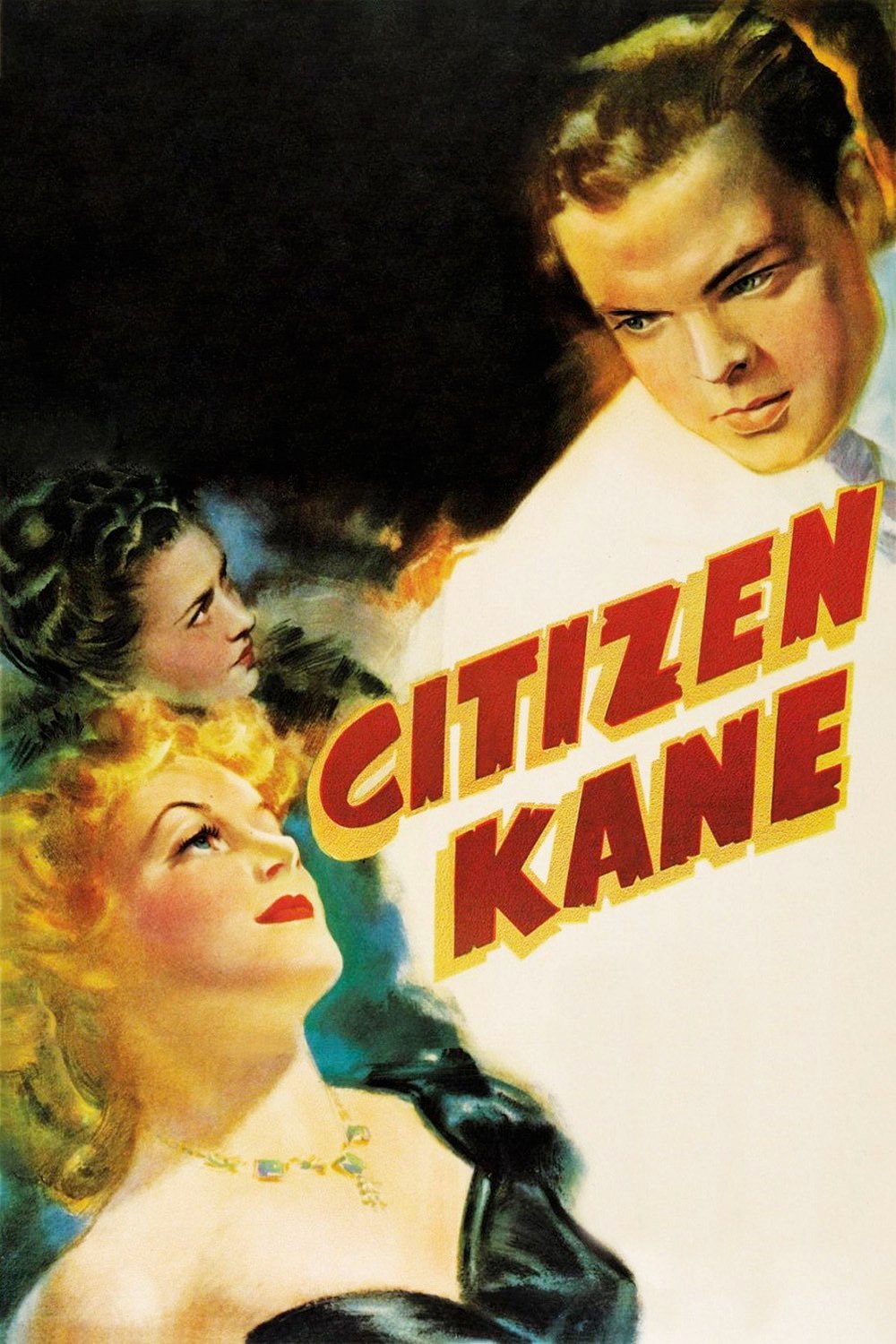
Orson Welles’ ‘Citizen Kane’ pushed optical printing to new levels. This technique, refined by Linwood Dunn, combined multiple images to create seamless illusions, like the sprawling Xanadu estate.
The film’s deep focus shots, blending foreground and background, relied on innovative compositing. These advancements made complex visuals more accessible, influencing how directors craft immersive scenes.
Godzilla (1954)
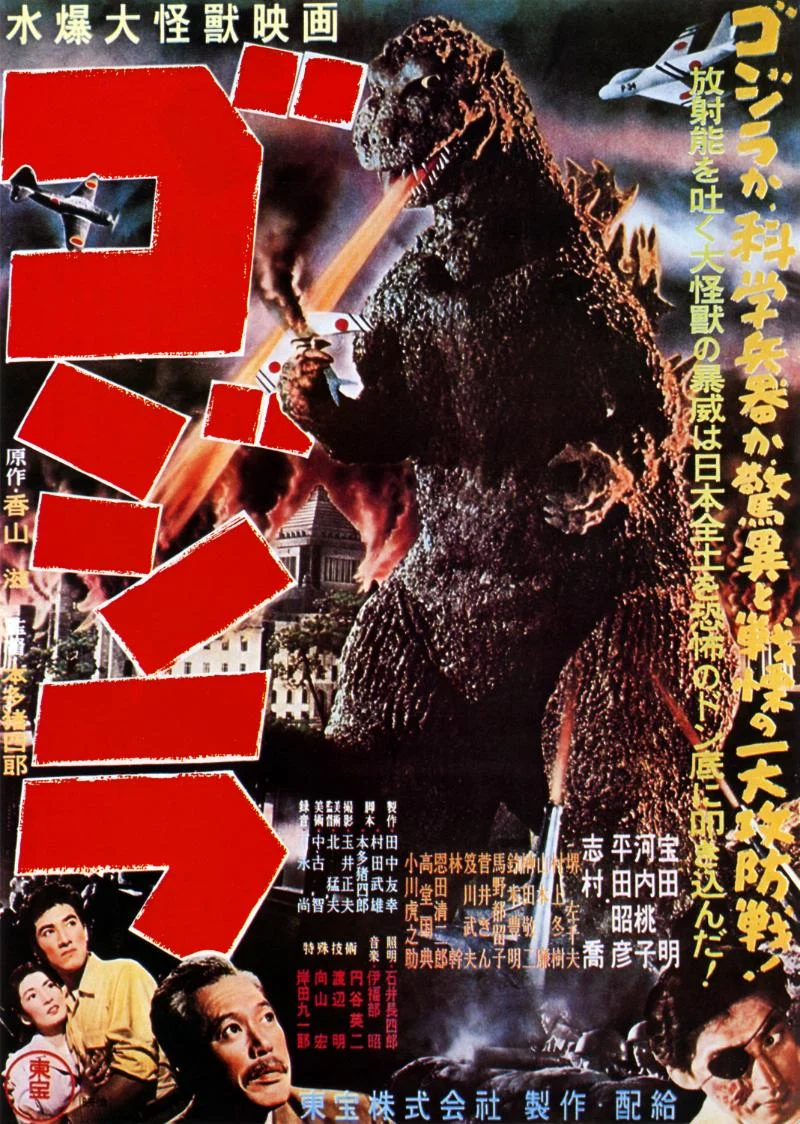
‘Godzilla’ introduced suitmation, where actors in monster costumes brought creatures to life. Eiji Tsuburaya’s vision paired this with detailed miniatures to depict a city-destroying beast.
The film’s practical effects, like controlled pyrotechnics, created a gritty realism. Suitmation and miniature work became cornerstones of the kaiju genre, still used in modern takes like ‘Shin Godzilla.’
2001: A Space Odyssey (1968)
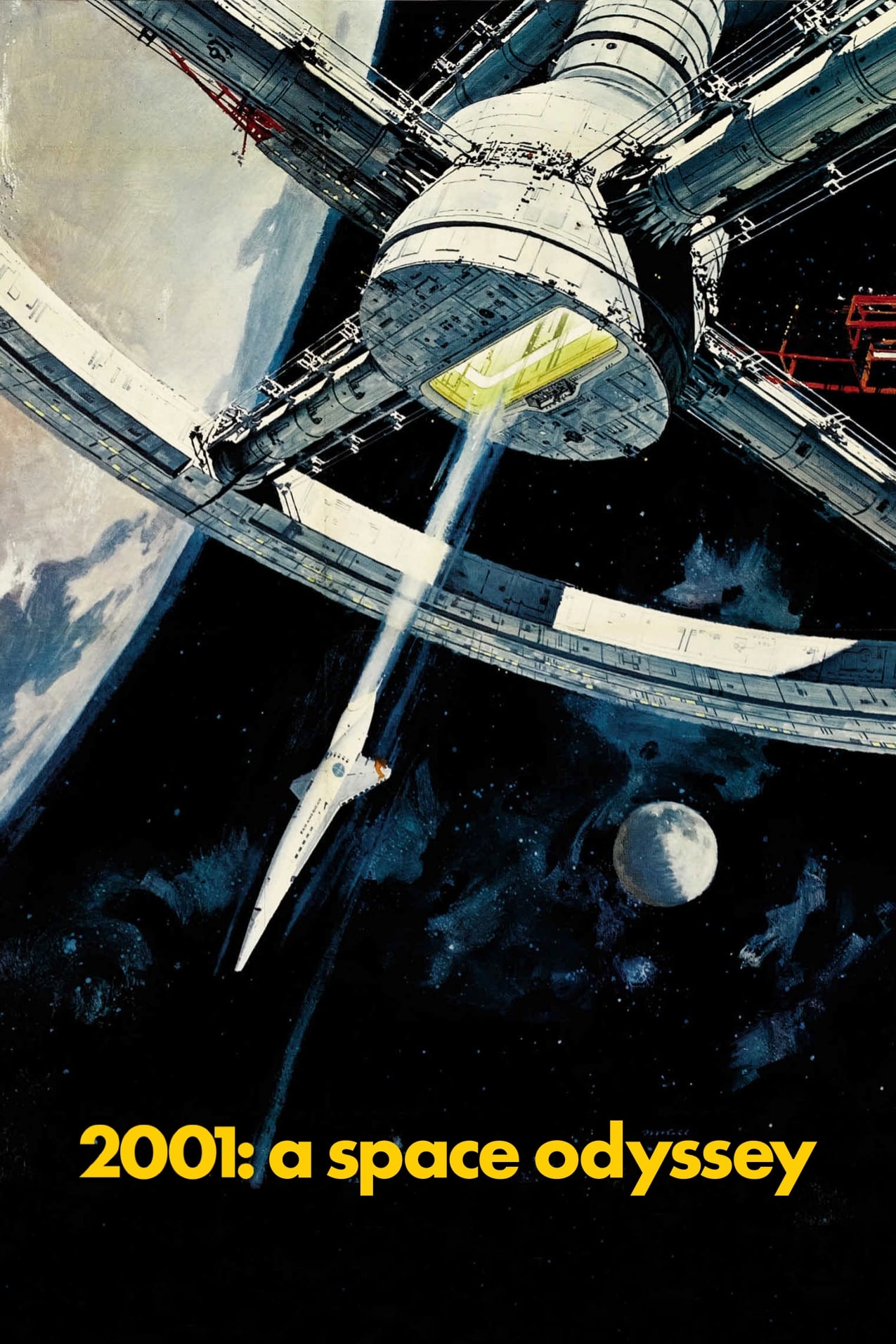
Stanley Kubrick’s ‘2001: A Space Odyssey’ redefined sci-fi visuals with motion-controlled cameras. Douglas Trumbull’s slit-scan photography created the mind-bending Star Gate sequence, a visual leap into the cosmic unknown.
The film’s massive props, like the rotating centrifuge for zero-gravity scenes, added unmatched realism. These innovations set a high bar for science fiction, influencing space epics for decades.
Star Wars: Episode IV – A New Hope (1977)
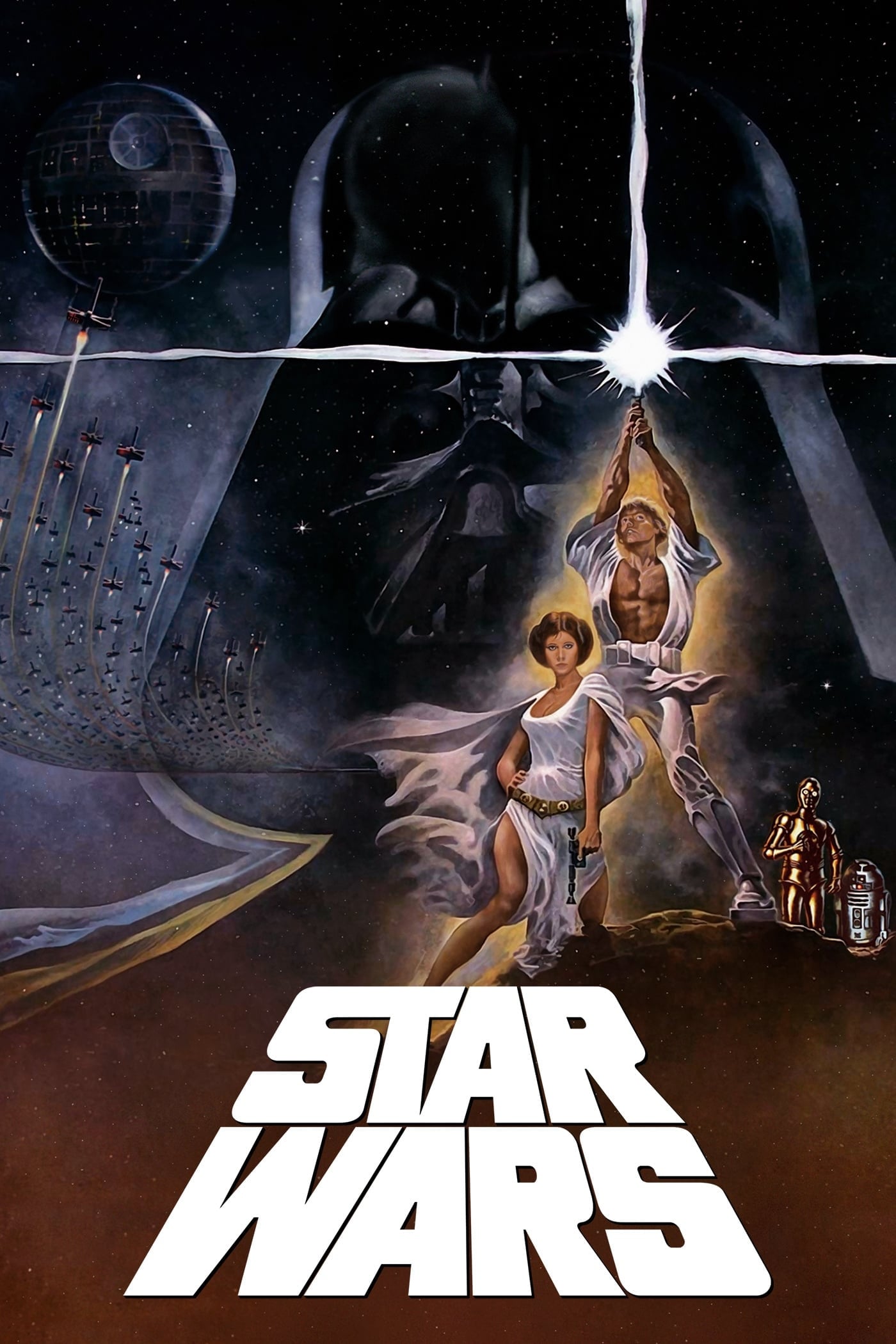
‘Star Wars’ revolutionized effects with the Dykstraflex, a motion-control camera system invented by John Dykstra. It allowed precise, repeatable shots of miniature spaceships, making dogfights feel dynamic and real.
George Lucas’ team at Industrial Light & Magic also blended matte paintings and practical effects. This mix became a blueprint for blockbuster filmmaking, still shaping action-packed spectacles.
Alien (1979)
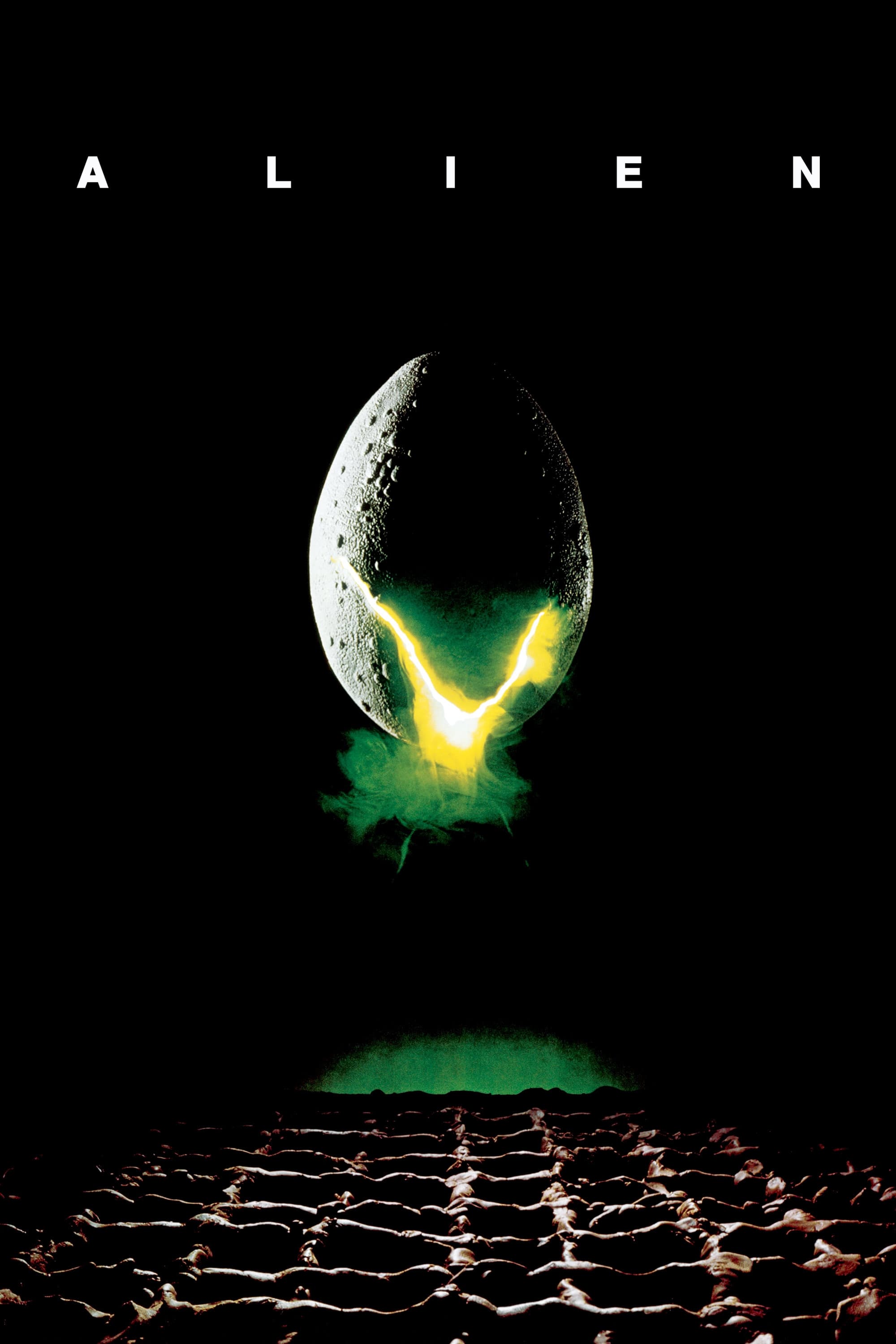
Ridley Scott’s ‘Alien’ leaned on practical effects to terrify audiences. H.R. Giger’s creature design, paired with animatronics and puppetry, made the xenomorph feel disturbingly real.
The film’s use of forced perspective and detailed sets amplified its claustrophobic horror. These techniques remain go-to methods for grounding sci-fi and horror in tangible reality.
Tron (1982)
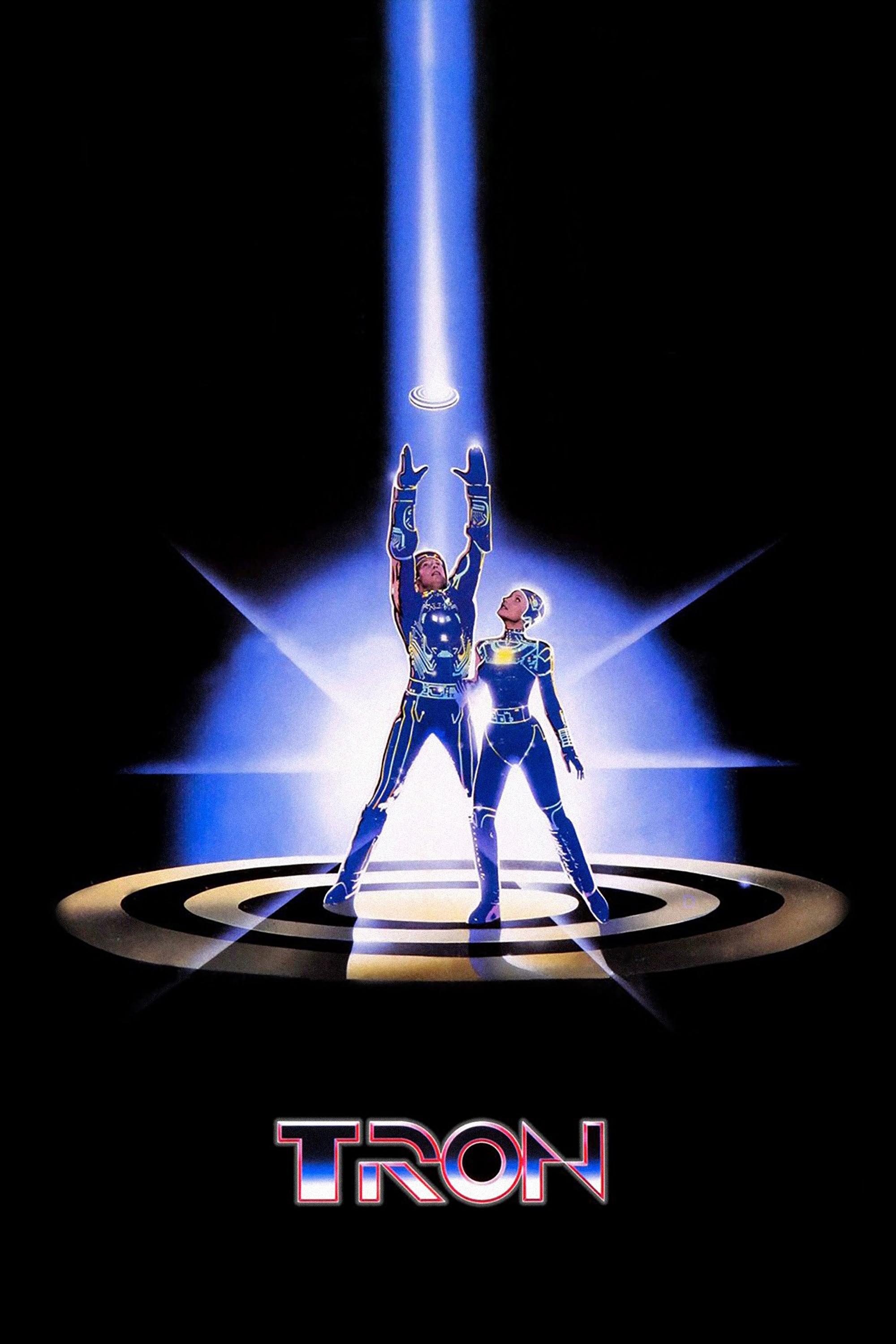
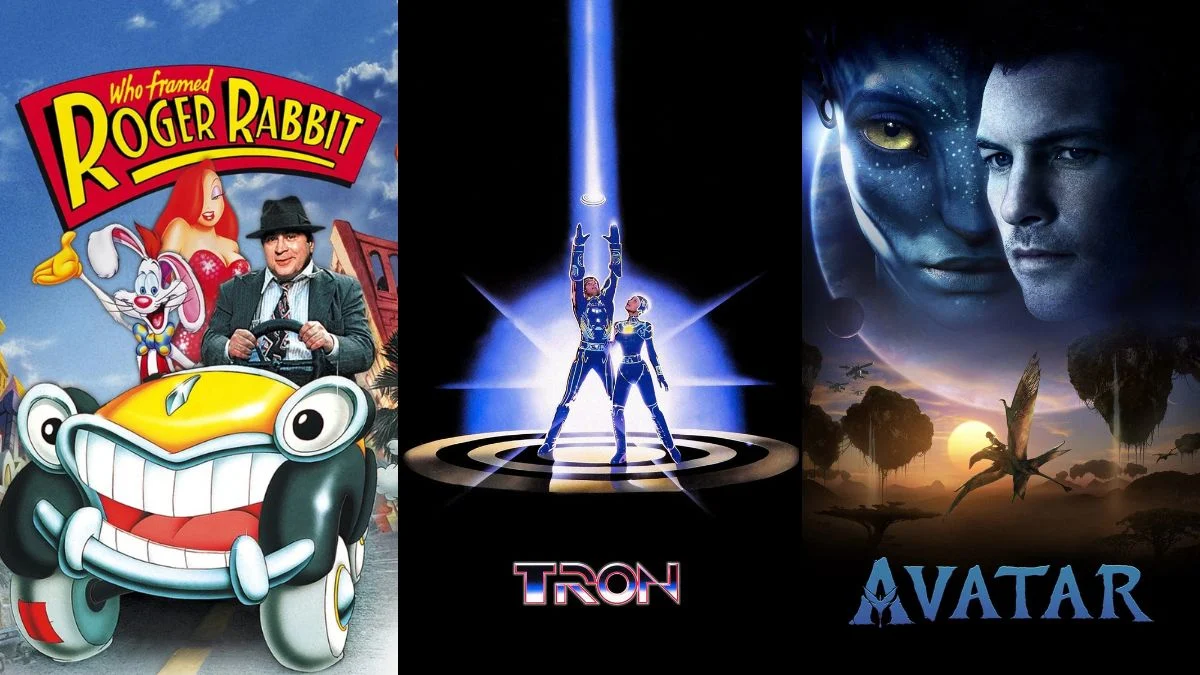
‘Tron’ broke new ground with extensive computer-generated imagery. Its 15-minute digital sequence, a first for film, created a glowing, virtual world that felt ahead of its time.
The movie’s bold use of CGI showed computers could craft entire environments. This paved the way for the digital-heavy blockbusters that dominate screens today.
The Last Starfighter (1984)
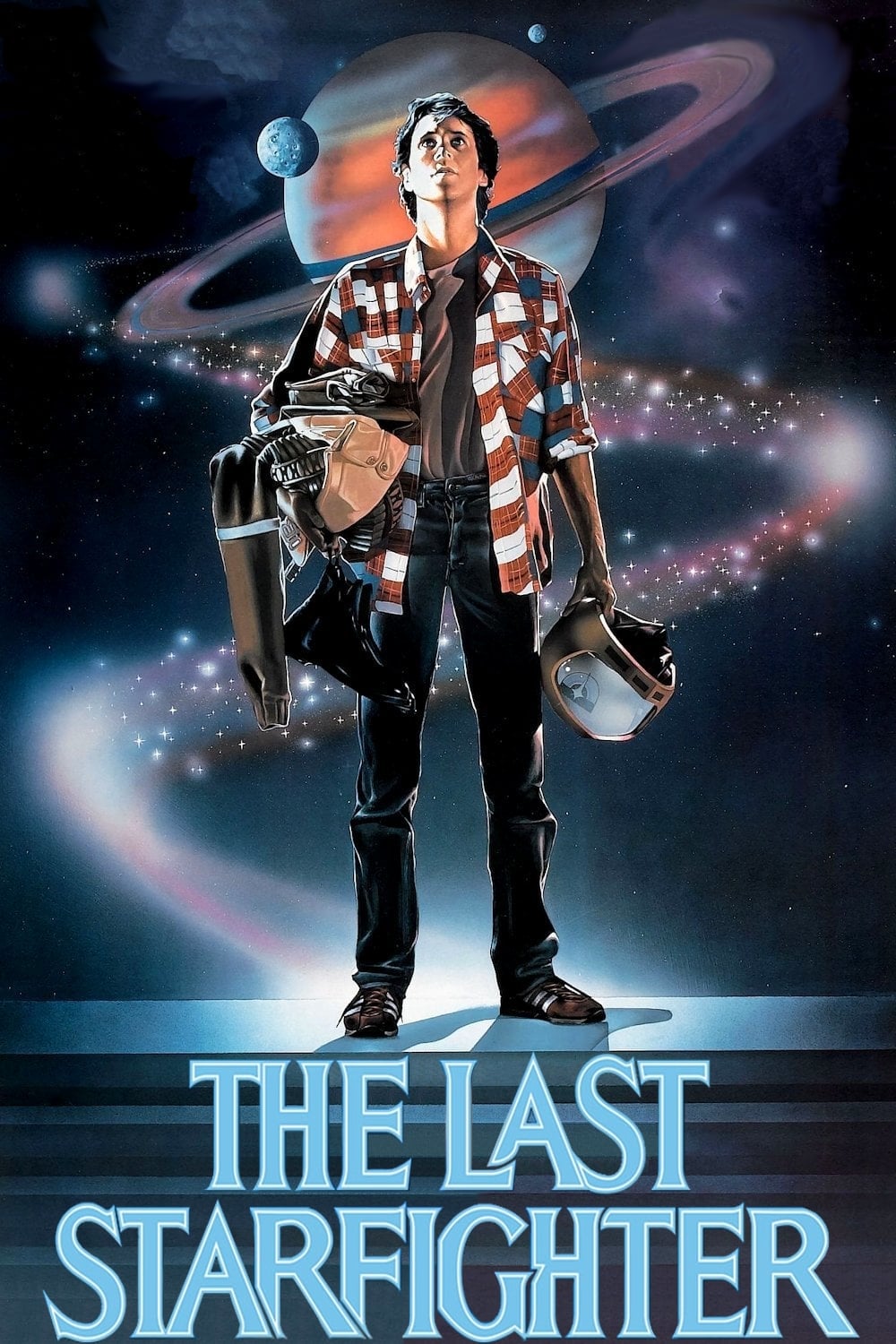
‘The Last Starfighter’ took CGI further by replacing physical models with digital ones for its spaceship battles. This was a daring move, as computers were still clunky and slow.
The film’s integrated CGI, used to depict real-world objects, set a precedent for digital effects in action scenes. It showed filmmakers the potential of fully digital visuals.
Who Framed Roger Rabbit (1988)
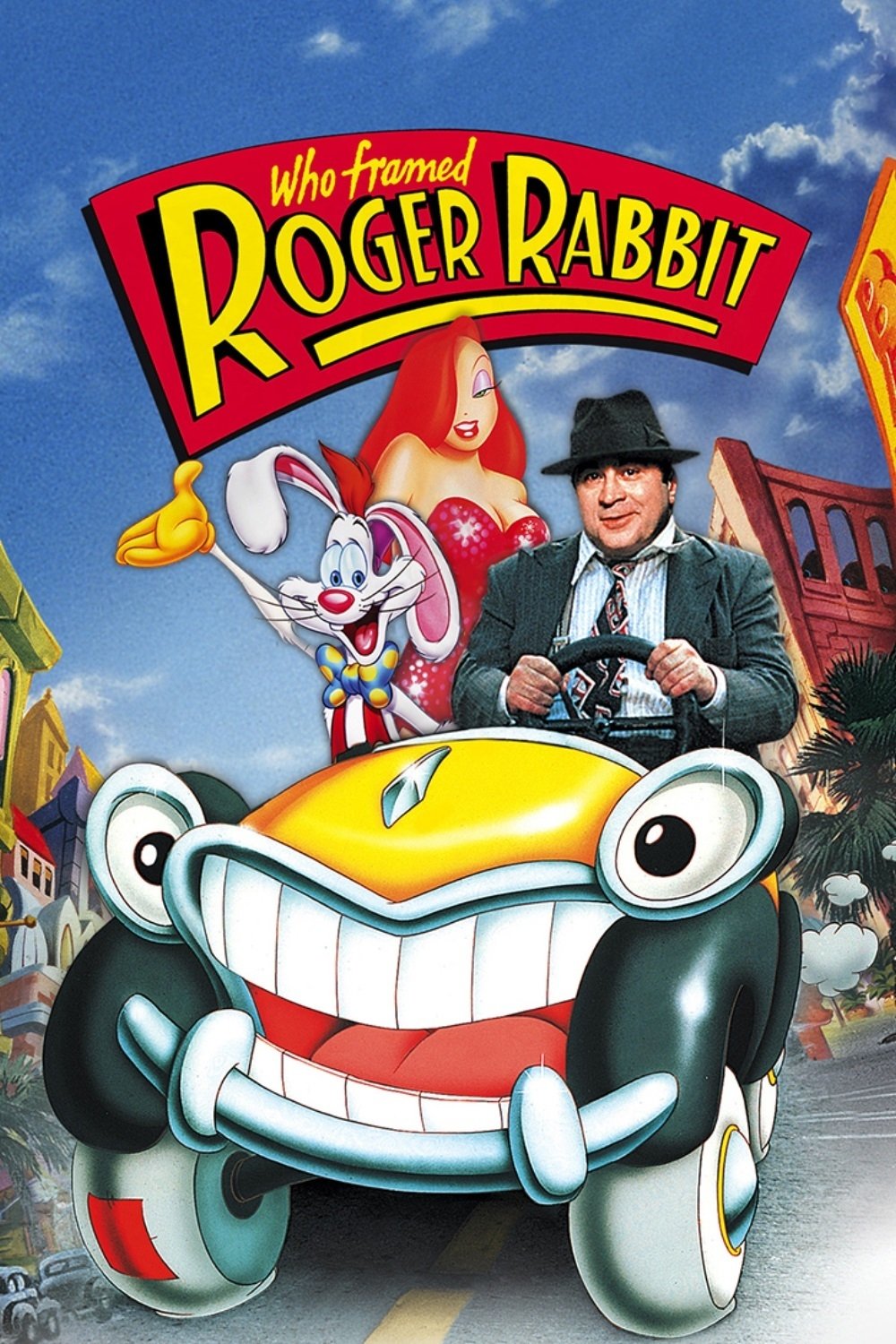
‘Who Framed Roger Rabbit’ seamlessly blended live-action with hand-drawn animation. Director Robert Zemeckis used motion-controlled cameras and practical effects like puppets to make cartoon characters feel real.
The film’s precise integration of 2D animation with human actors set a standard for hybrid films. Its techniques are still used in movies mixing real and animated worlds.
Terminator 2: Judgment Day (1991)
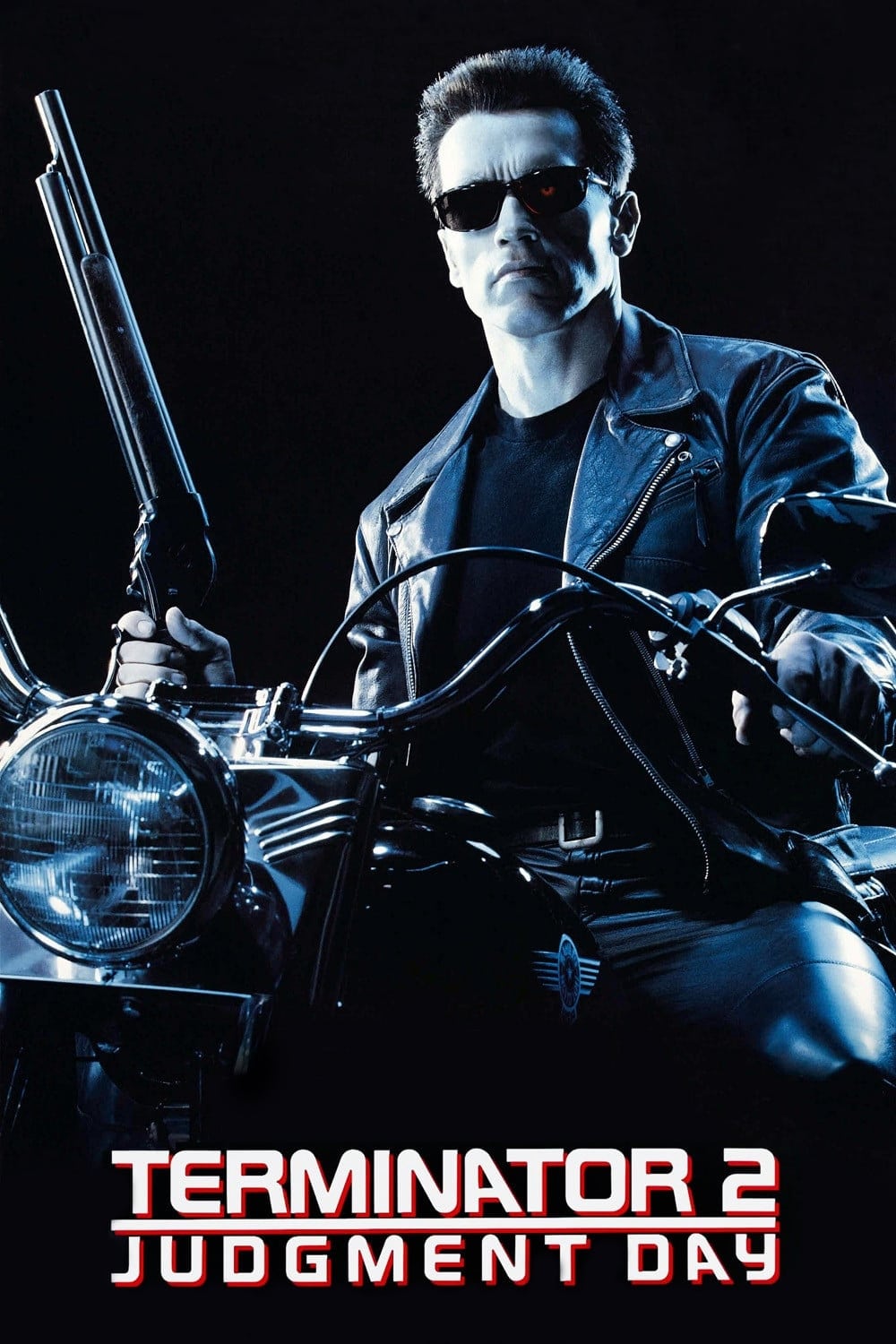
James Cameron’s ‘Terminator 2’ stunned with its liquid metal T-1000, brought to life through groundbreaking CGI. Robert Patrick’s performance, enhanced by motion capture, made the shape-shifting villain chillingly believable.
The film’s blend of practical and digital effects, like detailed prosthetics and CGI morphing, became a model for creating lifelike digital characters in action films.
Jurassic Park (1993)
Steven Spielberg’s ‘Jurassic Park’ mixed animatronics with CGI to bring dinosaurs to life. Stan Winston’s physical models paired with Industrial Light & Magic’s digital effects created seamless, terrifying creatures.
The film’s balanced approach showed CGI could enhance, not replace, practical effects. This hybrid method remains a gold standard for creature-driven blockbusters.
The Matrix (1999)
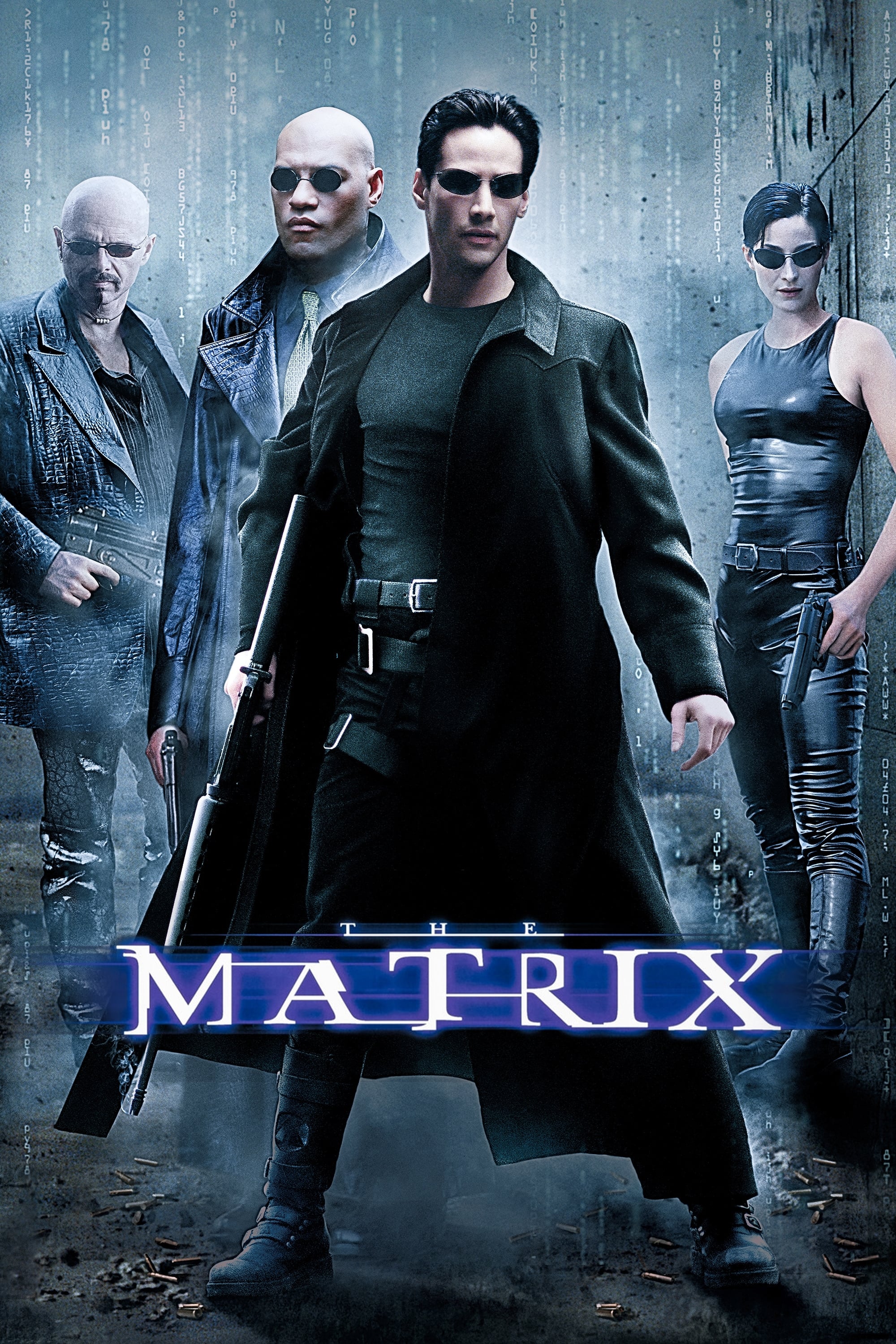
‘The Matrix’ introduced bullet time, a slow-motion effect using multiple cameras to capture action from every angle. The Wachowskis’ vision, executed by John Gaeta, made Neo’s bullet-dodging iconic.
This technique, born from virtual cinematography, reshaped action choreography. It’s still used in films and games to create dynamic, freeze-frame intensity.
Avatar (2009)
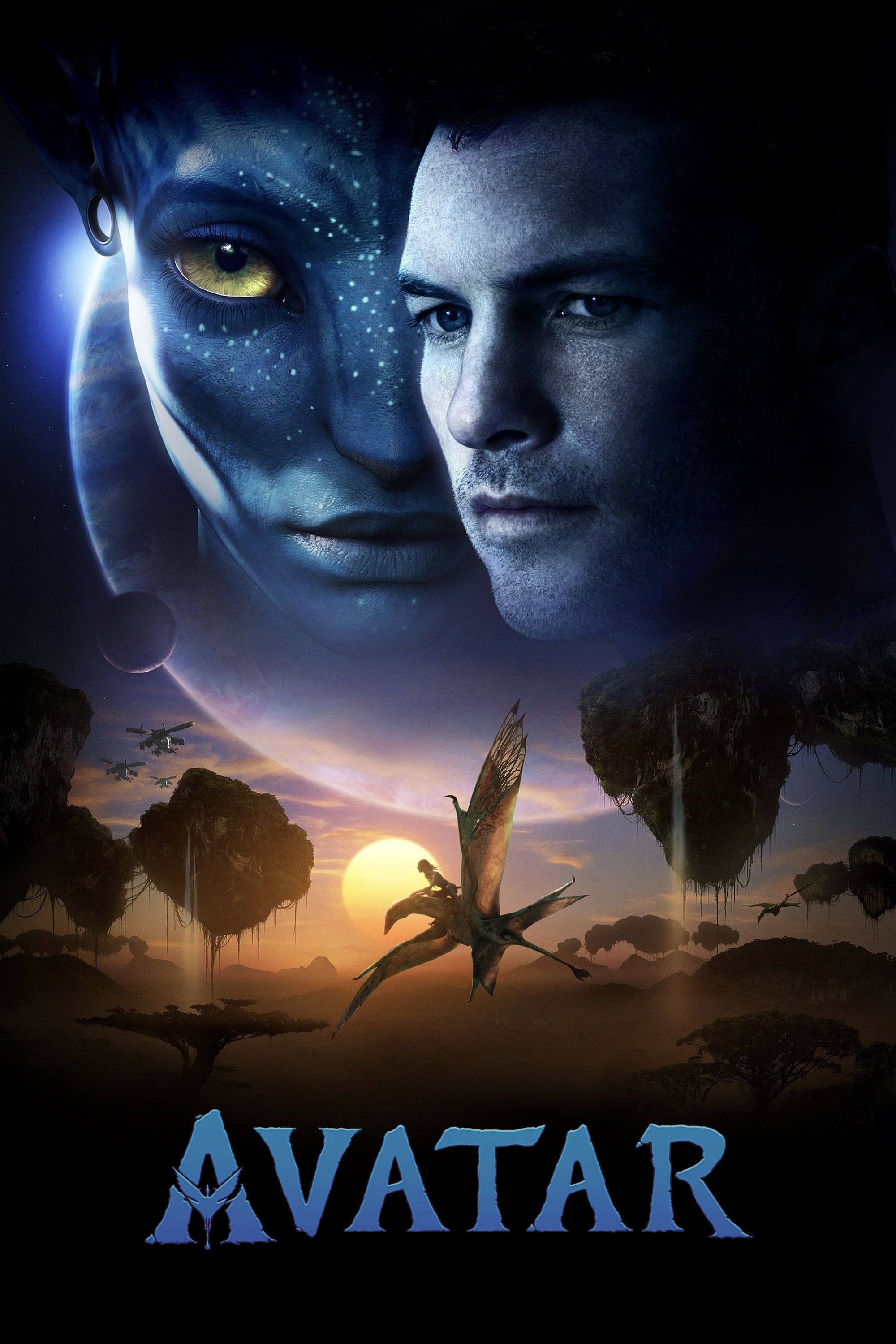
James Cameron’s ‘Avatar’ pushed motion capture and 3D technology to new heights. The film’s fully digital world of Pandora, paired with real-time animation feedback, blurred the line between live-action and animation.
Its photorealistic CGI and immersive 3D set a new benchmark for visual storytelling. These tools are now standard in creating expansive, fantastical worlds.
Which film’s special effects blew you away the most, or is there a game-changer I missed? Drop your thoughts in the comments!