


20 Movies That Kill Off The Main Character



Some films end by pulling the rug from under the audience, and a sure way to do it is to take the story right through the final moments of the lead. These movies do exactly that, using a main character’s death to complete an arc, close a mystery, or push a theme to its logical end. The result is a story you remember because the character’s last choice or last breath changes everything that came before it.
Below are twenty films where the protagonist does not make it out alive. For each one you will find clear plot context around how and why the character dies, along with details that help you place the moment within the film’s story and production.
‘Psycho’ (1960)
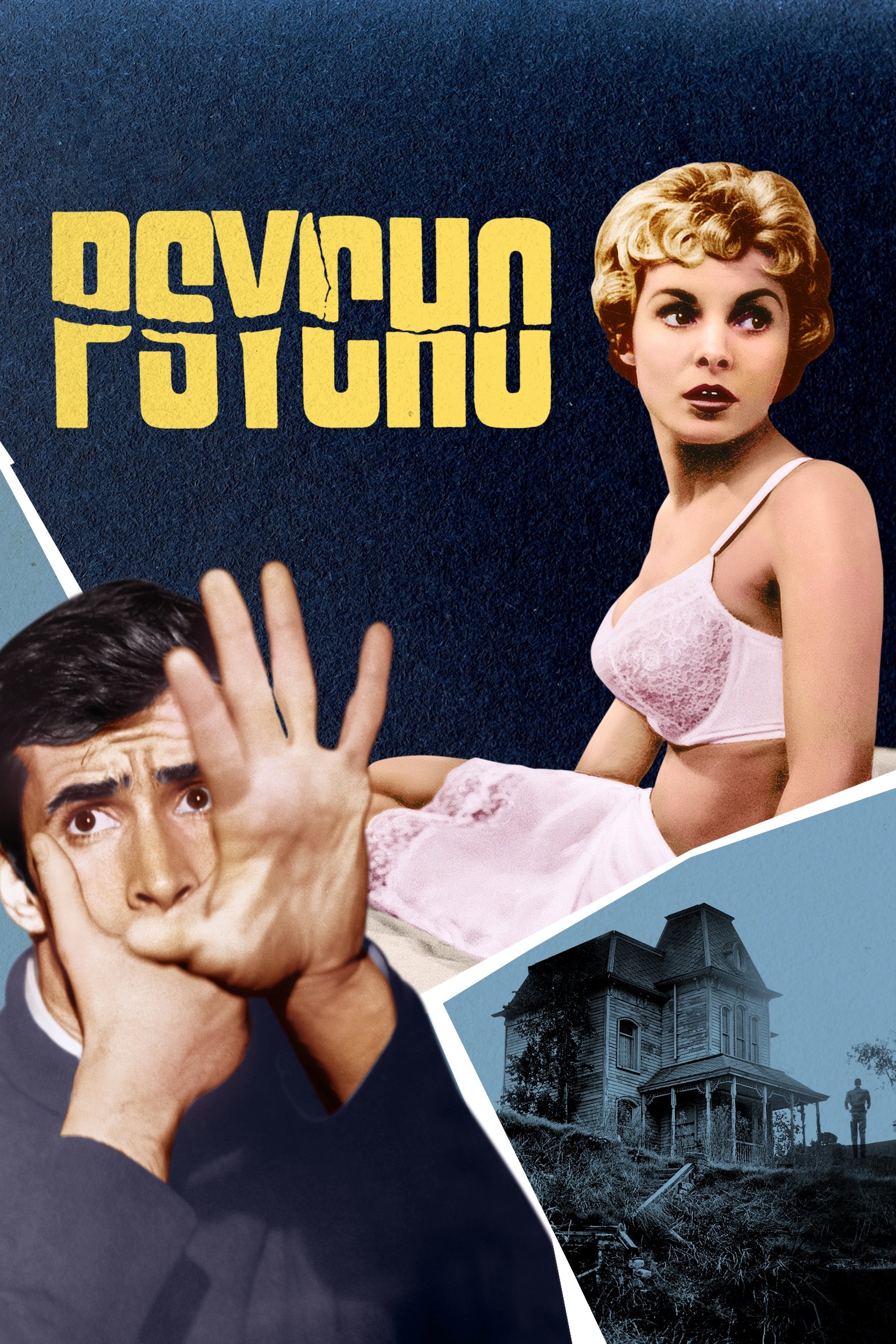
Marion Crane, played by Janet Leigh, is murdered in the Bates Motel shower by Norman Bates, who is acting under the persona of his mother. The sequence uses rapid cutting and careful sound design to show violence without graphic detail, which allowed the film to pass censors while creating a shocking turn.
After Marion’s death the focus shifts to Norman and to the investigators who arrive looking for her and the stolen money. Alfred Hitchcock structures ‘Psycho’ so that the early protagonist’s death resets the story and leads to the reveal of Norman’s split identity.
‘Spartacus’ (1960)
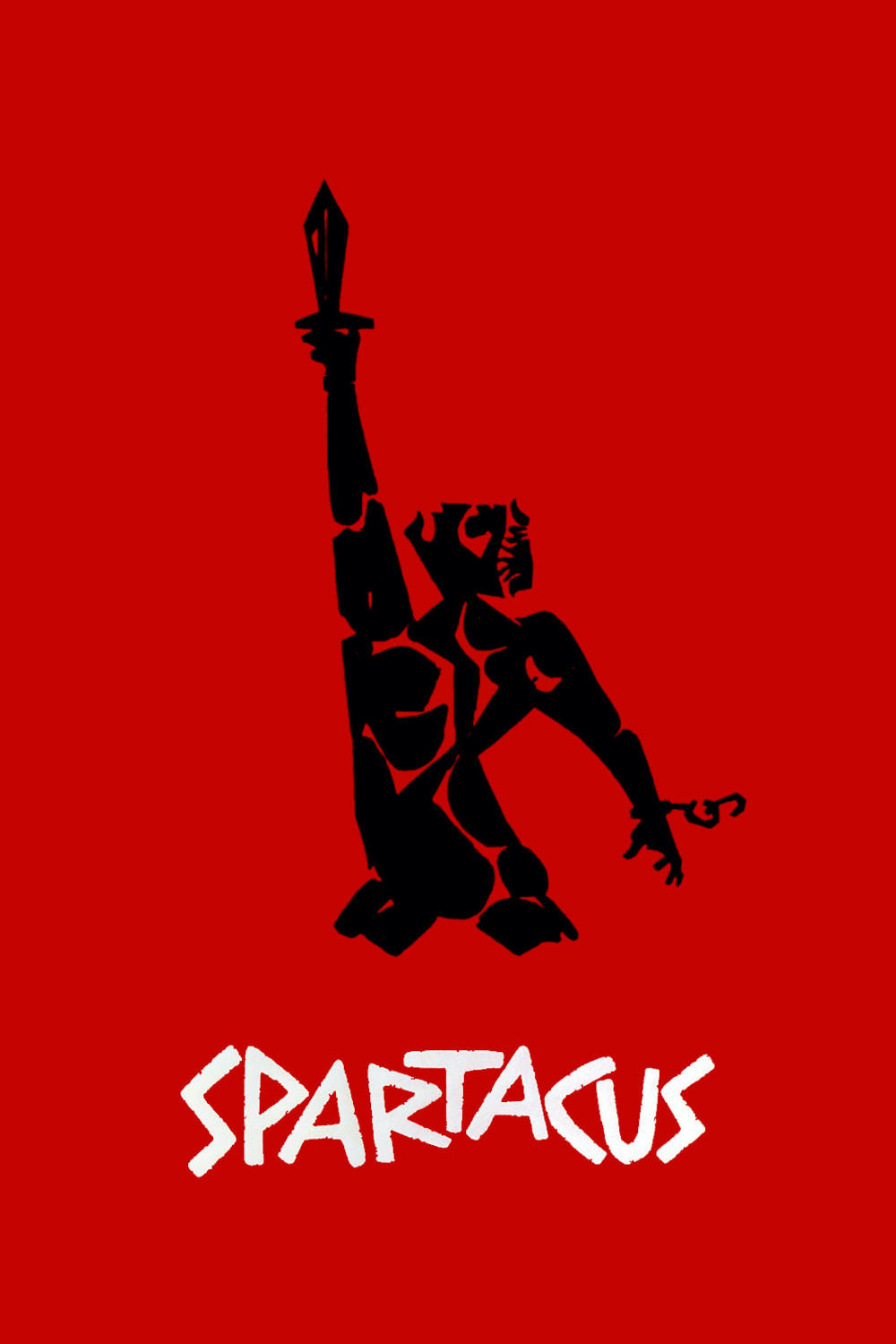
Kirk Douglas plays the Thracian slave who leads a massive revolt against Rome. After defeat, Spartacus is captured and crucified along the Appian Way, which aligns with the historical fate of rebel leaders after failed uprisings in the ancient world.
In ‘Spartacus’, Varinia brings their infant son to see him one last time as he hangs on the cross. The scene closes the revolt’s narrative while underlining the idea that his child will be born free, which was Spartacus’s final request.
‘Bonnie and Clyde’ (1967)
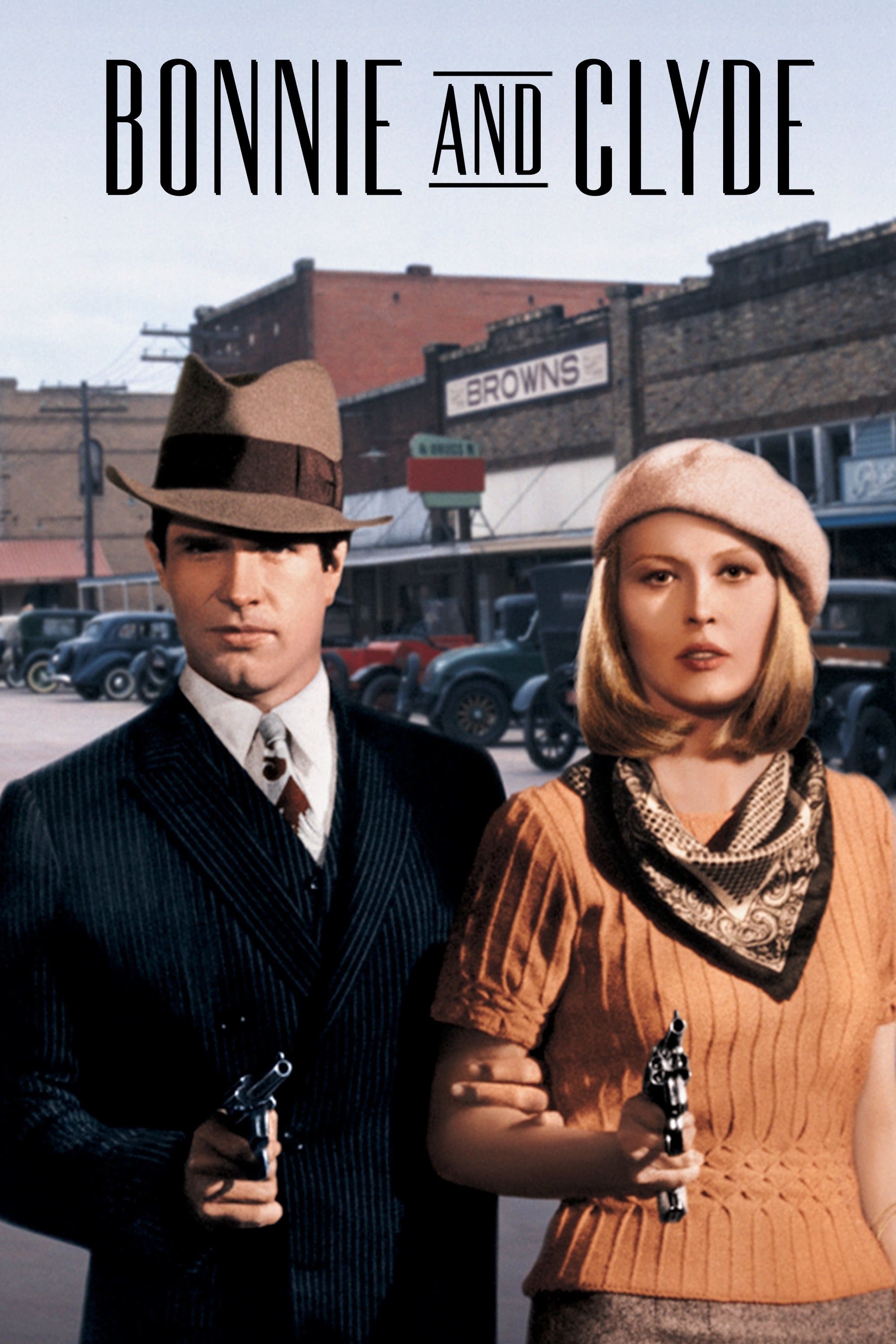
Faye Dunaway and Warren Beatty play the outlaw couple who rob banks across several states. Local lawmen set up an ambush with the help of an associate’s father, and the couple’s car is riddled with gunfire on a rural road in Louisiana.
The film stages the deaths in broad daylight, showing the sudden end of a cross country crime spree. ‘Bonnie and Clyde’ uses the ambush to conclude its chase narrative and to show how quickly the tide turns when informants and officers close in.
‘Butch Cassidy and the Sundance Kid’ (1969)

Paul Newman and Robert Redford play the famous duo who flee to Bolivia after a relentless pursuit in the American West. Surrounded by soldiers in a village, they charge out with guns ready and the film freezes on their final attempt to escape.
By ending on that suspended moment, ‘Butch Cassidy and the Sundance Kid’ confirms the fate of both men without lingering on the aftermath. The last stand resolves a story built on pursuit and failed reinvention, with the Bolivian army closing every exit.
‘The Wicker Man’ (1973)
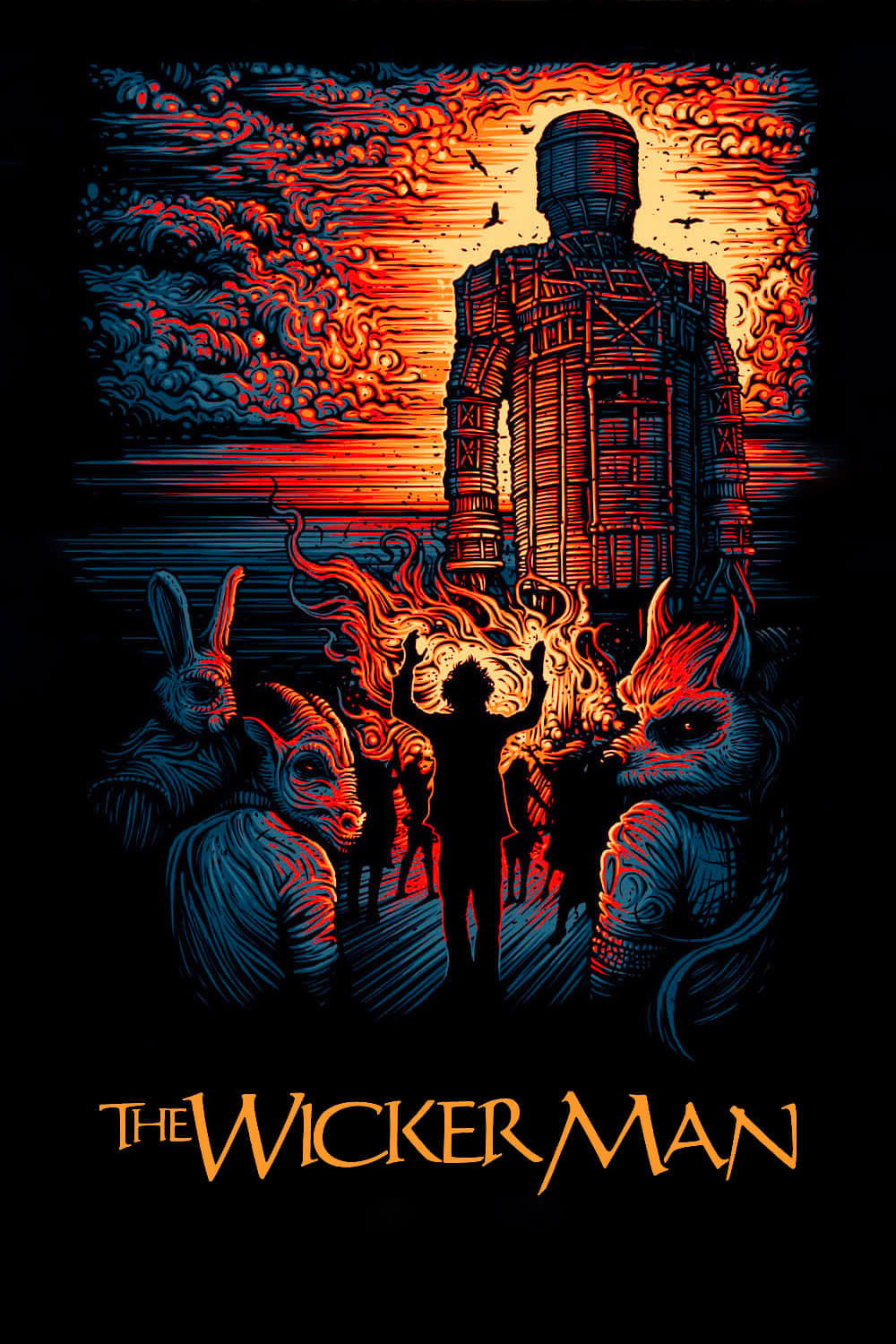
Sergeant Neil Howie, played by Edward Woodward, investigates a missing child on the remote island of Summerisle. The villagers reveal the investigation was a trap and burn him alive inside a towering wicker effigy as a harvest sacrifice.
‘The Wicker Man’ frames Howie’s death as the culmination of a ritual he cannot prevent, even after identifying the deception. His unwavering faith and refusal to renounce it make him a suitable sacrifice in the eyes of the islanders, which completes the film’s cyclical view of their customs.
‘One Flew Over the Cuckoo’s Nest’ (1975)

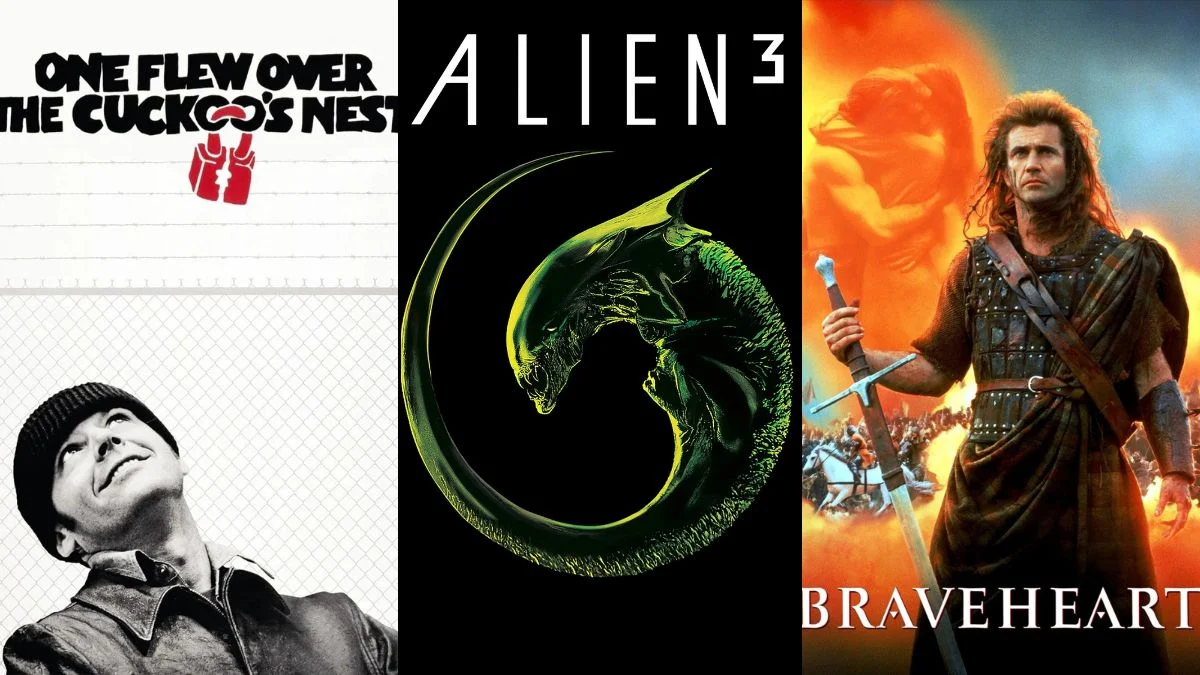
Randle McMurphy, played by Jack Nicholson, is lobotomized after attacking staff during a chaotic night on the psychiatric ward. Seeing what has been done to his friend, Chief Bromden smothers McMurphy in his bed as an act of mercy.
Chief then breaks a window and escapes, which gives McMurphy’s death a specific function within the story. ‘One Flew Over the Cuckoo’s Nest’ uses that final act to show that McMurphy’s rebellious spirit survives through Chief’s flight from the institution.
‘The Fly’ (1986)
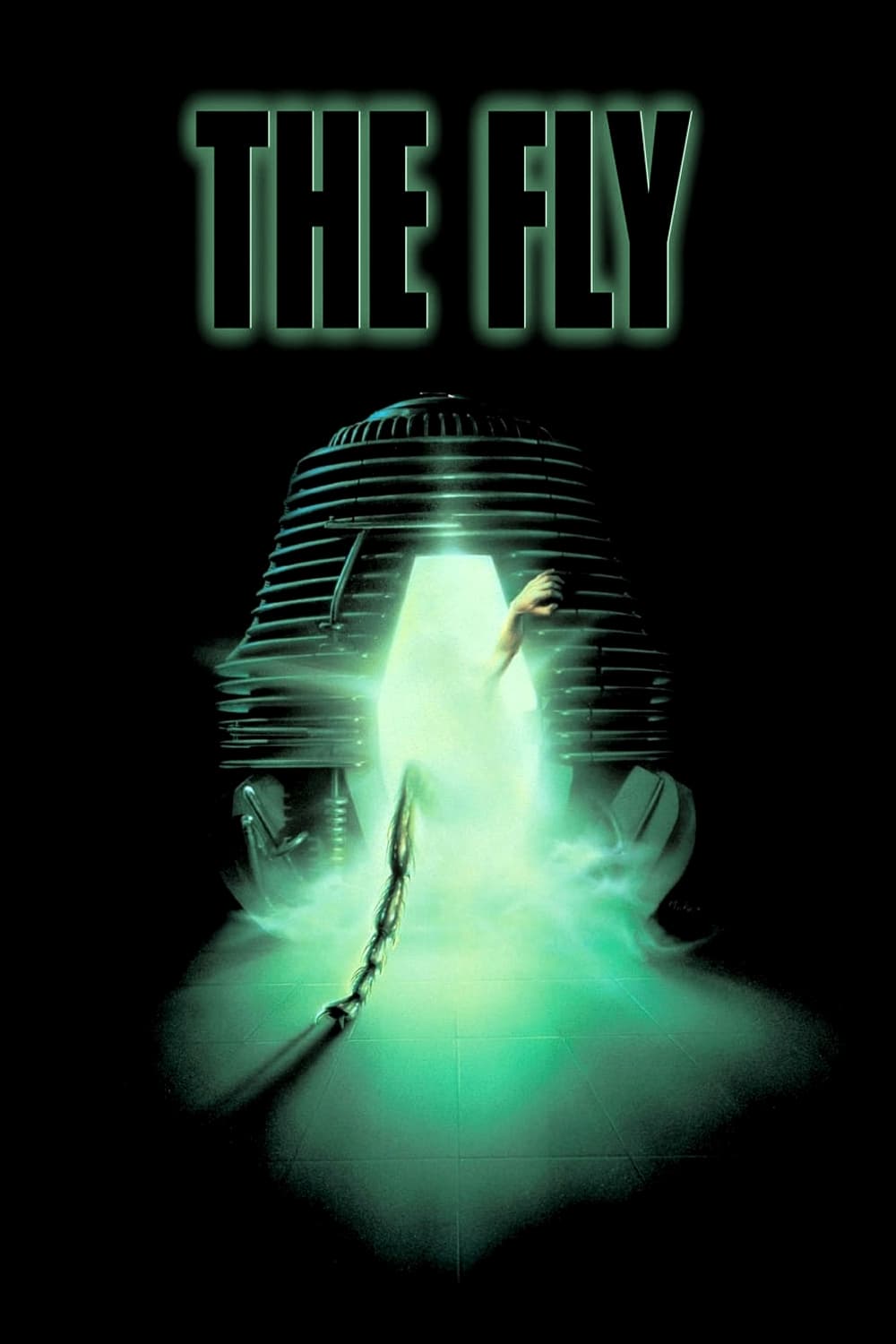
Seth Brundle, played by Jeff Goldblum, fuses with his teleportation pod after repeated accidents with his experimental machine. Deformed and suffering, he wordlessly begs Veronica, played by Geena Davis, to end his life, and she fires a shotgun to grant the request.
‘The Fly’ centers Brundle’s death as the unavoidable endpoint of his scientific overreach. The laboratory setting and the malfunctioning pods frame a clear path from breakthrough to catastrophe, and the last shot underlines that the experiment is finished forever.
‘Thelma & Louise’ (1991)
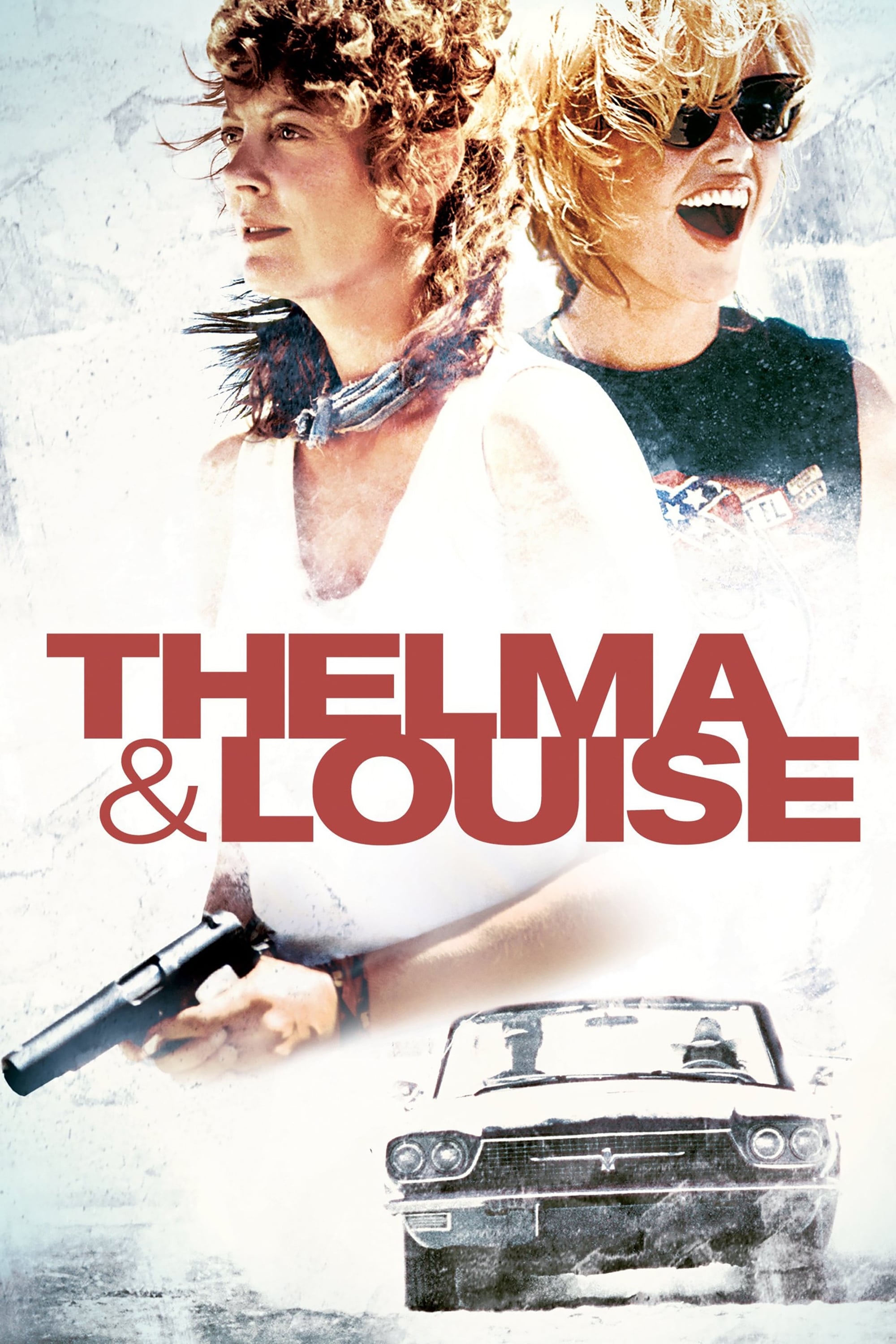
Geena Davis and Susan Sarandon play friends whose weekend trip spirals after an attempted assault leads to a shooting. With police closing in near the rim of a vast canyon, they decide to drive forward rather than surrender.
The ending of ‘Thelma & Louise’ fixes the pair’s choice as a final act of solidarity. The photograph, the helicopters, and the crowd of officers all set the scene for capture, and the car’s flight preserves their bond on their own terms.
‘Alien³’ (1992)
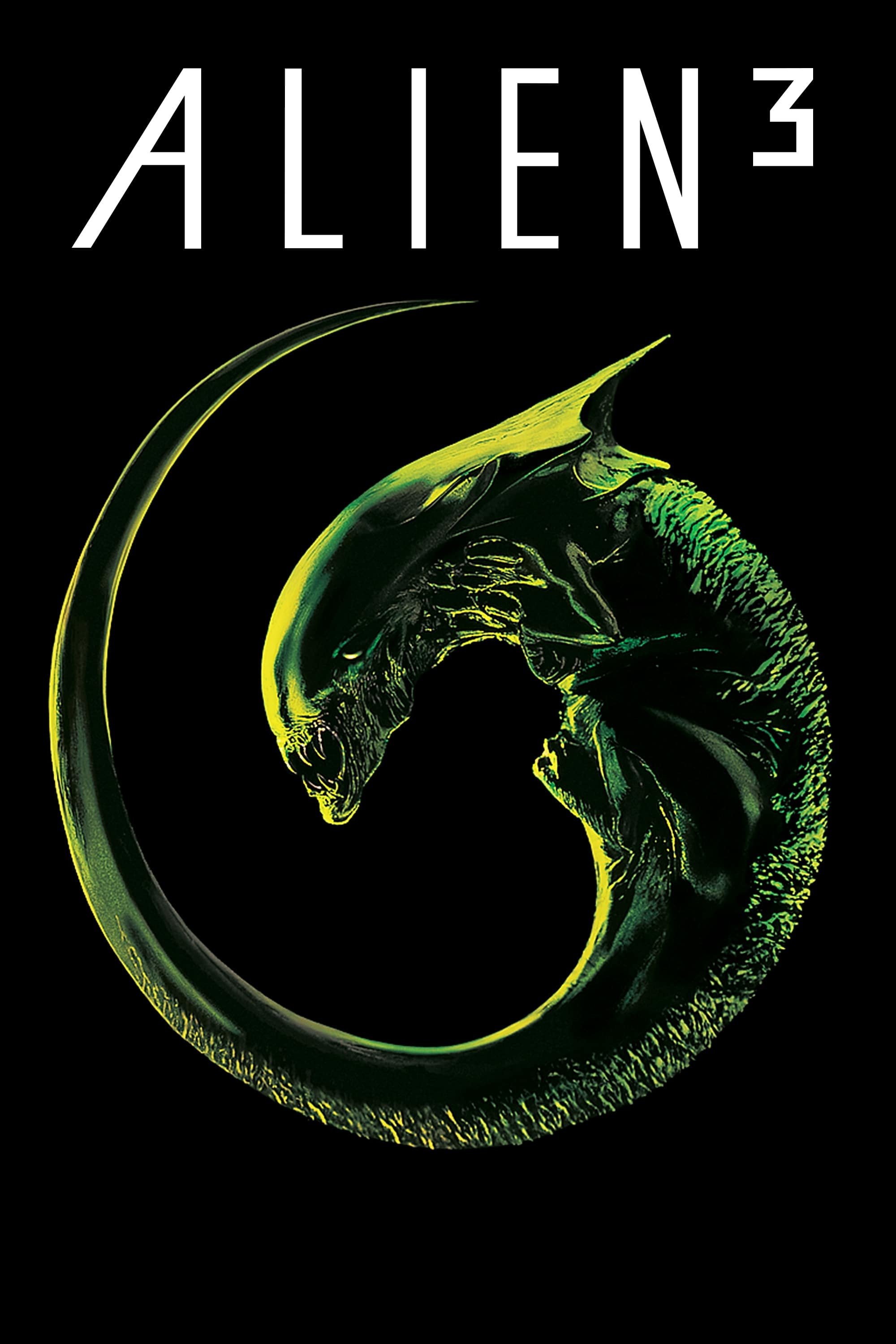
Sigourney Weaver’s Ellen Ripley carries an alien queen embryo after crash landing on a prison foundry planet. When corporate representatives attempt to take her alive, she throws herself into a furnace to prevent the creature’s birth.
Depending on the cut, the staging of the fall differs, yet ‘Alien 3’ keeps the same outcome. Ripley’s death closes her long pursuit of the species and blocks Weyland Yutani from weaponizing the organism, which fits the series focus on corporate risk and survival.
‘Philadelphia’ (1993)
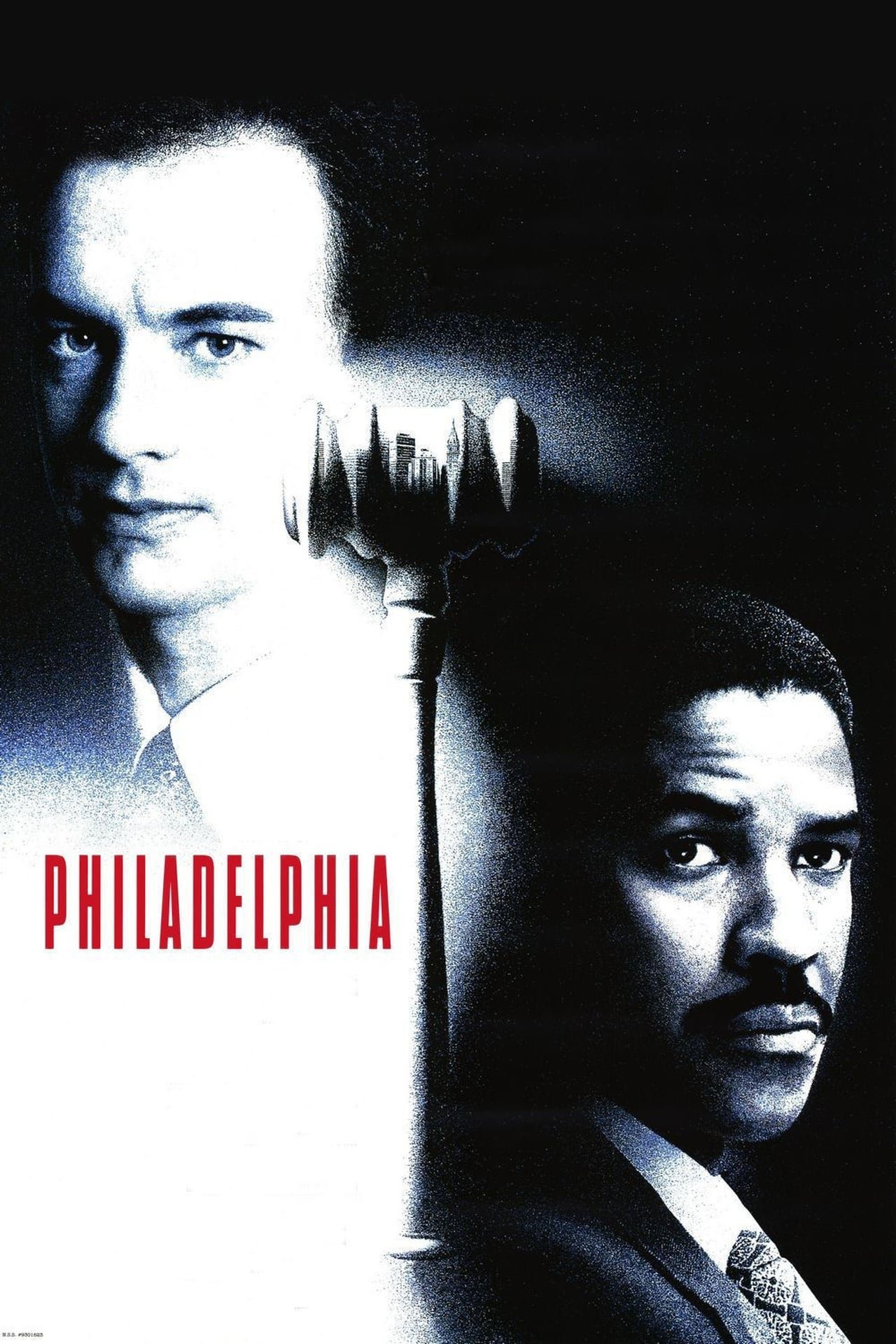
Andrew Beckett, played by Tom Hanks, wins his discrimination case against his former law firm while hospitalized with AIDS. Shortly after the verdict, he dies in the presence of family and friends, which brings the legal battle to a personal close.
‘Philadelphia’ shows how the lawsuit and the illness run on parallel tracks that meet at the end. Andrew’s death follows the judgment and cements the stakes that drove the case, making the courtroom outcome more than a professional victory.
‘Braveheart’ (1995)
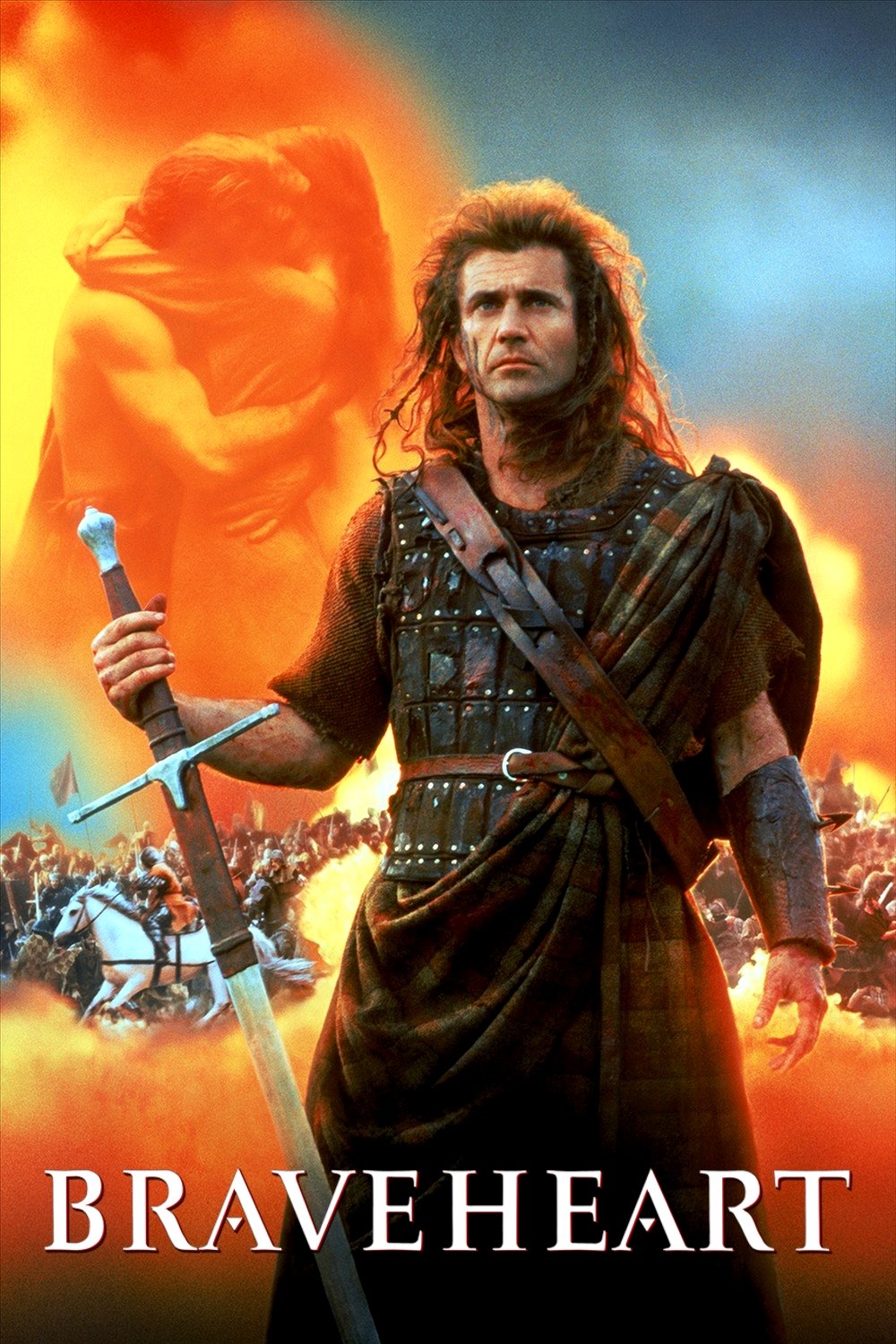
Mel Gibson’s William Wallace is captured and sentenced to public execution for leading the Scottish fight against English rule. He is tortured and killed before a crowd, having refused to confess or accept leniency.
‘Braveheart’ uses Wallace’s death to trigger further rebellion led by his allies. The execution square, the gathered officials, and the watching commoners turn the moment into a catalyst that binds the story’s final battle to his earlier campaign.
‘Romeo + Juliet’ (1996)
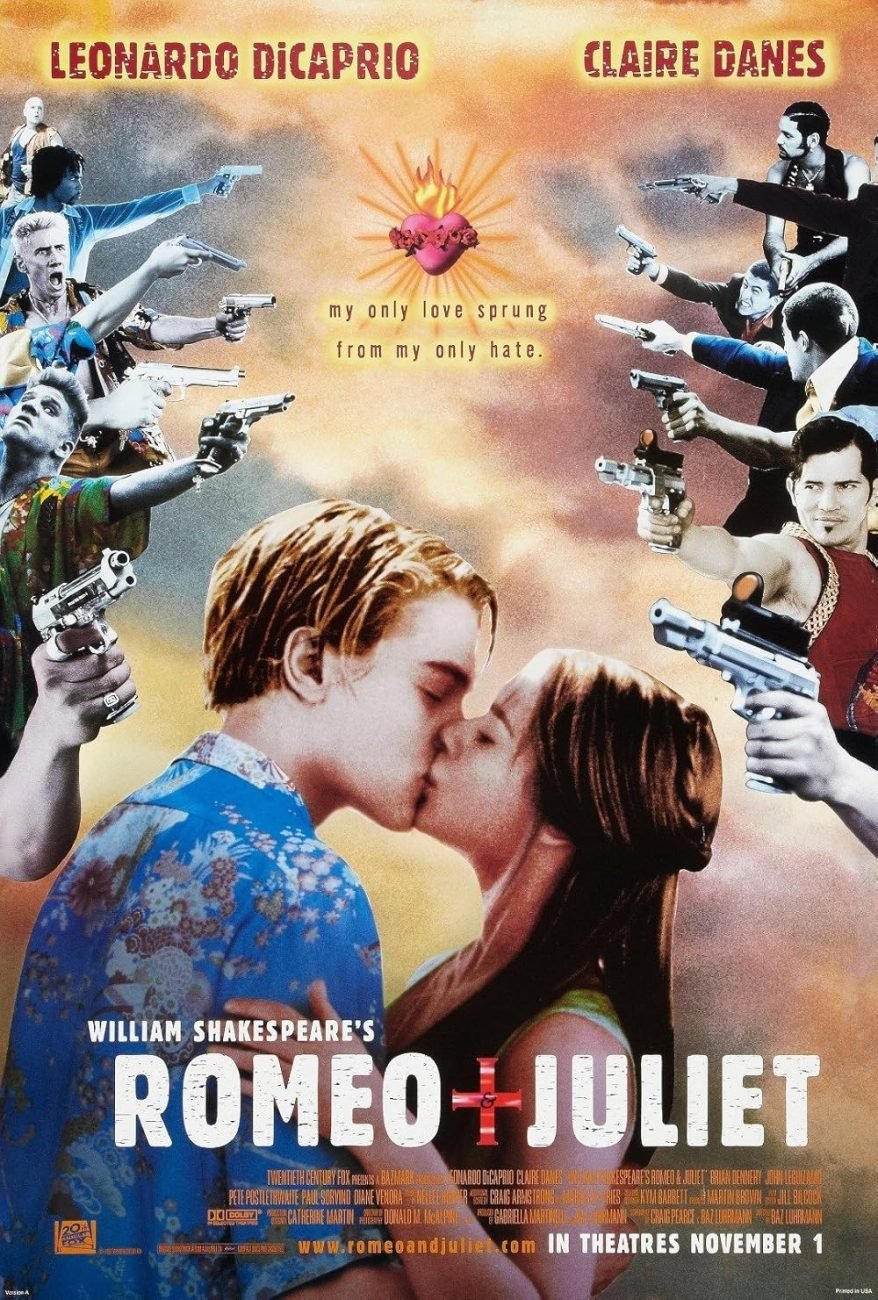
Leonardo DiCaprio and Claire Danes play the star crossed lovers in a modern setting that keeps Shakespeare’s language. Romeo drinks poison beside Juliet, who awakens too late, and Juliet then takes her own life with a pistol.
‘Romeo + Juliet’ places both deaths in the same location where the families finally converge. The tragedy resolves the feud only after the ultimate loss, which ties the story’s family conflict directly to the lovers’ fate.
‘Titanic’ (1997)
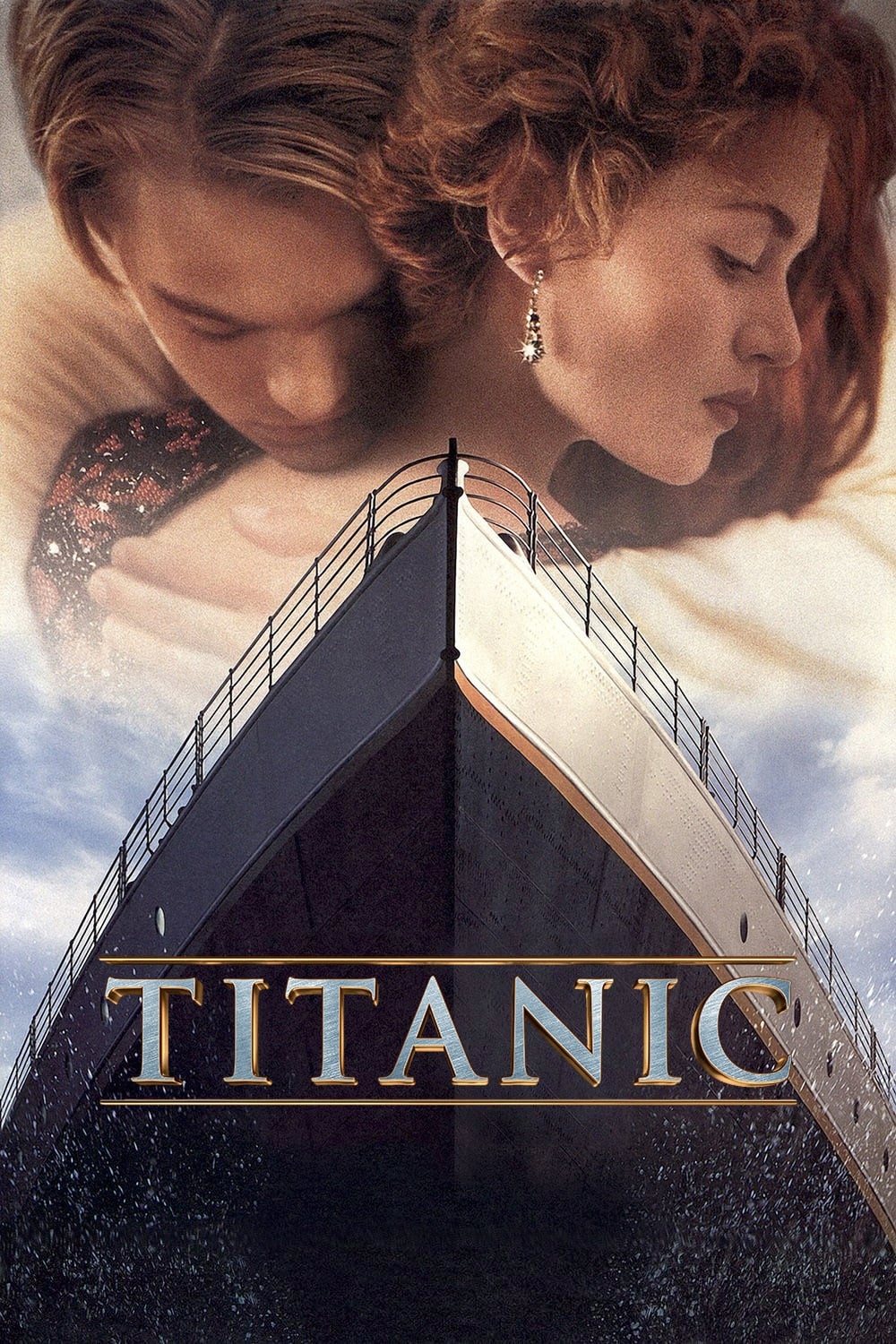
Jack Dawson, played by Leonardo DiCaprio, dies of hypothermia in the North Atlantic after helping Rose reach floating debris. Rescue boats arrive soon after, and Rose survives to be pulled aboard the Carpathia.
By ending Jack’s story in the water, ‘Titanic’ links his death to the film’s broader account of the sinking. The aftermath aboard the rescue ship spans identification, processing, and separation of survivors, which emphasizes that his sacrifice is part of a much larger catastrophe.
‘Saving Private Ryan’ (1998)
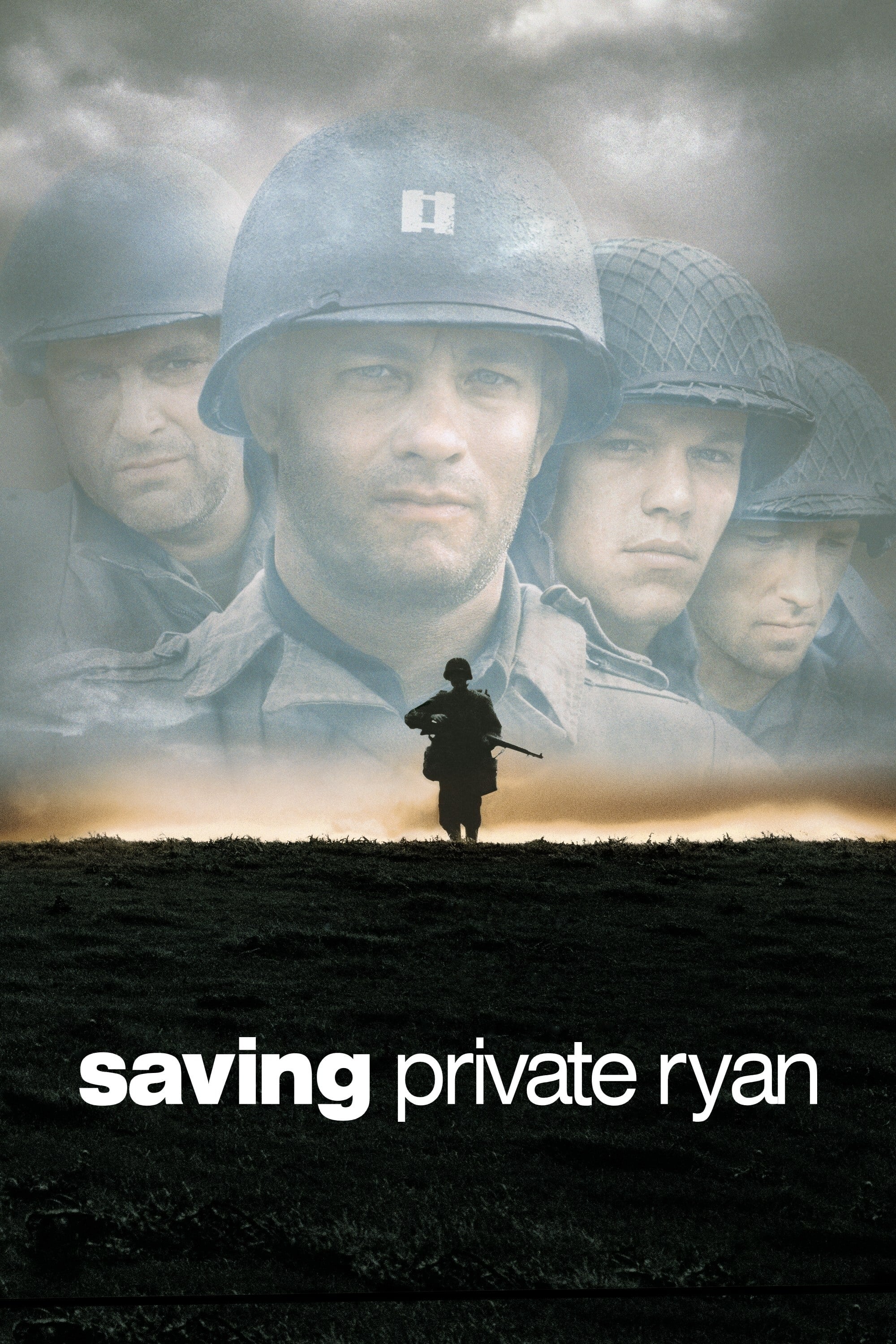
Captain John H Miller, played by Tom Hanks, is fatally wounded during the defense of a bridge in the French town of Ramelle. He completes the mission to safeguard Private James Ryan so the last surviving brother can return home.
‘Saving Private Ryan’ frames Miller’s death as the final cost of holding the line until relief arrives. The bridge, the explosives, and the arrival of armored support give the sequence a tactical structure that explains why the defense mattered and why the casualties were so high.
‘American Beauty’ (1999)

Lester Burnham, played by Kevin Spacey, narrates his own story and confirms from the start that he will die. He is shot in his kitchen by Colonel Frank Fitts, played by Chris Cooper, after a chain of events that connects several neighbors and family members.
The final montage in ‘American Beauty’ reveals how the murder fits with earlier scenes, which clarifies the killer’s motive and the investigation’s misdirection. Lester’s death closes the film’s suburban puzzle by fixing the cause and the culprit.
‘Gladiator’ (2000)
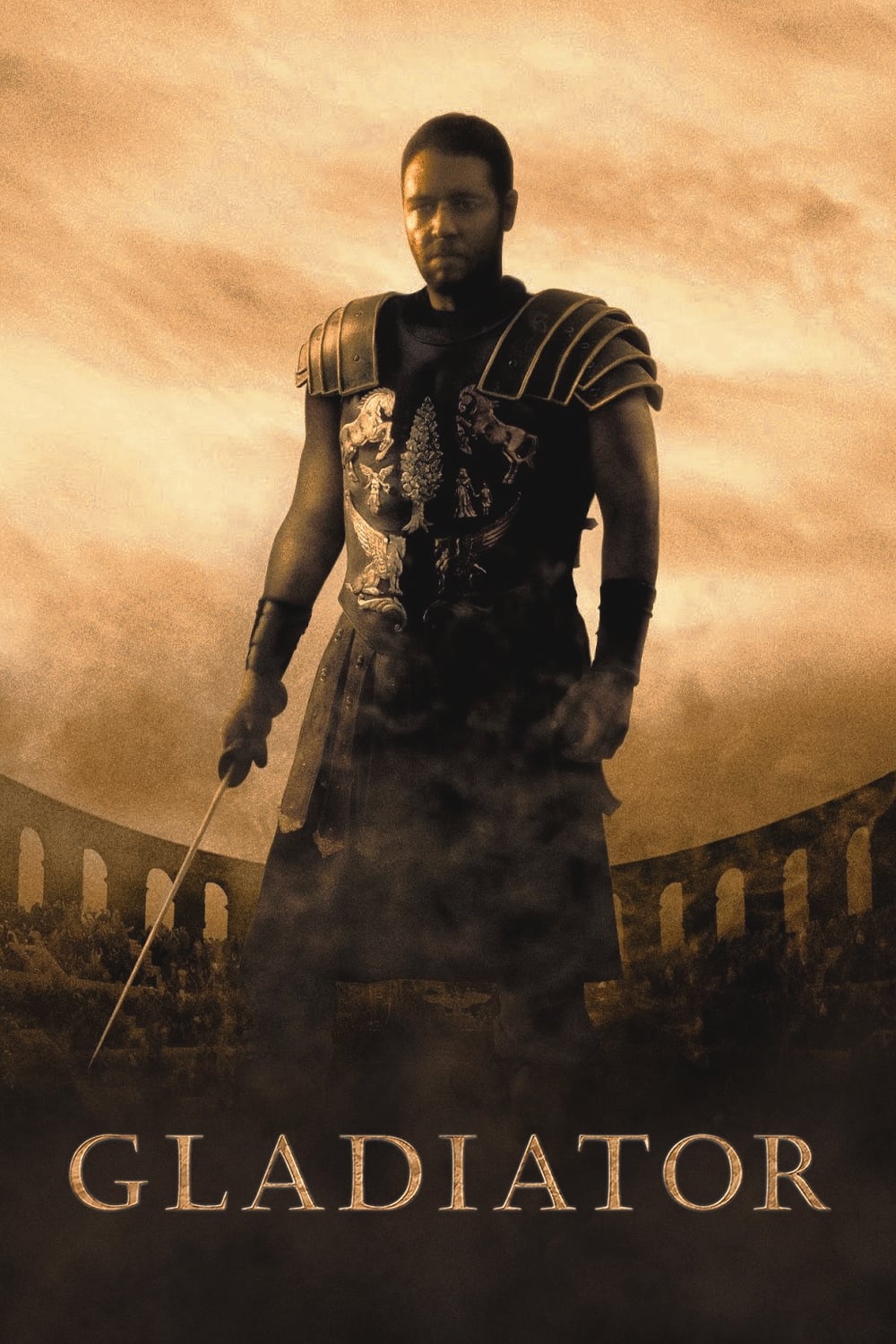
Maximus, played by Russell Crowe, kills Emperor Commodus in the arena and dies from a concealed wound. Before he collapses he orders the release of prisoners and the restoration of the republic’s principles.
‘Gladiator’ positions Maximus’s death as a transfer of power inside the Colosseum. The senate allies and the freed gladiators carry out his wishes after the crowd witnesses the fight, which gives the political resolution a clear on screen mechanism.
‘Donnie Darko’ (2001)
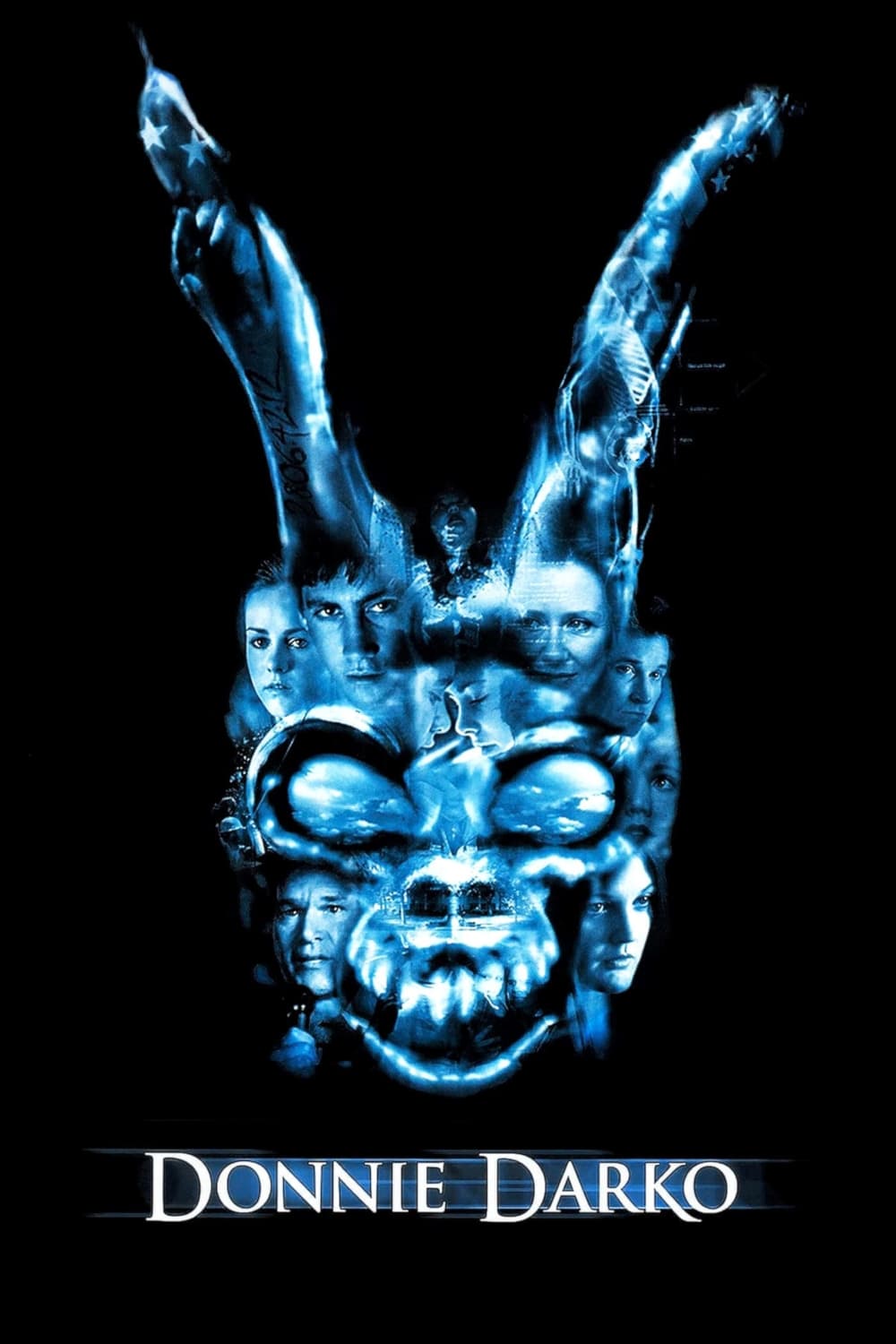
Jake Gyllenhaal plays a teenager who experiences visions and time anomalies after a jet engine crashes into his house. The timeline resets so that the engine hits his bedroom while he sleeps, and he dies in the impact.
‘Donnie Darko’ aligns the death with the closure of a loop that affected his family and friends. By ending where the story began, the film explains why certain characters feel unexplained grief afterward, which signals that the loop’s consequences remain.
‘Pan’s Labyrinth’ (2006)
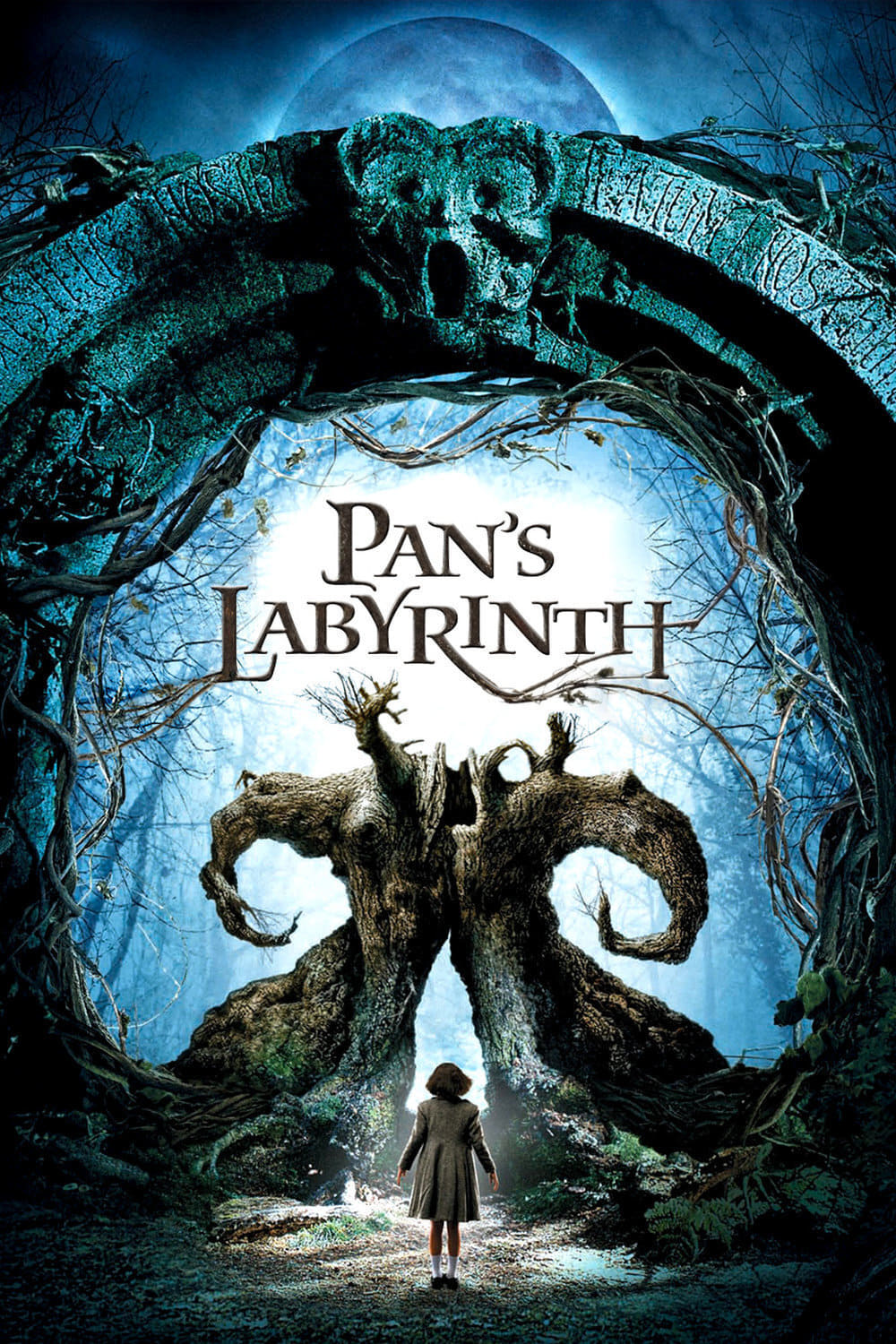
Ofelia, played by Ivana Baquero, is shot by Captain Vidal while trying to complete the faun’s final task in a mill at night. She dies in the labyrinth after protecting the baby from harm.
‘Pan’s Labyrinth’ pairs Ofelia’s death with a vision of a royal reunion in an underground kingdom. The parallel images allow the story to resolve its civil war plot and its fairy tale trial at the same time, which gives clear narrative closure on both fronts.
‘The Departed’ (2006)
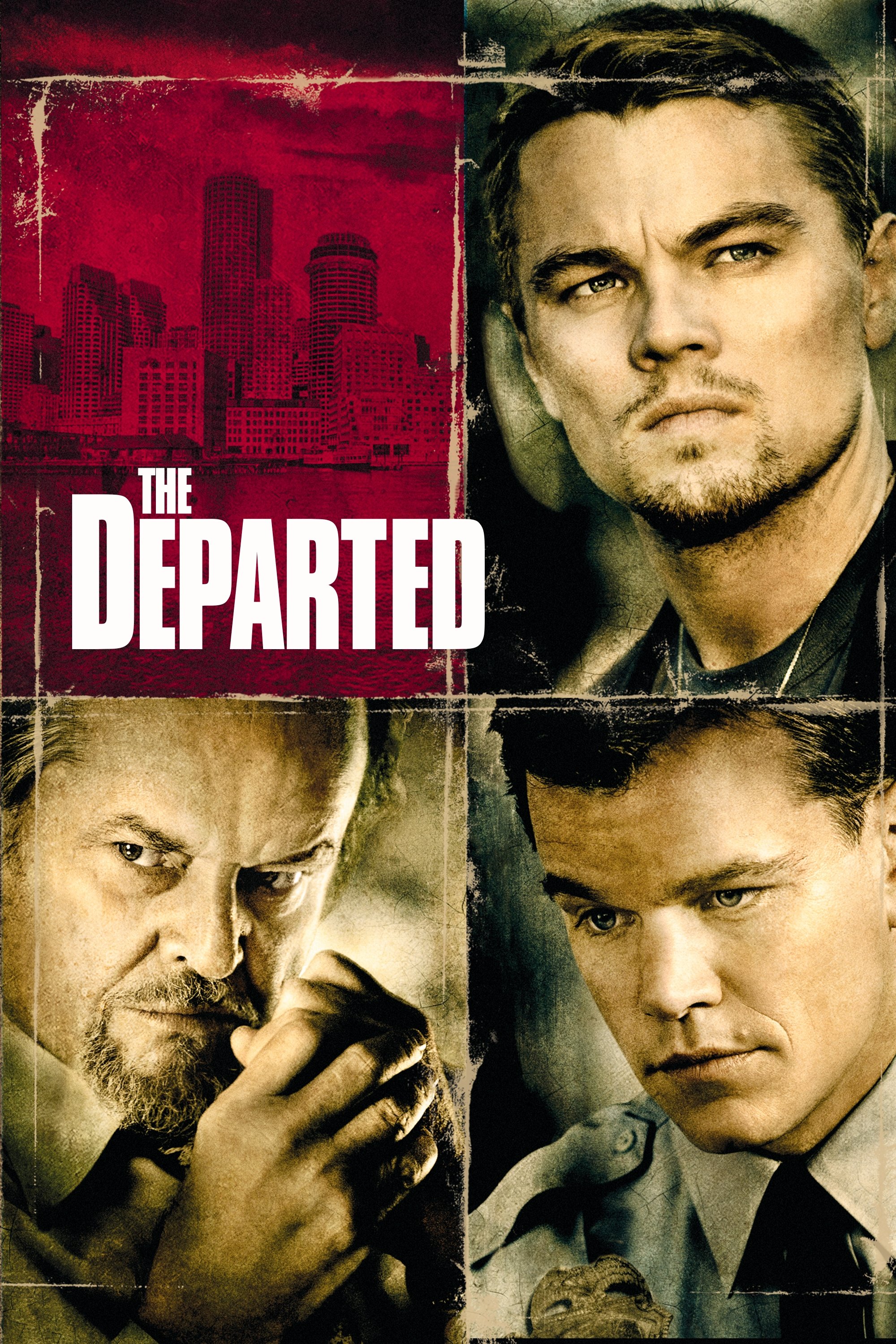
Billy Costigan, played by Leonardo DiCaprio, is killed in an elevator by a fellow officer who is secretly tied to a crime boss. His death arrives just as he is about to expose Colin Sullivan, which resets the hunt for the mole.
‘The Departed’ follows the killing with a series of retaliations that finish the internal cleanup. The apartment scenes and the final confrontation show how the investigation reaches the person who orchestrated the cover, which completes the double life plot.
‘Children of Men’ (2006)
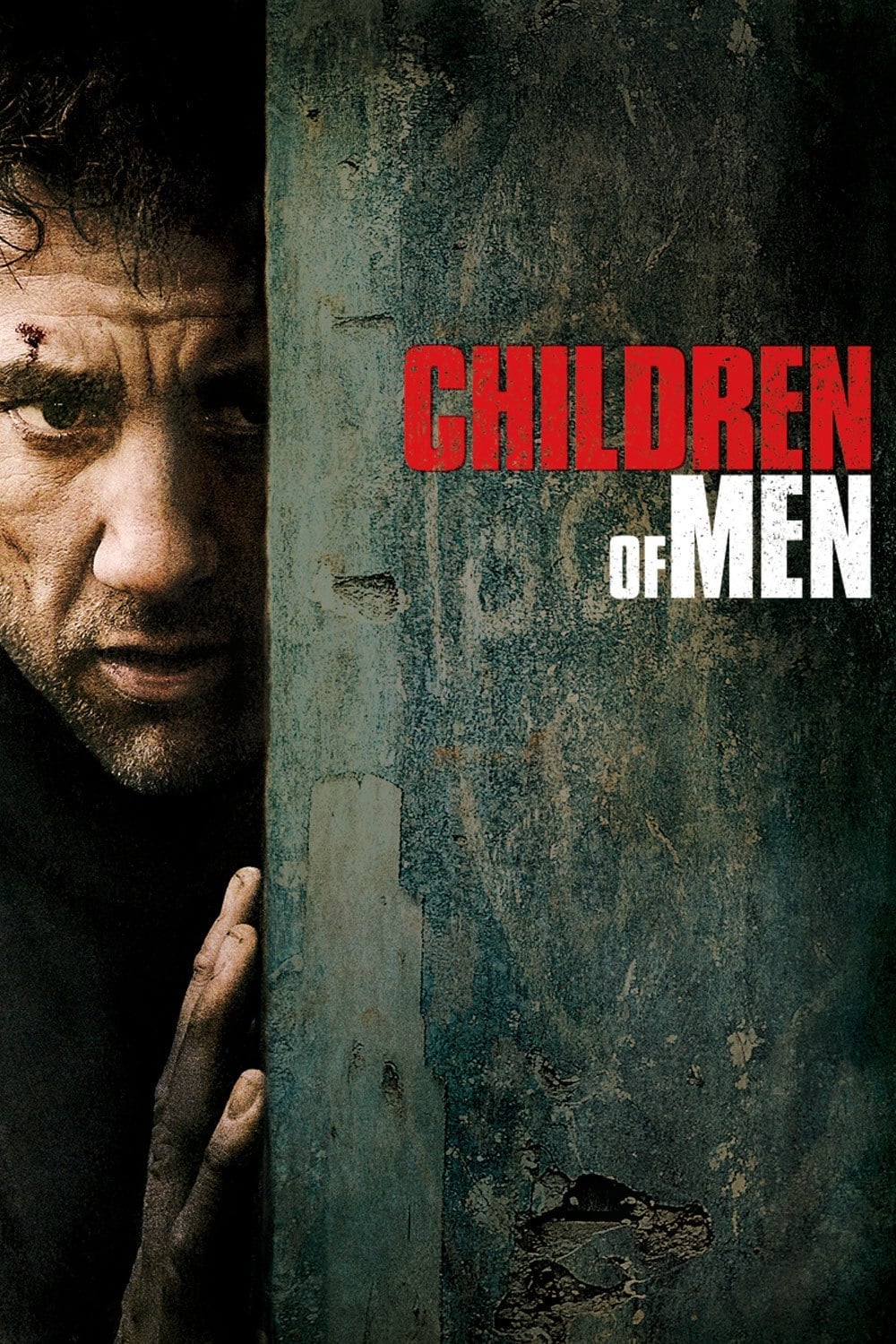
Theo Faron, played by Clive Owen, is mortally wounded after escorting a pregnant refugee named Kee through urban combat. He gets her to a small boat and bleeds out as a larger vessel called Tomorrow arrives to pick her up.
‘Children of Men’ ends with Theo’s death serving a clear purpose. He delivers Kee and her newborn to the group that can protect them, which gives the story a practical handoff from one guardian to the next at the very last moment.
Share the main character deaths that shocked you the most in the comments.