


15 Movies That Left Out Key Chapters (And It Ruined the Plot)



Adapting a book into a movie is tricky—there’s only so much time to tell a story, and cuts are inevitable. But when filmmakers leave out key chapters that shape the heart of the plot, the results can feel hollow, confusing, or just plain wrong to fans of the source material.
I’ve rounded up fifteen movies that dropped essential book chapters, derailing their narratives in the process. From missing motivations to gutted endings, these omissions left gaps that hurt the story’s impact. Let’s explore what went wrong under each film’s spotlight.
The Golden Compass (2007)
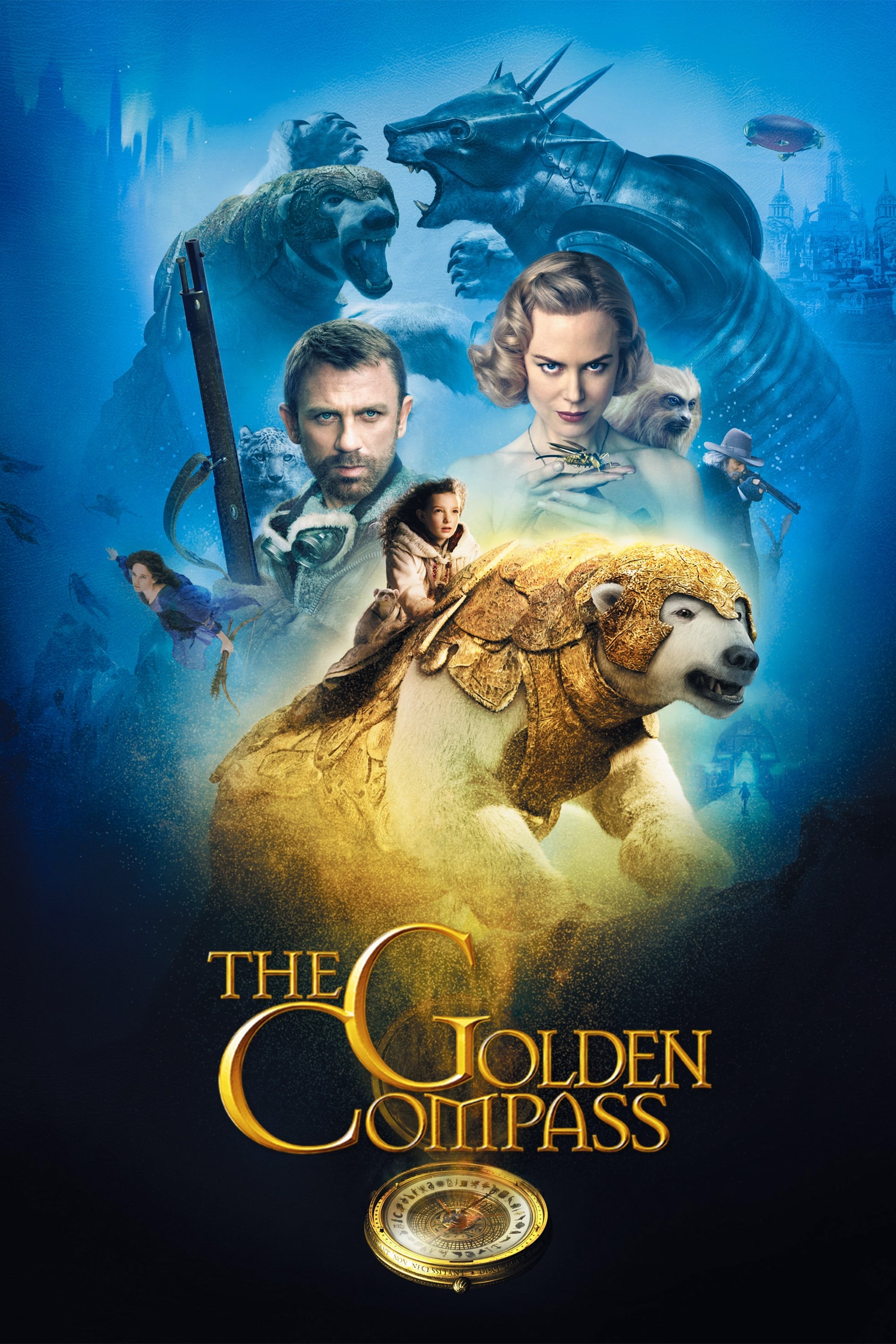
In Philip Pullman’s His Dark Materials, the final chapters reveal dark truths about Lyra’s world, including the Church’s sinister experiments on children and dust. These tie her journey to cosmic stakes, giving her quest depth.
The film ‘The Golden Compass’ cuts these chapters entirely, ending on a hopeful note before the story’s darker turn. This leaves the plot feeling incomplete, with Lyra’s mission lacking urgency and the world’s rules unclear, baffling viewers unfamiliar with the book.
Percy Jackson & The Olympians: The Lightning Thief (2010)
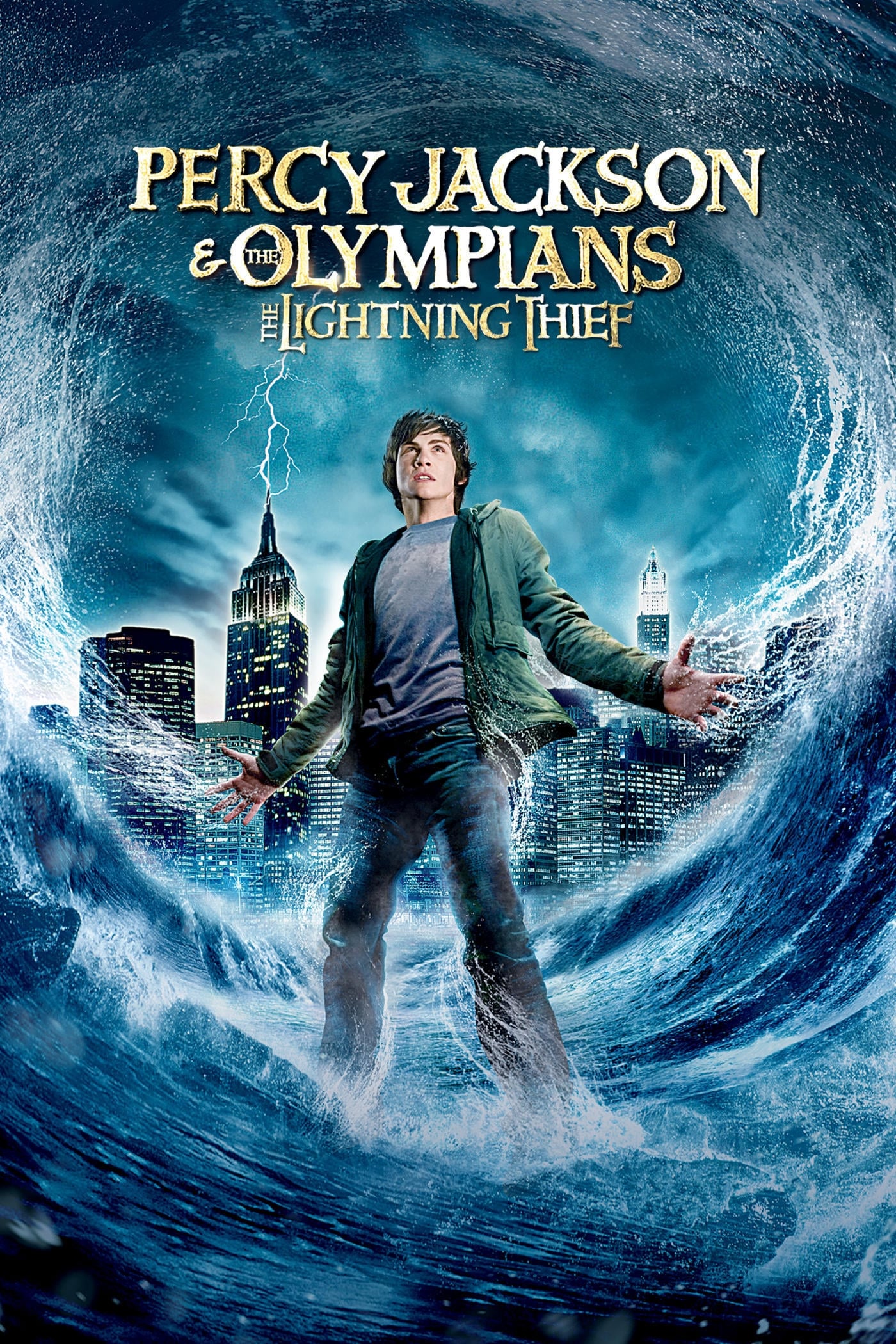
Rick Riordan’s The Lightning Thief builds a rich mystery around Percy’s quest, with key chapters involving a prophecy and the god Ares manipulating events. These deepen the stakes and Percy’s identity as a demigod.
The movie ‘Percy Jackson & The Olympians: The Lightning Thief’ skips the prophecy and Ares’ role, turning the story into a generic treasure hunt. Without these chapters, the plot loses its mythic weight, feeling shallow and rushed, much to fans’ dismay.
The Hobbit: The Desolation of Smaug (2013)
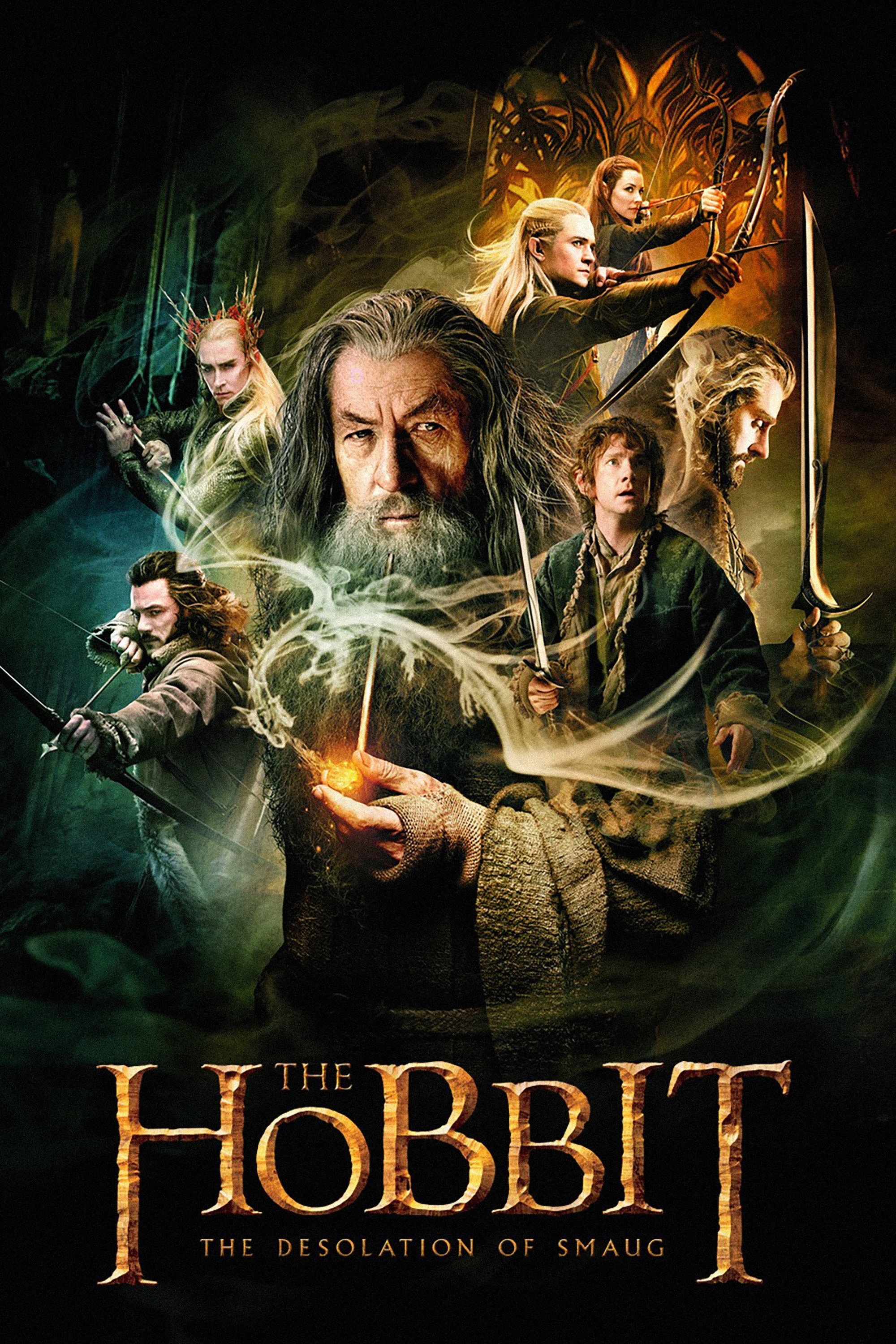
J.R.R. Tolkien’s The Hobbit has chapters where Bilbo’s cleverness shines, like his riddle game with Gollum and quiet moments developing his bond with the dwarves. These ground the adventure in character growth.
‘The Hobbit: The Desolation of Smaug’ drops these for action-heavy filler, like a barrel chase and a love triangle not in the book. The plot feels bloated and disjointed, losing Bilbo’s subtle heroism and the story’s cozy charm.
Eragon (2006)
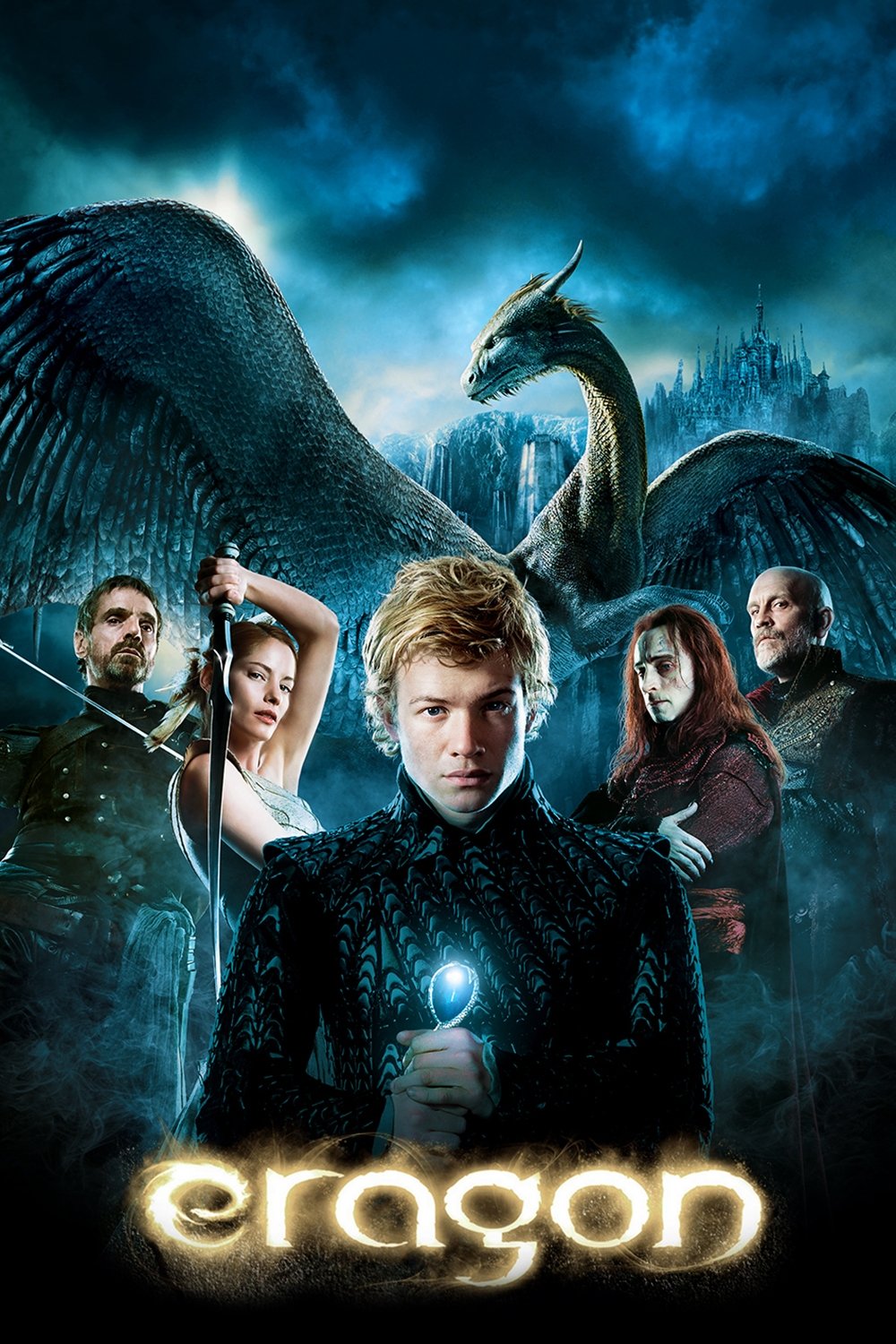
Christopher Paolini’s Eragon includes chapters where Eragon trains with Brom, learning dragon-riding and magic, while the villain Galbatorix’s threat looms. These build Eragon’s skills and the world’s danger.
The film ‘Eragon’ skips most of the training and Galbatorix’s backstory, making Eragon’s growth feel unearned and the villain generic. The plot becomes a rushed fantasy romp, lacking the book’s epic scope and emotional weight.
The Bourne Identity (2002)
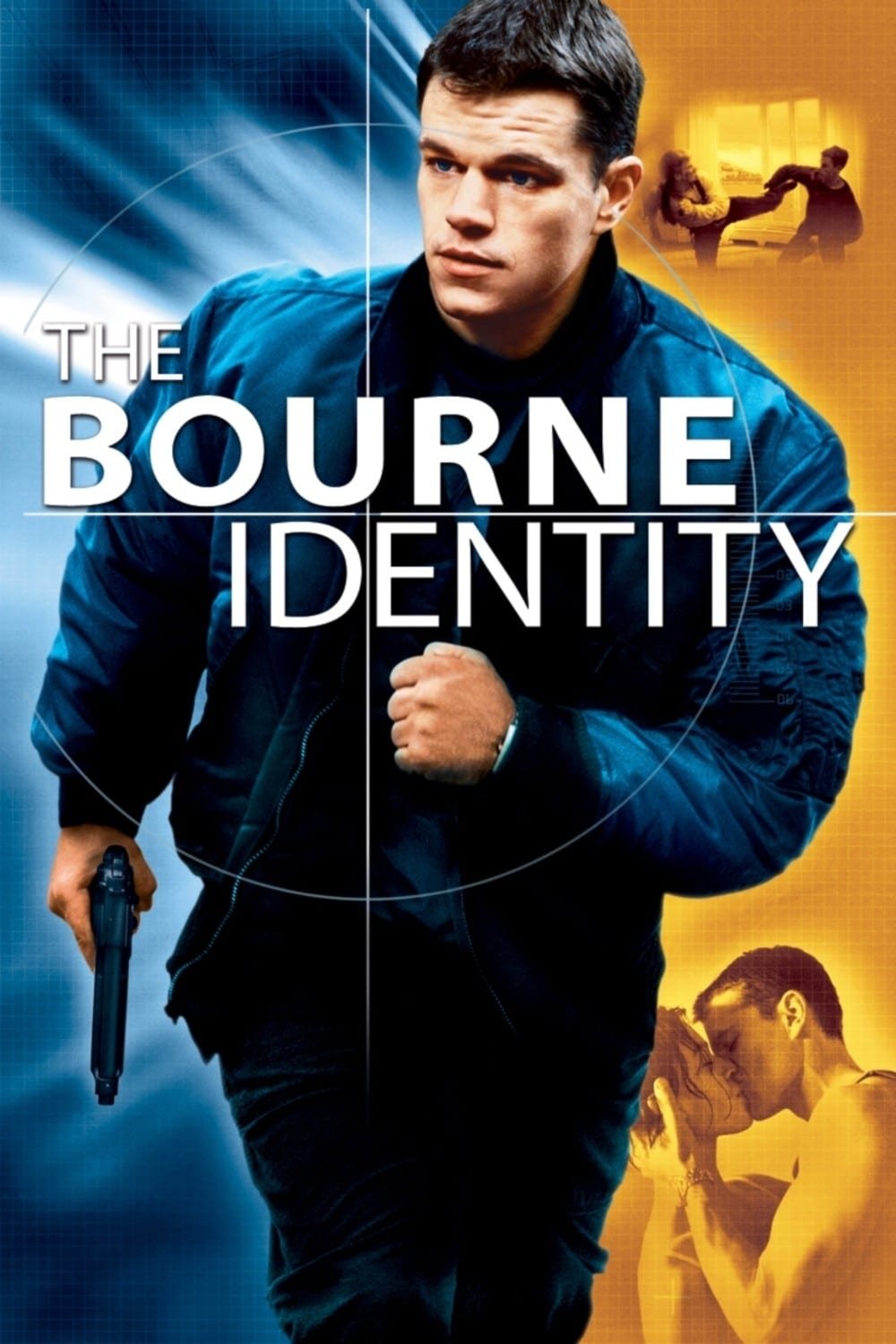
Robert Ludlum’s The Bourne Identity has chapters delving into Jason Bourne’s past as a CIA operative and his rivalry with Carlos the Jackal. These give context to his amnesia and skills.
The movie ‘The Bourne Identity’ cuts Carlos and much of Bourne’s backstory, focusing on a simpler conspiracy. While streamlined, the plot loses the book’s intricate spy-thriller depth, making Bourne’s motivations less compelling.
The Neverending Story (1984)
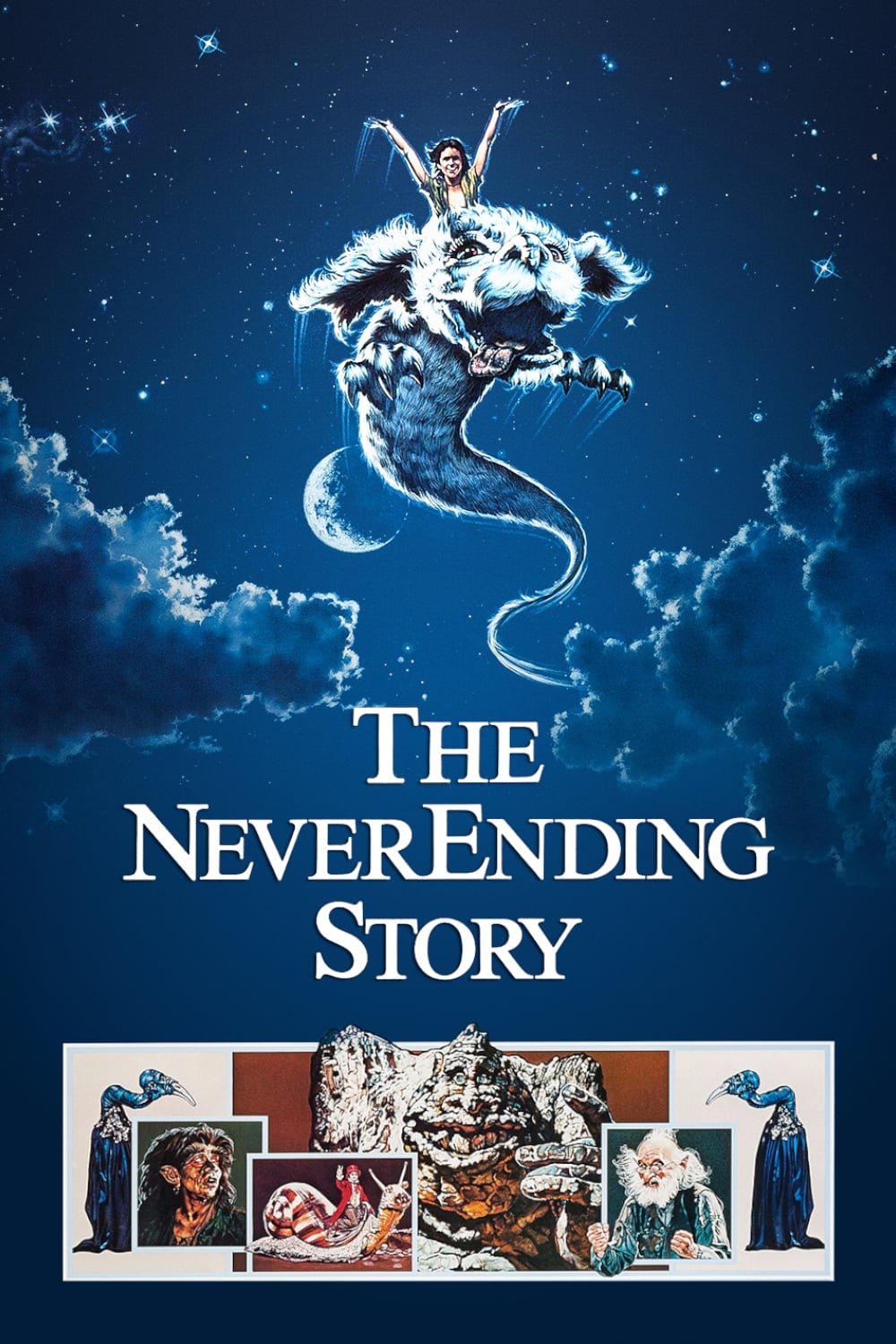
Michael Ende’s The Neverending Story follows Bastian’s journey in Fantasia, with later chapters exploring his struggle to balance creativity and reality. These give the story its philosophical heart.
The film ‘The Neverending Story’ ends halfway through the book, skipping Bastian’s deeper arc. The plot feels like a shallow kids’ adventure, missing the book’s profound themes about imagination and responsibility.
I Am Legend (2007)
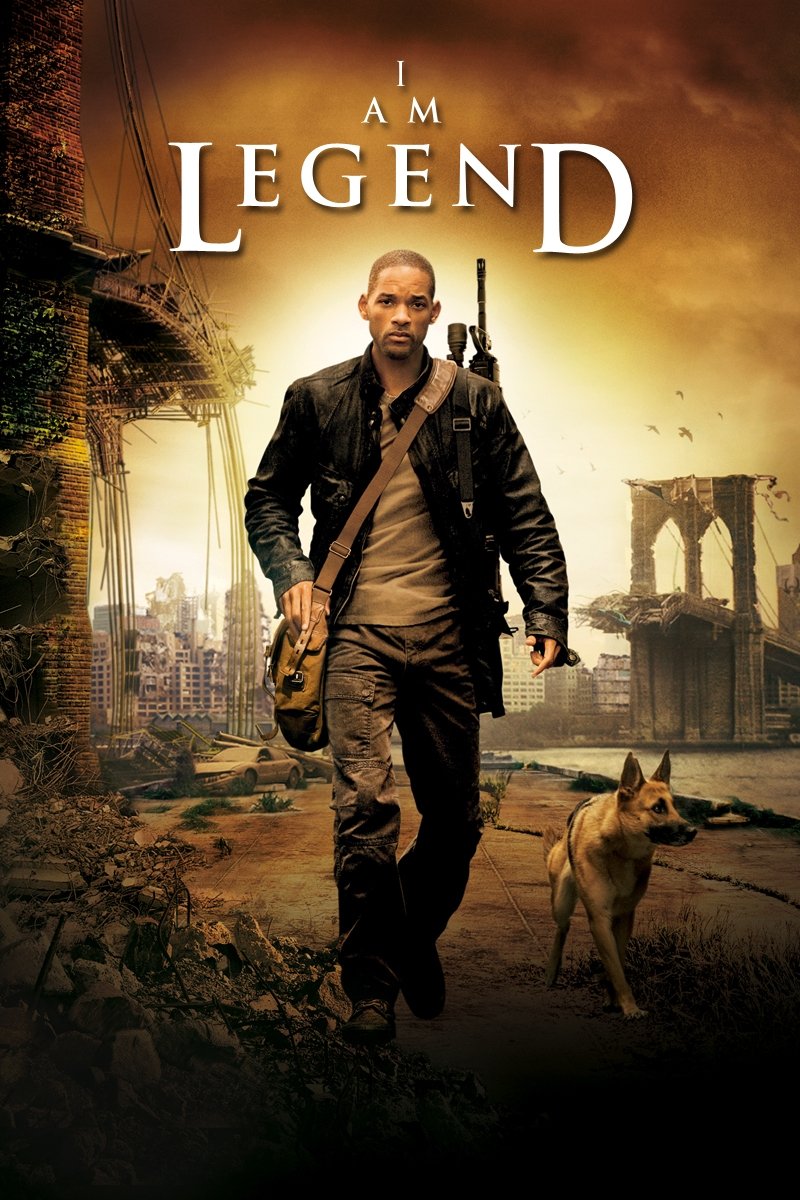
Richard Matheson’s I Am Legend has chapters where Robert Neville learns the infected are sentient, realizing he’s their monster. This twist redefines the story as a tragedy about misunderstanding.
The movie ‘I Am Legend’ cuts this, opting for a heroic sacrifice ending. The plot loses its ironic depth, becoming a generic zombie flick instead of a haunting reflection on humanity.
The Hunchback of Notre Dame (1996)
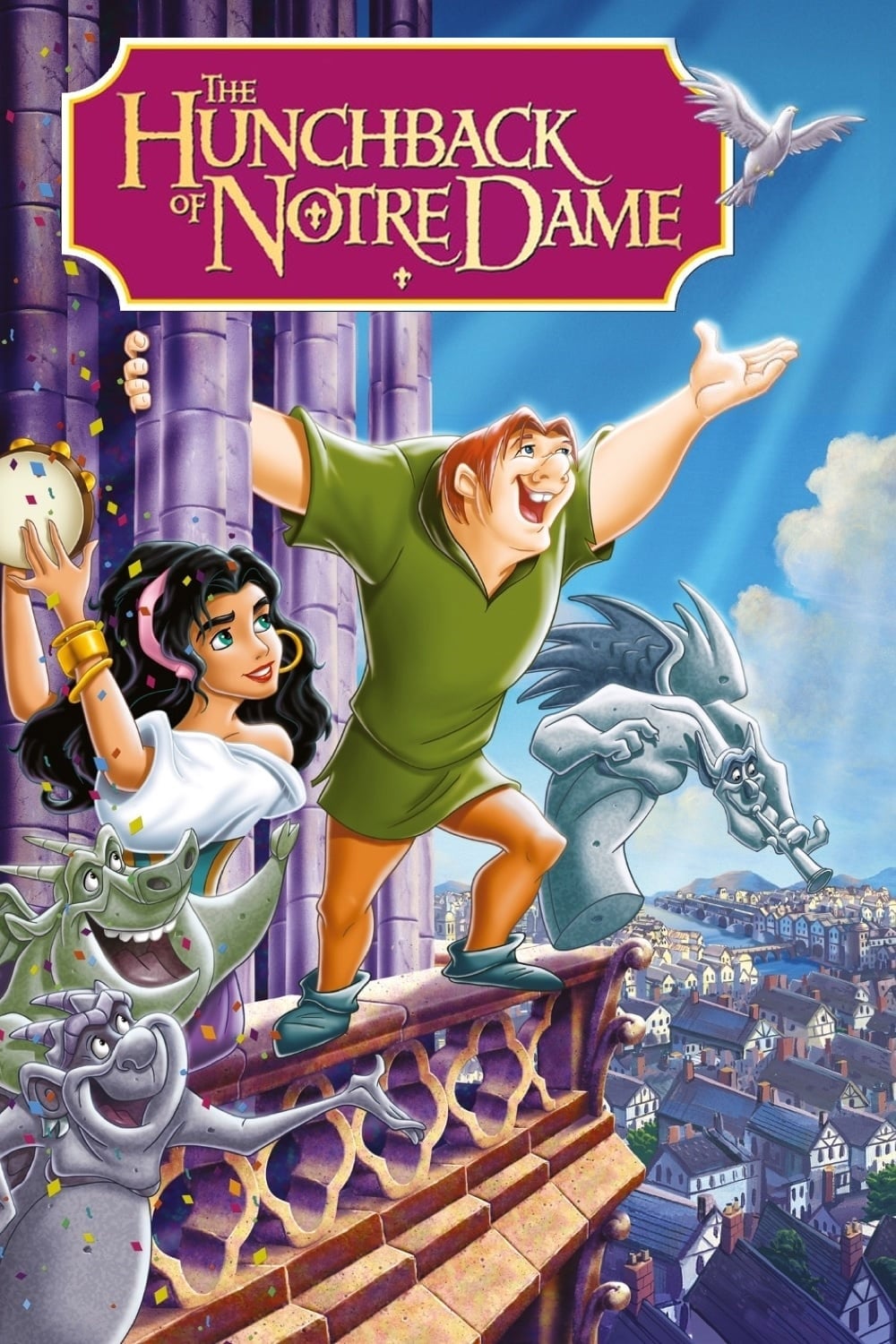
Victor Hugo’s Notre-Dame de Paris includes grim chapters where Quasimodo fails to save Esmeralda, leading to his tragic death. These cement the novel’s dark, fatalistic tone.
Disney’s ‘The Hunchback of Notre Dame’ skips this for a kid-friendly ending where Esmeralda lives and Quasimodo is accepted. The plot feels sanitized, losing the book’s emotional weight and tragic power.
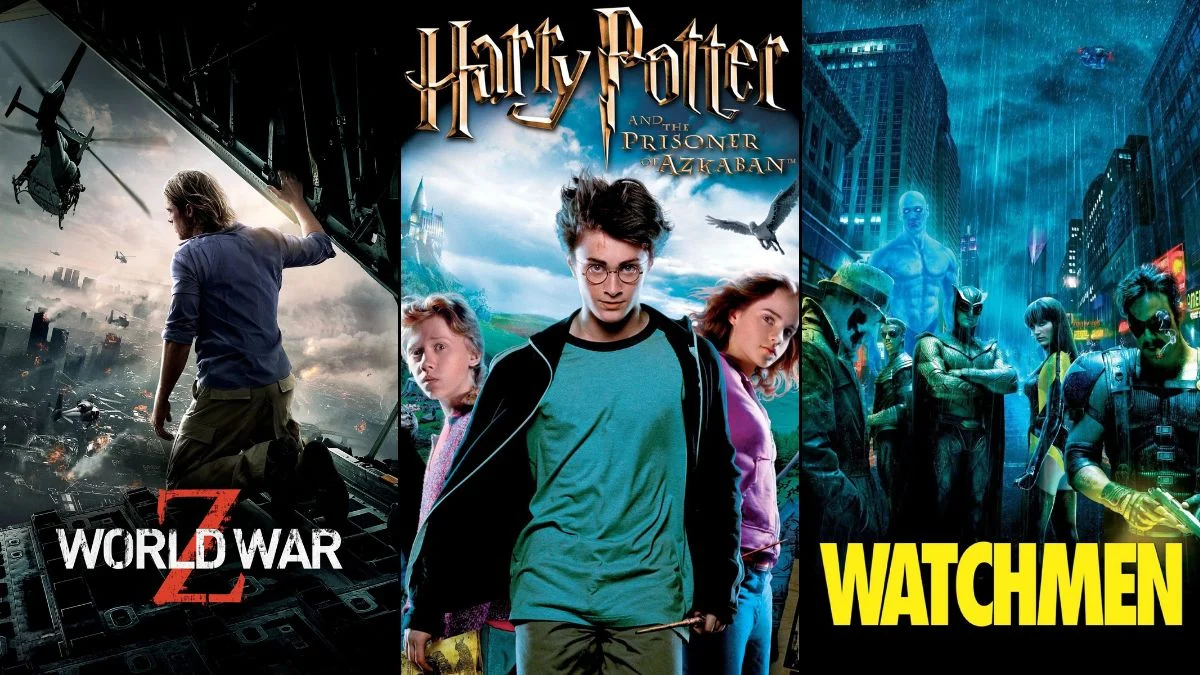
World War Z (2013)
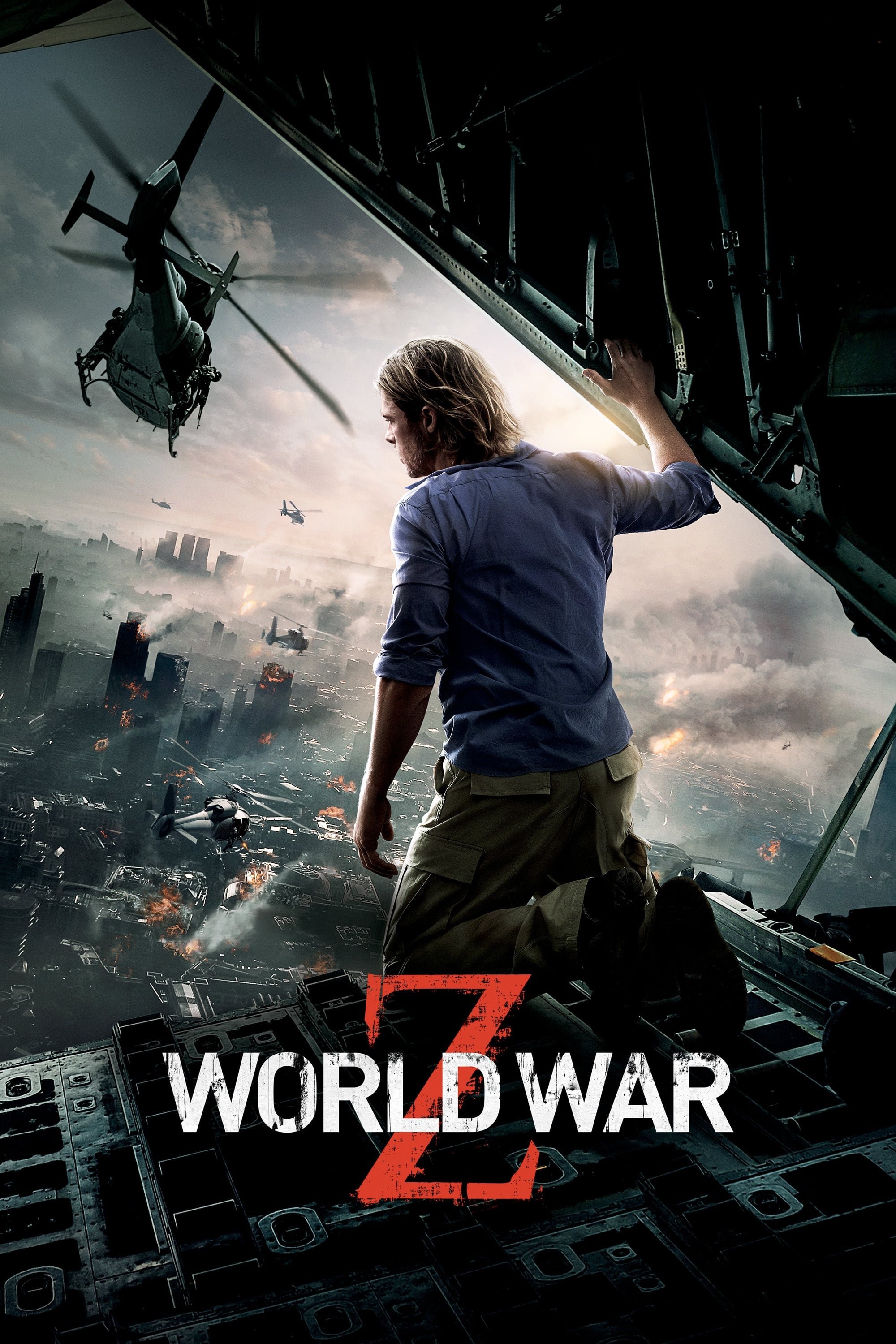
Max Brooks’ World War Z is a global anthology, with chapters detailing diverse survivor stories and the societal impact of the zombie outbreak. This structure builds a chilling, realistic world.
The film ‘World War Z’ ditches the anthology for a single hero’s journey, focusing on Brad Pitt’s character. The plot becomes a standard action movie, losing the book’s unique scope and human complexity.
The Count of Monte Cristo (2002)
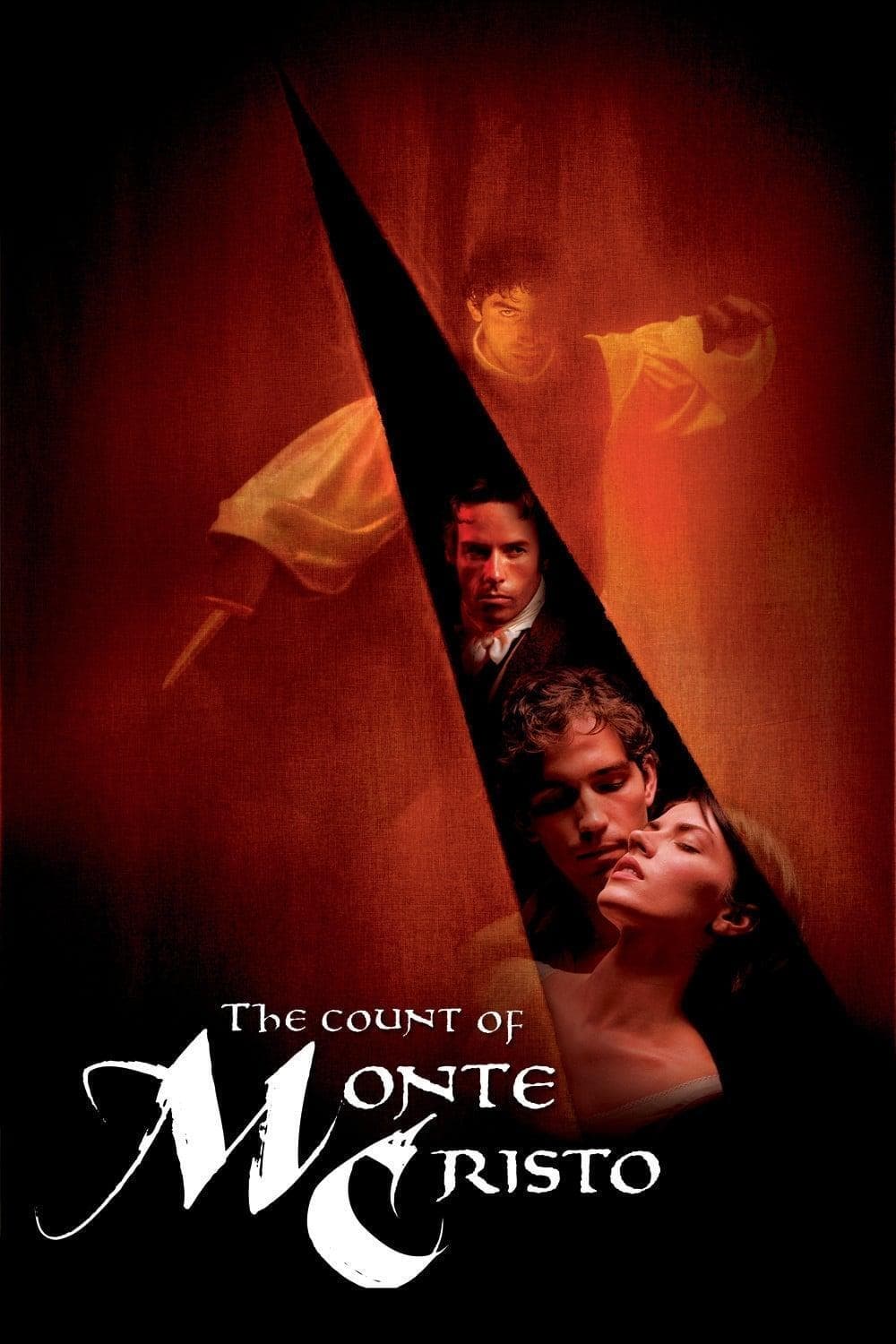
Alexandre Dumas’ The Count of Monte Cristo has chapters exploring Edmond Dantès’ psychological transformation and intricate revenge schemes. These ground his morally complex journey.
The movie ‘The Count of Monte Cristo’ simplifies his revenge and adds a happy ending not in the book. The plot feels rushed and less nuanced, missing the novel’s depth of betrayal and redemption.
Watchmen (2009)
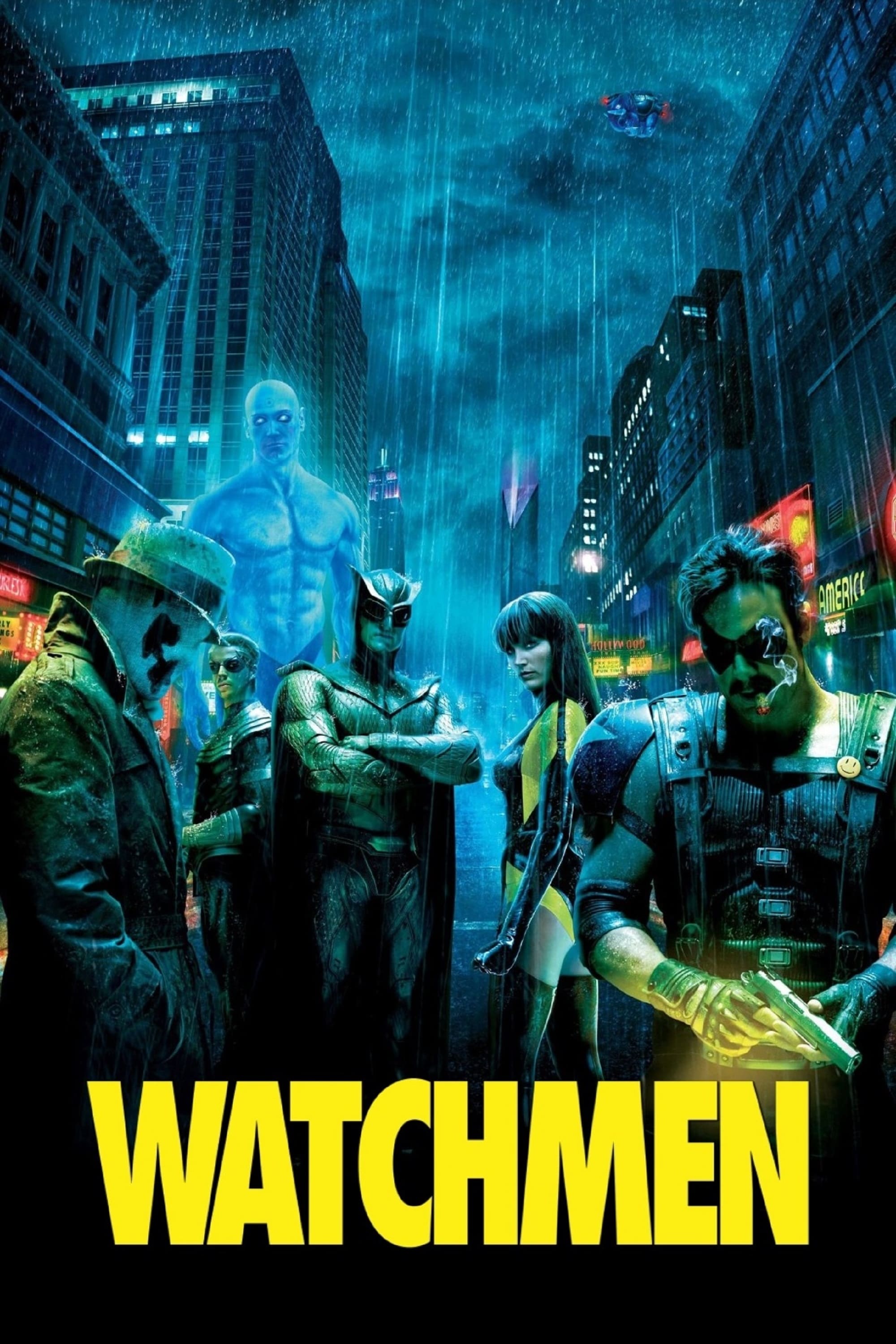
Alan Moore’s Watchmen includes chapters with the Black Freighter comic, a parallel story reflecting the main plot’s moral ambiguity. It deepens the themes of power and sacrifice.
The film ‘Watchmen’ omits the Black Freighter, focusing on action over philosophy. The plot loses its layered complexity, feeling more like a superhero movie than the book’s dark satire.
The Time Traveler’s Wife (2009)

Audrey Niffenegger’s The Time Traveler’s Wife has chapters exploring Henry’s involuntary time travel and its toll on his relationship with Clare. These build an emotional, tragic romance.
The movie ‘The Time Traveler’s Wife’ cuts much of Henry’s inner struggle and the couple’s darker moments. The plot feels like a flat love story, missing the book’s poignant exploration of fate.
Artemis Fowl (2020)
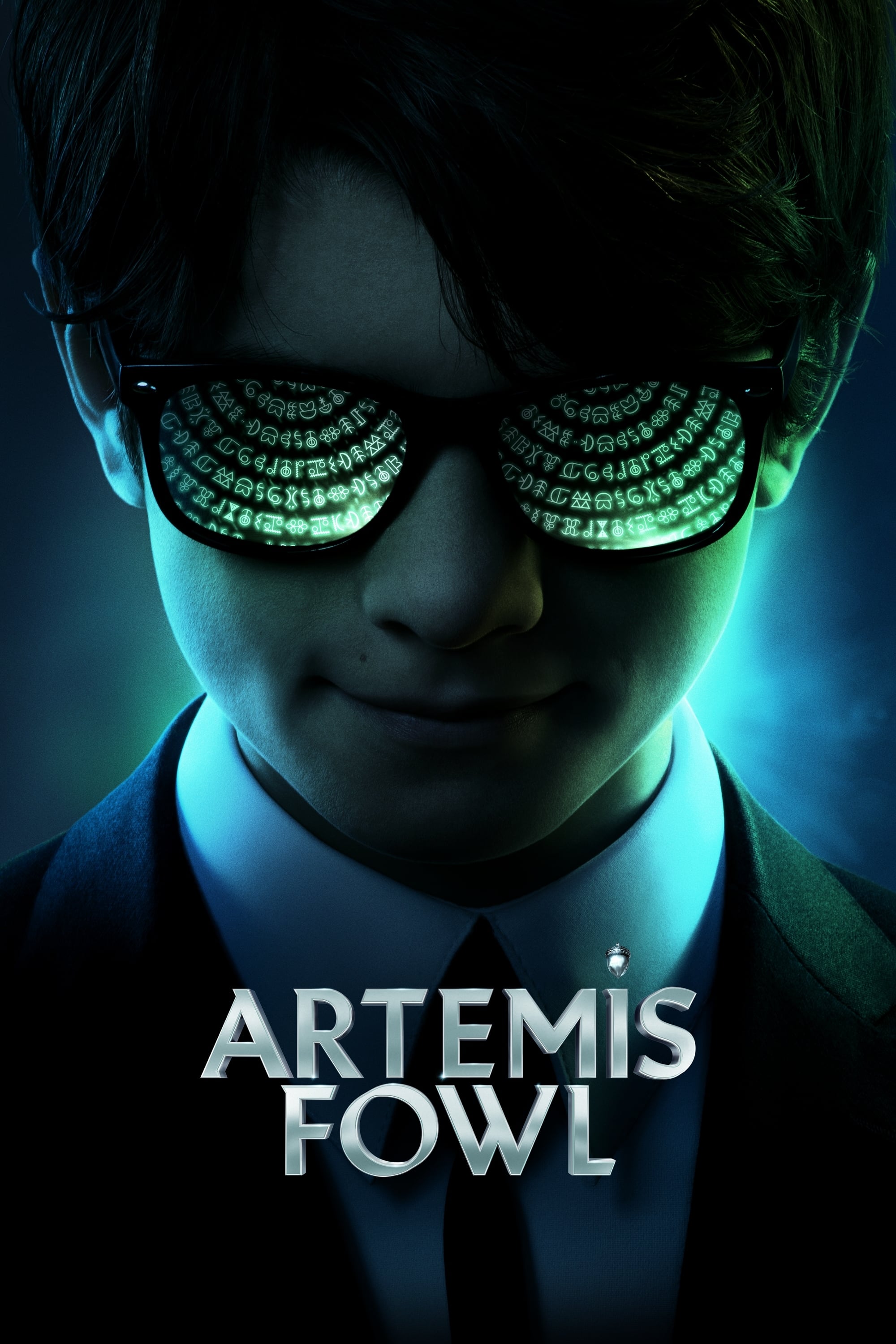
Eoin Colfer’s Artemis Fowl features chapters where Artemis’ criminal genius and Butler’s loyalty shine, setting up a clever heist against fairies. These define the book’s witty tone.
The film ‘Artemis Fowl’ skips Artemis’ scheming and makes him a hero, dropping key fairy-world details. The plot feels generic and disjointed, losing the book’s sharp, mischievous edge.
The Chronicles of Narnia: Prince Caspian (2008)
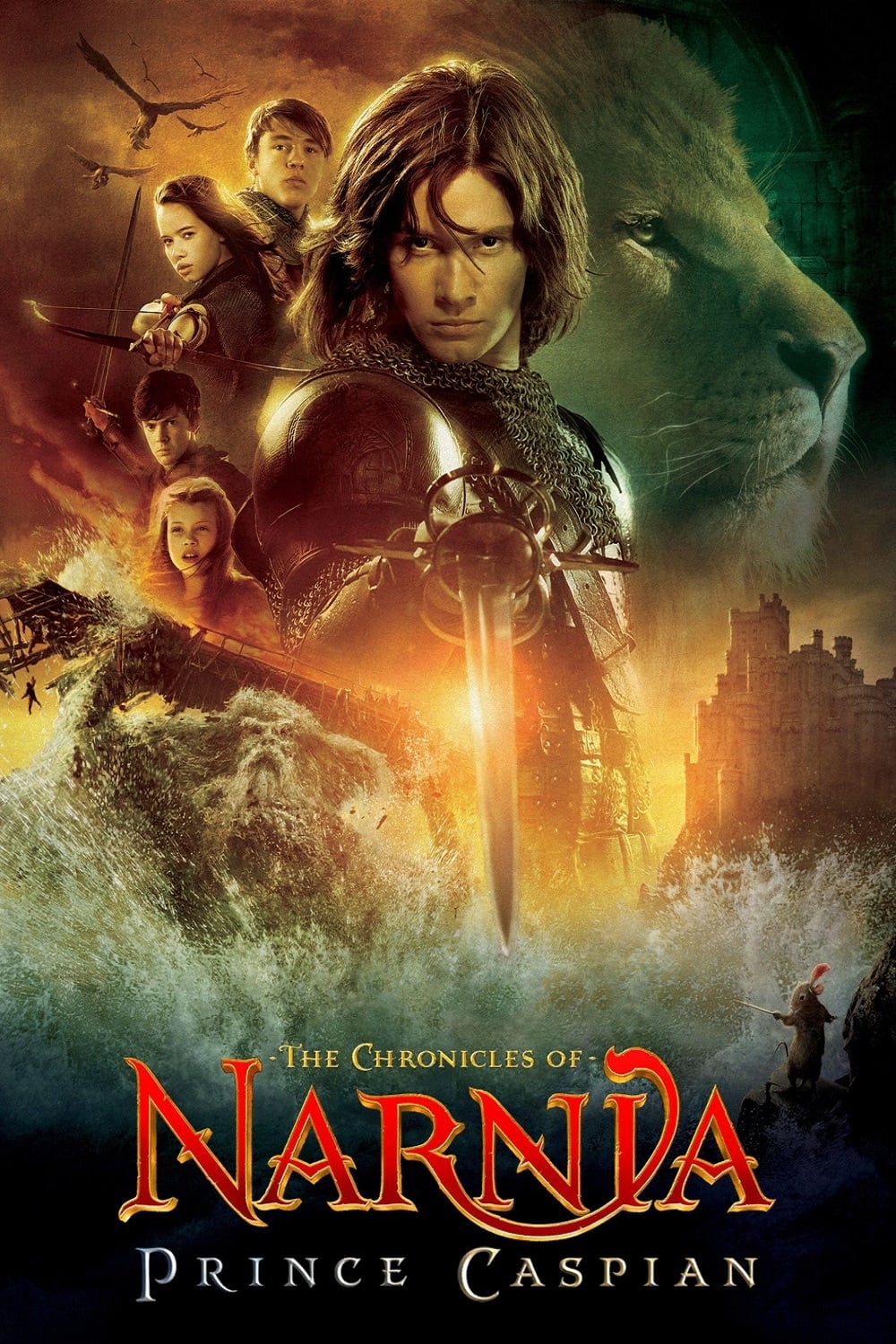
C.S. Lewis’ Prince Caspian includes chapters where the Pevensies rediscover Narnia’s magic and Caspian’s backstory unfolds slowly. These build a nostalgic, layered adventure.
The movie ‘Prince Caspian’ cuts these for battle-heavy scenes and a rushed Caspian arc. The plot loses its reflective tone, feeling like a generic fantasy epic instead of a personal journey.
Harry Potter and the Prisoner of Azkaban (2004)
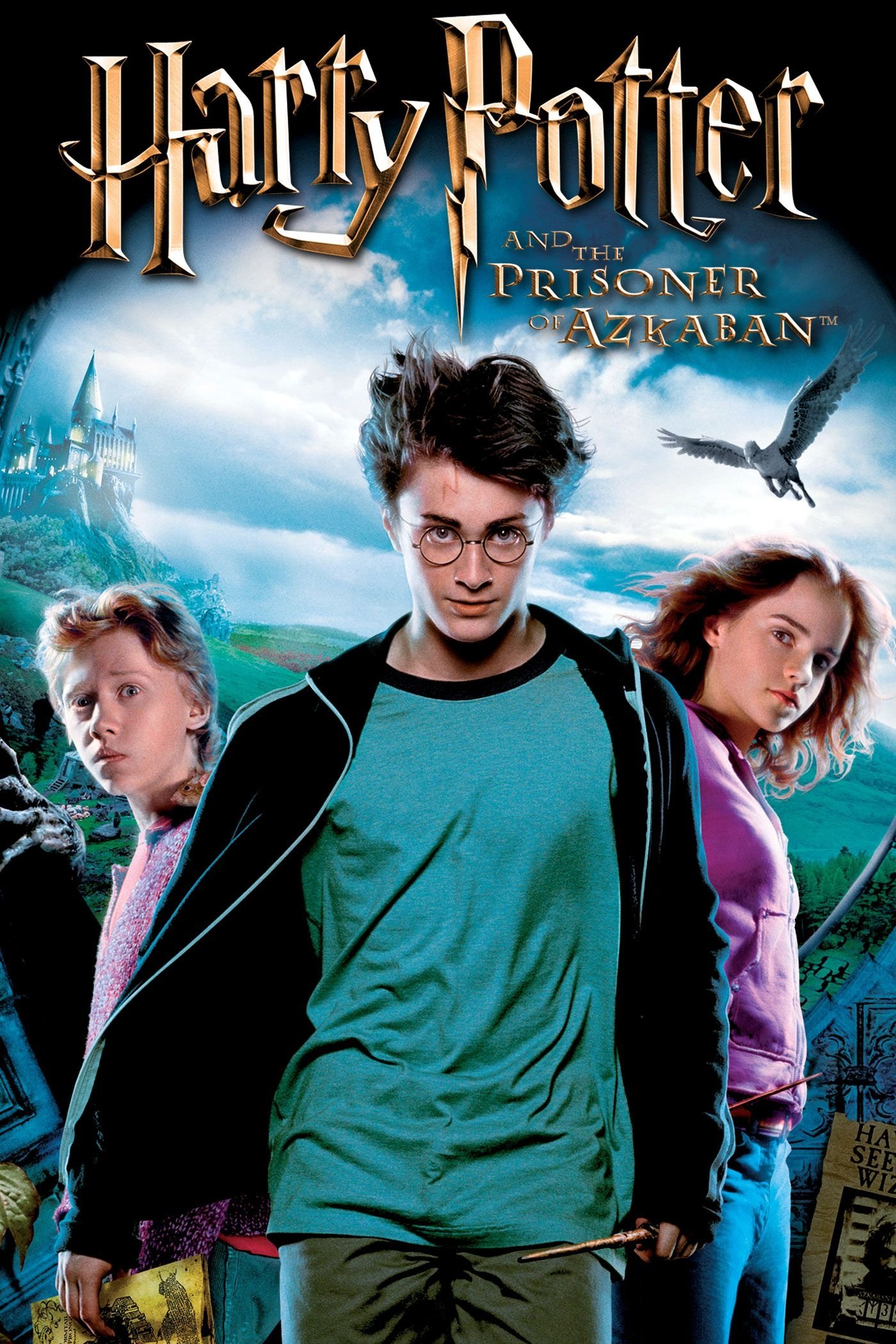
J.K. Rowling’s Harry Potter and the Prisoner of Azkaban has chapters explaining the Marauders’ history and Lupin’s connection to the map. These tie the plot’s mysteries together.
The film ‘Harry Potter and the Prisoner of Azkaban’ skips this backstory, leaving Lupin’s knowledge of the map vague. The plot feels less cohesive, with gaps that confuse non-readers.
Which missing book chapter frustrated you the most, or is there another movie that botched the plot by skipping key parts? Share your thoughts in the comments!