


Movies That Make You Root for the Anti-Hero Over the Hero

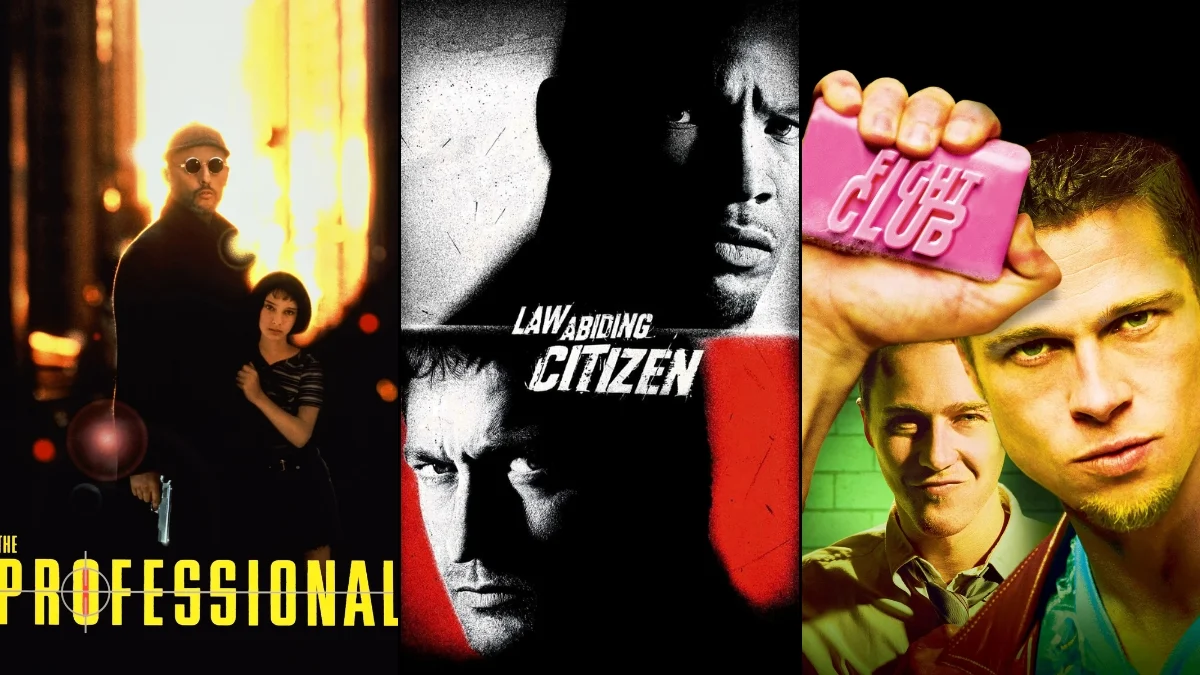


Cinema has long fascinated audiences with characters who operate in the gray areas of morality rather than the stark light of heroism. These films present protagonists who lack conventional heroic attributes yet possess a charisma or driving purpose that compels viewers to side with them. The narrative often frames their illicit actions as necessary responses to a corrupt world or a broken system. Writers and directors utilize these complex figures to challenge the audience’s perception of right and wrong.
‘The Godfather’ (1972)
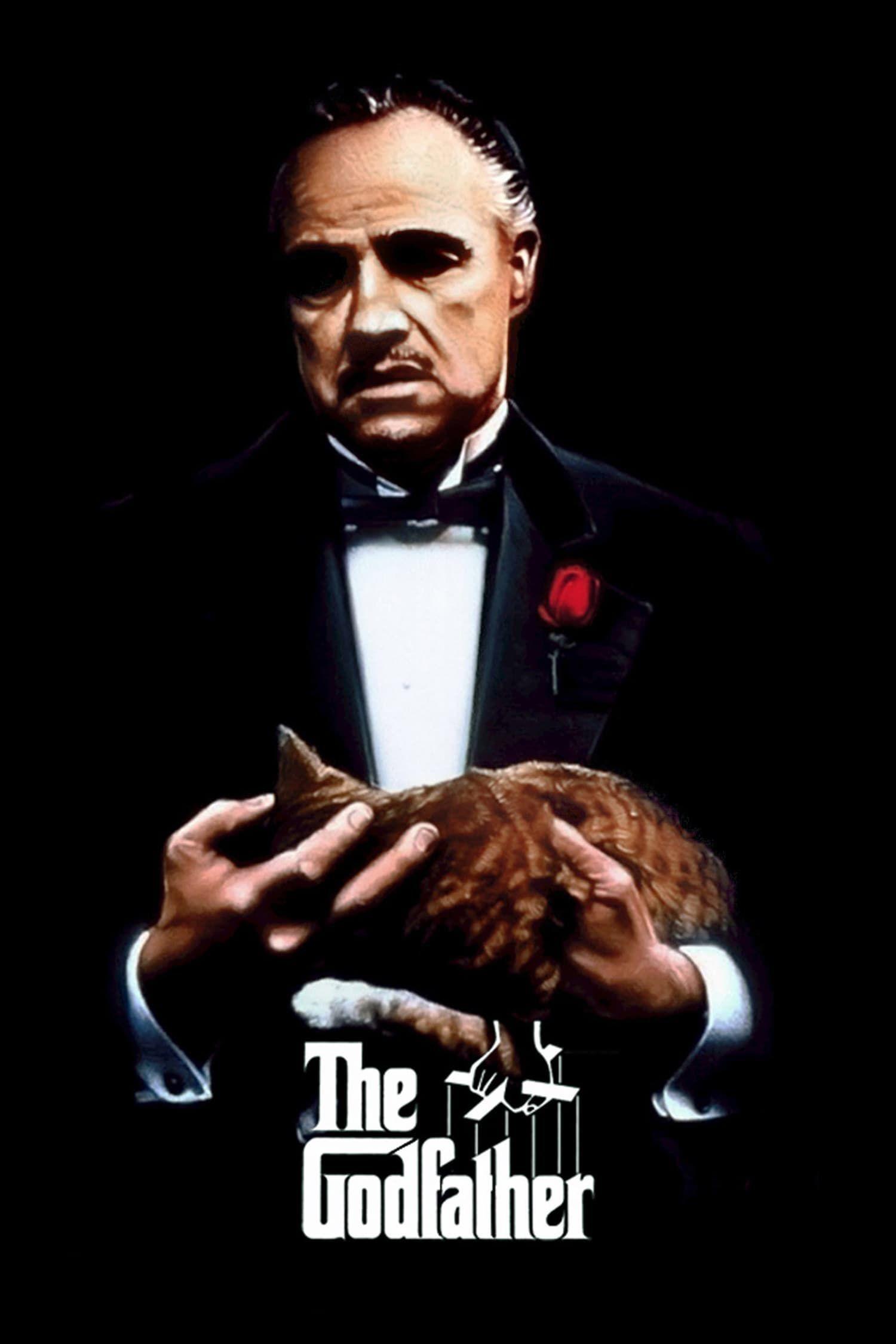
Francis Ford Coppola presents a masterclass in character transformation through the journey of Michael Corleone. The youngest son of a powerful crime family initially shuns the criminal lifestyle to live a legitimate life. Circumstances force him to step up when his father faces an assassination attempt by rival factions. The narrative compels the audience to sympathize with his descent into moral darkness as he protects his family.
‘Joker’ (2019)
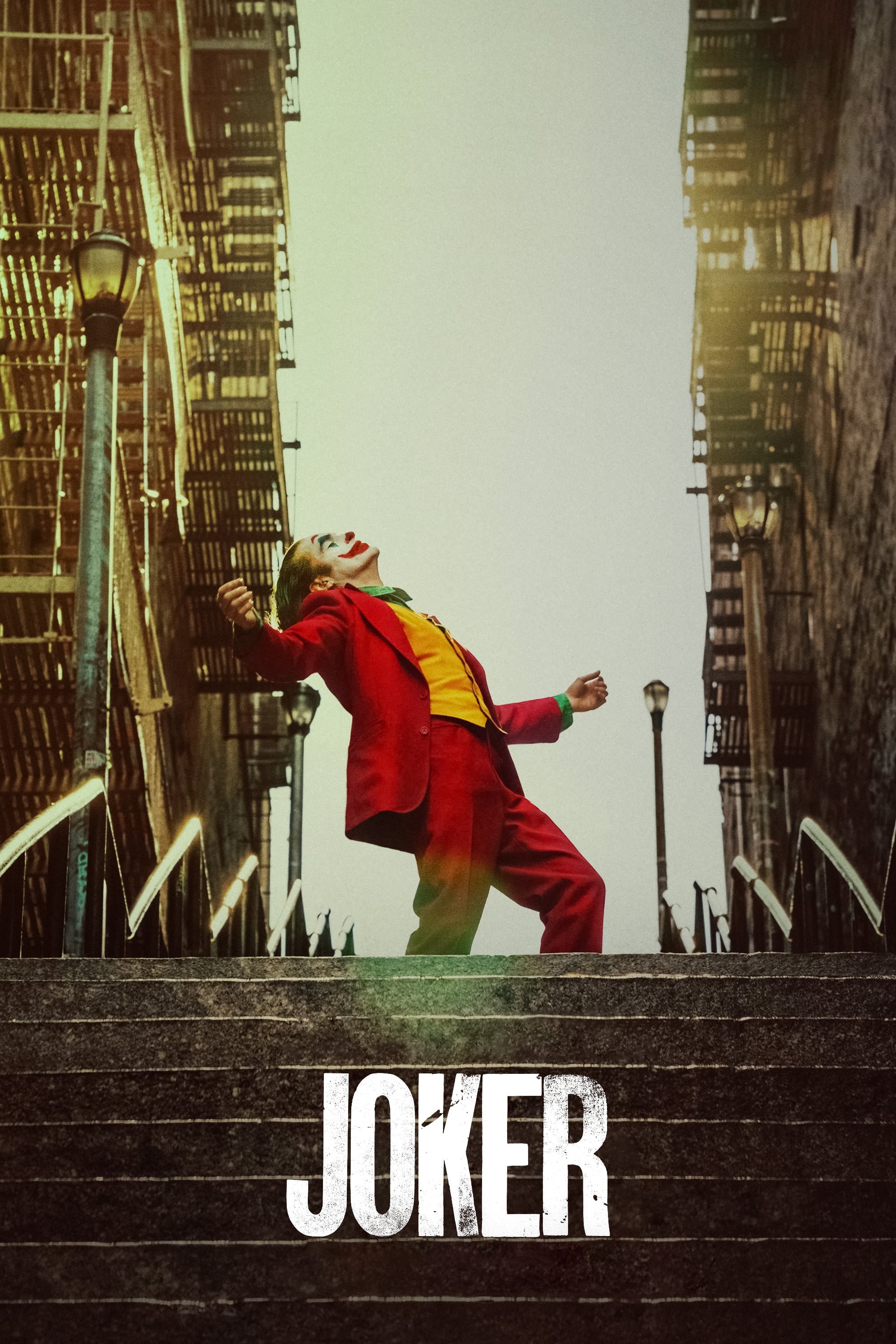
Arthur Fleck begins as a marginalized party clown trying to survive in a decaying Gotham City. Todd Phillips directs a character study that examines how severe societal neglect can create monsters. The protagonist descends into madness while inciting a violent countercultural movement against the wealthy elite. Audiences find themselves understanding his pain and isolation despite the horrific nature of his eventual outbursts.
‘Scarface’ (1983)

Tony Montana arrives in Miami as a Cuban refugee with nothing but ambition and a willingness to commit violence. Brian De Palma tracks his meteoric rise through the drug trade as he ruthlessly eliminates anyone standing in his way. The film creates a strange allure around his excess and power despite his monstrous behavior. Viewers remain captivated by his aggressive pursuit of the American Dream until his explosive end.
‘Nightcrawler’ (2014)
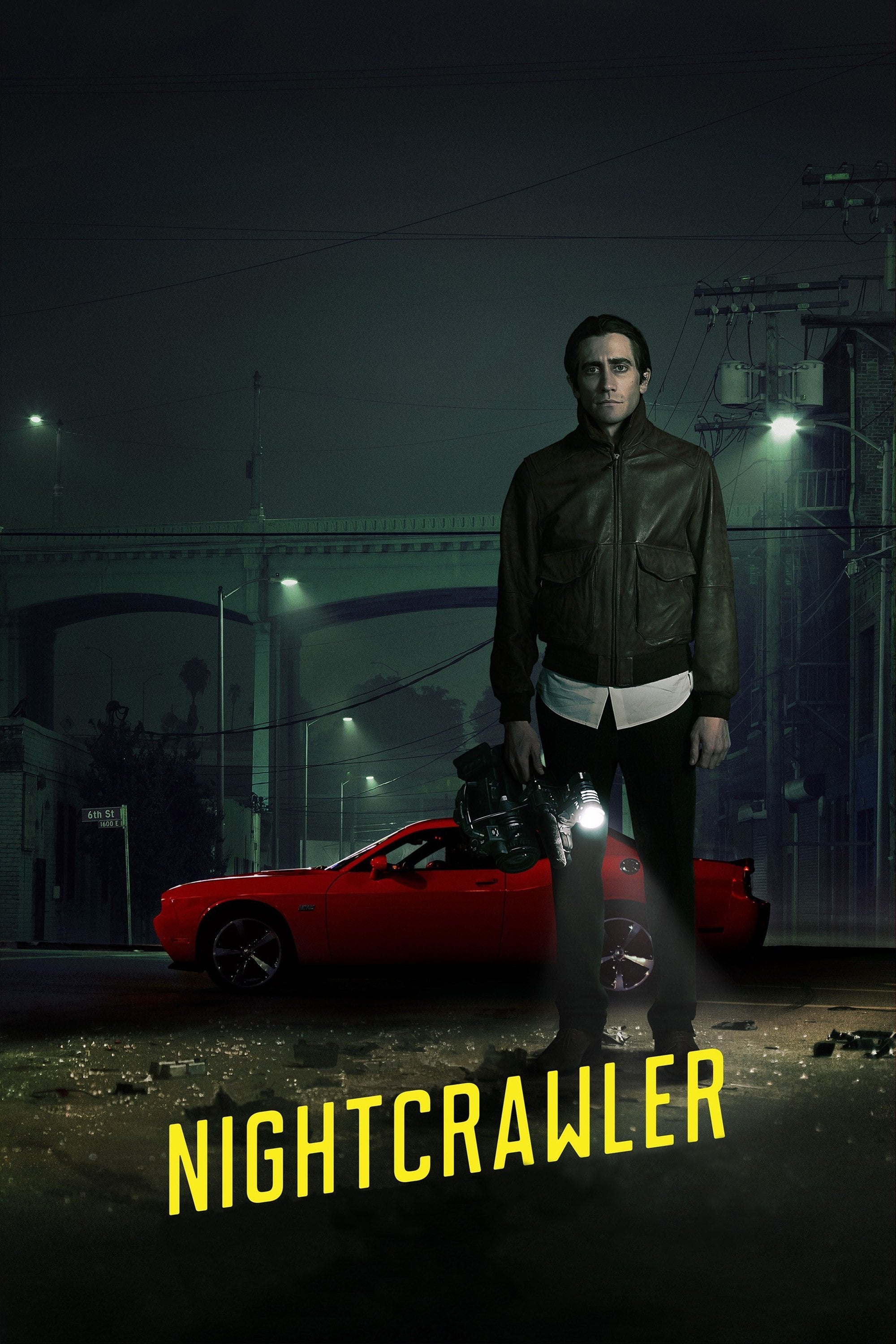
Lou Bloom is a driven sociopath who discovers a lucrative career in freelance crime journalism. Jake Gyllenhaal portrays the character with an unsettling intensity that highlights the predatory nature of modern media consumption. Bloom manipulates crime scenes and withholds information to get the perfect shot for the morning news. The film forces the audience to admire his work ethic even as they are repulsed by his lack of empathy.
‘Law Abiding Citizen’ (2009)
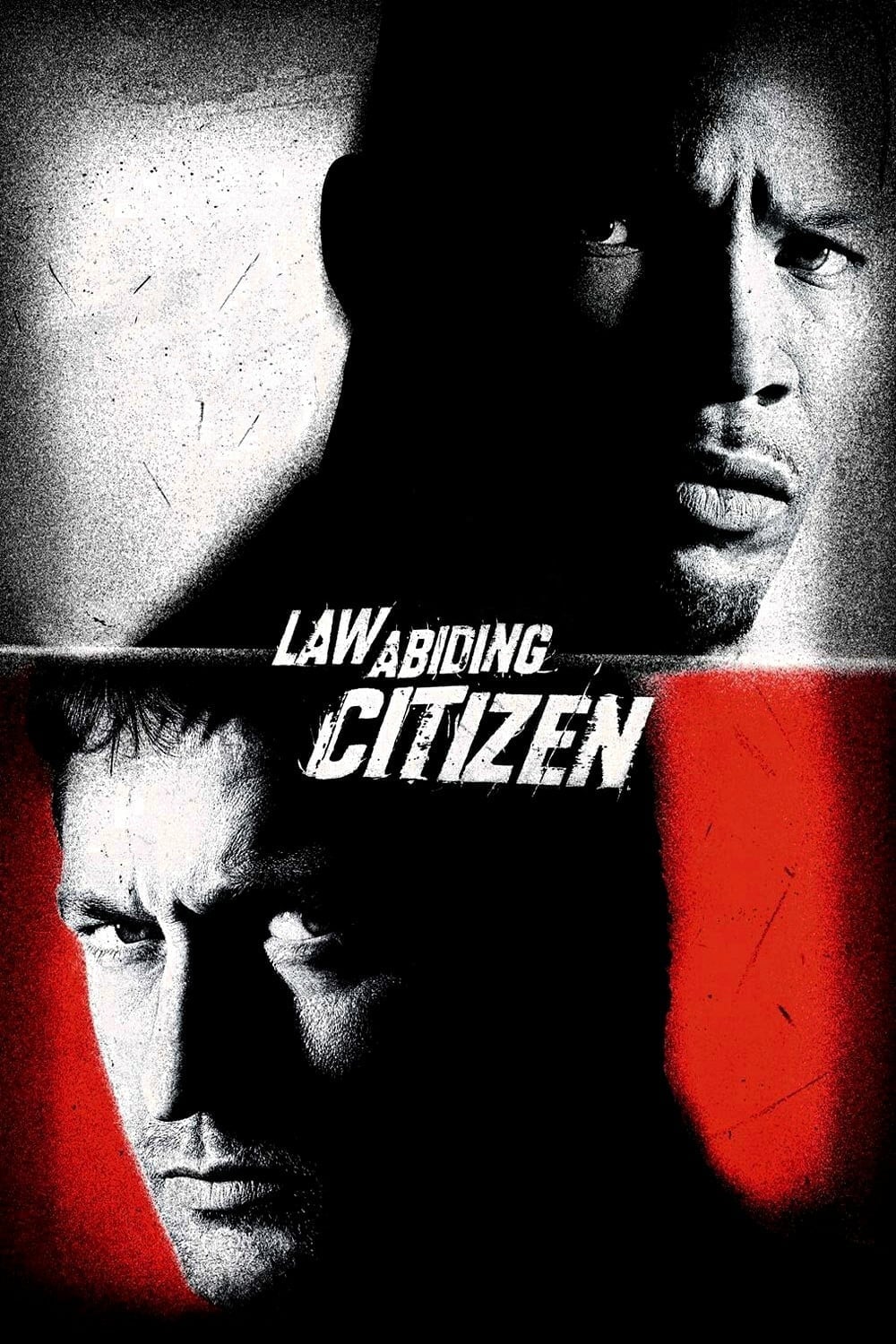
Clyde Shelton turns into a tactical mastermind after the justice system fails to punish the men who murdered his family. He orchestrates a series of lethal lessons for the legal officials involved in the plea deal that set the killers free. The narrative positions the prosecutor as the technical hero while the audience largely sympathizes with Shelton’s quest for retribution. His actions expose the deep flaws within the judicial process.
‘Heat’ (1995)
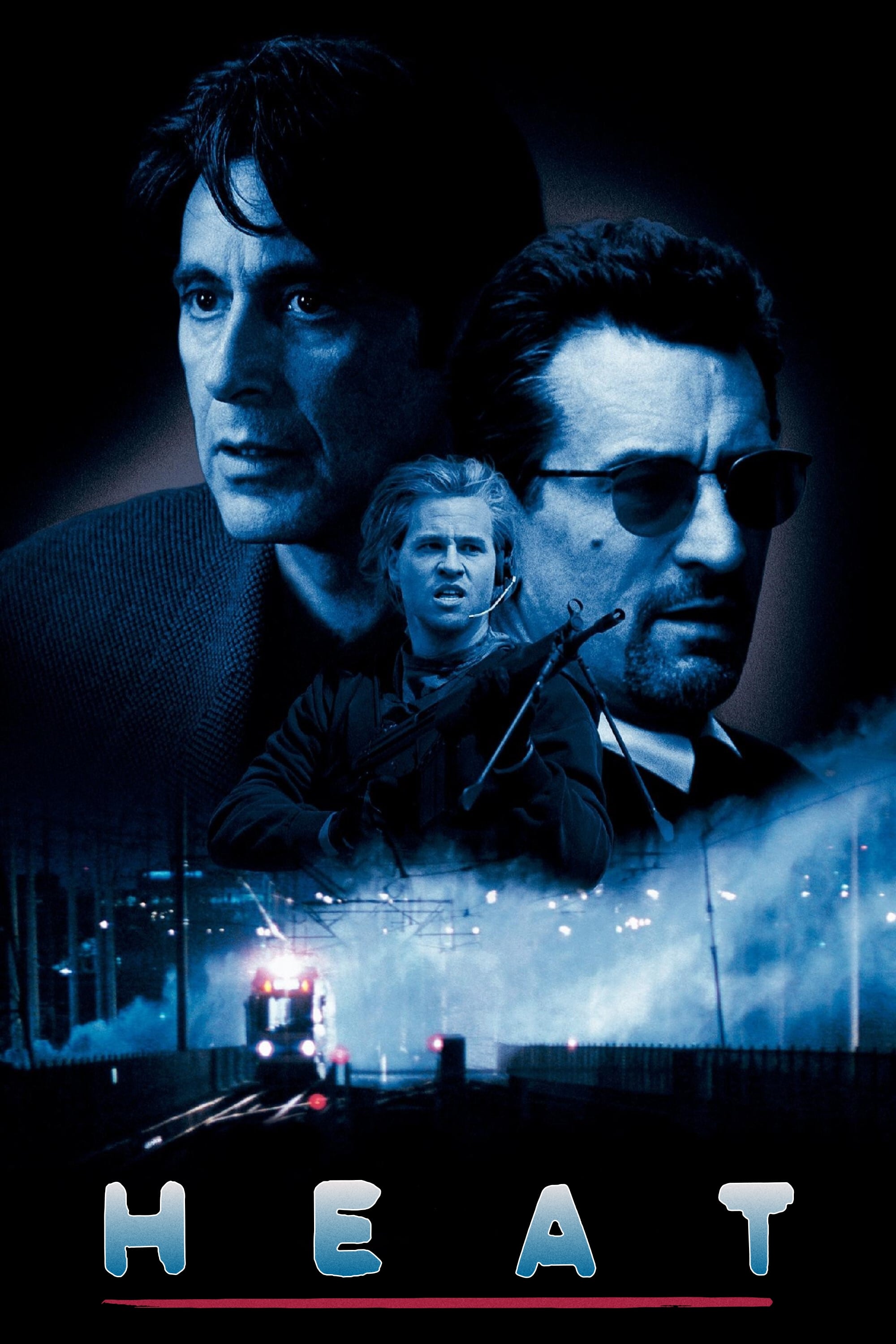
Neil McCauley leads a crew of high-end professional thieves who live by a strict code of discipline. Michael Mann juxtaposes his life against that of the obsession-driven detective Vincent Hanna. The film dedicates significant time to humanizing the criminals and showing their personal relationships. Audiences often find themselves hoping McCauley escapes the tightening net of law enforcement.
‘Falling Down’ (1993)
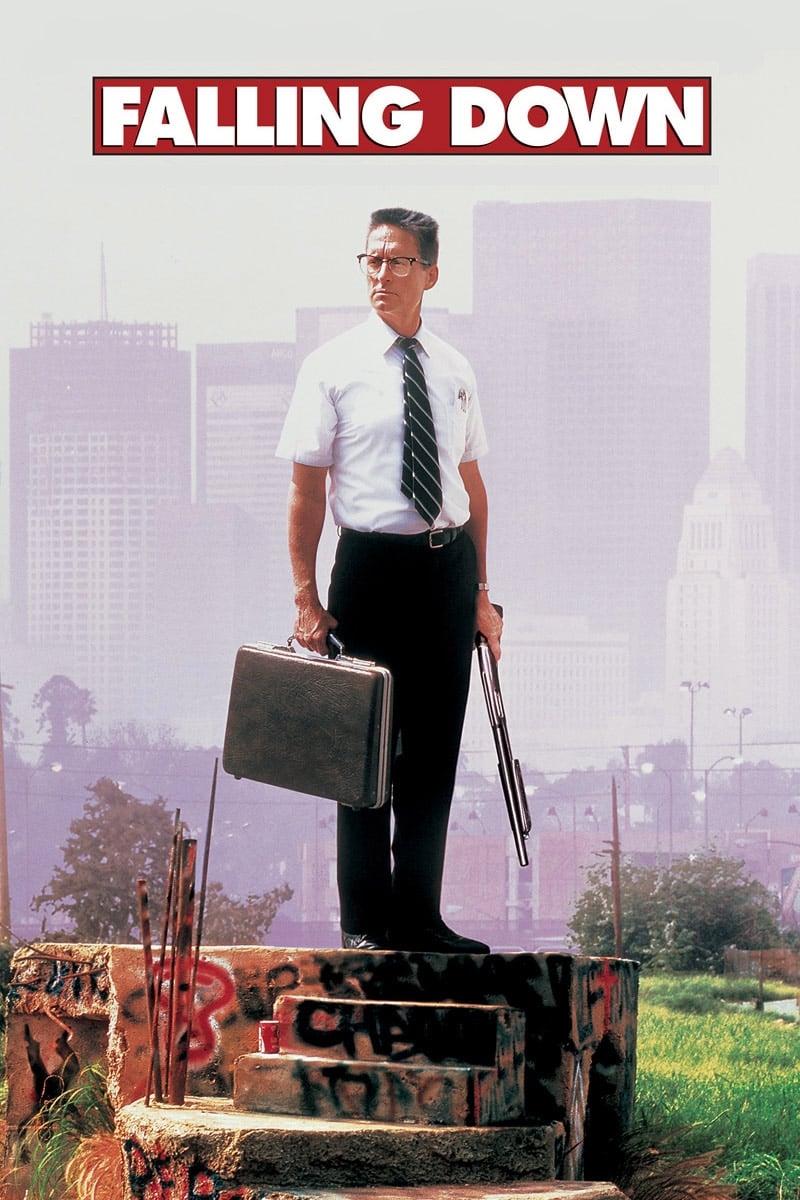
William Foster reaches his breaking point while stuck in Los Angeles traffic on a sweltering day. He abandons his vehicle and embarks on a violent trek across the city to reach his daughter’s birthday party. The story frames his outbursts as a reaction to the accumulation of daily frustrations and societal rudeness. Many viewers identify with his anger toward the trivial injustices of modern life.
‘The Wolf of Wall Street’ (2013)
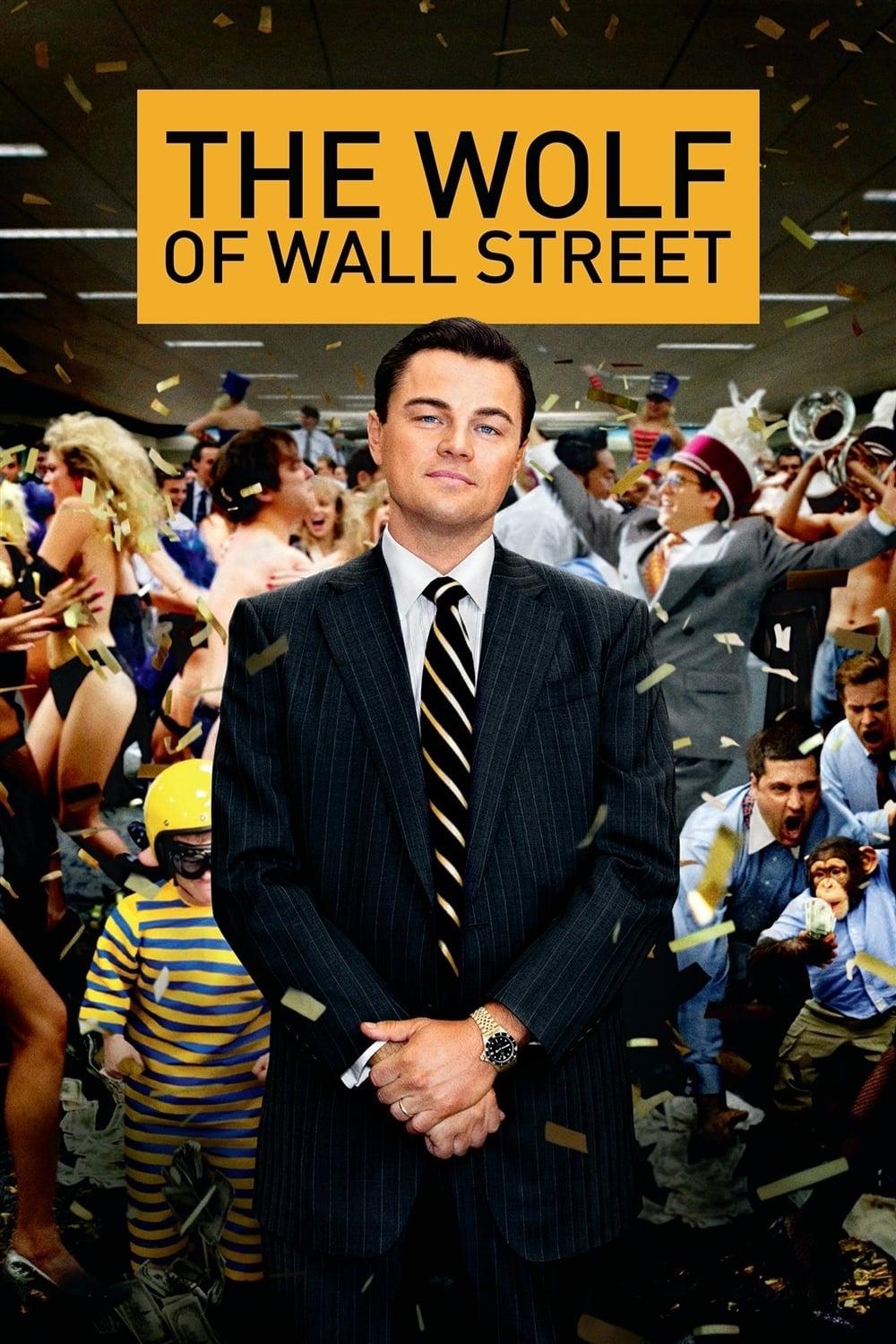
Jordan Belfort builds a massive empire by defrauding wealthy investors through penny stock scams. Martin Scorsese depicts the debauchery and excess of the brokerage firm with an energetic and seductive style. Leonardo DiCaprio plays the character with such charisma that the audience cheers for his escapes from the FBI. The film illustrates how easily wealth and confidence can blind people to moral bankruptcy.
‘American Psycho’ (2000)

Patrick Bateman is a wealthy investment banker who hides his psychopathic tendencies behind a facade of superficial charm. The film serves as a biting satire of the consumerist culture and yuppie greed of the 1980s. Christian Bale delivers a performance that makes the character strangely engaging despite his violent hobbies. Viewers become complicit in his madness as the line between reality and hallucination blurs.
‘Fight Club’ (1999)

Tyler Durden emerges as a charismatic anarchist who rejects the comforts of modern consumerism. He establishes an underground fighting ring that evolves into a project aimed at dismantling the financial system. The narrator finds purpose and liberation through Durden’s radical philosophy. The film encourages the audience to root for the destruction of corporate hegemony.
‘A Clockwork Orange’ (1971)
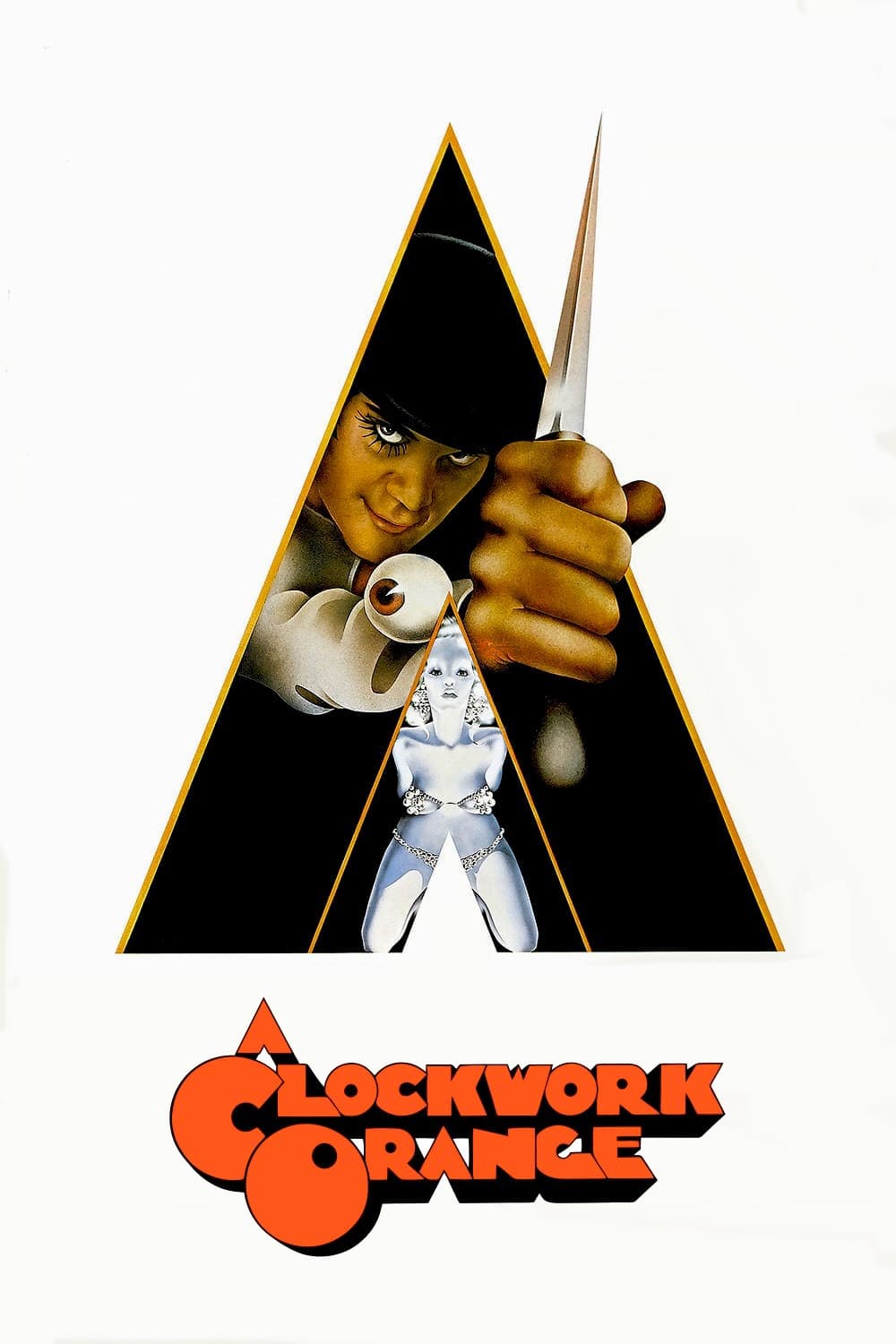
Alex DeLarge leads a gang of thugs who commit acts of “ultra-violence” across a dystopian Britain. Stanley Kubrick shifts the perspective when the state captures Alex and subjects him to a controversial psychological conditioning experiment. The narrative transforms the predator into a victim of government overreach and control. The audience is left questioning the morality of stripping away free will even from a criminal.
‘Drive’ (2011)
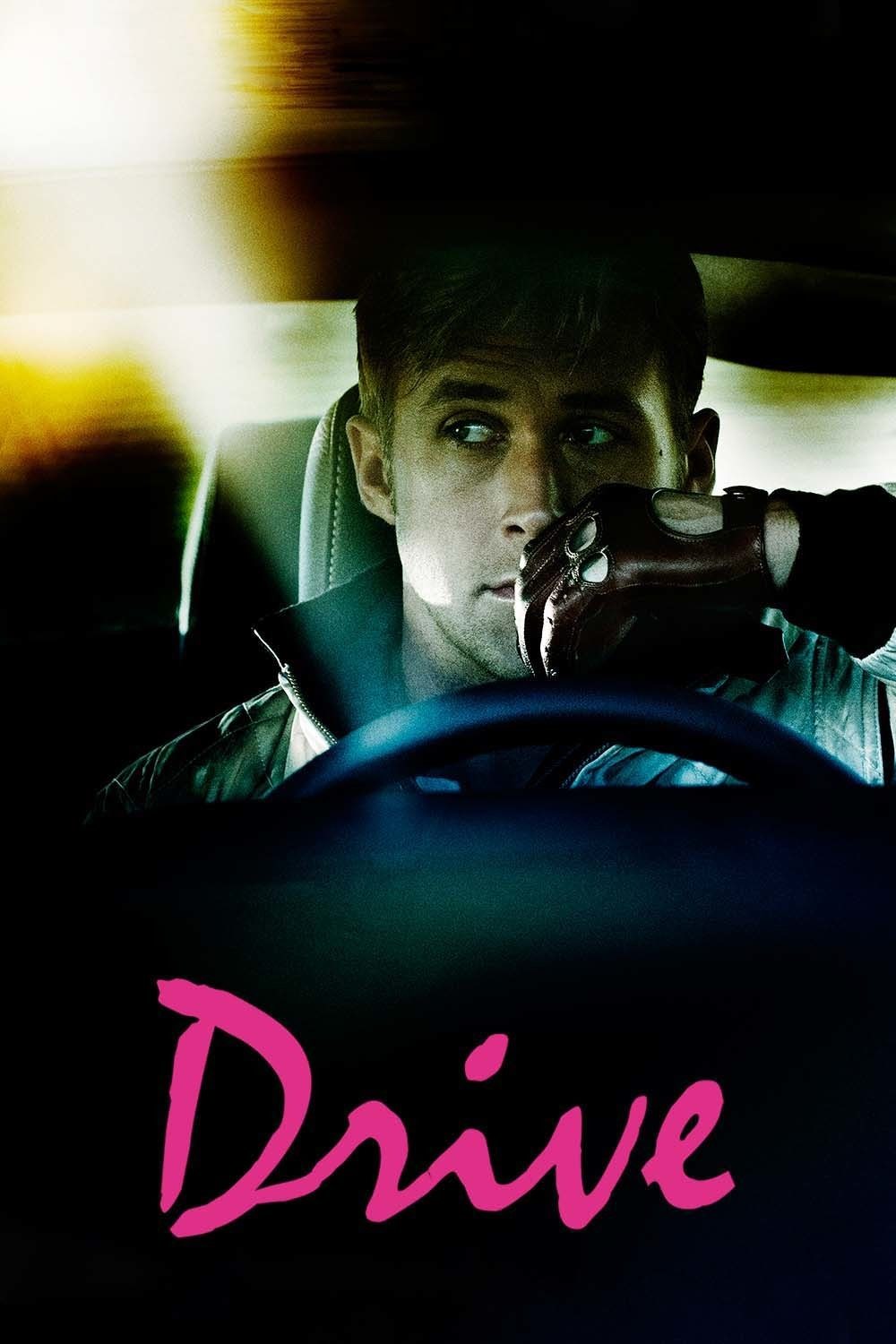
The Driver is a stoic Hollywood stunt performer who moonlights as a getaway driver for criminals. He navigates the Los Angeles underworld with a code of silence and professional detachment. Nicolas Winding Refn crafts a stylish thriller where the protagonist resorts to extreme violence to protect his neighbor. The audience supports his brutal actions because they stem from a desire to save the innocent.
‘Deadpool’ (2016)
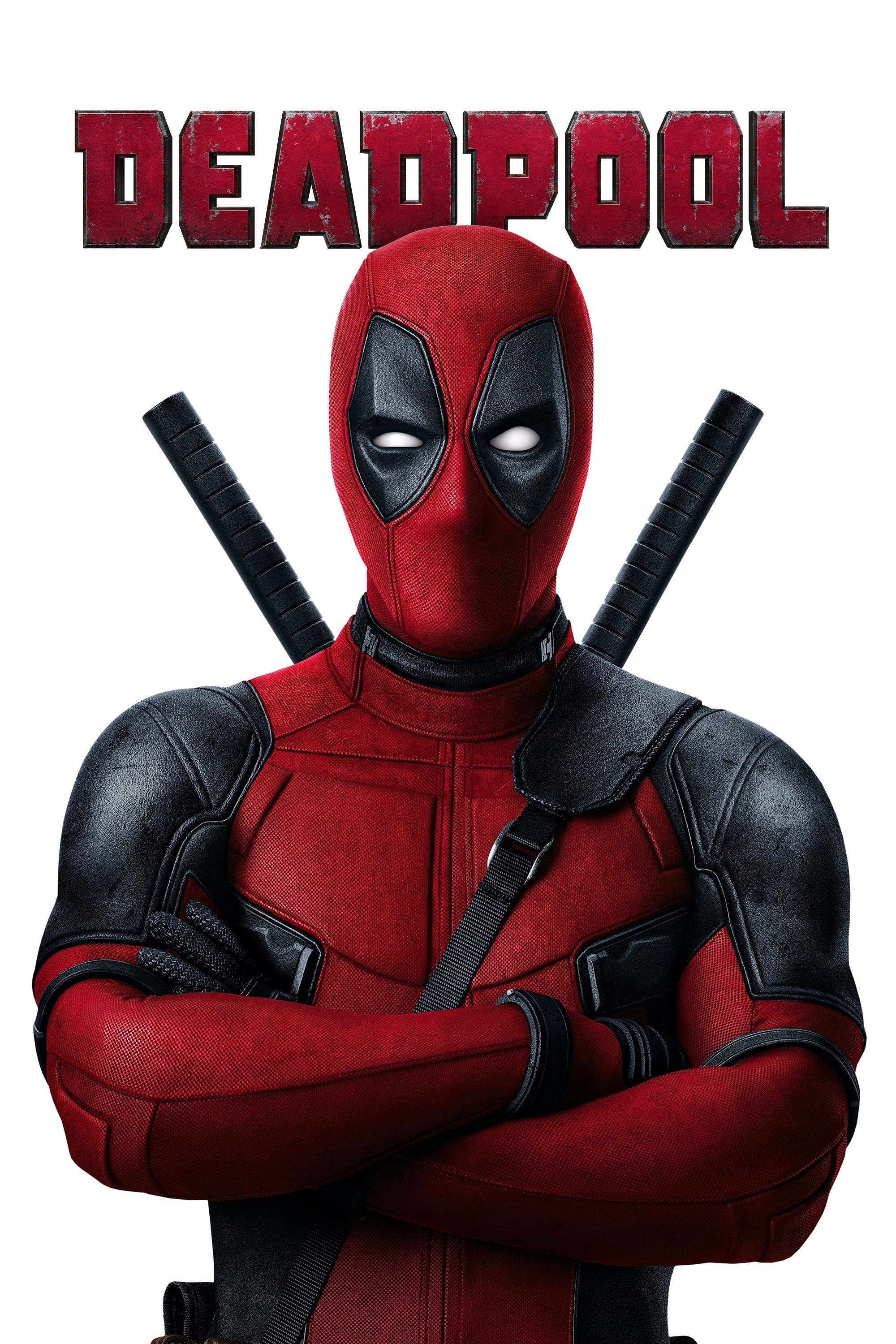
Wade Wilson is a wisecracking mercenary who undergoes a rogue experiment to cure his terminal cancer. The procedure leaves him disfigured but grants him accelerated healing powers. He embarks on a revenge mission against the man who ruined his looks and kidnapped his girlfriend. The character breaks the fourth wall to charm the audience into supporting his violent rampage.
‘Goodfellas’ (1990)
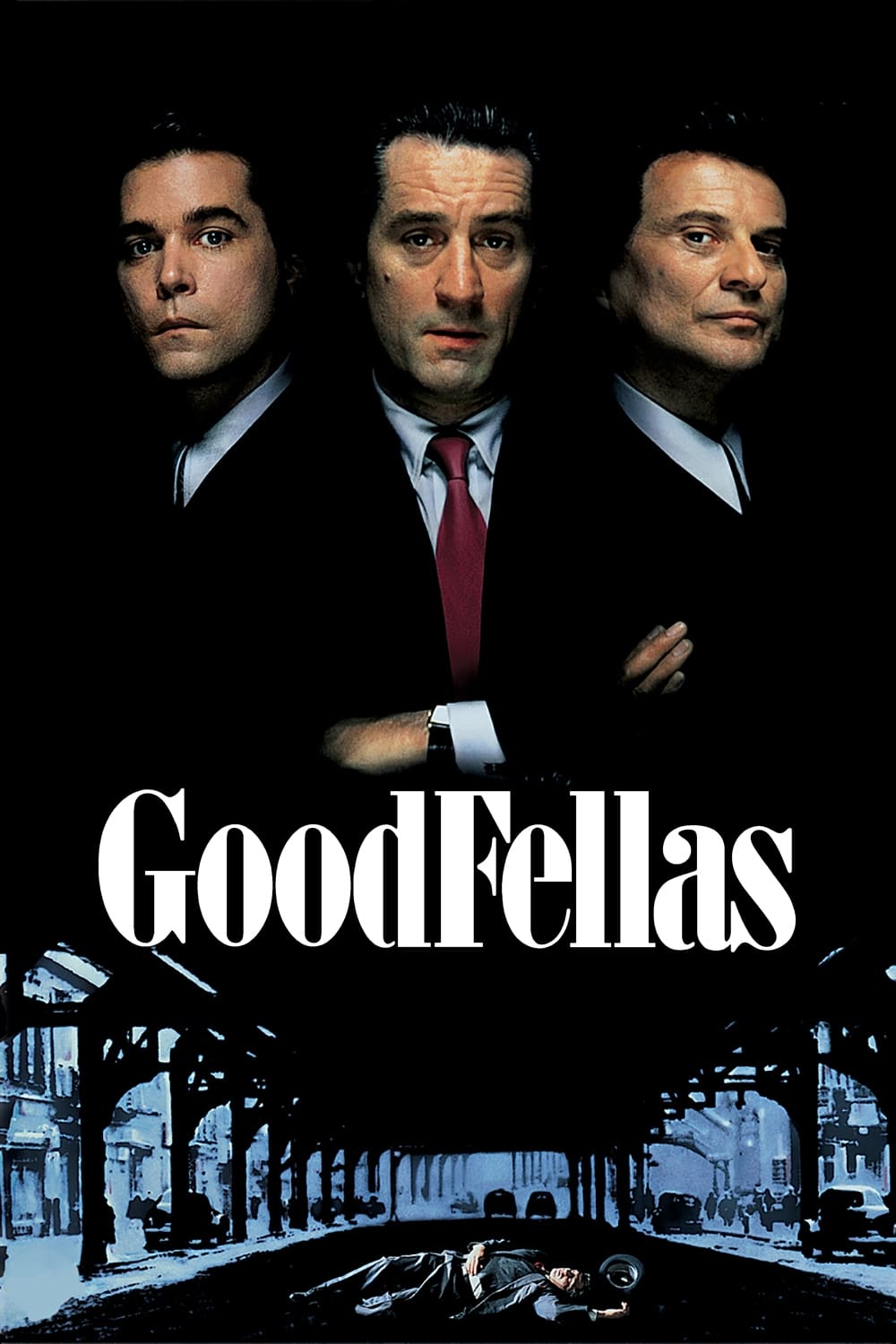
Henry Hill grows up idolizing the local mobsters in his Brooklyn neighborhood and eventually joins their ranks. Martin Scorsese glamorizes the camaraderie and power of the mafia lifestyle before showing its inevitable collapse. The characters commit heinous crimes yet remain likable through their loyalty and humor. Viewers find themselves captivated by the rise of the crew despite knowing they are villains.
‘Catch Me If You Can’ (2002)
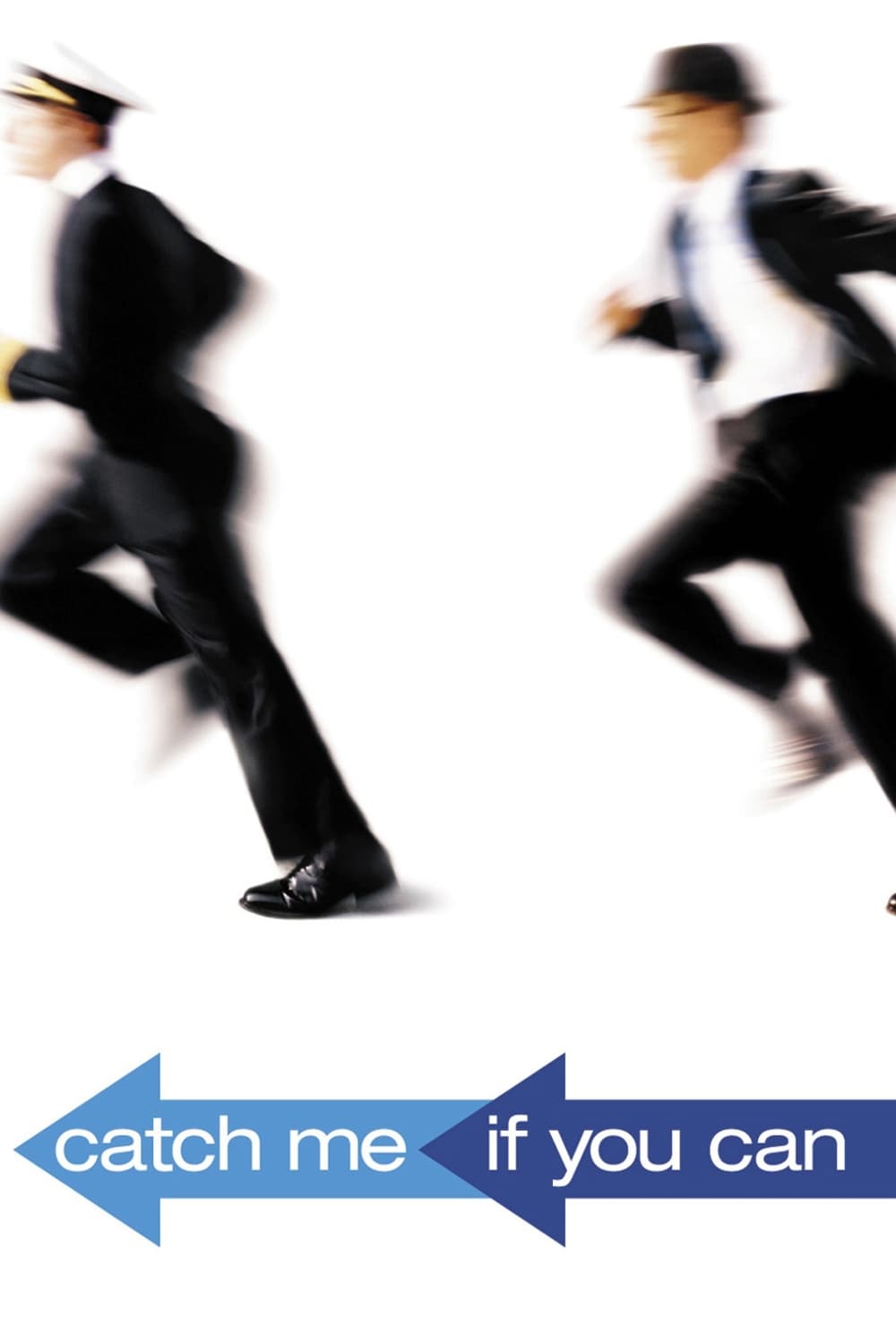
Frank Abagnale Jr. successfully impersonates a pilot and a doctor while forging millions of dollars in checks. Steven Spielberg portrays the young con artist as a charming underdog outsmarting the vast resources of the FBI. Tom Hanks plays the dogged agent pursuing him across the globe. The audience consistently roots for Frank to evade capture and continue his high-flying adventure.
‘Ocean’s Eleven’ (2001)
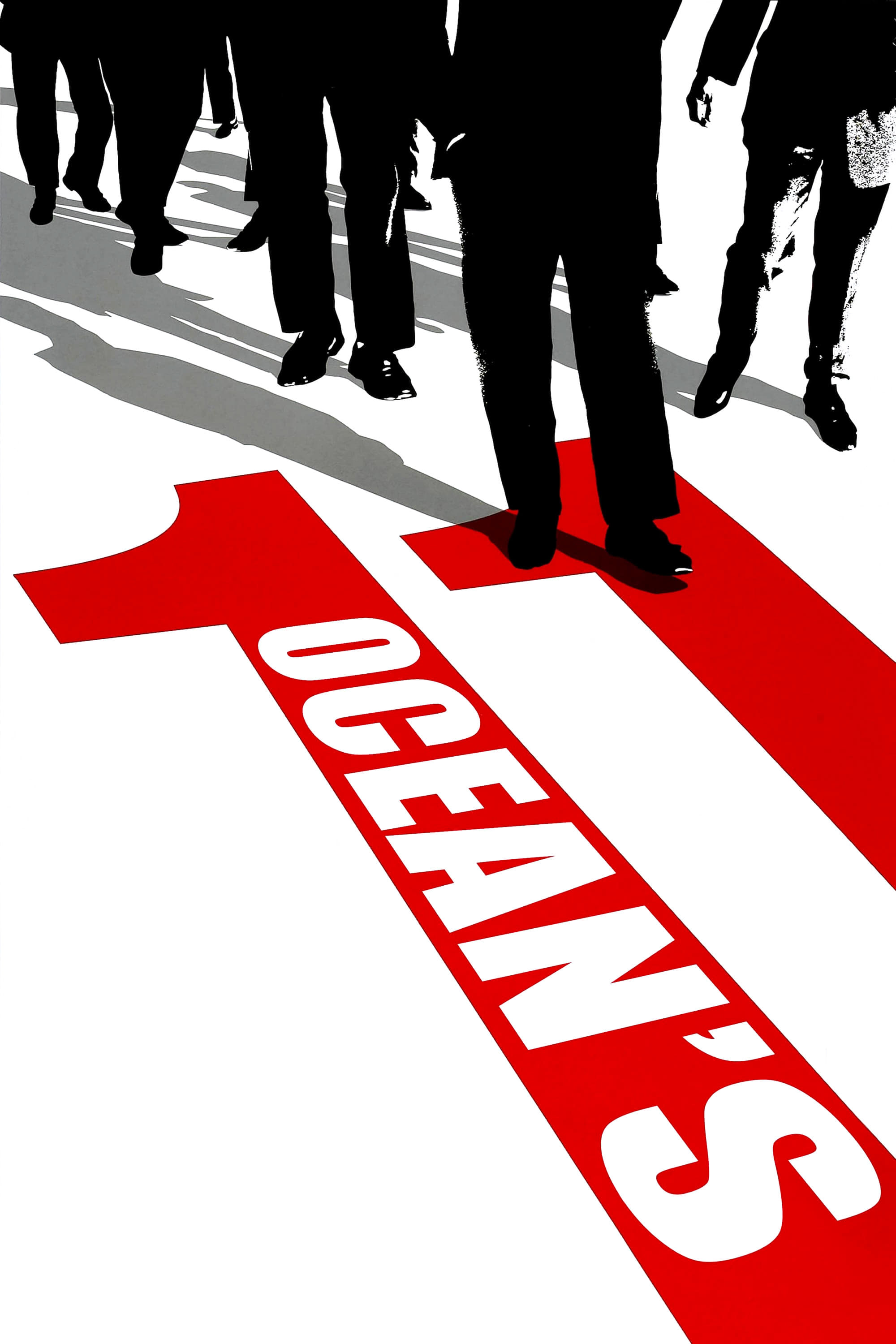
Danny Ocean gathers a team of eleven specialists to rob three major Las Vegas casinos simultaneously. The target is a ruthless casino owner who is dating Ocean’s ex-wife. Steven Soderbergh fills the cast with charismatic actors who share an effortless chemistry. The film makes the audience cheer for the thieves as they execute their complex plan.
‘Léon: The Professional’ (1994)
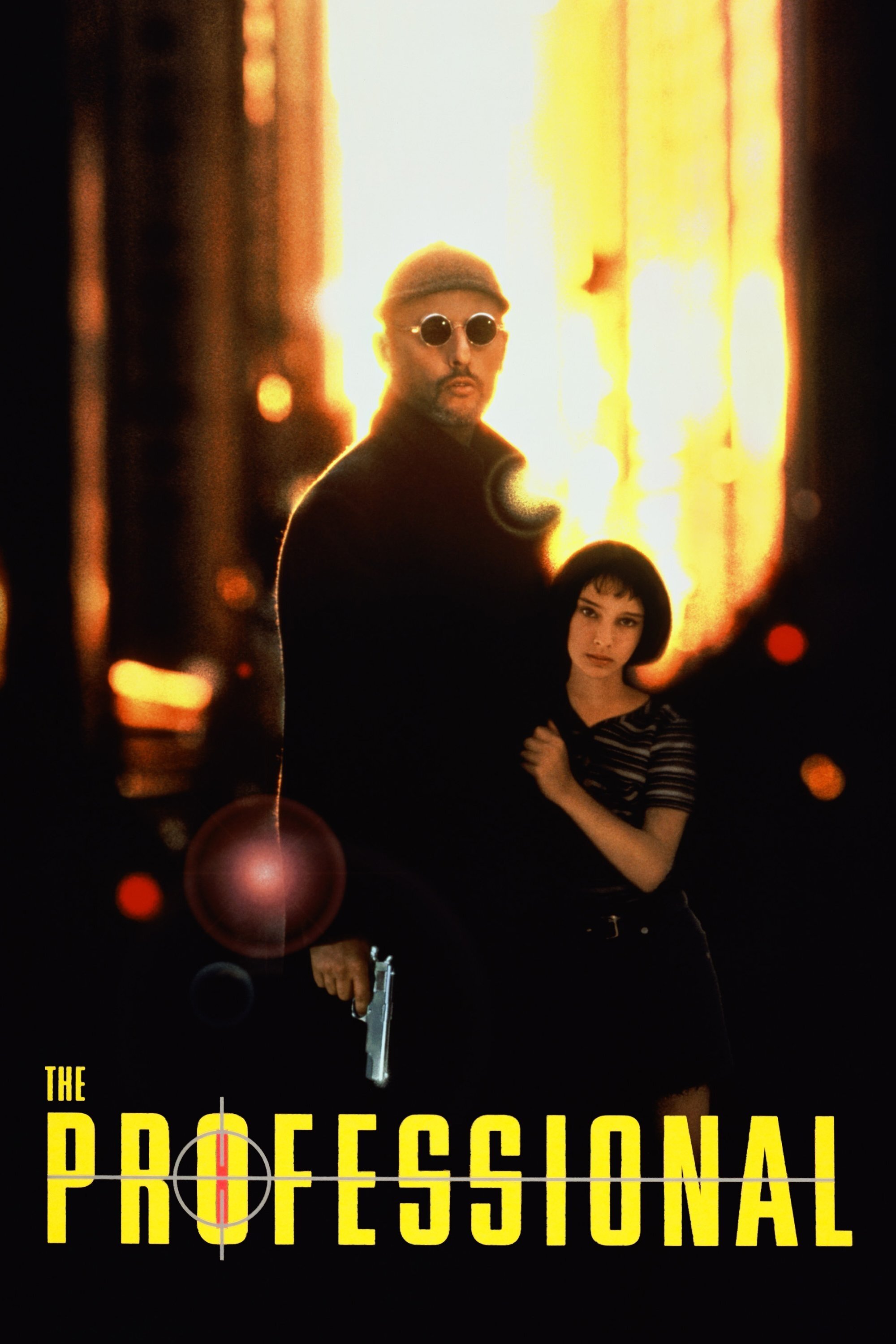
Léon is a solitary hitman who reluctantly takes in a young girl named Mathilda after corrupt DEA agents murder her family. He teaches her the trade while she teaches him how to read and connect with emotions. The relationship between the two softens the image of a cold-blooded killer. Audiences root for Léon to exact revenge on the corrupt law enforcement officers.
‘V for Vendetta’ (2005)

V is a masked vigilante who uses terrorist tactics to fight against a totalitarian regime in a dystopian United Kingdom. He rescues a young woman named Evey and involves her in his plot to blow up Parliament. The film presents his violent methods as a necessary tool to awaken the oppressed population. Viewers support his crusade for freedom against the fascist government.
‘Escape from New York’ (1981)
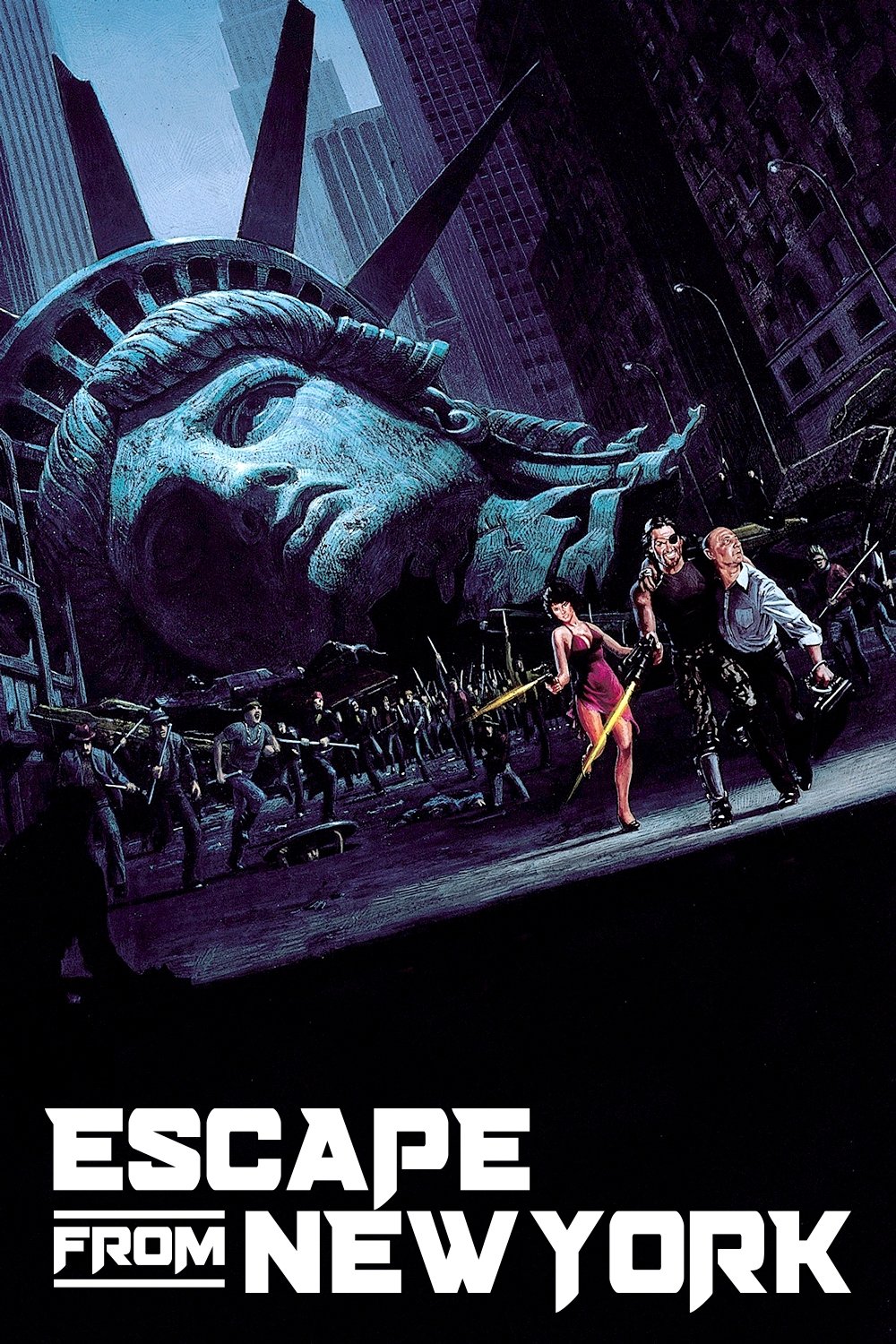
Snake Plissken is a convicted bank robber forced by the government to rescue the President from a maximum-security prison island. John Carpenter creates a cynical anti-hero who cares only about his own survival. Plissken navigates the treacherous landscape with a cool demeanor that contrasts with the desperate officials. The audience prefers his rebellious attitude over the hypocrisy of the political leaders.
‘Pitch Black’ (2000)

Richard B. Riddick is a dangerous convict being transported across space when the ship crashes on a hostile planet. He possesses unique eyes that allow him to see in the dark which becomes essential when nocturnal creatures attack. The surviving crew must rely on the murderer they fear to lead them to safety. Riddick becomes the unlikely savior in a situation where heroism equates to survival skills.
‘Dog Day Afternoon’ (1975)
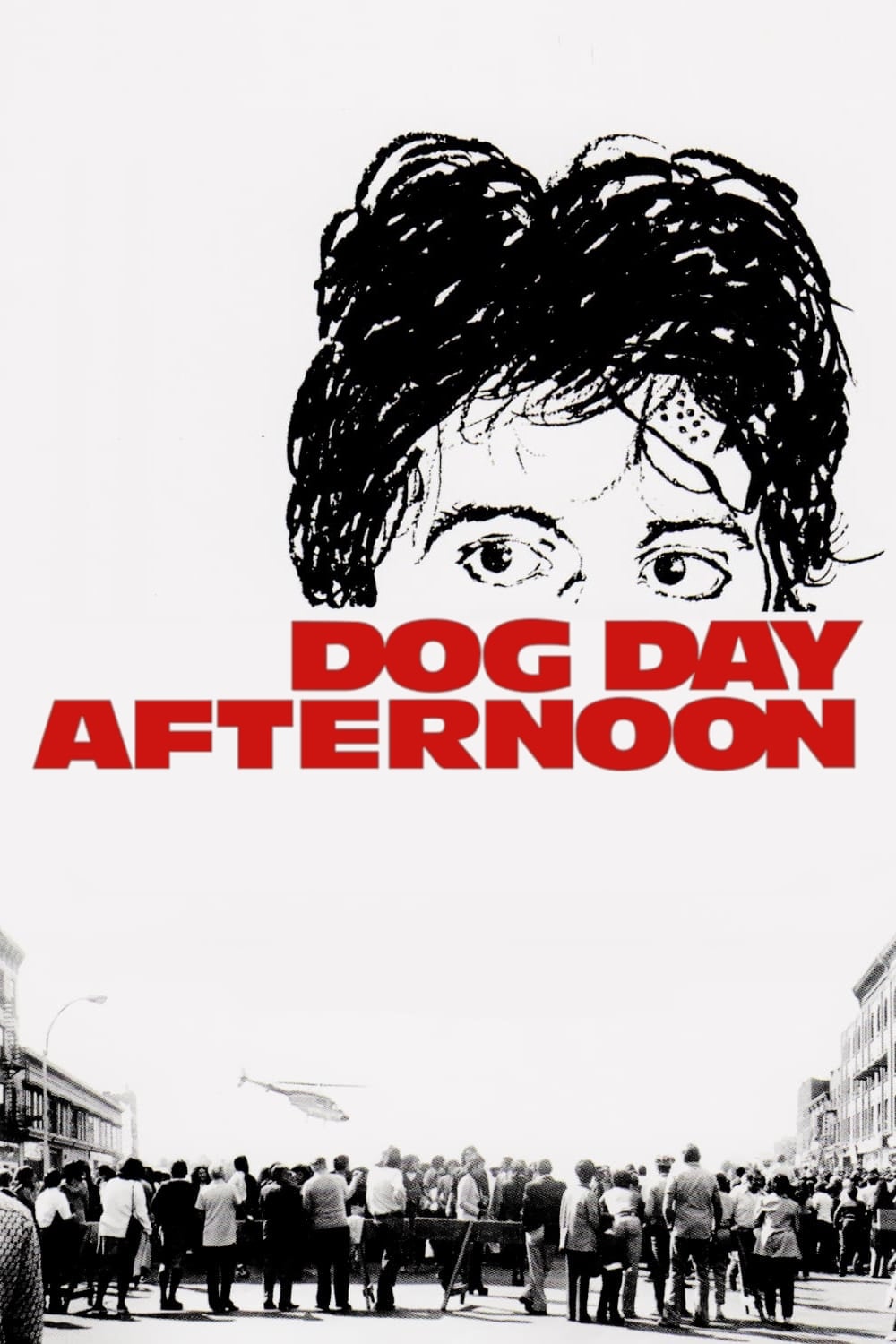
Sonny Wortzik attempts to rob a Brooklyn bank to pay for his lover’s gender confirmation surgery. The heist goes wrong and turns into a media circus with hostages and police surrounding the building. Al Pacino imbues the character with a desperate humanity that wins over the crowd of onlookers. The audience sympathizes with his plight despite the criminal nature of his actions.
‘Butch Cassidy and the Sundance Kid’ (1969)

Butch and Sundance are leaders of a gang of outlaws who specialize in robbing trains and banks. They flee to Bolivia to escape a relentless posse that tracks them across the frontier. The chemistry between Paul Newman and Robert Redford makes the duo endlessly charming. Viewers hope they can outrun their fate even as the law closes in.
‘Bonnie and Clyde’ (1967)
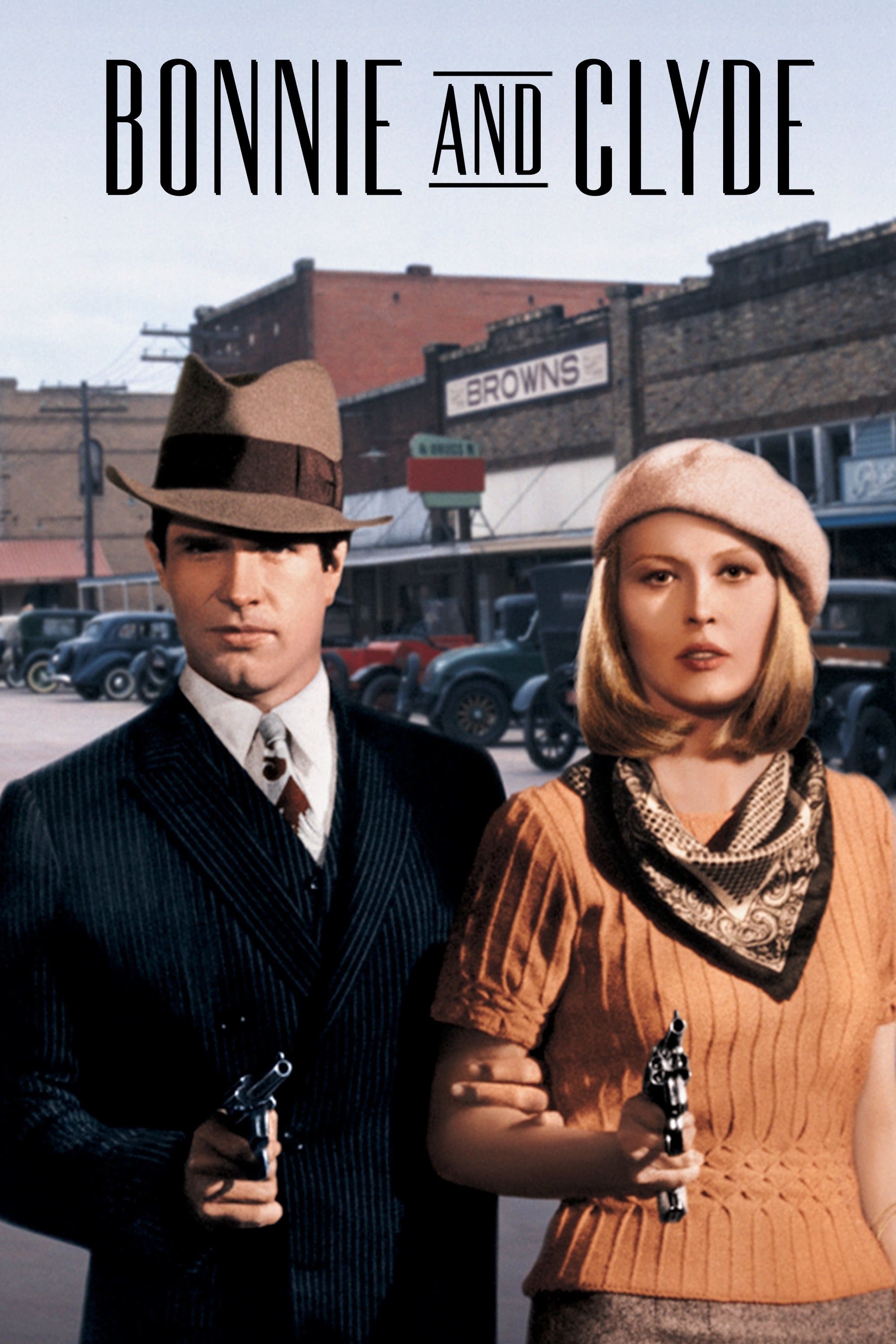
Bonnie Parker and Clyde Barrow embark on a crime spree across the Central United States during the Great Depression. The film portrays them as romantic rebels fighting against the financial institutions that failed the public. Their violent outbursts are juxtaposed with moments of genuine affection and humor. The inevitable tragic ending resonates because the audience has grown to love the outlaws.
‘Maleficent’ (2014)
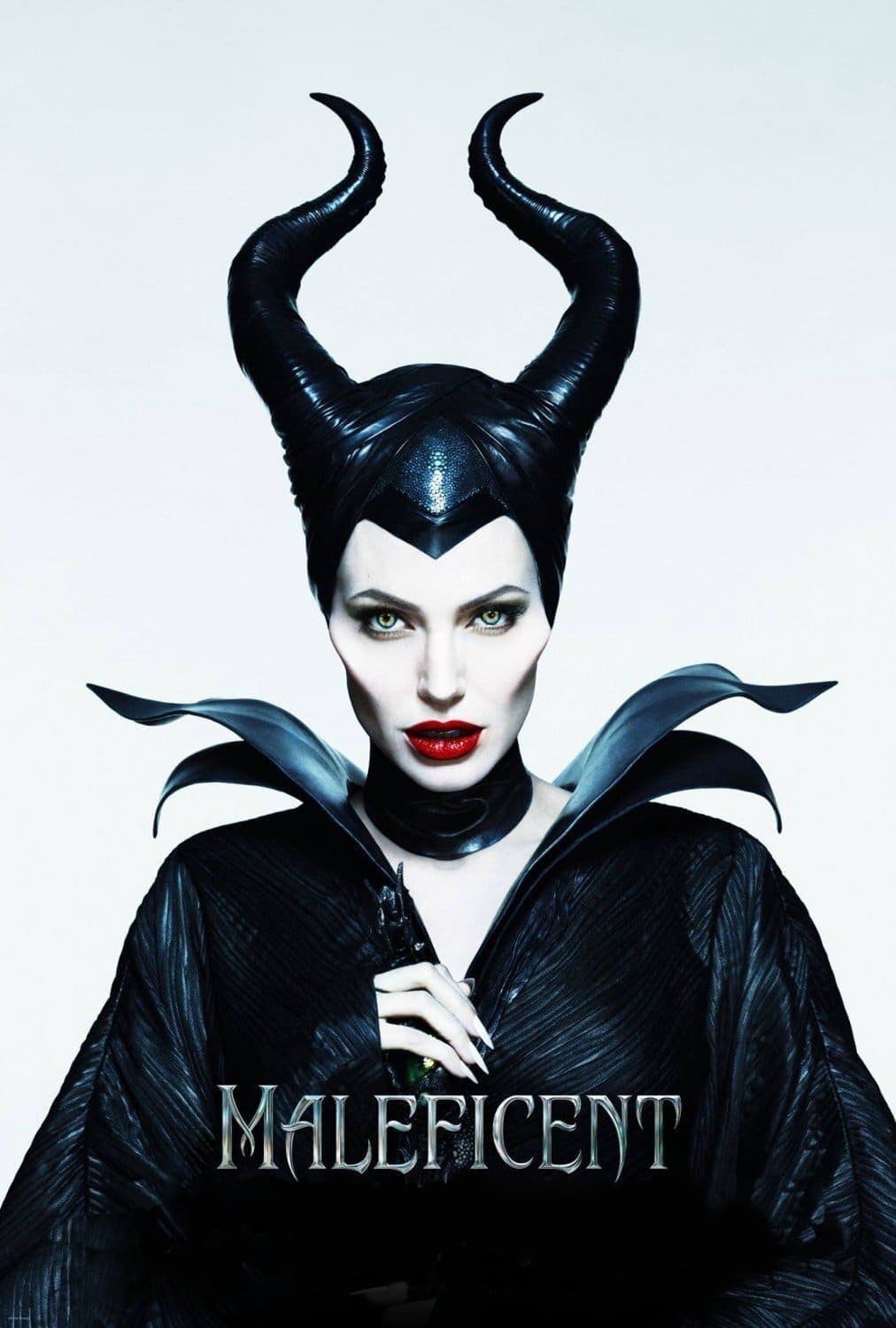
Maleficent is a powerful fairy who places a curse on the infant princess Aurora after suffering a betrayal. The film reimagines the classic villain as a tragic figure motivated by heartbreak and the theft of her wings. She eventually becomes the protective mother figure to the girl she cursed. The narrative flips the script to make the king the true antagonist.
‘Payback’ (1999)
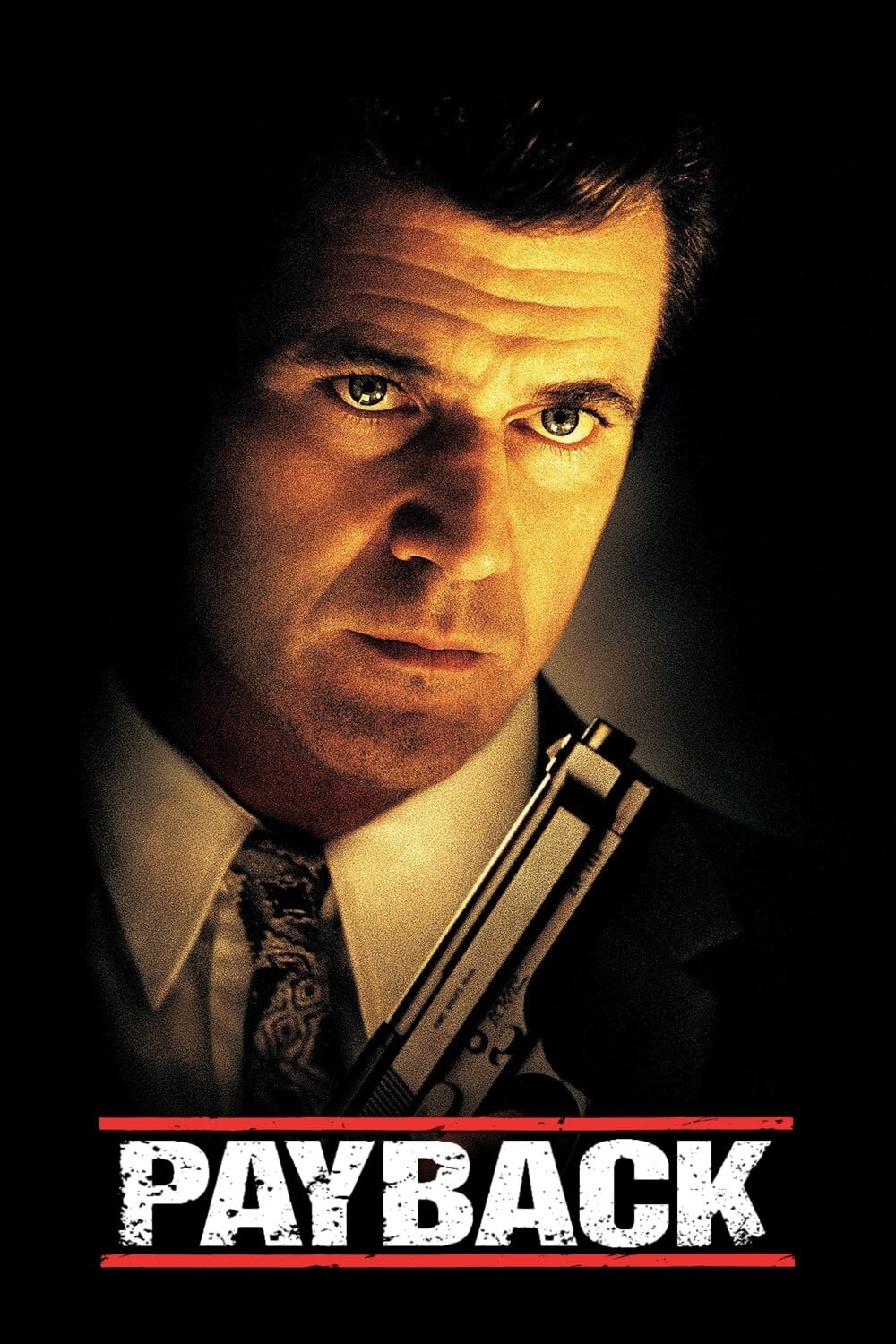
Porter is a career criminal who gets shot and betrayed by his wife and partner after a heist. He survives and tears through the criminal underworld to recover his share of the money. The character adheres to a strict personal code and refuses to stop until he gets exactly what he is owed. Audiences appreciate his singular focus and refusal to compromise with the syndicate leaders.
Please share your favorite movie anti-hero in the comments to let us know who you rooted for.