


Movies That Predicted Policy Shifts We Now Take for Granted




Cinema has always been a mirror to society but sometimes it acts as a crystal ball that foresees legal and governmental changes. Filmmakers often explore complex social issues or technological advancements that eventually force legislators to adapt. We often watch older films and realize they depicted a world that necessitated the very regulations we navigate today. These movies did not just entertain audiences but also highlighted gaps in our legal frameworks that have since been filled.
‘WarGames’ (1983)
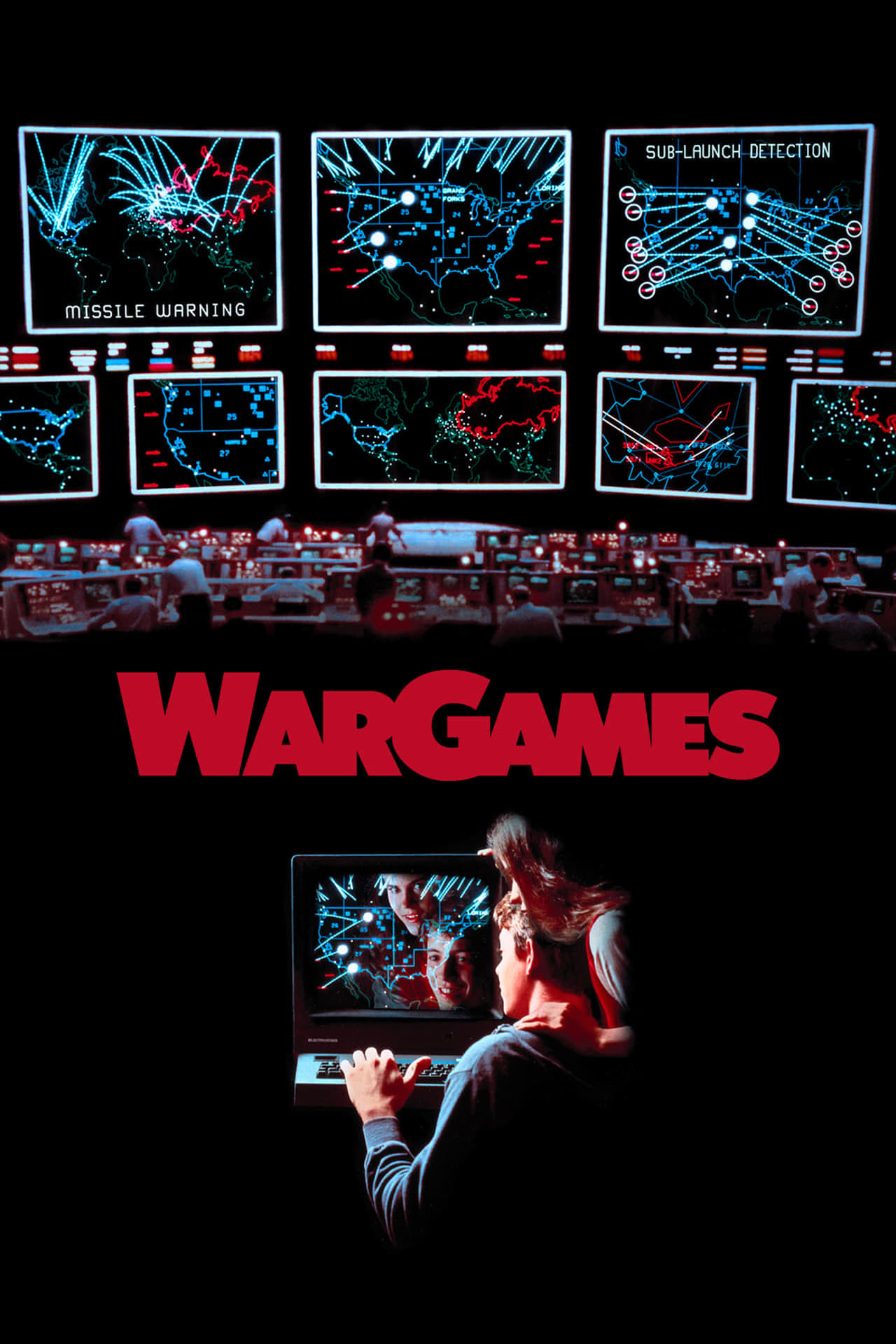
The film depicts a young hacker who accidentally accesses a military supercomputer and almost triggers a nuclear war. President Ronald Reagan watched this movie and subsequently asked his advisors if such a scenario was actually possible. The affirmative answer he received led directly to the creation of the first presidential directive on computer security. This marked the beginning of modern cybersecurity policy and the foundation for the Computer Fraud and Abuse Act.
‘Minority Report’ (2002)

Steven Spielberg consulted with futurists to create a believable world that included personalized advertising and predictive policing. We now live in an era where data privacy laws like the GDPR are necessary to regulate how corporations track our habits. Law enforcement agencies also utilize algorithmic analysis to deploy resources which mirrors the pre-crime division concept. The film showcased the trade-off between security and privacy that defines modern surveillance policy.
‘Philadelphia’ (1993)
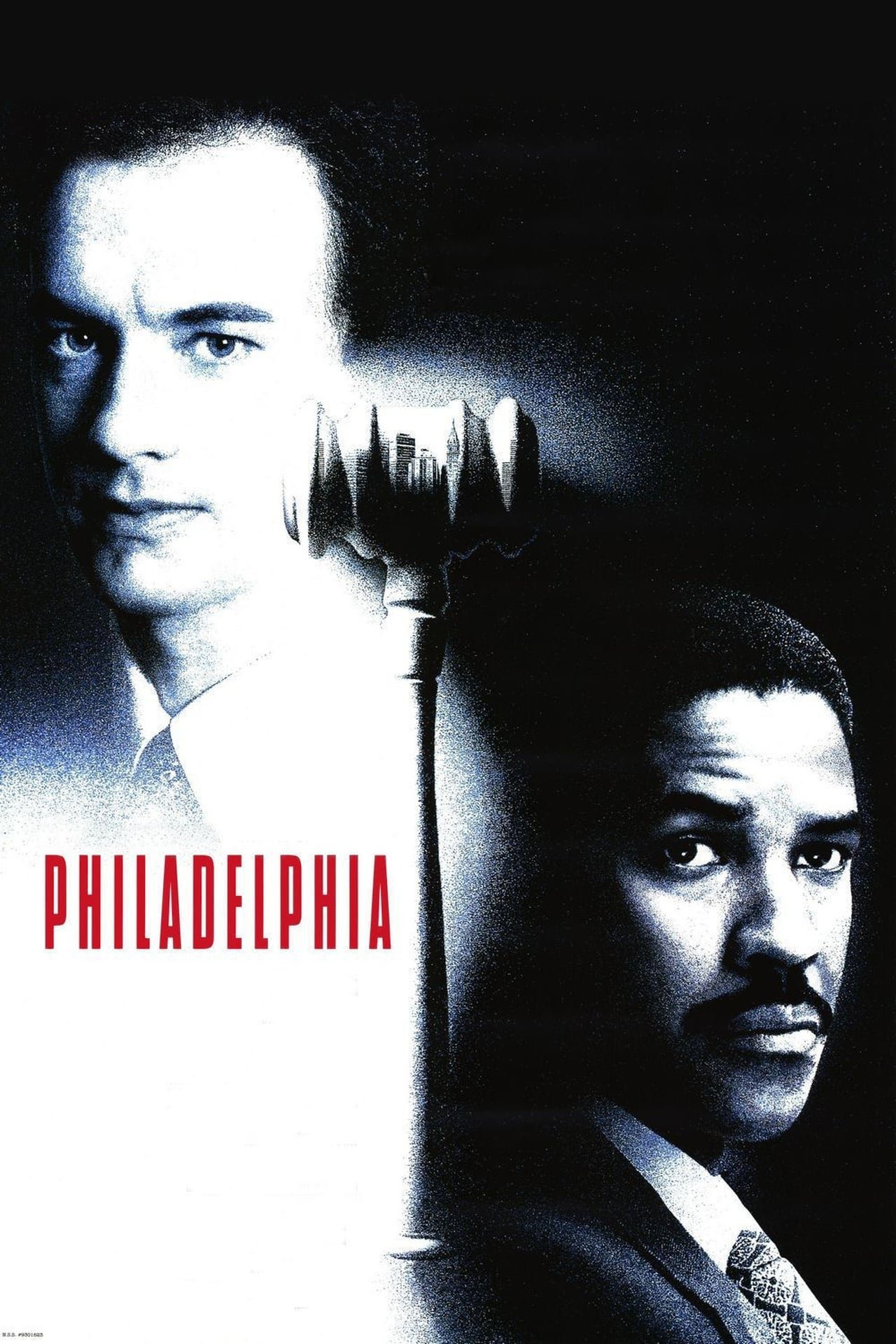
Tom Hanks plays a lawyer who is wrongfully terminated by his firm after contracting AIDS. The movie played a monumental role in shifting public perception regarding HIV and workplace discrimination. This cultural impact helped pave the way for broader acceptance and the eventual enforcement of the Americans with Disabilities Act. It remains a definitive text on the necessity of health-based anti-discrimination laws.
‘Gattaca’ (1997)
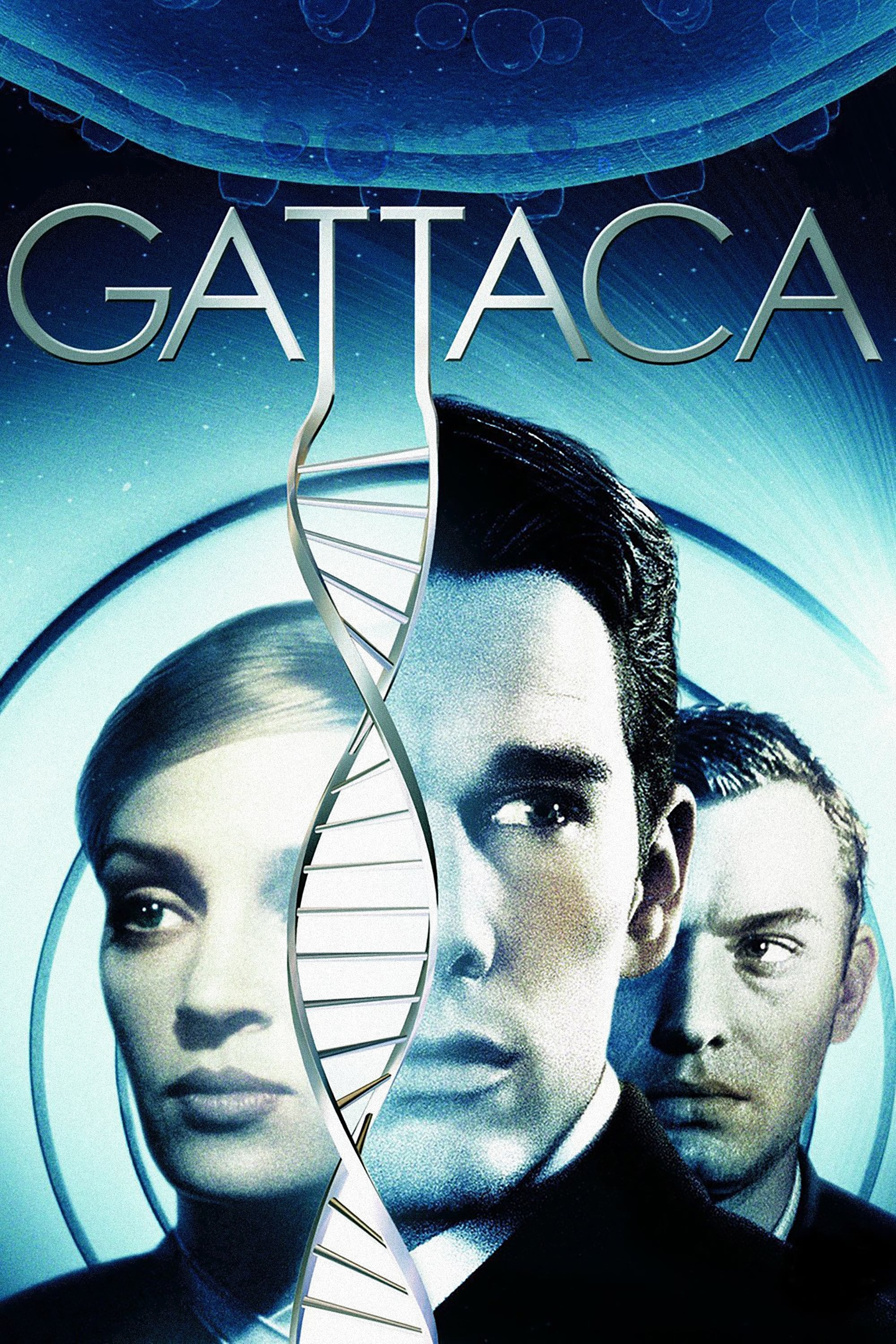
The story presents a future where genetics determine social class and employment opportunities. This narrative highlighted the potential for DNA discrimination long before genetic testing became a consumer product. Concerns raised by such scenarios eventually contributed to the passage of the Genetic Information Nondiscrimination Act in the United States. We now accept that employers and insurance companies cannot legally use genetic data against individuals.
‘Super Size Me’ (2004)

Morgan Spurlock ate only McDonald’s food for a month to demonstrate the health consequences of unchecked fast food consumption. The documentary caused an immediate public outcry regarding nutritional transparency in the restaurant industry. McDonald’s removed the Super Size option shortly after the film was released. This project heavily influenced the policy shift requiring calorie counts to be displayed on menus nationwide.
‘The Siege’ (1998)
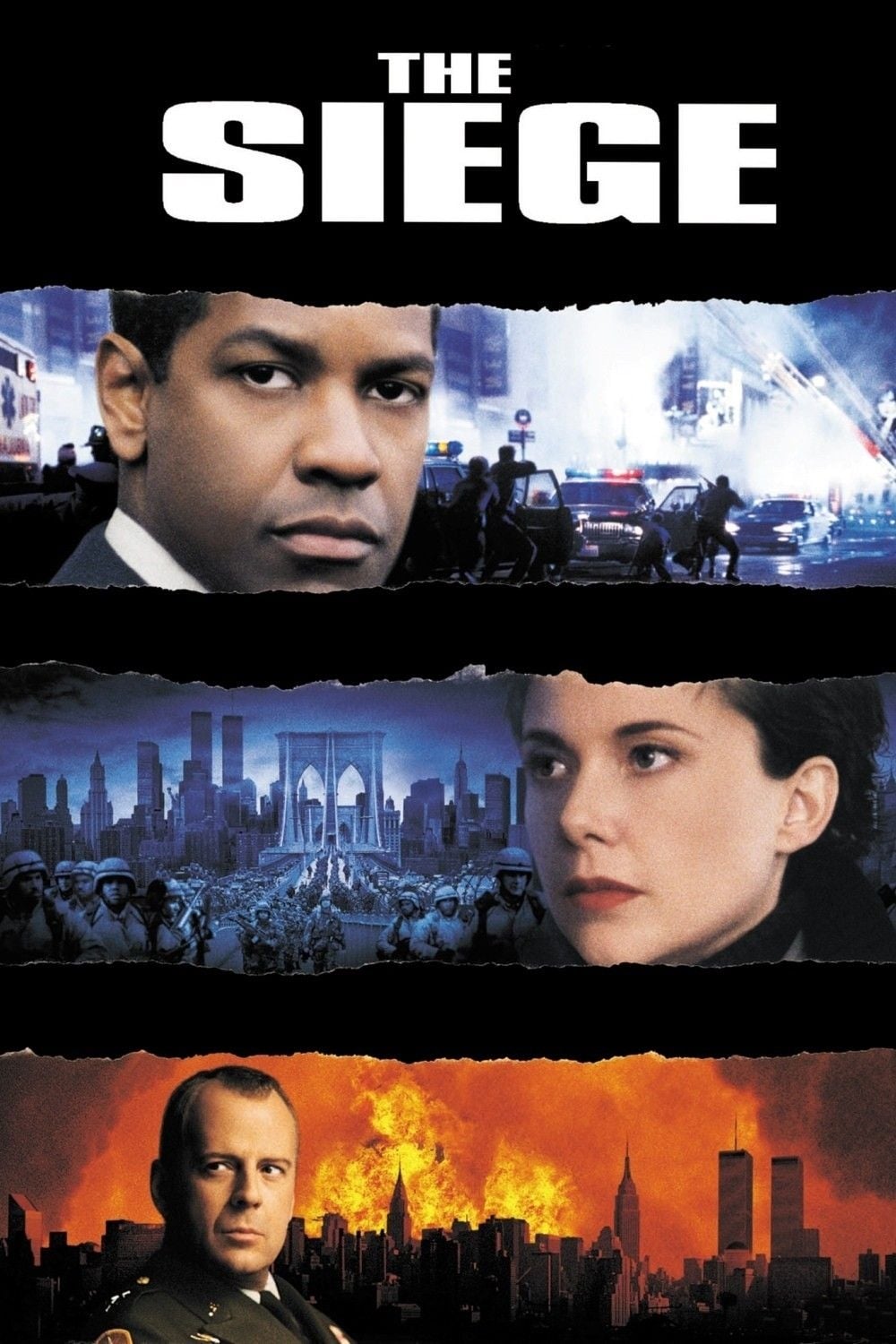
This action thriller depicts the US military declaring martial law in Brooklyn following a series of terrorist attacks. It eerily predicted the intense debate over civil liberties and government overreach that would follow the events of September 11. The film explores the tension between national security enforcement and the protection of constitutional rights. It serves as a cinematic precursor to the Patriot Act and the establishment of the Department of Homeland Security.
‘Rosetta’ (1999)

The film follows a young Belgian woman who struggles desperately to hold down a job to support herself and her alcoholic mother. The raw depiction of youth unemployment and labor exploitation resonated deeply with audiences and politicians in Belgium. The cultural conversation sparked by the movie led to the passing of the Rosetta Law. This legislation specifically prohibits employers from paying teenage workers less than the minimum wage.
‘Enemy of the State’ (1998)
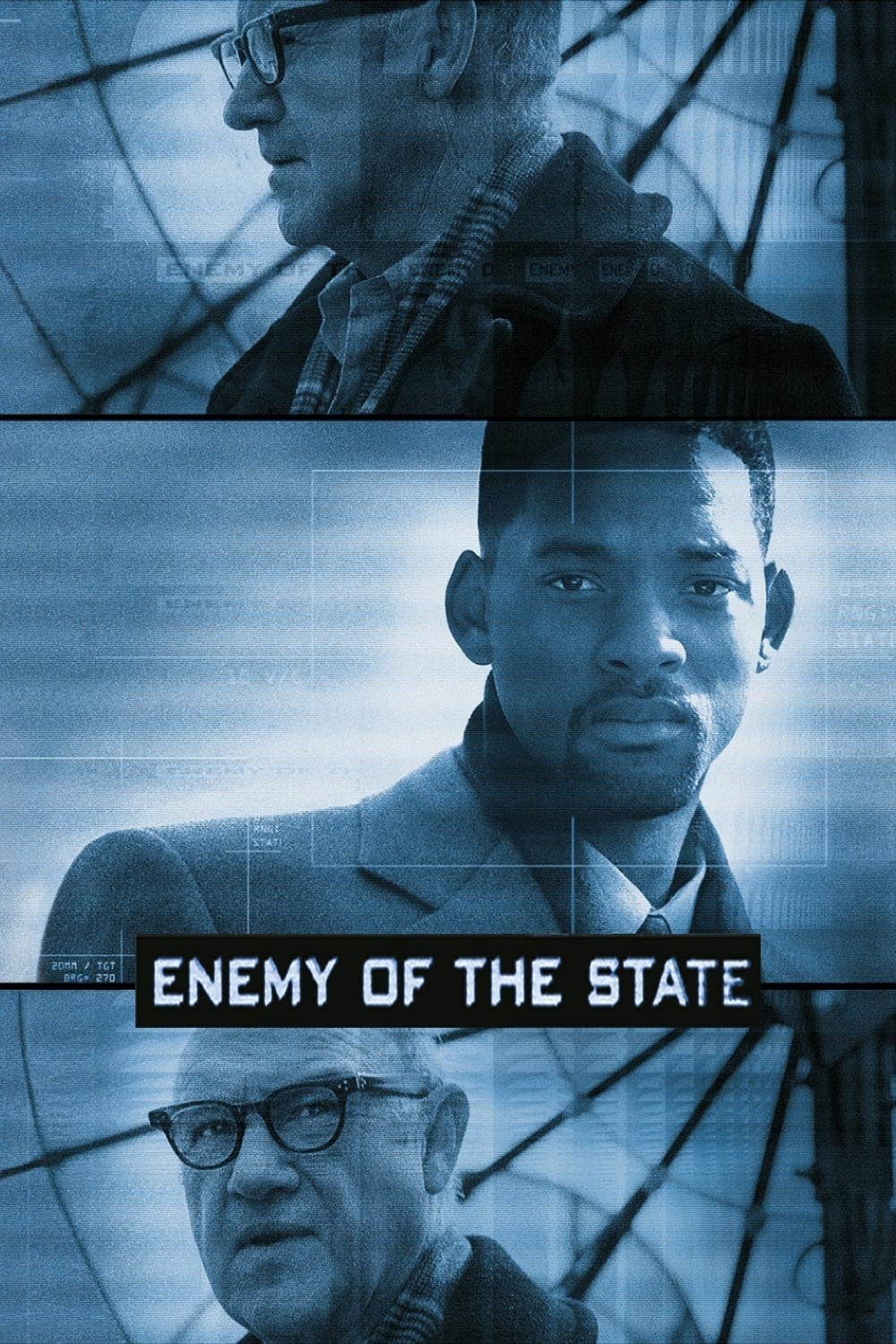
Will Smith stars as a lawyer who becomes the target of a corrupt politician utilizing the full surveillance power of the National Security Agency. The film showcased satellite tracking and communication intercepts long before the Snowden leaks confirmed their reality. It predicted a world where digital privacy is constantly at odds with government intelligence capabilities. We now take for granted that our digital footprint is a matter of permanent record and legislative debate.
‘Contagion’ (2011)
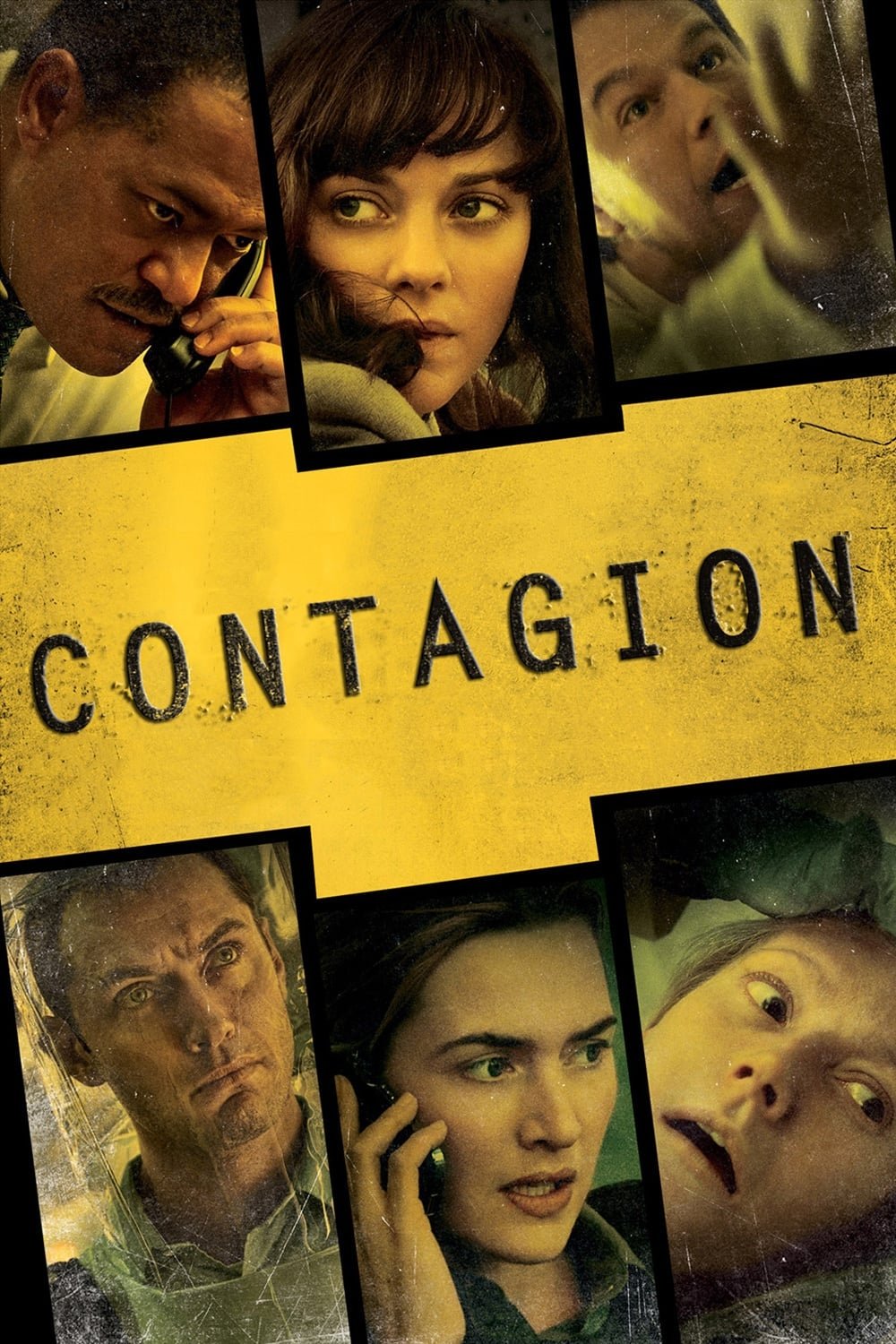
Steven Soderbergh created a scientifically accurate depiction of how a global pandemic would spread and how governments would respond. The film foreshadowed the implementation of social distancing protocols and the rollout of vaccine lotteries. It also predicted the rampant spread of misinformation that would complicate official health policies. The movie serves as a blueprint for the emergency health powers we saw activated globally in 2020.
‘Blackfish’ (2013)
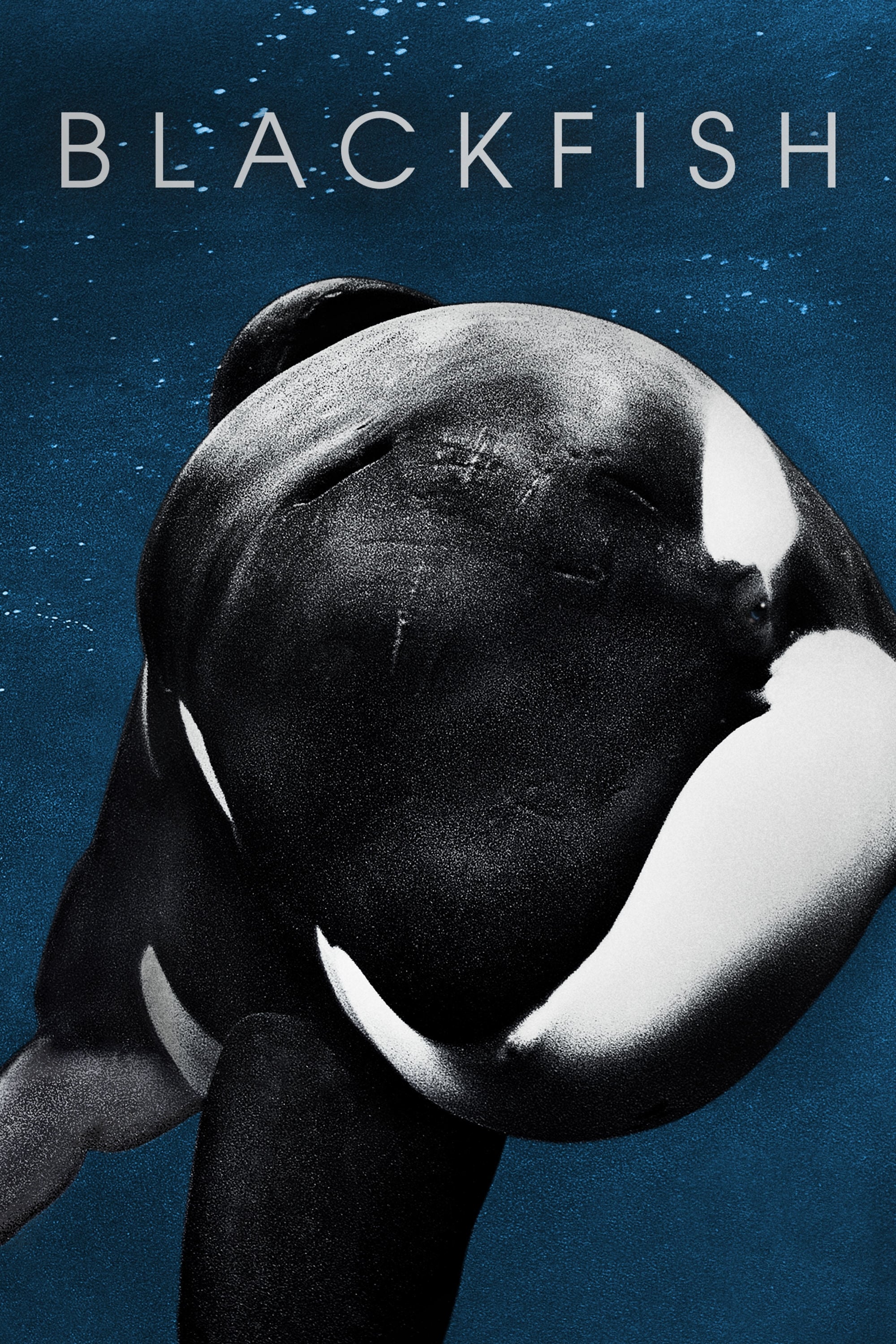
This documentary focused on the captivity of killer whales and the dangers they pose to trainers and themselves. The public backlash against marine theme parks was swift and resulted in significant financial losses for major corporations. This pressure led to specific legislative changes like the Orca Welfare and Safety Act in California. We now see a permanent policy shift away from breeding orcas for entertainment purposes.
‘Outbreak’ (1995)
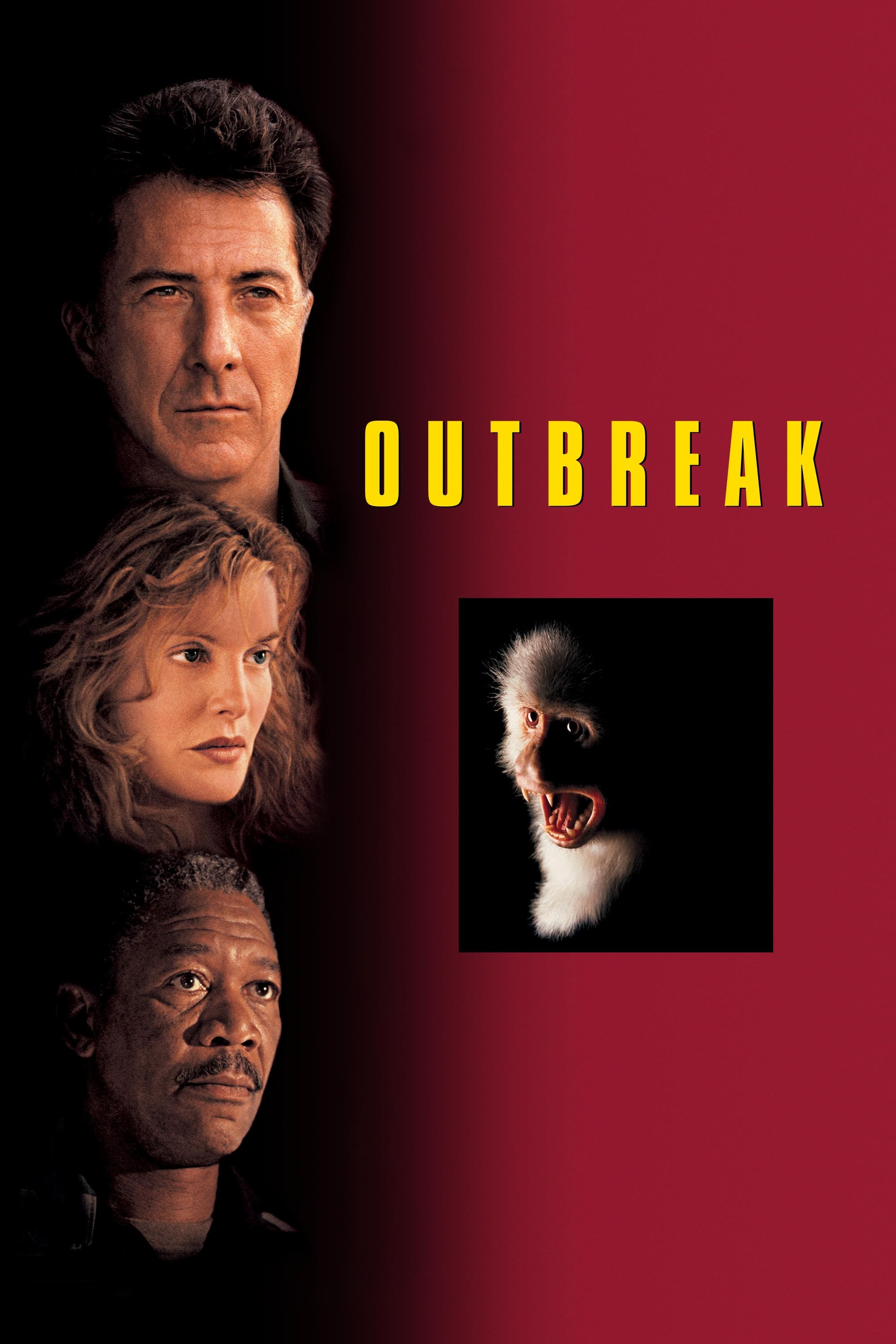
The plot centers on an Army doctor struggling to contain a deadly virus that arrives in the United States via a smuggled monkey. It highlights the extreme measures the government might take including military quarantines of civilian towns. The film brought the concept of biosecurity and the powers of the CDC into the public eye. It predicted the strict protocols now standard for handling infectious diseases at borders.
‘Strange Days’ (1995)
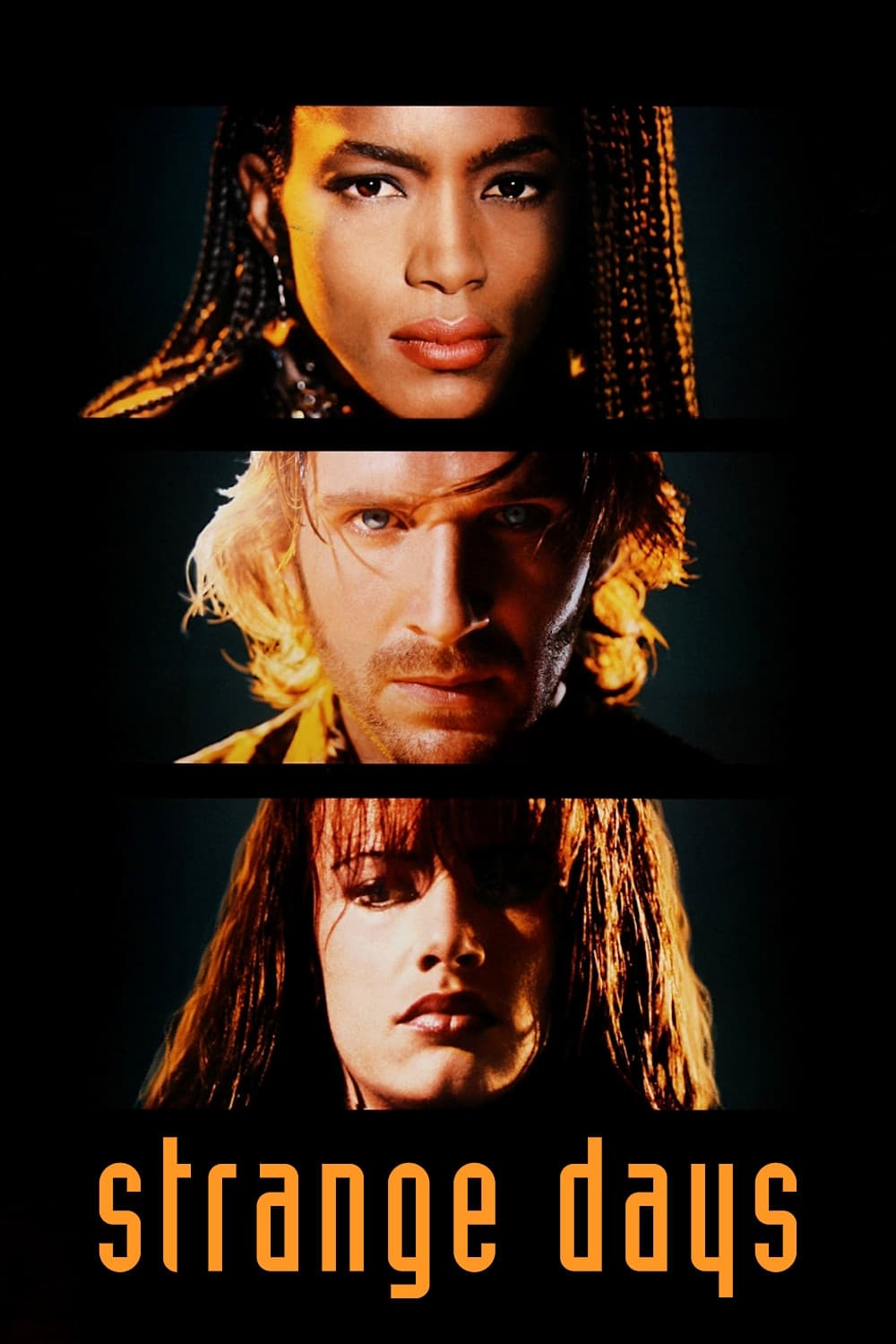
The narrative involves a device that records memories and specifically features a plot point about police brutality caught on digital media. This predicted the pivotal role that video evidence would play in holding law enforcement accountable. The film anticipated the policy shift toward mandating body cameras for police officers. It showed how recorded evidence would become central to civil rights discourse.
‘Total Recall’ (1990)
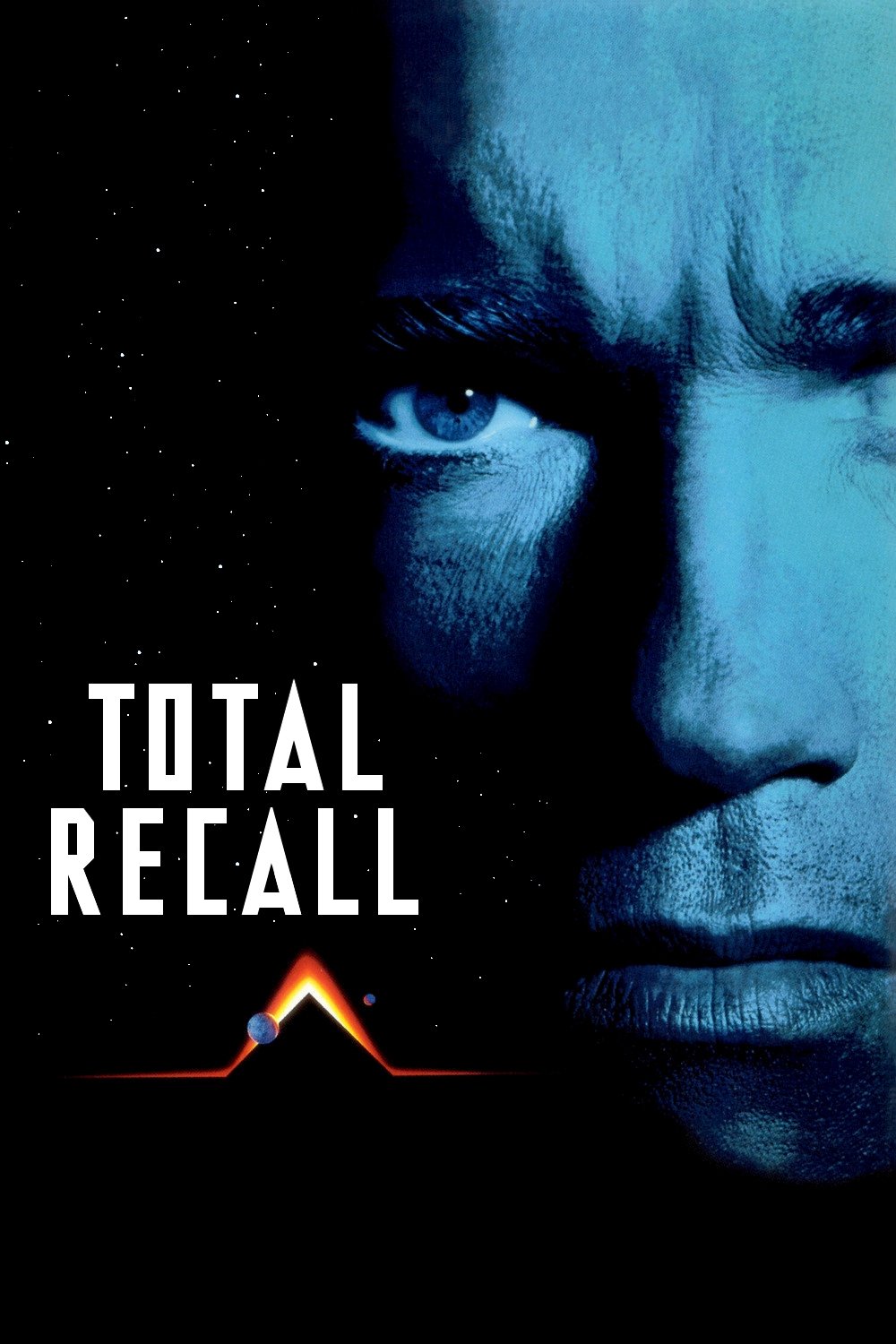
Arnold Schwarzenegger travels through a futuristic airport security checkpoint that uses X-rays to see through clothes and skin. This scene was once pure science fiction but is now a reality in airports around the world. The creation of the Transportation Security Administration brought similar full-body scanning technology into everyday life. We now accept these invasive scanning procedures as a standard condition of air travel.
‘Victim’ (1961)

This British thriller was the first English-language film to use the word homosexual and treat the subject with sympathy. It exposed the blackmail opportunities created by the laws that criminalized private same-sex acts. The film is widely credited with shifting public opinion in the United Kingdom. This cultural momentum contributed significantly to the Sexual Offences Act of 1967 which decriminalized homosexuality.
‘Network’ (1976)
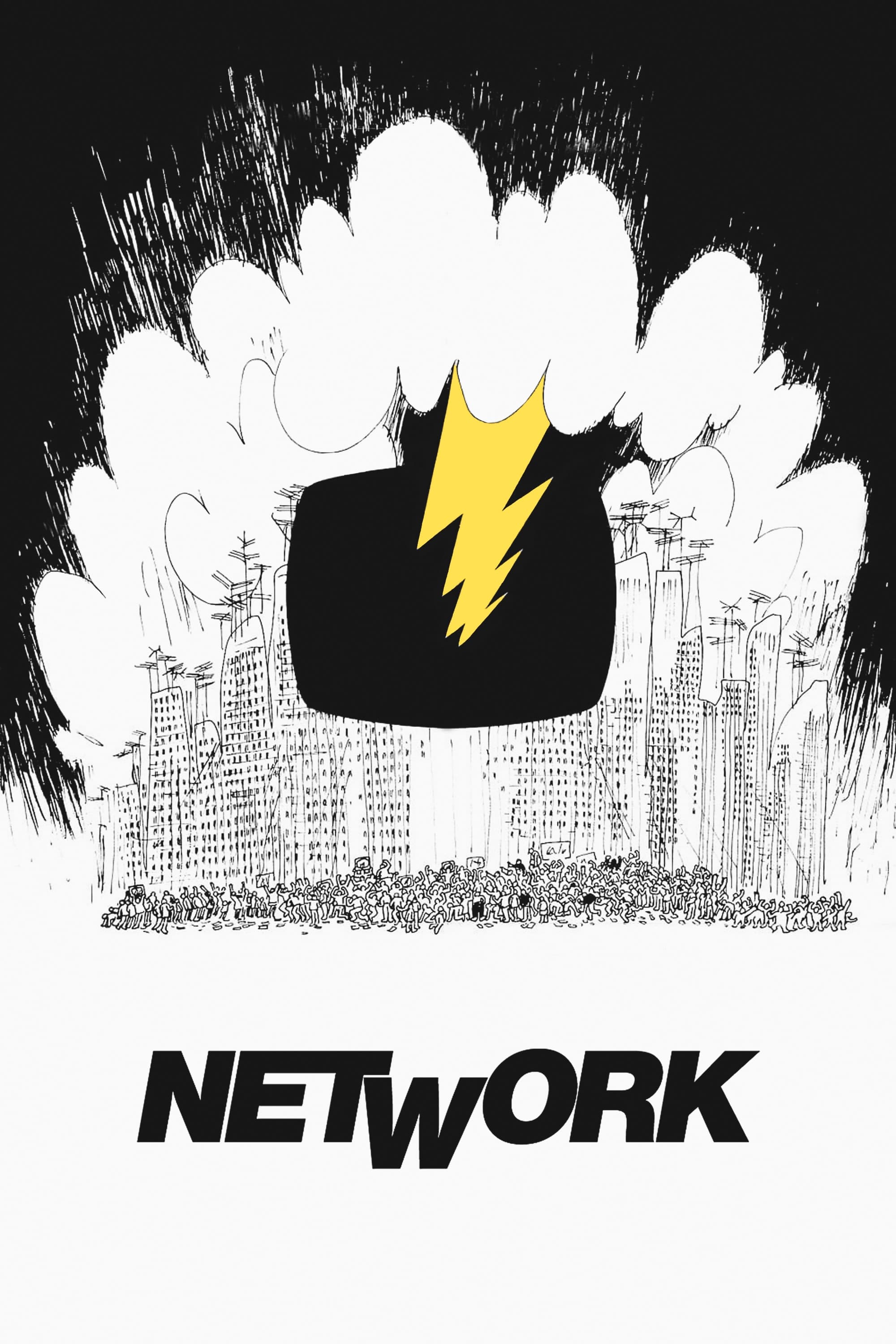
The satire depicts a television station that prioritizes sensationalism and outrage over journalistic integrity to boost ratings. It predicted the deregulation of media and the rise of 24-hour news cycles driven by opinion rather than fact. The film anticipated the blurring of lines between news and entertainment that defines modern broadcasting policy. It remains a relevant critique of how corporate consolidation affects information quality.
‘The China Syndrome’ (1979)
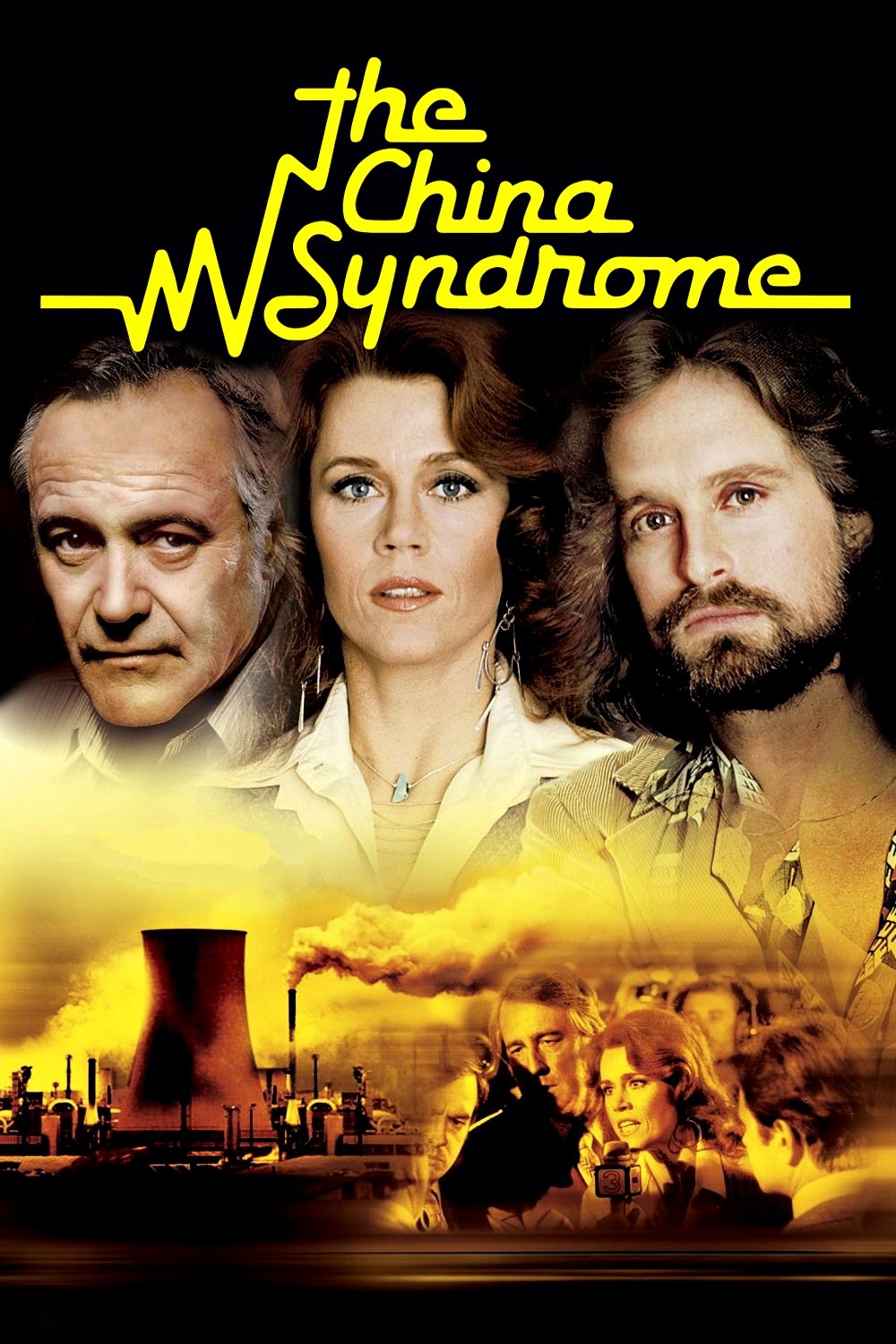
Released just days before the actual Three Mile Island accident this film tells the story of a cover-up at a nuclear power plant. It highlighted the dangers of prioritizing cost-cutting over safety regulations in the energy sector. The movie and the real-world event combined to drastically change nuclear policy in the United States. It led to stricter oversight from the Nuclear Regulatory Commission and a halt in new plant construction for decades.
‘RoboCop’ (1987)
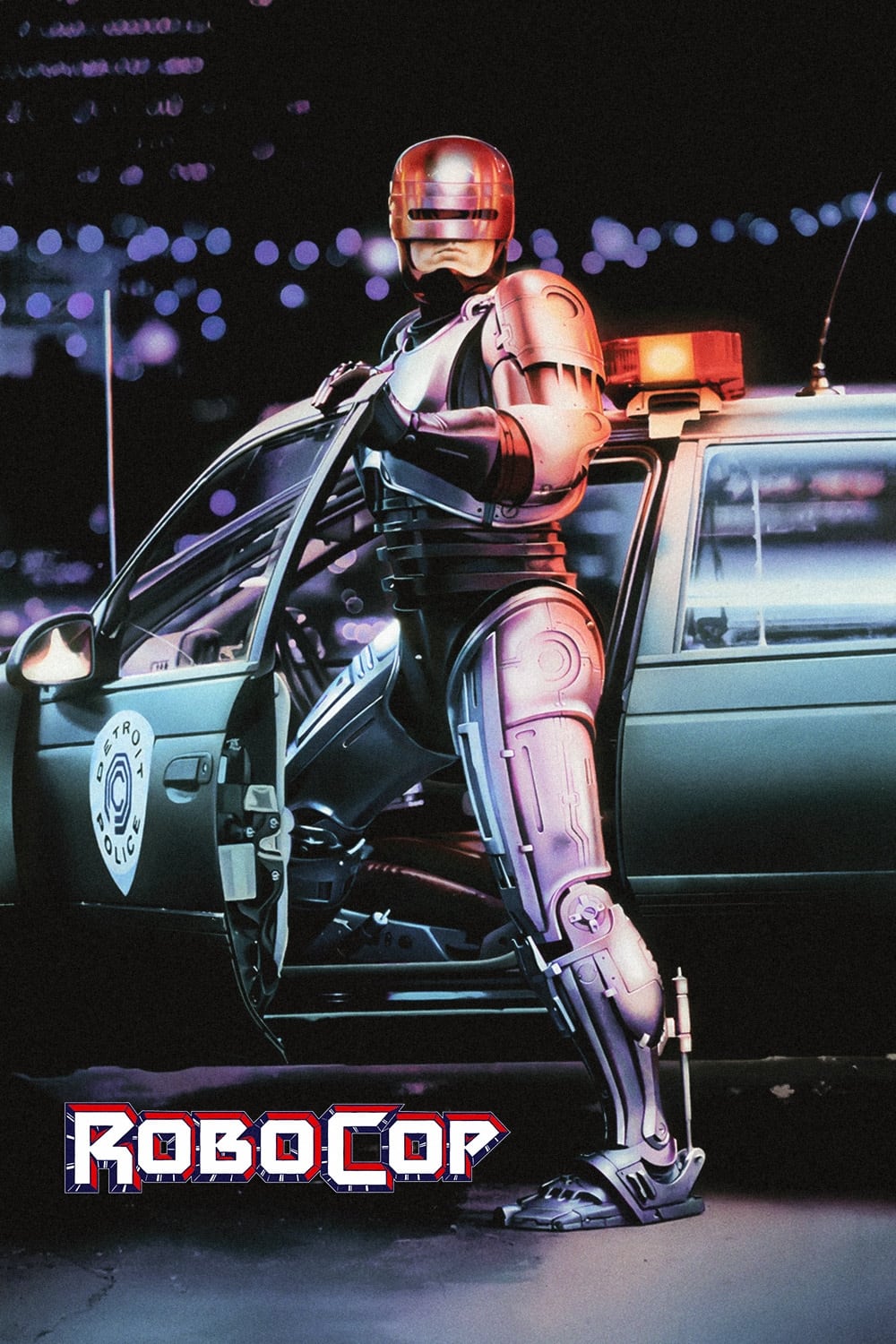
The film is set in a dystopian Detroit where the police force has been privatized and turned over to a corporation. It satirizes the militarization of law enforcement and the dangers of allowing profit motives to dictate public safety. We now see similar debates regarding the use of private military contractors and automated surveillance in policing. The movie predicted the ethical and legal complications of outsourcing state violence.
‘Guess Who’s Coming to Dinner’ (1967)
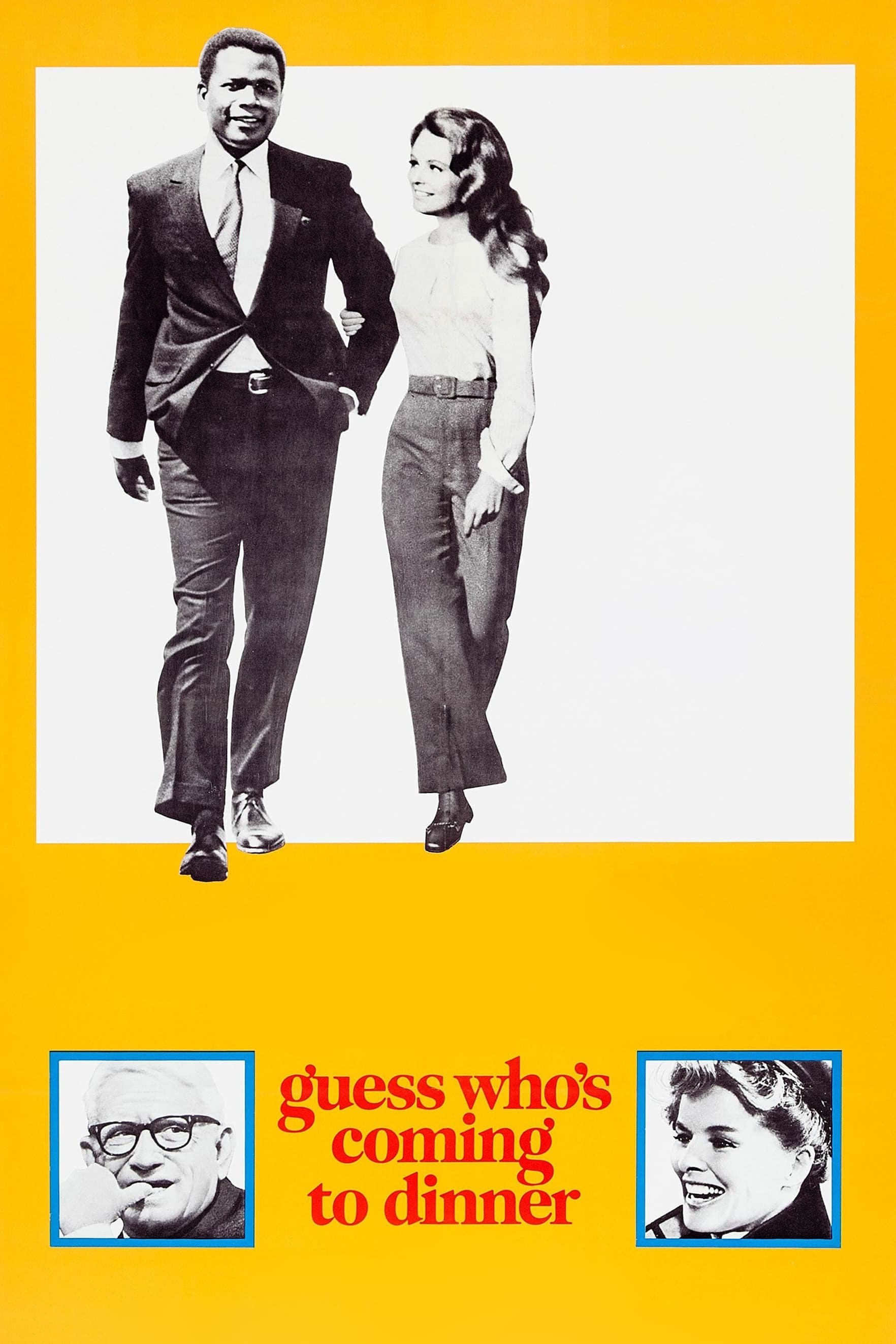
This film portrayed an interracial couple and the reactions of their families at a time when such marriages were still illegal in many states. It was released only six months after the Supreme Court ruled on Loving v. Virginia to strike down anti-miscegenation laws. The movie helped normalize the policy shift by bringing the conversation into the living rooms of average Americans. It stands as a cultural pillar that supported the federal protection of interracial marriage.
‘Deep Impact’ (1998)
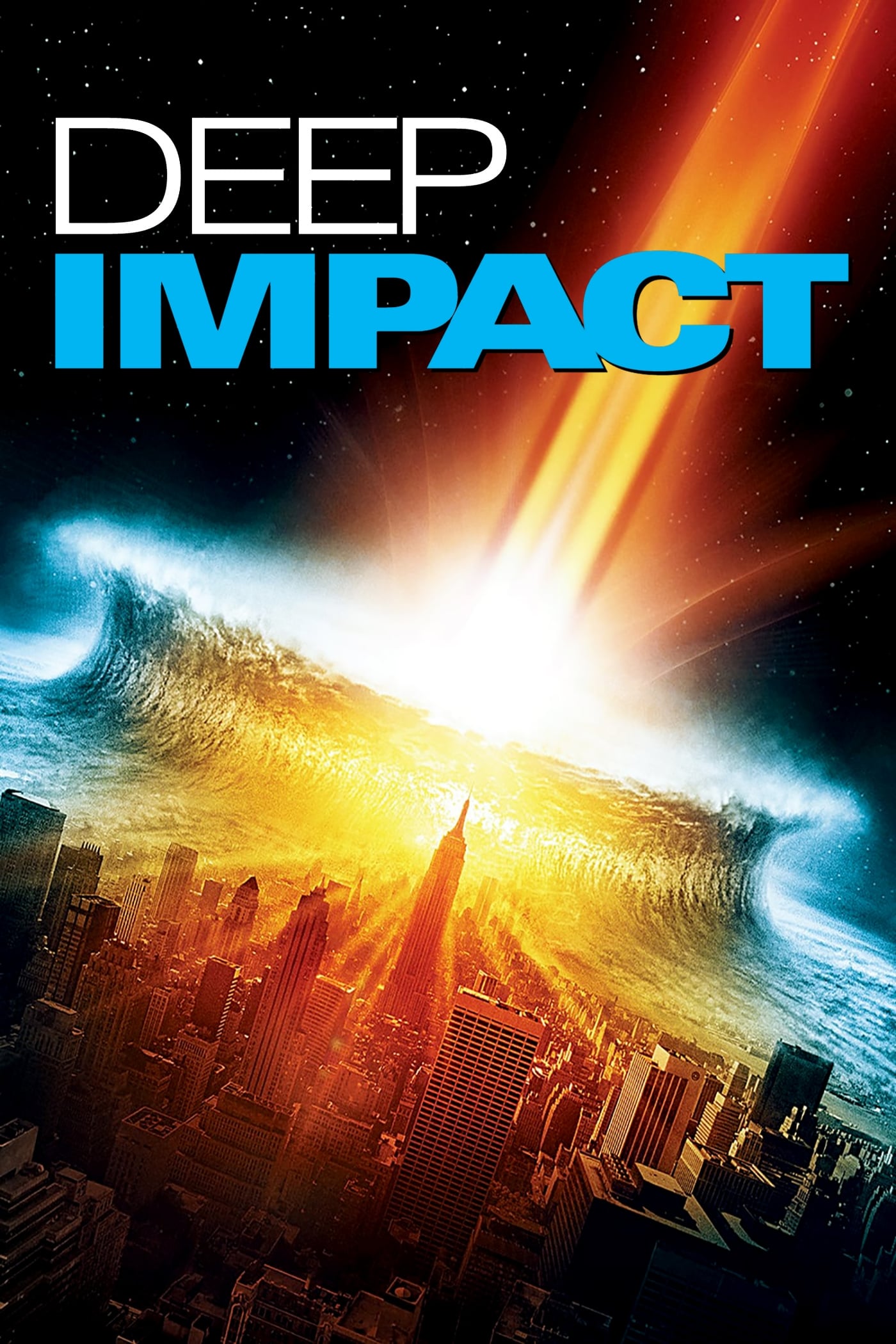
The plot involves the discovery of a comet on a collision course with Earth and the government response to ensure survival. It popularized the concept of planetary defense which was once considered fringe science. NASA eventually established the Planetary Defense Coordination Office to detect near-Earth objects. The film anticipated the need for a formal government policy regarding asteroid threats.
‘Boys Don’t Cry’ (1999)

Hilary Swank stars in this dramatization of the real-life murder of Brandon Teena. The film brought the brutal reality of violence against transgender individuals to a mainstream audience. It played a significant role in the lobbying efforts for hate crime legislation that includes gender identity. The Matthew Shepard and James Byrd Jr. Hate Crimes Prevention Act eventually codified these protections.
‘Disclosure’ (1994)
Demi Moore and Michael Douglas star in a thriller that reversed the typical gender roles in a sexual harassment case. The film highlighted the complexities of corporate power dynamics and the legal definitions of workplace harassment. It brought attention to the fact that harassment policies must protect all employees regardless of gender. This contributed to the more robust HR policies we see in corporations today.
‘Sneakers’ (1992)
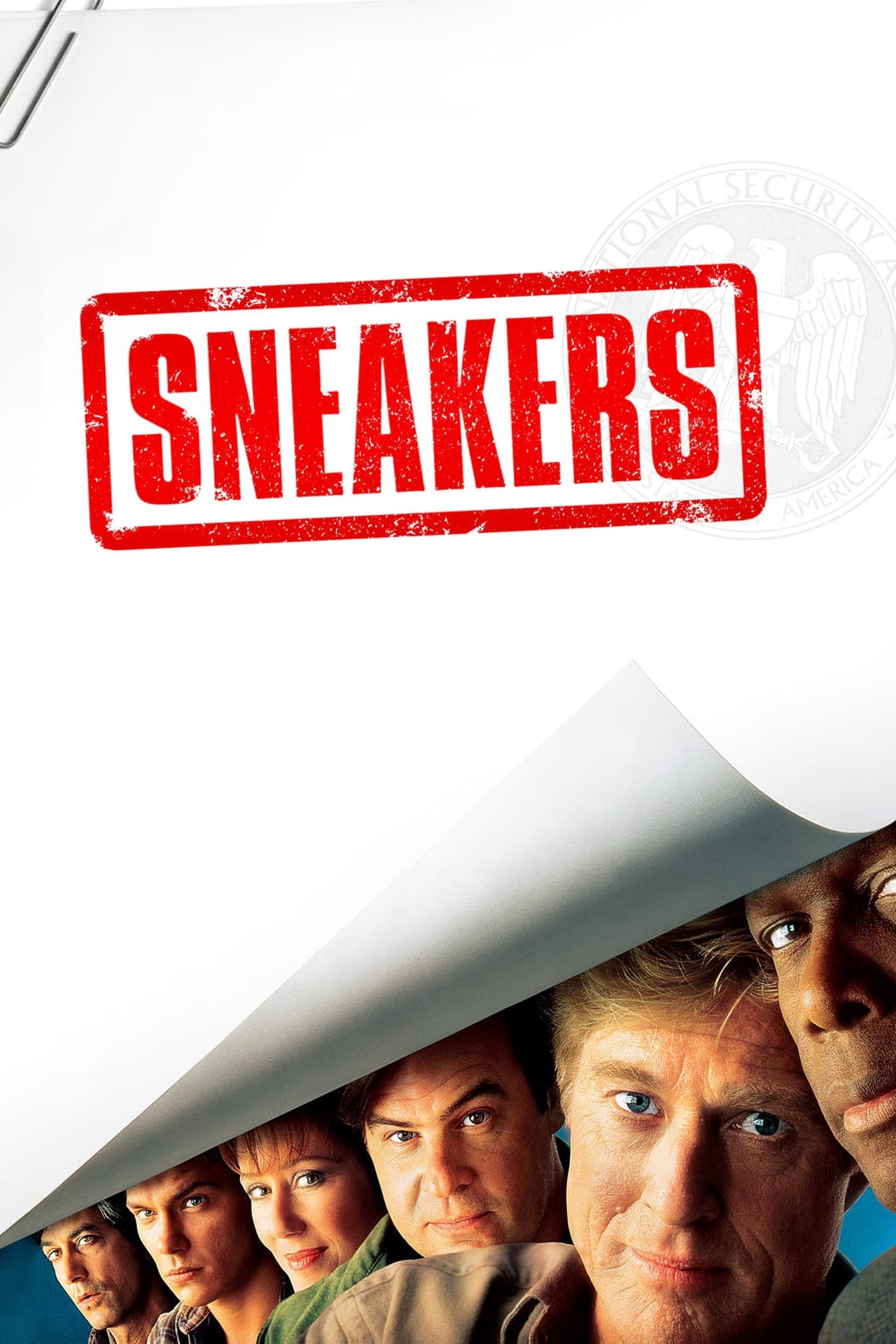
Robert Redford leads a team of security specialists who recover a black box capable of breaking any encryption code. The movie predicted the immense value of information warfare and the government interest in backdoor access to data. It foreshadowed the cryptographic wars and the debates over whether the government should have access to encrypted devices. The film remains relevant to current policies regarding digital security and intelligence gathering.
‘Traffic’ (2000)
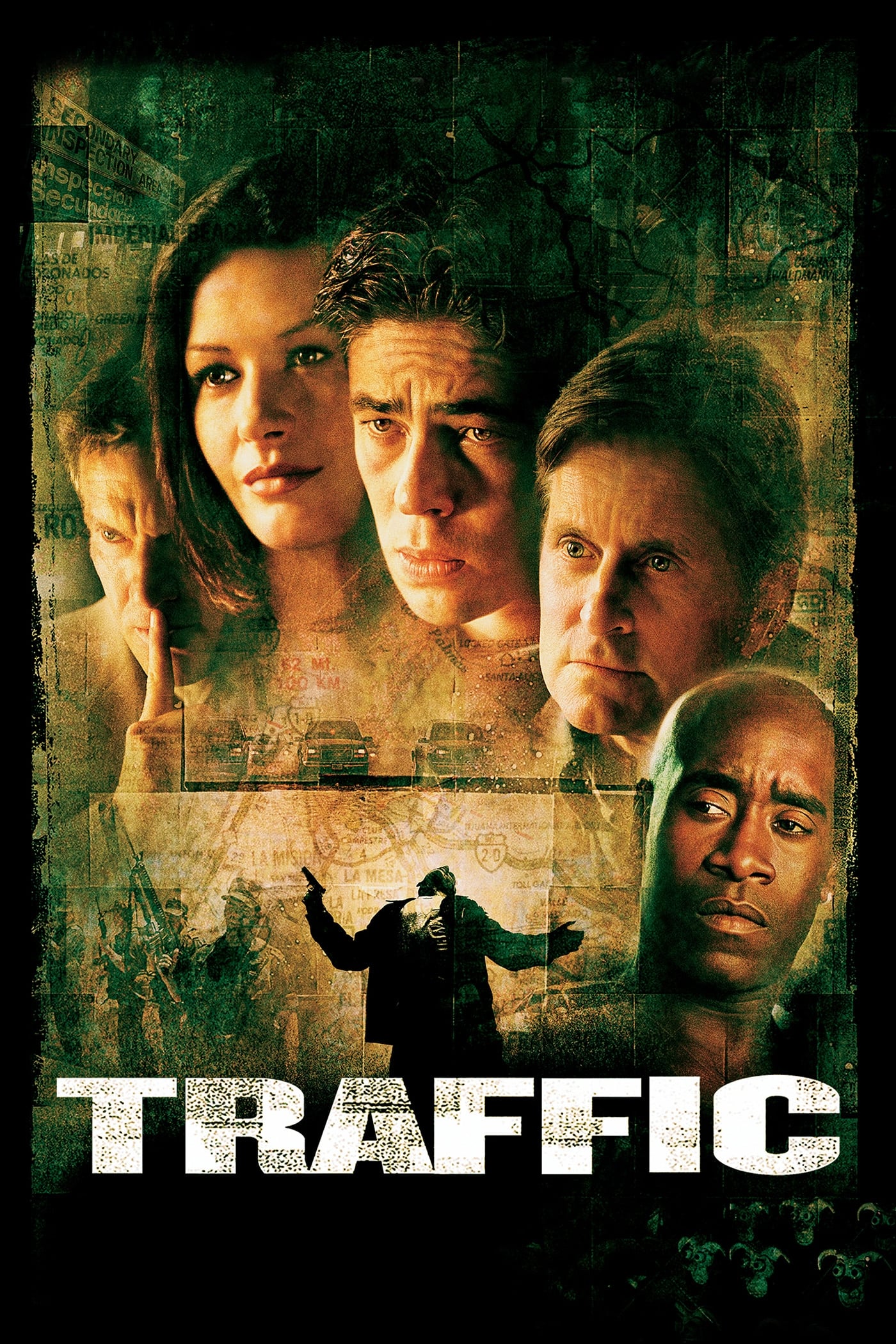
This ensemble drama explores the illegal drug trade from the perspectives of users and enforcers and politicians. It offered a bleak assessment of the War on Drugs and suggested that aggressive criminalization was failing. The film contributed to the policy conversation shifting toward treatment and decriminalization. We now see many states adopting the public health approach to addiction that the movie implicitly advocated.
‘Erin Brockovich’ (2000)

Julia Roberts plays a legal assistant who uncovers a massive cover-up regarding water contamination by a utility company. The success of the film raised public awareness about corporate liability and environmental safety. It empowered communities to demand stricter testing of their water supplies and enforcement of EPA standards. The movie underscores the importance of class-action lawsuits in shaping environmental policy.
‘Demolition Man’ (1993)

The future society in this film fines citizens for using profanity and has outlawed various unhealthy behaviors. It satirically predicted the rise of speech codes and the implementation of sin taxes on items like soda and tobacco. The movie also featured biometric implants which are now becoming a reality in security sectors. It exaggerated the trend of legislating morality and health which has become a standard part of modern governance.
‘Her’ (2013)

Joaquin Phoenix falls in love with an artificial intelligence operating system that evolves to have its own consciousness. The film explores the emotional and legal implications of human interaction with sophisticated AI. It foreshadowed the current need for policies regarding AI ethics and the psychological impact of digital companions. We are now beginning to draft the very regulations on AI personhood that the film hints at.
‘The Net’ (1995)

Sandra Bullock plays a systems analyst whose identity is erased by cyberterrorists. The film was one of the first to show the devastating potential of identity theft and digital record manipulation. It predicted the need for robust laws protecting digital identity and penalizing cybercrime. The concept of remote working and ordering pizza online also appeared here as a precursor to the digital economy.
‘Soylent Green’ (1973)
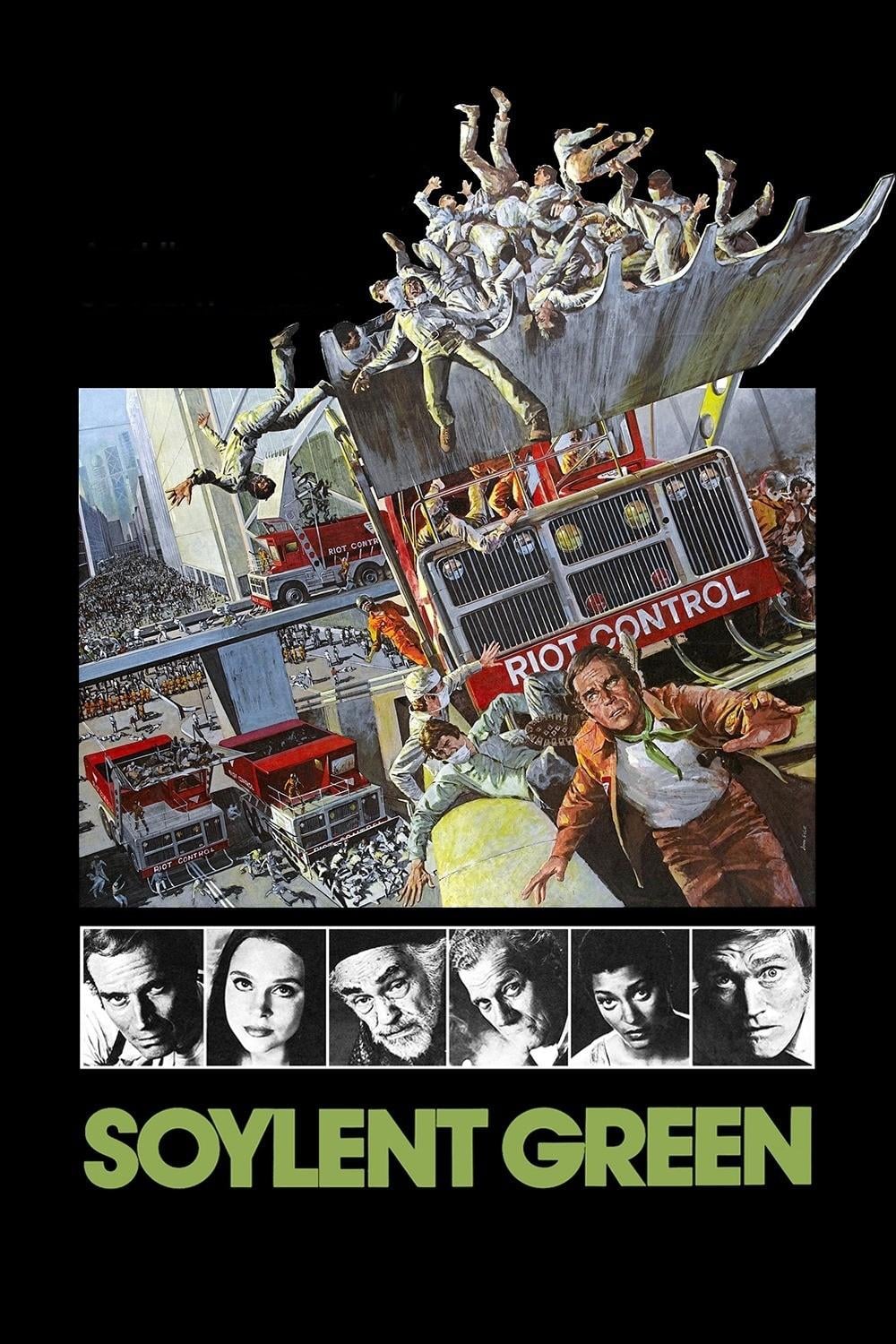
The film depicts a dystopian future ravaged by the greenhouse effect and overpopulation. It predicted the desperate need for resource rationing and the potential for corporate control over the food supply. The setting foreshadowed the modern policy focus on climate change mitigation and sustainable agriculture. It remains a dark warning about the lack of environmental regulation.
‘Idiocracy’ (2006)
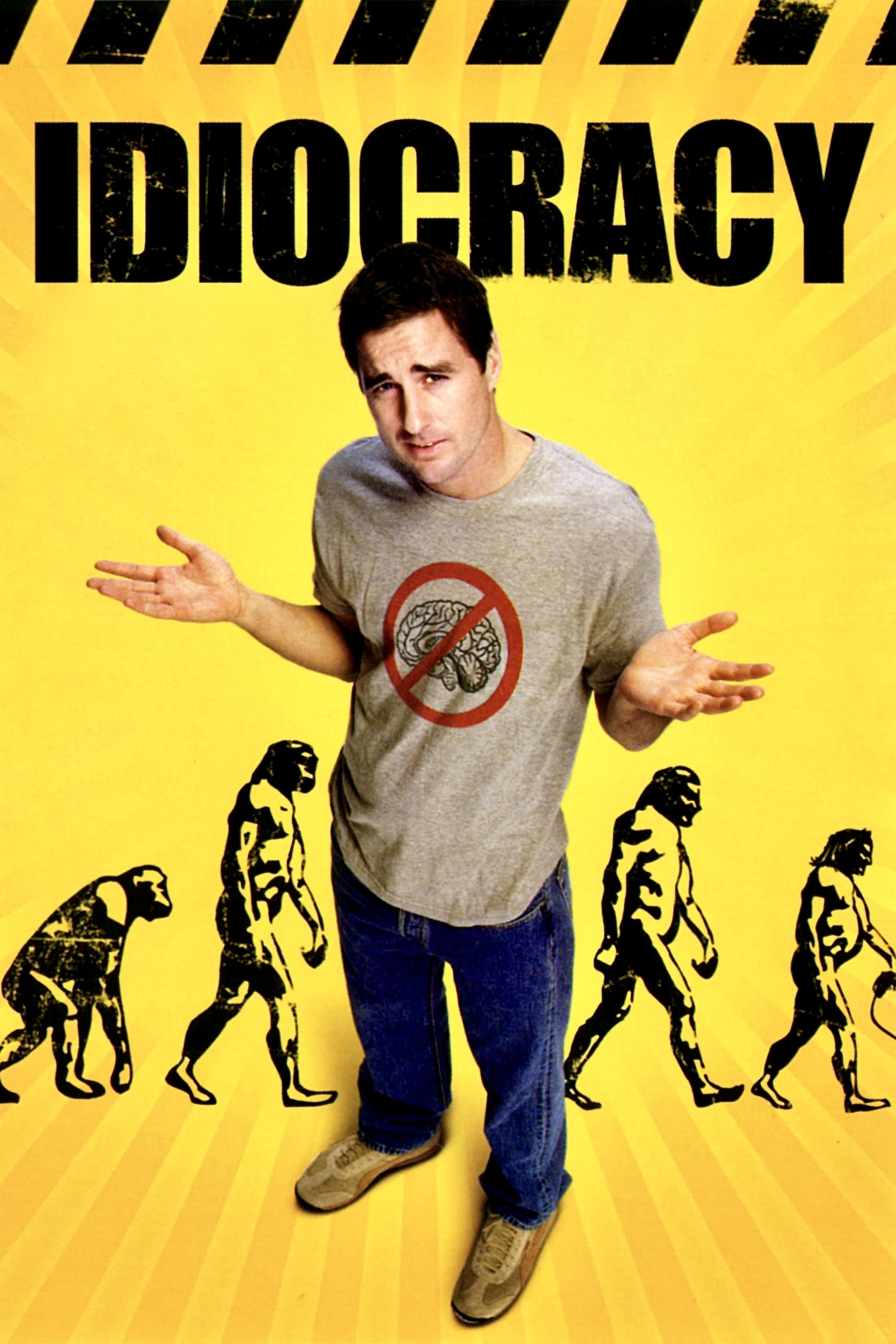
This cult comedy portrays a future where intelligence has declined and corporations have taken over government functions. It satirizes the commercialization of politics and the decay of educational standards. The film predicted a political landscape dominated by entertainment value and anti-intellectualism. It serves as a warning about the importance of education policy and campaign finance reform.
‘District 9’ (2009)

Aliens arrive on Earth and are immediately forced into a militarized slum in South Africa. The film serves as an allegory for apartheid but also predicts modern refugee camp management. It highlights the role of private contractors in managing displaced populations and the lack of rights afforded to non-citizens. The movie reflects the harsh realities of current global migration policies.
‘The Conversation’ (1974)
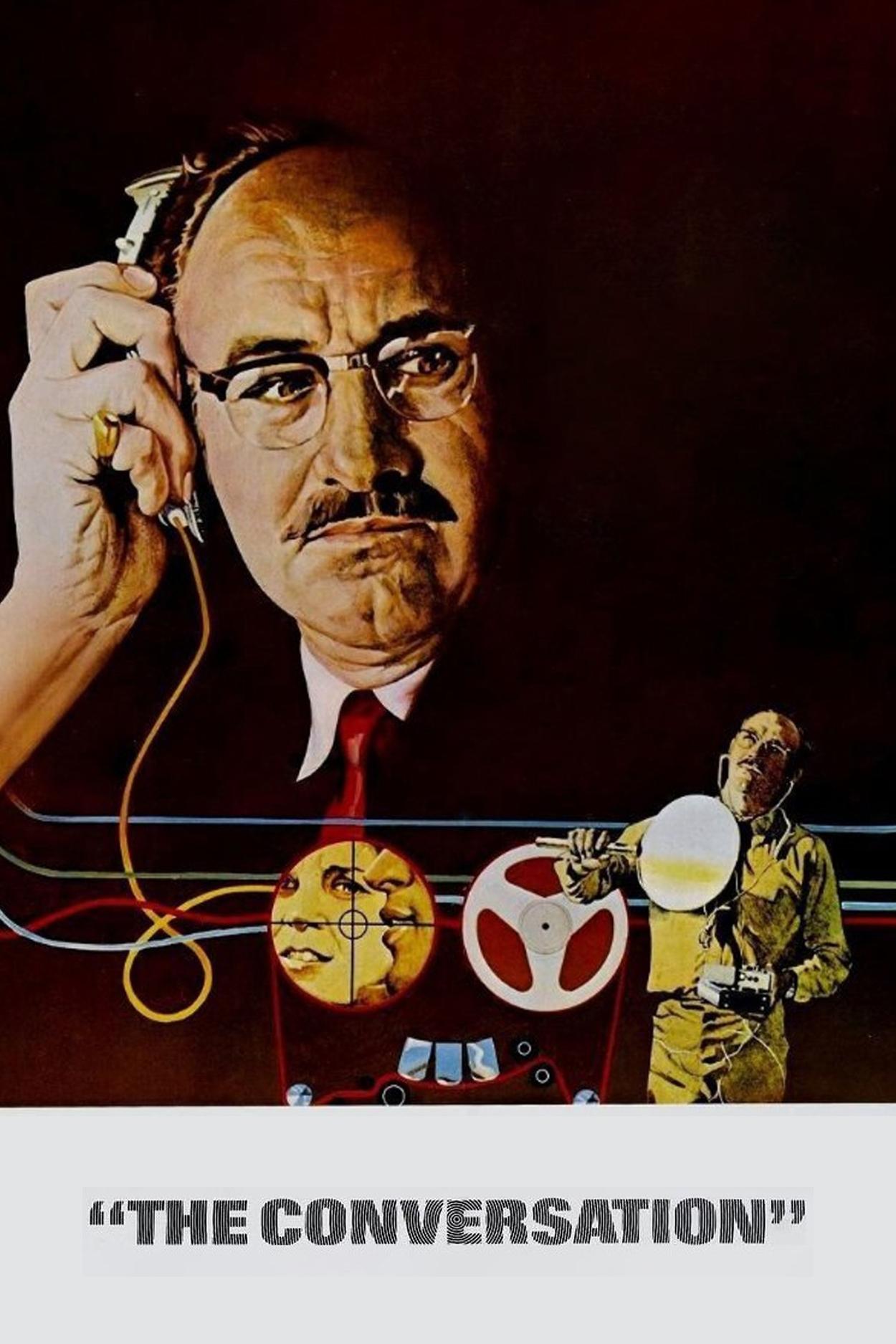
Gene Hackman plays a surveillance expert who becomes paranoid that his work will lead to a murder. The film was released during the Watergate scandal and captured the growing fear of wiretapping. It predicted the stringent laws that would eventually be required to regulate electronic eavesdropping. The story emphasizes the need for judicial oversight in surveillance operations.
‘Blade Runner’ (1982)
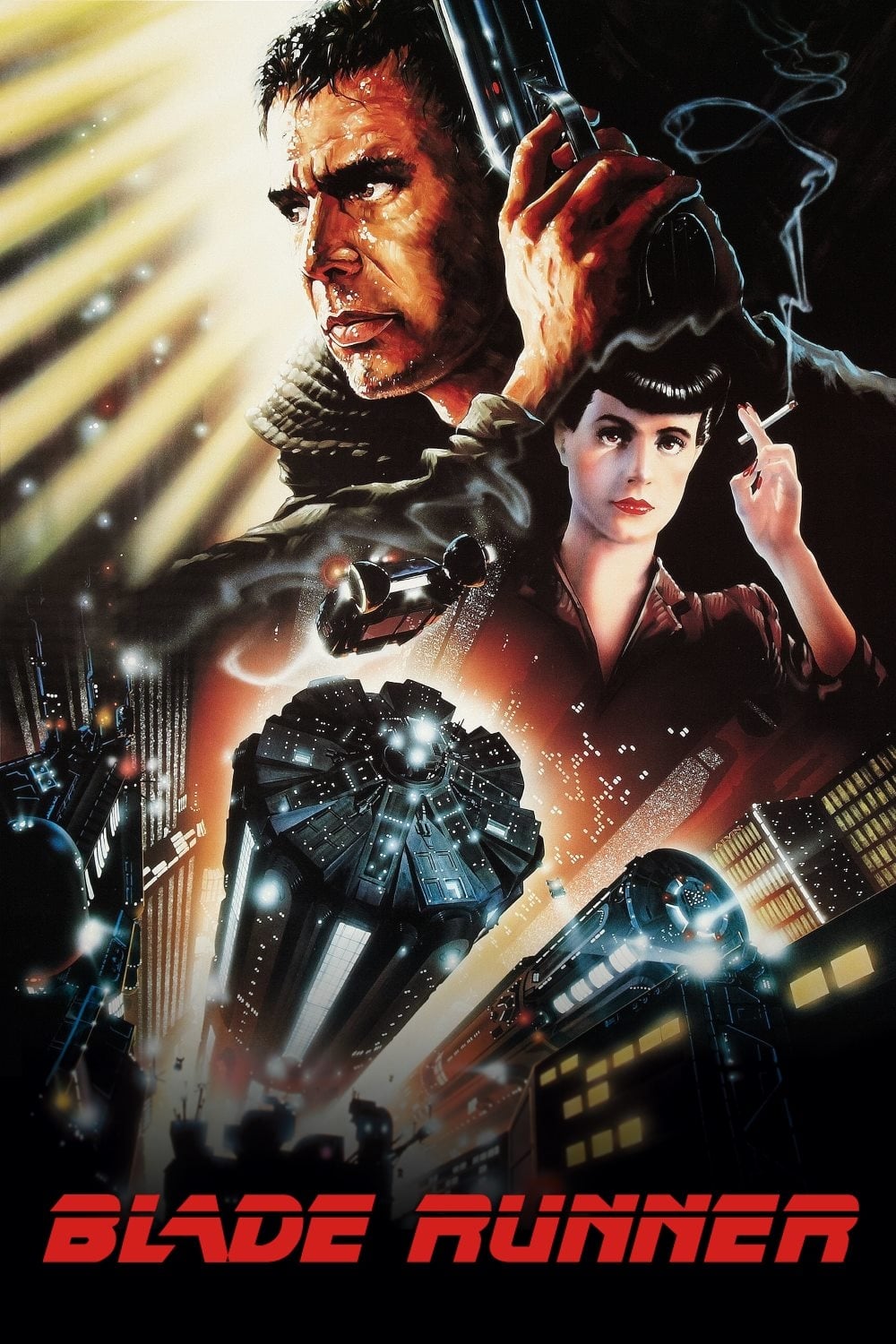
The film deals with bioengineered beings called replicants who are illegal on Earth and hunted by police. It raises fundamental questions about what constitutes a person and who deserves legal rights. This anticipated the complex bioethics policies we now debate regarding cloning and artificial intelligence. The narrative forces a reevaluation of the legal definition of humanity.
‘An Inconvenient Truth’ (2006)
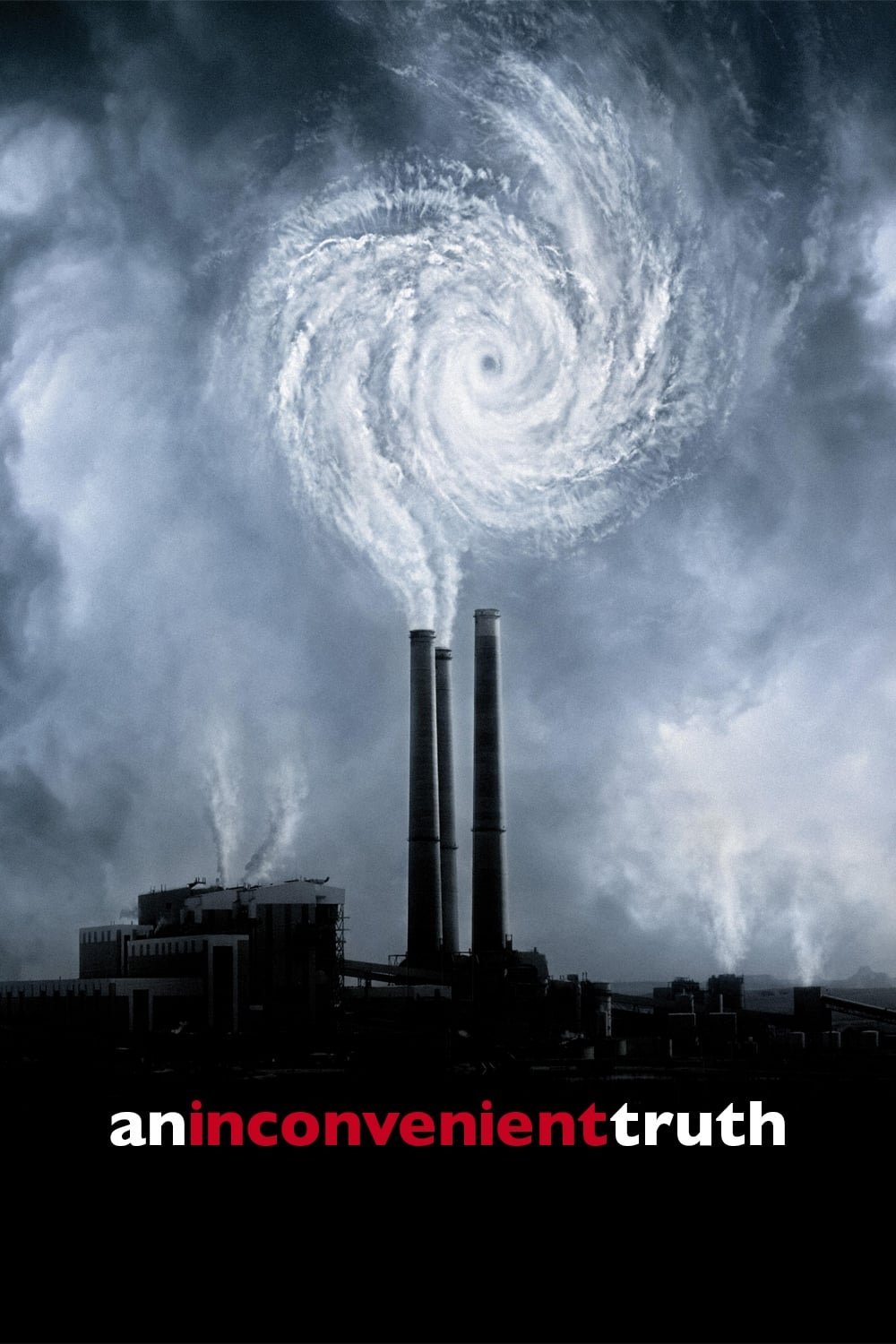
This documentary film featuring Al Gore brought the scientific data regarding global warming to a mass audience. It fundamentally changed the political conversation and made climate change a central platform for elections. The film is credited with influencing carbon emission policies and renewable energy incentives worldwide. It successfully transitioned climate science from academic journals to legislative agendas.
‘Starship Troopers’ (1997)

The film presents a fascist future where citizenship and the right to vote are earned solely through military service. It satirizes the use of propaganda and the glorification of war to control a population. The movie predicted the strategy of embedding journalists with troops to curate a specific narrative. It warns against policies that conflate patriotism with unquestioning obedience to the state.
‘Panic Room’ (2002)

Jodie Foster and her daughter hide in a reinforced safe room during a home invasion. The movie popularized the concept of high-security residential fortifications for the wealthy. It reflects the increasing privatization of security and the policy shifts allowing for aggressive home defense measures. The film highlighted the class disparity in access to safety and personal protection.
‘Do the Right Thing’ (1989)
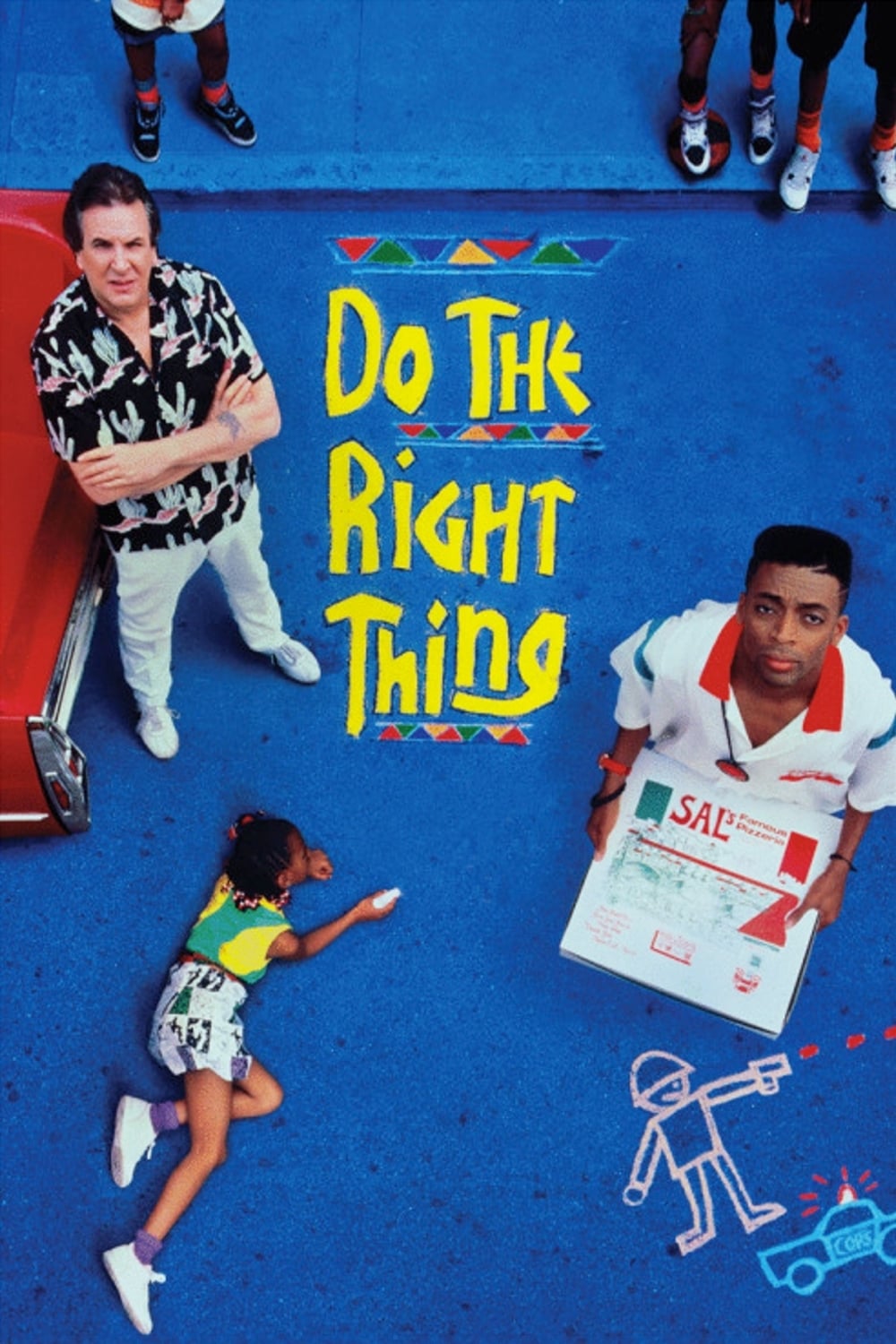
Spike Lee directs a story about racial tension in Brooklyn that culminates in the police killing of a black man via a chokehold. The film tragically predicted the ongoing crisis of excessive force and the specific tactics that would later be banned by many police departments. It sparked intense debates about community policing and systemic racism. The movie remains a touchstone for activists seeking policy reform in law enforcement.
‘Ex Machina’ (2014)

A programmer is invited to administer the Turing test to an intelligent humanoid robot. The film explores the dangers of unregulated AI development within private tech companies. It anticipated the current calls for government oversight on AI capability and containment. The story illustrates the risks of allowing tech billionaires to dictate the future of artificial intelligence policy.
Share your thoughts in the comments on which movie you think most accurately predicted the laws we follow today.