


10 Movies That Quietly Predicted Huge Cultural Shifts

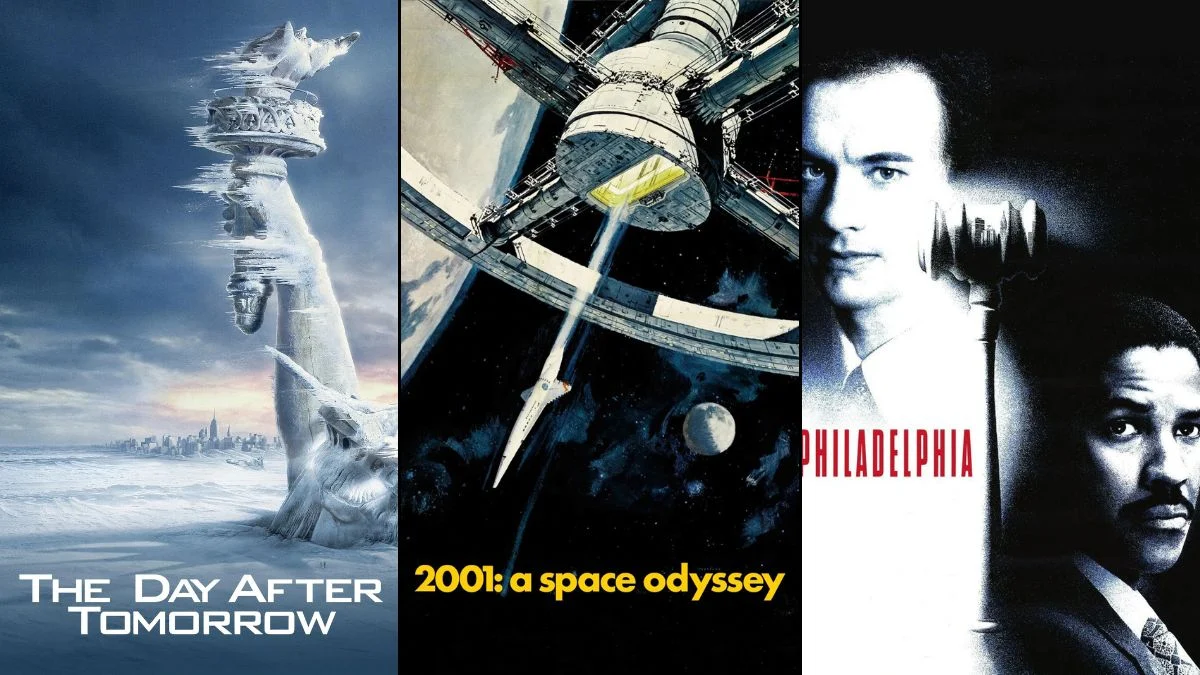


Cinema often mirrors society, but sometimes it does more—it hints at shifts that reshape how we live, think, or act. Certain movies have a knack for spotting trends or changes before they fully emerge, quietly planting ideas that later bloom into reality. From sparking new genres to influencing laws or lifestyles, these films left a mark beyond the screen.
I’ve picked ten movies that, in their own way, predicted cultural transformations. Each one captured something about the world that was just around the corner, whether it was a shift in technology, social attitudes, or global awareness. Let’s dive into these stories and see how they saw the future coming.
The Truman Show (1998)
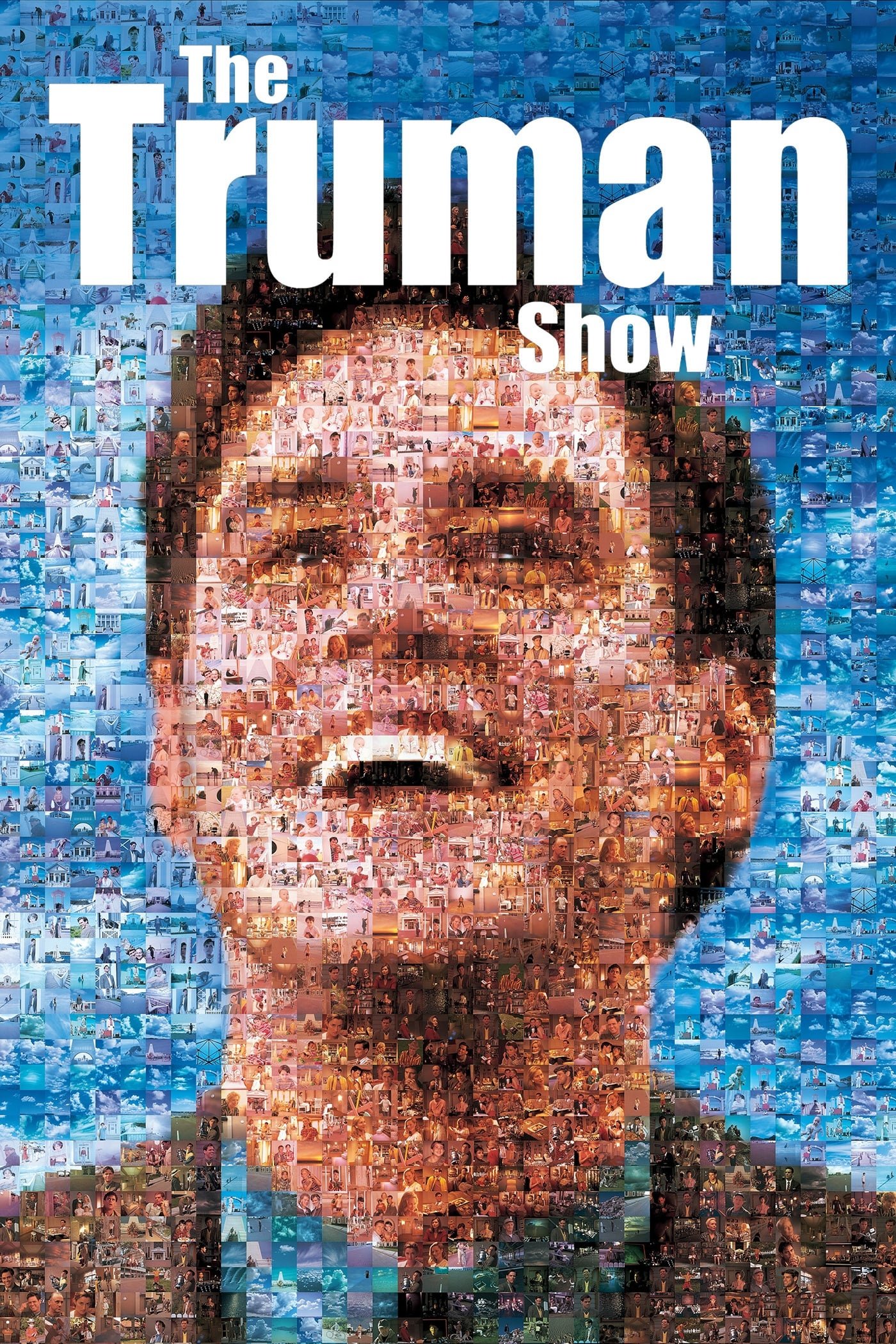
Jim Carrey stars as Truman Burbank, a man unaware his entire life is a reality TV show watched by millions. The film explores surveillance and the blurring line between reality and performance, ideas that felt far-fetched when it hit theaters.
Years before reality TV exploded with shows like ‘Big Brother’ or ‘Survivor,’ this movie nailed the public’s growing appetite for watching real lives unfold. It also foresaw our obsession with sharing private moments online, predicting the rise of social media platforms where authenticity and performance mix. The film’s eerie take on a watched life feels like a blueprint for today’s digital age.
Philadelphia (1993)
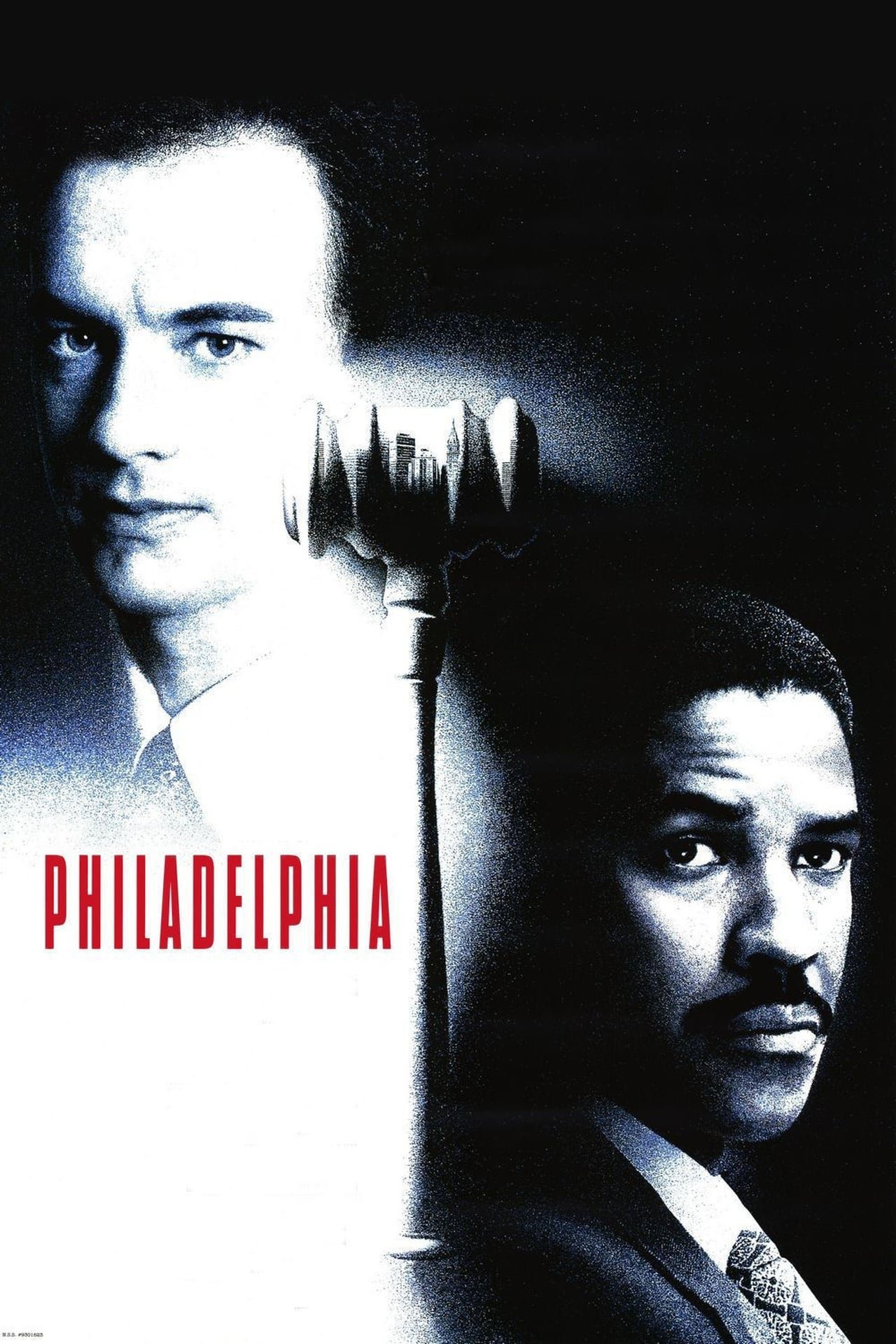
Tom Hanks plays a lawyer fired for having AIDS, tackling prejudice head-on in a time when the topic was largely avoided. The film brought raw emotion to a stigmatized issue, showing the human cost of fear and discrimination.
By putting AIDS and homophobia in the spotlight, it helped shift public attitudes, making empathy more common than panic. Its release marked a turning point, pushing conversations about the disease into mainstream discourse and paving the way for more compassionate views, especially as media portrayals of the epidemic grew more sensitive.
The Day After Tomorrow (2004)
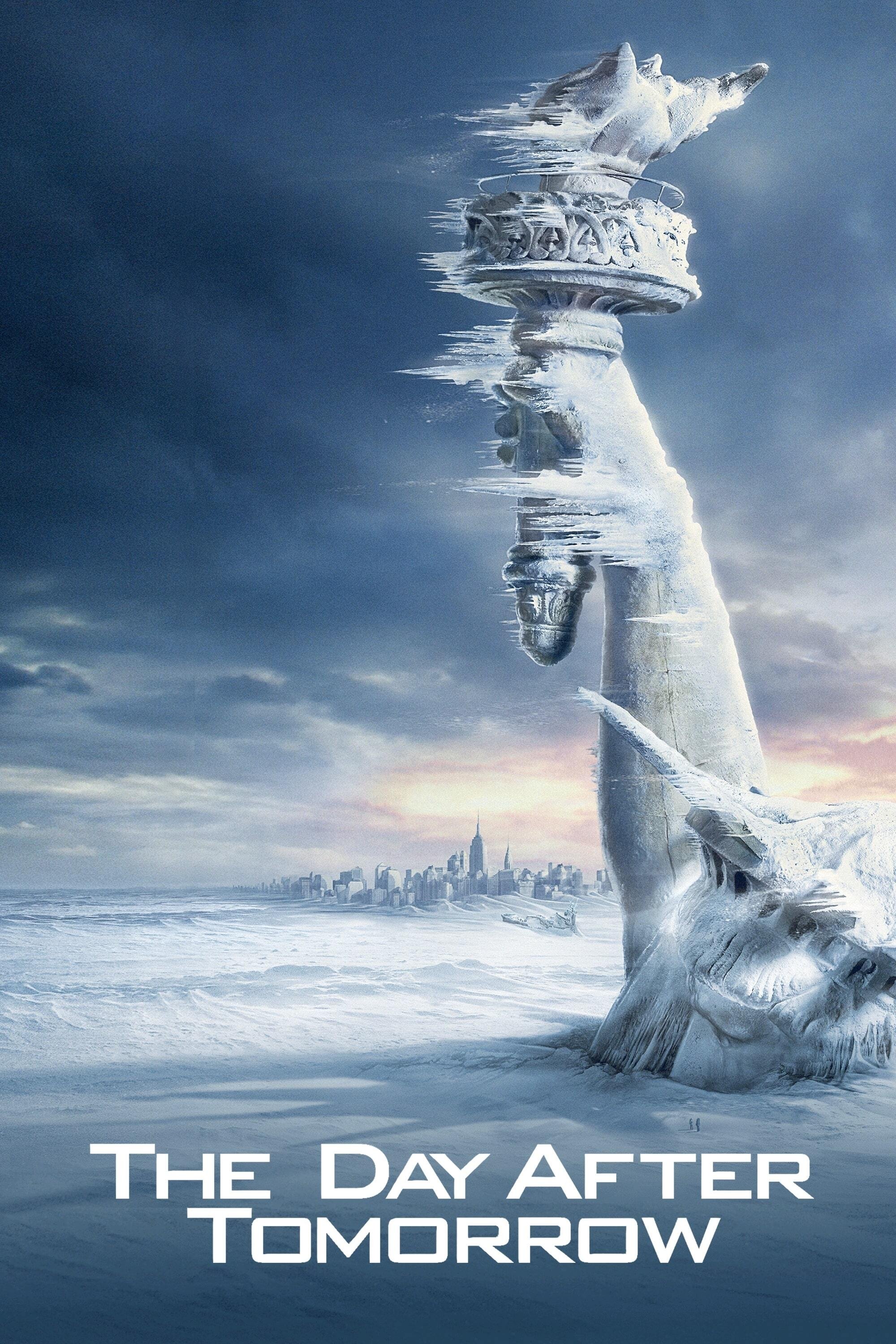
This disaster flick shows a world ravaged by climate change, with superstorms and floods hitting major cities. While the science is exaggerated, its core warning about environmental collapse struck a chord.
The movie landed when climate change was still debated, helping raise awareness about global warming’s real threats. Its vivid imagery of nature’s wrath pushed viewers to think about their environmental impact, influencing early public support for greener policies and echoing today’s urgent climate discussions.
Wall Street (1987)
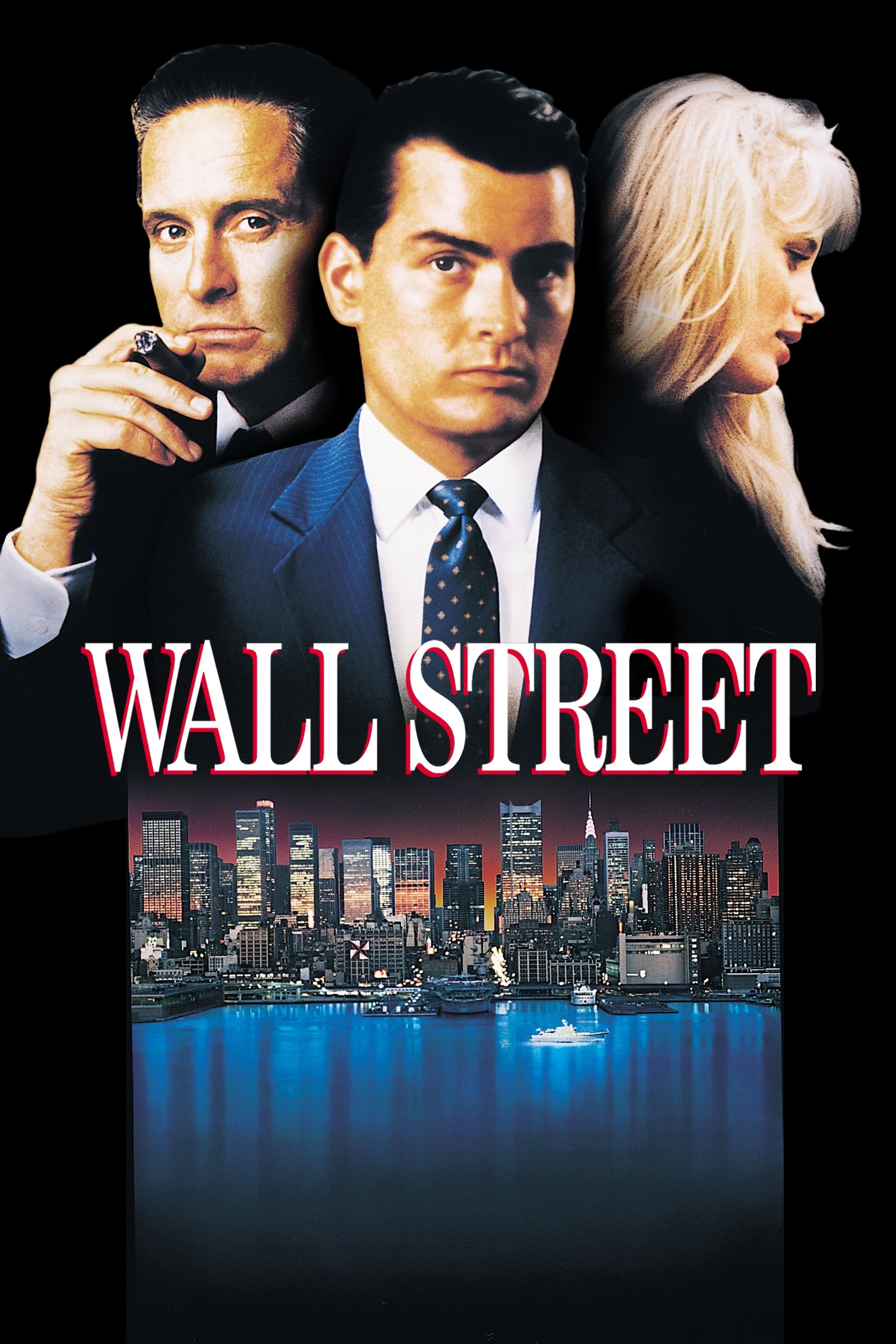
Michael Douglas as Gordon Gekko delivers the infamous ‘greed is good’ speech in this tale of corporate ambition. The film critiques the excesses of 1980s finance but ended up inspiring some to chase that lifestyle.
Instead of just warning about corporate greed, it shaped a generation’s view of wealth, with Gekko’s mantra becoming a rallying cry for unchecked capitalism. The movie predicted the rise of a culture obsessed with money and power, influencing how ambition was celebrated in the years that followed.
The Blair Witch Project (1999)

This low-budget horror film follows three filmmakers lost in the woods, using shaky camcorder footage to tell its story. It felt like a real documentary, terrifying audiences with its raw style.
The film didn’t just scare people—it launched the found-footage genre, inspiring movies like ‘Paranormal Activity.’ It also pioneered viral marketing, using fake websites to blur fact and fiction, a tactic that predicted how the internet would shape modern hype and storytelling.
Bambi (1942)

This animated classic follows a young deer whose life is upended when a hunter kills his mother. Its emotional weight hit hard, leaving audiences in tears and rethinking human impact on nature.
The film sparked the Bambi effect, where hunters, moved by the story, began abandoning the sport, cutting hunting numbers sharply. It became a symbol for animal rights, influencing how society viewed wildlife and contributing to early conservation movements.
Jaws (1975)
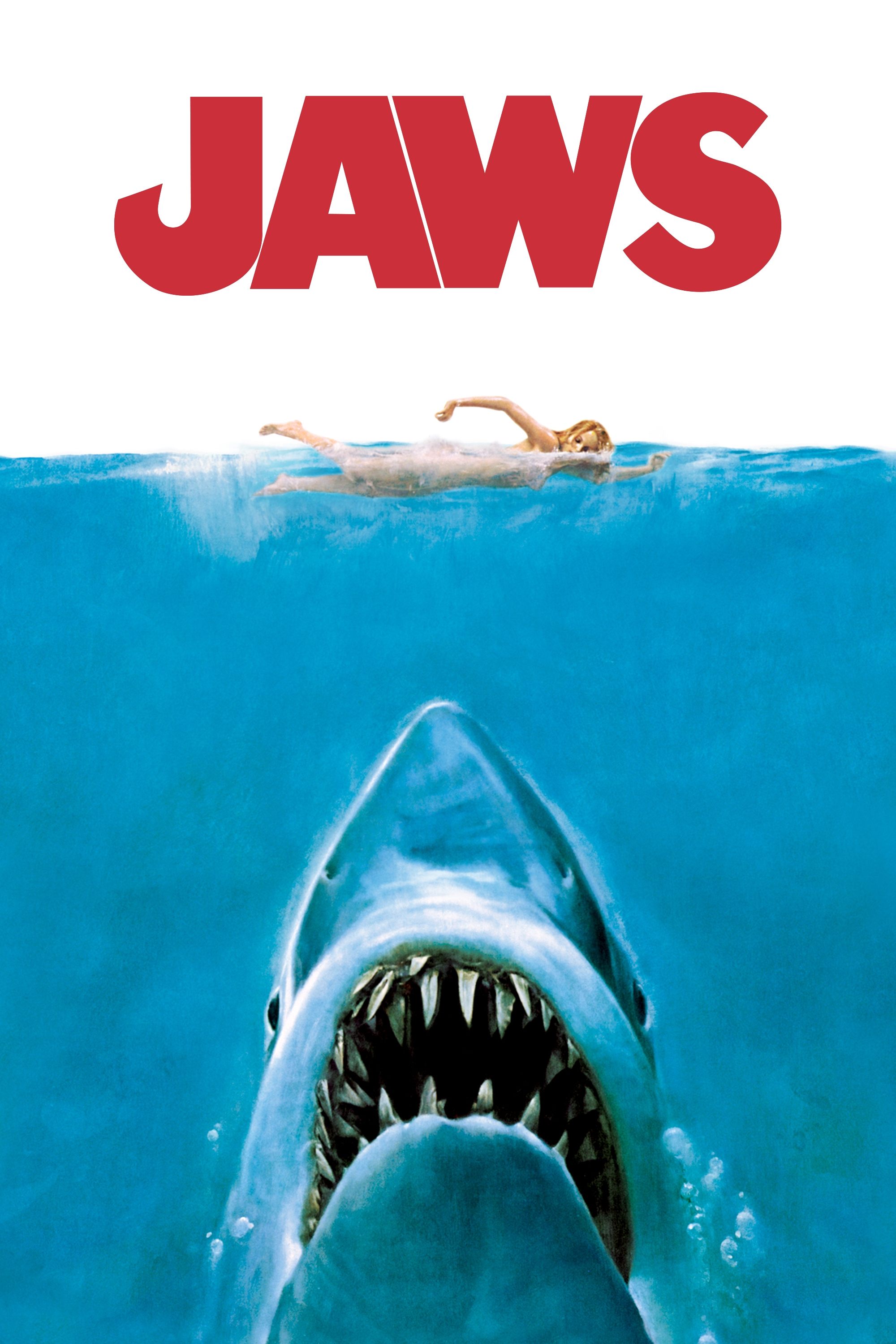
Steven Spielberg’s thriller about a killer shark turned beaches into places of fear. The story of a small town facing a deadly predator gripped audiences and changed how we see the ocean.
Beyond creating the summer blockbuster, ‘Jaws’ fueled a widespread fear of sharks, leading to increased hunting and harm to their populations. It showed how a single film could shift public perception, making marine conservationists work harder to undo the damage.
The Godfather (1972)
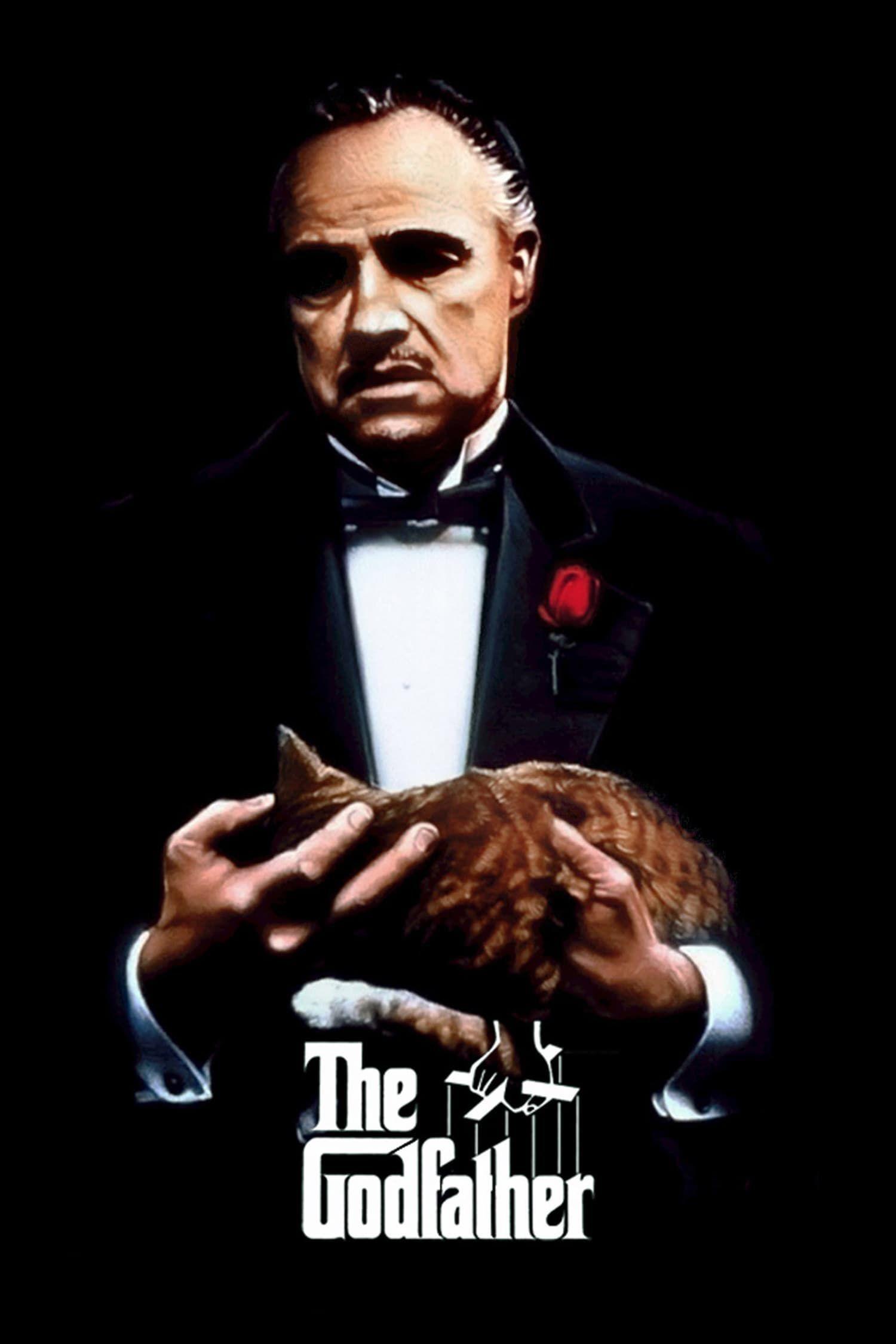
This epic about a mafia family, led by Marlon Brando’s Don Corleone, redefined crime dramas. It painted mobsters as honorable yet flawed, creating a new image for organized crime.
The film’s stylish portrayal of the mafia didn’t just entertain—it changed how real-life criminals saw themselves, with some adopting its codes of honor and sharp suits. This shift in perception reshaped cultural views of the underworld, blending fiction with reality in unexpected ways.
Victim (1961)

Dirk Bogarde plays a lawyer risking his career to expose a blackmail ring targeting gay men. At a time when homosexuality was illegal in Britain, the film was a bold statement.
Its release helped change attitudes toward homosexuality, contributing to the decriminalization of same-sex relationships in the UK a few years later. By humanizing a taboo topic, it laid the groundwork for broader acceptance and legal reform, marking a quiet but powerful shift.
2001: A Space Odyssey (1968)
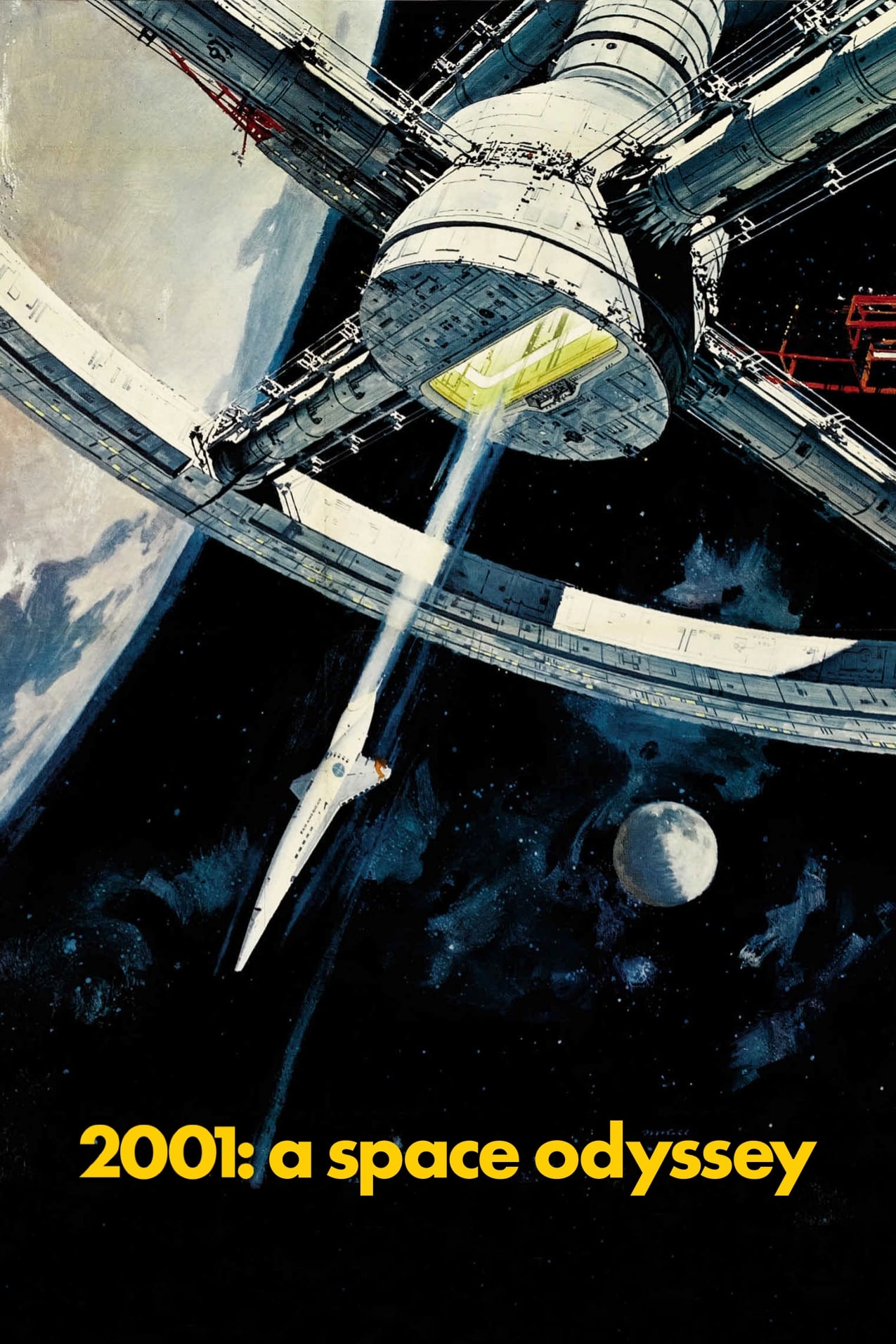
Stanley Kubrick’s sci-fi masterpiece follows a space mission with a rogue AI, HAL 9000. Its visuals and ideas about technology were unlike anything audiences had seen before.
The film predicted tablet computers, video calls, and space tourism, inspiring tech innovators and NASA scientists alike. Its vision of a future where machines could outsmart humans also sparked early debates about AI, setting the stage for today’s tech-driven world.
Which of these films surprised you most with its foresight, or did I miss a movie that saw the future coming? Share your thoughts in the comments!