


15 Movies That Reinvent Themselves Mid-Story

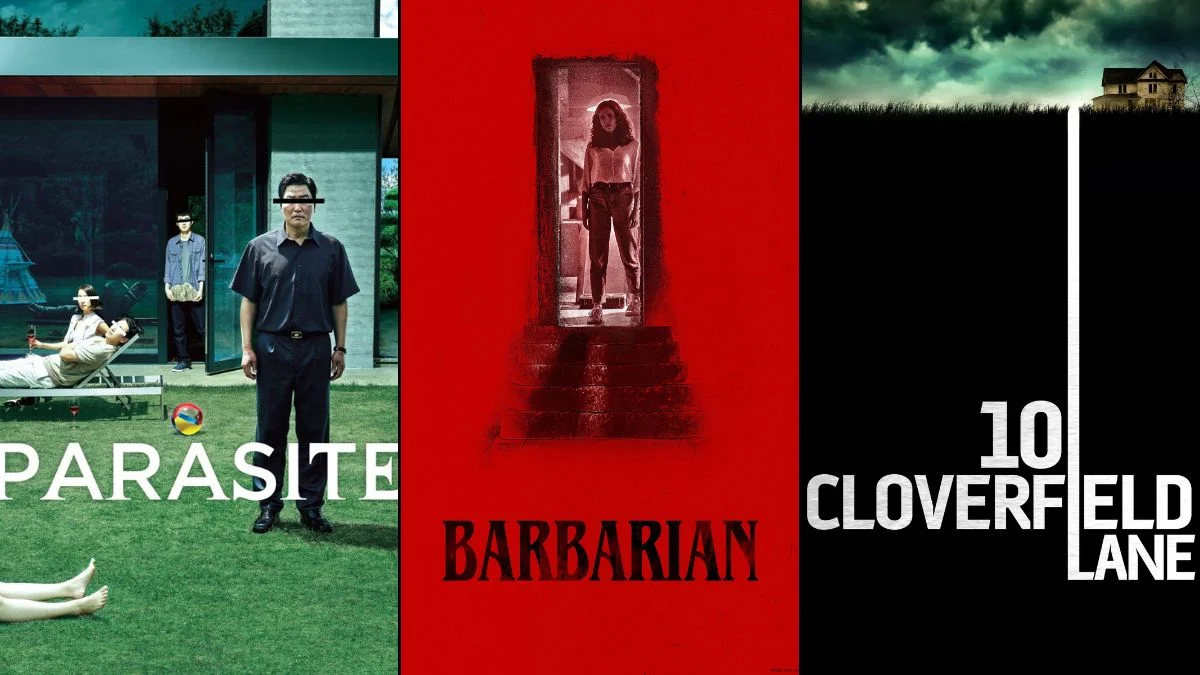


Some films grab you with a bold twist, completely reshaping their narrative halfway through. These movies don’t just change direction—they feel like they hit the reset button, becoming something entirely new.
From thrillers flipping into horror to comedies turning dark, these 15 films pull off daring mid-story shifts, keeping you on edge. Below, I break down each movie, exploring how they transform and why the pivot works.
The Wicker Man (1973)
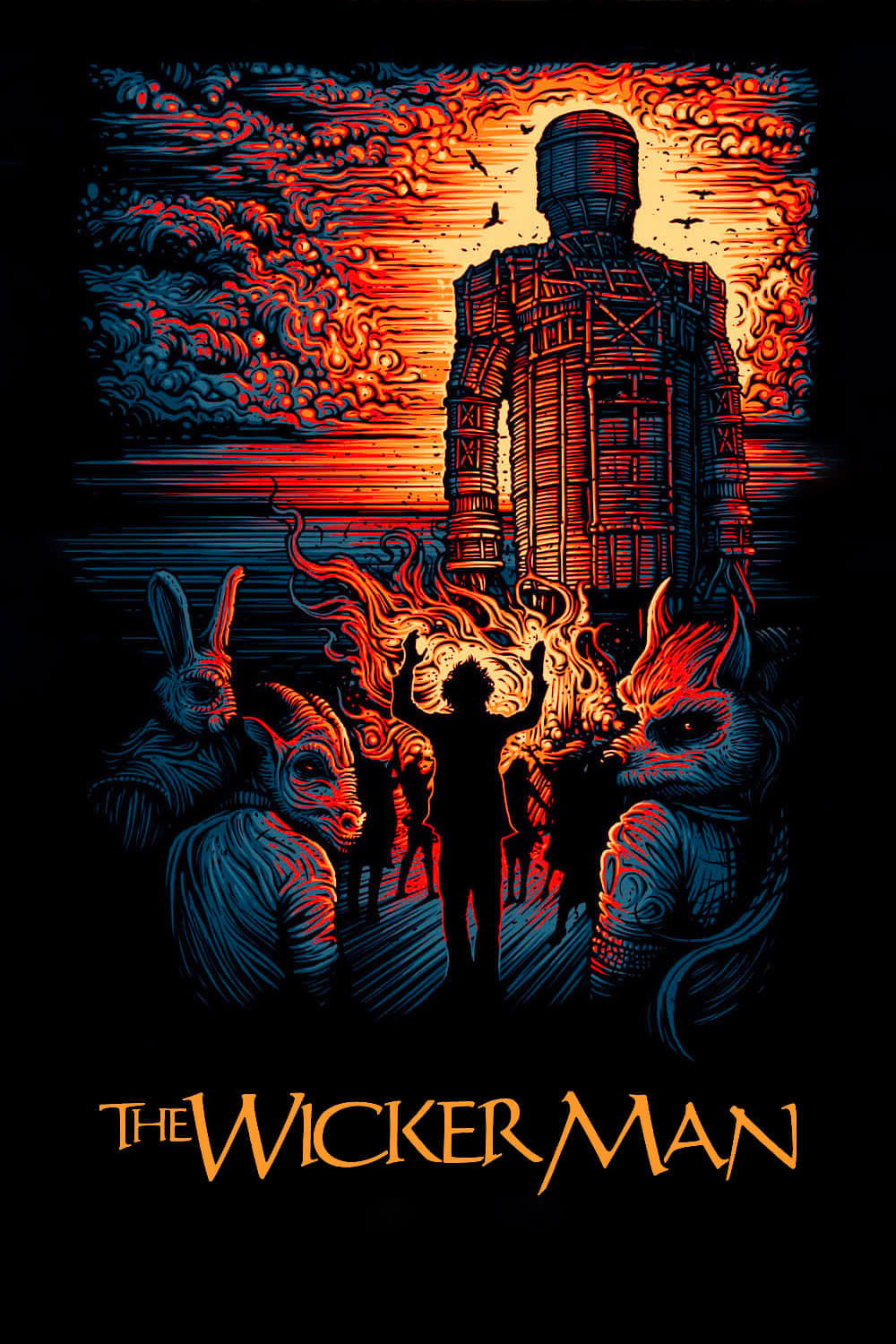
‘The Wicker Man’ starts as a mystery about a policeman, Sergeant Howie, investigating a missing girl on a remote Scottish island. Its first half feels like a detective story, with Howie clashing with the island’s pagan community.
Midway, it morphs into a chilling horror film as the islanders’ rituals take a sinister turn. The shift from procedural to folk horror, culminating in a shocking climax, makes the film a cult classic for its bold pivot.
Barbarian (2022)

‘Barbarian’ opens as a tense thriller about Tess, a woman staying at a double-booked Airbnb with a stranger. The creepy house and uneasy dynamic set up a psychological drama.
Halfway through, the story jumps to a new character and a secret tunnel, flipping into full-blown horror with grotesque discoveries. This jarring shift redefines the film’s tone, making it a wild, unpredictable ride.
The World’s End (2013)
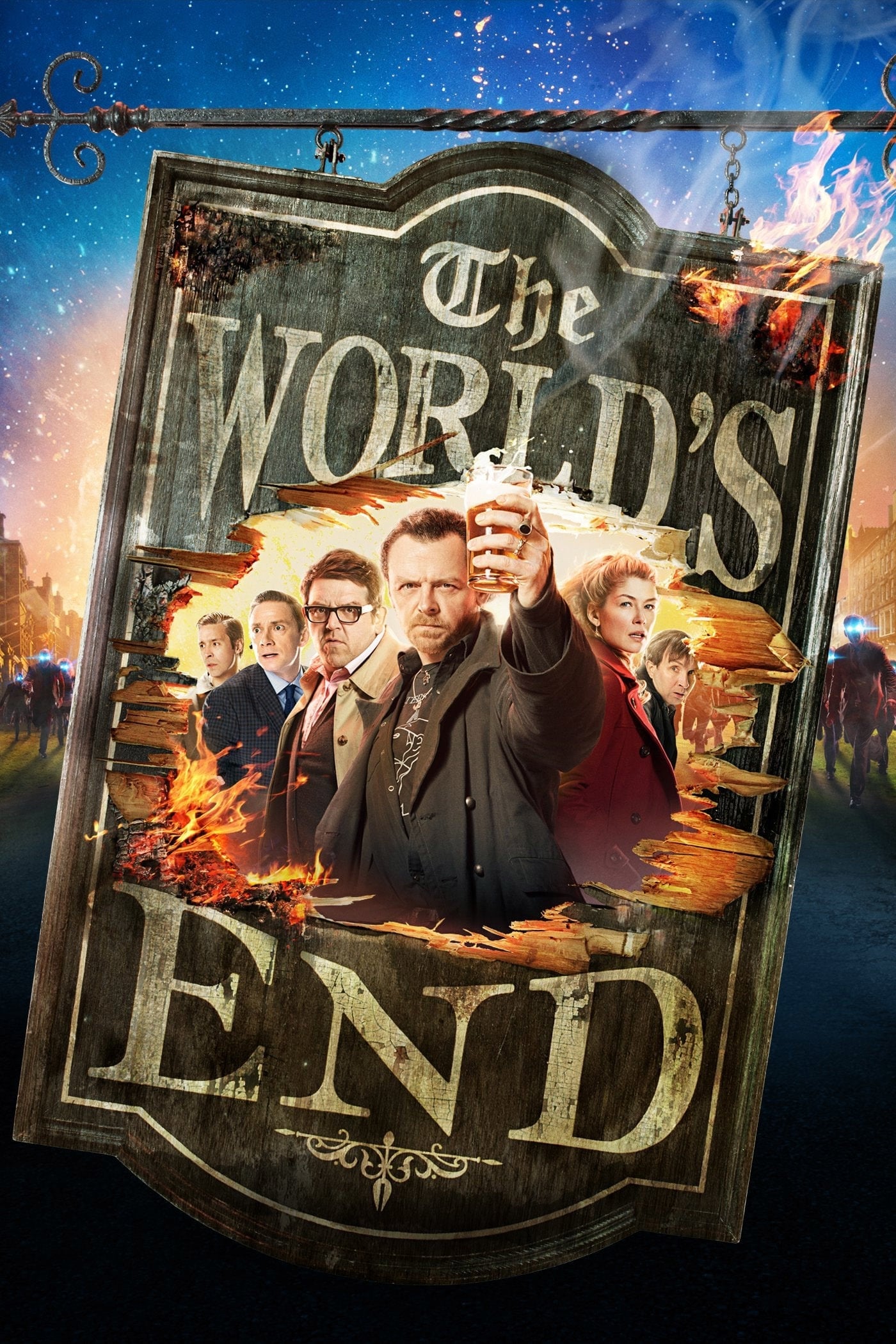
‘The World’s End’ begins as a comedy about Gary King, a washed-up man reuniting friends for a pub crawl. The lighthearted nostalgia drives the first half, filled with banter and drinking.
Then, a bizarre encounter reveals an alien invasion, turning the film into a sci-fi action romp. The abrupt switch from buddy comedy to apocalyptic thriller keeps the energy high and surprises viewers.
Audition (1999)
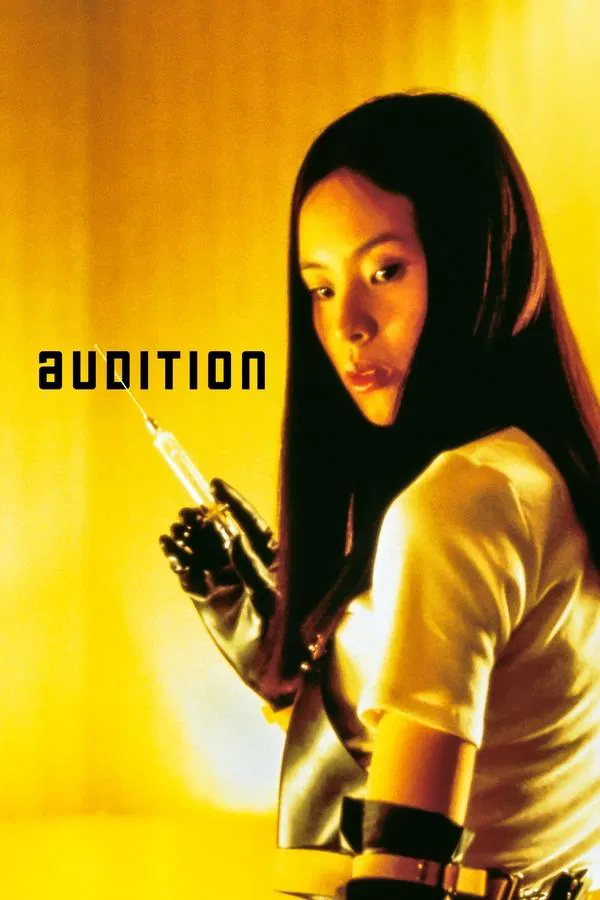
‘Audition’ starts as a quiet drama about Aoyama, a widower staging a fake casting call to find a new wife. The first half feels like an awkward romantic tale.
Midway, it plunges into psychological horror as his chosen partner, Asami, reveals her dark side. The shift to gruesome, unsettling territory transforms the film into a haunting exploration of trust and vengeance.
Sorry to Bother You (2018)
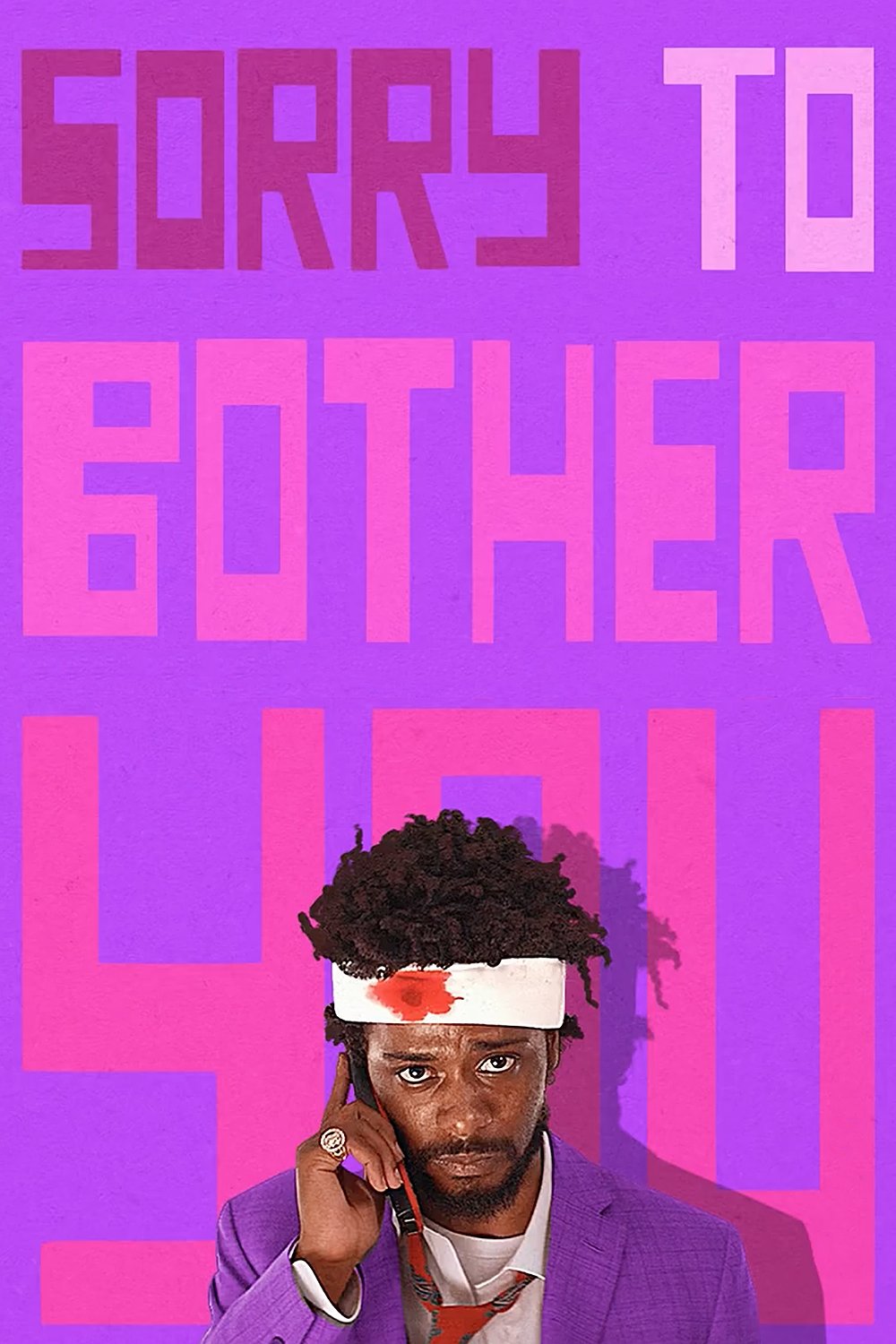
‘Sorry to Bother You’ kicks off as a sharp comedy about Cassius, a telemarketer who adopts a “white voice” to succeed. The satirical take on capitalism dominates early on.
Halfway, it veers into surreal sci-fi with a wild twist about human-animal hybrids. This bold shift amplifies the film’s social commentary, turning it into a bizarre, thought-provoking critique.
Parasite (2019)

‘Parasite’ begins as a dark comedy about the Kim family conning their way into jobs with a wealthy household. The first half thrives on clever schemes and class satire.
A shocking basement discovery flips it into a tense thriller, unraveling the humor into desperation. The genre switch deepens the film’s exploration of inequality, making it a gripping masterpiece.
Funny People (2009)
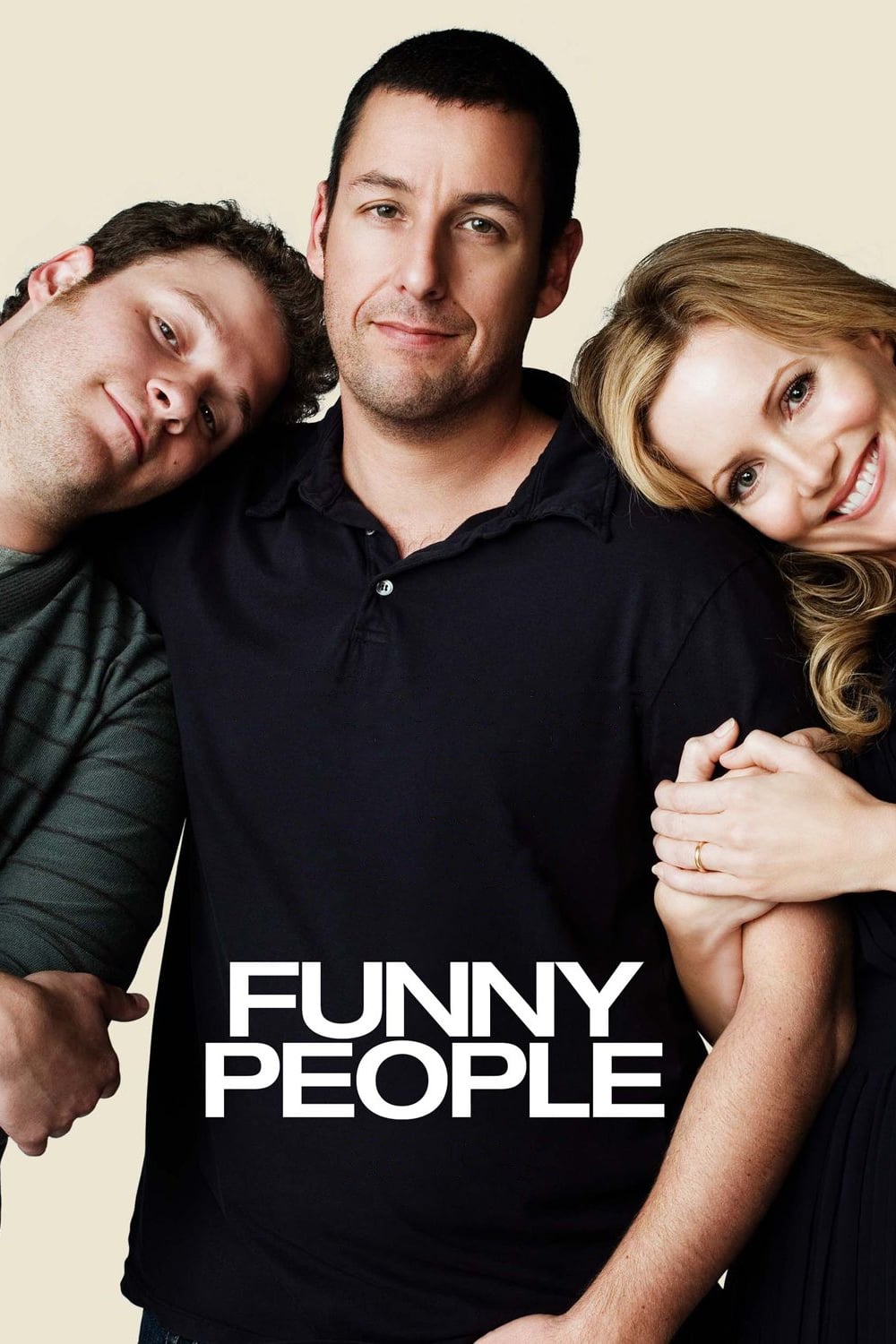
‘Funny People’ opens as a comedy about George, a stand-up comedian played by Adam Sandler, facing a terminal illness. The first half leans into humor and showbiz life.
Midway, it shifts to a poignant drama as George grapples with mortality and relationships. The tonal change from laughs to introspection gives the film unexpected emotional weight.
10 Cloverfield Lane (2016)
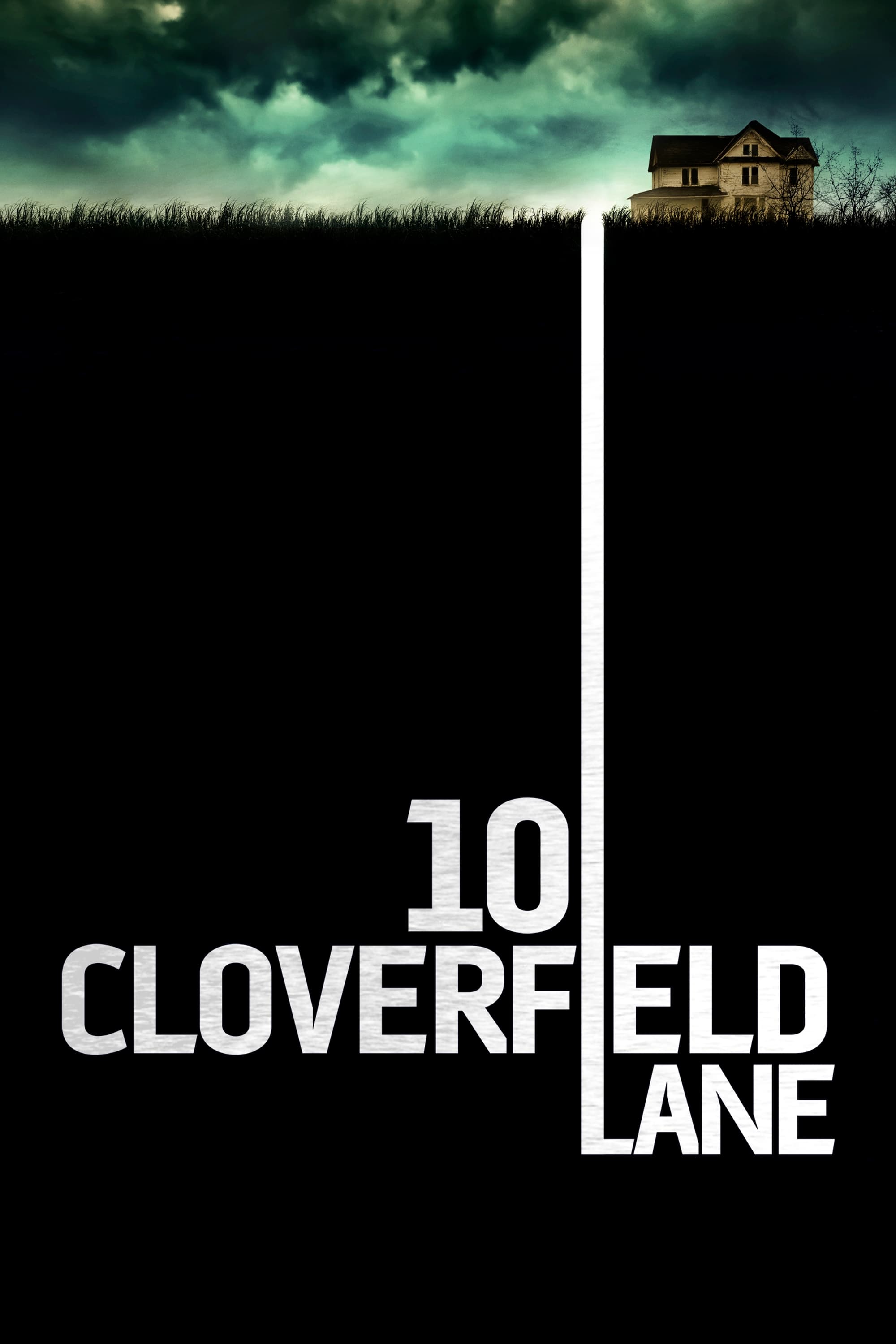
‘10 Cloverfield Lane’ starts as a claustrophobic thriller about Michelle, trapped in a bunker with a man claiming the world outside is toxic. Suspense drives the early plot.
The final act explodes into sci-fi horror with an alien encounter, completely changing the stakes. This shift from psychological tension to extraterrestrial chaos makes the film thrillingly unpredictable.
Click (2006)

‘Click’ begins as a goofy Adam Sandler comedy about Michael, a man using a magical remote to control his life. The first half is packed with silly gags.
Halfway, it turns into a tear-jerking drama as the remote fast-forwards his life, showing loss and regret. The emotional pivot transforms the film into a surprising reflection on priorities.
Hancock (2008)
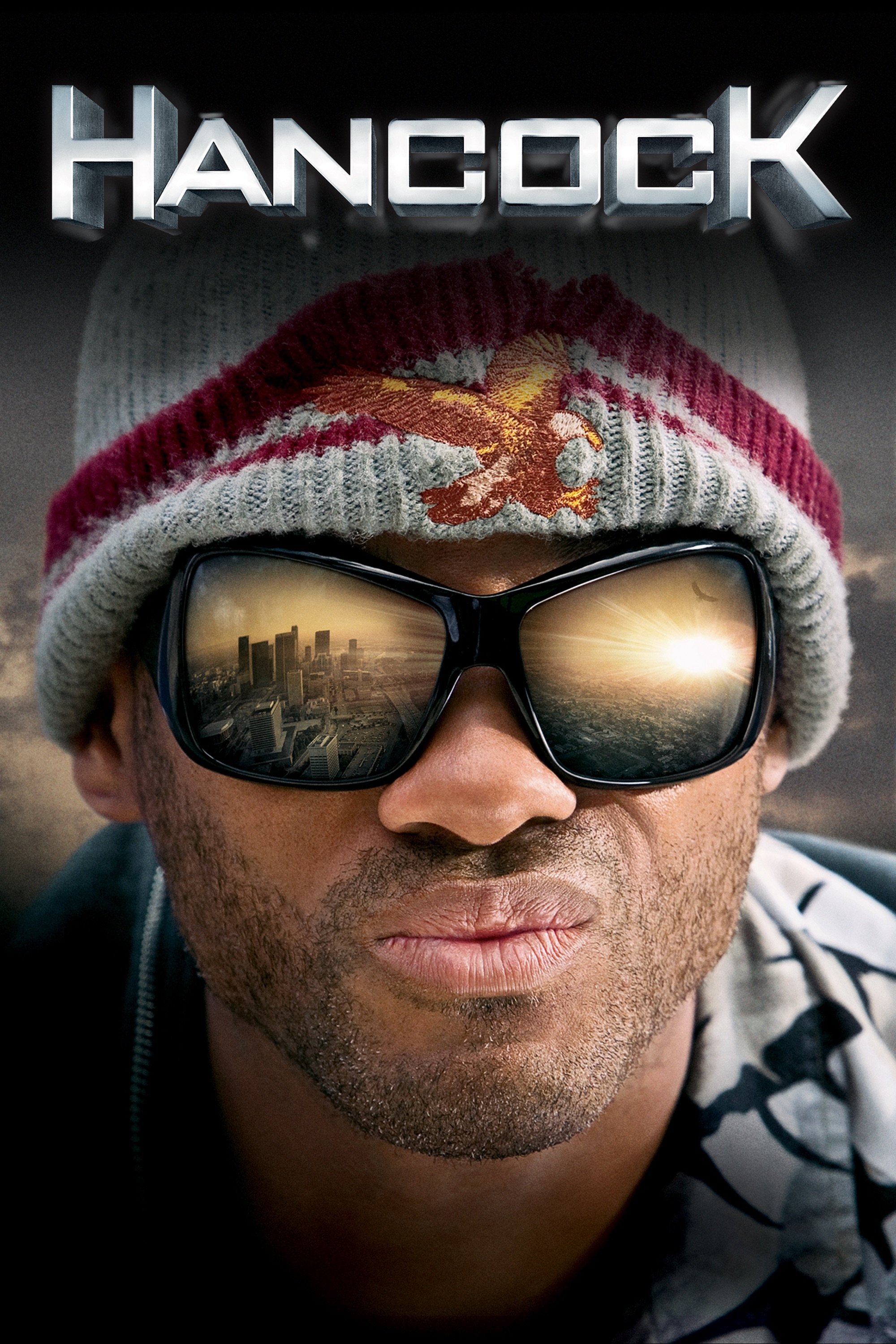
‘Hancock’ starts as a satirical superhero comedy about a drunken hero, played by Will Smith, trying to fix his image. The first half is light and action-packed.
Midway, a twist about his past and powers shifts it into a serious superhero drama. Though divisive, the change adds depth, moving from humor to a focus on sacrifice.
Full Metal Jacket (1987)
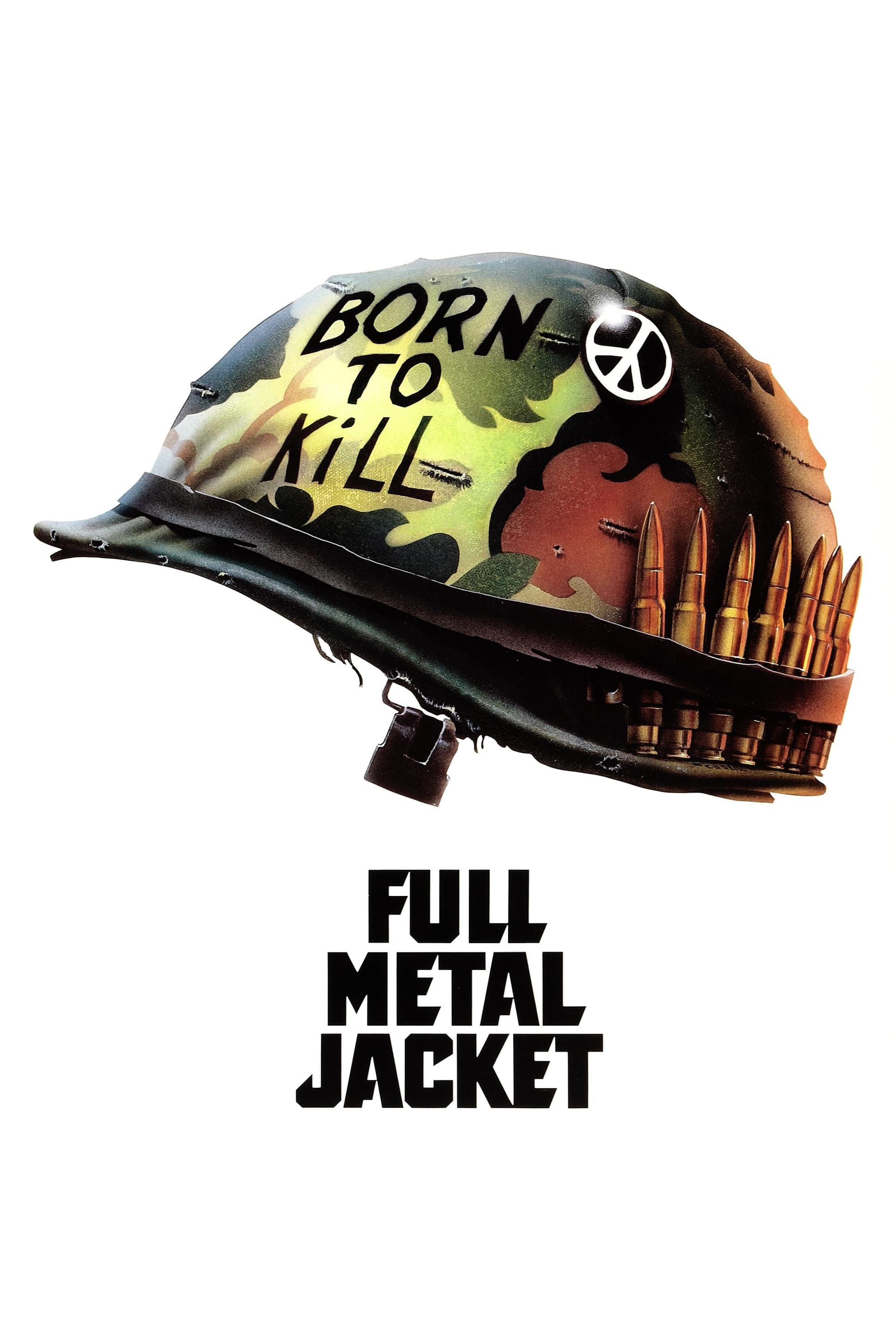
‘Full Metal Jacket’ opens as a gritty war drama about recruits enduring brutal boot camp training. The intense first half focuses on discipline and dehumanization.
After a shocking event, it shifts to the chaotic Vietnam War, becoming a visceral combat film. The split structure contrasts training with battle, creating a powerful anti-war statement.
Sunshine (2007)
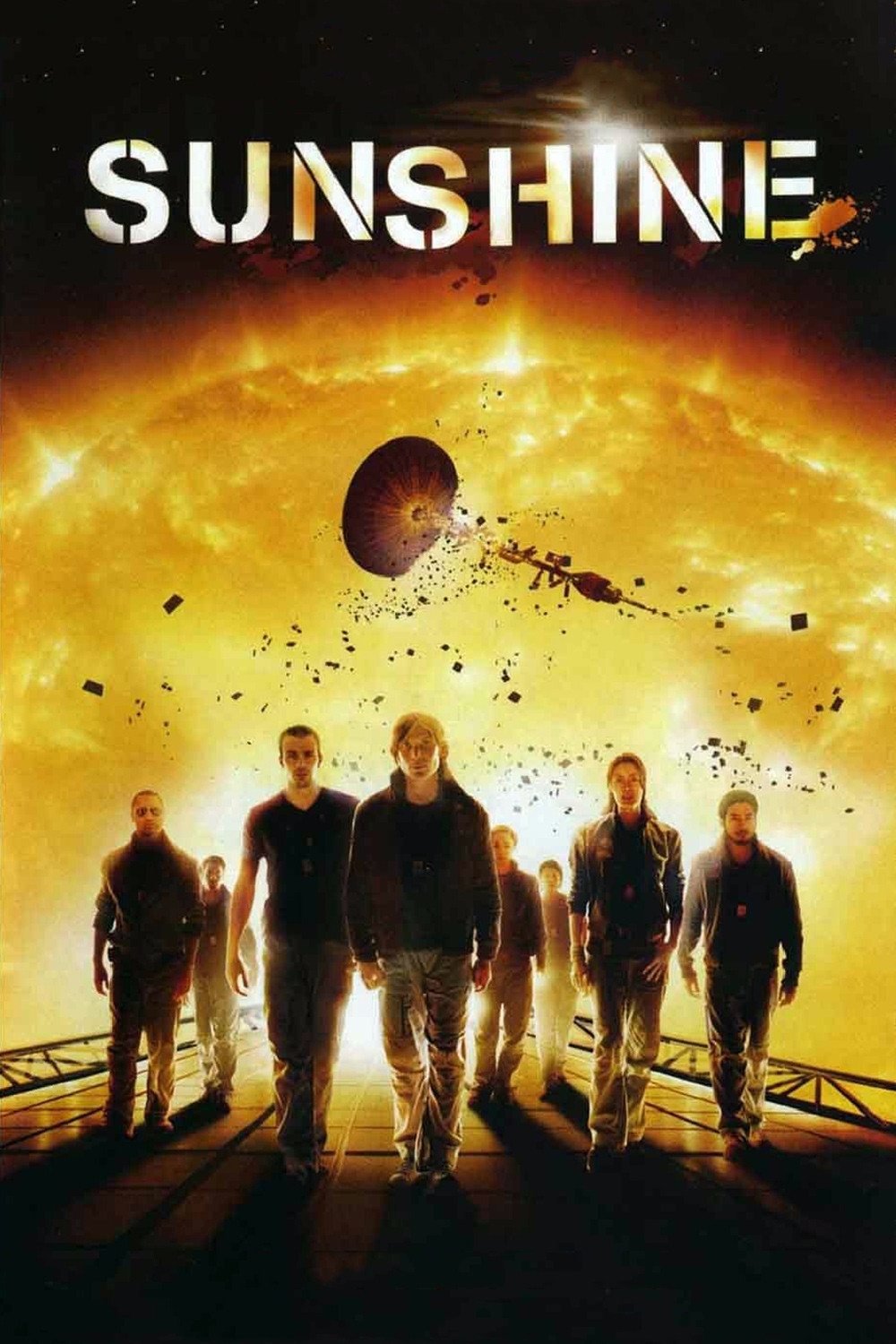
‘Sunshine’ begins as a cerebral sci-fi film about a crew on a mission to restart the dying sun. The first half explores isolation and sacrifice.
Halfway, it turns into a horror-thriller with a deranged antagonist. The jarring shift from philosophical drama to intense survival tale keeps viewers on edge, though it divides opinions.
Predator (1987)
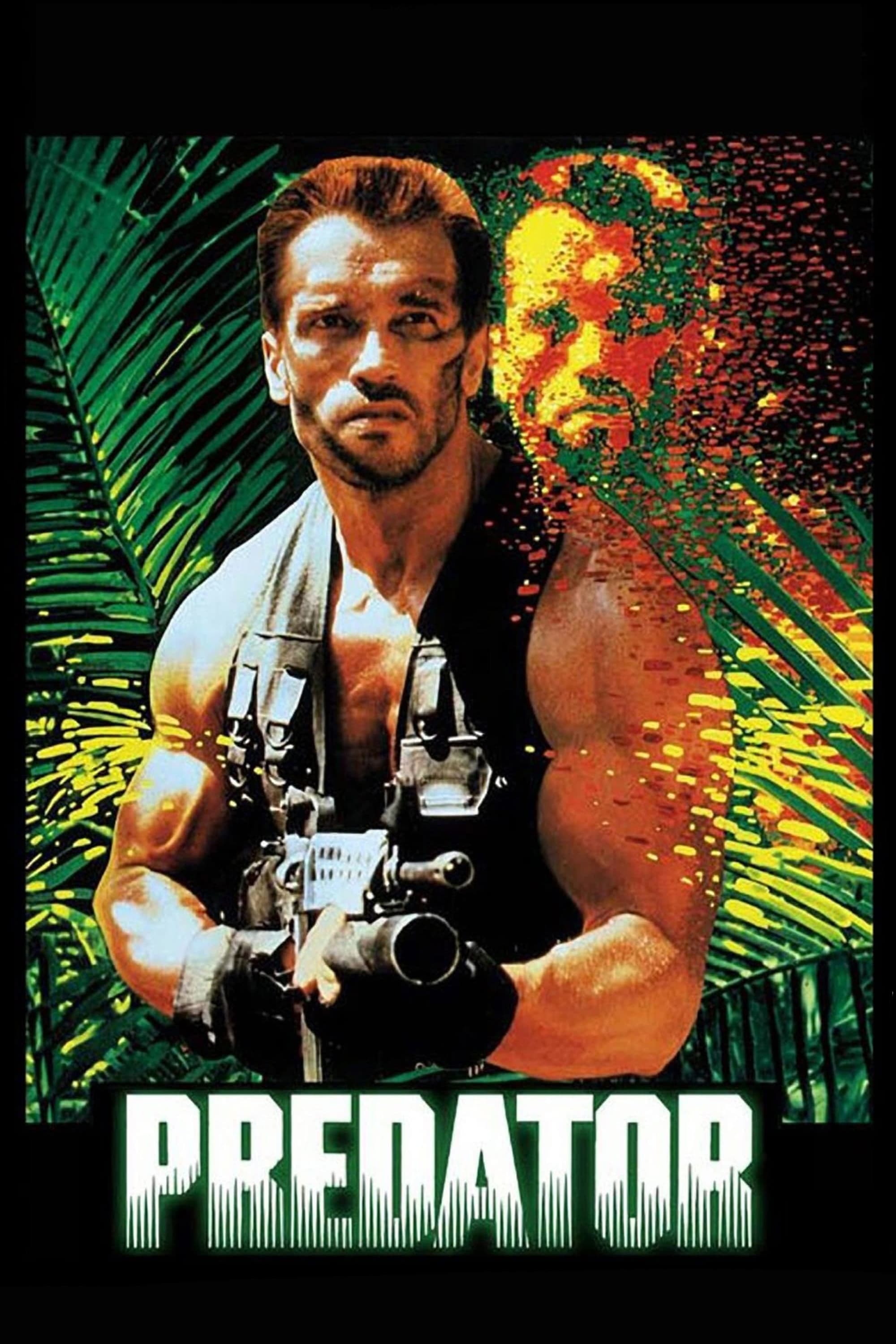
‘Predator’ starts as a macho action film about a military team, led by Arnold Schwarzenegger, on a jungle rescue mission. The first half is all guns and bravado.
Then, an alien hunter emerges, flipping it into a sci-fi slasher. The shift from human conflict to extraterrestrial survival makes the film a thrilling genre mashup.
Psycho (1960)
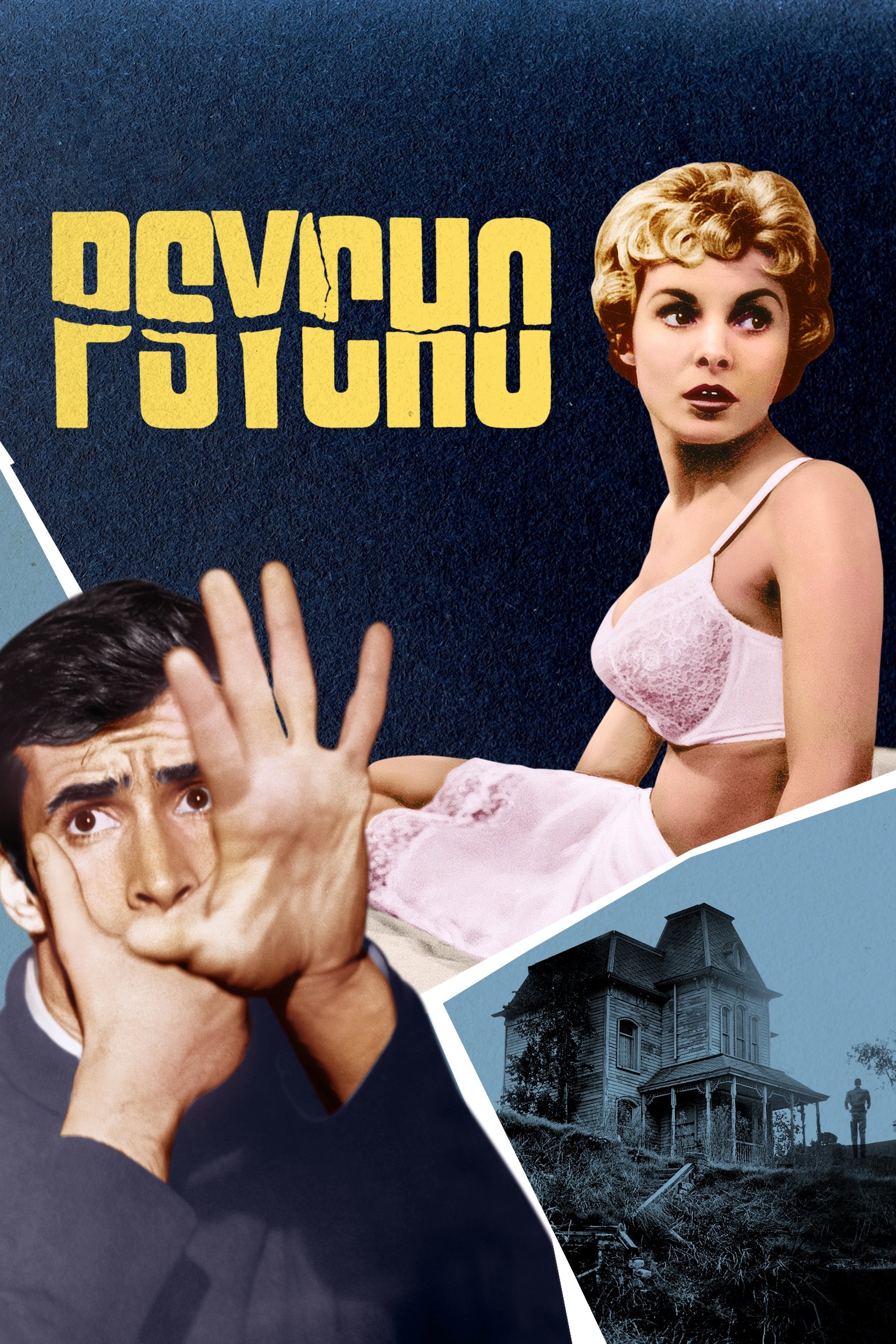
‘Psycho’ opens as a crime thriller about Marion Crane stealing money and hiding at a motel. The first half builds suspense around her choices.
A shocking murder pivots it into a psychological horror, focusing on Norman Bates. This iconic shift, masterminded by Hitchcock, redefines the film and leaves audiences stunned.
From Dusk Till Dawn (1996)
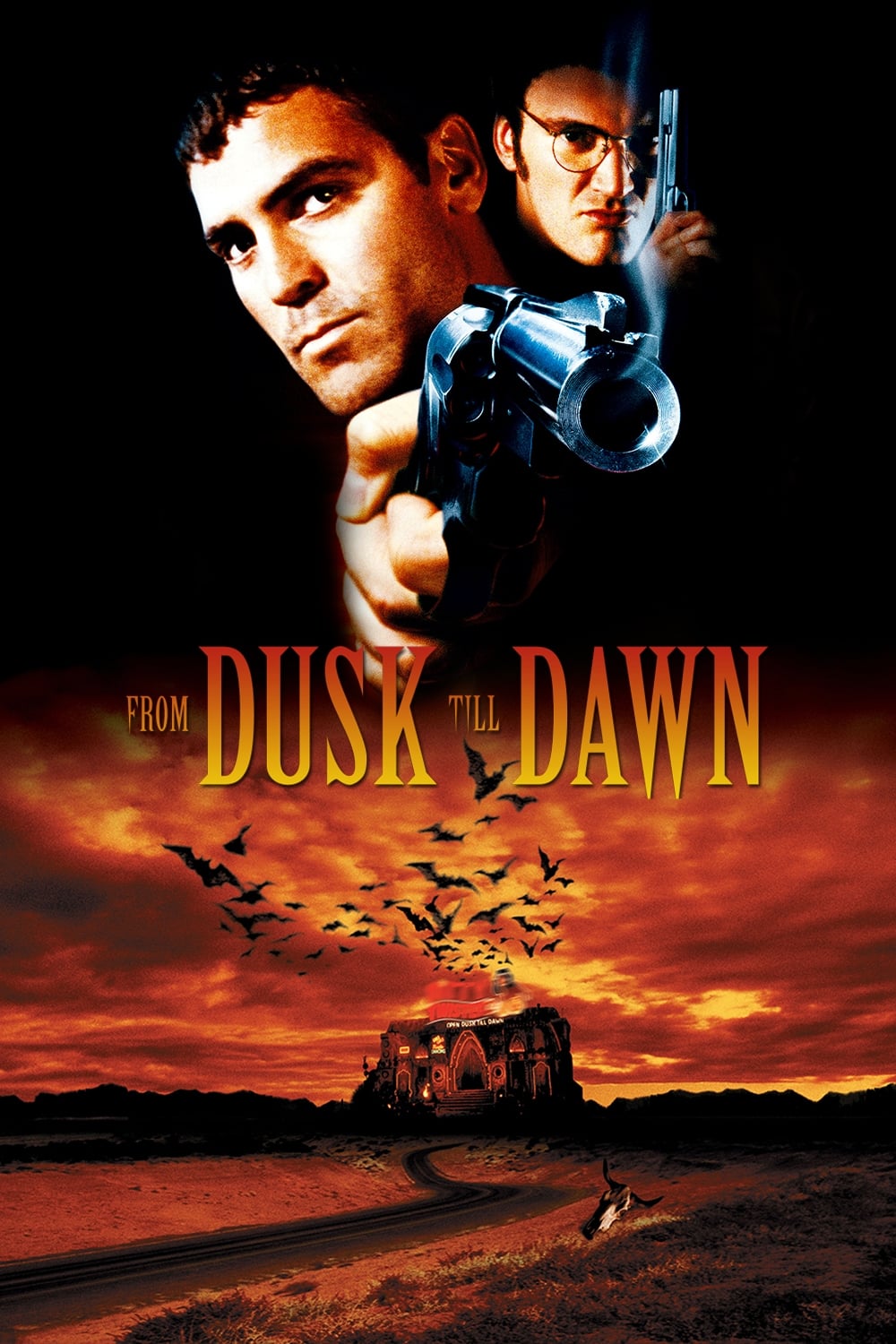
‘From Dusk Till Dawn’ starts as a gritty crime thriller about two brothers on the run, kidnapping a family to reach Mexico. The first half is tense and grounded.
At a bar, it transforms into a campy vampire horror fest. The wild shift from heist to gory chaos makes it a cult favorite for its sheer audacity.
Which of these mid-story movie shifts shocked you the most, or did I miss a film that flips its narrative in a bold way? Share your thoughts in the comments!