


Movies That Ruined The Careers Of Their Stars

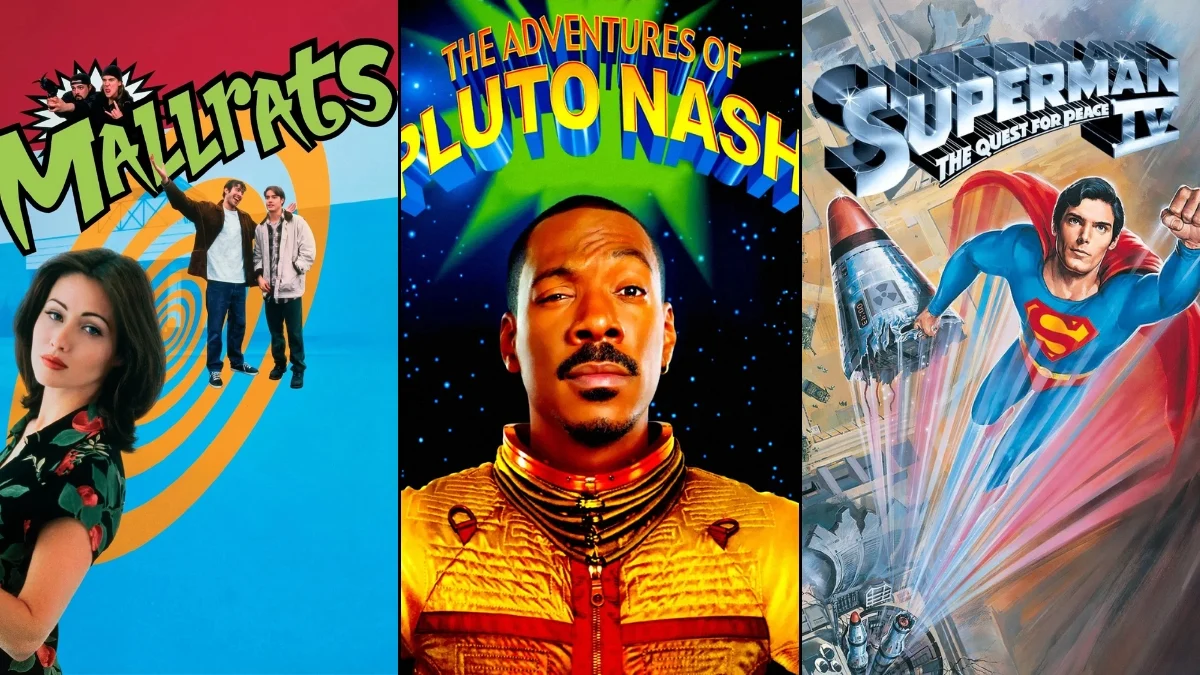


The trajectory of a Hollywood career often hinges on a single pivotal role that can either cement a performer’s status or lead to an immediate professional decline. While some actors manage to rebound from critical and commercial failures, others find that a specific project creates a lasting stigma that alters their industry standing permanently. These films are frequently cited by industry historians and critics as the primary catalysts for stalled momentum or the end of leading-man and leading-lady status. The following list examines thirty notable examples where a single movie fundamentally reshaped the professional future of its primary stars or directors.
‘Snow White and the Seven Dwarfs’ (1937)
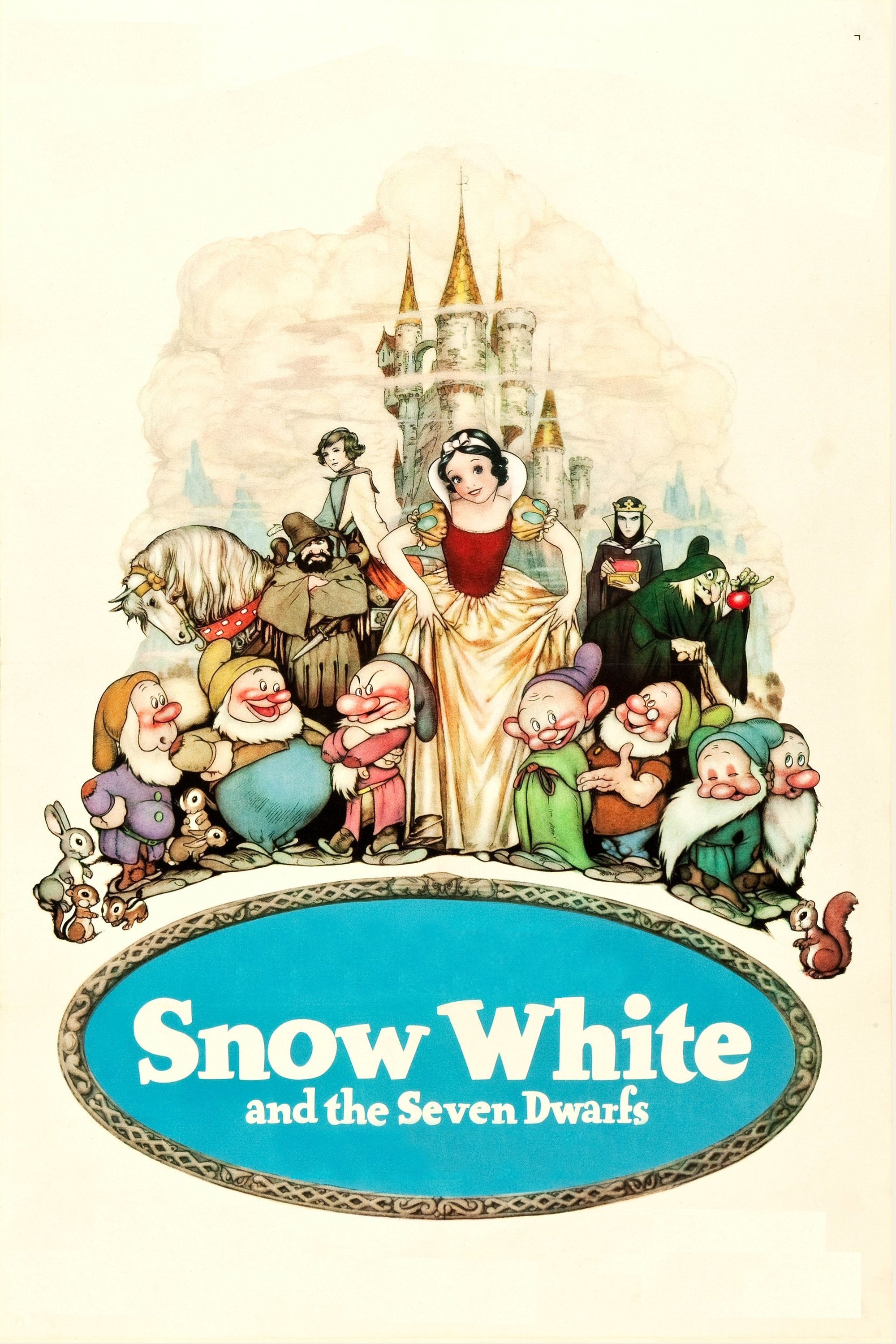
Adriana Caselotti provided the voice and singing for the title character in this landmark animated feature. Following the film’s success, Walt Disney reportedly enforced a strict contract that prevented Caselotti from pursuing other voice-over or film work to preserve the character’s unique identity. This restriction effectively halted her potential as a versatile actress in the burgeoning industry of the time. She received little public credit for decades, remaining synonymous only with this specific role until her later years.
‘The Conqueror’ (1956)

John Wayne was widely criticized for his portrayal of Temujin, later known as Genghis Khan, in this historical epic. The film is frequently cited as one of the worst instances of miscasting in cinema history, which temporarily damaged the leading man’s impeccable box office reputation. Beyond the critical reception, the production became notorious due to its filming location near a nuclear test site in Utah. Industry reports eventually linked the health of the cast and crew to radioactive fallout, casting a dark shadow over Wayne’s final decades.
‘Mommie Dearest’ (1981)
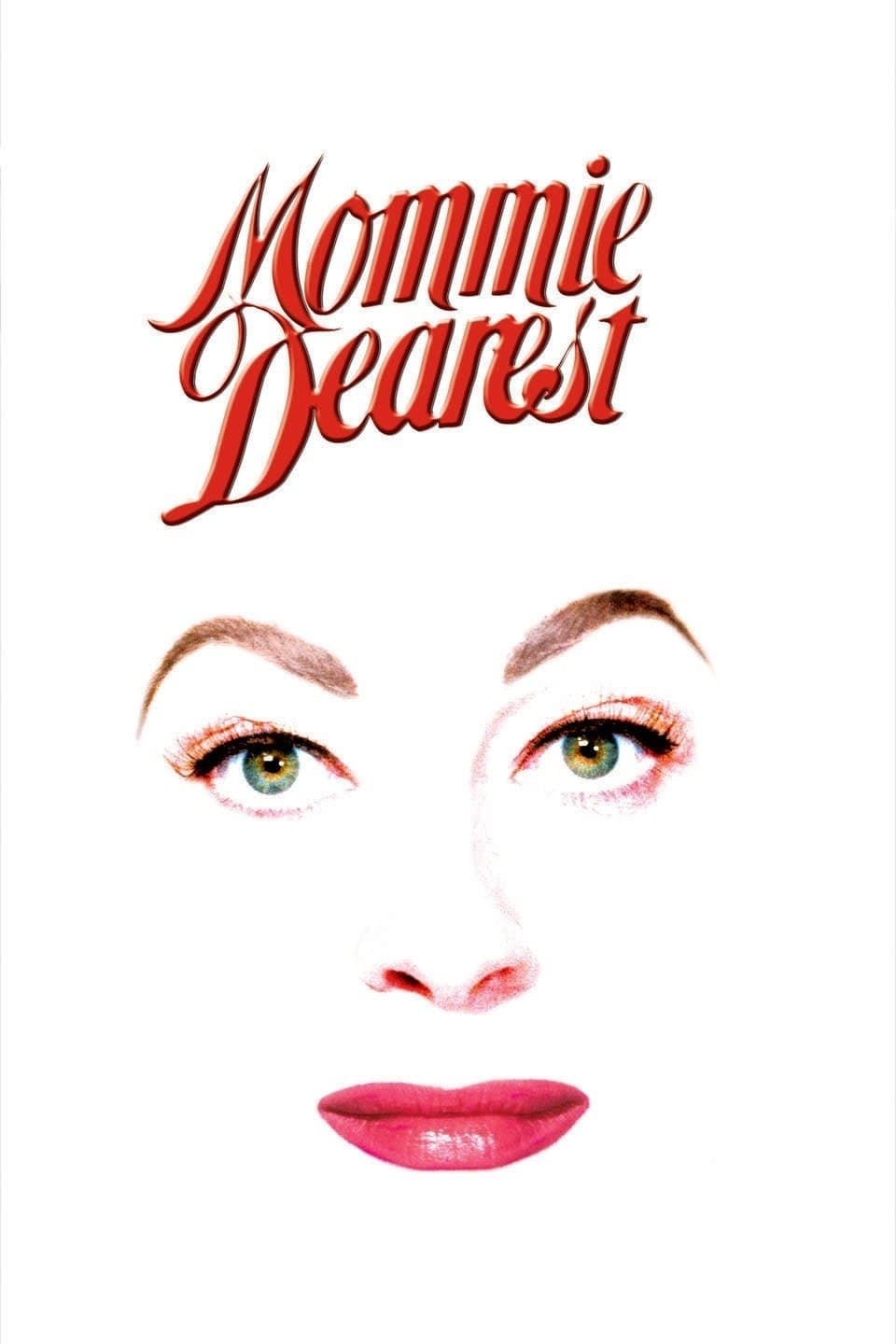
Faye Dunaway delivered an intense, highly stylized performance as Joan Crawford in this biographical drama based on Christina Crawford’s memoir. While the film achieved cult status, critics at the time lambasted Dunaway’s portrayal as excessive and campy. This reception significantly impacted her status as a top-tier dramatic lead, with many studios becoming wary of her acting style. Following the film’s release, her appearances in major studio productions became increasingly infrequent.
‘Superman IV: The Quest for Peace’ (1987)
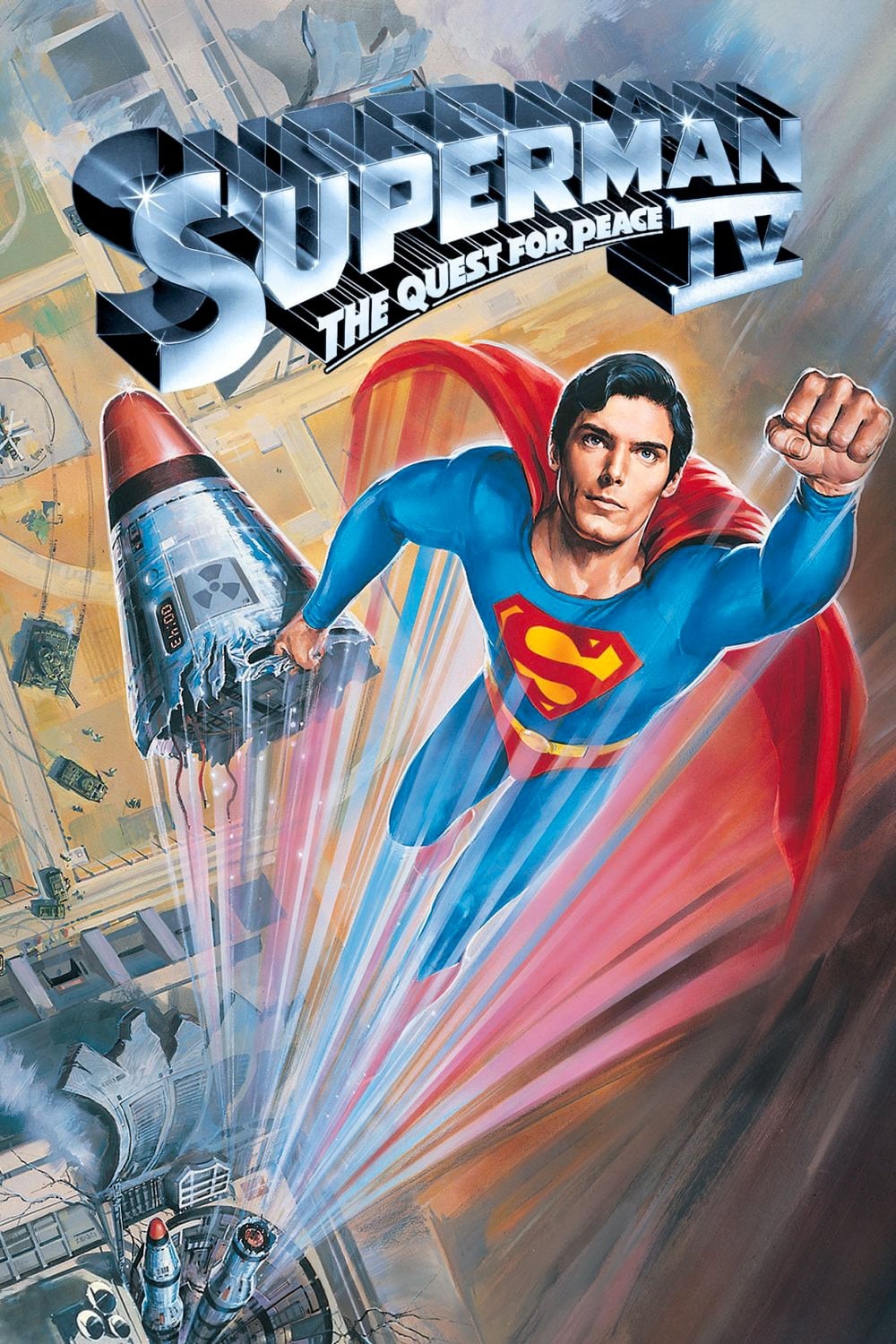
Christopher Reeve reprised his role as the Man of Steel for a final time in this critically panned sequel produced by Cannon Films. The production suffered from severe budget cuts and technical shortcomings that were glaringly obvious to audiences and critics alike. This failure effectively ended the original ‘Superman’ franchise and cooled Reeve’s status as a leading action star. He largely shifted his focus to television and independent films until a tragic accident later changed the course of his life and career.
‘The Godfather Part III’ (1990)
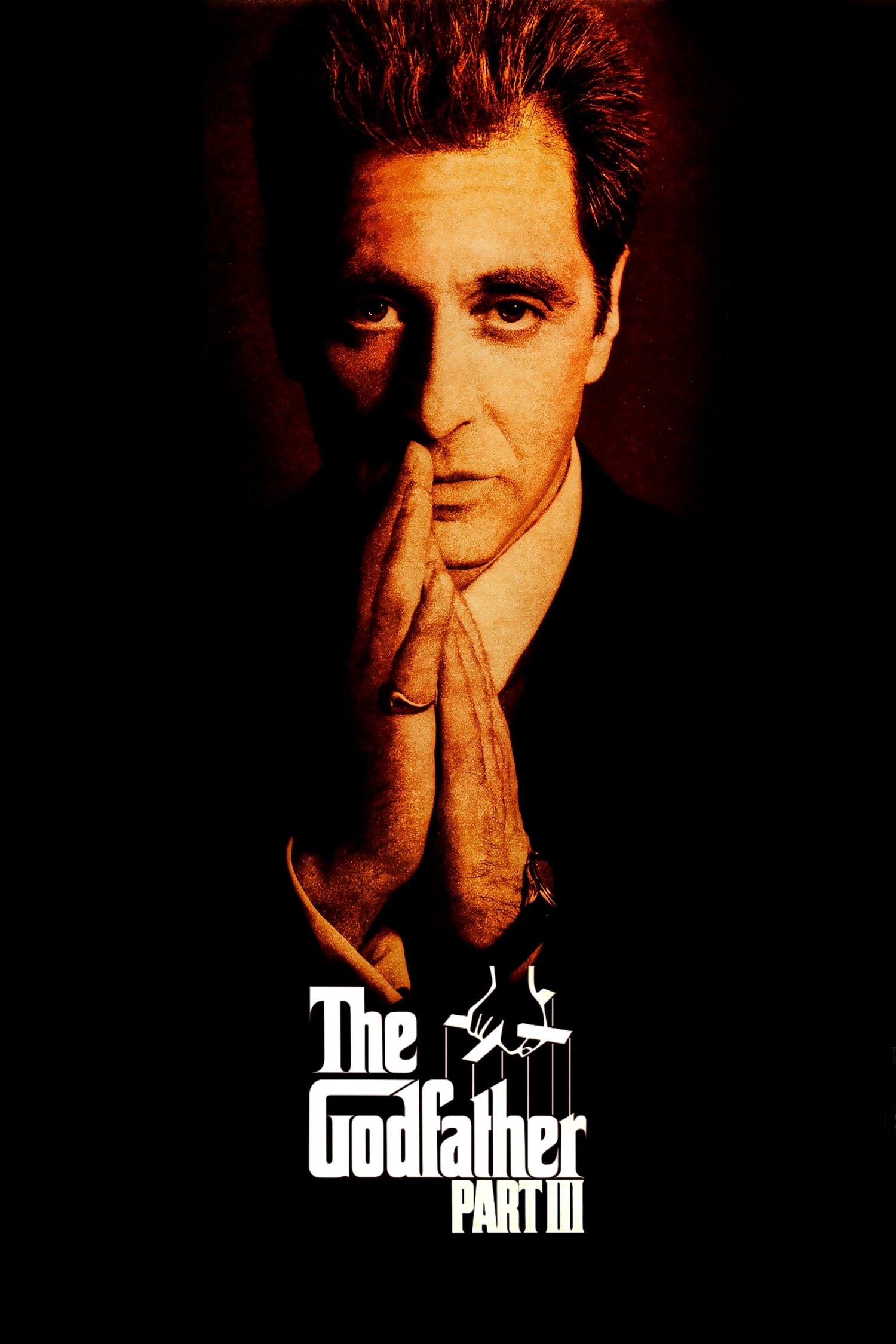
Sofia Coppola was cast as Mary Corleone after Winona Ryder withdrew from the production at the last moment. Her performance was met with harsh critical backlash, with many reviewers labeling her acting as amateurish and wooden. The scrutiny was so intense that it effectively discouraged her from pursuing a career in acting altogether. She eventually pivoted toward directing, where she found significant critical success and an Academy Award.
‘Showgirls’ (1995)

Elizabeth Berkley attempted to transition from her teen idol status on television to adult film roles with this NC-17 drama. The film was a massive critical failure upon release, with Berkley bearing the brunt of the negative reviews for her highly physical performance. Her talent agency reportedly dropped her shortly after the film’s debut, and major film roles became non-existent for years. While the movie later gained a cult following, Berkley’s trajectory as a leading film actress never fully recovered.
‘Cutthroat Island’ (1995)
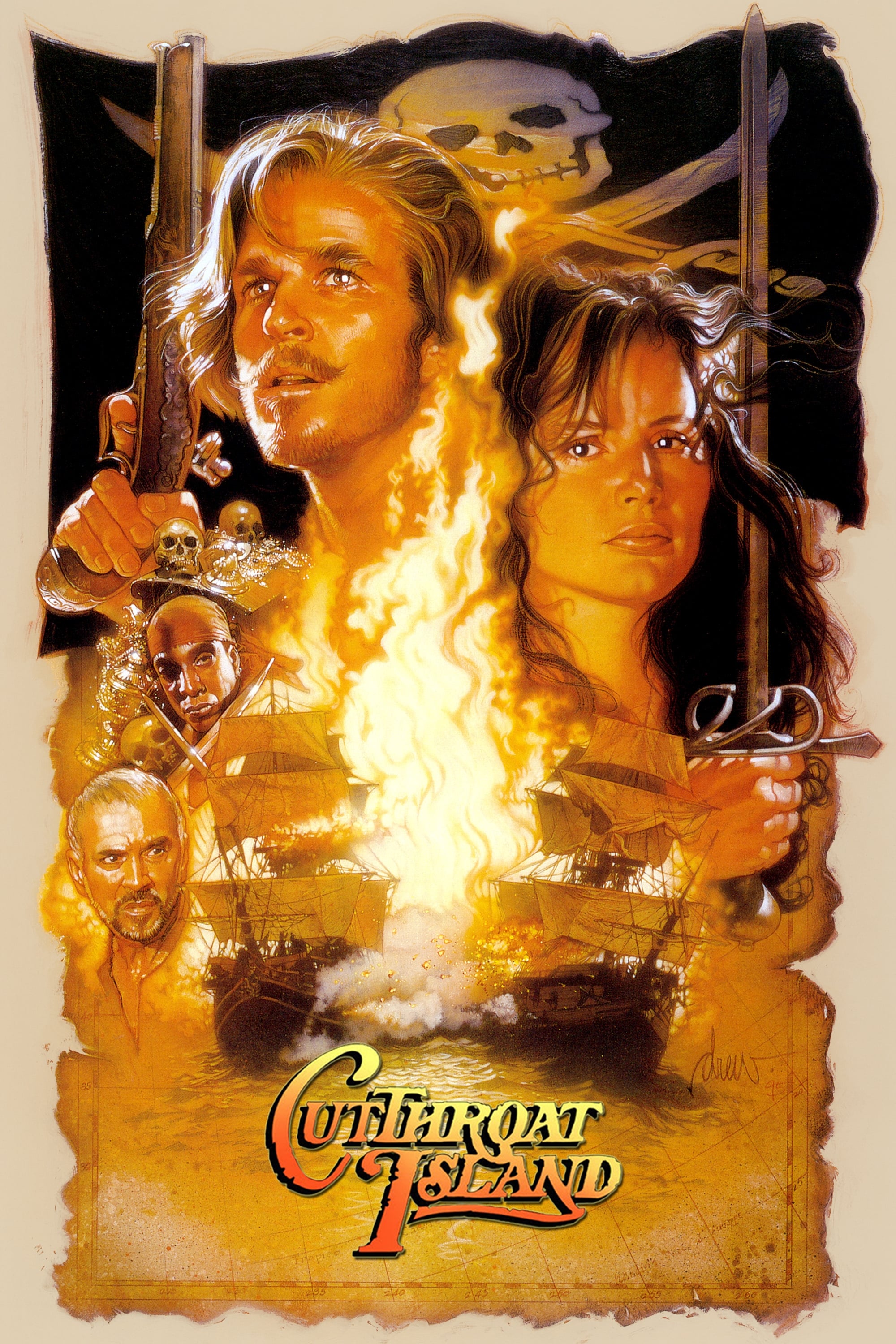
Geena Davis starred in this high-budget pirate adventure which became one of the biggest box office bombs in history. The financial failure of the film led to the bankruptcy of Carolco Pictures and effectively ended Davis’s run as a primary action lead. Despite her previous Academy Award win and critical acclaim, the industry viewed the film as a sign that she could no longer carry a major blockbuster. She subsequently moved toward television and supporting roles in smaller productions.
‘Jade’ (1995)

David Caruso famously walked away from a successful run on the television series ‘NYPD Blue’ to pursue a career in film. His first major vehicle was this erotic thriller, which failed both critically and commercially at the box office. The industry reaction was so swift that his transition to movie stardom was essentially halted before it could truly begin. Caruso eventually returned to television years later to find success on ‘CSI: Miami’.
‘Mallrats’ (1995)

Shannen Doherty was the most established star in the cast of this Kevin Smith comedy, which followed her high-profile departure from ‘Beverly Hills, 90210’. The film was a financial failure during its theatrical run, and Doherty has since stated that the industry blamed her for its lack of success. This perceived failure effectively ended her aspirations for a major film career at the height of her television fame. She spent the following years primarily focused on television projects and direct-to-video releases.
‘Speed 2: Cruise Control’ (1997)
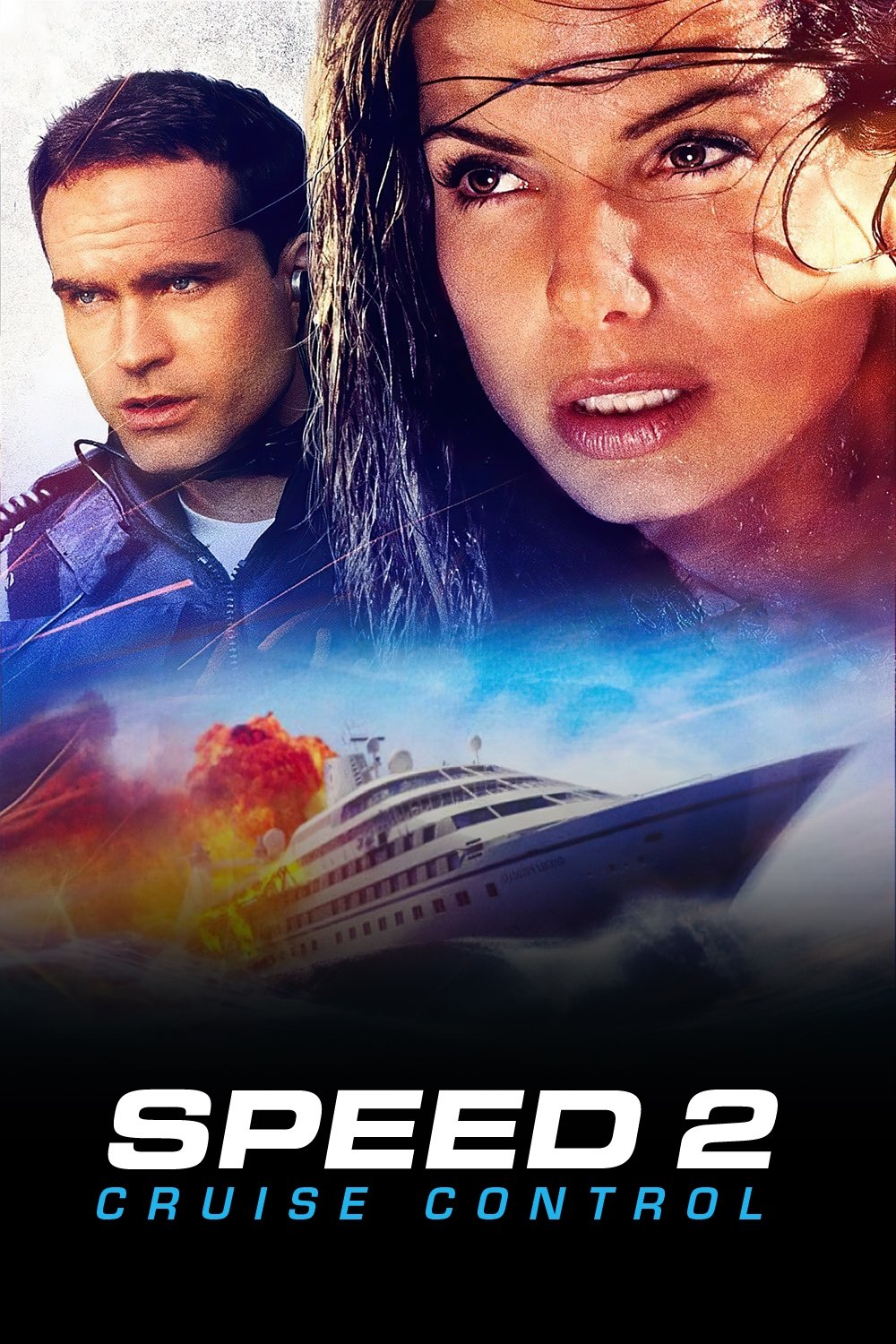
Jason Patric took over the lead role for this sequel after Keanu Reeves declined to return to the franchise. The film was widely mocked for its slow pacing and lack of chemistry between the leads, failing to replicate the excitement of the original. Patric’s performance was criticized as being too low-key for a summer blockbuster, and the film’s failure stalled his momentum as a potential leading man. He largely retreated to independent cinema and character work in the years that followed.
‘Batman & Robin’ (1997)
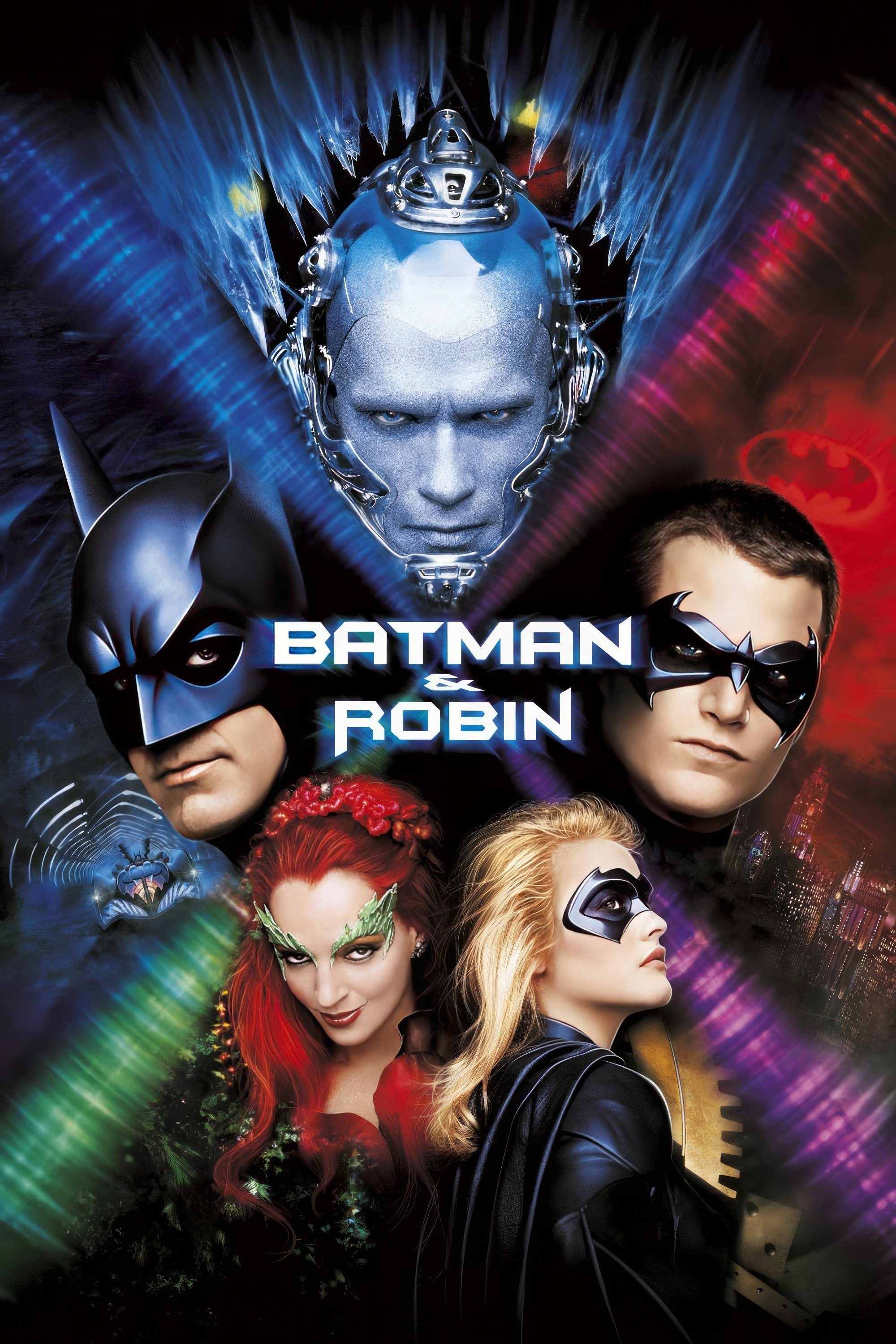
Chris O’Donnell played Robin in this widely derided superhero sequel that was panned for its campy tone and commercialized aesthetic. While George Clooney managed to survive the film’s negative reception, O’Donnell saw his status as a burgeoning A-list star vanish almost overnight. The film effectively killed the Batman franchise for nearly a decade and ended O’Donnell’s run in big-budget action films. He later found a more consistent professional home on long-running procedural television dramas.
‘Chairman of the Board’ (1998)
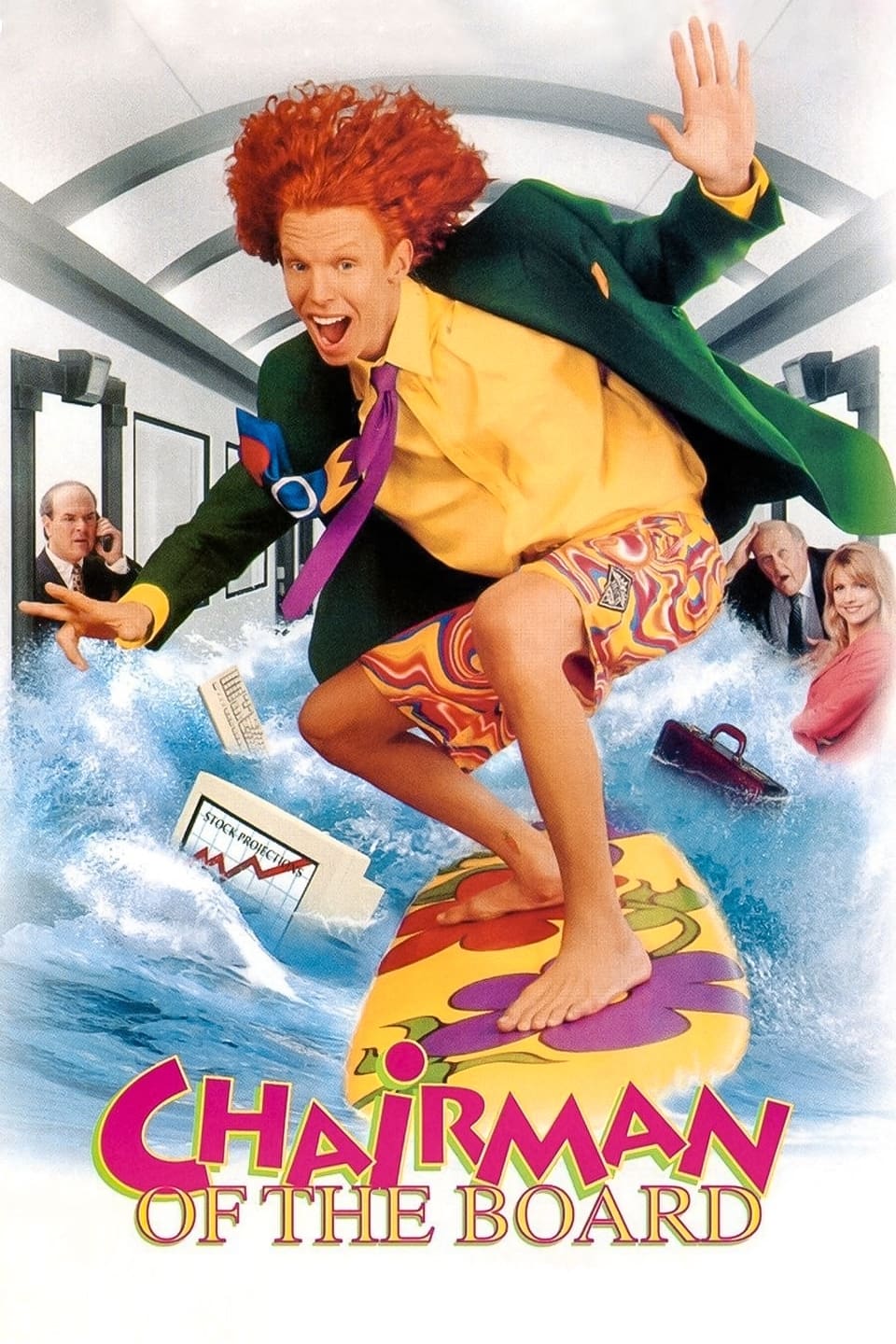
Carrot Top attempted to translate his success as a prop comic into a leading film role with this surreal comedy. The film grossed less than one million dollars and received scathing reviews, often appearing on lists of the worst films ever made. The disaster effectively proved that his comedic persona was not suited for feature-length narratives in the eyes of the public. He never headlined another major theatrical release, instead focusing on his long-term residency in Las Vegas.
‘Star Wars: Episode I – The Phantom Menace’ (1999)
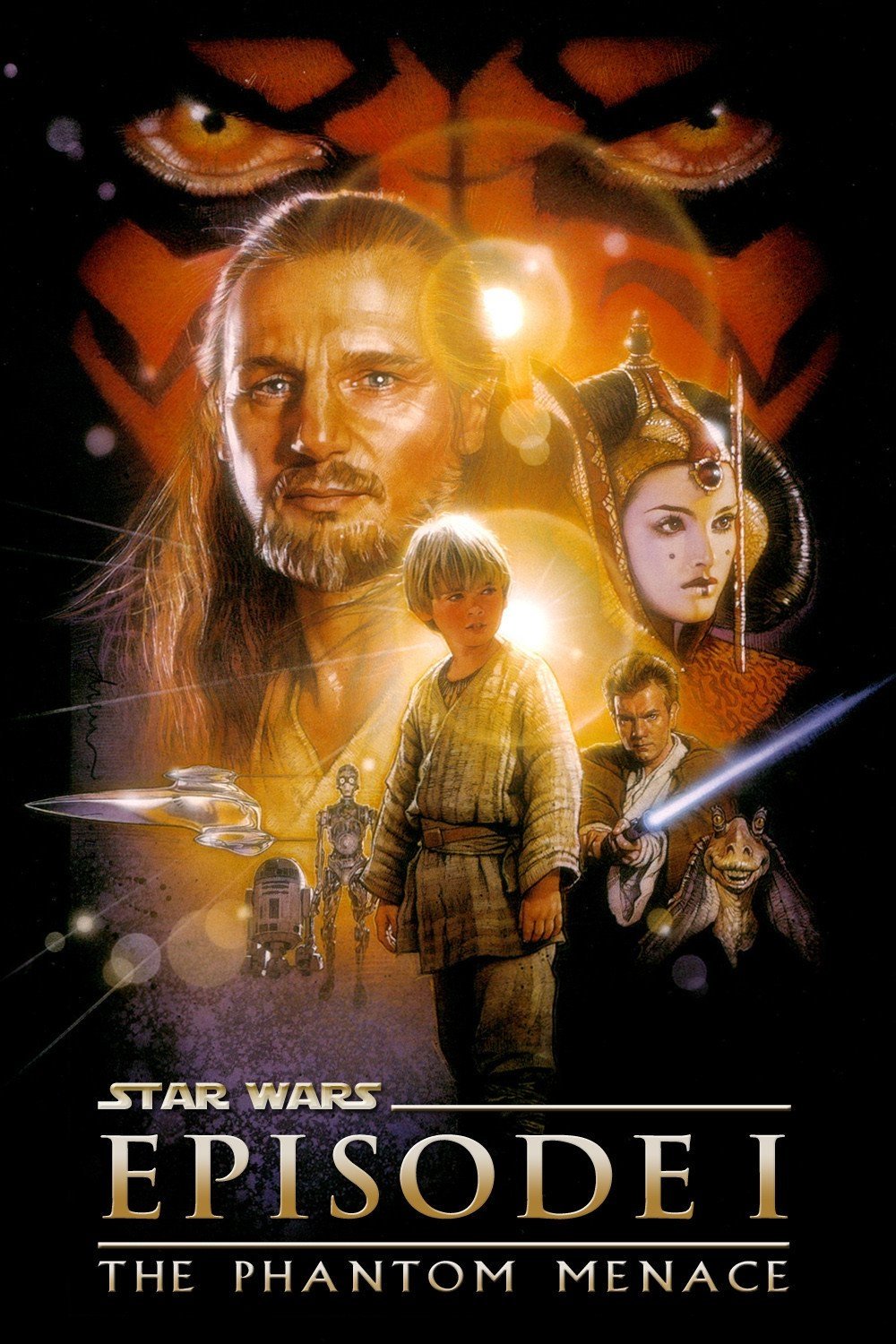
Jake Lloyd was cast as a young Anakin Skywalker in the highly anticipated return of the ‘Star Wars’ saga. Following the film’s release, Lloyd was subjected to intense scrutiny and bullying from both critics and fans who were disappointed with the prequels. The psychological toll of the fame and the negative reception led him to retire from acting entirely at a very young age. He has since spoken about how the experience made his childhood a living hell.
‘Battlefield Earth’ (2000)

John Travolta spearheaded this passion project based on the novel by L. Ron Hubbard, portraying the villainous Terl. The film was a catastrophic failure on every level, sweeping the Golden Raspberry Awards and becoming a punchline in Hollywood. Travolta’s career, which had been revitalized by ‘Pulp Fiction’, took a significant hit as his judgment as a producer and lead actor was questioned. The film’s association with Scientology also created a public relations hurdle that impacted his professional standing for years.
‘Freddy Got Fingered’ (2001)
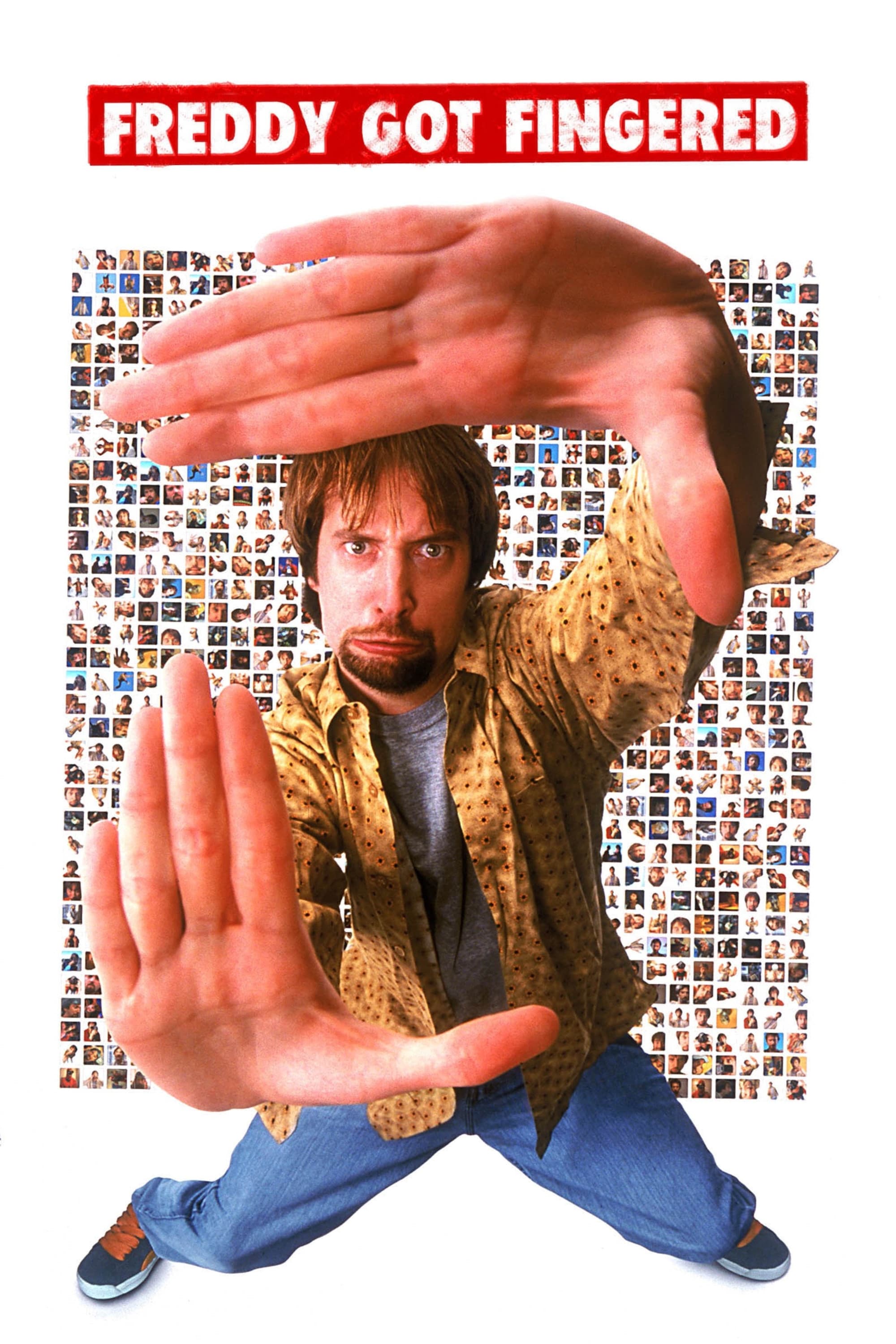
Tom Green wrote, directed, and starred in this absurdist comedy at the peak of his MTV fame. The film’s extreme and often repulsive humor alienated critics and mainstream audiences, resulting in a series of hostile reviews. While it eventually found a niche audience, it effectively ended Green’s chances of being a sustainable leading man in Hollywood. The project remains a case study in a star being given too much creative control without institutional oversight.
‘Town & Country’ (2001)
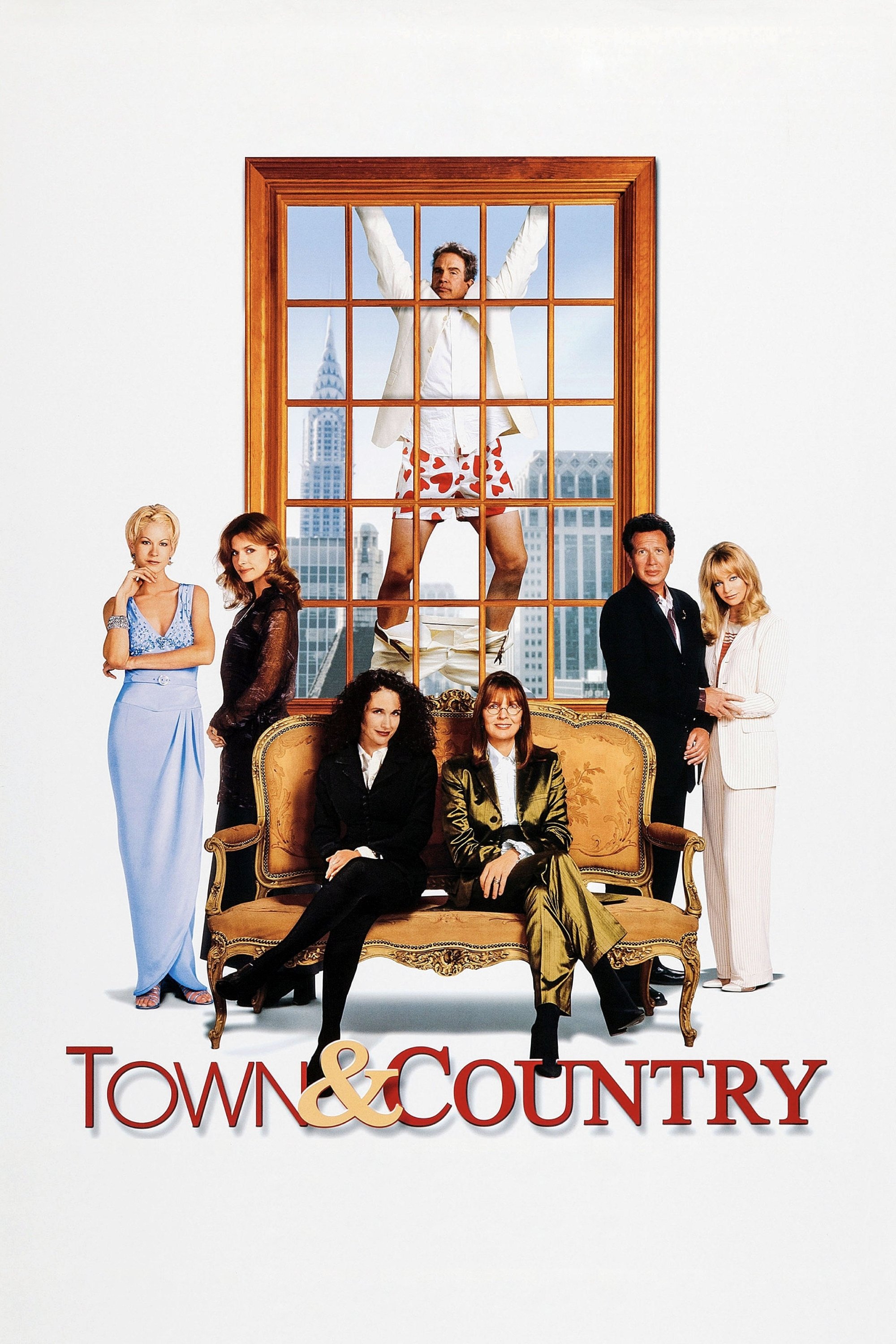
Warren Beatty starred in this romantic comedy that famously suffered from years of production delays and massive budget overruns. The film eventually grossed a fraction of its cost and was panned as an unfunny, dated vanity project for its aging stars. For Beatty, who was once one of Hollywood’s most powerful figures, the film effectively ended his era as a box office draw. He appeared in only one more self-directed project over the next two decades.
‘Swept Away’ (2002)

Madonna starred in this remake of the Italian classic, directed by her then-husband Guy Ritchie. The film was universally panned, with critics specifically targeting Madonna’s performance as wooden and unconvincing. It grossed less than a million dollars domestically and won several Razzies, including Worst Actress. This failure effectively ended Madonna’s attempts to be taken seriously as a leading dramatic actress in the film industry.
‘The Adventures of Pluto Nash’ (2002)
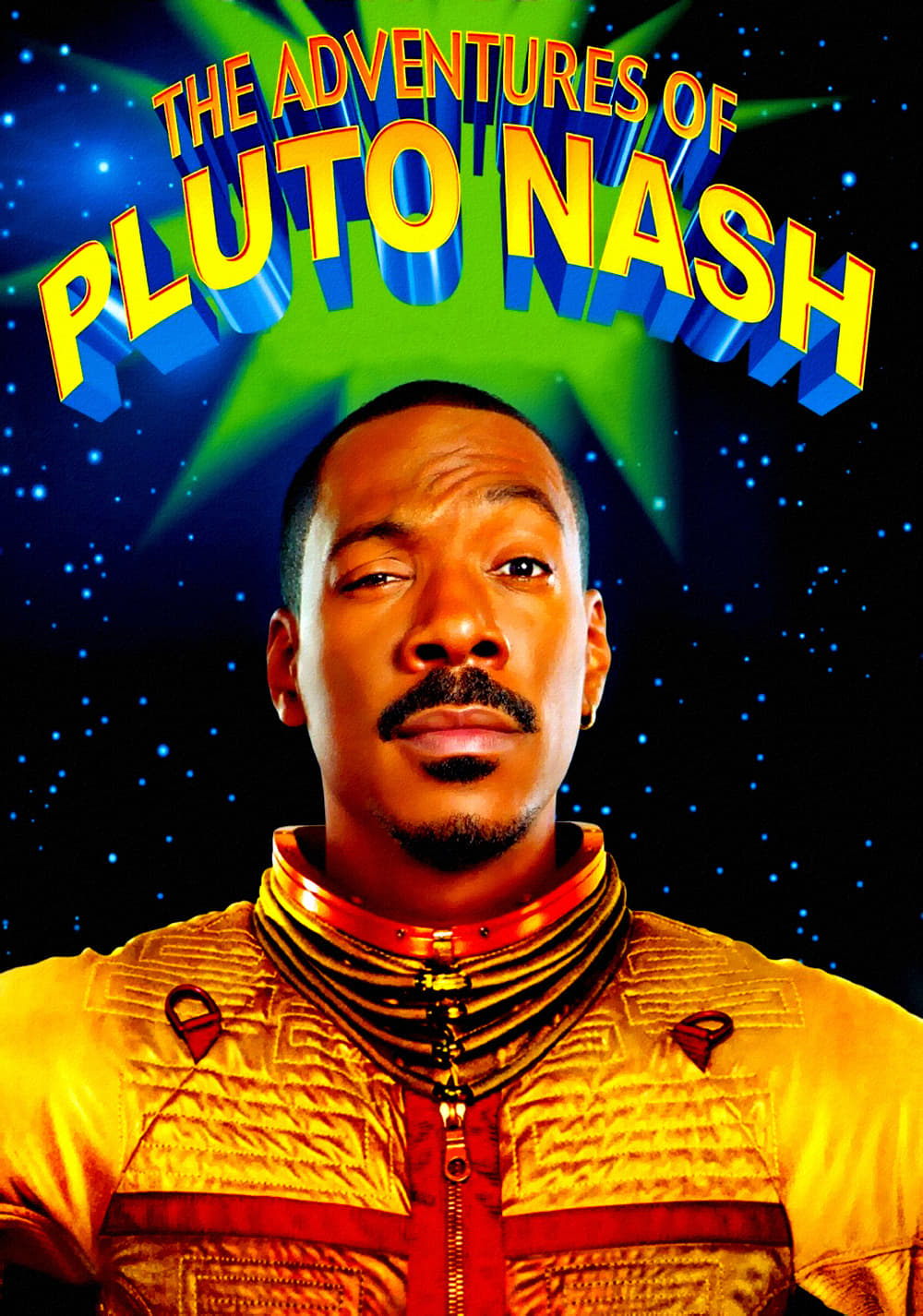
Eddie Murphy starred in this sci-fi comedy which became one of the most expensive and high-profile flops of the early 2000s. The film’s failure ended Murphy’s run as a guaranteed box office powerhouse for high-budget studio comedies. While he continued to find success in voice acting and occasional dramatic roles, his status as a bankable live-action lead was permanently diminished. The industry became far more cautious about greenlighting expensive vehicles centered solely on his persona.
‘Pinocchio’ (2002)

Roberto Benigni followed his Academy Award-winning success with ‘Life Is Beautiful’ by directing and starring in this live-action adaptation of the classic tale. Critics were baffled by the decision of the then 50-year-old Benigni to play the wooden boy himself, leading to a 0% rating on some review aggregators. The film was a massive failure outside of Italy and severely damaged Benigni’s international reputation as a filmmaker. He largely disappeared from the global cinematic stage for several years following the fallout.
‘Boat Trip’ (2002)
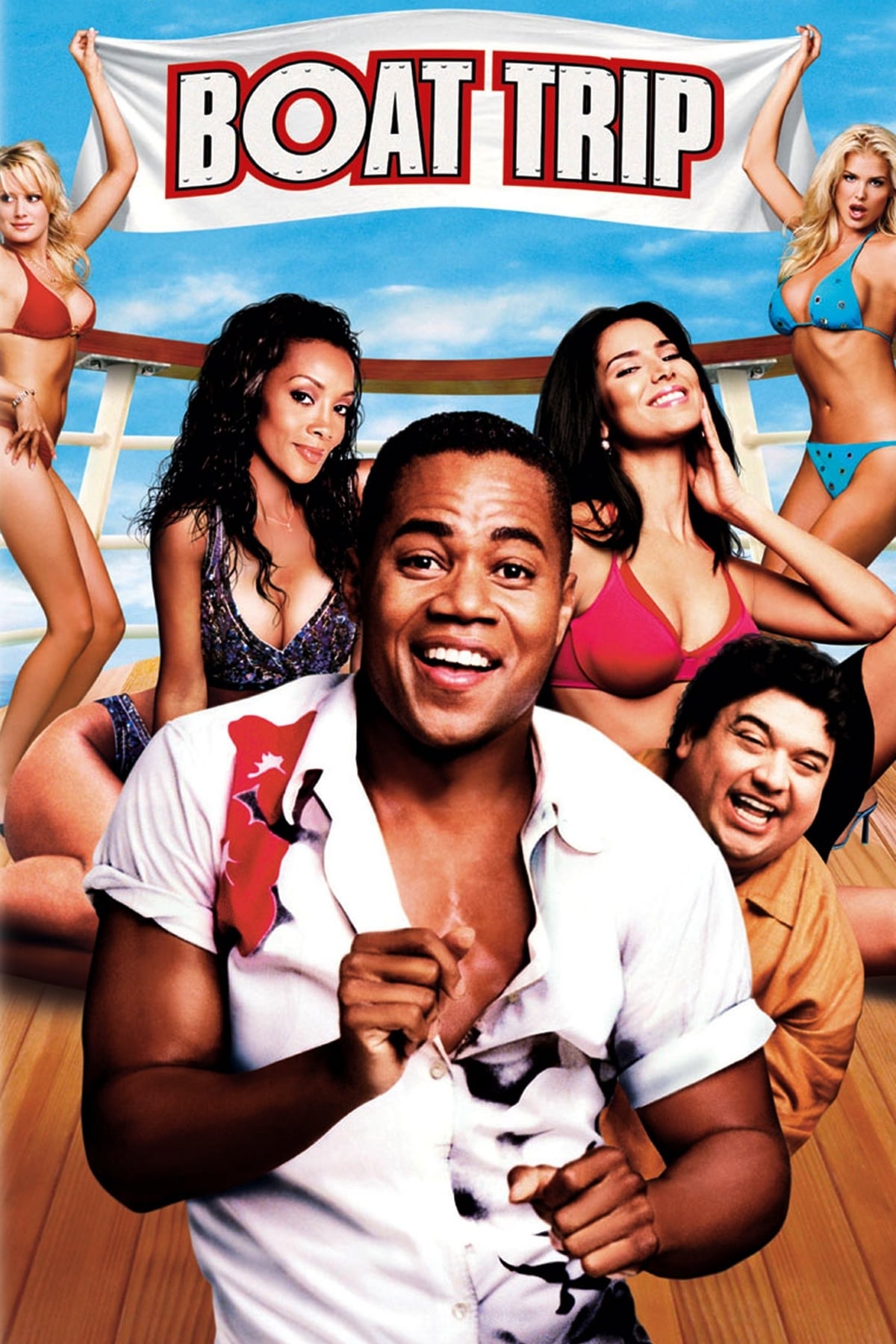
Cuba Gooding Jr. followed his Oscar win for ‘Jerry Maguire’ with a series of questionable choices, culminating in this critically reviled comedy. The film was accused of using outdated and offensive stereotypes, leading to a swift rejection by both critics and audiences. For Gooding Jr., this represented the point of no return for his status as a leading man in prestigious Hollywood productions. He spent much of the following decade starring in direct-to-video action films and thrillers.
‘The Master of Disguise’ (2002)
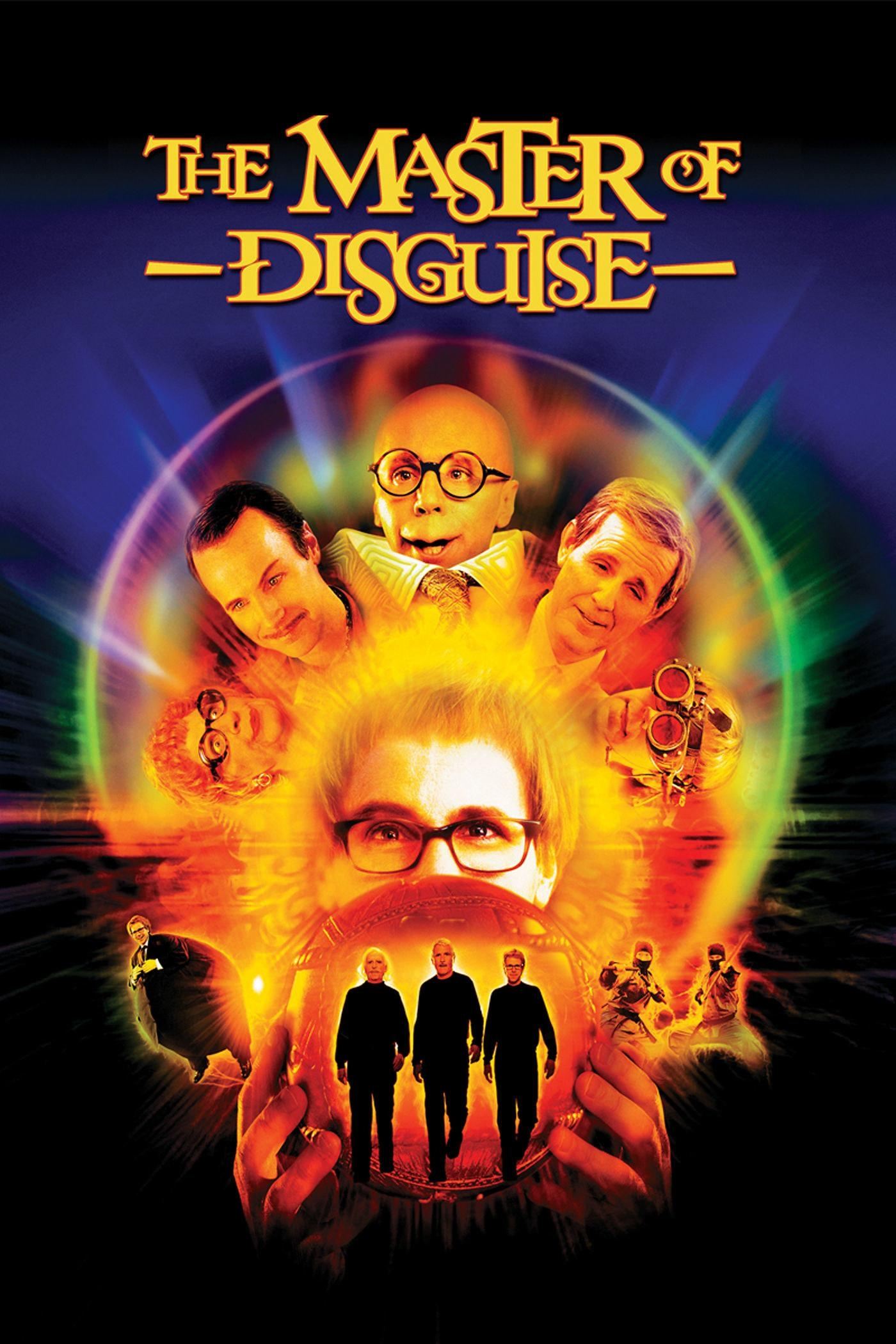
Dana Carvey attempted a cinematic comeback with this character-heavy comedy produced by Adam Sandler’s Happy Madison. The film was widely criticized for its juvenile humor and failed to capitalize on Carvey’s talent for impressions in a way that resonated with audiences. Its failure effectively ended Carvey’s career as a theatrical leading man, and he largely retreated from the spotlight. Aside from voice work, he has since focused primarily on stand-up comedy and television appearances.
‘Rollerball’ (2002)

Chris Klein was positioned as a rising star following his success in ‘American Pie’, leading him to the head of this big-budget sci-fi remake. The film was plagued by production issues and was ultimately released to overwhelmingly negative reviews and poor box office returns. Klein’s performance was criticized for a lack of charisma, and the failure of the movie stalled his trajectory as a leading man. He struggled to find major studio roles in the years that followed, eventually returning to the ‘American Pie’ franchise.
‘Gigli’ (2003)

Ben Affleck and Jennifer Lopez starred in this romantic crime comedy that became a media obsession during their real-life relationship. The film’s catastrophic failure at the box office and among critics turned the couple into a national punchline. While Lopez leaned back into her music career, Affleck’s status as a leading man was so damaged that he had to reinvent himself as a director to regain industry respect. It remains one of the most cited examples of tabloid overexposure destroying a film’s viability.
‘Catwoman’ (2004)

Halle Berry followed her historic Academy Award win with this poorly received superhero film that deviated significantly from the source material. The movie was a critical and commercial disaster, earning Berry a Razzie Award for Worst Actress which she famously accepted in person. The failure of ‘Catwoman’ halted her momentum as an action lead and created a perceived “Oscar curse” around her career. While she remained a recognizable star, she struggled to find leading roles in major studio blockbusters for a long period.
‘The Love Guru’ (2008)
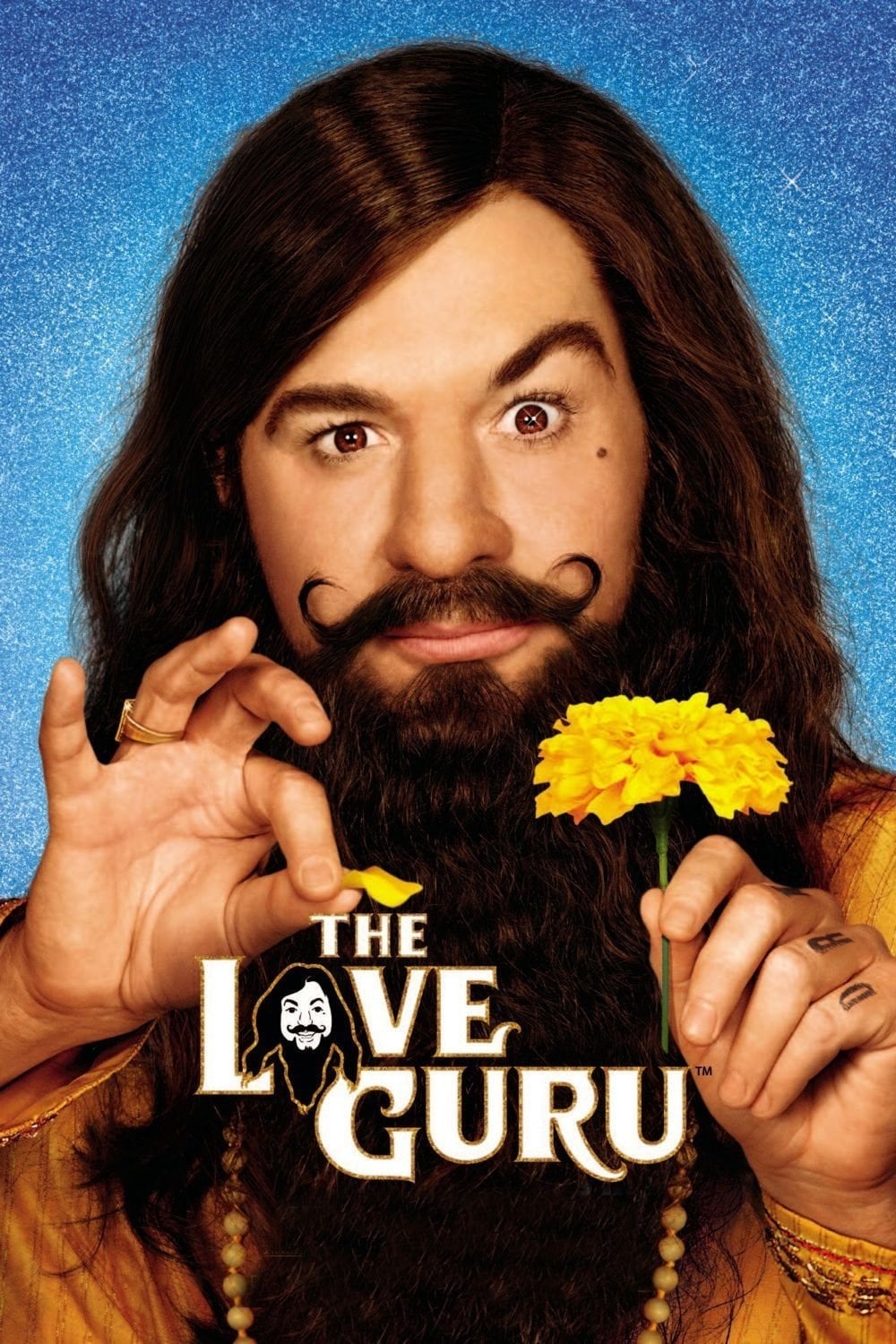
Mike Myers attempted to launch a new franchise with this character-driven comedy, which was his first live-action lead role in several years. The film was heavily criticized for its crude humor and perceived cultural insensitivity, resulting in a major box office disappointment. Myers, who had dominated the comedy landscape with ‘Austin Powers’, saw his influence in Hollywood vanish almost instantly. He has not headlined a major live-action theatrical release in the nearly two decades since the film’s debut.
‘The Spirit’ (2008)
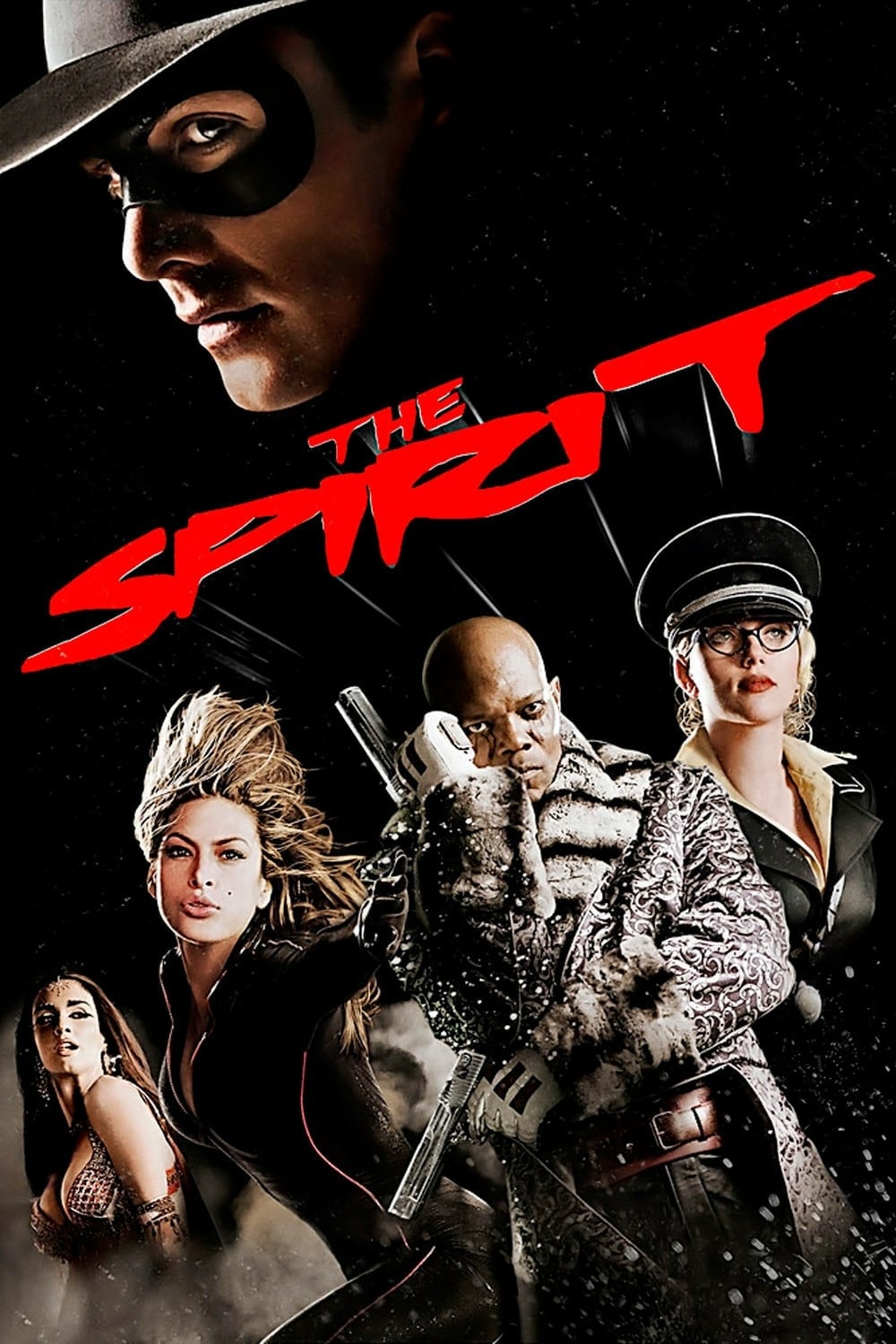
Gabriel Macht was a relatively unknown actor when he was cast as the lead in this highly stylized adaptation directed by Frank Miller. The film was a critical and financial failure, criticized for its confusing tone and over-the-top visual style. Macht’s performance failed to resonate with audiences, and the movie’s poor performance prevented him from breaking into the ranks of A-list film stars. He eventually found his greatest professional success on the television series ‘Suits’ rather than in cinema.
‘Abduction’ (2011)

Taylor Lautner attempted to parlay his ‘Twilight’ fame into a career as an action hero with this thriller directed by John Singleton. The film was panned by critics who questioned Lautner’s range and leading-man presence outside of the vampire franchise. It failed to perform at the box office, leading studios to reconsider his potential as a bankable action star. Consequently, his film career cooled significantly, and he moved toward television roles and smaller projects.
‘John Carter’ (2012)
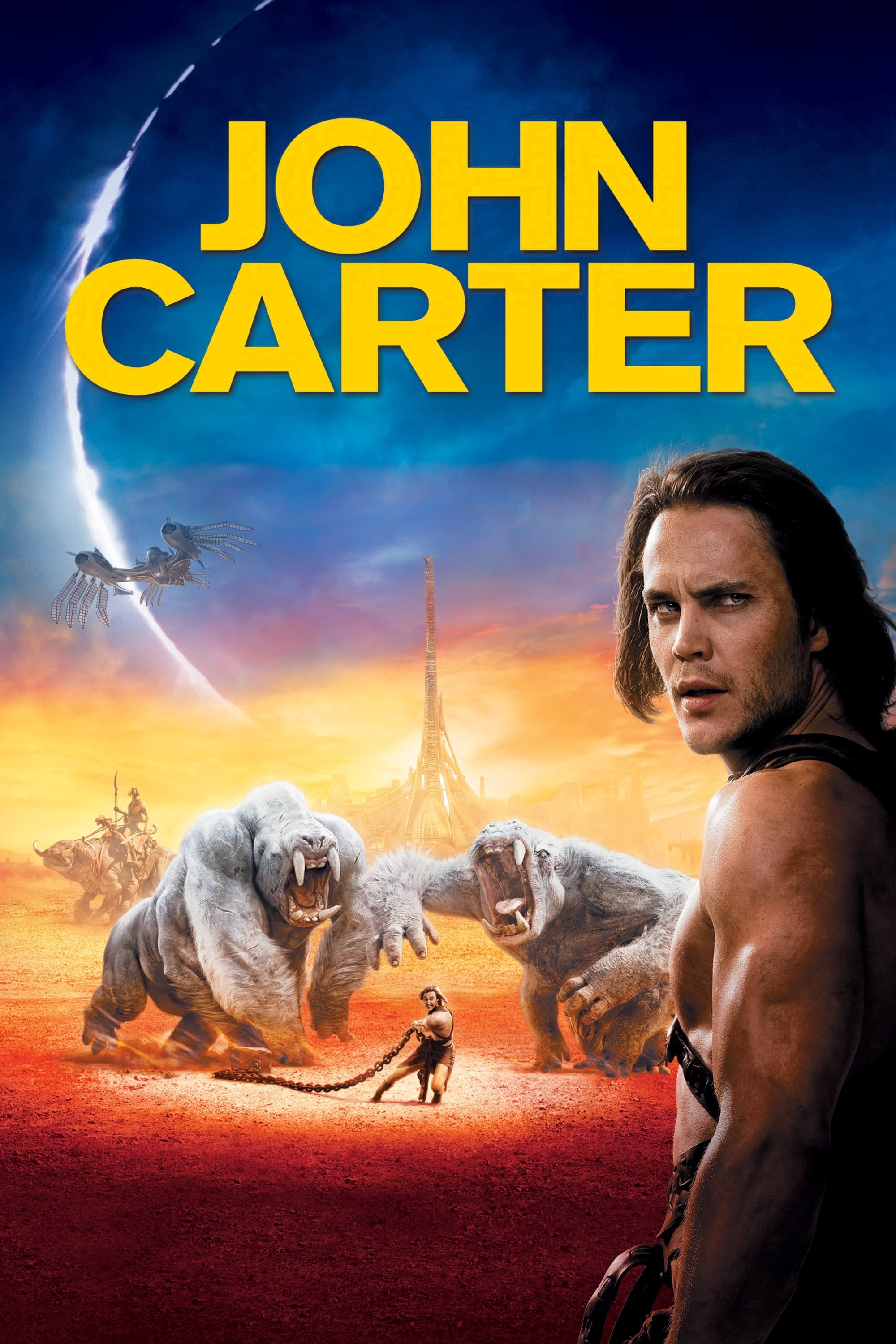
Taylor Kitsch was given a massive opportunity to lead this Disney sci-fi epic, which was intended to launch a major new franchise. The film became one of the biggest financial losses in cinema history, and the blame was frequently placed on Kitsch’s lack of star power. The simultaneous failure of ‘Battleship’ in the same year created a narrative that he was unable to carry a blockbuster. He transitioned into being a respected character actor on television, but his time as a top-billed film lead was over.
‘Jupiter Ascending’ (2015)
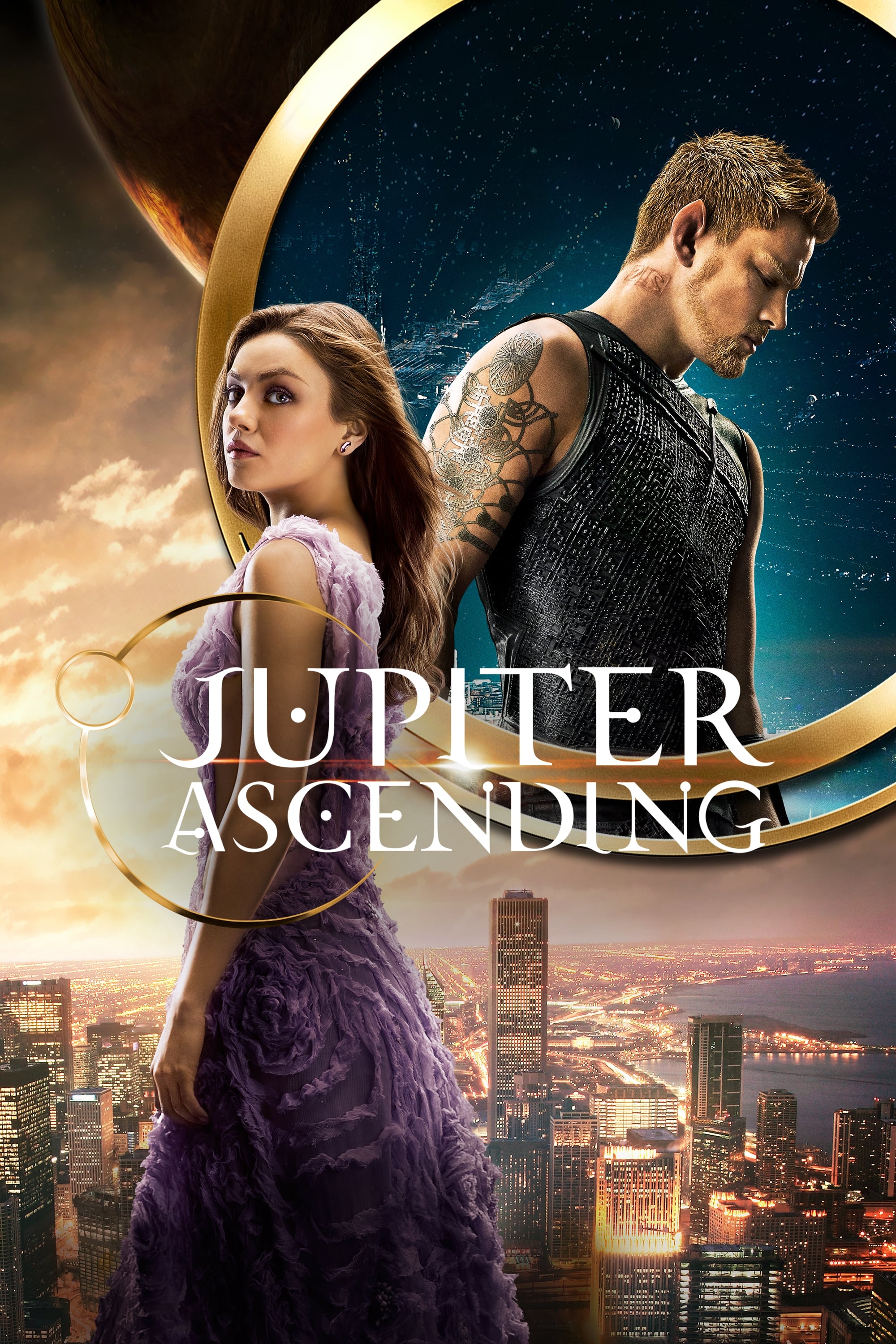
Channing Tatum and Mila Kunis starred in this ambitious space opera that was met with confusion and negative reviews upon its release. The film’s commercial failure and bizarre stylistic choices cooled the industry’s enthusiasm for Tatum as a sci-fi action lead. Kunis also saw a shift in her career trajectory, moving away from big-budget spectacles toward more consistent work in voice acting and smaller comedies. Both actors maintained successful careers, but the film ended the prospect of a new blockbuster franchise centered on them.
‘The Last Face’ (2016)
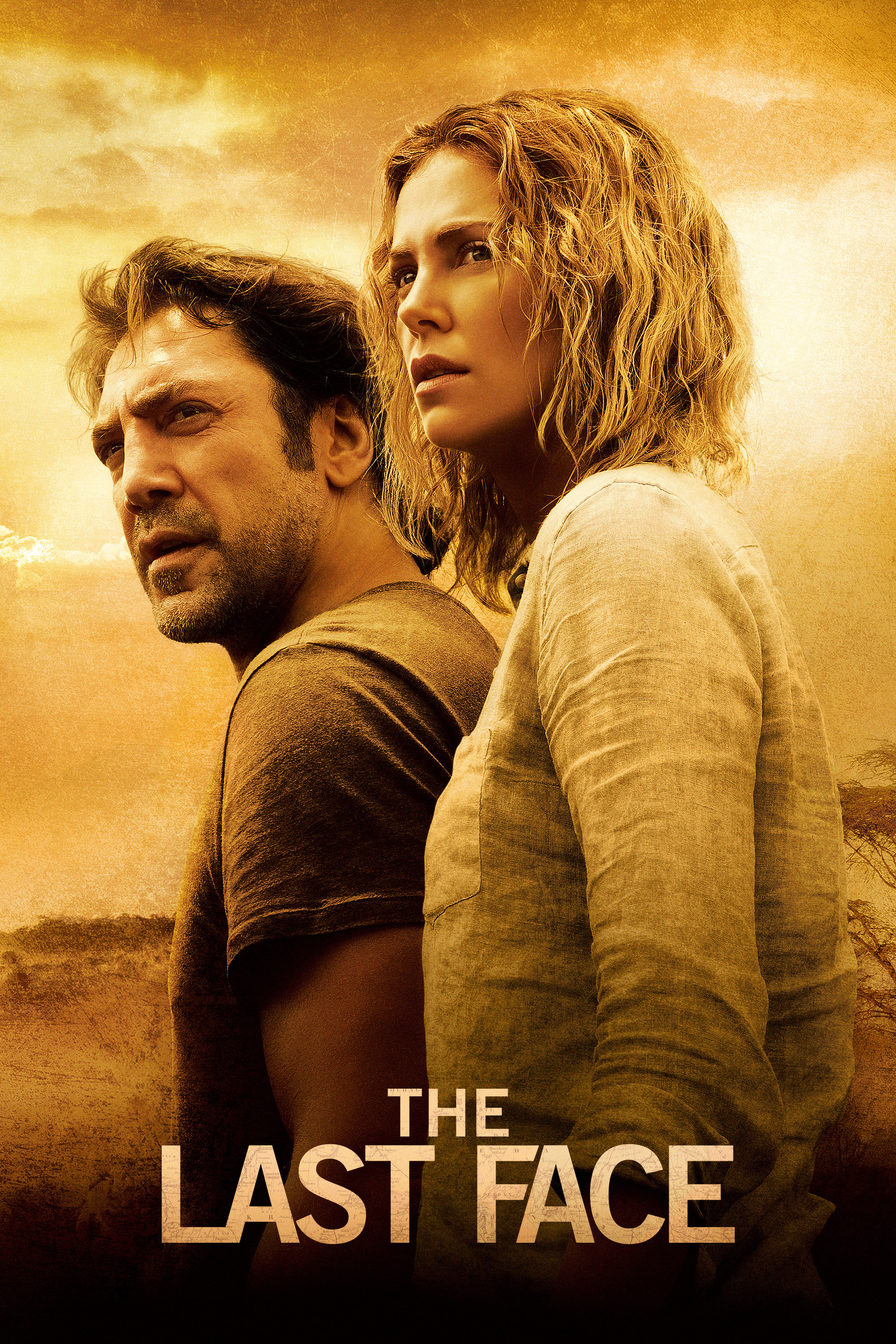
Sean Penn directed this romantic drama which was met with boos and laughter during its premiere at the Cannes Film Festival. Critics slammed the film for being tone-deaf and using a war-torn setting as a mere backdrop for a shallow romance. The extreme negative reception severely damaged Penn’s reputation as a serious filmmaker and stalled his directorial career. He has since focused more on acting and his humanitarian work, with few major directing projects reaching the same level of visibility.
Tell us which of these career-altering films surprised you the most in the comments.