


20 Movies that Ruined the Directors’ Reputation




Some films arrive with high expectations only to leave their directors facing intense industry backlash. These movies often struggled at the box office or triggered strong negative responses from critics and audiences, creating long term damage to the filmmakers behind them. The following titles became defining low points that many directors spent years trying to overcome.
‘Heaven’s Gate’ (1980)
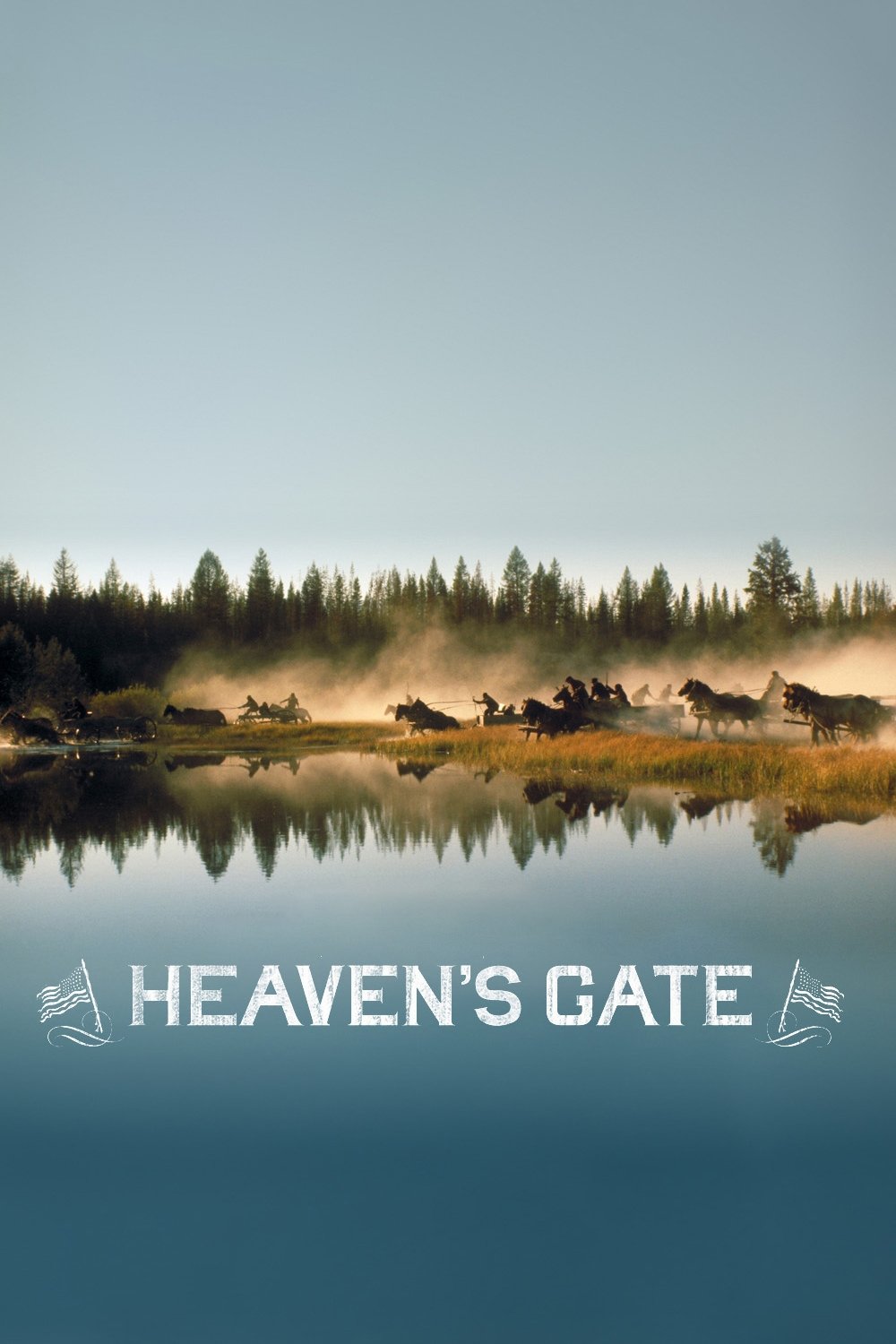
Michael Cimino faced major fallout after this large scale western experienced extreme budget overruns and poor reception. The studio suffered major financial losses, and the film became a cautionary tale in Hollywood production management. Cimino’s creative control was widely questioned afterward. The movie’s troubled release ultimately reshaped studio oversight practices.
‘The Postman’ (1997)
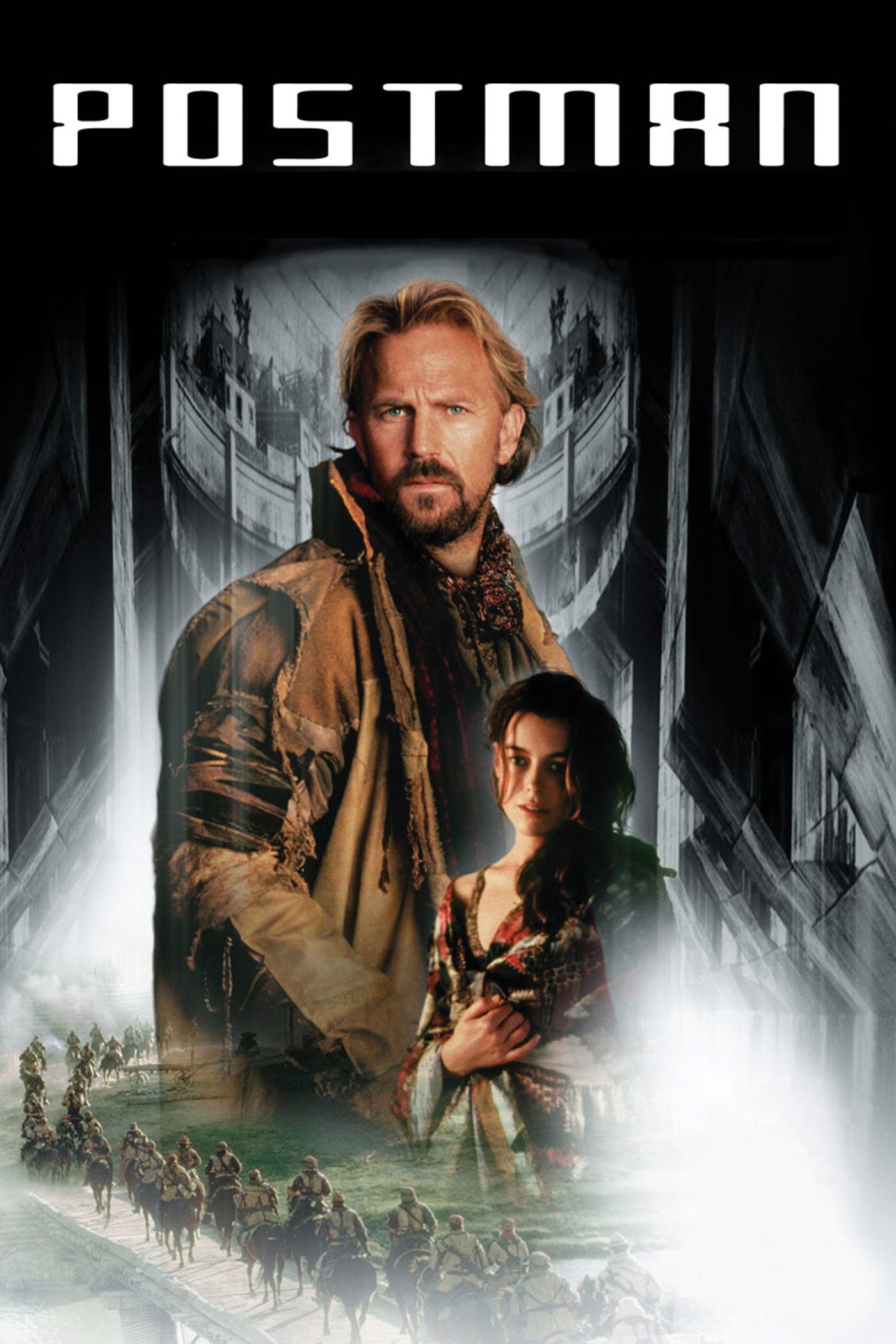
Kevin Costner faced significant criticism when this postapocalyptic epic failed to connect with audiences. The film’s long runtime and ambitious themes were frequently cited as reasons for its poor reception. Industry perception of Costner’s directing skills shifted sharply after its release. The project made studios more cautious about funding large scale passion projects.
‘Gigli’ (2003)

Martin Brest saw his career collapse after this romantic crime comedy was intensely criticized. The film struggled to find a consistent tone and became a frequent target of mockery. Brest did not direct another feature afterward. The project became a Hollywood example of how negative press can derail a veteran filmmaker.
‘After Earth’ (2013)
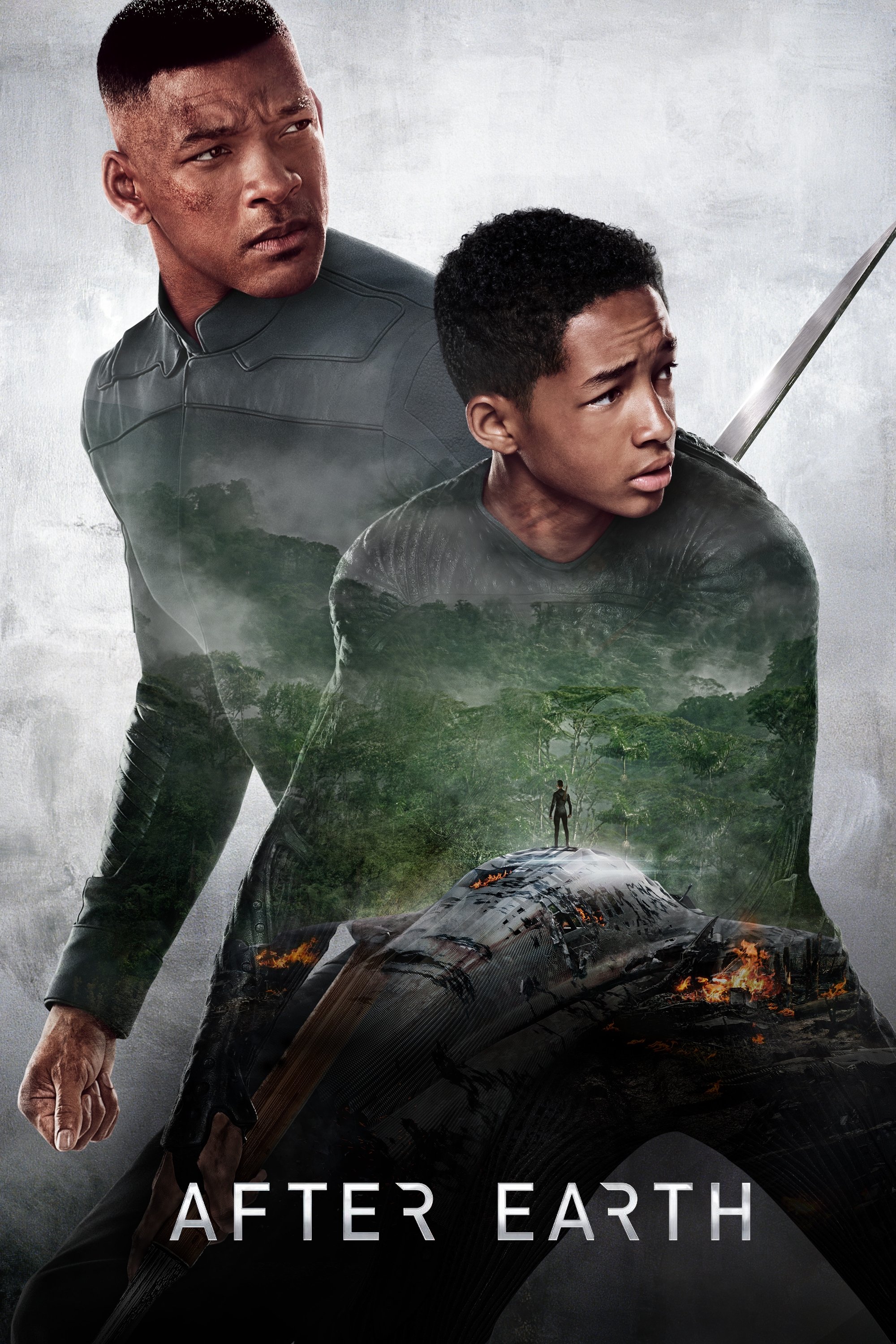
M Night Shyamalan’s reputation faced another setback when this science fiction adventure was criticized for its performances and narrative structure. Many industry observers felt the film lacked emotional weight. Its poor box office performance reinforced doubts about Shyamalan’s versatility. The director spent subsequent years rebuilding credibility with smaller projects.
‘Lady in the Water’ (2006)
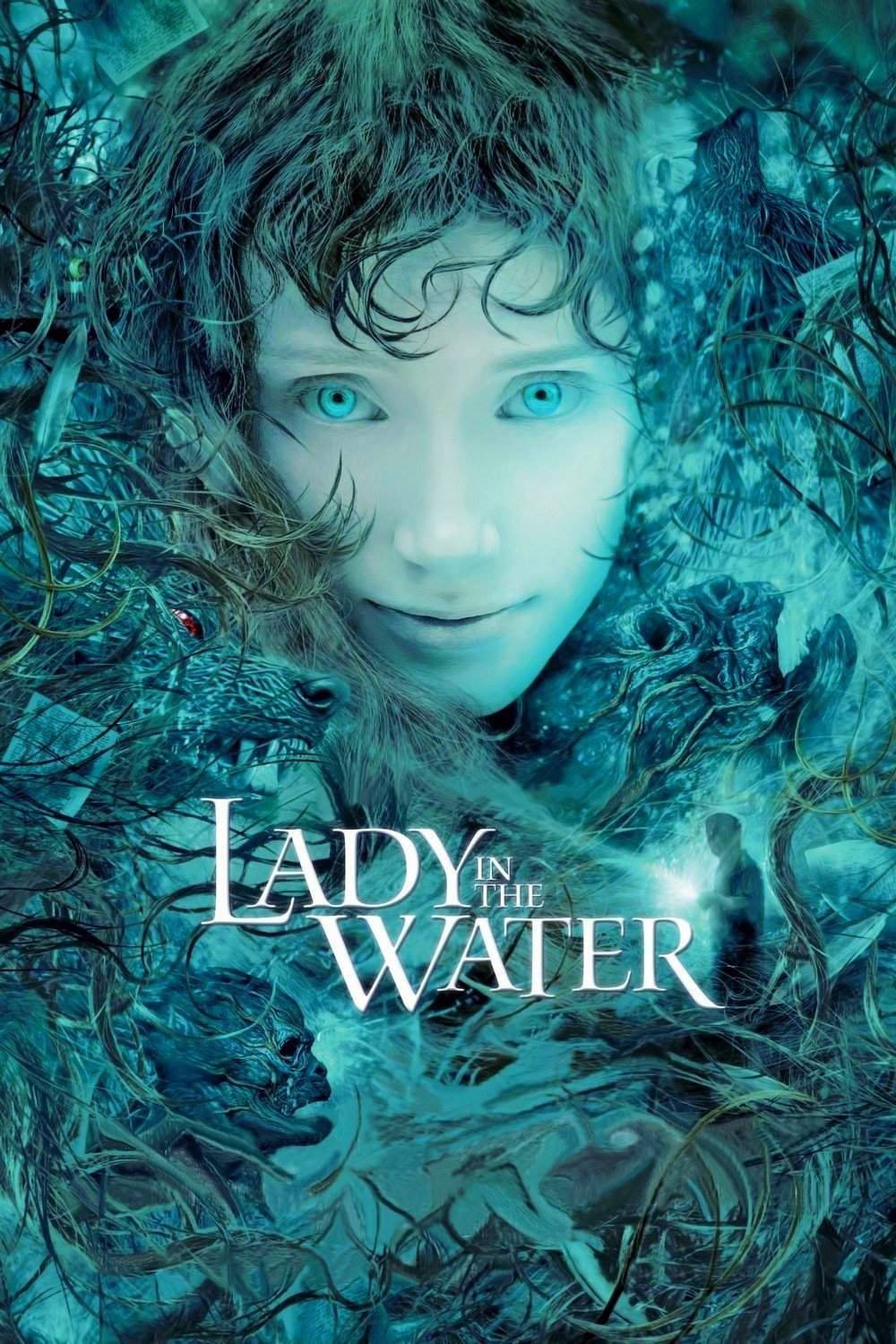
This fantasy drama brought significant backlash toward Shyamalan due to its unconventional structure. Critics considered the storytelling confusing and self indulgent. The film damaged studio confidence in his creative decisions. Its reception contributed to a downturn in his career at the time.
‘Jack and Jill’ (2011)
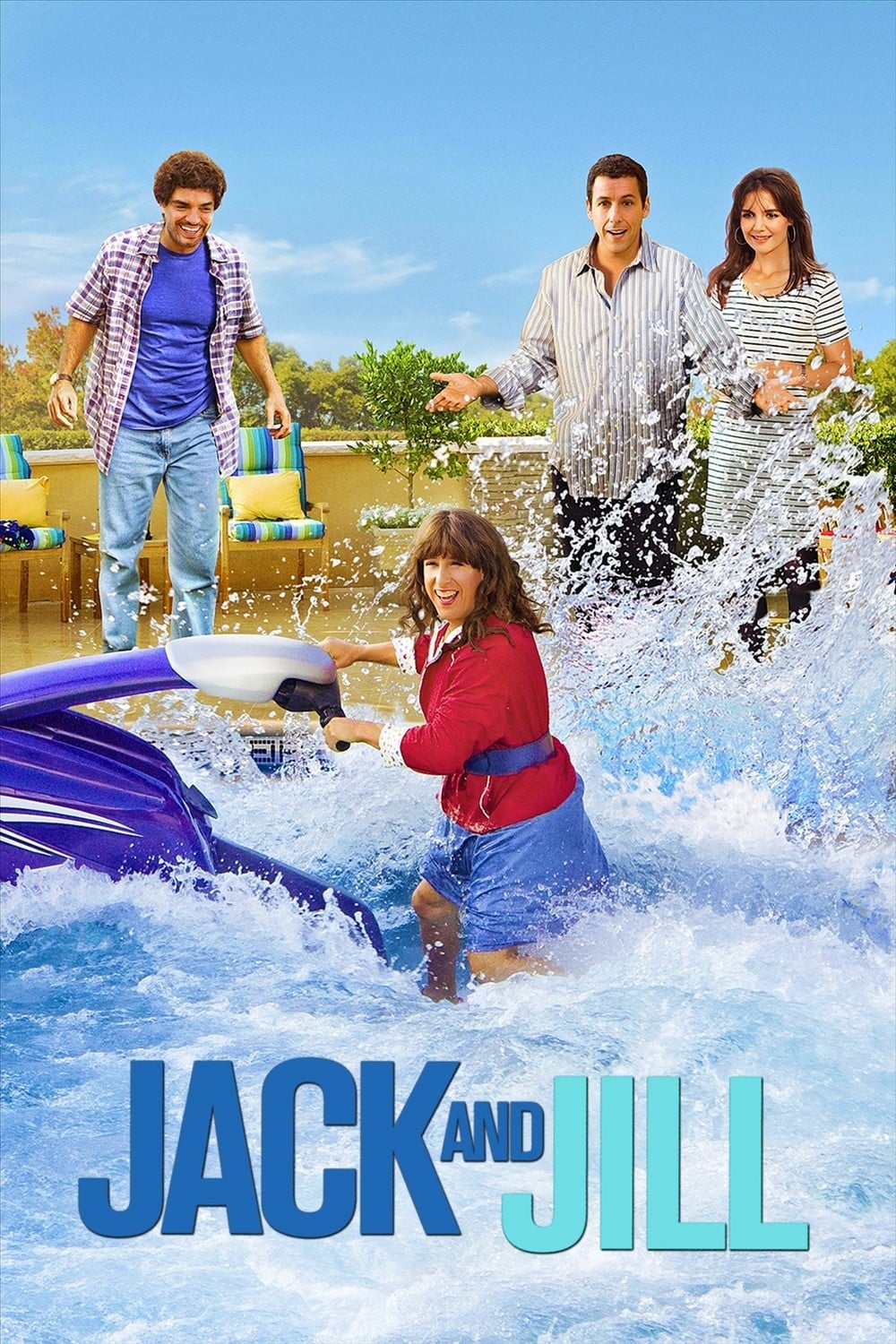
Dennis Dugan faced heavy criticism for this broad comedy starring Adam Sandler in dual roles. Reviewers noted issues with humor consistency and narrative clarity. The film became associated with excessive product placement and weak comedic execution. It negatively affected perceptions of Dugan’s directorial approach.
‘Battlefield Earth’ (2000)
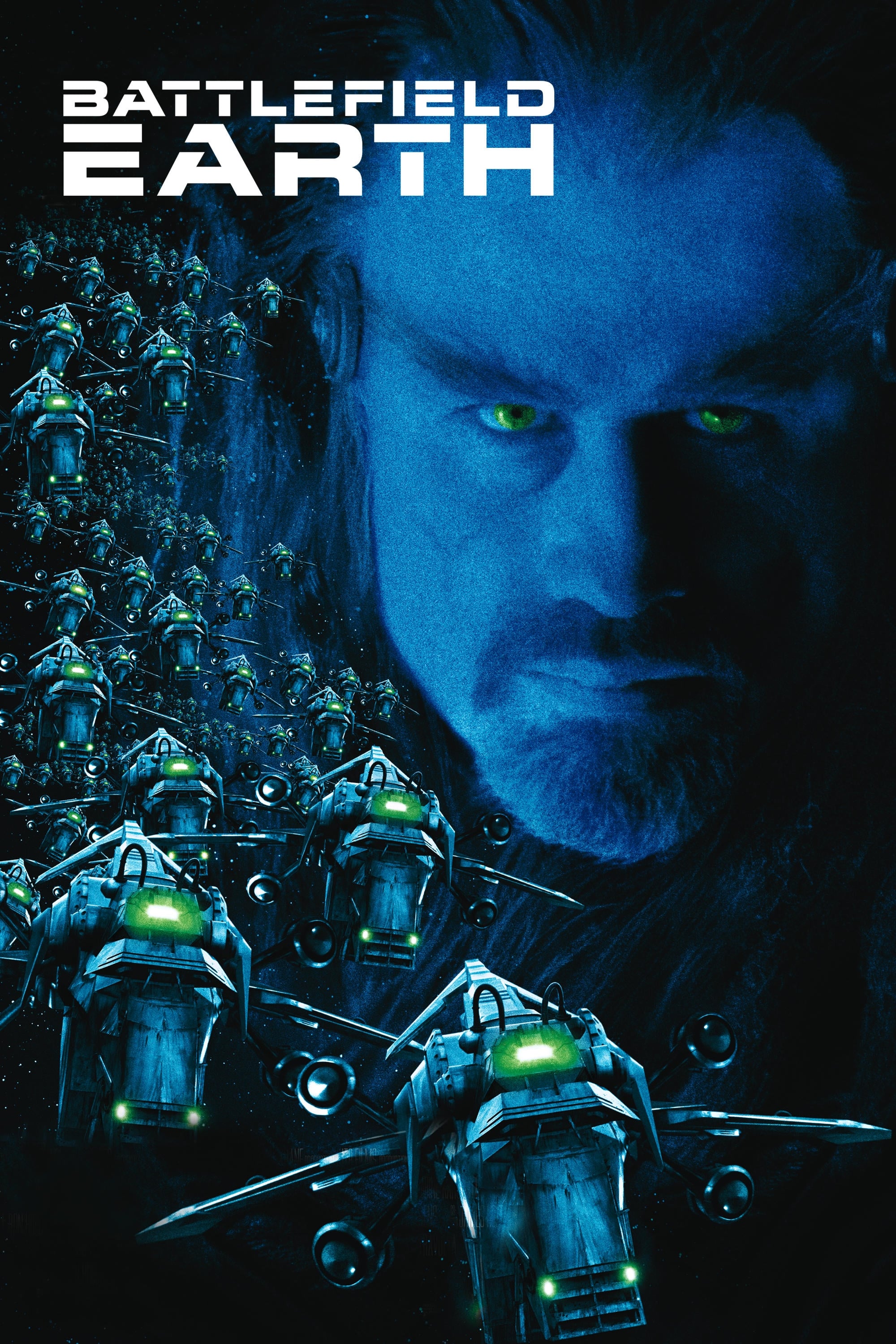
Roger Christian struggled to recover professionally after this science fiction film was widely rejected. Its visual style and editing choices drew strong disapproval. The project became associated with financial losses and intense ridicule. Christian’s directing opportunities decreased significantly after release.
‘Movie 43’ (2013)
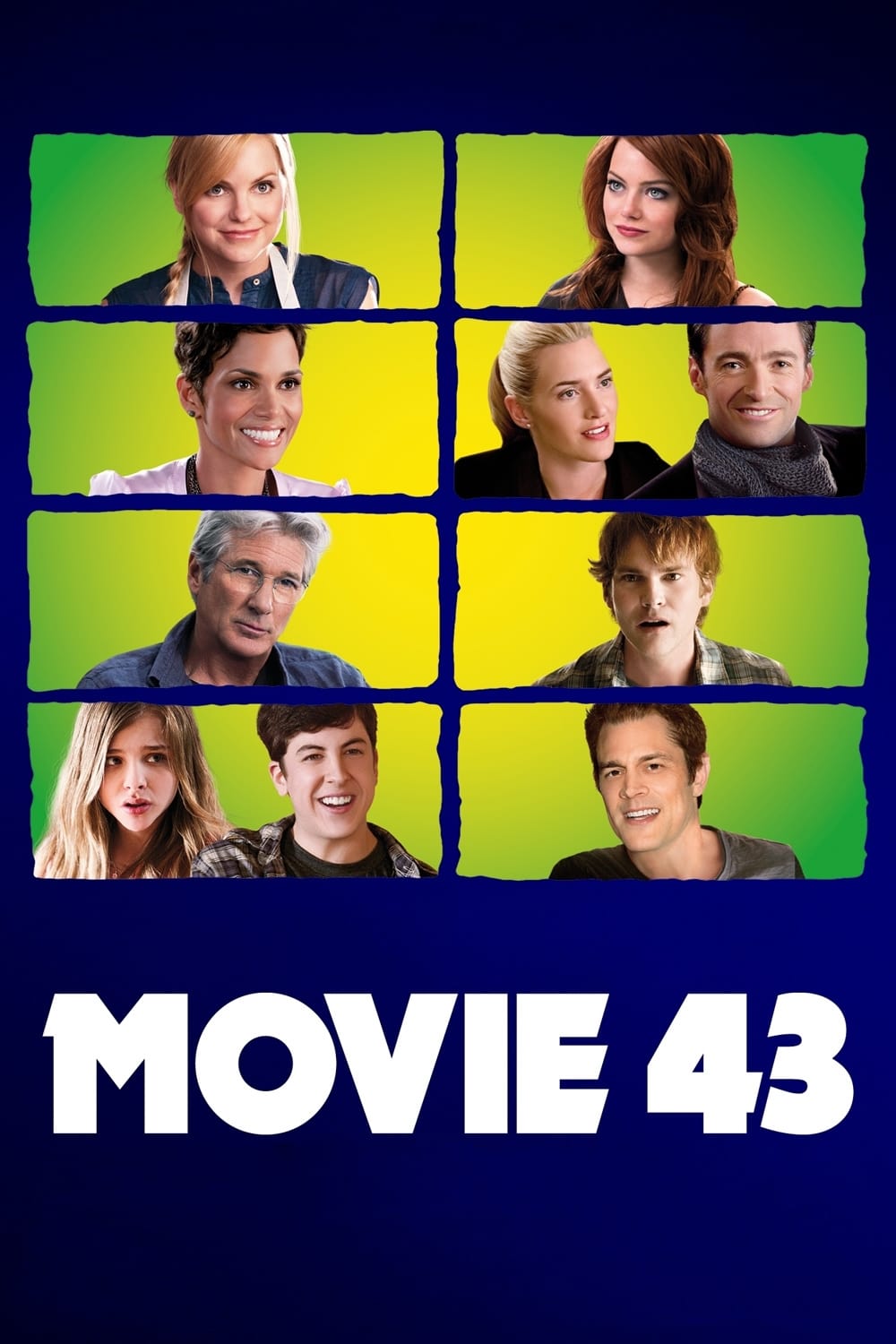
Multiple directors including Peter Farrelly experienced reputational damage after this anthology comedy received harsh criticism. The film’s sketches were often described as disjointed and ineffective. Its cast of well known actors failed to improve its reception. The project became an example of unsuccessful multi director collaboration.
‘Cutthroat Island’ (1995)
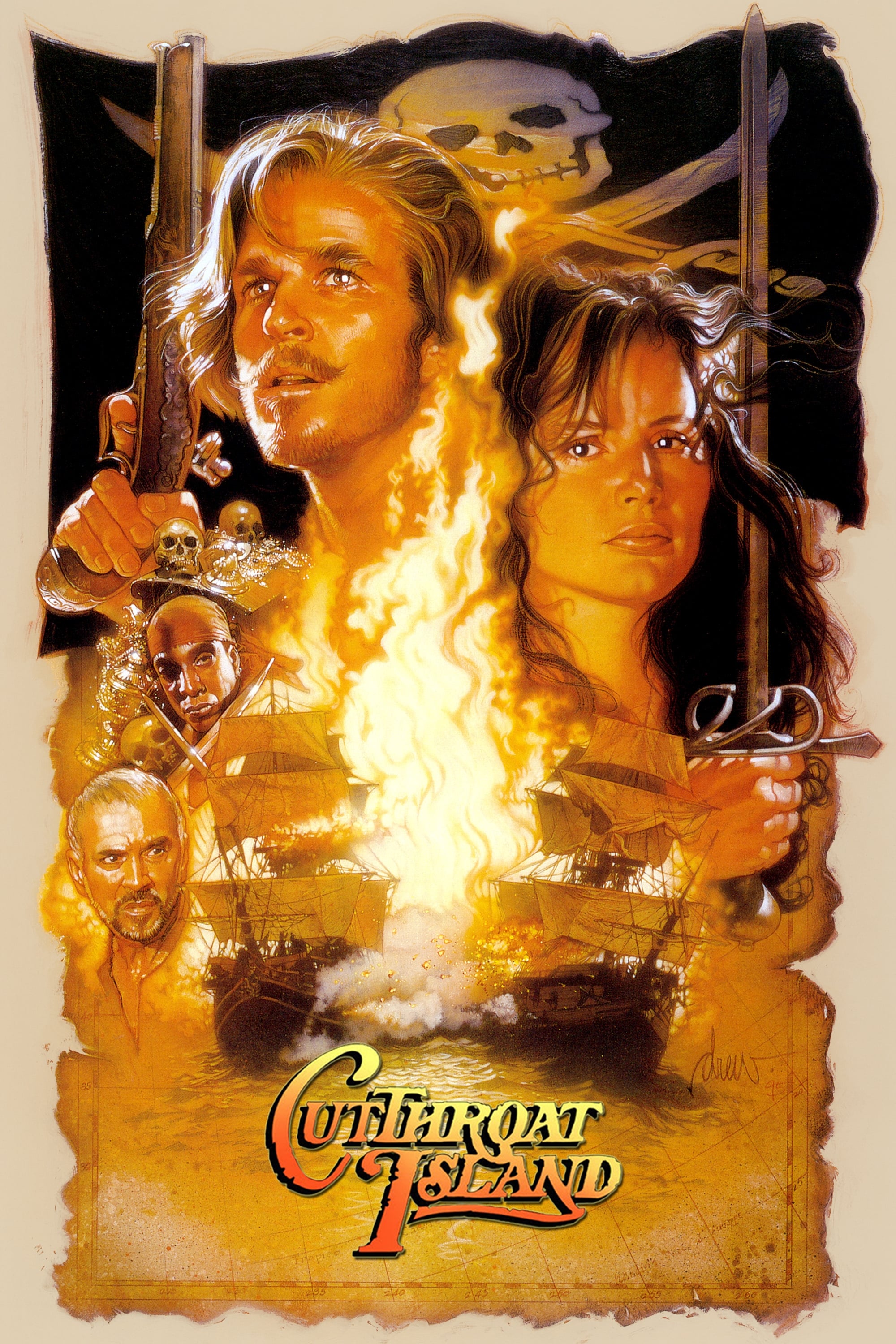
Renny Harlin’s action adventure pirate film became one of the most notable box office failures of its decade. Production challenges and high costs contributed significantly to its negative legacy. Studios grew hesitant about financing large scale projects from Harlin afterward. The film also impacted the broader pirate genre for years.
‘Speed Racer’ (2008)
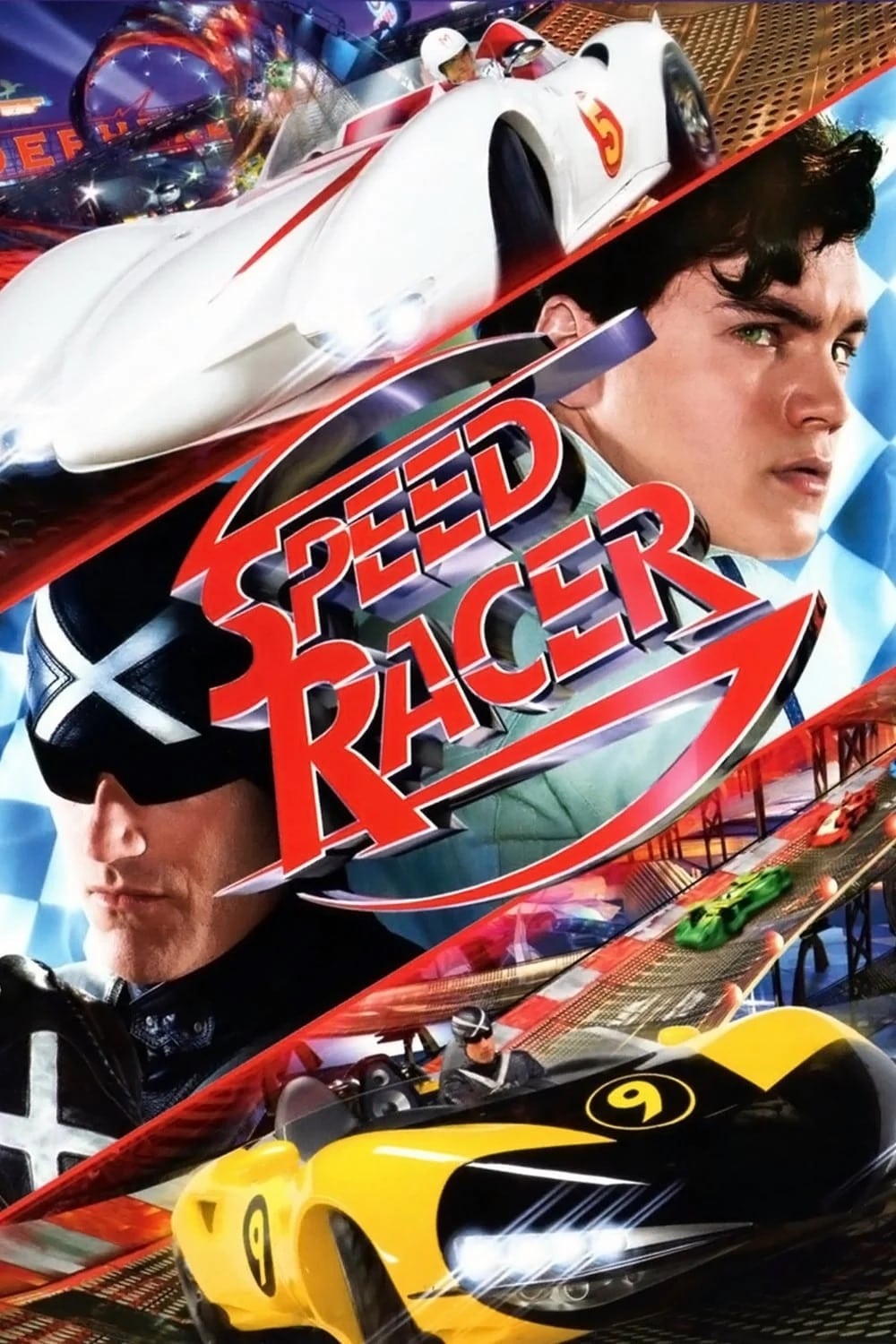
The Wachowskis faced backlash when this stylized racing adaptation failed commercially. Although visually ambitious, the film’s aesthetic choices did not resonate with mainstream audiences at the time. Its financial losses reduced studio confidence in their future projects. It became an early example of audiences resisting extreme digital experimentation.
‘Jupiter Ascending’ (2015)
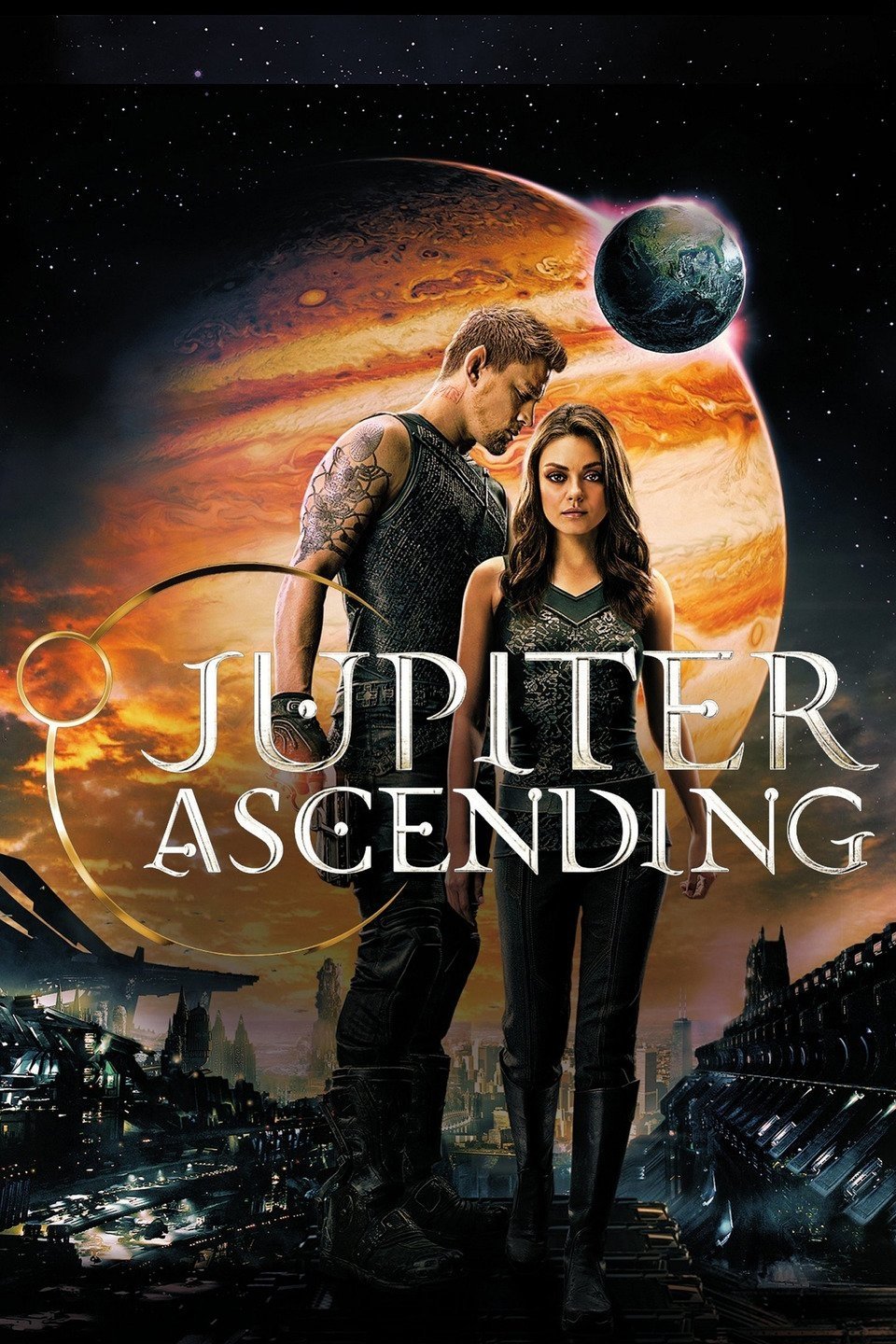
The Wachowskis experienced further negative impact when this science fiction epic underperformed. Critics cited issues with character development and worldbuilding. The film’s budget created high expectations that were not met. It led to a decline in large scale studio projects offered to the directors.
‘Green Lantern’ (2011)
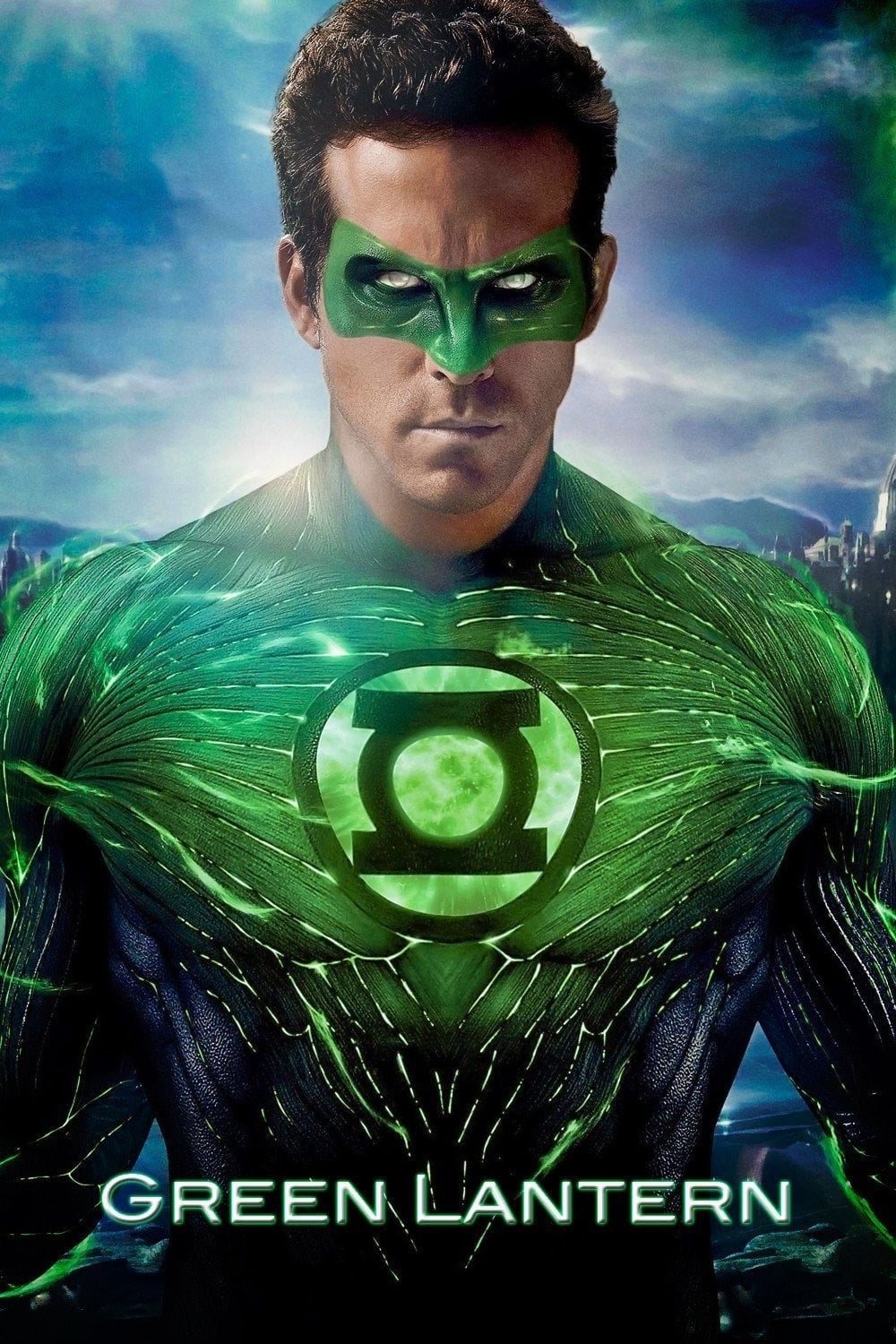
Martin Campbell saw his strong reputation affected when this superhero film failed to impress audiences. Production issues and visual effects challenges were frequently discussed. Campbell previously had success with action films, making this outcome unexpected. The project led studios to reassess risk on early cinematic universe attempts.
‘Inchon’ (1981)
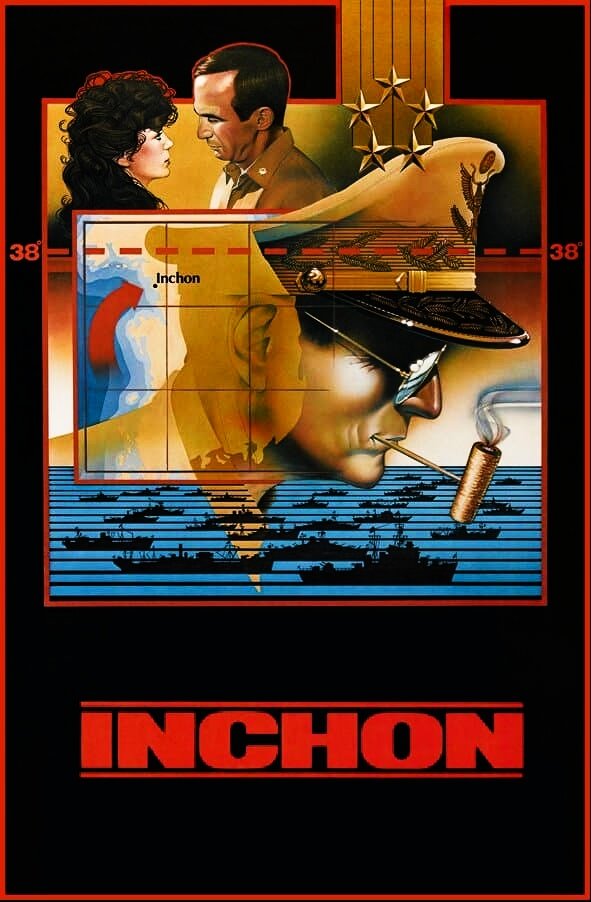
Terence Young faced major professional repercussions after this war film suffered significant financial losses. It was criticized for historical inaccuracies and uneven pacing. The troubled production further damaged its reception. Young’s career never fully recovered.
‘The Bonfire of the Vanities’ (1990)
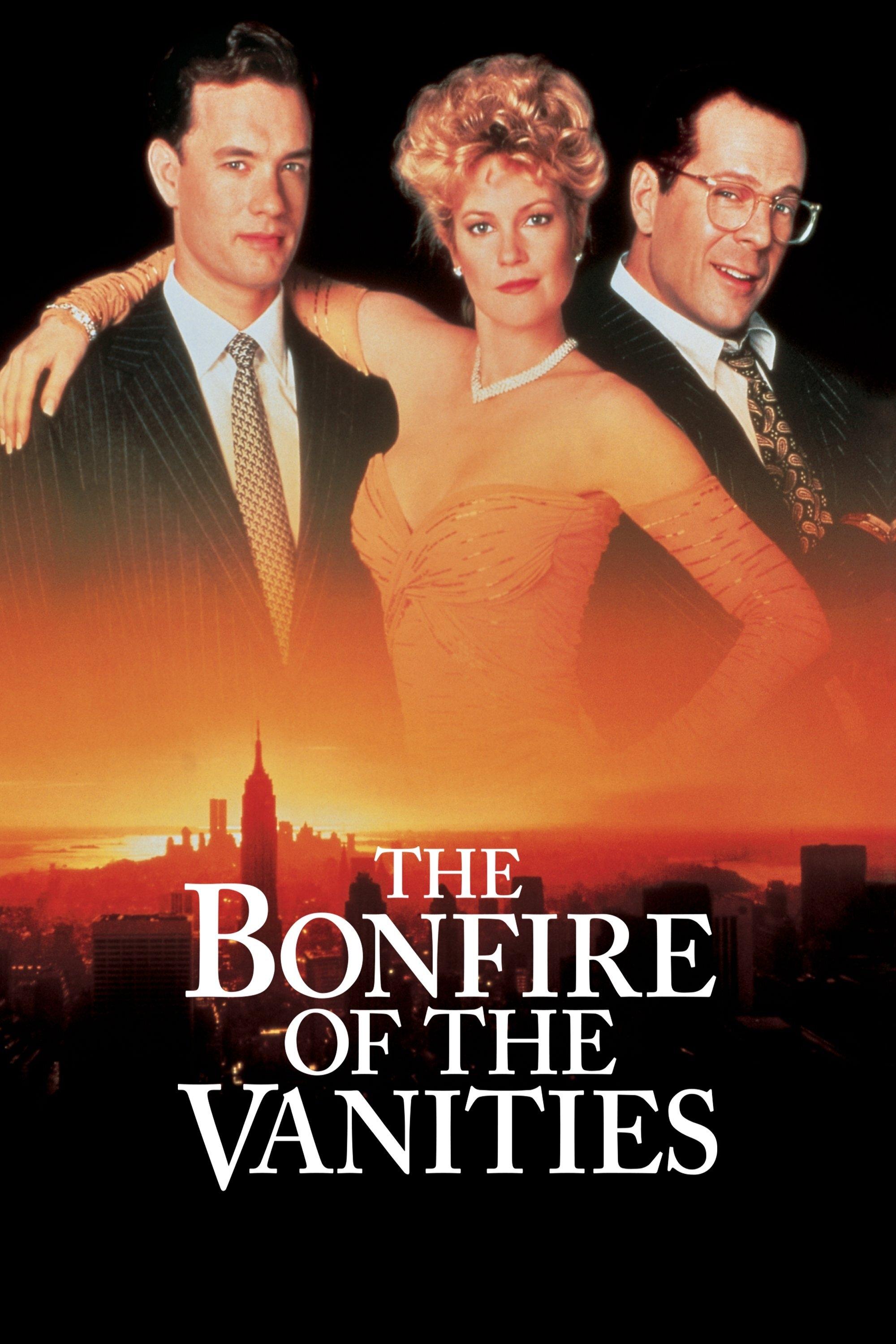
Brian De Palma encountered substantial criticism due to this high profile literary adaptation. The film faced complaints about tonal imbalance and casting choices. Its failure ended plans for similar large scale adaptations at the time. De Palma’s commercial momentum declined afterward.
‘Waterworld’ (1995)
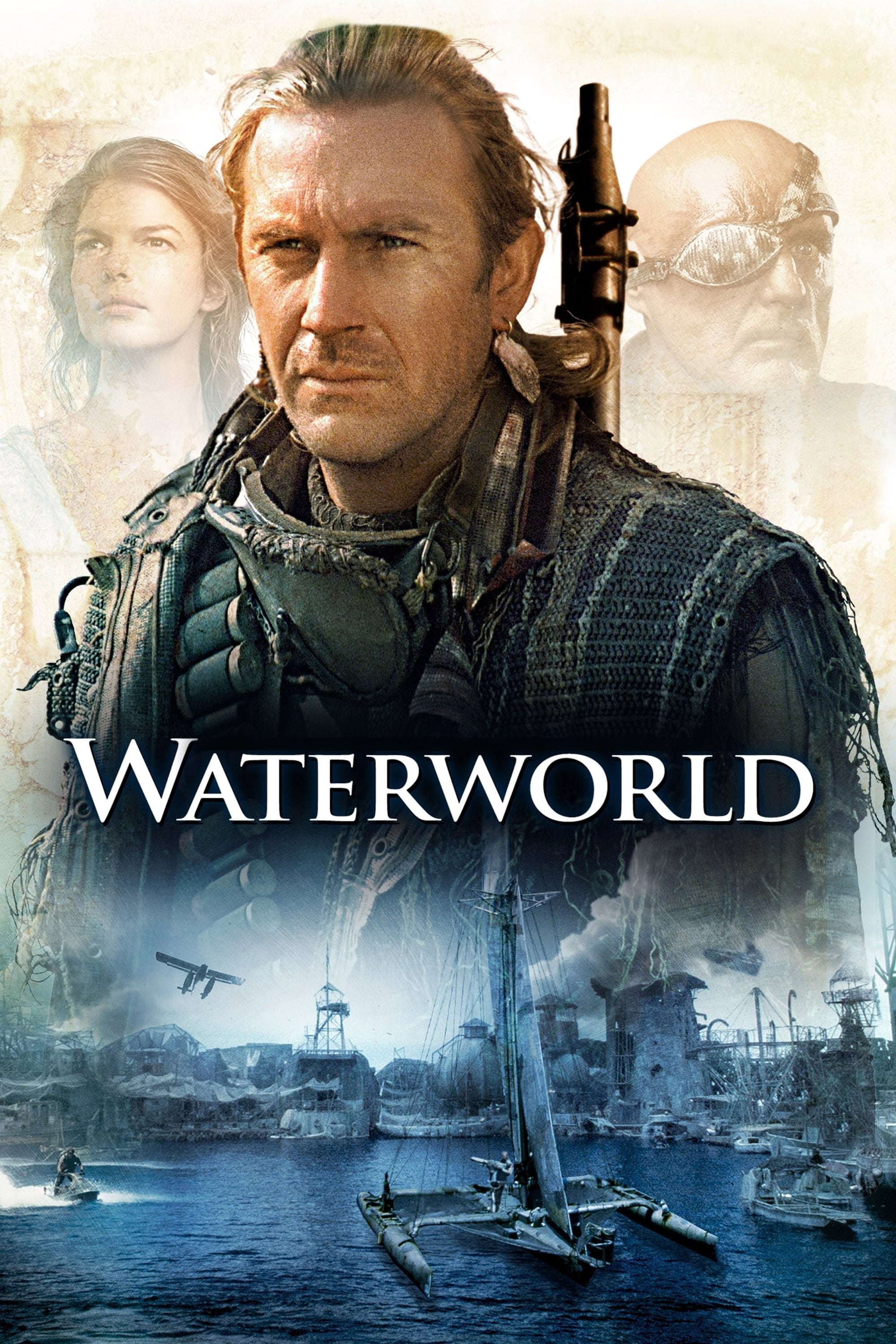
Kevin Reynolds endured backlash when this aquatic dystopian epic became known for its expensive production issues. Despite earning some later appreciation, its initial reception was disappointing. Industry insiders scrutinized Reynolds’ handling of large budgets. The film contributed to caution around high cost blockbusters.
‘Hudson Hawk’ (1991)
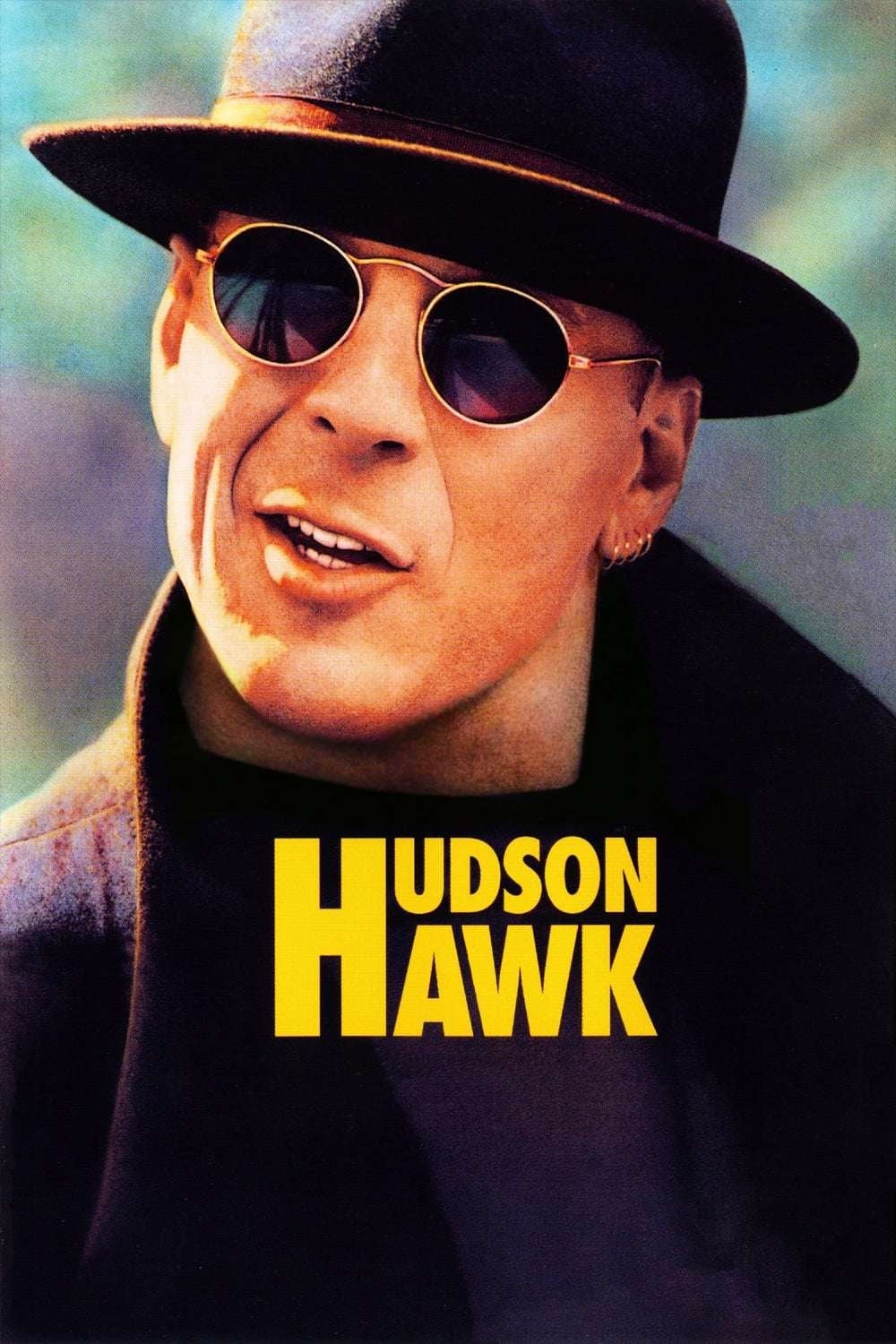
Michael Lehmann faced reputational damage after this action comedy struggled critically and financially. The film’s unusual comedic style confused many viewers. Production disagreements also became well publicized. Lehmann received fewer major directing opportunities afterward.
‘The Adventures of Pluto Nash’ (2002)
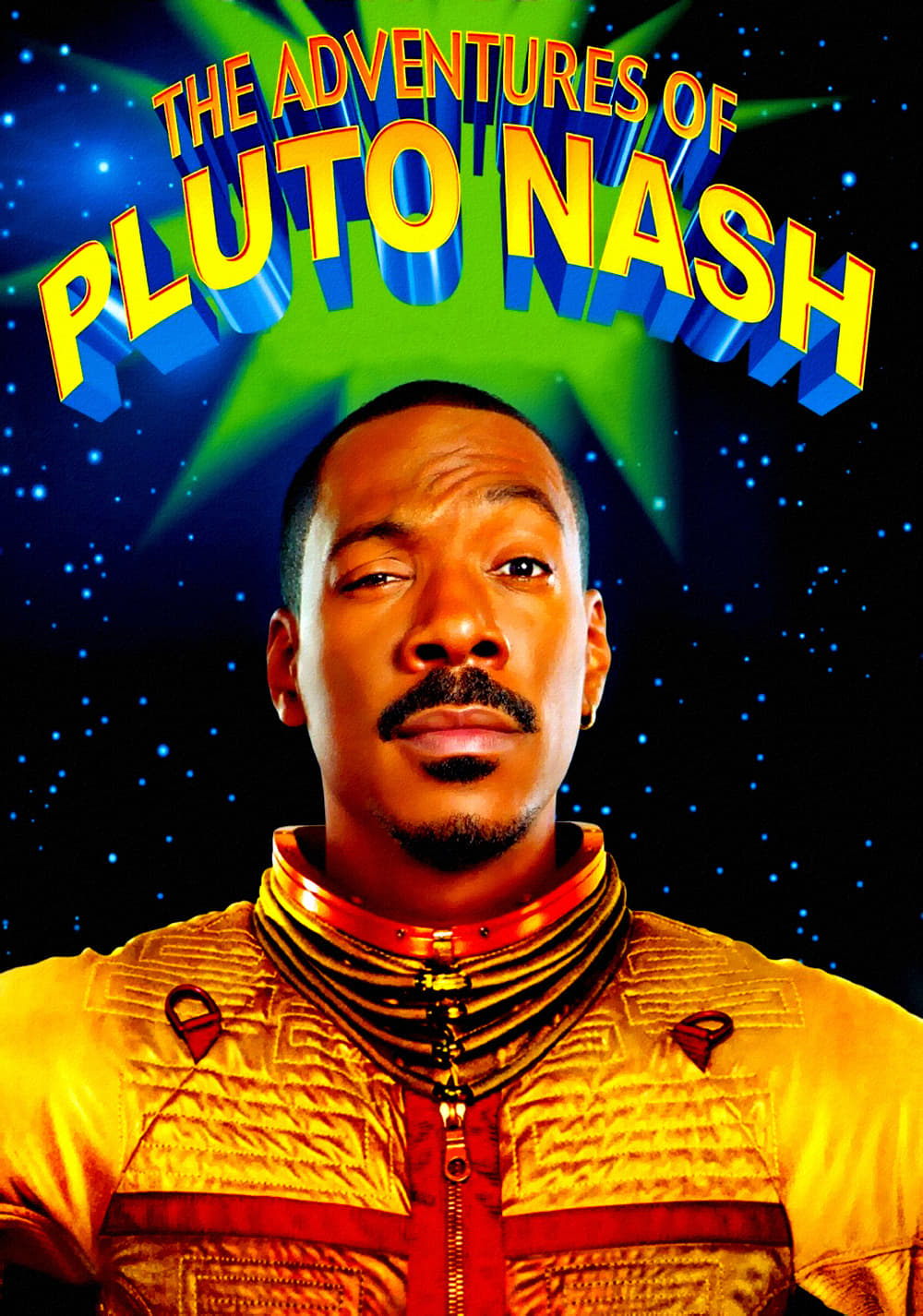
Ron Underwood saw his career decline following this science fiction comedy’s poor performance. The film became associated with heavy financial losses. Audiences and critics found its tone inconsistent. Underwood shifted primarily toward television work afterward.
‘Aloha’ (2015)

Cameron Crowe faced backlash after this romantic drama was criticized for casting decisions and narrative issues. The film led to significant public discussion about representation. Its reception reduced the momentum Crowe previously held. The project made studios more cautious about high profile ensemble romances.
‘Alexander’ (2004)
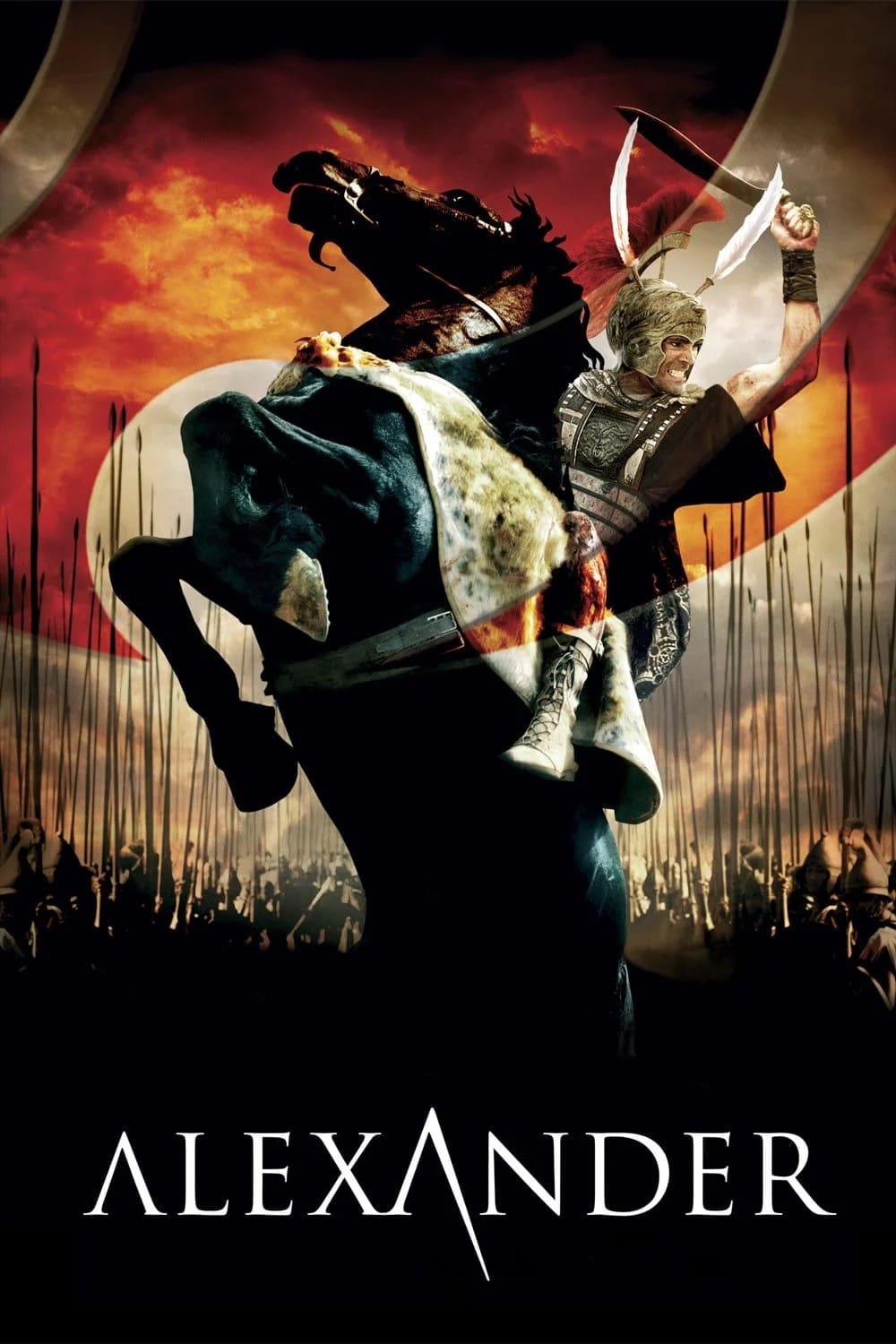
Oliver Stone encountered notable criticism for this historical epic. Audiences and critics cited pacing issues and uneven narrative structure. Despite later re edits, the initial release overshadowed Stone’s previous successes. The film marked a turning point in perceptions of his large scale historical storytelling.
‘Sucker Punch’ (2011)

Zack Snyder faced backlash when this action fantasy was criticized for its narrative clarity and thematic approach. Its visual ambition did not translate into strong audience engagement. The film contributed to debates about Snyder’s creative direction. It affected expectations for his later projects.
Share your thoughts in the comments about which titles you believe had the biggest impact on their directors.