


20 Movies That Shamelessly Ripped Off Better Ones



Movie history is full of clever homages and official remakes, but there is also a long tradition of films that shadow a recent hit a little too closely. Sometimes the resemblance sparked lawsuits. Sometimes it was a marketing strategy where a studio or a quick moving producer tried to catch audience interest by echoing a familiar title or premise.
This list looks at films that mirrored earlier favorites in structure, setup, and even advertising. You will see mockbusters released within days of a blockbuster, unofficial remakes that tracked an original beat for beat, and international productions that reused music or footage from famous films without permission.
‘Lockout’ (2012)
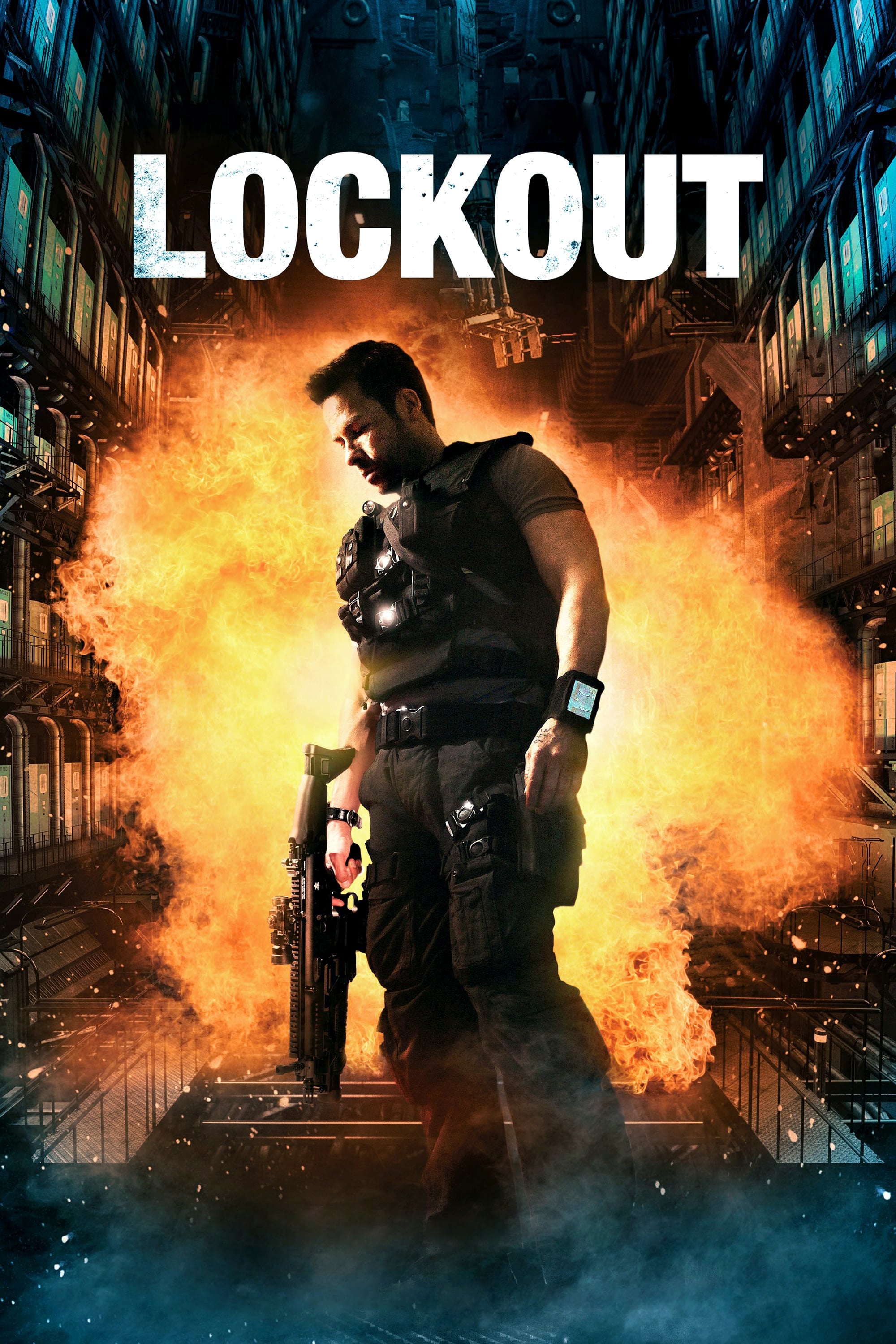
This science fiction thriller follows a wisecracking convict who is sent on a rescue mission to a lawless prison in space after the warden loses control and hostages are taken. It stars Guy Pearce and Maggie Grace and was produced by EuropaCorp with James Mather and Stephen St Leger credited as directors.
The setup and character dynamic closely track the template of John Carpenter’s ‘Escape from New York’, with the rescue of a powerful leader’s daughter from a sealed off hellscape and a ticking clock driving the action. A French court found the similarities substantial and awarded damages to Carpenter and his co writers after a lengthy legal fight.
‘The Island’ (2005)

Michael Bay’s film follows residents of a secluded facility who discover they are clones kept alive to supply organs for wealthy sponsors. Ewan McGregor and Scarlett Johansson lead the cast and the production combined large action sequences with a conspiracy thriller plot.
The premise and several story turns align with ‘Parts: The Clonus Horror’, a low budget movie about a secret cloning operation that raises replacements for elites. The creators of ‘Parts: The Clonus Horror’ filed suit against the studio and the case ended with a confidential settlement.
‘Disturbia’ (2007)
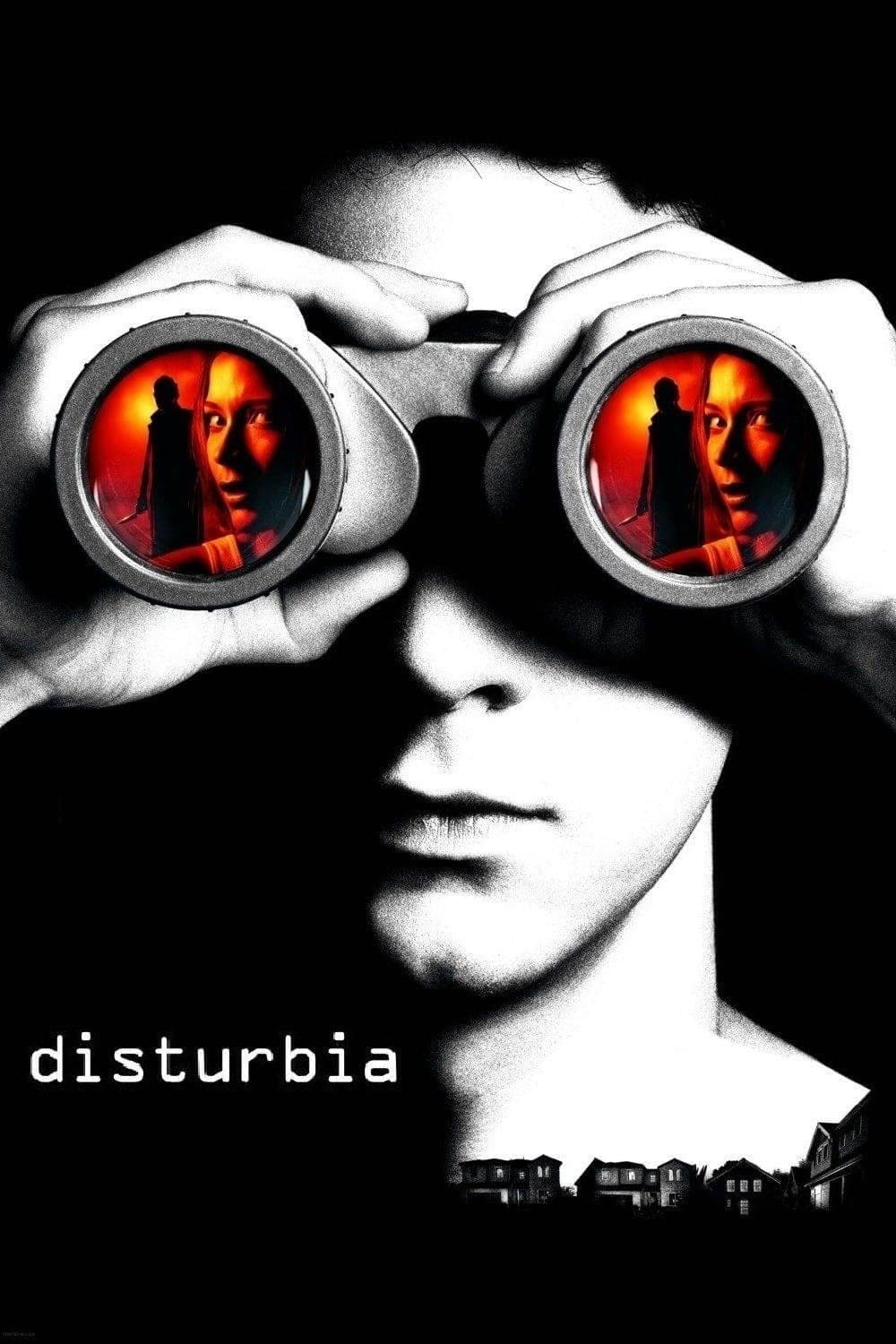
The story centers on a teen under house arrest who starts watching his neighbors and suspects that one of them is a murderer. Shia LaBeouf headlines the cast and the release found an audience by mixing suspense and suburban drama.
The film drew immediate comparisons to ‘Rear Window’, where a sidelined protagonist spies on a neighbor and pieces together a possible crime through observation. The rights holders to the short story that inspired ‘Rear Window’ sued over the similarities, though the court ultimately dismissed the case.
‘Mac and Me’ (1988)
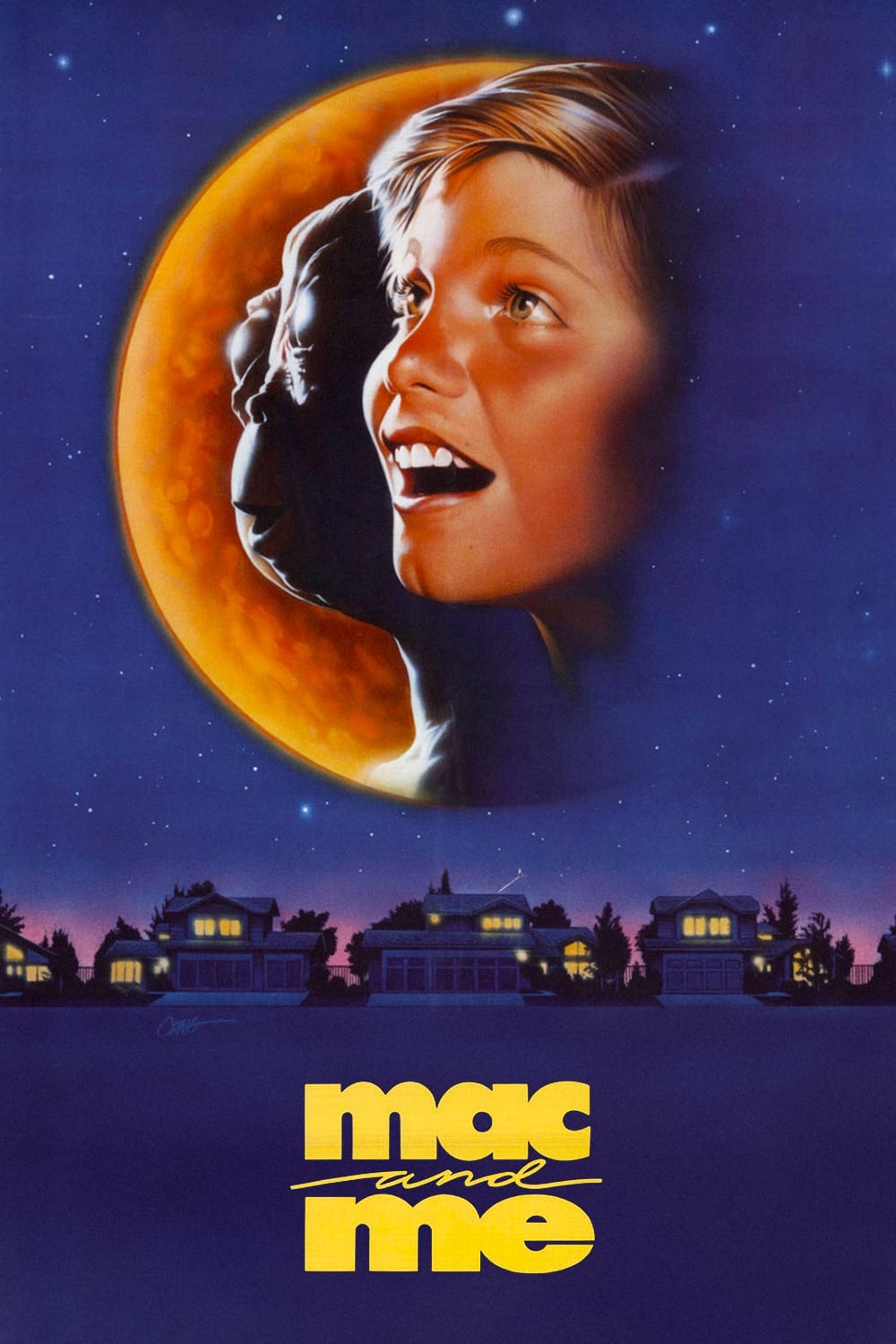
A wheelchair using boy befriends a small stranded alien and tries to reunite the creature with its family while avoiding government agents. The production famously wove in extended scenes featuring a fast food restaurant and a soft drink brand through elaborate set pieces and music cues.
Viewers noticed the clear parallel to ‘E.T. the Extra Terrestrial’, which also follows a child hiding and protecting an alien friend in a suburban setting. The release used that familiarity in its marketing and story beats, while leaning on product placement and dance numbers to differentiate surface details.
‘Transmorphers’ (2007)
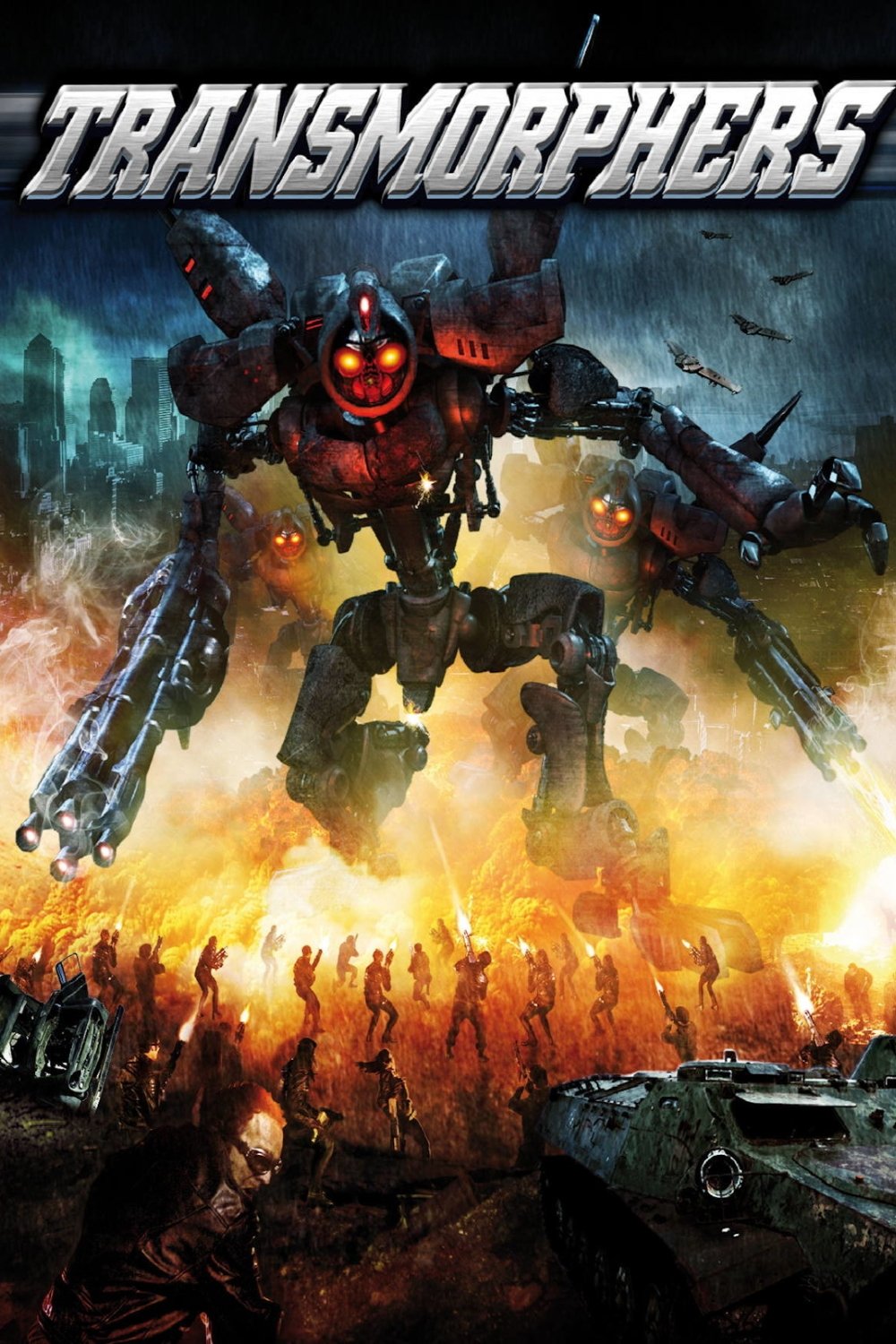
Made by The Asylum, this direct to video feature focuses on a future war between humans and shape shifting machines that have taken over Earth. It was directed by Leigh Scott and featured a cast of television and genre regulars.
Its title and core premise echoed ‘Transformers’, which hit theaters the same year with alien robots hiding in plain sight and battles between towering mechs. The quick timing and naming convention positioned the film to be discovered by viewers seeking the bigger release.
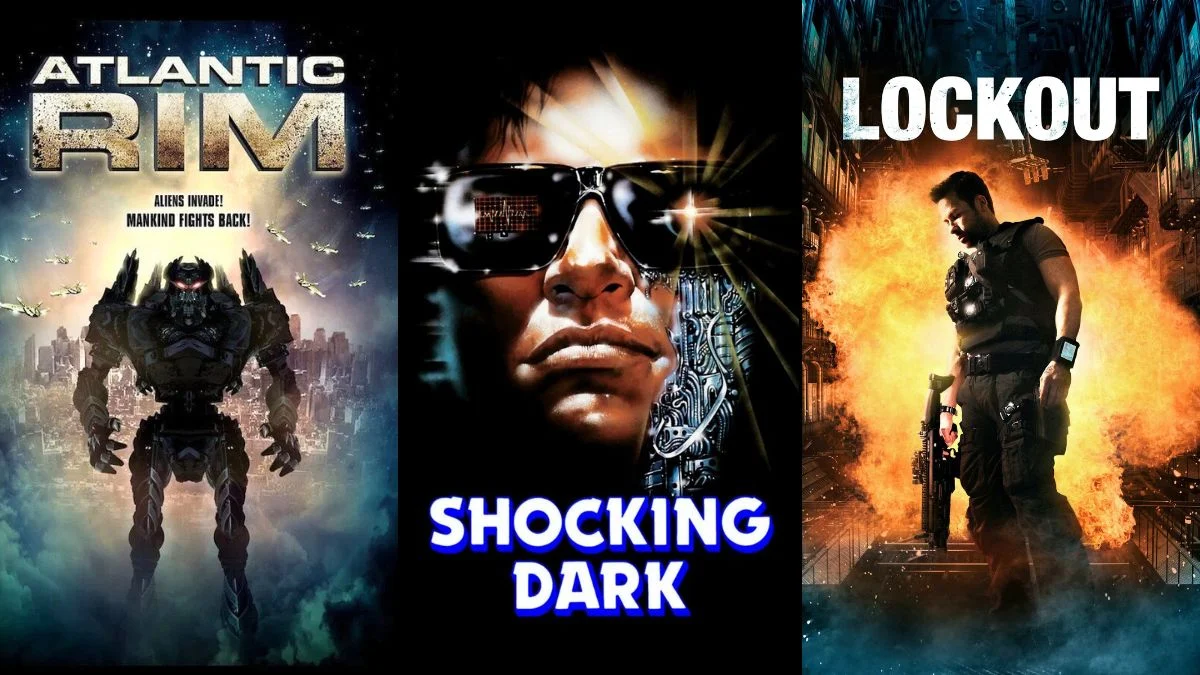
‘Atlantic Rim’ (2013)
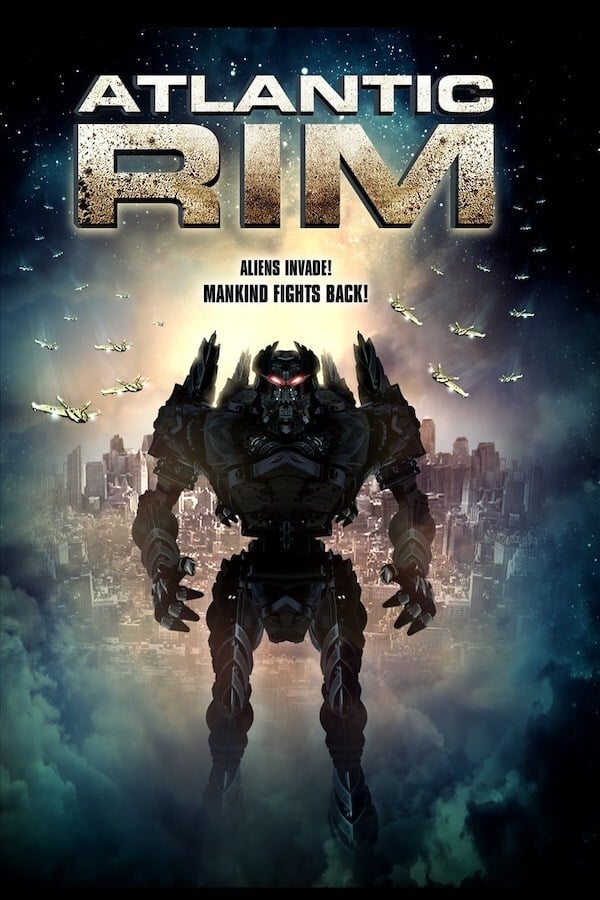
This action film depicts giant creatures rising from the ocean as humanity fights back with weaponized robotic suits. Jared Cohn directed and the production emphasized large scale destruction scenes and cockpit views during battles.
The plot, creature design ideas, and robot combat were modeled on ‘Pacific Rim’, which arrived to theaters with similar imagery and a near identical central conflict. The title choice also mirrored the geography naming style of the larger release to maximize recognition.
‘Battle of Los Angeles’ (2011)
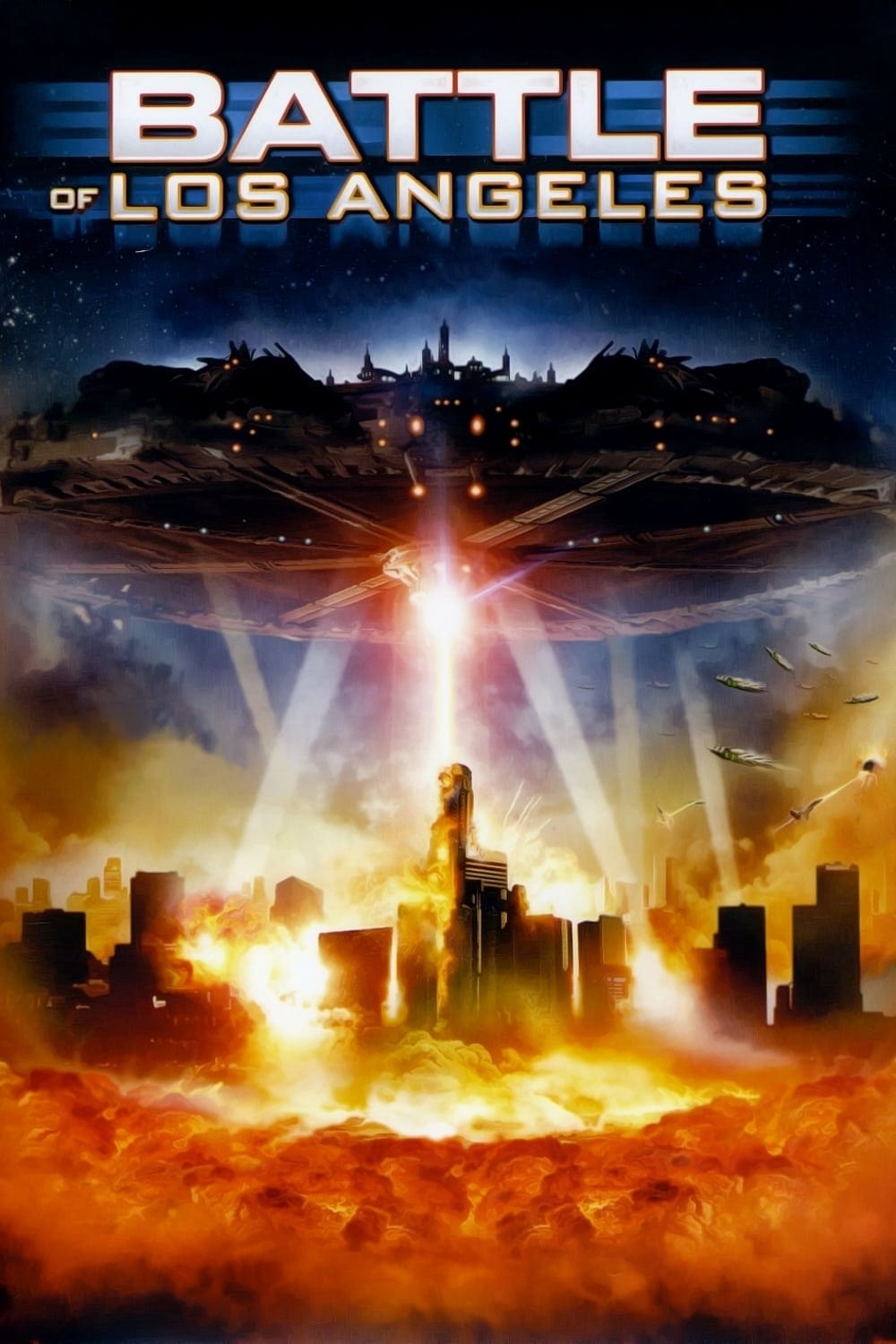
This television movie follows soldiers and civilians during a sudden alien invasion across Los Angeles as units scramble to repel a technologically superior force. The production used urban firefights, handheld framing, and radio chatter to sell the immediacy of the attack.
It was released the same year as ‘Battle: Los Angeles’ and tracked that film’s premise of Marines fighting extraterrestrials across city blocks and rooftops. The nearly matching titles created confusion at retail and on program guides during the bigger movie’s promotion window.
‘I Am Omega’ (2007)
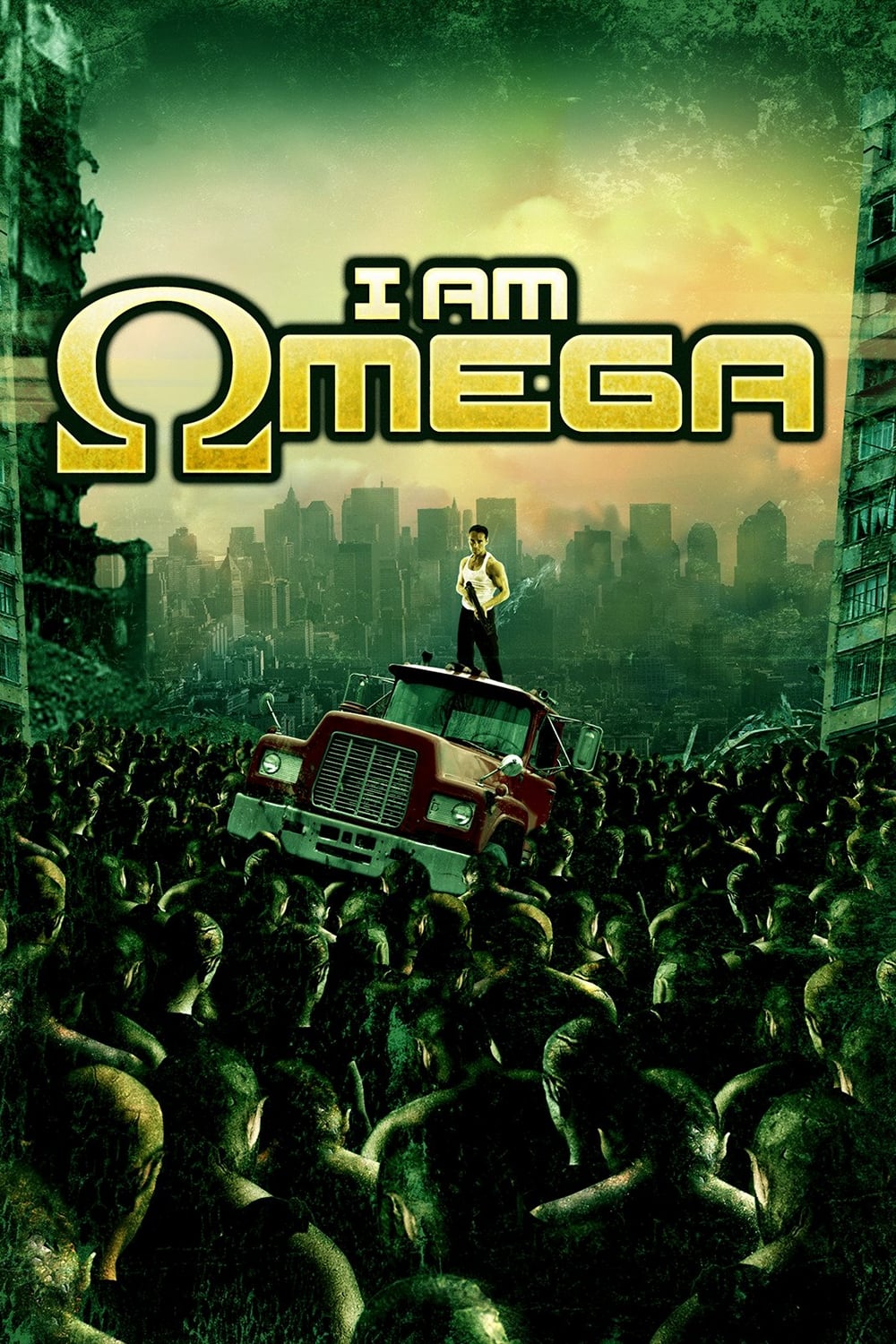
Set after a viral catastrophe, the story follows a lone survivor moving through an empty city while battling infected creatures and searching for a cure. Mark Dacascos stars and the production blends action scenes with survival horror moments.
Its advertising and plot clearly evoke ‘I Am Legend’, where an isolated protagonist navigates a deserted metropolis and faces nocturnal attackers. The release date was timed to land just ahead of the studio adaptation, which drove discovery among viewers hunting for the headline title.
‘Paranormal Entity’ (2009)
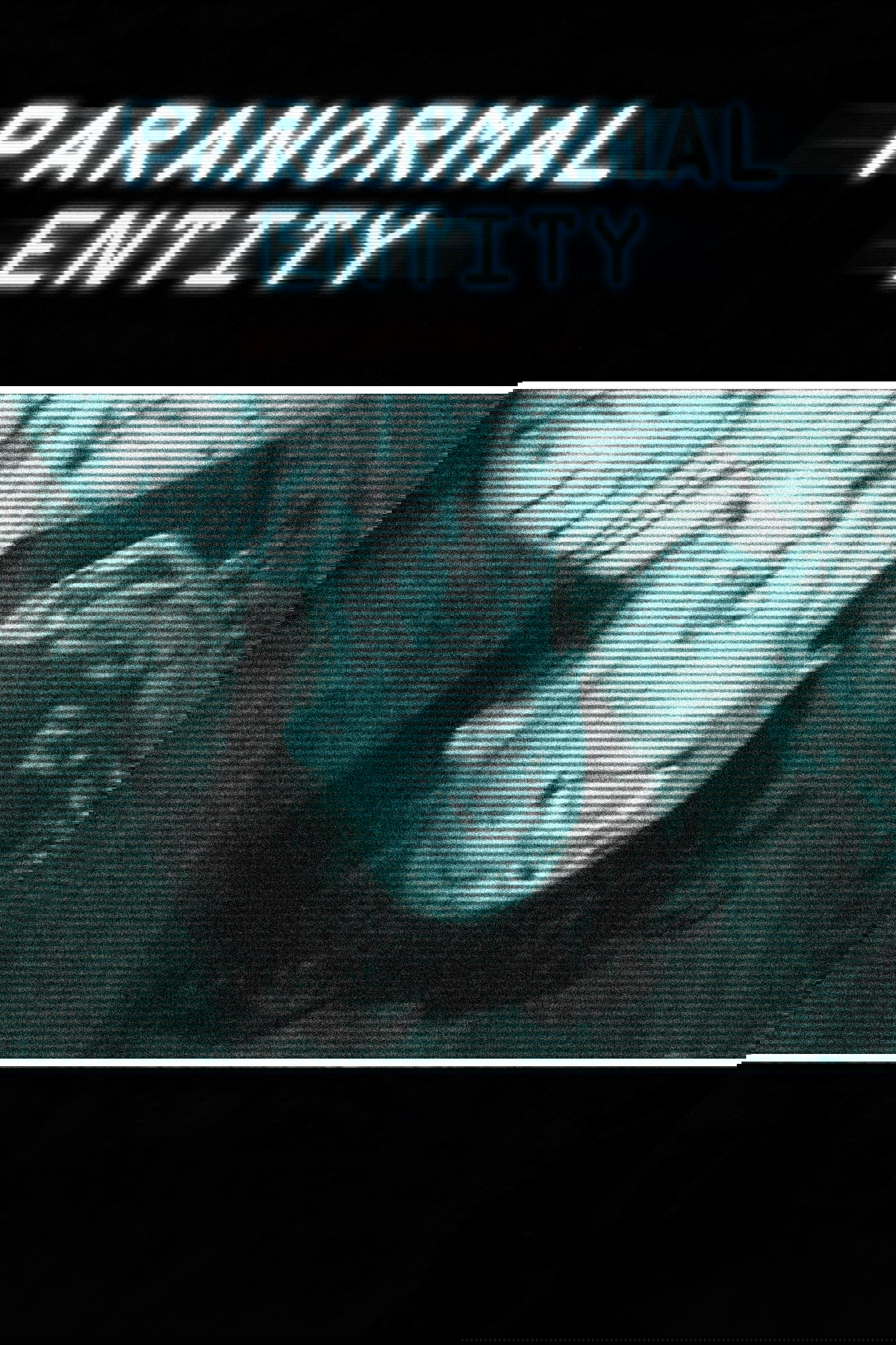
Shot as found footage, this story presents a family recording strange occurrences inside their home as an unseen presence grows more violent. The film uses time stamps, static camera angles, and household spaces to build its scares.
Those techniques and the home haunting scenario closely follow ‘Paranormal Activity’, which brought minimal setups and night vision shots into the mainstream. By mirroring the format and title rhythm, the movie targeted the same audience during the larger franchise’s rise.
‘The Last Shark’ (1981)
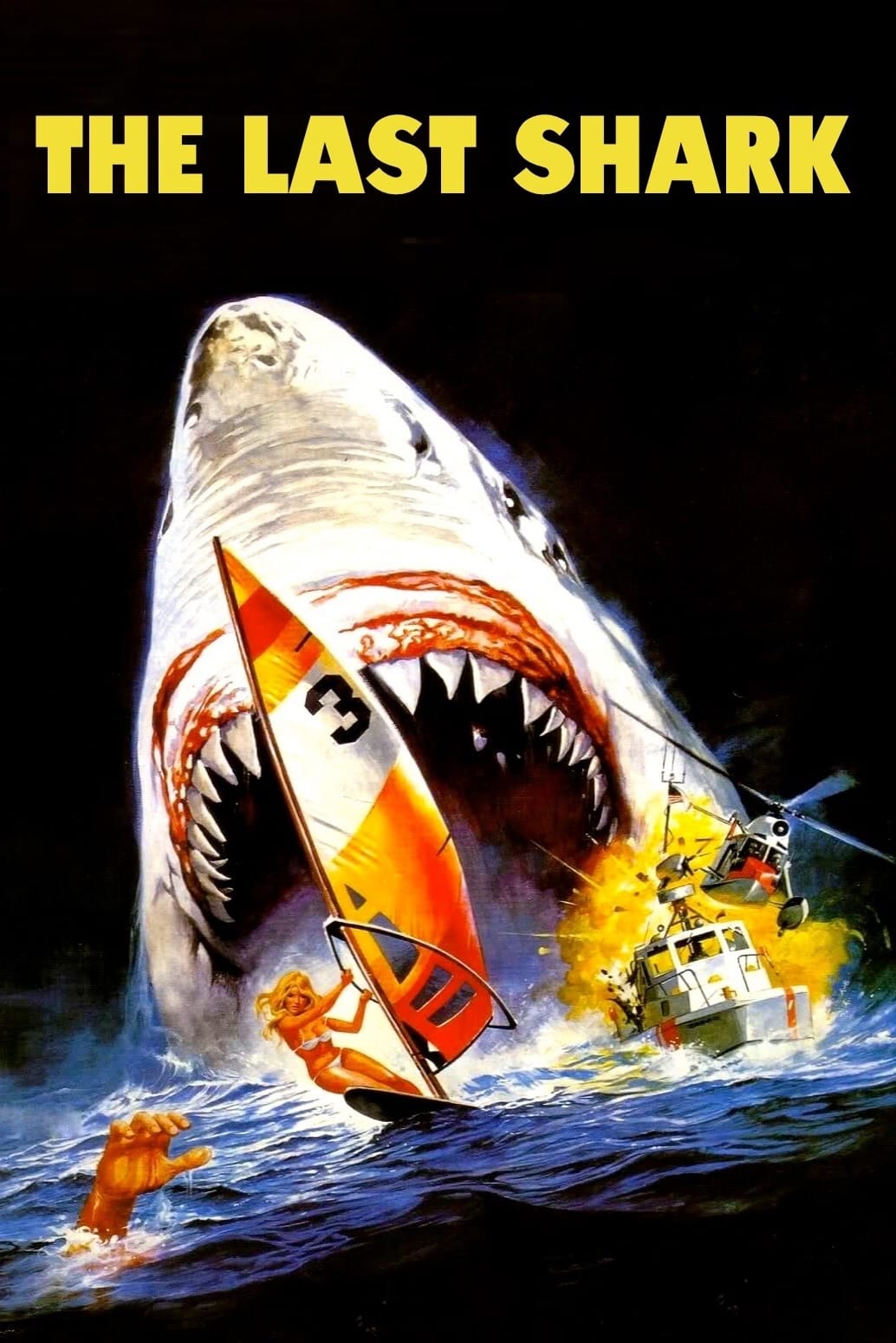
An Italian production also known as ‘Great White’, this film shows a coastal town terrorized by a massive shark while officials debate the threat and a hunter arrives to help. It features extended scenes of beach attacks, baited boats, and protests on the pier.
The structure mirrors ‘Jaws’ with a man eating shark, political hesitation, and a final chase at sea. A U.S. court halted the film’s planned release due to its close similarity to ‘Jaws’, which effectively kept it out of American theaters for decades.
‘Shocking Dark’ (1989)

This Italian film was sold in some markets as ‘Terminator II’, yet the story follows soldiers moving through dark corridors to face acid blooded creatures while a corporation hides the truth. Bruno Mattei directed and the setting uses flooded tunnels and industrial rooms.
The film borrows heavily from ‘Aliens’ with space marine archetypes, a child survivor, and firefights in cramped passageways. The misleading alternate title linked it to ‘The Terminator’, which strengthened the impression that it was trading on two major franchises at once.
‘Starcrash’ (1978)
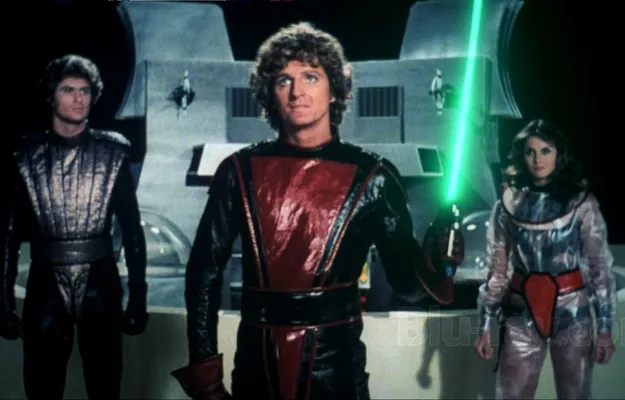
Luigi Cozzi directed this space opera about smugglers, a mysterious weapon, and a quest across colorful planets that feature sword fights and model starships. The cast includes Caroline Munro, Christopher Plummer, and a young David Hasselhoff.
Its costumes, laser battles, and space dogfights arrived soon after ‘Star Wars’ and were crafted to ride the global appetite for swashbuckling sci fi adventures. The marketing highlighted familiar elements like rebellious pilots, evil empires, and glowing blades to connect with that audience.
‘The Man Who Saved the World’ (1982)
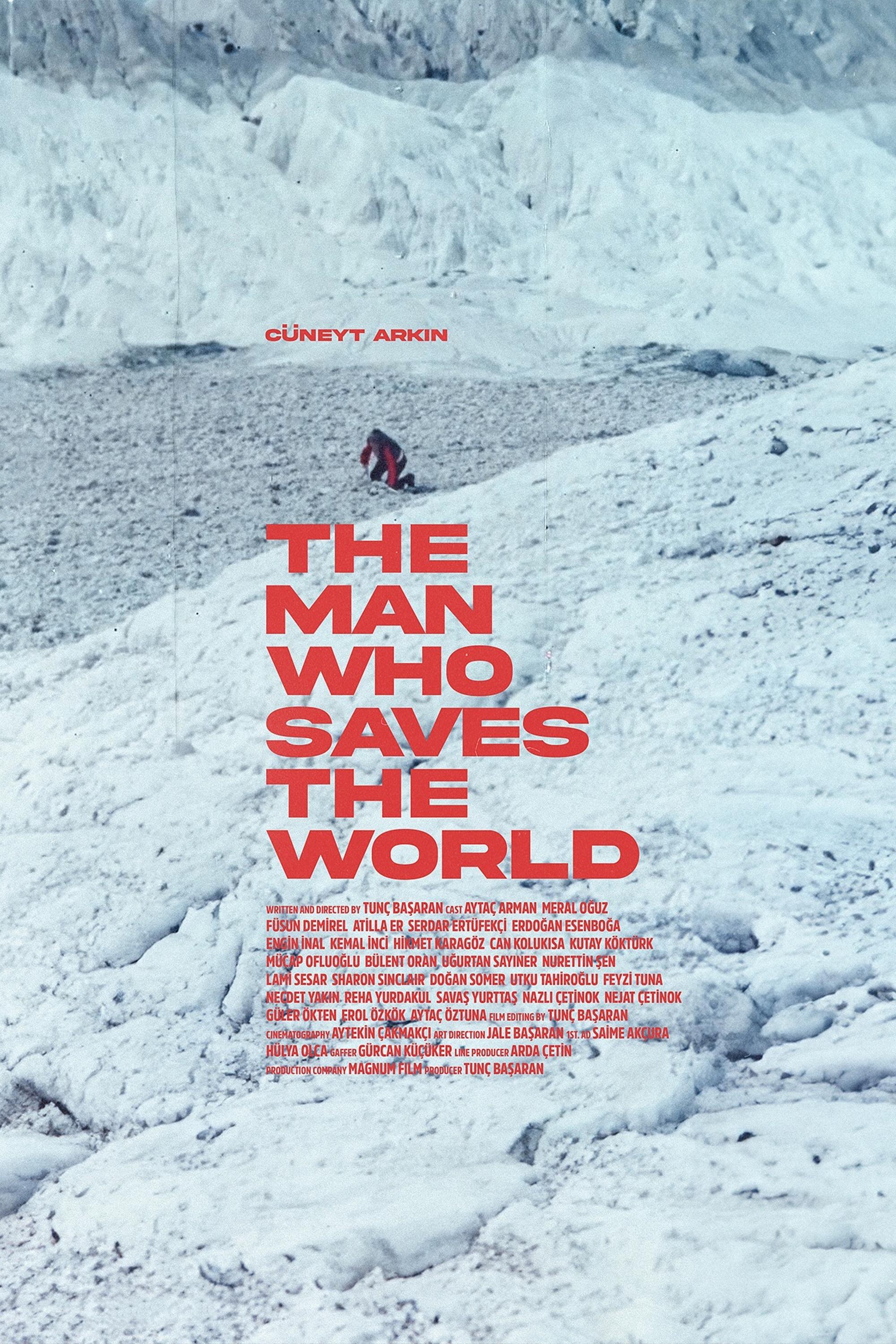
Often called Turkish ‘Star Wars’, this film follows two pilots who crash on a desert planet and battle an evil wizard while training with improvised props. The production famously inserted music cues from well known films to heighten energy during action scenes.
The movie incorporates unauthorized footage from ‘Star Wars’, including space battles and cockpit shots, which were intercut with new scenes. That approach created a collage of borrowed imagery and original material that directly leveraged the popularity of the American hit.
‘King Solomon’s Mines’ (1985)
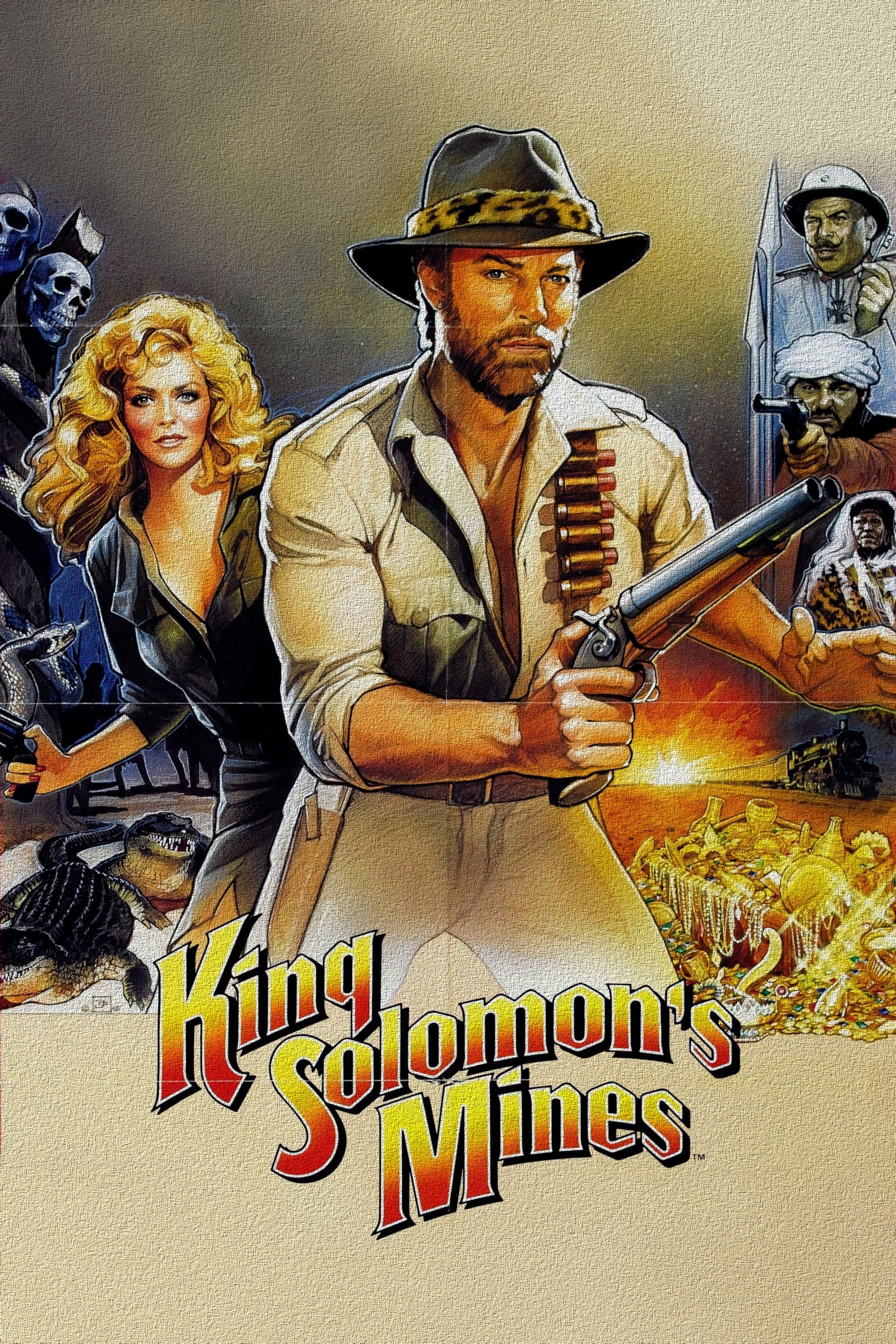
Based on the classic novel, this adventure film stars Richard Chamberlain and Sharon Stone as treasure seekers moving through booby trapped ruins and exotic locales. It was produced by Cannon Films and followed up with a sequel featuring the same leads.
Although the source book predates modern cinema, the film’s tone, set pieces, and comedic banter were clearly designed to echo ‘Raiders of the Lost Ark’. The production leaned into rolling boulders, whip cracking gags, and pulp peril to meet audience expectations set by the earlier blockbuster.
‘A Fistful of Dollars’ (1964)
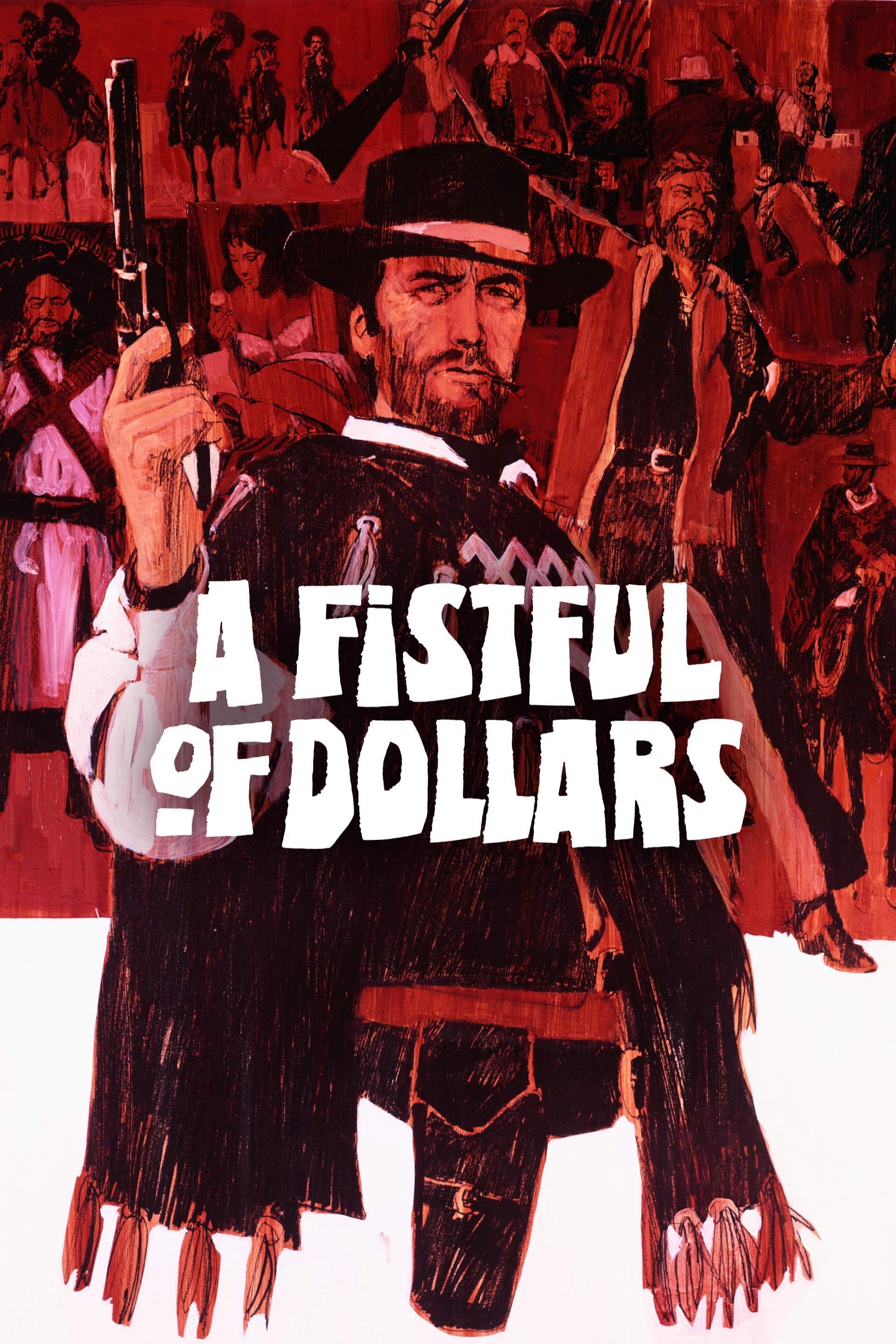
Sergio Leone’s western features a mysterious gunslinger who arrives in a border town and plays two rival gangs against each other for profit. Clint Eastwood’s breakout role established a new screen persona and helped launch the Italian western cycle.
The plot structure and many scenes track ‘Yojimbo’, where a lone samurai manipulates feuding clans in a similar town setup. The rights holders for ‘Yojimbo’ pursued legal action and the dispute concluded with a settlement that compensated the Japanese filmmakers.
‘Black Cat’ (1991)
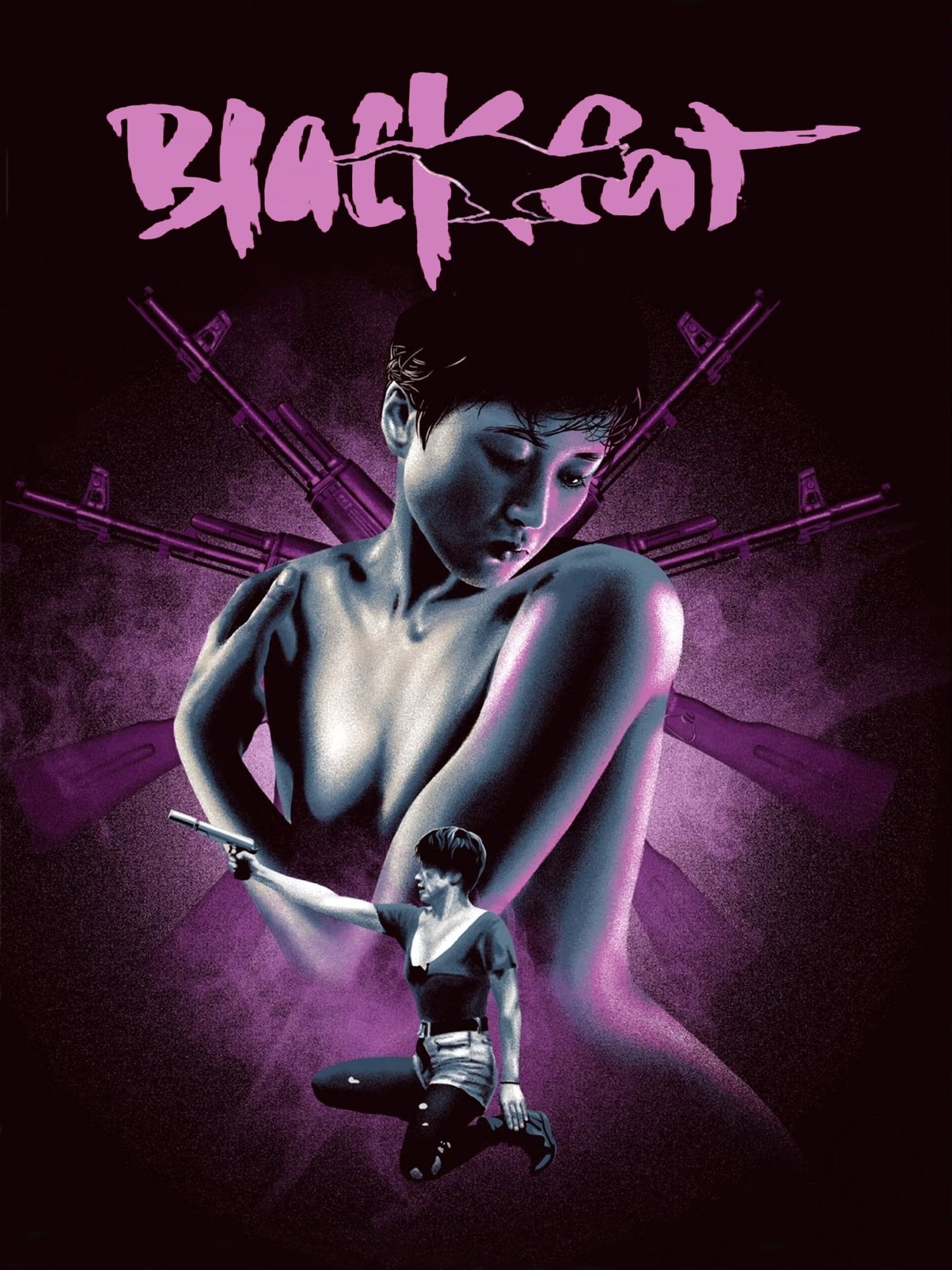
This Hong Kong thriller stars Jade Leung as a woman coerced into becoming an assassin after a run in with authorities, with training sequences that reshape her identity. The film’s tone combines espionage missions with personal control themes.
Its narrative closely follows ‘La Femme Nikita’, in which a young woman is remade into a government operative with a handler overseeing her assignments. The production circulated widely as an unlicensed remake and even spawned a direct sequel that kept the same template.
‘Age of the Hobbits’ (2012)
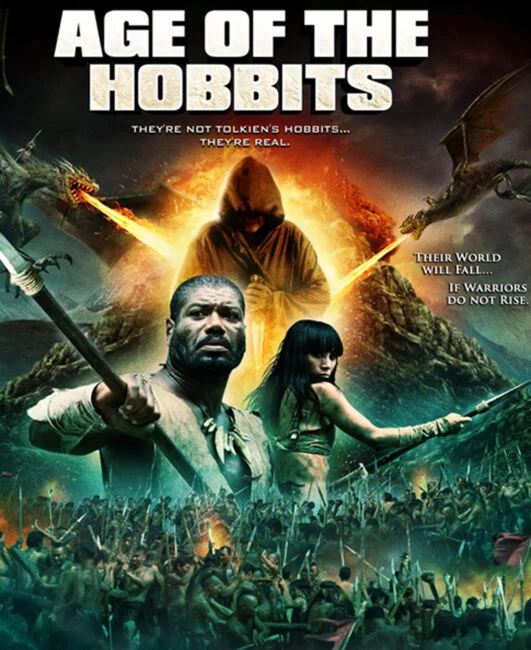
Produced by The Asylum, this fantasy adventure used the term hobbits in its original title while telling a story about small prehistoric humans and warring tribes. The film was later released under a new name after legal challenges.
The title and timing aligned with the release window of ‘The Hobbit’, which led to a trademark dispute. A court blocked the original title, and the producers retitled the movie to avoid confusion while keeping the release on the calendar.
‘Android Cop’ (2014)
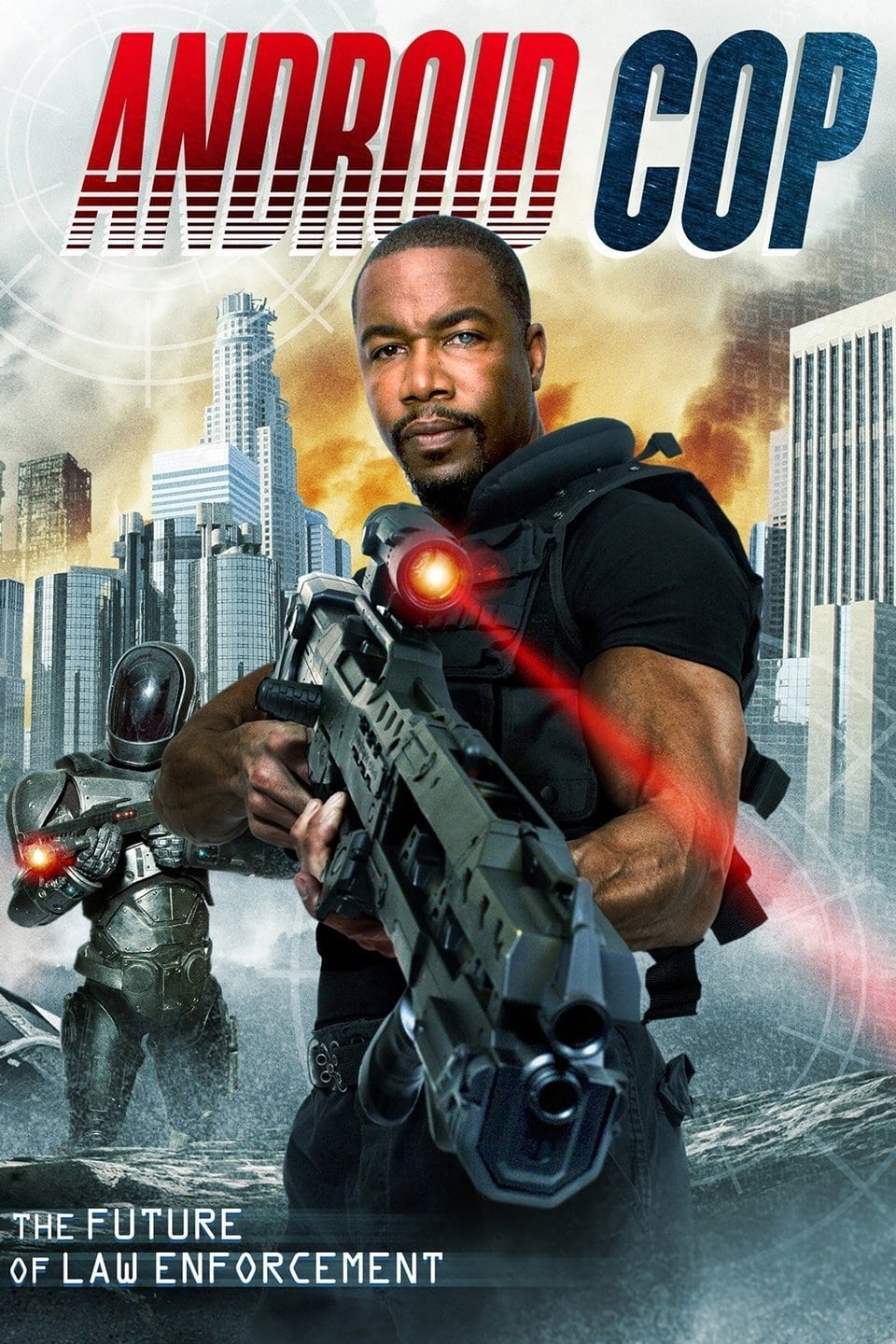
Set in a future Los Angeles, a police officer teams with an experimental android partner to investigate a quarantine zone and a larger conspiracy. Michael Jai White and Kadeem Hardison lead the cast and the movie blends shootouts with detective beats.
The cybernetic law enforcer concept and promotional materials echoed ‘RoboCop’, which returned to theaters the same year in a studio remake. The quick release and overlapping imagery positioned the film to ride renewed interest in robotic policing stories.
‘Almighty Thor’ (2011)
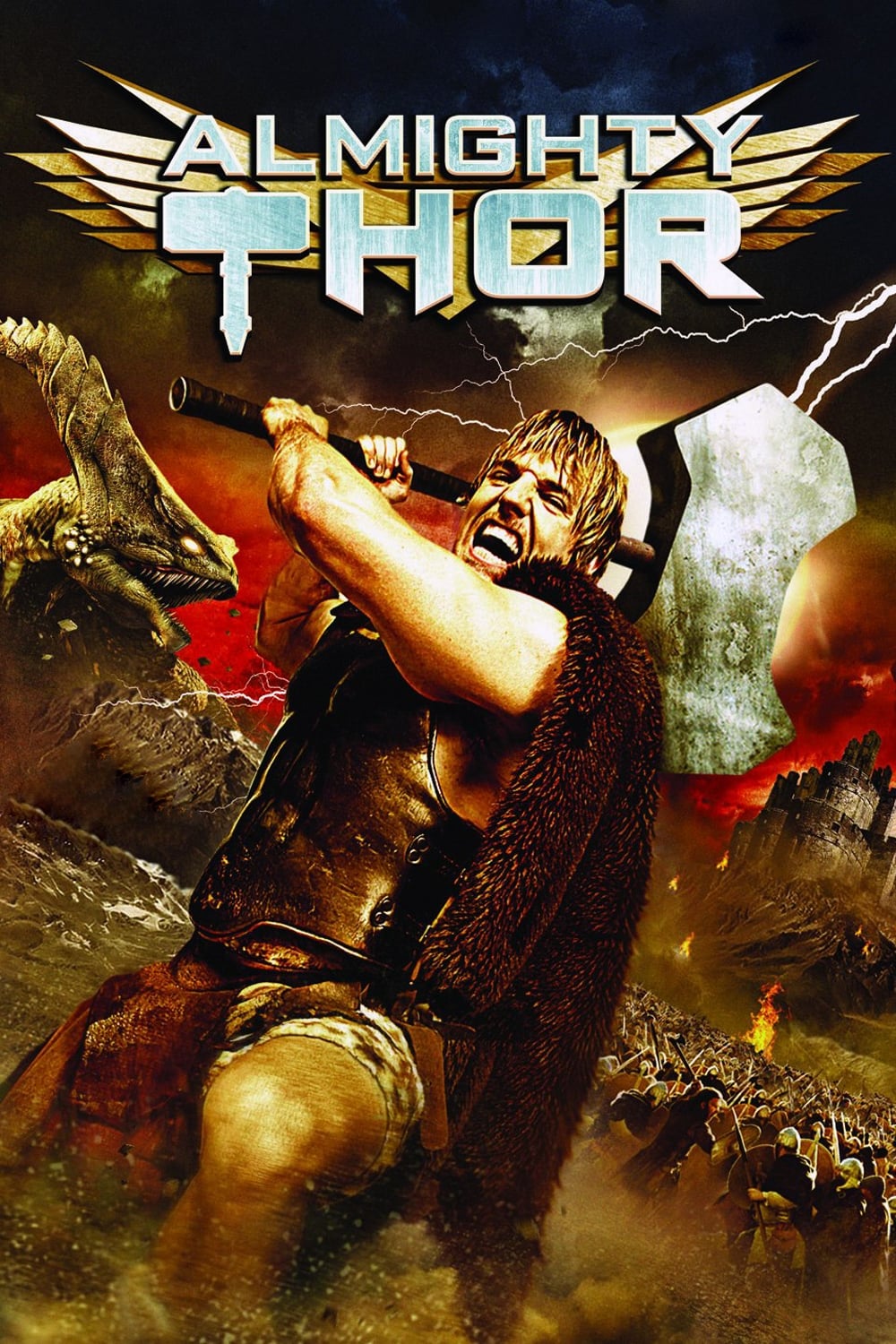
This television fantasy follows a young warrior who must retrieve a legendary weapon and confront Loki after a catastrophic attack on his world. Richard Grieco plays the villain and the movie premiered on a cable network.
Its release date and mythic character names aligned with ‘Thor’, which introduced the Norse hero to a wider audience that same week. The smaller production used similar iconography and character relationships to appeal to viewers seeking the larger franchise.
‘Sinister Squad’ (2016)
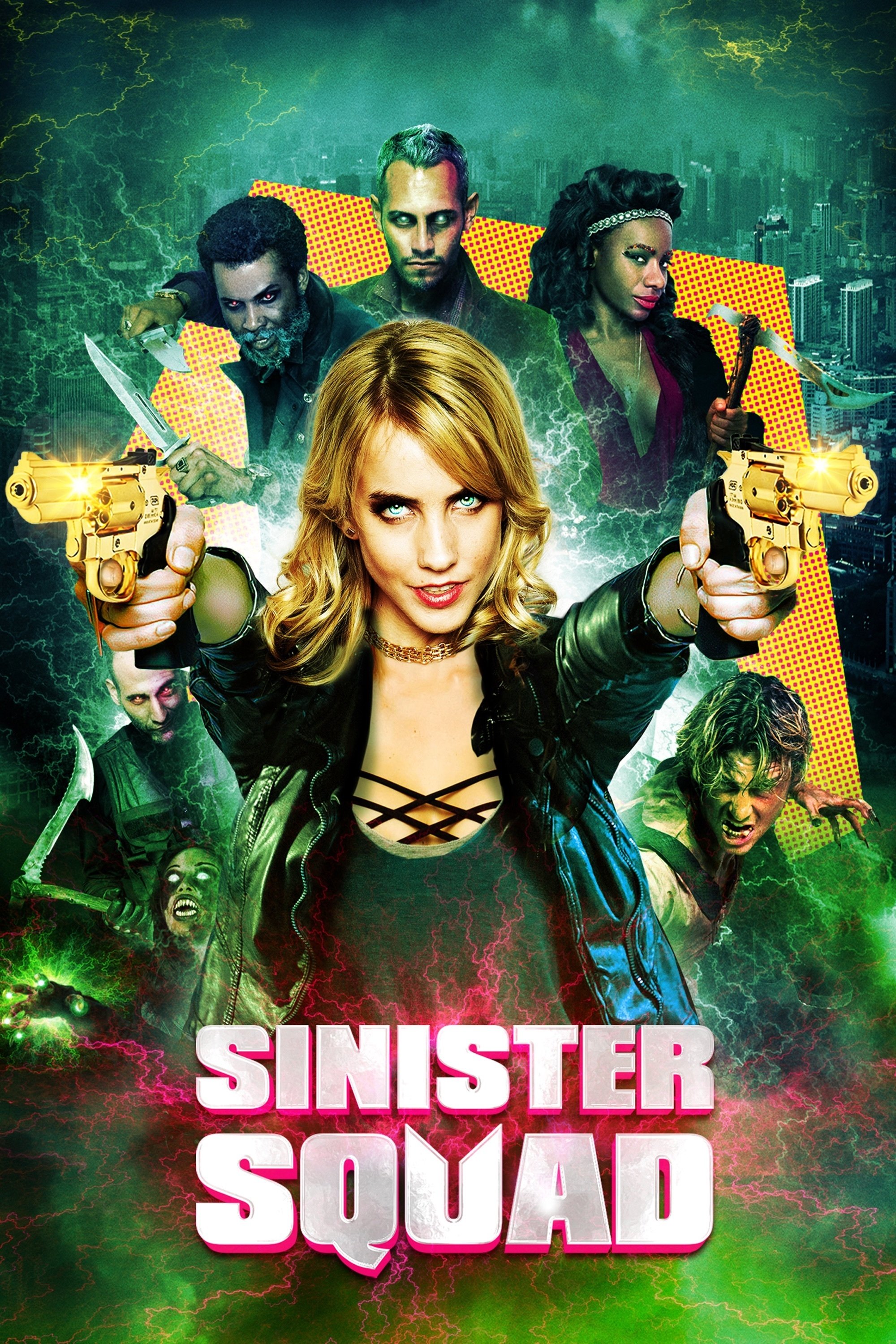
This low budget action fantasy assembles characters from public domain stories and folklore who are forced to work together under government pressure to stop a supernatural threat. The team dynamic leans on uneasy alliances, implanted failsafes, and mission briefings that go wrong.
The concept mirrors ‘Suicide Squad’, which grouped incarcerated antiheroes for black ops work while a handler monitored compliance. The marketing and group poster art reinforced that connection by highlighting a chaotic team of colorful misfits on a covert assignment.
Share the titles you would add to this list in the comments and tell us which pair felt the most obvious to you.