


19 Movies That Sparked Boycotts for Underrepresenting Black History



Cinema has a powerful influence on how we perceive the past, but Hollywood has frequently faced criticism for distorting or erasing Black history. From the early days of film to modern blockbusters, studios have often centered white perspectives or cast white actors in roles meant for people of color. These creative choices have sparked outrage, protests, and organized boycotts from audiences who demand authentic representation. The following films faced significant backlash for minimizing Black contributions or misrepresenting historical events.
‘The Birth of a Nation’ (1915)
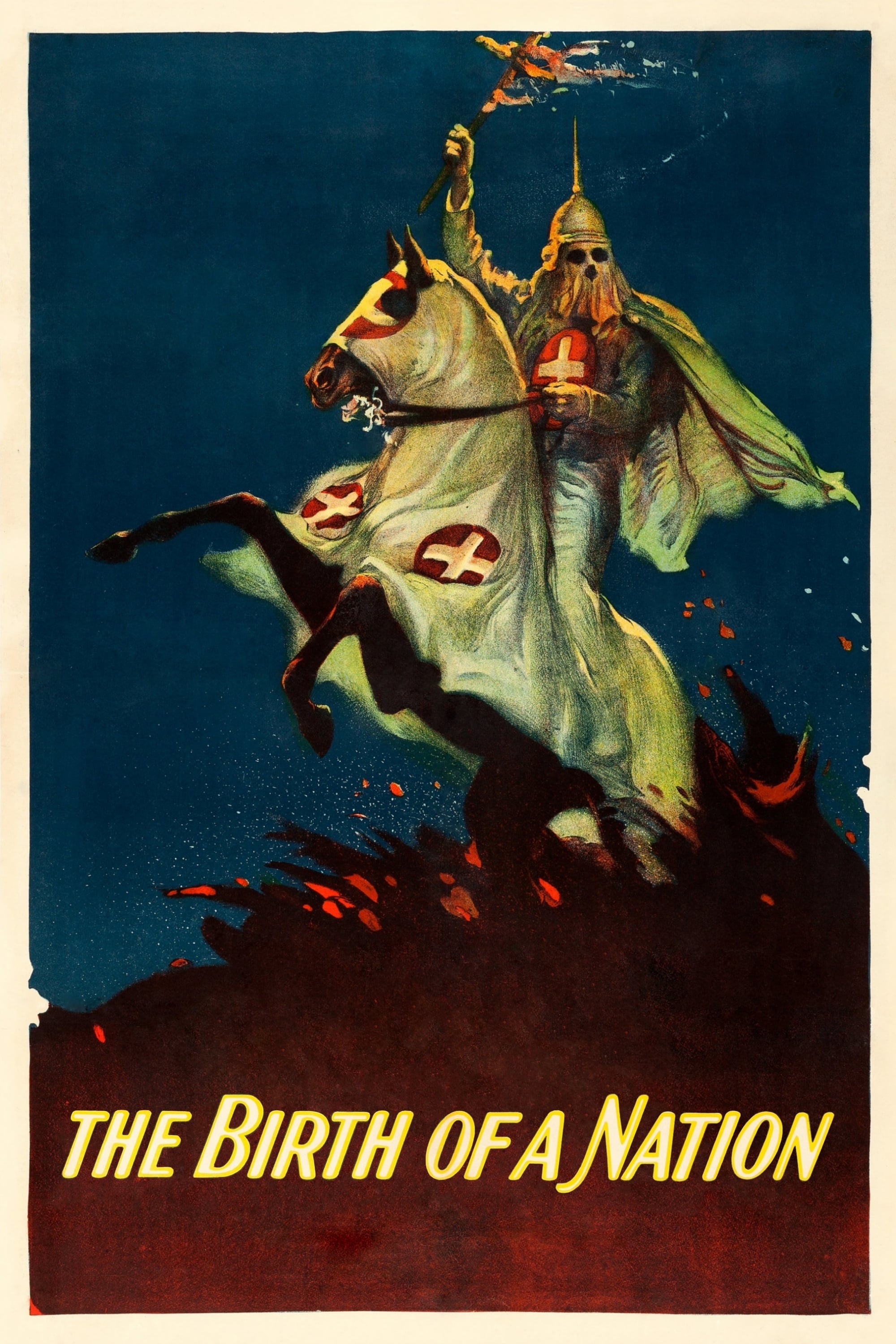
This silent film is perhaps the most notorious example of racist propaganda in cinematic history. Director D.W. Griffith portrayed the Ku Klux Klan as heroic figures saving the South from dangerous Black populations during Reconstruction. The N.A.A.C.P. organized massive protests and sought to ban the film for its dangerous distortion of history and use of white actors in blackface. These demonstrations marked one of the first major organized efforts to boycott a motion picture due to its harmful depiction of Black people.
‘Gone with the Wind’ (1939)
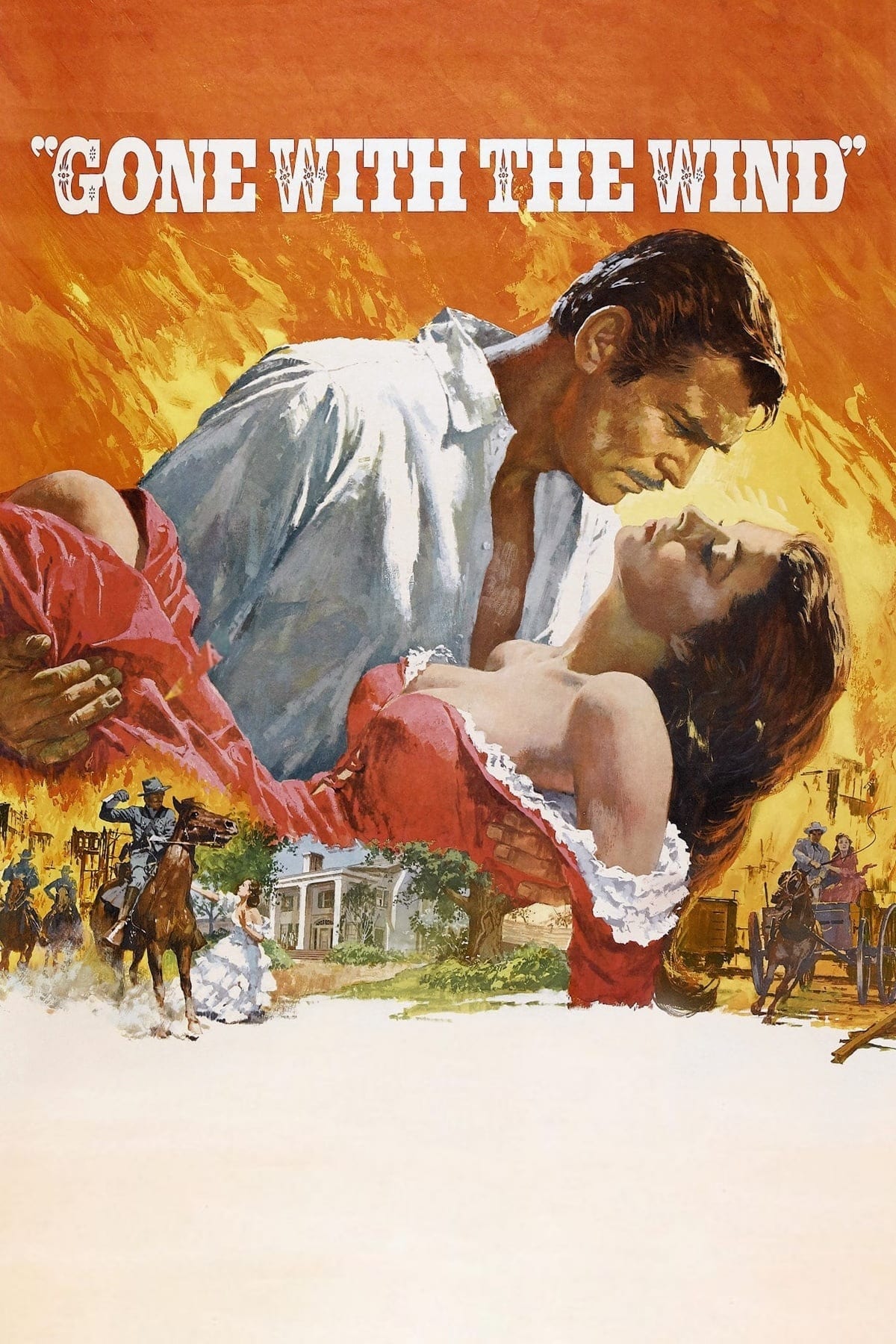
While often celebrated as a classic, this Civil War epic faced immediate backlash from Black critics for its romanticized view of slavery. The film depicts enslaved people as happy and loyal to their masters while ignoring the brutal realities of the plantation system. Chicago Defender publisher Robert S. Abbott led a campaign against the movie by arguing it was a weapon of terror against Black America. The sanitized history presented in the film continues to spark debates about its place in popular culture.
‘Song of the South’ (1946)
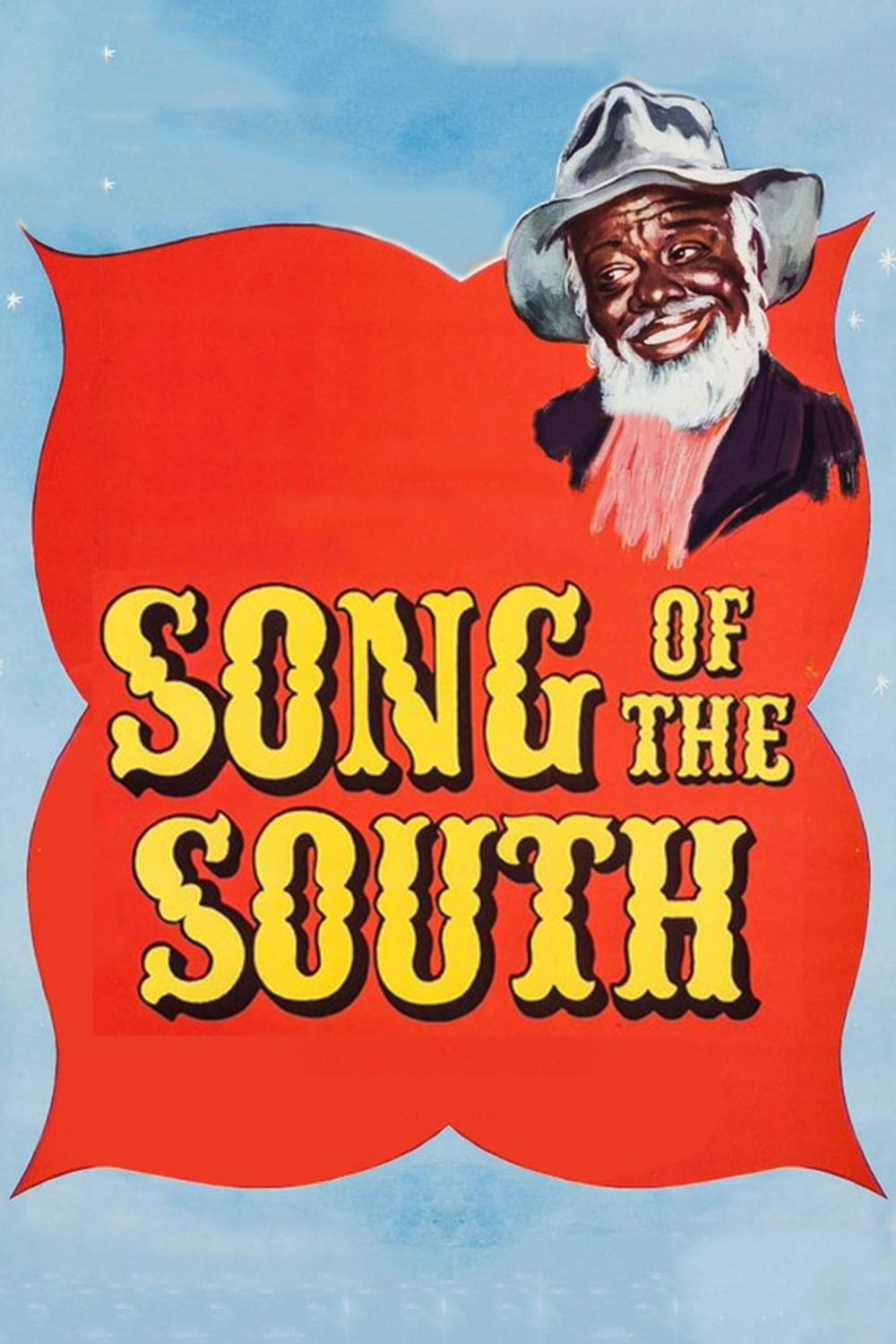
Disney faced intense scrutiny for this musical which many critics argued glorified the post-Civil War plantation era. The N.A.A.C.P. released a statement expressing regret that the studio used its immense technical skill to paint an idyllic picture of slavery. Audiences boycotted the film for relying on offensive stereotypes and creating a false nostalgia for a time of racial oppression. The company eventually recognized the insensitive nature of the content and has since kept the movie locked away from home video release in the United States.
‘Cleopatra’ (1963)
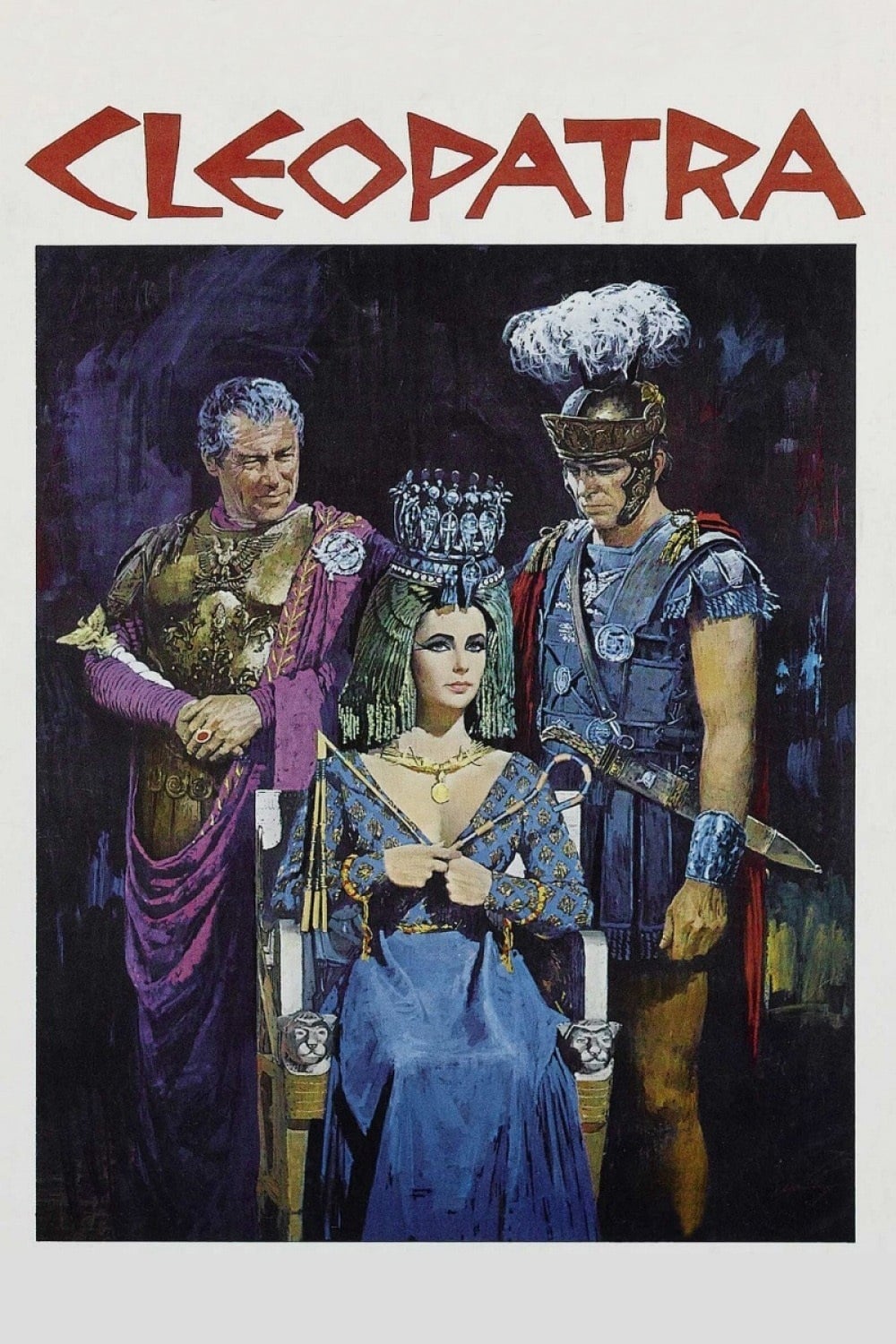
The casting of Elizabeth Taylor as the Egyptian queen sparked conversations about the erasure of African ancestry in Hollywood productions. African American publications and activists criticized the studio for failing to acknowledge the potential mixed heritage of the historical figure. This film became a prime example of the industry’s tendency to whitewash ancient African history for the sake of box office appeal. The controversy highlighted the lack of opportunities for Black actresses to portray powerful historical icons.
‘Cry Freedom’ (1987)
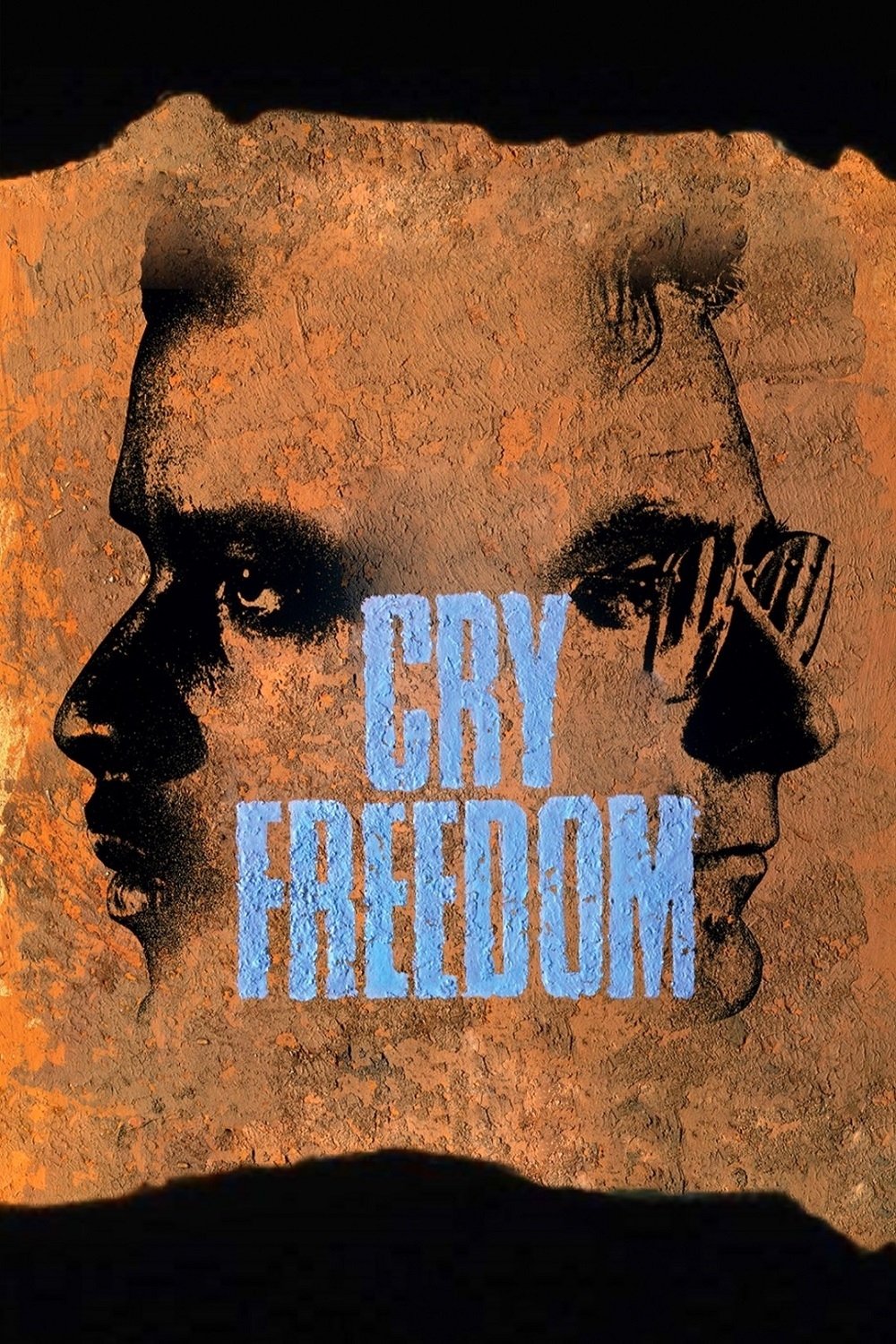
This drama about anti-apartheid activist Steve Biko was criticized for shifting the focus to a white journalist named Donald Woods. Many viewers felt the film marginalized Biko in his own story to make the subject matter more palatable to white audiences. Protestors argued that the movie prioritized the white savior narrative over the actual Black liberation leader. The backlash underscored the frustration with studios refusing to let Black historical figures lead their own biopics.
‘Mississippi Burning’ (1988)
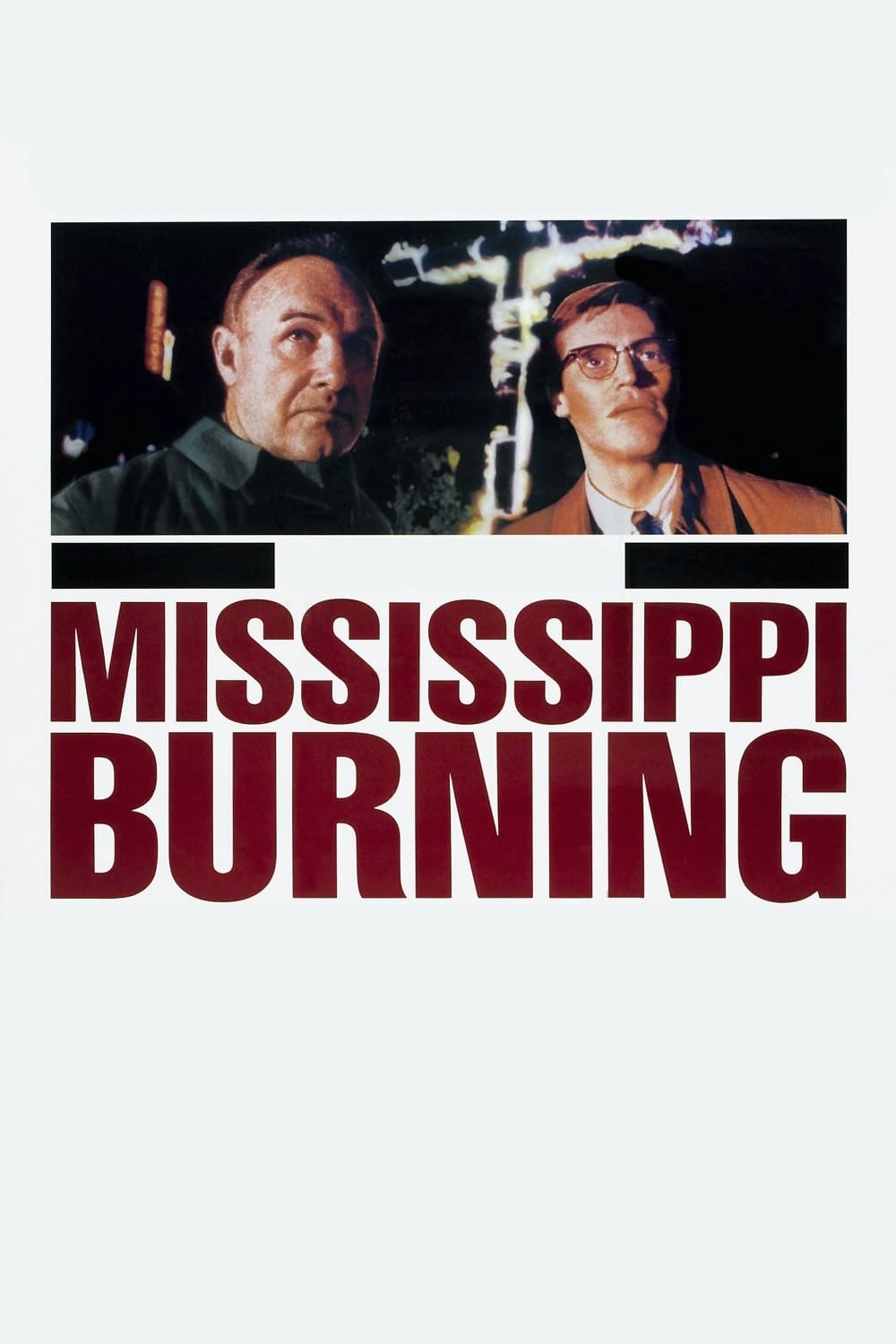
Director Alan Parker faced severe criticism for a narrative that credited white FBI agents with the victories of the Civil Rights movement. The film largely ignored the pivotal role of Black activists and local organizers who did the actual groundwork in the segregated South. Coretta Scott King publicly denounced the movie for distorting history and erasing the agency of Black people in their struggle for freedom. This erasure led to calls for boycotts from those who felt the film profited from Black trauma while silencing Black voices.
‘Amistad’ (1997)
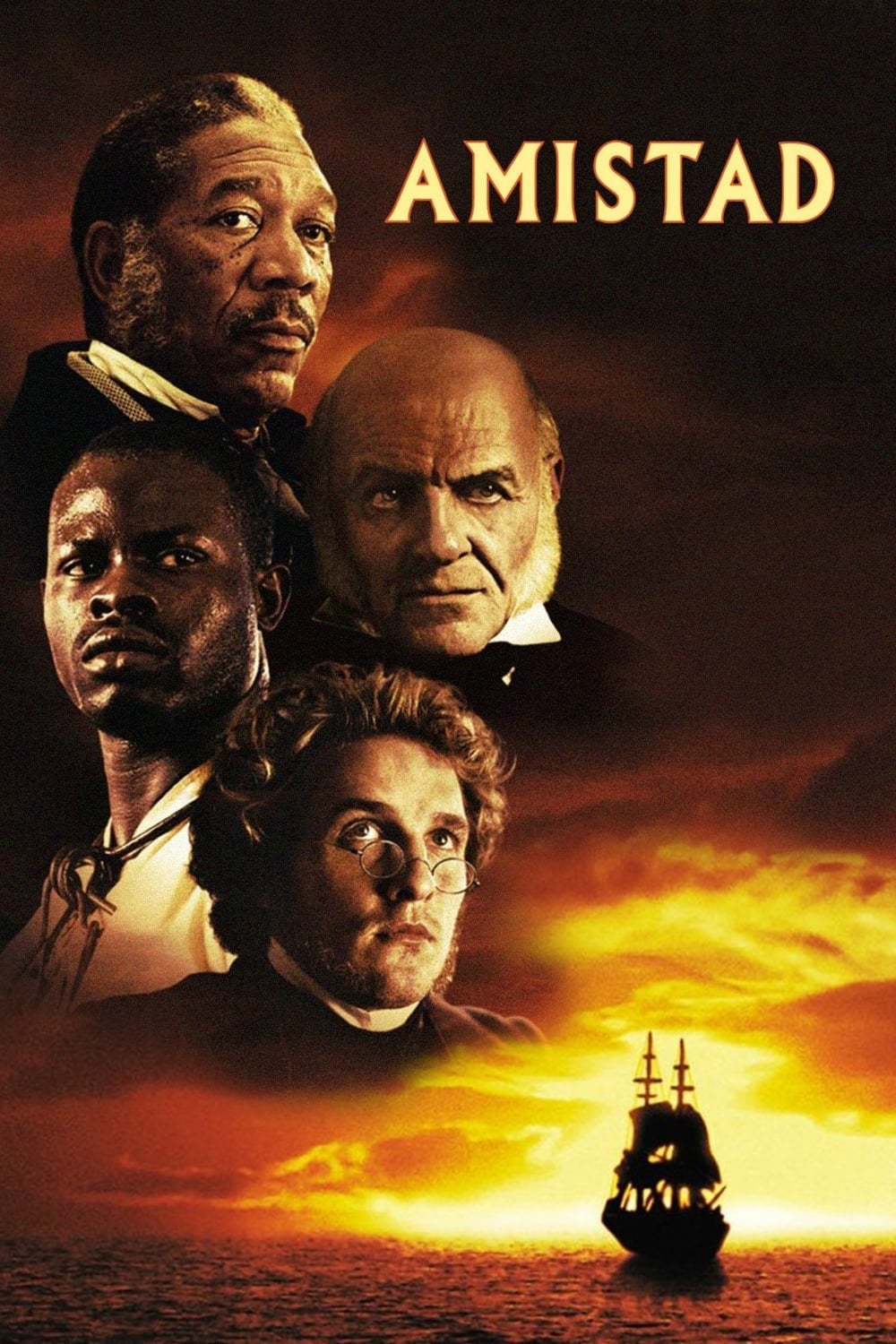
Steven Spielberg’s historical drama about the 1839 slave ship mutiny faced accusations of plagiarism and cultural insensitivity. Critics argued that the film spent too much time in the courtroom focusing on white legal arguments rather than the experiences of the enslaved Africans. Some activists called for a boycott due to what they perceived as a white savior narrative that overshadowed the bravery of Joseph Cinqué. The controversy raised questions about who gets to tell stories of Black resistance.
‘The Blind Side’ (2009)
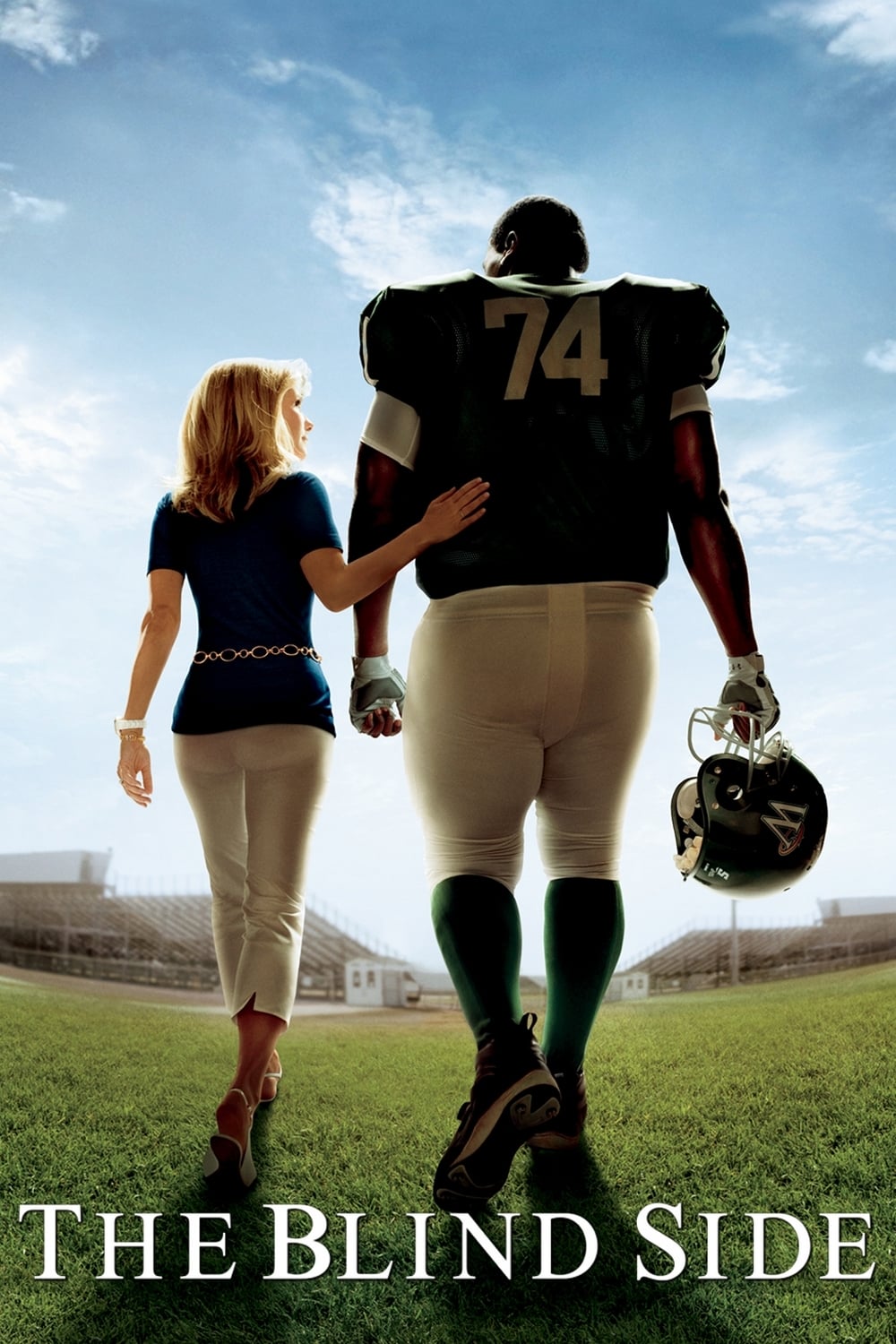
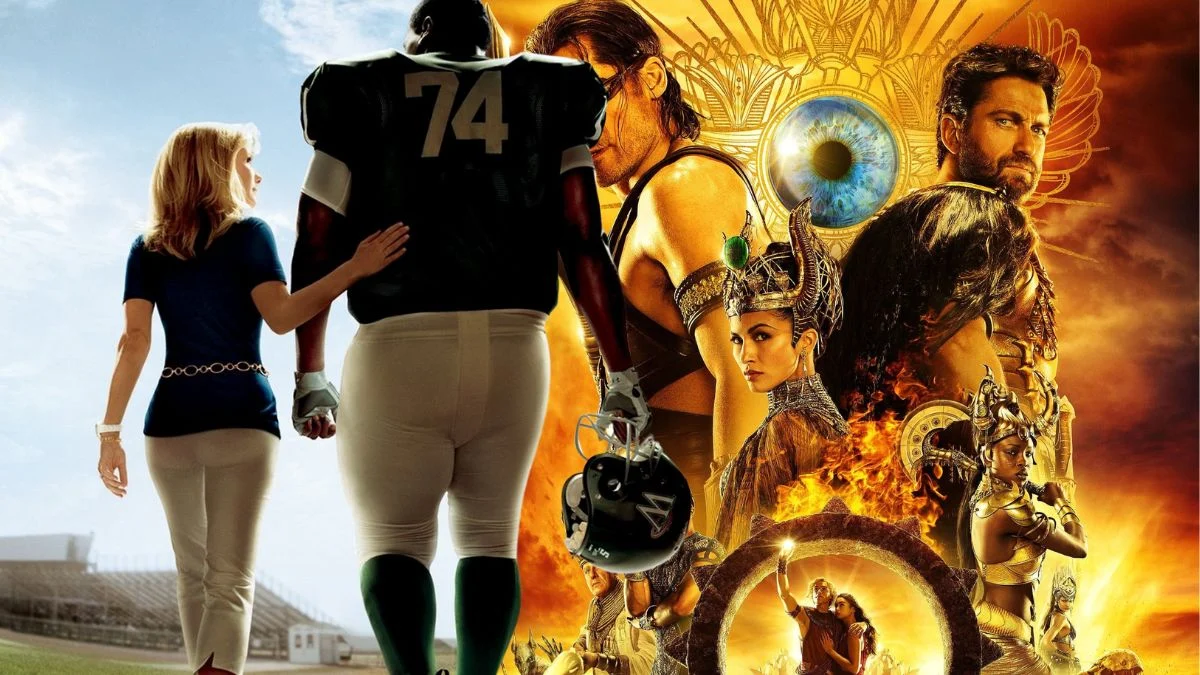
This biographical sports drama was a commercial success but faced criticism for its depiction of Michael Oher as a passive character saved by a wealthy white family. Oher himself later expressed distaste for how the film portrayed his intelligence and knowledge of football. Many viewers saw the movie as a textbook example of a narrative designed to make white audiences feel comfortable while minimizing Black talent and agency. Recent legal disputes between Oher and the Tuohy family have only intensified the retroactive backlash against the film’s version of events.
‘The Help’ (2011)
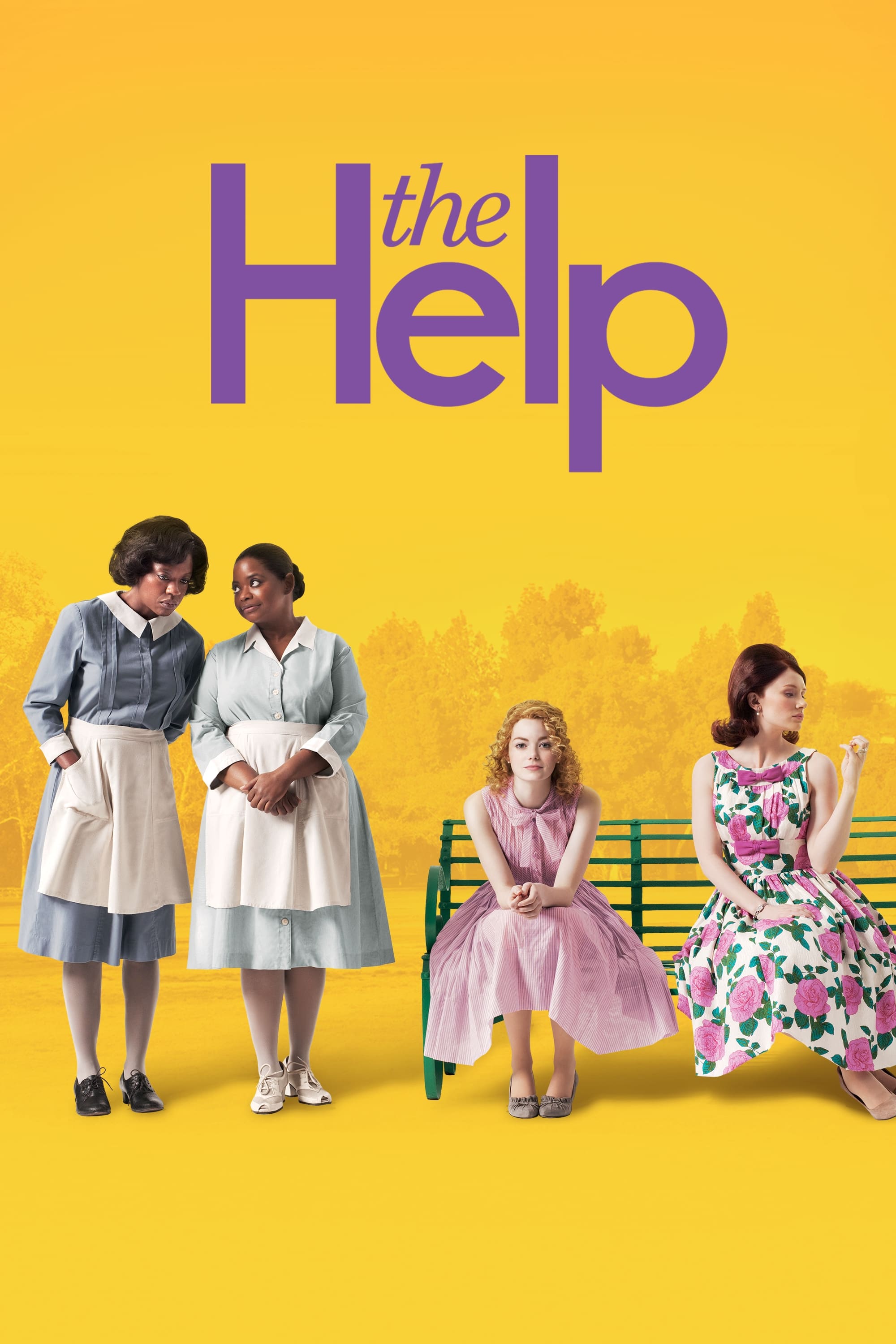
Viola Davis has since expressed regret for her role in this film which was criticized for filtering the experiences of Black maids through the perspective of a young white woman. The Association of Black Women Historians released a statement urging people not to support the film due to its trivialization of domestic workers’ painful history. Critics argued the movie relied on safe stereotypes rather than confronting the true brutality of the Jim Crow era. The backlash focused on how the film comforted white viewers instead of authentically representing Black history.
‘Lincoln’ (2012)
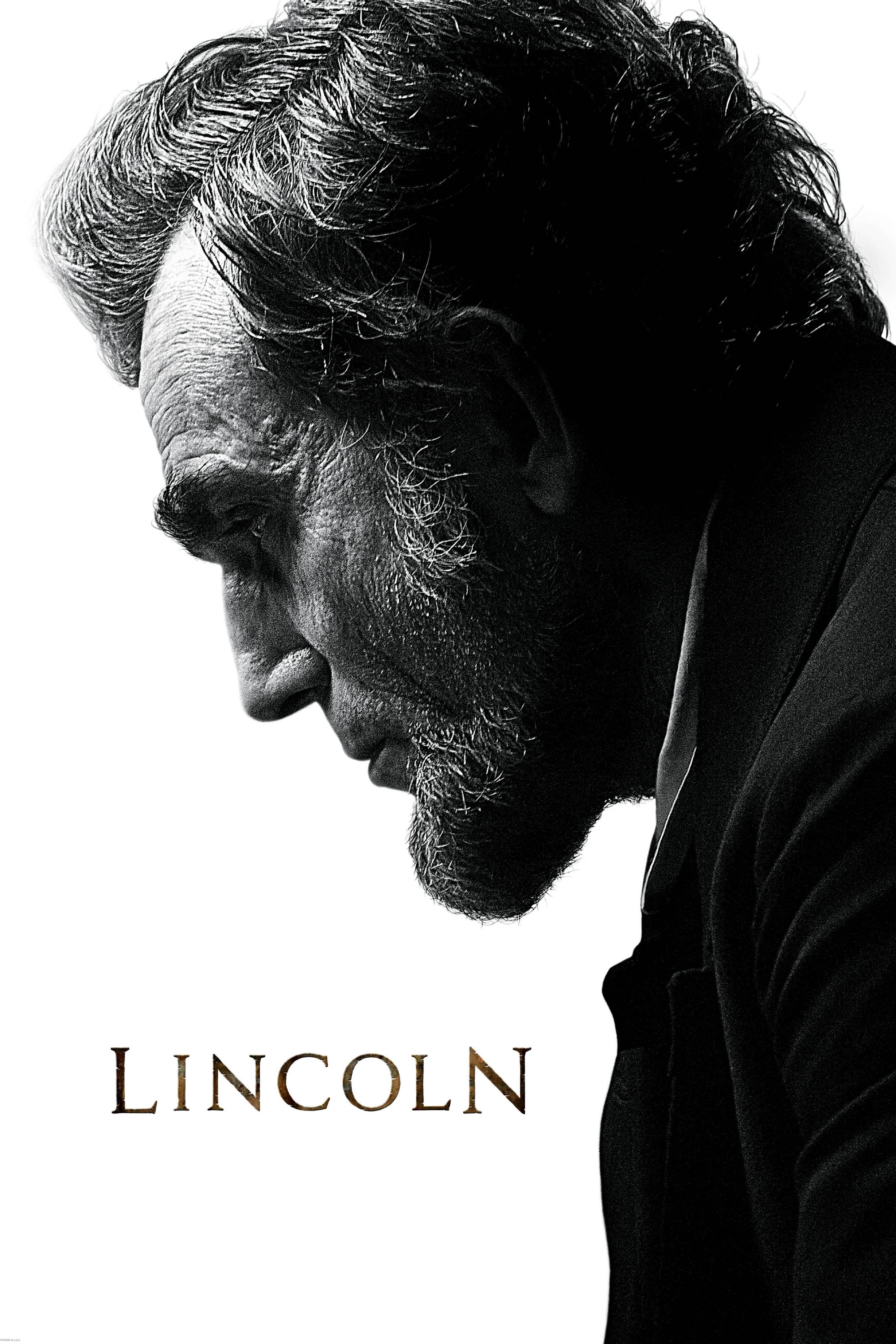
Steven Spielberg faced renewed criticism for this biopic which focused almost entirely on white politicians debating the end of slavery. Historians and critics noted the glaring absence of Frederick Douglass and other Black abolitionists who were instrumental in pushing for the Emancipation Proclamation. The film was accused of portraying Black people as passive observers waiting for white men to grant them freedom. This narrow scope sparked debates about how Hollywood often removes Black agency from Civil Rights history.
‘Django Unchained’ (2012)
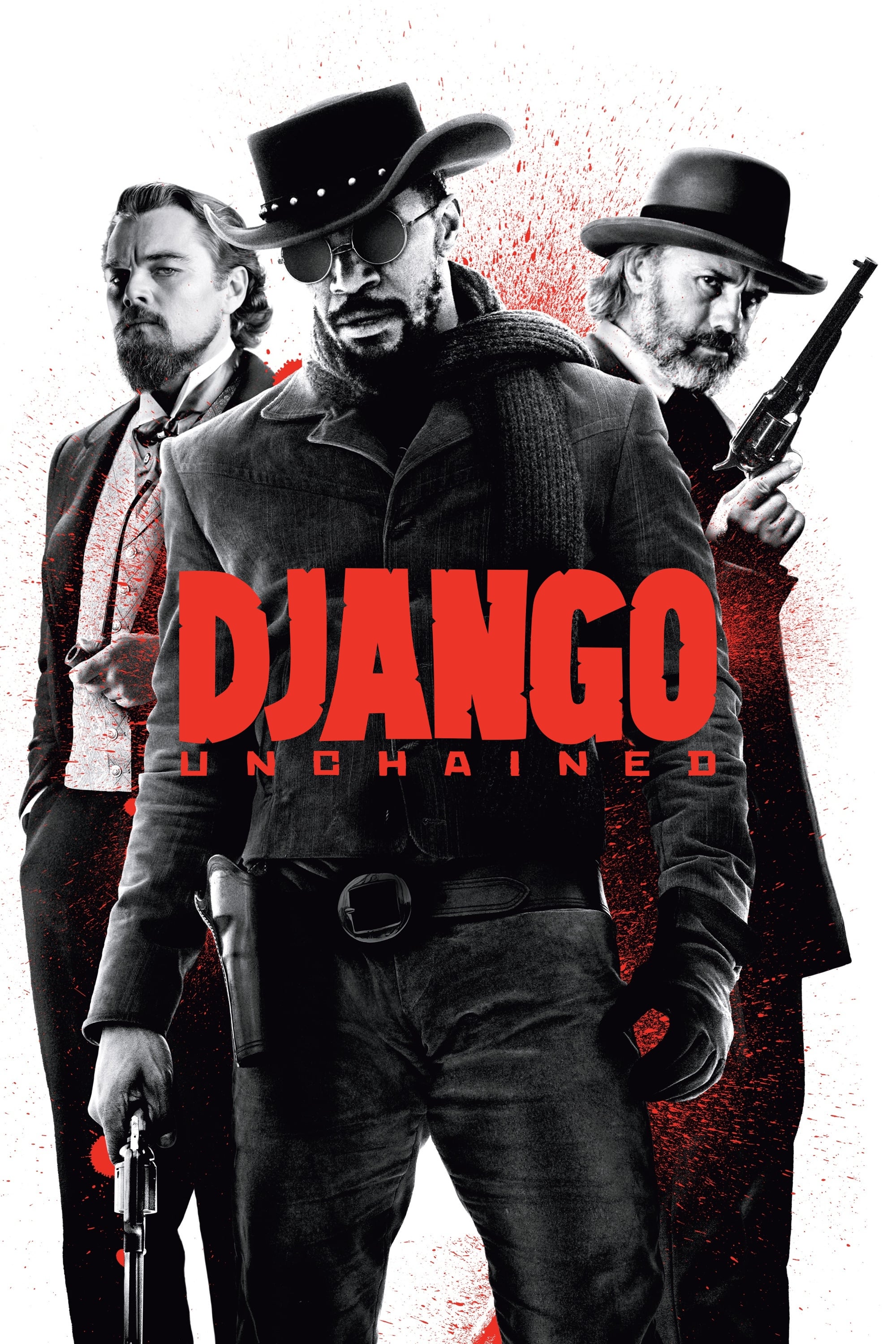
Director Quentin Tarantino’s stylized take on slavery drew the ire of Spike Lee who refused to watch the film and urged others to do the same. Lee argued that American slavery was a holocaust and should not be treated as the setting for a spaghetti western genre film. Critics felt the excessive violence and liberal use of racial slurs turned historical trauma into insensitive entertainment. The boycott discussions centered on the respect due to ancestors who suffered through the actual horrors of the era.
‘Exodus: Gods and Kings’ (2014)

Ridley Scott’s biblical epic was met with the hashtag #BoycottExodusMovie due to the casting of white actors in the roles of Moses and the Egyptian pharaohs. Social media users pointed out the historical inaccuracy of removing Black and Middle Eastern people from a story set in Africa. The director defended his choices by citing financing concerns which only fueled the anger regarding systemic racism in Hollywood. The film became a flashpoint for the modern movement against whitewashing in cinema.
‘Noah’ (2014)
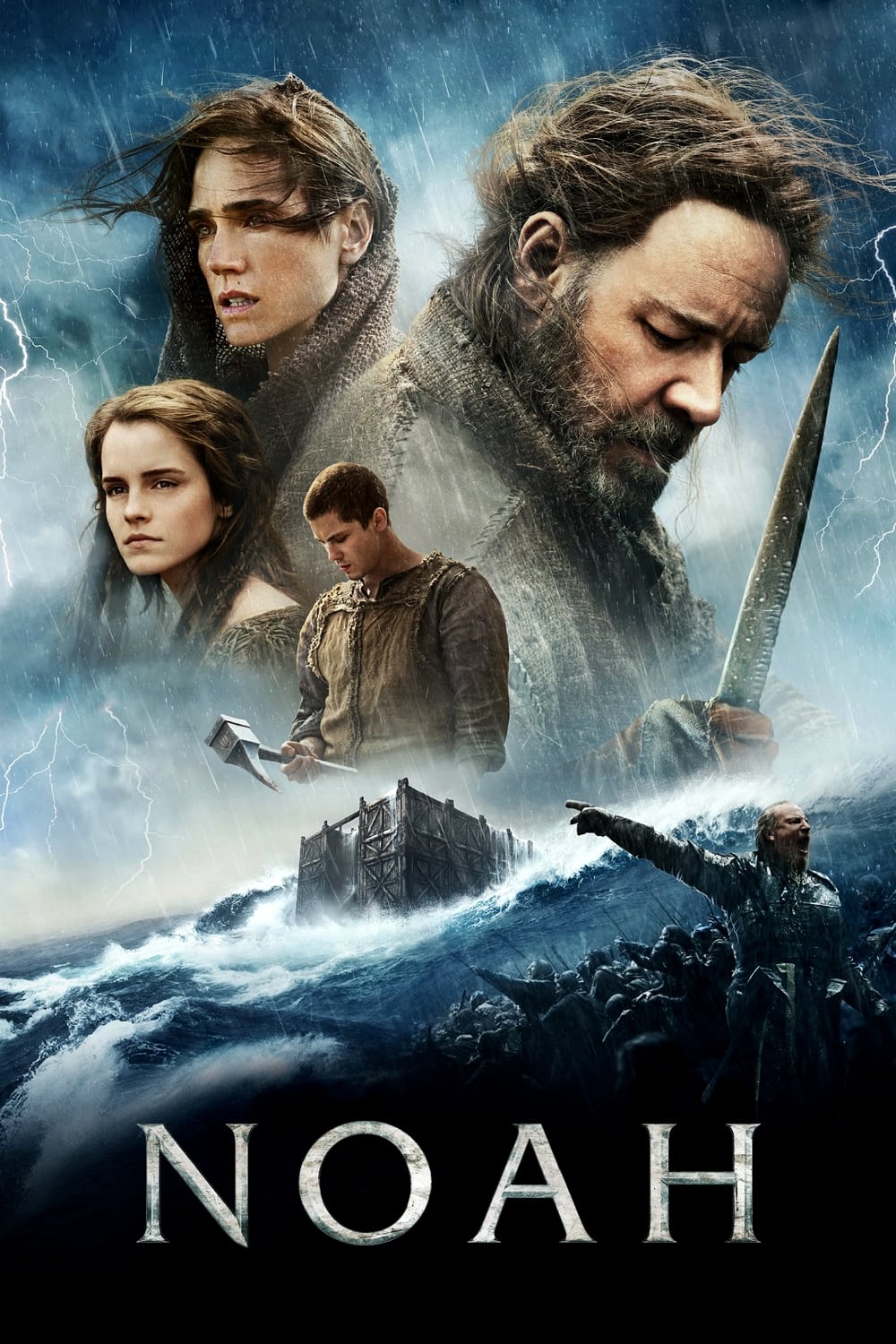
Similar to other biblical epics of the era, this film featured an all-white cast despite its setting in the Cradle of Civilization. Viewers utilized social media to highlight the erasure of people of color from religious history and called for audiences to skip the theatrical release. The complete lack of diversity in a story about the origins of humanity struck many as a deliberate exclusion of Black history. This controversy contributed to the growing demand for accurate representation in period pieces.
‘Stonewall’ (2015)
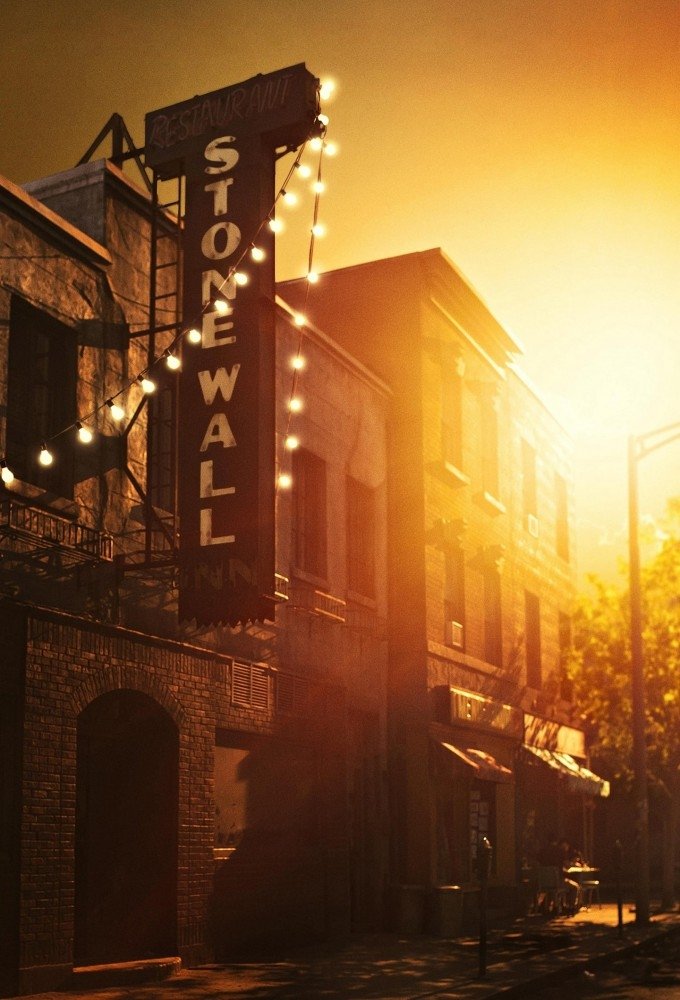
Roland Emmerich’s drama about the 1969 Stonewall riots faced immediate calls for a boycott for centering a fictional white cisgender man. The film was accused of erasing the critical contributions of Black and Latino trans women like Marsha P. Johnson and Sylvia Rivera. LGBTQ+ activists and historians argued the movie whitewashed a pivotal moment in queer history that was led by people of color. The intense backlash resulted in the film becoming a box office bomb.
‘Suffragette’ (2015)
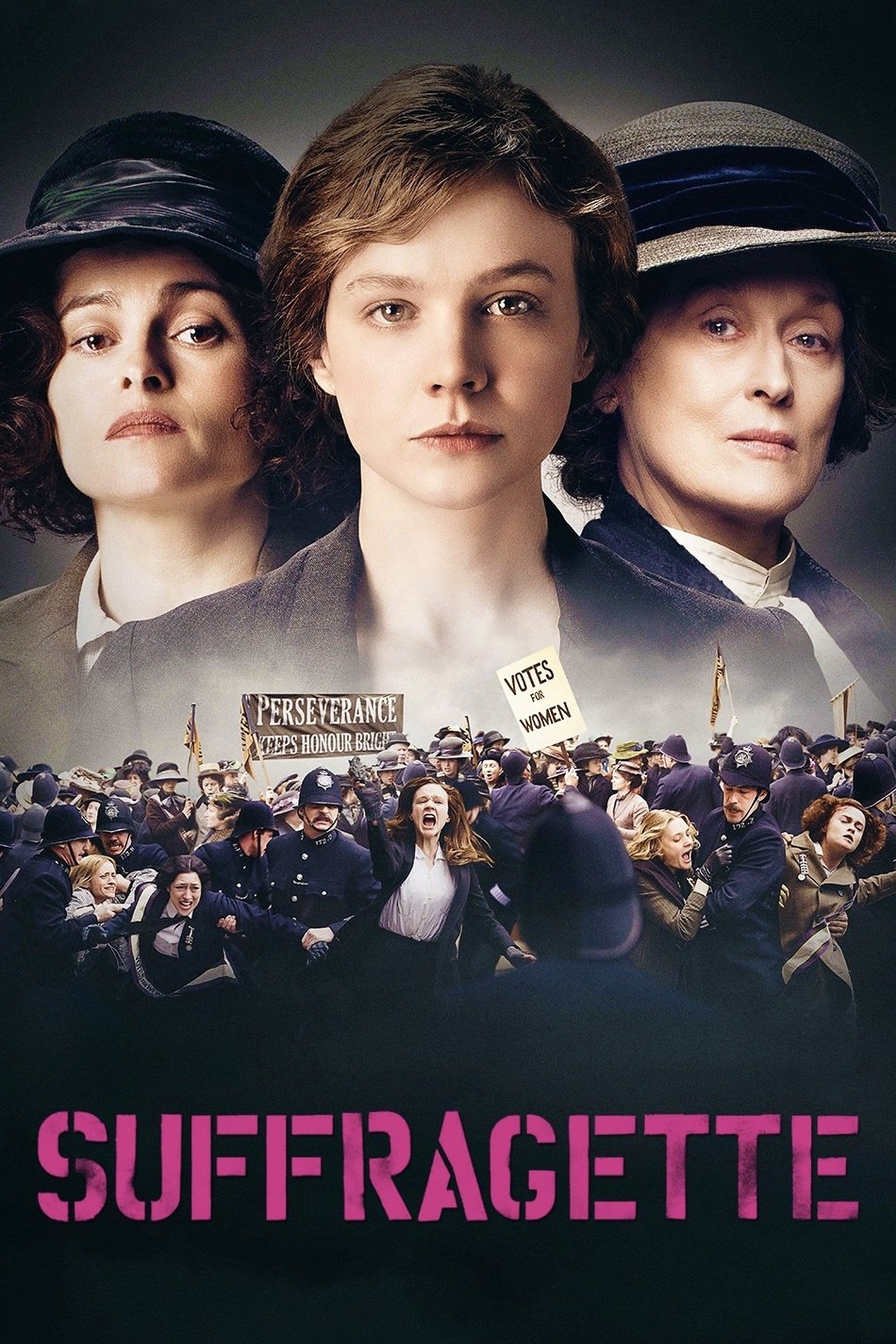
This British drama drew criticism for failing to include any women of color in its depiction of the fight for the right to vote. The controversy deepened when the cast wore promotional t-shirts featuring a quote that many found racially insensitive regarding slavery. Critics noted that Black suffragettes played a crucial role in the movement but were completely absent from the film’s narrative. The erasure of intersectionality led to protests at the film’s premiere and calls for viewers to ignore the production.
‘Gods of Egypt’ (2016)
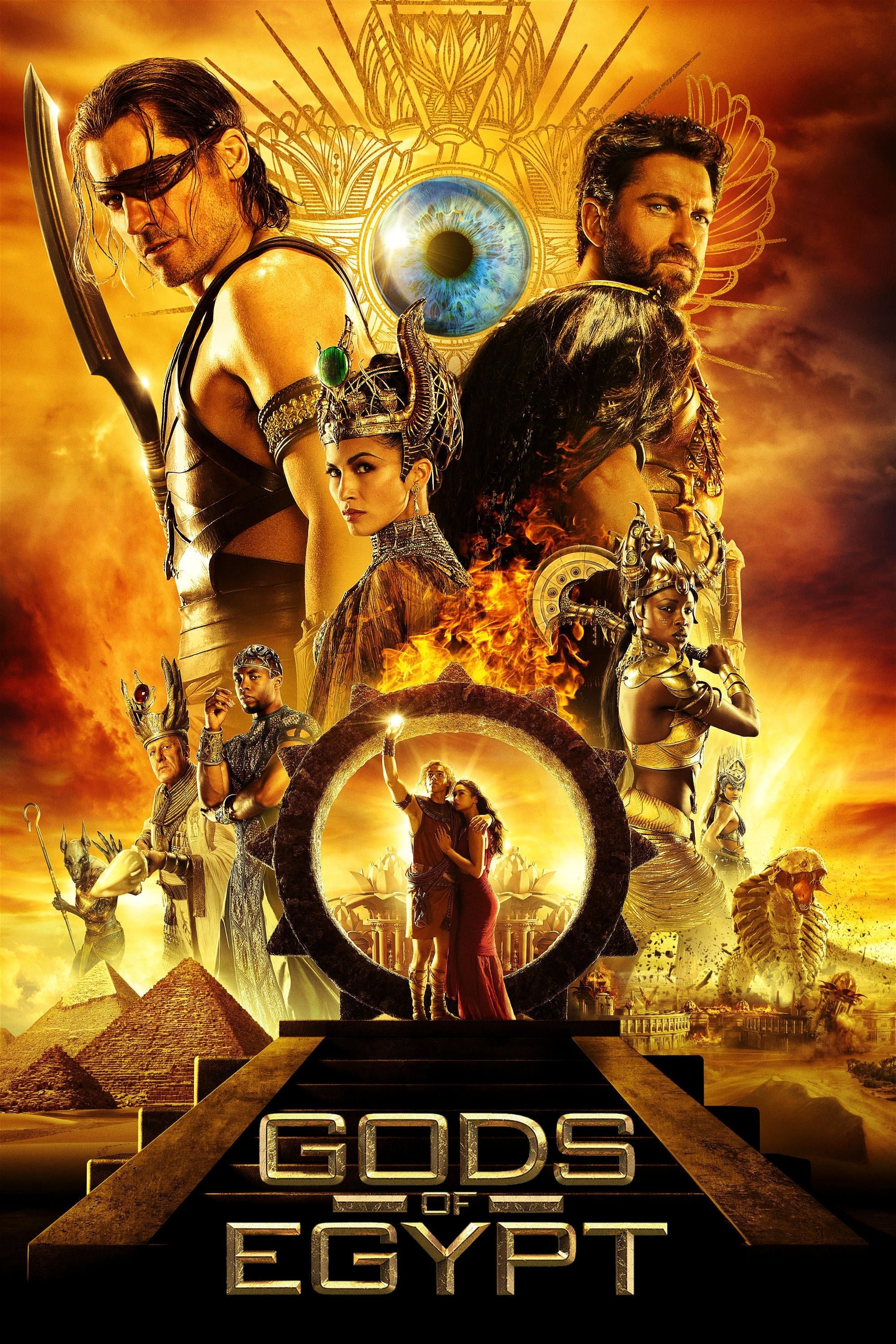
The studio behind this fantasy film issued an apology before it even hit theaters due to the intense backlash over its predominantly white cast. Critics and audiences mocked the decision to cast Scottish and Danish actors as Egyptian deities. The blatant whitewashing of African mythology sparked a massive online campaign urging people not to buy tickets. This film is often cited as a turning point where studios could no longer ignore the financial risks of erasing Black history.
‘Nina’ (2016)

The biopic of legendary singer and activist Nina Simone sparked a boycott when Zoe Saldana was cast in the lead role. Saldana, who is of Dominican and Puerto Rican descent, wore skin-darkening makeup and a prosthetic nose to resemble Simone. The singer’s estate and fans argued this was a form of blackface that erased Simone’s specific struggles as a dark-skinned Black woman. The casting choice was seen as a refusal by Hollywood to hire an actress who actually embodied Simone’s appearance and heritage.
‘Green Book’ (2018)
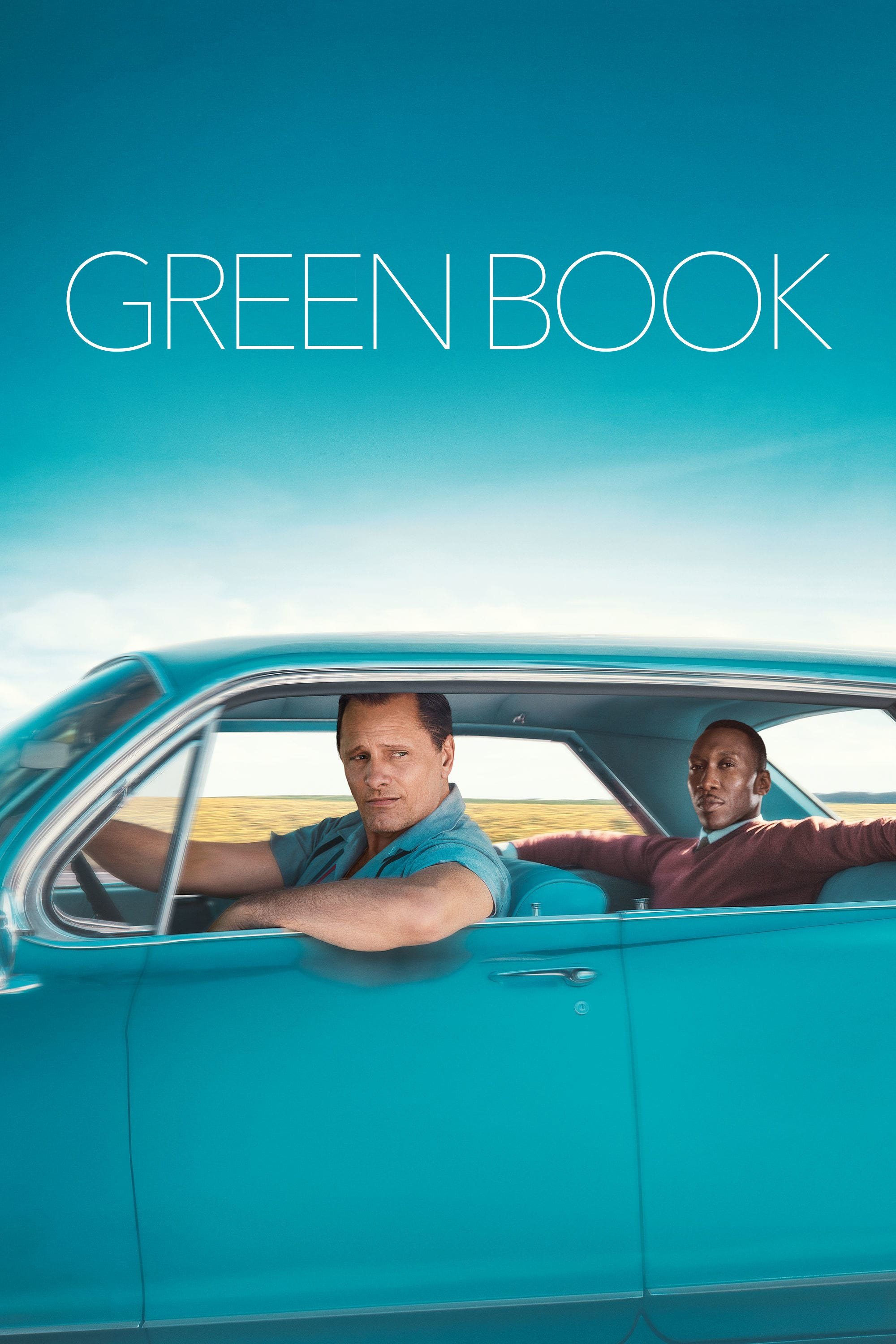
Despite winning Best Picture, this film faced condemnation from the family of Dr. Don Shirley who called it a symphony of lies. Critics argued the movie relied on the white savior trope and minimized Shirley’s connection to the Black community and the Civil Rights movement. The filmmaker’s decision to center the story on the white driver rather than the Black genius he chauffeured sparked outrage. Many viewers felt the film sanitized the dangers of the Jim Crow South to make a feel-good story for white audiences.
‘The Woman King’ (2022)
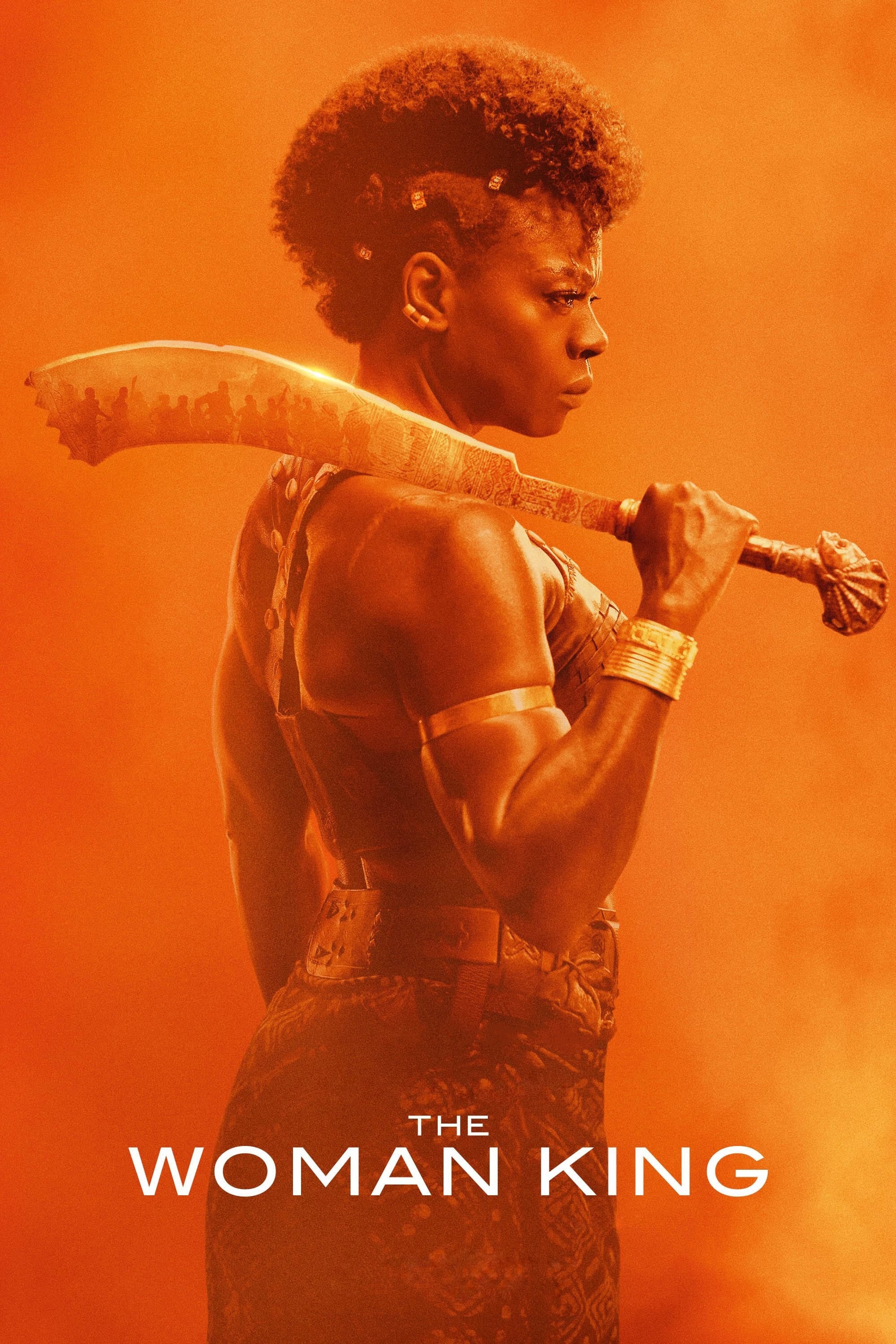
While the film featured a predominantly Black cast, it faced calls for a boycott due to historical inaccuracies regarding the Dahomey kingdom’s involvement in the slave trade. Critics argued the movie downplayed the tribe’s role in selling other Africans to Europeans to present a more heroic narrative. The hashtag #BoycottWomanKing trended as users debated the ethics of sanitizing Black history even for the sake of empowerment. The controversy highlighted the complex burden placed on Black filmmakers to address historical trauma accurately.
Share your perspective on which of these films most egregiously misrepresented the historical record in the comments.