


Movies That Turned Complex Minority Villains Into Caricatures

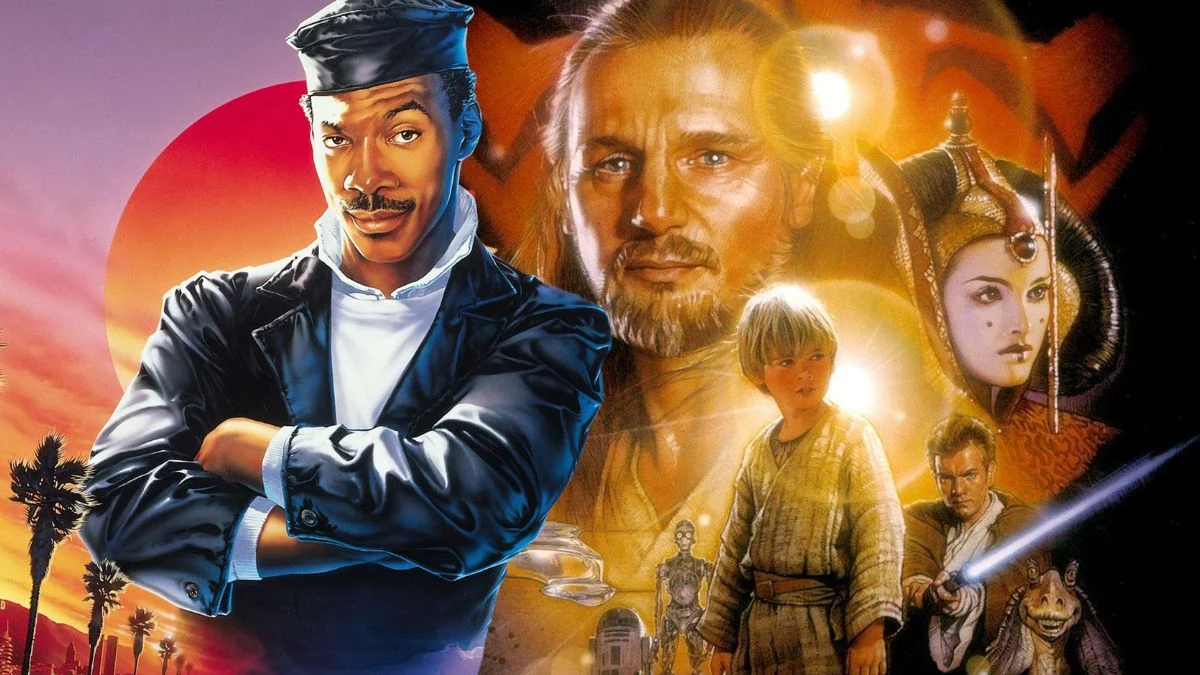


Hollywood has a long history of taking potentially deep and multifaceted characters from diverse backgrounds and reducing them to simple tropes. This process often strips away the cultural nuance or historical context that would make these antagonists truly compelling. By relying on exaggerated traits or outdated stereotypes, filmmakers prioritize easy storytelling over authentic representation. These examples highlight moments where the nuances of minority villains were lost in favor of cinematic caricatures.
‘The Mask of Fu Manchu’ (1932)
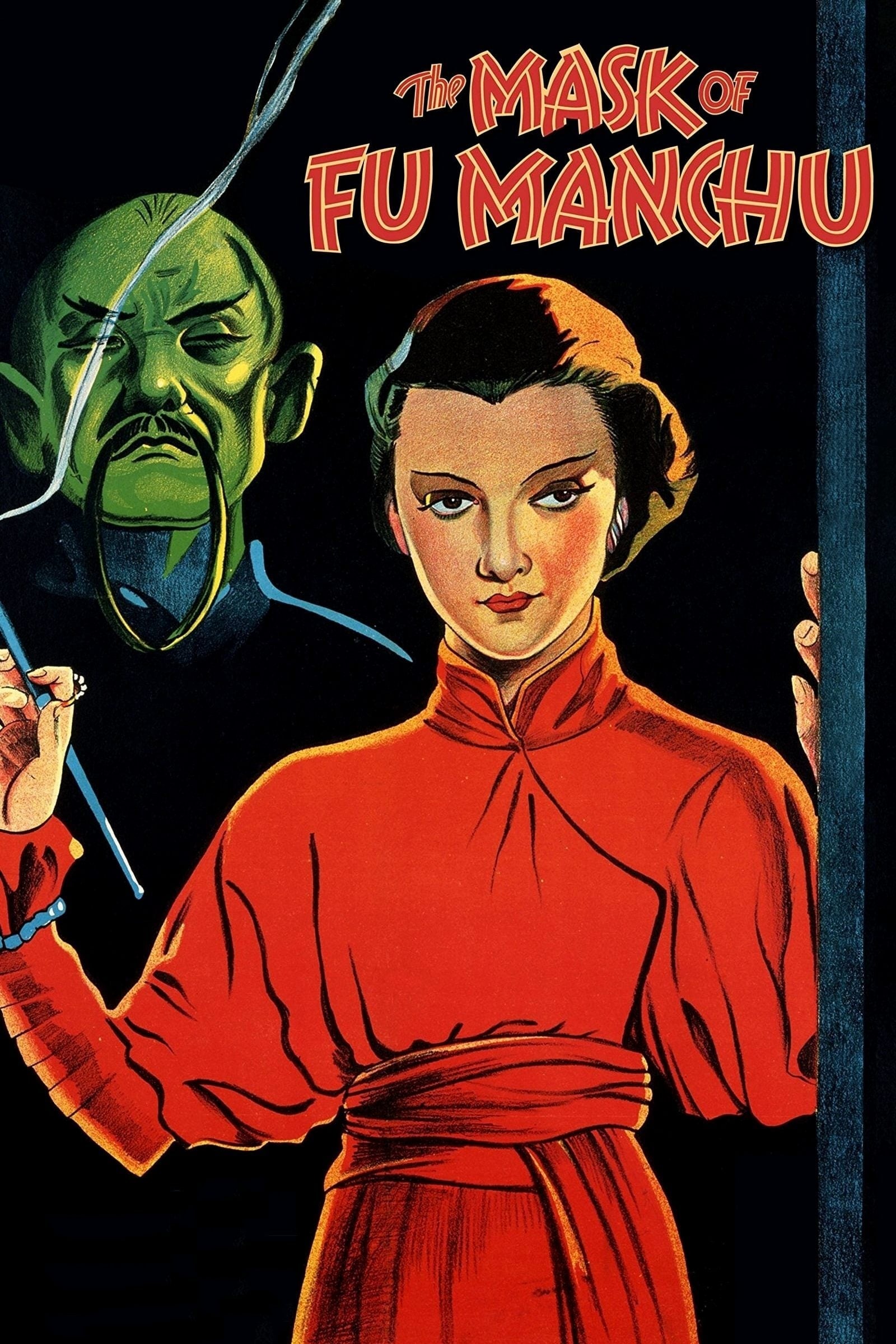
Fu Manchu serves as the quintessential example of the sinister oriental mastermind in early cinema. He is depicted as a brilliant but purely evil scientist who seeks to conquer the Western world. The character features long fingernails and elaborate robes that signify his foreign nature. This version of the villain ignores the political and social layers found in the original literary source. He exists purely as a vehicle for xenophobic fears during the era of the Great Depression.
‘The Thief of Bagdad’ (1940)
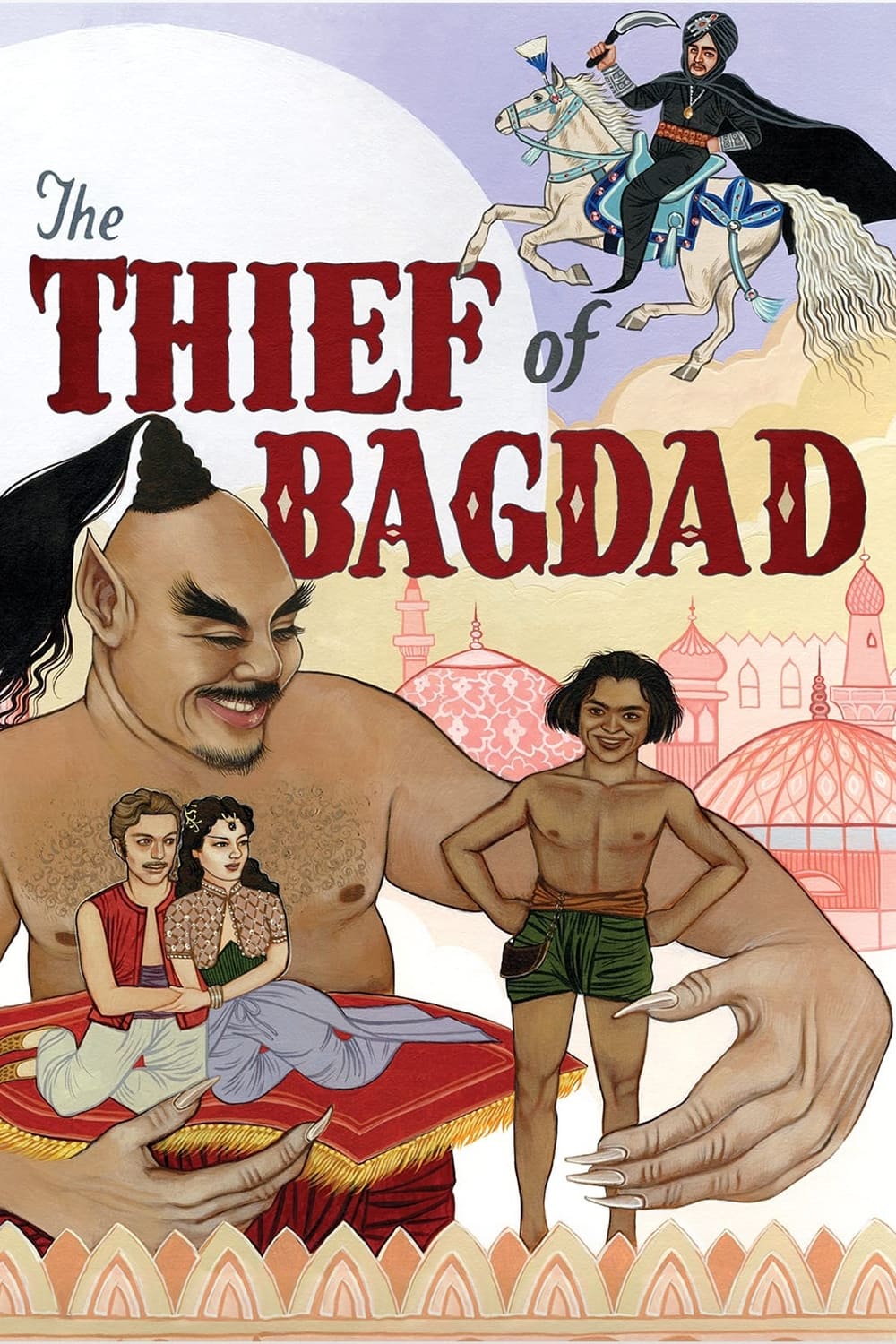
Jaffar is the grand vizier who uses dark magic and treachery to overthrow the rightful sultan. He is portrayed with a sharp and menacing aesthetic that aligns with orientalist fantasies of the time. The character is motivated by a simplistic lust for power and a desire for a princess who does not love him. His depth is sacrificed for a series of mystical displays and villainous speeches. The film establishes a template for Middle Eastern villains that would persist for decades.
‘Song of the South’ (1946)
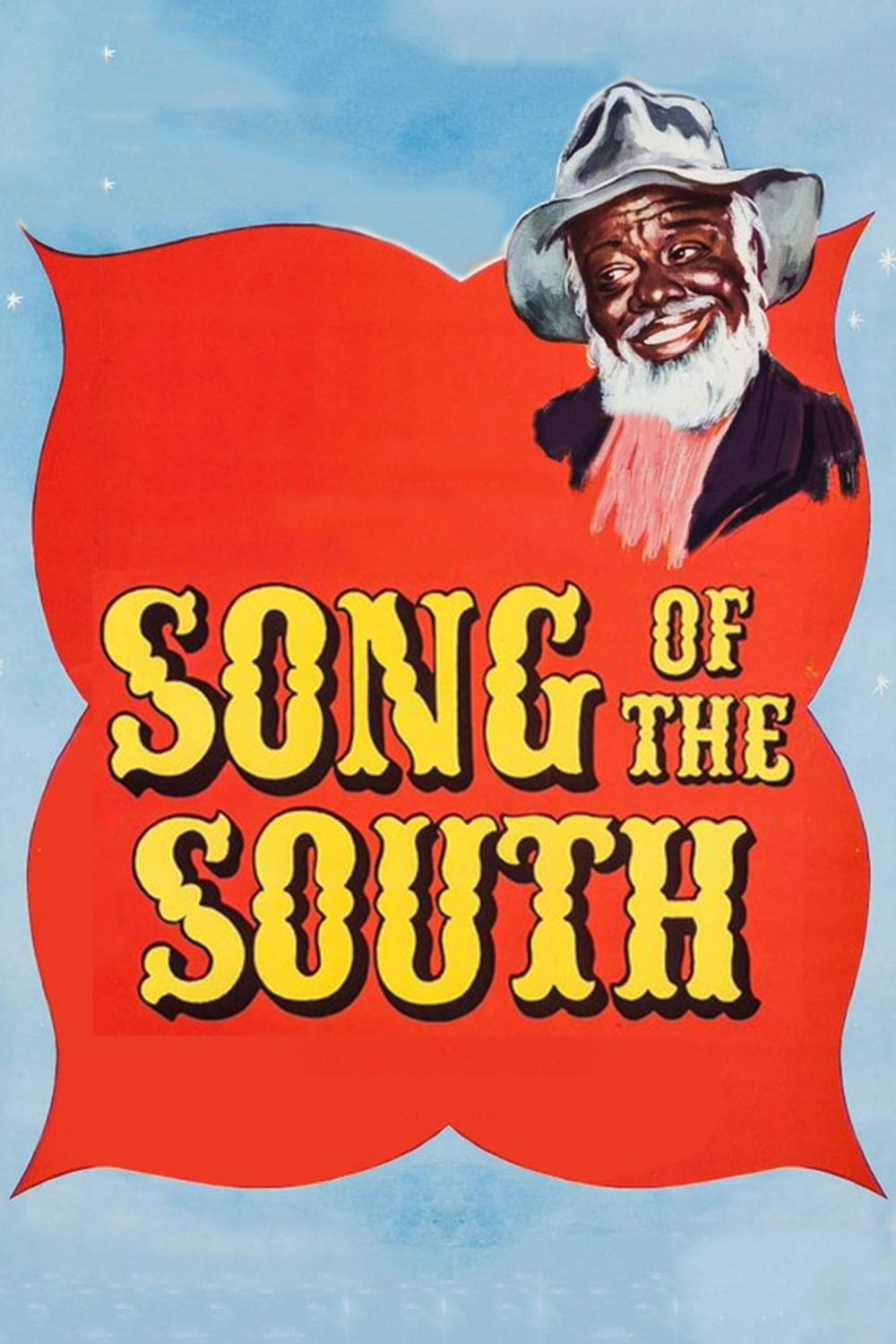
Br’er Fox and Br’er Bear are animated antagonists who constantly plot to capture the hero of the story. They are voiced and animated in a way that reflects racial caricatures common in the post war period. The film places these characters in a setting that glosses over the harsh realities of the era they represent. Their behavior is depicted as bumbling and foolish for the sake of slapstick humor. This approach removes any possibility of meaningful characterization for these figures.
‘Touch of Evil’ (1958)
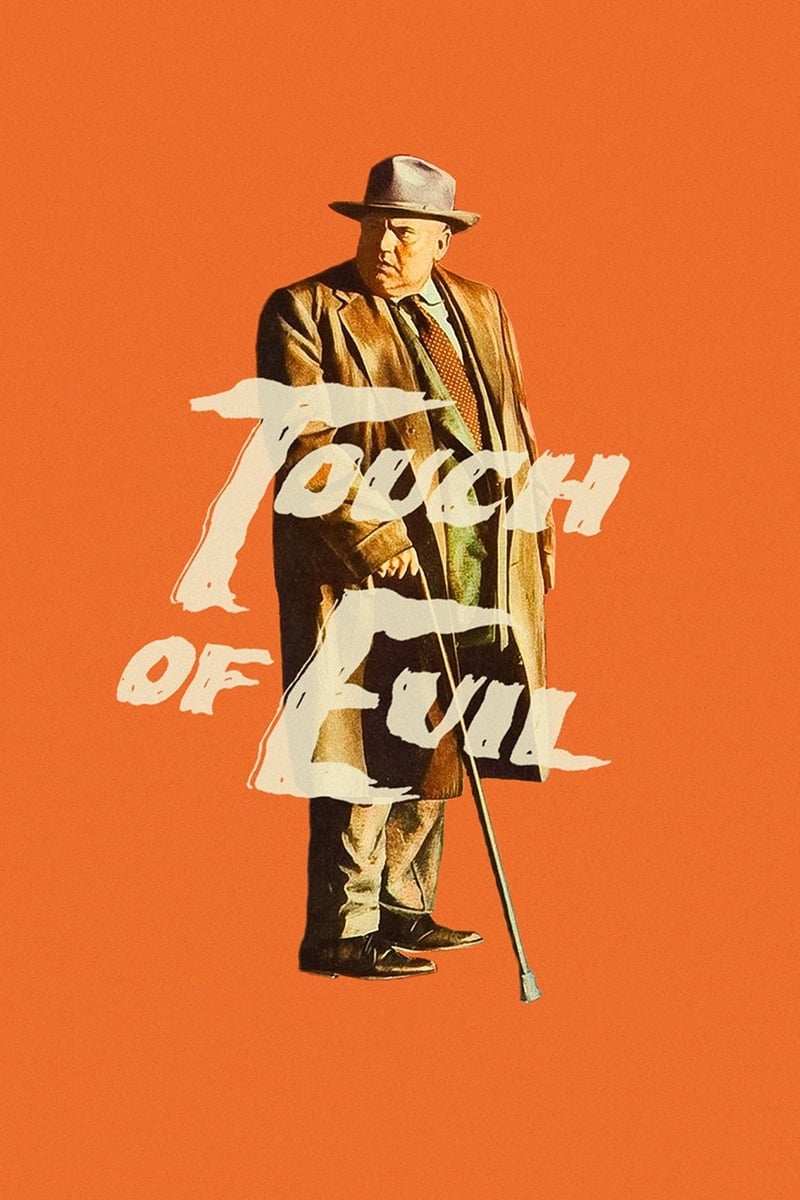
Uncle Joe Grandi is a gang leader who is portrayed by a white actor wearing dark makeup to appear Latino. The character is written as a greasy and cowardly criminal who lacks any intimidating presence. His dialogue and mannerisms are designed to be comical rather than threatening or realistic. This portrayal turns a crime boss into a pathetic figure for the audience to mock. The film misses the opportunity to create a truly formidable or nuanced antagonist from the local community.
‘Breakfast at Tiffany’s’ (1961)

The character of Mr. Yunioshi is a neighbor who is played by a white actor in heavy prosthetics. He serves as the primary source of comedic conflict for the protagonist throughout the story. The role relies on a thick accent and physical clumsiness that are rooted in racial stereotypes. He is never treated as a human being with his own life or concerns outside of being an annoyance. This remains one of the most widely cited examples of offensive caricature in mainstream Hollywood history.
‘Dr. No’ (1962)
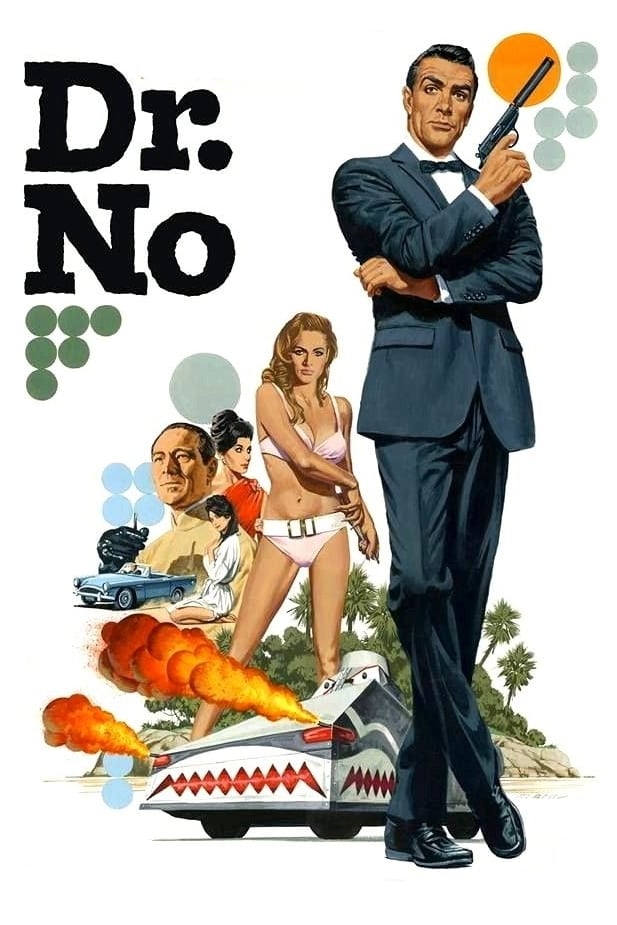
The titular villain is a brilliant scientist who is part German and part Chinese but is played by a white actor. He inhabits a secret island lair and plots world domination with high tech weaponry. The character embodies the trope of the cold and calculating foreign mastermind with physical deformities. His heritage is used as a tool to make him seem more alien and dangerous to the audience. The film ignores the potential for a deeper exploration of his mixed identity.
‘Cleopatra’ (1963)
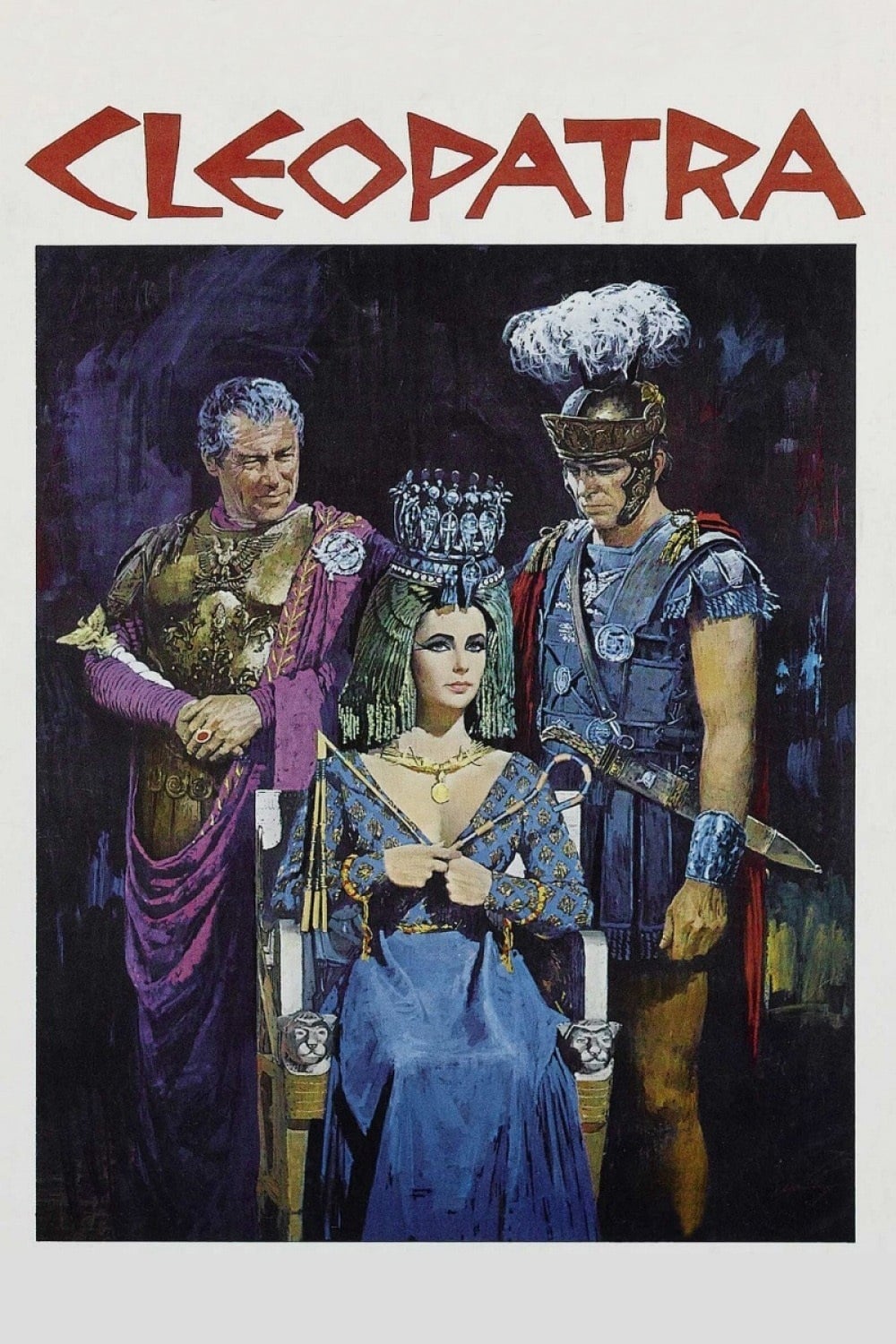
Various Egyptian rivals and officials are depicted as decadent and untrustworthy figures who oppose the lead characters. The film often portrays these minority figures through a lens of Western luxury and moral corruption. Their political motivations are secondary to their roles as obstacles for the more westernized protagonists. The sheer scale of the production leaves little room for individual character development for these men. They become background elements in a story focused on European stars.
‘Zulu’ (1964)
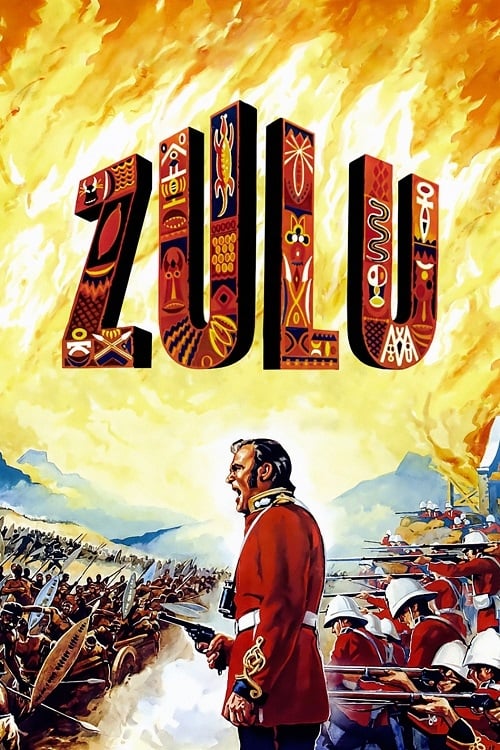
The Zulu warriors are presented as a massive and relentless force attacking a British military outpost. While they are shown as brave they are largely depicted as a monolithic and faceless army. The film focuses on the tactical brilliance of the British defenders while simplifying the motivations of the African fighters. Individual Zulu leaders are given very little dialogue or screen time to explain their perspective. This framing reduces a complex historical conflict to a simple battle of survival against a perceived savage threat.
‘The Good, the Bad and the Ugly’ (1966)
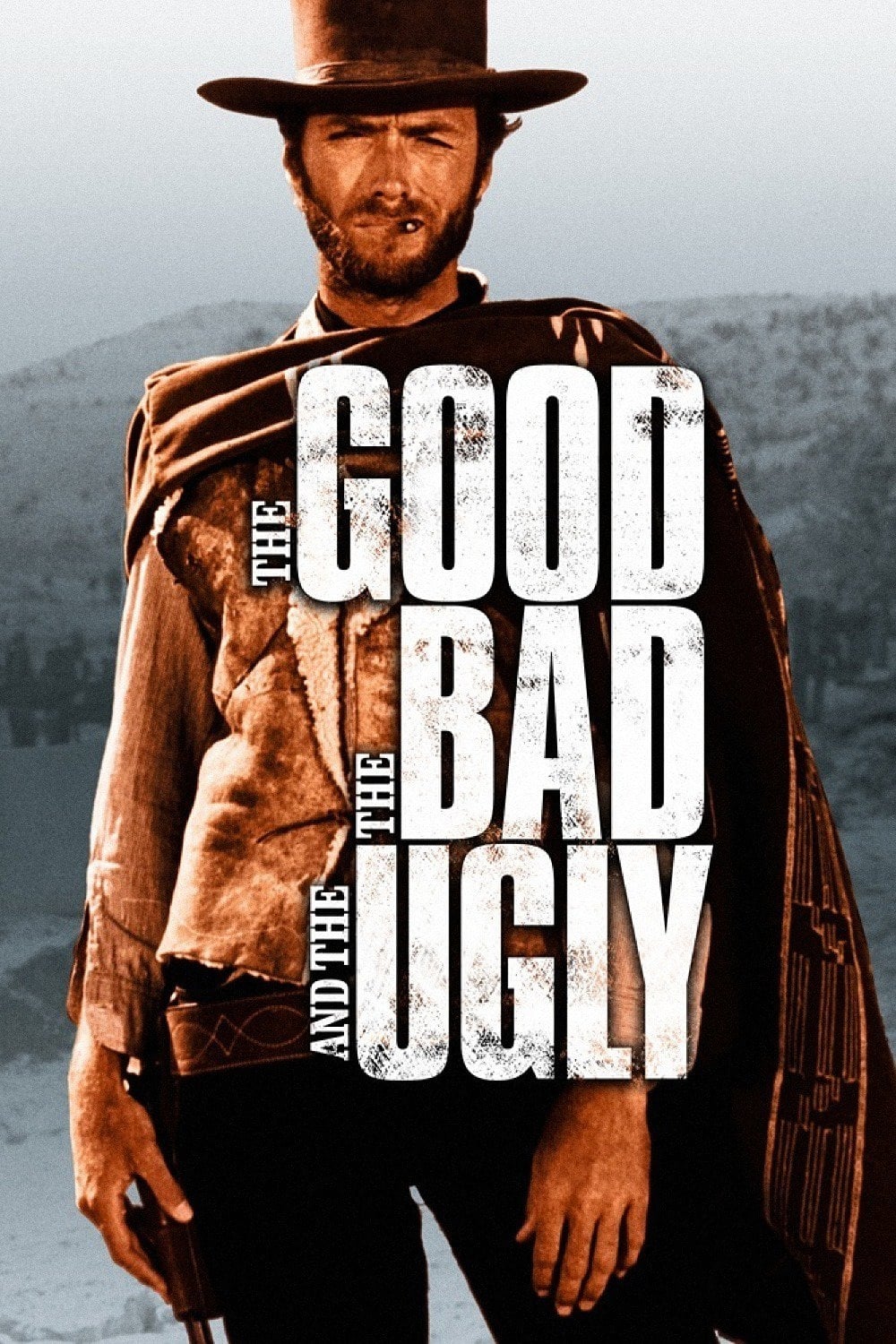
Tuco is a Mexican bandit who serves as one of the three main characters in this epic Western. He is portrayed with a series of manic traits and a focus on greed that leans into stereotypes of the time. While he is a fan favorite his characterization often borders on the buffoonish compared to his white counterparts. The narrative treats his heritage as a source of comedy rather than a part of his personal history. He is a caricature of the untrustworthy outlaw found in many spaghetti westerns.
‘You Only Live Twice’ (1967)

The film features several Japanese antagonists who work for a global criminal organization. These characters are often depicted using traditional martial arts and ancient customs in a modern setting. The portrayal focuses on the exotic nature of their methods rather than their individual goals. Even the protagonist undergoes a transformation into a Japanese man that relies on cosmetic stereotypes. The villains are lost in a sea of cultural tropes that prioritize spectacle over substance.
‘The Green Berets’ (1968)
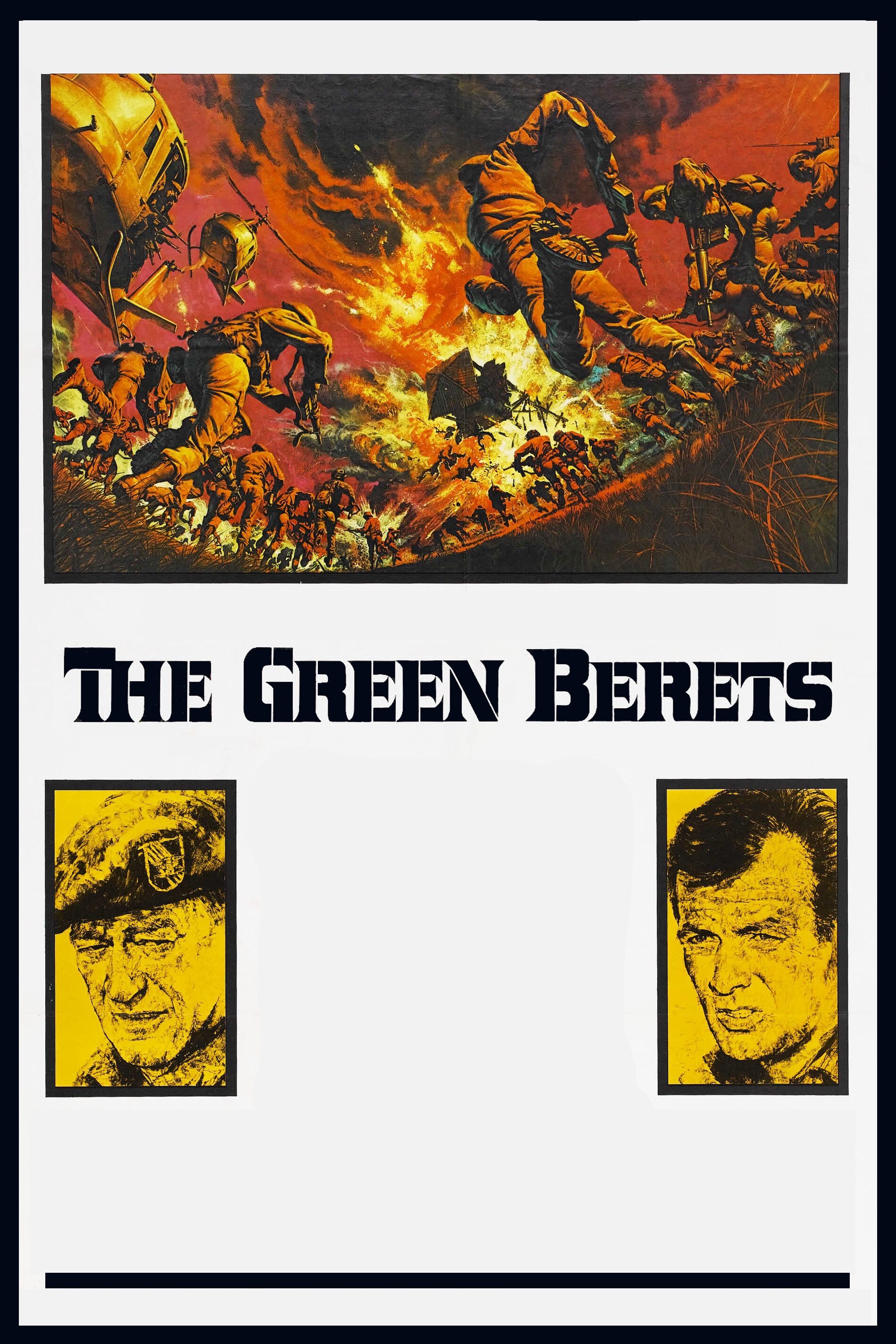
Vietnamese communist forces are shown as cruel and devious enemies without any redeeming human qualities. The film was produced during the height of the conflict and serves as a piece of blatant political propaganda. The enemy soldiers are depicted committing atrocities to justify the actions of the American heroes. There is no attempt to understand the political or social reasons for their fight. They remain one dimensional figures who exist only to be defeated by the protagonists.
‘Live and Let Die’ (1973)

Mr. Big is a drug lord who uses voodoo rituals and Caribbean mysticism to maintain his power. The film leans heavily into blaxploitation tropes that were popular during the early seventies. The villains are depicted through a lens of urban crime and supernatural superstition that lacks any real depth. Their motivations are purely criminal and their methods are portrayed as inherently strange or primitive. This simplifies the black characters into a collection of flashy and threatening caricatures.
‘Flash Gordon’ (1980)
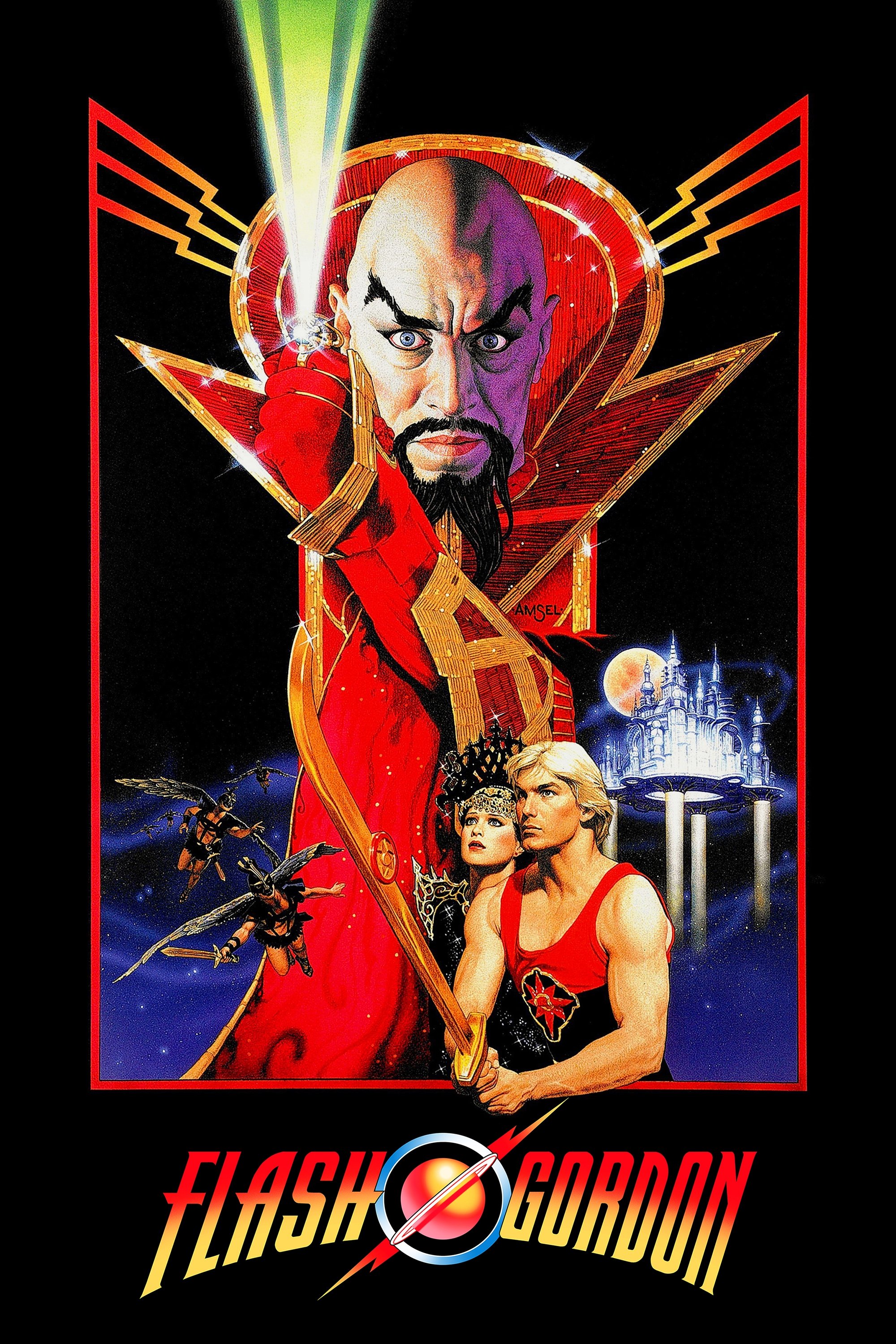
Ming the Merciless is an intergalactic tyrant who is designed with a clear focus on the yellow peril aesthetic. He wears elaborate robes and possesses a long mustache that calls back to early twentieth century stereotypes. The character seeks to destroy Earth for his own amusement and displays no empathy. His portrayal is intentionally campy and over the top in line with the tone of the film. This approach turns a powerful ruler into a colorful and exaggerated cartoon villain.
‘Conan the Barbarian’ (1982)
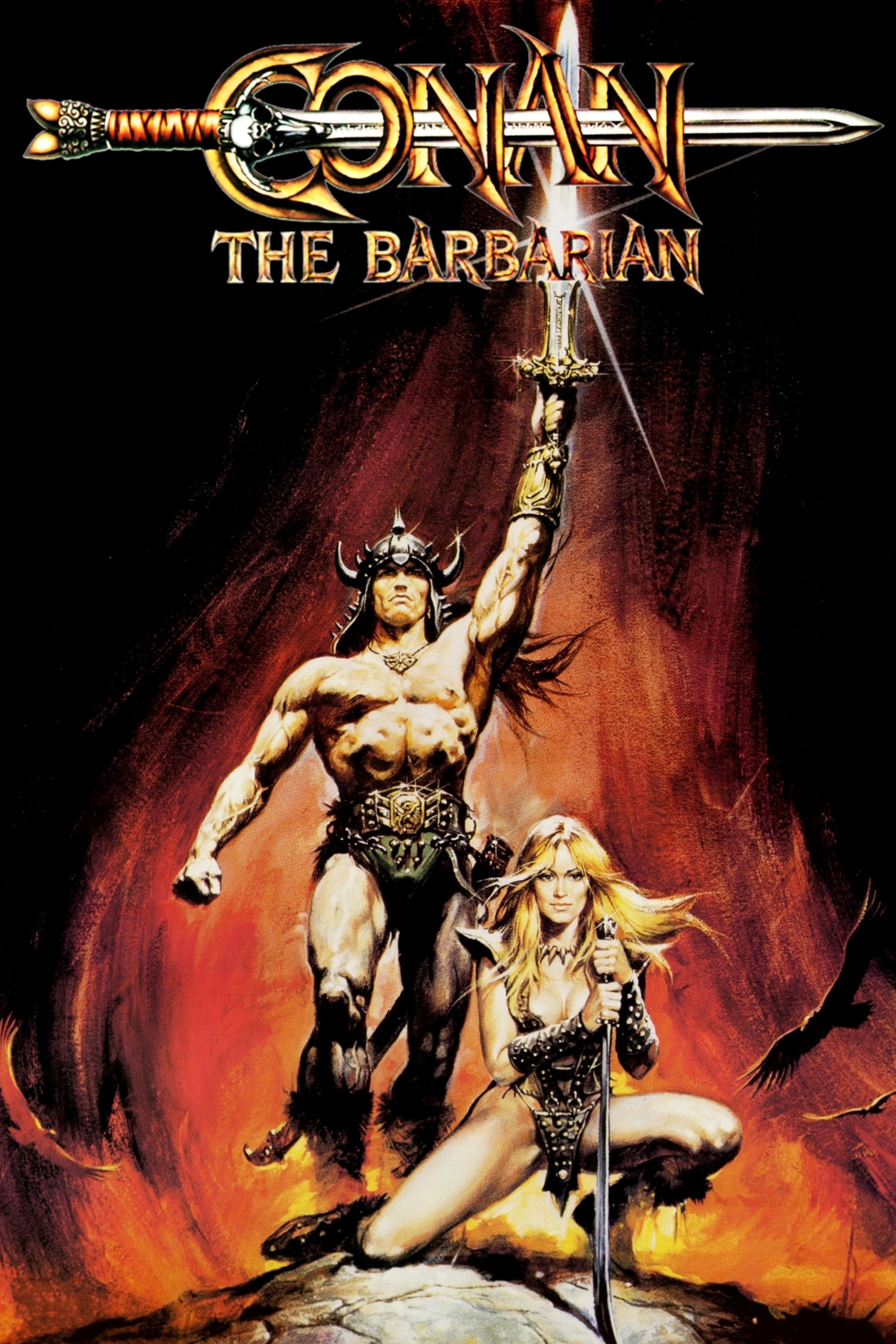
Thulsa Doom is a cult leader who can transform into a giant snake and commands a legion of followers. He is played by a black actor but his characterization is rooted in ancient and mystical tropes. The film focuses on his occult powers and his ability to manipulate the minds of his victims. He is presented as a primal and corrupting force rather than a man with a logical plan for power. This portrayal relies on the idea of the dark sorcerer to create a sense of dread.
‘Indiana Jones and the Temple of Doom’ (1984)
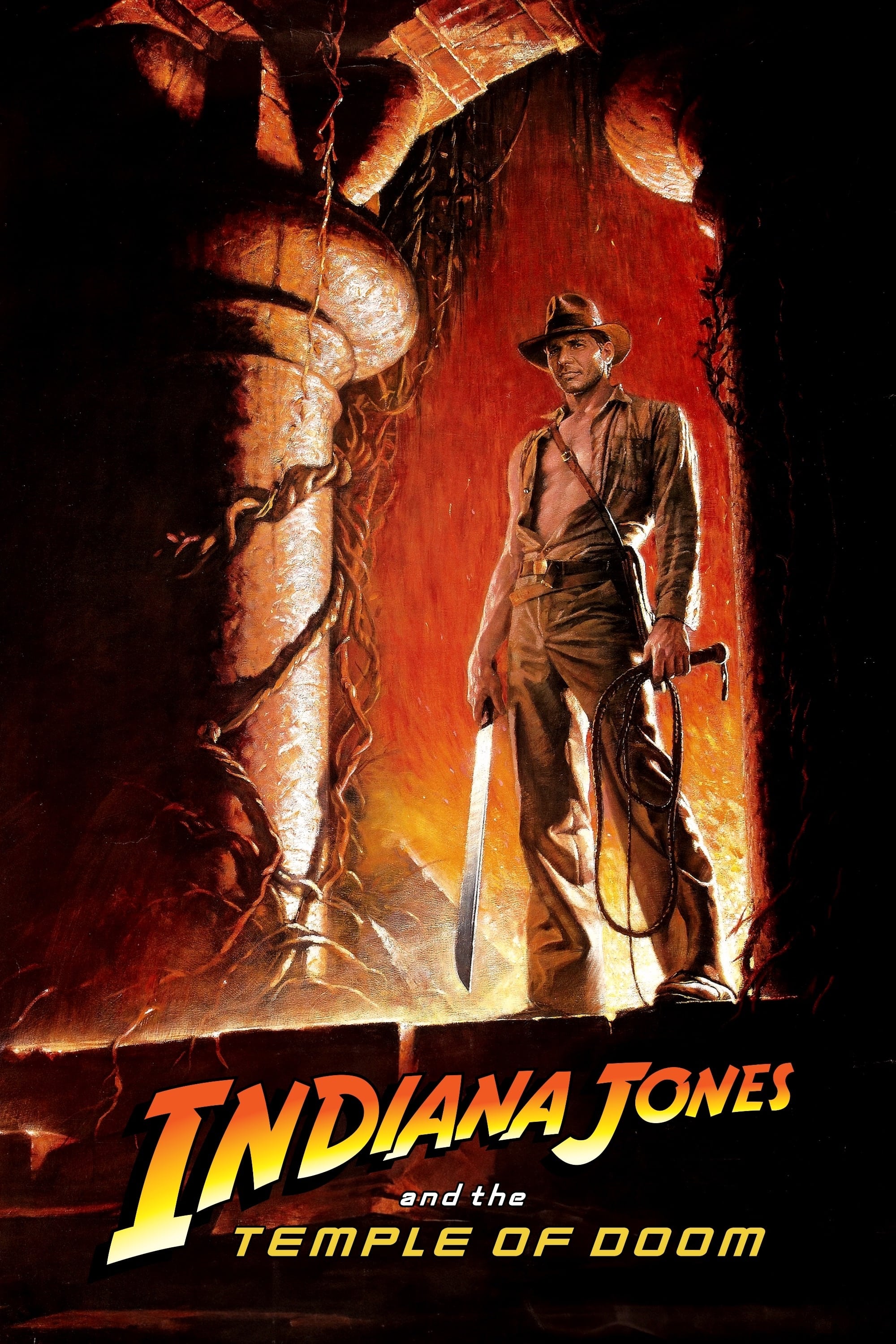
Mola Ram is a high priest who leads a violent cult that practices human sacrifice in an underground temple. The character is defined by his terrifying appearance and his ritualistic behavior. The film presents Indian culture through a lens of savagery and bizarre culinary habits that shocked audiences. Mola Ram has no backstory or motivation beyond serving his dark god through blood. This turns a religious figure into a horrific caricature of foreign extremism.
‘Missing in Action’ (1984)
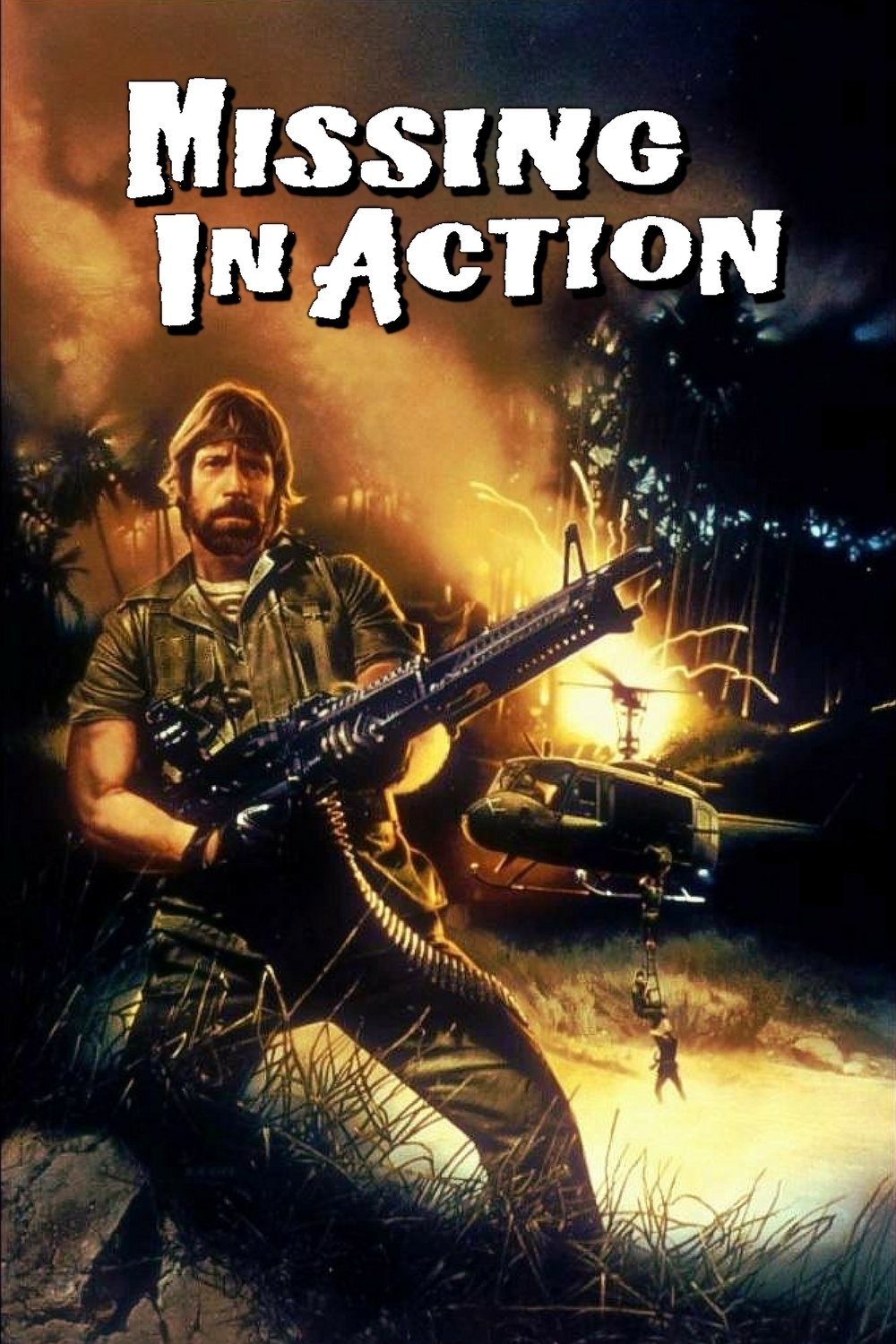
General Trau is a Vietnamese officer who holds American prisoners of war long after the conflict has ended. He is depicted as a sadistic and arrogant man who enjoys the suffering of his captives. The character serves as a simple obstacle for the hero to overcome in a series of action sequences. There is no nuance to his military service or his role in his own government. He is a symbol of an old enemy used to provide a sense of catharsis for the audience.
‘Red Dawn’ (1984)

The film depicts an invasion of the United States by Soviet and Cuban forces during the Cold War. The Cuban officers are shown as ruthless invaders who take joy in the destruction of American towns. They are defined by their military rank and their hostility toward the young protagonists. The script avoids any discussion of the complex politics that would lead to such an event. These characters are reduced to faceless invaders who represent the fears of the era.
‘Rambo: First Blood Part II’ (1985)
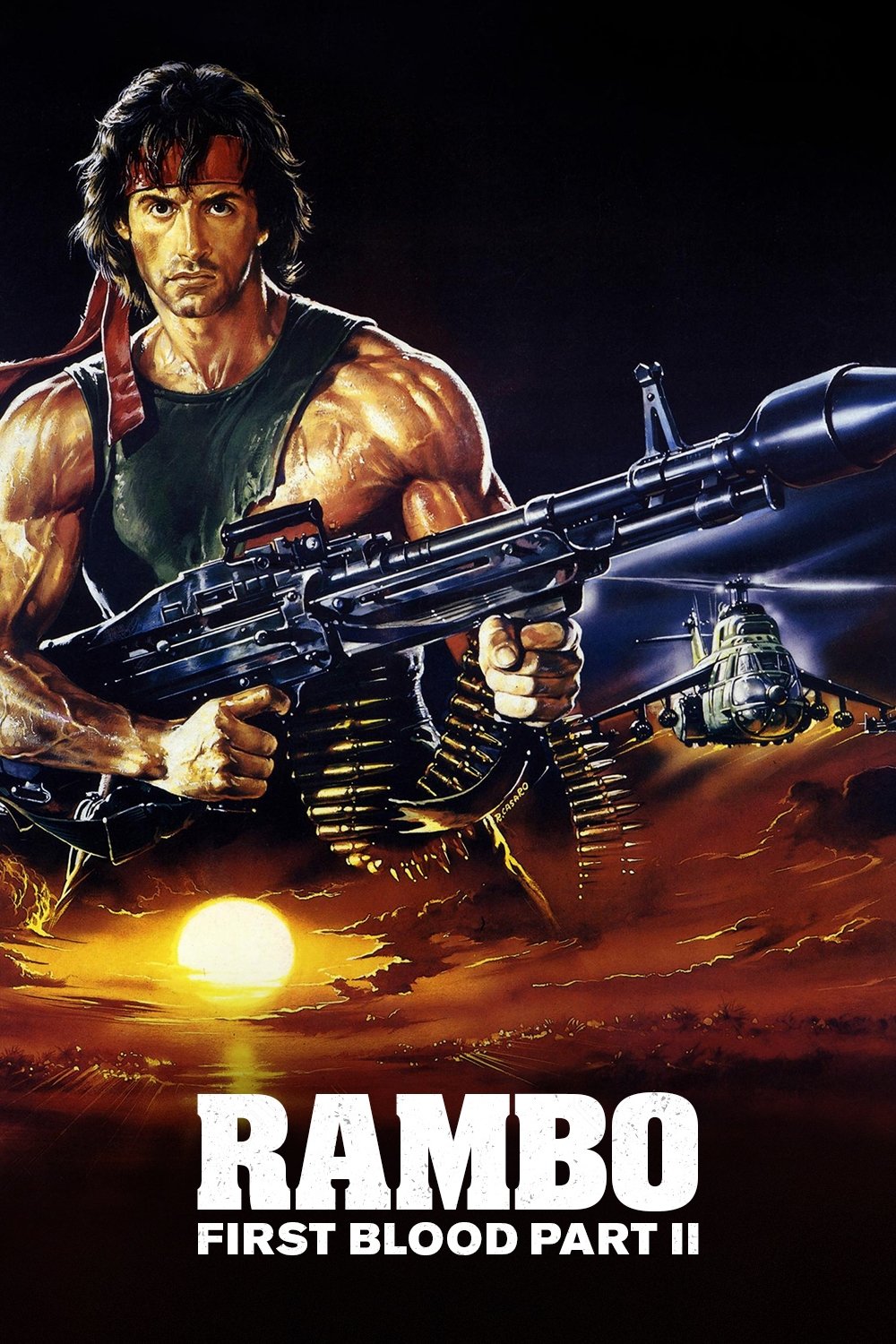
Vietnamese and Soviet soldiers are shown as a combined force of oppression against the lone hero. The local soldiers are depicted as incompetent or cruel while their Soviet advisors are cold and calculating. The film uses these minority villains to create a sense of endless danger in the jungle. Their characters are never given individual identities or meaningful dialogue. They are simply targets for the protagonist to eliminate during his mission.
‘Big Trouble in Little China’ (1986)
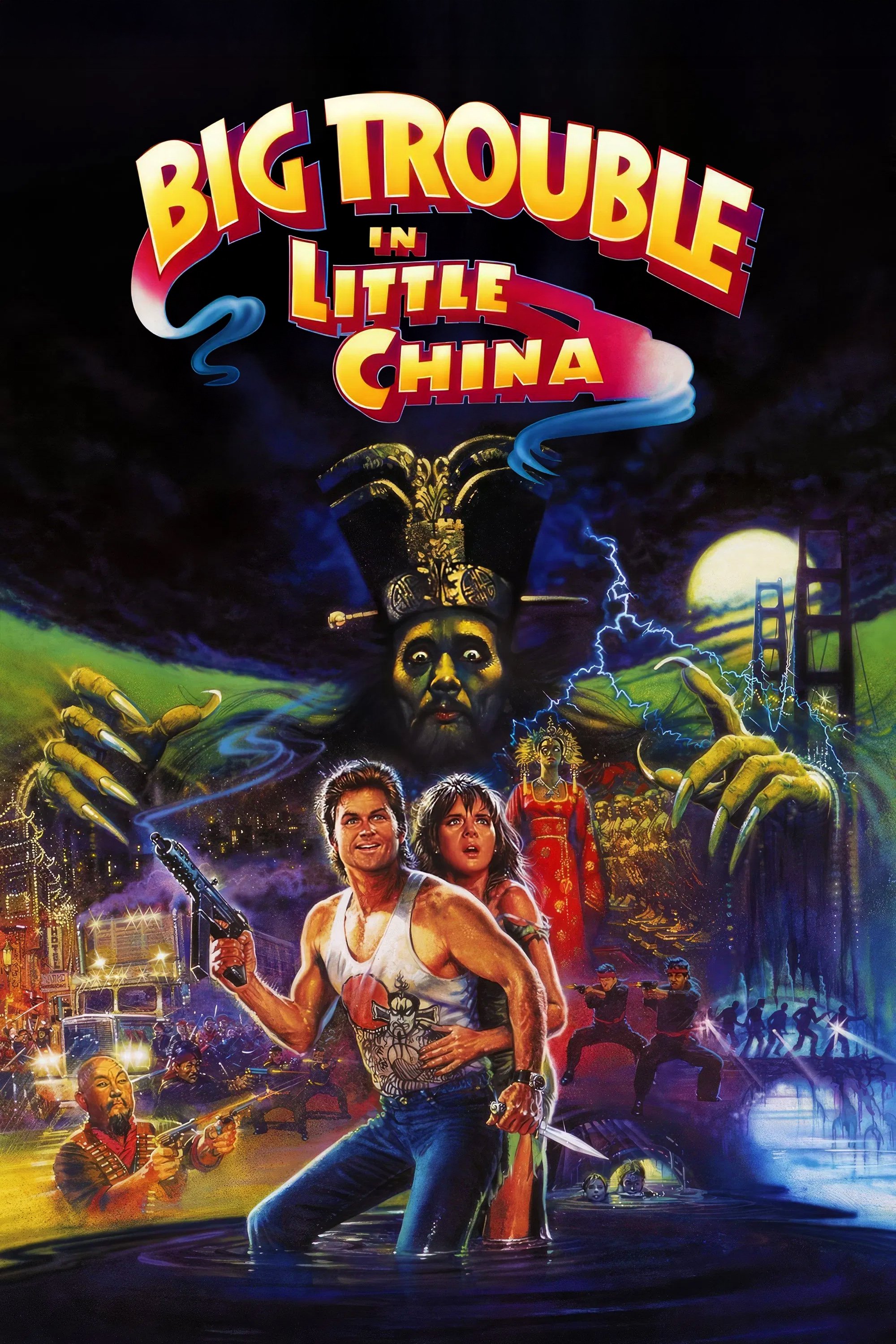
Lo Pan is an ancient sorcerer who must marry a girl with green eyes to regain his physical form. He is a ghost who rules over a secret underworld beneath San Francisco Chinatown. The character is a blend of various Asian mystical tropes and supernatural horror. While the film is a cult classic the villain is a literal caricature of ancient Chinese mythology. He represents a mystical and unreachable past that haunts the modern world.
‘The Golden Child’ (1986)
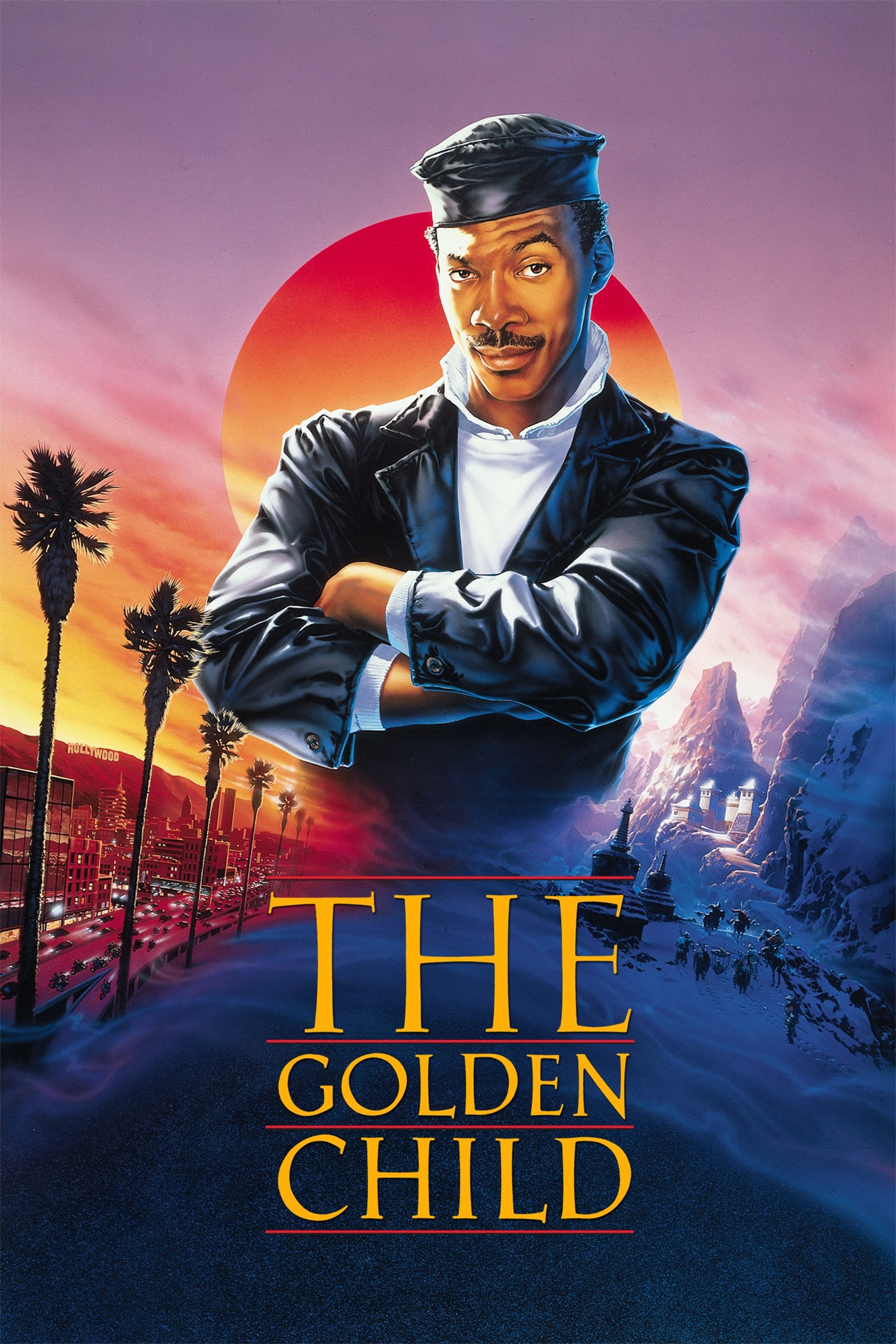
Sardo Numspa is a demonic entity who takes the form of a man to capture a mystical child. He is associated with Tibetan mysticism and dark magic throughout the story. The character is depicted with a sinister charm that hides his monstrous true nature. His motivations are tied to a generic battle between good and evil that lacks cultural specificity. This portrayal turns a spiritual setting into a playground for a standard action movie villain.
‘The Delta Force’ (1986)
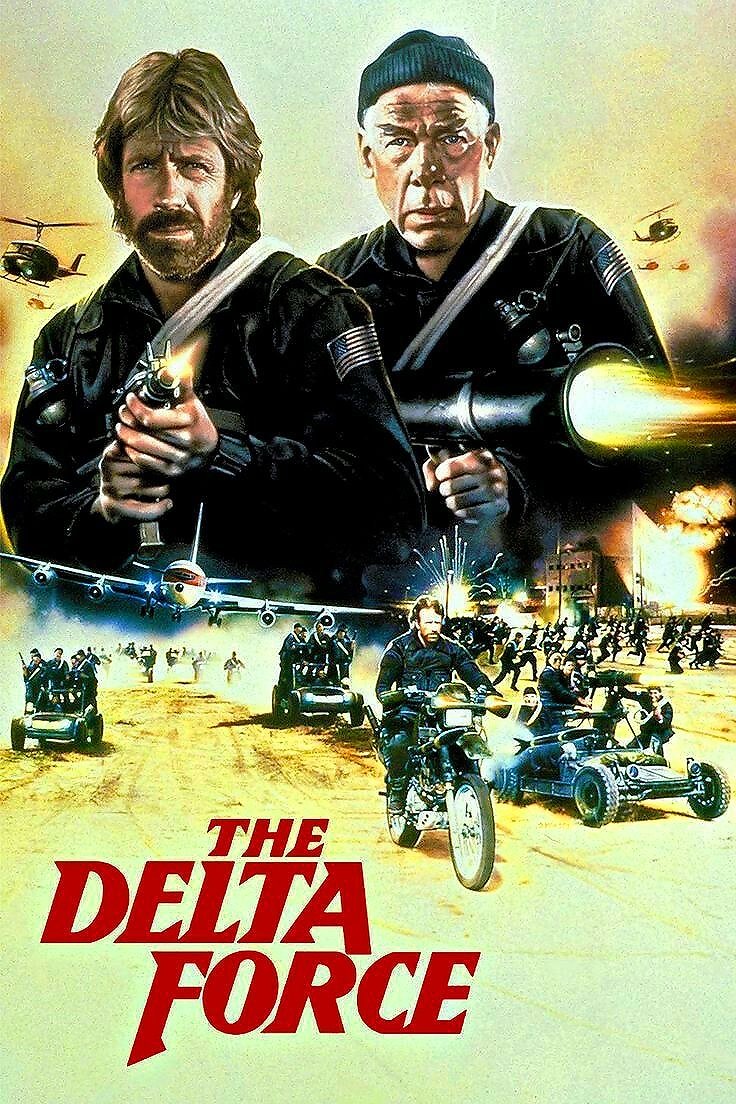
Abdul Rafai is a terrorist leader who hijacks a commercial airliner and holds the passengers hostage. He is depicted with a series of aggressive and fanatical traits that were common in eighties action films. The character is motivated by a vague hatred of the West rather than specific political goals. He spends much of the film shouting orders and threatening innocent people. This role solidifies the trope of the Middle Eastern terrorist as a one dimensional monster.
‘Short Circuit 2’ (1988)
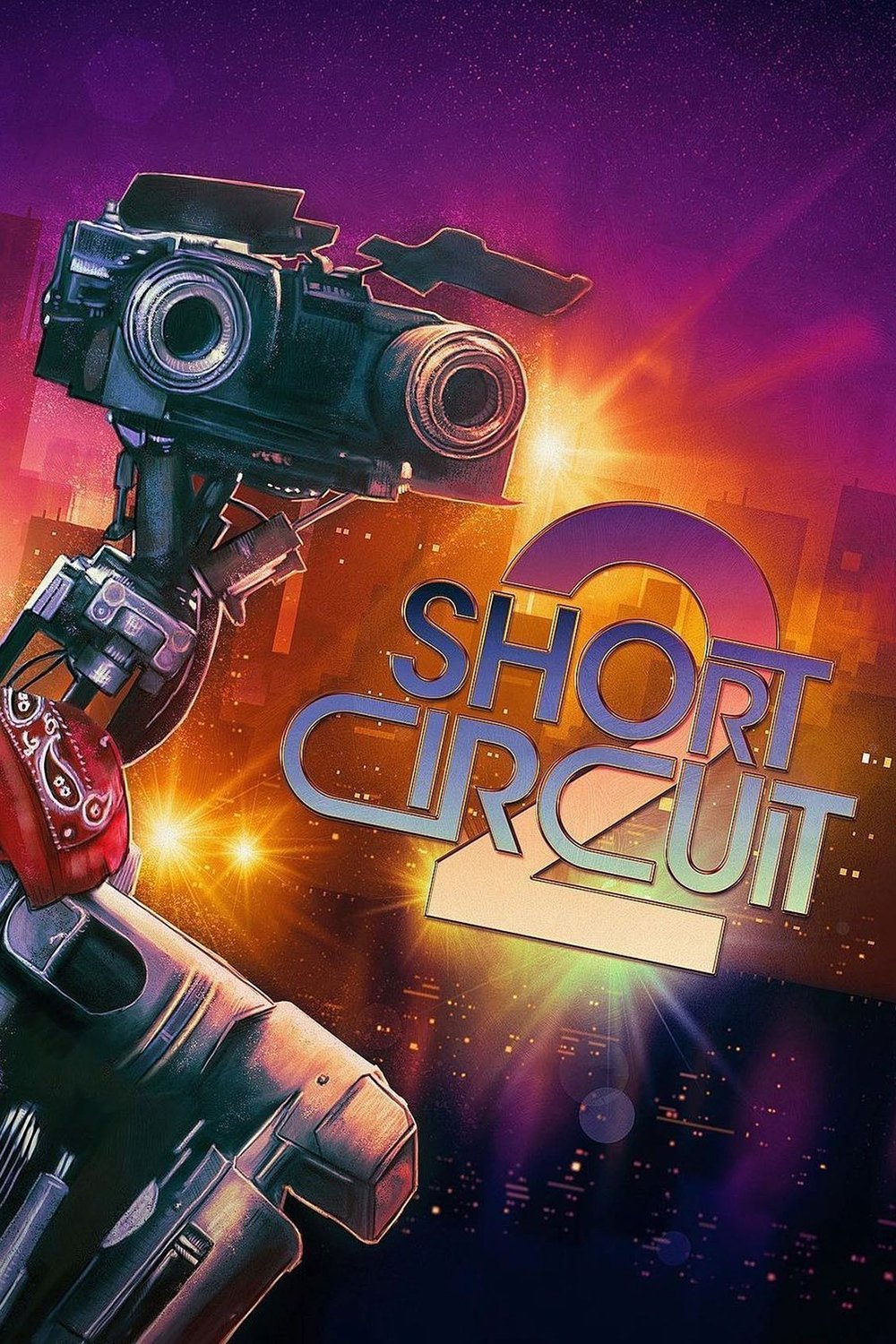
The character of Ben Jabituya is a brilliant scientist who is portrayed by a white actor using a thick Indian accent. While he is a protagonist the role is defined by constant linguistic misunderstandings and social awkwardness. He is often the target of jokes that stem from his cultural differences rather than his intelligence. The performance relies on the idea that his foreignness is inherently funny to the audience. This turns a scientist into a source of easy comedic relief through caricature.
‘Aladdin’ (1992)
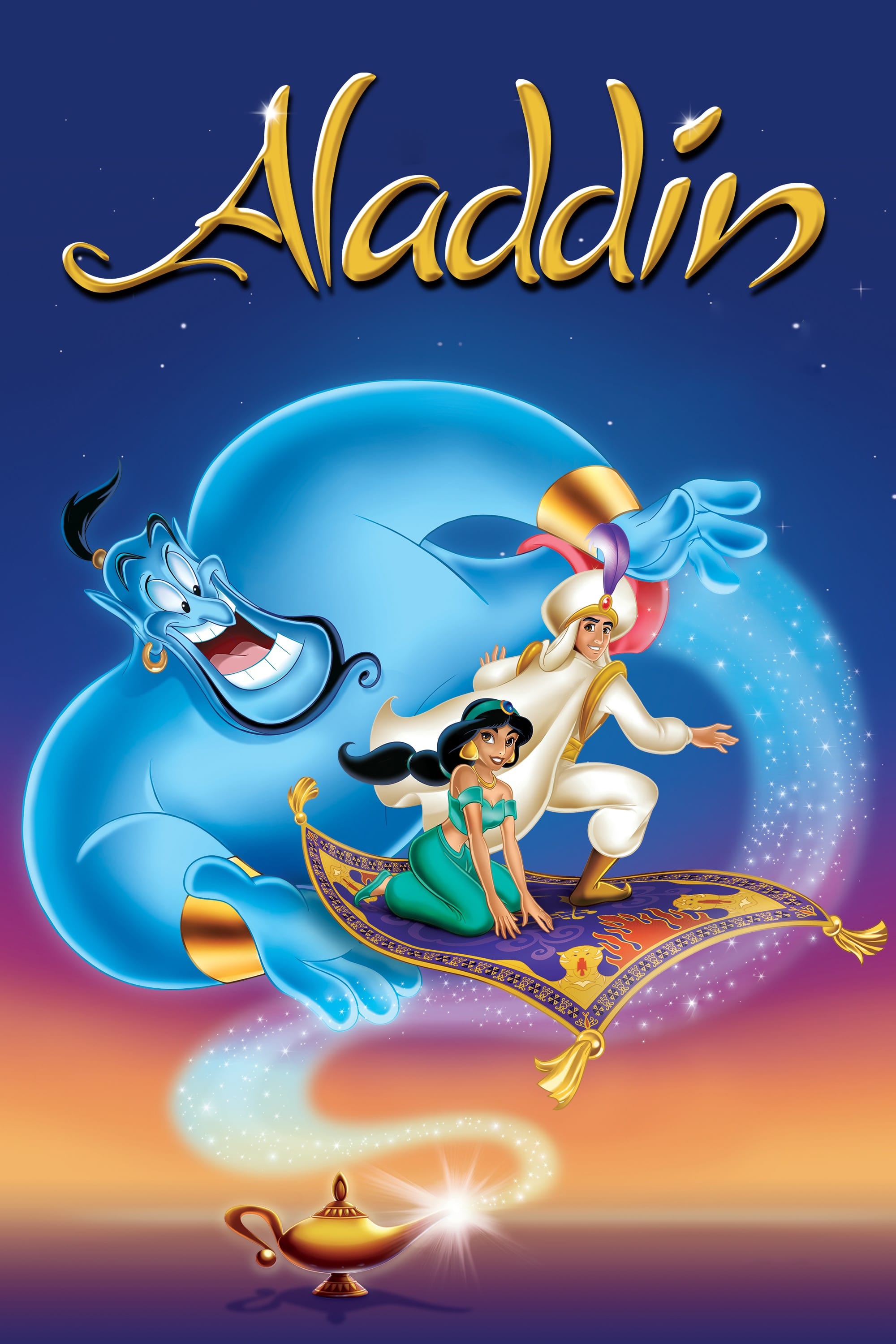
Jafar is the ambitious vizier of Agrabah who seeks to rule the kingdom with the help of a magic lamp. His design features sharp and exaggerated lines that distinguish him from the more rounded and friendly heroes. He embodies the trope of the treacherous and mystical advisor found in many desert adventures. The film focuses on his greed and his cruelty toward those he deems beneath him. His character lacks any redeeming features or a complex reason for his villainy.
‘Falling Down’ (1993)
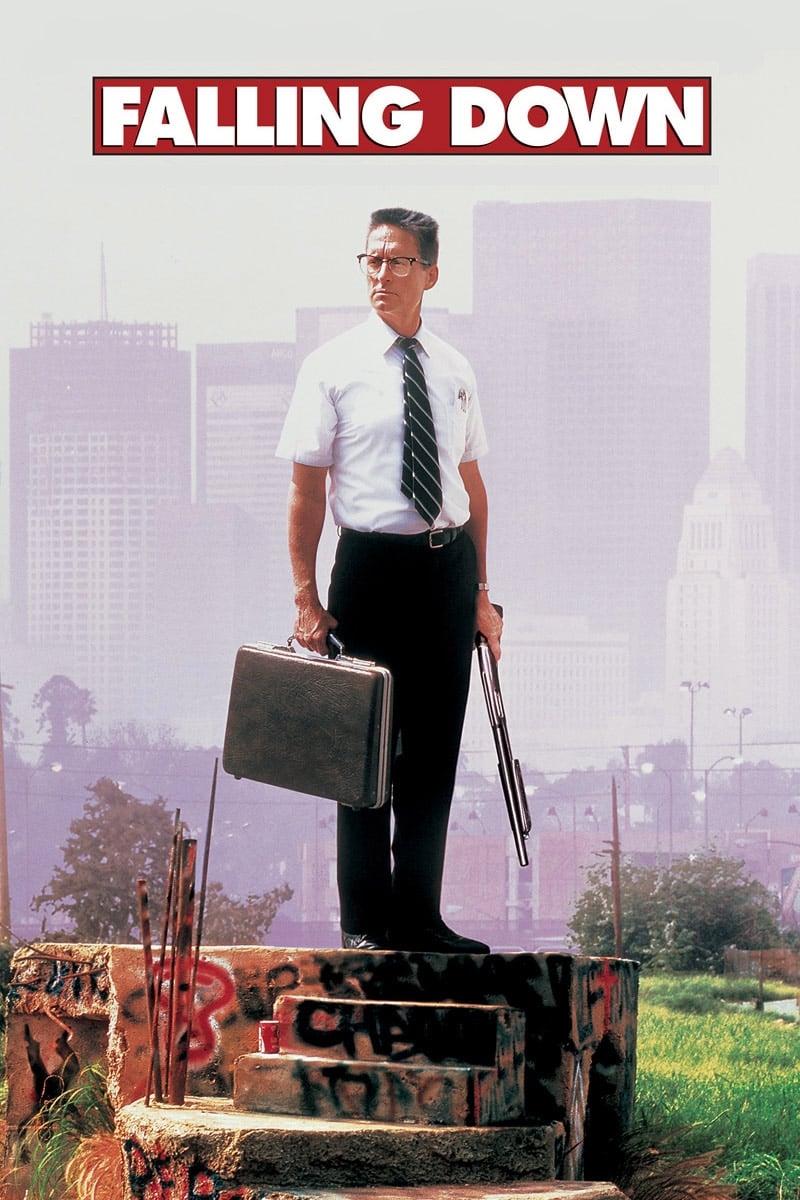
Mr. Lee is a Korean convenience store owner who has a violent encounter with the main character. He is depicted as a stubborn and unfriendly man who refuses to give change for a phone call. The scene relies on stereotypes about immigrant merchants and their interactions with the local community. The character exists only to serve as the first catalyst for the protagonist’s descent into madness. He is a brief but pointed caricature of urban frustration.
‘Rising Sun’ (1993)
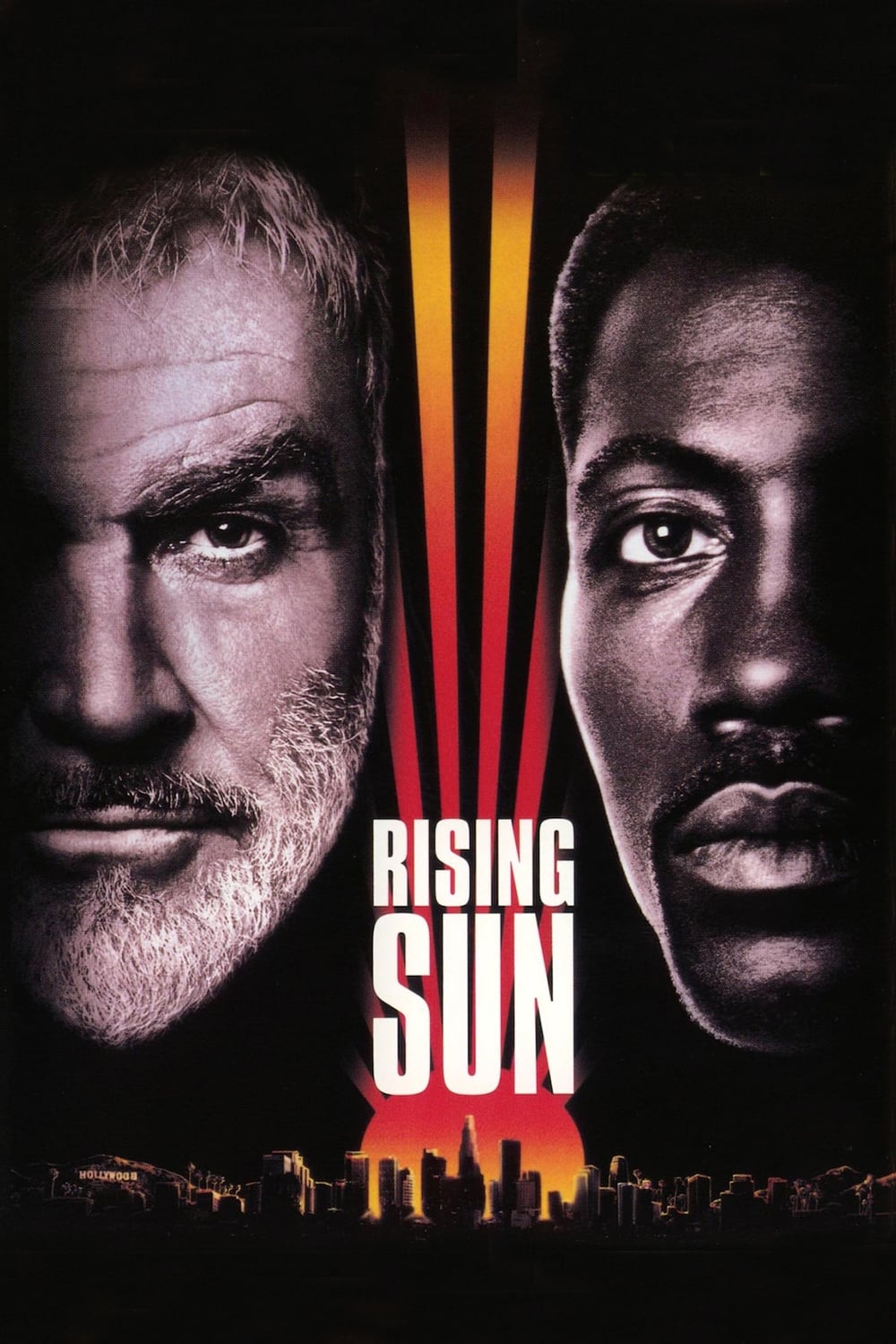
The film features a group of Japanese businessmen who are involved in a murder investigation and a corporate takeover. They are depicted as a shadowy and secretive group with immense power and questionable ethics. The narrative focuses on the perceived threat of Japanese economic dominance during the early nineties. These characters are often shown as cold and emotionless figures who value honor over human life. This portrayal feeds into the corporate anxieties of the American audience.
‘True Lies’ (1994)
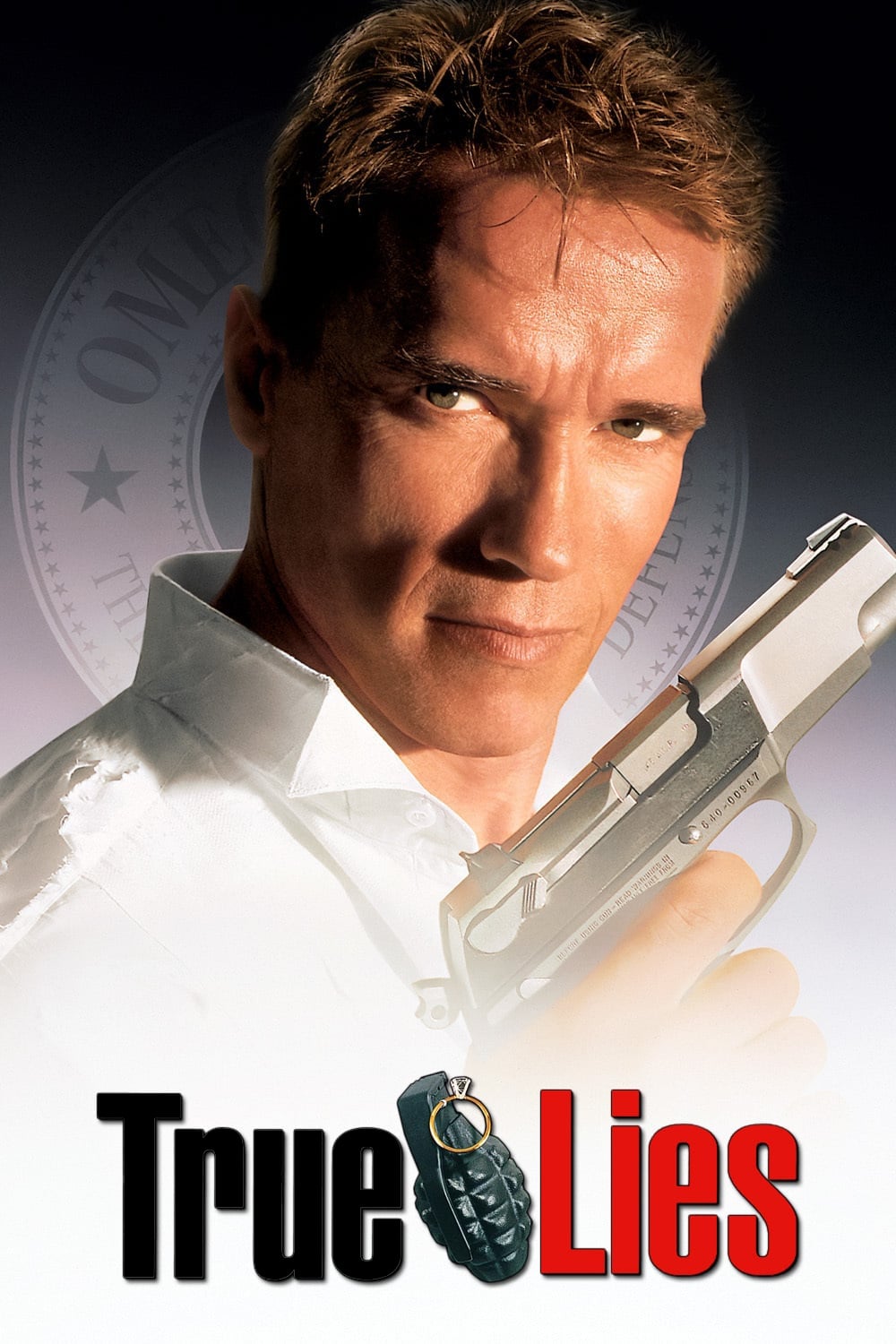
Salim Abu Aziz is the leader of a terrorist group called the Crimson Jihad that threatens the United States. He is portrayed as a fanatic who is easily outsmarted by the heroic secret agent. The film uses his character to provide high stakes action and occasional comedic relief through his failures. His motivations are never explored beyond a basic desire for destruction. He remains a collection of tropes about Middle Eastern extremism without any human depth.
‘Red Corner’ (1997)
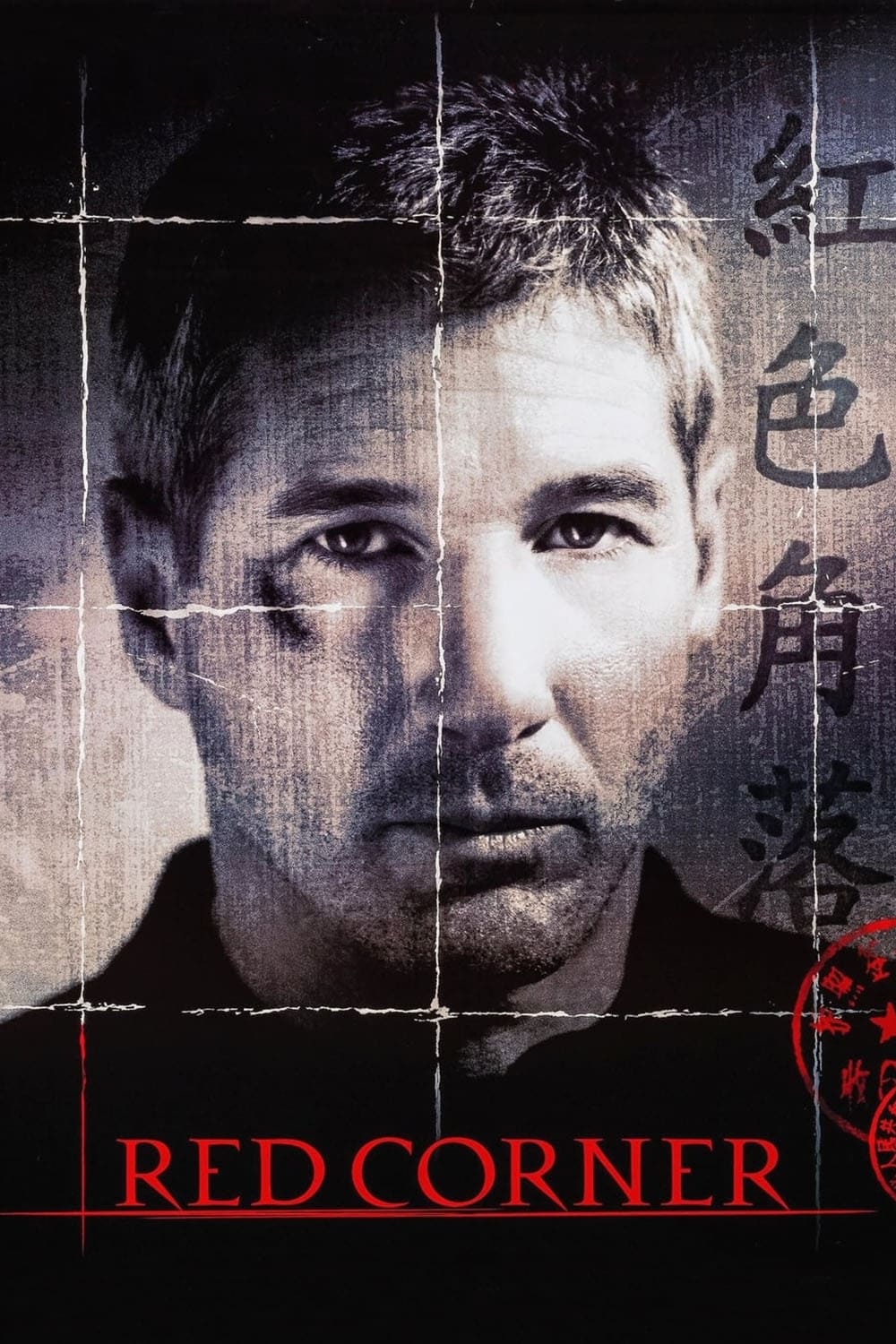
Chinese government officials are depicted as a corrupt and monolithic force that traps the protagonist in a legal nightmare. The film presents the Chinese justice system as inherently cruel and devoid of human rights. The individual antagonists are shown as cold bureaucrats who are loyal to a flawed system. There is little attempt to show any internal conflict or variety among the Chinese characters. They function as a collective villainous wall for the hero to climb.
‘The Siege’ (1998)
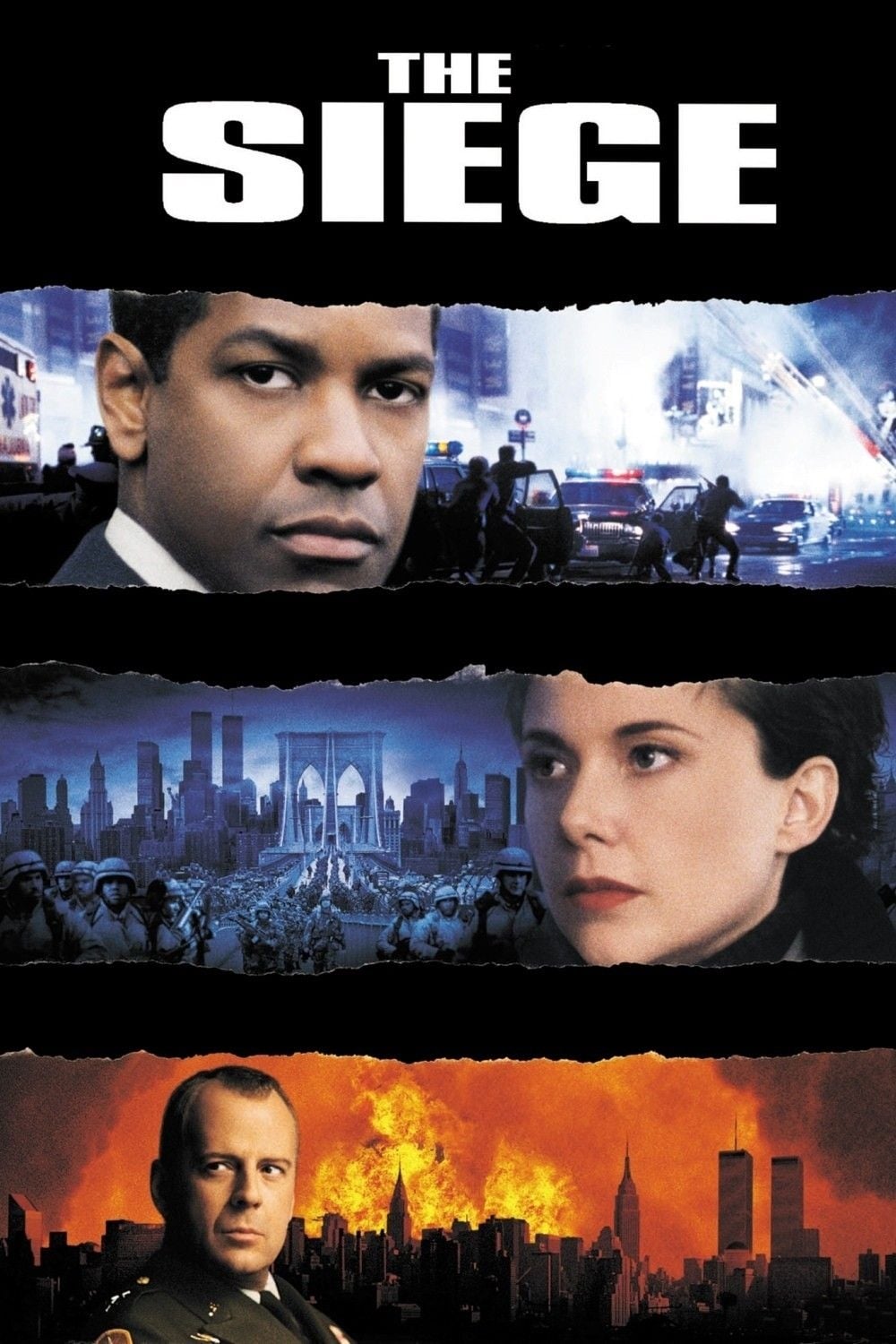
The film features terrorist cells that carry out bombings in New York City leading to martial law. While the movie tries to address civil liberties the depiction of the terrorists remains very narrow. These characters are shown as silent and efficient killers who have infiltrated every level of society. Their religious and cultural backgrounds are used to create a sense of pervasive fear among the audience. They are more of a conceptual threat than fully realized individuals.
‘The Mummy’ (1999)
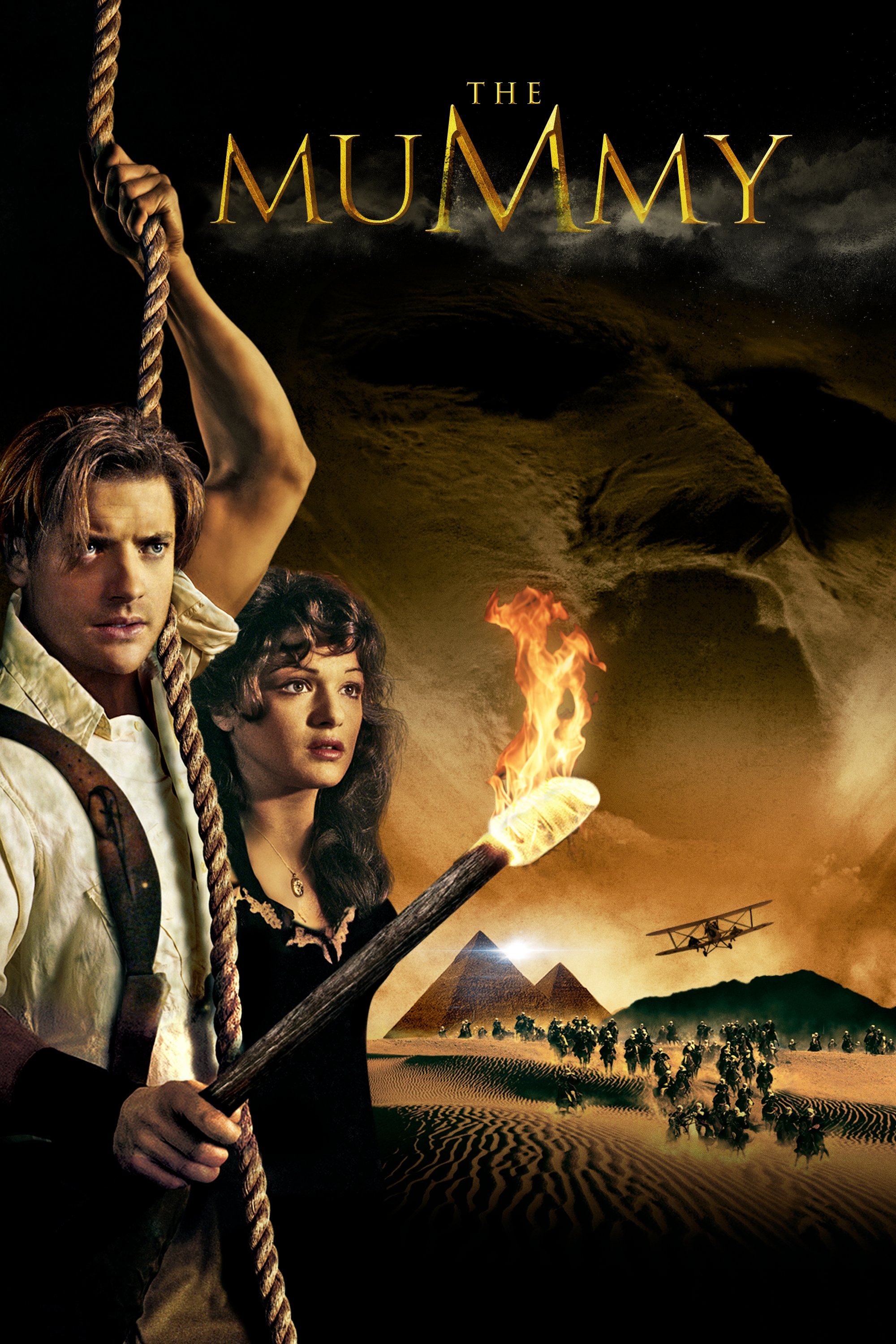
Beni is an opportunistic thief who serves the ancient mummy after being cornered in a tomb. He is portrayed with a cowardly and greedy nature that makes him a recurring nuisance for the heroes. The character provides comedic relief through his constant betrayals and his desperate attempts to survive. His ethnicity and background are handled with a lack of seriousness that borders on caricature. He exists to be the pathetic foil to the more capable Western protagonists.
‘Star Wars: Episode I – The Phantom Menace’ (1999)
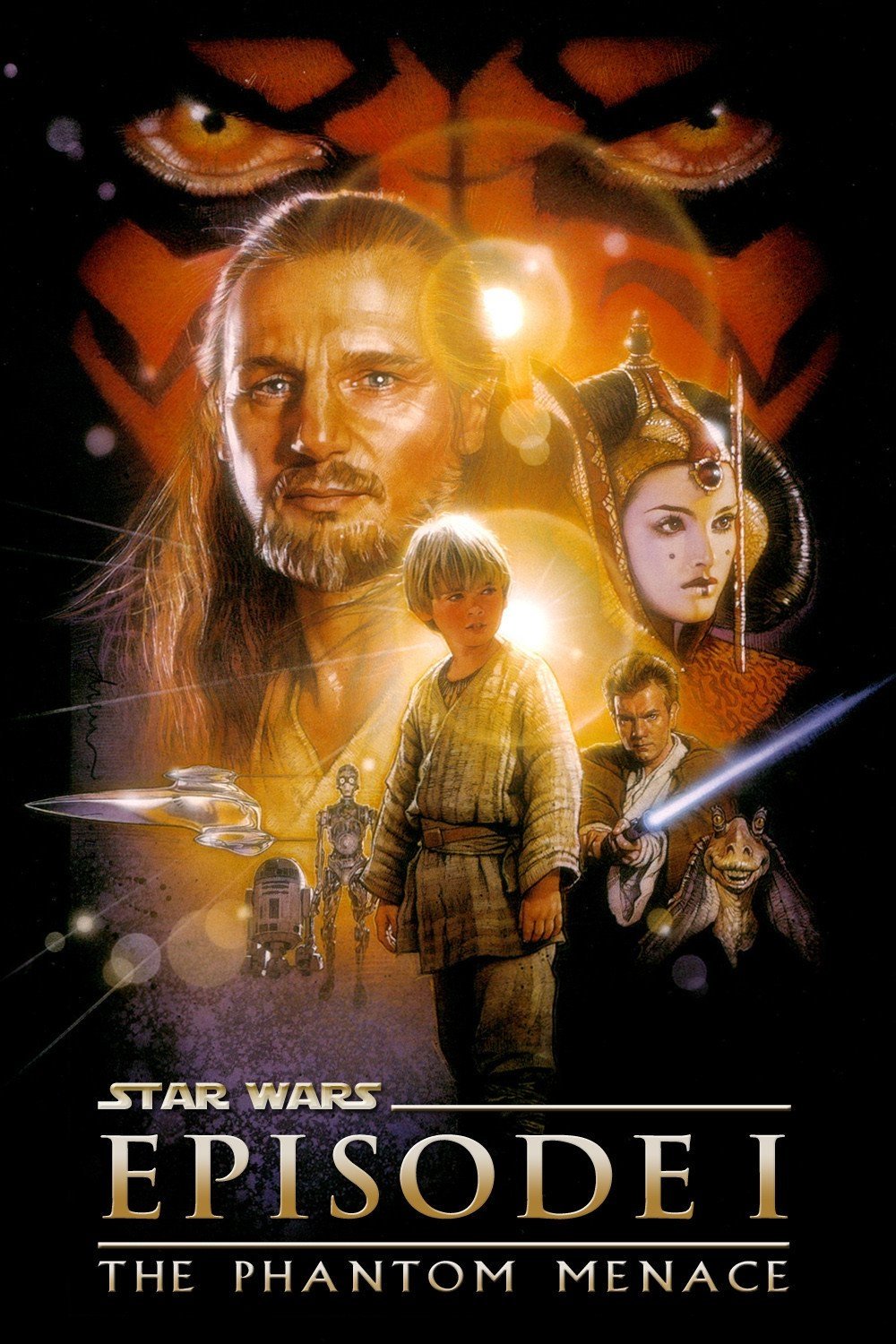
The Trade Federation leaders Nute Gunray and Lott Dod are depicted with accents and mannerisms that many critics found offensive. Their portrayal was seen as a call back to old Asian stereotypes in Hollywood. These characters are shown as greedy and cowardly businessmen who are easily manipulated by a more powerful villain. They lack any personal conviction or depth beyond their commercial interests. This characterization turned a political faction into a controversial and simplified group.
‘Rules of Engagement’ (2000)
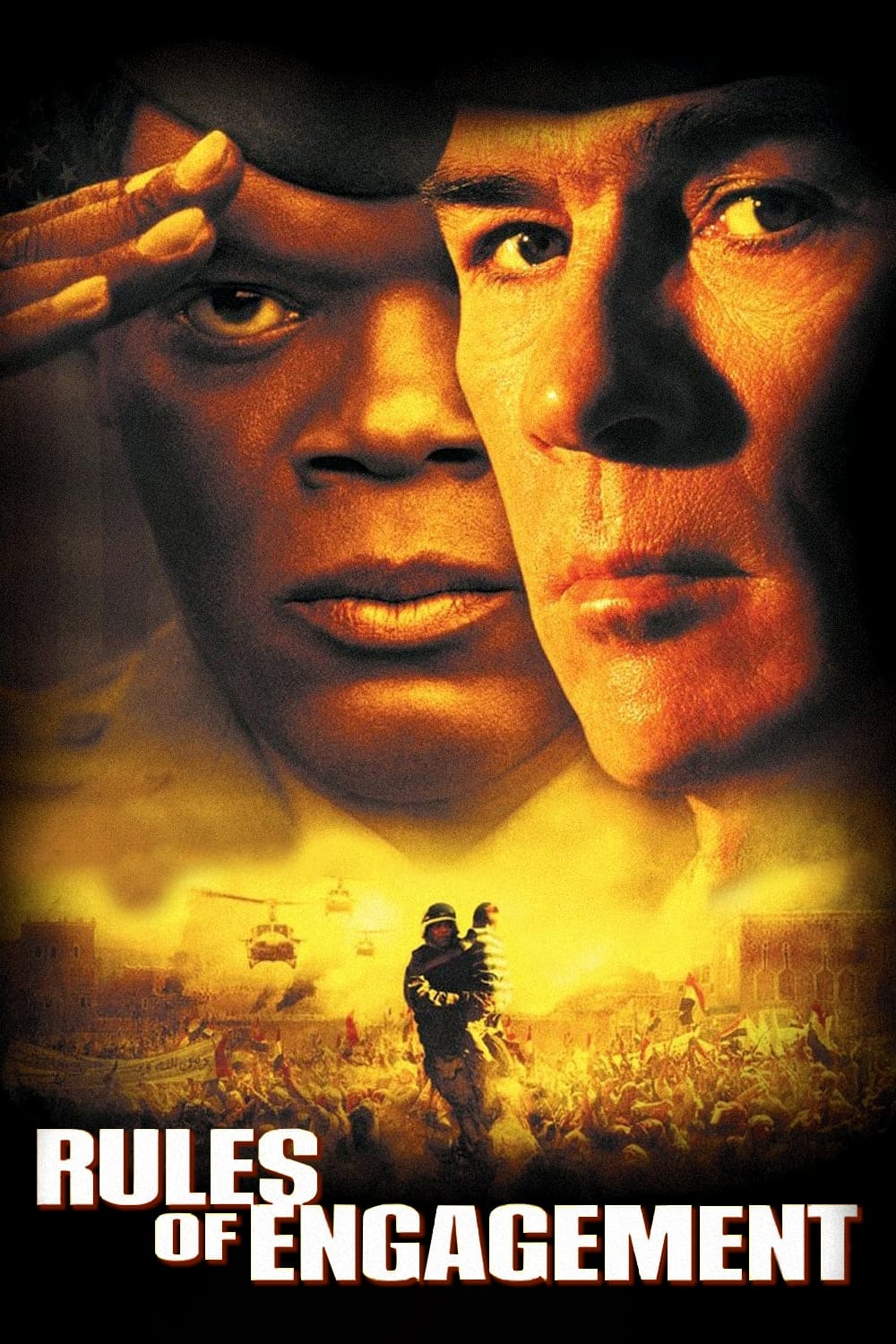
The film depicts a crowd of Yemeni civilians who are fired upon by American marines during an evacuation. It is eventually revealed that the entire crowd including women and children was participating in a violent attack. This twist turns an entire local population into a hidden and deadly threat. The narrative justifies the mass casualty event by framing the minority characters as deceivers. It reduces a complex humanitarian situation to a story about justified military force.
‘The Passion of the Christ’ (2004)
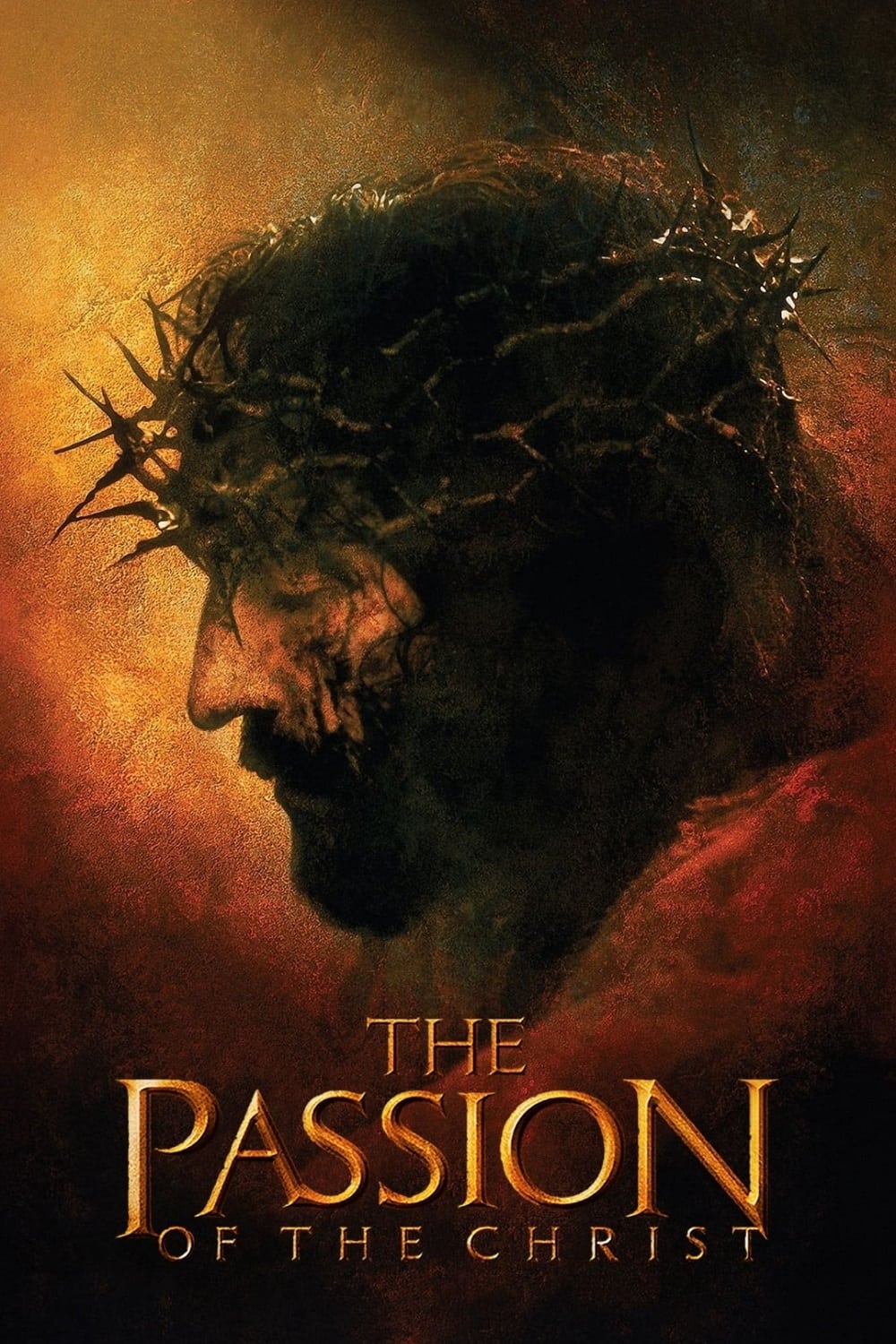
The high priests of the Sanhedrin are shown as the primary architects of the suffering of Jesus. Their portrayal features exaggerated expressions of malice and a singular focus on maintaining their power. The film has been criticized for leaning into historical tropes that characterize Jewish leaders as uniquely villainous. Individual members of the council are not given distinct personalities or sympathetic motivations. They function as a collective force of antagonistic tradition.
‘Batman Begins’ (2005)
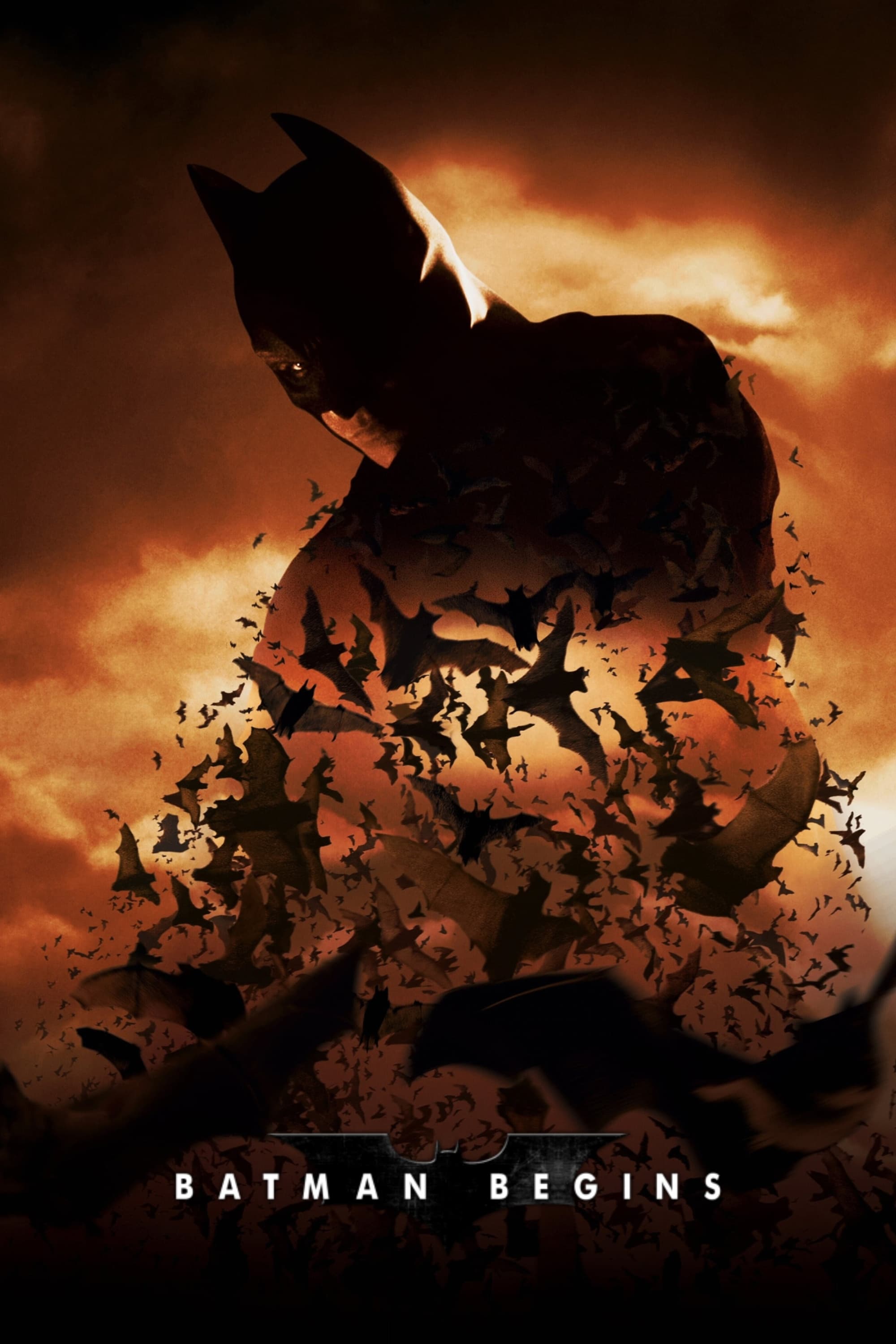
Ra’s al Ghul is an ancient leader of a shadow organization that seeks to destroy corrupt civilizations. In the film he is portrayed by a white actor despite the character having distinct Middle Eastern origins in the comics. The movie rebrands his mystical League of Assassins as a more modern and generic terrorist group. This change erases the specific cultural history that defines the character in his original form. He becomes a standard mentor turned villain without his unique heritage.
‘Memoirs of a Geisha’ (2005)

The rival geisha Hatsumomo is depicted as a spiteful and jealous woman who seeks to destroy the protagonist. While the character is Japanese the film was criticized for casting actors of various Asian backgrounds in these specific roles. Hatsumomo is written with a level of theatrical villainy that ignores the social pressures of her profession. Her actions are motivated by a simple desire for dominance within the geisha house. She remains a one dimensional antagonist in a heavily stylized world.
‘300’ (2006)
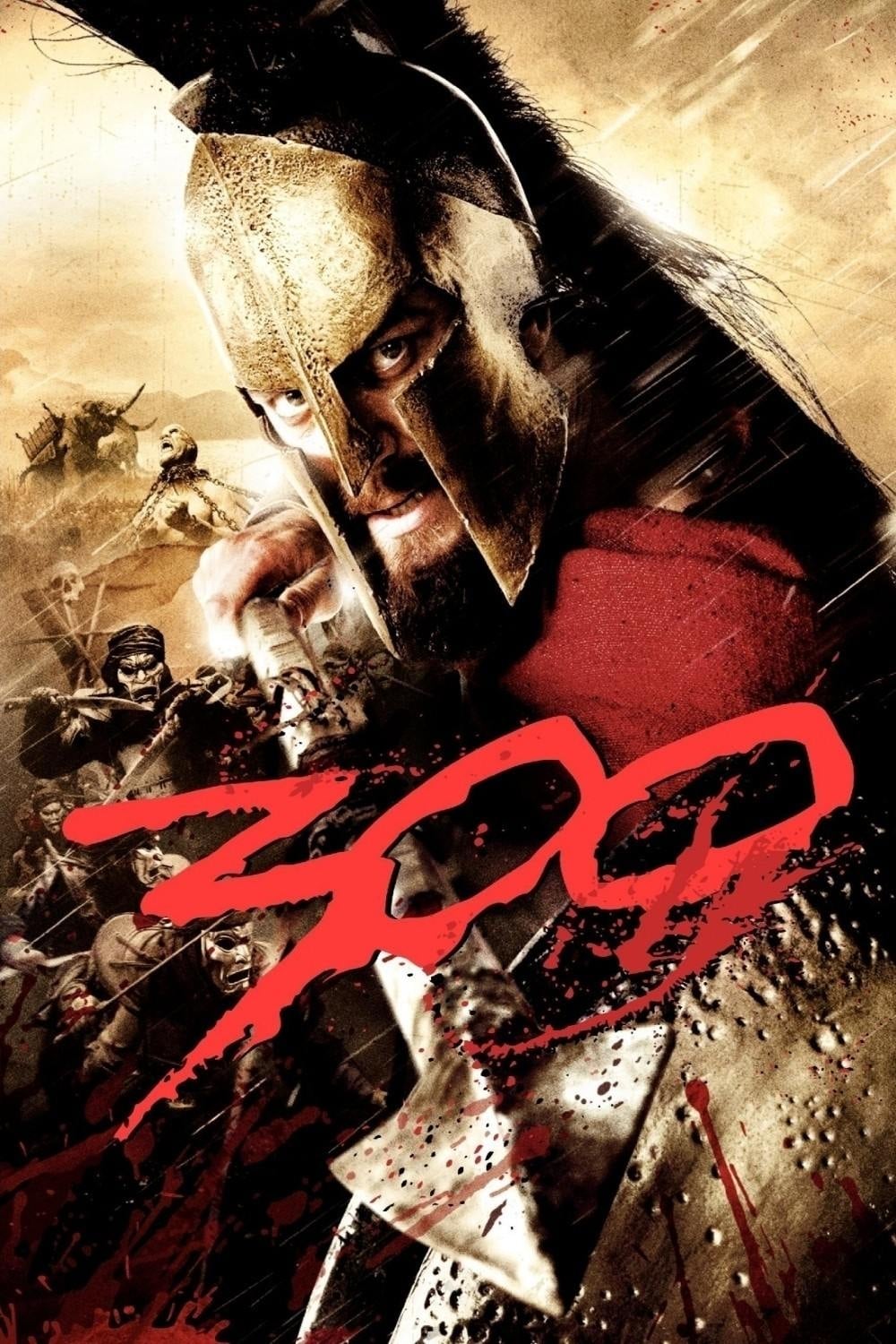
Xerxes is the Persian king who is depicted as a giant and androgynous figure covered in gold and piercings. The film portrays him as a god king who leads an army of literal monsters and slaves. This characterization completely ignores the historical Xerxes as a complex political ruler. He is shown as a symbol of Eastern decadence and tyranny in contrast to Spartan honor. The portrayal relies on grotesque imagery to make him a visually striking but hollow villain.
‘Apocalypto’ (2006)
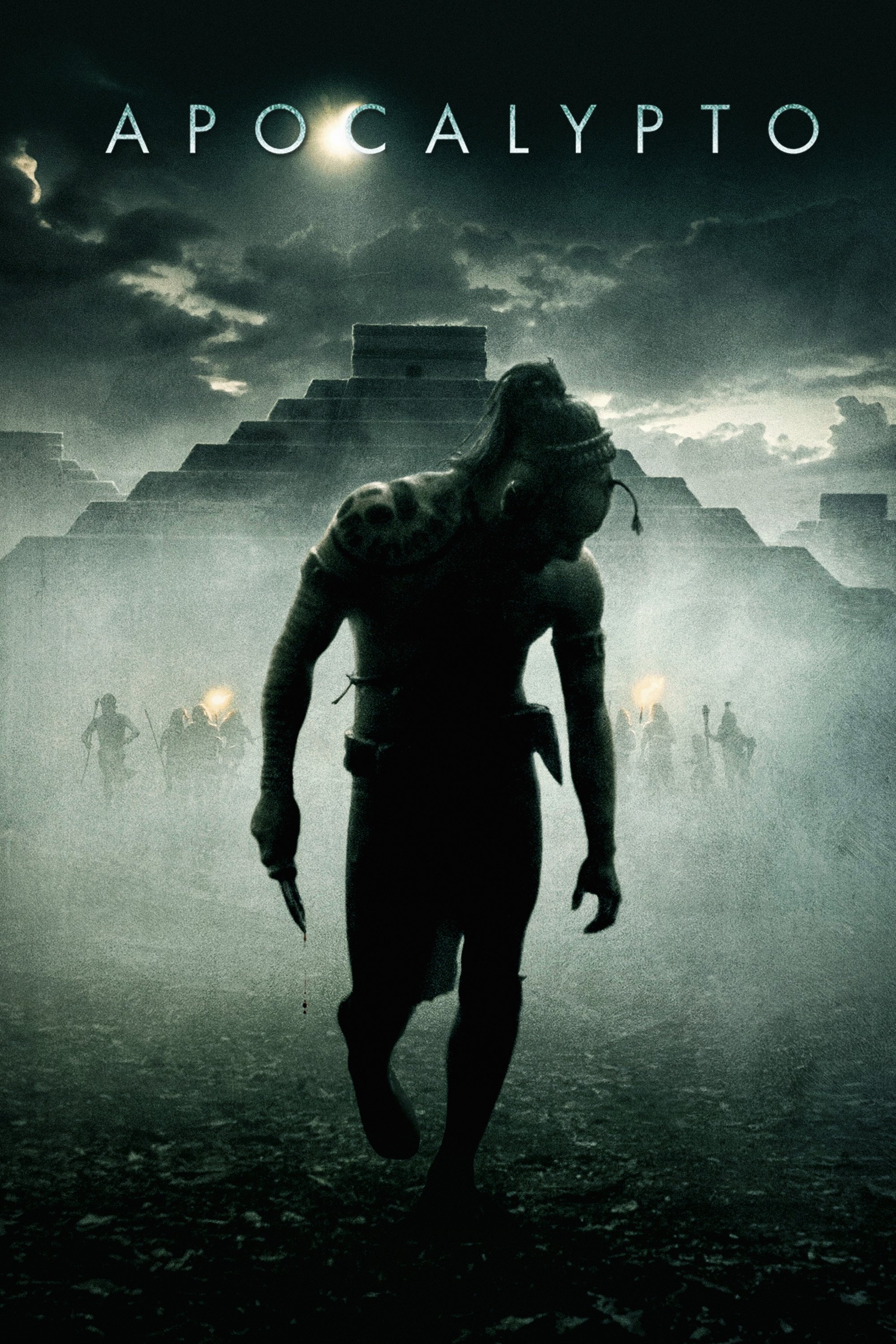
The Mayan captors who hunt the protagonist are shown as a bloodthirsty and technologically advanced but savage society. The film focuses on their rituals of human sacrifice and their joy in inflicting pain. While the production uses indigenous actors the narrative highlights the brutality of the civilization above all else. The villains are defined by their violence and their lack of mercy toward their own people. This approach presents a complex empire through a narrow lens of primitive cruelty.
‘Sherlock Holmes’ (2009)
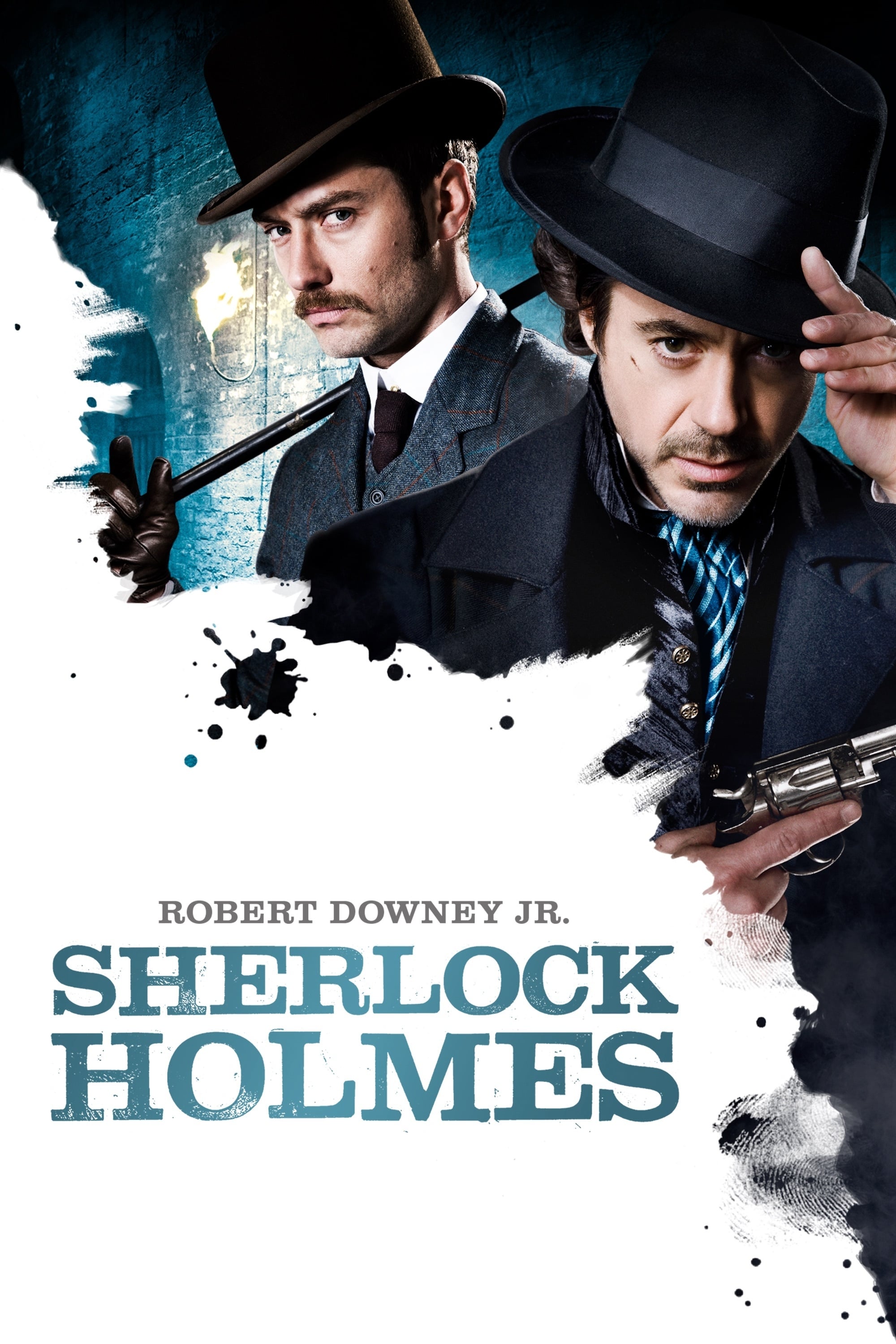
The villain Lord Blackwood uses occult rituals and a secret society to attempt a takeover of the British government. While he is a British character the film surrounds him with mystical tropes often associated with foreign cultures. His followers include various characters from distant lands who are shown as loyal and silent muscle. These minority henchmen are given no dialogue and exist only to provide an exotic threat during action scenes. They are decorative villains who serve the main antagonist.
‘The Last Airbender’ (2010)
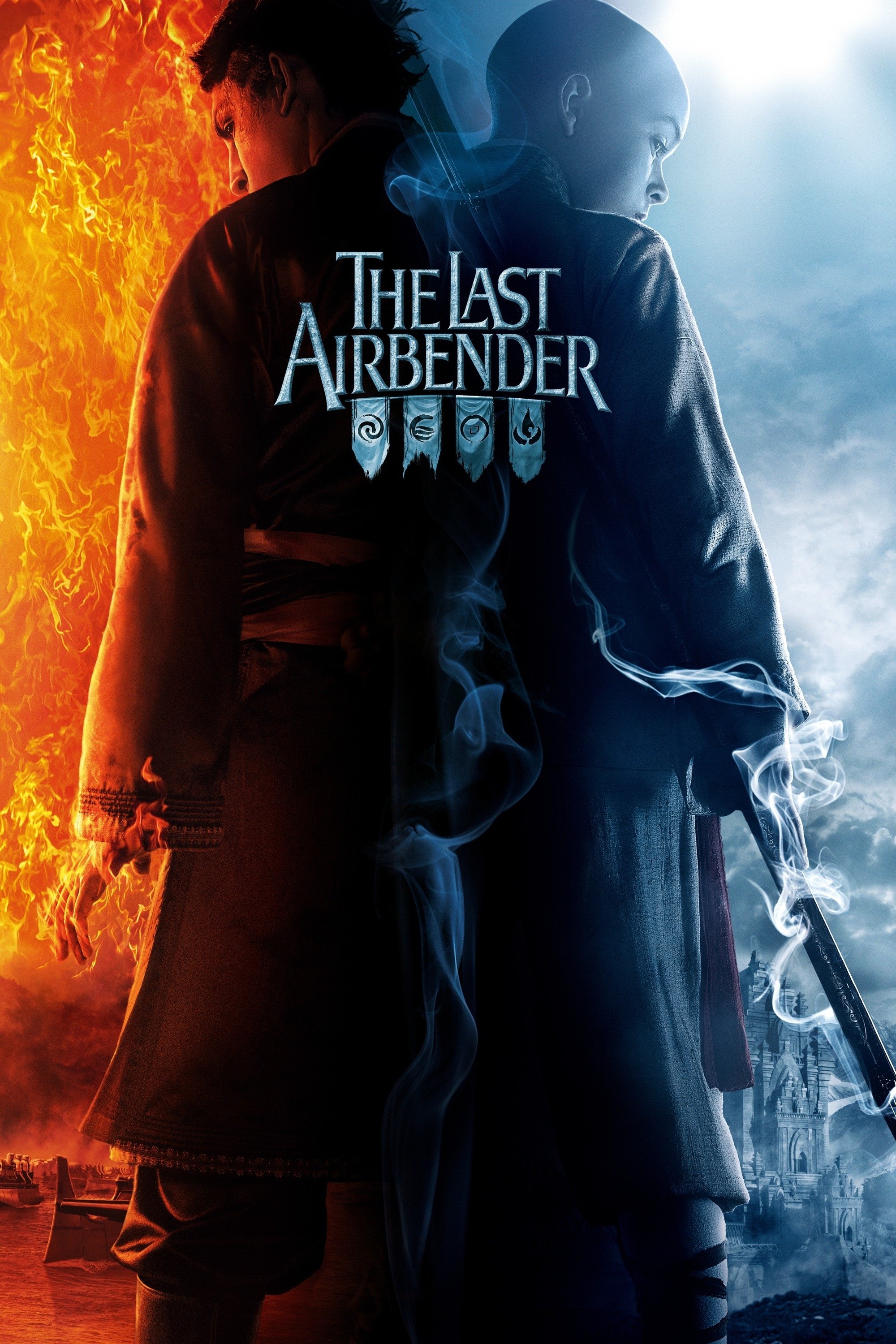
The Fire Nation characters are depicted as the primary villains in this adaptation of a beloved animated series. In the film these characters are portrayed by actors of different ethnicities than those in the source material. Prince Zuko is shown as a moody and aggressive youth without the slow development of his internal struggle. The complexity of the Fire Nation as a colonizing force is simplified into a basic evil empire. The nuanced redemption arc from the original series is lost in this version.
‘Prince of Persia: The Sands of Time’ (2010)
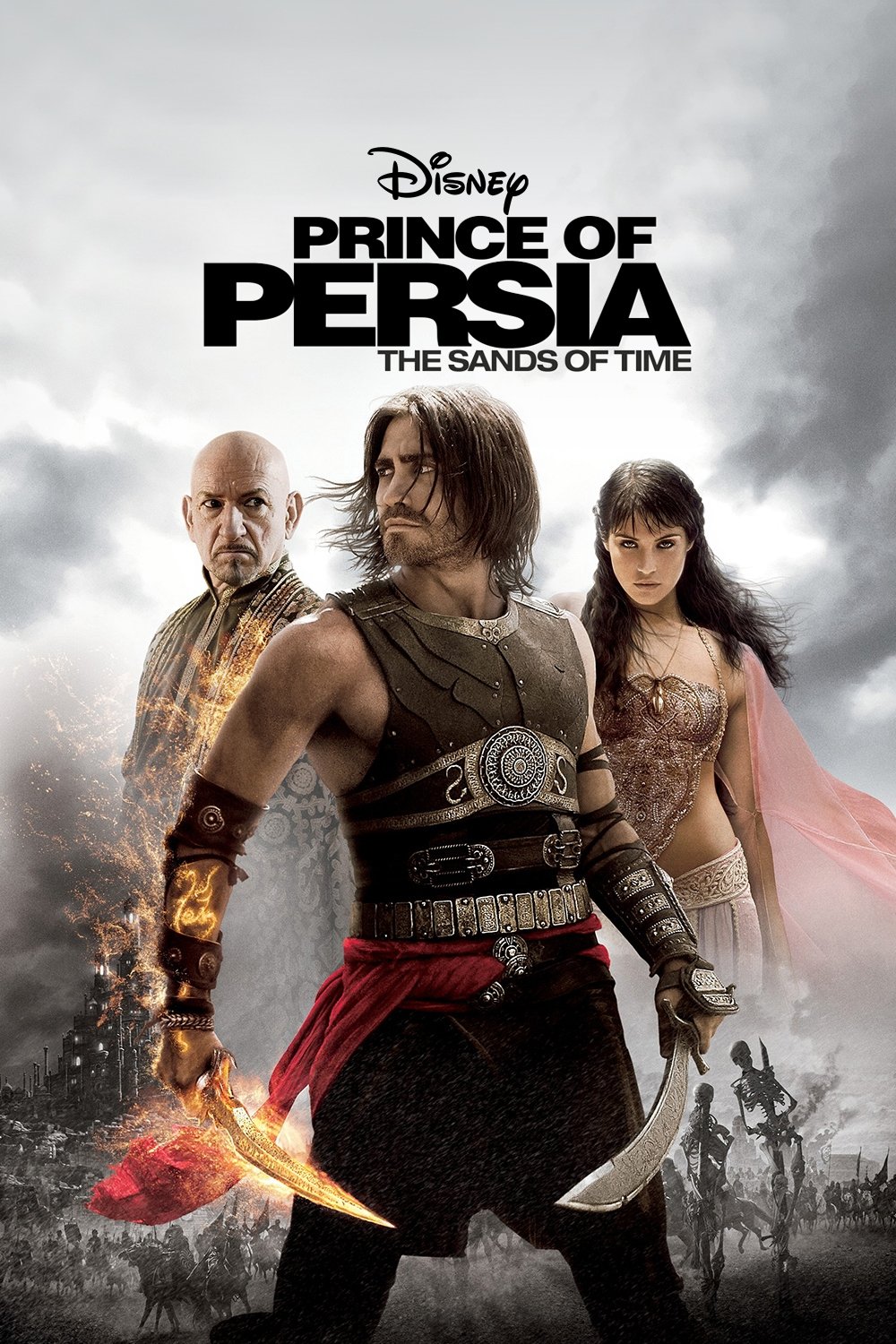
Nizam is the treacherous uncle who plots to murder his brother and seize control of the empire using a magical dagger. The character is played by a white actor and lacks any genuine cultural connection to the setting. His motivations are the standard tropes of palace intrigue and sibling rivalry found in generic fantasy films. He represents a missed opportunity to ground the story in an authentic Middle Eastern context. The villain remains a predictable and one dimensional figure.
‘The Dictator’ (2012)
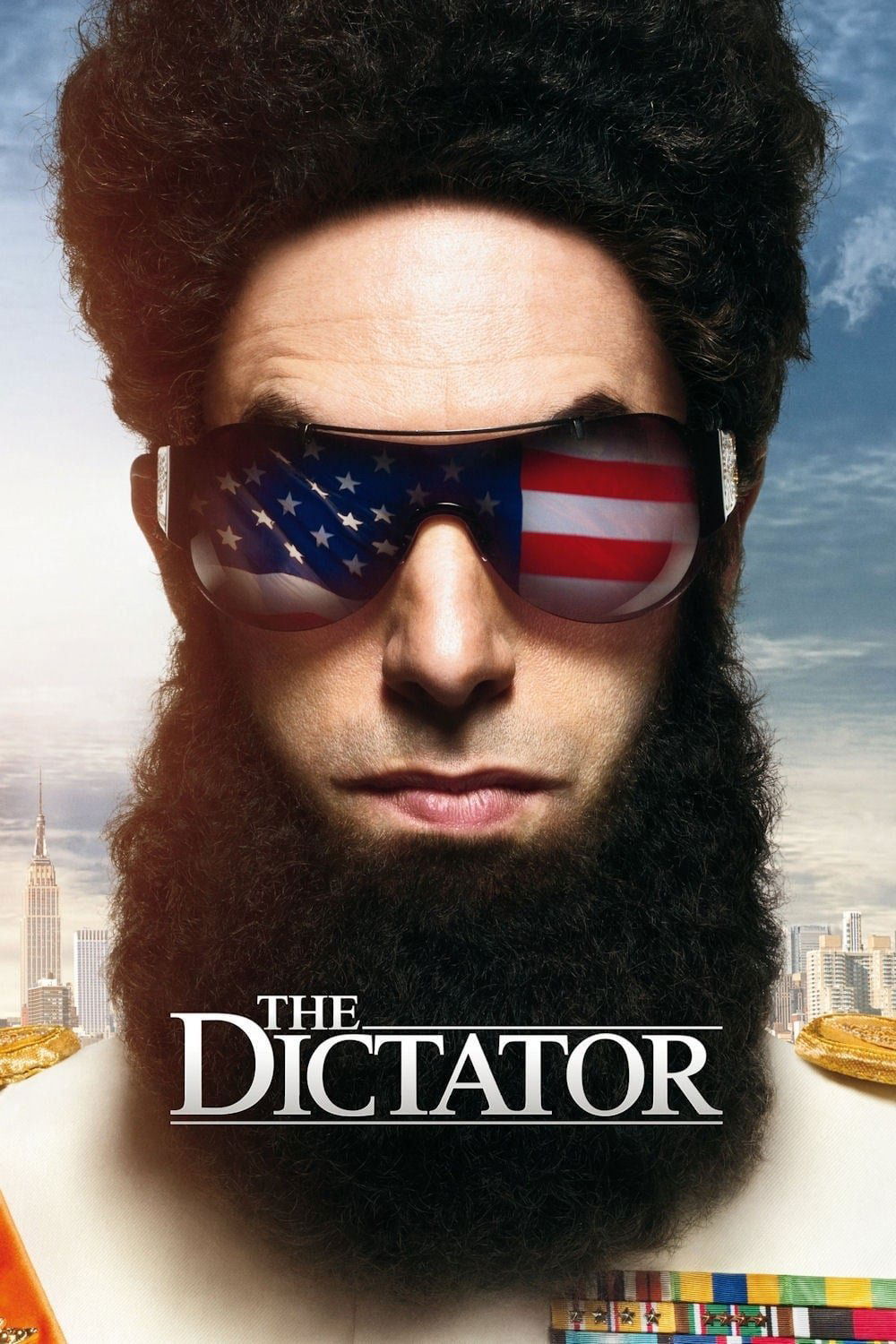
Admiral General Aladeen is a fictional Middle Eastern leader who is a collection of every possible stereotype about the region. The film is a satire that intentionally uses caricatures for comedic effect. However the character reinforces many of the negative tropes that have existed in Hollywood for decades. His behavior is depicted as irrational and childish to highlight the absurdity of his regime. This turns a political figure into a series of jokes about camels and nuclear weapons.
‘The Dark Knight Rises’ (2012)
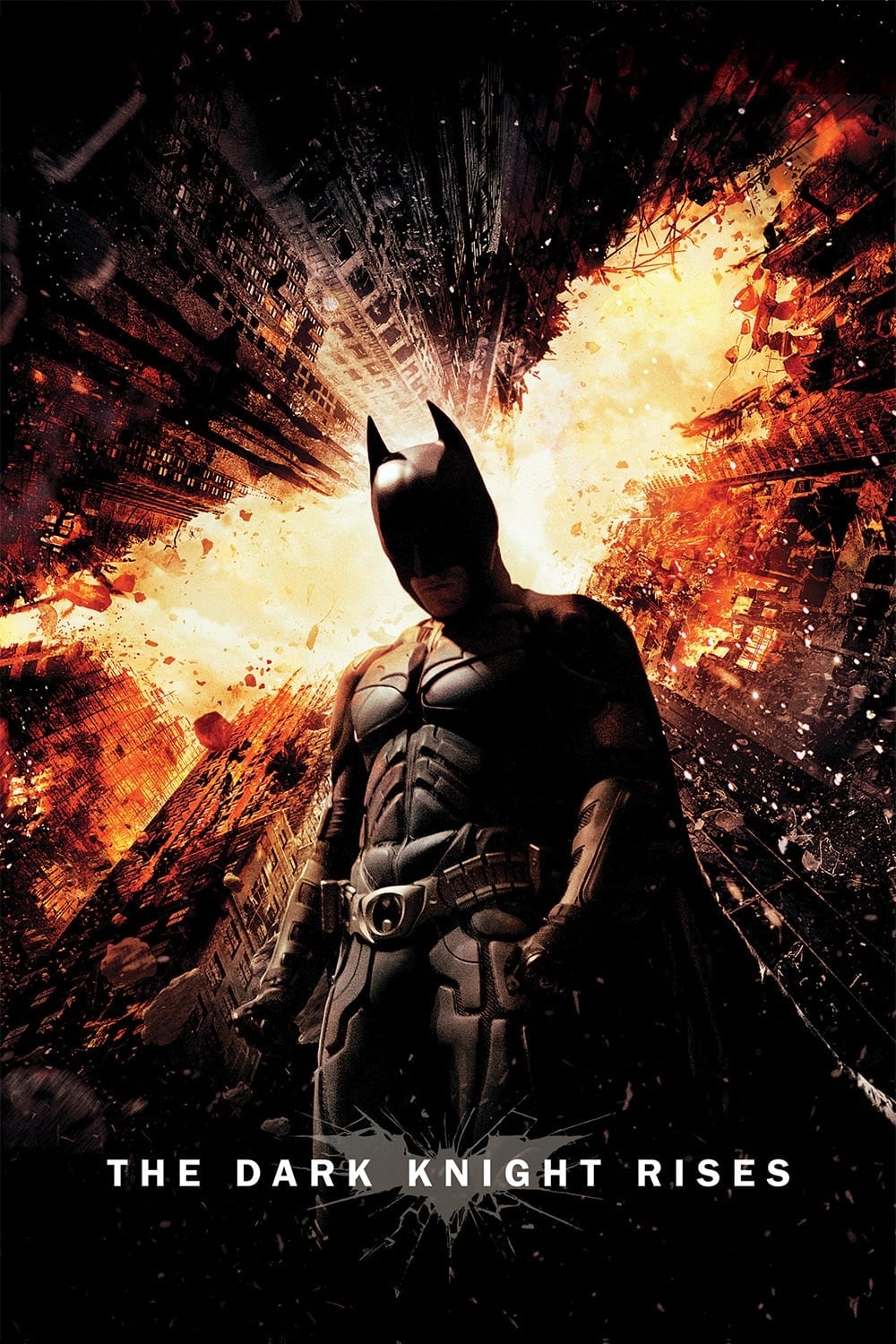
Bane is a mercenary leader who takes control of Gotham City and claims to be an agent of the people. The character in the comics has a distinct Latino heritage that is largely ignored in this film. He is portrayed by a white actor with an eccentric accent that obscures his origins and motivations. The complex political ideology he claims to represent is eventually revealed to be a simple cover for a revenge plot. He becomes a physically imposing but ultimately hollow antagonist.
‘The Lone Ranger’ (2013)

Butch Cavendish is a ruthless outlaw who is shown committing acts of extreme violence and cannibalism. The film depicts him as a savage figure who represents the worst of the lawless frontier. While he is the main villain the narrative also features various Native American characters who are handled with varying levels of caricature. Cavendish himself lacks any depth beyond his animalistic tendencies and his desire for wealth. He is a monster in human form who lacks a meaningful backstory.
‘Iron Man 3’ (2013)
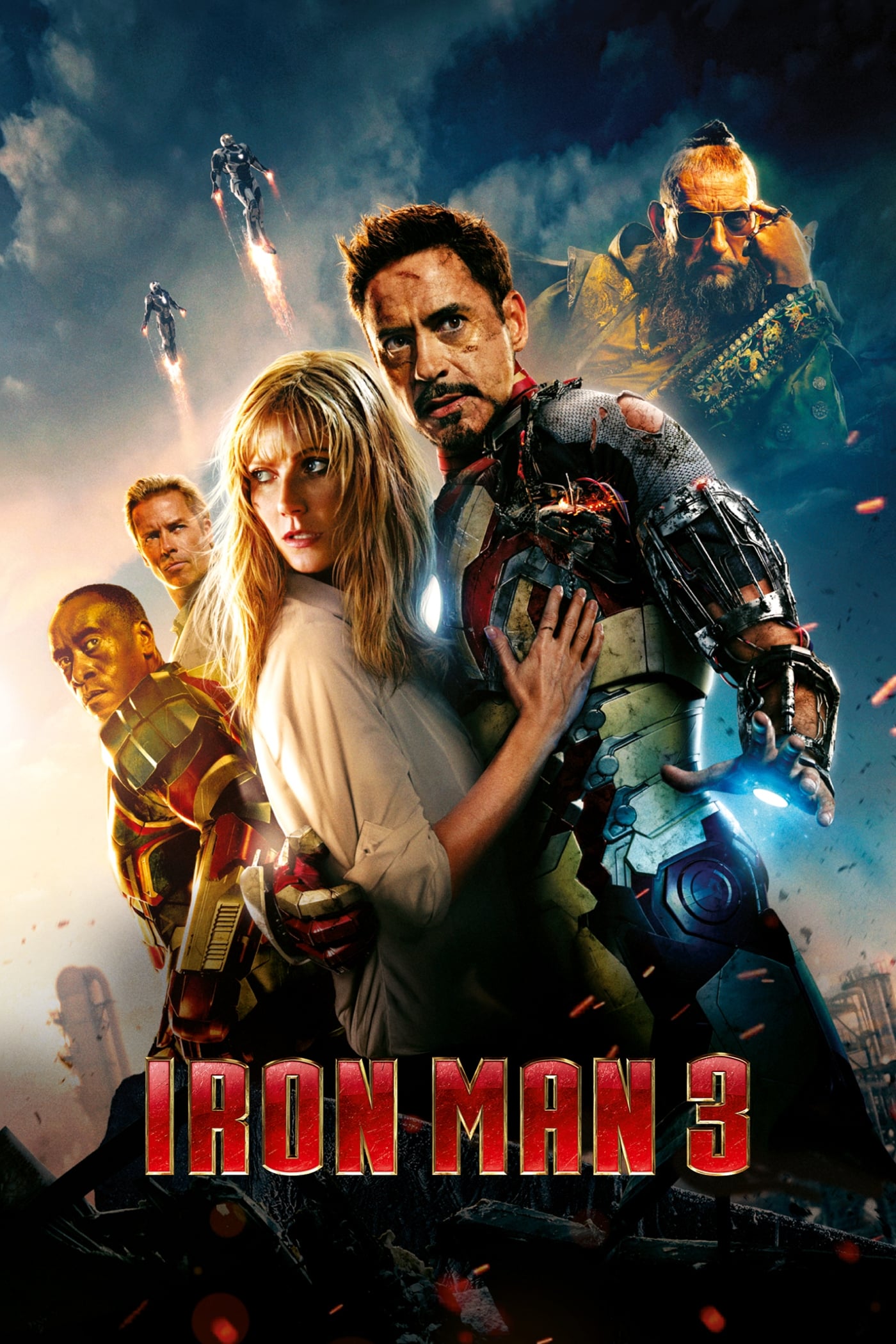
The Mandarin is initially presented as a mysterious and powerful terrorist leader with mixed cultural influences. This version of the character leans into modern fears of global extremism and ancient mystical power. The film later reveals that this version of the Mandarin is actually a bumbling actor who was hired to play a part. This twist turns a legendary minority villain into a literal joke and a fake caricature. It removes the threat of a serious antagonist for the sake of a plot subversion.
‘Pacific Rim’ (2013)

Hannibal Chau is a black market dealer who harvests organs from giant monsters in a futuristic Hong Kong. He is portrayed with a flamboyant style and a cynical attitude toward the survival of humanity. The character relies on tropes of the eccentric urban criminal found in many sci fi stories. While he provides a colorful presence his characterization is rooted in his greed and his odd mannerisms. He is more of a comic book caricature than a person with a stake in the world.
‘Exodus: Gods and Kings’ (2014)

Ramesses II is depicted as a stubborn and arrogant pharaoh who refuses to free the Hebrew slaves. The character is portrayed by a white actor in a role that has historical and cultural significance for the region. His motivations are simplified into a personal conflict with his foster brother rather than a political struggle. The film focuses on the spectacle of the plagues rather than the depth of the Egyptian leadership. This reduces a powerful historical figure to a standard stubborn antagonist.
‘Gods of Egypt’ (2016)
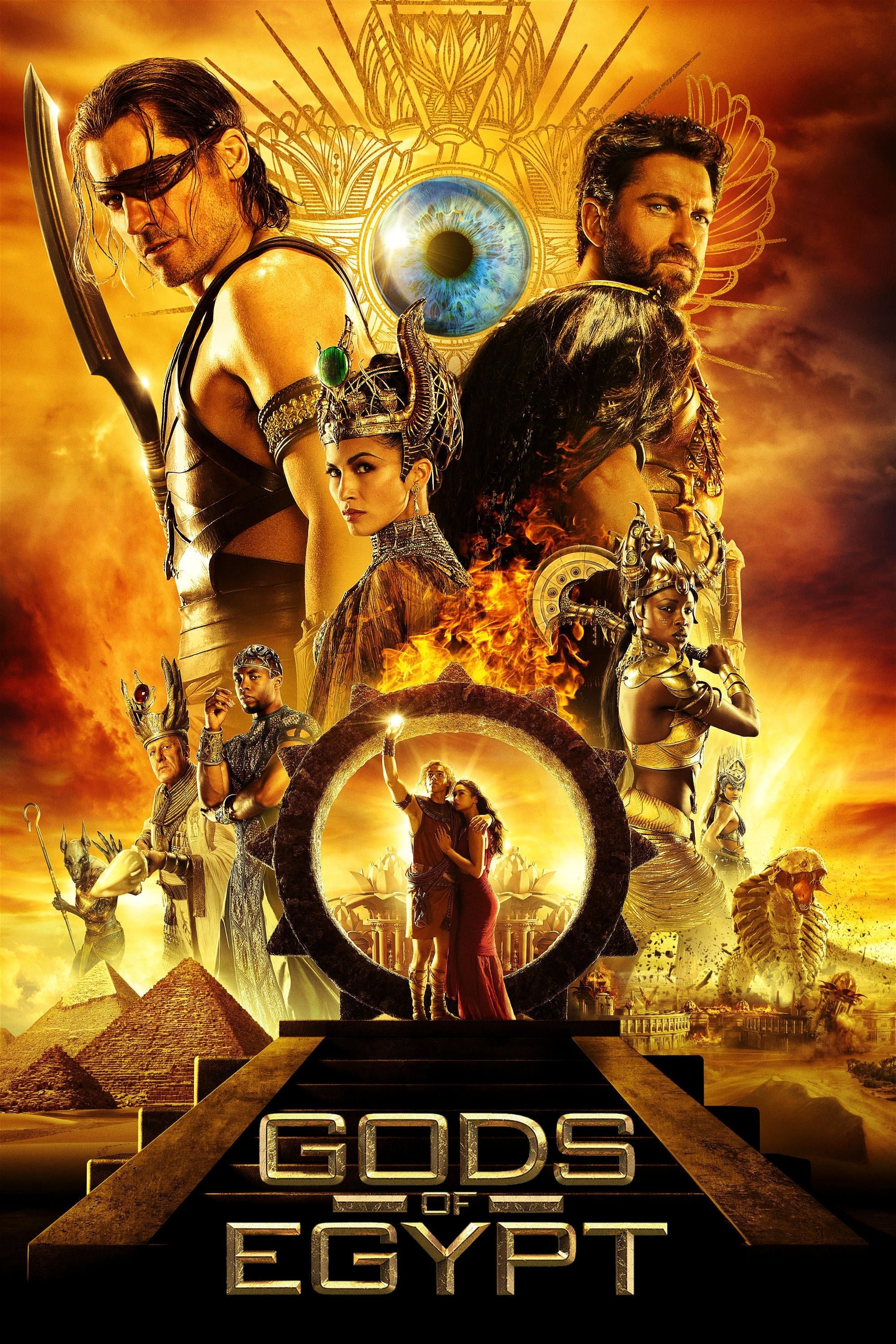
Set is the god of darkness who murders his brother to take the throne and enslaves the people of Egypt. The character is played by a white actor and is written as a classic power hungry tyrant. The film uses Egyptian mythology as a backdrop for a series of CGI battles and simple character arcs. Set lacks any of the nuance or complexity found in the original myths where he served a vital role in the universe. He becomes a generic fantasy villain with no cultural grounding.
‘Doctor Strange’ (2016)
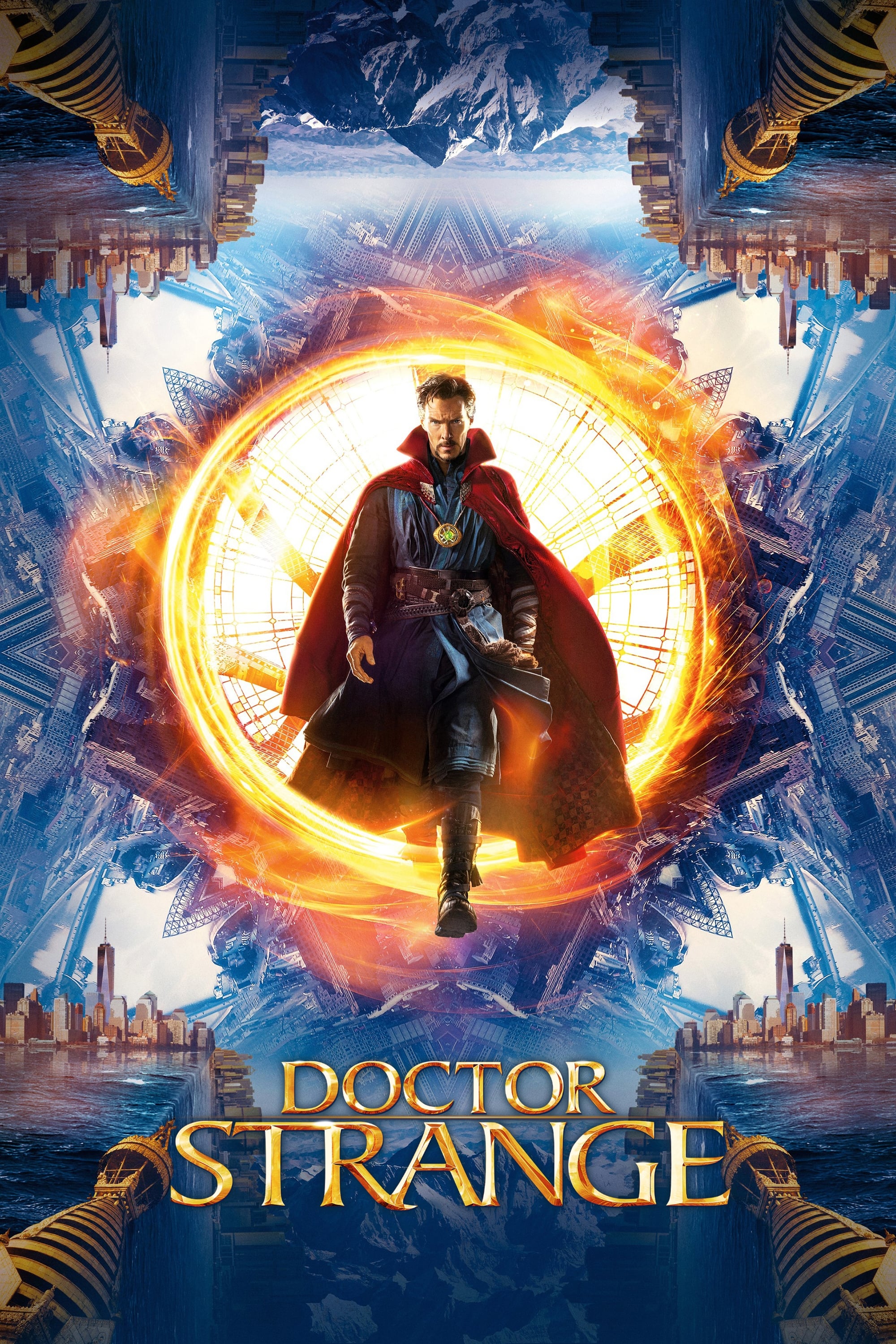
Kaecilius is a former sorcerer who seeks to bring a demonic entity to Earth to grant humanity eternal life. The character lacks the specific cultural history of the villains found in the original comic books. He is portrayed as a cold and logical man who believes his actions are for the greater good. However his characterization remains thin and focused on his magical abilities rather than his personality. He is a disposable villain who exists to challenge the hero’s development.
‘Ghost in the Shell’ (2017)
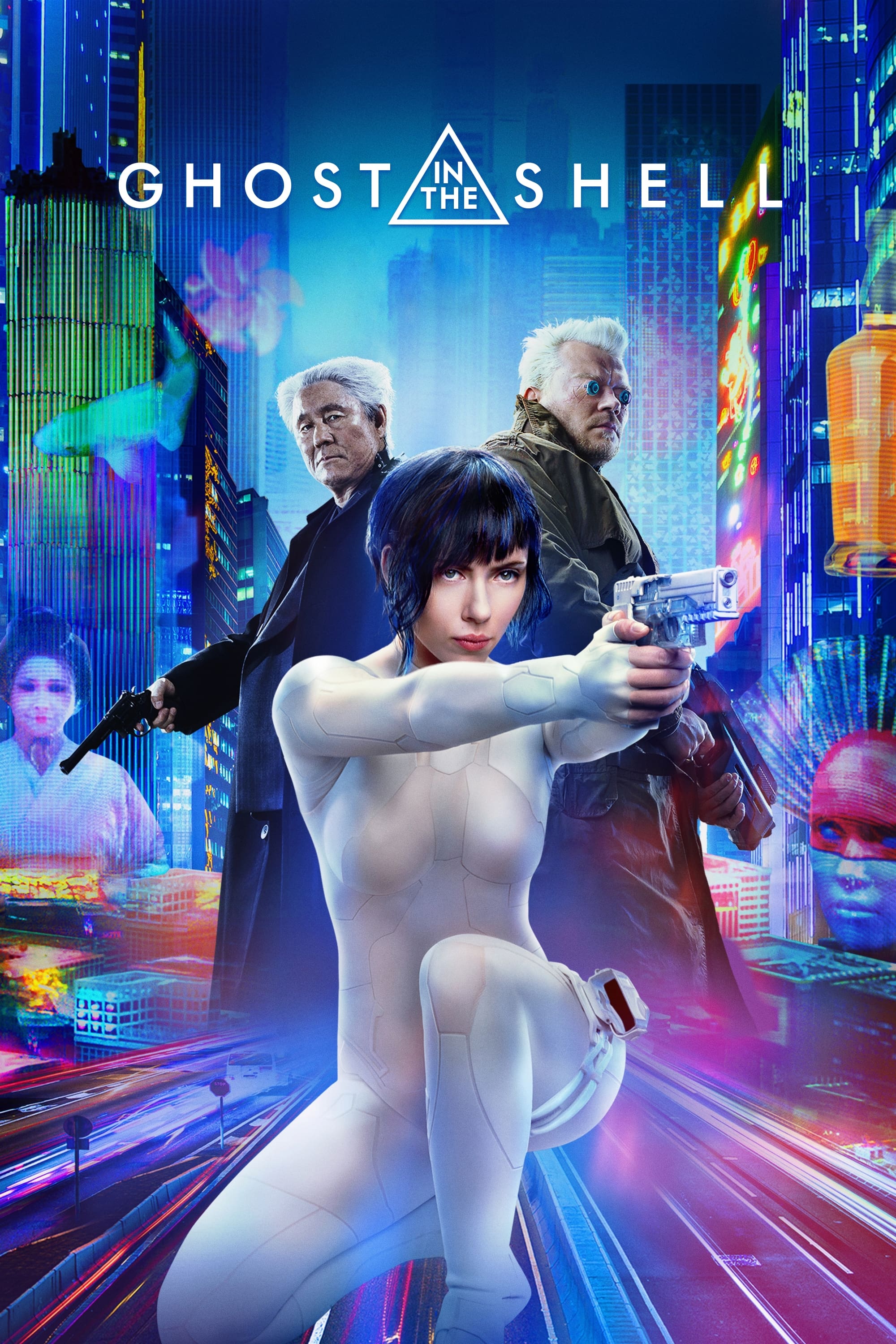
The character of Kuze is a mysterious figure who hacks into the minds of others to uncover a corporate conspiracy. In this adaptation the character’s original Japanese identity is part of a controversial narrative twist. The film was criticized for casting white actors in roles that were originally Japanese in the source material. Kuze’s motivations are tied to a generic revenge plot against a powerful corporation. The complexity of the original philosophical themes is simplified for a standard action movie structure.
‘Wonder Woman 1984’ (2020)
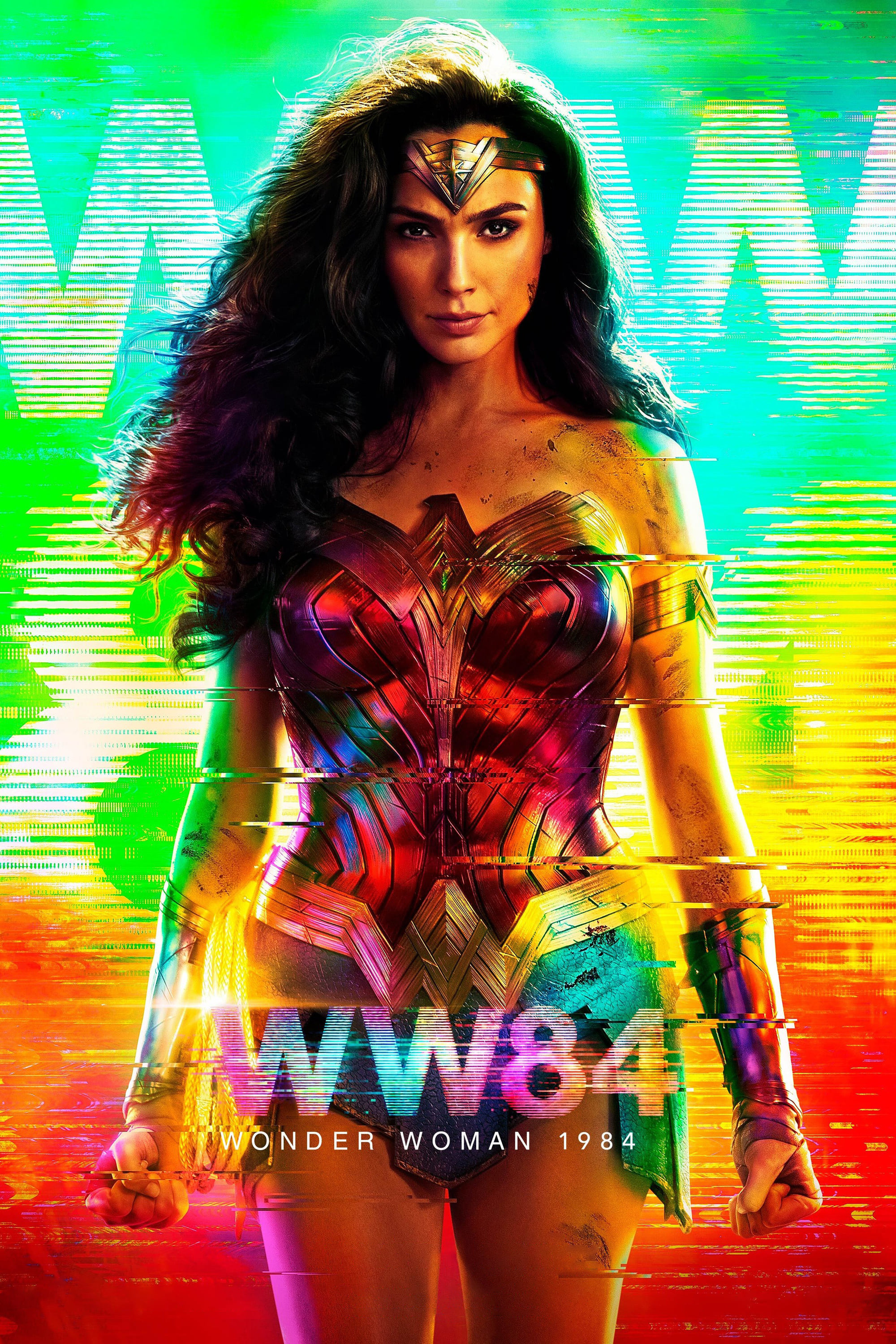
Maxwell Lord is a struggling businessman who gains the power to grant wishes and begins to destabilize the world. While the character is often portrayed as white in the comics the film gives him a more diverse background. However his characterization relies on tropes of the desperate and dishonest salesman who will do anything for success. His downfall is motivated by a simple desire for his son’s love rather than a complex political or social plan. He becomes a frantic and over the top figure who represents the greed of the era.
Please share your thoughts on these movie portrayals in the comments.