


Movies That Turned Political Blunders Into Comedy Gold



Political blunders and governmental incompetence have provided fertile ground for filmmakers for decades. Audiences have long enjoyed watching bumbling leaders and corrupt officials get their comeuppance on the big screen. These films take the absurdity of real-world politics and amplify it to hilarious extremes. From classic black-and-white satires to modern farces, the genre offers a way to laugh at the often frustrating state of global affairs.
‘Duck Soup’ (1933)
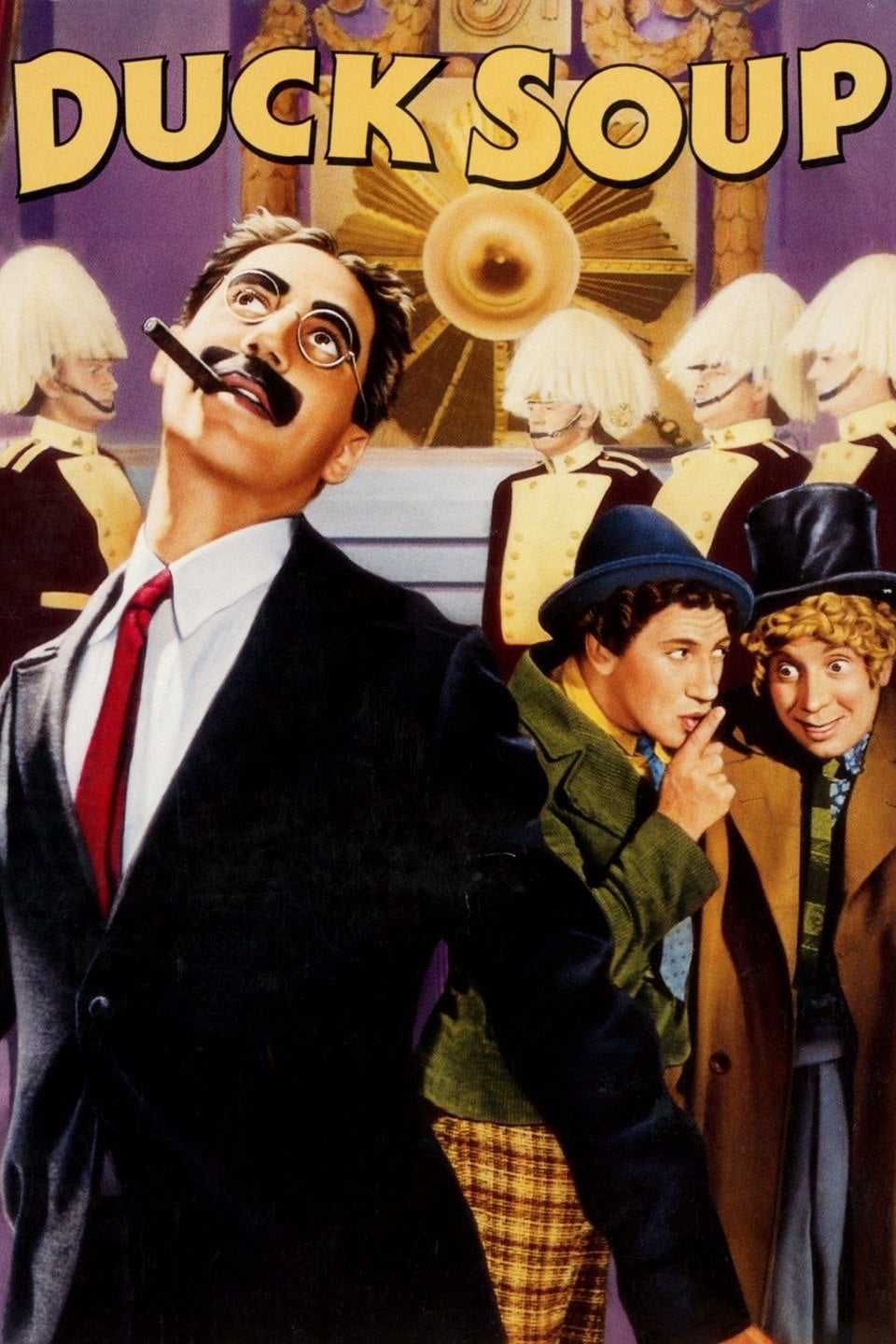
The Marx Brothers deliver a chaotic masterpiece in this satire of war and dictatorship. Groucho Marx plays Rufus T. Firefly who is the newly appointed leader of the bankrupt nation of Freedonia. His incompetent and whimsical leadership style quickly leads the country into an absurd conflict with neighboring Sylvania. The film mocks the irrationality of political leaders and the trivial reasons nations go to war. It remains one of the most celebrated comedies in cinema history for its sharp wit and physical humor.
‘The Great Dictator’ (1940)
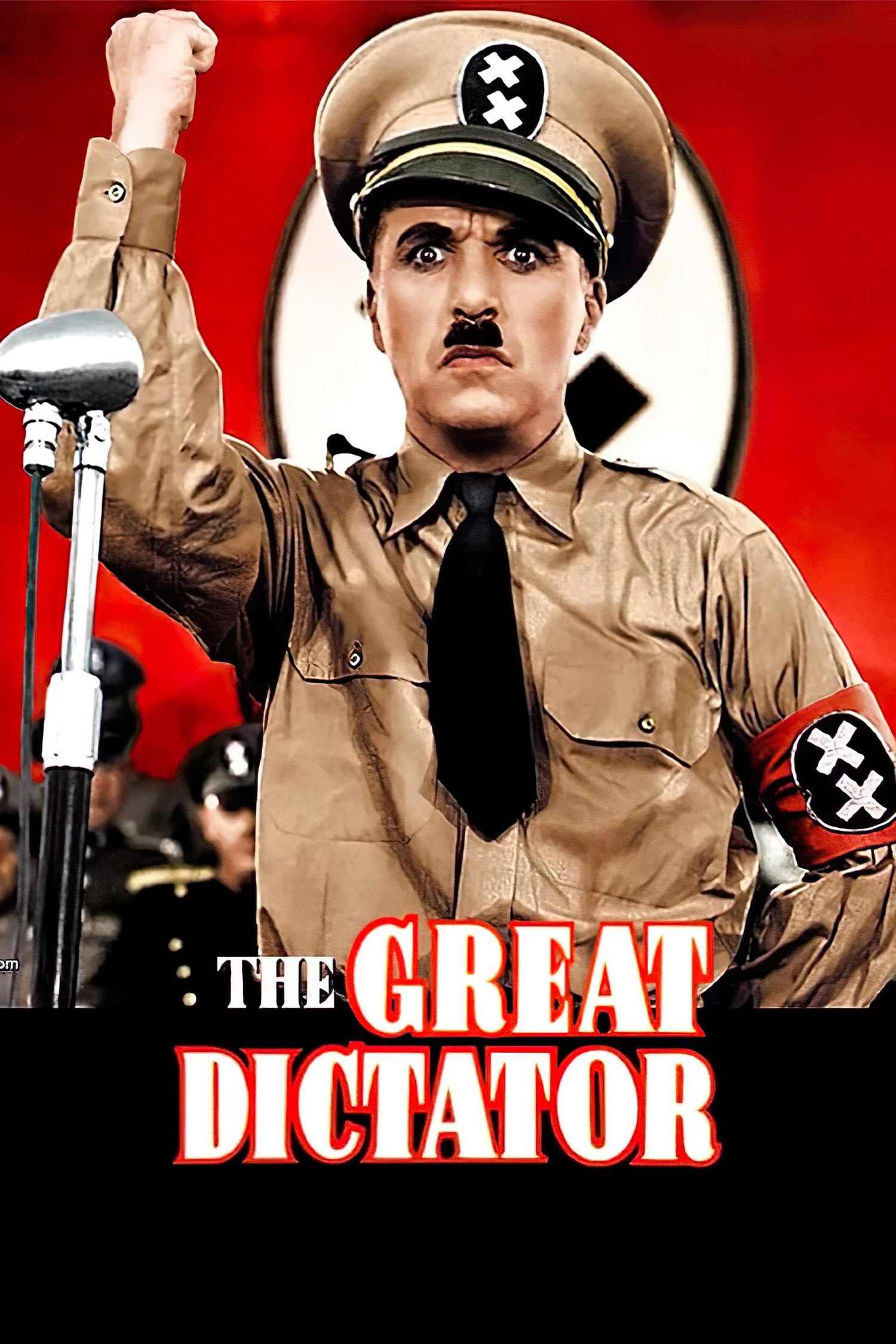
Charlie Chaplin boldly satirizes Adolf Hitler and the rise of fascism in this daring comedy. A Jewish barber who looks identical to the ruthless dictator Adenoid Hynkel finds himself mistaken for the tyrant. Chaplin uses this case of mistaken identity to mock the absurdity of hate speech and authoritarian rule. The famous speech at the end serves as a poignant plea for peace and humanity amidst the madness. This film proved that comedy could be a powerful weapon against tyranny even during the darkest times.
‘Dr. Strangelove or: How I Learned to Stop Worrying and Love the Bomb’ (1964)
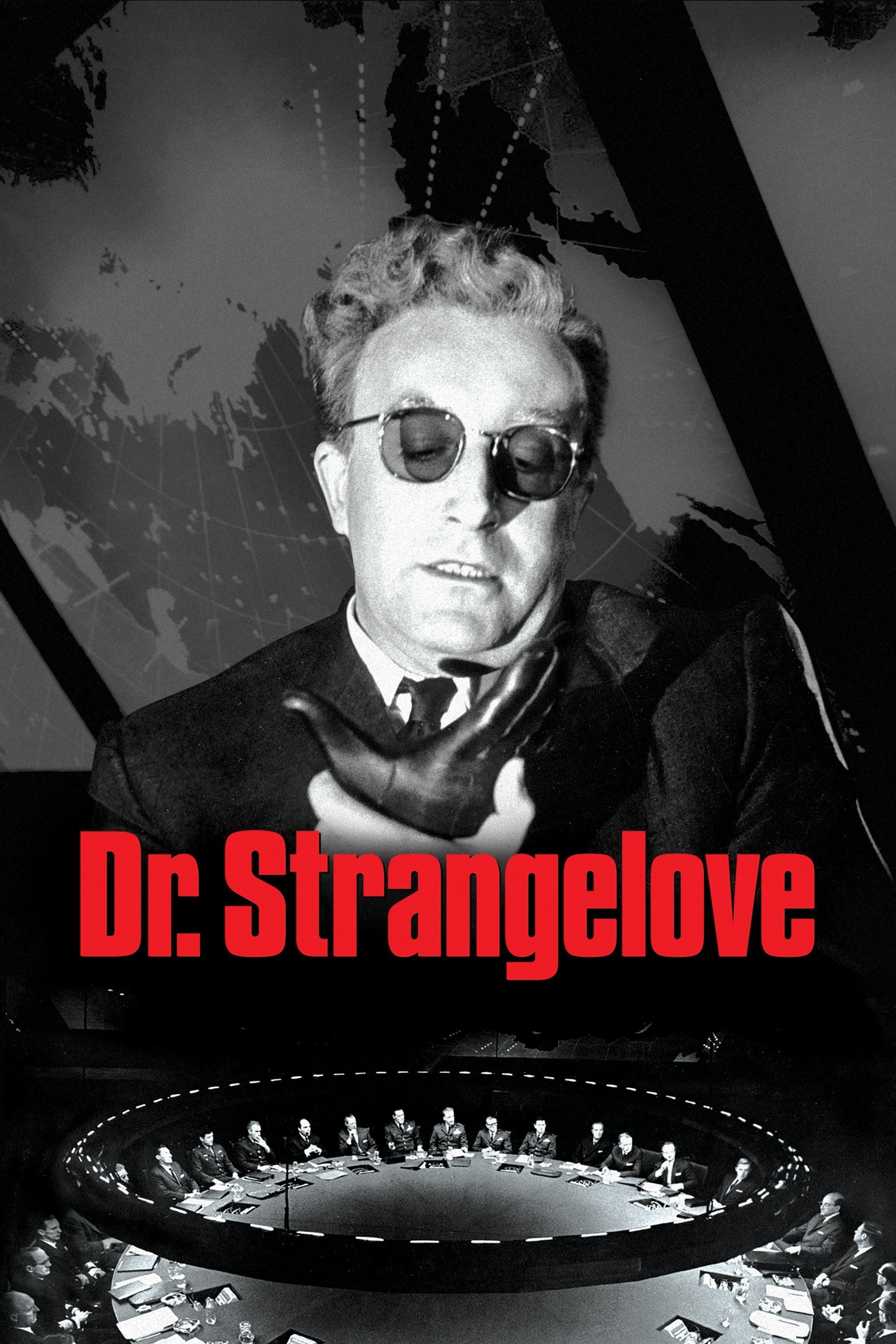
Stanley Kubrick directs this dark comedy about a nuclear crisis triggered by an unhinged general. A war room full of politicians and generals frantically tries to recall bombers headed for the Soviet Union. Peter Sellers delivers iconic performances in three distinct roles including the President of the United States. The film exposes the absurdity of Cold War paranoia and the terrifying incompetence of those in charge of nuclear weapons. It stands as a timeless critique of military bureaucracy and political brinkmanship.
‘Bananas’ (1971)
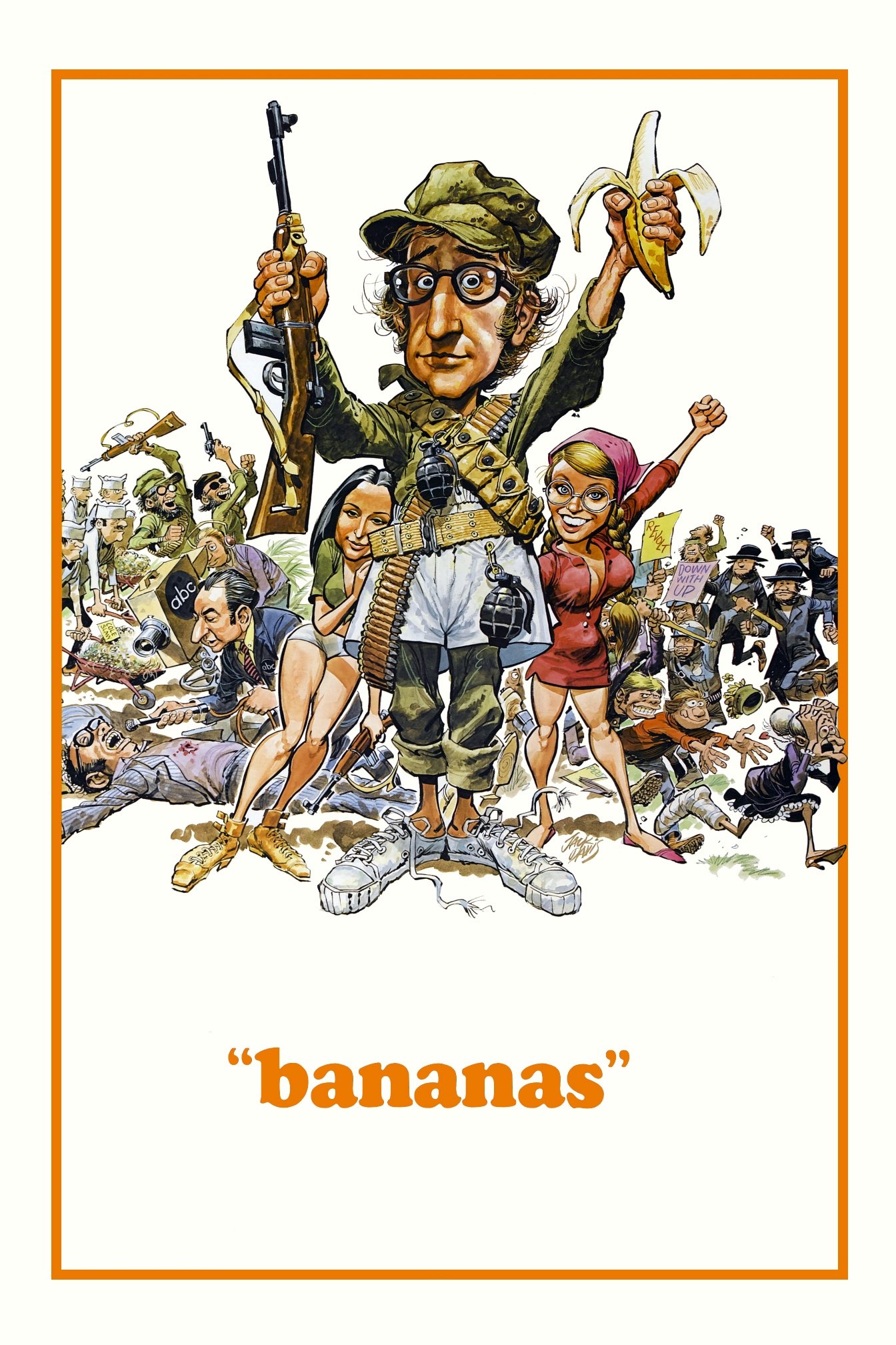
A neurotic New Yorker travels to a small Latin American nation and accidentally becomes its revolutionary leader. He initially goes there to impress a political activist but finds himself swept up in a coup. The protagonist is completely ill-equipped to run a country and his reign is marked by bizarre decrees and chaos. This early Woody Allen film pokes fun at the romanticization of revolution and the instability of political regimes. It highlights how easily power can be seized by those with no idea how to wield it.
‘Being There’ (1979)

Peter Sellers stars as a simple-minded gardener whose vague statements are mistaken for profound political wisdom. After his employer dies he wanders into Washington society and becomes an unlikely advisor to the President. The political elite projects their own desires and interpretations onto his empty words. The film is a subtle satire on how image and perception often outweigh substance in politics. It brilliantly illustrates the hollowness of political discourse and the gullibility of the public.
‘The Distinguished Gentleman’ (1992)
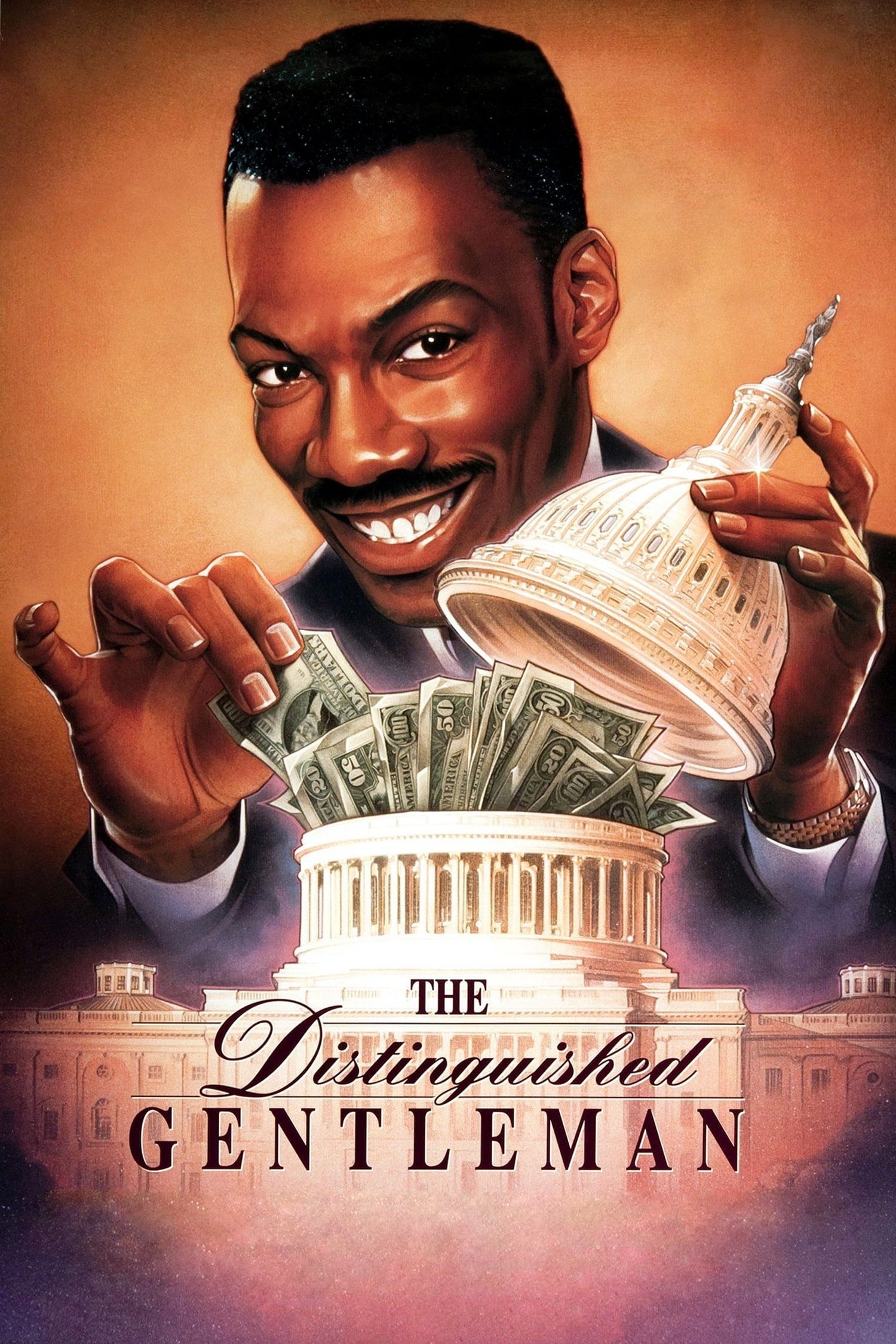
A Florida con man realizes that Congress is the most profitable scam of all. He manages to get elected by running under the name of a recently deceased incumbent. Once in Washington he tries to cash in on the corruption but eventually develops a conscience. Eddie Murphy brings his signature charm to this fish-out-of-water story about a hustler in the halls of power. The movie humorously exposes the influence of lobbyists and the “pay to play” nature of American politics.
‘Bob Roberts’ (1992)

Tim Robbins writes and directs this mockumentary about a corrupt right-wing folk singer running for the US Senate. The candidate uses catchy songs and media manipulation to hide his regressive agenda and financial crimes. The film captures the terrifying effectiveness of populism and the superficial nature of modern campaigns. It serves as a chillingly accurate prediction of how celebrity and politics would merge in future decades. The documentary style adds a layer of realism to the biting satire.
‘Dave’ (1993)

An ordinary man who runs an employment agency is recruited to impersonate the President of the United States. When the real President suffers a stroke while with a mistress the double must continue the charade indefinitely. He surprises everyone by actually trying to solve problems and balance the budget with common sense. The film is a heartwarming fantasy that contrasts the cynicism of career politicians with the idealism of a regular citizen. It suggests that decency and honesty are the only things truly missing from the White House.
‘Canadian Bacon’ (1995)
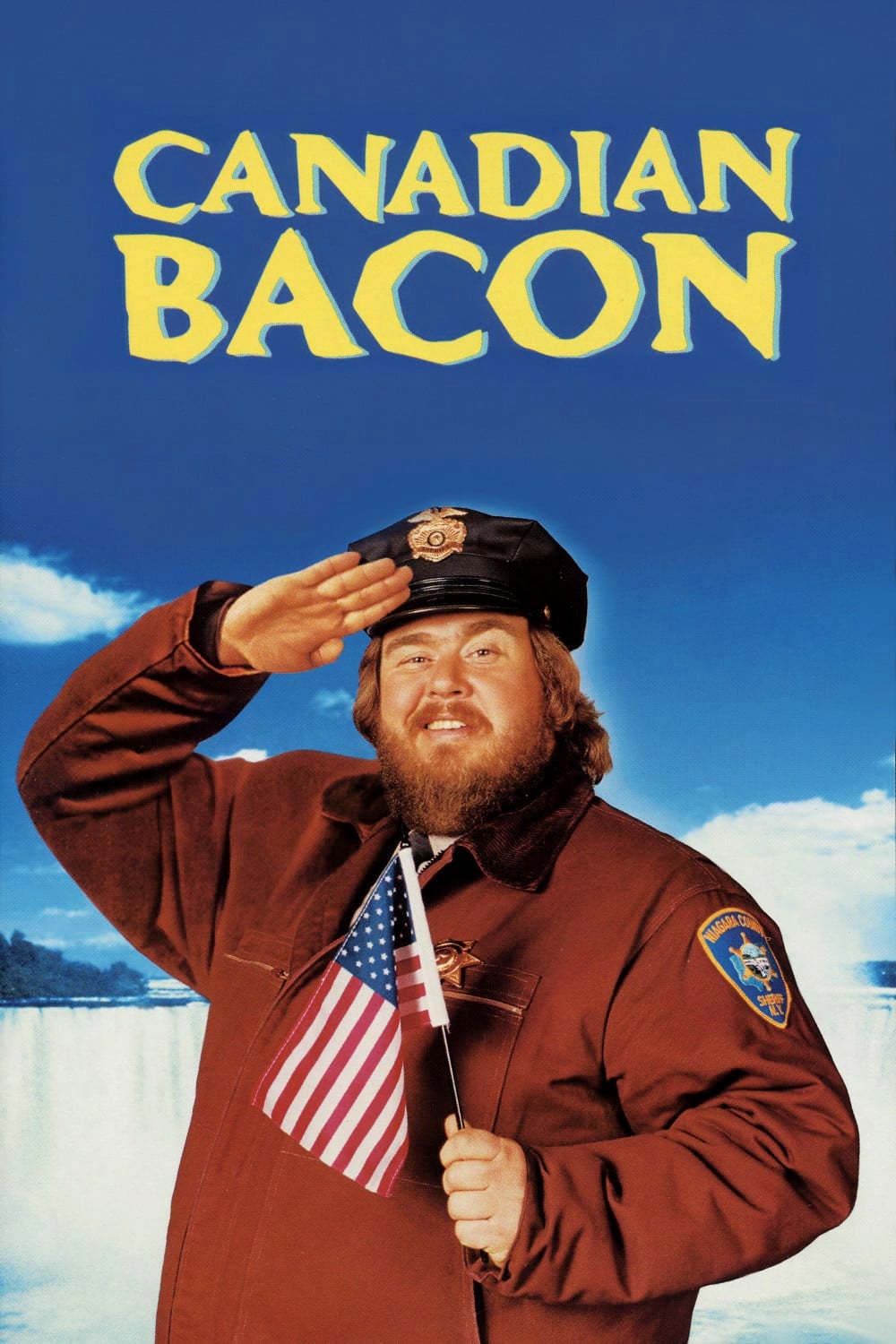
The President of the United States tries to boost his low approval ratings by starting a cold war with Canada. A propaganda campaign paints the polite northern neighbors as a terrifying threat to the American way of life. The absurdity escalates as local sheriffs and citizens take up arms to defend the border. Michael Moore directs this farce that mocks the military-industrial complex and the media’s role in manufacturing consent. It is a hilarious look at how easily patriotism can be manipulated for political gain.
‘The American President’ (1995)
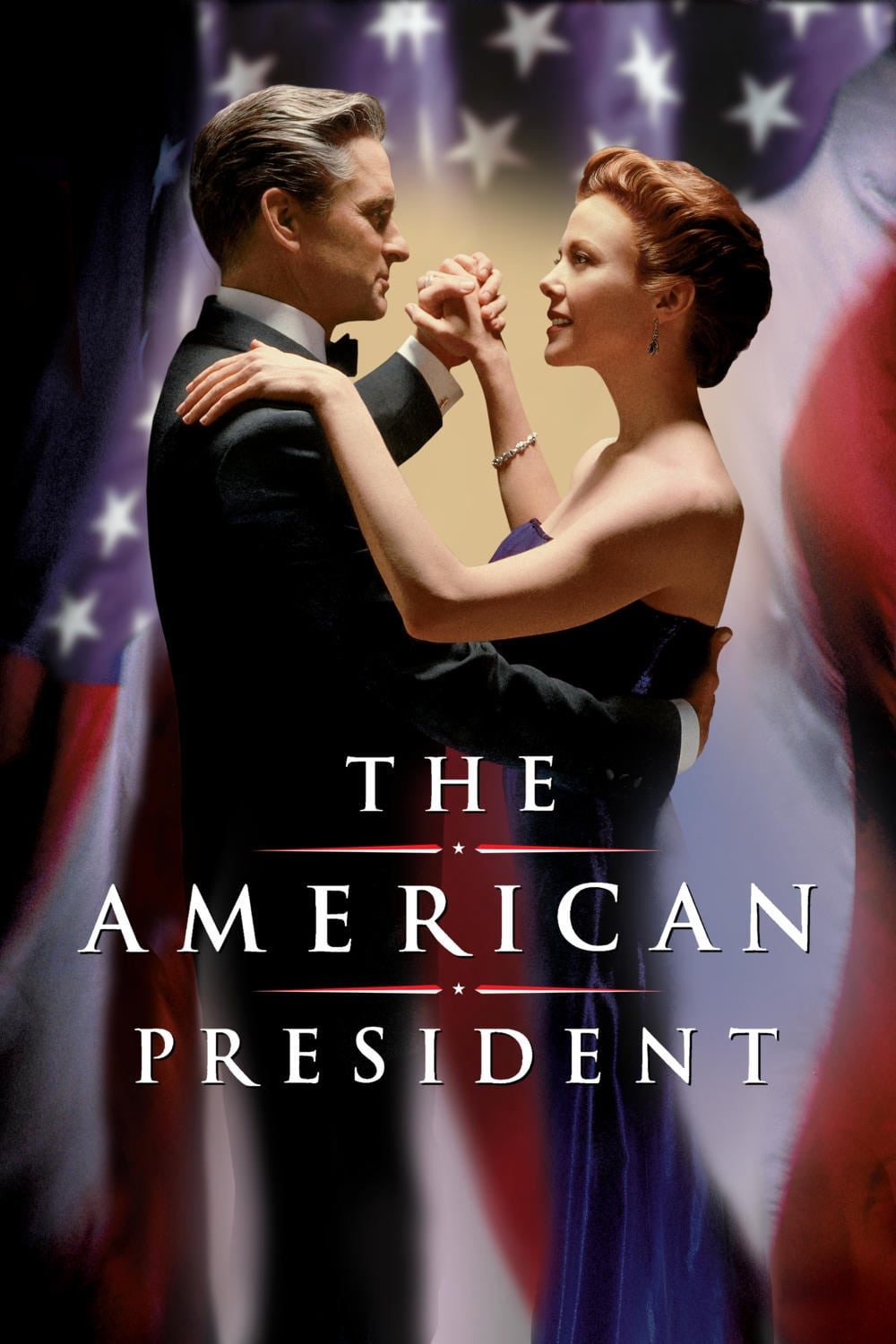
A widowed President tries to pursue a romantic relationship with a lobbyist during an election year. His political opponents use his personal life to attack his character and question his family values. The film balances romantic comedy tropes with a sharp look at the realities of Washington maneuvering. Michael Douglas delivers a charming performance as a leader struggling to maintain his privacy. It offers a witty but optimistic view of how personal integrity can survive in the cutthroat world of politics.
‘Mars Attacks!’ (1996)
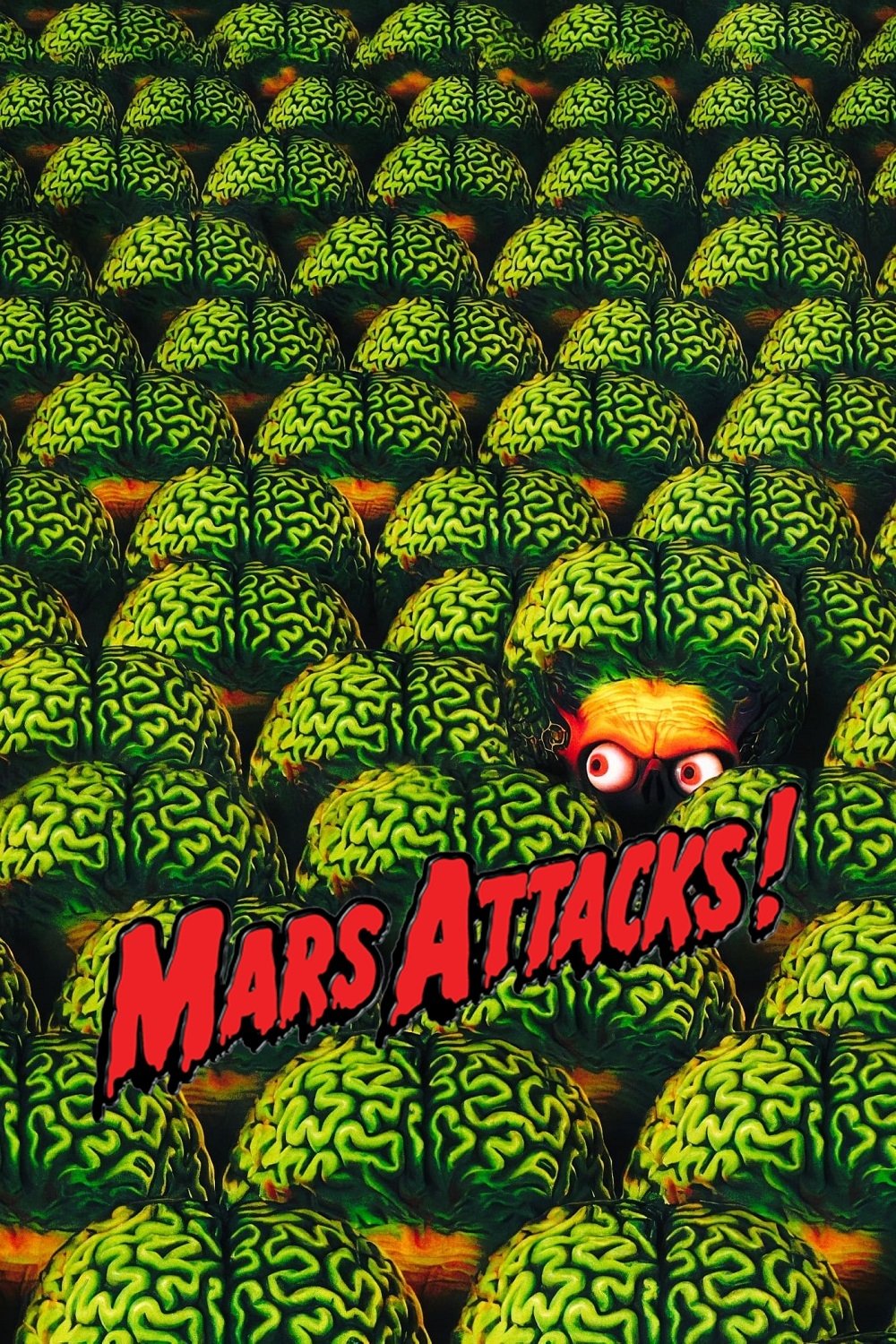
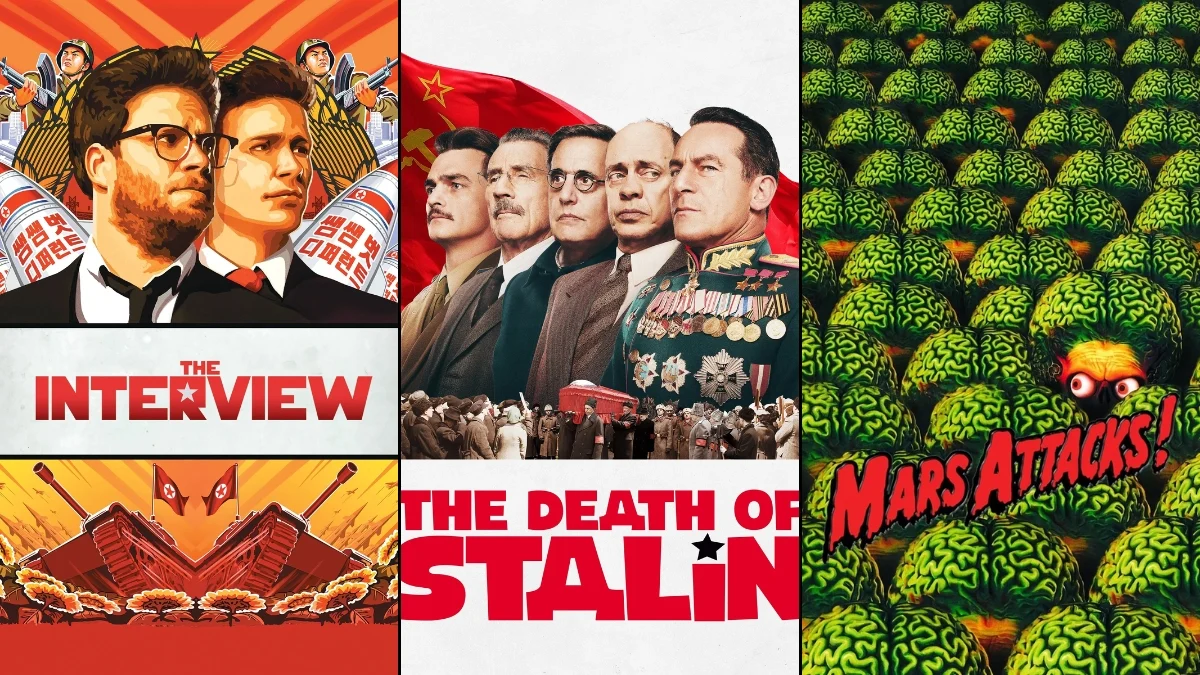
Tim Burton directs this sci-fi comedy where a Martian invasion exposes the incompetence of Earth’s leadership. The President of the United States ignores warnings and tries to negotiate peace while the aliens vaporize everything in sight. Politicians and generals are shown to be vain and oblivious as the world crumbles around them. The film is a gleeful destruction of the self-important image of government officials. It suggests that in a true crisis our leaders would likely be the first to fail us.
‘My Fellow Americans’ (1996)
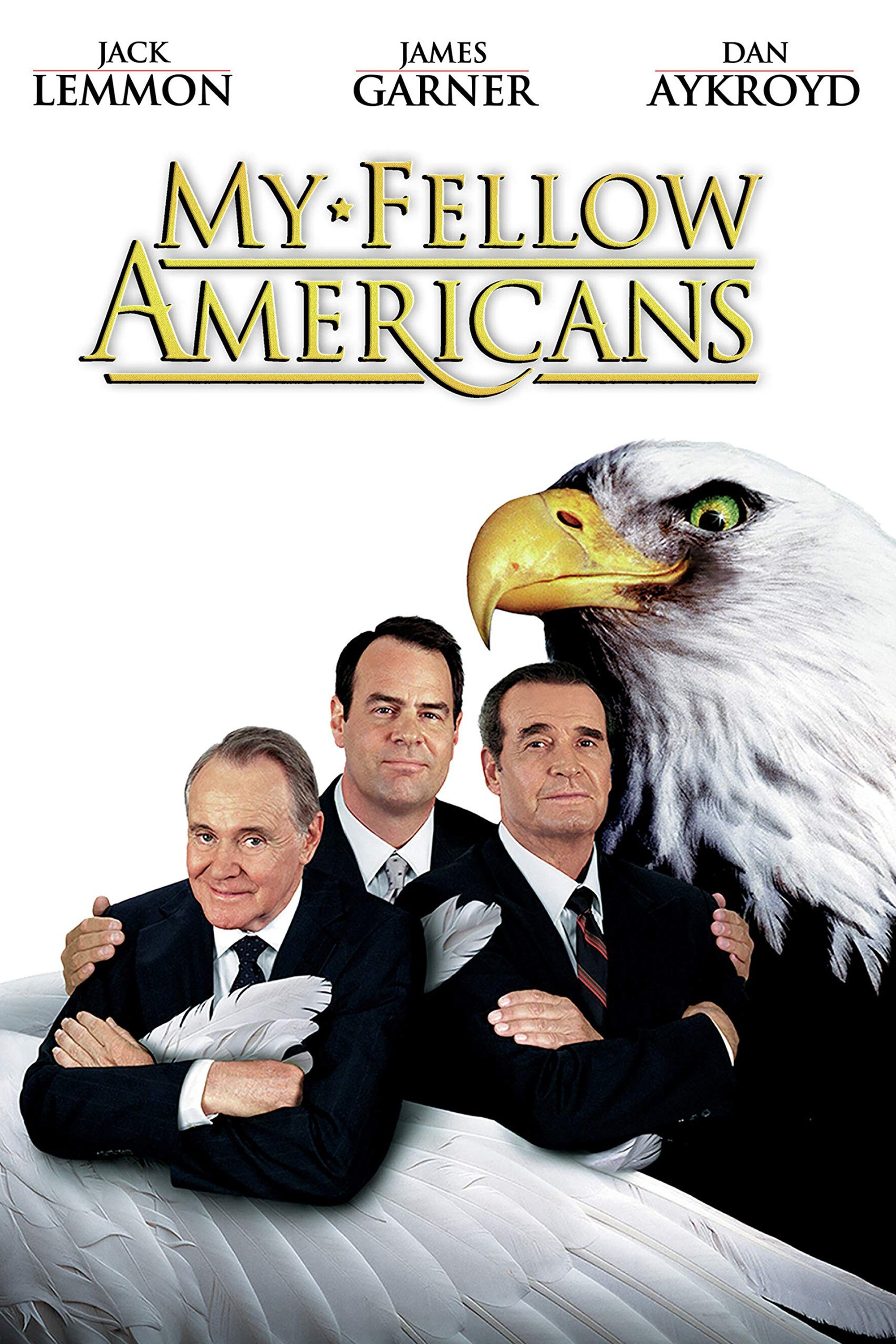
Two former Presidents from opposing parties are forced to go on the run together to expose a conspiracy. They detest each other but must cooperate to survive assassination attempts and clear their names. The journey forces them to see the real America outside of their motorcades and security details. Jack Lemmon and James Garner have wonderful chemistry as the bickering statesmen. The movie effectively blends buddy comedy dynamics with a satire of the scandals that plague the presidency.
‘Wag the Dog’ (1997)
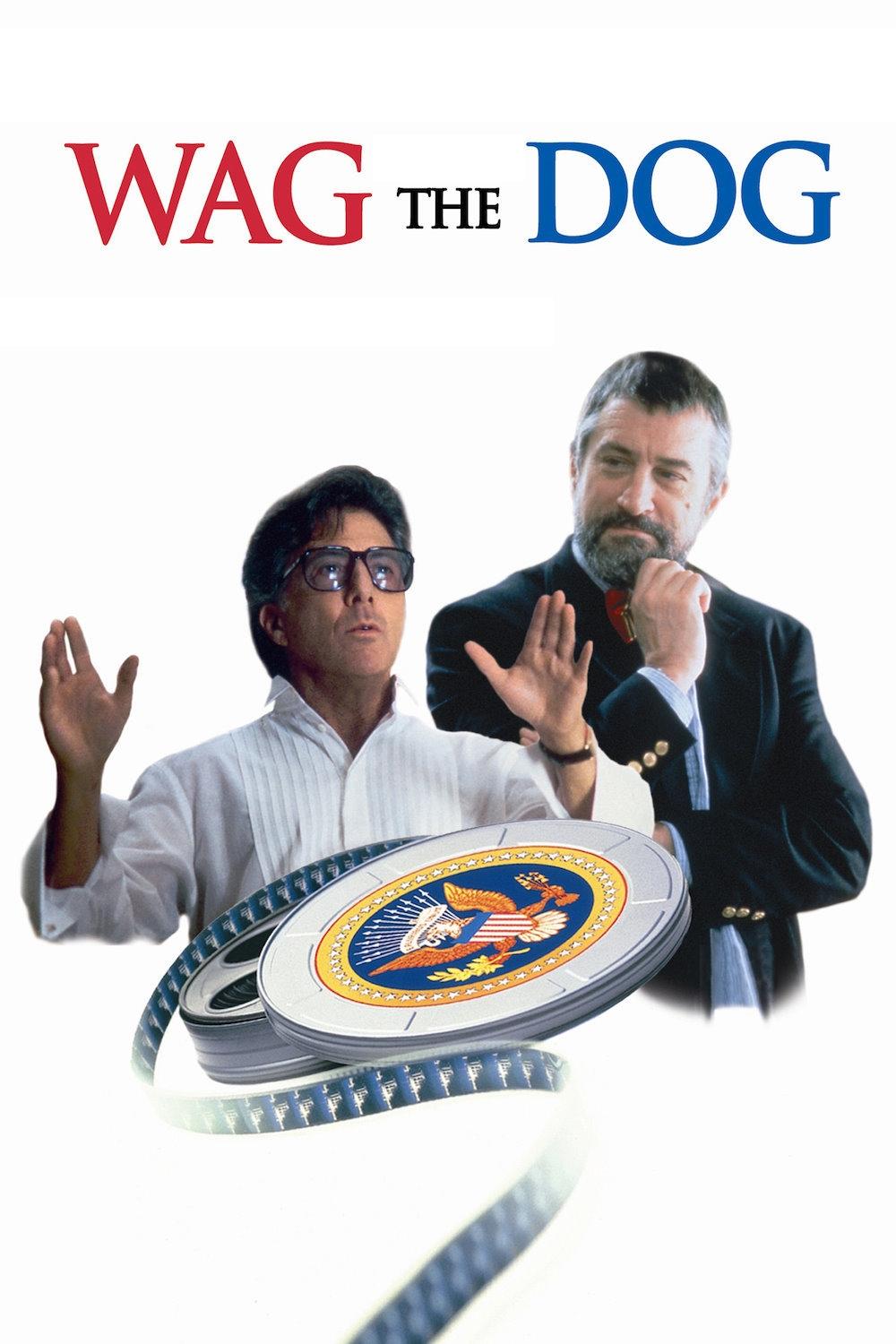
A spin doctor and a Hollywood producer fabricate a war in Albania to distract from a presidential sex scandal. They use special effects and fake news reports to manipulate the public just days before the election. The film is a cynical yet hilarious examination of how media narratives can be constructed out of thin air. It questions the reality of what we see on the news and the motives behind political crises. This satire remains disturbingly relevant in an era of misinformation and carefully curated political images.
‘Primary Colors’ (1998)
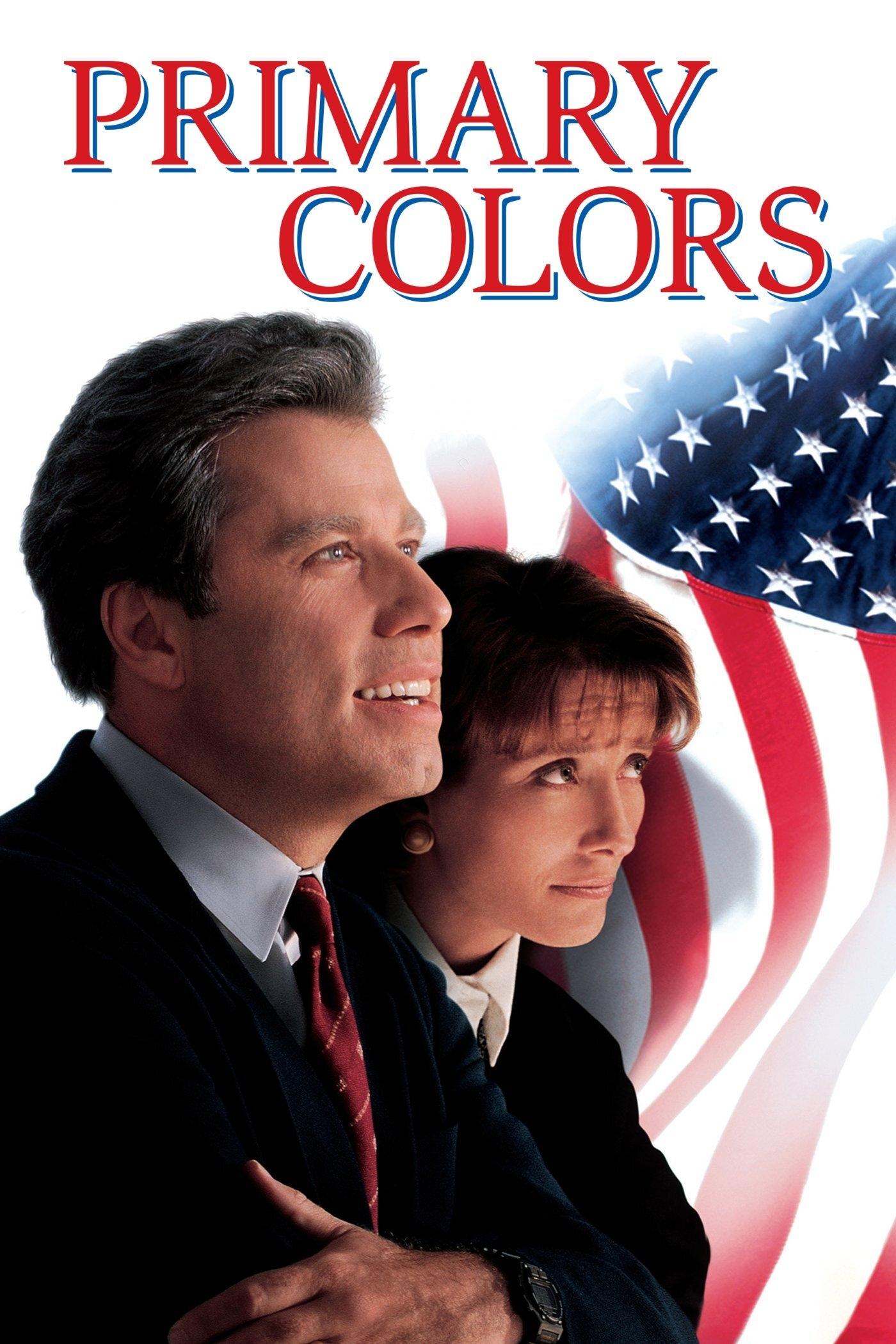
John Travolta plays a charismatic southern governor running for President amidst a storm of scandals. The film follows a young idealist who joins the campaign and slowly loses his innocence. It offers a fictionalized but thinly veiled look at the 1992 Clinton campaign and its various controversies. The story explores the compromises and moral flexibility required to win high office. It is a sharp and funny critique of the personal flaws that often accompany great political talent.
‘Bulworth’ (1998)
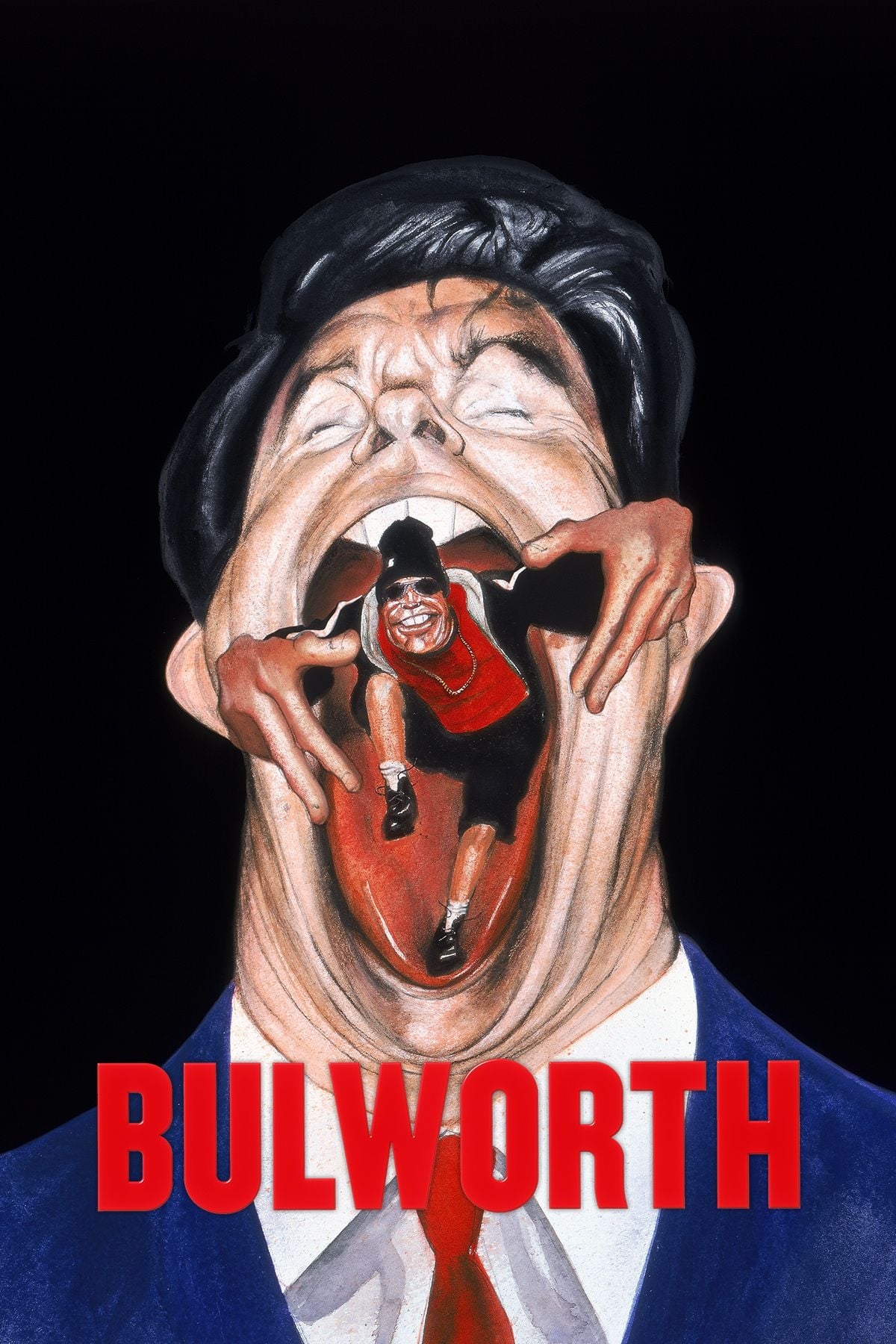
A disillusioned senator puts a hit out on himself and then decides to speak completely honestly for the final days of his life. He shocks the public and the media by rapping his speeches and telling voters exactly what he thinks. The newfound honesty unexpectedly makes him more popular than ever before. Warren Beatty directs and stars in this satire about the artificiality of political rhetoric. The film uses absurdity to highlight how rare and refreshing the truth is in American politics.
‘Election’ (1999)
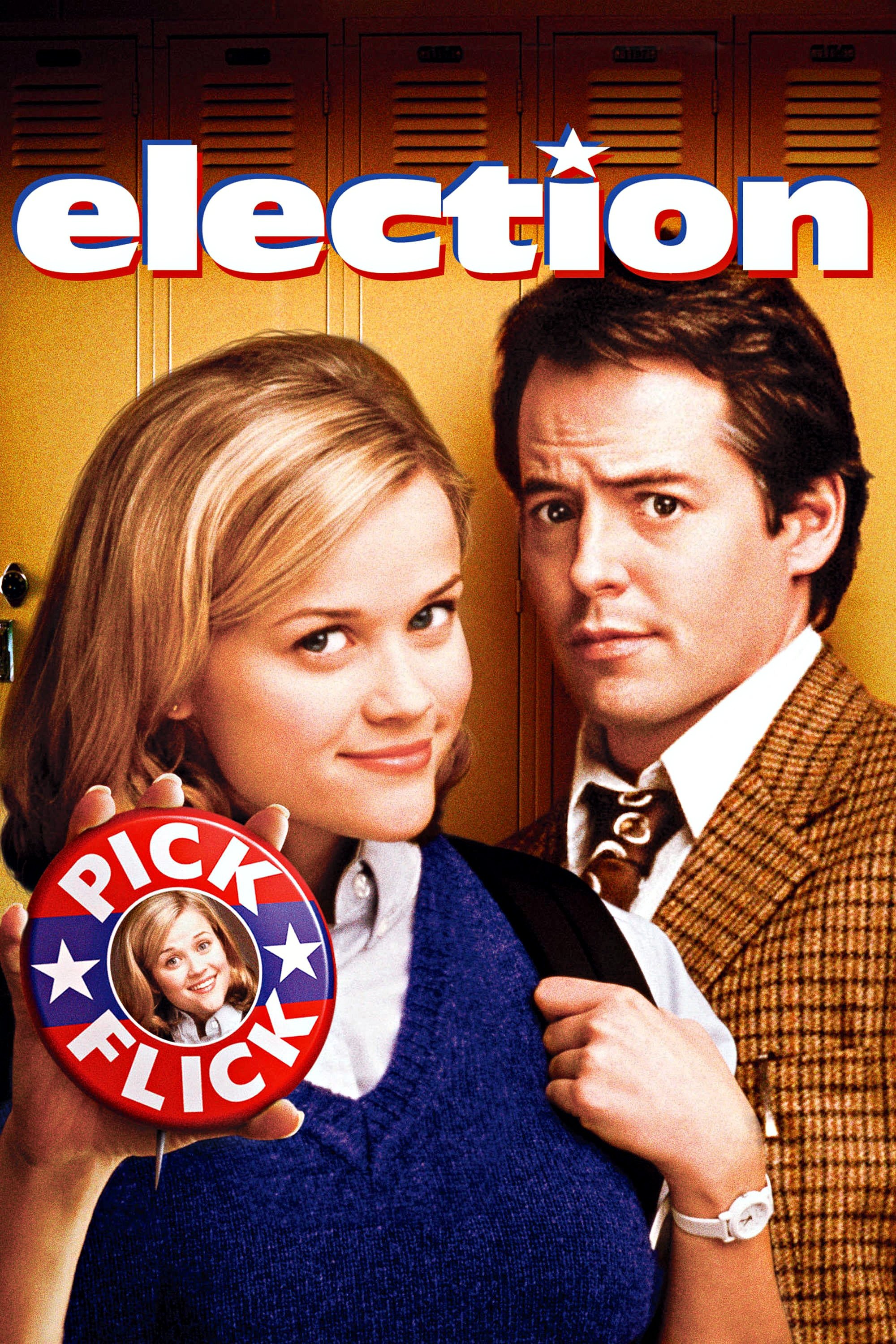
A high school student government election becomes a ruthless battleground mirroring national politics. An overachieving student will stop at nothing to win while a resentful teacher tries to sabotage her campaign. The film exposes the petty ambitions and ethical compromises that exist at every level of governance. Reese Witherspoon creates an iconic character whose intense drive for power is both funny and terrifying. It suggests that the drive to rule often starts long before adulthood.
‘Head of State’ (2003)
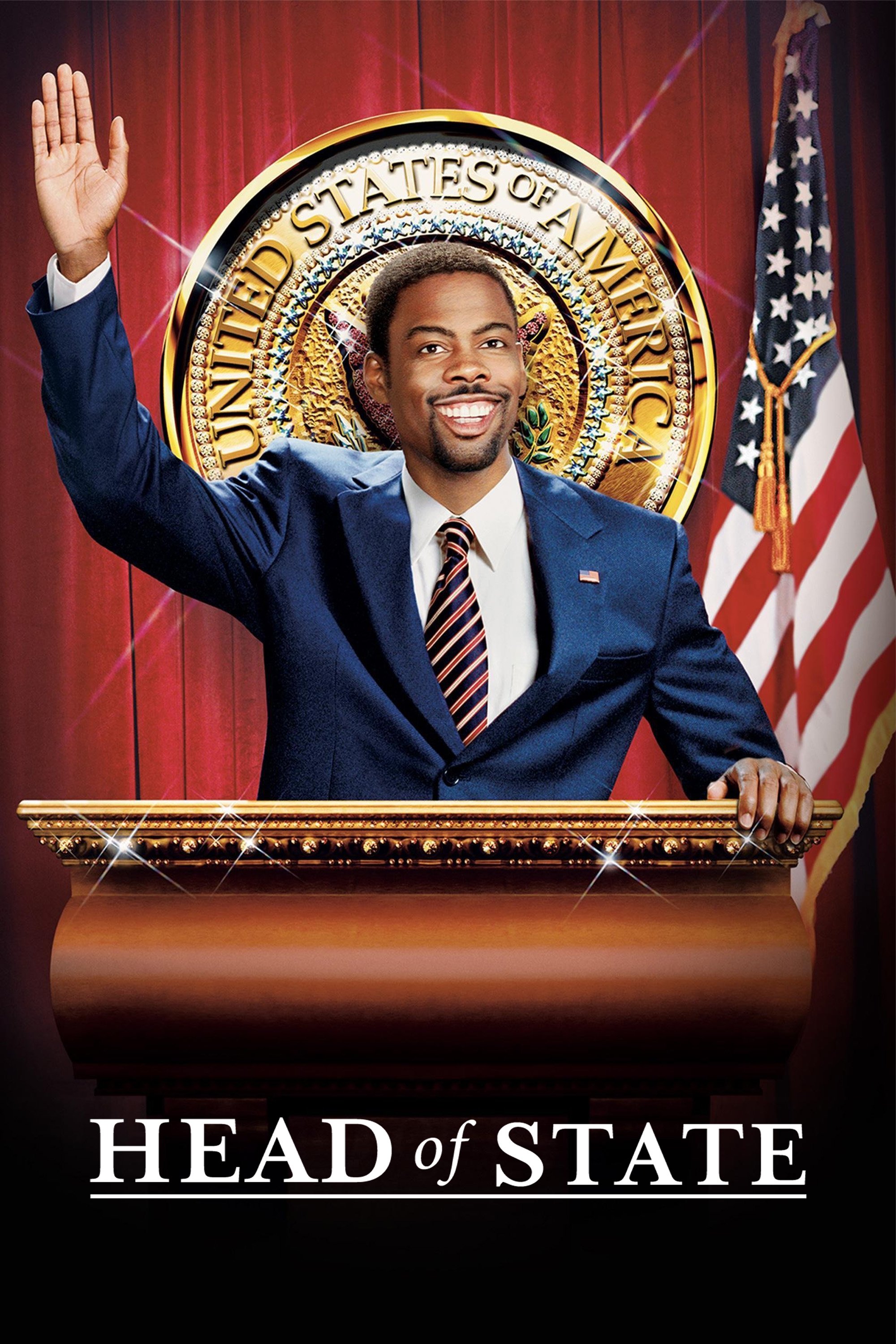
An alderman from Washington DC is chosen to run for President as a sacrificial lamb for his party. He decides to run the campaign his own way and connects with voters through humor and honesty. The film satirizes the lack of diversity in high office and the rigid scripts politicians are forced to follow. Chris Rock brings his stand-up energy to the role of a candidate who refuses to play by the rules. It is a lighthearted wish-fulfillment comedy about breaking barriers in the political establishment.
‘Welcome to Mooseport’ (2004)
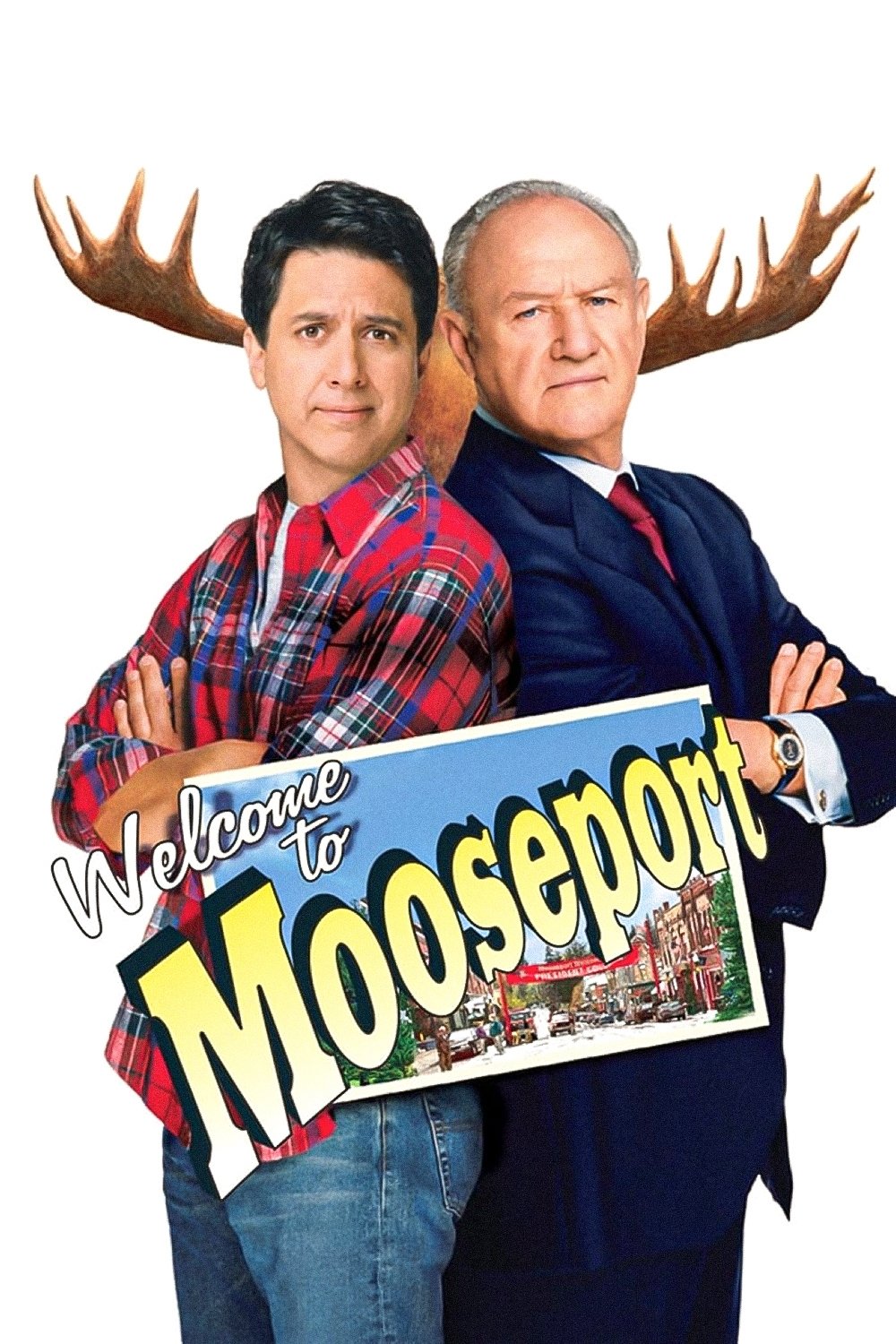
A retired US President moves to a small town and decides to run for mayor against a local plumber. The campaign escalates into a national media circus as the former leader uses his vast resources to crush the local competition. Ray Romano and Gene Hackman square off in this comedy about the ego of politicians who cannot let go of power. The film highlights the absurdity of bringing big-league political tactics to a small community. It shows that the urge to win often outweighs the desire to actually serve the people.
‘Team America: World Police’ (2004)
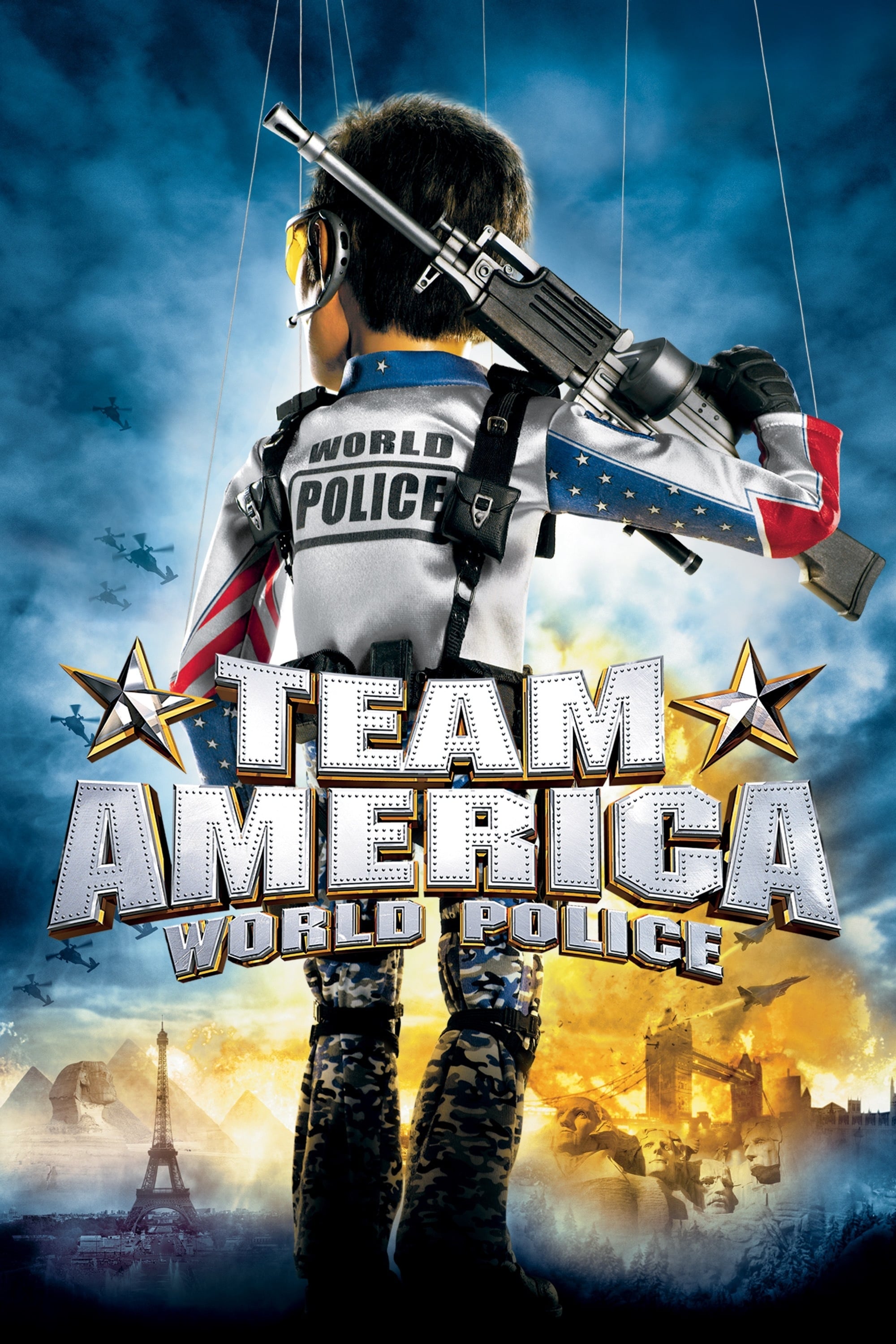
A team of marionette super-soldiers travels the globe blowing up landmarks in their clumsy attempts to stop terrorism. The creators of South Park use puppets to mock American foreign policy and Hollywood activism. The film satirizes the destructive nature of unchecked interventionism and the egos of celebrities who get involved in politics. It is incredibly vulgar and over-the-top in its depiction of global conflict. The absurdity of the puppets emphasizes the childish worldview often behind serious geopolitical decisions.
‘Idiocracy’ (2006)
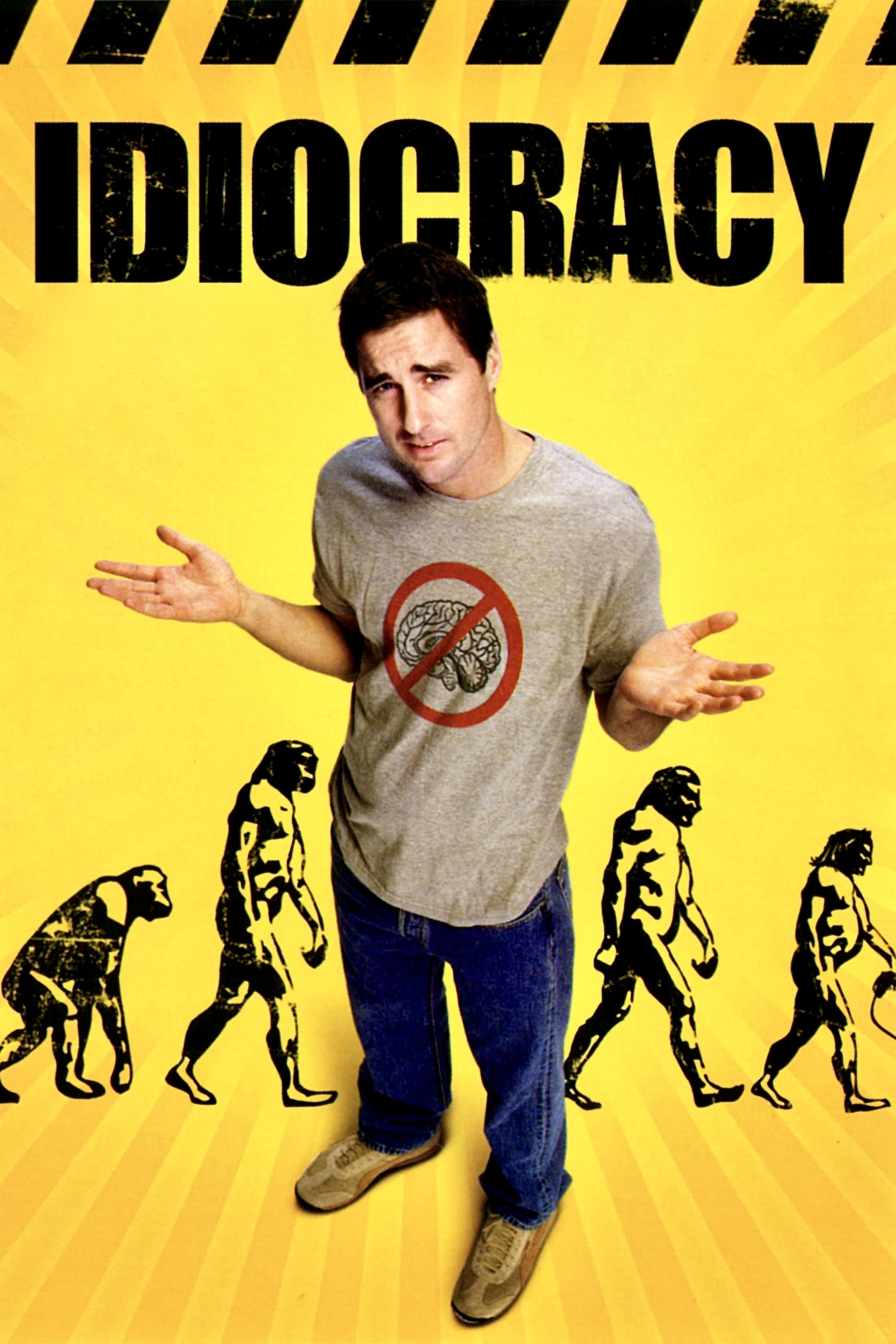
An average man wakes up five hundred years in the future to find that human intelligence has plummeted. The President is a former wrestler and reality TV star who fires machine guns in the air during speeches. Society has collapsed into a commercialized dystopia where politicians rely on catchphrases rather than policy. This cult classic has gained a reputation for being frighteningly prophetic about the dumbing down of discourse. It uses gross-out humor to warn against the glorification of ignorance in leadership.
‘Man of the Year’ (2006)
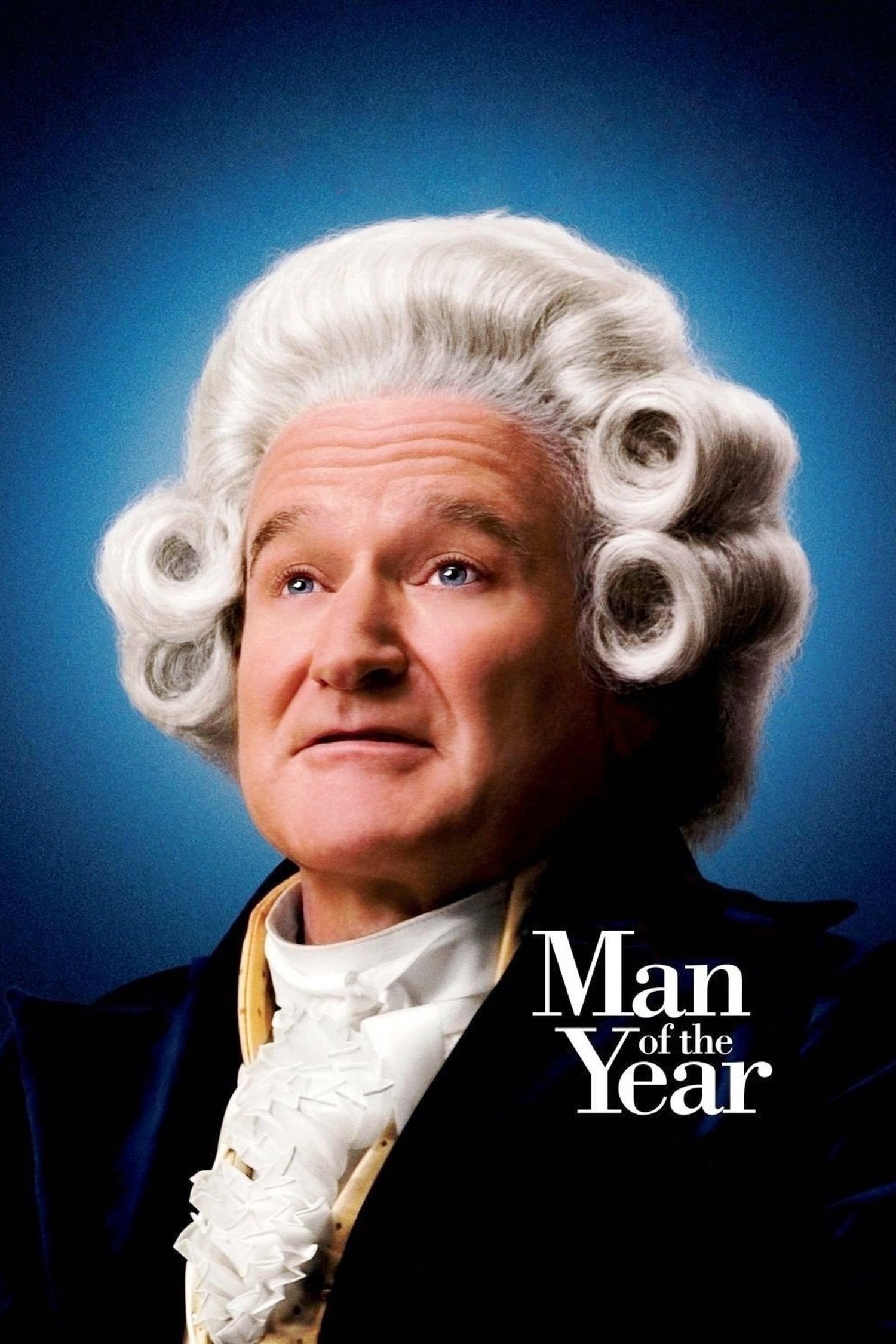
A satirical news host runs for President as a joke and wins due to a voting machine error. He must decide whether to expose the glitch or try to do the job he was never meant to have. Robin Williams brings his manic energy to the role of a comedian speaking truth to power. The film explores the blurred lines between entertainment and politics in modern media. It asks whether a jester might actually be better suited to lead than a career politician.
‘Borat: Cultural Learnings of America for Make Benefit Glorious Nation of Kazakhstan’ (2006)
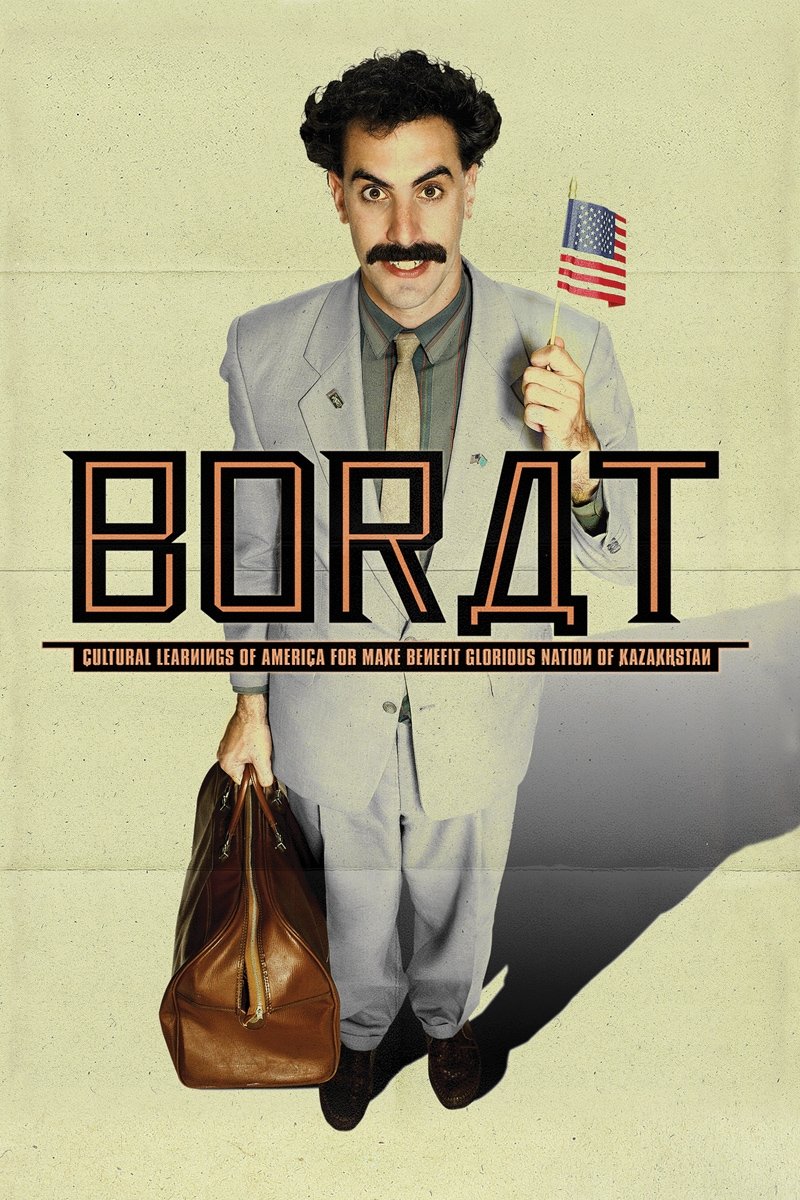
Sacha Baron Cohen plays a reporter from Kazakhstan who travels across the United States to learn about American culture. He interviews real politicians and unsuspecting citizens who often reveal their prejudices and ignorance. The guerrilla style of filmmaking captures genuine reactions that are both hilarious and disturbing. It exposes the hypocrisy and polite bigotry that often lurk beneath the surface of society. The character’s confused interactions with officials highlight the disconnect between the political elite and reality.
‘Swing Vote’ (2008)
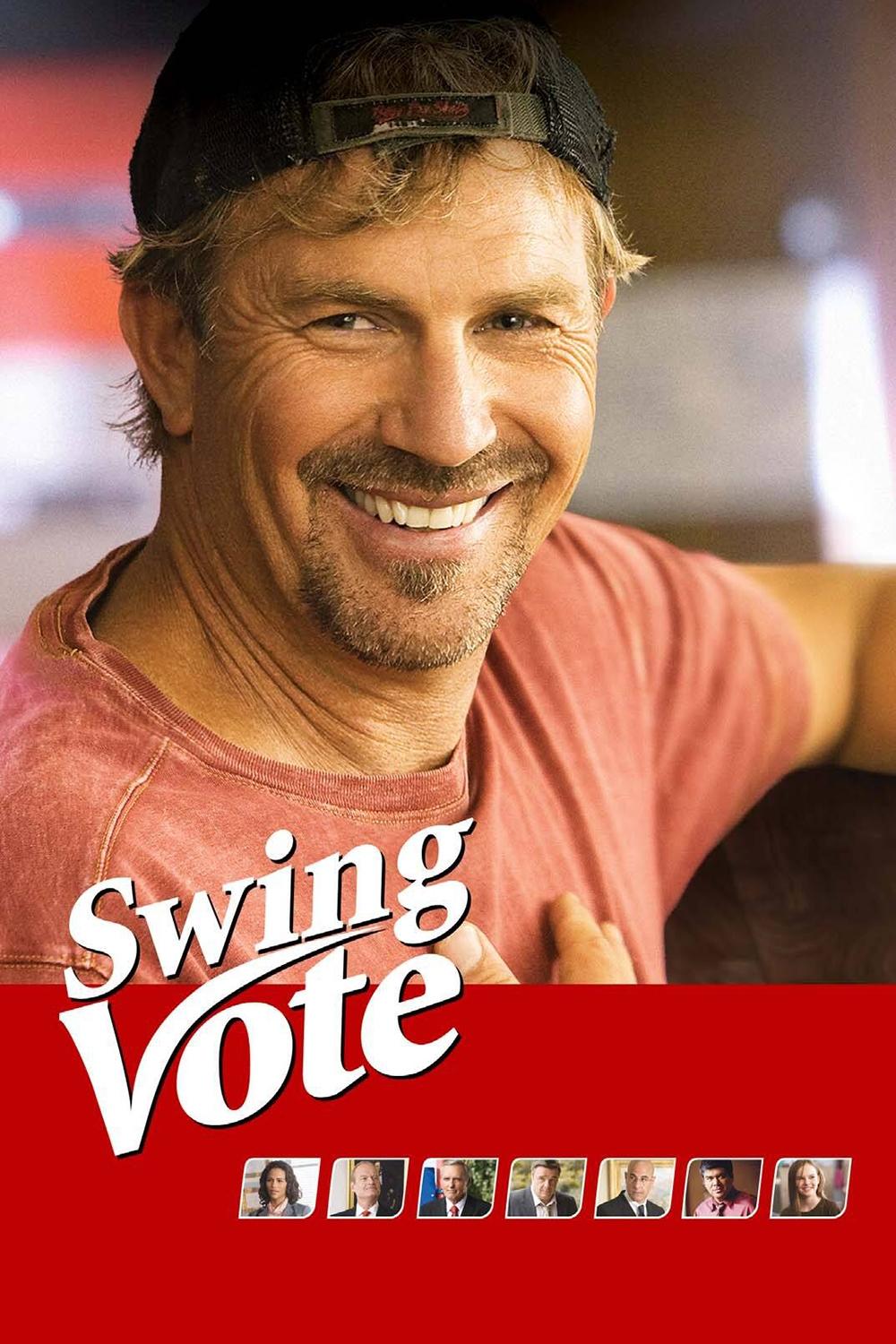
The entire presidential election comes down to a single vote cast by an apolitical man in New Mexico. Both candidates descend upon his small town to court his favor and change their stances to match his whims. The film satirizes the pandering nature of modern campaigns and the lack of genuine conviction in candidates. Kevin Costner plays the everyman who suddenly holds the fate of the free world in his hands. It is a gentle comedy about the importance of civic duty and the absurdity of the electoral college.
‘In the Loop’ (2009)
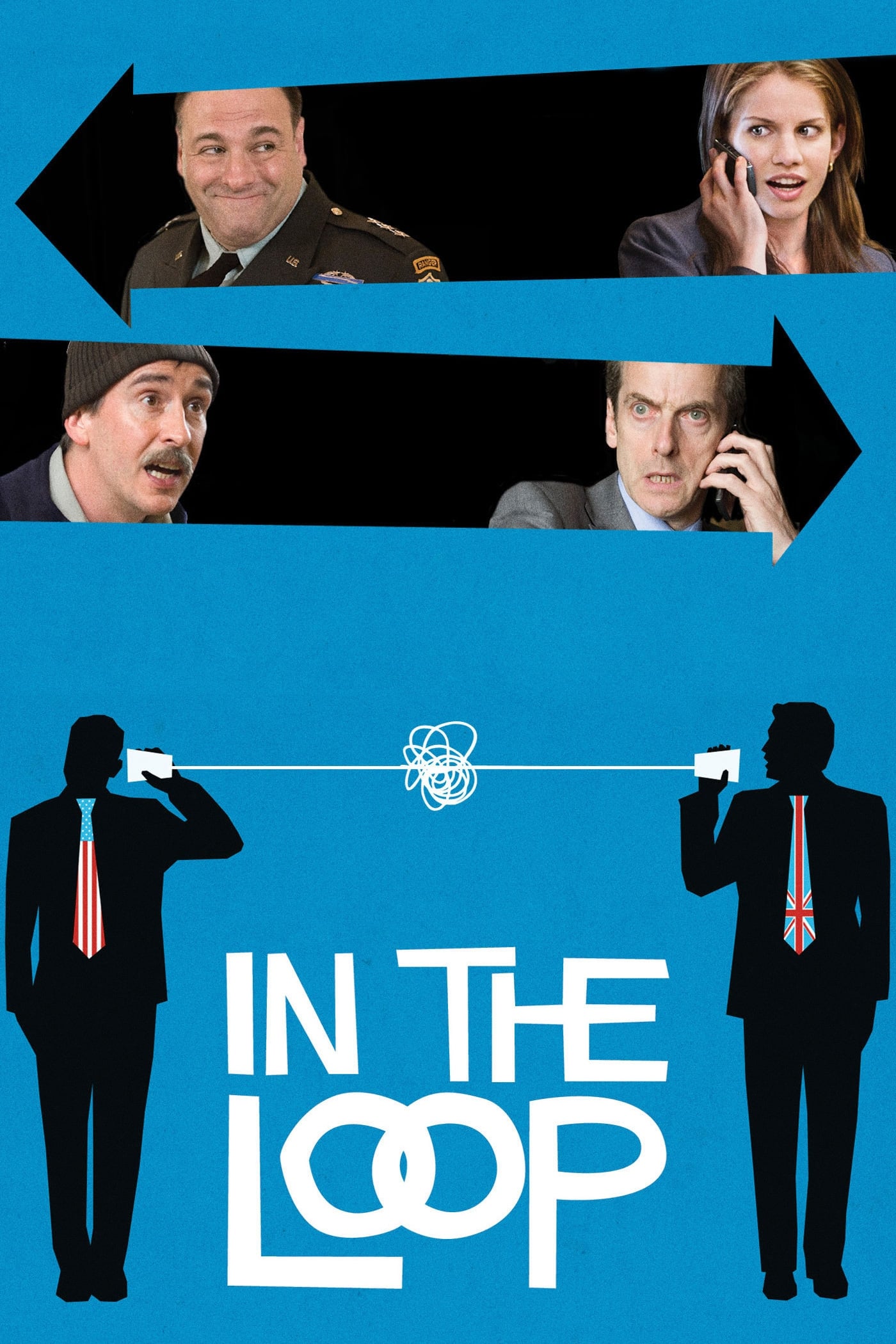
British and American officials scramble frantically behind the scenes to prevent or precipitate a war in the Middle East. The dialogue is fast and filled with creative insults as incompetence and ego drive the decision-making process. Peter Capaldi steals the show as a foul-mouthed spin doctor trying to control the narrative. The film presents a terrifyingly plausible look at the chaotic and petty nature of international diplomacy. It suggests that world-altering decisions are often made by people who are just making it up as they go.
‘The Campaign’ (2012)
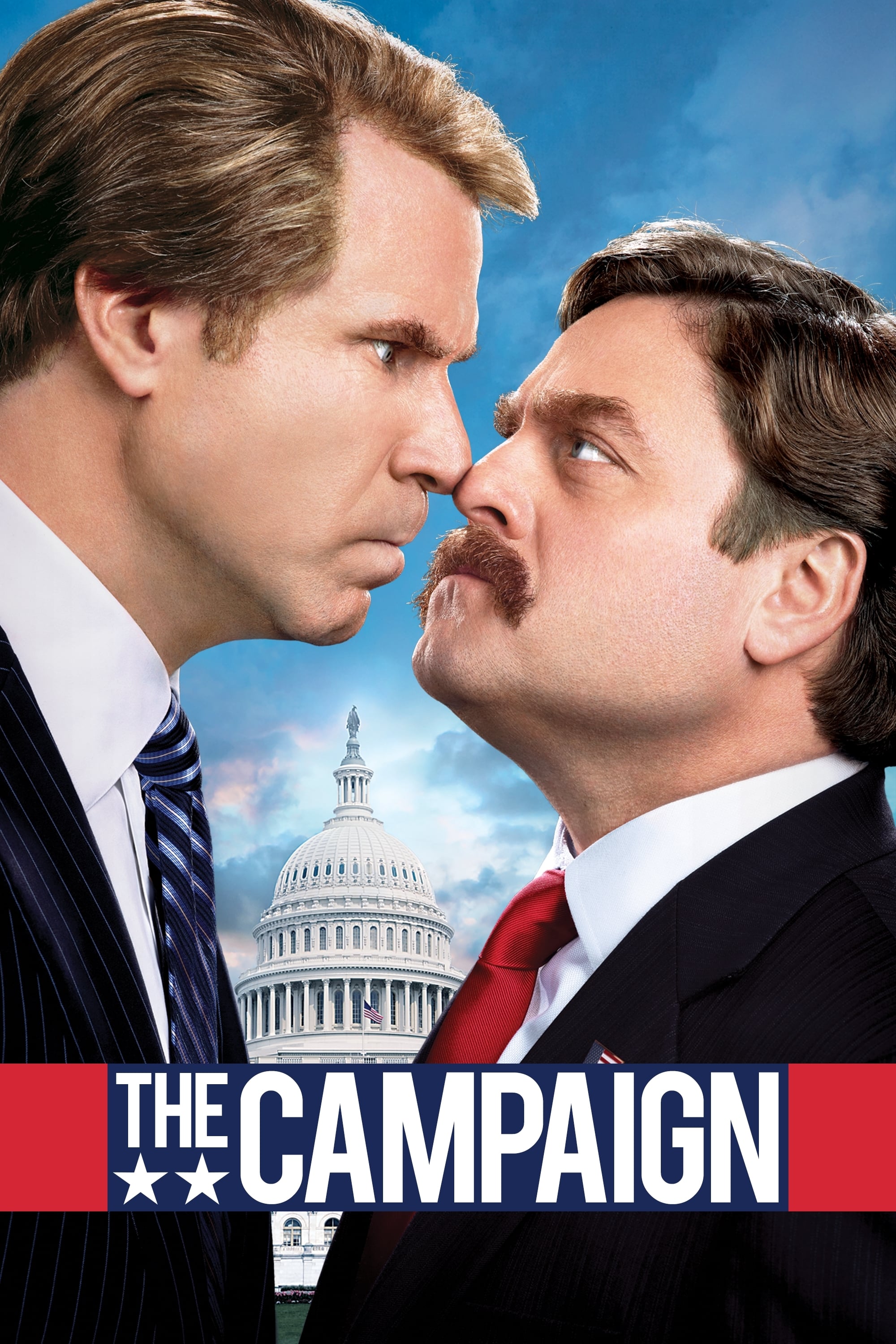
Two rival candidates for a North Carolina congressional seat engage in a dirty war of pranks and slander. Will Ferrell and Zach Galifianakis play the bickering opponents who will do anything to get elected. The movie mocks the unlimited funding in politics and the influence of corporate donors. It exaggerates the mudslinging of modern elections to hysterical levels. The film serves as a crude reminder of how low politicians will stoop to win a vote.
‘The Dictator’ (2012)
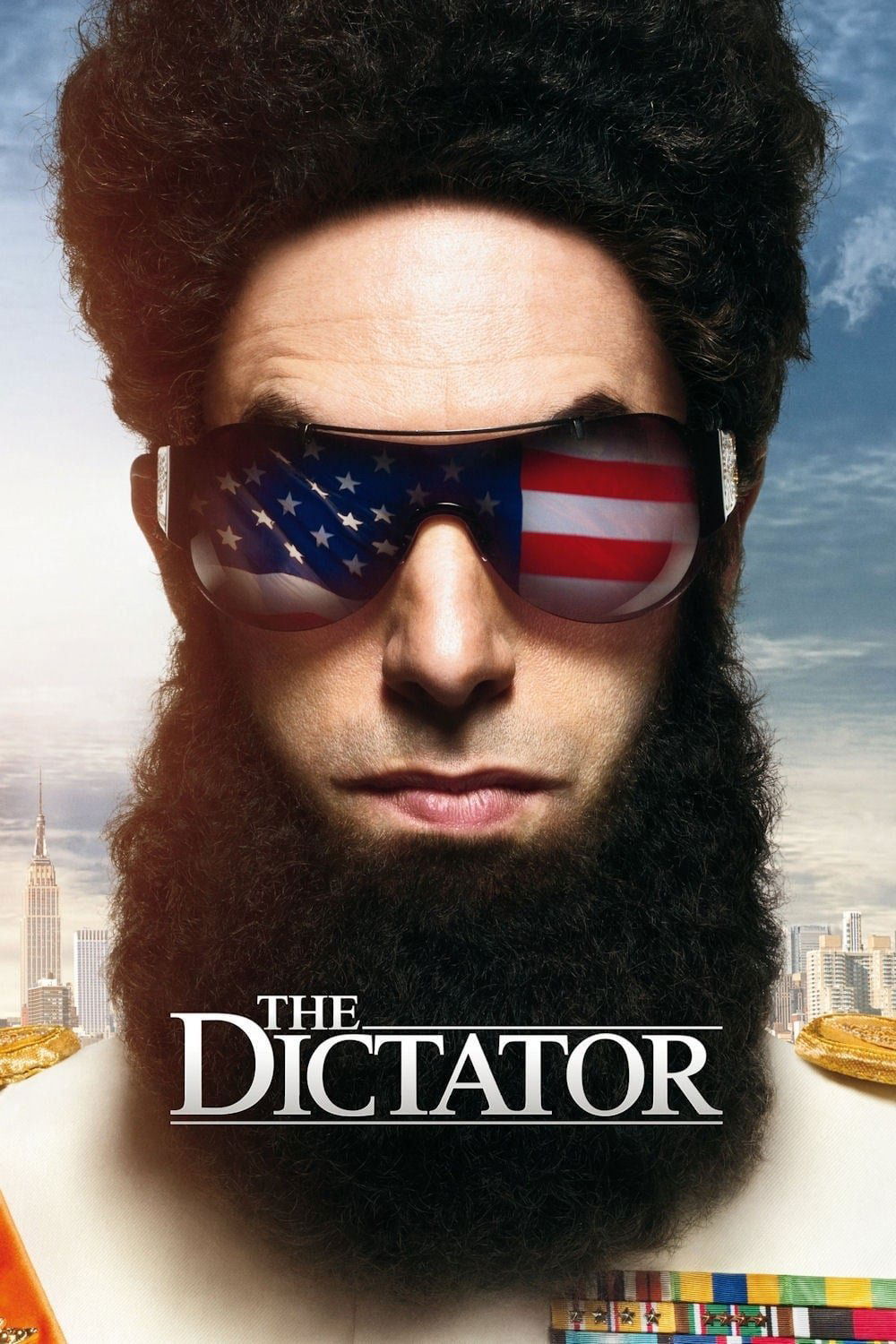
Sacha Baron Cohen plays an eccentric tyrant who comes to New York and gets stripped of his power. He must learn to survive as an ordinary person while trying to prevent his country from becoming a democracy. The film mocks the lifestyle of real-world dictators and the West’s complicated relationship with them. It uses offensive humor to point out the similarities between authoritarian regimes and some aspects of American democracy. The speech at the end is a scathing critique of political corruption disguised as a defense of dictatorship.
‘The Interview’ (2014)
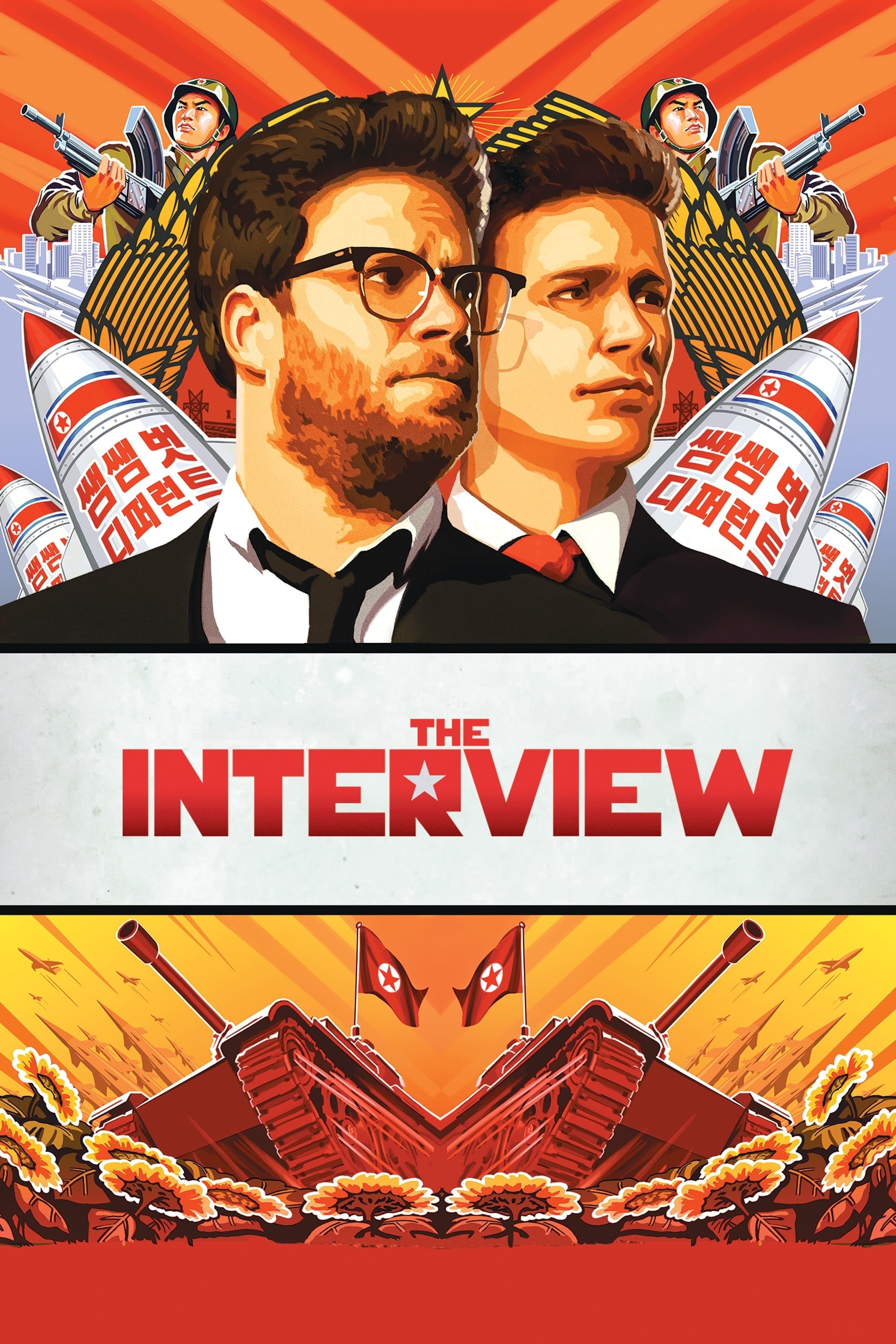
Two television journalists land an interview with the leader of North Korea and are recruited by the CIA to assassinate him. The film sparked a real-world international incident due to its depiction of a sitting world leader. It relies on bro-comedy tropes to mock the cult of personality surrounding dictators. The incompetence of both the journalists and the CIA agents drives the plot. It is a rare example of a political comedy that actually caused political tension between nations.
‘The Death of Stalin’ (2017)
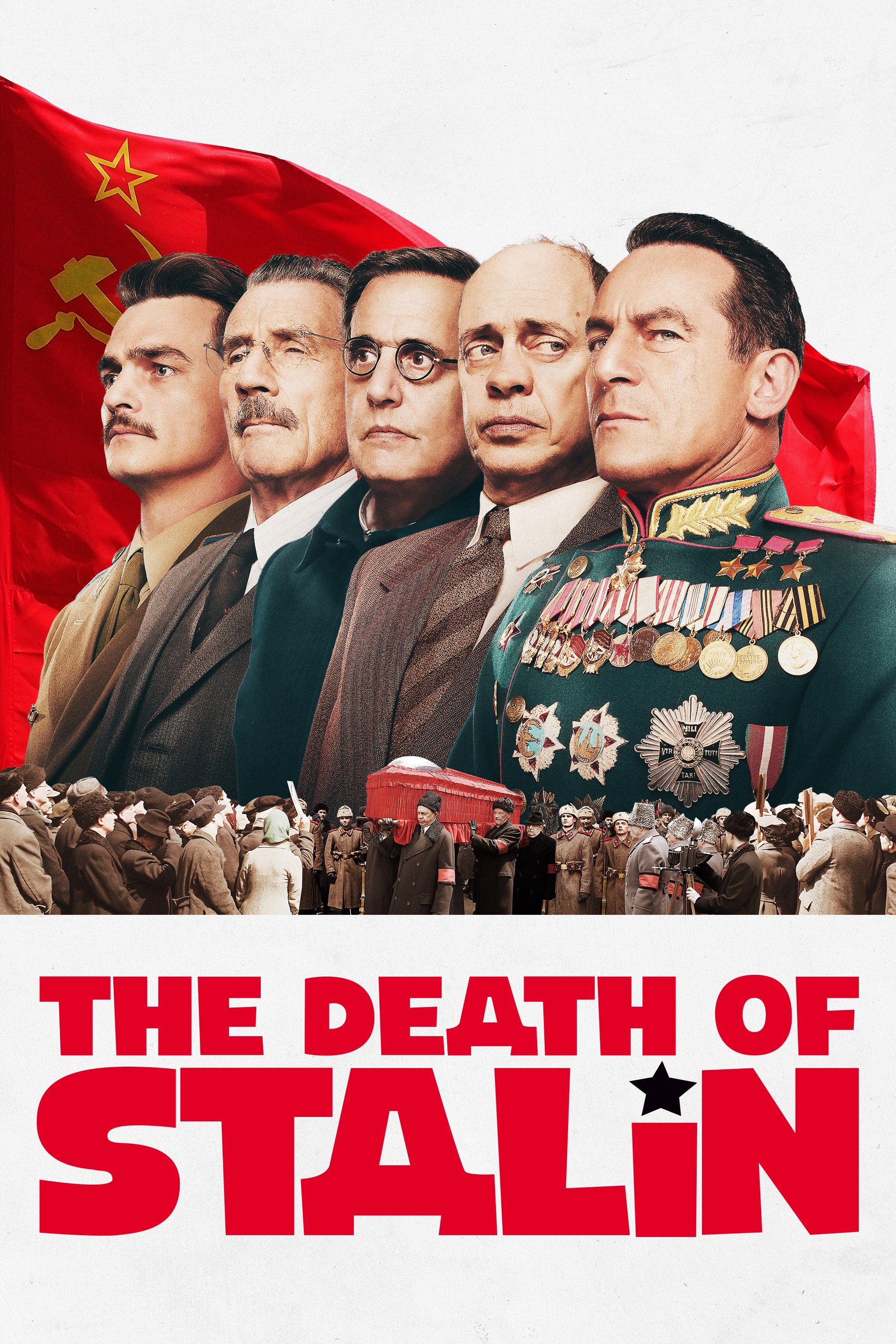
The sudden death of the Soviet dictator triggers a frantic and ridiculous power struggle among his top ministers. They scheme and backstab each other while trying to plan a funeral and maintain order. The film finds bleak humor in the terror of the Soviet regime and the cowardice of its enablers. It highlights how fear can make grown men act like bumbling children. The excellent ensemble cast brings a farcical energy to one of history’s darkest moments.
‘Don’t Look Up’ (2021)

Two astronomers discover a comet on a collision course with Earth but struggle to get the President to take it seriously. The administration is more concerned with poll numbers and midterms than the impending apocalypse. The film is a biting allegory for the political response to climate change and other global threats. It satirizes the denialism and media distractions that prevent meaningful action. The starry cast depicts a government so consumed by image that it ignores its own destruction.
If we missed your favorite political satire, let us know in the comments!