


17 Movies That Use Mirrors as a Recurring Visual Motif

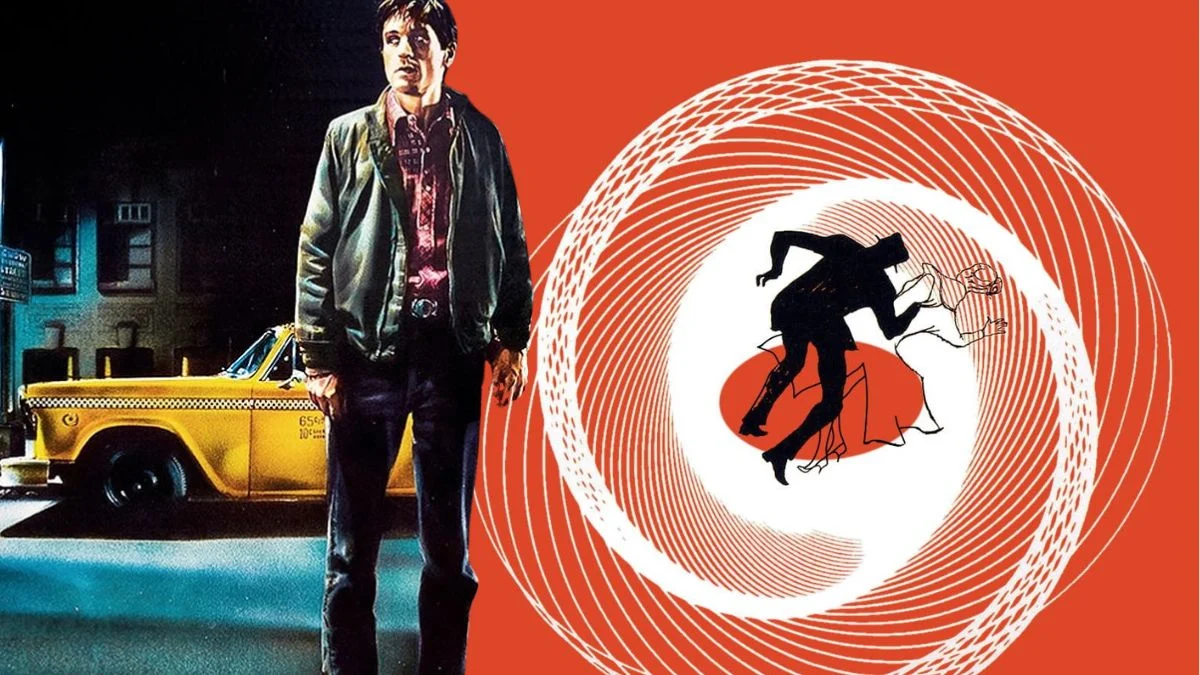


Directors often utilize mirrors as powerful cinematic tools to visually represent duality or internal conflict within a character. These reflective surfaces allow filmmakers to explore themes of identity and vanity without needing a single line of dialogue. The mirror can act as a portal to a different time or a fracture in the protagonist’s grip on reality. This list explores films where reflections are not just set dressing but integral components of the visual storytelling.
‘The Lady from Shanghai’ (1947)

Orson Welles directs and stars in this film noir that features one of the most celebrated climactic sequences in cinema history. The final shootout takes place inside a funhouse hall of mirrors where characters struggle to distinguish between real people and their reflections. This disorienting visual effect emphasizes the themes of deception and illusion that permeate the entire narrative. The shattering glass serves as a metaphor for the destruction of the characters’ false personas and complex lies.
‘Black Swan’ (2010)
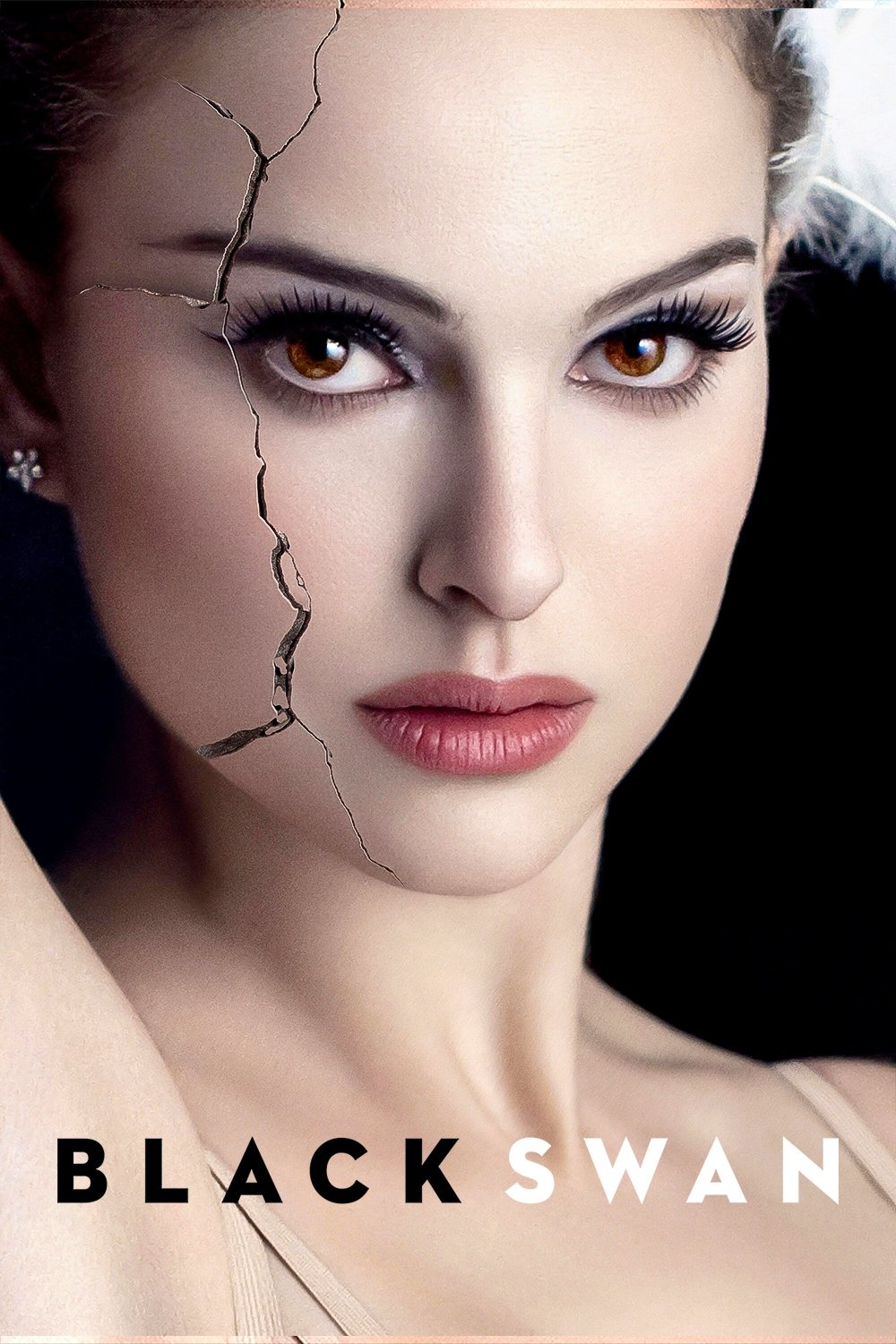
Darren Aronofsky uses mirrors to visualize the psychological fracture of a dedicated ballerina named Nina Sayers. The protagonist constantly checks her reflection to perfect her technique but soon notices her image moving independently. These reflections eventually warp and distort as Nina descends further into madness during her preparation for the leading role. The visual motif perfectly captures the duality between the innocent White Swan and the malevolent Black Swan living within her.
‘Taxi Driver’ (1976)
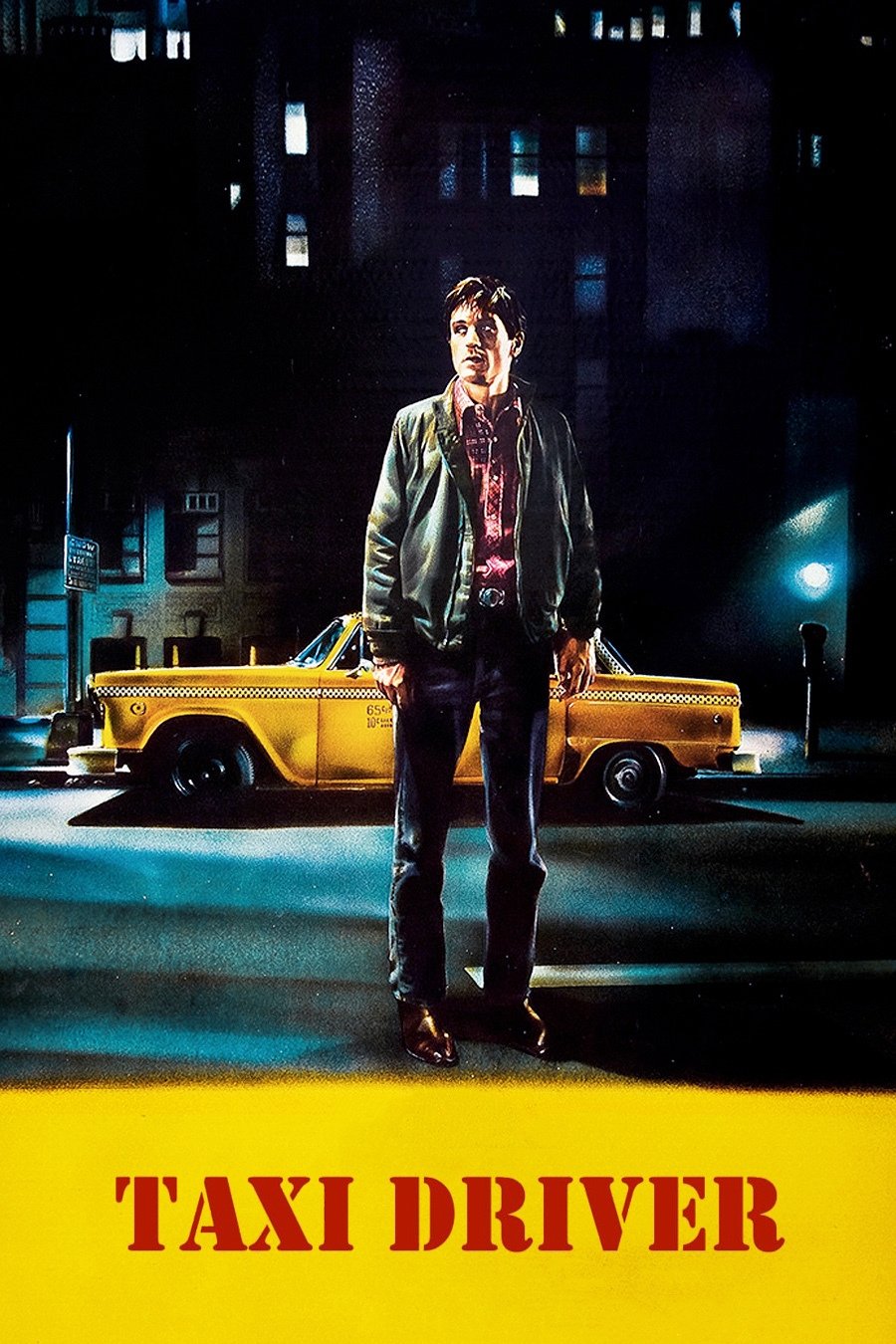
Travis Bickle uses a mirror to rehearse his confrontation with a hypothetical aggressor in a scene that has become legendary. The protagonist stares into the glass while drawing his weapon and asking his reflection if it is talking to him. This moment highlights his profound isolation and his desperate need to assert dominance over his environment. The mirror acts as the only sounding board for a man who has completely detached from the society around him.
‘Enter the Dragon’ (1973)
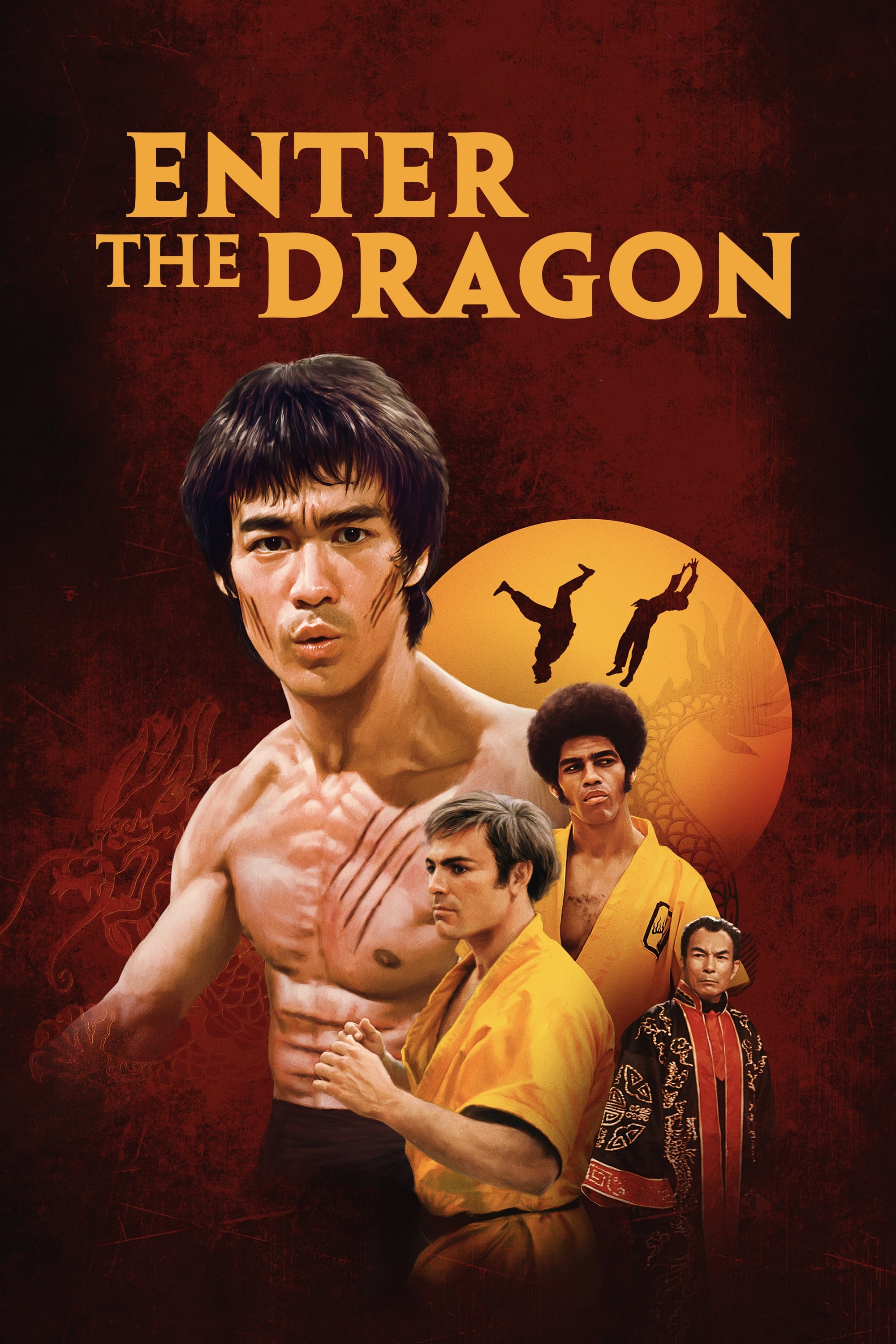
Bruce Lee faces the primary antagonist Han in a decisive battle set within a room filled with mirrored surfaces. The hero must remember the philosophical lessons of his master to defeat an enemy who uses illusions to hide his true location. Lee eventually smashes the mirrors to eliminate the deceptive reflections and force a direct confrontation. This sequence visually represents the triumph of truth and instinct over visual trickery and deception.
‘Persona’ (1966)
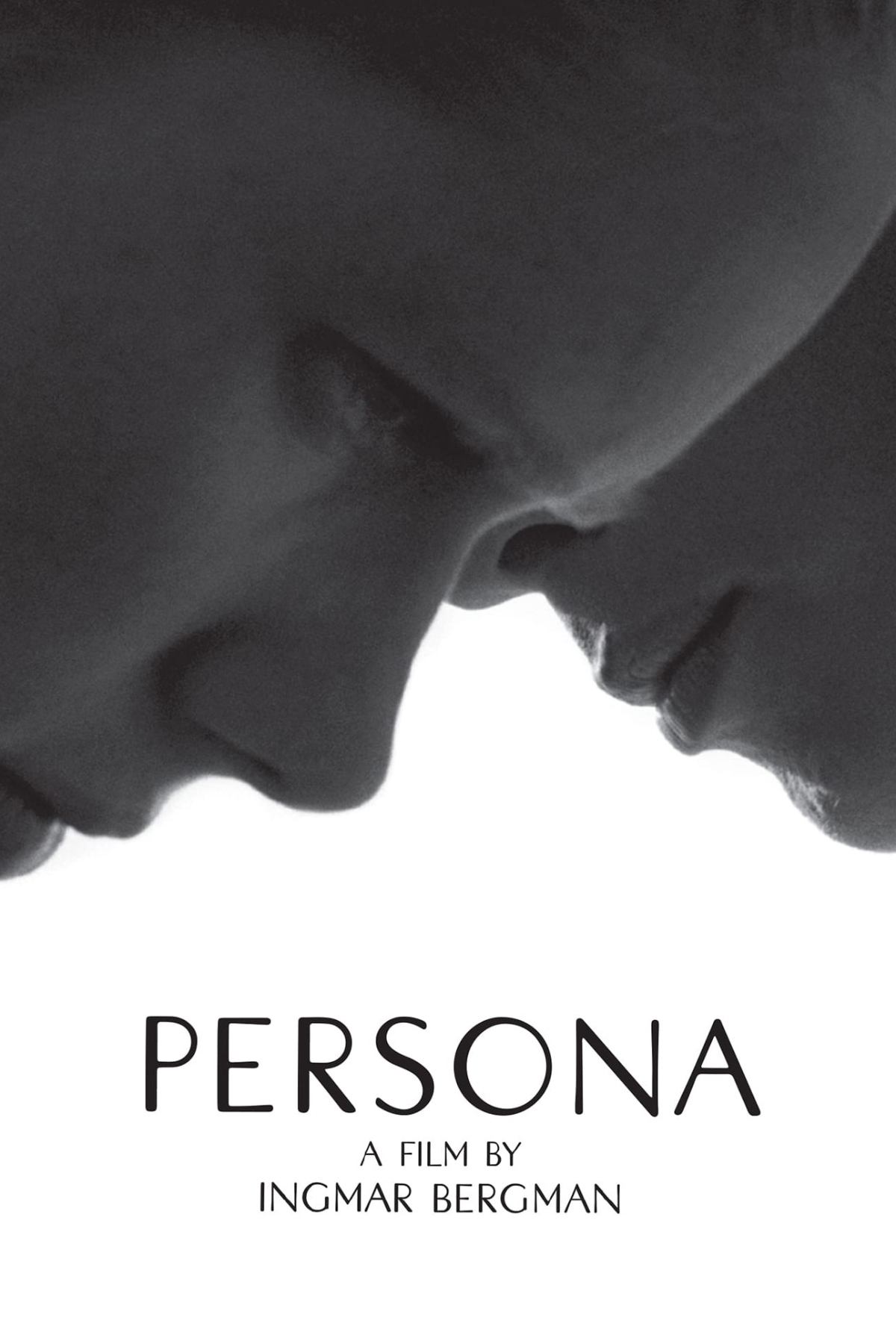
Ingmar Bergman composes shots where the faces of a nurse and her mute patient frequently merge or overlap in mirrors. The film explores the fluidity of identity as the two women begin to psychologically blend into one another during their isolation. Mirrors serve as the primary instrument for showing this disintegration of the individual self. The stark black and white cinematography emphasizes the haunting nature of these doubled images.
‘Candyman’ (1992)

The entire mythology of the film revolves around the ritualistic act of speaking a name five times into a mirror. Helen Lyle investigates this urban legend and finds that the mirror becomes a gateway for the vengeful entity to enter the physical world. The film uses reflective surfaces to trap the protagonist and blur the line between myth and reality. Mirrors in this story transform from mundane household objects into dangerous portals of summoning.
‘Last Night in Soho’ (2021)
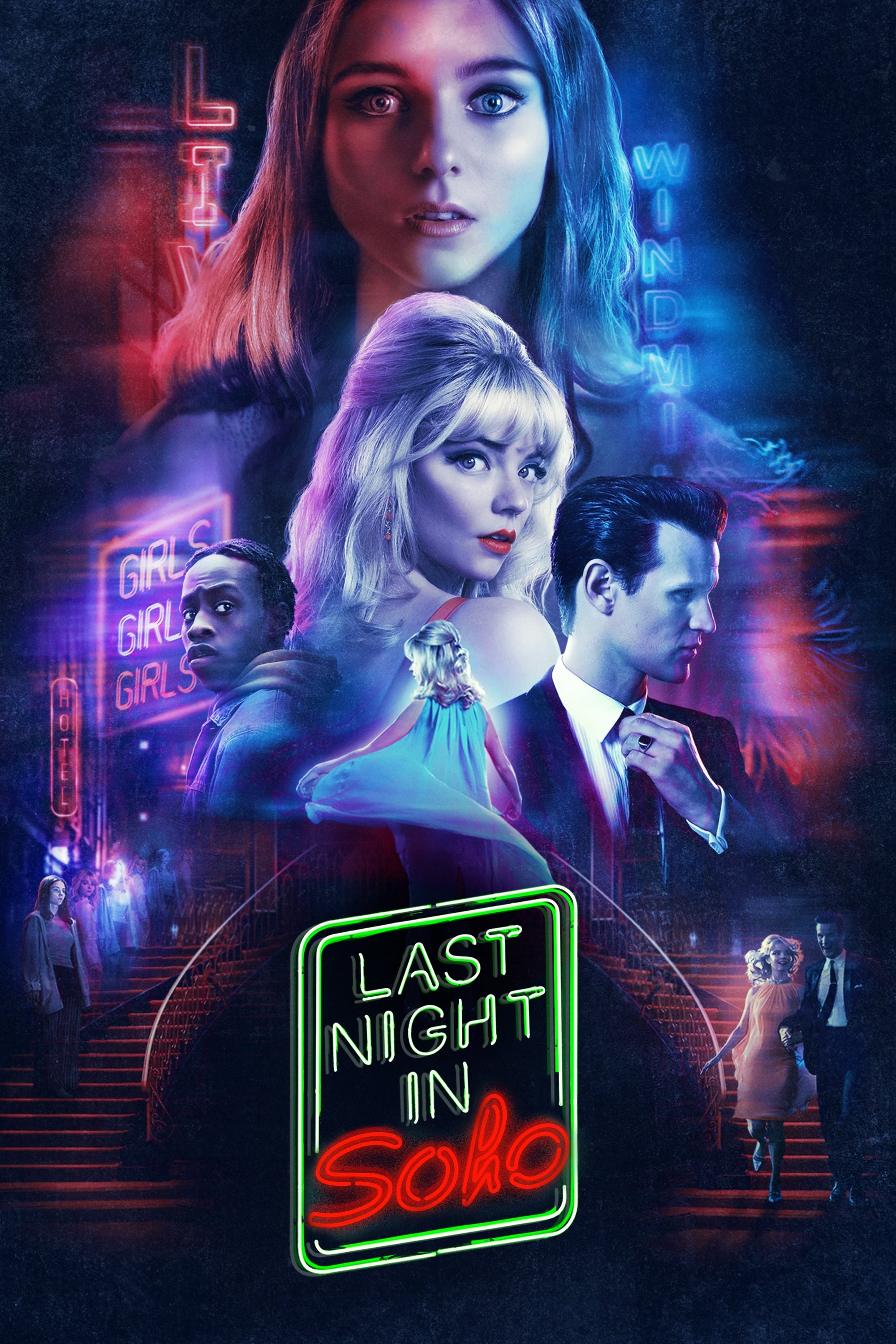
Edgar Wright uses mirrors to seamlessly transport a modern fashion student into the 1960s body of an aspiring singer. The protagonist looks into a mirror and sees the singer looking back instead of her own reflection. This visual device allows both actresses to perform in the same scene without the need for traditional cuts. The reflection motif evolves from a fantasy of glamour into a nightmare as the past begins to encroach on the present.
‘Us’ (2019)

Jordan Peele opens the film with a young girl encountering her doppelgänger inside a funhouse of mirrors on the Santa Cruz boardwalk. This initial traumatic event sets the stage for a narrative centered entirely on the existence of a shadow self. The mirrors represent the barrier between the surface world and the tethered underworld that eventually breaks open. Throughout the movie the characters are forced to confront the dark reflections of their own existence.
‘Citizen Kane’ (1941)
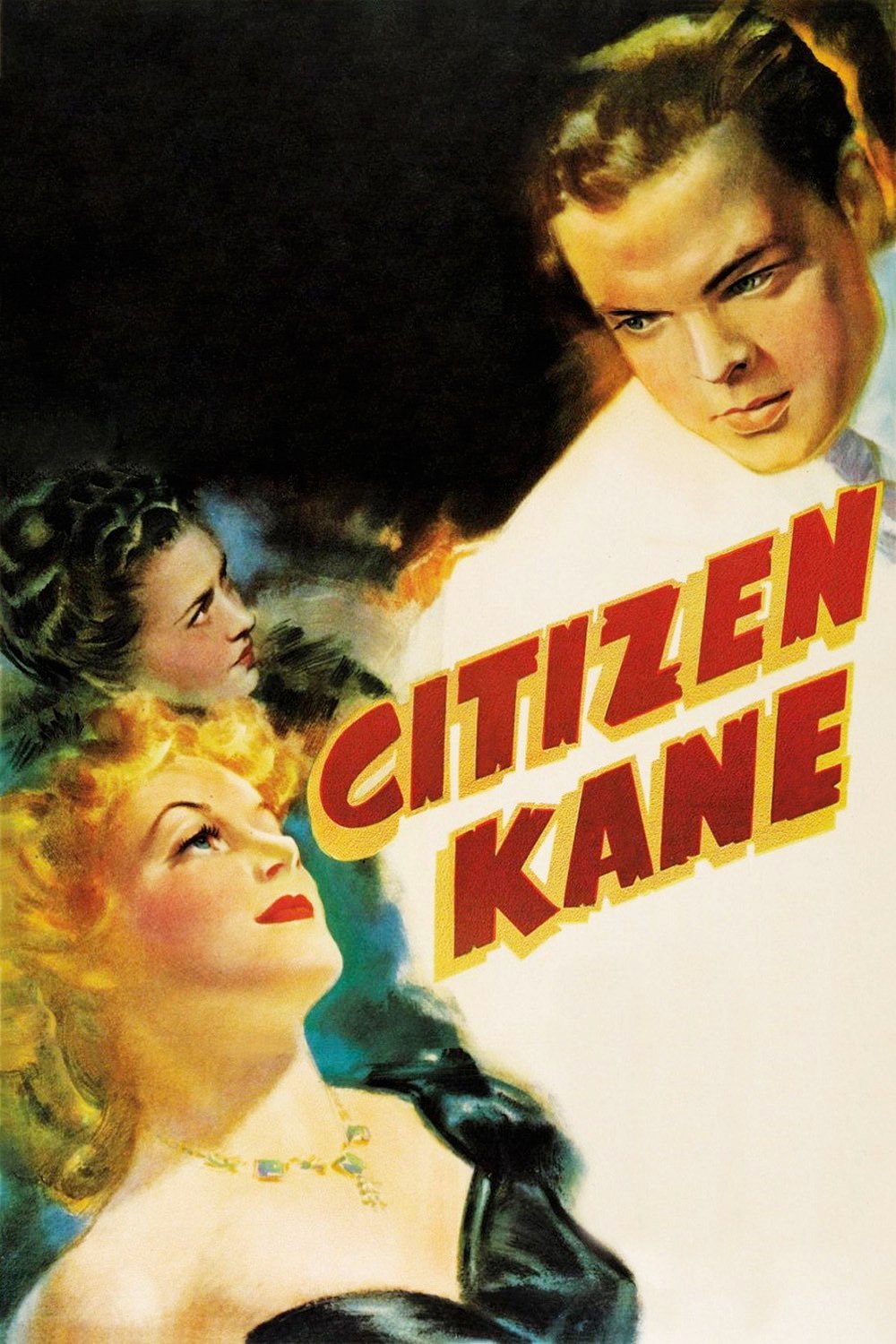
Charles Kane walks past a hallway of mirrors that creates an infinite regression of his image in the final act of the film. This striking visual suggests the limitless yet hollow nature of his public persona and vast wealth. Orson Welles uses this single shot to summarize the loneliness of a man who has everything but possesses nothing of true value. The multiple reflections hint at the many different versions of Kane seen through the eyes of his associates.
‘Oculus’ (2013)
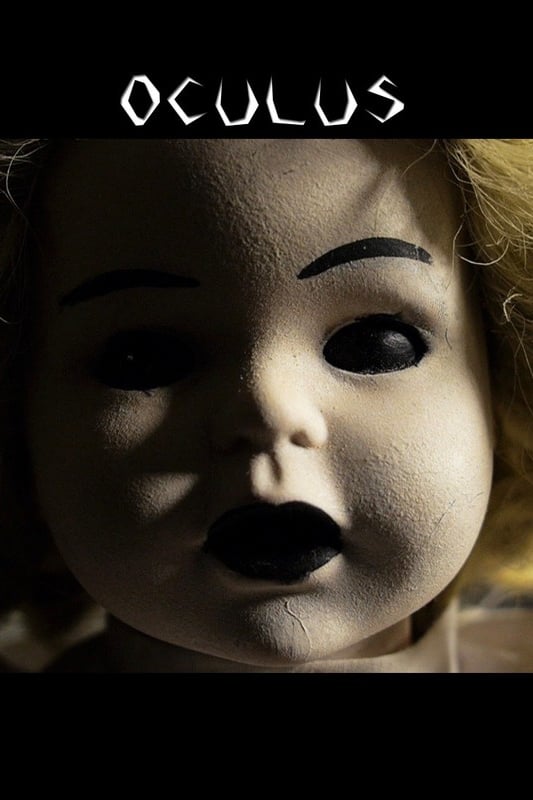
The antagonist of this horror film is an antique mirror that possesses the power to warp the perception of anyone who looks into it. Two siblings attempt to document the supernatural capabilities of the object while it actively manipulates their senses. The film uses the mirror to distort the timeline and trick the characters into harming one another. The reflective surface acts as a malevolent eye that feeds on the psychological trauma of its owners.
‘The Matrix’ (1999)
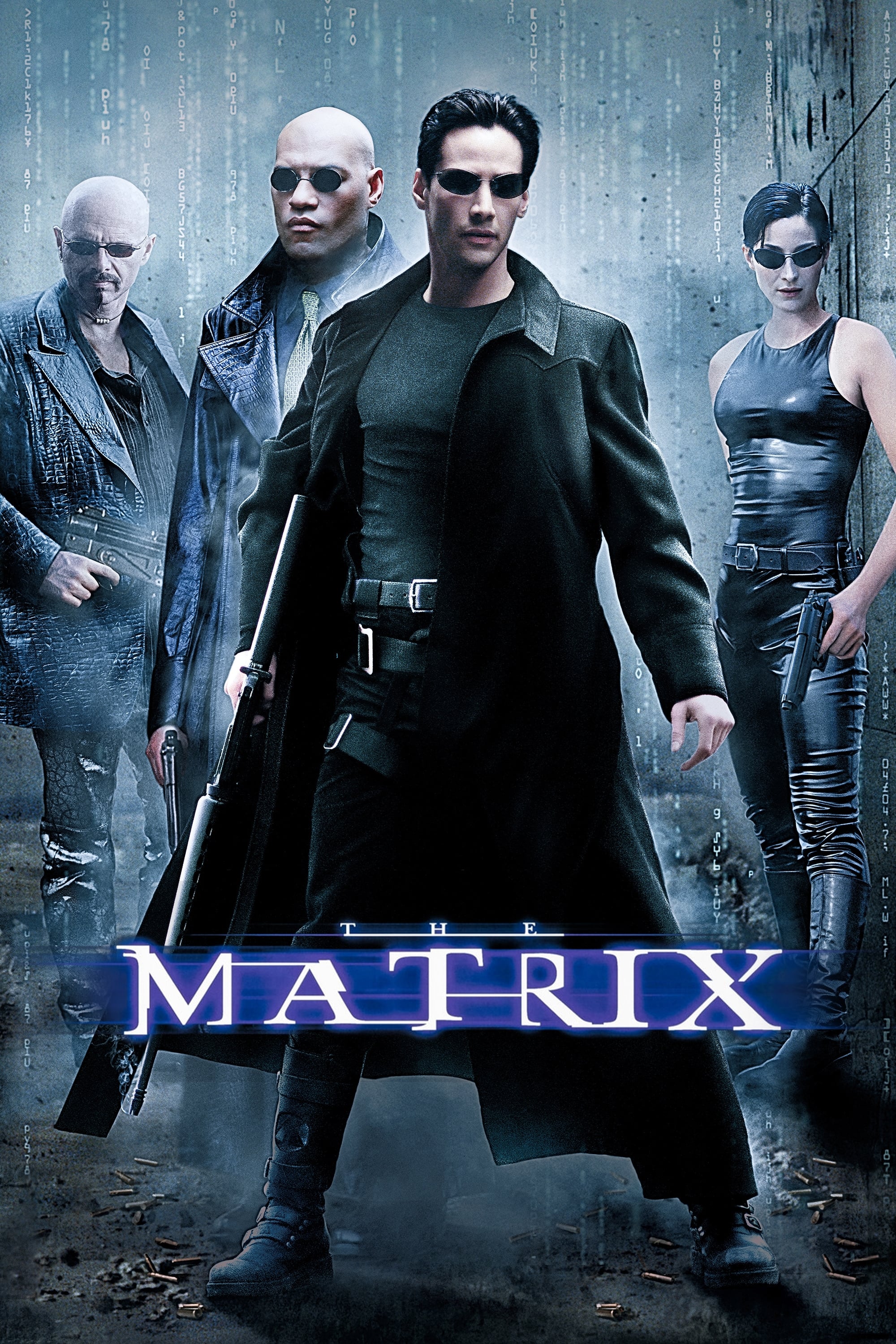
Neo touches a broken mirror that miraculously repairs itself before the reflective substance begins to consume his body. This liquid mirror serves as the transition point that disconnects him from the simulated world and wakes him up in the real one. The Wachowskis use reflections throughout the film to hide truth in plain sight particularly in the iconic sunglasses worn by the agents. The mirror represents the fragility of the digital illusion that the protagonist chooses to leave behind.
‘La Haine’ (1995)
Vinz mimics the mannerisms of a tough movie gangster while staring intensely into his bathroom mirror. The scene allows the audience to see the vulnerability and performative nature of his tough exterior before he heads out into the projects. The black and white cinematography makes the reflection feel stark and confronts the viewer with his aggression. This moment establishes the character’s desire for respect and his internal conflict regarding violence.
‘Mulholland Drive’ (2001)
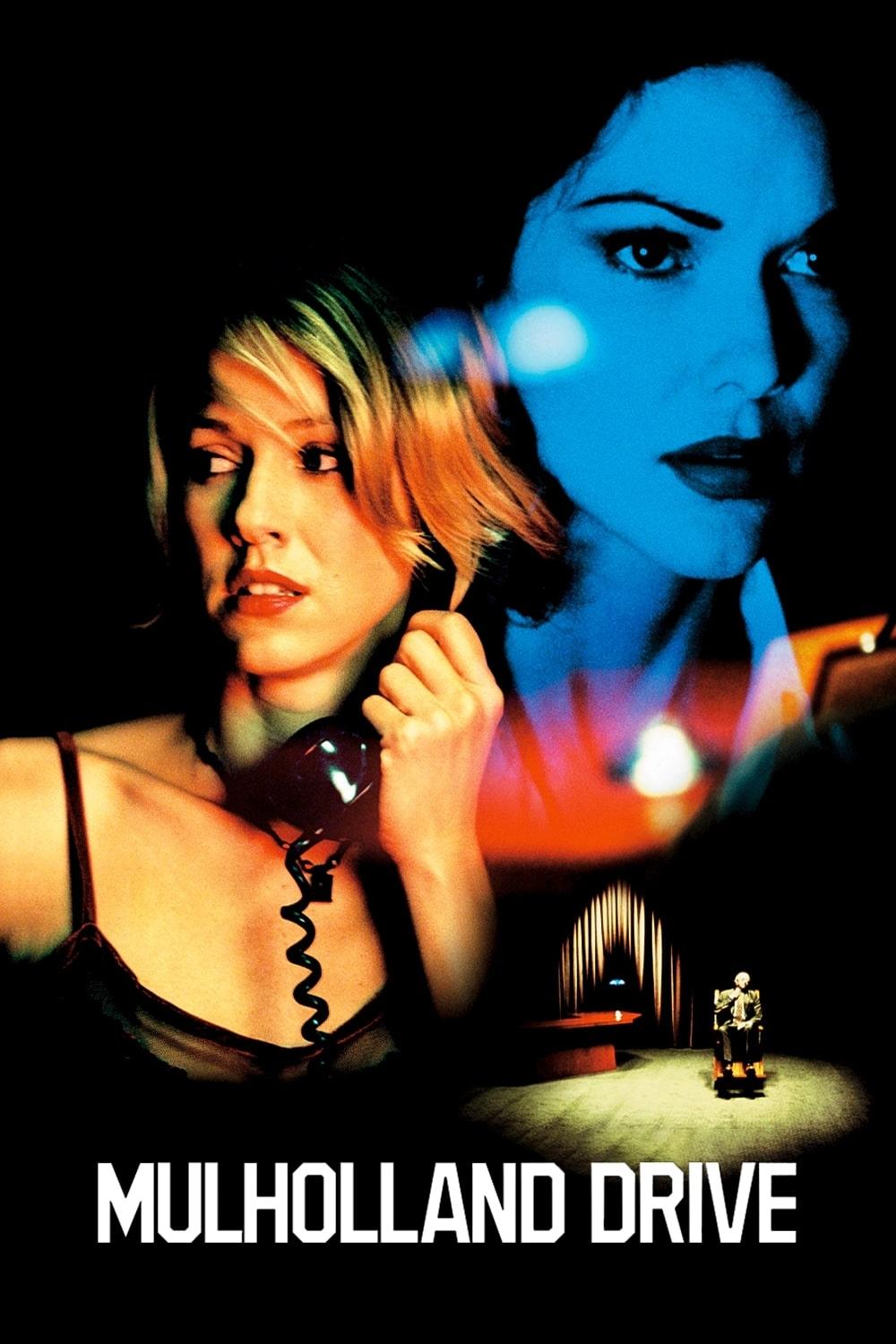
David Lynch uses mirrors to signal the shifting identities of his characters within a dreamlike Los Angeles. Rita and Betty look into a mirror together in a shot that visually merges their appearances and suggests they are two halves of a whole. Later scenes use reflections to reveal the horrifying truth behind the Hollywood fantasy the protagonist has constructed. The mirror acts as a boundary between the idealized dream and the devastating reality.
‘Perfect Blue’ (1997)

Mima Kirigoe sees a reflection that refuses to follow her movements and instead mocks her decision to leave the idol industry. This anime thriller uses the disconnect between the character and her image to depict a severe identity crisis. The reflection takes on a life of its own and begins to torment her as a manifestation of her guilt and fear. Satoshi Kon masterfully uses these animated reflections to blur the line between Mima’s hallucinations and the real world.
‘Duck Soup’ (1933)
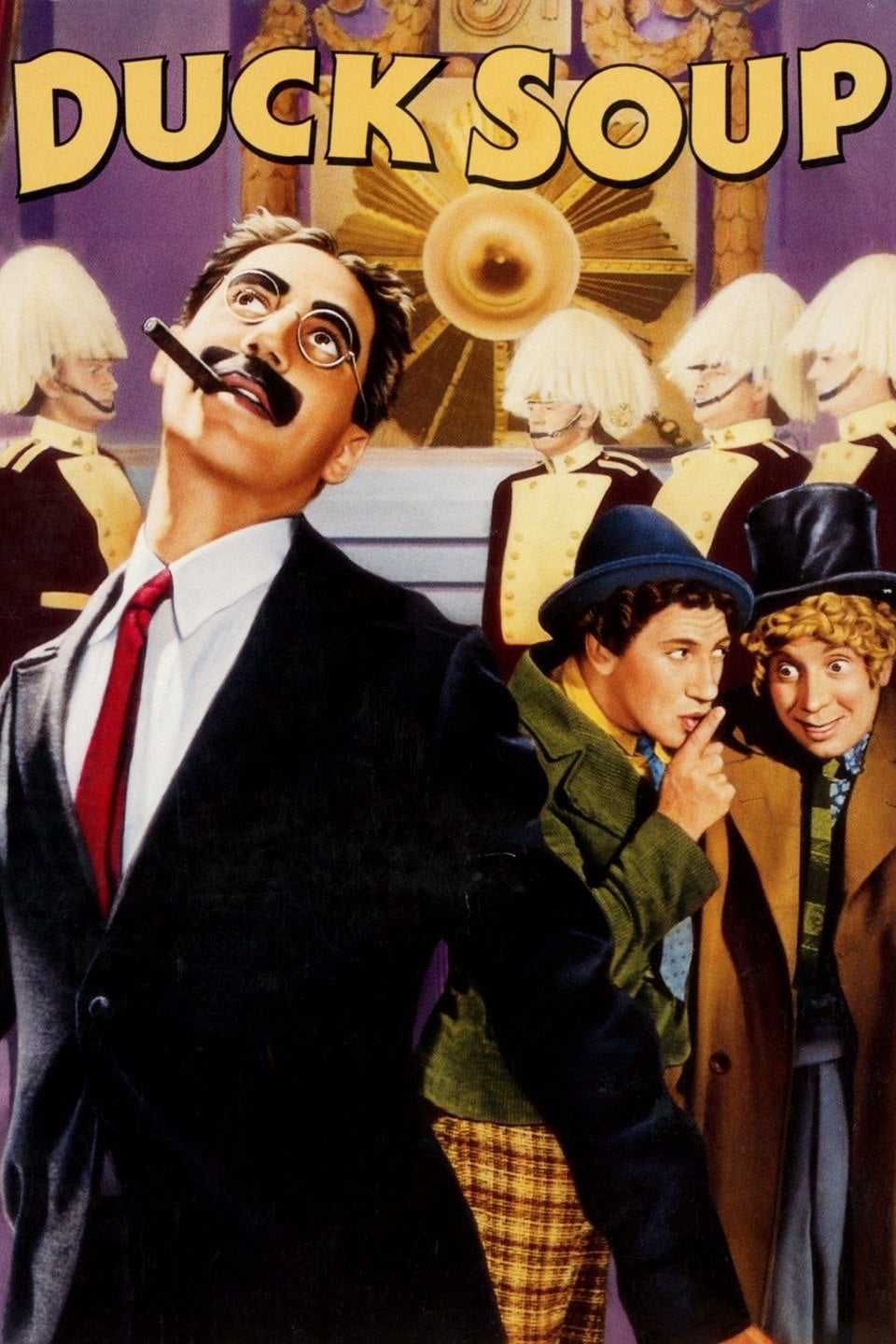
The Marx Brothers execute a comedic routine where Harpo dresses exactly like Groucho and mimics his every move in an empty doorframe. Groucho believes he is looking into a mirror and tests the reflection with increasingly complex physical gestures. This scene relies entirely on perfect timing and physical comedy to sell the illusion of a mirror without using any glass. It remains one of the most famous examples of the mirror gag in comedic history.
‘Suspiria’ (1977)
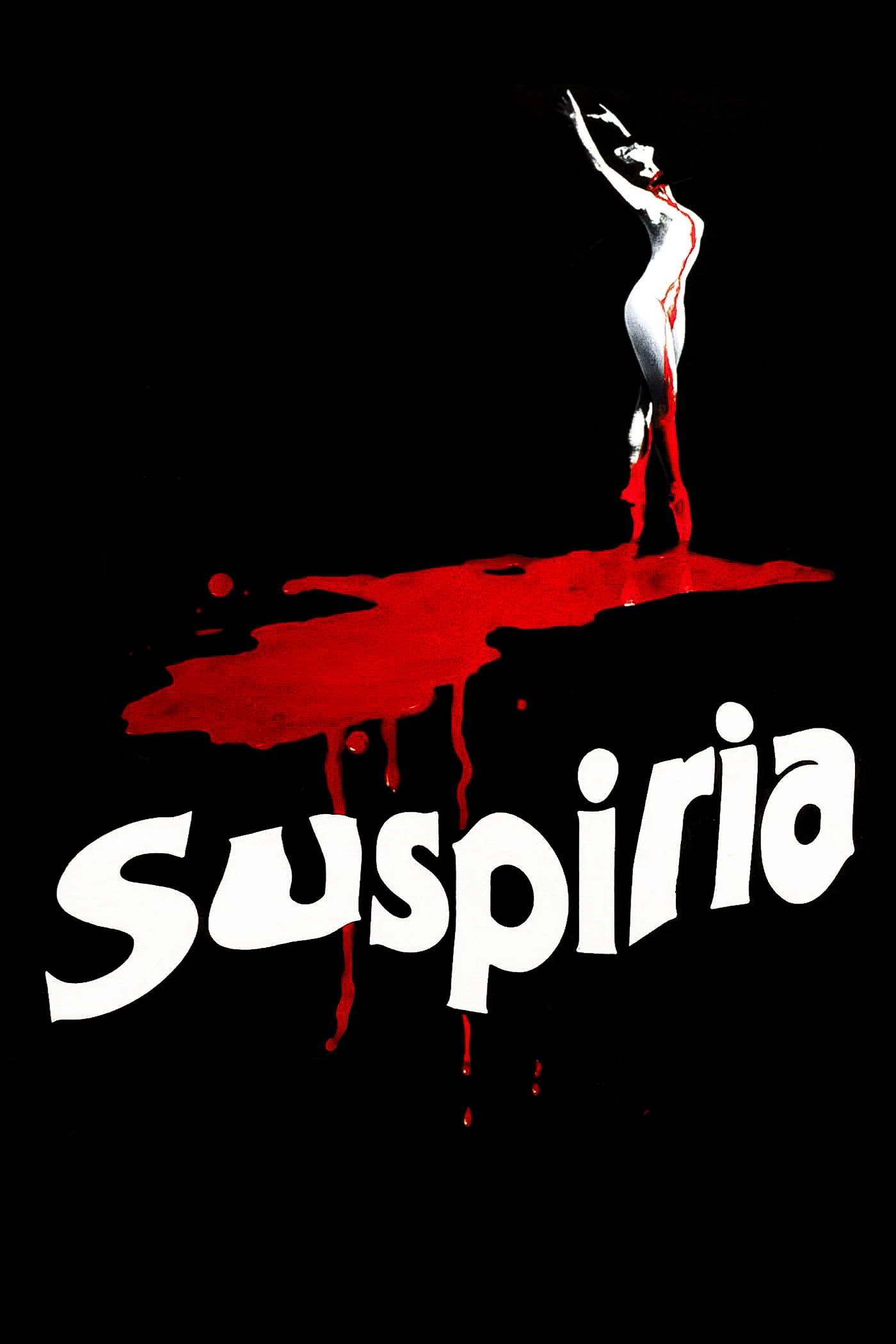
Dario Argento uses reflective surfaces to hide secrets within a prestigious dance academy that doubles as a coven. The protagonist discovers that the mirrors in the dance studio are not just for checking form but also conceal hidden passages. Flashlights reflecting off these surfaces guide the characters deeper into the mystery of the witches. The mirrors serve as deceptive barriers that mask the sinister true nature of the school.
‘Vertigo’ (1958)
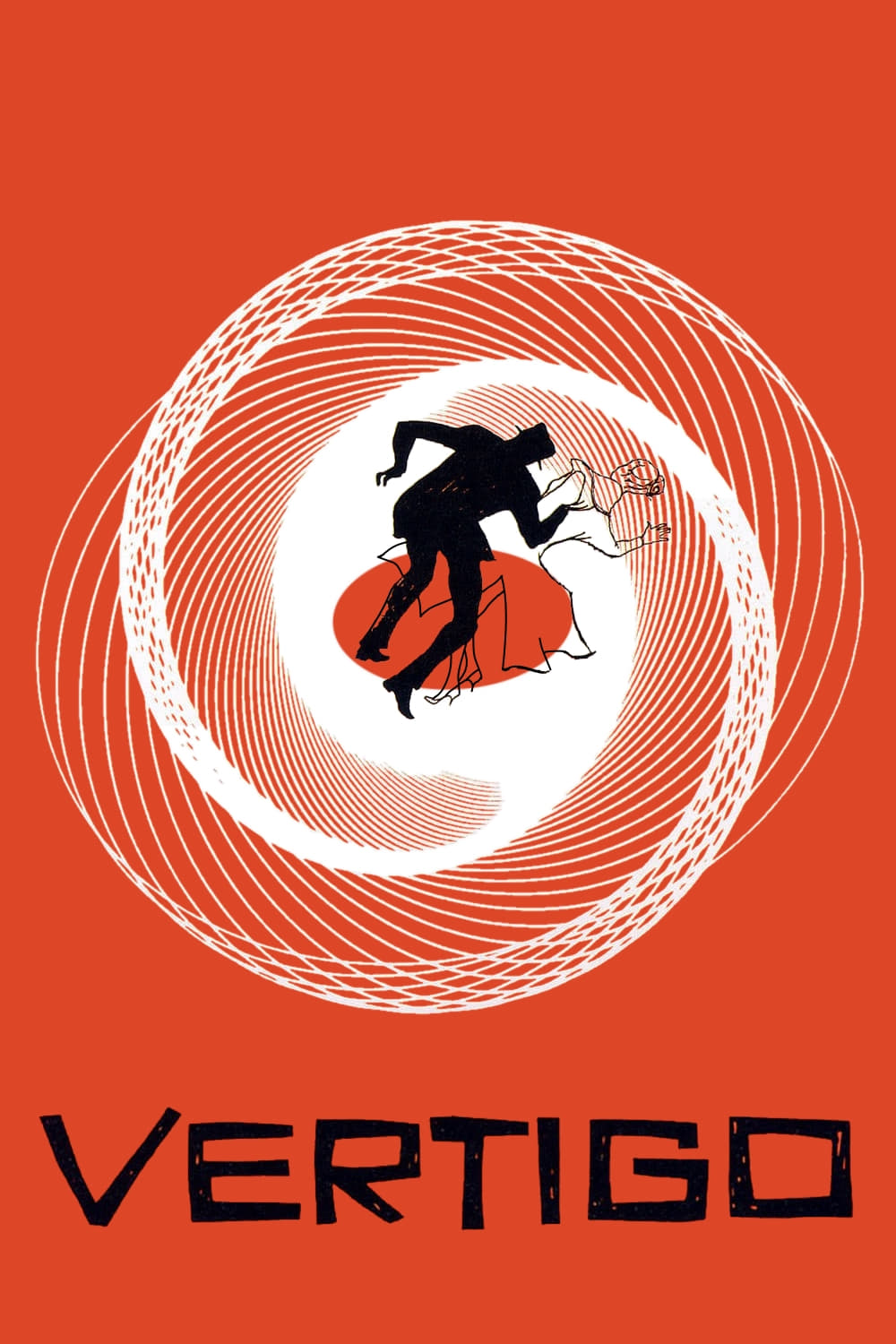
Alfred Hitchcock uses mirrors to emphasize the theme of dual identities and obsession in this psychological thriller. Scottie frequently views Judy through mirrors as he attempts to mold her into the image of his lost love Madeleine. The reflections serve to frame the women as objects of observation rather than independent people. This visual recurrence underscores the way Scottie prefers the image he created over the reality in front of him.
Please share which of these reflective cinematic moments stood out to you the most in the comments.