


20 Movies That Used Black Trauma for White Savior Oscar Bait

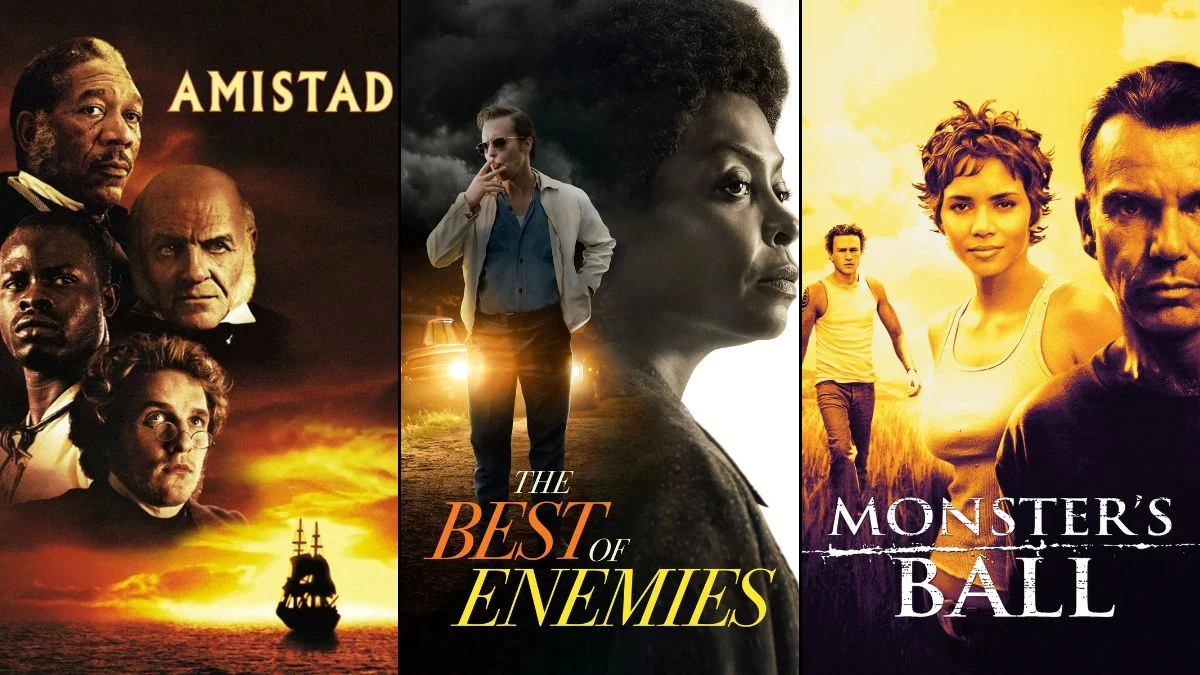


Hollywood has frequently produced films that explore themes of racial injustice while centering the narrative perspective on a white protagonist. These storylines often utilize the suffering or historical trauma of Black characters as a primary catalyst for the moral redemption or emotional growth of the white leads. Industry trends show that these productions often perform well during awards season despite recurring criticism regarding their narrative framing. The following list examines twenty films that have been discussed in critics circles as examples of this specific storytelling device.
‘Green Book’ (2018)
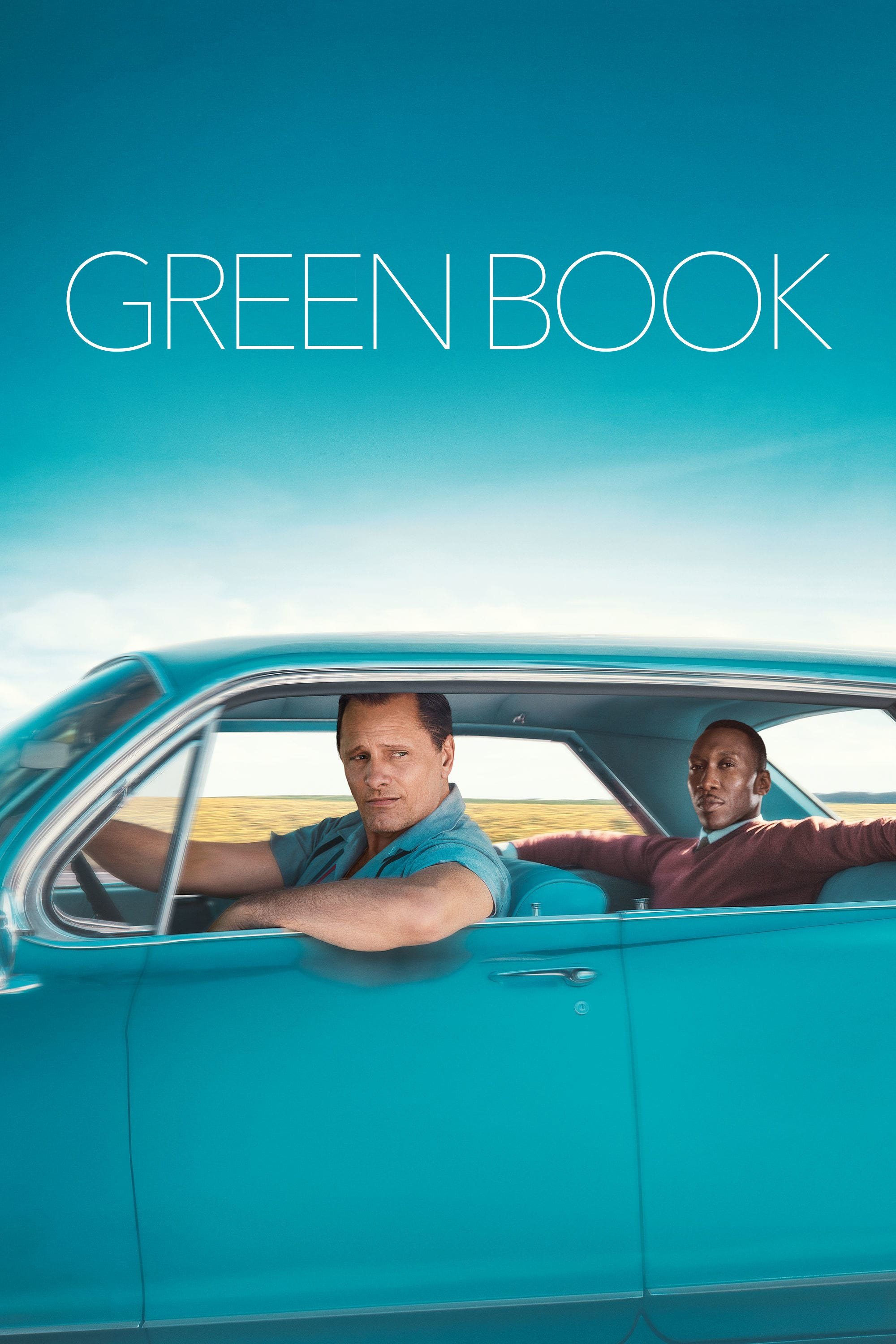
Tony Lip is a working class Italian American bouncer who accepts a job driving African American classical pianist Don Shirley through the 1960s Deep South. The film focuses heavily on the evolution of Tony as he learns to overcome his own prejudices while protecting Shirley from discriminatory encounters. Critics noted that the script dedicates significantly more screen time to the white driver’s family life and personal growth than to the musician’s internal experience. The movie won the Academy Award for Best Picture despite facing backlash for its simplified portrayal of race relations.
‘The Blind Side’ (2009)
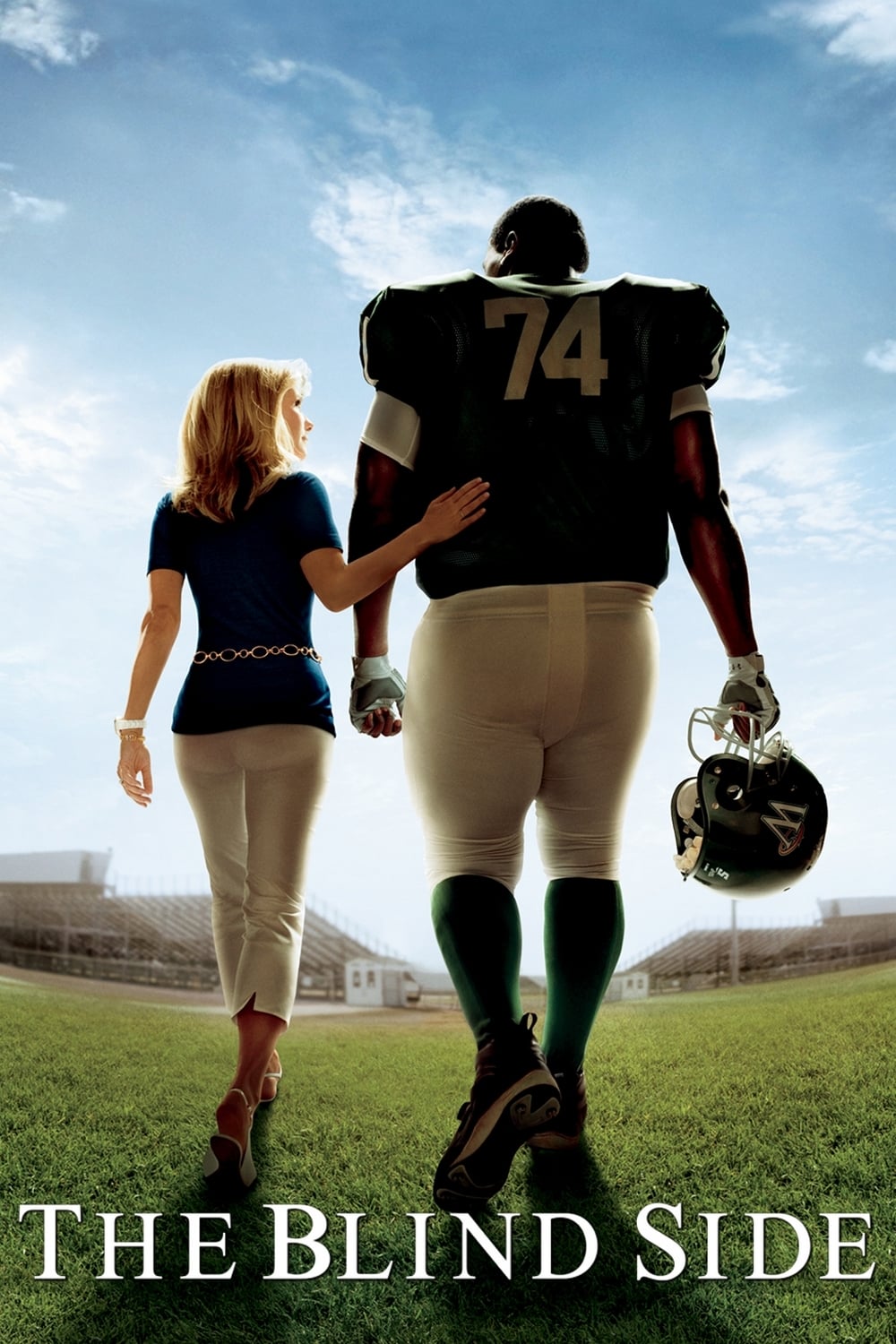
This biographical drama depicts the life of Michael Oher and his adoption by the wealthy Tuohy family. The narrative frames Leigh Anne Tuohy as the driving force behind the success and safety of the homeless teenager who eventually becomes an NFL player. Many viewers criticized the film for portraying Oher as simple minded and entirely dependent on the benevolence of his white guardians to understand football. The performance earned Sandra Bullock an Academy Award while sparking debates about the agency of the film’s subject.
‘The Help’ (2011)
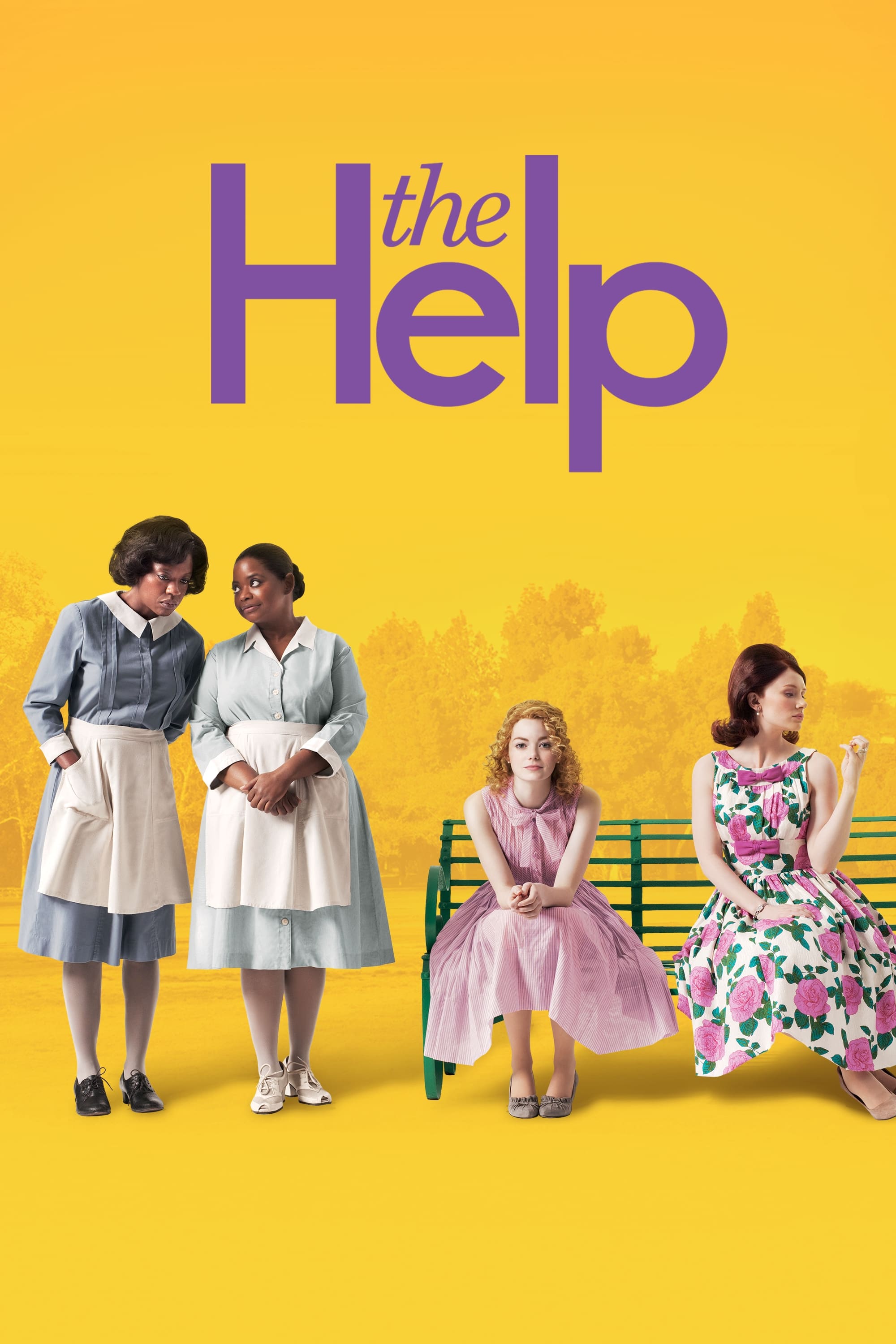
An aspiring white journalist named Skeeter Phelan decides to write a book exposing the racism faced by Black domestic workers in 1960s Mississippi. The story prioritizes Skeeter’s professional risks and her crusade against her social circle over the immediate dangers faced by the maids she interviews. While the film provided acting showcases for Octavia Spencer and Viola Davis the narrative structure credits a white savior with giving them a voice. It received a Best Picture nomination and remains a central example in discussions about sanitized civil rights dramas.
‘Driving Miss Daisy’ (1989)
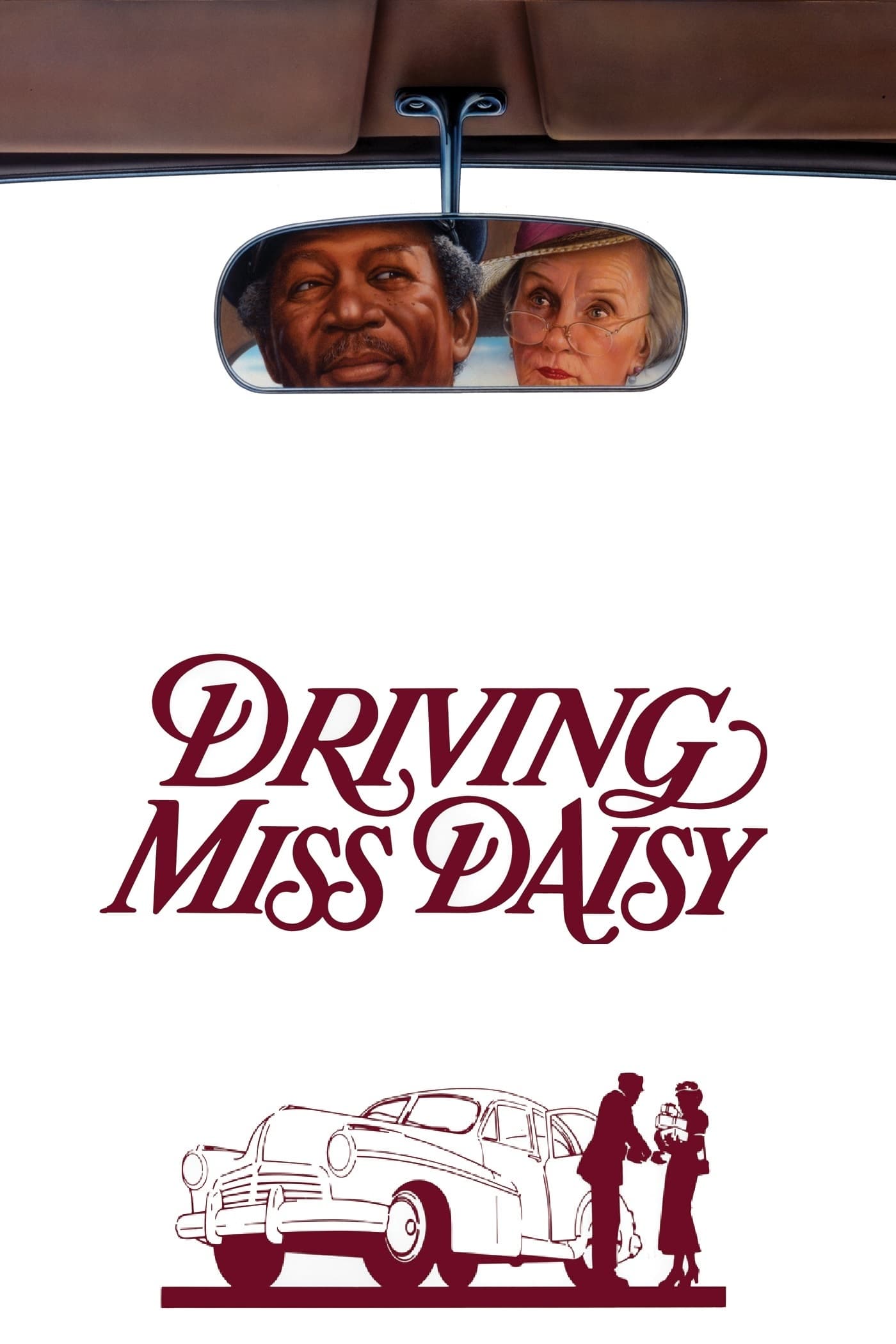
The film follows the twenty-five year relationship between a wealthy Jewish widow and her Black chauffeur in Atlanta. Hoke Colburn serves as a steady and subservient presence who helps Miss Daisy soften her rigid demeanor and prejudices over time. The movie was criticized for presenting a comforting and non-threatening view of race relations that ignored the harsh realities of the era. It won the Academy Award for Best Picture in a year that famously saw Spike Lee’s ‘Do the Right Thing’ snubbed by the Academy.
‘Mississippi Burning’ (1988)
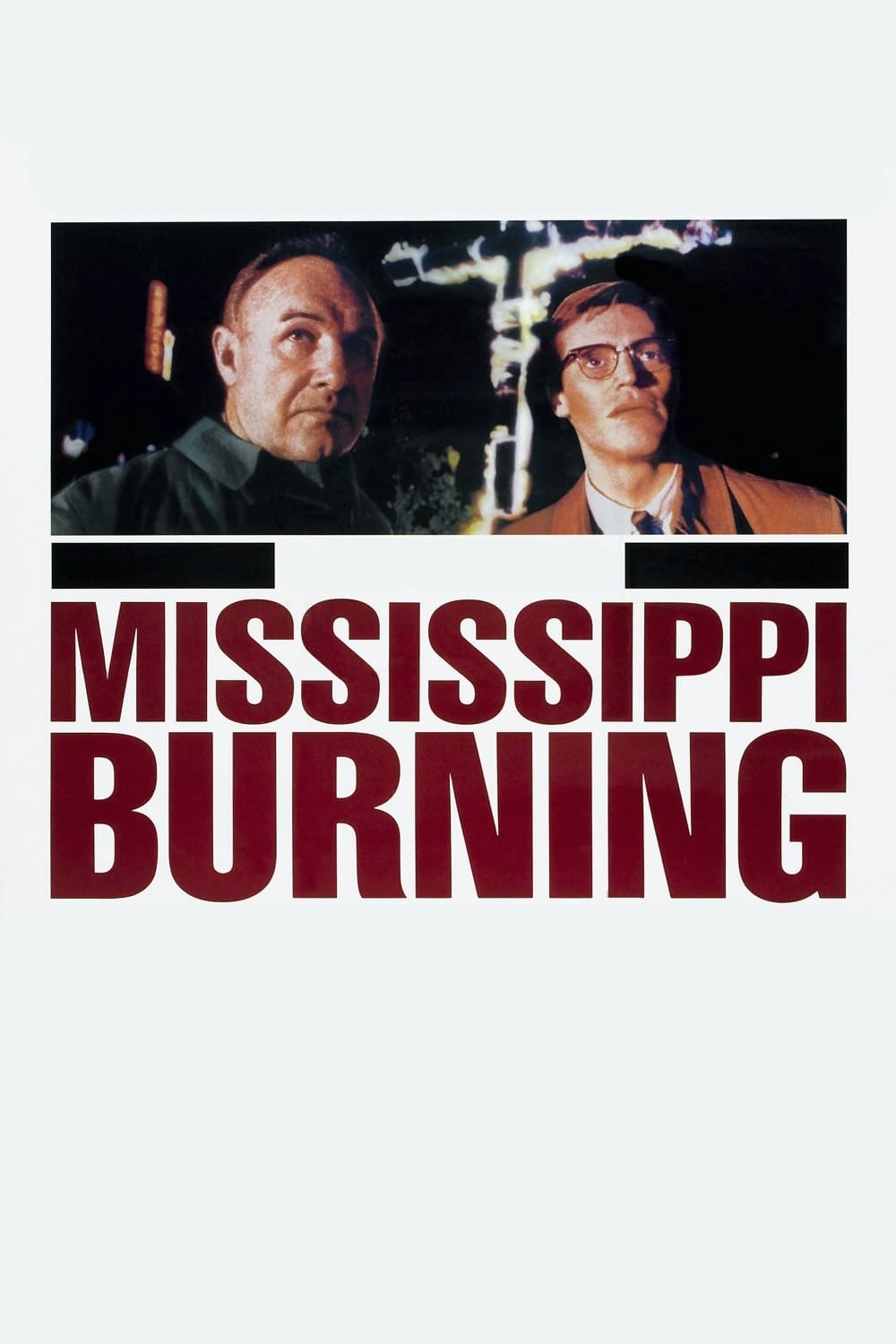
Two white FBI agents arrive in a small Mississippi town to investigate the disappearance of three civil rights workers. The plot marginalizes the Black community’s activism and suffering to focus on the procedural heroics and clashing methods of the federal agents. Historical accuracy was often sacrificed to turn the investigation into a thrilling action drama centered on white law enforcement. The film received multiple Oscar nominations but drew sharp criticism from civil rights leaders for its depiction of the FBI as the primary heroes of the movement.
‘Crash’ (2004)

This ensemble drama attempts to tackle modern race relations in Los Angeles through a series of interlocking stories involving diverse characters. One controversial subplot involves a racist white police officer who sexually assaults a Black woman and later pulls her from a burning vehicle in a moment of redemption. Critics argued that this narrative choice used Black trauma to humanize a perpetrator of abuse without earning that forgiveness. The film controversially won Best Picture over ‘Brokeback Mountain’ and has since been reassessed negatively for its handling of racial themes.
‘Freedom Writers’ (2007)
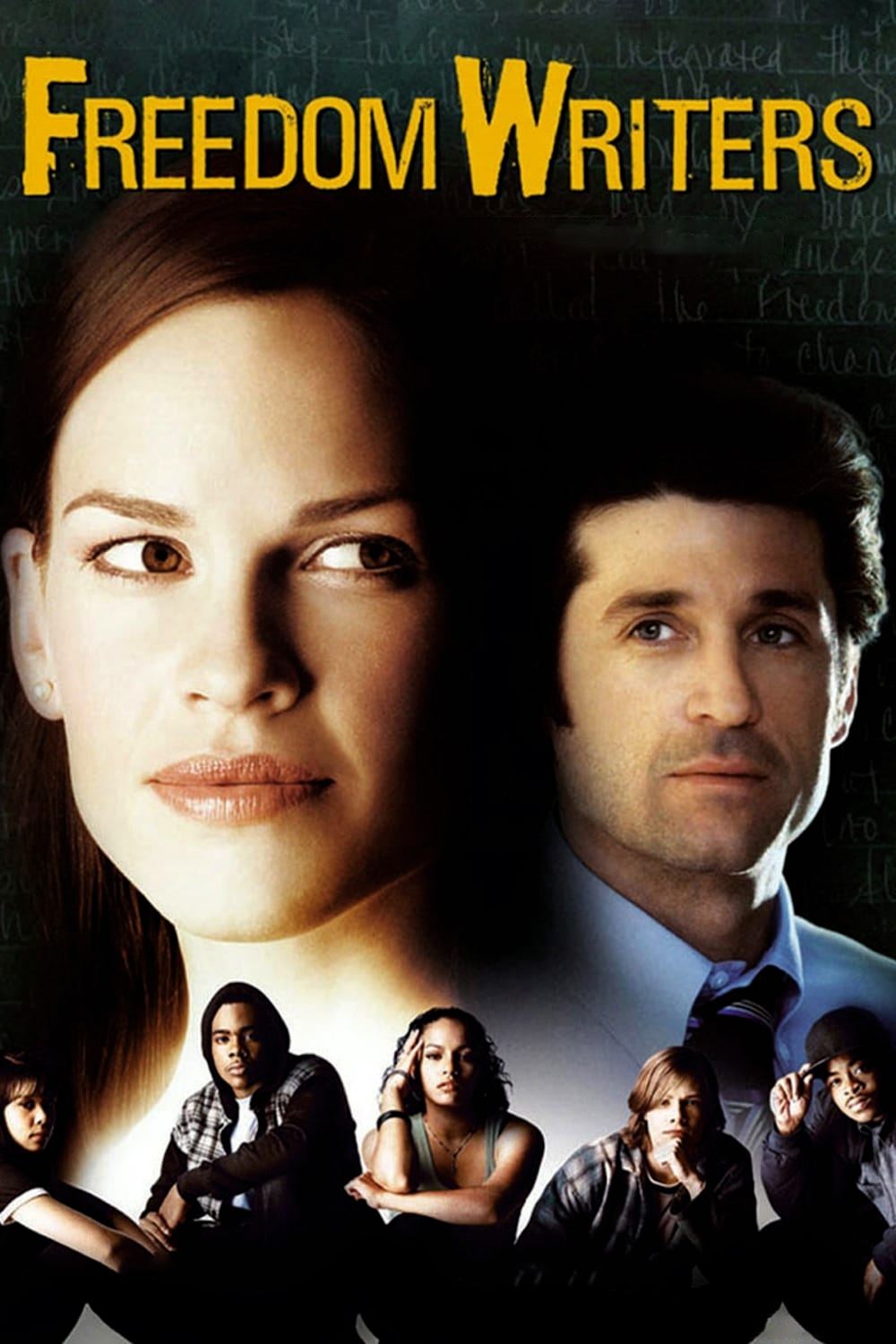
A dedicated young teacher takes a job at a racially divided high school and strives to inspire her at-risk students to pursue higher education. The story suggests that the students are unable to overcome their circumstances without the intervention and personal sacrifices of their white instructor. The film emphasizes the teacher’s marital struggles and personal commitment as the central emotional anchor of the plot. It fits the genre of educational dramas where a white outsider saves urban youth from their environment.
‘The Soloist’ (2009)
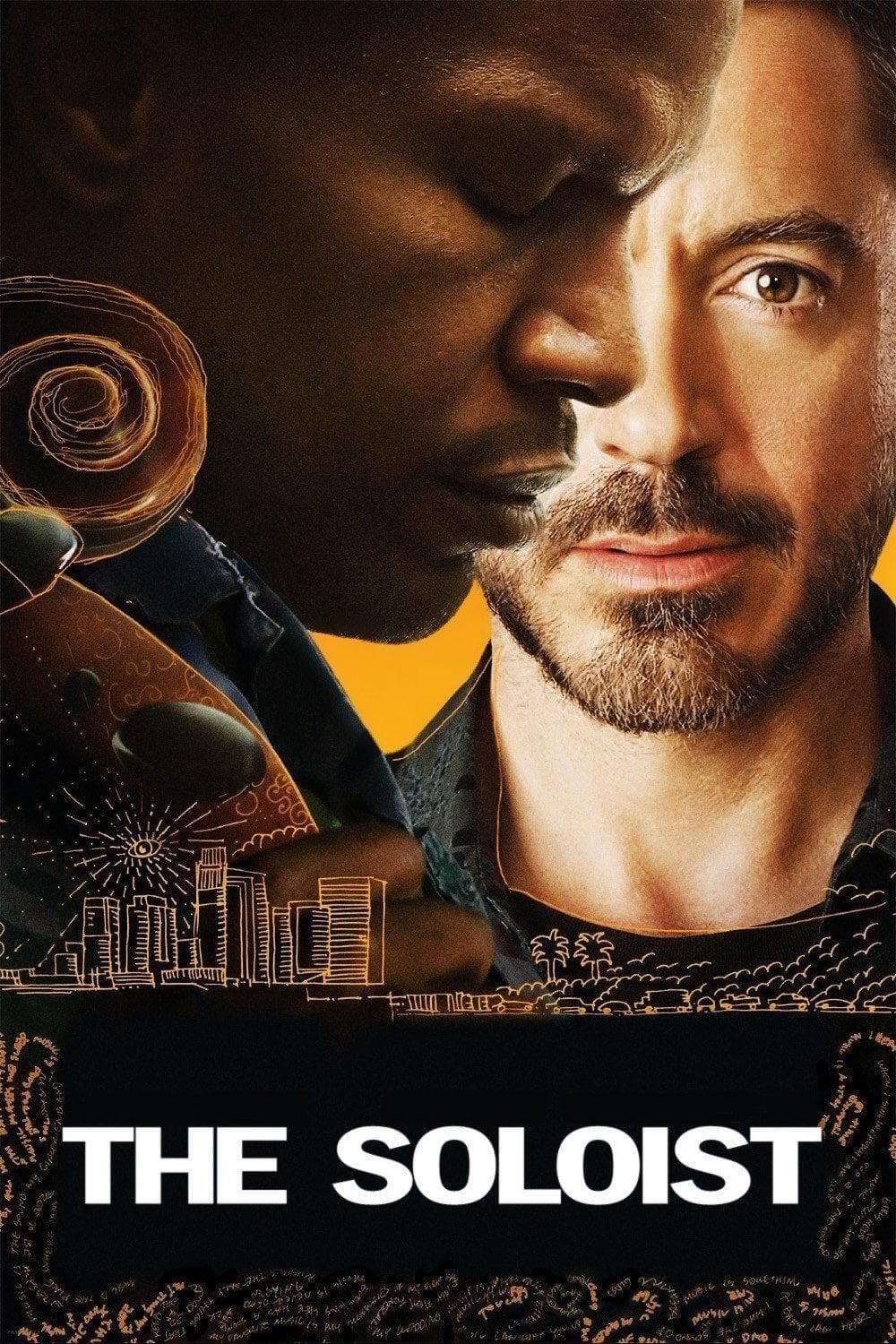
A journalist discovers a homeless musical prodigy named Nathaniel Ayers and attempts to help him regain his life and career. The film focuses on the writer’s frustration and eventual understanding as he navigates the mental illness and poverty experienced by Ayers. Critics observed that the narrative is more concerned with the journalist’s journey of empathy than the complex reality of the musician’s life. The dynamic reinforces the idea that the marginalized character exists primarily to teach the protagonist a life lesson.
‘Amistad’ (1997)
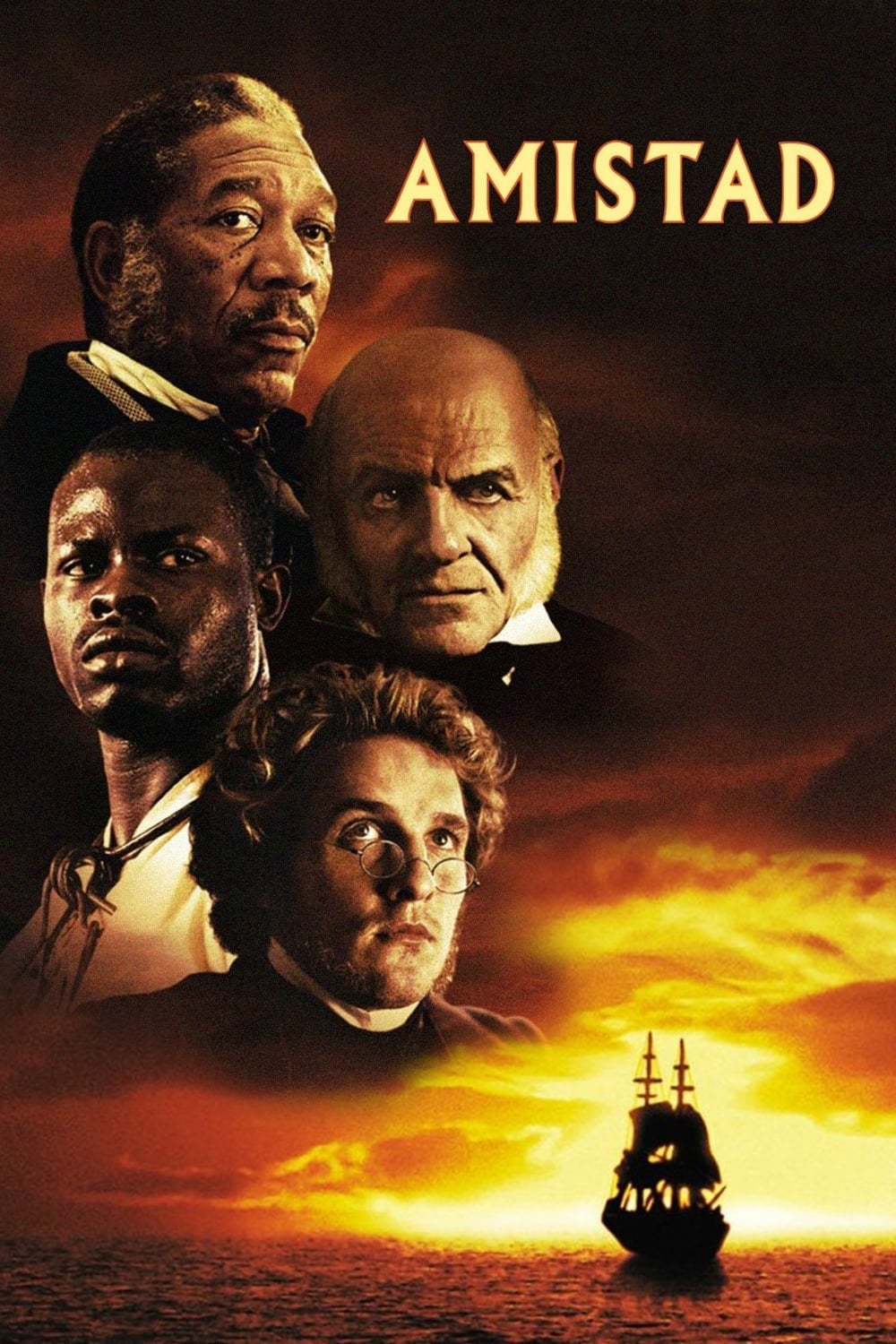
This historical drama recounts the 1839 mutiny aboard a slave ship and the subsequent legal battle to free the captive men. Much of the runtime is dedicated to the courtroom eloquence of John Quincy Adams and the legal strategies of a white lawyer named Roger Sherman Baldwin. While the film depicts the brutality of the Middle Passage it ultimately relies on the white characters to secure freedom through the American legal system. The focus shifts away from the agency of the rebels to the moral righteousness of their white abolitionist allies.
‘Cry Freedom’ (1987)
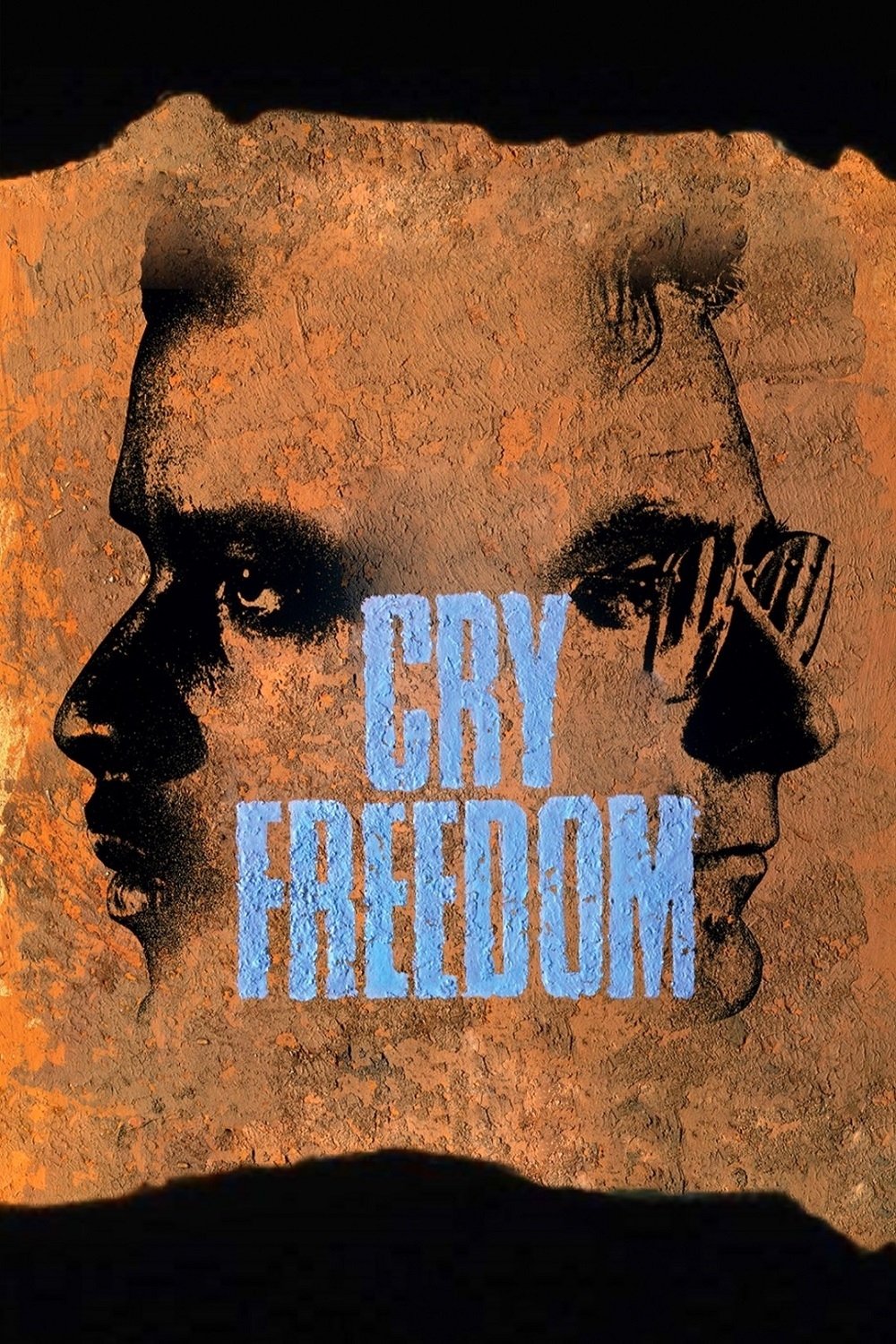
The film tells the story of South African activist Steve Biko through the eyes of his friend and white journalist Donald Woods. After Biko is killed in police custody the narrative shifts almost entirely to Woods and his family’s escape from the country. Critics felt that relegating the actual martyr of the anti-apartheid movement to a supporting role in his own story was a misstep. The movie was marketed as a tribute to Biko but functions structurally as a thriller about white political exiles.
‘Ghosts of Mississippi’ (1996)
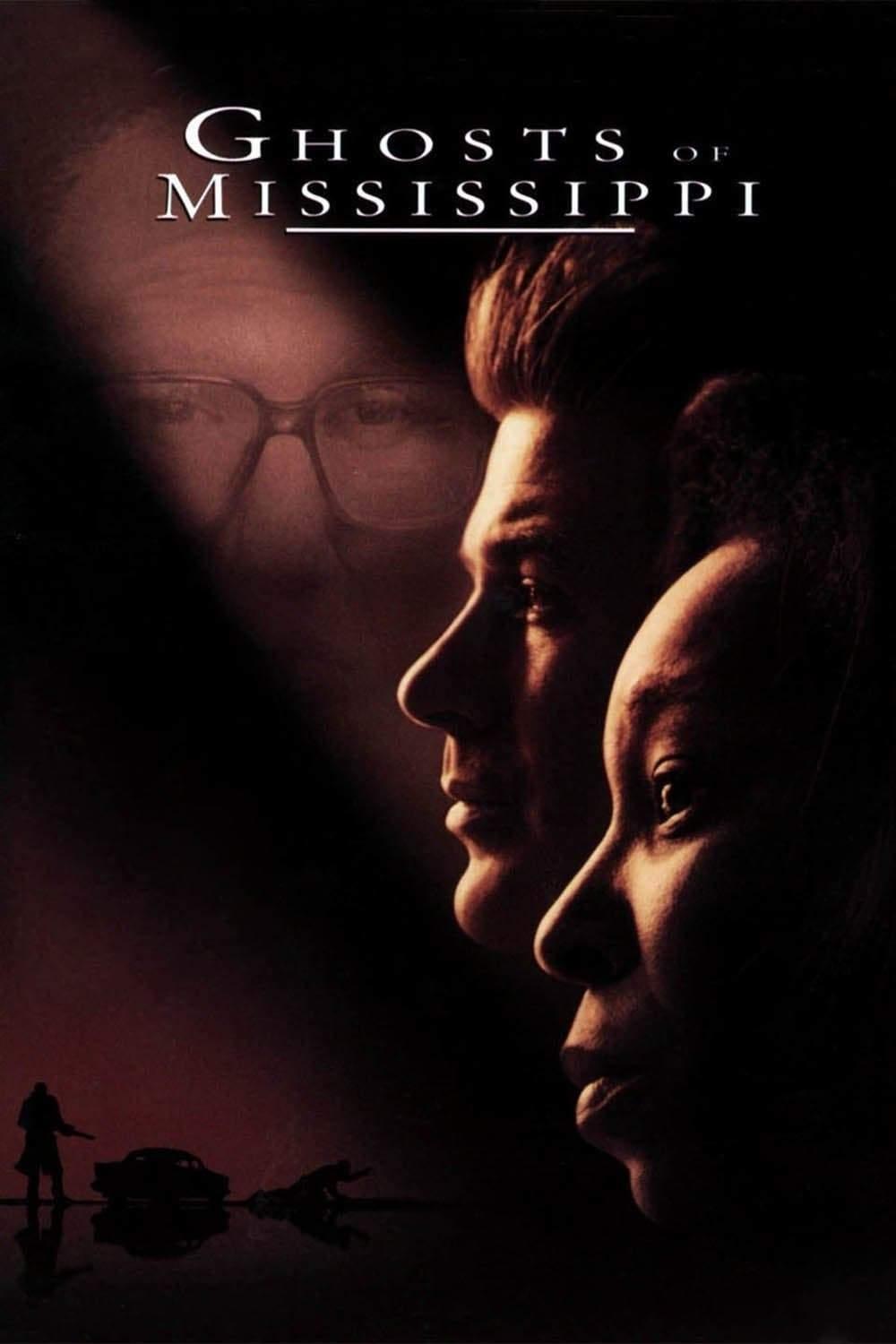
An assistant district attorney reopens the case against the white supremacist who murdered civil rights leader Medgar Evers decades earlier. The film centers on the legal perseverance of the prosecutor and the toll the trial takes on his marriage and safety. The suffering of the Evers family serves as the emotional background for the lawyer’s professional crusade for justice. Whoopi Goldberg was nominated for an Oscar for playing Myrlie Evers but the screen time heavily favors the white protagonist.
‘Glory’ (1989)
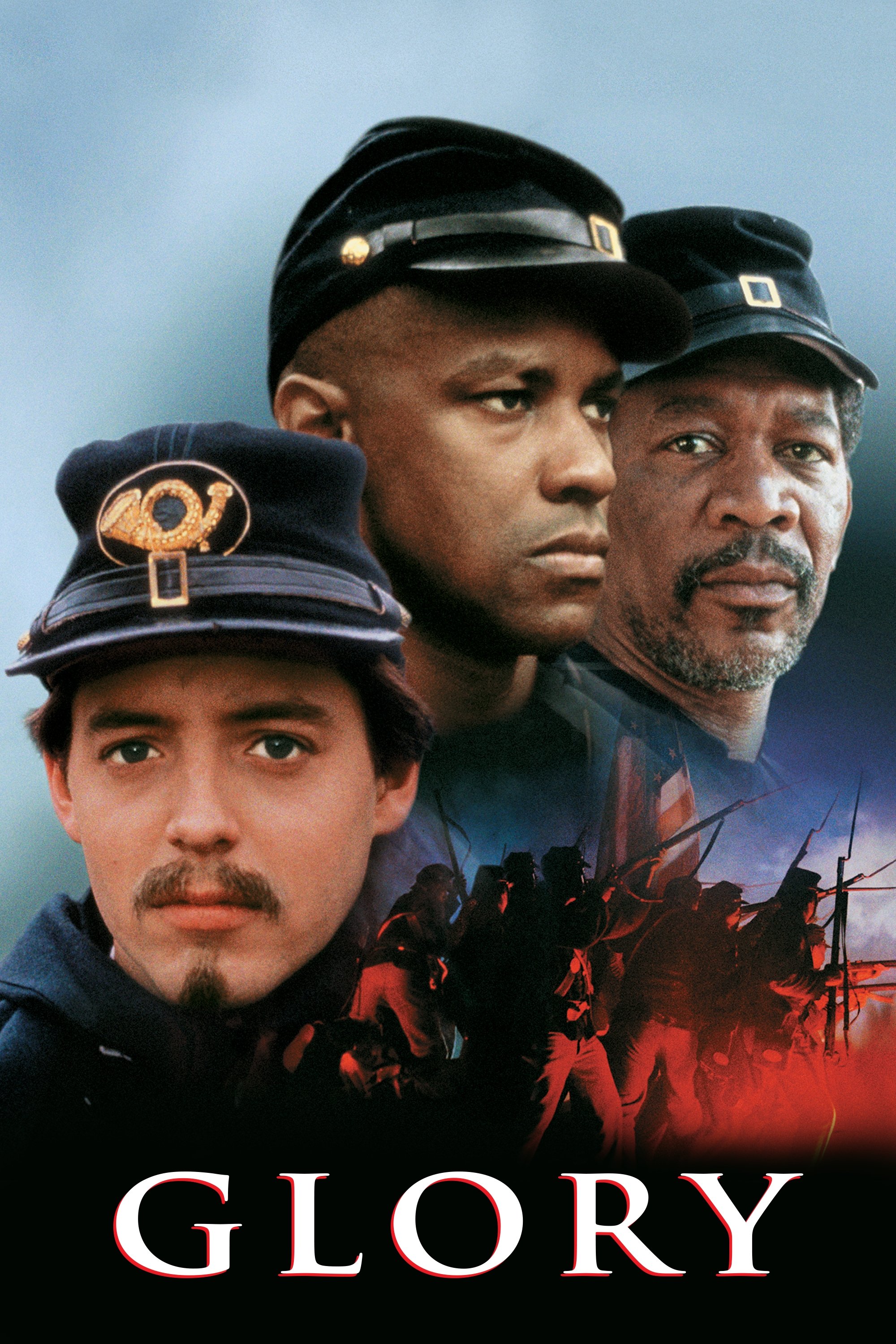
The film depicts the 54th Massachusetts Infantry Regiment which was one of the first African American units in the United States Army during the Civil War. The story is told primarily through the letters and perspective of Colonel Robert Gould Shaw who commands the unit. While the film features powerful performances from Black actors the narrative structure relies on the white officer to validate their humanity and soldiering capability. It remains a celebrated war movie but fits the pattern of filtering Black history through a white viewpoint.
‘A Time to Kill’ (1996)
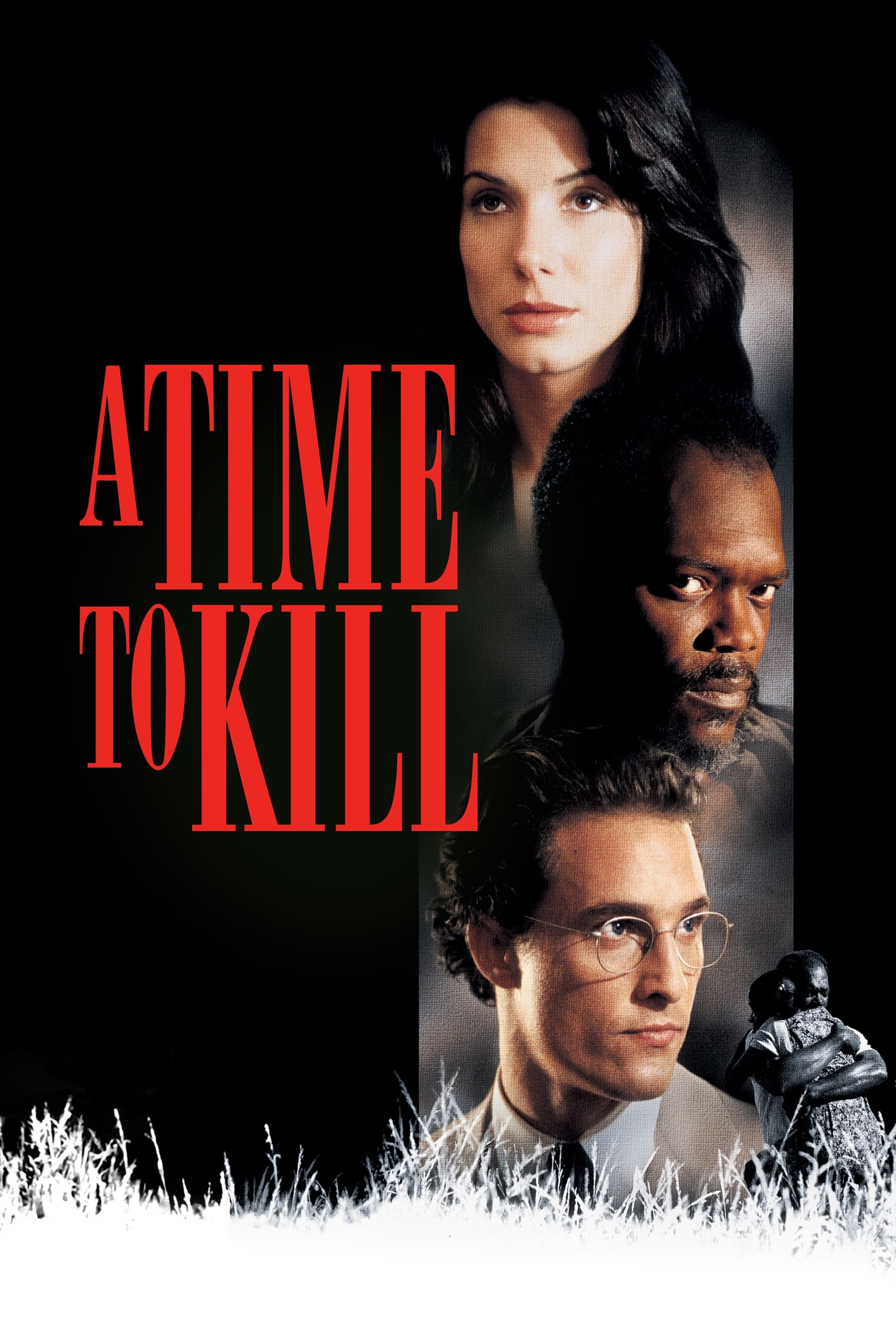
A white lawyer defends a Black father who killed the white men who brutally raped his young daughter. The film culminates in a famous closing argument where the lawyer asks the jury to imagine the victim was white to elicit empathy. The narrative focuses extensively on the attorney’s personal risks and his maneuvering within a racially charged legal system. The Black defendant is largely passive during the trial while his defender becomes the moral hero of the story.
‘Monster’s Ball’ (2001)

A racist white prison guard begins a relationship with the widow of a man whose execution he recently supervised. The film explores the guard’s redemption and break from his hateful father through his connection with the grieving Black woman. Critics argued that the woman’s tragic circumstances and sexual exploitation serve chiefly to facilitate the white character’s change of heart. Halle Berry won a historic Best Actress Oscar but the role itself was criticized for its reliance on traumatic tropes.
‘Finding Forrester’ (2000)
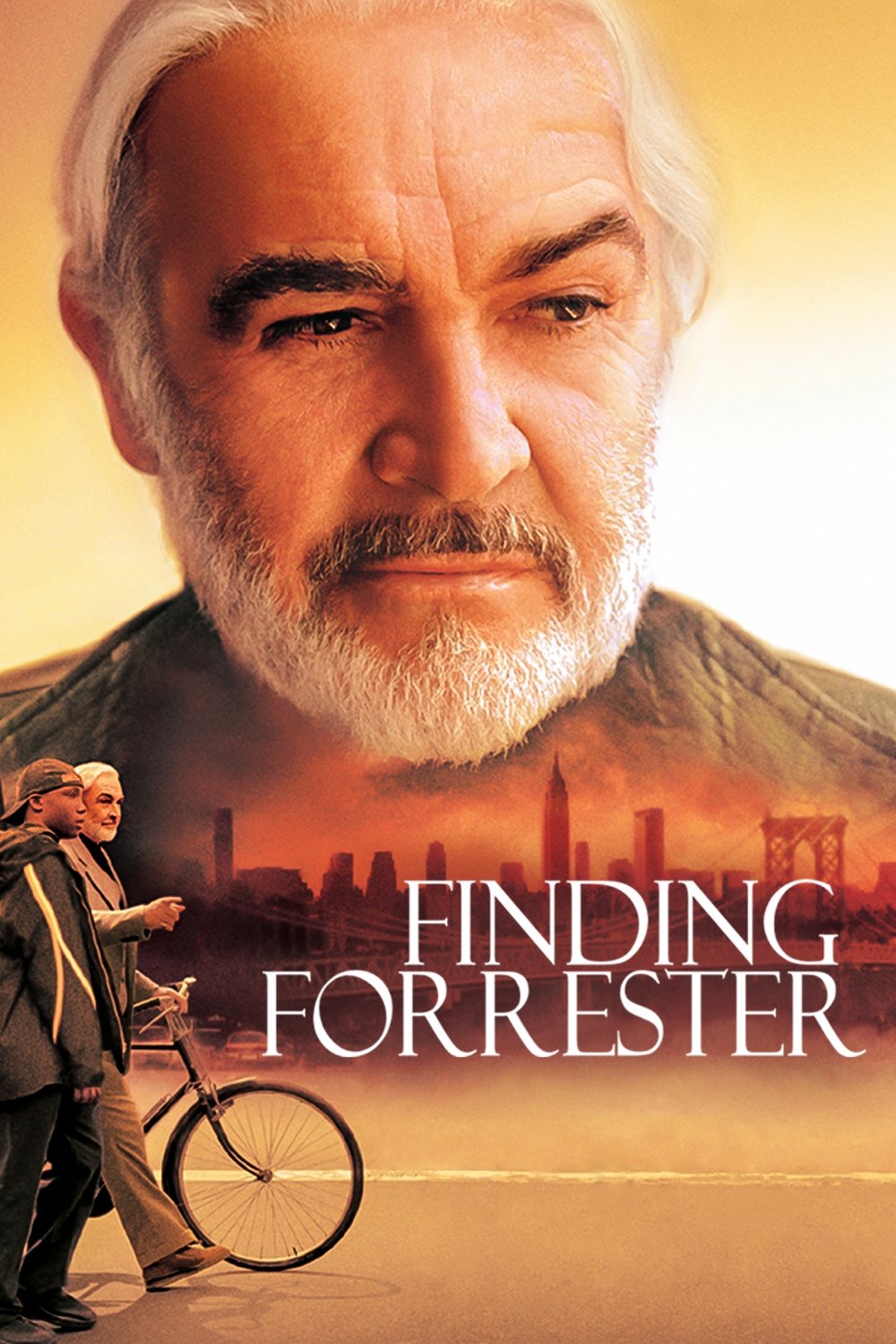
A reclusive white author becomes a mentor to a gifted Black teenager who attends a prestigious private school on a basketball scholarship. The writer helps the student navigate the elitist academic world while the student helps the old man re-enter society. The dynamic presents the white mentor as the gatekeeper of high culture and literary success for the young protagonist. The film implies that the student’s talent would remain unrealized without the guidance of the secluded genius.
‘Radio’ (2003)
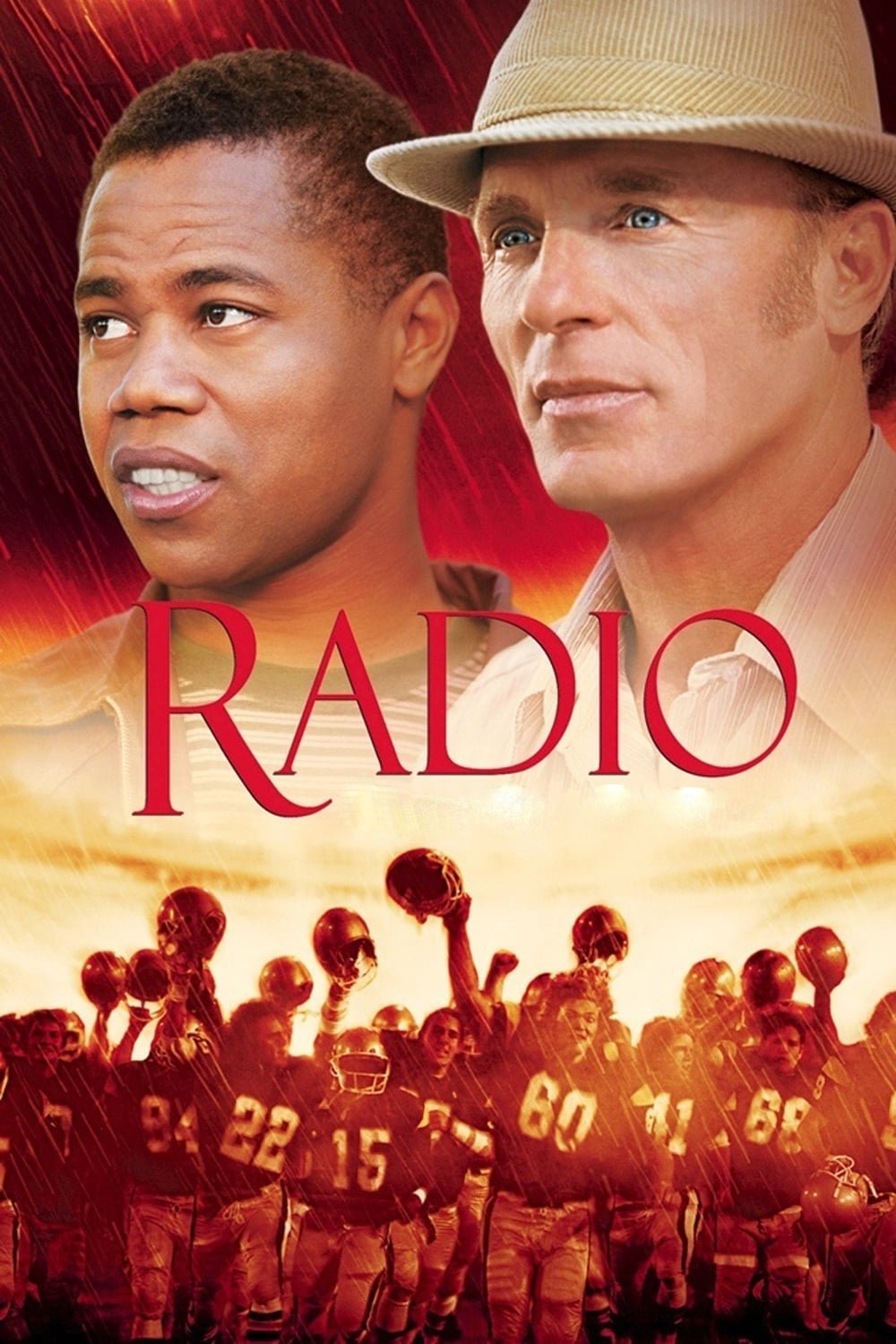
A high school football coach in South Carolina takes a mentally disabled Black man under his wing. The film frames the coach’s benevolence as the primary engine for the town’s acceptance of the title character. The narrative emphasizes the goodness of the coach and the lessons he learns about compassion rather than the interior life of the man he befriends. It is often cited as a prime example of a film that uses disability and race to inspire a privileged audience.
‘The Best of Enemies’ (2019)
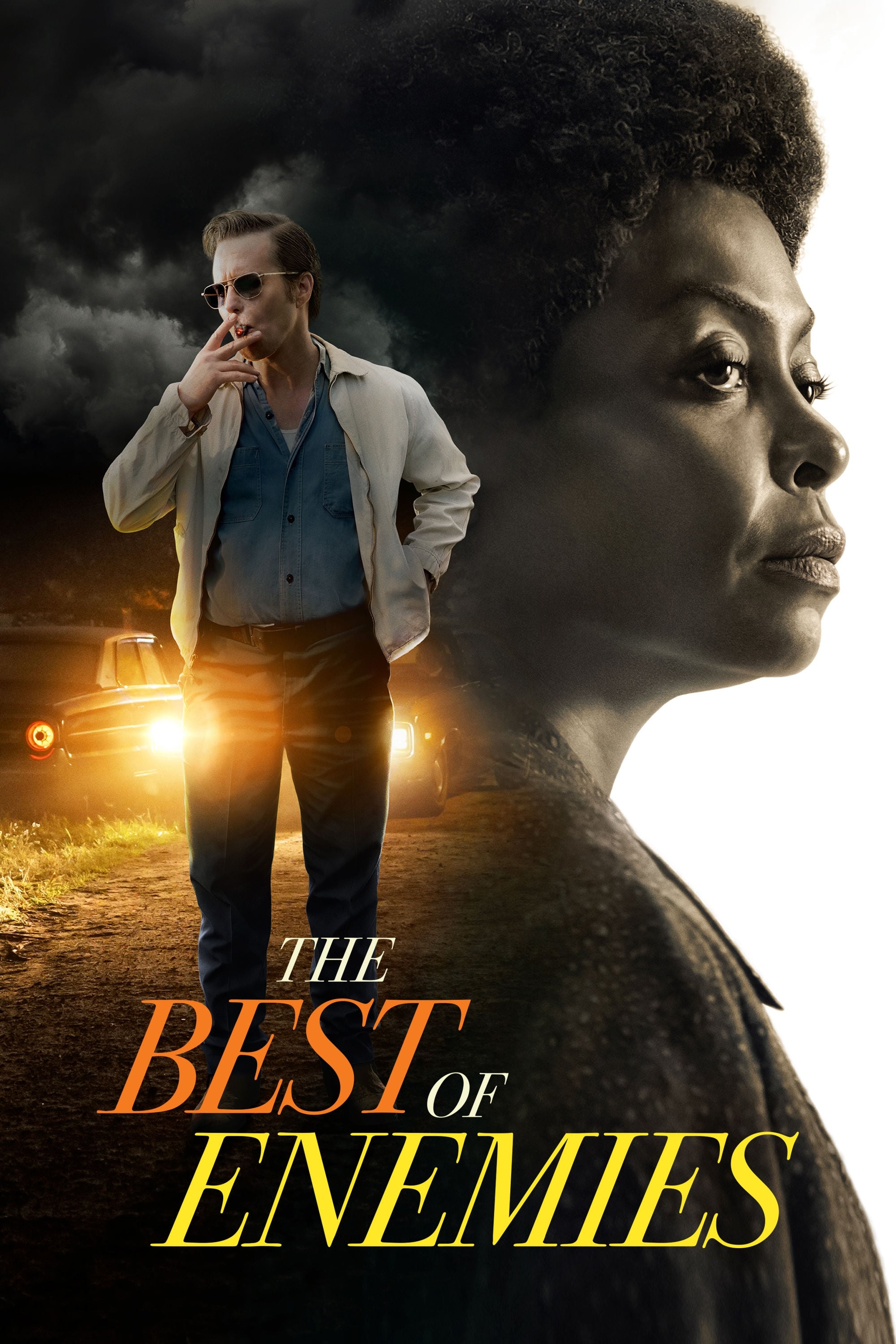
A civil rights activist and a local Ku Klux Klan leader are forced to co-chair a community summit on school desegregation in 1971. The film suggests a false equivalence between the two sides and focuses on the Klansman’s gradual realization that he is wrong. The narrative prioritizes the white supremacist’s redemption arc over the tireless work of the Black activist. Critics found the humanization of the Klan leader to be a tonal misfire that served to comfort white audiences.
‘Same Kind of Different as Me’ (2017)
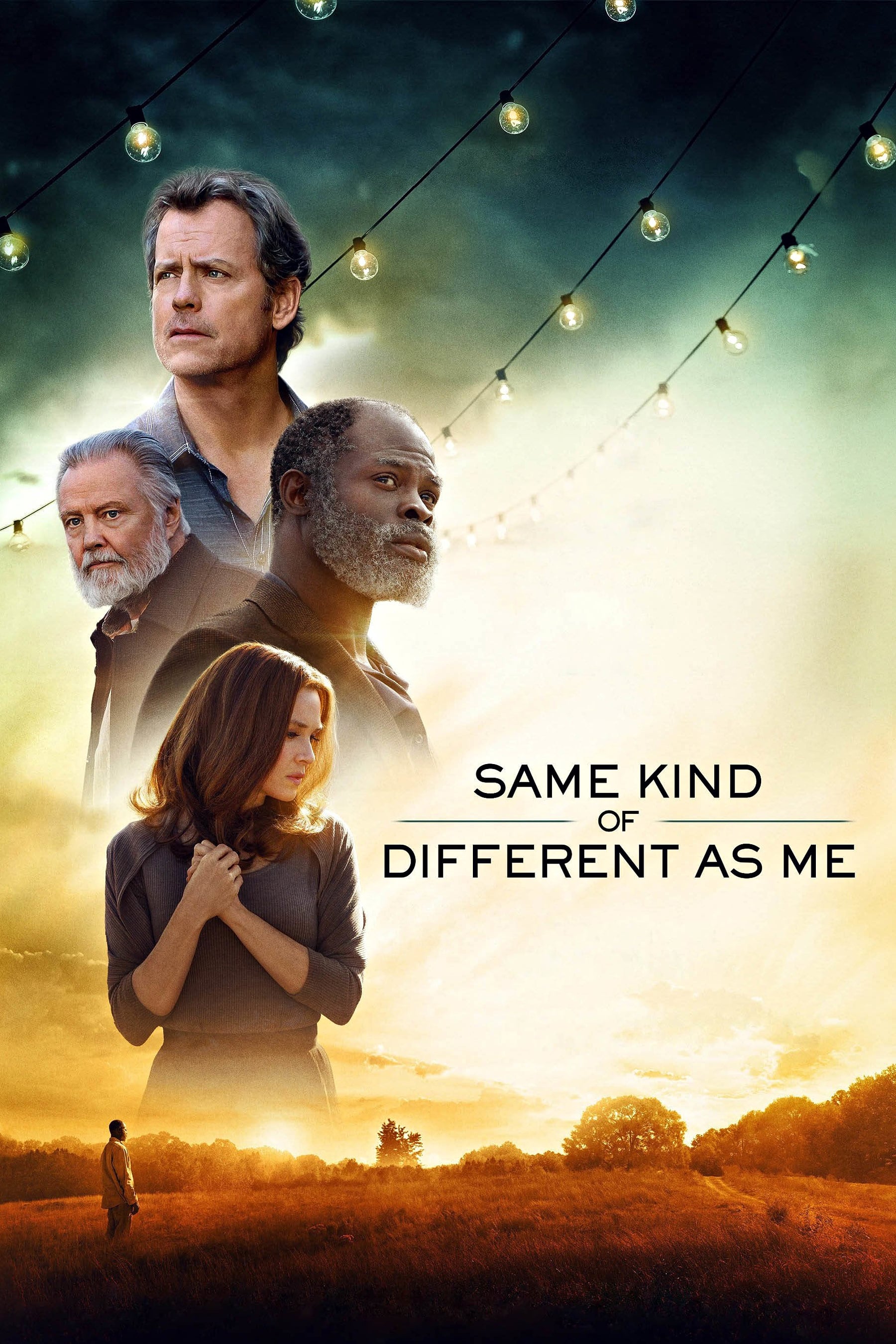
An international art dealer and his wife befriend a homeless Black man with a violent past who changes their lives. The story uses the homeless man’s magical wisdom and traumatic history to heal the marital issues of the wealthy white couple. The film was criticized for adhering strictly to the “Magical Negro” trope where a Black character exists solely to fix white problems. It presents charity and friendship as a unidirectional gift from the privileged protagonists.
‘Free State of Jones’ (2016)

A disenchanted Confederate medic deserts the army and leads a rebellion of farmers and enslaved people against the local government. The film places the white leader at the center of the multiracial uprising and credits him with envisioning a new society. The historical reality of Black resistance is subsumed under the leadership and ideological vision of the white protagonist. The movie attempts to tell a story of liberation but filters it entirely through the actions of one white man.
‘Lincoln’ (2012)
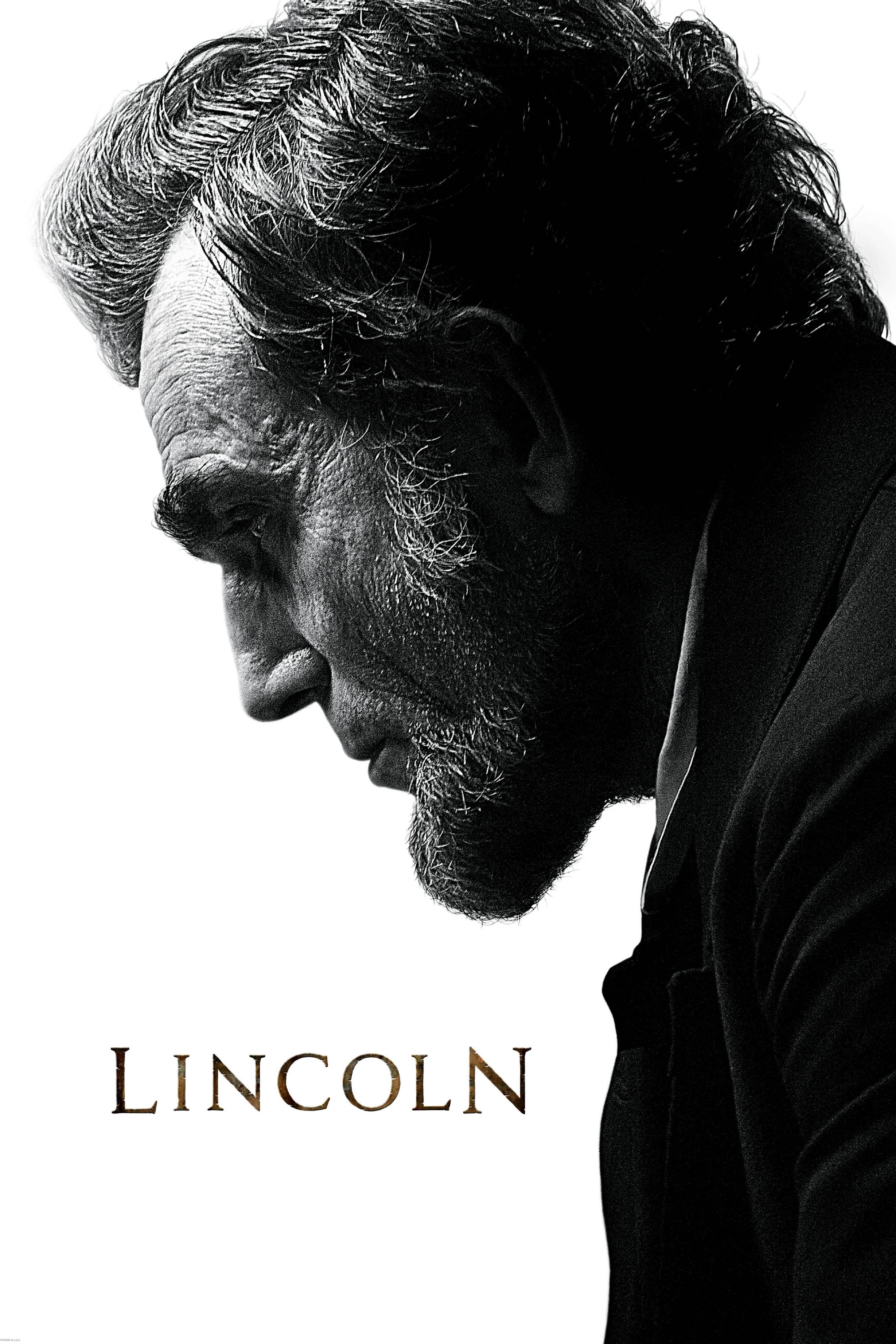
The film focuses on the final months of the president’s life and his political maneuvering to pass the 13th Amendment. The narrative is dominated by white politicians debating the legal status of Black people who are largely absent from the screen. The abolition of slavery is presented as a legislative puzzle solved by white men rather than a movement driven by the enslaved themselves. It received widespread acclaim and awards but faced criticism for erasing Frederick Douglass and other Black leaders from the process.
Please share your thoughts on whether these films handle their subject matter responsibly in the comments.