


Movies That Used Real Fan Art in Their Production Design

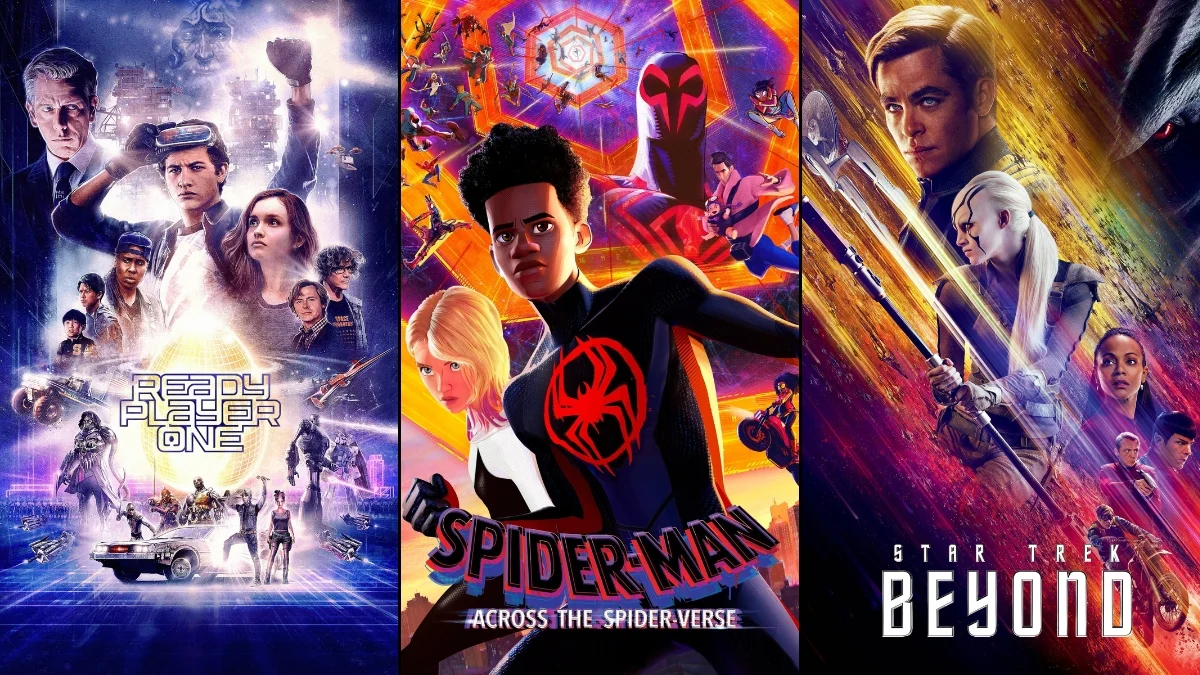


Filmmaking is often viewed as a one-way street where studios deliver content to passive audiences, but the rise of the internet has fundamentally changed this dynamic. Passionate communities now create their own tributes, designs, and theories that are high enough quality to catch the eyes of directors and producers. In an effort to honor these dedicated fanbases or simply to solve production challenges, studios are increasingly incorporating amateur work directly into their blockbusters. From background easter eggs to major character designs, the line between professional concept art and fan creation is becoming blurred. The following films demonstrate how audience creativity has permanently stamped itself onto cinema history.
‘Spider-Man: Across the Spider-Verse’ (2023)
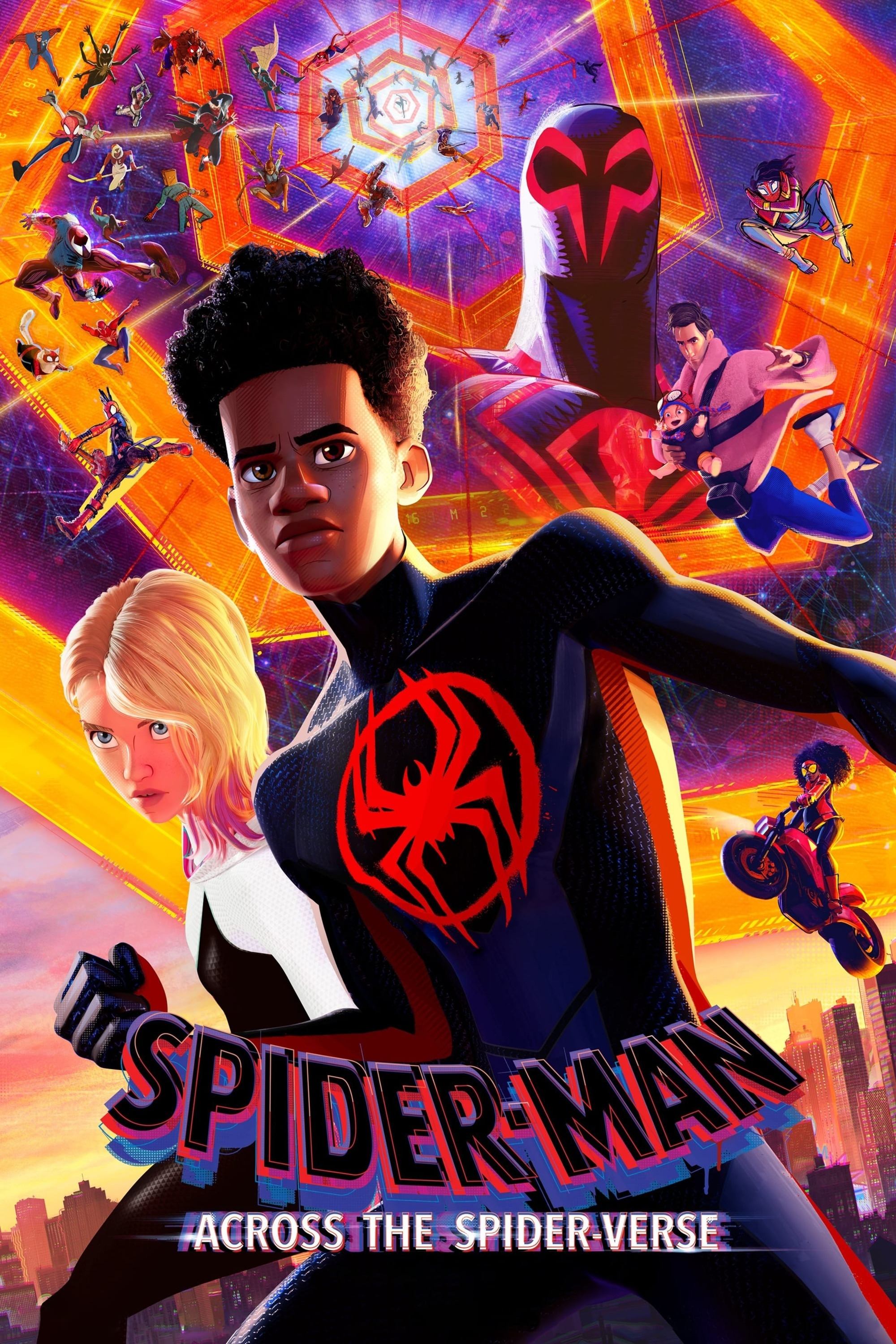
One of the most visually distinct sequences in this animated blockbuster features a universe entirely made of LEGO bricks. This scene was animated by young Preston Mutanga who had previously gone viral for recreating the film trailer in LEGO style. Producers Phil Lord and Chris Miller were so impressed by his fan work that they hired him to animate the official sequence for the final film. The movie also features fan art posters on the walls of Ganke’s dorm room with the artists fully credited for their contributions.
‘Sonic the Hedgehog’ (2020)
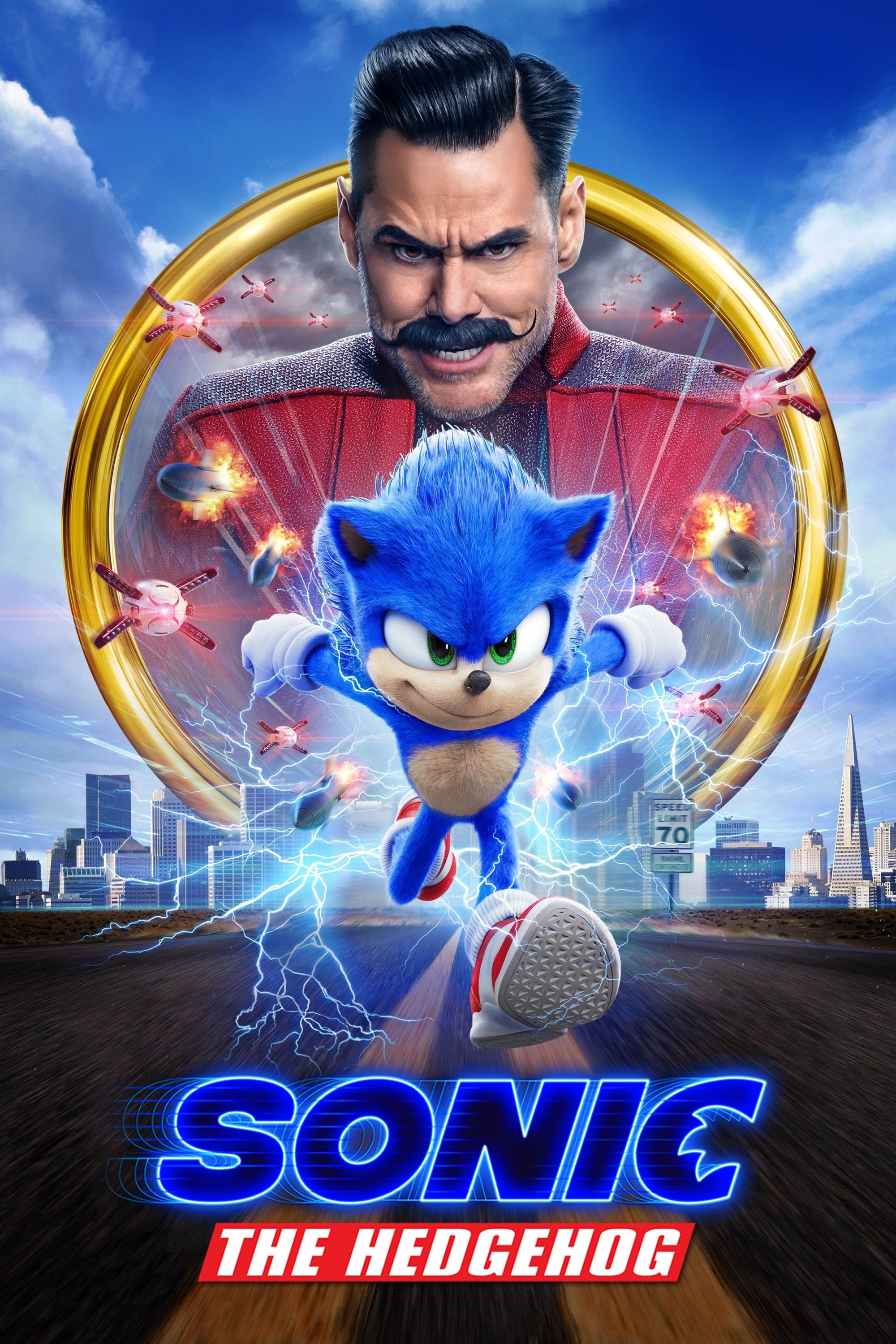
In a nod to one of the internet’s most enduring memes, this film includes a sketch of the titular character that fans immediately recognized. The drawing known as “Sanic” is a crudely drawn version of Sonic that originated from a YouTube video in 2010. The character Crazy Carl holds up a piece of paper featuring this exact illustration while ranting about the “Blue Devil.” This easter egg served as a direct acknowledgment of the chaotic online fandom that surrounds the franchise.
‘Ready Player One’ (2018)
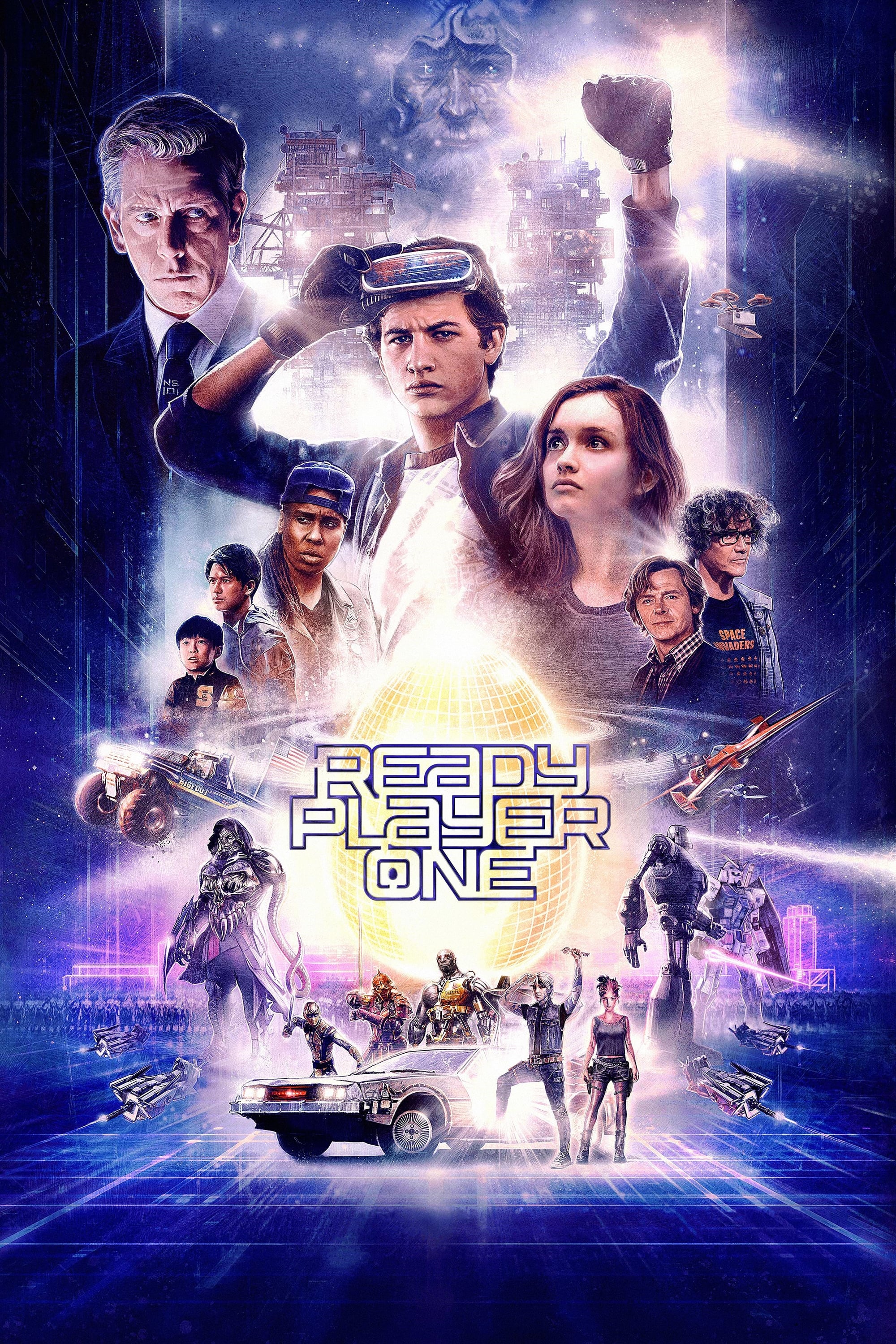
Steven Spielberg’s adaptation of the pop culture heavy novel filled its virtual world with countless references to movies, games, and comics. To populate the background of the OASIS, the production team used several pieces of fan art found online including posters and character designs. While this added to the dense visual layering of the film, it also sparked some controversy regarding permissions and credit for the original artists. The film remains a massive showcase of fan created imagery repurposed for a major studio production.
‘Five Nights at Freddy’s’ (2023)
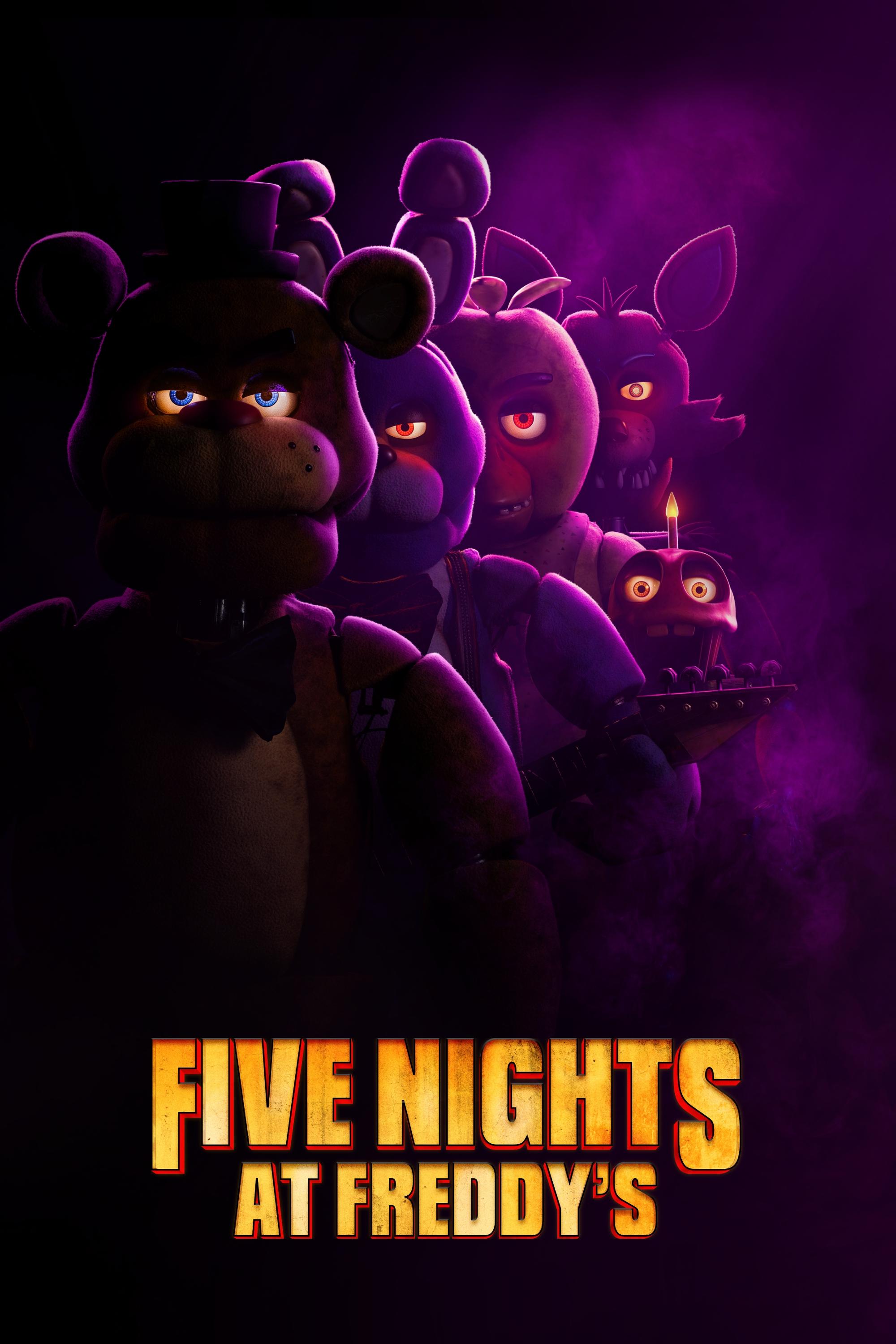
The film adaptation of this viral horror game franchise embraced its community lore by including a reference to a fan created hoax. “Sparky the Dog” was a character created by fans who claimed he was a hidden animatronic in the original game though he never actually existed. The movie canonized this urban legend by placing a Sparky the Dog animatronic suit in the background of the Parts and Service room. This inclusion validated a decade old fan theory and integrated it directly into the film set design.
‘Star Wars: The Force Awakens’ (2015)
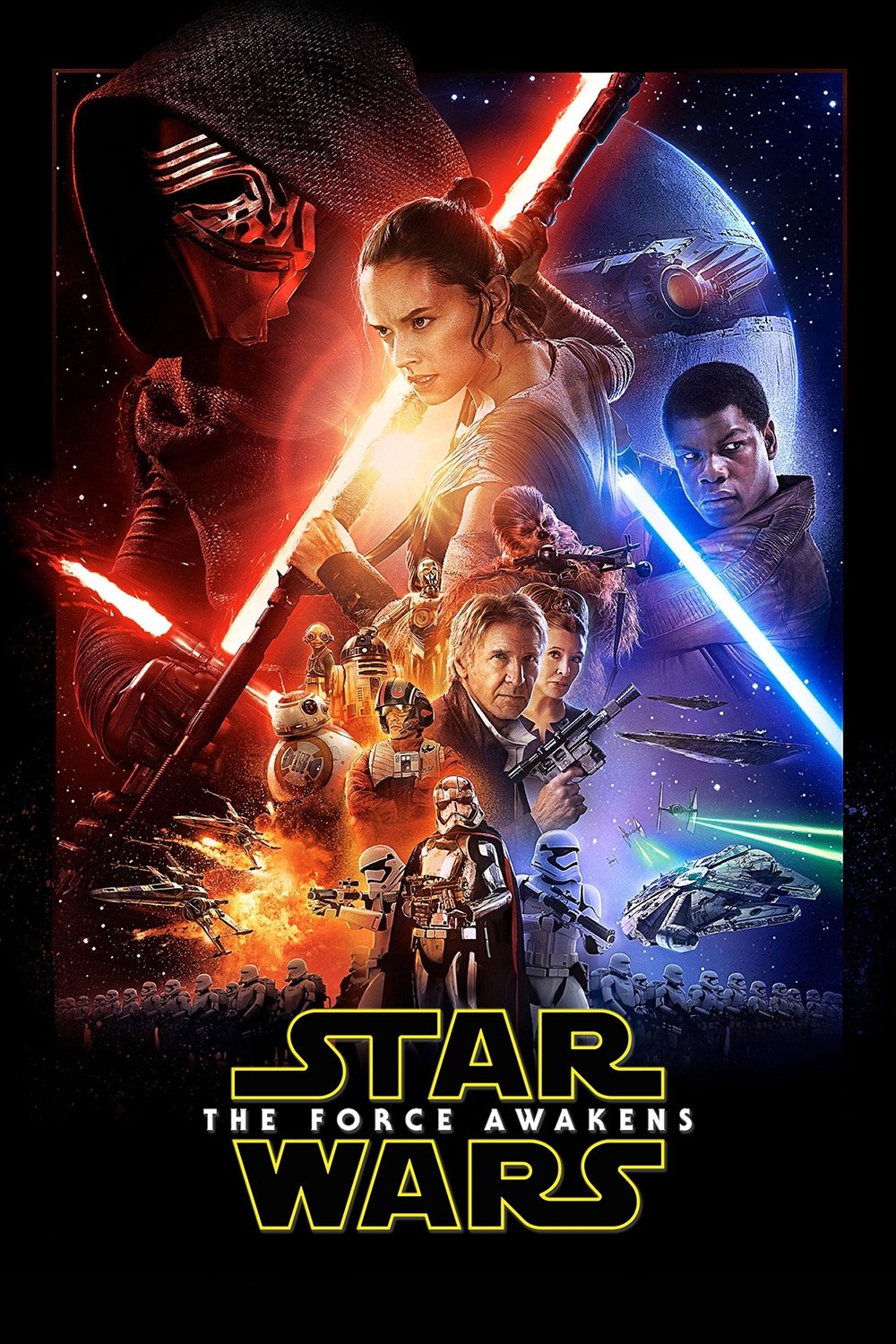
In the bustling scenes of the Resistance base, a pink astromech droid known as R2-KT can be seen rolling through the background. This droid was originally built by the R2 Builders Club for a young girl named Katie Johnson who was battling brain cancer. Lucasfilm officially adopted the droid into canon and it has since appeared in multiple Star Wars projects. The prop used in the film was the actual droid built by fans serving as a touching tribute within the production.
‘Solo: A Star Wars Story’ (2018)
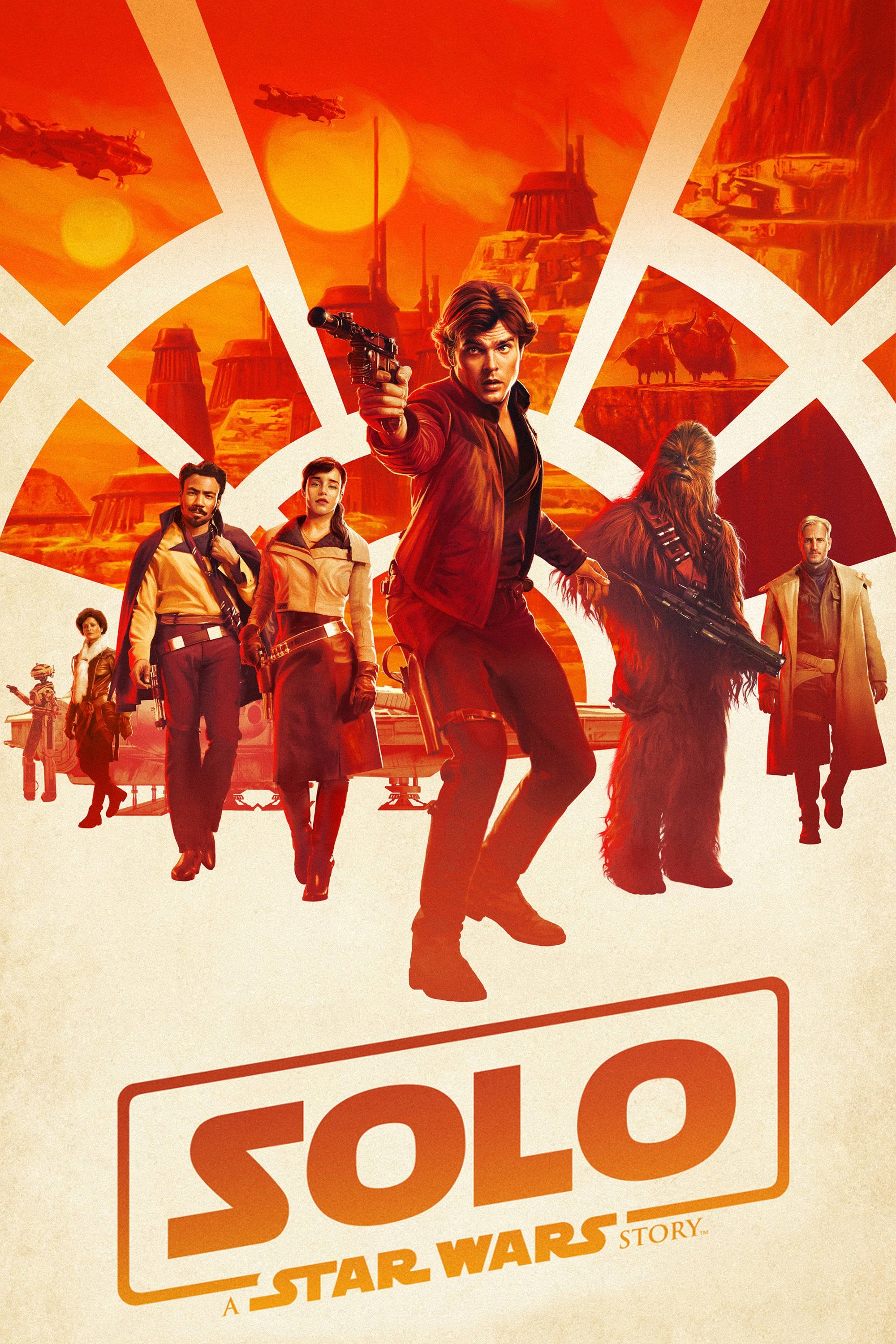
During the production of this prequel, the filmmakers needed a large number of extras to play stormtroopers and other Imperial officers. They reached out to the 501st Legion which is a worldwide organization of fans who build and wear screen accurate Star Wars costumes. These fans appeared in the film wearing their own armor and uniforms effectively providing the costume department with high quality assets at no additional construction cost. This collaboration allowed dedicated fans to become a permanent part of the galaxy they adore.
‘Valerian and the City of a Thousand Planets’ (2017)
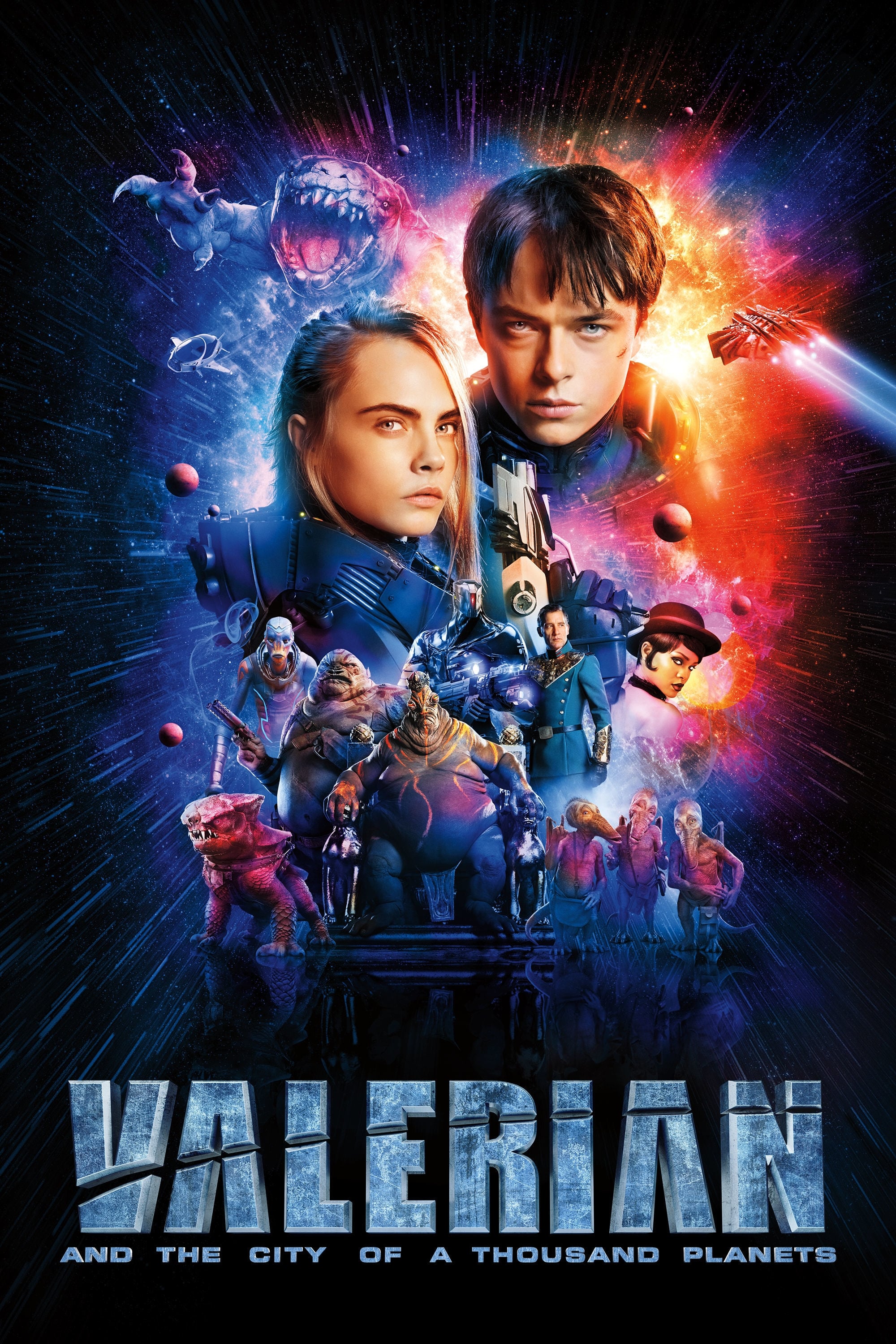
Director Luc Besson launched a global costume design contest to help populate the diverse universe of this science fiction epic. Artists from around the world submitted their concepts for alien attire with the promise that the winning designs would be fabricated and worn by extras in the film. Twenty winners were selected and their unique amateur costumes were featured in the vibrant “Alpha” space station sequences. This initiative allowed aspiring designers to contribute directly to the visual fabric of the film.
‘Iron Sky’ (2012)
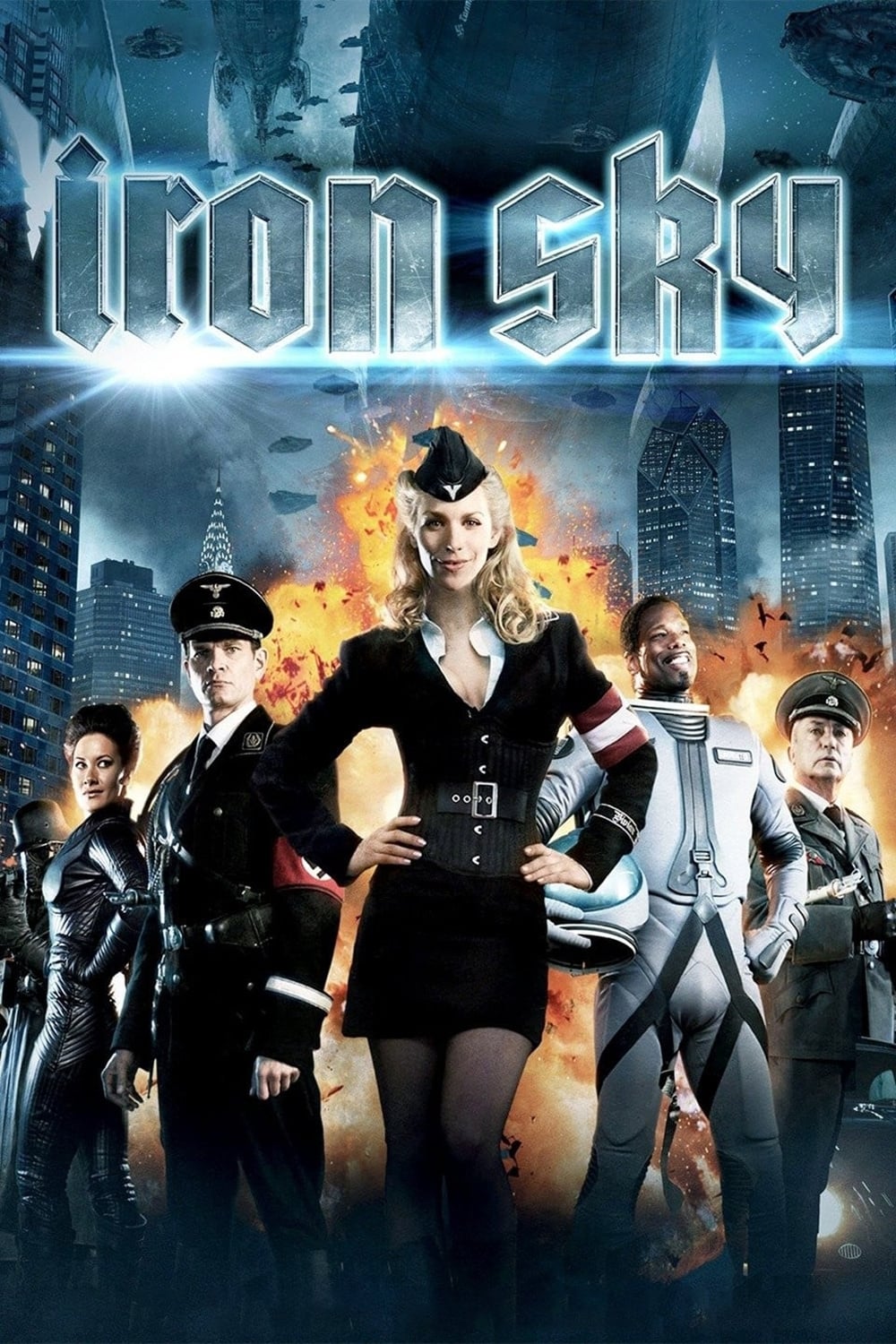
This cult science fiction comedy about Nazis on the moon heavily utilized crowdsourcing for both its funding and its creative assets. Through a platform called Wreckamovie, the filmmakers invited fans to design 3D models of spaceships and other props that were then used in the special effects sequences. This collaborative approach allowed the independent film to achieve a visual scale that far exceeded its modest budget. The credits acknowledge the massive community effort that went into building the fleet seen in the film.
‘Bill & Ted Face the Music’ (2020)
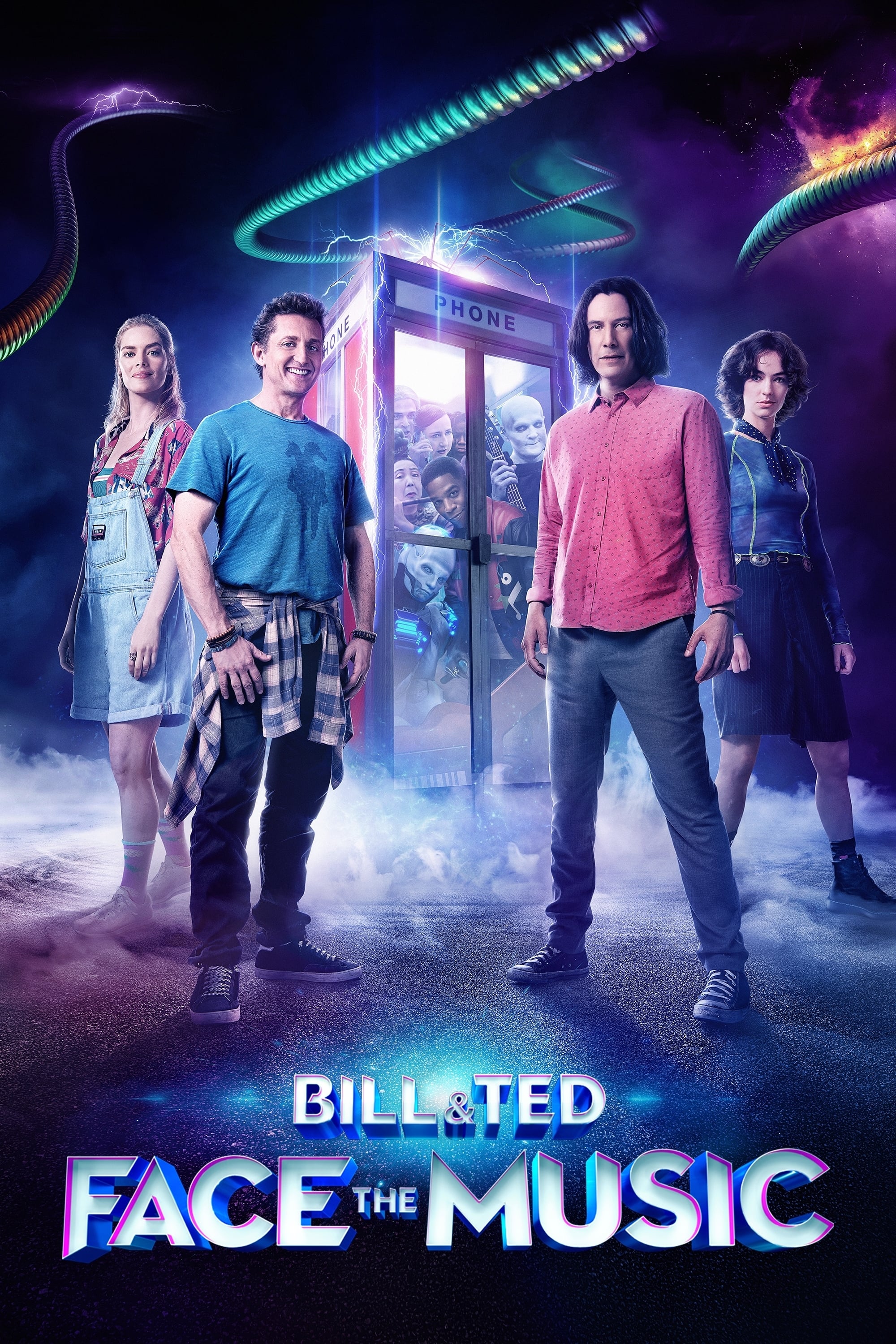
The finale of this long awaited sequel centers on a song intended to unite the world and the production team invited fans to be a part of it. They put out a call for fans to submit videos of themselves playing instruments, dancing, or rocking out to the theme. These clips were compiled into a montage that plays during the film emotional climax and credits. The sequence stands as a testament to the enduring relationship between the franchise and its audience.
‘The LEGO Movie’ (2014)
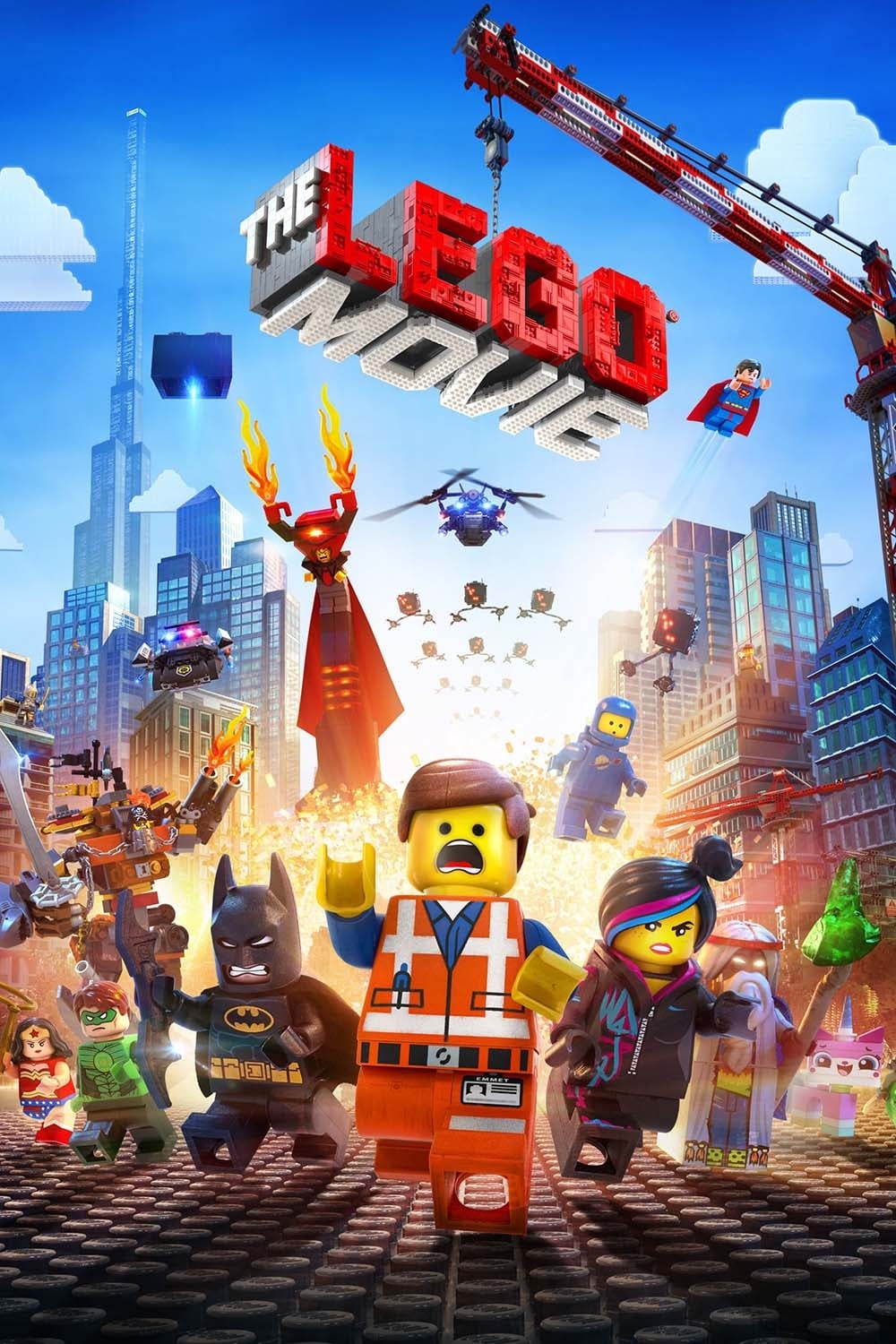
While much of the film is computer animated, the live action basement sequence features elaborate displays of LEGO cities and models. Many of these intricate builds were not created by the art department but were borrowed from Adult Fans of LEGO within the community. The production team sourced these physical models to ensure the basement looked like the workspace of a genuine and obsessive hobbyist. This collaboration highlighted the real world creativity that the movie sought to celebrate.
‘Shark Night 3D’ (2011)
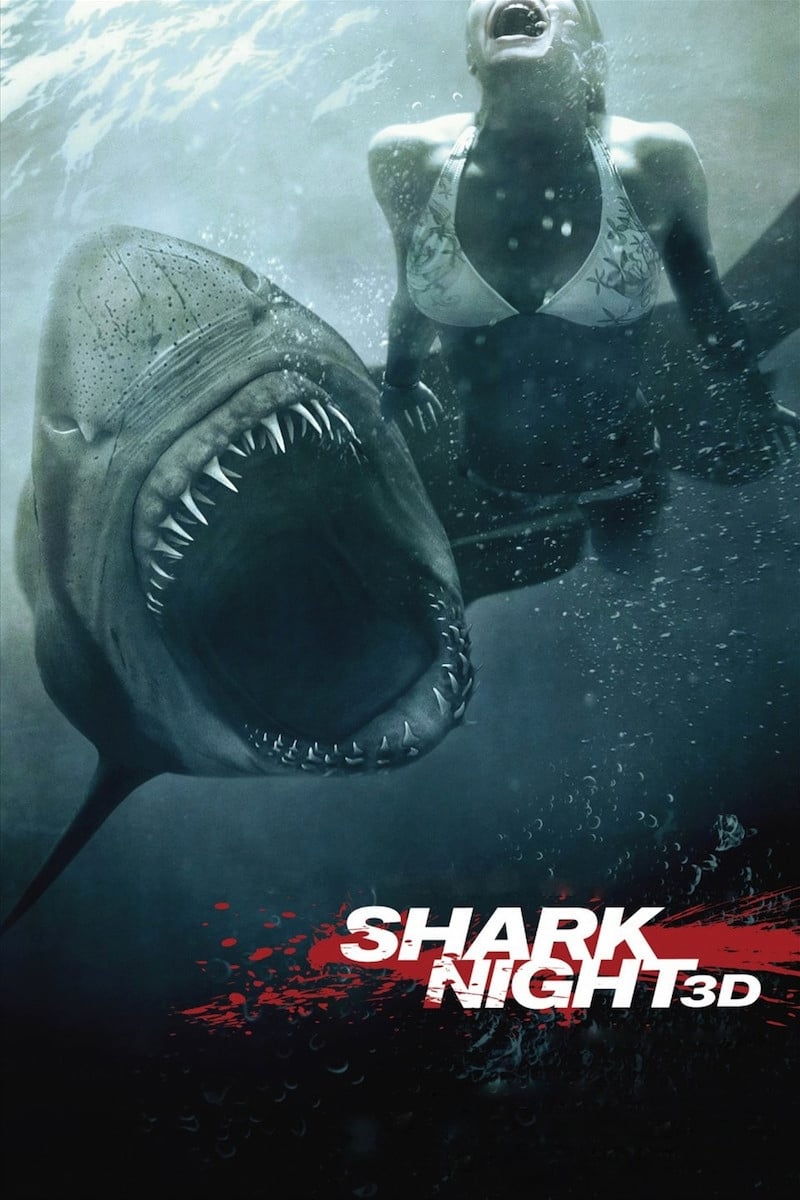
In a scene involving a character bedroom or dorm, a poster can be seen in the background that was not an official studio marketing asset. The production design team used an amateur poster for the movie itself likely finding it online and assuming it was usable art. This recursive usage of fan art where a movie uses a fan poster for that same movie as a prop is a rare and amusing oversight in set dressing. It remains a piece of trivia often cited by eagle eyed horror fans.
‘Ghostbusters’ (2016)
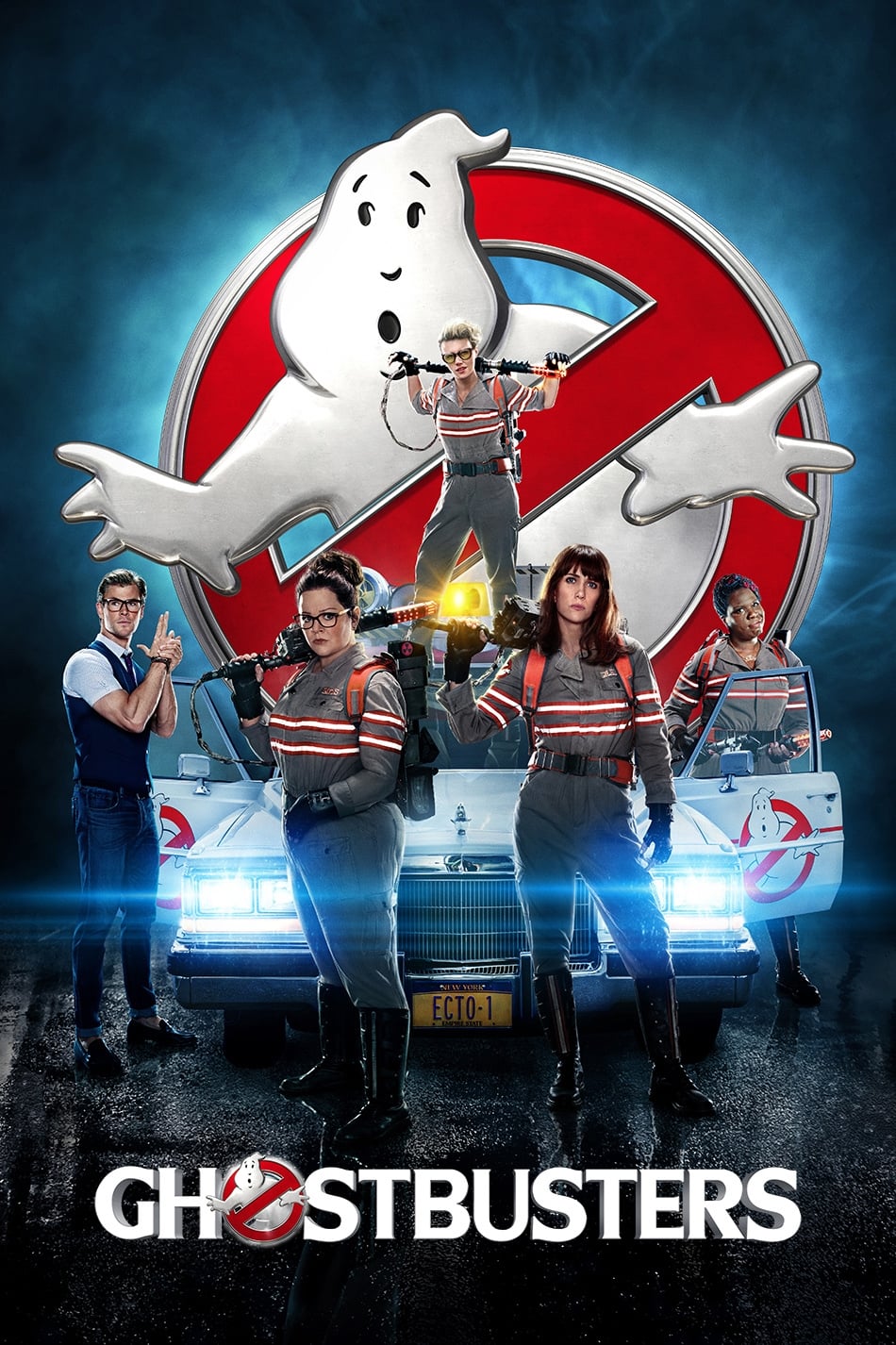
During a scene set in a New York City subway station, the walls are covered in graffiti including a specific variation of the iconic ghost logo. This particular graffiti design was based on a real piece of street art and fan art that the production team liked and decided to replicate for the set. The inclusion added a layer of gritty realism to the environment while acknowledging the pervasive pop culture footprint of the franchise. It served as a subtle nod to how the Ghostbusters symbol would realistically appear in a modern urban setting.
‘Star Trek Beyond’ (2016)

To celebrate the 50th anniversary of the franchise, the production launched a “To Boldly Go” charity initiative which included an alien makeup contest. The winner of the contest was flown to the set and transformed into an alien character that appeared in the final film. This alien designed by a fan became a canonical part of the Kelvin timeline and interacted with the Starfleet crew. It offered a literal fan face to the diverse array of species seen in the movie.
‘Assassin’s Creed’ (2016)
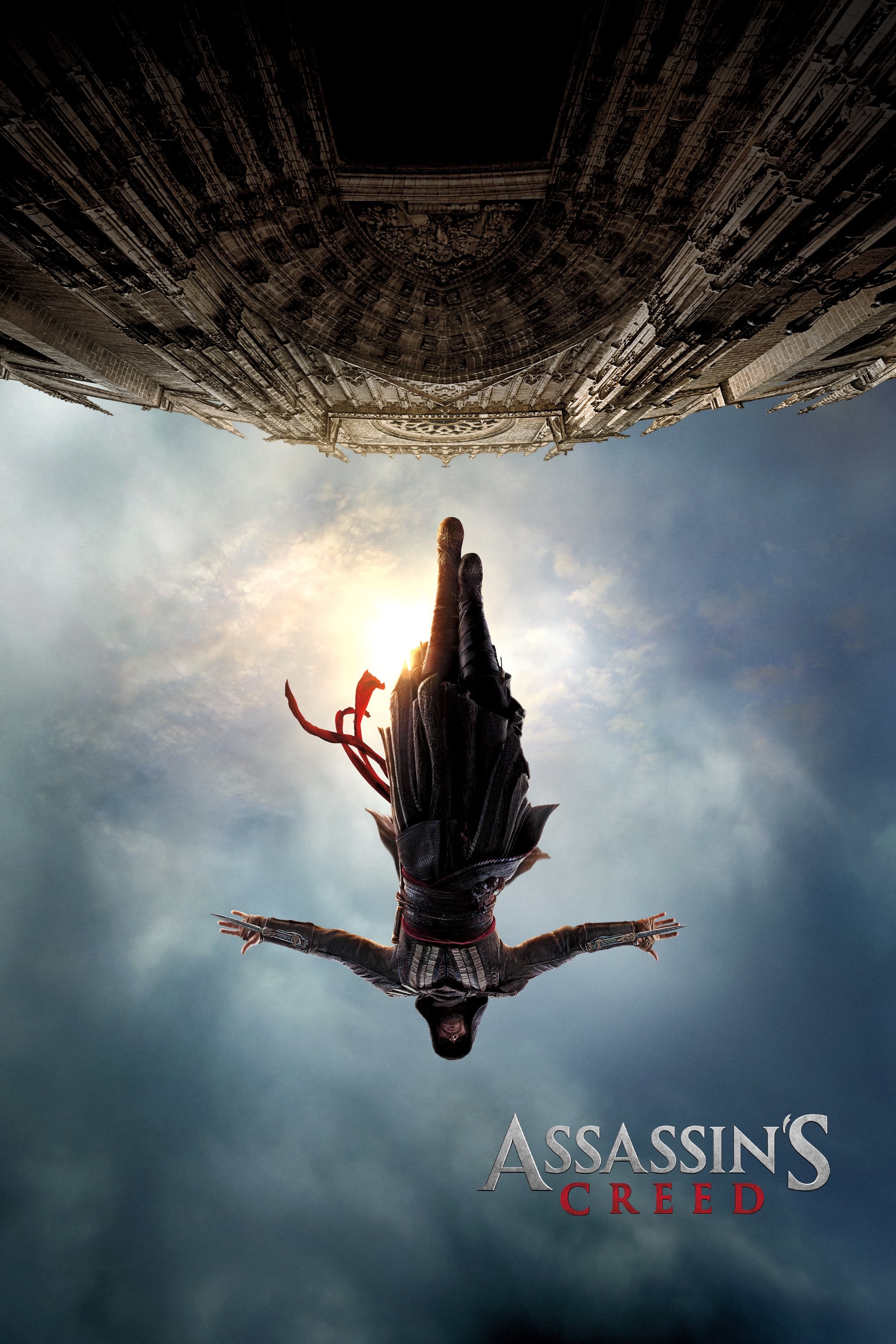
This video game adaptation faced scrutiny when fans noticed a familiar image in the background of the Abstergo facility. A piece of concept art displayed in the set dressing was identified as a painting created by a fan that had been taken from an online art platform without initial attribution. The production team had used the fan art to flesh out the advanced environment of the Animus room. This incident highlighted the often blurry lines between official assets and fan creations in digital production workflows.
‘Hitman’ (2007)
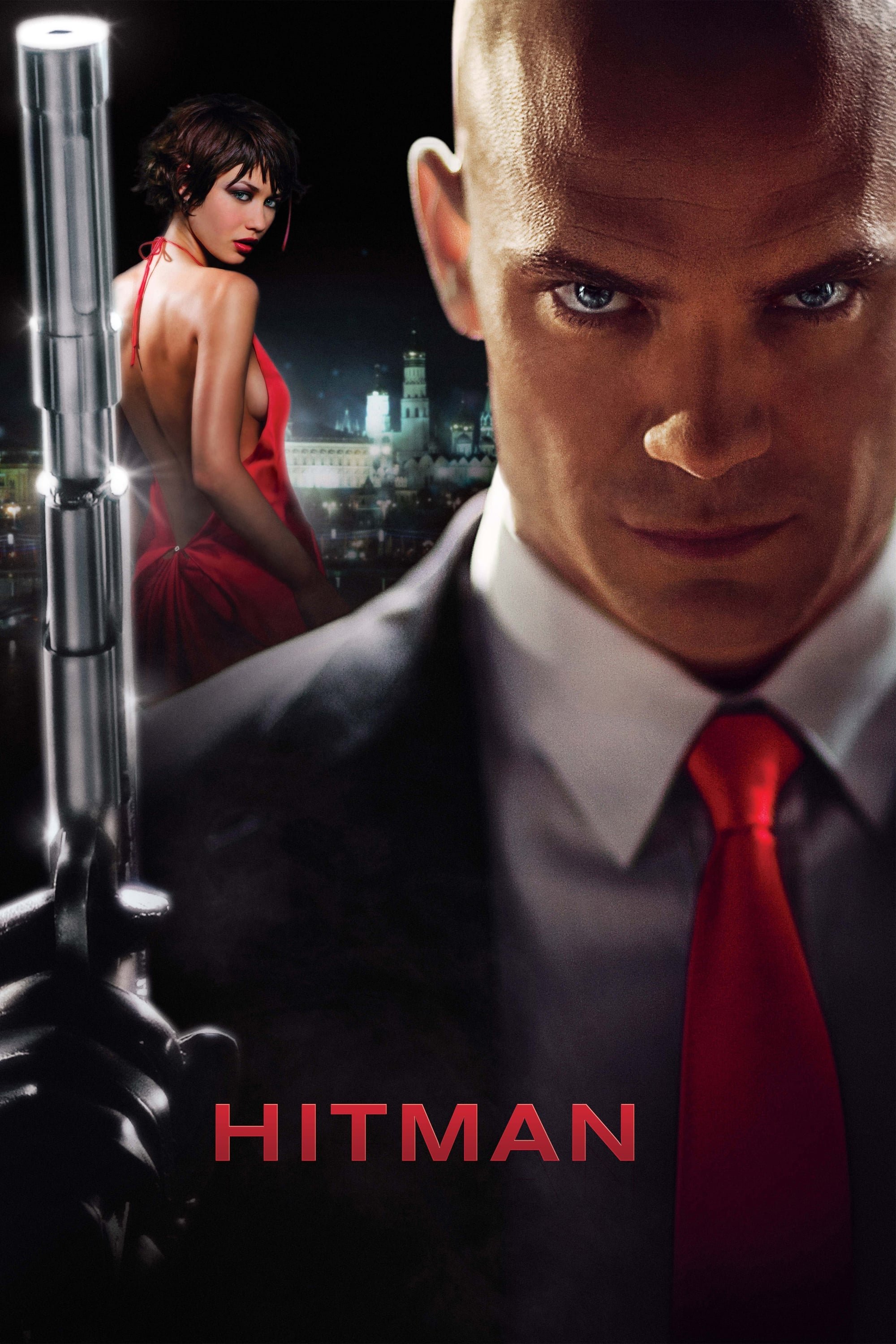
In a scene featuring Agent 47, a computer screen displays a wallpaper that was later identified as fan art rather than an official game asset. The image was a popular unofficial background circulating on the internet at the time of production. Set dressers likely selected it for its aesthetic quality while being unaware or indifferent to its amateur origins. This accidental inclusion immortalized a piece of community art within the official film adaptation.
‘Veronica Mars’ (2014)
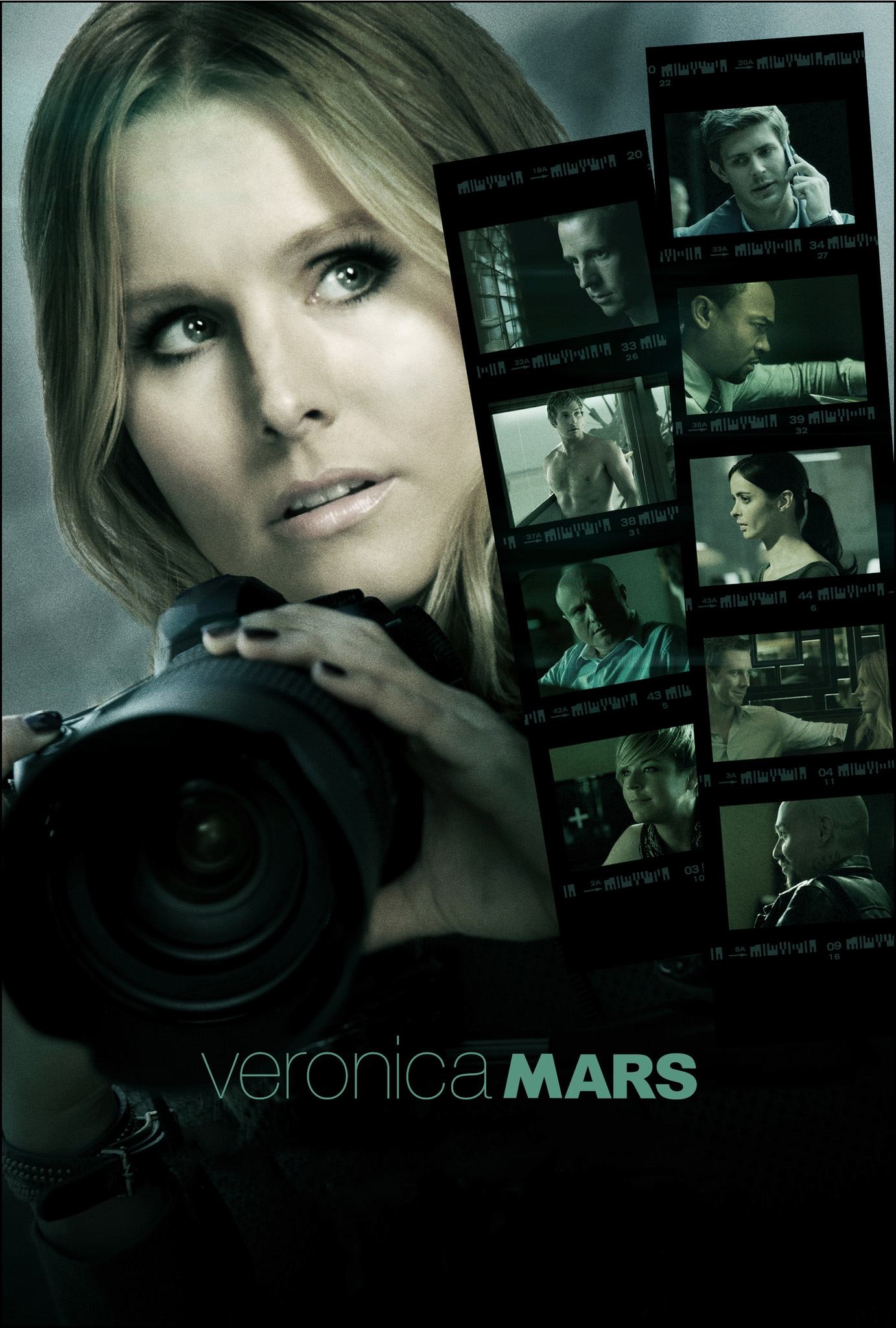
The existence of this film is entirely due to a record breaking Kickstarter campaign funded by fans and the production design reflected this partnership. Backers who pledged at certain levels were invited to appear as extras in the film populating scenes like the high school reunion and the airport. These fans were not just background actors but were effectively living props that the production paid to include rather than the other way around. The visual crowd of the film is literally composed of the people who paid to make it happen.
‘The Dark Knight Rises’ (2012)
While not visual art, the soundscape of Hans Zimmer score relied on a massive piece of crowdsourced audio design. The composer invited fans to record themselves chanting the phrase “Deshi Basara” and submit the audio files online. Thousands of these recordings were layered together to create the menacing and deafening chant heard during Bane scenes and the prison escape. This audio fan art became a defining characteristic of the auditory production design.
‘Star Wars: The Last Jedi’ (2017)
Continuing the tradition started in the previous film, the droid R2-KT built by fans made another appearance in the sequel. The pink droid can be spotted in the background of the Resistance hangar bay before the fleet makes its escape. This recurring cameo solidified the status of the droid as a fixture in the production design of the sequel trilogy. It serves as a continuous thread connecting the charity work of the fan community with the official cinematic universe.
‘Star Wars: The Rise of Skywalker’ (2019)
R2-KT returned for the final installment of the Skywalker saga appearing once again in the Resistance base scenes. By this point the prop had become a beloved easter egg for fans in the know and represented the endurance of the fan community. The reuse of this specific amateur prop across all three films demonstrates a unique commitment to a specific piece of fan history. It stands as one of the few fan creations to appear in every movie of a major trilogy.
‘Hardcore Henry’ (2015)

This first person action film was heavily supported by an Indiegogo campaign which allowed fans to contribute directly to the production. Fans who donated were immortalized in the credits and sometimes had their likenesses or ideas incorporated into the gritty world. The chaotic video game aesthetic of the movie was directly influenced by the feedback and support of the online community that backed the initial proof of concept shorts. The production design reflects a raw and crowdsourced energy that aligns with its internet native origins.
‘Teenage Mutant Ninja Turtles: Mutant Mayhem’ (2023)
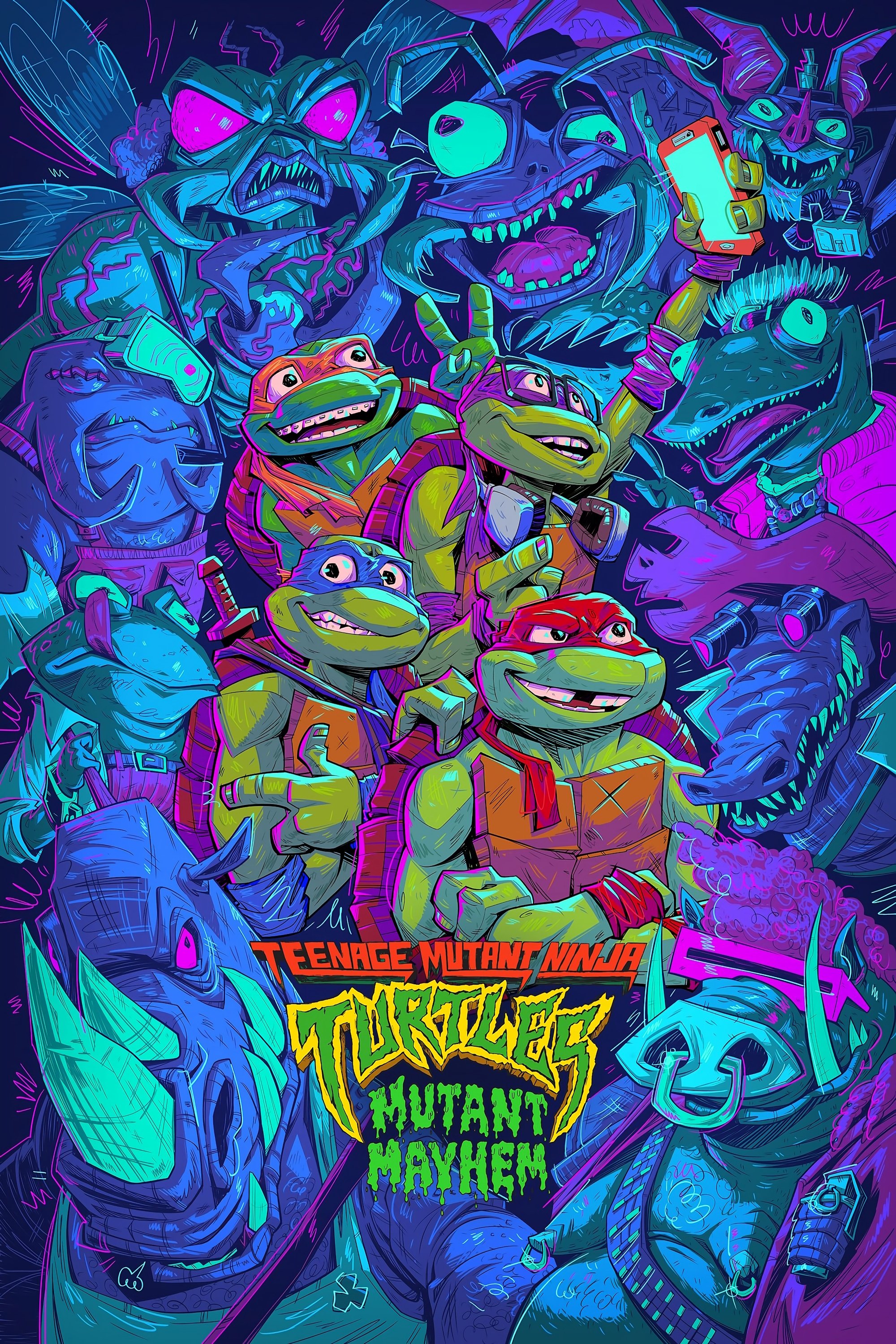
The end credits sequence of the film features a distinct notebook sketch art style that pays homage to fan art and teenage doodles. While supervised by professional designers, the sequence was crafted to emulate the look of art drawn by young fans of the franchise. The aesthetic choice celebrates the way fans have drawn the Turtles in school notebooks for decades. It bridges the gap between the polished CGI of the film and the amateur art of its audience.
‘Invader Zim: Enter the Florpus’ (2019)

The opening sequence of this movie features a montage of the main character in various disparate art styles. These stylistic shifts were a nod to the varying ways fans have interpreted and drawn the character over the years. The production collaborated with artists to capture these different amateur aesthetics within the official animation. It serves as a commentary on the long dormancy of the character and the fan base that kept him alive.
‘Jay and Silent Bob Reboot’ (2019)
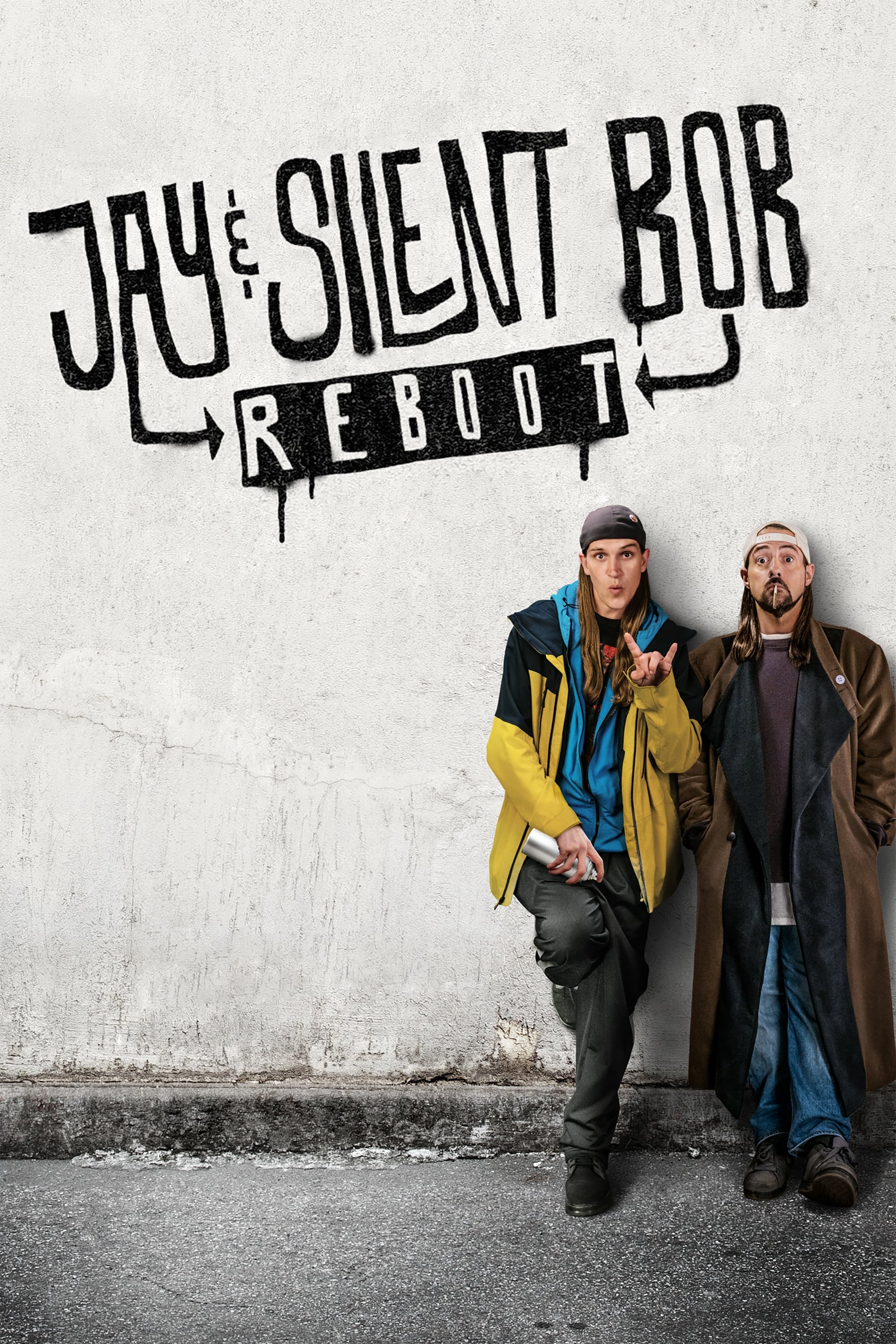
Director Kevin Smith has always maintained a close relationship with his fanbase and this film opens with a montage of fan art depicting the titular duo. The sequence showcases various artistic interpretations of Jay and Silent Bob created by the audience over the decades. This inclusion sets the tone for a meta movie that is largely a love letter to the fans who supported the View Askewniverse. It validates the creative output of the fan community by placing it front and center.
‘Clerks II’ (2006)

In a unique approach to credit design, Kevin Smith included the names of the first 10,000 fans on MySpace who added the movie as a friend. These names were printed in a dense and scrolling wall of text during the end credits of the film. While it acts as a list, the visual effect creates a texture of names that serves as a graphic design element representing the grassroots support the film received. It remains one of the earliest examples of integrating social media fandom into the physical production elements of a film.
‘The ABCs of Death’ (2012)
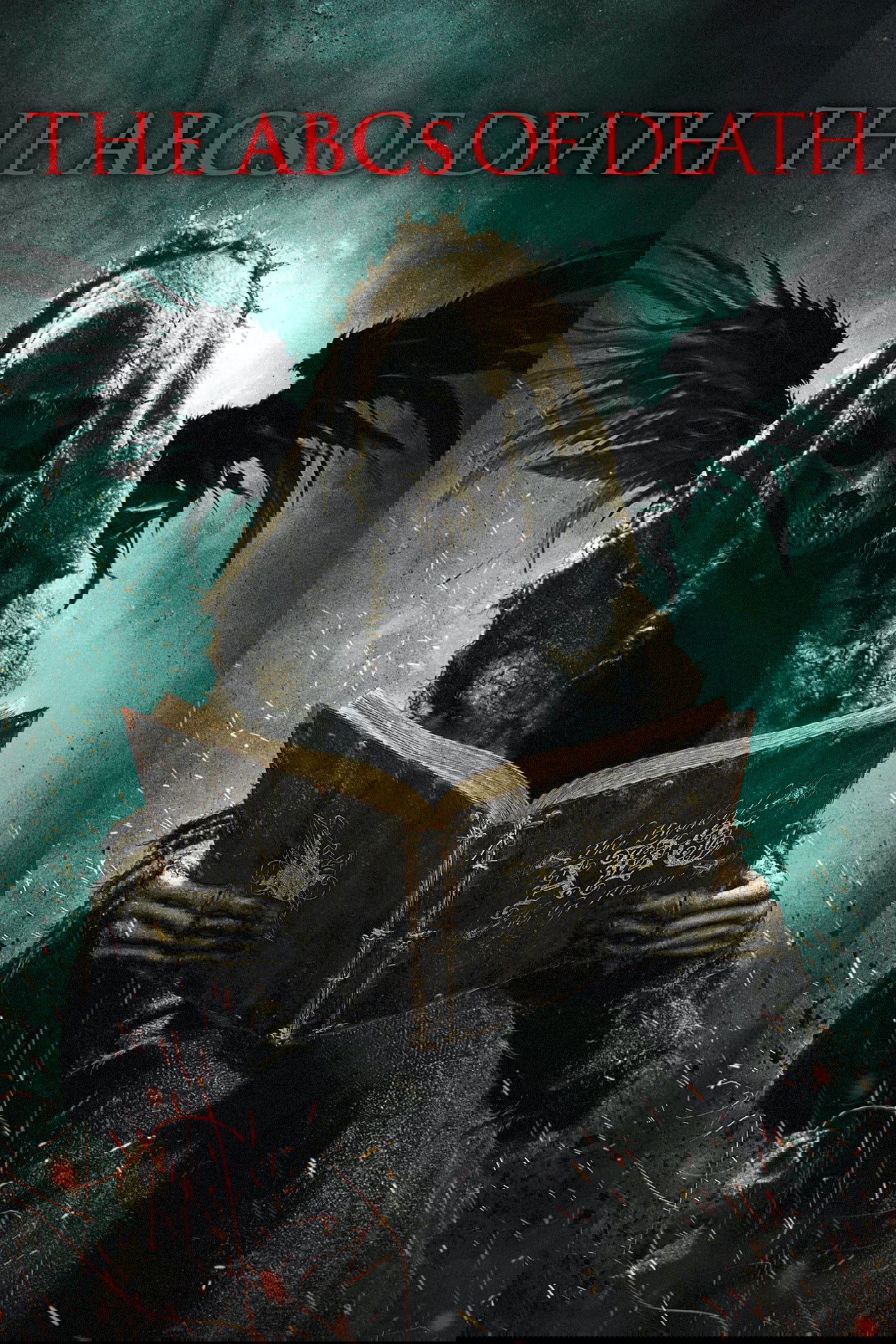
For this horror anthology, the producers held a contest for the letter T inviting filmmakers and fans to submit their own short segments. The winner was Lee Hardcastle whose amateur submission “T is for Toilet” was chosen to be the official 20th segment of the feature film. This allowed a piece of fan created content to become a structural part of the final release. The contest format turned a viewer into a featured director within the production itself.
What other movies have you spotted that snuck in a piece of work from the fans, so share your finds in the comments.