


20 Movies That You Have To Watch Twice



Some films are built so you can track new layers on a second pass. They hide information in edits, props, and offhand lines that only make full sense once you know where the story lands. A rewatch lets you map timelines, decode motifs, and test what the movie tells you against what it shows.
This list gathers films that use structure, unreliable narration, or intricate world building to reward another look. Keep an eye on costume choices, background signage, recurring colors, and small continuity quirks. Notice how music cues, sound motifs, and framed photos often reveal intent long before the final scene explains it.
‘Memento’ (2000)
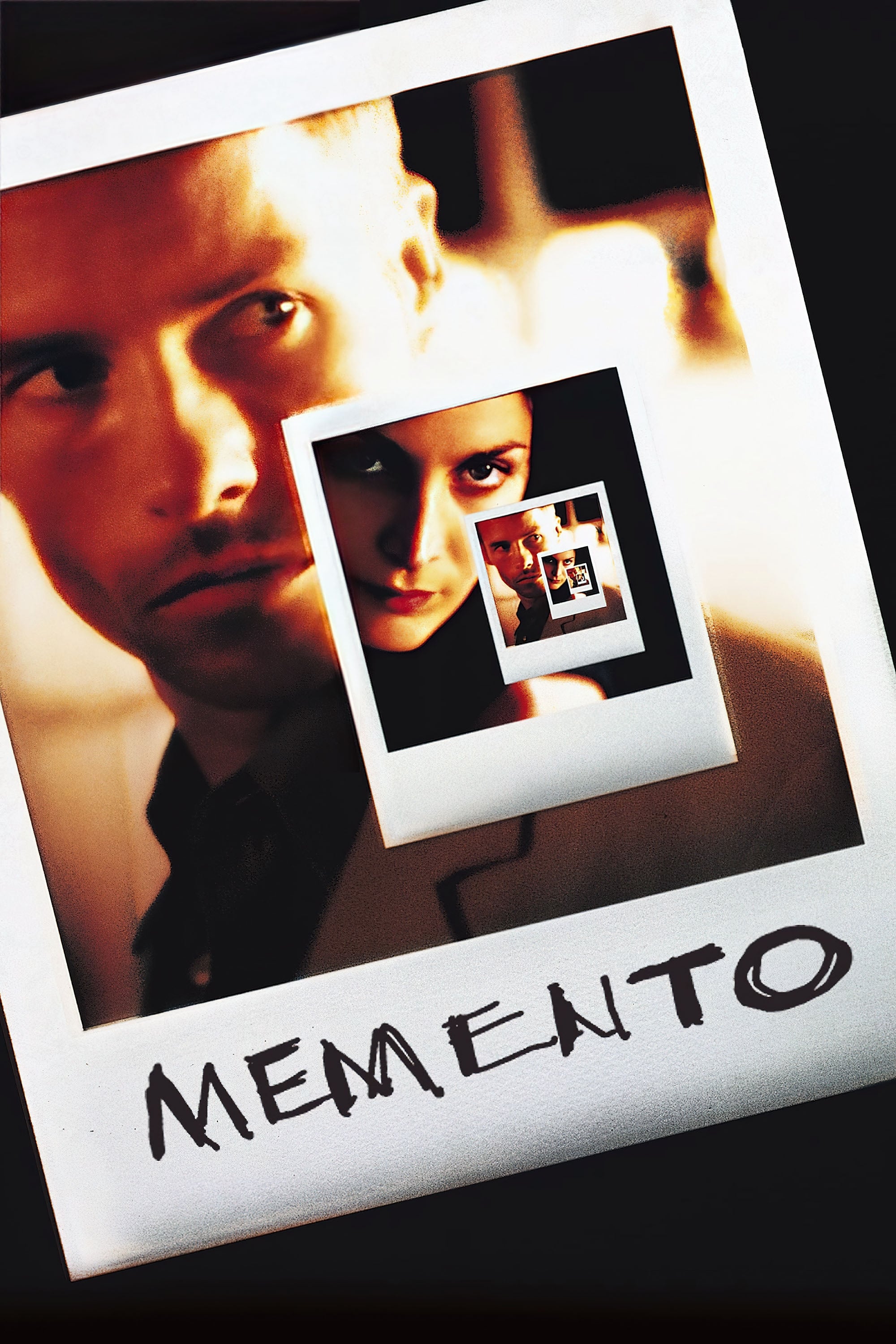
The story runs in two tracks, one in color that moves backward and one in black and white that moves forward. The structure places you inside the memory limits of the lead, which turns every cut into a question about what happened just before.
On a second viewing you can follow the clues in tattoos, Polaroids, and voice notes. Watch how phone calls, license plates, and the placement of a suit jacket create a breadcrumb trail that exposes who is steering the investigation at each step.
‘Fight Club’ (1999)

A single narrator guides the story, which mixes insomnia, support groups, and a growing underground movement. The film uses misdirection through editing and perspective so key scenes play one way the first time.
Rewatch to spot split second frames, background glances from side characters, and conversations that continue seamlessly after a cut. Store return slips, airline tags, and matching injuries line up the true relationship between central figures well before the reveal.
‘The Sixth Sense’ (1999)
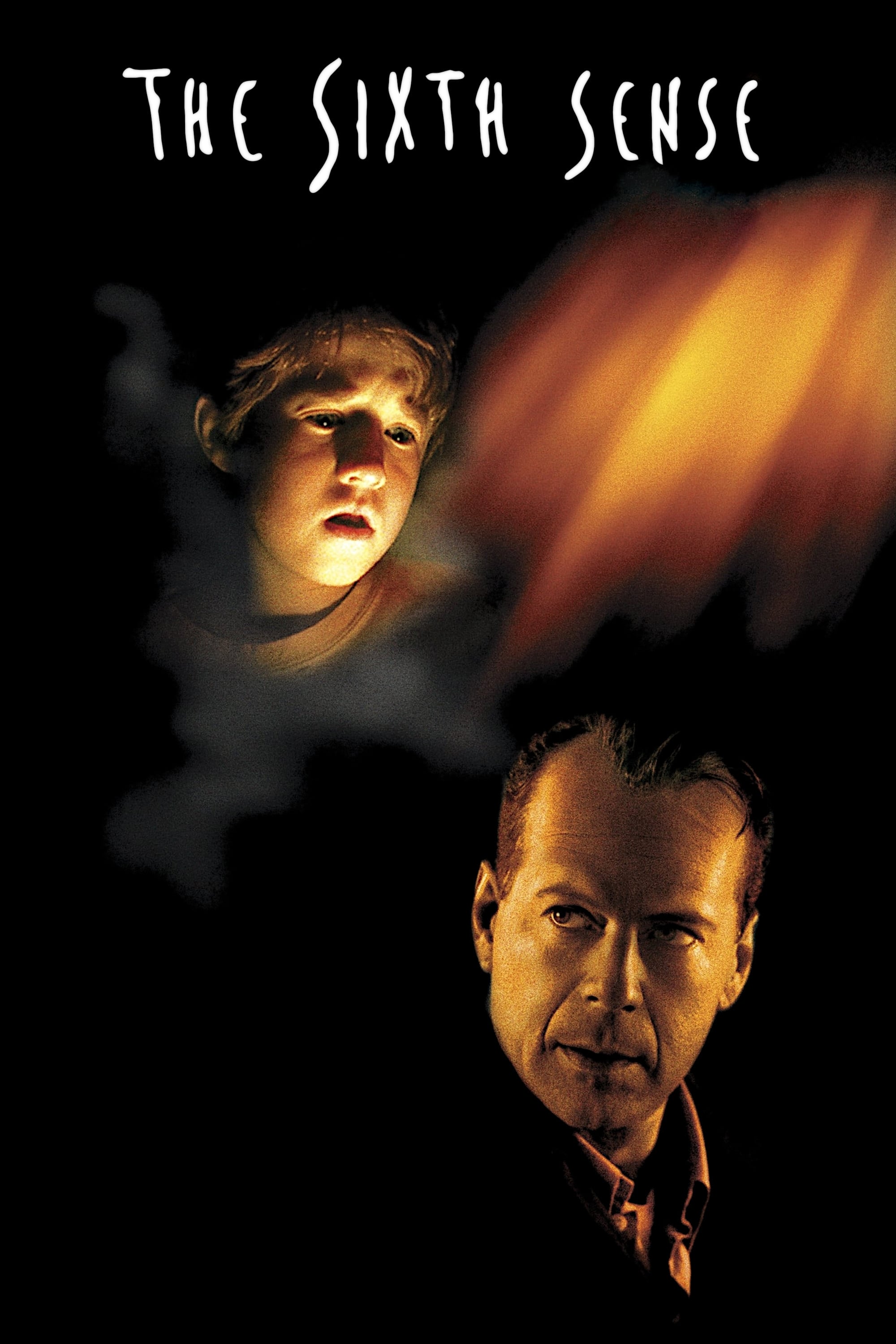
A child confides a secret about what he sees, and a therapist tries to help him make sense of it. Scenes are staged to limit physical interaction, which keeps the first run focused on emotional beats.
On rewatch, track the use of red in clothing and objects, and note doors, silverware, and breath on cold air in key rooms. Pay attention to table settings, restaurant interactions, and how scenes begin and end without direct acknowledgment between certain characters.
‘Inception’ (2010)
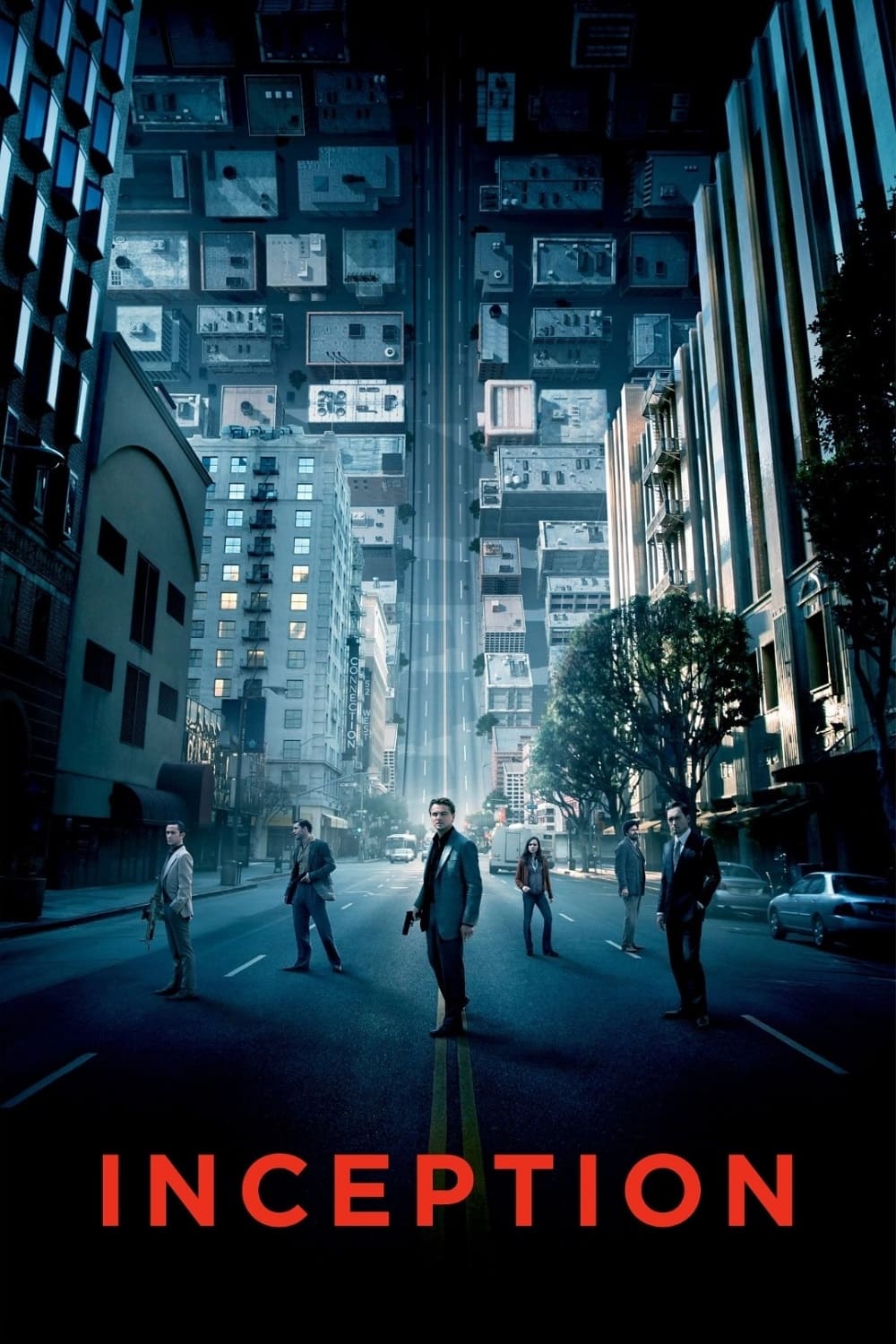
A team enters layered dream spaces to plant an idea, following strict rules about kicks, time dilation, and totems. The film intercuts several levels with synced objectives that depend on exact timing.
On a second viewing, follow the Edith Piaf cue as a time ruler and the elevator stops as a map of trauma. Look at wedding rings, the architecture that folds on command, and how water appears right before major transitions between layers.
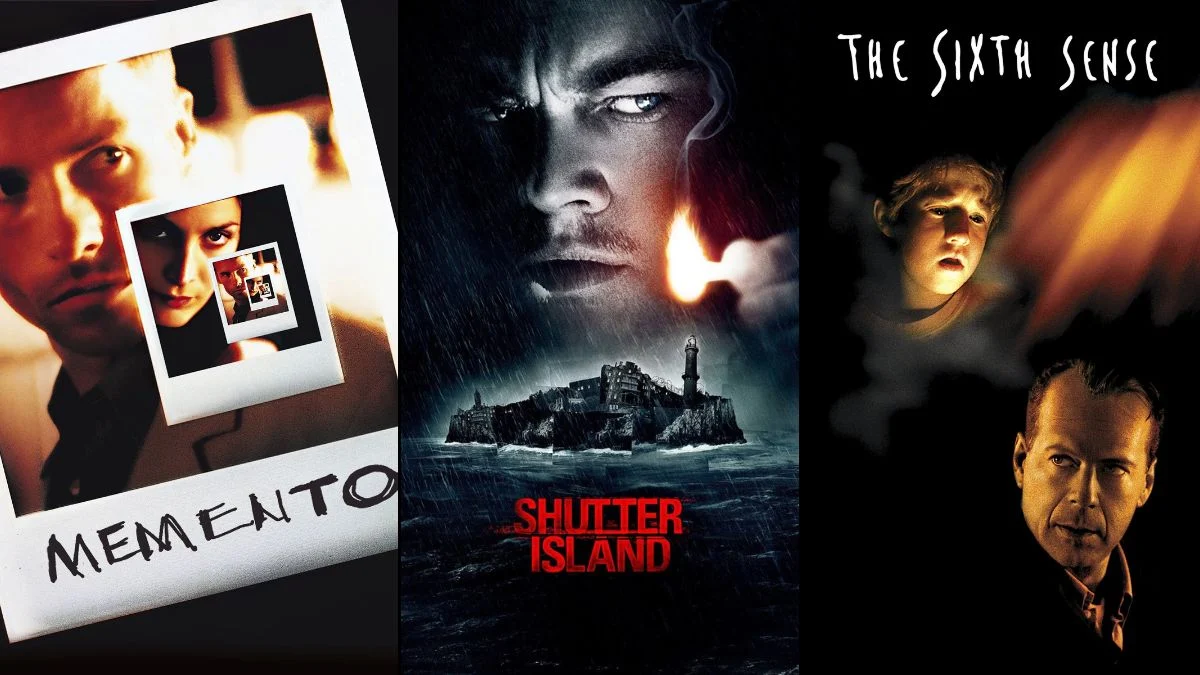
‘Shutter Island’ (2010)
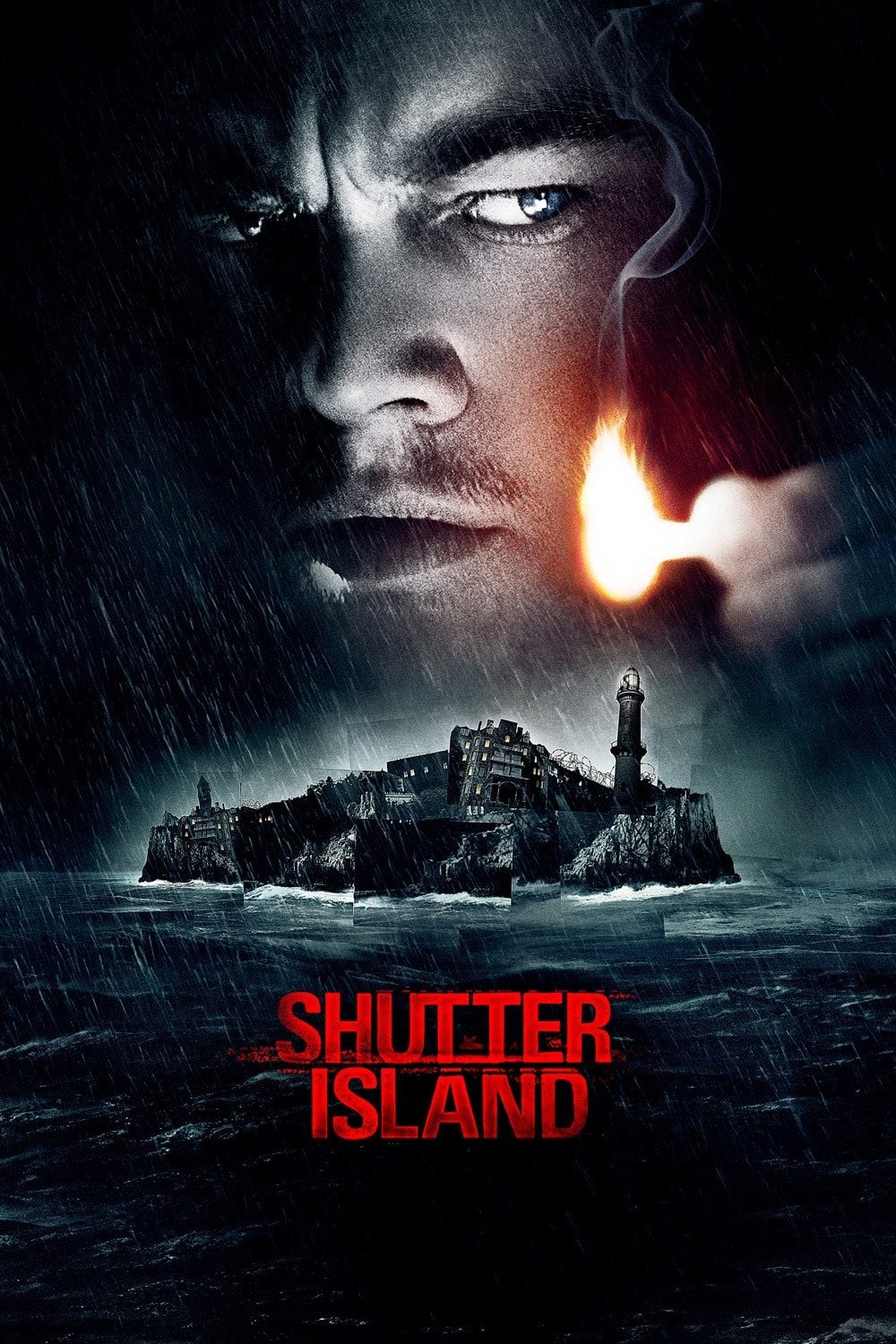
A federal marshal arrives at a hospital to find a missing patient while weather and staff behavior increase the strain. Dialogue, medical files, and medication routines frame the mystery through clinical detail.
Rewatch to study cigarette exchanges, handwriting in notebooks, and the way a character handles a glass of water. Intake forms, treatment schedules, and the partner’s reactions point to the operating truth of the island.
‘Donnie Darko’ (2001)
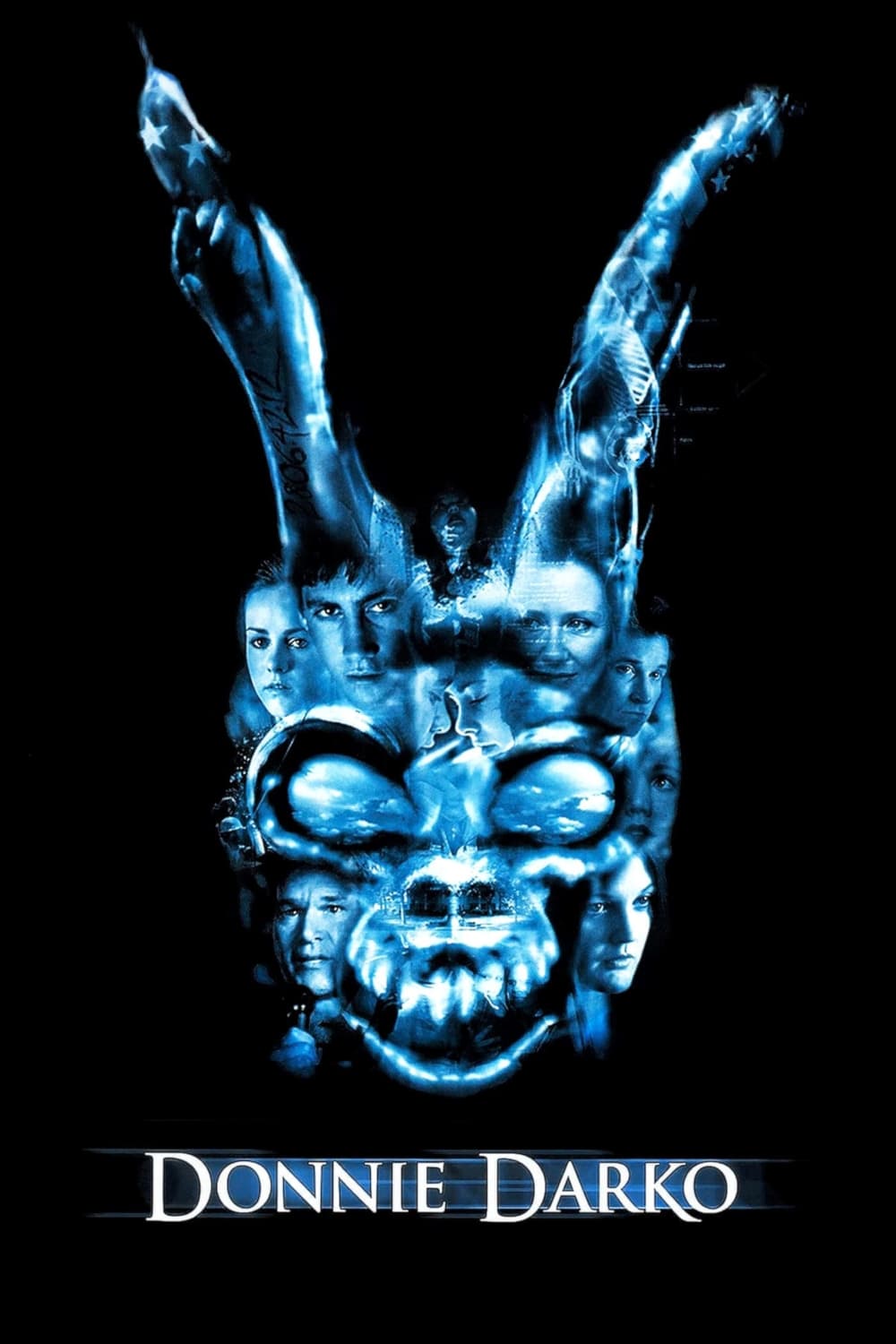
A teen experiences visions that align with a countdown and a strange figure in a mask. The story folds in physics class ideas, a jet engine incident, and a book that hints at a tangent timeline.
On a second pass, track mailbox visits by an elderly neighbor, repeated phrases in English class, and the placement of an axe. Watch how the movie theater scene and the party sequence place characters to explain who influences which choice.
‘Mulholland Drive’ (2001)
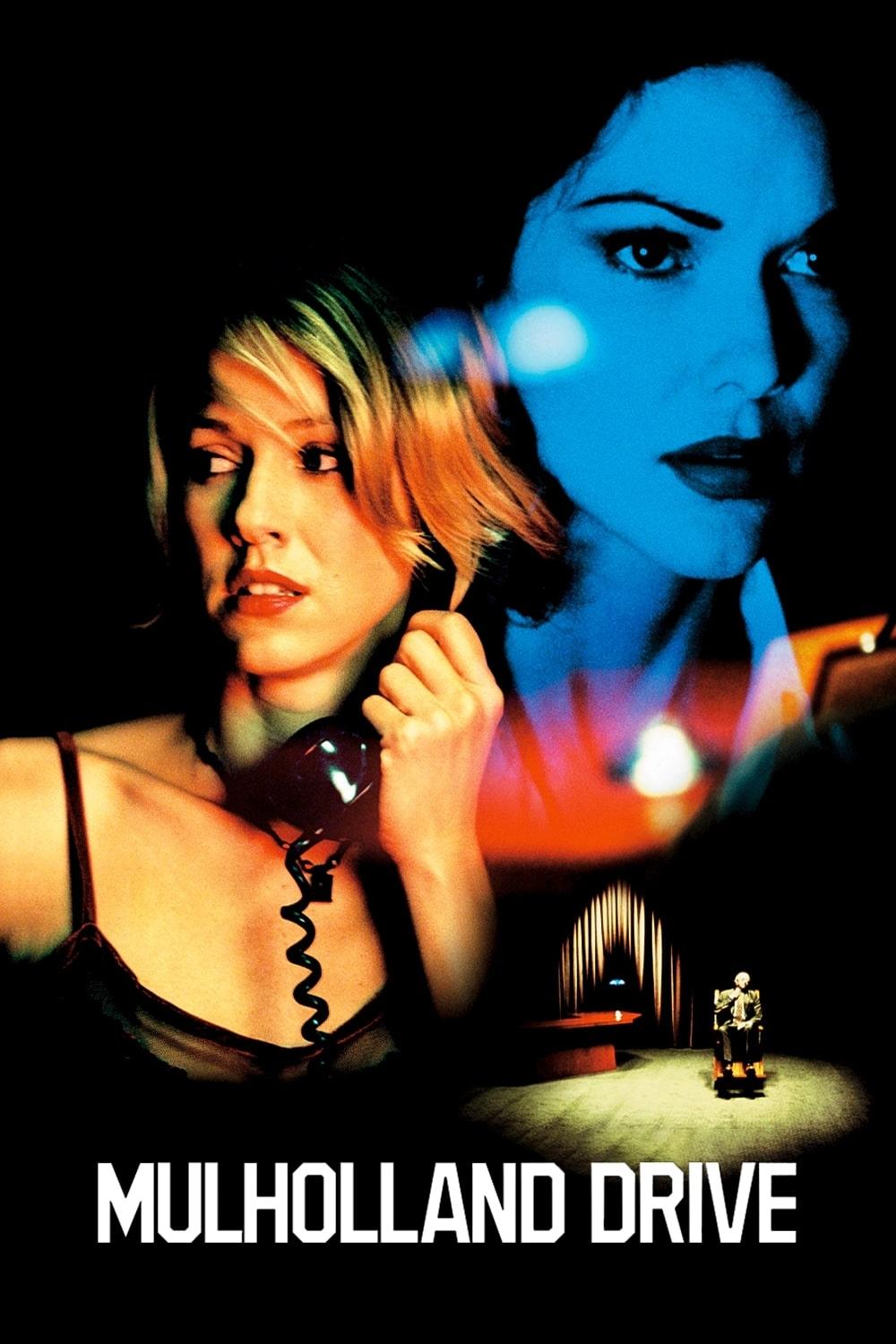
A newcomer to Los Angeles and an amnesiac cross paths while auditions and chance meetings blur identities. The film shifts tones as if one part of the story reframes the other.
Rewatch to follow the blue key, the blue box, and the Club Silencio performance as guideposts. Note name swaps on headshots, apartment numbers, and coffee shop orders that mark transitions between dream logic and waking consequences.
‘Primer’ (2004)
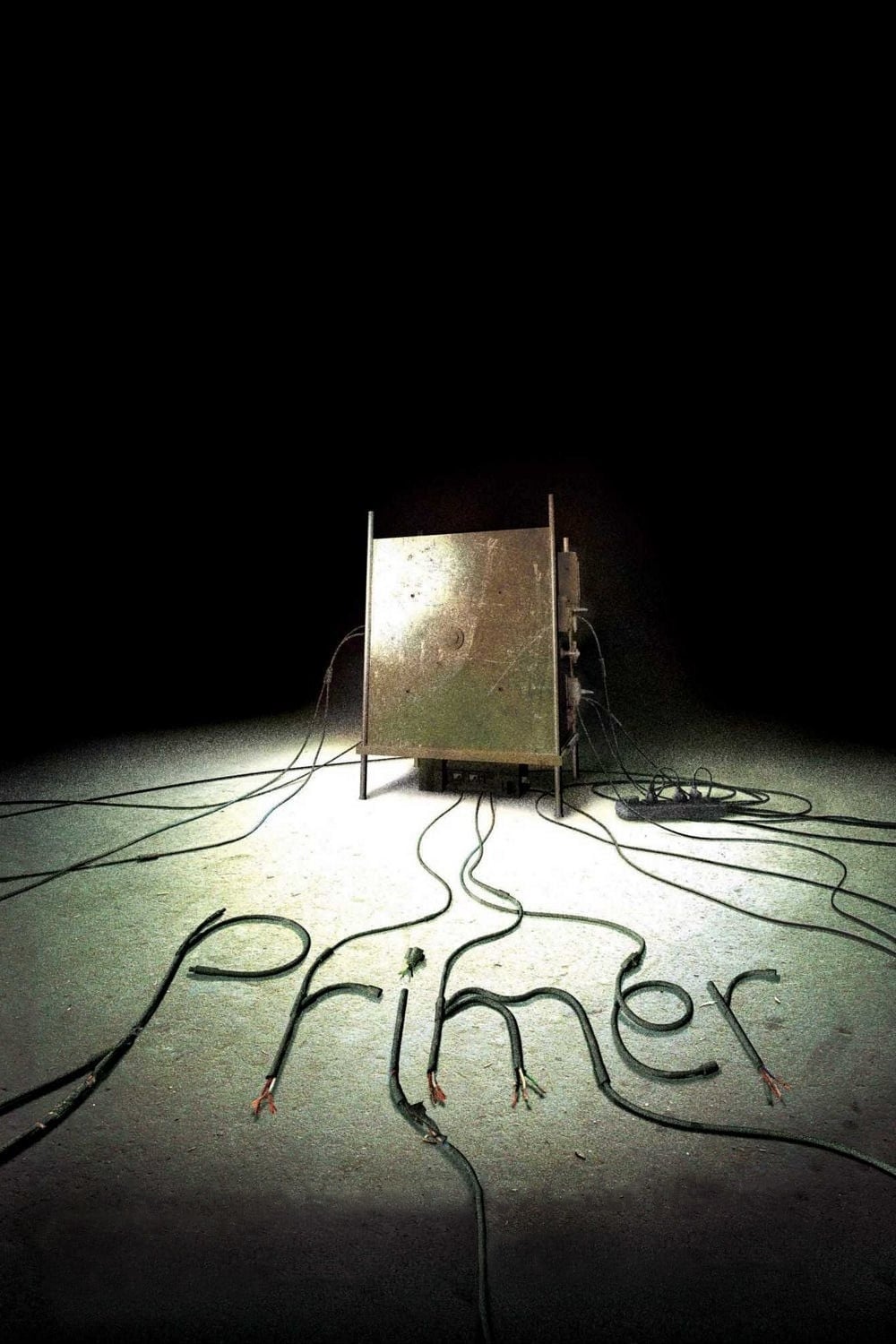
Two engineers build a device in a garage and discover a use that creates overlapping copies of themselves. The movie presents technical talk without hand holding and cuts scenes tight around cause and effect.
A second viewing lets you chart failsafe boxes, ear bleeding, and changing shirts that signal which iteration you are seeing. Mark the party incident, the warehouse visits, and the sound of the device to keep parallel tracks straight.
‘Oldboy’ (2003)
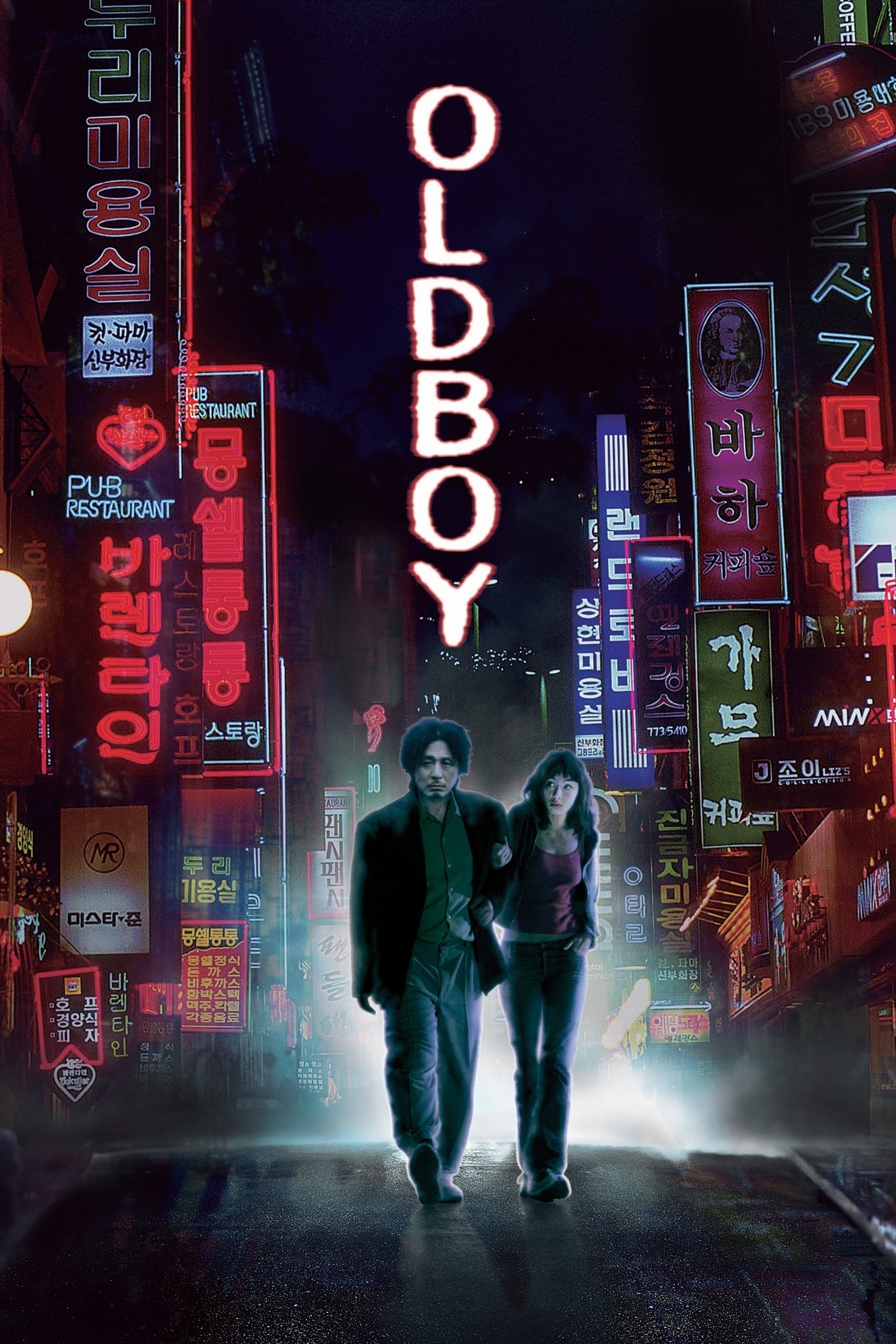
A man is confined without explanation, then released and given time to find out why. Food orders, television clips, and a school yearbook anchor the search to concrete clues.
On rewatch, focus on hypnosis suggestions, the origin of a signature dish, and how a childhood rumor spreads. Photo albums, tape recordings, and matching accessories align the final reveal with earlier scenes.
‘The Prestige’ (2006)
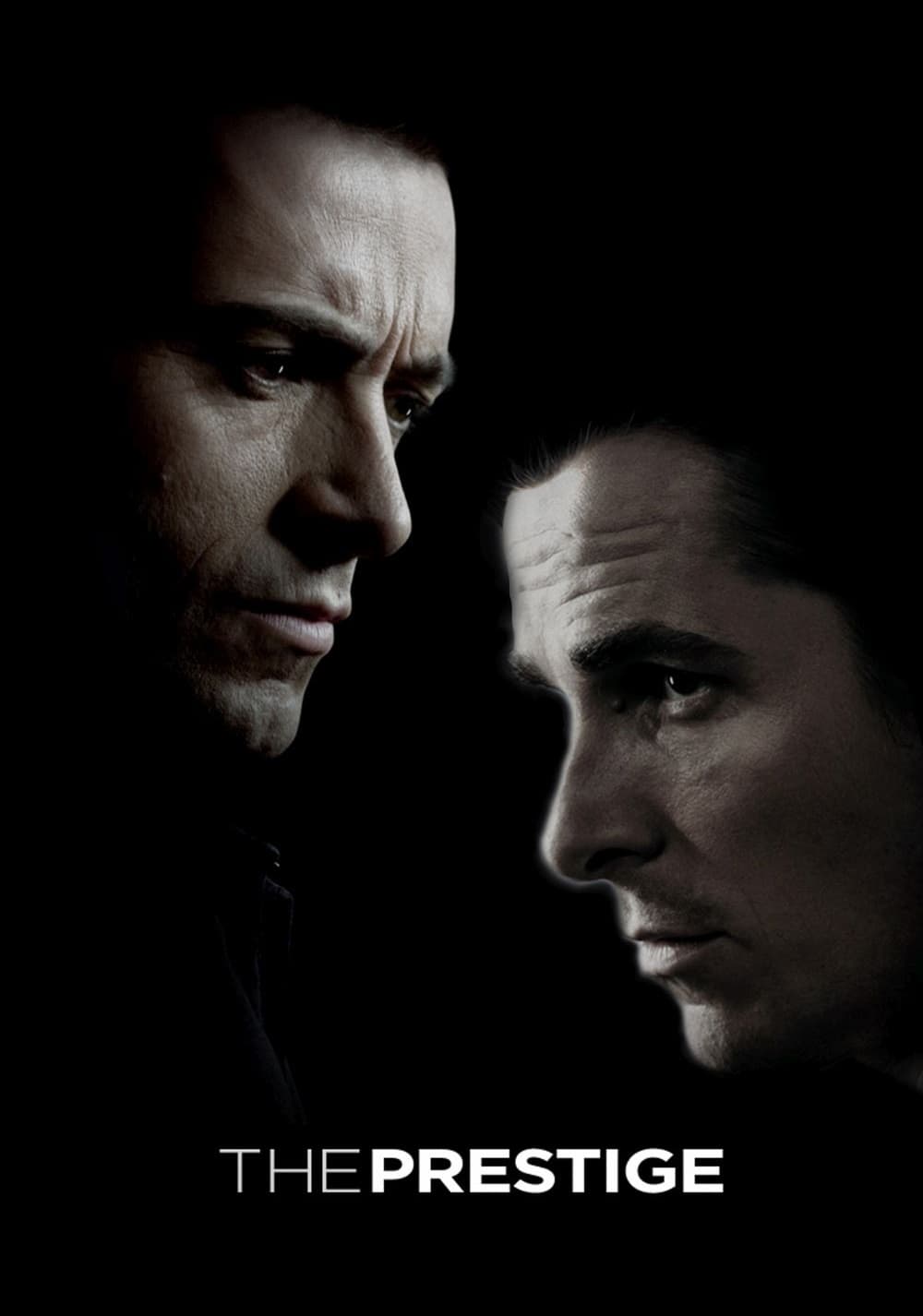
Two stage magicians escalate a rivalry that revolves around one trick and the cost of perfecting it. Diaries, code words, and courtroom testimony deliver the story through competing records.
A second pass reveals the meaning of the line about the man in the audience, the knots debate, and the role of doubles. Track canaries, finger injuries, and the number of top hats to see how each performer safeguards a secret.
‘Arrival’ (2016)
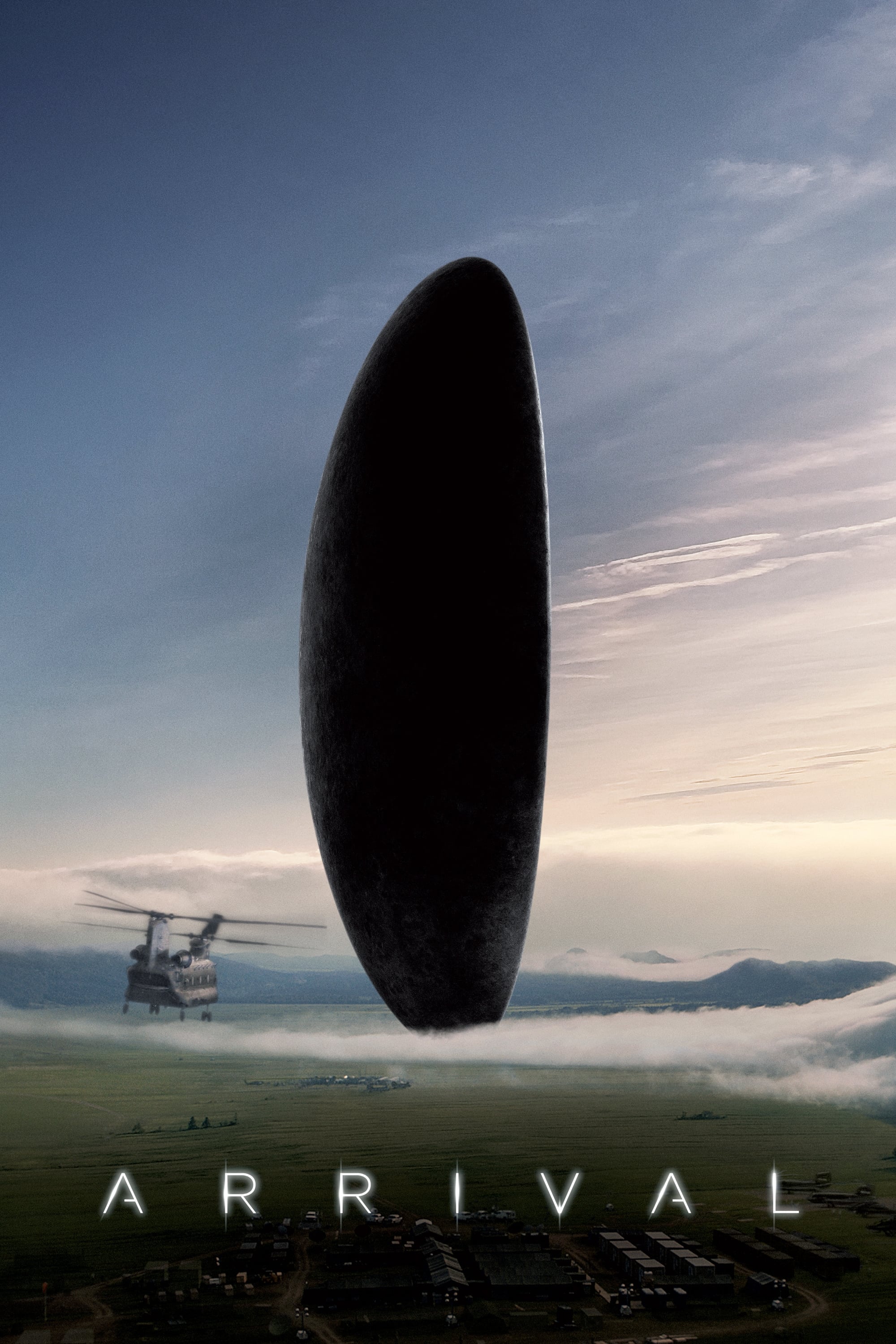
A linguist works to communicate with visitors while political timelines narrow. The film treats language as a tool that can change how time is experienced once fluency reaches a threshold.
Rewatch to study the circular logograms, the division of labor in the glass chamber, and the way a phone call resolves a conflict. Scenes with a child and specific gifts reorder themselves when you understand how the story handles memory.
‘Interstellar’ (2014)
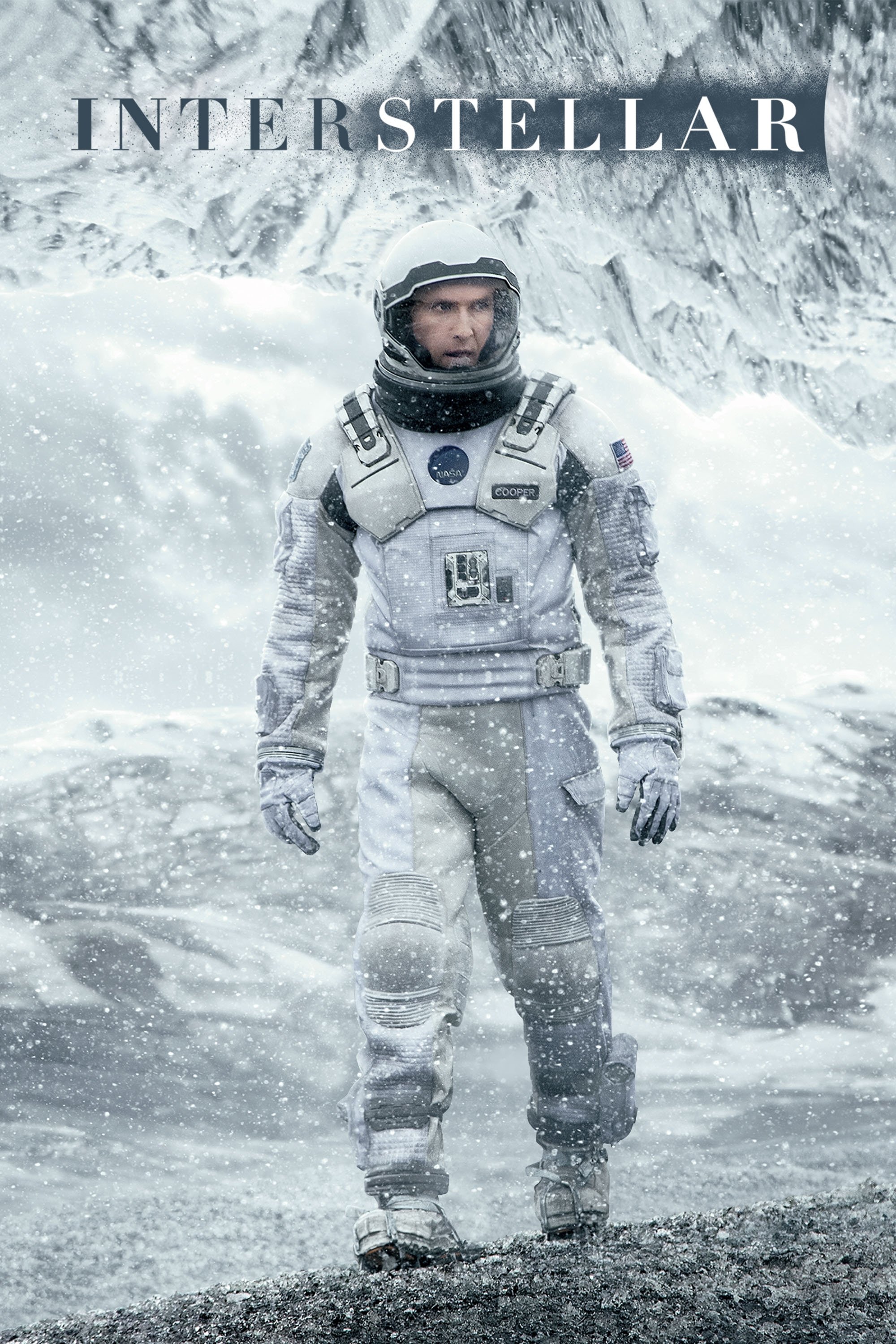
A pilot joins a mission to find a new home as time moves at different rates on different planets. The story jumps between space travel and a farm where clocks and books become signals.
On a second viewing, follow the watch on a bedroom shelf, dust patterns on a floor, and bursts of Morse in the noise. Map wave height to time cost on one world and track how video messages bookmark lost years.
‘Hereditary’ (2018)
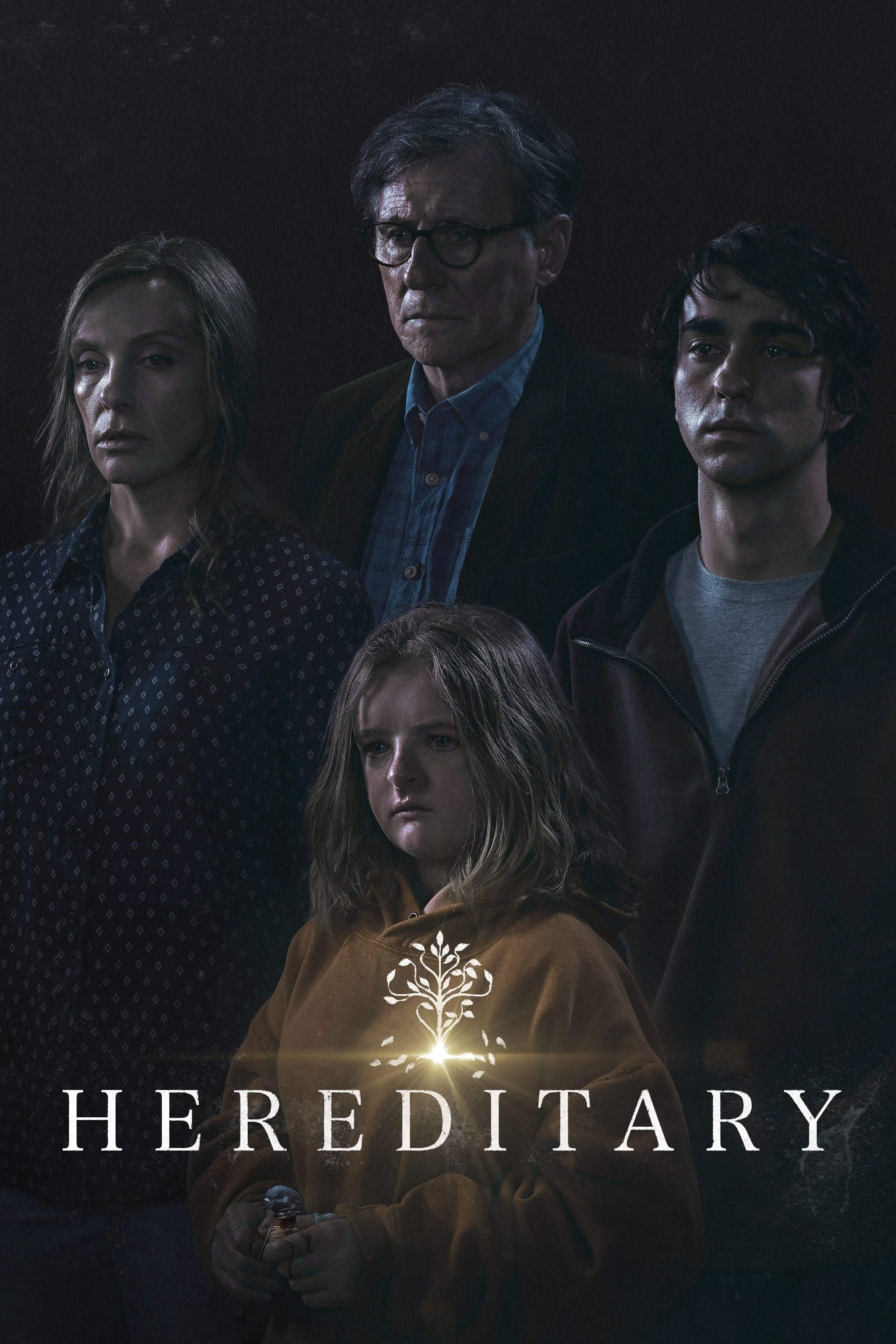
A family deals with a death that sets off a sequence of symbols, rituals, and hidden preparations. Miniatures reflect real spaces and give away plans in plain sight.
Rewatch to spot inscriptions on walls, a pendant design, and the placement of a welcome mat that connects households. The clicking sound, a light that travels across a room, and the layout of an attic all point to the design that completes in the final act.
‘The Usual Suspects’ (1995)
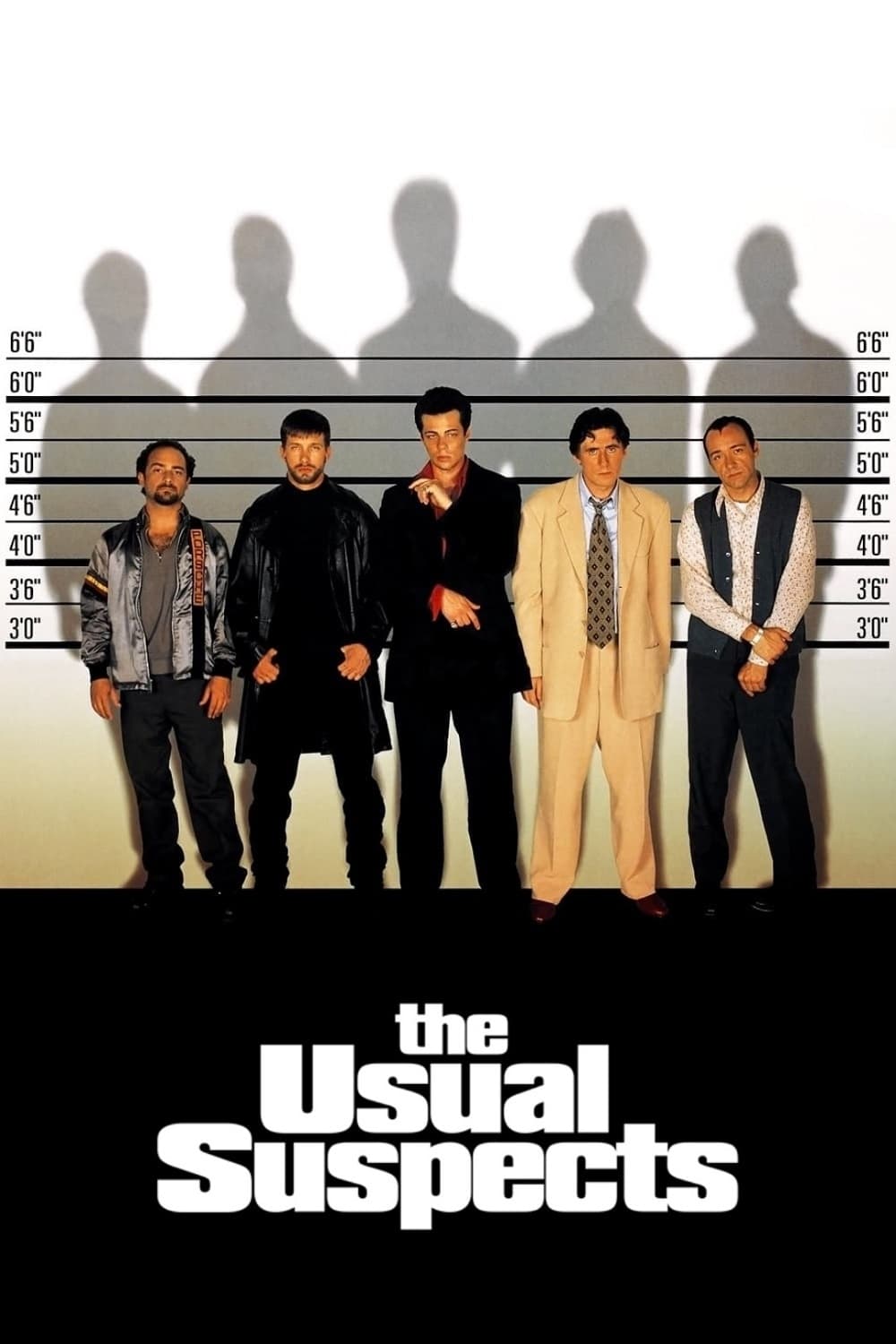
A small time crook recounts a complex heist to a federal agent. The narrative draws images and names from objects in the room, which shapes what the listener hears.
On rewatch, check the names on a shipping report, the branding on a coffee mug, and a sketch artist composite. Observe how a limp and a hand gesture change once the story ends and a new walk begins.
‘Se7en’ (1995)
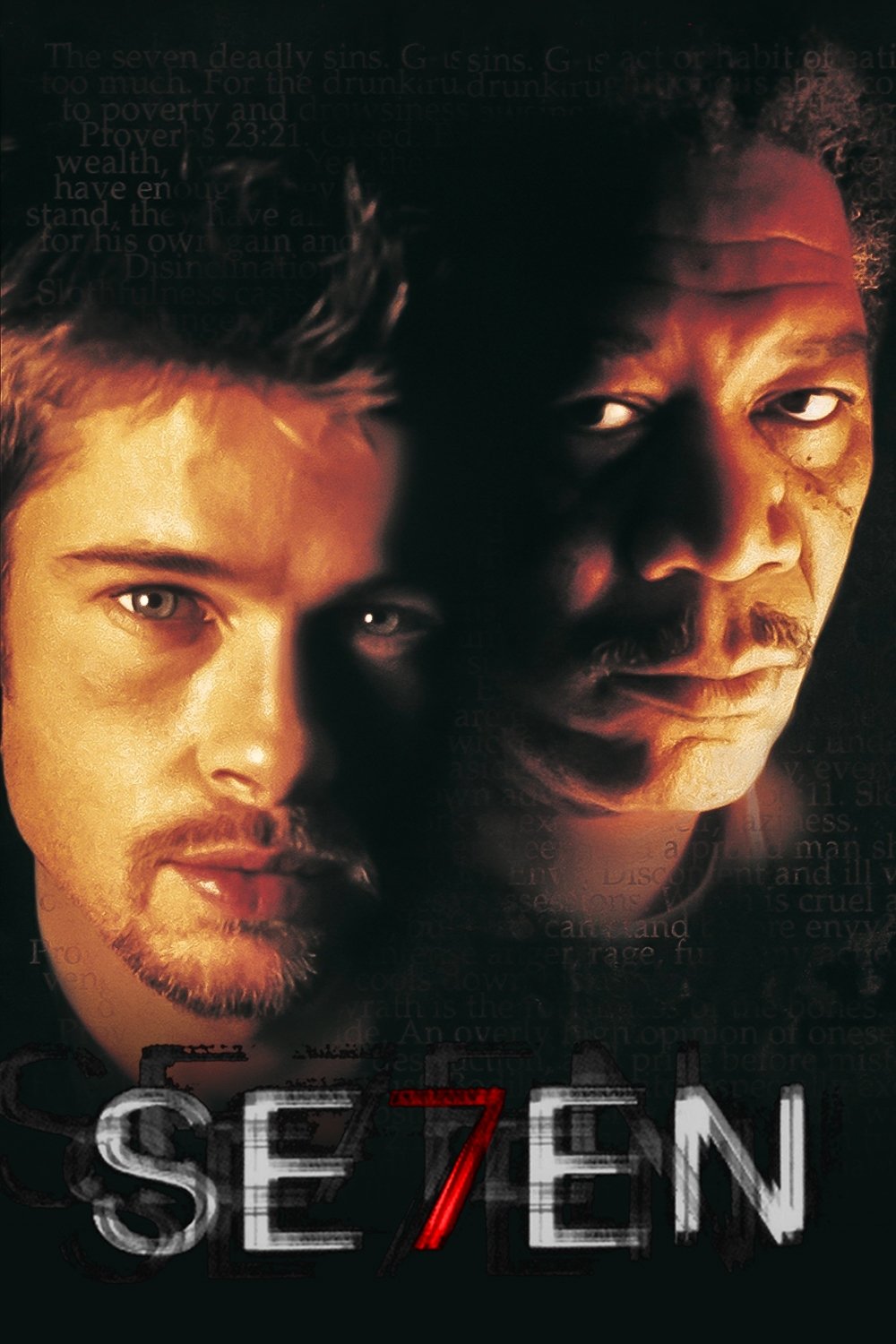
Two detectives follow a pattern that uses themed crime scenes and planned discoveries. The film hides the antagonist in plain sight through careful camera placement and timing.
A second pass reveals brief appearances in stairwells, a curious taxi route, and a receipt that explains a delivery. The notebooks in the opening montage and the library research scenes quietly teach the rules that govern each step.
‘Gone Girl’ (2014)
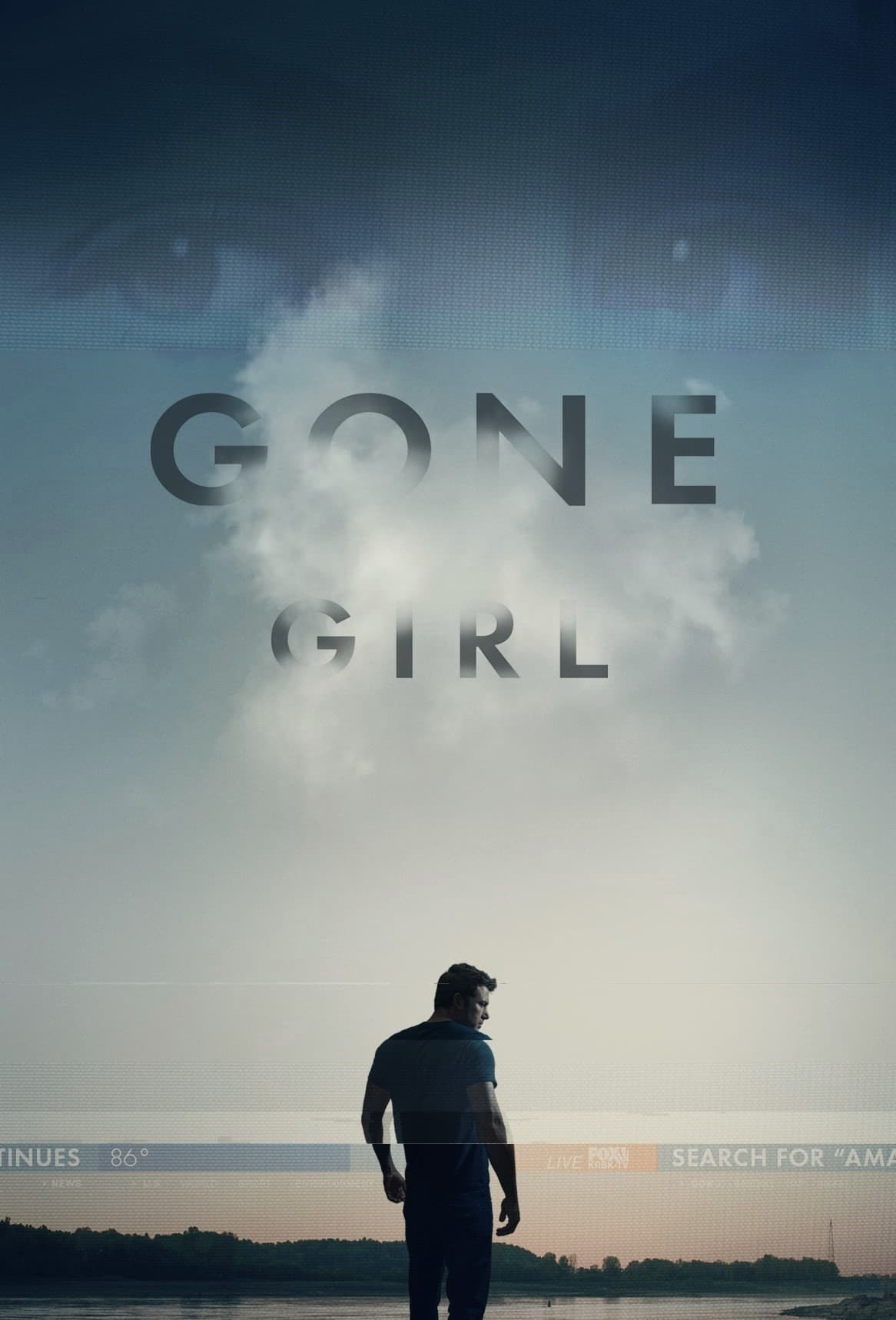
A missing person case unfolds through alternating accounts, police interviews, and news coverage. The diary pages and credit card trails set up conflicts that turn on financial and domestic details.
Rewatch to notice cash stashes, hair dye, and cameras placed to build a narrative for the public. Look at neighbor timelines, store purchases, and a hospital visit that confirm who controls the story at each point.
‘Tenet’ (2020)
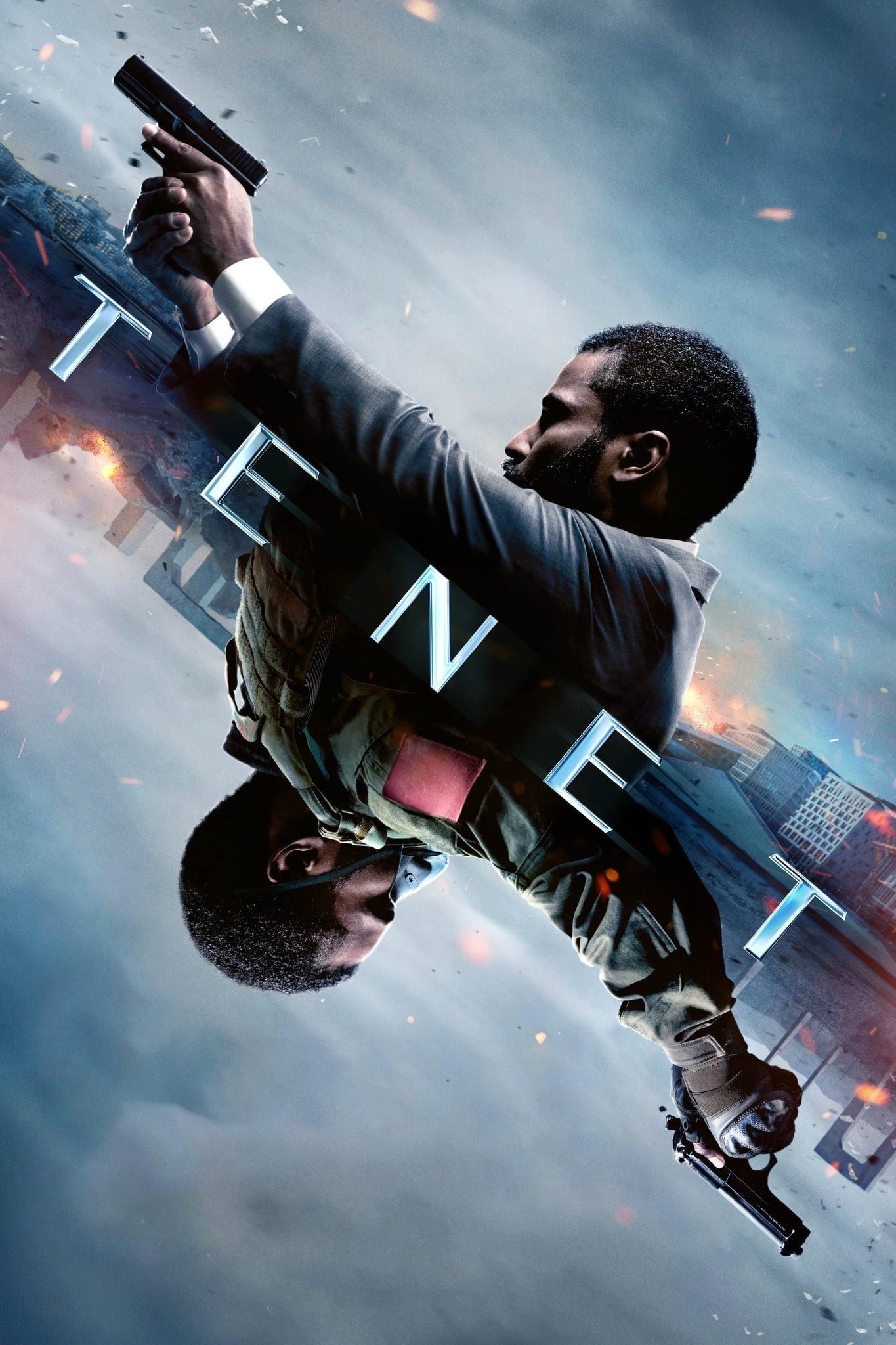
Agents move through operations where some objects and people travel backward relative to normal time. The film marks orientation through red and blue cues and through oxygen requirements.
On a second viewing, track armbands, scratches on doors, and license plates to learn who is inverted in each scene. The Oslo sequence, the highway set piece, and the final pincer movement line up cleanly once you follow the algorithm pieces.
‘Blade Runner 2049’ (2017)
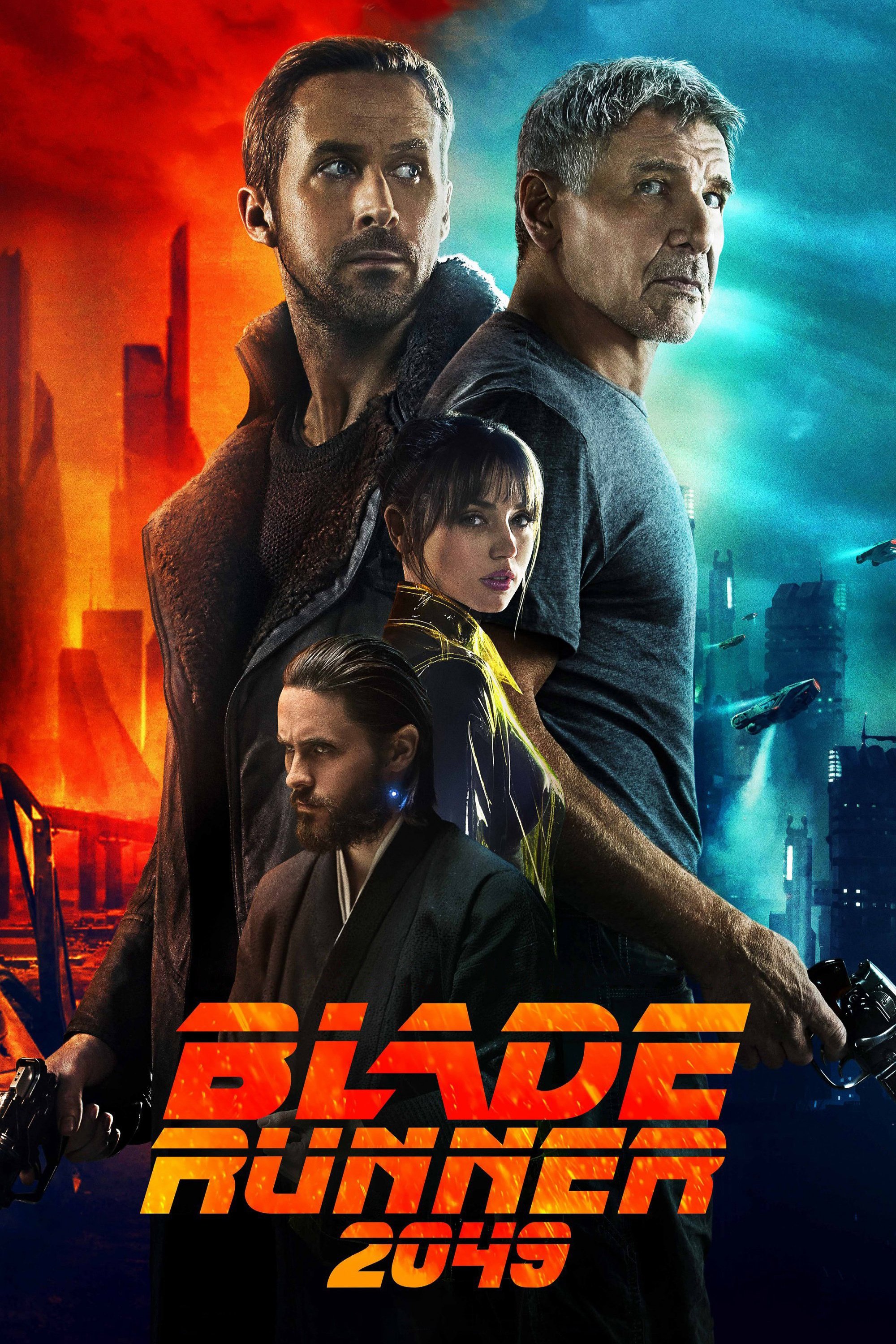
An officer follows a case that raises questions about identity and memory. Baseline tests, wooden artifacts, and a hidden record push the investigation forward.
Rewatch to connect the furnace scene, the beehives, and the placement of a horse figurine. Pay attention to eye motifs, snow in a final location, and interlinked phrases that measure mental state.
‘Predestination’ (2014)
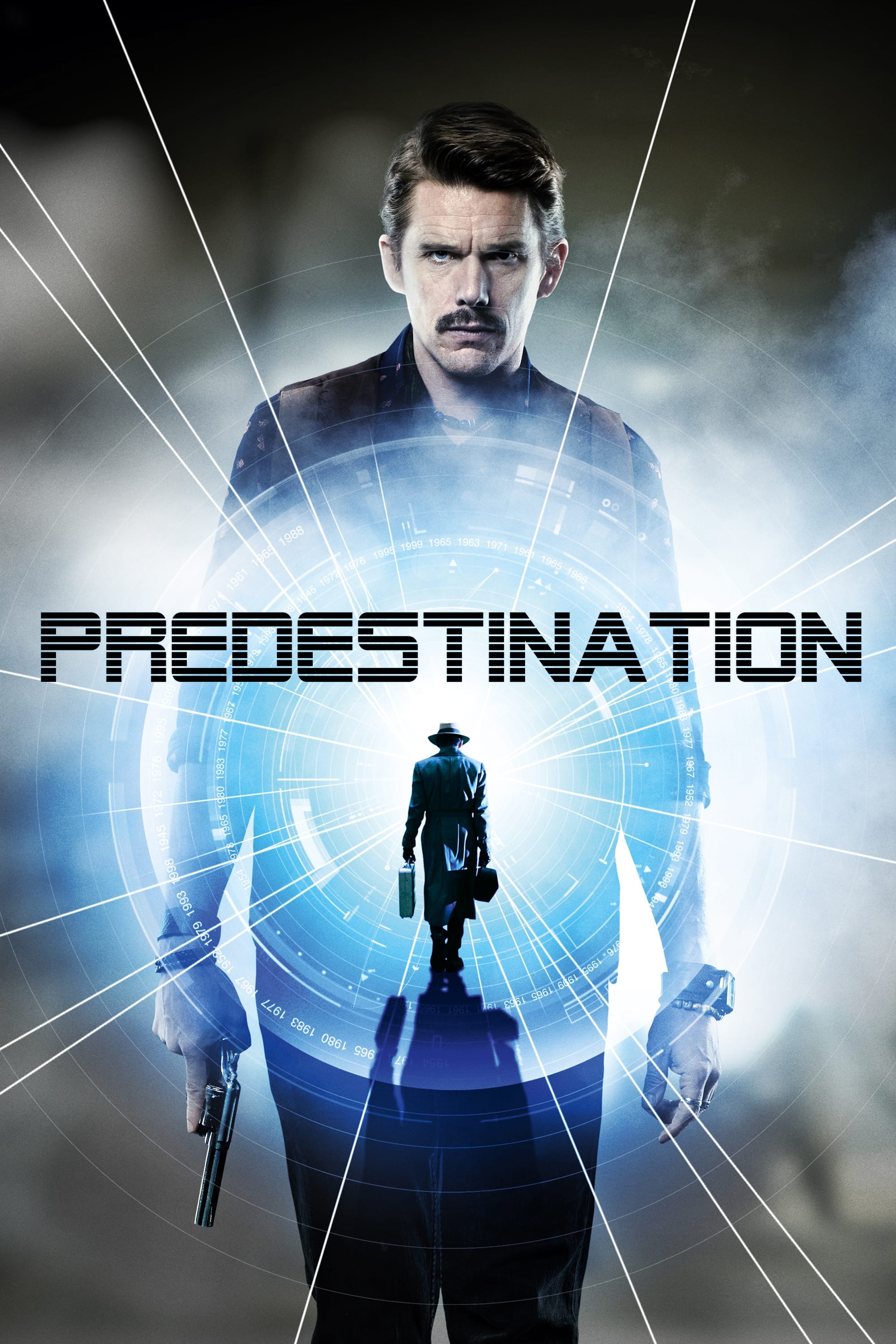
A temporal agent tries to stop a bomber while a bar story unfolds across multiple points in one life. The narrative uses repeated scenes that gain new meaning each time you see who is present.
On a second pass, watch scar placement, a violin case that houses a tool, and a name that follows a character through years. Hospital records, adoption papers, and a circular job assignment tie every thread into one loop.
‘Synecdoche, New York’ (2008)
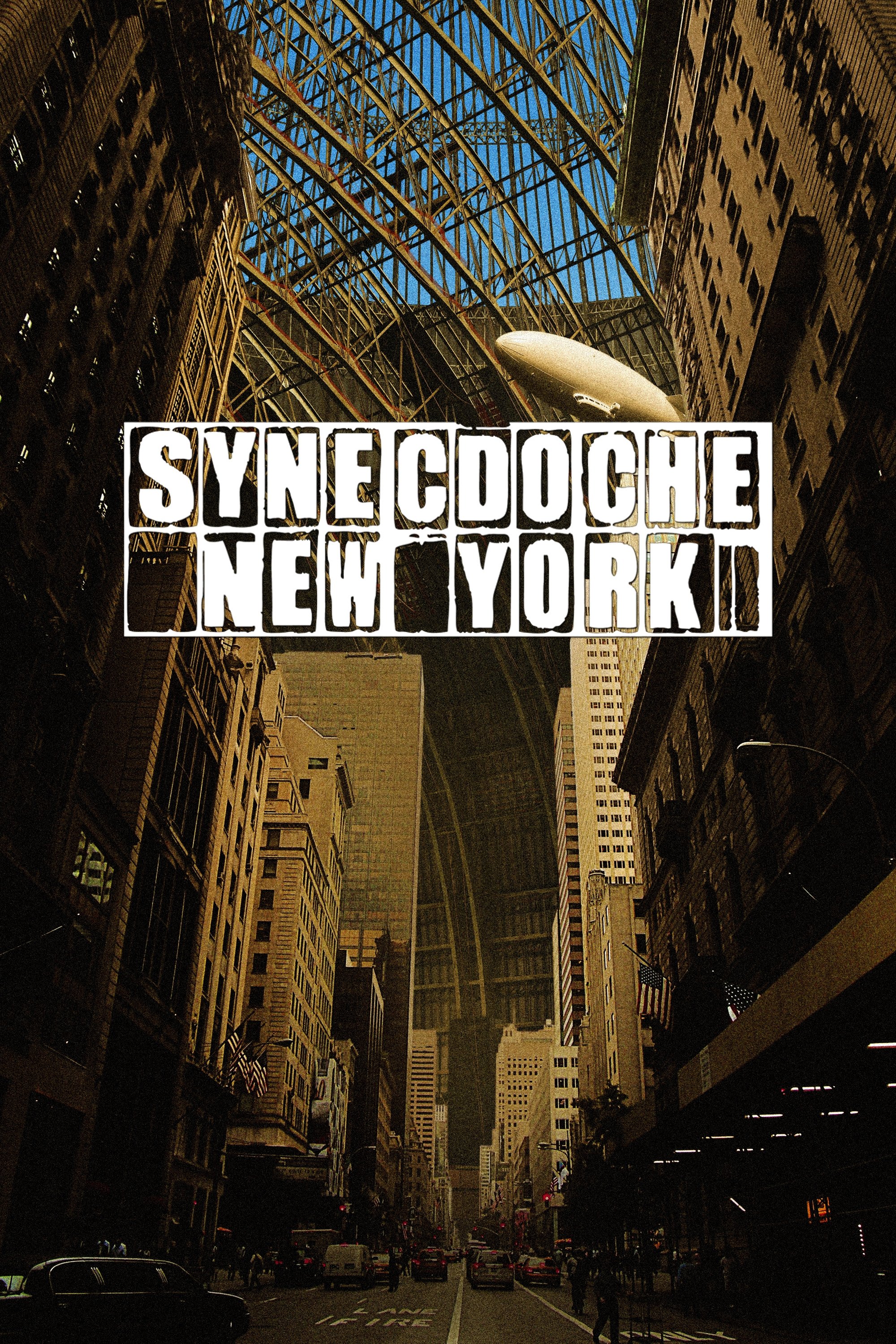
A theater director builds a growing replica of a city inside a warehouse as his production absorbs his life. Casting choices double real relationships and turn rehearsal into a mirror.
Rewatch to map address changes, a house that burns without stopping, and jobs within jobs that stack into layers. Names on mail, paint colors in apartments, and newspaper headlines show how time jumps without warning.
Share the one you rewatched and what details you caught the second time in the comments.