


Movies Where Asian Roles Went to White Stars (And Fans Noticed)

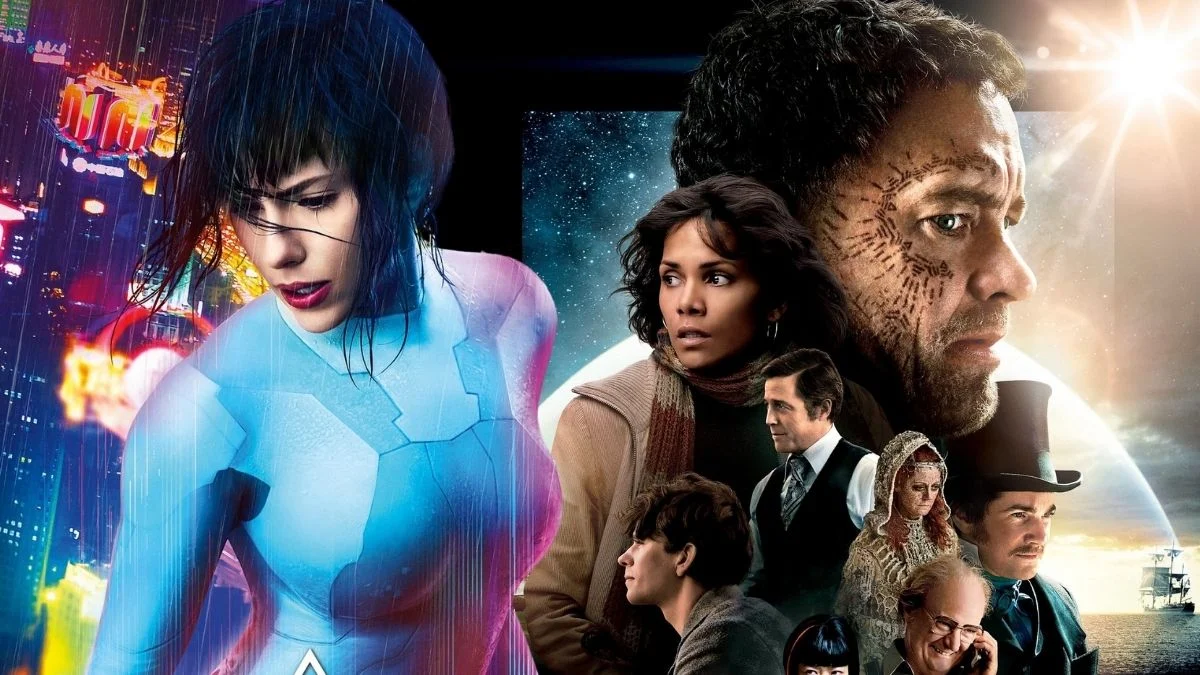


Hollywood has a long history of casting white actors in roles originally written for or inspired by Asian individuals. This practice often called whitewashing has frequently drawn criticism from fans and advocacy groups seeking better representation. In many cases these casting decisions were made to secure bankable stars for high budget productions. The following list explores various films where Asian roles were given to white stars and the subsequent reactions from the public.
‘Ghost in the Shell’ (2017)
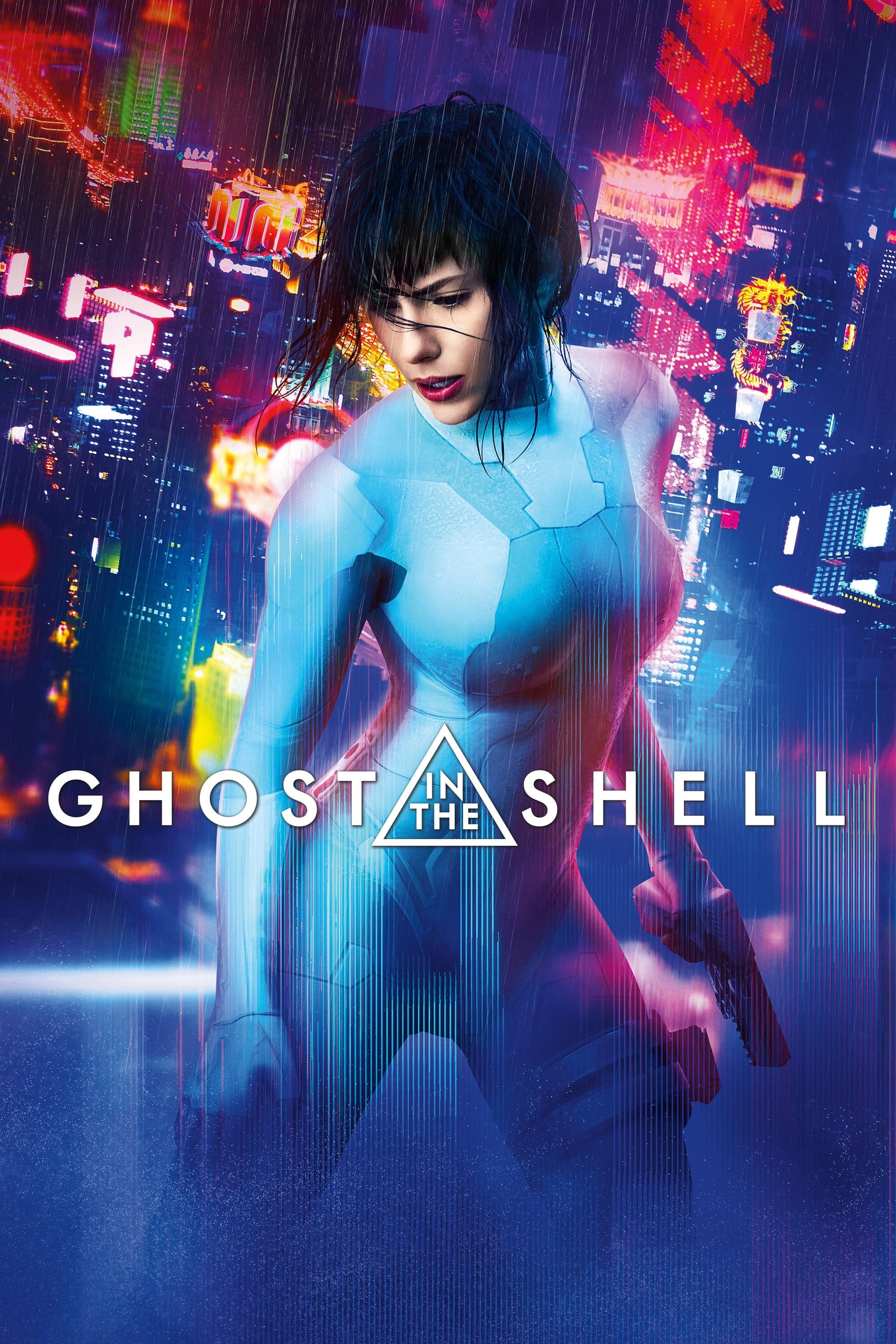
The film follows a cyborg soldier who discovers secrets about her past while hunting a dangerous criminal. Scarlett Johansson plays the protagonist who was originally a Japanese woman named Motoko Kusanagi in the manga source material. Fans expressed disappointment that a prominent role for an Asian actress was given to a white star. The production team defended the choice by focusing on the character’s universal identity rather than her ethnicity. This decision sparked a widespread debate about representation in big budget adaptations of international properties.
‘Doctor Strange’ (2016)
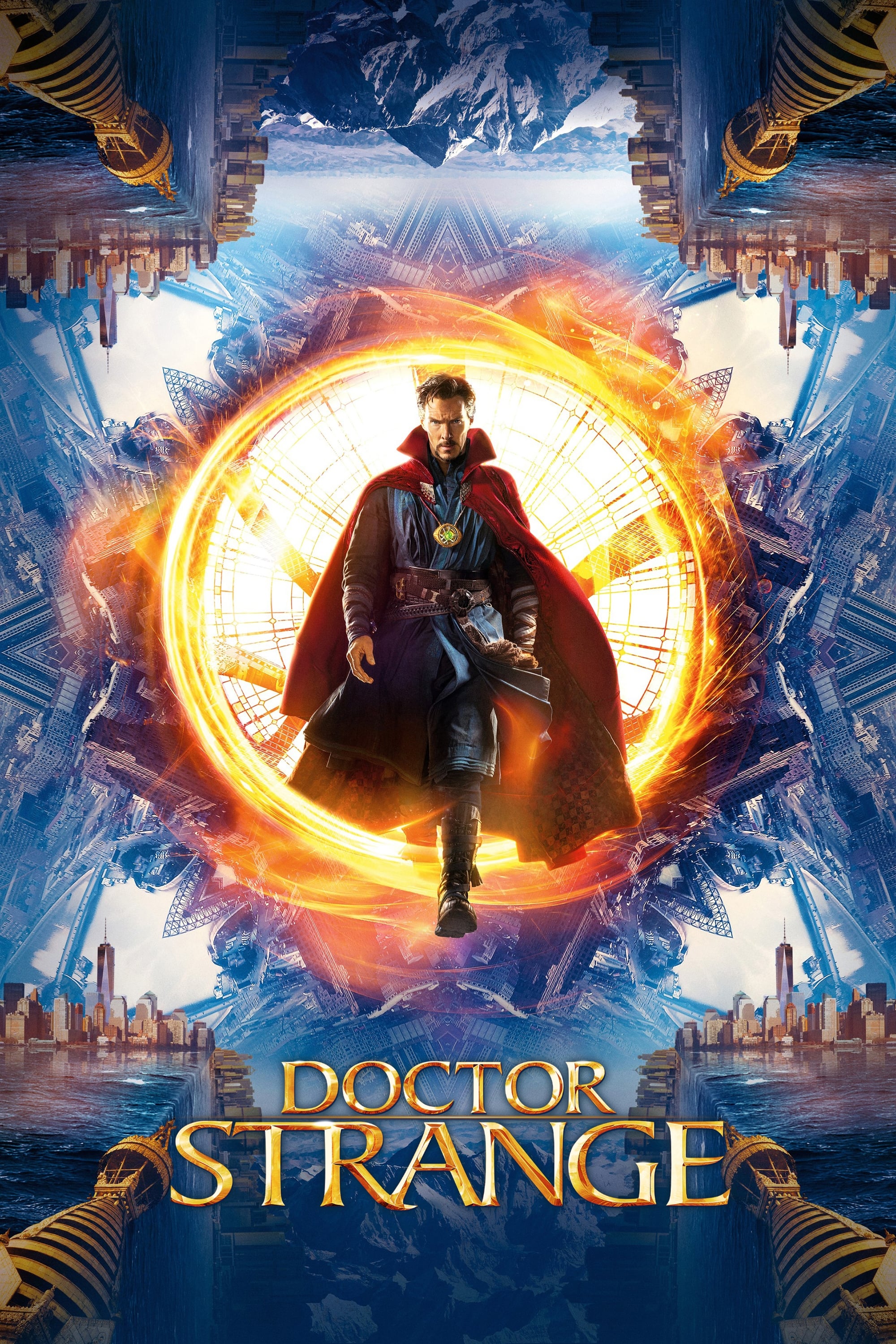
A talented neurosurgeon discovers a world of magic and alternate dimensions after a life changing accident. Tilda Swinton was cast as the Ancient One who is portrayed as a Tibetan man in the original Marvel comic books. The filmmakers stated they wanted to avoid stereotypes by reimagining the character as a woman of Celtic descent. Many fans argued that this move erased a significant Asian character from the cinematic universe. The controversy highlighted the complexities of updating older source material for modern audiences.
‘Aloha’ (2015)

A military contractor returns to Hawaii and reconnects with an old love while falling for a hard driving Air Force captain. Emma Stone plays Allison Ng who is described in the script as being of Chinese and Hawaiian descent. Audiences and critics questioned the casting of a white actress for a character with such a specific mixed heritage. Director Cameron Crowe later apologized for the casting choice and acknowledged the need for more authentic representation. The film remains a frequently cited example of Hollywood failing to cast actors who match the ethnicity of their characters.
’21’ (2008)
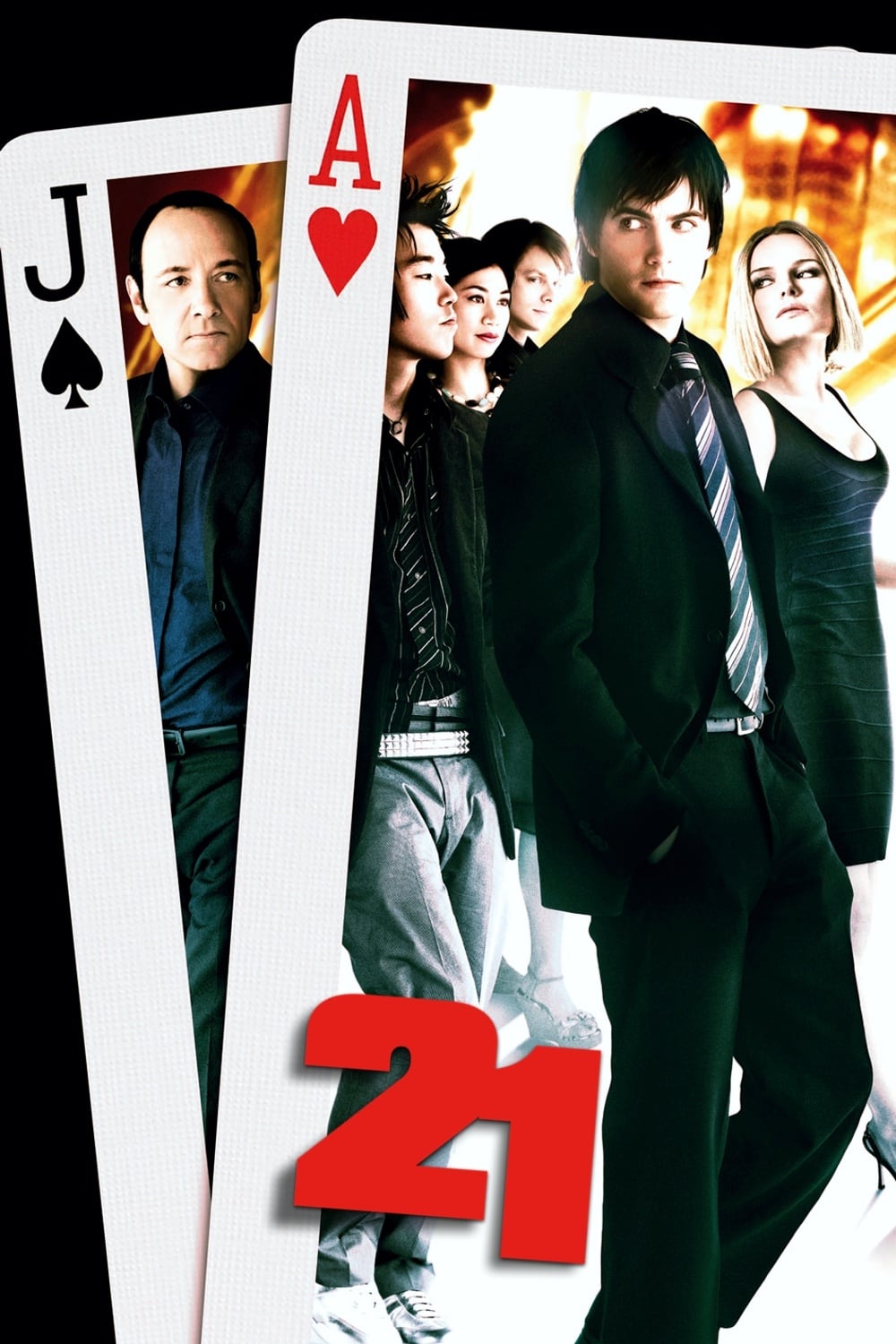
The story follows a group of MIT students who use card counting techniques to win millions in Las Vegas. The movie is based on the book ‘Bringing Down the House’ which details the real experiences of Jeff Ma and his teammates. While the actual students were predominantly Asian American the film cast Jim Sturgess and other white actors in the lead roles. This casting shift led to accusations of whitewashing from audiences who wanted to see the real life diversity of the group represented. The film performed well at the box office but remains a primary example of Hollywood altering the ethnicity of real people.
‘The Last Airbender’ (2010)
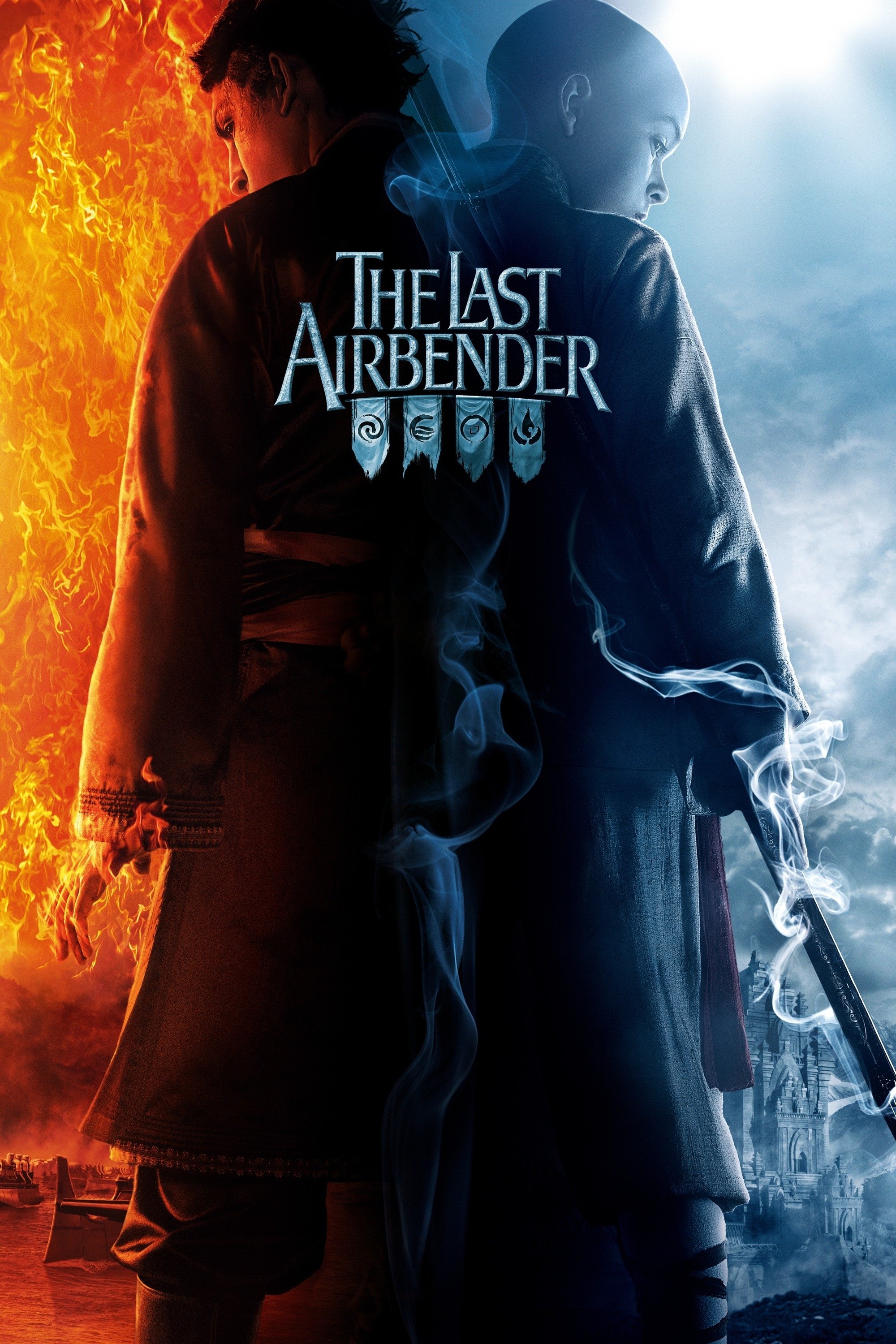
A young boy must master the four elements to bring peace to a world at war. Fans of the original animated series criticized the decision to cast white actors in roles clearly inspired by East Asian and Inuit cultures. This casting choice led to widespread protests and discussions about representation in Hollywood blockbusters. The film received significant negative attention for moving away from the source material’s cultural foundations. Critics and audiences alike noted the disparity between the diverse animated world and the live action cast.
‘Dragonball Evolution’ (2009)
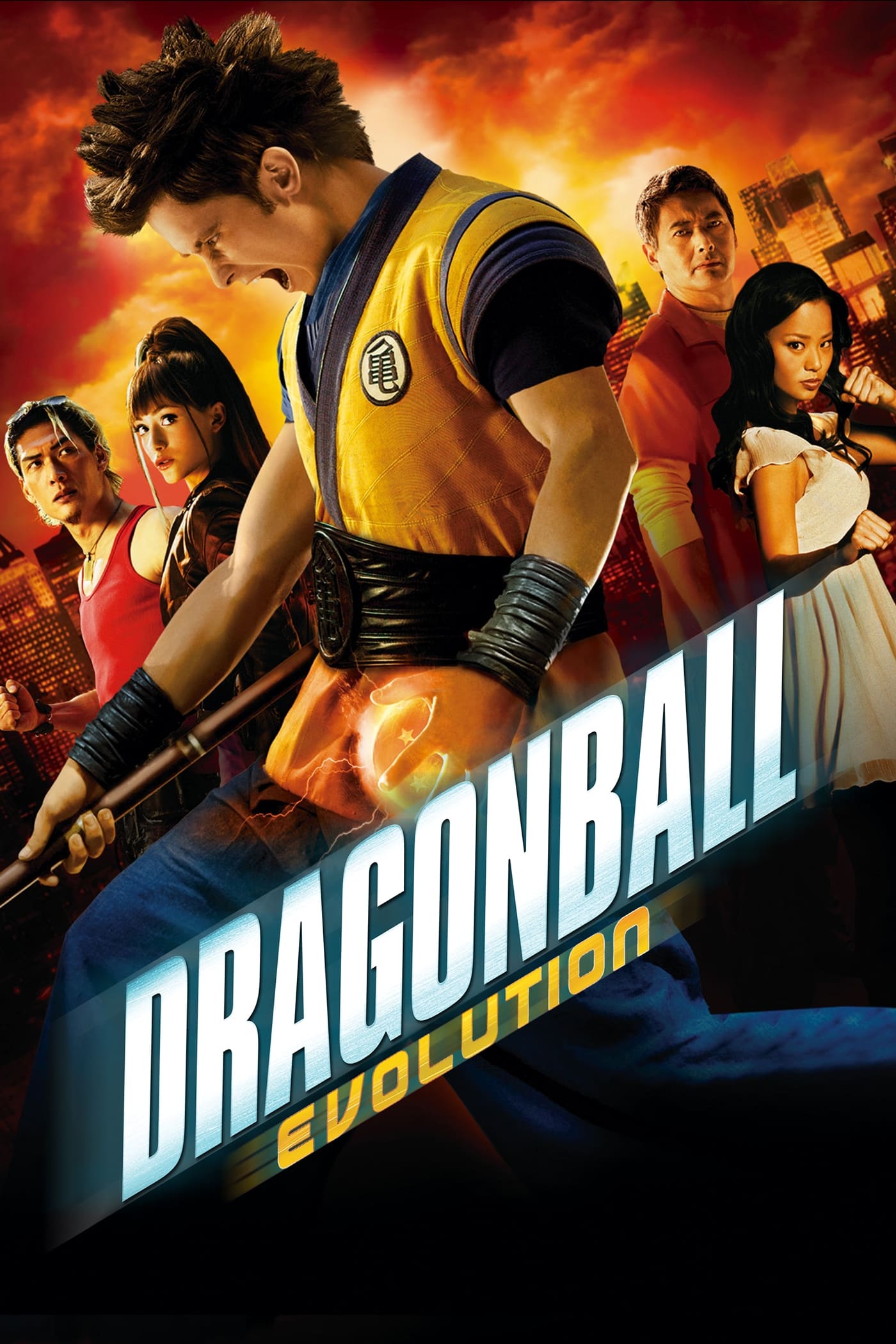
A young warrior seeks out seven magical orbs to save the world from an ancient evil. The live action adaptation of the famous Japanese manga featured Justin Chatwin as the protagonist Goku. Fans were unhappy with the decision to cast a white actor in a role so deeply connected to Japanese media culture. The movie was criticized for its lack of fidelity to the source material in both casting and story. This project is often used as a cautionary tale for western adaptations of beloved Asian intellectual properties.
‘Breakfast at Tiffany’s’ (1961)

The film features a young woman living in New York who becomes interested in a man who moves into her apartment building. Mickey Rooney plays the character of Mr. Yunioshi who is a Japanese neighbor depicted with exaggerated features and a heavy accent. This portrayal has been widely condemned as an offensive caricature that utilizes yellowface. Fans and film historians frequently point to this role as one of the most egregious examples of racial stereotyping in classic cinema. The casting remains a major point of discussion during retrospectives of the film’s cultural legacy.
‘The Conqueror’ (1956)

This historical epic tells the story of the Mongol leader Genghis Khan and his rise to power. John Wayne was cast in the lead role which remains one of the most famous examples of miscasting in movie history. The choice to have a quintessentially American cowboy actor play a historical figure from Central Asia was met with confusion. Modern audiences view the film as a bizarre relic of an era when major stars were placed in roles regardless of ethnic suitability. The production is also remembered for its troubled filming conditions near a nuclear test site.
‘Prince of Persia: The Sands of Time’ (2010)
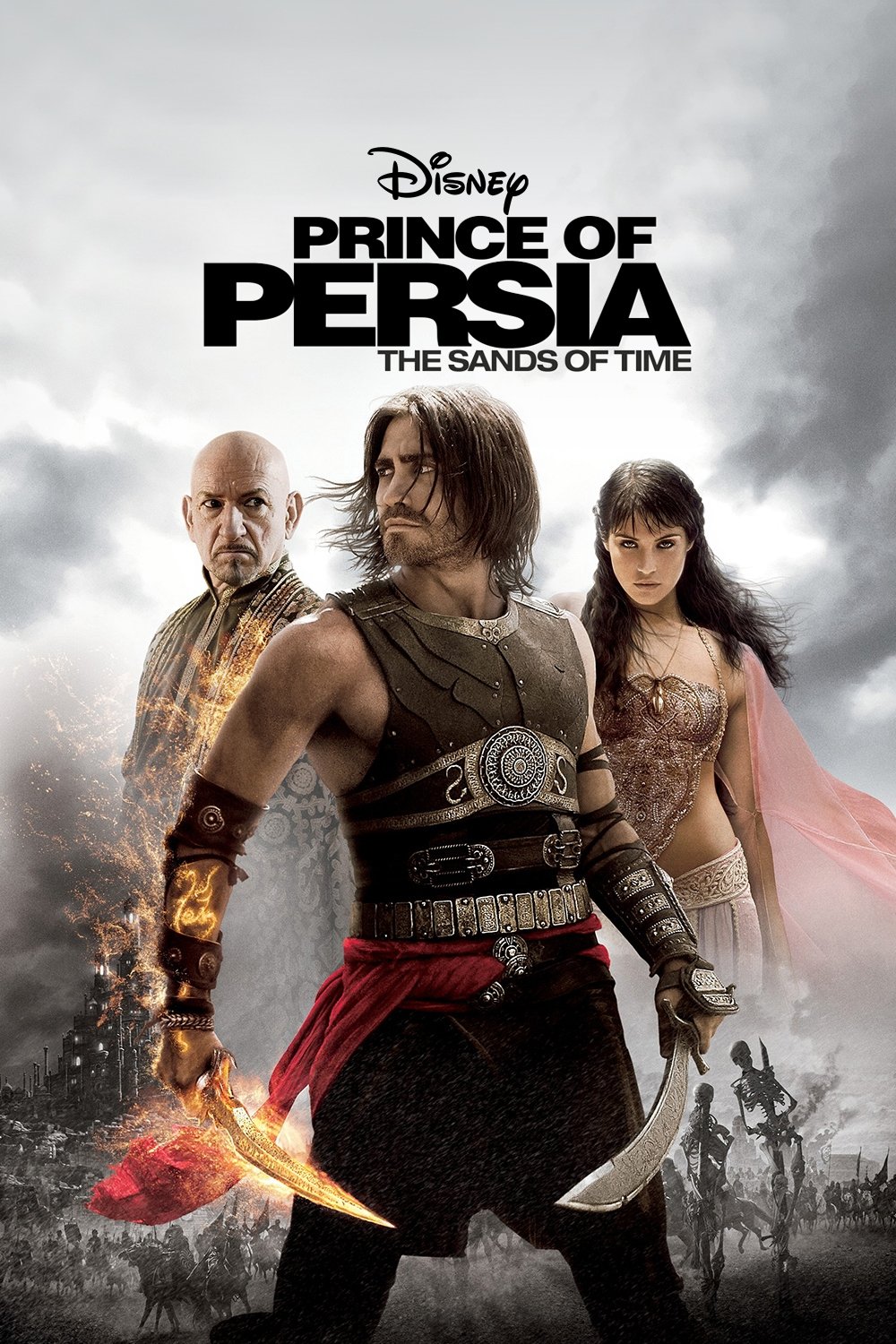
This action film features a street urchin who becomes a prince and must protect an ancient dagger. Jake Gyllenhaal plays the titular character who is meant to be of Persian descent. Fans and critics pointed out that the casting of a white actor in a Middle Eastern role ignored the cultural roots of the story. The production sought to create a summer blockbuster with a high profile star leading the way. This decision resulted in significant public debate regarding the lack of opportunities for actors of Middle Eastern and Asian descent in Hollywood.
‘Pan’ (2015)

The film provides an origin story for Peter Pan and his first journey to Neverland. Rooney Mara was cast as Tiger Lily who has traditionally been depicted as an Indigenous or Asian character in previous iterations of the story. This choice led to a petition signed by thousands of people who were concerned about the lack of diversity in the cast. The filmmakers claimed they intended to create a diverse and international world for the film. However many viewers felt that replacing a character of color with a white actress was a step backward for the industry.
‘The Martian’ (2015)
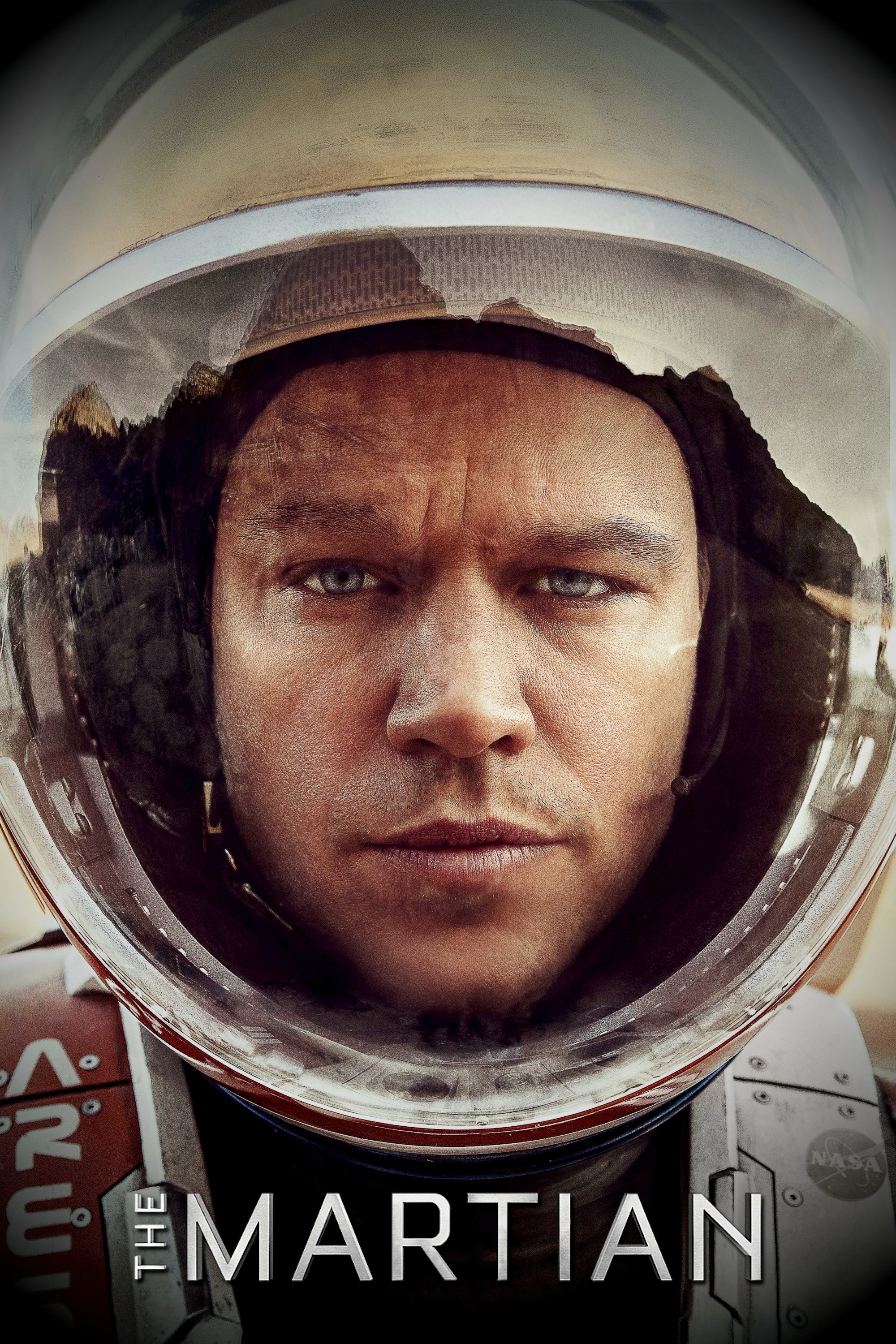
An astronaut is stranded on Mars and must use his scientific knowledge to survive until a rescue mission can reach him. The film features a character named Mindy Park played by Mackenzie Davis who is a white actress. In the original novel by Andy Weir the character of Mindy Park is clearly described as Korean American. Fans noticed this change and voiced their concerns about the erasure of Asian American characters in science fiction. The film was a critical and commercial success but faced scrutiny for this specific casting decision.
‘Short Circuit’ (1986)
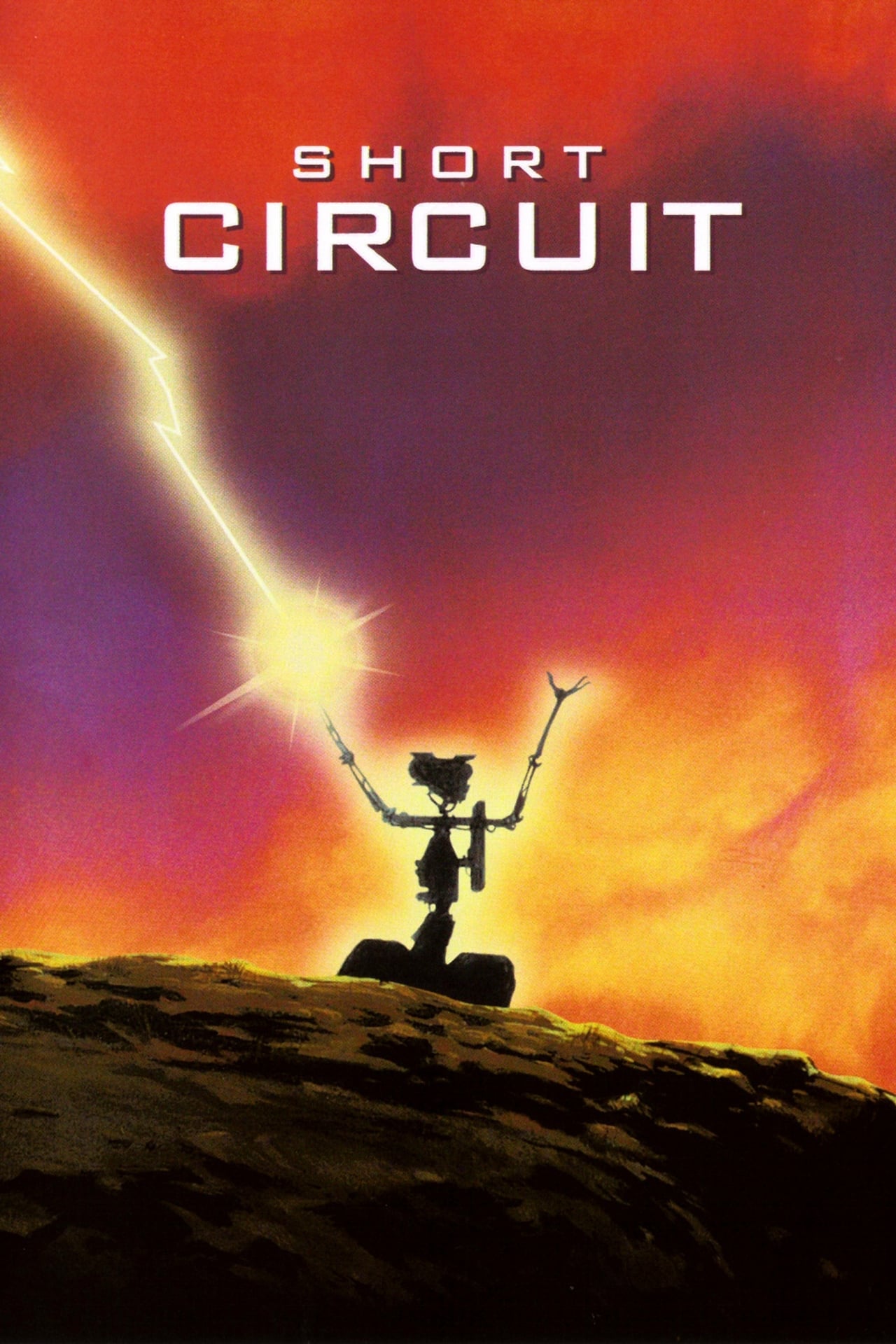
A military robot gains sentience after being struck by lightning and escapes from its creators. Fisher Stevens plays Ben Jabituya who is an Indian scientist and one of the creators of the robot. The actor used makeup and a fake accent to portray the character which became a point of significant controversy in later years. Many viewers were unaware at the time that the actor was not actually of Indian descent. This role is often cited in discussions about the history of yellowface and brownface in popular American media.
‘Cloud Atlas’ (2012)
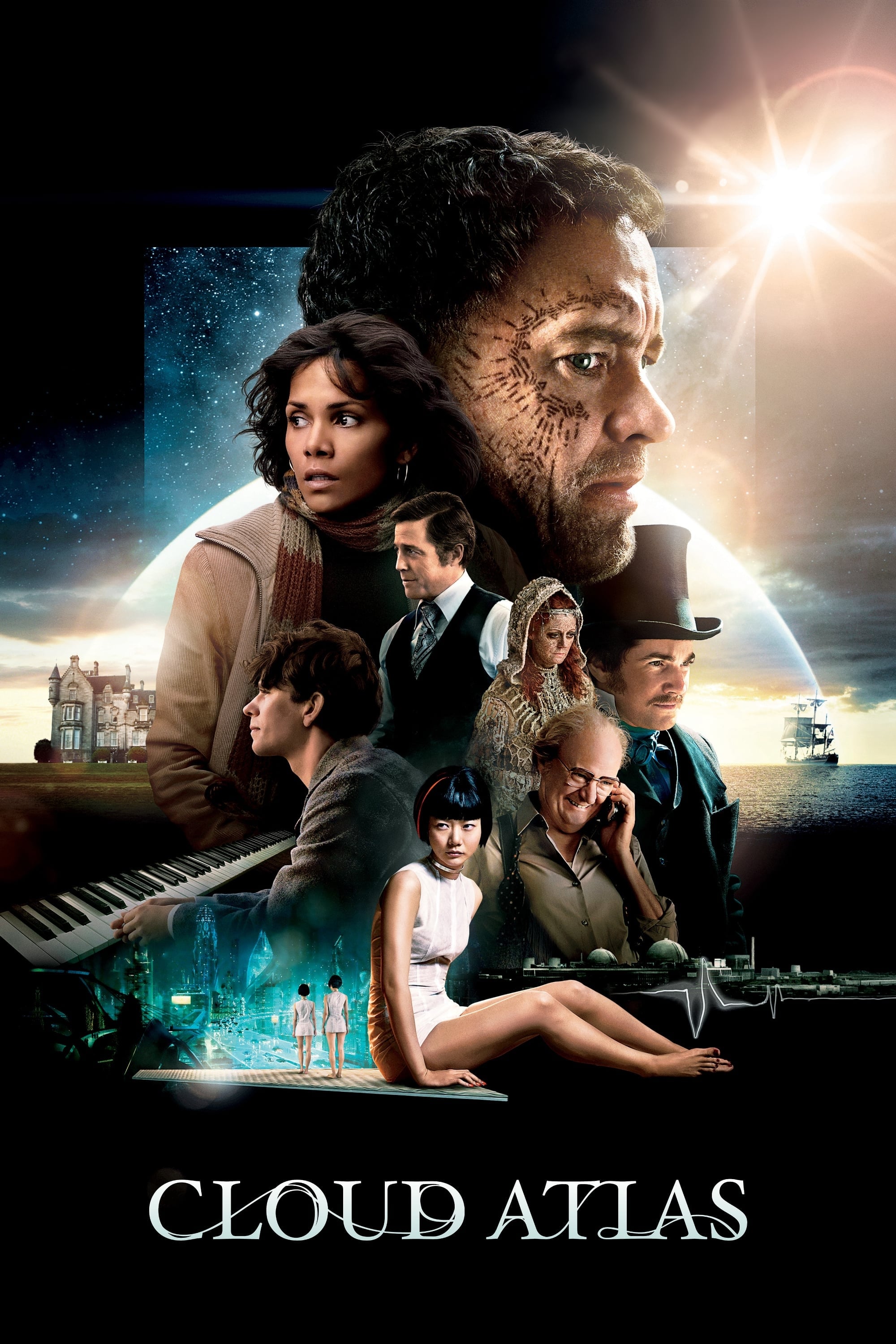
The film explores how the actions of individual lives impact one another in the past present and future. Several white actors were cast in roles that required them to play Asian characters using prosthetic makeup. This creative choice was intended to show the reincarnation of souls across different races and eras. However many critics and fans found the use of makeup to alter the race of actors to be offensive and unnecessary. The film sparked intense debate about the ethics of using yellowface even within a high concept narrative.
‘Edge of Tomorrow’ (2014)
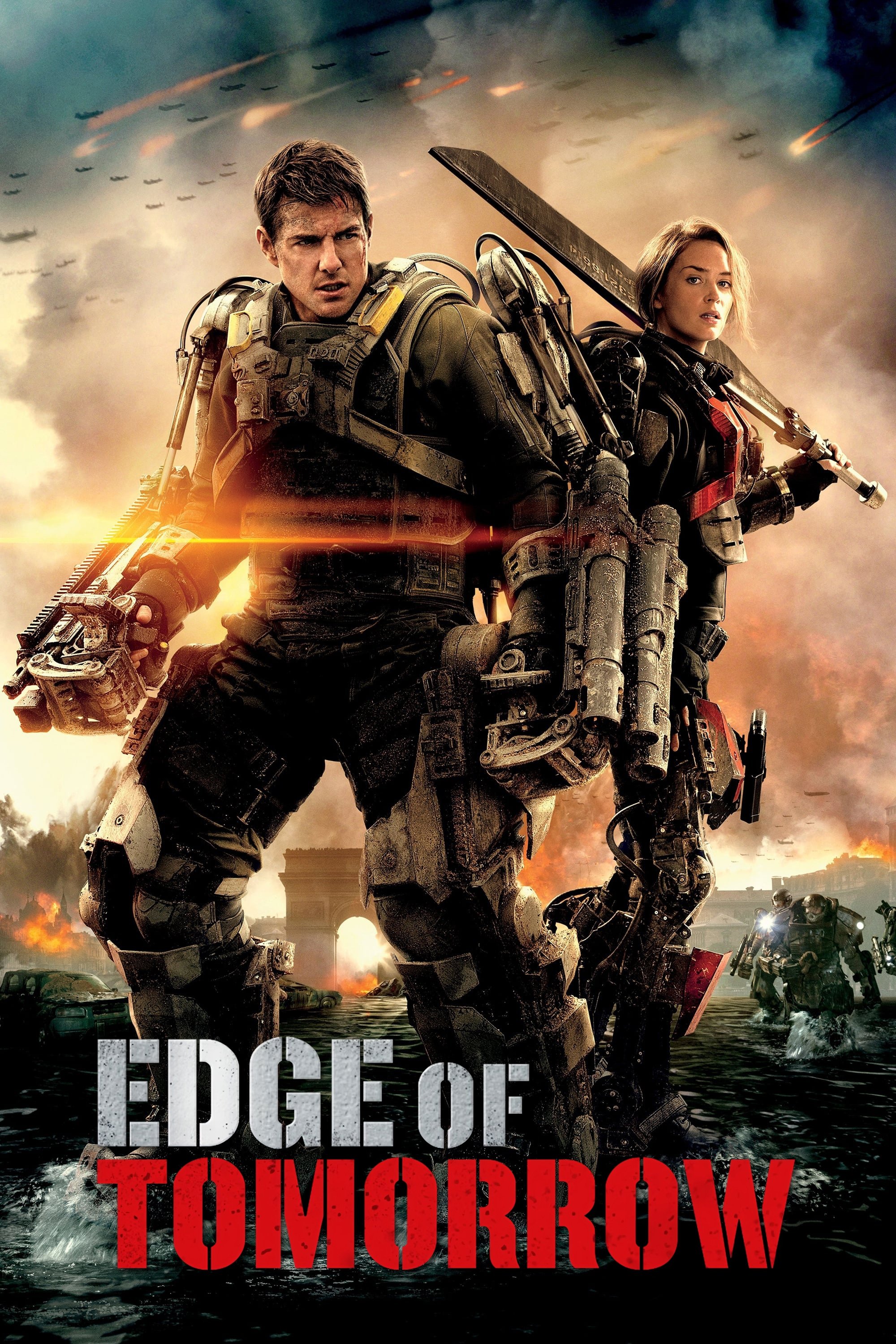
A soldier finds himself caught in a time loop while fighting an alien invasion. The movie is an adaptation of the Japanese light novel ‘All You Need Is Kill’ which features a protagonist named Keiji Kiriya. Tom Cruise was cast as the lead character whose name was changed to William Cage for the film. While the setting was moved to Europe fans of the original story noted the removal of the Japanese lead. The film was praised for its action and story but remains part of the conversation about westernizing Asian stories.
‘Bullet Train’ (2022)
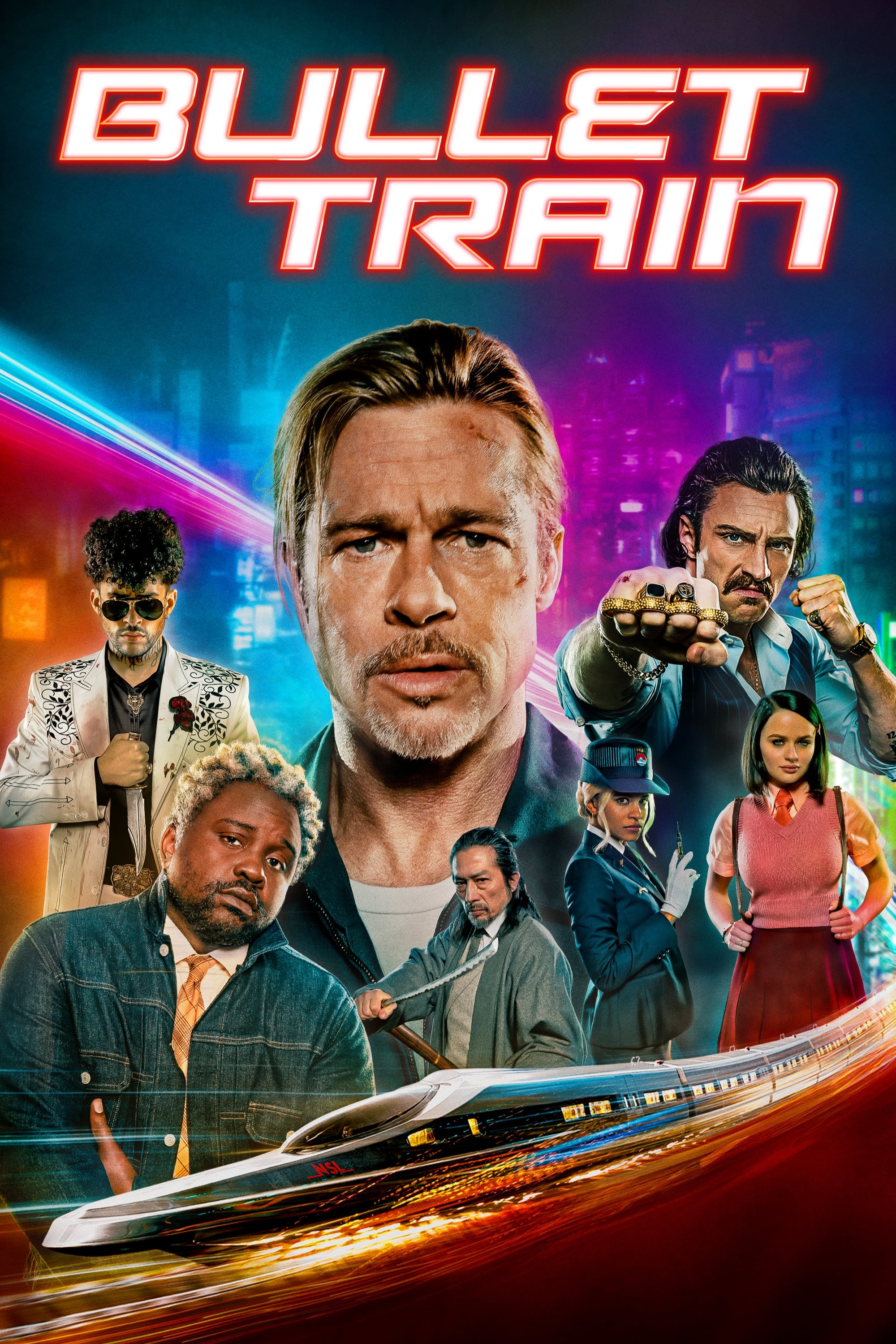
Five assassins find themselves on a Japanese high speed train and discover their missions are interconnected. The film is based on the novel ‘Maria Beetle’ by Japanese author Kotaro Isaka. Despite the Japanese setting the majority of the lead roles were played by white actors including Brad Pitt and Joey King. Some fans and critics argued that the story lost its cultural specificity by casting international stars instead of Japanese actors. The author of the book supported the casting stating that the characters were not strictly tied to a single nationality.
‘The Good Earth’ (1937)
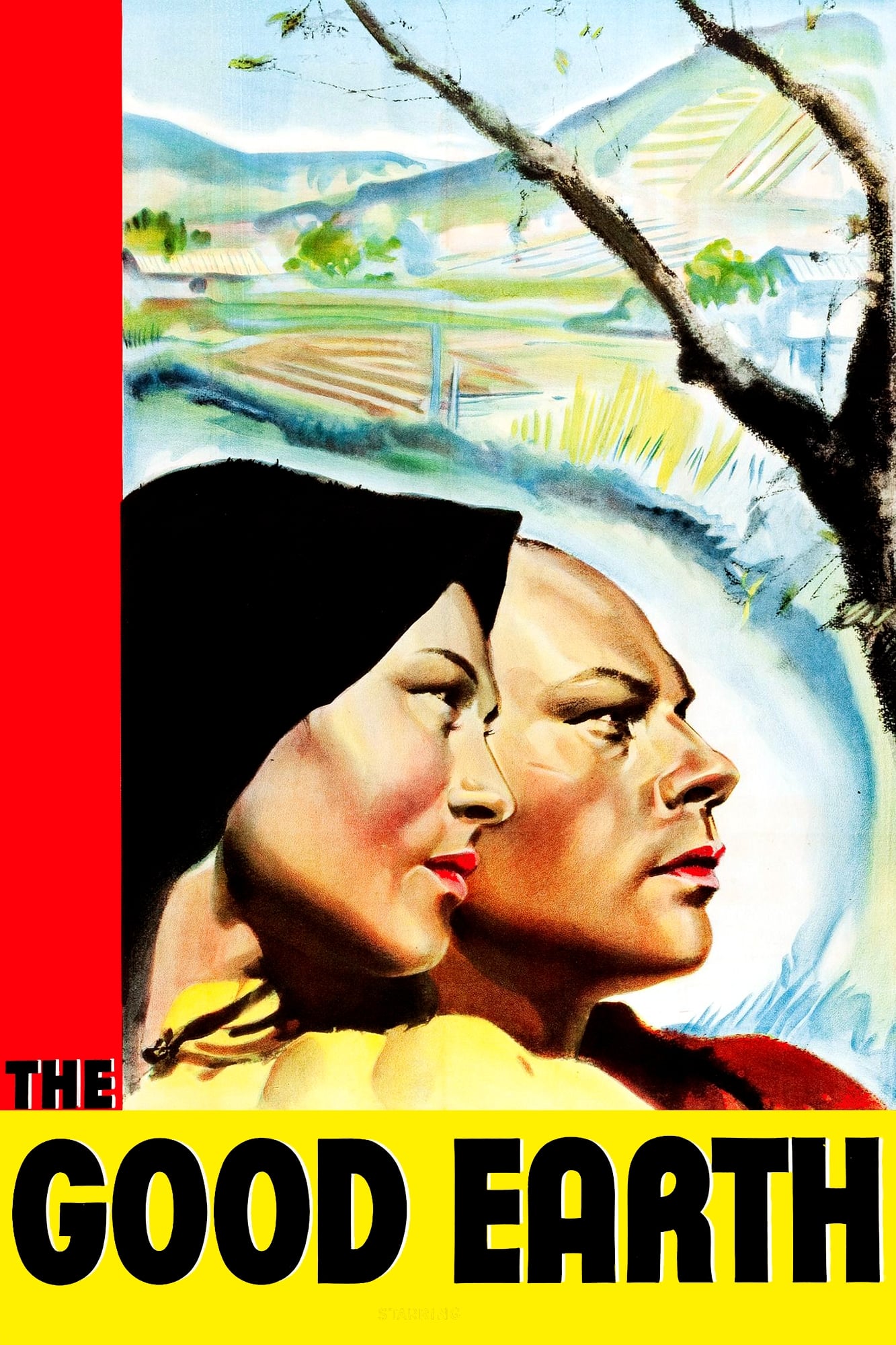
A family of Chinese farmers struggles to survive through famine and social upheaval. The lead roles of Wang Lung and O Lan were played by Paul Muni and Luise Rainer who were both white actors. At the time the studio believed that audiences would not support a film led by Asian actors. Luise Rainer won an Academy Award for her performance which added to the complicated legacy of the production. This film is frequently used to illustrate the historical barriers Asian actors faced in obtaining leading roles in Hollywood.
‘Dragon Seed’ (1944)
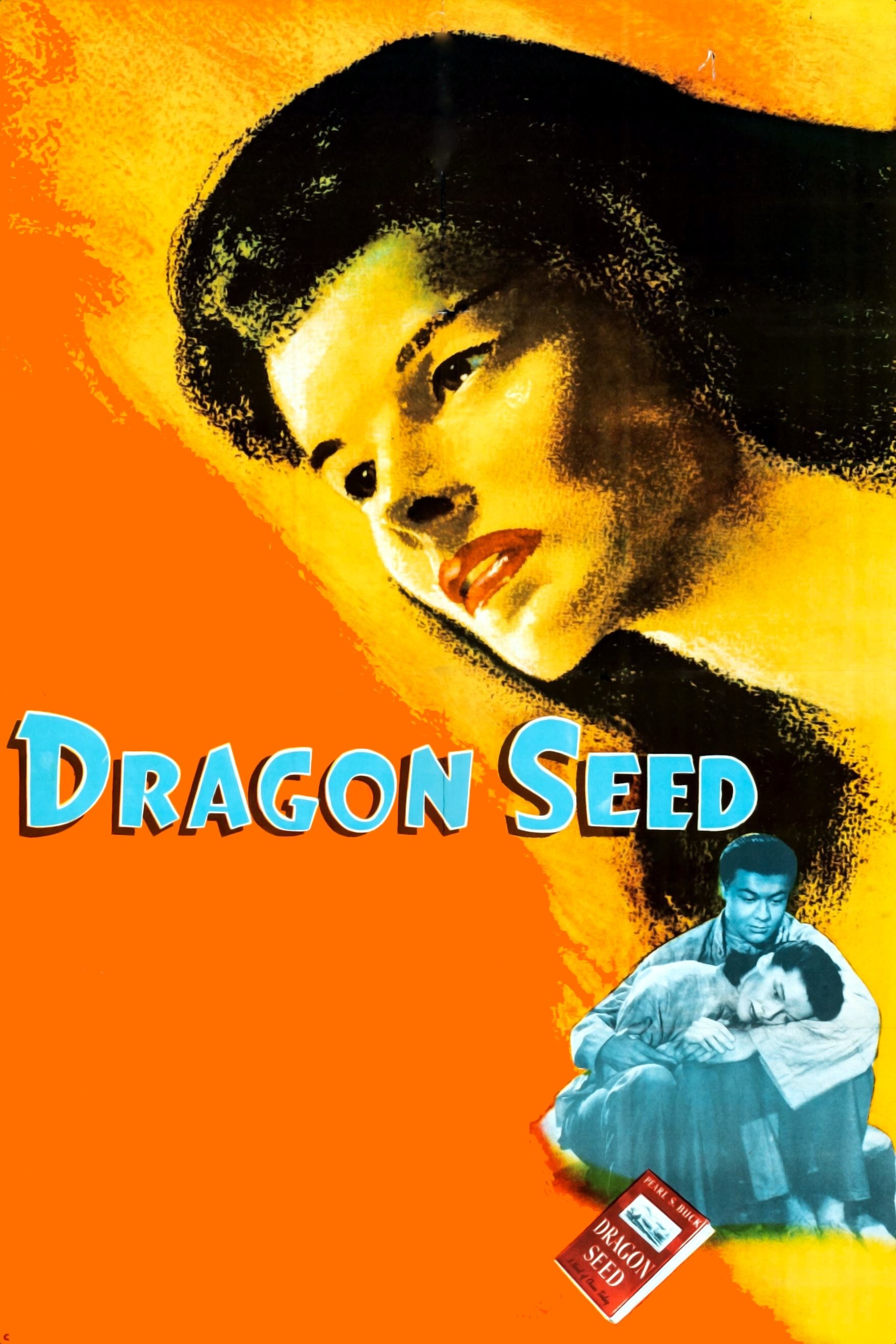
Chinese peasants struggle to survive and resist during the Japanese invasion of China in World War II. Katharine Hepburn stars as Jade who is a courageous woman leading her village in the resistance. The entire lead cast consisted of white actors using makeup to appear Asian. This practice was common in the era but is now viewed as a problematic example of cultural appropriation. The film was a major production for its time but remains notable for its total lack of authentic casting.
‘The Teahouse of the August Moon’ (1956)
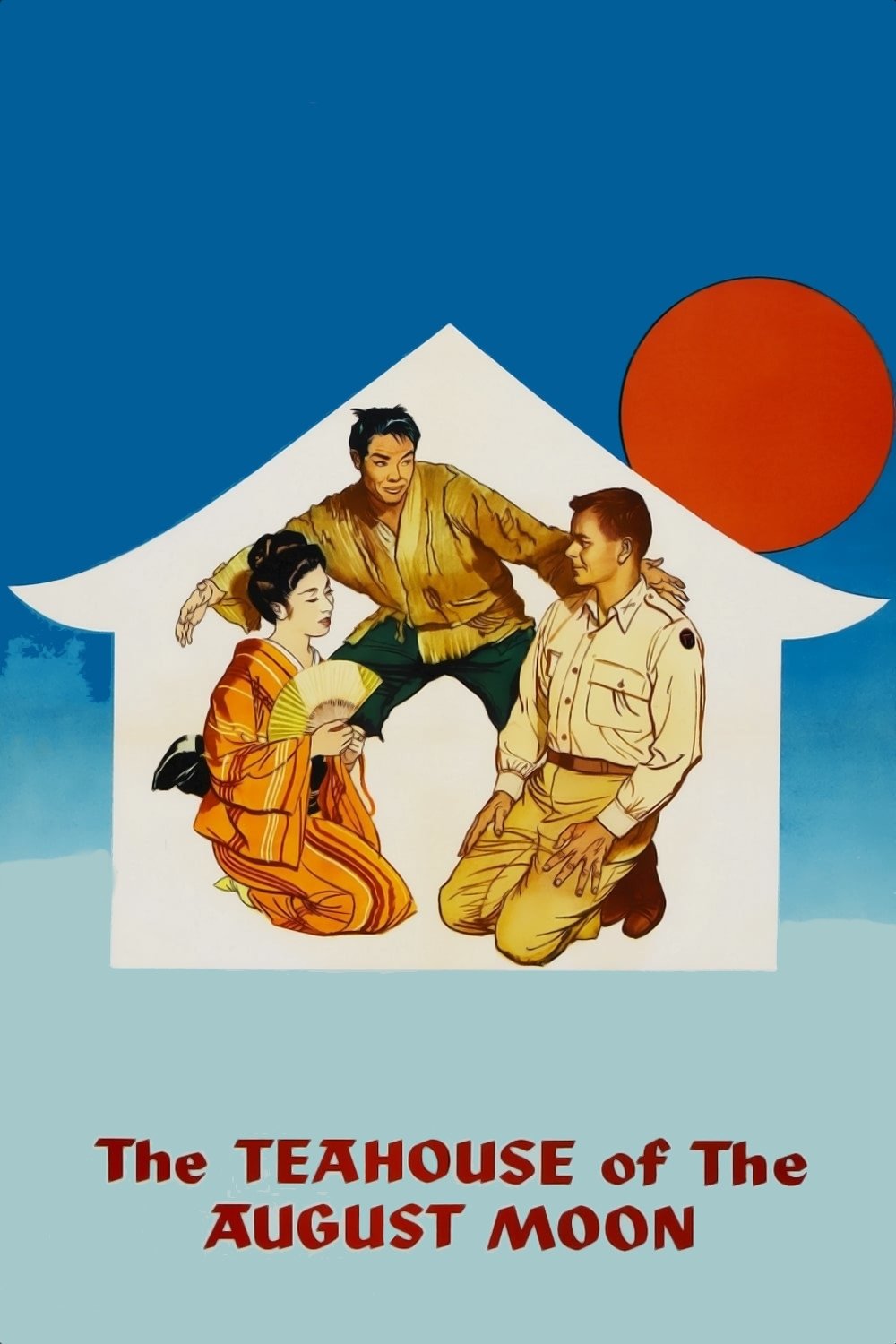
An American captain is sent to an Okinawan village to teach the residents about democracy after the war. Marlon Brando plays Sakini who is a local interpreter and the narrator of the story. Brando used heavy makeup and a prosthetic mouthpiece to change his appearance for the role. Fans of the actor often find this performance to be a jarring and uncomfortable part of his filmography. The film was a comedy but the use of a white star for an Asian role is now seen as highly inappropriate.
‘7 Faces of Dr. Lao’ (1964)
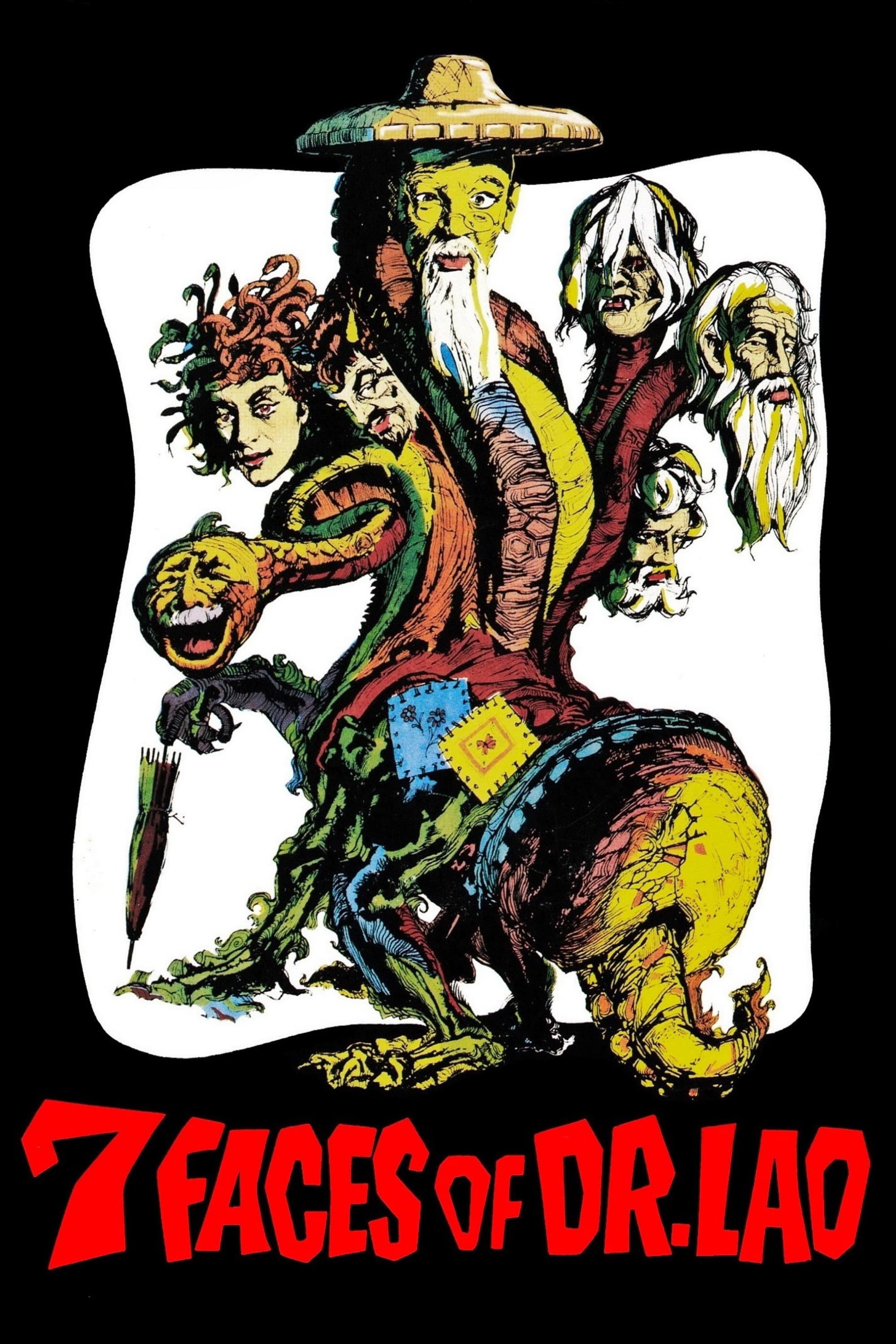
A mysterious circus comes to a small western town and changes the lives of its inhabitants. Tony Randall plays several characters including the titular Dr. Lao who is a wise Chinese man. The actor utilized yellowface and a stereotypical accent to portray the character. While the film was praised for its special effects and Randall’s versatility the casting choice is viewed through a critical lens today. It represents a period where white actors were regularly chosen to play mystical or eccentric Asian characters.
‘The Face of Fu Manchu’ (1965)

An evil criminal mastermind plans to take over the world using a deadly poison. Christopher Lee plays the title character of Fu Manchu who is a fictional Chinese villain. This character has long been criticized as a manifestation of the yellow peril trope in Western media. Having a white actor play the role further emphasized the problematic nature of the character. This film and its sequels are often discussed in the context of racial bias in twentieth century entertainment.
‘Remo Williams: The Adventure Begins’ (1985)
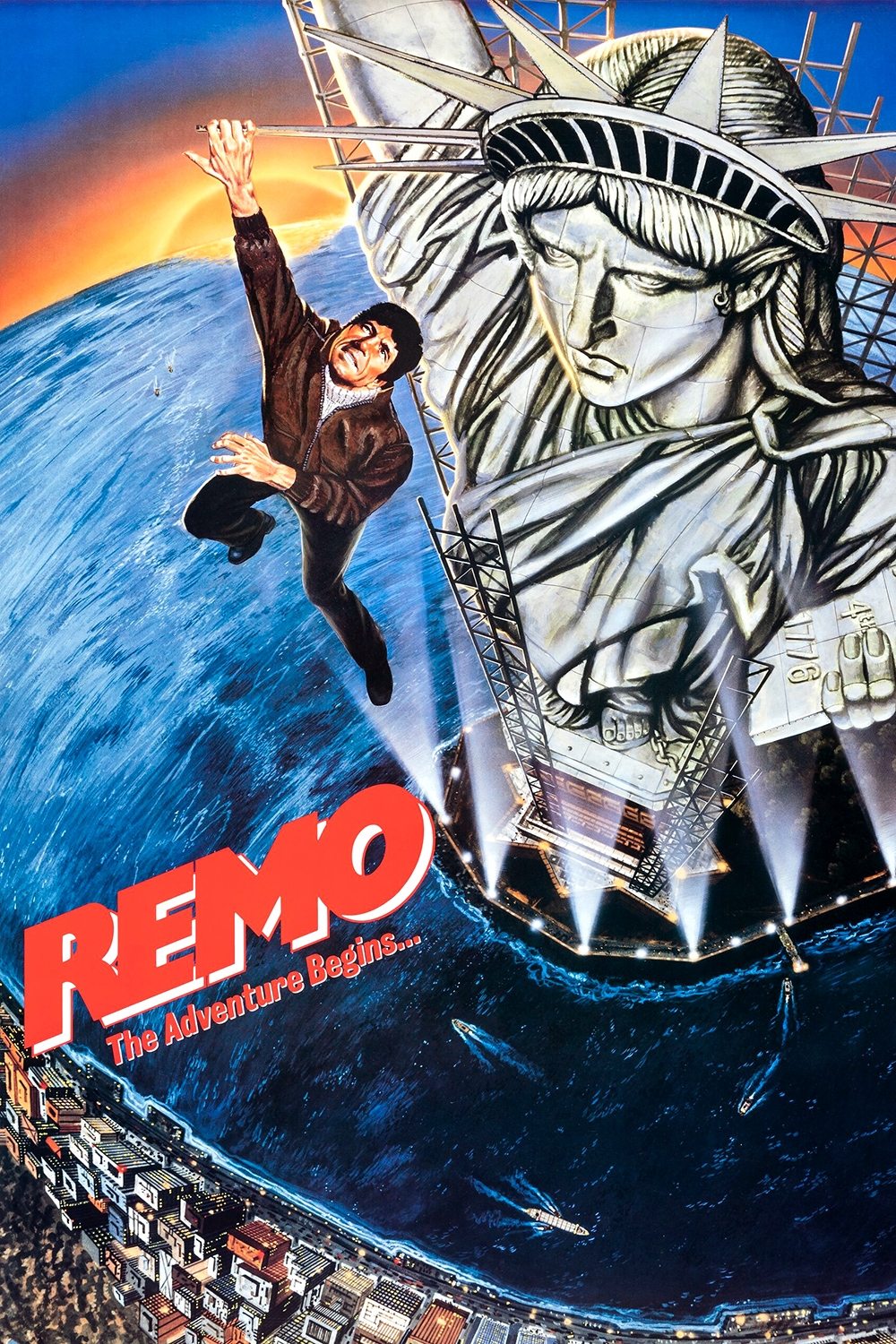
A New York cop is trained by a master of a secret martial art to become an assassin for a shadow government agency. Joel Grey was cast as Chiun who is an elderly Korean martial arts master. The actor underwent hours of makeup daily to transform into the character. Despite the effort put into the transformation many fans questioned why a Korean actor was not hired for the part. The film was intended to start a franchise but the casting of Grey remains its most discussed element.
‘The Mask of Fu Manchu’ (1932)
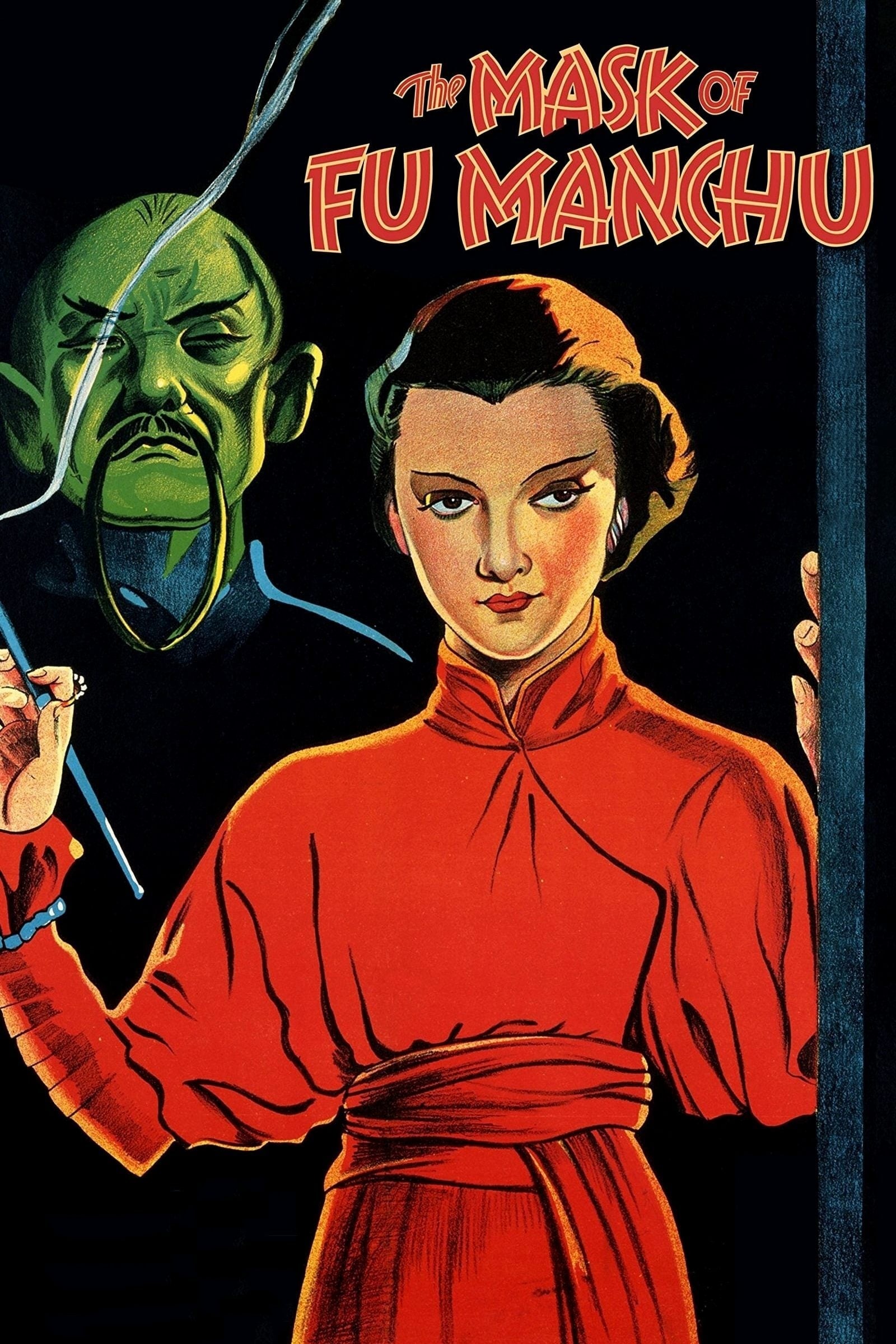
The villainous Fu Manchu searches for the sword and mask of Genghis Khan to incite a war against the West. Boris Karloff plays the lead role in a performance that utilized extensive makeup and costumes. The film is notorious for its racial themes and the use of a white actor to portray a sinister Asian antagonist. Audiences at the time accepted these portrayals but modern viewers often find the film difficult to watch. It serves as a stark reminder of the historical use of Asian characters as villains in early Hollywood.
‘A Majority of One’ (1961)

A Jewish widow and a Japanese businessman develop a relationship while traveling to Tokyo. Alec Guinness plays Koichi Asano who is the Japanese executive at the center of the story. Guinness used makeup to change his eye shape and adopted a formal manner of speaking. Fans of the legendary actor often point to this as one of his more questionable career choices. The film won several awards but the casting of a white actor in a prominent Japanese role is now widely criticized.
‘The Hatchet Man’ (1932)
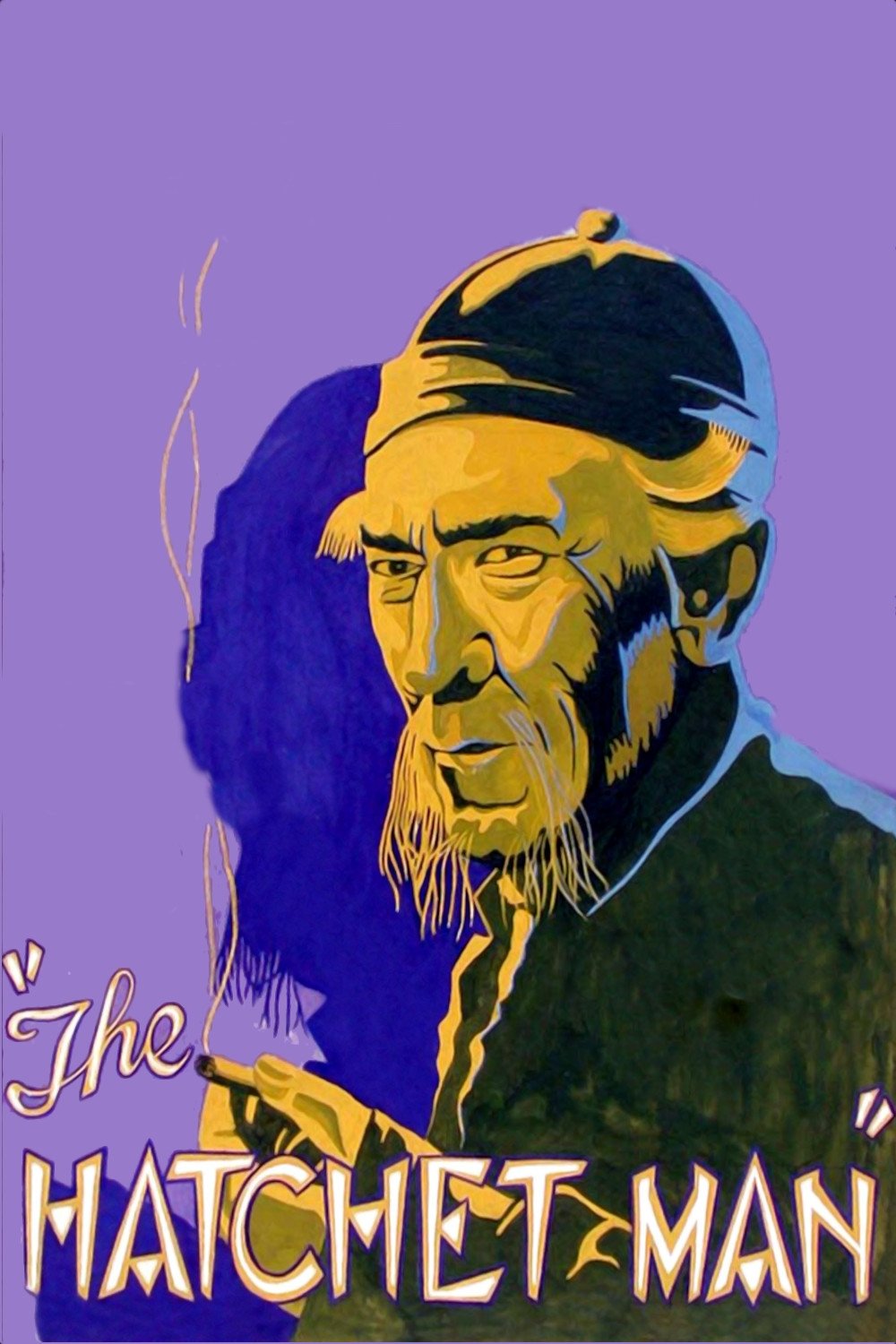
A traditional executioner for a secret society in San Francisco finds himself caught between his duty and his family. Edward G. Robinson plays the lead character who is a Chinese man named Wong Low Get. The film features an almost entirely white cast playing Chinese characters in Chinatown. Robinson was a major star of the era but his casting in this role is now seen as a product of the limited opportunities for Asian actors. The story focuses on internal community conflicts but lacks any authentic representation.
‘The Bitter Tea of General Yen’ (1933)

An American woman is caught in the middle of a civil war in China and becomes the guest of a powerful general. Nils Asther who was a Swedish actor plays the role of General Yen. The film explores a complex relationship between the two main characters across racial lines. However the decision to cast a European actor as a Chinese general remains a point of historical contention. The movie was visually striking but relied on the common practice of using white stars for leading Asian roles.
‘Charlie Chan in London’ (1934)
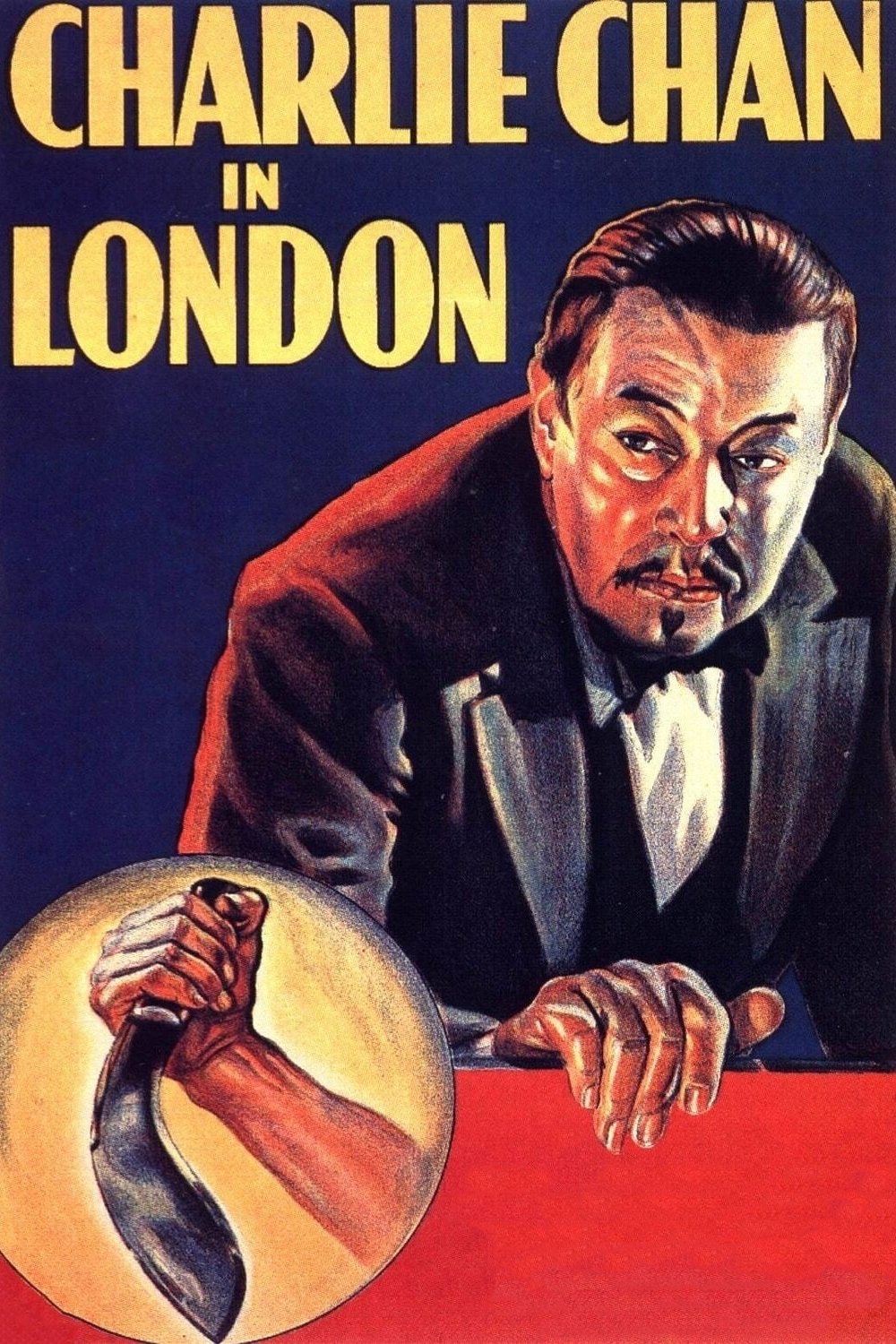
A famous detective from Honolulu travels to England to solve a murder and clear an innocent man’s name. Warner Oland who was of Swedish descent played the character of Charlie Chan in numerous films. The character was originally created as a positive alternative to the villainous portrayals of Asian men. Despite the intent the role was almost always played by white actors in the most successful film versions. Fans often discuss the character as a mix of positive representation and problematic casting.
‘Genghis Khan’ (1965)
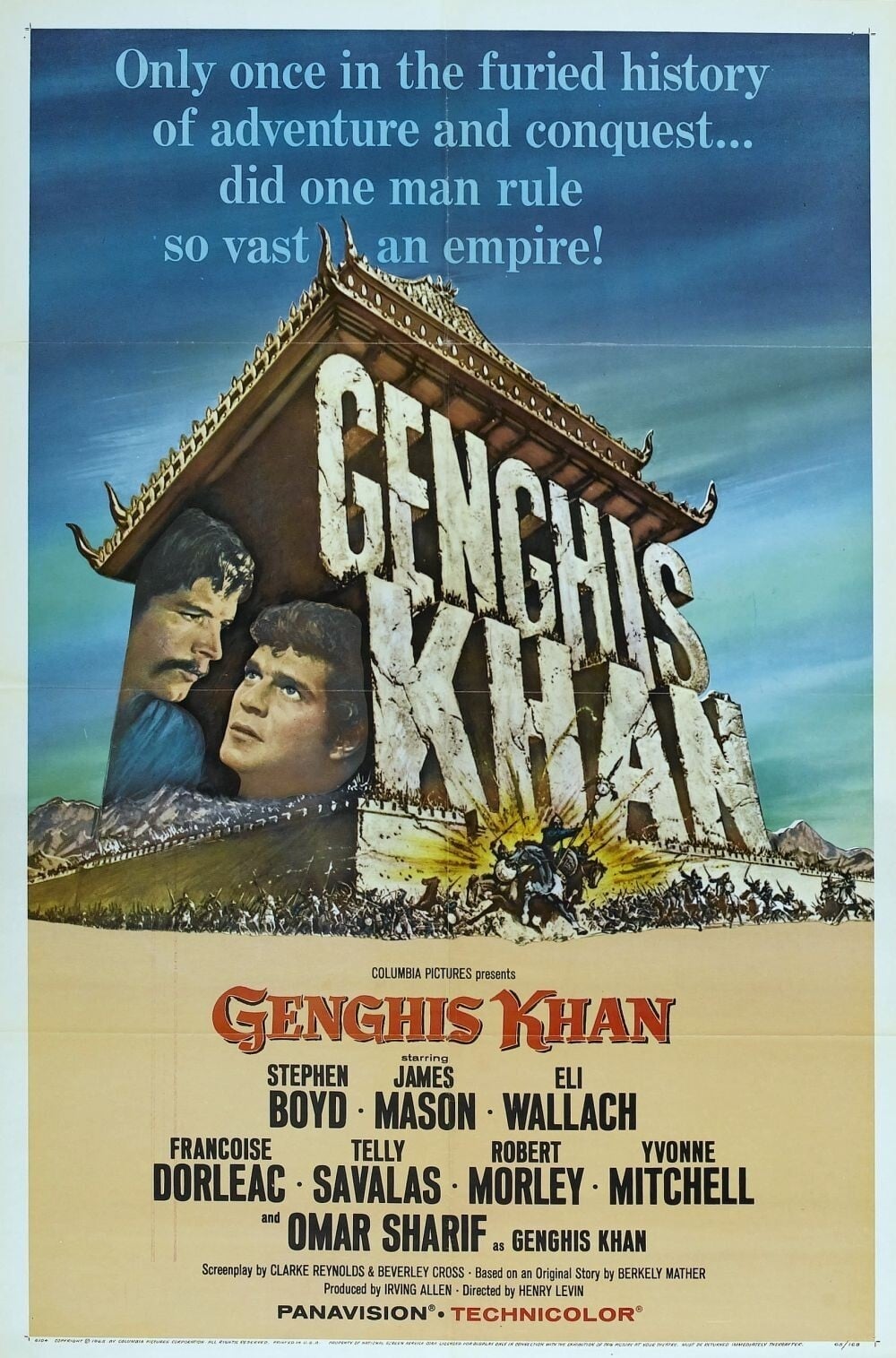
The film depicts the life of the Mongol ruler from his childhood to his conquests across Asia. Omar Sharif who was an Egyptian actor played the lead role of the legendary conqueror. The supporting cast included many white actors playing Mongol and Chinese characters. This production followed the trend of large scale historical epics casting established stars regardless of their background. The film was criticized for its historical inaccuracies and its approach to casting.
‘Lost Horizon’ (1937)
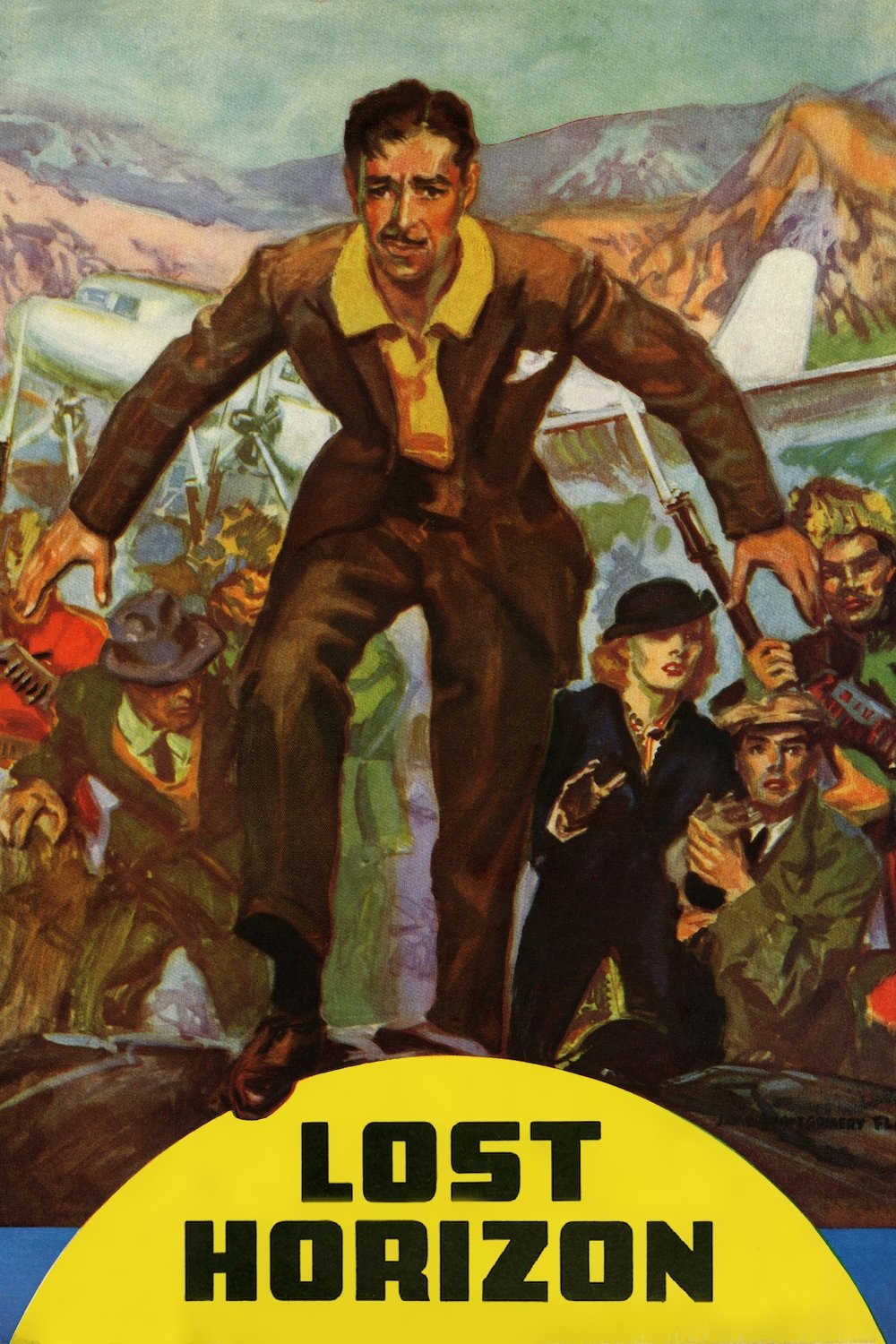
A group of travelers survives a plane crash and discovers a hidden paradise called Shangri La in the Himalayas. Many of the residents of this hidden city were played by white actors including the High Lama. The film depicts a utopian society but does so through a Western lens with limited authentic representation of the local culture. Fans of the film appreciate its philosophical themes while noting the lack of Asian actors in key roles. It remains a classic example of Hollywood’s reimagining of Asian settings.
‘The Inn of the Sixth Happiness’ (1958)
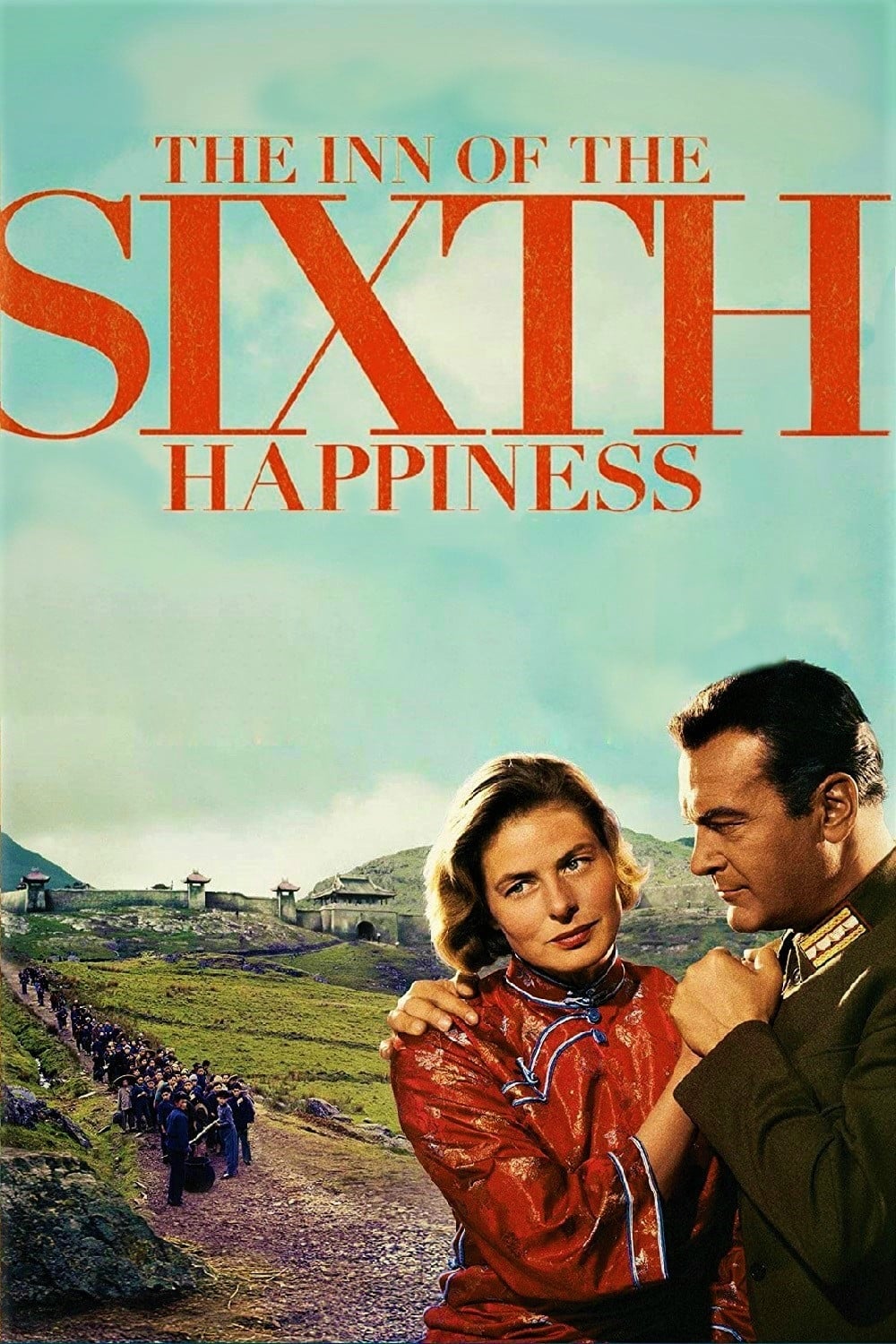
An English woman travels to China as a missionary and ends up leading a group of orphans to safety. Ingrid Bergman stars as the protagonist while Robert Donat plays a Chinese mandarin. Donat’s casting as an Asian official was typical for the era but drew criticism from those seeking authenticity. The film was a major success and was praised for its emotional story. However the use of white actors for the local Chinese characters is a major part of its modern analysis.
‘Anna and the King of Siam’ (1946)
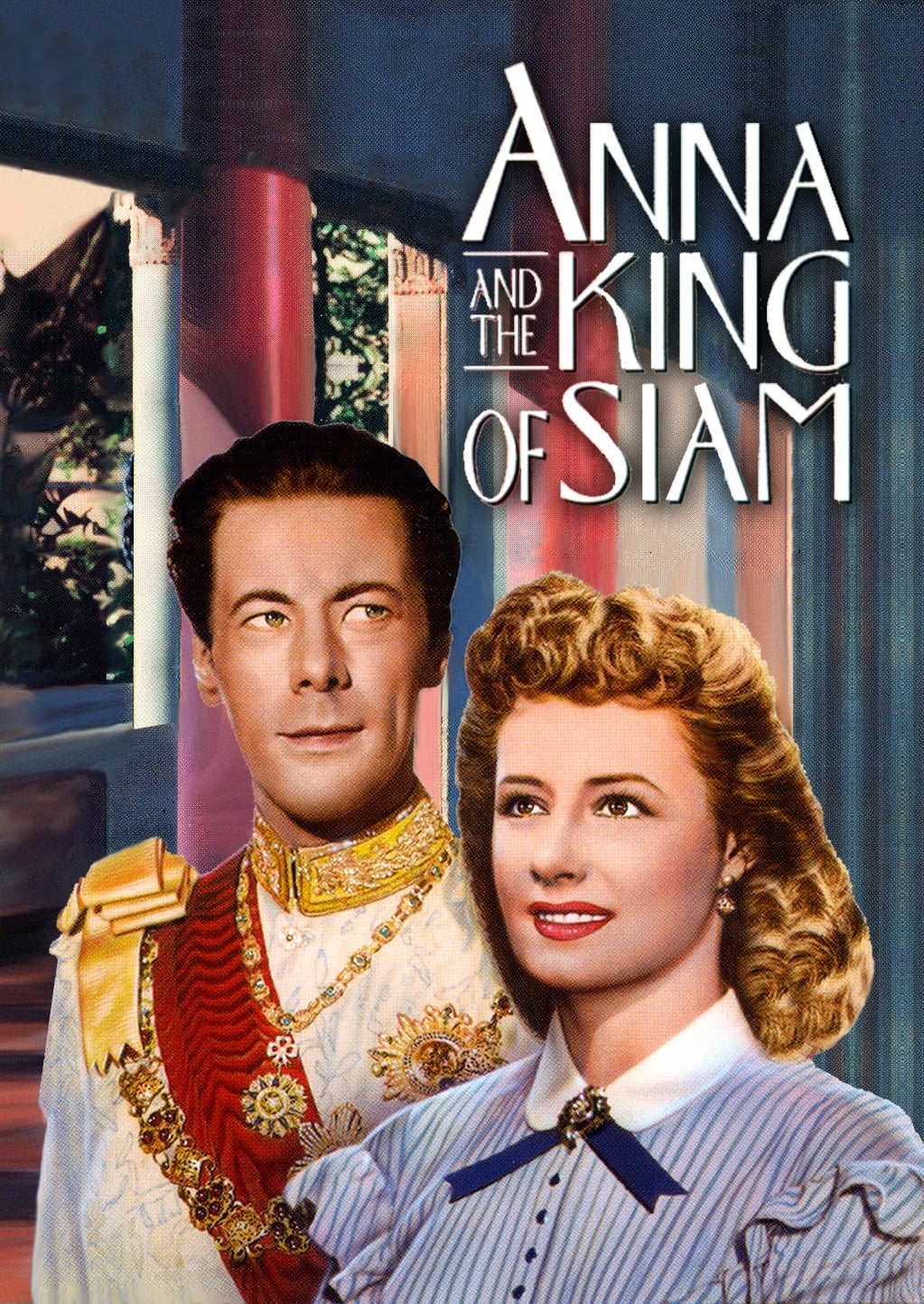
A widow travels to Siam to become the tutor for the King’s many children and wives. Rex Harrison plays the King of Siam in this dramatic version of the story. While Harrison was a respected actor his casting as a Thai monarch is a clear example of Hollywood’s historical casting trends. The story has been adapted many times with different levels of attention to ethnic accuracy. This version remains a notable example of a white star taking on a royal Asian role.
‘Sayonara’ (1957)
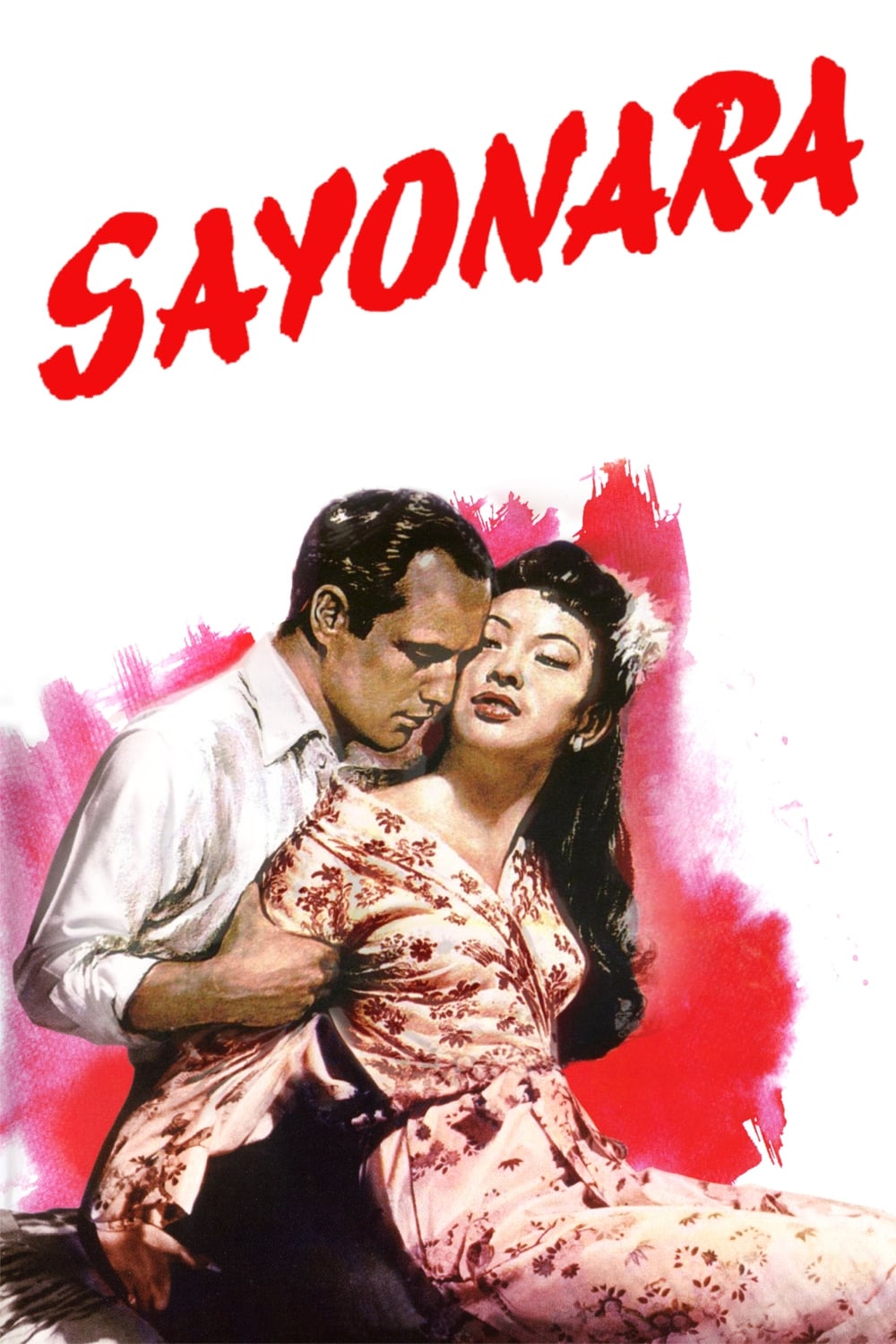
An American pilot in the Korean War falls in love with a famous Japanese dancer. Ricardo Montalban plays a Japanese performer in the film which was notable for its exploration of interracial romance. Montalban who was Mexican used makeup to appear Japanese for the role. The film was considered daring for its time because it challenged social norms regarding marriage. Despite its message the casting of a non Asian actor for a Japanese role is frequently questioned by modern audiences.
‘Speed Racer’ (2008)
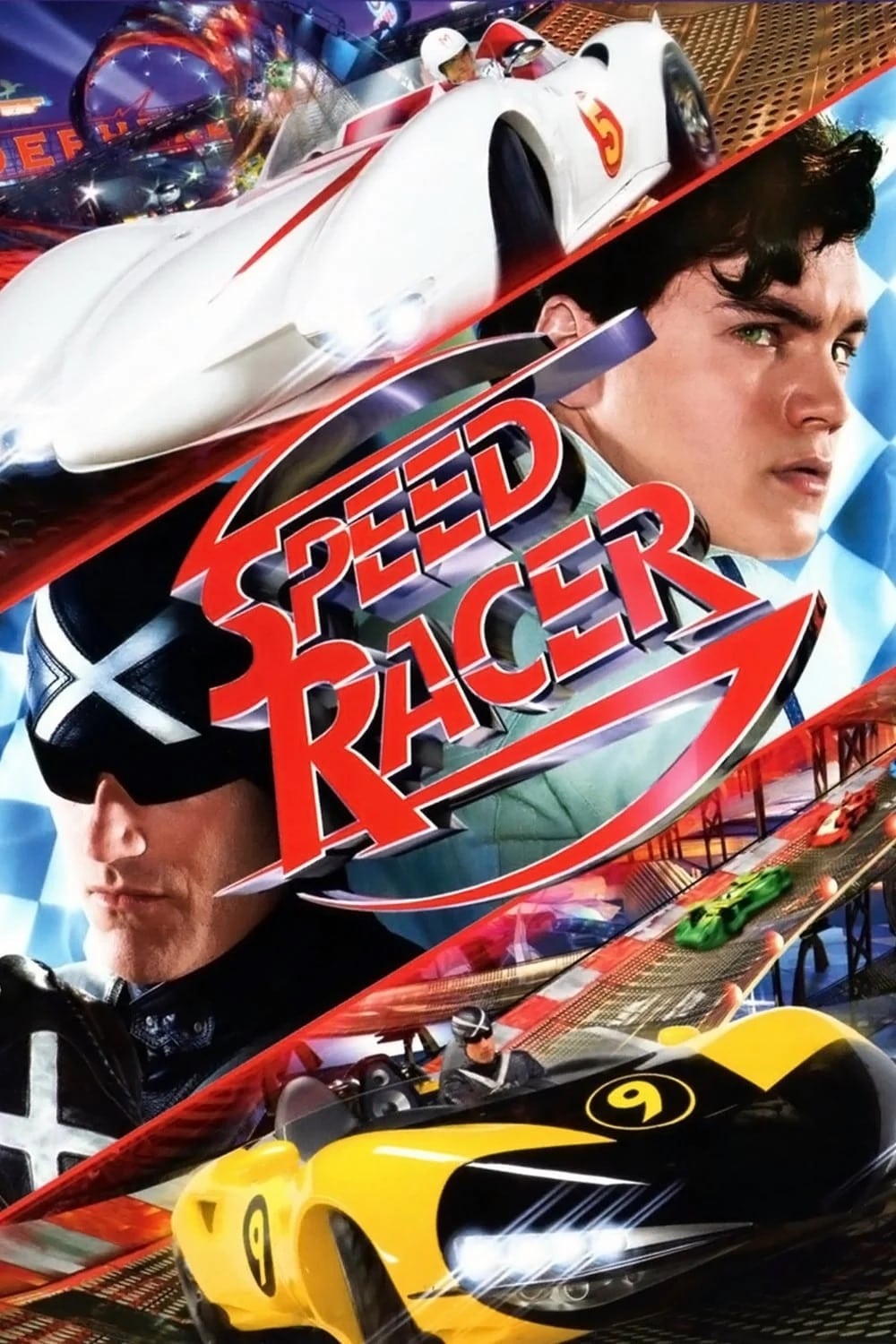
A young race car driver with natural talent seeks to win a dangerous cross country race and save his family business. The film is a live action adaptation of the classic Japanese anime and manga series. Emile Hirsch stars as the lead character who was originally Japanese in the source material. While the film was a visual spectacle many fans were disappointed by the westernization of the cast. The production aimed for a global appeal but faced criticism for not honoring the cultural origins of the property.
‘Death Note’ (2017)
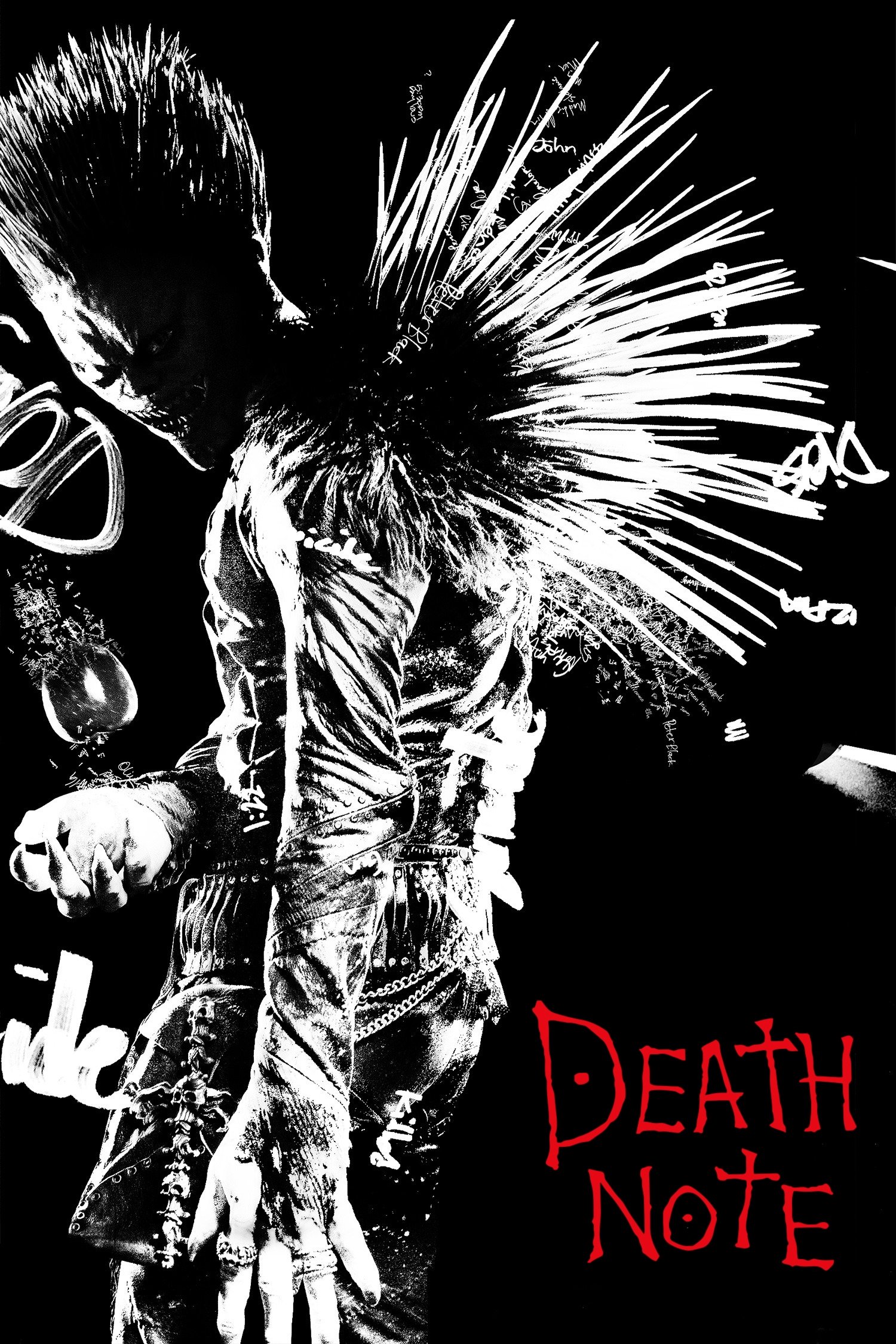
A student discovers a supernatural notebook that allows him to kill anyone by writing their name in it. The Netflix adaptation moved the setting from Japan to Seattle and cast Nat Wolff in the lead role. In the original manga and anime the protagonist is a Japanese student named Light Yagami. Fans of the original series were vocal about their disapproval of the change in setting and ethnicity. The film was part of a larger conversation about how western studios adapt Asian intellectual properties for a global audience.
‘Star Trek Into Darkness’ (2013)
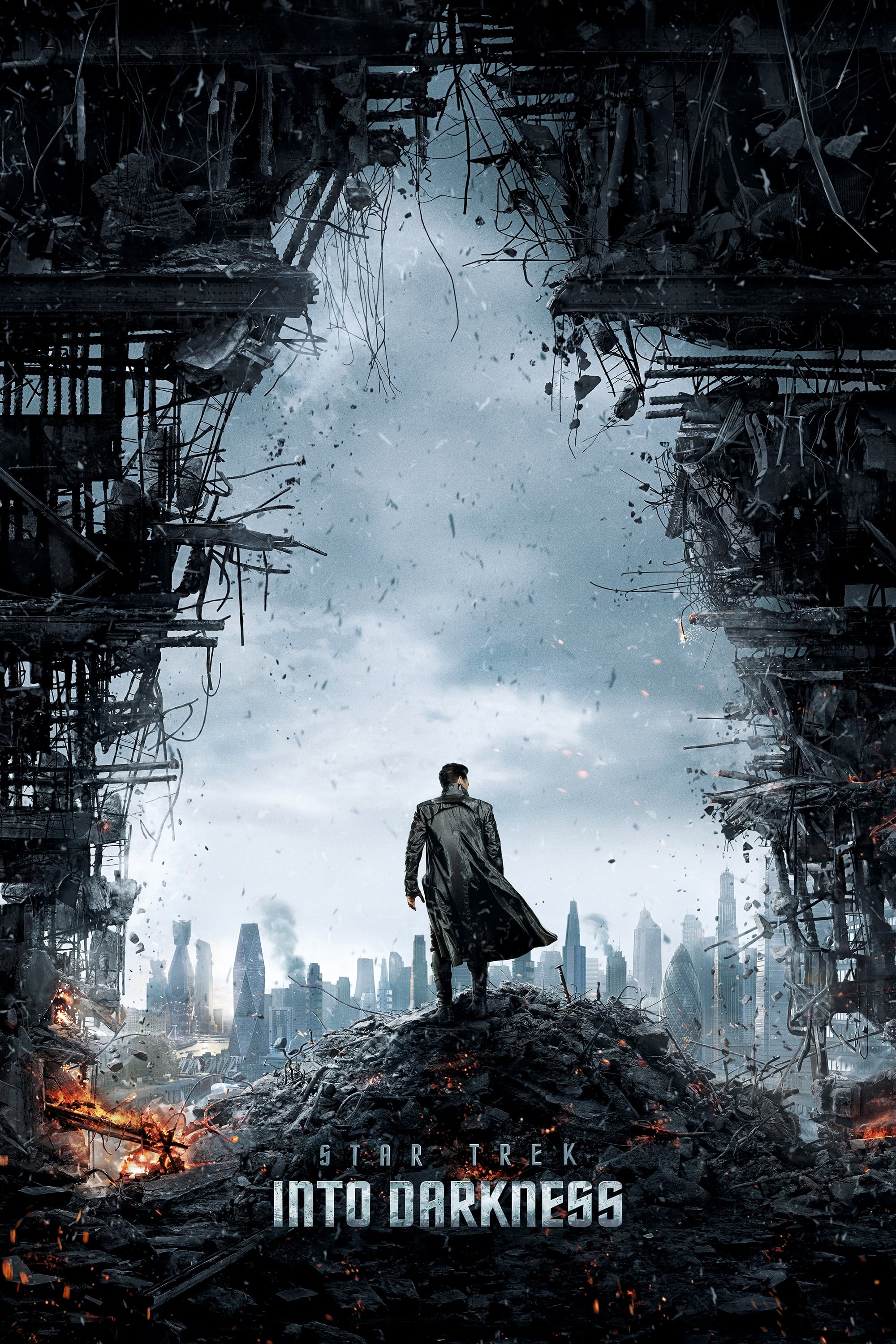
The crew of the Enterprise faces a formidable terrorist who has a personal connection to the history of Starfleet. Benedict Cumberbatch plays Khan Noonien Singh who was originally established as a character of Indian descent. In the original series the role was played by Ricardo Montalban who was also not Indian but the character’s heritage was a key part of his identity. Fans were confused and disappointed by the decision to cast a white British actor as a famously non white character. This casting choice became one of the most debated aspects of the modern franchise.
‘Madame Butterfly’ (1915)
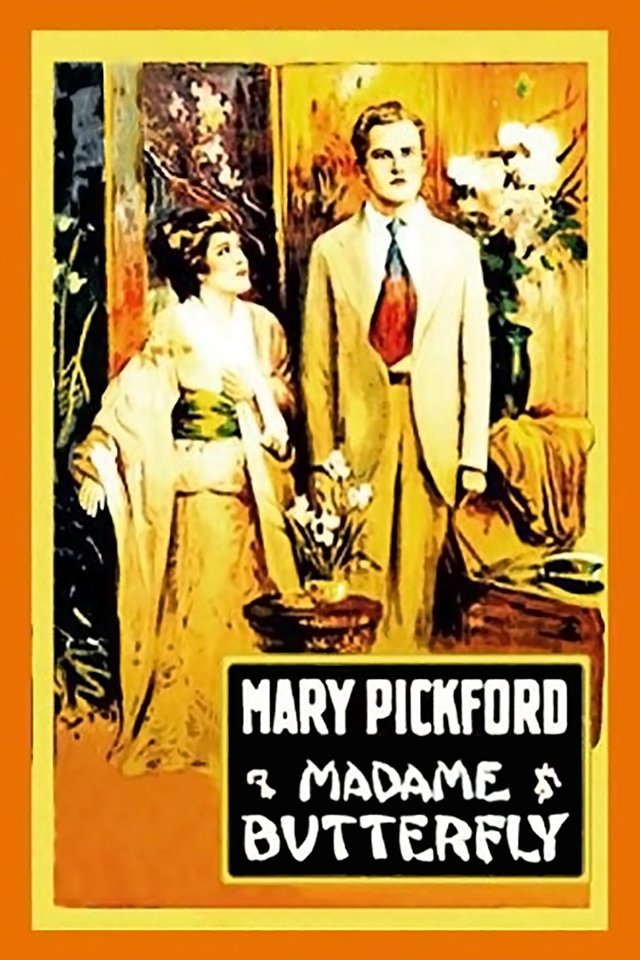
A Japanese woman falls in love with an American naval officer and suffers a tragic fate. Mary Pickford who was one of the biggest stars of the silent era played the lead role of Cho Cho San. This was an early example of a major Hollywood star using makeup and costume to play an Asian character. The story itself has been criticized for its tragic tropes and cultural stereotypes. Pickford’s performance is a historical example of the industry’s long standing preference for bankable white stars.
‘Love Is a Many-Splendored Thing’ (1955)
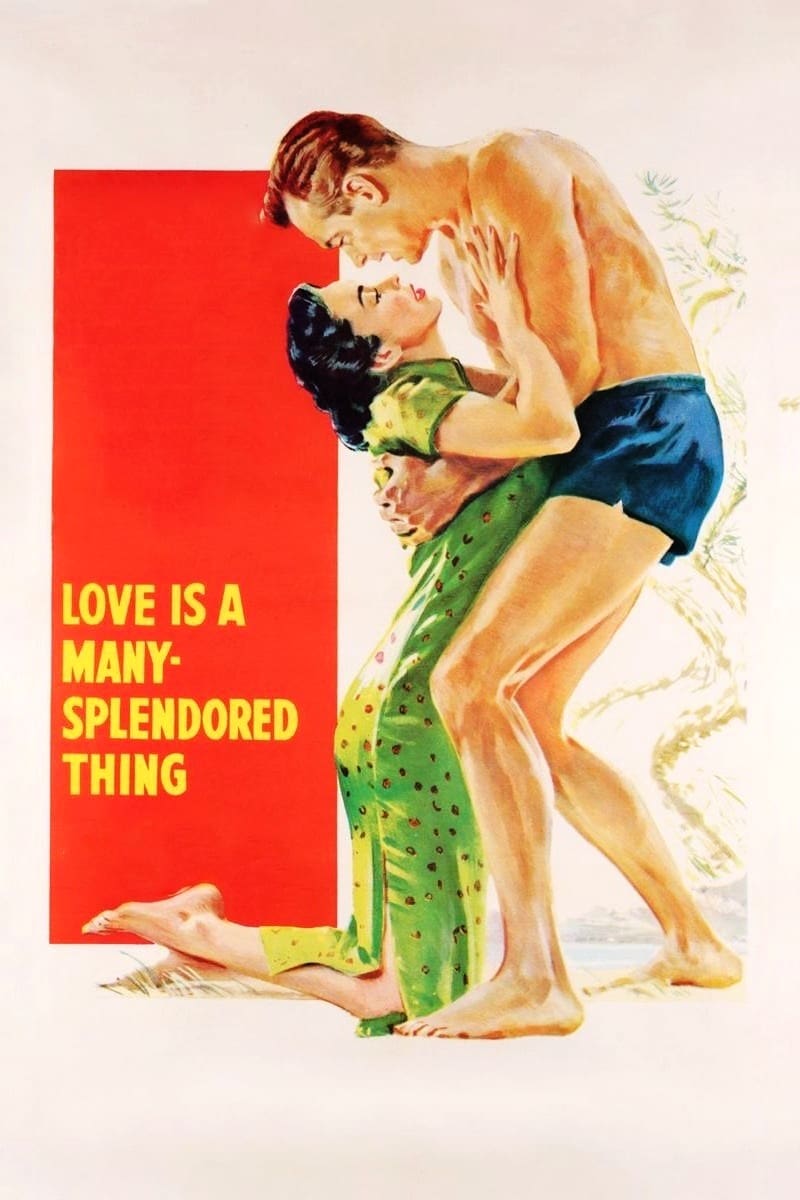
A widowed doctor in Hong Kong falls in love with an American correspondent during the Chinese Civil War. Jennifer Jones plays Han Suyin who is a woman of Chinese and European heritage. Jones used makeup to change her appearance to fit the role of a Eurasian woman. The film was a commercial success and won several awards for its music and costumes. However the casting of a white actress for a biracial Asian character is a major point of modern critique.
’55 Days at Peking’ (1963)
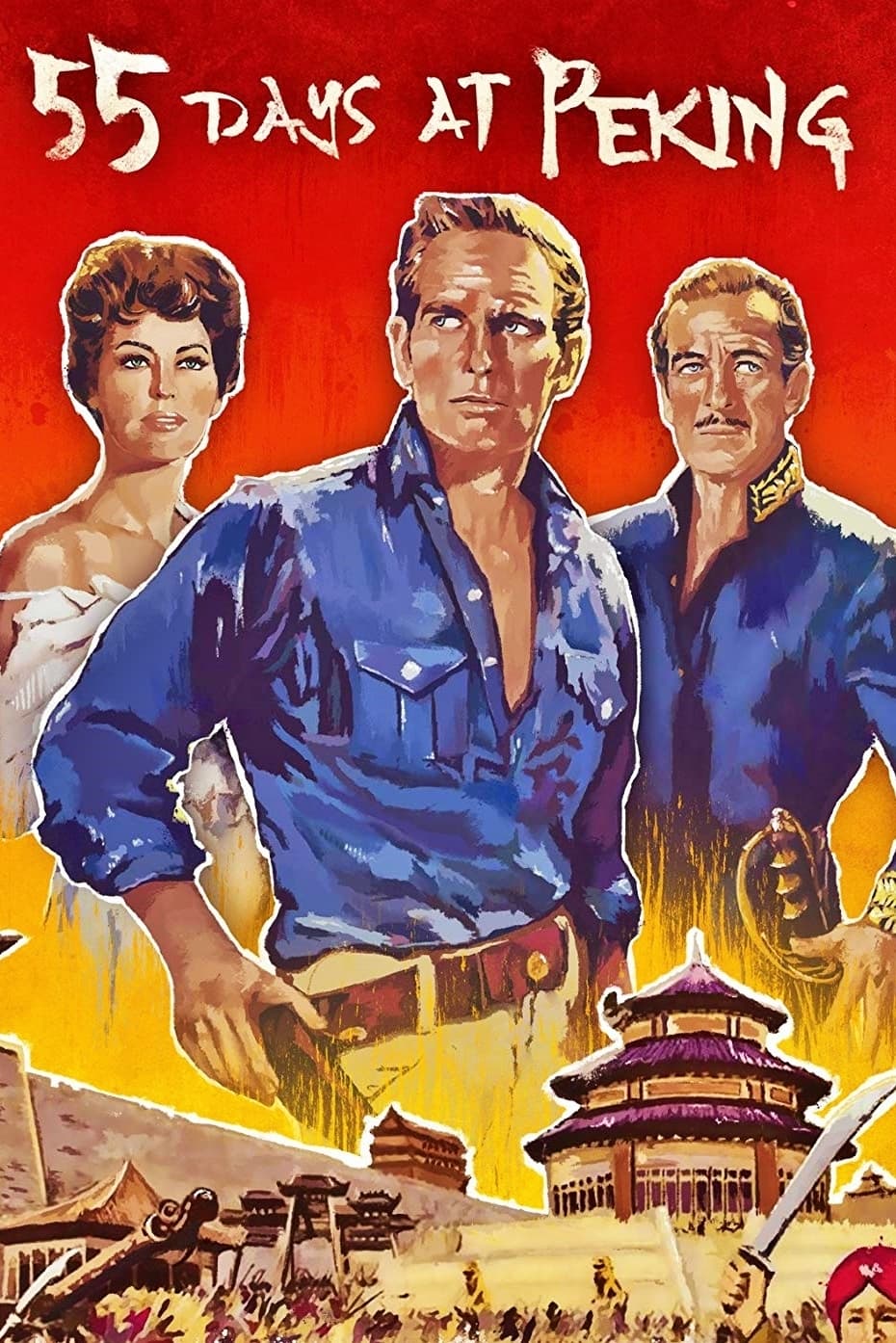
The film depicts the siege of the foreign legations in Peking during the Boxer Rebellion. Flora Robson plays the Empress Dowager Cixi in a performance that utilized heavy makeup. The film featured a large cast of international stars but the most prominent Chinese roles were not played by Chinese actors. This production is often cited for its historical inaccuracies and its reliance on the star system of the time. It represents a specific era of big budget filmmaking that prioritized celebrity over authentic casting.
Tell us which of these casting decisions surprised you the most in the comments.