


Movies Where Deceased Legends Appeared Through Archival Magic

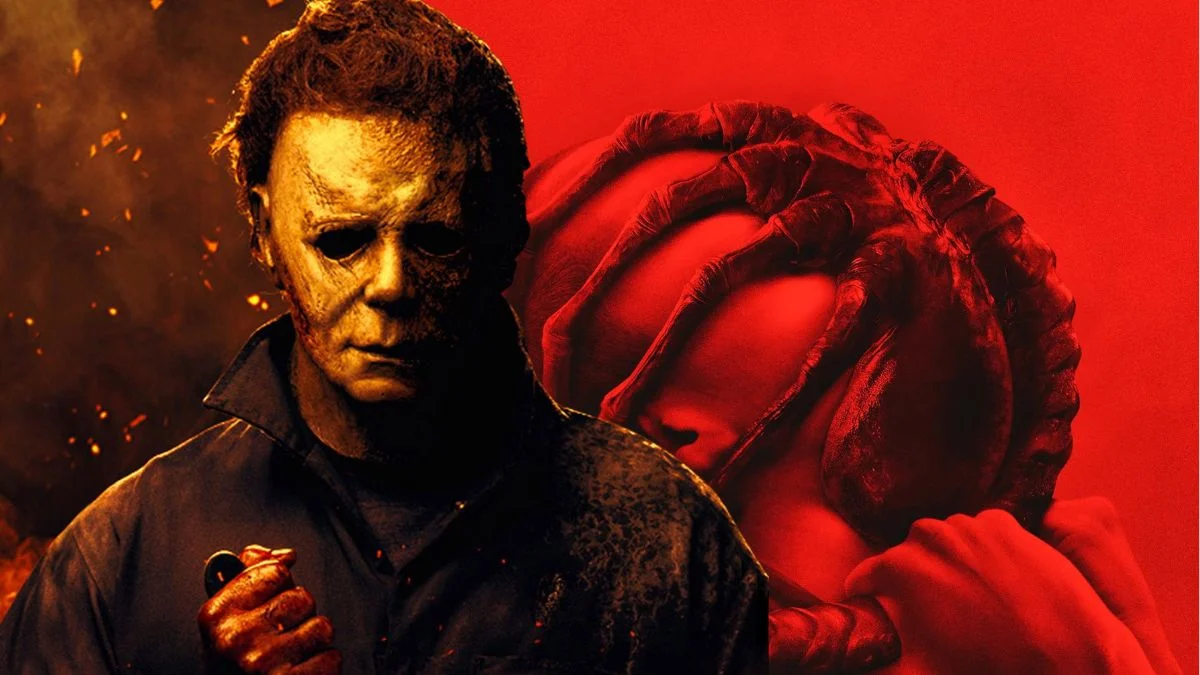


Filmmakers have increasingly turned to advanced technology to resurrect screen icons who passed away before or during production. This process involves utilizing unused footage and computer-generated imagery to complete unfinished performances or pay tribute to beloved stars. The practice often sparks ethical debates regarding the digital afterlife of actors but also provides fans with emotional closure. These movies showcase the most notable instances where archival magic brought legends back for one final bow.
‘Furious 7’ (2015)
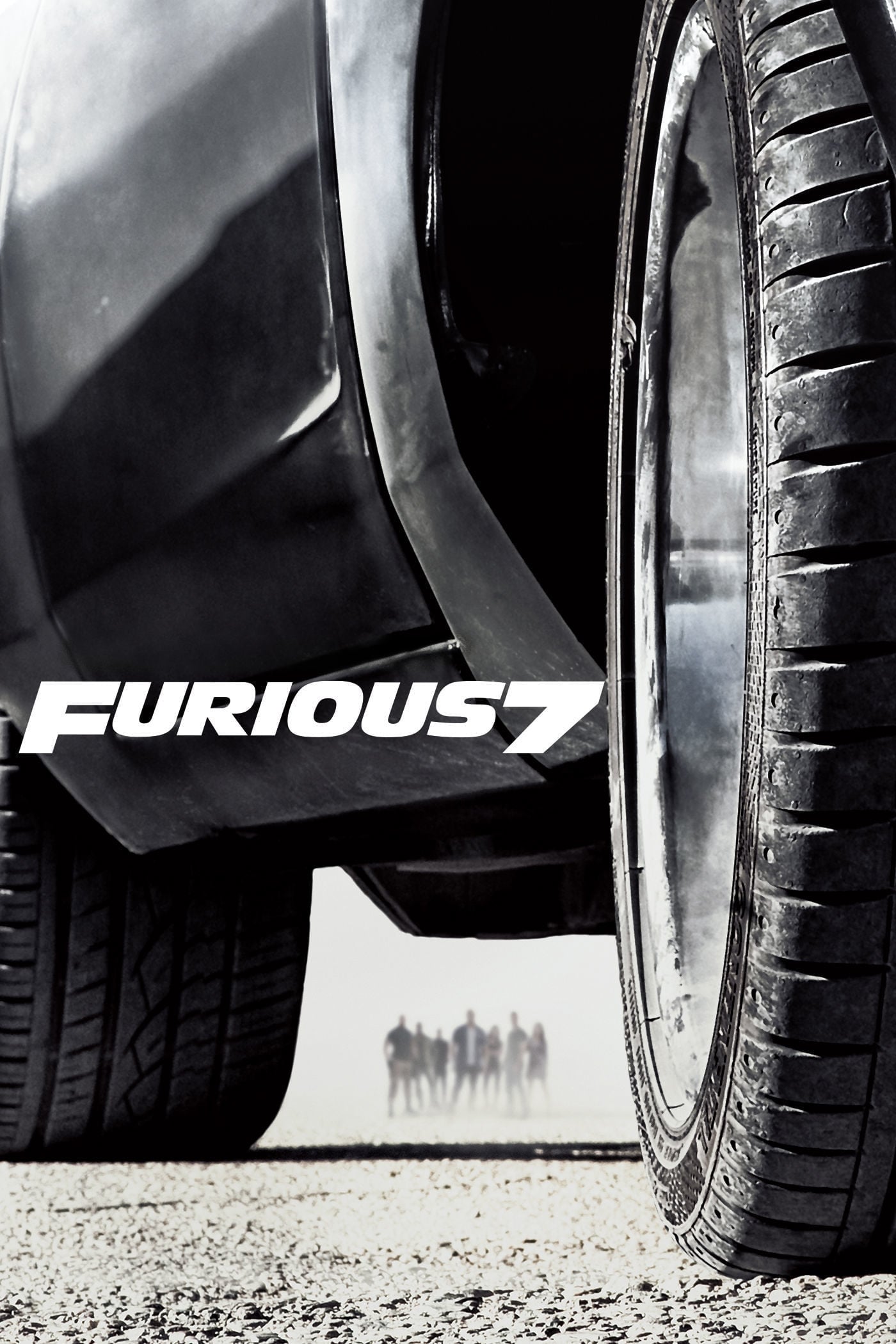
Paul Walker died in a tragic accident while this action blockbuster was still filming. The production paused before deciding to complete his arc using a combination of body doubles and CGI face replacement. Weta Digital created hundreds of shots to seamlessly blend the digital performance with his actual footage. The movie concludes with an emotional scene that serves as a touching farewell to the actor and his character.
‘Star Wars: The Rise of Skywalker’ (2019)
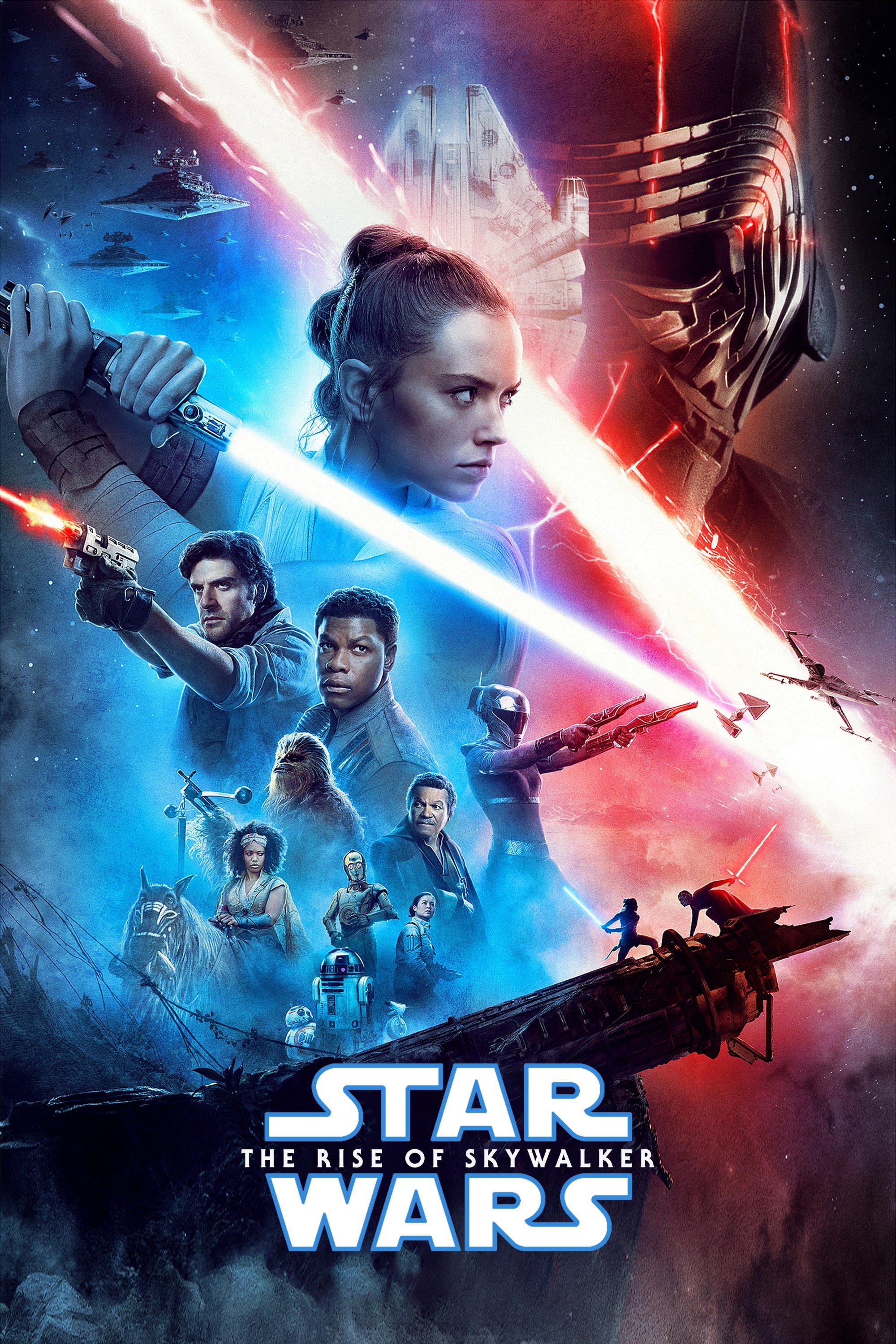
Carrie Fisher passed away before filming began for the final installment of the sequel trilogy. Director J.J. Abrams constructed her performance entirely around unused footage from the previous two films. The script was written to fit her existing dialogue and reactions rather than creating a digital double. This approach allowed General Leia Organa to have a significant role in the conclusion of the saga using her authentic performance.
‘Rogue One: A Star Wars Story’ (2016)
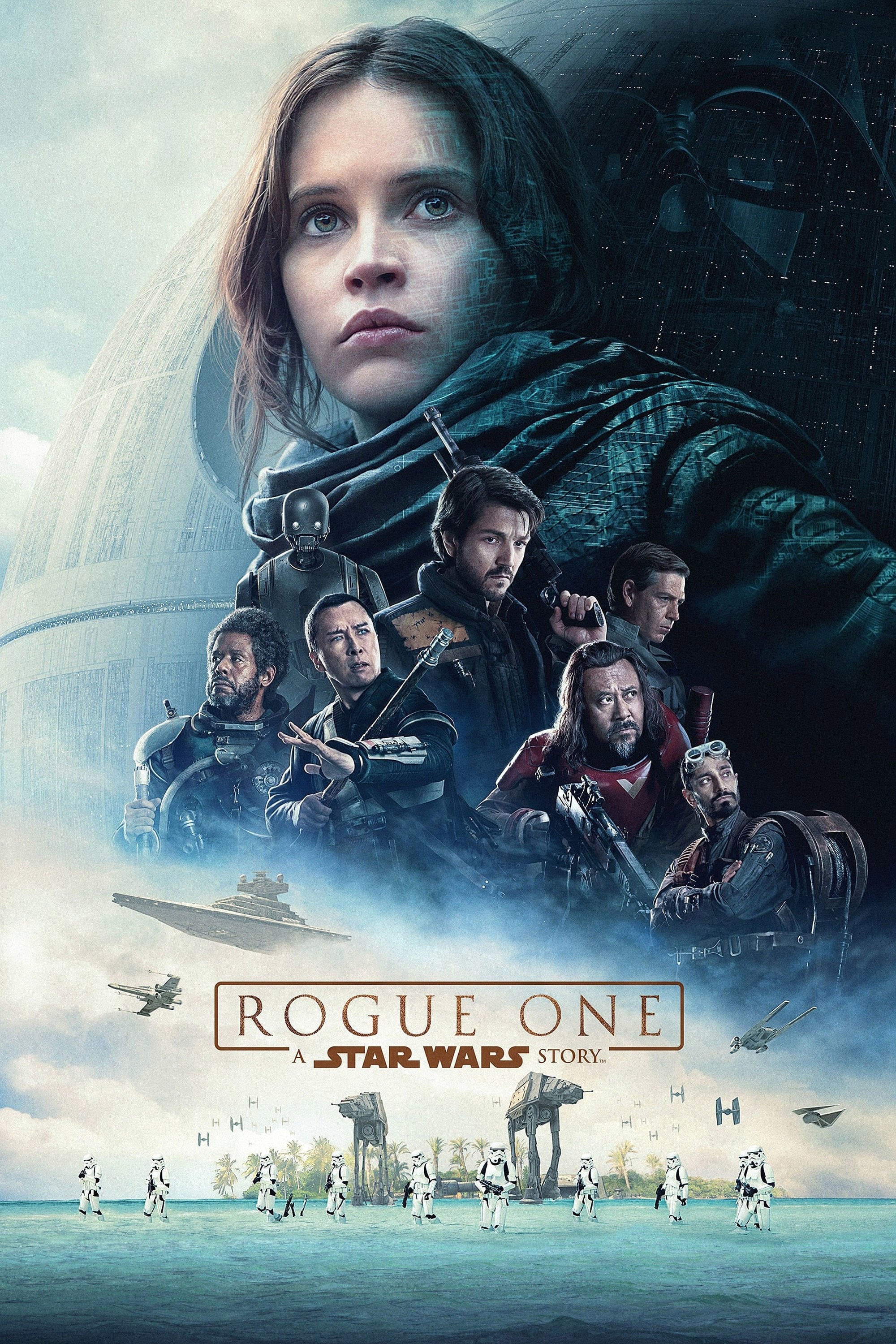
Peter Cushing had been deceased for over twenty years when Grand Moff Tarkin returned to the screen. Industrial Light & Magic utilized a body double and state-of-the-art motion capture to recreate his likeness digitally. The visual effects team studied hours of his past performances to mimic his unique facial tics and mannerisms. This controversial yet groundbreaking achievement brought the villain back to life to bridge the gap to the original film.
‘The Crow’ (1994)
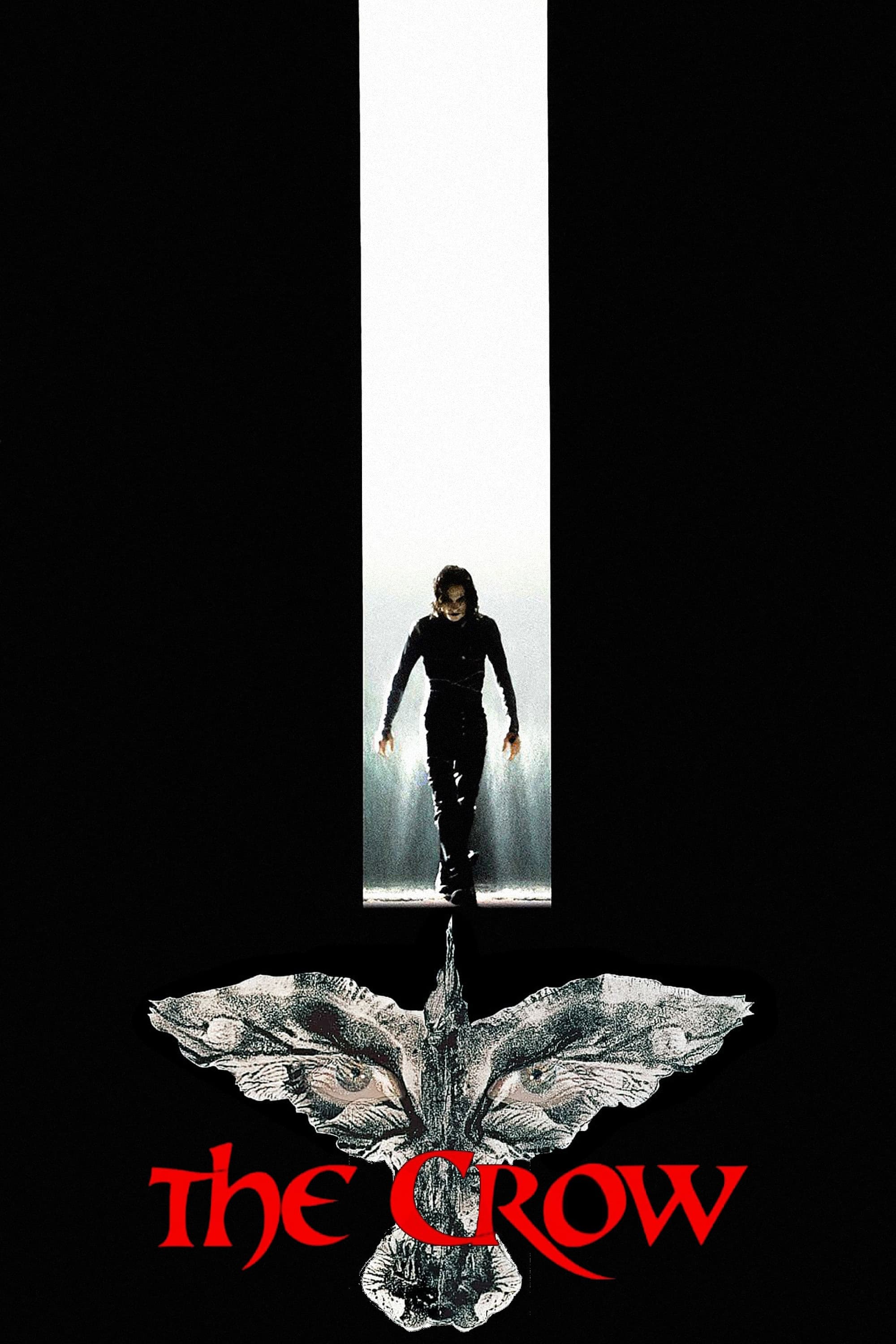
Brandon Lee lost his life due to an on-set accident with only a few days of filming remaining. Director Alex Proyas used digital compositing and stunt doubles to finish the remaining scenes. The visual effects team grafted the actor’s face onto the doubles in shadowed or wide shots to complete the narrative. The result is a haunting and iconic performance that stands as a testament to his immense talent.
‘Gladiator’ (2000)
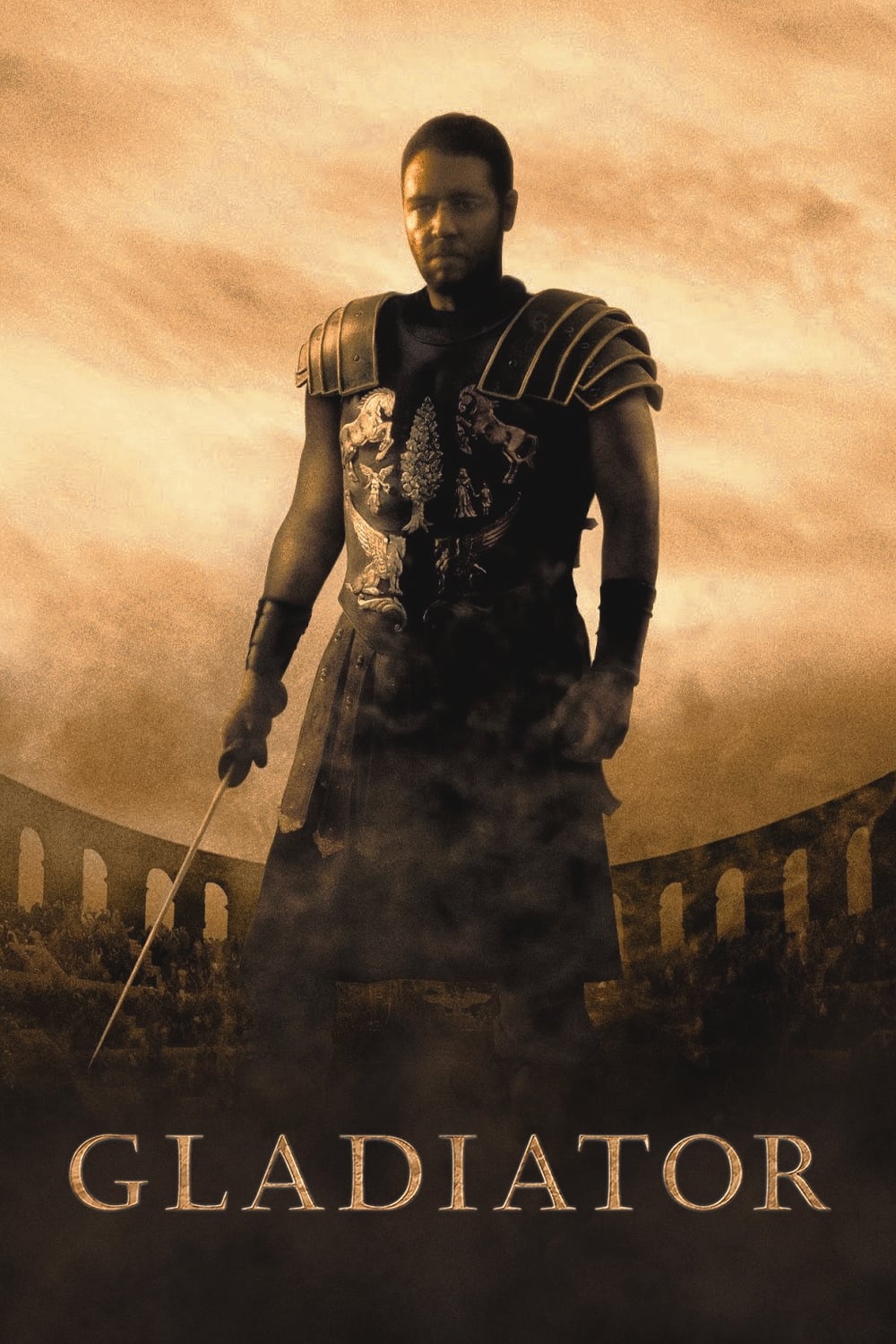
Oliver Reed suffered a fatal heart attack before he could film all his scenes as Proximo. The production team utilized a body double and digitally manipulated outtakes to complete his character arc. They created a digital mask of his face to map onto the double for crucial dialogue sequences in the shadows. This early use of digital resurrection allowed the film to retain his powerful presence without significant rewrites.
‘Superman Returns’ (2006)
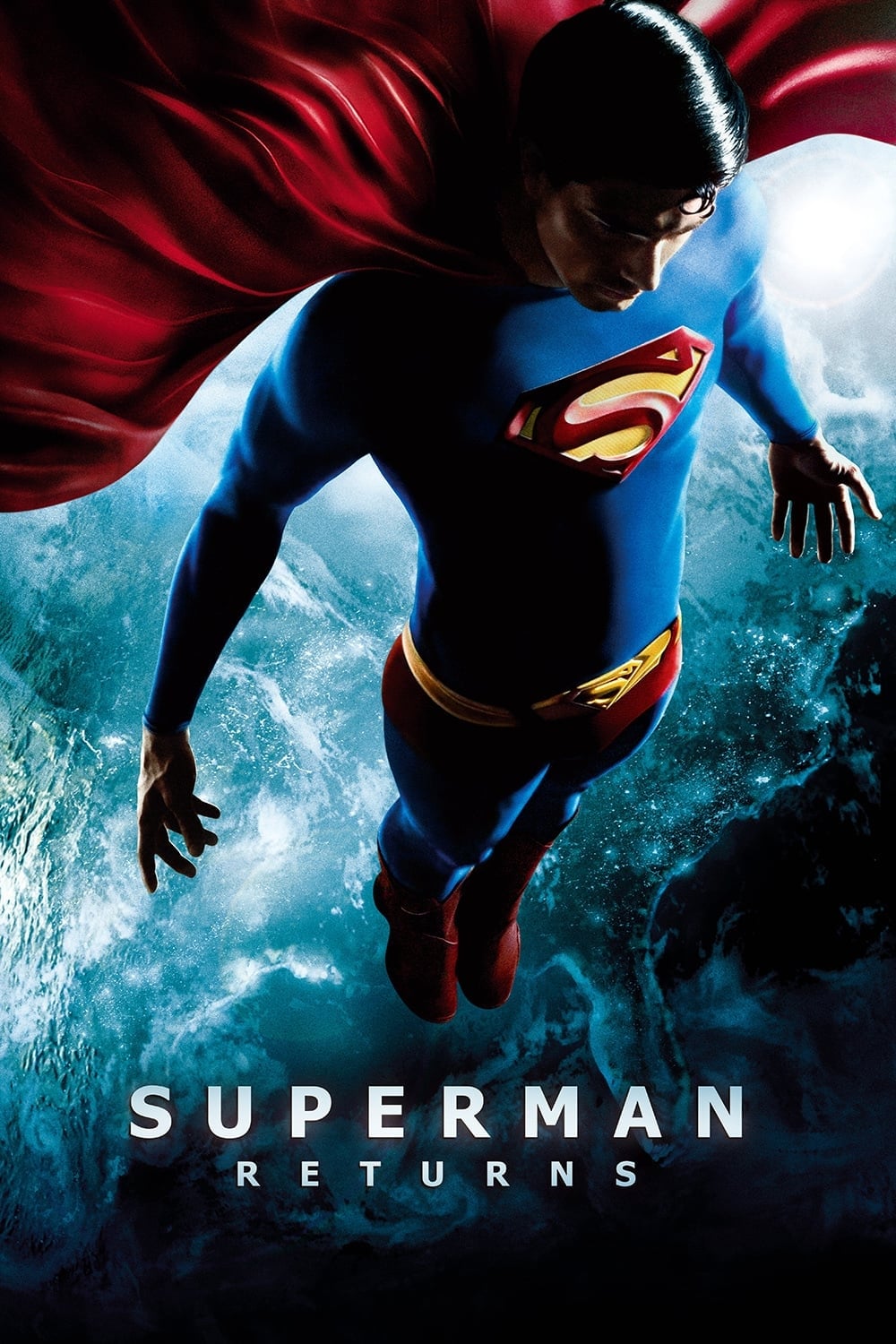
Marlon Brando reprised his role as Jor-El two years after his death through the use of archival assets. Director Bryan Singer recovered unused footage from the original 1978 film to integrate the legendary actor into the Fortress of Solitude scenes. The visual effects team manipulated the lip movements slightly to fit the new dialogue context. His ghostly presence anchors the film and connects it spiritually to the Richard Donner era.
‘Sky Captain and the World of Tomorrow’ (2004)
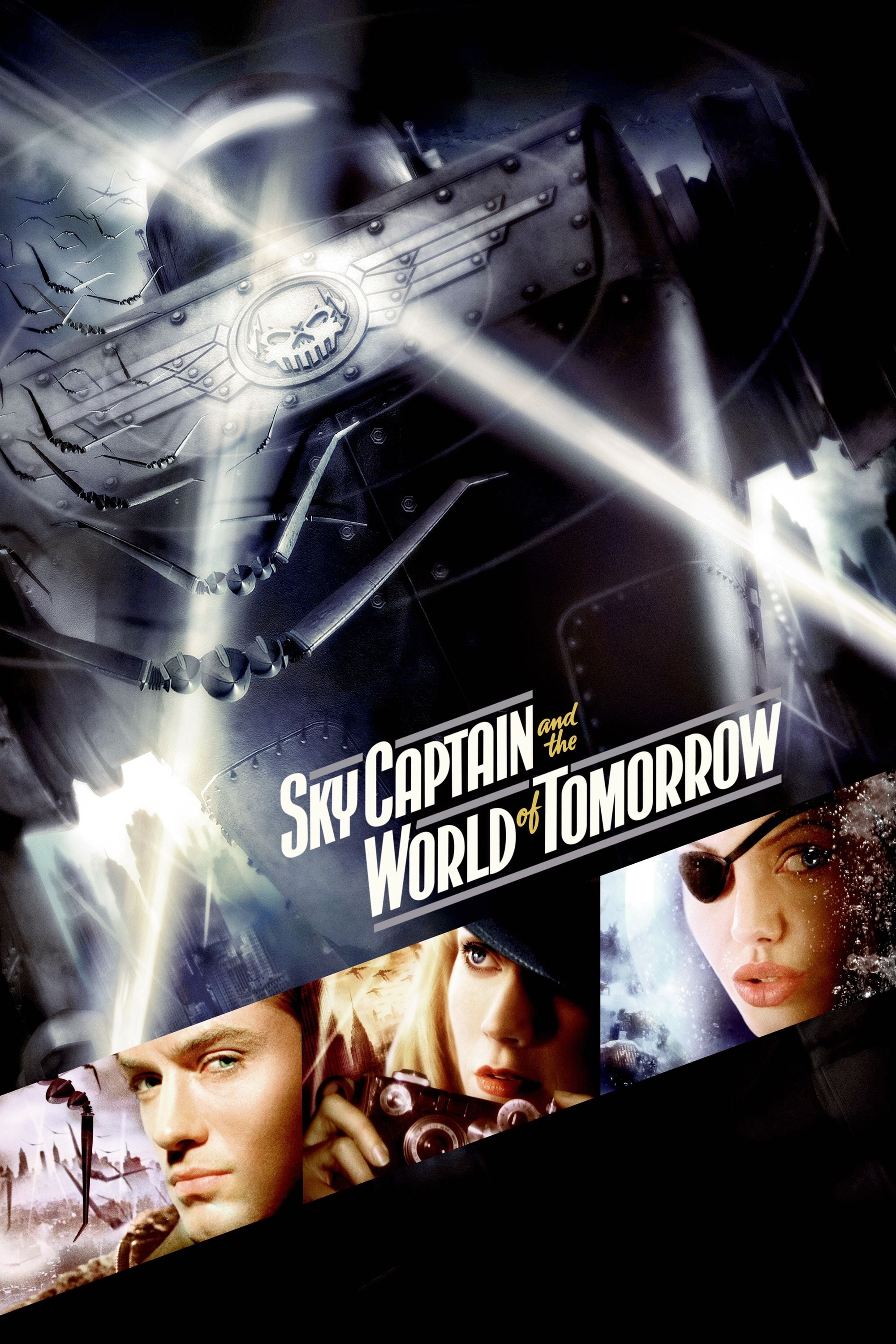
Laurence Olivier passed away in 1989 but appeared as the villainous Dr. Totenkopf in this retro-futuristic adventure. The filmmakers used archival footage and audio recordings to construct his holographic appearance. This digital manipulation turned the esteemed actor into a menacing disembodied head that controls the plot. It remains one of the earliest examples of casting a deceased legend in a completely new role.
‘Ghostbusters: Afterlife’ (2021)
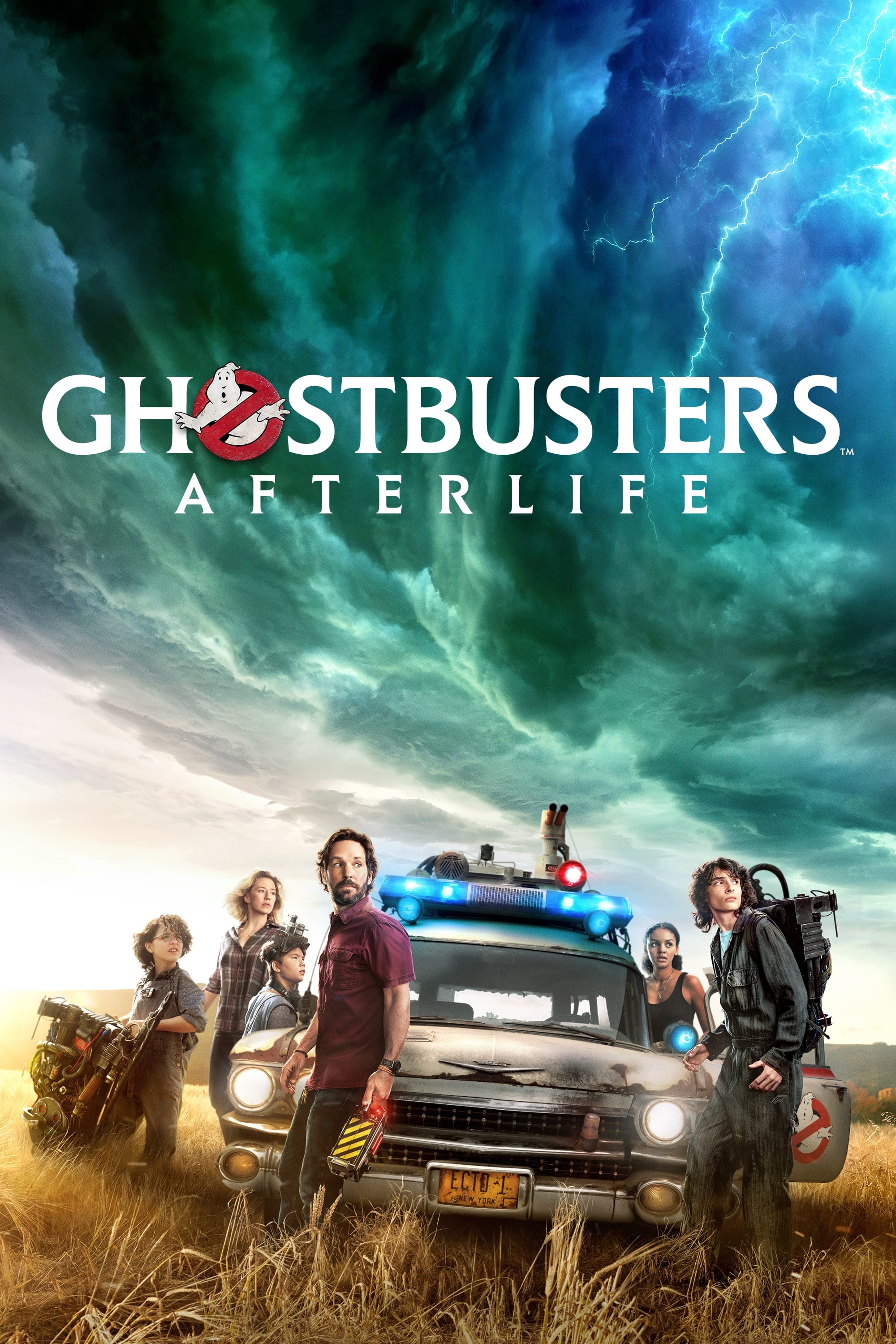
Harold Ramis died in 2014 but his character Egon Spengler plays a central role in the plot. The special effects team used clips and photos from the original films to create a silent digital ghost for the climax. His likeness was superimposed over a double to allow the original team to reunite one last time. The scene serves as a heartfelt tribute from the director to his late father’s friend and collaborator.
‘Alien: Romulus’ (2024)

Ian Holm passed away in 2020 but his likeness was used to create a new android character named Rook. The production used a combination of animatronics and CGI face replacement to bring the actor back to the franchise. An automated dialogue replacement artist provided the voice while the visual effects team matched the facial movements. This creative choice aimed to maintain continuity with the android aesthetics established in the original film.
‘The Flash’ (2023)
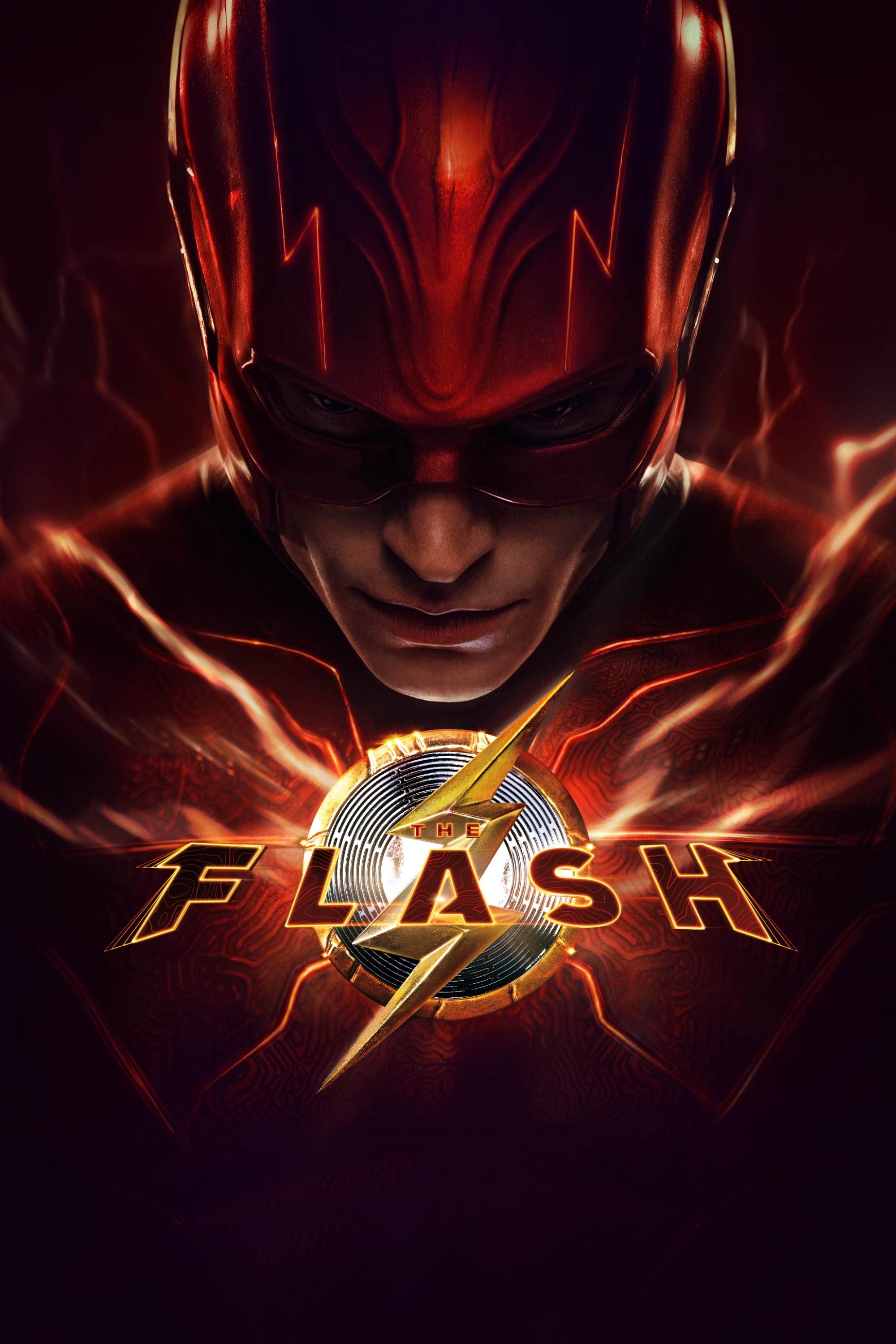
Christopher Reeve appeared as Superman during a sequence illustrating the multiverse. The production created a digital recreation of the actor based on his appearance in the classic films. George Reeves also appeared as his version of the character alongside other past DC actors. This sequence utilized archival references to pay homage to the legacy of live-action superheroes.
‘Game of Death’ (1978)
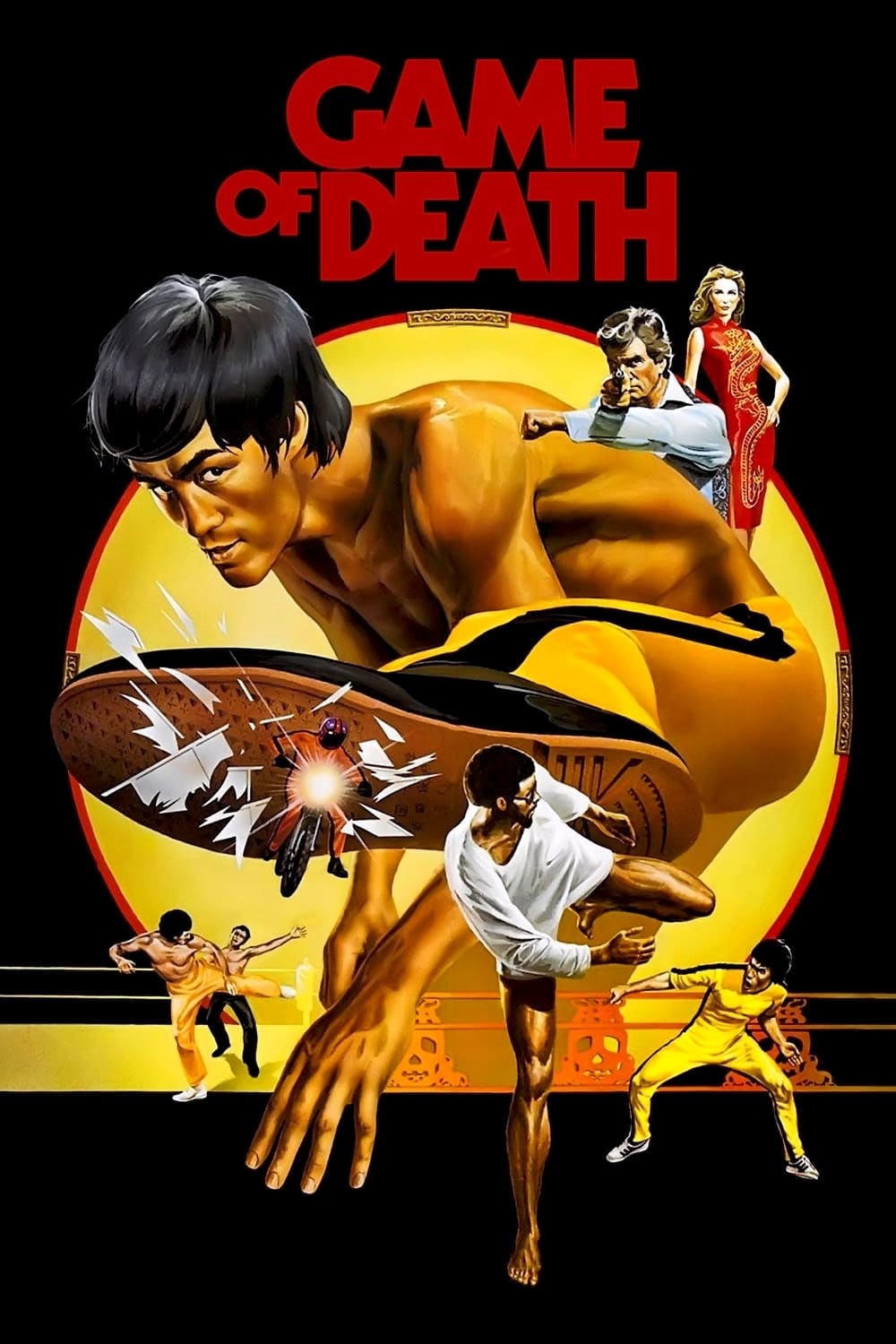
Bruce Lee died with only a portion of the fight scenes filmed for this project. The studio finished the movie years later using stand-ins wearing disguises and cardboard cutouts of the actor’s face. They also spliced in footage from his previous films to construct a coherent narrative around the existing action sequences. The final product is a disjointed but fascinating artifact of how studios handled star deaths in the pre-CGI era.
‘Trail of the Pink Panther’ (1982)
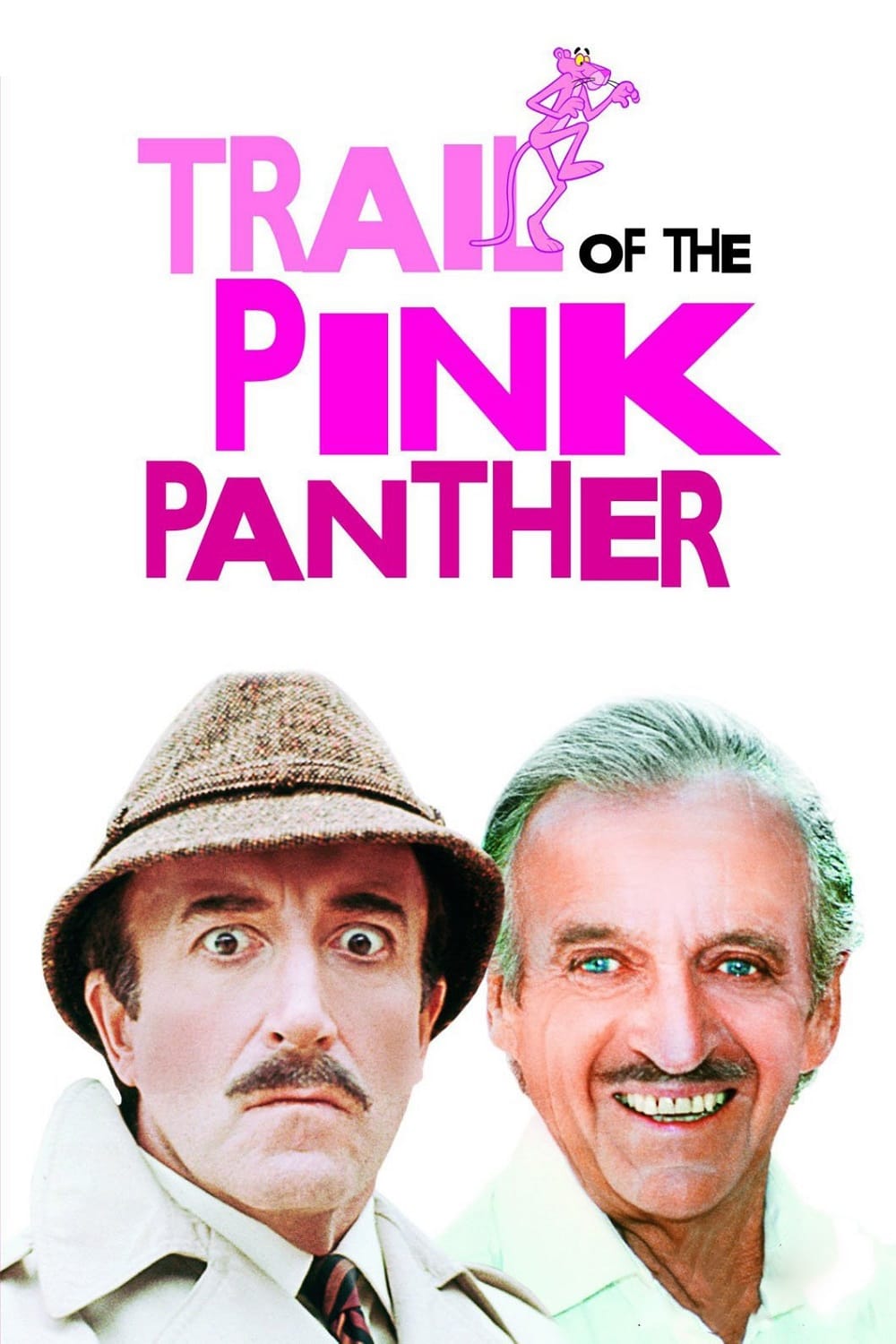
Peter Sellers died before this film was conceived but stars in it through deleted scenes from previous entries. The director constructed the entire plot around unused takes of Inspector Clouseau from older movies. Stand-ins were used for over-the-shoulder shots to bridge the gaps between the archival clips. The film stands as a unique experiment in assembling a new story entirely from the cutting room floor.
‘Cars 3’ (2017)
Paul Newman passed away years before the third installment of this Pixar franchise was produced. The studio utilized unused voice recordings from the first film to bring Doc Hudson back for flashbacks. These recovered audio tracks allowed the character to mentor the protagonist one last time. The story focuses heavily on his legacy and provides a respectful closure to his character.
‘Toy Story 4’ (2019)
Don Rickles signed on to reprise his role as Mr. Potato Head but died before recording any new lines. Pixar combed through decades of unused voice sessions, outtakes, and theme park recordings to piece together his dialogue. The editors managed to construct full sentences that fit the new script perfectly. This painstaking audio editing ensured the original cast remained intact for the adventure.
‘The Hunger Games: Mockingjay – Part 2’ (2015)
Philip Seymour Hoffman died with one major emotional scene left to film. The director chose not to use a digital double and instead rewrote the scene to have other characters convey his message. However, minor digital adjustments were made to existing footage to round out his presence in other shots. The film preserves his final performance without relying heavily on computer generation.
‘Iron Cross’ (2009)
Roy Scheider died before completing this thriller about a retired police officer. The director finished the film using a latex mask on a double and CGI to enhance the illusion. Camera angles were carefully chosen to hide the lack of the lead actor in the final scenes. It remains a lesser-known example of using practical effects to cover a lead actor’s death.
‘Bill & Ted Face the Music’ (2020)
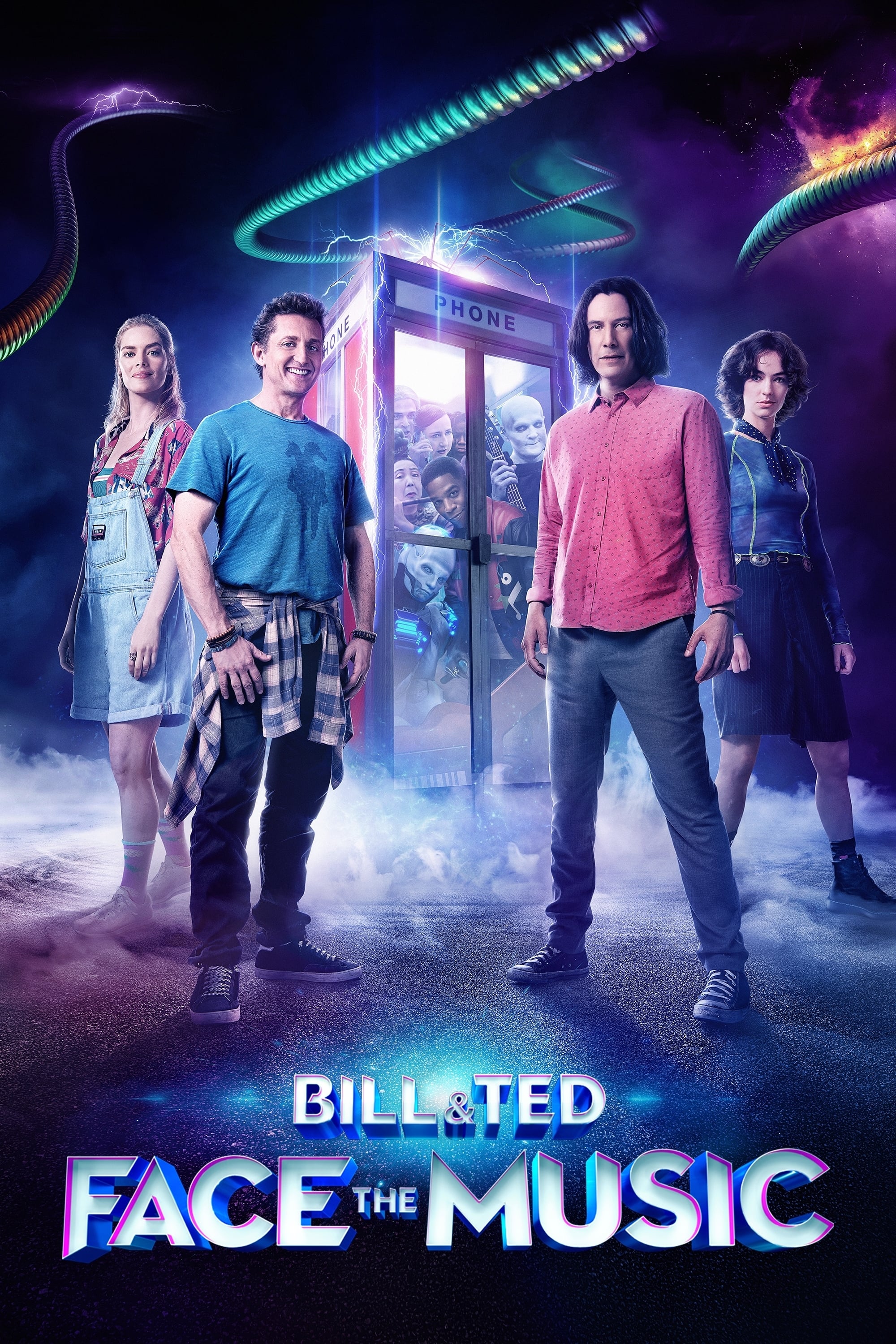
George Carlin appeared as Rufus through the use of archival footage incorporated into a hologram. The filmmakers repurposed clips from the first movie to have the character deliver a message to the protagonists. This method honored the late comedian’s importance to the franchise without trying to replicate his voice or performance artificially. It served as a respectful nod to the mentor figure of the series.
‘Halloween Kills’ (2021)
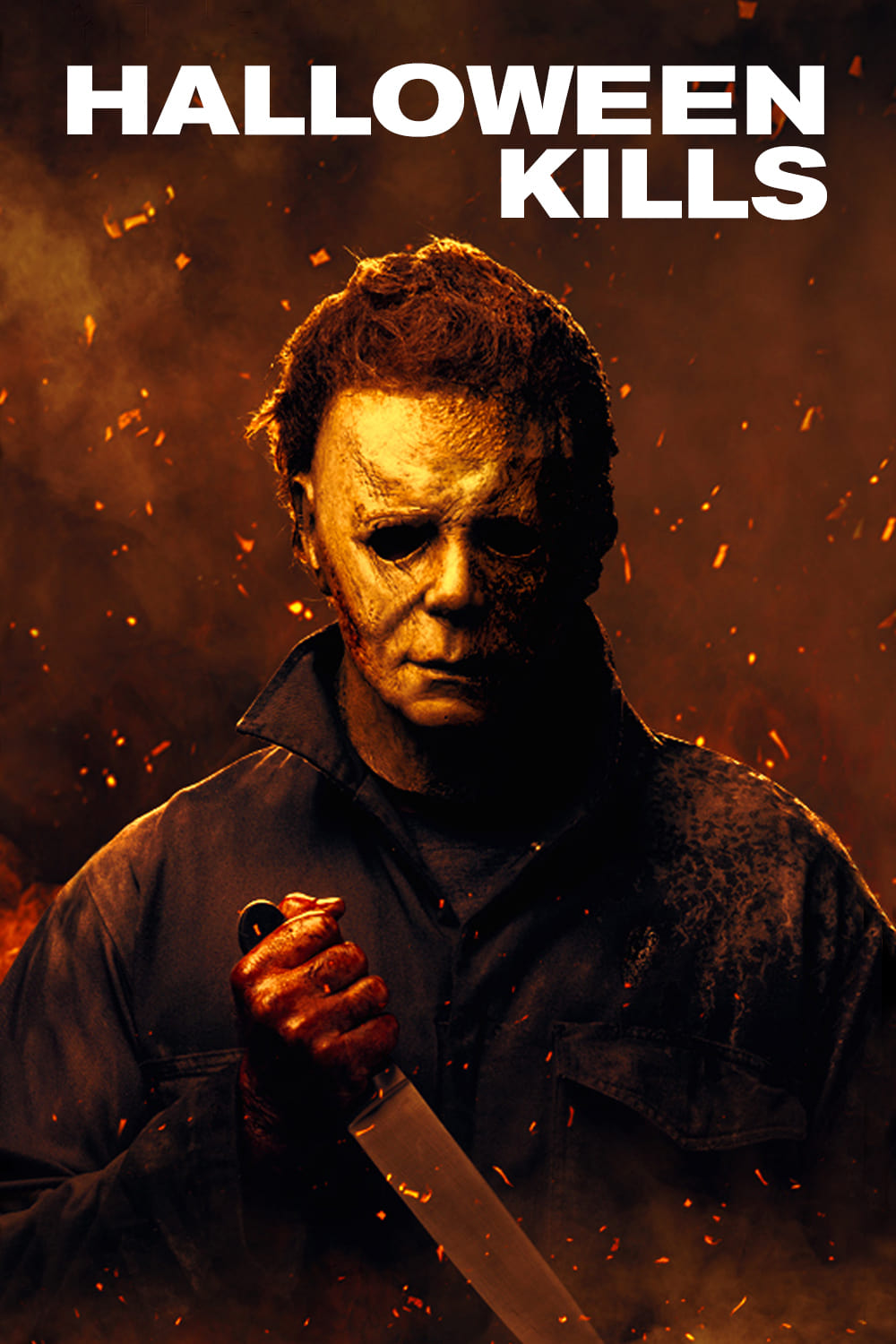
Donald Pleasence died in 1995 but appeared in a flashback sequence set in 1978. A stand-in actor wore prosthetic makeup that was digitally blended with archival photographs of Dr. Loomis. The voice was mimicked by a sound-alike to recreate his distinctive delivery. This combination of practical and digital effects seamlessly transported the audience back to the original film’s timeline.
‘Forrest Gump’ (1994)
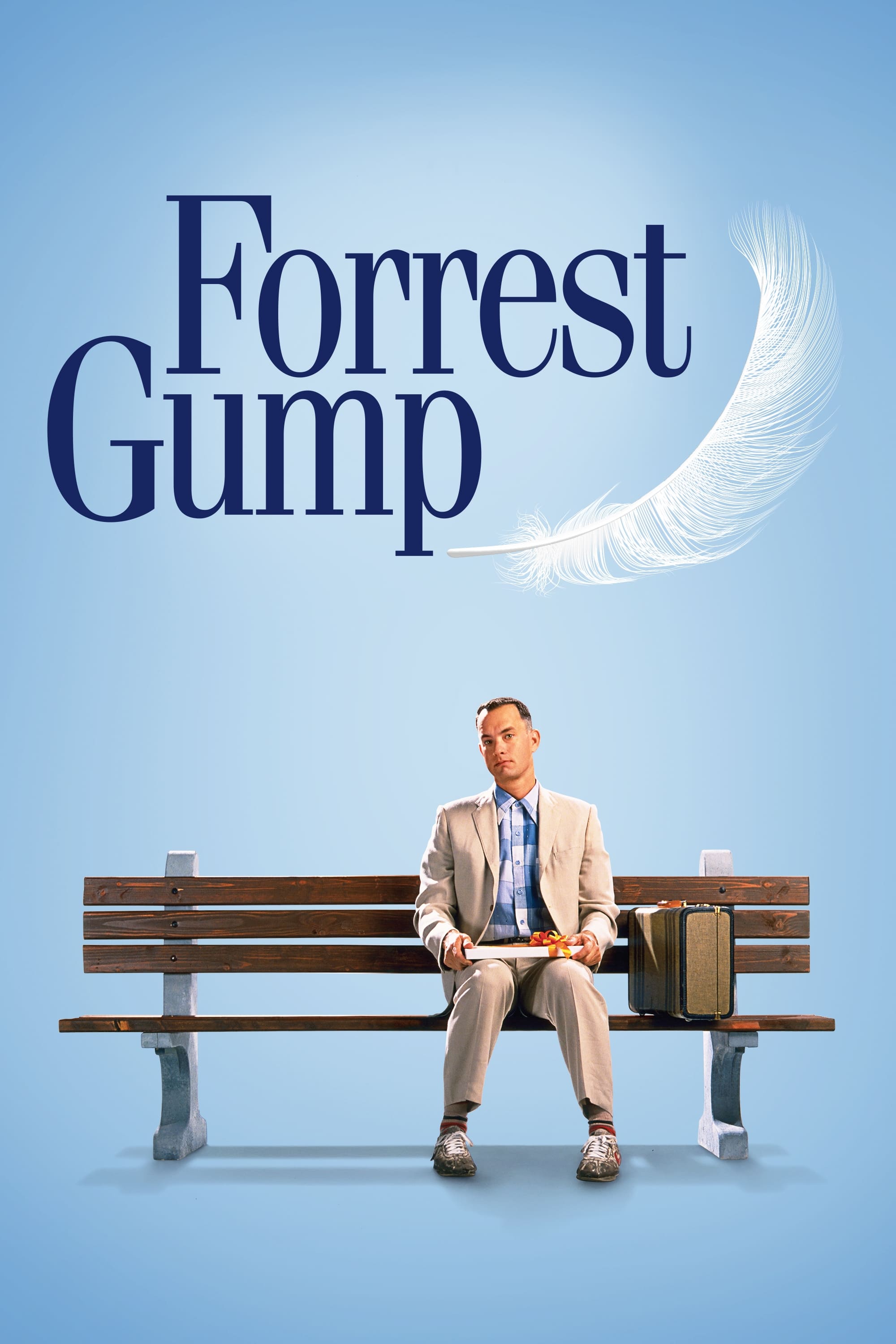
John Lennon appears in a scene where the main character is invited to a television talk show. The visual effects team rotoscoped the musician from real archival footage and digitally inserted Tom Hanks into the scene. They altered the lip movements of the archival clip slightly to make it seem like he was responding to the protagonist. This groundbreaking effect allowed the fictional character to interact with deceased historical icons.
‘Zelig’ (1983)

Woody Allen inserted his chameleon character into authentic newsreels featuring historical figures like Adolf Hitler and the Pope. The production team carefully scratched and aged the new footage to match the quality of the vintage clips. This technical mastery allowed the character to appear seamlessly alongside deceased legends of the 1920s and 30s. The film is a mockumentary that relies entirely on this archival magic.
‘Dead Men Don’t Wear Plaid’ (1982)
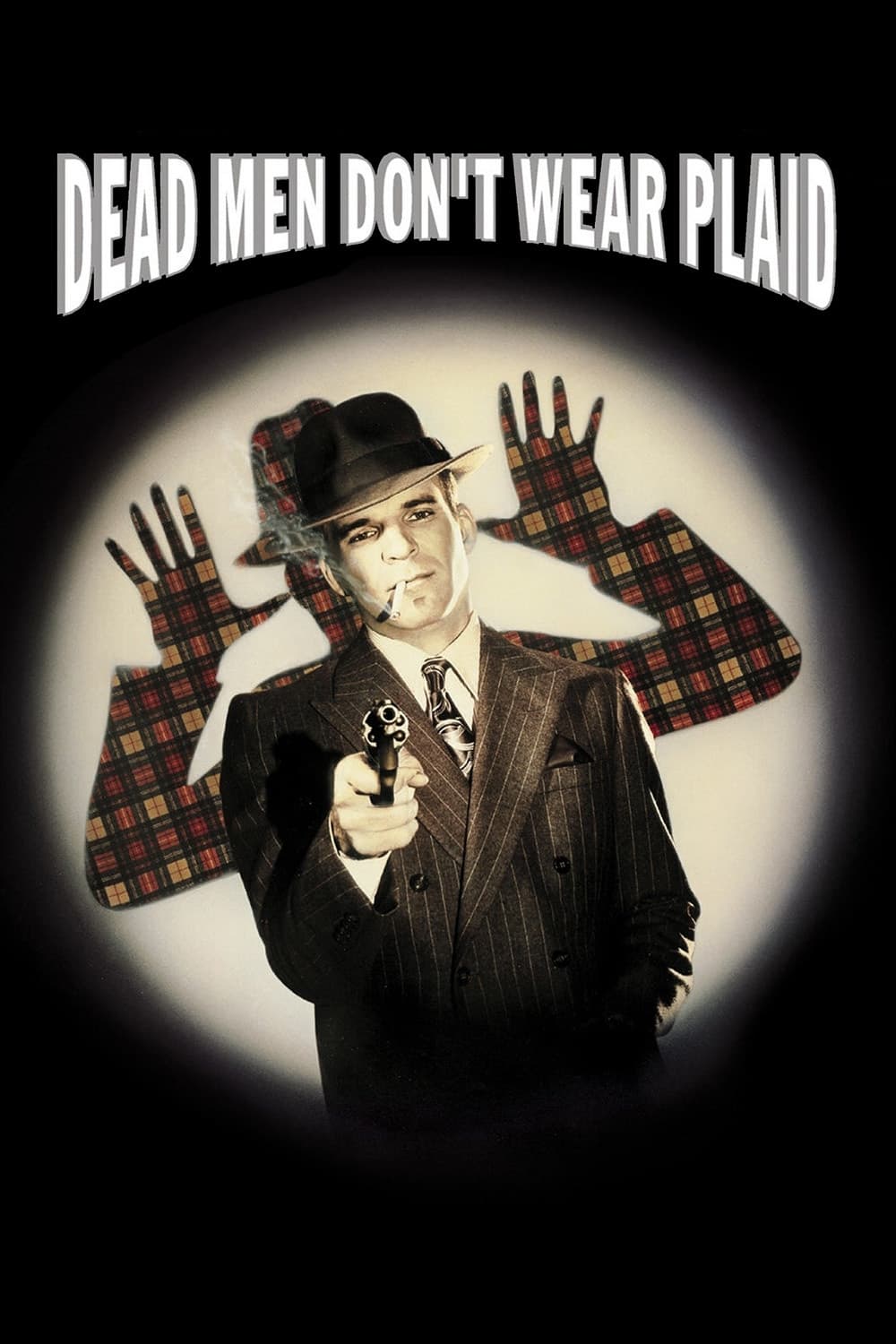
Humphrey Bogart and James Cagney star in this noir comedy through the clever editing of classic film clips. Steve Martin acts in new scenes that were shot to match the lighting and angles of the old movies perfectly. The plot was written specifically to accommodate the dialogue from the archival footage. This creative assembly allowed the living actor to have conversations with the greatest legends of Hollywood’s Golden Age.
‘Last Action Hero’ (1993)
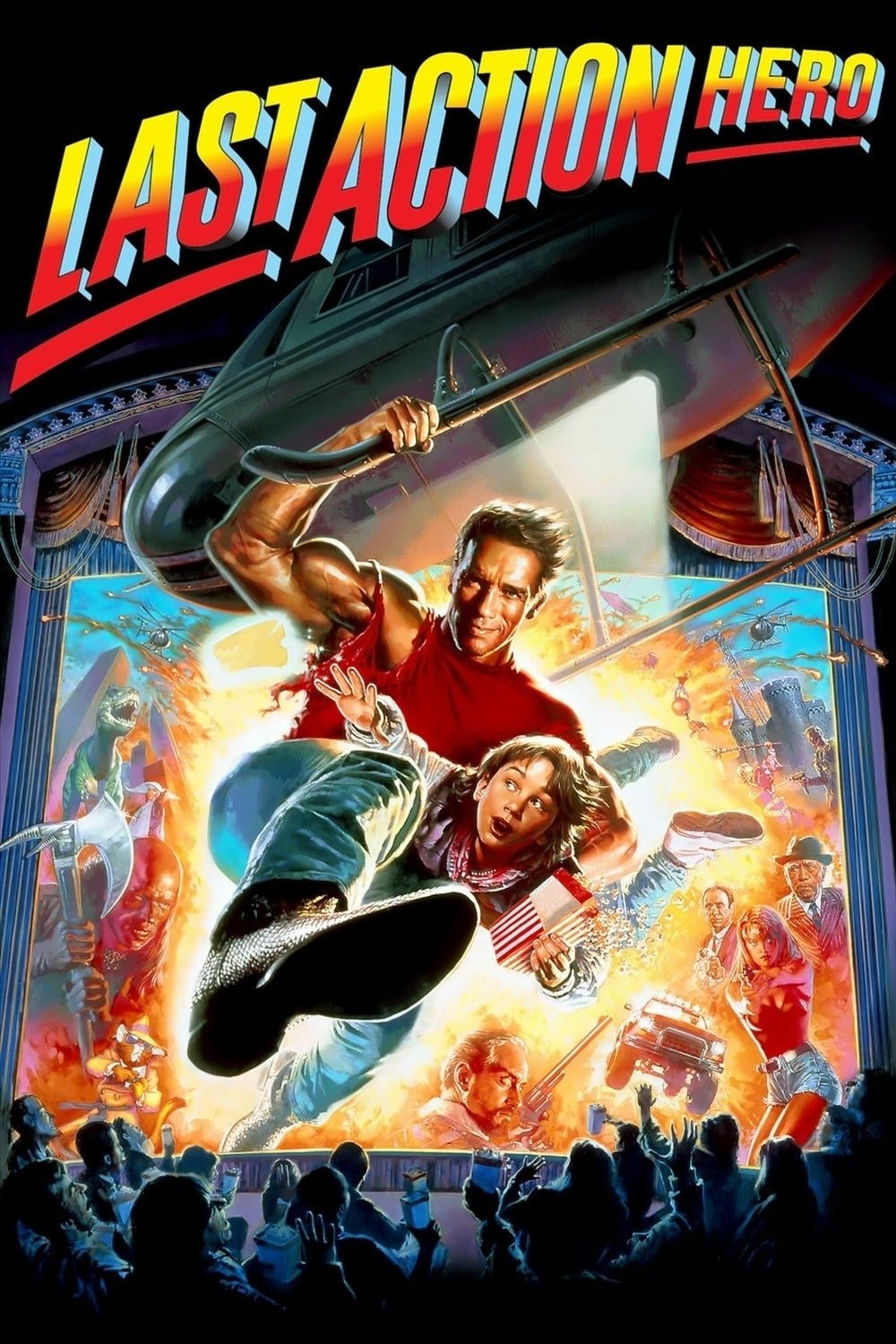
Humphrey Bogart makes a brief cameo appearance as a detective in the fictional world of the movie. The filmmakers used rotoscoped footage from his classic noir films to place him in the background of a police station scene. This meta-commentary fit the film’s theme of movie magic coming to life. It was a quick but memorable visual gag using archival assets.
‘Transformers: Dark of the Moon’ (2011)
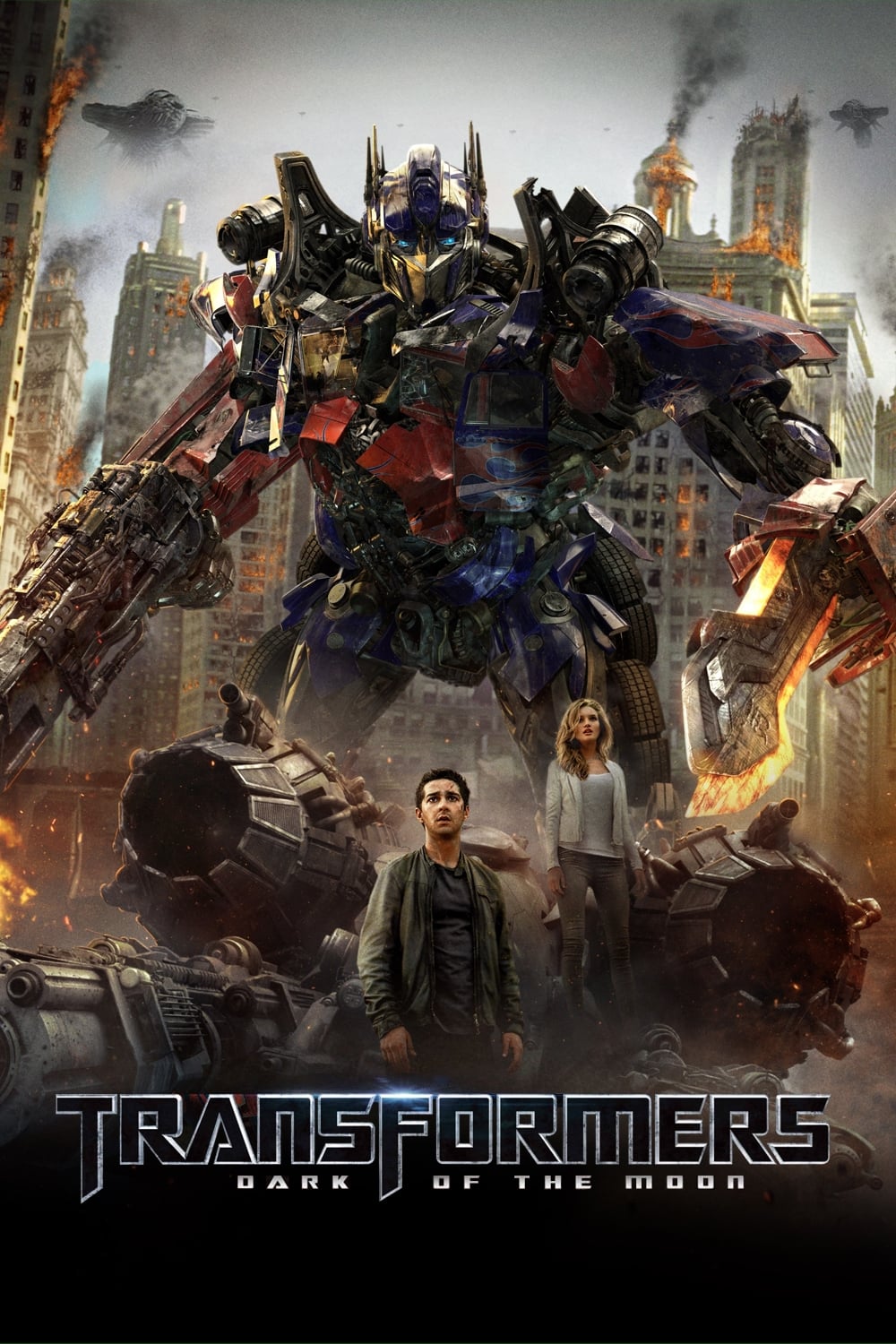
John F. Kennedy and Richard Nixon appear through digitally altered archival footage. The visual effects team modified the mouth movements of the real presidents to make them discuss the alien robot conspiracy. These manipulated historical documents serve as the expository backbone of the film’s alternate history. The technique blends reality with fiction to ground the sci-fi elements.
‘Apollo 13’ (1995)
Walter Cronkite and other news anchors appear as themselves through original broadcasts. The filmmakers restored the archival video to high definition to blend it with the new 35mm footage. These clips provide necessary exposition and ground the movie in the reality of the era. The presence of these trusted figures enhances the historical authenticity of the drama.
‘JFK’ (1991)
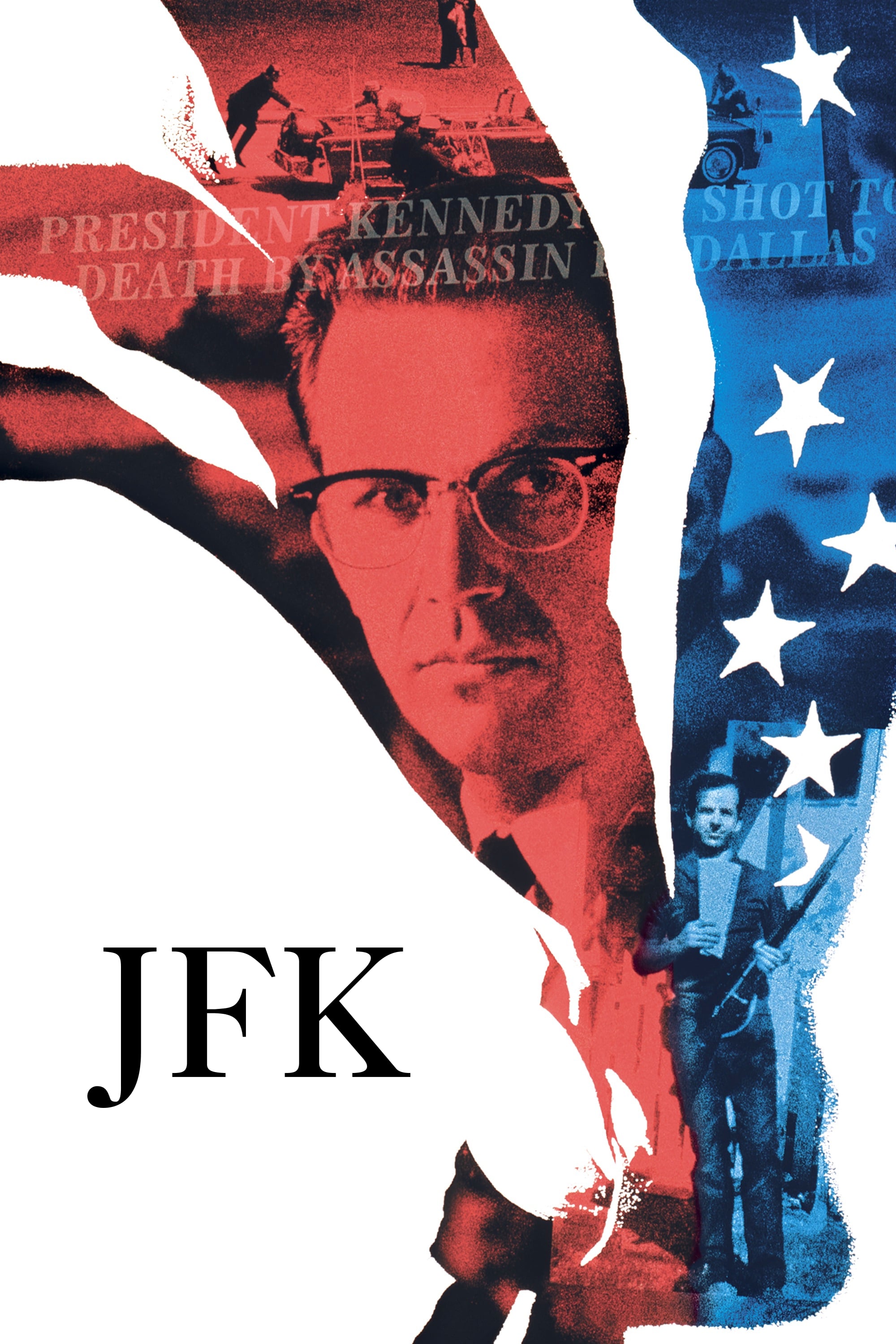
President John F. Kennedy appears extensively through the Zapruder film and other newsreels. Director Oliver Stone wove this archival material into the narrative to drive the investigation plot. The film relies on the visceral impact of the real footage rather than recreating the assassination with actors. This editing strategy keeps the focus on the historical weight of the deceased figure.
‘Malcolm X’ (1992)

Malcolm X appears as himself in the final montage of the film. Director Spike Lee transitions from Denzel Washington’s portrayal to real documentary footage of the civil rights leader. This editing choice emphasizes the reality of the man behind the movie character. The archival footage serves as a powerful eulogy that connects the biopic to the actual historical record.
‘Game of Death II’ (1981)
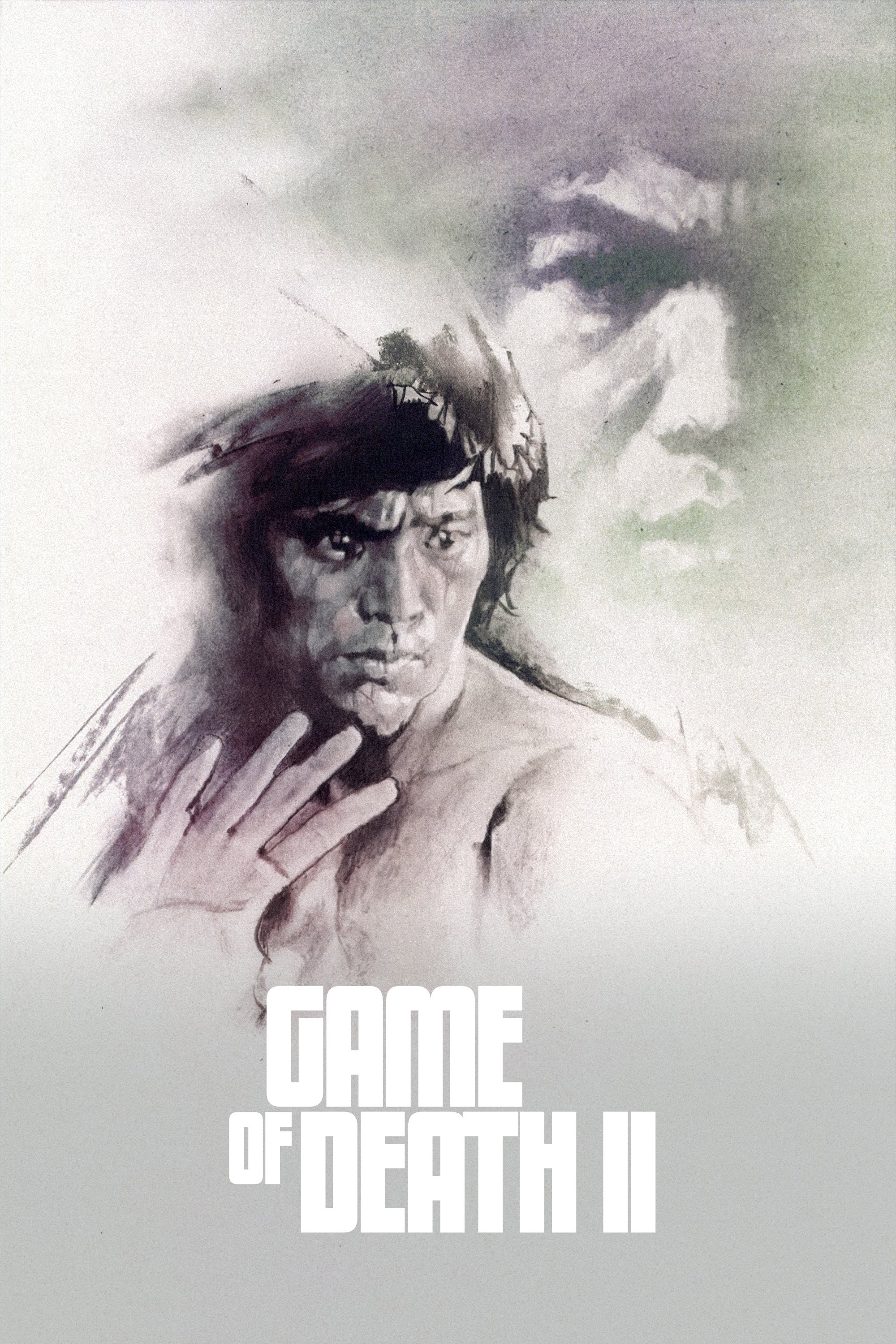
Bruce Lee was inserted into this sequel using even more archival footage than the first attempt. The filmmakers repurposed scenes from ‘Enter the Dragon’ and childhood films to create a new plot. They utilized reverse angles and doubles to try and hide the fact that the star was not present. It stands as another example of the genre known as Bruceploitation.
‘Fast X’ (2023)
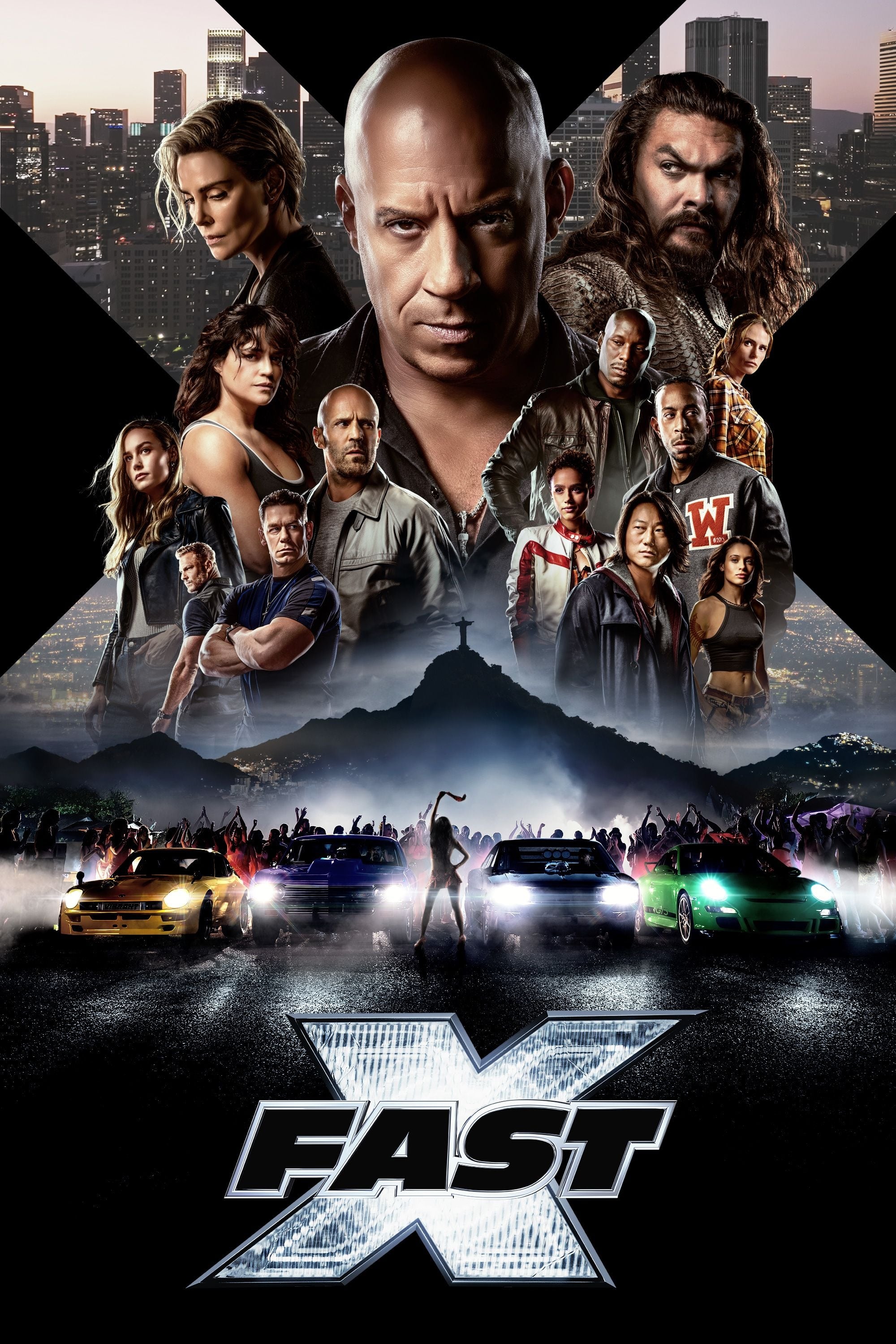
Paul Walker appears again in flashbacks that revisit the events of the fifth film in the franchise. The editors used alternative takes and existing footage from the vault to integrate his character into the new villain’s backstory. This usage reinforces the franchise’s theme of family and legacy. It keeps the character’s memory alive without requiring new digital fabrication.
‘Star Wars: The Force Awakens’ (2015)
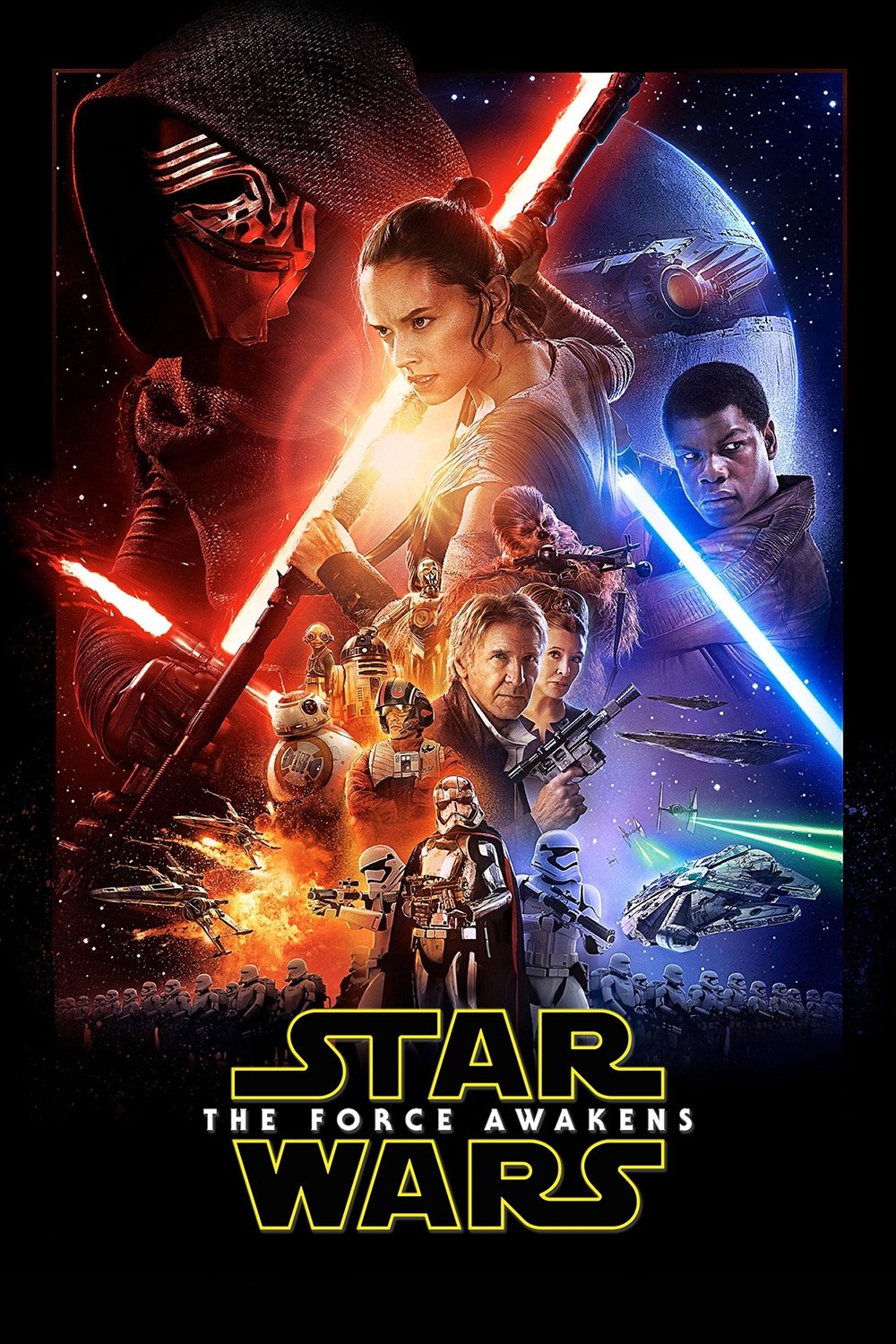
Alec Guinness returned as Obi-Wan Kenobi through a clever audio trick. The sound editors took the word “afraid” from an old recording of the actor and digitally trimmed it to say “Rey”. This allowed the deceased actor to speak the protagonist’s name during a vision sequence. It was a subtle piece of archival magic that connected the new heroine to the original Jedi master.
Share your thoughts on these digital resurrections in the comments.