


Movies Where LGBTQ+ Votes Decide the Plot’s Fate




LGBTQ+ films often depict how collective decisions and formal voting processes can alter the course of history and personal lives. These narratives frequently center on legal battles political elections and community consensus to explore the complexities of queer existence. Whether in a courtroom or a student body election the act of casting a vote serves as a powerful catalyst for dramatic shifts in the plot. This article highlights several motion pictures where the fate of the characters depends on the outcome of a significant vote or judgment.
‘Milk’ (2008)

Harvey Milk serves as the central figure in this biographical film about the first openly gay man elected to office in California. The narrative focuses on his tireless efforts to mobilize the public against Proposition 6. This ballot measure sought to ban gay individuals from working in public schools across the state. The climax of the film centers on the election results that determine the future of civil rights for the queer community. It showcases how political participation can lead to systemic change for marginalized groups.
‘Pride’ (2014)
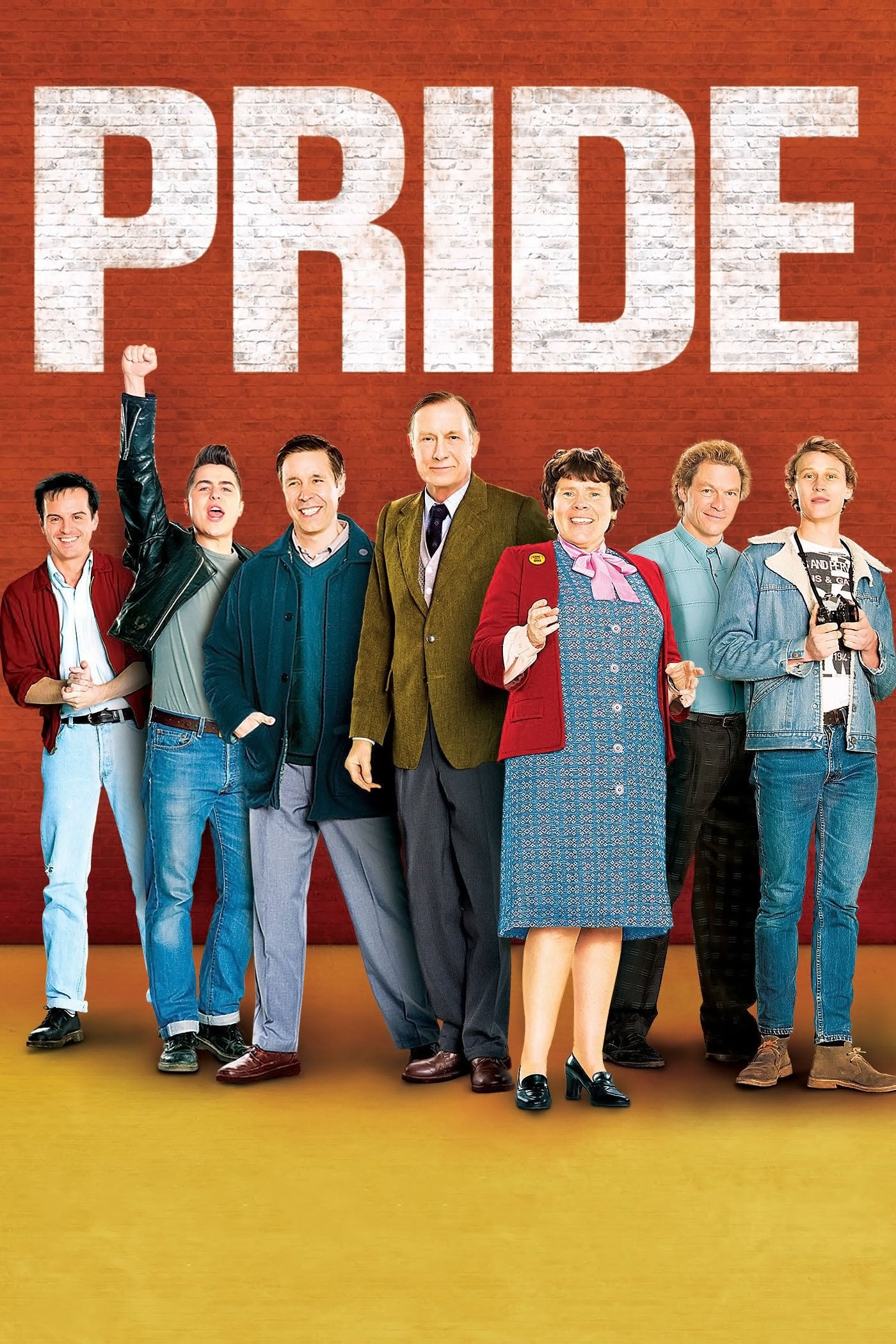
In the summer of 1984 a group of gay and lesbian activists decides to raise money to support striking miners in Wales. The plot revolves around the activists attempting to convince the National Union of Mineworkers to accept their help despite societal prejudices. A crucial vote within the mining community determines whether they will officially partner with the Lesbians and Gays Support the Miners group. This decision ultimately influences the solidarity between the two marginalized communities during a difficult economic period. The resolution of the vote has a lasting impact on both the labor movement and queer rights in the United Kingdom.
‘The Prom’ (2020)

A high school student in Indiana is banned from bringing her girlfriend to the prom by the local PTA. A group of Broadway actors travels to the town to advocate for her rights and change the minds of the community. The fate of the event rests on a decisive vote by the parents and school board regarding the inclusivity of the dance. This conflict highlights the generational and cultural divide regarding acceptance in small towns. The final decision made by the voting body dictates whether the protagonist can celebrate her identity openly.
‘Freeheld’ (2015)

Police officer Laurel Hester is diagnosed with terminal cancer and wants to leave her pension to her domestic partner Stacie Andree. The local board of elected officials known as the Freeholders must vote on whether to allow this transfer of benefits. This legal struggle becomes a public spectacle that attracts activists and media attention from across the country. The film focuses on the repetitive voting process and the pressure placed on the officials to recognize domestic partnerships. Their ultimate decision represents a significant victory for equality and survivor benefits.
‘BPM (Beats Per Minute)’ (2017)

In 1990s Paris the members of ACT UP organize to demand faster action from the government regarding the AIDS crisis. The group frequently votes on various protest strategies and internal policies during intense meetings. These collective decisions dictate how they interact with pharmaceutical companies and public officials. The internal democratic process highlights the diversity of opinions within the activist movement. Every vote taken by the members influences their visibility and impact on public health policy.
‘Rustin’ (2023)

Bayard Rustin is the visionary behind the 1963 March on Washington for Jobs and Freedom. He must navigate complex political alliances and internal opposition from other civil rights leaders. The film depicts various committee votes and organizational decisions that determine the scope of the historic event. His identity as a gay man is a point of contention that leaders must address during their deliberations. The success of the march depends on the collective approval of his leadership and logistical plans.
‘Philadelphia’ (1993)
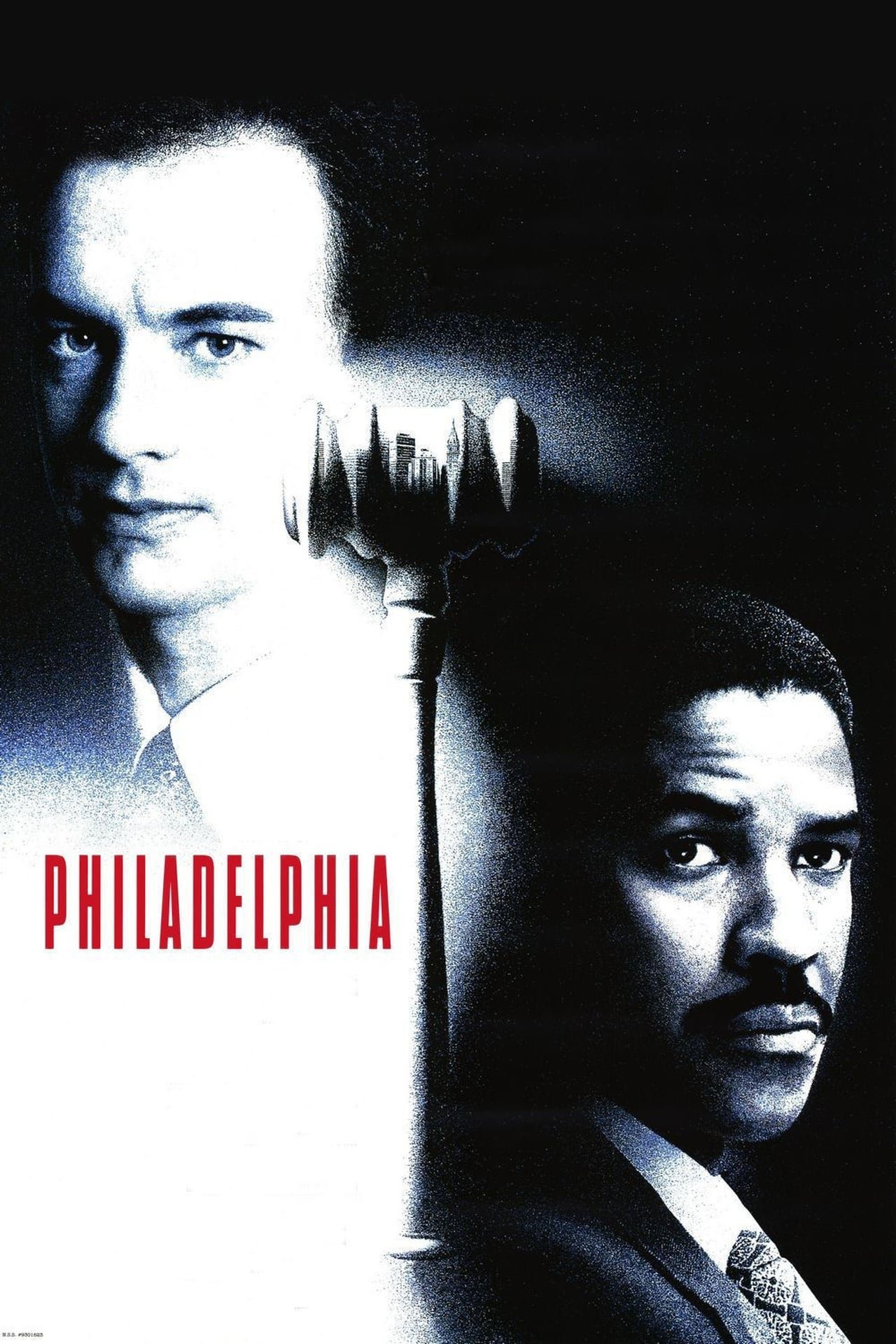
Andrew Beckett is a lawyer who is fired after his colleagues discover he has AIDS. He sues his former firm for wrongful termination in a high stakes legal battle. The fate of his case rests in the hands of a jury that must decide if he was a victim of discrimination. This trial represents a pivotal moment for legal recognition of queer rights in the workplace. The final verdict provides a definitive conclusion to his struggle for justice and dignity.
‘Any Day Now’ (2012)

A gay couple in the 1970s attempts to adopt a teenager with Down syndrome who has been abandoned by his mother. They face a biased legal system that questions their fitness as parents based on their sexual orientation. The plot focuses on several court hearings where a judge must vote on the custody of the child. These legal determinations directly impact the family unit and the future of the young boy. The emotional narrative highlights the consequences of institutional prejudice in the adoption process.
‘Election’ (1999)

A high school student named Tammy Metzler runs for student body president as an act of rebellion after her girlfriend leaves her for her brother. Her campaign is fueled by her feelings of isolation and a desire to disrupt the school hierarchy. The student body must cast their votes to decide who will lead the school for the coming year. This election serves as a satirical look at political systems and personal motivations. The outcome of the vote reveals the true nature of the candidates and the student population.
‘Red, White & Royal Blue’ (2023)

The son of the President of the United States falls in love with a British prince during a high profile international incident. Their secret relationship becomes a central focus of the narrative as the presidential election approaches. The plot culminates in a nationwide vote that will decide if the first female president remains in office. Public reaction to the couple identity plays a major role in the polling data and campaign strategy. The final election results determine both the political future of the country and the public status of their romance.
‘Bottoms’ (2023)

Two unpopular students start a fight club at their high school under the guise of female empowerment and self defense. The club members must vote on various rules and the direction of their group activities throughout the semester. These decisions lead to a series of chaotic events that challenge the social hierarchy of the school. The collective actions of the club members ultimately decide how they confront the rival football team. This satirical comedy uses the group dynamic to explore themes of identity and solidarity.
‘But I’m a Cheerleader’ (1999)

Megan is a high school cheerleader whose parents send her to a conversion therapy camp called True Directions. The camp leaders evaluate the progress of the teenagers and vote on their graduation based on their adherence to gender norms. Megan begins to question the validity of the program as she develops feelings for another attendee. The final evaluation by the camp directors determines the fate of the students and their relationship with their families. This film uses satire to critique the harmful practices of identity suppression.
‘The Boys in the Band’ (2020)

A group of gay friends gathers for a birthday party in a New York City apartment where tensions eventually boil over. The host initiates a truth game that forces each guest to confront their past and their feelings for one another. Each round of the game functions as a social judgment where the group reacts to the honesty of the participants. These interactions decide the emotional fate of the friendships and reveal deep seated insecurities. The narrative explores the psychological impact of societal shame on individual lives.
‘Pray Away’ (2021)

This documentary style film examines the history and impact of the ex gay movement through the eyes of its former leaders. It details the internal board meetings and organizational votes that sustained the movement for decades. These decisions influenced the lives of thousands of people seeking to change their sexual orientation. The film focuses on the realization of the leaders that their actions caused significant harm to the queer community. Their collective decision to dismantle the organizations represents a turning point in the fight against conversion therapy.
‘Great Freedom’ (2021)

Hans is a man who is repeatedly imprisoned in post war Germany for his homosexuality under Paragraph 175. The plot follows his life across several decades as he navigates the changing legal landscape. The fate of his freedom depends on the legislative votes and judicial rulings regarding the decriminalization of queer acts. His relationships within the prison system provide emotional support during his long periods of incarceration. The final resolution of the legal code reflects the shifting societal attitudes toward gay men in Germany.
‘Victim’ (1961)

A successful barrister puts his career at risk to confront a blackmail ring targeting gay men in London. At the time of the film the laws in the United Kingdom criminalized homosexual acts between men. The narrative unfolds against the backdrop of a parliamentary debate regarding legal reform. The protagonist decision to testify against the blackmailers is a gamble that depends on the eventual vote of the legislature. This film played a significant role in the real life movement to change British law.
‘The Children’s Hour’ (1961)

Two women run a private school for girls and face ruin when a student accuses them of having a lesbian relationship. The community and the school board must decide whether to support the teachers or believe the malicious rumors. This collective judgment leads to a boycott that effectively shuts down the institution. The fate of the protagonists is decided by the prejudiced reactions of the parents and the legal system. The film explores the devastating effects of slander and societal intolerance.
‘Rafiki’ (2018)

Two young women in Kenya fall in love despite the political and social pressures of their community. Their relationship is discovered leading to a confrontation with local authorities and their own families. The village council and religious leaders must decide how to punish the women for their perceived transgressions. This decision forces the protagonists to choose between their personal happiness and their safety within the community. The outcome of the community judgment highlights the challenges faced by queer individuals in restrictive environments.
‘A Fantastic Woman’ (2017)

Marina is a trans woman who faces intense scrutiny and hostility from her late partner family after his sudden death. She must fight for her right to grieve and to be recognized as his legitimate partner. The legal system and the family decisions determine her access to their shared apartment and his funeral service. These hurdles represent the systemic barriers that trans individuals often encounter in the wake of loss. The film portrays her resilience as she navigates the judgments of those around her.
‘Dallas Buyers Club’ (2013)

Ron Woodroof establishes a club to provide unapproved AIDS medications to patients during the height of the epidemic. The membership based organization operates on collective participation and the defiance of government regulations. The FDA and the legal system must decide whether to allow the distribution of these life saving drugs. These institutional decisions dictate the health outcomes for the members of the club. The film illustrates the tension between personal survival and bureaucratic control.
‘Small Town Gay Bar’ (2006)
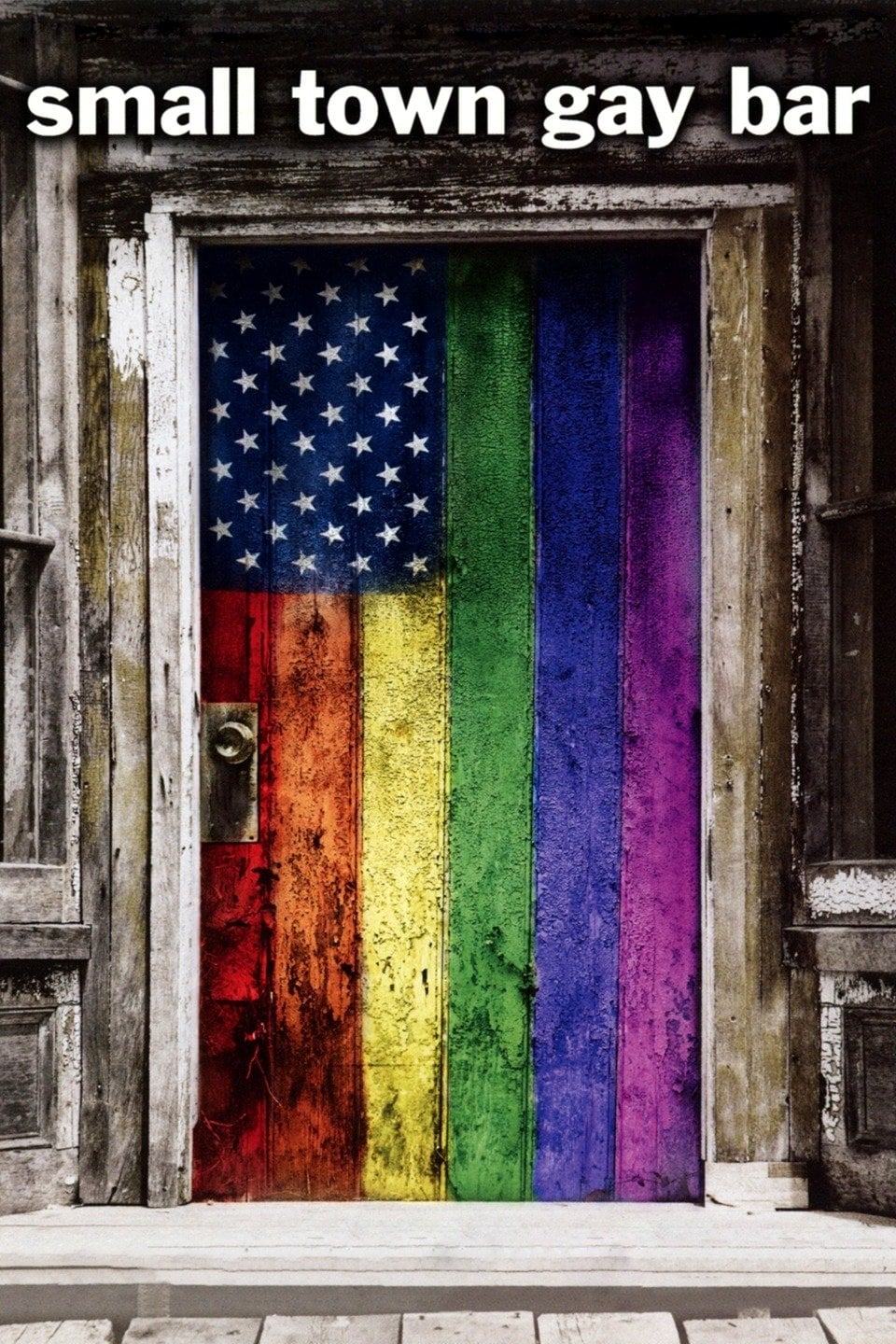
This film examines the lives of queer residents in the rural South who frequent local gay bars for community and safety. The plot highlights the local government decisions and town votes that impact the existence of these safe spaces. Residents must navigate the opposition of conservative groups who seek to shut down the establishments. The fate of the bars rests on the ability of the community to organize and advocate for their right to assemble. This documentary style narrative showcases the importance of visibility in small towns.
‘To Wong Foo, Thanks for Everything! Julie Newmar (1995)’
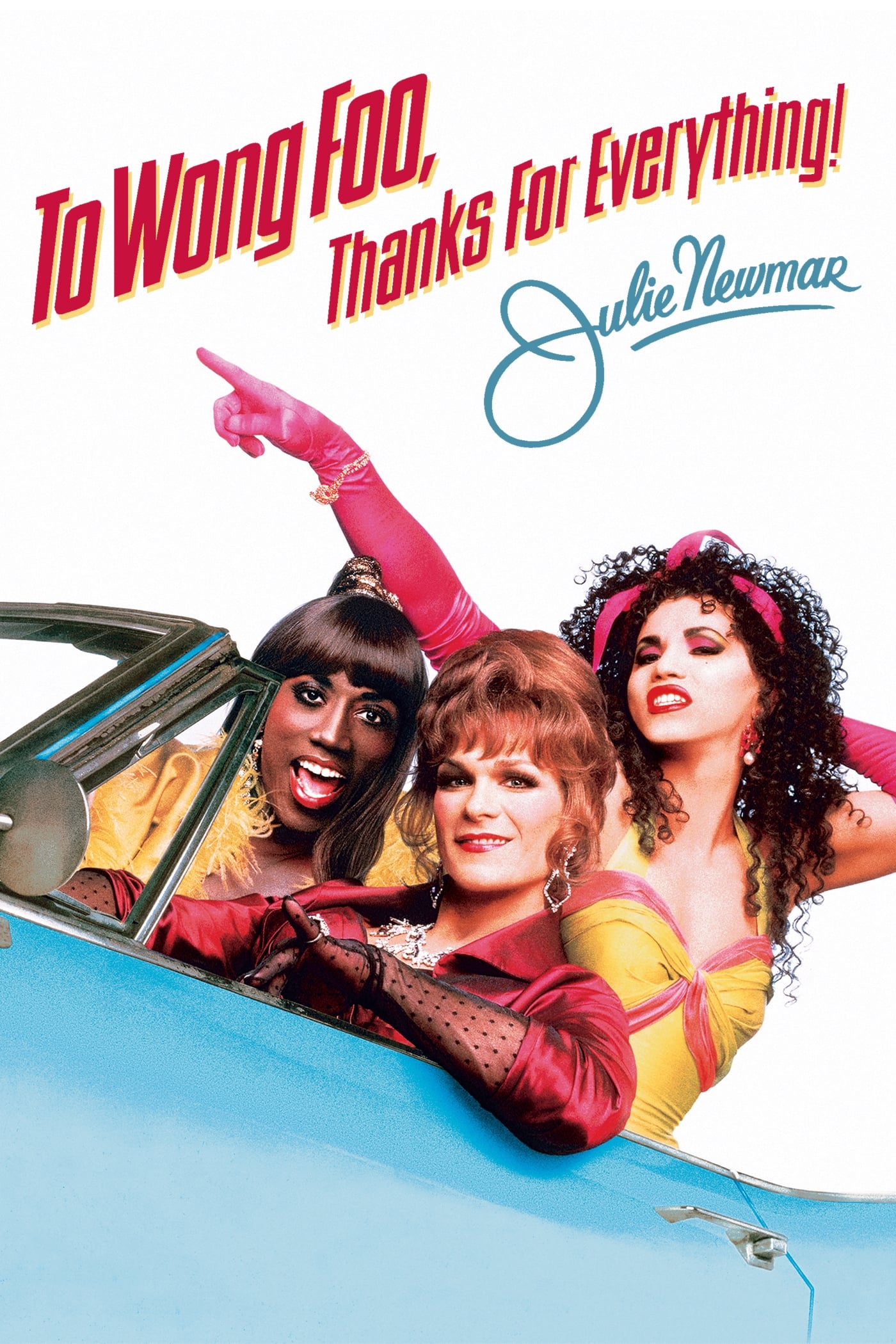
Three drag queens travel across the country to a national pageant but become stranded in a small Midwestern town. While waiting for their car to be repaired they interact with the locals and influence the town social dynamics. The community must decide whether to accept the newcomers or reject them based on their appearance. This collective decision culminates in a show of solidarity when the town protects the queens from an antagonistic sheriff. The film explores how personal interactions can overcome prejudice and lead to community growth.
‘Boy Erased’ (2018)

Jared Eamons is the son of a Baptist pastor who is pressured into attending a conversion therapy program after being outed. The program uses a rigid system of evaluation where the leaders and his parents decide the course of his treatment. His progress is constantly monitored and judged against the religious standards of the organization. The narrative centers on his internal struggle and his eventual decision to leave the program. This choice forces a final confrontation with his family and their belief system.
‘Mapplethorpe’ (2018)

This biographical film follows the life and career of photographer Robert Mapplethorpe as he explores queer themes in his work. He faces significant opposition from arts organizations and government bodies regarding the content of his exhibitions. The fate of his legacy and his ability to display his art depends on the votes of grant committees and museum boards. These decisions highlight the debate over censorship and artistic freedom during the culture wars. The film portrays his dedication to his vision despite the institutional challenges he faced.
‘The Normal Heart’ (2014)

Ned Weeks is an activist in New York City during the onset of the AIDS crisis who seeks to raise awareness and funding for research. He cofounds the Gay Men Health Crisis but faces internal conflict over his aggressive tactics. The organization board must vote on his leadership and the future direction of their advocacy work. These organizational decisions have a direct impact on the effectiveness of their response to the growing epidemic. The film depicts the struggles within the community to find a unified voice during a time of tragedy.
‘Disclosure’ (2020)

This documentary examines the history of trans representation in film and television through the perspectives of trans creators. It highlights how industry decisions and the collective votes of award bodies have shaped public perception for decades. These choices influence the types of stories that are told and who is allowed to tell them. The narrative emphasizes the power of the media to affect the lives of trans people in the real world. By analyzing past portrayals the film advocates for more inclusive and accurate representation in the future.
‘Fire Island’ (2022)

A group of friends spends their annual vacation on Fire Island where they navigate romantic entanglements and class tensions. The group must make collective decisions about their activities and how they respond to the judgmental attitudes of wealthier vacationers. These choices influence the stability of their friendships and their individual sense of belonging. The plot focuses on the importance of community support in a space dedicated to queer joy. The final resolution of the trip depends on the group ability to prioritize their bond over external social pressures.
‘Imagine Me & You’ (2005)

Rachel falls in love with the floral designer at her wedding and begins to question her commitment to her new husband. Her family and social circle play a significant role in the decisions she makes regarding her future. The fate of her marriage and her potential new relationship depends on her ability to navigate the expectations of those around her. This romantic comedy explores the internal and external factors that influence personal happiness. The ultimate choice she makes represents a definitive shift in her life path.
‘Tangerine’ (2015)

Sin-Dee Rella is a trans sex worker who discovers her boyfriend has been unfaithful while she was in prison. She and her friend Alexandra spend Christmas Eve searching for him through the streets of Los Angeles. Along the way they encounter various community members whose informal judgments and decisions impact their journey. The narrative culminates in a series of confrontations where the characters must decide how to handle their relationships. The film offers a gritty and realistic look at friendship and survival within a marginalized community.
‘The Danish Girl’ (2015)

Lili Elbe is one of the first known recipients of gender reassignment surgery in the early twentieth century. She and her wife Gerda must navigate the medical and legal systems of the time to seek out the procedure. The medical boards and doctors they encounter hold the power to decide whether to support her transition. These high stakes decisions dictate the physical and emotional trajectory of her life. The film explores the bond between the couple as they face the challenges of a pioneering medical journey.
‘Portrait of a Lady on Fire’ (2019)

Marianne is an artist commissioned to paint a wedding portrait of Heloise who does not want to be married. The success of the commission depends on the approval of Heloise mother and the eventual suitor who will see the painting. This artistic decision holds the power to decide the fate of Heloise future and her freedom. During the process the two women develop a deep and secret connection that challenges their societal roles. The final portrait serves as a testament to their relationship and the constraints of their time.
‘Carol’ (2015)

Therese and Carol begin a forbidden affair in the 1950s that leads to a complex legal battle for Carol. Her husband uses her sexual orientation to challenge her fitness as a mother in a custody hearing. The fate of her relationship with her daughter rests on the judgment of the court and the legal definitions of morality. Carol must decide whether to conform to societal expectations or live authentically. The film illustrates the personal costs of fighting for love in a restrictive era.
‘Brokeback Mountain’ (2005)

Ennis and Jack are two ranch hands who develop a lifelong romantic bond after working together in the Wyoming mountains. They must continuously make decisions to hide their relationship from their families and the surrounding community. The societal judgment and the threat of violence act as a constant pressure on their lives. These collective attitudes and the choices the men make to survive dictate the tragic course of their story. The film examines the impact of internalized and externalized homophobia on personal relationships.
‘Moonlight’ (2016)

The narrative follows Chiron through three stages of his life as he struggles with his identity and the environment of his upbringing. The decisions made by his mother and the figures in his community shape his path from childhood to adulthood. Societal judgments regarding masculinity and sexuality influence how he interacts with the world. The film culminates in a personal choice to reconnect with a significant person from his past. This final decision represents a moment of vulnerability and self discovery.
‘Call Me by Your Name’ (2017)

Elio and Oliver spend a summer in Italy where they develop an intense and transformative relationship. Elio must navigate his own feelings while considering the potential reactions of his parents and their social circle. The supportive decisions made by his family significantly impact his ability to process the experience. This acceptance provides a stark contrast to the typical narratives of queer struggle. The film focuses on the emotional maturity and the lasting impact of a first love.
‘Pariah’ (2011)

Alike is a teenager in Brooklyn who is embracing her identity as a lesbian while facing the disapproval of her mother. The family dynamics and the judgments of her peers create a hostile environment for her self expression. Her mother decisions regarding her clothing and social life serve as a constant source of conflict. Alike must ultimately decide whether to remain in her home or seek a future where she can be herself. The film portrays the strength required to define one own path against the expectations of others.
‘Maurice’ (1987)

Maurice Hall navigates the social and legal constraints of early twentieth century England after falling in love with a classmate. The story explores the different paths he and his friend Clive take in response to the threat of legal prosecution. Clive chooses to conform to societal norms while Maurice seeks a way to live authentically. The fate of their lives is decided by the rigid class system and the laws governing morality. The film ends with a decisive act of defiance against the conventions of the time.
‘God’s Own Country’ (2017)

Johnny is a young farmer in Yorkshire who numbs his frustrations with binge drinking and casual encounters. His life changes when a Romanian migrant worker arrives to help with the lambing season. The two men must decide how to manage the farm and their growing feelings for one another under the watch of Johnny father. These daily decisions regarding the land and their labor create a foundation for their relationship. The final resolution of the film depends on their willingness to commit to a future together.
‘Ammonite’ (2020)

Mary Anning is a fossil hunter who develops an intense relationship with a young woman sent to recuperate by the sea. The scientific community of the nineteenth century frequently overlooks Mary work due to her gender and social status. The decisions made by male scientists regarding the attribution of her discoveries affect her professional legacy. Her personal life is also shaped by the judgments of the small town where she lives. The film explores the intersection of professional recognition and personal desire.
‘My Beautiful Laundrette’ (1985)
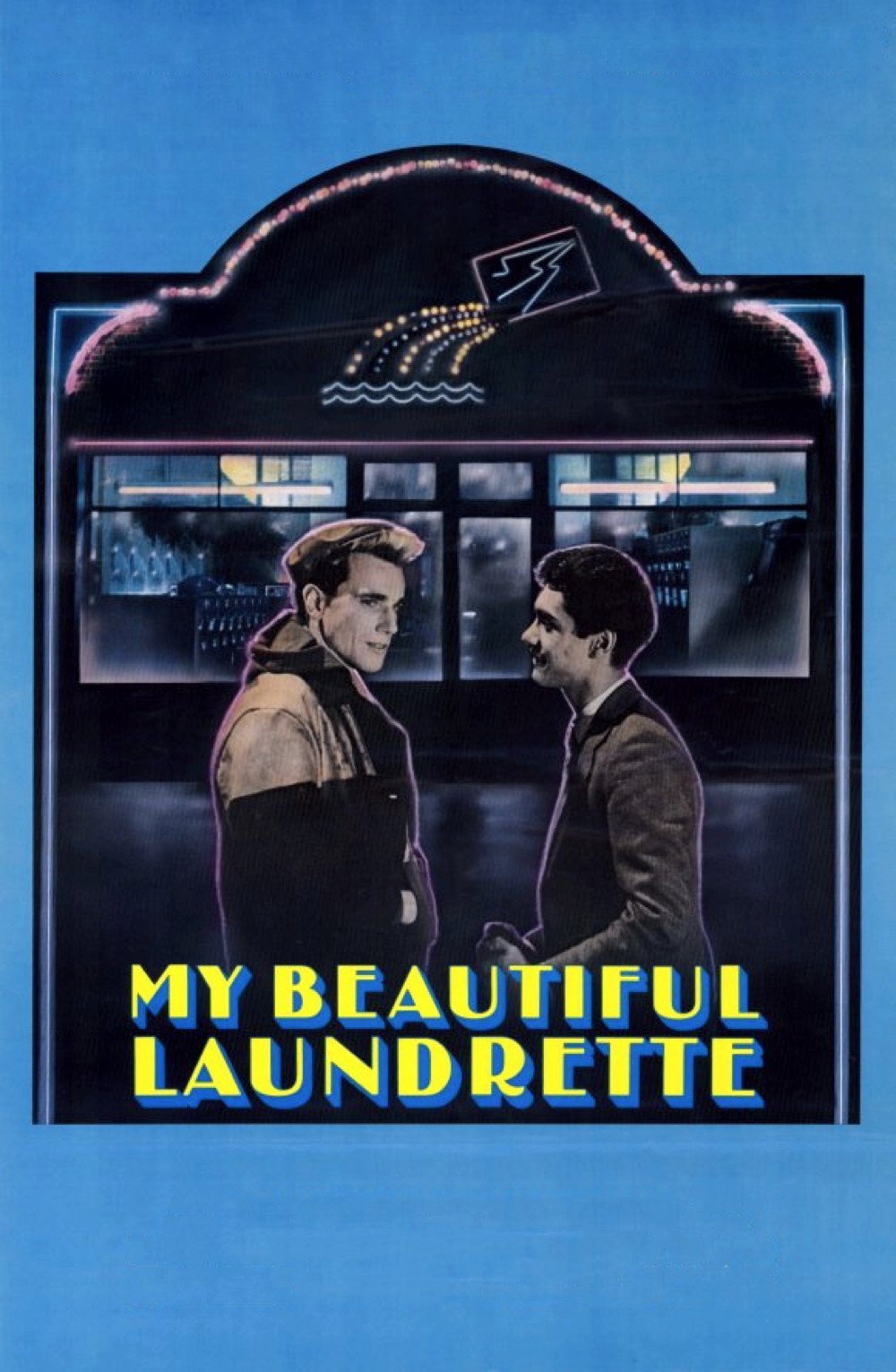
Omar is a young man in London who takes over a rundown laundrette and enlists the help of his former boyfriend Johnny. They must navigate the complexities of family expectations and the racial tensions of the era to make the business a success. The decisions made by the family elders and the local gangs impact the safety and viability of their enterprise. Their relationship becomes a central point of conflict that challenges the traditional values of their community. The film showcases how economic and personal choices can intertwine in unexpected ways.
Share your thoughts on how these cinematic decisions reflect real world challenges in the comments.