


Movies Where Posthumous CGI Revivals Divided Fans and Families

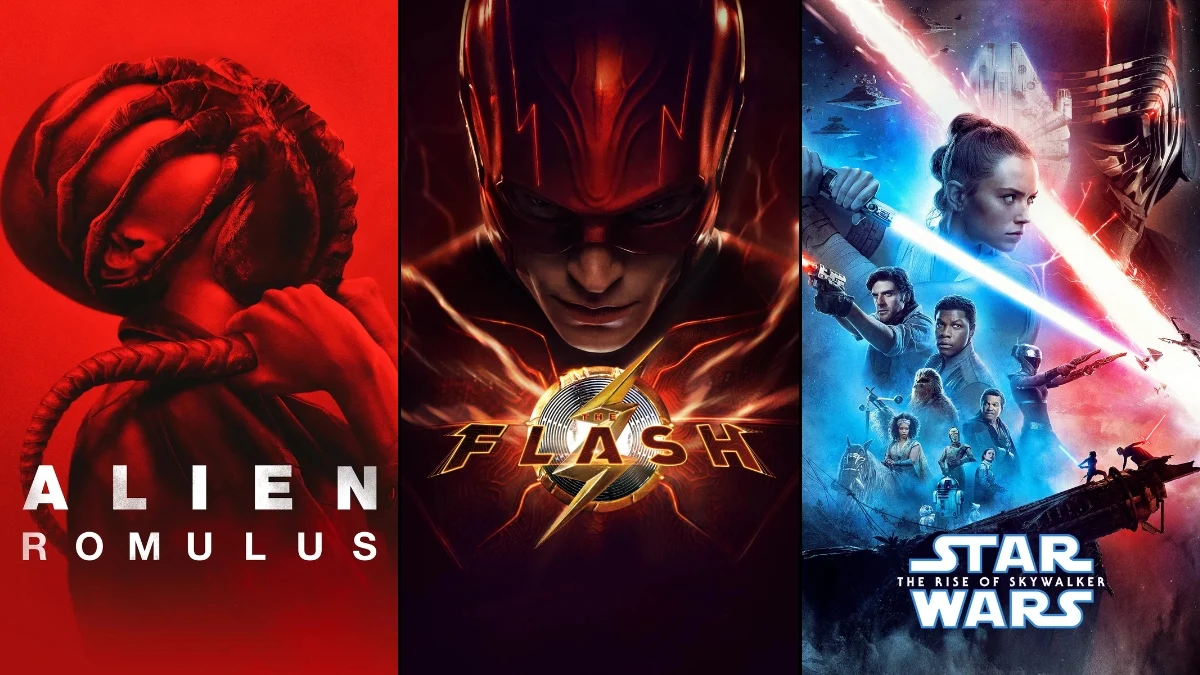


The use of digital technology to bring deceased actors back to the silver screen has become a recurring and controversial trend in modern cinema. From finishing incomplete performances to creating entirely new scenes through archival data and visual effects, filmmakers often face ethical and aesthetic scrutiny. While some see these revivals as touching tributes that allow a final goodbye, others view them as a breach of legacy and a distraction. These twenty films represent the most prominent instances where CGI revivals sparked significant debate among audiences and the families of the departed.
‘Game of Death’ (1978)
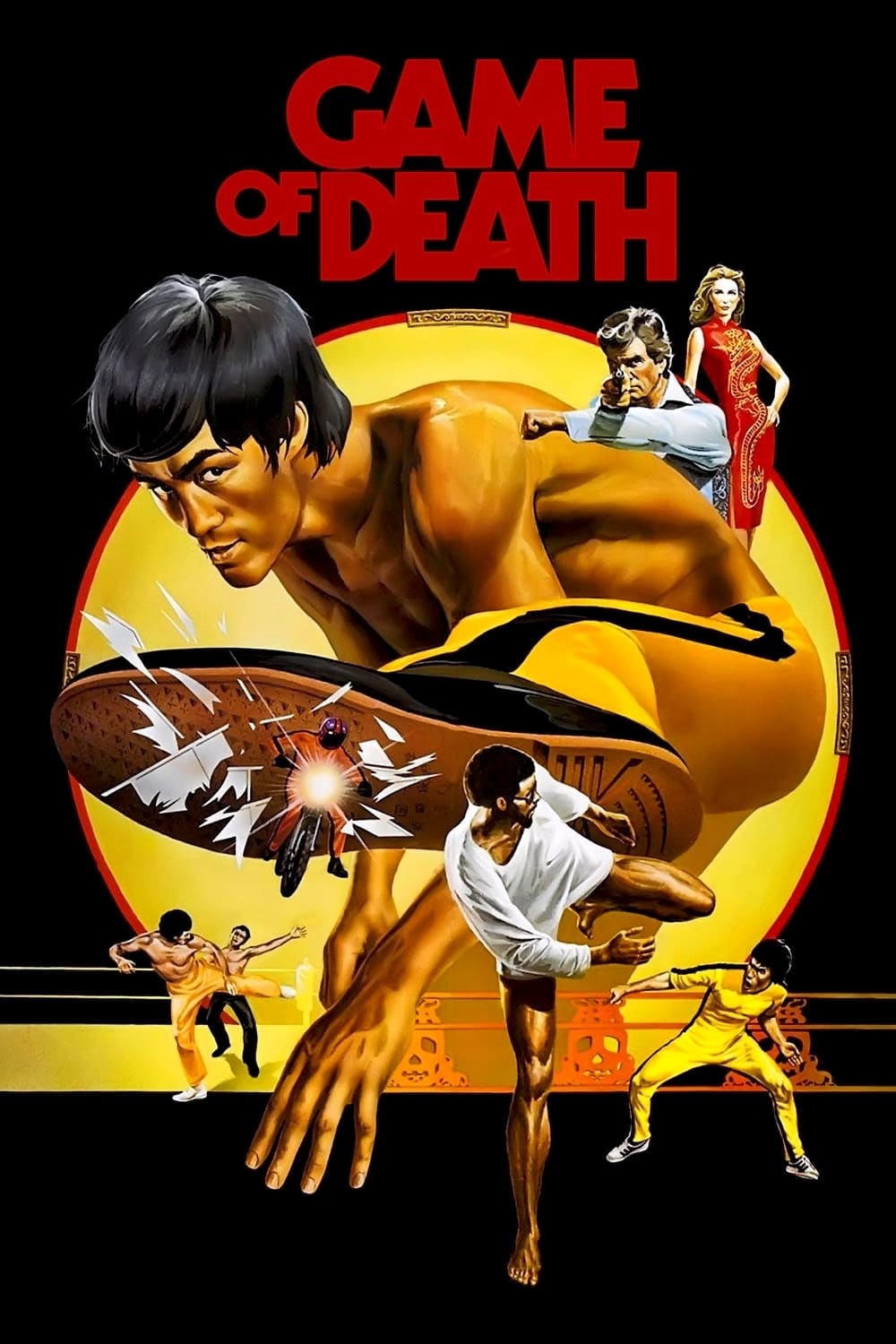
Bruce Lee passed away during the production of this martial arts film, leaving behind only a fraction of his intended performance. To complete the movie, the studio utilized body doubles, cardboard cutouts of Lee’s face, and archival footage from his previous works. This early attempt at a posthumous revival was widely criticized for its poor execution and perceived disrespect to the actor’s memory. The film remains a primary example of the technical and ethical difficulties inherent in reconstructing a lead actor’s presence.
‘Trail of the Pink Panther’ (1982)
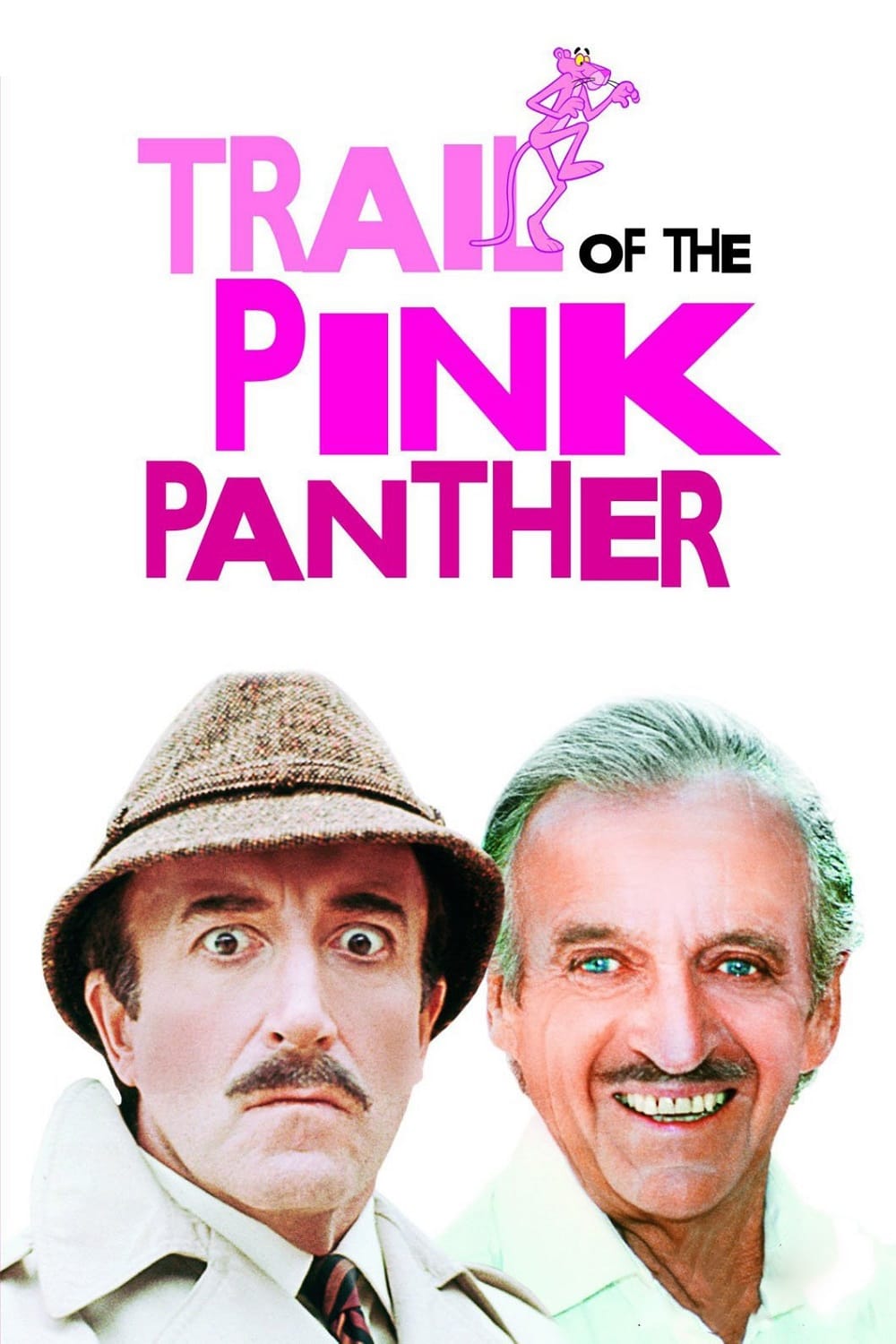
Released two years after the death of Peter Sellers, this film attempted to continue the franchise using deleted scenes and outtakes from ‘The Pink Panther Strikes Again’. The production relied on a body double and heavy editing to create the illusion of Sellers’ continued presence as Inspector Clouseau. The actor’s widow, Lynne Frederick, successfully sued the studio for damages, arguing the film diminished Sellers’ professional reputation. This legal battle became a landmark case regarding the rights of an actor’s estate over their likeness.
‘The Crow’ (1994)
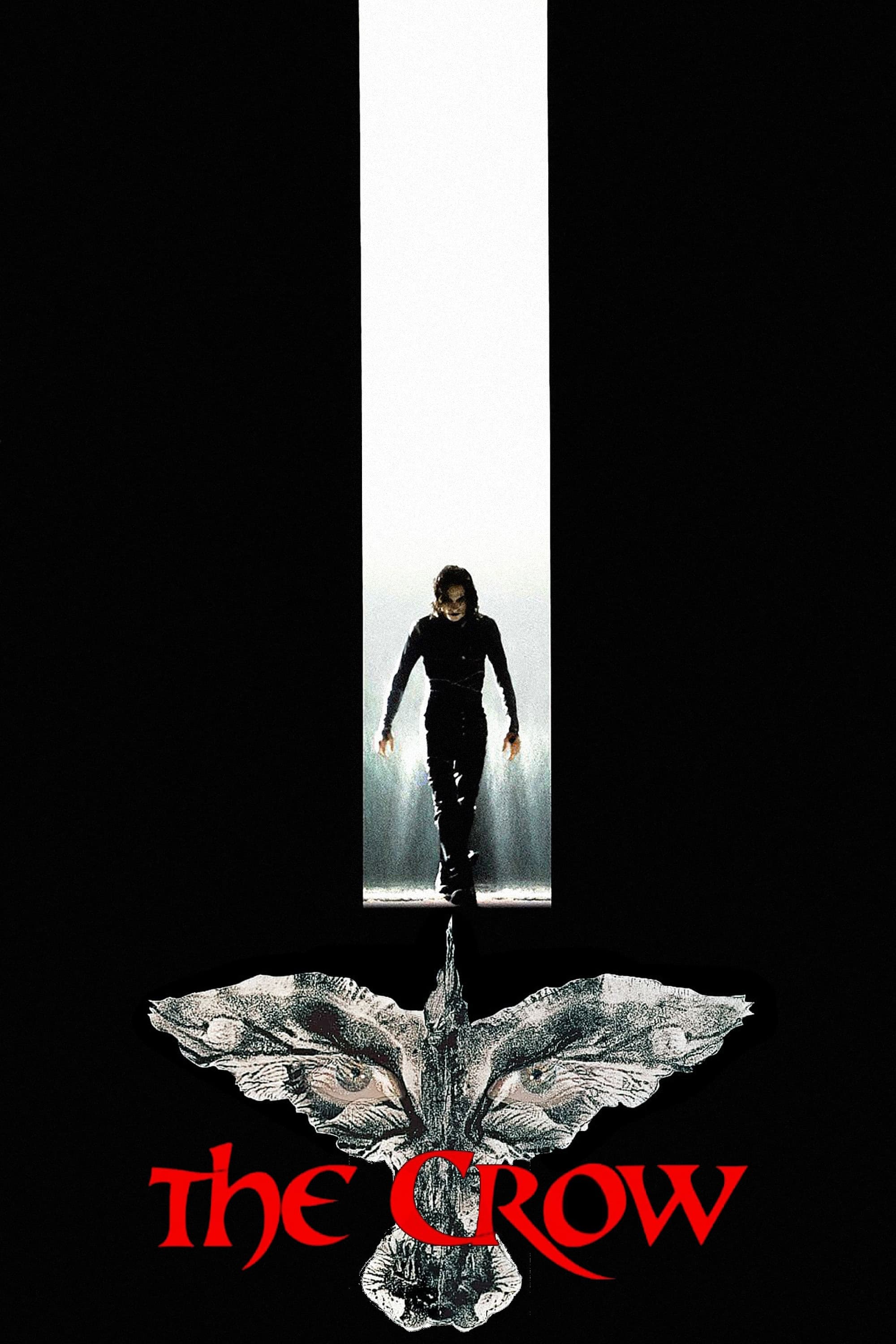
Brandon Lee died in a tragic onset accident with only a few days of filming remaining for his starring role as Eric Draven. The filmmakers used groundbreaking digital compositing and stunt doubles to complete his unfinished scenes, marking one of the first successful uses of CGI for such a purpose. Most fans accepted the revival as a necessary way to preserve Lee’s final performance and honor his hard work. The film eventually achieved cult status, though it initiated long-running conversations about safety and digital ethics.
‘Wagons East!’ (1994)
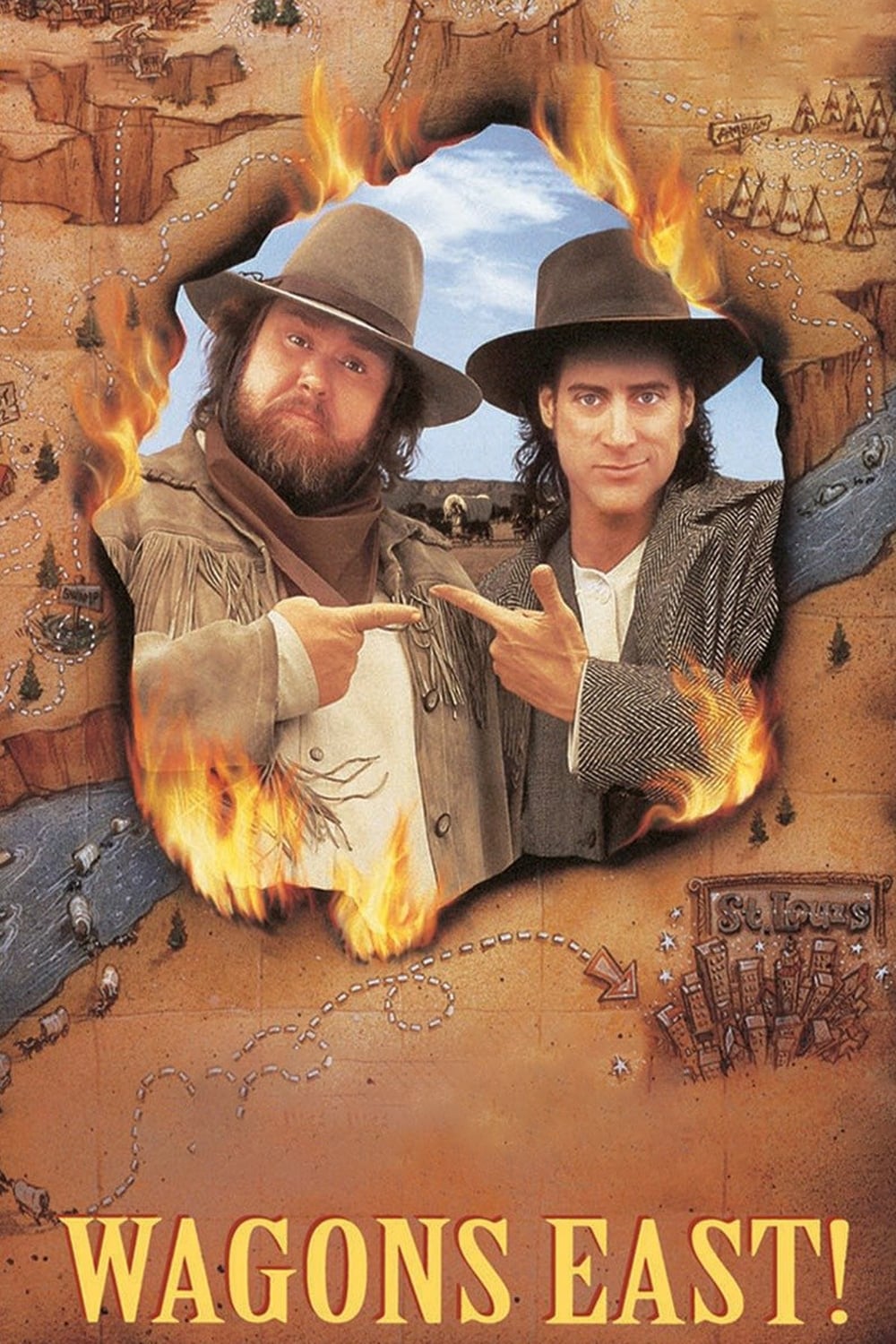
John Candy suffered a fatal heart attack during the final weeks of production on this Western comedy. To finish his role, the production team used digital head-replacement technology, which was a nascent technique at the time. They also repurposed existing dialogue and used a body double for wide shots to bridge the gaps in the narrative. While the film was not a critical success, it demonstrated how digital tools could be used to salvage a project following a sudden tragedy.
‘Forrest Gump’ (1994)

This drama famously placed the titular character into historical footage alongside deceased figures like John Lennon and John F. Kennedy. The production utilized digital editing and mouth-replacement technology to make it appear as though the figures were interacting with Tom Hanks. This was considered a revolutionary use of visual effects at the time, though it raised questions about the ethics of altering the words of historical icons. The success of these sequences paved the way for the more complex digital resurrections seen in contemporary blockbusters.
‘Gladiator’ (2000)
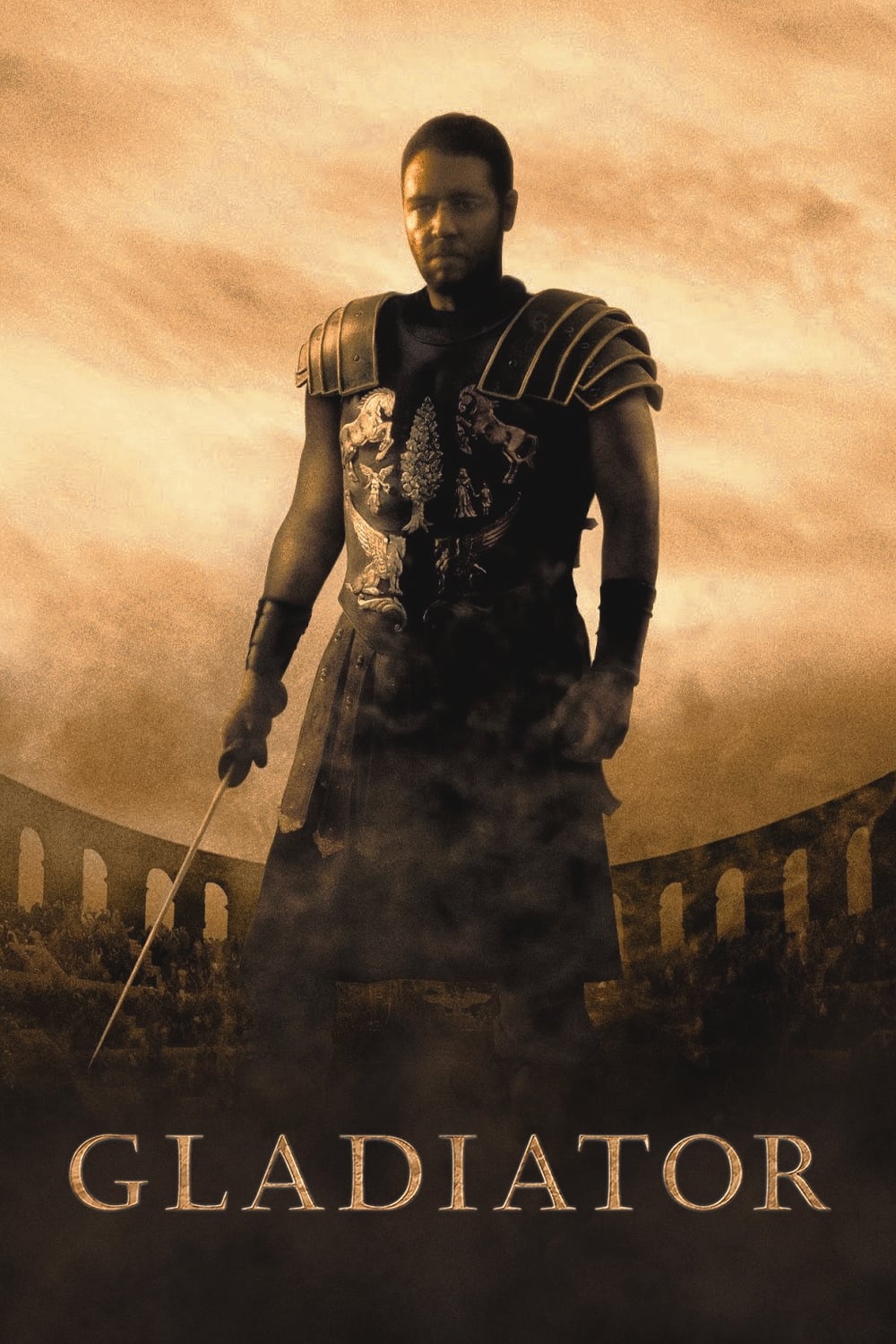
Oliver Reed passed away before finishing his scenes as the mentor figure Proximo in this Roman epic. Director Ridley Scott decided to rewrite parts of the script and use CGI to superimpose Reed’s face onto a body double for his character’s final moments. The digital work cost approximately $3.2 million for just two minutes of screen time, showcasing the high price of posthumous reconstruction. The performance was ultimately well-received, earning Reed a posthumous BAFTA nomination for Best Supporting Actor.
‘Sky Captain and the World of Tomorrow’ (2004)
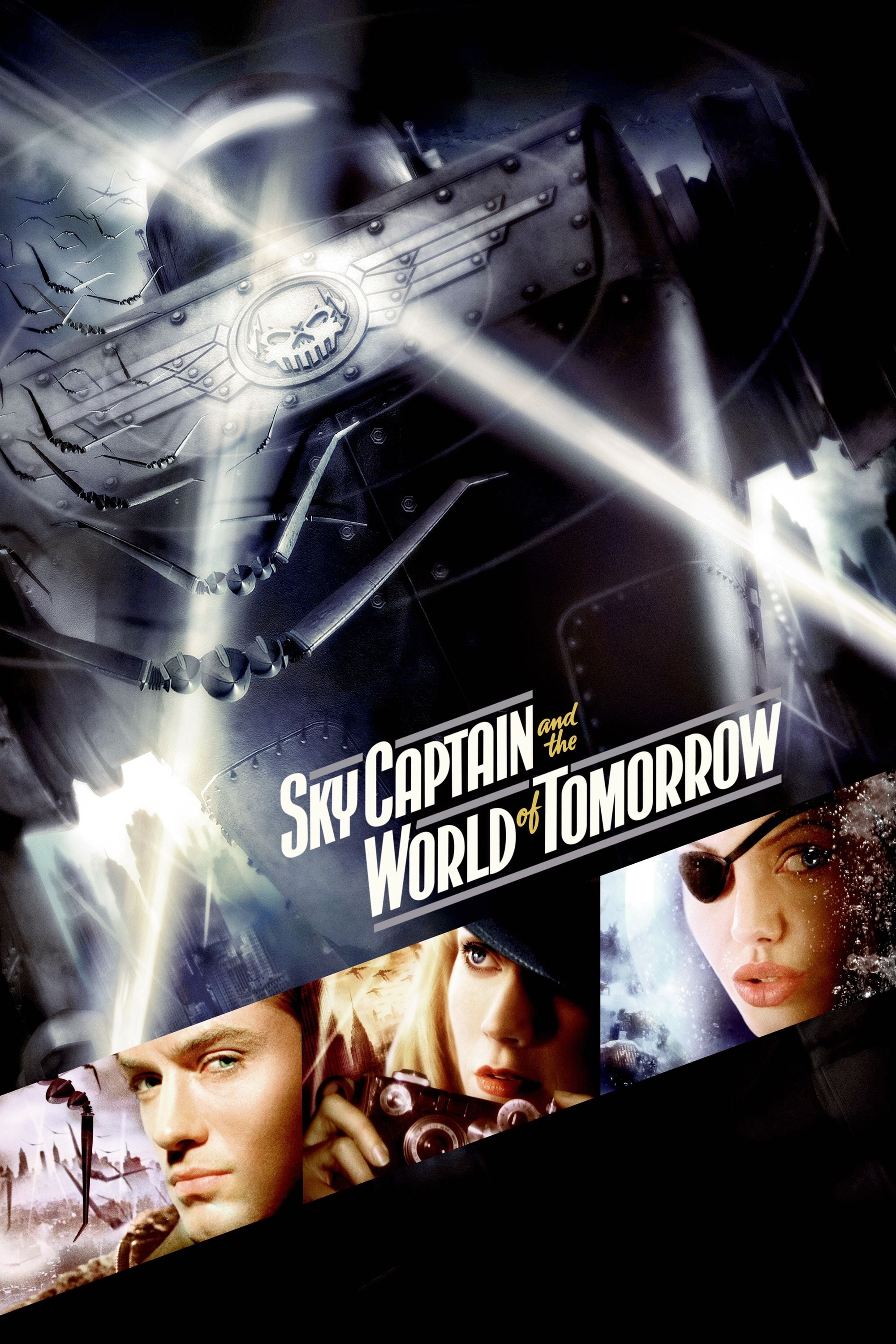
This stylized sci-fi adventure featured the legendary Laurence Olivier as the villainous Dr. Totenkopf, despite the actor having passed away in 1989. The production used archival footage and a young actor’s voice to recreate Olivier’s likeness for a digital hologram. Director Kerry Conran stated the inclusion was intended as a tribute to the classic era of cinema the film emulated. However, some critics found the use of a deceased icon for a minor role to be a distracting and unnecessary addition.
‘Superman Returns’ (2006)
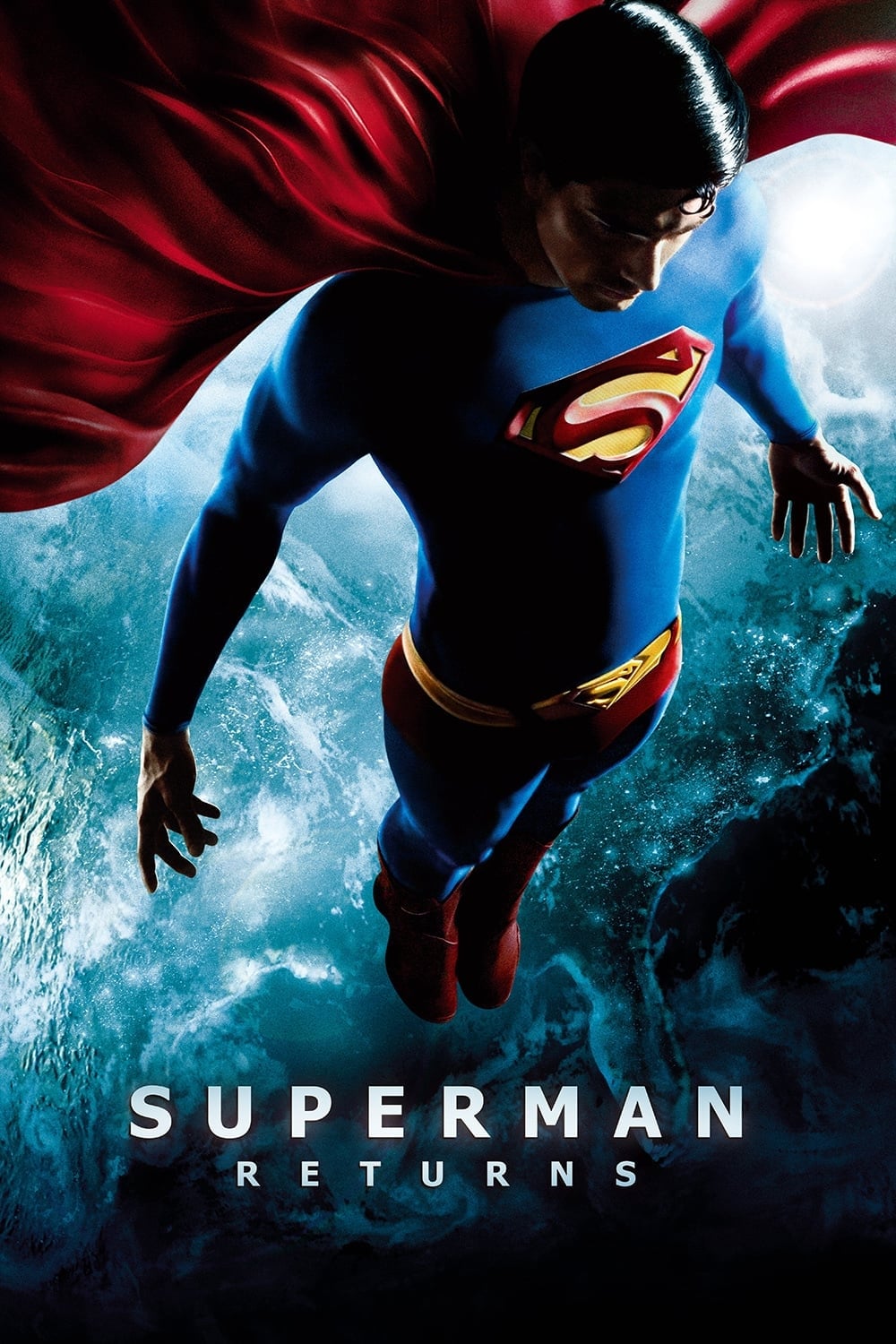
Marlon Brando was digitally resurrected to reprise his role as Jor-El, the biological father of Superman, decades after his death. The filmmakers used unused footage and audio from the original 1978 ‘Superman’ film to integrate him into the new story. This allowed for a sense of continuity between the different eras of the franchise, linking Brandon Routh’s performance to the legacy of Christopher Reeve. While many appreciated the nostalgic connection, others felt the digital manipulation was a step too far.
‘Iron Cross’ (2009)
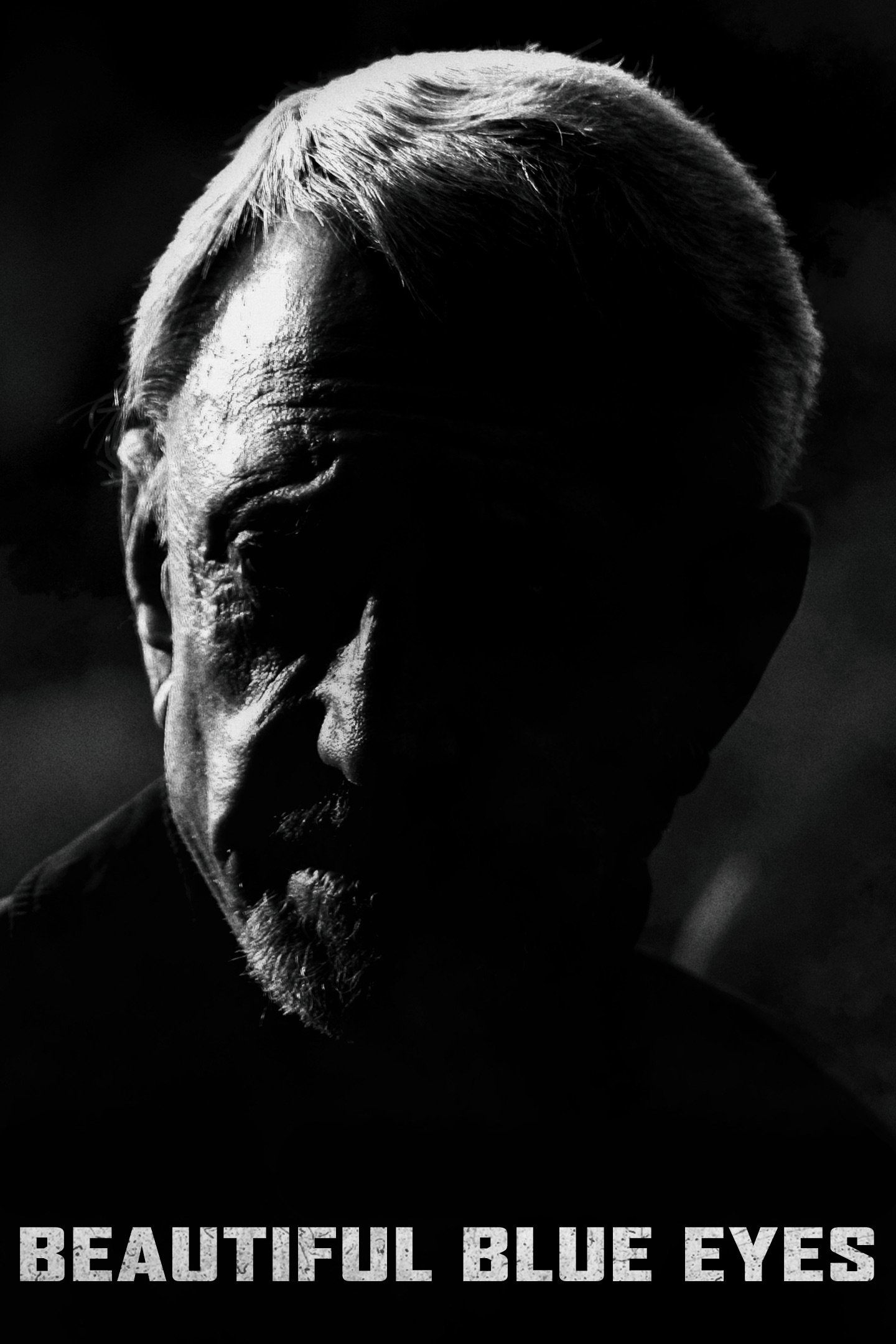
Roy Scheider died while filming this thriller, leaving several key scenes incomplete before he could finish his performance. The director utilized a prosthetic mask and digital enhancements to allow a stand-in to complete the late actor’s role. This project was one of the first independent films to attempt a high-level digital reconstruction of a leading man on a smaller budget. The result was a film that served as a final testament to Scheider’s career, though it received limited distribution.
‘The Hunger Games: Mockingjay – Part 1’ (2014)
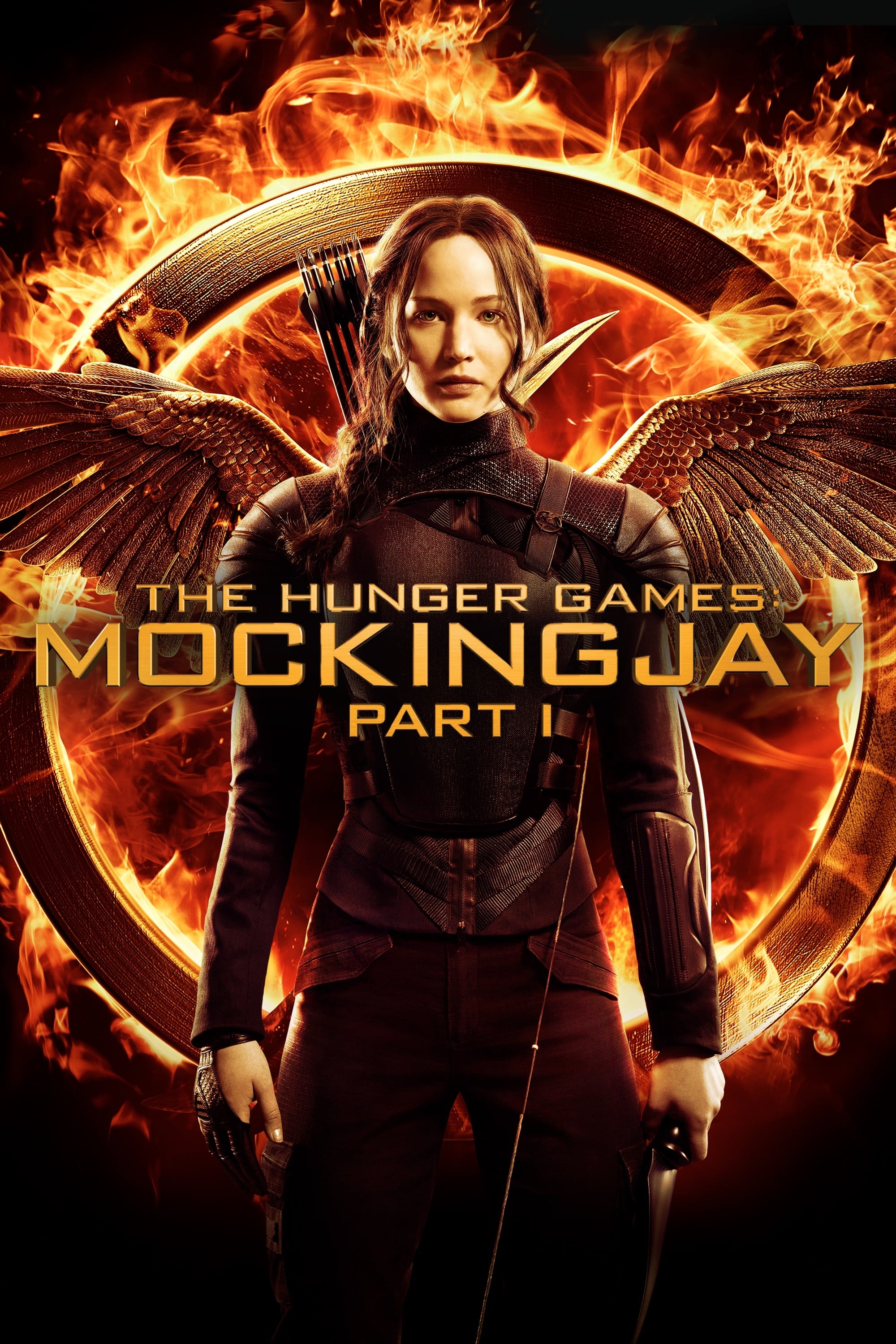
Philip Seymour Hoffman passed away with several scenes left to film as Plutarch Heavensbee in this young adult adaptation. The filmmakers chose to use digital trickery and script rewrites to mask his absence rather than recasting the role. This involved using existing footage of Hoffman and digitally placing him into new environments for minor background appearances. The decision was made to honor the actor’s contribution to the franchise without resorting to a full CGI performance.
‘The Hunger Games: Mockingjay – Part 2’ (2015)

The conclusion of the series continued the use of digital doubles to represent Philip Seymour Hoffman’s character in his remaining scenes. A key emotional moment originally intended for Hoffman was replaced with a letter read by another character to avoid a potentially jarring digital performance. This choice was largely praised by critics for respecting the actor’s craft by not forcing a digital imitation of his talent. The film stands as a subtle example of how to handle an actor’s passing with technical restraint.
‘Furious 7’ (2015)
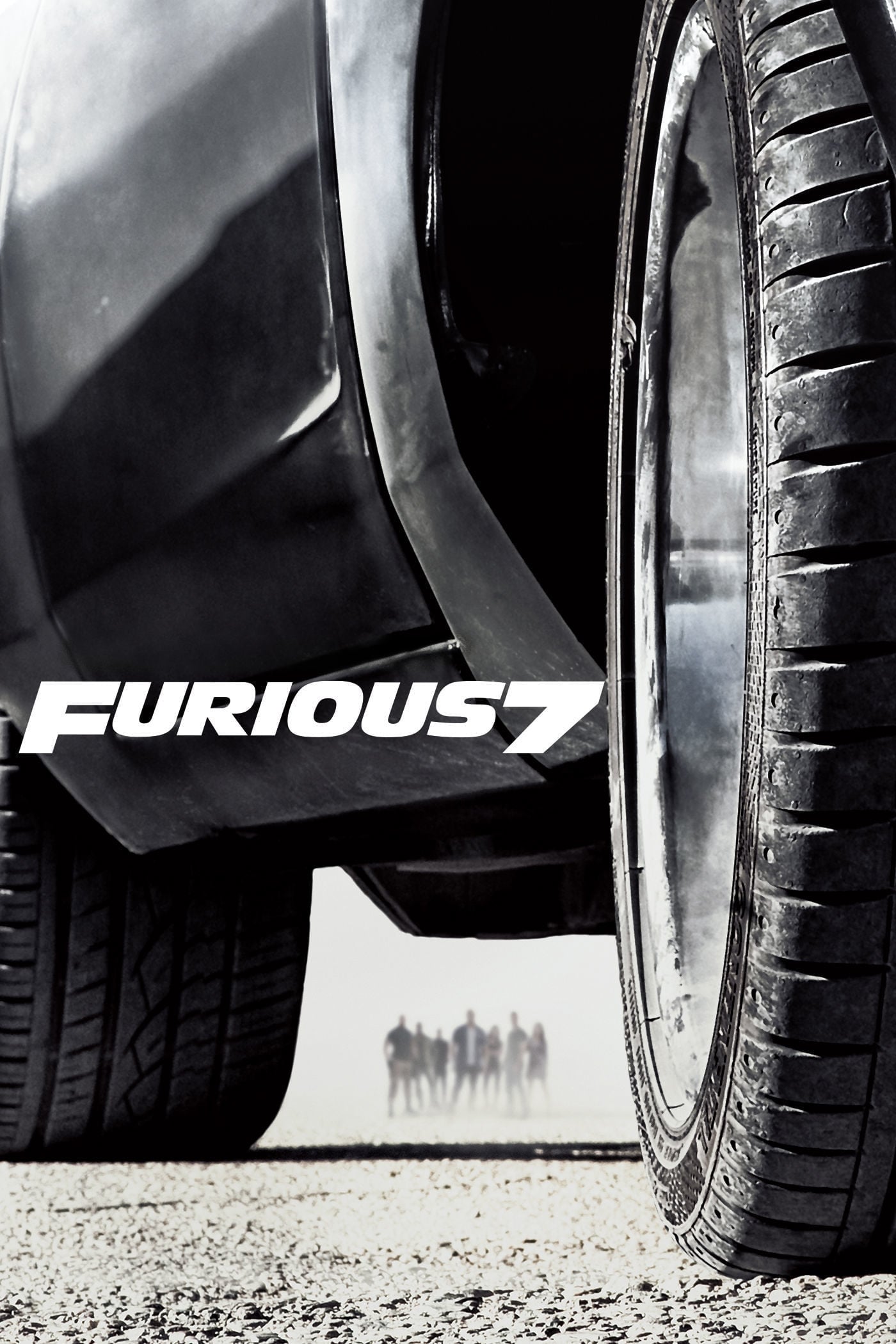
The sudden death of Paul Walker during a production hiatus forced the ‘Fast & Furious’ team to rethink the entire film. They used a combination of Walker’s brothers as body doubles and sophisticated CGI from Weta Digital to complete his character’s arc. The film’s ending, which featured a digital recreation of Walker driving into the sunset, was hailed as a poignant and respectful tribute. It remains one of the most successful and emotionally resonant examples of a posthumous digital performance in Hollywood history.
‘Rogue One: A Star Wars Story’ (2016)
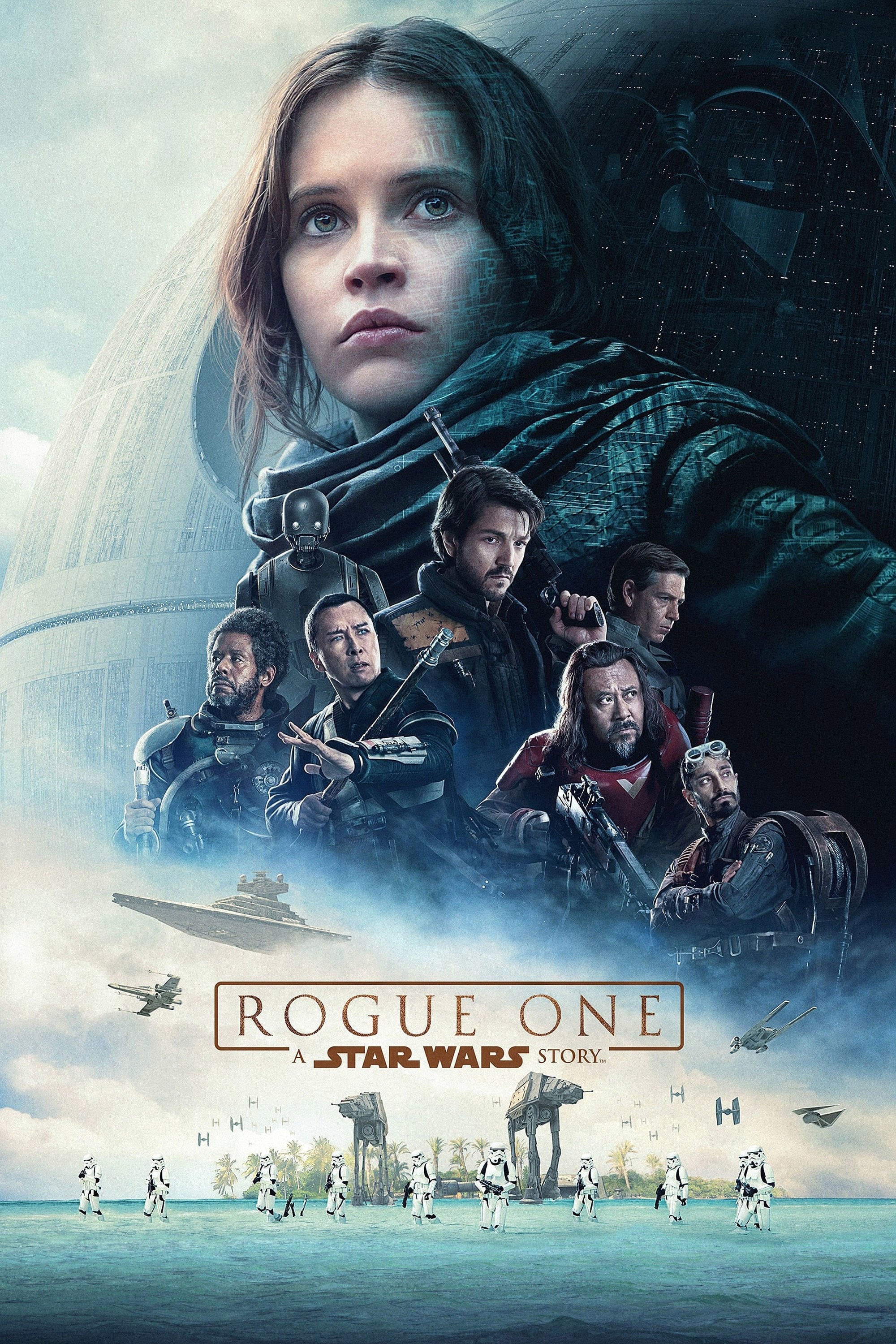
Peter Cushing was digitally revived to play Grand Moff Tarkin, a character he originally portrayed in 1977. The visual effects team utilized a living actor, Guy Henry, as a base and mapped Cushing’s features over his face using archival references. This revival sparked an intense international debate regarding the ethics of using an actor’s likeness long after their passing. While the technical achievement was impressive, some viewers felt the performance was morally questionable and visually distracting.
‘Toy Story 4’ (2019)
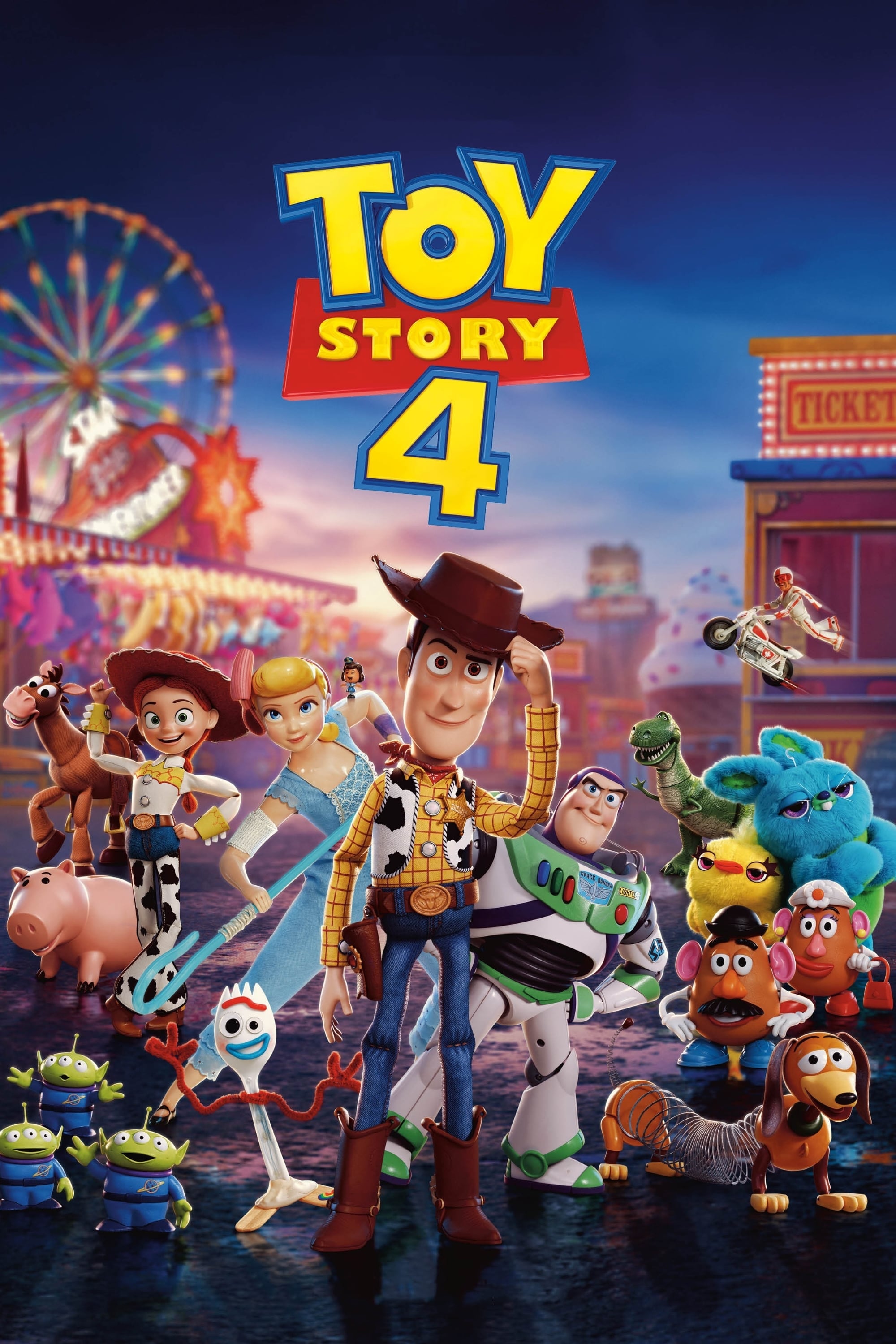
Don Rickles, the voice of Mr. Potato Head, passed away before he could record his dialogue for the fourth installment of the franchise. Pixar received permission from his family to use decades of archival recordings from previous films and shorts to construct his performance. This allowed the character to remain a part of the core cast without needing a new voice actor. Fans generally appreciated this approach as it preserved the unique personality Rickles brought to the role since 1995.
‘Star Wars: The Rise of Skywalker’ (2019)
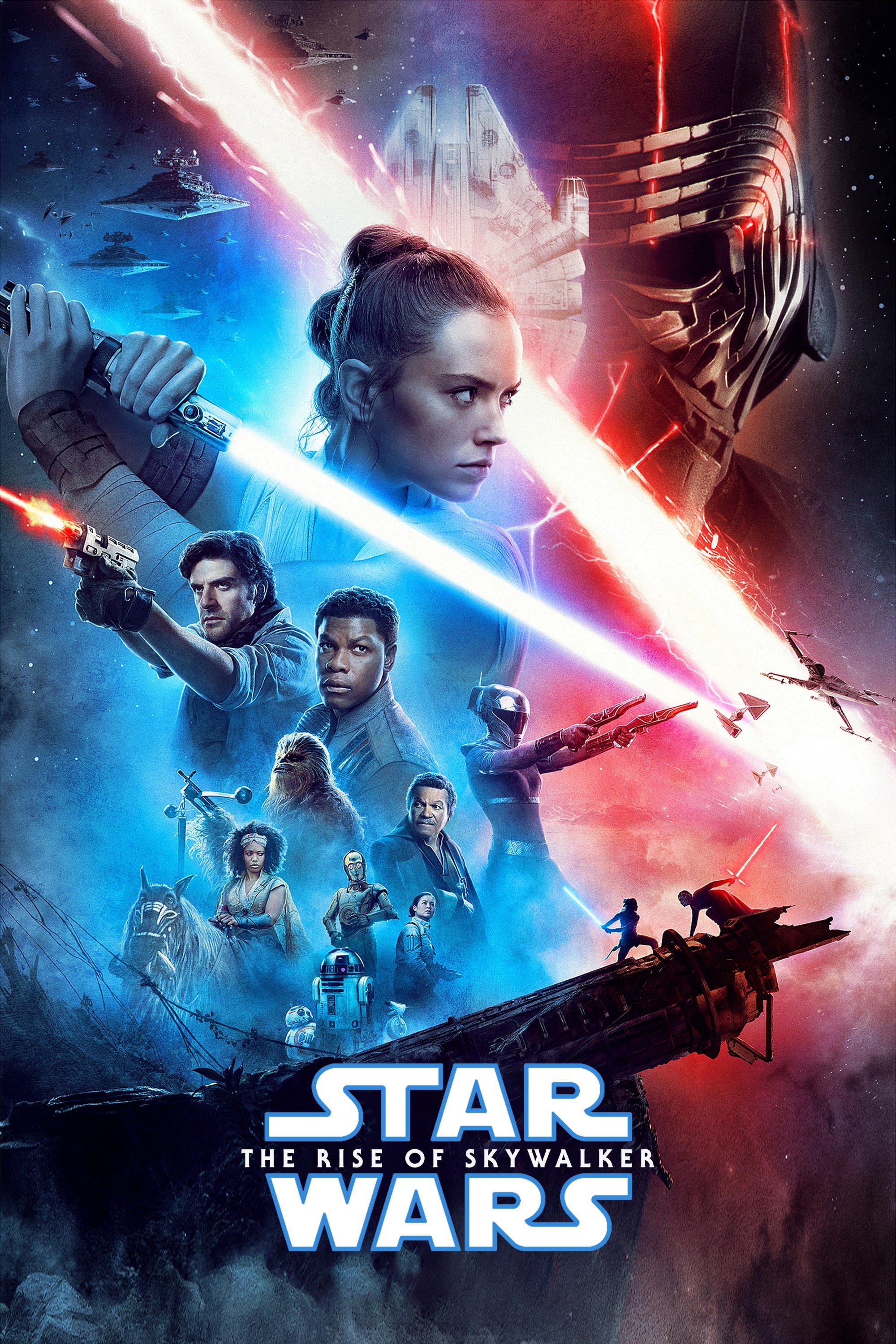
Carrie Fisher passed away before filming began for the final chapter of the sequel trilogy, but she remained a central figure in the plot. The production used unused footage from ‘Star Wars: The Force Awakens’ and digital touch-ups to integrate Princess Leia into the new narrative. Additionally, a flashback scene featured a completely digital young Leia, recreated with the blessing of her daughter, Billie Lourd. The presence of Fisher was a major marketing point, though the limitations of the reused footage were apparent.
‘Ghostbusters: Afterlife’ (2021)
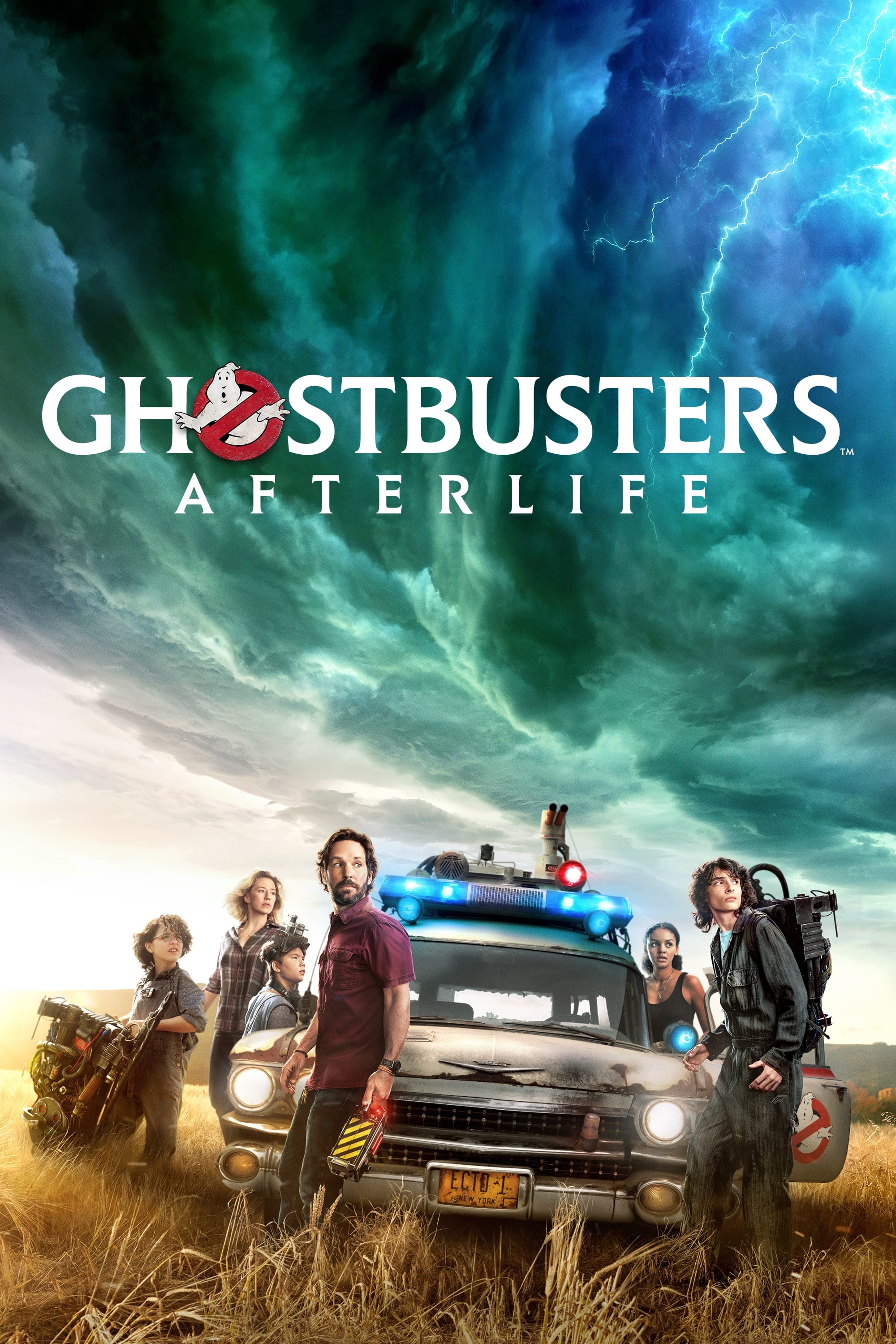
This legacy sequel featured a digital appearance by Harold Ramis as Egon Spengler during the film’s emotional climax. The filmmakers worked closely with the Ramis family to ensure the CGI version of the actor was handled with care and respect. The wordless performance was intended to provide closure for both the characters and the fans of the original franchise. Despite the sentimental intent, some critics argued that the digital ghost crossed a line into sentimental manipulation.
‘The Flash’ (2023)
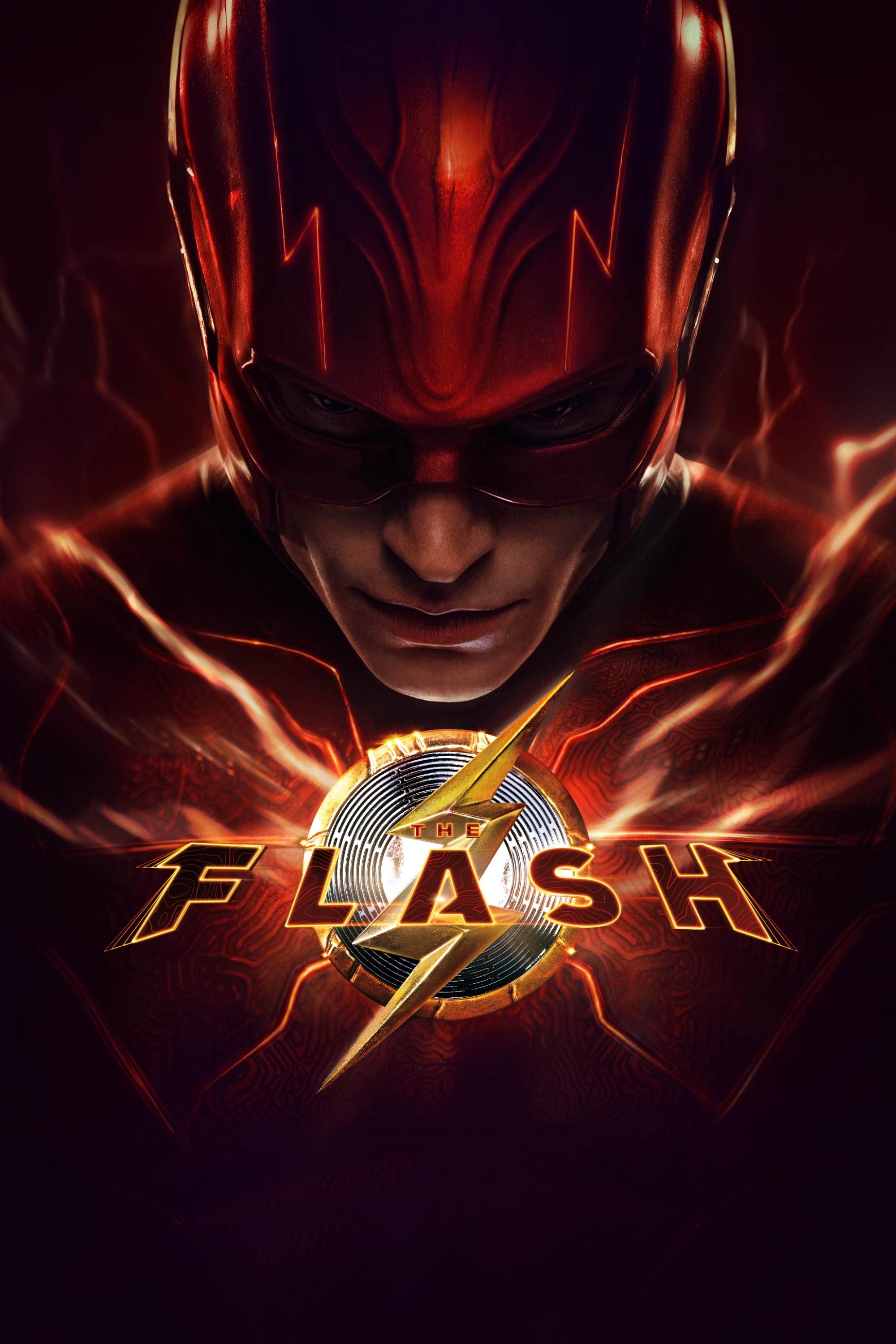
Christopher Reeve made a posthumous appearance as Superman during a sequence exploring the DC multiverse. The production used CGI to recreate his likeness from his tenure as the Man of Steel in the late 1970s and 80s. This cameo was meant to celebrate the history of DC cinema, but it faced significant backlash for its visual quality. Many fans felt that bringing back the late actor in a digital form was a step too far in the direction of fan service.
‘The Flash’ (2023)

George Reeves, the star of the 1950s ‘Adventures of Superman’ television series, was also digitally reconstructed for a brief cameo. This black-and-white appearance was part of a larger sequence paying homage to the various iterations of the character throughout history. The use of his likeness, decades after his 1959 death, raised further questions about the necessity of digital resurrections for minor moments. Critics noted that the stylized CGI made the historical figures look more like video game characters than real people.
‘The Flash’ (2023)

Adam West appeared as the 1960s Batman in a digital cameo that utilized archival audio and visual effects. Like the other revivals in the film, West’s inclusion was designed to trigger nostalgia for long-time comic book fans. The choice to include West, who passed away in 2017, was controversial among those who feel deceased actors should not be used as digital props. The sequence remains a flashpoint for discussions on how studios should handle the legacy of their most iconic stars.
‘Alien: Romulus’ (2024)

Ian Holm was digitally revived to portray a new synthetic character with the likeness of Ash from the original 1979 film. The production used a combination of animatronics, a voice actor, and CGI to recreate the late actor’s appearance and mannerisms. Director Fede Álvarez stated that the family of Ian Holm was consulted and gave their support for the project. However, the performance reignited the ethical debate over whether digital revivals enhance a story or detract from the legacy of the original actor.
Share your thoughts on the use of digital doubles in modern cinema in the comments.