


20 Movies Where The Final Shot Completely Changes The Meaning



Cinema relies on visual storytelling to convey themes and narrative conclusions that dialogue cannot always capture. A powerful final shot can recontextualize the entire plot or offer a lingering question that follows the audience out of the theater. Directors often use these closing moments to subvert expectations or provide a sudden shift in perspective regarding the protagonist. The following films utilize their ending frames to transform the story in profound and unexpected ways.
‘Planet of the Apes’ (1968)
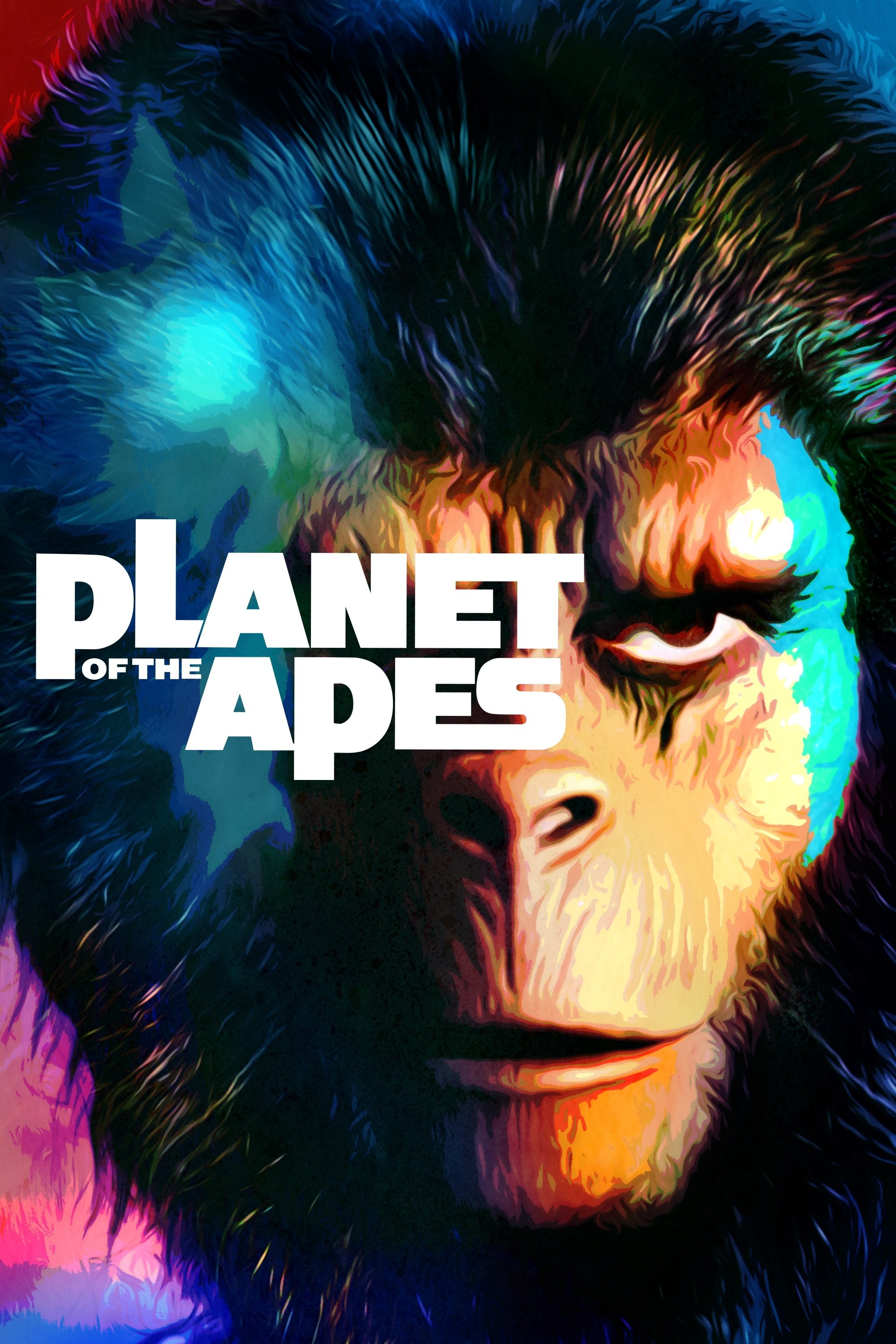
George Taylor falls to his knees in despair upon discovering a ruined monument half-buried in the sand. The reveal of the Statue of Liberty confirms that he has been on a post-apocalyptic Earth the entire time rather than a distant alien planet. This single image completely recontextualizes his struggle against the apes and his journey through the Forbidden Zone. The realization serves as a grim commentary on humanity’s self-destructive tendencies during the Cold War era.
‘Inception’ (2010)
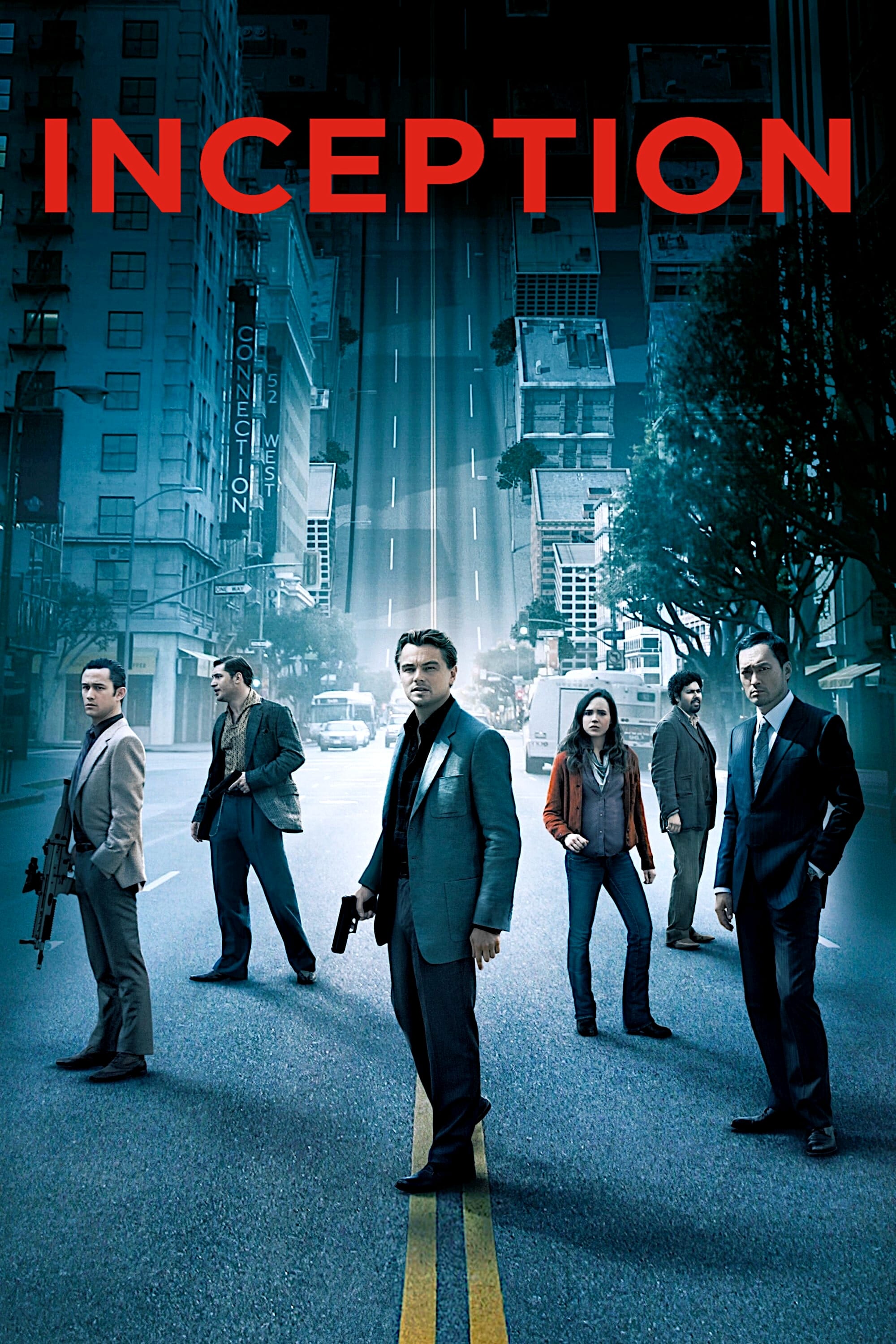
Dom Cobb finally returns home to his children and spins his spinning top totem on the table to test reality. The camera slowly pushes in on the spinning object while refusing to show whether it topples over or continues indefinitely. This ambiguity forces the audience to question if Cobb actually reunited with his family or remains trapped in limbo. The cut to black suggests that Cobb no longer cares about the distinction as long as he is happy.
‘The Graduate’ (1967)
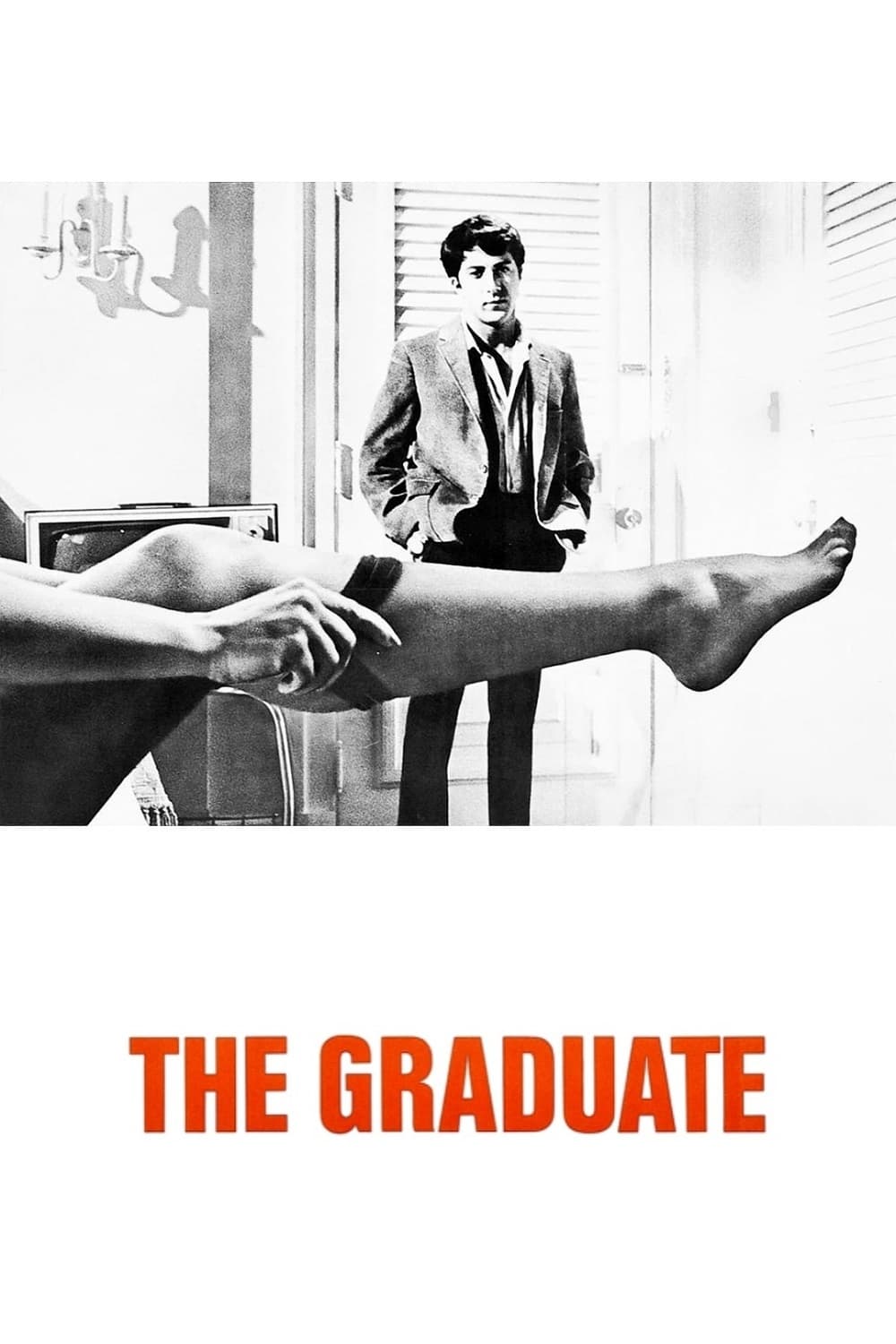
Benjamin Braddock and Elaine Robinson successfully escape her wedding and board a passing bus in a moment of rebellious triumph. The camera lingers on their faces as their elated smiles slowly fade into expressions of uncertainty and fear. This awkward silence suggests that the adrenaline of the chase has worn off and left them with an unplanned future. The ending shifts the tone from a romantic victory to a realistic look at impulsive decision-making.
‘The Shining’ (1980)
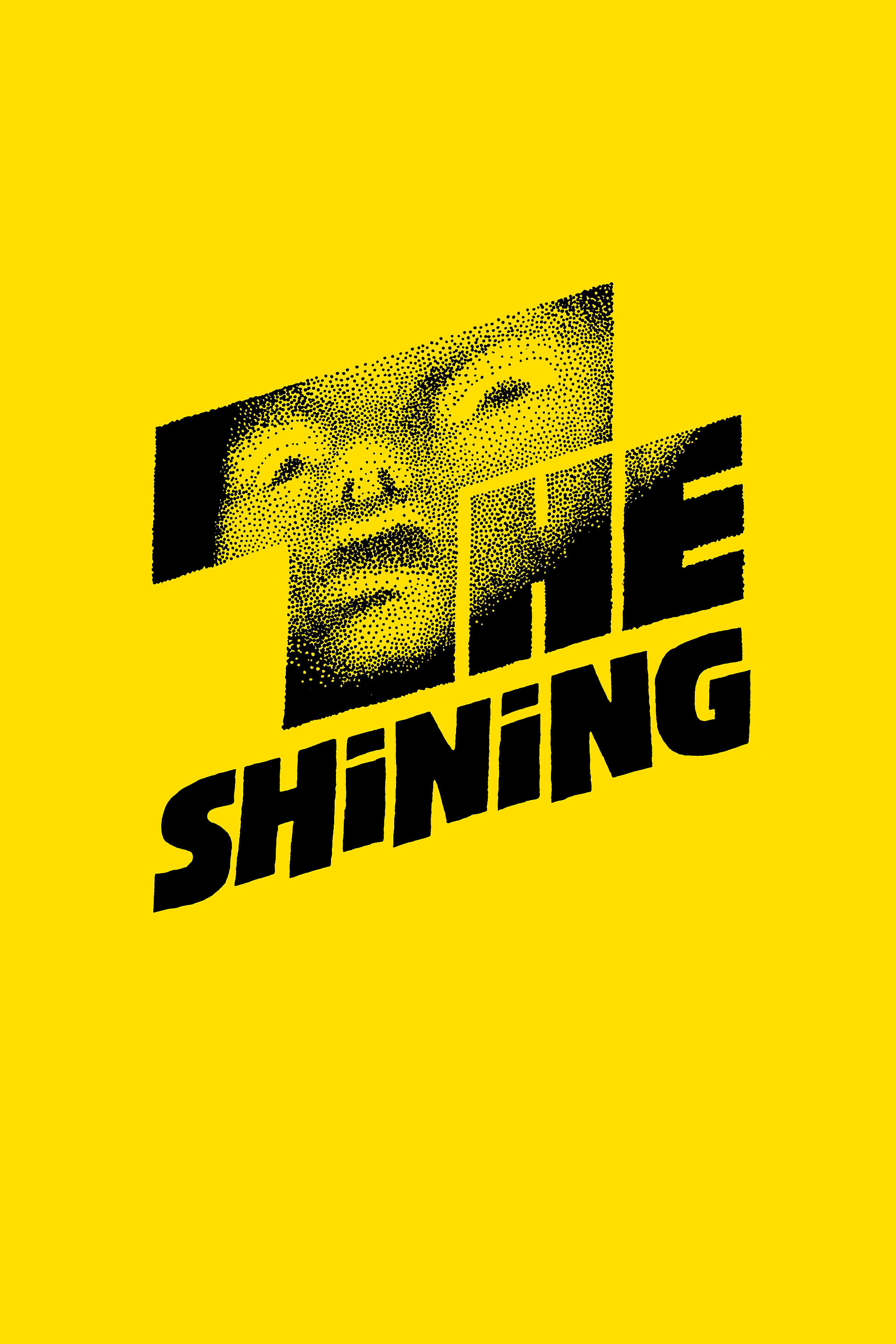
The camera tracks slowly down a hallway to focus on a vintage photograph from a July 4th ball in 1921. Jack Torrance appears front and center in the crowd with a wide smile despite the events taking place decades later. This visual implies that Jack has always been the caretaker or is trapped in a cycle of reincarnation within the hotel. The supernatural elements of the Overlook Hotel are solidified in this final baffling moment.
‘Shutter Island’ (2010)
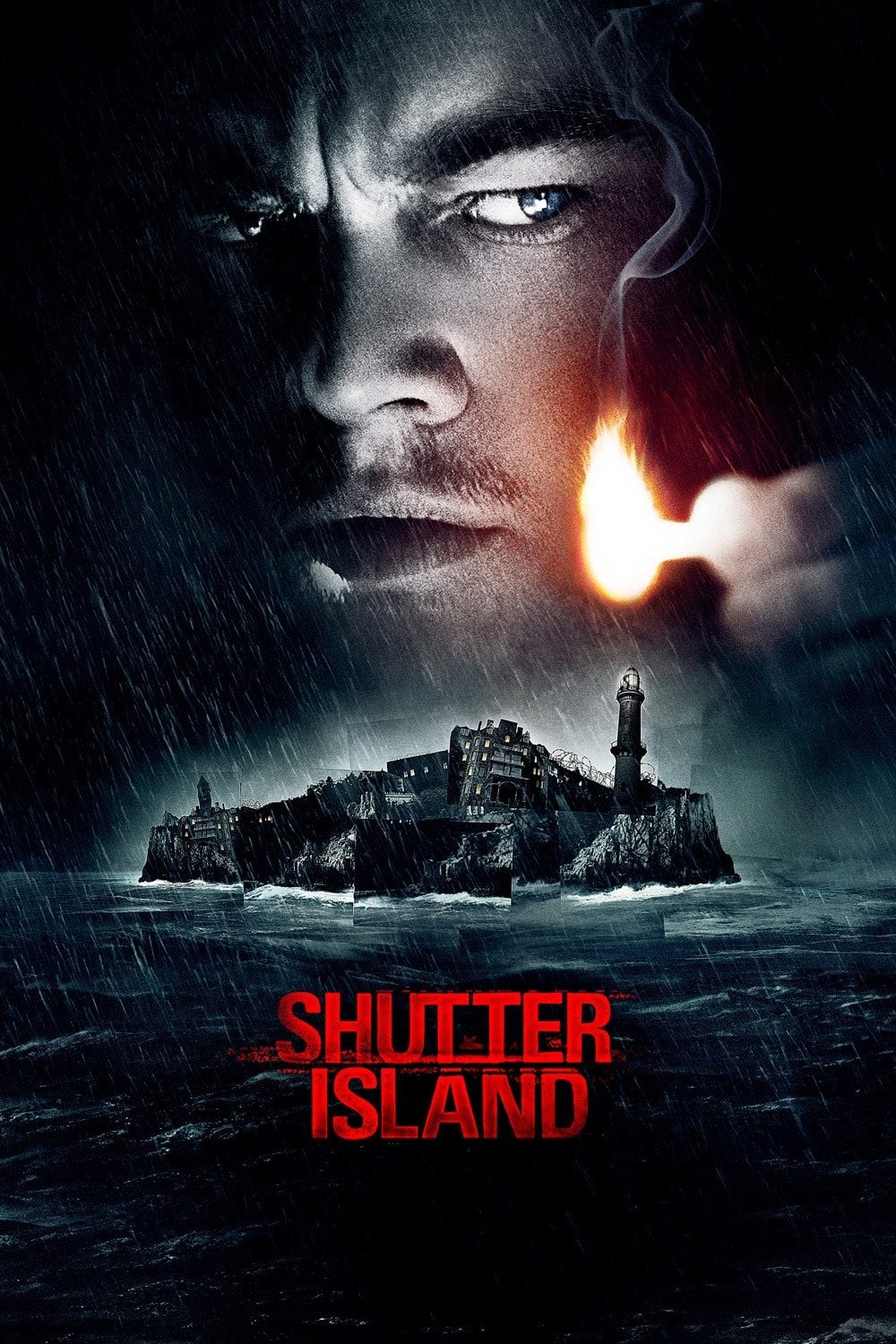
Teddy Daniels sits on the steps of the mental institution and asks his partner if it is better to live as a monster or die as a good man. He stands up and walks willingly toward the orderlies who are preparing to perform a lobotomy on him. This deliberate action reveals that his sanity has momentarily returned but he cannot bear the guilt of his past actions. The final shot implies his tragic choice to embrace oblivion rather than live with the memory of his family.
‘Psycho’ (1960)

Norman Bates sits alone in a holding cell while the voice of his mother dominates his internal monologue. A subtle dissolve superimposes the grinning skull of his mother over his face for a brief second. This effect visually confirms that the persona of Norman has completely vanished and only the mother remains. The chilling stare directly into the camera implicates the audience in his madness.
‘Blade Runner’ (1982)
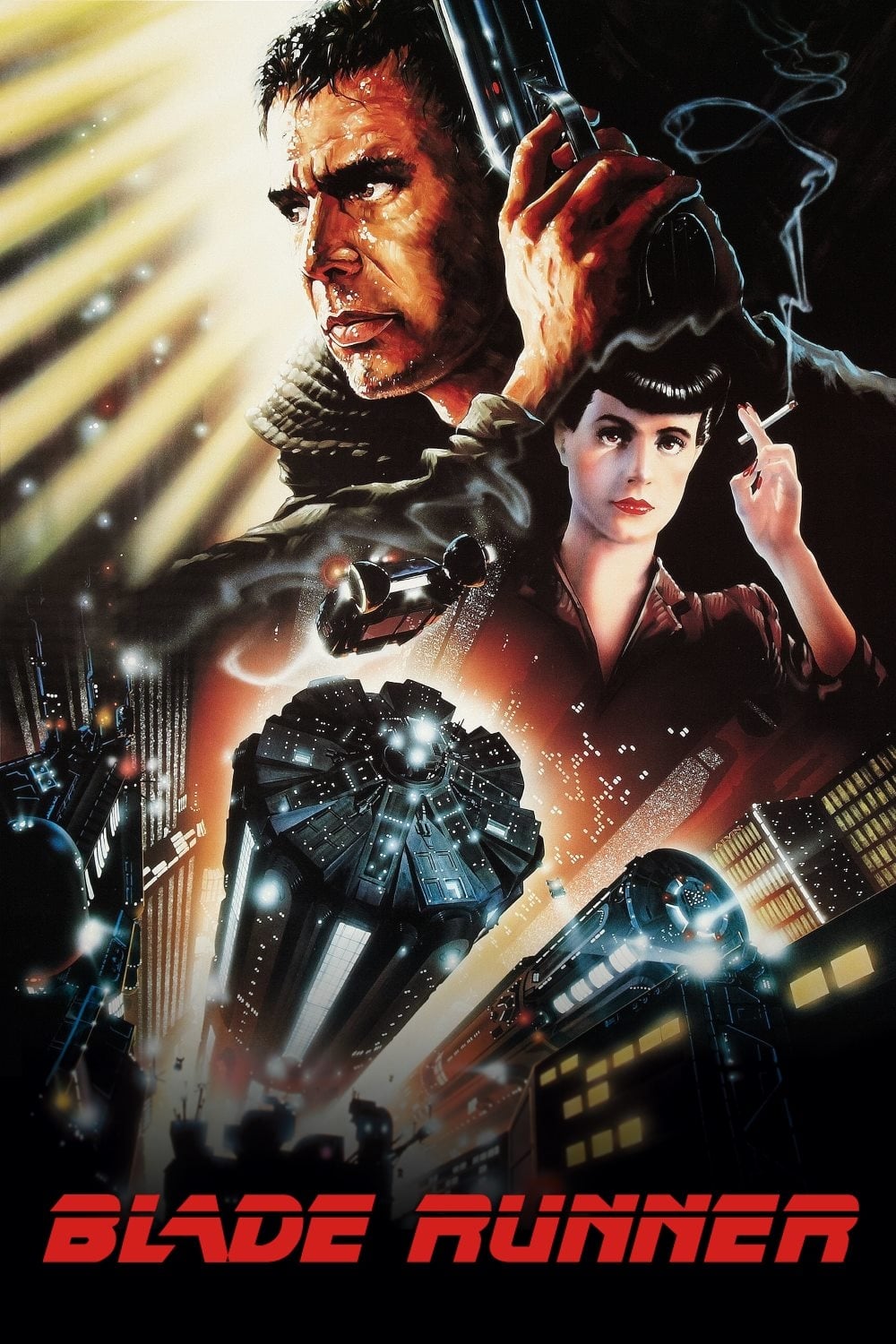
Rick Deckard discovers a small origami unicorn left on the floor by his partner Gaff as he flees with Rachael. This object connects to a dream sequence Deckard experienced earlier and implies that his memories are implanted. The presence of the unicorn suggests that Deckard himself might be a replicant without knowing it. This revelation fundamentally changes the dynamic of his hunt for the rogue androids.
‘The Thing’ (1982)
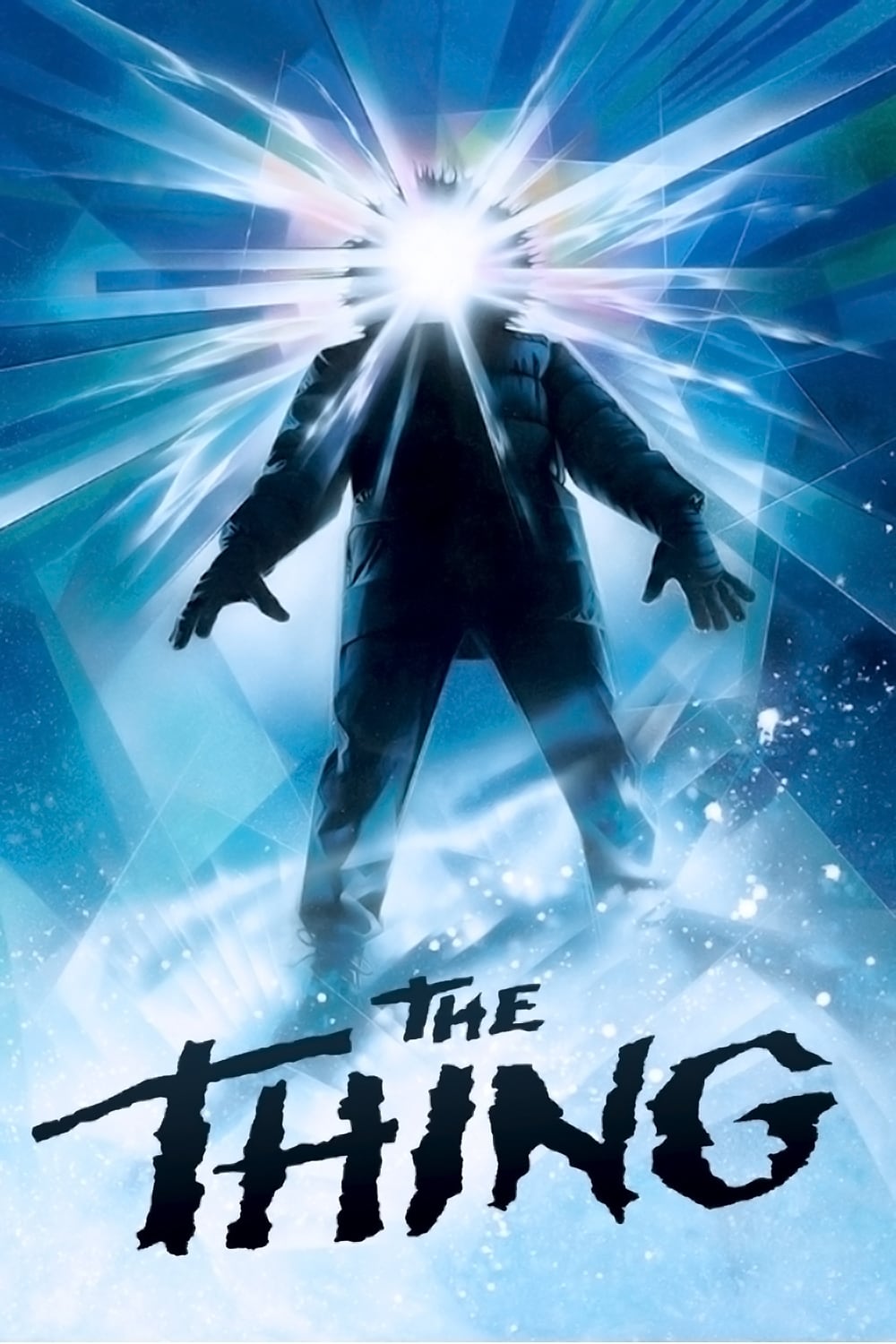
MacReady and Childs sit opposite each other in the freezing debris of their destroyed Antarctic base. Neither man can trust that the other is human as they share a bottle of scotch while the camp burns. The lack of a clear resolution emphasizes the paranoia that defines the entire narrative. Their resignation to freeze to death highlights the ultimate victory of the alien entity.
‘Enemy’ (2013)
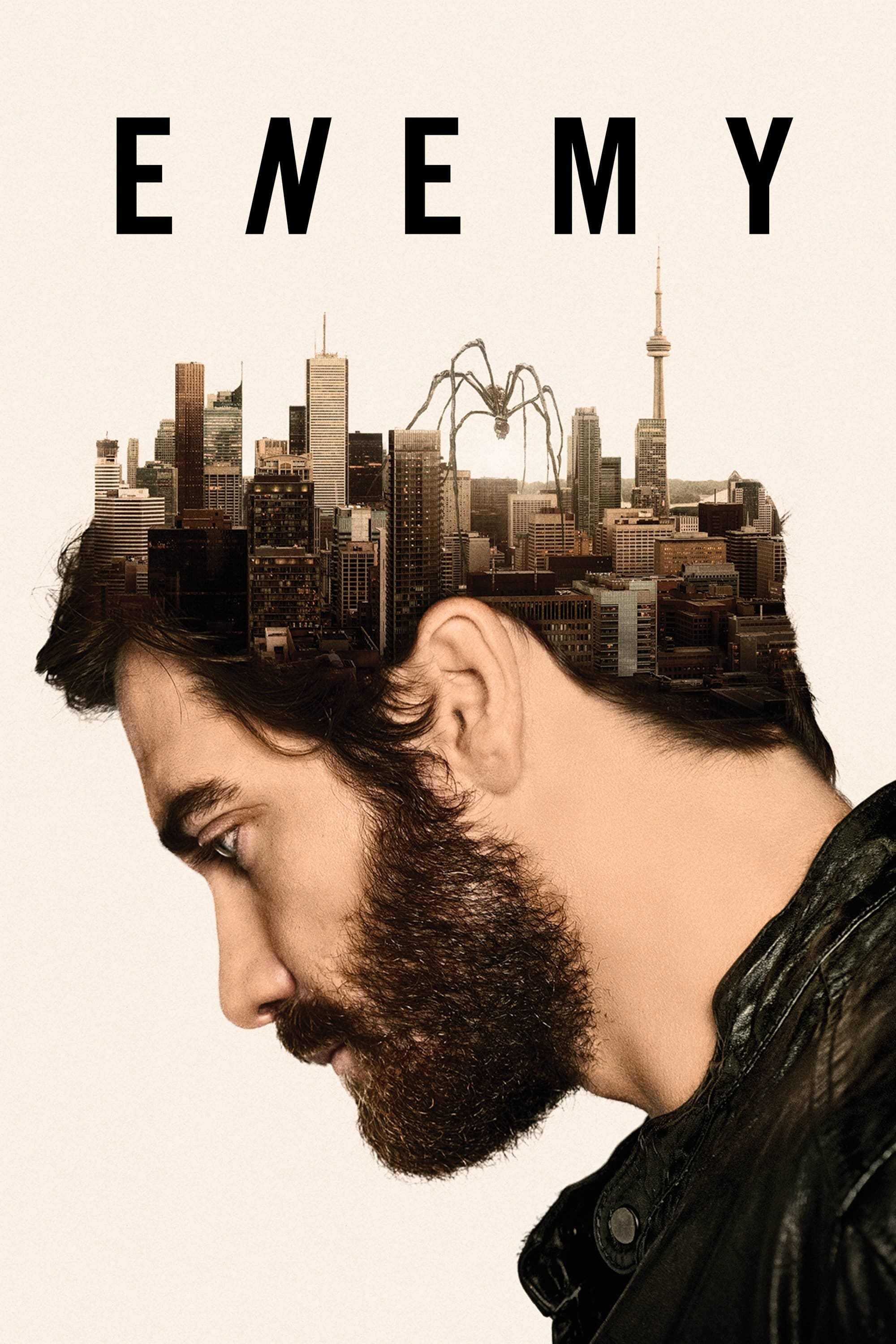
Adam Bell walks into his bedroom to talk to his partner and finds a room-sized tarantula cowering against the wall. The massive arachnid represents the totalitarian control or commitment fears that the protagonist has been navigating. This surreal imagery indicates that he is trapped within his own psychological web. The film ends without explanation and leaves the viewer to decipher the symbolic struggle.
‘Saint Maud’ (2019)
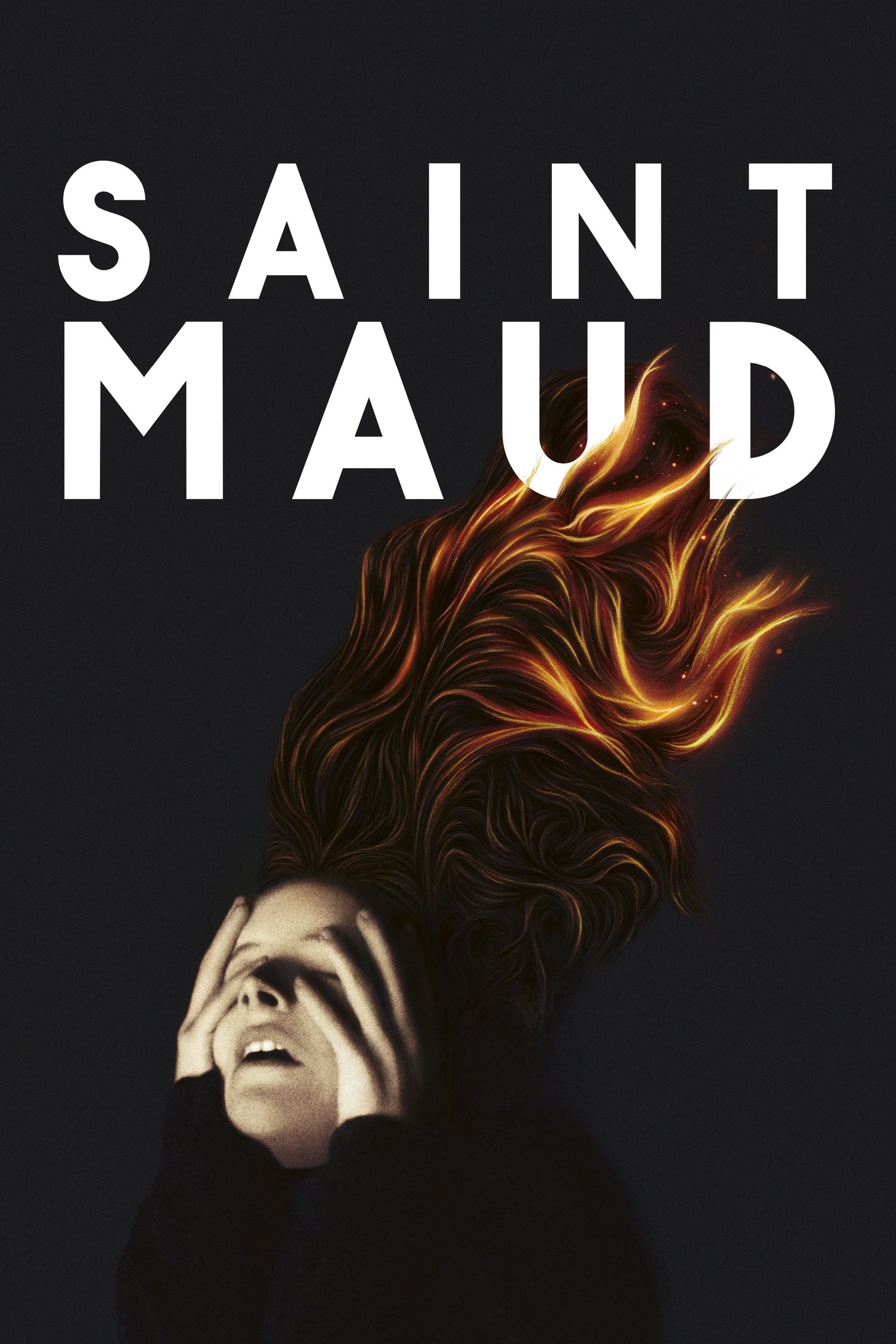
Maud stands on a beach believing she is ascending to heaven in a moment of divine glory. The scene abruptly cuts from her beatific vision to a split-second shot of her screaming while burning alive in reality. This jarring transition brutally strips away the religious delusion she has constructed throughout the film. The audience is forced to witness the horrific physical consequence of her mental illness.
‘Memories of Murder’ (2003)
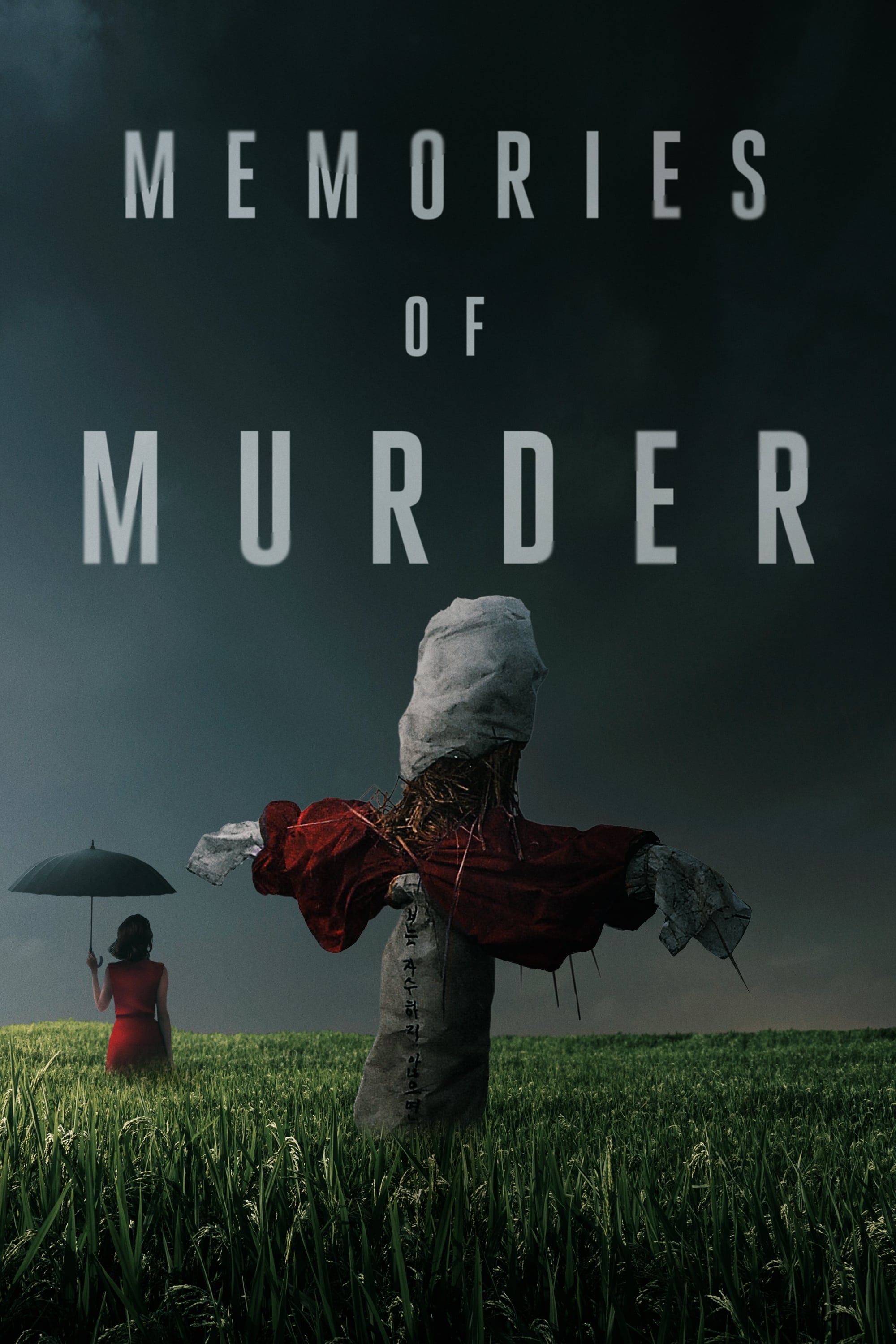
Detective Park Doo-man visits the site of the first murder years later and learns the killer was just an ordinary-looking man. He turns and stares directly into the camera lens to break the fourth wall. This gaze is meant to lock eyes with the actual killer who the director assumed would be watching the movie. The ending transforms the film from a period crime drama into a haunting confrontation with an unsolved reality.
‘Birdman’ (2014)
Riggan Thomson climbs out onto a hospital window ledge and vanishes from sight. His daughter Sam rushes to the window to look down at the street before slowly looking up at the sky with a smile. Her reaction suggests that Riggan has achieved the flight he always hallucinated or that she has joined his delusion. The ending offers a magical realist escape from the bleakness of his suicide attempt.
‘The Usual Suspects’ (1995)
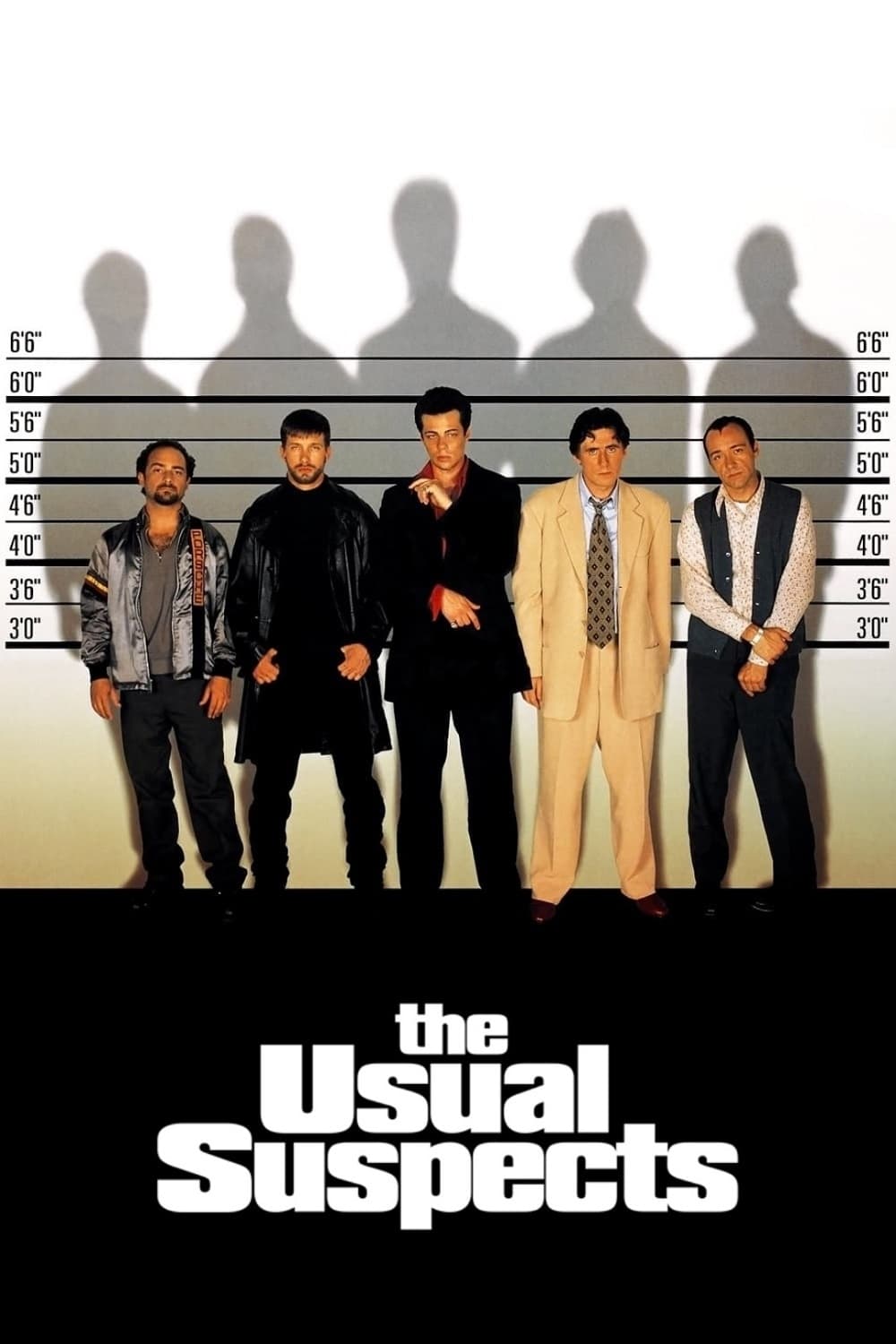
Verbal Kint leaves the police station and his distinct limp gradually disappears as he walks down the street. He lights a cigarette and steps into a waiting car to reveal he was the mastermind Keyser Söze all along. This transformation invalidates the entire story he just told the police interrogator. The audience realizes they have been manipulated by an unreliable narrator from the very beginning.
‘Caché’ (2005)
The final wide shot shows the steps of a school where two sons of the main characters are having a conversation in the background. This interaction is easy to miss if the viewer is not scanning the frame closely. It implies that the terror campaign against the family was a collaborative effort between the younger generation. The static shot recontextualizes the theme of guilt passing from parents to children.
‘A Serious Man’ (2009)
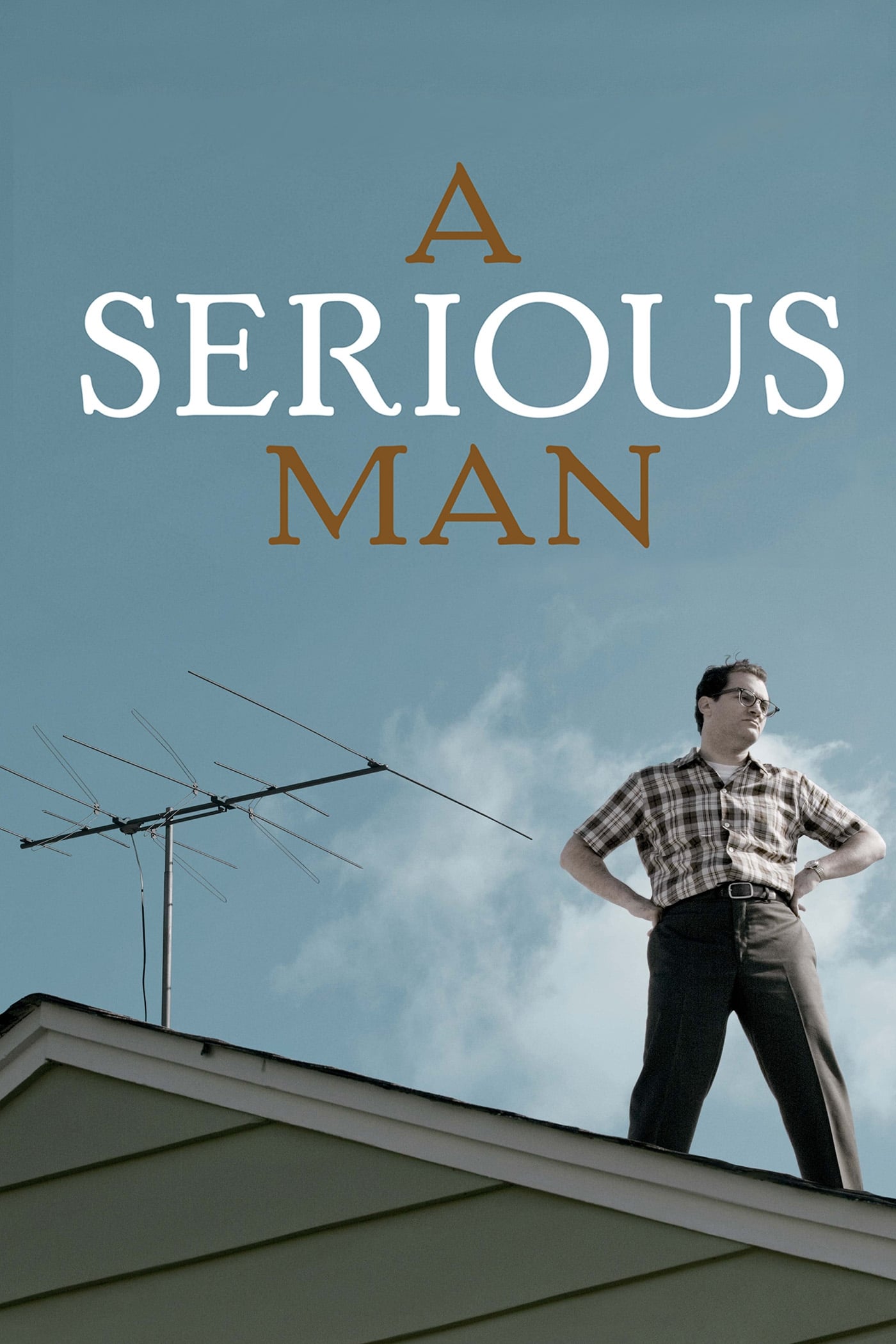
A massive tornado touches down and approaches the Hebrew school where the protagonist’s son is struggling with a lock. The impending natural disaster renders the spiritual and moral questions of the film moot in the face of chaos. It suggests that searching for meaning is futile when existence is governed by random acts of destruction. The abrupt cut to black denies the audience any closure or safety.
‘The 400 Blows’ (1959)
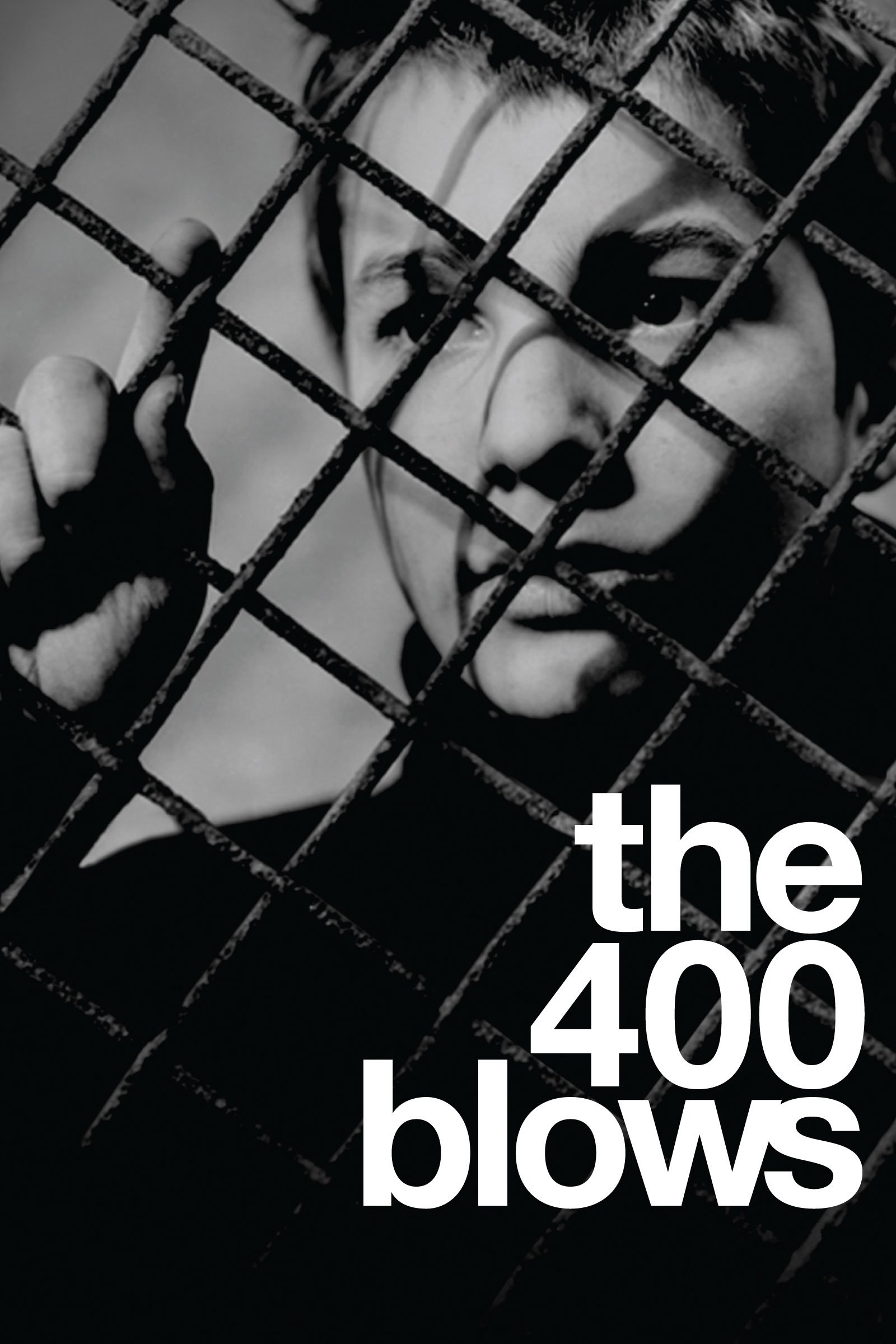
Young Antoine Doinel escapes from a juvenile detention center and runs all the way to the ocean. The camera zooms in on his face as he turns to look back at the land and the image freezes into a grainy still. This freeze-frame captures his realization that he has nowhere left to run and no clear future. The sudden stop emphasizes his entrapment despite his momentary physical freedom.
‘Oldboy’ (2003)
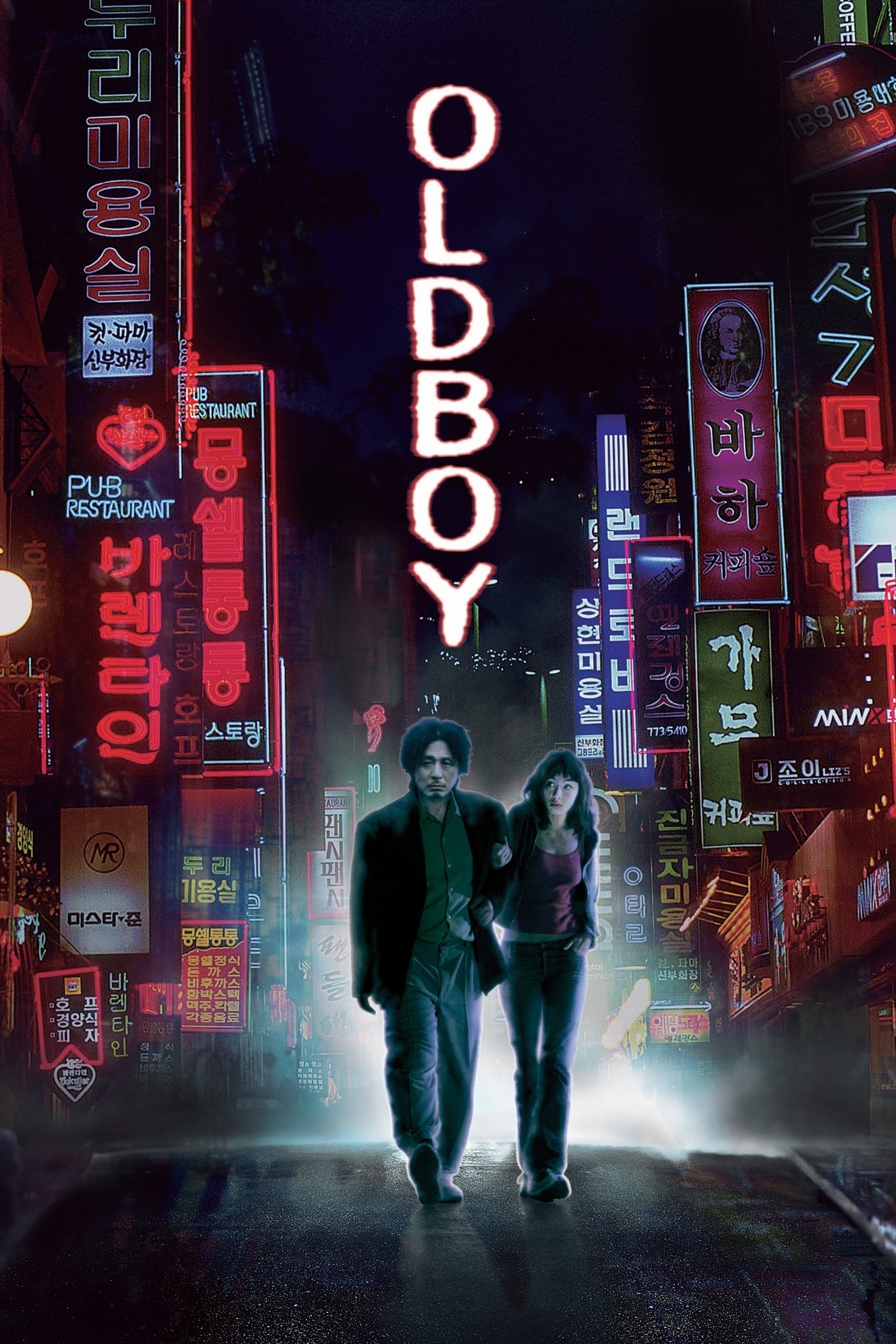
Oh Dae-su undergoes hypnosis to erase the knowledge of his incestuous relationship so he can live happily. He hugs his daughter while a painful expression slowly creeps across his face in the final snowy landscape. This look of anguish hints that the hypnosis failed and he is doomed to live with the secret. The tragedy is compounded by his decision to maintain the lie for the sake of love.
‘Prisoners’ (2013)
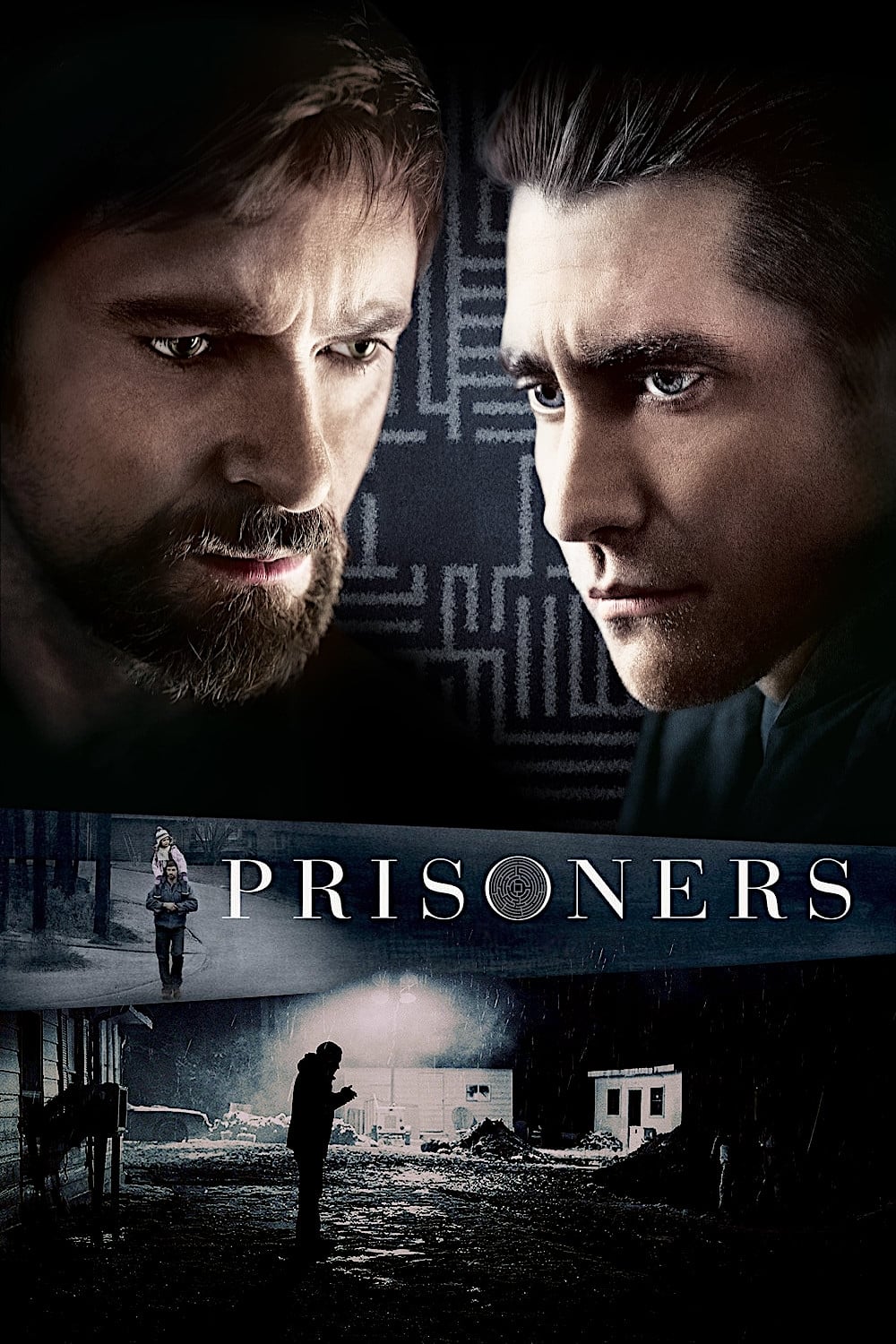
Detective Loki stands alone in the dark near a covered pit where the protagonist is trapped underground. He hears a faint whistle coming from beneath the earth and pauses with a look of recognition. The film cuts to black before he takes action which leaves the rescue in a state of suspended hope. It serves as a final test of faith for a character who has struggled with moral ambiguity.
‘The Blair Witch Project’ (1999)
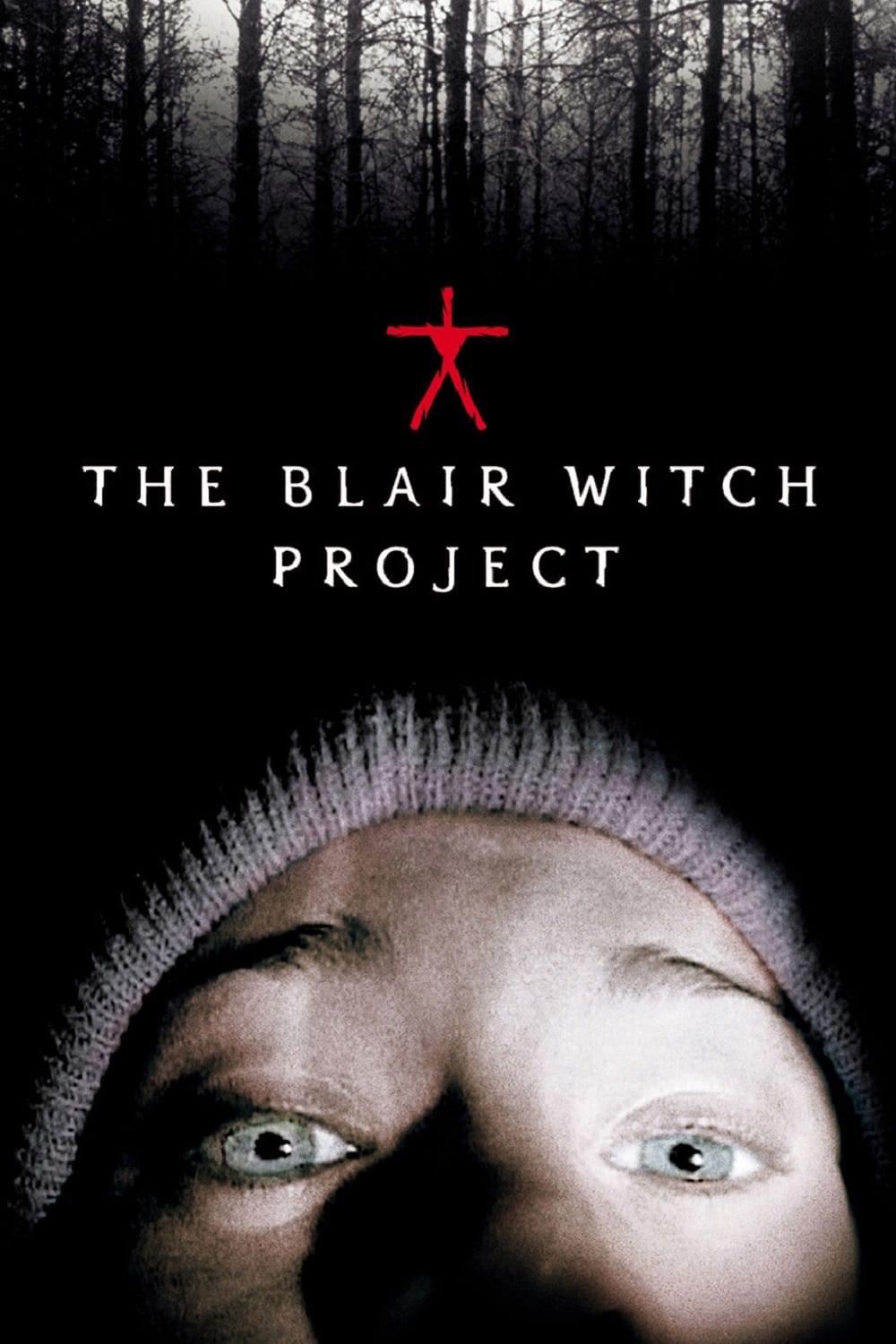
Heather enters the basement of the abandoned house and her camera catches a glimpse of Mike standing in the corner. This specific posture references a story told earlier in the film about how the witch kills her victims. The camera drops to the floor and cuts out to signify Heather’s death. This callback confirms the supernatural legend was true and the characters were never alone in the woods.
‘Portrait of a Lady on Fire’ (2019)
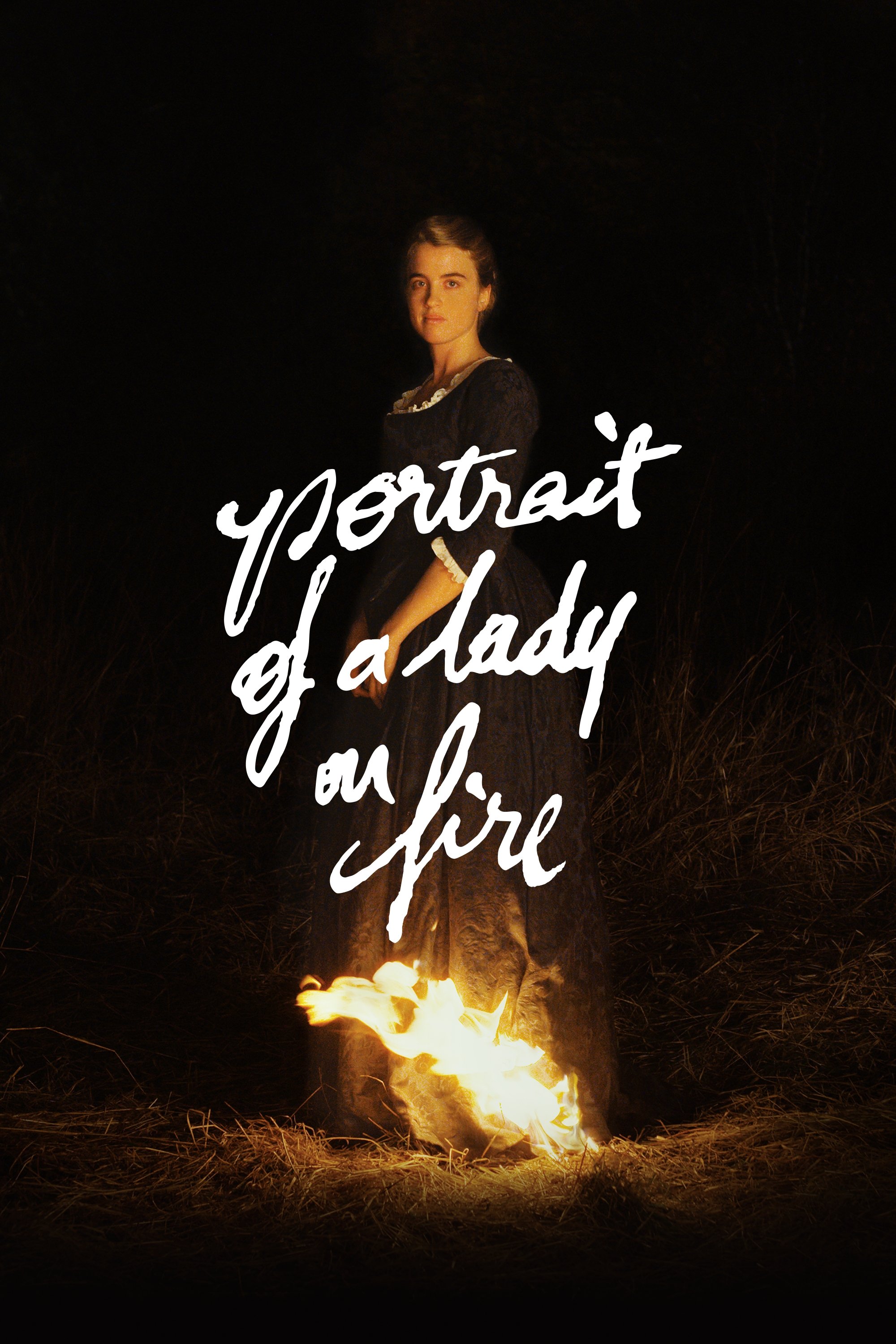
Marianne watches Heloise from across a concert hall as an orchestra plays Vivaldi’s Summer. The camera stays fixed on Heloise’s emotional reaction as she weeps and hyperventilates without noticing Marianne. This long take captures the permanent impact of their brief romance and the pain of memory. It serves as a devastating testament to love that endures in silence and separation.
Please share your own interpretations of these endings in the comments.