


20 Movies Where the White Lead Learns Absolutely Nothing from Black Characters

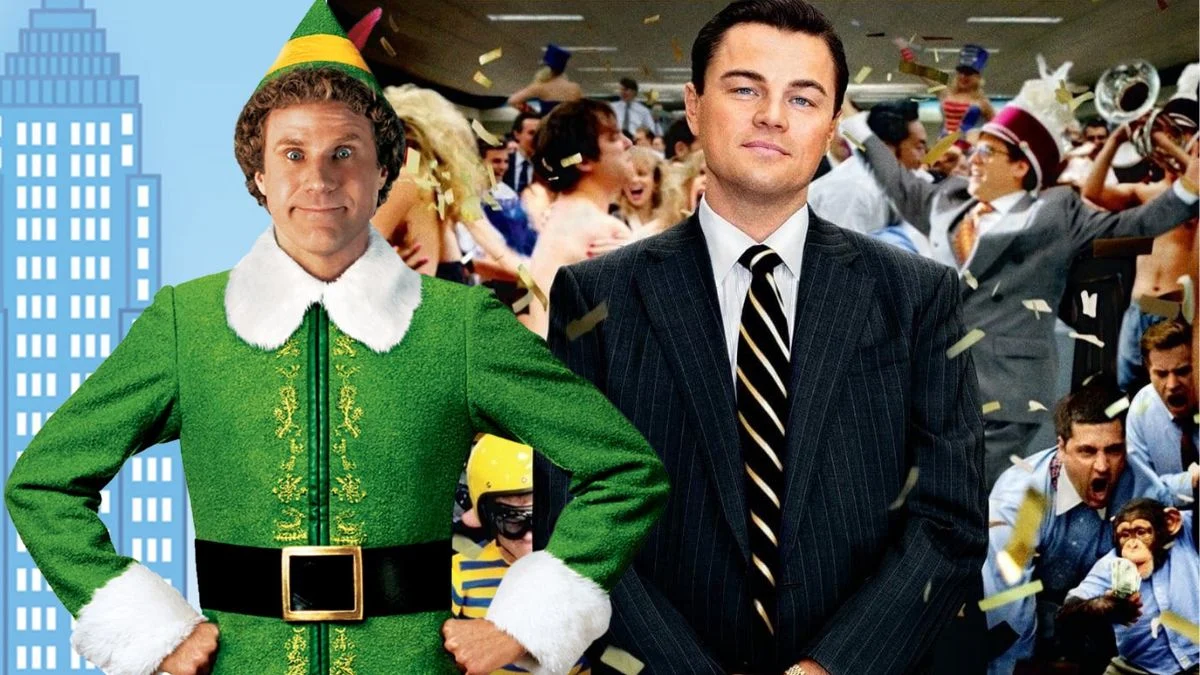


Cinematic history is filled with narratives where supporting Black characters offer wisdom or warnings to white protagonists. These interactions often serve as pivotal moments intended to guide the hero toward redemption or survival. A surprising number of films feature main characters who stubbornly refuse to heed this advice or acknowledge the perspectives offered to them. The consequences of this ignorance range from awkward social misunderstandings to fatal errors that doom the entire cast. This collection examines twenty instances where the white lead remains oblivious to the lessons available to them.
‘Gone with the Wind’ (1939)
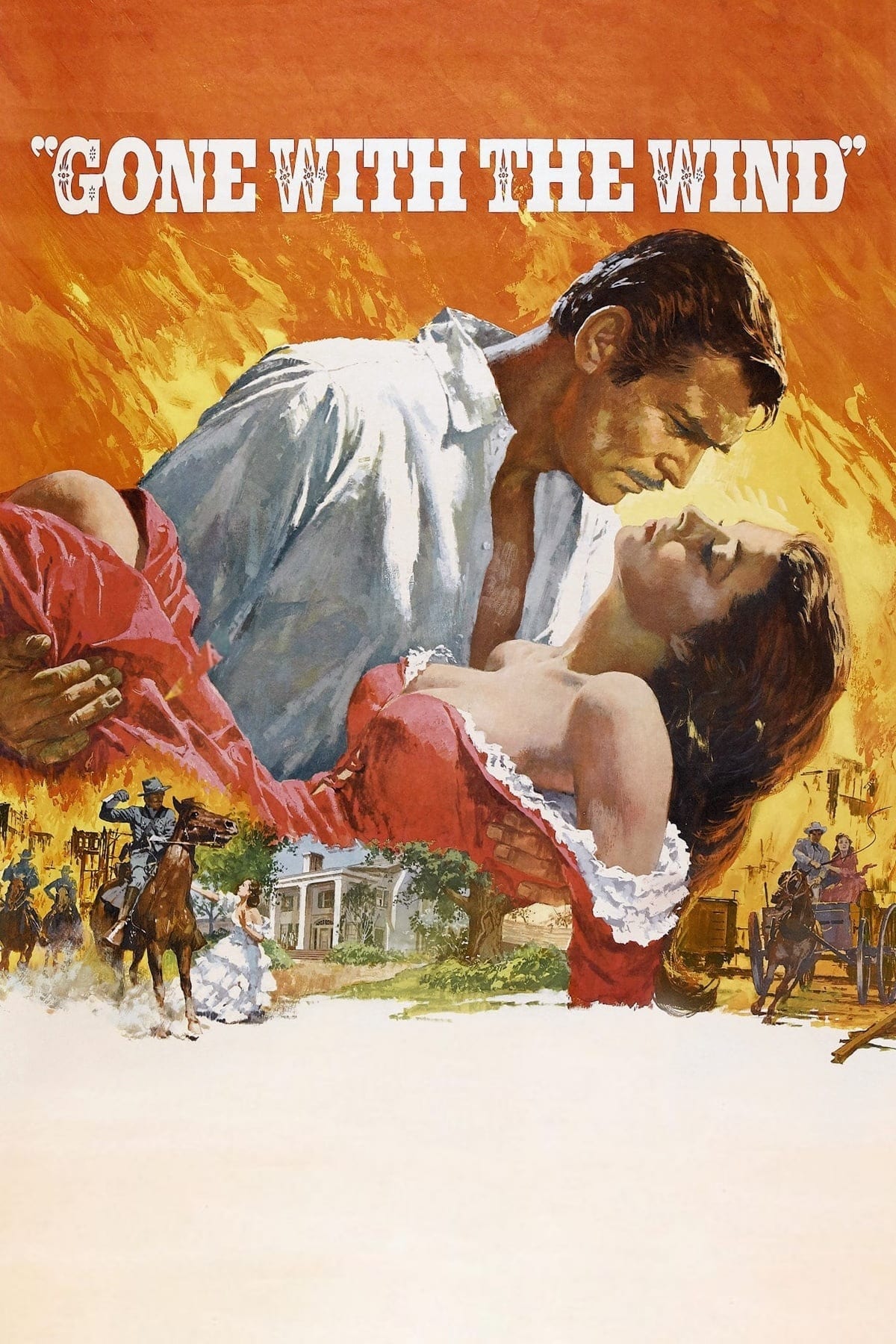
Scarlett O’Hara relies heavily on the labor and emotional support of Mammy throughout the turbulent years of the Civil War and Reconstruction. Despite Mammy’s constant guidance regarding survival and social propriety, Scarlett consistently dismisses her autonomy and wisdom. The relationship remains strictly hierarchical, with Scarlett viewing Mammy solely as a servant rather than a complex individual with her own desires. Scarlett’s character arc focuses entirely on her own romantic and financial resilience, leaving her completely ignorant of the humanity of the Black people who sustain her.
‘The Shining’ (1980)
Jack Torrance arrives at the Overlook Hotel and meets Dick Hallorann, the head chef who shares the psychic ability known as the “shining.” Hallorann explicitly warns Jack and his family about the hotel’s spiritual dangers and offers a mental lifeline should they need help. Jack ultimately succumbs to the hotel’s malevolent influence, completely disregarding the shared connection and the warning he received. Instead of learning from Hallorann’s insight, Jack attacks him immediately upon the chef’s return to the hotel, severing any chance of salvation.
‘Night of the Living Dead’ (1968)
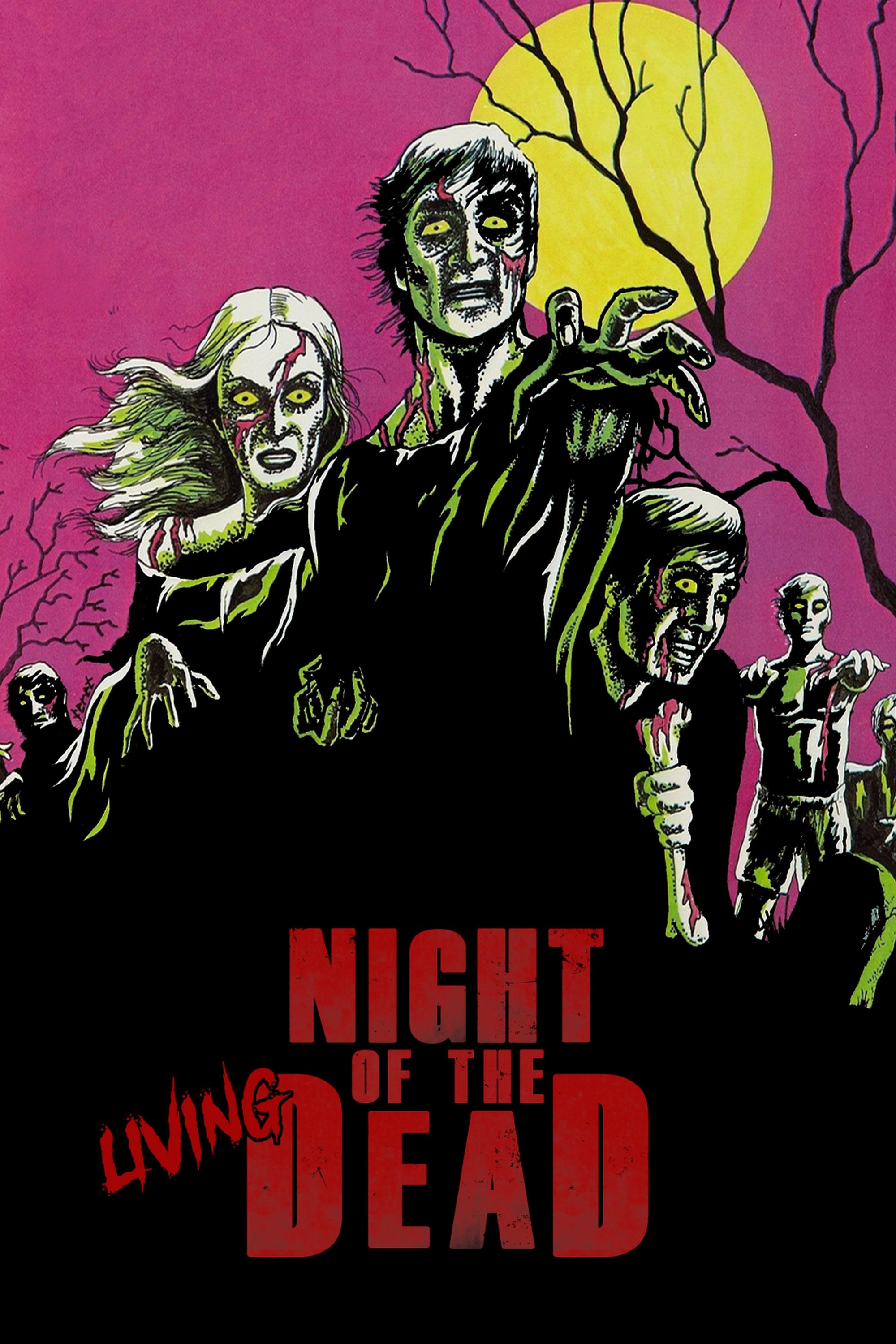
Harry Cooper spends the entirety of the zombie siege undermining Ben, the resourceful protagonist who takes charge of the farmhouse defense. While Ben formulates rational plans for fortification and survival, Harry insists on hiding in the cellar, a trap that proves to be a fatal strategic error. Cooper refuses to listen to reason or cooperate, driven by his own cowardice and a refusal to cede authority to Ben. His stubbornness and failure to collaborate ultimately contribute to the chaos that dooms the survivors.
‘Se7en’ (1995)
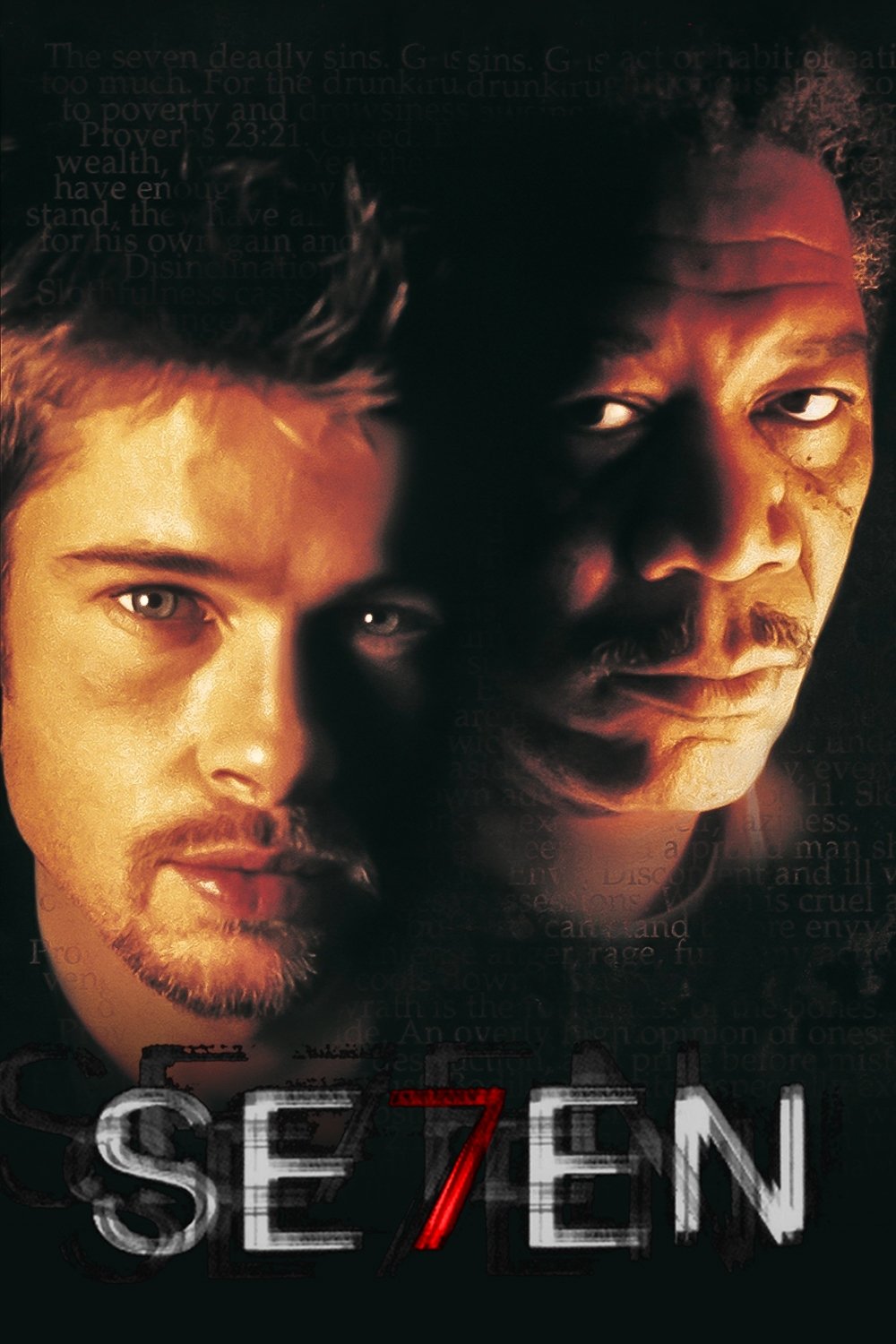
Detective David Mills is paired with the veteran Detective Somerset, who attempts to teach him patience and emotional detachment in a city rife with corruption. Somerset warns Mills repeatedly about the methodical nature of the killer and urges him not to get personally involved or underestimate the evil they are facing. Mills ignores this mentorship, maintaining his brash, impulsive, and arrogant demeanor throughout the investigation. This refusal to heed Somerset’s caution leaves Mills vulnerable to John Doe’s final, tragic trap.
‘Pulp Fiction’ (1994)

Vincent Vega witnesses a “miracle” when a barrage of bullets misses him and Jules Winnfield, prompting Jules to retire from a life of crime. While Jules interprets the event as divine intervention and chooses a path of spiritual redemption, Vincent dismisses it as a mere freak occurrence. He refuses to engage with the epiphany Jules experiences and mocks his partner’s decision to leave the hitman lifestyle. Vincent continues on his original path without introspection, which leads directly to his unceremonious death later in the film.
‘Elf’ (2003)

Buddy the Elf travels to New York City and interrupts a vital meeting with Miles Finch, a renowned children’s author who has dwarfism. Buddy mistakes Finch for an “angry elf” from the North Pole and repeatedly insults him despite Finch’s stern warnings to stop. Finch eventually attacks Buddy in frustration, which costs Buddy’s father a crucial business deal. Buddy never understands the gravity of his offense or the reality of Finch’s identity, treating the interaction as a whimsical misunderstanding rather than a serious error.
‘Uncut Gems’ (2019)
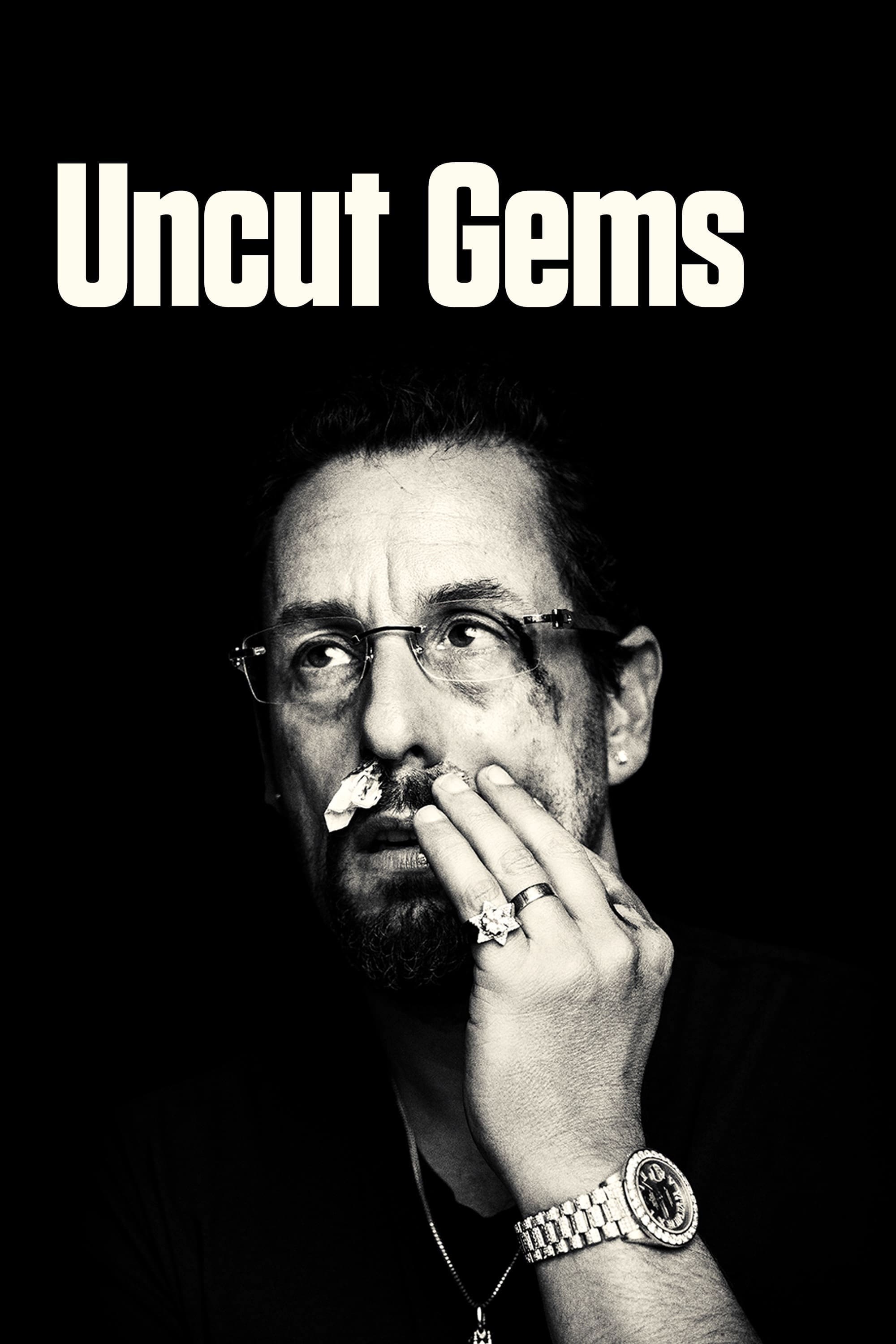
Howard Ratner brings NBA star Kevin Garnett into his chaotic world of high-stakes jewelry trading and sports betting. Although Garnett shows a genuine, almost mystical connection to the black opal, Howard views the player only as a means to a massive payout. Howard ignores warnings from his associates and the increasing danger of his debts, fixating solely on the next big bet rather than the reality of the situation. He learns nothing about restraint or respect from his interactions with Garnett, leading to his inevitable destruction.
‘Jurassic Park’ (1993)

John Hammond invites skepticism from various experts but specifically ignores the concerns of his chief engineer, Ray Arnold. Arnold repeatedly advises that the park’s systems are overextended and dangerous, but Hammond dismisses these technical warnings in favor of his grand, idealistic vision. The refusal to listen to his staff’s operational realities leads to a total system failure when the power is cut. Hammond’s dream collapses exactly because he ignored the practical warnings of the man keeping the park running.
‘Do the Right Thing’ (1989)
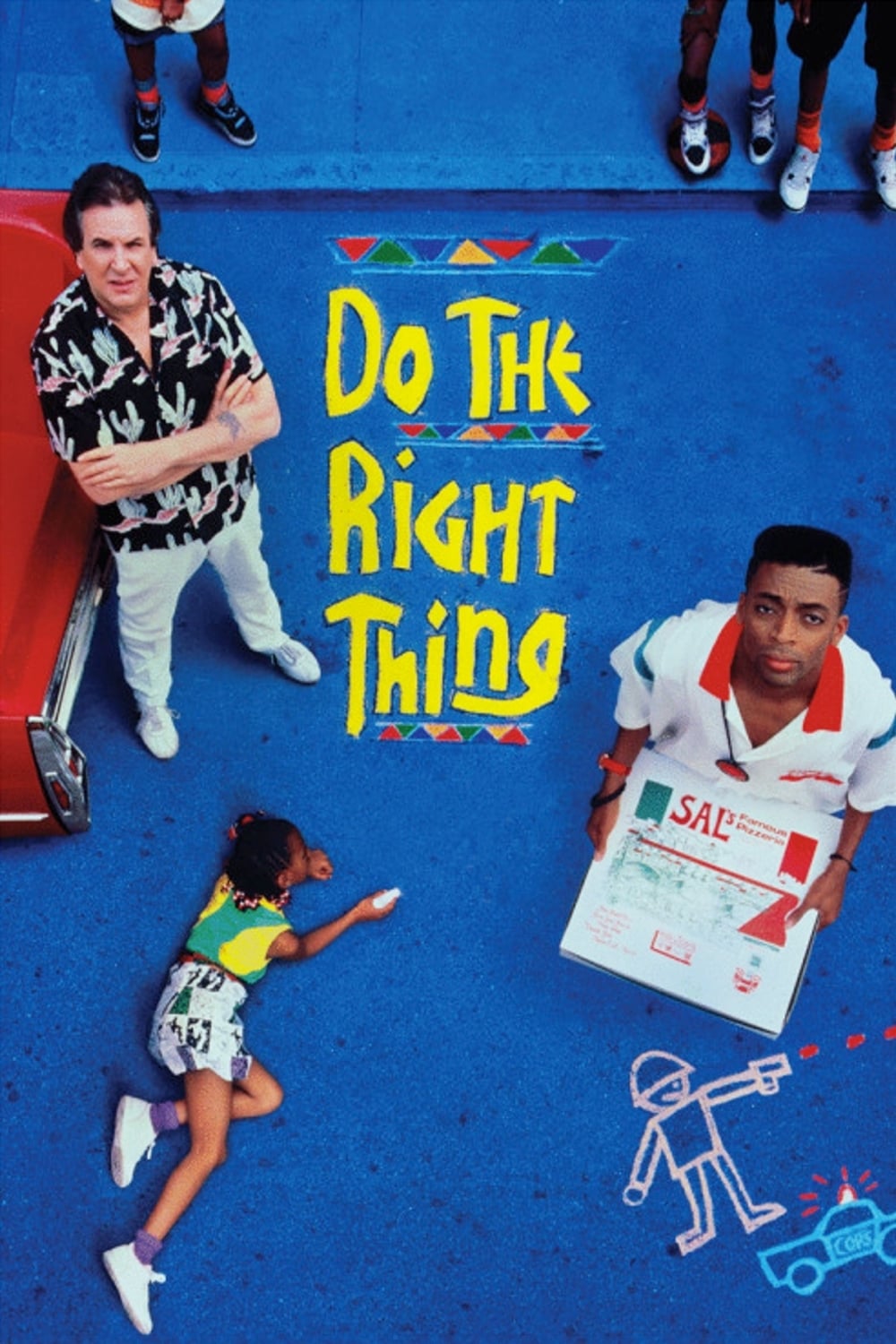
Sal operates a pizzeria in Bed-Stuy and prides himself on feeding the neighborhood, yet he refuses to include Black icons on his Wall of Fame. When Buggin’ Out and Radio Raheem confront him about representation and loud music, Sal escalates the conflict rather than listening to their grievances or attempting to de-escalate. He destroys Raheem’s boombox with a baseball bat, sparking a riot that leads to Raheem’s death and the destruction of his own business. Sal ends the film sitting in the ruins, confused and defensive, having gained no new understanding of the community he serves.
‘Don’t Look Up’ (2021)

Dr. Teddy Oglethorpe heads the Planetary Defense Coordination Office and supports the two astronomers warning of an approaching comet. He attempts to guide the President and her Chief of Staff toward a scientific response, but they consistently sideline him for political optics. The administration treats Oglethorpe as a nuisance rather than a vital expert, choosing to focus on poll numbers instead of survival. The white leadership’s refusal to heed his advice results in a global catastrophe.
‘Glass Onion: A Knives Out Mystery’ (2022)

Billionaire Miles Bron invites his friends to a private island, where he employs a scientist named Lionel Toussaint to work on dangerous hydrogen fuel technology. Lionel warns Miles repeatedly that the technology is unstable and unsafe for public use, but Miles ignores the science. Miles cares only about his reputation as a disrupter and the immediate launch of his product, regardless of the risks. He views Lionel merely as a tool to execute his will, not as an advisor to be heeded.
‘Tropic Thunder’ (2008)
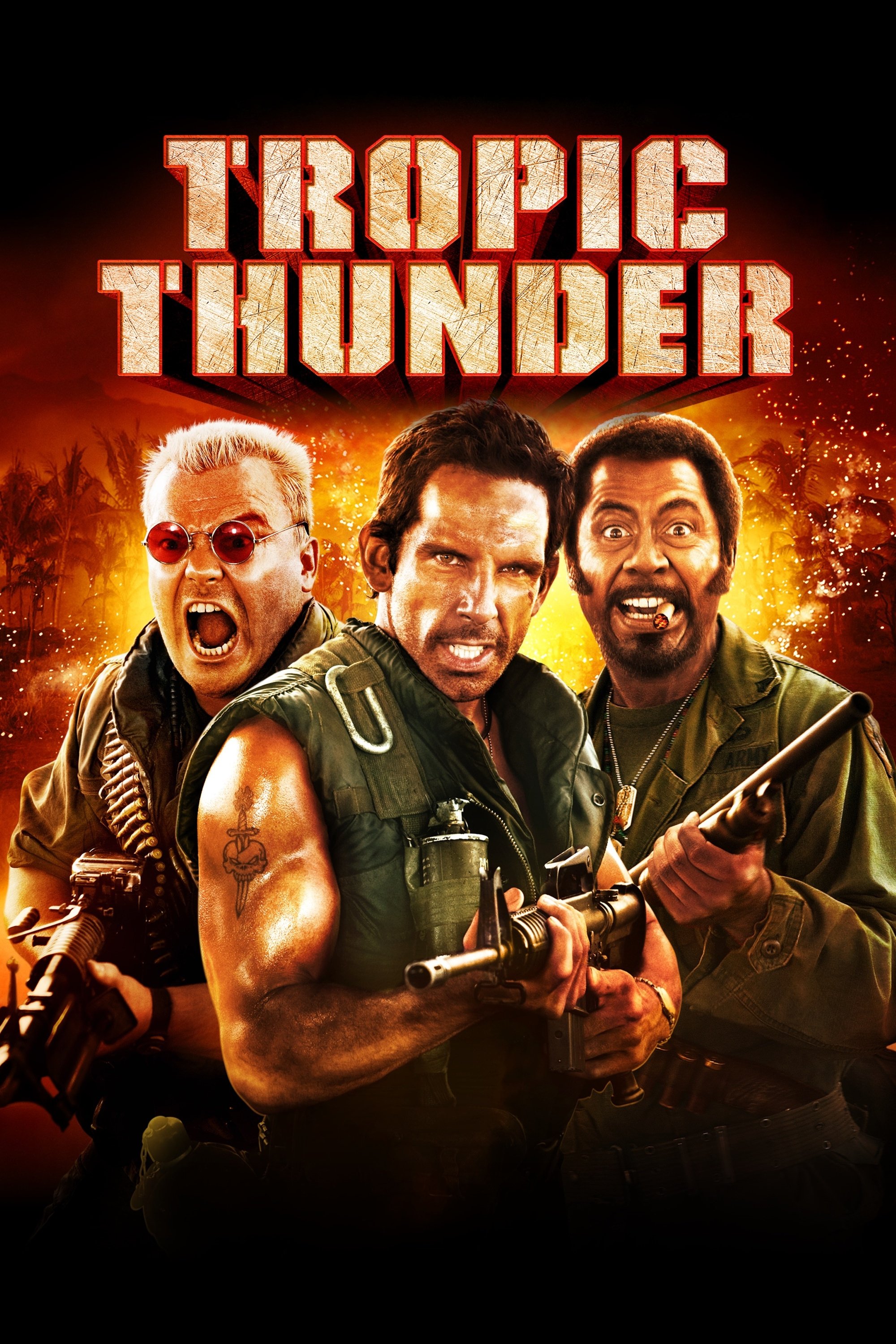
Tugg Speedman acts alongside Kirk Lazarus, a method actor who has controversially undergone surgery to play a Black character. While the character of Lazarus acts as a satirical critique of extreme method acting, Tugg takes everything at face value and remains oblivious to the racial insensitivity. Tugg is so absorbed in his own quest for an Oscar that he fails to understand the absurdity or offense of the situation. He learns nothing about cultural appropriation or identity, focusing only on his own performance and career resurgence.
‘The Wolf of Wall Street’ (2013)
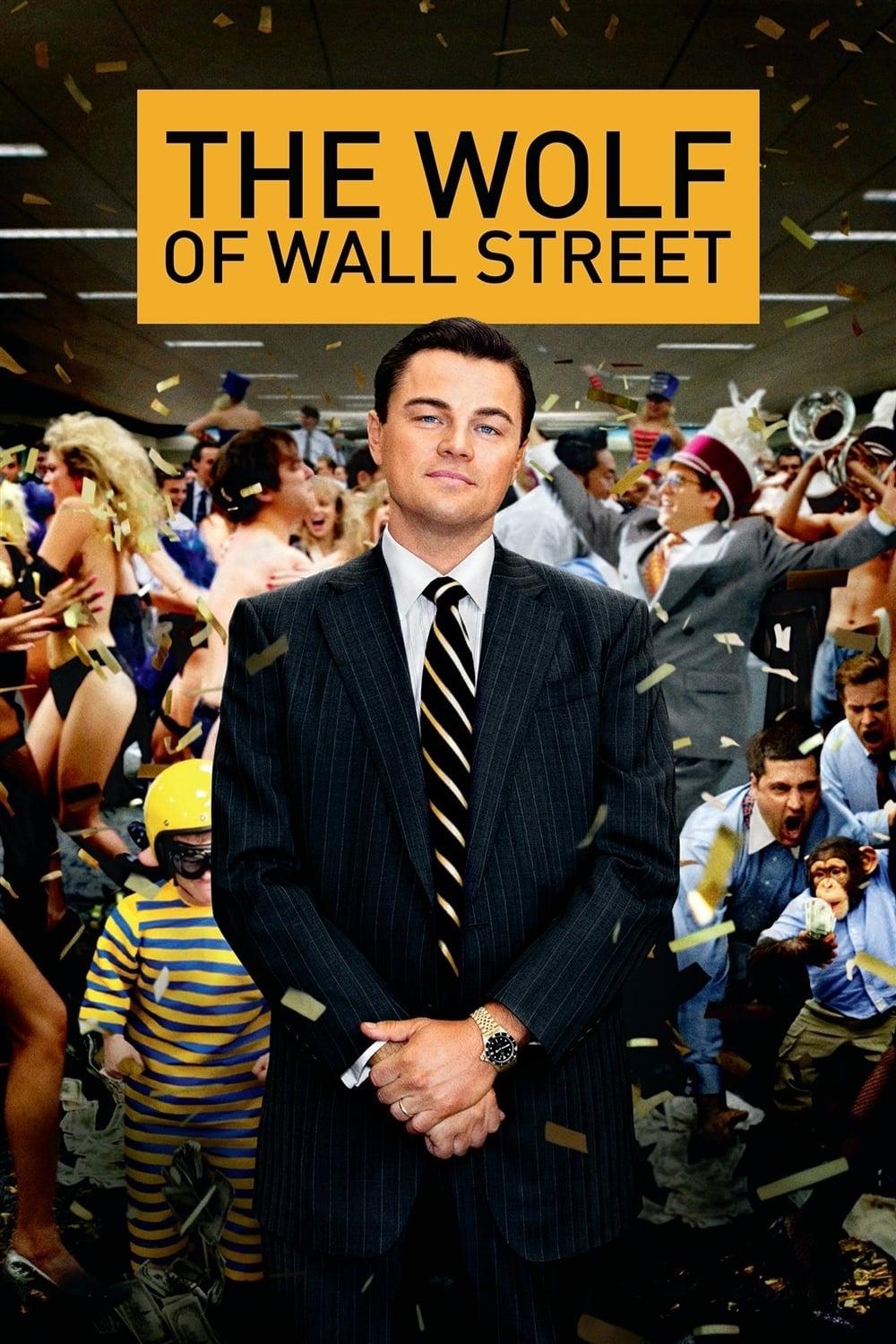
Jordan Belfort builds an empire based on fraud and excess, interacting with various agents and authority figures along the way. When investigated by the FBI, he attempts to bribe the agents on his yacht, displaying total arrogance and a complete lack of a moral compass. He treats everyone outside his inner circle as pawns or obstacles, regardless of their background or authority. Belfort ends the story exactly as he began, selling sales techniques to desperate people without displaying any genuine remorse or growth.
‘The Royal Tenenbaums’ (2001)
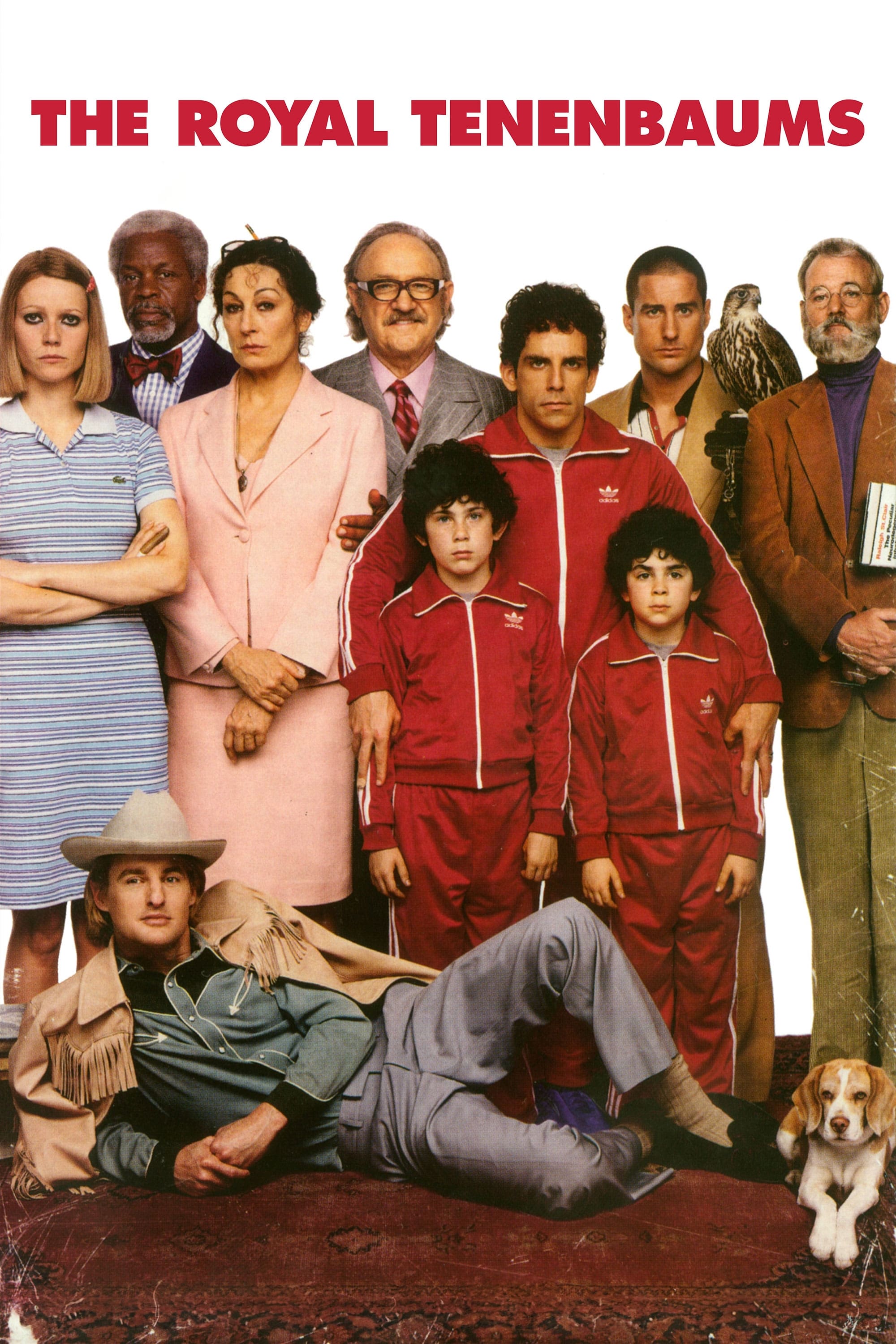
Royal Tenenbaum tries to win back his family and encounters Henry Sherman, his ex-wife’s accountant and suitor. Royal creates a hostile environment, repeatedly insulting Henry and dismissing his professional stability and kindness. Henry acts as the stable, responsible foil to Royal’s chaotic selfishness, but Royal refuses to emulate any of Henry’s mature traits. Royal eventually softens toward his family, but his relationship with Henry remains one of begrudging tolerance rather than learning.
‘Ace Ventura: When Nature Calls’ (1995)
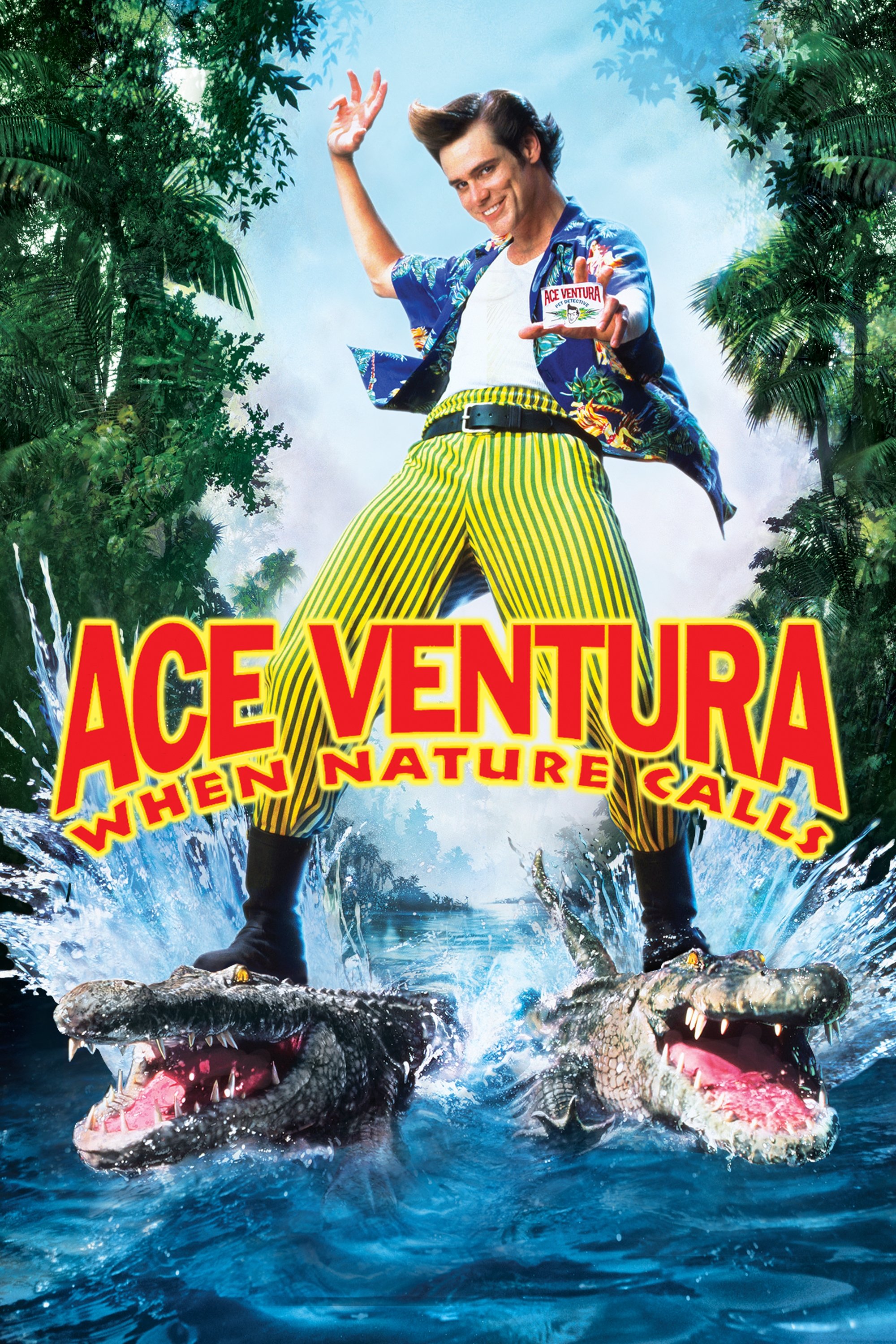
Ace Ventura travels to Africa to recover a sacred bat, interacting with the Wachati and Wachootoo tribes. Throughout the film, Ace mocks their customs, language, and physical appearance with relentless insensitivity. He treats the indigenous people as props for his physical comedy and shows no interest in understanding their culture or traditions. Ace solves the case but leaves the continent just as ignorant and disrespectful as when he arrived.
‘La La Land’ (2016)
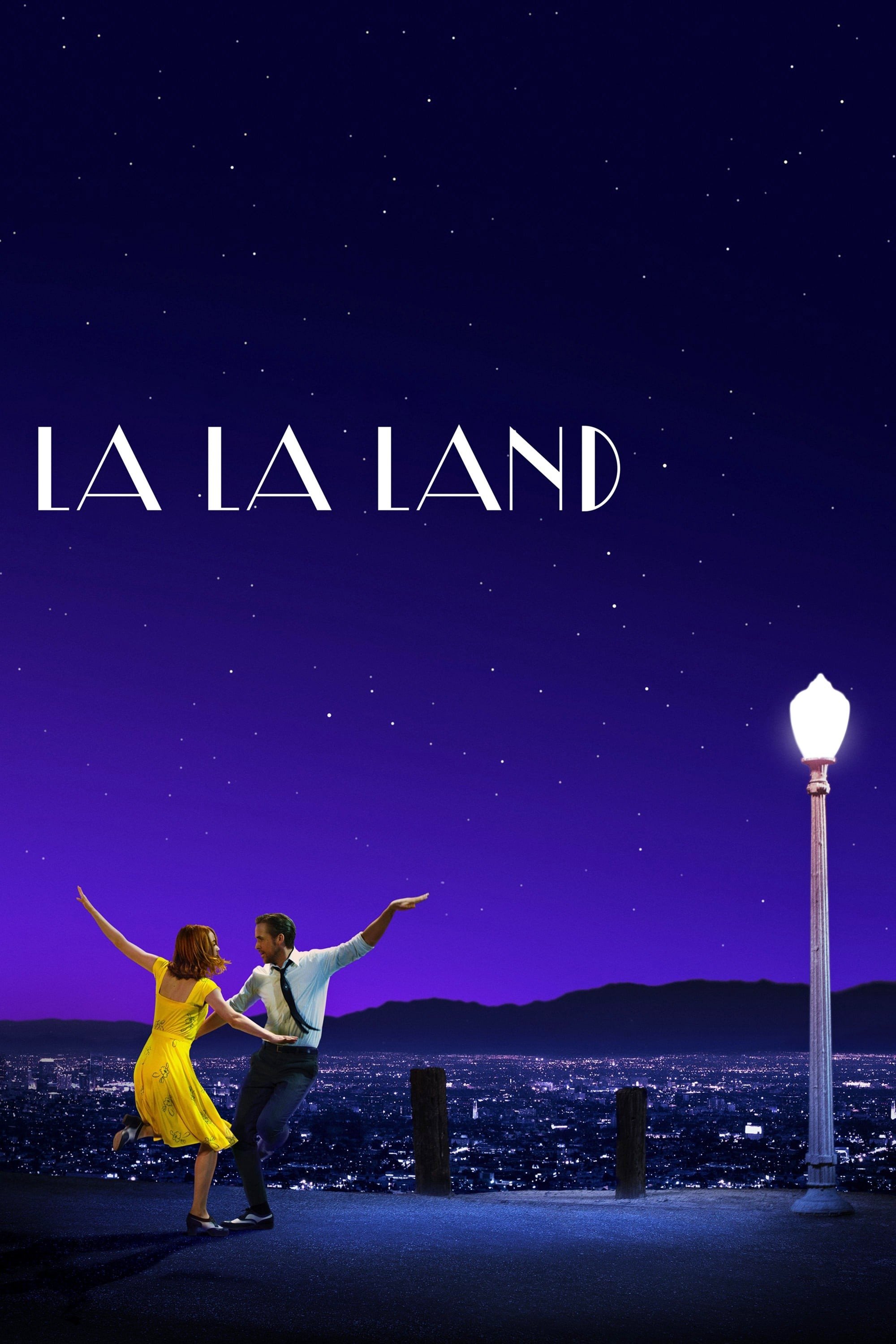
Sebastian is a jazz purist who joins a modern jazz-fusion band led by an old acquaintance, Keith. Keith explains that jazz must evolve to survive and that holding onto the past kills the genre’s future relevance. Sebastian rejects this philosophy, playing in the band only for the money while visibly resenting the music and the modernization. He never accepts Keith’s perspective, eventually quitting to open his own traditional club exactly as he originally planned.
‘Jackie Brown’ (1997)
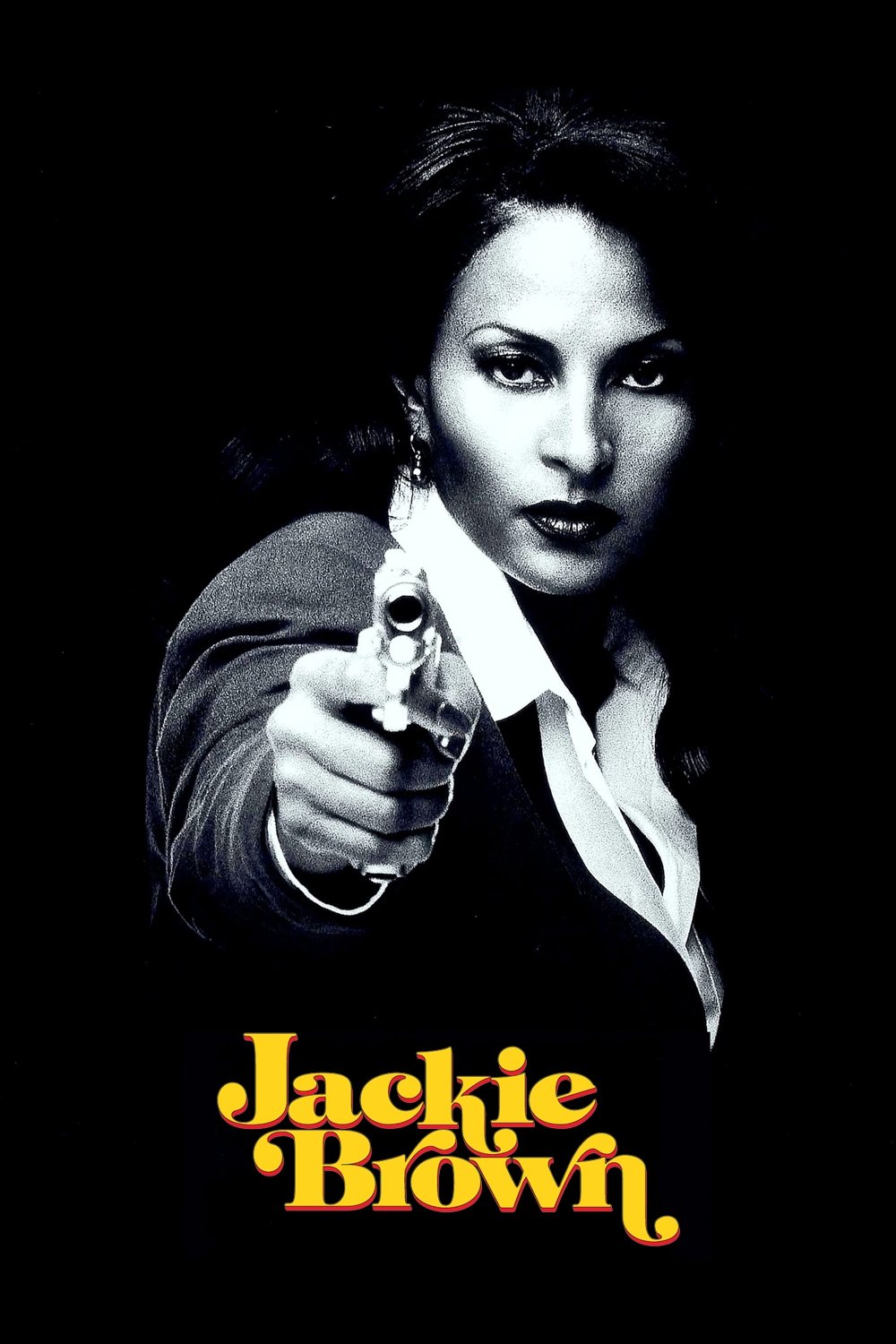
Louis Gara is an ex-con partnered with gun runner Ordell Robbie, but he lacks Ordell’s sharp instincts and attention to detail. Ordell explains the intricacies of their plan repeatedly, but Louis is too stoned or incompetent to follow instructions properly. Louis fails to learn how to handle the pressure of the job, resulting in a fatal mistake in a parking lot. His inability to listen to Ordell or adapt to the situation leads directly to his demise.
‘Goodfellas’ (1990)
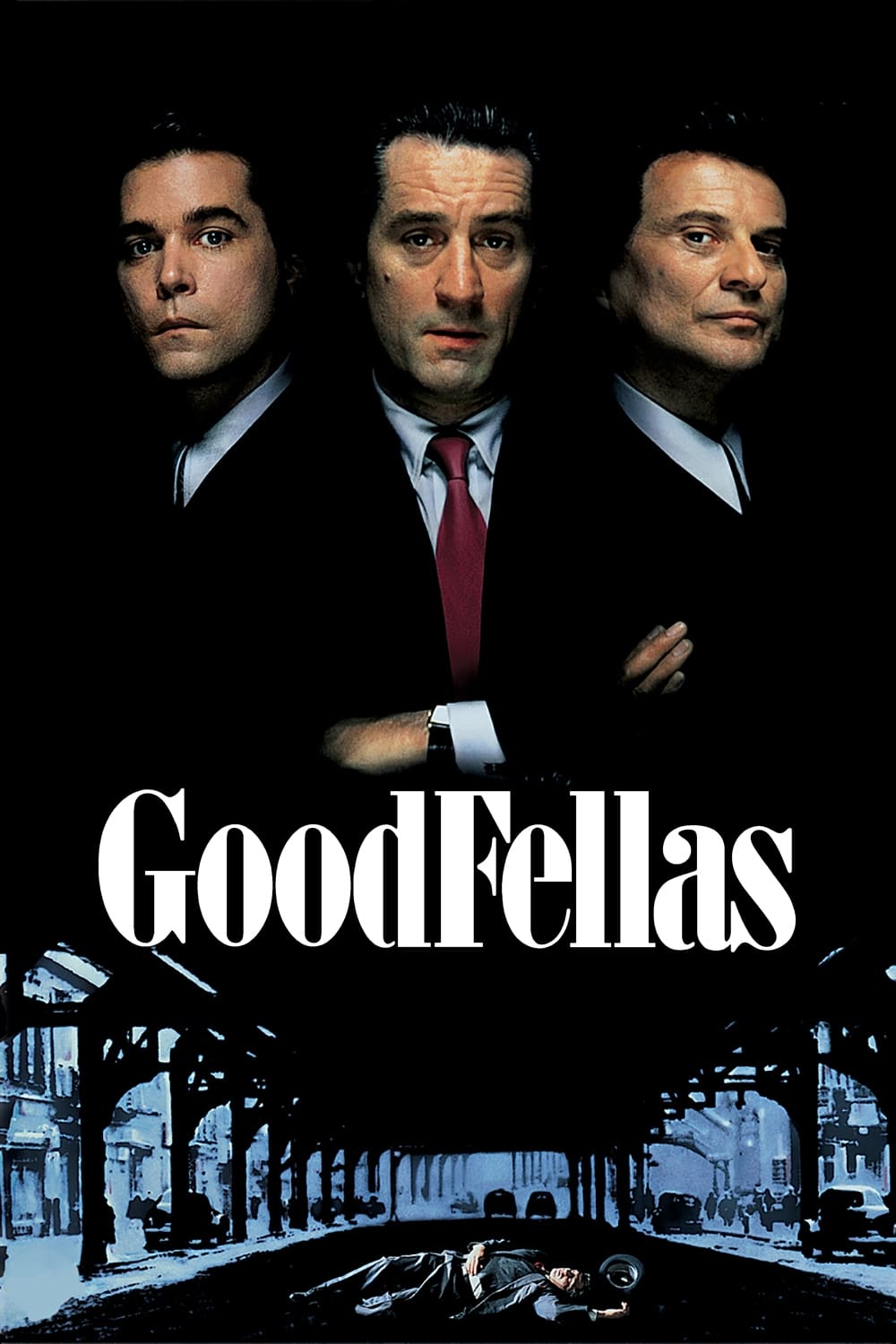
The mob crew works with Stacks Edwards, who is responsible for disposing of the truck used in the Lufthansa heist. Stacks fails to complete the task properly because he oversleeps and visits a girlfriend, ignoring the strict discipline required by the crew. When the white mobsters realize the error, they do not offer a lesson or a second chance. They simply eliminate him, viewing him as a liability rather than a partner, and proceed with their business unchanged.
‘Deep Blue Sea’ (1999)
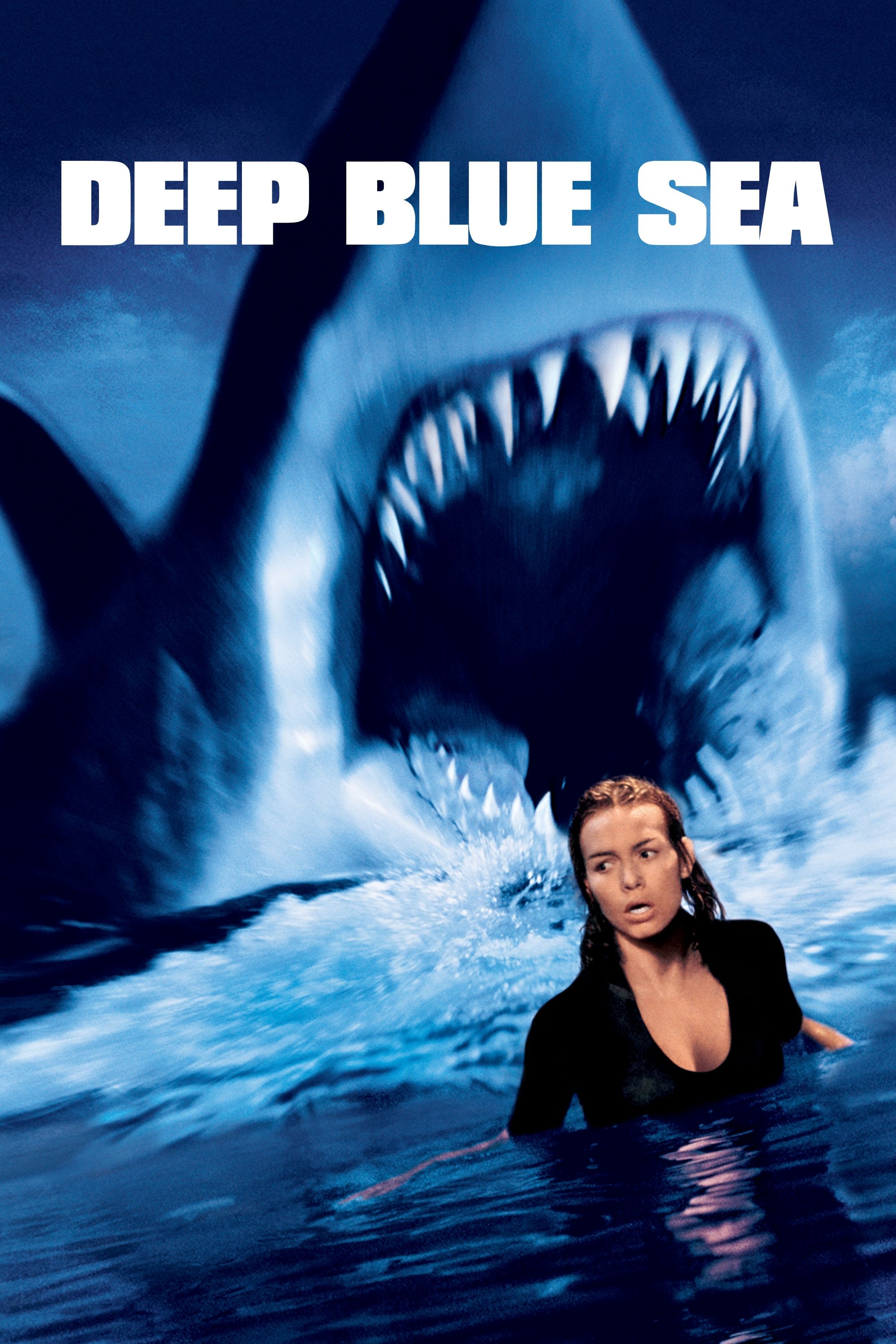
Dr. Susan McAlester genetically modifies sharks to cure Alzheimer’s, ignoring the safety concerns of the staff regarding the animals’ increased intelligence. Preacher, the facility’s cook, warns about the dangers of nature and the unpredictability of the sharks. McAlester prioritizes her research over these warnings, leading to the sharks escaping and destroying the facility. She realizes the magnitude of her mistake only when it is too late to save the project or herself.
‘Get Out’ (2017)
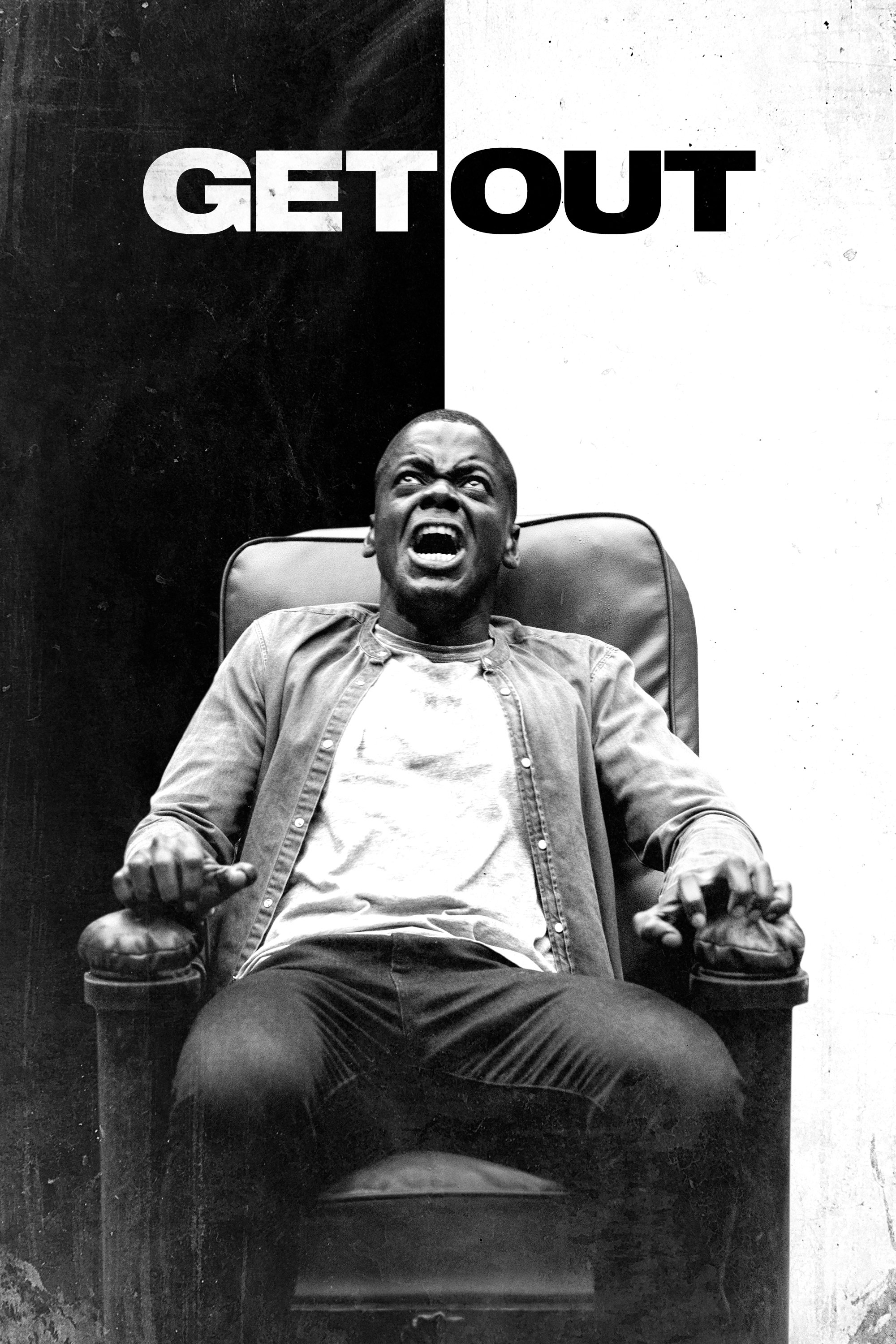
The Armitage family invites Chris Washington to their estate with the specific intent of hijacking his body for their own longevity. They study his physical attributes and artistic talent, but they view him solely as a vessel to be inhabited, not a person to be understood. Chris tries to connect with them on a human level, but their politeness is a facade for predation. The family dies without ever recognizing Chris’s humanity, caring only about his utility to their twisted science.
Tell us which of these character dynamics frustrated you the most in the comments.