


Movies Where Token Minority Characters Felt Completely Forced




The concept of tokenism in Hollywood refers to the practice of including a minority character in a story solely to create the appearance of social inclusiveness. This often results in characters who lack depth, motivation, or a meaningful impact on the plot. While representation in film is increasingly important, poorly written roles can feel shallow and performative to audiences. Many blockbuster movies have faced criticism for utilizing these tropes instead of developing fully realized diverse casts. This list examines several instances where the inclusion of specific characters felt secondary to the main narrative goals.
‘Ghostbusters’ (2016)
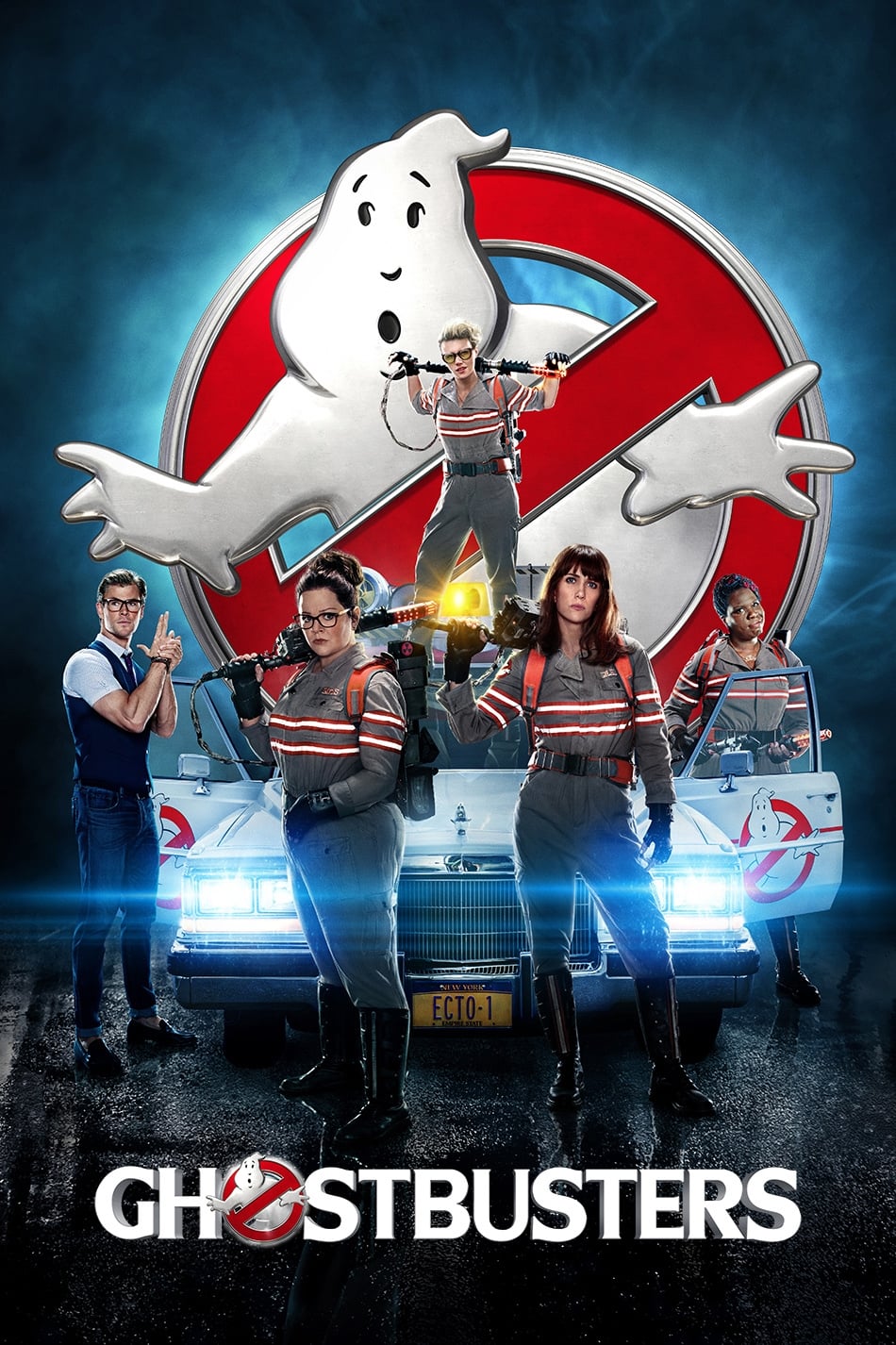
In this reboot of the classic franchise, the four lead roles are reimagined as women. Leslie Jones portrays a character who works for the MTA and joins the team as the only member without a scientific background. Many critics argued that this specific role felt like a cliché compared to the highly educated white leads. The inclusion of her character was seen by some as a missed opportunity to break away from traditional tropes. The film faced significant backlash during its release for various casting decisions.
‘Star Wars: The Rise of Skywalker’ (2019)
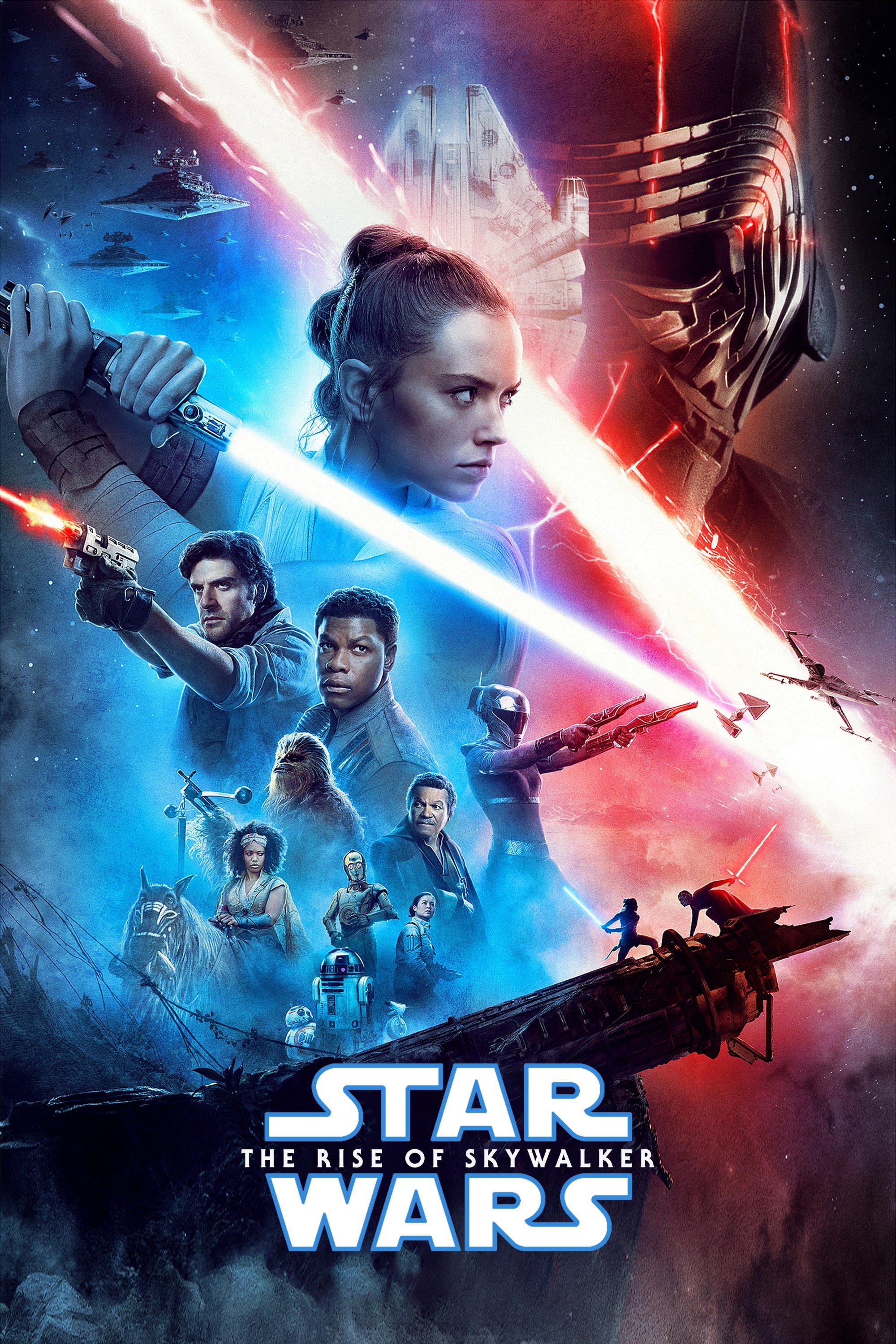
Rose Tico was introduced in the previous installment as a significant secondary lead with a clear arc. In this concluding chapter, her screen time was drastically reduced to just over one minute of footage. Fans and critics noted that her presence felt like an afterthought designed to satisfy minimal requirements. The character was largely sidelined to the base while the other heroes went on the main adventure. This decision felt like a reaction to online pressure rather than a creative choice for the narrative.
‘Suicide Squad’ (2016)
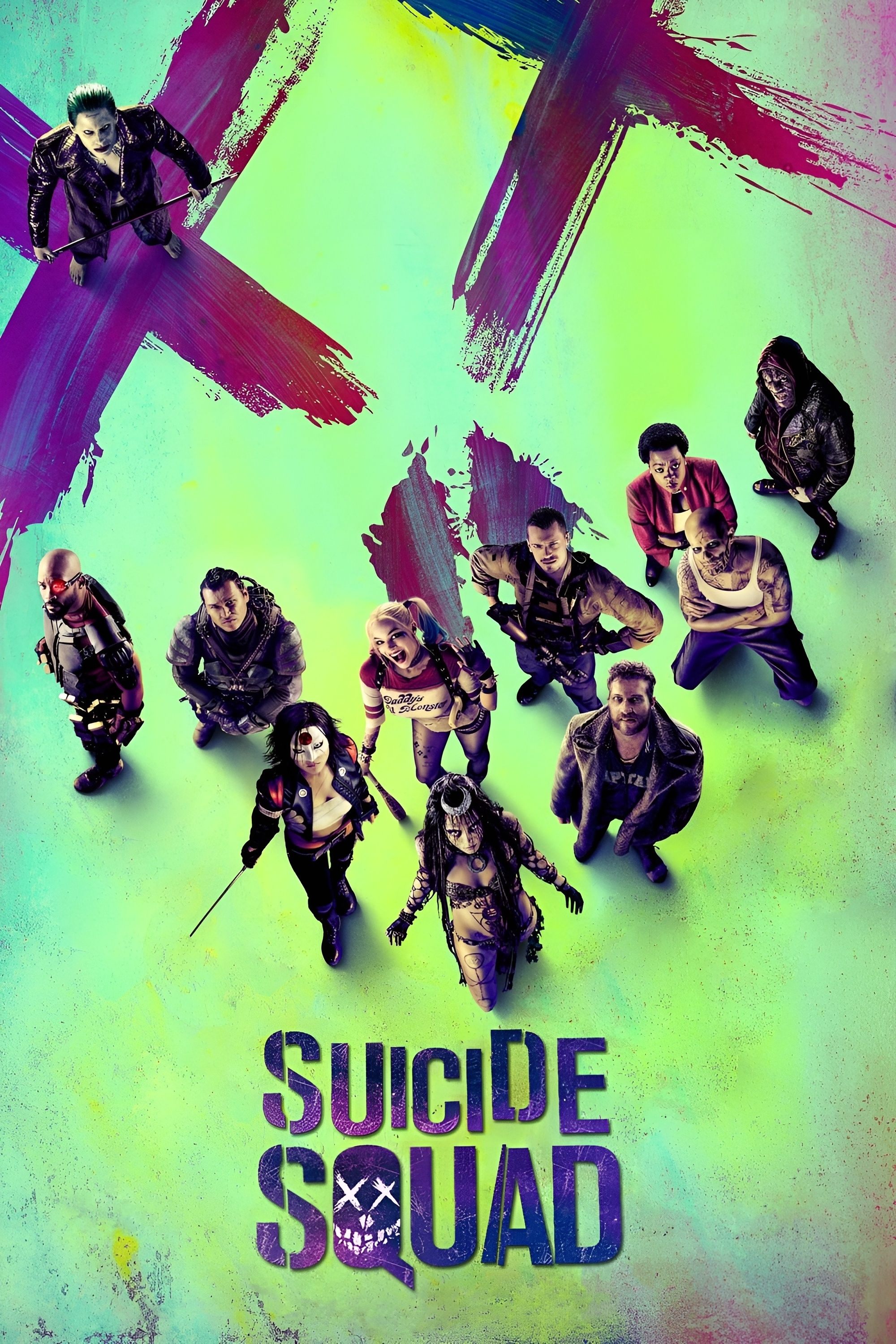
The character of Katana arrives late in the film with very little formal introduction. She is a bodyguard whose husband has a soul trapped in her sword. This backstory is briefly mentioned in a single monologue by another character. Her role in the final battle is minimal and does not impact the plot significantly. This inclusion felt like an attempt to add diversity without giving the character meaningful development.
‘Power Rangers’ (2017)
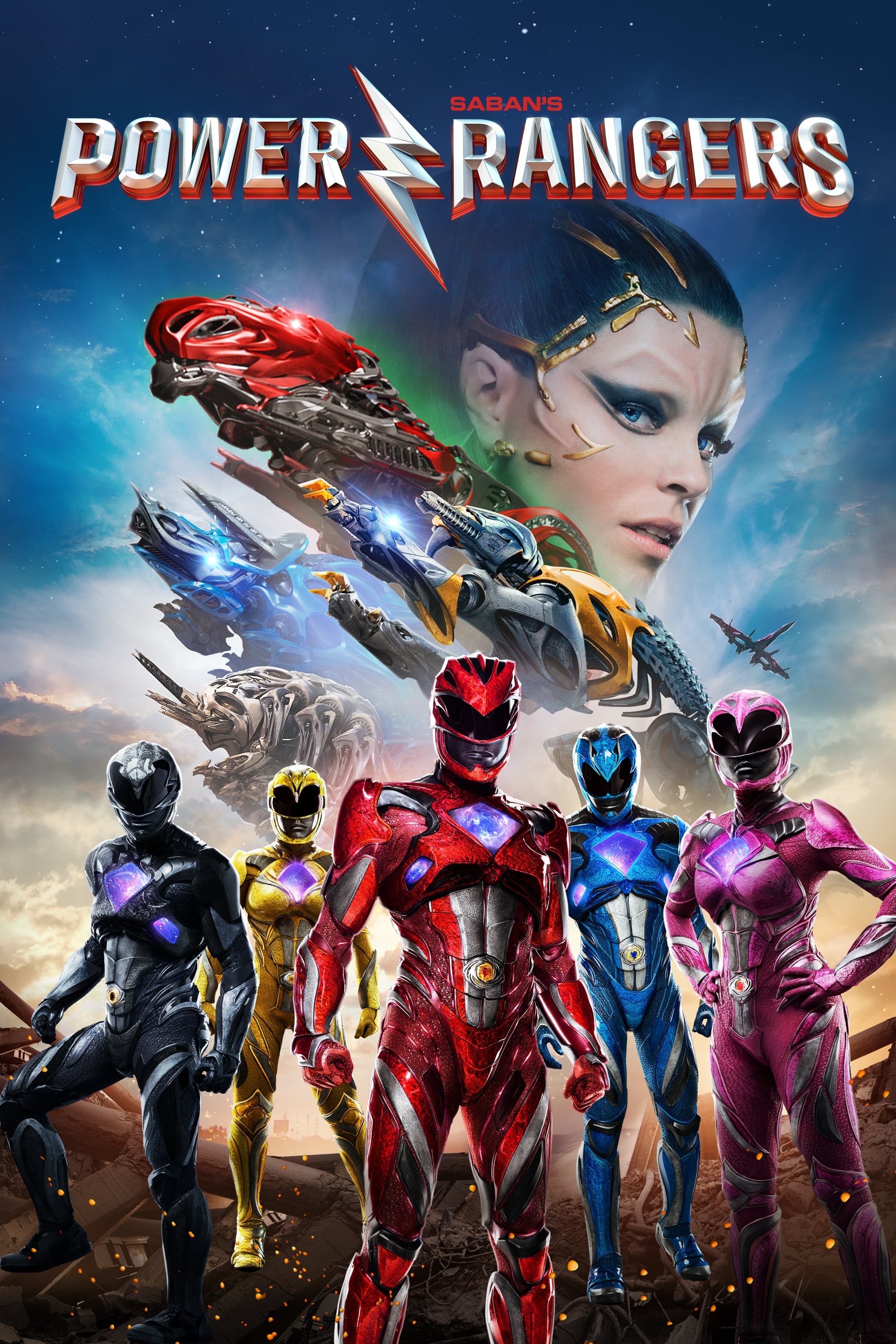
Trini is portrayed as a teenager struggling with her identity and her place in the group. During one scene, the film briefly suggests that she is questioning her sexual orientation. This moment was heavily marketed as a milestone for representation in superhero cinema. However, the film never explores this aspect of her character further. Critics felt the scene was too brief to be meaningful or impactful.
‘Transformers: Age of Extinction’ (2014)

This action film features several Chinese actors in roles that have very little connection to the main plot. These characters appear briefly during the final act which takes place in Hong Kong. Their presence was widely seen as a tactic to appeal to international box office markets. The dialogue for these characters is limited and they do not influence the outcome of the story. This casting strategy has been a frequent point of discussion regarding global film marketing.
‘Independence Day: Resurgence’ (2016)
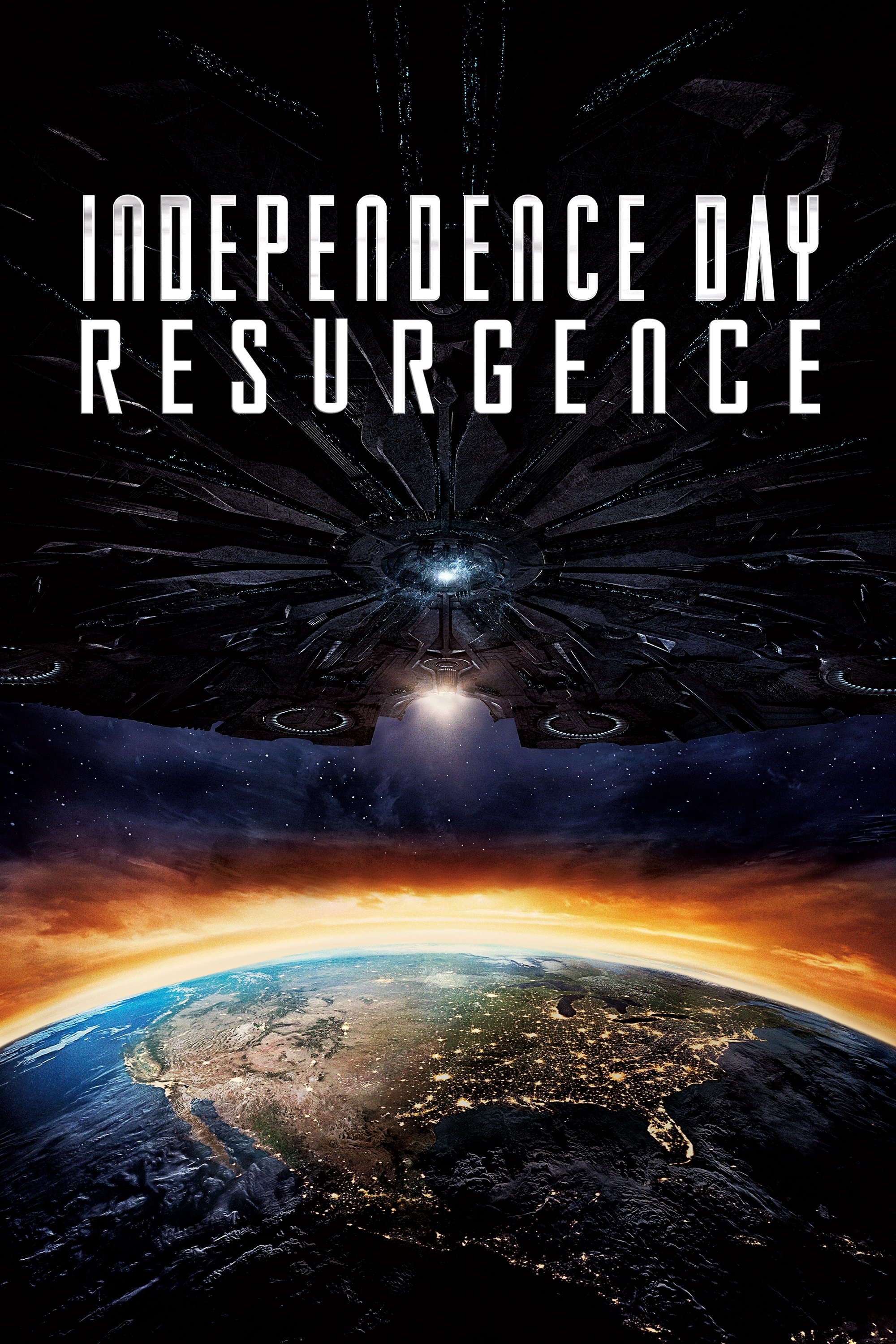
The sequel introduces a Chinese pilot played by Angelababy to the international defense force. Her character is given very few lines and does not have a personal arc of her own. She mostly appears in group shots or brief cockpit sequences during the battle. Many viewers felt her inclusion was a transparent attempt to court the Chinese audience. The film lacks any depth for her character beyond her military role.
‘X-Men: Days of Future Past’ (2014)
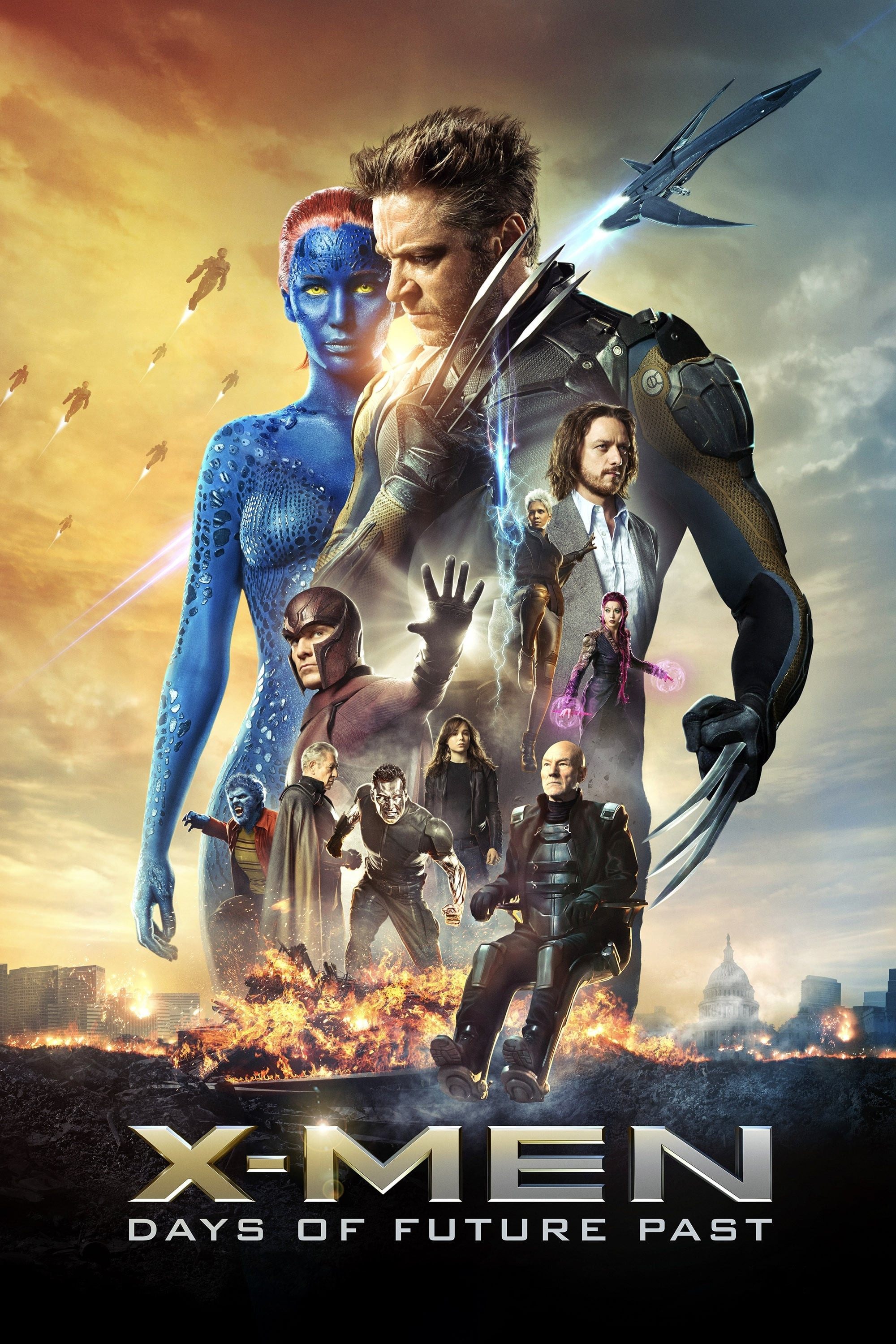
Several minority mutants appear in the future timeline sequences of this superhero epic. Characters like Warpath, Blink, and Sunspot are shown using their powers but have almost no dialogue. They serve primarily as background muscle to be defeated by the Sentinels. While their visual effects are impressive, they lack the narrative weight given to the core cast members. This use of diverse characters as cannon fodder is a common critique in large ensemble films.
‘Jurassic World’ (2015)
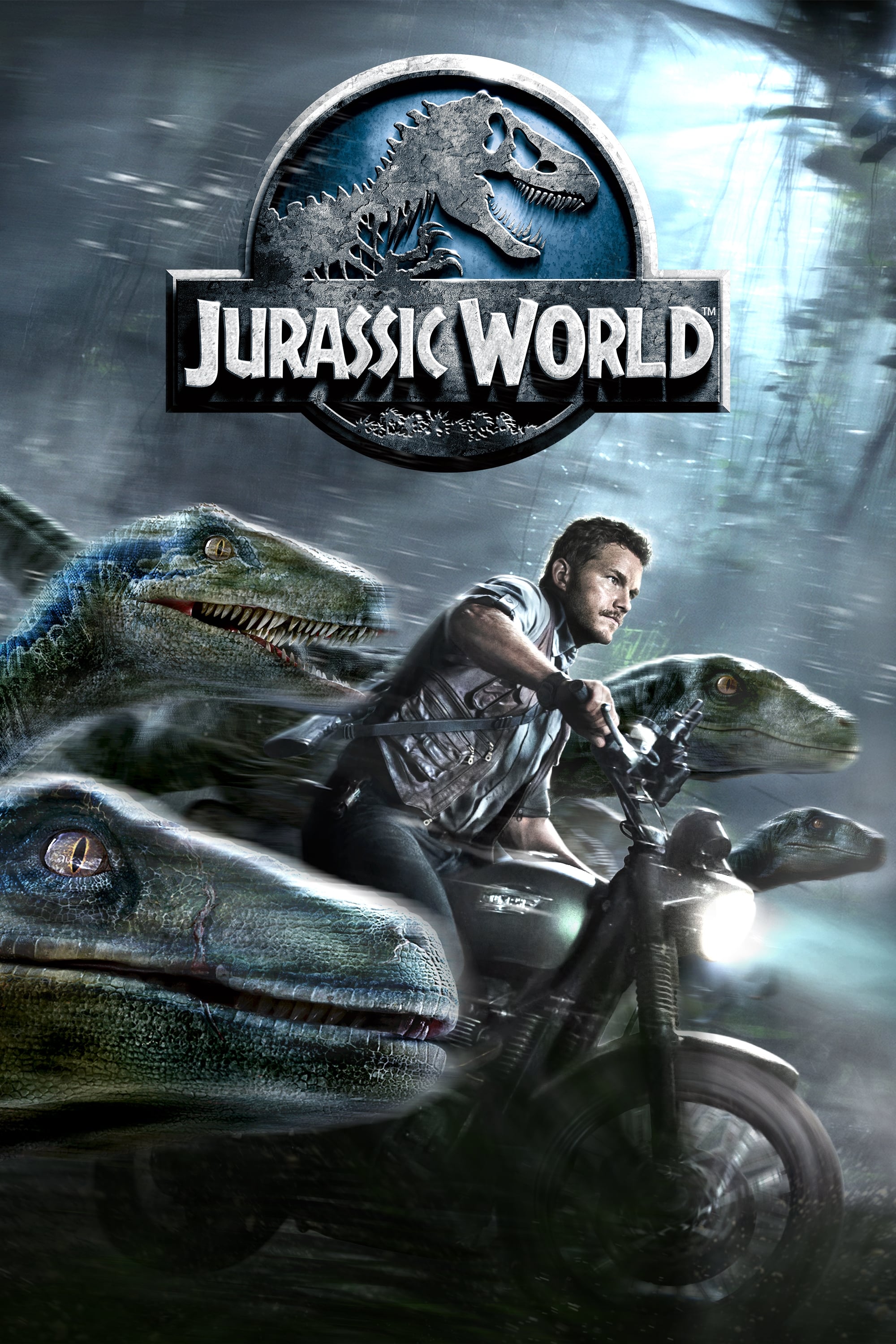
Omar Sy plays a dinosaur trainer named Barry who works alongside the main protagonist. Despite his prominent position, Barry is given very little screen time or character development. He disappears for a large portion of the film once the chaos begins. His role is functional and serves only to provide information about the raptors. Many fans felt a talented actor was wasted in such a shallow part.
‘Pitch Perfect 2’ (2015)

The sequel introduces a new character named Flo who is an exchange student from Central America. Most of her dialogue consists of jokes about the hardships she faced in her home country. These comments are often followed by awkward silence from the other characters. Critics argued that her presence relied heavily on stereotypes for comedic effect. This approach to diversity was seen as regressive compared to the rest of the ensemble.
‘The Martian’ (2015)
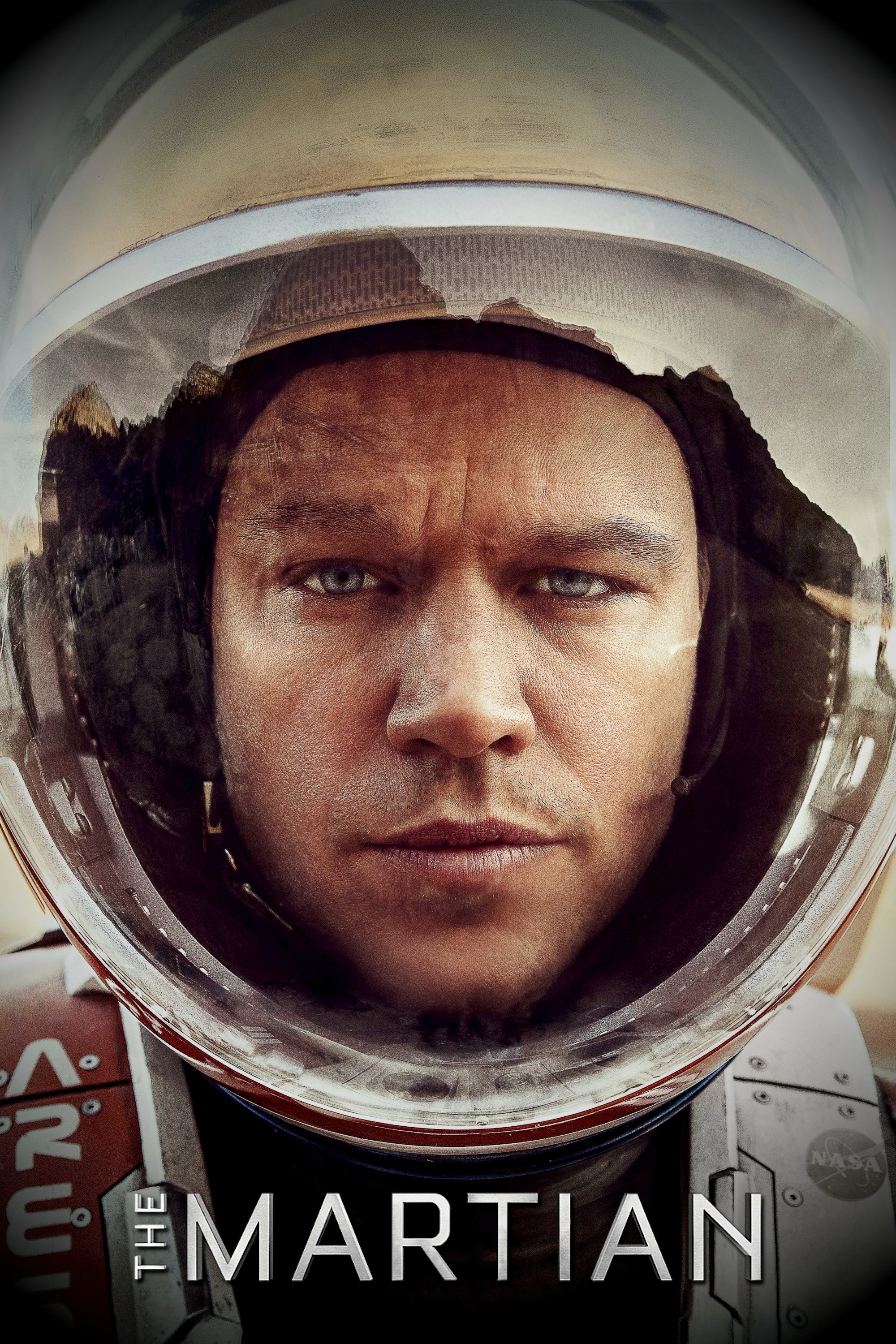
The film features a character named Vincent Kapoor who works as a high level director at NASA. In the original novel, this character was named Venkat Kapoor and was of Indian descent. The change to the name and the casting of a non Indian actor led to discussions about representation. While the character is important to the mission, the alteration felt like a step back for diversity. The film was successful but faced scrutiny for this specific casting decision.
‘Fantastic Four’ (2015)
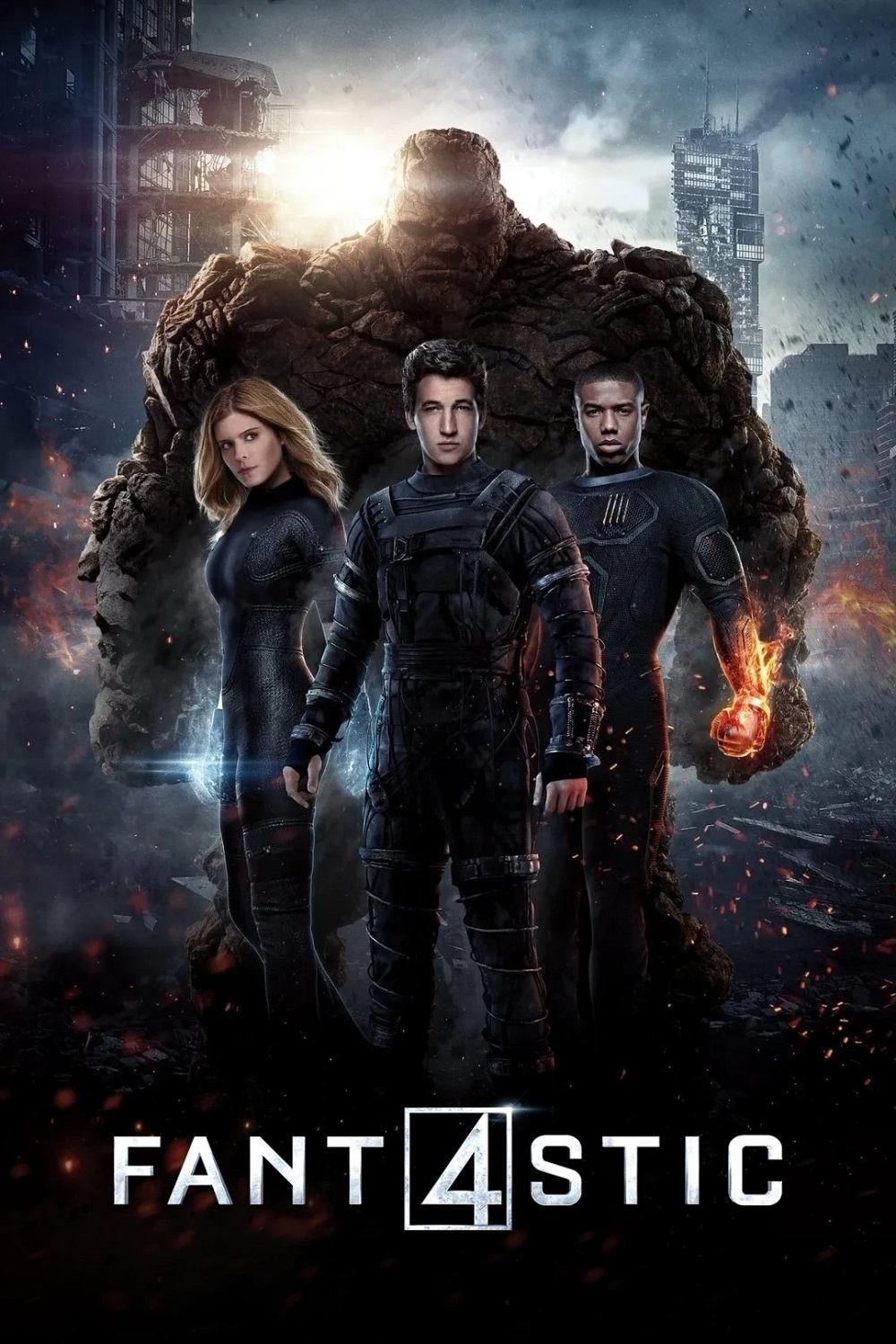
Michael B. Jordan was cast as Johnny Storm, which changed the race of the character from the original comics. The film also features Kate Mara as his sister, who is explained to be adopted. This change sparked significant debate among fans before the film was even released. Within the story, the family dynamic is barely explored and feels disconnected. The movie was a critical failure for many reasons beyond its casting choices.
‘Beauty and the Beast’ (2017)
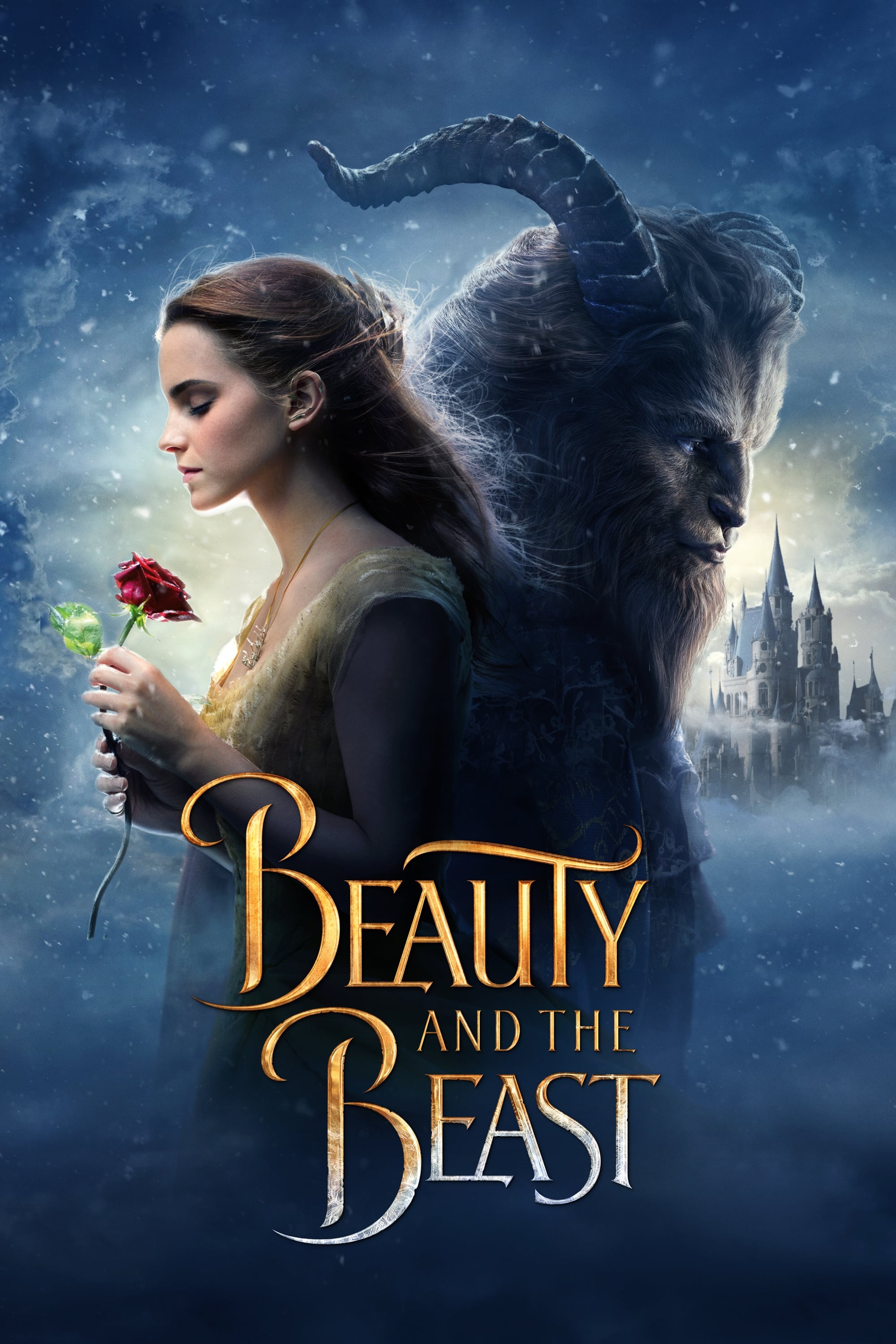
This live action remake was promoted as featuring the first openly gay character in a Disney film. Josh Gad portrays LeFou, who shows brief signs of affection for Gaston. The heavily discussed gay moment turned out to be a very brief dance at the end of the movie. Many viewers felt the marketing overplayed the significance of this inclusion. The character’s arc remained largely tied to his traditional role as a sidekick.
‘Cruella’ (2021)

The character Artie is introduced as a fashion forward ally to the titular protagonist. He was marketed as the first major queer character in a Disney live action film. His sexuality is hinted at through his aesthetic and minor comments rather than a clear narrative arc. While he is a stylish addition to the cast, he lacks a personal story outside of helping Cruella. This pattern of subtle representation has been criticized as being too safe for mainstream studios.
‘Eternals’ (2021)
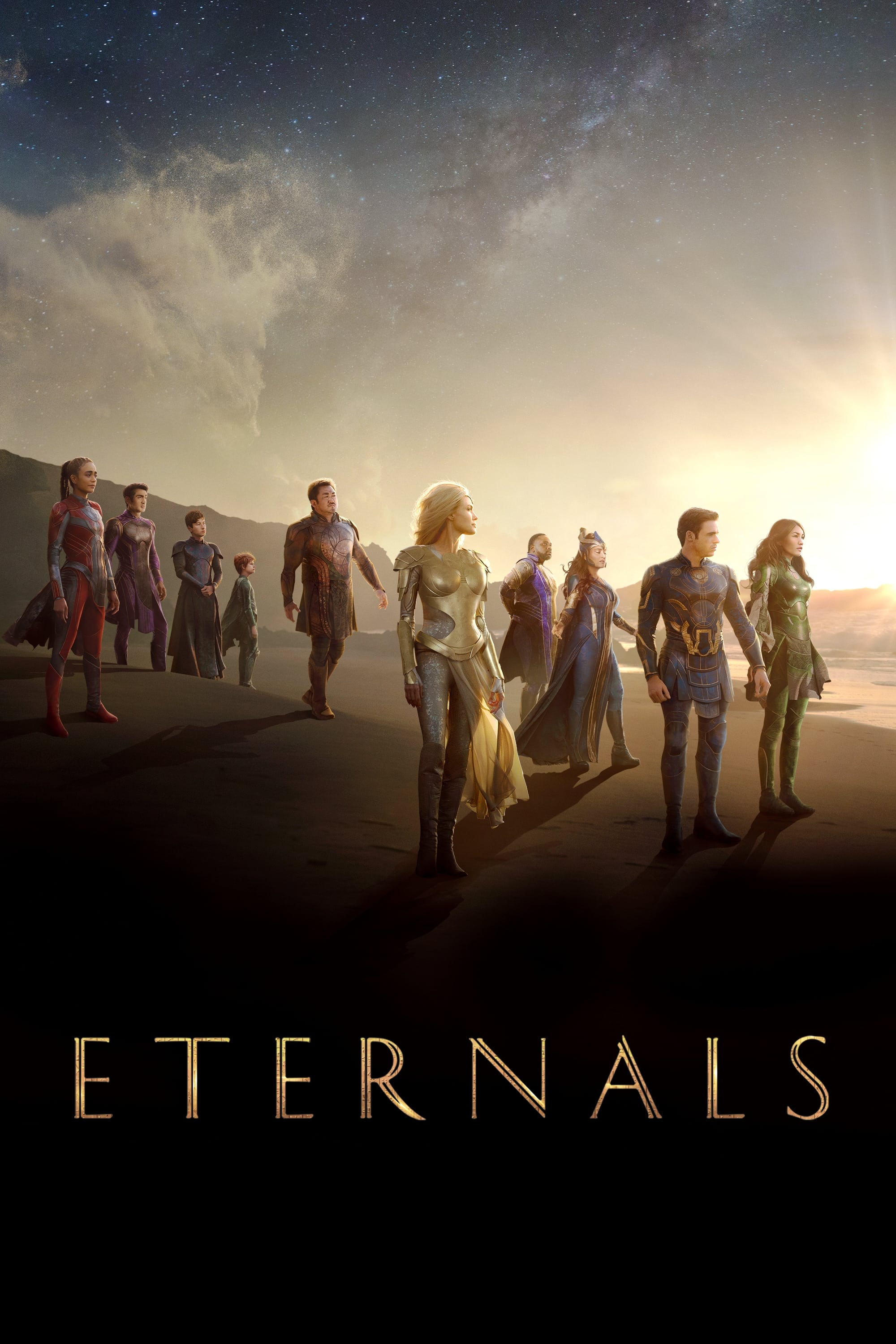
Phastos is presented as the first gay superhero in the Marvel Cinematic Universe to have a husband and child. The film includes a brief scene of his domestic life and a kiss with his partner. While this was a milestone, some critics felt his role in the overall plot was less central than the other heroes. The marketing emphasized this representation more than the character’s individual journey. His powers and history are explored, but the focus often remained on the novelty of his identity.
‘Godzilla: King of the Monsters’ (2019)
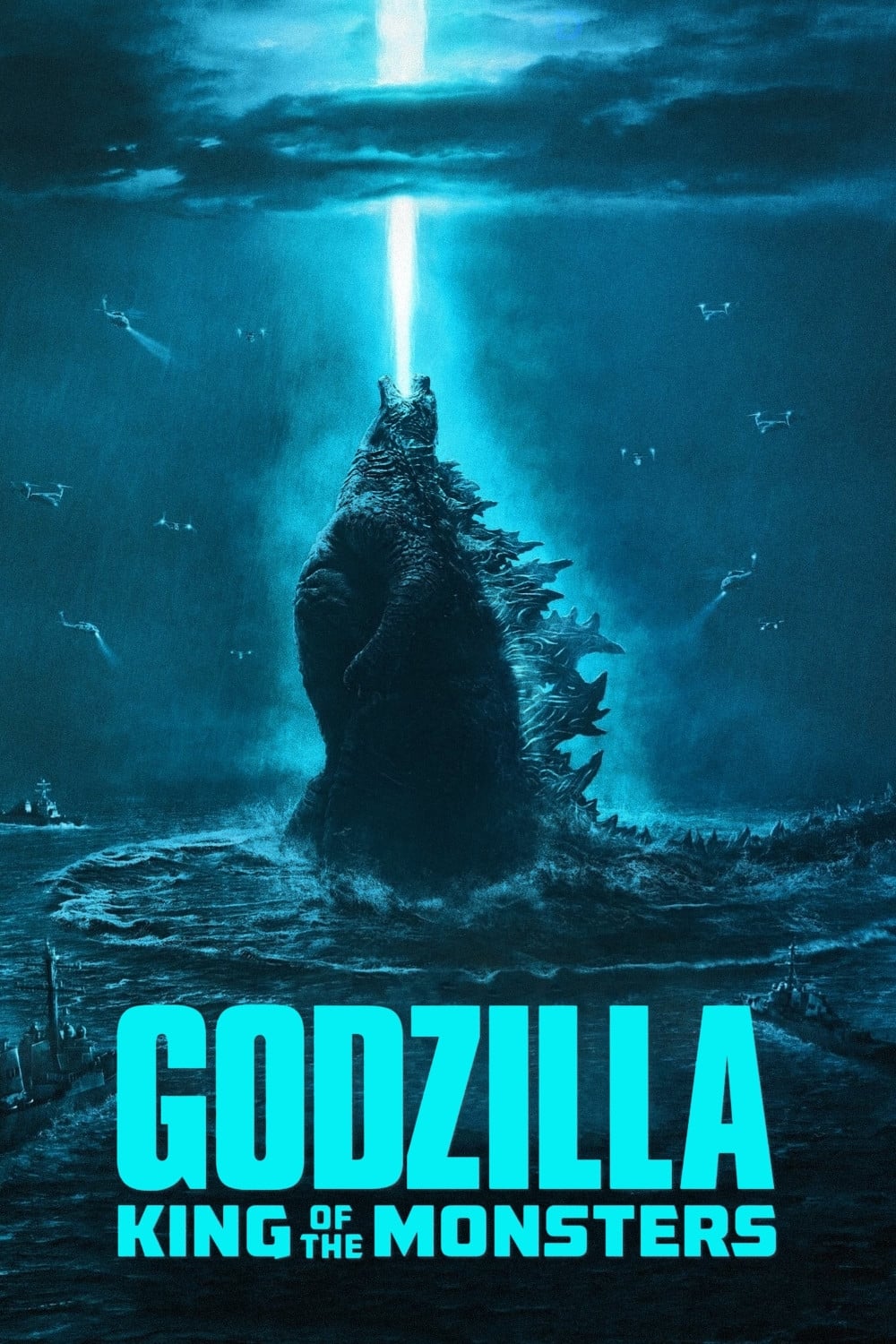
The character of Dr. Chen is a mythologist who provides vital information about the titans. She is played by Zhang Ziyi and represents a legacy of monarch researchers. Despite her importance to the lore, she has very little interaction with the other lead characters. Her presence feels somewhat isolated from the main emotional core of the story. This role was viewed by some as a way to integrate international stars into a global franchise.
‘The Great Wall’ (2016)
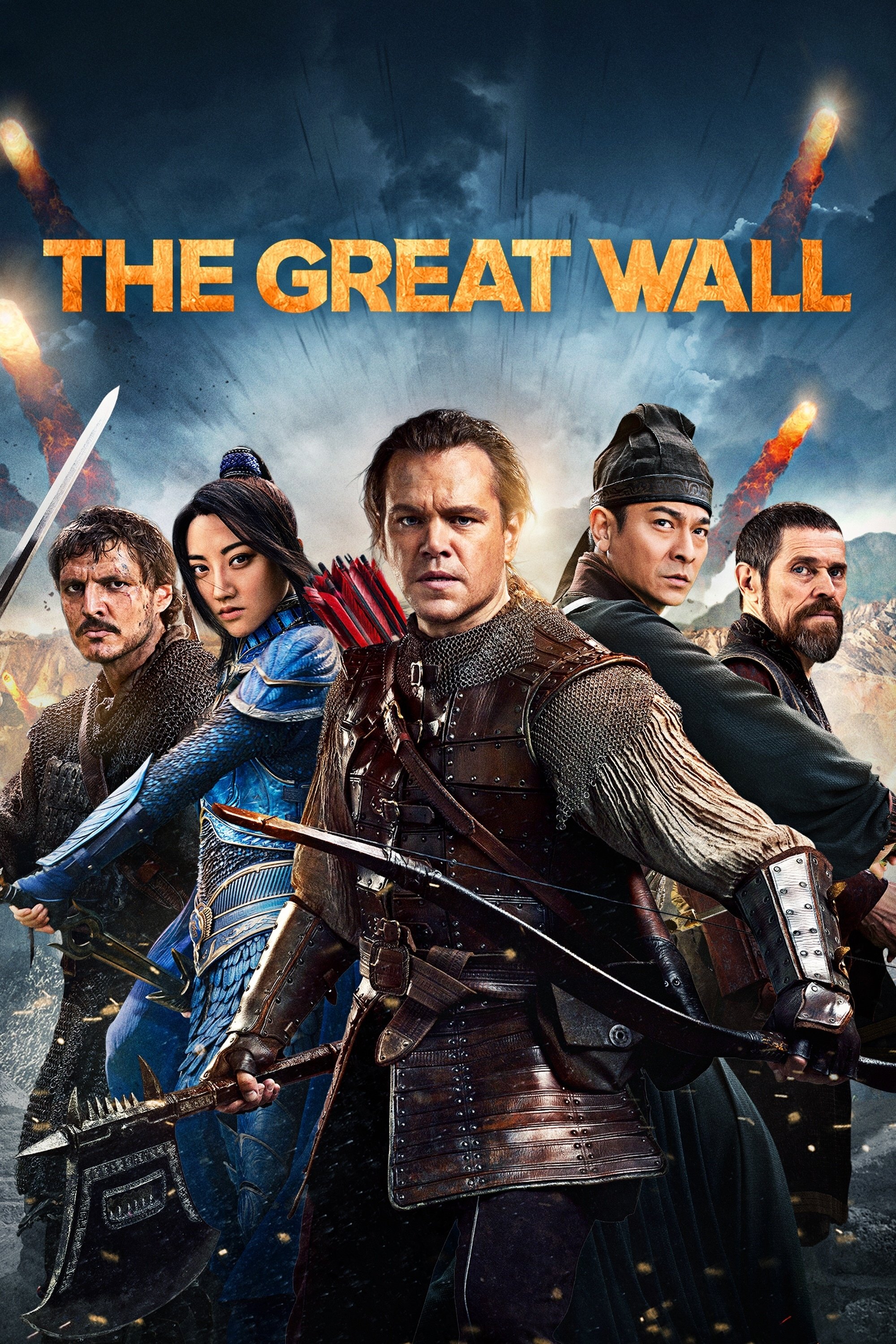
This film features a massive cast of Chinese soldiers and commanders defending their country. However, the story centers on a European mercenary played by Matt Damon who becomes the ultimate hero. The local characters are often sidelined or serve as secondary support to the foreign protagonist. Critics pointed out that this structure undermines the setting and the culture being depicted. The inclusion of a diverse cast felt secondary to the star power of the lead.
‘Pacific Rim’ (2013)
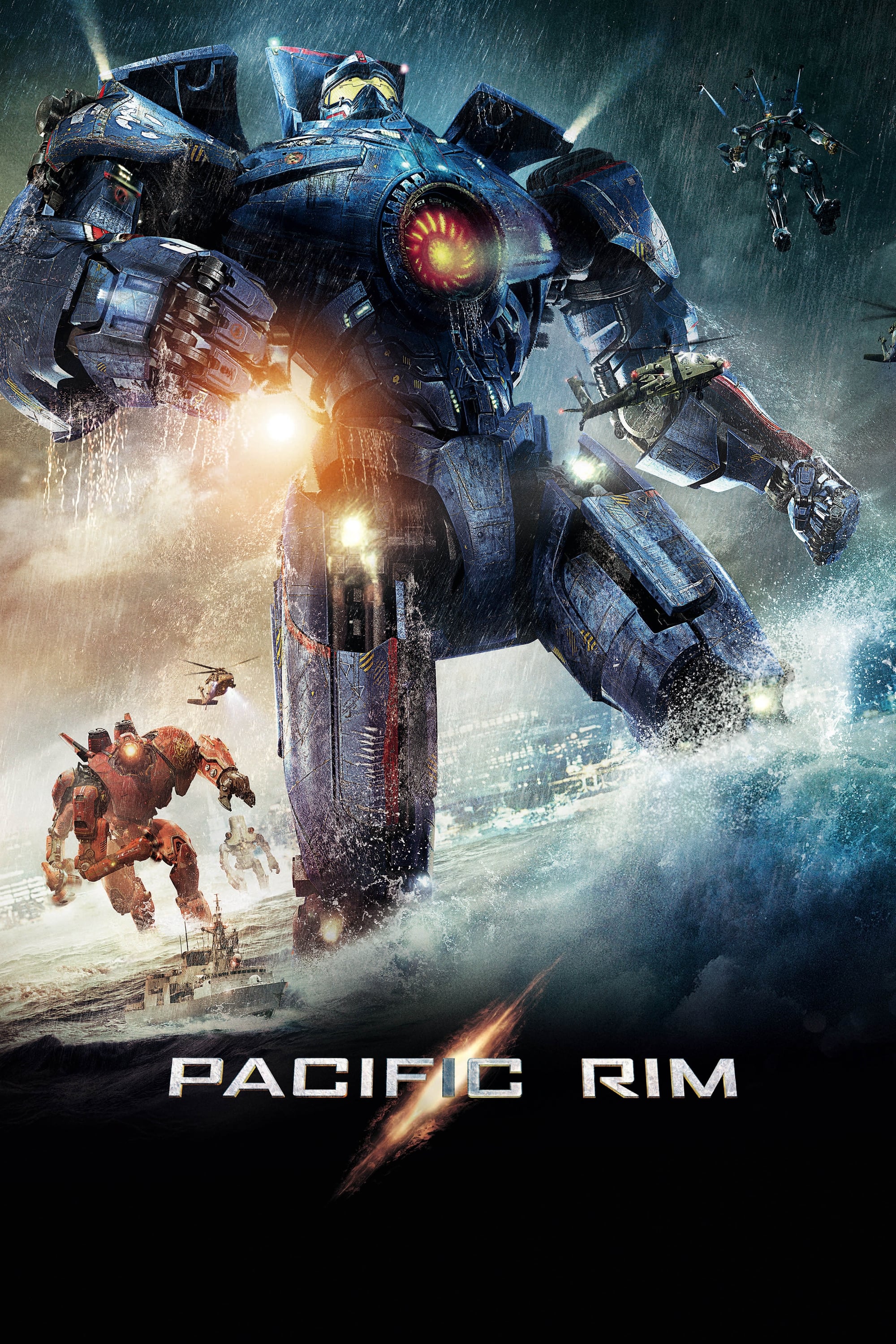
The film introduces the Wei Tang Clan who pilot a massive three armed robot from China. Despite having a unique design and fighting style, the pilots are given no dialogue. They are defeated relatively early in the final battle to raise the stakes for the main heroes. Fans were disappointed that such an interesting team was treated as background filler. This choice emphasized the focus on the American and Australian leads.
‘Pacific Rim: Uprising’ (2018)
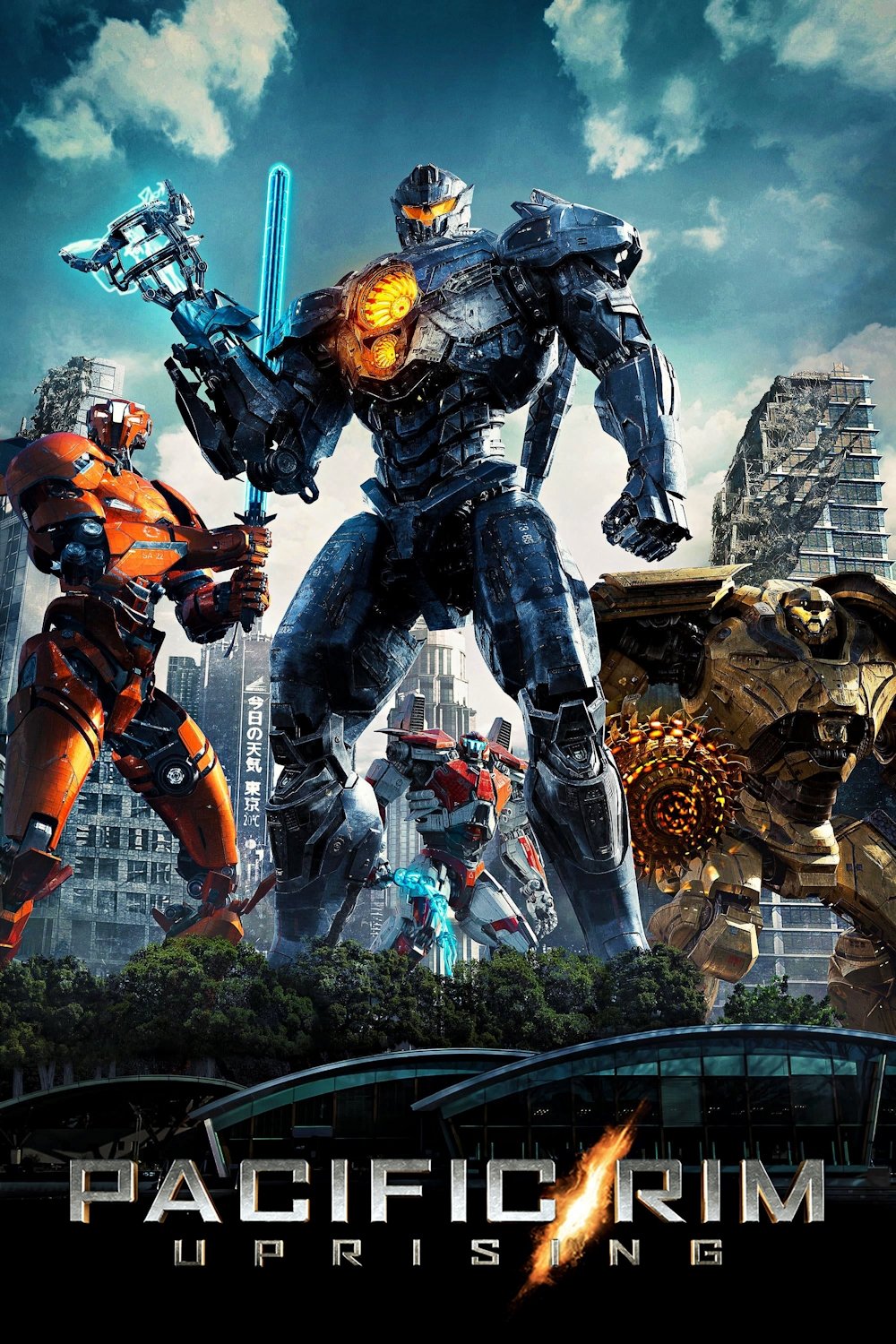
The sequel features a diverse group of young cadets from around the world. These characters are meant to represent the global nature of the defense force. Most of these cadets are given very little individual personality or development. They primarily serve to fill out the background of the training sequences. During the climax, their contributions are overshadowed by the main two pilots.
‘Skyscraper’ (2018)
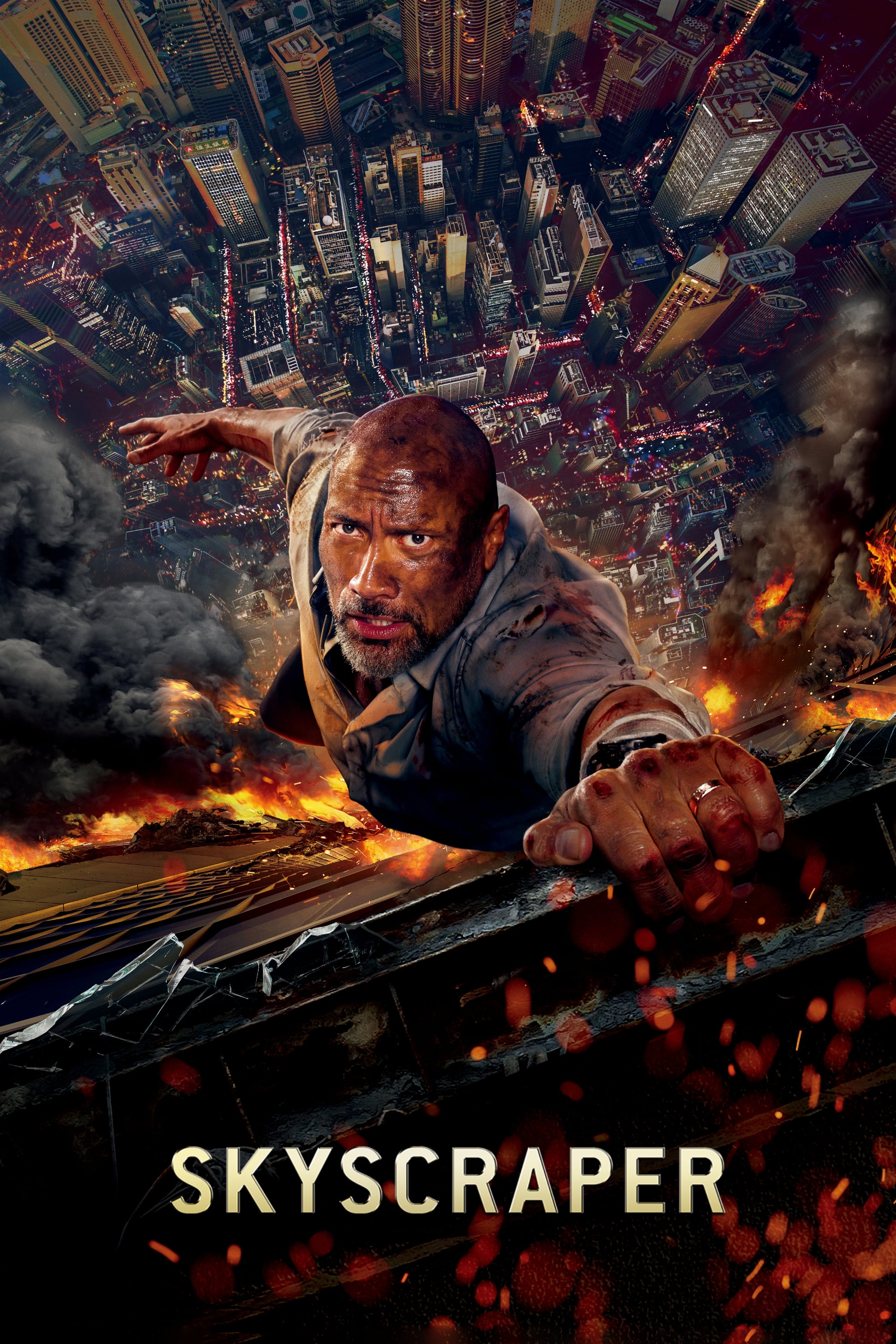
This action film is set in a fictional building in Hong Kong and features many local characters. Many of these roles are police officers or technicians who have very little agency in the plot. The narrative focuses almost entirely on the American protagonist rescuing his family. The local setting and people often feel like a backdrop for the action rather than part of the story. This approach is common in big budget films aiming for a global reach.
‘Meg 2: The Trench’ (2023)

The sequel includes a prominent role for Chinese star Wu Jing as a lead scientist and action hero. He works alongside Jason Statham to fight prehistoric creatures and corporate villains. While his role is large, the dialogue and characterization are often very thin. His inclusion felt specifically designed to maximize the film’s appeal in the Chinese market. The chemistry between the leads often feels secondary to the spectacle of the monsters.
‘Iron Man 3’ (2013)
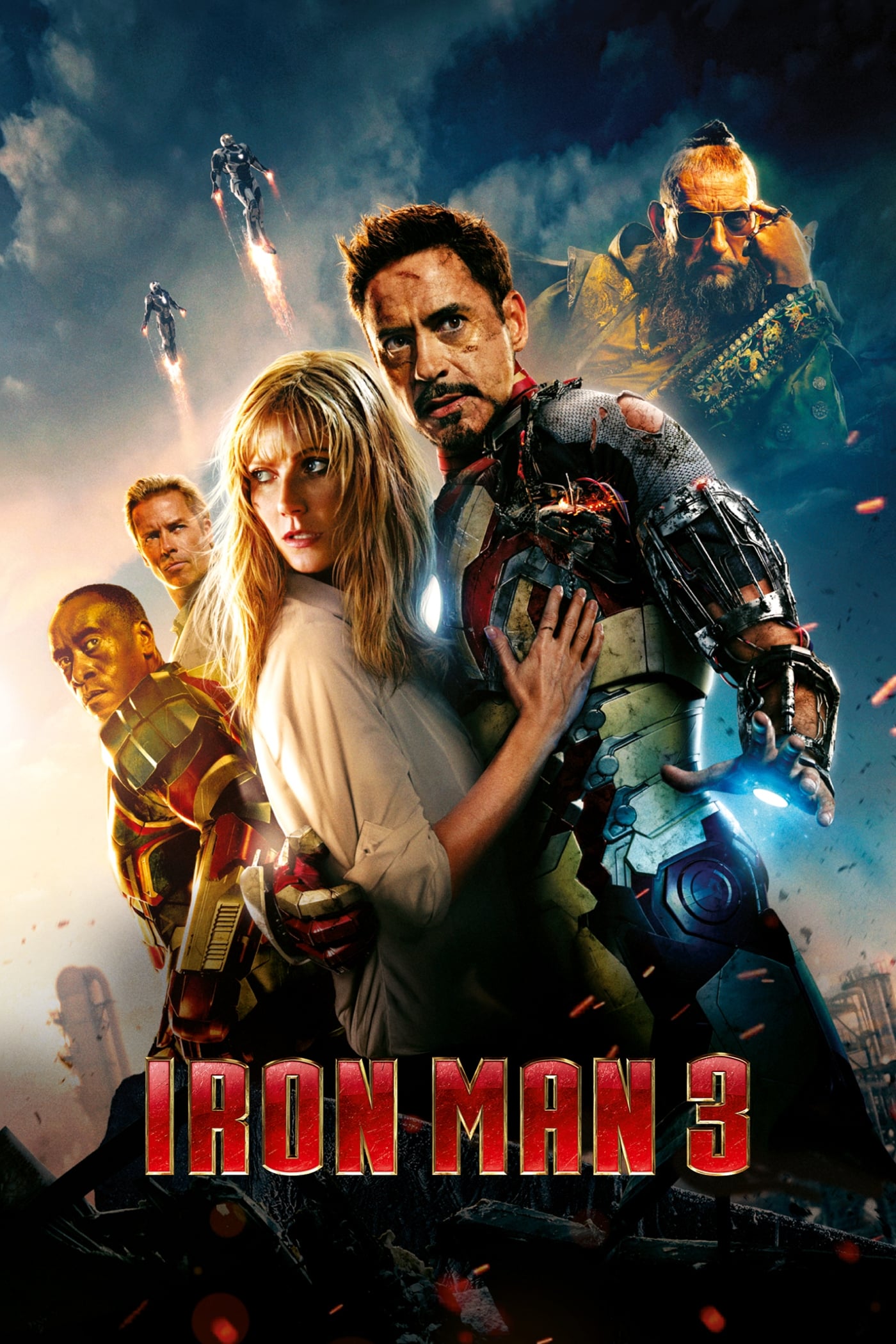
The Chinese version of this film includes additional scenes featuring a character named Dr. Wu. These scenes were not included in the international cut and had no impact on the main plot. The character is shown performing surgery on Tony Stark at the end of the movie. Audiences in China found the additions to be jarring and clearly intended for marketing purposes. This remains one of the most famous examples of regional tokenism in a blockbuster.
‘Looper’ (2012)
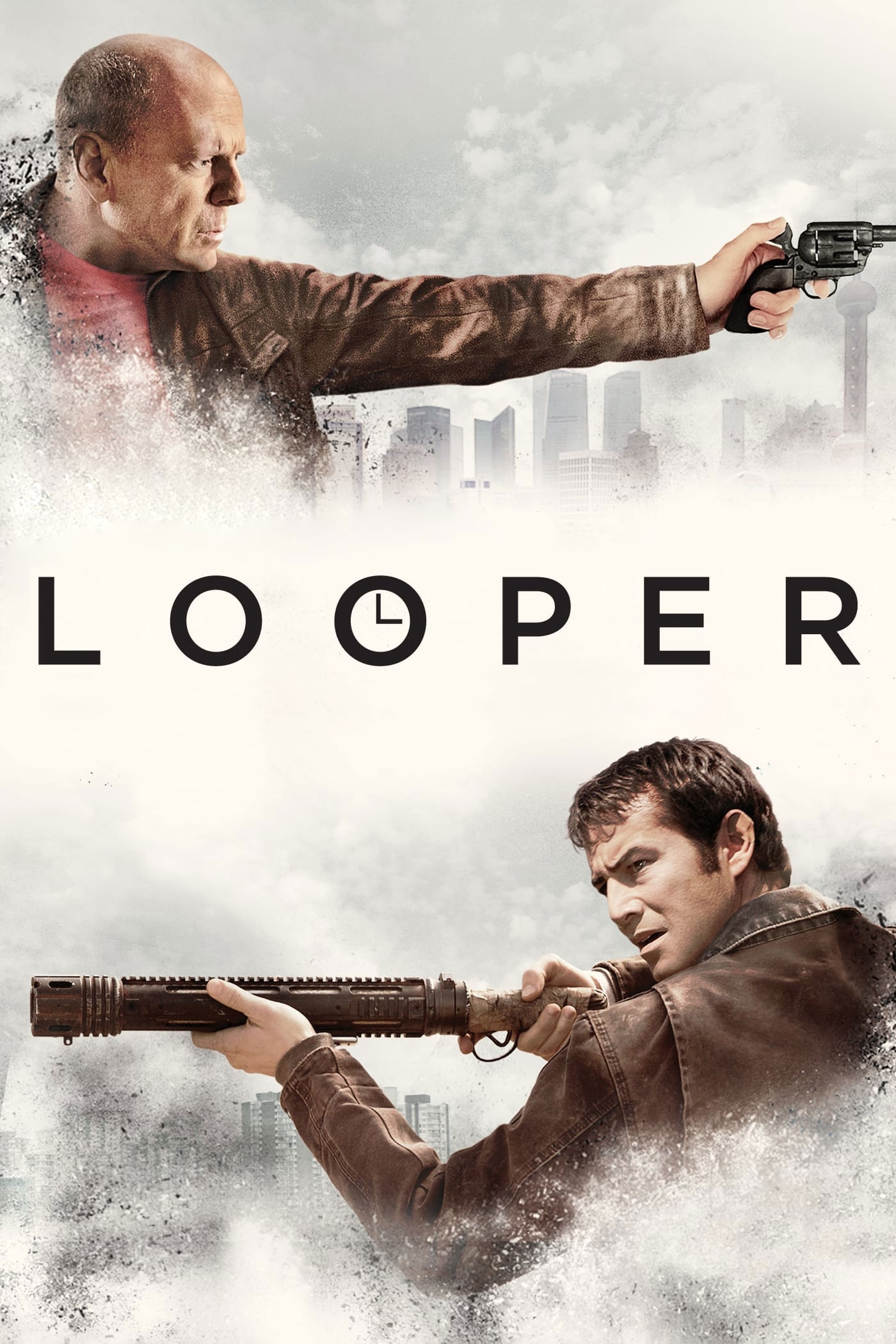
The film features a sequence set in Shanghai that was expanded to secure funding from Chinese production companies. The protagonist decides to move to China instead of France as originally planned in the script. While the location is visually striking, the change does not significantly alter the narrative. The characters he meets there are mostly silent and do not have lasting impacts. This adjustment felt more like a financial decision than a creative one.
‘Batman v Superman: Dawn of Justice’ (2016)
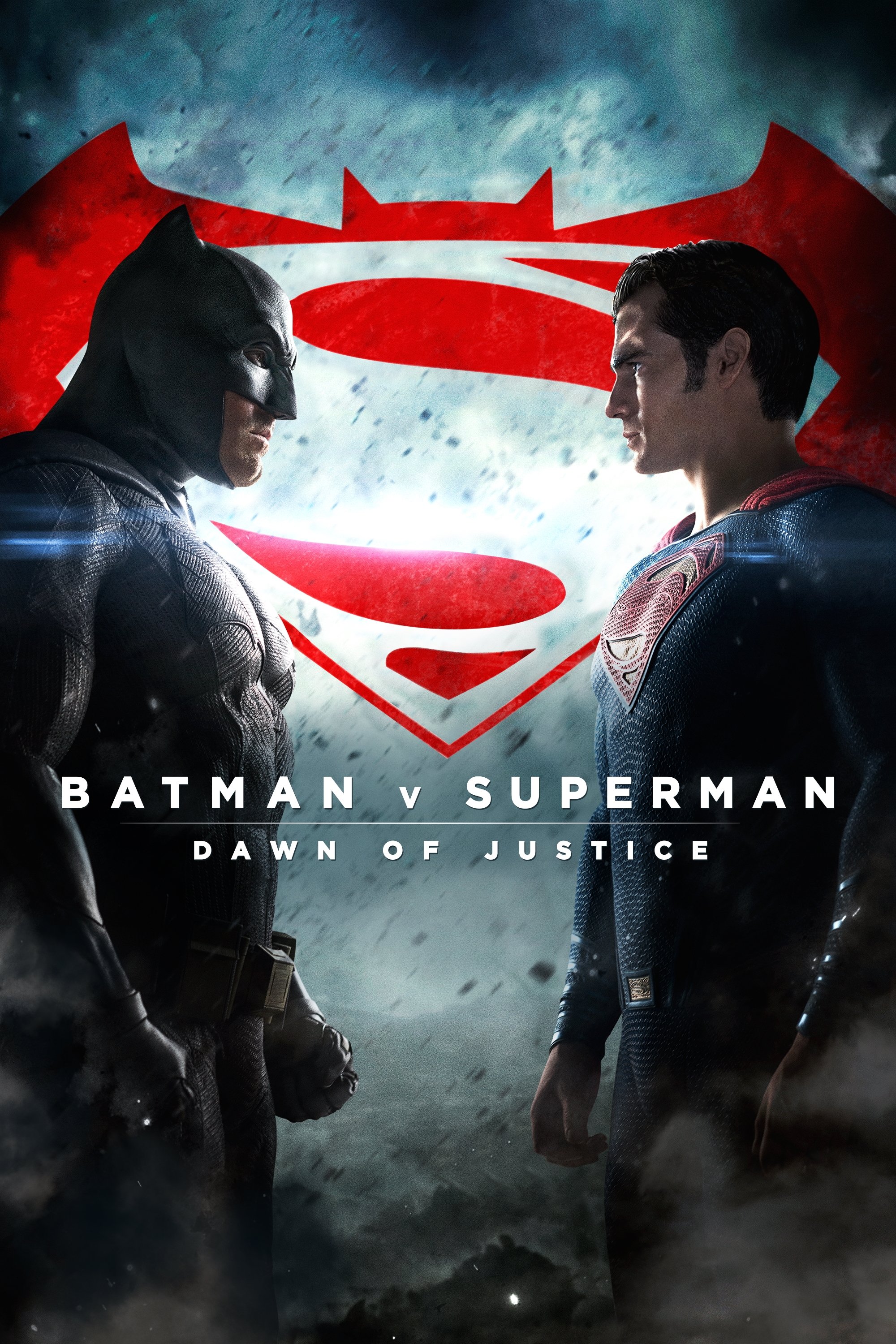
Mercy Graves is introduced as the personal assistant to Lex Luthor. She is a character with a long history in the comics and animated series as a formidable bodyguard. In this film, she has no dialogue and is killed off in an explosion midway through the story. Her presence felt like a missed opportunity to develop a fan favorite character. This treatment left many viewers wondering why she was included at all.
‘Justice League’ (2017)
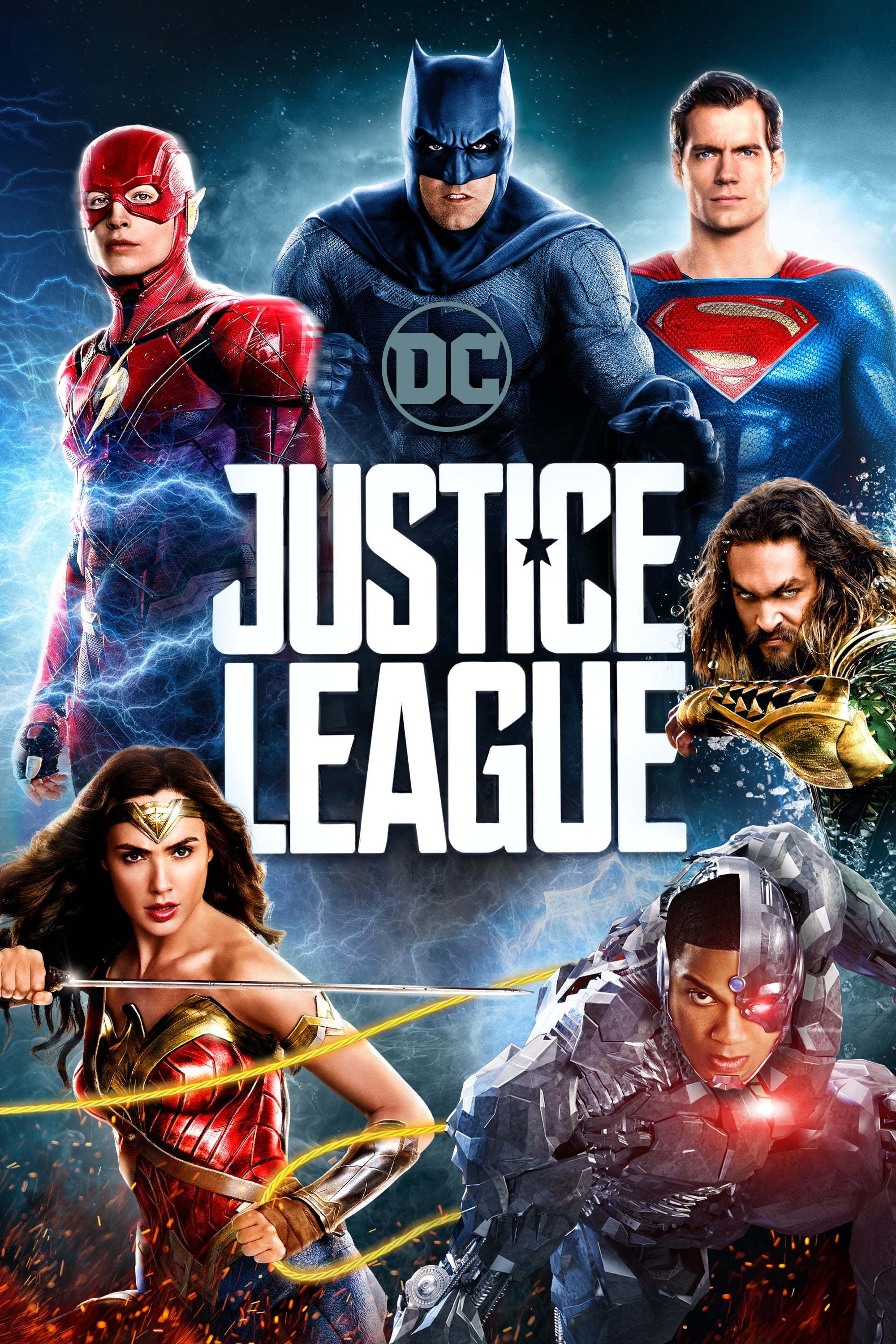
The theatrical cut of this film significantly reduced the backstory and role of Cyborg. He was intended to be the heart of the movie according to the original director. In the edited version, many of his emotional beats and family scenes were removed. This left the character feeling like a functional plot device rather than a fully realized person. The later release of the director’s cut helped to rectify this issue for many fans.
‘X-Men: Apocalypse’ (2016)
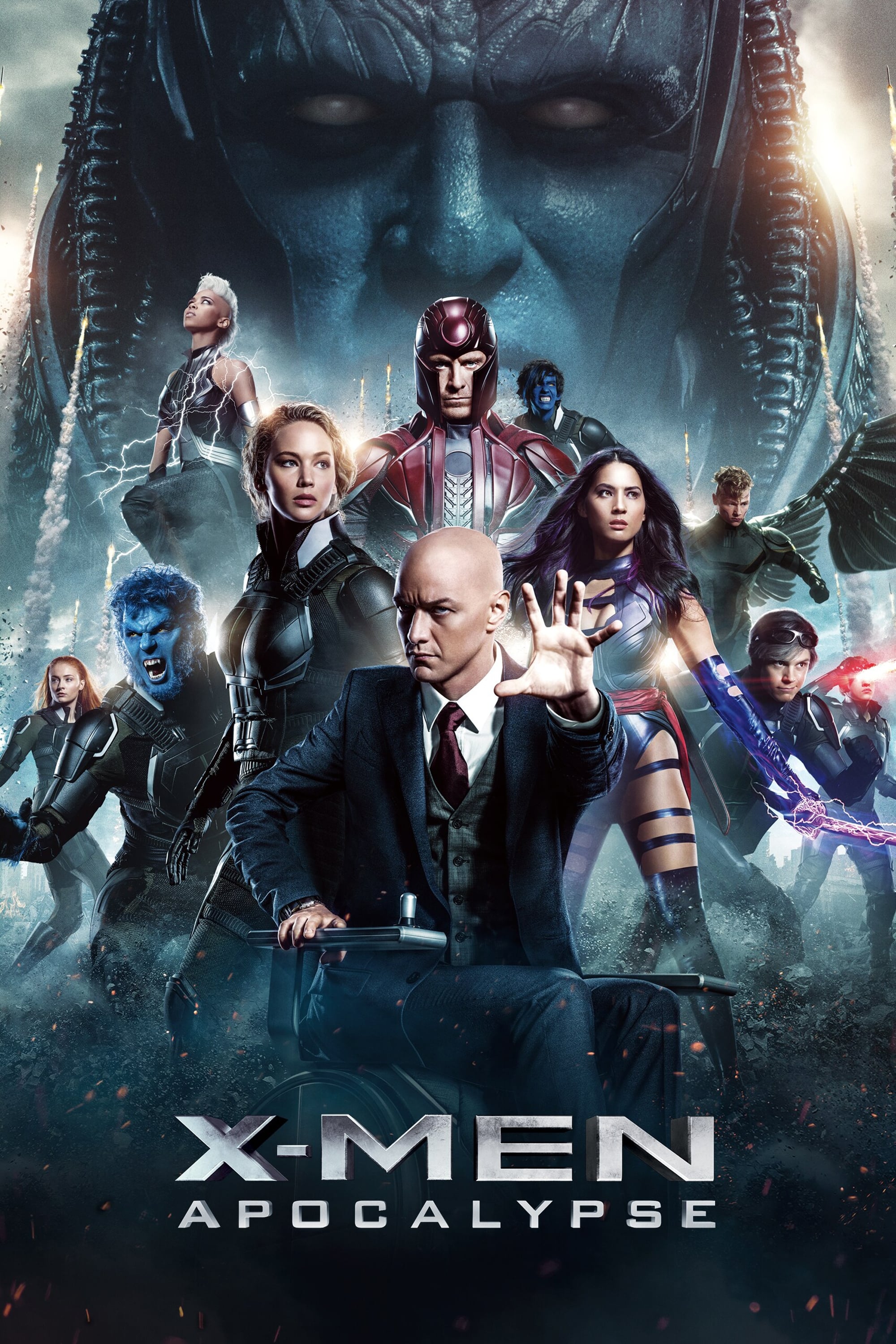
Psylocke is recruited as one of the four horsemen of the villainous Apocalypse. She has very few lines of dialogue and spends most of the film standing in the background. Her role is primarily focused on her visual appearance and a brief fight scene. Fans of the character were disappointed that her complex comic book history was ignored. This inclusion felt like a way to add a recognizable name without giving her anything to do.
‘G.I. Joe: Retaliation’ (2013)
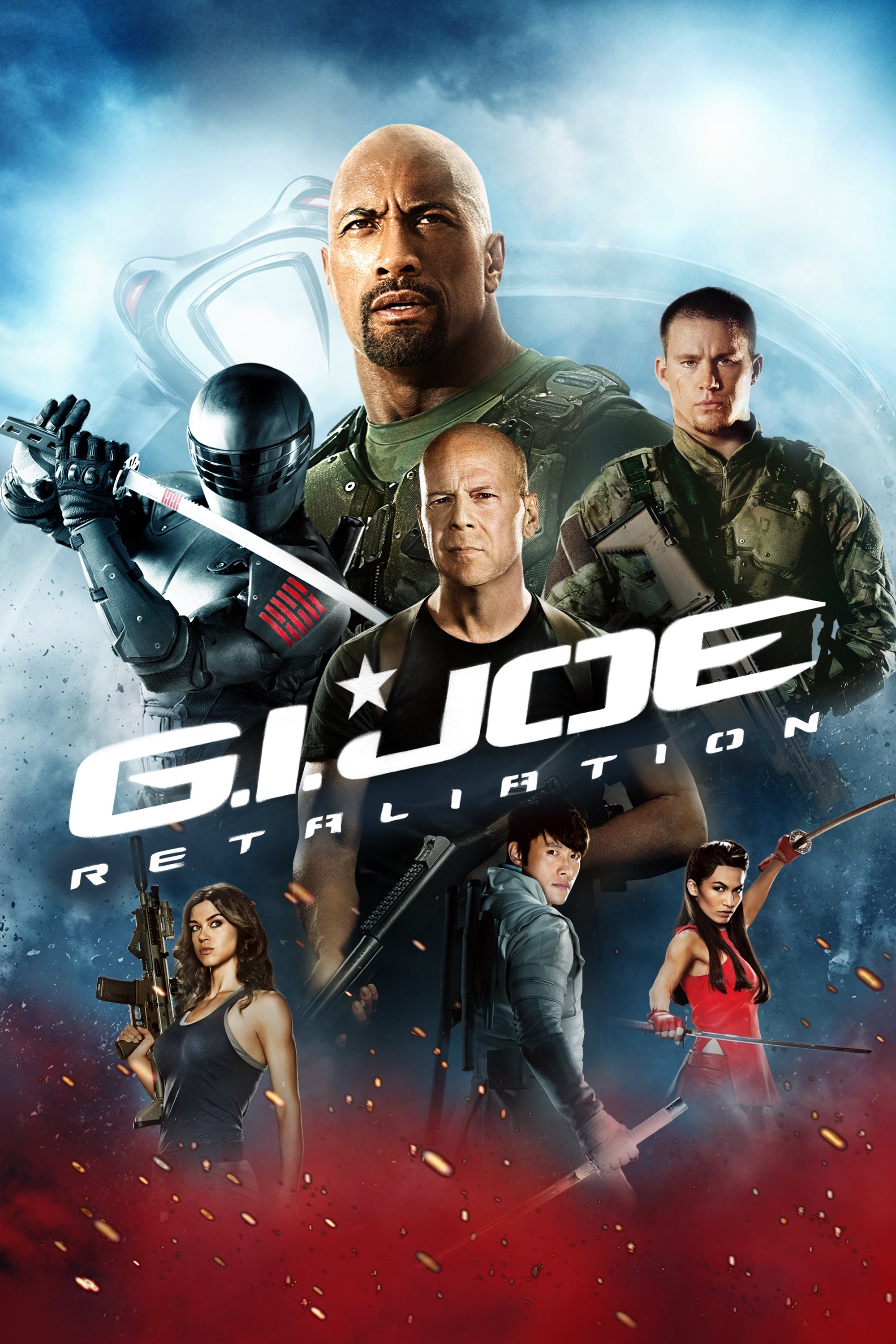
The character Jinx is introduced as a member of the ninja clan who assists Snake Eyes. She is involved in a spectacular mountain battle but has very little character development. Her motivations and personality are never explored beyond her military duty. She serves as a replacement for characters from the first film who were written out. The role felt like a way to maintain a diverse cast without investing in new stories.
‘World War Z’ (2013)

During the escape from Israel, the protagonist is aided by a soldier named Segen. She becomes his primary companion for the rest of the film after she is injured. Despite her constant presence, she has almost no dialogue or backstory. She functions as a silent protector who follows the lead character’s instructions. This characterization felt hollow compared to the intense situation they were facing.
‘Thor: Love and Thunder’ (2022)
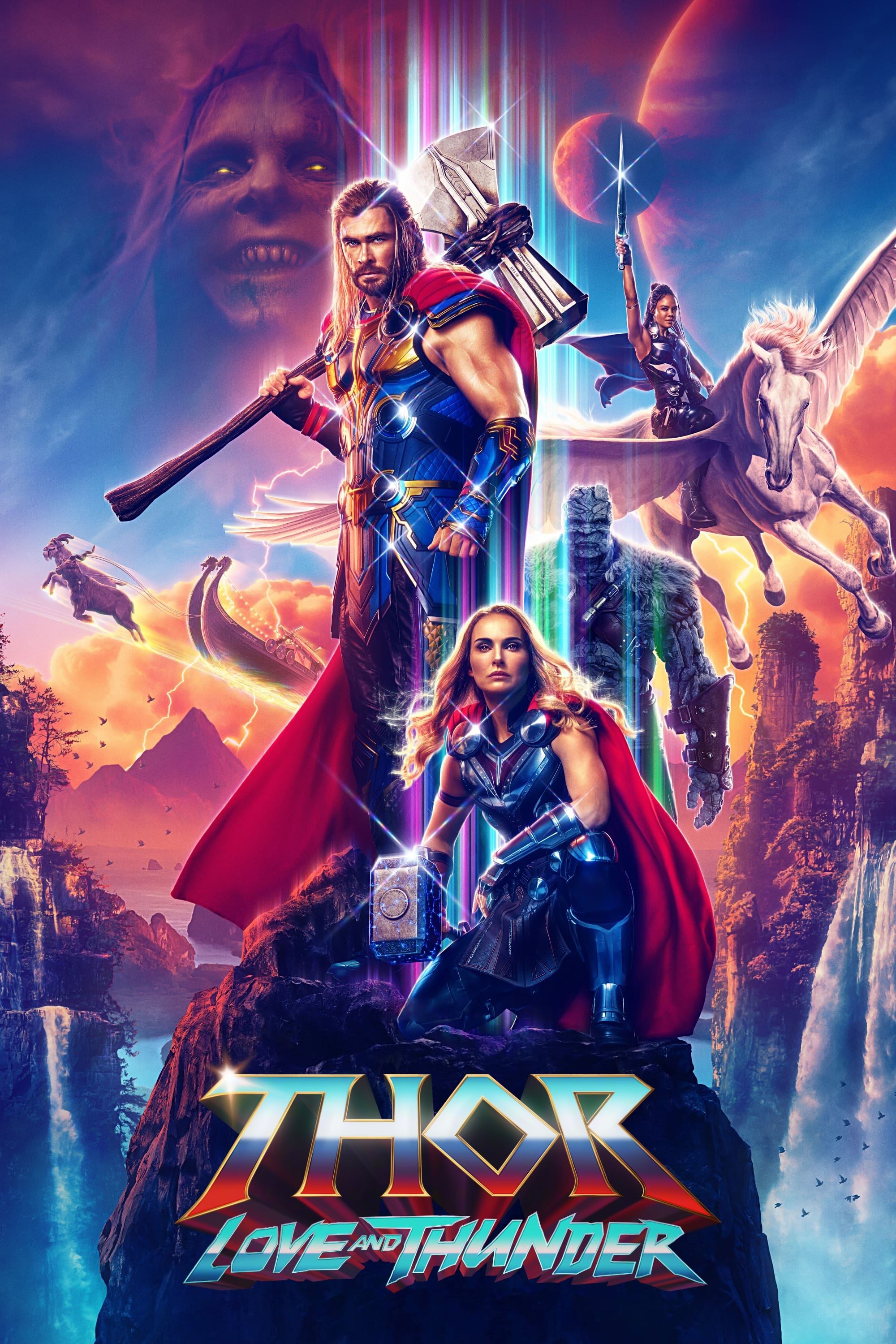
Valkyrie is established as the King of New Asgard and is shown managing the city’s affairs. While she is a powerful and popular character, her role in the central plot of this film is limited. She spends a significant portion of the movie on the sidelines after an injury. Her personal search for a queen is briefly mentioned but never developed into a storyline. This felt like a step back for a character who was a standout in previous appearances.
‘Lightyear’ (2022)

The film features a character named Alisha Hawthorne who is the best friend and commander of Buzz Lightyear. She is shown in a montage having a long and happy life with her wife. This sequence was the subject of much discussion and some international bans. However, within the context of the movie, she exists primarily to motivate Buzz’s character arc. Her descendants also join the team, but their identities are not deeply explored.
‘Rambo: Last Blood’ (2019)
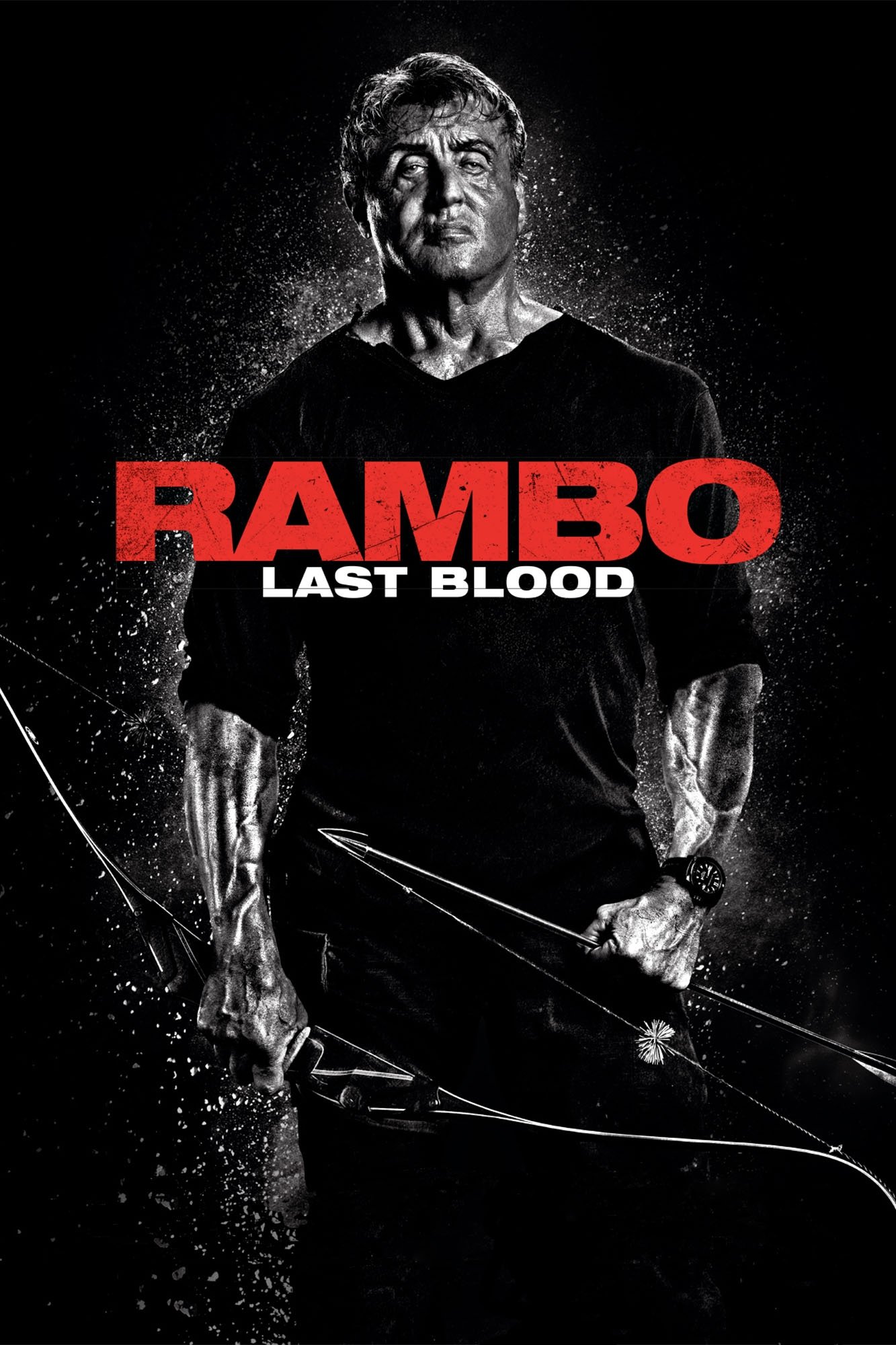
The plot involves the protagonist traveling to Mexico to rescue a young woman from a cartel. The Mexican characters are largely portrayed as either helpless victims or brutal villains. There is very little nuance or depth given to any of the local people encountered in the film. Critics argued that the movie relied on tired stereotypes and forced conflict. This approach made the diverse setting feel like a tool for a specific narrative agenda.
‘The Flash’ (2023)
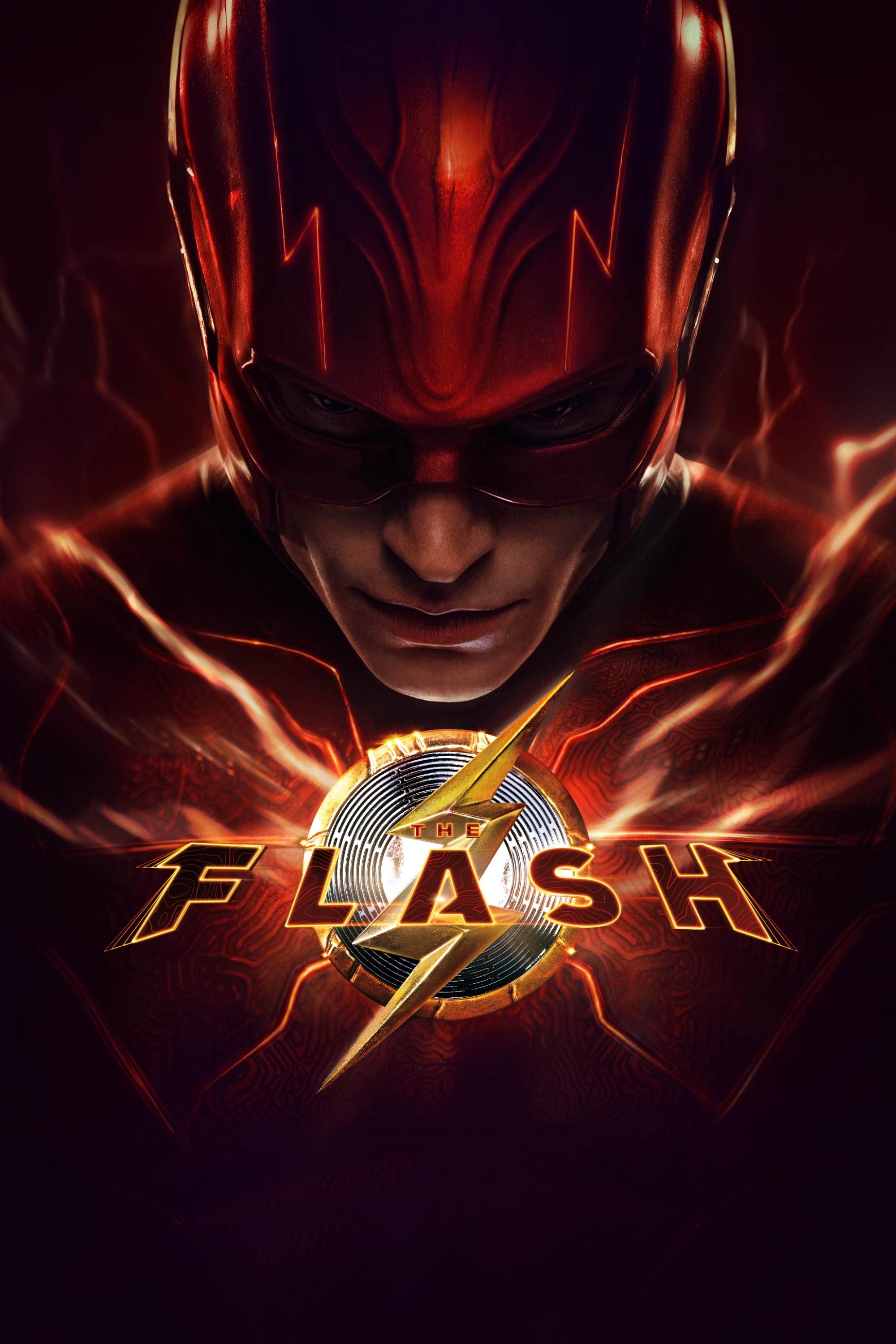
Iris West is a legendary character in the comics and a central figure in the protagonist’s life. In this film, she appears in only two brief scenes and has a very small impact on the plot. Her inclusion felt like a mandatory checkmark to acknowledge the lore of the source material. The actress had very little to work with in terms of dialogue or chemistry. Fans were disappointed that such an important character was relegated to a cameo.
‘Black Widow’ (2021)
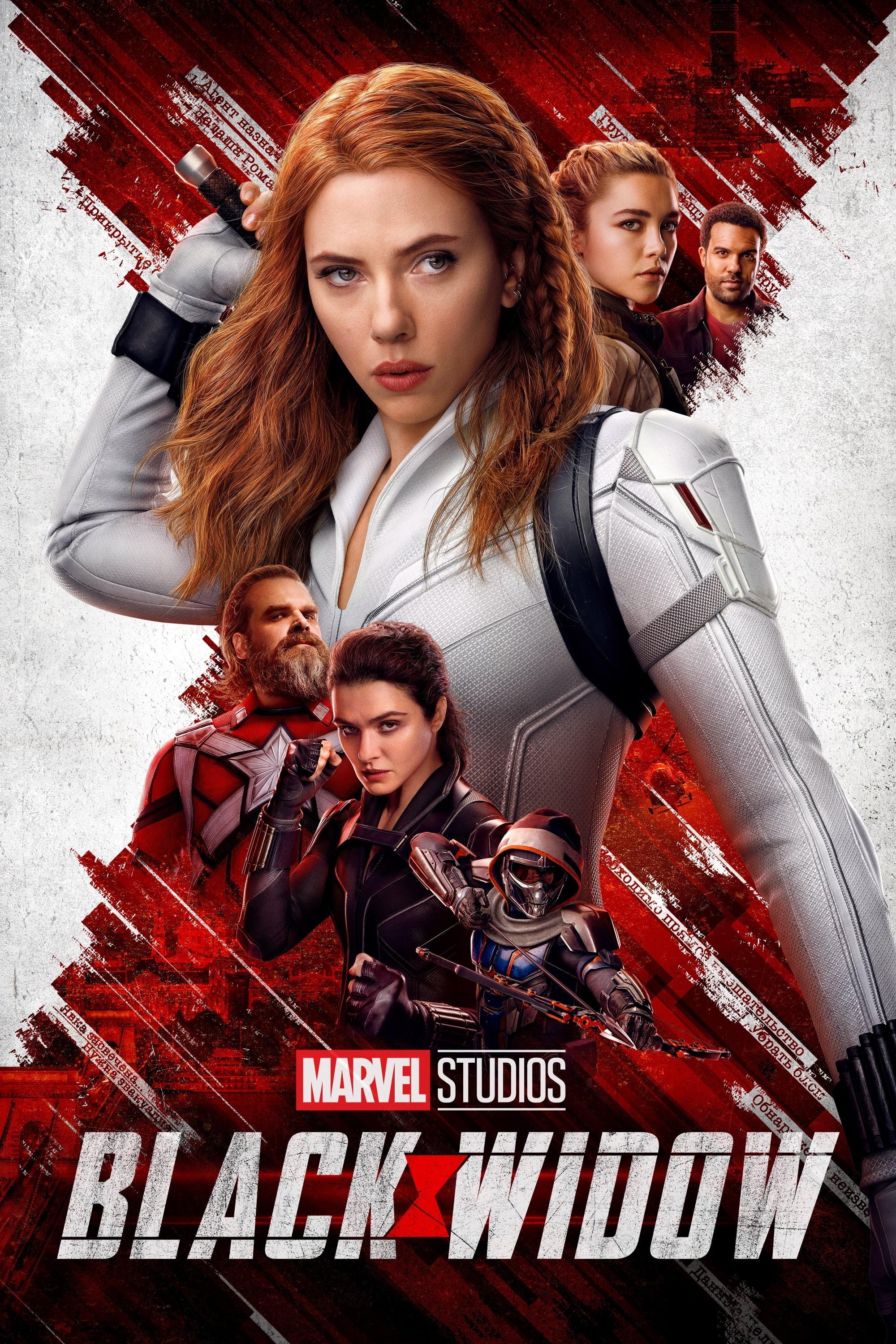
The film introduces a group of diverse widows who have been brainwashed by the villain. While they are meant to be a global force of elite assassins, they are mostly treated as nameless enemies. Only a few are given any screen time to show their individuality. The focus remains almost entirely on the white lead characters and their family dynamics. This left the international scope of the organization feeling very small.
‘The King’s Man’ (2021)
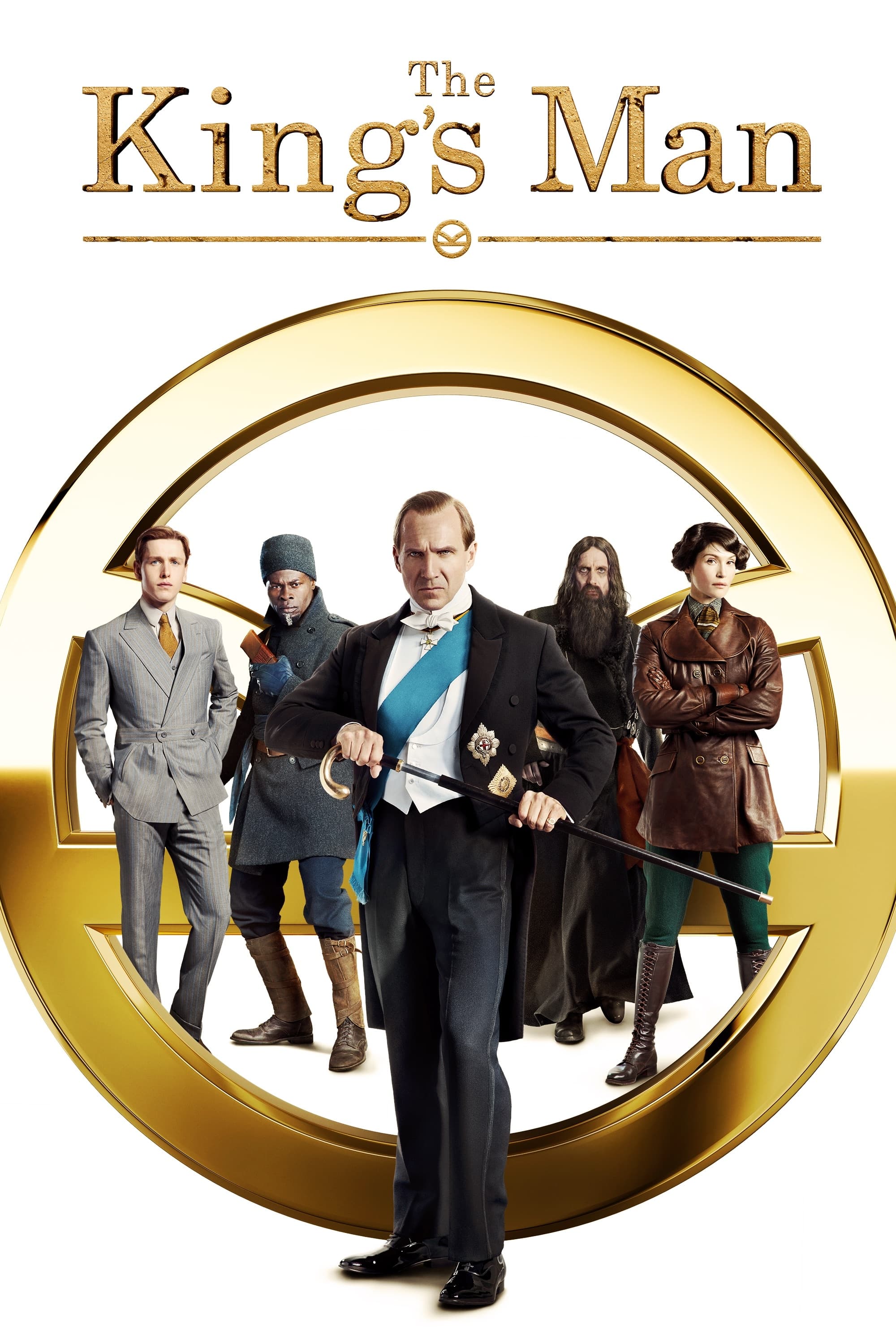
Djimon Hounsou plays Shola, a loyal servant and warrior who helps found the secret organization. While he is an expert fighter and a key ally, his character is largely defined by his service to the lead family. He does not have his own goals or a life outside of the mission. His presence adds diversity to the cast but lacks the depth given to the protagonist. This dynamic has been criticized for following older cinematic tropes of the loyal companion.
‘No Time to Die’ (2021)
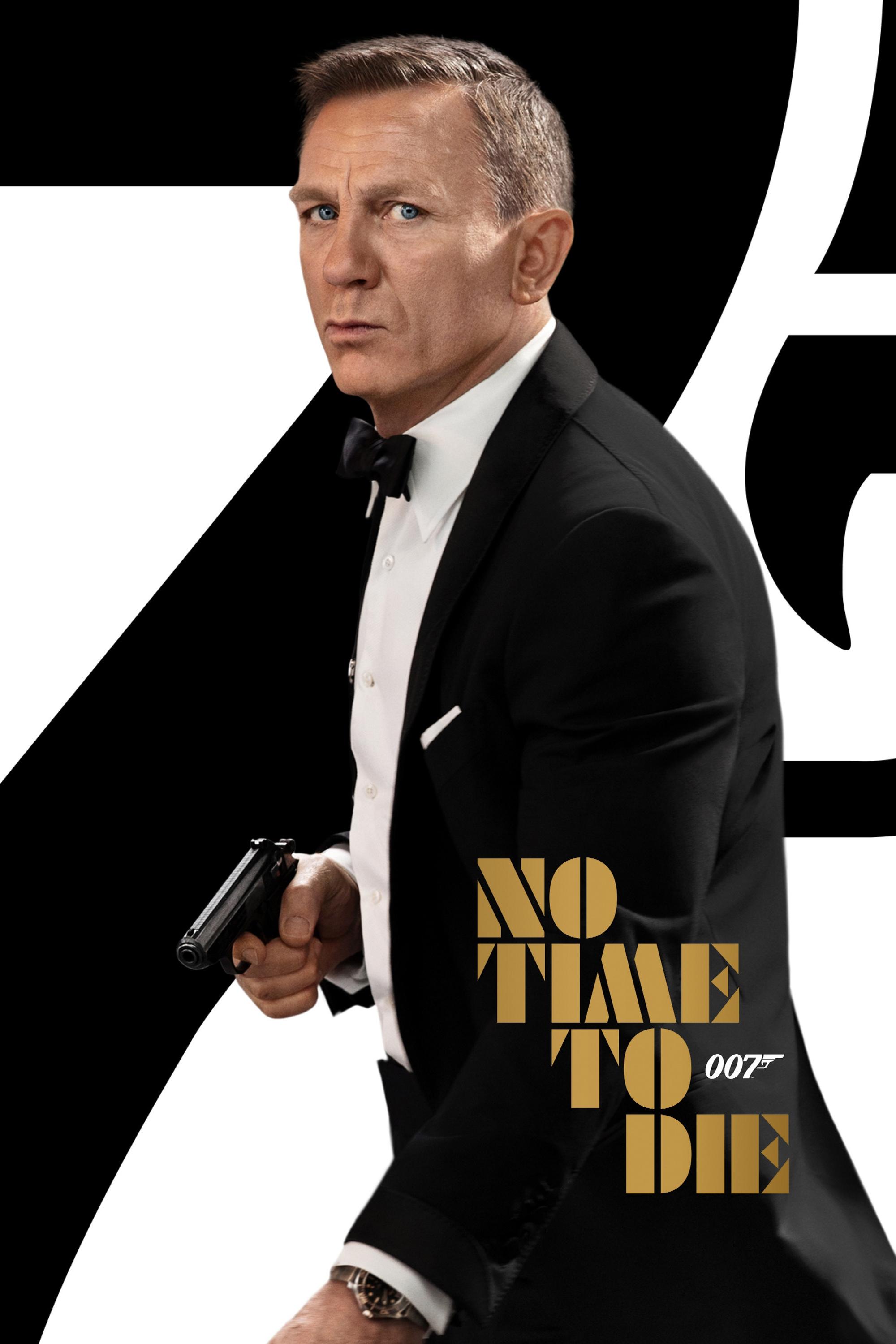
Lashana Lynch plays a new agent who has taken over the code name 007 while James Bond is in retirement. The marketing for the film heavily featured her as a groundbreaking addition to the franchise. In the actual story, she frequently takes a backseat to Bond during the major action sequences. Her character eventually gives the number back to him before the final mission. This made her temporary status feel like a gimmick rather than a permanent change.
‘Aladdin’ (2019)
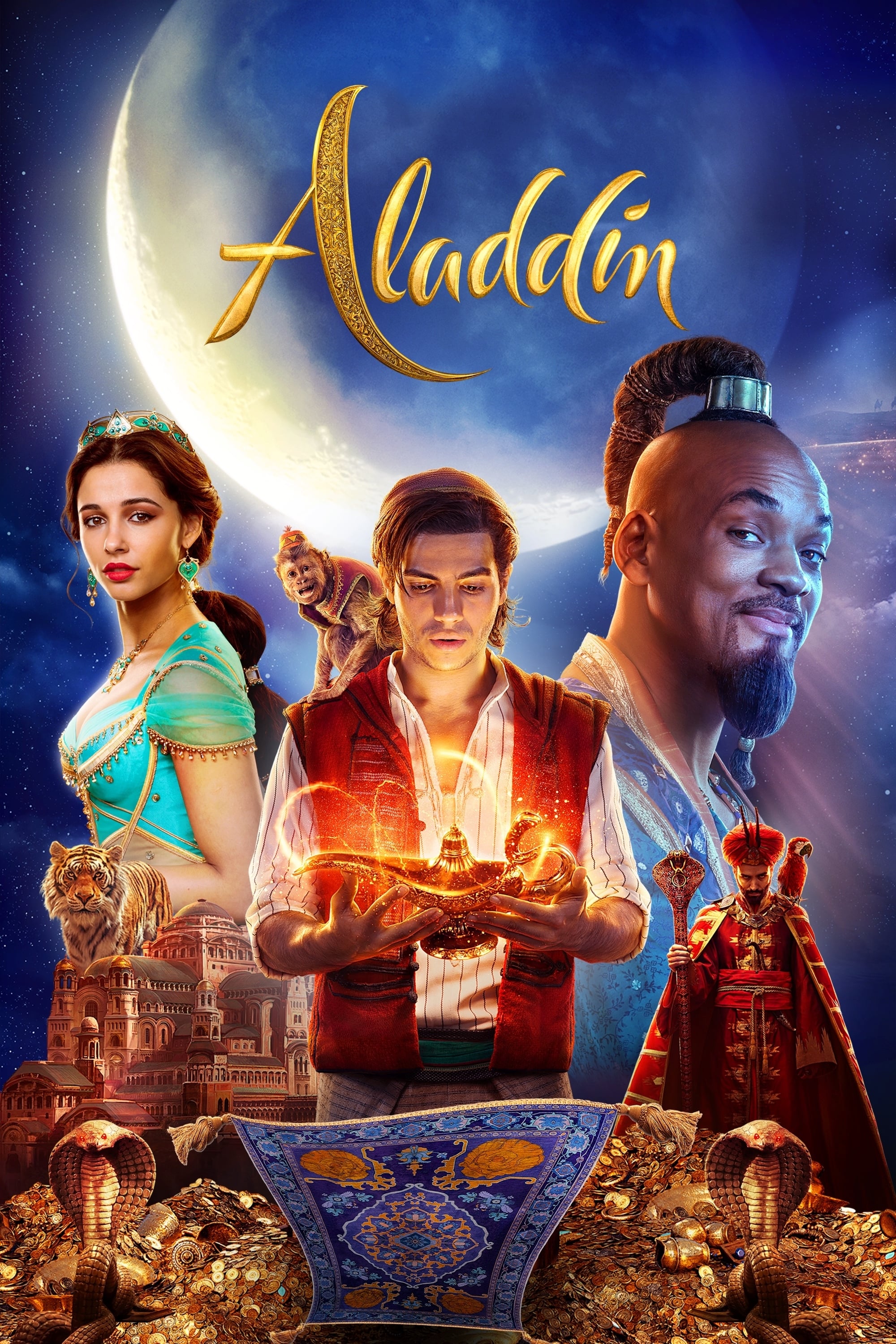
The live action remake adds a new character named Dalia who serves as the handmaiden to Jasmine. She is played by Nasim Pedrad and provides comedic relief and a romantic interest for the Genie. While she is a fun addition, her role is purely supportive and does not affect the main conflict. She exists to give the female lead someone to talk to since the original film was mostly male. Her inclusion felt like a functional fix for a script problem.
‘Mulan’ (2020)
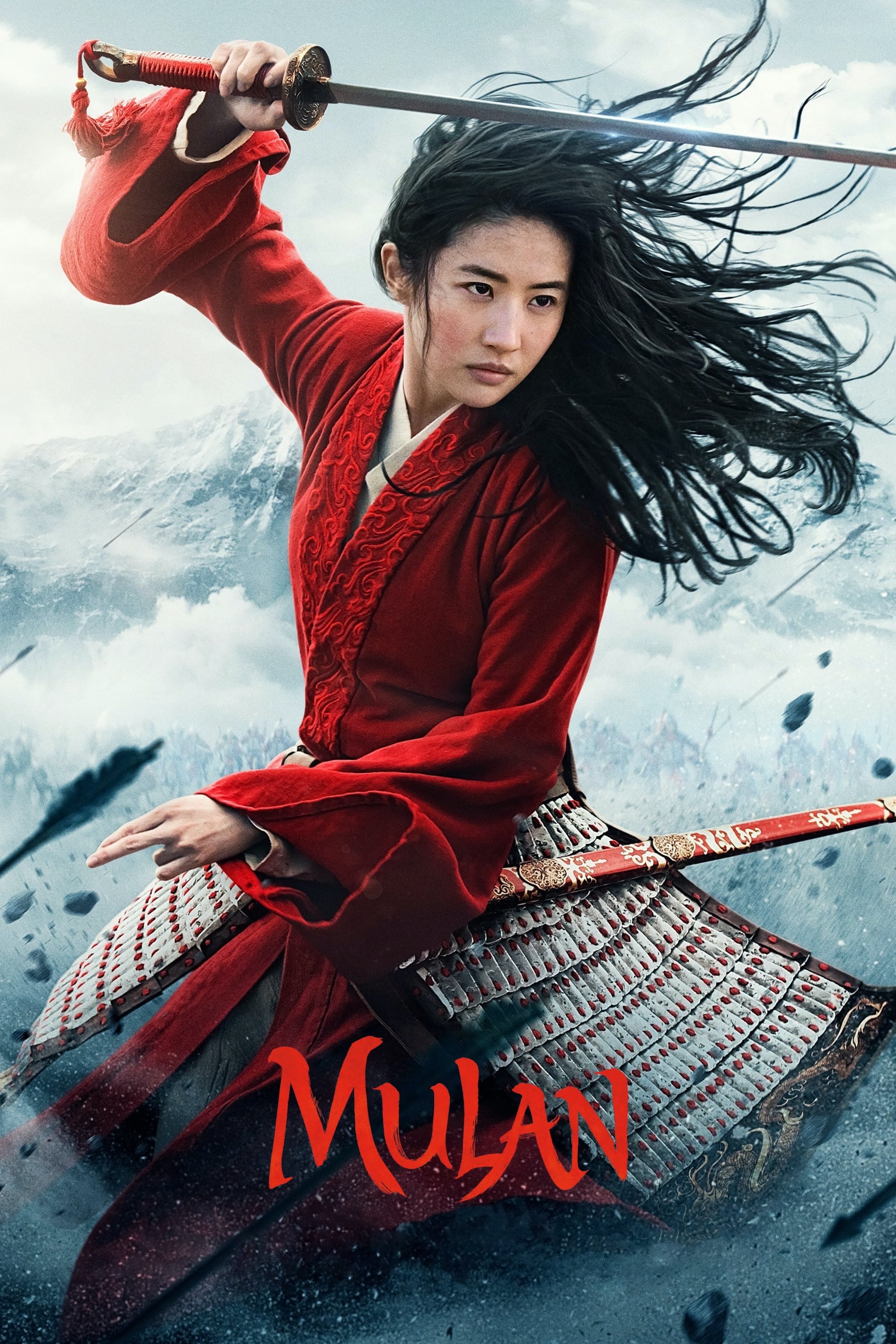
This remake introduces a new female villain who is a powerful witch with a tragic past. She is meant to be a dark reflection of the protagonist and her struggles with her own power. However, her motivations are often unclear and her ultimate sacrifice feels rushed. The character was added to the story to provide more depth to the conflict. Many viewers felt she was an unnecessary addition that took focus away from the main journey.
‘The Little Mermaid’ (2023)

The casting of Halle Bailey as Ariel was a major point of discussion for the film. While her performance was widely praised, the film itself follows the original story very closely. Some critics argued that the change in ethnicity was not reflected in any meaningful way within the story or world building. This led to debates about whether the diversity was integrated or just a superficial change. The movie remains a faithful adaptation of the animated classic.
‘Avengers: Age of Ultron’ (2015)
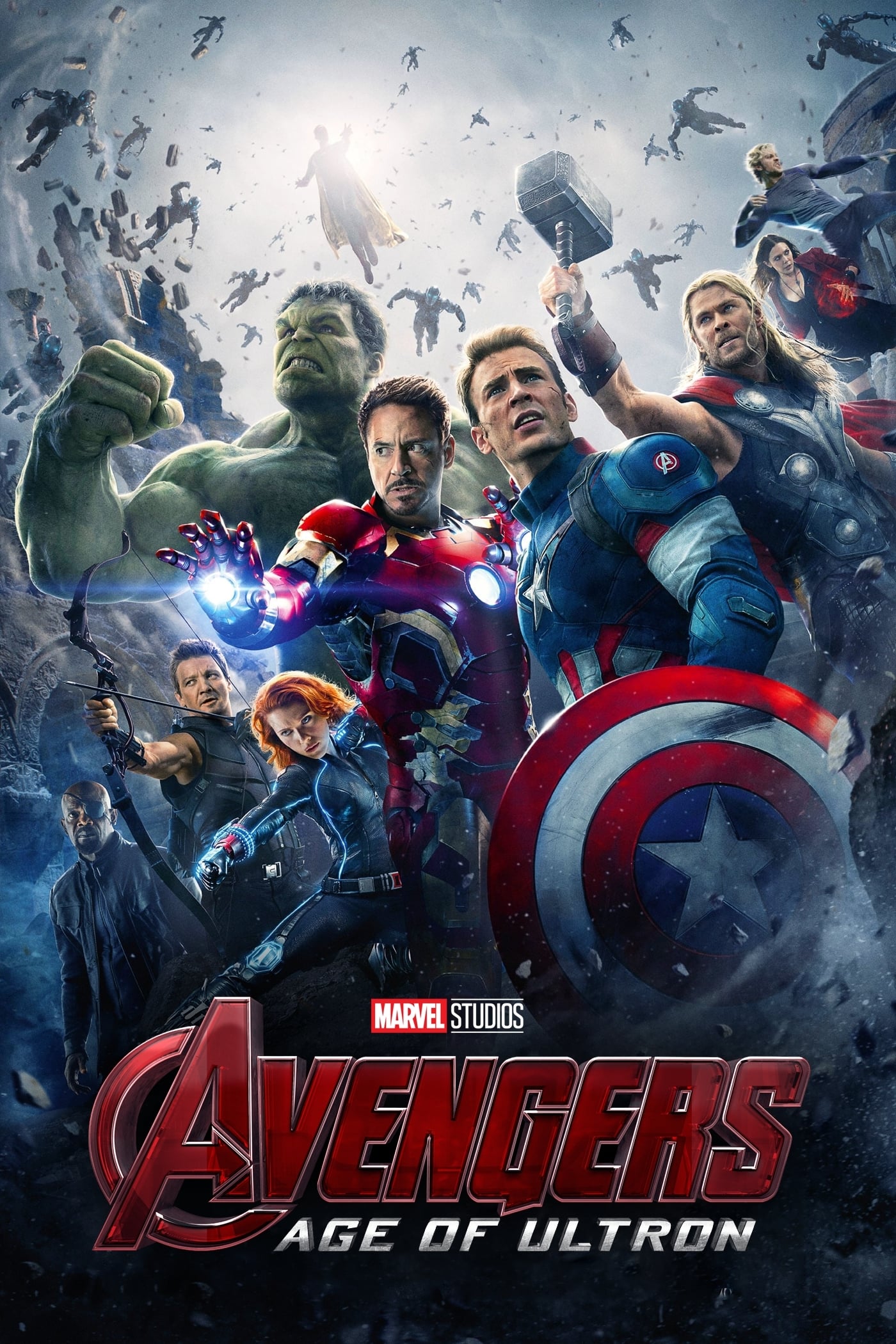
The character of Dr. Helen Cho is a world renowned geneticist who helps the team. She is responsible for creating the cradle that eventually births Vision. After her initial scenes, she is injured and largely forgotten for the rest of the movie. Her character provides a necessary plot device but is never developed beyond her scientific skill. This felt like a brief inclusion of a diverse character just to move the story forward.
Share your thoughts on these casting choices in the comments.