


Movies With All-White Casts in Non-White Historical Settings

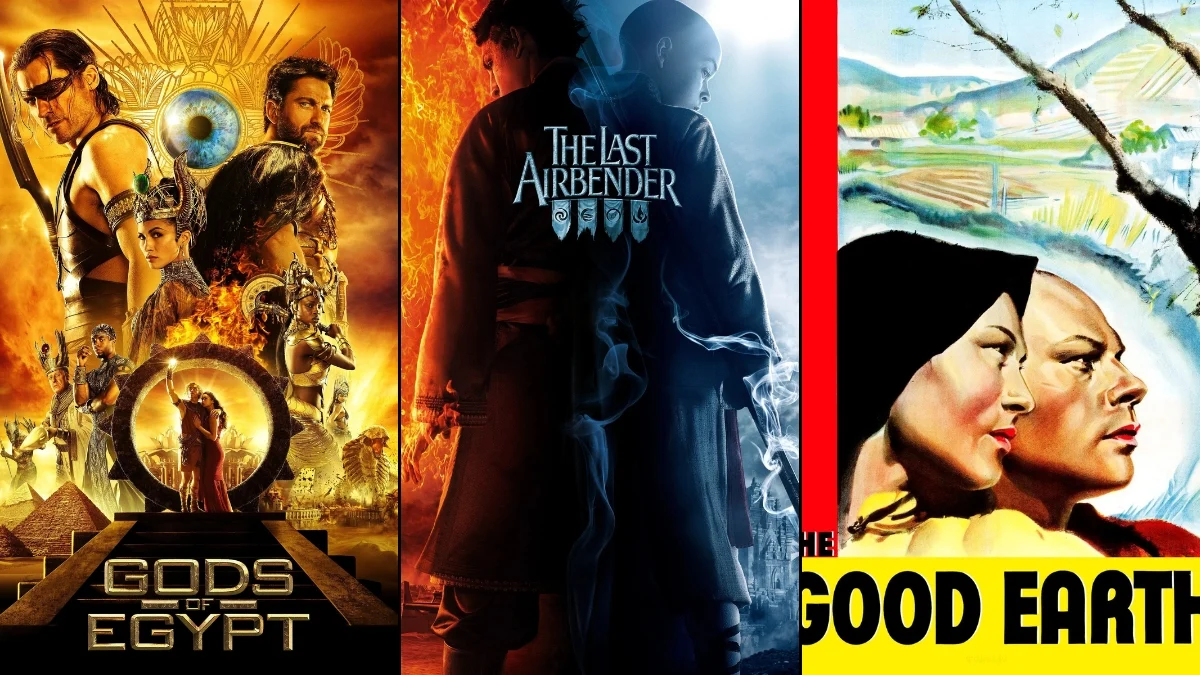


Hollywood cinema has frequently utilized white actors to portray characters from non-Western historical settings, a practice that has spanned from the silent era to modern blockbusters. These films often center on stories from Ancient Egypt, the Middle East, and East Asia, yet the lead roles are consistently filled by actors of European descent. This trend reflects historical casting norms and industrial preferences that prioritized established stars over ethnic authenticity. While many of these productions achieved significant commercial success or critical acclaim, they remain focal points for discussions about cultural representation and historical accuracy. The following entries highlight thirty movies where the main cast does not align with the historical or cultural reality of the setting.
‘Dragonball Evolution’ (2009)

This live-action adaptation of the famous Japanese manga series features Justin Chatwin as the protagonist, Goku. The story follows a young warrior who must collect seven mystical orbs to protect the Earth from an alien threat. Despite the source material’s deep roots in East Asian culture and folklore, the central cast is predominantly white. The film was widely criticized by fans and critics for its departure from the original aesthetic and cultural identity. It remains a frequently cited example of casting controversies in modern anime adaptations.
‘The Conqueror’ (1956)

John Wayne portrays the Mongol leader Genghis Khan in this historical epic produced by Howard Hughes. The plot centers on the chieftain’s rise to power and his complex relationship with a captured Tartar princess. The movie utilized a primarily white ensemble to represent 13th-century Central Asian tribes. It is often remembered for its significant miscasting and for being filmed in a radioactive fallout zone. This film represents a period where Hollywood frequently cast major stars in roles regardless of their ethnic background.
‘The Last Airbender’ (2010)

Directed by M. Night Shyamalan, this film is based on the animated series that draws heavy inspiration from Asian and Inuit cultures. The three main heroes are portrayed by white actors, while the antagonist roles feature a more diverse cast. This casting decision led to significant public discourse regarding the exclusion of actors from the ethnicities represented in the source material. The production faced boycotts and critical backlash for its approach to the fantasy world’s demographics. It serves as a prominent case study in the discussion of whitewashing in children’s media.
‘Gods of Egypt’ (2016)
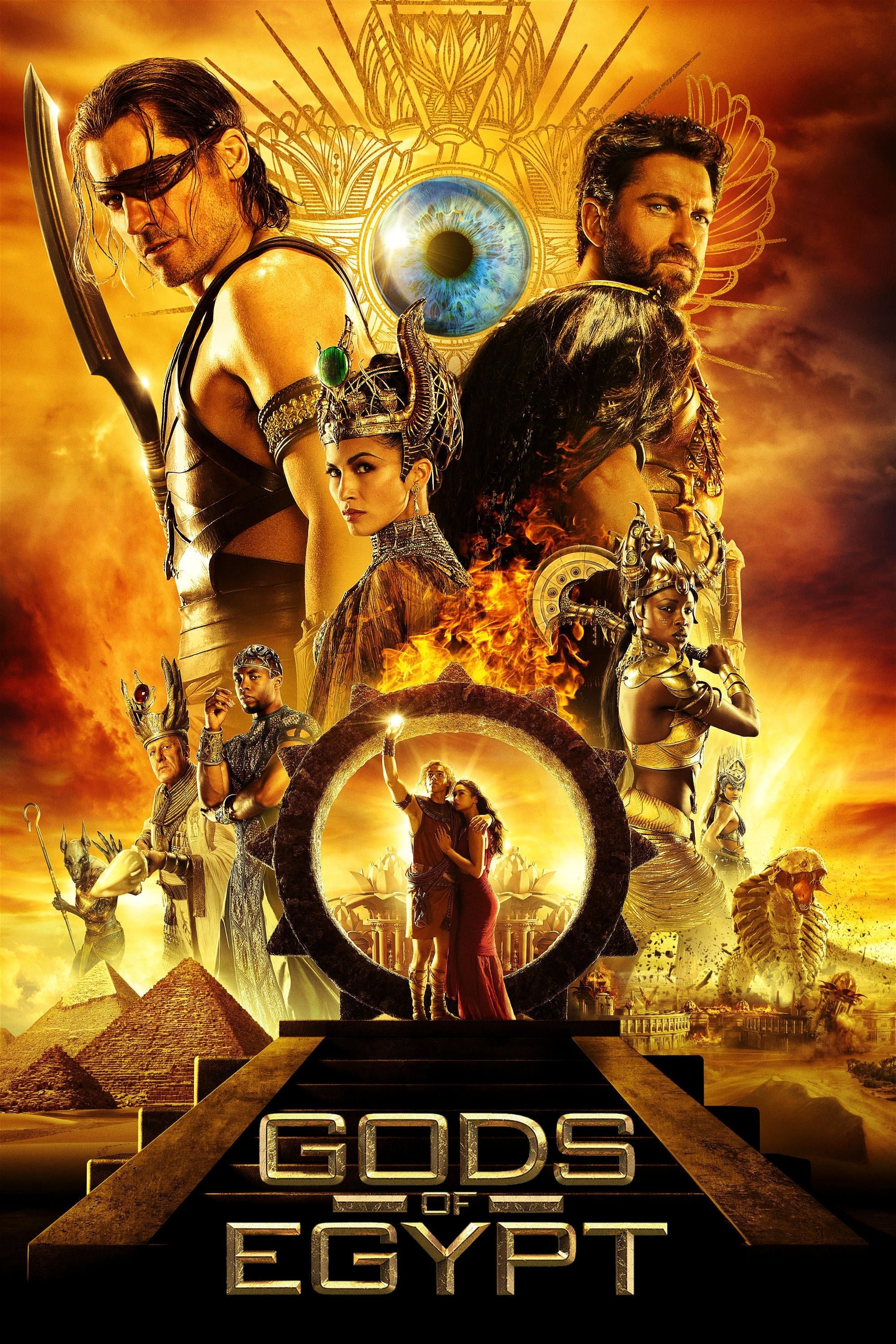
This fantasy film is set in an Ancient Egypt where gods live among mortals and possess supernatural powers. The lead roles of the deities Horus and Set are played by Nikolaj Coster-Waldau and Gerard Butler. The casting of a predominantly white ensemble to portray North African mythological figures sparked an immediate controversy upon the release of the trailer. Both the director and the studio issued public apologies before the film’s debut regarding the lack of diversity. The movie struggled at the box office and remains a point of contention regarding historical representation.
‘Alexander’ (2004)
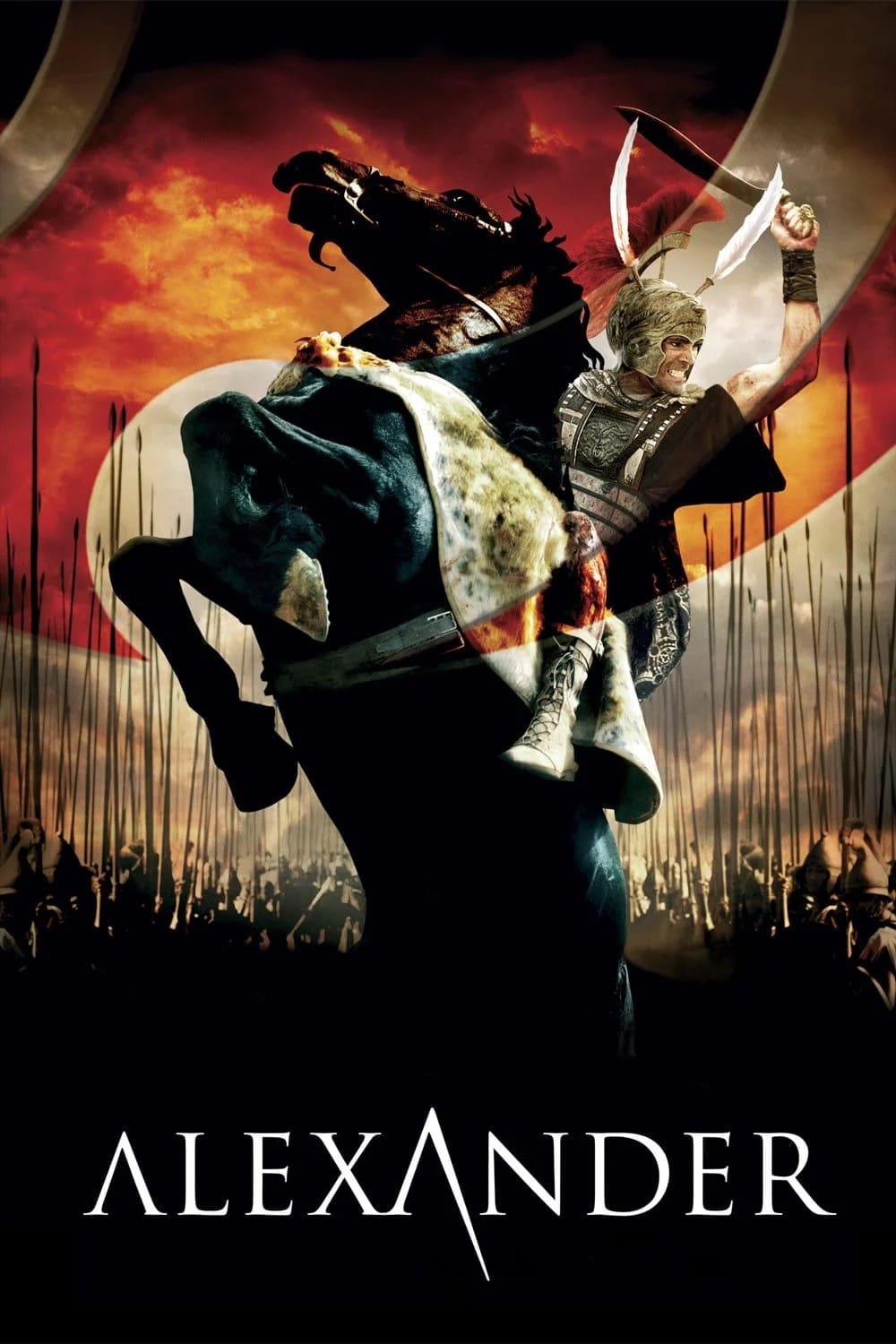
Oliver Stone’s biopic explores the life of the Macedonian king as he conquers the Persian Empire and ventures into India. The cast features Colin Farrell in the title role, supported by Angelina Jolie, Val Kilmer, and Jared Leto. While the Greeks and Macedonians are portrayed by white actors, many of the Persian and Indian characters are also played by actors of European descent or are given minimal screen time. The film focuses heavily on the Western perspective of the conquest of the East. It received mixed reviews for its historical liberties and casting choices.
‘Noah’ (2014)
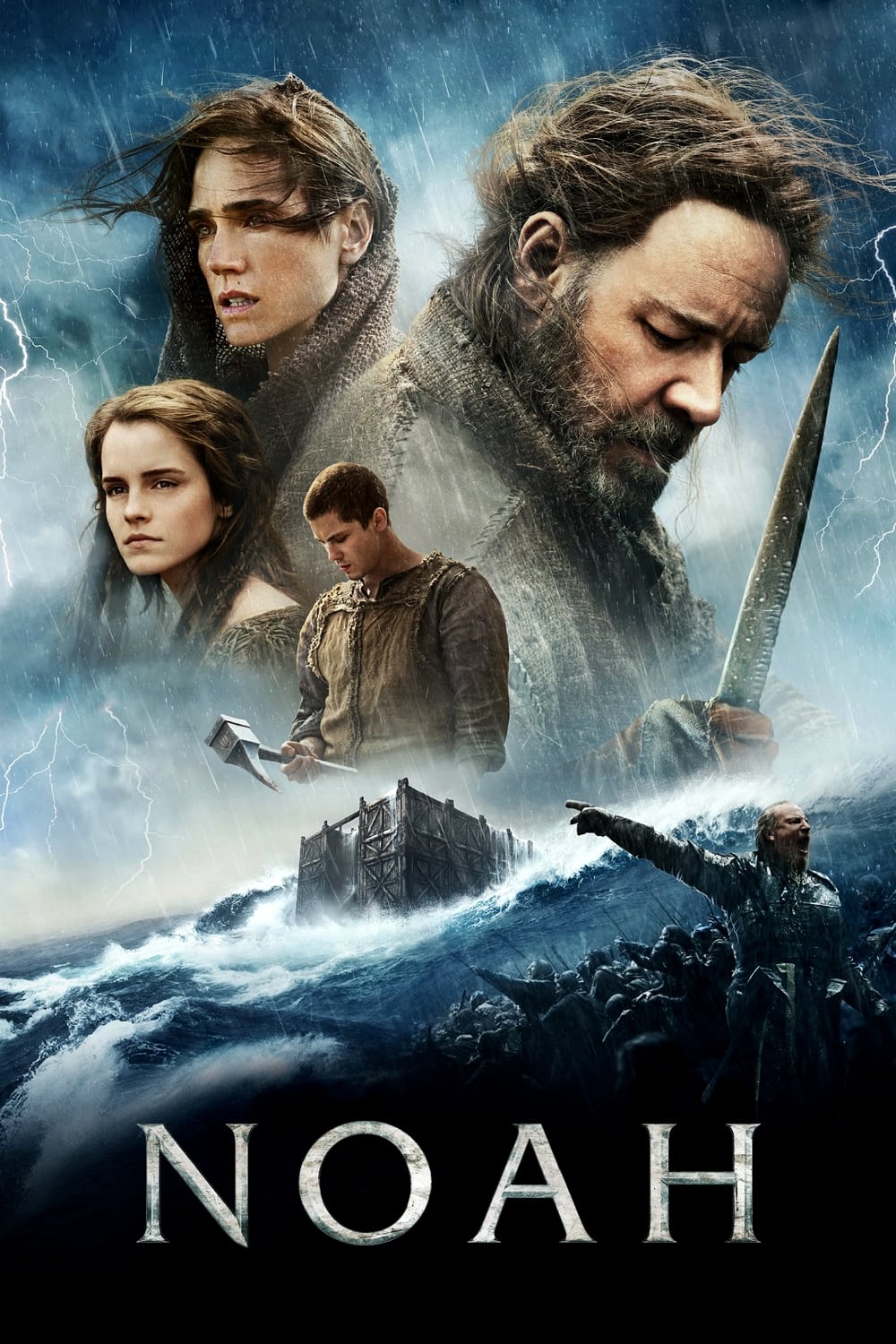
This biblical epic directed by Darren Aronofsky stars Russell Crowe as the titular patriarch tasked by God to build an ark. The entire central family, including characters played by Jennifer Connelly and Emma Watson, is of European descent. The film is set in the Ancient Near East, yet the production chose not to include a diverse cast for the primary roles. Aronofsky stated that the cast was meant to represent an undifferentiated, primordial humanity. This choice led to debates about the necessity of historical or geographic accuracy in religious narratives.
‘Exodus: Gods and Kings’ (2014)

Ridley Scott directed this large-scale retelling of the biblical story of Moses and the flight from Egypt. Christian Bale stars as Moses, while Joel Edgerton portrays the Egyptian Pharaoh Ramses II. The casting of white actors in these North African roles drew significant criticism from historians and social activists. Scott defended the decision by citing the financial requirements of casting big-name stars to secure a high budget. The film’s demographic makeup remains a central part of its legacy in cinematic history.
‘The Inn of the Sixth Happiness’ (1958)
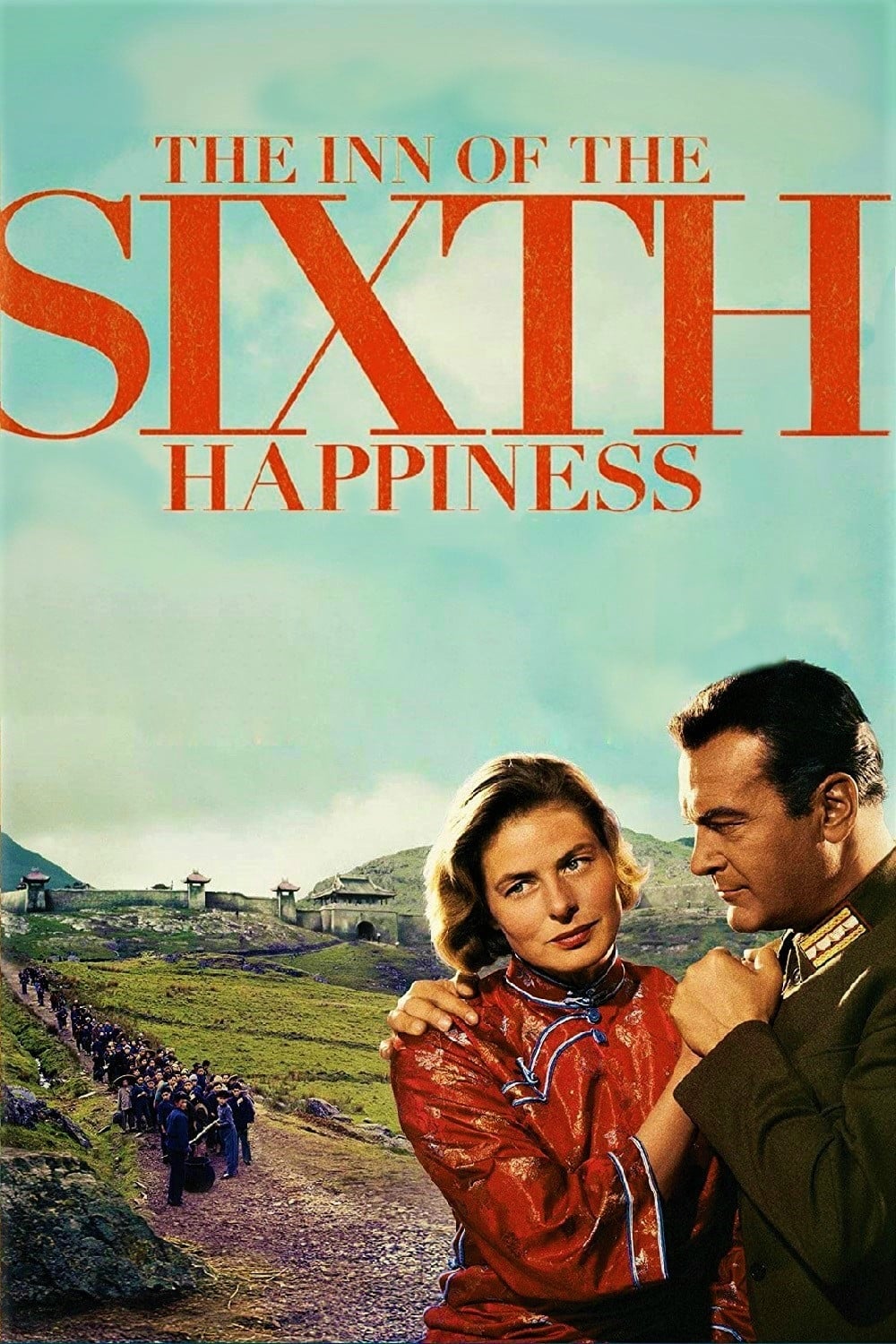
Ingrid Bergman stars as Gladys Aylward, a British missionary who travels to China during the lead-up to World War II. The film features Curt Jurgens as a Eurasian colonel and Robert Donat as a Chinese mandarin. Both male leads were white actors who used makeup to appear Asian, a practice common in 1950s Hollywood. The story focuses on Aylward’s efforts to protect children and navigate the cultural landscape of a remote province. It remains a notable example of the “yellowface” casting prevalent in mid-century cinema.
‘Genghis Khan’ (1965)
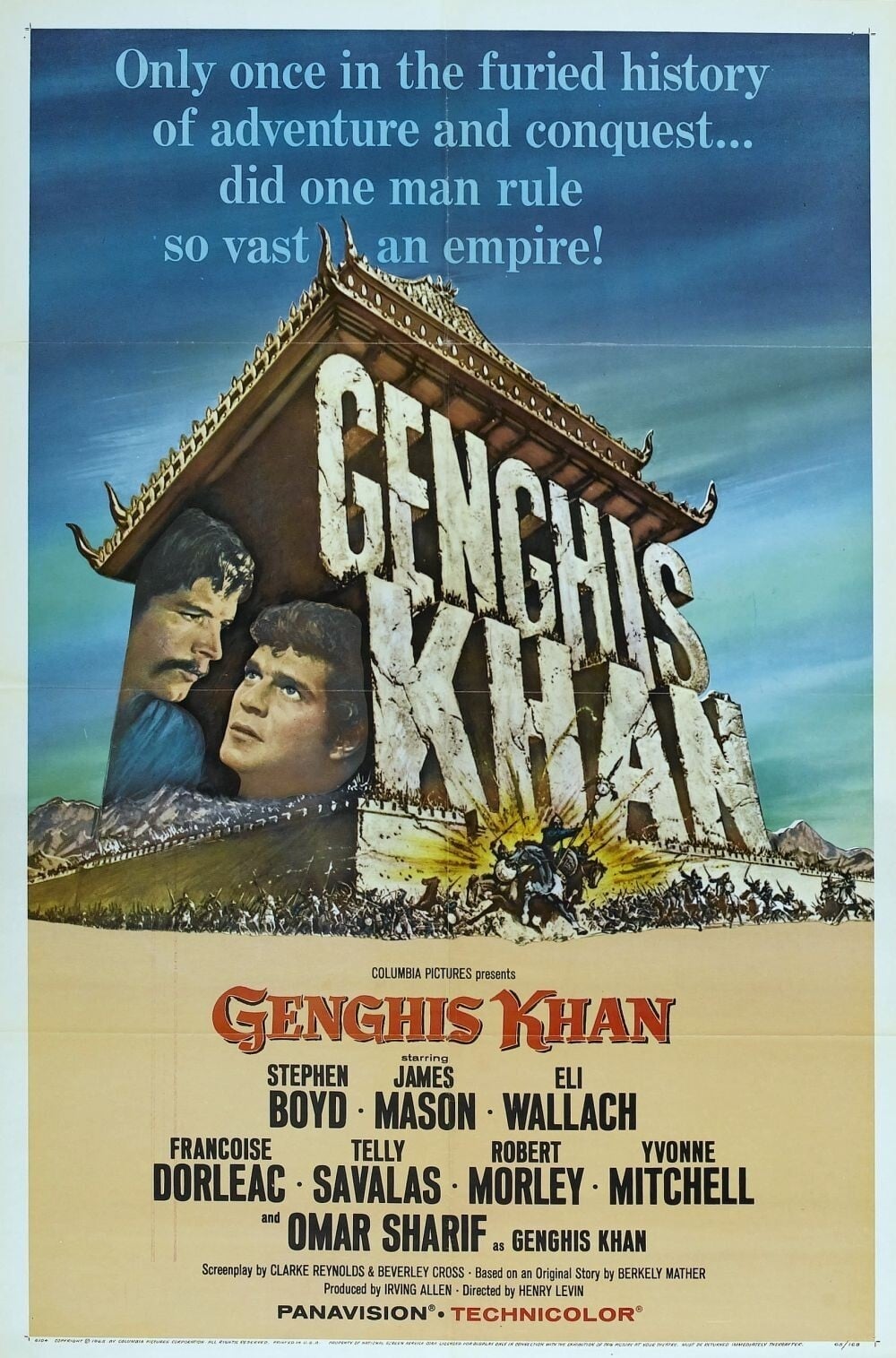
This international co-production tells the story of the Mongol leader’s rise to power and his unification of the tribes. Egyptian actor Omar Sharif plays the lead, but the supporting cast is filled with white actors such as Stephen Boyd and James Mason. James Mason portrays the Chinese diplomat Kam Ling using heavy makeup and a stereotypical accent. The film prioritizes an adventurous narrative over any attempt at cultural or historical authenticity. It highlights the industry’s reliance on established Western stars for historical epics set in Asia.
‘Anna and the King of Siam’ (1946)
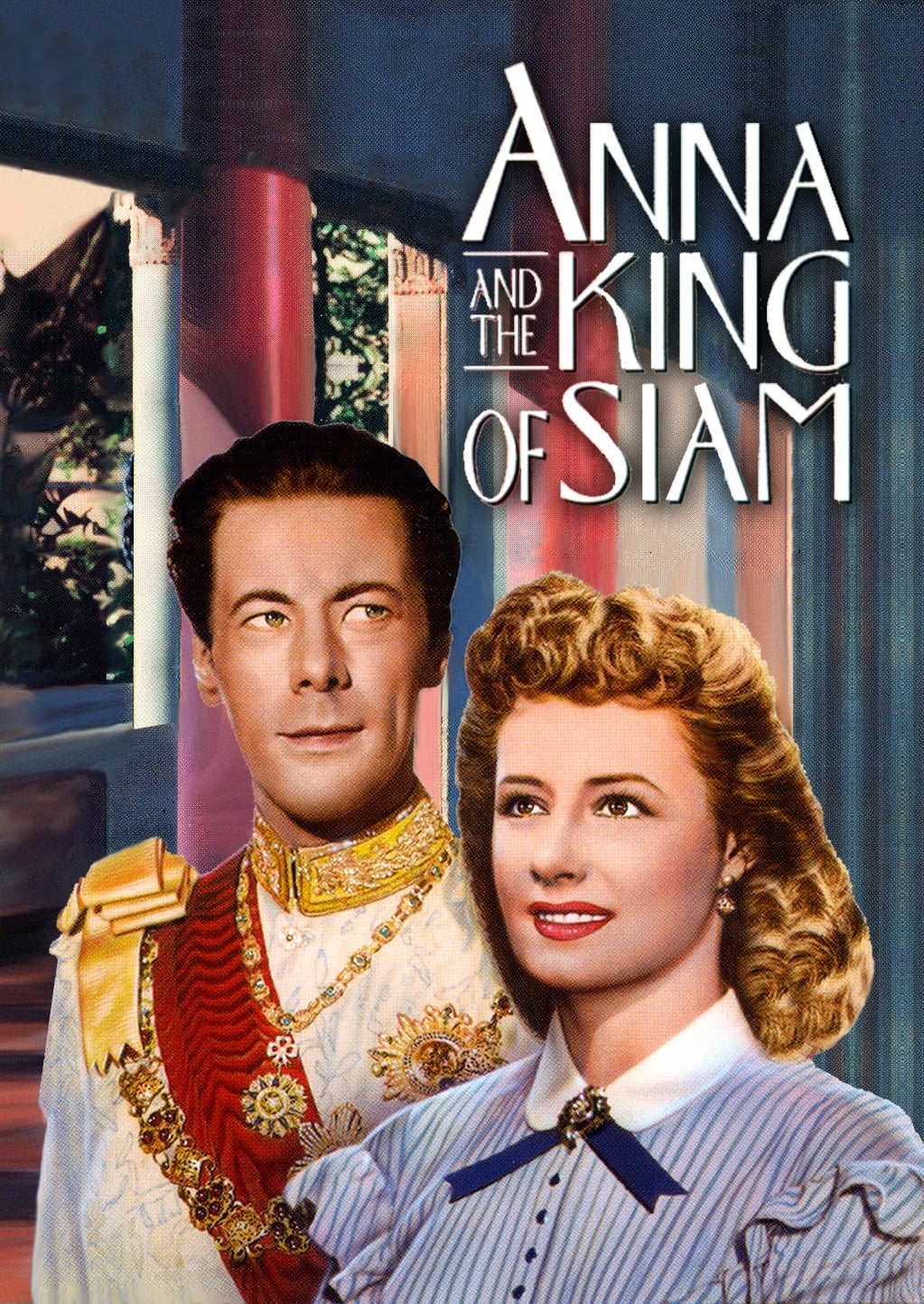
Based on the memoirs of Anna Leonowens, this film depicts the relationship between a British schoolteacher and King Mongkut of Siam. Irene Dunne plays Anna, while Rex Harrison portrays the Siamese monarch. Harrison’s performance as the King of Thailand is a prominent example of a white actor playing an Asian ruler in a prestige production. The film explores the clash between Western and Eastern values in the 19th-century Thai court. It preceded the more famous musical version but followed the same casting trends of the time.
‘Kismet’ (1955)
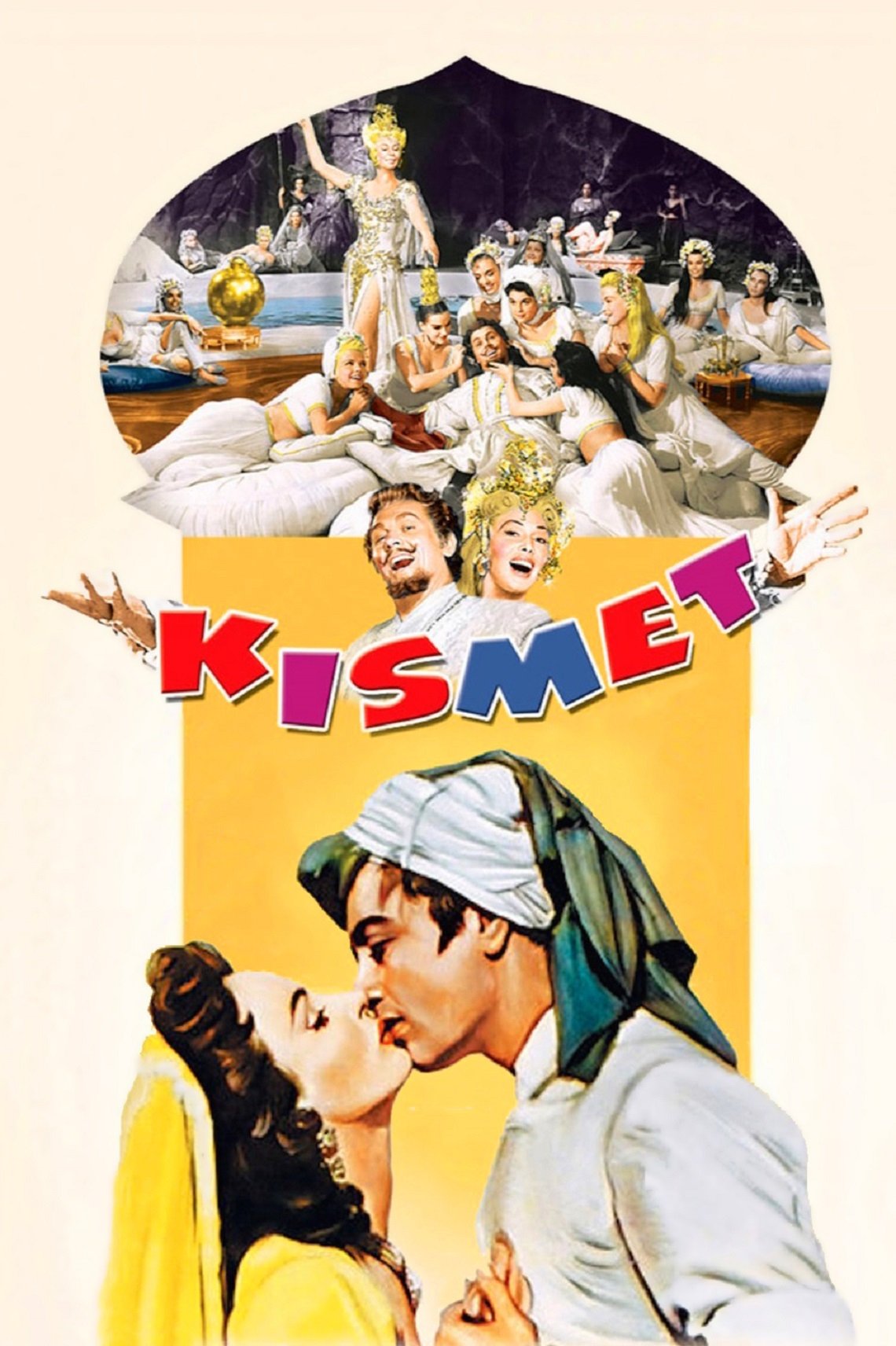
This MGM musical is set in a legendary version of Baghdad and features a cast of white actors in Middle Eastern roles. Howard Keel and Ann Blyth lead the production, which is based on a popular Broadway show. The film utilizes lavish costumes and sets to create an Orientalist fantasy of the Islamic world. None of the primary cast members share the ethnic background of the characters they portray. It represents the mid-century trend of using Eastern settings as a colorful backdrop for Western musical theater.
‘The Egyptian’ (1954)
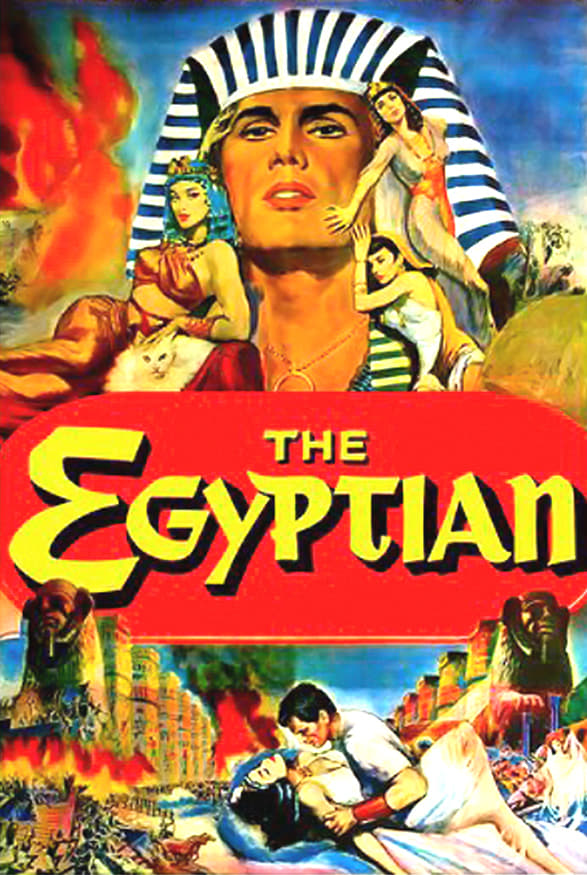
Based on the novel by Mika Waltari, this epic film follows the life of Sinuhe, a physician in the court of Pharaoh Akhenaten. The cast is led by Edmund Purdom, Jean Simmons, and Victor Mature, all of whom are white. Set in the 18th Dynasty of Ancient Egypt, the film depicts a pivotal moment in religious history. The production was one of the most expensive of its time and utilized the new CinemaScope format. Like many biblical-era films of the 1950s, it relied exclusively on a white ensemble for its principal characters.
‘The Greatest Story Ever Told’ (1965)
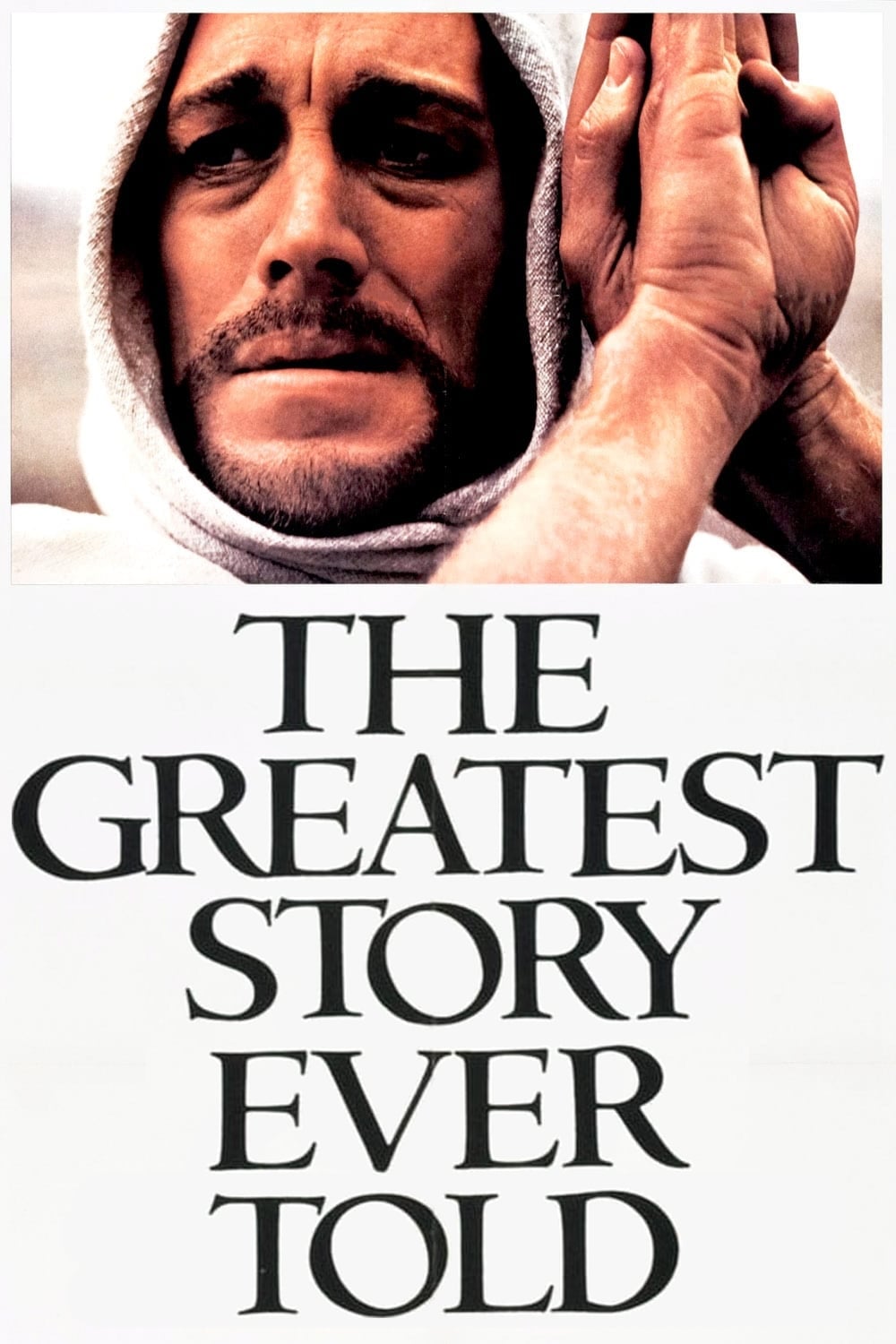
This sprawling biblical epic recounts the life of Jesus Christ, played by Swedish actor Max von Sydow. The film features a massive ensemble of Hollywood stars, including Charlton Heston as John the Baptist and Telly Savalas as Pontius Pilate. Set in Roman-occupied Judea, the movie presents an entirely white cast in roles that would historically have been Middle Eastern. Director George Stevens aimed for a reverent and grand aesthetic, utilizing vast American landscapes to represent the Holy Land. The film is often cited for its “cameo-heavy” casting of Western celebrities in ancient roles.
‘Prince of Persia: The Sands of Time’ (2010)
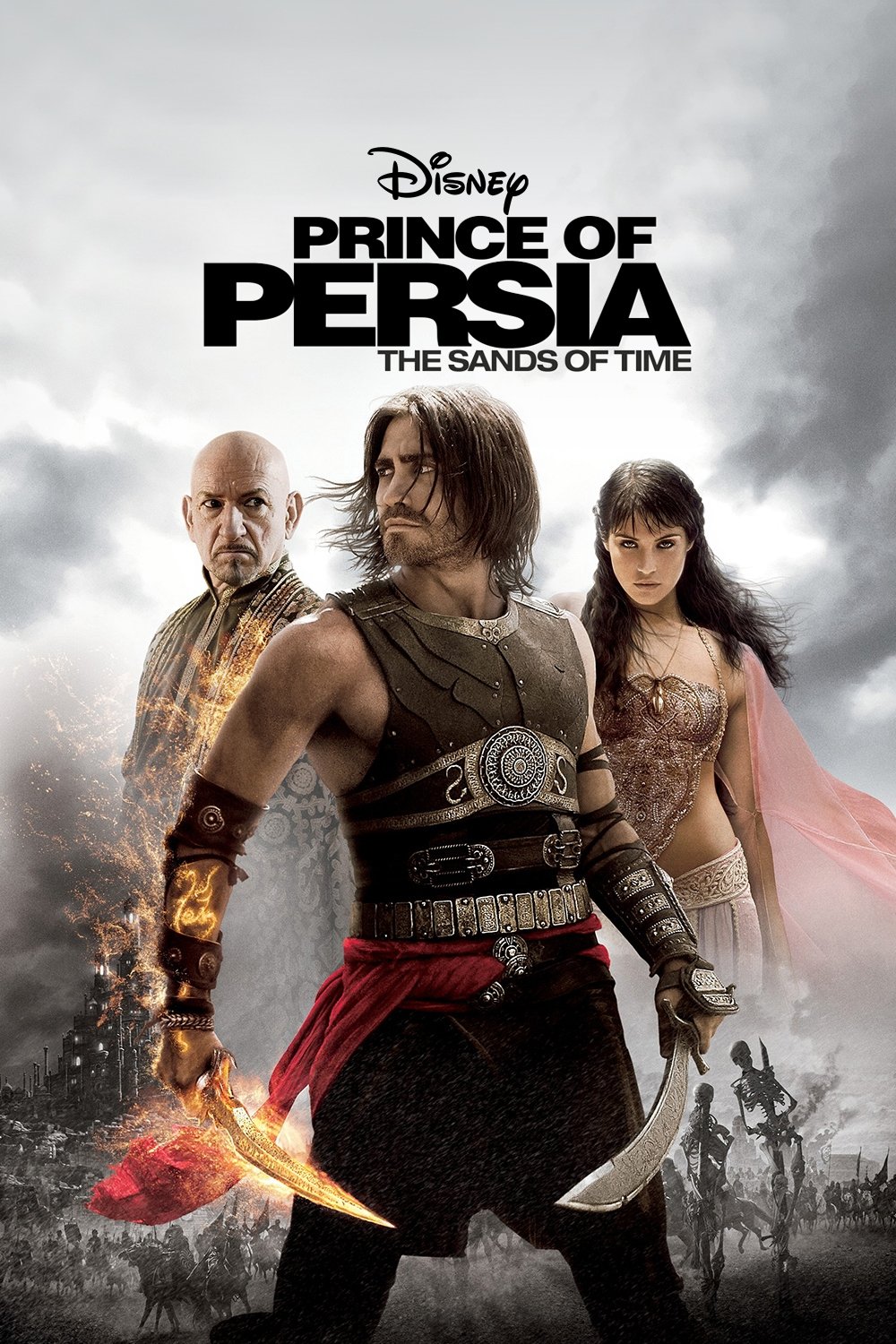
Jake Gyllenhaal stars as Dastan, a street urchin who becomes a prince in ancient Persia. The film is an adaptation of the popular video game series and follows the hero’s quest to protect a mystical dagger. Despite the setting and the character’s heritage, the lead role and several supporting roles were given to white actors. The production faced accusations of whitewashing during its promotional campaign and subsequent release. It serves as a modern example of a blockbuster choosing a bankable star over ethnic representation.
‘The Mask of Fu Manchu’ (1932)
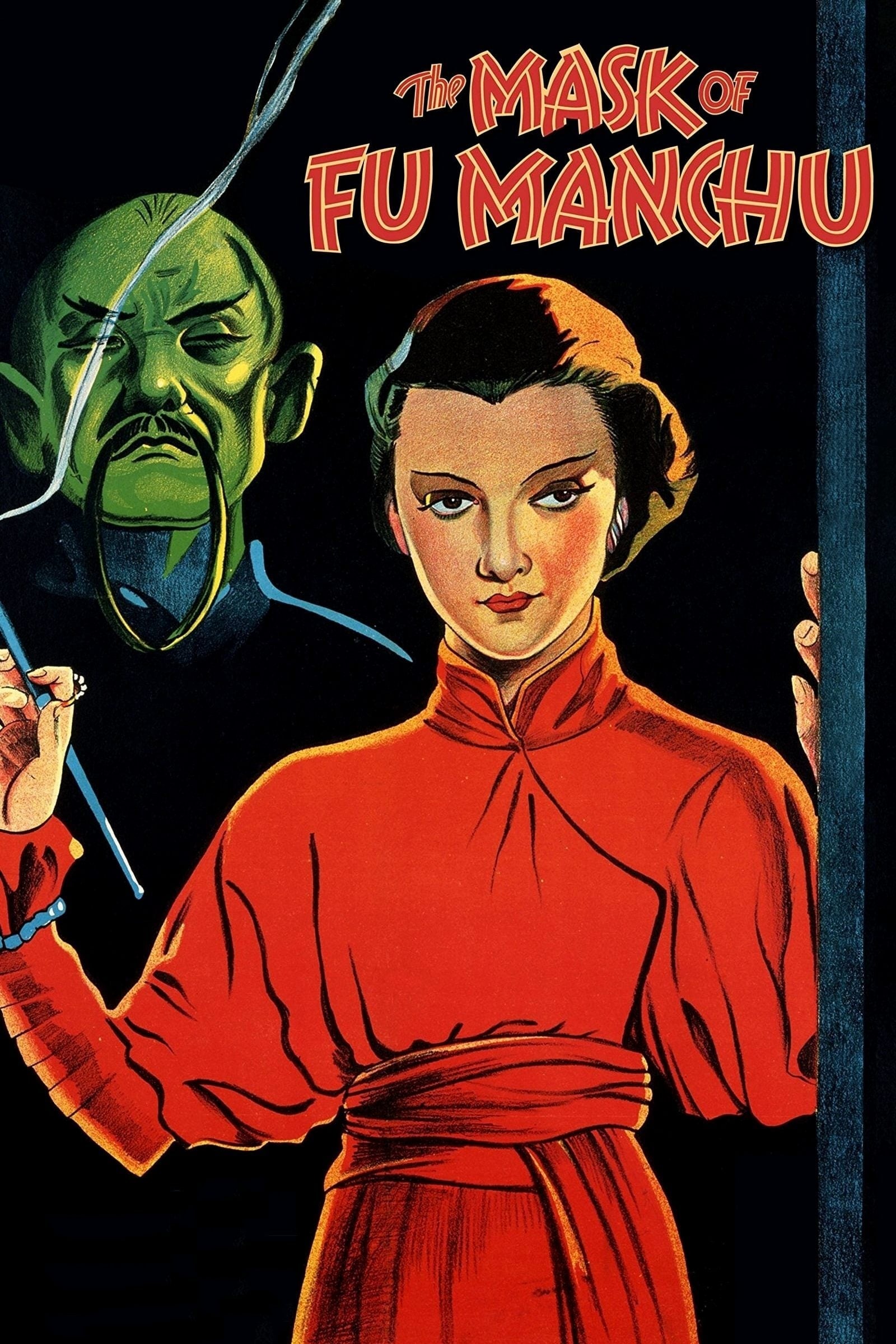
Boris Karloff stars as the villainous Dr. Fu Manchu in this pre-Code horror and adventure film. The story involves a race to find the tomb and artifacts of Genghis Khan in China and Egypt. Karloff, a British actor, used extensive makeup to portray the Chinese antagonist, a character widely seen as a “Yellow Peril” stereotype. The film also features Myrna Loy as Fu Manchu’s daughter, Fah Lo Suee. This production is a key example of early Hollywood’s use of white actors to portray Asian villains.
‘The Teahouse of the August Moon’ (1956)
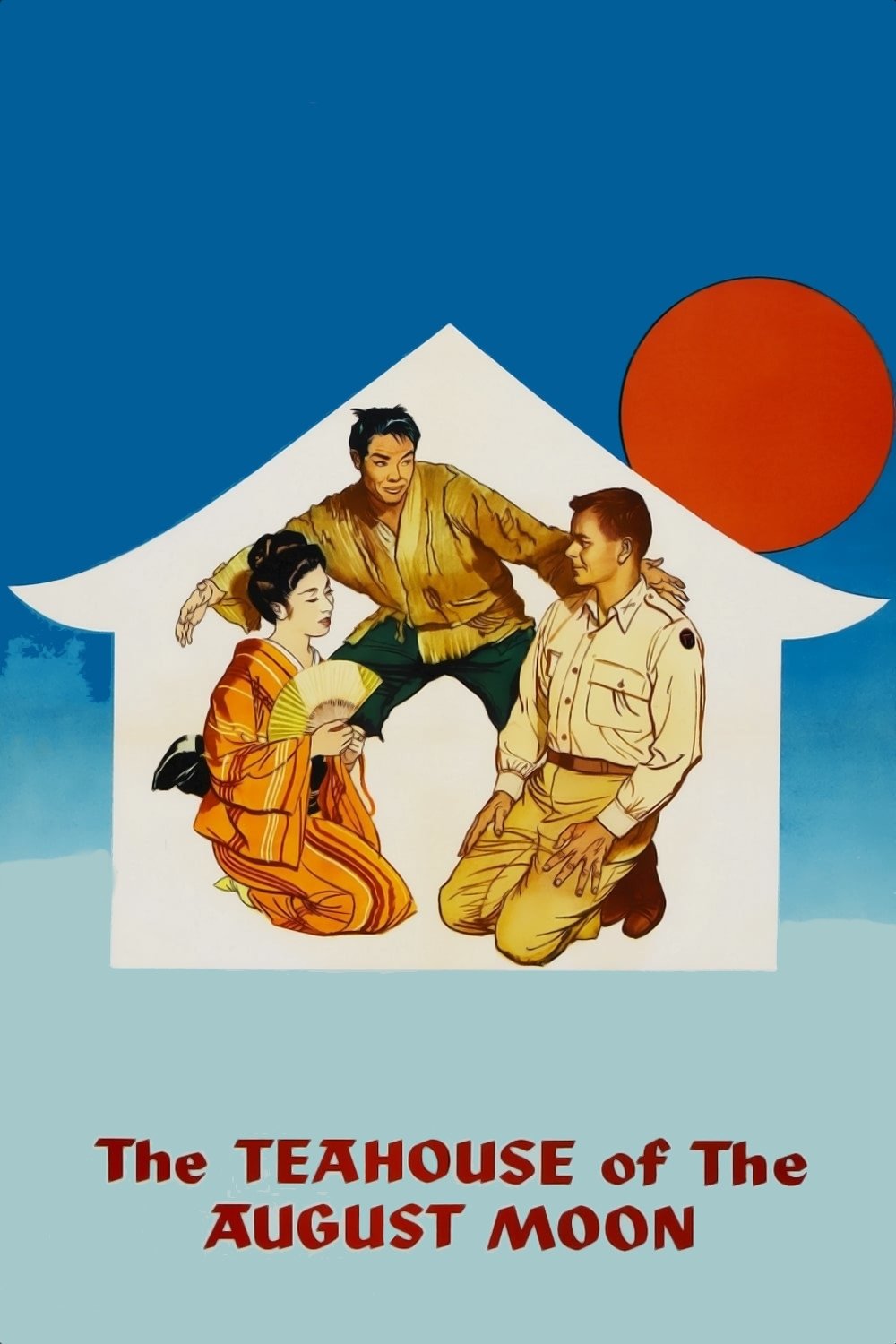
Set in post-World War II Okinawa, this film stars Marlon Brando as a local interpreter named Sakini. Brando used makeup and a specific vocal cadence to portray the Japanese character, starring alongside Glenn Ford. The plot follows an American captain’s attempt to Americanize a small village, only to be influenced by the local culture instead. Brando’s casting remains one of the most famous and debated instances of a major star appearing in yellowface. The film was a commercial success and received several award nominations.
‘A Passage to India’ (1984)
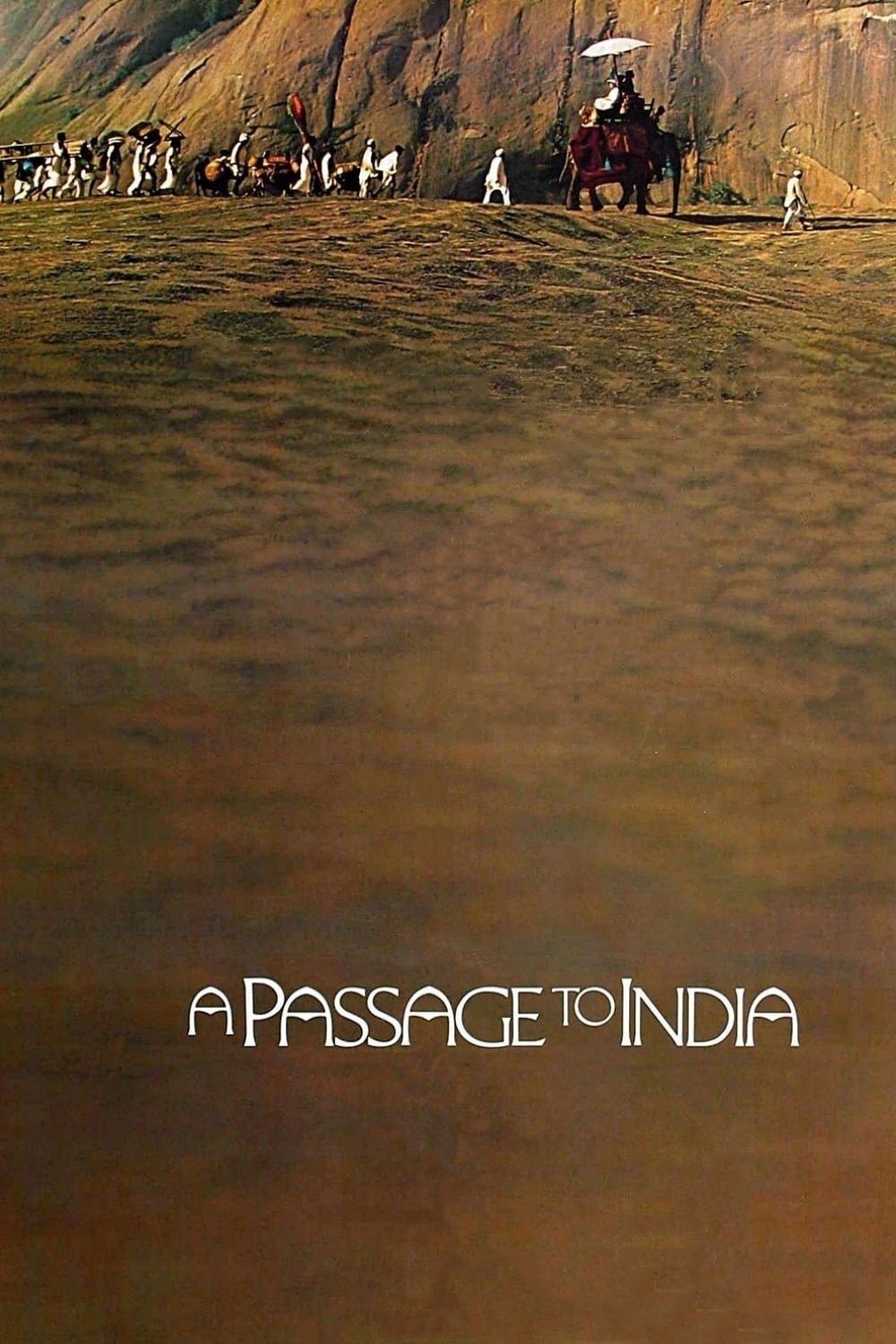
David Lean’s final film is an adaptation of E.M. Forster’s novel set during the British Raj. While many Indian actors appear in the film, the prominent role of Professor Godbole is played by Alec Guinness. Guinness used dark makeup and an accent to portray the Hindu scholar, a decision that was criticized even at the time of release. The film explores the racial tensions and cultural misunderstandings between the British colonizers and the Indian people. It received eleven Academy Award nominations and remains a significant historical drama.
‘The King and I’ (1956)
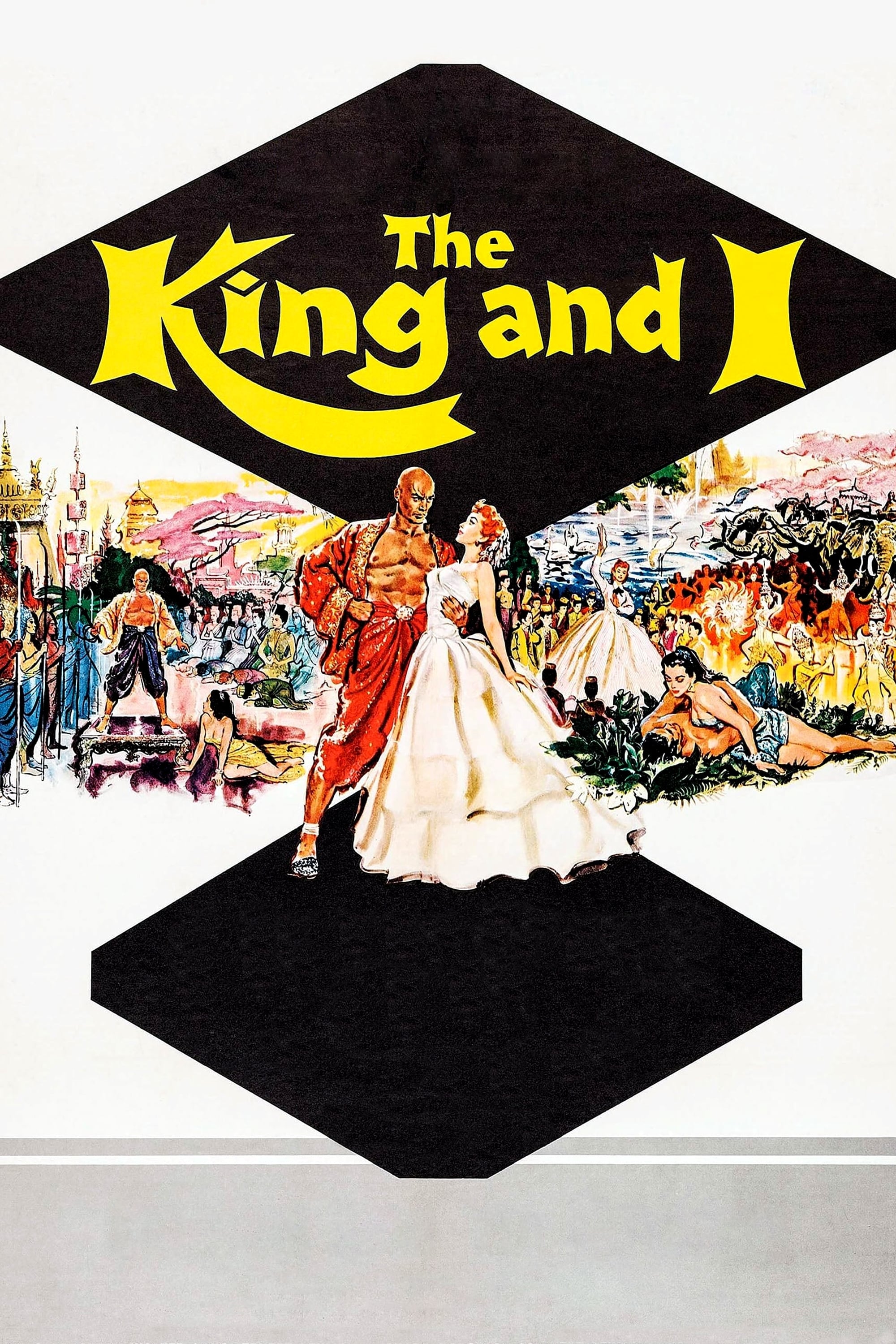
This musical adaptation stars Yul Brynner as King Mongkut of Siam and Deborah Kerr as Anna Leonowens. While Brynner had a diverse background including Swiss and Mongolian roots, the rest of the royal family and court were largely played by white actors. The film depicts the modernization of Siam through the eyes of a British governess. It won five Academy Awards and solidified the story’s place in Western pop culture. The production is often analyzed for its portrayal of Eastern royalty through a Western lens.
‘King of Kings’ (1961)
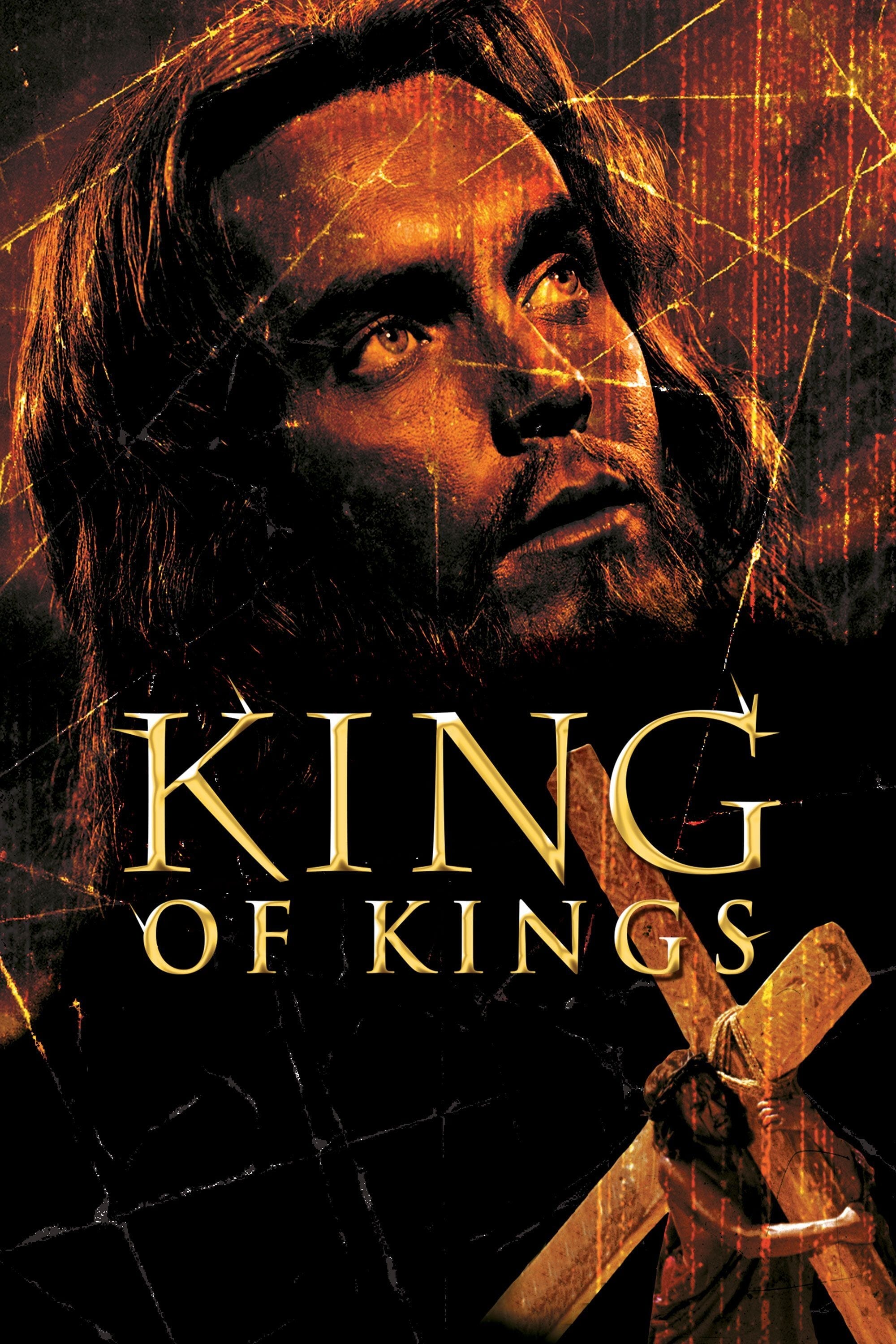
Directed by Nicholas Ray, this film provides a narrative of the life of Jesus, portrayed by American actor Jeffrey Hunter. The cast includes Robert Ryan as John the Baptist and Siobhan McKenna as Mary. Set in the Roman province of Judea, the film focuses on the political and spiritual turmoil of the era. The primary cast is composed entirely of white actors of American and European descent. This version of the story is noted for its focus on the Roman perspective and the Zealot rebellion.
‘Cleopatra’ (1963)
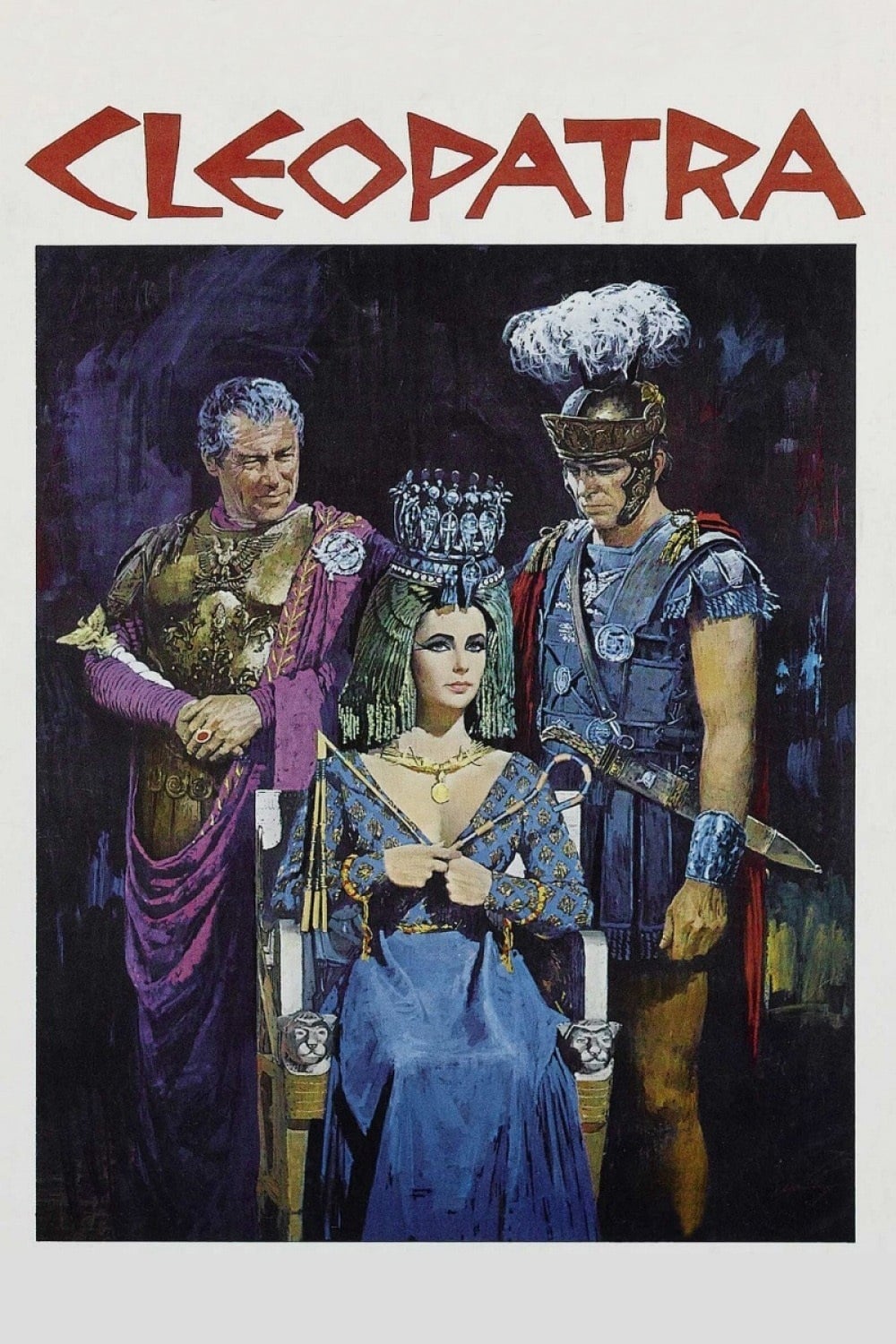
Elizabeth Taylor stars as the legendary Queen of Egypt in one of the most expensive films ever made. The story covers her political maneuvers and romances with Julius Caesar and Mark Antony, played by Rex Harrison and Richard Burton. The production features a cast of prominent British and American actors portraying both the Egyptian and Roman figures. While the historical Cleopatra was of Ptolemaic Greek descent, the film ignores the broader ethnic diversity of ancient Alexandria. It is famous for its opulent sets, costumes, and the off-screen drama of its stars.
‘The Good Earth’ (1937)
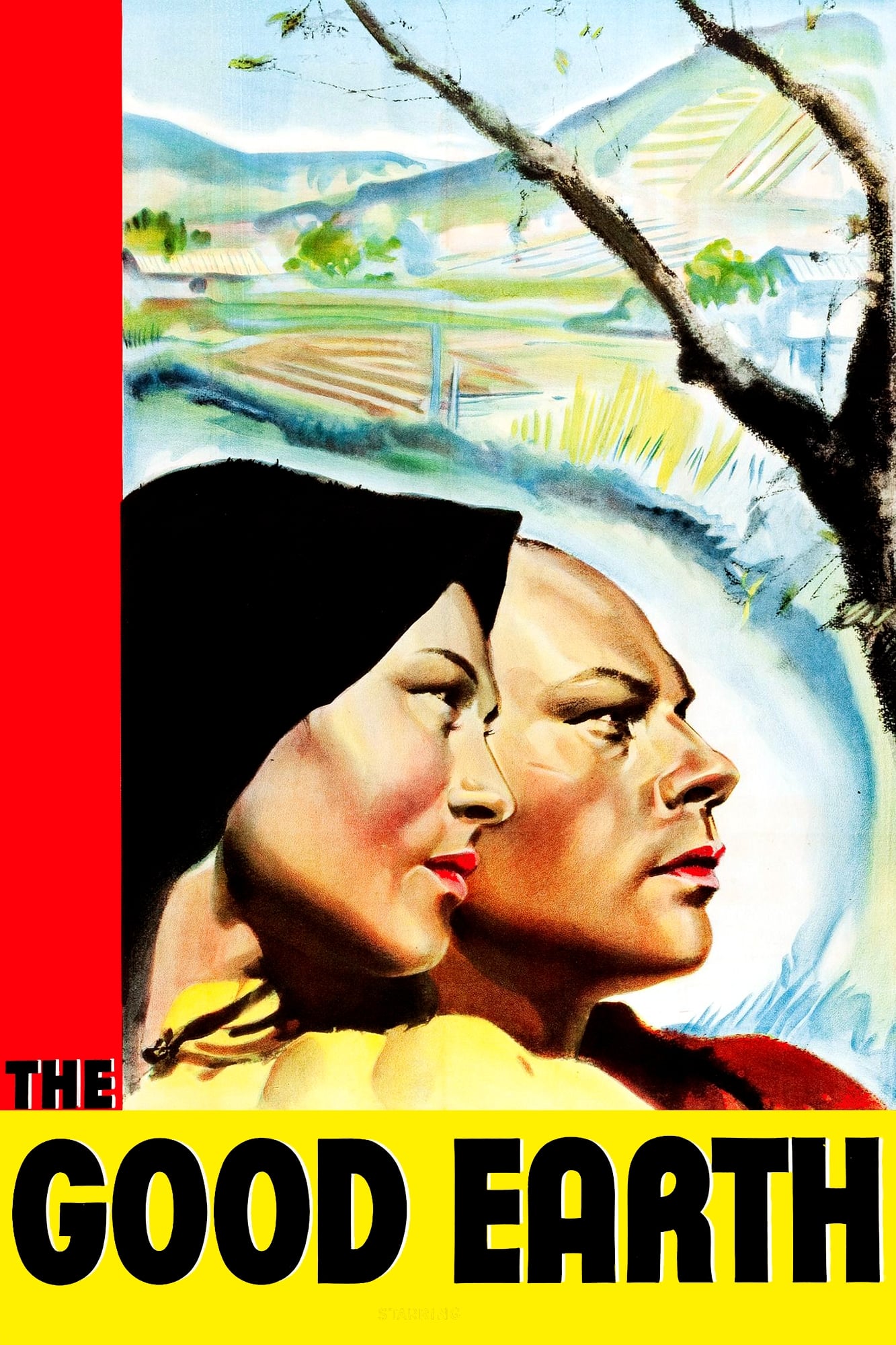
Based on Pearl S. Buck’s Pulitzer Prize-winning novel, this film depicts the life of Chinese farmers struggling for survival. Paul Muni and Luise Rainer play the lead roles of Wang Lung and O-Lan. Both actors were white and used heavy prosthetic makeup to appear Chinese for the duration of the film. Luise Rainer won the Academy Award for Best Actress for her performance in this role. The film is a landmark example of the era’s policy of casting white actors in Asian lead roles for prestige dramas.
’55 Days at Peking’ (1963)
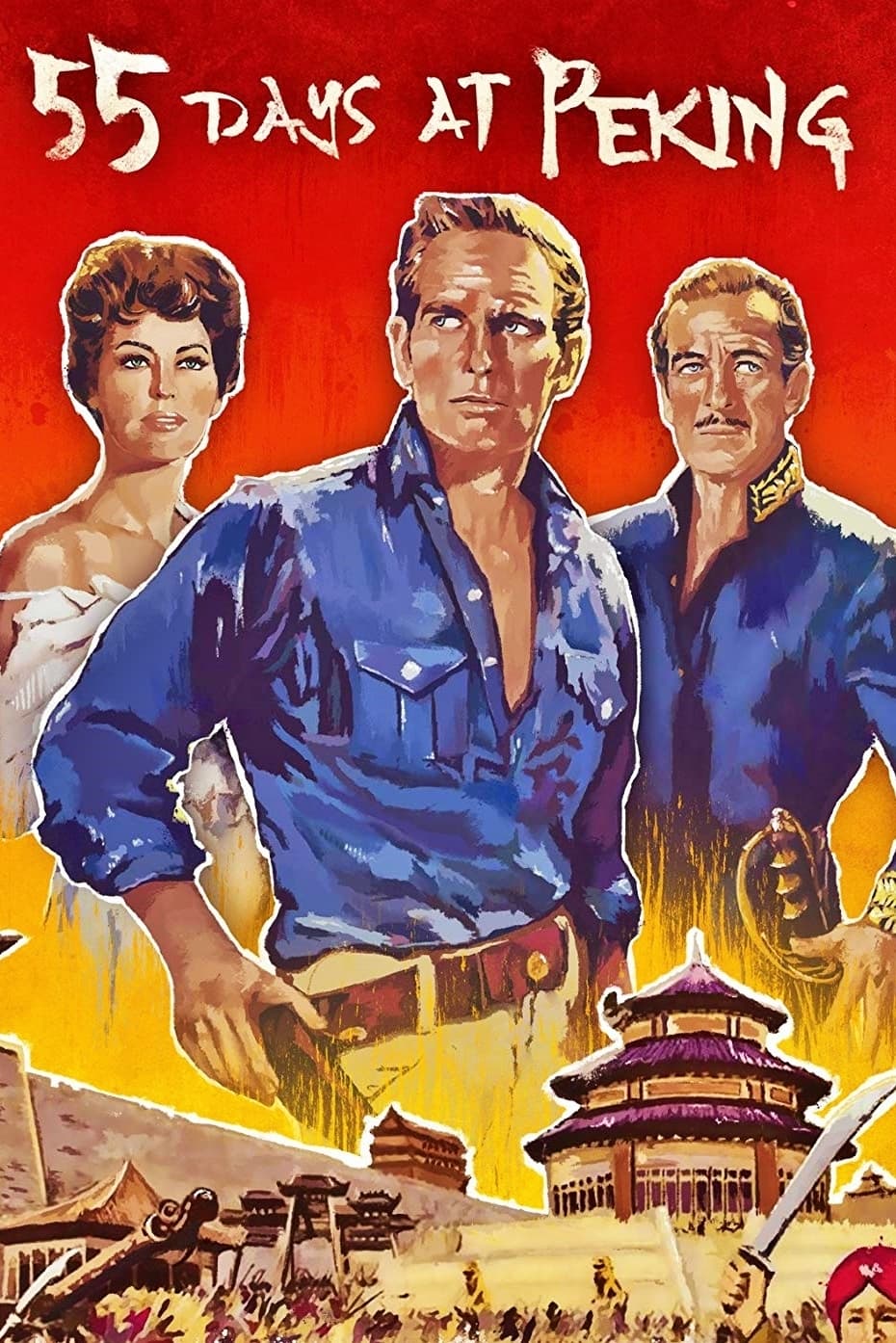
This historical epic depicts the siege of the Foreign Legations’ compound in Beijing during the Boxer Rebellion of 1900. Charlton Heston, Ava Gardner, and David Niven star as the Western defenders of the compound. The Chinese characters, including Empress Dowager Tzu Hsi, are portrayed by white actors such as Flora Robson in yellowface. The film focuses almost entirely on the perspective of the Western colonial powers during the conflict. It was filmed in Spain with thousands of extras but maintained a white central cast.
‘The Silver Chalice’ (1954)

Paul Newman made his film debut in this biblical-era story about a Greek craftsman commissioned to create a chalice for the Holy Grail. The film is set in Antioch and Jerusalem during the early days of Christianity. Jack Palance and Pier Angeli co-star in a production that features an entirely white cast. The movie is known for its highly stylized and modernist set designs which were unusual for the genre. Newman famously apologized for his performance in the film years later.
‘The Barbarian and the Geisha’ (1958)
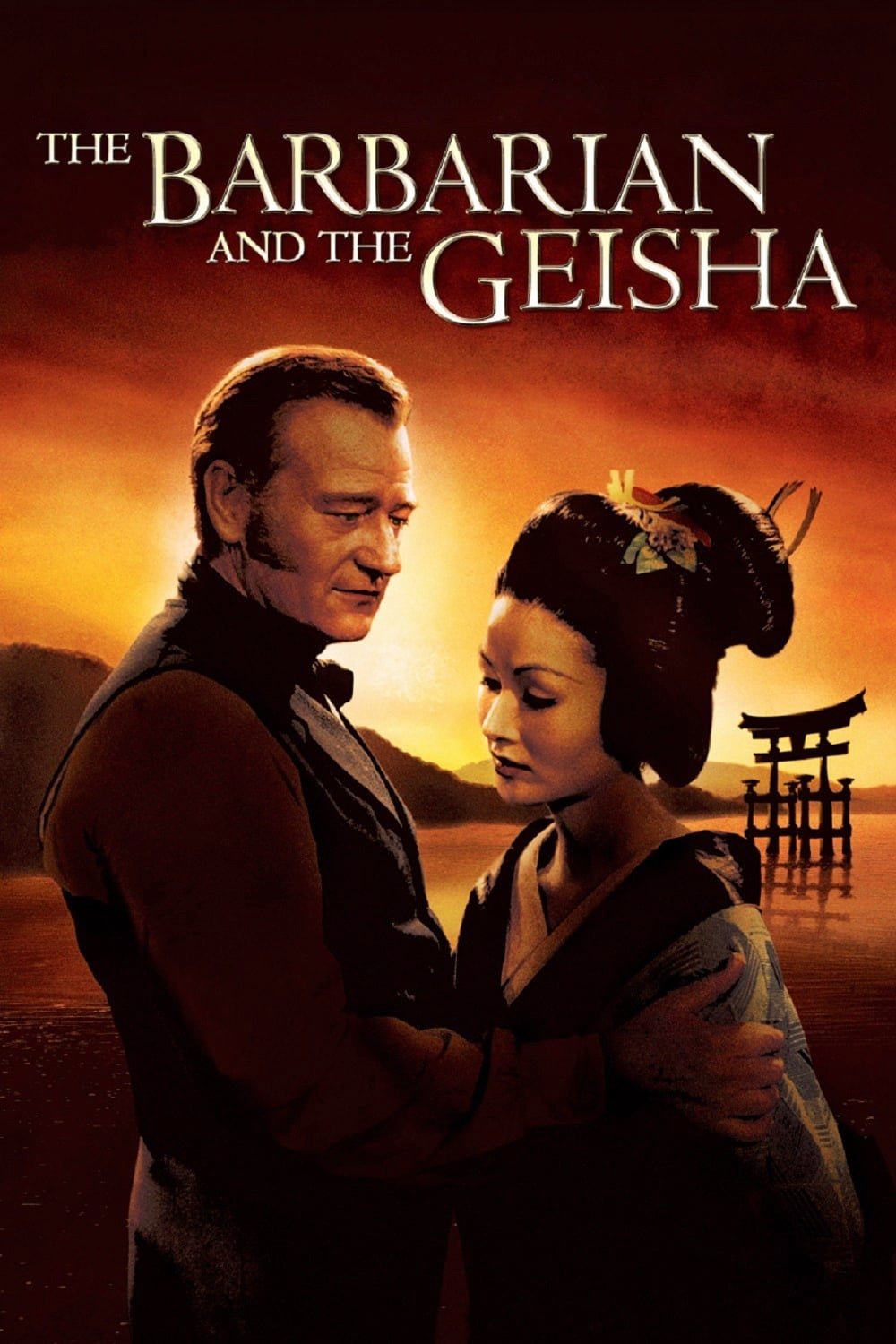
John Wayne stars as Townsend Harris, the first American diplomat sent to Japan in the mid-19th century. Directed by John Huston, the film follows Harris as he attempts to negotiate a treaty while navigating cultural differences. While the film was shot on location in Japan and features Japanese actors in secondary roles, the narrative is driven by Wayne’s character. The casting of the quintessential American Western star in a Japanese historical setting was seen as a move to broaden the film’s commercial appeal. It remains a unique entry in Wayne’s filmography.
‘Lost Horizon’ (1937)
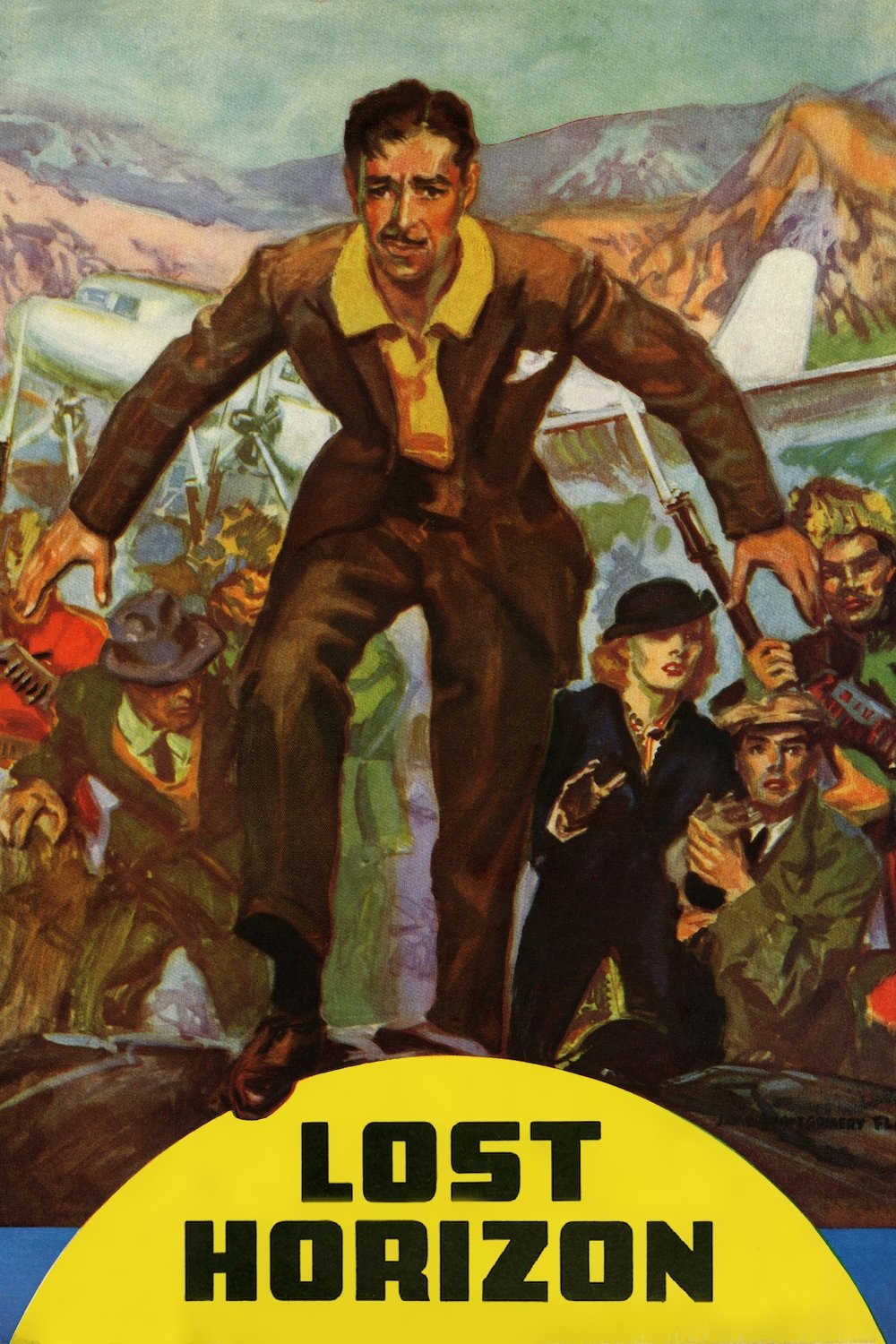
Frank Capra directed this adaptation of the James Hilton novel about a group of travelers who crash-land in the Himalayas. They discover the hidden paradise of Shangri-La, a place of peace and longevity. The residents of this Tibetan sanctuary, including the High Lama, are played by white actors. H.B. Warner portrays the High Lama, a character meant to be centuries old and of Eastern origin. The film is a classic of early cinema, exploring themes of utopia and the rejection of modern materialism.
‘The Ten Commandments’ (1956)
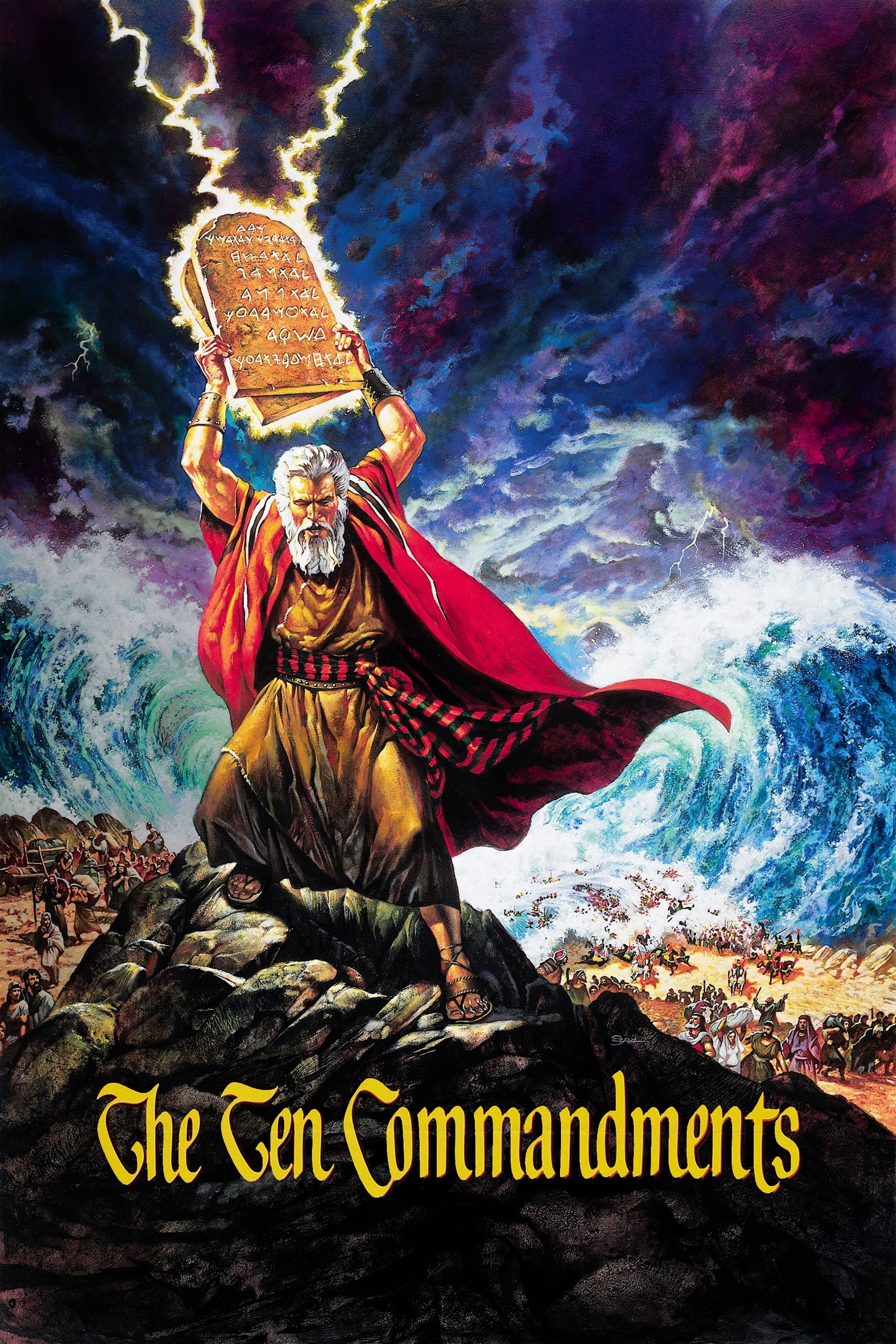
Cecil B. DeMille’s monumental epic stars Charlton Heston as Moses and Yul Brynner as Pharaoh Rameses II. The film dramatizes the life of Moses from his discovery in the Nile to the delivery of the Ten Commandments. The cast is comprised of major Hollywood stars of the era, none of whom are of Middle Eastern or North African descent. It is one of the most financially successful films of all time and is broadcast annually in many countries. The production set the standard for the “sword and sandal” genre’s aesthetic and casting.
‘Ben-Hur’ (1959)
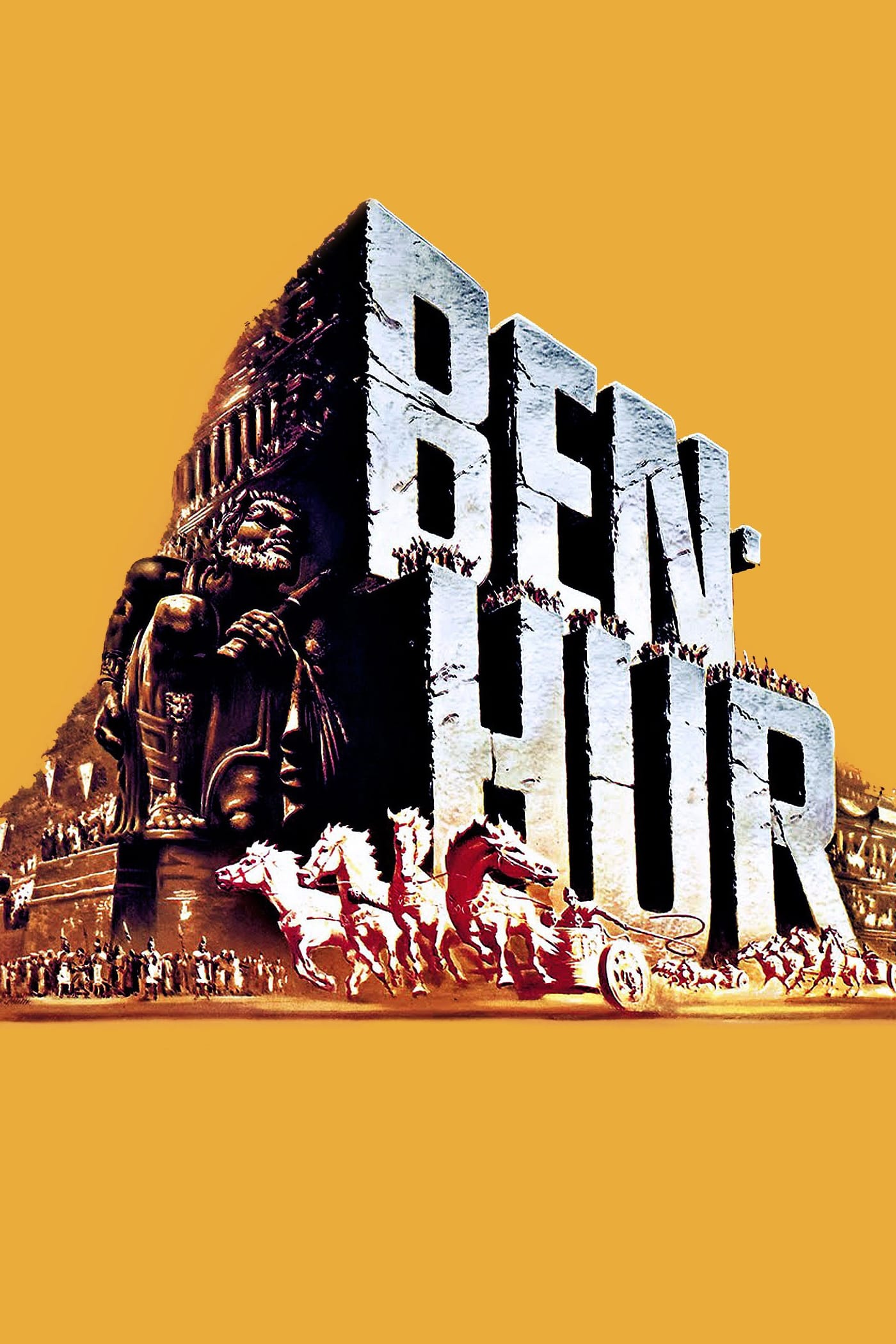
Charlton Heston stars as Judah Ben-Hur, a Jewish prince who is betrayed and sold into slavery by his Roman friend Messala. Set in the early first century in Roman Judea, the film focuses on themes of revenge and redemption. The lead roles and the majority of the supporting cast are played by American and British actors. The film won a record-breaking eleven Academy Awards, including Best Picture and Best Actor for Heston. It remains a cornerstone of Hollywood’s Golden Age of epics.
‘Lawrence of Arabia’ (1962)
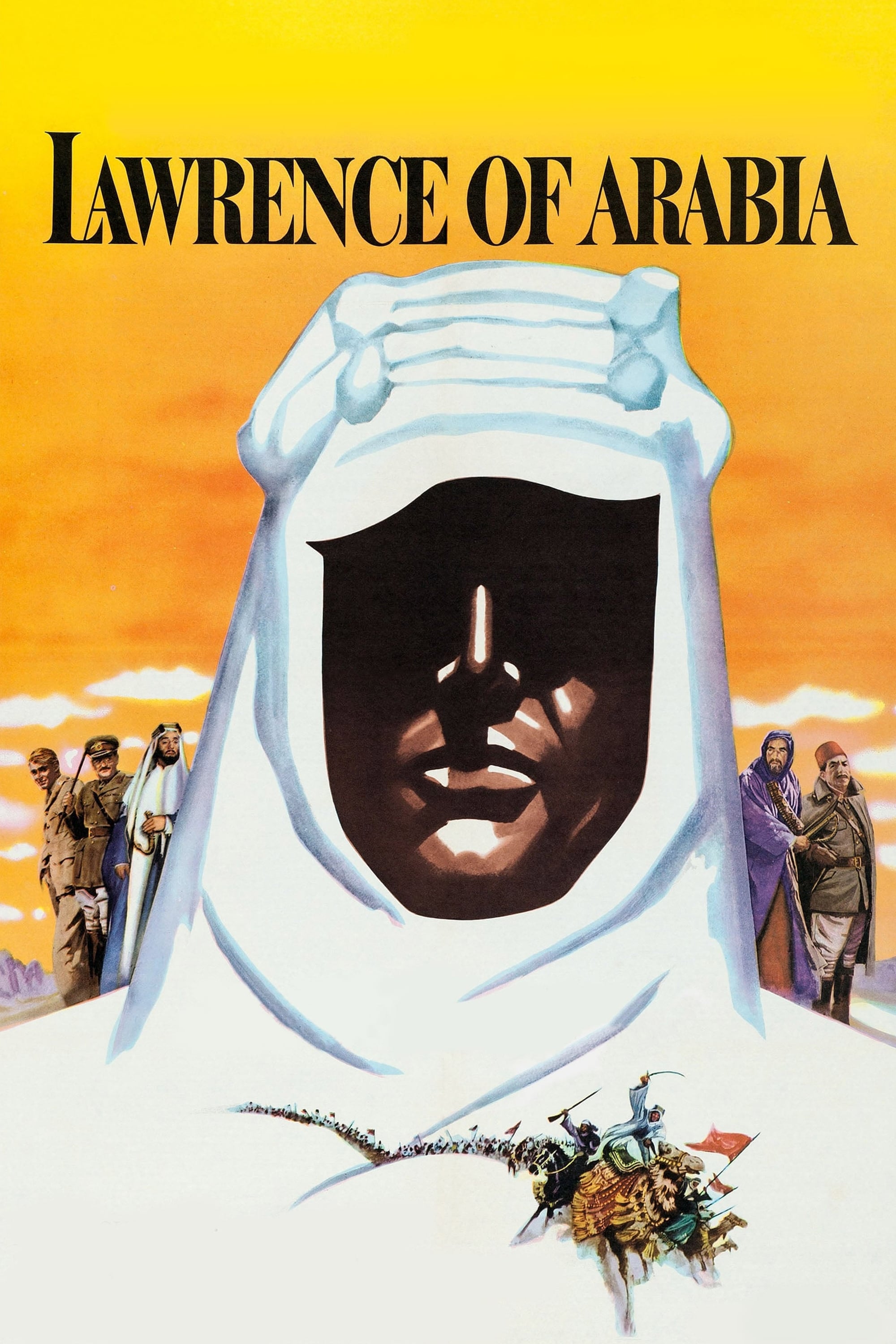
This historical masterpiece follows T.E. Lawrence’s role in the Arab Revolt against the Ottoman Empire during World War I. Peter O’Toole stars as Lawrence, but the film also features Alec Guinness as Prince Faisal and Anthony Quinn as Auda Abu Tayi. Both Guinness and Quinn were white actors who used makeup to portray Arab leaders. While the film is praised for its cinematography and direction, the casting of Westerners as historical Arab figures is a frequent point of modern critique. It won seven Academy Awards and is considered one of the greatest films in cinematic history.
Please share your thoughts on these casting choices in the comments.