


Movies With Directors Whose Vision Changed The Medium

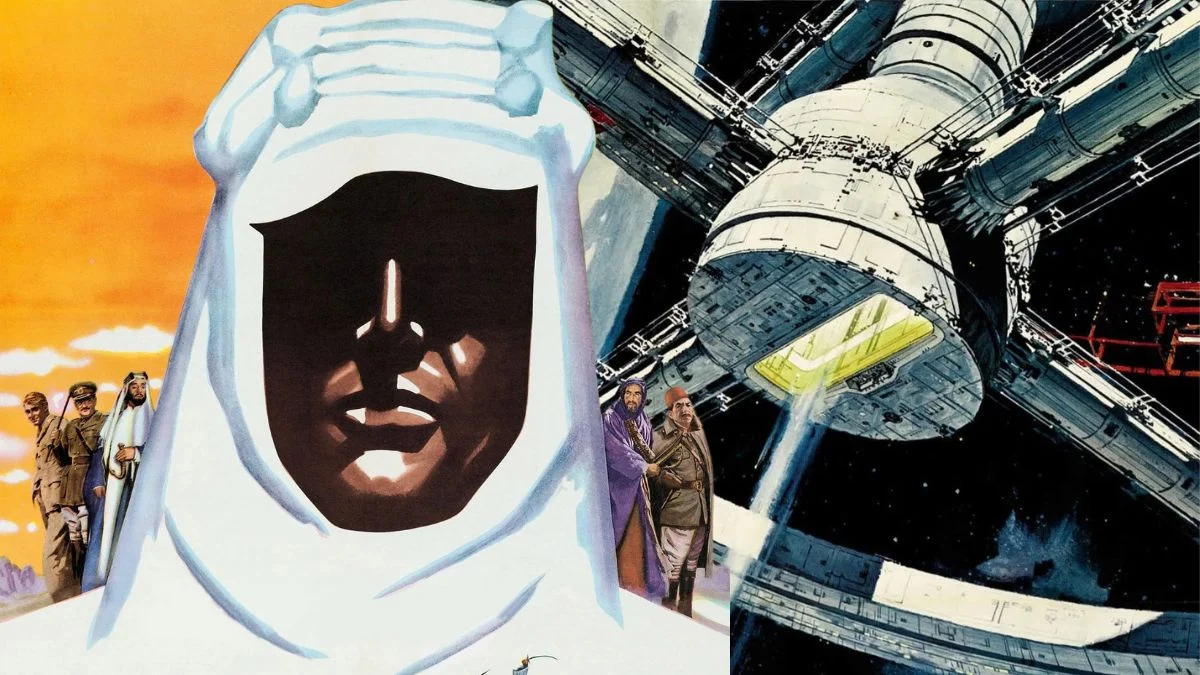


Cinema has evolved rapidly over the last century thanks to visionary filmmakers who dared to break the rules. These directors introduced new narrative structures and technical innovations that redefined what movies could achieve. Their work pushed the boundaries of visual storytelling and established grammars that future generations would adopt. The following films represent pivotal moments where a singular directorial vision altered the trajectory of the medium.
‘A Trip to the Moon’ (1902)
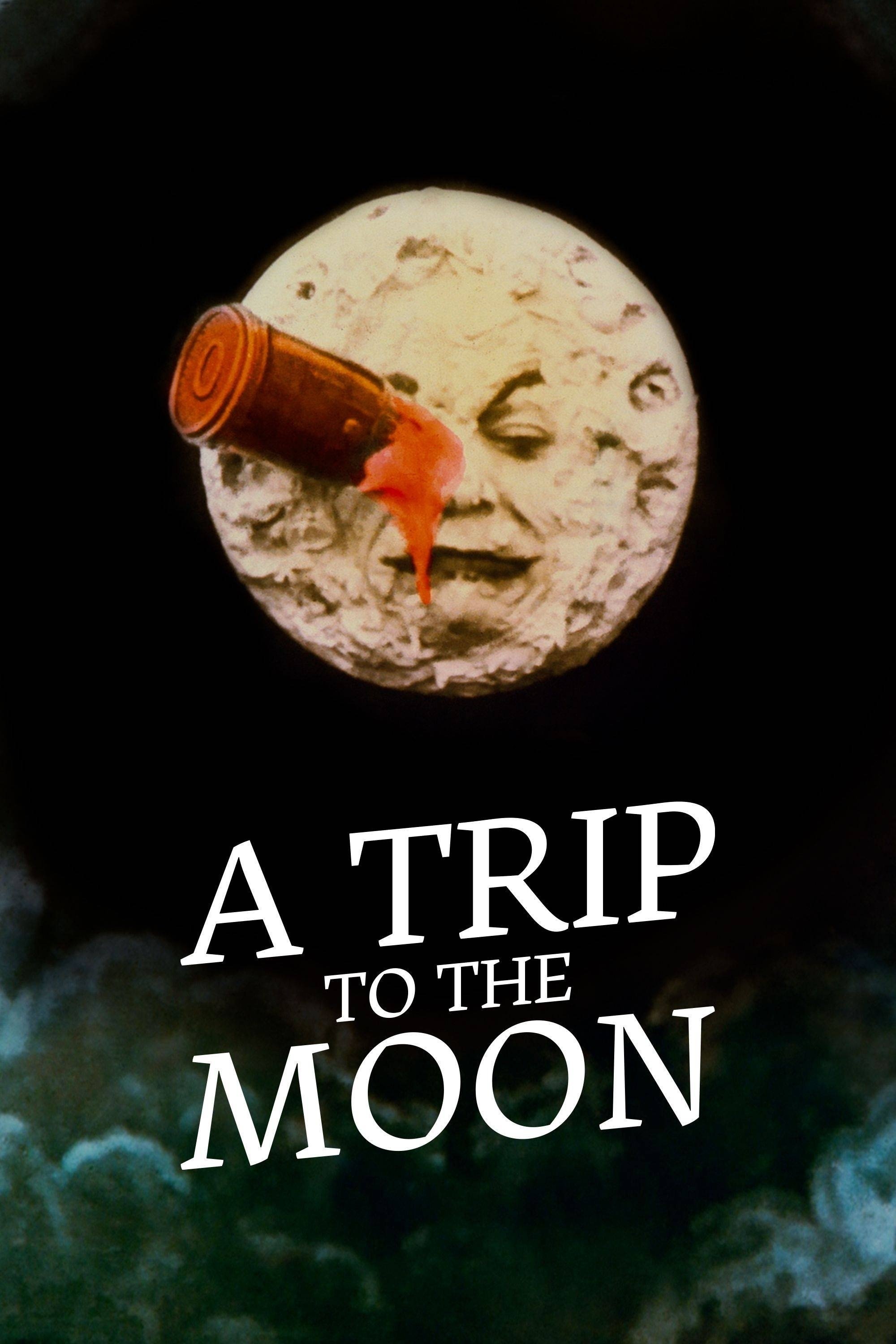
Georges Méliès saw the potential for cinema to be more than just a documentation of reality. He utilized editing and in-camera effects to create a fantastical journey that captivated early audiences. The director invented the concept of special effects and proved that film could bring the impossible to life. His theatrical background influenced the staging but his imagination birthed the sci-fi genre. This short film remains a cornerstone of visual trickery and narrative imagination.
‘The Birth of a Nation’ (1915)
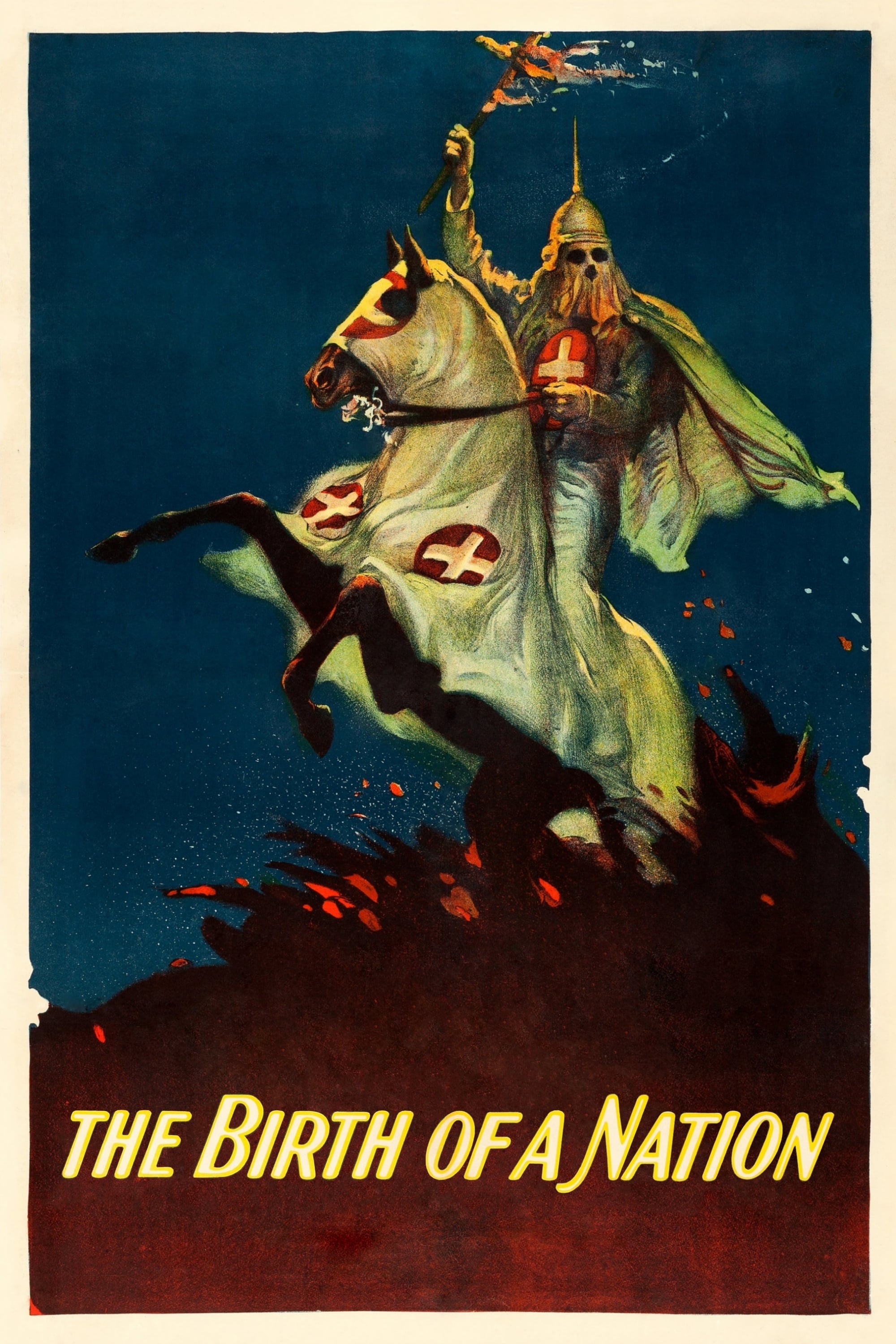
D.W. Griffith codified the grammar of modern filmmaking in this technically influential yet controversial epic. The director pioneered the use of close-ups and parallel editing to build tension and emotional resonance. He expanded the runtime of feature films and demonstrated the power of cinema to shape public perception. The film established the viability of the feature-length format for complex storytelling. Its technical achievements set the standard for Hollywood productions for decades to come.
‘Battleship Potemkin’ (1925)
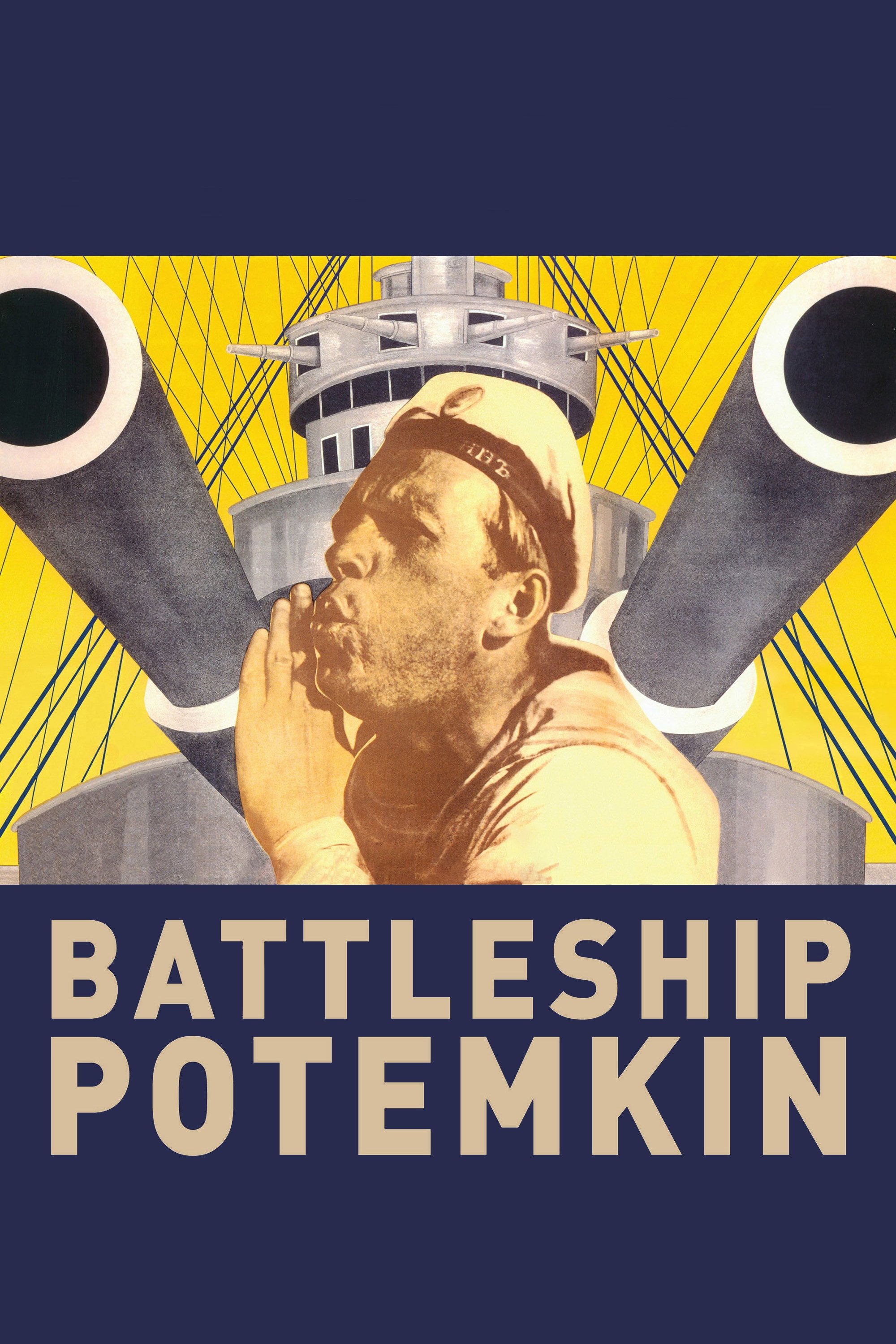
Sergei Eisenstein revolutionized the art of editing with his theory of montage. The director believed that the collision of two shots could create a new meaning distinct from the images themselves. He used rapid cuts and rhythmic editing to elicit strong emotional responses from the audience. The Odessa Steps sequence stands as one of the most studied examples of visual tension in film history. This approach shifted cinema from capturing theater to creating a unique visual language.
‘Metropolis’ (1927)
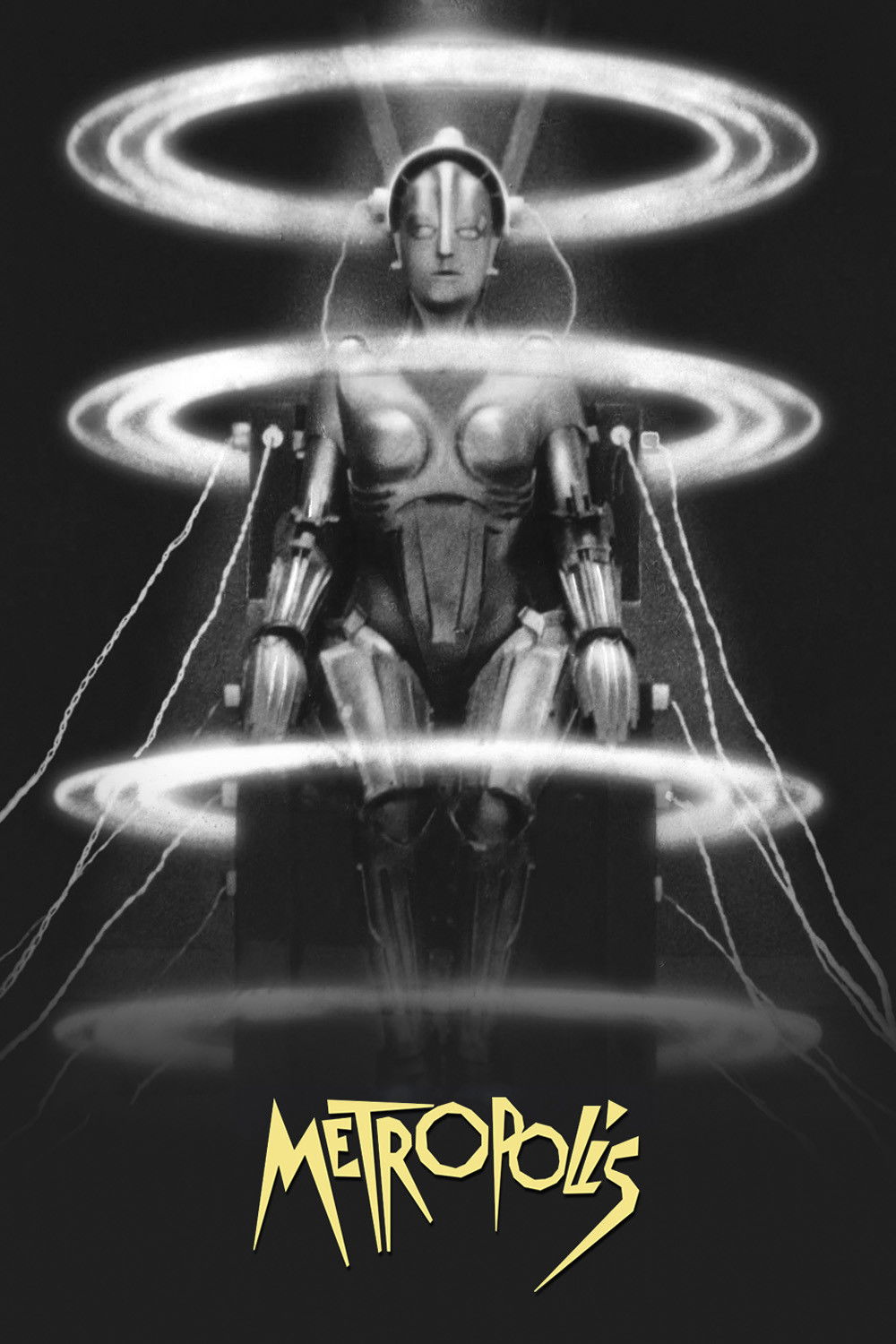
Fritz Lang created a futuristic cityscape that set the visual template for the science fiction genre. The director utilized massive sets and the Schüfftan process to blend miniatures with live-action footage. His vision of a dystopian society explored complex themes of class struggle through grand expressionist imagery. The special effects and production design were unprecedented in their scale and ambition. It demonstrated that cinema could build entirely new worlds from scratch.
‘Snow White and the Seven Dwarfs’ (1937)
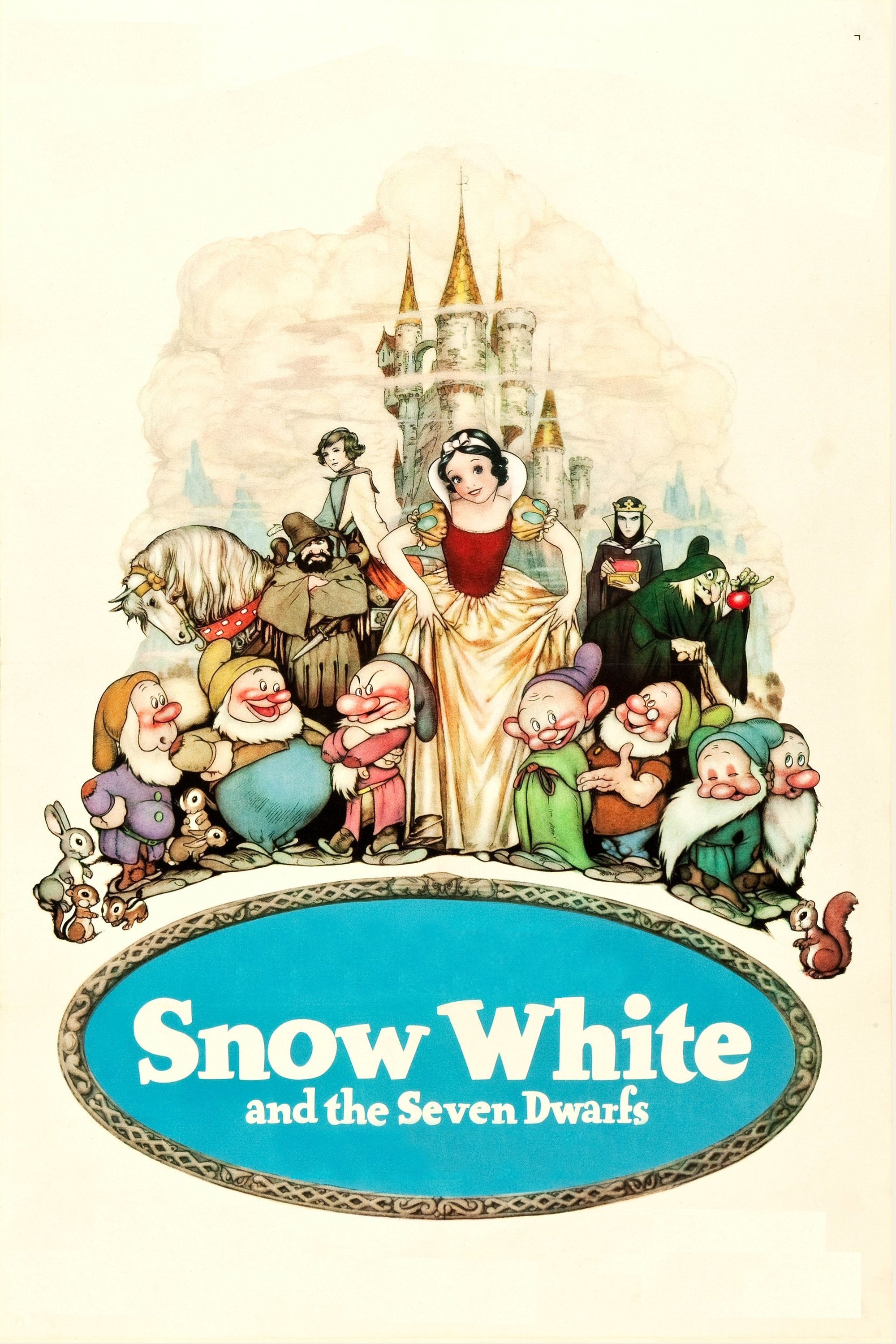
Walt Disney and supervising director David Hand took a massive risk by producing the first full-length cel-animated feature. The production team invented the multiplane camera to give depth and parallax to the animated environments. They proved that animation could sustain an emotional narrative and captivate adult audiences alongside children. The film established animation as a viable commercial art form equal to live-action. This success laid the foundation for the entire modern animation industry.
‘Stagecoach’ (1939)

John Ford elevated the Western from B-movie pulp to a respectable genre of high art. The director utilized the vast landscapes of Monument Valley to turn the environment into a character itself. He introduced deep focus techniques and complex character archetypes that went beyond simple heroes and villains. The film made John Wayne a star and established the visual language of the American mythos. Ford showed that genre films could carry significant dramatic weight and artistic merit.
‘Citizen Kane’ (1941)
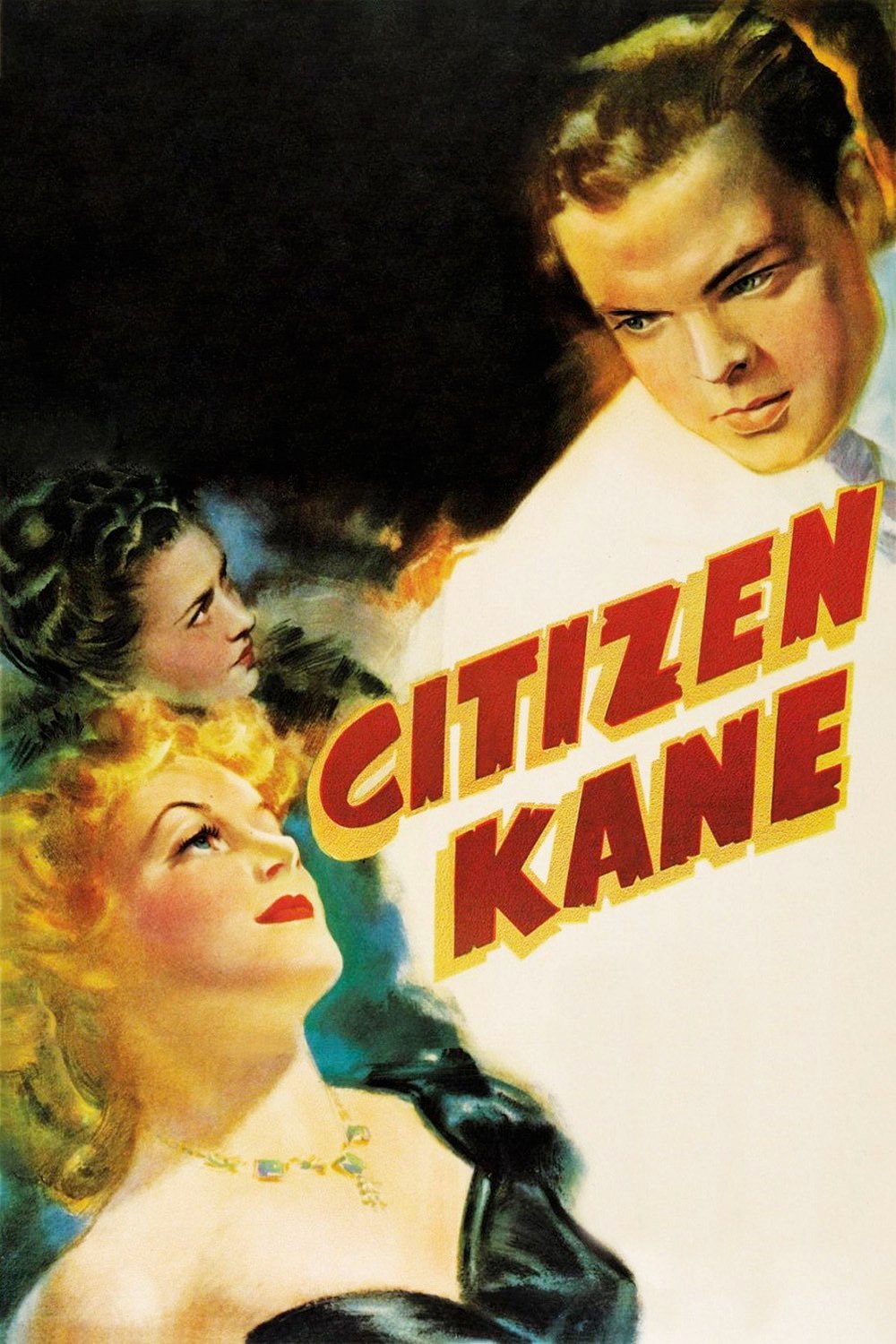
Orson Welles wrote, directed, and starred in this groundbreaking drama that fundamentally altered the language of cinema. The film introduced deep focus photography which allowed audiences to see clearly across the entire frame. Welles utilized complex non-linear storytelling to unravel the mystery of a newspaper tycoon through flashbacks. The lighting techniques and camera angles created a visual vocabulary that directors still study today. It remains a towering achievement that bridged the gap between stage and screen aesthetics.
‘Bicycle Thieves’ (1948)

Vittorio De Sica stripped away the artifice of studio filmmaking to help establish Italian Neorealism. The director cast non-professional actors and shot on location to capture the raw reality of post-war Rome. He focused on the mundane struggles of the working class rather than the escapist fantasies of Hollywood. This approach influenced filmmakers globally to seek truth and authenticity in their storytelling. The film proved that simple human stories could be as compelling as grand spectacles.
‘Rashomon’ (1950)
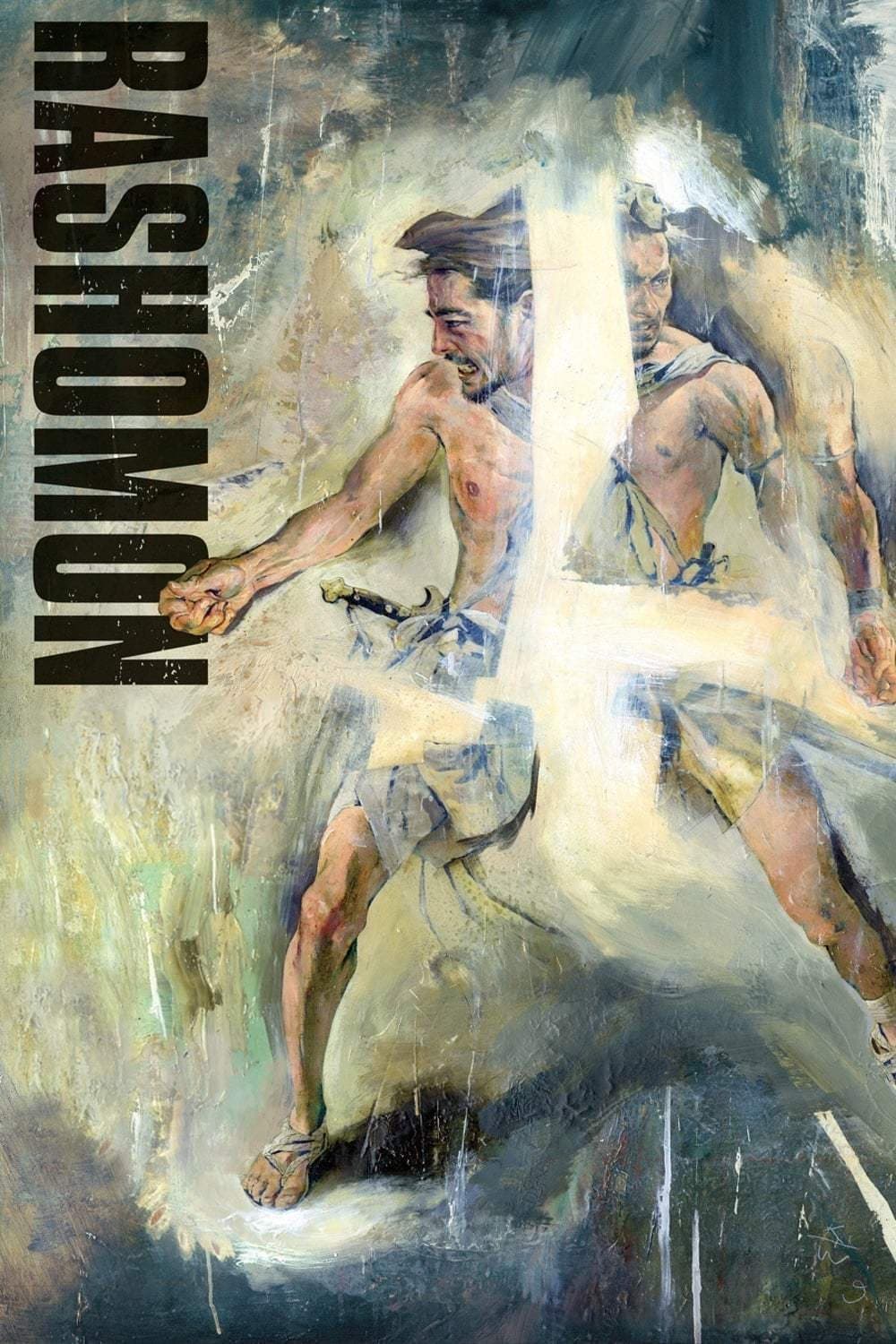
Akira Kurosawa challenged the concept of objective truth through his innovative narrative structure. The director told the story of a crime from four contradictory perspectives without revealing which was true. He used dynamic camera movement and natural light to heighten the psychological tension of the scenes. This film introduced Japanese cinema to a global audience and won the Golden Lion at Venice. It forced audiences to question the reliability of the narrator and the nature of reality.
‘Tokyo Story’ (1953)
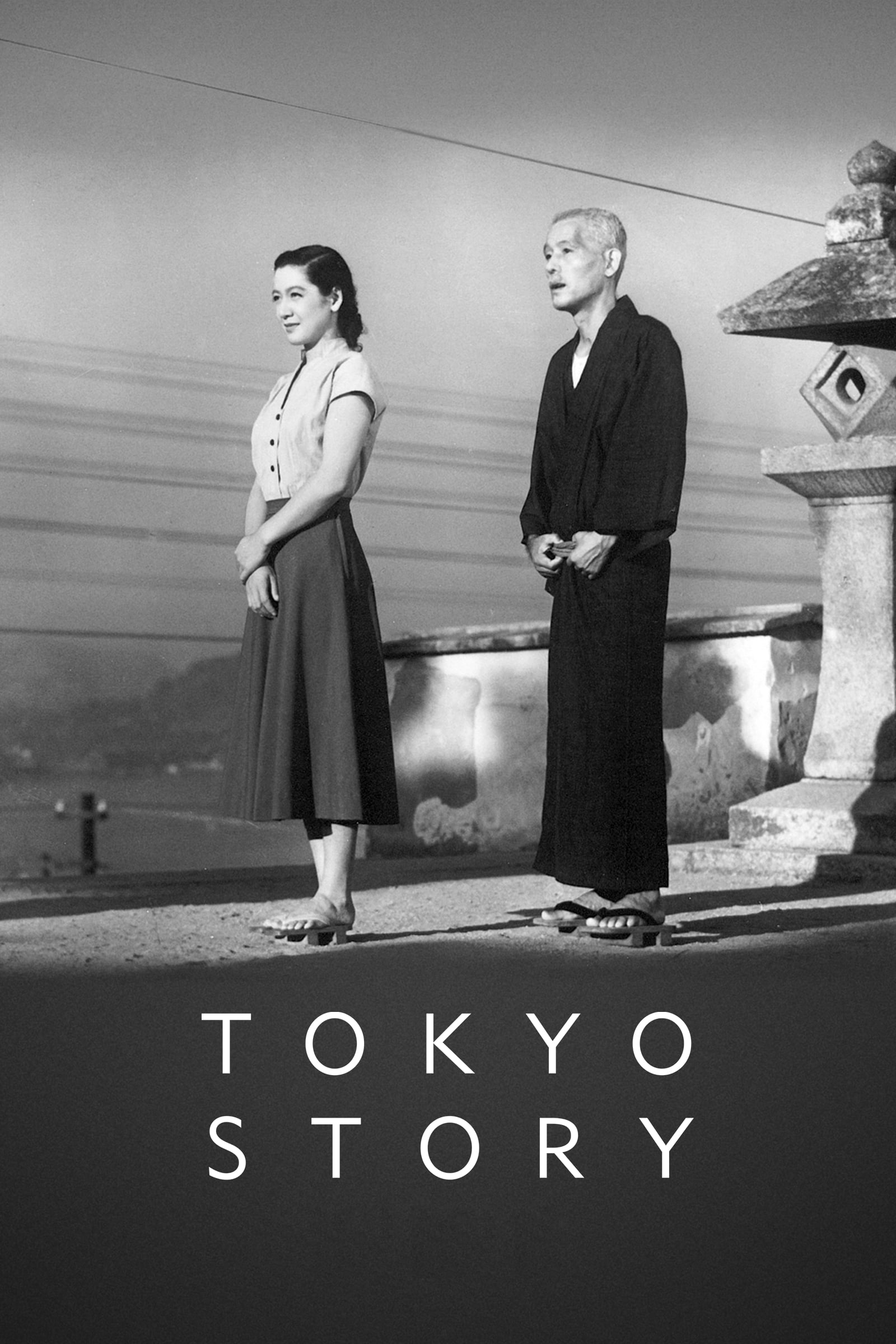
Yasujirō Ozu refined a unique cinematic style that emphasized stillness and composition. The director placed the camera at a low angle to mimic the viewpoint of someone sitting on a tatami mat. He rejected traditional editing rules such as the 180-degree system in favor of graphic continuity. His focus on the subtle dynamics of family life created a deeply emotional and meditative experience. This distinctive visual signature challenged the Western conventions of how a story should be framed.
‘The Seven Year Itch’ (1955)
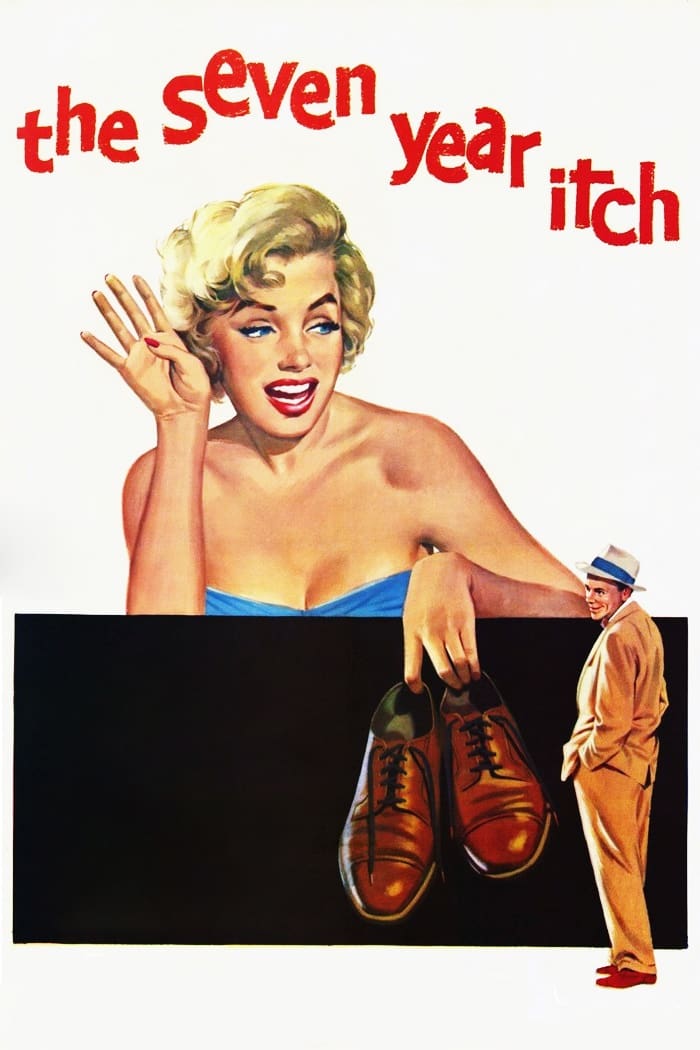
Billy Wilder showcased the comedic potential of the widescreen format during a time when television was threatening cinema. The director used the CinemaScope aspect ratio to enhance physical comedy and framing rather than just for landscapes. He mastered the art of visual innuendo to bypass the strict censorship codes of the era. The film demonstrated how star power and witty writing could be amplified by modern technology. Wilder proved that intimate character comedies could thrive on the biggest screens available.
‘The Searchers’ (1956)
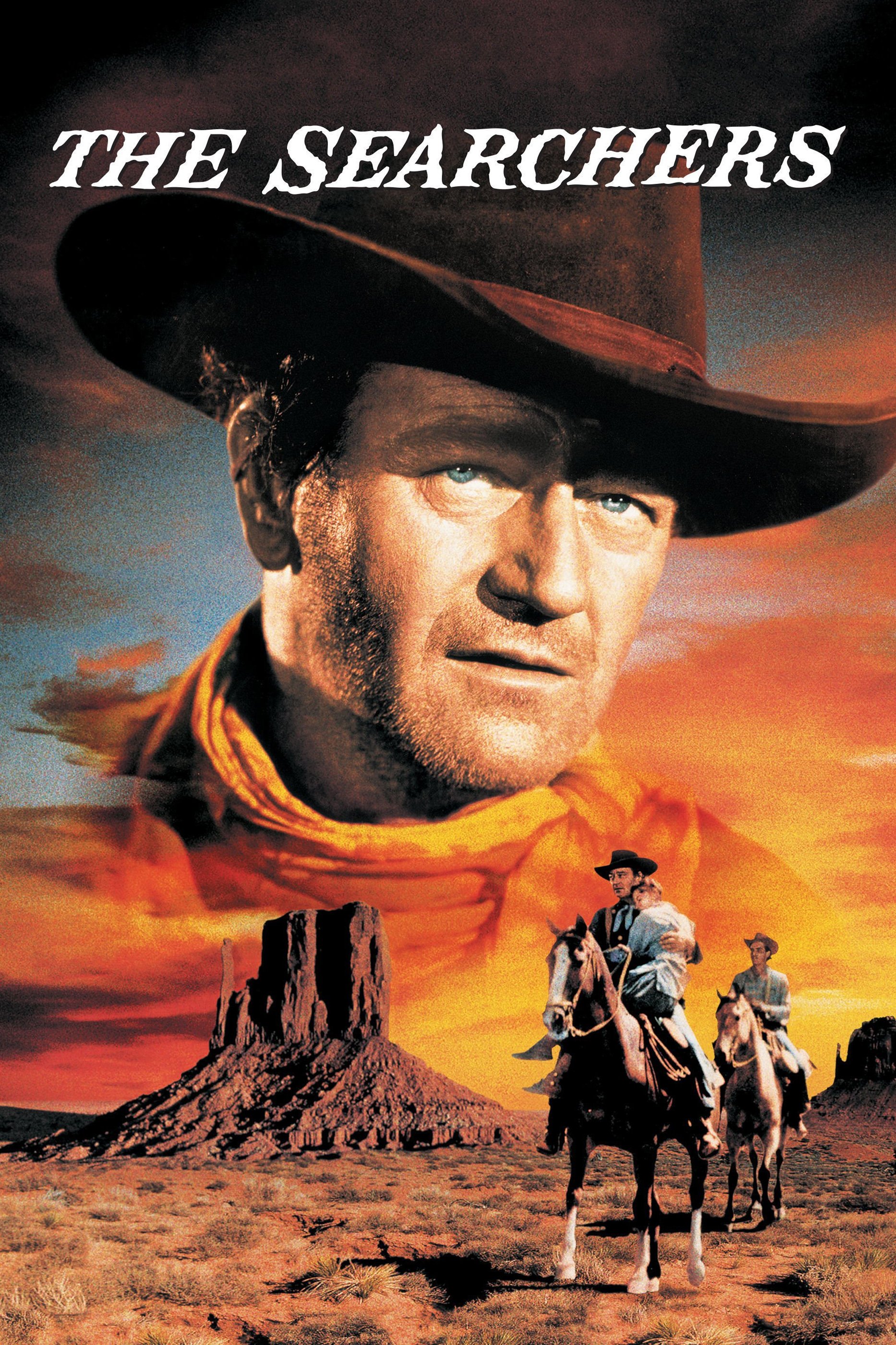
John Ford returned to the Western to deconstruct the very myths he helped create. The director presented a morally ambiguous protagonist who was driven by racism and vengeance rather than justice. He used the VistaVision process to capture the isolation of the frontier with breathtaking clarity. The film influenced the New Hollywood generation to explore darker and more complex anti-heroes. It remains a visually stunning examination of the American frontier’s psychological toll.
‘The Seventh Seal’ (1957)
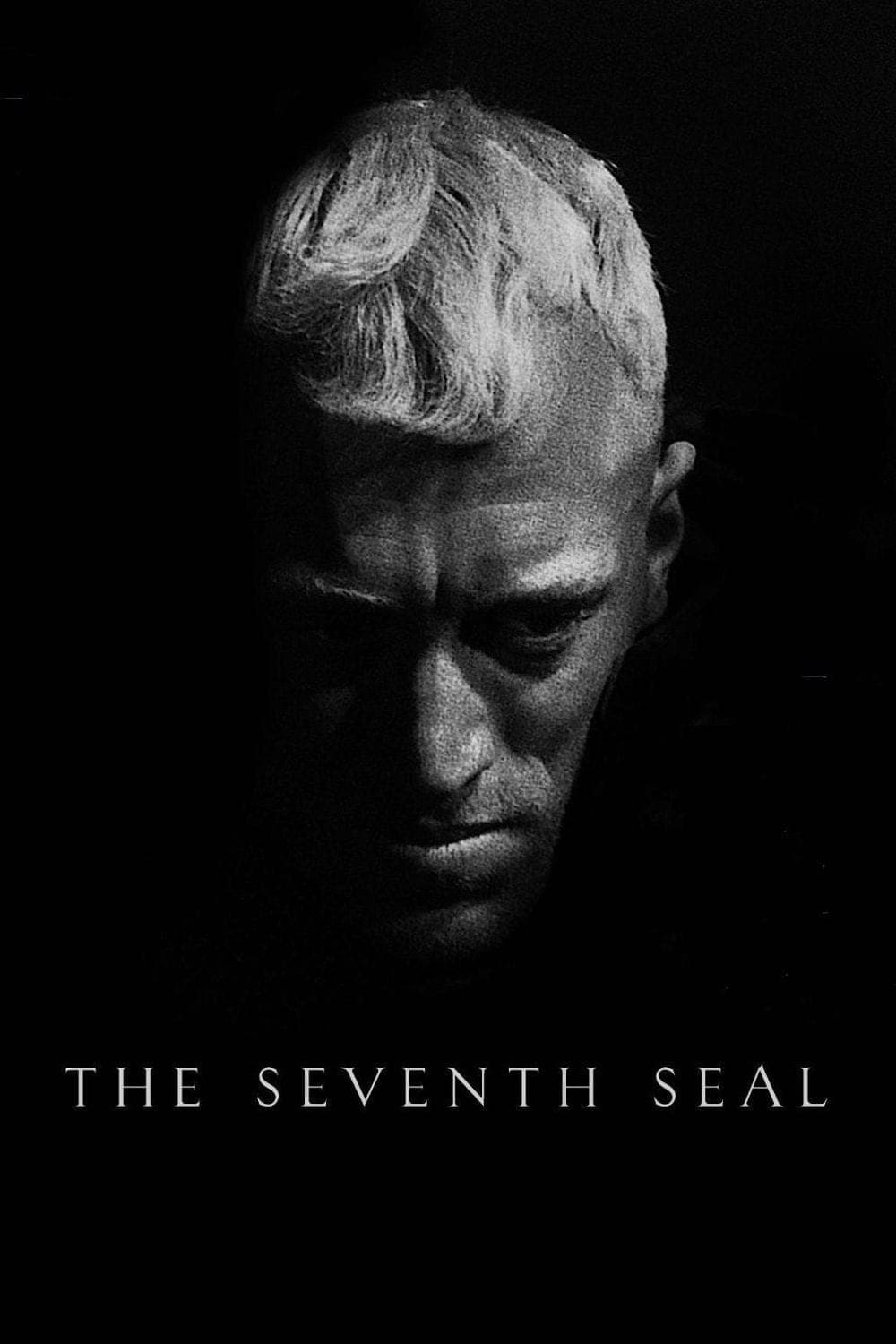
Ingmar Bergman brought existential philosophy to the forefront of cinematic storytelling. The director used stark black-and-white imagery to explore questions of faith, death, and human suffering. He created iconic allegorical images such as a knight playing chess with Death on a desolate beach. This film helped establish the concept of the art house cinema circuit in the United States. Bergman showed that film could be a medium for serious metaphysical inquiry.
‘Vertigo’ (1958)
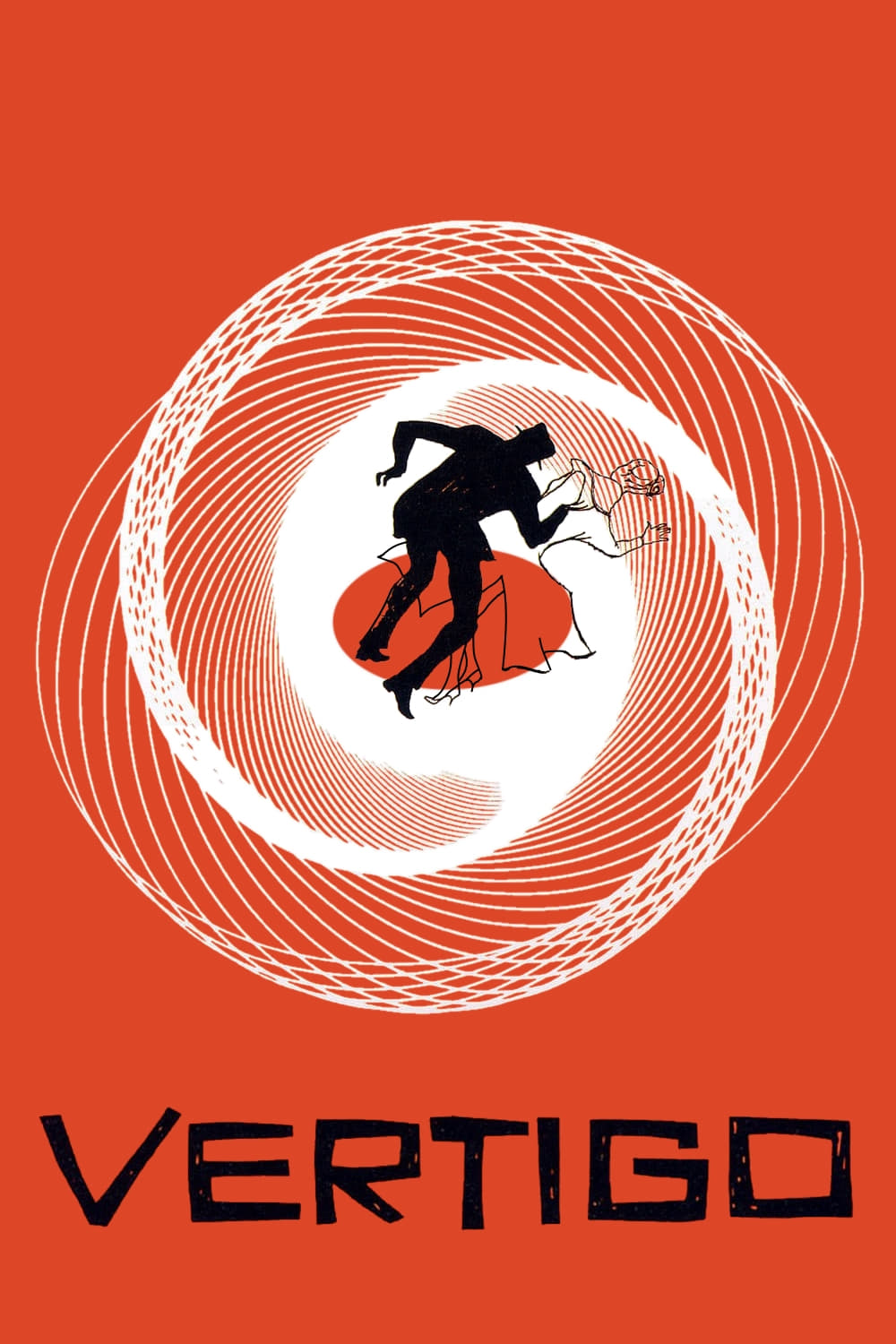
Alfred Hitchcock utilized the dolly zoom technique to visually represent the sensation of acrophobia. The director manipulated color and spiral motifs to pull the audience into the protagonist’s obsession. He broke narrative conventions by revealing the plot twist halfway through the movie to shift the focus to character psychology. The film explored themes of voyeurism and control with an intensity rarely seen in commercial thrillers. It transformed the thriller genre into a vehicle for deep psychological study.
‘The 400 Blows’ (1959)
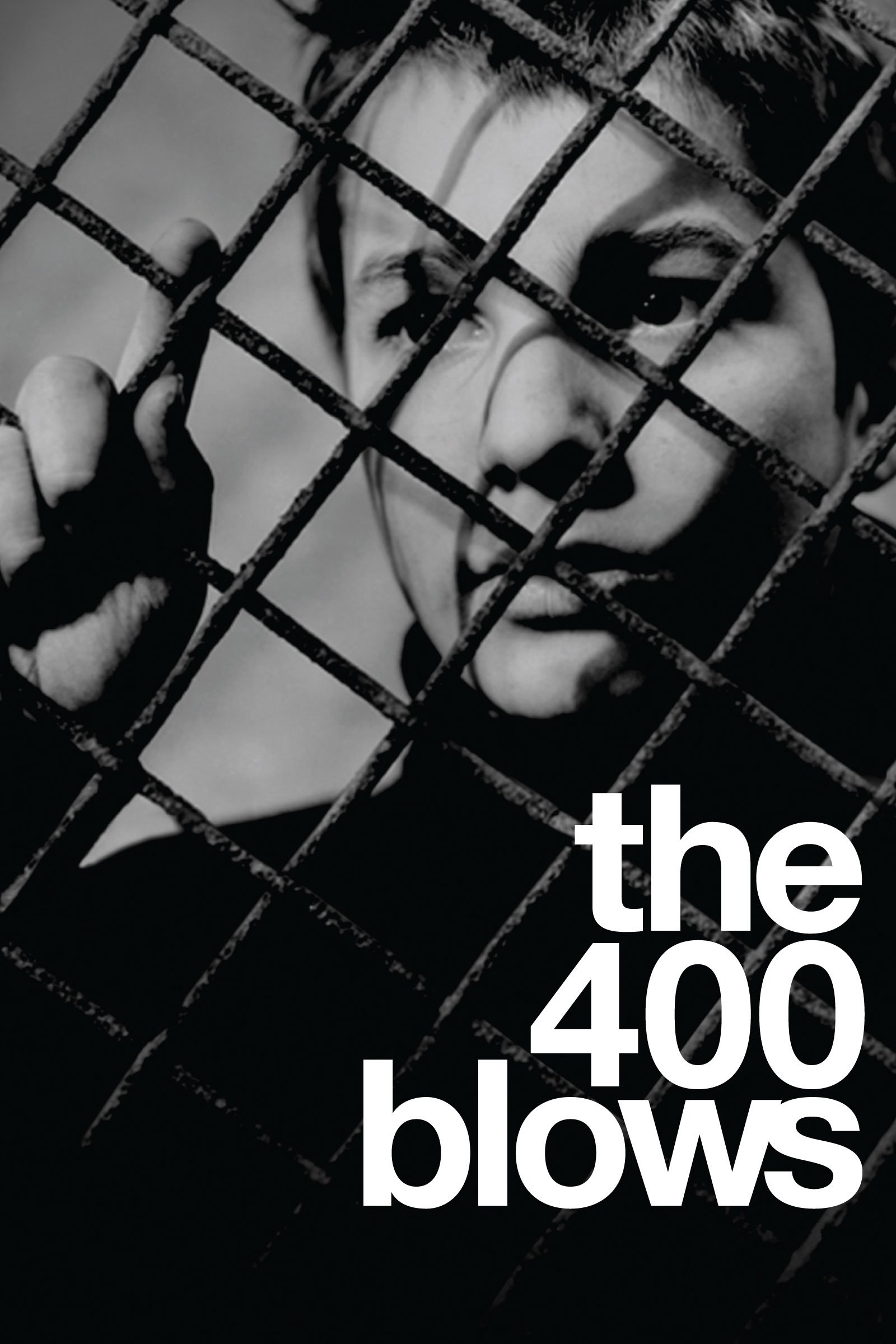
François Truffaut launched the French New Wave with this semi-autobiographical coming-of-age story. The director utilized handheld cameras and natural lighting to create a sense of spontaneity and freedom. He ended the film with a famous freeze-frame that left the narrative famously unresolved. This work championed the auteur theory which posits the director as the primary creative force of a movie. It encouraged filmmakers to inject their personal lives and styles directly into their work.
‘Psycho’ (1960)
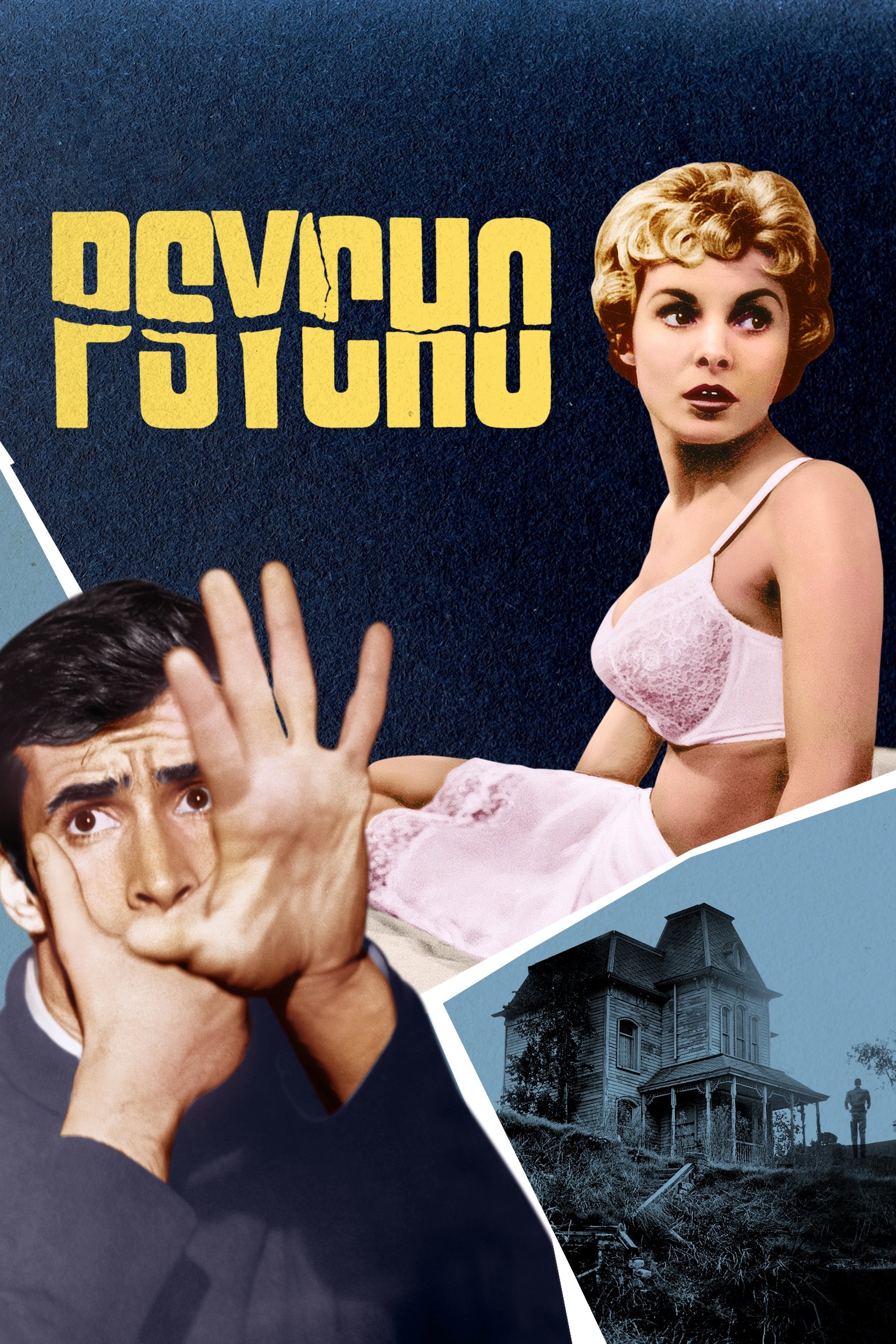
Alfred Hitchcock changed the horror genre forever by killing off his main star within the first act. The director used rapid editing and screeching violins to create terror without showing explicit violence in the shower scene. He challenged censorship boundaries by showing a toilet flushing and depicting a killer with a complex psychology. The film created the slasher template and proved that low-budget horror could yield massive box office returns. It turned the act of moviegoing into a communal experience of shock and suspense.
‘Lawrence of Arabia’ (1962)
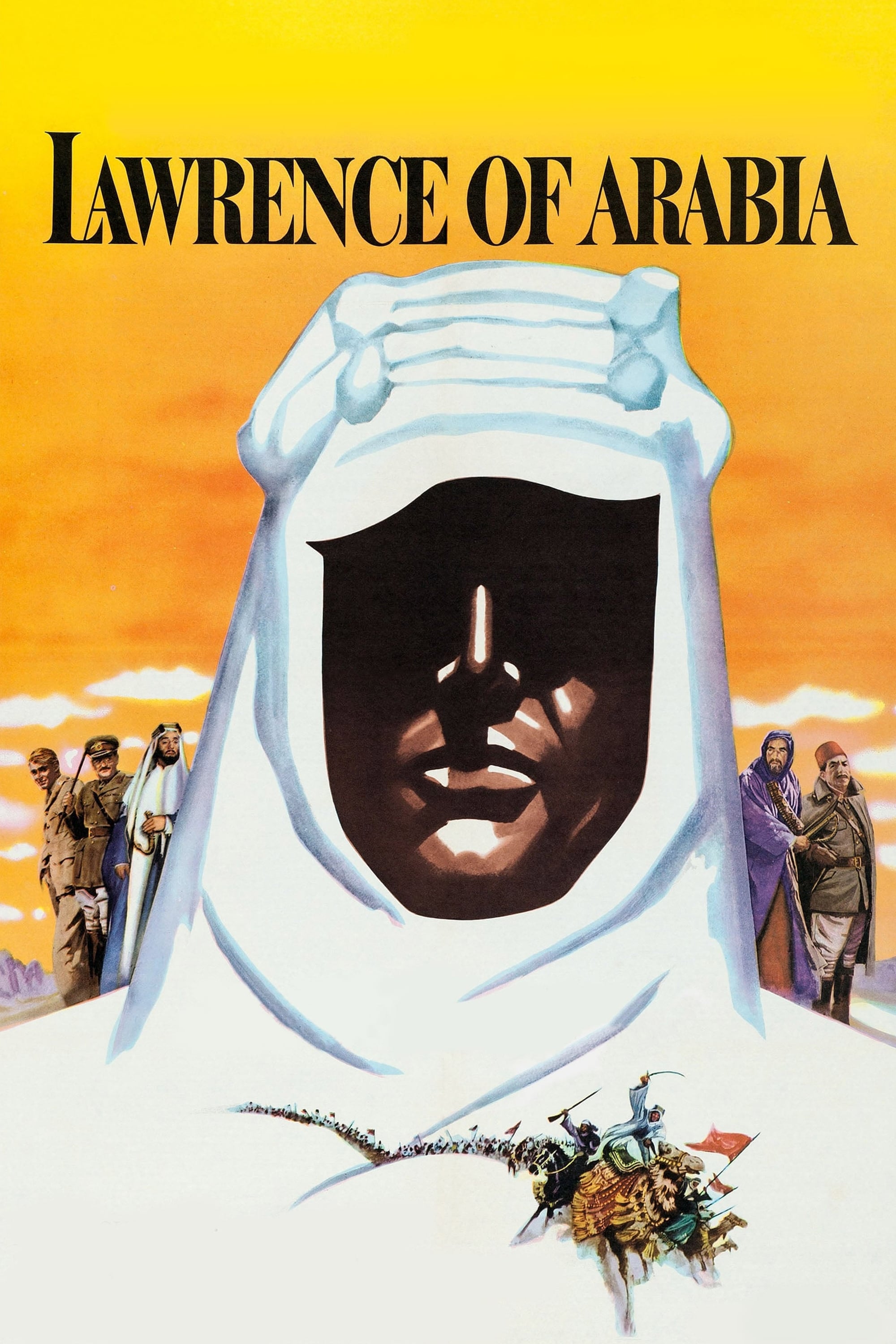
David Lean demonstrated the ultimate power of the 70mm format with his sweeping desert epic. The director used the vast frame to emphasize the insignificance of individuals against the harsh landscape. He pioneered the match cut editing technique where one image transitions metaphorically into another. The production set a benchmark for location shooting and logistical scale that has rarely been matched. It defined the term blockbuster epic through its combination of visual grandeur and character study.
‘The Battle of Algiers’ (1966)
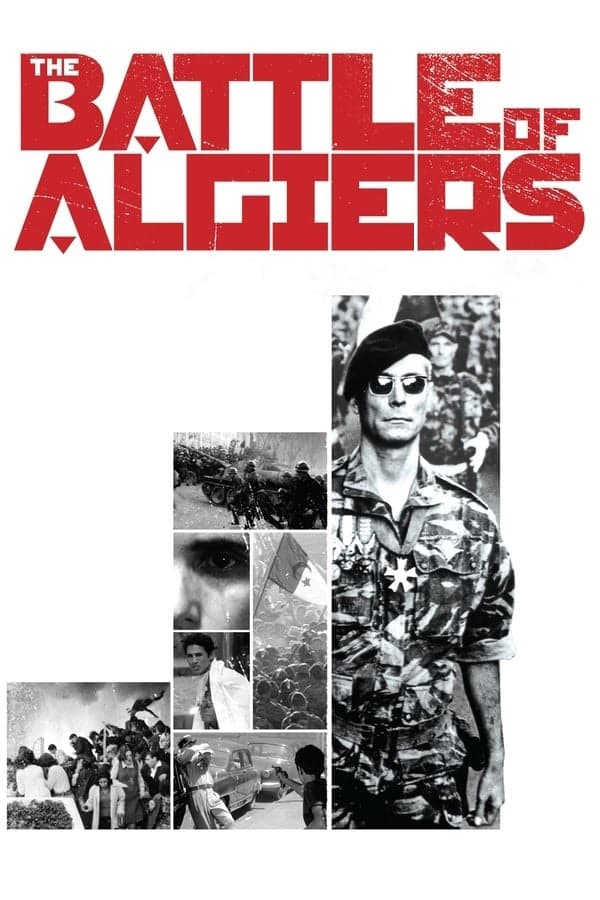
Gillo Pontecorvo blurred the line between fiction and documentary with his gritty depiction of urban guerrilla warfare. The director used newsreel-style cinematography and non-professional actors to create an unparalleled sense of realism. He refused to romanticize violence and presented the atrocities committed by both sides of the conflict. The film became a training tool for revolutionary groups and counter-insurgency experts alike. It established a new standard for political filmmaking that prioritized immediacy and truth.
‘2001: A Space Odyssey’ (1968)
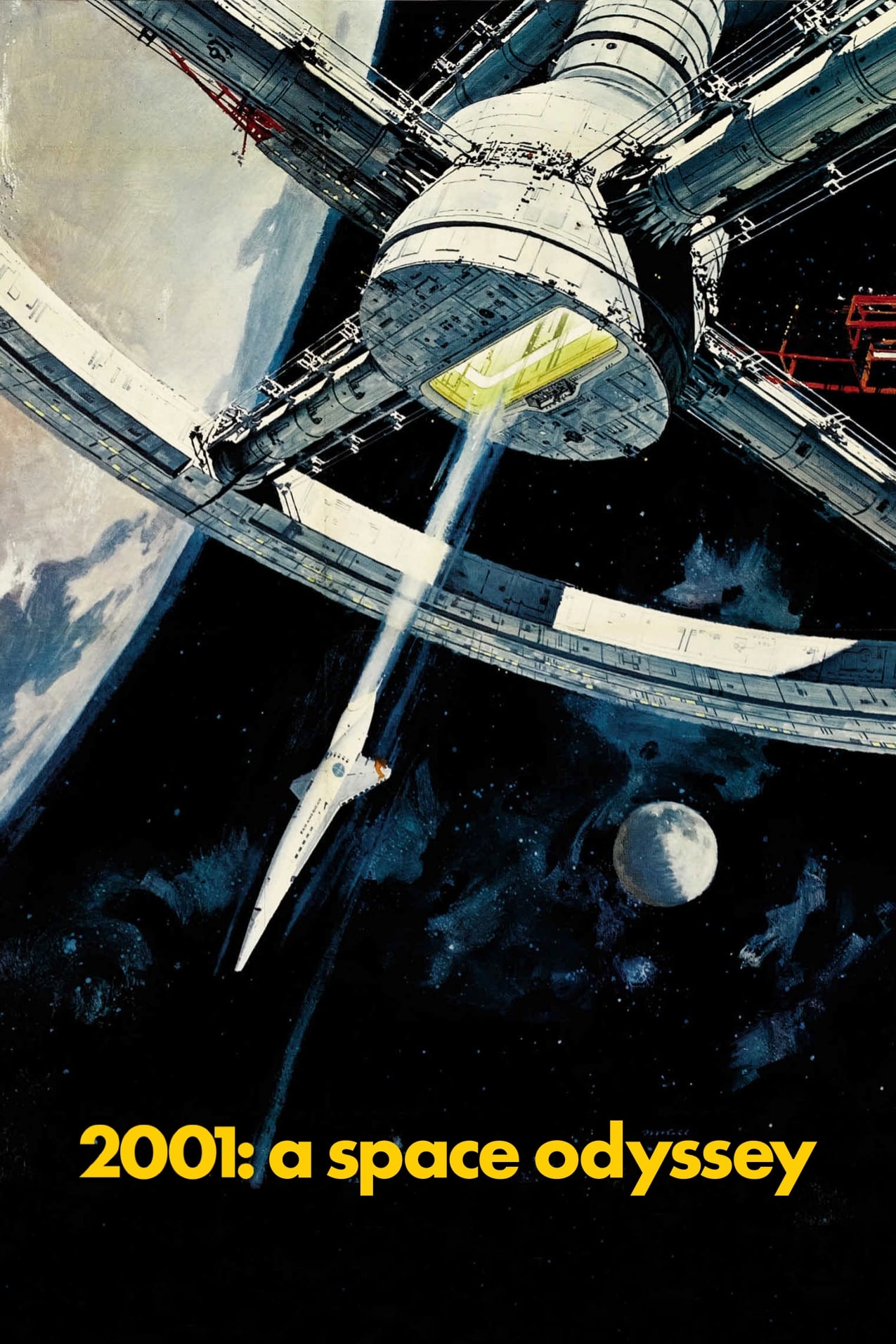
Stanley Kubrick revolutionized science fiction by striving for scientific accuracy and philosophical depth. The director utilized slit-scan photography and practical effects to depict space travel before the moon landing occurred. He minimized dialogue to allow the visuals and classical music to carry the narrative weight. The film introduced the concept of the star gate and questioned the relationship between humanity and technology. It remains the benchmark against which all space films are measured.
‘Night of the Living Dead’ (1968)

George A. Romero invented the modern zombie movie and infused it with social commentary. The director cast a Black actor as the lead hero during the height of the Civil Rights movement. He used guerilla filmmaking techniques and gore to bring horror into the modern era. The film ended on a bleak note that reflected the nihilism and unrest of the late sixties. It proved that independent horror films could be culturally significant and commercially successful.
‘The Wild Bunch’ (1969)
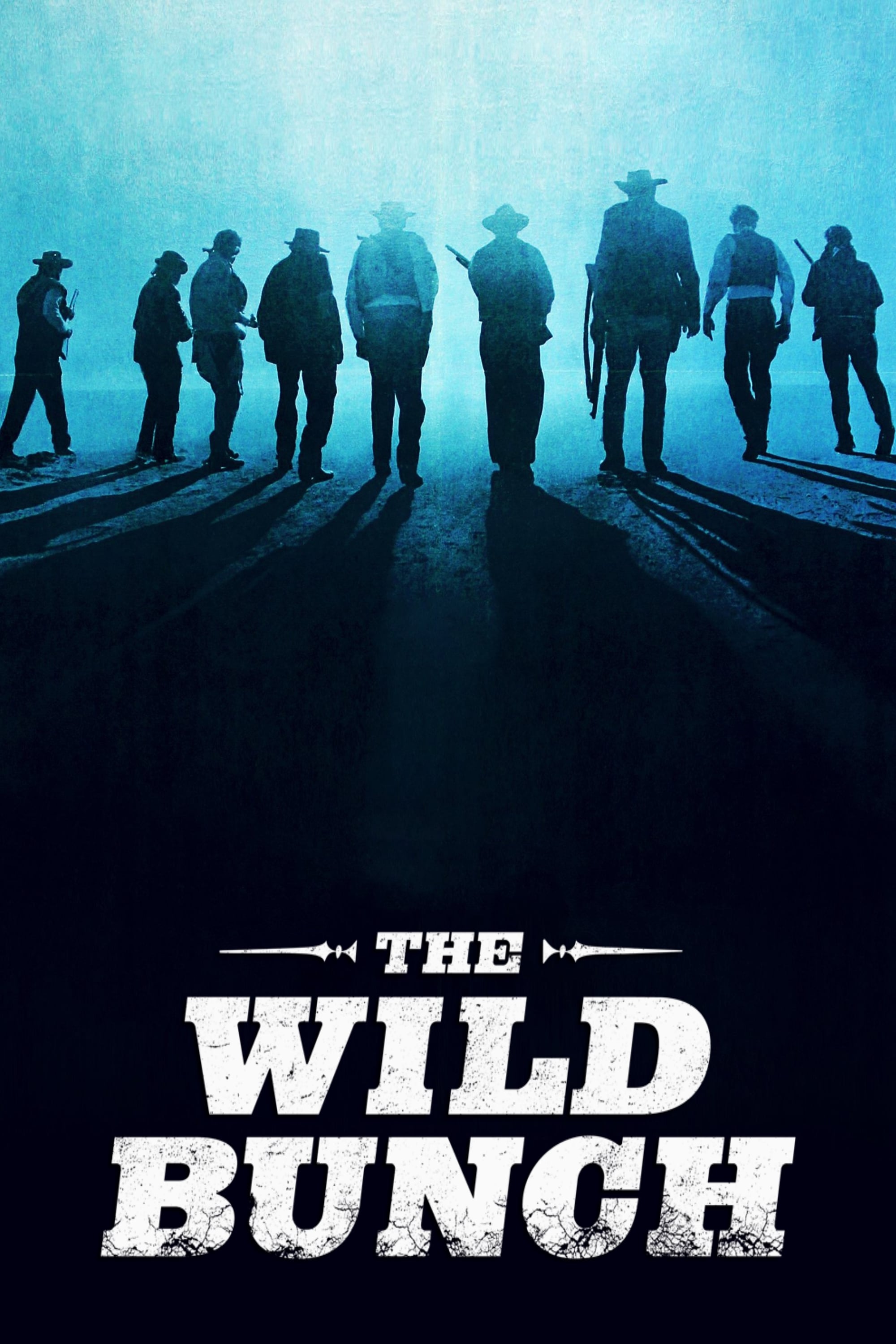
Sam Peckinpah revolutionized the depiction of violence in American cinema with his revisionist Western. The director used quick cuts and slow-motion photography to capture the chaotic brutality of gunfights. He presented a world where the heroes were indistinguishable from the villains in their moral code. The film served as an elegy for the Old West and a commentary on the violence of the Vietnam War. It forced audiences to confront the visceral reality of death on screen.
‘Sweet Sweetback’s Baadasssss Song’ (1971)
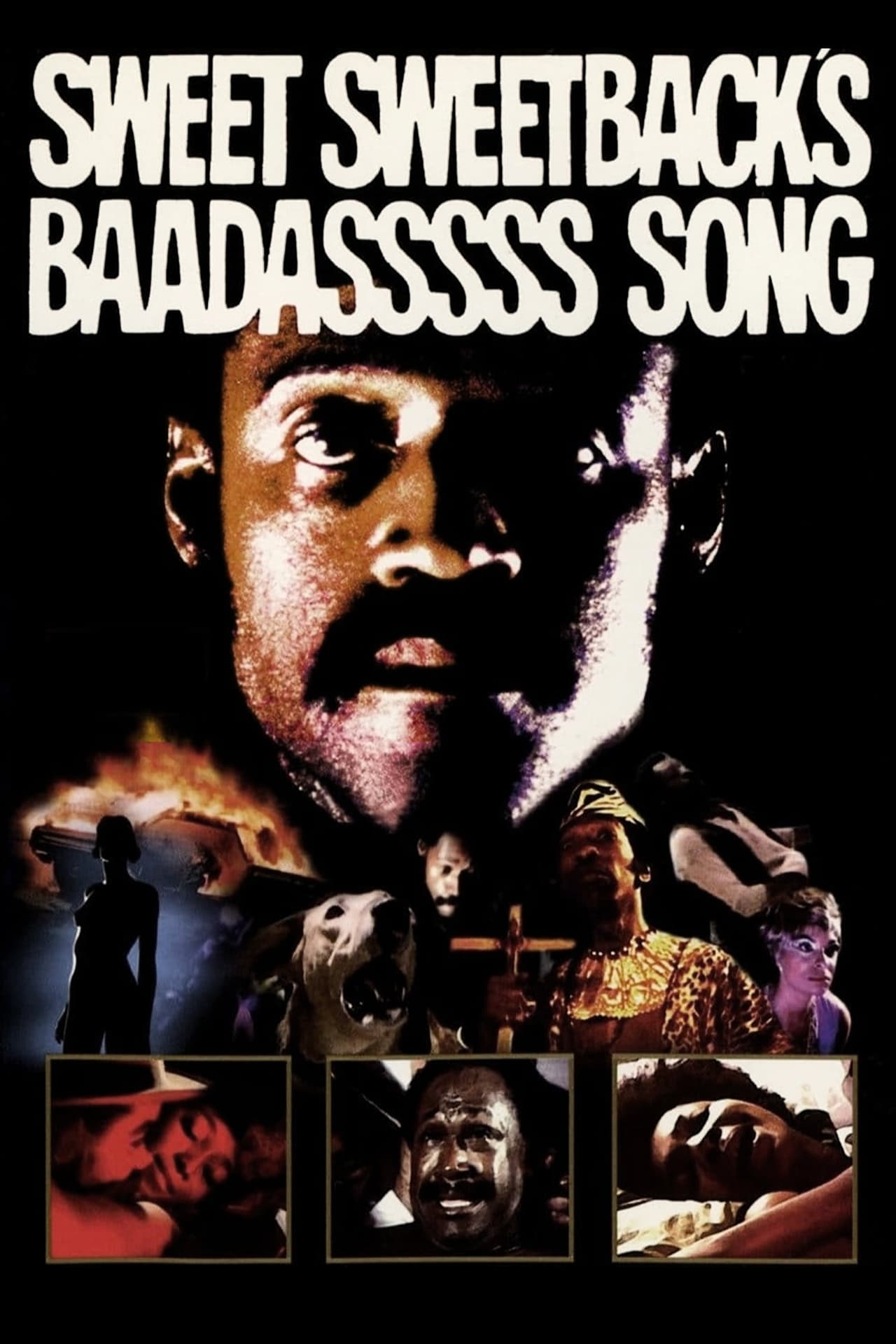
Melvin Van Peebles wrote, directed, scored, and starred in this independent film that birthed the Blaxploitation genre. The director bypassed the studio system completely and used innovative marketing to reach Black audiences directly. He employed psychedelic editing and a raw visual style to tell a story of rebellion against authority. The film demonstrated the immense economic power of the Black moviegoing demographic. It opened the doors for a wave of Black filmmakers and stories in the 1970s.
‘The Godfather’ (1972)
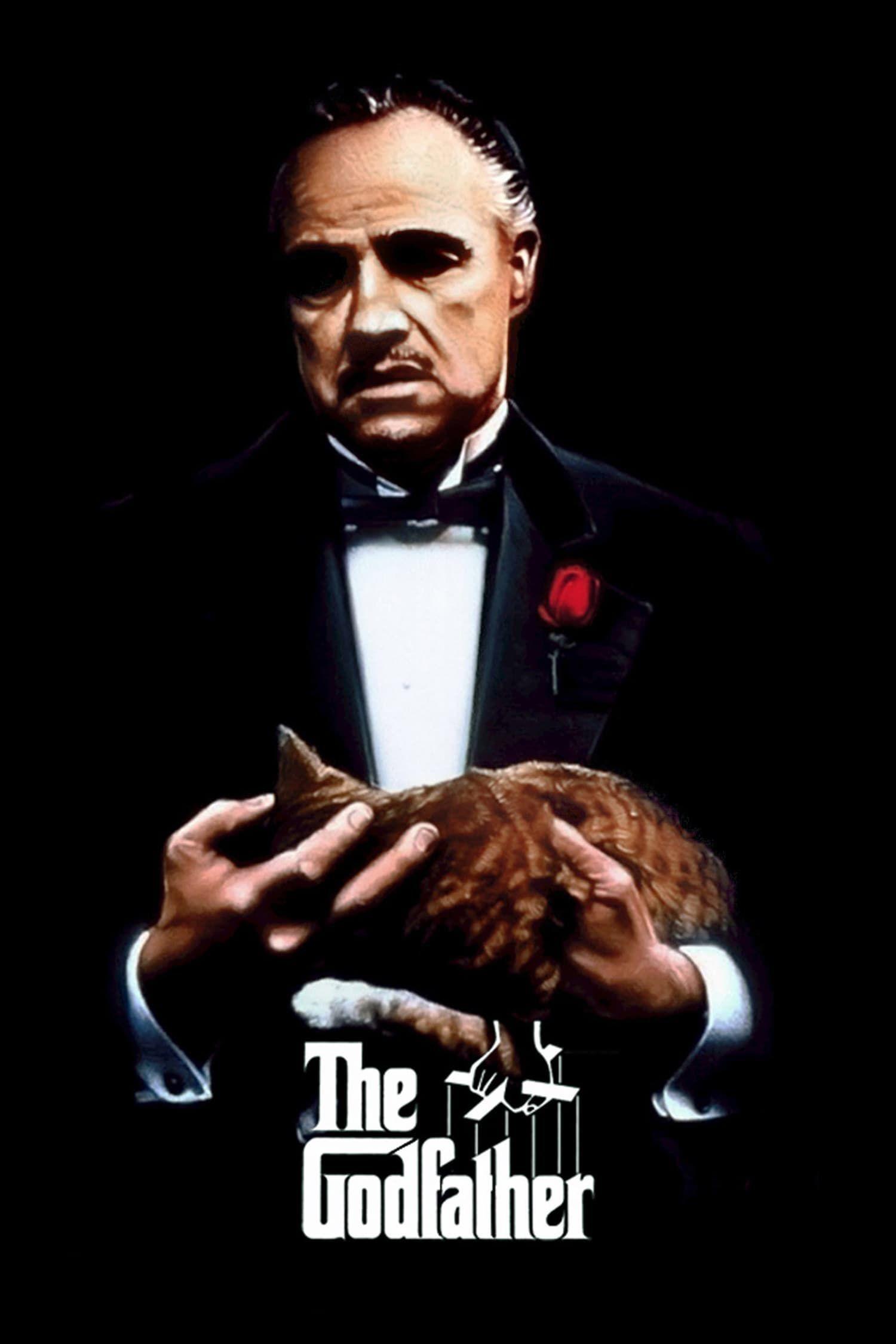
Francis Ford Coppola elevated the gangster movie into a Shakespearean tragedy about power and family. The director insisted on a period setting and a dark visual palette that went against studio wishes. He utilized Gordon Willis’s cinematography to keep characters in shadow and suggest their moral ambiguity. The film revived Marlon Brando’s career and established Al Pacino as a major talent. It set the gold standard for how to adapt literature into a cinematic masterpiece.
‘Jaws’ (1975)
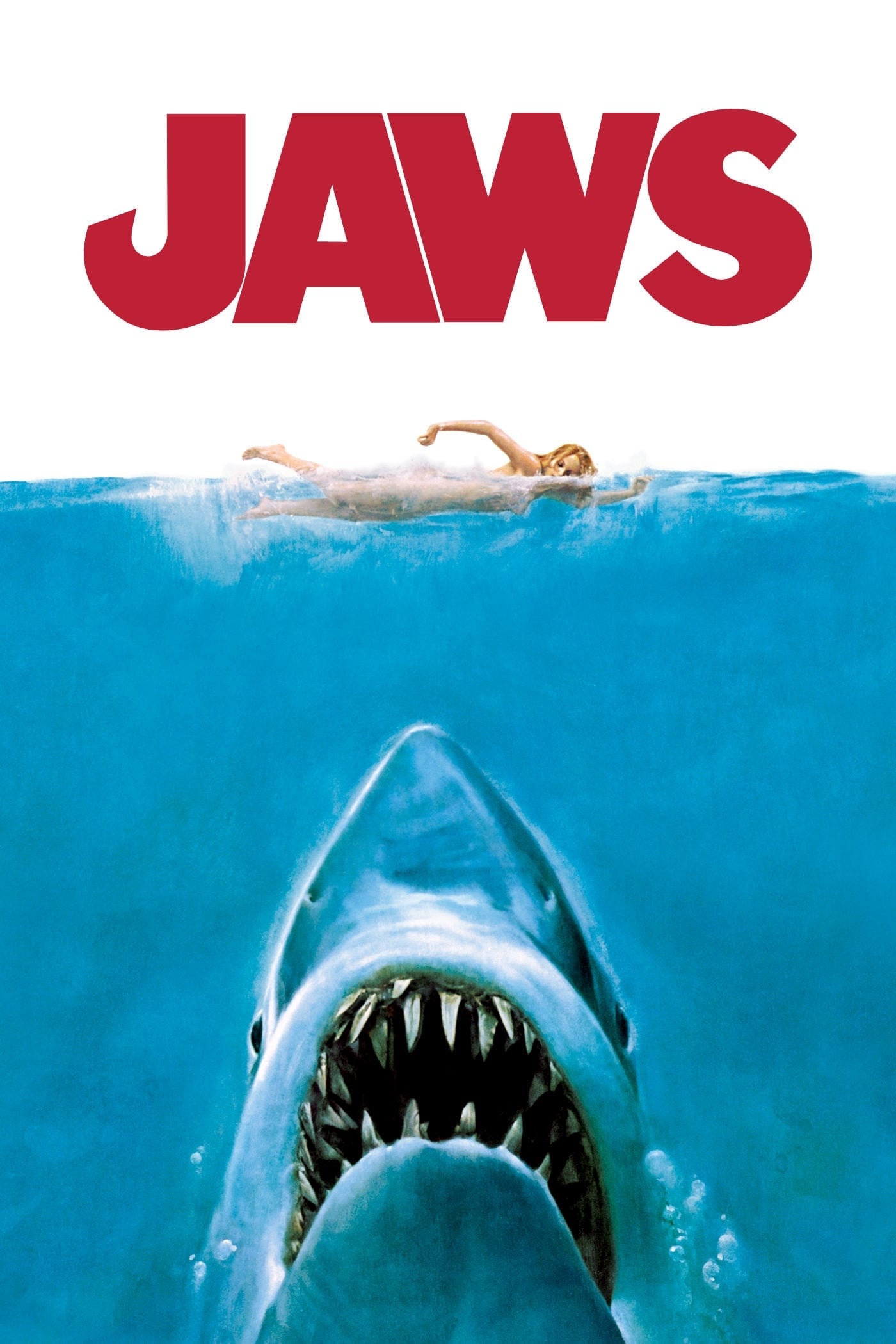
Steven Spielberg inadvertently created the summer blockbuster model that dominates Hollywood today. The director overcame a malfunctioning mechanical shark by using music and point-of-view shots to suggest the predator’s presence. He released the film in hundreds of theaters simultaneously and supported it with heavy television advertising. This strategy changed how studios distributed and marketed their biggest tentpole films. It proved that high-concept thrillers could become massive cultural phenomena.
‘Jeanne Dielman, 23, quai du Commerce, 1080 Bruxelles’ (1975)
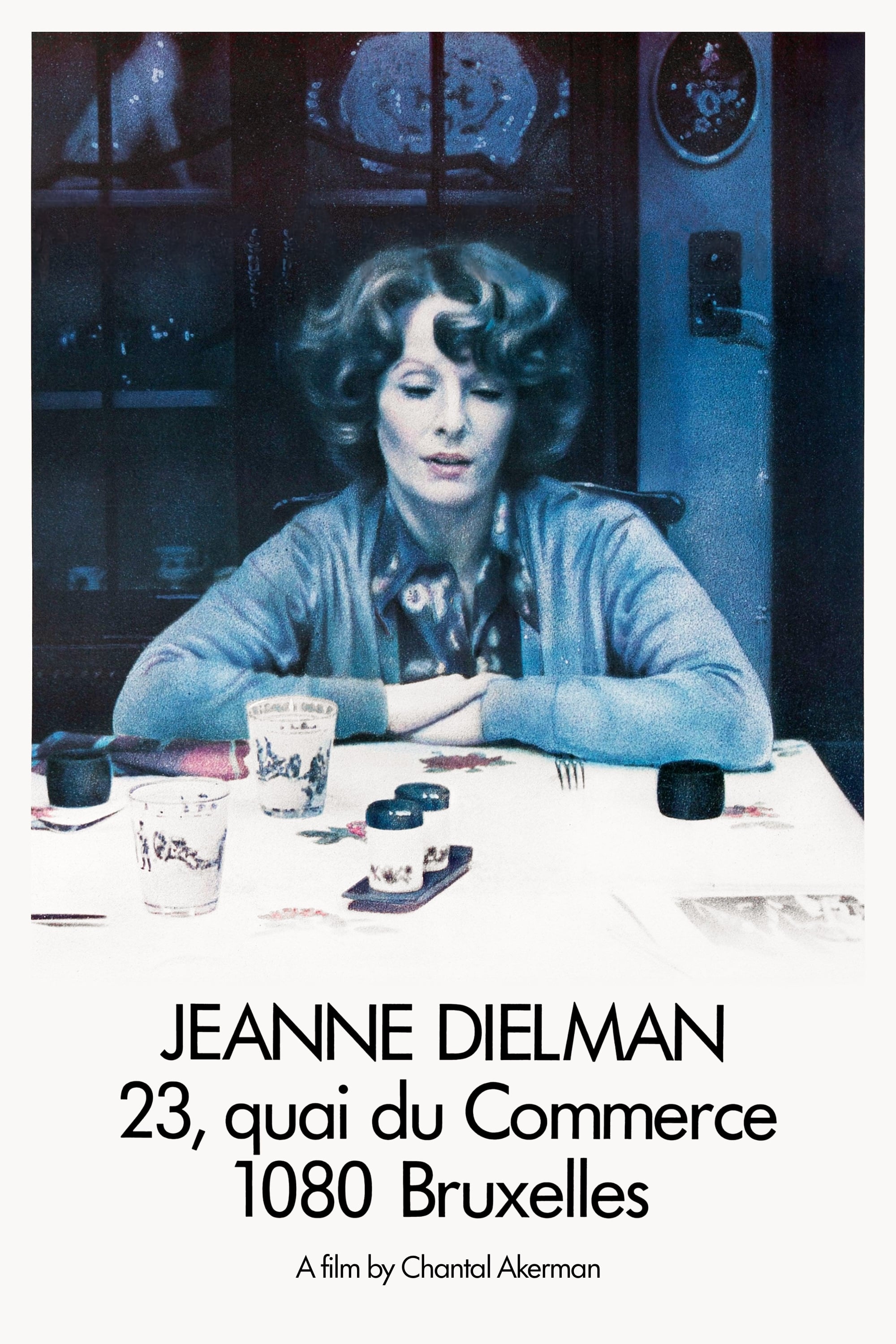
Chantal Akerman revolutionized feminist cinema by focusing on the domestic routine of a housewife. The director used long static shots to force the audience to experience the passage of time and the weight of chores. She equated the peeling of potatoes with the dramatic tension usually reserved for action sequences. The film challenged the traditional male gaze and narrative pacing of commercial cinema. It is considered a landmark in structural film and slow cinema.
‘Star Wars’ (1977)
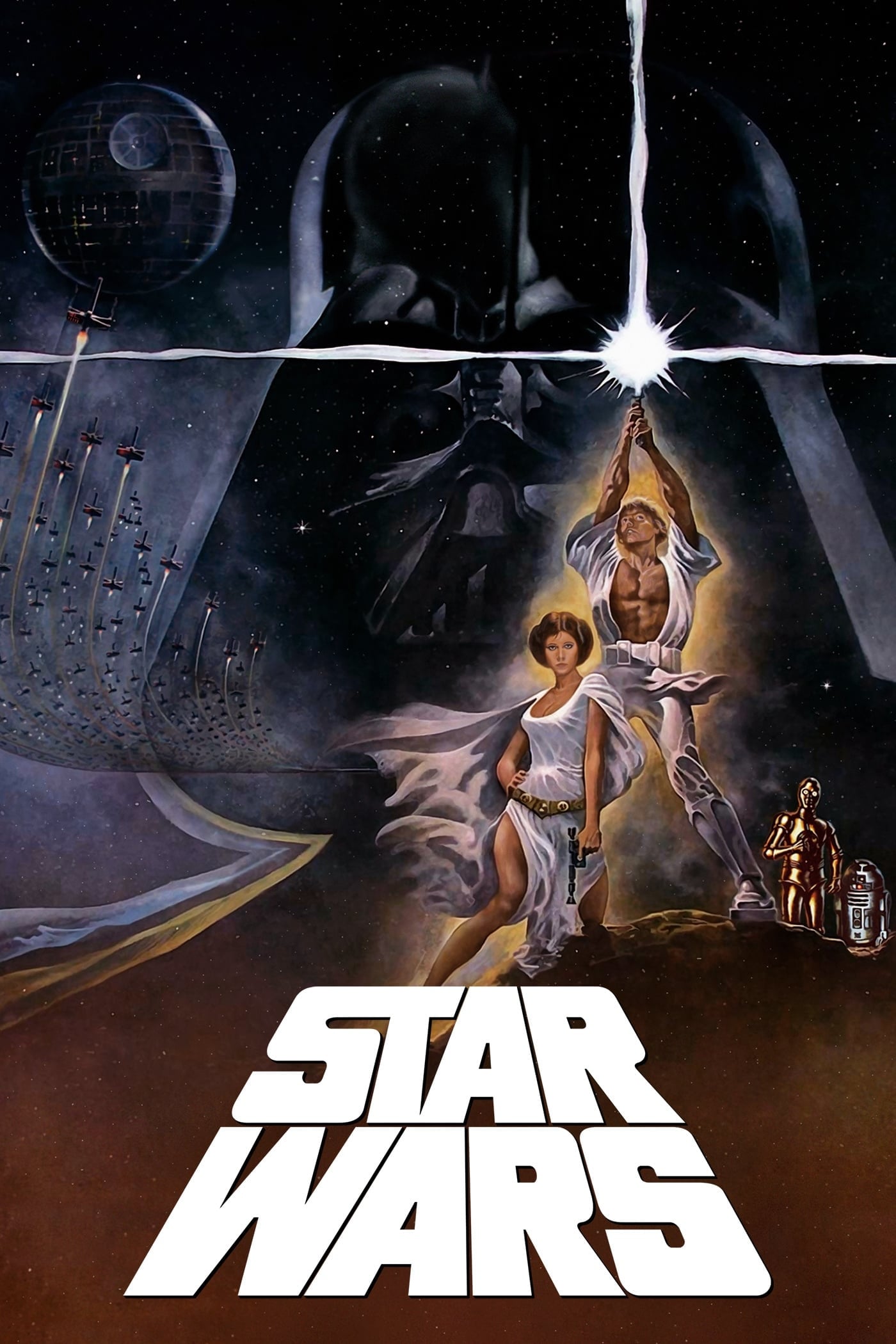
George Lucas combined mythic storytelling with cutting-edge technology to change pop culture forever. The director established Industrial Light & Magic to create visual effects that had never been seen before. He used sound design and a symphonic score to give weight and emotion to the fantasy elements. The film created the modern franchise model of sequels and merchandising that fuels the industry. It restored a sense of wonder and optimism to a cynical film landscape.
‘Blade Runner’ (1982)
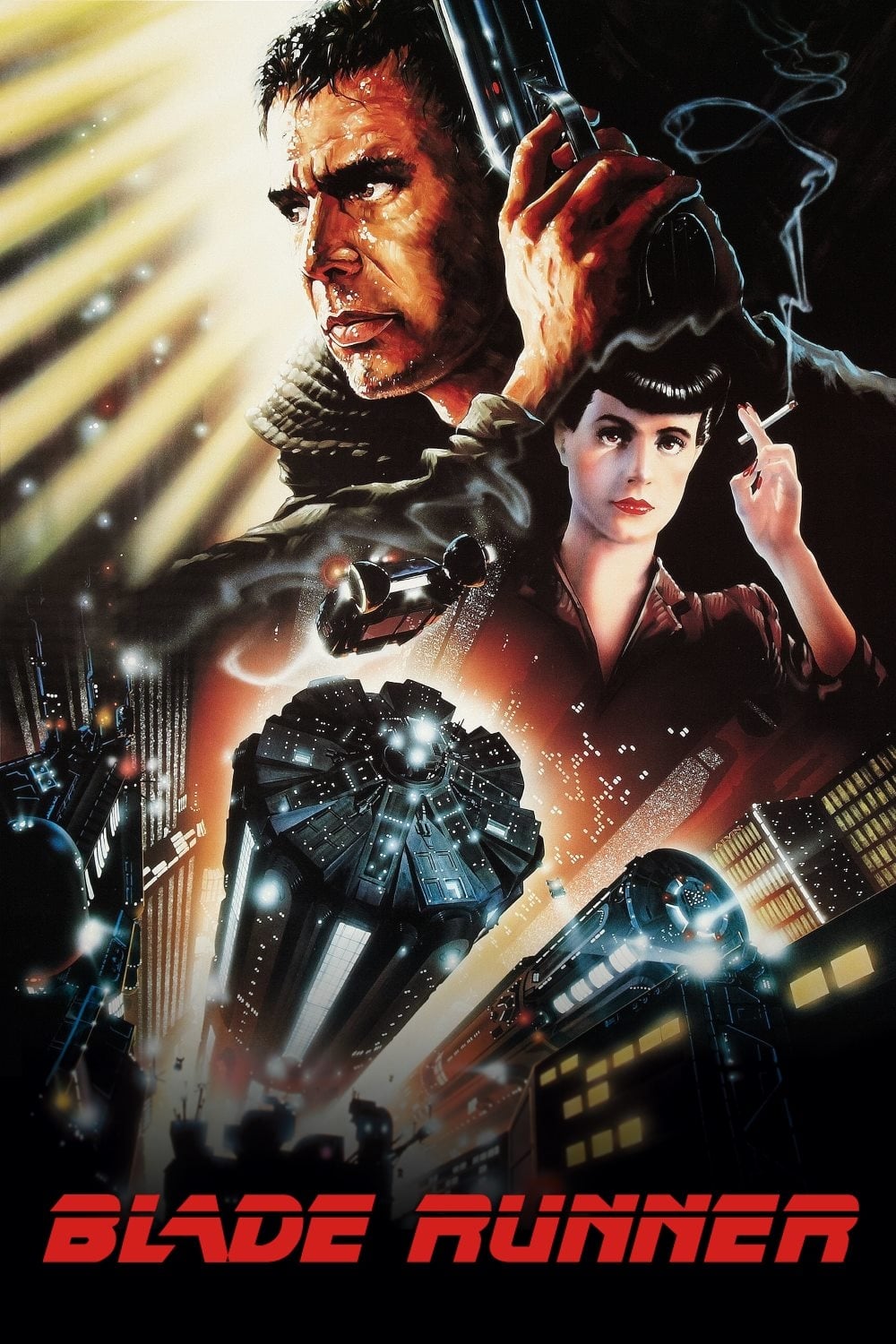
Ridley Scott established the cyberpunk aesthetic with his visually dense adaptation of Philip K. Dick’s work. The director combined film noir lighting with futuristic production design to create a lived-in universe. He explored themes of artificial intelligence and what it means to be human through a slow-burning narrative. The film was initially misunderstood but became a cult classic that influenced decades of sci-fi design. It proved that science fiction could be a vehicle for serious philosophical noir.
‘Blue Velvet’ (1986)

David Lynch peeled back the idyllic surface of American suburbia to reveal a surreal nightmare underneath. The director utilized sound design and dream logic to create an atmosphere of dread and perversion. He juxtaposed innocent imagery with shocking violence to explore the duality of the human psyche. The film revitalized the career of Dennis Hopper and established Lynch as a master of the subconscious. It challenged audiences to find beauty in the disturbing and the strange.
‘Do the Right Thing’ (1989)
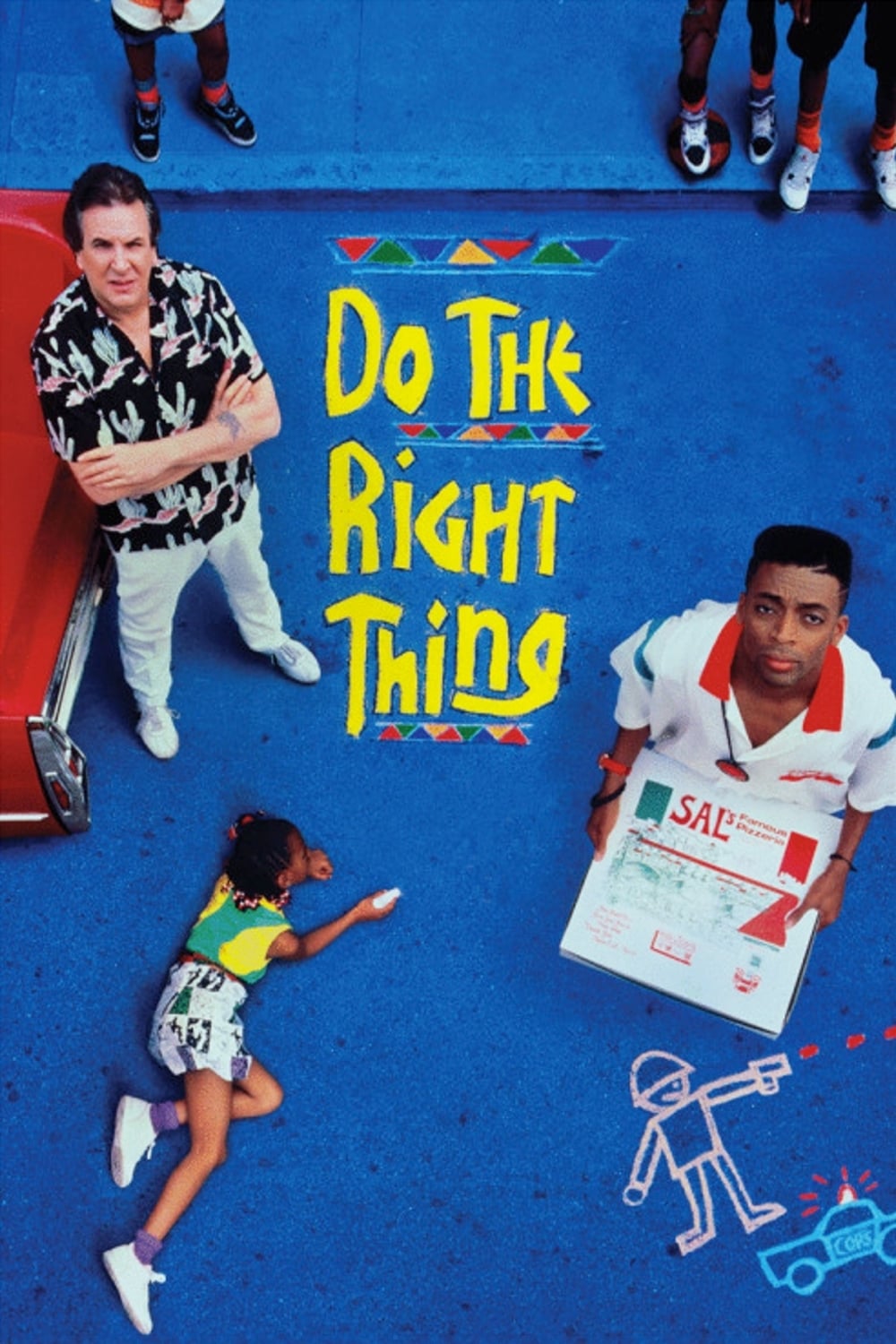
Spike Lee confronted racial tension in America with a vibrant and energetic visual style. The director used canted angles and a saturated color palette to reflect the rising heat and temper of the characters. He broke the fourth wall and utilized a direct address to implicate the audience in the social commentary. The film refused to offer easy answers and ended with conflicting quotes from Martin Luther King Jr. and Malcolm X. It remains a pivotal work in the conversation about race and police brutality.
‘Toy Story’ (1995)
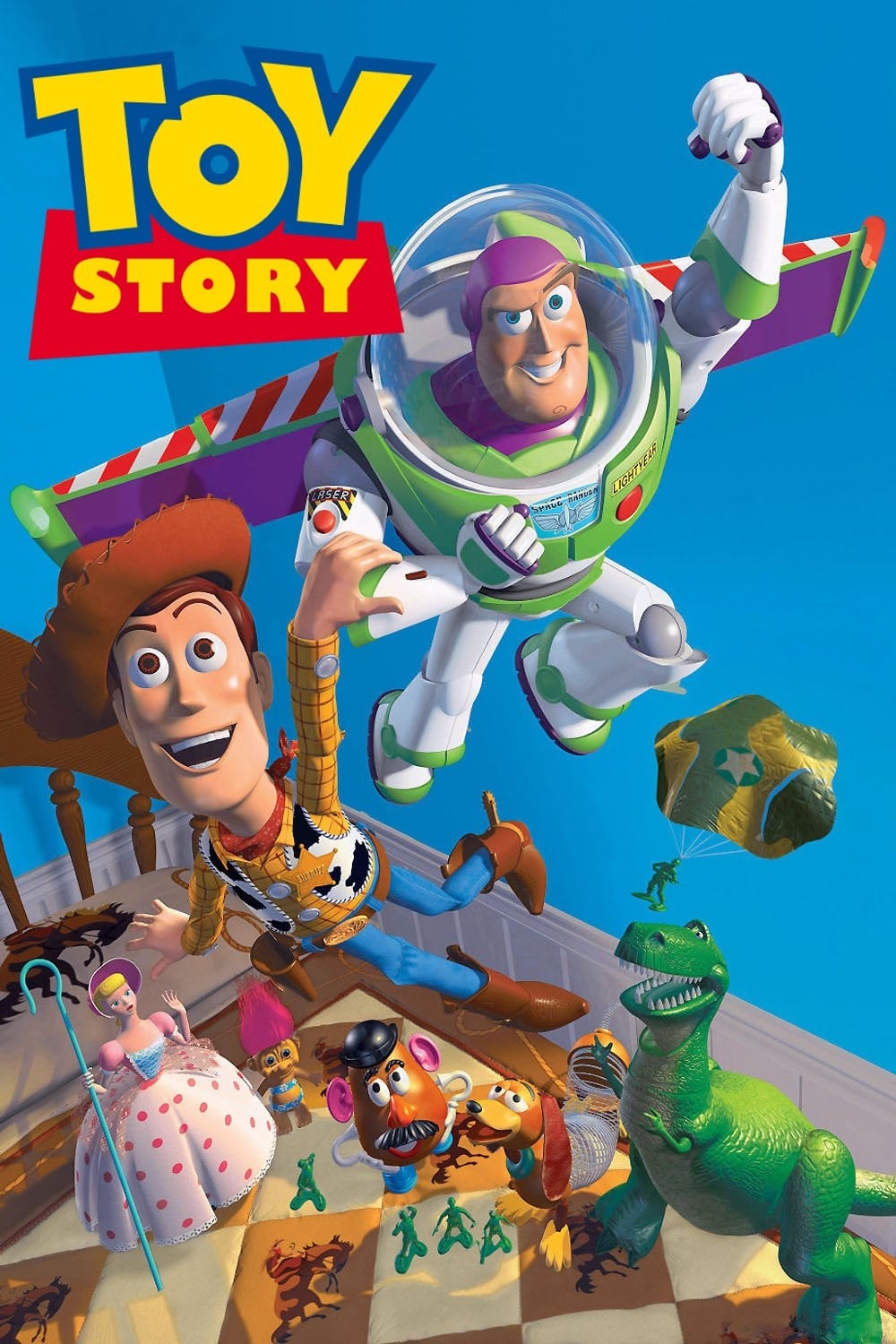
John Lasseter directed the first feature-length computer-animated film and changed the animation medium forever. The director and his team at Pixar developed new software to render textures and lighting that looked three-dimensional. They focused heavily on script and character development to ensure the technology served the story. The film’s success signaled the eventual end of traditional hand-drawn animation in major studio features. It established Pixar as the dominant force in modern family entertainment.
‘The Matrix’ (1999)
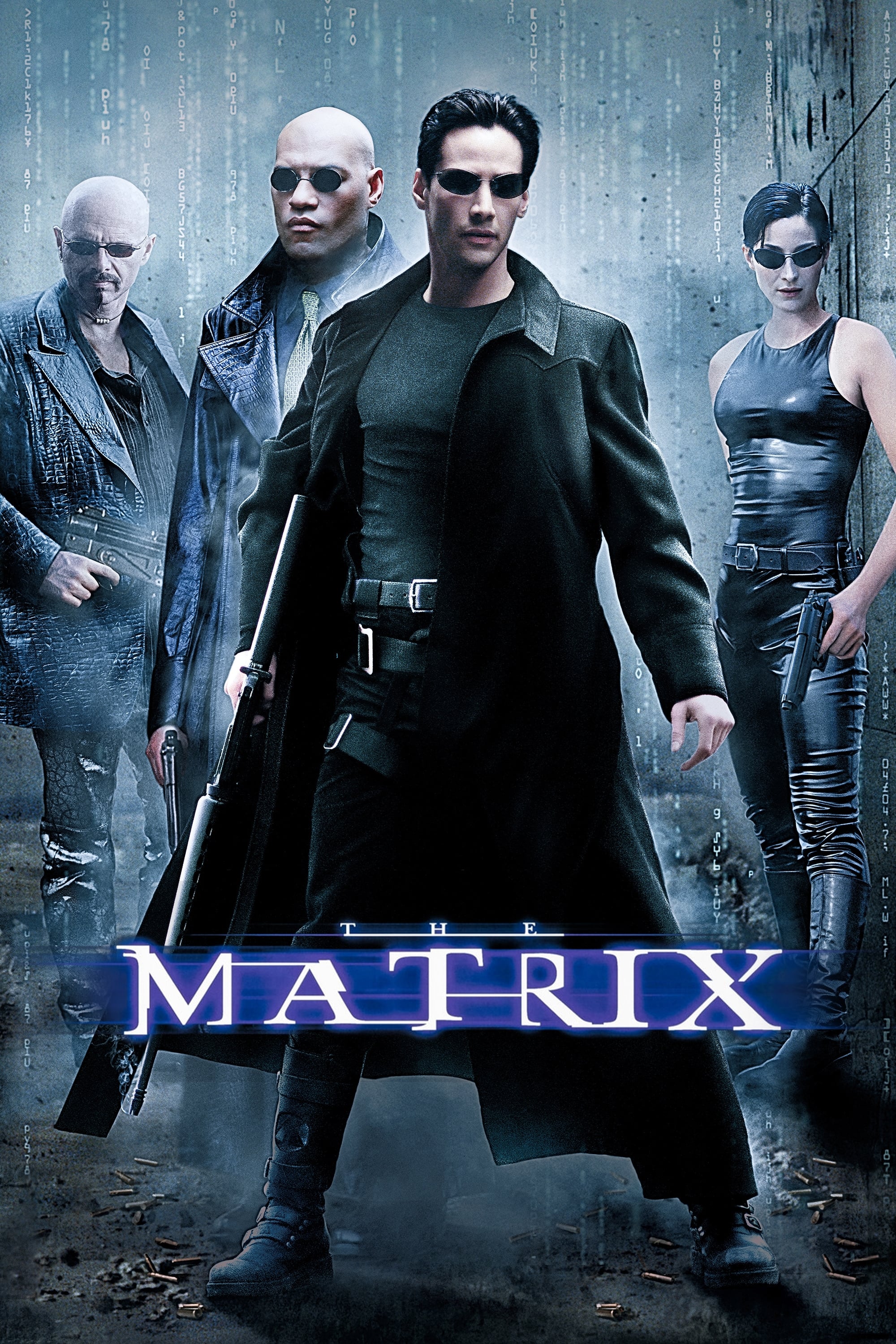
The Wachowskis blended Hong Kong action cinema with cyberpunk philosophy and cutting-edge visual effects. The directors invented the “bullet time” technique which allowed the camera to move around a slow-motion subject. They hired legendary martial arts choreographers to elevate the standard of American action fighting. The film questioned the nature of reality and introduced complex philosophical concepts to a mass audience. It influenced the visual style of action movies and fashion for the next decade.
‘In the Mood for Love’ (2000)
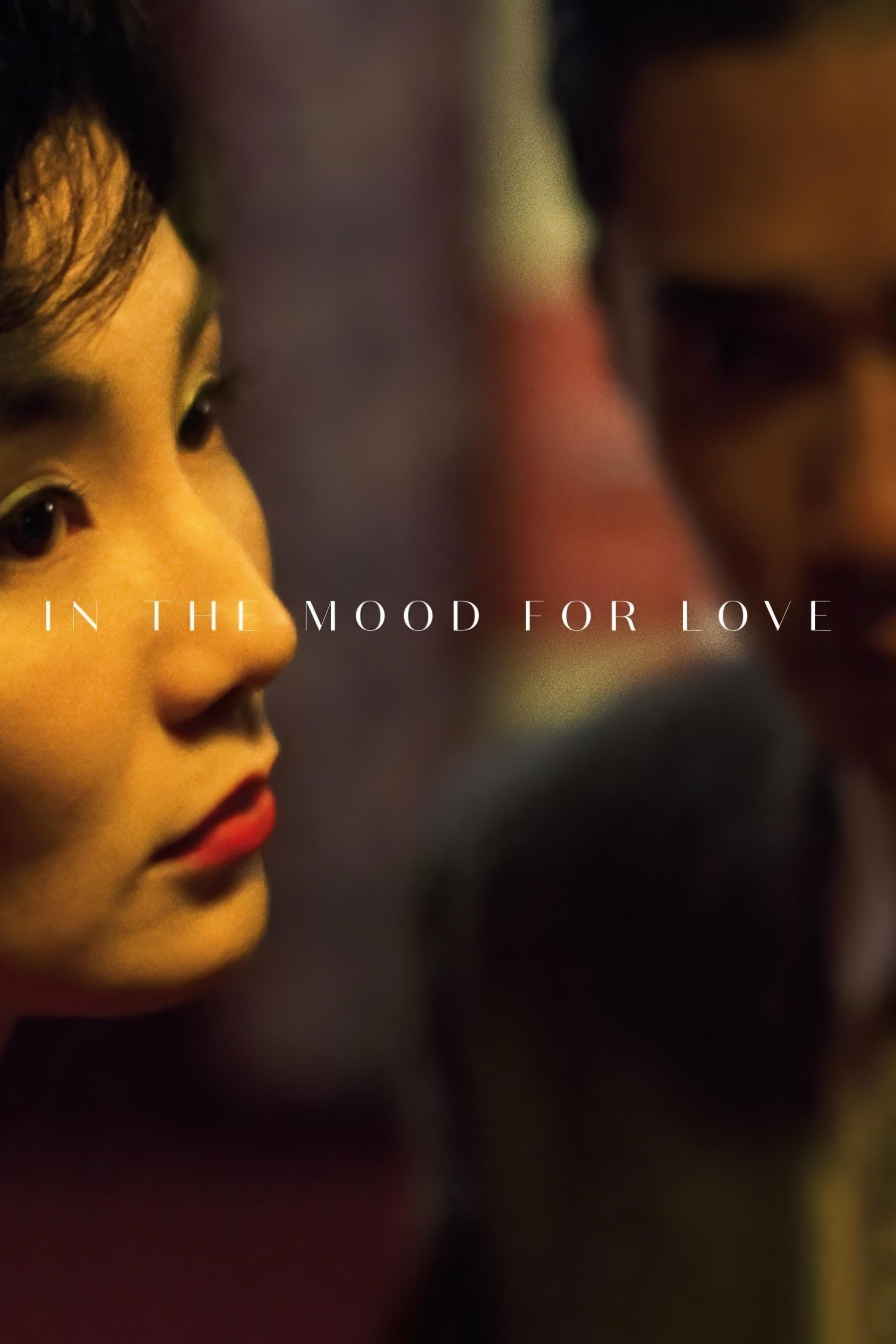
Wong Kar-wai created a visual poem about longing and restrained desire. The director relied on atmosphere, music, and slow-motion cinematography rather than traditional dialogue to convey emotion. He improvised much of the film on set and allowed the mood to dictate the narrative flow. The lush colors and claustrophobic framing created an intense intimacy between the characters. It is widely regarded as one of the most stylish and romantic films of the modern era.
‘Spirited Away’ (2001)
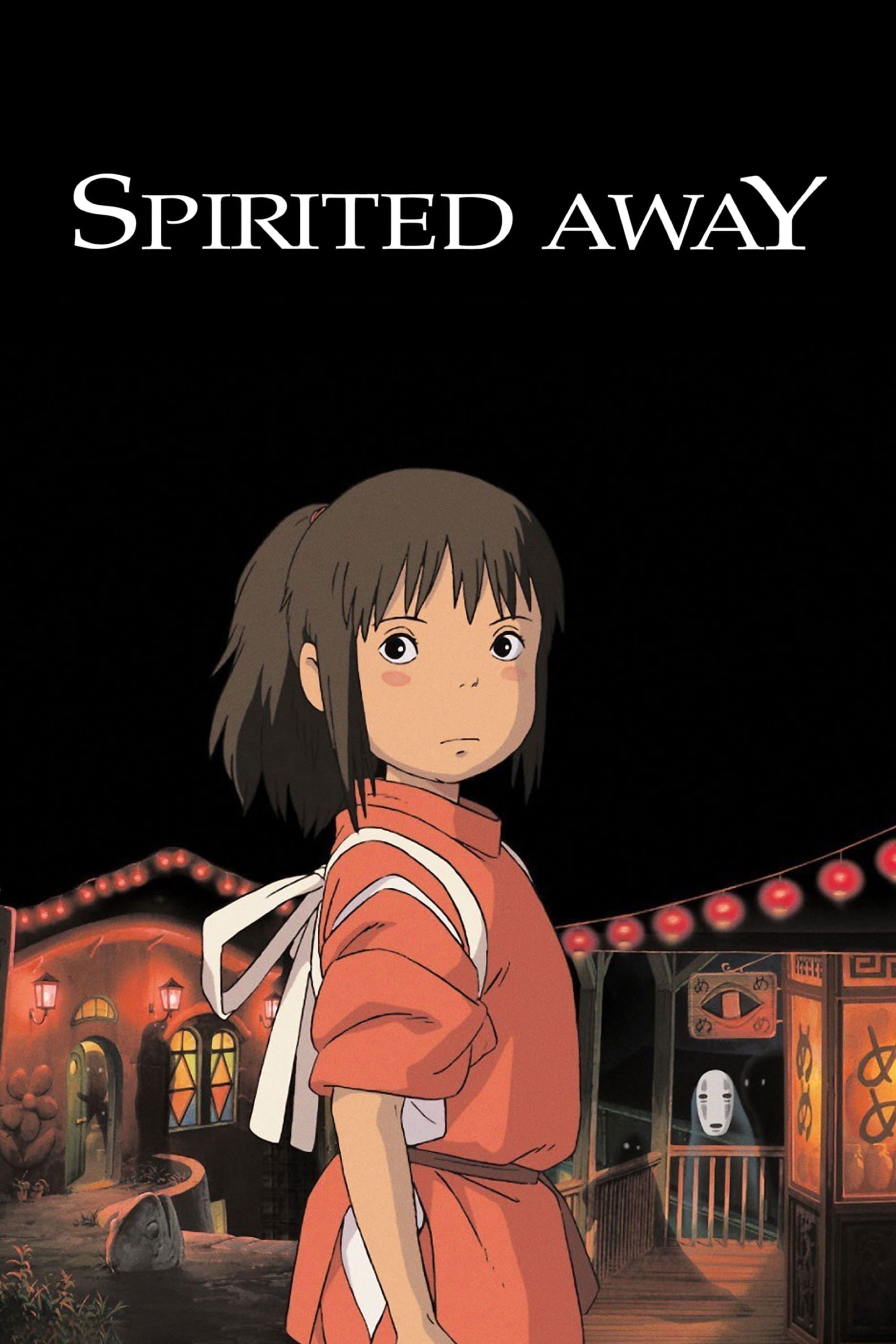
Hayao Miyazaki brought the rich tradition of Japanese folklore to a global audience with this hand-drawn masterpiece. The director focused on the small details of movement and nature to create an immersive spirit world. He eschewed the traditional villain structure of Western animation in favor of complex moral ambiguity. The film won the Oscar for Best Animated Feature and opened the West’s eyes to the depth of anime. It remains the highest benchmark for traditional animation in the 21st century.
‘Avatar’ (2009)

James Cameron pushed the boundaries of 3D technology and performance capture to create an alien world. The director developed new camera systems that allowed him to see the CG characters in real-time while shooting. He utilized stereoscopic 3D to immerse the audience in the environment rather than just for gimmickry. The film became the highest-grossing movie of all time and forced theaters worldwide to upgrade to digital projection. It demonstrated the potential for digital actors to carry genuine emotional weight.
‘Moonlight’ (2016)
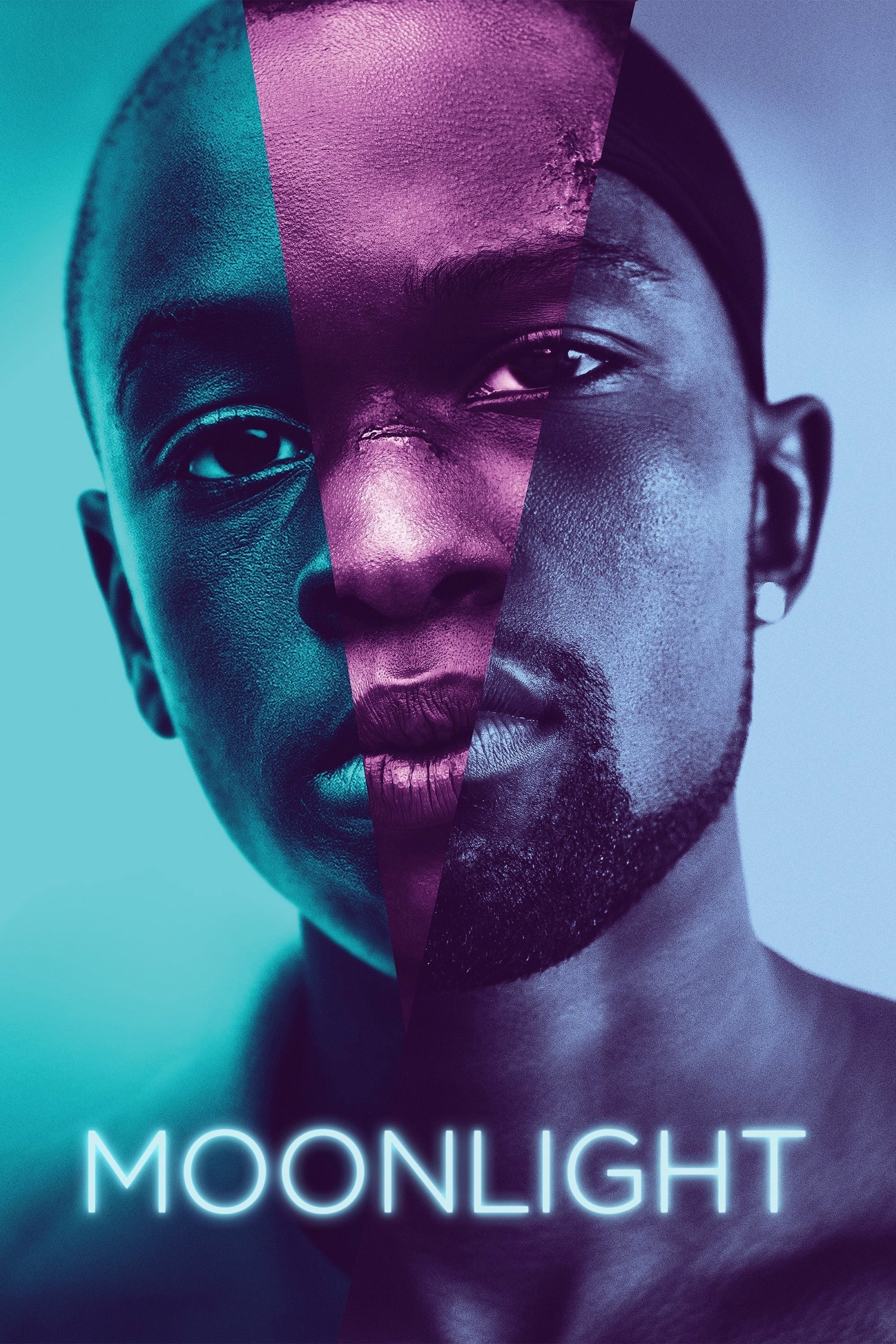
Barry Jenkins crafted a deeply personal triptych about Black masculinity and sexuality. The director used high-contrast lighting and a vivid color palette to photograph dark skin tones with unprecedented beauty. He allowed the camera to linger on the faces of actors to communicate unspoken vulnerability and desire. The film shattered barriers by becoming the first LGBTQ-themed movie with an all-Black cast to win Best Picture. It redefined who could be the protagonist of a universal coming-of-age story.
Please share your thoughts on which director had the biggest impact in the comments.