


15 Movies With Multiple Remakes, Ranked

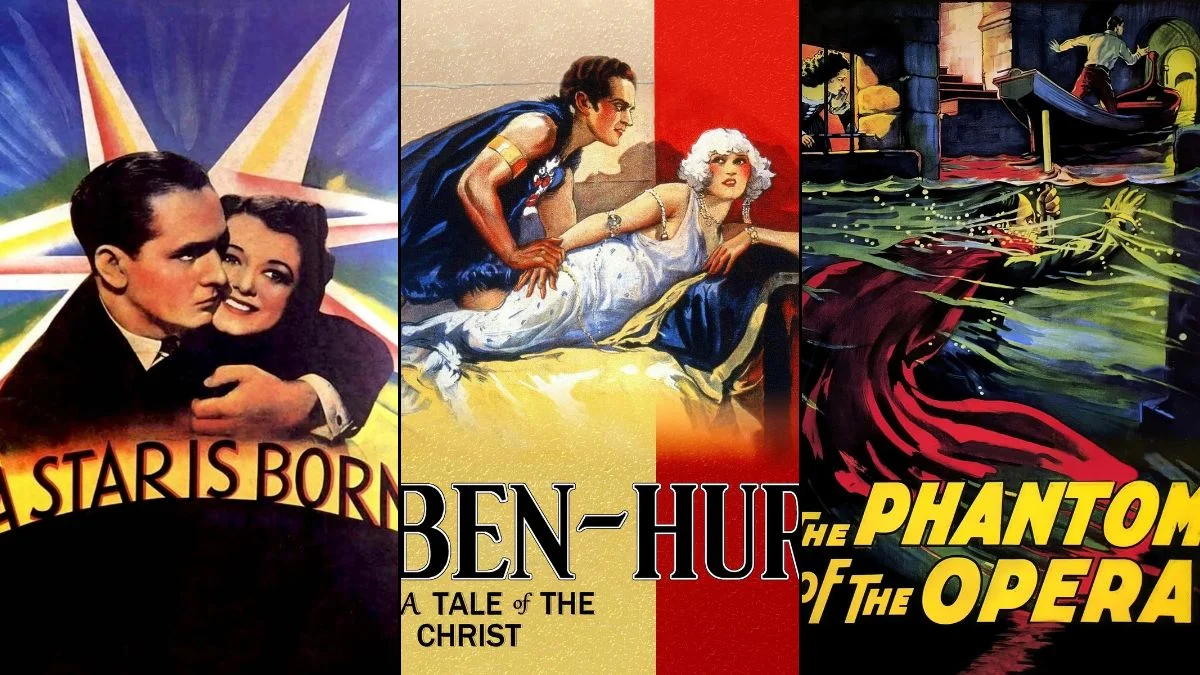


Remakes keep familiar stories in circulation and introduce them to new audiences with different casts, styles, and technology. Some originals have inspired two or more official do-overs, plus loose reimaginings that travel across genres and countries. Looking at those source films shows how durable a premise can be when it is built on clear conflicts, memorable characters, and scenes that still play.
This list gathers originals that sparked at least two remakes and notes who made them, who starred in them, and how later versions reshaped the material. You will find dramas, adventures, thrillers, horror, and musicals that studios returned to more than once, along with the most widely known remakes each one generated.
‘Annie’ (1982)
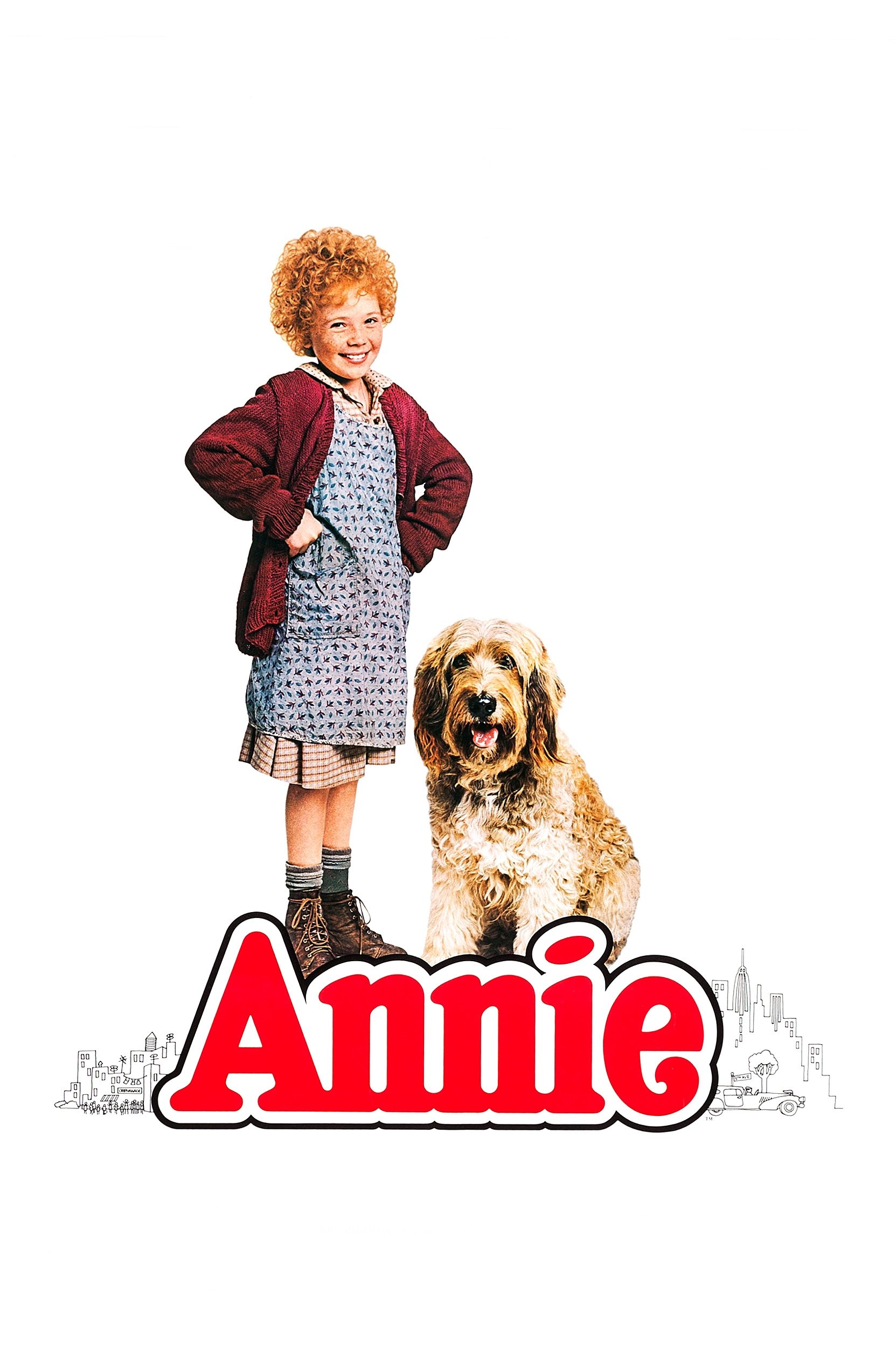
The film version of the Broadway musical was directed by John Huston and stars Aileen Quinn as the title orphan, Albert Finney as Warbucks, and Carol Burnett as Miss Hannigan. It adapts the stage songs and the long-running comic strip into a big-scale studio musical with numbers staged on city streets and on elaborate mansion sets.
It has been remade for television with Alicia Morton as Annie and Kathy Bates as Miss Hannigan, and later as a contemporary theatrical update directed by Will Gluck with Quvenzhané Wallis, Jamie Foxx, and Cameron Diaz. The later versions keep key songs and characters while shifting setting details, character names, and the tone of the villain to fit their era.
‘A Star Is Born’ (1937)
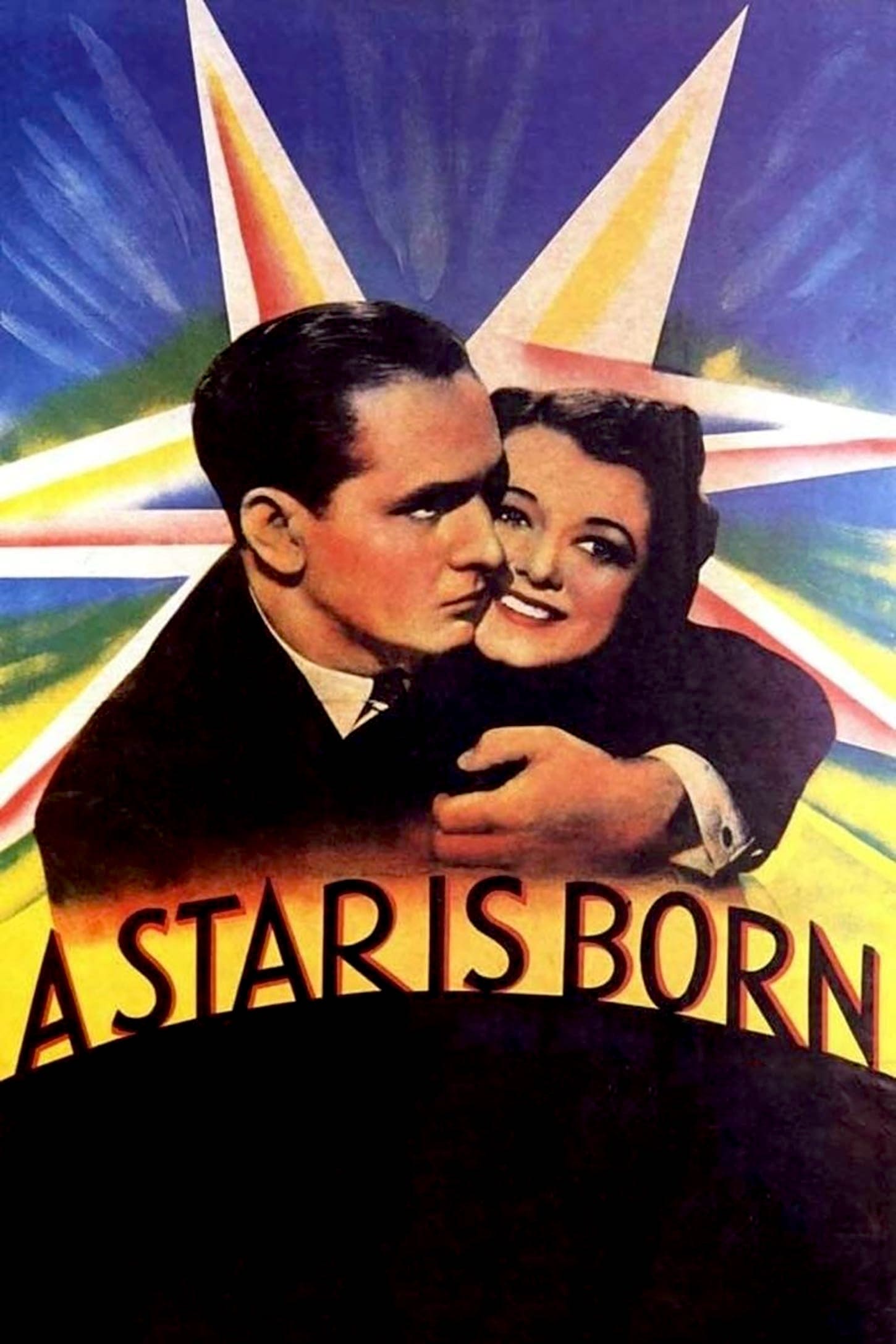
William A. Wellman directed this backstage drama with Janet Gaynor and Fredric March, charting the rise of a young performer and the decline of her mentor and partner. It set the template of award shows, recording sessions, and domestic strain woven into a show business romance.
The story was remade as a musical with Judy Garland and James Mason, revived again with Barbra Streisand and Kris Kristofferson, and most recently reintroduced with Bradley Cooper and Lady Gaga. Each new version updates the music industry setting, keeps the central relationship and career arc, and revises supporting roles to match changes in media and celebrity culture.
‘Little Women’ (1933)
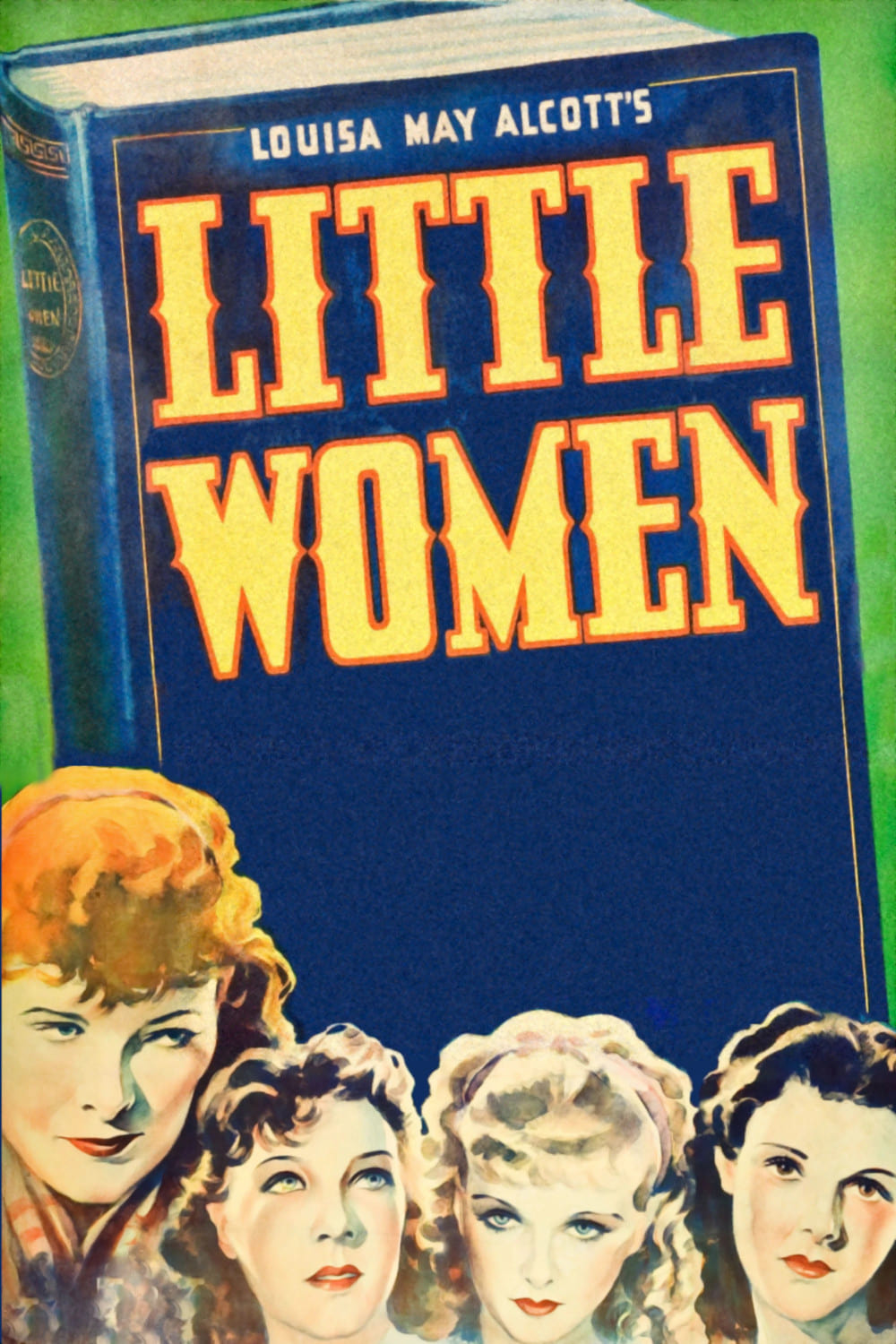
George Cukor directed this adaptation with Katharine Hepburn, Joan Bennett, Jean Parker, and Frances Dee as the March sisters. It focuses on family life, New England settings, and the balance of creative ambition with duty, drawing on the novel’s episodic structure to build a clear timeline for each sister.
The film has been remade several times, including a studio production with June Allyson and Elizabeth Taylor, an ensemble version directed by Gillian Armstrong with Winona Ryder and Susan Sarandon, and a later interpretation by Greta Gerwig with Saoirse Ronan and Florence Pugh. Later versions shift emphasis among plotlines, reframe Jo’s authorship, and alter staging of key scenes while preserving the same household dynamics.
‘The Prisoner of Zenda’ (1937)
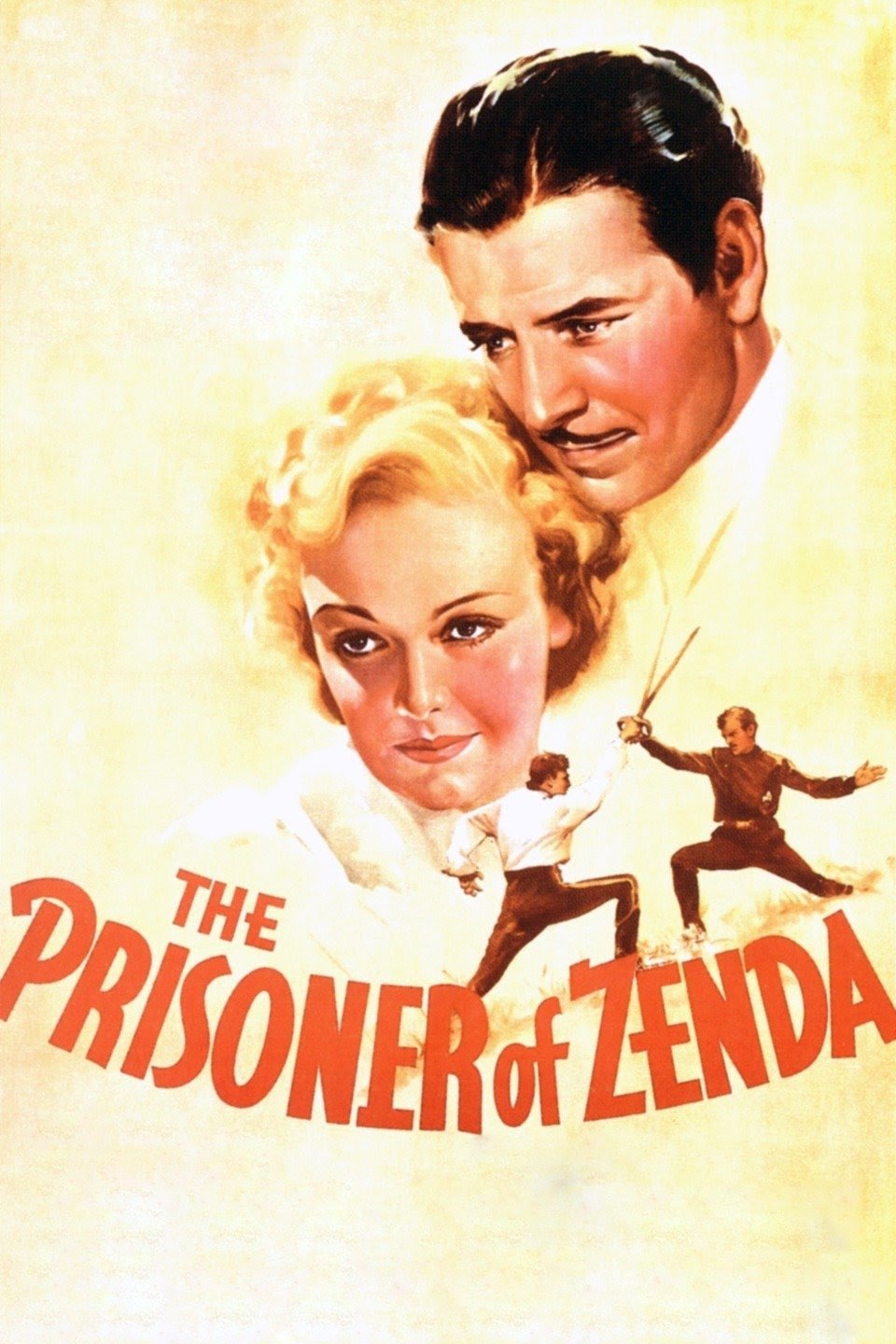
John Cromwell directed this swashbuckler with Ronald Colman, Madeleine Carroll, and Douglas Fairbanks Jr., adapted from Anthony Hope’s novel. The plot centers on a look-alike who must impersonate a kidnapped monarch, with sword fights, castle infiltrations, and court intrigue arranged around a romance that cannot proceed.
It was remade with Stewart Granger, Deborah Kerr, and James Mason, and later reworked as a comic vehicle for Peter Sellers. The remakes retain the mistaken identity device and the villainous half-brother, and they adjust the tone from straight adventure to light parody while keeping the climactic rescue and duel structure.
‘The Phantom of the Opera’ (1925)
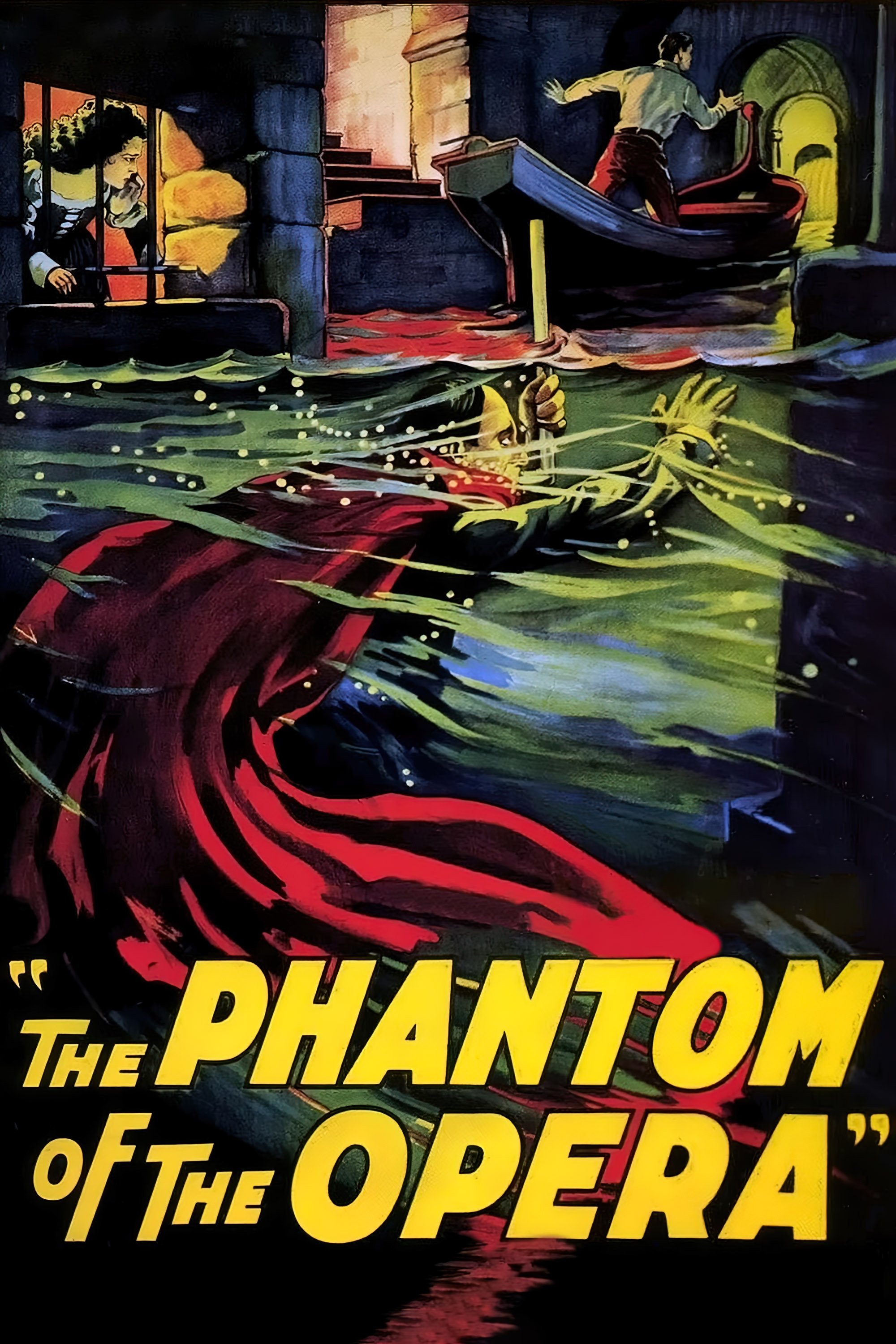
Rupert Julian directed this Universal production starring Lon Chaney, known for extensive makeup and set design that recreates the Paris Opera. The film follows a masked composer who haunts the opera house and manipulates a young singer’s career, staging chases through catacombs and the famous unmasking.
Universal remade it in color with Claude Rains, Hammer Films offered a Gothic take with Herbert Lom, and a later version adapted the Andrew Lloyd Webber musical with Gerard Butler and Emmy Rossum. The remakes vary the backstory, romance, and musical emphasis while maintaining the opera setting, the chandelier set piece, and the pursuit beneath the theater.
‘Mutiny on the Bounty’ (1935)
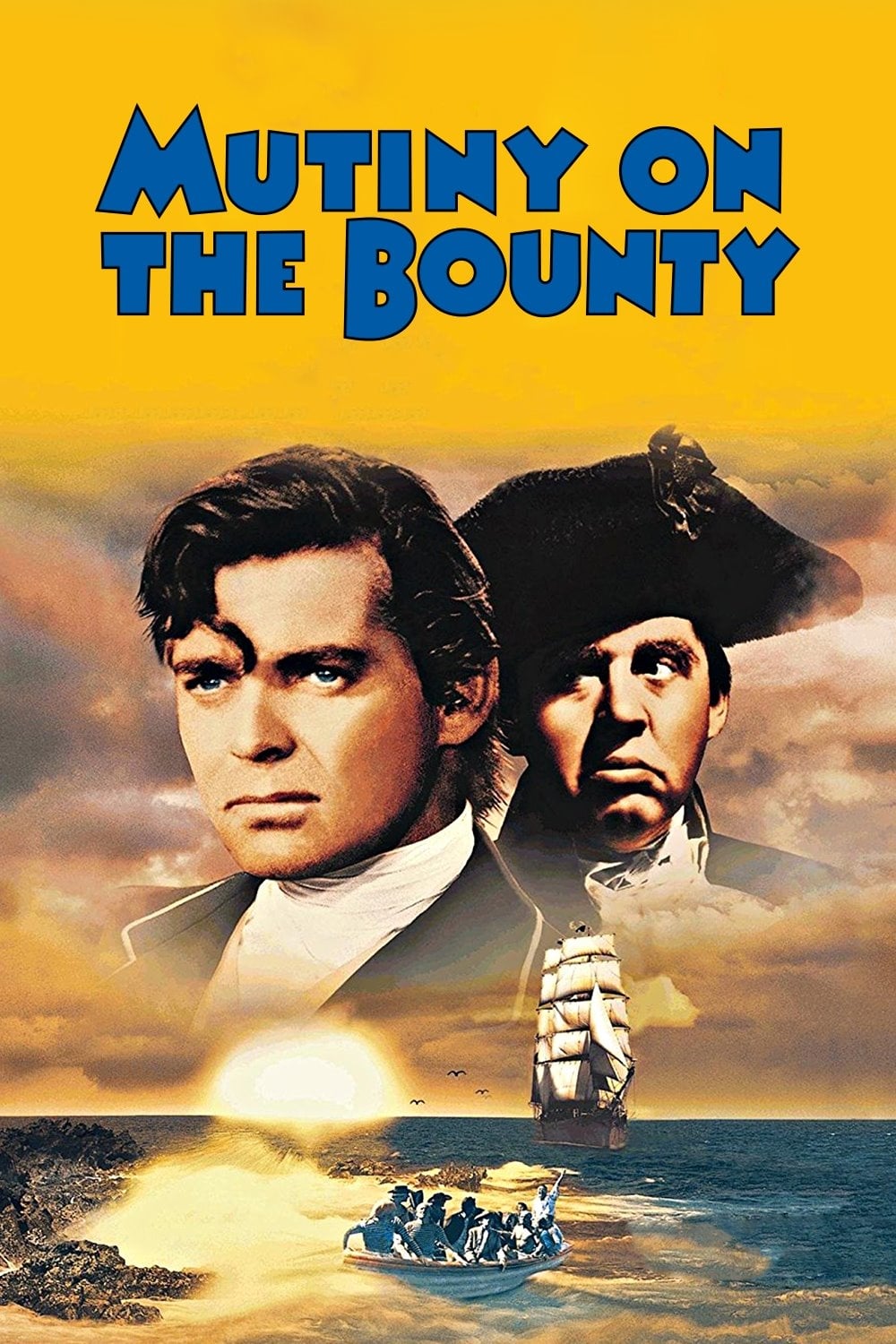
Frank Lloyd directed this sea adventure starring Charles Laughton as Captain Bligh and Clark Gable as Fletcher Christian. The film covers the voyage of HMS Bounty, the harsh discipline on board, the mutiny, and the aftermath across the Pacific.
It was remade with Marlon Brando and Trevor Howard and later retold as a maritime drama with Mel Gibson and Anthony Hopkins. Later versions adjust characterization of Bligh and Christian, shift the narrative balance between shipboard tension and island interludes, and refine sailing procedures and navigation details drawn from historical records.
‘Dr. Jekyll and Mr. Hyde’ (1931)

Rouben Mamoulian directed this adaptation with Fredric March in a dual performance that uses dissolves and makeup to show transformation from respected doctor to violent alter ego. The film dramatizes the ethical experiment, the split identity, and the damage to people around the lead character.
MGM remade it with Spencer Tracy, Ingrid Bergman, and Lana Turner, and subsequent versions have appeared for television and international markets. The remakes alter the love triangle, add or remove secondary victims, and update laboratory scenes, while conserving the basic structure of experiment, addiction, and collapse.
‘The 39 Steps’ (1935)
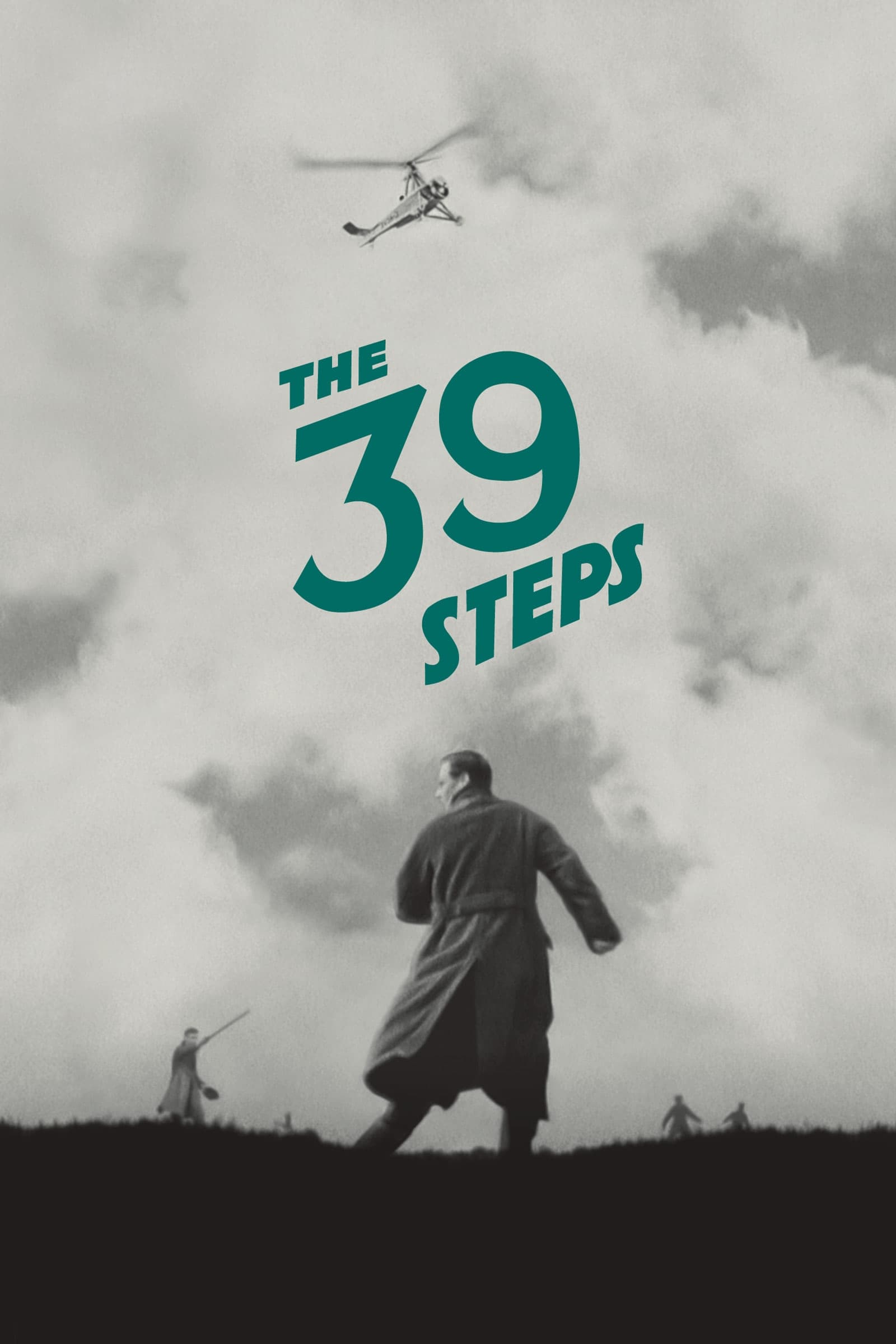
Alfred Hitchcock directed this chase thriller starring Robert Donat and Madeleine Carroll. A civilian is drawn into a spy ring, travels across remote landscapes, and returns to London to reveal a plot tied to a vaudeville act and a set of plans.
It was remade with Kenneth More, then with Robert Powell in a production that expanded set pieces, and later for television with Rupert Penry-Jones. Each remake keeps the handcuffed pair, the music hall climax, and the use of British geography to link rural hideouts with city landmarks, while changing villains and specific MacGuffins.
‘The Four Feathers’ (1939)
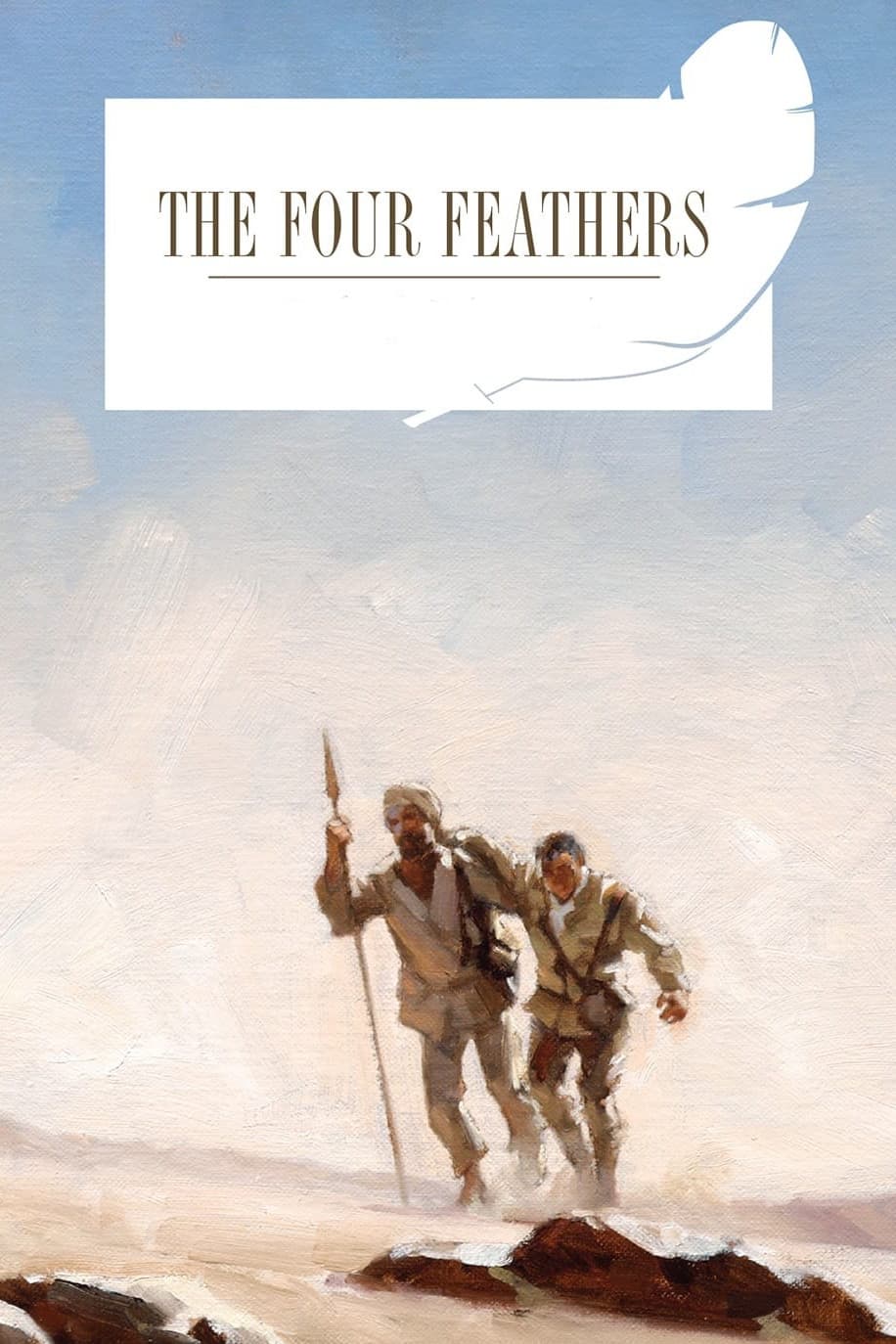
Zoltan Korda directed this Technicolor adventure with John Clements and Ralph Richardson, following a young officer who resigns before a campaign and receives symbols of cowardice from friends and his fiancée. He then undertakes a series of rescues to return those tokens and restore his honor.
It was reworked as ‘Storm Over the Nile’ with scenes restaged from the earlier film, adapted for television, and later remade by Shekhar Kapur with Heath Ledger, Wes Bentley, Kate Hudson, and Djimon Hounsou. The remakes revise colonial context, battle staging, and the balance between romance and action while retaining the talismanic feathers and the desert rescue sequences.
‘The Taking of Pelham One Two Three’ (1974)
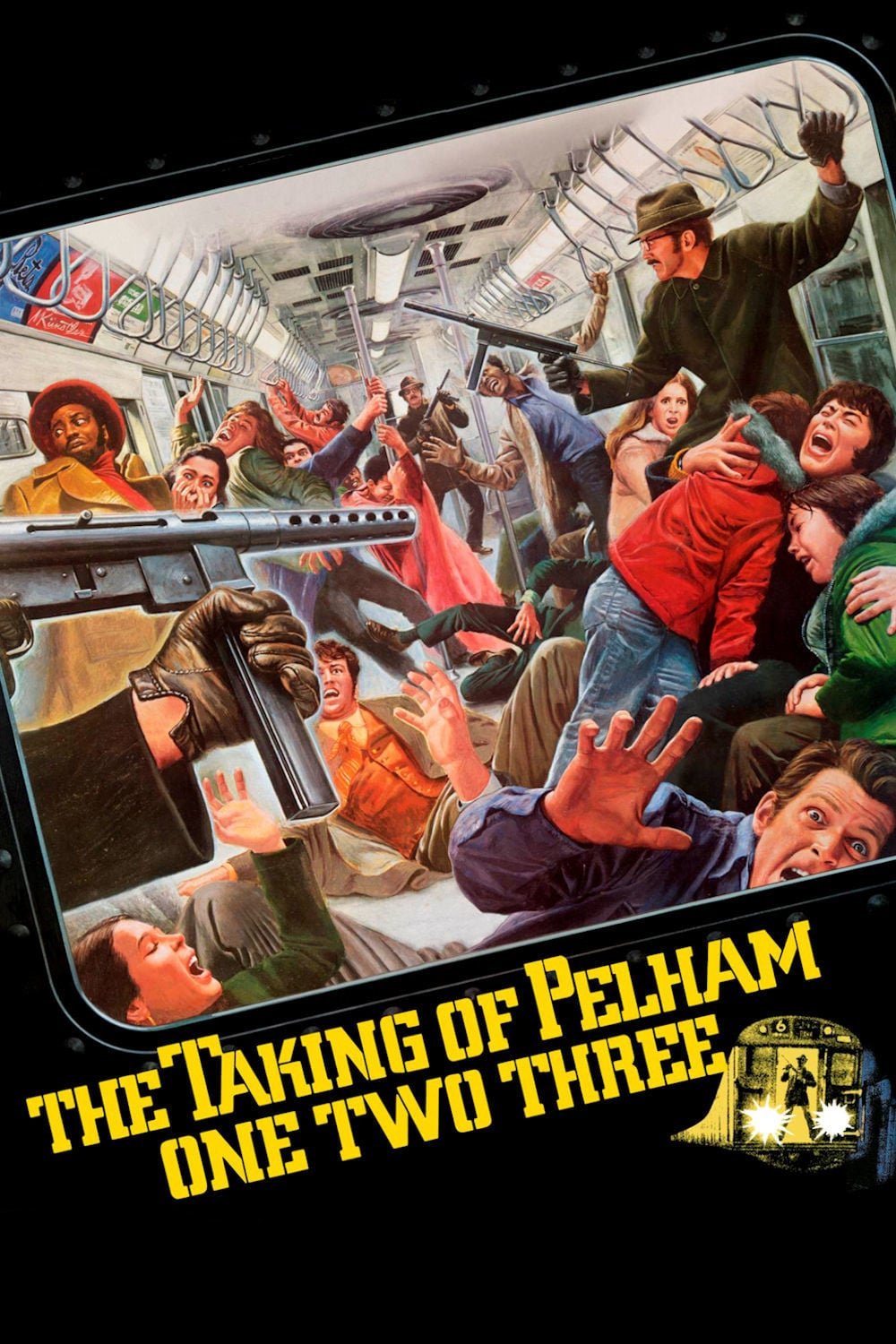
Joseph Sargent directed this New York transit thriller starring Walter Matthau as a transit cop and Robert Shaw as the lead hijacker. The plot involves the timed takeover of a subway train, coded demands, and a citywide response that includes dispatchers, police, and the mayor’s office.
It was remade for television with Edward James Olmos and Vincent D’Onofrio, and later as a theatrical film directed by Tony Scott with Denzel Washington and John Travolta. The remakes update communications technology, change the method of escape, and expand the roles of negotiators while keeping the core premise of a train seized between stations.
‘Stagecoach’ (1939)

John Ford directed this ensemble western with John Wayne, Claire Trevor, Thomas Mitchell, and John Carradine. The story places a diverse group of passengers in a confined vehicle traveling through hostile territory, with stops that reveal backstories and conflicts before a final run and shootout.
It was remade with Alex Cord and Ann-Margret and later as a television film with Kris Kristofferson and members of the Highwaymen. The remakes keep the social cross-section and the Apache threat, alter character occupations and relationships, and move set pieces to new locations while preserving the river crossing, the chase, and the saloon confrontation.
‘Nosferatu’ (1922)
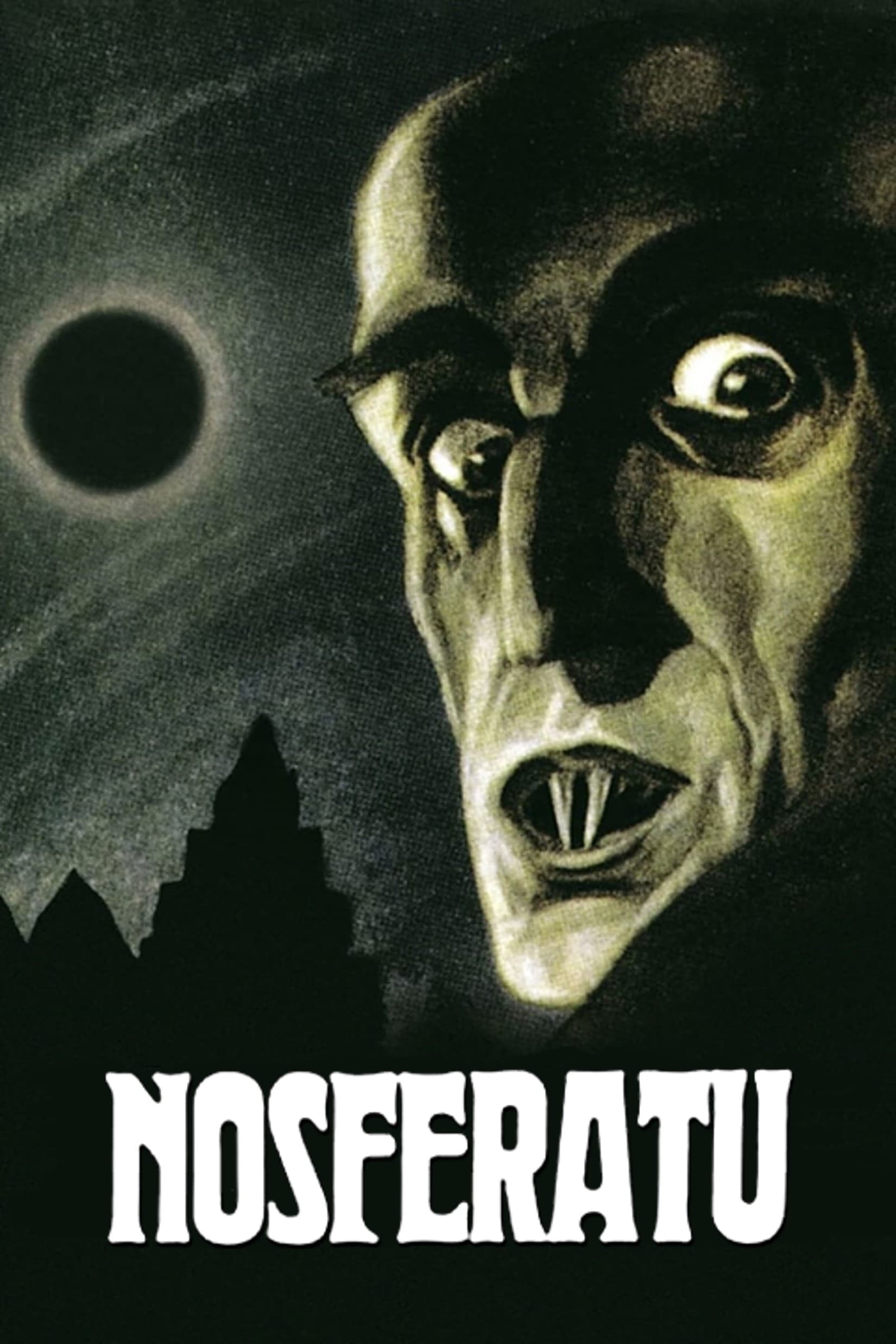
F. W. Murnau directed this unauthorized adaptation of the Dracula story with Max Schreck as the vampire Count Orlok. It uses location shooting, shadow effects, and altered character names to tell the tale of a clerk who brings a supernatural threat to his town.
Werner Herzog remade it as ‘Nosferatu the Vampyre’ with Klaus Kinski and Isabelle Adjani, and the story was newly filmed by Robert Eggers with Bill Skarsgård and Lily-Rose Depp. The remakes restore character names or retain the Orlok variant, change city settings, and adjust the ending while preserving the ship arrival, the spread of plague, and the image of the vampire at the window.
‘Ben-Hur: A Tale of the Christ’ (1925)

Fred Niblo directed this silent epic with Ramon Novarro and Francis X. Bushman, staging large crowd scenes, a sea battle, and a chariot race that became a model for action filmmaking. The plot follows a Jewish prince who suffers betrayal, slavery, and a path to revenge and redemption.
It was remade by William Wyler with Charlton Heston and Stephen Boyd, then reimagined by Timur Bekmambetov with Jack Huston and Toby Kebbell. The later versions update the chariot sequence with different camera techniques, change the balance between personal conflict and religious backdrop, and expand or condense subplots tied to family and Roman politics.
‘The Shop Around the Corner’ (1940)
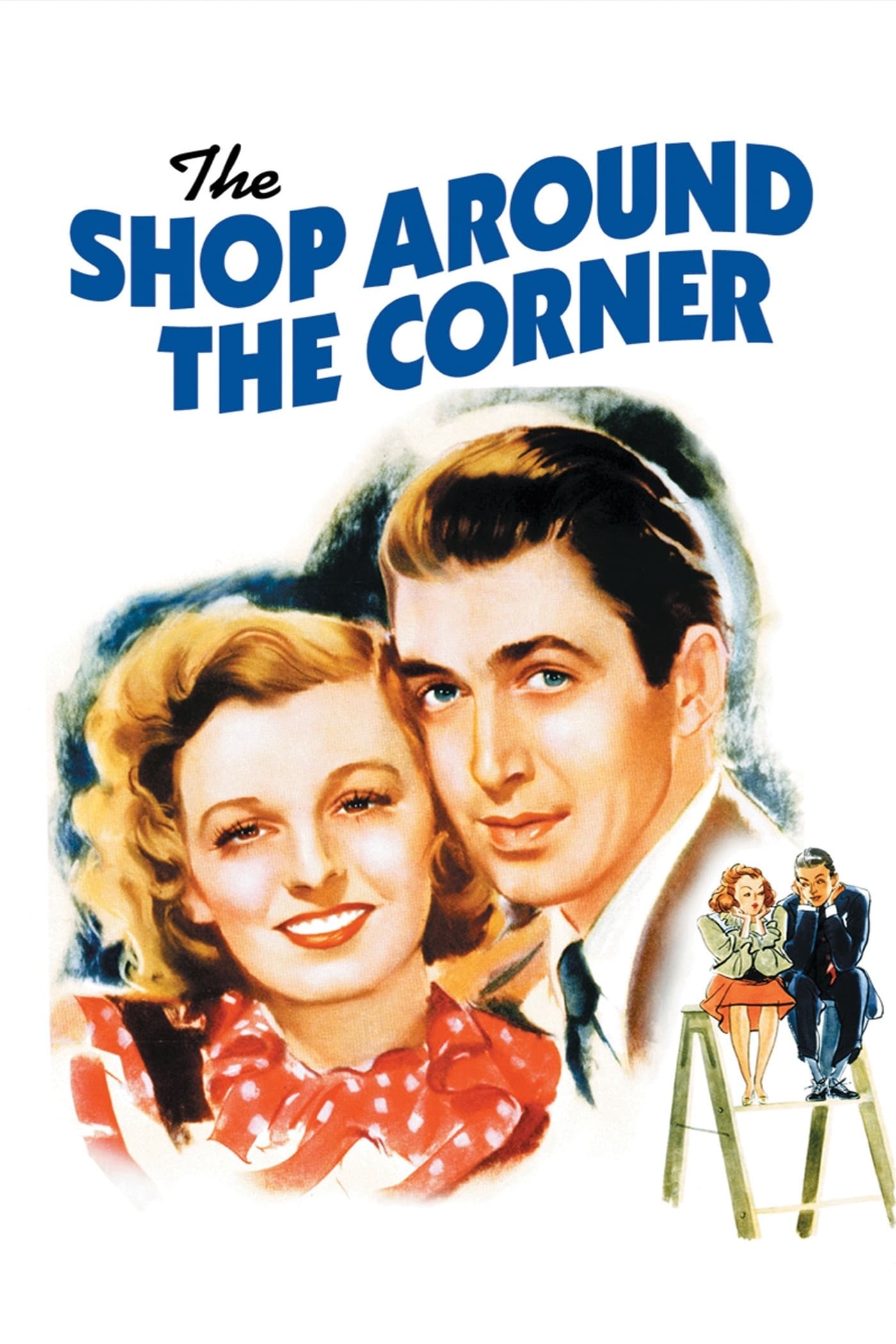
Ernst Lubitsch directed this romantic workplace comedy starring James Stewart and Margaret Sullavan. Two shop clerks feud in person while unknowingly exchanging affectionate letters, with scenes built around gift counters, staff meetings, and holiday sales.
It was remade as the musical ‘In the Good Old Summertime’ with Judy Garland and Van Johnson and later as ‘You’ve Got Mail’ with Tom Hanks and Meg Ryan. The remakes preserve the secret-correspondence device and the retail setting, shift the medium from letters to electronic messages, and tailor the supporting staff to different eras of customer service.
‘Seven Samurai’ (1954)
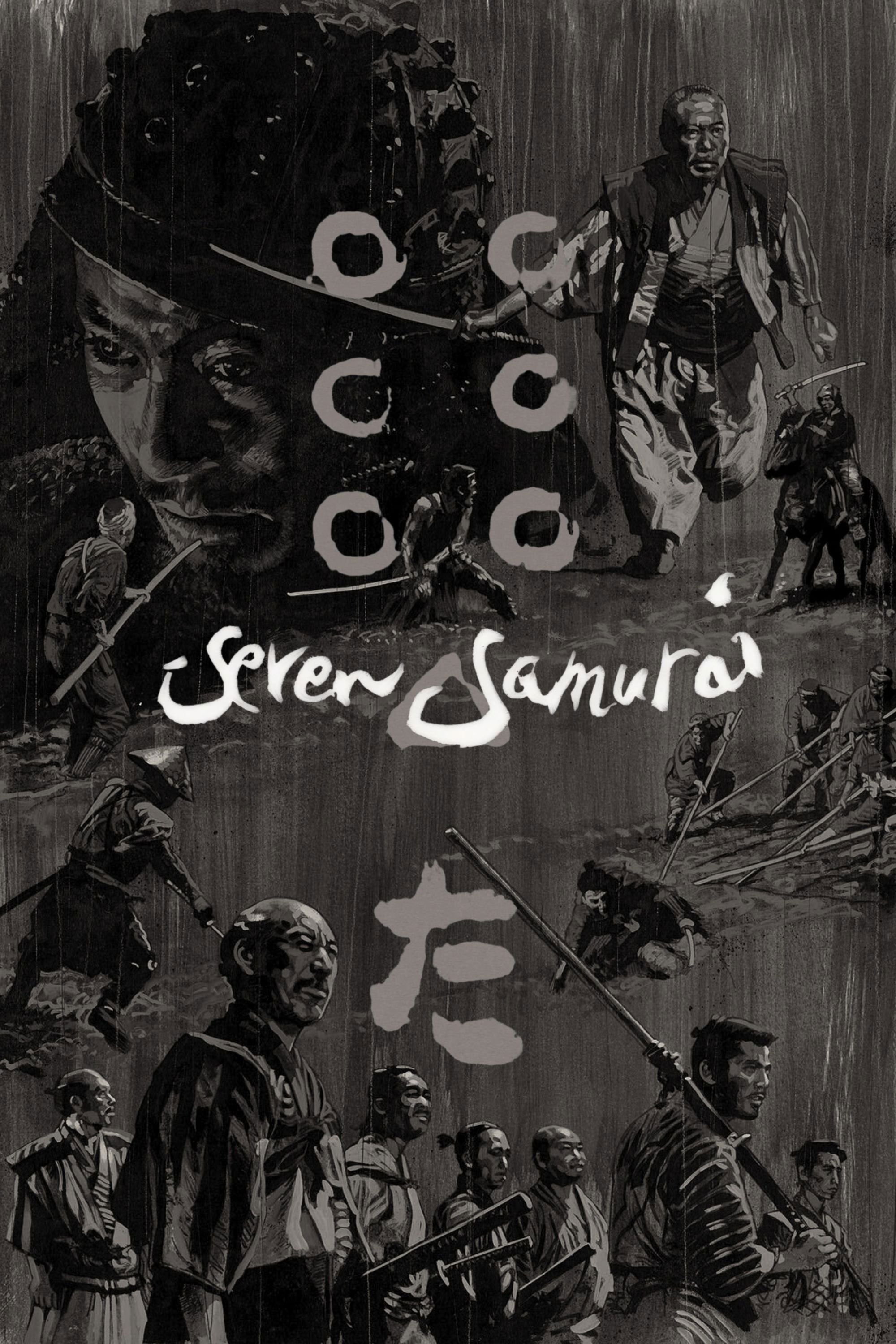
Akira Kurosawa directed this ensemble action drama with Toshiro Mifune, Takashi Shimura, and a large company of actors. The story follows villagers who hire masterless warriors to defend their fields, training montages, fortification building, and battle sequences arranged around weather and terrain.
It was remade as ‘The Magnificent Seven’ with Yul Brynner, Steve McQueen, and others, and later as a modern western with Denzel Washington and Chris Pratt. The remakes keep the recruitment structure, the defense of an isolated community, and the set of archetypal fighters, while translating swords to firearms and resetting the moral code to suit new frontiers.
Share your picks for the originals that inspired the best remakes in the comments.