


Movies with Parallel Universes Teased in Deleted Scenes



Deleted scenes often serve as windows into what could have been for beloved characters and franchises. These cut sequences sometimes reveal alternate timelines or entirely different narrative directions that were abandoned during the editing process. The following films feature deleted content that hints at parallel universes or drastically shifts the established reality of the story.
‘The Mist’ (2007)
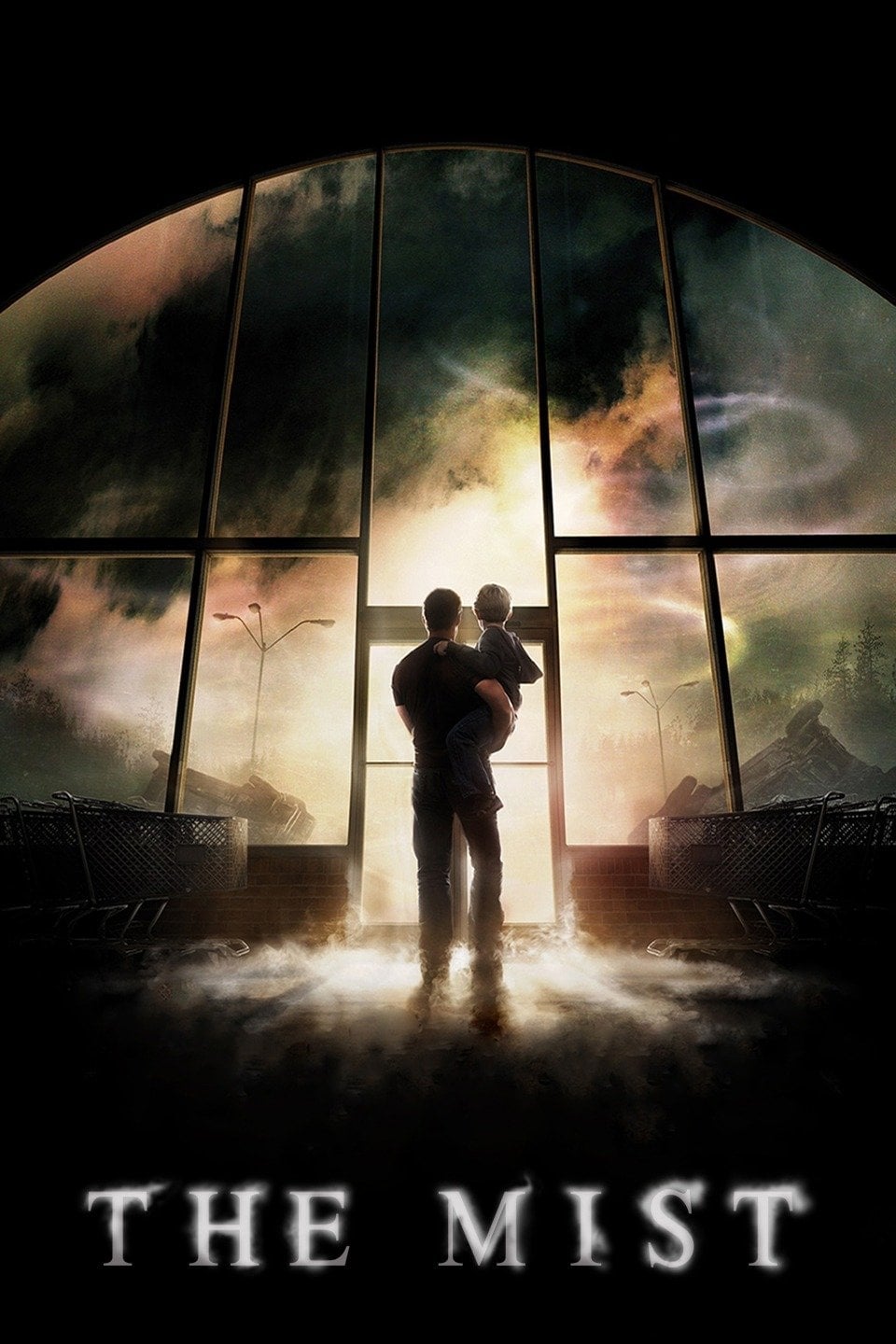
A deleted prologue for this horror adaptation explicitly reveals the origin of the interdimensional threat. The scene depicts scientists at the Arrowhead Project successfully opening a portal to another world before a lightning strike causes a malfunction. This confirms that the mist serves as a gateway to a parallel dimension teeming with Lovecraftian monsters. The theatrical cut leaves this explanation ambiguous to focus on the human drama within the supermarket.
‘Iron Man’ (2008)
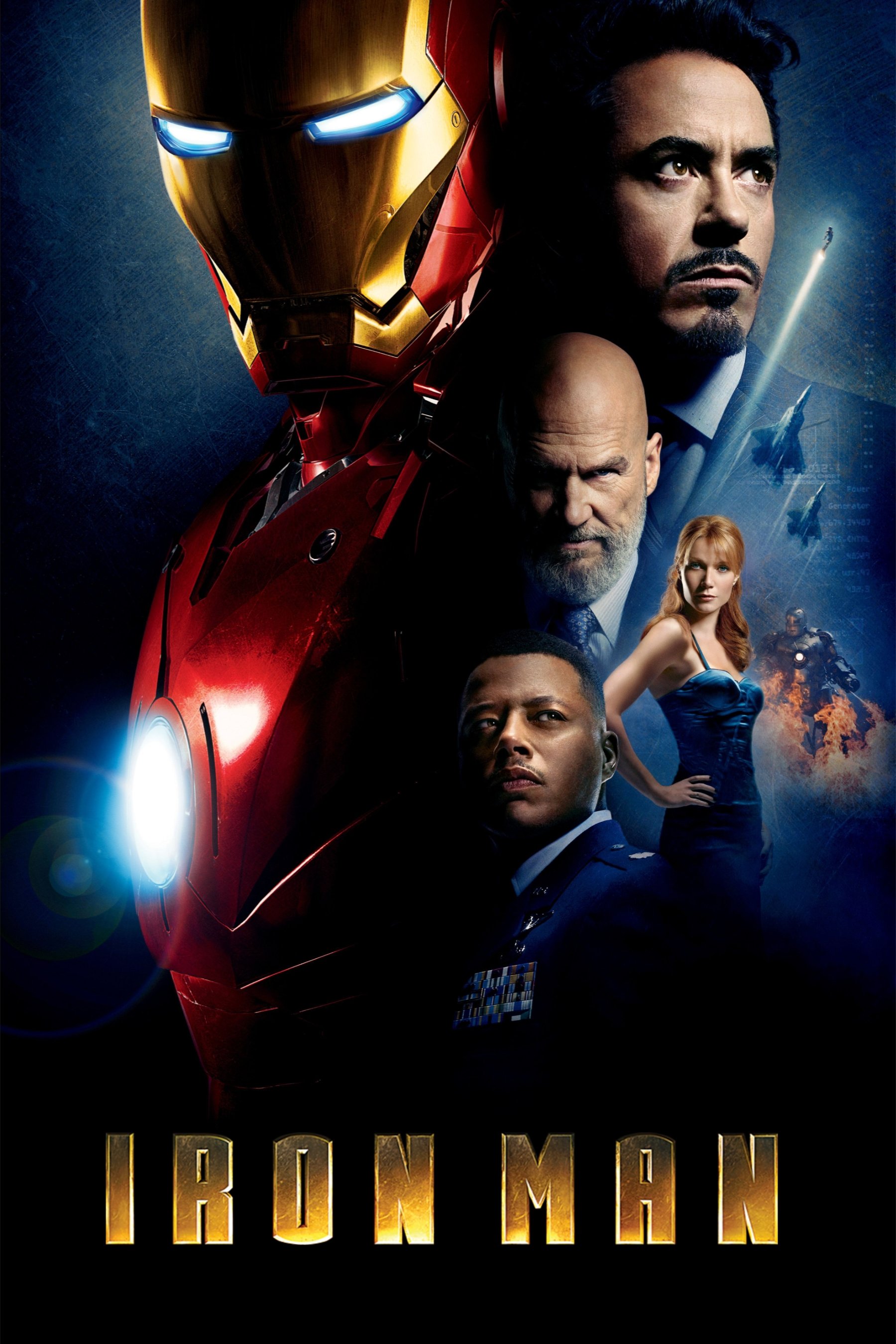
Nick Fury visits Tony Stark to discuss the Avengers Initiative in a deleted version of the post-credits scene. He references gamma accidents and radioactive bug bites alongside the existence of assorted mutants. This dialogue suggests a universe where the X-Men and Spider-Man were already active heroes alongside the Avengers. Marvel Studios removed these lines to avoid legal conflicts with the studios that held the rights to those characters at the time.
‘The Wolverine’ (2013)
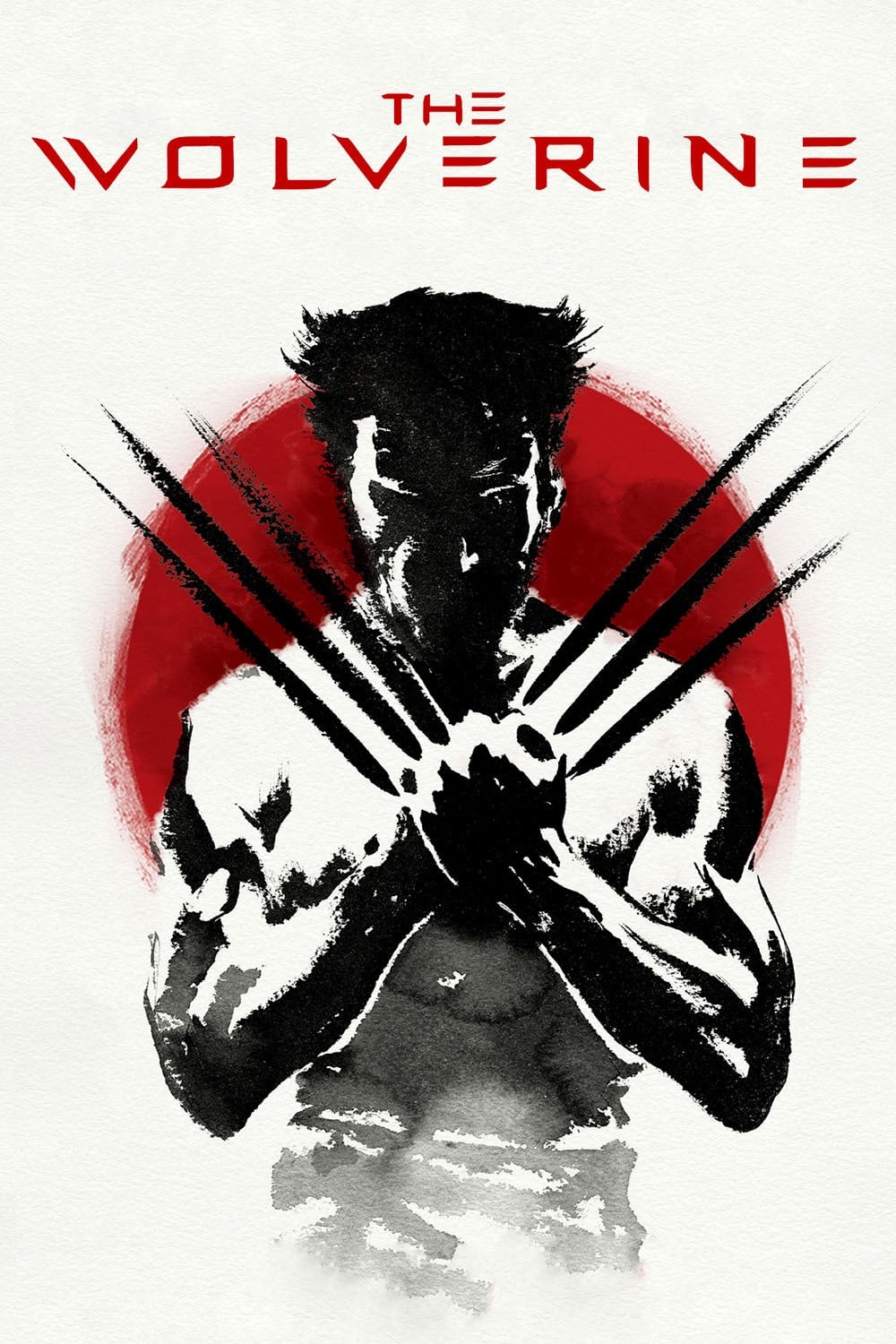
An alternate ending shows Logan boarding a private plane with Yukio before he is presented with a mysterious box. He opens the container to reveal the classic yellow and brown costume from the comic books. This scene establishes a timeline where the character embraces his colorful superhero roots rather than the grounded black leather aesthetic of the films. It stood as the only live-action glimpse of the suit until it finally appeared years later in a different movie.
‘Alien’ (1979)
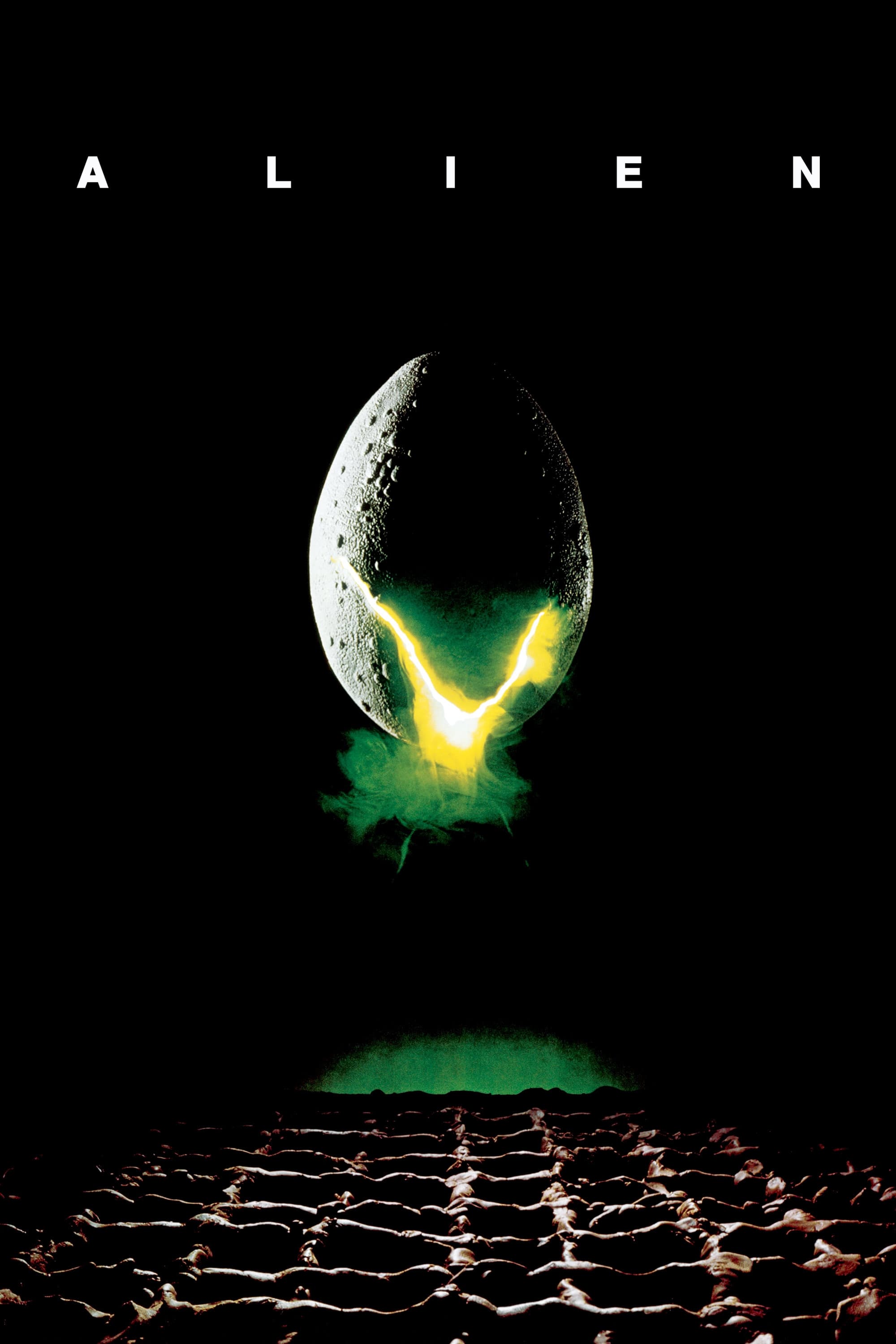
A disturbing deleted sequence fundamentally changes the reproductive biology of the Xenomorph species. Ripley discovers Captain Dallas cocooned in the ship’s hold as he slowly transforms into an alien egg. This implies a life cycle where a single creature can perpetuate its species without the need for a Queen. The removal of this scene maintained the mystery of the creature but eliminated a terrifying biological reality from the canon.
‘The Amazing Spider-Man 2’ (2014)

Peter Parker encounters his father Richard Parker at Gwen Stacy’s grave in a shocking alternate ending. Richard reveals that he has been alive the entire time and had faked his death to protect his research. This twist creates a universe where Peter is not an orphan and the conspiracy surrounding his parents plays a much larger active role. The scene was cut to avoid overcomplicating the emotional closure of the finale.
‘I Am Legend’ (2007)
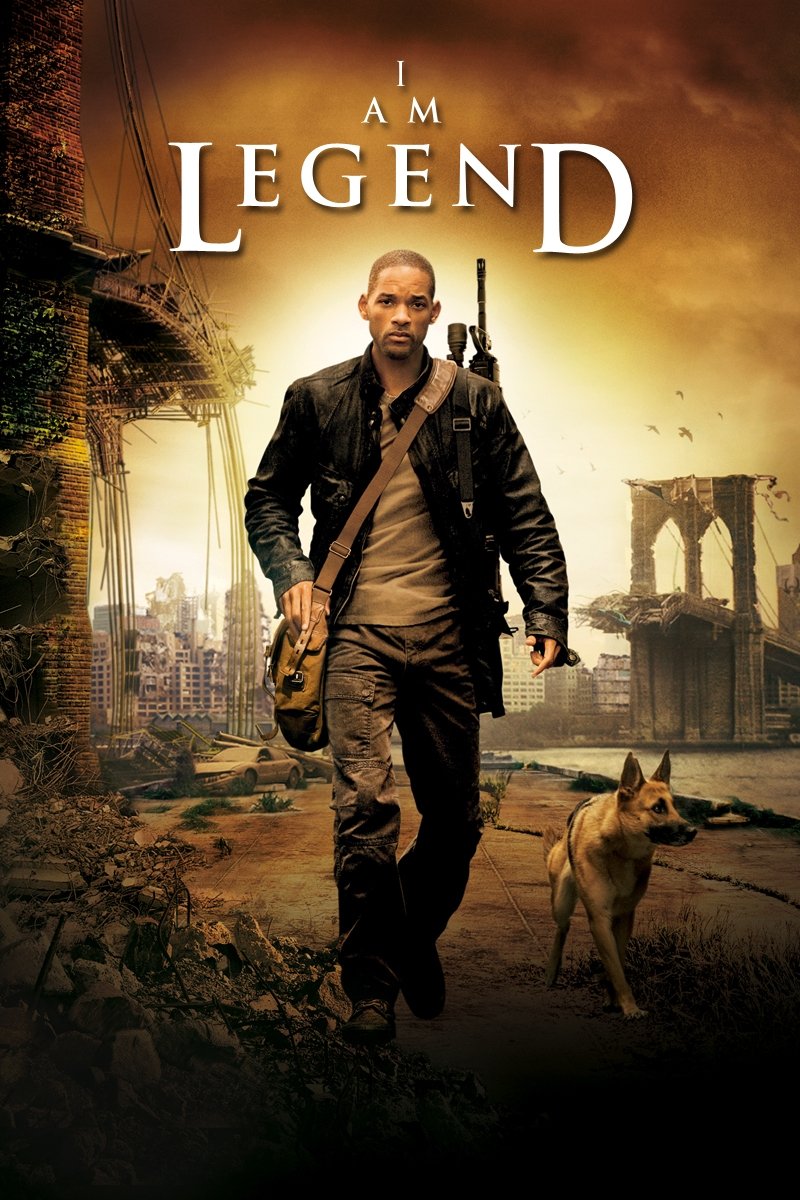
The original ending features Dr. Robert Neville realizing that the infected Darkseekers are sentient beings trying to rescue their mate. He abandons his research and leaves New York City with the cure while acknowledging he has become the true monster to them. This conclusion aligns with the source novel and establishes a moral universe where humanity is the aggressor. Test audiences preferred the heroic sacrifice seen in the theatrical cut.
‘Terminator 2: Judgment Day’ (1991)
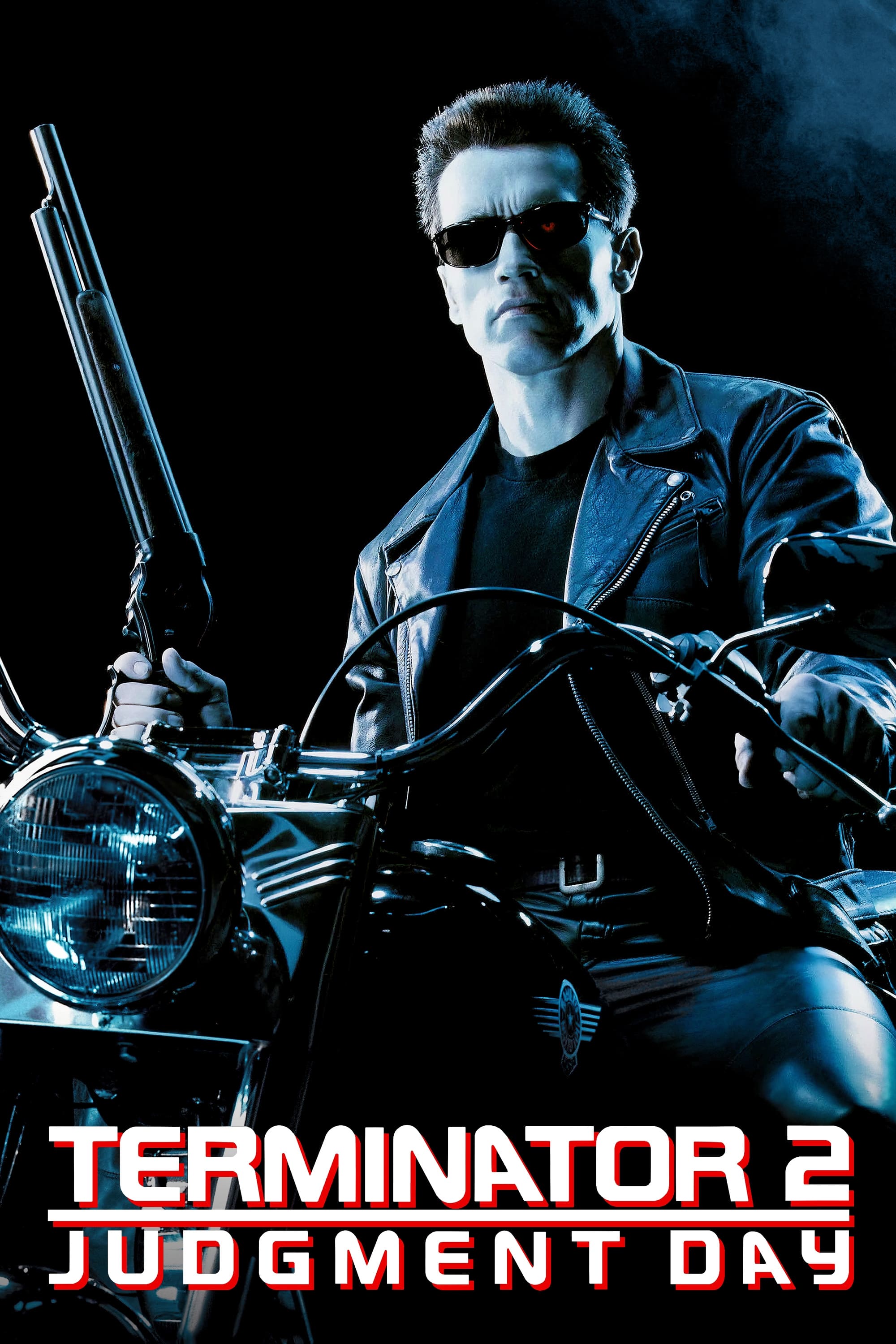
An alternate ending takes place decades in the future and shows an elderly Sarah Connor watching her adult son play with his daughter. The scene confirms that Skynet was never created and Judgment Day never occurred. This establishes a definitive timeline of peace that contradicts the events of all subsequent sequels. The studio removed it to keep the franchise open for future installments.
‘Get Out’ (2017)
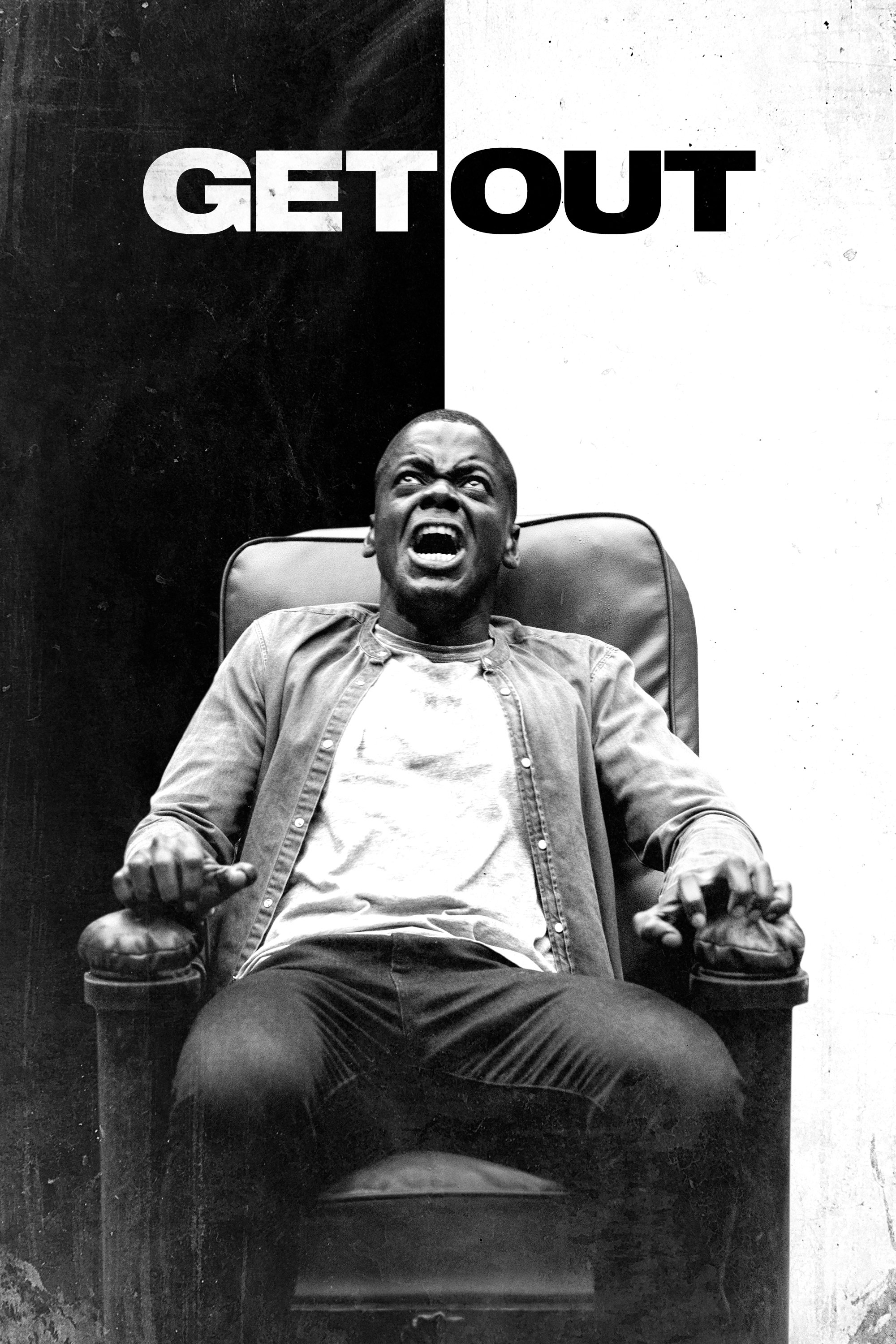
The original conclusion depicts Chris being arrested by the police shortly after he kills the Armitage family in self-defense. He is shown later in prison where he tells his friend Rod that he is at peace knowing he stopped the operation. This bleak ending offers a realistic but tragic timeline where the system works against the protagonist. Director Jordan Peele ultimately chose the rescue ending to give the audience a moment of triumph.
‘Army of Darkness’ (1992)
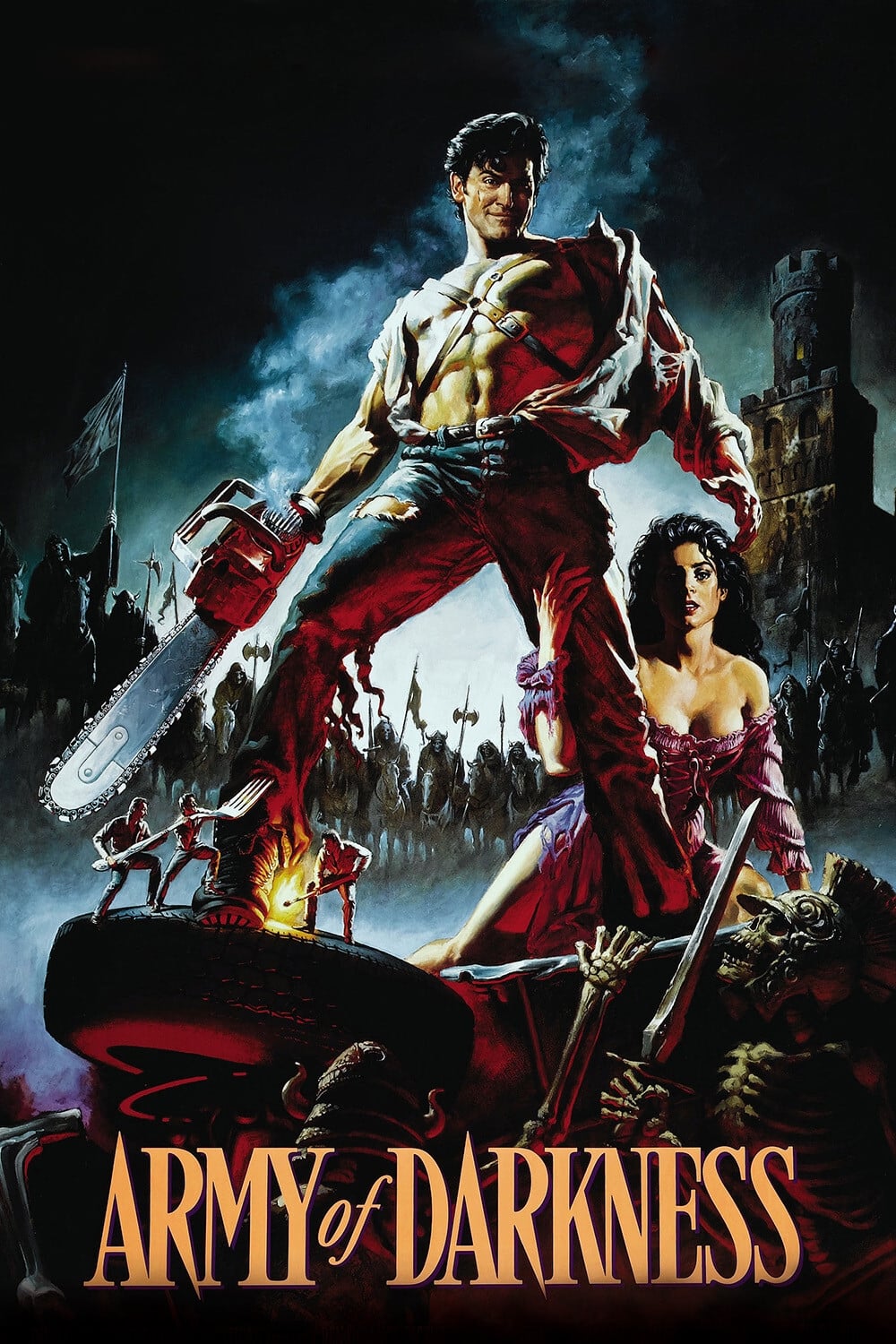
Ash Williams miscalculates his sleeping potion dosage and wakes up in a post-apocalyptic future in the original ending. He emerges from a cave to find London in ruins and realizes he slept for a century too long. This creates a timeline where the hero fails to return to his own time and humanity is wiped out. The studio mandated a happier ending where Ash successfully returns to his job at S-Mart.
‘Blade Runner’ (1982)
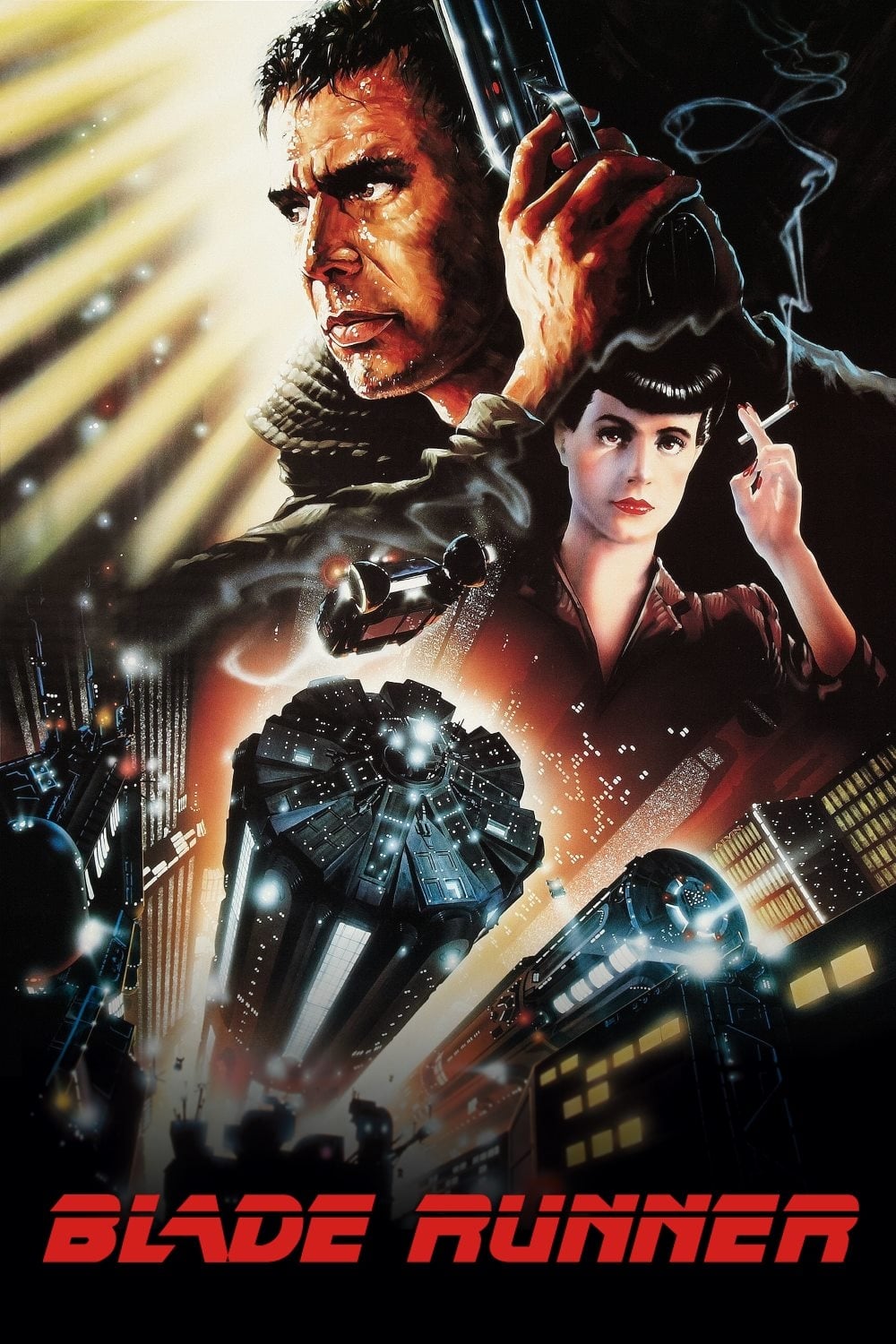
A deleted scene depicts Deckard having a vivid daydream of a unicorn running through a forest. This imagery connects to the origami unicorn left by Gaff at the end of the film to suggest he knows Deckard’s private thoughts. The inclusion of this moment confirms a reality where the protagonist is actually a Replicant with implanted memories. Ridley Scott later restored this sequence in the Director’s Cut to solidify this interpretation.
‘World War Z’ (2013)
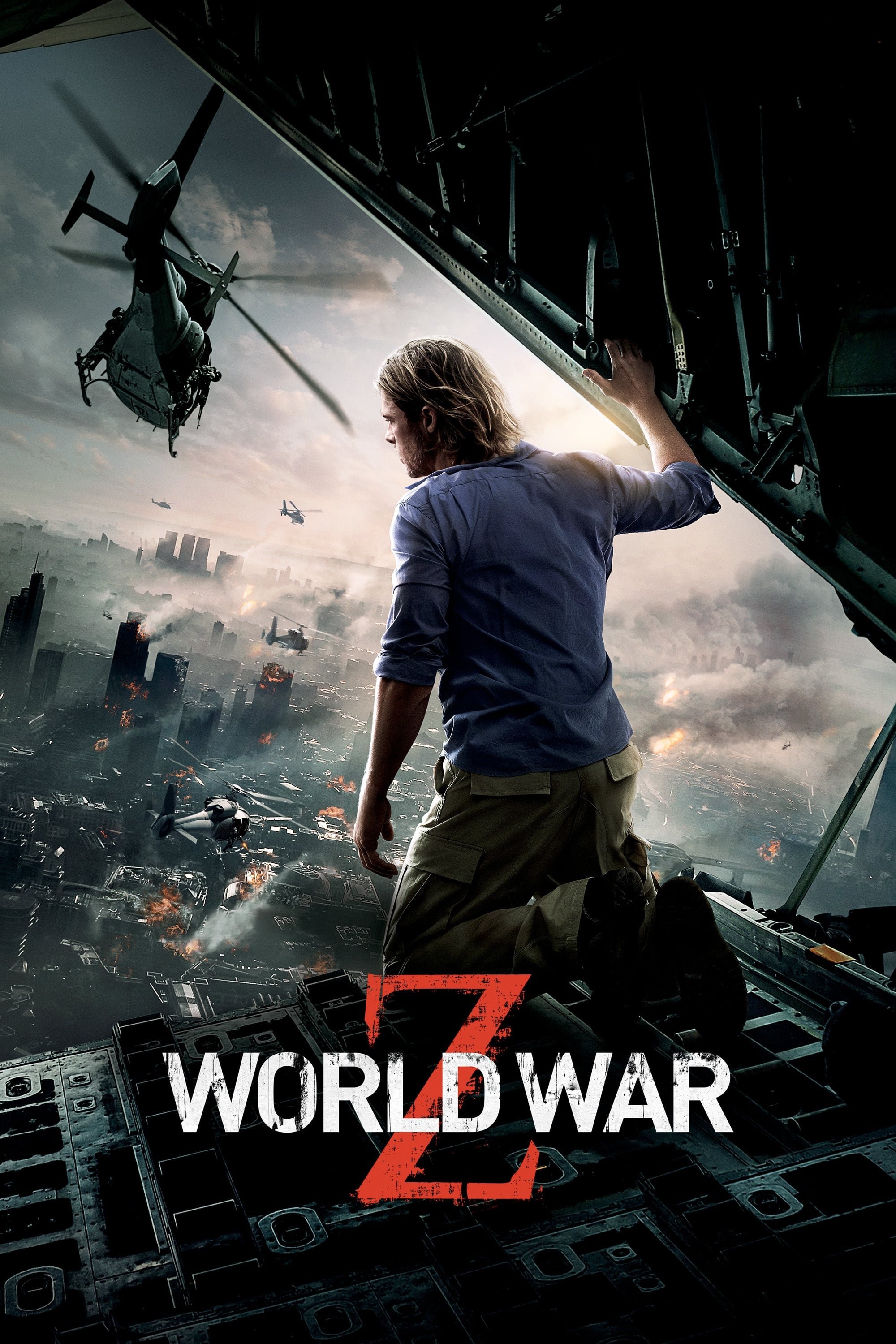
The original third act of the film took place in Russia rather than a medical facility in Wales. Gerry Lane is drafted into a brutal zombie-killing squad that discovers the undead freeze in the cold winter. This darker timeline features a large-scale battle and a much grittier tone for the protagonist who becomes a hardened soldier. Extensive reshoots changed the narrative to focus on a camouflage vaccine instead of warfare.
‘Little Shop of Horrors’ (1986)
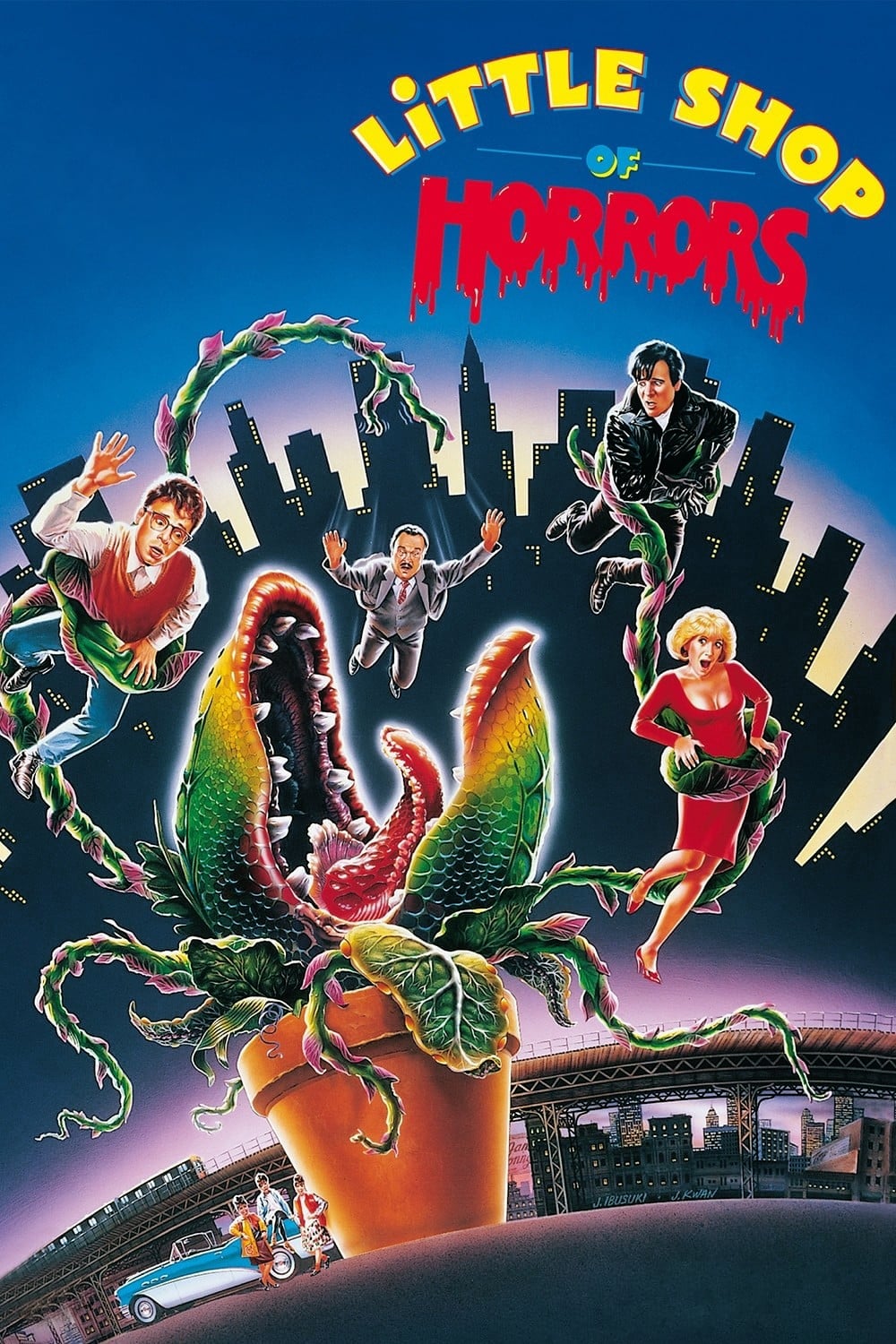
The original director’s cut features a faithful adaptation of the stage musical’s apocalyptic finale. Audrey II defeats Seymour and proceeds to reproduce and conquer the entire planet. The sequence shows giant plants toppling buildings and eating civilians in a dark universe where evil wins. Negative reactions from test audiences forced the studio to film a happy ending where the heroes survive.
‘First Blood’ (1982)
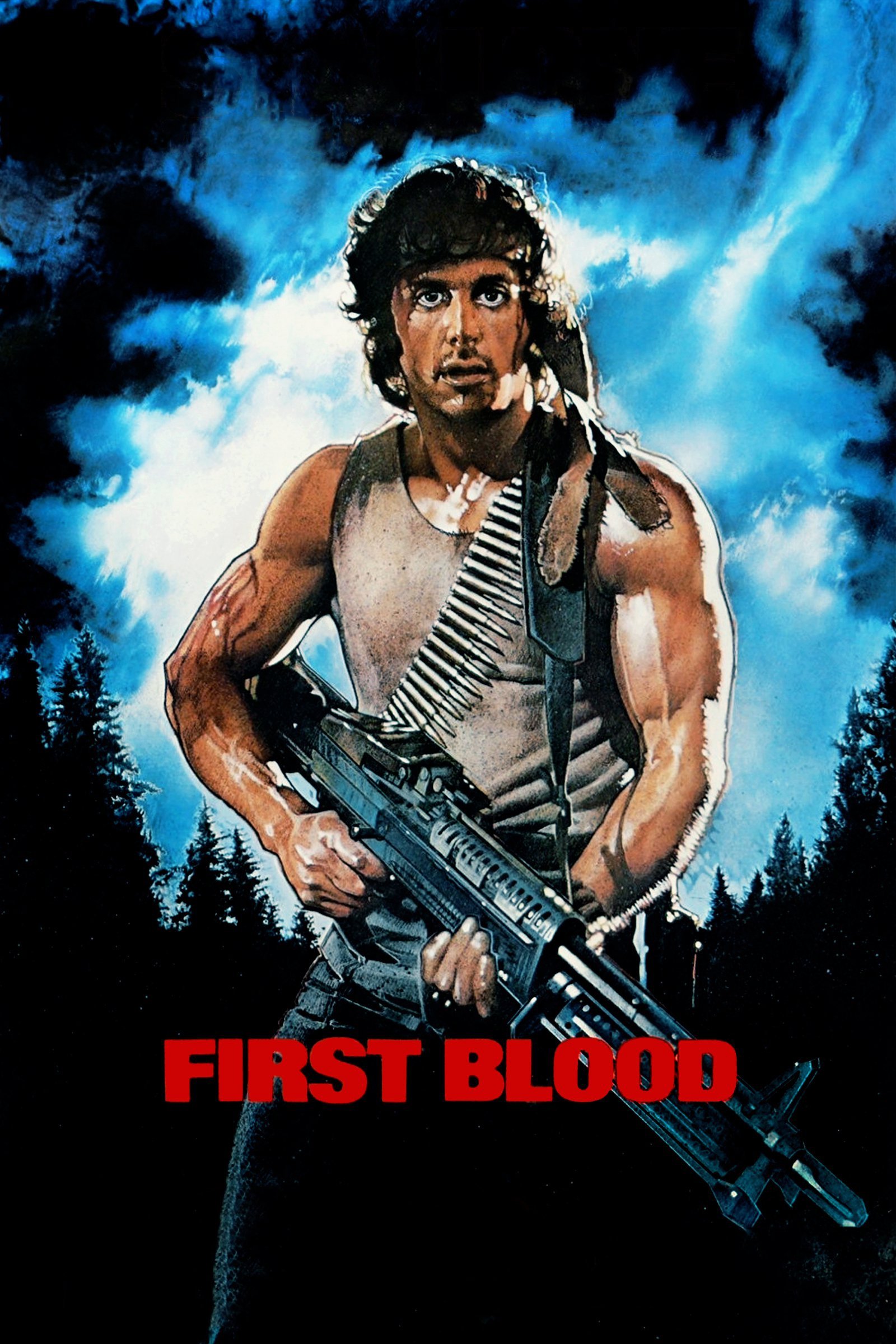
John Rambo commits suicide at the end of the film in a scene that remains faithful to the original novel. He forces Colonel Trautman to pull the trigger because he cannot cope with his trauma or the prospect of prison. This ending creates a self-contained story where the character finds peace only in death. The scene was changed to allow Rambo to survive which enabled the creation of a massive action franchise.
‘Clerks’ (1994)
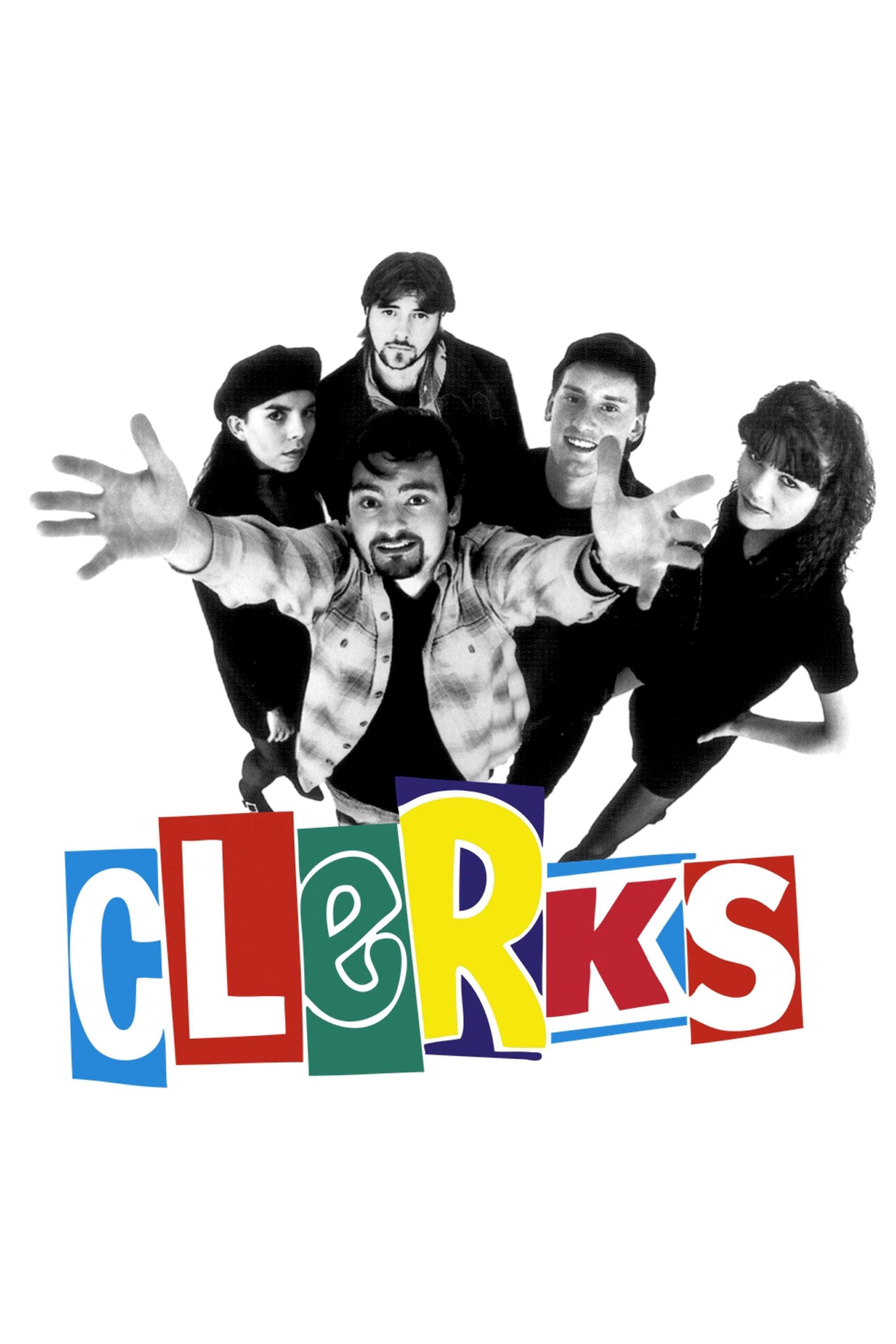
The original ending of this comedy sees a robber enter the store and shoot Dante dead in cold blood. The film ends with a shot of the empty counter as the credits roll over the sound of the register. This creates a tragic universe where the mundane struggles of the characters end in sudden violence. Kevin Smith removed the scene after friends advised him it destroyed the tone of the movie.
‘The Abyss’ (1989)
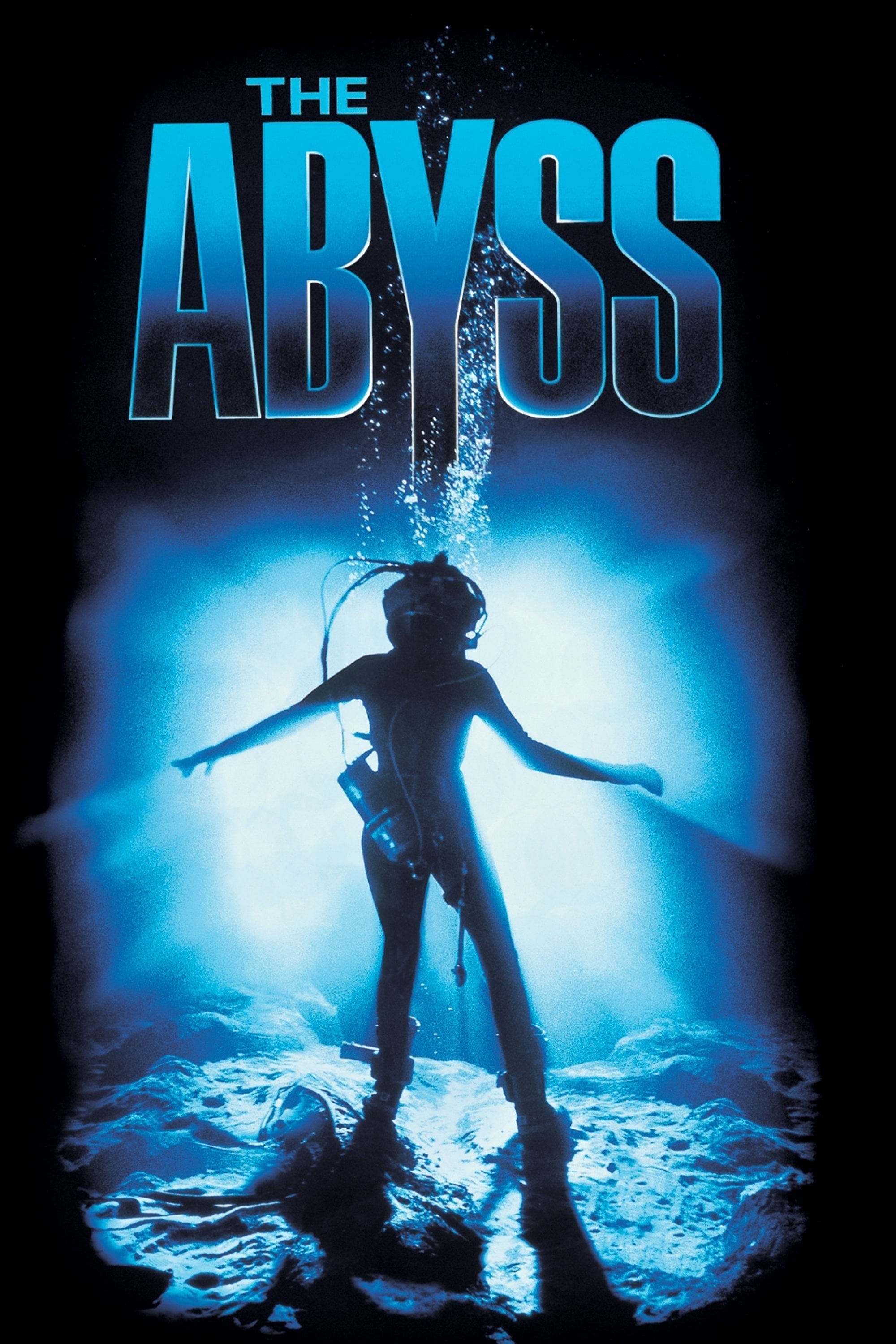
The Special Edition restores a crucial plot point involving the alien entities and their judgment of humanity. They create massive tsunamis poised to wipe out coastal cities as punishment for human warfare. Bud Brigman manages to convince them to stand down by showing them his message of love. The theatrical version removed this global threat and reduced the aliens to passive observers.
‘Paranormal Activity’ (2007)
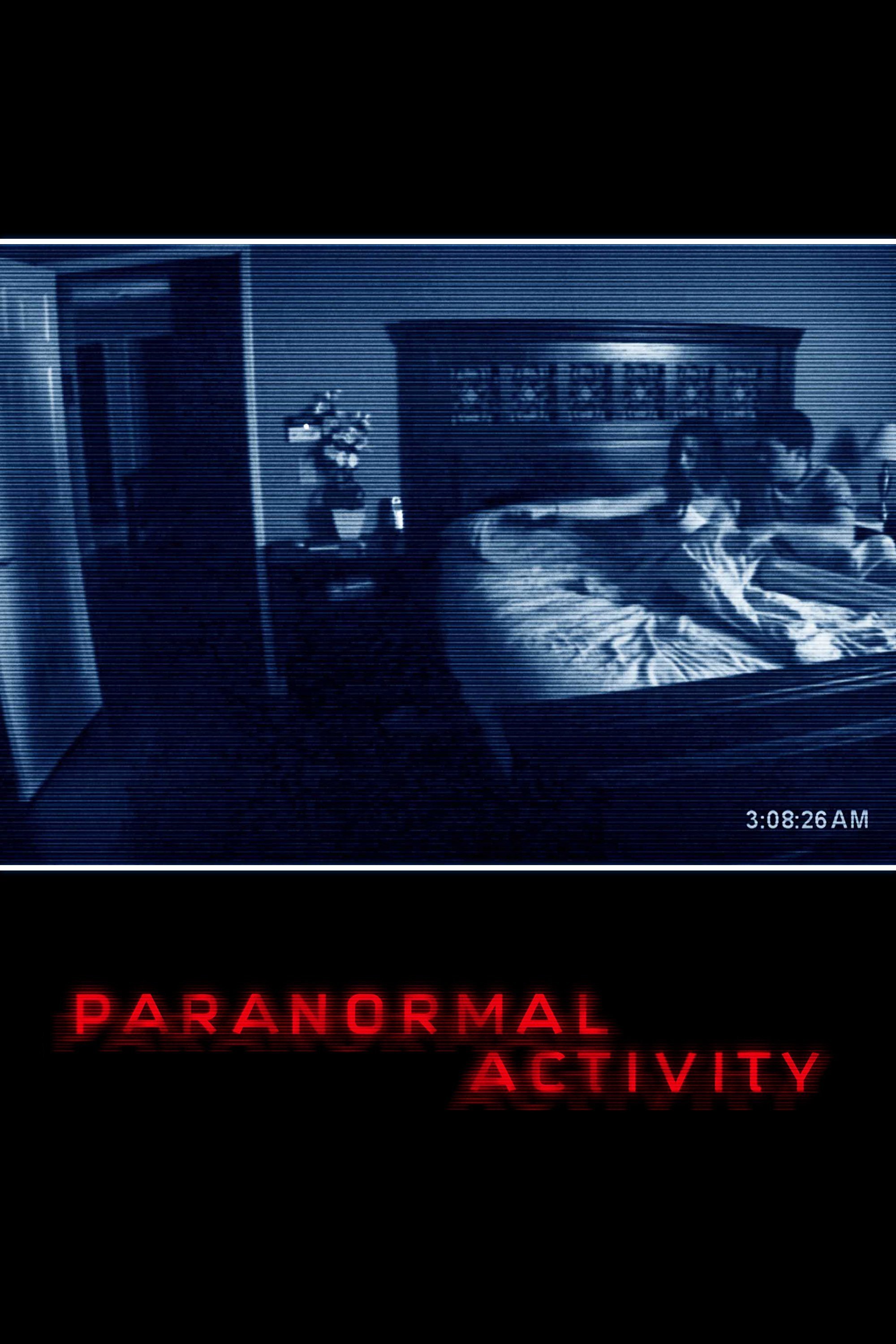
The original festival cut featured a shocking conclusion where police arrive at the house to find Micah dead. They encounter a catatonic Katie holding a knife and shoot her when the demon forces her to lunge at them. This ending firmly closes the story with the death of the protagonist rather than the open-ended supernatural disappearance of the theatrical release. It establishes a reality where the demon’s possession leads to immediate fatal consequences for everyone involved.
‘The Butterfly Effect’ (2004)
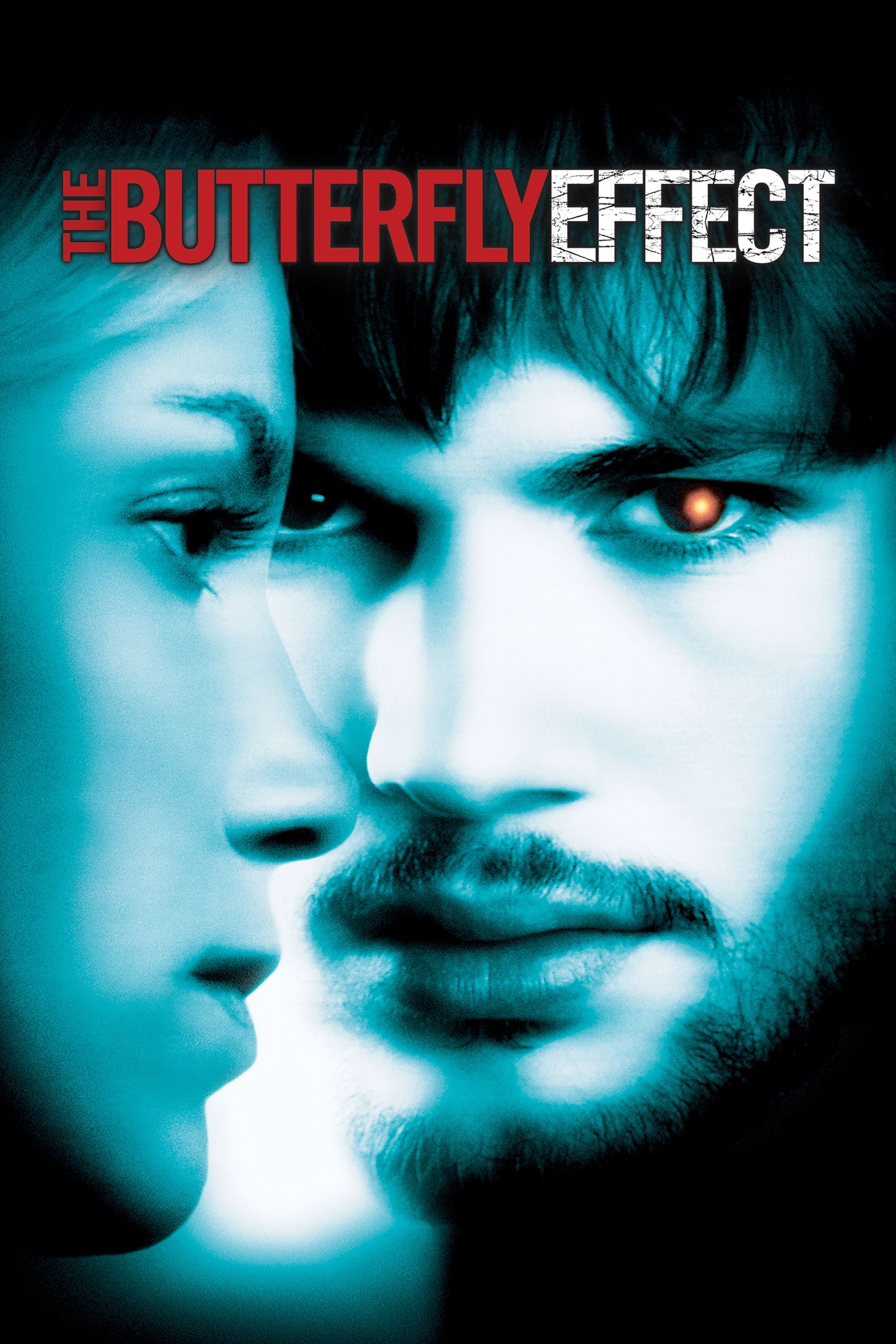
The director’s cut features a disturbing alternate ending where Evan travels back in time to his mother’s womb. He chooses to strangle himself with his umbilical cord to prevent the pain he causes his friends in every other timeline. This creates a universe where he was never born and everyone else lives happy lives without him. It serves as the ultimate sacrifice in a world governed by chaos theory.
‘Salt’ (2010)
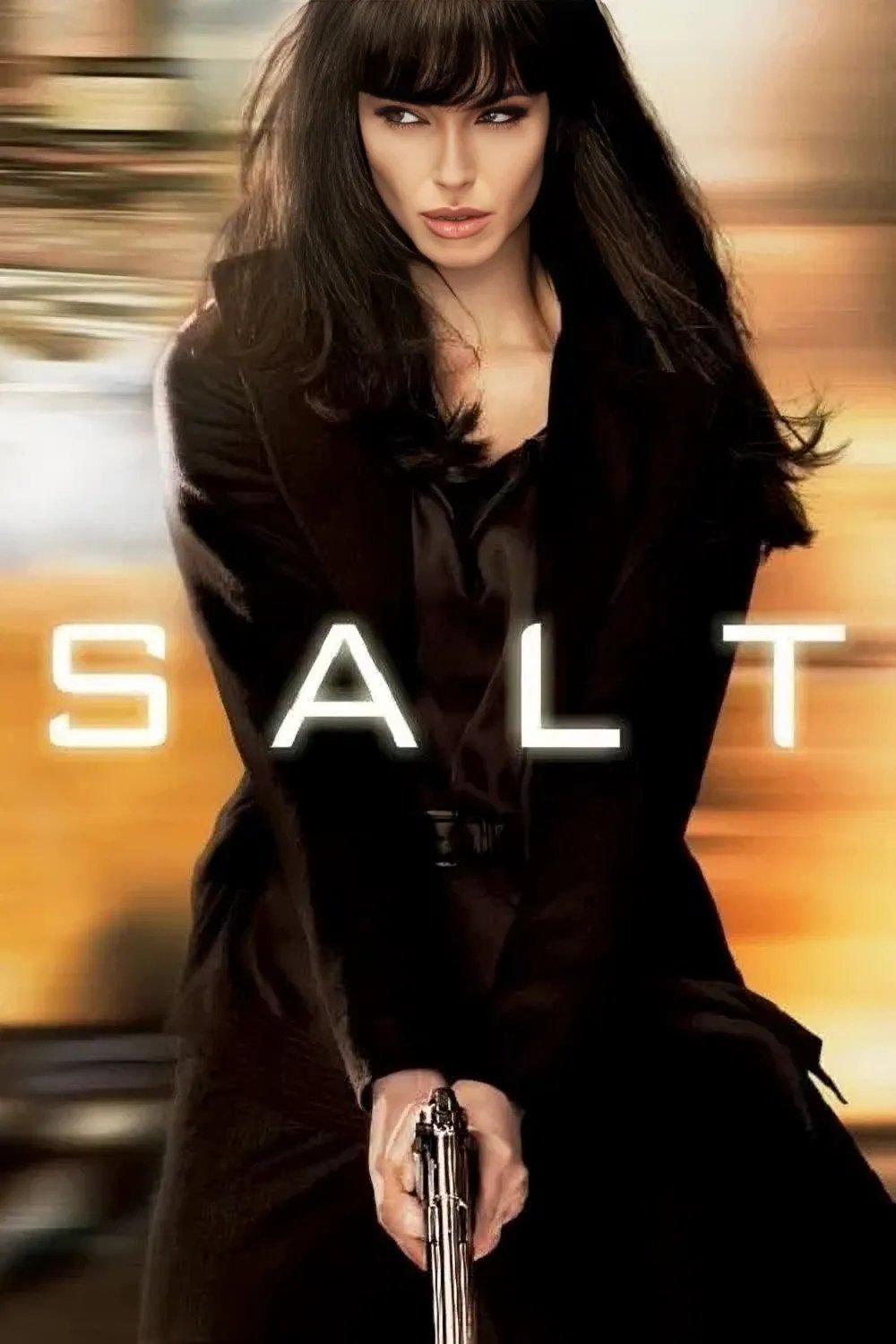
An alternate ending depicts the protagonist Evelyn Salt successfully drowning the President of the United States. She is then seen escaping from custody to hunt down the remaining sleeper agents. This creates a much darker timeline where the hero fails to save the leader of the free world but continues her mission. The theatrical cut changed this to show the President surviving the assassination attempt.
‘Die Hard with a Vengeance’ (1995)
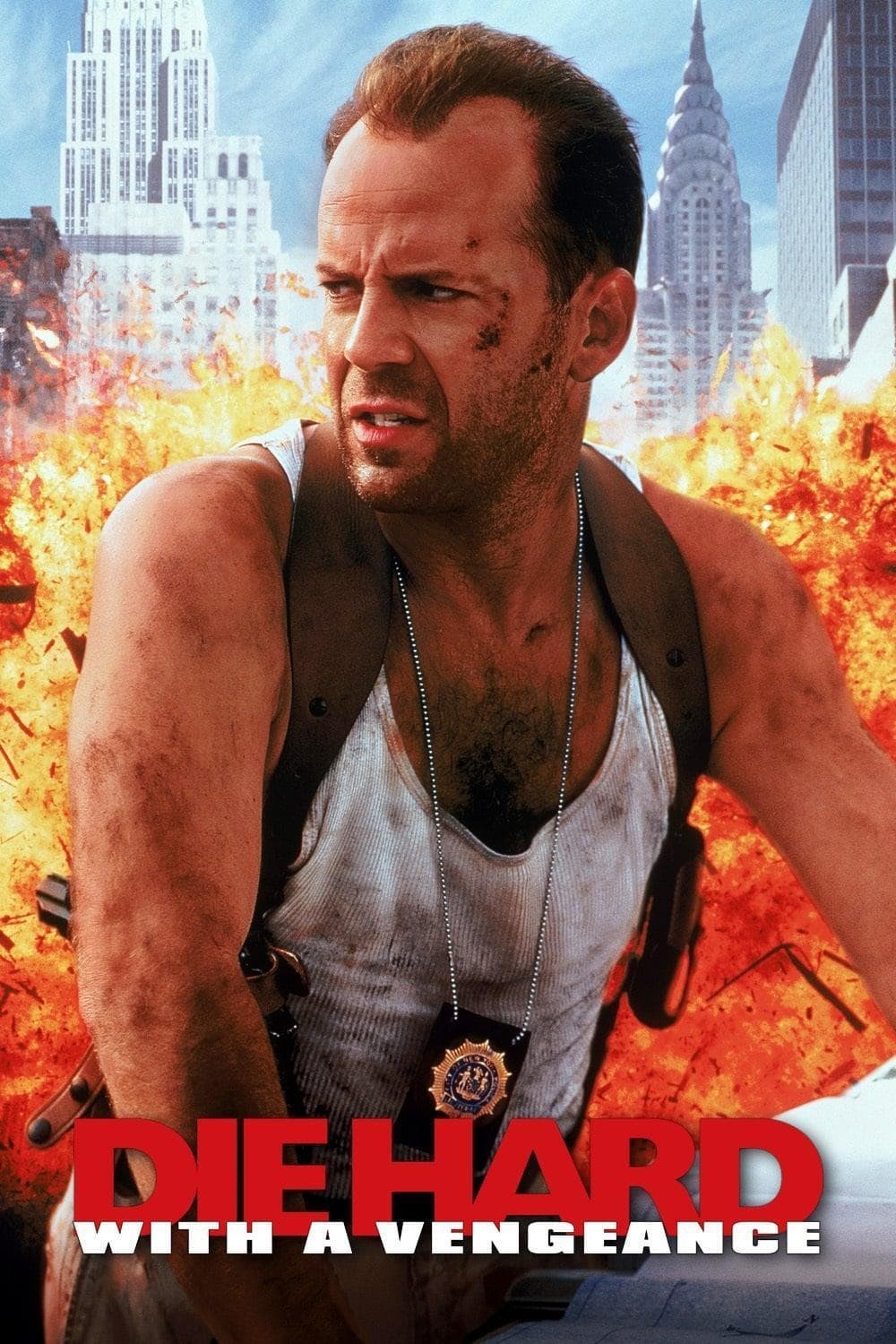
An alternate ending shows John McClane tracking Simon Gruber to a bar in Hungary after being disgraced by the NYPD. McClane forces Simon to play a game of Russian Roulette with a rocket launcher before killing him. This sequence establishes a universe where McClane is a cold-blooded vigilante seeking revenge rather than a hero acting in the line of duty. The studio felt it was too dark and opted for the helicopter shootout instead.
‘Hannibal’ (2001)
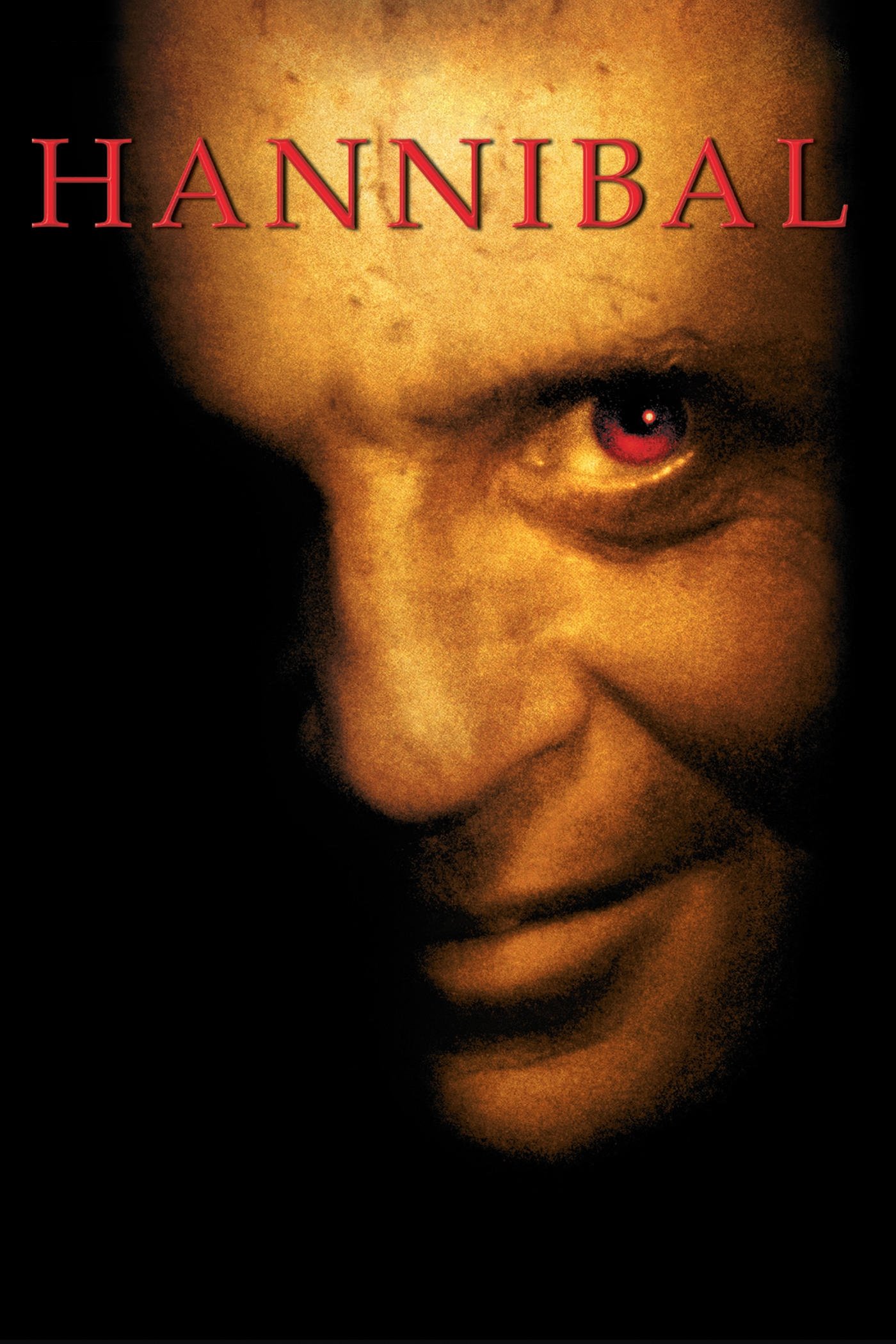
The alternate ending shows Clarice Starling and Hannibal Lecter sharing a kiss before running away together. This conclusion aligns more closely with the controversial ending of the source novel where the two become lovers. It suggests a universe where Clarice is corrupted by Lecter and abandons her morals. The theatrical cut chose to have Clarice handcuff herself to him to uphold her duty.
‘The Shining’ (1980)
A deleted epilogue takes place in a hospital where hotel manager Stuart Ullman visits Wendy and Danny. Ullman gives Danny the yellow tennis ball that lured him into Room 237 which implies the manager is an agent of the hotel’s ghosts. This scene suggests a universe where the evil of the Overlook Hotel extends far beyond its physical walls. Stanley Kubrick ordered the footage destroyed after the film’s premiere week.
‘Thor’ (2011)
In a deleted ending, Erik Selvig sets up a laboratory to search for the God of Thunder using advanced equipment. He mentions cross-referencing SHIELD data with the SWORD database to locate the Asgardian. This reference implies that humanity was monitoring extraterrestrial threats and other dimensions long before the organization formally appeared in the MCU. It expands the cosmic awareness of the characters significantly earlier in the franchise.
‘1408’ (2007)
The director’s cut features an ending where Mike Enslin dies in the fire he sets to destroy the haunted room. His ghost is seen reuniting with his deceased daughter in the afterlife while the hotel manager acknowledges his sacrifice. This confirms a supernatural reality where the room’s power is broken only by death. The theatrical version allows Mike to survive and prove the room’s existence with a tape recording.
‘Fatal Attraction’ (1987)
The original ending sees Alex Forrest commit suicide and frame Dan Gallagher for her murder. Dan is arrested and taken away by police while his wife finds a cassette tape that proves his innocence. This creates a noir-style universe where the villain achieves a final psychological victory from the grave. Test audiences hated the lack of catharsis which led to the reshoot of the bathroom shooting scene.
‘Avengers: Endgame’ (2019)
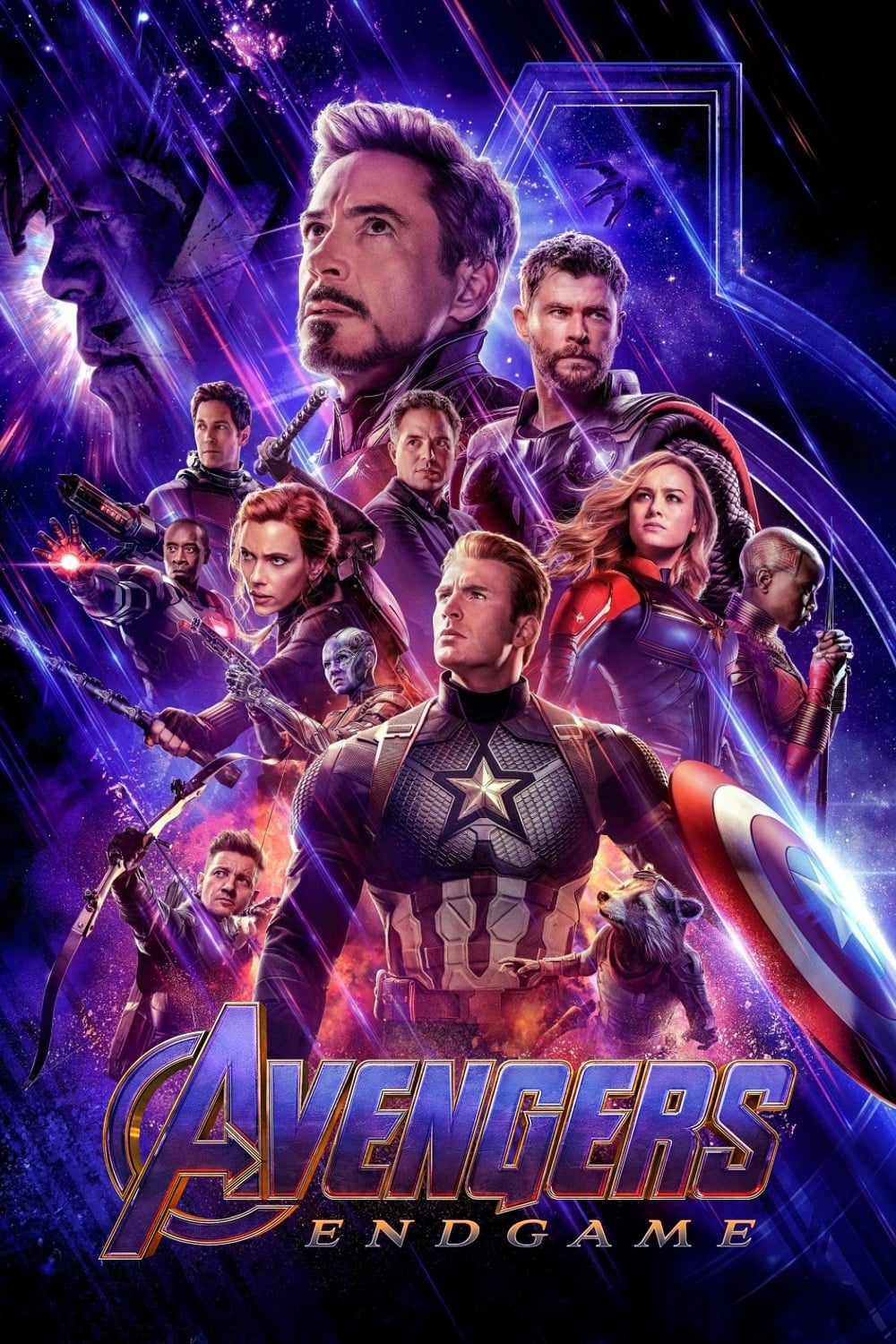
A deleted scene depicts Tony Stark entering the metaphysical Waystation immediately after snapping his fingers. He meets an adult version of his daughter Morgan who tells him that his sacrifice worked. This confirms the existence of the Soul World as a tangible plane of reality accessible to those who wield the Infinity Stones. The scene was cut because test audiences found the introduction of the adult actor confusing.
Share your thoughts on which alternate timeline you would have preferred to see in the comments.