


Movies With Subtle Nods to Real Election Rigging Rumors




Cinema has long reflected public anxiety regarding the integrity of the voting process and the potential for systemic corruption. Many filmmakers use narrative fiction to explore how elections might be influenced by clandestine forces or technological vulnerabilities. These stories often mirror historical rumors about ballot tampering and foreign interference in domestic politics. By examining these films viewers can gain insight into the various ways society conceptualizes the fragility of democracy.
‘Man of the Year’ (2006)
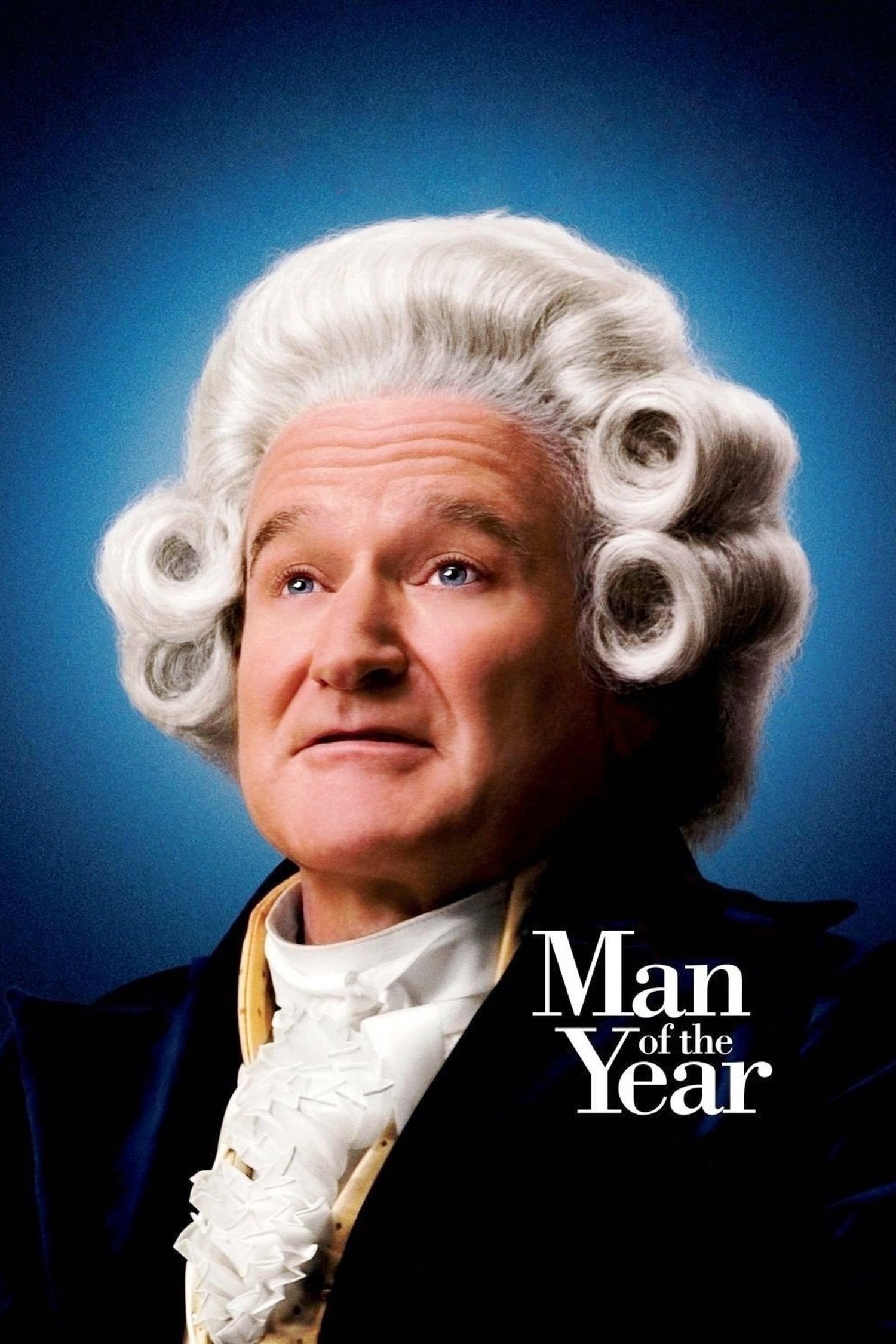
In this satirical comedy a talk show host runs for president and wins due to a computer glitch. The plot centers on a voting machine company that hides a software error to protect its reputation. This narrative mirrors real concerns about electronic voting security and the lack of paper trails in modern elections. The protagonist eventually discovers that the results were not legitimate which forces him to make a difficult moral choice.
‘The Manchurian Candidate’ (2004)
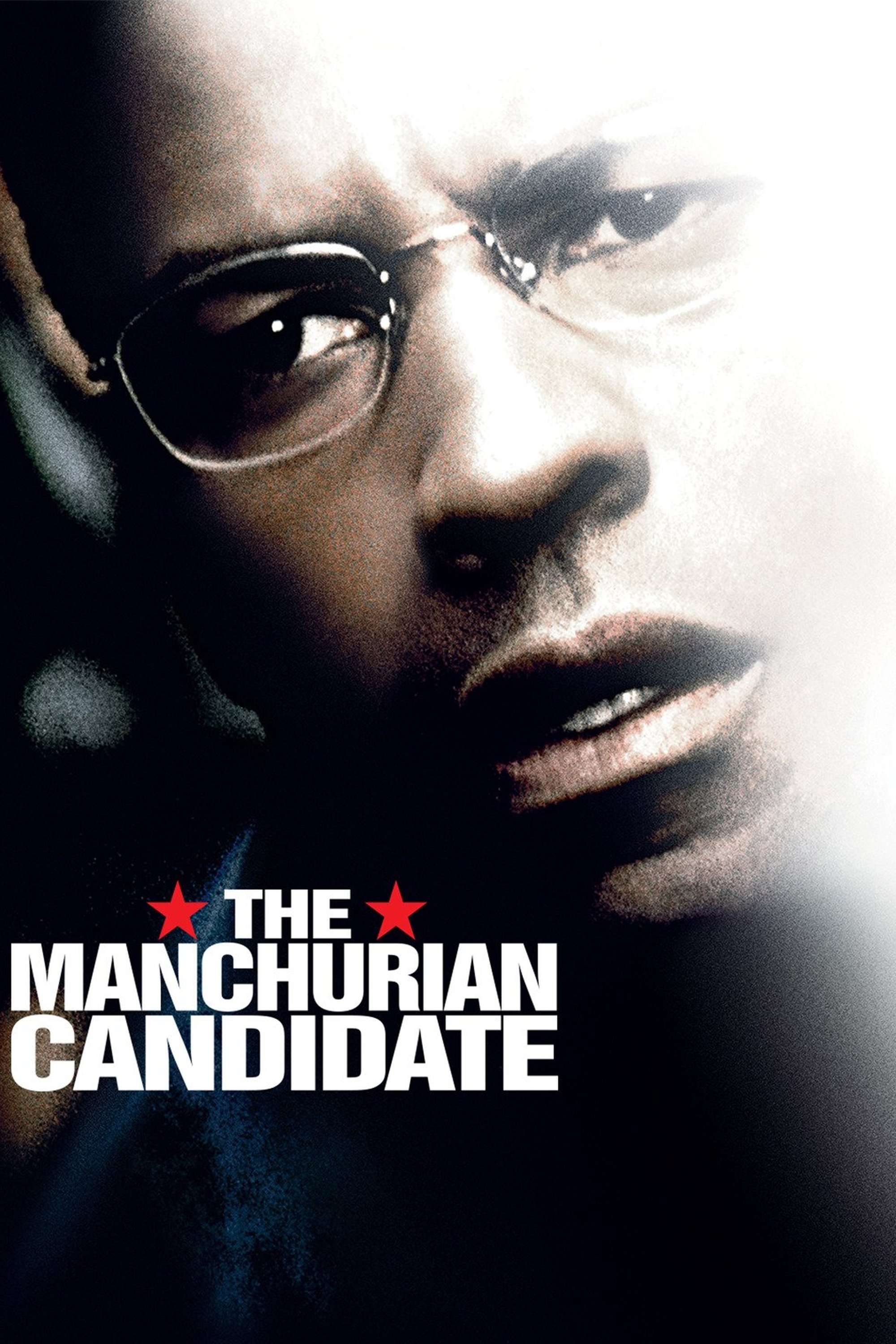
A major corporation uses advanced brainwashing techniques to install a vice president who will serve their private interests. The film explores the idea of deep state actors and private entities manipulating the democratic process from within. It highlights the fear that candidates might be controlled by hidden figures or foreign powers. The story emphasizes how psychological conditioning can be used to override the will of the people.
‘Swing Vote’ (2008)

The entire presidential outcome rests on a single man in New Mexico after a machine malfunction. A glitch in a voting terminal causes his ballot to be unrecorded which leads to a localized recount. The story touches on the vulnerability of electronic voting systems and the immense pressure placed on individual electors. Candidates from both parties attempt to sway this one voter through increasingly desperate measures.
‘Black Sheep’ (1996)
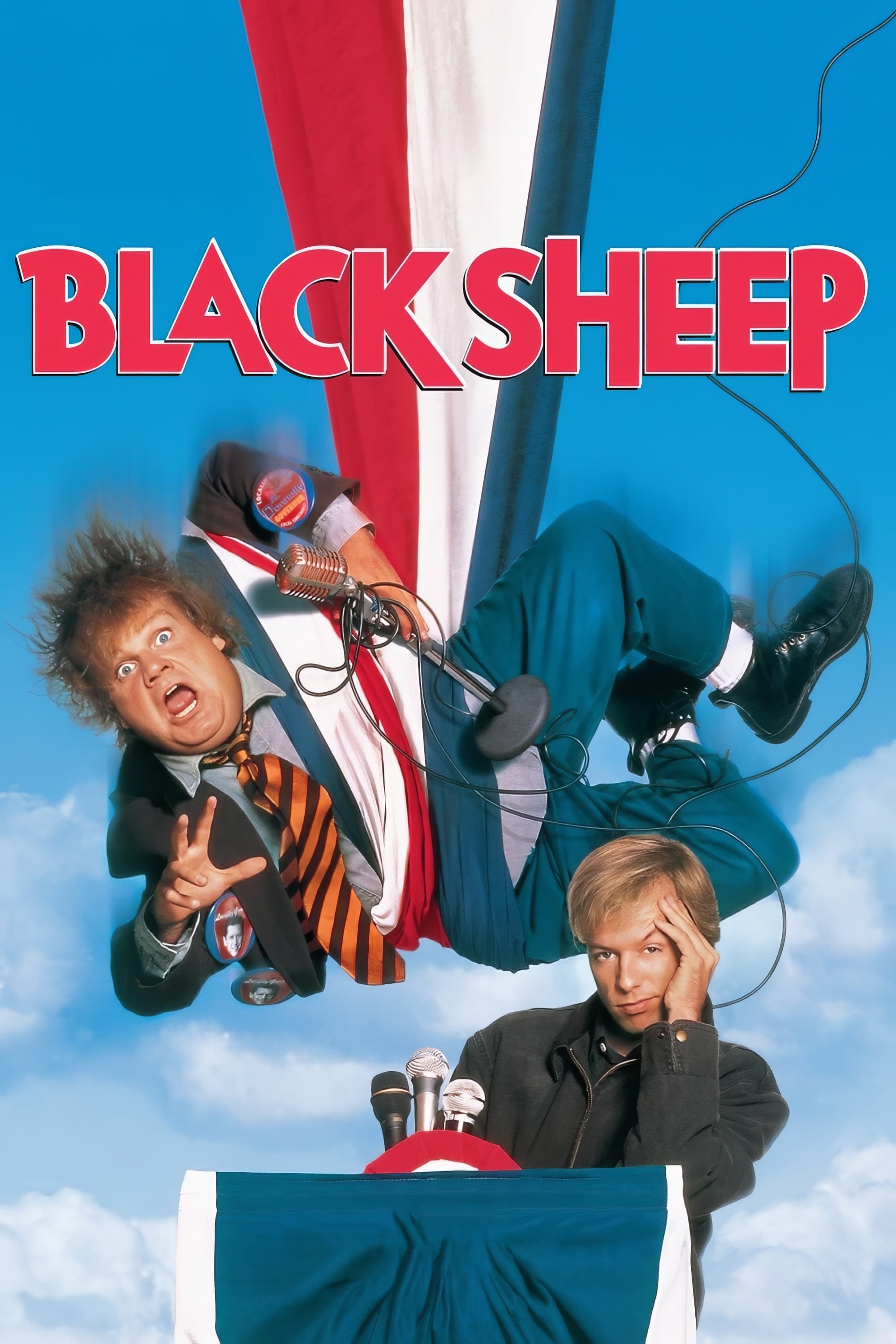
This comedy follows the brother of a gubernatorial candidate who uncovers a scheme to steal the election. The plot involves a corrupt incumbent using fraudulent ballots found in a remote cabin to tip the scales. It addresses the concept of ballot box stuffing and the physical theft of votes in rural areas. While the tone is humorous the film explores serious concerns about the integrity of the counting process.
‘Wag the Dog’ (1997)
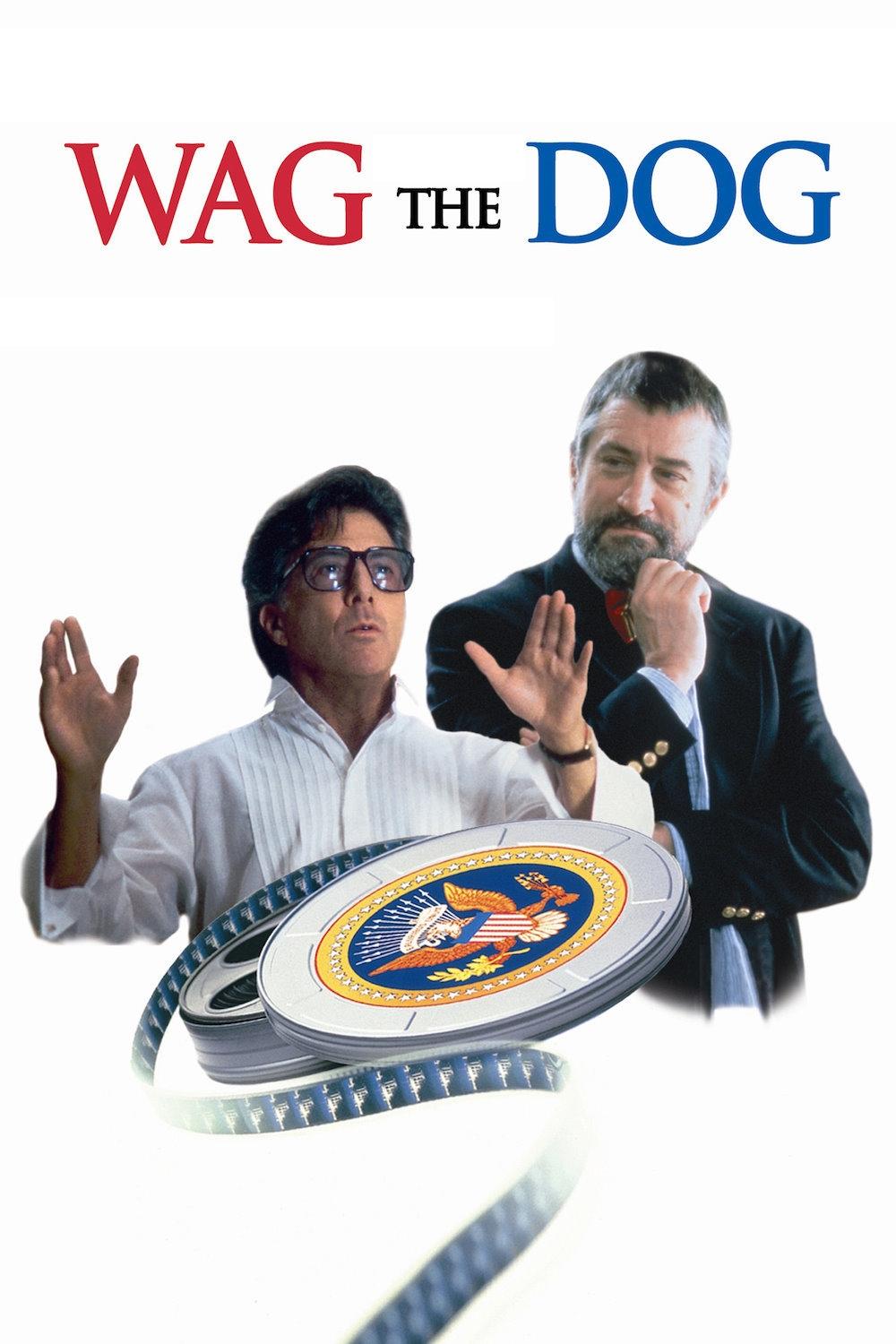
A spin doctor and a film producer manufacture a fake war to distract the public from a presidential sex scandal. This film explores how the media can be used to rig public opinion rather than the actual vote count. It suggests that psychological manipulation and staged events are powerful tools for maintaining political power. The narrative highlights the disconnect between reality and the images presented to voters during an election cycle.
‘Recount’ (2008)
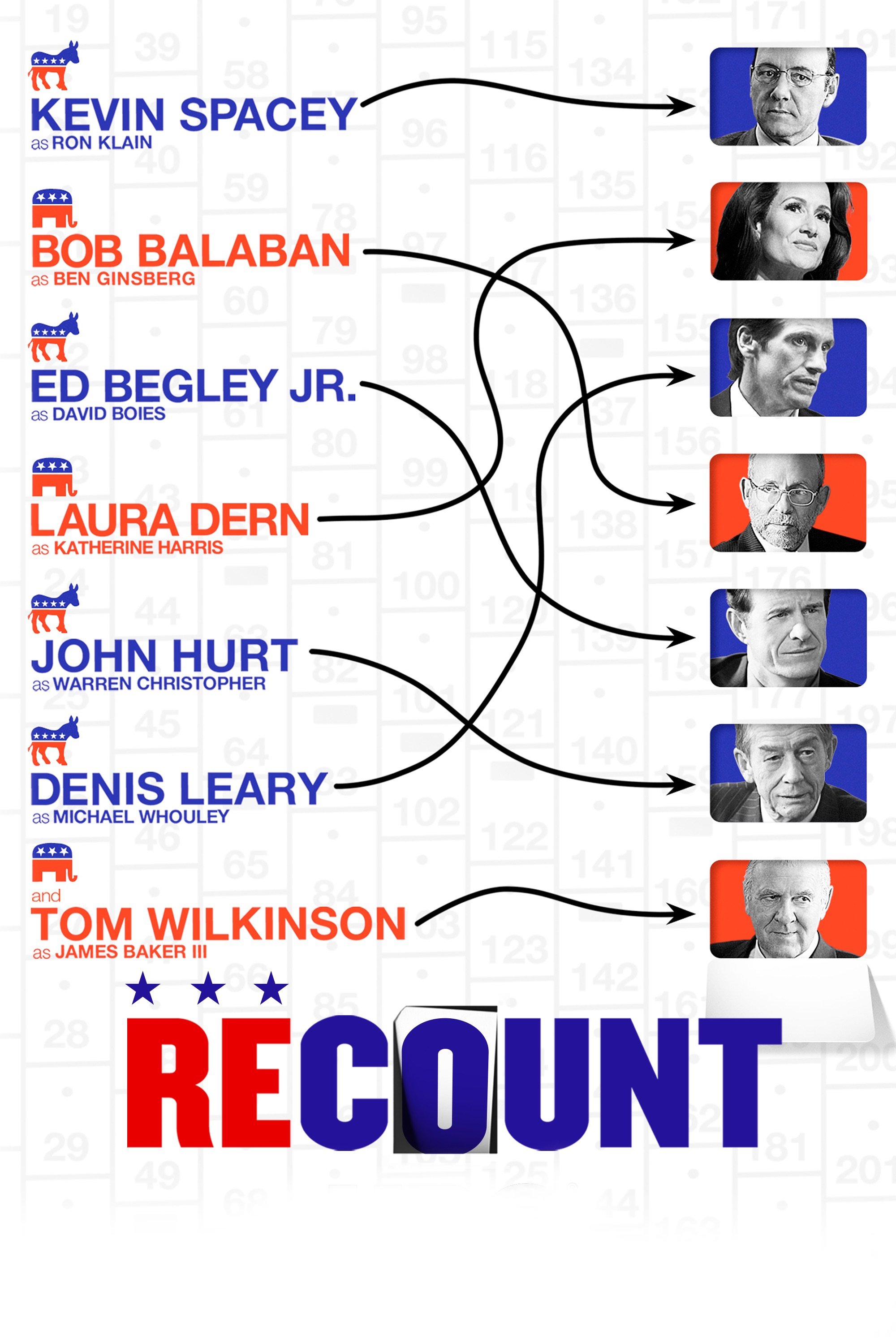
This drama focuses on the Florida vote count during the 2000 presidential election. It examines the legal battles and procedural maneuvers used by political parties to influence the final tally. The film addresses technical issues like hanging chads and the disenfranchisement of specific voter groups. It provides a detailed look at how administrative decisions can significantly alter a national outcome.
‘Bob Roberts’ (1992)

A conservative folk singer runs a Senate campaign fueled by shadow money and media manipulation. The film uses a documentary style to show how a candidate can hide their true agenda from the electorate. It explores rumors of financial crimes and dirty tricks used to discredit political opponents. The story suggests that the public image of a candidate is often a carefully constructed lie.
‘Silver City’ (2004)

The discovery of a corpse during a campaign commercial launch leads to a web of local political corruption. This film examines how voter suppression and the exploitation of undocumented workers can influence an election. It portrays a world where corporate interests and political dynasties collude to maintain their grip on power. The narrative focuses on the small scale maneuvers that contribute to systemic rigging.
‘The Campaign’ (2012)
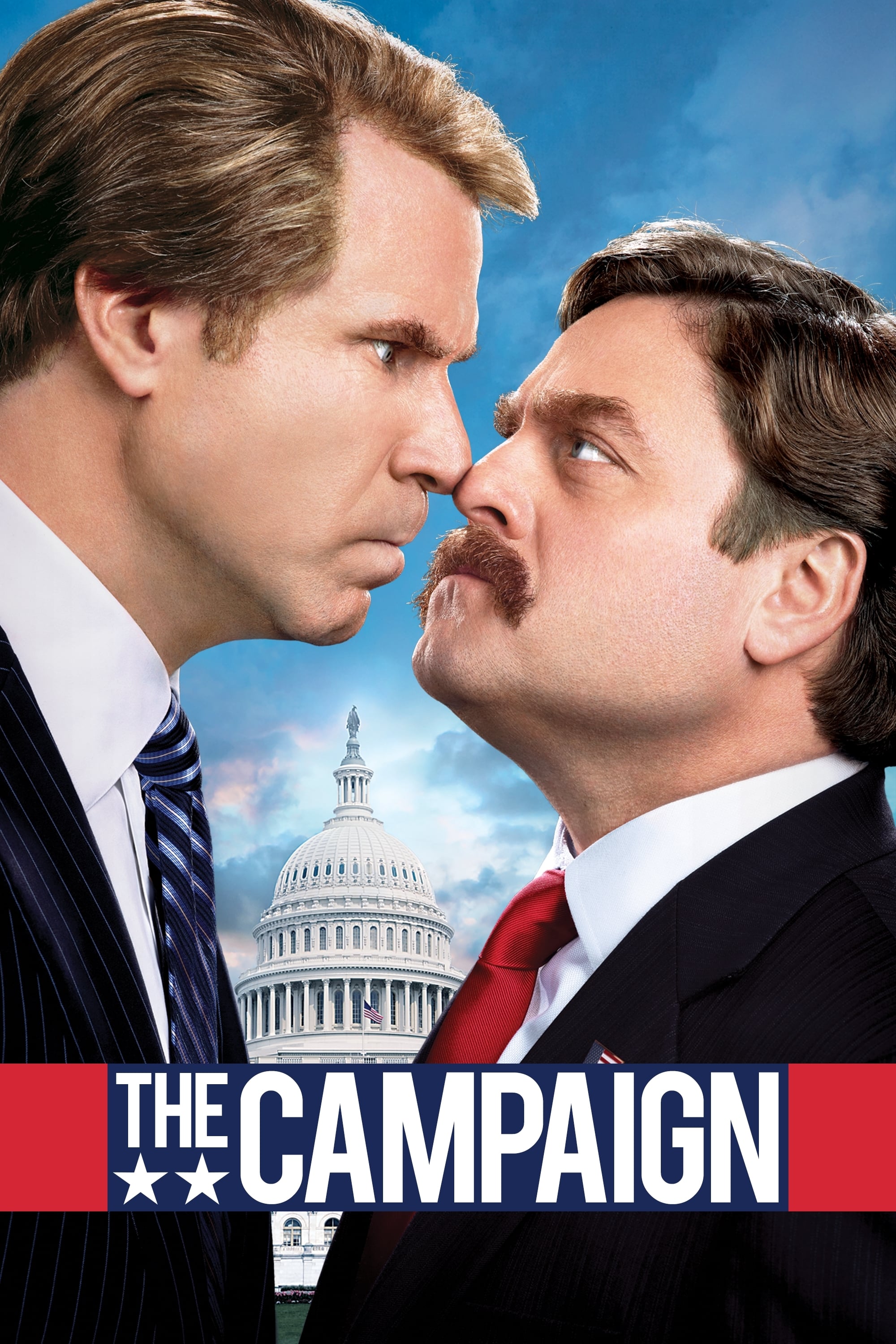
Two candidates in a North Carolina congressional district become puppets for wealthy corporate brothers. The film satirizes the influence of unlimited campaign spending and the use of personal attacks to win votes. It references rumors of corporate interference in local elections to serve specific business interests. The characters engage in absurd levels of corruption to secure their place in the government.
‘Our Brand Is Crisis’ (2015)

American political consultants are hired to help a candidate win the presidency in Bolivia. The film illustrates how marketing techniques and psychological warfare can be used to manipulate a foreign electorate. It touches on the ethics of foreign interference and the commodification of democratic processes. The story shows that winning often involves destroying the reputation of the opposition rather than debating policy.
‘Election’ (1999)
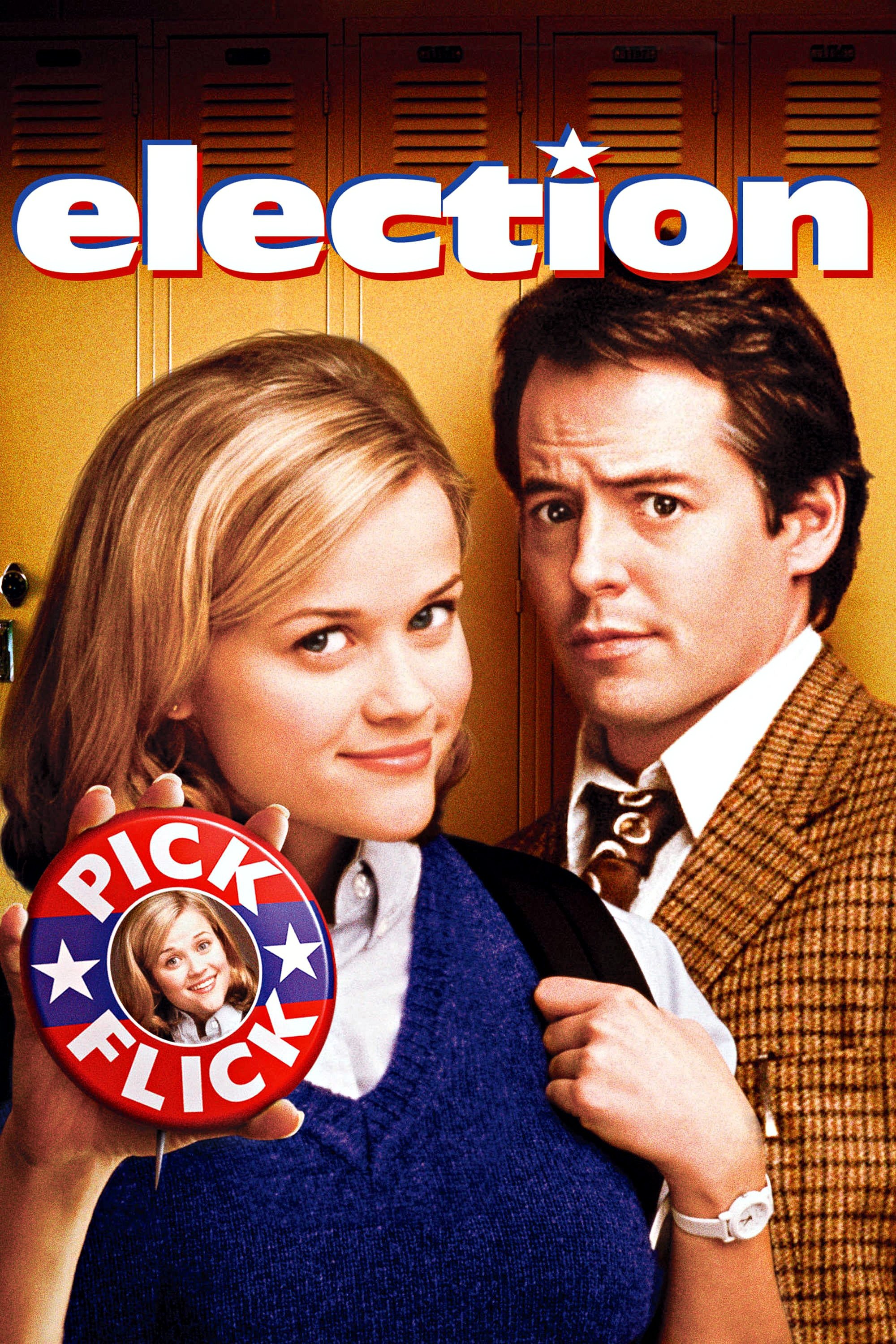
A high school teacher attempts to sabotage a student body president election by hiding ballot slips. The film serves as a microcosm of larger political systems and the personal vendettas that drive corruption. It illustrates how even a small number of discarded votes can change the trajectory of a race. The story highlights the moral complexities of those who believe they are acting for the greater good.
‘Primary Colors’ (1998)

A presidential campaign is threatened by a series of scandals and the discovery of damaging information about the candidate. The film explores the lengths to which a campaign team will go to suppress the truth and manipulate public perception. It references the real world rumors of fixers who handle messy situations for powerful politicians. The narrative questions the cost of winning in a system where secrets are used as weapons.
‘The Ides of March’ (2011)
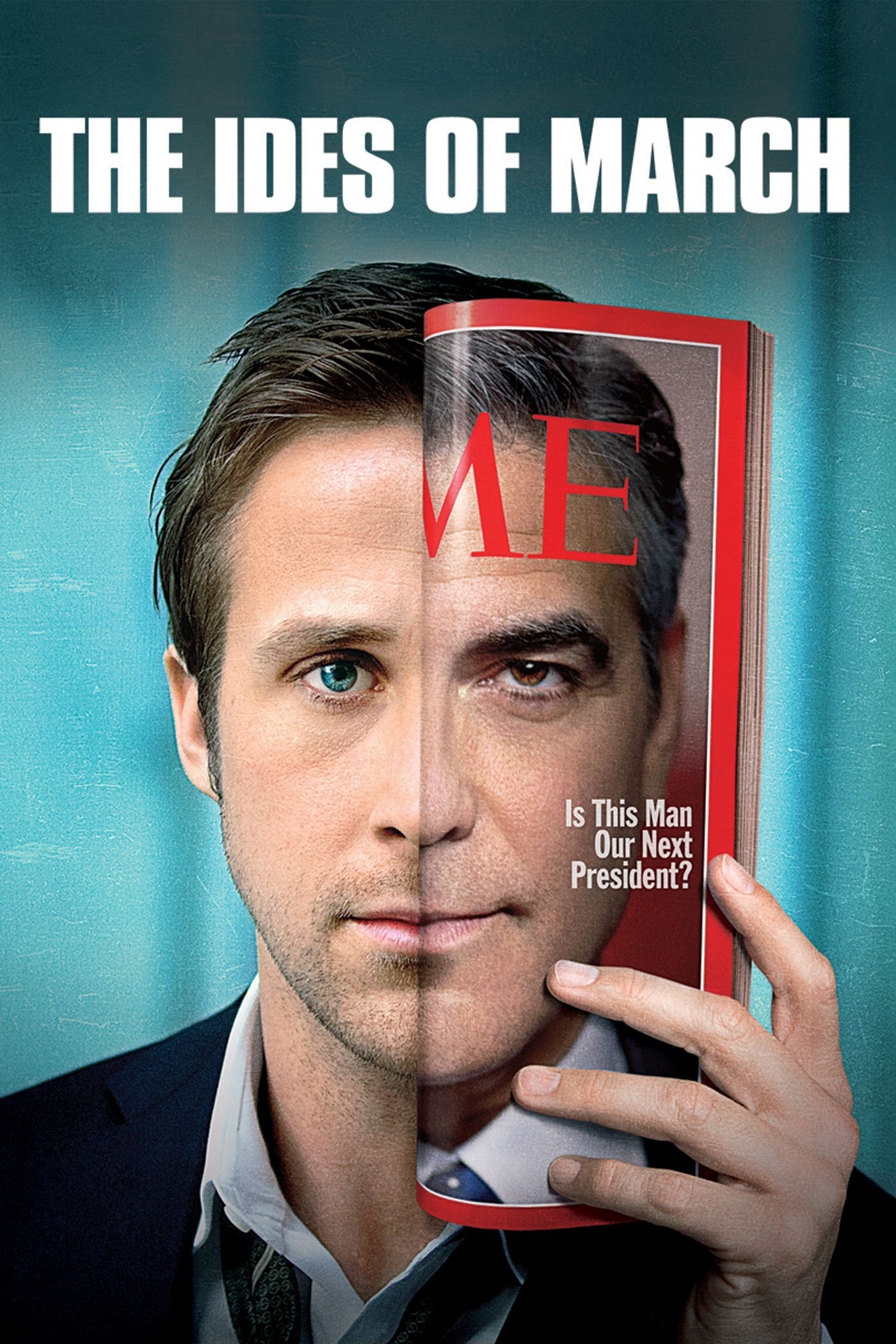
A young press secretary becomes disillusioned after discovering a scandal involving his candidate. The film portrays the backroom deals and delegate trading that occur during a primary race. It suggests that the democratic process is often decided by blackmail and strategic leaks rather than the popular vote. The story explores the loss of idealism in the face of systemic political maneuvering.
‘The Contender’ (2000)

A female senator is nominated for the vice presidency but faces a smear campaign regarding her past. The film examines how character assassination is used to prevent certain individuals from attaining power. It reflects rumors about the use of personal history as a tool for political gatekeeping. The narrative focuses on the double standards and manufactured outrage that can derail a political appointment.
‘Irresistible’ (2020)

A political strategist sees an opportunity to flip a small town in the heartland by backing a local veteran. The film explores the massive influx of national money into local races to test campaign strategies. It highlights the disconnect between national political machines and the actual needs of the community. The story concludes with a commentary on the strategic manipulation of the entire electoral system.
‘All the King’s Men’ (2006)
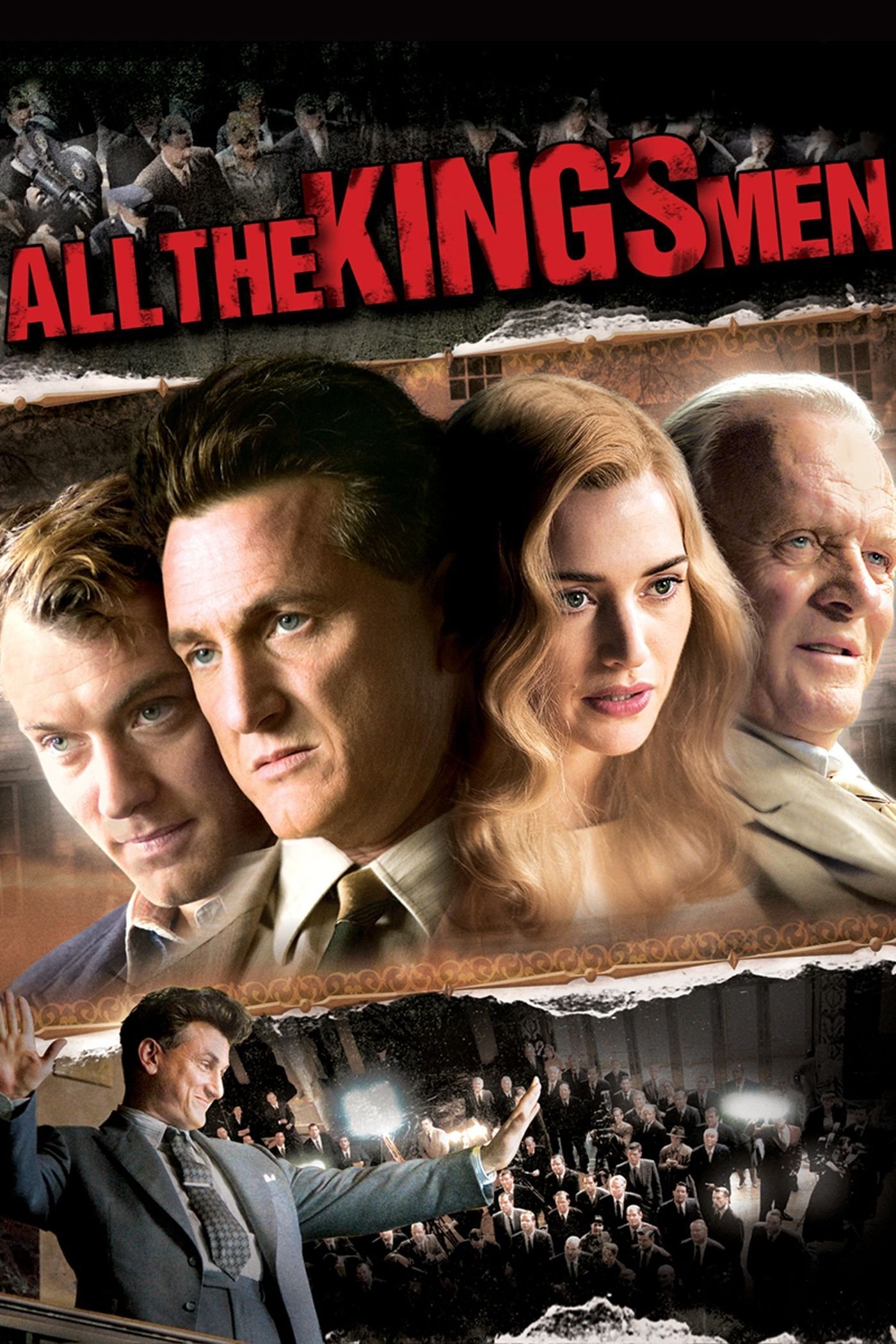
A populist politician rises to power by promising to take down the elite but eventually becomes corrupt. The film illustrates the use of graft and intimidation to secure votes and silence dissent. It mirrors historical accounts of political machines that controlled entire states through patronage. The narrative shows how the desire to help the people can transform into a desire for absolute control.
‘The Manchurian Candidate’ (1962)
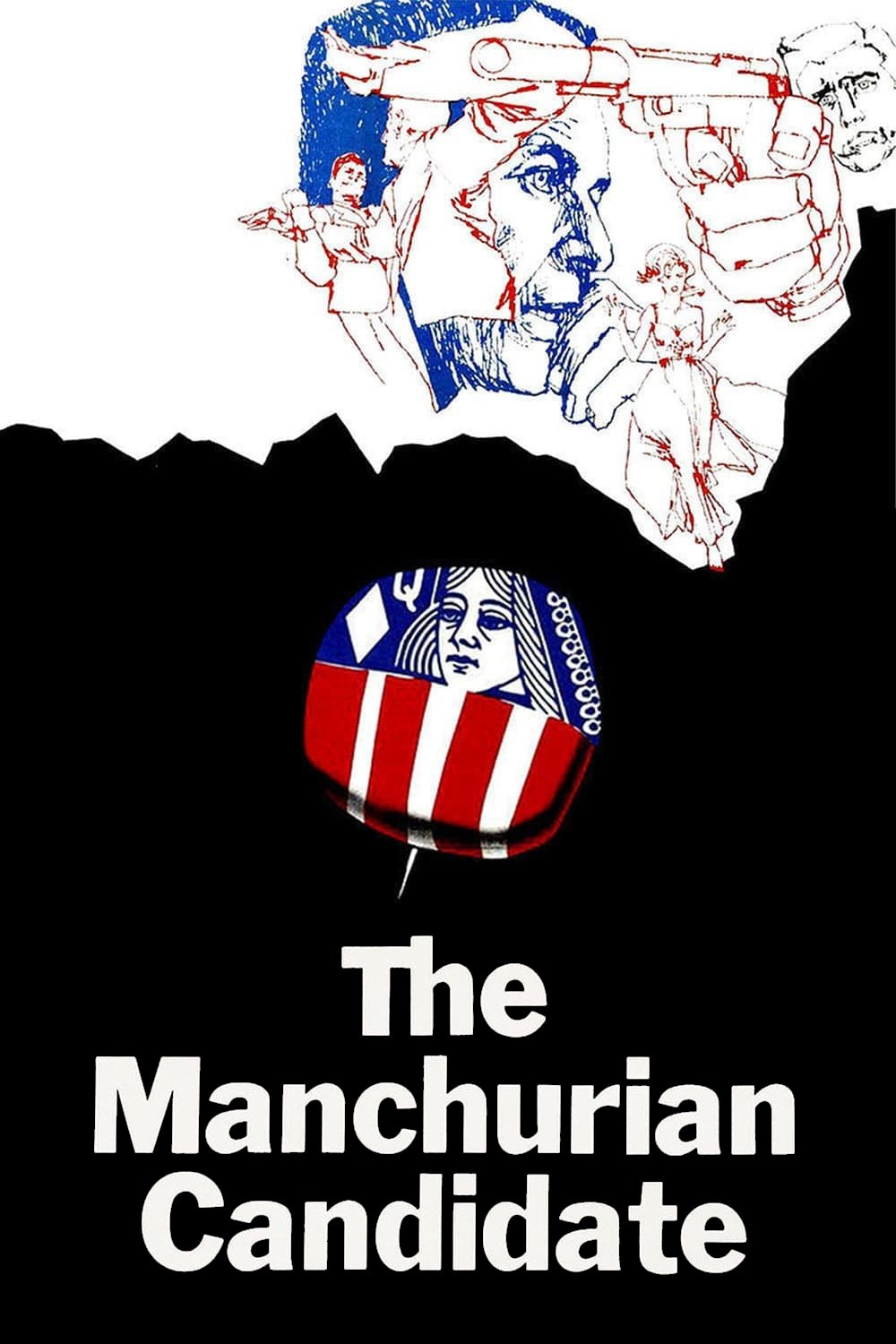
A soldier is brainwashed by international agents to serve as an assassin for a political coup. The story explores the fear of foreign powers infiltrating the highest levels of the government through psychological manipulation. It suggests that a candidate can be a puppet for interests that do not align with the needs of the voters. This classic thriller established many of the tropes used in modern stories about election interference.
‘Official Secrets’ (2019)

A British intelligence officer leaks a memo revealing a plan to blackmail UN diplomats into supporting a war. While focused on international relations the film highlights the use of surveillance to rig political outcomes. It shows how intelligence agencies can be used to coerce individuals into voting against their conscience. The story is based on true events and reflects rumors of institutional pressure in global politics.
‘Z’ (1969)
An investigator uncovers a government conspiracy behind the assassination of a prominent activist. The film portrays how military and police forces can be used to suppress political movements and manipulate elections. It explores the use of state power to cover up crimes and maintain the status quo. The narrative serves as a stark reminder of the dangers of authoritarian influence in democracy.
‘No’ (2012)

An ad executive develops a campaign to defeat a dictator in a national referendum. The film focuses on the use of television and optimistic messaging to overcome a rigged system. It shows how the opposition must find creative ways to ensure the vote is too large to ignore or falsify. The story highlights the psychological battle between state propaganda and independent media.
‘Game Change’ (2012)
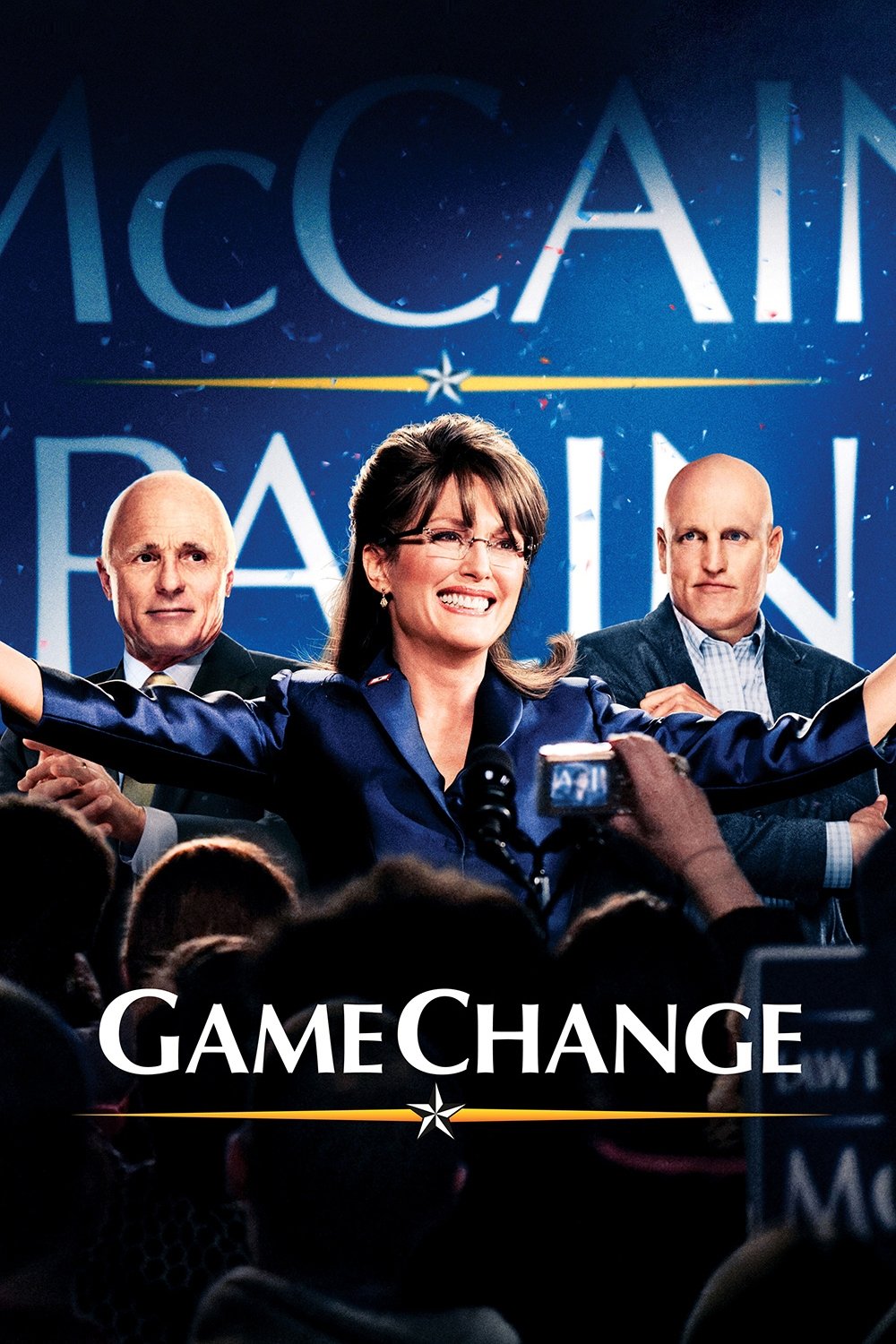
The film follows the selection and preparation of a vice presidential candidate during the 2008 election. It examines how public perception is managed through rigorous coaching and the suppression of negative traits. The narrative touches on the internal politics of campaign teams and the pressure to present a perfect image. It suggests that the choice of a candidate is often a calculated move to manipulate specific voter demographics.
‘V for Vendetta’ (2005)

A fascist regime rises to power by staging biological attacks and blaming them on perceived enemies. This narrative explores the idea that leaders can manufacture crises to manipulate the public into surrendering their freedoms. It suggests that election outcomes can be predetermined by controlling the flow of information and spreading fear. The film remains a popular reference for those who believe governments use deception to maintain control.
‘Bulworth’ (1998)
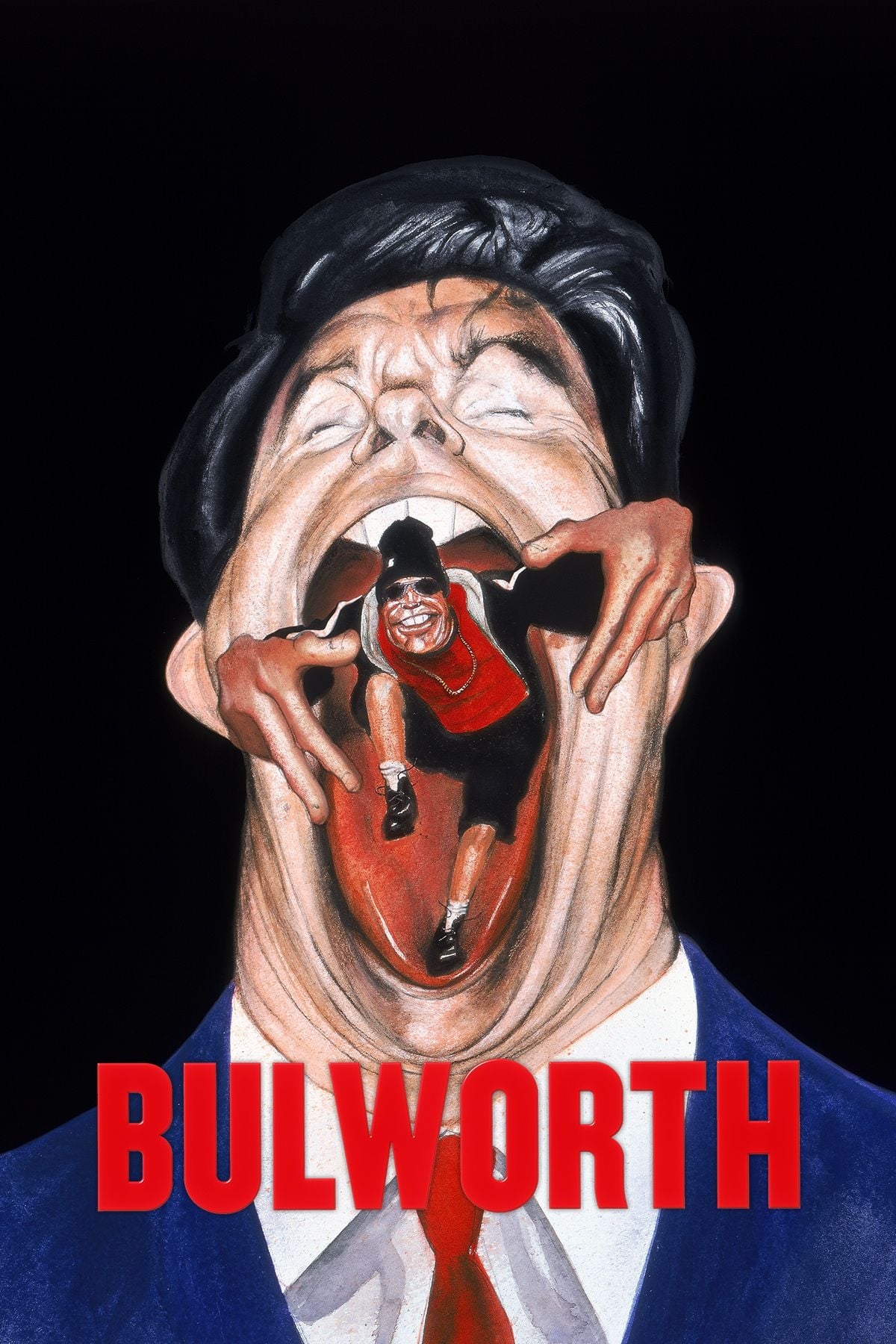
A disillusioned senator begins to speak the truth about corporate influence and campaign finance after a mental breakdown. The film satirizes the way politicians are bought and sold by special interest groups. It suggests that the current system is a form of legal rigging where the highest bidder wins. The protagonist challenges the status quo by exposing the secrets of the political elite.
‘The Distinguished Gentleman’ (1992)
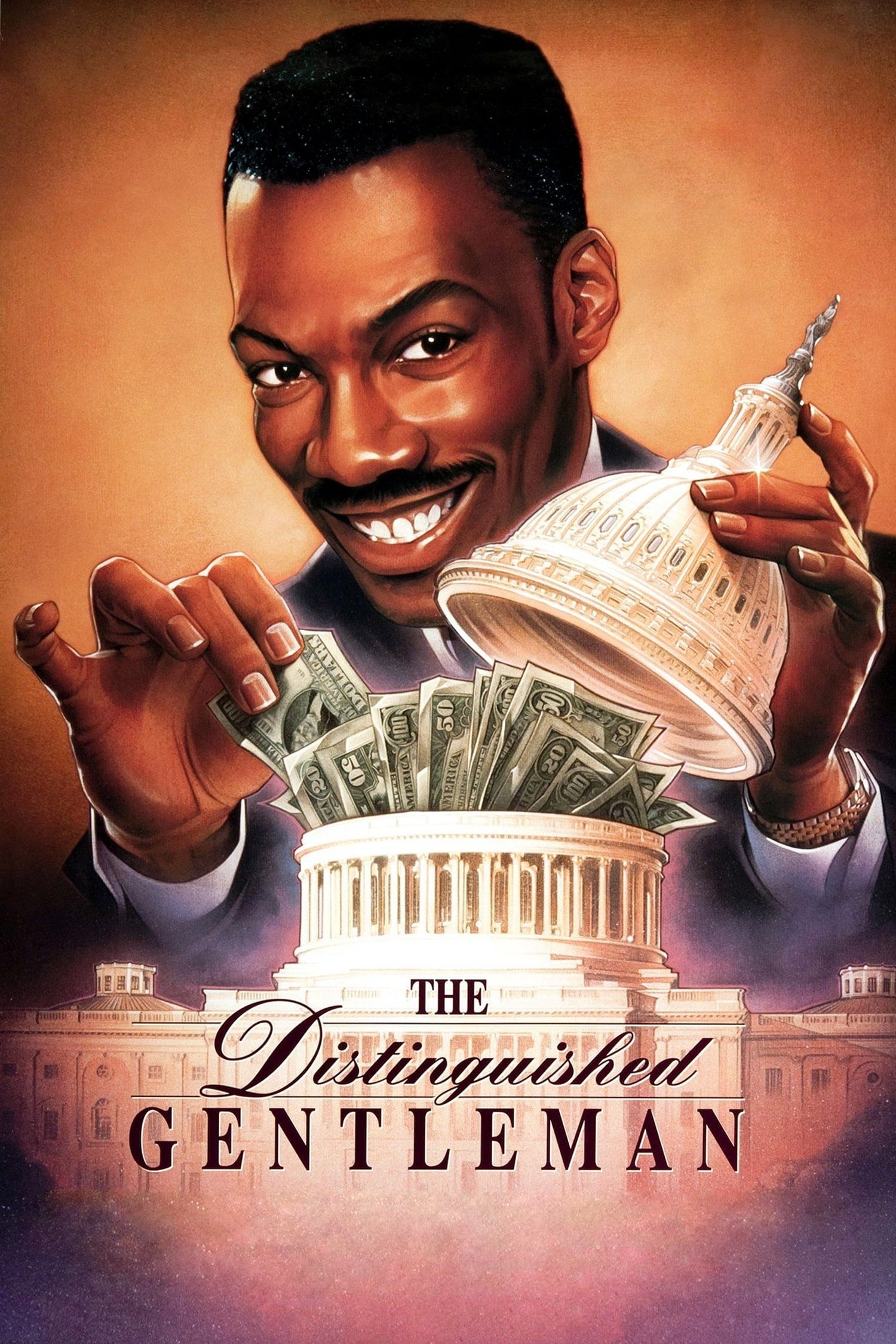
A con artist wins a seat in Congress by using a name similar to a deceased incumbent. The film explores the lack of voter awareness and the ease with which the system can be exploited. It portrays a government where lobbyists and political action committees hold more power than the voters. The story illustrates how the mechanics of elections can be gamed by someone who understands the loopholes.
‘Head of State’ (2003)
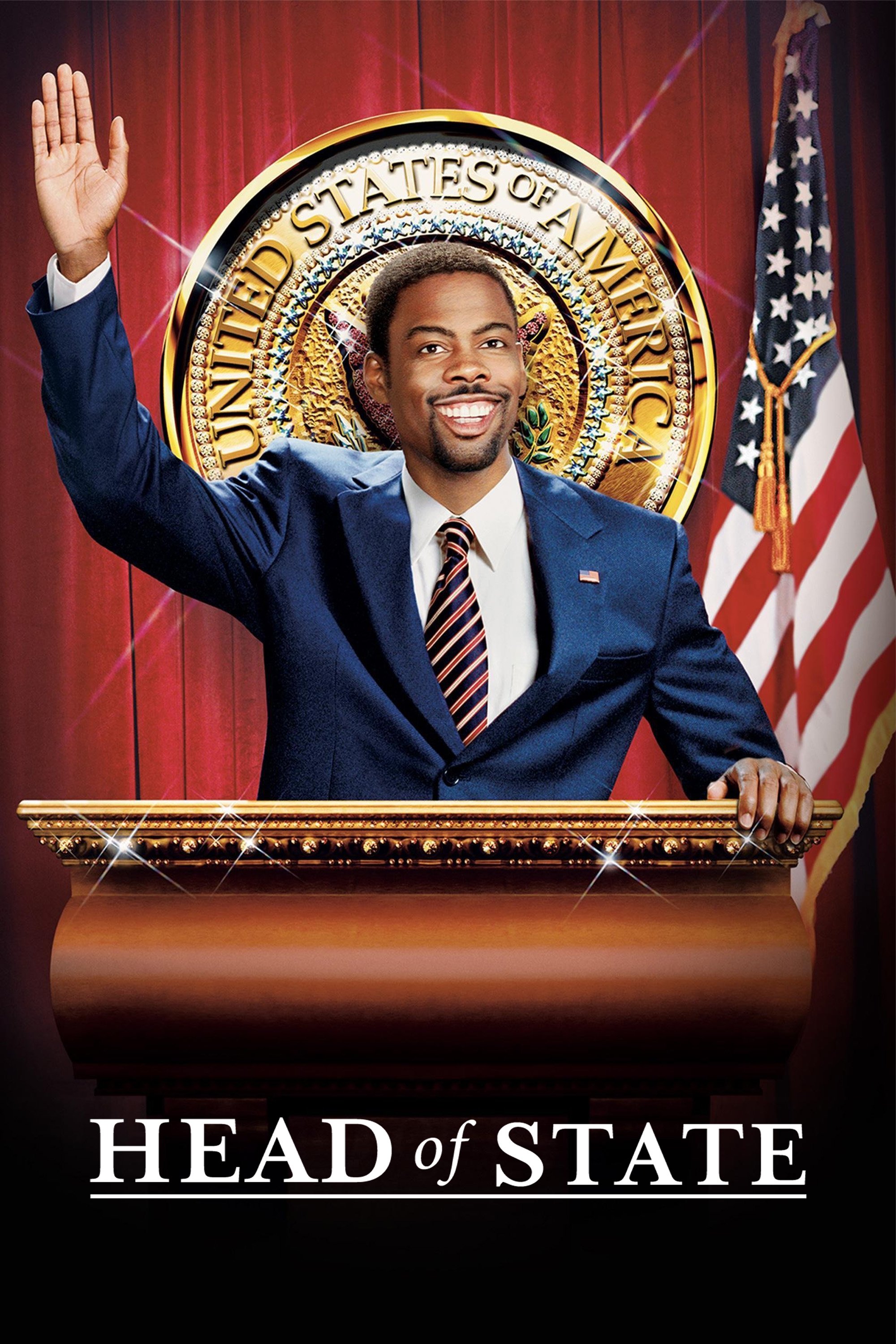
An alderman is chosen by his party to run for president because they expect him to lose. The film satirizes the internal power structures of political parties and their willingness to sabotage their own candidates. It reflects rumors about how party insiders choose winners and losers based on long term strategy. The protagonist eventually gains a following by breaking away from the script provided by his handlers.
‘The Last Hurrah’ (1958)
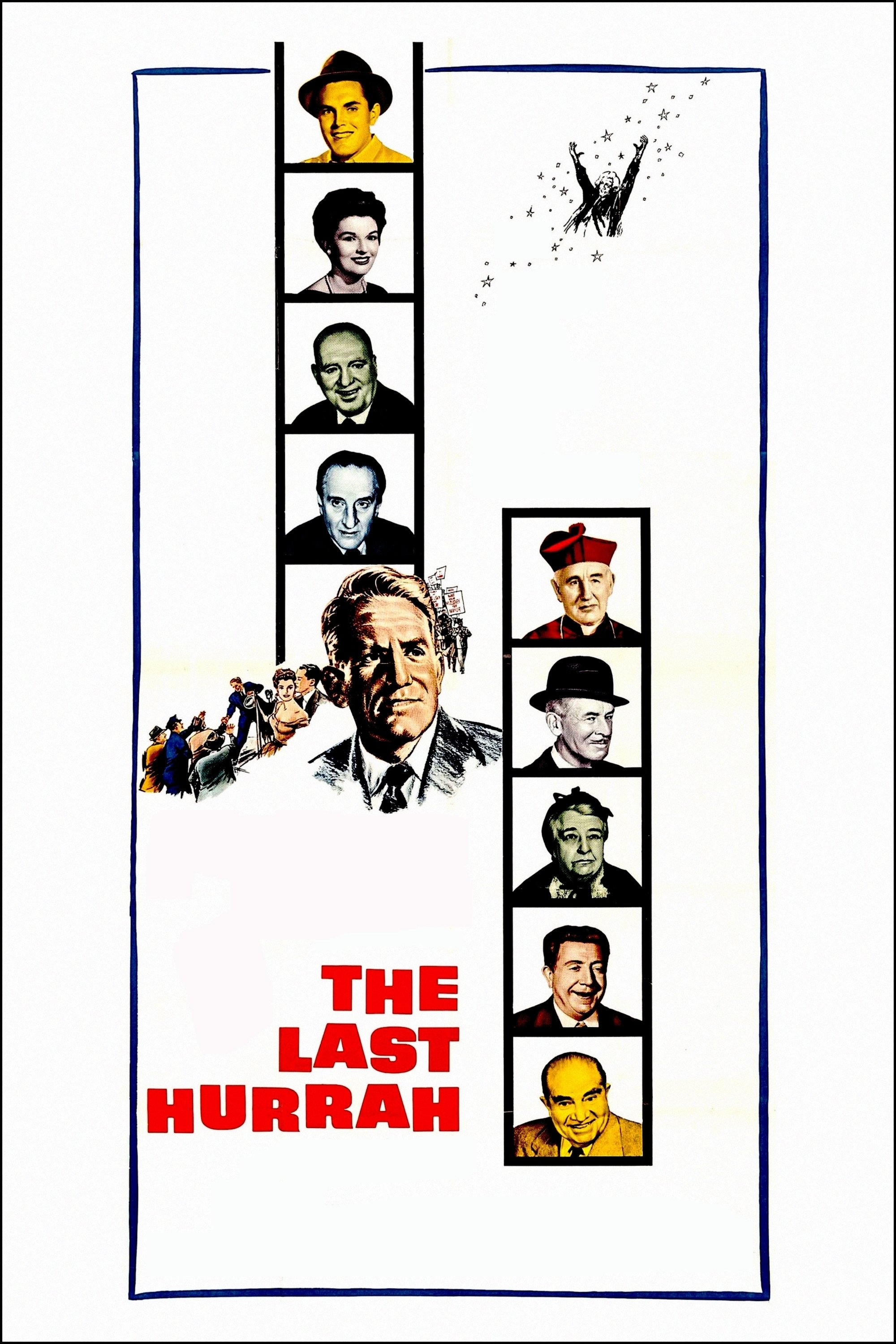
An old school mayor runs for reelection as his traditional methods of political patronage begin to fail. The film examines the transition from personal machine politics to media driven campaigns. It shows how the exchange of favors and local influence was used to secure votes for decades. The story provides a historical perspective on the evolution of election manipulation.
‘State of Play’ (2009)
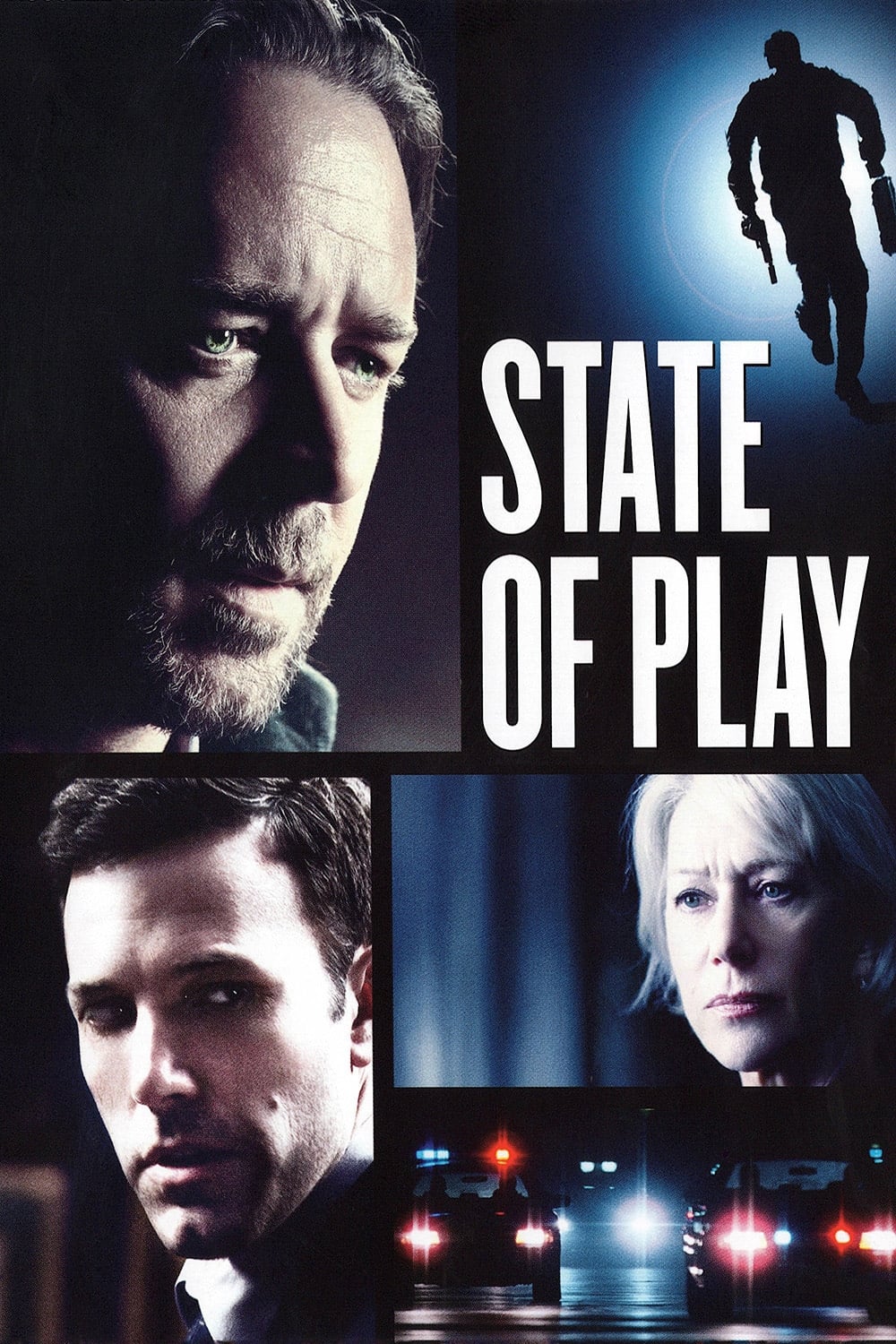
A journalist uncovers a conspiracy involving a private defense contractor and a rising political star. The film explores how private corporations can influence government policy and election outcomes through illegal means. It touches on the use of surveillance and intimidation to protect political interests. The narrative highlights the role of the press in uncovering the truth behind manufactured political narratives.
‘Kill the Messenger’ (2014)

A reporter uncovers evidence of the CIA’s involvement in drug trafficking to fund a foreign war. The film illustrates how government agencies can discredit individuals who threaten the political establishment. It reflects rumors of the use of intelligence assets to influence domestic and foreign policy. The story emphasizes the personal cost of challenging those who hold institutional power.
‘Absolute Power’ (1997)
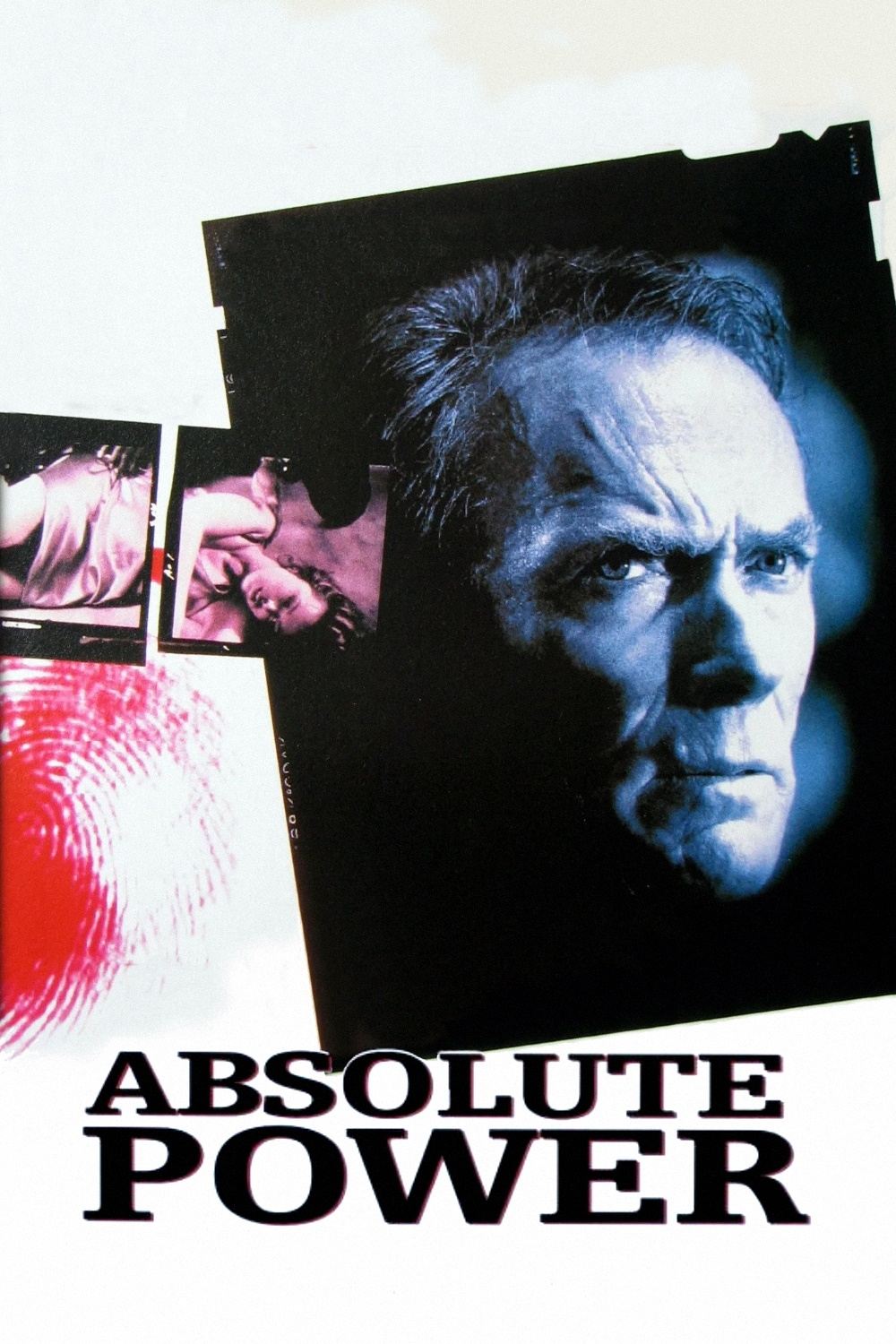
A thief witnesses a crime involving the president and a cover up orchestrated by the Secret Service. The film explores the use of executive power to hide the truth and manipulate public perception. It suggests that the highest levels of government are capable of extreme measures to protect their reputation. The narrative focuses on the tension between individual truth and state sponsored lies.
‘The Ghost Writer’ (2010)
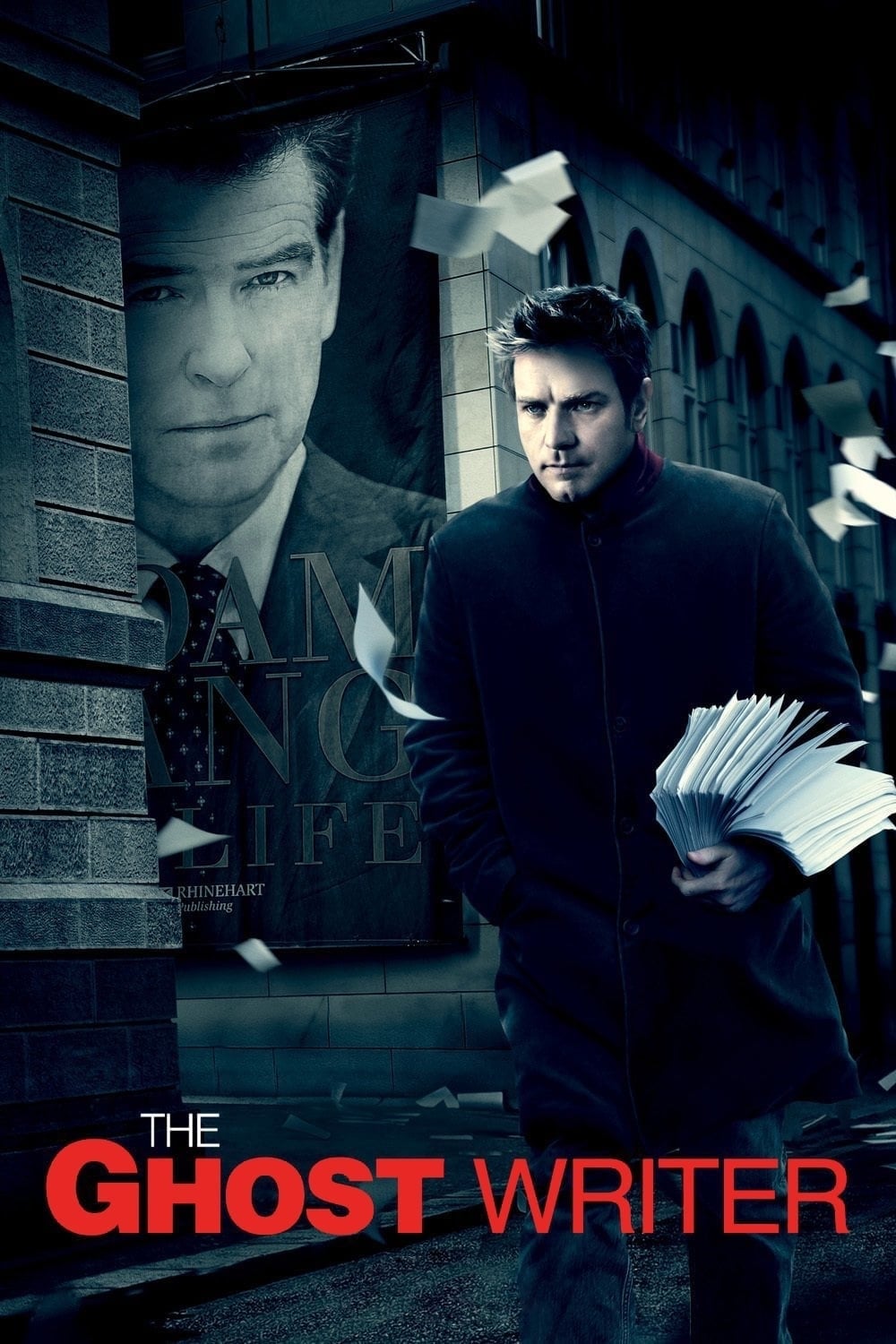
A writer discovers secrets about a former British Prime Minister while working on his memoirs. The film explores the influence of foreign intelligence agencies on national leaders and their policies. It reflects rumors of shadow governments that operate behind the scenes of democratic institutions. The story suggests that the leaders the public sees may be influenced by hidden agendas.
‘Vice’ (2018)

This biographical film tracks the political rise of a vice president and his use of administrative power. It details how legal theories and redistricting can be used to consolidate influence without traditional oversight. The story examines the ways in which political insiders navigate the system to achieve specific outcomes. It highlights the strategic use of bureaucracy to reshape the landscape of national governance.
‘The Front Runner’ (2018)
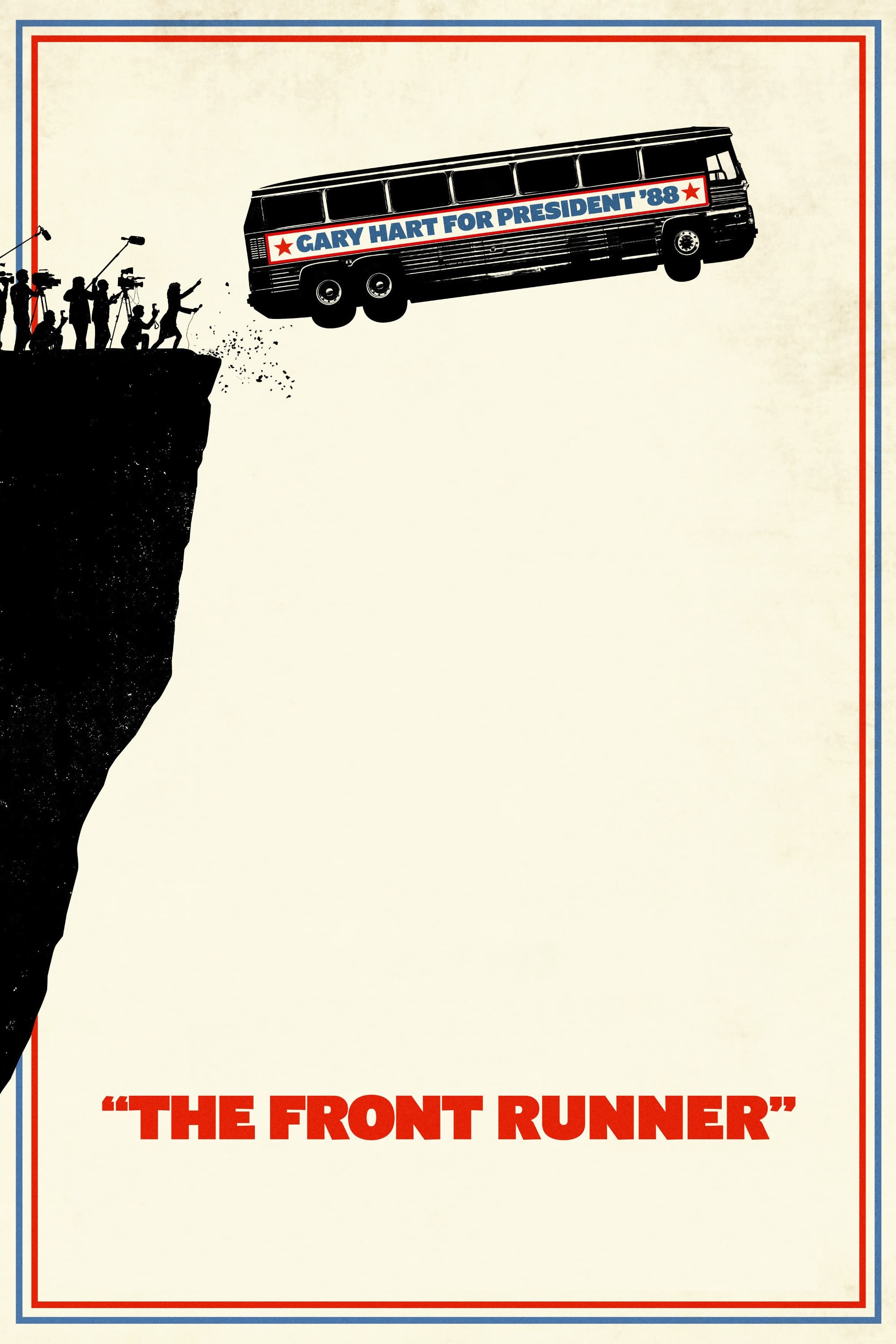
A presidential candidate’s campaign is derailed by reports of an extramarital affair. The film examines the intersection of journalism and politics and the role of scandal in choosing leaders. It reflects rumors about the tactical use of personal information to eliminate political threats. The narrative questions whether the focus on personal character distracts from the actual process of voting.
‘Secret Honor’ (1984)

A fictionalized account of a former president reflecting on his career and the forces that influenced his decisions. The film explores the idea of institutional pressure and the feeling of being a puppet for the establishment. It touches on the rumors of secret societies and powerful interests that control political outcomes. The story is a psychological study of power and the lack of agency at the top.
‘A Face in the Crowd’ (1957)

A charismatic drifter becomes a media sensation and a powerful political influencer. The film warns about the power of television to manipulate public opinion and manufacture political support. It shows how a candidate can be packaged and sold to the public like a product. The narrative highlights the danger of populist leaders who use mass media to bypass traditional democratic checks.
‘Land of the Blind’ (2006)
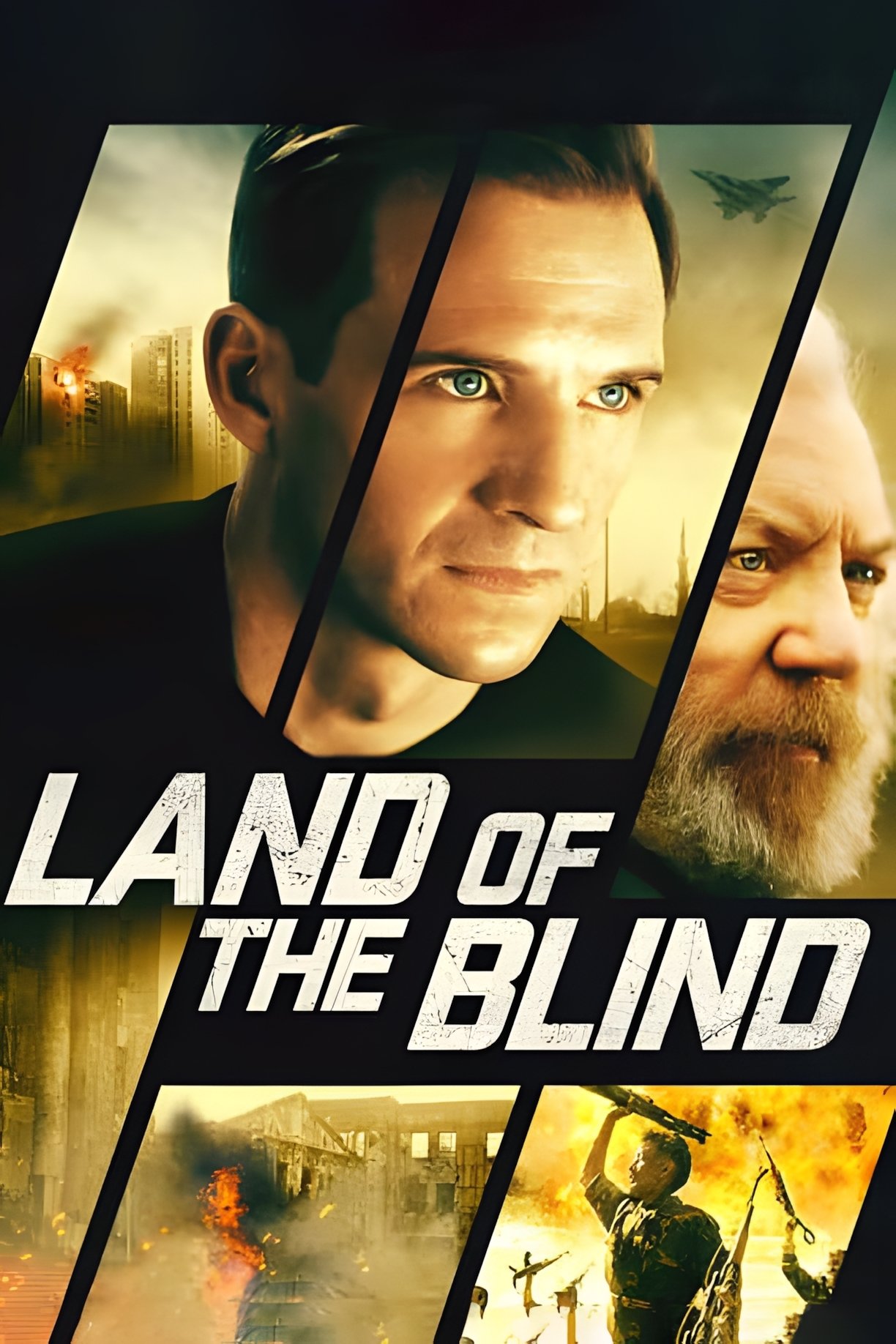
A political prisoner and a guard develop a relationship in a country undergoing a series of violent coups. The film satirizes the cyclical nature of political corruption and the illusion of choice in an unstable system. It explores how revolutionary movements can become just as corrupt as the regimes they replace. The story suggests that the process of selecting leaders is often a violent and rigged struggle for power.
‘Executive Action’ (1973)

A group of high level operatives plans the assassination of a president to prevent changes to the status quo. The film explores the conspiracy theories surrounding political violence and its impact on the democratic process. It suggests that shadow interests can use extreme measures to ensure their preferred policies are maintained. The narrative focuses on the logistical planning required to alter the course of history.
‘The Parallax View’ (1974)

A journalist discovers a corporate conspiracy that recruits assassins to kill political leaders. The film reflects the deep cynicism of the era regarding the integrity of the political system. It suggests that elections and candidates can be managed by a mysterious and powerful organization. The story emphasizes the helplessness of the individual when faced with a vast and hidden conspiracy.
‘All the President’s Men’ (1976)
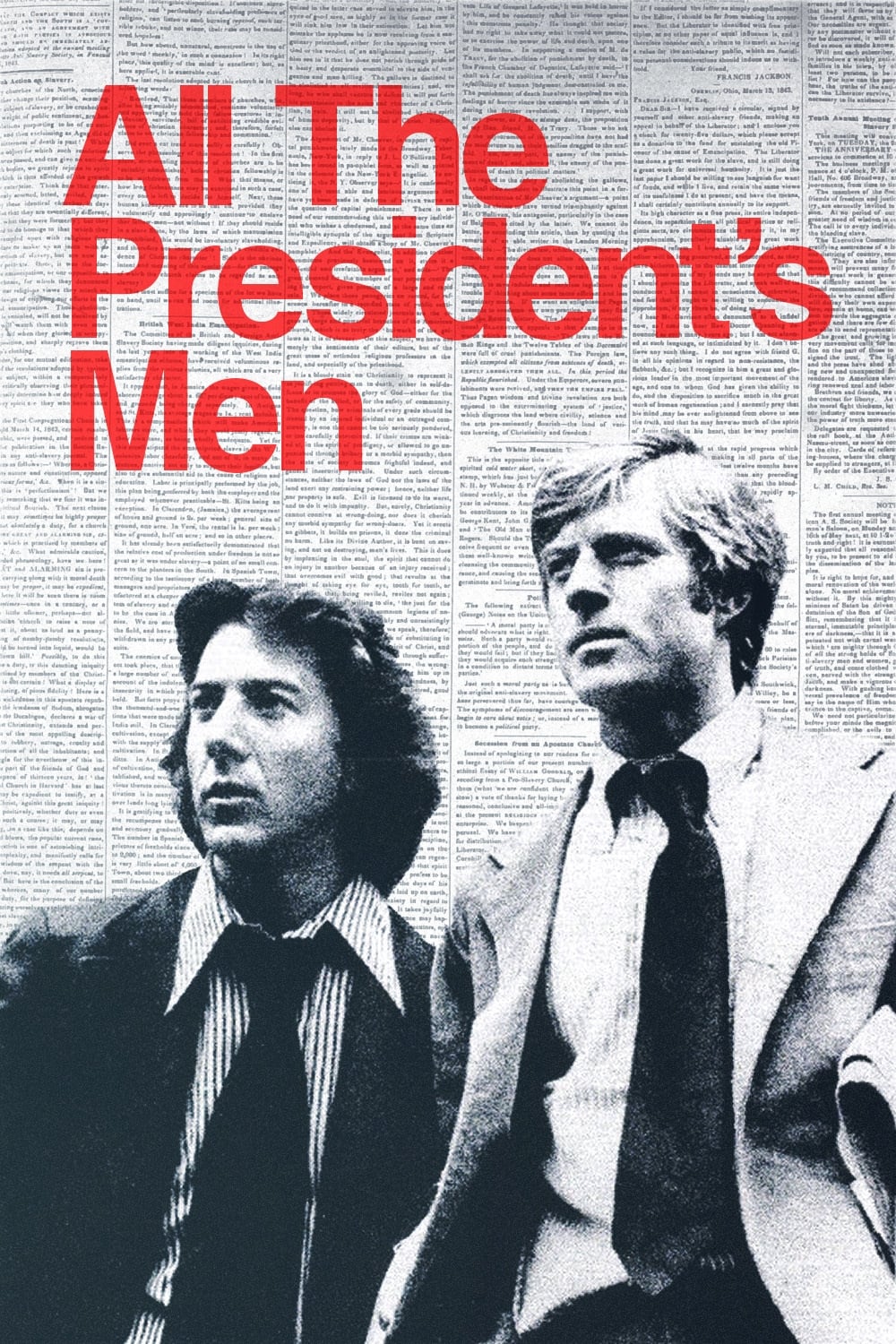
Two reporters investigate the break in at the Democratic National Committee headquarters. The film details the use of campaign funds to finance illegal espionage and the sabotage of political opponents. It provides a factual basis for many of the rumors regarding the dark side of presidential campaigns. The story highlights the importance of investigative journalism in protecting the democratic process.
‘Seven Days in May’ (1964)
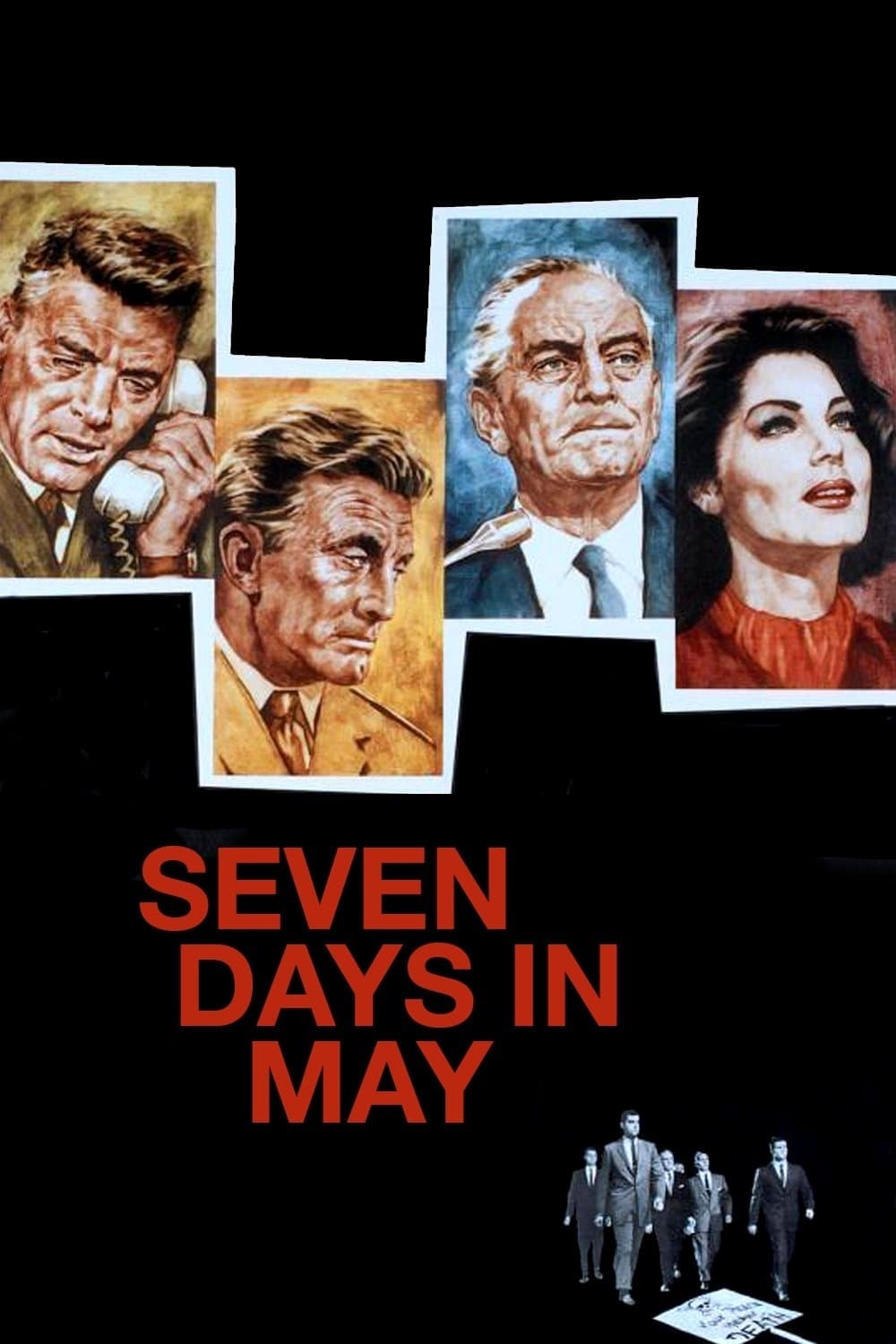
A military plot to overthrow the president is discovered by a loyal officer. The film explores the tension between civilian leadership and military power during times of national crisis. It suggests that the democratic process can be threatened by those within the government who believe they know better than the voters. The narrative focuses on the race to stop the coup before it can be executed.
‘The Candidate’ (1972)
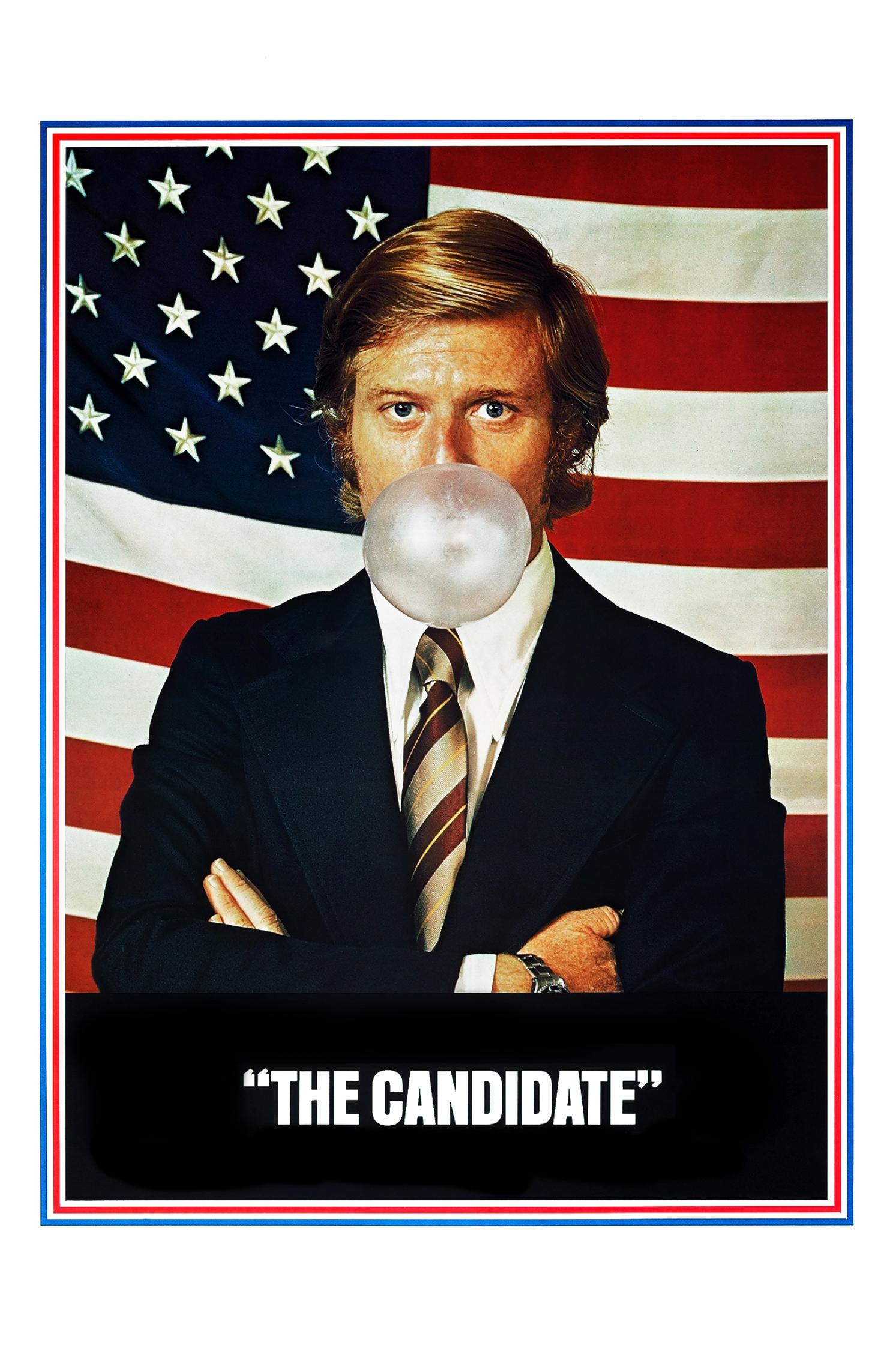
A young idealistic lawyer is recruited to run for the Senate with the understanding that he will lose. The film shows how the campaign process gradually strips away his integrity and replaces it with empty slogans. It explores the manufacturing of a political image to appeal to the widest possible audience. The story concludes with the candidate winning but realizing he has no plan for what comes next.
Please share your thoughts on these political thrillers and their themes in the comments.