


22 Movies with the Most Memorable Opening Scenes



A movie’s opening sequence has the crucial task of immediately setting the tone and stakes for the entire story that follows. These introductory minutes must efficiently establish the world, the main characters, and the central conflict to hook the viewer instantly. The most successful examples in cinema history often function as mini-films themselves, providing an unforgettable cinematic experience before the main narrative even truly begins. They utilize innovative cinematography, shocking moments, or profound emotional groundwork to become enduring pieces of film history in their own right.
‘The Shawshank Redemption’ (1994)
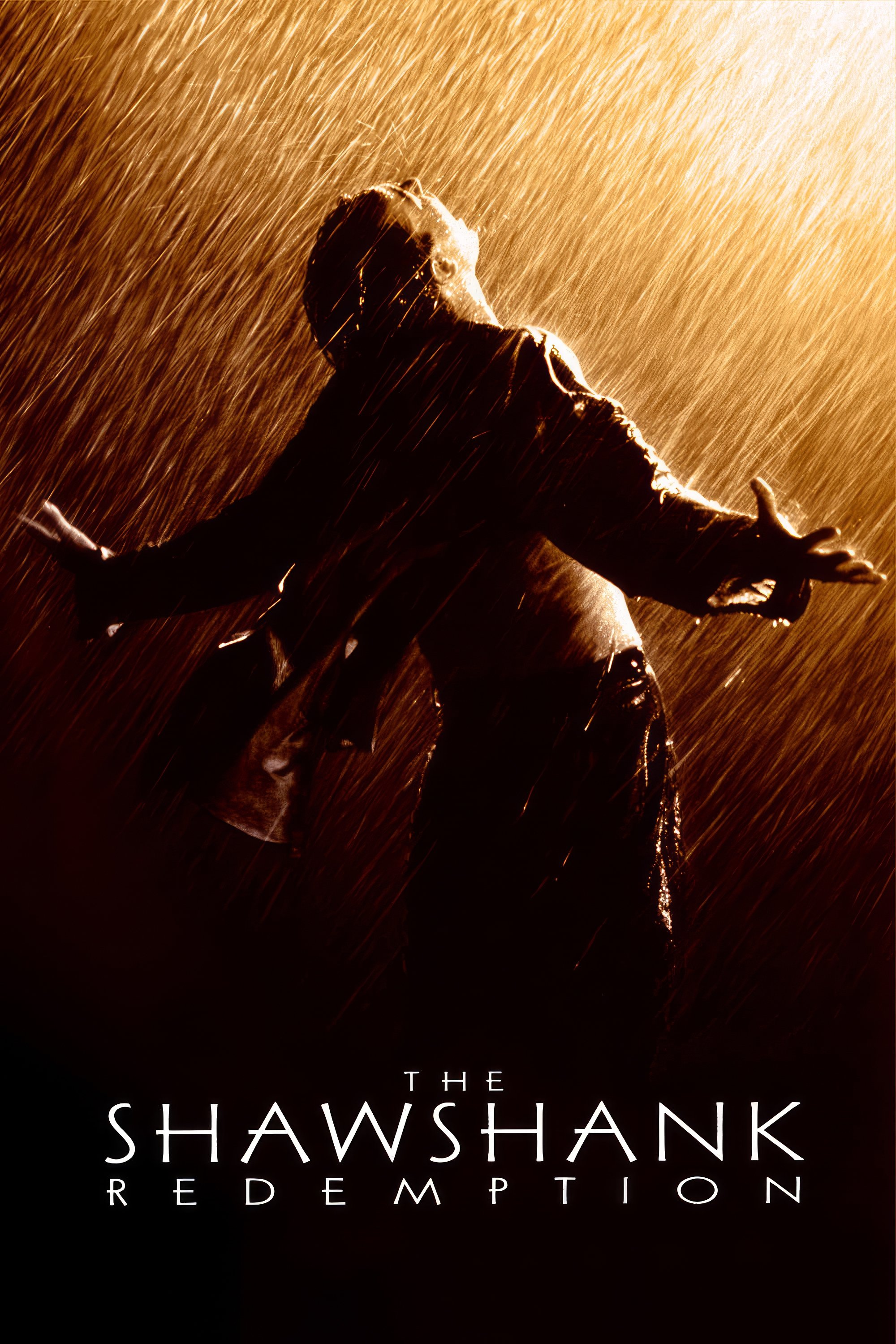
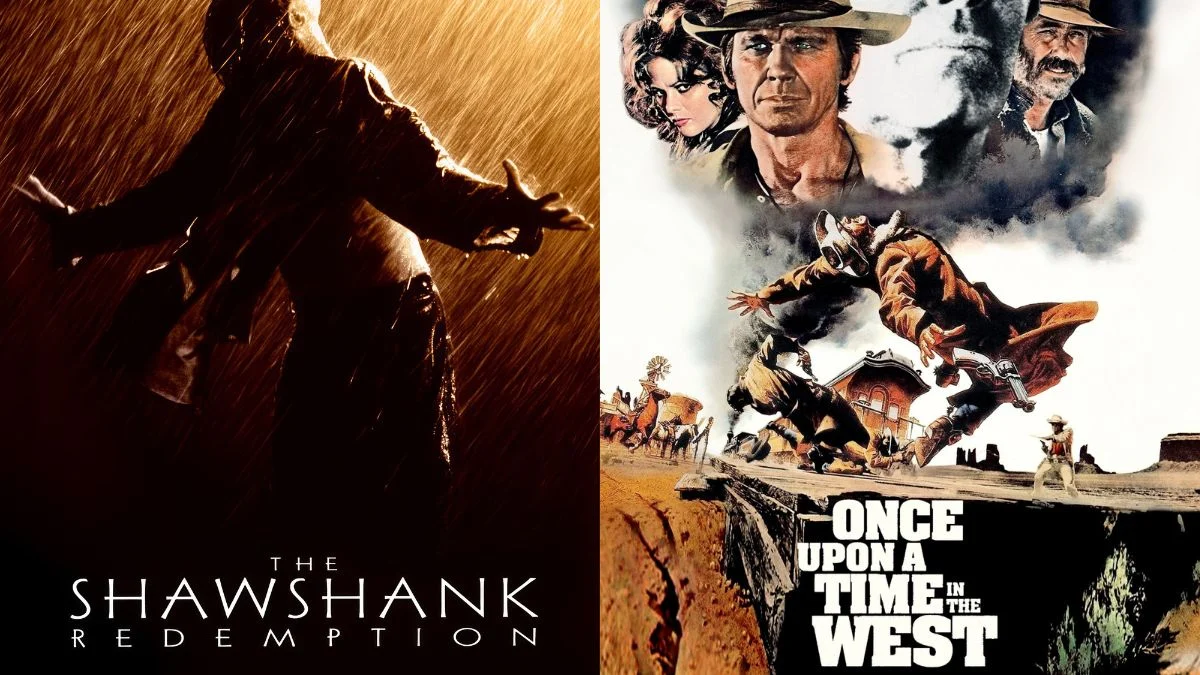
The film opens with a sequence that quickly establishes the life and subsequent legal peril of Andy Dufresne. Viewers witness the key event of his trial and conviction in a succinct and impactful manner. The scene sets a mood of overwhelming injustice and the stark reality of the legal system’s failure. This is immediately followed by his devastating entry into the harsh, unforgiving world of the penitentiary. The opening ensures the audience is fully invested in Andy’s plight from the very first moments of the movie.
‘The Godfather’ (1972)
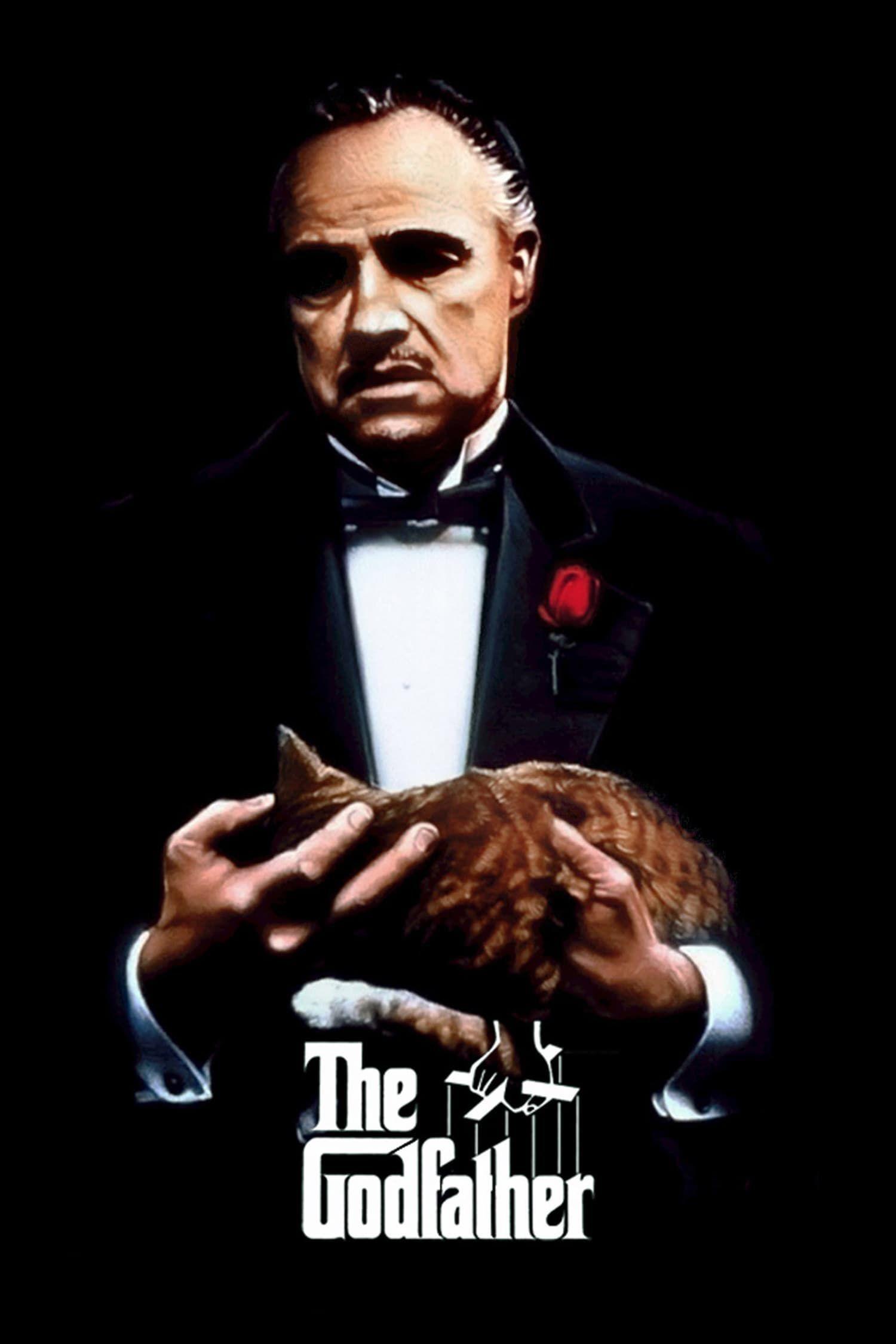
The opening scene immerses the audience directly into the heart of the Corleone family’s world, contrasting a wedding celebration with a dark private meeting. Funeral director Amerigo Bonasera petitions Don Vito Corleone for justice in a sequence that lasts nearly ten minutes before the title card appears. This patient scene immediately establishes the Don’s power, his code of conduct, and the underlying system of favors that governs his empire. It is a masterful piece of filmmaking that introduces the central theme of organized crime as a parallel system of law and respect.
‘The Dark Knight’ (2008)
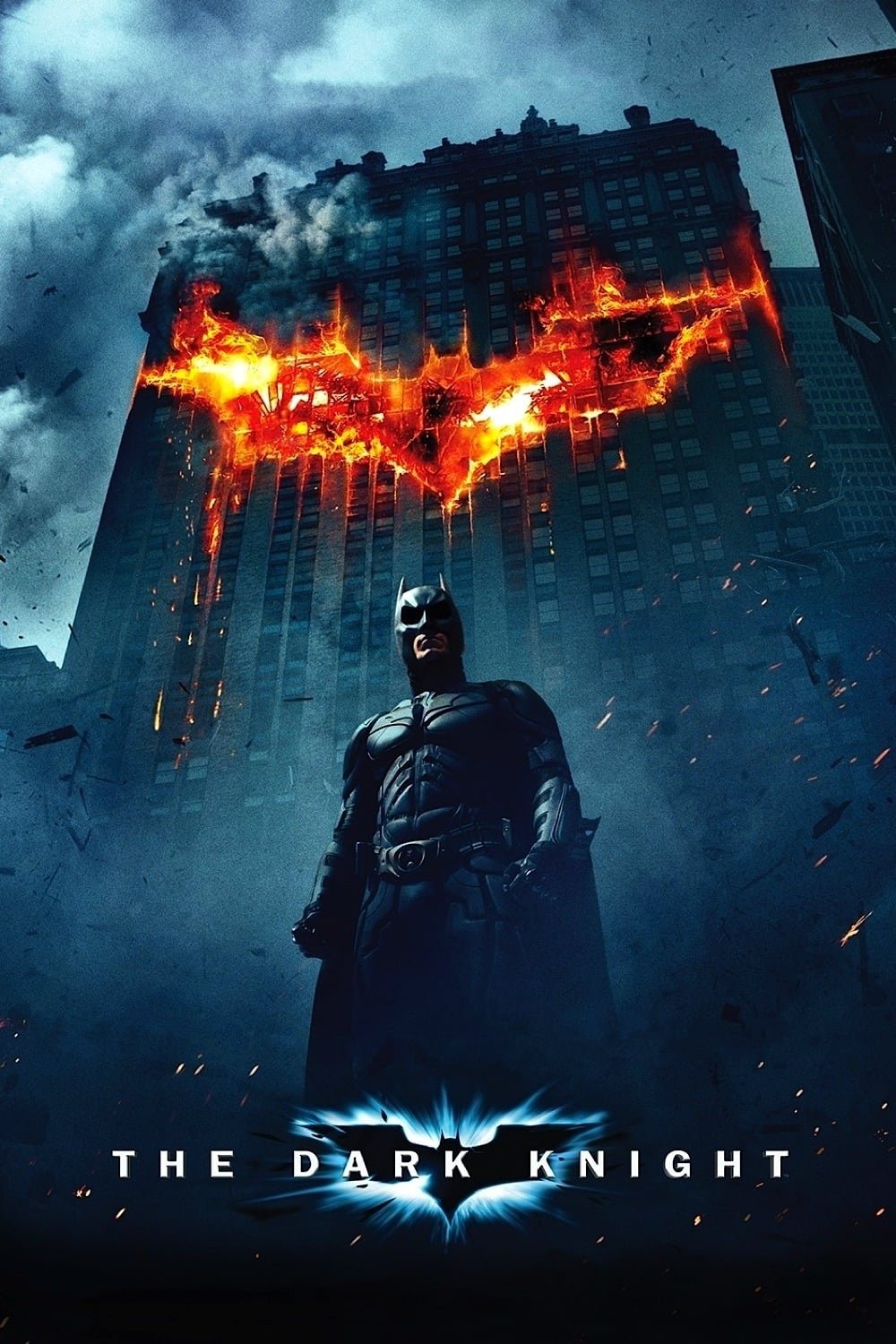
Chaos is immediately unleashed on Gotham City with a meticulously planned and expertly executed bank heist. A group of masked robbers, each instructed to kill a partner upon task completion, whittle themselves down until only the criminal mastermind remains. This intro serves as a flawless, shocking introduction to the Joker, establishing him not as a mere villain but as a unique agent of anarchy and chaos. The scene brilliantly sets the high stakes and the theme of order versus madness that will define the rest of the film.
‘Pulp Fiction’ (1994)
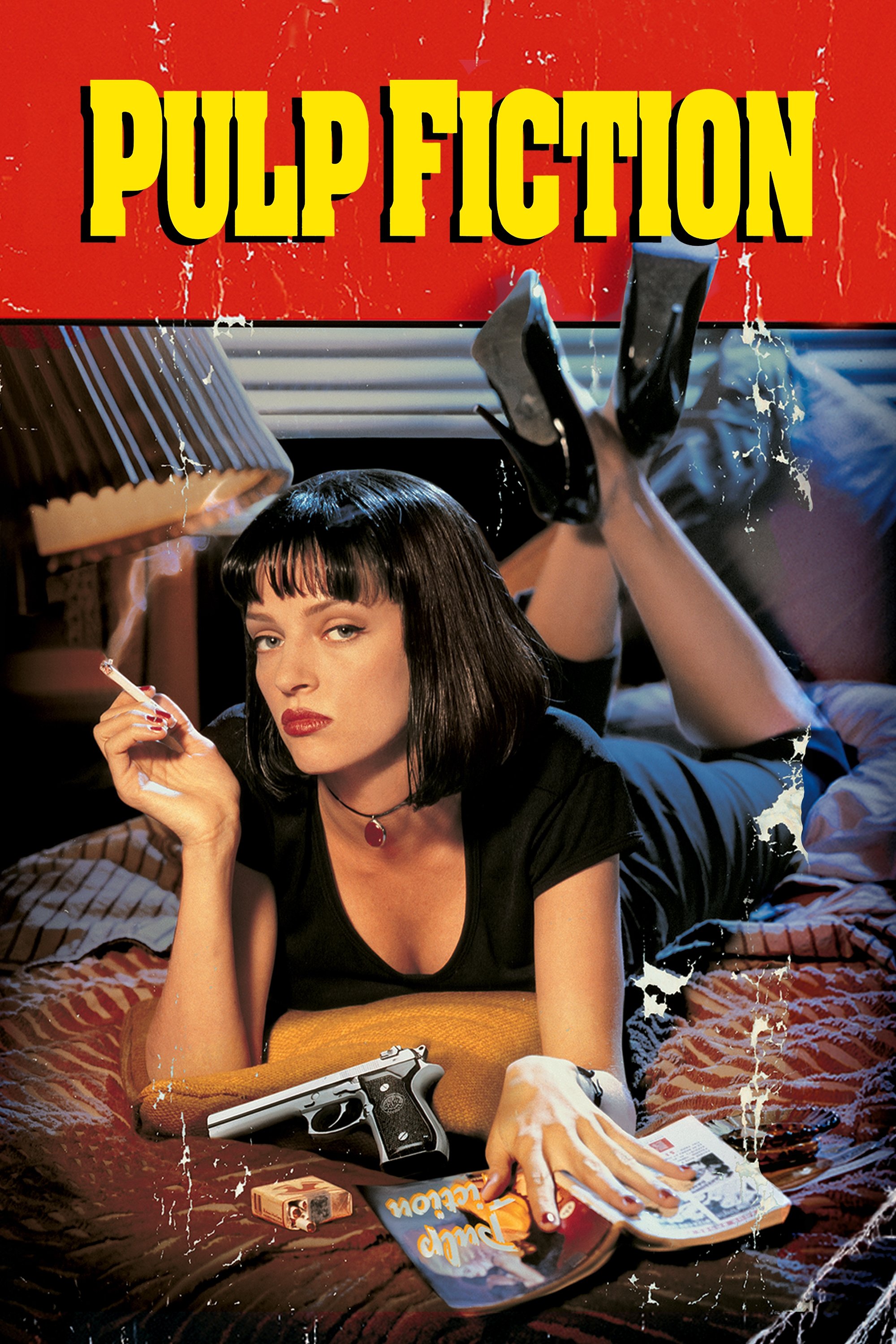
The film starts not with a bang, but with a highly quotable conversation between a couple known as Pumpkin and Honey Bunny in a diner. Their playful but dangerous discussion about the ethics of robbing restaurants culminates in them suddenly deciding to rob the diner where they are sitting. This scene instantly introduces the movie’s signature blend of mundane conversation, shocking violence, and non-linear narrative structure. It is a defining moment for modern cinema, immediately letting the audience know that they are watching something stylistically different.
‘Inception’ (2010)
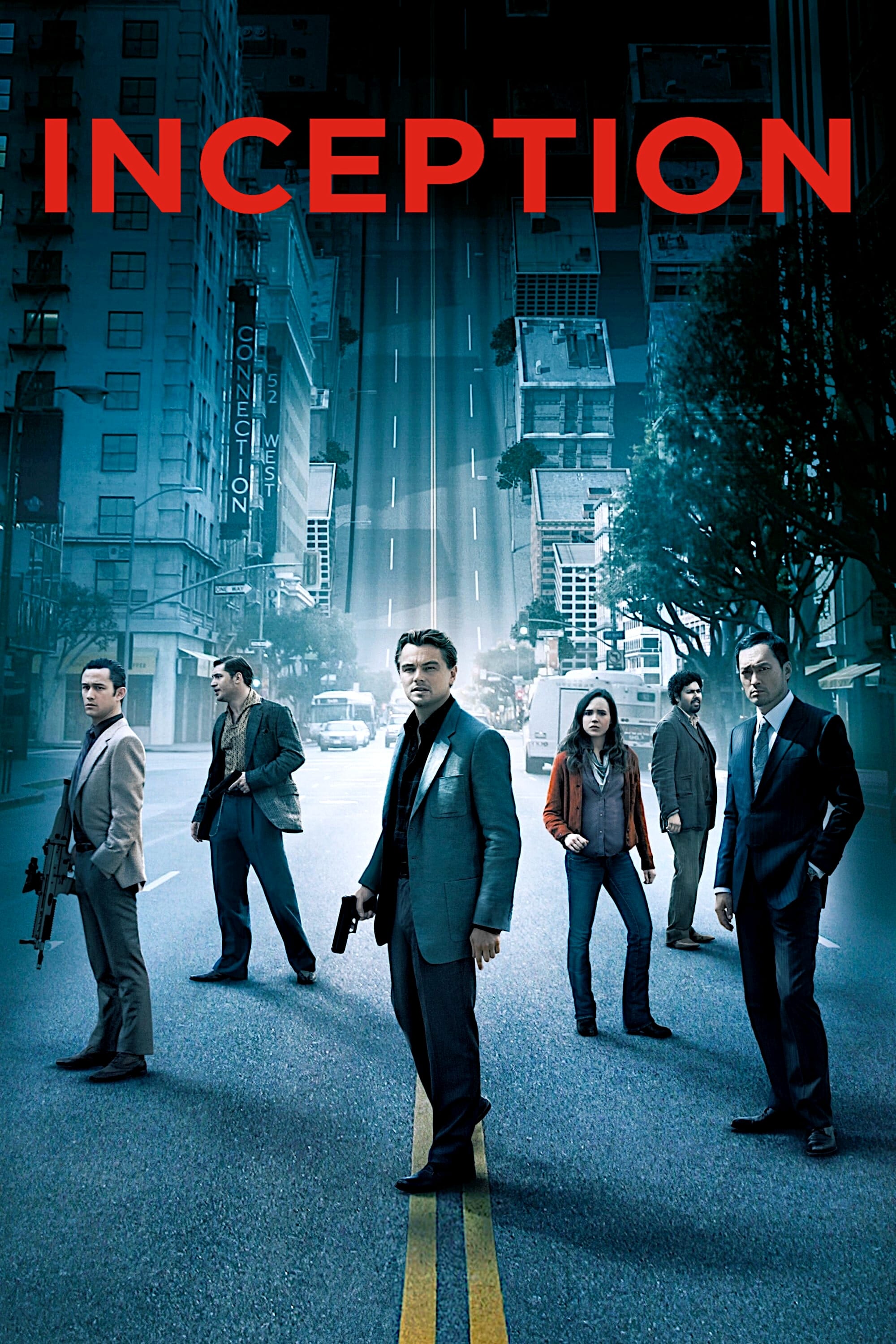
The audience is thrown directly into a confusing, chaotic scene on a beach where a character is found washed ashore and taken before a powerful elderly man. The rapid-fire introduction of complex concepts and action sequences immediately establishes the film’s central conflict of corporate espionage conducted through shared dreaming. This opening successfully creates an atmosphere of disorientation and intrigue, forcing the viewer to piece together the reality of the world alongside the characters. The mystery and high-concept nature of the narrative are set from the very first frame.
‘Goodfellas’ (1990)
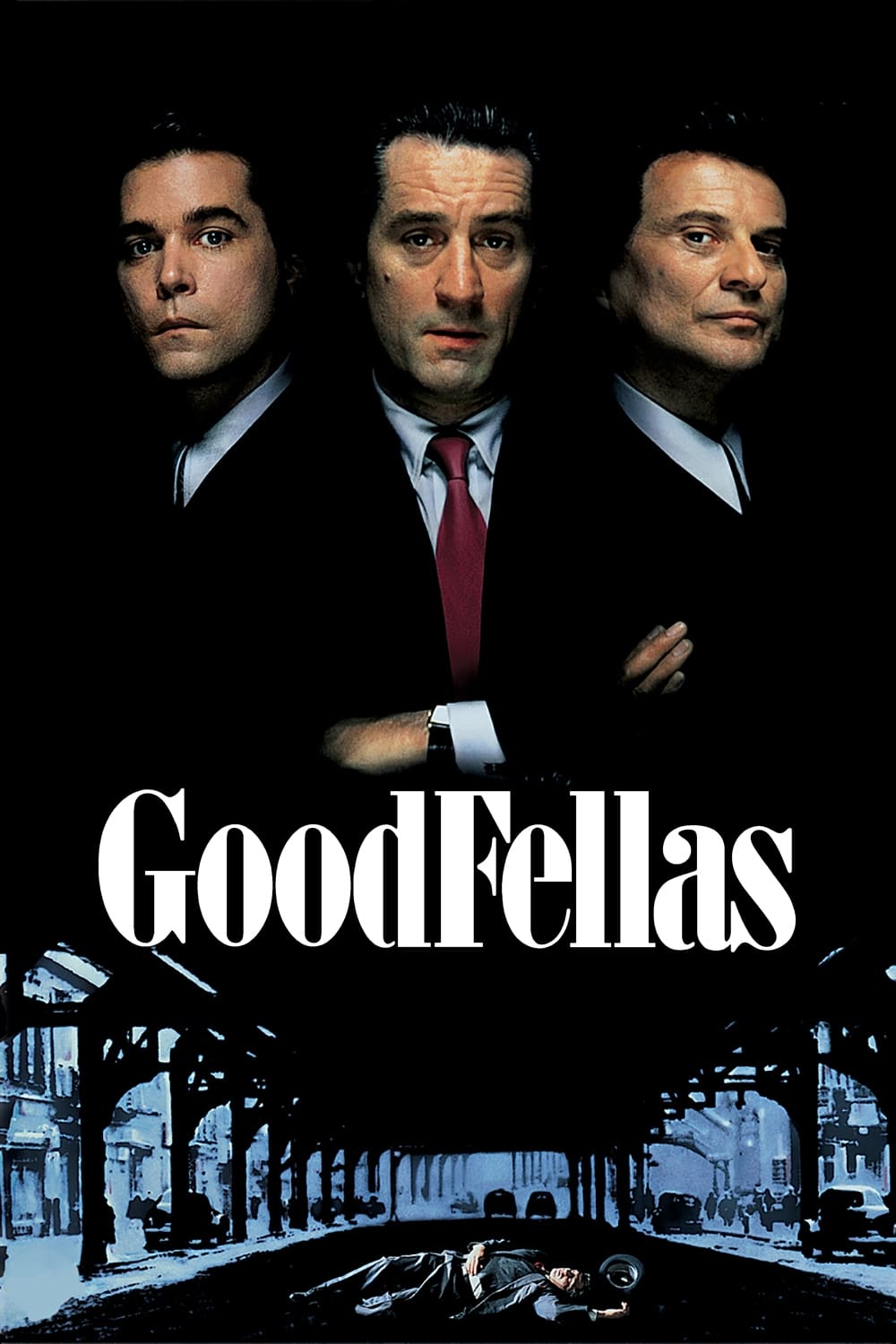
The film violently begins in the middle of a frantic, bloody event as Henry Hill, Jimmy Conway, and Tommy DeVito dispose of a body in the trunk of a car. The sound of a final, desperate struggle and the camera’s slow reveal of the gruesome task immediately establishes the brutal nature of life in the mafia. This intense opening is then punctuated by Henry’s famous voiceover, which grounds the sudden violence in the characters’ personal, unapologetic view of their criminal world. The scene perfectly foreshadows the exhilarating yet tragic journey that the audience is about to witness.
‘The Matrix’ (1999)
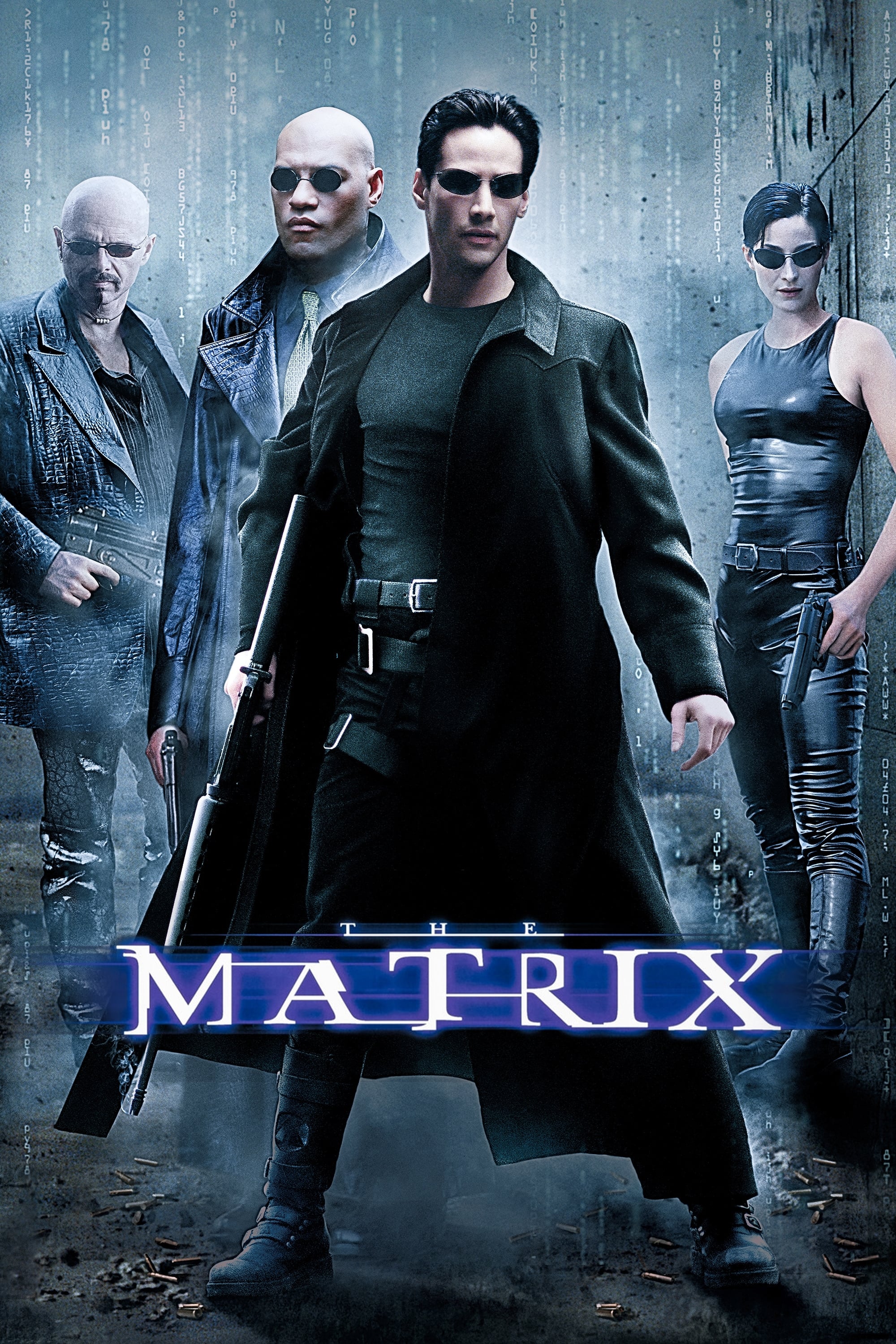
The opening sequence introduces the mysterious Trinity as she engages in a stunning, gravity-defying battle with police officers. Her incredible martial arts skills and sudden, unexplained ability to manipulate the laws of physics are on full display. This scene instantly immerses the audience in a world of advanced technology and stylized action that defies all expectations of reality. The sequence powerfully establishes the high-stakes conflict and the core visual language of wirework and “bullet time” that would define the movie and a generation of cinema.
‘Star Wars: Episode IV – A New Hope’ (1977)
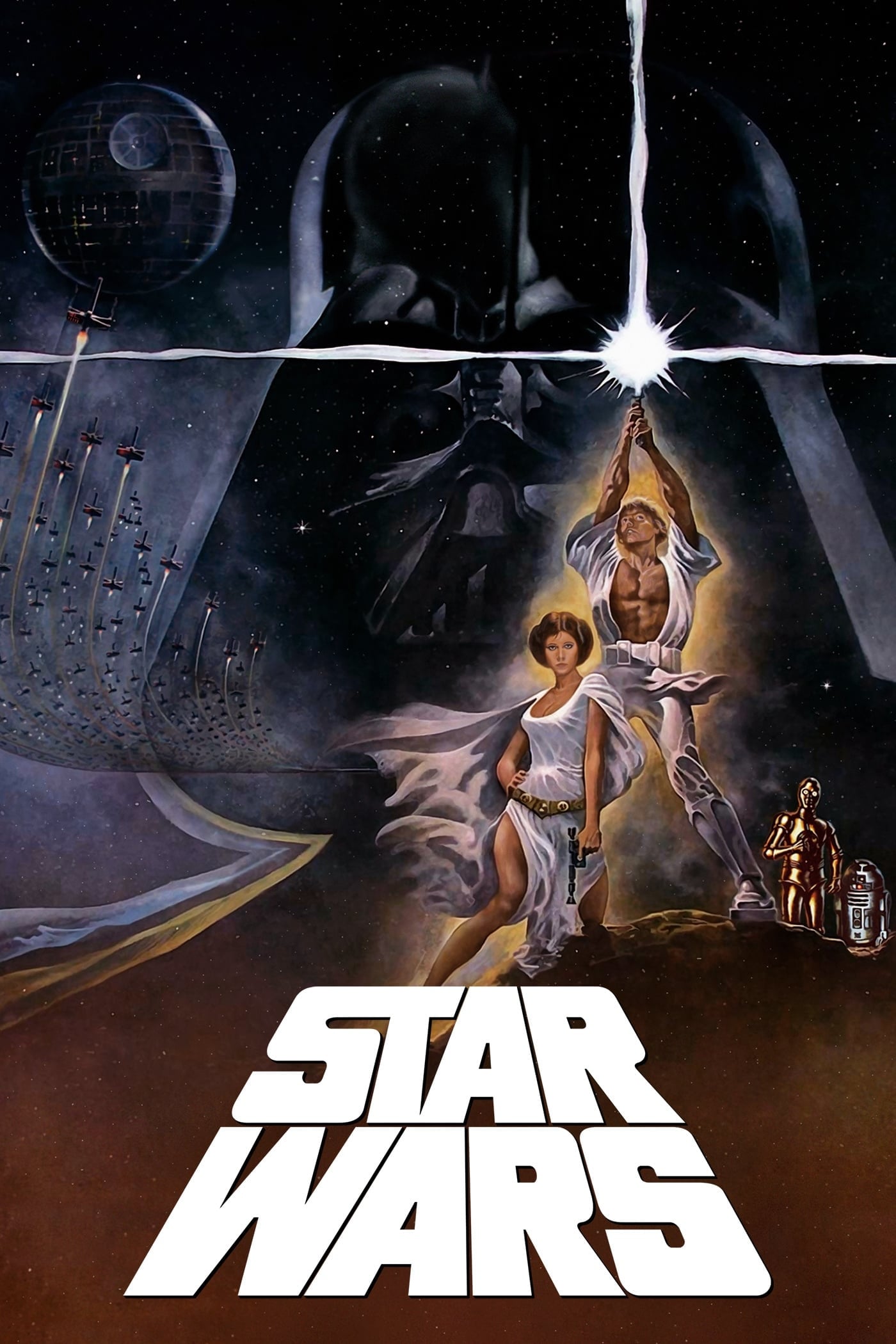
A small Rebel ship is dramatically chased by a massive Imperial Star Destroyer that slowly glides into view, seeming to stretch on forever. This instantly establishes the crushing scale of the Galactic Empire and the desperate plight of the Rebel Alliance. The chaotic, exciting boarding action and the introduction of iconic characters like Darth Vader and the droids sets the stage for an epic space opera. It is a foundational moment for modern blockbuster filmmaking, immediately throwing the audience into the middle of the conflict.
‘Once Upon a Time in the West’ (1968)
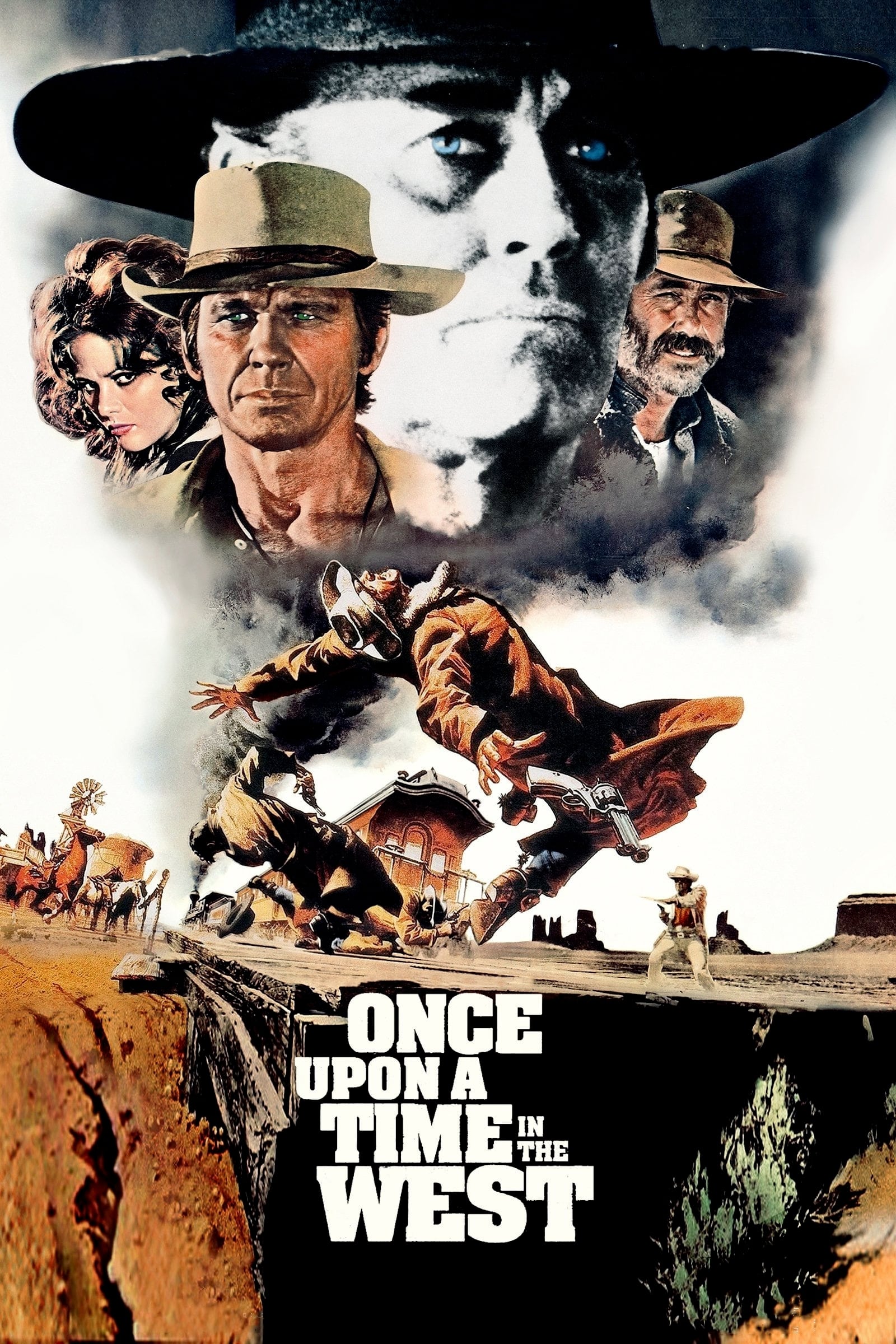
The film is notorious for its almost fifteen-minute-long opening sequence that features virtually no dialogue. Three menacing gunmen wait in oppressive silence at a remote train station for an arrival who is clearly their target. The sound design is a masterclass in tension, focusing on the squeaking windmill, dripping water, and buzzing flies until the train finally arrives. This patient, atmospheric scene culminates in a sudden, shocking burst of violence, cementing the movie as an epic, operatic take on the Western genre.
‘Raiders of the Lost Ark’ (1981)
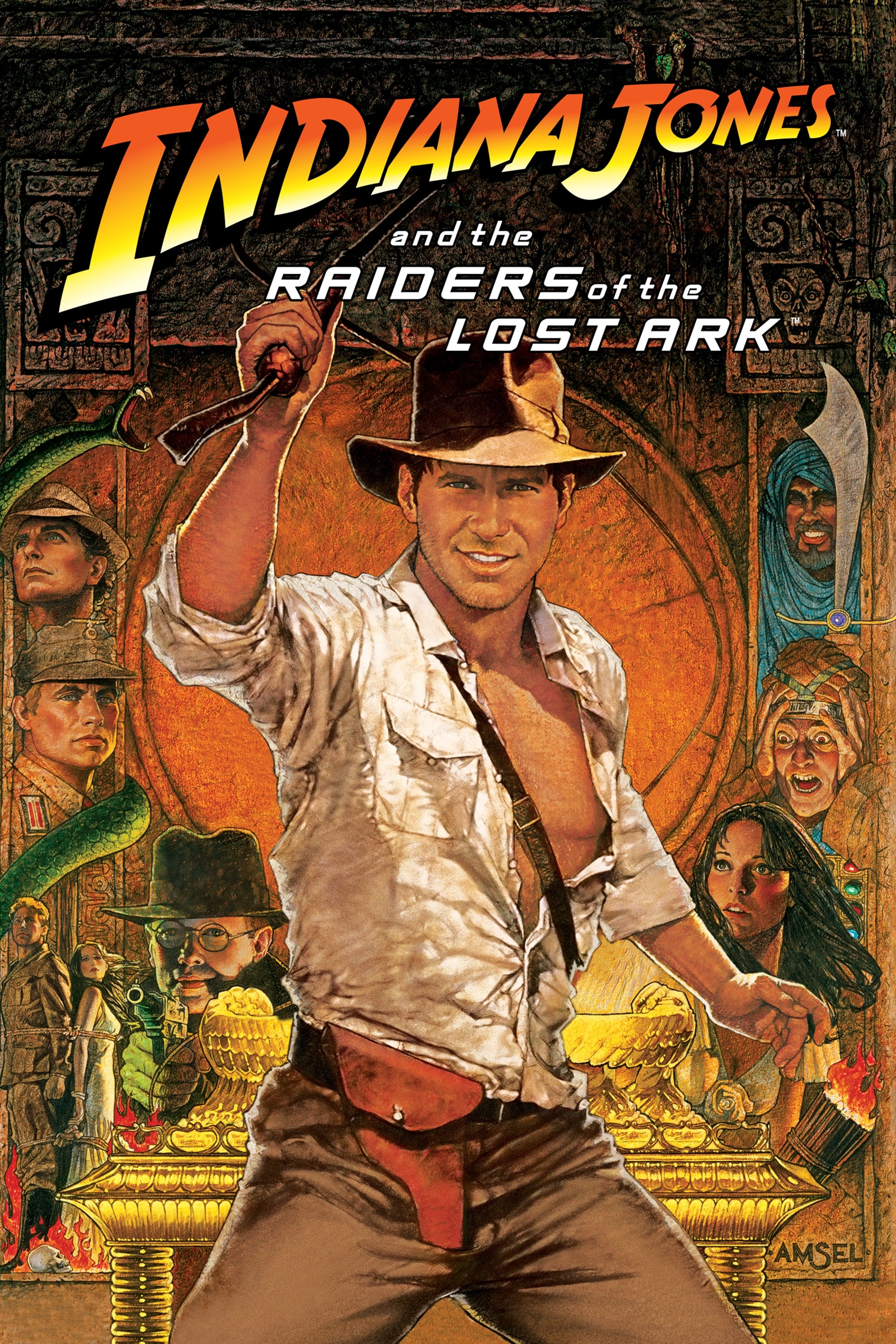
The movie begins with a thrilling standalone mini-adventure deep in a booby-trapped Peruvian temple as the archaeologist-adventurer Indiana Jones attempts to retrieve a golden idol. The sequence is a masterclass in non-stop suspense, featuring memorable obstacles like dart traps, a rolling boulder, and a confrontation with a rival. This opening brilliantly defines the character of Indy, showcasing his resourcefulness, his fear of snakes, and his ability to quickly navigate dangerous ancient ruins. It sets the exhilarating, globe-trotting tone for the entire franchise.
‘Inglourious Basterds’ (2009)
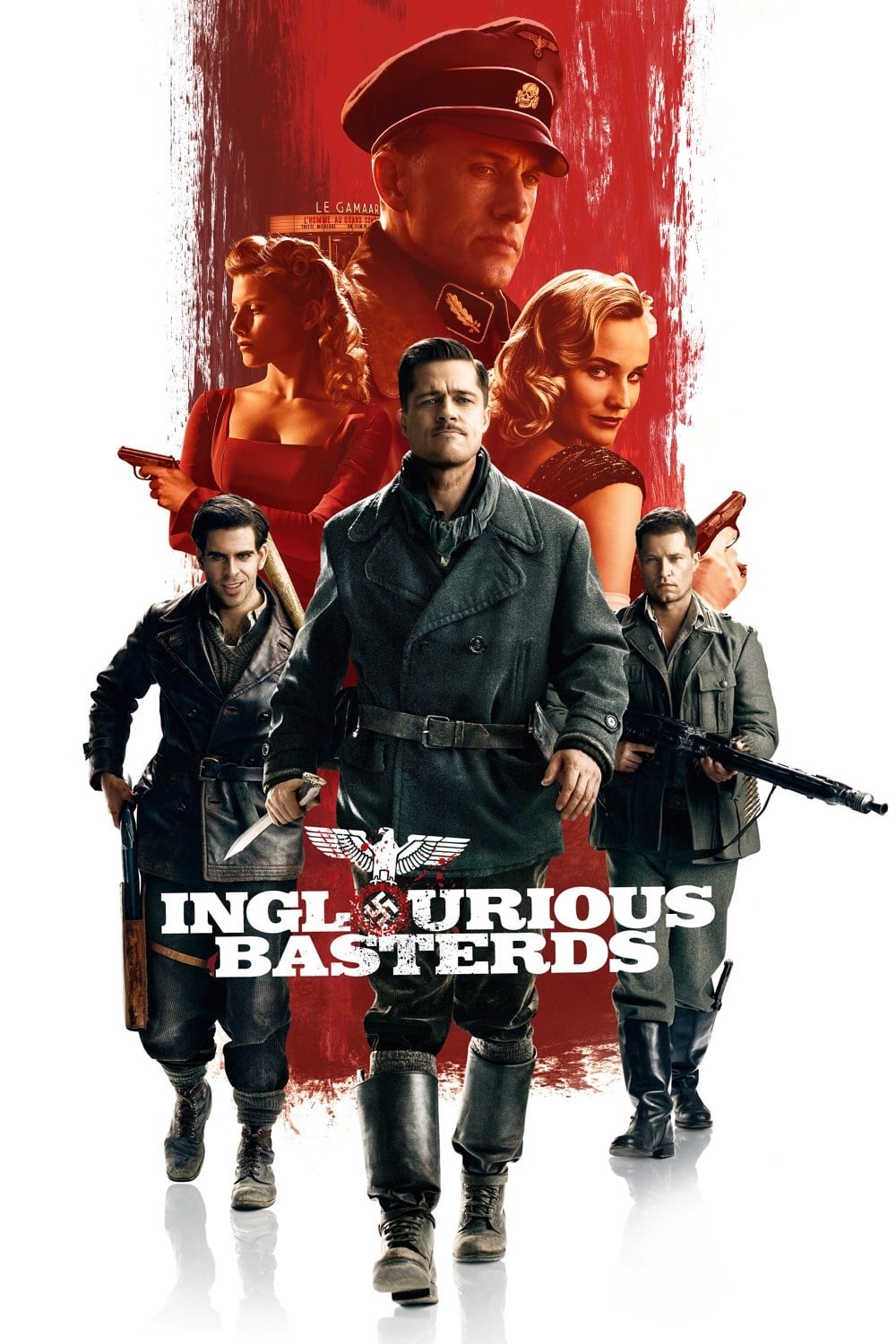
The film starts with a protracted, deeply tense conversation between the SS Colonel Hans Landa and a French dairy farmer in his farmhouse. Landa’s polite demeanor masks a terrifying predator as he calmly interrogates the farmer about the location of a missing Jewish family. This scene uses dialogue and subtle visual cues to create an almost unbearable level of suspense. The shocking conclusion of the interrogation suddenly explodes in violence, immediately establishing Landa as one of the most chilling villains in cinema.
‘Vertigo’ (1958)
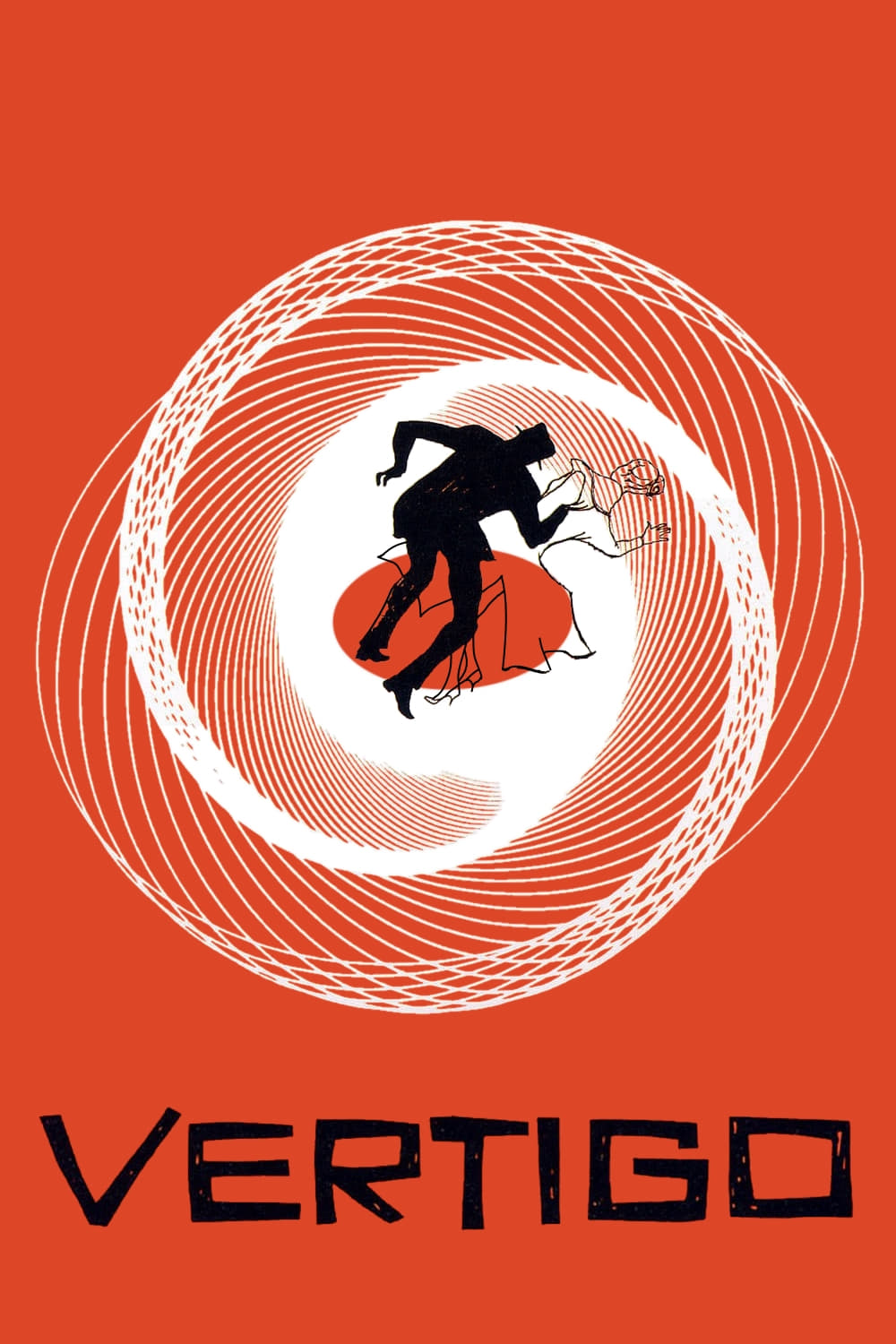
The movie immediately begins in media res with a frantic rooftop chase across the San Francisco skyline. This dramatic opening establishes the protagonist, detective Scottie Ferguson, and his debilitating condition when a fellow officer falls to his death trying to help him. The moment of failure results in Scottie’s overwhelming acrophobia, which is perfectly captured by the groundbreaking “dolly zoom” visual effect. The high-tension scene is essential to the entire psychological profile and tragic arc of the main character.
‘2001: A Space Odyssey’ (1968)
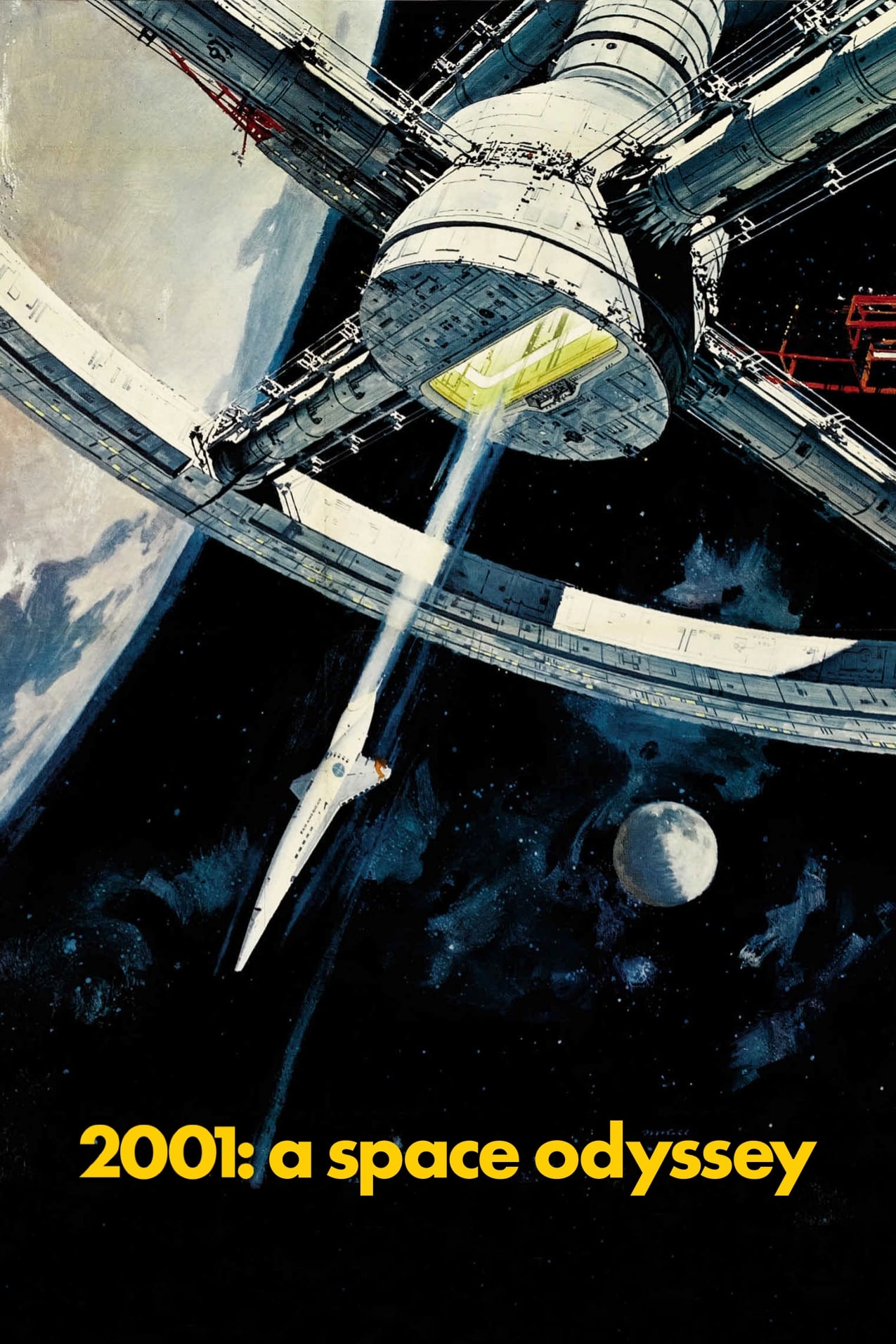
Titled “The Dawn of Man,” the opening sequence is a nearly dialogue-free, breathtaking depiction of prehistoric apes struggling to survive. The discovery of a mysterious black monolith inspires the creatures, leading to the pivotal moment where an ape uses a bone as a weapon. This philosophical sequence visually connects the invention of the first tool to the invention of the first weapon. The iconic match-cut from the bone flying in the air to a spaceship orbiting Earth is one of the most famous transitions in film history, instantly conveying the epic scope of humanity’s journey.
‘Up’ (2009)

The film’s opening is a poignant, nearly silent montage chronicling the entire life and marriage of the main character, Carl Fredricksen, and his wife, Ellie. It quickly, beautifully, and heartbreakingly summarizes their decades of shared dreams, joys, and disappointments. This masterful sequence creates an immediate, profound emotional connection between the audience and Carl, forging a deep understanding of his quiet grief. The entire adventure that follows is given a powerful, emotional anchor by the story of their life together.
‘Jurassic Park’ (1993)

The first scene begins in darkness and shadows as a massive cage is lowered into the jungle enclosure for a terrifying unseen creature. Handlers and security personnel nervously work in the driving rain to secure the dangerous new arrival. A worker is suddenly attacked and dragged into the cage, creating immediate, visceral horror without ever showing the animal clearly. The scene powerfully establishes the overwhelming danger and the sheer terror of the park’s main attractions.
‘Saving Private Ryan’ (1998)
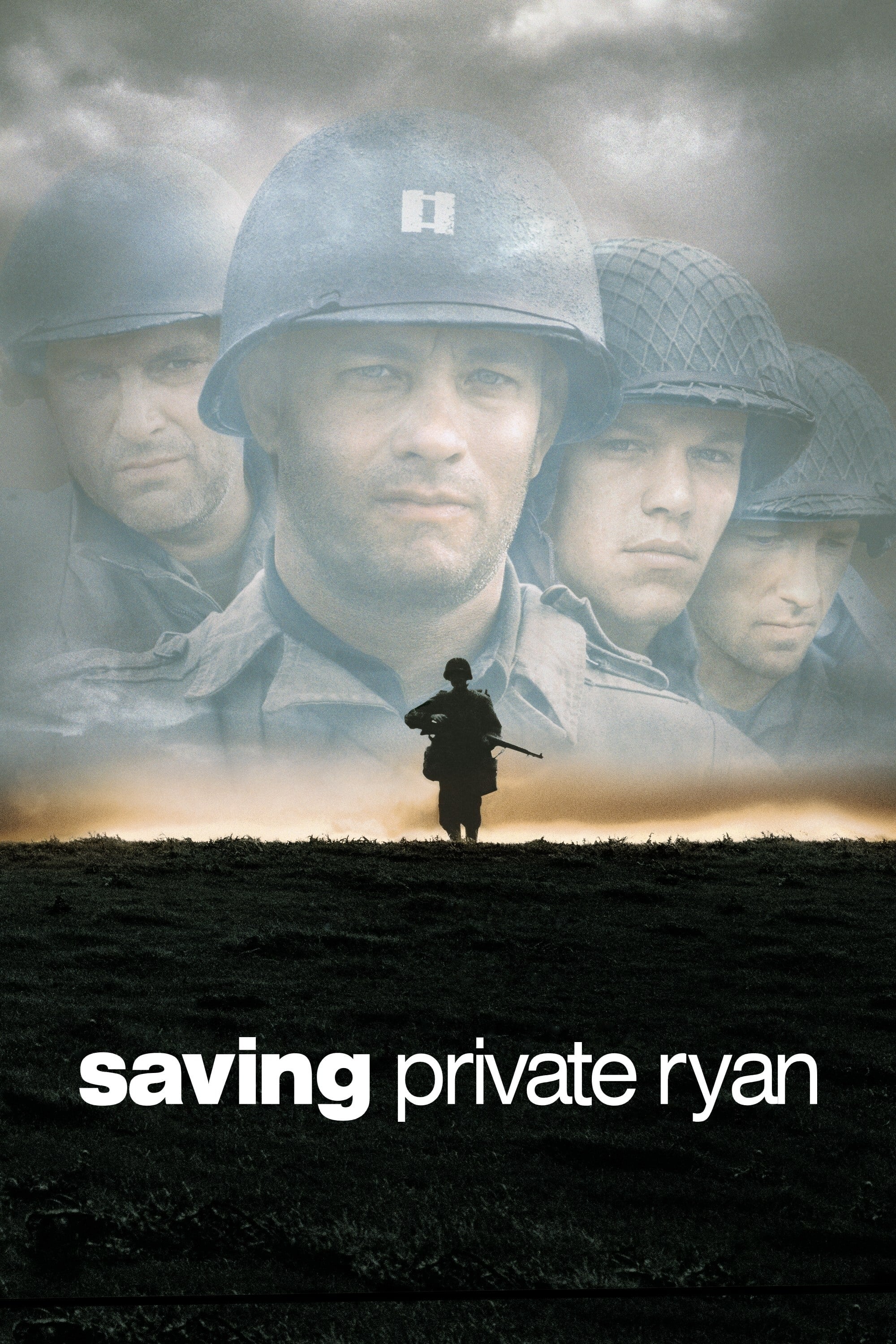
The opening begins quietly with an aged man and his family visiting a military cemetery before flashing back instantly to the brutal, chaotic D-Day landing on Omaha Beach. This forty-minute sequence is a shocking, visceral immersion into the grim reality of World War II combat. The raw, handheld cinematography and deafening sound design instantly established a new benchmark for historical war films. It sets the profound emotional weight and patriotic context for the mission that follows.
‘No Country for Old Men’ (2007)
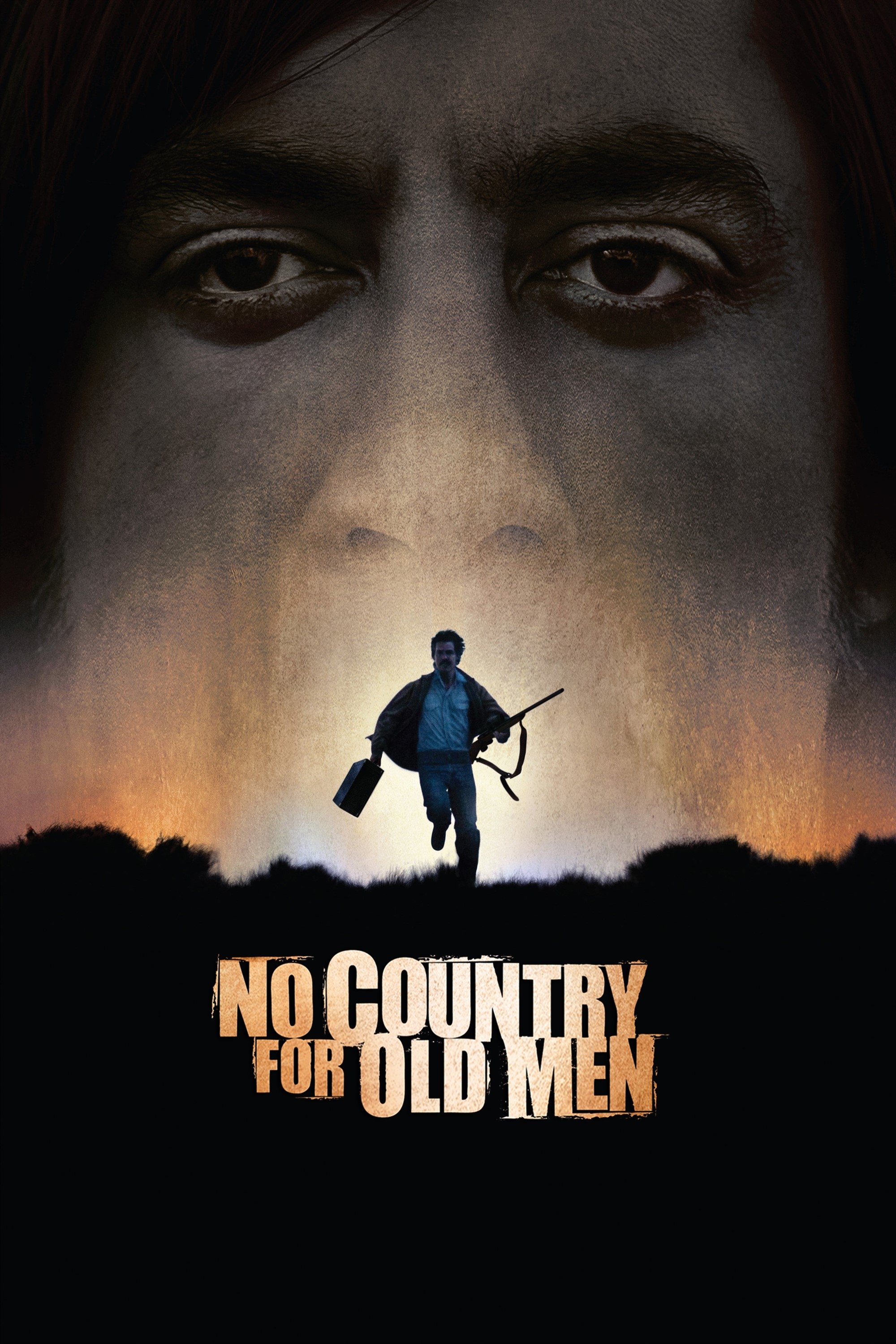
The film is introduced with a chilling, poetic voiceover from Sheriff Ed Tom Bell, discussing the changing, violent nature of the world before the camera introduces an unstoppable killer. Anton Chigurh is then meticulously shown executing a police officer and an innocent man with cold, brutal efficiency. This sequence is a masterclass in establishing a villain, showing his strange methods and remorseless personality. The tension is built not through speed, but through the slow, methodical nature of his violence.
‘Jaws’ (1975)
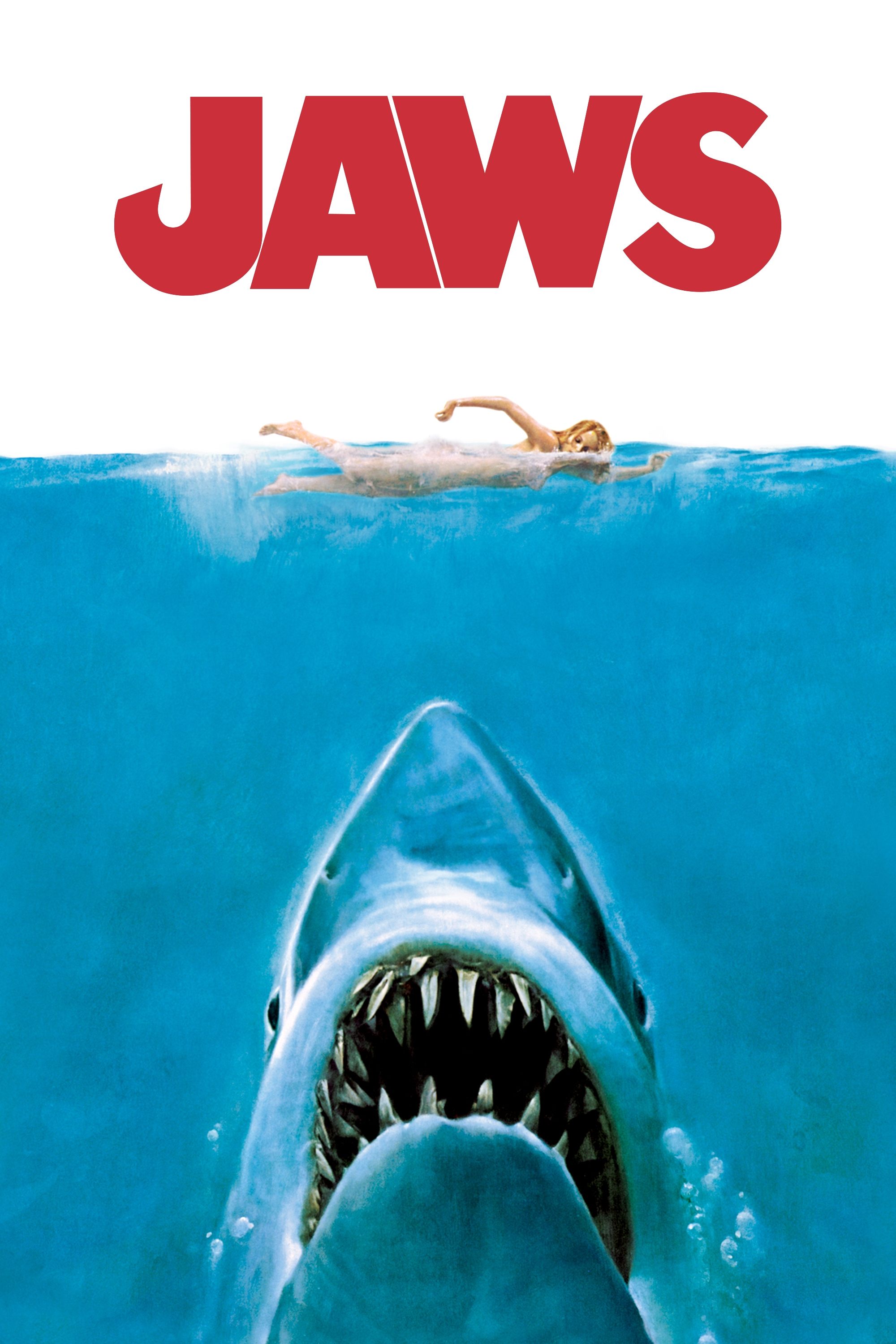
The very first moments of the movie involve a young woman taking a late-night swim off the coast of Amity Island. The scene is shot primarily from the menacing, unseen point of view of the shark, signaled by John Williams’ famous, building two-note theme. This primal, terrifying attack is a simple but brutally effective scene of pure horror that sets the stage for the film’s central conflict. It immediately establishes a sense of vulnerability and the omnipresent threat of the ocean.
‘Casino Royale’ (2006)
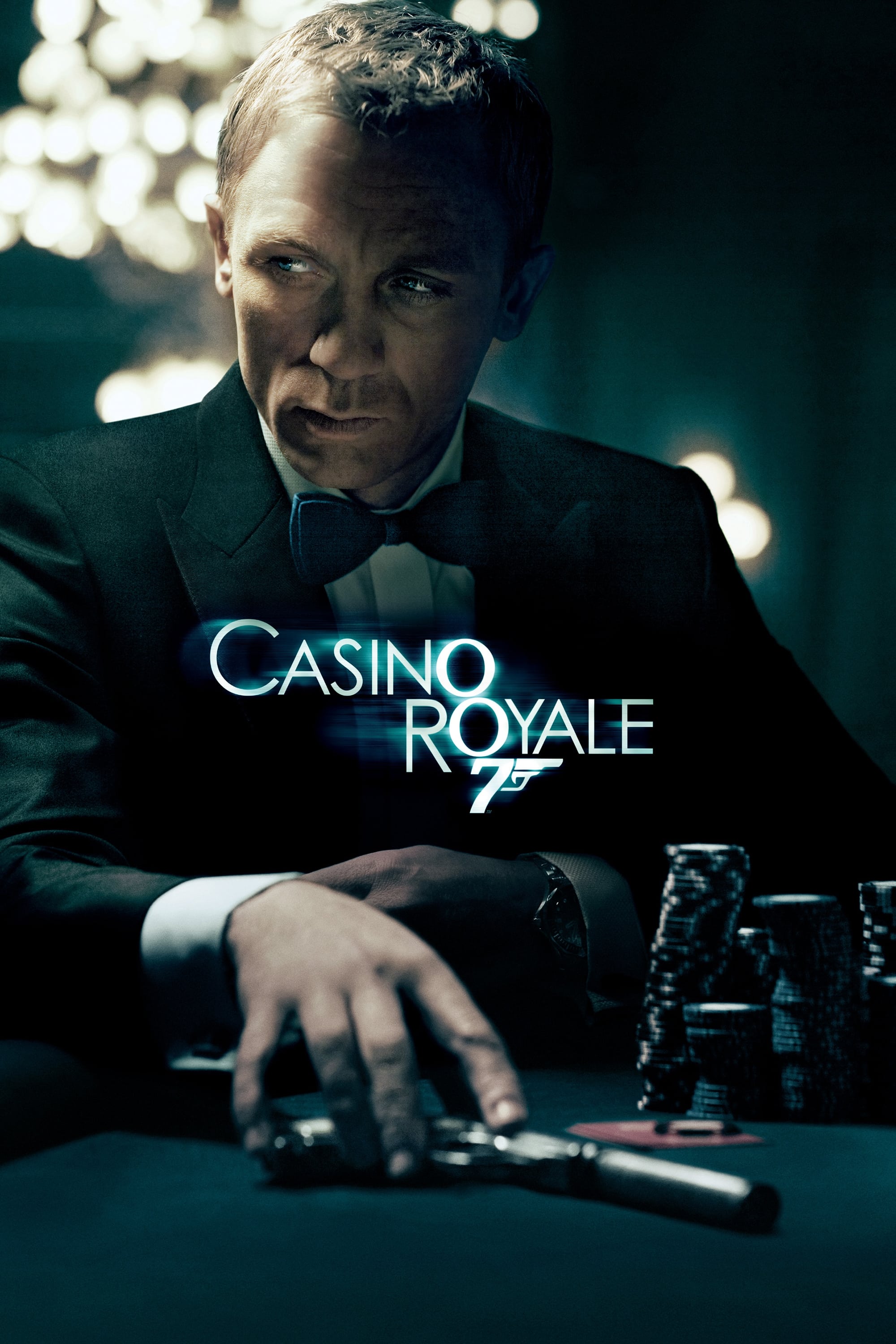
This opening uses highly stylized black-and-white cinematography for a brutal, visceral flashback that details James Bond earning his “Double-O” status. The scene culminates in two cold-blooded kills in quick succession, with the final death occurring in a flooded bathroom stall. The introduction is a complete reinvention of the classic spy, immediately establishing Daniel Craig’s Bond as a darker, grittier, and more ruthless agent. When the sequence finally bursts into color, it symbolizes the birth of the modern 007.
‘The Lion King’ (1994)
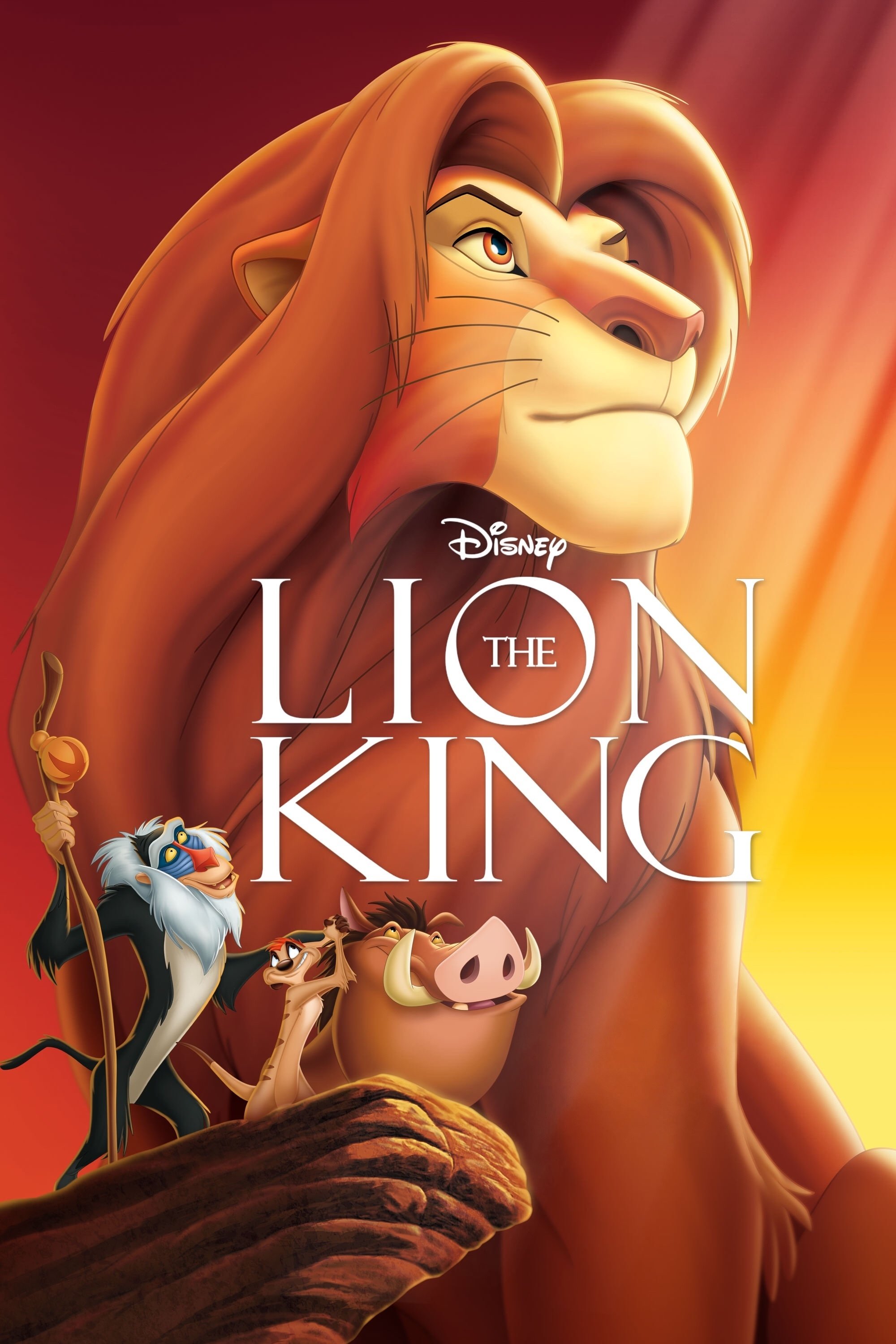
The animated classic begins with a sweeping, majestic sequence set to the iconic song “The Circle of Life” that gathers all the animals of the Pride Lands. The visual spectacle culminates in the presentation of the newborn cub Simba to the animal kingdom on Pride Rock. This opening is one of the most triumphant and emotionally powerful sequences in animation history. It instantly establishes the epic, mythic scale of the story and the natural hierarchy of the world.
‘Children of Men’ (2006)
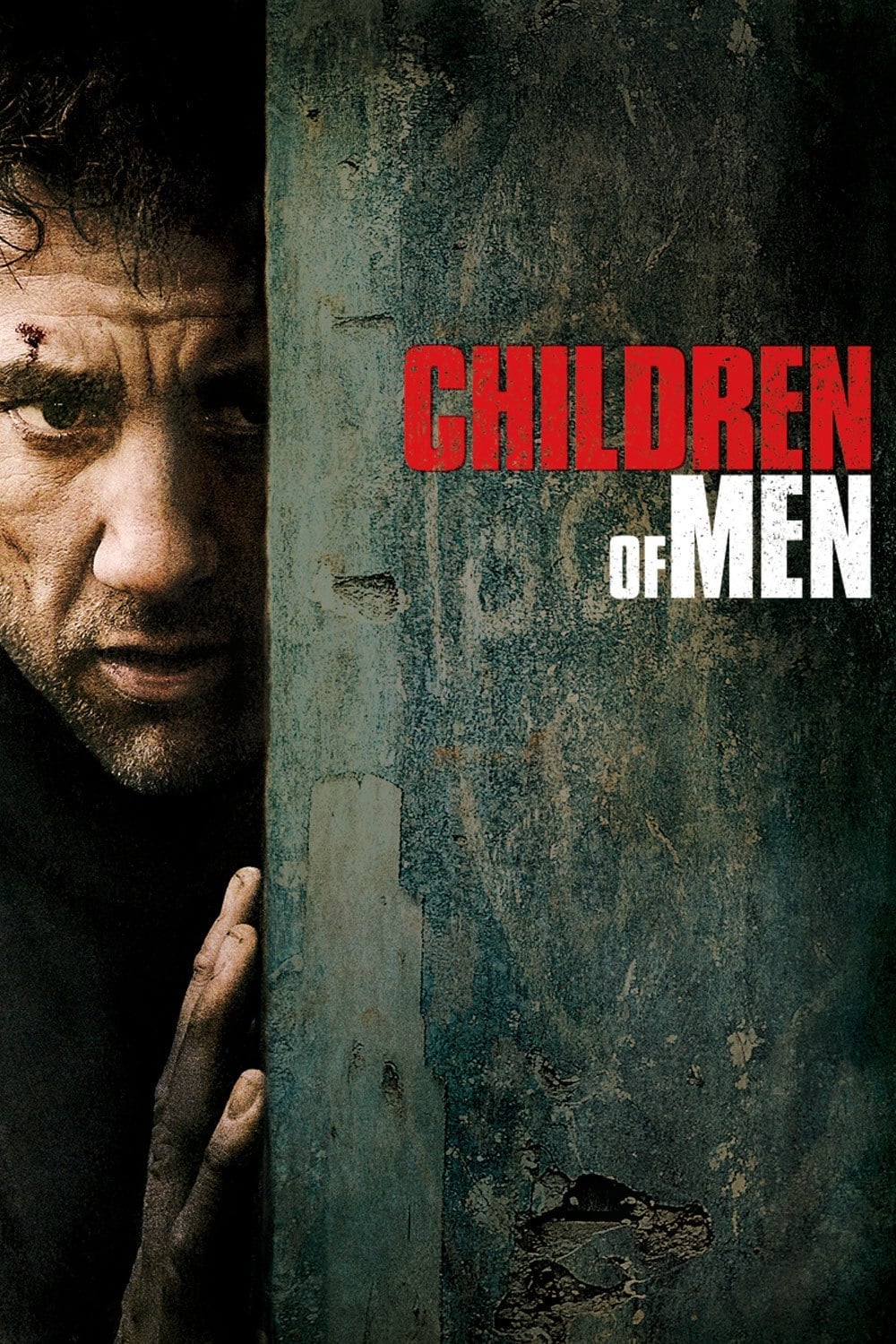
The movie begins with a stunning, seamless long-take shot of the protagonist, Theo Faron, exiting a coffee shop in a chaotic London street. A news report on a TV screen announces the shocking death of the world’s youngest person, an eighteen-year-old. This single sequence perfectly establishes the dystopian world’s pervasive air of despair and its central premise of human infertility and the breakdown of civilization. It is an unnerving and brilliant piece of technical filmmaking used to create instant world-building.
‘Scream’ (1996)
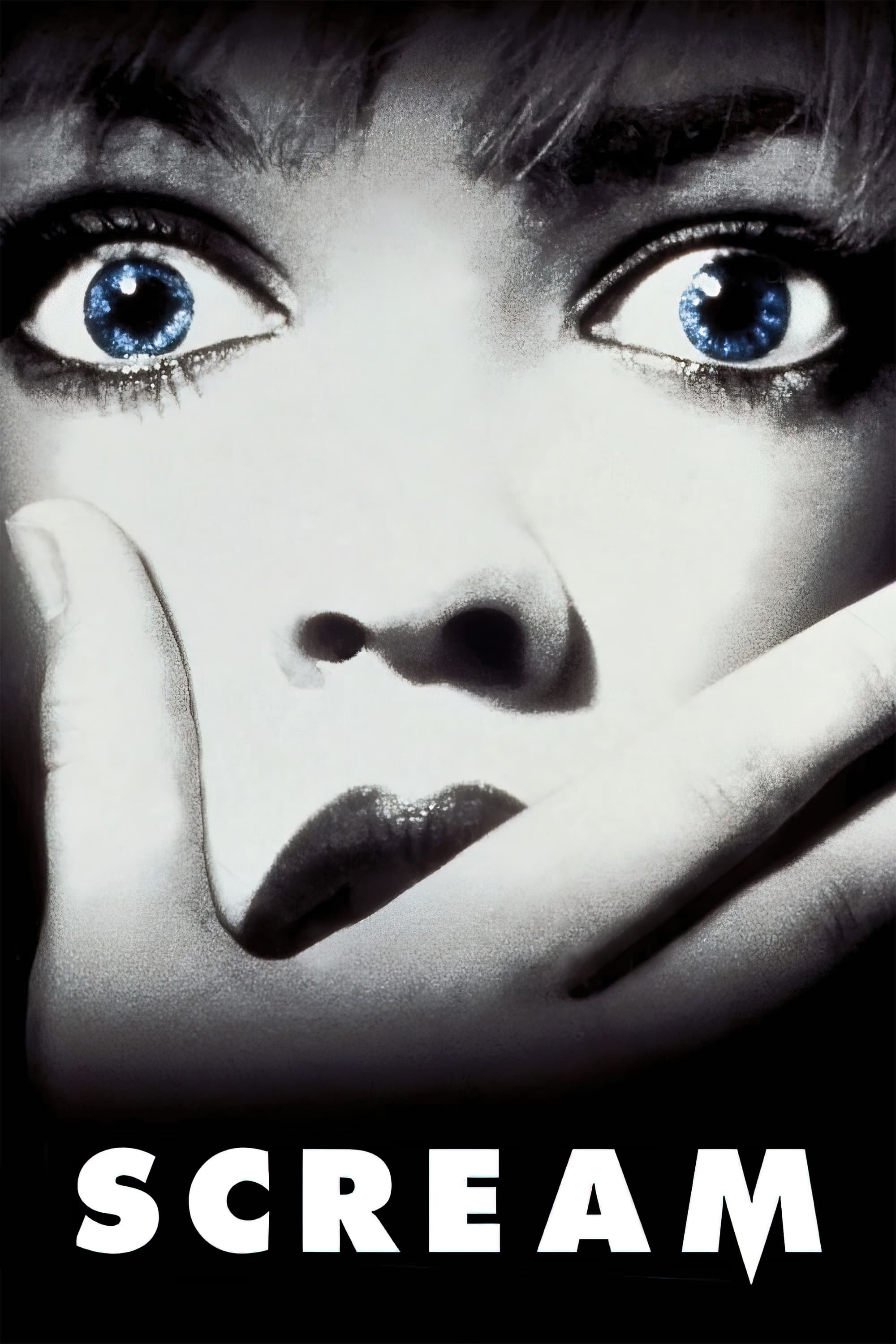
The opening begins with a classic horror setup: a teenage girl is home alone and receives a chilling phone call from an unknown party. What starts as a seemingly innocent prank escalates quickly into a terrifying meta-game of horror trivia with fatal consequences. The shocking death of a major star in the first ten minutes immediately subverts audience expectations and establishes the film’s self-aware, genre-bending rules. It revitalized the slasher film by making the audience a part of the deadly game.
Share which of these unforgettable movie beginnings is your personal favorite in the comments.