


20 Movies With The Most Realistic Depictions Of Online Life



The internet has fundamentally altered human communication and cinema has evolved to capture this digital shift with increasing authenticity. Filmmakers now utilize screen recordings and social media interfaces to tell stories that reflect our modern connectivity. These movies explore themes ranging from viral fame and surveillance to the profound isolation that can exist behind a screen. The following films stand out for their ability to portray the nuances of our online existence without resorting to outdated tropes.
‘The Social Network’ (2010)
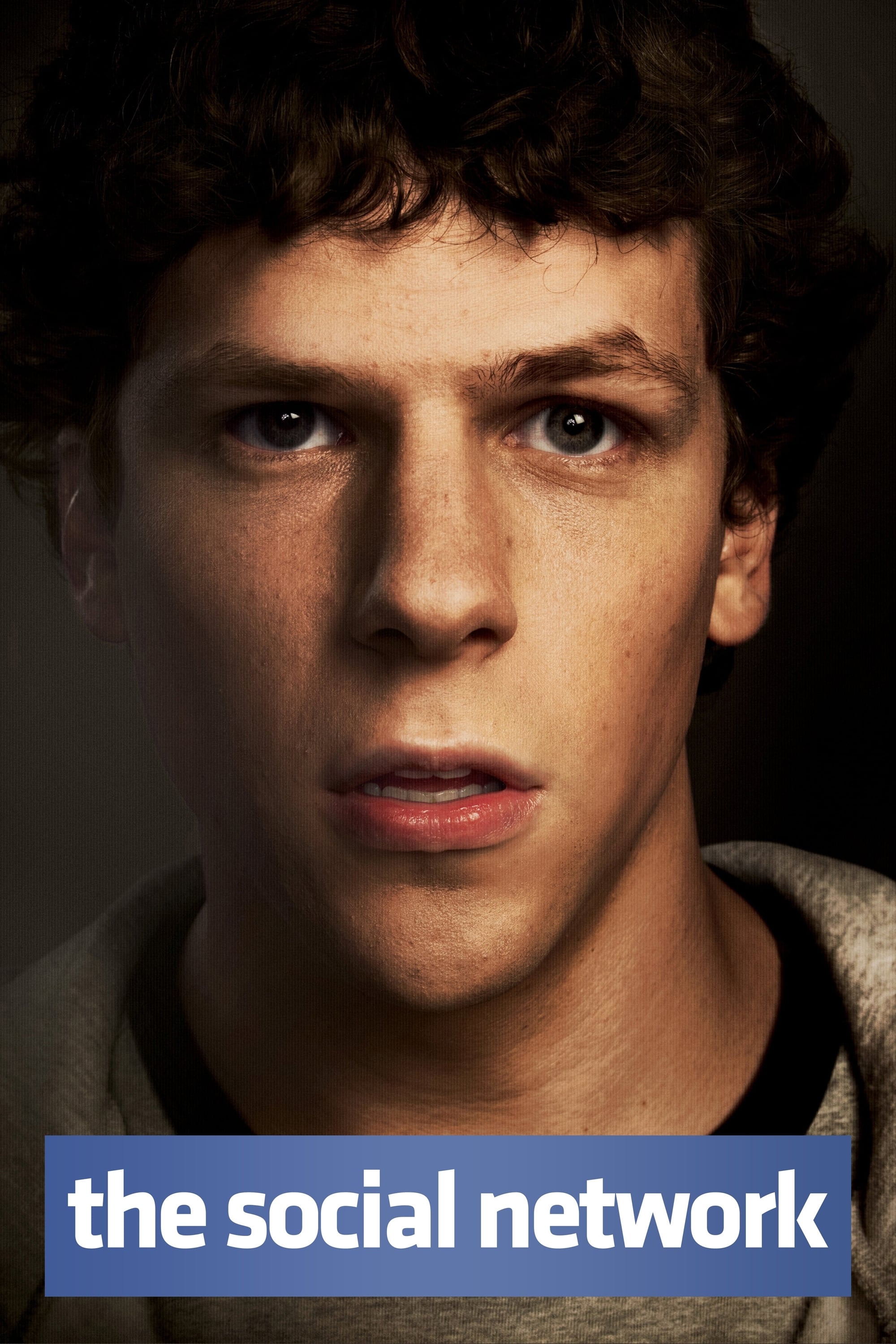
Director David Fincher explores the tumultuous origins of Facebook through the lens of broken friendships and legal battles. Jesse Eisenberg portrays Mark Zuckerberg as he navigates the complex social dynamics of Harvard University while building a platform that eventually connects billions. The narrative highlights how the creation of a digital social sphere stemmed from personal isolation and a desire for acceptance. It illustrates the irony of a socially awkward genius redefining how human beings interact in the modern age.
‘Searching’ (2018)
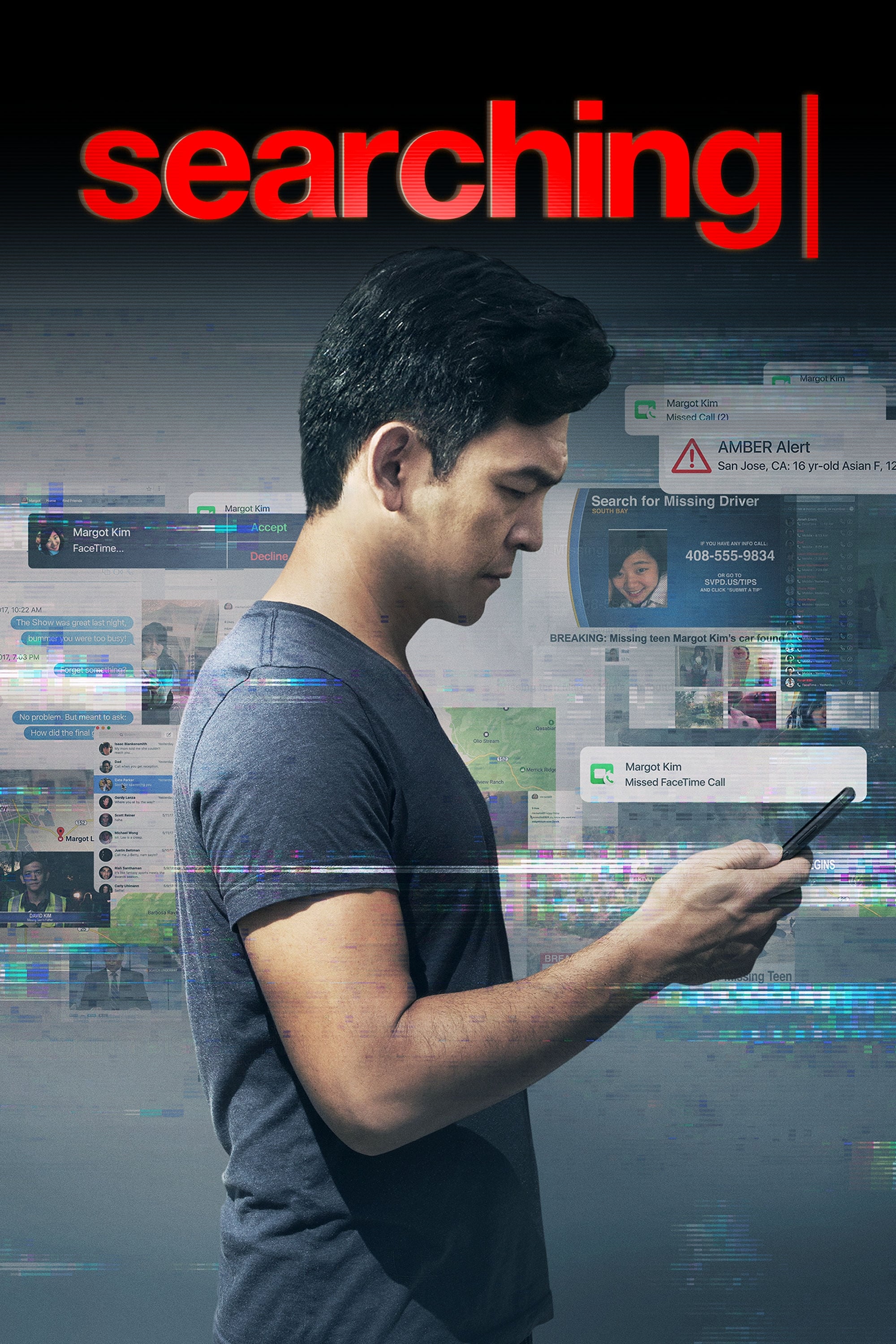
This thriller unfolds entirely through computer screens as a desperate father searches for his missing teenage daughter. John Cho plays the lead role and digs through social media profiles and chat logs to retrace her digital footprints. The format effectively simulates the experience of navigating various applications and websites to uncover hidden truths. Audiences witness the stark contrast between the carefully curated online personas of teenagers and their actual realities.
‘Eighth Grade’ (2018)

Bo Burnham directs this poignant story about a teenage girl struggling with anxiety during her final week of middle school. Elsie Fisher plays Kayla Day who creates motivational YouTube videos that contradict her shy demeanor in real life. The film captures the pervasive influence of social media on self esteem and the constant pressure to perform for an online audience. It provides an authentic look at the awkwardness of growing up in an era dominated by screens and notifications.
‘Ingrid Goes West’ (2017)
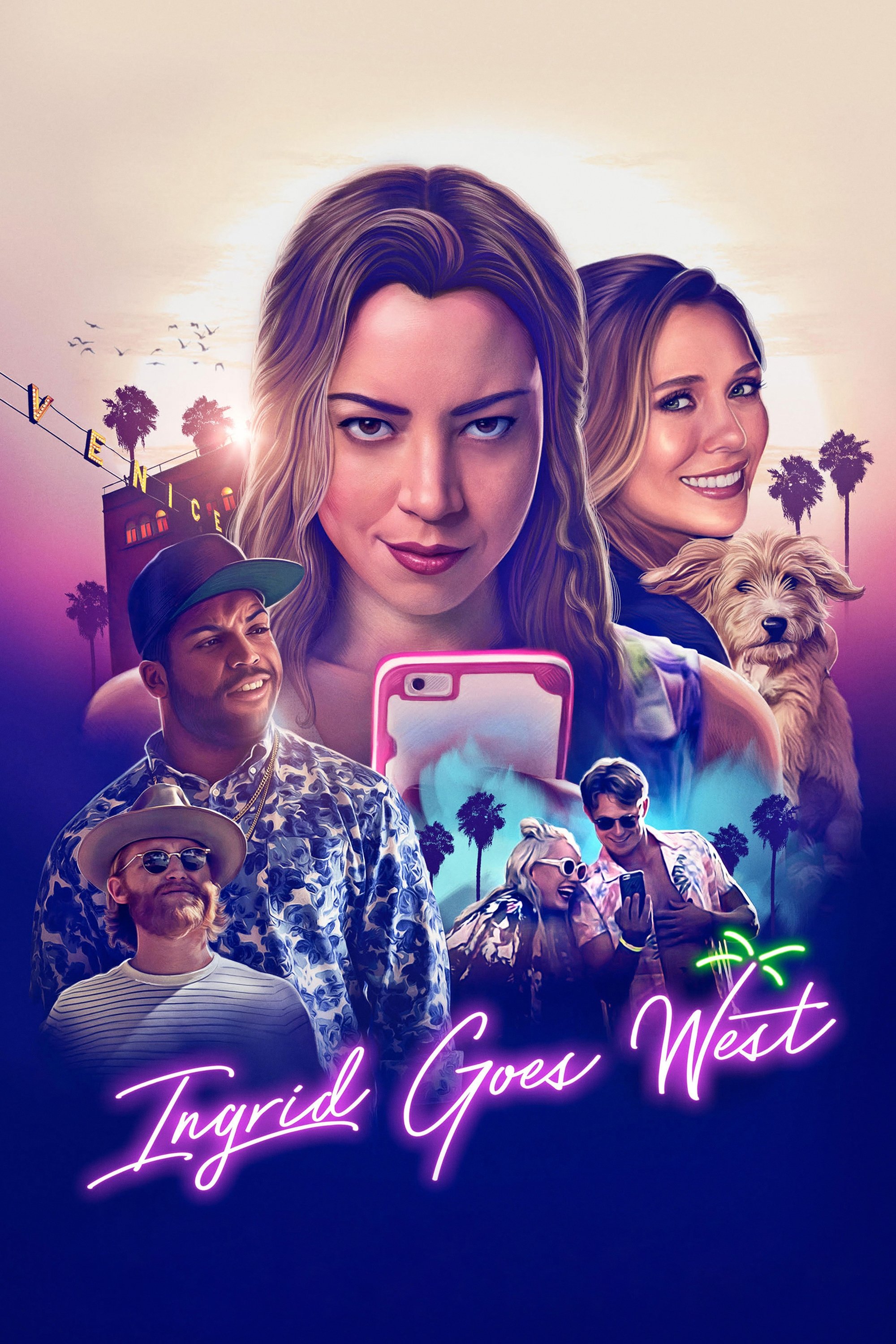
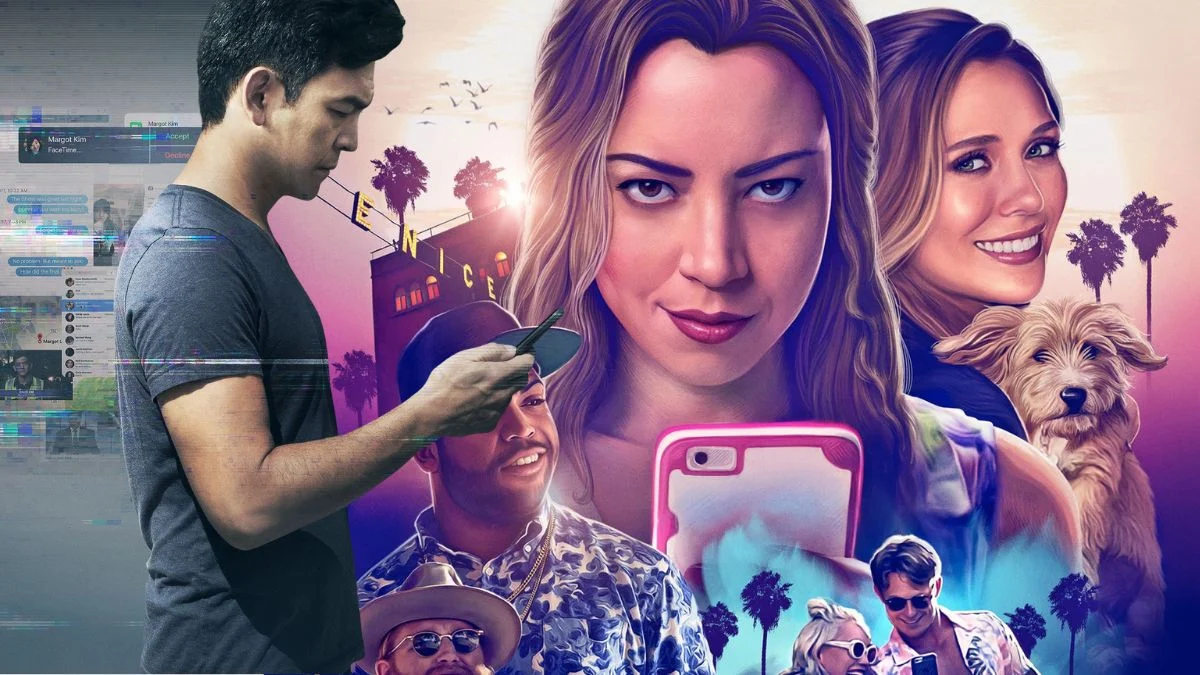
Aubrey Plaza stars as an unstable young woman who moves to Los Angeles to befriend an Instagram influencer. The story satirizes the obsession with curated lifestyles and the blurred lines between digital admiration and dangerous stalking. Viewers see how social media engagement metrics can drive individuals to manufacture a false sense of happiness. The script exposes the emptiness often found behind perfectly filtered photographs and witty captions.
‘Her’ (2013)

Joaquin Phoenix plays a lonely writer who falls in love with an advanced operating system designed to meet his every need. Director Spike Jonze presents a futuristic yet grounded vision of how technology integrates into romantic and emotional connections. The film examines the potential for digital intimacy to replace physical interaction in an increasingly isolated society. It questions the definition of love when one partner exists solely within a computer network.
‘Disconnect’ (2012)
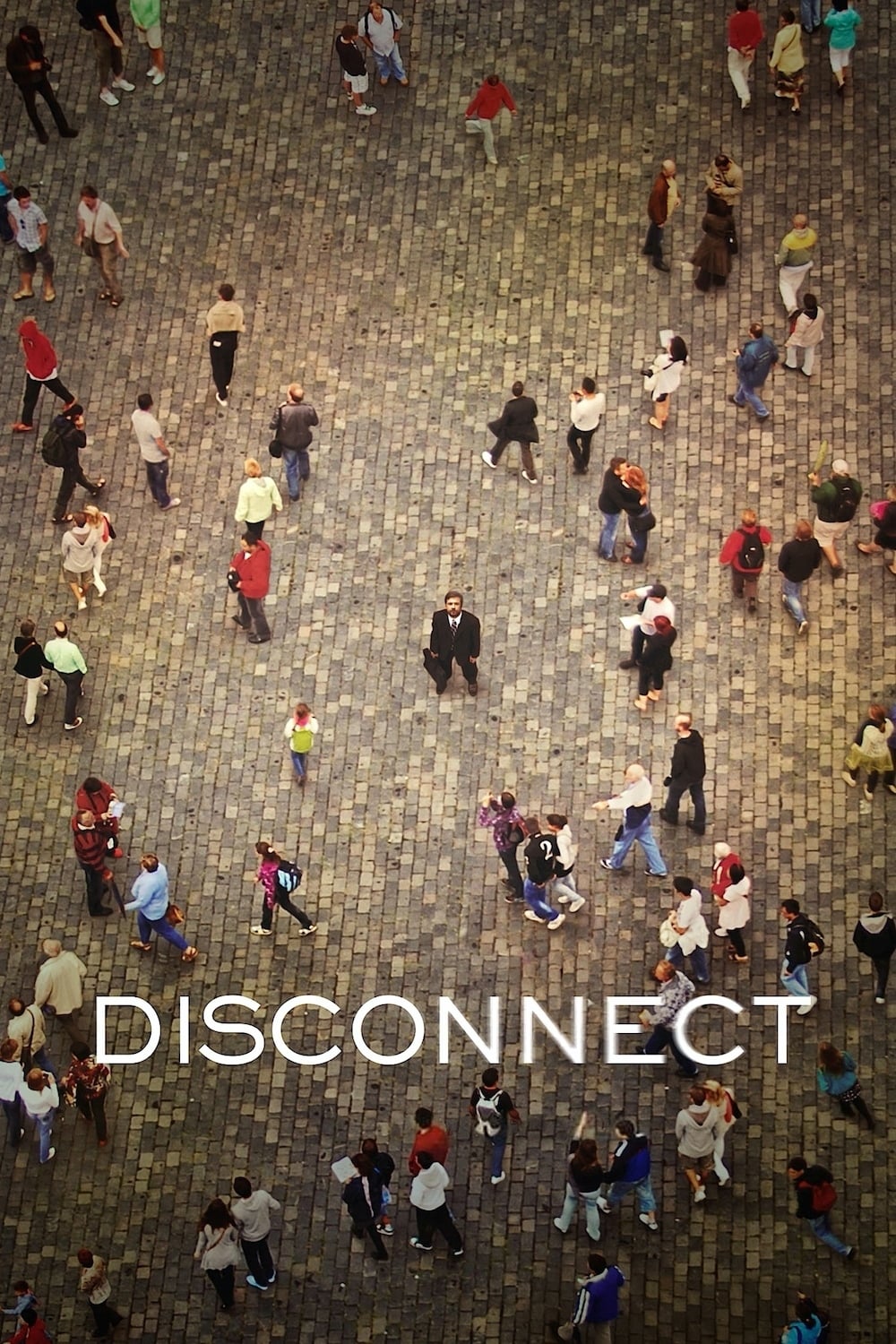
This ensemble drama weaves together multiple storylines centered on the negative consequences of modern communication technology. Characters face issues ranging from identity theft and cyberbullying to the exploitation of minors on adult webcam sites. The plot demonstrates how the internet can simultaneously bring people together and tear their lives apart through anonymity. It serves as a cautionary tale about the lack of genuine human connection in a wired world.
‘Unfriended’ (2014)
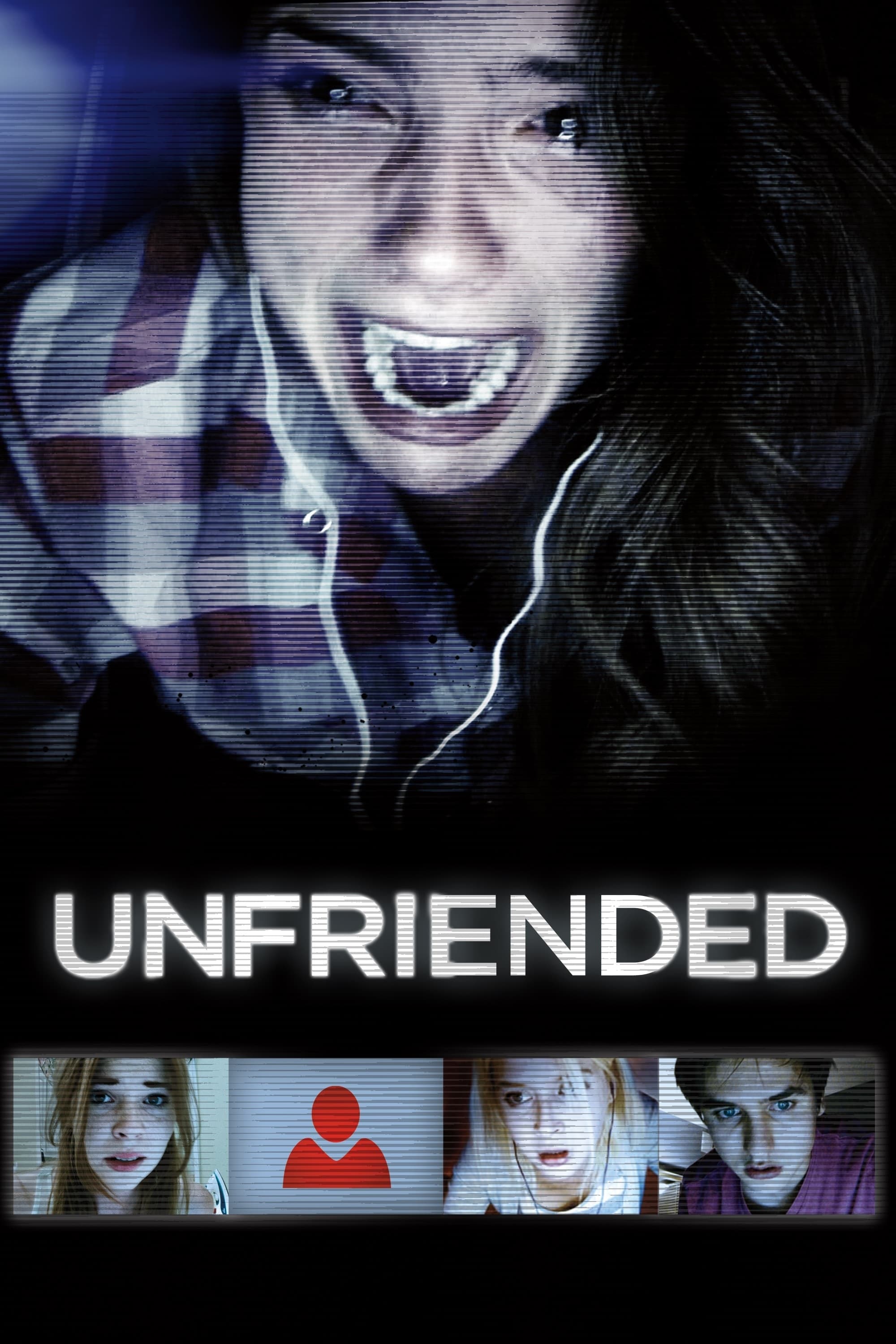
A group of high school friends meets on a video call only to be haunted by an account belonging to a deceased classmate. The entire movie takes place on a single laptop screen to mimic the real time stress of digital harassment. It utilizes familiar interfaces like Skype and Facebook to ground the supernatural horror in a recognizable setting. The film highlights how past online mistakes can resurface to destroy relationships and reputations.
‘Cam’ (2018)

Madeline Brewer portrays an ambitious camgirl who discovers that a doppelganger has hijacked her account and identity. The psychological thriller delves into the specific anxieties and vulnerabilities faced by sex workers in the digital economy. It explores the loss of control one feels when their digital livelihood is stolen by an unknown entity. The story emphasizes the terrifying reality of having no recourse when trapped in a complex online algorithm.
‘Spree’ (2020)
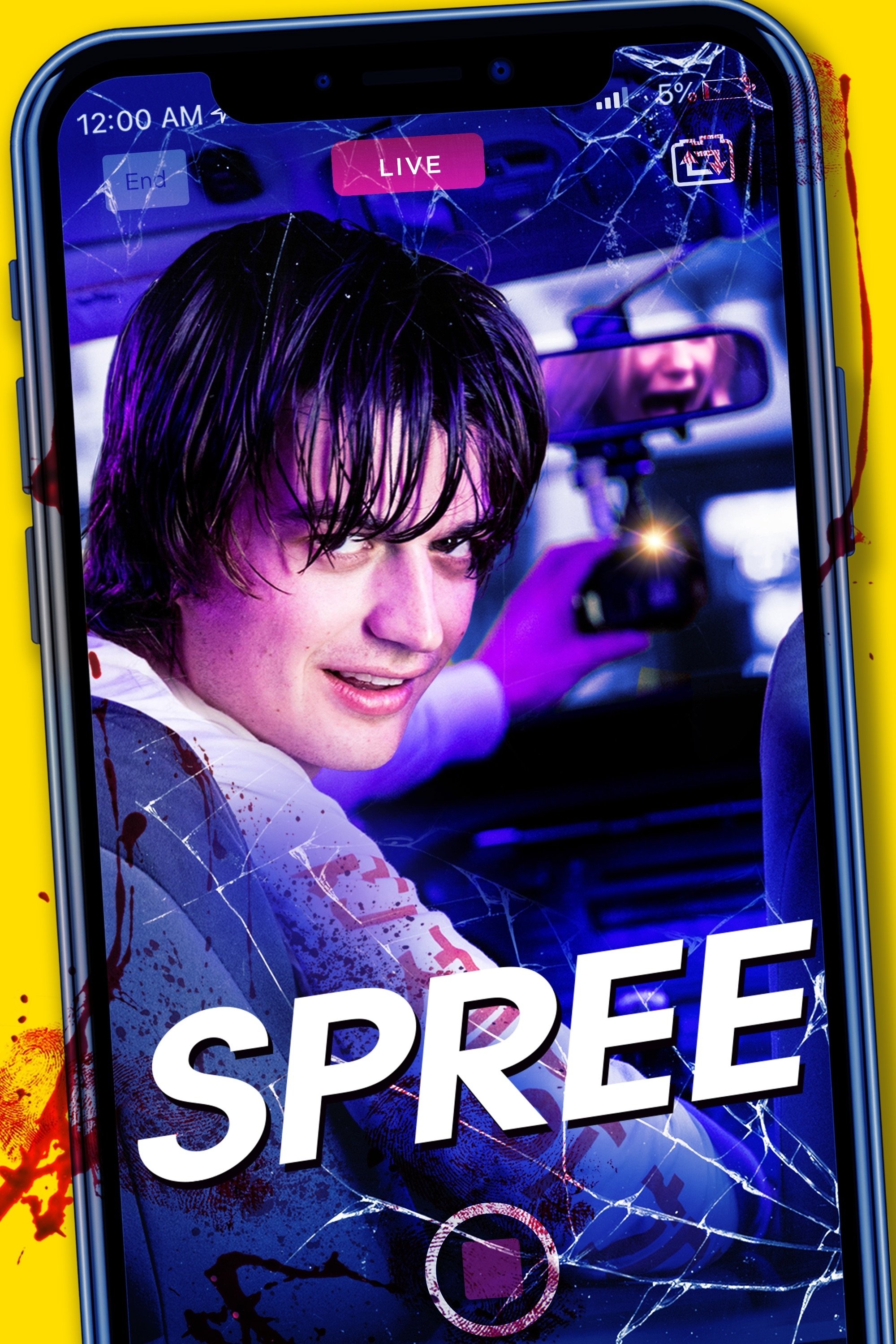
Joe Keery stars as a ride share driver desperate for viral fame who begins livestreaming a murder spree. The film adopts a satirical tone to critique the extreme lengths people will go to for internet clout and attention. Viewers watch through multiple phone cameras and live feeds as the protagonist engages with a detached audience. It reflects a culture where morality is often discarded in exchange for views and trending status.
‘Missing’ (2023)
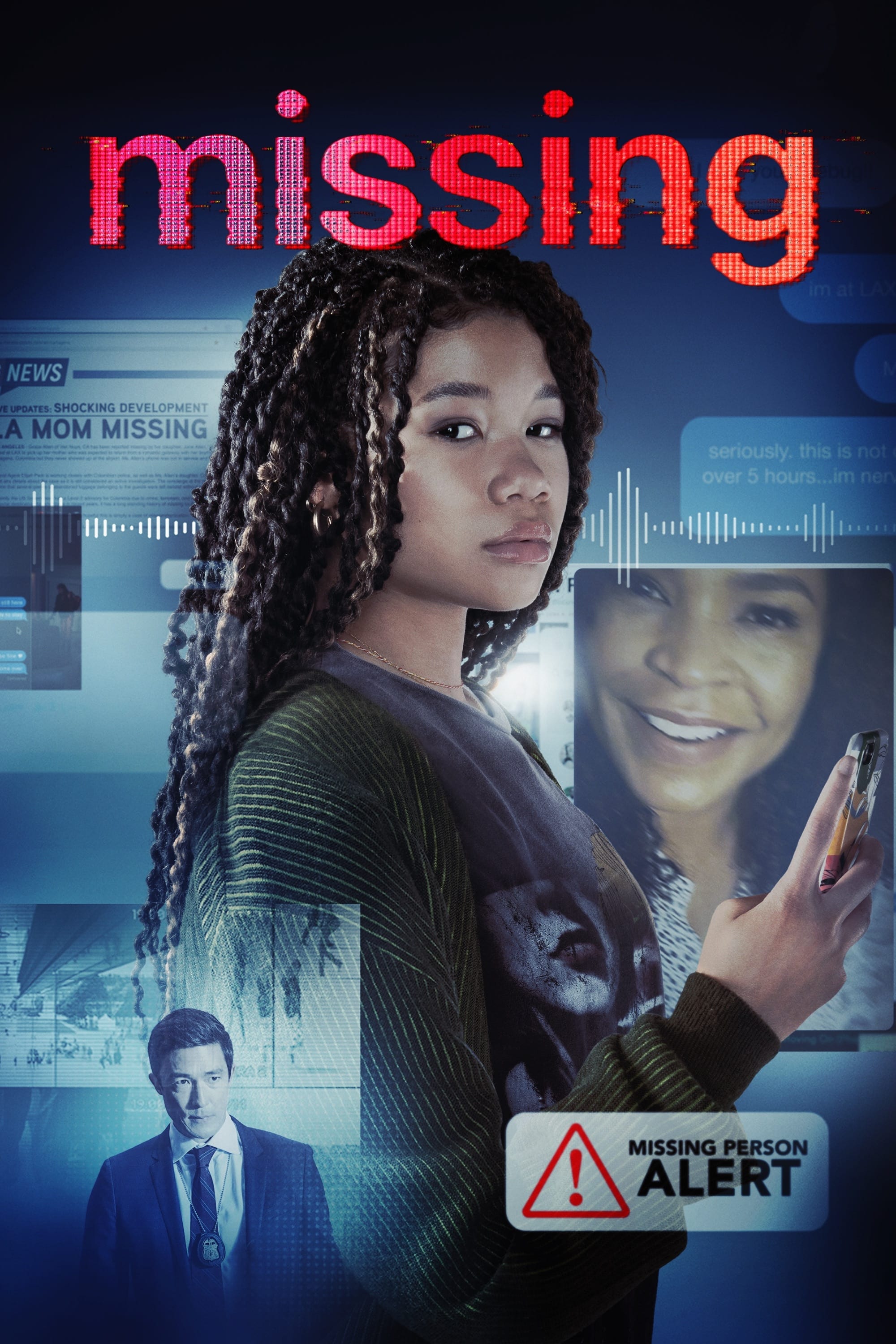
A teenager uses all the digital tools at her disposal to find her mother who disappears during a vacation in Colombia. Storm Reid leads the cast in this mystery that showcases the power of international surveillance and location tracking. The protagonist hacks into email accounts and utilizes live street cameras to piece together the abduction. It demonstrates how much personal data is accessible to anyone with the skills to look for it.
‘The Hater’ (2020)
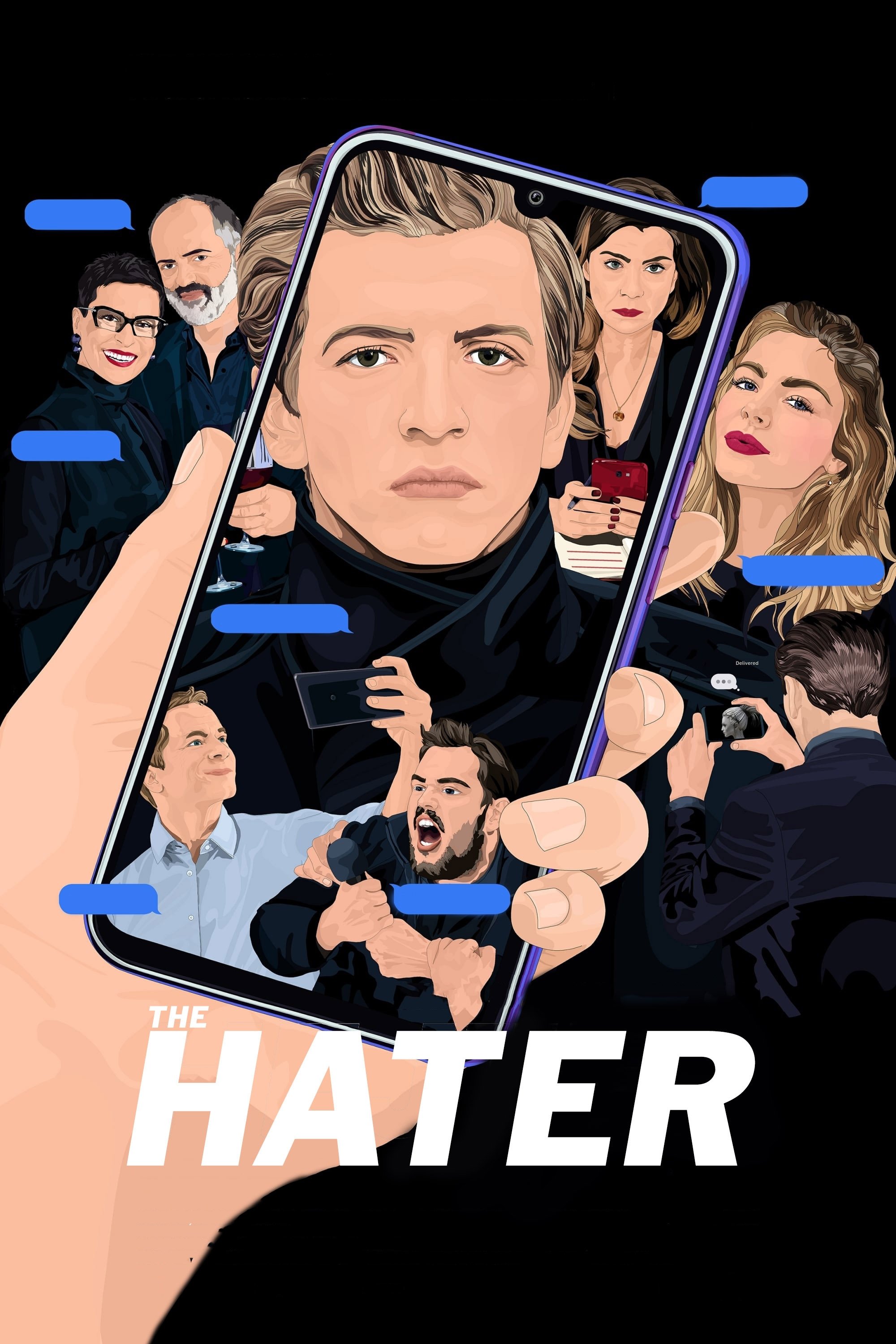
A disgraced law student in Poland finds success running a smear campaign agency that utilizes social media to destroy politicians. The narrative reveals the mechanics of fake news farms and the manipulation of public opinion through targeted online hatred. It shows how digital vitriol can spill over into real world violence with tragic consequences. The film offers a dark glimpse into the weaponization of the internet for political and personal gain.
‘Men, Women & Children’ (2014)

Jason Reitman directs this adaptation exploring how the internet changes relationships between teenagers and their parents. The story covers topics such as video game addiction and the search for validation through online affairs. Each character struggles to navigate their desires and insecurities within a landscape of ubiquitous connectivity. It portrays the distinct gap between how different generations understand and utilize the world wide web.
‘Trust’ (2010)
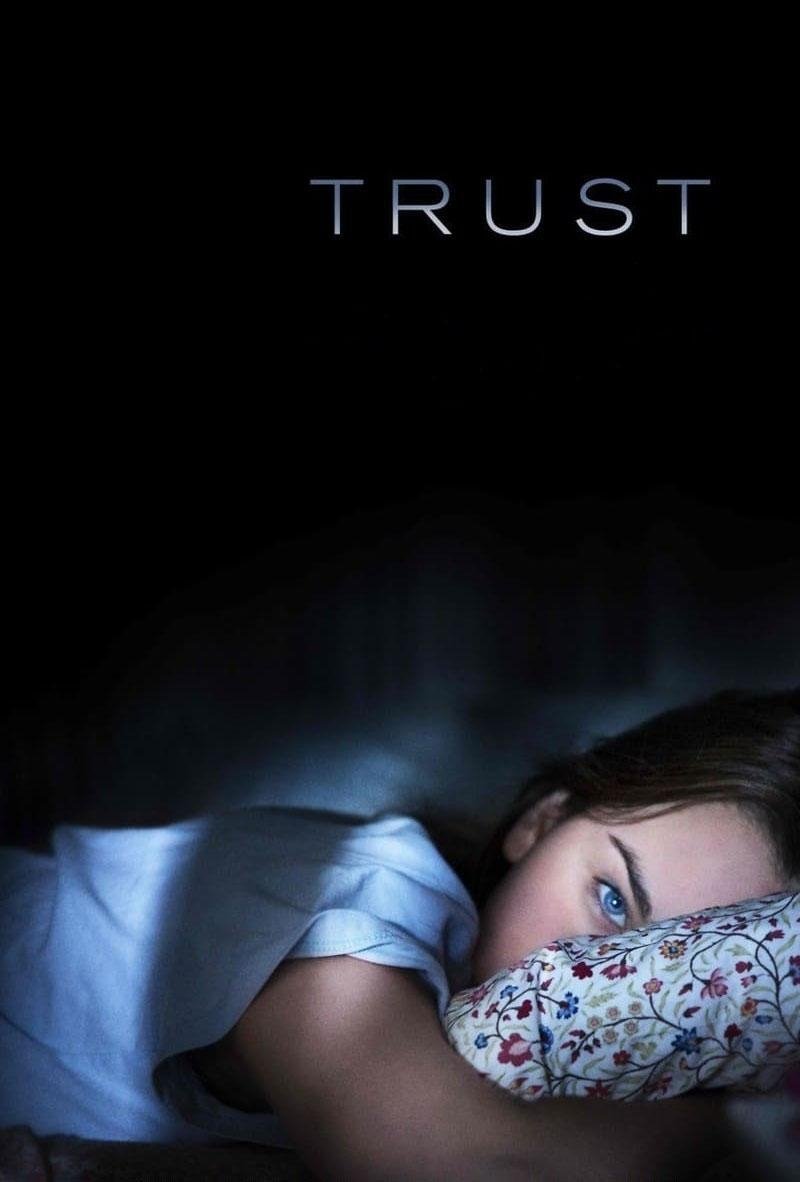
Clive Owen and Catherine Keener play parents whose daughter becomes the victim of an online predator she met in a chat room. The film focuses on the grooming process and the devastation it brings to a suburban family unit. It treats the subject matter with gravity rather than sensationalism to expose the dangers lurking in seemingly innocent digital spaces. The narrative underscores the difficulty parents face in monitoring the online activities of their children.
‘Hard Candy’ (2005)

Ellen Page plays a teenager who turns the tables on a photographer she meets online who suspects her of being underage. The intense psychological drama takes place mostly in one location as the power dynamic shifts between the two characters. It challenges the perceived anonymity and safety that predators believe they possess when hunting online. The film remains a tense examination of justice and deception in the age of internet chat rooms.
‘We’re All Going to the World’s Fair’ (2021)
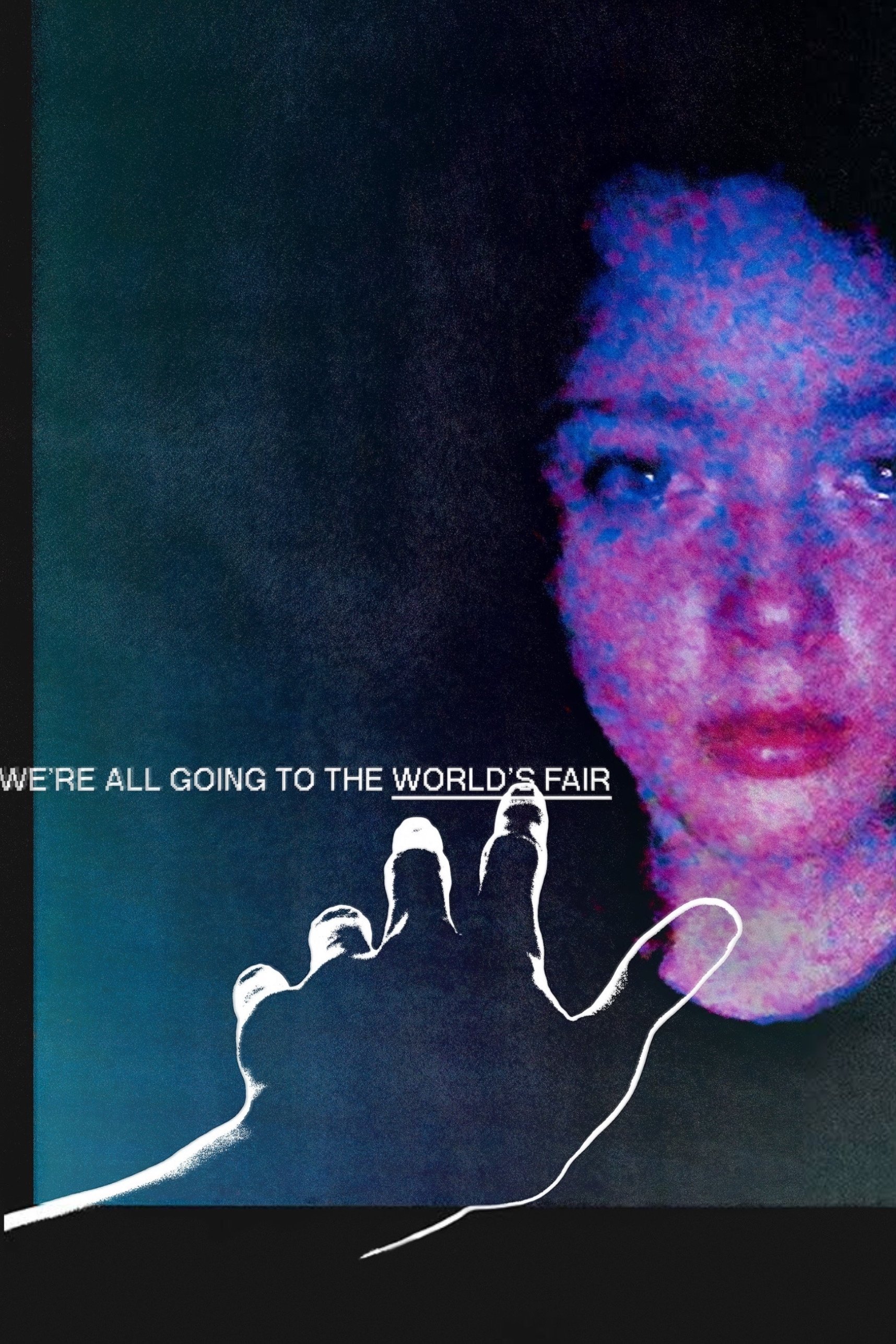
A solitary teenager becomes immersed in an online role playing horror game that begins to affect her physical reality. The movie uses a low fidelity aesthetic to capture the feeling of late night browsing and the isolation of internet subcultures. It explores the concept of collaborative storytelling and how it blurs the line between fiction and genuine distress. The film serves as a mood piece on the loneliness often alleviated or exacerbated by niche online communities.
‘Profile’ (2018)

A British journalist creates a fake Facebook profile to investigate the recruitment tactics of extremist organizations. The entire narrative plays out on her computer screen as she gets dangerously close to a recruiter in Syria. It illustrates the seduction techniques used in digital radicalization and the psychological toll of living a double life online. The format heightens the tension by limiting the viewer perspective to video calls and messaging windows.
‘Mainstream’ (2020)
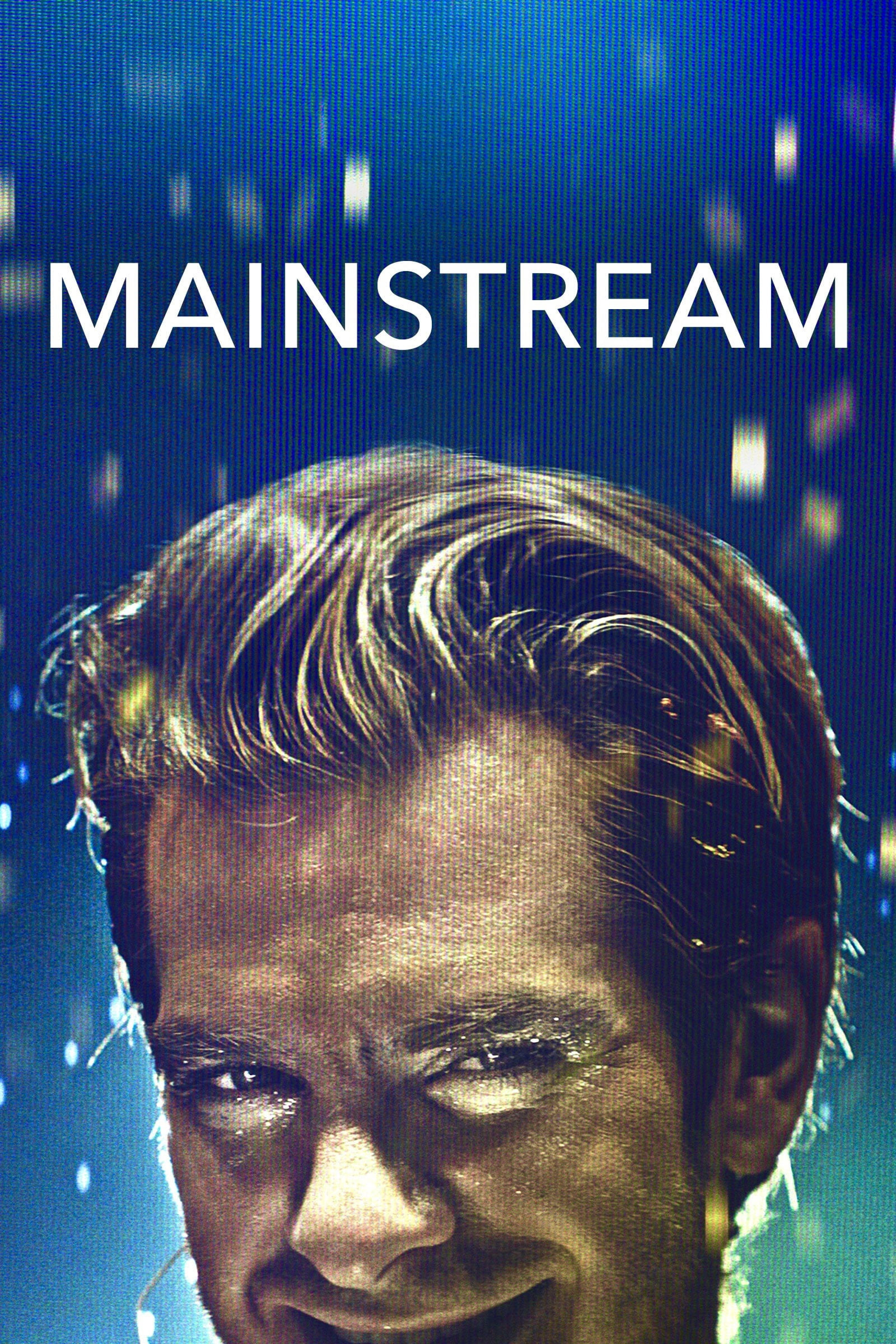
Andrew Garfield stars as an eccentric stranger who helps a young woman become an internet sensation through bizarre stunts. The film satirizes the hollow nature of influencer culture and the rapid rise and fall of digital celebrities. It uses surreal visuals to depict the distortion of reality that occurs when life is lived for the audience. The story questions the authenticity of emotional expression when it is commodified for likes and shares.
‘Host’ (2020)
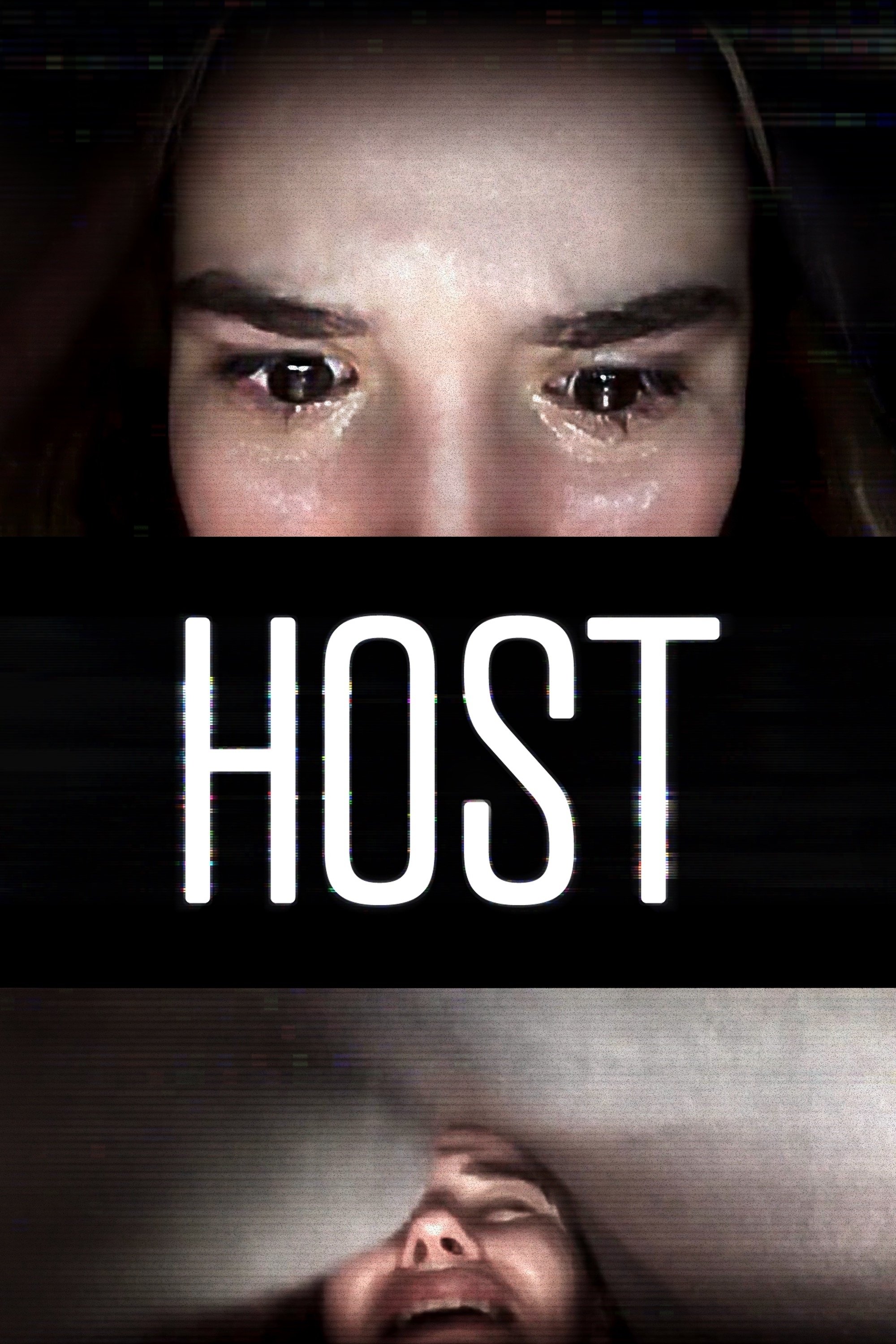
Six friends hire a medium to conduct a seance over Zoom during a strict lockdown. The horror unfolds in real time through the specific limitations and features of the video conferencing software. It captures the specific anxiety of the pandemic era where all social interaction was mediated through screens. The film creatively uses filters and connection glitches to generate scares within a familiar digital environment.
‘Not Okay’ (2022)

Zoey Deutch plays a photo editor who fakes a trip to Paris on Instagram to gain attention from a colleague. Her lie spirals out of control when a terrorist attack occurs in the city and she pretends to be a survivor. The satire targets the performative nature of online activism and the desperation for validation in the social media age. It exposes the potential consequences of curating a fraudulent life for the consumption of followers.
‘Sweat’ (2020)
A fitness influencer in Poland navigates three days of promotional events while struggling with profound loneliness. The camera stays close to the protagonist to reveal the exhaustion behind her energetic online persona. It offers a nuanced look at the emotional labor required to maintain a massive following on social media. The film critiques the commodification of intimacy and the parasitic relationship between influencers and their fans.
Tell us which movie you think captures the internet best by leaving a reply in the comments.