


Movies with the Most Realistic Depictions of Therapy Gone Wrong




Cinema has long been fascinated with the intimate and often volatile dynamic between therapist and patient. While mental health treatment is a vital tool for healing in the real world filmmakers frequently explore what happens when professional boundaries dissolve or ethical codes are ignored. These stories range from psychological thrillers featuring manipulative doctors to dramas highlighting the failure of institutional care. The tension inherent in the therapeutic relationship provides a rich backdrop for narratives about trust vulnerability and the abuse of power. This list explores twenty-five films where the pursuit of mental stability veers off course into dangerous territory.
‘One Flew Over the Cuckoo’s Nest’ (1975)

Nurse Ratched rules her psychiatric ward with an iron fist and manipulates patients to maintain absolute control. Randle McMurphy arrives and disrupts the oppressive routine by encouraging the other patients to rebel against the staff. The therapy sessions serve as public humiliations rather than opportunities for healing or growth. This film depicts the devastating consequences of institutional power when it is used to crush the human spirit.
‘The Silence of the Lambs’ (1991)

Clarice Starling seeks the help of incarcerated psychiatrist Dr. Hannibal Lecter to catch another serial killer. Lecter uses their interactions to psychoanalyze Clarice while manipulating her into revealing personal traumas. The relationship blurs the line between doctor and patient as Lecter exploits her vulnerabilities for his own amusement. His brilliance as a therapist makes his murderous nature even more terrifying and effective.
‘Antichrist’ (2009)

A grieving therapist decides to treat his own wife after the tragic death of their young son. He takes her to a remote cabin in the woods to confront her fears and grief directly. The decision to treat a family member violates fundamental ethical boundaries and leads to a spiral of madness and violence. The film illustrates the dangers of arrogance and the inability to remain objective in the face of personal tragedy.
‘Side Effects’ (2013)

A psychiatrist prescribes a new experimental drug to a young woman struggling with severe depression. The patient begins to experience strange side effects that lead to a shocking act of violence while sleepwalking. The doctor scrambles to salvage his reputation and uncovers a web of deceit involving insider trading and manipulation. This thriller highlights the potential perils of pharmaceutical influence within the mental health profession.
‘The Prince of Tides’ (1991)

Tom Wingo travels to New York to help a psychiatrist uncover the repressed memories of his suicidal sister. The doctor and Tom eventually embark on a romantic affair while he is technically acting as a proxy patient. This relationship represents a severe breach of professional ethics and complicates the healing process for everyone involved. The film romanticizes a dynamic that would result in the loss of a medical license in the real world.
‘A Dangerous Method’ (2011)
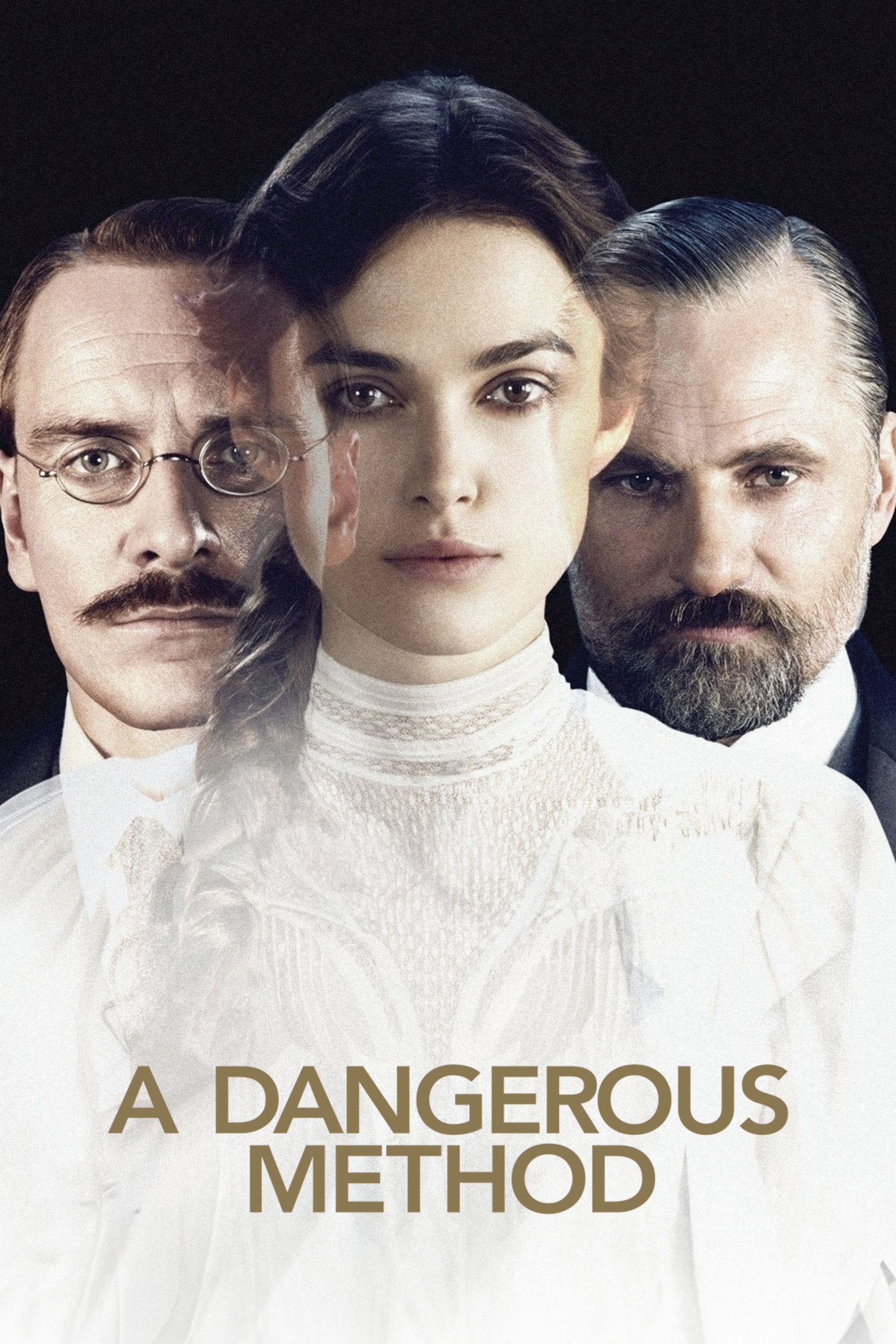
This historical drama depicts the intense relationship between Carl Jung and his patient Sabina Spielrein. Jung employs the talking cure proposed by Sigmund Freud but eventually crosses the line into a sexual relationship with Sabina. The film explores the early days of psychoanalysis and the struggles the founders faced regarding boundaries and transference. It serves as a fascinating look at how the rules of therapy were tested and broken during the infancy of the field.
‘Basic Instinct’ (1992)

Detective Nick Curran becomes entangled with a crime novelist who is also a brilliant psychology graduate. The police psychiatrist Beth Garner is also involved in the complex web of manipulation and murder. Professional boundaries are non-existent as sexual relationships and psychological mind games take precedence over treatment or justice. The film presents therapy and psychology as weapons used for domination rather than tools for healing.
‘Shutter Island’ (2010)

U.S. Marshal Teddy Daniels arrives at a hospital for the criminally insane to investigate the disappearance of a patient. He discovers that the doctors are performing radical experiments and that the staff is hiding dark secrets. The entire investigation turns out to be an elaborate role-play therapy session designed to break through his own delusions. The film questions the ethics of extreme psychiatric interventions and the nature of reality.
‘Girl, Interrupted’ (1999)

Susanna Kaysen is committed to a psychiatric hospital after a suicide attempt and struggles to navigate the social hierarchy of the ward. The staff often seems indifferent or controlling rather than supportive of true recovery. Patients manipulate one another and the therapists struggle to maintain order amidst the chaos. The story highlights the flaws in the mental health system of the 1960s and the difficulty of defining sanity.
‘What About Bob?’ (1991)

A successful psychiatrist tries to go on vacation but is stalked by his incredibly needy patient Bob Wiley. The doctor slowly loses his composure as Bob charms his family and refuses to respect any boundaries. The roles eventually reverse as the therapist suffers a mental breakdown while the patient thrives. This comedy takes the concept of countertransference and boundary violation to absurd and hilarious extremes.
‘Dressed to Kill’ (1980)

A psychiatrist discovers that one of his patients has been murdered after coming to him for help with her dissatisfaction. He becomes a suspect and must launch his own investigation to clear his name. The killer targets those associated with the doctor and exploits the secrets revealed during therapy sessions. The film uses the confidentiality of the doctor-patient relationship as a source of suspense and danger.
‘Color of Night’ (1994)
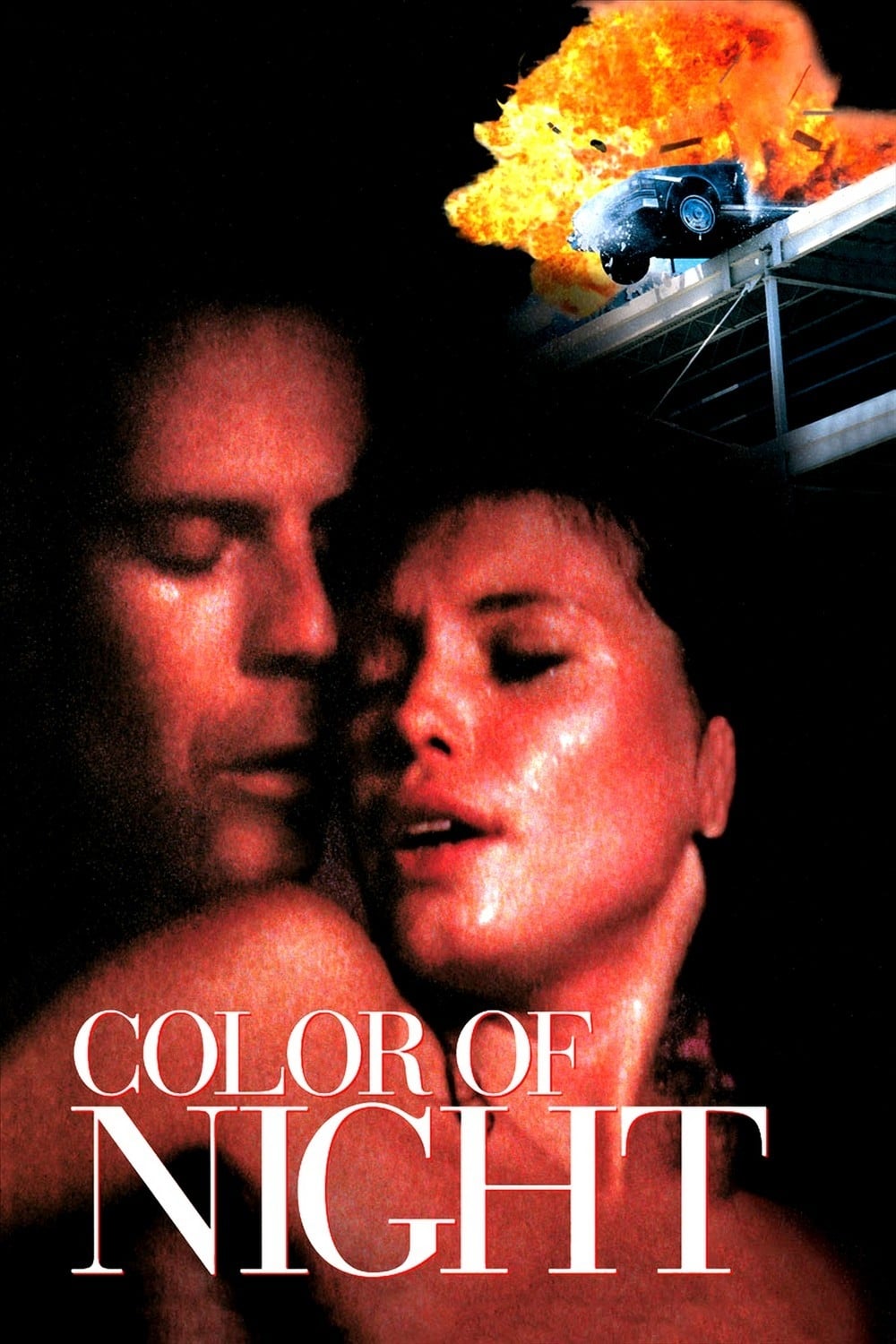
A psychologist takes over a therapy group after his colleague is brutally murdered. He becomes romantically involved with a mysterious woman who may be connected to the killer and the group members. The ethical violations pile up as he investigates his own patients while sleeping with a suspect. The depiction of group therapy is highly dramatized and filled with hysterical confrontations.
‘Don’t Say a Word’ (2001)

A gang of thieves kidnaps the daughter of a prominent psychiatrist to force him to unlock a secret buried in the mind of a catatonic patient. The doctor must use every trick in his playbook to breakthrough to the traumatized young woman in a matter of hours. The pressure compromises his clinical judgment as therapy becomes a tool for survival. It portrays the therapeutic process as a high-stakes race against time.
‘Gothika’ (2003)

A criminal psychologist wakes up as a patient in her own penitentiary with no memory of the crime she is accused of committing. She must navigate the dangerous environment she once controlled and convince her former colleagues of her sanity. Her doctor dismisses her claims and treats her with the same condescension she once showed others. The film explores the terror of losing professional authority and becoming the subject of psychiatric scrutiny.
‘Mr. Jones’ (1993)

A charismatic man with bipolar disorder is hospitalized and treated by a sympathetic female psychiatrist. She finds herself drawn to his manic energy and impulsively begins a romantic relationship with him. The film attempts to explore the complexity of mental illness but ultimately focuses on the unethical romance. It dramatizes the “savior complex” that can afflict therapists who become too personally invested in their patients.
‘Analyze This’ (1999)
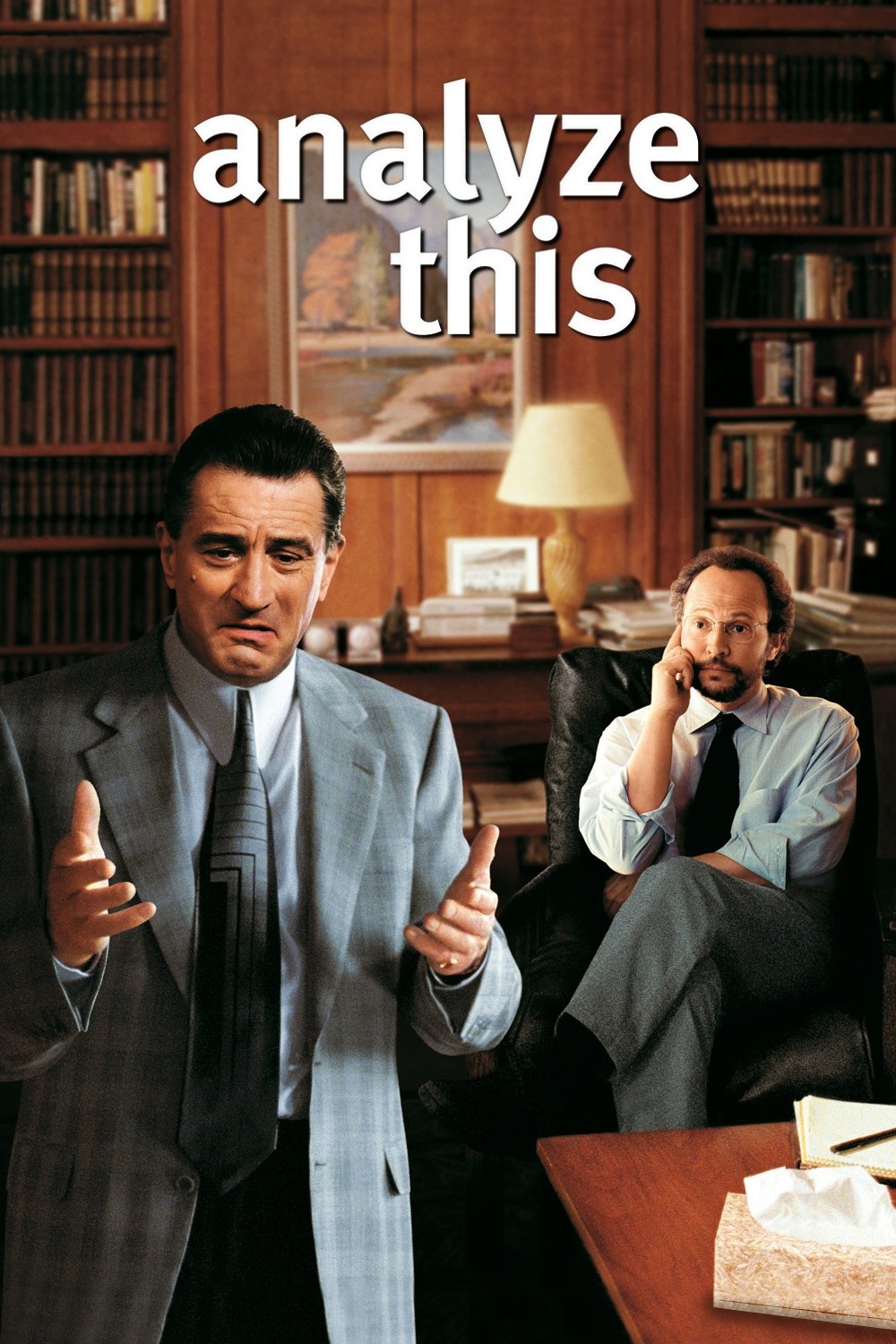
A powerful mob boss suffers from panic attacks and forces a reluctant psychiatrist to treat him. The doctor is coerced into being available 24/7 and is dragged into criminal activities against his will. The therapy sessions occur in ridiculous settings like wedding receptions and drive-by shootings. This comedy highlights the impossibility of conducting effective therapy when the patient holds lethal power over the clinician.
‘Spellbound’ (1945)
A psychoanalyst falls in love with the new head of the mental hospital who turns out to be an imposter suffering from amnesia. She risks her career and safety to help him uncover his true identity and prove his innocence in a murder case. The film utilizes dream interpretation and hypnosis to solve the mystery. It is a classic example of a therapist abandoning professional detachment for love.
‘Unsane’ (2018)

A woman unknowingly signs a voluntary commitment form and is locked away in a mental health facility. She insists she is sane and that her stalker has infiltrated the staff to torment her. The doctors and nurses gaslight her and use her distress as evidence of her instability. The film is a terrifying critique of the for-profit healthcare system and the potential for involuntary commitment abuse.
‘Split’ (2016)

Dr. Karen Fletcher treats a man with dissociative identity disorder who harbors 23 distinct personalities. She believes her patient is capable of physiological changes based on his belief system but fails to recognize the danger of a 24th emerging personality. Her fascination with his condition blinds her to the immediate threat he poses to society. The film depicts the fatal consequences of a therapist underestimating the volatility of a complex patient.
‘Stonehearst Asylum’ (2014)

A young medical school graduate arrives at a mental asylum to complete his training. He soon discovers that the patients have overthrown the doctors and are running the institution themselves. The methods used by the new “staff” are humane but chaotic while the imprisoned real doctors harbor dark secrets of their own. The movie flips the script on the traditional doctor-patient dynamic and questions who is truly mad.
‘Joker’ (2019)

Arthur Fleck attends court-mandated therapy sessions that are underfunded and impersonal. His social worker is overworked and eventually informs him that funding has been cut and he can no longer receive medication. The abandonment by the mental health system acts as a catalyst for his descent into violence and chaos. This narrative serves as a grim commentary on the consequences of society failing to provide adequate mental health support.
‘A Clockwork Orange’ (1971)
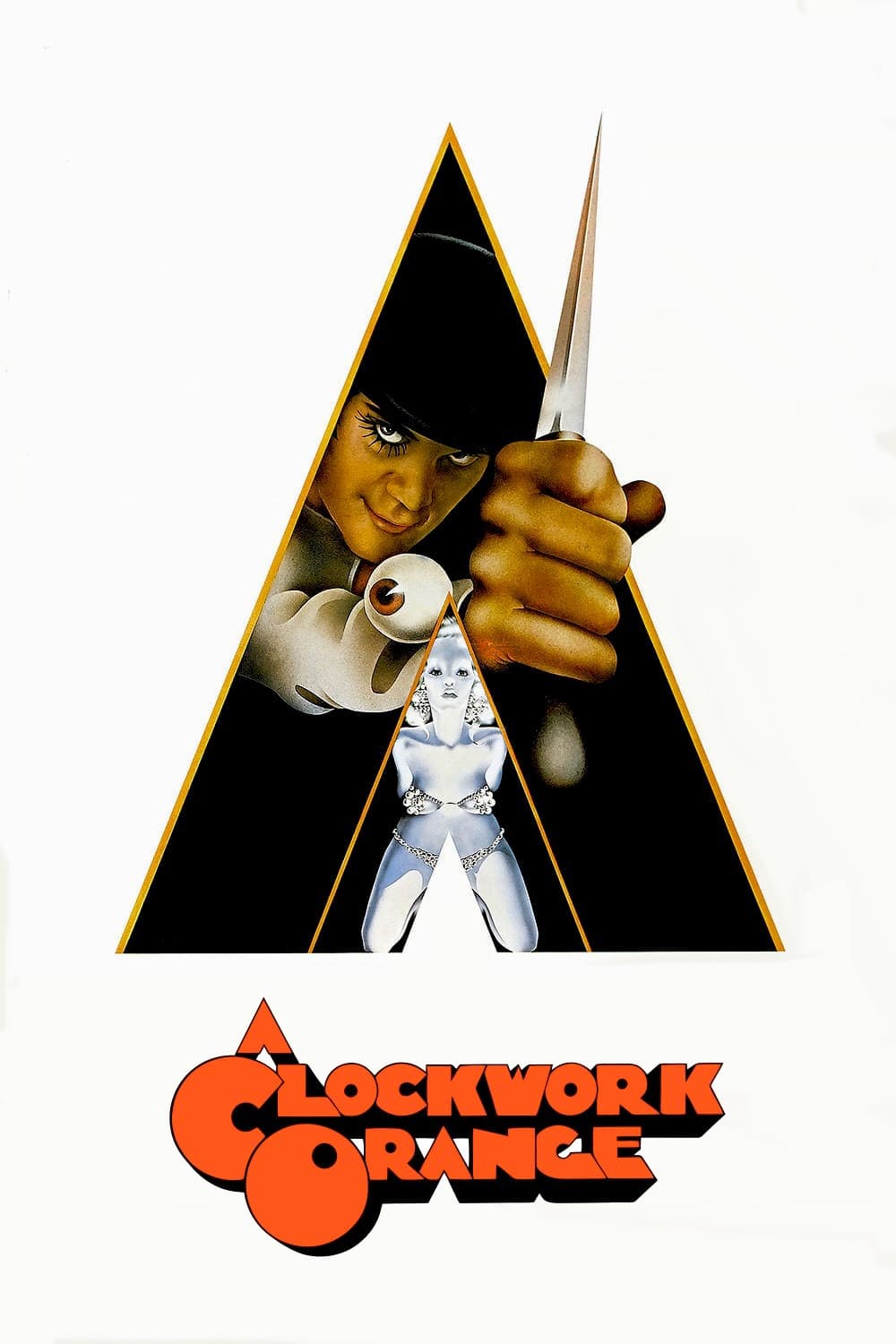
Alex DeLarge undergoes the Ludovico technique which is an experimental aversion therapy designed to cure his violent impulses. The treatment involves forced viewing of violent imagery while under the influence of nausea-inducing drugs. The “cure” strips him of his free will and renders him defenseless against the world. The film is a harrowing critique of using psychological conditioning to enforce societal conformity.
‘Eternal Sunshine of the Spotless Mind’ (2004)

A company offers a procedure to erase specific memories of painful relationships from the minds of their clients. The technicians performing the procedure are unprofessional and unethical as they steal from patients and manipulate the process. The protagonist fights to keep his memories as he realizes the pain is an essential part of his identity. It explores the moral implications of using technology to bypass the natural grieving process.
‘K-PAX’ (2001)

A patient claims to be an alien from a distant planet and his psychiatrist becomes obsessed with proving him wrong. The doctor introduces the patient to his own family and allows him to influence the other patients in the ward. The psychiatrist’s own unresolved personal issues begin to surface as he delves deeper into the mystery. The film blurs the boundaries between assessment and obsession.
‘Primal Fear’ (1996)

A defense attorney hires a neuropsychologist to evaluate an altar boy accused of a brutal murder. The evaluation reveals a history of abuse and suggests the presence of multiple personalities. The therapy sessions become the central piece of evidence in a high-stakes trial. The ending reveals that the entire diagnosis was manipulated by the patient to escape justice.
Please share your favorite examples of movie therapy sessions gone wrong in the comments.