


Movies You Probably Didn’t Know Were Based on True Stories




Some films feel so outlandish that it is easy to assume they came straight from a writer’s imagination. Look a little closer and you find real cases, news clippings, and lived experiences hiding under the surface. Filmmakers often change names and timelines, but the spark that lit the story began with people and places you can look up on a map.
This list gathers well known hits and under the radar titles that drew from real events. You will see crimes that made headlines, legends backed by court files, and human stories that were later reshaped for the screen. The details below focus on what happened and how each production translated the facts into a movie you might not have realized came from life.
‘The Strangers’ (2008)
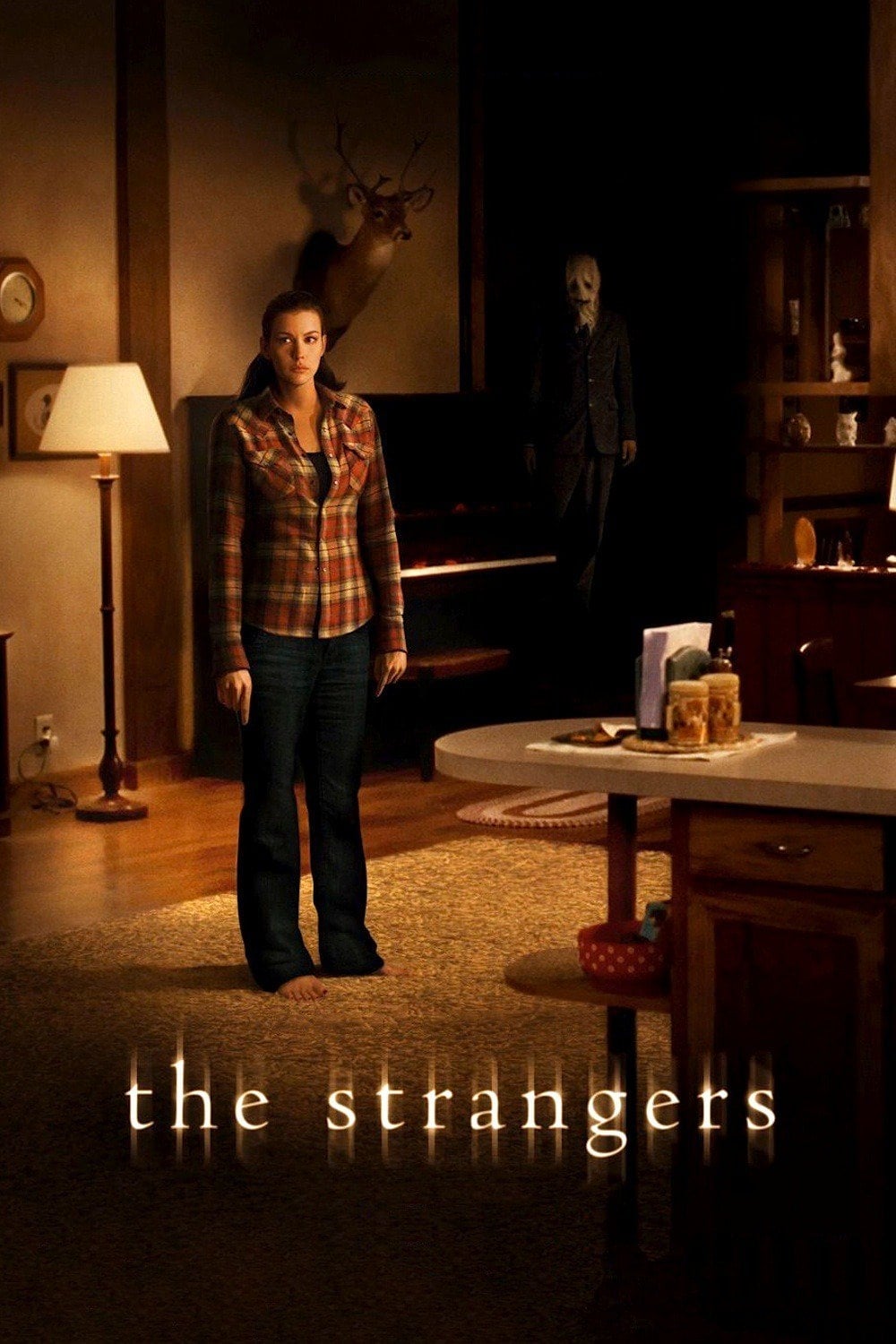
Writer director Bryan Bertino has said the home invasion premise came from two sources in his own life and in true crime. As a child he experienced strangers knocking at the door while his parents were out, asking for someone who did not live there. He also researched real cases that involved random attacks inside homes, including well documented incidents where victims were chosen simply because they were present.
The production leaned into that idea of chance. The script stripped out elaborate motives and used a rural setting to mirror isolated real world locations. The masked intruders and the line about being targeted because the couple was home were creative choices designed to echo the unsettling randomness found in those reports.
‘A Nightmare on Elm Street’ (1984)
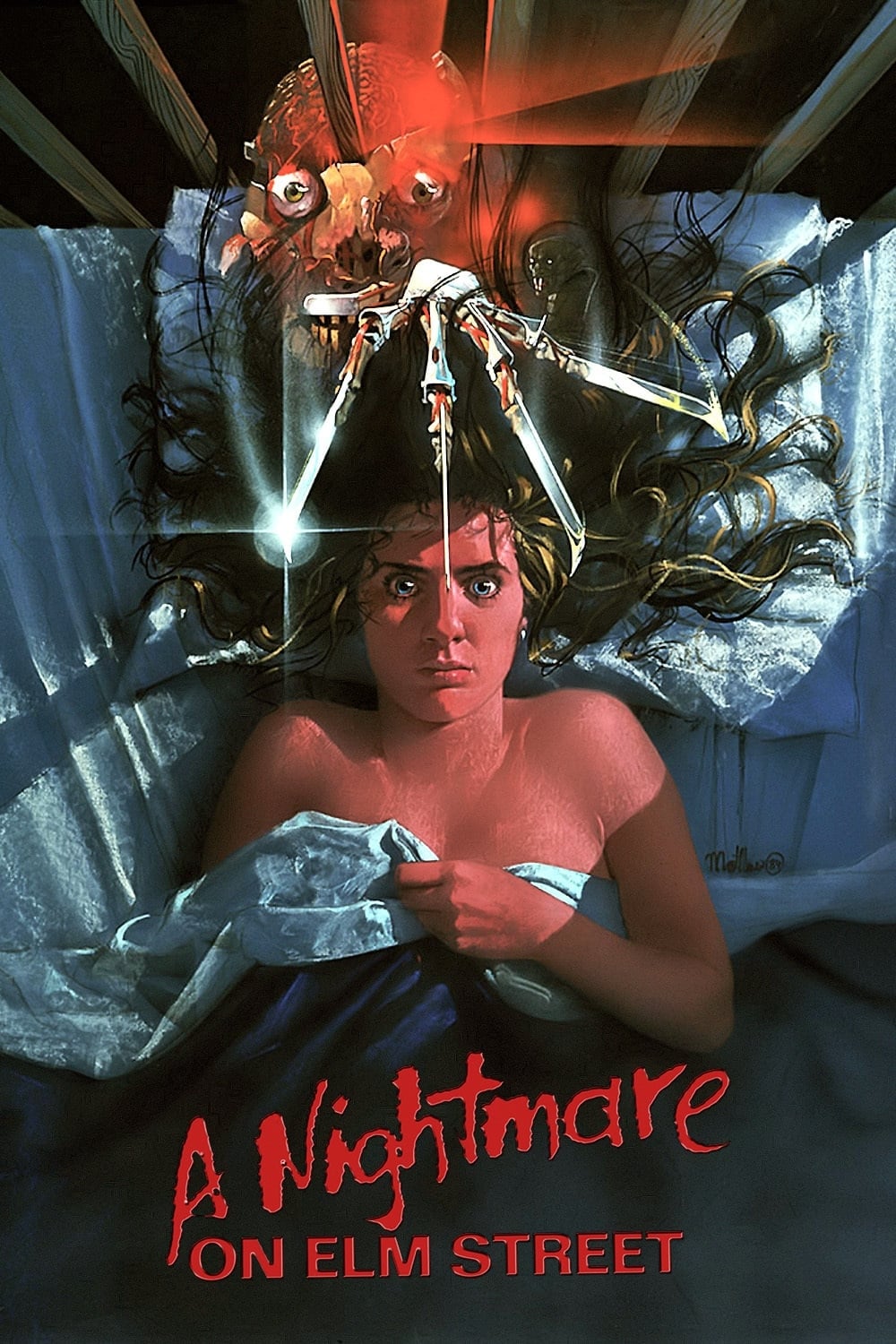
Wes Craven credited news stories about young Southeast Asian refugees who died in their sleep after terrifying dreams. Doctors documented clusters of sudden nighttime deaths among otherwise healthy men, which drew national attention and left families searching for answers. Those reports gave the filmmaker a grounded thread to pull on while imagining a figure who could attack during sleep.
The movie built a supernatural mythology, but the seed remained tied to documented cases and medical mystery. Craven took the idea of fear that follows people into bed and turned it into a villain that only becomes dangerous once you drift off. The concept’s power rests on that real life pattern that made people wary of falling asleep.
‘Scream’ (1996)
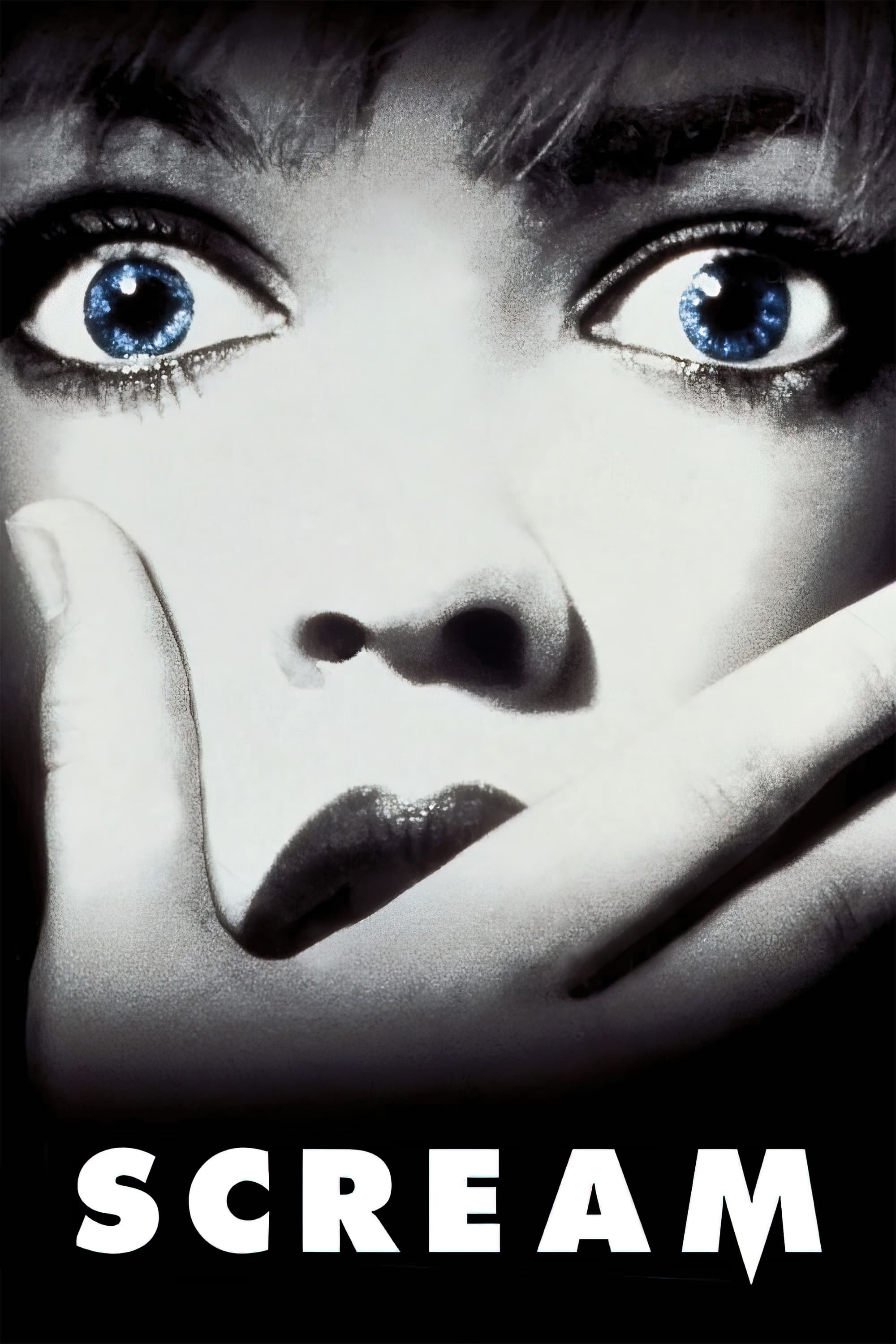
Kevin Williamson has explained that he wrote the first draft after watching coverage of the Gainesville murders in Florida from 1990. Those crimes involved a serial killer who targeted college students, which created widespread anxiety on campuses and in nearby towns. The way the case unfolded, with victims caught off guard at home, shaped the story’s tension.
The script added phone calls and a costumed killer to become its own thing. Even so, the plot keeps the focus on everyday spaces like living rooms and kitchens, because the real case showed how ordinary settings can become dangerous. The blend of familiarity and fear carried over from the headlines into the finished film.
‘Compliance’ (2012)
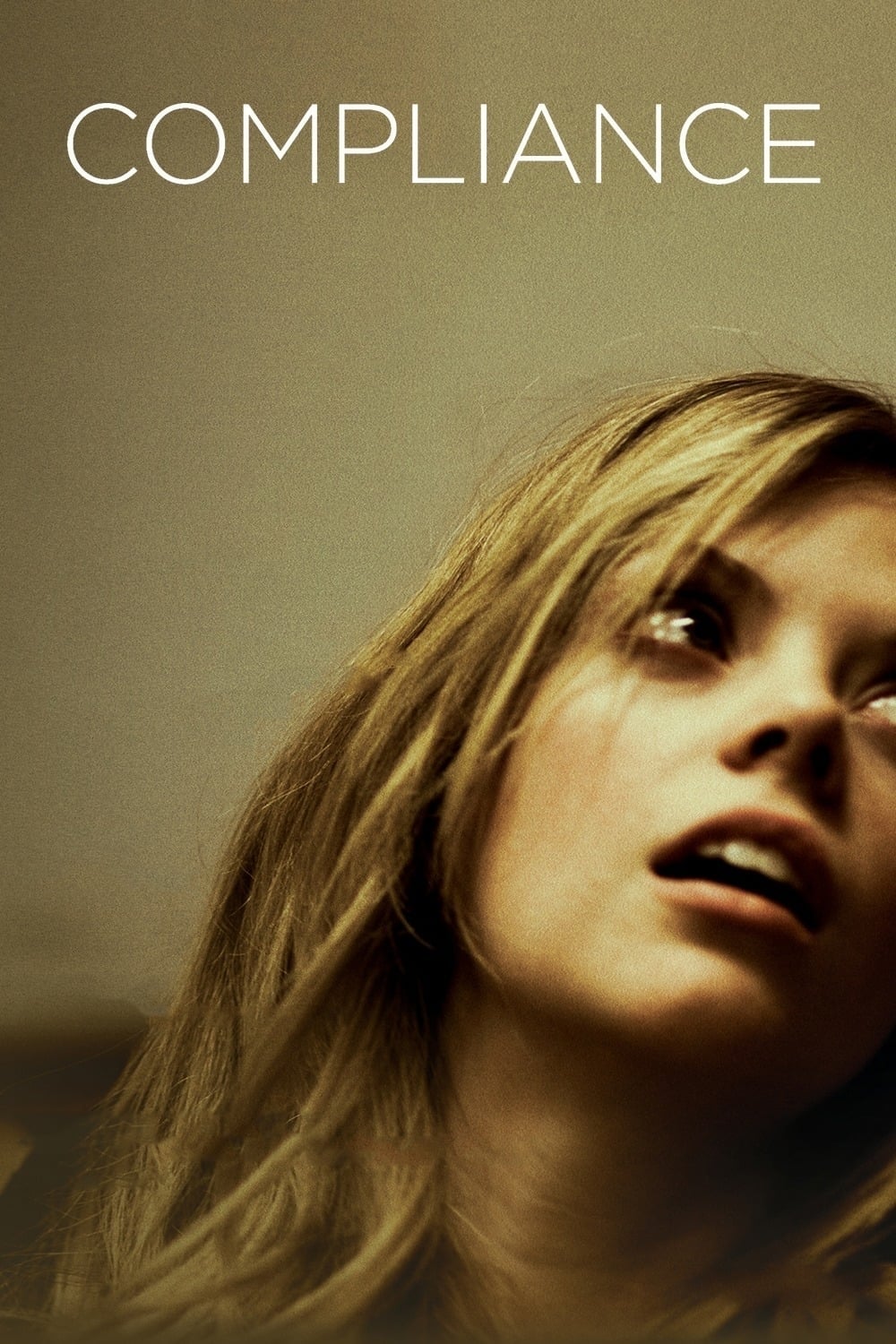
The movie recreates details from a 2004 incident at a fast food restaurant in Mount Washington, Kentucky. A caller who claimed to be law enforcement convinced staff to detain and strip search an employee in a back office. Investigators later tied the call to a phone card purchased in another state, and a suspect was tried and acquitted, which kept public interest high.
Filmmakers used court testimony and police records to shape sequences that follow the steps taken by the manager and others. The timeline tracks how the caller escalated requests and how authority and fear drove compliance. The film keeps the events in one location to reflect the real case’s narrow setting and to show how much harm happened through a phone and a closed door.
‘The Girl Next Door’ (2007)

This drama adapts Jack Ketchum’s novel, which itself was based on the 1965 case of Sylvia Likens in Indianapolis. A caregiver abused a teenage girl over weeks while neighborhood youths took part or looked the other way. The case led to arrests and trials that were covered across the country and later studied in criminal justice courses.
The film changes names and frames the story through a neighbor’s memory, but the pattern of confinement and escalating cruelty mirrors the record. Specifics such as a basement setting and the involvement of other minors reflect documented elements. The production used those facts to anchor a narrative that would otherwise seem impossible to believe.
‘Open Water’ (2003)
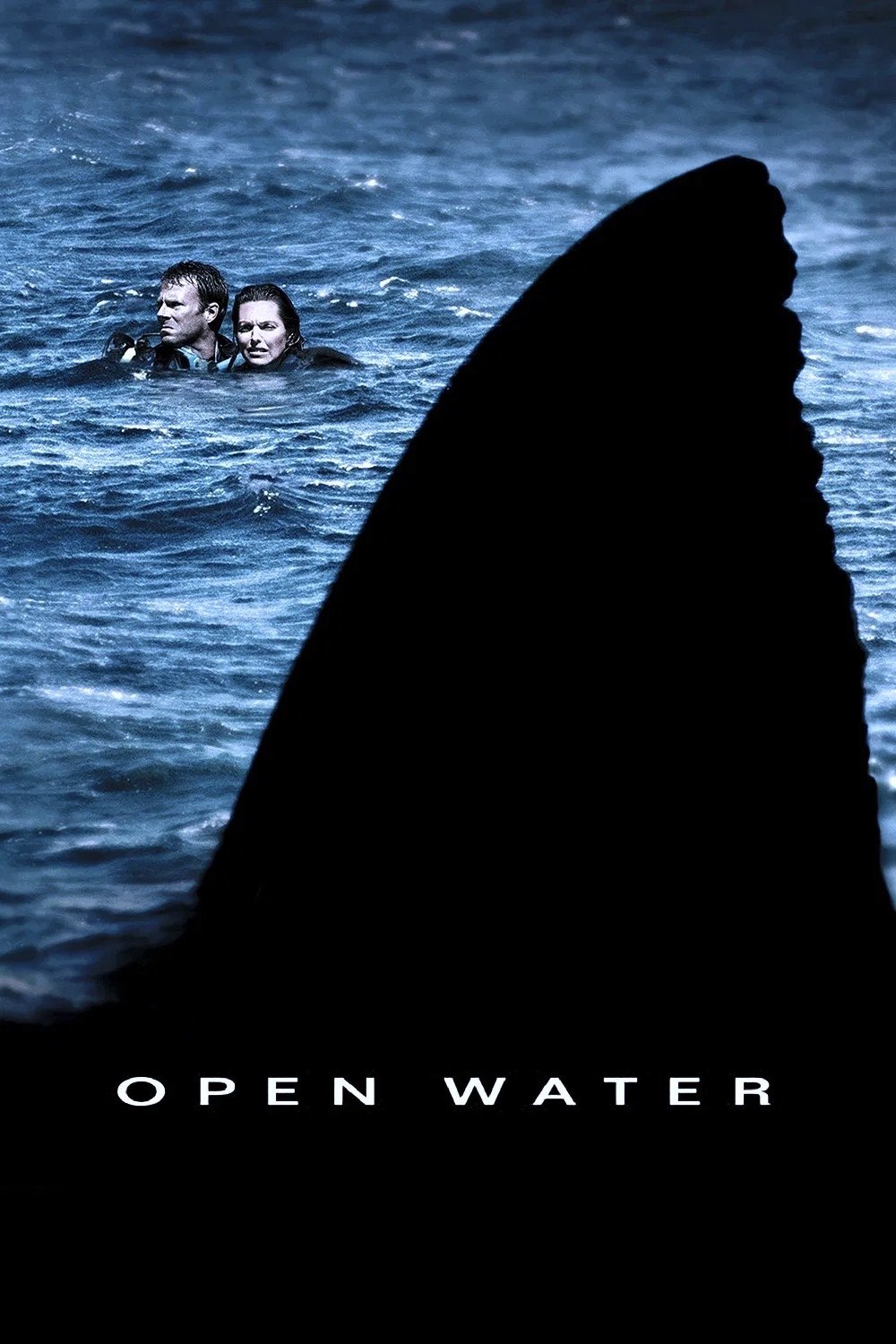
This survival story follows a couple left behind by a dive boat, a plot that matches what happened to Tom and Eileen Lonergan on the Great Barrier Reef in 1998. A headcount error led to a departure without them, and their disappearance prompted reviews of safety procedures in the dive industry. Personal items later found at sea were traced to the couple, reinforcing the timeline.
The film keeps the setup simple to stay close to the case. It was shot on the ocean with a tiny crew and real sharks to maintain a documentary feel. Dialogue and character details are fictional, but the central mistake and the vastness of the water around two people come straight from the incident that triggered an international search.
‘The Perfect Storm’ (2000)

The story follows the crew of the Andrea Gail, a swordfishing boat that vanished during the powerful Atlantic weather system of late October 1991. The so called Halloween nor’easter produced unusual conditions when different pressure systems combined, which damaged ships and coastal towns from New England to the Canadian Maritimes. The Andrea Gail last radioed while returning from the Grand Banks and was never found.
Because the final hours were not witnessed, the film extrapolates from weather data, fishing routines, and Coast Guard reports. It recreates rescue attempts that were documented and shows the sea state recorded by buoys and aircraft. The names of the men and the port of Gloucester remain, keeping the narrative connected to the real community affected by the loss.
‘The Vow’ (2012)
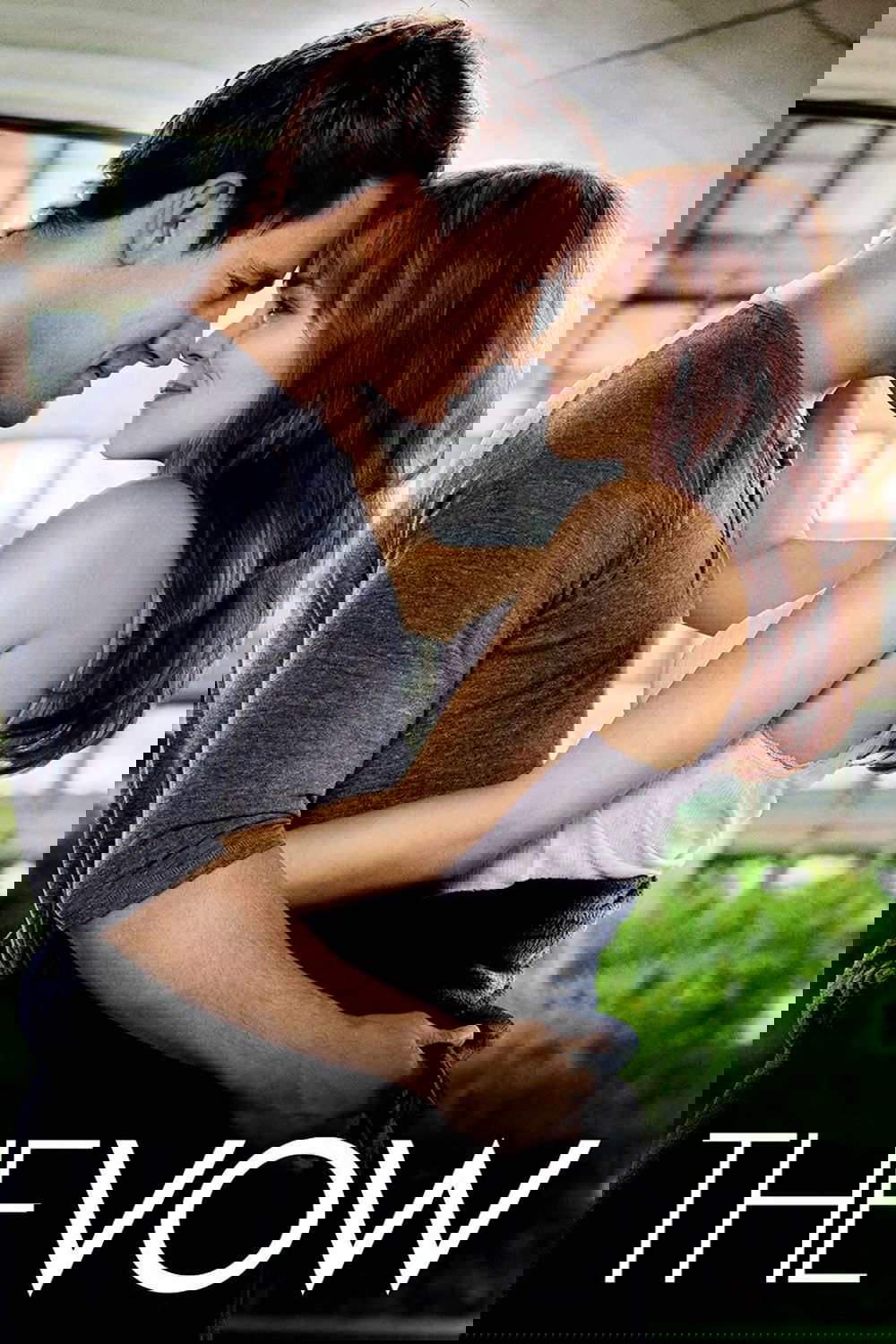
This romance draws from the lives of Kim and Krickitt Carpenter, who were in a serious car crash in 1993. She suffered a brain injury that erased her memories of their relationship, which forced the couple to rebuild their life together from the start. Their story appeared in interviews and a later memoir that outlined medical milestones and setbacks.
The movie changes locations and character names while preserving the core medical condition of retrograde amnesia. It uses therapy sessions and family interactions to dramatize the slow return to routine. The structure follows a before and after design that reflects the way the Carpenters described their lives in public accounts.
‘The Terminal’ (2004)
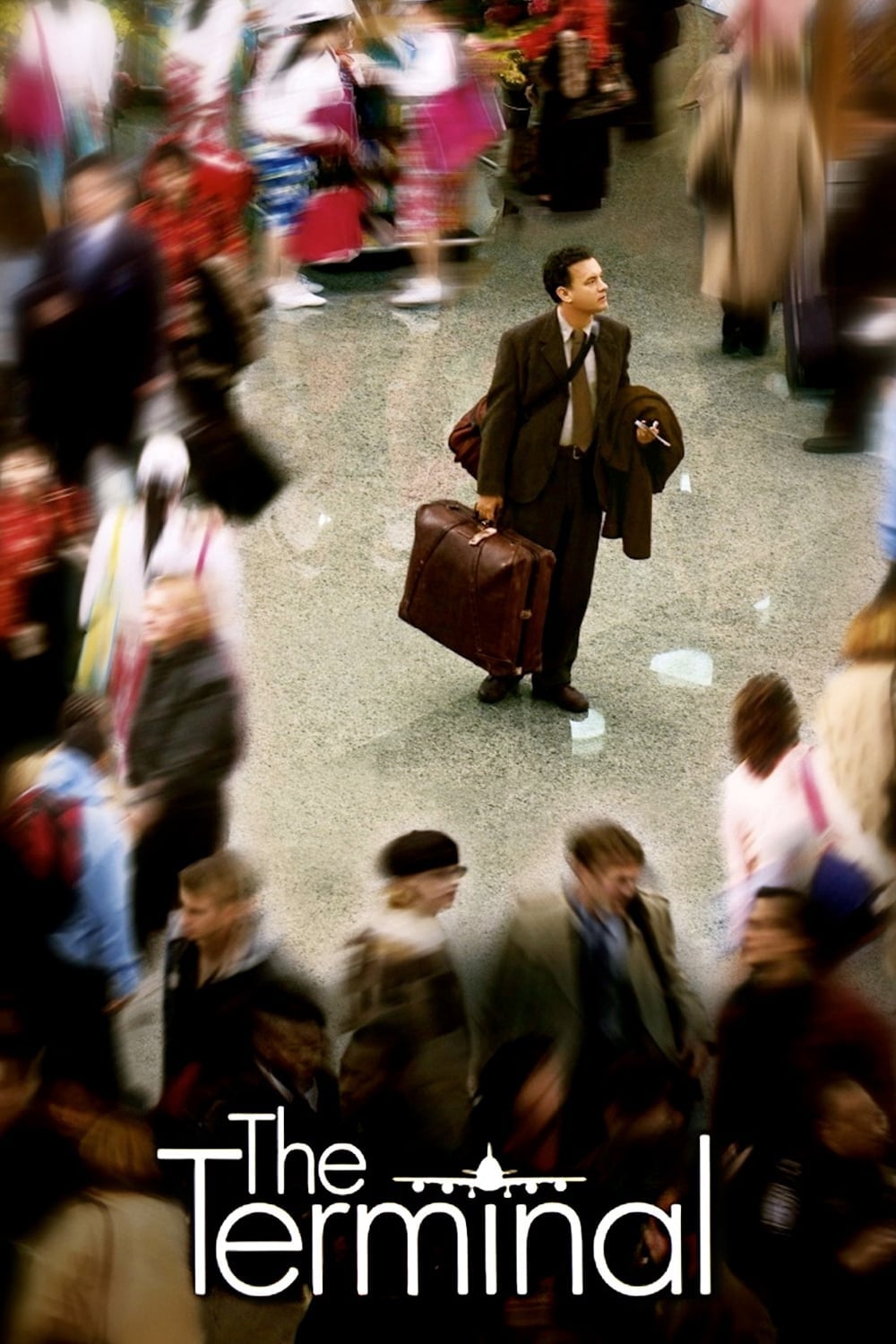
The premise was inspired by Mehran Karimi Nasseri, an Iranian refugee who lived in the departure hall of Paris Charles de Gaulle Airport from 1988 to 2006. His residency in the terminal began after paperwork and nationality disputes kept him from entering France or boarding a flight elsewhere. Airport staff, doctors, and aid groups documented his day to day life over the years.
The film relocates the story to New York and invents the fictional nation of Krakozhia. It keeps the logistics of sleeping on benches, washing in restrooms, and building a routine inside a transit zone. The production studied how airports operate around the clock, then set scenes that mirror the public yet liminal space where Nasseri spent so much time.
‘Pain & Gain’ (2013)

This crime story tracks the Sun Gym gang in Miami during the mid 1990s. Bodybuilders targeted wealthy victims for kidnapping and extortion, and the crimes escalated to murder. Reporters chronicled the investigation in a long series that laid out names, dates, and the financial paper trail that helped detectives.
The film uses composite characters and humor, but major beats line up with depositions and trial exhibits. It shows how the group watched routines, forged documents, and attempted to launder assets. The production’s timeline follows the real sequence from the first abduction through the arrests that ended the spree.
‘The Town That Dreaded Sundown’ (1976)
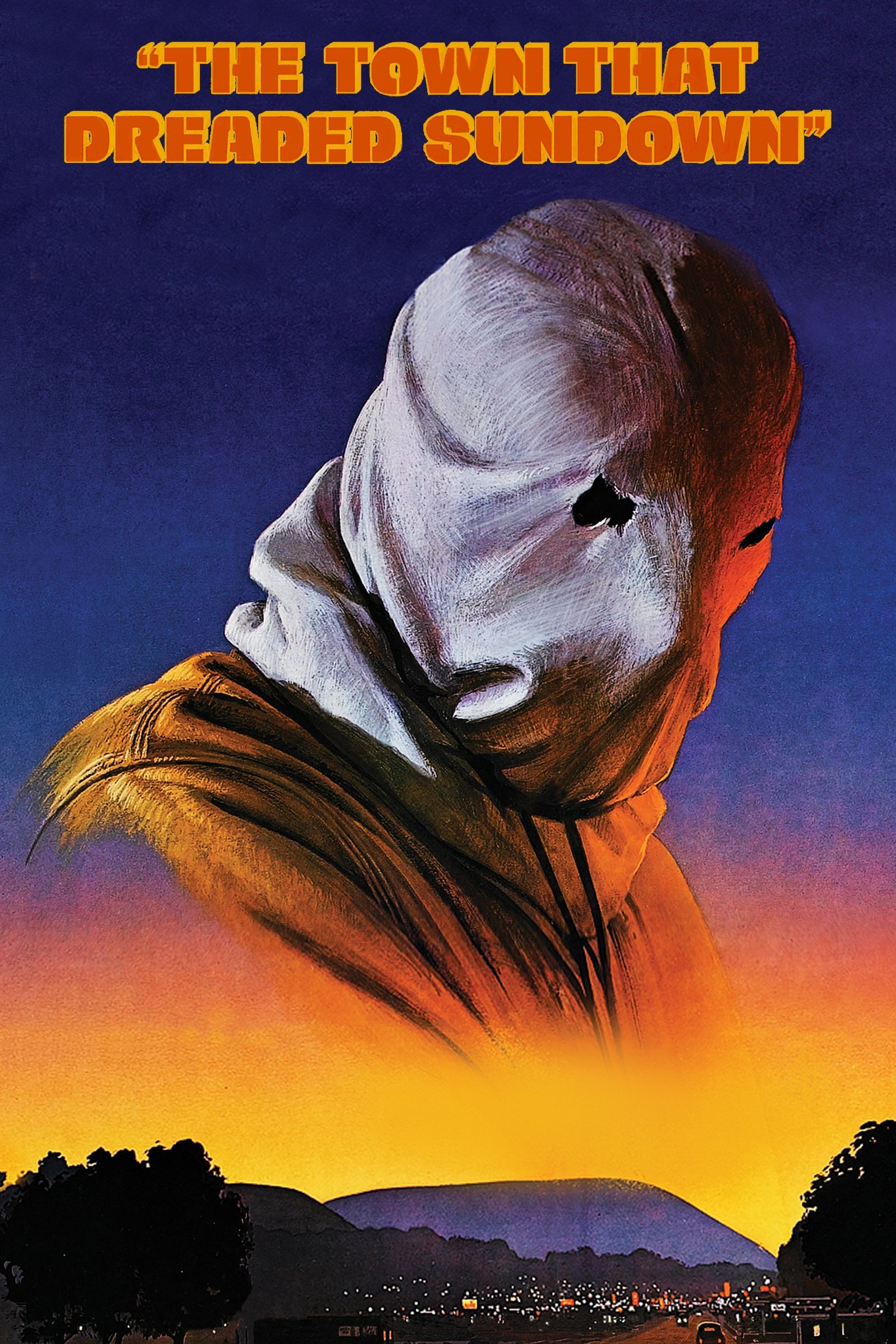
This docudrama is based on the 1946 Texarkana Moonlight Murders. An unidentified assailant attacked couples on the Texas Arkansas border, leaving five dead and three injured. The investigation involved local officers and the Texas Rangers and generated national coverage as fear spread through both sides of the city.
The film keeps the period setting and uses a narrator to echo newsreel style reporting. It changes victim names while preserving locations like rural roads and parks that match the case files. The choice to leave the killer unidentified reflects the fact that no one was convicted for the crimes.
‘The Haunting in Connecticut’ (2009)
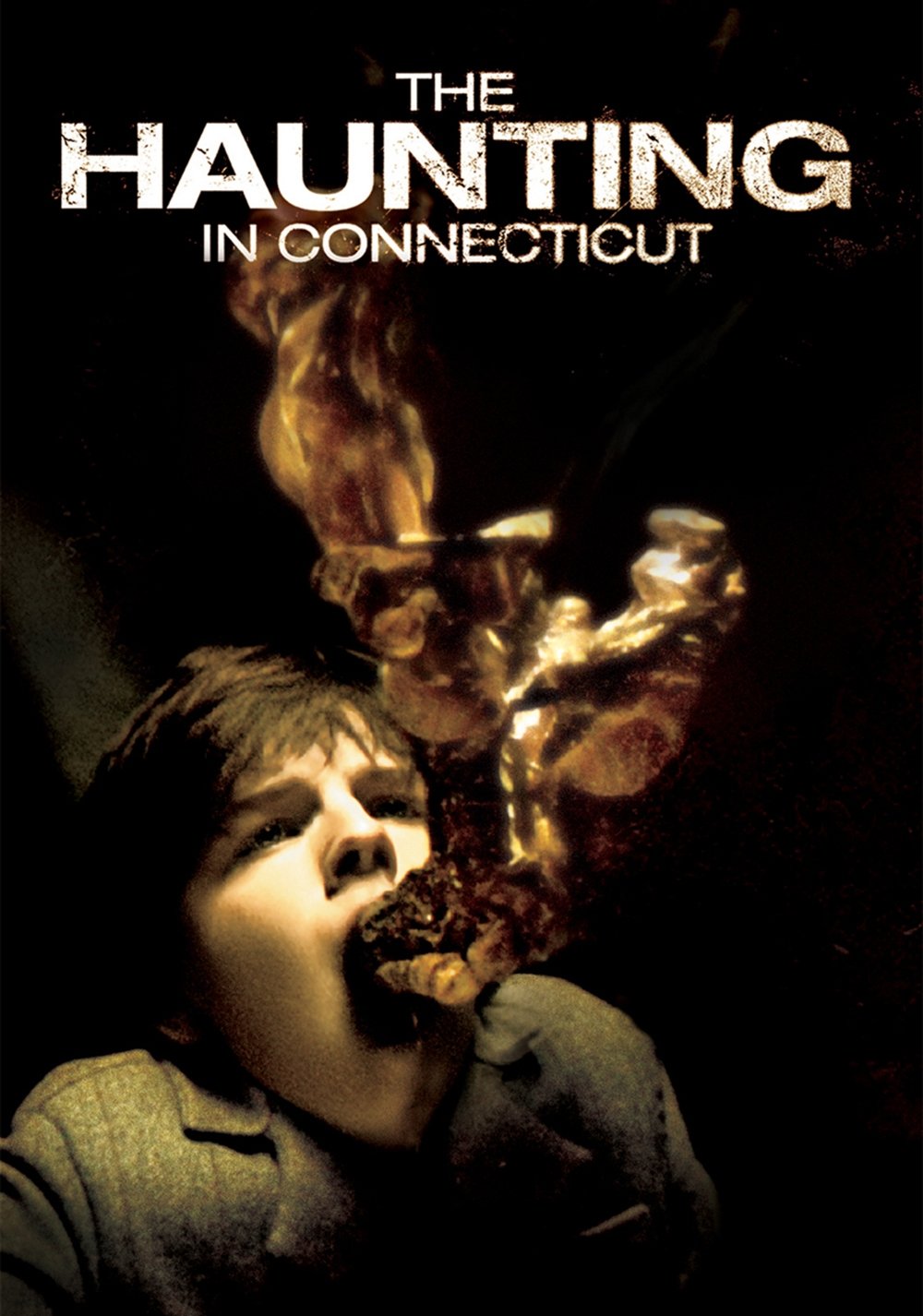
This supernatural tale comes from claims made by the Snedeker family in the late 1980s. They rented a house in Southington that had once operated as a funeral home and reported strange events soon after moving in. Paranormal investigators, including Ed and Lorraine Warren, publicized the case, which led to television episodes and books.
The movie uses the funeral home history and a family under financial stress, then adds a fictional backstory to heighten the haunting. It keeps the Connecticut setting and the dynamic of a parent trying to protect a sick child, which were part of the original accounts. The plot’s larger set pieces expand on smaller incidents that the family described.
‘Hustlers’ (2019)

The film adapts a widely read magazine feature about a group of dancers who drugged high spending clients and ran up charges during the years after the 2008 financial crisis. The real crew targeted men they believed would hesitate to report the crimes and used credit card processing tricks to hide transactions. Arrests followed, and several defendants took plea deals that spelled out the scheme.
On screen, character names are changed and a composite journalist interviews the main players to frame the story. The timeline mirrors the rise and fall described in court documents, including the use of designer drugs and the involvement of club employees. The production worked from financial records and interviews to reconstruct how the money moved.
‘American Animals’ (2018)
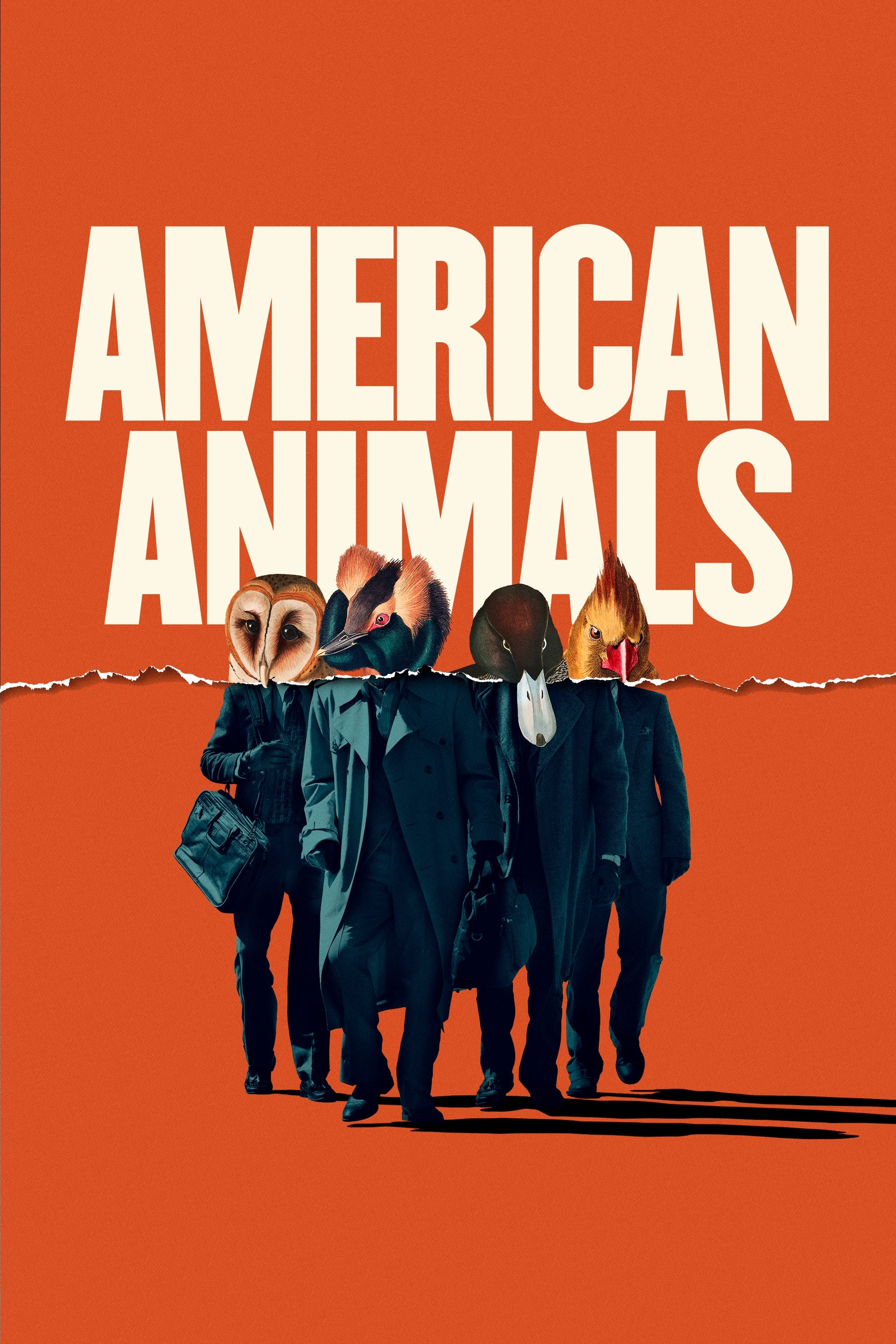
This heist drama recounts the 2004 theft of rare books from the library at Transylvania University in Lexington, Kentucky. Four students planned to steal an Audubon folio and other valuable volumes, posed as buyers, and later tried to fence the items in New York. They were arrested after drawing attention during the attempted sale and received federal sentences.
The film blends interviews with the real men and scripted scenes to compare memory with documented events. It uses floor plans and staff schedules to explain how the thieves expected to get in and out. The focus on planning and the gaps between expectation and reality reflects details in the case files.
‘The Good Shepherd’ (2006)

This spy drama draws loosely from the early history of the Central Intelligence Agency and the life of counterintelligence chief James Jesus Angleton. The main character is a composite, and the plot follows the evolution of American intelligence work from the Second World War through the Bay of Pigs. The film includes references to real programs, rival services, and foreign operations that defined the period.
While the names are fictional, many scenes are built from declassified histories and memoirs by former officers. The narrative shows how recruitment at elite universities fed into wartime service and then into the new agency. It also portrays the toll of secrecy on families, which echoes accounts from people who lived that life.
‘The Exorcism of Emily Rose’ (2005)
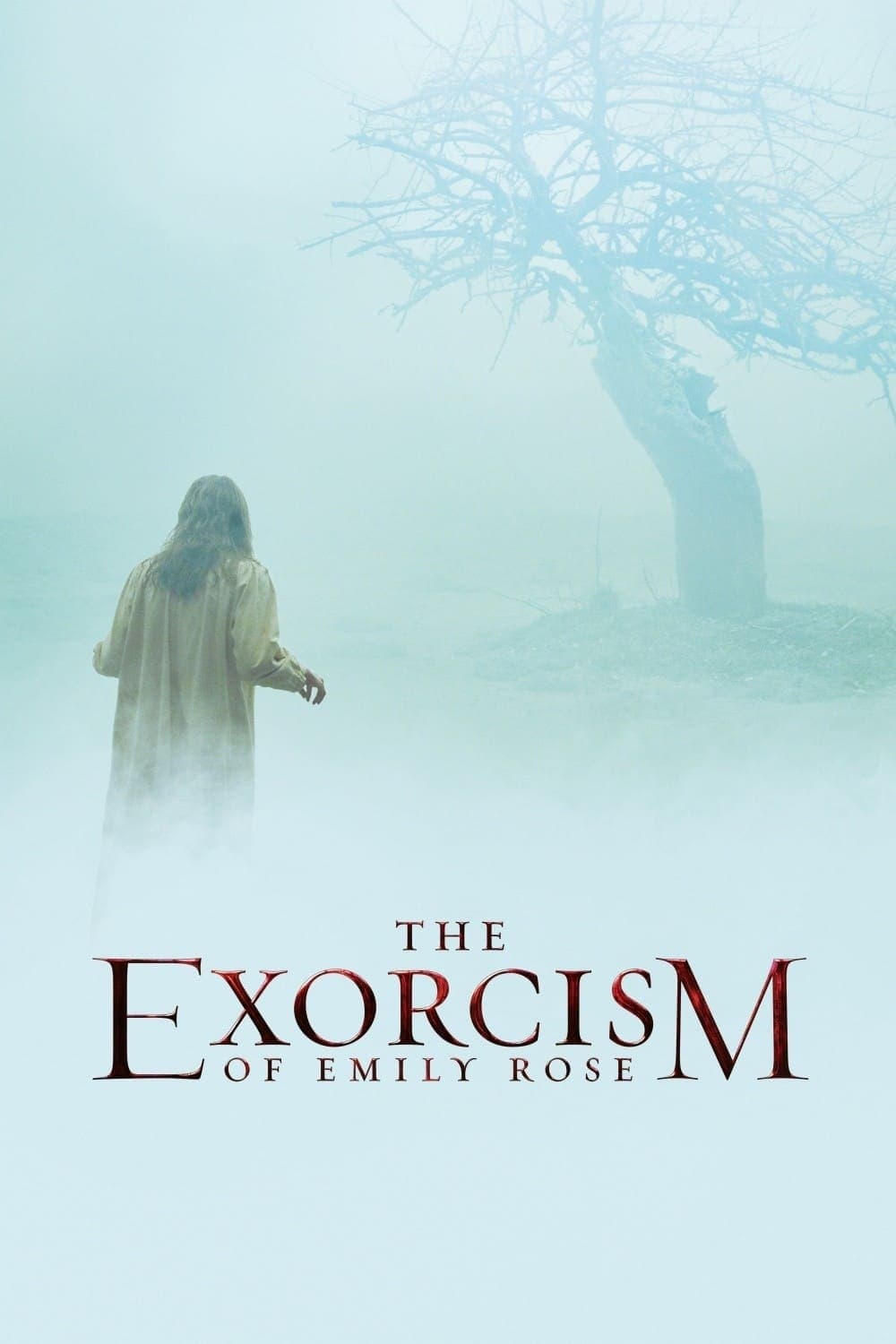
The courtroom structure is built around the case of Anneliese Michel in Germany from 1975 to 1976. She underwent dozens of church sanctioned exorcisms while also receiving medical treatment for seizures and psychiatric symptoms. After her death, a trial examined the decisions made by her parents and the priests involved, and the proceedings drew wide attention.
The movie relocates events to the United States and follows the legal arguments over responsibility and belief. It uses flashbacks to recount the symptoms and rituals described in witness statements. The script keeps the tension between medical explanations and religious interpretation that defined the real case.
Share the movies that surprised you most in the comments and add any other true story picks readers should check out.