


Multilingual Stars Who Use It On-Screen




Actors who can slip between languages don’t just add cool flavor—they unlock whole dimensions of character. A code-switch mid-conversation can signal intimacy, danger, or a secret identity faster than any plot twist, and it pulls audiences in across borders. When performers bring their full linguistic toolkit, scenes suddenly feel lived-in, global, and personal all at once.
Here are fifteen stars who don’t just speak multiple languages in life—they use them as storytelling superpowers on screen. From quick bilingual asides to full performances in another tongue, each of these artists shows how language can be character, subtext, and music.
Michelle Yeoh
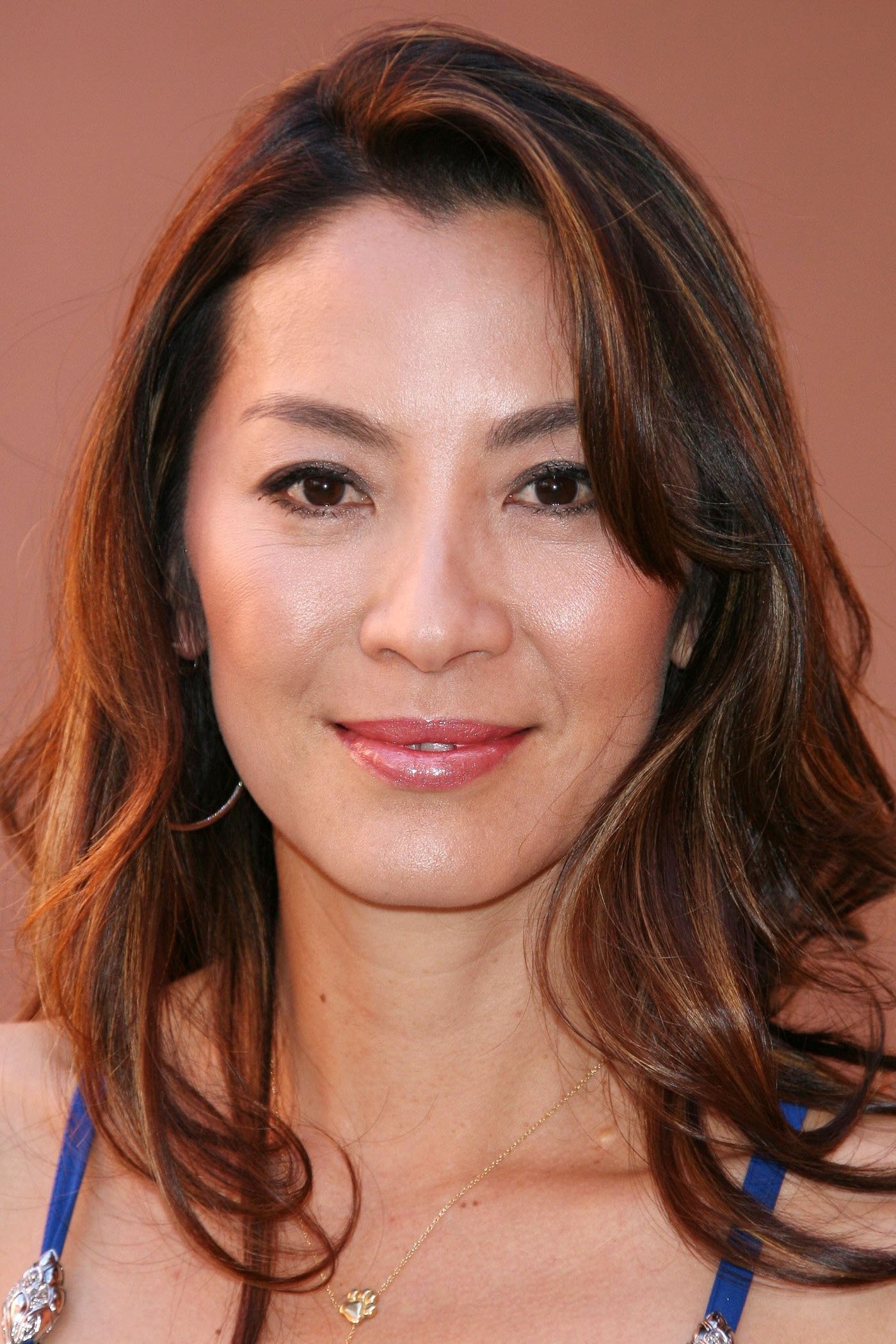
Michelle Yeoh’s range includes fluent work in English, Cantonese, and Mandarin, and she’s been weaving between them for decades. In hits like ‘Everything Everywhere All at Once’, that switching sharpens family rhythms and cultural nuance, while earlier Hong Kong films and prestige projects like ‘Crouching Tiger, Hidden Dragon’ show how comfortably she inhabits different linguistic worlds.
Her multilingualism never feels like a stunt; it’s baked into character. Whether a line lands with the clipped warmth of Cantonese or the calm precision of Mandarin, Yeoh uses sound and cadence to reveal history, humor, and power dynamics.
Christoph Waltz
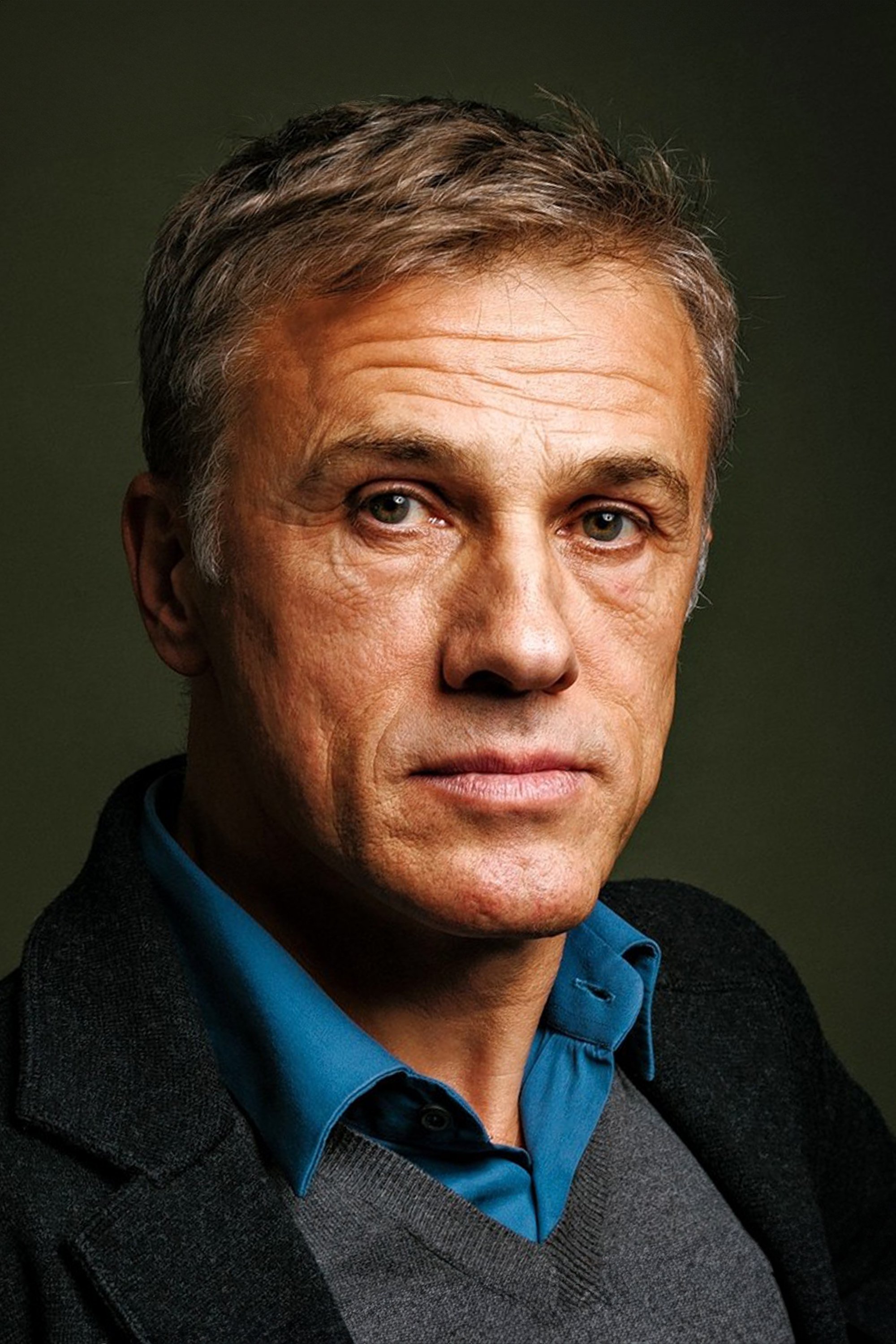
Christoph Waltz turned polyglot precision into an instant calling card. In ‘Inglourious Basterds’, he dances through French, German, English, and even Italian with unnerving charm, making language itself a weapon and a mask.
Across roles, he’s just as deliberate—dialing diction and rhythm to control a room or undercut a foe. The effect is hypnotic: you’re not just reading subtitles, you’re reading the character’s mind.
Diane Kruger
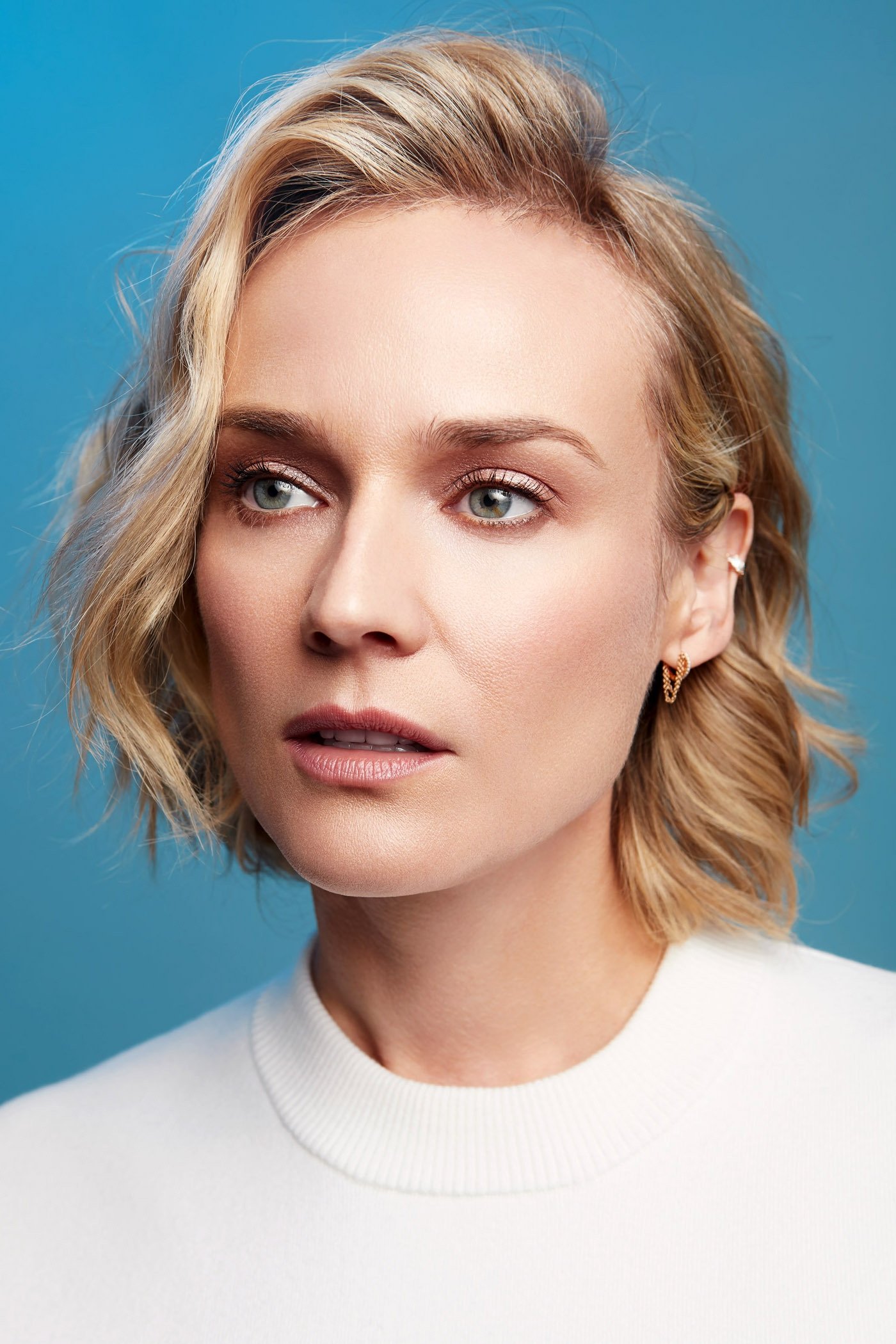
Diane Kruger moves with ease between German, French, and English, and she’s used that agility to reshape archetypes. As a German star navigating Allied intrigue in ‘Inglourious Basterds’, she flips languages to pivot from glamorous insider to calculating survivor.
Elsewhere, she’s delivered raw, grounded work in German dramas and fully natural French in period pieces, proving that accent and vocabulary can be as expressive as a costume change. The shifts feel lived-in, not performative.
Daniel Brühl
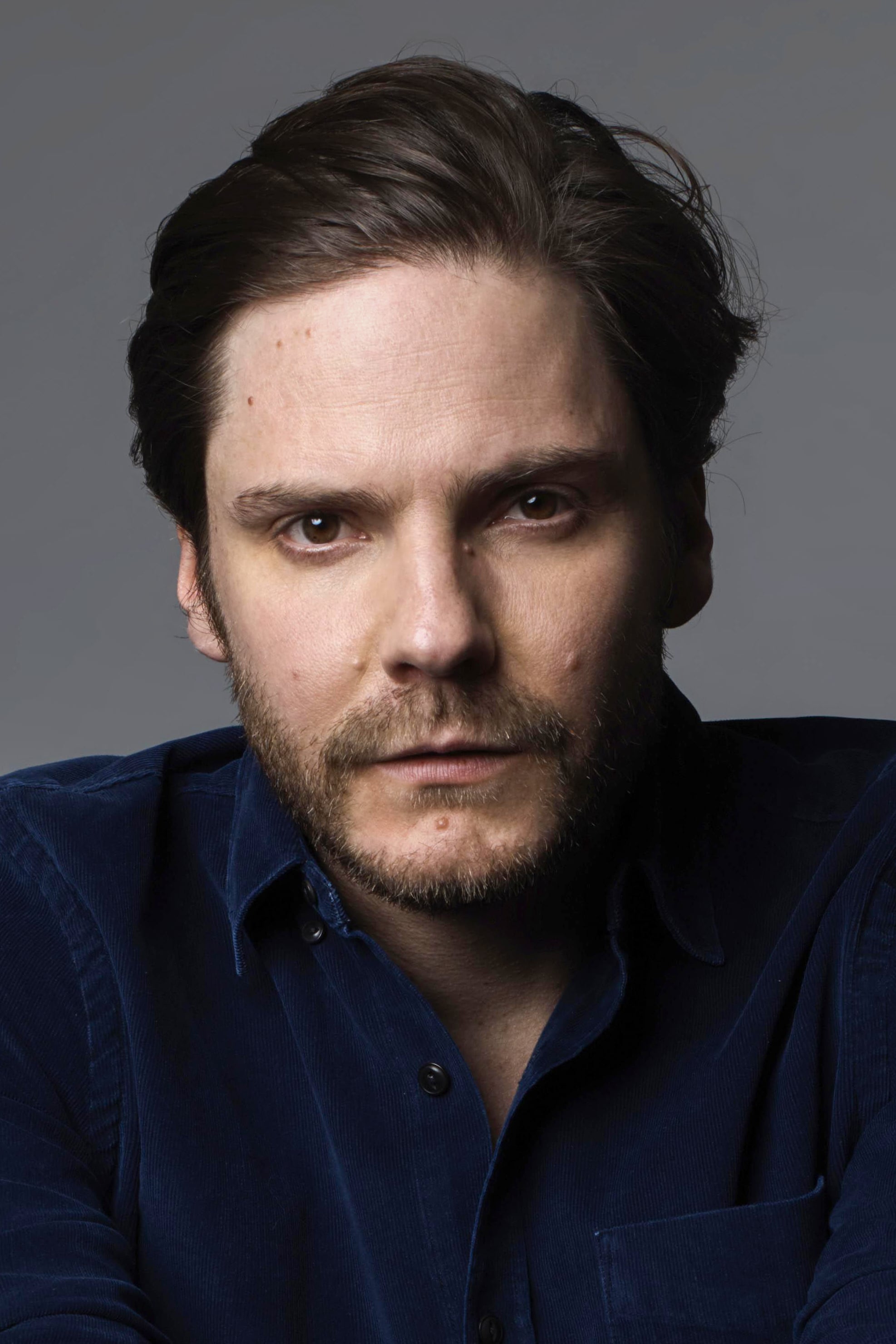
Born to Spanish and German parents, Daniel Brühl has built a career hopping countries and tongues. He’s utterly at home in German dramedies like ‘Good Bye, Lenin!’, switches to Spanish for intense political drama in ‘Salvador’, and toggles to crisp, international English in prestige TV like ‘The Alienist’ and racing biopic ‘Rush’.
Brühl doesn’t just translate; he relocates. His characters’ cultural references, temper, and humor morph with the language, making his performances feel truly transnational rather than simply dubbed by life experience.
Natalie Portman
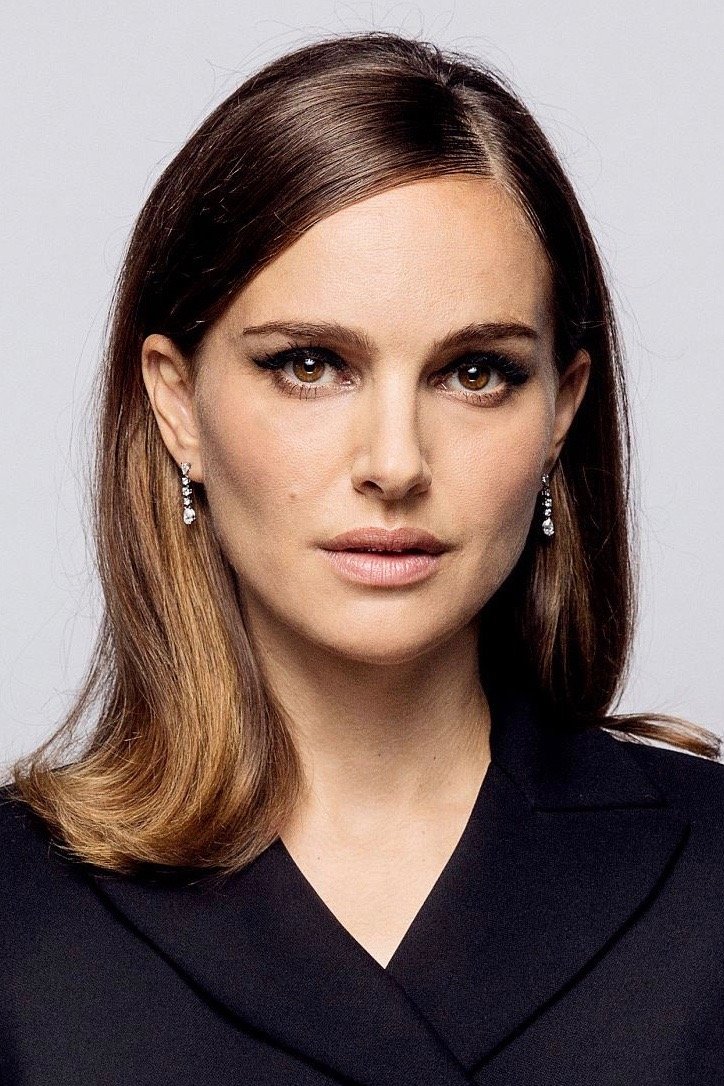
Natalie Portman’s on-screen Hebrew in ‘A Tale of Love and Darkness’ is grounded and lyrical, giving the film’s family drama a startling intimacy. She’s also stepped into French-language work like ‘Planetarium’, showing a performer who treats words as textural choices, not just lines to get through.
In English-language projects, you can hear that same musicality. Portman’s ease across languages pays off in layered characters who sound like they were raised somewhere specific, not generic “Movie World.”
Gael García Bernal
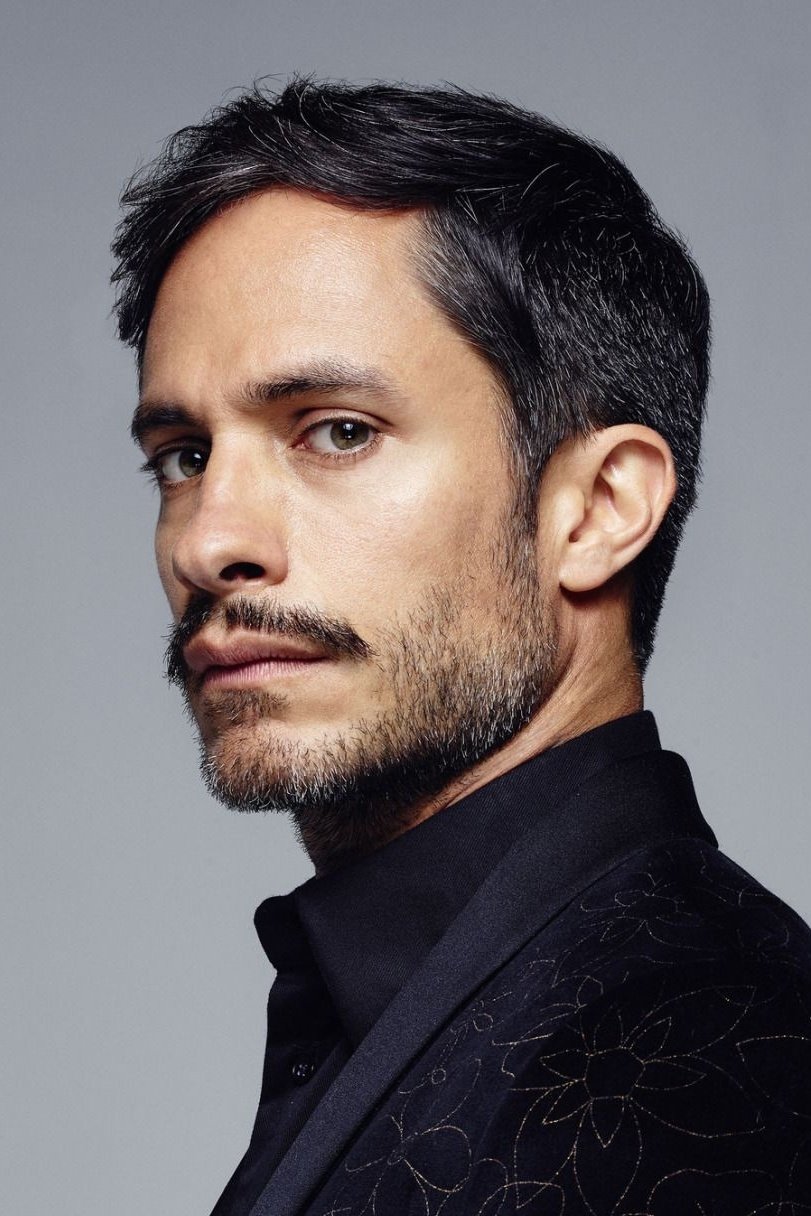
Gael García Bernal brings a relaxed, conversational bilingualism that makes characters feel instantly real. In ‘Mozart in the Jungle’, he drifts between English and Spanish the way artists in New York actually do, while films like ‘Babel’ lean on his native Spanish to ground globe-spanning stories.
He’s particularly good at using language to flirt, fight, and make mischief. A switch mid-sentence becomes a wink or a warning—sometimes both.
Penélope Cruz
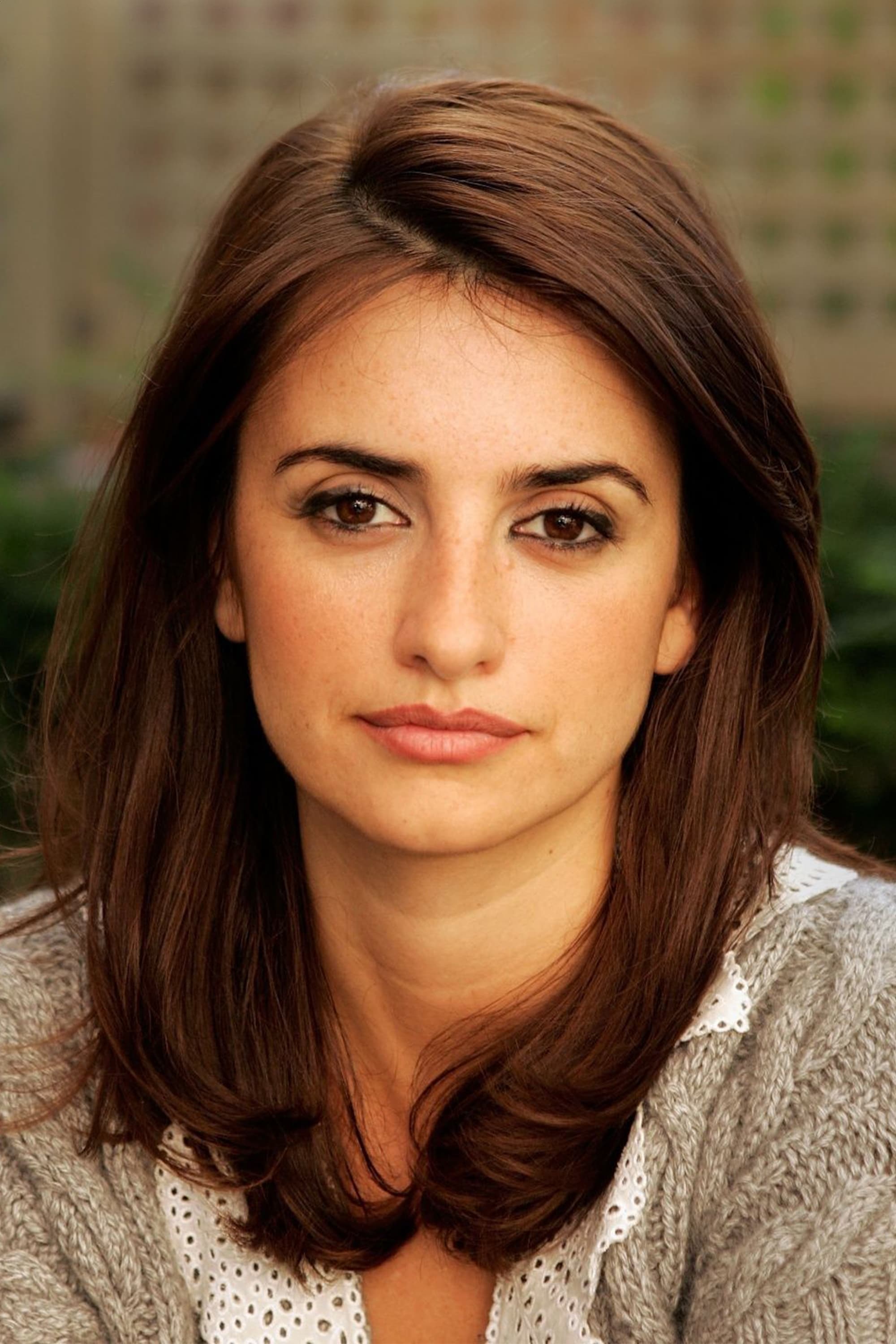
Penélope Cruz is a shapeshifter across Spanish, English, and Italian. She’s blisteringly direct in Spanish dramas like ‘Volver’, breezy and biting in bilingual banter for ‘Vicky Cristina Barcelona’, and emotionally volcanic in Italian for ‘Non ti muovere’.
Her choices underline how language can color emotion: Spanish for familial heat, Italian for operatic confession, English for flinty wit. The palette keeps expanding, and so do her characters.
Antonio Banderas
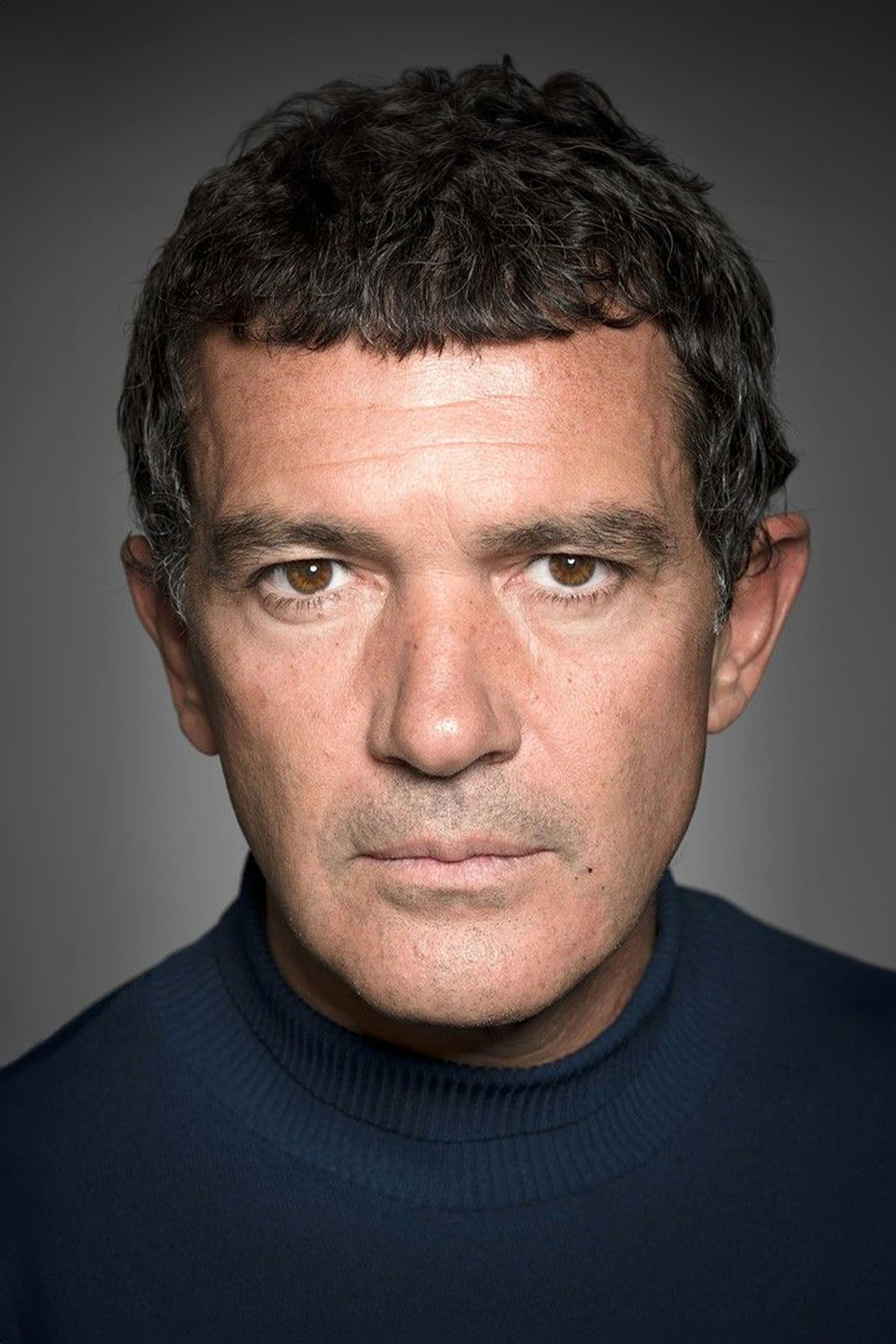
Antonio Banderas has long toggled between Spanish and English, often within the same project. In action classics like ‘Desperado’ and swashbucklers like ‘The Mask of Zorro’, tossed-off Spanish phrases add swagger and soul, while auteur collaborations back home—like ‘Pain and Glory’—draw on his native cadence for devastating effect.
He treats language like rhythm. A clipped English retort, a relaxed Spanish aside—each choice sets the scene’s tempo and the character’s heartbeat.
Ken Watanabe
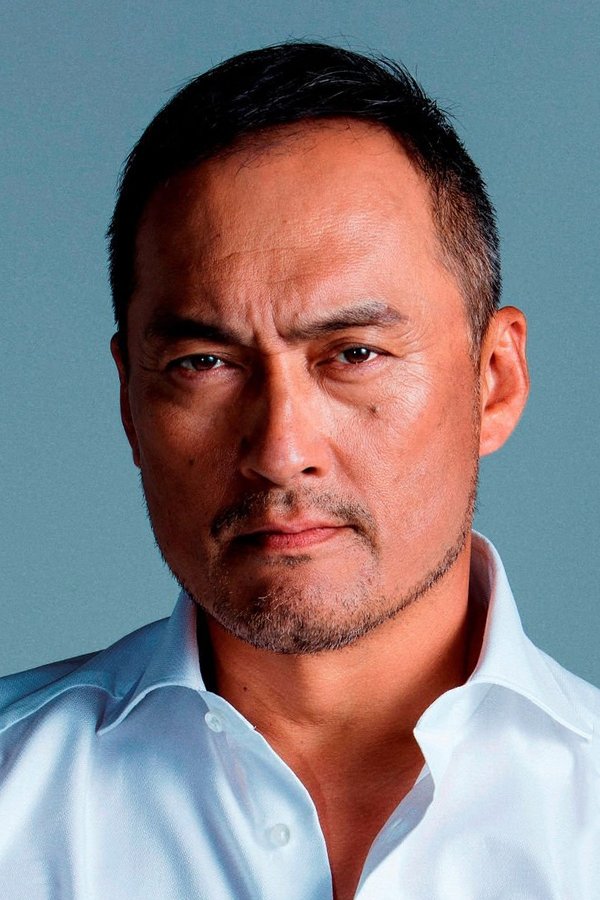
Ken Watanabe’s dignified presence carries cleanly across Japanese and English. In epics like ‘The Last Samurai’, his English is measured and ceremonial; in homeland dramas such as ‘Letters from Iwo Jima’, his Japanese reveals subtleties of rank, duty, and tenderness that need no translation.
Because he shifts vocal weight with the language, authority feels different from film to film. That nuance lets him play both mythic figures and fragile men without changing his spine—only his tongue.
Tilda Swinton

Tilda Swinton’s command of Italian in ‘I Am Love’ is more than technical—it’s character architecture. She uses the language to map assimilation, desire, and secrecy, then pivots to crystalline English in other projects to become someone entirely new.
Her multilingual turns never call attention to themselves. They’re threads in the fabric of performance, quietly reweaving identity scene by scene.
Sofía Vergara

Sofia Vergara made bilingual comedy mainstream by code-switching as part of character, not punchline. In ‘Modern Family’, quick flips into Spanish carry warmth, exasperation, and cultural specificity that subtitles can’t fully capture.
Dramatic roles like ‘Griselda’ show the same instincts turned sharp and steely. The language shifts are still precise—just aimed at menace instead of merriment.
Jodie Comer
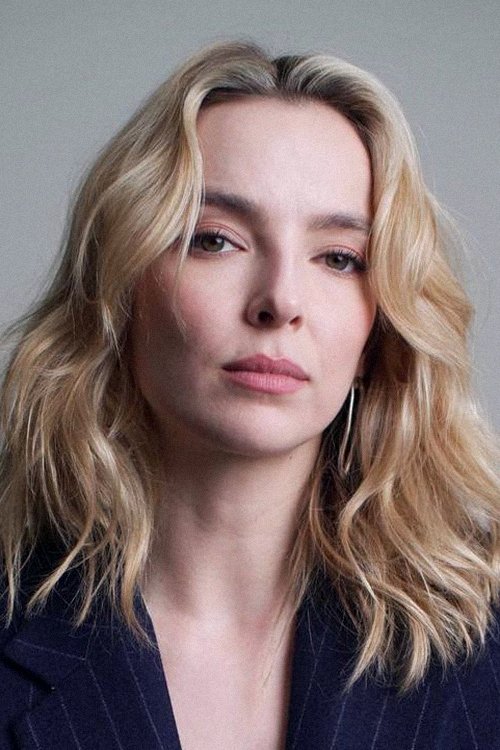
Jodie Comer’s assassin in ‘Killing Eve’ flicks through Russian, French, and German with unnerving playfulness, using each language like a different mask. The sound of her speech becomes part of the cat-and-mouse, telling you when she’s toying with someone—or when she’s deadly serious.
Comer’s gift is that none of it feels labored. She makes fluency look like impulse, and that spontaneity keeps audiences off balance in the best way.
Rinko Kikuchi

Rinko Kikuchi moves from sparse, aching Japanese in ‘Babel’ to assertive English and Japanese exchanges in ‘Pacific Rim’ without losing the core of a character. Even when dialogue is minimal, the language choice does heavy lifting.
Her multilingual scenes aren’t about showing off; they’re about precision. A single English word can land like a door slam, while a Japanese line breaks like glass.
Wagner Moura
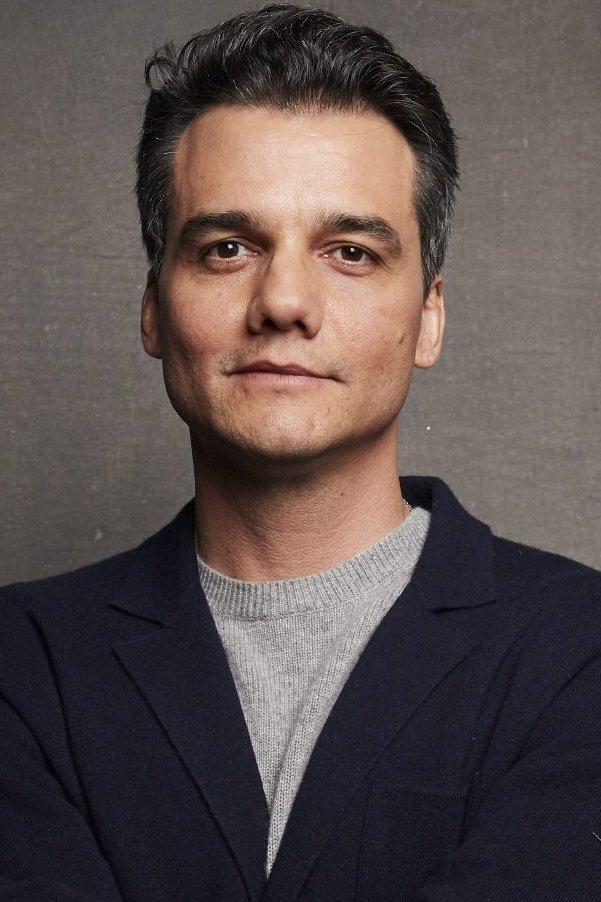
Wagner Moura’s leap into Spanish for ‘Narcos’ was as ambitious as it was convincing, and it reframed him for global audiences who knew him from Portuguese-language hits like ‘Elite Squad’. He’s since folded English into the mix for international thrillers, bringing a clipped, distinctive rhythm to every tongue.
What stands out is intention. Moura uses language like a control knob—dialing up charm, coldness, or volatility with each switch.
Greta Lee

Greta Lee’s bilingual work in ‘Past Lives’ threads Korean and English into one aching conversation about identity and time. The way she moves between languages makes silence feel charged, like there’s meaning hovering in the words she doesn’t choose.
Her English-language roles in shows like ‘Russian Doll’ and ‘The Morning Show’ carry that same precision. You always sense the unspoken bilingual interiority, whether the script calls for it or not.
Share your favorite examples of actors switching languages on screen in the comments—we’d love to hear which performances stuck with you and why.