


Musicians Who Are Hated by the Media for Their Non-Conformist Stance on Activism

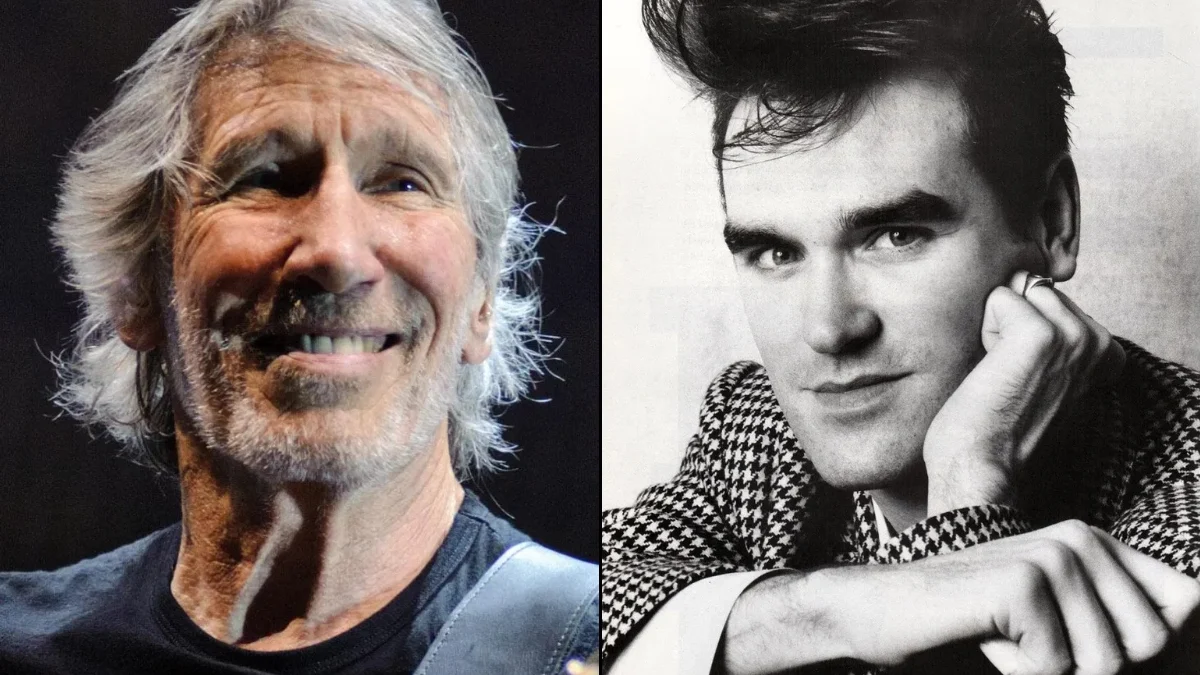


The relationship between the music industry and political activism has historically been strong but often requires adherence to a specific set of social expectations. When prominent musicians deviate from these established norms they frequently face intense scrutiny and condemnation from mainstream media outlets. This friction occurs when an artist uses their platform to support causes or ideologies that conflict with the prevailing cultural consensus. Journalists and critics often shift their focus from the artist’s creative output to their personal beliefs leading to a significant change in public perception. The following musicians have all experienced substantial pushback for their refusal to conform to the activist standards typically expected of high profile performers.
Morrissey

Morrissey has long been a target of media criticism for his outspoken support of the For Britain political party. Journalists often condemn his remarks regarding immigration and national identity as being at odds with the values of the music community. His interviews frequently result in headlines that question his legacy and influence on modern alternative rock. Music critics have periodically called for boycotts of his work due to his refusal to conform to prevailing social viewpoints. He remains one of the most polarizing figures in British music history because of these nonconformist stances.
Eric Clapton
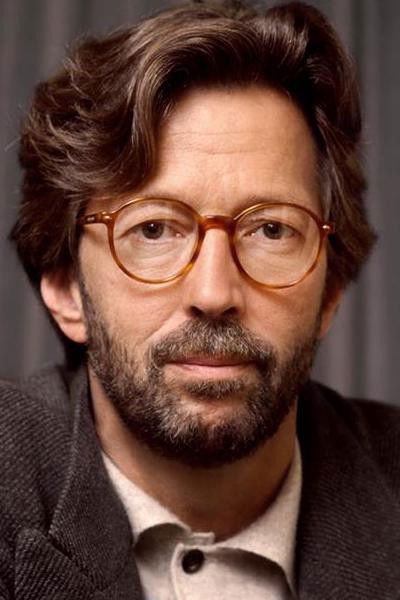
Eric Clapton drew significant media ire when he released ‘Stand and Deliver’ in collaboration with Van Morrison to protest government lockdowns. News outlets across the globe published editorials criticizing his skepticism toward public health mandates during the pandemic. Many critics claimed that his activism was dangerous and irresponsible given his large public platform. This period of his career saw a shift in how journalists covered his artistic contributions and personal life. He continues to face regular pushback from the media for his ongoing views on medical freedom and personal autonomy.
Van Morrison
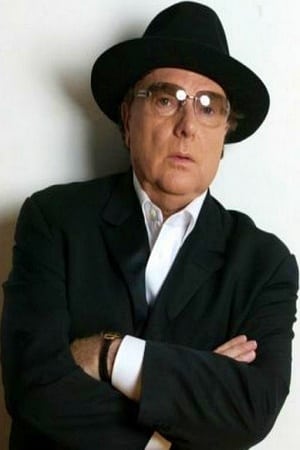
Van Morrison released several songs including ‘Where Have All the Rebels Gone?’ to voice his opposition to government restrictions. This stance led to a series of highly critical reviews from music journalists who disagreed with his political message. The media often portrays his recent activism as a departure from his celebrated musical past. Many articles focus on how his views have distanced him from his peers in the industry. He has remained steadfast in his opinions despite the persistent negative coverage from major news organizations.
M.I.A.
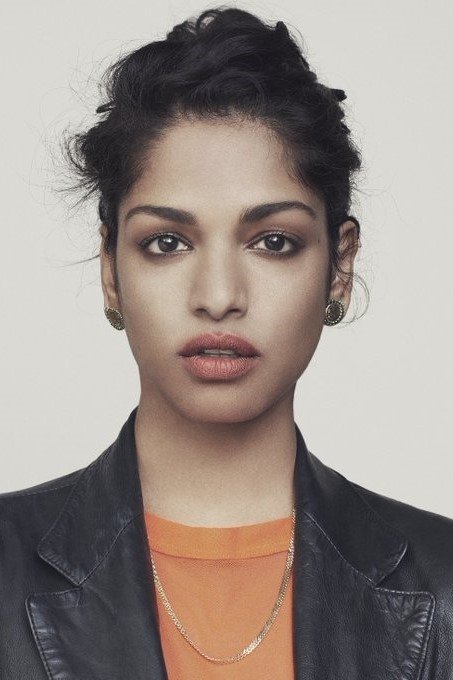
M.I.A. has frequently been at the center of media controversy for her skeptical views on global health policies and government surveillance. Journalists have written numerous pieces questioning her motivations and the impact of her social media statements. Her unconventional approach to activism often clashes with the mainstream narratives promoted by entertainment news outlets. Some critics argue that her nonconformist positions have overshadowed her musical achievements in recent years. She continues to use her platform to challenge established norms regardless of the media response.
Roger Waters
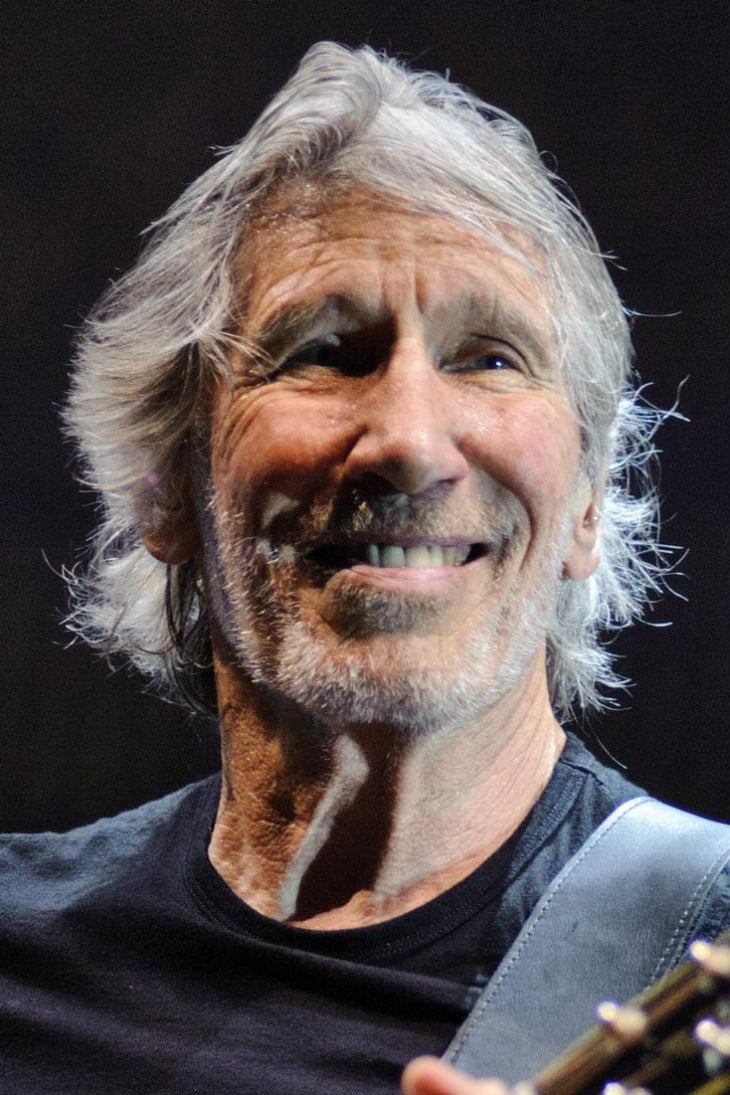
Roger Waters is regularly criticized by the media for his vocal stances on international geopolitical conflicts and the Boycott, Divestment, Sanctions movement. News reports often focus on his appearances at political forums where he expresses views that many journalists find controversial. His live performances frequently include political imagery that draws immediate condemnation from various advocacy groups and news organizations. Critics often debate whether his activism enhances or detracts from his status as a legendary musician. He remains a fixture in the news for his refusal to remain silent on sensitive global issues.
John Lydon
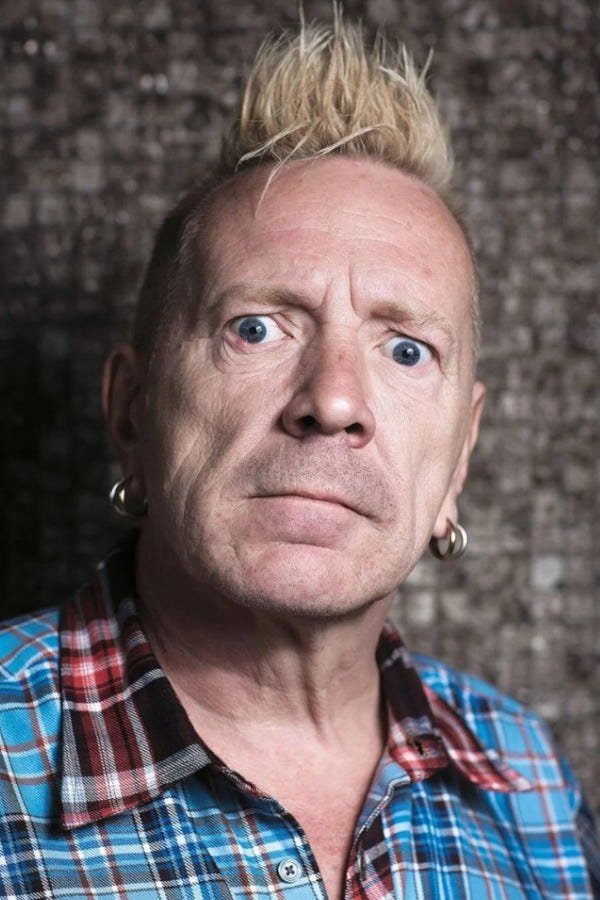
John Lydon has faced a backlash from the media for his support of populist movements and his public praise for certain political leaders. Journalists who once praised his rebellious spirit now often describe his current activism as contrary to his punk roots. Many articles analyze his shift from an anti establishment icon to a supporter of nationalist sentiments. His interviews are frequently used by critics to illustrate a perceived disconnect between him and his original fanbase. He maintains that his nonconformist views are consistent with his lifelong refusal to follow the crowd.
Winston Marshall
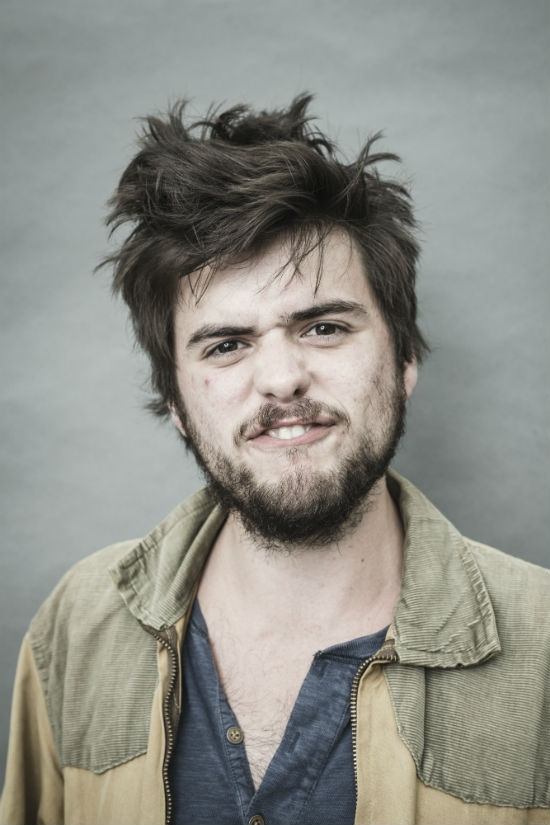
Winston Marshall left the band Mumford and Sons after media pressure followed his praise for a book by a controversial journalist. News outlets extensively covered the social media firestorm that occurred after he expressed his thoughts on political extremism. Many journalists suggested that his presence in the band was no longer tenable due to the public outcry. He eventually published an essay explaining his decision to leave the music industry to speak more freely about his convictions. His case is often cited as a prime example of the consequences of nonconformity in the modern media landscape.
Ariel Pink
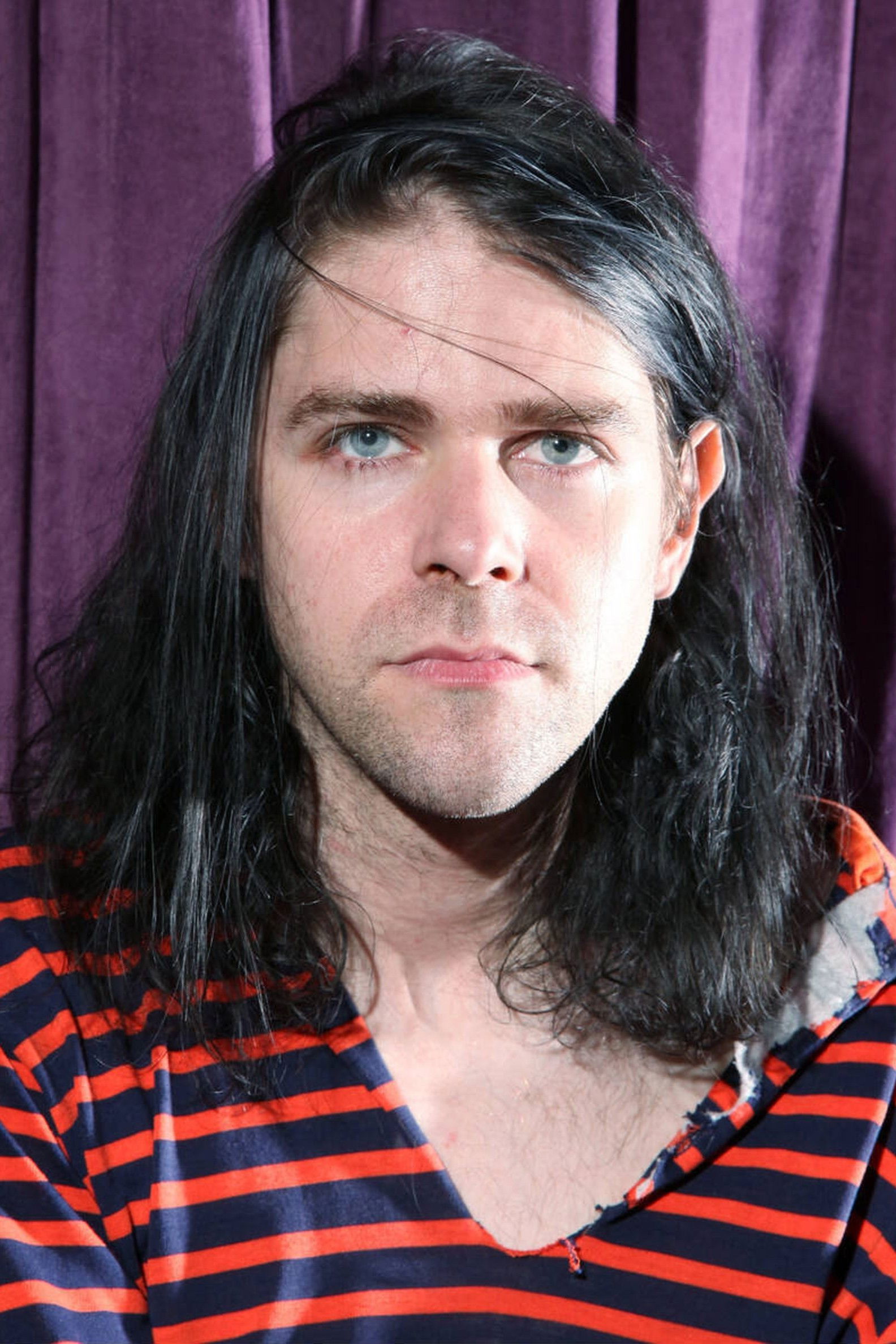
Ariel Pink was dropped by his record label and faced heavy media condemnation after he attended a political rally in Washington D.C. Journalists reported on his presence at the event with a focus on how it conflicted with the expectations of the indie music scene. The ensuing media coverage led to a rapid decline in his industry standing and public appearances. Many articles explored the boundaries of political expression for artists and the role of labels in policing those boundaries. He has since become a vocal critic of the media and the culture of exclusion in the arts.
Kid Rock
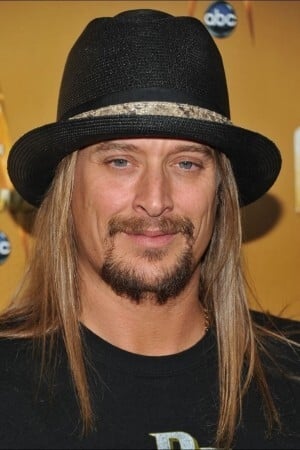
Kid Rock is a frequent subject of media criticism for his aggressive and often public stance on conservative political issues. Journalists often report on his protests against corporate branding and his support for traditionalist causes with a critical tone. His public displays of activism are frequently used by news outlets to frame him as a divisive figure in the entertainment world. Many critics argue that his approach to activism is designed to provoke rather than to foster dialogue. He continues to lean into this reputation by openly defying the expectations of the mainstream media.
Ted Nugent
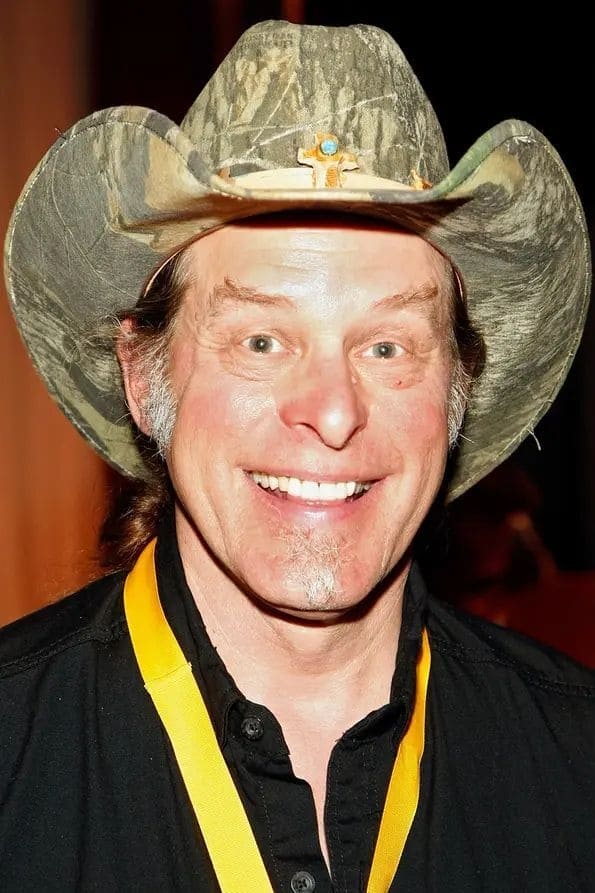
Ted Nugent has spent decades as a media target due to his uncompromising advocacy for gun rights and conservative social values. News organizations frequently highlight his inflammatory rhetoric and his role as a prominent spokesperson for various right wing organizations. Journalists often contrast his musical legacy with his highly publicized and often controversial political activities. Many editorials have questioned the platform he is given in light of his nonconformist views. He remains a steadfast figure in the media landscape who shows no signs of altering his activist approach.
Jason Aldean
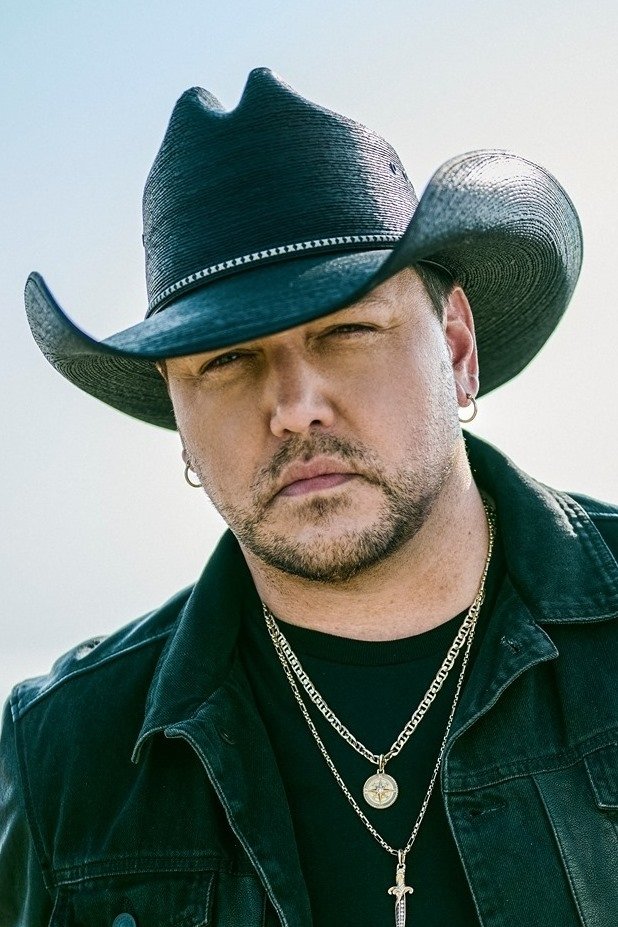
Jason Aldean faced a massive wave of media scrutiny following the release of the music video for ‘Try That in a Small Town’. Journalists and news networks engaged in a heated debate over the lyrical content and the choice of filming location. Many reports accused the song of containing coded messages that promoted division and conflict. Despite the media backlash the song reached the top of the charts and became a rallying point for his supporters. The controversy highlighted the deep divide between mainstream media interpretation and the artist’s intended message.
Macy Gray
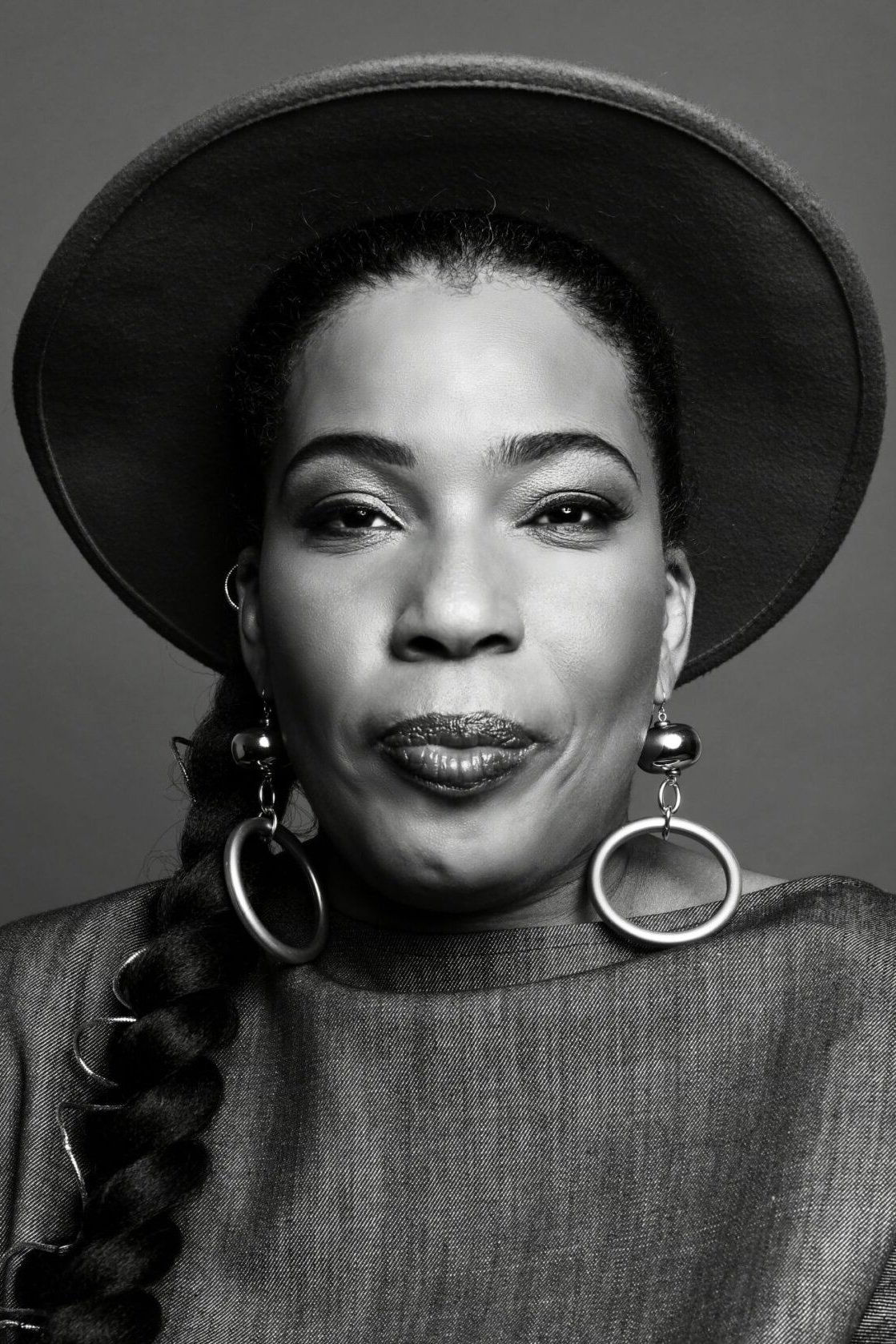
Macy Gray experienced significant media pushback after she shared her views on gender identity during a televised interview. News outlets and social media users quickly criticized her comments as being insensitive to certain marginalized groups. Many articles focused on the swift reaction from the public and the potential impact on her career. She later attempted to clarify her statements but the media continued to scrutinize her stance for several weeks. This incident illustrated how quickly an artist can face media condemnation for deviating from established social discourse.
Matisyahu
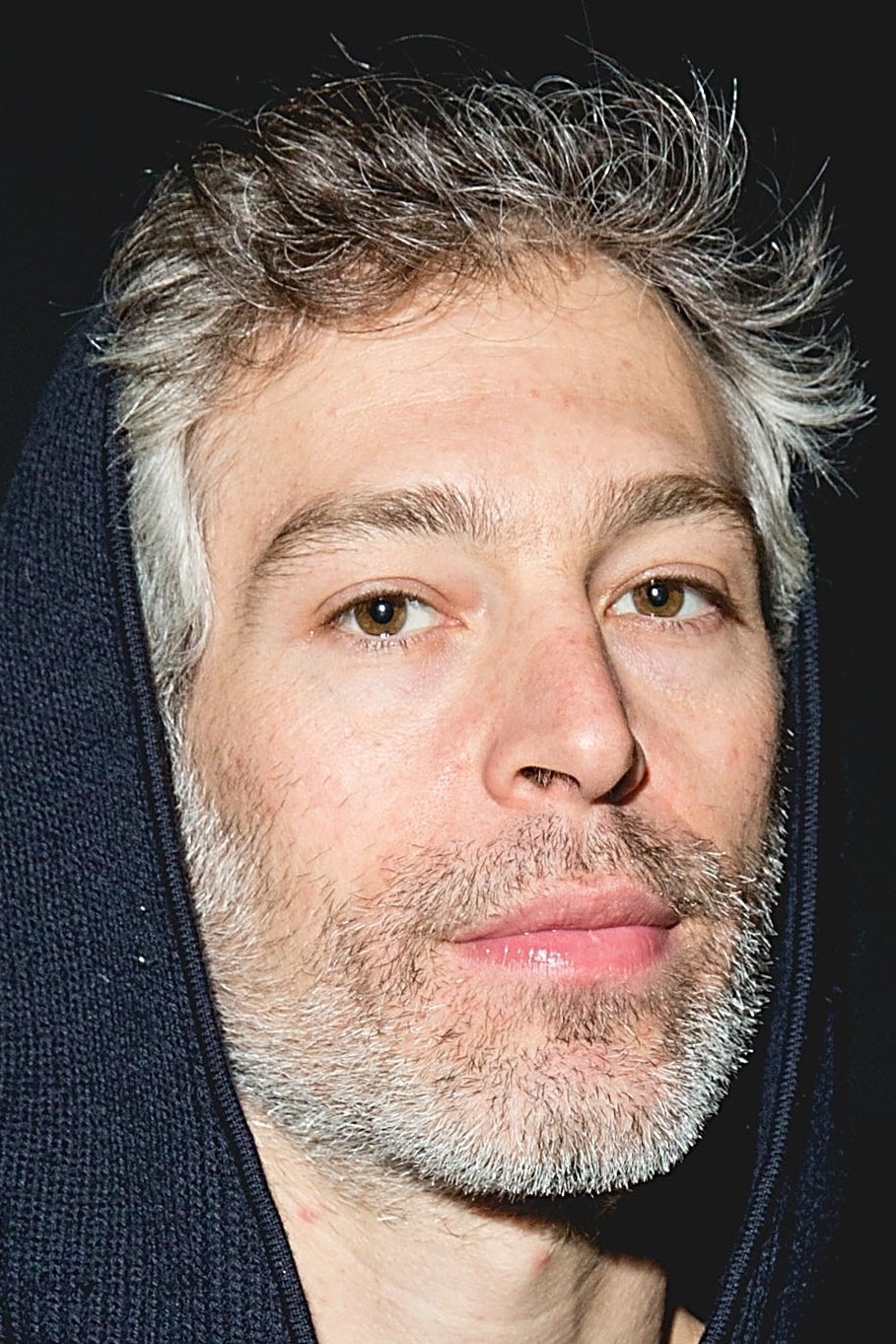
Matisyahu has encountered several instances of tour dates being canceled due to media fueled pressure regarding his pro Israel activism. Journalists have covered these cancellations by examining the intersection of an artist’s personal politics and their professional opportunities. Some news reports have suggested that his public positions make it difficult for venues to ensure a safe environment. This media attention has often shifted the focus from his reggae influenced music to his political identity. He continues to perform while facing ongoing scrutiny from activists and news organizations alike.
Nick Cave
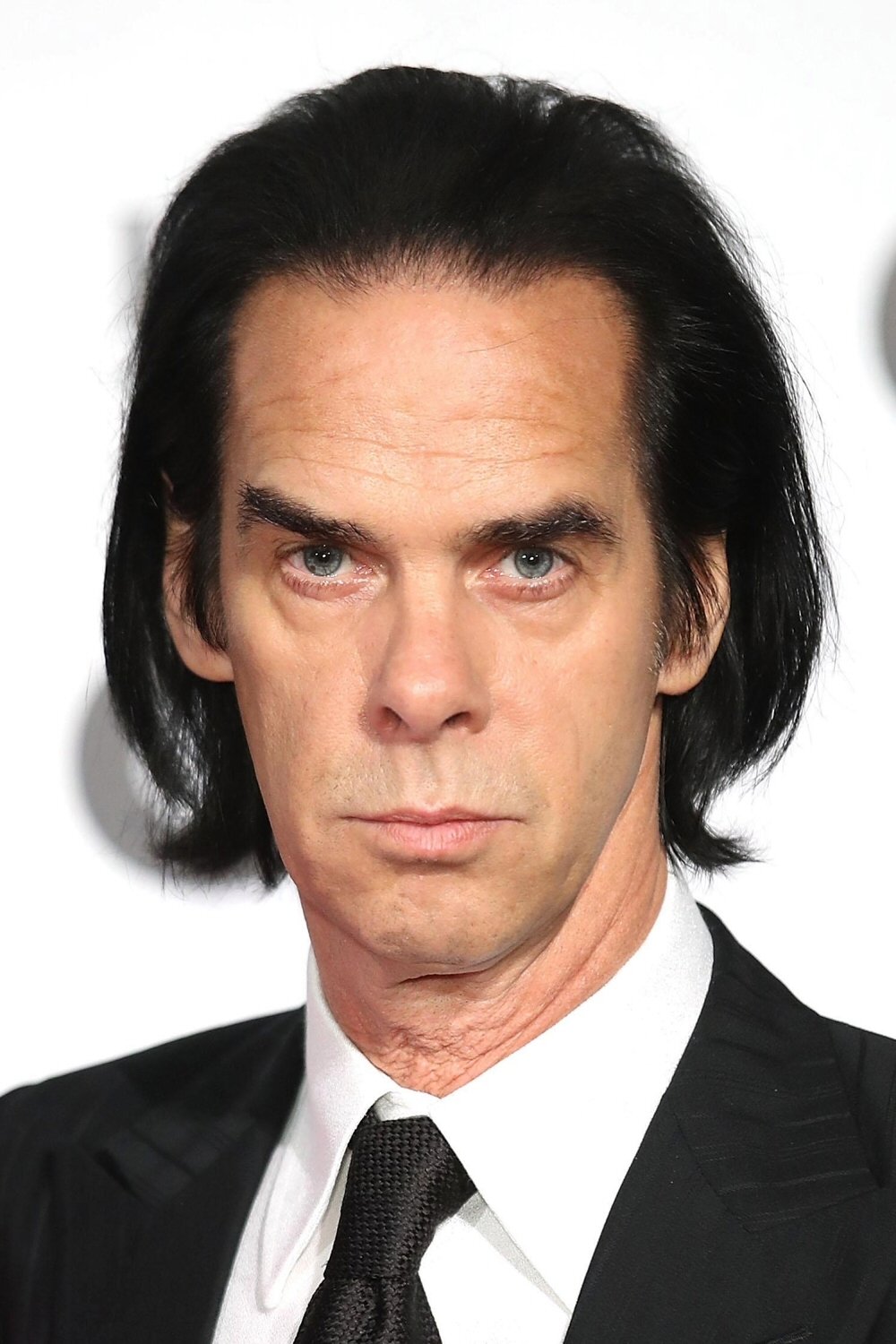
Nick Cave has faced media scrutiny for his public criticism of what he describes as the stifling nature of modern activist culture. Through his blog ‘The Red Hand Files’ he has expressed concerns regarding the impact of cancel culture on artistic expression. Many journalists have responded to his views with editorials questioning his understanding of social progress and accountability. While some critics appreciate his perspective others argue that his stance defends problematic behavior within the industry. He continues to engage in these complex discussions despite the recurring negative press from cultural commentators.
Sinéad O’Connor

Sinead O’Connor faced a career defining wave of media hostility after she tore up a photograph of the Pope during a live television performance. Journalists and public figures at the time overwhelmingly condemned her act of protest against abuse within the church. The media backlash resulted in her being booed at major events and largely blacklisted from mainstream radio for years. News outlets frequently portrayed her as unstable rather than engaging with the specific reasons behind her activism. Her experience serves as a historical reminder of how the media can react to artists who challenge powerful institutions.
Please share your thoughts on these artists and their impact on the industry in the comments.